EP1216619A2 - Procédé de préparation d'un produit de fromage - Google Patents
Procédé de préparation d'un produit de fromage Download PDFInfo
- Publication number
- EP1216619A2 EP1216619A2 EP01205061A EP01205061A EP1216619A2 EP 1216619 A2 EP1216619 A2 EP 1216619A2 EP 01205061 A EP01205061 A EP 01205061A EP 01205061 A EP01205061 A EP 01205061A EP 1216619 A2 EP1216619 A2 EP 1216619A2
- Authority
- EP
- European Patent Office
- Prior art keywords
- cheese
- cbl
- bacteria
- nmol
- activity
- Prior art date
- Legal status (The legal status is an assumption and is not a legal conclusion. Google has not performed a legal analysis and makes no representation as to the accuracy of the status listed.)
- Withdrawn
Links
- 0 CC(C=CC=CC=CC=CC=C1C(C=C/C=C/[C@@]2*)=C1)=C(CC1)C=C1C2=C Chemical compound CC(C=CC=CC=CC=CC=C1C(C=C/C=C/[C@@]2*)=C1)=C(CC1)C=C1C2=C 0.000 description 1
- HPQURZRDYMUHJI-UHFFFAOYSA-N CCCCCC1CCCC1 Chemical compound CCCCCC1CCCC1 HPQURZRDYMUHJI-UHFFFAOYSA-N 0.000 description 1
Images

Classifications
-
- C—CHEMISTRY; METALLURGY
- C12—BIOCHEMISTRY; BEER; SPIRITS; WINE; VINEGAR; MICROBIOLOGY; ENZYMOLOGY; MUTATION OR GENETIC ENGINEERING
- C12N—MICROORGANISMS OR ENZYMES; COMPOSITIONS THEREOF; PROPAGATING, PRESERVING, OR MAINTAINING MICROORGANISMS; MUTATION OR GENETIC ENGINEERING; CULTURE MEDIA
- C12N15/00—Mutation or genetic engineering; DNA or RNA concerning genetic engineering, vectors, e.g. plasmids, or their isolation, preparation or purification; Use of hosts therefor
- C12N15/09—Recombinant DNA-technology
- C12N15/63—Introduction of foreign genetic material using vectors; Vectors; Use of hosts therefor; Regulation of expression
- C12N15/74—Vectors or expression systems specially adapted for prokaryotic hosts other than E. coli, e.g. Lactobacillus, Micromonospora
-
- A—HUMAN NECESSITIES
- A23—FOODS OR FOODSTUFFS; TREATMENT THEREOF, NOT COVERED BY OTHER CLASSES
- A23C—DAIRY PRODUCTS, e.g. MILK, BUTTER OR CHEESE; MILK OR CHEESE SUBSTITUTES; PREPARATION THEREOF
- A23C19/00—Cheese; Cheese preparations; Making thereof
- A23C19/02—Making cheese curd
- A23C19/032—Making cheese curd characterised by the use of specific microorganisms, or enzymes of microbial origin
-
- A—HUMAN NECESSITIES
- A23—FOODS OR FOODSTUFFS; TREATMENT THEREOF, NOT COVERED BY OTHER CLASSES
- A23C—DAIRY PRODUCTS, e.g. MILK, BUTTER OR CHEESE; MILK OR CHEESE SUBSTITUTES; PREPARATION THEREOF
- A23C19/00—Cheese; Cheese preparations; Making thereof
- A23C19/02—Making cheese curd
- A23C19/032—Making cheese curd characterised by the use of specific microorganisms, or enzymes of microbial origin
- A23C19/0323—Making cheese curd characterised by the use of specific microorganisms, or enzymes of microbial origin using only lactic acid bacteria, e.g. Pediococcus and Leuconostoc species; Bifidobacteria; Microbial starters in general
-
- A—HUMAN NECESSITIES
- A23—FOODS OR FOODSTUFFS; TREATMENT THEREOF, NOT COVERED BY OTHER CLASSES
- A23C—DAIRY PRODUCTS, e.g. MILK, BUTTER OR CHEESE; MILK OR CHEESE SUBSTITUTES; PREPARATION THEREOF
- A23C2220/00—Biochemical treatment
- A23C2220/20—Treatment with microorganisms
- A23C2220/202—Genetic engineering of microorganisms used in dairy technology
Definitions
- the present invention relates to a method for the preparation of a cheese product, having an improved taste and aromatic properties.
- the present invention is of particular relevance for the preparation of cheese products of the semi-hard type, such as cheddar and Gouda-type cheese.
- the above mentioned terms are known in the art; for an overview of the above, see the textbook “Cheese: chemistry, physics and microbiology", 2 nd edition, P.F. Fox, ed. Chapman and Hall, London, Great-Britain, 1993.
- Lactic acid bacteria such as Lactococci, Lactobacilli, Leucostonocs and Streptococcus thermophilus play an important role in the different process steps of cheese preparation, such as in the curding process.
- milk proteins are digested into peptides, that subsequently are cleaved into individual amino acids. These amino acids already confer a basic taste to the cheese.
- said amino acids can be converted into more or less volatile compounds, some of which comprising sulphur, that confer the typical cheese taste during the ripening process.
- cystathione- ⁇ -lyase (CBL, EC4.4.1.8) is e.g. identified in Lactococcus (Alting et al (1995) Appl. Environ. Microbiol., 61, pp 4037-4042). Said enzyme catalyses the reaction from L-cystationine to homocysteine, as well as the reaction from L-methionine to methanethiol. The methanethiol formation is thought to be responsible for the production of volatile aromatic compounds in many cheese types such as cheddar and Gouda, leading to the typical characteristic cheese taste.
- CBL is produced by the conventional lactic acid bacteria in relatively low amounts (0,014 U/mg protein; see for the definition of CBL units Alting et al, supra.
- the substrate specificity of CBL for L-cystationine is a 100 fold higher than for L-methionine.
- the activity of CBL at the pH of cheese preparation conditions in vitro appeared to be only 10-15% of the activity at optimum pH (pH 7.5-8.5).
- Fernandez et al (Appl. Environ. Microbiol., 66, pp 42-48 (2000)) have constructed a Lactococcus lactis strain, overproducing CBL. Said strain was tested in vitro at optimal conditions (pH 7), showing an enhanced CBL activity compared to the wild type parent strain. However, no data exist regarding CBL-activity at cheese preparation conditions. Further, by the engineered Lactococcus strain of Fernandez, CBL was produced in a non-food grade manner.
- Diaz et al (Appl. Environ. Microbiol., 64, pp 3320-3326 (1998)) have tested CBL activity at mimicked cheese preparation conditions in vitro (pH 5.0-5.2 and an additional NaCl concentration of 3 to 5%). It was found that at such cheese preparation conditions, in contrast to optimum conditions at pH 7.2 without additional salt, no CBL activity could be found using methionine as a substrate. However, significant CBL activity could be observed using cystathionine as a substrate, indicating that, at mimicked cheese preparation conditions, the production of homocysteine from L-cystathionine is catalysed by CBL, rather than the production of methanethiol from L-methionine.
- methanethiol can also be produced from methionine, independent from the action of CBL; via a transamination reaction, methionine can be converted in starter cultures into 4-methylthio-2-oxobutyrate (KMBA) and further decarboxylated to 3-methyl-thiopropionaldehyde (methional). Both KMBA and methional are described to be enzymatically converted in the starter cultures into methanethiol.
- KMBA 4-methylthio-2-oxobutyrate
- methional 3-methyl-thiopropionaldehyde
- the cheese ripening process is slow, as the required enzymes are released from the lactic acid bacteria after permeabilisation or lysis thereof. Therefore, the ripening material, leading to the cheese product once the ripening procedure is completed, is to be stored for a considerable time at controlled conditions, which is an important cost factor.
- the present inventors very surprisingly found that cheese products having enhanced and/or altered taste and aromatic properties could be produced by using bacteria that produce CBL in substantially higher amounts (i.e. having a substantially higher CBL activity) than the amounts (i.e. CBL activity) produced by the starter cultures, presently known in the art. Further, it was found that lysis of the bacteria in cheese was not necessary to obtain the improved and/or altered taste.
- the invention thus relates to a method for the preparation of a cheese product, comprising the step of adding bacteria having cystathionine- ⁇ -lyase (CBL) activity to material from which the cheese product is formed, wherein the bacteria, when added to cheese milk in an amount of up to 1 X 10 7 bacteria per ml cheese milk, have a specific CBL activity of at least 40 nmol mercaptide produced per ml cheese milk per minute.
- CBL cystathionine- ⁇ -lyase
- altered taste mainly a so-called sulphur and thermophilic taste (sweet, brothy and fruity) is meant. According to the invention, this sulphur and thermophilic taste can be enhanced or provided in cheese products.
- the method according to the invention therefore also relates to a method for the preparation of a cheese product having improved and/or altered taste comprising the step of adding bacteria as defined above.
- “Material from which the cheese product is formed” is defined as any material used in the cheese preparation process, which itself, or a product converted therefrom, is present in the resulting cheese product. Examples of such materials is the starting material milk and any intermediate product such as curd or cheese in the process of being ripened, such as e.g. curd cheese or cheddar cheese, although curd cheese or cheddar cheese may as well be the final cheese product to be produced by the method of the present invention.
- the ripened cheese may however also be regarded as "material from which the cheese product is formed”, e.g. in case processed cheese products are to be prepared by adding bacteria to the ripened cheese, e.g. after a heating step.
- the bacteria may therefore be added to the starting material cheese milk, or to any intermediate products such as curd, or to the cheese after ripening.
- the bacteria may also be added at different time points in the cheese preparation process, e.g. to the starting material (such as cheese milk) and to an intermediate product.
- specific CBL activity is defined as units thiol, such as mercaptide, generated/mg protein per minute using cystathionine as a substrate in the method described by J.R. Uren (Methods Enzymology, 1987, vol. 143, pp. 483-486). The specific activity is measured according to the method described by J.R. Uren, supra, wherein, instead of measuring the activity from cell extracts, the said activity is measured from cheese milk.
- the bacteria are not necessarily added to the cheese milk but the bacteria will have the above defined CBL activity when added to cheese milk at cheese preparation conditions, which are known in the art.
- the bacteria can constitute a mixture of different bacterial strains, as long as the said mixture as a whole has the above identified specific CBL activity.
- additional different bacteria can be added during the cheese preparation process.
- CBL overproducing bacteria Bacterial cultures, used in the art in the cheese preparation process have a very low CBL activity, i.e. below 10 mercaptide formed per ml cheese milk, when added in an amount of up to 10 7 cells per ml cheese milk.
- thermofilic and sulphur flavour when bacteria are added according to the invention, having an even more increased specific CBL activity.
- the specific CBL activity of the bacteria added in the cheese preparation process according to the present invention is at least 100 nmol, preferably at least 200 nmol, more preferably at least 500 nmol, even more preferably at least 1000 nmol, most preferably at least 1800 nmol mercaptide produced per ml cheese milk per minute, when the bacteria are added to the cheese milk in an amount of up to 1 x 10 7 bacteria.
- At least 10 6 , preferably between 2.0 - 4.0 x 10 6 of the CBL overproducing bacteria are, per ml cheese milk, added to the material from which the cheese product is formed.
- the preferred amount of CBL overproducing bacteria is based on the volume of cheese milk, used in the particular cheese preparation process.
- substantially all the CBL overproducing bacteria are added to the cheese milk.
- substantially all is meant to encompas at least 90% of the CBL overproducing bacteria, added during the cheese preparation process.
- Most preferably, 98-100% of the CBL overproducing bacteria are added to the cheese milk.
- Preferably at least 10 6 , more preferably between 2.0 - 4.0 x 10 6 CBL overproducing bacteria are added per ml cheese milk.
- the CBL overproducing bacteria are combined with bacteria that do not, or hardly not, at least do not overproduce, CBL activity; such bacteria are defined as having a specific CBL activity of at most 20 nmol mercaptide produced per ml cheese milk per minute, when added to cheese milk in an amount of up to 1 x 10 7 bacteria per ml cheese milk.
- Such bacteria are also referred to herein as "CBL-non-overproducing bacteria”.
- CBL overproducing bacteria can be combined with a starter culture known in the art; it has been found that by combining such a starter culture with a CBL overproducing bacterial strain, cheese products can be obtained as can be produced by the regular starter cultures, having however the improved taste and flavour characteristics as discussed above. It has been found that such cheese products can be obtained when relatively large amounts of the CBL overproducing bacteria are combined with the non-CBL overproducing bacteria, used as starter culture.
- the added bacteria comprise a first number of a first group of bacteria, having, when added to cheese milk in an amount of up to 1 x 10 7 bacteria per ml cheese milk, a specific CBL activity of at most 20 nmol mercaptide produced per ml cheese milk per minute, and a second number of a second group of bacteria, having, when added to cheese milk in an amount of up to 3 x 10 6 bacteria per ml cheese milk, a specific CBL activity of at least 60 nmol mercaptide produced per ml cheese milk per minute, wherein the ratio of the first number to the second number is between 1.5 - 5.0 : 1, preferably 1.8 - 3.0 : 1, most preferably 1.9 - 2.5 : 1.
- the above-mentioned ratio's are particularly preferred when the bacteria are added in the curding step.
- the said ratio may be substantially higher; the process can even, and advantageously, be carried out by the addition of CBL overproducing bacteria in the absence of non-CBL-overproducing bacteria.
- the process for the preparation of the said curd or cheese may however involve the addition of common CBL-non-overproducing bacteria, optionally combined with CBL overproducing bacteria.
- the indicated amounts and ratios therebetween are to be regarded as the respective amounts/ratios of added bacteria in the same step of the cheese preparation process.
- Addition of the non-CBL-overproducing can be simultaneous with the recombinant CBL overproducing bacteria, e.g. as a mixture; however, both CBL-non-overproducing and CBL-overproducing bacteria may also be added subsequently to one another within in a short time period within the same stage of the preparation process, where the order of addition may not be critical and can be determined by the skilled practitioner.
- the second group of bacteria will provide the CBL overproducting bacteria.
- the specific CBL activity of the said CBL overproducing bacteria of the second group is preferably at least 100 nmol, more preferably at least 200 nmol, even more preferably at least 500 nmol, even more preferably at least 1000 nmol and most preferably at least 1800 nmol mercaptide produced per ml cheese milk per minute, when the said CBL overproducing bacteria of the second group are added in an amount of up to 3 x 10 6 bacteria per ml cheese milk.
- the CBL activity of the bacteria of the second group is at least 10 times, preferably at least 20 times the specific CBL activity of the bacteria of the first group.
- At least 10 6 , more preferably between 2.0 - 4.0 x 10 6 bacteria of the second group are added to the material from which the cheese product is formed.
- the said bacteria of the second group are added to the cheese milk; however, the said bacteria can at least partially be added during a later stage of the cheese preparation process.
- the indicated amounts are based on the volume of cheese milk used to produce the envisaged cheese.
- helper strains can be used, that themselves do not show improved production of CBL activity, or may not even be involved in the common cheese preparation process, but may produce agents required for improving the growth of and/or the induction of CBL production or release in the CBL overproducing bacterial strain.
- the second group of bacteria comprises at least one CBL overproducing recombinant bacterial strain.
- Recombinant CBL overproducing bacterial strain is defined as a bacterial strain being genetically engineered such that it produces more CBL activity than the parent strain in which the genetic engineering has been carried out.
- the bacterial parent strain may as well be a genetically engineered recombinant strain, however, it is to be understood that said genetic engineering in the bacterial strain has preferably not led to an increase of production of CBL activity.
- Such a genetic engineered parent strain may e.g. be genetically engineered to obtain other characteristics than overproduction of CBL activity.
- Said recombinant CBL overproducing bacterial strain preferably has a specific CBL activity of at least 40 nmol, preferably at least 60, more preferably at least 100, more preferably at least 200, more preferably at least 500, more preferably at least 1000 and most preferably at least 1800 nmol mercaptide produced per ml cheese milk per minute, when the said recombinant CBL overproducing bacterial strain is added to cheese milk in amount of up to 3 x 10 6 bacteria per ml cheese milk.
- the recombinant CBL overproducing bacterial strain may comprise its original CBL coding sequence, the metC gene, being operably linked to genetic elements that improve the expressing of the said endogenous metC gene.
- Said elements are known in the art and comprise e.g. promoter and of/or enhanced sequences.
- the overproducing strain may however comprise CBL encoding nucleic acid sequences, not present in the parent strain.
- Said additional encoding sequences may be derived from the same bacterial species, but may also be of heterologous origin, such as from Lactobacilli species and Streptococcus thermophilus.
- the CBL-non-overproducing bacteria may comprise recombinant bacteria, as long as the said bacteria do not produce, in cheese milk at cheese preparation conditions, a specific CBL activity of more than 40 nmol, preferably not more 20 nmol mercaptide produced per ml cheese milk per minute, when the said bacteria are added to cheese milk in an amount of up to 1 x 10 7 bacteria.
- Such a strain may e.g. be a recombinant, wherein the genetically engineered sequences do not substantially contribute to enhancement of the CBL production of the said bacteria.
- the added CBL overproducing bacteria preferably belong to a lactic acid bacteria strain but may also be of another species, such as e.g. a Brevibacterium strain, or of a bacterial strain that is not involved in the common cheese preparation process. However, it is important that such a bacterial strain is non-pathogenic and food-grade, having the co-called "GRAS"( g enerally r ecognised a s s afe)-status.
- all the bacteria used in the method according to the present invention i.e. optionally including the recombinant CBL overproducing bacteria, are bacteria, involved in the common cheese preparation process, and are most preferably lactic acid bacteria.
- the expression of the CBL from the recombinant CBL overproducing bacterial strain is preferably induced.
- the recombinant strain can be made to overproduce CBL activity by controlling the conditions wherein the CBL expression is induced.
- inducible expression systems are well known; e.g., for Lactococci, the rlt system is described in Nauta et al, 1997, Nature Biotechnology, vol. 15, pp. 980-983 and may be used according to the invention.
- the CBL expression from the recombinant CBL overproducing bacterial strain is inducible by nisin.
- an inducible heterologous gene expression system inducible by nisin is known from EP 0712935, under the trade name NICETM.
- the heterologous gene in the present case a gene encoding CBL activity, is operably linked to the nisin promoter.
- the expression under control of the nisin promoter increases with the amount of nisin, available to the bacteria.
- an additional inducer producing bacterial strain such as in this case a nisin producing strain, such as L. lactis subspecies. lactis var.
- diacetylactis TC 17-5 (commercial NIZOSTAR culture of CSK food enrichment, Leeuwarden, The Netherlands), is added in the cheese preparation process, so that sufficient inducer is present for induction of the CBL encoding sequence on the recombinant CBL overproducing bacterial strain.
- the expression of CBL from the recombinant CBL overproducing strain is induced before adding of the said strain to the material from which the cheese product is formed.
- the CBL gene expression is already switched on and the recombinant bacteria are able to overproduce CBL activity directly after adding thereof in the process, therewith avoiding the phase of low CBL production, during induction process.
- the recombinant bacteria may already overproduce CBL before being added in the cheese preparation process, e.g. in the preceding injection step, so that in combination of already induced recombinant bacteria as well as already produced CBL is simultaneously added in the cheese preparation process.
- the material from which the cheese is formed comprises an agent, enhancing the release of CBL from the CBL overproducing bacteria in the material from which the cheese product is formed.
- an agent may induce the permeability of the bacterial membrane, so that the CBL molecules can "leak out" of the cell, or may enhance lysis of the CBL overproducing bacteria.
- the CBL overproducing bacteria may be more susceptible to lysis, which may lead to a better availability of CBL in the material, therewith enhancing the cheese ripening process which may result into improvement of cheese taste and of decreasing the period needed for cheese ripening and therewith storage time; this may in particular be true for the production of cheese paste.
- the release enhancing agent may be added during the cheese preparation process in the form of a compound formulation or may be produced by bacteria or other micro-organisms that may be added during the cheese preparation process. It is also possible that e.g. the CBL-overproducing bacteria themselves are capable to produce a lytic agent, leading to lysis of the cells. Such endogenous production of a lysis enhancing agent may also be provided by an inducible expression system or may be produced through constitutive expression of a gene encoding such a lysis enhancing agent. In a preferred embodiment however, the CBL release enhancing agent, preferably a lytic agent, is induced by an additional bacterial strain that is added to the material from which the cheese product is formed. In the said strain the expression of the gene encoding the lysis enhancing agent may also be constitutively or inducibly be expressed.
- the recombinant CBL overproducing strain is Lactococcus lactis NZ3900, wherein a CBL-encoding nucleic sequence is operably linked to a high expression promoter, functional in the said bacteria.
- NZ3900 is chosen as a host since it carries in the pepN locus the nisR and nisK genes, required for signal transduction of nisin (Kuipers et al, 1993. Eur. J. Biochem., vol. 216, pp. 27299-27304).
- NZ3900 carries a deletion in the chromosomal lacF -gene and therefore cannot grow on lactose (de Ruyter et al., 1996, J.
- lactis cells of strain NZ9000, harbouring pNZ8137, which overproduce CBL, were shown to form larger amounts of sulphur compounds from methionine than the wild-type strain in an in vitro assay (Fernandez et al, 2000, Applied Microbiology 66:42-48).
- the recombinant CBL overproducing bacterial strain comprises one or more copies of a plasmid chosen from pNZ8140 (deposited at the Centraal Bureau voor Schimmelcultures (CBS), P.O. Box 85167, Utrecht, The Netherlands on december 13, 2000 according to the requirements of the Budapest Treaty under accession number CBS 109210) and pNZ8143(deposited at the CBS on december 13, 2000 according to the requirements of the Budapest Treaty under accession number CBS 109211).
- CBS Centraal Bureau voor Schimmelcultures
- Plasmid pNZ8143 is a derivative of plasmid pNZ8137 (Fernandez et al, 2000), in which the Cm R -gene is replaced by the lacF gene as a food-grade selectable marker. Furthermore, a stretch of 60 bp Bacillus subtilis DNA is removed from the original plasmid. The plasmid further carries the pHS71 replicon and the L. lactis B78 metC gene, encoding cystathionine- ⁇ -lyase, under the control of the nisin promoter. The resulting plasmid pNZ8143 consists only of L. lactis DNA and can therefore be regarded as a food-grade vector (see Lindgren (1999), Int. Dairy J. vol. 9 pp. 37-41; see also example 2)
- the invention also relates to the novel plasmids pNZ8140 and pNZ8143, which are extremely useful for the preparation of recombinant bacteria, capable of overproducing CBL.
- the invention further relates to a cheese product, obtainable by the method according to the invention, the said cheese product having a specific CBL activity of at least 20 nmol, preferably at least 60 nmol and most preferably at least 80 nmol mercaptide, produced per g cheese product per minute.
- the specific CBL activity from cheese is measured according to the method of J.R. Uren, supra, wherein the CBL activity is measured from cheese extracts, prepared according to example 4, below, rather than from cell extracts.
- Such a cheese product may be produced using CBL overproducing bacteria, resulting in the relatively high specific CBL activity in the obtained cheese product.
- purified CBL can be added during the cheese preparation process, e.g. to the cheese milk.
- Cheese, prepared using starter cultures, known in the art have a specific CBL activity in the range of 3-4 nmol mercaptide formed per g cheese per minute.
- the invention relates to cheese milk, having a specific CBL activity of at least 100 nmol, preferably at least 200 nmol, more preferably at least 500 nmol, more preferably at least 1000 nmol, most preferably at least 1800 nmol mercaptide produced per ml cheese milk per minute.
- Said cheese milk, having such a high specific CBL activity is optimally suited for the preparation of a cheese product having enhanced taste and flavour characteristics, as discussed above.
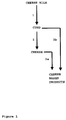
- a first step also indicated as curding step, and indicated with arrow 1
- bacteria and/or enzymes are added to the cheese milk, resulting to curd.
- CBL overproducing bacteria may be added to the cheese milk, with or without the addition of CBL-non-overproducing bacteria such as a common starter culture, comprising lactic acid bacteria.
- the second step (arrow 2) is the ripening stage, wherein the curd is ripened to cheese by storing the curd at the proper conditions, depending on the kind of cheese to be produced.
- the ripening stage usually no bacteria are added.
- the invention however also encompasses variants of the cheese preparation process, wherein CBL-overproducing bacteria are added to the curd during the ripening stage.
- cheese based products can be produced by a third processing step (arrows 3a and 3b, respectively), comprising heating the cheese or curd, followed by the addition of bacteria and/or enzymes.
- This third processing step is often done in countries where processed or cheese analogues are popular.
- the CBL overproducing bacteria in each of the steps, can be added, with or without addition in the said same step of CBL-non-overproducing bacteria.
- CBL overproducing bacteria in one or each of the said stages CBL overproducing bacteria can be added, with or without addition of non-CBL-overproducing bacteria; e.g., in step 1 both CBL overproducing bacteria and CBL-non-overproducing bacteria can be added, whereas, later in step 3 of the process, only CBL overproducing or only CBL-non-overproducing bacteria can be added.
- step 3 CBL overproducing bacteria are added, without the addition of CBL-non-overproducing bacteria.
- cystathionine ⁇ -lyase CBL
- cystathionine ⁇ -lyase CBL
- NIZO B78 methionine-converting enzyme
- a food-grade plasmid was constructed that make use of the food-grade selection marker lacF .
- Plasmid pNZ8137 contains the metC gene, coding for cystathionine ⁇ -lyase, of L. lactis strain B78 cloned under control of the nisA promoter of pNZ8037 (M.
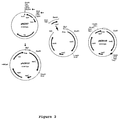
- a food-grade derivative, pNZ8140 was constructed by replacement of the cat gene encoding chloramphenicol resistance by the food-grade marker lacF ( Figure 2). Expression of the promoter-less lacF gene is obtained by the readthrough from the repA gene. Careful analysis of the complete sequence of plasmid pNZ8140 showed that it contains a stretch of 60 bp originating from Bacillus subtilis. Although this is not supposed to harm the self-cloning status of the plasmid, it was decided to construct a new cloning vector without the B. subtilis DNA-fragment that, consequently, only consists of L.
- lactis DNA Therefore, a fragment containing this 60-bp fragment was deleted from the NICETM plasmid pNZ8048 resulting in plasmid pNZ8148.
- the metC gene was cloned from plasmid pNZ8137 into pNZ8148 yielding pNZ8148- metC .
- the cat gene was replaced by lacF resulting in the food-grade plasmid pNZ8143 ( Figure 3; therein, terminators are indicated by an open arrow.
- the B. subtilis sequence in pNZ8140 is indicated as a black box).
- Plasmid pNZ8143 was transformed into strain L.lactis NZ3900 (de Ruyter et al., 1996, J. Bacteriol. vol. 178, pp. 3434-3439).
- NZ3900 is chosen as a host since it carries in the pepN locus the nisR and nisK genes, required for signal transduction of nisin (Kuipers et al.,1993, Eur. J. Biochem., vol, 216, 27299-27304).
- NZ3900 also carries a deletion in the chromosomal lacF gene and therefore cannot grow on lactose (de Ruyter et al., 1996, J. Bacteriol. vol. 178, pp.
- NZ3900 Transformation of NZ3900 with plasmid pNZ8143 harbouring the food-grade lacF marker restores the ability to grow on lactose as a sole carbon source (Platteeuw et al., 1996, Appl. Environ. Microbiol, vol. 62, 1008-1013).
- L. lactis NZ3900 harboring pNZ8143 was cultured in M17 medium supplemented with 0.5% lactose to an optical density at 600 nm (OD 600 ) between 0.5 and 0.7, induced with 0, 0.1, or 1.0 ng nisin A per ml and incubated for another 2 hours at 30°C.
- CBL activity towards cystathionine was measured by determination of free thiol group formation with DTNB as described by Uren (Methods in Enzymology, 1987, vol. 143, pp. 483-486) using 13200 as the extinction coefficient to calculate the results.
- the cystathionine- ⁇ -lyase (CBL) activity was determined for the cell-free extracts of the cultures overproducing CBL (Table 1). Induction with 1 ng nisin/ml resulted in a 23-fold increase in CBL activity compared to the uninduced culture.
- L. lactis NZ9000 harbouring pNZ8137 was used (M. Fernandez et al., 2000. Appl.
- CBL activity between strain NZ3900 and NZ9000 may be due to the fact that these host strains are not identical (the difference is that NZ3900 contains a chromosomal integration of the lactococcal lactose operon (with lacF deleted)). Nevertheless, these results show that a 50-fold overproduction of CBL specific activity is achieved in fully induced cells of NZ3900 carrying pNZ8143 when compared with the natural wild-type strain L. lactis NIZO B78. Specific and relative CBL activities of L. lactis NZ3900 harbouring pNZ8143. Concentration of nisin A (ng/ml) Specific Activity (nmol of mercaptide formed per mg protein per min) Relative Activity 0.0 30 1.0 0.1 46 1.5 1.0 690 23.0
- lactis NZ3900 harboring pNZ8143 that were either permeabilised with various concentrations of butanol or untreated.
- Cells from a log phase-culture were divided in two batches. One was incubated with 5% butanol for permeabilisation. The butanol was removed by washing 5 times with a buffer and the cells were used to make cell-free extracts. The other batch was not treated with butanol and immediately used to make cell-free extracts. Treatment with 5% butanol did not effect the CBL activity (Table 2), while it reduced the amount of living cells approximately 10 9 -fold compared to a reduction of 10-fold for 3% butanol (data not shown). Effect of permeabilisation on CBL activity.
- control 3 % butanol 4 % butanol 5 % butanol Relative CBL activity 1 1.15 0.94 0.98 CBL activity in cell-extracts of L. lactis cells (control), cells permeabilised with 3, 4 and 5 % butanol relative to that of non-permeabilised cells.
- the cheese pastes were inoculated in duplicate with water (blanc), ⁇ 10 9 cells/gram paste of L. lactis NZ3900 harbouring pNZ8143 precultured in LM17, or ⁇ 10 9 cells/gram paste of L. lactis NZ3900 harbouring pNZ8143 precultured in LM17 and induced with 2 ng nisin per ml culture.
- the cheese pastes were incubated at 13°C for 3 weeks after which one series was rated by 9 persons for aroma and taste and the other was used for sulphur analysis using HS-GC.
- lactis cells overproducing CBL induced
- permeabilised cells uninduced
- control non-permeabilised, induced
- Methanethiol, dimethylsulfide, and dimethyldisulfide are produced by methionine lyase activity, while carbondisulfides are not.
- Gouda cheese trials were performed.
- Gouda cheese was prepared from 200 L portions of pasteurized milk (10 sec., 74 °C) according to standard Gouda cheesemaking procedures (Walstra, P,, Noomen, A. & Geurts, T.J. (1987) Dutch-type varieties. In P.F. Fox, Cheese: chemistry, physics and microbiology, pp. 45-92, Elsevier, London).
- the traditional Bos cheese starter culture was cultivated in pasteurised skimmed milk for 16 hours at 18 °C.
- Culture NZ3900 harboring pNZ8143 (CBL overproducer) was grown in LM17-broth and induced with nisin as indicated in example 1.
- the nisin-producer TC17-5 (commercial CSK culture, Leeuwarden, The Netherlands) was added to the cheesemilk by direct inoculation from the concentrate culture.
- the used culture dosages in cheese trials are indicated in Table 5. Since the dosage of the nisin-producing culture to the cheese milk is very low, nisin concentrations in cheese are subinhibitory and no effect was observed on the acidification rate during cheese making. After brining the cheeses were ripened at indicated periods at 13 °C en 85 % relative air moisture. Culture dosage in percentage (v/v).
- the BOS starter culture was present in an amount of 6 x 10 6 cells/ml cheese milk; NZ3900, harbouring plasmid pNZ8143 was present in the cheese milk in an amount of 3 x 10 6 cells per ml; TC17-5 was present in an amount of about 5 x 10 4 cells/ml.
- the total number of cells in the cheese milk is about 9 x 10 6 cells/ml cheese milk if both BOS and NZ3900 (harbouring pNZ8143) are present.
- the addition of the above strains to the cheese milk results in a total CBL-activity as indicated.
- the cheeses were graded by a trained panel consisting of 8 persons at 6, 13 and 16 weeks of ripening. At 6 weeks of ripening the graders did not observe any organoleptical differences between the cheeses of various cheese trials.
- the gradings results at 13 and 16 weeks of ripening are shown in Table 6. Grading results of Gouda cheese prepared with various culture dosages (see Table 5).
- thermophilic/sulphur flavour After 13 weeks ripening a trace of thermophilic/sulphur flavour is observed in cheeses prepared with NZ3900 harboring pNZ8143 (trial 3 and 4). The overall score for aroma and taste was similar for all cheeses.
- thermophilic and sulphur flavour to the Gouda cheese after ripening, in particular at 16 weeks of ripening.
- thermophic/sulphur flavour is obtained with CBL-overproducers, having a more than 100-fold, preferably more than 200-fold (in this particular case 230-fold) CBL activity as compared to that of commonly used bacterial strains.
- Lysis of starter bacteria during cheese ripening results in the release of intracellular enzymes involved in proteolysis, lypolisis and amino acid degradation. These enzymes are involved in cheese ripening and enhancement of the rate of lysis could accelerate/alter flavour development in cheese (E. Ayad, 2001, PhD Thesis, Wageningen University; de Ruyter et al ., Nature Biotechnology, 1997,15, pp. 976-979). Therefore, in order to establish whether lysis of the CBL-overproducing strain NZ3900 harbouring pNZ8143 is a limiting factor on cheese flavour development, we induced lysis of this strain, thereby liberating the overproduced CBL enzyme into the cheese matrix.
- NZ3900 harbouring pNZ8038F produces the lysin and holin proteins of the lactococcal bacteriophage US3.
- the food-grade plasmid pNZ8038F is derived from pNZ8038 (de Ruyter et al., Nature Biotechnology, 1997,15, pp. 976-979), whereby the selectable marker Cm r of pNZ8038 is exchanged by the food-grade marker lacF gene (an approach similar as described in example 1).
- Gouda cheese was manufactured as described in example 3.
- Strain NZ3900 harbouring pNZ8143 was cultivated and induced for CBL production with nisin as described in example 1.
- NZ3900 containing plasmid pNZ8038F was added to the cheese milk and induced for lysin and holin production as described by de Ruyter et al ., Nature Biotechnology, 1997,15, pp. 976-979.
- Table 7 presents the dosages of the applied cultures in cheese trials, also including the specific activity of CBL in the cheese milk and in the manufactured cheese at 16 weeks of ripening. For determination of CBL-activity in cheese, 10 grams of cheese sample is mixed with 90 ml.
- the cheeses were graded by a trained panel consisting of 8 persons at 12 and 16 weeks of ripening.
- the grading scores (means) and standard deviations are presented in table 8.
- Grading results of Gouda cheese prepared with various culture dosages see table 7) trial 12 weeks ripening 16 weeks ripening 1 2 3 1 2 3 aroma/taste 6.54 ⁇ 6.36 ⁇ 6.69 ⁇ 6.26 ⁇ 6.25 ⁇ 6.63 ⁇ 0.35 0.35 0.35 0.24 0.31 0.37
- the activity of the CBL-enzyme is dependent on the presence of its cofactor pyridoxal-5'-phosphate, which is noncovalently bound to the enzyme (Alting et al, 1995, Applied and Environmental Microbiology, 61, 4037-4042). Without deemed to be bound to any explanation, it could be speculated that lysis of the cells in cheese results in dilution of the enzyme cofactor, thereby rendering the enzyme inactive in the cheese matrix. To establish whether the released CBL enzyme is active in vivo in the cheese matrix, the activity of CBL in the cheese extract of trial 3 at 16 weeks ripening was determined in an assay in which pyridoxal-5'-phosphate was omitted from the assay buffer. Without being bound to any interpretation, the results indicated that CBL enzyme activity in cheese extracts was dependent on the presence of the cofactor in the assay buffer. The major part of the overproduced CBL enzyme may therefore be present in an inactive form in the cheese matrix of cheese manufactured in trial 3.
- the results indicate that cells lysis indeed liberates the overproduced CBL-enzyme into the cheese matrix, but that this does not significantly enhance/alter flavour development compared to the reference cheese of trial 2. It is therefore surprisingly found that enhancement of lysis of CBL overproducing strains is not in all cases advantageous or necessary for the envisaged taste and flavour development in the cheese, and that the CBL activity should preferably be present in the cells at the moment of adding the said cells to the cheese milk, during the course of curd formation from the cheese milk and during ripening of the cheese product (steps 1-3 in figure 1).
Landscapes
- Life Sciences & Earth Sciences (AREA)
- Engineering & Computer Science (AREA)
- Health & Medical Sciences (AREA)
- Chemical & Material Sciences (AREA)
- Genetics & Genomics (AREA)
- Microbiology (AREA)
- Bioinformatics & Cheminformatics (AREA)
- Food Science & Technology (AREA)
- Organic Chemistry (AREA)
- Biomedical Technology (AREA)
- Polymers & Plastics (AREA)
- Biotechnology (AREA)
- General Engineering & Computer Science (AREA)
- Zoology (AREA)
- Wood Science & Technology (AREA)
- Biophysics (AREA)
- Plant Pathology (AREA)
- Molecular Biology (AREA)
- Biochemistry (AREA)
- General Health & Medical Sciences (AREA)
- Physics & Mathematics (AREA)
- Dairy Products (AREA)
Priority Applications (1)
| Application Number | Priority Date | Filing Date | Title |
|---|---|---|---|
| EP01205061A EP1216619A2 (fr) | 2000-12-20 | 2001-12-20 | Procédé de préparation d'un produit de fromage |
Applications Claiming Priority (3)
| Application Number | Priority Date | Filing Date | Title |
|---|---|---|---|
| EP00204684 | 2000-12-20 | ||
| EP00204684A EP1216618A1 (fr) | 2000-12-20 | 2000-12-20 | Produit à base de fromage et son procédé de fabrication |
| EP01205061A EP1216619A2 (fr) | 2000-12-20 | 2001-12-20 | Procédé de préparation d'un produit de fromage |
Publications (1)
| Publication Number | Publication Date |
|---|---|
| EP1216619A2 true EP1216619A2 (fr) | 2002-06-26 |
Family
ID=26072916
Family Applications (1)
| Application Number | Title | Priority Date | Filing Date |
|---|---|---|---|
| EP01205061A Withdrawn EP1216619A2 (fr) | 2000-12-20 | 2001-12-20 | Procédé de préparation d'un produit de fromage |
Country Status (1)
| Country | Link |
|---|---|
| EP (1) | EP1216619A2 (fr) |
Cited By (3)
| Publication number | Priority date | Publication date | Assignee | Title |
|---|---|---|---|---|
| EP1535519A1 (fr) * | 2003-11-26 | 2005-06-01 | Kraft Foods Holdings, Inc. | Formulations pour aromatisation de fromages préparées avec des bactériocines |
| EP2165608A2 (fr) | 2008-09-22 | 2010-03-24 | CSK Food Enrichment B.V. | Procédé de fabrication de fromage utilisant une culture de décantation directe en cuve produisant de la nisine |
| US8703217B2 (en) | 2006-03-31 | 2014-04-22 | Kraft Foods Group Brands Llc | Methods for rapid production and usage of biogenerated flavors |
-
2001
- 2001-12-20 EP EP01205061A patent/EP1216619A2/fr not_active Withdrawn
Cited By (5)
| Publication number | Priority date | Publication date | Assignee | Title |
|---|---|---|---|---|
| EP1535519A1 (fr) * | 2003-11-26 | 2005-06-01 | Kraft Foods Holdings, Inc. | Formulations pour aromatisation de fromages préparées avec des bactériocines |
| US8703217B2 (en) | 2006-03-31 | 2014-04-22 | Kraft Foods Group Brands Llc | Methods for rapid production and usage of biogenerated flavors |
| EP2165608A2 (fr) | 2008-09-22 | 2010-03-24 | CSK Food Enrichment B.V. | Procédé de fabrication de fromage utilisant une culture de décantation directe en cuve produisant de la nisine |
| EP2165608A3 (fr) * | 2008-09-22 | 2011-09-14 | CSK Food Enrichment B.V. | Procédé de fabrication de fromage utilisant une culture de décantation directe en cuve produisant de la nisine |
| EP2759208A1 (fr) | 2008-09-22 | 2014-07-30 | CSK Food Enrichment BV | Procédé de fabrication de fromage utilisant une culture de décantation directe en cuve produisant de la nisine |
Similar Documents
| Publication | Publication Date | Title |
|---|---|---|
| Parente et al. | Starter cultures: general aspects | |
| Law et al. | The contribution of starter streptococci to flavour development in Cheddar cheese | |
| Teuber | The genus lactococcus | |
| Azarnia et al. | Biotechnological methods to accelerate Cheddar cheese ripening | |
| Nieto-Arribas et al. | Technological characterization of Lactobacillus isolates from traditional Manchego cheese for potential use as adjunct starter cultures | |
| ES2644220T5 (en) | Lactic bacterium with modified galactokinase expression for texturizing food products by overexpression of exopolysaccharide | |
| Fox | Acceleration of cheese ripening | |
| Wilkinson | Acceleration of cheese ripening | |
| MXPA04011753A (es) | Sistemas de saborizacion de queso preparados con bacteriocinas. | |
| US20260125635A1 (en) | New lactic acid bacteria | |
| Khalid et al. | Proteolytic activity by strains of Lactobacillus plantarum and Lactobacillus casei | |
| US20200390120A1 (en) | Cheese having sheep-like and/or goaty flavour attributes | |
| CA2072007C (fr) | Vecteur pour bacteries lactiques, et mode de production | |
| EP1273237A1 (fr) | Culture starter produisant de la nisine pour aliments fermentés | |
| Guinee et al. | Influence of ripening temperature, added commercial enzyme preparations and attenuated mutant (Lac⁻) Lactococcus lactis starter on the proteolysis and maturation of Cheddar cheese | |
| CA2468905A1 (fr) | Substance aromatique de fromage et procede de fabrication | |
| Upadhyay et al. | Acceleration of cheese ripening | |
| EP2238837A1 (fr) | Culture à tolérance de nisine comportant au moins deux souches de Lactococcus et de Leuconostoc, et procédé de production de fromage | |
| EP1216618A1 (fr) | Produit à base de fromage et son procédé de fabrication | |
| Samaržija et al. | Characteristics and role of mesophilic lactic cultures | |
| US20040052904A1 (en) | Strain of lactobacillus paracasei | |
| Farkye et al. | A preliminary study on the effect of adding yeast extract to cheese curd on proteolysis and flavour development of reduced-fat Cheddar | |
| Shenana et al. | Starter cultures: Classification, traditional production technology and potential role in the cheese manufacturing industry | |
| EP1863902B1 (fr) | Souche de leuconostoc de recombinaison lactose positive | |
| AU2020236909A1 (en) | New lactic acid bacteria |
Legal Events
| Date | Code | Title | Description |
|---|---|---|---|
| PUAI | Public reference made under article 153(3) epc to a published international application that has entered the european phase |
Free format text: ORIGINAL CODE: 0009012 |
|
| AK | Designated contracting states |
Kind code of ref document: A2 Designated state(s): AT BE CH CY DE DK ES FI FR GB GR IE IT LI LU MC NL PT SE TR |
|
| AX | Request for extension of the european patent |
Free format text: AL;LT;LV;MK;RO;SI |
|
| 17P | Request for examination filed |
Effective date: 20020715 |
|
| STAA | Information on the status of an ep patent application or granted ep patent |
Free format text: STATUS: THE APPLICATION HAS BEEN WITHDRAWN |
|
| 18W | Application withdrawn |
Effective date: 20031216 |
|
| R18W | Application withdrawn (corrected) |
Effective date: 20031216 |