EP1223221A2 - Rekombinanter Vektor zur Gentherapie für Insulin-abhängige Diabetes mellitus und therapeutische Zusammensetzungen davon - Google Patents
Rekombinanter Vektor zur Gentherapie für Insulin-abhängige Diabetes mellitus und therapeutische Zusammensetzungen davon Download PDFInfo
- Publication number
- EP1223221A2 EP1223221A2 EP01103348A EP01103348A EP1223221A2 EP 1223221 A2 EP1223221 A2 EP 1223221A2 EP 01103348 A EP01103348 A EP 01103348A EP 01103348 A EP01103348 A EP 01103348A EP 1223221 A2 EP1223221 A2 EP 1223221A2
- Authority
- EP
- European Patent Office
- Prior art keywords
- insulin
- gene
- vector
- promoter
- diabetes mellitus
- Prior art date
- Legal status (The legal status is an assumption and is not a legal conclusion. Google has not performed a legal analysis and makes no representation as to the accuracy of the status listed.)
- Granted
Links
Images




Classifications
-
- C—CHEMISTRY; METALLURGY
- C12—BIOCHEMISTRY; BEER; SPIRITS; WINE; VINEGAR; MICROBIOLOGY; ENZYMOLOGY; MUTATION OR GENETIC ENGINEERING
- C12N—MICROORGANISMS OR ENZYMES; COMPOSITIONS THEREOF; PROPAGATING, PRESERVING, OR MAINTAINING MICROORGANISMS; MUTATION OR GENETIC ENGINEERING; CULTURE MEDIA
- C12N15/00—Mutation or genetic engineering; DNA or RNA concerning genetic engineering, vectors, e.g. plasmids, or their isolation, preparation or purification; Use of hosts therefor
- C12N15/09—Recombinant DNA-technology
- C12N15/63—Introduction of foreign genetic material using vectors; Vectors; Use of hosts therefor; Regulation of expression
- C12N15/64—General methods for preparing the vector, for introducing it into the cell or for selecting the vector-containing host
-
- C—CHEMISTRY; METALLURGY
- C07—ORGANIC CHEMISTRY
- C07K—PEPTIDES
- C07K14/00—Peptides having more than 20 amino acids; Gastrins; Somatostatins; Melanotropins; Derivatives thereof
- C07K14/435—Peptides having more than 20 amino acids; Gastrins; Somatostatins; Melanotropins; Derivatives thereof from animals; from humans
- C07K14/575—Hormones
- C07K14/62—Insulins
-
- A—HUMAN NECESSITIES
- A61—MEDICAL OR VETERINARY SCIENCE; HYGIENE
- A61P—SPECIFIC THERAPEUTIC ACTIVITY OF CHEMICAL COMPOUNDS OR MEDICINAL PREPARATIONS
- A61P3/00—Drugs for disorders of the metabolism
- A61P3/08—Drugs for disorders of the metabolism for glucose homeostasis
- A61P3/10—Drugs for disorders of the metabolism for glucose homeostasis for hyperglycaemia, e.g. antidiabetics
-
- A—HUMAN NECESSITIES
- A61—MEDICAL OR VETERINARY SCIENCE; HYGIENE
- A61P—SPECIFIC THERAPEUTIC ACTIVITY OF CHEMICAL COMPOUNDS OR MEDICINAL PREPARATIONS
- A61P43/00—Drugs for specific purposes, not provided for in groups A61P1/00-A61P41/00
-
- C—CHEMISTRY; METALLURGY
- C07—ORGANIC CHEMISTRY
- C07K—PEPTIDES
- C07K14/00—Peptides having more than 20 amino acids; Gastrins; Somatostatins; Melanotropins; Derivatives thereof
- C07K14/435—Peptides having more than 20 amino acids; Gastrins; Somatostatins; Melanotropins; Derivatives thereof from animals; from humans
- C07K14/46—Peptides having more than 20 amino acids; Gastrins; Somatostatins; Melanotropins; Derivatives thereof from animals; from humans from vertebrates
- C07K14/47—Peptides having more than 20 amino acids; Gastrins; Somatostatins; Melanotropins; Derivatives thereof from animals; from humans from vertebrates from mammals
- C07K14/4701—Peptides having more than 20 amino acids; Gastrins; Somatostatins; Melanotropins; Derivatives thereof from animals; from humans from vertebrates from mammals not used
- C07K14/4741—Keratin; Cytokeratin
-
- C—CHEMISTRY; METALLURGY
- C12—BIOCHEMISTRY; BEER; SPIRITS; WINE; VINEGAR; MICROBIOLOGY; ENZYMOLOGY; MUTATION OR GENETIC ENGINEERING
- C12N—MICROORGANISMS OR ENZYMES; COMPOSITIONS THEREOF; PROPAGATING, PRESERVING, OR MAINTAINING MICROORGANISMS; MUTATION OR GENETIC ENGINEERING; CULTURE MEDIA
- C12N15/00—Mutation or genetic engineering; DNA or RNA concerning genetic engineering, vectors, e.g. plasmids, or their isolation, preparation or purification; Use of hosts therefor
- C12N15/09—Recombinant DNA-technology
- C12N15/63—Introduction of foreign genetic material using vectors; Vectors; Use of hosts therefor; Regulation of expression
- C12N15/66—General methods for inserting a gene into a vector to form a recombinant vector using cleavage and ligation; Use of non-functional linkers or adaptors, e.g. linkers containing the sequence for a restriction endonuclease
-
- A—HUMAN NECESSITIES
- A61—MEDICAL OR VETERINARY SCIENCE; HYGIENE
- A61K—PREPARATIONS FOR MEDICAL, DENTAL OR TOILETRY PURPOSES
- A61K48/00—Medicinal preparations containing genetic material which is inserted into cells of the living body to treat genetic diseases; Gene therapy
Definitions
- the present invention relates to a recombinant vector suitable for use in gene therapy for insulin-dependent diabetes mellitus and a pharmaceutical composition comprising the recombinant vector as an effective ingredient. More particularly, the present invention relates to a gene therapy system for effectively and safely treating insulin-dependent diabetes mellitus by taking advantage of the gene delivery capacity of Drosophila's P-transposon and the tissue specificity and expression enhancement of a K14 promoter.
- Gene therapy offers a new paradigm for curing human diseases. Rather than altering disease phenotypes by using agents that interact with gene products or are themselves gene products, gene therapy theoretically can modify specific genes, which results in a cure following a single administration. Initially, gene therapy was envisioned for the treatment of genetic disorders, but is currently studied for a broad spectrum of diseases, including cancer, peripheral vascular disease, arthritis, neuro-degenerative disorders and other acquired diseases. Further, in combination with the Human Genome Project, gene therapy is expected to make a great progress in the treatment of far more diseases. With gene therapy, the delivery of genes into cells and their expression therein can be artificially regulated, so that the mutated genes of patients can be corrected by genetic recombination.
- IDDM Insulin-dependent diabetes mellitus
- Type I diabetes results from the autoimmune destruction of the insulin-producing ⁇ -cells of the pancreas.
- IDDM accounts for 3 % of all new cases of diabetes each year with one incidence per 7,000 children.
- the epidermis and its appendages which are self-renewing tissues, have compartments of stem cells, each having the capacity to proliferate sufficiently to cover the body surface.
- the pioneering studies of Green et al. (1983) established that human skin keratinocytes could be serially propagated in culture for several hundred generations, resulting in the development of burn grafting operations employing cultured skin keratinocytes, which are now widely used in trauma units of major hospitals. Gene transfer into cultured keratinocytes has been demonstrated by utilizing a variety of different foreign promoters able to drive the expression of various secreted products.
- Keratinocytes within the epidermis are renewed by replicating cells which fall within the following two categories: (1) stem cells capable of extended or unlimited growth; and (2) transient amplifying cells, descended from stem cells, that replicate a limited number of times before undergoing terminal differentiation.
- Stem cells show slow cell cycles and are labeled infrequently with nucleotide analogues, but once labeled, retain that label for prolonged time periods.
- Stem cells and transient amplifying cells are located in compartments in the basal layer of the epidermis with terminally differentiated cells forming the stratified, super-basal layers.
- a stem cell and its descendant amplifying and terminally differentiated cells are clustered in a distinct spatial array termed the 'epidermal proliferation unit'.
- Keratin 14 (K14) and its partner K5 are the major proteins expressed by active cells of the epidermis and its appendages, and the genes encoding these keratins are abundantly transcribed in cultured human keratinocytes. For these reasons, the K14 and K5 promoters are especially attractive candidates for use in keratinocyte-mediated gene therapy.
- Drosophila's P-element Since the first finding in the 1970s that P-transposon is included in the hybrid dysgenesis, Drosophila's P-element has been under extensive study. A technique was reported in which cloned genes can be transferred to Drosophila's embryos by use of P-transposon (Rubin, G. M., et al., Science, 1982, 218:348-353). However, this technique is not applicable even to allied species. Furthermore, the introduction of Drosophila's transposon to mammals, as in the present invention, has not yet been reported thus far.
- a K14 promoter gene designed to govern the expression of a human insulin gene shows such tissue specific enhancement activity that the human insulin gene can be integrated to the chromosome of keratinocytes with the aid of Drosophila's transposase, and insulin can be produced by the keratinocytes in a quantity sufficient to maintain normal blood glucose levels.
- the present invention pertains to a gene therapy system capable of delivering a gene of interest to a mammalian chromosome.
- the gene therapy system is useful for curing insulin-dependent diabetes mellitus.
- advantage is taken of the tissue specificity and enhancement activity of a K14 promoter in integrating a gene of interest into the chromosome of a targeted tissue.
- Drosophila's P-transposon is utilized in the chromosomal integration of a gene in accordance with the present invention.
- a gene into the chromosome of a targeted tissue is achieved by the cooperation of the tissue specificity of the K14 promoter and the enzymatic activity of the transposase.
- a ⁇ -galactosidase gene is selected as a reporter gene because the expression of ⁇ -galactosidase can be easily seen by X-gal staining.
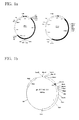
- two mammalian expression plasmids are constructed: one containing a lacZ gene connected to a human K14 promoter gene; and the other containing a lacZ gene without a K14 promoter gene, as shown in Fig. 1a.
- a human K14 promoter gene is inserted at the EcoR I site in pUChsneo and then, a 4.3 kb lacZ gene obtained from cpw ⁇ -22 is inserted between BamH I and Sal I in the same plasmid.
- the resultant plasmid is called pUC KZ.
- a lacZ gene of the same length is inserted into pUChsneo.
- This recombinant plasmid is called pUC 4.3Z.
- the plasmid DNAs are prepared and digested with restriction enzymes to confirm the subcloning of the genes.
- a P-element transposase gene is inserted into the intron between ORF2 and ORF3 of p ⁇ 25.7wc ⁇ 2-3, as shown in Fig. 1b, to construct a helper vector capable of allowing the genes of interest to integrate into the chromosome.
- mammalian transfection requires a large concentration of highly pure plasmid DNA.
- a commercially available plasmid DNA preparation kit for example, QIAGEN plasmid maxi kit (QIAGEN GmbH, Germany), is useful for this end.
- the mammalian transfection is achieved by liposome mediation.
- Reagents suitable for this liposome-mediated gene delivery can also be purchased, for example, GenePORTERTM transfection reagent (GTS Inc., San Diego, CA, U.S.A.). Before use, this reagent is hydrated with 0.75 ml of a hydration buffer at room temperature and vortexed.
- Various concentrations of plasmid DNAs are combined with various volumes of the reagent to prepare DNA/liposome complexes.
- the helper vector is added at an amount of 40 % weight /volume of the diluted DNA solutions, followed by the addition of one volume of GenePORTERTM.
- the resulting solution is added with PBS to the final volume of 130 ⁇ l and incubated at room temperature for 30 min just before use.
- mice 10-12 weeks old various concentrations of the DNA/liposome complexes are administered through pressure injection using a needle-less jet injector, such as that manufactured by Mada Medical Products, Inc.
- a needle-less jet injector such as that manufactured by Mada Medical Products, Inc.
- the administered mice are sacrificed by cervical dislocation from one day to 20 weeks after the DNA application and samples are immediately obtained from the skin areas where the DNA was injected.
- the tissue samples are soaked in an X-gal solution. Before the X-gal staining, the tissue samples are washed with PBS and fixed in a fixative.
- the X-gal solution is preferably prepared just before use.
- the skin samples which appear as different shades of blue as stained in X-gal are washed twice with PBS, followed by fixation in formalin.
- the fixation is to preserve the morphology of the living tissue for hematoxylin/eosin staining.
- Formalin one of the most popular fixatives, serves to crosslink nucleic acids to proteins, thus making the molecules rigid and susceptible to mechanical shearing.
- the duration of the fixation preferably ranges from 16 hours to 3 days.
- a routine H/E staining method is applied to the fixed tissue samples.
- paraffin embedding, sectioning and mounting of the tissue samples are conducted.
- the tissue samples are mounted as close to the center of the slide as possible. Sections are required to be thinner than 10 ⁇ m because thicker sections are difficult to visualize.
- lacZ gene The integration of the lacZ gene into the chromosome of the targeted tissue is confirmed by PCR screening and Southern blot analysis.
- genomic DNA is first prepared from the murine skin region (diameter 2 cm) where the vectors are injected.
- Murine skin is dissected out and minced well in a tail tip buffer (60 mM Tris pH 8.0, 100 mM EDTA, 0.5 % SDS) using curved scissors.
- a tail tip buffer 60 mM Tris pH 8.0, 100 mM EDTA, 0.5 % SDS
- the murine skin sample is centrifuged. From the supernatant, genomic DNA is precipitated by a phenol extraction method.
- a PCR is carried out using the genomic DNA as a template.
- the primers can be made from E. coli HB101 including a lacZ gene. Its product length is expected to be 3,110 bp.
- genomic DNAs are prepared from vector-injected ventral areas that are marked at the time the vector is applied.
- the genomic DNAs are electrophoresed on an agarose gel in 1x TAE buffer and transferred to a membrane which is then dried at 80 °C for 2 hours.
- the transferred DNAs are allowed to hybridize with a [ ⁇ - 32 P]dCTP-labeled probe in a hybridization buffer (5x SSC, 1/20 diluted liquid block, 0.1% SDS, 5% dextran sulphate).
- a hybridization buffer 5x SSC, 1/20 diluted liquid block, 0.1% SDS, 5% dextran sulphate.
- the membrane is washed many times with washing buffers and subjected to autoradiograph analysis.
- lacZ gene is firmly integrated into the chromosome of keratinocytes and expressed strongly by the cooperative activities of Drosophila's P-transposase and K14 promoter.
- an insulin expression plasmid vector containing a K14 promoter gene In order to construct an insulin expression plasmid vector containing a K14 promoter gene, two pairs of PCR primers are made with known base sequences of a human preproinsulin gene and a K14 promoter region and used to amplify the genes by PCR with human genomic DNA serving as a template. The two PCR products, preproinsulin gene and the K14 promoter gene are in tandem inserted into pUChsneo at the Sal I site. The resulting insulin expression vector is called pUCK14-INS.
- the insulin expression recombinant vector pUCK14-INS was deposited in the Korean Collection for Type Culture of Korea Research Institute of Bioscience and Biotechnology (KRIBB) under the deposition No. KCTC 0928P on Jan. 10, 2001.
- the insulin expression vector is amplified and base-sequenced using ABI Prism 377 XL (PE, U.S.A.).
- streptozotocin STZ
- mice diabetic streptozotocin (STZ) is administered at doses of 65 mg/kg and 200 mg/kg ten times in total.
- Blood glucose levels can be determined using a Super GlucocardTM KIT (Arkray KDK Corp., Kyoto, Japan).
- a drop of sample blood obtained from the tail is placed on the tip of the Glucocard test strip.
- the strip's reaction chamber automatically draws the blood inside the strip through capillary action. When the chamber is full, the Glucocard kit starts to measure the blood glucose level.
- the glucose in the sample reacts with the glucose oxidase and potassium ferricyanide in the strip, producing potassium ferrocyanide in proportion to the glucose concentration of the blood sample. Oxidation of the potassium ferrocyanide produces an electrical current, which is then converted by the meter to display the glucose concentration.
- pancreatic ⁇ -cells For immunostaining pancreatic ⁇ -cells, 6 mice (one normal mouse, 2 diabetic mice to which STZ was injected at doses of 65 mg/kg and 200 mg/kg, and 3 mice to which the insulin expression vector was injected at doses of 1 ⁇ g, 50 ⁇ g and 100 ⁇ g) were sacrificed by cervical dislocation and their pancreases were collected and fixed in a 10 % formalin fixative. In order to visualize the distribution of Langerhans islets in the normal pancreases and diabetic pancreases by H/E staining, paraffin embedding, sectioning and mounting of the tissues samples were conducted as in above. Quantitative analysis of the insulin producing ability of ⁇ -cells was achieved by using antibodies, including an anti-insulin Ab, an anti-glucagon Ab, and anti-somatostatin Ab.
- a human K14 promoter gene was inserted to pUChsneo at the EcoR I site, followed by the addition of 4.3 kb of a lacZ gene, obtained from cpw ⁇ -22, to a site adjacent to the cloned K 14 promoter between the BamH I and Sal I sites of the plasmid.
- the resulting plasmid was termed pUC KZ and is schematically depicted in Fig. 1a (left).
- a full length of a lacZ gene was cloned into pUChsneo to prepare pUC 4.3Z, as depicted in Fig. 1a (right).
- the two plasmid DNAs were purified by phenol/chloroform/isoamyl alcohol and confirmed by enzyme restriction mapping. These two plasmid DNAs harboring the lacZ gene were examined for activity of the K14 promoter.
- helper vector was constructed, which anchored a P-element transposase gene.
- helper p ⁇ 25.7wc ⁇ 2-3 was manipulated at the intron between ORF2 and ORF3 so as to have the capacity to produce the transposase, as illustrated in Fig. 1b.
- the ⁇ -galactosidase expression vector prepared in the first stage was purified by use of QIAGEN plasmid maxi kit (QIAGEN GmbH, Germany) and GenePORTERTM transfection reagent was hydrated with 0.75 ml of a hydration buffer at room temperature. Each of 2 ⁇ g, 5 ⁇ g, 10 ⁇ g, 50 ⁇ g and 100 ⁇ g of the purified plasmid DNA was combined with each of 5 ⁇ L, 10 ⁇ L and 20 ⁇ L of liposomes to prepare DNA/liposome complexes.
- helper plasmid capable of expressing Drosophila's P-transposase was added at an amount of 40 % w/v of the purified plasmid DNA, followed by the addition of the same volumes of GenePORTERTM transfection reagent. After dilution with a PBS reagent, the resulting solutions were incubated at room temperature for 30 min.
- mice aged 10-12 weeks with an average weight of about 26 g were administered the DNA/liposome complexes prepared in the third stage by injection into their hind legs with the aid of a needle-less jet injector (Madajet XL).
- the administered mice were sacrificed by cervical dislocation at predetermined time intervals from one day to 20 weeks after the DNA application and samples were collected by shaving the treated areas of the outer skin and excising out them by use of sterilized surgical scissors.
- the skin samples obtained in the fourth stage were washed twice with PBS and fixed in a fixative (2% paraformaldehyde, 0.2% glutaraldehyde in 0.1 M sodium phosphate buffer, pH 7.3) for 30 min at 4 °C.
- the samples were soaked for 3 hours at 37 °C in an X-gal solution (1.3 mM MgCl 2 , 3 mM K 4 Fe(CN) 6 , 3 mM Fe 3 (CN) 6 , 1 mg/ml X-gal, 0.1 M sodium phosphate buffer, pH 7.3) which was prepared just before.
- a control to which a solution of liposomes alone in PBS was injected was sampled in the same manner to analyze the lacZ expression in the skin tissue.
- lacZ was observed to be expressed at a low level only for 5 days following the injection of the K14 promoter-deficient plasmid vector, appearing as a faint blue as stained in X-gal.
- the co-injection of the pUC KZ vector having a K14 promoter region was found to enable the ⁇ -galactosidase gene to be strongly expressed, producing a deep blue for 20 weeks as stained in X-gal, as shown in Fig. 2.
- tissue specific enhancement of the K14 promoter enhancement was also found upon injection of the pUC KZ.
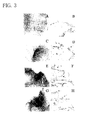
- Results are shown in Fig. 3. blue spots or diffused forms of X-gal reactants were found around nuclei in all sample tissues. Also, as seen in Fig. 3, intense expression of the ⁇ -galactosidase gene was found in the keratinocyte layer as a result of the tissue specificity, and sustained from 4 days to 5-6 weeks after the injection.
- Murine skin was dissected and minced well in a small volume puddle of tail tip buffer (60 mM Tris pH 8.0, 100 mM EDTA, 0.5 % SDS). After addition of 600 ⁇ l of the tail tip buffer and treatment with RNase A (20 m./ml), incubation was conducted at 37 °C for 30 min. Proteinase K was added at a concentration of 500 ⁇ g/ml and reacted at 50-55 °C. This reaction was centrifuged at 1,200 rpm at 20 °C for 15 min and the resulting three layers were deprived of the middle layer before re-centrifugation.
- tail tip buffer 60 mM Tris pH 8.0, 100 mM EDTA, 0.5 % SDS.
- RNase A 20 m./ml
- Genomic DNA was purified in the same manner as in the seventh stage from murine skin samples taken from the injected regions (diameter 2 cm) 5 days to 4 weeks after injection.
- the following primers were synthesized with a design to produce a 3110 bp PCR product. The PCR was carried out under the conditions described in Table 1, below. PCR condition for l acZ amplification in genomic DNA.
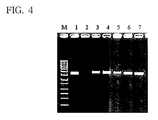
- PCR products which were amplified from 5 samples respectively taken 5 days, 1 week, 2 weeks, 3 weeks and 4 weeks after the injection of the vector in which a ⁇ -galactosidase gene was harbored, were all found to be about 3100 bp long as measured by gel electrophoresis.
- the electrophoresis data shown in Fig. 4 demonstrated the insertion of the ⁇ -galactosidase gene into the chromosome.
- genomic DNA was purified in the same manner as in the seventh stage from mice to which ⁇ -galactosidase expression vector was injected.
- genomic DNA samples which were prepared from the mock-treated mice and pUC KZ-injected mice were used as a negative and a positive control, respectively.
- the genomic DNAs were run on 0.8% agarose gel in 1x TAE buffer by electrophoresis and the separated DNAs were transferred to a Hybond N + membrane. After being baked at 80 °C for 2 hours, the blotted DNAs were hybridized with a [ ⁇ - 32 P]dCTP-labeled probe in a hybridization buffer (5x SSC, 1/20 diluted liquid block, 0.1% SDS, 5% dextran sulphate).
- the membrane was washed with a washing buffer (2x SSC, 0.1% SDS) at 42 °C for 10 min, then with a buffer (1x SSC, 0.1 % SDS) at 42 °C for 10 min, and finally twice with a buffer (1x SSC, 0.1 % SDS) at 65 °C for 10 min.
- Two pairs of PCR primers were designed by taking advantage of known base sequences of a human preproinsulin gene and a K14 promoter region, as shown in Table 1, below, and used to amplify the genes by PCR.
- the two PCR products, preproinsulin gene and the K14 promoter gene were subcloned into pUChsneo and pGEM T-easy, respectively, followed by inserting them in tandem into pUChsneo at the Sal I site.
- the resulting insulin expression vector was called pUCK14-INS.
- the insulin expression recombinant vector pUCK14-INS was deposited in the Korean Collection for Type Culture of Korea Research Institute of Bioscience and Biotechnology (KRIBB) under the deposition No. KCTC 0928P on Jan. 10, 2001.
- the insulin expression vector prepared in Example 1 was purified with the aid of QIAGEN plasmid mini (QIAGEN, Valencia, CA, U.S.A.) and subjected to sequence analysis using ABI Prism 377 XL (PE, U.S.A.).
- the base sequences of the K14 promoter and the preproinsulin gene are given in Fig. 7.
- the K14 promoter region is connected at a Sac I site to the insulin gene which consists of three insulin peptide parts, proinsulin peptide B, proinsulin peptide C and proinsulin peptide A, and a 790 bp intron in the C-chain.
- Streptozotocin was administered at doses of 65 mg/kg and 200 mg/kg ten times in total to mice by hypodermic injection to induce diabetes mellitus.
- STZ was dissolved in cold 0.1 M citrate buffer (pH 4.5) immediately before the injection. 4 days after every STZ injection, the insulin expression vector was injected at doses of 1 ⁇ g, 2 ⁇ g, 3 ⁇ g, 10 ⁇ g, 50 ⁇ g and 100 ⁇ g to the diabetes mellitus-induced groups, each consisting of four mice.
- the STZ and the insulin expression vector were injected alternately once every four days. The progression of diabetes mellitus was monitored by blood glucose analysis.
- Blood glucose levels were measured using a Super GlucocardTM II kit (Arkray KDK Corp., Kyoto, Japan). In this regard, blood samples were taken from tails and one drop of the blood was placed on the tip of the Glucocard test strip.
- the insulin expression vector decreased the blood glucose levels in a dose-dependent pattern.
- the alternating treatment with insulin expression vector and STZ resulted in the fluctuation of blood glucose levels.
- blood glucose level increments at later rounds of the alternating treatment with 65 mg/kg of STZ and the insulin expression vector were reduced compared with initial rounds, while the decreasing effect of the insulin expression vector on the blood glucose level was continuously maintained throughout the treatment.
- the mouse group which was administered STZ at a dose of 200 mg/kg showed hyperglycemia within a relatively short period of time. In this case, the injection of the insulin expression vector resulted in a decrease in blood glucose level in a dose-dependent pattern, as well.
- immunostaining and H/E (Hematoxylin/Eosin) staining were conducted in the fixed pancreases, using antibodies, including an anti-insulin Ab, an anti-glucagon Ab, and anti-somatostatin Ab.
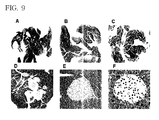
- pancreases were immunoassayed with an anti-insulin Ab, an anti-glucagon Ab, and an anti-somatostatin Ab. Observation under a microscope, as shown in Fig. 10, showed that almost no ⁇ -cells existed and, instead, ⁇ -cells predominantly occupied the ⁇ -cell space in the pancreases of the diabetic mice with ⁇ cells verging.
- helper vector containing a Drosophila's P-element sequence can help the insulin gene integrate effectively into the chromosome of keratinocytes.
- the insulin gene when being incorporated, along with the K14 promoter gent, to the chromosome, the insulin gene is found to be expressed strongly in vivo, thereby exerting its hormonal activity to maintain normal blood glucose levels.
- the non-viral insulin vector of the present invention is safe and simple. In consequence, the present invention is very useful in treating insulin-dependent diabetes mellitus, making a great contribution to the gene therapy field.
- a recombinant vector for use in gene therapy for insulin-dependent diabetes mellitus and a therapeutic composition thereof.
- a ⁇ -galactosidase expression vector having a K14 promoter gene along with a Drosophola's P transposase expression helper vector, into murine skin in a liposome-mediated manner, the ⁇ -galactosidase gene is expressed in the keratinocyte layer from 24 hours to 20 weeks after injection as measured by X-gal staining.
- the K14 promoter is applied for the expression of a human insulin gene in keratinocytes, thereby suggesting a new gene therapy method for treating insulin-dependent diabetes mellitus.
- a human insulin expression vector with the K14 promoter is injected into the skin of diabetic mice, which lack insulin-producing ⁇ -cells of the pancreas, their blood glucose levels are maintained in a normal range.
Landscapes
- Health & Medical Sciences (AREA)
- Life Sciences & Earth Sciences (AREA)
- Chemical & Material Sciences (AREA)
- Genetics & Genomics (AREA)
- Organic Chemistry (AREA)
- Engineering & Computer Science (AREA)
- Zoology (AREA)
- General Health & Medical Sciences (AREA)
- Molecular Biology (AREA)
- Bioinformatics & Cheminformatics (AREA)
- Biophysics (AREA)
- Biochemistry (AREA)
- Biomedical Technology (AREA)
- Wood Science & Technology (AREA)
- General Engineering & Computer Science (AREA)
- Biotechnology (AREA)
- Medicinal Chemistry (AREA)
- Diabetes (AREA)
- Toxicology (AREA)
- Gastroenterology & Hepatology (AREA)
- Proteomics, Peptides & Aminoacids (AREA)
- Physics & Mathematics (AREA)
- Endocrinology (AREA)
- Microbiology (AREA)
- Plant Pathology (AREA)
- General Chemical & Material Sciences (AREA)
- Pharmacology & Pharmacy (AREA)
- Chemical Kinetics & Catalysis (AREA)
- Nuclear Medicine, Radiotherapy & Molecular Imaging (AREA)
- Veterinary Medicine (AREA)
- Public Health (AREA)
- Animal Behavior & Ethology (AREA)
- Emergency Medicine (AREA)
- Obesity (AREA)
- Hematology (AREA)
- Cell Biology (AREA)
- Medicines That Contain Protein Lipid Enzymes And Other Medicines (AREA)
- Medicines Containing Material From Animals Or Micro-Organisms (AREA)
- Peptides Or Proteins (AREA)
- Medicinal Preparation (AREA)
Applications Claiming Priority (2)
| Application Number | Priority Date | Filing Date | Title |
|---|---|---|---|
| KR10-2001-0002229A KR100418465B1 (ko) | 2001-01-15 | 2001-01-15 | 인슐린 의존성 당뇨병의 유전자 치료방법 및 그 치료용 조성물 |
| KR2001002229 | 2001-01-15 |
Publications (3)
| Publication Number | Publication Date |
|---|---|
| EP1223221A2 true EP1223221A2 (de) | 2002-07-17 |
| EP1223221A3 EP1223221A3 (de) | 2002-09-04 |
| EP1223221B1 EP1223221B1 (de) | 2005-07-06 |
Family
ID=36120927
Family Applications (1)
| Application Number | Title | Priority Date | Filing Date |
|---|---|---|---|
| EP01103348A Expired - Lifetime EP1223221B1 (de) | 2001-01-15 | 2001-02-13 | Rekombinanter Vektor zur Gentherapie für Insulin-abhängige Diabetes mellitus und therapeutische Zusammensetzungen davon |
Country Status (7)
| Country | Link |
|---|---|
| US (1) | US6596515B2 (de) |
| EP (1) | EP1223221B1 (de) |
| JP (1) | JP3538148B2 (de) |
| KR (1) | KR100418465B1 (de) |
| CN (1) | CN1202257C (de) |
| AT (1) | ATE299186T1 (de) |
| DE (1) | DE60111818T2 (de) |
Cited By (1)
| Publication number | Priority date | Publication date | Assignee | Title |
|---|---|---|---|---|
| CN116925985A (zh) * | 2022-03-30 | 2023-10-24 | 华东师范大学 | 智能可控的微生物药物工厂及其在皮肤伤口愈合中的应用 |
Families Citing this family (1)
| Publication number | Priority date | Publication date | Assignee | Title |
|---|---|---|---|---|
| MX2010003371A (es) | 2007-09-28 | 2010-05-05 | Intrexon Corp | Constructos interruptores genicos terapeuticos y biorreactores para la expresion de moleculas bioterapeuticas y usos de los mismos. |
Family Cites Families (3)
| Publication number | Priority date | Publication date | Assignee | Title |
|---|---|---|---|---|
| US6225121B1 (en) * | 1992-09-14 | 2001-05-01 | Institute Of Molecular Biology And Biotechnology/Forth | Eukaryotic transposable element |
| US6770460B1 (en) * | 1998-01-29 | 2004-08-03 | Wallac Oy | Fusion protein and its use in an immunoassay for the simultaneous detection of autoantibodies related to insulin-dependent diabetes mellitus |
| WO2001071018A2 (en) * | 2000-03-22 | 2001-09-27 | Board Of Trustees Of The University Of Arkansas | Secreting products from skin by adeno-associated virus (aav) gene transfer |
-
2001
- 2001-01-15 KR KR10-2001-0002229A patent/KR100418465B1/ko not_active Expired - Fee Related
- 2001-01-26 JP JP2001019261A patent/JP3538148B2/ja not_active Expired - Fee Related
- 2001-02-05 US US09/775,508 patent/US6596515B2/en not_active Expired - Fee Related
- 2001-02-13 DE DE60111818T patent/DE60111818T2/de not_active Expired - Fee Related
- 2001-02-13 EP EP01103348A patent/EP1223221B1/de not_active Expired - Lifetime
- 2001-02-13 AT AT01103348T patent/ATE299186T1/de not_active IP Right Cessation
- 2001-02-28 CN CNB011043709A patent/CN1202257C/zh not_active Expired - Fee Related
Cited By (1)
| Publication number | Priority date | Publication date | Assignee | Title |
|---|---|---|---|---|
| CN116925985A (zh) * | 2022-03-30 | 2023-10-24 | 华东师范大学 | 智能可控的微生物药物工厂及其在皮肤伤口愈合中的应用 |
Also Published As
| Publication number | Publication date |
|---|---|
| JP2002218987A (ja) | 2002-08-06 |
| DE60111818D1 (de) | 2005-08-11 |
| KR100418465B1 (ko) | 2004-02-14 |
| ATE299186T1 (de) | 2005-07-15 |
| CN1366062A (zh) | 2002-08-28 |
| EP1223221B1 (de) | 2005-07-06 |
| EP1223221A3 (de) | 2002-09-04 |
| CN1202257C (zh) | 2005-05-18 |
| US6596515B2 (en) | 2003-07-22 |
| DE60111818T2 (de) | 2006-04-20 |
| US20030054498A1 (en) | 2003-03-20 |
| KR20020061270A (ko) | 2002-07-24 |
| JP3538148B2 (ja) | 2004-06-14 |
Similar Documents
| Publication | Publication Date | Title |
|---|---|---|
| Liu et al. | A single dose of VEGF-A circular RNA sustains in situ long-term expression of protein to accelerate diabetic wound healing | |
| Lai et al. | Correction of renal tubular acidosis in carbonic anhydrase II-deficient mice with gene therapy. | |
| EP1019499B1 (de) | Methoden und zusammensetzungen zur induktion einer tumorspezifischen zytotoxizität | |
| CN112662674A (zh) | 靶向编辑VEGFA基因外显子区域的gRNA及其应用 | |
| CN112251421A (zh) | 一种ezh2可变剪切体及其应用 | |
| WO2025067235A1 (zh) | 一种可控制的RNA m6A去甲基化编辑系统及其应用 | |
| JP2019517471A (ja) | Mir−302前駆体を抗癌薬物としてヒト肺癌を治療するために用いる組成物及び方法 | |
| WO2009039743A1 (fr) | Arnsi utiles pour l'inhibition de gene tyrosinase, compositions comportant les arnsi et leurs utilisations | |
| EP1223221B1 (de) | Rekombinanter Vektor zur Gentherapie für Insulin-abhängige Diabetes mellitus und therapeutische Zusammensetzungen davon | |
| KR20210039495A (ko) | 피드백이 가능한 합성 유전자, 표적 시드 매치 카세트, 및 그 용도 | |
| DE60130465T2 (de) | Mutierte muskelspezifische enhancer | |
| CN118440989B (zh) | 一种sting相关婴儿期起病的血管炎模型的构建方法及应用 | |
| WO2002020036A1 (de) | Arzneimittel mit einer für das rna-bindende koc-protein kodierenden dna-sequenz, einem koc-protein oder einer dna-sequenz des koc-promotors | |
| WO2025045078A1 (zh) | 一种用于调控rna甲基化修饰的编辑系统及其应用 | |
| KR20200132740A (ko) | 요산분해효소를 과발현하는 줄기세포를 유효성분으로 포함하는 통풍의 예방 또는 치료용 조성물 | |
| JP3410738B2 (ja) | ミクログリアからなる医薬用キャリアー | |
| US5045471A (en) | Cloned DNA for P450scc and expression thereof | |
| CN116036116B (zh) | 特异性抑制lncAI662270表达的shRNA在制备治疗肾纤维化药物中的应用 | |
| KR100701297B1 (ko) | 태반추출물을 이용한 섬유아세포의 배양방법 및 이를이용한 피부재생용 조성물 | |
| CN119385977A (zh) | 负载靶向jak1基因的双质粒系统的纳米颗粒、可溶性微针及其应用 | |
| CN117987414A (zh) | 一种环状RNA-circCAMSAP1及载体与应用 | |
| WO2002068636A1 (de) | Verfahren und mittel zur modifikation humaner angiogenese | |
| CN120187447A (zh) | 用于在哺乳动物中诱导弹性蛋白从头合成的密码子优化的寡核苷酸 | |
| CN121079424A (zh) | 用于减少脂肪组织的组合物、系统和方法 | |
| CN119662648A (zh) | Mena反义寡核苷酸及其应用 |
Legal Events
| Date | Code | Title | Description |
|---|---|---|---|
| PUAI | Public reference made under article 153(3) epc to a published international application that has entered the european phase |
Free format text: ORIGINAL CODE: 0009012 |
|
| 17P | Request for examination filed |
Effective date: 20010213 |
|
| AK | Designated contracting states |
Kind code of ref document: A2 Designated state(s): AT BE CH CY DE DK ES FI FR GB GR IE IT LI LU MC NL PT SE TR |
|
| AX | Request for extension of the european patent |
Free format text: AL;LT;LV;MK;RO;SI |
|
| PUAL | Search report despatched |
Free format text: ORIGINAL CODE: 0009013 |
|
| AK | Designated contracting states |
Kind code of ref document: A3 Designated state(s): AT BE CH CY DE DK ES FI FR GB GR IE IT LI LU MC NL PT SE TR |
|
| AX | Request for extension of the european patent |
Free format text: AL;LT;LV;MK;RO;SI |
|
| AKX | Designation fees paid |
Designated state(s): AT BE CH CY DE DK ES FI FR GB GR IE IT LI LU MC NL PT SE TR |
|
| 17Q | First examination report despatched |
Effective date: 20040112 |
|
| GRAP | Despatch of communication of intention to grant a patent |
Free format text: ORIGINAL CODE: EPIDOSNIGR1 |
|
| GRAS | Grant fee paid |
Free format text: ORIGINAL CODE: EPIDOSNIGR3 |
|
| GRAA | (expected) grant |
Free format text: ORIGINAL CODE: 0009210 |
|
| AK | Designated contracting states |
Kind code of ref document: B1 Designated state(s): AT BE CH CY DE DK ES FI FR GB GR IE IT LI LU MC NL PT SE TR |
|
| PG25 | Lapsed in a contracting state [announced via postgrant information from national office to epo] |
Ref country code: IT Free format text: LAPSE BECAUSE OF FAILURE TO SUBMIT A TRANSLATION OF THE DESCRIPTION OR TO PAY THE FEE WITHIN THE PRE;WARNING: LAPSES OF ITALIAN PATENTS WITH EFFECTIVE DATE BEFORE 2007 MAY HAVE OCCURRED AT ANY TIME BEFORE 2007. THE CORRECT EFFECTIVE DATE MAY BE DIFFERENT FROM THE ONE RECORDED.SCRIBED TIME-LIMIT Effective date: 20050706 Ref country code: AT Free format text: LAPSE BECAUSE OF FAILURE TO SUBMIT A TRANSLATION OF THE DESCRIPTION OR TO PAY THE FEE WITHIN THE PRESCRIBED TIME-LIMIT Effective date: 20050706 Ref country code: NL Free format text: LAPSE BECAUSE OF FAILURE TO SUBMIT A TRANSLATION OF THE DESCRIPTION OR TO PAY THE FEE WITHIN THE PRESCRIBED TIME-LIMIT Effective date: 20050706 Ref country code: BE Free format text: LAPSE BECAUSE OF FAILURE TO SUBMIT A TRANSLATION OF THE DESCRIPTION OR TO PAY THE FEE WITHIN THE PRESCRIBED TIME-LIMIT Effective date: 20050706 Ref country code: FI Free format text: LAPSE BECAUSE OF FAILURE TO SUBMIT A TRANSLATION OF THE DESCRIPTION OR TO PAY THE FEE WITHIN THE PRESCRIBED TIME-LIMIT Effective date: 20050706 |
|
| REG | Reference to a national code |
Ref country code: GB Ref legal event code: FG4D |
|
| REG | Reference to a national code |
Ref country code: CH Ref legal event code: EP |
|
| REG | Reference to a national code |
Ref country code: IE Ref legal event code: FG4D |
|
| REF | Corresponds to: |
Ref document number: 60111818 Country of ref document: DE Date of ref document: 20050811 Kind code of ref document: P |
|
| PG25 | Lapsed in a contracting state [announced via postgrant information from national office to epo] |
Ref country code: GR Free format text: LAPSE BECAUSE OF FAILURE TO SUBMIT A TRANSLATION OF THE DESCRIPTION OR TO PAY THE FEE WITHIN THE PRESCRIBED TIME-LIMIT Effective date: 20051006 Ref country code: SE Free format text: LAPSE BECAUSE OF FAILURE TO SUBMIT A TRANSLATION OF THE DESCRIPTION OR TO PAY THE FEE WITHIN THE PRESCRIBED TIME-LIMIT Effective date: 20051006 Ref country code: DK Free format text: LAPSE BECAUSE OF FAILURE TO SUBMIT A TRANSLATION OF THE DESCRIPTION OR TO PAY THE FEE WITHIN THE PRESCRIBED TIME-LIMIT Effective date: 20051006 |
|
| PG25 | Lapsed in a contracting state [announced via postgrant information from national office to epo] |
Ref country code: ES Free format text: LAPSE BECAUSE OF FAILURE TO SUBMIT A TRANSLATION OF THE DESCRIPTION OR TO PAY THE FEE WITHIN THE PRESCRIBED TIME-LIMIT Effective date: 20051017 |
|
| PG25 | Lapsed in a contracting state [announced via postgrant information from national office to epo] |
Ref country code: PT Free format text: LAPSE BECAUSE OF FAILURE TO SUBMIT A TRANSLATION OF THE DESCRIPTION OR TO PAY THE FEE WITHIN THE PRESCRIBED TIME-LIMIT Effective date: 20051212 |
|
| REG | Reference to a national code |
Ref country code: CH Ref legal event code: NV Representative=s name: E. BLUM & CO. PATENTANWAELTE |
|
| NLV1 | Nl: lapsed or annulled due to failure to fulfill the requirements of art. 29p and 29m of the patents act | ||
| PG25 | Lapsed in a contracting state [announced via postgrant information from national office to epo] |
Ref country code: IE Free format text: LAPSE BECAUSE OF NON-PAYMENT OF DUE FEES Effective date: 20060213 |
|
| PG25 | Lapsed in a contracting state [announced via postgrant information from national office to epo] |
Ref country code: LU Free format text: LAPSE BECAUSE OF NON-PAYMENT OF DUE FEES Effective date: 20060228 Ref country code: MC Free format text: LAPSE BECAUSE OF NON-PAYMENT OF DUE FEES Effective date: 20060228 |
|
| PLBE | No opposition filed within time limit |
Free format text: ORIGINAL CODE: 0009261 |
|
| STAA | Information on the status of an ep patent application or granted ep patent |
Free format text: STATUS: NO OPPOSITION FILED WITHIN TIME LIMIT |
|
| 26N | No opposition filed |
Effective date: 20060407 |
|
| EN | Fr: translation not filed | ||
| PG25 | Lapsed in a contracting state [announced via postgrant information from national office to epo] |
Ref country code: FR Free format text: LAPSE BECAUSE OF FAILURE TO SUBMIT A TRANSLATION OF THE DESCRIPTION OR TO PAY THE FEE WITHIN THE PRESCRIBED TIME-LIMIT Effective date: 20060901 |
|
| REG | Reference to a national code |
Ref country code: IE Ref legal event code: MM4A |
|
| REG | Reference to a national code |
Ref country code: CH Ref legal event code: PFA Owner name: SUH, DONGSANG, DEPARTMENT GENETIC ENGINEERING, SU Free format text: SUH, DONGSANG, DEPARTMENT GENETIC ENGINEERING, SUNGKYUNKWAN UNIVERSITY#CHUNCHUN-DONG, JANGAN-KU#SUWON, KYONGGI-DO, 440-746 (KR) -TRANSFER TO- SUH, DONGSANG, DEPARTMENT GENETIC ENGINEERING, SUNGKYUNKWAN UNIVERSITY#CHUNCHUN-DONG, JANGAN-KU#SUWON, KYONGGI-DO, 440-746 (KR) |
|
| PGFP | Annual fee paid to national office [announced via postgrant information from national office to epo] |
Ref country code: CH Payment date: 20080111 Year of fee payment: 8 |
|
| PGFP | Annual fee paid to national office [announced via postgrant information from national office to epo] |
Ref country code: DE Payment date: 20080227 Year of fee payment: 8 Ref country code: GB Payment date: 20080110 Year of fee payment: 8 |
|
| PG25 | Lapsed in a contracting state [announced via postgrant information from national office to epo] |
Ref country code: TR Free format text: LAPSE BECAUSE OF FAILURE TO SUBMIT A TRANSLATION OF THE DESCRIPTION OR TO PAY THE FEE WITHIN THE PRESCRIBED TIME-LIMIT Effective date: 20050706 |
|
| PG25 | Lapsed in a contracting state [announced via postgrant information from national office to epo] |
Ref country code: CY Free format text: LAPSE BECAUSE OF FAILURE TO SUBMIT A TRANSLATION OF THE DESCRIPTION OR TO PAY THE FEE WITHIN THE PRESCRIBED TIME-LIMIT Effective date: 20050706 Ref country code: FR Free format text: LAPSE BECAUSE OF FAILURE TO SUBMIT A TRANSLATION OF THE DESCRIPTION OR TO PAY THE FEE WITHIN THE PRESCRIBED TIME-LIMIT Effective date: 20050706 |
|
| REG | Reference to a national code |
Ref country code: CH Ref legal event code: PL |
|
| GBPC | Gb: european patent ceased through non-payment of renewal fee |
Effective date: 20090213 |
|
| PG25 | Lapsed in a contracting state [announced via postgrant information from national office to epo] |
Ref country code: CH Free format text: LAPSE BECAUSE OF NON-PAYMENT OF DUE FEES Effective date: 20090228 Ref country code: LI Free format text: LAPSE BECAUSE OF NON-PAYMENT OF DUE FEES Effective date: 20090228 |
|
| PG25 | Lapsed in a contracting state [announced via postgrant information from national office to epo] |
Ref country code: DE Free format text: LAPSE BECAUSE OF NON-PAYMENT OF DUE FEES Effective date: 20090901 |
|
| PG25 | Lapsed in a contracting state [announced via postgrant information from national office to epo] |
Ref country code: GB Free format text: LAPSE BECAUSE OF NON-PAYMENT OF DUE FEES Effective date: 20090213 |