EP1246862B1 - Procede de production de polymeres aromatiques sulfones - Google Patents
Procede de production de polymeres aromatiques sulfones Download PDFInfo
- Publication number
- EP1246862B1 EP1246862B1 EP00981353A EP00981353A EP1246862B1 EP 1246862 B1 EP1246862 B1 EP 1246862B1 EP 00981353 A EP00981353 A EP 00981353A EP 00981353 A EP00981353 A EP 00981353A EP 1246862 B1 EP1246862 B1 EP 1246862B1
- Authority
- EP
- European Patent Office
- Prior art keywords
- sulfonation
- acid
- pes
- aromatic
- oleum
- Prior art date
- Legal status (The legal status is an assumption and is not a legal conclusion. Google has not performed a legal analysis and makes no representation as to the accuracy of the status listed.)
- Expired - Lifetime
Links
- 229920000642 polymer Polymers 0.000 title claims abstract description 43
- 125000003118 aryl group Chemical group 0.000 title claims abstract description 33
- 238000004519 manufacturing process Methods 0.000 title claims description 7
- 238000006277 sulfonation reaction Methods 0.000 claims abstract description 64
- 238000000034 method Methods 0.000 claims abstract description 46
- XTHPWXDJESJLNJ-UHFFFAOYSA-N chlorosulfonic acid Substances OS(Cl)(=O)=O XTHPWXDJESJLNJ-UHFFFAOYSA-N 0.000 claims abstract description 26
- QAOWNCQODCNURD-UHFFFAOYSA-N sulfuric acid Substances OS(O)(=O)=O QAOWNCQODCNURD-UHFFFAOYSA-N 0.000 claims abstract description 25
- KEQGZUUPPQEDPF-UHFFFAOYSA-N 1,3-dichloro-5,5-dimethylimidazolidine-2,4-dione Chemical compound CC1(C)N(Cl)C(=O)N(Cl)C1=O KEQGZUUPPQEDPF-UHFFFAOYSA-N 0.000 claims abstract description 24
- 239000003795 chemical substances by application Substances 0.000 claims abstract description 23
- 238000006243 chemical reaction Methods 0.000 claims abstract description 15
- 239000002253 acid Substances 0.000 claims abstract description 13
- 239000003960 organic solvent Substances 0.000 claims abstract description 7
- 150000001244 carboxylic acid anhydrides Chemical class 0.000 claims abstract 3
- 229920006393 polyether sulfone Polymers 0.000 claims description 64
- YMWUJEATGCHHMB-UHFFFAOYSA-N Dichloromethane Chemical compound ClCCl YMWUJEATGCHHMB-UHFFFAOYSA-N 0.000 claims description 36
- WFDIJRYMOXRFFG-UHFFFAOYSA-N Acetic anhydride Chemical compound CC(=O)OC(C)=O WFDIJRYMOXRFFG-UHFFFAOYSA-N 0.000 claims description 30
- 150000008064 anhydrides Chemical class 0.000 claims description 12
- 230000035484 reaction time Effects 0.000 claims description 11
- -1 unsaturated aliphatic dicarboxylic acids Chemical class 0.000 claims description 11
- XLYOFNOQVPJJNP-UHFFFAOYSA-N water Substances O XLYOFNOQVPJJNP-UHFFFAOYSA-N 0.000 claims description 10
- 229920001643 poly(ether ketone) Polymers 0.000 claims description 9
- 239000002904 solvent Substances 0.000 claims description 8
- QAEDZJGFFMLHHQ-UHFFFAOYSA-N trifluoroacetic anhydride Chemical compound FC(F)(F)C(=O)OC(=O)C(F)(F)F QAEDZJGFFMLHHQ-UHFFFAOYSA-N 0.000 claims description 8
- 229930195733 hydrocarbon Natural products 0.000 claims description 6
- 150000002430 hydrocarbons Chemical class 0.000 claims description 6
- 125000001931 aliphatic group Chemical group 0.000 claims description 5
- 239000007788 liquid Substances 0.000 claims description 5
- 150000001338 aliphatic hydrocarbons Chemical class 0.000 claims description 4
- 125000004432 carbon atom Chemical group C* 0.000 claims description 3
- 150000001735 carboxylic acids Chemical class 0.000 claims description 3
- 239000004696 Poly ether ether ketone Substances 0.000 claims description 2
- 150000007513 acids Chemical class 0.000 claims description 2
- 150000001991 dicarboxylic acids Chemical class 0.000 claims description 2
- 229920002530 polyetherether ketone Polymers 0.000 claims description 2
- 229910052799 carbon Inorganic materials 0.000 claims 3
- JUPQTSLXMOCDHR-UHFFFAOYSA-N benzene-1,4-diol;bis(4-fluorophenyl)methanone Chemical compound OC1=CC=C(O)C=C1.C1=CC(F)=CC=C1C(=O)C1=CC=C(F)C=C1 JUPQTSLXMOCDHR-UHFFFAOYSA-N 0.000 claims 1
- 229920001657 poly(etheretherketoneketone) Polymers 0.000 claims 1
- 229920001652 poly(etherketoneketone) Polymers 0.000 claims 1
- 229920001470 polyketone Polymers 0.000 claims 1
- 239000012528 membrane Substances 0.000 abstract description 19
- 239000000446 fuel Substances 0.000 abstract description 7
- 239000004695 Polyether sulfone Substances 0.000 description 55
- 239000000047 product Substances 0.000 description 10
- 230000015556 catabolic process Effects 0.000 description 6
- 238000006731 degradation reaction Methods 0.000 description 6
- 238000002360 preparation method Methods 0.000 description 5
- 238000004448 titration Methods 0.000 description 5
- 238000000921 elemental analysis Methods 0.000 description 4
- 238000005227 gel permeation chromatography Methods 0.000 description 4
- 239000000463 material Substances 0.000 description 4
- 239000000203 mixture Substances 0.000 description 4
- 239000000126 substance Substances 0.000 description 4
- QPFMBZIOSGYJDE-UHFFFAOYSA-N 1,1,2,2-tetrachloroethane Chemical compound ClC(Cl)C(Cl)Cl QPFMBZIOSGYJDE-UHFFFAOYSA-N 0.000 description 3
- RTZKZFJDLAIYFH-UHFFFAOYSA-N Diethyl ether Chemical compound CCOCC RTZKZFJDLAIYFH-UHFFFAOYSA-N 0.000 description 3
- SECXISVLQFMRJM-UHFFFAOYSA-N N-Methylpyrrolidone Chemical compound CN1CCCC1=O SECXISVLQFMRJM-UHFFFAOYSA-N 0.000 description 3
- VLKZOEOYAKHREP-UHFFFAOYSA-N n-Hexane Chemical compound CCCCCC VLKZOEOYAKHREP-UHFFFAOYSA-N 0.000 description 3
- IJGRMHOSHXDMSA-UHFFFAOYSA-N Atomic nitrogen Chemical compound N#N IJGRMHOSHXDMSA-UHFFFAOYSA-N 0.000 description 2
- 239000004215 Carbon black (E152) Substances 0.000 description 2
- 238000005033 Fourier transform infrared spectroscopy Methods 0.000 description 2
- OFOBLEOULBTSOW-UHFFFAOYSA-N Malonic acid Chemical compound OC(=O)CC(O)=O OFOBLEOULBTSOW-UHFFFAOYSA-N 0.000 description 2
- FXHOOIRPVKKKFG-UHFFFAOYSA-N N,N-Dimethylacetamide Chemical compound CN(C)C(C)=O FXHOOIRPVKKKFG-UHFFFAOYSA-N 0.000 description 2
- IMNFDUFMRHMDMM-UHFFFAOYSA-N N-Heptane Chemical compound CCCCCCC IMNFDUFMRHMDMM-UHFFFAOYSA-N 0.000 description 2
- 238000005481 NMR spectroscopy Methods 0.000 description 2
- OFBQJSOFQDEBGM-UHFFFAOYSA-N Pentane Chemical compound CCCCC OFBQJSOFQDEBGM-UHFFFAOYSA-N 0.000 description 2
- 239000004693 Polybenzimidazole Substances 0.000 description 2
- KKEYFWRCBNTPAC-UHFFFAOYSA-N Terephthalic acid Chemical compound OC(=O)C1=CC=C(C(O)=O)C=C1 KKEYFWRCBNTPAC-UHFFFAOYSA-N 0.000 description 2
- 239000012190 activator Substances 0.000 description 2
- WPYMKLBDIGXBTP-UHFFFAOYSA-N benzoic acid Chemical compound OC(=O)C1=CC=CC=C1 WPYMKLBDIGXBTP-UHFFFAOYSA-N 0.000 description 2
- 239000003990 capacitor Substances 0.000 description 2
- 150000001732 carboxylic acid derivatives Chemical class 0.000 description 2
- DIOQZVSQGTUSAI-UHFFFAOYSA-N decane Chemical compound CCCCCCCCCC DIOQZVSQGTUSAI-UHFFFAOYSA-N 0.000 description 2
- JVTAAEKCZFNVCJ-UHFFFAOYSA-N lactic acid Chemical compound CC(O)C(O)=O JVTAAEKCZFNVCJ-UHFFFAOYSA-N 0.000 description 2
- XNGIFLGASWRNHJ-UHFFFAOYSA-N o-dicarboxybenzene Natural products OC(=O)C1=CC=CC=C1C(O)=O XNGIFLGASWRNHJ-UHFFFAOYSA-N 0.000 description 2
- QQVIHTHCMHWDBS-UHFFFAOYSA-N perisophthalic acid Natural products OC(=O)C1=CC=CC(C(O)=O)=C1 QQVIHTHCMHWDBS-UHFFFAOYSA-N 0.000 description 2
- 229920002480 polybenzimidazole Polymers 0.000 description 2
- 239000005518 polymer electrolyte Substances 0.000 description 2
- 239000011541 reaction mixture Substances 0.000 description 2
- 229920006395 saturated elastomer Polymers 0.000 description 2
- KDYFGRWQOYBRFD-UHFFFAOYSA-N succinic acid Chemical compound OC(=O)CCC(O)=O KDYFGRWQOYBRFD-UHFFFAOYSA-N 0.000 description 2
- AKEJUJNQAAGONA-UHFFFAOYSA-N sulfur trioxide Chemical compound O=S(=O)=O AKEJUJNQAAGONA-UHFFFAOYSA-N 0.000 description 2
- MEFKFJOEVLUFAY-UHFFFAOYSA-N (2,2,2-trichloroacetyl) 2,2,2-trichloroacetate Chemical compound ClC(Cl)(Cl)C(=O)OC(=O)C(Cl)(Cl)Cl MEFKFJOEVLUFAY-UHFFFAOYSA-N 0.000 description 1
- UOCLXMDMGBRAIB-UHFFFAOYSA-N 1,1,1-trichloroethane Chemical compound CC(Cl)(Cl)Cl UOCLXMDMGBRAIB-UHFFFAOYSA-N 0.000 description 1
- SCYULBFZEHDVBN-UHFFFAOYSA-N 1,1-Dichloroethane Chemical compound CC(Cl)Cl SCYULBFZEHDVBN-UHFFFAOYSA-N 0.000 description 1
- WSLDOOZREJYCGB-UHFFFAOYSA-N 1,2-Dichloroethane Chemical compound ClCCCl WSLDOOZREJYCGB-UHFFFAOYSA-N 0.000 description 1
- LIKMAJRDDDTEIG-UHFFFAOYSA-N 1-hexene Chemical compound CCCCC=C LIKMAJRDDDTEIG-UHFFFAOYSA-N 0.000 description 1
- KWKAKUADMBZCLK-UHFFFAOYSA-N 1-octene Chemical compound CCCCCCC=C KWKAKUADMBZCLK-UHFFFAOYSA-N 0.000 description 1
- NGNBDVOYPDDBFK-UHFFFAOYSA-N 2-[2,4-di(pentan-2-yl)phenoxy]acetyl chloride Chemical compound CCCC(C)C1=CC=C(OCC(Cl)=O)C(C(C)CCC)=C1 NGNBDVOYPDDBFK-UHFFFAOYSA-N 0.000 description 1
- 239000005711 Benzoic acid Substances 0.000 description 1
- 101100087393 Caenorhabditis elegans ran-2 gene Proteins 0.000 description 1
- HEDRZPFGACZZDS-UHFFFAOYSA-N Chloroform Chemical compound ClC(Cl)Cl HEDRZPFGACZZDS-UHFFFAOYSA-N 0.000 description 1
- 238000001157 Fourier transform infrared spectrum Methods 0.000 description 1
- 239000004642 Polyimide Substances 0.000 description 1
- 241000220317 Rosa Species 0.000 description 1
- 238000010521 absorption reaction Methods 0.000 description 1
- 230000003213 activating effect Effects 0.000 description 1
- 230000009435 amidation Effects 0.000 description 1
- 238000007112 amidation reaction Methods 0.000 description 1
- 239000004760 aramid Substances 0.000 description 1
- 229920003235 aromatic polyamide Polymers 0.000 description 1
- 238000003556 assay Methods 0.000 description 1
- 229920005601 base polymer Polymers 0.000 description 1
- 235000010233 benzoic acid Nutrition 0.000 description 1
- 239000006227 byproduct Substances 0.000 description 1
- 229950005499 carbon tetrachloride Drugs 0.000 description 1
- 239000003054 catalyst Substances 0.000 description 1
- 238000012512 characterization method Methods 0.000 description 1
- 229960001701 chloroform Drugs 0.000 description 1
- URCLXLVQHAJFSJ-UHFFFAOYSA-N chlorosulfonyl hypochlorite Chemical compound ClOS(Cl)(=O)=O URCLXLVQHAJFSJ-UHFFFAOYSA-N 0.000 description 1
- 238000010276 construction Methods 0.000 description 1
- 230000000593 degrading effect Effects 0.000 description 1
- 230000001419 dependent effect Effects 0.000 description 1
- 238000000502 dialysis Methods 0.000 description 1
- 239000003989 dielectric material Substances 0.000 description 1
- 238000000909 electrodialysis Methods 0.000 description 1
- 238000007336 electrophilic substitution reaction Methods 0.000 description 1
- 238000005516 engineering process Methods 0.000 description 1
- 238000001704 evaporation Methods 0.000 description 1
- 230000008020 evaporation Effects 0.000 description 1
- NBVXSUQYWXRMNV-UHFFFAOYSA-N fluoromethane Chemical class FC NBVXSUQYWXRMNV-UHFFFAOYSA-N 0.000 description 1
- 229940052308 general anesthetics halogenated hydrocarbons Drugs 0.000 description 1
- 150000008282 halocarbons Chemical class 0.000 description 1
- VHHHONWQHHHLTI-UHFFFAOYSA-N hexachloroethane Chemical compound ClC(Cl)(Cl)C(Cl)(Cl)Cl VHHHONWQHHHLTI-UHFFFAOYSA-N 0.000 description 1
- 239000012456 homogeneous solution Substances 0.000 description 1
- 238000011835 investigation Methods 0.000 description 1
- 238000005342 ion exchange Methods 0.000 description 1
- 239000004310 lactic acid Substances 0.000 description 1
- 235000014655 lactic acid Nutrition 0.000 description 1
- 238000005259 measurement Methods 0.000 description 1
- AFFLGGQVNFXPEV-UHFFFAOYSA-N n-decene Natural products CCCCCCCCC=C AFFLGGQVNFXPEV-UHFFFAOYSA-N 0.000 description 1
- 229910052757 nitrogen Inorganic materials 0.000 description 1
- 230000000269 nucleophilic effect Effects 0.000 description 1
- TVMXDCGIABBOFY-UHFFFAOYSA-N octane Chemical compound CCCCCCCC TVMXDCGIABBOFY-UHFFFAOYSA-N 0.000 description 1
- BNIXVQGCZULYKV-UHFFFAOYSA-N pentachloroethane Chemical compound ClC(Cl)C(Cl)(Cl)Cl BNIXVQGCZULYKV-UHFFFAOYSA-N 0.000 description 1
- 229920003208 poly(ethylene sulfide) Polymers 0.000 description 1
- 229920002492 poly(sulfone) Polymers 0.000 description 1
- 239000004417 polycarbonate Substances 0.000 description 1
- 229920000515 polycarbonate Polymers 0.000 description 1
- 229920000728 polyester Polymers 0.000 description 1
- 229920005649 polyetherethersulfone Polymers 0.000 description 1
- 229920001721 polyimide Polymers 0.000 description 1
- 238000012667 polymer degradation Methods 0.000 description 1
- 238000003918 potentiometric titration Methods 0.000 description 1
- 239000002244 precipitate Substances 0.000 description 1
- 238000000425 proton nuclear magnetic resonance spectrum Methods 0.000 description 1
- 238000000926 separation method Methods 0.000 description 1
- 238000007086 side reaction Methods 0.000 description 1
- 238000003756 stirring Methods 0.000 description 1
- 239000001384 succinic acid Substances 0.000 description 1
- 150000003457 sulfones Chemical class 0.000 description 1
- 150000003462 sulfoxides Chemical class 0.000 description 1
- 239000001117 sulphuric acid Substances 0.000 description 1
- 235000011149 sulphuric acid Nutrition 0.000 description 1
- 239000000725 suspension Substances 0.000 description 1
- 230000008961 swelling Effects 0.000 description 1
- VZGDMQKNWNREIO-UHFFFAOYSA-N tetrachloromethane Chemical compound ClC(Cl)(Cl)Cl VZGDMQKNWNREIO-UHFFFAOYSA-N 0.000 description 1
- 150000003568 thioethers Chemical class 0.000 description 1
- DQWPFSLDHJDLRL-UHFFFAOYSA-N triethyl phosphate Chemical compound CCOP(=O)(OCC)OCC DQWPFSLDHJDLRL-UHFFFAOYSA-N 0.000 description 1
Images


Classifications
-
- C—CHEMISTRY; METALLURGY
- C08—ORGANIC MACROMOLECULAR COMPOUNDS; THEIR PREPARATION OR CHEMICAL WORKING-UP; COMPOSITIONS BASED THEREON
- C08G—MACROMOLECULAR COMPOUNDS OBTAINED OTHERWISE THAN BY REACTIONS ONLY INVOLVING UNSATURATED CARBON-TO-CARBON BONDS
- C08G75/00—Macromolecular compounds obtained by reactions forming a linkage containing sulfur with or without nitrogen, oxygen, or carbon in the main chain of the macromolecule
- C08G75/20—Polysulfones
- C08G75/23—Polyethersulfones
-
- C—CHEMISTRY; METALLURGY
- C08—ORGANIC MACROMOLECULAR COMPOUNDS; THEIR PREPARATION OR CHEMICAL WORKING-UP; COMPOSITIONS BASED THEREON
- C08J—WORKING-UP; GENERAL PROCESSES OF COMPOUNDING; AFTER-TREATMENT NOT COVERED BY SUBCLASSES C08B, C08C, C08F, C08G or C08H
- C08J5/00—Manufacture of articles or shaped materials containing macromolecular substances
- C08J5/20—Manufacture of shaped structures of ion-exchange resins
- C08J5/22—Films, membranes or diaphragms
- C08J5/2206—Films, membranes or diaphragms based on organic and/or inorganic macromolecular compounds
- C08J5/2218—Synthetic macromolecular compounds
- C08J5/2256—Synthetic macromolecular compounds based on macromolecular compounds obtained by reactions other than those involving carbon-to-carbon bonds, e.g. obtained by polycondensation
-
- B—PERFORMING OPERATIONS; TRANSPORTING
- B01—PHYSICAL OR CHEMICAL PROCESSES OR APPARATUS IN GENERAL
- B01D—SEPARATION
- B01D67/00—Processes specially adapted for manufacturing semi-permeable membranes for separation processes or apparatus
- B01D67/0002—Organic membrane manufacture
- B01D67/0009—Organic membrane manufacture by phase separation, sol-gel transition, evaporation or solvent quenching
- B01D67/00091—Organic membrane manufacture by phase separation, sol-gel transition, evaporation or solvent quenching by evaporation
-
- B—PERFORMING OPERATIONS; TRANSPORTING
- B01—PHYSICAL OR CHEMICAL PROCESSES OR APPARATUS IN GENERAL
- B01D—SEPARATION
- B01D71/00—Semi-permeable membranes for separation processes or apparatus characterised by the material; Manufacturing processes specially adapted therefor
- B01D71/06—Organic material
- B01D71/58—Other polymers having nitrogen in the main chain, with or without oxygen or carbon only
- B01D71/62—Polycondensates having nitrogen-containing heterocyclic rings in the main chain
-
- B—PERFORMING OPERATIONS; TRANSPORTING
- B01—PHYSICAL OR CHEMICAL PROCESSES OR APPARATUS IN GENERAL
- B01D—SEPARATION
- B01D71/00—Semi-permeable membranes for separation processes or apparatus characterised by the material; Manufacturing processes specially adapted therefor
- B01D71/06—Organic material
- B01D71/66—Polymers having sulfur in the main chain, with or without nitrogen, oxygen or carbon only
- B01D71/68—Polysulfones; Polyethersulfones
-
- B—PERFORMING OPERATIONS; TRANSPORTING
- B01—PHYSICAL OR CHEMICAL PROCESSES OR APPARATUS IN GENERAL
- B01D—SEPARATION
- B01D71/00—Semi-permeable membranes for separation processes or apparatus characterised by the material; Manufacturing processes specially adapted therefor
- B01D71/06—Organic material
- B01D71/76—Macromolecular material not specifically provided for in a single one of groups B01D71/08 - B01D71/74
- B01D71/82—Macromolecular material not specifically provided for in a single one of groups B01D71/08 - B01D71/74 characterised by the presence of specified groups, e.g. introduced by chemical after-treatment
-
- C—CHEMISTRY; METALLURGY
- C08—ORGANIC MACROMOLECULAR COMPOUNDS; THEIR PREPARATION OR CHEMICAL WORKING-UP; COMPOSITIONS BASED THEREON
- C08G—MACROMOLECULAR COMPOUNDS OBTAINED OTHERWISE THAN BY REACTIONS ONLY INVOLVING UNSATURATED CARBON-TO-CARBON BONDS
- C08G65/00—Macromolecular compounds obtained by reactions forming an ether link in the main chain of the macromolecule
- C08G65/34—Macromolecular compounds obtained by reactions forming an ether link in the main chain of the macromolecule from hydroxy compounds or their metallic derivatives
- C08G65/48—Polymers modified by chemical after-treatment
-
- H—ELECTRICITY
- H01—ELECTRIC ELEMENTS
- H01M—PROCESSES OR MEANS, e.g. BATTERIES, FOR THE DIRECT CONVERSION OF CHEMICAL ENERGY INTO ELECTRICAL ENERGY
- H01M8/00—Fuel cells; Manufacture thereof
- H01M8/10—Fuel cells with solid electrolytes
- H01M8/1016—Fuel cells with solid electrolytes characterised by the electrolyte material
- H01M8/1018—Polymeric electrolyte materials
- H01M8/102—Polymeric electrolyte materials characterised by the chemical structure of the main chain of the ion-conducting polymer
- H01M8/1027—Polymeric electrolyte materials characterised by the chemical structure of the main chain of the ion-conducting polymer having carbon, oxygen and other atoms, e.g. sulfonated polyethersulfones [S-PES]
-
- H—ELECTRICITY
- H01—ELECTRIC ELEMENTS
- H01M—PROCESSES OR MEANS, e.g. BATTERIES, FOR THE DIRECT CONVERSION OF CHEMICAL ENERGY INTO ELECTRICAL ENERGY
- H01M8/00—Fuel cells; Manufacture thereof
- H01M8/10—Fuel cells with solid electrolytes
- H01M8/1016—Fuel cells with solid electrolytes characterised by the electrolyte material
- H01M8/1018—Polymeric electrolyte materials
- H01M8/102—Polymeric electrolyte materials characterised by the chemical structure of the main chain of the ion-conducting polymer
- H01M8/103—Polymeric electrolyte materials characterised by the chemical structure of the main chain of the ion-conducting polymer having nitrogen, e.g. sulfonated polybenzimidazoles [S-PBI], polybenzimidazoles with phosphoric acid, sulfonated polyamides [S-PA] or sulfonated polyphosphazenes [S-PPh]
-
- H—ELECTRICITY
- H01—ELECTRIC ELEMENTS
- H01M—PROCESSES OR MEANS, e.g. BATTERIES, FOR THE DIRECT CONVERSION OF CHEMICAL ENERGY INTO ELECTRICAL ENERGY
- H01M8/00—Fuel cells; Manufacture thereof
- H01M8/10—Fuel cells with solid electrolytes
- H01M8/1016—Fuel cells with solid electrolytes characterised by the electrolyte material
- H01M8/1018—Polymeric electrolyte materials
- H01M8/102—Polymeric electrolyte materials characterised by the chemical structure of the main chain of the ion-conducting polymer
- H01M8/1032—Polymeric electrolyte materials characterised by the chemical structure of the main chain of the ion-conducting polymer having sulfur, e.g. sulfonated-polyethersulfones [S-PES]
-
- C—CHEMISTRY; METALLURGY
- C08—ORGANIC MACROMOLECULAR COMPOUNDS; THEIR PREPARATION OR CHEMICAL WORKING-UP; COMPOSITIONS BASED THEREON
- C08J—WORKING-UP; GENERAL PROCESSES OF COMPOUNDING; AFTER-TREATMENT NOT COVERED BY SUBCLASSES C08B, C08C, C08F, C08G or C08H
- C08J2371/00—Characterised by the use of polyethers obtained by reactions forming an ether link in the main chain; Derivatives of such polymers
- C08J2371/08—Polyethers derived from hydroxy compounds or from their metallic derivatives
- C08J2371/10—Polyethers derived from hydroxy compounds or from their metallic derivatives from phenols
- C08J2371/12—Polyphenylene oxides
-
- Y—GENERAL TAGGING OF NEW TECHNOLOGICAL DEVELOPMENTS; GENERAL TAGGING OF CROSS-SECTIONAL TECHNOLOGIES SPANNING OVER SEVERAL SECTIONS OF THE IPC; TECHNICAL SUBJECTS COVERED BY FORMER USPC CROSS-REFERENCE ART COLLECTIONS [XRACs] AND DIGESTS
- Y02—TECHNOLOGIES OR APPLICATIONS FOR MITIGATION OR ADAPTATION AGAINST CLIMATE CHANGE
- Y02E—REDUCTION OF GREENHOUSE GAS [GHG] EMISSIONS, RELATED TO ENERGY GENERATION, TRANSMISSION OR DISTRIBUTION
- Y02E60/00—Enabling technologies; Technologies with a potential or indirect contribution to GHG emissions mitigation
- Y02E60/30—Hydrogen technology
- Y02E60/50—Fuel cells
-
- Y—GENERAL TAGGING OF NEW TECHNOLOGICAL DEVELOPMENTS; GENERAL TAGGING OF CROSS-SECTIONAL TECHNOLOGIES SPANNING OVER SEVERAL SECTIONS OF THE IPC; TECHNICAL SUBJECTS COVERED BY FORMER USPC CROSS-REFERENCE ART COLLECTIONS [XRACs] AND DIGESTS
- Y02—TECHNOLOGIES OR APPLICATIONS FOR MITIGATION OR ADAPTATION AGAINST CLIMATE CHANGE
- Y02P—CLIMATE CHANGE MITIGATION TECHNOLOGIES IN THE PRODUCTION OR PROCESSING OF GOODS
- Y02P70/00—Climate change mitigation technologies in the production process for final industrial or consumer products
- Y02P70/50—Manufacturing or production processes characterised by the final manufactured product
Definitions
- the present invention relates to a process for the preparation of sulfonated aromatic polymers, in particular of sulphonated aromatic Polyether ketones and sulfones.
- Aromatic sulfonated polymers are used in many applications, for example in the form of membranes used in fuel cells, high performance capacitors and dialysis machines are used.
- Fuel cells are electrochemical energy converters that are particularly characterized by their high efficiency. Drawing polymer electrolyte fuel cells among the different types of fuel cells by their high Power density and their low power to weight out.
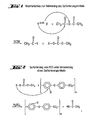
- Polyethersulfones (hereinafter also called "PES") are commercially available Products available and are characterized by high thermal, chemical and mechanical resistance. A typical example of polyethersulfones is in given below.
- the sulfonation of PES may be more concentrated Sulfuric acid by using oleum as sulfonating agent "overnight" and the sulfonated PES is water soluble. This should be on the attributable to high degree of sulfonation and / or polymer degradation. A Controllable sulfonation with chlorosulfonic acid or oleum is according to this state technically impossible.
- the PES is suspended in dichloromethane and treated at a temperature of 0 to 5 ° C with sulfonating agents, for example with SO 3 or with chlorosulfonic acid over a period of 4 hours.
- the Ask if the sulfonation is within a short time and at a low Temperature can be carried out without degrading the polymer chains.
- the sulfonation should be controllable and the degree of sulfonation should be be variable.
- WO-A-96 / 29,359 and WO-A-96 / 29,360 disclose polymer electrolytes sulfonated aromatic polyether ketones and the production of membranes described from these materials.
- PEK polyether ketones
- the present invention is thus the Task is based, a simple and inexpensive Sulfon mecanicsclar for to provide aromatic polymers in which as possible no degradation of the Polymer is carried out during the sulfonation, which can be carried out in a homogeneous phase and that leads to the most homogeneous possible products.
- sequence of method steps b) to d) can be arbitrary; these steps can also be done at the same time.
- the aromatic polymer used in step a) may be any Polymers that are sulfonatable in the polymer backbone (polymer backbone) has aromatic groups and that in the used in step a) Solvents can be solved.
- Examples are aromatic polyamides, aromatic Polyimides, aromatic polyether ketones (in the broadest sense, i.e. polymers with Ether and ketone bridges in the polymer backbone), aromatic polycarbonates, aromatic polysulfones, sulfoxides or sulfides, aromatic polyethersulfones, aromatic polyesters. Particular preference is given to aromatic polyether ketones, Polyetheretherketone, polyetherethersulfone and in particular polyethersulfones.
- the essentially anhydrous acid used in step a) has a water content of less than 3% by weight, preferably less than 2% by weight, in particular less than 1.5 wt .-%, on.
- the acids can be used individually or in Combination can be used.
- the concentration of the dissolved aromatic polymer in the substantially Anhydrous acid is usually 0.01 to 30 wt.%, Preferably 0.1 to 25 wt.%, In particular 1 to 20 wt.%, Based on the solution.
- the inert organic solvent used in step b) may include Hydrocarbon, which is preferably halogenated, particularly preferably a aliphatic chlorinated and / or fluorinated hydrocarbon. This one is under the Reaction conditions usually liquid. The amount is chosen so that a homogeneous solution arises.
- Hydrocarbon which is preferably halogenated, particularly preferably a aliphatic chlorinated and / or fluorinated hydrocarbon. This one is under the Reaction conditions usually liquid. The amount is chosen so that a homogeneous solution arises.
- hydrocarbons are liquid aliphatic saturated at 25 ° C Hydrocarbons, in particular branched and unbranched hydrocarbons with 5 to 15 carbon atoms, such as pentane, hexane, heptane, octane or decane or ethylenically unsaturated aliphatic hydrocarbons, especially with 5 to 15 Carbon atoms, such as hexene, octene or decene.
- Hydrocarbons in particular branched and unbranched hydrocarbons with 5 to 15 carbon atoms, such as pentane, hexane, heptane, octane or decane or ethylenically unsaturated aliphatic hydrocarbons, especially with 5 to 15 Carbon atoms, such as hexene, octene or decene.
- halogenated hydrocarbons are chlorinated at 25 ° C and / or fluorinated saturated aliphatic hydrocarbons, such as mono-, di-, tri- or tetrachloromethane, mono-, di-, tri-, tetra-, penta- or hexachloroethane or the different chloro- / fluoromethanes or -ethanes.
- Particularly preferred Dichloromethane Particularly preferred Dichloromethane.
- the anhydride of a carboxylic acid used in step c) may be of any nature.
- linear anhydrides cyclic compounds can be used.
- Examples include anhydrides of aliphatic monocarboxylic acids such as formic, acetic, propionic, butyric and caproic, anhydrides of aliphatic or ethylenically unsaturated aliphatic dicarboxylic acids such as malonic acid, succinic acid or lactic acid, anhydrides of cycloaliphatic carboxylic acids such as cyclohexane carboxylic acid, anhydrides of aromatic Mono- or dicarboxylic acids, such as benzoic acid, phthalic, isophthalic or terephthalic acid.
- anhydrides of different carboxylic acids can be used.
- trifluoroacetic anhydride (CF 3 CO) 2 O or trichloroacetic anhydride (CCl 3 CO) 2 O can also be used. Particularly preferred is acetic anhydride and trifluoroacetic anhydride.
- the sulfonating agent used in step d) may be any of Sulfonating act as long as this under the reaction conditions sulfonation of the aromatic polymer backbone. Examples for this are oleum, concentrated sulfuric acid, chlorosulfonic acid.
- chlorosulfonic acid or oleum Preference is given to chlorosulfonic acid or oleum, in particular 20% oleum.
- the sulfonation reaction is preferably carried out at temperatures below 10 ° C, especially at temperatures below 5 ° C, more preferably between 0 ° C. and 5 ° C performed.
- the lower limit can also be below 0 ° C provided the Mixture is still liquid and can be stirred.
- the sulfonation reaction becomes less than 15 in the time interval Hours performed.
- the sulfonation time is preferably less than 10 Hours and most preferably less than 6 hours.
- the inventive method is characterized by a low reaction temperature and characterized by a short reaction time.
- the by means of this method prepared sulfonated aromatic polymers, in particular the Polyethersulfone, characterized by variable adjustable and very high Sulfon réellesgrade from without the polymer chains have been degraded significantly are.
- the products of the process are suitable because of the homogeneity of the sulfonation in particular for the production of membranes for applications in which it a high uniformity of properties arrives.
- electrochemical applications such as electrodialysis or use in Fuel cells, or the use as dielectrics, for example in capacitors with high capacities.
- This invention further relates to the use of the invention Process obtainable sulfonated aromatic polymers, in particular the sulfonated aromatic polyethersulfones, for the preparation of homogeneous Membranes and blend membranes.
- the sulfonating agent is activated by the anhydride.
- the activated sulfonating agent then reacts with the aromatic polymer by electrophilic substitution according to the following scheme (see FIG. 2).
- sulfonating agent such as chlorosulfonic acid or oleum in 95 ⁇ 97% Sulfuric acid, an anhydrous acid.
- PES dissolves at 0 ° C in the anhydrous acid.
- inert organic solvent such as Dichloromethane (“DCM") mixed.
- DCM Dichloromethane
- Sulfonating agent such as chlorosulfonic acid and / or oleum made.
- acetic anhydride is added as activator. The sulfonation can take place at a temperature of 0 to 10 ° C and can by pouring the Reaction mixture are terminated in water.
- sulfonating agent such as chlorosulfonic acid or Oleum prepared in 95 ⁇ 97% sulfuric acid, an anhydrous acid. Then it will be PES dissolved at 0 ° C in the anhydrous acid. Subsequently, the addition of the Sulfonating agent chlorosulfonic acid or oleum. After that will Activator acetic anhydride added in dichloromethane. The Sulfonation can take place at the temperature of 0 to 10 ° C and can by Pouring the reaction mixture into water to be stopped.
- the amount of Chlorosulfonic acid or oleum based on the water content in the sulfuric acid.
- the amount of sulfonating agent used as well as the activating agent (“Quasi-catalyst") is based on the degree of target sulfonation. Accordingly the reaction time should be limited to a period of up to 6 hours.
- membranes of sulfonated PES or blend membranes of sulfonated PES and unmodified PES; sulfonated PES and aminated PES, as well as sulfonated PES and polybenzimidazole PBI were prepared.
- N N-dimethylacetamide (DMAC) or N-methylpyrrolidone (NMP) was used as the solvent, and a polymer solution was prepared by dissolving sulfonated PES and other blend components in solvent. A film was doctored out of the polymer solution onto a support layer and the solvent was evaporated to make the membrane.
- DMAC N-dimethylacetamide
- NMP N-methylpyrrolidone
- Table 1 lists the data from unmodified PES and sulfonated PES from GPC assay. Data from the GPC investigation Sulfonated PES Unmodified PES Mn 1.512E + 4g / mol 4.554E + 3g / mol mw 4.033E + 4g / mol 4.152E + 4 g / mol Mz 6,992E + 4g / mol 7.286E + 4g / mol mv 3,675E + 4 g / mol 3,744E + 4g / mol D 2,668E + 0 9,117E + 0
- Table 2 shows the calculated and measured values of elemental analysis of sulfonated PES. Results of elemental analysis and titration element Beput1 (%) Berest2 (%) Found C% 55.8 54.5 52.5 H% 2.8 2.8 2.5 O% 24.8 25.6 27.7 S% 16.5 17.1 16.5 Cl% ⁇ 0.04
- FIG. 3 shows the FTIR spectrum of sulfonated PES.
- FIG. 4 shows the 1 H-NMR spectrum of sulfonated PES.
- membranes produced are summarized in Table 3 and Table 4.
- membrane Preparation solvent NMP polymer components Sulfonated PES or Sulfonated PES / PES polymer concentration 20 ⁇ 25% Temperature for evaporation 90 ⁇ 120 ° C Residence time in the oven 20h Post-treatment of the membranes 1 N H2SO4, at 40 ° C RE water at 40 ° C Data of the prepared membranes Membrane no.
- the measurement was carried out in demineralized water at 80 ° C.
Landscapes
- Chemical & Material Sciences (AREA)
- Chemical Kinetics & Catalysis (AREA)
- Engineering & Computer Science (AREA)
- Manufacturing & Machinery (AREA)
- General Chemical & Material Sciences (AREA)
- Health & Medical Sciences (AREA)
- Medicinal Chemistry (AREA)
- Polymers & Plastics (AREA)
- Organic Chemistry (AREA)
- Sustainable Energy (AREA)
- Life Sciences & Earth Sciences (AREA)
- Sustainable Development (AREA)
- Crystallography & Structural Chemistry (AREA)
- Electrochemistry (AREA)
- Dispersion Chemistry (AREA)
- Materials Engineering (AREA)
- Inorganic Chemistry (AREA)
- Polyethers (AREA)
- Polymers With Sulfur, Phosphorus Or Metals In The Main Chain (AREA)
- Separation Using Semi-Permeable Membranes (AREA)
- Polyoxymethylene Polymers And Polymers With Carbon-To-Carbon Bonds (AREA)
- Treatments Of Macromolecular Shaped Articles (AREA)
- Manufacture Of Macromolecular Shaped Articles (AREA)
- Compositions Of Macromolecular Compounds (AREA)
- Conductive Materials (AREA)
Claims (11)
- Procédé de production de polymères aromatiques sulfonés comprenant les opérations consistant à :a) dissoudre le polymère aromatique dans un acide avec une teneur en eau inférieure à 3 % en poids choisi dans le groupe constitué de l'acide sulfurique concentré, l'acide chlorosulfonique ou l'oléum,b) ajouter un solvant organique inerte dans les conditions de réaction,c) ajouter un anhydride d'acide carboxylique,d) ajouter un agent de sulfonation, ete) effectuer la sulfonation à une température inférieure à 25 °C et pendant un intervalle de temps de moins de 15 heures, pour atteindre le degré de sulfonation souhaité.
- Procédé selon la revendication 1, caractérisé en ce que, dans les conditions de réaction, le solvant organique inerte est choisi dans le groupe constitué des hydrocarbures aliphatiques liquides à 25 °C, en particulier les hydrocarbures ramifiés et non ramifiés avec 5 à 15 atomes de carbone et les hydrocarbures aliphatiques chlorés et/ou fluorés liquides à 25 °C, et en particulier est le dichlorométhane.
- Procédé selon la revendication 1, caractérisé en ce que l'anhydride d'acide carboxylique est choisi dans le groupe constitué des anhydrides d'acides monocarboxyliques aliphatiques, des anhydrides d'acides dicarboxyliques aliphatiques ou aliphatiques éthyléniquement insaturés, des anhydrides d'acide carboxyliques cycloaliphatiques et des anhydrides d'acides mono- ou dicarboxyliques aromatiques, en particulier l'anhydride d'acide acétique et l'anhydride d'acide trifluoroacétique.
- Procédé selon la revendication 1, caractérisé en ce que l'agent de sulfonation est choisi dans le groupe constitué de l'oléum et de l'acide chlorosulfonique.
- Procédé selon la revendication 1, caractérisé en ce que la température pendant l'ensemble du temps de réaction, en particulier cependant pendant la sulfonation, est ajustée au-dessous de 10 °C, en particulier au-dessous de 5 °C.
- Procédé selon la revendication 1, caractérisé en ce que la durée de la réaction est inférieure à 6 heures.
- Procédé selon la revendication 1, caractérisé en ce que l'on dissout le polymère aromatique dans un acide anhydre et cette solution de polymère a une concentration dans la gamme de 0,01 à 30 % en poids, par rapport à la solution.
- Procédé selon la revendication 1, caractérisé en ce que l'on utilise le dichlorométhane comme solvant et l'anhydride d'acide acétique ou l'anhydride d'acide trifluoroacétique comme anhydride.
- Procédé selon la revendication 1, caractérisé en ce qu'à la fin de la sulfonation on introduit sous agitation le polymère aromatique sulfoné dans l'eau glacée à une température inférieure à 5 °C.
- Procédé selon la revendication 1, caractérisé en ce que l'on utilise comme agent de sulfonation de l'oléum à 20 % et/ou de l'acide chlorosulfonique avec une pureté supérieure à 97 %.
- Procédé selon la revendication 1, caractérisé en ce que l'on utilise comme polymère aromatique des polyéthersulfones, comme PES ou PEES, et des polycétones, comme PEK, PEEK, PEEK, PEKEK et PEKK, PEEKK.
Applications Claiming Priority (3)
| Application Number | Priority Date | Filing Date | Title |
|---|---|---|---|
| DE19959289A DE19959289A1 (de) | 1999-12-09 | 1999-12-09 | Verfahren zur Herstellung von sulfonierten aromatischen Polymeren und Verwendung der Verfahrensprodukte zur Herstellung von Membranen |
| DE19959289 | 1999-12-09 | ||
| PCT/EP2000/012427 WO2001042336A1 (fr) | 1999-12-09 | 2000-12-08 | Procede de production de polymeres aromatiques sulfones et utilisation des produits du procede pour la fabrication de membranes |
Publications (2)
| Publication Number | Publication Date |
|---|---|
| EP1246862A1 EP1246862A1 (fr) | 2002-10-09 |
| EP1246862B1 true EP1246862B1 (fr) | 2005-10-26 |
Family
ID=7931939
Family Applications (1)
| Application Number | Title | Priority Date | Filing Date |
|---|---|---|---|
| EP00981353A Expired - Lifetime EP1246862B1 (fr) | 1999-12-09 | 2000-12-08 | Procede de production de polymeres aromatiques sulfones |
Country Status (8)
| Country | Link |
|---|---|
| US (1) | US6790931B2 (fr) |
| EP (1) | EP1246862B1 (fr) |
| JP (1) | JP2003516444A (fr) |
| KR (1) | KR100739383B1 (fr) |
| AT (1) | ATE307843T1 (fr) |
| CA (1) | CA2396776A1 (fr) |
| DE (2) | DE19959289A1 (fr) |
| WO (1) | WO2001042336A1 (fr) |
Families Citing this family (26)
| Publication number | Priority date | Publication date | Assignee | Title |
|---|---|---|---|---|
| US20040161741A1 (en) * | 2001-06-30 | 2004-08-19 | Elazar Rabani | Novel compositions and processes for analyte detection, quantification and amplification |
| JP4106983B2 (ja) * | 2002-03-25 | 2008-06-25 | 住友化学株式会社 | 芳香族系高分子、その製造方法およびその用途 |
| CA2485971A1 (fr) | 2002-05-13 | 2004-05-21 | Polyfuel, Inc. | Copolymeres blocs conducteurs d'ions |
| FR2843399B1 (fr) * | 2002-08-06 | 2004-09-03 | Commissariat Energie Atomique | Polymeres de type polyphenylenes, leur procede de preparation, membranes et dispositif de pile a combustible comprenant ces membranes |
| US6987163B2 (en) * | 2002-08-07 | 2006-01-17 | Research Foundation Of The State University Of New York | Modified polybenzimidazole (PBI) membranes for enhanced polymer electrochemical cells |
| DE10246461A1 (de) | 2002-10-04 | 2004-04-15 | Celanese Ventures Gmbh | Protonenleitende Polymermembran enthaltend Polyazolblends und deren Anwendung in Brennstoffzellen |
| DE10246372A1 (de) | 2002-10-04 | 2004-04-15 | Celanese Ventures Gmbh | Mit einer Katalysatorschicht beschichtete protonenleitende Polymermembran enthaltend Polyazole und deren Anwendung in Brennstoffzellen |
| DE10246373A1 (de) | 2002-10-04 | 2004-04-15 | Celanese Ventures Gmbh | Protonenleitende Polymermembran umfassend Sulfonsäuregruppen enthaltende Polyazole und deren Anwendung in Brennstoffzellen |
| US20040236158A1 (en) * | 2003-05-20 | 2004-11-25 | Collin Jennifer Reichi | Methods, systems and catalysts for the hydration of olefins |
| US20050049434A1 (en) * | 2003-08-28 | 2005-03-03 | Tustin Gerald Charles | Fluidizable carbon catalysts |
| DE10340927A1 (de) * | 2003-09-04 | 2005-03-31 | Celanese Ventures Gmbh | Protonenleitende Polymermembran enthaltend Polymere mit an aromatische Gruppen kovalent gebundene Sulfonsäuregruppen, Membran-Elektoden-Einheit und deren Anwendung in Brennstoffzellen |
| DE10361932A1 (de) | 2003-12-30 | 2005-07-28 | Celanese Ventures Gmbh | Protonenleitende Membran und deren Verwendung |
| JP4429022B2 (ja) * | 2004-01-07 | 2010-03-10 | 日立マクセル株式会社 | 膜電極接合体とその製造法及びそれを用いた燃料電池とその製造法 |
| DE102004008628A1 (de) | 2004-02-21 | 2005-09-08 | Celanese Ventures Gmbh | Membran-Elektroden-Einheit mit hoher Leistung und deren Anwendung in Brennstoffzellen |
| JP2007537317A (ja) | 2004-05-14 | 2007-12-20 | ペミアス ゲーエムベーハー | 異方性造形体、異方性造形体の製造方法および使用 |
| DE102004034139A1 (de) | 2004-07-15 | 2006-02-02 | Pemeas Gmbh | Verfahren zur Herstellung von Membran-Elektroden-Einheiten |
| US20060088749A1 (en) * | 2004-10-26 | 2006-04-27 | Gangadhar Panambur | Novel compositions of monomers, oligomers and polymers and methods for making the same |
| US20060088748A1 (en) * | 2004-10-26 | 2006-04-27 | Gangadhar Panambur | Novel compositions of monomers, oligomers and polymers and methods for making the same |
| US20060089510A1 (en) * | 2004-10-26 | 2006-04-27 | Gangadhar Panambur | Novel compositions of monomers, oligomers and polymers and methods for making the same |
| DE102005010411A1 (de) * | 2005-03-07 | 2006-09-14 | MAX-PLANCK-Gesellschaft zur Förderung der Wissenschaften e.V. | Sulfonierte Poly(arylene) als hydrolytisch und thermo-oxidativ stabile Polymere |
| DE102005051887A1 (de) * | 2005-10-29 | 2007-05-03 | Pemeas Gmbh | Membran für Brennstoffzellen, enthaltend Polymere, die Phosphonsäure-und/oder Sulfonsäuregruppen umfassen, Membran-Elektroden-Einheit und deren Anwendung in Brennstoffzellen |
| DE102005052378A1 (de) * | 2005-10-31 | 2007-05-03 | Pemeas Gmbh | Verbesserte Membran-Elektrodeneinheiten und Brennstoffzellen mit hoher Lebensdauer |
| DE102006042760A1 (de) | 2006-09-12 | 2008-03-27 | Pemeas Gmbh | Verfahren zur Herstellung einer protonenleitenden, Polyazol-enthaltenden Membran |
| CN100440604C (zh) * | 2006-11-17 | 2008-12-03 | 蔡植如 | 一种铅酸电瓶增活剂 |
| KR20110036878A (ko) * | 2008-05-15 | 2011-04-12 | 바스프 에스이 | 양성자 전도성 막 및 이의 사용 |
| DE102021125407A1 (de) * | 2021-09-30 | 2023-03-30 | Polymer Competence Center Leoben Gmbh | Verfahren zur Herstellung eines Dielektrikums für einen Kondensator und Verfahren zur Herstellung eines Kondensators und Kondensator |
Family Cites Families (7)
| Publication number | Priority date | Publication date | Assignee | Title |
|---|---|---|---|---|
| FR2040950A5 (fr) * | 1969-04-30 | 1971-01-22 | Rhone Poulenc Sa | |
| US3715323A (en) * | 1971-02-25 | 1973-02-06 | Gen Electric | Nitration of aromatic ring-containing compositions |
| DE58909860D1 (de) * | 1988-04-30 | 1999-11-11 | Akzo Nobel Nv | Verfahren zur Sulfonierung von aromatischen Polyäthersulfonen |
| DE19526855A1 (de) * | 1995-07-22 | 1997-01-23 | Basf Ag | Verfahren zur Herstellung von Polyarylenethern mit Anhydridendgruppen |
| US6096856A (en) * | 1995-07-27 | 2000-08-01 | Hoechst Research & Technology Deutschland Gmbh & Co. Kg | Polymer electrolytes and process for their production |
| DE19538025C2 (de) * | 1995-10-12 | 2001-03-29 | Fraunhofer Ges Forschung | Sulfonierte Polyaryletherketone |
| DE19813613A1 (de) * | 1998-03-27 | 1999-09-30 | Jochen Kerres | Modifiziertes Polymer und modifizierte Polymermembran |
-
1999
- 1999-12-09 DE DE19959289A patent/DE19959289A1/de not_active Withdrawn
-
2000
- 2000-12-08 WO PCT/EP2000/012427 patent/WO2001042336A1/fr not_active Ceased
- 2000-12-08 EP EP00981353A patent/EP1246862B1/fr not_active Expired - Lifetime
- 2000-12-08 US US10/148,776 patent/US6790931B2/en not_active Expired - Fee Related
- 2000-12-08 KR KR1020027007234A patent/KR100739383B1/ko not_active Expired - Fee Related
- 2000-12-08 JP JP2001543629A patent/JP2003516444A/ja not_active Withdrawn
- 2000-12-08 AT AT00981353T patent/ATE307843T1/de not_active IP Right Cessation
- 2000-12-08 CA CA002396776A patent/CA2396776A1/fr not_active Abandoned
- 2000-12-08 DE DE50011467T patent/DE50011467D1/de not_active Expired - Lifetime
Also Published As
| Publication number | Publication date |
|---|---|
| EP1246862A1 (fr) | 2002-10-09 |
| KR20020063202A (ko) | 2002-08-01 |
| JP2003516444A (ja) | 2003-05-13 |
| CA2396776A1 (fr) | 2001-06-14 |
| WO2001042336A1 (fr) | 2001-06-14 |
| ATE307843T1 (de) | 2005-11-15 |
| DE19959289A1 (de) | 2001-06-13 |
| US6790931B2 (en) | 2004-09-14 |
| US20030171532A1 (en) | 2003-09-11 |
| KR100739383B1 (ko) | 2007-07-13 |
| DE50011467D1 (de) | 2005-12-01 |
Similar Documents
| Publication | Publication Date | Title |
|---|---|---|
| EP1246862B1 (fr) | Procede de production de polymeres aromatiques sulfones | |
| EP1268045B1 (fr) | Nouvelles membranes constituees d'un melange de polymeres, destinees a etre utilisees dans des piles a combustible | |
| DE60020915T2 (de) | Polymere Kompositmembran und Verfahren zu ihrer Herstellung | |
| DE3225837C2 (fr) | ||
| DE102009020181B4 (de) | Sulfonierte Perfluorcyclobutanblockcopolymere und protonenleitende Polymermembranen | |
| EP3044249B2 (fr) | Polymères de polyarylènéthersulfone pour applications de membranes | |
| DE3213528C2 (fr) | ||
| EP0815159B1 (fr) | Procede de production des electrolytes polymeres | |
| EP2009728B1 (fr) | Procédé de fabrication d'un polymère poly(1,3,4-oxadiazol) sulfoné | |
| DE60031862T2 (de) | Gasseparationsmembran und verfahren zur herstellung eines polymers | |
| EP0575807A1 (fr) | Polyéthercétones sulfonés | |
| EP0341473A2 (fr) | Procédé pour la sulfonation de polyéthersulfones aromatiques | |
| DE10052242A1 (de) | Mit Säure dotierte, ein- oder mehrschichtige Kunststoffmembran mit Schichten aufweisend Polymerblends umfassend Polymere mit wiederkehrenden Azoleinheiten, Verfahren zur Herstellung solche Kunststoffmembranen sowie deren Verwendung | |
| DE2225284B2 (de) | Herstellung von anisotropen semi-permeablen Membranen aus Polyaryläther/sulfonen | |
| EP0815160A1 (fr) | Cetones polyether sulfonees, leur procede de production et leur utilisation pour fabriquer des membranes | |
| DE69019544T2 (de) | Membranen. | |
| EP1373364B1 (fr) | Polyether cetone cetone sulfone | |
| EP1856188B1 (fr) | Poly(arylenes) sulfones utilises comme polymeres stables a l'hydrolyse et par thermo-oxydation | |
| DE19909028A1 (de) | Sulfonierte aromatische Polymere, Membran enthaltend diese Polymeren, Verfahren zu deren Herstellung und deren Verwendung | |
| EP0986600B1 (fr) | Procede de fabrication de solutions de polymeres fonctionnalises par des groupes acides par rayonnement micro-ondes | |
| DE10149716A1 (de) | Polymere Brennstoffzellen-Membran und Verfahren zu ihrer Herstellung | |
| EP1481027A1 (fr) | Polymeres a chaine principale fonctionnalises | |
| DE10010002A1 (de) | Verfahren zur Nitrierung und Aminierung von Arylpolymer | |
| DE102017208805A1 (de) | Verfahren zur Herstellung von Blockcopolychinoxalinen mit Sulfon- oder Phosphonsäure-Gruppen und deren Einsatz als protonenleitende Membran | |
| DE10326703A1 (de) | Verfahren zur Herstellung einer Membran, insbesondere Polymerelektrolytmembran für Brennstoffzellen |
Legal Events
| Date | Code | Title | Description |
|---|---|---|---|
| PUAI | Public reference made under article 153(3) epc to a published international application that has entered the european phase |
Free format text: ORIGINAL CODE: 0009012 |
|
| 17P | Request for examination filed |
Effective date: 20020709 |
|
| AK | Designated contracting states |
Kind code of ref document: A1 Designated state(s): AT BE CH CY DE DK ES FI FR GB GR IE IT LI LU MC NL PT SE TR |
|
| 17Q | First examination report despatched |
Effective date: 20040713 |
|
| RAP1 | Party data changed (applicant data changed or rights of an application transferred) |
Owner name: PEMEAS GMBH |
|
| GRAP | Despatch of communication of intention to grant a patent |
Free format text: ORIGINAL CODE: EPIDOSNIGR1 |
|
| RTI1 | Title (correction) |
Free format text: METHOD FOR PRODUCING SULFONATED AROMATIC POLYMERS |
|
| GRAS | Grant fee paid |
Free format text: ORIGINAL CODE: EPIDOSNIGR3 |
|
| GRAA | (expected) grant |
Free format text: ORIGINAL CODE: 0009210 |
|
| AK | Designated contracting states |
Kind code of ref document: B1 Designated state(s): AT BE CH CY DE DK ES FI FR GB GR IE IT LI LU MC NL PT SE TR |
|
| PG25 | Lapsed in a contracting state [announced via postgrant information from national office to epo] |
Ref country code: TR Free format text: LAPSE BECAUSE OF FAILURE TO SUBMIT A TRANSLATION OF THE DESCRIPTION OR TO PAY THE FEE WITHIN THE PRESCRIBED TIME-LIMIT Effective date: 20051026 Ref country code: FI Free format text: LAPSE BECAUSE OF FAILURE TO SUBMIT A TRANSLATION OF THE DESCRIPTION OR TO PAY THE FEE WITHIN THE PRESCRIBED TIME-LIMIT Effective date: 20051026 Ref country code: NL Free format text: LAPSE BECAUSE OF FAILURE TO SUBMIT A TRANSLATION OF THE DESCRIPTION OR TO PAY THE FEE WITHIN THE PRESCRIBED TIME-LIMIT Effective date: 20051026 Ref country code: IE Free format text: LAPSE BECAUSE OF FAILURE TO SUBMIT A TRANSLATION OF THE DESCRIPTION OR TO PAY THE FEE WITHIN THE PRESCRIBED TIME-LIMIT Effective date: 20051026 |
|
| REG | Reference to a national code |
Ref country code: GB Ref legal event code: FG4D Free format text: NOT ENGLISH |
|
| REG | Reference to a national code |
Ref country code: CH Ref legal event code: EP |
|
| REG | Reference to a national code |
Ref country code: IE Ref legal event code: FG4D Free format text: LANGUAGE OF EP DOCUMENT: GERMAN |
|
| REF | Corresponds to: |
Ref document number: 50011467 Country of ref document: DE Date of ref document: 20051201 Kind code of ref document: P |
|
| PG25 | Lapsed in a contracting state [announced via postgrant information from national office to epo] |
Ref country code: CY Free format text: LAPSE BECAUSE OF FAILURE TO SUBMIT A TRANSLATION OF THE DESCRIPTION OR TO PAY THE FEE WITHIN THE PRESCRIBED TIME-LIMIT Effective date: 20051208 Ref country code: AT Free format text: LAPSE BECAUSE OF NON-PAYMENT OF DUE FEES Effective date: 20051208 |
|
| PG25 | Lapsed in a contracting state [announced via postgrant information from national office to epo] |
Ref country code: CH Free format text: LAPSE BECAUSE OF NON-PAYMENT OF DUE FEES Effective date: 20051231 Ref country code: MC Free format text: LAPSE BECAUSE OF NON-PAYMENT OF DUE FEES Effective date: 20051231 Ref country code: LI Free format text: LAPSE BECAUSE OF NON-PAYMENT OF DUE FEES Effective date: 20051231 Ref country code: LU Free format text: LAPSE BECAUSE OF NON-PAYMENT OF DUE FEES Effective date: 20051231 |
|
| PGFP | Annual fee paid to national office [announced via postgrant information from national office to epo] |
Ref country code: SE Payment date: 20060124 Year of fee payment: 6 |
|
| PG25 | Lapsed in a contracting state [announced via postgrant information from national office to epo] |
Ref country code: GR Free format text: LAPSE BECAUSE OF FAILURE TO SUBMIT A TRANSLATION OF THE DESCRIPTION OR TO PAY THE FEE WITHIN THE PRESCRIBED TIME-LIMIT Effective date: 20060126 Ref country code: DK Free format text: LAPSE BECAUSE OF FAILURE TO SUBMIT A TRANSLATION OF THE DESCRIPTION OR TO PAY THE FEE WITHIN THE PRESCRIBED TIME-LIMIT Effective date: 20060126 |
|
| PGFP | Annual fee paid to national office [announced via postgrant information from national office to epo] |
Ref country code: BE Payment date: 20060203 Year of fee payment: 6 |
|
| PG25 | Lapsed in a contracting state [announced via postgrant information from national office to epo] |
Ref country code: ES Free format text: LAPSE BECAUSE OF FAILURE TO SUBMIT A TRANSLATION OF THE DESCRIPTION OR TO PAY THE FEE WITHIN THE PRESCRIBED TIME-LIMIT Effective date: 20060206 |
|
| REG | Reference to a national code |
Ref country code: SE Ref legal event code: TRGR |
|
| GBT | Gb: translation of ep patent filed (gb section 77(6)(a)/1977) |
Effective date: 20060216 |
|
| PG25 | Lapsed in a contracting state [announced via postgrant information from national office to epo] |
Ref country code: PT Free format text: LAPSE BECAUSE OF FAILURE TO SUBMIT A TRANSLATION OF THE DESCRIPTION OR TO PAY THE FEE WITHIN THE PRESCRIBED TIME-LIMIT Effective date: 20060327 |
|
| NLV1 | Nl: lapsed or annulled due to failure to fulfill the requirements of art. 29p and 29m of the patents act | ||
| REG | Reference to a national code |
Ref country code: IE Ref legal event code: FD4D |
|
| ET | Fr: translation filed | ||
| REG | Reference to a national code |
Ref country code: CH Ref legal event code: PL |
|
| PLBE | No opposition filed within time limit |
Free format text: ORIGINAL CODE: 0009261 |
|
| STAA | Information on the status of an ep patent application or granted ep patent |
Free format text: STATUS: NO OPPOSITION FILED WITHIN TIME LIMIT |
|
| 26N | No opposition filed |
Effective date: 20060727 |
|
| PG25 | Lapsed in a contracting state [announced via postgrant information from national office to epo] |
Ref country code: SE Free format text: LAPSE BECAUSE OF NON-PAYMENT OF DUE FEES Effective date: 20061209 |
|
| PG25 | Lapsed in a contracting state [announced via postgrant information from national office to epo] |
Ref country code: BE Free format text: LAPSE BECAUSE OF NON-PAYMENT OF DUE FEES Effective date: 20061231 |
|
| EUG | Se: european patent has lapsed | ||
| BERE | Be: lapsed |
Owner name: *PEMEAS G.M.B.H. Effective date: 20061231 |
|
| PGFP | Annual fee paid to national office [announced via postgrant information from national office to epo] |
Ref country code: GB Payment date: 20091202 Year of fee payment: 10 Ref country code: FR Payment date: 20091221 Year of fee payment: 10 Ref country code: IT Payment date: 20091217 Year of fee payment: 10 |
|
| PGFP | Annual fee paid to national office [announced via postgrant information from national office to epo] |
Ref country code: DE Payment date: 20091203 Year of fee payment: 10 |
|
| GBPC | Gb: european patent ceased through non-payment of renewal fee |
Effective date: 20101208 |
|
| REG | Reference to a national code |
Ref country code: FR Ref legal event code: ST Effective date: 20110831 |
|
| PG25 | Lapsed in a contracting state [announced via postgrant information from national office to epo] |
Ref country code: FR Free format text: LAPSE BECAUSE OF NON-PAYMENT OF DUE FEES Effective date: 20110103 |
|
| REG | Reference to a national code |
Ref country code: DE Ref legal event code: R119 Ref document number: 50011467 Country of ref document: DE Effective date: 20110701 |
|
| PG25 | Lapsed in a contracting state [announced via postgrant information from national office to epo] |
Ref country code: DE Free format text: LAPSE BECAUSE OF NON-PAYMENT OF DUE FEES Effective date: 20110701 Ref country code: GB Free format text: LAPSE BECAUSE OF NON-PAYMENT OF DUE FEES Effective date: 20101208 |
|
| PG25 | Lapsed in a contracting state [announced via postgrant information from national office to epo] |
Ref country code: IT Free format text: LAPSE BECAUSE OF NON-PAYMENT OF DUE FEES Effective date: 20101208 |