EP1262190A1 - Rfrp enthaltend prolaktin sekretion regulator - Google Patents
Rfrp enthaltend prolaktin sekretion regulator Download PDFInfo
- Publication number
- EP1262190A1 EP1262190A1 EP01908337A EP01908337A EP1262190A1 EP 1262190 A1 EP1262190 A1 EP 1262190A1 EP 01908337 A EP01908337 A EP 01908337A EP 01908337 A EP01908337 A EP 01908337A EP 1262190 A1 EP1262190 A1 EP 1262190A1
- Authority
- EP
- European Patent Office
- Prior art keywords
- amino acid
- acid sequence
- seq
- salt
- same
- Prior art date
- Legal status (The legal status is an assumption and is not a legal conclusion. Google has not performed a legal analysis and makes no representation as to the accuracy of the status listed.)
- Withdrawn
Links
Images








Classifications
-
- C—CHEMISTRY; METALLURGY
- C07—ORGANIC CHEMISTRY
- C07K—PEPTIDES
- C07K14/00—Peptides having more than 20 amino acids; Gastrins; Somatostatins; Melanotropins; Derivatives thereof
- C07K14/435—Peptides having more than 20 amino acids; Gastrins; Somatostatins; Melanotropins; Derivatives thereof from animals; from humans
- C07K14/46—Peptides having more than 20 amino acids; Gastrins; Somatostatins; Melanotropins; Derivatives thereof from animals; from humans from vertebrates
- C07K14/47—Peptides having more than 20 amino acids; Gastrins; Somatostatins; Melanotropins; Derivatives thereof from animals; from humans from vertebrates from mammals
-
- A—HUMAN NECESSITIES
- A61—MEDICAL OR VETERINARY SCIENCE; HYGIENE
- A61P—SPECIFIC THERAPEUTIC ACTIVITY OF CHEMICAL COMPOUNDS OR MEDICINAL PREPARATIONS
- A61P15/00—Drugs for genital or sexual disorders; Contraceptives
-
- A—HUMAN NECESSITIES
- A61—MEDICAL OR VETERINARY SCIENCE; HYGIENE
- A61P—SPECIFIC THERAPEUTIC ACTIVITY OF CHEMICAL COMPOUNDS OR MEDICINAL PREPARATIONS
- A61P15/00—Drugs for genital or sexual disorders; Contraceptives
- A61P15/08—Drugs for genital or sexual disorders; Contraceptives for gonadal disorders or for enhancing fertility, e.g. inducers of ovulation or of spermatogenesis
-
- A—HUMAN NECESSITIES
- A61—MEDICAL OR VETERINARY SCIENCE; HYGIENE
- A61P—SPECIFIC THERAPEUTIC ACTIVITY OF CHEMICAL COMPOUNDS OR MEDICINAL PREPARATIONS
- A61P15/00—Drugs for genital or sexual disorders; Contraceptives
- A61P15/10—Drugs for genital or sexual disorders; Contraceptives for impotence
-
- A—HUMAN NECESSITIES
- A61—MEDICAL OR VETERINARY SCIENCE; HYGIENE
- A61P—SPECIFIC THERAPEUTIC ACTIVITY OF CHEMICAL COMPOUNDS OR MEDICINAL PREPARATIONS
- A61P5/00—Drugs for disorders of the endocrine system
- A61P5/10—Drugs for disorders of the endocrine system of the posterior pituitary hormones, e.g. oxytocin, ADH
-
- G—PHYSICS
- G01—MEASURING; TESTING
- G01N—INVESTIGATING OR ANALYSING MATERIALS BY DETERMINING THEIR CHEMICAL OR PHYSICAL PROPERTIES
- G01N33/00—Investigating or analysing materials by specific methods not covered by groups G01N1/00 - G01N31/00
- G01N33/48—Biological material, e.g. blood, urine; Haemocytometers
- G01N33/50—Chemical analysis of biological material, e.g. blood, urine; Testing involving biospecific ligand binding methods; Immunological testing
- G01N33/74—Chemical analysis of biological material, e.g. blood, urine; Testing involving biospecific ligand binding methods; Immunological testing involving hormones or other non-cytokine intercellular protein regulatory factors such as growth factors, including receptors to hormones and growth factors
-
- A—HUMAN NECESSITIES
- A61—MEDICAL OR VETERINARY SCIENCE; HYGIENE
- A61K—PREPARATIONS FOR MEDICAL, DENTAL OR TOILETRY PURPOSES
- A61K38/00—Medicinal preparations containing peptides
-
- G—PHYSICS
- G01—MEASURING; TESTING
- G01N—INVESTIGATING OR ANALYSING MATERIALS BY DETERMINING THEIR CHEMICAL OR PHYSICAL PROPERTIES
- G01N2333/00—Assays involving biological materials from specific organisms or of a specific nature
- G01N2333/435—Assays involving biological materials from specific organisms or of a specific nature from animals; from humans
- G01N2333/575—Hormones
- G01N2333/5756—Prolactin
Definitions
- the present invention relates to a prolactin secretion regulatory agent comprising a novel polypeptide (hereinafter sometimes referred to as a novel physiologically active polypeptide in the specification), its partial peptide, etc., and the like.
- a novel polypeptide hereinafter sometimes referred to as a novel physiologically active polypeptide in the specification
- its partial peptide etc., and the like.
- G protein-coupled receptors seven-transmembrane receptors
- hypothalamus-pituitary system One of the pathways to modulate biological functions mediated by the interactions of hormones or neurotransmitters with G protein-coupled receptors is the hypothalamus-pituitary system.
- the secretion of pituitary hormones from the pituitary gland is regulated by hypothalamic hormones (pituitatropic hormones), and the functions of the target cells/organs are regulated by the pituitary hormones released into the blood.
- Functions which are important for the living body, including the maintenance of homeostasis and the control of development, metabolism and growth of a genital system and an individual organism, are regulated through this pathway.
- the secretion of pituitary hormones is controlled by a positive feedback or a negative feedback mechanism by the hypothalamic hormone and the peripheral hormone secreted from the target endocrine glands.
- hypothalamic hormones are functioning as neurotransmitters or neuromodulators in the central nervous system.
- physiologically active peptides characterized by containing an RF amide-like or RS amide-like structure in particular, polypeptides characterized by containing the same or substantially the same amino acid sequence as the amino acid sequence represented by SEQ ID NO:1 or partial peptides thereof possess the function of regulating prolactin release.
- the present invention has come to be accomplished.
- the present invention provides the following.
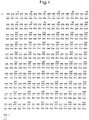
- FIG. 1 shows the base sequence of DNA encoding the polypeptide (human type) of the present invention obtained in REFERENCE EXAMPLE 2, and the amino acid sequence deduced from the base sequence.
- FIG. 2 shows the hydrophobic plotting of the polypeptide of the present invention.
- FIG. 3 shows the base sequence of DNA encoding the polypeptide (human type) of the present invention obtained in REFERENCE EXAMPLE 3, and the amino acid sequence deduced from the base sequence.
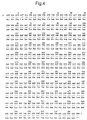
- FIG. 4 shows the base sequence of DNA encoding the polypeptide (bovine type) of the present invention obtained in REFERENCE EXAMPLE 4, and the amino acid sequence deduced from the base sequence.
- FIG. 5 shows the base sequence of DNA encoding the polypeptide (rat type) of the present invention obtained in REFERENCE EXAMPLE 5, and the amino acid sequence deduced from the base sequence.
- FIG. 6 shows comparison among the amino acid sequences of the polypeptides of the present invention obtained in REFERENCE EXAMPLES 3, 4 and 5.
- FIG. 7 shows the base sequence of DNA encoding the polypeptide (mouse type) of the present invention obtained in REFERENCE EXAMPLE 6, and the amino acid sequence deduced from the base sequence.
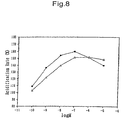
- FIG. 8 shows the reactivity of peptides to r0T7T022L receptor-expressed CHO cells assayed by Cytosensor in REFERENCE EXAMPLE 7, in which •-• and ⁇ - ⁇ denote MPHSFANLPLRF amide (SEQ ID NO:39) and VPNLPQRF amide (SEQ ID NO:40), respectively.
- FIG. 9 shows the activity of MPHSFANLPLRF amide (SEQ ID NO:39) and VPNLPQRF amide (SEQ ID NO:40) for inhibiting cAMP production against the r0T7T022L-expressed CHO cells, assayed in REFERENCE EXAMPLE 10, in which ⁇ - ⁇ and •-• denote MPHSFANLPLRF amide (SEQ ID NO:39) and VPNLPQRF amide (SEQ ID NO:40), respectively.
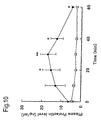
- FIG. 10 shows the measurement results of prolactin level contained in plasma, which was carried out in EXAMPLE 1, wherein •-•denote the prolactin level in the group receiving PBS in which the peptide represented by SEQ ID NO:39 was dissolved, and o-o denotes the prolactin level in the control group receiving PBS alone.
- the time period for administration is made 0 minutes, and * indicates a risk percentage of p ⁇ 0.05, and ** indicates a risk percentage of p ⁇ 0.01.
- FIG. 11 shows the results of the reactivity of an RF amide-related peptide in competitive EIA using anti-rat RFRP-1 monoclonal antibody 1F3, which was carried out in REFERENCE EXAMPLE 13.
- -•- denotes the peptide composed of 83 (Val) - 94 (Phe) amino acid sequence of the amino acid sequence shown by SEQ ID NO:50, in which the C-terminal carboxyl is amidated (VPHSAANLPLRF-NH 2 ), - ⁇ - denotes the peptide composed of 90 (Leu) - 94 (Phe) amino acid sequence of the amino acid sequence shown by SEQ ID NO:50, in which the C-terminal carboxyl is amidated (LPLRF-NH 2 ), - ⁇ - denotes the peptide composed of 124 (Val) - 131 (Phe) amino acid sequence of the amino acid sequence shown by SEQ ID NO:50, in which the C-terminal carboxyl is amidated (VPNLPQRF-NH 2 ), and - ⁇ - denotes the peptide composed of 128 (Pro) - 131 (Phe) amino acid sequence of the amino acid sequence shown by SEQ ID NO:50, in which the C-terminal
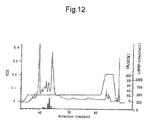
- FIG. 12 shows the chromatographic pattern of endogenous RFRP-1 finally purified from bovine hypothalamus, which was performed in EXAMPLE 2.
- the chromatogram shows ⁇ RPC C2/dC18 SC 2.1/10 at the final purification step, wherein the ordinate indicates absorbance at 215 nm and the concentration of acetonitrile for elution, and the abscissa indicates retention time.
- the black column shows RFRP-1-like immune activity when measured by competitive EIA using anti-rat RFRP-1 monoclonal antibody 1F3 in each fraction.
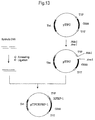
- FIG. 13 shows the construction for plasmid pTFCRFRT-1 obtained in EXAMPLE 4.
- FIG. 14 shows the activities of various peptides for inhibiting the increased cAMP production in cells by forskolin treatment performed in EXAMPLE 8, in which -o- denotes hRFRP-1-12 (peptide having the 81 (Met) to 92 (Phe) amino acid sequence in SEQ ID NO:1), - ⁇ - denotes hRFRP-1-37 (peptide having the 56 (Ser) to 92 (Phe) amino acid sequence in SEQ ID NO:1), - ⁇ - denotes rRFRP-1-37 (peptide having the 58 (Ser) to 94 (Phe) amino acid sequence in SEQ ID NO:50), - ⁇ - denotes hRFRP-2-12 (peptide having the 101 (Phe) to 112 (Ser) amino acid sequence in SEQ ID NO:1), - ⁇ - denotes hRFRP-3-8 (peptide having the 124 (Val) to 131 (Phe) amino acid sequence in SEQ ID NO:1), - ⁇ - denotes
- FIG. 15 is the figure showing the effect of pertussis toxin on activation of human 0T7T022 receptor by RFRP peptide using as an indicator the cAMP production inhibiting activity, which was carried out in EXAMPLE 9.
- the polypeptide of the present invention having the same or substantially the same amino acid sequence as the amino acid sequence shown by SEQ ID NO: 1 may be any polypeptide derived from any cells of human and other warm-blooded animals (e.g., guinea pig, rat, mouse, chicken, rabbit, swine, sheep, bovine, monkey, etc.) such as retina cells, liver cells, splenocytes, nerve cells, glial cells, ⁇ cells of pancreas, bone marrow cells, mesangial cells, Langerhans' cells, epidermic cells, epithelial cells, endothelial cells, fibroblasts, fibrocytes, myocytes, fat cells, immune cells (e.g., macrophage, T cells, B cells, natural killer cells, mast cells, neutrophils, basophils, eosinophils, monocytes), megakaryocytes, synovial cells, chondrocytes
- warm-blooded animals e.g., guine
- the amino acid sequence which has substantially the same amino acid sequence as the amino acid sequence represented by SEQ ID NO: 1 includes an amino acid sequence having at least about 70% homology, preferably at least about 80% homology, more preferably at least about 90% homology, and most preferably at least about 95% homology, to the amino acid sequence represented by SEQ ID NO:1.
- Examples of substantially the same amino acid sequence as the amino acid sequence represented by SEQ ID NO: 1 include an amino acid sequence containing the 22-180 amino acid sequence of the amino acid sequence represented by SEQ ID NO:1, etc.
- substantially the same amino acid sequence as that represented by SEQ ID NO: 1 includes amino acid sequences represented by SEQ ID NO:8, SEQ ID NO:14, SEQ ID NO:18, SEQ ID NO:33 or SEQ ID NO:50, and the like.
- polypeptide which has substantially the same amino acid sequence as that represented by SEQ ID NO: examples include a polypeptide having substantially the same amino acid sequence as that represented by SEQ ID NO: 1 (e.g., amino acid sequence shown by SEQ ID NO:8, SEQ ID NO:14, SEQ ID NO:18, SEQ ID NO:33 or SEQ ID NO:50) and having the prolactin secretion regulating activity substantially equivalent to the polypeptide containing the amino acid sequence represented by SEQ ID NO: 1.
- substantially equivalent is used to mean that the nature of these activities is equivalent (for example, biochemically or pharmacologically). It is thus preferred that the prolactin secretion regulating activity is equivalent (e.g., about 0.1 to about 100 times, preferably about 0.5 to about 10 times, more preferably about 0.5 to about 2 times), and it is allowable that differences among grades such as the strength of these activities, molecular weight of the polypeptide, etc. are even present.
- the prolactin secretion regulating activity can be determined according to a modification from publicly known methods, for example, in accordance with EXAMPLE 1, which will be later described.
- polypeptides of the present invention include polypeptides containing (i) an amino acid sequence represented by SEQ ID NO:1, SEQ ID NO:8, SEQ ID NO:14, SEQ ID NO:18, SEQ ID NO:33 or SEQ ID NO:50, of which 1 to 20 (preferably 1 to 15, more preferably 1 to 5 and most preferably 1 to 3) amino acids are deleted; (ii) an amino acid sequence represented by SEQ ID NO:1, SEQ ID NO:8, SEQ ID NO:14, SEQ ID NO:18, SEQ ID NO:33 or SEQ ID NO:50, to which 1 to 20 (preferably 1 to 15, more preferably 1 to 5 and most preferably 1 to 3) amino acids are added; (iii) an amino acid sequence represented by SEQ ID NO:1, SEQ ID NO:8, SEQ ID NO:14, SEQ ID NO:18, SEQ ID NO:33 or SEQ ID NO:50, into which 1 to 20 (preferably 1 to 15, more preferably 1 to 5 and most preferably 1 to 3) amino acids are inserted
- polypeptide which contains substantially the same amino acid sequence as the amino acid sequence shown by SEQ ID NO:1 are a polypeptide containing substantially the same amino acid sequence as that shown by SEQ ID NO:8, a polypeptide containing substantially the same amino acid sequence as that shown by SEQ ID NO:14, a polypeptide containing substantially the same amino acid sequence as that shown by SEQ ID NO:18, a polypeptide containing substantially the same amino acid sequence as that shown by SEQ ID NO:33, a polypeptide containing substantially the same amino acid sequence as that shown by SEQ ID NO:50, and the like.
- polypeptides are represented in accordance with the conventional way of describing polypeptides, that is, the N-terminus (amino terminus) at the left hand and the C-terminus (carboxyl terminus) at the right hand.
- the C-terminus is usually in the form of a carboxyl group (-COOH) or a carboxylate (-COO - ) but may be in the form of an amide (-CONH 2 ) or an ester (-COOR).
- ester group shown by R examples include a C 1-6 alkyl group such as methyl, ethyl, n-propyl, isopropyl, n-butyl, etc.; a C 3-8 cycloalkyl group such as cyclopentyl, cyclohexyl, etc.; a C 6-12 aryl group such as phenyl, ⁇ -naphthyl, etc.; a C 7-14 aralkyl such as a phenyl-C 1-2 alkyl group, e.g., benzyl, phenethyl, etc.; an ⁇ -naphthyl-C 1-2 alkyl group such as ⁇ -naphthylmethyl, etc.; and the like.
- pivaloyloxymethyl or the like which is used widely as an ester for oral administration may also be used.
- polypeptide of the present invention contains a carboxyl group (or a carboxylate) at a position other than the C-terminus
- it may be amidated or esterified and such an amide or ester is also included within the polypeptide of the present invention.
- the ester group may be the same group as that described with respect to the above C-terminal.
- examples of the polypeptide of the present invention include variants of the above polypeptides, wherein the amino group at the N-terminus (e.g., methionine residue) of the polypeptide is protected with a protecting group (e.g., a C 1-6 acyl group such as a C 1-6 alkanoyl group e.g., formyl group, acetyl group, etc.); those wherein the N-terminal region is cleaved in vivo and the glutamyl group thus formed is pyroglutaminated; those wherein a substituent (e.g., -OH, -SH, amino group, imidazole group, indole group, guanidino group, etc.) on the side chain of an amino acid in the molecule is protected with a suitable protecting group (e.g., a C 1-6 acyl group such as a C 1-6 alkanoyl group , e.g., formyl group, acety
- polypeptide of the present invention examples include a human-derived polypeptide containing the amino acid sequence represented by SEQ ID NO:1 (FIG. 1), a human-derived polypeptide containing the amino acid sequence represented by SEQ ID NO:8 (FIG. 3), a bovine-derived polypeptide containing the amino acid sequence represented by SEQ ID NO:14 (FIG. 4), a rat-derived polypeptide containing the amino acid sequence represented by SEQ ID NO: 18 (FIG. 5), a mouse-derived polypeptide containing the amino acid sequence represented by SEQ ID NO:33 (FIG.7), a rat-derived polypeptide containing the amino acid sequence represented by SEQ ID NO:50, etc.
- the human-derived polypeptide containing the amino acid sequence represented by SEQ ID NO:1 the human-derived polypeptide containing the amino acid sequence represented by SEQ ID NO:8, and the bovine-derived polypeptide containing the amino acid sequence represented by SEQ ID NO:14.
- the partial peptides of the polypeptides of the present invention may be any partial peptides of the polypeptides of the present invention described above, and those having the prolactin secretion regulating activity, which is expressed by adding the receptors of the polypeptide of the present invention (specifically, proteins containing the same or substantially the same amino acid sequence as the amino acid sequence shown by SEQ ID NO:37, or salts thereof.
- the partial peptide of the present invention may contain an amino acid sequence, wherein 1 to 5 (preferably 1 to 3) amino acids are deleted, an amino acid sequence, to which 1 to 5 (preferably 1 to 3) amino acids are added, an amino acid sequence, wherein 1 to 5 (preferably 1 to 3) amino acids are inserted, or an amino acid sequence, wherein 1 to 5 (preferably I to 3) amino acids are substituted by other amino acids.
- the partial peptide may contain a combination of the above amino acid sequences.
- the C-terminus is normally a carboxyl group (-COOH) or carboxylate (-COO - ) but the C-terminus may be in the form of an amide (-CONH 2 ) or an ester (-COOR)(wherein R has the same significance as defined above), as has been described with the polypeptide of the present invention.
- the partial peptide of the receptor protein of the present invention contains a carboxyl group (or a carboxylate) at a position other than the C-terminus, it may be amidated or esterified and such an amide or ester is also included within the receptor protein of the present invention.
- the ester group may be the same group as the ester described with respect to the above C-terminal.
- the partial peptide of the present invention further includes conjugated peptides such as those in which the amino group of the N-terminal amino acid residue (e.g., methionine residue) is protected by a protecting group, those in which the N-terminal residue is cleaved in vivo and the produced glutamine residue is pyroglutaminated, those in which substituents on the side chains of amino acids in the molecule are protected by appropriate protecting groups and conjugated proteins such as so-called glycoproteins having sugar chains.
- conjugated peptides such as those in which the amino group of the N-terminal amino acid residue (e.g., methionine residue) is protected by a protecting group, those in which the N-terminal residue is cleaved in vivo and the produced glutamine residue is pyroglutaminated, those in which substituents on the side chains of amino acids in the molecule are protected by appropriate protecting groups and conjugated proteins such as so-called glycoproteins having sugar chains.
- these partial peptides are
- peptides containing the RF amide, RS amide or RL amide structure preferred are peptides containing the RF amide, RS amide or RL amide structure, more preferably peptides containing the RF amide or RS amide structure, and most preferably peptides containing the RF amide structure.
- the RF amide structure refers to the peptide structure, the C-terminus of which takes an arginine-phenylalanine-NH 2 structure.
- the RS amide structure is used to mean the peptide structure, the C-terminus of which takes an arginine-serine-NH 2 structure.
- the C-terminus of the peptide takes an arginine-leucine-NH 2 structure.
- peptides preferred examples include:
- preferred examples of the partial peptide of the present invention include:
- the amides of these peptides are desirable (preferably, peptides wherein the C-terminal carboxyl group (-COOH) is amidated (-CONH 2 )).
- Specific examples include a peptide (SEQ ID NO:39) having the 81 (Met) -92 (Phe) amino acid sequence in SEQ ID NO:1, wherein the C-terminus is amidated (-CONH 2 ), a peptide (SEQ ID NO:41) having the 101 (Ser) - 112 (Ser) amino acid sequence in SEQ ID NO:1, wherein the C-terminus is amidated (-CONH 2 ); a peptide (SEQ ID NO:40) having the 124 (Val) - 131 (Phe) amino acid sequence in SEQ ID NO: wherein the C-terminus is amidated (-CONH 2 ), and the like.
- salts of the polypeptide of the present invention or the partial peptide of the present invention there may be used salts with physiologically acceptable acids (e.g., inorganic acids or organic acids) or bases (e.g., alkali metal salts), preferably in the form of physiologically acceptable acid addition salts.
- physiologically acceptable acids e.g., inorganic acids or organic acids
- bases e.g., alkali metal salts
- salts examples include salts with inorganic acids (e.g., hydrochloric acid, phosphoric acid, hydrobromic acid, sulfuric acid), salts with organic acids (e.g., acetic acid, formic acid, propionic acid, fumaric acid, maleic acid, succinic acid, tartaric acid, citric acid, malic acid, oxalic acid, benzoic acid, methanesulfonic acid, benzenesulfonic acid) and the like.
- inorganic acids e.g., hydrochloric acid, phosphoric acid, hydrobromic acid, sulfuric acid
- organic acids e.g., acetic acid, formic acid, propionic acid, fumaric acid, maleic acid, succinic acid, tartaric acid, citric acid, malic acid, oxalic acid, benzoic acid, methanesulfonic acid, benzenesulfonic acid
- polypeptide of the present invention or salts thereof, or the partial peptide of the present invention or salts thereof may be manufactured by a publicly known method used to purify polypeptides from human or other warm-blooded animal cells or tissues described above. Alternatively, they may also be manufactured by culturing transformants containing DNAs encoding the polypeptides, which will be later described. Furthermore, they may also be manufactured by a modification of the methods for peptide synthesis, which will also be described hereinafter.
- polypeptide or partial peptide, or salts thereof are manufactured from human or mammalian tissues or cells
- human or mammalian tissues or cells are homogenized, then extracted with an acid or the like, and the extract is isolated and purified by a combination of chromatography techniques such as reversed phase chromatography, ion exchange chromatography, and the like.
- resins that are generally used for polypeptide synthesis may be used.
- resins include chloromethyl resin, hydroxymethyl resin, benzhydrylamine resin, aminomethyl resin, 4-benzyloxybenzyl alcohol resin, 4-methylbenzhydrylamine resin, PAM resin, 4-hydroxymethylmethylphenyl acetamidomethyl resin, polyacrylamide resin, 4-(2',4'-dimethoxyphenyl-hydroxymethyl)phenoxy resin, 4-(2',4'-dimethoxyphenyl-Fmoc-aminoethyl) phenoxy resin, etc.
- amino acids in which ⁇ -amino groups and functional groups on the side chains are appropriately protected are condensed on the resin in the order of the sequence of the objective polypeptide according to various condensation methods publicly known in the art.
- the polypeptide is excised from the resin and at the same time, the protecting groups are removed.
- intramolecular disulfide bond-forming reaction is performed in a highly diluted solution to obtain the objective polypeptide of the present invention or salts thereof, or the partial peptide of the present invention or salts thereof.
- carbodiimides are particularly preferably employed.
- carbodiimides include DCC, N,N'-diisopropylcarbodiimide, N-ethyl-N'-(3-dimethylaminopropyl)carbodiimide, etc.
- the protected amino acids in combination with a racemization inhibitor e.g., HOBt, HOOBt
- a racemization inhibitor e.g., HOBt, HOOBt
- the protected amino acids are previously activated in the form of symmetric acid anhydrides, HOBt esters or HOOBt esters, followed by adding the thus activated protected amino acids to the resin.
- Solvents suitable for use to activate the protected amino acids or condense with the resin may be chosen from solvents that are known to be usable for polypeptide condensation reactions.
- solvents include acid amides such as N,N-dimethylformamide, N,N-dimethylacetamide, N-methylpyrrolidone, etc.; halogenated hydrocarbons such as methylene chloride, chloroform, etc.; alcohols such as trifluoroethanol, etc.; sulfoxides such as dimethylsulfoxide, etc.; ethers such as pyridine, dioxane, tetrahydrofuran, etc.; nitriles such as acetonitrile, propionitrile, etc.; esters such as methyl acetate, ethyl acetate, etc.; and appropriate mixtures of these solvents.
- the reaction temperature is appropriately chosen from the range known to be applicable to polypeptide bond-forming reactions and is usually selected in the range of approximately -20°C to 50°C.
- the activated amino acid derivatives are used generally in an excess of 1.5 to 4 times.
- the condensation is examined using the ninhydrin reaction; when the condensation is insufficient, the condensation can be completed by repeating the condensation reaction without removal of the protecting groups. When the condensation is yet insufficient even after repeating the reaction, unreacted amino acids are acetylated with acetic anhydride or acetylimidazole to cancel any possible adverse affect on the subsequent reaction.
- Examples of the protecting groups used to protect the starting amino groups include Z, Boc, t-pentyloxycarbonyl, isobornyloxycarbonyl, 4-methoxybenzyloxycarbonyl, Cl-Z, Br-Z, adamantyloxycarbonyl, trifluoroacetyl, phthaloyl, formyl, 2-nitrophenylsulphenyl, diphenylphosphinothioyl, Fmoc, etc.
- a carboxyl group can be protected by, e.g., alkyl esterification (in the form of linear, branched or cyclic alkyl esters of the alkyl moiety such as methyl, ethyl, propyl, butyl, t-butyl, cyclopentyl, cyclohexyl, cycloheptyl, cyclooctyl, 2-adamantyl, etc.), aralkyl esterification (e.g., esterification in the form of benzyl ester, 4-nitrobenzyl ester, 4-methoxybenzyl ester, 4-chlorobenzyl ester, benzhydryl ester, etc.), phenacyl esterification, benzyloxycarbonyl hydrazidation, t-butoxycarbonyl hydrazidation, trityl hydrazidation, or the like.
- alkyl esterification in the form of linear, branched
- the hydroxyl group of serine can be protected through, for example, its esterification or etherification.
- groups appropriately used for the esterification include a lower C 1-6 alkanoyl group , such as acetyl group, an aroyl group such as benzoyl group, and a group derived from carbonic acid such as benzyloxycarbonyl group and ethoxycarbonyl group.
- groups appropriately used for the etherification include benzyl group, tetrahydropyranyl group, t-butyl group, etc.
- Examples of groups for protecting the phenolic hydroxyl group of tyrosine include Bzl, Cl 2 -Bzl, 2-nitrobenzyl, Br-Z, t-butyl, etc.
- Examples of groups used to protect the imidazole moiety of histidine include Tos, 4-methoxy-2,3,6-trimethylbenzenesulfonyl, DNP, benzyloxymethyl, Bum, Boc, Trt, Fmoc, etc.
- Examples of the activated carboxyl groups in the starting amino acids include the corresponding acid anhydrides, azides, activated esters [esters with alcohols (e.g., pentachlorophenol, 2,4,5-trichlorophenol, 2,4-dinitrophenol, cyanomethyl alcohol, p-nitrophenol, HONB, N-hydroxysuccimide, N-hydroxyphthalimide, HOBt)], and the like.
- activated amino acids in which the amino groups are activated in the starting material for example, the corresponding phosphoric amides are employed.
- a catalyst such as Pd-black or Pd-carbon
- a treatment with a base such as diisopropylethylamine, triethylamine, piperidine, piperazine, etc.
- reduction with sodium in liquid ammonia etc.
- the elimination of the protecting group by the acid treatment described above is carried out generally at a temperature of approximately -20°C to 40°C, In the acid treatment, it is efficient to add a cation scavenger such as anisole, phenol, thioanisole, m-cresol, p-cresol, dimethylsulfide, 1,4-butanedithiol, 1,2-ethanedithiol, etc. Furthermore, 2,4-dinitrophenyl group known as the protecting group for the imidazole of histidine is removed by a treatment with thiophenol.
- a cation scavenger such as anisole, phenol, thioanisole, m-cresol, p-cresol, dimethylsulfide, 1,4-butanedithiol, 1,2-ethanedithiol, etc.
- 2,4-dinitrophenyl group known as the protecting group for the imidazole of histidine is removed by a treatment with thiophenol.
- Formyl group used as the protecting group of the indole of tryptophan is eliminated by the aforesaid acid treatment in the presence of 1,2-ethanedithiol, 1,4-butanedithiol, etc. as well as by a treatment with an alkali such as a dilute sodium hydroxide solution, dilute ammonia, etc.
- Protection of functional groups that should not be involved in the reaction of the starting materials, protecting groups, elimination of the protecting groups, activation of functional groups participated in the reaction, etc. may be appropriately selected from publicly known groups or publicly known means.
- the ⁇ -carboxyl group of the carboxy terminal amino acid is first protected by amidation; the peptide (polypeptide) chain is then extended from the amino group side to a desired length. Thereafter, a polypeptide in which only the protecting group of the N-terminal ⁇ -amino group has been eliminated from the peptide chain and a polypeptide in which only the protecting group of the C-terminal carboxyl group has been eliminated are manufactured.
- the two polypeptides are condensed in a mixture of the solvents described above. The details of the condensation reaction are the same as described above.
- esterified polypeptide or partial peptide of the present invention for example, the ⁇ -carboxyl group of the carboxy terminal amino acid is condensed with a desired alcohol to prepare the amino acid ester, which is followed by procedure similar to the preparation of the amidated polypeptide above to give the desired esterified polypeptide or partial peptide.
- the partial peptide or salts of the present invention can be manufactured by publicly known methods for peptide synthesis, or by cleaving the polypeptide of the present invention with an appropriate peptidase.
- methods for peptide synthesis for example, either solid phase synthesis or liquid phase synthesis may be used. That is, the partial peptide or amino acids that can construct the partial peptide of the present invention are condensed with the remaining part of the partial peptide. Where the product contains protecting groups, these protecting groups are removed to give the desired peptide.
- Publicly known methods for condensation and elimination of the protecting groups are described in 1) - 5) below.
- the product may be purified and isolated by a combination of conventional purification methods such as solvent extraction, distillation, column chromatography, liquid chromatography and recrystallization to give the partial peptide of the present invention.
- the partial peptide obtained by the above methods is in a free form, the peptide can be converted into an appropriate salt by a publicly known method; when the protein is obtained in a salt form, it can be converted into a free form or a different salt form by a publicly known method.
- the DNA encoding the polypeptide of the present invention may be any DNA, so far as it contains the base sequence encoding the polypeptide of the present invention described above.
- Such a DNA may also be any one of genomic DNA, genomic DNA library, cDNA derived from the cells or tissues described above, cDNA library derived from the cells or tissues described above and synthetic DNA.
- the vector to be used for the library may be any of bacteriophage, plasmid, cosmid, phagemid and the like.
- the DNA can be amplified by reverse transcriptase polymerase chain reaction (hereinafter abbreviated as RT-PCR) with total RNA or mRNA fraction prepared from the above-described cells or tissues.
- RT-PCR reverse transcriptase polymerase chain reaction
- the DNA encoding the polypeptide of the present invention may be any one of, for example, DNA having the base sequence represented by SEQ ID NO:2, SEQ ID NO:9,SEQ ID NO:15,SEQ ID NO:19, SEQ ID NO:34 or SEQ ID NO:51 or any DNA having a base sequence hybridizable to the base sequence represented by SEQ ID NO:2, SEQ ID NO;9, SEQ ID NO:15, SEQ ID NO:19, SEQ ID NO:34 or SEQ ID NO:51 under high stringent conditions and encoding a polypeptide, which has the activity substantially equivalent to those of the polypeptide of the present invention (e.g., a cell stimulating activity, etc.).
- DNA having the base sequence represented by SEQ ID NO:2, SEQ ID NO:9,SEQ ID NO:15,SEQ ID NO:19, SEQ ID NO:34 or SEQ ID NO:51 or any DNA having a base sequence hybridizable to the base sequence represented by SEQ ID NO:2, SEQ ID NO;9,
- the hybridization can be carried out by publicly known methods or by a modification thereof, for example, in accordance with the method described in Molecular Cloning, 2nd ed., J. Sambrook et al., Cold Spring Harbor Lab. Press, (1989).
- a commercially available library may also be used according to the instructions of the attached manufacturer's protocol.
- the hybridization can be carried out under high stringent conditions.
- the high stringent conditions used herein are, for example, those in a sodium concentration at about 19 to about 40 mM, preferably about 19 to about 20 mM at a temperature of about 50 to about 70°C, preferably about 60 to about 65°C.
- hybridization conditions in a sodium concentration at about 19 mM at a temperature of about 65°C are most preferred.
- DNA encoding the polypeptide having the amino acid sequence represented by SEQ ID NO:1 there may be employed DNA having the base sequence represented by SEQ ID NO:2, etc. and, DNA having the base sequence represented by SEQ ID NO:9, etc. may be used for the DNA encoding the polypeptide having the amino acid sequence represented by SEQ ID NO:8.
- DNA having the base sequence represented by SEQ ID NO:15, etc. DNA having the base sequence represented by SEQ ID NO:15, etc. may be employed and, DNA having the base sequence represented by SEQ ID NO:19, etc. may be used as the DNA encoding the polypeptide having the amino acid sequence represented by SEQ ID NO:18.
- DNA encoding the polypeptide having the amino acid sequence represented by SEQ ID NO:33 there may be employed DNA having the base sequence represented by SEQ ID NO:34, etc., and DNA having the base sequence represented by SEQ ID NO:51, etc. may be used for the DNA encoding the polypeptide having the amino acid sequence represented by SEQ ID NO:50.
- the DNA encoding the partial peptide of the present invention may be any DNA, so long as it contains the base sequence encoding the partial peptide of the present invention described above.
- the DNA may also be any of genomic DNA, genomic DNA library, cDNA derived from the cells and tissues described above, cDNA library derived from the cells and tissues described above and synthetic DNA.
- the DNA encoding the partial peptide of the present invention may be any one of, for example, a DNA having a partial base sequence of the DNA having the base sequence represented by SEQ ID NO:2, SEQ ID NO:9 SEQ ID NO:15, SEQ ID NO:19, SEQ ID NO:34 or SEQ ID NO:51 or any DNA having a partial base sequence of the DNA having a base sequence hybridizable to the base sequence represented by SEQ ID NO:2, SEQ ID NO:9, SEQ ID NO:15, SEQ ID NO:19, SEQ ID NO:34 or SEQ ID NO:51 under high stringent conditions and encoding a polypeptide which has the activity substantially equivalent to that of the polypeptide of the present invention.
- DNA that is hybridizable to the base sequence represented by SEQ ID NO:2, SEQ ID NO:9, SEQ ID NO:15, SEQ ID NO:19, SEQ ID NO:34 or SEQ ID NO:51 are the same as those described above.
- the polypeptide encoded by the DNA that is hybridizable to the base sequence represented by SEQ ID NO:2, SEQ ID NO:9, SEQ ID NO:15, SEQ ID NO:19, SEQ ID NO:34 or SEQ ID NO:51 can be manufactured in a manner similar to the method for manufacturing the polypeptide of the present invention, which will be described hereinafter.
- Examples of the amides, esters and salts of the polypeptide include those as described for the amides, esters and salts of the polypeptide of the present invention described above.
- the DNA encoding the partial peptide of the present invention includes:
- the DNA includes:
- the DNA further includes:
- polypeptide of the present invention or its partial peptide and the receptor protein of the present invention or its partial peptide, which will be described hereinafter, as well as the DNAs encoding these proteins or peptides may be labeled in a publicly known manner. Specific examples include those labeled with an isotope, those labeled with fluorescence (labeling with, e.g., fluorescein, etc.), those biotinated, those labeled with enzymes, and the like.
- the DNA may be either amplified by publicly known PCR using synthetic DNA primers containing a part of the base sequence of the polypeptide of the present invention, or the DNA inserted into an appropriate vector can be selected by hybridization with a labeled DNA fragment or synthetic DNA that encodes a part or entire region of the polypeptide of the present invention.
- the hybridization can be carried out, for example, according to the method described in Molecular Cloning, 2nd (J. Sambrook et al., Cold Spring Harbor Lab. Press, 1989).
- the hybridization may also be performed using commercially available library in accordance with the protocol described in the attached instructions.
- Conversion of the base sequence of DNA can be effected by publicly known methods such as the Gapped duplex method or the Kunkel method or its modification by using a publicly known kit available as MutanTM-super Express Km (manufactured by Takara Shuzo Co., Ltd.), MutanTM-K (manufactured by Takara Shuzo Co., Ltd.), or the like.
- the cloned DNA encoding the polypeptide can be used as it is, depending upon purpose or, if desired, after digestion with a restriction enzyme or after addition of a linker thereto.
- the DNA may contain ATG as a translation initiation codon at the 5' end thereof and TAA, TGA or TAG as a translation termination codon at the 3' end thereof. These translation initiation and termination codons may also be added by using an appropriate synthetic DNA adapter.
- the expression vector of the polypeptide of the present invention can be manufactured, for example, by (a) excising the desired DNA fragment from the DNA encoding the polypeptide of the present invention, (b) and then ligating the DNA fragment with an appropriate expression vector downstream a promoter in the vector.
- Examples of the vector include plasmids derived form E. coli (e.g., pBR322, pBR325, pUC12, pUC13), plasmids derived from Bacillus subtilis (e.g., pUB110, pTP5, pC194), plasmids derived from yeast (e.g., pSH19, pSH15), bacteriophages such as ⁇ phage, etc., animal viruses such as retrovirus, vaccinia virus, baculovirus, etc. as well as pA1-11, pXT1, pRc/CMV, pRc/RSV, pcDNAI/Neo, etc.
- E. coli e.g., pBR322, pBR325, pUC12, pUC13
- Bacillus subtilis e.g., pUB110, pTP5, pC194
- yeast e.g., pSH19,
- the promoter used in the present invention may be any promoter if it matches well with a host to be used for gene expression.
- examples of the promoter include SR ⁇ promoter, SV40 promoter, HIV ⁇ LTR promoter, CMV promoter, HSV-TK promoter, etc.
- CMV (cytomegalovirus) promoter or SR ⁇ promoter is preferably used.
- the host is bacteria of the genus Escherichia
- preferred examples of the promoter include trp promoter, lac promoter, recA promoter, ⁇ PL promoter, lpp promoter, T7 promoter, etc.
- preferred example of the promoter are SPO1 promoter, SPO2 promoter, penP promoter, etc.
- preferred examples of the promoter are PHO5 promoter, PGK promoter, GAP promoter, ADH promoter, etc.
- preferred examples of the promoter include polyhedrin prompter, P10 promoter, and the like.
- the expression vector may further optionally contain an enhancer, a splicing signal, a poly A addition signal, a selection marker, SV40 replication origin (hereinafter sometimes abbreviated as SV40ori) etc.
- the selection marker include dihydrofolate reductase (hereinafter sometimes abbreviated as dhfr) gene [methotrexate (MTX) resistance], ampicillin resistant gene (hereinafter sometimes abbreviated as Amp r ), neomycin resistant gene (hereinafter sometimes abbreviated as Neo, G418 resistance), etc.
- dhfr gene when dhfr gene is used as the selection marker together with dhfr gene, selection can also be made on thymidine free media.
- a signal sequence that matches with a host is added to the N-terminus of the polypeptide of the present invention.
- the signal sequence that can be used are Pho A signal sequence, OmpA signal sequence, etc. in the case of using bacteria of the genus Escherichia as the host; ⁇ -amylase signal sequence, subtilisin signal sequence, etc. in the case of using bacteria of the genus Bacillus as the host; MF ⁇ signal sequence, SUC2 signal sequence, etc. in the case of using yeast as the host; and insulin signal sequence, ⁇ -interferon signal sequence, antibody molecule signal sequence, etc. in the case of using animal cells as the host, respectively.
- transformants can be manufactured.
- Examples of the host which may be employed, are bacteria belonging to the genus Escherichia, bacteria belonging to the genus Bacillus, yeast, insect cells, insects and animal cells, etc.
- bacteria belonging to the genus Escherichia include Escherichia coli K12 DH1 [Proc. Natl. Acad. Sci. U.S.A., 60, 160 (1968)], JM103 [Nucleic Acids Research, 9, 309 (1981)], JA221 [Journal of Molecular Biology, 120, 517 (1978)], HB101 [Journal of Molecular Biology, 41, 459 (1969)], C600 [Genetics, 39, 440 (1954)], etc.
- Bacillus subtilis MI114 Gene, 24, 255 (1983)]
- 207-21 Journal of Biochemistry, 95, 87 (1984)]
- yeast examples include Saccharomyces cerevisiae AH22, AH22R - , NA87-11A, DKD-5D, 20B-12, Schizosaccharomyces pombe NCYC1913, NCYC2036, Pichia pastoris KM71, etc.
- insect cells examples include, for the virus AcNPV, Spodoptera frugiperda cells (Sf cells), MG1 cells derived from mid-intestine of Trichoplusia ni, High FiveTM cells derived from egg of Trichoplusia ni, cells derived from Mamestra brassicae, cells derived from Estigmena acrea, etc.; and for the virus BmNPV, Bombyx mori N cells (BmN cells), etc. is used.
- Sf cells which can be used are Sf9 cells (ATCC CRL1711) and Sf21 cells (both cells are described in Vaughn, J. L. et al., In Vivo, 13, 213-217 (1977).
- a larva of Bombyx mori can be used [Maeda et al., Nature, 315, 592 (1985)].
- animal cells examples include monkey cells COS-7, Vero, Chinese hamster cells CHO (hereinafter referred to as CHO cells), dhfr gene deficient Chinese hamster cells CHO (hereinafter simply referred to as CHO (dhfr) cells), mouse L cells, mouse AtT-20, mouse myeloma cells, rat GH 3, human FL cells, etc.
- Bacteria belonging to the genus Escherichia can be transformed, for example, by the method described in Proc. Natl. Acad. Sci. U.S.A., 69, 2110 (1972), Gene, 17, 107 (1982), etc.
- Bacteria belonging to the genus Bacillus can be transformed, for example, by the method described in Molecular & General Genetics, 168, 111 (1979), etc.
- Yeast can be transformed, for example, by the method described in Methods in Enzymology, 194, 182-187 (1991), Proc. Natl. Acad. Sci. U.S.A., 75, 1929 (1978), etc..
- Insect cells or insects can be transformed, for example, according to the method described in Bio/Technology, 6, 47-55(1988), etc.
- Animal cells can be transformed, for example, according to the method described in Saibo Kogaku (Cell Engineering), extra issue 8, Shin Saibo Kogaku Jikken Protocol (New Cell Engineering Experimental Protocol), 263-267 (1995), published by Shujunsha, or Virology, 52, 456 (1973).
- the transformant transformed with the expression vector containing the DNA encoding the polypeptide can be obtained.
- the transformant can be appropriately cultured in a liquid medium which contains materials required for growth of the transformant such as carbon sources, nitrogen sources, inorganic materials, etc.
- materials required for growth of the transformant such as carbon sources, nitrogen sources, inorganic materials, etc.
- the carbon sources include glucose, dextrin, soluble starch, sucrose, etc.
- the nitrogen sources include inorganic or organic materials such as ammonium salts, nitrate salts, corn steep liquor, peptone, casein, meat extract, soybean cake, potato extract, etc.
- the inorganic materials are calcium chloride, sodium dihydrogenphosphate, magnesium chloride, etc.
- yeast, vitamins, growth promoting factors etc. may also be added to the medium.
- pH of the medium is adjusted to about 5 to about 8.
- a preferred example of the medium for culturing the bacteria belonging to the genus Escherichia is M9 medium supplemented with glucose and Casamino acids [Miller, Journal of Experiments in Molecular Genetics, 431-433, Cold Spring Harbor Laboratory, New York, 1972]. If necessary, a chemical such as 3 ⁇ -indolylacrylic acid can be added to the medium thereby to activate the promoter efficiently.
- the transformant is usually cultivated at about 15 to about 43°C for about 3 to about 24 hours. If necessary, the culture may be aerated or agitated.
- the transformant is cultivated generally at about 30 to about 40°C for about 6 to about 24 hours. If necessary, the culture can be aerated or agitated.
- the transformant is cultivated, for example, in Burkholder's minimal medium [Bostian, K. L. et al., Proc. Natl. Acad. Sci. U.S.A., 77, 4505 (1980)] or in SD medium supplemented with 0.5% Casamino acids [Bitter, G. A. et al., Proc. Natl. Acad. Sci. U.S.A., 81, 5330 (1984)].
- pH of the medium is adjusted to about 5 to about 8.
- the transformant is cultivated at about 20 to about 35°C for about 24 to about 72 hours. If necessary, the culture can be aerated or agitated.
- the transformant is cultivated in, for example, Grace's Insect Medium (Grace, T. C. C., Nature, 195, 788 (1962)) to which an appropriate additive such as immobilized 10% bovine serum is added.
- pH of the medium is adjusted to about 6.2 to about 6.4.
- the transformant is cultivated at about 27°C for about 3 days to about 5 days and, if necessary, the culture can be aerated or agitated.
- the transformant is cultivated in, for example, MEM medium containing about 5% to about 20% fetal bovine serum [Science, 122, 501 (1952)), DMEM medium (Virology, 8, 396 (1959)], RPMI 1640 medium [The Journal of the American Medical Association, 199, 519 (1967)], 199 medium [Proceeding of the Society for the Biological Medicine, 73, 1 (1950)], etc.
- pH of the medium is adjusted to about 6 to about 8.
- the transformant is usually cultivated at about 30 to about 40°C for about 15 to about 60 hours and, if necessary, the culture can be aerated or agitated.
- polypeptide of the present invention can be produced in the cell membrane of the transformant, etc.
- polypeptide of the present invention can be separated and purified from the culture described above by the following procedures.
- the transformant or cell is collected by a publicly known method and suspended in a appropriate buffer.
- the transformant or cell is then disrupted by publicly known methods such as ultrasonication, a treatment with lysozyme and/or freeze-thaw cycling, followed by centrifugation, filtration, etc.
- the buffer used for the procedures may contain a protein modifier such as urea or guanidine hydrochloride, or a surfactant such as Triton X-100TM, etc.
- the polypeptide of the present invention contained in the supernatant or the extract thus obtained can be purified by appropriately combining the publicly known methods for separation and purification.
- Such publicly known methods for separation and purification include a method utilizing difference in solubility such as salting out, solvent precipitation, etc.; a method mainly utilizing difference in molecular weight such as dialysis, ultrafiltration, gel filtration, SDS-polyacrylamide gel electrophoresis, etc.; a method utilizing difference in electric charge such as ion exchange chromatography, etc.; a method utilizing difference in specific affinity such as affinity chromatography, etc.; a method utilizing difference in hydrophobicity such as reversed phase high performance liquid chromatography, etc.; a method utilizing difference in isoelectric point such as isoelectrofocusing electrophoresis; and the like.
- the polypeptide thus obtained when in a free form, it can be converted into the salt by publicly known methods or modifications thereof.
- the polypeptide when the polypeptide is obtained in the form of a salt, it can be converted into the free form or in the form of a different salt by publicly known methods or modifications thereof.
- the polypeptide produced by the recombinant can be treated, prior to or after the purification, with an appropriate protein-modifying enzyme so that the protein or partial peptide can be appropriately modified to partially remove a polypeptide.
- protein-modifying enzyme include trypsin, chymotrypsin, arginyl endopeptidase, protein kinase, glycosidase and the like.
- the presence or activity of the thus produced polypeptide of the present invention or salts thereof can be determined by a binding test to a labeled ligand and by an enzyme immunoassay using a specific antibody.
- receptor protein of the present invention examples include receptor proteins containing the same or substantially the same amino acid sequence as the amino acid sequence shown by, e.g., SEQ ID NO:37, and the like.
- the receptor protein of the present invention may be any polypeptide derived from any cells of mammals (e.g., human, guinea pig, rat, mouse, rabbit, swine, sheep, bovine, monkey, etc.) (such as splenocytes, nerve cells, glial cells, ⁇ cells of pancreas, bone marrow cells, mesangial cells, Langerhans' cells, epidermic cells, epithelial cells, endothelial cells, fibroblasts, fibrocytes, myocytes, fat cells, immune cells (e.g., macrophage, T cells, B cells, natural killer cells, mast cells, neutrophils, basophils, eosinophils, monocytes), megakaryocytes, synovial cells, chondrocytes, bone cells, osteoblasts, osteoclasts, mammary gland cells, hepatocytes or interstitial cells, etc.; the corresponding precursor cells, stem cells, cancer cells, etc.) or hemocyte type cells
- the amino acid sequence which has substantially the same amino acid sequence as the amino acid sequence represented by SEQ ID NO:37 includes an amino acid sequence having at least about 50% homology, preferably at least about 70% homology, more preferably at least about 80% homology, much more preferably at least about 90% homology and most preferably at least about 95% homology, to the amino acid sequence represented by SEQ ID NO:37.
- the protein containing substantially the same amino acid sequence as that shown by SEQ ID NO:37 is preferably a protein having substantially the same amino acid sequence shown by SEQ ID NO:37 and having the activities substantially equivalent to the activity of the amino acid sequence shown by SEQ ID NO:37.
- Specific examples include a protein containing the amino acid sequence represented by SEQ ID NO:54, etc.
- the substantially equivalent activities include, for example, a ligand binding activity, a signal transduction activity, etc.
- the term substantially equivalent is used to mean that the nature of the activities is equivalent. It is thus preferred that the activities such as a ligand binding activity, a signal transduction activity, etc. are equivalent in strength (e.g., about 0.1 to about 100 times, preferably about 0.5 to about 20 times, more preferably about 0.5 to about 2 times), and it is allowable that differences among grades such as the strength of these activities and molecular weight of the polypeptide are even present.
- the activities such as a ligand binding activity, a signal transduction activity, a somatostatin secretion regulating activity or the like can be assayed by a modification of publicly known methods, for example, by means of ligand determination or screening, which will be later described.
- proteins containing (i) an amino acid sequence represented by SEQ ID NO:37 or SEQ ID NO:54, of which at least 1 or 2 (preferably 1 to 30, more preferably 1 to 10 and most preferably several (1 or 2)) amino acids are deleted; (ii) an amino acid sequence represented by SEQ ID NO:37 or SEQ ID NO:54, to which at least 1 or 2 (preferably 1 to 30, more preferably 1 to 10 and most preferably several (1 or 2)) amino acids are added; (iii) an amino acid sequence represented by SEQ ID NO:37 or SEQ ID NO:54, in which at least 1 or 2 (preferably 1 to 30, more preferably 1 to 10 and most preferably several (1 or 2)) amino acids are substituted by other amino acids; and (iv) a combination of the above amino acid sequences.
- the receptor proteins in the present specification are represented in accordance with the conventional way of describing peptides, that is, the N-terminus (amino terminus) at the left hand and the C-terminus (carboxyl terminus) at the right hand.
- the C-terminus is usually in the form of a carboxyl group (-COOH) or a carboxylate (-COO - ) but may be in the form of an amide (-CONH 2 ) or an ester (-COOR).
- ester group shown by R examples include a C 1-6 alkyl group such as methyl, ethyl, n-propyl, isopropyl, n-butyl, etc.; a C 3-8 cycloalkyl group such as cyclopentyl, cyclohexyl, etc.; a C 6-12 aryl group such as phenyl, ⁇ -naphthyl, etc.; an aralkyl having 7 to 14 carbon atoms such as a phenyl-C 1-2 alkyl group, e.g., benzyl, phenethyl, etc.; an ⁇ -naphthyl-C 1-2 alkyl group such as ⁇ -naphthylmethyl, etc.; and the like.
- pivaloyloxymethyl or the like which is used widely as an ester for oral administration may also be used.
- the receptor protein of the present invention contains a carboxyl group (or a carboxylate) at a position other than the C-terminus, it may be amidated or esterified and such an amide or ester is also included within the receptor protein of the present invention.
- the ester group may be the same group as that described with respect to the above C-terminal.
- examples of the receptor protein of the present invention include variants of the above receptor protein, wherein the amino group at the N-terminal methionine residue in the polypeptide described above is protected with a protecting group (e.g., a C 1-6 acyl group such as a C 1-6 alkanoyl group, e.g., formyl group, acetyl group, etc.); those wherein the N-terminal region is cleaved in vivo and the glutamyl group thus formed is pyroglutaminated; those wherein a substituent (e.g., -OH, -SH, amino group, imidazole group, indole group, guanidino group, etc.) on the side chain of an amino acid in the molecule is protected with a suitable protecting group (e.g., a C 1-6 acyl group such as a C 2-6 alkanoyl group, e.g., formyl group, acetyl group, etc.), conjugated
- receptor protein of the present invention examples include a rat-derived receptor protein containing the amino acid sequence represented by SEQ ID NO:37, a human-derived receptor protein containing the amino acid sequence represented by SEQ ID NO:54, etc.
- any partial peptide described for the receptor protein can be used.
- a part of the receptor protein molecule of the present invention, which is exposed to the outside of a cell membrane or the like, can be used, so long as it has a receptor binding activity.
- the partial peptide of the receptor protein having the amino acid sequence represented by SEQ ID NO:37 or SEQ ID NO:54 is a peptide containing the parts, which have been analyzed to be extracellular domains (hydrophilic domains) in the hydrophobic plotting analysis.
- a peptide containing a hydrophobic domain part can be used as well.
- the peptide may contain each domain separately or a plurality of domains together.
- the partial peptide is a peptide having at least 20, preferably at least 50 and more preferably at least 100 amino acids, in the amino acid sequence, which constitutes the receptor protein of the present invention.
- the substantially the same amino acid sequence includes an amino acid sequence having at least about 50% homology, preferably at least about 70% homology, more preferably at least about 80% homology, much more preferably at least about 90% homology and most preferably at least about 95% homology, to the amino acid sequence represented.
- substantially equivalent activities refers to the same significance as defined hereinabove.
- the “substantially equivalent activities” can be assayed by the same method as described above.
- At least 1 or 2 (preferably 1 to 10, more preferably several (1 or 2)) amino acids may be deleted; at least 1 or 2 (preferably 1 to 20, more preferably 1 to 10 and most preferably several (1 or 2)) amino acids may be added; or at least 1 or 2 (preferably 1 to 10, more preferably several (1 or 2)), amino acids may be substituted by other amino acids.
- the C-terminus is usually in the form of a carboxyl group (-COOH) or a carboxylate (-COO - ) but may be in the form of an amide (-CONH 2 ) or an ester (-COOR) (wherein R has the same significance as described above), as in the polypeptide of the present invention described above.
- the receptor protein of the present invention contains a carboxyl group (or a carboxylate) at a position other than the C-terminus, it may be amidated or esterified and such an amide or ester is also included within the receptor protein of the present invention.
- the ester group may be the same group as that described with respect to the above C-terminal.
- examples of the partial peptide of the receptor protein in the present invention include peptides wherein the amino group at the N-terminal methionine residue is protected with a protecting group, those wherein the N-terminal region is cleaved in vivo and the Gln formed is pyroglutaminated, those wherein a substituent on the side chain of an amino acid in the molecule is protected with a suitable protecting group, or conjugated proteins such as glycoproteins having sugar chains, etc., as in the receptor protein of the present invention described above.
- physiologically acceptable acid addition salts are particularly preferred.
- examples of such salts are salts with inorganic acids (e.g., hydrochloric acid, phosphoric acid, hydrobromic acid, sulfuric acid), salts with organic acids (e.g., acetic acid, formic acid, propionic acid, fumaric acid, maleic acid, succinic acid, tartaric acid, citric acid, malic acid, oxalic acid, benzoic acid, methanesulfonic acid, benzenesulfonic acid), and the like.
- inorganic acids e.g., hydrochloric acid, phosphoric acid, hydrobromic acid, sulfuric acid
- organic acids e.g., acetic acid, formic acid, propionic acid, fumaric acid, maleic acid, succinic acid, tartaric acid, citric acid, malic acid, oxalic acid, benzoic acid, methanesulfonic acid, benzenesulfonic acid
- the receptor protein of the present invention or salts thereof may be manufactured by a publicly known method used to purify receptor proteins from human or other mammalian cells or tissues described above, or by preparing a transformant containing the DNA encoding the receptor protein of the present invention (a host similar to the host of the transformant containing the DNA encoding the polypeptide of the present invention described above may be used) in a manner similar to the aforesaid method for preparing the transformant containing the DNA encoding the polypeptide of the present invention, culturing the resulting transformant in a manner similar to the aforesaid method for preparing the transformant containing the DNA encoding the polypeptide of the present invention.
- the receptor protein or salts of the present invention may also be manufactured by the aforesaid methods for synthesizing polypeptides or by modified methods.
- receptor protein or salts thereof are manufactured from human or mammalian tissues or cells
- human or mammalian tissues or cells are homogenized, then extracted with an acid or the like, and the extract is isolated and purified by a combination of chromatography techniques such as reversed phase chromatography, ion exchange chromatography, and the like.
- the partial peptide of the receptor protein of the present invention or salts thereof can be manufactured by a publicly known method used to synthesize a peptide or, by cleaving the receptor protein of the present invention with an appropriate peptidase.
- the receptor protein of the present invention or salts thereof, its partial peptide, amides or esters, or salts thereof can be synthesized by the aforesaid method for synthesizing the polypeptide of the present invention, its amides or esters, or salts thereof.
- any polynucleotide can be used as long as it contains the base sequence (DNA or RNA, preferably DNA) encoding the receptor protein of the present invention.
- a polynucleotide may be DNA and RNA including mRNA encoding the receptor protein of the present invention.
- the polynucleotide of the present invention may be double-stranded or single-stranded. Where the polynucleotide is double-stranded, it may be double-stranded DNA, double-stranded RNA or DNA:RNA hybrid. Where the polynucleotide is single-stranded, it may be a sense strand (i.e., a coding strand) or an antisense strand (i.e., a non-coding strand).
- mRNA of the. receptor protein of the present invention can be quantified by, for example, the publicly known method published in separate volume of Jikken Igaku 15 (7) "New PCR and its application” (1997) or the modified method.
- the DNA encoding the receptor protein of the present invention may be any of genomic DNA, genomic DNA library, cDNA derived from the cells and tissues described above, cDNA library derived from the cells and tissues described above and synthetic DNA.
- the vector to be used for the library may be any of bacteriophage, plasmid, cosmid and phagemid.
- the DNA may also be directly amplified by reverse transcriptase polymerase chain reaction (hereinafter abbreviated as RT-PCR) using the total RNA or mRNA fraction prepared from the cells and tissues described above.
- the DNA encoding the receptor protein of the present invention may be any DNA having the base sequence shown by SEQ ID NO:38, SEQ ID NO:55 or SEQ ID NO:56, or the base sequence hybridizable to the base sequence represented by SEQ ID NO:38, SEQ ID NO:55 or SEQ ID NO:56 under high stringent conditions and encoding a receptor protein which has the activities substantially equivalent to those of the receptor protein of the present invention (e.g., a ligand binding activity, a signal transduction activity, etc.).
- a receptor protein which has the activities substantially equivalent to those of the receptor protein of the present invention (e.g., a ligand binding activity, a signal transduction activity, etc.).
- DNA that is hybridizable to the base sequence represented by SEQ ID NO:38, SEQ ID NO:55 or SEQ ID NO:56 include DNA having at least about 70% homology, preferably at least about 80% homology, more preferably at least about 90% homology and most preferably at least about 95% homology, to the base sequence represented by SEQ ID NO:38, SEQ ID NO:55 or SEQ ID NO:56.
- the hybridization can be carried out by publicly known methods or by a modification thereof, for example, according to the method described in Molecular Cloning, 2nd Ed., J. Sambrook et al., Cold Spring Harbor Lab. Press, (1989). A commercially available library may also be used according to the instructions of the attached manufacturer's protocol.
- the hybridization can be carried out preferably under high stringent conditions.
- the high stringent conditions used herein refer to the conditions, for example, in a sodium concentration of about 19 to about 40 mM, preferably about 19 to about 20 mM at a temperature of about 50 to about 70°C, preferably about 60 to about 65°C.
- hybridization conditions in a sodium concentration of about 19 mM at a temperature of about 65°C are most preferred.
- polypeptide encoded by the DNA which is hybridizable to the base sequence shown by SEQ ID NO:38, SEQ ID NO:55 or SEQ ID NO:56 can be manufactured by methods similar to those for manufacturing the polypeptide of the present invention, described above.
- Examples of the amides, esters or salts of the polypeptide are the same as those for the amides, esters or salts of the polypeptide of the present invention described above.
- DNA having the base sequence represented by SEQ ID NO:38 may be employed; and DNA having the base sequence represented by SEQ ID NO:55 or SEQ ID NO:56 may be used for the DNA encoding the receptor protein having the amino acid sequence represented by SEQ ID NO:54.
- polynucleotide containing a part of the base sequence of DNA encoding the receptor protein of the present invention or a part of the base sequence complementary to the DNA is used to mean that not only the DNA encoding the partial peptide of the present invention described below but also RNA are included.
- the DNA may be any of genomic DNA, genomic DNA library, cDNA derived from the cells and tissues described above, cDNA library derived from the cells and tissues described above and synthetic DNA.
- the vector to be used for the library may be any of bacteriophage, plasmid, cosmid and phagemid.
- the DNA may also be directly amplified by reverse transcriptase polymerase chain reaction (hereinafter abbreviated as RT-PCR) using mRNA fraction prepared from the cells and tissues described above.
- RT-PCR reverse transcriptase polymerase chain reaction
- the DNA encoding the partial peptide of the present invention there are employed, for example, (1) a DNA having a part of the base sequence of a DNA containing the base sequence shown by SEQ ID NO:38, SEQ ID NO:55 or SEQ ID NO:56, (2) a DNA containing the base sequence hybridizable to the base sequence represented by SEQ ID NO:38, SEQ ID NO:55 or SEQ ID NO:56 under high stringent conditions and containing a part of the base sequence of the DNA encoding a receptor protein which has the activities substantially equivalent to those of the receptor protein of the present invention (e.g., a ligand binding activity, a signal transduction activity, etc.).
- a receptor protein which has the activities substantially equivalent to those of the receptor protein of the present invention (e.g., a ligand binding activity, a signal transduction activity, etc.).
- the polypeptide of the present invention has the activities of regulating the secretion of prolactin, namely, prolactin secretion-stimulating and -inhibiting activities. That is, first, the polypeptide of the present invention has prolactin secretion-stimulating activity and thus finds application as a prophylactic and therapeutic drug for various diseases associated with prolactin hyposecretion.
- the polypeptide of the present invention has a high affinity to the receptor proteins and, therefore, when used in an increased dose, causes desensitization for prolactin secretion so that the polypeptide also exhibits the prolactin secretion-inhibiting activity.
- the polypeptide can be used as a prophylactic and therapeutic drug for various diseases associated with prolactin hypersecretion.
- the polypeptide of the present invention as the prolactin secretion stimulant is useful as prophylactic and therapeutic drugs for various diseases associated with prolactin secretion, such as hypoovarianism, spermatic underdevelopment, osteoporosis, menopausal symptoms, agalactosis, hypothyroidism, renal insufficiency, etc.
- polypeptide of the present invention has an effect of arousing sexual desire (pheromone-like activity) based on the prolactin secretion stimulating activity, and is useful also as a sexual desire-stimulating agent.
- the polypeptide of the present invention as the prolactin secretion inhibitor is useful as prophylactic and therapeutic drugs for various diseases associated with prolactin secretion, such as hyperprolactinemia, pituitary tumor, diencephalon tumor, menstrual disorder, stress, autoimmune diseases, prolactinoma, sterility, impotence, amenorrhea, lactorrhea, acromegaly, Chiari-Frommel syndrome, Argonz-del Castilo syndrome, Forbes-Albright syndrome, breast cancer lymphoma or Sheehan's syndrome, or spermatogenesis disorder, etc.
- polypeptide of the present invention is also useful as an anticonceptive, based on the prolactin secretion inhibiting activity.
- polypeptide of the present invention is useful not only as a testing agent to examine the function of prolactin secretion but also as a veterinary drug such as a lactation stimulant for livestock mammals including bovine, goat, swine, etc.
- a veterinary drug such as a lactation stimulant for livestock mammals including bovine, goat, swine, etc.
- an application of the polypeptide to the production of useful substances is expected, which involves producing a useful substance in the body of livestock mammals and secreting the substance into milk, or the like.
- polypeptide of the present invention has the activity of regulating placenta functions and is thus useful as a prophylactic or therapeutic agent for ciliary tumor, hydatid mole, invasive mole, miscarriage, fetal underdevelopment, glucose metabolism abnormality, lipid metabolism abnormality or labor induction.
- prolactin secretion regulating activities of the polypeptide of the present invention can be attained in accordance with the method described in Neuroendocrinology, 62, 1995, 198-206 or Neuroscience Letters, 203, 1996, 164-170, or its modifications. It is desired to perform the method described in EXAMPLES hereinafter.
- polypeptide of the present invention is used as the aforesaid pharmaceuticals or veterinary drugs, it may be implemented by a conventional means.
- the polypeptide may be used orally, for example, in the form of tablets, if necessary, sugarcoated, capsules, elixirs, microcapsules etc., or parenterally in the form of injectable preparations such as a sterile solution or a suspension in water or with other pharmaceutically acceptable liquid.
- preparations can be manufactured by mixing the polypeptide or its salts with a physiologically acceptable known carrier, a flavoring agent, an excipient, a vehicle, an antiseptic agent, a stabilizer, a binder, etc., in a unit dosage form required in a generally accepted manner that is applied to making pharmaceutical preparations.
- the active ingredient in the preparation is controlled in such a dose that an appropriate dose is obtained within the specified range given.
- Additives miscible with tablets, capsules, etc. include a binder such as gelatin, corn starch, tragacanth and gum arabic, an excipient such as crystalline cellulose, a swelling agent such as corn starch, gelatin and alginic acid, a lubricant such as magnesium stearate, a sweetening agent such as sucrose, lactose and saccharin, and a flavoring agent such as peppermint, akamono oil and cherry.
- a binder such as gelatin, corn starch, tragacanth and gum arabic
- an excipient such as crystalline cellulose
- a swelling agent such as corn starch, gelatin and alginic acid
- a lubricant such as magnesium stearate
- a sweetening agent such as sucrose, lactose and saccharin
- a flavoring agent such as peppermint, akamono oil and cherry.
- liquid carriers such as oils and fats may further be used together with the additives
- a sterile composition for injection may be formulated according to a conventional manner used to make pharmaceutical compositions, e.g., by dissolving or suspending the active ingredients in a vehicle such as water for injection with a naturally occurring vegetable oil such as sesame oil, coconut oil, etc. to prepare the pharmaceutical composition.
- an aqueous medium for injection examples include physiological saline and an isotonic solution containing glucose and other auxiliary agents (e.g., D-sorbitol, D-mannitol, sodium chloride, etc.) and may be used in combination with an appropriate dissolution aid such as an alcohol (e.g., ethanol), a polyalcohol (e.g., propylene glycol and polyethylene glycol), a nonionic surfactant (e.g., polysorbate 80 ( TM ) and HCO-50), etc.
- an alcohol e.g., ethanol
- a polyalcohol e.g., propylene glycol and polyethylene glycol
- a nonionic surfactant e.g., polysorbate 80 ( TM ) and HCO-50
- the oily medium examples include sesame oil and soybean oil, which may also be used in combination with a dissolution aid such as benzyl benzoate and benzyl alcohol.
- the prophylactic/therapeutic agent described above may further be formulated with a buffer (e.g., phosphate buffer, sodium acetate buffer), a soothing agent (e.g., benzalkonium chloride, procaine hydrochloride, etc.), a stabilizer (e.g., human serum albumin, polyethylene glycol, etc.), a preservative (e.g., benzyl alcohol, phenol, etc.), an antioxidant, etc.
- a buffer e.g., phosphate buffer, sodium acetate buffer
- a soothing agent e.g., benzalkonium chloride, procaine hydrochloride, etc.
- a stabilizer e.g., human serum albumin, polyethylene glycol, etc.
- a preservative e.g., benzyl alcohol, phenol, etc.
- an antioxidant e.g., benzyl alcohol, phenol, etc.
- the preparation can be administered to mammal (e.g., human, mouse, rat, guinea pig, rabbit, sheep, swine, bovine, cat, dog, monkey, hamadryad, chimpanzee, etc.).
- mammal e.g., human, mouse, rat, guinea pig, rabbit, sheep, swine, bovine, cat, dog, monkey, hamadryad, chimpanzee, etc.
- the dose of the polypeptide of the present invention varies depending on conditions, etc.; in oral administration, generally to the adult patient with hypothyroidism (as 60 kg body weight), the dose is normally about 0.1 to about 100 mg, preferably about 1.0 to about 50 mg, and more preferably about 1.0 to about 20 mg per day.
- the single dose varies depending on subject to be administered, conditions, route for administration, etc. but it is advantageous to administer the active ingredient intravenously to the adult patient with hypothyroidism (as 60 kg body weight) at a daily dose of about 0.01 to about 30 mg, preferably about 0.1 to about 20 mg, and more preferably about 0.1 to about 10 mg.
- the corresponding dose as converted per 60 kg body weight can be administered.
- the compound or its salts which are obtainable using the method of screening the compound or its salts that promote or inhibit the activity of the polypeptide of the present invention characterized by using the polypeptide of the present invention, or using the kit for screening the compound or its salts that promote or inhibit the activity of the polypeptide of the present invention, comprising the polypeptide of the present invention; or, the compound or its salts, which are obtainable using the method of screening the compound or its salts that promote or inhibit the activity of the polypeptide of the present invention characterized by using the polypeptide of the present invention and the receptor protein of the present invention or its partial peptide, its amides or esters or salts thereof (hereinafter sometimes merely referred to as the receptor protein of the present invention), or using the kit for screening the compound or its salts that promote or inhibit the activity of the polypeptide of the present invention, comprising the receptor protein of the present invention; may also be used as prophylactic and therapeutic agents for various diseases associated with prolactin hyposecretion when they have the pro
- the compound or its salts thus obtained have the prolactin secretion stimulating activity, they can be used as prophylactic and therapeutic agents for various diseases associated with prolactin hyposecretion; the compound or its salts as the prolactin secretion stimulants are useful as prophylactic and therapeutic drugs for various diseases associated with prolactin secretion, such as hypoovarianism, spermatic underdevelopment, osteoporosis, menopausal symptoms, agalactosis, hypothyroidism, renal insufficiency, etc.
- the compound or its salts have the effect of arousing sexual desire (pheromone-like activity) based on the prolactin secretion stimulating activity, and is useful as a sexual desire-stimulating agent.
- the compound or its salts thus obtained have the prolactin secretion inhibiting activity, they can be used as prophylactic and therapeutic agents for various diseases associated with prolactin hypersecretion; the compound or its salts as the prolactin secretion inhibitors are useful as prophylactic and therapeutic drugs for various diseases associated with prolactin secretion, such as hyperprolactinemia, pituitary tumor, diencephalon tumor, menstrual disorder, stress, autoimmune diseases, prolactinoma, sterility, impotence, amenorrhea, lactorrhea, acromegaly, Chiari-Frommel syndrome, Argonz-del Castilo syndrome, Forbes-Albright syndrome, breast cancer lymphoma or Sheehan's syndrome, or spermatogenesis disorder, etc.
- diseases associated with prolactin secretion such as hyperprolactinemia, pituitary tumor, diencephalon tumor, menstrual disorder, stress, autoimmune diseases, prolactinoma, sterility
- the compound or its salts thus obtained are useful as anticonceptives, based on the prolactin secretion inhibiting activity.
- the compound or its salts thus obtained are useful not only as testing agents to examine the function of prolactin secretion but also as a veterinary drug such as lactation stimulants for livestock mammals including bovine, goat, swine, etc.
- a veterinary drug such as lactation stimulants for livestock mammals including bovine, goat, swine, etc.
- an application to the production of useful substances is expected, which involves producing a useful substance in the body of livestock mammals and secreting the substance into milk, or the like.
- the compound or its salts thus obtained have the activity of regulating the functions of placenta and are thus useful as prophylactic or therapeutic agents for ciliary tumor, hydatid mole, invasive mole, miscarriage, fetal underdevelopment, glucose metabolism abnormality, lipid metabolism abnormality or labor induction.
- prolactin secretion regulating activities of the compound or its salts obtained can be attained in accordance with the method described in Neuroendocrinology, 62, 1995, 198-206 or Neuroscience Letters, 203, 1996, 164-170, or its modifications. It is desired to perform the method described in EXAMPLES hereinafter.
- the compound or its salts obtained is used as the aforesaid pharmaceuticals or veterinary drugs, it may be implemented by a conventional means.
- the compound or its salts may be used orally, for example, in the form of tablets, if necessary, sugarcoated, capsules, elixirs, microcapsules etc., or parenterally in the form of injectable preparations such as a sterile solution or a suspension in water or with other pharmaceutically acceptable liquid.
- preparations can be manufactured by mixing the compound or its salts with a physiologically acceptable known carrier, a flavoring agent, an excipient, a vehicle, an antiseptic agent, a stabilizer, a binder, etc., in a unit dosage form required in a generally accepted manner that is applied to making pharmaceutical preparations.
- the active ingredient in the preparation is controlled in such a dose that an appropriate dose is obtained within the specified range given.
- Additives miscible with tablets, capsules, etc. include a binder such as gelatin, corn starch, tragacanth and gum arabic, an excipient such as crystalline cellulose, a swelling agent such as corn starch, gelatin and alginic acid, a lubricant such as magnesium stearate, a sweetening agent such as sucrose, lactose and saccharin, and a flavoring agent such as peppermint, akamono oil and cherry.
- a binder such as gelatin, corn starch, tragacanth and gum arabic
- an excipient such as crystalline cellulose
- a swelling agent such as corn starch, gelatin and alginic acid
- a lubricant such as magnesium stearate
- a sweetening agent such as sucrose, lactose and saccharin
- a flavoring agent such as peppermint, akamono oil and cherry.
- liquid carriers such as oils and fats may further be used together with the additives
- a sterile composition for injection may be formulated according to a conventional manner used to make pharmaceutical compositions, e.g., by dissolving or suspending the active ingredients in a vehicle such as water for injection with a naturally occurring vegetable oil such as sesame oil, coconut oil, etc. to prepare the pharmaceutical composition.
- an aqueous medium for injection examples include physiological saline and an isotonic solution containing glucose and other auxiliary agents (e.g., D-sorbitol, D-mannitol, sodium chloride, etc.) and may be used in combination with an appropriate dissolution aid such as an alcohol (e.g., ethanol), a polyalcohol (e.g., propylene glycol and polyethylene glycol), a nonionic surfactant (e.g., polysorbate 80 (TM) and HCO-50), etc.
- an alcohol e.g., ethanol
- a polyalcohol e.g., propylene glycol and polyethylene glycol
- TM polysorbate 80
- HCO-50 nonionic surfactant
- the oily medium examples include sesame oil and soybean oil, which may also be used in combination with a dissolution aid such as benzyl benzoate and benzyl alcohol.
- the prophylactic/therapeutic agent described above may further be formulated with a buffer (e.g., phosphate buffer, sodium acetate buffer), a soothing agent (e.g., benzalkonium chloride, procaine hydrochloride, etc.), a stabilizer (e.g., human serum albumin, polyethylene glycol, etc.), a preservative (e.g., benzyl alcohol, phenol, etc.), an antioxidant, etc.
- a buffer e.g., phosphate buffer, sodium acetate buffer
- a soothing agent e.g., benzalkonium chloride, procaine hydrochloride, etc.
- a stabilizer e.g., human serum albumin, polyethylene glycol, etc.
- a preservative e.g., benzyl alcohol, phenol, etc.
- an antioxidant e.g., benzyl alcohol, phenol, etc.
- the preparation can be administered to mammal (e.g., human, mouse, rat, guinea pig, rabbit, sheep, swine, bovine, cat, dog, monkey, hamadryad, chimpanzee, etc.).
- mammal e.g., human, mouse, rat, guinea pig, rabbit, sheep, swine, bovine, cat, dog, monkey, hamadryad, chimpanzee, etc.
- the dose of the compound or its salts obtained varies depending on conditions, etc.; in oral administration, generally to the adult patient with hypothyroidism (as 60 kg body weight), the dose is normally about 0.1 to about 100 mg, preferably about 1.0 to about 50 mg, and more preferably about 1.0 to about 20 mg per day.
- the single dose varies depending on subject to be administered, conditions, route for administration, etc. but it is advantageous to administer the active ingredient intravenously to the adult patient with hypothyroidism (as 60 kg body weight) at a daily dose of about 0.01 to about 30 mg, preferably about 0.1 to about 20 mg, and more preferably about 0.1 to about 10 mg.
- the corresponding dose as converted per 60 kg body weight can be administered.
- the method for screening the compound or its salts that promote or inhibit the activities of the polypeptide of the present invention which comprises using the polypeptide of the present invention, is a method for screening the compound or its salts that promote or inhibit the activities of the polypeptide of the present invention which comprises using, preferably, the polypeptide of the present invention and the receptor protein of the present invention or its partial peptide, its amides or esters, or salts thereof, the partial peptide, its amides or esters, or salts thereof (hereinafter sometimes merely referred to as the receptor protein of the present invention).
- the screening method is carried out specifically by measuring the activities of the polypeptide of the present invention (i) when the receptor protein of the present invention is brought in contact with the polypeptide of the present invention and (ii) when the receptor protein of the present invention and a test compound are brought in contact with the polypeptide of the present invention, and comparing them.
- the screening method described above is characterized by measuring the cell stimulating activities of the polypeptide of the present invention and a test compound or the binding amount of the polypeptide of the present invention and a test compound to the receptor protein of the present invention, in the cases (i) and (ii), and comparing these activities.
- the cell stimulating activity, etc. of the polypeptide in the present invention can be measured in accordance with publicly known methods, for example, Dockray, G.J., et al., Nature, 305, 328-330, 1983, Fukusumi, S., et al., Biochem. Biophys. Res.
- binding amounts of the polypeptide of the present invention and a test compound to the receptor protein of the present invention or the cell stimulating activities can be measured by the methods described below, or a modification thereof.
- test compound examples include a peptide, a protein, a non-peptide compound, a synthetic compound, a fermentation product, a cell extract, a plant extract, an animal tissue extract and the like. These compounds may be novel compounds or publicly known compounds.
- the polypeptide of the present invention is suspended in a buffer suitable for screening to prepare a specimen of the polypeptide of the present invention.
- a buffer suitable for screening suitable for screening to prepare a specimen of the polypeptide of the present invention.
- Any buffer having pH of approximately 4 to 10 such as a phosphate buffer, Tris-hydrochloride buffer, etc. may be used, so far as it does not interfere the reaction between the polypeptide of the present invention and the receptor protein of the present invention.
- test compound when a test compound increases the cell stimulating activity, etc. in (ii) described above by at least about 20%, preferably at least 30%, more preferably at least about 50%, as compared to the case of (i) above, the test compound can be selected to be a compound that promotes the cell stimulating activity, etc. of the polypeptide of the present invention.
- a test compound can be selected to be a compound that inhibits the cell stimulating activity, etc. of the polypeptide of the present invention, when the test compound inhibits the cell stimulating activity, etc. in (ii) described above by at least about 20%, preferably at least 30%, more preferably at least about 50%, as compared to the case of (i) above.
- test compound it is desirable, before conducting these tests, to examine the binding ability of a test compound to the receptor protein of the present invention to see if the test compound is capable of binding to the receptor protein of the present invention, which is effected by the methods (1) to (3) later described for the "determination of the polypeptide of the present invention and a test compound to the receptor protein of the present invention".
- test compound described above As an indicator that the test compound described above is judged to be such a compound or its salts that promote or inhibit the activities of the polypeptide of the present invention, there are binding amounts of the polypeptide of the present invention and a test compound to the receptor protein of the present invention, and the activity that inhibits the binding between the polypeptide of the present invention and the labeled compound.
- binding test system described in, e.g., Hosoya, M. et al., Biochem. Biophys. Res.
- a test compound that inhibits the binding of the labeled compound by 10% or more in a concentration of 1 x 10 -2 M or less is highly likely to be the compound or its salts that promote or inhibit the activities of the polypeptide of the present invention.
- the binding inhibition activity is a relative value based on the binding of the labeled compound, the activity is not essential for judging the test compound to be a compound or its salts that promote or inhibit the activities of the polypeptide of the present invention.
- the screening kit according to the present invention comprises the polypeptide of the present invention.
- the screening kit of the present invention further contains the receptor to the polypeptide of the present invention, that is, the receptor protein of the present invention (specifically, the protein containing the same or substantially the same amino acid sequence as that shown by SEQ ID NO:37, or its salts, or its partial peptide, amides or esters, or salts thereof).
- screening kit according to the present invention examples include the following:
- the compound or its salt which is obtainable by the screening method or by the screening kit of the present invention, is the compound selected from the test compounds described above, such as peptides, proteins, non-peptide compounds, synthetic compounds, fermentation products, cells extracts, plant extracts, animal tissue extracts, plasma, etc. and the compound that promotes or inhibits the activities (e.g., a cell stimulating activity, etc.) of the polypeptide of the present invention.
- salts of the compound there may be employed similar salts to those of the polypeptide of the present invention described above. (4) Assay of the binding amount or the cell stimulating activity of the polypeptide of the present invention and a test compound to the receptor protein of the present invention
- the binding amount or the cell stimulating activity of the compound e.g., a peptide, protein, non-peptide compound, synthetic compound, fermentation product, etc.
- the cell stimulating activity e.g., the activity that promotes or inhibits arachidonic acid release, acetylcholine release, intracellular Ca 2+ release, intracellular cAMP production, intracellular cGMP production, inositol phosphate production, change in cell membrane potential, phosphorylation of intracellular proteins, activation of c-fos, pH reduction, etc.
- the characteristic feature comprises contacting the receptor protein of the present invention with a compound to be tested, and measuring, e.g., the binding amount, the cell stimulating activity, etc. of the test compound to the receptor protein of the present invention.
- the present invention provides the following:
- any protein exemplified to be usable as the receptor protein of the present invention can be used for determining ligands.
- the receptor protein that is abundantly expressed using animal cells is appropriate.
- the receptor protein of the present invention can be manufactured by the method for expression described above, preferably by expressing DNA encoding the receptor protein in mammalian or insect cells.
- DNA fragments encoding the desired portion of the protein include, but are not limited to, complementary DNA.
- gene fragments or synthetic DNA may also be used.
- NMV nuclear polyhedrosis virus
- the amount and quality of the receptor expressed can be determined by a publicly known method. For example, this determination can be made by the method described in the literature [Nambi, P. et al., J. Biol. Chem., Vol. 267, pp. 19555-19559 (1992)].
- the subject containing the receptor protein in the method for determining the ligand may be the receptor protein purified by publicly known method, a cell containing the receptor protein or membrane fraction of such a cell.
- the cells containing the receptor protein of the present invention may be fixed using glutaraldehyde, formalin etc. he fixation can be made by a publicly known method.
- the cells containing the receptor protein of the present invention are host cells that have expressed the receptor protein of the present invention, which host cells include Escherichia coli, Bacillus subtilis, yeast, insect cells, animal cells and the like.
- the cell membrane fraction is a fraction abundant in cell membrane obtained by cell disruption and subsequent fractionation by a publicly known method.
- Useful cell disruption methods include cell squashing using a Potter-Elvehjem homogenizer, disruption using a Waring blender or Polytron (manufactured by Kinematica Inc.), disruption by ultrasonication, and disruption by cell spraying through thin nozzles under an increased pressure using a French press or the like.
- Cell membrane fractionation is effected mainly by fractionation using a centrifugal force, such as centrifugation for fractionation and density gradient centrifugation.
- cell disruption fluid is centrifuged at a low speed (500 rpm to 3,000 rpm) for a short period of time (normally about 1 to about 10 minutes), the resulting supernatant is then centrifuged at a higher speed (15,000 rpm to 30,000 rpm) normally for 30 minutes to 2 hours.
- the precipitate thus obtained is used as the membrane fraction.
- the membrane fraction is rich in the receptor protein expressed and membrane components such as cell-derived phospholipids and membrane proteins.
- the amount of the receptor protein in the cell containing the receptor protein and in the membrane fraction is preferably 10 3 to 10 8 molecules per cell, more preferably 10 5 to 10 7 molecules per cell. As the amount of expression increases, the ligand binding activity per unit of membrane fraction (specific activity) increases so that not only the highly sensitive screening system can be constructed but also large quantities of samples can be assayed with the same lot.
- an appropriate receptor fraction and a labeled test compound are required.
- the receptor protein fraction is preferably a fraction of naturally occurring receptor protein or a recombinant receptor fraction having an activity equivalent to that of the natural protein.
- the equivalent activity is intended to mean a ligand binding activity, a signal transduction activity or the like that is equivalent to that possessed by naturally occurring receptor proteins.
- labeled test compounds include angiotensin, bombesin, canavinoid, cholecystokinin, glutamine, serotonin, melatonin, neuropeptide Y, opioid, purines, vasopressin, oxytocin, PACAP, secretin, glucagon, calcitonin, adrenomedulin, somatostatin, GHRH, CRF, ACTH, GRP, PTH, VIP (vasoactive intestinal and related polypeptide), somatostatin, dopamine, motilin, amylin, bradykinin, CGRP (calcitonin gene-related peptide), leukotrienes, pancreastatin, prostaglandins, thromboxane, adenosine, adrenaline, ⁇ and ⁇ -chemokines (e.g., IL-8, GRO ⁇ , GRO ⁇ , GRO ⁇ , NAP-2, ENA-78, PF4, IP10,
- a standard receptor preparation is prepared by suspending a cell containing the receptor protein of the present invention or the membrane fraction thereof in a buffer appropriate for use in the determination method.
- a buffer appropriate for use in the determination method.
- Any buffer can be used so long as it does not interfere with ligand-receptor binding, such buffers including a phosphate buffer or a Tris-HCl buffer having pH of 4 to 10 (preferably pH of 6 to 8).
- a surfactant such as CHAPS, Tween-80TM (manufactured by Kao-Atlas Inc.), digitonin or deoxycholate, and various proteins such as bovine serum albumin or gelatin, may optionally be added to the buffer.
- a protease inhibitor such as PMSF, leupeptin, E-64 (manufactured by Peptide Institute, Inc.) and pepstatin may also be added.
- a given amount (5,000 to 500,000 cpm) of a test compound labeled with [ 3 H], [ 125 I], [ 14 C], [ 35 S] or the like is added to 0.01 ml to 10 ml of the receptor solution.
- NBS non-specific binding
- the reaction is carried out at approximately 0°C to 50°C, preferably about 4°C to 37°C for about 20 minutes to about 24 hours, preferably about 30 minutes to 3 hours.
- the reaction mixture is filtrated through glass fiber filter paper, etc. and washed with an appropriate volume of the same buffer.
- the residual radioactivity in the glass fiber filter paper is then measured by means of a liquid scintillation counter or ⁇ -counter.
- a test compound exceeding 0 cpm in count obtained by subtracting nonspecific binding (NSB) from the total binding (B) (B minus NSB) may be selected as the compound that promotes the activity of the polypeptide of the present invention.
- the method (4) or (5) above for determination of a ligand to the receptor protein of the present invention can be performed as follows.
- the receptor protein-mediated cell stimulating activity e.g., the activity that promotes or inhibits arachidonic acid release, acetylcholine release, intracellular Ca 2+ release, intracellular cAMP production, intracellular cGMP production, inositol phosphate production, change in cell membrane potential, phosphorylation of intracellular proteins, activation of c-fos, pH reduction, etc.
- the receptor protein-mediated cell stimulating activity e.g., the activity that promotes or inhibits arachidonic acid release, acetylcholine release, intracellular Ca 2+ release, intracellular cAMP production, intracellular cGMP production, inositol phosphate production, change in cell membrane potential, phosphorylation of intracellular proteins, activation of c-fos, pH reduction, etc.
- the receptor protein-mediated cell stimulating activity e.g., the activity
- the medium Prior to the ligand determination, the medium is replaced with fresh medium or with an appropriate non-cytotoxic buffer, followed by culturing for a given period of time in the presence of a test compound, etc. Subsequently, the cells are extracted or the supernatant is recovered and the resulting product is quantified by appropriate procedures. Where it is difficult to detect the production of the indicator substance for the cell stimulating activity (e.g., arachidonic acid) due to a degrading enzyme contained in the cells, an inhibitor against such a degrading enzyme may be added prior to the assay. For detecting activities such as the activity of inhibiting the cAMP production, the baseline production in the cells is increased by forskolin or the like and the suppressing effect on the increased baseline production can then be detected.
- the indicator substance for the cell stimulating activity e.g., arachidonic acid
- an inhibitor against such a degrading enzyme may be added prior to the assay.
- the baseline production in the cells is increased by forskolin or the like and the suppressing
- the kit of the present invention for determination of the ligand that binds to the receptor protein of the present invention comprises the receptor protein of the present invention, cells containing the receptor protein of the present invention, or the membrane fraction, etc. of the cells containing the receptor protein of the present invention.
- sequence identification numbers in the sequence listing of the specification indicates the following sequence, respectively.
- Transformant Escherichia coli JM109/phRF1 obtained in REFERENCE EXAMPLE 2 later described was on deposit with the Ministry of International Trade and Industry, Agency of Industrial Science and Technology, National Institute of Bioscience and Human Technology (NIBH) as the Accession Number FERM BP-6702 on April 14, 1999 and with Institute for Fermentation (IFO) as the Accession Number IFO 16265 on March 5,1999.
- Transformant Escherichia coli DH10B/pAK-rOT022L obtained in REFERENCE EXAMPLE 7 later described was on deposit with the Ministry of International Trade and Industry, Agency of Industrial Science and Technology, National Institute of Bioscience and Human Technology (NIBH) as the Accession Number FERM BP-6558 on November 2, 1998 and with Institute for Fermentation (IFO) as the Accession Number IFO 16211 on October 16, 1998.
- Transformant Escherichia coli JM109/pbRF2 obtained in REFERENCE EXAMPLE 9 later described was on deposit with the Ministry of International Trade and Industry, Agency of Industrial Science and Technology, National Institute of Bioscience and Human Technology (NIBH) as the Accession Number FERM BP-6811 on August 2, 1999 and with Institute for Fermentation (IFO) as the Accession Number IFO 16288 on June 18, 1999.
- Transformant Escherichia coli JM109/phRF2 obtained in REFERENCE EXAMPLE 8 later described was on deposit with the Ministry of International Trade and Industry, Agency of Industrial Science and Technology, National Institute of Bioscience and Human Technology (NIBH) as the Accession Number FERM BP-6812 on August 2, 1999 and with Institute for Fermentation (IFO) as the Accession Number IFO 16289 on June 18, 1999.
- Transformant Escherichia coli JM109/pmLP4 obtained in REFERENCE EXAMPLE 6 later described was on deposit with the Ministry of International Trade and Industry, Agency of Industrial Science and Technology, National Institute of Bioscience and Human Technology (NIBH) as the Accession Number FERM BP-6813 on August 2, 1999 and with Institute for Fermentation (IFO) as the Accession Number IFO 16290 on June 18, 1999.
- Transformant Escherichia coli JM109/prLPL6 obtained in REFERENCE EXAMPLE 5 later described was on deposit with the Ministry of International Trade and Industry, Agency of Industrial Science and Technology, National Institute of Bioscience and Human Technology (NIBH) as the Accession Number FERM BP-6814 on August 2, 1999 and with Institute for Fermentation (IFO) as the Accession Number IFO 16291 on June 18,1999.
- Transformant Escherichia coli DH5 ⁇ /pCR2.1-h0T022G obtained in REFERENCE EXAMPLE 11 later described was on deposit with the Ministry of International Trade and Industry, Agency of Industrial Science and Technology, National Institute of Bioscience and Human Technology (NIBH) as the Accession Number FERM BP-6931 on November 8, 1999 and with Institute for Fermentation (IFO) as the Accession Number IFO 16331 on October 27, 1999.
- Transformant Escherichia coli MM294(DE3)/pTFCRFRP-1 obtained in EXAMPLE 5 later described was on deposit with the Ministry of International Trade and Industry, Agency of Industrial Science and Technology, National Institute of Bioscience and Human Technology (NIBH) as the Accession Number FERM BP-7313 on September 28, 2000 and with Institute for Fermentation (IFO) as the Accession Number IFO 16476 on September 19, 2000.
- Anti-rat type RFRP-1 monoclonal antibody IF3 obtained in REFERENCE EXAMPLE 12 later described was on deposit with the Ministry of International Trade and Industry, Agency of Industrial Science and Technology, National Institute of Bioscience and Human Technology (NIBH) as the Accession Number FERM BP-7463 on February 21, 2001 and with Institute for Fermentation (IFO) as the Accession Number IFO 50527 on January 16, 2001.
- Oligo dT primer (Gibco BRL Inc.) was added as a primer to 1 ⁇ g of human fetal brain poly(A) + RNA fraction available from Clontech and cDNA was synthesized with reverse transcriptase from Moloney murine leukemia virus (Gibco BRL Inc.) using a buffer attached thereto. After completion of the reaction, the product was extracted with phenol: chloroform (1:1) and the extract was precipitated with ethanol. The precipitate was dissolved in 30 ⁇ l of TE. Using a 1 ⁇ l aliquot of the thus prepared cDNA as a template, amplification was performed by PCR using the following two primers (F5 and F6).
- the reaction solution was composed of 20 pM each of the synthetic DNA primers (F5 and F6), 0.25 mM dNTPs, 0.5 ⁇ l of Ex Taq DNA polymerase and 5 ⁇ l of a buffer attached to the enzyme, which were mixed together to make the total volume of the reaction solution 50 ⁇ l.
- Thermal Cycler Perkin-Elmer Co.
- one cycle was set to include 98°C for 10 seconds, 63°C for 20 seconds and 72°C for 40 seconds. This cycle was repeated 40 times in total.
- the reaction solution was composed of 20 pM each of the synthetic DNA primers (F1 and R5), 0.25 mM dNTPs, 0.5 ⁇ l of Ex Taq DNA polymerase and 5 ⁇ l of a buffer attached to the enzyme, which were mixed together to make the total volume of the reaction solution 50 ⁇ l.
- Thermal Cycler Perkin-Elmer Co.
- one cycle was set to include 98°C for 10 seconds, 60°C for 20 seconds and 72°C for 40 seconds. This cycle was repeated 40 times in total.
- the amplification product was confirmed by 1.2% agarose electrophoresis and ethidium bromide staining.
- the PCR products obtained after the PCR procedure in REFERENCE EXAMPLE 1 were separated by using a 1.2% agarose gel. After DNA fragments were proven to be amplified to the desired size, the DNAs were recovered using Quigen PCR purification kit (Quiagen). According to the protocol attached to TA Cloning Kit (Invitrogen Co.), the recovered DNAs were subcloned to plasmid vector pCRTM2.1. The recombinant vectors were introduced into Escherichia coli JM109 competent cells (Takara Shuzo Co., Ltd.) for transformation.
- transformant clones bearing a cDNA-inserted fragment were selected in an LB agar culture medium supplemented with ampicillin, IPTG and X-gal. Only transformant clones that showed white color were picked up with a sterilized toothpick to obtain transformant Escherichia coli JM109/phRF1.
- the base sequence thus determined was subjected to homology search and sequence analysis based on FIG. 1.
- the results reveal that the novel physiologically active peptide was encoded by the cDNA fragment inserted in the plasmid of the transformant Escherichia coli JM109/phRF1.
- the reaction solution was composed of 20 pM each of the synthetic DNA primers (F5 and hR1), 0.25 mM dNTPs, 0.5 ml of Ex Taq DNA polymerase and a buffer attached to the enzyme, which were mixed together to make the total volume of the reaction solution 50 ml.
- Thermal Cycler Perkin-Elmer Co.
- one cycle was set to include 98°C for 10 seconds, 65°C for 20 seconds and 72°C for 20 seconds. This cycle was repeated 40 times in total.
- the amplification product was confirmed by 1.2% agarose electrophoresis and ethidium bromide staining.
- the reaction product was purified using QIA Quick PCR Purification Kit (Quiagen), followed by sequencing.
- the sequencing reaction was conducted using BigDye Deoxy Terminator Cycle Sequence Kit (ABI Inc.).
- the DNAs were analyzed using an automated fluorescent sequencer (ABI377).
- the data of the base sequences obtained were read by DNASIS (Hitachi System Engineering Co., Ltd.).
- cDNA with the 3' terminus different from the cDNA obtained in REFERENCE EXAMPLE 2 was obtained.
- the cDNA thus obtained in this REFERENCE EXAMPLE was found to be a splicing variant of the cDNA obtained in REFERENCE EXAMPLE 2.
- the base sequence determined (SEQ ID NO:9) and the deduced amino acid sequence (SEQ ID NO:8) are shown in FIG. 3.
- Bovine type physiologically active peptide cDNA was obtained from bovine hypothalamus poly(A) + RNA using Marathon cDNA Amplification Kit (Clontech). Using as a template bovine hypothalamus cDNA prepared in accordance with the manual attached to the Kit, the following four primers (bF6, bF7, bR6 and bR7) were synthesized and employed in combination with two primers AP 1 and AP2 attached to the Kit to effect amplification by PCR.
- a first PCR was carried out using the synthetic primers (bR6 and AP1).
- the reaction solution composed of 20 pM each of the synthetic DNA primers, 0.25 mM dNTPs, 0.5 ml of Klen Taq. DNA polymerase and a buffer attached to the enzyme was made the total volume of the reaction solution 25 ml.
- one cycle was set to include 98°C for 10 seconds and 72°C for 2 minutes, which cycle was repeated 5 times, further cycle was set to include 98°C for 10 seconds and 70°C for 2 minutes, which cycle was repeated 5 times, and another cycle set to include 98°C for 10 seconds and 68°C for 2 minutes and 30 seconds, which cycle was repeated 25 times.
- the reaction solution of the first PCR was diluted to 10-fold, 1 ml of the aliquot was used as a template to perform a second PCR using (bR7 and AP2) as primers.
- the reaction solution composed of 20 pM each of the primers, 0.25 mM dNTPs, 0.5 ml of Klen Taq DNA polymerase and a buffer attached to the enzyme was made the total volume of the reaction solution 25 ml.
- a Thermal Cycler Perkin-Elmer Co.
- one cycle was set to include 98°C for 10 seconds and 72°C for 2 minutes, which cycle was repeated 5 times, followed by another cycle set to include 98°C for 10 seconds and 70°C for 2 minutes, which cycle was repeated 5 times and then a further cycle set to 98°C for 10 seconds and 68°C for 2 minutes and 30 seconds, which cycle was repeated 35 times.
- a first PCR was carried out using the synthetic primers (bF6 and AP1).
- the reaction solution composed of 20 pM each of the primers, 0.25 mM dNTPs, 0.5 ml of Klen Taq DNA polymerase and a buffer attached to the enzyme was made the total volume of the reaction solution 25 ml.
- one cycle was set to include 98°C for 10 seconds and 72°C for 2 minutes, which cycle was repeated 5 times, and another cycle set to include 98°C for 10 seconds and 70°C for 2 minutes, which cycle was repeated 5 times and a further cycle set to include 98°C for 10 seconds and 68°C for 2 minutes and 30 seconds, which cycle was repeated 25 times.
- the reaction solution of the first PCR was diluted to 10-fold, 1 ml of the aliquot was used as a template to perform a second PCR using (bF7 and AP2) as primers.
- the reaction solution composed of 20 pM each of the primers, 0.25 mM dNTPs, 0.5 ml of Klen Taq DNA polymerase and a buffer attached to the enzyme was made the total volume of the reaction solution 25 ml.
- Thermal Cycler Perkin-Elmer Co.
- one cycle was set to include 98°C for 10 seconds and 72°C for 2 minutes, which cycle was repeated 5 times, followed by another cycle set to include 98°C for 10 seconds and 70°C for 2 minutes, which cycle was repeated 5 times and then a further cycle set to 98°C for 10 seconds and 68°C for 2 minutes and 30 seconds, which cycle was repeated 35 times.
- the amplification products at the 5' and 3' termini were confirmed by 1.2% agarose gel electrophoresis and ethidium bromide staining, respectively.
- the reaction product was purified using QIA quick PCR purification Kit (Quiagen), followed by sequencing.
- the sequencing reaction was conducted using BigDye Deoxy Terminator Cycle Sequence Kit (ABI).
- the DNAs were analyzed using an automated fluorescent sequencer (ABI377).
- the data of the base sequences obtained were read by DNASIS (Hitachi System Engineering Co., Ltd.).
- the base sequence determined (SEQ ID NO: 15) and the deduced amino acid sequence (SEQ ID NO:14) are shown in FIG. 4.
- Rat type physiologically active peptide cDNA was obtained from rat brain poly(A) + RNA using Marathon cDNA Amplification Kit (Clontech). Using as a template rat brain cDNA prepared in accordance with the manual attached to the Kit, the following two primers were synthesized and employed in combination with two primers AP1 and AP2 attached to the Kit to effect amplification by PCR.
- a first PCR was carried out using the primer set of rLPR1 and AP1.
- the reaction solution composed of 200 pM each of the primers, 0.1 mM dNTPs, 0.25 ml of Klen Taq DNA polymerase was made the total volume of the reaction solution 25 ml with a buffer attached to the enzyme.
- one cycle was set to include 98°C for 10 seconds and 72°C for 2 minutes, which cycle was repeated 5 times, another cycle set to include 98°C for 10 seconds and 70°C for 2 minutes, which cycle was repeated 5 times and then a further cycle set to include 98°C for 10 seconds and 68°C for 2 minutes and 30 seconds, which cycle was repeated 25 times.
- a second PCR was performed using the first PCR solution as a template, the first set of primers and the same compositions of he reaction solution.
- one cycle was set to include 98°C for 10 seconds and 72°C for 2 minutes, which cycle was repeated 5 times, followed by another cycle set to include 98°C for 10 seconds and 70°C for 2 minutes, which cycle was repeated 5 times and then a further cycle set to 98°C for 10 seconds (68°C for 2 minutes and 30 seconds), which cycle was repeated 38 times.
- a first PCR was carried out using the primer set of rLPF1 and AP1.
- the composition of the reaction solution was the same as that for amplification of the 5'-terminus (N-terminal region).
- one cycle was set to include 98°C for 10 seconds and 72°C for 2 minutes, which cycle was repeated 5 times, another cycle set to include 98°C for 10 seconds and 72°C for 2 minutes, which cycle was repeated 5 times and a further cycle set to include 98°C for 10 seconds, 65°C for 20 seconds and 72°C for 2 minutes, which cycle was repeated 25 times.
- reaction solution of the first PCR was used as a template to perform a second PCR using rLPF1 and AP2 primers.
- the composition of the reaction solution was the same as that for the first PCR.
- Thermal Cycler Perkin-Elmer Co.
- one cycle was set to include 98°C for 10 seconds and 72°C for 2 minutes, which cycle was repeated 5 times, followed by another cycle set to include 98°C for 10 seconds and 70°C for 2 minutes, which cycle was repeated 5 times and then a further cycle set to 98°C for 10 seconds, 65°C for 20 seconds and 72°C for 2 minutes, which cycle was repeated 38 times.
- the amplification products at the 5' and 3' termini were confirmed by 1.2% agarose gel electrophoresis and ethidium bromide staining, respectively.
- the PCR product band was purified using QIA quick Gel Extrication Kit (Quiagen), followed by sequencing. The sequencing was conducted in a manner similar to REFERENCE EXAMPLE 3.
- the base sequence determined (SEQ ID NO:19) and the deduced amino acid sequence (SEQ ID NO: 18) are shown in FIG. 5. Based on the sequences, two primers were synthesized around the initiation and termination codons.
- PCR was carried out by repeating 33 times a cycle set to include 98°C for 10 seconds and 68°C for 40 seconds.
- PCR was carried out by repeating 38 times a cycle set to include 98°C for 10 seconds and 68°C for 1 minute to obtain the PCR product of about 690 bp.
- the PCR product was inserted to cloning vector pCR2.1 TOPO following the instructions attached to TA cloning kit (Invitrogen Inc.), which was then introduced into Escherichia coli JM109 to obtain transformant E. coli JM109/prLPL6.
- the base sequence was determined in a manner similar to REFERENCE EXAMPLE 3 (SEQ ID NO:51), from which the amino acid sequence (SEQ ID NO:50) was deduced.
- mouse type physiologically active peptide cDNA from mouse brain poly(A) + RNA
- 1 ⁇ g of mouse brain poly(A) + RNA was reacted with Superscript II RNase H-reverse transcriptase (GIBCO BRL) at 42°C for an hour in the presence of 2.5 pmols of oligo d(T) primer (Takara Shuzo Co., Ltd.), 0.5 mM dNTPs and 10 mM DTT to synthesize cDNA.
- GIC BRL Superscript II RNase H-reverse transcriptase
- PCR was carried out using the following primers and Klen Taq DNA polymerase (Clontech), while repeating 39 times a cycle set to include 98°C for 10 seconds, 56°C for 20 seconds and 72°C for 25 seconds.
- PCR was carried out by repeating 39 times a cycle set to include 98°C for 10 seconds, 60°C for 20 seconds and 72°C for 25 seconds.
- the amplification product was confirmed by 1.2% agarose gel electrophoresis and ethidium bromide staining.
- the band was purified using QIA quick Gel Extrication Kit (Quiagen), followed by sequencing in a manner similar to REFERENCE EXAMPLE 3.
- cDNA was synthesized from 1 ⁇ g of mouse brain poly(A) + RNA in a manner similar to REFERENCE EXAMPLE 5, using Marathon cDNA Amplification Kit (Clontech) to use the cDNA as a template.
- the following three primers were synthesized and used for PCR in combination with AP 1 primer attached to the kit.
- a first PCR was carried out using the primer set of mR1 and AP1.
- a first PCR was carried out using the primer set of mF 1 and AP 1.
- the reaction solution composed of 200 pM each of the primers, 0.1 mM dNTP, 0.25 ml of Klen Taq DNA polymerase was made the total volume of the reaction solution 25 ml with a buffer attached to the enzyme.
- one cycle was set to include 98°C for 10 seconds and 72°C for 2 minutes, which cycle was repeated 5 times, another cycle set to include 98°C for 10 seconds and 70°C for 2 minutes, which cycle was repeated 5 times and a further cycle set to include 98°C for 10 seconds and 68°C for 2 minutes and 30 seconds, which cycle was repeated 25 times.
- the reaction solution of the first PCR was used as a template to perform a second PCR. Amplification at the 5' terminus was performed using the same primer set as in the first PCR and for amplification at the 3' terminus, the same composition of the reaction solution as in the first PCR was prepared, using the primer set of mF3 and AP1.
- PCR was carried out by repeating 5 times a cycle set to include 98°C for 10 seconds and 72°C for 2 minutes, 5 times another cycle set to include 98°C for 10 seconds and 70°C for 2 minutes, and then 38 times a further cycle set to 98°C for 10 seconds and 68°C for 2 minutes and 30 seconds.
- the amplification products at the 5' and 3' termini were confirmed by 1.2% agarose gel electrophoresis and ethidium bromide staining, respectively.
- the PCR product band was purified using QIA quick Gel Extrication Kit (Quiagen), followed by sequencing. The sequencing was conducted in a manner similar to REFERENCE
- PCR was carried out to amplify a fragment containing mouse physiologically active peptide full-length cDNA.
- the reaction was carried out using Klen Taq DNA polymerase (Clontech), by repeating 35 times a cycle set to include 98°C for 10 seconds, 56°C for 20 seconds and 72°C for 15 seconds.
- the amplification product of about 600 bp was confirmed by 2% agarose electrophoresis and ethidium bromide staining.
- the band was purified using QIA quick Gel Extrication Kit (Quiagen), subcloned to cloning vector pCR2.1-TOPO (TOPO TA cloning kit, Invitrogen Inc.) and then introduced into Escherichia coli JM109 to obtain transformant E. coli JM 109/pmLP4.
- the base sequence was determined in a manner similar to REFERENCE EXAMPLE 3.
- the base sequence thus determined (SEQ ID NO:34) and the deduced amino acid sequence (SEQ ID NO:33) therefrom are shown in FIG. 7.
- PCR Using rat cerebellum-derived cDNA as a template and two primers, namely, primer 1 (SEQ ID NO :35) and primer 2 (SEQ ID NO :36), PCR was carried out.
- the reaction solution in the above reaction comprised of 1/10 volume of the cDNA, 1/50 volume of Advantage cDNA Polymerase Mix (CLONTEC Inc.), 0.2 ⁇ M of primer 1 (SEQ ID NO :35), 0.2 ⁇ M of primer 2 (SEQ ID NO :36), 200 ⁇ M dNTPs and a buffer attached to the enzyme to make the final volume 50 ⁇ l.
- the PCR was carried out by cycles of (1) 94°C for 2 minutes, (2) then a cycle set to include 94°C for 30 seconds followed by 72°C for 2 minutes, which was repeated 3 times, (3) a cycle set to include 94°C for 30 seconds followed by 68°C for 2 minutes, which was repeated 3 times, (4) a cycle set to include 94°C for 30 seconds followed by 64°C for 30 seconds and 68°C for 2 minutes, which was repeated 30 times, and (5) finally, extension reaction at 68°C for 8 minutes.
- the product was subcloned to plasmid vector pCR2.1 (Invitrogen Inc.) following the instructions attached to the TA cloning kit (Invitrogen Inc.), which was then introduced into Escherichia coli DH5 ⁇ , and the clones containing the cDNA were selected on LB agar plates containing ampicillin.
- the sequence of each clone was analyzed to give the cDNA sequence (SEQ ID NO :38) encoding the novel G protein-coupled receptor protein.
- the novel G protein-coupled receptor protein containing the amino acid sequence (SEQ ID NO :1) deduced therefrom was designated rOT7T022L.
- Plasmid pAK-rOT7T022L in which the cDNA (SEQ ID NO:38) encoding the rat cerebellum-derived G protein-coupled receptor protein rOT7T022L of the present invention was subcloned was introduced into Escherichia coli DH10B according to a publicly known method to give transformant Escherichia coli DH10B/pAK-rOT7T022L.
- CHOdhfr - cells of 1 x 10 6 were inoculated on Petri's dish of a 10 mm diameter for tissue culture followed by culturing for 24 hours.
- DNA-liposome complex was formed by the liposome method using a gene transfer kit (Gene Transfer, Nippon Gene Co.). After a fresh medium was exchanged for the medium, the DNA-liposome complex was added to the medium and cultured overnight. After the medium was replaced with a fresh medium and further culturing was performed for one day, the medium was exchanged for transformant selection followed by culturing for further 2 days.
- the cells in the Petri's dish were recovered by treatment with trypsin-EDTA. By culturing again in a dilute cell density, the ratio of transformants was increased thereby to obtain the clones of cell line CHO-rOT7T022L capable of stably expressing rOT7T022L in a high level.
- Boc-Leu, Boc-Pro, Boc-Leu, Boc-Asn, Boc-Ala, Boc-Phe, Boc-Ser(Bzl), Boc-His(Bom), Boc-Pro and Boc-Met were introduced in this order.
- the resin in which all amino acids of the sequence were introduced was treated with 50% TFA/DCM to remove the Boc groups on the resin. Thereafter, the resin was dried to give 0.73 g of Met-Pro-His(Bom)-Ser(Bzl)-Phe-Ala-Asn-Leu-Pro-Leu-Arg(Tos)-Phe-pMBHA-resin.
- Boc-Phe, Boc-Arg(Tos), Boc-Gln, Boc-Pro, Boc-Leu, Boc-Asn, Boc-Pro and Boc-Val were condensed in this order to give 0.43 g of Boc-Val-Pro-Asn-Leu-Pro-Gln-Arg(Tos)-Phe-pMBHA-resin.
- 0.22 g of the resin was treated with hydrogen fluoride and purified by column chromatography to give 46 mg of the product as white powders. Mass spectrum (M+H) + 969.5 (calcd. 969.6) Elution time on HPLC: 11.8 mins. Column conditions:
- Boc-Ser(Bzl), Boc-Arg(Tos), Boc-Leu, Boc-Pro, Boc-Leu, Boc-Asn, Boc-Ala, Boc-Thr(Bzl), Boc-Ala, Boc-Gly, Boc-Ala and Boc-Ser(Bzl) were condensed in this order to give 0.62 g of Boc-Ser(Bzl)-Ala-Gly-Ala-Thr(Bzl)-Ala-Asn-Leu-Pro-Leu-Arg(Tos)-Ser(Bzl)-pMBHA-resin.
- the r0T7T022L receptor-expressing CHO cells obtained in REFERENCE EXAMPLE 7 (2) above were inoculated on capsules for cytosensor in 2.7 x 10 5 cells/capsule. After culturing overnight, the cytosensor was mounted to a work station for the cytosensor. A medium for assay (low buffered RMPI1640 medium supplemented with 0.1% bovine serum albumin), that was set in the flow path of the cytosensor, was supplied to the cells in a pump cycle of ON (80 seconds) and OFF (40 seconds). A rate of change in extracellular cells from 8 to 30 seconds after the pump stopped was calculated as an acidification rate.
- a medium for assay low buffered RMPI1640 medium supplemented with 0.1% bovine serum albumin
- the reaction product obtained after PCR in REFERENCE EXAMPLE 3 supra was separated using 1.2% agarose gel.
- the DNAs were recovered using Quigen PCR purification kit (Quiagen). According to the protocol attached to TA Cloning Kit (Invitrogen Co.), the recovered DNAs were subcloned to plasmid vector pCRTM2.1.
- the recombinant vectors were introduced into Escherichia coli JM109 competent cells (Takara Shuzo Co.) for transformation. Then, the resulting clones bearing the cDNA-inserted fragment were selected in an LB agar culture medium supplemented with ampicillin, IPTG and X-gal.
- amplification was performed by PCR using the following two primers (bFF and bFR).
- the reaction solution was composed of 20 pM each of the synthetic primers (bFF and bFR), 0.25 mM dNTPs, 0.5 ml of Ex Taq DNA polymerase and a buffer attached to the enzyme, which were mixed together to make the total volume 50 ml.
- Thermal Cycler Perkin-Elmer Co.
- one cycle was set to include 98°C for 10 seconds, 65°C for 20 seconds and 72°C for 20 seconds, which cycle was repeated 40 times.
- the amplification product was confirmed by 1.2% agarose electrophoresis and ethidium bromide staining.
- the reaction product obtained after PCR in REFERENCE EXAMPLE 3 was separated using 1.2% agarose gel.
- the DNAs were recovered using Quigen PCR Purification Kit (Quiagen). According to the protocol attached to TA Cloning Kit (Invitrogen Co.), the recovered DNAs were subcloned to plasmid vector pCRTM2.1. The recombinant DNA was introduced into Escherichia coli JM109 competent cells (Takara Shuzo Co., Ltd.) for transformation. Then, the resulting clones bearing a cDNA-inserted fragment were selected in an LB agar culture medium supplemented with ampicillin, IPTG and X-gal. Only clones that showed white color were picked up with a sterilized toothpick.
- Each clone was cultured overnight in an LB culture medium supplemented with ampicillin and plasmid DNA was prepared using an automated plasmid extracting machine (Kurabo Co., Ltd.). An aliquot of the DNAs thus prepared was cleaved by EcoRI to confirm the size of the cDNA fragment inserted. The DNAs prepared were further treated with RNase, extracted with phenol/chloroform and the extract was concentrated by ethanol precipitation. The reaction for sequencing was carried out by using DyeDeoxy Terminator Cycle Sequencing Kit (ABI Inc.), the DNAs were decoded using an automated fluorescent sequencer to obtain transformant Escherichia coli JM109/pbRF2.
- the r0T7T022L-expressing CHO cells obtained in REFERENCE EXAMPLE 7 (2) above were inoculated on a 24-well plate in a concentration of 1.0 x 10 5 cells/well, followed by culturing at 37°C for 2 days. After the cells were rinsed with Hanks' buffer (HBSS) supplemented with 0.05% BSA and 0.2 mM IBMX, the system was allowed to stand at 37°C for 30 minutes in the same buffer.
- HBSS Hanks' buffer
- IBMX Hanks' buffer
- an assay buffer was prepared by adding the cells to Hanks' buffer supplemented with 10 -6 M forskolin and at the same time, the peptides described above were added thereto in various concentrations. Culturing was performed at 37°C for 30 minutes. According to the method given in cAMP EIA Kit (Amersham Inc.), the cAMP level in the cells of each well was measured 30 minutes after. As shown in FIG.
- peptide MPHSFANLPLRFamide SEQ ID NO:39
- peptide VPNLPQRFamide SEQ ID NO:40
- PCR Using human hypothalamus cDNA (CLONTECH Inc.) as a template and two primers: primer 1, 5'-GTCGACATGG AGGGGGAGCC CTCCCAGCCT C-3' (SEQ ID NO:57) and primer 2, 5'-ACTAGTTCAG ATATCCCAGG CTGGAATGG-3' (SEQ ID NO :58), PCR was carried out.
- the reaction solution in the above reaction comprised of 1/10 volume of the cDNA, which was used as a template, 1/50 volume of Advantage cDNA Polymerase Mix (CLONTECH Inc.), 0.2 ⁇ M of primer 1 (SEQ ID NO:57), 0.2 ⁇ M of primer 2 (SEQ ID NO:58) 200 ⁇ M dNTPs, 4% dimethylsulfoxide and a buffer attached to the enzyme to make the final volume 25 ⁇ l.
- the PCR was carried out by (1) a cycle of 94°C for 2 minutes, (2) then a cycle set to include 94°C for 20 seconds followed by 72°C for 1 minute and 30 seconds, which was repeated 3 times, (3) a cycle set to include 94°C for 20 seconds followed by 67°C for 1 minute and 30 seconds, which was repeated 3 times, (4) a cycle set to include 94°C for 20 seconds followed by 62°C for 20 seconds and 68°C for 1 minute and 30 seconds, which was repeated 38 times, and finally extension reaction at 68°C for 7 minutes.
- the reaction product was subcloned to plasmid vector pCR2.1 (Invitrogen Inc.) following the instructions attached to the TA cloning kit (Invitrogen Inc.), which was then introduced into Escherichia coli DH5 ⁇ , and the clones carrying the cDNA were selected in an LB agar medium containing ampicillin.
- the sequence of each clone was analyzed to give the cDNA sequences (SEQ ID NO:55 and SEQ ID NO:56) encoding the novel G protein-coupled receptor protein. The two sequences are different by one base in the 597th residue but the deduced amino acid sequences are the same (SEQ ID NO:57).
- Novel G protein-coupled receptor protein containing the amino acid sequence was designated hOT7T022.
- the two transformants were named Escherichia coli DH5 ⁇ /pCR2.1-hOT022T (containing cDNA shown by SEQ ID NO:55) and Escherichia coli DH5 ⁇ /pCR2.1-hOT022G (containing cDNA shown by SEQ ID NO:56).
- a monoclonal antibody was prepared using a peptide added with one Cys residue to the C-terminal 12 amino acids (the C-terminal carboxyl group has been amidated: the 83 (Val) - 94 (Phe) amino acid sequence in the amino acid sequence shown by SEQ ID NO:50) at the N-terminus (C-VPHSAANLPLRF-NH 2 ) of rat type RFRP-1 as an antigen.
- maleimide 0.6 mg of an antigen peptide was conjugated to bovine serum albumin (BSA). After 100 ⁇ g of the conjugate was subcutaneously injected in mouse 3 times for immunization, 50 ⁇ g of the conjugate was injected for booster immunization via the tail vein.
- BSA bovine serum albumin
- mouse splenocytes were collected and fused with mouse myeloma cells (P3-X63Ag8-U1: Matsumoto et al., BBRC (1999), vol. 257, 264-268) using polyethylene glycol.
- hybridoma cell 1F3 was selected and mass culture was conducted using INTREGRA CL-1000 to give the supernatant of 1F3.
- anti-rat REAP- 1 monoclonal antibody was obtained using HiTrap rProtein A column (Pharmacia). Detection with Mouse mAb isotyping kit (Amersham) revealed that the subtype of this monoclonal antibody was IgG1 ⁇ chain.
- the peptide used as an antigen in REFERENCE EXAMPLE 12 was conjugated with horse radish peroxidase (HRP) using maleimide to prepare HRP-rat RFRP-1.
- HRP-rat RFRP-1 and anti-rat RFRP-1 monoclonal antibody prepared in REFERENCE EXAMPLE 12 competitive EIA was constructed.
- a stainless-steel guide cannula AG-12 (0.4 mm inner diameter, 0.5 mm outer diameter, EICOM Co., Ltd.), was inserted in such a manner that its tip would be situated in the upper part of the third ventricle. Following the atlas of Paxinos and Watson (1986), the stereotaxic coordinates were set to AP: +7.2 mm (from the interaural line), L: 0.0 mm, and H: +2.0 mm (from the interaural line). The guide cannula was secured to the skull using an instant adhesive, a dental cement and an anchor screw.
- the operated rat was anesthetized with 50 mg/kg of pentobarbital, i.p., and immobilized in the dorsal position on a necropsy pad.
- a catheter (SP35, Natsume Seisakusho Co., Ltd.) was inserted into the right jugular vein. On the following day, 400 ⁇ l of blood was drawn through the jugular vein catheter. To prevent clotting, a syringe was filled beforehand with 20 ⁇ l of saline containing 200 U/ml of heparin.
- the cap nut and dummy cannula were removed from the rat skull and instead, a stainless steel microinjection cannula AMI13 (0.17 mm inner diameter, 0.35 mm outer diameter, EICOM Co., Ltd.) connected to a Teflon tube (50 cm long, 0.1 mm inner diameter, 0.4 mm outer diameter, EICOM Co., Ltd.) was inserted.
- the length of the microinjection cannula was adjusted beforehand so that its tip would be exposed from the guide cannula by 1 mm.
- Teflon tube One end of the Teflon tube was connected to a microsyringe pump and either PBS or the peptide shown by SEQ ID NO:39 dissolved in PBS was injected, in a total volume of 10 ⁇ l, into the third ventricle at a flow rate of 5 ⁇ l/min. After a 1 minute standby time following the infusion, the microinjection cannula was disconnected and the dummy cannula was locked in position again with a cap nut. Immediately before the initiation of intraventricular administration and 10, 20, 30, 40, and 60 minutes after the initiation of administration, 400 ⁇ l aliquots of blood were collected via the cannula inserted into the jugular vein.
- Each blood sample collected was centrifuged (5,000 rpm, 10 min.) with a high-speed refrigerated microcentrifuge (MR-150, Tommy Seiko) and the supernatant (plasma) was recovered.
- the amount of prolactin in the plasma was determined by radioimmunoassay.
- RFRP-1-like immune activity was detected in crude fraction of the peptide from bovine hypothalamus by the competitive EIA constructed in REFERENCE EXAMPLE 13. Using this RFRP-1-like immune activity as an indicator, endogenous RFRP-1 was purified from bovine hypothalamus.
- the 30% acetonitrile fraction was diluted with 2-fold volume of 20 mM ammonium acetate (pH 4.7), and the dilution was applied to ion exchange column HiPrep CM-Sepharose FF (Pharmacia).
- the peptide bound to the ion exchange column was stepwise eluted with 0.1, 0.2, 0.5 and 1.0 M NaCl in 20 mM ammonium acetate (pH 4.7) containing 10% acetonitrile.
- 3-fold volume of chilled acetone was added to the 0.1 M NaCl fraction with the most abundant RFRP-1-like immune activity, and the precipitates were removed by centrifugation. The supernatant was concentrated in an evaporator.
- RESOURCE RPC reversed phase HPLC column
- the fractionation of RESOURCE RPC was carried out on a concentration gradient of 10-30% acetonitrile, in which the main RFRP-1-like activity was detected in the fraction of about 22% acetonitrile.
- the active fraction was separated by cation exchange column TSK gel CM-SW (Toso) using a concentration gradient of 0.2-0.6 M NaCl in 20 mM ammonium acetate (pH 4.7) containing 10% acetonitrile.
- the main RFRP-1-like activity was detected in the fraction of about 0.3 M NaCl.
- TFA was added to the fraction of CM-2SW column containing the RFRP-1-like immune activity in a concentration of 0.1%, and the mixture was applied to reversed phase column diphenyl 219TP5415 (Vydac) for further fractionation.
- the RFRP-1-like immune activity was eluted with 23% acetonitrile.
- the fraction containing this RFRP-1-like immune activity was subjected to final purification on reversed phase column ⁇ RPC C2/C18 SC 2.1/10, using a concentration gradient of 22-23% acetonitrile.
- a single peak coincident with the RFRP-1-like immune activity was detected (FIG. 12).
- N-terminal amino acids of the finally purified product obtained in EXAMPLE 2 were sequenced with a protein sequencer (model 491 cLC; Applied Biosystems). As a result, the amino acid sequence shown by S-L-T-F-E-E-V-K-D-X-A-P-K-I-K-M-N-K-P-V- (wherein X is an unidentified amino acid residue) was obtained.
- the molecular weight of the finally purified product using ESI-MS was found to be 3997.0.
- the phosphorylated DNA fragments obtained in a) above and 1 ⁇ g each of #1 and #4 were combined and added to 10 mM Tris/HCl, 2 mM EDTA (pH 8.0) to make a total volume of 120 ⁇ L.
- the mixture was kept at 80°C for 10 minutes and then gradually cooled to room temperature for annealing.
- TaKaRa DNA Ligation Kit ver. 2 Takara Shuzo
- ligation was carried out.
- 30 ⁇ L of the annealing solution 30 ⁇ L of Solution II supplied with the kit was added. After thoroughly mixing them, 60 ⁇ L of Solution I supplied with the kit was added and the mixture was reacted at 37°C for 1 hour to effect ligation. After phenol treatment, the aqueous phase was recovered and 2-fold volume of ethanol was added thereto. Then, the mixture was cooled to -70°C and centrifuged to precipitate DNA.
- the precipitate was dissolved in 10 ⁇ L of TE buffer (10 mM Tris-HCl (pH 8.0), 1 mM EDTA), and the solution was reacted at 37°C for 1 hour in 100 ⁇ L of a reaction solution for phosphorylation [50 mM Tris-HCl (pH 7.6), 10 mM MgCl 2 , 1 mM spermidine, 10 mM dithiothreitol, 0.1 mg/mL bovine serum albumin, 1 mM ATP, 10 U T4 polynucleotide kinase (Nippon Gene)] to phosphorylate the 5' ends. After phenol treatment, the aqueous phase was recovered and 2-fold volume of ethanol was added thereto. Then, the mixture was cooled to -70°C and centrifuged to precipitate DNA.
- TE buffer 10 mM Tris-HCl (pH 8.0), 1 mM EDTA
- pTFC (described in JPA 2000-270871) as the expression vector was digested with NdeI and Aval (Takara Shuzo Co., Ltd.) at 37°C for 4 hours and electrophoresed on a 1% agarose gel.
- a 4.4 kb DNA fragment was extracted using QIAquick Gel Extraction Kit (Qiagen) and dissolved in 25 ⁇ L of TE buffer.
- the NedI and AvaI fragment of this pTFC and the structural gene of hRFRP-1(37) prepared as above were ligated using TaKaRa DNA Ligation Kit ver. 2 (Takara Shuzo). Using a 10 ⁇ l aliquot of the reaction solution, E.
- coli JM 109 competent cells (Toyobo Co., Ltd.) were transformed and the transformants were seeded on an LB agar medium containing 10 ⁇ g/ml of tetracycline followed by incubation at 37°C overnight. The tetracycline-resistant colony formed was selected. This transformant was incubated overnight in LB medium, and plasmid pTFCRFRP-1 was prepared using QIAprep8 Miniprep Kit (Qiagen). The base sequence of this pTFCRFRP-1 structural gene part was verified using Model 377 DNA sequencer of Applied Systems, Inc. E.
- coli MM294 (DE3) was transformed by plasmid pTFCRFRP-1 to give RFRP-1-CS23-fused protein expressed Escherichia coli MM294 (DE3)/pTFCRFRP-1 (FIG. 13).
- the transformant obtained in EXAMPLE 5 was subjected to shaking culture at 37°C for 8 hours in a 2 liter volume of flask charged with 1 L of LB medium containing 5.0 mg/L of tetracycline (1% peptone, 0.5% yeast extract, 0.5% sodium chloride).
- the culture broth obtained was transferred to a fermentation tank of 50 L volume charged with 19 liters of the main fermentation medium (1.68% sodium monohydrogenphosphate, 0.3% potassium dihydrogenphosphate, 0.1% ammonium chloride, 0.05% sodium chloride, 0.05% magnesium sulfate, 0.02% defoaming agent, 0.00025% ferrous sulfate, 0.00025% thiamine hydrochloride, 1.5% glucose, 1.5% Casamino acid) to initiate aeration spinner culture at 30°C.
- the main fermentation medium 1.68% sodium monohydrogenphosphate, 0.3% potassium dihydrogenphosphate, 0.1% ammonium chloride, 0.05% sodium chloride, 0.05% magnesium sulfate, 0.02% defoaming agent, 0.00025% ferrous sulfate, 0.00025% thiamine hydrochloride, 1.5% glucose, 1.5% Casamino acid
- isopropyl- ⁇ -D-thiogalactopyranoside was added at a final concentration of 12 mg/L followed by incubation for additional 4 hours. After the incubation, the culture was centrifuged to give about 500 g of the wet cells. The cells were frozen and stored at -80°C.
- the mixture was passed through an AF-Heparin Toyopearl 650M column (11.3 cm ID x 13 cmL, Toso) equilibrated with 50 mM phosphate buffer (pH 6.0) for adsorption. After the column was rinsed, elution was carried out with 50 mM phosphate buffer, 2M NaCl, pH 6.0 to recover 1000 ml of the polypeptide of the present invention hRFRP-1(37)-CS23 fusion protein-containing eluate.
- This eluate was concentrated using Pellicon Mini Cassette (Millipore Corp.) with constant addition of 0.1 M acetic acid to give a solution of hRFRP-1 (37)-CS23 fusion protein in 0.1 M acetic acid.
- Urea was added to this solution at a final concentration of 6 M, followed by addition of 445 mg of 1-cyano-4-dimethylaminopyridinium (DMAP-CN), and the reaction was carried out at room temperature for 15 minutes.
- DMAP-CN 1-cyano-4-dimethylaminopyridinium
- reaction mixture was applied onto a Sephadex G-25 column (46 mm ID x 600 mmL, Pharmacia) equilibrated with 10% acetic acid and elution was carried out with the same 10% acetic acid as used for the equilibration at a flow rate of 6 ml/min to give an S-cyanated hRFRP-1(37)-CS23 fusion protein fraction.
- This eluate was concentrated and desalted using Pellicon Mini Cassette (Millipore Corp.) to give a desalted solution of hRFRP-1(37)-CS23 fusion protein.
- Human 0T7T022 receptor-expressing CHO cells obtained by a modification of the method described in WO 00/29441 were inoculated on a 24-well plate in a concentration of 3 x 10 5 cells/well. After incubation overnight, the cells were rinsed with Hanks' buffer (HBSS) supplemented with 0.05% BSA and 0.2 mM IBMX, and then preincubated at 37°C for 30 minutes in the same buffer.
- HBSS Hanks' buffer
- IBMX 0.05% BSA and 0.2 mM IBMX
- HBSS Hanks' buffer
- IBMX Hanks' buffer
- HBSS Hanks' buffer
- HBSS further added with 1 ⁇ M forskolin only
- HBSS added with 1 ⁇ M forskolin and peptide of various concentrations
- cAMP in the cells of each well was extracted and quantified according to the method of cAMP EIA Kit (Amersham Inc.).
- An inhibition rate of the increased cAMP level in the cells by the forskolin treatment was calculated with the respective concentrations of the peptide.
- the dose-response curve as shown in FIG. 14 was obtained.
- the ED 50 levels of the peptides were hRFRP-1-12 (peptide having the 81 (Met) to 92 (Phe) amino acid sequence in SEQ ID NO:1 (o)) (4.5 nM); hRFRP-1-37 (peptide having the 56 (Ser) to 92 (Phe) amino acid sequence in SEQ ID NO:1 ( ⁇ )) (21 nM); rRFRP-1-37 (peptide having the 58 (Ser) to 94 (Phe) amino acid sequence in SEQ ID NO:50 ( ⁇ )) (30 nM); hRFRP-2-12 (peptide having the 101 (Phe) to 112 (Ser) amino acid sequence in SEQ ID NO:1 ( ⁇ )); hRFRP-3-8 (peptide having the 124 (Val) to 131 (Phe) amino acid sequence in SEQ ID NO:1 ( ⁇ )) (9.9 nM); PQRFamide (peptide shown by Pro-Gln-Arg-Phe-NH 2 ( ⁇ )) (1000 n
- Human 0T7T022 receptor-expressing CHO cells obtained in EXAMPLE 8 were inoculated on a 24-well plate in a concentration of 1 x 10 5 cells/well. After culturing overnight, the medium was exchanged by a medium added with 100 ng/ml pertussis toxin (Sigma, Inc.) or with a control medium followed by further incubation overnight. The cells were rinsed with Hanks' buffer (HBSS) supplemented with 0.05% BSA and 0.2 mM IBMX and then preincubated at 37°C for 30 minutes in the same buffer.
- HBSS Hanks' buffer
- HBSS Hanks' buffer alone
- IBMX black column
- HBSS further added with 1 ⁇ M forskolin only
- HBSS added with 1 ⁇ M forskolin and 0.1 ⁇ M RFRP-1-12 (peptide having the 81 (Met) to 92 (Phe) amino acid sequence in SEQ ID NO:1) (hatched column).
- cAMP in the cells of each well was extracted and quantified according to the method of cAMP EIA Kit (Amersham, Inc.). As shown in FIG.
- the polypeptide of the present invention exhibits the activities of promoting and inhibiting the secretion of prolactin. That is, as is evident from EXAMPLES described above, the polypeptide of the present invention has prolactin secretion-stimulating activity and thus finds application as a prophylactic and therapeutic drug for various diseases associated with prolactin hyposecretion.
- the polypeptide of the present invention has a high affinity to the receptor proteins, and therefore, when used in an increased dose, causes desensitization for prolactin secretion so that the polypeptide also exhibits the prolactin secretion-inhibiting activity. In this sense, the polypeptide can be used as a prophylactic and therapeutic drug for various diseases associated with prolactin hypersecretion.
- the polypeptide of the present invention as the prolactin secretion stimulant is useful as a prophylactic and therapeutic drug for various diseases associated with prolactin secretion, such as hypoovarianism, spermatic underdevelopment, osteoporosis, menopausal symptoms, agalactosis, hypothyroidism, renal insufficiency, etc.
- the polypeptide of the present invention as the prolactin secretion inhibitor is useful as a prophylactic and therapeutic drug for various diseases associated with prolactin secretion, such as hyperprolactinemia, pituitary tumor, diencephalon tumor, menstrual disorder, stress, autoimmune diseases, prolactinoma, sterility, impotence, amenorrhea, lactorrhea, acromegaly, Chiari-Frommel syndrome, Argonz-del Castilo syndrome, Forbes-Albright syndrome, breast cancer lymphoma or Sheehan's syndrome, or spermatogenesis disorder, etc.
- diseases associated with prolactin secretion such as hyperprolactinemia, pituitary tumor, diencephalon tumor, menstrual disorder, stress, autoimmune diseases, prolactinoma, sterility, impotence, amenorrhea, lactorrhea, acromegaly, Chiari-Frommel syndrome, Argonz-del Castilo syndrome,
- polypeptide of the present invention is useful as a prophylactic and therapeutic drug for hyperprolactinemia, agalactosis, autoimmune diseases and breast cancer.
- polypeptide of the present invention is useful not only as a testing agent to examine the function of prolactin secretion but also as a veterinary drug such as a lactation stimulant for livestock mammals including bovine, goat, swine, etc.
- a veterinary drug such as a lactation stimulant for livestock mammals including bovine, goat, swine, etc.
- an application of the polypeptide to the production of useful substances is also expected, which involves producing a useful substance in the body of livestock mammals and secreting the substance into milk, or the like.
Landscapes
- Health & Medical Sciences (AREA)
- Life Sciences & Earth Sciences (AREA)
- Chemical & Material Sciences (AREA)
- Engineering & Computer Science (AREA)
- Medicinal Chemistry (AREA)
- General Health & Medical Sciences (AREA)
- Organic Chemistry (AREA)
- Endocrinology (AREA)
- Chemical Kinetics & Catalysis (AREA)
- Bioinformatics & Cheminformatics (AREA)
- General Chemical & Material Sciences (AREA)
- Pharmacology & Pharmacy (AREA)
- Nuclear Medicine, Radiotherapy & Molecular Imaging (AREA)
- Animal Behavior & Ethology (AREA)
- Reproductive Health (AREA)
- Public Health (AREA)
- Veterinary Medicine (AREA)
- Molecular Biology (AREA)
- Urology & Nephrology (AREA)
- Gynecology & Obstetrics (AREA)
- Biomedical Technology (AREA)
- Hematology (AREA)
- Immunology (AREA)
- Biochemistry (AREA)
- Cell Biology (AREA)
- Food Science & Technology (AREA)
- Physics & Mathematics (AREA)
- Analytical Chemistry (AREA)
- Microbiology (AREA)
- General Physics & Mathematics (AREA)
- Pathology (AREA)
- Toxicology (AREA)
- Zoology (AREA)
- Gastroenterology & Hepatology (AREA)
- Biophysics (AREA)
- Genetics & Genomics (AREA)
- Proteomics, Peptides & Aminoacids (AREA)
- Biotechnology (AREA)
- Diabetes (AREA)
- Pregnancy & Childbirth (AREA)
Applications Claiming Priority (5)
| Application Number | Priority Date | Filing Date | Title |
|---|---|---|---|
| JP2000065752 | 2000-03-06 | ||
| JP2000065752 | 2000-03-06 | ||
| JP2000378001 | 2000-12-07 | ||
| JP2000378001 | 2000-12-07 | ||
| PCT/JP2001/001716 WO2001066134A1 (fr) | 2000-03-06 | 2001-03-06 | Agent de regulation de la secretion de prolactine contenant du rfrp |
Publications (2)
| Publication Number | Publication Date |
|---|---|
| EP1262190A1 true EP1262190A1 (de) | 2002-12-04 |
| EP1262190A4 EP1262190A4 (de) | 2004-03-17 |
Family
ID=26587133
Family Applications (1)
| Application Number | Title | Priority Date | Filing Date |
|---|---|---|---|
| EP01908337A Withdrawn EP1262190A4 (de) | 2000-03-06 | 2001-03-06 | Rfrp enthaltend prolaktin sekretion regulator |
Country Status (4)
| Country | Link |
|---|---|
| EP (1) | EP1262190A4 (de) |
| AU (1) | AU2001236099A1 (de) |
| CA (1) | CA2401946A1 (de) |
| WO (1) | WO2001066134A1 (de) |
Cited By (3)
| Publication number | Priority date | Publication date | Assignee | Title |
|---|---|---|---|---|
| EP1347053A4 (de) * | 2000-12-07 | 2004-11-24 | Takeda Chemical Industries Ltd | Verfahren zur herstellung von rfrp |
| WO2009043452A1 (en) * | 2007-09-11 | 2009-04-09 | Mondobiotech Laboratories Ag | Use of rfrp, alone or in combination with neurokinin-b, as a therapeutic agent |
| WO2012133825A1 (ja) * | 2011-03-31 | 2012-10-04 | 株式会社資生堂 | ホットフラッシュの抑制剤 |
Families Citing this family (5)
| Publication number | Priority date | Publication date | Assignee | Title |
|---|---|---|---|---|
| WO2003018795A1 (fr) * | 2001-08-24 | 2003-03-06 | Takeda Chemical Industries, Ltd. | Nouveau peptide rfrp-3 et adn de celui-ci |
| WO2003020932A1 (en) * | 2001-09-03 | 2003-03-13 | Takeda Chemical Industries, Ltd. | Novel secretory proteins and dna thereof |
| AU2003254867A1 (en) * | 2002-08-09 | 2004-02-25 | Takeda Pharmaceutical Company Limited | Novel uses of rfrp and ot7t022 |
| EP1604983A4 (de) * | 2003-03-17 | 2008-06-25 | Takeda Pharmaceutical | Rezeptorantagonisten |
| WO2004089399A1 (ja) * | 2003-04-01 | 2004-10-21 | Takeda Pharmaceutical Company Limited | Rfrpおよびot7t022の新規用途 |
Family Cites Families (5)
| Publication number | Priority date | Publication date | Assignee | Title |
|---|---|---|---|---|
| CA2239299A1 (en) * | 1995-12-28 | 1997-07-10 | Takeda Chemical Industries, Ltd. | Ligand polypeptides for the g-protein-coupled receptor protein, their production and use |
| WO1998058962A1 (en) * | 1997-06-23 | 1998-12-30 | Takeda Chemical Industries, Ltd. | Prolactin secretion modulator |
| AU1178100A (en) * | 1998-11-13 | 2000-06-05 | Takeda Chemical Industries Ltd. | Novel g protein-coupled receptor protein, its dna and ligand thereof |
| AU2002252773A1 (en) * | 2000-11-29 | 2002-06-11 | Lynkeus Boitech Gmbh | Retina-specific human proteins c70rf9, c120rf7, mpp4 and f379 |
| EP1347053A4 (de) * | 2000-12-07 | 2004-11-24 | Takeda Chemical Industries Ltd | Verfahren zur herstellung von rfrp |
-
2001
- 2001-03-06 EP EP01908337A patent/EP1262190A4/de not_active Withdrawn
- 2001-03-06 AU AU2001236099A patent/AU2001236099A1/en not_active Abandoned
- 2001-03-06 CA CA002401946A patent/CA2401946A1/en not_active Abandoned
- 2001-03-06 WO PCT/JP2001/001716 patent/WO2001066134A1/ja not_active Ceased
Cited By (4)
| Publication number | Priority date | Publication date | Assignee | Title |
|---|---|---|---|---|
| EP1347053A4 (de) * | 2000-12-07 | 2004-11-24 | Takeda Chemical Industries Ltd | Verfahren zur herstellung von rfrp |
| WO2009043452A1 (en) * | 2007-09-11 | 2009-04-09 | Mondobiotech Laboratories Ag | Use of rfrp, alone or in combination with neurokinin-b, as a therapeutic agent |
| WO2012133825A1 (ja) * | 2011-03-31 | 2012-10-04 | 株式会社資生堂 | ホットフラッシュの抑制剤 |
| CN103458910A (zh) * | 2011-03-31 | 2013-12-18 | 株式会社资生堂 | 潮热抑制剂 |
Also Published As
| Publication number | Publication date |
|---|---|
| WO2001066134A1 (fr) | 2001-09-13 |
| CA2401946A1 (en) | 2001-09-13 |
| EP1262190A4 (de) | 2004-03-17 |
| AU2001236099A1 (en) | 2001-09-17 |
Similar Documents
| Publication | Publication Date | Title |
|---|---|---|
| US7608409B2 (en) | Screening assay using G-protein coupled receptor protein OT7T175 | |
| EP1302542B1 (de) | Neues, physiologisch aktives peptid und dessen verwendung | |
| EP1143000A1 (de) | Screening-verfahren | |
| EP1207198A1 (de) | G-protein gekoppeltes rezeptorprotein und dessen dna | |
| EP1132405A1 (de) | Neuartiges g-protein gekoppeltes rezeptorprotein, dessen dna und ligand | |
| EP1262190A1 (de) | Rfrp enthaltend prolaktin sekretion regulator | |
| EP1298439B1 (de) | Verfahren zum screenen von mhc-rezeptorantagonisten oder -agonisten | |
| EP1329508B1 (de) | Neues g-protein-gekoppeltes rezeptorprotein und seine dna | |
| US7662574B2 (en) | Use of a G protein-coupled receptor and its cognizant ligand in the identification of compounds that affect prolactin secretion | |
| EP1207201A1 (de) | G-protein gekoppeltes rezeptorprotein und dessen dna | |
| EP1559721B1 (de) | Fprl1-liganden und deren verwendung | |
| EP1136503A1 (de) | Neuartige, physiologisch wirksame substanz, verfahren zu deren herstellung und anwendung derselben | |
| EP1634951B1 (de) | Neues protein | |
| US7247440B2 (en) | Method of screening preventives or remedies for obesity | |
| EP1433849A1 (de) | Neues polypeptid, seine dna und verwendung davon | |
| JP4780365B2 (ja) | Mch受容体アンタゴニスト・アゴニストのスクリーニング方法 | |
| JP4242028B2 (ja) | スクリーニング方法 | |
| JP2002233386A (ja) | Rfrp含有プロラクチン分泌調節剤 | |
| EP1227105A1 (de) | Ghsr-polypeptidliganden und für diese kodierende dna | |
| EP1207169A1 (de) | G-protein gekoppeltes rezeptorprotein und dessen dna | |
| ZA200103152B (en) | G Protein-coupled receptor proteins, DNAS thereof and ligands to the same. | |
| JP2004121224A (ja) | 新規スクリーニング方法 | |
| JP2001128688A (ja) | ポリペプチド、その製造法および用途 | |
| MXPA01004177A (en) | Novel g protein-coupled receptor proteins, dnas thereof and ligands to the same | |
| JP2001069996A (ja) | 新規生理活性物質、その製造法および用途 |
Legal Events
| Date | Code | Title | Description |
|---|---|---|---|
| PUAI | Public reference made under article 153(3) epc to a published international application that has entered the european phase |
Free format text: ORIGINAL CODE: 0009012 |
|
| 17P | Request for examination filed |
Effective date: 20020830 |
|
| AK | Designated contracting states |
Kind code of ref document: A1 Designated state(s): AT BE CH CY DE DK ES FI FR GB GR IE IT LI LU MC NL PT SE TR |
|
| AX | Request for extension of the european patent |
Free format text: AL;LT;LV;MK;RO;SI |
|
| A4 | Supplementary search report drawn up and despatched |
Effective date: 20040130 |
|
| RAP1 | Party data changed (applicant data changed or rights of an application transferred) |
Owner name: TAKEDA PHARMACEUTICAL COMPANY LIMITED |
|
| STAA | Information on the status of an ep patent application or granted ep patent |
Free format text: STATUS: THE APPLICATION HAS BEEN WITHDRAWN |
|
| 18W | Application withdrawn |
Effective date: 20050801 |