EP1269837A2 - Allergen enthaltende Milch zur Behandlung von Allergien - Google Patents
Allergen enthaltende Milch zur Behandlung von Allergien Download PDFInfo
- Publication number
- EP1269837A2 EP1269837A2 EP02252702A EP02252702A EP1269837A2 EP 1269837 A2 EP1269837 A2 EP 1269837A2 EP 02252702 A EP02252702 A EP 02252702A EP 02252702 A EP02252702 A EP 02252702A EP 1269837 A2 EP1269837 A2 EP 1269837A2
- Authority
- EP
- European Patent Office
- Prior art keywords
- allergen
- milk
- nucleic acid
- promoter
- der
- Prior art date
- Legal status (The legal status is an assumption and is not a legal conclusion. Google has not performed a legal analysis and makes no representation as to the accuracy of the status listed.)
- Withdrawn
Links
Images
Classifications
-
- C—CHEMISTRY; METALLURGY
- C07—ORGANIC CHEMISTRY
- C07K—PEPTIDES
- C07K14/00—Peptides having more than 20 amino acids; Gastrins; Somatostatins; Melanotropins; Derivatives thereof
- C07K14/435—Peptides having more than 20 amino acids; Gastrins; Somatostatins; Melanotropins; Derivatives thereof from animals; from humans
- C07K14/43504—Peptides having more than 20 amino acids; Gastrins; Somatostatins; Melanotropins; Derivatives thereof from animals; from humans from invertebrates
- C07K14/43513—Peptides having more than 20 amino acids; Gastrins; Somatostatins; Melanotropins; Derivatives thereof from animals; from humans from invertebrates from arachnidae
- C07K14/43531—Peptides having more than 20 amino acids; Gastrins; Somatostatins; Melanotropins; Derivatives thereof from animals; from humans from invertebrates from arachnidae from mites
-
- A—HUMAN NECESSITIES
- A01—AGRICULTURE; FORESTRY; ANIMAL HUSBANDRY; HUNTING; TRAPPING; FISHING
- A01K—ANIMAL HUSBANDRY; AVICULTURE; APICULTURE; PISCICULTURE; FISHING; REARING OR BREEDING ANIMALS, NOT OTHERWISE PROVIDED FOR; NEW BREEDS OF ANIMALS
- A01K67/00—Rearing or breeding animals, not otherwise provided for; New or modified breeds of animals
- A01K67/027—New or modified breeds of vertebrates
- A01K67/0275—Genetically modified vertebrates, e.g. transgenic
-
- A—HUMAN NECESSITIES
- A61—MEDICAL OR VETERINARY SCIENCE; HYGIENE
- A61K—PREPARATIONS FOR MEDICAL, DENTAL OR TOILETRY PURPOSES
- A61K35/00—Medicinal preparations containing materials or reaction products thereof with undetermined constitution
- A61K35/12—Materials from mammals; Compositions comprising non-specified tissues or cells; Compositions comprising non-embryonic stem cells; Genetically modified cells
- A61K35/20—Milk; Whey; Colostrum
-
- A—HUMAN NECESSITIES
- A61—MEDICAL OR VETERINARY SCIENCE; HYGIENE
- A61K—PREPARATIONS FOR MEDICAL, DENTAL OR TOILETRY PURPOSES
- A61K39/00—Medicinal preparations containing antigens or antibodies
- A61K39/35—Allergens
-
- A—HUMAN NECESSITIES
- A61—MEDICAL OR VETERINARY SCIENCE; HYGIENE
- A61P—SPECIFIC THERAPEUTIC ACTIVITY OF CHEMICAL COMPOUNDS OR MEDICINAL PREPARATIONS
- A61P37/00—Drugs for immunological or allergic disorders
- A61P37/08—Antiallergic agents
-
- C—CHEMISTRY; METALLURGY
- C12—BIOCHEMISTRY; BEER; SPIRITS; WINE; VINEGAR; MICROBIOLOGY; ENZYMOLOGY; MUTATION OR GENETIC ENGINEERING
- C12N—MICROORGANISMS OR ENZYMES; COMPOSITIONS THEREOF; PROPAGATING, PRESERVING, OR MAINTAINING MICROORGANISMS; MUTATION OR GENETIC ENGINEERING; CULTURE MEDIA
- C12N15/00—Mutation or genetic engineering; DNA or RNA concerning genetic engineering, vectors, e.g. plasmids, or their isolation, preparation or purification; Use of hosts therefor
- C12N15/09—Recombinant DNA-technology
- C12N15/63—Introduction of foreign genetic material using vectors; Vectors; Use of hosts therefor; Regulation of expression
- C12N15/79—Vectors or expression systems specially adapted for eukaryotic hosts
- C12N15/85—Vectors or expression systems specially adapted for eukaryotic hosts for animal cells
- C12N15/8509—Vectors or expression systems specially adapted for eukaryotic hosts for animal cells for producing genetically modified animals, e.g. transgenic
-
- A—HUMAN NECESSITIES
- A01—AGRICULTURE; FORESTRY; ANIMAL HUSBANDRY; HUNTING; TRAPPING; FISHING
- A01K—ANIMAL HUSBANDRY; AVICULTURE; APICULTURE; PISCICULTURE; FISHING; REARING OR BREEDING ANIMALS, NOT OTHERWISE PROVIDED FOR; NEW BREEDS OF ANIMALS
- A01K2207/00—Modified animals
- A01K2207/15—Humanized animals
-
- A—HUMAN NECESSITIES
- A01—AGRICULTURE; FORESTRY; ANIMAL HUSBANDRY; HUNTING; TRAPPING; FISHING
- A01K—ANIMAL HUSBANDRY; AVICULTURE; APICULTURE; PISCICULTURE; FISHING; REARING OR BREEDING ANIMALS, NOT OTHERWISE PROVIDED FOR; NEW BREEDS OF ANIMALS
- A01K2217/00—Genetically modified animals
-
- A—HUMAN NECESSITIES
- A01—AGRICULTURE; FORESTRY; ANIMAL HUSBANDRY; HUNTING; TRAPPING; FISHING
- A01K—ANIMAL HUSBANDRY; AVICULTURE; APICULTURE; PISCICULTURE; FISHING; REARING OR BREEDING ANIMALS, NOT OTHERWISE PROVIDED FOR; NEW BREEDS OF ANIMALS
- A01K2217/00—Genetically modified animals
- A01K2217/05—Animals comprising random inserted nucleic acids (transgenic)
-
- A—HUMAN NECESSITIES
- A01—AGRICULTURE; FORESTRY; ANIMAL HUSBANDRY; HUNTING; TRAPPING; FISHING
- A01K—ANIMAL HUSBANDRY; AVICULTURE; APICULTURE; PISCICULTURE; FISHING; REARING OR BREEDING ANIMALS, NOT OTHERWISE PROVIDED FOR; NEW BREEDS OF ANIMALS
- A01K2227/00—Animals characterised by species
- A01K2227/10—Mammal
- A01K2227/101—Bovine
-
- A—HUMAN NECESSITIES
- A01—AGRICULTURE; FORESTRY; ANIMAL HUSBANDRY; HUNTING; TRAPPING; FISHING
- A01K—ANIMAL HUSBANDRY; AVICULTURE; APICULTURE; PISCICULTURE; FISHING; REARING OR BREEDING ANIMALS, NOT OTHERWISE PROVIDED FOR; NEW BREEDS OF ANIMALS
- A01K2227/00—Animals characterised by species
- A01K2227/10—Mammal
- A01K2227/102—Caprine
-
- A—HUMAN NECESSITIES
- A01—AGRICULTURE; FORESTRY; ANIMAL HUSBANDRY; HUNTING; TRAPPING; FISHING
- A01K—ANIMAL HUSBANDRY; AVICULTURE; APICULTURE; PISCICULTURE; FISHING; REARING OR BREEDING ANIMALS, NOT OTHERWISE PROVIDED FOR; NEW BREEDS OF ANIMALS
- A01K2227/00—Animals characterised by species
- A01K2227/10—Mammal
- A01K2227/103—Ovine
-
- A—HUMAN NECESSITIES
- A01—AGRICULTURE; FORESTRY; ANIMAL HUSBANDRY; HUNTING; TRAPPING; FISHING
- A01K—ANIMAL HUSBANDRY; AVICULTURE; APICULTURE; PISCICULTURE; FISHING; REARING OR BREEDING ANIMALS, NOT OTHERWISE PROVIDED FOR; NEW BREEDS OF ANIMALS
- A01K2227/00—Animals characterised by species
- A01K2227/10—Mammal
- A01K2227/105—Murine
-
- A—HUMAN NECESSITIES
- A01—AGRICULTURE; FORESTRY; ANIMAL HUSBANDRY; HUNTING; TRAPPING; FISHING
- A01K—ANIMAL HUSBANDRY; AVICULTURE; APICULTURE; PISCICULTURE; FISHING; REARING OR BREEDING ANIMALS, NOT OTHERWISE PROVIDED FOR; NEW BREEDS OF ANIMALS
- A01K2267/00—Animals characterised by purpose
- A01K2267/01—Animal expressing industrially exogenous proteins
-
- A—HUMAN NECESSITIES
- A01—AGRICULTURE; FORESTRY; ANIMAL HUSBANDRY; HUNTING; TRAPPING; FISHING
- A01K—ANIMAL HUSBANDRY; AVICULTURE; APICULTURE; PISCICULTURE; FISHING; REARING OR BREEDING ANIMALS, NOT OTHERWISE PROVIDED FOR; NEW BREEDS OF ANIMALS
- A01K2267/00—Animals characterised by purpose
- A01K2267/03—Animal model, e.g. for test or diseases
- A01K2267/035—Animal model for multifactorial diseases
- A01K2267/0368—Animal model for inflammation
Definitions
- Asthma a chronic inflammatory disease of the airways, currently affects over 155 million people worldwide and its prevalence is increasing. It affects approximately one in four children (25%), one in seven adolescents, and one in ten adults. People with asthma collectively have more than 100 million days of restricted activity and 470,000 hospitalizations annually. More than 5,000 people die of asthma annually.
- IgE in the serum of patients allergic to mites reacts with a variety of components. As determined by Western blotting, this interaction can result in specific binding of one to two to over fourteen different mite species.
- the Der p 1, Der p 2 and Der p 5 allergens react with about 80% of allergic sera, often in high titers, and have been characterized by cDNA cloning, as well as by binding to monoclonal antibodies and other immunochemical procedures.
- allergen immunotherapy the predominant available treatment, deals with causes of allergic diseases by modifying or down-regulating the immune response.
- allergen immunotherapy is both effective and relatively safe, and is a necessary part of the management of allergic disease.
- Allergen immunotherapy is typically administered by parenteral injection of allergens. Other routes of administration, including oral, sublingual, nasal and bronchial routes, have also been tried. Oral and sublingual immunotherapy given to experimental animals indicates that ingestion of allergens may induce tolerance. In addition, sublingual immunotherapy has been shown to reduce allergic symptoms and/or medication needs. The efficacy is similar to subcutaneous injection immunotherapy performed in children.
- the invention is based on the discovery that the milk of a transgenic mammal that contains a non-milk, heterologous allergen can induce immunological tolerance against the allergen in animal models. In addition, this tolerance reduced hyperreactivity and inflammation, two symptoms associated with exposure to allergens.
- the invention includes a transgenic mammal whose genetic composition includes a nucleic acid sequence that includes (1) a coding sequence encoding an allergen and (2) a heterologous promoter operably linked to the coding sequence.
- the promoter directs expression of the coding sequence in a mammary cell.
- the allergen can be an allergen from a common dust mite, such as Dermatophagoides pteronyssinus, D. farinae, D. microceras, Tyrophagus putesentiae, Lepidoglyphus domesticus, L.
- the allergen can be a polypeptide having an amino acid sequence at least 60%, 70%, 80%, 85%, 90%, 95% or 99% identical to SEQ ID NO:1, 2, or 3.
- the allergen can be Der p 1, Der p 2, and Der p 5 proteins.
- Promoters that can be used to express the allergen include ⁇ -lactalbumin, ⁇ -lactalbumin, whey acid protein, alpha, beta, gamma or kappa casein.
- the promoter can also be indirectly controlled to direct expression of the coding sequence in a mammary cell.
- the promoter can be an inducible promoter, e.g., tetracyclin-activated promoter.
- a tetracyclin-regulated transcription factor can be selectively expressed in a mammary cell to express the coding sequence, e.g., when tetracyclin is also present.
- the nucleic acid sequence can be integrated in a chromosome.
- the genetic composition of the transgenic mammal can include at least a second nucleic acid sequence, e.g., encoding a second allergen for expression in a mammary cell.
- the transgenic mammal can produce at least 100 mg, 500 mg, 1 g, 10 g, or 20 g or allergen / L of milk.
- the transgenic mammal can be male or female.
- the nucleic acid is capable of directing expression of the allergen in a mammary cell of the female progeny of the male transgenic mammal.
- the nucleic acid is capable of directing expression of the allergen in a mammary cell of the female transgenic mammal or in a mammary cell of a female progeny of the female transgenic mammal.
- the invention also features a mammalian germ cell, e.g., an egg or sperm cell, the genetic composition of which includes a nucleic acid sequence described herein.
- the invention also features milk that contains a non-milk, heterologous allergen and a casein, i.e., an endogenous casein.
- the milk can also contain the allergen in a sufficient amount to reduce airway inflammation and hyperreactivity in a subject.
- the milk can also contain at least a second allergen.
- the casein can be, e.g., a naturally occurring casein of bovine or caprine origin, i.e., the milk from a cow or a goat.
- the milk can be obtained from a transgenic mammal described herein or a non-transgenic mammal in the case wherein the allergen polypeptide is added to the milk as an isolated polypeptide composition.
- the invention also encompasses a method of decreasing the production of IgE in a subject exposed to an allergen. That method includes administering milk that contains a non-milk, heterologous allergen in a sufficient amount so that a subject who orally ingests the milk will become tolerant to the allergen. Thus, the subject will experience suppression of allergen-specific IgE production when the subject is subsequently exposed to the allergen.
- the subject lacks a completely developed immune system, e.g., the subject is a neonate or infant.
- the invention features similar methods for reducing the broncopulmonary congestion in a subject.
- the invention features, a method for providing a preparation which includes a non-milk allergen from the milk of a transgenic mammal including: obtaining milk from a transgenic mammal having introduced into its germline a non-milk allergen protein-coding sequence operatively linked to a promoter sequence that result in the expression of the protein-coding sequence in mammary gland epithelial cells, thereby secreting the non-milk allergen in the milk of the mammal to provide the preparation.
- the method can further include isolating the allergen from the milk or processing the milk, e.g., pasteurizing, condensing, or drying.
- An “allergen” is defined as a substance that causes a Type I intermediate hypersensitivity reactions.
- An “aeroallergen” is defined as having at least the following characteristics: specific antigenic groupings that evoke active reaginic responses, and ambient exposure levels to which can lead to overt tissue changes in sensitive subjects. Aeroallergens are airborne particles that can cause respiratory, cutaneous, or conjunctival allergy. The water-soluble portion of ragweed pollen, for example affects the respiratory and conjunctival mucosa, and the lipid-soluble allergens of ragweed pollen can cause a typical contact dermatitis on exposed skin.
- isolated nucleic acid is a nucleic acid which has a non-naturally occurring sequence, or which has the sequence of part or all of a naturally occurring gene but is free of the genes that flank the naturally occurring gene of interest in the genome of the organism in which the gene of interest naturally occurs.
- the term therefore includes a recombinant DNA incorporated into a vector, into an autonomously replicating plasmid or virus, or into the genomic DNA of a prokaryote or eukaryote.
- the comparison of sequences and determination of percent homology between two sequences can be accomplished using a mathematical algorithm.
- a preferred, nonlimiting example of a mathematical algorithm utilized for the comparison of sequences is the algorithm of Karlin and Altschul (1990) Proc. Natl. Acad. Sci. USA 87:2264-68, modified as in Karlin and Altschul (1993) Proc. Natl. Acad. Sci. USA 90:5873-77.
- Such an algorithm is incorporated into the NBLAST and XBLAST programs (version 2.0) of Altschul, et al. (1990) J Mol. Biol. 215:403-10.
- Gapped BLAST can be utilized as described in Altschul et al., (1997) Nucleic Acids Res. 25(17):3389-3402.
- the default parameters of the respective programs e.g., XBLAST and NBLAST
- the default parameters of the respective programs e.g., XBLAST and NBLAST
- hybridizes under stringent conditions is meant specific and non-covalent equilibrium binding by base-pairing to an immobilized reference nucleic acid in a hybridization solution containing 0.2 X SSC (1.75 g/l NaCl, 0.88 g/l Na 3 citrate ⁇ 2H 2 O; pH 7.0) and 0.1% (w/v) sodium dodecylsulfate at 68°C. Washings, if any are required to achieve equilibrium, are carried out with the hybridization solution.
- “Operably linked” is defined as the relationship between a gene and a regulatory sequence connected in such a way as to permit gene expression when the appropriate molecules (e.g., transcriptional activator proteins) are bound to the regulatory sequence(s).
- a “promoter” is a nucleotide sequence that is capable of directing transcription in at least one context, e.g., when it is operably linked to a heterologous sequence in a cell.
- a promoter can exist without downstream sequences to transcribe, so long as the promoter sequence can direct transcription when placed upstream of a heterologous sequence in a different context.
- the term "subject" is intended to include human and non-human animals.
- the subject is typically a person, e.g., a patient having an allergic disorder.
- Tolerance is defined as the state in which a mammal does not have a hypersensitive immune reaction upon exposure to an allergen or allergens.
- transgene means a DNA sequence that includes one or more selected DNAs, which is partly or entirely heterologous, i.e., foreign, to the transgenic animal, or homologous to an endogenous gene of the transgenic animal, but which is designed to be inserted into the animal's genome at a location which differs from that of the natural gene.
- a transgene includes one or more promoters and any other DNA, such as introns, necessary for expression of the selected DNA, all operably linked to the selected DNA, and may include an enhancer sequence.
- Transgenic is defined as any cell which includes a DNA sequence which is inserted by artifice into a cell and becomes part of the genome of the organism which develops from that cell.
- transgenic mammal means a mammal which includes a transgene that is inserted into an embryonal cell and becomes a part of the genome of at least some of the cells of the mammal which develops from that cell, or an offspring of such a mammal. All mammals except humans are included in the invention. Examples of mammals include cows, sheep, goats, oxen, llamas, camels, horses, pigs, rabbits, and rodents such as guinea pigs, hamsters, rats, gerbils, and mice.
- a “milk” or “milk composition” includes the secretions of the mammary gland of a mammal as well as any derivative thereof, e.g., a dried composition such as dried milk, condensed, and so forth.
- Allergic disorders treatable by the invention include, without limitation, rhinitis, sinusitis, asthma, hypersensitive pneumonia, extrinsic allergic alveolitis, conjunctivitis, urticaria, eczema, dermatitis, anaphylaxis, angioedema, allergic and migraine headache, and certain gastrointestinal disorders in which IgE-mediated allergy are involved.
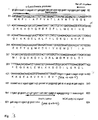
- Fig. 1 shows the sequence of a transgene that includes the Der p 5 cDNA.
- the invention relates to transgenic milk that can be therapeutically used to treat allergic disorders.
- An expression vector comprising a gene encoding the target protein of interest fused to a milk promoter gene, is introduced by microinjection into the pronucleus of a one-cell embryo. Upon germ line integration and expression, the transgene becomes a dominant Mendelian genetic characteristic that is inherited by the progeny of the founder animal.
- the transgenic offspring express the target protein, resulting in milk containing the target protein in as high as gram per liter quantities. Most frequently, the target protein takes the form of a soluble whey protein. Mammalian mammary epithelial cells have the capacity to carry out complex protein synthesis with a variety of posttranslational modifications and folding.
- the milk of transgenic livestock presents a starting material from which human diagnostic or pharmaceutically-active and therapeutic proteins may be purified using established technologies.
- Manipulation of a milk composition by transgenesis has mainly focused on the mammary gland as a bioreactor to produce pharmaceuticals that are subsequently purified.
- the present improvement however, harnesses the gland's machinery to produce therapeutic milk that itself benefits its consumers.
- the time and cost of protein purification is completely avoided.
- the therapy since the therapy is contained in milk, it can be delivered so that the subject is completely unaware of its presence.
- the specific allergen to be expressed for treating a particular allergy will of course depend on whether the undesirable immune response is targeted towards a protein allergen. Having identified a protein allergen that triggers the response, the skilled artisan can clone into a milk-specific expression vector a nucleotide sequence encoding the allergen. This expression vector is then used to generate a transgenic mammal and to obtain female individuals. The milk of such females is administered to an individual to ameliorate or prevent a subsequent symptom (e.g., skin inflammation or bronchopulmonary inflammation) characteristic of an allergy.
- Experimental protocols for evaluating and quantifying airway hyperreactivity is described below. Other methods of evaluating bronchopulmonary inflammation was well known in the art. Allergic asthma is characterized by both airway hyperreactivity and inflammation. Airway hyperreactivity can be measured by the changes of pulmonary test (invasive or non-invasive methods). Airway inflammation can be measured by the infiltration of inflammatory cells in the airway, especially eosinophils and neutrophils, and by changes in pathology.
- allergens are operably linked to a milk promoter in a nucleic acid construct in order to provide the allergen in form for oral immunotherapy.
- the construct also includes a signal sequence for secretion of the allergen by a mammary epithelial cell, and other sequences such as a transcriptional terminator, an intron, a 5' untranslated region, or a polyadenylation site.
- the construct can include additional markers to facilitate transformation of a mammalian cell, e.g., markers for positive and/or negative selection.
- the construct is then introduced into a cell, e.g., a fibroblast or an embryonic stem cell, such that the construct is integrated in the genome of the cell.
- a cell e.g., a fibroblast or an embryonic stem cell
- the construct is microinjected into the pronuclei of mammal embryos which are then transferred into pseudo-pregnant females.
- offspring with the transgene are identified. After mating with normal mammals, F1 female offspring are produced.
- the transgenic milk that these female offspring produce can then be used to treat allergic disorders.
- the transgenic milk can be used in primary prevention, i.e. it is given to infants that have a high risk of being affected by allergic disorders because one or more of their parents is affected by allergic disorders.
- Transgenic animals can also be used to propagate the transgene, e.g., to form a herd of animals. Milk can be routinely obtained from female individuals of such a herd use art-known methods.
- the polypeptide allergen can be a polypeptide encoded by a plant, fungus, or animal. Plant allergens are frequent in pollen, sap, leaves, and plant toxins (e.g., secretions of poison ivy and so forth).
- Fungal allergens include polypeptides produced by molds, Aspergillus , and others.
- Animal allergens include, e.g., polypeptides produced by insects, e.g., fecal allergens of dust mites, and mammals, e.g., cat dander.
- a nucleic acid sequence encoding an allergen can be identified by any of a variety of methods.
- a cDNA expression library can be screened using IgE from an allergic individual (Lin et al. (1994) J Allergy Clin Immunol 94:989-96). Positive clones are identified and sequenced.
- the coding region can be identified and translated to determine the polypeptide sequence for the allergen.
- the coding region can be used to express the allergen in a nucleic acid described herein.
- polypeptide allergens include the Der p allergens of Dermatophagoides pteronyssinus.
- the Der p 5 polypeptide sequence is recited as follows: MKFIIAFFVATLAVMTVSGEDKKHDYQNEFDFLLMERIHEQIKKGELALF YLQEQINHFEEKPTKEMKDKIVAEMDTIIAMIDGVRGVLDRLMQRKDLDIFEQ YNLEMAKKSGDILERDLKKEEARVKKIEV (SEQ ID NO:1). See also Lin et al. (1994) J Allergy Clin Immunol 94:989-96.
- the Der p 1 polypeptide sequence is recited as follows: MKIVLAIASLLALSAVYARPSSIKTFEEYKKAFNKSYATFEDEEAARKNF LESVKYVQSNGGAINHLSDLSLDEFKNRFLMSAEAFEHLKTQFDLNAETNACSI NGNAPAEIDLRQMRTVTPIRMQGGCGSCWAFSGVAATESAYLAYRNQSLDLA EQELVDCASQHGCHGDTIPRGIEYIQHNGVVQESYYRYVAREQSCRRPNAQRF GISNYCQIYPPNVNKIREALAQTHSAIAVIIGIKDLDAFRHYDGRTIIQRDNGYQP NYHAVNIVGYSNAQGVDYWIVRNSWDTNWGDNGYGYFAANIDLMMIEEYPY VVIL (SEQ ID NO:2).
- the Der p 2 polypeptide sequence is recited as follows: MMYKILCLSLLVAAVARDQVDVKDCANHEIKKVLVPGCHGSEPCIIHRG KPFQLEAVFEANQNTKTAKIEIKASIDGLEVDVPGIDPNACHYMKCPLVKGQQ YDIKYTWNVPKIAPKSENVVVTVKVMGDDGVLACAIATHAKIRD (SEQ ID NO:3).
- transcriptional promoters that preferentially activate transcription in mammary epithelial cells are available. These include the promoters that control the genes encoding milk proteins such as caseins, beta lactoglobulin (Clark et al., (1989) Bio/Technology 7 : 487-492), whey acid protein (Gordon et al. (1987) Bio/Technology 5 : 1183-1187), and lactalbumin (Soulier et al., (1992) FEBS Letts. 297 : 13 ).
- milk proteins such as caseins, beta lactoglobulin (Clark et al., (1989) Bio/Technology 7 : 487-492), whey acid protein (Gordon et al. (1987) Bio/Technology 5 : 1183-1187), and lactalbumin (Soulier et al., (1992) FEBS Letts. 297 : 13 ).
- Casein promoters may be derived from the alpha, beta, gamma or kappa casein genes of any mammalian species; a preferred promoter is derived from the goat beta casein gene (DiTullio, (1992) Bio/Technology 10 :74-77).
- the nucleic acid contruct can also include a signal sequences, particularly a signal sequences of a milk specific gene.
- the milk-specific signal sequence can be the signal sequence which naturally occurs with the selected milk-specific promoter used in the construct, which are described below.
- signal sequences from genes coding for caseins, e.g., alpha, beta, gamma or kappa caseins, beta lactoglobulin, whey acid protein, and lactalbumin can be used.
- a transgenic mammal can also be produced by nuclear transfer of a transgenic cell line into which a nucleic acid of interest, e.g., a nucleic acid which encodes allergen, into an embryonic stem cell.
- Methods for the introduction of foreign DNA into mammals include microinjection injection and nuclear transplantation methods.
- protocols for producing transgenic goats, pigs, rats, cows, and sheep are available. See, e.g., Ebert et al. (1994) Bio / Technology 12:699; PCT Application WO 98/30683; White and Yannoutsos, Current Topics in Complement Research: 64th Forum in Immunology , pp. 88-94; US Patent No. 5,523,226; US Patent No.
- a construct can be introduced into a cell via conventional transformation or transfection techniques including calcium phosphate or calcium chloride coprecipitation, DEAE-dextrane-mediated transfection, lipofection, or electroporation (see, e.g., Sambrook et al., Molecular Cloning: A Laboratory Manuel, 2 nd ed., Cold Spring Harbor Laboratory, (Cold Spring Harbor Laboratory Press, Cold Spring Harbor, NY, 1989)).
- a 2.0-kb promoter sequence of bovine alpha-lactalbumin ( ⁇ LA) was generated by PCR amplification using Holstein cow DNA as the template and p ⁇ LA-F: 5'-TCGCG TAGAATCGATTCATGT-3' (SEQ ID NO:4)/ p ⁇ LA-R:5'-TACGCGTAGCCTGGGTGGCAT-3' (SEQ ID NO:5) as the primer set.
- This PCR product containing entire ⁇ LA promoter sequence was inserted into the T-protruding pCR3 vector (Invitrogene, San Diego, CA).
- the resulting 7.0-kb plasmid was digested with Xho I and treated with calf intestinal phosphatase (Boehringer Mannheim, Indianapolis, IN).
- the Der p 5 cDNA was amplified using a Der p 5(+)/Der p 5(-) primer set (5'-GCTCGAGCATGAAATTCATC -3' (SEQ ID NO:6)and 5'-ACTCGAGTGATGAAGGCAACAAG -3' (SEQ ID NO:7) respectively) from a pGST/Der p 5 plasmid containing the intact mite Der p 5 coding sequence and the PCR product was also digested with Xho I and further ligated into the pCR3- ⁇ LA vector.
- the purified transgene see, e.g., Fig. 1, was microinjected into the male pronuclei of fertilized eggs from superovulated female mice of the outbreed ICR strain and transferred to recipient pseudo-pregnant females as described in Chen et al ., Science 1994;265:1237-40. The resulting pups were rapidly screened for the transgene by PCR amplification of tail DNA. Results were further confirmed by Southern blot analysis.
- PCR Screening and Southern Blot Hybridization were performed using one set of primer, p ⁇ LA-124(+): 5'-CTCTCTTGTCATCCTCTTCC-3' (SEQ ID NO:8) and pDer p 5(-): 5'-ACTCGAGTGATGAAGG CAAGAAG-3' (SEQ ID NO:9), which defined a 580-bp region spanning the ⁇ LA promoter and Der p 5 cDNA junctional sequence.
- Tissue sections (5-10 ⁇ m) were stained with hematoxylin and eosin B red dyes and were photographed under a light microscope (Axiovert 135; Carl Zeiss, Germany). Immunohistochemical analysis was conducted according to Gruskin-Lerner and Trinkaus-Randall (1991) Curr Eye Res 10: 75-85.
- a rabbit anti-mite Der p 5 polyclonal antibody was diluted 1:30 (1% bovine serum albumin [BSA] in phosphate-buffered saline [PBS]) and 50 ⁇ l aliquots were incubated with either anti-Der p 5 or normal rabbit serum (NRS; 1: 10) for 30 min at 37 °C.
- BSA bovine serum albumin
- PBS phosphate-buffered saline
- the mammary gland slides were incubated with affinity purified goat anti-rabbit IgG antibody conjugated to fluorescein isothiocyanate (FITC; Boehringer-Mannheim, Germany) at a dilution of 1: 100 (1% BSA in PBS) for 30 min at 37 °C. After washing, the slides were observed under a Nikon Optiphot microscope (Nikon, Tokyo, Japan) equipped with epifluorescence optics.
- FITC fluorescein isothiocyanate
- Proteins were electrotransferred from the gel to a PVDF membrane (NEN Life Science Products, Boston, MA).
- the blots were probed with primary antibodies recognizing Der p 5 at 2 to 10 ⁇ g/ml and washed with phosphate-buffered saline containing 0.1% Tween-20 (PBS-T). Blots were reacted with horseradish peroxidase (HRP)-conjugated second antibodies at 0.2 ⁇ g/ml.
- HRP horseradish peroxidase
- the blot was then developed with the chemiluminescent ECLTM detection system (Amersham, UK) and exposure to x-ray film. Band intensities were compared by densitometry.
- mice Female LCR, aged 21 days, were obtained from the animal-breeding center of the College of Medicine, National Taiwan University (originated from The Jackson Laboratory, Bar Harbor, ME.), were divided into 3 groups for each experiment (Table 1). Animals were fed with transgenic milk containing Der p 5 or milk only for 4 weeks. Then animals were actively sensitized by intraperitoneal injection of 10 ⁇ g of recombinant Der p 5 that was purified by known techniques. Mice received oral feeding of LA-gm or ST-gm LAB 10 9 for 3 days per week for 2 weeks.
- mice Twenty-one days after the sensitization, animals were exposed to an aerosol of either 0.1% of Der p 5-Glutathion S-transferase fusion protein for 20 min or PBS. Eight hours after inhalational challenge, pulmonary resistance was measured for 50 min, and the bronchoaveolar lavage fluids (BALF) and sera were collected.
- BALF bronchoaveolar lavage fluids
- Non Invasive Method for the Determination of Airway Responsiveness Using barometric whole body plethysmography (WBP) (Buxco, Troy, NY, USA), response to inhaled methacholine in conscious, unrestrained mice were measured using conventional methods. Before taking readings, the box was calibrated with a rapid injection of 1 ml of air into the main chamber to obtain the 1 mv signal from the WBP. Inspiration and expiration were recorded by establishing start-inspiration and end-inspiration, as the box pressure/time curve crossed the zero point. Start of an inspiration was determined by extrapolating from a straight line drawn from two levels of the rising inspiratory phase of the box pressure signal.
- WBP barometric whole body plethysmography
- Time of inspiration was defined as the time from the start of inspiration to the end of inspiration; time of expiration (TE) as the time from the end of inspiration to the start of the next inspiration.
- the maximum box pressure signal occurring during one breath in a negative or positive direction was defined as peak inspiratory pressure ( PIP ) or peak expiratory pressure ( PEP ), respectively. Recordings of every 10 breaths were extrapolated to define the respiratory rate in breaths per minute.
- the relaxation time (Tr) was defined as the time until a 36% of the total expiratory pressure signal (area under the box pressure signal in expiration) occurred. This served as a correlate to the time constant of the decay of the volume signal to 36% decay of the peak volume in passive expiration.
- Airway Hyperreactivity In Vivo. Oral feeding with transgenic milk into animals was observed to suppress the allergen-induced AHR. Airway responsiveness to aerosolized methacholine was measured in vivo 8 hours after last inhalational challenge in conscious, unrestrained mice. For all mice, a complete dose-response curve to methacholine raging from 1 to 100 mg/ml was constructed. In all groups of mice, no significant differences were observed in the basal Penh and saline aerosol-induced Penh values. In mock (Group C)-treated mice, Der p 5 inhalational challenge induced a significant increase in airway responsiveness to methacholine compared with the baseline.
- the septa are infiltrated with massive inflammatory cells (lymphocytes, macrophages and also some eosinophils) especially around the bronchioles and capillaries.
- massive inflammatory cells lymphocytes, macrophages and also some eosinophils
- the lung inflammation is typified by the presence of giant cells.
- In the space of alveoli are filled of mucous secretion. The inflammatory level was severe.
Landscapes
- Health & Medical Sciences (AREA)
- Life Sciences & Earth Sciences (AREA)
- Chemical & Material Sciences (AREA)
- General Health & Medical Sciences (AREA)
- Engineering & Computer Science (AREA)
- Zoology (AREA)
- Genetics & Genomics (AREA)
- Organic Chemistry (AREA)
- Veterinary Medicine (AREA)
- Biotechnology (AREA)
- Animal Behavior & Ethology (AREA)
- Medicinal Chemistry (AREA)
- Biomedical Technology (AREA)
- Public Health (AREA)
- Pharmacology & Pharmacy (AREA)
- Bioinformatics & Cheminformatics (AREA)
- Immunology (AREA)
- Environmental Sciences (AREA)
- Biochemistry (AREA)
- Biophysics (AREA)
- General Engineering & Computer Science (AREA)
- Molecular Biology (AREA)
- Wood Science & Technology (AREA)
- Insects & Arthropods (AREA)
- Epidemiology (AREA)
- Microbiology (AREA)
- Proteomics, Peptides & Aminoacids (AREA)
- Animal Husbandry (AREA)
- Gastroenterology & Hepatology (AREA)
- Plant Pathology (AREA)
- Toxicology (AREA)
- Tropical Medicine & Parasitology (AREA)
- Cell Biology (AREA)
- Developmental Biology & Embryology (AREA)
- Virology (AREA)
- Physics & Mathematics (AREA)
- Biodiversity & Conservation Biology (AREA)
- Mycology (AREA)
- Pulmonology (AREA)
- Chemical Kinetics & Catalysis (AREA)
Applications Claiming Priority (2)
| Application Number | Priority Date | Filing Date | Title |
|---|---|---|---|
| US09/877,160 US20020197268A1 (en) | 2001-06-08 | 2001-06-08 | Allergen-containing milk for allergy treatment |
| US877160 | 2001-06-08 |
Publications (2)
| Publication Number | Publication Date |
|---|---|
| EP1269837A2 true EP1269837A2 (de) | 2003-01-02 |
| EP1269837A3 EP1269837A3 (de) | 2003-09-24 |
Family
ID=25369388
Family Applications (1)
| Application Number | Title | Priority Date | Filing Date |
|---|---|---|---|
| EP02252702A Withdrawn EP1269837A3 (de) | 2001-06-08 | 2002-04-17 | Allergen enthaltende Milch zur Behandlung von Allergien |
Country Status (5)
| Country | Link |
|---|---|
| US (1) | US20020197268A1 (de) |
| EP (1) | EP1269837A3 (de) |
| CN (1) | CN1406467A (de) |
| AU (1) | AU2610902A (de) |
| CA (1) | CA2377450A1 (de) |
Cited By (1)
| Publication number | Priority date | Publication date | Assignee | Title |
|---|---|---|---|---|
| EP1718331A4 (de) * | 2004-02-06 | 2009-11-11 | Greer Lab Inc | Verfahren und zusammensetzungen zur dosierung von allergenen |
Family Cites Families (5)
| Publication number | Priority date | Publication date | Assignee | Title |
|---|---|---|---|---|
| JP3054194B2 (ja) * | 1990-07-05 | 2000-06-19 | ストール・ミルク・バイオロジクス・インコーポレイテッド | 免疫抑制生産物 |
| TW480282B (en) * | 1996-04-24 | 2002-03-21 | Ren Wen Corp | Recombinant eucaryotic vector containing allergen gene and use of preventing and treating allergic disease thereof |
| JP2004538237A (ja) * | 1998-12-18 | 2004-12-24 | シーア ファーマスーティカルズ エルエルシー | 表面アレルゲンに対するアレルギー反応を減少させるための方法および組成物 |
| WO2000052154A2 (en) * | 1999-03-02 | 2000-09-08 | The Board Of Trustees Of The University Of Arkansas | Methods and reagents for decreasing clinical reaction to allergy |
| AU1597001A (en) * | 1999-11-12 | 2001-06-06 | Samuel B. Lehrer | Compositions and methods for modifying an immune response against tropomyosin |
-
2001
- 2001-06-08 US US09/877,160 patent/US20020197268A1/en not_active Abandoned
-
2002
- 2002-03-15 AU AU26109/02A patent/AU2610902A/en not_active Abandoned
- 2002-03-20 CA CA002377450A patent/CA2377450A1/en not_active Abandoned
- 2002-04-17 EP EP02252702A patent/EP1269837A3/de not_active Withdrawn
- 2002-05-16 CN CN02120212A patent/CN1406467A/zh active Pending
Cited By (3)
| Publication number | Priority date | Publication date | Assignee | Title |
|---|---|---|---|---|
| EP1718331A4 (de) * | 2004-02-06 | 2009-11-11 | Greer Lab Inc | Verfahren und zusammensetzungen zur dosierung von allergenen |
| US8491909B2 (en) | 2004-02-06 | 2013-07-23 | Greer Laboratories, Inc. | Methods and compositions for dosing of allergens |
| US9345761B2 (en) | 2004-02-06 | 2016-05-24 | Greer Laboratories, Inc. | Methods and compositions for dosing of allergens |
Also Published As
| Publication number | Publication date |
|---|---|
| US20020197268A1 (en) | 2002-12-26 |
| CN1406467A (zh) | 2003-04-02 |
| EP1269837A3 (de) | 2003-09-24 |
| AU2610902A (en) | 2002-12-12 |
| CA2377450A1 (en) | 2002-12-08 |
Similar Documents
| Publication | Publication Date | Title |
|---|---|---|
| DE69828574T2 (de) | Transgenes Tier als Modell für Allergie und seine Verwendung | |
| Zhang et al. | Expression of active recombinant human lactoferrin in the milk of transgenic goats | |
| JP4087563B2 (ja) | エリスロポエチン類似体−ヒト血清アルブミン融合物 | |
| Yagi et al. | A role for Fyn tyrosine kinase in the suckling behaviour of neonatal mice | |
| JP3145377B2 (ja) | ペプチドの産生方法 | |
| DE69929324T2 (de) | TRANSGENE Mäuse MIT VERÄNDERTER APOLIPOPROTEIN E-EXPRESSION UND TESTVERFAHREN. | |
| DE60132169T2 (de) | Humaner c1 inhibitor hergestellt in der milch transgener säugetiere | |
| US20050181482A1 (en) | Method for the production of an erythropoietin analog-human IgG fusion proteins in transgenic mammal milk | |
| Merino et al. | Prevention of systemic lupus erythematosus in autoimmune BXSB mice by a transgene encoding IE alpha chain. | |
| US6472584B1 (en) | Production of membrane proteins in the milk of transgenic mammals | |
| JP2000508896A (ja) | Il―5遺伝子導入マウス | |
| US20050160483A1 (en) | Transgenically produced decorin | |
| JP2001514528A (ja) | 天然プレセニリン1ヌルバックグラウンド上で非天然野生型および家族性アルツハイマー病突然変異プレセニリン1タンパク質を発現するトランスジェニック動物 | |
| US20020197268A1 (en) | Allergen-containing milk for allergy treatment | |
| US20050229261A1 (en) | Method for producing biologically active human factor VIII in the milk of transgenic animals driven by mammary-specific expression cassettes | |
| JPH09503671A (ja) | 不活性化ホルモン応答エレメントを有するデオキシリボ核酸 | |
| Liu et al. | Ingestion of milk containing the Dp2 peptide, a dust mite allergen, protects mice from allergic airway inflammation and hyper-responsiveness | |
| JP2003199458A (ja) | アレルギー処置用アレルゲン含有ミルク | |
| US20100251396A1 (en) | Transgenic mice expressing human formyl peptide receptor | |
| Liu et al. | Recombinant Derp5 allergen with αS1-casein signal peptide secreted in murine milk protects against dust mite allergen–induced airway inflammation | |
| Bernier et al. | M-CSF transgenic mice: role of M-CSF in infection and autoimmunity | |
| US20080120731A1 (en) | Transgenic Animal Models for Neurodevelopmental Disorders | |
| JP4283318B2 (ja) | 抗アレルギー薬の評価方法 | |
| Girard et al. | Endogenous IL-33 Is Highly Expressed in | |
| HK1036475B (en) | Erythropoietin analog-human serum albumin fusion protein |
Legal Events
| Date | Code | Title | Description |
|---|---|---|---|
| PUAI | Public reference made under article 153(3) epc to a published international application that has entered the european phase |
Free format text: ORIGINAL CODE: 0009012 |
|
| 17P | Request for examination filed |
Effective date: 20020417 |
|
| AK | Designated contracting states |
Kind code of ref document: A2 Designated state(s): AT BE CH CY DE DK ES FI FR GB GR IE IT LI LU MC NL PT SE TR |
|
| AX | Request for extension of the european patent |
Free format text: AL;LT;LV;MK;RO;SI |
|
| PUAL | Search report despatched |
Free format text: ORIGINAL CODE: 0009013 |
|
| AK | Designated contracting states |
Kind code of ref document: A3 Designated state(s): AT BE CH CY DE DK ES FI FR GB GR IE IT LI LU MC NL PT SE TR |
|
| AX | Request for extension of the european patent |
Extension state: AL LT LV MK RO SI |
|
| AKX | Designation fees paid |
Designated state(s): AT BE CH CY DE DK ES FI FR GB GR IE IT LI LU MC NL PT SE TR |
|
| STAA | Information on the status of an ep patent application or granted ep patent |
Free format text: STATUS: THE APPLICATION IS DEEMED TO BE WITHDRAWN |
|
| 18D | Application deemed to be withdrawn |
Effective date: 20020518 |