EP1275936B1 - Système d'affichage d'information pour un véhicule - Google Patents
Système d'affichage d'information pour un véhicule Download PDFInfo
- Publication number
- EP1275936B1 EP1275936B1 EP02254096A EP02254096A EP1275936B1 EP 1275936 B1 EP1275936 B1 EP 1275936B1 EP 02254096 A EP02254096 A EP 02254096A EP 02254096 A EP02254096 A EP 02254096A EP 1275936 B1 EP1275936 B1 EP 1275936B1
- Authority
- EP
- European Patent Office
- Prior art keywords
- information
- vehicle
- section
- energy
- destination
- Prior art date
- Legal status (The legal status is an assumption and is not a legal conclusion. Google has not performed a legal analysis and makes no representation as to the accuracy of the status listed.)
- Expired - Lifetime
Links
Images




Classifications
-
- G—PHYSICS
- G01—MEASURING; TESTING
- G01C—MEASURING DISTANCES, LEVELS OR BEARINGS; SURVEYING; NAVIGATION; GYROSCOPIC INSTRUMENTS; PHOTOGRAMMETRY OR VIDEOGRAMMETRY
- G01C21/00—Navigation; Navigational instruments not provided for in groups G01C1/00 - G01C19/00
- G01C21/26—Navigation; Navigational instruments not provided for in groups G01C1/00 - G01C19/00 specially adapted for navigation in a road network
- G01C21/34—Route searching; Route guidance
- G01C21/3453—Special cost functions, i.e. other than distance or default speed limit of road segments
- G01C21/3469—Fuel consumption; Energy use; Emission aspects
-
- B—PERFORMING OPERATIONS; TRANSPORTING
- B60—VEHICLES IN GENERAL
- B60L—PROPULSION OF ELECTRICALLY-PROPELLED VEHICLES; SUPPLYING ELECTRIC POWER FOR AUXILIARY EQUIPMENT OF ELECTRICALLY-PROPELLED VEHICLES; ELECTRODYNAMIC BRAKE SYSTEMS FOR VEHICLES IN GENERAL; MAGNETIC SUSPENSION OR LEVITATION FOR VEHICLES; MONITORING OPERATING VARIABLES OF ELECTRICALLY-PROPELLED VEHICLES; ELECTRIC SAFETY DEVICES FOR ELECTRICALLY-PROPELLED VEHICLES
- B60L53/00—Methods of charging batteries, specially adapted for electric vehicles; Charging stations or on-board charging equipment therefor; Exchange of energy storage elements in electric vehicles
- B60L53/60—Monitoring or controlling charging stations
- B60L53/64—Optimising energy costs, e.g. responding to electricity rates
-
- B—PERFORMING OPERATIONS; TRANSPORTING
- B60—VEHICLES IN GENERAL
- B60W—CONJOINT CONTROL OF VEHICLE SUB-UNITS OF DIFFERENT TYPE OR DIFFERENT FUNCTION; CONTROL SYSTEMS SPECIALLY ADAPTED FOR HYBRID VEHICLES; ROAD VEHICLE DRIVE CONTROL SYSTEMS FOR PURPOSES NOT RELATED TO THE CONTROL OF A PARTICULAR SUB-UNIT
- B60W50/00—Details of control systems for road vehicle drive control not related to the control of a particular sub-unit, e.g. process diagnostic or vehicle driver interfaces
- B60W50/0097—Predicting future conditions
-
- G—PHYSICS
- G01—MEASURING; TESTING
- G01C—MEASURING DISTANCES, LEVELS OR BEARINGS; SURVEYING; NAVIGATION; GYROSCOPIC INSTRUMENTS; PHOTOGRAMMETRY OR VIDEOGRAMMETRY
- G01C21/00—Navigation; Navigational instruments not provided for in groups G01C1/00 - G01C19/00
- G01C21/26—Navigation; Navigational instruments not provided for in groups G01C1/00 - G01C19/00 specially adapted for navigation in a road network
- G01C21/34—Route searching; Route guidance
- G01C21/36—Input/output arrangements for on-board computers
- G01C21/3667—Display of a road map
- G01C21/3676—Overview of the route on the road map
-
- B—PERFORMING OPERATIONS; TRANSPORTING
- B60—VEHICLES IN GENERAL
- B60L—PROPULSION OF ELECTRICALLY-PROPELLED VEHICLES; SUPPLYING ELECTRIC POWER FOR AUXILIARY EQUIPMENT OF ELECTRICALLY-PROPELLED VEHICLES; ELECTRODYNAMIC BRAKE SYSTEMS FOR VEHICLES IN GENERAL; MAGNETIC SUSPENSION OR LEVITATION FOR VEHICLES; MONITORING OPERATING VARIABLES OF ELECTRICALLY-PROPELLED VEHICLES; ELECTRIC SAFETY DEVICES FOR ELECTRICALLY-PROPELLED VEHICLES
- B60L2240/00—Control parameters of input or output; Target parameters
- B60L2240/60—Navigation input
- B60L2240/62—Vehicle position
-
- B—PERFORMING OPERATIONS; TRANSPORTING
- B60—VEHICLES IN GENERAL
- B60L—PROPULSION OF ELECTRICALLY-PROPELLED VEHICLES; SUPPLYING ELECTRIC POWER FOR AUXILIARY EQUIPMENT OF ELECTRICALLY-PROPELLED VEHICLES; ELECTRODYNAMIC BRAKE SYSTEMS FOR VEHICLES IN GENERAL; MAGNETIC SUSPENSION OR LEVITATION FOR VEHICLES; MONITORING OPERATING VARIABLES OF ELECTRICALLY-PROPELLED VEHICLES; ELECTRIC SAFETY DEVICES FOR ELECTRICALLY-PROPELLED VEHICLES
- B60L2250/00—Driver interactions
- B60L2250/16—Driver interactions by display
-
- B—PERFORMING OPERATIONS; TRANSPORTING
- B60—VEHICLES IN GENERAL
- B60W—CONJOINT CONTROL OF VEHICLE SUB-UNITS OF DIFFERENT TYPE OR DIFFERENT FUNCTION; CONTROL SYSTEMS SPECIALLY ADAPTED FOR HYBRID VEHICLES; ROAD VEHICLE DRIVE CONTROL SYSTEMS FOR PURPOSES NOT RELATED TO THE CONTROL OF A PARTICULAR SUB-UNIT
- B60W50/00—Details of control systems for road vehicle drive control not related to the control of a particular sub-unit, e.g. process diagnostic or vehicle driver interfaces
- B60W50/08—Interaction between the driver and the control system
- B60W50/14—Means for informing the driver, warning the driver or prompting a driver intervention
- B60W2050/143—Alarm means
-
- B—PERFORMING OPERATIONS; TRANSPORTING
- B60—VEHICLES IN GENERAL
- B60W—CONJOINT CONTROL OF VEHICLE SUB-UNITS OF DIFFERENT TYPE OR DIFFERENT FUNCTION; CONTROL SYSTEMS SPECIALLY ADAPTED FOR HYBRID VEHICLES; ROAD VEHICLE DRIVE CONTROL SYSTEMS FOR PURPOSES NOT RELATED TO THE CONTROL OF A PARTICULAR SUB-UNIT
- B60W50/00—Details of control systems for road vehicle drive control not related to the control of a particular sub-unit, e.g. process diagnostic or vehicle driver interfaces
- B60W50/08—Interaction between the driver and the control system
- B60W50/14—Means for informing the driver, warning the driver or prompting a driver intervention
- B60W2050/146—Display means
-
- B—PERFORMING OPERATIONS; TRANSPORTING
- B60—VEHICLES IN GENERAL
- B60W—CONJOINT CONTROL OF VEHICLE SUB-UNITS OF DIFFERENT TYPE OR DIFFERENT FUNCTION; CONTROL SYSTEMS SPECIALLY ADAPTED FOR HYBRID VEHICLES; ROAD VEHICLE DRIVE CONTROL SYSTEMS FOR PURPOSES NOT RELATED TO THE CONTROL OF A PARTICULAR SUB-UNIT
- B60W2510/00—Input parameters relating to a particular sub-units
- B60W2510/24—Energy storage means
- B60W2510/242—Energy storage means for electrical energy
- B60W2510/244—Charge state
-
- B—PERFORMING OPERATIONS; TRANSPORTING
- B60—VEHICLES IN GENERAL
- B60W—CONJOINT CONTROL OF VEHICLE SUB-UNITS OF DIFFERENT TYPE OR DIFFERENT FUNCTION; CONTROL SYSTEMS SPECIALLY ADAPTED FOR HYBRID VEHICLES; ROAD VEHICLE DRIVE CONTROL SYSTEMS FOR PURPOSES NOT RELATED TO THE CONTROL OF A PARTICULAR SUB-UNIT
- B60W2556/00—Input parameters relating to data
- B60W2556/45—External transmission of data to or from the vehicle
- B60W2556/50—External transmission of data to or from the vehicle of positioning data, e.g. GPS [Global Positioning System] data
-
- Y—GENERAL TAGGING OF NEW TECHNOLOGICAL DEVELOPMENTS; GENERAL TAGGING OF CROSS-SECTIONAL TECHNOLOGIES SPANNING OVER SEVERAL SECTIONS OF THE IPC; TECHNICAL SUBJECTS COVERED BY FORMER USPC CROSS-REFERENCE ART COLLECTIONS [XRACs] AND DIGESTS
- Y02—TECHNOLOGIES OR APPLICATIONS FOR MITIGATION OR ADAPTATION AGAINST CLIMATE CHANGE
- Y02T—CLIMATE CHANGE MITIGATION TECHNOLOGIES RELATED TO TRANSPORTATION
- Y02T10/00—Road transport of goods or passengers
- Y02T10/60—Other road transportation technologies with climate change mitigation effect
- Y02T10/62—Hybrid vehicles
-
- Y—GENERAL TAGGING OF NEW TECHNOLOGICAL DEVELOPMENTS; GENERAL TAGGING OF CROSS-SECTIONAL TECHNOLOGIES SPANNING OVER SEVERAL SECTIONS OF THE IPC; TECHNICAL SUBJECTS COVERED BY FORMER USPC CROSS-REFERENCE ART COLLECTIONS [XRACs] AND DIGESTS
- Y02—TECHNOLOGIES OR APPLICATIONS FOR MITIGATION OR ADAPTATION AGAINST CLIMATE CHANGE
- Y02T—CLIMATE CHANGE MITIGATION TECHNOLOGIES RELATED TO TRANSPORTATION
- Y02T10/00—Road transport of goods or passengers
- Y02T10/60—Other road transportation technologies with climate change mitigation effect
- Y02T10/70—Energy storage systems for electromobility, e.g. batteries
-
- Y—GENERAL TAGGING OF NEW TECHNOLOGICAL DEVELOPMENTS; GENERAL TAGGING OF CROSS-SECTIONAL TECHNOLOGIES SPANNING OVER SEVERAL SECTIONS OF THE IPC; TECHNICAL SUBJECTS COVERED BY FORMER USPC CROSS-REFERENCE ART COLLECTIONS [XRACs] AND DIGESTS
- Y02—TECHNOLOGIES OR APPLICATIONS FOR MITIGATION OR ADAPTATION AGAINST CLIMATE CHANGE
- Y02T—CLIMATE CHANGE MITIGATION TECHNOLOGIES RELATED TO TRANSPORTATION
- Y02T10/00—Road transport of goods or passengers
- Y02T10/60—Other road transportation technologies with climate change mitigation effect
- Y02T10/7072—Electromobility specific charging systems or methods for batteries, ultracapacitors, supercapacitors or double-layer capacitors
-
- Y—GENERAL TAGGING OF NEW TECHNOLOGICAL DEVELOPMENTS; GENERAL TAGGING OF CROSS-SECTIONAL TECHNOLOGIES SPANNING OVER SEVERAL SECTIONS OF THE IPC; TECHNICAL SUBJECTS COVERED BY FORMER USPC CROSS-REFERENCE ART COLLECTIONS [XRACs] AND DIGESTS
- Y02—TECHNOLOGIES OR APPLICATIONS FOR MITIGATION OR ADAPTATION AGAINST CLIMATE CHANGE
- Y02T—CLIMATE CHANGE MITIGATION TECHNOLOGIES RELATED TO TRANSPORTATION
- Y02T10/00—Road transport of goods or passengers
- Y02T10/60—Other road transportation technologies with climate change mitigation effect
- Y02T10/72—Electric energy management in electromobility
-
- Y—GENERAL TAGGING OF NEW TECHNOLOGICAL DEVELOPMENTS; GENERAL TAGGING OF CROSS-SECTIONAL TECHNOLOGIES SPANNING OVER SEVERAL SECTIONS OF THE IPC; TECHNICAL SUBJECTS COVERED BY FORMER USPC CROSS-REFERENCE ART COLLECTIONS [XRACs] AND DIGESTS
- Y02—TECHNOLOGIES OR APPLICATIONS FOR MITIGATION OR ADAPTATION AGAINST CLIMATE CHANGE
- Y02T—CLIMATE CHANGE MITIGATION TECHNOLOGIES RELATED TO TRANSPORTATION
- Y02T10/00—Road transport of goods or passengers
- Y02T10/80—Technologies aiming to reduce greenhouse gasses emissions common to all road transportation technologies
- Y02T10/84—Data processing systems or methods, management, administration
-
- Y—GENERAL TAGGING OF NEW TECHNOLOGICAL DEVELOPMENTS; GENERAL TAGGING OF CROSS-SECTIONAL TECHNOLOGIES SPANNING OVER SEVERAL SECTIONS OF THE IPC; TECHNICAL SUBJECTS COVERED BY FORMER USPC CROSS-REFERENCE ART COLLECTIONS [XRACs] AND DIGESTS
- Y02—TECHNOLOGIES OR APPLICATIONS FOR MITIGATION OR ADAPTATION AGAINST CLIMATE CHANGE
- Y02T—CLIMATE CHANGE MITIGATION TECHNOLOGIES RELATED TO TRANSPORTATION
- Y02T90/00—Enabling technologies or technologies with a potential or indirect contribution to GHG emissions mitigation
- Y02T90/10—Technologies relating to charging of electric vehicles
- Y02T90/12—Electric charging stations
-
- Y—GENERAL TAGGING OF NEW TECHNOLOGICAL DEVELOPMENTS; GENERAL TAGGING OF CROSS-SECTIONAL TECHNOLOGIES SPANNING OVER SEVERAL SECTIONS OF THE IPC; TECHNICAL SUBJECTS COVERED BY FORMER USPC CROSS-REFERENCE ART COLLECTIONS [XRACs] AND DIGESTS
- Y02—TECHNOLOGIES OR APPLICATIONS FOR MITIGATION OR ADAPTATION AGAINST CLIMATE CHANGE
- Y02T—CLIMATE CHANGE MITIGATION TECHNOLOGIES RELATED TO TRANSPORTATION
- Y02T90/00—Enabling technologies or technologies with a potential or indirect contribution to GHG emissions mitigation
- Y02T90/10—Technologies relating to charging of electric vehicles
- Y02T90/14—Plug-in electric vehicles
-
- Y—GENERAL TAGGING OF NEW TECHNOLOGICAL DEVELOPMENTS; GENERAL TAGGING OF CROSS-SECTIONAL TECHNOLOGIES SPANNING OVER SEVERAL SECTIONS OF THE IPC; TECHNICAL SUBJECTS COVERED BY FORMER USPC CROSS-REFERENCE ART COLLECTIONS [XRACs] AND DIGESTS
- Y02—TECHNOLOGIES OR APPLICATIONS FOR MITIGATION OR ADAPTATION AGAINST CLIMATE CHANGE
- Y02T—CLIMATE CHANGE MITIGATION TECHNOLOGIES RELATED TO TRANSPORTATION
- Y02T90/00—Enabling technologies or technologies with a potential or indirect contribution to GHG emissions mitigation
- Y02T90/10—Technologies relating to charging of electric vehicles
- Y02T90/16—Information or communication technologies improving the operation of electric vehicles
-
- Y—GENERAL TAGGING OF NEW TECHNOLOGICAL DEVELOPMENTS; GENERAL TAGGING OF CROSS-SECTIONAL TECHNOLOGIES SPANNING OVER SEVERAL SECTIONS OF THE IPC; TECHNICAL SUBJECTS COVERED BY FORMER USPC CROSS-REFERENCE ART COLLECTIONS [XRACs] AND DIGESTS
- Y02—TECHNOLOGIES OR APPLICATIONS FOR MITIGATION OR ADAPTATION AGAINST CLIMATE CHANGE
- Y02T—CLIMATE CHANGE MITIGATION TECHNOLOGIES RELATED TO TRANSPORTATION
- Y02T90/00—Enabling technologies or technologies with a potential or indirect contribution to GHG emissions mitigation
- Y02T90/10—Technologies relating to charging of electric vehicles
- Y02T90/16—Information or communication technologies improving the operation of electric vehicles
- Y02T90/167—Systems integrating technologies related to power network operation and communication or information technologies for supporting the interoperability of electric or hybrid vehicles, i.e. smartgrids as interface for battery charging of electric vehicles [EV] or hybrid vehicles [HEV]
-
- Y—GENERAL TAGGING OF NEW TECHNOLOGICAL DEVELOPMENTS; GENERAL TAGGING OF CROSS-SECTIONAL TECHNOLOGIES SPANNING OVER SEVERAL SECTIONS OF THE IPC; TECHNICAL SUBJECTS COVERED BY FORMER USPC CROSS-REFERENCE ART COLLECTIONS [XRACs] AND DIGESTS
- Y04—INFORMATION OR COMMUNICATION TECHNOLOGIES HAVING AN IMPACT ON OTHER TECHNOLOGY AREAS
- Y04S—SYSTEMS INTEGRATING TECHNOLOGIES RELATED TO POWER NETWORK OPERATION, COMMUNICATION OR INFORMATION TECHNOLOGIES FOR IMPROVING THE ELECTRICAL POWER GENERATION, TRANSMISSION, DISTRIBUTION, MANAGEMENT OR USAGE, i.e. SMART GRIDS
- Y04S30/00—Systems supporting specific end-user applications in the sector of transportation
- Y04S30/10—Systems supporting the interoperability of electric or hybrid vehicles
- Y04S30/14—Details associated with the interoperability, e.g. vehicle recognition, authentication, identification or billing
Definitions
- the present invention relates to an information system which displays information as to a travelable route corresponding to a residual energy state of a vehicle.
- Japanese Patent Provisional Publication No. 9-210702 discloses a navigation system which displays energy supply stations on a map when a residual energy quantity of a battery of an electric vehicle becomes smaller than a predetermined level, so that a user of the electric vehicle can reach a proper energy supply station without causing an accident due to battery exhaustion.
- JP 2000-131116 A discloses an information system and a method in accordance with the preamble of claims 1 and 13 respectively.
- An aspect of the present invention resides in an information system for a vehicle, as set forth in claim 1.
- Another aspect of the present invention resides in a method for displaying information to a user of a vehicle, as set forth in claim 13.
- Fig. 1 is a block diagram showing a basic construction of an information display system which is commonly employed in first, second, and third embodiments according to the present invention.
- Fig. 2 is a flowchart showing an operation of the first embodiment.
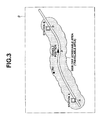
- Fig. 3 is a view showing a displayed content as a result of the operation of the first embodiment.
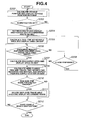
- Fig. 4 is a flowchart showing an operation of the second embodiment.
- Fig. 5 is a view showing a displayed content as a result of the operation of the second embodiment.
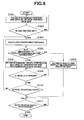
- Fig. 6 is a flowchart showing an operation of the third embodiment.
- Fig. 7 is a view showing a displayed content as a result of the operation of the third embodiment.
- FIG. 1 A basic construction of information display system 1 shown in Fig. 1 is commonly employed in first, second,and third embodiments according to the present invention.
- Information display system 1 sets a travelable area according to a residual energy quantity and displays route information as to a route in a travelable area.
- Information display system 1 is installed in an electric vehicle and detects a charged state of a battery as a residual energy quantity. Therefore, information display system 1 according to the present invention is explained on a presumption that information display system 1 is equipped in an electric vehicle.
- the invention is not limited to this, and information display system 1 according to the present invention is applicable to various vehicles such as a gasoline-powered vehicle, a diesel-powered vehicle, a natural-gas powered vehicle, a hydrogen-powered vehicle, an alcohol-powered vehicle, and a fuel-cell electric vehicle.
- Information display system 1 comprises an interface 2 through which a user inputs information into information display system 1, a positional information obtaining section 6 for obtaining a present position of the vehicle, a residual energy detecting section 7 for detecting a residual quantity of electric power functioning as a drive energy source, a receiving section 3 for receiving various information, a storage section 8 that stores various kinds of information needed for calculating a travel distance and for preparing route information, a travel distance calculating section 8 for calculating a travelable distance on the basis of the residual quantity of energy of the vehicle, an editing section 5 for setting a travelable area from the travelable distance and for preparing route information from the calculated travel distance, and an outputting section 9 for indicating the route information to a user.
- Interface 2 is a device for inputting a user's intent such as a system start command, destination information, switching of displayed edit-styles, switching of kinds of information.
- information display system 1 may be arranged to store historical data of the user and to automatically determine a destination on the basis of the stored historical data including a day every week, a time, and a destination. For example, if the vehicle is used as a commuter car, it is possible to experientially determine a starting point and a destination point on the basis of a utility pattern of the user.
- Receiving section 3 receives information inputted through interface 2. Receiving section 3 receives a lot of information and outputs the information to travel distance calculating section 4. Further, receiving section 3 receives positional information indicative of a present position of the vehicle from positional information obtaining section 6 and information as to an energy charged condition of a battery from residual quantity detecting section 7. Positional information obtaining section 6 has a function of detecting a present position of the vehicle in driving. Positional information obtaining section 6 obtains the present position of the vehicle by utilizing information of GPS (Global Positioning System), information outputted from a geomagnetic sensor, and information of a steering angle of the vehicle, which are utilized, for example, in an automatic cruising system. The GPS is installed in the vehicle and calculates the present position on the basis of radio waves received from position-measurement satellites.
- GPS Global Positioning System
- residual quantity detecting section 7 detects the residual energy quantity of the battery by obtaining information from an energy quantity sensor connected to an energy quantity indicating meter in the vehicle.
- Travel distance calculating section 4 receives a lot of information through receiving section 3. Travel distance calculating section 4 calculates a travelable distance with reference to the information inputted through receiving section 3 and the other information stored in storage section 8.
- Storage section 8 may be installed in information display system 1, or may employ a part of a storage device of a car navigation system or a readable medium such as CD (Compact Disc), MD (Mini Disc), MO (Magneto-Optical Disc), and DVD (Digital Versatile Disc).
- Storage section 8 stores guidance information 81 including map information, consumption information 82 including vehicle energy efficiency, and supply information 83 including reference information referring positions of supply stations. More specifically, guidance information 81 includes at least map information, and further includes route information corresponding to positions on the map information such as check-point information, distance information and route-guidance information, shop information, guidance information such as advertising information. That is, guidance information 81 includes available information for a user during a driving. It will be understood that it is not necessary to store all of guidance information 81. A part of guidance information 81 may be stored in storage section 8 and may be utilized independently or may be utilized in combination with other information.
- Consumption information 82 includes energy efficiency information such as energy consumption information of the vehicle, a type of fuel supply method as to whether gasoline or electric energy is supplied and a time period needed for supplying energy.
- the energy efficiency information includes a value obtained by a definition [travel distance/gasoline volume (M/L)] in case of a gasoline-powered vehicle, and a value obtained by a definition [travel distance/charging rate] in case of electric vehicle.
- Supply need-time which is a time period needed for executing the energy supply operation, generally increases according to the increase of the charged level since the internal resistance of the battery increases according to the increase of the charged level. Therefore, a charging speed (charge quantity/time) decreases according to the increase of the charged level.
- Storage section 8 is arranged to determine the need time needed for charging electric energy according to the charged level of the battery, and has stored a table indicative of a relationship between the charge time and a combination of a charge start level and a charge end level, so that information display system 1 is capable of calculating a correct need time needed for the energy charging according to a practical condition of the battery from the information of storage section 8. It is preferable to determine this charging need time by each vehicle since the need time varies according to a type of a vehicle and a size of an engine.
- Travel distance calculating section 4 calculates the travelable distance on the basis of this stored information and the information inputted from the user and the vehicle.
- Travel distance calculating section 4 comprises an energy supply information generating section 41 which determines whether or not it is necessary to execute the energy supply, a supply point selecting section 42 which selects a supply point wherein the energy supply is executed if it is necessary to execute the energy supply, a supply cost calculating section 43 which calculates a cost needed for executing the energy supply, and a need time totalizing section 44 which totalizes a time period from a moment at the present position to a moment at the destination.
- energy supply necessity determining information, selected supply-point information, supply cost information and need-time information are obtained.
- Editing section 5 receives the information obtained at travel distance calculating section 4.
- Editing section 5 comprises a travelable area setting section 51 which sets a travelable area of the vehicle in response to the user's command inputted through interface 2, and an information editing section 52 which prepares route information on the basis of the information obtained by travel distance calculating section 4.
- Information editing section 52 is capable of preparing information needed by the user. Accordingly, information editing section 52 prepares the route information by extracting a part or all of information calculated by travel distance calculating section 4 in response to the user's demand. The route information prepared by editing section 5 is sent to outputting section 9, and outputting section 9 displays the route information to the user.
- the route and the travel distance of the route are derived from the destination information inputted through interface 2 by the user and the positional information obtained from positional information obtaining section 6.
- Travel distance calculating section 4 commands residual quantity detecting section 7 to detect the present residual energy quantity such as the charged condition of the battery. Further, travel distance calculating section 4 calculates the travelable distance on the basis of this information and the vehicle energy efficiency information in consumption information 82 of storage section-8. More specifically, travel distance calculating section 4 calculates the travelable distance by multiplying the residual energy quantity (charge quantity) and the energy efficiency (travelable distance/charge quantity).
- Energy supply information generating section 41 generates the determination result of travel distance calculating section 4.
- supply point selecting section 42 selects a suitable supply point for executing the energy supply. This selecting operation is executed from the viewpoints that the host-vehicle can reach the selected supply point only by the present residual energy and that the selected supply point does not largely deviate from the route between the present position and the destination. Further, it is convenient to take account of the consumption cost at the selected supply point, in order to determine whether it is available for the user to select the supply point.
- Supply cost calculating section 43 calculates a cost needed for supplying the energy necessary for traveling a difference between the travel distance and the route distance. This cost includes a time cost in addition to a fee cost.
- information display system 1 is arranged to display a total need time needed in a case that the vehicle executes the energy charge by a predetermined quantity at an energy supply point and reaches the destination.
- Need time totalizing section 44 calculates the total need time needed by this traveling. More specifically, need time totalizing section 44 first derives the route between the present position and the destination. Next, need time totalizing section 44 calculates a first need time needed for traveling from the present position on the route to the energy supply point while taking account of average vehicle speed, a second need time for executing the energy supply, and a third need time needed for traveling from the supply point to the destination on the route. Further, need time totalizing section 44 obtains a total needed time by totalizing the first, second and third need times. By this operation of need time totalizing section 44, it becomes possible to estimate the total need time needed for traveling from the present position through the energy supply to the destination, and therefore it is possible to quickly respond to the eventuality including the running out of energy.
- editing section 5 sets a travelable area according to the positional information, the destination information, and the travelable distance.
- the travelable area is information from which the user takes account of the travelable area of the vehicle within the residual energy (without executing an energy charge).
- the route from the present position to the destination may be treated as a reference route (line), or the point of the present position of the vehicle may be treated as a reference point.
- the travelable area may be set at a right hand side of the route so as to take account of the area as a destination relative to the route or may be set at a left hand side of the route similarly.
- the travelable area may be set as a circle or oval around a center of the present position so as to take account of a spread relative to the present position, or may be set as a sector shaped area relative to a center of the present position.
- One of these travelable areas may be previously selected and may be displayed at outputting section including a display (monitor) to the user, or the user may select a preferable one of these travelable areas. Further, various areas may be displayed to the user, and the user may select one of the various areas. That is, editing section 5 of information display system 1 according to the present invention may freely set the travelable area without being limited by the above-discussed disclosure.
- the information obtained by travel distance calculating section 4 is displayed independently or corresponding to the set travelable area.
- the information may be compositely provided to the user, or each of the travelable area information, the supply necessity information, the supply point information, the supply cost information, and the needed time information may be displayed independently or in combination.
- Information display systems 1 of the first, second,and third embodiments are arranged to utilize hardware of a car navigation system installed in the vehicle. More specifically, an input device of the navigation system is utilized as interface 2 and receiving section 3 of information display system 1 of the first, second,and third embodiments. A part of a calculating device of the navigation system is utilized as travel distance calculating section 4 and editing section 5. A display, a monitor, and a speaker unit of the navigation system are utilized as outputting section 9. A medium reading device of the navigation system and a medium such as CD are utilized as storage section 8.
- Fig. 2 is a flowchart showing an operation of information display system 1 of the first embodiment.
- Fig. 3 is the route information displayed as a result of the operation shown by the flowchart of Fig. 2 .
- Information display system 1 of the first embodiment utilizes a GPS receiver function of the navigation system as positional information obtaining section 6. Accordingly, positional information obtaining section 6 receives the radio waves for establishing the present position of the vehicle from the satellites, and sends the present-position indicative signal through receiving section 3 to travel distance calculating section 4.
- CD-ROM functioning as storage section 8 has previously stored the guidance information 81 which includes the map (road map) information, destination distinguishing information, and information as to shops and facilities, the consumption information 82 which includes the energy efficiency of the vehicle, and the supply information 83 which includes the positions of supply stations.
- guidance information 81 which includes the map (road map) information, destination distinguishing information, and information as to shops and facilities
- consumption information 82 which includes the energy efficiency of the vehicle
- supply information 83 which includes the positions of supply stations.
- Interface 2 is a device through which the user sets the destination and switches the displayed contents.
- the set contents are sent to travel distance calculating section 4 through receiving section 3.
- Travel distance calculating section 4 calculates the present position of the vehicle and a recommended route between the present position and the destination. Further, travel distance calculating section 4 reads the guidance information in CD-ROM functioning as storage section 8, by having access to CD-ROM on the basis of the calculated result, and displays the route information regarding the recommended route on a monitor functioning as outputting section 9.
- Residual quantity detecting section 7 determines the residual energy quantity of the charge in the battery and calculates the travelable distance on the basis of the battery residual quantity. Further, residual quantity detecting section 7 outputs the calculated travelable distance to editing section 5.
- Editing section 5 calculates the travelable area wherein the vehicle can make a side-trip without supplying (charging) the energy. Editing section 5 outputs the information indicative of the travelable area to outputting section 9. A monitor functioning as outputting section 9 displays the travelable area on the map showing the area around the present position of the vehicle.
- the flowchart of Fig. 2 starts in reply to the start command of the user through interface 2.
- a receiver of GPS functioning as positional information obtaining section 6 receives radio waves from GPS satellites and outputs the signal for establishing the present position of the vehicle to the calculating section of the navigation system. Therefore, information display system 1 calculates a start vehicle position S indicative of a start position of the vehicle at a moment that the user starts information display system 1 through interface 2. Start vehicle position S is displayed together with the map information indicating an area around start vehicle position S on the monitor functioning as outputting section 9.
- CD-ROM functioning as storage section 8 has previously stored the map information including road information, and positional data including various POI (Point of Interest). Travel distance calculating section 4 continuously detects the present position of the vehicle on the basis of the signal from a GPS system functioning as positional information obtaining section 6.
- step S103 information display system 1 determines whether the user inputs a destination D or not. In other words, information display system awaits that the user inputs a destination D through interface 2.
- the routine proceeds to step S104.
- the routine returns to step S102. That is, until the user inputs the information indicative of the destination, steps S102 and S103 are repeated.
- step S104 travel distance calculating section 4 of information display system 1 retrieves a recommended route from the guidance information 81 stored in CD-ROM, on the basis of the vehicle start position S and the destination D. Further, information display system 1 displays the vehicle start position S, the destination D and the recommended route on the map indicative of the area around the present vehicle position.
- the present position of the vehicle momentarily changes according to the time elapse, and therefore, the position of the vehicle at a system start moment is denoted by S, and a present position of the vehicle is denoted by P, as shown in Fig. 3 .
- step S105 information display system 1 calculates a side-trip achievable area and displays the side-trip achievable area on the map.
- residual quantity detecting section 7 detects the charged state of the battery and outputs the detected residual quantity of the battery to travel distance calculating section 4.
- Travel distance calculating section 4 calculates the travelable distance according to the residual energy quantity of the battery.
- storage section 8 has previously stored the travelable distance relative to the charge level of the battery, and therefore travel distance calculating section calculates the travelable distance with reference to this relationship stored in storage section 8. Further, since the travelable distance varies according to the weather condition and total weight of the vehicle with passengers, the travelable distance per a predetermined charge quantity may be determined by recording the recent travel history in storage section 8 and by using the recorded result. That is, the travelable distance is calculated during the traveling as the need arises, and the newest calculated result is sent to editing section 5.
- Travelable area setting section 51 of editing section 5 sets the side-trip achievable area wherein no energy charge needs to be executed if a side trip is made during the traveling to the destination, on the basis of the distance of the recommended route and the travelable distance. More specifically, travelable area setting section 51 calculates the side-trip achievable area along the recommended route on the basis of the distance obtained, by dividing the difference between the travelable distance and the distance of the recommended route by 2, and with reference to the map information stored in CD-ROM. Further, travelable area setting section 51 sets the side-trip achievable area along the recommended route as the calculated result.
- Information editing section 52 receives the information as to the travelable area and prepares route information corresponding to the travelable area. Further, information editing section 52 outputs the route information to monitor 9 so as to display the side-trip achievable area to the user.
- step S106 it is determined whether or not a side-trip is (was) done.
- the determination at step S106 is affirmative, that is, when a side-trip is done, it is necessary to change the recommended route toward the destination upon taking account of the content of the side-trip. In other words, information display system 1 always monitors whether the vehicle is traveling along the recommended route or deviates from the recommended route.
- the routine returns to step S105 so that the travelable area is updated according to the traveled route including the side-trip and the updated travelable area (side-trip achievable area) is displayed on the map.
- the determination at step S106 is negative, the routine proceeds to step S107.
- step S107 information display system 1 determines whether the vehicle reaches the destination D or not. Accordingly, until the vehicle reaches the destination, this update of the recommended route is repeatedly executed. When the vehicle reaches the destination D, the present routine of Fig. 2 is terminated.
- This travelable area is displayed on the map by a color different from those of the map and other information, so that the user can easily distinguish the travelable area from the map and others.
- the side-trip achievable area is displayed on the map displayed in monitor 9. Therefore, the user easily determines whether the vehicle can have a side-trip without executing the energy charge, that is, whether the vehicle can reach the destination without executing the energy charge even if the side-trip is made. This enables the user to easily drive the vehicle without being anxious to the energy condition.
- FIG. 4 and 5 there is shown the second embodiment of information display system 1 according to the present invention.
- Fig. 4 is a flowchart showing an operation of information display system 1 of the second embodiment.
- Fig. 5 is the route information displayed as a result of the operation shown by the flowchart of Fig. 4 .
- the second embodiment is arranged to prepare different display contents as to the travelable area and to have a display content selecting function which executes the display of the travelable area, the switching of the displayed contents and the finishing of the display.
- This displayed content selecting function is a part of the input control device of interface 2.
- the route information includes the information of the route within the travelable area.
- this second embodiment there are shown a side-trip achievable area which spreads along the route from the start position S to the destination D and a reachable area which spreads around a point of the present position P of the vehicle, since the travelable area is an area wherein the vehicle can travel without needing an energy charge and is not limited into a specific setting.
- the user commands information display system 1 to display the route information, to switch the contents and to stop the display.
- this command is not an essential matter.
- the display of the route information may be executed.
- the operation for displaying the route information may be executed.
- information display system 1 can automatically display the travelable area. This enables the user (driver) to easily drive the vehicle.
- the finish of the display may be automatically executed at a predetermined time later if the vehicle travels the recommended route. With this arrangement, the user may recognize the travelable area only when it is necessary.
- the basic construction of the second embodiment is practically the same as that of the first embodiment.
- the operation shown by steps S201 through S205 of the second embodiment is similar to the operation shown by steps S101 through S105. Therefore, the explanation thereof is omitted herein.
- the side-trip achievable area is set as is similar to that of the first embodiment.
- step S206 it is determined whether or not the switching request for switching the displayed travelable area.
- the determination at step S206 is affirmative, that is, when the display request is generated, the request is inputted to travel distance calculating section 4 and editing section 5.
- step S207 information display system 1 calculates the reachable area and display the area on the map. That is, in reply to this request, residual quantity detecting section 7 detects the charged state of the battery and outputs the detected result to travel distance calculating section 4, as is similar to the case of setting the side-trip achievable area. Travel distance calculating section 4 calculates the travelable distance on the basis of the residual quantity of the battery and outputs the calculated travelable distance to editing section 5. More specifically, the calculation of the travelable distance is executed as follows:
- the displayed content on monitor 9 is arranged so that the user can easily distinguish between the side-trip achievable area and the reachable area A.
- these areas and the background (the map) are drawn by different colors, respectively.
- step S206 determines whether a side-trip is made or not. Until the vehicle reaches the destination, this calculation of the side-trip reachable area is executed.
- Travel distance calculating section 4 comprises energy supply information generating section 41 for determining the need of the energy supply, supply point selecting section 42 and supply cost calculating section 43.
- Energy supply information generating section 41 determines whether or not it is necessary to execute the energy charge on the basis of the travelable distance and the distance of the route to the destination.
- Supply point selecting section 42 reads the position data as to charge stations stored in CD-ROM as the supply information, and selects a preferred supply station within the travelable area.
- Supply cost calculating section 43 reads the supply ability and the like of the selected supply station in the supply information from CD-ROM, and calculates the charge quantity needed for reaching the selected supply station and the time cost (charge cost) needed for achieving the energy charge at the selected supply station.
- need time totalizing section 44 calculates the need time needed for moving the vehicle from the selected charge station and the destination based on the average vehicle speed throughout the route.
- Information editing section 52 of editing section 5 receives the totalized time of the moving time between the present position and the selected supply station, the charging time and the moving time from the supply station to the destination, from need time totalizing section 44.
- icons indicative of positions of selected supply stations and other information and the travelable area are displayed on the map.
- step S210 it is determined whether or not a side-trip was made.
- the routine proceeds to step S211.
- the routine jumps to step S212.
- information display system 1 deletes the travelable area and displays the recommended route from the supply station to the destination on the monitor.
- step S212 subsequent to the negative determination at step S210 or the execution at step S211, it is determined whether or not the vehicle reaches the destination.
- the routine returns to step S206. That is, until the vehicle reaches the destination, the display style switching and the selected style displaying operations are repeated.
- the displayed information clearly shows the travelable area and the position of the preferable supply station within the travelable area. Therefore, the user can easily find the supply station and easily enjoy the driving. Further, since information display system 1 displays the charge time needed for reaching from the supply station to the destination and the moving time needed for reaching the destination, the user can determine whether a margin time for taking a side-trip is remained or not.
- FIG. 6 and 7 there is shown a third embodiment of information display system according to the present invention.
- Fig. 6 is a flowchart showing an operation of information display system 1 of the third embodiment.
- Fig. 7 is the route information displayed as a result of the operation shown by the flowchart of Fig. 6 .
- the third embodiment is characteristically arranged such that information display system 1 displays the optimum route by using the totalized need time for executing the energy charge, in view of shortening the need time. (In the second embodiment, the need time of the case that the energy supply is executed by way of the supply station is displayed for the user.)
- the travel distance calculating section 4 obtains a new recommended route, which takes the shortest time for the side-trip including movement upon taking account of the travelable distance based on the residual energy quantity, the present position of the vehicle, the destination and the energy charge at the supply station. Further, on the basis of the obtained new recommended route, the guidance information stored in CD-ROM 8 is read, and editing section 5 edits the route information taking account of the energy charge, and outputs the edit information to monitor 9. Monitor 9 displays this route information, the present position and the travelable area on the map.
- the third embodiment is arranged such that GPS receiver functioning as positional information obtaining section 6 receives the radio waves from GPS satellites and outputs the present position indicative signal through receiving section 3 to travel distance calculating section 4.
- CD-ROM functioning as storage section 8 has previously stored the map data including roads, position data as to various POI (Point of Interest), position data of supply stations.
- residual quantity detecting section 7 for detecting the residual quantity of the battery outputs the information indicative of the residual quantity to travel distance calculating section 4.
- Travel distance calculating section 4 calculates a travelable distance according to the residual quantity of the energy in the battery.
- information display system 1 calculates the present vehicle position P and displays the present vehicle position P with the map on the monitor. More specifically, travel distance calculating section 4 calculates the start vehicle position as S on the basis of the signal of GPS receiver, and displays the position S and the map around the position S.
- step S303 information display system 1 determines whether the user has set a destination or not. When the determination at step S303 is affirmative, that is, when the user sets destination D through interface 2, the routine proceeds to step S304 wherein travel distance calculating section 4 calculates the travelable distance.
- step S305 information display system 1 determines whether or not it is necessary to execute the energy charge before the vehicle reaches the destination.
- the routine proceeds to step S308 wherein the route from the present position to the destination is simply displayed through output section 9.
- step S306 the route of ensuring the shortest movement time is retrieved, and displays this recommended route, the position of supply station and the need time for the energy charge are displayed on the map shown in the monitor 9 as shown in Fig. 7 , by the execution of step S306.
- the route information shown in Fig. 7 includes the present position of the vehicle, POI (point of interest), the position of the supply station, the charging time, and the moving time corresponding to the moving distance. Further, the recommended route, which achieves the shortest need time to reach the destination, and the travelable area (side-trip achievable area) are displayed.
- step S306 The operation of step S306 is specifically discussed hereinafter.
- Supply cost calculating section 43 and need time totalizing section 44 of travel distance calculating section 4 calculates the need time needed for reaching the destination by way of the energy charge by each route, on the basis of guidance information (including the map information) 81 and supply information (including the position information of supply stations) 83.
- Travel distance calculating section 4 obtains the shortest travel time route in the same manner of obtaining the recommended route from the present position to the destination.
- the inner resistance of the battery increases according to the increase of the charged level of the battery, the charging speed (charge quantity/time) decreases according to the increase of the charged level. That is, the time needed for charging the battery to 60% is short, and the time needed for charging the battery to 100% (full charge) is very large.
- the total need time in case that the vehicle reaches the destination by repeatedly executing the energy charges becomes smaller than the total need time in case that the vehicle reaches the destination by once executing the energy charge to the full charge level. Therefore, two or more supply stations may be selected upon taking account of this condition. Practically, the user finally selects the actual route from the recommended routes.
- step S309 it is determined whether the energy charge has been executed or not.
- the routine repeats step S309. That is, the present routine awaits that the energy charge is executed.
- step S310 subsequent to the affirmative determination at step S309, it is determined whether the vehicle reaches a final charging point or not.
- the routine returns to step S304 in order to repeat the steps S304 through S310 until the vehicle reaches the final charging point.
- the determination at step S310 is affirmative, that is, when the vehicle reaches the final charging point, the charging of the vehicle is executed, and the vehicle goes to the destination without executing the change of the display content.
- Step S311 it is determined whether the vehicle reaches the destination or not. Step S311 is repeated until the vehicle reaches the destination. After the affirmative determination at step S311, the present routine of Fig. 6 is terminated.
- information display system 1 can recommend the shortest travel-time route by which the need time for reaching the destination by way of the energy charge. Therefore, it becomes possible that the user reaches the destination by way of the energy charge through a route by which the need time to the destination becomes smallest.
- the positional information includes information as to a present position of the user
- the destination information includes information as to a destination to which the user will reach and includes a via point in addition to the destination.
- the guidance information includes map information which includes route information, energy supply points, facilities and restaurants corresponding to positions on the map.
- the consumption information includes information as to energy consumption which mainly includes energy-ratio information (travel distance/energy quantity) of the vehicle. This energy-ratio information may be defined upon corresponding to a vehicle speed, experimentally traveled routes and kinds of roads.
- the route information finally displayed to the user relates to a route within the travelable area corresponding to the travelable distance information obtained from the residual energy quantity of the vehicle.
- This information is available for the user to predict the movable area. More specifically, such information is available for the user to execute determinations as to how long distance the vehicle can travel only by a residual energy, as to where the vehicle can reach, as to whether the vehicle can reach the destination, as to whether the vehicle can pass a desired via point, as to whether it is possible to execute energy charge in case that the vehicle can not reach the destination or the via point, as to where energy supply stations are located, and as to where is the most preferable place of executing the energy charge upon taking account of the destination and the via point.
- the route information is prepared and displayed so as to help the determinations of the user.
- the user recognizes the residual quantity of the energy as a quantity and executes the energy charge when the residual quantity approaches zero.
- the final object of the user is not to avoid the running out of the energy, but is to drive the vehicle according to the user's object. It is certain to satisfy this object in case that there is no anxiousness as to the energy supply.
- the route information displayed by information display system 1 according to the present invention is available for the user to predict the possibility of the aimed action.
- the travelable area is set by the following first and second views.
- the first view is that the travelable area is defined as a spread relative to a line connecting the present position and the destination, and is set along the route to the destination so as to display the travelable area around the route. Accordingly, in a case that the user basically drives the vehicle along the route between the present position and the destination, even if the vehicle deviates from the route, the user can recognize whether the present position of the vehicle is within the travelable area from information display system 1 according to the present invention. This enables the user to easily enjoy a side-trip during the travel to the destination.
- the second view is that the travelable area is defined as a spread relative to the present position of the vehicle, and is set round the present position, so as to display the route information which shows how far the vehicle can travel from the present position.
- the user can recognize a side-trip achievable area deviated from the present position, and can safely enjoy the side-trip. Since the first and second views are not opposed with each other, it is possible to simultaneously display both of the first and second views. Under this both view displayed condition, the user can simultaneously recognize both the side-trip achievable area along the route and the reachable area from the present position. This arrangement displays available information to the user so as to enable the user to execute a further expanded determination.
- the present position information and the destination information may be inputted by the user through interface 2 or may be automatically inputted from a GPS installed in the vehicle, a self-positioning device or other positioning device.
- Storage section 8 may be installed in the vehicle or in a server accessible to information display system 1 in the vehicle through communication line.
- Kinds of energy detected by residual quantity detection section 7 is not limited to electric energy, and may be gasoline, alcohol and hydrogen.
- travel distance calculating section 4 calculates the travelable distance with reference to the residual energy quantity and the consumption information indicative of energy ratio (travel distance/ energy quantity)
- the travelable distance may be obtained by multiply the energy ratio (travel distance/energy quantity) and the residual energy quantity, or may be calculated upon taking account of the traveling route, the condition in the traveling route such as road information, traffic information, kinds of road, weather, temperature, and using states of accessories.
- the reachable area may be set as a circular area simply defined by the travelable distance or as an area obtained by concretely calculating the distances of corresponding routes.
- the route information may be a combination between the map information including the recommended route and the travelable area.
- first, second,and third embodiments have been shown and described so as to employ various components of the navigation system installed in the vehicle as elements of information display system 1, it is of course that information display system 1 may be constructed independently without employing components of the navigation system.
Landscapes
- Engineering & Computer Science (AREA)
- Radar, Positioning & Navigation (AREA)
- Remote Sensing (AREA)
- Automation & Control Theory (AREA)
- Physics & Mathematics (AREA)
- General Physics & Mathematics (AREA)
- Mechanical Engineering (AREA)
- Transportation (AREA)
- Power Engineering (AREA)
- Human Computer Interaction (AREA)
- Navigation (AREA)
- Traffic Control Systems (AREA)
- Management, Administration, Business Operations System, And Electronic Commerce (AREA)
- Instructional Devices (AREA)
Claims (13)
- Système d'information (1) pour un véhicule, comportant :une partie de réception d'informations (2, 3, 6) en vue de recevoir des informations de position comportant une position du véhicule et des informations de destination comportant une destination du véhicule ;une partie de stockage (8) pour stocker des informations de guidage comportant des informations de carte et des informations de consommation concernant la consommation d'énergie du véhicule ;une partie de détection de quantité résiduelle (7) pour détecter une quantité d'énergie résiduelle du véhicule ;une partie de calcul de distance de parcours (4) adaptée pour calculer une distance pouvant être parcourue selon la quantité d'énergie résiduelle et en référence aux informations de guidage ;une partie de définition de zone pouvant être parcourue (51) adaptée pour calculer une zone pouvant être parcourue selon les informations de position, la distance pouvant être parcourue, et les informations de guidage ;une partie d'édition (52) adaptée pour préparer des informations d'itinéraire sur la base des informations de carte et de la zone pouvant être parcourue ; etune partie de génération en sortie (9) pour afficher les informations d'itinéraire ;caractérisé en ce que :les informations d'itinéraire comportent un itinéraire recommandé vers une destination ; etla zone pouvant être parcourue calculée par la partie de définition de zone pouvant être parcourue (51) comporte une zone pouvant être atteinte d'itinéraire secondaire, qui est une zone dans laquelle le véhicule peut emprunter un itinéraire secondaire à partir l'itinéraire recommandé sans recharge d'énergie jusqu'à ce que la destination soit atteinte.
- Système d'information selon la revendication 1, dans lequel la zone pouvant être parcourue s'étend le long de l'itinéraire recommandé.
- Système d'information selon la revendication 1 ou 2, dans lequel la zone pouvant être parcourue est calculée sur la base de la position du véhicule.
- Système d'information selon l'une quelconque des revendications 1 à 3, dans lequel la partie de calcul de distance de parcours (4) comporte une partie de génération d'informations d'alimentation en énergie (41) qui génère des informations de nécessité de recharge indiquant s'il est nécessaire d'exécuter une recharge d'énergie du véhicule, sur la base de la distance pouvant être parcourue et d'une distance de l'itinéraire recommandé entre la position en cours et la destination.
- Système d'information selon la revendication 4, dans lequel les informations de guidage comportent des informations d'alimentation indiquant des points d'approvisionnement en énergie, la partie de calcul de distance de parcours (4) comporte une partie de sélection de points d'approvisionnement (42) qui sélectionne au moins un point d'approvisionnement en énergie dans la zone pouvant être parcourue, et les informations d'itinéraire préparées par la partie d'édition (52) comportent les informations de nécessité de recharge.
- Système d'information selon la revendication 5, dans lequel la partie de calcul de distance de parcours (4) comporte une partie de calcul de coût / temps de recharge (43) qui calcule un coût / temps de recharge d'énergie d'une quantité d'énergie rechargée au point de recharge d'énergie sur la base des informations de position, des informations de destination et des informations de recharge, et les informations d'itinéraire préparées par la partie d'édition (52) comportent un temps total requis pour parcourir l'itinéraire entre la position en cours et la destination.
- Système d'information selon la revendication 6, dans lequel la partie de calcul de distance de parcours (4) comporte une partie d'addition de temps requis (44) qui obtient une période de temps totale requise pour atteindre la destination via le point d'approvisionnement en énergie sélectionné sur la base du coût / temps de recharge d'énergie à chaque point d'approvisionnement en énergie, la position en cours et la destination et les informations d'itinéraire comportent la période de temps totale.
- Système d'information selon l'une quelconque des revendications 1 à 7, dans lequel la quantité résiduelle d'énergie comporte une quantité résiduelle d'une batterie pour un véhicule électrique ou pour un véhicule hybride, ou une quantité résiduelle de carburant pour un véhicule à moteur à combustion interne ou pour un véhicule hybride.
- Système d'information selon la revendication 1, dans lequel la partie de calcul de distance de parcours (4) comporte une partie de sélection de point d'approvisionnement (42) qui détermine s'il est nécessaire d'exécuter une recharge d'énergie sur la base de la distance pouvant être parcourue, des informations de position en cours et des informations de destination, la partie de sélection de point d'approvisionnement (42) sélectionnant au moins une des stations d'approvisionnement en énergie au sein de la zone pouvant être parcourue en référence aux informations d'approvisionnement en énergie lorsqu'il est nécessaire d'exécuter la recharge d'énergie,
dans lequel, la partie de calcul de distance de parcours (4) comporte une partie de calcul de coût / temps de recharge (43) qui calcule un coût / temps de recharge correspondant à une quantité de recharge requise à chaque point d'approvisionnement, et
dans lequel les informations d'itinéraire préparées par la partie d'édition (52) comportent au moins l'une des positions de points d'approvisionnement en énergie sélectionnés, une quantité de recharge rechargée à chaque point d'approvisionnement en énergie, et un temps requis pour recharger chaque quantité de recharge. - Système d'information selon la revendication 9, dans lequel la zone pouvant être parcourue s'étend le long de l'itinéraire.
- Système d'information selon la revendication 9 ou 10, dans lequel la zone pouvant être parcourue est calculée sur la base de la position en cours.
- Système d'information selon l'une quelconque des revendications 9 à 11, dans lequel la partie de calcul de distance de parcours (4) comporte une partie d'addition de temps requis (44) qui totalise une période de temps prise pour atteindre la destination via chacun des points d'approvisionnement sélectionnés, et les informations d'itinéraire comportent au moins le temps requis totalisé.
- Procédé pour afficher des informations à un utilisateur d'un véhicule, comportant les étapes consistant à :recevoir des informations de position comportant une position du véhicule et des informations de destination comportant une destination du véhicule ;stocker des informations de guidage comportant des informations de carte et des informations de consommation concernant la consommation d'énergie du véhicule ;détecter une quantité d'énergie résiduelle du véhicule ;calculer une distance pouvant être parcourue selon la quantité d'énergie résiduelle et en référence aux informations de guidage ;calculer une zone pouvant être parcourue selon les informations de position, la distance pouvant être parcourue, et les informations de guidage ;préparer des informations d'itinéraire sur la base des informations de carte et de la zone pouvant être parcourue ; etafficher les informations d'itinéraire ;caractérisé en ce que :les informations d'itinéraire comportent un itinéraire recommandé vers une destination ; etla zone pouvant être parcourue comporte une zone pouvant être atteinte d'itinéraire secondaire, qui est une zone dans laquelle le véhicule peut emprunter un itinéraire secondaire à partir l'itinéraire recommandé sans recharge d'énergie jusqu'à ce que la destination soit atteinte.
Applications Claiming Priority (2)
| Application Number | Priority Date | Filing Date | Title |
|---|---|---|---|
| JP2001207923A JP3758140B2 (ja) | 2001-07-09 | 2001-07-09 | 情報提示装置 |
| JP2001207923 | 2001-07-09 |
Publications (3)
| Publication Number | Publication Date |
|---|---|
| EP1275936A2 EP1275936A2 (fr) | 2003-01-15 |
| EP1275936A3 EP1275936A3 (fr) | 2005-11-02 |
| EP1275936B1 true EP1275936B1 (fr) | 2008-08-06 |
Family
ID=19043831
Family Applications (1)
| Application Number | Title | Priority Date | Filing Date |
|---|---|---|---|
| EP02254096A Expired - Lifetime EP1275936B1 (fr) | 2001-07-09 | 2002-06-12 | Système d'affichage d'information pour un véhicule |
Country Status (4)
| Country | Link |
|---|---|
| US (1) | US6864807B2 (fr) |
| EP (1) | EP1275936B1 (fr) |
| JP (1) | JP3758140B2 (fr) |
| DE (1) | DE60228028D1 (fr) |
Cited By (6)
| Publication number | Priority date | Publication date | Assignee | Title |
|---|---|---|---|---|
| WO2010112104A1 (fr) | 2009-03-31 | 2010-10-07 | Li-Tec Battery Gmbh | Cellule galvanique avec zone de connexion amovible |
| WO2010117917A1 (fr) * | 2009-04-07 | 2010-10-14 | Cisco Technology, Inc. | Système et procédé de gestion de trafic de véhicules électriques |
| DE102011108381A1 (de) | 2011-07-22 | 2013-01-24 | Audi Ag | Verfahren zum Unterstützen einer Person beim Planen einer Fahrt mit einem Elektrofahrzeug und Kraftfahrzeug mit einer Navigationseinrichtung |
| DE102013002243A1 (de) * | 2013-02-08 | 2014-08-14 | e.solutions GmbH | Verfahren und Vorrichtung zur Reichweitenbestimmung für ein Fahrzeug |
| DE112010005182B4 (de) * | 2010-01-26 | 2015-04-02 | Mitsubishi Electric Corp. | Fahrzeuginformation-Anzeigesystem |
| DE112010006109B3 (de) * | 2010-01-26 | 2020-12-31 | Mitsubishi Electric Corp. | Fahrzeuginformation-Anzeigesystem und Fahrzeuginformation-Steuervorrichtungen sowie Verfahren hierzu |
Families Citing this family (228)
| Publication number | Priority date | Publication date | Assignee | Title |
|---|---|---|---|---|
| US6814170B2 (en) * | 2001-07-18 | 2004-11-09 | Nissan Motor Co., Ltd. | Hybrid vehicle |
| US6625539B1 (en) * | 2002-10-22 | 2003-09-23 | Electricab Taxi Company | Range prediction in fleet management of electric and fuel-cell vehicles |
| JP4151384B2 (ja) * | 2002-11-07 | 2008-09-17 | 日産自動車株式会社 | 燃料電池システム |
| US6631322B1 (en) * | 2002-12-06 | 2003-10-07 | General Electric Co. | Method and apparatus for vehicle management |
| US20040204797A1 (en) * | 2003-01-16 | 2004-10-14 | Vickers Mark F. | Method and apparatus for regulating power in a vehicle |
| CN103279470B (zh) * | 2003-02-19 | 2016-08-10 | 松下电器(美国)知识产权公司 | 移动终端装置、服务器装置、信息提供系统及方法 |
| US20040220725A1 (en) * | 2003-03-21 | 2004-11-04 | Cheng Steven D | Method and apparatus for avoiding route deviation |
| WO2004099721A1 (fr) * | 2003-05-12 | 2004-11-18 | Telefonaktiebolaget Lm Ericsson (Publ) | Procede et systeme de creation d'information s de guidage en temps reel |
| JP2005035349A (ja) * | 2003-07-17 | 2005-02-10 | Toyota Motor Corp | 移動体エネルギー管理装置および移動体エネルギー管理方法 |
| DE10341838A1 (de) | 2003-09-09 | 2005-04-28 | Siemens Ag | Verfahren zur Steuerung von Energieströmen |
| US7474309B2 (en) | 2003-12-16 | 2009-01-06 | General Motors Corporation | Hybrid vehicle display apparatus and method |
| US20080243321A1 (en) | 2005-02-11 | 2008-10-02 | Econtrols, Inc. | Event sensor |
| US9052717B1 (en) | 2004-02-11 | 2015-06-09 | Enovation Controls, Llc | Watercraft speed control device |
| US20050228553A1 (en) * | 2004-03-30 | 2005-10-13 | Williams International Co., L.L.C. | Hybrid Electric Vehicle Energy Management System |
| CN102280652A (zh) * | 2004-08-06 | 2011-12-14 | 松下电器产业株式会社 | 燃料电池发电系统的运行控制方法 |
| US7908080B2 (en) | 2004-12-31 | 2011-03-15 | Google Inc. | Transportation routing |
| US9207675B1 (en) | 2005-02-11 | 2015-12-08 | Enovation Controls, Llc | Event sensor |
| JP4375248B2 (ja) * | 2005-02-17 | 2009-12-02 | 株式会社デンソー | 走行支援装置 |
| US7349800B2 (en) * | 2005-04-12 | 2008-03-25 | International Business Machines Corporation | Adaptable navigation system |
| JP2007024833A (ja) * | 2005-07-21 | 2007-02-01 | Denso Corp | 車載ナビゲーション装置 |
| US20070023210A1 (en) * | 2005-07-28 | 2007-02-01 | Caterpillar Inc. | Electrical system of a mobile machine |
| DE102005037553A1 (de) * | 2005-08-09 | 2007-02-15 | Robert Bosch Gmbh | Verfahren zur Ansteuerung eines Hybridfahrzeugs und Hybridfahrzeug |
| JP4694320B2 (ja) * | 2005-09-07 | 2011-06-08 | パナソニック株式会社 | 待ち合せ支援システム |
| CA2518482C (fr) | 2005-09-07 | 2016-05-10 | Ibm Canada Limited - Ibm Canada Limitee | Systeme et methode d'activation d'une garantie d'assurance |
| US7925426B2 (en) * | 2005-11-17 | 2011-04-12 | Motility Systems | Power management systems and devices |
| US11220179B2 (en) | 2005-11-17 | 2022-01-11 | Invently Automotive Inc. | Vehicle power management system determining route segment length |
| US11214144B2 (en) | 2005-11-17 | 2022-01-04 | Invently Automotive Inc. | Electric vehicle power management system |
| US11180025B2 (en) | 2005-11-17 | 2021-11-23 | Invently Automotive Inc. | Electric vehicle power management system |
| US11186173B2 (en) | 2005-11-17 | 2021-11-30 | Invently Automotive Inc. | Electric vehicle power management system |
| US11254211B2 (en) | 2005-11-17 | 2022-02-22 | Invently Automotive Inc. | Electric vehicle power management system |
| US11279233B2 (en) | 2005-11-17 | 2022-03-22 | Invently Automotive Inc. | Electric vehicle power management system |
| US11207981B2 (en) | 2005-11-17 | 2021-12-28 | Invently Automotive Inc. | Vehicle power management system |
| US11247564B2 (en) | 2005-11-17 | 2022-02-15 | Invently Automotive Inc. | Electric vehicle power management system |
| US11390165B2 (en) | 2005-11-17 | 2022-07-19 | Invently Automotive Inc. | Electric vehicle power management system |
| US11207980B2 (en) | 2005-11-17 | 2021-12-28 | Invently Automotive Inc. | Vehicle power management system responsive to traffic conditions |
| US11267338B2 (en) | 2005-11-17 | 2022-03-08 | Invently Automotive Inc. | Electric vehicle power management system |
| US11370302B2 (en) | 2005-11-17 | 2022-06-28 | Invently Automotive Inc. | Electric vehicle power management system |
| US10882399B2 (en) | 2005-11-17 | 2021-01-05 | Invently Automotive Inc. | Electric vehicle power management system |
| US11325468B2 (en) | 2005-11-17 | 2022-05-10 | Invently Automotive Inc. | Vehicle power management system |
| US11267339B2 (en) | 2005-11-17 | 2022-03-08 | Invently Automotive Inc. | Vehicle power management system |
| US11279234B2 (en) | 2005-11-17 | 2022-03-22 | Invently Automotive Inc. | Vehicle power management system |
| US11351863B2 (en) | 2005-11-17 | 2022-06-07 | Invently Automotive Inc. | Vehicle power management system |
| US11285810B2 (en) | 2005-11-17 | 2022-03-29 | Invently Automotive Inc. | Vehicle power management system |
| US11084377B2 (en) | 2005-11-17 | 2021-08-10 | Invently Automotive Inc. | Vehicle power management system responsive to voice commands from a Gps enabled device |
| US11345236B2 (en) | 2005-11-17 | 2022-05-31 | Invently Automotive Inc. | Electric vehicle power management system |
| US11186175B2 (en) | 2005-11-17 | 2021-11-30 | Invently Automotive Inc. | Vehicle power management system |
| US11230190B2 (en) | 2005-11-17 | 2022-01-25 | Invently Automotive Inc. | Electric vehicle power management system |
| US11186174B2 (en) | 2005-11-17 | 2021-11-30 | Invently Automotive Inc. | Vehicle power management system |
| US8712650B2 (en) | 2005-11-17 | 2014-04-29 | Invent.Ly, Llc | Power management systems and designs |
| US8972161B1 (en) | 2005-11-17 | 2015-03-03 | Invent.Ly, Llc | Power management systems and devices |
| US11225144B2 (en) | 2005-11-17 | 2022-01-18 | Invently Automotive Inc. | Vehicle power management system |
| US20070143002A1 (en) * | 2005-12-21 | 2007-06-21 | Crowell Thomas J | System for evaluating and improving driving performance and fuel efficiency |
| JP4780402B2 (ja) * | 2006-06-27 | 2011-09-28 | 株式会社デンソー | 車両用電源装置 |
| US20090043520A1 (en) * | 2006-08-10 | 2009-02-12 | V2Green, Inc. | User Interface and User Control in a Power Aggregation System for Distributed Electric Resources |
| JP4608475B2 (ja) * | 2006-11-16 | 2011-01-12 | インターナショナル・ビジネス・マシーンズ・コーポレーション | 表示画面への画像表示方法 |
| JP2008209208A (ja) * | 2007-02-26 | 2008-09-11 | Denso Corp | カーナビゲーション装置 |
| JP4375431B2 (ja) | 2007-04-24 | 2009-12-02 | トヨタ自動車株式会社 | エネルギー補給量制御システム |
| US8108144B2 (en) | 2007-06-28 | 2012-01-31 | Apple Inc. | Location based tracking |
| US9109904B2 (en) | 2007-06-28 | 2015-08-18 | Apple Inc. | Integration of map services and user applications in a mobile device |
| US8385946B2 (en) | 2007-06-28 | 2013-02-26 | Apple Inc. | Disfavored route progressions or locations |
| US9066199B2 (en) | 2007-06-28 | 2015-06-23 | Apple Inc. | Location-aware mobile device |
| US8849485B2 (en) * | 2007-07-06 | 2014-09-30 | Bayerische Motoren Werke Aktiengesellscahft | Utilization of navigation information for intelligent hybrid operating strategy |
| JP4906164B2 (ja) | 2007-07-19 | 2012-03-28 | アイシン・エィ・ダブリュ株式会社 | 地図表示装置、地図表示方法及びコンピュータプログラム |
| JP5347292B2 (ja) * | 2007-08-10 | 2013-11-20 | トヨタ自動車株式会社 | 車両の走行表示装置、車両の走行表示方法およびその走行表示方法をコンピュータに実行させるためのプログラムを記録したコンピュータ読取可能な記録媒体 |
| DE102007042038A1 (de) * | 2007-09-05 | 2009-03-12 | Navigon Gmbh | Navigationsgerät und Verfahren zum Betrieb eines Navigationsgeräts |
| EP2195184A4 (fr) * | 2007-09-20 | 2011-03-09 | Better Place GmbH | Réseau de véhicule électrique |
| JP4466728B2 (ja) * | 2007-12-03 | 2010-05-26 | トヨタ自動車株式会社 | 電動車両の充電システム |
| US7952319B2 (en) | 2008-01-07 | 2011-05-31 | Coulomb Technologies, Inc. | Street light mounted network-controlled charge transfer device for electric vehicles |
| US7956570B2 (en) | 2008-01-07 | 2011-06-07 | Coulomb Technologies, Inc. | Network-controlled charging system for electric vehicles |
| US9250092B2 (en) | 2008-05-12 | 2016-02-02 | Apple Inc. | Map service with network-based query for search |
| JPWO2010005052A1 (ja) * | 2008-07-10 | 2012-01-05 | 見敏 石井 | 電気自動車の蓄電池管理の表示方法 |
| US20100049397A1 (en) * | 2008-08-22 | 2010-02-25 | Garmin Ltd. | Fuel efficient routing |
| JP5271637B2 (ja) * | 2008-08-28 | 2013-08-21 | アイシン・エィ・ダブリュ株式会社 | 走行経路評価システム及び走行経路評価プログラム |
| GB2463288B (en) * | 2008-09-09 | 2013-03-27 | Tennant N V | Sweeping machine with location monitoring and charging |
| JP5104678B2 (ja) * | 2008-09-11 | 2012-12-19 | アイシン・エィ・ダブリュ株式会社 | 車両相乗り管理システム、車両相乗り管理方法および車両相乗り管理プログラム |
| EP2323866A2 (fr) * | 2008-09-19 | 2011-05-25 | Better Place GmbH | Système et procédé de fonctionnement d un véhicule électrique |
| US7993155B2 (en) | 2008-09-19 | 2011-08-09 | Better Place GmbH | System for electrically connecting batteries to electric vehicles |
| US8006793B2 (en) | 2008-09-19 | 2011-08-30 | Better Place GmbH | Electric vehicle battery system |
| US20100094496A1 (en) * | 2008-09-19 | 2010-04-15 | Barak Hershkovitz | System and Method for Operating an Electric Vehicle |
| JP5120204B2 (ja) * | 2008-10-28 | 2013-01-16 | アイシン・エィ・ダブリュ株式会社 | 走行案内装置、走行案内方法及びコンピュータプログラム |
| JP2010122117A (ja) * | 2008-11-20 | 2010-06-03 | Aisin Aw Co Ltd | 走行案内装置、走行案内方法及びコンピュータプログラム |
| JP5093071B2 (ja) * | 2008-11-21 | 2012-12-05 | アイシン・エィ・ダブリュ株式会社 | 走行案内装置、走行案内方法及びコンピュータプログラム |
| JP5029589B2 (ja) * | 2008-12-11 | 2012-09-19 | アイシン・エィ・ダブリュ株式会社 | 車載用表示制御装置、車載用表示制御方法および車載用表示制御プログラム |
| JP2010145144A (ja) * | 2008-12-17 | 2010-07-01 | Panasonic Corp | ナビゲーション装置 |
| US8190325B2 (en) * | 2009-02-19 | 2012-05-29 | Ford Global Technologies, Llc | System and method for displaying an instantaneous fuel economy of a vehicle |
| JP5359391B2 (ja) * | 2009-03-06 | 2013-12-04 | 日産自動車株式会社 | ナビゲーション装置及び目的地到達可否判定方法 |
| KR101197349B1 (ko) * | 2009-03-17 | 2012-11-05 | 알리스 에이알케이 코. 엘티디. | 플러그-인 하이브리드 및 전기 차량을 위한 전력 관리 방법 |
| EP2230119A3 (fr) * | 2009-03-17 | 2011-02-23 | Yang,, An-Tao Anthony | Système de propulsion hybride |
| US9751417B2 (en) * | 2009-03-18 | 2017-09-05 | Evercharge, Inc. | Method, system, and apparatus for distributing electricity to electric vehicles, monitoring the distribution thereof, and/or providing automated billing |
| JP2010239684A (ja) * | 2009-03-30 | 2010-10-21 | Equos Research Co Ltd | 航続可否予測システム |
| DE102009016869A1 (de) * | 2009-04-08 | 2010-10-14 | Li-Tec Battery Gmbh | Verfahren zum Betreiben eines Fahrzeugs |
| JP5370657B2 (ja) * | 2009-04-23 | 2013-12-18 | マツダ株式会社 | 共用車両運用システム及び共用車両運用方法 |
| US20100138142A1 (en) * | 2009-07-17 | 2010-06-03 | Karen Pease | Vehicle Range Finder |
| US8118147B2 (en) | 2009-09-11 | 2012-02-21 | Better Place GmbH | Cable dispensing system |
| US7972167B2 (en) | 2009-09-14 | 2011-07-05 | Better Place GmbH | Electrical connector with a flexible blade-shaped housing with a handle with an opening |
| JP5577717B2 (ja) * | 2010-01-25 | 2014-08-27 | ソニー株式会社 | 電力を効率的に管理する方法 |
| JP5347991B2 (ja) * | 2010-01-26 | 2013-11-20 | アイシン・エィ・ダブリュ株式会社 | 車両用走行案内装置、車両用走行案内方法及びコンピュータプログラム |
| JP5017398B2 (ja) * | 2010-03-09 | 2012-09-05 | 日立オートモティブシステムズ株式会社 | 経路計画装置及び経路計画システム |
| EP2442074B1 (fr) * | 2010-03-18 | 2016-03-16 | Toyota Jidosha Kabushiki Kaisha | Véhicule à entraînement électrique |
| JP5141705B2 (ja) | 2010-03-19 | 2013-02-13 | アイシン・エィ・ダブリュ株式会社 | 運転支援装置、方法およびプログラム |
| JP5556682B2 (ja) | 2010-03-31 | 2014-07-23 | アイシン・エィ・ダブリュ株式会社 | 経路表示装置、経路表示方法、経路表示プログラム、及び経路表示システム |
| JP5141709B2 (ja) * | 2010-03-31 | 2013-02-13 | アイシン・エィ・ダブリュ株式会社 | 車両用走行案内装置、車両用走行案内方法及びコンピュータプログラム |
| EP2562514B1 (fr) * | 2010-04-19 | 2019-02-27 | Nissan Motor Co., Ltd | Dispositif de fourniture d'informations et procédé de fourniture d'informations |
| JP2011229292A (ja) * | 2010-04-20 | 2011-11-10 | Mitsubishi Electric Corp | 充電制御装置 |
| DE102010021070A1 (de) * | 2010-05-19 | 2011-11-24 | Siemens Aktiengesellschaft | Verfahren zur Regelung der Stabilität eines elektrichen Versorgungsnetzwerks |
| US8538694B2 (en) * | 2010-05-21 | 2013-09-17 | Verizon Patent And Licensing Inc. | Real-time route and recharge planning |
| JP5418785B2 (ja) * | 2010-06-03 | 2014-02-19 | 三菱自動車工業株式会社 | ハイブリッド車両の蓄電制御装置 |
| JP5742117B2 (ja) * | 2010-06-03 | 2015-07-01 | 日産自動車株式会社 | 車両用の情報提示装置 |
| JP5494270B2 (ja) * | 2010-06-17 | 2014-05-14 | 日産自動車株式会社 | 情報提供装置および情報提供方法 |
| JP5621345B2 (ja) * | 2010-06-21 | 2014-11-12 | 日産自動車株式会社 | ナビゲーション装置、ナビゲーションシステム及びナビゲーションシステムにおける経路算出方法 |
| DE102010030309A1 (de) | 2010-06-21 | 2011-12-22 | Ford Global Technologies, Llc | Verfahren und Vorrichtung zur Ermittlung einer energieverbrauchsoptimierten Route |
| WO2011163623A1 (fr) * | 2010-06-25 | 2011-12-29 | Aerovironment, Inc. | Système de charge d'un véhicule électrique |
| EP2592383B1 (fr) | 2010-07-09 | 2021-02-17 | Toyota Jidosha Kabushiki Kaisha | Appareil de mise à disposition d'informations |
| US8035341B2 (en) | 2010-07-12 | 2011-10-11 | Better Place GmbH | Staged deployment for electrical charge spots |
| US8493026B2 (en) * | 2010-07-21 | 2013-07-23 | Mitsubishi Electric Research Laboratories, Inc. | System and method for ad-hoc energy exchange network |
| KR101202336B1 (ko) * | 2010-07-28 | 2012-11-16 | 삼성에스디아이 주식회사 | 전기 이동수단 및 그 제어방법 |
| JP5589650B2 (ja) | 2010-07-30 | 2014-09-17 | 日産自動車株式会社 | 情報提供装置及び情報提供方法 |
| JP5402882B2 (ja) * | 2010-08-30 | 2014-01-29 | 株式会社デンソー | 車両用充放電管理システム |
| PL2426002T3 (pl) * | 2010-09-02 | 2013-08-30 | Johnson Controls Tech Co | Urządzenie i sposób ostrzegania użytkownika pojazdu o osiągnięciu wartości minimalnej dla pozostałego zasięgu podróży |
| JP5506943B2 (ja) * | 2010-10-05 | 2014-05-28 | 三菱電機株式会社 | 充電制御装置 |
| US20110225105A1 (en) * | 2010-10-21 | 2011-09-15 | Ford Global Technologies, Llc | Method and system for monitoring an energy storage system for a vehicle for trip planning |
| US20120109519A1 (en) * | 2010-10-27 | 2012-05-03 | Honda Motor Co., Ltd. | System and method for routing bev to charging station |
| US9079507B2 (en) * | 2010-10-29 | 2015-07-14 | GM Global Technology Operations LLC | Electric driving range calculator |
| JP2012101616A (ja) * | 2010-11-09 | 2012-05-31 | Denso Corp | シリーズハイブリッド車両の制御装置 |
| US9043134B2 (en) * | 2010-11-09 | 2015-05-26 | Toyota Motor Engineering & Manufacturing North America, Inc. | Range marker for a navigation system |
| JP5488419B2 (ja) * | 2010-11-17 | 2014-05-14 | 株式会社デンソー | 車両管理システム、車両管理センター |
| DE102011104258A1 (de) | 2010-11-19 | 2012-05-24 | Audi Ag | Verfahren zur Ermittlung einer die Restreichweite eines Kraftfahrzeugs beschreibenden Teilfläche einer Karte und Kraftfahrzeug |
| US20120143410A1 (en) * | 2010-12-01 | 2012-06-07 | Aptera Motors, Inc. | Interactive driver system for an electric vehicle |
| DE102010061065A1 (de) * | 2010-12-07 | 2012-06-14 | Dr. Ing. H.C. F. Porsche Aktiengesellschaft | Navigations-Einrichtung |
| JP5647513B2 (ja) * | 2010-12-27 | 2014-12-24 | 住友電気工業株式会社 | 経路探索装置、経路探索方法及びコンピュータプログラム |
| JP2012137420A (ja) * | 2010-12-27 | 2012-07-19 | Sumitomo Electric Ind Ltd | 経路探索装置、経路探索方法及びコンピュータプログラム |
| US20110224852A1 (en) * | 2011-01-06 | 2011-09-15 | Ford Global Technologies, Llc | Methods and system for selectively charging a vehicle |
| US20120179323A1 (en) * | 2011-01-06 | 2012-07-12 | Ford Global Technologies, Llc | Method and Apparatus for Charging Station Guidance |
| US8755994B2 (en) * | 2011-01-06 | 2014-06-17 | Ford Global Technologies, Llc | Information display system and method |
| US9696176B2 (en) | 2011-01-06 | 2017-07-04 | Ford Global Technologies, Llc | Information display system and method |
| CN103930296B (zh) | 2011-01-06 | 2016-06-15 | 福特全球技术公司 | 再生制动反馈显示系统和方法 |
| US20120179395A1 (en) * | 2011-01-06 | 2012-07-12 | Ford Global Technologies, Llc | Information Display System And Method |
| US8860565B2 (en) | 2011-01-06 | 2014-10-14 | Ford Global Technlogies, Llc | Information display system and method |
| US8849499B2 (en) * | 2011-01-06 | 2014-09-30 | Ford Global Technologies, Llc | Methods and systems for monitoring a vehicle's energy source |
| FR2970823A1 (fr) * | 2011-01-26 | 2012-07-27 | Peugeot Citroen Automobiles Sa | Dispositif de controle du rechargement en parallele de deux batteries electriques d'un systeme, et chargeur associe |
| TWI424381B (zh) * | 2011-01-28 | 2014-01-21 | Ind Tech Res Inst | 電動車的駕駛輔助方法及駕駛輔助系統 |
| JP5633413B2 (ja) * | 2011-02-08 | 2014-12-03 | トヨタ自動車株式会社 | 情報提示装置 |
| JP5480441B2 (ja) | 2011-02-24 | 2014-04-23 | 三菱電機株式会社 | 地図表示装置、ナビゲーション装置および地図表示方法 |
| JP4886099B1 (ja) * | 2011-03-30 | 2012-02-29 | パイオニア株式会社 | 表示制御装置、端末、表示制御システムおよび表示制御方法 |
| JP2012226625A (ja) * | 2011-04-21 | 2012-11-15 | Sharp Corp | 充電スポットの予約システム |
| JP5516550B2 (ja) * | 2011-05-09 | 2014-06-11 | 株式会社デンソー | 車両用ナビゲーション装置 |
| DE102011104153A1 (de) * | 2011-06-14 | 2012-12-20 | Continental Automotive Gmbh | Verfahren zur Anzeige der Reichweite eines Fahrzeugs mit Elektroantrieb und Anzeigeeinrichtung |
| CN102837697B (zh) * | 2011-06-24 | 2015-10-28 | 北汽福田汽车股份有限公司 | 一种电动汽车续航里程管理系统及工作方法 |
| US9718371B2 (en) | 2011-06-30 | 2017-08-01 | International Business Machines Corporation | Recharging of battery electric vehicles on a smart electrical grid system |
| US9151630B2 (en) * | 2011-07-05 | 2015-10-06 | Aisin Aw Co., Ltd. | Evaluation indication system, evaluation indication method and computer-readable storage medium |
| US9146131B2 (en) * | 2011-07-05 | 2015-09-29 | Aisin Aw Co., Ltd. | Evaluation indication system, evaluation indication method and computer-readable storage medium |
| JP5724689B2 (ja) | 2011-07-05 | 2015-05-27 | アイシン・エィ・ダブリュ株式会社 | ナビゲーションシステム、ナビゲーション方法、及びナビゲーションプログラム |
| JP5318920B2 (ja) * | 2011-07-06 | 2013-10-16 | クラリオン株式会社 | 電気自動車用の情報端末及びクルーズコントロール装置 |
| US20130009765A1 (en) * | 2011-07-06 | 2013-01-10 | Ford Global Technologies, Llc | Methods and systems for determining a range limit based on a vehicle's energy source status |
| JP5516525B2 (ja) | 2011-07-20 | 2014-06-11 | トヨタ自動車株式会社 | 運転支援装置 |
| KR101282616B1 (ko) | 2011-07-28 | 2013-07-12 | 현대자동차일본기술연구소 | 전기자동차의 항속 가능 거리 표시 방법 |
| US20130041552A1 (en) | 2011-08-11 | 2013-02-14 | Ford Global Technologies, Llc | Methods and Apparatus for Estimating Power Usage |
| JP5853499B2 (ja) * | 2011-08-31 | 2016-02-09 | 日産自動車株式会社 | 走行可能領域表示装置 |
| JP5454537B2 (ja) * | 2011-09-22 | 2014-03-26 | 株式会社デンソー | 電動車両の充電制御システム |
| US8907776B2 (en) | 2011-10-05 | 2014-12-09 | Ford Global Technologies, Llc | Method and apparatus for do not disturb message delivery |
| JP5879900B2 (ja) * | 2011-10-12 | 2016-03-08 | トヨタ自動車株式会社 | 情報提供装置 |
| US8831806B2 (en) * | 2011-10-28 | 2014-09-09 | GM Global Technology Operations LLC | Range estimation for a rechargeable energy storage system of a vehicle |
| US9671242B2 (en) * | 2011-12-13 | 2017-06-06 | GM Global Technology Operations LLC | Multiple energy routing system |
| JP5803645B2 (ja) * | 2011-12-15 | 2015-11-04 | アイシン・エィ・ダブリュ株式会社 | 評価表示システム、方法およびプログラム |
| US8655586B2 (en) * | 2011-12-28 | 2014-02-18 | Toyota Motor Engineering & Manufacturing North America, Inc. | Intelligent range map for an electric vehicle |
| US8874293B2 (en) * | 2011-12-30 | 2014-10-28 | Ford Global Technologies, Llc | Climate control advisory system and method |
| JP5927919B2 (ja) * | 2012-01-12 | 2016-06-01 | 日産自動車株式会社 | エネルギー供給案内装置 |
| US8849742B2 (en) | 2012-01-24 | 2014-09-30 | Ford Global Technologies, Llc | Method and apparatus for providing charging state alerts |
| JP5782390B2 (ja) * | 2012-02-08 | 2015-09-24 | トヨタ自動車株式会社 | 情報通知装置 |
| EP2631595A1 (fr) * | 2012-02-22 | 2013-08-28 | Harman Becker Automotive Systems GmbH | Système de navigation et procédé de fonctionnement d'un véhicule électrique |
| WO2013132784A1 (fr) * | 2012-03-08 | 2013-09-12 | パナソニック株式会社 | Procédé de gestion d'informations cartographiques, système de navigation, terminal d'information, et dispositif de navigation |
| JP2013210319A (ja) * | 2012-03-30 | 2013-10-10 | Honda Motor Co Ltd | 集配支援システム |
| EP2653834B1 (fr) * | 2012-04-18 | 2014-08-13 | Harman Becker Automotive Systems GmbH | Procédé permettant d'effectuer une recherche de réseau routier et système d'estimation de l'autonomie d'un véhicule |
| JP5968039B2 (ja) * | 2012-04-23 | 2016-08-10 | トヨタホーム株式会社 | 住宅用給電制御装置 |
| US20130332370A1 (en) * | 2012-06-06 | 2013-12-12 | Searete Llc, A Limited Liability Corporation Of The State Of Delaware | Replaceable battery valuation system |
| JP2014016324A (ja) * | 2012-07-11 | 2014-01-30 | Toyota Motor Corp | 車両の運行支援装置、運行支援システム及び運行支援方法 |
| JP5929602B2 (ja) * | 2012-08-02 | 2016-06-08 | 株式会社デンソー | ナビゲーション装置 |
| WO2014049703A1 (fr) * | 2012-09-26 | 2014-04-03 | パイオニア株式会社 | Dispositif de commande d'affichage, procédé de commande d'affichage et programme de commande d'affichage |
| WO2014073028A1 (fr) * | 2012-11-06 | 2014-05-15 | 三菱電機株式会社 | Dispositif de navigation |
| EP2759439B1 (fr) | 2013-01-25 | 2021-05-19 | Volvo Car Corporation | Procédé et système d'interface utilisateur d'un véhicule pour fournir un indicateur de niveau d'énergie par rapport à un compteur de distance de véhicule |
| US9462545B2 (en) | 2013-03-14 | 2016-10-04 | Ford Global Technologies, Llc | Method and apparatus for a battery saver utilizing a sleep and vacation strategy |
| US9066298B2 (en) | 2013-03-15 | 2015-06-23 | Ford Global Technologies, Llc | Method and apparatus for an alert strategy between modules |
| JP2014211315A (ja) * | 2013-04-17 | 2014-11-13 | 日産自動車株式会社 | ハイブリッド車両の案内装置及び案内システム |
| CN104300182B (zh) | 2013-07-16 | 2018-10-26 | 腾讯科技(深圳)有限公司 | 一种充电完成所需时长的确定方法和装置 |
| US10406937B2 (en) * | 2013-10-24 | 2019-09-10 | Ford Global Technologies, Llc | Electric vehicle charger and charging method |
| WO2015063967A1 (fr) * | 2013-10-31 | 2015-05-07 | パナソニック インテレクチュアル プロパティ コーポレーション オブ アメリカ | Procédé de commande, programme, dispositif de traitement d'informations et système de réservation |
| DE102014200315A1 (de) * | 2014-01-10 | 2015-07-16 | Robert Bosch Gmbh | Verfahren zum Laden einer Batterie in einem Fahrzeug |
| US9488493B2 (en) | 2014-01-16 | 2016-11-08 | Ford Global Technologies, Llc | Method and apparatus for electric vehicle trip and recharge planning |
| JP5960172B2 (ja) * | 2014-01-27 | 2016-08-02 | 本田技研工業株式会社 | サポートサーバ、携帯端末およびサポートシステム |
| US10578455B2 (en) | 2014-03-06 | 2020-03-03 | Mitsubishi Heavy Industries, Ltd. | Device for providing electric-moving-body information and method for providing electric-moving-body information |
| CN106163862B (zh) | 2014-04-04 | 2019-07-05 | 特斯拉公司 | 用于行程规划的方法和计算机可读存储介质 |
| JP2015209114A (ja) * | 2014-04-25 | 2015-11-24 | トヨタ自動車株式会社 | 移動支援装置、移動支援方法、及び運転支援システム |
| MY192142A (en) * | 2015-06-09 | 2022-07-30 | Nissan Motor | Vehicle reach area presentation device and vehicle reach area presentation method |
| US9976869B2 (en) * | 2015-09-25 | 2018-05-22 | International Business Machines Corporation | Temporal solar capacity navigation |
| JP6279542B2 (ja) * | 2015-12-28 | 2018-02-14 | 三菱電機株式会社 | 航続可能範囲出力装置、地図表示装置および航続可能範囲出力方法 |
| CN107134191A (zh) * | 2016-02-29 | 2017-09-05 | 法拉第未来公司 | 交通工具操作者培训系统 |
| GB201608233D0 (en) * | 2016-05-04 | 2016-06-22 | Tomtom Navigation Bv | Methods and systems for determining safe return range |
| JP2018077062A (ja) * | 2016-11-07 | 2018-05-17 | 本田技研工業株式会社 | 電動車両の報知装置、電動車両の報知方法、および電動車両の報知プログラム |
| DE102017100671A1 (de) * | 2017-01-16 | 2018-07-19 | Voith Patent Gmbh | Verfahren zur Optimierung einer Schaltstrategie |
| US10793013B2 (en) * | 2017-01-27 | 2020-10-06 | Toyota Motor Engineering & Manufacturing North America, Inc. | Automatic timer cancellation for charging vehicle |
| US10549636B2 (en) | 2017-03-03 | 2020-02-04 | Ford Global Technologies, Llc | Information display systems and method for display an efficiency gauge and target |
| JP2017227652A (ja) * | 2017-09-06 | 2017-12-28 | パイオニア株式会社 | 画像処理装置、画像処理方法および画像処理プログラム |
| JP2018066759A (ja) * | 2018-01-17 | 2018-04-26 | 三菱電機株式会社 | 航続可能範囲出力装置、地図表示装置および航続可能範囲出力方法 |
| CN110203103A (zh) * | 2018-02-07 | 2019-09-06 | 李伯才 | 适于计算行程的电动车电量管理系统、工作方法及电动车 |
| JP6876195B2 (ja) * | 2018-03-16 | 2021-05-26 | 本田技研工業株式会社 | 表示装置 |
| CN108345875B (zh) * | 2018-04-08 | 2020-08-18 | 北京初速度科技有限公司 | 可行驶区域检测模型训练方法、检测方法和装置 |
| JP2019200457A (ja) * | 2018-05-14 | 2019-11-21 | レッドフォックス株式会社 | スケジュール管理装置、スケジュール管理方法、及びプログラム |
| JP7044874B2 (ja) * | 2018-06-12 | 2022-03-30 | 日産自動車株式会社 | 車両管理システムおよび車両管理方法 |
| US11567632B2 (en) | 2018-07-03 | 2023-01-31 | Apple Inc. | Systems and methods for exploring a geographic region |
| JP7188262B2 (ja) * | 2019-04-24 | 2022-12-13 | トヨタ自動車株式会社 | 自動運転配達システム |
| IL269715B2 (en) * | 2019-09-26 | 2025-02-01 | Seamless Vision 2017 Ltd | Vehicle navigation indication |
| US11650071B2 (en) | 2020-02-26 | 2023-05-16 | Honda Motor Co., Ltd. | User preference based vehicle data communication and control |
| JP7010985B2 (ja) * | 2020-03-03 | 2022-01-26 | 本田技研工業株式会社 | 走行可能距離表示装置 |
| US20210356288A1 (en) | 2020-05-15 | 2021-11-18 | Apple Inc. | User interfaces for providing navigation directions |
| US11846515B2 (en) | 2020-06-11 | 2023-12-19 | Apple Inc. | User interfaces for customized navigation routes |
| CN116124172A (zh) * | 2020-06-11 | 2023-05-16 | 苹果公司 | 用于定制的导航路线的用户界面 |
| JP7540305B2 (ja) * | 2020-11-11 | 2024-08-27 | トヨタ自動車株式会社 | ナビゲーション装置 |
| CN112344953A (zh) * | 2020-11-24 | 2021-02-09 | 广州橙行智动汽车科技有限公司 | 一种导航路线的生成方法和装置 |
| JP7491212B2 (ja) * | 2020-12-24 | 2024-05-28 | 株式会社デンソー | 電池温調制御装置 |
| US12179624B2 (en) * | 2021-03-23 | 2024-12-31 | Honeywell International Inc. | Systems and methods for guiding vehicles to charging points |
| US12281912B2 (en) | 2021-06-07 | 2025-04-22 | Apple Inc. | User interfaces for maps and navigation |
| CN119223321A (zh) | 2021-06-07 | 2024-12-31 | 苹果公司 | 用于地图和导航的用户界面 |
| WO2022264379A1 (fr) * | 2021-06-17 | 2022-12-22 | 株式会社Subaru | Dispositif de fourniture d'informations |
| US11840157B2 (en) * | 2021-07-19 | 2023-12-12 | Rivian Ip Holdings, Llc | Charge time estimation |
| US12287216B2 (en) * | 2022-10-06 | 2025-04-29 | Rivian Ip Holdings, Llc | High-definition energy consumption map for vehicles |
| US12540825B2 (en) * | 2023-06-12 | 2026-02-03 | Rivian Ip Holdings, Llc | Dynamic route generation and charger discovery |
| US12479457B2 (en) * | 2023-11-27 | 2025-11-25 | GM Global Technology Operations LLC | Individualized vehicle power consumption profile generation |
| KR20250087116A (ko) * | 2023-12-07 | 2025-06-16 | 현대자동차주식회사 | 공급 및 수요를 고려하여 충전소 추천 정보를 제공하는 주행 정보 표시 장치 및 방법 |
Family Cites Families (9)
| Publication number | Priority date | Publication date | Assignee | Title |
|---|---|---|---|---|
| JP3385657B2 (ja) * | 1993-08-10 | 2003-03-10 | トヨタ自動車株式会社 | 車載用ナビゲーション装置 |
| JP3177806B2 (ja) * | 1993-09-17 | 2001-06-18 | 本田技研工業株式会社 | 電気自動車用表示装置 |
| JPH08237810A (ja) * | 1995-02-27 | 1996-09-13 | Aqueous Res:Kk | ハイブリッド車両 |
| JP3264123B2 (ja) * | 1995-03-06 | 2002-03-11 | 三菱自動車工業株式会社 | ハイブリッド電気自動車用ナビゲーションシステム |
| DE19519107C1 (de) * | 1995-05-24 | 1996-04-04 | Daimler Benz Ag | Fahrtroutenratgebereinrichtung |
| JPH09210702A (ja) | 1996-02-05 | 1997-08-15 | Fuji Heavy Ind Ltd | 電気自動車のナビゲーションシステム |
| JPH10170293A (ja) * | 1996-12-05 | 1998-06-26 | Nissan Motor Co Ltd | 電気自動車の経路探索装置 |
| JPH11313403A (ja) * | 1998-04-28 | 1999-11-09 | Honda Motor Co Ltd | 電動車両共用システム |
| JP2000131116A (ja) * | 1998-10-26 | 2000-05-12 | Japan Radio Co Ltd | 移動可能距離表示装置 |
-
2001
- 2001-07-09 JP JP2001207923A patent/JP3758140B2/ja not_active Expired - Fee Related
-
2002
- 2002-06-12 EP EP02254096A patent/EP1275936B1/fr not_active Expired - Lifetime
- 2002-06-12 DE DE60228028T patent/DE60228028D1/de not_active Expired - Lifetime
- 2002-07-08 US US10/189,585 patent/US6864807B2/en not_active Expired - Fee Related
Cited By (13)
| Publication number | Priority date | Publication date | Assignee | Title |
|---|---|---|---|---|
| WO2010112104A1 (fr) | 2009-03-31 | 2010-10-07 | Li-Tec Battery Gmbh | Cellule galvanique avec zone de connexion amovible |
| WO2010117917A1 (fr) * | 2009-04-07 | 2010-10-14 | Cisco Technology, Inc. | Système et procédé de gestion de trafic de véhicules électriques |
| CN102460332A (zh) * | 2009-04-07 | 2012-05-16 | 思科技术公司 | 管理电动车辆行程的系统和方法 |
| US8457821B2 (en) | 2009-04-07 | 2013-06-04 | Cisco Technology, Inc. | System and method for managing electric vehicle travel |
| EP2417504A4 (fr) * | 2009-04-07 | 2014-05-14 | Cisco Tech Inc | Système et procédé de gestion de trafic de véhicules électriques |
| CN102460332B (zh) * | 2009-04-07 | 2014-10-22 | 思科技术公司 | 管理电动车辆行程的系统和方法 |
| DE112010005182B4 (de) * | 2010-01-26 | 2015-04-02 | Mitsubishi Electric Corp. | Fahrzeuginformation-Anzeigesystem |
| DE112010006109B3 (de) * | 2010-01-26 | 2020-12-31 | Mitsubishi Electric Corp. | Fahrzeuginformation-Anzeigesystem und Fahrzeuginformation-Steuervorrichtungen sowie Verfahren hierzu |
| US9709412B2 (en) | 2010-01-26 | 2017-07-18 | Mitsubishi Electric Corporation | Navigation apparatus, vehicle information display apparatus, and vehicle information display system |
| DE102011108381A1 (de) | 2011-07-22 | 2013-01-24 | Audi Ag | Verfahren zum Unterstützen einer Person beim Planen einer Fahrt mit einem Elektrofahrzeug und Kraftfahrzeug mit einer Navigationseinrichtung |
| US8880238B2 (en) | 2011-07-22 | 2014-11-04 | Audi Aktiengesellschaft | Method for assisting a person in planning a journey with an electric vehicle, and motor vehicle having a navigation device |
| WO2013013729A1 (fr) | 2011-07-22 | 2013-01-31 | Audi Ag | Procédé visant à assister une personne lors de la planification d'un déplacement avec un véhicule électrique et un véhicule à moteur équipé d'un système de navigation |
| DE102013002243A1 (de) * | 2013-02-08 | 2014-08-14 | e.solutions GmbH | Verfahren und Vorrichtung zur Reichweitenbestimmung für ein Fahrzeug |
Also Published As
| Publication number | Publication date |
|---|---|
| DE60228028D1 (de) | 2008-09-18 |
| EP1275936A3 (fr) | 2005-11-02 |
| US20030006914A1 (en) | 2003-01-09 |
| JP3758140B2 (ja) | 2006-03-22 |
| EP1275936A2 (fr) | 2003-01-15 |
| US6864807B2 (en) | 2005-03-08 |
| JP2003021522A (ja) | 2003-01-24 |
Similar Documents
| Publication | Publication Date | Title |
|---|---|---|
| EP1275936B1 (fr) | Système d'affichage d'information pour un véhicule | |
| EP1130358B1 (fr) | Dispositif de navigation | |
| US8364388B2 (en) | Traveling guidance system, traveling guidance method, and computer program | |
| US7835860B2 (en) | Control information output device | |
| JP5304699B2 (ja) | 車両用充電施設案内装置及びコンピュータプログラム | |
| EP1975028B1 (fr) | Procédé d'assistance à la conduite et appareil d'assistance à la conduite pour véhicule hybride | |
| EP2378250B1 (fr) | Appareil de guidage d'itinéraire, procédé de guidage d'itinéraire et programme informatique | |
| RU2442221C2 (ru) | Способ сохранения позиции припаркованного транспортного средства и устройство навигации, приспособленное для этого | |
| EP1842758B1 (fr) | Détermination d'itineriare pour un véhicule hybride et système associé | |
| EP2172740B1 (fr) | Dispositif d'affichage de carte, procédé d'affichage de carte et support tangible lisible par ordinateur | |
| EP1297982B1 (fr) | Véhicule hybride avec système de navigation pour la réduction des émissions de polluants | |
| US5815824A (en) | Navigation system for electric automobile | |
| JP2001215124A (ja) | ナビゲーション装置、施設データ記憶媒体、及び施設データ提供装置 | |
| US20150233729A1 (en) | Map display device, navigation device and map display method | |
| US20150142305A1 (en) | Navigation apparatus | |
| EP2372307A2 (fr) | Dispositif de guidage de déplacement de véhicule, procédé de guidage de déplacement de véhicule et programme informatique | |
| JP2012107967A (ja) | 車載ナビゲーション装置及びサーバ装置 | |
| JP5167968B2 (ja) | ハイブリッド車両の運転支援装置、運転支援方法及びプログラム | |
| JP2013159139A (ja) | 充電制御装置、充電制御方法 | |
| JP7172406B2 (ja) | 充電施設探索システムおよび充電施設探索プログラム | |
| JP5875481B2 (ja) | ナビゲーション装置 | |
| JP2009121908A (ja) | 交通規制回避区域提供装置、その制御方法及びその制御プログラム | |
| KR19980026123A (ko) | 차량용 자동항법시스템의 데이타 저장방법 | |
| JP2020060416A (ja) | 充電施設探索システムおよび充電施設探索プログラム | |
| HK1122613A (en) | Method for storing the position of a parked vehicle and navigation device arranged for that |
Legal Events
| Date | Code | Title | Description |
|---|---|---|---|
| PUAI | Public reference made under article 153(3) epc to a published international application that has entered the european phase |
Free format text: ORIGINAL CODE: 0009012 |
|
| 17P | Request for examination filed |
Effective date: 20020624 |
|
| AK | Designated contracting states |
Kind code of ref document: A2 Designated state(s): AT BE CH CY DE DK ES FI FR GB GR IE IT LI LU MC NL PT SE TR |
|
| AX | Request for extension of the european patent |
Free format text: AL;LT;LV;MK;RO;SI |
|
| PUAL | Search report despatched |
Free format text: ORIGINAL CODE: 0009013 |
|
| AK | Designated contracting states |
Kind code of ref document: A3 Designated state(s): AT BE CH CY DE DK ES FI FR GB GR IE IT LI LU MC NL PT SE TR |
|
| AX | Request for extension of the european patent |
Extension state: AL LT LV MK RO SI |
|
| AKX | Designation fees paid |
Designated state(s): DE FR GB IT |
|
| 17Q | First examination report despatched |
Effective date: 20060622 |
|
| GRAP | Despatch of communication of intention to grant a patent |
Free format text: ORIGINAL CODE: EPIDOSNIGR1 |
|
| GRAS | Grant fee paid |
Free format text: ORIGINAL CODE: EPIDOSNIGR3 |
|
| GRAA | (expected) grant |
Free format text: ORIGINAL CODE: 0009210 |
|
| AK | Designated contracting states |
Kind code of ref document: B1 Designated state(s): DE FR GB IT |
|
| REG | Reference to a national code |
Ref country code: GB Ref legal event code: FG4D |
|
| REF | Corresponds to: |
Ref document number: 60228028 Country of ref document: DE Date of ref document: 20080918 Kind code of ref document: P |
|
| PLBE | No opposition filed within time limit |
Free format text: ORIGINAL CODE: 0009261 |
|
| STAA | Information on the status of an ep patent application or granted ep patent |
Free format text: STATUS: NO OPPOSITION FILED WITHIN TIME LIMIT |
|
| 26N | No opposition filed |
Effective date: 20090507 |
|
| PG25 | Lapsed in a contracting state [announced via postgrant information from national office to epo] |
Ref country code: IT Free format text: LAPSE BECAUSE OF FAILURE TO SUBMIT A TRANSLATION OF THE DESCRIPTION OR TO PAY THE FEE WITHIN THE PRESCRIBED TIME-LIMIT Effective date: 20080806 |
|
| REG | Reference to a national code |
Ref country code: FR Ref legal event code: PLFP Year of fee payment: 14 |
|
| PGFP | Annual fee paid to national office [announced via postgrant information from national office to epo] |
Ref country code: GB Payment date: 20150610 Year of fee payment: 14 Ref country code: DE Payment date: 20150609 Year of fee payment: 14 |
|
| PGFP | Annual fee paid to national office [announced via postgrant information from national office to epo] |
Ref country code: FR Payment date: 20150608 Year of fee payment: 14 |
|
| REG | Reference to a national code |
Ref country code: DE Ref legal event code: R119 Ref document number: 60228028 Country of ref document: DE |
|
| GBPC | Gb: european patent ceased through non-payment of renewal fee |
Effective date: 20160612 |
|
| REG | Reference to a national code |
Ref country code: FR Ref legal event code: ST Effective date: 20170228 |
|
| PG25 | Lapsed in a contracting state [announced via postgrant information from national office to epo] |
Ref country code: DE Free format text: LAPSE BECAUSE OF NON-PAYMENT OF DUE FEES Effective date: 20170103 Ref country code: FR Free format text: LAPSE BECAUSE OF NON-PAYMENT OF DUE FEES Effective date: 20160630 |
|
| PG25 | Lapsed in a contracting state [announced via postgrant information from national office to epo] |
Ref country code: GB Free format text: LAPSE BECAUSE OF NON-PAYMENT OF DUE FEES Effective date: 20160612 |