EP1279730B1 - Procédé de criblage de protéines comprenant une séquence de signal - Google Patents
Procédé de criblage de protéines comprenant une séquence de signal Download PDFInfo
- Publication number
- EP1279730B1 EP1279730B1 EP01118354A EP01118354A EP1279730B1 EP 1279730 B1 EP1279730 B1 EP 1279730B1 EP 01118354 A EP01118354 A EP 01118354A EP 01118354 A EP01118354 A EP 01118354A EP 1279730 B1 EP1279730 B1 EP 1279730B1
- Authority
- EP
- European Patent Office
- Prior art keywords
- plasmid
- nucleic acid
- vector
- cells
- acid sequence
- Prior art date
- Legal status (The legal status is an assumption and is not a legal conclusion. Google has not performed a legal analysis and makes no representation as to the accuracy of the status listed.)
- Expired - Lifetime
Links
- 108090000623 proteins and genes Proteins 0.000 title claims description 154
- 108010076504 Protein Sorting Signals Proteins 0.000 title claims description 65
- 102000004169 proteins and genes Human genes 0.000 title claims description 55
- 238000000034 method Methods 0.000 title claims description 39
- 238000012216 screening Methods 0.000 title claims description 13
- 210000004027 cell Anatomy 0.000 claims description 117
- 239000013598 vector Substances 0.000 claims description 70
- 239000013612 plasmid Substances 0.000 claims description 67
- 150000007523 nucleic acids Chemical group 0.000 claims description 50
- 230000004927 fusion Effects 0.000 claims description 49
- 230000014509 gene expression Effects 0.000 claims description 48
- 108091028043 Nucleic acid sequence Proteins 0.000 claims description 39
- 101710160107 Outer membrane protein A Proteins 0.000 claims description 36
- 230000010354 integration Effects 0.000 claims description 32
- 108700008625 Reporter Genes Proteins 0.000 claims description 31
- 238000013519 translation Methods 0.000 claims description 26
- 230000031018 biological processes and functions Effects 0.000 claims description 25
- 230000001105 regulatory effect Effects 0.000 claims description 24
- 239000002299 complementary DNA Substances 0.000 claims description 23
- 239000002773 nucleotide Substances 0.000 claims description 23
- 125000003729 nucleotide group Chemical group 0.000 claims description 23
- 108090000723 Insulin-Like Growth Factor I Proteins 0.000 claims description 22
- 102000004218 Insulin-Like Growth Factor I Human genes 0.000 claims description 20
- 230000001177 retroviral effect Effects 0.000 claims description 20
- 239000003795 chemical substances by application Substances 0.000 claims description 15
- 241000282414 Homo sapiens Species 0.000 claims description 14
- 230000006548 oncogenic transformation Effects 0.000 claims description 13
- 238000003199 nucleic acid amplification method Methods 0.000 claims description 11
- 108020004707 nucleic acids Proteins 0.000 claims description 11
- 102000039446 nucleic acids Human genes 0.000 claims description 11
- 108010025815 Kanamycin Kinase Proteins 0.000 claims description 10
- 230000003321 amplification Effects 0.000 claims description 10
- 230000001413 cellular effect Effects 0.000 claims description 10
- 229940079593 drug Drugs 0.000 claims description 10
- 239000003814 drug Substances 0.000 claims description 10
- 102000035160 transmembrane proteins Human genes 0.000 claims description 9
- 108091005703 transmembrane proteins Proteins 0.000 claims description 9
- 230000006907 apoptotic process Effects 0.000 claims description 8
- 238000000684 flow cytometry Methods 0.000 claims description 8
- 230000002441 reversible effect Effects 0.000 claims description 7
- 241001465754 Metazoa Species 0.000 claims description 5
- 108700020796 Oncogene Proteins 0.000 claims description 5
- 230000024245 cell differentiation Effects 0.000 claims description 4
- 238000003757 reverse transcription PCR Methods 0.000 claims description 4
- 230000009758 senescence Effects 0.000 claims description 4
- 238000012163 sequencing technique Methods 0.000 claims description 4
- 230000009261 transgenic effect Effects 0.000 claims description 4
- 239000003596 drug target Substances 0.000 claims description 3
- 230000006698 induction Effects 0.000 claims description 3
- 102000004127 Cytokines Human genes 0.000 claims description 2
- 108090000695 Cytokines Proteins 0.000 claims description 2
- 210000001671 embryonic stem cell Anatomy 0.000 claims description 2
- 239000003102 growth factor Substances 0.000 claims description 2
- 239000005556 hormone Substances 0.000 claims description 2
- 229940088597 hormone Drugs 0.000 claims description 2
- FWMNVWWHGCHHJJ-SKKKGAJSSA-N 4-amino-1-[(2r)-6-amino-2-[[(2r)-2-[[(2r)-2-[[(2r)-2-amino-3-phenylpropanoyl]amino]-3-phenylpropanoyl]amino]-4-methylpentanoyl]amino]hexanoyl]piperidine-4-carboxylic acid Chemical compound C([C@H](C(=O)N[C@H](CC(C)C)C(=O)N[C@H](CCCCN)C(=O)N1CCC(N)(CC1)C(O)=O)NC(=O)[C@H](N)CC=1C=CC=CC=1)C1=CC=CC=C1 FWMNVWWHGCHHJJ-SKKKGAJSSA-N 0.000 claims 1
- 108020004414 DNA Proteins 0.000 description 24
- 238000004091 panning Methods 0.000 description 12
- 229930101283 tetracycline Natural products 0.000 description 12
- 101100273713 Homo sapiens CD2 gene Proteins 0.000 description 11
- 239000000047 product Substances 0.000 description 9
- 108090000166 Thrombin receptors Proteins 0.000 description 7
- 239000000243 solution Substances 0.000 description 7
- OFVLGDICTFRJMM-WESIUVDSSA-N tetracycline Chemical compound C1=CC=C2[C@](O)(C)[C@H]3C[C@H]4[C@H](N(C)C)C(O)=C(C(N)=O)C(=O)[C@@]4(O)C(O)=C3C(=O)C2=C1O OFVLGDICTFRJMM-WESIUVDSSA-N 0.000 description 7
- 230000009466 transformation Effects 0.000 description 7
- 241001430294 unidentified retrovirus Species 0.000 description 7
- 102000003790 Thrombin receptors Human genes 0.000 description 6
- 241000700605 Viruses Species 0.000 description 6
- 239000012528 membrane Substances 0.000 description 6
- 230000003248 secreting effect Effects 0.000 description 6
- 238000012360 testing method Methods 0.000 description 6
- 108700018351 Major Histocompatibility Complex Proteins 0.000 description 5
- 102000018697 Membrane Proteins Human genes 0.000 description 5
- 108010052285 Membrane Proteins Proteins 0.000 description 5
- 206010028980 Neoplasm Diseases 0.000 description 5
- 108020001507 fusion proteins Proteins 0.000 description 5
- 102000037865 fusion proteins Human genes 0.000 description 5
- 230000001404 mediated effect Effects 0.000 description 5
- 102000005962 receptors Human genes 0.000 description 5
- 108020003175 receptors Proteins 0.000 description 5
- 230000020382 suppression by virus of host antigen processing and presentation of peptide antigen via MHC class I Effects 0.000 description 5
- 101000599951 Homo sapiens Insulin-like growth factor I Proteins 0.000 description 4
- 108091092195 Intron Proteins 0.000 description 4
- 239000004098 Tetracycline Substances 0.000 description 4
- 230000004913 activation Effects 0.000 description 4
- 238000004458 analytical method Methods 0.000 description 4
- 239000000427 antigen Substances 0.000 description 4
- 108091007433 antigens Proteins 0.000 description 4
- 102000036639 antigens Human genes 0.000 description 4
- 238000003556 assay Methods 0.000 description 4
- 230000021164 cell adhesion Effects 0.000 description 4
- 230000008859 change Effects 0.000 description 4
- 230000012010 growth Effects 0.000 description 4
- 102000044162 human IGF1 Human genes 0.000 description 4
- 239000003550 marker Substances 0.000 description 4
- 229960002180 tetracycline Drugs 0.000 description 4
- 235000019364 tetracycline Nutrition 0.000 description 4
- 150000003522 tetracyclines Chemical class 0.000 description 4
- 108091032973 (ribonucleotides)n+m Proteins 0.000 description 3
- 229920001817 Agar Polymers 0.000 description 3
- 102000006442 Class 2 Receptor-Like Protein Tyrosine Phosphatases Human genes 0.000 description 3
- 108010044260 Class 2 Receptor-Like Protein Tyrosine Phosphatases Proteins 0.000 description 3
- 239000006144 Dulbecco’s modified Eagle's medium Substances 0.000 description 3
- 108700024394 Exon Proteins 0.000 description 3
- 102000038455 IGF Type 1 Receptor Human genes 0.000 description 3
- 108010031794 IGF Type 1 Receptor Proteins 0.000 description 3
- 102100037596 Platelet-derived growth factor subunit A Human genes 0.000 description 3
- 108020005067 RNA Splice Sites Proteins 0.000 description 3
- 108091058545 Secretory proteins Proteins 0.000 description 3
- 102000040739 Secretory proteins Human genes 0.000 description 3
- 230000001464 adherent effect Effects 0.000 description 3
- 239000008272 agar Substances 0.000 description 3
- 230000000961 alloantigen Effects 0.000 description 3
- 239000003183 carcinogenic agent Substances 0.000 description 3
- 230000002759 chromosomal effect Effects 0.000 description 3
- 230000001419 dependent effect Effects 0.000 description 3
- 238000011161 development Methods 0.000 description 3
- 230000018109 developmental process Effects 0.000 description 3
- MHMNJMPURVTYEJ-UHFFFAOYSA-N fluorescein-5-isothiocyanate Chemical compound O1C(=O)C2=CC(N=C=S)=CC=C2C21C1=CC=C(O)C=C1OC1=CC(O)=CC=C21 MHMNJMPURVTYEJ-UHFFFAOYSA-N 0.000 description 3
- 239000012634 fragment Substances 0.000 description 3
- 208000015181 infectious disease Diseases 0.000 description 3
- 230000001394 metastastic effect Effects 0.000 description 3
- 206010061289 metastatic neoplasm Diseases 0.000 description 3
- 239000000203 mixture Substances 0.000 description 3
- 238000007747 plating Methods 0.000 description 3
- 230000008569 process Effects 0.000 description 3
- 230000002463 transducing effect Effects 0.000 description 3
- 238000011144 upstream manufacturing Methods 0.000 description 3
- VBEQCZHXXJYVRD-GACYYNSASA-N uroanthelone Chemical compound C([C@@H](C(=O)N[C@H](C(=O)N[C@@H](CS)C(=O)N[C@@H](CC(N)=O)C(=O)N[C@@H](CS)C(=O)N[C@H](C(=O)N[C@@H]([C@@H](C)CC)C(=O)NCC(=O)N[C@@H](CC=1C=CC(O)=CC=1)C(=O)N[C@@H](CO)C(=O)NCC(=O)N[C@@H](CC(O)=O)C(=O)N[C@@H](CCCNC(N)=N)C(=O)N[C@@H](CS)C(=O)N[C@@H](CCC(N)=O)C(=O)N[C@@H]([C@@H](C)O)C(=O)N[C@@H](CCCNC(N)=N)C(=O)N[C@@H](CC(O)=O)C(=O)N[C@@H](CC(C)C)C(=O)N[C@@H](CCCNC(N)=N)C(=O)N[C@@H](CC=1C2=CC=CC=C2NC=1)C(=O)N[C@@H](CC=1C2=CC=CC=C2NC=1)C(=O)N[C@@H](CCC(O)=O)C(=O)N[C@@H](CC(C)C)C(=O)N[C@@H](CCCNC(N)=N)C(O)=O)C(C)C)[C@@H](C)O)NC(=O)[C@H](CO)NC(=O)[C@H](CC(O)=O)NC(=O)[C@H](CC(C)C)NC(=O)[C@H](CO)NC(=O)[C@H](CCC(O)=O)NC(=O)[C@@H](NC(=O)[C@H](CC=1NC=NC=1)NC(=O)[C@H](CCSC)NC(=O)[C@H](CS)NC(=O)[C@@H](NC(=O)CNC(=O)CNC(=O)[C@H](CC(N)=O)NC(=O)[C@H](CC(C)C)NC(=O)[C@H](CS)NC(=O)[C@H](CC=1C=CC(O)=CC=1)NC(=O)CNC(=O)[C@H](CC(O)=O)NC(=O)[C@H](CC=1C=CC(O)=CC=1)NC(=O)[C@H](CO)NC(=O)[C@H](CO)NC(=O)[C@H]1N(CCC1)C(=O)[C@H](CS)NC(=O)CNC(=O)[C@H]1N(CCC1)C(=O)[C@H](CC=1C=CC(O)=CC=1)NC(=O)[C@H](CO)NC(=O)[C@@H](N)CC(N)=O)C(C)C)[C@@H](C)CC)C1=CC=C(O)C=C1 VBEQCZHXXJYVRD-GACYYNSASA-N 0.000 description 3
- 108700028369 Alleles Proteins 0.000 description 2
- 108091003079 Bovine Serum Albumin Proteins 0.000 description 2
- 101001024441 Candida albicans (strain SC5314 / ATCC MYA-2876) Major facilitator superfamily multidrug transporter NAG3 Proteins 0.000 description 2
- 108091026890 Coding region Proteins 0.000 description 2
- 101710126238 Collagen alpha-2(I) chain Proteins 0.000 description 2
- 101800003838 Epidermal growth factor Proteins 0.000 description 2
- 102400001368 Epidermal growth factor Human genes 0.000 description 2
- 241000588724 Escherichia coli Species 0.000 description 2
- 101000662690 Homo sapiens Trafficking protein particle complex subunit 10 Proteins 0.000 description 2
- 238000000636 Northern blotting Methods 0.000 description 2
- 101710103506 Platelet-derived growth factor subunit A Proteins 0.000 description 2
- 102000013275 Somatomedins Human genes 0.000 description 2
- 102000005876 Tissue Inhibitor of Metalloproteinases Human genes 0.000 description 2
- 108010005246 Tissue Inhibitor of Metalloproteinases Proteins 0.000 description 2
- 102100037456 Trafficking protein particle complex subunit 10 Human genes 0.000 description 2
- 239000000556 agonist Substances 0.000 description 2
- 239000005557 antagonist Substances 0.000 description 2
- 238000003782 apoptosis assay Methods 0.000 description 2
- 229940098773 bovine serum albumin Drugs 0.000 description 2
- 201000011510 cancer Diseases 0.000 description 2
- 230000025084 cell cycle arrest Effects 0.000 description 2
- 230000010261 cell growth Effects 0.000 description 2
- 210000000170 cell membrane Anatomy 0.000 description 2
- 230000004663 cell proliferation Effects 0.000 description 2
- 238000006243 chemical reaction Methods 0.000 description 2
- 239000013611 chromosomal DNA Substances 0.000 description 2
- 238000010790 dilution Methods 0.000 description 2
- 239000012895 dilution Substances 0.000 description 2
- 229940116977 epidermal growth factor Drugs 0.000 description 2
- 210000002950 fibroblast Anatomy 0.000 description 2
- 230000000977 initiatory effect Effects 0.000 description 2
- 230000031700 light absorption Effects 0.000 description 2
- 230000007246 mechanism Effects 0.000 description 2
- 229940126619 mouse monoclonal antibody Drugs 0.000 description 2
- 230000037361 pathway Effects 0.000 description 2
- 108090000765 processed proteins & peptides Proteins 0.000 description 2
- 230000005522 programmed cell death Effects 0.000 description 2
- 230000035755 proliferation Effects 0.000 description 2
- 108010014186 ras Proteins Proteins 0.000 description 2
- 230000028327 secretion Effects 0.000 description 2
- 230000019491 signal transduction Effects 0.000 description 2
- 230000002103 transcriptional effect Effects 0.000 description 2
- 230000032258 transport Effects 0.000 description 2
- 210000004881 tumor cell Anatomy 0.000 description 2
- 238000005406 washing Methods 0.000 description 2
- 102000040650 (ribonucleotides)n+m Human genes 0.000 description 1
- 102100026189 Beta-galactosidase Human genes 0.000 description 1
- 101150069832 CD2 gene Proteins 0.000 description 1
- 208000005623 Carcinogenesis Diseases 0.000 description 1
- 201000009030 Carcinoma Diseases 0.000 description 1
- 102000011727 Caspases Human genes 0.000 description 1
- 108010076667 Caspases Proteins 0.000 description 1
- 102000012422 Collagen Type I Human genes 0.000 description 1
- 108010022452 Collagen Type I Proteins 0.000 description 1
- 108091035707 Consensus sequence Proteins 0.000 description 1
- 101100239628 Danio rerio myca gene Proteins 0.000 description 1
- 102100031116 Disintegrin and metalloproteinase domain-containing protein 19 Human genes 0.000 description 1
- 101710121160 Disintegrin and metalloproteinase domain-containing protein 19 Proteins 0.000 description 1
- 108700028146 Genetic Enhancer Elements Proteins 0.000 description 1
- 101001056128 Homo sapiens Mannose-binding protein C Proteins 0.000 description 1
- 101001023037 Homo sapiens Myoferlin Proteins 0.000 description 1
- 101000602164 Homo sapiens Platelet-derived growth factor subunit A Proteins 0.000 description 1
- 101001012157 Homo sapiens Receptor tyrosine-protein kinase erbB-2 Proteins 0.000 description 1
- 102100034343 Integrase Human genes 0.000 description 1
- 101150039798 MYC gene Proteins 0.000 description 1
- 241000124008 Mammalia Species 0.000 description 1
- 101000576899 Mus musculus C-type mannose receptor 2 Proteins 0.000 description 1
- 101001065566 Mus musculus Lymphocyte antigen 6A-2/6E-1 Proteins 0.000 description 1
- 102100035083 Myoferlin Human genes 0.000 description 1
- 108050006329 Myoferlin Proteins 0.000 description 1
- 241001045988 Neogene Species 0.000 description 1
- 239000004677 Nylon Substances 0.000 description 1
- 102000043276 Oncogene Human genes 0.000 description 1
- 108700026244 Open Reading Frames Proteins 0.000 description 1
- 241000609499 Palicourea Species 0.000 description 1
- 101710180319 Protease 1 Proteins 0.000 description 1
- 102100037136 Proteinase-activated receptor 1 Human genes 0.000 description 1
- 101710121440 Proteinase-activated receptor 1 Proteins 0.000 description 1
- 101710086015 RNA ligase Proteins 0.000 description 1
- 108010092799 RNA-directed DNA polymerase Proteins 0.000 description 1
- 102000004278 Receptor Protein-Tyrosine Kinases Human genes 0.000 description 1
- 108090000873 Receptor Protein-Tyrosine Kinases Proteins 0.000 description 1
- 102100030086 Receptor tyrosine-protein kinase erbB-2 Human genes 0.000 description 1
- 108700005075 Regulator Genes Proteins 0.000 description 1
- 101150001535 SRC gene Proteins 0.000 description 1
- 102100036011 T-cell surface glycoprotein CD4 Human genes 0.000 description 1
- 210000001744 T-lymphocyte Anatomy 0.000 description 1
- 101710137710 Thioesterase 1/protease 1/lysophospholipase L1 Proteins 0.000 description 1
- 102000044209 Tumor Suppressor Genes Human genes 0.000 description 1
- 108700025716 Tumor Suppressor Genes Proteins 0.000 description 1
- 101100459258 Xenopus laevis myc-a gene Proteins 0.000 description 1
- 230000003213 activating effect Effects 0.000 description 1
- 239000011543 agarose gel Substances 0.000 description 1
- 230000032683 aging Effects 0.000 description 1
- 150000001413 amino acids Chemical class 0.000 description 1
- 239000002246 antineoplastic agent Substances 0.000 description 1
- 229940041181 antineoplastic drug Drugs 0.000 description 1
- 238000013459 approach Methods 0.000 description 1
- 210000003050 axon Anatomy 0.000 description 1
- 230000003376 axonal effect Effects 0.000 description 1
- 230000001580 bacterial effect Effects 0.000 description 1
- 230000008901 benefit Effects 0.000 description 1
- 108010005774 beta-Galactosidase Proteins 0.000 description 1
- 230000015572 biosynthetic process Effects 0.000 description 1
- 244000309466 calf Species 0.000 description 1
- 230000036952 cancer formation Effects 0.000 description 1
- 231100000504 carcinogenesis Toxicity 0.000 description 1
- 238000004113 cell culture Methods 0.000 description 1
- 238000002737 cell proliferation kit Methods 0.000 description 1
- 230000017455 cell-cell adhesion Effects 0.000 description 1
- 101150083270 ceo gene Proteins 0.000 description 1
- 238000010367 cloning Methods 0.000 description 1
- 230000005757 colony formation Effects 0.000 description 1
- 230000000295 complement effect Effects 0.000 description 1
- 230000006552 constitutive activation Effects 0.000 description 1
- 238000010276 construction Methods 0.000 description 1
- 239000002875 cyclin dependent kinase inhibitor Substances 0.000 description 1
- 229940043378 cyclin-dependent kinase inhibitor Drugs 0.000 description 1
- 230000006378 damage Effects 0.000 description 1
- 230000007547 defect Effects 0.000 description 1
- 230000037430 deletion Effects 0.000 description 1
- 238000012217 deletion Methods 0.000 description 1
- 238000001514 detection method Methods 0.000 description 1
- 231100000673 dose–response relationship Toxicity 0.000 description 1
- 230000003828 downregulation Effects 0.000 description 1
- 238000009509 drug development Methods 0.000 description 1
- 241001493065 dsRNA viruses Species 0.000 description 1
- 230000000694 effects Effects 0.000 description 1
- 238000004520 electroporation Methods 0.000 description 1
- 210000002472 endoplasmic reticulum Anatomy 0.000 description 1
- 239000003623 enhancer Substances 0.000 description 1
- 210000003527 eukaryotic cell Anatomy 0.000 description 1
- 238000002474 experimental method Methods 0.000 description 1
- 239000013604 expression vector Substances 0.000 description 1
- 238000001415 gene therapy Methods 0.000 description 1
- 230000002068 genetic effect Effects 0.000 description 1
- 238000010438 heat treatment Methods 0.000 description 1
- 210000003958 hematopoietic stem cell Anatomy 0.000 description 1
- 210000000777 hematopoietic system Anatomy 0.000 description 1
- 238000013537 high throughput screening Methods 0.000 description 1
- 239000000710 homodimer Substances 0.000 description 1
- 102000043624 human MYOF Human genes 0.000 description 1
- 230000028993 immune response Effects 0.000 description 1
- 210000000987 immune system Anatomy 0.000 description 1
- 238000000338 in vitro Methods 0.000 description 1
- 230000003834 intracellular effect Effects 0.000 description 1
- 230000004068 intracellular signaling Effects 0.000 description 1
- 239000002609 medium Substances 0.000 description 1
- 102000006240 membrane receptors Human genes 0.000 description 1
- 108020004084 membrane receptors Proteins 0.000 description 1
- 108020004999 messenger RNA Proteins 0.000 description 1
- 230000003278 mimic effect Effects 0.000 description 1
- 238000002703 mutagenesis Methods 0.000 description 1
- 231100000350 mutagenesis Toxicity 0.000 description 1
- 230000035772 mutation Effects 0.000 description 1
- 101150091879 neo gene Proteins 0.000 description 1
- 229920001778 nylon Polymers 0.000 description 1
- 231100000590 oncogenic Toxicity 0.000 description 1
- 230000002246 oncogenic effect Effects 0.000 description 1
- 230000000174 oncolytic effect Effects 0.000 description 1
- 238000004806 packaging method and process Methods 0.000 description 1
- 238000003752 polymerase chain reaction Methods 0.000 description 1
- 238000006116 polymerization reaction Methods 0.000 description 1
- 230000001566 pro-viral effect Effects 0.000 description 1
- 230000005855 radiation Effects 0.000 description 1
- 238000011084 recovery Methods 0.000 description 1
- 230000008943 replicative senescence Effects 0.000 description 1
- 238000011160 research Methods 0.000 description 1
- 239000000523 sample Substances 0.000 description 1
- 230000035945 sensitivity Effects 0.000 description 1
- 210000002966 serum Anatomy 0.000 description 1
- 230000011664 signaling Effects 0.000 description 1
- 238000003153 stable transfection Methods 0.000 description 1
- 238000010186 staining Methods 0.000 description 1
- 210000000130 stem cell Anatomy 0.000 description 1
- 239000006228 supernatant Substances 0.000 description 1
- 230000002194 synthesizing effect Effects 0.000 description 1
- 230000008685 targeting Effects 0.000 description 1
- 210000001519 tissue Anatomy 0.000 description 1
- 238000001890 transfection Methods 0.000 description 1
- 238000003146 transient transfection Methods 0.000 description 1
- 102000027257 transmembrane receptors Human genes 0.000 description 1
- 108091008578 transmembrane receptors Proteins 0.000 description 1
- 230000004614 tumor growth Effects 0.000 description 1
- 231100000588 tumorigenic Toxicity 0.000 description 1
- 230000000381 tumorigenic effect Effects 0.000 description 1
- 230000005760 tumorsuppression Effects 0.000 description 1
- 230000029812 viral genome replication Effects 0.000 description 1
- 230000003612 virological effect Effects 0.000 description 1
Images




Classifications
-
- C—CHEMISTRY; METALLURGY
- C12—BIOCHEMISTRY; BEER; SPIRITS; WINE; VINEGAR; MICROBIOLOGY; ENZYMOLOGY; MUTATION OR GENETIC ENGINEERING
- C12Q—MEASURING OR TESTING PROCESSES INVOLVING ENZYMES, NUCLEIC ACIDS OR MICROORGANISMS; COMPOSITIONS OR TEST PAPERS THEREFOR; PROCESSES OF PREPARING SUCH COMPOSITIONS; CONDITION-RESPONSIVE CONTROL IN MICROBIOLOGICAL OR ENZYMOLOGICAL PROCESSES
- C12Q1/00—Measuring or testing processes involving enzymes, nucleic acids or microorganisms; Compositions therefor; Processes of preparing such compositions
- C12Q1/68—Measuring or testing processes involving enzymes, nucleic acids or microorganisms; Compositions therefor; Processes of preparing such compositions involving nucleic acids
- C12Q1/6897—Measuring or testing processes involving enzymes, nucleic acids or microorganisms; Compositions therefor; Processes of preparing such compositions involving nucleic acids involving reporter genes operably linked to promoters
-
- C—CHEMISTRY; METALLURGY
- C12—BIOCHEMISTRY; BEER; SPIRITS; WINE; VINEGAR; MICROBIOLOGY; ENZYMOLOGY; MUTATION OR GENETIC ENGINEERING
- C12N—MICROORGANISMS OR ENZYMES; COMPOSITIONS THEREOF; PROPAGATING, PRESERVING, OR MAINTAINING MICROORGANISMS; MUTATION OR GENETIC ENGINEERING; CULTURE MEDIA
- C12N15/00—Mutation or genetic engineering; DNA or RNA concerning genetic engineering, vectors, e.g. plasmids, or their isolation, preparation or purification; Use of hosts therefor
- C12N15/09—Recombinant DNA-technology
- C12N15/10—Processes for the isolation, preparation or purification of DNA or RNA
- C12N15/1034—Isolating an individual clone by screening libraries
- C12N15/1051—Gene trapping, e.g. exon-, intron-, IRES-, signal sequence-trap cloning, trap vectors
-
- C—CHEMISTRY; METALLURGY
- C12—BIOCHEMISTRY; BEER; SPIRITS; WINE; VINEGAR; MICROBIOLOGY; ENZYMOLOGY; MUTATION OR GENETIC ENGINEERING
- C12N—MICROORGANISMS OR ENZYMES; COMPOSITIONS THEREOF; PROPAGATING, PRESERVING, OR MAINTAINING MICROORGANISMS; MUTATION OR GENETIC ENGINEERING; CULTURE MEDIA
- C12N15/00—Mutation or genetic engineering; DNA or RNA concerning genetic engineering, vectors, e.g. plasmids, or their isolation, preparation or purification; Use of hosts therefor
- C12N15/09—Recombinant DNA-technology
- C12N15/10—Processes for the isolation, preparation or purification of DNA or RNA
- C12N15/1034—Isolating an individual clone by screening libraries
- C12N15/1082—Preparation or screening gene libraries by chromosomal integration of polynucleotide sequences, HR-, site-specific-recombination, transposons, viral vectors
-
- C—CHEMISTRY; METALLURGY
- C12—BIOCHEMISTRY; BEER; SPIRITS; WINE; VINEGAR; MICROBIOLOGY; ENZYMOLOGY; MUTATION OR GENETIC ENGINEERING
- C12N—MICROORGANISMS OR ENZYMES; COMPOSITIONS THEREOF; PROPAGATING, PRESERVING, OR MAINTAINING MICROORGANISMS; MUTATION OR GENETIC ENGINEERING; CULTURE MEDIA
- C12N15/00—Mutation or genetic engineering; DNA or RNA concerning genetic engineering, vectors, e.g. plasmids, or their isolation, preparation or purification; Use of hosts therefor
- C12N15/09—Recombinant DNA-technology
- C12N15/63—Introduction of foreign genetic material using vectors; Vectors; Use of hosts therefor; Regulation of expression
- C12N15/79—Vectors or expression systems specially adapted for eukaryotic hosts
- C12N15/85—Vectors or expression systems specially adapted for eukaryotic hosts for animal cells
- C12N15/86—Viral vectors
-
- A—HUMAN NECESSITIES
- A01—AGRICULTURE; FORESTRY; ANIMAL HUSBANDRY; HUNTING; TRAPPING; FISHING
- A01K—ANIMAL HUSBANDRY; AVICULTURE; APICULTURE; PISCICULTURE; FISHING; REARING OR BREEDING ANIMALS, NOT OTHERWISE PROVIDED FOR; NEW BREEDS OF ANIMALS
- A01K2217/00—Genetically modified animals
- A01K2217/05—Animals comprising random inserted nucleic acids (transgenic)
-
- C—CHEMISTRY; METALLURGY
- C07—ORGANIC CHEMISTRY
- C07K—PEPTIDES
- C07K2319/00—Fusion polypeptide
-
- C—CHEMISTRY; METALLURGY
- C12—BIOCHEMISTRY; BEER; SPIRITS; WINE; VINEGAR; MICROBIOLOGY; ENZYMOLOGY; MUTATION OR GENETIC ENGINEERING
- C12N—MICROORGANISMS OR ENZYMES; COMPOSITIONS THEREOF; PROPAGATING, PRESERVING, OR MAINTAINING MICROORGANISMS; MUTATION OR GENETIC ENGINEERING; CULTURE MEDIA
- C12N2740/00—Reverse transcribing RNA viruses
- C12N2740/00011—Details
- C12N2740/10011—Retroviridae
- C12N2740/13011—Gammaretrovirus, e.g. murine leukeamia virus
- C12N2740/13041—Use of virus, viral particle or viral elements as a vector
- C12N2740/13043—Use of virus, viral particle or viral elements as a vector viral genome or elements thereof as genetic vector
Definitions
- the present invention relates to plasmids or retroviral vectors comprising a human CD2 cell surface antigen fused in frame with a reporter gene and to methods of screening for a nucleic acid sequence encoding a protein comprising a signal sequence.
- methods are provided for screening for a nucleic acid sequence encoding a signal sequence protein that is regulated during a biological process.
- SST signal sequence traps
- Gene traps insert a reporter gene mostly into random chromosomal sites, including transcriptionally active regions. By selecting for gene expression, recombinants are obtained in which the reporter gene is fused to the regulatory elements of endogenous genes. Transcripts generated by these fusions faithfully reflect the activity of the tagged cellular gene and thus provide an effective means to study the expression of genes in their normal chromosomal location (Friedrich, G. & Soriano, P. (1991) Genes Dev 5, 1513-1523, Skarnes, W. C., et al. (1992) Genes Dev 6, 903-18, von Melchner, H., et al. (1992) Genes Dev 6, 919-927).
- US 5,364,783 describes a promoter trap, wherein a retrovirus has a promoterless protein coding sequence located in the retroviral U3 or U5 region.
- reporter genes dependent on signal sequences for expression have been used to directly screen the genome for secretory proteins.
- a gene trap encoding a ⁇ -galactosidase/neomycin-phosphotransferase ( ⁇ geo) fusion protein into which a CD4 transmembrane domain had been inserted was shown to enrich for integrations into signal sequence genes expressed during mouse development (EP 0731169, Skarnes, W. C. et al.
- WO 00/24881 describes a gene trap vector comprising a secretory trap module (type II transmembrane domain and a lumen-sensitive marker) and an axonal reporter to mark the axons of only those cells that normally express the trapped gene.
- a secretory trap module type II transmembrane domain and a lumen-sensitive marker
- an axonal reporter to mark the axons of only those cells that normally express the trapped gene.
- fusion constructs comprising CD2 and a sequence serving as a marker are known from A.C. Feldhaus, Gene Therapy 4(8) 833-838 (1997) and JP 1997-130952.
- a further object of the invention was to provide a high-throughput screening system and a method to screen for proteins with signal sequences.
- a plasmid or a vector is provided wherein a CD2 cell surface antigen, preferably the human CD2 cell surface antigen, is fused in frame with a reporter gene and methods of screening for a nucleic acid sequence encoding a protein comprising a signal sequence.
- methods are provided for screening for a nucleic acid sequence encoding a signal sequence protein that is regulated in a biological process.
- the present invention is directed to a plasmid or a retroviral vector comprising a fusion gene, wherein said fusion gene comprises a nucleic acid sequence encoding the cell surface antigen CD2, wherein said CD2 cell surface antigen has no translation start site and encodes at least the transmembrane and extracellular domains of the CD2 cell surface antigen, fused in frame to a nucleic acid sequence encoding a reporter gene.
- the fusion gene comprises a nucleic acid sequence encoding a truncated CD2 cell surface antigen fused in frame to a nucleic acid sequence encoding a reporter gene.
- the nucleotide sequence of the human CD2 cell surface antigen cDNA (GenBank Acc# XM_002141) is shown in Figure 1A and SEQ ID NO:1.
- the nucleic acid sequence encoding a truncated CD2 cell surface antigen is promoterless.
- the nucleic acid sequence encoding a truncated CD2 cell surface antigen has no translation start site and encodes at least the extracellular and transmembane domains of the CD2 cell surface antigen. More preferably the nucleic acid sequence encoding a truncated CD2 cell surface antigen comprises nt. 10-79 after the translation start site (SEQ ID NO:2) encoding the extracellular domain of the human CD2 cell surface antigen (e.g. nucleotides 16-85 of the nucleotide sequence of the human CD2 cell surface antigen as shown in Figure 1A) and nt.
- SEQ ID NO:2 translation start site
- the nucleic acid sequence encoding a truncated CD2 cell surface antigen comprises the nucleotides 10-782 after the translation start site of the CD2 cDNA (e.g. nucleotides 16-788 of the nucleotide sequence of the human CD2 cell surface antigen of Figure 1A).
- the sequence consisting of the nucleotides 10-782 after the translation start site of the CD2 cDNA has been shown in Figure 1B and SEQ ID NO:4.
- the fusion gene is inserted in the U3 or U5 region of a retroviral vector.
- the reporter gene is neomycin-phosphotransferase.
- the above-specified plasmid or retroviral vector is suitable for the use in the method of present invention, which is directed to screening for a nucleic acid sequence encoding a protein comprising a signal sequence.
- Said method comprises the following steps: a) transfecting or infecting susceptible cells with the plasmid or vector according to the invention, b) selecting the cells wherein the plasmid or vector had integrated into the genome, wherein the CD2 signal sequence had been excised by splicing and wherein the integrated plasmid or vector is transcribed, c) detecting expression of CD2 or the fused reporter gene in the selected cells, wherein expression of CD2 or of the fused reporter gene is indicative of an integration of the plasmid or vector into a nucleic acid sequence encoding a protein comprising a signal sequence, and d) isolating said CD2-positive and/or fused reporter gene expressing cells.
- the signal peptide in the CD2 cDNA terminates in a cryptic splice acceptor site (Andreu, T. et al. (1998) J Biol Chem 273, 13848-54), it is removed by splicing due to integrations into introns of expressed genes. Consequently, the fusion gene's activation relies on the acquisition of a signal sequence from an endogenous gene.
- the method of the present invention is adapted to screen for nucleic acid sequences which encode a protein comprising a signal sequence, wherein said protein is regulated during a biological process.
- Said adapted method further comprises the steps of: e) generating a CD2-positive library of CD2 expressing cells, f) treating the CD2-positive library with an agent, which initiates a biological process, g) analyzing the CD2 expression of the cells, wherein lack of CD2 expression is indicative of integration of the plasmid or vector into a nucleic acid sequence encoding a protein with a signal sequence regulated during a biological process, h) selecting the cells which do not express CD2, i) generating a CD2-negative library, j) withdrawing said agent, thereby terminating said biological process, k) analyzing the CD2 expression of the cells, wherein the induction of the CD2 expression is indicative of an integration of the plasmid or vector into nucleic acid sequence encoding a protein with a signal sequence, wherein said protein
- the method preferably further comprises the steps of: m) amplifying cellular sequences adjacent to the plasmid or provirus by genomic PCR and/or amplifying cell-plasmid/provirus fusion transcripts by RT-PCR, n) sequencing amplification products, and o) gene identification by data base searches with the sequence of the amplification products.
- Transfecting or infecting susceptible cells with the plasmid or vector according to the invention denotes herein transducing said plasmid or vector into the cells.
- selecting the cells wherein the plasmid or vector had integrated into the genome, wherein the CD2 signal sequence had been excised by splicing and wherein the integrated plasmid or vector is transcribed refers to choosing the cells, wherein the plasmid or vector has integrated in their genome so that the CD2 signal sequence of the fusion gene has been deleted and the fusion gene is expressed. Selecting the cells can be preferably carried out by G418 selection.
- Detecting expression of CD2 or of the fused reporter gene in the selected cells wherein the expression of CD2 or of the fused reporter gene is indicative of an integration of the plasmid or vector into a nucleic acid sequence encoding a protein comprising a signal sequence, encompasses observing if CD2 or the fused reporter gene is transcribed and/or translated this showing that the plasmid or vector is integrated in the genome of said cells and that the plasmid or vector is fused with a nucleotide sequence encoding an endogenous signal peptide. Detecting the expression can be carried out with e.g. antibodies preferably directed against the CD2 antigen.
- Isolating the CD2-positive and/or fused reporter gene expressing cells refers to separating the cells, which express CD2 and/or the fused reporter gene.
- Generating a CD2-positive library of CD2 expressing cells denotes herein selecting, isolating and combining those cells which express CD2.
- Treating the CD2-positive library with an agent which initiates a biological process encompasses addition of a composition to the cells which induces a change in the state of the cell, e.g. apoptosis, senescence or oncogenic transformation.
- Analyzing the CD2 expression of the cells wherein lack of the CD2 expression is indicative of integration of the plasmid or vector into nucleic acid sequence encoding a protein with a signal sequence during a biological process relates to observing if CD2 is transcribed and/or translated this showing that the plasmid or vector is integrated in the genome of said cells and that the plasmid or vector is fused with a nucleotide sequence encoding an endogenous signal sequence protein and this protein is controlled by an agent which induces a change in the state of the cell.
- Selecting the cells which do not express CD2 denotes choosing the cells in which CD2 is not transcribed.
- Generating a CD2-negative library encompasses selecting, isolating and combining those cells which do not express CD2.
- Withdrawing the agent which initiates a biological process thereby terminating the process relates to eliminating the composition which induces the change of the state from the cells this reversing the state of the cells to the original, which means the state of the cells before treating with the agent.
- Analyzing the CD2 expression of the cells wherein the induction of CD2 expression is indicative of an integration of the plasmid or vector into nucleic acid sequence encoding a protein with a signal sequence wherein said protein is regulated during a biological process relates to observing if CD2 is transcribed and/or translated this showing that the plasmid or vector is integrated in the genome of said cells and that the plasmid or vector is fused with a nucleotide sequence encoding an endogenous signal peptide comprising protein and that this protein is controlled by an agent which induces a change in the state of the cell.
- Isolating the CD2-positive cells refers to separating the cells, which express CD2.
- Amplifying cellular sequences adjacent to the plasmid or provirus by genomic PCR and/or amplifying cell-provirus fusion transcripts by RT-PCR denotes multiplying endogenous nucleotide sequences in the vicinity of (next to) the plasmid or vector by polymerase chain reaction (an amplification technique using multiple cycles of polymerization, each followed by a brief heat treatment to separate complementary strands) or multiplying the endogenous signal sequence-plasmid/vector fusion transcripts by RT-PCR (a two step protocol for synthesizing cDNA molecules, wherein cDNA strands are synthesized by reverse transcriptase, mRNA as a template, and the specific cDNA strand is amplified by PCR).
- Sequencing amplification products relates to determining the nucleotide composition of the products obtained by PCR.
- Gene identification by data base searches with the sequence of the amplification products denotes detection of genes using computer nucleotide or protein homology search programs and the sequences of the amplification products.
- the signal sequence is a signal sequence of a secreted or of a transmembrane protein.
- the biological process of the method of the present invention is oncogenic transformation, cell differentiation, senescence, apoptosis or drug susceptibility.
- Oncogenic transformation as used herein is directed to a conversion of cells to a state of unrestrained growth, resembling or identical with the tumorigenic condition caused by an oncogenic agent.
- Oncogenic agents have the ability to transform cells so that they grow in a manner analogous to tumor cells.
- Oncogenes are e.g. IGF-1, EGF, HER-2, src, ras, myc and others.
- Preferred oncogenic agents of the present invention are e.g. IGF-1 and EGF.
- the biological process replicative senescence encompasses a process in tissue culture during which primary cells cease to divide after several generations and this process is thought to mimic aging.
- Apoptosis means programmed cell death and is induced by UV radiation, growth factor depletion, oncogenic drugs etc.
- Drug susceptibility denotes the sensitivity of cells towards a particular drug, such as oncolytic agents, hormones, cytokines etc.
- the CD2 expression is analyzed by a CD2 specific antibody and is detected by flow cytometry.
- Flow cytometry was carried out according to protocols known to the person skilled in the art.
- the susceptible cells of step a) allow a controlled and reversible switching from a normal to a transformed state and preferably are resistant to G418.
- An example of such cells is a cell line derived from NIH3T3 fibroblasts after transducing a tetracycline sensitive (tet-off system) human IGF-1 receptor (IGF-IR) gene and selecting for clones with a tight anhydrotetracycline (ATC) repressible promoter (Baasner, S. et al. (1996) Oncogene 13, 901-11).
- the method is used for drug-target discovery as secreted and membrane-bound proteins are easily accessible to specific agonists or antagonists.
- the present invention is further directed to a non-human embryonic stem cell or non-human transgenic animal comprising the plasmid or vector according to the invention, integrated into its genome.
- the transgenic animal can be for example a mouse or a rat.
- in-frame denotes a fusion such that the original open reading frame of the sequences is conserved.
- retrovirus refers to any RNA virus that replicates through a DNA intermediate. Such viruses can include those that require the presence of other viruses, such as helper viruses, to be passaged. Thus retroviruses are intended to include those containing substantial deletions or mutations in their RNA.
- provirus denotes a viral genome which has integrated into the chromosomal DNA of a cell.
- integrated sequence refers to any nucleic acid sequence, which when contacted with genomic DNA under appropriate conditions, causes the nucleic acid sequence or portion thereof to fuse with the genomic DNA and disrupt the expression of a gene under appropriate conditions. Such integrations - particularly proviruses - cause little if any damage to the adjacent DNA except for interrupting the genomic sequence. Integrated sequences may be included in circularized nucleic acids or in linear nucleic acids, in plasmids or in retroviruses.
- analyzing protein expression denotes any test or series of tests that permits cells expressing the protein to be distinguished from those that do not express the protein. Such tests include biochemical and biological tests.
- the term "cell” as used herein encompasses any eukaryotic cell.
- the cell may be a unicellular organism, part of a multicellular organism, or a fused or engineered cell in culture.
- the cell may also be a part of an animal, and in one aspect of the invention is part of a transgenic animal, preferably a mammal, most preferably a mouse.
- vector designates an agent (plasmid or virus) used to transmit genetic material to a cell or organism.
- susceptible cell is directed to cells that can be transduced by an expression vector, be it by transfection (plasmid) or infection (retrovirus).
- reporter gene means herein a promoterless coding unit whose product is easily assayed; it may be used to assay function.
- reporter genes include neo, geo, hygro, and puro, whereas in the invention neomycin-phosphotransferase (neo) is preferably used.
- signal sequence specifies a short peptide that determines the eventual location of a protein in the cell.
- An example is the N-terminal sequence of about 20 amino acids that directs nascent secretory and transmembrane proteins to the endoplasmic reticulum.
- CD2-positive library denotes a set of cells which expresses the CD2 fusion protein of the invention.
- CD2-negative library designates a set of cells which does not express the CD2 fusion protein of the invention.
- the plasmid or retroviral vector according to the invention can be used for effectively selecting for integrations into genes encoding secreted and/or transmembrane proteins that are repressed by oncogenic transformation. This enables a genome-wide screen for proteins of high biological significance, e.g. tumor suppressors that are easily accessible to drugs.
- the method of the present invention provides a gene trap strategy enabling genome-wide screening for putative biological process regulator genes, e.g. tumor suppressor genes encoding secreted and/or cell surface proteins in living cells.
- putative biological process regulator genes e.g. tumor suppressor genes encoding secreted and/or cell surface proteins in living cells.
- a conditionally transformable cell line with the plasmid or retroviral vector according to the invention and selecting in G418, recombinants were obtained that expressed a functional CD2/reporter gene fusion protein on the cell surface.
- the plasmid or vector of the present invention is advantageous since the signal peptide sequence in the CD2 cDNA terminates in a cryptic splice acceptor site (Andreu, T., et al.
- the plasmid or vector according to the invention offers the ability to select for a subset of genes that are not only encoding secreted and/or cell surface proteins but are also regulated during a biological process.
- the plasmid or vector of the present invention enables the recovery of genes involved in oncogenesis and tumor suppression. This could be demonstrated by selecting for and against the plasmid or vector expression in a reversible oncogenic transformation model (see Example 7).
- Genes disrupted by the plasmid or vector according to the invention and repressed by oncogenic transformation include: receptor-like protein tyrosine phosphatase ⁇ , thrombin receptor, platelet derived growth factor A chain, ⁇ -2 type I collagen gene, Ly-6A.2 alloantigen and class I major histocompatibility complex region Q (see table 2). Indeed, each of the genes disrupted by the plasmid or vector according to the invention had been previously shown to interfere with tumor growth and metastatic spread.
- the human homologue of the thrombin receptor (PAR-1) and the PDGF A-chain homodimer induce cell cycle arrest and apoptosis by upregulating cyclindependent kinase inhibitors and caspases (Huang, Y. Q., et al. (2000) J Biol Chem 275, 6462-8, Yu, J., et al. (2000) J Biol Chem 275, 19076-82).
- the ⁇ -2 type 1 collagen and the Ly-6A.2 alloantigen inhibit cellular transformation and proliferation (Travers, H., et al. (1996) Cell Growth & Diff . 7 , 1353-1360, Satoh, M., et al. (1997) Exp Hematol 25, 972-9).
- Ly-6A.2 also known as stem cell antigen-1 (Sca-1) is expressed by primitive stem cells of the hematopoietic system and mediates cell adhesion (English, A., et al. (2000) J Immunol 165, 3763-71).
- cell adhesion is promoted by the membrane bound receptor-like protein tyrosine phosphatase ⁇ (R-PTP- ⁇ , suggesting that both proteins are likely to reduce metastatic spread (Fuchs, M., et al. (1996) J Biol Chem 271, 16712-9).
- MHC-1 major histocompatibility complex
- MHC-1 major histocompatibility complex
- the methods of the present invention provide a means to carry out genome-wide screens for secreted and/or transmembrane proteins regulated during a specific biological process.
- reversible transformation systems such as the one used in the present invention are particularly attractive for drug-target discovery in cancer research
- the approach is adaptable to almost any other biological system where altered signal transduction leads to a detectable phenotype, e.g. cell differentiation, senescence, apoptosis or drug susceptibility.
- Particularly interesting in this regard are the postgenomic large scale mouse mutagenesis programs which are certain to benefit from the unique features of the plasmid or vector according to the invention (Wiles, M. V., et al. (2000) Nat Genet 24, 13-4).
- Example 1 Plasmids and viruses; Construction of a gene trap retrovirus expressing a CD2/neomycin- phosphotransferase fusion gene (U3Ceo)
- the combined reporter/selectable marker CD2/neomycin-phosphotransferase fusion gene (Ceo) was cloned into the U3-region of a promoter/enhancer-deleted retroviral vector based on pBabePuro (Morgenstern, et al. (1990) Nucleic Acids Res 18, 3587-96). Ceo was inserted into the Nhel cloning site of a pBabeSin retroviral vector to obtain pBabeU3Ceo. pBabeSin was derived from pBabePuro (Morgenstern, et al.
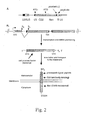
- the Ceo gene was an in-frame fusion between the genes encoding the human T-cell-specific CD2 antigen (CD2) (Seed, B. & Aruffo, A. (1987) Proc Natl Acad Sci USA 84, 3365-9) and the E. coli neomycin-phosphotransferase (neo) (Colbere-Garapin, F., et al (1981) J Mol Biol 150, 1-14). It was obtained by fusing a translation start site deleted and truncated CD2 cDNA to the neo gene immediately downstream of its first ATG ( Figure 2A).
- Ceo was constructed by amplifying CD2 and neomycin-phosphotransferase by PCR using the primer pairs 5'-attctagattccatgtaaatttgtagccagcttcc-3' (SEQ ID NO: 5)/5'-cgcgggggatccgtagctactctgtgggctcttgtctc-3' (SEQ ID NO: 6) and 5'-cgcgggggatcccattgaacaagatggattgcacgcagg-3' (SEQ ID NO: 7)/5'-cgcggggaattctctagattag-aag-aactcgtcaagaaggcg-3' (SEQ ID NO: 8), respectively.
- the CD2-amplification product was ligated as an Xbal/BamHI fragment to the 5' BamHI site of the amplified neomycin-phosphotransferase sequence and the fusion gene was cloned as a Xbal/EcoRI fragment into pBluescript KS. After verifying the in-frame fusion by sequencing (ABI310 Genetic Analyzer, Applied Biosystems), the fusion gene was ligated as an Xbal fragment into the Nhel site of pBabe Sin.
- the truncated CD2 cDNA which consists of nucleotides 10 - 782 after the translation start site ( Figure 1 , SEQ ID NO:4) and which has no translation start site, encodes the extracellular- and transmembrane domains but only a short segment of the intracellular domain.
- virus replication and long terminal repeat (LTR)-mediated duplication places sequences inserted into U3 just 30 nucleotides downstream from the flanking chromosomal DNA (von Melchner, H. & Ruley, H. E. (1989) J Virol 63, 3227-33).
- Example 2 Cell cultures and colony assays; Development of a cell line susceptible to reversible oncogenic transformation
- a susceptible cell line with such properties can be derived from NIH3T3 fibroblasts after transducing a tetracycline sensitive (tet-off system) human IGF-1 receptor (IGF-1R) gene and selecting for clones with a tight anhydrotetracycline (ATC) repressible promoter (Baasner, S., et al. (1996) Oncogene 13, 901-11).
- ATC anhydrotetracycline
- NIH3T3 cells overexpressing the human IGF-1 receptor under control of the tetracycline-regulated promoter were generated by stable transfection as previously described (Baasner, S., et al. (1996) Oncogene 13, 901-11). Clones isolated by limiting dilution were tested for tetracycline regulated IGF1-R expression by Northern blotting and by reversible tumorigenicity in vitro as previously described (Andreu, T., et al., H. (1998) J Biol Chem 273, 13848-54). When N93.1/28 cells were exposed to IGF-1, they converted to anchorage-independent growth and formed foci in standard focus-forming assays ( Figure 3).
- Cells were grown in DMEM supplemented with 10% newborn calf serum (NCS). Anchorage independent growth was analyzed in soft agar colony assays by plating 1.5 x 10 3 cells into 96-well plates containing 0.5% w/v DMEM/agar supplemented with 10% (v/v) NCS. After incubating for 7 days, cell proliferation was estimated using the XTT-Cell Proliferation Kit (Roche Diagnostics, Mannheim) according to the manufacturer's instructions. Light absorption reflecting colony proliferation was measured at 490 nm using a Victor 1420 multilabel counter (Wallac, Turku).
- Example 3 Panning and antibody treatment; Analyzing the CD2-expression and generating CD2-positive/negative libraries
- Adherent cells were subsequently harvested in DMEM medium supplemented with 10% NCS and exposed to 100ng/ml recombinant human IGF-1 (Sigma, Deisenhofen) for 3 days. Transformed cells were subjected to negative panning essentially as described above except that this time the nonadherent cells were harvested and the adherent cells discarded.
- 1 x 10 6 cells were suspended in 50 ⁇ l FACS-Wash solution (Becton Dickinson, Heidelberg) and incubated for 30 min at 4°C with 2.5 ⁇ g/ml of CD2-specific mouse monoclonal antibody Leu-5b. Following washings, the cells were incubated for 30 minutes at 4°C in 50 ⁇ l FACS-Wash solution containing 10% (v/v) FITC-conjugated anti-mouse-IgG antibody (Roche Diagnostics, Mannheim). Finally, 2 x 10 4 cells were suspended in 500 ⁇ l FACS-Wash solution and analyzed with a FACSCALIBUR (Becton Dickinson) flow cytometer using FITC-specific settings.
- FACSCALIBUR Becton Dickinson
- 5'-RACE was performed on 5 ⁇ g of total RNA using the FirstChoice RLM-RACE-Kit (Ambion, Austin) according to the manufacturer's instructions.
- CD2 specific primers were 5'-caagttgatgtcctgacccaag-3' (SEQ ID NO:9) and 5'-ggtttccaaggcattcgtaatctc-3' (SEQ ID NO: 10) (nested).
- the first amplification was for 35 cycles, at 96°C for 30sec, 60°C for 30sec, and 72°C for 2min, whereas the second (nested) amplification was for 35 cycles at 96°C for 30sec, 62°C for 30sec, and 72°C for 2min.
- RACE products were cloned into the pGEM-Teasy vector (Promega, Madison) and inserts of at least two independent E. coli clones were sequenced using a T7- specific primer (Promega).
- Example 6 U3Ceo selects for integrations into genes encoding secreted and transmembrane proteins
- MOI simple multiplicity of infection
- the G418-resistant clones should also express CD2 as a result of in-frame fusions between an endogenous signal sequence peptide and the Ceo protein.
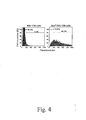
- pooled Neo R clones were treated with the anti-CD2-specific monoclonal antibody Leu5b and analyzed by flow cytometry for CD2 expression.
- Figure 4 shows that over 86% of the Neo R cells were positive for CD2, indicating that the majority of U3Ceo fusion proteins have captured an endogenous signal peptide.
- cell-provirus fusion transcripts from eight randomly selected Neo R clones were amplified by 5'RNA-ligase mediated (RLM) RACE (Maruyama, K. & Sugano, S.
- RLM 5'RNA-ligase mediated
- Example 7 Selection for and against U3Ceo expression identifies genes repressed by oncogenic transformation
- U3Ceo To identify some of the regulated genes trapped by U3Ceo, six clones were isolated from the preselected library by limiting dilution, and their cell-provirus fusion transcripts were amplified and sequenced. Data base analysis revealed that in each case, U3Ceo had disrupted a gene encoding a signal peptide protein involved in oncogenic transformation and metastatic spread (Table 2). Each of these genes were tightly regulated by IGF-1, as exemplified by the thrombin receptor in Figure 6. Table 2 . Summary of secretion proteins repressed by oncogenic transformation Clone Origin of signal sequence Length of signal peptide fused to U3Ceo (aa)* GenBank Accession number Function Refs.
Landscapes
- Life Sciences & Earth Sciences (AREA)
- Health & Medical Sciences (AREA)
- Genetics & Genomics (AREA)
- Chemical & Material Sciences (AREA)
- Engineering & Computer Science (AREA)
- Organic Chemistry (AREA)
- Zoology (AREA)
- Wood Science & Technology (AREA)
- General Engineering & Computer Science (AREA)
- Bioinformatics & Cheminformatics (AREA)
- Biotechnology (AREA)
- Biomedical Technology (AREA)
- Biophysics (AREA)
- General Health & Medical Sciences (AREA)
- Microbiology (AREA)
- Physics & Mathematics (AREA)
- Biochemistry (AREA)
- Molecular Biology (AREA)
- Plant Pathology (AREA)
- Proteomics, Peptides & Aminoacids (AREA)
- Bioinformatics & Computational Biology (AREA)
- Crystallography & Structural Chemistry (AREA)
- Virology (AREA)
- Analytical Chemistry (AREA)
- Immunology (AREA)
- Micro-Organisms Or Cultivation Processes Thereof (AREA)
Claims (20)
- Plasmide ou vecteur rétroviral comprenant un gène de fusion, dans lequel ledit gène de fusion comprend une séquence d'acide nucléique codant pour l'antigène de surface cellulaire CD2, dans lequel ledit antigène de surface cellulaire CD2 ne comporte aucun site d'initiation de la traduction, et codant au moins pour les domaines transmembranaire et extracellulaire de l'antigène de surface cellulaire CD2, fusionnée dans le cadre à une séquence d'acide nucléique codant pour un gène rapporteur.
- Plasmide ou vecteur selon la revendication 1, dans lequel la séquence d'acide nucléique code pour un antigène de surface cellulaire CD2 tronqué comportant les domaines extracellulaire et transmembranaire de l'antigène de surface cellulaire CD2.
- Plasmide ou vecteur selon la revendication 1 ou 2, dans lequel ledit gène de fusion comprend la séquence d'acide nucléique représentée dans SEQ ID N° : 3 et la séquence d'acide nucléique représentée dans SEQ ID N° : 2, fusionnées dans le cadre à une séquence d'acide nucléique codant pour un gène rapporteur.
- Plasmide ou vecteur selon les revendications 1 à 3, dans lequel la séquence d'acide nucléique codant pour un antigène de surface cellulaire CD2 tronqué comprend les nucléotides 10-782 après le site d'initiation de la traduction de l'ADNc de CD2.
- Plasmide ou vecteur selon les revendications 1 à 4, dans lequel le gène de fusion est inséré dans la région U3 ou U5 d'un vecteur rétroviral.
- Plasmide ou vecteur selon l'une quelconque des revendications 1 à 5, dans lequel le gène rapporteur est la néomycine phosphotransférase.
- Procédé de criblage pour une séquence d'acide nucléique codant pour une protéine comportant une séquence signal comprenant les étapes de:(a) transfection ou infection de cellules sensibles avec un plasmide ou un vecteur choisi dans le groupe constitué par:un plasmide ou un vecteur rétroviral comprenant un gène de fusion, dans lequel ledit gène de fusion comprend une séquence d'acide nucléique codant pour l'antigène de surface cellulaire CD2 ne comportant aucun site d'initiation de la traduction et étant fusionnée dans le cadre à un acide nucléique codant pour un gène rapporteur ;un plasmide ou un vecteur rétroviral comprenant un gène de fusion, dans lequel ledit gène de fusion comprend une séquence d'acide nucléique codant pour un antigène de surface cellulaire CD2 tronqué ne comportant aucun site d'initiation de la traduction et étant fusionnée dans le cadre à un acide nucléique codant pour un gène rapporteur ; etle plasmide ou vecteur selon l'une quelconque des revendications 1 à 6,(b) sélection des cellules dans lesquelles le plasmide ou le vecteur a intégré le génome, dans lesquelles la séquence signal de CD2 a été excisée par épissage et dans lesquelles le plasmide ou vecteur intégré est transcrit,(c) détection de l'expression de CD2 ou du gène rapporteur fusionné dans les cellules sélectionnées, dans lesquelles l'expression de CD2 ou du gène rapporteur fusionné indique une intégration du plasmide ou du vecteur dans une séquence d'acide nucléique codant pour protéine comprenant une séquence signal, et(d) isolement desdites cellules positives à CD2 et/ou exprimant un gène rapporteur fusionné.
- Procédé selon la revendication 7, dans lequel la séquence d'acide nucléique code pour une protéine comprenant une séquence signal, ladite protéine étant régulée pendant un processus biologique, comprenant en outre les étapes de:(e) création d'une banque positive à CD2 de cellules exprimant CD2,(f) traitement de la banque positive à CD2 avec un agent qui initie un processus biologique,(g) analyse de l'expression de CD2 dans les cellules, une absence d'expression de CD2 indiquant l'intégration du plasmide ou du vecteur dans une séquence d'acide nucléique codant pour une protéine avec une séquence signal régulée dans un processus biologique,(h) sélection des cellules qui n'expriment pas CD2,(i) création d'une banque négative à CD2,(j) retrait dudit agent, interrompant ainsi ledit processus biologique,(k) analyse de l'expression de CD2 dans les cellules, l'induction de l'expression de CD2 indiquant une intégration du plasmide ou du vecteur dans une séquence d'acide nucléique codant pour une protéine avec une séquence signal, ladite protéine étant régulée pendant le processus biologique, et(l) isolement des cellules positives à CD2.
- Procédé selon la revendication 7 ou 8 comprenant en outre les étapes de:(m) amplification des séquences cellulaires adjacentes au plasmide ou au provirus par PCR génomique et/ou amplification des transcrits de fusion cellule-plasmide/provirus par PCR inverse,(n) séquençage des produits d'amplification, et(o) identification de gènes par consultation de bases de données avec la séquence des produits d'amplification.
- Procédé selon l'une quelconque des revendications 7 à 9, dans lequel ladite séquence signal est une séquence signal d'une protéine sécrétée ou transmembranaire.
- Procédé selon l'une quelconque des revendications 8 à 10, dans lequel ledit processus biologique est une transformation oncogénique, une différenciation cellulaire, une sénescence, une apoptose ou une sensibilité à un médicament.
- Procédé selon l'une quelconque des revendications 8 à 11, dans lequel l'agent des étapes (f) et (j) est une hormone, une cytokine, un facteur de croissance, un oncogène ou un médicament.
- Procédé selon l'une quelconque des revendications 8 à 11, dans lequel l'agent des étapes (f) et (j) est l'IGF-1.
- Procédé selon l'une quelconque des revendications 7 à 12, dans lequel l'expression de CD2 est analysée par un anticorps spécifique de CD2.
- Procédé selon l'une quelconque des revendications 7 à 13, dans lequel l'expression de CD2 est détectée par cytométrie en flux.
- Procédé selon l'une quelconque des revendications 7 à 14, dans lequel les cellules sensibles de l'étape (a) permettent un passage contrôlé et réversible d'un état normal à un état transformé.
- Procédé selon la revendication 15 dans lequel les cellules sensibles sont résistantes au G418.
- Cellule souche embryonnaire non humaine comprenant un vecteur choisi dans le groupe constitué par:un vecteur rétroviral comprenant un gène de fusion, dans lequel ledit gène de fusion comprend une séquence d'acide nucléique codant pour l'antigène de surface cellulaire CD2 ne comportant aucun site d'initiation de la traduction et étant fusionnée dans le cadre à un acide nucléique codant pour un gène rapporteur;un vecteur rétroviral comprenant un gène de fusion, dans lequel ledit gène de fusion comprend une séquence d'acide nucléique codant pour un antigène de surface cellulaire CD2 tronqué ne comportant aucun site d'initiation de la traduction et étant fusionnée dans le cadre à un acide nucléique codant pour un gène rapporteur ; etle vecteur selon L'une quelconque des revendications 1 à 6,intégré dans son génome.
- Animal transgénique non humain comprenant un plasmide ou un vecteur choisi dans le groupe constitué par:un plasmide ou un vecteur rétroviral comprenant un gène de fusion, dans lequel ledit gène de fusion comprend une séquence d'acide nucléique codant pour l'antigène de surface cellulaire CD2 ne comportant aucun site d'initiation de la traduction et étant fusionnée dans le cadre à un acide nucléique codant pour un gène rapporteur ;un plasmide ou un vecteur rétroviral comprenant un gène de fusion, dans lequel ledit gène de fusion comprend une séquence d'acide nucléique codant pour un antigène de surface cellulaire CD2 tronqué ne comportant aucun site d'initiation de la traduction et étant fusionnée dans le cadre à un acide nucléique codant pour un gène rapporteur ; etle plasmide ou vecteur selon l'une quelconque des revendications 1 à 6,intégré dans son génome.
- Utilisation du procédé selon l'une quelconque des revendications 7 à 17 pour la découverte d'une cible médicamenteuse.
Priority Applications (4)
| Application Number | Priority Date | Filing Date | Title |
|---|---|---|---|
| DE60125926T DE60125926T2 (de) | 2001-07-27 | 2001-07-27 | Methode zum Auffinden von Proteinen mit einer Signalsequenz |
| EP01118354A EP1279730B1 (fr) | 2001-07-27 | 2001-07-27 | Procédé de criblage de protéines comprenant une séquence de signal |
| US10/205,921 US20030124570A1 (en) | 2001-07-27 | 2002-07-26 | Methods for screening for proteins comprising a signal sequence |
| US11/025,422 US20050186596A1 (en) | 2001-07-27 | 2004-12-29 | Methods for screening for proteins comprising a signal sequence |
Applications Claiming Priority (1)
| Application Number | Priority Date | Filing Date | Title |
|---|---|---|---|
| EP01118354A EP1279730B1 (fr) | 2001-07-27 | 2001-07-27 | Procédé de criblage de protéines comprenant une séquence de signal |
Publications (2)
| Publication Number | Publication Date |
|---|---|
| EP1279730A1 EP1279730A1 (fr) | 2003-01-29 |
| EP1279730B1 true EP1279730B1 (fr) | 2007-01-10 |
Family
ID=8178183
Family Applications (1)
| Application Number | Title | Priority Date | Filing Date |
|---|---|---|---|
| EP01118354A Expired - Lifetime EP1279730B1 (fr) | 2001-07-27 | 2001-07-27 | Procédé de criblage de protéines comprenant une séquence de signal |
Country Status (3)
| Country | Link |
|---|---|
| US (2) | US20030124570A1 (fr) |
| EP (1) | EP1279730B1 (fr) |
| DE (1) | DE60125926T2 (fr) |
Families Citing this family (2)
| Publication number | Priority date | Publication date | Assignee | Title |
|---|---|---|---|---|
| EP1769078A1 (fr) * | 2004-07-01 | 2007-04-04 | VIRxSYS Corporation | Lignee cellulaire d'encapsidation de vecteurs |
| JP5283265B2 (ja) | 2005-09-30 | 2013-09-04 | アンチキャンサー インコーポレーテッド | ヒトの早期癌、癌の進行および再発のマーカーの同定方法 |
Family Cites Families (2)
| Publication number | Priority date | Publication date | Assignee | Title |
|---|---|---|---|---|
| US5364783A (en) * | 1990-05-14 | 1994-11-15 | Massachusetts Institute Of Technology | Retrovirus promoter-trap vectors |
| CA2339041A1 (fr) * | 1998-08-10 | 2000-02-24 | Lexicon Genetics Incorporated | Construction de bibliotheques d'adnc normalisees a partir de cellules eucaryotes |
-
2001
- 2001-07-27 DE DE60125926T patent/DE60125926T2/de not_active Expired - Fee Related
- 2001-07-27 EP EP01118354A patent/EP1279730B1/fr not_active Expired - Lifetime
-
2002
- 2002-07-26 US US10/205,921 patent/US20030124570A1/en not_active Abandoned
-
2004
- 2004-12-29 US US11/025,422 patent/US20050186596A1/en not_active Abandoned
Also Published As
| Publication number | Publication date |
|---|---|
| DE60125926D1 (de) | 2007-02-22 |
| DE60125926T2 (de) | 2007-10-25 |
| US20050186596A1 (en) | 2005-08-25 |
| US20030124570A1 (en) | 2003-07-03 |
| EP1279730A1 (fr) | 2003-01-29 |
Similar Documents
| Publication | Publication Date | Title |
|---|---|---|
| US5627058A (en) | Retrovirus promoter-trap vectors | |
| Dougherty et al. | High mutation rate of a spleen necrosis virus-based retrovirus vector | |
| Pear et al. | Production of high-titer helper-free retroviruses by transient transfection. | |
| US6133029A (en) | Replication defective viral vectors for infecting human cells | |
| JPH06500923A (ja) | パッケージング細胞 | |
| WO1989009271A1 (fr) | Retrovirus recombinants | |
| IL128882A (en) | Retroviral vectors and libraries, and their uses | |
| AU730845B2 (en) | Gene-trapping construct for the identification and isolation of genes | |
| EP1066369B1 (fr) | Methode de selection-soustraction utilisee dans l'identification de genes | |
| US7056730B2 (en) | Expression of heterologous genes from an IRES translational cassette in retroviral vectors | |
| JP2000514284A (ja) | Sarエレメントを有するベクター | |
| EP1279730B1 (fr) | Procédé de criblage de protéines comprenant une séquence de signal | |
| Kawaguchi et al. | The C/EBP site in the feline immunodeficiency virus (FIV) long terminal repeat (LTR) is necessary for its efficient replication and is also involved in the inhibition of FIV LTR-directed gene expression by pseudorabies virus ICP4 | |
| Bao et al. | Stable transgene expression in tumors and metastases after transduction with lentiviral vectors based on human immunodeficiency virus type 1 | |
| Gogos et al. | Selection for retroviral insertions into regulated genes | |
| Gebauer et al. | Genomewide trapping of genes that encode secreted and transmembrane proteins repressed by oncogenic signaling | |
| Coulombe et al. | A replication-competent promoter-trap retrovirus | |
| Kerr et al. | Gene-search viruses and FACS-Gal permit the detection, isolation, and characterization of mammalian cells with in situ fusions between cellular genes and Escherichia coli lacZ | |
| US20060194203A1 (en) | Packing cell system for eb virus vector | |
| US20050063960A1 (en) | Dna construct for assessing thymic function activity and therapeutical uses thereof | |
| Lauring | Pathogenic mechanisms of oncogenic and immunosuppressive feline leukemia viruses | |
| AU9718101A (en) | Viral vectors and their uses | |
| Kriegler | Vectors | |
| Lo | Gene Localization and Transcriptional Dynamics in the Optimization of Transgene Expression | |
| JP2006501814A (ja) | 分化制御遺伝子を特定する方法 |
Legal Events
| Date | Code | Title | Description |
|---|---|---|---|
| PUAI | Public reference made under article 153(3) epc to a published international application that has entered the european phase |
Free format text: ORIGINAL CODE: 0009012 |
|
| AK | Designated contracting states |
Designated state(s): AT BE CH CY DE DK ES FI FR GB GR IE IT LI LU MC NL PT SE TR |
|
| AX | Request for extension of the european patent |
Extension state: AL LT LV MK RO SI |
|
| 17P | Request for examination filed |
Effective date: 20030124 |
|
| AKX | Designation fees paid |
Designated state(s): AT BE CH CY DE DK ES FI FR GB GR IE IT LI LU MC NL PT SE TR |
|
| 17Q | First examination report despatched |
Effective date: 20050413 |
|
| GRAP | Despatch of communication of intention to grant a patent |
Free format text: ORIGINAL CODE: EPIDOSNIGR1 |
|
| GRAS | Grant fee paid |
Free format text: ORIGINAL CODE: EPIDOSNIGR3 |
|
| GRAA | (expected) grant |
Free format text: ORIGINAL CODE: 0009210 |
|
| AK | Designated contracting states |
Kind code of ref document: B1 Designated state(s): AT BE CH CY DE DK ES FI FR GB GR IE IT LI LU MC NL PT SE TR |
|
| PG25 | Lapsed in a contracting state [announced via postgrant information from national office to epo] |
Ref country code: DK Free format text: LAPSE BECAUSE OF FAILURE TO SUBMIT A TRANSLATION OF THE DESCRIPTION OR TO PAY THE FEE WITHIN THE PRESCRIBED TIME-LIMIT Effective date: 20070110 Ref country code: CH Free format text: LAPSE BECAUSE OF FAILURE TO SUBMIT A TRANSLATION OF THE DESCRIPTION OR TO PAY THE FEE WITHIN THE PRESCRIBED TIME-LIMIT Effective date: 20070110 Ref country code: FI Free format text: LAPSE BECAUSE OF FAILURE TO SUBMIT A TRANSLATION OF THE DESCRIPTION OR TO PAY THE FEE WITHIN THE PRESCRIBED TIME-LIMIT Effective date: 20070110 Ref country code: AT Free format text: LAPSE BECAUSE OF FAILURE TO SUBMIT A TRANSLATION OF THE DESCRIPTION OR TO PAY THE FEE WITHIN THE PRESCRIBED TIME-LIMIT Effective date: 20070110 Ref country code: NL Free format text: LAPSE BECAUSE OF FAILURE TO SUBMIT A TRANSLATION OF THE DESCRIPTION OR TO PAY THE FEE WITHIN THE PRESCRIBED TIME-LIMIT Effective date: 20070110 Ref country code: LI Free format text: LAPSE BECAUSE OF FAILURE TO SUBMIT A TRANSLATION OF THE DESCRIPTION OR TO PAY THE FEE WITHIN THE PRESCRIBED TIME-LIMIT Effective date: 20070110 |
|
| REG | Reference to a national code |
Ref country code: GB Ref legal event code: FG4D |
|
| REG | Reference to a national code |
Ref country code: IE Ref legal event code: FG4D |
|
| REF | Corresponds to: |
Ref document number: 60125926 Country of ref document: DE Date of ref document: 20070222 Kind code of ref document: P |
|
| PG25 | Lapsed in a contracting state [announced via postgrant information from national office to epo] |
Ref country code: SE Free format text: LAPSE BECAUSE OF FAILURE TO SUBMIT A TRANSLATION OF THE DESCRIPTION OR TO PAY THE FEE WITHIN THE PRESCRIBED TIME-LIMIT Effective date: 20070410 |
|
| PG25 | Lapsed in a contracting state [announced via postgrant information from national office to epo] |
Ref country code: ES Free format text: LAPSE BECAUSE OF FAILURE TO SUBMIT A TRANSLATION OF THE DESCRIPTION OR TO PAY THE FEE WITHIN THE PRESCRIBED TIME-LIMIT Effective date: 20070421 |
|
| PG25 | Lapsed in a contracting state [announced via postgrant information from national office to epo] |
Ref country code: PT Free format text: LAPSE BECAUSE OF FAILURE TO SUBMIT A TRANSLATION OF THE DESCRIPTION OR TO PAY THE FEE WITHIN THE PRESCRIBED TIME-LIMIT Effective date: 20070611 |
|
| NLV1 | Nl: lapsed or annulled due to failure to fulfill the requirements of art. 29p and 29m of the patents act | ||
| REG | Reference to a national code |
Ref country code: CH Ref legal event code: PL |
|
| ET | Fr: translation filed | ||
| PLBE | No opposition filed within time limit |
Free format text: ORIGINAL CODE: 0009261 |
|
| STAA | Information on the status of an ep patent application or granted ep patent |
Free format text: STATUS: NO OPPOSITION FILED WITHIN TIME LIMIT |
|
| 26N | No opposition filed |
Effective date: 20071011 |
|
| PG25 | Lapsed in a contracting state [announced via postgrant information from national office to epo] |
Ref country code: BE Free format text: LAPSE BECAUSE OF FAILURE TO SUBMIT A TRANSLATION OF THE DESCRIPTION OR TO PAY THE FEE WITHIN THE PRESCRIBED TIME-LIMIT Effective date: 20070110 |
|
| PG25 | Lapsed in a contracting state [announced via postgrant information from national office to epo] |
Ref country code: MC Free format text: LAPSE BECAUSE OF NON-PAYMENT OF DUE FEES Effective date: 20070731 Ref country code: IT Free format text: LAPSE BECAUSE OF FAILURE TO SUBMIT A TRANSLATION OF THE DESCRIPTION OR TO PAY THE FEE WITHIN THE PRESCRIBED TIME-LIMIT Effective date: 20070110 Ref country code: GR Free format text: LAPSE BECAUSE OF FAILURE TO SUBMIT A TRANSLATION OF THE DESCRIPTION OR TO PAY THE FEE WITHIN THE PRESCRIBED TIME-LIMIT Effective date: 20070411 |
|
| PG25 | Lapsed in a contracting state [announced via postgrant information from national office to epo] |
Ref country code: IE Free format text: LAPSE BECAUSE OF NON-PAYMENT OF DUE FEES Effective date: 20070727 |
|
| PGFP | Annual fee paid to national office [announced via postgrant information from national office to epo] |
Ref country code: DE Payment date: 20080915 Year of fee payment: 8 |
|
| PGFP | Annual fee paid to national office [announced via postgrant information from national office to epo] |
Ref country code: FR Payment date: 20080718 Year of fee payment: 8 |
|
| PGFP | Annual fee paid to national office [announced via postgrant information from national office to epo] |
Ref country code: GB Payment date: 20080723 Year of fee payment: 8 |
|
| PG25 | Lapsed in a contracting state [announced via postgrant information from national office to epo] |
Ref country code: CY Free format text: LAPSE BECAUSE OF FAILURE TO SUBMIT A TRANSLATION OF THE DESCRIPTION OR TO PAY THE FEE WITHIN THE PRESCRIBED TIME-LIMIT Effective date: 20070110 |
|
| PG25 | Lapsed in a contracting state [announced via postgrant information from national office to epo] |
Ref country code: LU Free format text: LAPSE BECAUSE OF NON-PAYMENT OF DUE FEES Effective date: 20070727 |
|
| PG25 | Lapsed in a contracting state [announced via postgrant information from national office to epo] |
Ref country code: TR Free format text: LAPSE BECAUSE OF FAILURE TO SUBMIT A TRANSLATION OF THE DESCRIPTION OR TO PAY THE FEE WITHIN THE PRESCRIBED TIME-LIMIT Effective date: 20070110 |
|
| GBPC | Gb: european patent ceased through non-payment of renewal fee |
Effective date: 20090727 |
|
| REG | Reference to a national code |
Ref country code: FR Ref legal event code: ST Effective date: 20100331 |
|
| PG25 | Lapsed in a contracting state [announced via postgrant information from national office to epo] |
Ref country code: FR Free format text: LAPSE BECAUSE OF NON-PAYMENT OF DUE FEES Effective date: 20090731 |
|
| PG25 | Lapsed in a contracting state [announced via postgrant information from national office to epo] |
Ref country code: GB Free format text: LAPSE BECAUSE OF NON-PAYMENT OF DUE FEES Effective date: 20090727 |
|
| PG25 | Lapsed in a contracting state [announced via postgrant information from national office to epo] |
Ref country code: DE Free format text: LAPSE BECAUSE OF NON-PAYMENT OF DUE FEES Effective date: 20100202 |