EP1280040A2 - Système de détection de virus centralisé - Google Patents
Système de détection de virus centralisé Download PDFInfo
- Publication number
- EP1280040A2 EP1280040A2 EP02253235A EP02253235A EP1280040A2 EP 1280040 A2 EP1280040 A2 EP 1280040A2 EP 02253235 A EP02253235 A EP 02253235A EP 02253235 A EP02253235 A EP 02253235A EP 1280040 A2 EP1280040 A2 EP 1280040A2
- Authority
- EP
- European Patent Office
- Prior art keywords
- computer
- file
- access
- assessment
- requesting
- Prior art date
- Legal status (The legal status is an assumption and is not a legal conclusion. Google has not performed a legal analysis and makes no representation as to the accuracy of the status listed.)
- Withdrawn
Links
Images



Classifications
-
- G—PHYSICS
- G06—COMPUTING OR CALCULATING; COUNTING
- G06F—ELECTRIC DIGITAL DATA PROCESSING
- G06F21/00—Security arrangements for protecting computers, components thereof, programs or data against unauthorised activity
- G06F21/50—Monitoring users, programs or devices to maintain the integrity of platforms, e.g. of processors, firmware or operating systems
- G06F21/55—Detecting local intrusion or implementing counter-measures
- G06F21/56—Computer malware detection or handling, e.g. anti-virus arrangements
- G06F21/567—Computer malware detection or handling, e.g. anti-virus arrangements using dedicated hardware
Definitions
- This invention relates to the field of data processing systems. More particularly, this invention relates to the field of malware scanning, such as, for example, scanning for computer viruses, Trojans, worms, banned computer files or E-mails containing banned words or content.
- malware scanning such as, for example, scanning for computer viruses, Trojans, worms, banned computer files or E-mails containing banned words or content.
- An anti-virus system produced by Sophos uses a locally held record of previously conducted on-access scans on the individual computer in question to determine whether or not a scan should be conducted for a computer file or a previously determined result used instead when this is available.
- the present invention provides a computer program product for controlling a computer to detect malware, said computer program product comprising:
- the invention recognises that an individual computer requiring a file access may pass the task of determining whether or not that access should be allowed to a different assessment computer. Whilst at first sight this may seem that it would slow down the file access, in practice there are considerable advantages. For example, the assessment computer to which the task is passed may be more rapidly updated with new virus definition data as this is released than would be possible for the requesting computer. Accordingly, the requesting computer can benefit from the most up-to-date virus definition data more rapidly. Furthermore, the invention is particularly well suited to systems in which a plurality of requesting computers share an assessment computer since in many cases the individual requesting computers will show a high degree of correlation in the computer files to which they are requesting access and for which a malware scan is needed.
- each requesting computer individually scanning the computer files that are also being scanned by a large number of other computers, (e.g. the computer files associated with the operating system shared by all the requesting computers), these computer files can instead be scanned once by the assessment computer and then each requesting computer can check that the computer file has been scanned and cleared by sending an appropriate request to the assessment computer rather than having to scan the file itself.
- a considerable processing burden may be lifted from the requesting computers.
- the additional processing burden on the assessment computer does not increase disproportionately since the high degree of correlation between the computer files accessed by the different requesting computers means that in many cases the assessment computer will be able to respond to a clearance request from a requesting computer on the basis that it has already scanned that file and without the need to rescan that file.
- the data identifying the computer file preferably includes a checksum value.
- Checksum values may be made sufficiently specific for a computer file from which they have been calculated so as to be difficult to bypass as a way of uniquely identifying a computer file.
- Additional data that is highly useful to the assessment computer in managing the requests it receives includes the filename of the computer file, data identifying the requesting computer and the storage location of the computer file. This provides useful audit information as well as providing for the possibility of files having the same name and same storage location on different computers in fact being different files with different checksums, both of which should be treated as separate entities when determining whether or not a request from another requesting computer relates to a file that has already scanned.
- the assessment computer may send a scan request message back to the requesting computer such that the requesting computer may send a copy of the file to the assessment computer for scanning. It will be appreciated that this may be slower than scanning the file locally, but the benefit will be that should a different requesting computer later wish to access that same file, then the scanning result produced by this action can be shared with that other computer, so speeding the operation of that other computer.
- the assessment computer determines that access should be denied to a computer file, then this may be used to trigger denied access actions within the requesting computer, the assessment computer, or elsewhere.
- denied access actions may include deletion of the computer file, repair of the computer file, quarantining of the computer file, generation of user warning messages, generation of administrator warning messages and the like.
- the invention also provides a computer program product for controlling a computer to detect malware, said computer program product comprising:
- the assessment computer may advantageously store the results of its previous scans within a database.
- This database may include a variety of fields relating to each computer file that has been scanned. These fields may include an access flag indicating whether access is to be denied to that computer file and a persistence flag indicating whether or not the entry for that computer file should be purged during purge operations.
- the access flag is particularly useful as in addition to allowing the recording that access should be denied due to malware being detected, it also allows the central management of whether or not a particular individual file or class or type of file should be permitted to be accessed by all of those requesting computers that seek their access permissions from that assessment computer.
- This centralised control is a powerful tool that may be used to implement techniques such as the triggering of a lock down mode of operation in which higher level security provisions are put in place by denying access to certain files or types of files.
- the assessment computer may use its mechanisms to deny access to any newly encountered computer file that had not previously been scanned and cleared for use. This would typically allow the large majority of computer activity to continue whilst providing protection against newly released malware threats until the appropriate countermeasures could be put in place.
- the persistence flag allows control of the flushing of entries from the assessment computer. Whilst one of the advantages of the invention is storing the results of previously conducted scans such that they need not be repeated, this has to be tempered by allowing the results to be refreshed at a later time for at least some files. It is possible to envisage that a particular computer file carrying a newly released virus may not be detected as carrying that virus when it is first scanned, but later when a new virus driver is available, that computer file would be detected and blocked. Accordingly, as an example, it may be that all previous scan results could be purged from the system whenever the virus definition data was updated.
- the invention provides a computer program product for controlling a computer to detect malware, said computer program product comprising:
- the invention may also take the form of corresponding methods of malware detection and apparatus for malware detection.
- Figure 1 schematically illustrates a computer network 2 comprising a plurality of client computers 4, 6, 8, 10, 12, 14, 16, 18 connected to respective departmental servers 20, 22 and to a corporate anti-virus (assessment) server 24.
- the computer network 2 is also connected via a network link to an anti-virus providers FTP server 26 from which virus definition data may be downloaded and from which messages, such as lock down messages or messages relating to the availability of new virus definition data may be received.
- a client computer 8 In operation a client computer 8 conducts processing activity during which it seeks to make a file access to a particular computer file (in this example, winword.exe). Rather than scanning this file itself for malware such as computer viruses, Trojans, worms, banned content etc, the client computer 8 instead passes an access clearance request relating to the computer file through to the assessment computer 24 via the departmental server 20.
- the access clearance request includes the file name of the computer file being accessed, a checksum derived from that file in an effort to uniquely identify it (e.g. an MD5 checksum), data identifying the name of the client computer 8, and the path used by that client computer 8 to access the computer file.
- the assessment computer 24 receives the access clearance request and uses the data identifying the computer file to look up within an associated database 28 as to whether or not a malware scan has already been conducted for that particular computer file.
- the computer file is uniquely identified by its filename and checksum value. If the computer file in question has already been scanned, then the result of that scan may be reused rather than conducting the scan again.
- the assessment computer 24 can accordingly pass back to the client computer 8 a clearance request response indicating whether or not access to that file is permitted or some other further action should be taken.
- the client computer 8 can then use this access clearance response to either permit access to the file or take the further action specified.
- the further action specified could be that the computer file has already been identified as containing malware and accordingly an appropriate anti-virus or other anti-malware response should be initiated on the client computer 8.
- a corresponding response could already have been initiated on the assessment computer 24.
- the denied access responses could take the form of deleting the computer file concerned, repairing the computer file concerned, quarantining the computer file concerned, issuing a user alerting message, issuing an administrator alerting message, issuing a message to an anti-virus provider or some other action.
- a different type of further action that could be required by the client computer 8 in response to the access clearance response arises when the assessment computer 24 has not previously scanned that file and accordingly the client computer 8 should send a copy of that file through to the assessment computer 24 to be scanned.
- an appropriate pass or denied access action triggering response can be sent back from the assessment computer 24 to the client computer 8.
- the client computers 4, 6, 8, 10, 12, 14, 16, 18 operate to share the results of the malware scanning that is performed on their behalf by the assessment computer 24. Since there is likely to be a high degree of correlation between the files being accessed by the different client computers, in many cases the scan that a client computer is requesting will already have been performed on behalf of another computer and that scan need not be run again by the assessment computer but instead merely the result of the previous scan returned. The use of a checksum allows the computer files to be reliably uniquely identified.
- the co-ordination of file access permissions by the assessment computer 24 also allows central management of which computer files may be accessed upon the network 2 in a manner that allows the rapid implementation of any higher security level mode should this be desired.
- a lock down trigger message may be received from the anti-virus provider FTP server 26 that will trigger the assessment computer 24 to enter a higher security level mode compared to its normal mode of operation.
- the access to whole variety of different types of files may be temporarily banned.
- the access to VBS files which are often a source of viruses may be banned across the network 2, as could access to e-mail attachments which are another potential source of virus propagation.
- lock down messages may be used to trigger predetermined, in accordance with user configuration and preferences, higher security level modes within connected assessment computers 24 to provide a degree of protection for the networks concerned whilst allowing the majority of their normal operations to continue.
- FIG. 2 is a flow diagram illustrating the processing performed by a client computer.
- the computer waits to receive a file access request from a computer program executing on that client computer.
- a checksum value is calculated in accordance with one of several different possible checksum algorithms, such as the MD5 algorithm.
- the filename, path, originating computer name and checksum value are sent through to the assessment computer.
- the client computer waits to receive a response from the assessment computer. When that response is received, step 38 serves to determine whether or not the response indicates that the computer file had passed its scanning. If the computer file had passed its scanning and access is to be permitted, then processing proceeds to step 40 at which the access is allowed.
- step 42 a test is made as to whether or not the response indicated that a remote scan was required. If a remote scan was required, then the computer file in question is sent to the assessment computer at step 44 and processing is returned to step 36.
- step 46 serves to trigger the denied access actions. These may include deletion, repair, quarantining or other actions upon the computer file in question as well as the generation of appropriate warning messages to a user or an administrator.
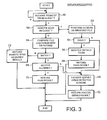
- FIG. 3 illustrates the processing performed by the assessment computer.
- the assessment computer waits to receive a request from a client computer.
- step 50 serves to identify whether a copy of a computer file is being returned to the assessment computer for scanning following a remote scan request that had earlier been issued by the assessment computer. If a copy of a computer file is being returned for scanning, then processing proceeds to step 52 at which the necessary malware scanning is conducted.
- Step 54 determines whether or not the computer file passed this malware scanning. If the computer file did pass the malware scanning, then step 56 serves to add details of that computer file to the database of scanned files held at the assessment computer relating to scans already performed. Step 58 then returns the pass result to the client computer.
- step 60 At which malware detected actions are triggered within the assessment computer. These malware detected actions may be similar to those previously described in relation to the client computer file. In addition, an entry specifying the malware scan fail of that computer file may also be added to the database. At step 62 an access denied result is returned to the client computer.
- step 64 serves to compare the file details being passed to the server with the database entries of computer files that have already been scanned.
- the computer file may be uniquely identified by its filename and its checksum. If at step 66 a match within the database is detected, then step 68 determines whether or not this entry indicates that access should be allowed to that computer file. If access is not to be allowed, then processing proceeds to step 60. If access is allowed, then processing proceeds to step 70 at which a pass result is returned to the client computer.
- step 72 serves to return a remote scan required result to the client computer in order to trigger the client computer to return a copy of the computer file to the assessment computer for scanning at step 52.
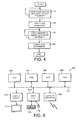
- Figure 4 illustrates a process that may run on the assessment computer as a background task.
- the assessment computer waits to receive a lock down trigger message from the anti-virus provider. If such a message is received, then step 76 serves to activate a lock down mode in the assessment computer.
- the lock down mode can switch on a user predetermined set of measures intended to provide a higher degree of security, normally at the cost of at least some functionality. As an example, access to e-mail attachments or VBS files as a class may be denied. These are known to be particular vulnerabilities.
- step 78 the assessment computer waits for a user command to cancel the lock down mode. When such a command is received, then step 80 serves to cancel the lock down mode.
- Figure 5 schematically illustrates the data that may be stored for a particular computer file within the database of previously conducted scan results held by the assessment computer 24.
- the allowed access flag may be used to indicate whether or not that file passed its scan result.
- the allowed access flag may also be used as a powerful tool for switching off or on access to individual files or classes of files by an administrator.
- the persistence flag controls how the entry is flushed from the database on a regular interval, such as when new virus definition data is received. It will be appreciated that other fields could be added to the database relating to the particular file as required.
- FIG. 6 schematically illustrates a general purpose computer 200 of the type that may be used to implement the above techniques.
- the general purpose computer 200 includes a central processing unit 202, a random access memory 204, a read only memory 206, a hard disk drive 208, a display driver 210 and display 212, a user input/output circuit 214 and keyboard 216 and mouse 218 and a network interface unit 220 all connected via a common bus 222.
- the central processing unit 202 executes program instructions stored within the random access memory 204, the read only memory 206 or the hard disK drive 208.
- the working memory is provided by the random access memory 204.
- the program instructions could take a variety of forms depending on the precise nature of the computer 200 and the programming language being used.
- the results of the processing are displayed to a user upon the display 212 driven by the display driver 210.
- User inputs for controlling the general purpose computer 200 are received from the keyboard 216 and the mouse 218 via the user input/output circuit 214.
- Communication with other computers, such as exchanging e-mails, downloading files or providing internet or other network access, is achieved via the network interface unit 220.
- the general purpose computer 200 operating under control of a suitable computer program may perform the above described techniques and provide apparatus for performing the various tasks described.
- the general purpose computer 200 also executes the method described previously.
- the computer program product could take the form of a recordable medium bearing the computer program, such as a floppy disk, a compact disk or other recordable medium.
- the computer program could be dynamically downloaded via the network interface unit 220.
- general purpose computer 200 is only one example of the type of computer architecture that may be employed to carry out the above described techniques. Alternative architectures are envisaged and are capable of use with the above described techniques.
Landscapes
- Engineering & Computer Science (AREA)
- Computer Security & Cryptography (AREA)
- Software Systems (AREA)
- Computer Hardware Design (AREA)
- General Engineering & Computer Science (AREA)
- Theoretical Computer Science (AREA)
- Virology (AREA)
- Health & Medical Sciences (AREA)
- Physics & Mathematics (AREA)
- General Physics & Mathematics (AREA)
- General Health & Medical Sciences (AREA)
- Storage Device Security (AREA)
- Information Retrieval, Db Structures And Fs Structures Therefor (AREA)
Applications Claiming Priority (2)
| Application Number | Priority Date | Filing Date | Title |
|---|---|---|---|
| US09/912,392 US7310817B2 (en) | 2001-07-26 | 2001-07-26 | Centrally managed malware scanning |
| US912392 | 2001-07-26 |
Publications (2)
| Publication Number | Publication Date |
|---|---|
| EP1280040A2 true EP1280040A2 (fr) | 2003-01-29 |
| EP1280040A3 EP1280040A3 (fr) | 2004-03-24 |
Family
ID=25431845
Family Applications (1)
| Application Number | Title | Priority Date | Filing Date |
|---|---|---|---|
| EP02253235A Withdrawn EP1280040A3 (fr) | 2001-07-26 | 2002-05-09 | Système de détection de virus centralisé |
Country Status (2)
| Country | Link |
|---|---|
| US (1) | US7310817B2 (fr) |
| EP (1) | EP1280040A3 (fr) |
Cited By (32)
| Publication number | Priority date | Publication date | Assignee | Title |
|---|---|---|---|---|
| WO2005008417A3 (fr) * | 2003-07-11 | 2005-03-24 | Computer Ass Think Inc | Procede et systeme de protection contre les virus informatiques |
| EP1549012A1 (fr) * | 2003-12-24 | 2005-06-29 | DataCenterTechnologies N.V. | Procédé et sytème d'identification de contenu de fichiers dans un réseau informatique |
| WO2007003916A2 (fr) | 2005-06-30 | 2007-01-11 | Prevx Limited | Procedes et appareil de gestion de maliciel |
| WO2007041699A1 (fr) * | 2005-10-04 | 2007-04-12 | Computer Associates Think, Inc. | Prevention de l'installation de rootkits au moyen d'un ordinateur maitre |
| WO2008016379A3 (fr) * | 2005-12-28 | 2008-05-08 | Websense Inc | Verrouillage complet en temps réel |
| EP1644784A4 (fr) * | 2003-06-25 | 2010-06-09 | Nokia Inc | Technique d'appariement en deux phases de valeurs de hachage dans des systemes de protection de messages |
| EP2237180A1 (fr) * | 2009-03-31 | 2010-10-06 | Intel Corporation | Vérification basée sur plateforme de contenus de dispositifs d'entrée/sortie |
| US8020209B2 (en) | 2003-03-14 | 2011-09-13 | Websense, Inc. | System and method of monitoring and controlling application files |
| US8020206B2 (en) | 2006-07-10 | 2011-09-13 | Websense, Inc. | System and method of analyzing web content |
| US8150817B2 (en) | 2003-03-14 | 2012-04-03 | Websense, Inc. | System and method of monitoring and controlling application files |
| EP2447878A1 (fr) * | 2010-11-01 | 2012-05-02 | Trusteer Ltd. | Détection de programmes malveillants à distance par Internet |
| CN1969524B (zh) * | 2003-12-24 | 2012-08-15 | 赛门铁克公司 | 识别网络中的文件内容的方法和系统 |
| US8479174B2 (en) | 2006-04-05 | 2013-07-02 | Prevx Limited | Method, computer program and computer for analyzing an executable computer file |
| US8533349B2 (en) | 2000-01-28 | 2013-09-10 | Websense, Inc. | System and method for controlling access to internet sites |
| US8615800B2 (en) | 2006-07-10 | 2013-12-24 | Websense, Inc. | System and method for analyzing web content |
| EP2759956A1 (fr) * | 2013-01-25 | 2014-07-30 | Codenomicon Oy | Système permettant de tester une application informatique |
| US8881277B2 (en) | 2007-01-09 | 2014-11-04 | Websense Hosted R&D Limited | Method and systems for collecting addresses for remotely accessible information sources |
| US9117054B2 (en) | 2012-12-21 | 2015-08-25 | Websense, Inc. | Method and aparatus for presence based resource management |
| US9455981B2 (en) | 2008-03-19 | 2016-09-27 | Forcepoint, LLC | Method and system for protection against information stealing software |
| US9495539B2 (en) | 2008-03-19 | 2016-11-15 | Websense, Llc | Method and system for protection against information stealing software |
| US9609001B2 (en) | 2007-02-02 | 2017-03-28 | Websense, Llc | System and method for adding context to prevent data leakage over a computer network |
| US9654495B2 (en) | 2006-12-01 | 2017-05-16 | Websense, Llc | System and method of analyzing web addresses |
| US10574630B2 (en) | 2011-02-15 | 2020-02-25 | Webroot Inc. | Methods and apparatus for malware threat research |
| US12131294B2 (en) | 2012-06-21 | 2024-10-29 | Open Text Corporation | Activity stream based interaction |
| US12149623B2 (en) | 2018-02-23 | 2024-11-19 | Open Text Inc. | Security privilege escalation exploit detection and mitigation |
| US12164466B2 (en) | 2010-03-29 | 2024-12-10 | Open Text Inc. | Log file management |
| US12197383B2 (en) | 2015-06-30 | 2025-01-14 | Open Text Corporation | Method and system for using dynamic content types |
| US12235960B2 (en) | 2019-03-27 | 2025-02-25 | Open Text Inc. | Behavioral threat detection definition and compilation |
| US12261822B2 (en) | 2014-06-22 | 2025-03-25 | Open Text Inc. | Network threat prediction and blocking |
| US12412413B2 (en) | 2015-05-08 | 2025-09-09 | Open Text Corporation | Image box filtering for optical character recognition |
| US12437068B2 (en) | 2015-05-12 | 2025-10-07 | Open Text Inc. | Automatic threat detection of executable files based on static data analysis |
| US12598206B2 (en) | 2018-04-13 | 2026-04-07 | Open Text Inc. | Determining exploit prevention using machine learning |
Families Citing this family (85)
| Publication number | Priority date | Publication date | Assignee | Title |
|---|---|---|---|---|
| DE10025626A1 (de) * | 2000-05-24 | 2001-11-29 | Deutsche Telekom Ag | Verschlüsseln von abzuspeichernden Daten in einem IV-System |
| US7269851B2 (en) * | 2002-01-07 | 2007-09-11 | Mcafee, Inc. | Managing malware protection upon a computer network |
| US8090816B1 (en) * | 2002-02-07 | 2012-01-03 | Mcafee, Inc. | System and method for real-time triggered event upload |
| US8656502B2 (en) * | 2002-04-04 | 2014-02-18 | Mcafee, Inc. | Controlling use of a computer program installed on a computer |
| US7437760B2 (en) * | 2002-10-10 | 2008-10-14 | International Business Machines Corporation | Antiviral network system |
| US7716736B2 (en) * | 2003-04-17 | 2010-05-11 | Cybersoft, Inc. | Apparatus, methods and articles of manufacture for computer virus testing |
| GB2400932B (en) * | 2003-04-25 | 2005-12-14 | Messagelabs Ltd | A method of,and system for,heuristically determining that an unknown file is harmless by using traffic heuristics |
| US9118708B2 (en) | 2003-07-01 | 2015-08-25 | Securityprofiling, Llc | Multi-path remediation |
| US20070113272A2 (en) | 2003-07-01 | 2007-05-17 | Securityprofiling, Inc. | Real-time vulnerability monitoring |
| US9118709B2 (en) | 2003-07-01 | 2015-08-25 | Securityprofiling, Llc | Anti-vulnerability system, method, and computer program product |
| US8984644B2 (en) | 2003-07-01 | 2015-03-17 | Securityprofiling, Llc | Anti-vulnerability system, method, and computer program product |
| US9118711B2 (en) | 2003-07-01 | 2015-08-25 | Securityprofiling, Llc | Anti-vulnerability system, method, and computer program product |
| US9118710B2 (en) | 2003-07-01 | 2015-08-25 | Securityprofiling, Llc | System, method, and computer program product for reporting an occurrence in different manners |
| US9100431B2 (en) | 2003-07-01 | 2015-08-04 | Securityprofiling, Llc | Computer program product and apparatus for multi-path remediation |
| US9350752B2 (en) | 2003-07-01 | 2016-05-24 | Securityprofiling, Llc | Anti-vulnerability system, method, and computer program product |
| US7669207B2 (en) * | 2003-07-17 | 2010-02-23 | Gradient Enterprises, Inc. | Method for detecting, reporting and responding to network node-level events and a system thereof |
| US7721334B2 (en) | 2004-01-30 | 2010-05-18 | Microsoft Corporation | Detection of code-free files |
| US20050259678A1 (en) * | 2004-05-21 | 2005-11-24 | Gaur Daniel R | Network interface controller circuitry |
| GB2416879B (en) | 2004-08-07 | 2007-04-04 | Surfcontrol Plc | Device resource access filtering system and method |
| GB2418037B (en) | 2004-09-09 | 2007-02-28 | Surfcontrol Plc | System, method and apparatus for use in monitoring or controlling internet access |
| GB2418108B (en) | 2004-09-09 | 2007-06-27 | Surfcontrol Plc | System, method and apparatus for use in monitoring or controlling internet access |
| US7836506B2 (en) * | 2004-09-22 | 2010-11-16 | Cyberdefender Corporation | Threat protection network |
| US7765410B2 (en) * | 2004-11-08 | 2010-07-27 | Microsoft Corporation | System and method of aggregating the knowledge base of antivirus software applications |
| US7716527B2 (en) * | 2004-11-08 | 2010-05-11 | International Business Machines Corporation | Repair system |
| US7487358B2 (en) * | 2004-11-29 | 2009-02-03 | Signacert, Inc. | Method to control access between network endpoints based on trust scores calculated from information system component analysis |
| US8266676B2 (en) * | 2004-11-29 | 2012-09-11 | Harris Corporation | Method to verify the integrity of components on a trusted platform using integrity database services |
| US9450966B2 (en) * | 2004-11-29 | 2016-09-20 | Kip Sign P1 Lp | Method and apparatus for lifecycle integrity verification of virtual machines |
| US8327131B1 (en) | 2004-11-29 | 2012-12-04 | Harris Corporation | Method and system to issue trust score certificates for networked devices using a trust scoring service |
| CN1838668A (zh) * | 2005-03-22 | 2006-09-27 | 松下电器产业株式会社 | 侦测计算机病毒的方法及其应用 |
| US7650639B2 (en) * | 2005-03-31 | 2010-01-19 | Microsoft Corporation | System and method for protecting a limited resource computer from malware |
| US7788723B2 (en) * | 2005-05-17 | 2010-08-31 | Computer Associates Think, Inc. | Method and apparatus for identifying computer vulnerabilities using exploit probes and remote scanning |
| GB0512744D0 (en) | 2005-06-22 | 2005-07-27 | Blackspider Technologies | Method and system for filtering electronic messages |
| US20070006304A1 (en) * | 2005-06-30 | 2007-01-04 | Microsoft Corporation | Optimizing malware recovery |
| JP4770306B2 (ja) * | 2005-07-12 | 2011-09-14 | 日本電気株式会社 | 端末セキュリティチェックサービス提供方法及びそのシステム |
| US8272058B2 (en) | 2005-07-29 | 2012-09-18 | Bit 9, Inc. | Centralized timed analysis in a network security system |
| US20070028291A1 (en) * | 2005-07-29 | 2007-02-01 | Bit 9, Inc. | Parametric content control in a network security system |
| US7895651B2 (en) * | 2005-07-29 | 2011-02-22 | Bit 9, Inc. | Content tracking in a network security system |
| US8984636B2 (en) * | 2005-07-29 | 2015-03-17 | Bit9, Inc. | Content extractor and analysis system |
| US20070079364A1 (en) * | 2005-09-30 | 2007-04-05 | Timothy Abels | Directory-secured packages for authentication of software installation |
| US20070162975A1 (en) * | 2006-01-06 | 2007-07-12 | Microssoft Corporation | Efficient collection of data |
| US8646038B2 (en) * | 2006-09-15 | 2014-02-04 | Microsoft Corporation | Automated service for blocking malware hosts |
| US20080134321A1 (en) * | 2006-12-05 | 2008-06-05 | Priya Rajagopal | Tamper-resistant method and apparatus for verification and measurement of host agent dynamic data updates |
| US8756683B2 (en) * | 2006-12-13 | 2014-06-17 | Microsoft Corporation | Distributed malicious software protection in file sharing environments |
| US7739241B2 (en) * | 2007-01-03 | 2010-06-15 | International Business Machines Corporation | Implementing dynamic copy-on-write (COW) storage compression through purge function |
| GB2445764A (en) | 2007-01-22 | 2008-07-23 | Surfcontrol Plc | Resource access filtering system and database structure for use therewith |
| US8015174B2 (en) | 2007-02-28 | 2011-09-06 | Websense, Inc. | System and method of controlling access to the internet |
| US20080244686A1 (en) * | 2007-03-27 | 2008-10-02 | Witness Systems, Inc. | Systems and Methods for Enhancing Security of Files |
| GB0709527D0 (en) | 2007-05-18 | 2007-06-27 | Surfcontrol Plc | Electronic messaging system, message processing apparatus and message processing method |
| US7865965B2 (en) * | 2007-06-15 | 2011-01-04 | Microsoft Corporation | Optimization of distributed anti-virus scanning |
| US8621610B2 (en) * | 2007-08-06 | 2013-12-31 | The Regents Of The University Of Michigan | Network service for the detection, analysis and quarantine of malicious and unwanted files |
| US8214895B2 (en) * | 2007-09-26 | 2012-07-03 | Microsoft Corporation | Whitelist and blacklist identification data |
| US7392544B1 (en) * | 2007-12-18 | 2008-06-24 | Kaspersky Lab, Zao | Method and system for anti-malware scanning with variable scan settings |
| US20090210944A1 (en) * | 2008-02-14 | 2009-08-20 | Commtouch Software Ltd. | Anti-maleware data center aggregate |
| US8407784B2 (en) | 2008-03-19 | 2013-03-26 | Websense, Inc. | Method and system for protection against information stealing software |
| US8370948B2 (en) | 2008-03-19 | 2013-02-05 | Websense, Inc. | System and method for analysis of electronic information dissemination events |
| US8650648B2 (en) | 2008-03-26 | 2014-02-11 | Sophos Limited | Method and system for detecting restricted content associated with retrieved content |
| AU2009267107A1 (en) | 2008-06-30 | 2010-01-07 | Websense, Inc. | System and method for dynamic and real-time categorization of webpages |
| US7607174B1 (en) * | 2008-12-31 | 2009-10-20 | Kaspersky Lab Zao | Adaptive security for portable information devices |
| US20100169972A1 (en) * | 2008-12-31 | 2010-07-01 | Microsoft Corporation | Shared repository of malware data |
| US7584508B1 (en) | 2008-12-31 | 2009-09-01 | Kaspersky Lab Zao | Adaptive security for information devices |
| WO2010106474A1 (fr) * | 2009-03-19 | 2010-09-23 | Honeywell International Inc. | Systèmes et procédés de gestion de dispositifs de contrôle d'accès |
| AU2010254269A1 (en) | 2009-05-26 | 2011-12-22 | Websense, Inc. | Systems and methods for efficient detection of fingerprinted data and information |
| US8479289B1 (en) * | 2009-10-27 | 2013-07-02 | Symantec Corporation | Method and system for minimizing the effects of rogue security software |
| US9087188B2 (en) * | 2009-10-30 | 2015-07-21 | Intel Corporation | Providing authenticated anti-virus agents a direct access to scan memory |
| KR101138748B1 (ko) * | 2010-01-22 | 2012-04-24 | 주식회사 안철수연구소 | 악성 코드 차단 장치, 시스템 및 방법 |
| US9002972B2 (en) * | 2010-01-29 | 2015-04-07 | Symantec Corporation | Systems and methods for sharing the results of computing operations among related computing systems |
| US9552478B2 (en) | 2010-05-18 | 2017-01-24 | AO Kaspersky Lab | Team security for portable information devices |
| US8667489B2 (en) | 2010-06-29 | 2014-03-04 | Symantec Corporation | Systems and methods for sharing the results of analyses among virtual machines |
| CN102651856B (zh) * | 2011-02-23 | 2015-06-17 | 腾讯科技(深圳)有限公司 | 一种提高终端上网安全性的方法、系统和装置 |
| US20120222083A1 (en) | 2011-02-28 | 2012-08-30 | Nokia Corporation | Method and apparatus for enforcing data privacy |
| US8839434B2 (en) | 2011-04-15 | 2014-09-16 | Raytheon Company | Multi-nodal malware analysis |
| US8640246B2 (en) | 2011-06-27 | 2014-01-28 | Raytheon Company | Distributed malware detection |
| US8635079B2 (en) * | 2011-06-27 | 2014-01-21 | Raytheon Company | System and method for sharing malware analysis results |
| WO2013020165A2 (fr) | 2011-08-05 | 2013-02-14 | HONEYWELL INTERNATIONAL INC. Attn: Patent Services | Systèmes et procédés de gestion de données vidéo |
| US8874579B2 (en) | 2011-08-18 | 2014-10-28 | Verisign, Inc. | Systems and methods for identifying associations between malware samples |
| US8646089B2 (en) * | 2011-10-18 | 2014-02-04 | Mcafee, Inc. | System and method for transitioning to a whitelist mode during a malware attack in a network environment |
| CN103971053B (zh) * | 2013-01-30 | 2017-02-08 | 腾讯科技(深圳)有限公司 | 木马文件传播关系确定方法和相关装置 |
| US10409987B2 (en) | 2013-03-31 | 2019-09-10 | AO Kaspersky Lab | System and method for adaptive modification of antivirus databases |
| US10523903B2 (en) | 2013-10-30 | 2019-12-31 | Honeywell International Inc. | Computer implemented systems frameworks and methods configured for enabling review of incident data |
| US9237204B1 (en) | 2014-07-30 | 2016-01-12 | Iboss, Inc. | Web redirection for caching |
| US10715533B2 (en) * | 2016-07-26 | 2020-07-14 | Microsoft Technology Licensing, Llc. | Remediation for ransomware attacks on cloud drive folders |
| US10628585B2 (en) | 2017-01-23 | 2020-04-21 | Microsoft Technology Licensing, Llc | Ransomware resilient databases |
| US9864956B1 (en) | 2017-05-01 | 2018-01-09 | SparkCognition, Inc. | Generation and use of trained file classifiers for malware detection |
| US10616252B2 (en) | 2017-06-30 | 2020-04-07 | SparkCognition, Inc. | Automated detection of malware using trained neural network-based file classifiers and machine learning |
| US10305923B2 (en) * | 2017-06-30 | 2019-05-28 | SparkCognition, Inc. | Server-supported malware detection and protection |
Family Cites Families (19)
| Publication number | Priority date | Publication date | Assignee | Title |
|---|---|---|---|---|
| GB8704883D0 (en) * | 1987-03-03 | 1987-04-08 | Hewlett Packard Co | Secure information storage |
| GB2283341A (en) * | 1993-10-29 | 1995-05-03 | Sophos Plc | Central virus checker for computer network. |
| US5958051A (en) * | 1996-11-27 | 1999-09-28 | Sun Microsystems, Inc. | Implementing digital signatures for data streams and data archives |
| US5960170A (en) * | 1997-03-18 | 1999-09-28 | Trend Micro, Inc. | Event triggered iterative virus detection |
| US6021510A (en) * | 1997-11-24 | 2000-02-01 | Symantec Corporation | Antivirus accelerator |
| US6748538B1 (en) * | 1999-11-03 | 2004-06-08 | Intel Corporation | Integrity scanner |
| GB2353372B (en) | 1999-12-24 | 2001-08-22 | F Secure Oyj | Remote computer virus scanning |
| US6892303B2 (en) * | 2000-01-06 | 2005-05-10 | International Business Machines Corporation | Method and system for caching virus-free file certificates |
| US6976271B1 (en) * | 2000-01-06 | 2005-12-13 | International Business Machines Corporation | Method and system for retrieving an anti-virus signature from one or a plurality of virus-free certificate authorities |
| US6986051B2 (en) * | 2000-04-13 | 2006-01-10 | International Business Machines Corporation | Method and system for controlling and filtering files using a virus-free certificate |
| US6611925B1 (en) * | 2000-06-13 | 2003-08-26 | Networks Associates Technology, Inc. | Single point of entry/origination item scanning within an enterprise or workgroup |
| US6922782B1 (en) * | 2000-06-15 | 2005-07-26 | International Business Machines Corporation | Apparatus and method for ensuring data integrity of unauthenticated code |
| US7350204B2 (en) * | 2000-07-24 | 2008-03-25 | Microsoft Corporation | Policies for secure software execution |
| US7032114B1 (en) * | 2000-08-30 | 2006-04-18 | Symantec Corporation | System and method for using signatures to detect computer intrusions |
| US7346928B1 (en) * | 2000-12-01 | 2008-03-18 | Network Appliance, Inc. | Decentralized appliance virus scanning |
| US6598060B2 (en) * | 2000-12-27 | 2003-07-22 | Microsoft Corporation | Method and system for creating and maintaining version-specific properties in a distributed environment |
| US7058978B2 (en) * | 2000-12-27 | 2006-06-06 | Microsoft Corporation | Security component for a computing device |
| US20020112163A1 (en) * | 2001-02-13 | 2002-08-15 | Mark Ireton | Ensuring legitimacy of digital media |
| US7363657B2 (en) * | 2001-03-12 | 2008-04-22 | Emc Corporation | Using a virus checker in one file server to check for viruses in another file server |
-
2001
- 2001-07-26 US US09/912,392 patent/US7310817B2/en not_active Expired - Fee Related
-
2002
- 2002-05-09 EP EP02253235A patent/EP1280040A3/fr not_active Withdrawn
Cited By (67)
| Publication number | Priority date | Publication date | Assignee | Title |
|---|---|---|---|---|
| US9565235B2 (en) | 2000-01-28 | 2017-02-07 | Websense, Llc | System and method for controlling access to internet sites |
| US8533349B2 (en) | 2000-01-28 | 2013-09-10 | Websense, Inc. | System and method for controlling access to internet sites |
| US8020209B2 (en) | 2003-03-14 | 2011-09-13 | Websense, Inc. | System and method of monitoring and controlling application files |
| US9253060B2 (en) | 2003-03-14 | 2016-02-02 | Websense, Inc. | System and method of monitoring and controlling application files |
| US9342693B2 (en) | 2003-03-14 | 2016-05-17 | Websense, Inc. | System and method of monitoring and controlling application files |
| US8701194B2 (en) | 2003-03-14 | 2014-04-15 | Websense, Inc. | System and method of monitoring and controlling application files |
| US8689325B2 (en) | 2003-03-14 | 2014-04-01 | Websense, Inc. | System and method of monitoring and controlling application files |
| US8645340B2 (en) | 2003-03-14 | 2014-02-04 | Websense, Inc. | System and method of monitoring and controlling application files |
| US9692790B2 (en) | 2003-03-14 | 2017-06-27 | Websense, Llc | System and method of monitoring and controlling application files |
| US8150817B2 (en) | 2003-03-14 | 2012-04-03 | Websense, Inc. | System and method of monitoring and controlling application files |
| EP1644784A4 (fr) * | 2003-06-25 | 2010-06-09 | Nokia Inc | Technique d'appariement en deux phases de valeurs de hachage dans des systemes de protection de messages |
| US7424609B2 (en) | 2003-07-11 | 2008-09-09 | Computer Associates Think, Inc. | Method and system for protecting against computer viruses |
| WO2005008417A3 (fr) * | 2003-07-11 | 2005-03-24 | Computer Ass Think Inc | Procede et systeme de protection contre les virus informatiques |
| US9088593B2 (en) | 2003-07-11 | 2015-07-21 | Ca, Inc. | Method and system for protecting against computer viruses |
| JP4782696B2 (ja) * | 2003-12-24 | 2011-09-28 | データセンターテクノロジーズ エヌ.ヴイ. | ネットワーク上でファイルのコンテンツを識別する方法およびシステム |
| EP1549012A1 (fr) * | 2003-12-24 | 2005-06-29 | DataCenterTechnologies N.V. | Procédé et sytème d'identification de contenu de fichiers dans un réseau informatique |
| CN1969524B (zh) * | 2003-12-24 | 2012-08-15 | 赛门铁克公司 | 识别网络中的文件内容的方法和系统 |
| WO2005064884A1 (fr) * | 2003-12-24 | 2005-07-14 | Veritas Software Corporation | Procede et systeme permettant d'identifier le contenu de fichiers dans un reseau |
| JP2007520796A (ja) * | 2003-12-24 | 2007-07-26 | データセンターテクノロジーズ エヌ.ヴイ. | ネットワーク上でファイルのコンテンツを識別する方法およびシステム |
| EP2629232A2 (fr) | 2005-06-30 | 2013-08-21 | Prevx Limited | Procédés et appareil de gestion de logiciels malveillants |
| US8418250B2 (en) | 2005-06-30 | 2013-04-09 | Prevx Limited | Methods and apparatus for dealing with malware |
| US11379582B2 (en) | 2005-06-30 | 2022-07-05 | Webroot Inc. | Methods and apparatus for malware threat research |
| US12282549B2 (en) | 2005-06-30 | 2025-04-22 | Open Text Inc. | Methods and apparatus for malware threat research |
| US10803170B2 (en) | 2005-06-30 | 2020-10-13 | Webroot Inc. | Methods and apparatus for dealing with malware |
| EP2629231A2 (fr) | 2005-06-30 | 2013-08-21 | Prevx Limited | Procédés et appareil de gestion de logiciels malveillants |
| US8763123B2 (en) | 2005-06-30 | 2014-06-24 | Prevx Limited | Methods and apparatus for dealing with malware |
| WO2007003916A2 (fr) | 2005-06-30 | 2007-01-11 | Prevx Limited | Procedes et appareil de gestion de maliciel |
| US8726389B2 (en) | 2005-06-30 | 2014-05-13 | Prevx Limited | Methods and apparatus for dealing with malware |
| WO2007041699A1 (fr) * | 2005-10-04 | 2007-04-12 | Computer Associates Think, Inc. | Prevention de l'installation de rootkits au moyen d'un ordinateur maitre |
| US8453243B2 (en) | 2005-12-28 | 2013-05-28 | Websense, Inc. | Real time lockdown |
| WO2008016379A3 (fr) * | 2005-12-28 | 2008-05-08 | Websense Inc | Verrouillage complet en temps réel |
| US8959642B2 (en) | 2005-12-28 | 2015-02-17 | Websense, Inc. | Real time lockdown |
| US9230098B2 (en) | 2005-12-28 | 2016-01-05 | Websense, Inc. | Real time lockdown |
| US8479174B2 (en) | 2006-04-05 | 2013-07-02 | Prevx Limited | Method, computer program and computer for analyzing an executable computer file |
| US8978140B2 (en) | 2006-07-10 | 2015-03-10 | Websense, Inc. | System and method of analyzing web content |
| US8615800B2 (en) | 2006-07-10 | 2013-12-24 | Websense, Inc. | System and method for analyzing web content |
| US9680866B2 (en) | 2006-07-10 | 2017-06-13 | Websense, Llc | System and method for analyzing web content |
| US9003524B2 (en) | 2006-07-10 | 2015-04-07 | Websense, Inc. | System and method for analyzing web content |
| US9723018B2 (en) | 2006-07-10 | 2017-08-01 | Websense, Llc | System and method of analyzing web content |
| US8020206B2 (en) | 2006-07-10 | 2011-09-13 | Websense, Inc. | System and method of analyzing web content |
| US9654495B2 (en) | 2006-12-01 | 2017-05-16 | Websense, Llc | System and method of analyzing web addresses |
| US8881277B2 (en) | 2007-01-09 | 2014-11-04 | Websense Hosted R&D Limited | Method and systems for collecting addresses for remotely accessible information sources |
| US9609001B2 (en) | 2007-02-02 | 2017-03-28 | Websense, Llc | System and method for adding context to prevent data leakage over a computer network |
| US9455981B2 (en) | 2008-03-19 | 2016-09-27 | Forcepoint, LLC | Method and system for protection against information stealing software |
| US9495539B2 (en) | 2008-03-19 | 2016-11-15 | Websense, Llc | Method and system for protection against information stealing software |
| US9069961B2 (en) | 2009-03-31 | 2015-06-30 | Intel Corporation | Platform based verification of contents of input-output devices |
| US8468279B2 (en) | 2009-03-31 | 2013-06-18 | Intel Corporation | Platform based verification of contents of input-output devices |
| EP2237180A1 (fr) * | 2009-03-31 | 2010-10-06 | Intel Corporation | Vérification basée sur plateforme de contenus de dispositifs d'entrée/sortie |
| US12210479B2 (en) | 2010-03-29 | 2025-01-28 | Open Text Inc. | Log file management |
| US12164466B2 (en) | 2010-03-29 | 2024-12-10 | Open Text Inc. | Log file management |
| EP2447878A1 (fr) * | 2010-11-01 | 2012-05-02 | Trusteer Ltd. | Détection de programmes malveillants à distance par Internet |
| US9270691B2 (en) | 2010-11-01 | 2016-02-23 | Trusteer, Ltd. | Web based remote malware detection |
| US10574630B2 (en) | 2011-02-15 | 2020-02-25 | Webroot Inc. | Methods and apparatus for malware threat research |
| US12131294B2 (en) | 2012-06-21 | 2024-10-29 | Open Text Corporation | Activity stream based interaction |
| US10044715B2 (en) | 2012-12-21 | 2018-08-07 | Forcepoint Llc | Method and apparatus for presence based resource management |
| US9117054B2 (en) | 2012-12-21 | 2015-08-25 | Websense, Inc. | Method and aparatus for presence based resource management |
| US9258320B2 (en) | 2013-01-25 | 2016-02-09 | Synopsys, Inc. | System for testing computer application |
| US10291631B2 (en) | 2013-01-25 | 2019-05-14 | Synopsys, Inc. | System for testing computer application |
| EP2759956A1 (fr) * | 2013-01-25 | 2014-07-30 | Codenomicon Oy | Système permettant de tester une application informatique |
| US12261822B2 (en) | 2014-06-22 | 2025-03-25 | Open Text Inc. | Network threat prediction and blocking |
| US12301539B2 (en) | 2014-06-22 | 2025-05-13 | Open Text Inc. | Network threat prediction and blocking |
| US12412413B2 (en) | 2015-05-08 | 2025-09-09 | Open Text Corporation | Image box filtering for optical character recognition |
| US12437068B2 (en) | 2015-05-12 | 2025-10-07 | Open Text Inc. | Automatic threat detection of executable files based on static data analysis |
| US12197383B2 (en) | 2015-06-30 | 2025-01-14 | Open Text Corporation | Method and system for using dynamic content types |
| US12149623B2 (en) | 2018-02-23 | 2024-11-19 | Open Text Inc. | Security privilege escalation exploit detection and mitigation |
| US12598206B2 (en) | 2018-04-13 | 2026-04-07 | Open Text Inc. | Determining exploit prevention using machine learning |
| US12235960B2 (en) | 2019-03-27 | 2025-02-25 | Open Text Inc. | Behavioral threat detection definition and compilation |
Also Published As
| Publication number | Publication date |
|---|---|
| US7310817B2 (en) | 2007-12-18 |
| EP1280040A3 (fr) | 2004-03-24 |
| US20030023866A1 (en) | 2003-01-30 |
Similar Documents
| Publication | Publication Date | Title |
|---|---|---|
| US7310817B2 (en) | Centrally managed malware scanning | |
| US10757120B1 (en) | Malicious network content detection | |
| US10664602B2 (en) | Determining malware prevention based on retrospective content scan | |
| JP5809084B2 (ja) | ネットワーク・セキュリティ・システムおよび方法 | |
| US10282548B1 (en) | Method for detecting malware within network content | |
| US7984503B2 (en) | System, method and computer program product for accelerating malware/spyware scanning | |
| US11184372B2 (en) | Detection and mitigation of time-delay based network attacks | |
| US8719924B1 (en) | Method and apparatus for detecting harmful software | |
| US6766458B1 (en) | Testing a computer system | |
| US7281267B2 (en) | Software audit system | |
| EP2452287B1 (fr) | Balayage anti-virus | |
| US8544086B2 (en) | Tagging obtained content for white and black listing | |
| US6785820B1 (en) | System, method and computer program product for conditionally updating a security program | |
| JP5845258B2 (ja) | 悪意のあるソフトウェアに対するローカル保護をするシステム及び方法 | |
| US8161557B2 (en) | System and method of caching decisions on when to scan for malware | |
| US7676845B2 (en) | System and method of selectively scanning a file on a computing device for malware | |
| EP2754081B1 (fr) | Nettoyage dynamique de logiciels malveillants utilisant la technologie en nuage | |
| US20080201722A1 (en) | Method and System For Unsafe Content Tracking | |
| EP2169583A1 (fr) | Procédé et appareil pour réduire la détection positive erronée d'un logiciel malveillant | |
| WO2006125075A1 (fr) | Procede et appareil permettant d'assurer la securite informatique | |
| US20070006311A1 (en) | System and method for managing pestware | |
| US20030023857A1 (en) | Malware infection suppression | |
| JP2025175989A (ja) | エクスポージャ管理方法及びエクスポージャ管理システム | |
| Wagner et al. | An advanced persistent threat exemplar | |
| US11916930B2 (en) | Non-invasive virus scanning using remote access |
Legal Events
| Date | Code | Title | Description |
|---|---|---|---|
| PUAI | Public reference made under article 153(3) epc to a published international application that has entered the european phase |
Free format text: ORIGINAL CODE: 0009012 |
|
| AK | Designated contracting states |
Designated state(s): AT BE CH CY DE DK ES FI FR GB GR IE IT LI LU MC NL PT SE TR |
|
| AX | Request for extension of the european patent |
Extension state: AL LT LV MK RO SI |
|
| PUAL | Search report despatched |
Free format text: ORIGINAL CODE: 0009013 |
|
| AK | Designated contracting states |
Kind code of ref document: A3 Designated state(s): AT BE CH CY DE DK ES FI FR GB GR IE IT LI LU MC NL PT SE TR |
|
| AX | Request for extension of the european patent |
Extension state: AL LT LV MK RO SI |
|
| AKX | Designation fees paid | ||
| REG | Reference to a national code |
Ref country code: DE Ref legal event code: 8566 |
|
| STAA | Information on the status of an ep patent application or granted ep patent |
Free format text: STATUS: THE APPLICATION IS DEEMED TO BE WITHDRAWN |
|
| 18D | Application deemed to be withdrawn |
Effective date: 20041201 |