EP1285577A1 - Souris chimerique ayant une immunite creee par utilisation de cellules positives cd34 humaines et utilisation de cette souris - Google Patents
Souris chimerique ayant une immunite creee par utilisation de cellules positives cd34 humaines et utilisation de cette souris Download PDFInfo
- Publication number
- EP1285577A1 EP1285577A1 EP01930151A EP01930151A EP1285577A1 EP 1285577 A1 EP1285577 A1 EP 1285577A1 EP 01930151 A EP01930151 A EP 01930151A EP 01930151 A EP01930151 A EP 01930151A EP 1285577 A1 EP1285577 A1 EP 1285577A1
- Authority
- EP
- European Patent Office
- Prior art keywords
- human
- cells
- antibody
- mouse
- mice
- Prior art date
- Legal status (The legal status is an assumption and is not a legal conclusion. Google has not performed a legal analysis and makes no representation as to the accuracy of the status listed.)
- Withdrawn
Links
Images


Classifications
-
- C—CHEMISTRY; METALLURGY
- C12—BIOCHEMISTRY; BEER; SPIRITS; WINE; VINEGAR; MICROBIOLOGY; ENZYMOLOGY; MUTATION OR GENETIC ENGINEERING
- C12N—MICROORGANISMS OR ENZYMES; COMPOSITIONS THEREOF; PROPAGATING, PRESERVING, OR MAINTAINING MICROORGANISMS; MUTATION OR GENETIC ENGINEERING; CULTURE MEDIA
- C12N15/00—Mutation or genetic engineering; DNA or RNA concerning genetic engineering, vectors, e.g. plasmids, or their isolation, preparation or purification; Use of hosts therefor
- C12N15/09—Recombinant DNA-technology
- C12N15/63—Introduction of foreign genetic material using vectors; Vectors; Use of hosts therefor; Regulation of expression
- C12N15/79—Vectors or expression systems specially adapted for eukaryotic hosts
- C12N15/85—Vectors or expression systems specially adapted for eukaryotic hosts for animal cells
- C12N15/8509—Vectors or expression systems specially adapted for eukaryotic hosts for animal cells for producing genetically modified animals, e.g. transgenic
-
- A—HUMAN NECESSITIES
- A01—AGRICULTURE; FORESTRY; ANIMAL HUSBANDRY; HUNTING; TRAPPING; FISHING
- A01K—ANIMAL HUSBANDRY; AVICULTURE; APICULTURE; PISCICULTURE; FISHING; REARING OR BREEDING ANIMALS, NOT OTHERWISE PROVIDED FOR; NEW BREEDS OF ANIMALS
- A01K67/00—Rearing or breeding animals, not otherwise provided for; New or modified breeds of animals
- A01K67/027—New or modified breeds of vertebrates
- A01K67/0271—Chimeric vertebrates, e.g. comprising exogenous cells
-
- C—CHEMISTRY; METALLURGY
- C07—ORGANIC CHEMISTRY
- C07K—PEPTIDES
- C07K16/00—Immunoglobulins [IG], e.g. monoclonal or polyclonal antibodies
-
- C—CHEMISTRY; METALLURGY
- C07—ORGANIC CHEMISTRY
- C07K—PEPTIDES
- C07K16/00—Immunoglobulins [IG], e.g. monoclonal or polyclonal antibodies
- C07K16/18—Immunoglobulins [IG], e.g. monoclonal or polyclonal antibodies against material from animals or humans
- C07K16/28—Immunoglobulins [IG], e.g. monoclonal or polyclonal antibodies against material from animals or humans against receptors, cell surface antigens or cell surface determinants
- C07K16/2878—Immunoglobulins [IG], e.g. monoclonal or polyclonal antibodies against material from animals or humans against receptors, cell surface antigens or cell surface determinants against the NGF-receptor/TNF-receptor superfamily, e.g. CD27, CD30, CD40, CD95
-
- C—CHEMISTRY; METALLURGY
- C07—ORGANIC CHEMISTRY
- C07K—PEPTIDES
- C07K16/00—Immunoglobulins [IG], e.g. monoclonal or polyclonal antibodies
- C07K16/44—Immunoglobulins [IG], e.g. monoclonal or polyclonal antibodies against material not provided for elsewhere, e.g. haptens, metals, DNA, RNA, amino acids
-
- A—HUMAN NECESSITIES
- A01—AGRICULTURE; FORESTRY; ANIMAL HUSBANDRY; HUNTING; TRAPPING; FISHING
- A01K—ANIMAL HUSBANDRY; AVICULTURE; APICULTURE; PISCICULTURE; FISHING; REARING OR BREEDING ANIMALS, NOT OTHERWISE PROVIDED FOR; NEW BREEDS OF ANIMALS
- A01K2207/00—Modified animals
- A01K2207/15—Humanized animals
-
- A—HUMAN NECESSITIES
- A01—AGRICULTURE; FORESTRY; ANIMAL HUSBANDRY; HUNTING; TRAPPING; FISHING
- A01K—ANIMAL HUSBANDRY; AVICULTURE; APICULTURE; PISCICULTURE; FISHING; REARING OR BREEDING ANIMALS, NOT OTHERWISE PROVIDED FOR; NEW BREEDS OF ANIMALS
- A01K2217/00—Genetically modified animals
-
- A—HUMAN NECESSITIES
- A01—AGRICULTURE; FORESTRY; ANIMAL HUSBANDRY; HUNTING; TRAPPING; FISHING
- A01K—ANIMAL HUSBANDRY; AVICULTURE; APICULTURE; PISCICULTURE; FISHING; REARING OR BREEDING ANIMALS, NOT OTHERWISE PROVIDED FOR; NEW BREEDS OF ANIMALS
- A01K2217/00—Genetically modified animals
- A01K2217/05—Animals comprising random inserted nucleic acids (transgenic)
-
- A—HUMAN NECESSITIES
- A01—AGRICULTURE; FORESTRY; ANIMAL HUSBANDRY; HUNTING; TRAPPING; FISHING
- A01K—ANIMAL HUSBANDRY; AVICULTURE; APICULTURE; PISCICULTURE; FISHING; REARING OR BREEDING ANIMALS, NOT OTHERWISE PROVIDED FOR; NEW BREEDS OF ANIMALS
- A01K2227/00—Animals characterised by species
- A01K2227/10—Mammal
- A01K2227/105—Murine
-
- A—HUMAN NECESSITIES
- A01—AGRICULTURE; FORESTRY; ANIMAL HUSBANDRY; HUNTING; TRAPPING; FISHING
- A01K—ANIMAL HUSBANDRY; AVICULTURE; APICULTURE; PISCICULTURE; FISHING; REARING OR BREEDING ANIMALS, NOT OTHERWISE PROVIDED FOR; NEW BREEDS OF ANIMALS
- A01K2267/00—Animals characterised by purpose
- A01K2267/01—Animal expressing industrially exogenous proteins
-
- A—HUMAN NECESSITIES
- A61—MEDICAL OR VETERINARY SCIENCE; HYGIENE
- A61K—PREPARATIONS FOR MEDICAL, DENTAL OR TOILETRY PURPOSES
- A61K39/00—Medicinal preparations containing antigens or antibodies
- A61K2039/505—Medicinal preparations containing antigens or antibodies comprising antibodies
-
- C—CHEMISTRY; METALLURGY
- C07—ORGANIC CHEMISTRY
- C07K—PEPTIDES
- C07K2317/00—Immunoglobulins specific features
- C07K2317/20—Immunoglobulins specific features characterized by taxonomic origin
- C07K2317/21—Immunoglobulins specific features characterized by taxonomic origin from primates, e.g. man
-
- C—CHEMISTRY; METALLURGY
- C07—ORGANIC CHEMISTRY
- C07K—PEPTIDES
- C07K2317/00—Immunoglobulins specific features
- C07K2317/70—Immunoglobulins specific features characterized by effect upon binding to a cell or to an antigen
- C07K2317/74—Inducing cell proliferation
Definitions
- This invention relates to chimeric mice capable of producing human antibodies, methods for producing the human antibodies using the chimeric mice, and the human antibodies prepared by the methods.
- a chimeric antibody comprising the variable region of a mouse antibody and the constant region of a human antibody was made, and further, a humanized antibody, which is obtained by replacing into a human antibody only the complementarity determining region (CDR), essential for antigen-binding activity, was developed.
- CDR complementarity determining region
- the lowest antigenicity can be achieved by an antibody derived from human antibody producing cells. Accordingly, a human monoclonal antibody, a homogeneous human antibody, is useful in the field of therapeutic agents.
- transgenic mice comprising a repertoire of human antibody genes are generated and immunized with antigens to obtain mouse cells that produce an antigen-specific human antibodies, which were then immortalized by fusion with myeloma cells and such.
- generation of the transgenic mice described in the gazette requires a large amount of time and effort and is difficult.
- the antibodies produced by the methods comprise sugar chains from mice as described in the following.
- a severe combined immunodeficiency disease (SCID) mouse is used as a host because the mouse does not frequently develop rejection and is incapable of producing mouse antibodies.
- SCID severe combined immunodeficiency disease
- the SCID mouse was discovered as one having an extremely low concentration of immunoglobulin in the blood, among the C.B.-17 mice, immunoglobulin heavy chain allotype-congenic mice of the Balb/c mice (Nature 301: 527 (1983)).
- the mouse develops a severe immunodeficiency and is known to be deficient in mature T cells and B cells, the major cells responsible for the immune system (J. Immunol.
- T cells and B cells For the maturation of T cells and that of B cells, the expression of a T cell receptor and that of membrane-bound immunoglobulin molecule, respectively, are required.
- a group of enzymes (recombinases) responsible for the rearrangement of the genes essential for the expression of the above molecules are abnormal, and more particularly, the substrate specificity of the recombinase have defects (J. Immunol. 134: 227 (1985)). Therefore, T cells and B cells in the SCID mice are blocked in a virtually immature status, and barely produce any antibodies, not only those against foreign antigens but also those against self-components.
- ADCC antibody-dependent cellular cytotoxicity
- SCID mice have been utilized to reconstitute the human immune system by transplanting various tissues from animals of different species, in particular by transplanting human lymphocytes and such.
- SCID-hu mouse histologically intact fragments of human embryonic thymus and liver were transplanted under the renal capsules of the SCID mice (Nature 251: 791 (1991)), and also the hu-PBL-SCID mice, in which human peripheral blood lymphocytes (PBL) were intraperitoneally transplanted (Science 247: 564 (1990)).
- PBL peripheral blood lymphocytes
- mice were reported to be capable of inducing human specific antibodies against diphtheria-tetanus toxoid and the hepatitis B virus C antigen (J. Exp. Med. 173: 147 (1991)).
- peripheral blood lymphocytes are already differentiated, they have short lifetime, and chimeric mice transplanted with those cannot establish long term immunity. Moreover, the lymphocytes have a defect such that the mouse is not capable of producing an antibody against a human component (autoantibody) because peripheral blood lymphocytes are differentiated mature cells that are already self-adapted.
- the antibody produced by the methods is in most cases an antibody of IgM class; therefore, it is difficult to produce by inducing affinity maturation an antibody of IgG class with higher binding affinity.
- it is desired to obtain an IgG class antibody because of the feasibility of production and purification.
- the present invention was developed considering the above circumstances, and an objective of the present invention is to generate chimeric mice capable of producing any antibody of interest comprising a human autoantibody and capable of maintaining immunity for long periods and to prepare human antibodies using these mice.
- the present invention provides chimeric mice having a human immune system that is constructed by transplanting human CD34 + cells into SCID mice, methods for preparing human antibodies using the chimeric mice, and human antibodies prepared by the methods.
- this invention provides chimeric mice comprising human mature T cells and mature B cells that are generated by transplanting human CD34 + cells collected from human umbilical cord blood into SCID mice. Furthermore, in another preferred embodiment, the present invention provides chimeric mice that are induced to produce an IgG antibody.
- Hematopoietic stem cells are pluripotent cells capable of developing and differentiating into all hematopoietic cells; all lymphocytes, including B cells, T cells, and such are also derived from the hematopoietic stem cells. Taking into account the features of those cells, the present inventors presumed that it was possible to solve the problems of the conventional methods by transplanting human hematopoietic stem cells, rather than peripheral lymphocytes, into the mice.
- the present inventors hypothesized that (1) because a chimeric mouse into which the human hematopoietic stem cells were transplanted would persistently develop and differentiate into human T cells and B cells in its body, it could be more persistently immunized than mice produced by the conventional method, using short-lived peripheral lymphocytes, and (2) because the human T cells and B cells matured and differentiated in the mouse body, the mouse could produce an antibody against human components, whereas the conventional methods involving the transfer, into mice, of peripheral lymphocytes that adapted to a human body to be matured and differentiated were unable to do so.
- the present inventors generated a chimeric mouse into which human hematopoietic stem cells are transplanted.
- the CD34 + cells a cell population comprising the human hematopoietic stem cells
- a NOD-SCID mouse was selected as a recipient mouse because it is incapable of producing mouse antibodies and, owing to a reduced activity of NK cells, is less likely to cause rejection.
- the present inventors immunized the resultant chimeric mouse with an antigen and examined the ability of the mouse to produce a human antibody. As a result, they found that the chimeric mouse produced antigen-specific human IgM and IgG.
- the present inventors transplanted, under both renal capsules of a NOD-SCID mouse, the cells prepared by hybrid reaggregation method (reaggregate thymic organ culture (RTOC) method) for human CD34 + cells and mouse thymus stromal cells, and found that the mouse could induce mature T cells from human CD34 + cells in its body. Thus, they succeeded in generating a chimeric mouse comprising a fully reconstituted human immune system.
- hybrid reaggregation method reaggregate thymic organ culture (RTOC) method
- the chimeric mouse Since the chimeric mouse has mature B cells and mature T cells differentiated from human immature cells, it is possible using the mouse to prepare an antibody against any antigen, including a human self-component. It is also possible to efficiently produce an IgG antibody, inducing the antibody class switch by stimulating the chimeric mouse or the immunocompetent cells, such as spleen cells from the chimeric mouse, with a helper factor, such as human CD40 ligand.
- a helper factor such as human CD40 ligand.
- the present invention has been accomplished based on the above findings, and thus provides chimeric mice that are constructed by transplanting human CD34 + cells into a SCID mouse and that are capable of producing a human antibody; methods for preparing a human antibody using the chimeric mice; and human antibodies prepared by the methods.
- this invention provides,
- human CD34 + cells refers to a population of cells carrying CD34 as a cell surface antigen, the population comprising hematopoietic stem cells.
- chimeric mice capable of producing a human antibody refers to mice capable of producing, as a consequence of administration of an antigen, a human antibody that binds to the antigen.
- such a chimeric mouse capable of producing the human antibody, is generated by transplanting human CD34 + cells into a SCID mouse.
- the source of CD34 + cells is not limited, but those prepared from human umbilical cord blood are preferably used.
- human CD34 + cells may be those immediately separated from human umbilical cord blood, or those once cultured and frozen-stocked.
- the culture may be performed using a mouse bone marrow stromal cell line (such as HESS-5 cells) as a feeder cell, with human SCF, human TPO, and human F1-2 added (Experimental Hematology 27: 904 (1999)).
- the molecules are preferably added at around 50 ng/ml.
- Human CD34 + may be prepared using a commercial kit as described in Example 1.
- a standard SCID mouse can be used to transplant human CD34 + cells.
- the mouse may cause NK cell-based cytotoxicity against the transplanted CD34 + cells, thereby lowering the engraftment ratio of transplanted cells.
- NOD-SCID mice which are SCID mice whose NK cells have reduced activity, are preferably used.
- SCID mice and NOD-SCID mice are known in the literature (Nature 301: 527 (1983); J. Immunol. 154: 180 (1995)), and available from suppliers of experimental animals (for instance, Jackson Laboratory) .
- NK cells For further reducing the activity of NK cells, it is also effective to administer to the mice an antibody specific to NK cells.
- antibodies specific to NK cells include anti-asialo GM1 antibody, but are not limited thereto.
- human peripheral blood lymphocytes irradiated with X-rays (preferably around 15 Gy) as accessory cells in the transplantation of the CD34 + cells.
- the number of accessory cells for the transplantation is preferably the same as the number of transferred CD34 + cells.
- Human peripheral blood lymphocytes may be derived from the same donor as that of CD34 + cells or from a different donor.
- both B cells and T cells in the chimeric mice are derived from human.
- human CD34 + cells may be co-transplanted into a recipient mouse with further differentiated human CD34 + cells by hybrid aggregation method (RTOC method) (Immunol. Letter, 71: 61 (2000); J. Exp. Med., 176: 845 (1992)).
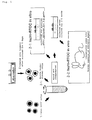
- RTOC method for example, after mouse fetal thymus is treated with deoxyguanosine (dGuo), the epithelial cells of the thymus are collected and re-aggregated with human CD34 + cells, which are subsequently cultured for about a week to generate hybrid aggregate of the human CD34 + cell with mouse epithelial cells to be transplanted into recipient mice.
- the chimeric mice comprising a complete human immune system can be constructed not only by transferring the human CD34 + cells into SCID mice via the tail vein, but also by transplanting the human CD34 + cell aggregate thus prepared by hybrid aggregation method under the renal capsules of SCID mice.
- Fig. 1 shows schemes for performing the hybrid aggregation method using human CD34 + cells and mouse thymic epithelial cells.
- soluble factors derived from human T cells may be substituted in the role of human T cells.
- human CD40 ligand hCD40L
- hCD40L human CD40 ligand
- hCD40L 2 ⁇ g
- anti-CD40 antibody 2 ⁇ g
- an anti-CD40 antibody may be injected 10 times in total, preferably at 1 to 50 ⁇ g/head, more preferably at 5 to 30 ⁇ g/head, and most preferably at 10 to 20 ⁇ g/head.
- a transformed Hela cell producing hCD40L may be used as a source for the purification of the molecule, for example.
- purified monoclonal antibody derived from a mouse hybridoma cell line (5C3) may be used as an anti-hCD40 antibody, for example.
- mice generated by the above mentioned method are capable of producing, by administering an antigen thereto, a human antibody that is capable of binding to the administered antigen.
- the method for administering the antigen and recovering the human antibody produced in the mice is known to one skilled in the art (see Example 3).
- lymphocytes prepared from the mice may be also sensitized with the antigen in vitro.
- In vitro sensitization with an antigen may be performed according to known methods (Arai, Experimental Medicine, 6: 897-903 (1988)).
- the lymphocytes used for the in vitro sensitization may be derived from, for example, spleen cells.
- helper factor include soluble hCD40L, IL-4, or IL-10. These helper factors are preferably added to the culture at a concentration of about 10 ⁇ g/ml for soluble hCD40L, and about 0.5 to 50 ng/ml for IL-4 and IL-10.
- the titer and the class of the antibody secreted into the culture supernatant can be evaluated by ELISA, by adding samples to the plates coated with the antigen, and detecting the signal using a labeled antibody against each class of human immunoglobulin.
- Fig. 1 depicts a scheme for performing the hybrid aggregation method using human CD34 + cells and mouse thymic stromal cells.
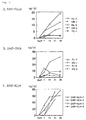
- Fig. 2 depicts titers of antibodies specific to human antigens in the serum from NOD-SCID mice.
- the Y-axis indicates the titer of DNP-specific antibodies in the sera collected each week.
- Fig. 3 depicts the amount of IgM- and IgG-class antibodies in the anti-DNP-KLH antibody.
- the Y-axis indicates the amount of antibody (ng/ml).
- Fig. 4 depicts the differentiation and induction of T-cell function (ability of producing IL-2) from human CD34 + cells.
- A shows the results for culture of lymphocytes differentiated in vitro by human-mouse hybrid aggregation method.
- B shows the results for culture of lymphocytes differentiated in vivo.
- the X-axis indicates the number of weeks after transplantation, and the Y-axis indicates the amount of IL-2 produced (pg/ml).
- the leukocyte phase comprising separated lymphocytes at the interface between two separated phases, was collected, and washed three times with PBS containing 1% BSA and 0.02% EDTA (Washing buffer).
- the resulting cellular fraction of leukocytes was separated using the MACS CD34 immunomagnetic isolation kit (Miltenyi Biotec, Glodbach, Germany), and CD34 + cells were thus obtained.
- the cells were labeled with magnetic beads according to the manufacturer' s instruction and washed with the washing buffer.
- the VS+ column was mounted onto the MACS separator, and CD34 + cells were separated. The collected cells were positively selected on the RS column again. After the number of the separated cells was counted, the solvent was replaced with PBS, and the cells were used in the following manipulations.
- NOD-SCID mice J. Immunol. 154: 180 (1995) mice were irradiated with X-rays at 3.5 Gy, which is a 50% lethal dose, and the human CD34 + cells prepared according to Example 1 were transplanted via the tail vein into the mice at 500,000 cells/mouse.
- human peripheral blood lymphocytes that had been irradiated with X-rays at 15 Gy were transferred into the tail vein as accessory cells, at 500,000 cells/mouse.
- T cell-independent (TI) antigen Ficoll-DNP (J. Immunol. 114: 704 (1975)) (50 ⁇ g/head), or a T cell-dependent (TD) antigen, KLH-DNP or OVA-DNP (Methods Med. Res. 10: 94 (1964)) (25 ⁇ g/head)
- TI T cell-independent
- TD T cell-dependent
- KLH-DNP or OVA-DNP Methodhods Med. Res. 10: 94 (1964)
- Mice were immunized every two weeks in the same way, with the exception that the incomplete Freund's adjuvant (Difco Laboratories) was used as the adjuvant.
- the wells were washed with the rinsing buffer, and a biotin-conjugated anti-human IgM or IgG monoclonal antibody, diluted at 1:3000, was added to the wells at 100 ⁇ l/well to react at 37°C for 2 hr. After washing, avidin-conjugated peroxidase, diluted at 1:5000, was added at 100 ⁇ l/well and reacted at room temperature for 1 hr. After washing, the resulting complex was subjected to color developing using the TMB peroxidase EIA substrate kit (BioRad) by incubating at room temperature for 30 min. The reaction was terminated with 10% HCl, and the absorbance at 450 nm was measured.
- the frequency of the occurrence of human T cells and B cells was examined by flow cytometry (FACS) using the lymphocytes fractions prepared from the peripheral blood sample using Ficoll (Pharmacia) and stained with a variety of antibodies directed against specific antigens for human T cells and B cells.
- FACS flow cytometry
- PE-anti-CD19 antibody a B cell marker
- FITC-anti-CD5 antibody FITC-anti-IgM antibody
- FITC-anti-IgG antibody FITC-anti-IgG antibody
- FITC-anti-CD40 antibody a B cell marker
- PE-anti-CD2 antibody, FITC-anti-CD3 antibody, and FITC-anti-CD4 antibody were used (all antibodies were from Becton Dickinson). The reaction was performed at 0°C for 20 min. Cells were washed with the FACS buffer, suspended in 0.5 ml of the FACS buffer, and analyzed by the FACScan (Becton Dickinson) for the fluorescence intensity reflecting the amount of the antibody reacting with the each cell. In the analysis, CD45 + cells were gated and the ratio of cells carrying the T cell marker or the B cell marker could be calculated.
- Thymus was excised from BALB/c mice embryo at the age of 15 days, and a fetal thymic organ culture (FTOC) was performed on the nucleopore Track-Etoh Membrane (Corning) in the presence of 1.3 mM deoxyguanosine (dGuo; Sigma) for 4 days, and both lymphocytes and dendritic cells were removed.
- dGuo deoxyguanosine
- the thymus tissue was cultured for an additional day in the dGuo-free medium, and then treated with PBS containing 0.25% trypsin (Sigma) and 0.02% EDTA (Wako Jyunyaku). Thus, released thymic epithelial cells (stromal cells) were obtained.
- the stromal cells were mixed with human CD34 + cells at 1:4 ratio and centrifuged at 2000 rpm.
- the resulting human/mouse hybrid reaggregate (hu/m hybrid) was cultured on the nuclepore Track-Etoh Membrane for 2 weeks (RTOC).
- RTOC nuclepore Track-Etoh Membrane
- the hu/m hybrid was transplanted under the renal capsule of NOD-SCID mice.
- the transplanted hu/m hybrid was analyzed by FACScan for the differentiation status of human T cells using T cell-specific antibodies (anti-CD1a, anti-CD4, anti-CD8, anti-CD3, and anti-CD45 antibodies).
- the IL-2 production was assayed using the ELISA kit and determining the concentration of hIL-2 produced in the culture supernatant of the cells stimulated with phorbol myristate acetate (PMA) and IM (ionomycin).
- PMA phorbol myristate acetate
- IM ionomycin
- the reaggregate transplanted under the renal capsule was sterilely excised, and passed through a nylon mesh to remove the undesired aggregates of cells and dead cells.
- a cell suspension comprising primarily lymphocytes was prepared.
- the cells were suspended in RPMI culture media at 5x10 6 cells/ml, and plated onto round-bottom 96 well plates at 100 ⁇ l/well.
- mice into which human CD34 + cells were transplanted were generated according to the method described in Example 2, and after 8 weeks, the mice were not only intraperitoneally administered DNP-KLH (100 mg) (first immunization) but also subcutaneously administered an anti-human CD40 antibody (20 ⁇ g) (5C3: Pharmingen).
- the anti-human CD40 antibody (20 ⁇ g) alone was further administered every other day, in a total 10 administrations, until the 11th week.
- DNP-KLH was intraperitoneally administered for the second time (booster) .
- the spleen was excised from the mice under anesthesia, and used for (1) the identification of human lymphocytes in the peripheral lymphatic tissues, and (2) the detection of an antigen specific human antibody in the mouse peripheral blood and the spleen cell culture by ELISA.
- the identification of human lymphocytes in the peripheral lymphonodes was performed according to the method described in Example 4, and the detection of an antigen specific human antibody was performed according to the method described in Example 3.
- the present invention provides chimeric mice that are generated by transplanting human CD34 + cells and that are capable of producing human antibodies, the methods for generating the mice, and the methods for preparing the human antibodies using the chimeric mice.
- the chimeric mice of the present invention harbor undifferentiated hematopoietic stem cells transplanted thereinto and further harbor lymphocytes that are differentiated in their body. These lymphocytes are not self-adapted (not adapted to humans), contrary to the human peripheral blood lymphocytes used in the conventional methods. Therefore, the chimeric mice of the present invention are able to produce human antibodies against any antigens, including those with a human self-component.
- human CD34 + cells do not express the receptor for EBV (Epstein-Barr virus), and, thus, there is no need to worry about a contamination of EBV when utilizing the chimeric mice of the present invention into which human CD34 + cells are transplanted.
- EBV Epstein-Barr virus
- the transplanted hematopoietic stem cells in the chimeric mice of the present invention stably proliferate and differentiate into immunocompetent cells such as B cells, T cells, and dendritic cells, which can provide a long term immunization.
- the antibodies of the present invention comprise a complete human immunoglobulin including sugar chains.
- the currently known transgenic mice into which a human antibody gene is introduced utilize mouse-derived B cells to produce an antibody, which results in binding of a mouse sugar chain.
- the use of such antibodies may lead to the development of anti-mouse antibodies comprising sugar chain when the antibodies are used as pharmaceutical drugs that requires repetitive administration.
- the human antibodies produced by the present invention comprise a human sugar chain, and, thus, are unlikely to cause a problem of generating a neutralizing antibody and thus more useful.
- the present invention also enables one to obtain an antibody of IgG class with high avidity by the use of a helper factor. This is extremely important because it provides feasible methods for production and purification of the antibody of the present invention in using the antibodies as a pharmaceuticals.
Landscapes
- Health & Medical Sciences (AREA)
- Chemical & Material Sciences (AREA)
- Life Sciences & Earth Sciences (AREA)
- Organic Chemistry (AREA)
- Genetics & Genomics (AREA)
- Biochemistry (AREA)
- Molecular Biology (AREA)
- General Health & Medical Sciences (AREA)
- Biophysics (AREA)
- Immunology (AREA)
- Proteomics, Peptides & Aminoacids (AREA)
- Engineering & Computer Science (AREA)
- Medicinal Chemistry (AREA)
- Zoology (AREA)
- Wood Science & Technology (AREA)
- Bioinformatics & Cheminformatics (AREA)
- Environmental Sciences (AREA)
- General Engineering & Computer Science (AREA)
- Biotechnology (AREA)
- Biomedical Technology (AREA)
- Animal Behavior & Ethology (AREA)
- Physics & Mathematics (AREA)
- Veterinary Medicine (AREA)
- Cell Biology (AREA)
- Plant Pathology (AREA)
- Animal Husbandry (AREA)
- Microbiology (AREA)
- Biodiversity & Conservation Biology (AREA)
- Micro-Organisms Or Cultivation Processes Thereof (AREA)
- Peptides Or Proteins (AREA)
- Medicines Containing Antibodies Or Antigens For Use As Internal Diagnostic Agents (AREA)
- Preparation Of Compounds By Using Micro-Organisms (AREA)
Applications Claiming Priority (5)
| Application Number | Priority Date | Filing Date | Title |
|---|---|---|---|
| JP2000147467 | 2000-05-15 | ||
| JP2000147467 | 2000-05-15 | ||
| JP2000221069 | 2000-07-17 | ||
| JP2000221069 | 2000-07-17 | ||
| PCT/JP2001/004034 WO2001087058A1 (fr) | 2000-05-15 | 2001-05-15 | Souris chimerique ayant une immunite creee par utilisation de cellules positives cd34 humaines et utilisation de cette souris |
Publications (2)
| Publication Number | Publication Date |
|---|---|
| EP1285577A1 true EP1285577A1 (fr) | 2003-02-26 |
| EP1285577A4 EP1285577A4 (fr) | 2007-05-09 |
Family
ID=26592189
Family Applications (1)
| Application Number | Title | Priority Date | Filing Date |
|---|---|---|---|
| EP01930151A Withdrawn EP1285577A4 (fr) | 2000-05-15 | 2001-05-15 | Souris chimerique ayant une immunite creee par utilisation de cellules positives cd34 humaines et utilisation de cette souris |
Country Status (4)
| Country | Link |
|---|---|
| US (2) | US20040016007A1 (fr) |
| EP (1) | EP1285577A4 (fr) |
| AU (1) | AU2001256746A1 (fr) |
| WO (1) | WO2001087058A1 (fr) |
Cited By (2)
| Publication number | Priority date | Publication date | Assignee | Title |
|---|---|---|---|---|
| EP1637591A4 (fr) * | 2003-06-03 | 2007-02-14 | Lymphotec Inc | Composition et procede pour stabiliser la survie d'une cellule souche hematopoietique transplantee, kit pour realiser cette composition, anticorps humain monoclonal ou polyclonal et procede de realisation associe, gene codant un anticorps monoclonal humain et element transforme dote de ce gene |
| EP2185718A4 (fr) * | 2007-08-03 | 2013-04-24 | Musc Found For Res Dev | Anticorps monoclonaux humains et procédés de production |
Families Citing this family (17)
| Publication number | Priority date | Publication date | Assignee | Title |
|---|---|---|---|---|
| JP4238138B2 (ja) * | 2001-12-22 | 2009-03-11 | 4−アンチボディ アーゲー | 遺伝的に修飾された脊椎動物前駆体リンパ球の生成方法及び異種結合タンパク質の産生を目的としたその使用。 |
| DK1321477T3 (da) * | 2001-12-22 | 2005-02-14 | 4Antibody Ag | Fremgangsmåde til frembringelsen af genetisk modificerede vertebrate precursor-lymfocytter og anvendelse deraf til fremstillingen af heterologe bindende proteiner |
| JP3964278B2 (ja) * | 2002-07-16 | 2007-08-22 | 独立行政法人科学技術振興機構 | 肝硬変モデル動物およびその作製方法 |
| JPWO2004006664A1 (ja) * | 2002-07-16 | 2005-11-10 | 独立行政法人科学技術振興機構 | 非癌部肝臓組織が移植されたモデル動物およびその作製方法 |
| EP1645183B1 (fr) | 2003-06-16 | 2013-03-13 | Kyushu University, National University Corporation | Methode permettant de produire des cellules immunocompetentes d'origine humaine |
| IL296832A (en) * | 2005-10-18 | 2022-11-01 | Nat Jewish Health | Process of preparing red blood cells using conditionally immortalized long-term hematopoietic stem cells and erythropoietin |
| EP2583551A1 (fr) * | 2007-03-13 | 2013-04-24 | National Jewish Health | Procédés de génération d'anticorps |
| SG10201803982TA (en) | 2008-05-16 | 2018-07-30 | Taiga Biotechnologies Inc | Antibodies and processes for preparing the same |
| SG193145A1 (en) * | 2008-07-21 | 2013-09-30 | Taiga Biotechnologies Inc | Differentiated anucleated cells and method for preparing the same |
| DK3339321T3 (da) | 2008-08-28 | 2021-06-21 | Taiga Biotechnologies Inc | Modulatorer af myc, fremgangsmåder til anvendelse af samme og fremgangsmåder til at identificere stoffer der modulerer myc |
| US9789135B2 (en) | 2012-07-20 | 2017-10-17 | Taiga Biotechnologies, Inc. | Enhanced reconstitution and autoreconstitution of the hematopoietic compartment |
| US10272115B2 (en) | 2013-03-11 | 2019-04-30 | Taiga Biotechnologies, Inc. | Production and use of red blood cells |
| US9365825B2 (en) | 2013-03-11 | 2016-06-14 | Taiga Biotechnologies, Inc. | Expansion of adult stem cells in vitro |
| EP3548425B1 (fr) | 2016-12-02 | 2023-03-29 | Taiga Biotechnologies, Inc. | Formulations de nanoparticules |
| US10149898B2 (en) | 2017-08-03 | 2018-12-11 | Taiga Biotechnologies, Inc. | Methods and compositions for the treatment of melanoma |
| CN113874033A (zh) | 2019-04-08 | 2021-12-31 | 泰加生物工艺学公司 | 用于冷冻保存免疫细胞的组合物和方法 |
| EP3969041A4 (fr) | 2019-05-14 | 2023-05-10 | Taiga Biotechnologies, Inc. | Compositions et méthodes pour traiter l'épuisement des lymphocytes t |
Family Cites Families (2)
| Publication number | Priority date | Publication date | Assignee | Title |
|---|---|---|---|---|
| US6353150B1 (en) * | 1991-11-22 | 2002-03-05 | Hsc Research And Development Limited Partnership | Chimeric mammals with human hematopoietic cells |
| CA2170357A1 (fr) * | 1993-08-25 | 1995-03-02 | David Digiusto | Methode pour l'obtention d'une population tres enrichie en cellules souches hematopoietiques |
-
2001
- 2001-05-15 WO PCT/JP2001/004034 patent/WO2001087058A1/fr not_active Ceased
- 2001-05-15 US US10/276,572 patent/US20040016007A1/en not_active Abandoned
- 2001-05-15 EP EP01930151A patent/EP1285577A4/fr not_active Withdrawn
- 2001-05-15 AU AU2001256746A patent/AU2001256746A1/en not_active Abandoned
-
2006
- 2006-11-20 US US11/602,446 patent/US20070067854A1/en not_active Abandoned
Cited By (4)
| Publication number | Priority date | Publication date | Assignee | Title |
|---|---|---|---|---|
| EP1637591A4 (fr) * | 2003-06-03 | 2007-02-14 | Lymphotec Inc | Composition et procede pour stabiliser la survie d'une cellule souche hematopoietique transplantee, kit pour realiser cette composition, anticorps humain monoclonal ou polyclonal et procede de realisation associe, gene codant un anticorps monoclonal humain et element transforme dote de ce gene |
| EP2185718A4 (fr) * | 2007-08-03 | 2013-04-24 | Musc Found For Res Dev | Anticorps monoclonaux humains et procédés de production |
| US8715743B2 (en) | 2007-08-03 | 2014-05-06 | Musc Foundation For Research Development | Human monoclonal antibodies and methods for producing the same |
| US9709574B2 (en) | 2007-08-03 | 2017-07-18 | Musc Foundation For Research Development | Human monoclonal antibodies and methods for producing the same |
Also Published As
| Publication number | Publication date |
|---|---|
| AU2001256746A1 (en) | 2001-11-26 |
| US20070067854A1 (en) | 2007-03-22 |
| WO2001087058A1 (fr) | 2001-11-22 |
| EP1285577A4 (fr) | 2007-05-09 |
| US20040016007A1 (en) | 2004-01-22 |
Similar Documents
| Publication | Publication Date | Title |
|---|---|---|
| EP1285577A1 (fr) | Souris chimerique ayant une immunite creee par utilisation de cellules positives cd34 humaines et utilisation de cette souris | |
| CN113543799B (zh) | 靶向dll3的嵌合抗原受体和结合剂 | |
| DK1648507T3 (en) | PROCEDURES AND COMPOSITIONS FOR INCREASING THE EFFECTIVENESS OF THERAPEUTIC ANTIBODIES USING COMPOUNDS THAT POTENTATE NK CELLS | |
| JP4865035B2 (ja) | ヒト胎児肝臓幹細胞を注射した免疫不全動物において抗体を産生するための方法 | |
| JP5154949B2 (ja) | ウイルス感染を治療するための組成物および方法 | |
| JPH10513341A (ja) | 造血幹細胞に富む組成物を得る方法、それ由来の組成物および使用法 | |
| KR20230084155A (ko) | 면역치료 조성물 | |
| JP2006528627A (ja) | アロ反応性ナチュラルキラー細胞を使用する治療用抗体の有効性を増加するための方法および組成物 | |
| US8394368B2 (en) | Method for producing a composition for promoting survival of transplanted hematopoietic stem cell | |
| US7960175B2 (en) | Process for producing human-origin immunocompetent cell | |
| JP2001522806A (ja) | エクス・ビボ活性化t細胞を用いる腫瘍および腫瘍細胞の処理方法 | |
| CN111094552A (zh) | 抗体制备新方法 | |
| WO2005124346A1 (fr) | Recepteurs 4-1bb exprimes sur des cellules t regulatrices | |
| JP2003534283A (ja) | 天然で誘導されたかまたは人工的に誘導された免疫抑制後にt細胞免疫サーベイランスを回復もしくは増強するための方法 | |
| Hoover et al. | Immunoregulation of murine and human myeloma | |
| Viemann et al. | Differential expression of the B cell‐restricted molecule CD22 on neonatal B lymphocytes depending upon antigen stimulation | |
| US20080248011A1 (en) | Methods for Isolating Monocytes | |
| US20130196380A1 (en) | In vitro process for the preparation of antibodies of the igg type | |
| JP2009505666A (ja) | 完全ヒトハイブリドーマ融合パートナー細胞株 | |
| WO2013049863A1 (fr) | Modèle murin transgénique humanisé | |
| JPWO2001087058A1 (ja) | ヒトcd34陽性細胞による免疫構築キメラマウスとその用途 | |
| Crawford | Human peripheral blood dendritic cells: phenotype, morphology, and function | |
| EA052923B1 (ru) | Иммунотерапевтическая композиция | |
| HK40061392A (en) | METHODS FOR ENHANCING TCRαβ+ CELL DEPLETION EFFICIENCY | |
| MXPA06000841A (es) | Metodos y composiciones para aumentar la eficiencia de anticuerpos terapeuticos que utilizan compuestos para potenciar celulas nk |
Legal Events
| Date | Code | Title | Description |
|---|---|---|---|
| PUAI | Public reference made under article 153(3) epc to a published international application that has entered the european phase |
Free format text: ORIGINAL CODE: 0009012 |
|
| 17P | Request for examination filed |
Effective date: 20021213 |
|
| AK | Designated contracting states |
Kind code of ref document: A1 Designated state(s): AT BE CH CY DE DK ES FI FR GB GR IE IT LI LU MC NL PT SE TR Designated state(s): AT BE CH CY DE DK ES FI FR GB GR IE IT LI LU MC NL PT SE TR |
|
| AX | Request for extension of the european patent |
Extension state: AL LT LV MK RO SI |
|
| A4 | Supplementary search report drawn up and despatched |
Effective date: 20070405 |
|
| STAA | Information on the status of an ep patent application or granted ep patent |
Free format text: STATUS: THE APPLICATION IS DEEMED TO BE WITHDRAWN |
|
| 18D | Application deemed to be withdrawn |
Effective date: 20081201 |