EP1286696B1 - Outer membrane vesicle vaccine against disease caused by neisseria meningitidis serogroup a and process for the production thereof - Google Patents
Outer membrane vesicle vaccine against disease caused by neisseria meningitidis serogroup a and process for the production thereof Download PDFInfo
- Publication number
- EP1286696B1 EP1286696B1 EP01938851A EP01938851A EP1286696B1 EP 1286696 B1 EP1286696 B1 EP 1286696B1 EP 01938851 A EP01938851 A EP 01938851A EP 01938851 A EP01938851 A EP 01938851A EP 1286696 B1 EP1286696 B1 EP 1286696B1
- Authority
- EP
- European Patent Office
- Prior art keywords
- outer membrane
- tank
- vaccine
- bacteria
- omv
- Prior art date
- Legal status (The legal status is an assumption and is not a legal conclusion. Google has not performed a legal analysis and makes no representation as to the accuracy of the status listed.)
- Revoked
Links
- 229960005486 vaccine Drugs 0.000 title claims description 85
- 239000012528 membrane Substances 0.000 title claims description 49
- 238000000034 method Methods 0.000 title claims description 48
- 230000008569 process Effects 0.000 title claims description 23
- 241000921898 Neisseria meningitidis serogroup A Species 0.000 title claims description 8
- 201000010099 disease Diseases 0.000 title claims description 5
- 208000037265 diseases, disorders, signs and symptoms Diseases 0.000 title claims description 5
- 238000004519 manufacturing process Methods 0.000 title description 10
- 241000894006 Bacteria Species 0.000 claims description 51
- KXGVEGMKQFWNSR-LLQZFEROSA-N deoxycholic acid Chemical compound C([C@H]1CC2)[C@H](O)CC[C@]1(C)[C@@H]1[C@@H]2[C@@H]2CC[C@H]([C@@H](CCC(O)=O)C)[C@@]2(C)[C@@H](O)C1 KXGVEGMKQFWNSR-LLQZFEROSA-N 0.000 claims description 47
- 229940009976 deoxycholate Drugs 0.000 claims description 44
- 239000000725 suspension Substances 0.000 claims description 37
- 230000001580 bacterial effect Effects 0.000 claims description 36
- 235000018102 proteins Nutrition 0.000 claims description 34
- 102000004169 proteins and genes Human genes 0.000 claims description 34
- 108090000623 proteins and genes Proteins 0.000 claims description 34
- 238000002360 preparation method Methods 0.000 claims description 29
- 239000003599 detergent Substances 0.000 claims description 28
- 239000000872 buffer Substances 0.000 claims description 26
- 238000001914 filtration Methods 0.000 claims description 22
- 238000009295 crossflow filtration Methods 0.000 claims description 20
- 239000008188 pellet Substances 0.000 claims description 18
- 239000002609 medium Substances 0.000 claims description 17
- 238000000605 extraction Methods 0.000 claims description 15
- 238000003756 stirring Methods 0.000 claims description 15
- HSINOMROUCMIEA-FGVHQWLLSA-N (2s,4r)-4-[(3r,5s,6r,7r,8s,9s,10s,13r,14s,17r)-6-ethyl-3,7-dihydroxy-10,13-dimethyl-2,3,4,5,6,7,8,9,11,12,14,15,16,17-tetradecahydro-1h-cyclopenta[a]phenanthren-17-yl]-2-methylpentanoic acid Chemical class C([C@@]12C)C[C@@H](O)C[C@H]1[C@@H](CC)[C@@H](O)[C@@H]1[C@@H]2CC[C@]2(C)[C@@H]([C@H](C)C[C@H](C)C(O)=O)CC[C@H]21 HSINOMROUCMIEA-FGVHQWLLSA-N 0.000 claims description 14
- 239000011148 porous material Substances 0.000 claims description 14
- 239000006228 supernatant Substances 0.000 claims description 13
- 238000000703 high-speed centrifugation Methods 0.000 claims description 11
- 101710116435 Outer membrane protein Proteins 0.000 claims description 10
- 239000000203 mixture Substances 0.000 claims description 10
- 239000002671 adjuvant Substances 0.000 claims description 9
- 208000015181 infectious disease Diseases 0.000 claims description 9
- 230000002458 infectious effect Effects 0.000 claims description 7
- 239000007788 liquid Substances 0.000 claims description 6
- 239000006285 cell suspension Substances 0.000 claims description 4
- 230000003247 decreasing effect Effects 0.000 claims description 4
- 239000012736 aqueous medium Substances 0.000 claims description 3
- 239000003937 drug carrier Substances 0.000 claims description 3
- 239000000284 extract Substances 0.000 claims description 3
- 239000003381 stabilizer Substances 0.000 claims description 3
- 238000005374 membrane filtration Methods 0.000 claims description 2
- 235000004252 protein component Nutrition 0.000 claims description 2
- 241000699670 Mus sp. Species 0.000 description 34
- 239000002158 endotoxin Substances 0.000 description 21
- 229920006008 lipopolysaccharide Polymers 0.000 description 21
- 210000004027 cell Anatomy 0.000 description 19
- CZMRCDWAGMRECN-UGDNZRGBSA-N Sucrose Chemical compound O[C@H]1[C@H](O)[C@@H](CO)O[C@@]1(CO)O[C@@H]1[C@H](O)[C@@H](O)[C@H](O)[C@@H](CO)O1 CZMRCDWAGMRECN-UGDNZRGBSA-N 0.000 description 18
- 229930006000 Sucrose Natural products 0.000 description 18
- 239000005720 sucrose Substances 0.000 description 18
- 230000000844 anti-bacterial effect Effects 0.000 description 15
- 230000002779 inactivation Effects 0.000 description 15
- 238000005119 centrifugation Methods 0.000 description 13
- 238000000746 purification Methods 0.000 description 13
- 241000588650 Neisseria meningitidis Species 0.000 description 12
- 229920001282 polysaccharide Polymers 0.000 description 12
- 239000005017 polysaccharide Substances 0.000 description 12
- KCXVZYZYPLLWCC-UHFFFAOYSA-N EDTA Chemical compound OC(=O)CN(CC(O)=O)CCN(CC(O)=O)CC(O)=O KCXVZYZYPLLWCC-UHFFFAOYSA-N 0.000 description 11
- 230000000890 antigenic effect Effects 0.000 description 11
- 150000004676 glycans Chemical class 0.000 description 11
- 239000000463 material Substances 0.000 description 11
- QKNYBSVHEMOAJP-UHFFFAOYSA-N 2-amino-2-(hydroxymethyl)propane-1,3-diol;hydron;chloride Chemical compound Cl.OCC(N)(CO)CO QKNYBSVHEMOAJP-UHFFFAOYSA-N 0.000 description 10
- 201000009906 Meningitis Diseases 0.000 description 10
- 239000000427 antigen Substances 0.000 description 9
- 102000036639 antigens Human genes 0.000 description 9
- 108091007433 antigens Proteins 0.000 description 9
- 230000012010 growth Effects 0.000 description 9
- 229910021502 aluminium hydroxide Inorganic materials 0.000 description 7
- WNROFYMDJYEPJX-UHFFFAOYSA-K aluminium hydroxide Chemical compound [OH-].[OH-].[OH-].[Al+3] WNROFYMDJYEPJX-UHFFFAOYSA-K 0.000 description 7
- 229910001679 gibbsite Inorganic materials 0.000 description 7
- 238000011146 sterile filtration Methods 0.000 description 7
- 238000012360 testing method Methods 0.000 description 7
- 241000699666 Mus <mouse, genus> Species 0.000 description 6
- 230000002163 immunogen Effects 0.000 description 6
- DGAQECJNVWCQMB-PUAWFVPOSA-M Ilexoside XXIX Chemical compound C[C@@H]1CC[C@@]2(CC[C@@]3(C(=CC[C@H]4[C@]3(CC[C@@H]5[C@@]4(CC[C@@H](C5(C)C)OS(=O)(=O)[O-])C)C)[C@@H]2[C@]1(C)O)C)C(=O)O[C@H]6[C@@H]([C@H]([C@@H]([C@H](O6)CO)O)O)O.[Na+] DGAQECJNVWCQMB-PUAWFVPOSA-M 0.000 description 5
- 230000000694 effects Effects 0.000 description 5
- 238000002955 isolation Methods 0.000 description 5
- 230000002147 killing effect Effects 0.000 description 5
- 229940031937 polysaccharide vaccine Drugs 0.000 description 5
- 238000011045 prefiltration Methods 0.000 description 5
- 239000000047 product Substances 0.000 description 5
- 229910052708 sodium Inorganic materials 0.000 description 5
- 239000011734 sodium Substances 0.000 description 5
- RTKIYNMVFMVABJ-UHFFFAOYSA-L thimerosal Chemical compound [Na+].CC[Hg]SC1=CC=CC=C1C([O-])=O RTKIYNMVFMVABJ-UHFFFAOYSA-L 0.000 description 5
- 229960004906 thiomersal Drugs 0.000 description 5
- 238000012546 transfer Methods 0.000 description 5
- LFQSCWFLJHTTHZ-UHFFFAOYSA-N Ethanol Chemical compound CCO LFQSCWFLJHTTHZ-UHFFFAOYSA-N 0.000 description 4
- 239000007983 Tris buffer Substances 0.000 description 4
- 238000003556 assay Methods 0.000 description 4
- 239000003613 bile acid Substances 0.000 description 4
- 230000015572 biosynthetic process Effects 0.000 description 4
- 230000004087 circulation Effects 0.000 description 4
- 150000001875 compounds Chemical class 0.000 description 4
- -1 deoxycholate (DOC) Chemical class 0.000 description 4
- 229960003964 deoxycholic acid Drugs 0.000 description 4
- KXGVEGMKQFWNSR-UHFFFAOYSA-N deoxycholic acid Chemical class C1CC2CC(O)CCC2(C)C2C1C1CCC(C(CCC(O)=O)C)C1(C)C(O)C2 KXGVEGMKQFWNSR-UHFFFAOYSA-N 0.000 description 4
- 238000001493 electron microscopy Methods 0.000 description 4
- 239000001963 growth medium Substances 0.000 description 4
- 238000003119 immunoblot Methods 0.000 description 4
- 230000007774 longterm Effects 0.000 description 4
- 238000012544 monitoring process Methods 0.000 description 4
- 238000001179 sorption measurement Methods 0.000 description 4
- 102000004190 Enzymes Human genes 0.000 description 3
- 108090000790 Enzymes Proteins 0.000 description 3
- 101710164702 Major outer membrane protein Proteins 0.000 description 3
- 241000040340 Oat mosaic virus Species 0.000 description 3
- 238000004458 analytical method Methods 0.000 description 3
- 230000008859 change Effects 0.000 description 3
- 230000000295 complement effect Effects 0.000 description 3
- 239000012141 concentrate Substances 0.000 description 3
- 238000007865 diluting Methods 0.000 description 3
- 238000010790 dilution Methods 0.000 description 3
- 239000012895 dilution Substances 0.000 description 3
- 238000010494 dissociation reaction Methods 0.000 description 3
- 230000005593 dissociations Effects 0.000 description 3
- 238000002649 immunization Methods 0.000 description 3
- 230000005847 immunogenicity Effects 0.000 description 3
- 230000006054 immunological memory Effects 0.000 description 3
- 238000003760 magnetic stirring Methods 0.000 description 3
- 208000037941 meningococcal disease Diseases 0.000 description 3
- 239000000693 micelle Substances 0.000 description 3
- 150000003904 phospholipids Chemical class 0.000 description 3
- 238000005086 pumping Methods 0.000 description 3
- 230000002829 reductive effect Effects 0.000 description 3
- 210000002966 serum Anatomy 0.000 description 3
- 238000002415 sodium dodecyl sulfate polyacrylamide gel electrophoresis Methods 0.000 description 3
- 230000003019 stabilising effect Effects 0.000 description 3
- 231100000331 toxic Toxicity 0.000 description 3
- 230000002588 toxic effect Effects 0.000 description 3
- LENZDBCJOHFCAS-UHFFFAOYSA-N tris Chemical compound OCC(N)(CO)CO LENZDBCJOHFCAS-UHFFFAOYSA-N 0.000 description 3
- 239000006150 trypticase soy agar Substances 0.000 description 3
- 238000005199 ultracentrifugation Methods 0.000 description 3
- 238000002525 ultrasonication Methods 0.000 description 3
- RUDATBOHQWOJDD-UHFFFAOYSA-N (3beta,5beta,7alpha)-3,7-Dihydroxycholan-24-oic acid Chemical class OC1CC2CC(O)CCC2(C)C2C1C1CCC(C(CCC(O)=O)C)C1(C)CC2 RUDATBOHQWOJDD-UHFFFAOYSA-N 0.000 description 2
- GNFTZDOKVXKIBK-UHFFFAOYSA-N 3-(2-methoxyethoxy)benzohydrazide Chemical compound COCCOC1=CC=CC(C(=O)NN)=C1 GNFTZDOKVXKIBK-UHFFFAOYSA-N 0.000 description 2
- 229920001817 Agar Polymers 0.000 description 2
- 229910018626 Al(OH) Inorganic materials 0.000 description 2
- 208000002109 Argyria Diseases 0.000 description 2
- 108010060123 Conjugate Vaccines Proteins 0.000 description 2
- 230000005526 G1 to G0 transition Effects 0.000 description 2
- 241000588653 Neisseria Species 0.000 description 2
- 241000838698 Togo Species 0.000 description 2
- 239000008272 agar Substances 0.000 description 2
- 230000002776 aggregation Effects 0.000 description 2
- 238000004220 aggregation Methods 0.000 description 2
- 230000003698 anagen phase Effects 0.000 description 2
- 239000012298 atmosphere Substances 0.000 description 2
- QVGXLLKOCUKJST-UHFFFAOYSA-N atomic oxygen Chemical compound [O] QVGXLLKOCUKJST-UHFFFAOYSA-N 0.000 description 2
- 230000008901 benefit Effects 0.000 description 2
- 239000003833 bile salt Substances 0.000 description 2
- 150000001720 carbohydrates Chemical class 0.000 description 2
- 239000000969 carrier Substances 0.000 description 2
- 150000001768 cations Chemical class 0.000 description 2
- 210000000170 cell membrane Anatomy 0.000 description 2
- 238000012512 characterization method Methods 0.000 description 2
- 229940031670 conjugate vaccine Drugs 0.000 description 2
- 238000011109 contamination Methods 0.000 description 2
- 230000009089 cytolysis Effects 0.000 description 2
- 238000004925 denaturation Methods 0.000 description 2
- 230000036425 denaturation Effects 0.000 description 2
- 239000006185 dispersion Substances 0.000 description 2
- 239000003623 enhancer Substances 0.000 description 2
- 238000005187 foaming Methods 0.000 description 2
- 229960005037 meningococcal vaccines Drugs 0.000 description 2
- 229940100892 mercury compound Drugs 0.000 description 2
- 150000002731 mercury compounds Chemical class 0.000 description 2
- 230000002906 microbiologic effect Effects 0.000 description 2
- 239000001301 oxygen Substances 0.000 description 2
- 229910052760 oxygen Inorganic materials 0.000 description 2
- 230000036961 partial effect Effects 0.000 description 2
- 238000012545 processing Methods 0.000 description 2
- 150000003839 salts Chemical class 0.000 description 2
- 239000000243 solution Substances 0.000 description 2
- 239000000758 substrate Substances 0.000 description 2
- 239000012137 tryptone Substances 0.000 description 2
- 238000002604 ultrasonography Methods 0.000 description 2
- 238000005303 weighing Methods 0.000 description 2
- BHQCQFFYRZLCQQ-UHFFFAOYSA-N (3alpha,5alpha,7alpha,12alpha)-3,7,12-trihydroxy-cholan-24-oic acid Chemical class OC1CC2CC(O)CCC2(C)C2C1C1CCC(C(CCC(O)=O)C)C1(C)C(O)C2 BHQCQFFYRZLCQQ-UHFFFAOYSA-N 0.000 description 1
- AZUYLZMQTIKGSC-UHFFFAOYSA-N 1-[6-[4-(5-chloro-6-methyl-1H-indazol-4-yl)-5-methyl-3-(1-methylindazol-5-yl)pyrazol-1-yl]-2-azaspiro[3.3]heptan-2-yl]prop-2-en-1-one Chemical compound ClC=1C(=C2C=NNC2=CC=1C)C=1C(=NN(C=1C)C1CC2(CN(C2)C(C=C)=O)C1)C=1C=C2C=NN(C2=CC=1)C AZUYLZMQTIKGSC-UHFFFAOYSA-N 0.000 description 1
- AZXKALLRCOCGBV-UHFFFAOYSA-N 1-phenyl-2-(propan-2-ylamino)hexan-1-one Chemical compound CCCCC(NC(C)C)C(=O)C1=CC=CC=C1 AZXKALLRCOCGBV-UHFFFAOYSA-N 0.000 description 1
- FGUUSXIOTUKUDN-IBGZPJMESA-N C1(=CC=CC=C1)N1C2=C(NC([C@H](C1)NC=1OC(=NN=1)C1=CC=CC=C1)=O)C=CC=C2 Chemical compound C1(=CC=CC=C1)N1C2=C(NC([C@H](C1)NC=1OC(=NN=1)C1=CC=CC=C1)=O)C=CC=C2 FGUUSXIOTUKUDN-IBGZPJMESA-N 0.000 description 1
- 241001493150 Capim virus Species 0.000 description 1
- 239000004380 Cholic acid Chemical class 0.000 description 1
- 241000282412 Homo Species 0.000 description 1
- SMEROWZSTRWXGI-UHFFFAOYSA-N Lithocholsaeure Natural products C1CC2CC(O)CCC2(C)C2C1C1CCC(C(CCC(O)=O)C)C1(C)CC2 SMEROWZSTRWXGI-UHFFFAOYSA-N 0.000 description 1
- 101710105759 Major outer membrane porin Proteins 0.000 description 1
- 108010052285 Membrane Proteins Proteins 0.000 description 1
- 206010027202 Meningitis bacterial Diseases 0.000 description 1
- 208000034762 Meningococcal Infections Diseases 0.000 description 1
- MSFSPUZXLOGKHJ-UHFFFAOYSA-N Muraminsaeure Natural products OC(=O)C(C)OC1C(N)C(O)OC(CO)C1O MSFSPUZXLOGKHJ-UHFFFAOYSA-N 0.000 description 1
- 241000790101 Myriopus Species 0.000 description 1
- 241000588677 Neisseria meningitidis serogroup B Species 0.000 description 1
- 241000588656 Neisseriaceae Species 0.000 description 1
- 239000000020 Nitrocellulose Substances 0.000 description 1
- 241000283973 Oryctolagus cuniculus Species 0.000 description 1
- 239000002033 PVDF binder Substances 0.000 description 1
- 108010013639 Peptidoglycan Proteins 0.000 description 1
- 102000017033 Porins Human genes 0.000 description 1
- 108010013381 Porins Proteins 0.000 description 1
- 125000002252 acyl group Chemical group 0.000 description 1
- 238000005273 aeration Methods 0.000 description 1
- 239000000443 aerosol Substances 0.000 description 1
- 230000004520 agglutination Effects 0.000 description 1
- 150000001298 alcohols Chemical class 0.000 description 1
- 239000004411 aluminium Substances 0.000 description 1
- 229910052782 aluminium Inorganic materials 0.000 description 1
- XAGFODPZIPBFFR-UHFFFAOYSA-N aluminium Chemical compound [Al] XAGFODPZIPBFFR-UHFFFAOYSA-N 0.000 description 1
- 239000003242 anti bacterial agent Substances 0.000 description 1
- 230000027645 antigenic variation Effects 0.000 description 1
- 201000009904 bacterial meningitis Diseases 0.000 description 1
- 239000006161 blood agar Substances 0.000 description 1
- 229940041514 candida albicans extract Drugs 0.000 description 1
- 239000002775 capsule Substances 0.000 description 1
- 210000002421 cell wall Anatomy 0.000 description 1
- 239000002738 chelating agent Substances 0.000 description 1
- 239000003795 chemical substances by application Substances 0.000 description 1
- RUDATBOHQWOJDD-BSWAIDMHSA-N chenodeoxycholic acid Chemical class C([C@H]1C[C@H]2O)[C@H](O)CC[C@]1(C)[C@@H]1[C@@H]2[C@@H]2CC[C@H]([C@@H](CCC(O)=O)C)[C@@]2(C)CC1 RUDATBOHQWOJDD-BSWAIDMHSA-N 0.000 description 1
- 229960001091 chenodeoxycholic acid Drugs 0.000 description 1
- BHQCQFFYRZLCQQ-OELDTZBJSA-N cholic acid Chemical class C([C@H]1C[C@H]2O)[C@H](O)CC[C@]1(C)[C@@H]1[C@@H]2[C@@H]2CC[C@H]([C@@H](CCC(O)=O)C)[C@@]2(C)[C@@H](O)C1 BHQCQFFYRZLCQQ-OELDTZBJSA-N 0.000 description 1
- 229960002471 cholic acid Drugs 0.000 description 1
- 235000019416 cholic acid Nutrition 0.000 description 1
- 238000001816 cooling Methods 0.000 description 1
- 238000012258 culturing Methods 0.000 description 1
- 230000034994 death Effects 0.000 description 1
- 231100000517 death Toxicity 0.000 description 1
- 230000003297 denaturating effect Effects 0.000 description 1
- 238000011161 development Methods 0.000 description 1
- 230000018109 developmental process Effects 0.000 description 1
- 231100000676 disease causative agent Toxicity 0.000 description 1
- 238000004090 dissolution Methods 0.000 description 1
- 230000002708 enhancing effect Effects 0.000 description 1
- 238000002474 experimental method Methods 0.000 description 1
- 239000002360 explosive Substances 0.000 description 1
- 239000011536 extraction buffer Substances 0.000 description 1
- 239000000706 filtrate Substances 0.000 description 1
- 239000012467 final product Substances 0.000 description 1
- 230000006870 function Effects 0.000 description 1
- 239000007789 gas Substances 0.000 description 1
- 239000003102 growth factor Substances 0.000 description 1
- 231100001261 hazardous Toxicity 0.000 description 1
- 238000000265 homogenisation Methods 0.000 description 1
- 230000001900 immune effect Effects 0.000 description 1
- 210000000987 immune system Anatomy 0.000 description 1
- 230000000415 inactivating effect Effects 0.000 description 1
- 230000036512 infertility Effects 0.000 description 1
- 238000002347 injection Methods 0.000 description 1
- 239000007924 injection Substances 0.000 description 1
- 238000011081 inoculation Methods 0.000 description 1
- 230000002452 interceptive effect Effects 0.000 description 1
- 230000009545 invasion Effects 0.000 description 1
- 238000011835 investigation Methods 0.000 description 1
- 231100001231 less toxic Toxicity 0.000 description 1
- GZQKNULLWNGMCW-PWQABINMSA-N lipid A (E. coli) Chemical group O1[C@H](CO)[C@@H](OP(O)(O)=O)[C@H](OC(=O)C[C@@H](CCCCCCCCCCC)OC(=O)CCCCCCCCCCCCC)[C@@H](NC(=O)C[C@@H](CCCCCCCCCCC)OC(=O)CCCCCCCCCCC)[C@@H]1OC[C@@H]1[C@@H](O)[C@H](OC(=O)C[C@H](O)CCCCCCCCCCC)[C@@H](NC(=O)C[C@H](O)CCCCCCCCCCC)[C@@H](OP(O)(O)=O)O1 GZQKNULLWNGMCW-PWQABINMSA-N 0.000 description 1
- SMEROWZSTRWXGI-HVATVPOCSA-N lithocholic acid Chemical class C([C@H]1CC2)[C@H](O)CC[C@]1(C)[C@@H]1[C@@H]2[C@@H]2CC[C@H]([C@@H](CCC(O)=O)C)[C@@]2(C)CC1 SMEROWZSTRWXGI-HVATVPOCSA-N 0.000 description 1
- 238000013507 mapping Methods 0.000 description 1
- 238000010907 mechanical stirring Methods 0.000 description 1
- 229940035102 meningococcal group b vaccine Drugs 0.000 description 1
- 229910052751 metal Inorganic materials 0.000 description 1
- 239000002184 metal Substances 0.000 description 1
- 238000002156 mixing Methods 0.000 description 1
- 229920001220 nitrocellulos Polymers 0.000 description 1
- 231100000252 nontoxic Toxicity 0.000 description 1
- 230000003000 nontoxic effect Effects 0.000 description 1
- 238000013421 nuclear magnetic resonance imaging Methods 0.000 description 1
- 229920001542 oligosaccharide Polymers 0.000 description 1
- 150000002482 oligosaccharides Chemical class 0.000 description 1
- 229960005030 other vaccine in atc Drugs 0.000 description 1
- 239000006174 pH buffer Substances 0.000 description 1
- 239000013618 particulate matter Substances 0.000 description 1
- 230000008506 pathogenesis Effects 0.000 description 1
- 230000001717 pathogenic effect Effects 0.000 description 1
- 229920000642 polymer Polymers 0.000 description 1
- 150000004804 polysaccharides Polymers 0.000 description 1
- 229920002981 polyvinylidene fluoride Polymers 0.000 description 1
- 238000001556 precipitation Methods 0.000 description 1
- 238000004321 preservation Methods 0.000 description 1
- 238000013404 process transfer Methods 0.000 description 1
- 230000002035 prolonged effect Effects 0.000 description 1
- 229940023143 protein vaccine Drugs 0.000 description 1
- 238000011002 quantification Methods 0.000 description 1
- 230000009467 reduction Effects 0.000 description 1
- 230000004044 response Effects 0.000 description 1
- 239000013049 sediment Substances 0.000 description 1
- 159000000000 sodium salts Chemical class 0.000 description 1
- 239000002904 solvent Substances 0.000 description 1
- 230000006641 stabilisation Effects 0.000 description 1
- 229910001220 stainless steel Inorganic materials 0.000 description 1
- 239000010935 stainless steel Substances 0.000 description 1
- 238000003860 storage Methods 0.000 description 1
- 239000000126 substance Substances 0.000 description 1
- 230000009885 systemic effect Effects 0.000 description 1
- 238000009210 therapy by ultrasound Methods 0.000 description 1
- 230000007704 transition Effects 0.000 description 1
- BHQCQFFYRZLCQQ-UTLSPDKDSA-N ursocholic acid Chemical class C([C@H]1C[C@@H]2O)[C@H](O)CC[C@]1(C)[C@@H]1[C@@H]2[C@@H]2CC[C@H]([C@@H](CCC(O)=O)C)[C@@]2(C)[C@@H](O)C1 BHQCQFFYRZLCQQ-UTLSPDKDSA-N 0.000 description 1
- RUDATBOHQWOJDD-UZVSRGJWSA-N ursodeoxycholic acid Chemical class C([C@H]1C[C@@H]2O)[C@H](O)CC[C@]1(C)[C@@H]1[C@@H]2[C@@H]2CC[C@H]([C@@H](CCC(O)=O)C)[C@@]2(C)CC1 RUDATBOHQWOJDD-UZVSRGJWSA-N 0.000 description 1
- 229960001661 ursodiol Drugs 0.000 description 1
- 238000002255 vaccination Methods 0.000 description 1
- 239000012138 yeast extract Substances 0.000 description 1
Images

Classifications
-
- A—HUMAN NECESSITIES
- A61—MEDICAL OR VETERINARY SCIENCE; HYGIENE
- A61K—PREPARATIONS FOR MEDICAL, DENTAL OR TOILETRY PURPOSES
- A61K39/00—Medicinal preparations containing antigens or antibodies
- A61K39/02—Bacterial antigens
- A61K39/095—Neisseria
-
- A—HUMAN NECESSITIES
- A61—MEDICAL OR VETERINARY SCIENCE; HYGIENE
- A61P—SPECIFIC THERAPEUTIC ACTIVITY OF CHEMICAL COMPOUNDS OR MEDICINAL PREPARATIONS
- A61P31/00—Antiinfectives, i.e. antibiotics, antiseptics, chemotherapeutics
- A61P31/04—Antibacterial agents
-
- A—HUMAN NECESSITIES
- A61—MEDICAL OR VETERINARY SCIENCE; HYGIENE
- A61K—PREPARATIONS FOR MEDICAL, DENTAL OR TOILETRY PURPOSES
- A61K39/00—Medicinal preparations containing antigens or antibodies
- A61K2039/555—Medicinal preparations containing antigens or antibodies characterised by a specific combination antigen/adjuvant
- A61K2039/55511—Organic adjuvants
- A61K2039/55555—Liposomes; Vesicles, e.g. nanoparticles; Spheres, e.g. nanospheres; Polymers
Definitions
- the present invention concerns a proteinaceous vaccine against the causative agent for bacterial meningitis, i.e. Neisseria meningitidis, as well as a process for producing such a vaccine.
- meningitidis is one of the most common causes of purulent meningitis all over the world. Large epidemics caused by meningococci have spread during the last decade throughout vast areas of Africa in the region referred to as the "Meningitis Belt”. Globally, this organism causes each year about 300,000 cases and about 30,000 deaths, and most of these are children.
- Meningococci are commonly classified into serogroups, serotypes, serosubtypes and immunotypes. This classification is based on differences between the strains related to their antigenic capsular polysaccharides, outer membrane proteins, and lipopolysaccharides.
- meningococci Based on antigenic properties of capsular polysaccharides, meningococci have been divided into the 12 "serogroups" A, B, C, 29E, H, I, K, L, W-135, X, Y and Z; the serogrouping usually being done by agglutination with monoclonal antibodies or polyclonal sera.
- the meningococci are subclassified according to the antigenic components of their outer membrane, and there exist large antigenic differences among strains.
- the meningococci are accordingly classified into more than 20 "serotypes” by using monoclonal antibodies directed towards specific conformational epitopes on the PorB protein molecule.
- Strains are further divided into a high number of "serosubtypes” based on differences in the PorA protein molecule.
- the "immunotype" of meningococci relates to the type of lipopolysaccharide (LPS) occurring in the outer membrane.
- LPS lipopolysaccharide
- several LPS epitopes or incomplete epitopes may co-exist on one organism so that the immunotype differs to such a degree that it does not give any reliable and clear-cut identification for classification purposes.
- Hetereogeneity in the assembly of the oligosaccharide in the core part also contributes to structural and antigenic variations.
- meningitidis is active against another serogroup or serotype of the bacterium, and there may even exist variations within one and the same serogroup/type making the situation quite unpredictable.
- Vaccines directed against various serogroups of meningococci have been elaborated to provoke antibodies against the corresponding serogroup polysaccharides.
- efficient polysaccharide vaccines exist to the common serogroups A and C meningococci, as well as to the less common serogroups W135 and Y.
- a protein-based meningococcal serogroup A vaccine based on a serotype 4 strain has been described by L.Y.Wang and coworkers (Proceedings of the Ninth International Pathogenic Neisseria Conference (1994) p. 435-436; Pathobiology and Immunobiology of Neisseriaceae (1994) 940-946). Their vaccine was based on outer membrane proteins extracted by salt, and further precipitated using ethanol, and it was highlighted that no detergents were used. Such ethanol treatment render highly denaturing conditions, and is highly likely to present the proteins in a denatured state. Contents of LPS in the vaccine seems to have been surprisingly high.
- the surface structures of the meningococci are decisive for adhesion, colonisation, invasion and pathogenesis.
- Several of these structures are extremely phase variable, and the organism is thereby in a better position to avoid being detected by the host's immune defences.
- the cell wall has an inner cytoplasmic membrane, a thin intermediate peptidoglycan layer and an outer membrane (OM).
- the OM comprises inter alia outer membrane proteins, e.g. porins, phospholipids, and LPS.
- outer membrane proteins e.g. porins, phospholipids, and LPS.
- an external loosely bound layer may be found the capsular polysaccharides. All these components may in principle form the basis for vaccines, provided they are through the preparatory steps kept in an immunogenic conformation, also exposed in the final vaccine product.
- the proteins in the outer membrane of the bacterium are important both for stabilising the outer membrane structure and for controlling the transport through the membrane. Between 50 and 100 different outer membrane proteins are presently known, some of these being present in large proportions and called “major outer membrane proteins” (MOMPs: PorA, PorB, Rmp, Opa and Opc; the two latter are class 5-proteins). These proteins are also of significant importance for the efficiency of a protein-based vaccine.
- MOMPs Major outer membrane proteins
- the outer membrane of N . meningitidis may be disintegrated to further reform as outer membrane vesicles (OMV) at the order of 1/10 the size of the bacterium.
- OMV outer membrane vesicles
- These vesicles may then include most components of the original outer cell membrane, in proportions depending on techniques employed for their manufacture. Stability, size and immunogenicity may similarly depend on process parameters.
- a representative strain of N. meningitidis serogroup A is grown in a suitable growth medium being obvious to the person skilled in the art; the bacterial mass is then extracted with a mild detergent, preferably a bile acid salt, for example such as deoxycholate (DOC).
- DOC has several advantageous effects such as efficient killing the bacteria, disaggregating the OM to form the desired OM vesicles while presenting the OM proteins in a native state, dissolving and releasing most of the toxic lipopolysaccharides from the outer membrane, and also making the LPS remaining in the vaccine less toxic.
- OMVs are created spontaneously, and they are purified by a suitable method, e.g. by high speed centrifugations, and filtrations.
- the procedure gives an OMV preparation useful as a vaccine to be administered, e.g. by injection, directly into the individual for immunisation against serogroup A meningococcal infection.
- OMV is first combined with carriers or adjuvants such as Al(OH) 3 .
- the vaccine may additionally comprise other vaccine components against meningitis group A, for example based on a polysaccharide or lipopolysaccharide component of the bacterium.
- meningococcal proteins i.e. serotype and serosubtype patterns
- an important preparatory step is to collect strains from the epidemic area and classify them by a number of specific antibodies, to have an overall view of patterns and frequences of serotypes, serosubtypes, immunotypes, etc. Provided there is a dominating clone causing the epidemic, this will strengthen the basis for a vaccine production.
- Such mapping of protein patterns of epidemic strains is rather indispensable, in contrast to the situation when a polysaccharide vaccine is to be used.
- Meningococcal strains were investigated by the DOT-BLOT-method for characterising the surface antigens of the bacteria using specific monoclonal antibodies.
- inactivated bacterial cells are fixed directly on nitrocellulose paper strips which then were reacted with solutions containing separate monoclonal antibodies, and enzyme-linked IgG directed towards the monoclonal antibodies are then added.
- enzyme-linked IgG directed towards the monoclonal antibodies are then added.
- the enzyme will transform this substrate so that bacteria with the antigens bound to the antibodies are covered with a red, insoluble product.
- a meningococcal serogroup A OMV vaccine according to the invention may be prepared by any process that is capable of extracting and releasing outer membrane proteins (OMP) and associated surface antigens, and subsequently presenting the released proteins exposed on the surface of OM vesicles in an immunogenic and essentially native conformation.
- OMV outer membrane proteins
- One preferred embodiment of a process for preparation of a vaccine according to the invention is generally to cultivate the selected meningococcal strain in a fermentor, followed by extraction of membrane proteins with a mild bile acid salt detergent so as to form OM vesicles, and further isolating and purifying the desired OMV as described in more detail below.
- Cultivation in a fermentor of a meningococcal strain selected to be representative of or crossreacting with strains of the target epidemic, may be done in any cultivation medium known to be suitable for meningococci, e.g. in the semisynthetic Frantz' medium, or the fully synthetic modified Catlin's medium C6. Cultivation is advantageously done until early stationary phase under conditions well known in the art, monitoring parameters such as dissolved oxygen, gas flow, pH and OD.
- the pH is preferred initially to be about 7, and may be allowed to decrease under growth, preferably by no more than 1 pH unit and maximally by 2 units. Cultivation is terminated after end of logaritmic growth at about 6-8 h, when OD usually is above 4, preferably as high as 5 to 8.
- the suspension may preferably be concentrated in a closed filtration system, for example as part of an integrated system as outlined above, with a closed loop causing a tangential flow over a membrane filter ("cross flow filtration"; CFF).
- CFF cross flow filtration
- a bacterial cell suspension can be transferred by pumping in closed tubings from a fermentor, and concentrated under strictly secure conditions by a factor of some 5 to 20 times, preferably 10 to 15 times, in a short period of time.
- 50 liter of bacterial culture can be concentrated to about 5 liter in 3/4 to 1 hour.
- Useful parameters may be liquid flow and/or flow rate; remaining volume or weight of concentrate in the tank, for instance using weighing cells; OD; and pressures, especially such as transmembrane pressure. Monitoring of one or more of these parameters will secure that the consistency and viscosity of the concentrated suspension is appropriate for the subsequent purification steps. For each bacterial strain and cultivation medium an inexcessive amount of work may be required to establish the preferred concentration factor and consistency of the concentrate; a too heavily concentrated suspension may form aggregation and clumping of the cells.
- a high transmembrane pressure e.g. above 1 bar, or a rapid increase of this pressure, are according to our experience useful indications for the concentration process step to be terminated.
- Inactivation of viable bacteria may preferably be done by addition of a mild detergent to secure that the native protein conformation is preserved.
- the detergent may e.g. be a bile acid salt such as deoxycholate (DOC), whereas denaturating agents such as alcohols may deform the proteins into conformations without the desired immunogenicity, and hence should be avoided.
- inactivation is performed upon addition of detergent to the tank being part of the CFF unit.
- a mercury compound e.g. sodium thiomersal
- the process according to the invention is regarded safe, both from an infectious risk perspective, and with regard to excluded possibilities of contamination of the vaccine. This confidence is for a large part based on the closed integrated system comprising cultivation, concentration and inactivation/extraction, as well as the possibility of having a final sterile filtration of the purified OMV preparation.
- Identical concentrations of the detergent are expected to effect complete killing of meningococci and lysis of the OM.
- the minimum concentrations and times for lysis should be determined for a given bacterium or strain. In practice we use 0.5% DOC for 30 min, but have found that as little as 0.16 % for 15 min is sufficient for complete killing, yielding extensive extraction of proteins which are located with preserved antigenicity in OMV. It is assumed that this concentration may still be lowered by a factor of 2 or 4.
- OM is dissociated using a mild detergent, preferably a bile acid salt.
- a mild detergent preferably a bile acid salt.
- Such detergents have a rigid ring structure, and upon micelle formation they have peculiar capabilities of interfering with phospholipid-containing membranes, e.g. as found in Gram negative bacteria.
- a number of bile salt detergents are known, e.g. salts of lithocholic acid, chenodeoxycholic acid, deoxycholic acid, ursodeoxycholic acid, cholic acid and ursocholic acid; the sodium salt of deoxycholic acid has proved well suited for dissociating the OM of neisseria. It is an advantage that this compound is atoxic in small amounts, owing to its endogenous character.
- bile acid salts such as sodium deoxycholate.
- temperature, pH and detergent concentration must be delicately balanced to obtain extensive dissociation of the OM and complete killing of viable bacteria, simultaneously retaining a native conformation of OM antigenic proteins in the final OMV product.
- the bile acid salt detergent should under the conditions used be capable also to substantially decreasing the level of the toxic LPS in OMV, although it is regarded an advantage that some LPS remain in the OMV, contributing to the immunogenicity, and presumably assisting in preservation of a native protein conformation.
- Bile acid anions being incorporated in the vesicle membrane apparently will also detoxify LPS, possibly by interacting with their toxic lipid A part.
- the pH has a strong effect upon the physical state of bile acids.
- deoxycholate molecules form aggregates of about 15 entities (D.M.Small, Adv Chem Ser 84 "Molecular Association in Biological and Related Systems” (1968) 31-51).
- pH is lowered, there is a small and gradual increase in the aggregate size, and at about pH 7.5 a sharp phase transition occurs as the number of molecules in aggregates increase rapidly.
- aggregates comprise 500 molecules or more, and a gelling will appear. Hence such gelling or precipitation must definitely be avoided during the extraction.
- deoxycholic acid has a pKa of about 6.3
- CMC critical micelle concentration
- DOC preferably 0.25 to 0.75% and most preferred 0.5% DOC at about pH 8.1-8.4 for the extraction step.
- the concentrated bacterial suspension usually has a low pH, e.g. about pH 6.5
- the suspension needs to be pH-adjusted, e.g. to about pH 8.1 to 8.3 by adding a buffer, for example a pH 9 Tris-HCl buffer, before any bile salt detergent is added by stirring.
- a buffer for example a pH 9 Tris-HCl buffer
- the addition of e.g. a pH 9 buffer and a buffer containing e.g. 10% DOC to give a final DOC concentration of 0.5%, can easily be performed without any contamination risk.
- the stability of OMV is typically also facilitated by divalent cations such as Ca ++ , and hence the dissociation of OM and subsequent purification of OMV may be enhanced by including a chelator of divalent cations, e.g. EDTA.
- divalent cations such as Ca ++
- a chelator of divalent cations e.g. EDTA.
- the integrated system for production of an OMV-containing extract (shown below), is a part of the process leading to purified OMV, and represents an aspect of the present invention.
- a multipurpose tank Central in the system is a multipurpose tank (T), wherein some of the processes take place, and whereto and wherefrom liquids and suspensions are transferred, one-way or in circulations.
- Any circulation of the contents of the multipurpose tank (T) through external loops (2, or 5) may be done continuously or step-wise and may include a number of passages (at least one) through the loop.
- bacteria are cultivated normally to late logaritmic or stationary growth phase.
- the choice of growth medium was described above and lies well within the competence of the person skilled in the art.
- growth medium and bacterial cells are in the integrated system transferred to the multipurpose tank (T) for further processing.
- Transfer from the fermentor to the tank (T) is done via conduits/tubings made of a suitable material, e.g. an inert and non-toxic polymer tubing or a metal conduit, e.g. stainless steel.
- a suitable material e.g. an inert and non-toxic polymer tubing or a metal conduit, e.g. stainless steel.
- Such materials may be chosen also for subsequent transfer lines and circulations or reintroduction conduits/tubings.
- the conduit/tubing leading from the fermentor tank to the multipurpose tank (T) has been given the reference number 1 in Fig. 3.
- the suspension After transfer of bacterial suspension to the tank (T), the suspension is passed further in a circulation through a conduit/tubing (2) via a membrane filter unit (M) and reintroduced into the tank (T).
- a membrane filter unit (M) In the filter unit (M) a tangential or cross flow filtration process is removing excess liquid of the medium. A more concentrated bacterial suspension is then reintroduced into the multipurpose tank (T).
- a valve governing the flow in the membrane loop (2,M) is closed and a buffer is introduced into the multipurpose tank (T) to adjusting the pH in the concentrated medium to a predetermined value suitable for forming stable outer membrane vesicles.
- the buffer often a high pH buffer, is introduced through a conduit/tubing (3) from a reservoir tank (R).
- valve governing the flow from the reservoir tank (R) is closed, and mixing to uniformity of the contents of the tank (T) is obtained by circulating the suspension via a conduit/tubing (5) (the flow governed by a valve) through the tank (T) for a predetermined period of time, and the valve subsequently closed.
- a valve governing the flow in the conduit/tubing (4) from a second reservoir tank (R 1 ) is opened, and a predetermined volume of the extraction buffer, containing inter alia a detergent, is pumped into the tank (T).
- the valve is then closed, and again the valve governing the flow in conduit/tubing (5) is opened to circulate the content of the tank (T) through the loop for a predetermined time period of extraction.
- the contents of the multipurpose tank (T) is exited through an exit conduit/tubing (6) for further treatment, such as removal of bacterial debris and isolation and purification of OMV, outside the inetegrated system.
- chemical, microbiological or physical parameters such as for example pH
- samples may be manually or automatically withdrawn for off-line analysis.
- the integrated system disclosed supra represents an aspect of the present invention to provide a stepwise production system for composition including OMVs according to the present invention.
- the integrated way of processing bacteria, from bacterial growth to non-infectious crude OMV, is a new and advantageous part of an overall procedure for preparation OMV for use in vaccines according to the invention, and may be used also for preparation of other vaccines, or treatment of hazardous microbiological material for other purposes.
- OMV may be sedimented from the OMV-enriched supernatant by one, or preferentially more, high speed centrifugations or ultracentrifugations. Concurrently with the OMV concentration, the centrifugations will reduce the amount of detergent, and of released LPS which does not sediment in the presence of detergent.
- the stability of OMV may at a later stage be increased by adding a viscosity enhancer, e.g. 20% sucrose, to the centrifugation medium.
- One or more pre-filtration steps may advantageously be tried.
- using a sequence of one 0.45 ⁇ m and one 0.22 ⁇ m filter causes considerable problems, and even such a sequence may need to be preceded by a more coarse prefilter.
- a first prefilter of 1.2 ⁇ m pore size which has been tried by others, has shown to be less efficient than a 0.8 ⁇ m prefilter.
- 0.8 ⁇ m + 0.45 ⁇ m will give less extensive clogging of the 0.22 ⁇ m filter.
- a series of three separate filters with decreasing pore sizes may advantageously be used, e.g. the sequence 0.8 ⁇ m + 0.45 ⁇ m + 0.22 ⁇ m filters.
- the filters should be used separately, not as a cassette of filters with different pore sizes, inter alia to allow for an individual change of filters of a given pore size, when indications of clogging can be seen, e.g. by monitoring of filtration rate or pressure.
- the OMV preparation Before the initial prefiltration of the ultracentrifuged OMV preparation, e.g. through a filter of 0.8 ⁇ m pore size, the OMV preparation is advantageously stirred e.g. over night at room temperature, and ultrasonicated e.g. for 1 min to dissociate aggregates that may have been formed in or after the previous step.
- Filters should be chosen with care. Especially the larger vesicles will during filtration experience shear forces, which may vary with pore size and filter quality, e.g. such as surface characteristics. A too rugged surface may be harmful for the OM vesicles. Some filters have a rather rugged pore surface structure as seen by EM. It is our experience that 0.2 um polyethersulphone filters yield vesicles with less rupture and damage, and in higher yield, than corresponding polyvinylidene fluoride filters.
- a conventional 0.22 ⁇ m sterile filter may be just marginally applicable for filtration of OMV.
- Vesicles in the upper range may, however, be just capable to pass filters of this size, due to OMV flexibility which allows a reshaping during filtration with accompanying passage through somewhat smaller pore size than theoretically expected.
- Filtration outcome will also be influenced by the temperature applied during filtration.
- the OMV flexibility may be important for their capability to pass the filter.
- the flexibility of the vesicular membranes can be strongly influenced by temperature, e.g. due to the presence of acyl chains of phospholipids or by the lipophilic part of deoxycholate.
- Influence by temperature on the filtration process has been shown by filtration of OMV through a 0.45 um filter at 4 °C and 40 °C. Clogging was substantially increased at the lower temperature, and thus we recommend that filtrations be done at ambient temperature or above, in order to avoid the occurrence of excessively stiff vesicles, with corresponding risk of OMV damage or loss.
- centrifugation or ultracentrifugation is best done at lower temperature, e.g. at 4-6 ° C. After collecting the pelleted material, this must be carefully redispersed to remove aggregates formed, and components trapped in the aggregates. This redispersion should therefore be done at higher temperature, e.g. at room temperature, and for more extended periods of times, e.g. such as some 5 hours or over night, in order to be efficient.
- Ultrasonication for 1 to 5 minutes, typically 1 min, is routinely used to redisperse OMV pellets after the the high speed centrifugations, and thus before sterile filtration. This is a done as a precaution, and it has been shown that even more extensive ultrasonication before sterile filtration will not change the yield or purity of the final product.
- the purified and stabilised OMV may be used as a vaccine as such, but may be more immunogenic when used in combination with an adjuvant, e.g. being adsorbed to Al(OH) 3 using techniques known in the art.
- the OMVs produced by the process according to the present invention may when included in a vaccine be provided with commonly known adjuvants, carriers, enhancers and anti-bacterial agents as well as compounds stabilising their conformation or enhancing their shelf-life.
- adjuvants such as sodium bicarbonate, sodium bicarbonate, sodium bicarbonate, sodium bicarbonate, sodium bicarbonate, sodium bicarbonate, sodium bicarbonate, sodium bicarbonate, sodium bicarbonate, sodium bicarbonate, sodium bicarbonate, sodium bicarbonate, sodium bicarbonate, sodium bicarbonate, sodium bicarbonate, sodium bicarbonate, sodium bicarbonate, sodium bicarbonate, sodium bicarbonate, sodium bicarbonate, sodium bicarbonate, sodium bicarbonate, sodium bicarbonate, sodium bicarbonate, sodium bicarbonate, sodium bicarbonate, sodium bicarbonate, sodium bicarbonate, sodium bicarbonate, sodium bicarbonate, sodium bicarbonate, sodium bicarbonate, sodium bicarbonate, sodium bicarbonate, sodium bicarbonate, sodium bicarbonate, sodium bicarbonate, sodium bicarbonate
- the meningococcal serogroup A OMV vaccine according to the invention is thus a promising candidate for a human vaccine that may give an overall protection against serogroup A strains, not least including the epidemic/pandemic meningococcal strains occurring in the "Meningitis Belt” of Africa.
- the process according to the present invention concerns a process for producing an outer membrane vesicle vaccine from Gram-negative bacteria comprising the steps of
- the process indicated supra may be performed wherein an extra ultrasonication step is performed subsequently to step h), but prior to step i) and/or optionally subsequently to step f), but prior to step g).
- the invention includes also an apparatus suitable for producing outer membrane vesicles from a medium containing Gram negative bacteria, wherein the apparatus includes a fermentor (F) for cultivating the bacteria to a bacterial suspension, the fermentor (F) being connected via a conduit/tubing (1) to a multipurpose tank (T), the tank (T) being connected via conduits/tubings (3,4) to a number of auxiliary reservoirs (R,R 1 ) containing liquids for treating the bacterial suspension introduced into the multipurpose tank (T), and wherein the multipurpose tank (T) further is equipped with conduits/tubings (2) leading to a membrane filter unit (M) for concentrating the bacterial suspension in the multipurpose tank (T) by tangential or cross flow filtration, said tank (T) further being equipped with a exit conduit/tubing (6) for draining off of the treated contents of the multipurpose tank (T).
- the apparatus includes a fermentor (F) for cultivating the bacteria to a bacterial suspension, the fermentor (F) being connected via a conduit/
- the multipurpose tank (T) may further be provided with a reintroduction loop (5) for circulating the contents in the multipurpose tank.
- Example 1 Vaccines from outer membrane vesicles (OMV) of meningococcal serogroup A strains grown in shake culture
- the two meningococcal serogroup A strains were initially grown on Tryptic Soy Agar (TSA) plates with VITOX (a mixture of essential growth factors for N. meningitidis) over night in a 5% CO 2 /air cabinet at 35°C.
- TSA Tryptic Soy Agar
- VITOX a mixture of essential growth factors for N. meningitidis
- the strains were again grown, each strain on 4 TSA plates with VITOX, and bacteria were after about 8 hours collected into tubes with 5 ml of pre-warmed Frantz' medium, and finally smooth suspensions of bacteria were made.
- the suspensions were added as inocula to Fernbach bottles with 1.4 1 of Frantz' medium.
- Cultivation of the bacteria was performed with shaking (135 rpm) at 35 °C for about 10 hours.
- OD ⁇ 650nm was determined for a 1:5 dilution in growth medium, and bacteria were collected by centrifuging at 6,000 rpm for 15 minutes.
- Example 1a To the bacterial cell pellets harvested from shake cultures (Example 1a) 5 ml of a first buffer (0.1 M Tris-HCl with 10 mM EDTA and 0.1% sodium thiomersal, pH 8.6) was added per gram wet weight of bacteria. After resuspension in a homogeniser, the material was retransferred to the centrifuge bottle, followed by addition of 0.05 ml of a second buffer (10% DOC in the first buffer, pH 8.9) per ml of the first buffer, to give a final DOC concentration of 0.5%. Then suspensions were DOC-extracted by magnet stirring (200 rpm; 30 min) at ambient temperature.
- a first buffer 0.1 M Tris-HCl with 10 mM EDTA and 0.1% sodium thiomersal, pH 8.6
- the extracted suspensions were centrifuged (6,000 rpm; 15 minutes), the supernatants were centrifuged cold (15,000 rpm; 4°C; 30 min), and supernatants were centrifuged again (15,000 rpm; 4°C; 15 min) and the OMV-containing supernatants stored cold.
- the supernatants were high speed centrifuged (40,000 rpm, corresponding to 125,000 x g; 4 °C; 90 min; "45Ti" rotor).
- the pellets were resuspended in 6 ml of buffer (0.05 M Tris-HCl pH 8.9; 2 mM EDTA, 2.5% DOC).
- buffer 0.05 M Tris-HCl pH 8.9; 2 mM EDTA, 2.5% DOC
- To these suspensions were added 12 ml of another buffer (0.05 M Tris-HCl pH 8.9; 2 mM EDTA; 0.5 % DOC; 30% sucrose and 0.01% sodium thiomersal), followed by homogenisation.
- sucrose was in about 20% concentration, and DOC at about 1.2%.
- the suspensions were again ultracentrifuged as above (140,000 x g; rotor "50.2Ti").
- the pellets were resuspended in a total of 10 ml of 3 % sucrose with 0.01% sodium thiomersal.
- the OMV suspension was then ultrasonicated for 1 minute and stored at 4 °C.
- OMV were by immunoblot technique shown to contain the relevant proteinaceous antigenic determinants, PorB, PorA, Rmp and Opc. The specificities were as expected from the whole cell analysis (see Table 1).
- LPS pattern of the OMV preparations were established using a SDS-PAGE technique with silver staining for carbohydrate. Quantification of LPS by a semiquantitative technique revealed that LPS contents in OMV were strongly reduced relative to protein (5-10%), compared to whole cell preparations. Further, the LPS immunotype was found to be L3,7,9, using an immunoblot technique with reference monoclonal antibodies.
- the production method provided a vaccine product apparently with a native antigen mosaic and a strongly reduced level of LPS.
- the protein content of the OMV preparation was determined, and the preparation diluted with 3% sucrose to a protein concentration of 0.1 mg/ml.
- Example 2 Preparation of an OMV vaccine from a meningococcal serogroup B strain 44/76 grown in a fermentor
- Transfer of the bacterial suspension from the fermentor was done by stepwise pumping to a Millipore CUF 5/4/1 cross flow filtration (CFF) unit equipped with valves, pumps and a filter module with 2 Pellicon P2B300V05 polyethersulphone filters (300 kD cutoff). Initial transfer of 20 l bacterial suspension was followed by small portions until the fermentor was emptied.
- CFF cross flow filtration
- Concentrating the suspension was performed in the CFF unit by circulating the suspension to be passing by the filters, with the transmembrane pressure being continuously monitored and kept ⁇ 0.5 bar (observed: 0.24 - 0.33 bar). As the transmembrane pressure at 45 min rapidly rose above 1 bar, the concentrating was terminated. A weighing cell disclosed a residual volume of close to 3 1 of concentrate.
- Adjustment of pH of the concentrated bacterial suspension from pH 6.24 to 8.1 was done by adding, via a tubing system, 5 1 of a 0.1 M Tris-HCl buffer of pH 9.0 with 10 mM EDTA, followed by 15 min stirring in the CFF unit to secure uniform conditions.
- Inactivation/Extraction of OM material was initiated by adding, via tubing, 400 ml of an 0.1 M Tris-HCl buffer (pH 8.9) containing 10 % DOC, to give a final DOC concentration of 0.5%. Subsequently the suspension was circulated in the CFF unit for 30 min, without contact with the filters. The extracted suspension (9 1), checked to be completely without living bacteria, was drained off by pumping into a flask and kept at 4 °C.
- Preparation of crude OMV was done by distributing the inactivated suspension to centrifuge tubes of 500 ml, and centrifuging in a Sorvall RC-26 PLUS centrifuge at 15,000 g for 90 min at 4 °C in, collecting 8.0 1 of supernatant.
- the purified OMV preparation was used for the preparation of the final a vaccine by adsorption of OMV to Al(OH) 3 . This was done by diluting 1.2 1 of the purified OMV preparation to 0.2 mg protein /ml with 2.9 1 of 3% sucrose, adding with stirring of 4.2 kg of a dispersion of Al(OH) 3 (13 mg/ml) in 3% sucrose, and finally diluting with 8.3 1 of 3% sucrose, yielding 16.6 kg of adsorbed vaccine.
- OM proteins (by SDS-PAGE and immunoblot): 80 kD (Omp 85) 70 kD (FrpB) class 1 (P1.7; P1.16) class 3 class 4 class 5 (Opa; Opc).
- Meningococcal strain MK83/94 (Mali) is grown in a fermentor in Frantz' medium until early stationary growth, and OMV isolated and purified by the process of Example 2. OMV is characterized and found similar to OMV of Example 1.
- Sera from immunised (and non-immunised) mice were tested for their ability to kill selected bacteria. Mice used in the procedure were outbred NMRI female mice (weight 12-14 g), receiving 2 doses of vaccine with an interval of 3 weeks. Sera were obtained 2 weeks after the second immunisation.
- the sera were tested for bactericidal properties against four different meningococcal test strains.
- one further serogroup A strain (MK42/98 from Burkina Faso) also representative of the "Meningitis Belt", and the Norwegian serogroup B vaccine strain 44/76 (used in example 2) were tested.
- the strain characteristics are shown in Table 2. Table 2. Characterising traits of bacterial strains used in bactericidal testing.
- Serum Bactericidal Assay strain Country of origin Antigenic determinants Clone complex MK83/94 Mali A:4,21;P1.20,9; L3,7,9 Subgroup III-1 MK100/97 Togo A:4,21;P1.20,9; L3,7,9 Subgroup III-1 MK42/98 Burkina Faso A:4,21;P1.20,9; L3,7,9 Subgroup III-1 44/76 Norway B:15;P1.7,16; L3,7 ET-5
- Sera to be used in the bactericidal assay were obtained from mice, grouped as having been injected with one of a number of vaccine preparations or combinations thereof:
- mice sera were non-reacting in SBA.
- serogroup A strain MK42/98 8 of the mice were non-responders; the two responding mice (02-4 and 02-5) both had a log 2 -titer of 5.
- mice in the group responded, with arithmetic mean for the log 2- titers of 8.9. Of the same mice, 9 of 10 responded against both of the serogroup A strains MK42/98 and MK100/97. The arithmetic means of the log 2 -titers were 7.9 and 8.1, respectively.
- One mouse was a common non-responder against these two group A strains. Except for one mouse (log 2- titer 9), all of the mice in this group were non-responders against the serogroup B strain 44/76.
- mice 3 of 5 mice were non-responders against the serogroup A strain MK83/94. 4 of 5 mice were non-responders against the serogroup A strains MK42/98 and MK100/97.
- One mouse responded against strain MK83/94 with a log 2 -titer of 3, and one mouse responded against all of the three serogroup A strains in a log 2 -titer between 4 and 8.
- serogroup B strain 44/76 there was observed a partial activity for 4 of the 5 mice in the group for some dilutions.
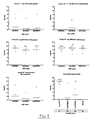
- Fig. 1 shows a graphic presentation of the bactericidal properties of sera against the selected meningococcal strains, obtained from vaccinated mice.
- OMV-vaccine according to the present invention may give an overall protection against different types of serogroup A meningococci, as tested in mice.
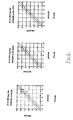
- a preparation of OMV was prepared as in Example 2, including purification by two high speed centrifugations and stabilisation in 3% sucrose. This preparation was prefiltered with two filters in sequence, pore sizes of 1.2 um and 0.8 um, respectively, and subsequently divided in two parts of about 35 ml.
- One part was filtered through a 0.45 um (Millex HA) filter, taken directly from the storage temperature of 4 °C; the actual temperature during filtration was about 6 °C.
- the other part was first carefully warmed to about 40 °C before filtering.
- OMV OMV (Example 2) was filtered through two different sequences of polyethersulphone (PES) filters:
- Meningococcal strain 44/76 (serogroup B) is grown in a fermentor in Frantz' medium, concentrated about 10 times in a CFF unit, added about 5 1 of 0.1 M Tris pH 9.0 with 10 mM EDTA, and circulated for 15 min (Example 2). Aseptically, 1 l concentrated pH-adjusted culture is pumped into a flask.
- Equal portions of 45 ml of the concentrated and pH-adjusted culture are added 5 ml of 0.1 M Tris-HCl pH 8.9 with 10 mM EDTA, also containing DOC in amounts giving a series (with duplicates) of final DOC concentrations ranging from 0.5% to 0.025%.
- Samples with complete inactivation of viable cells are further purified with the OMV procedure of Example 2.
- OMV quality is checked by electron microscopy, and OM proteins characterised to establish a low concentration of DOC that simultaneously will kill the cells and provide OMV of a high quality.
Landscapes
- Health & Medical Sciences (AREA)
- Life Sciences & Earth Sciences (AREA)
- Pharmacology & Pharmacy (AREA)
- Veterinary Medicine (AREA)
- Chemical & Material Sciences (AREA)
- Public Health (AREA)
- General Health & Medical Sciences (AREA)
- Medicinal Chemistry (AREA)
- Animal Behavior & Ethology (AREA)
- Immunology (AREA)
- Microbiology (AREA)
- Mycology (AREA)
- Epidemiology (AREA)
- Organic Chemistry (AREA)
- Nuclear Medicine, Radiotherapy & Molecular Imaging (AREA)
- General Chemical & Material Sciences (AREA)
- Chemical Kinetics & Catalysis (AREA)
- Oncology (AREA)
- Communicable Diseases (AREA)
- Medicines Containing Antibodies Or Antigens For Use As Internal Diagnostic Agents (AREA)
- Micro-Organisms Or Cultivation Processes Thereof (AREA)
- Medicinal Preparation (AREA)
Description
- The present invention concerns a proteinaceous vaccine against the causative agent for bacterial meningitis, i.e. Neisseria meningitidis, as well as a process for producing such a vaccine.
- N. meningitidis is one of the most common causes of purulent meningitis all over the world. Large epidemics caused by meningococci have spread during the last decade throughout vast areas of Africa in the region referred to as the "Meningitis Belt". Globally, this organism causes each year about 300,000 cases and about 30,000 deaths, and most of these are children.
- Meningococci are commonly classified into serogroups, serotypes, serosubtypes and immunotypes. This classification is based on differences between the strains related to their antigenic capsular polysaccharides, outer membrane proteins, and lipopolysaccharides.
- Based on antigenic properties of capsular polysaccharides, meningococci have been divided into the 12 "serogroups" A, B, C, 29E, H, I, K, L, W-135, X, Y and Z; the serogrouping usually being done by agglutination with monoclonal antibodies or polyclonal sera.
- The meningococci are subclassified according to the antigenic components of their outer membrane, and there exist large antigenic differences among strains. The meningococci are accordingly classified into more than 20 "serotypes" by using monoclonal antibodies directed towards specific conformational epitopes on the PorB protein molecule. Strains are further divided into a high number of "serosubtypes" based on differences in the PorA protein molecule.
- The "immunotype" of meningococci relates to the type of lipopolysaccharide (LPS) occurring in the outer membrane. Generally, on account of the phase variation, several LPS epitopes or incomplete epitopes may co-exist on one organism so that the immunotype differs to such a degree that it does not give any reliable and clear-cut identification for classification purposes. Hetereogeneity in the assembly of the oligosaccharide in the core part also contributes to structural and antigenic variations.
- On account of the large variations in the epitopes existing on the meningococcal surface, it is not at all obvious that a given vaccine against one serogroup or serotype of N. meningitidis is active against another serogroup or serotype of the bacterium, and there may even exist variations within one and the same serogroup/type making the situation quite unpredictable.
- About 90% of epidemic cases of systemic meningococcal disease are caused by N. meningitidis of the serogroups A, B or C. Serogroup A is the cause of the majority of the cases both in endemic and epidemic situations, including the explosive epidemic outbreaks in the "Meningitis Belt" in Africa. Meningitis epidemics caused by serogroup B have occurred in Europe, Latin-America, USA and New Zealand, and serogroup C meningococci have recently caused several outbreaks in Europe, North America and Austral-Asia where especially newborns and young adults are attacked.
- Concerning the epidemics in the "Meningitis Belt" in Africa caused by N. meningitidis, such epidemics are almost always caused by meningococci of serogroup A. Immunisation with safe and effective vaccines is believed to be the most efficient way of combating epidemics in this region.
- Vaccines directed against various serogroups of meningococci have been elaborated to provoke antibodies against the corresponding serogroup polysaccharides. Thus, efficient polysaccharide vaccines exist to the common serogroups A and C meningococci, as well as to the less common serogroups W135 and Y.
- In contrast, attempts at making polysaccharide vaccines against the serogroup B meningococci have failed, as they proved inefficient to produce antibodies, and thus other surface antigens have been investigated for their immunogenic properties, such as outer membrane proteins or lipopolysaccharides.
- Recently, some experimental work has been reported on serogroup B meningococcal vaccines based on meningococcal outer membrane proteins (Fredriksen J.H. et al (NIPH Annals, 14(2), (1991), 67-80), Claassen, I. et al., Vaccine, 14(10), (1996), 1001-1008).
- All currently available vaccines against disease caused by meningococci of serogroup A are saccharide based vaccines (see for example WO/92 16232).
- Such vaccines, however, appear not to induce any long-term immunological memory, and they do not provide adequate protection for children below two years of age, as is typical of all polysaccharide-based vaccines.
- There is thus still an urgent need for a vaccine against serogroup A disease that induces long-term immunological memory in all age groups, to be included in vaccination programs. It has been realised that protein may be an essential component to confer the wanted long-term immunological effects, and this has led to protein-polysaccharide conjugate vaccines currently being under investigation.
- However, in contrast to what has been found for serogroup C, protein-polysaccharide conjugate vaccines in development against serogroup A meningococcal disease have not yielded the positive results hoped for. There exists thus a need for a safe and effective vaccine against meningitis caused by N. meningitidis serogroup A, preferably comprising a protein component.
- A protein-based meningococcal serogroup A vaccine based on a
serotype 4 strain has been described by L.Y.Wang and coworkers (Proceedings of the Ninth International Pathogenic Neisseria Conference (1994) p. 435-436; Pathobiology and Immunobiology of Neisseriaceae (1994) 940-946). Their vaccine was based on outer membrane proteins extracted by salt, and further precipitated using ethanol, and it was highlighted that no detergents were used. Such ethanol treatment render highly denaturing conditions, and is highly likely to present the proteins in a denatured state. Contents of LPS in the vaccine seems to have been surprisingly high. - The surface structures of the meningococci are decisive for adhesion, colonisation, invasion and pathogenesis. Several of these structures are extremely phase variable, and the organism is thereby in a better position to avoid being detected by the host's immune defences.
- In similarity with other Gram-negative bacteria, the cell wall has an inner cytoplasmic membrane, a thin intermediate peptidoglycan layer and an outer membrane (OM). The OM comprises inter alia outer membrane proteins, e.g. porins, phospholipids, and LPS. As an external loosely bound layer may be found the capsular polysaccharides. All these components may in principle form the basis for vaccines, provided they are through the preparatory steps kept in an immunogenic conformation, also exposed in the final vaccine product.
- However, finding a method for providing such immunogenic and properly presenting forms of the relevant components of the outer membrane is not at all obvious for the person skilled in the art, and any amount of experimenting may not lead to success due to e.g. difficulties in isolation and purification, avoiding conformational changes in the relevant antigenic epitopes and denaturation of the product during isolation/purification, further minimising the forming of aggregates or agglomerates which may complicate the isolation and purification. These difficulties, which may essentially relate to the isolation and purification procedure, come in addition to difficulties in obtaining a material which is suitable to be included in a vaccine, i.e. which is immunogenic and presents the relevant antigenic epitopes to the immune system in a way that will elicit antibodies against such epitopes and which additionally will confer a long-time immunological memory effect against such epitopes.
- As indicated above, vaccines based on the polysaccharide component of N. meningitidis serogroup A have not been sufficiently effective for providing long term protection against meningitis caused by serogroup A infections, and this is especially true for infants. For this reason, it has been our intention to develop a protein-containing vaccine directed against meningococcal serogroup A disease.
- The proteins in the outer membrane of the bacterium are important both for stabilising the outer membrane structure and for controlling the transport through the membrane. Between 50 and 100 different outer membrane proteins are presently known, some of these being present in large proportions and called "major outer membrane proteins" (MOMPs: PorA, PorB, Rmp, Opa and Opc; the two latter are class 5-proteins). These proteins are also of significant importance for the efficiency of a protein-based vaccine.
- By a number of techniques, the outer membrane of N. meningitidis may be disintegrated to further reform as outer membrane vesicles (OMV) at the order of 1/10 the size of the bacterium. These vesicles may then include most components of the original outer cell membrane, in proportions depending on techniques employed for their manufacture. Stability, size and immunogenicity may similarly depend on process parameters.
- Although a vaccine based on OMV of N. meningitidis serogroup B is known and has been shown to be efficient in vaccine trials in Norway and Cuba, such a vaccine was less effective in Chile, where the epidemics are caused by other serotypes than the serotype used in preparing the B vaccine.
- Consequently, the success of a vaccine based on antigens from one bacterium may not prove efficient as a vaccine against a bacterium of another serotype.
- It was thus very surprising that when tested in mice, a vaccine prepared according to the invention, based on outer membrane vesicles from N. meningitidis serogroup A, gave a strong bactericidal activity against all meningococcal strains collected from several African countries.
- Generally, to obtain the vaccine, a representative strain of N. meningitidis serogroup A is grown in a suitable growth medium being obvious to the person skilled in the art; the bacterial mass is then extracted with a mild detergent, preferably a bile acid salt, for example such as deoxycholate (DOC). DOC has several advantageous effects such as efficient killing the bacteria, disaggregating the OM to form the desired OM vesicles while presenting the OM proteins in a native state, dissolving and releasing most of the toxic lipopolysaccharides from the outer membrane, and also making the LPS remaining in the vaccine less toxic.
- In such a procedure OMVs are created spontaneously, and they are purified by a suitable method, e.g. by high speed centrifugations, and filtrations.
- The procedure gives an OMV preparation useful as a vaccine to be administered, e.g. by injection, directly into the individual for immunisation against serogroup A meningococcal infection. However, it is highly preferably that OMV is first combined with carriers or adjuvants such as Al(OH)3. The vaccine may additionally comprise other vaccine components against meningitis group A, for example based on a polysaccharide or lipopolysaccharide component of the bacterium.
- Due to the strong variation in meningococcal proteins, i.e. serotype and serosubtype patterns, an important preparatory step is to collect strains from the epidemic area and classify them by a number of specific antibodies, to have an overall view of patterns and frequences of serotypes, serosubtypes, immunotypes, etc. Provided there is a dominating clone causing the epidemic, this will strengthen the basis for a vaccine production. Such mapping of protein patterns of epidemic strains is rather indispensable, in contrast to the situation when a polysaccharide vaccine is to be used.
- It has been shown that the African epidemics or pandemics have been caused by a single clone for several years, affecting a number of neighbouring countries.
- Several meningococcal strains of serogroup A were collected from isolated material from different parts of the world (see Table 1), and the following procedure was performed to assist in choosing representative serogroup A strains of the bacterium to provide relevant antigenic material for use in a vaccine according to the present invention.
- Meningococcal strains were investigated by the DOT-BLOT-method for characterising the surface antigens of the bacteria using specific monoclonal antibodies. In this procedure inactivated bacterial cells are fixed directly on nitrocellulose paper strips which then were reacted with solutions containing separate monoclonal antibodies, and enzyme-linked IgG directed towards the monoclonal antibodies are then added. By providing a specific substrate for the relevant enzyme, the enzyme will transform this substrate so that bacteria with the antigens bound to the antibodies are covered with a red, insoluble product.
- All serogroup A strains collected from Africa expressed the PorB serotypes 4 and 21 and the PorA subtypes P1.9 and P1.20. The N. meningitidis strains MK83/94 (from Mali) and MK100/97 (from Togo) were chosen as representative serogroup A strains from clone III-1 in Africa, assumed to be useful for producing vaccine materials according to the present invention.
- The proteins being present on the surface of relevant bacteria, and forming the basis for the proteinaceous vaccine according to the present invention, were for these strains PorB, PorA, Rmp and the Class 5-protein Opc.
- A meningococcal serogroup A OMV vaccine according to the invention may be prepared by any process that is capable of extracting and releasing outer membrane proteins (OMP) and associated surface antigens, and subsequently presenting the released proteins exposed on the surface of OM vesicles in an immunogenic and essentially native conformation.
- One preferred embodiment of a process for preparation of a vaccine according to the invention is generally to cultivate the selected meningococcal strain in a fermentor, followed by extraction of membrane proteins with a mild bile acid salt detergent so as to form OM vesicles, and further isolating and purifying the desired OMV as described in more detail below.
- In order to preserve the native conformation of proteins and other labile OM antigens, only mild conditions should be used for preparation of OMV. Thus, ordinary heat inactivation of bacteria, e.g. at 56 °C, is preferentially avoided, as should solvent denaturation. The consequence is that during growth of bacteria and the initial steps thereafter, highly infectious material is present, involving a risk for the laboratory personnel.
- Cultivation in a fermentor of a meningococcal strain, selected to be representative of or crossreacting with strains of the target epidemic, may be done in any cultivation medium known to be suitable for meningococci, e.g. in the semisynthetic Frantz' medium, or the fully synthetic modified Catlin's medium C6. Cultivation is advantageously done until early stationary phase under conditions well known in the art, monitoring parameters such as dissolved oxygen, gas flow, pH and OD. The pH is preferred initially to be about 7, and may be allowed to decrease under growth, preferably by no more than 1 pH unit and maximally by 2 units. Cultivation is terminated after end of logaritmic growth at about 6-8 h, when OD usually is above 4, preferably as high as 5 to 8.
- Concentration of the bacterial cell suspension after culturing is advantageous. Though such concentration may be done in several ways, simple centrifugation of the infectious bacterial cells should preferably be avoided, so as to eliminate formation of infectious aerosol. Thus, the suspension may preferably be concentrated in a closed filtration system, for example as part of an integrated system as outlined above, with a closed loop causing a tangential flow over a membrane filter ("cross flow filtration"; CFF). By keeping the transmembrane pressure low during most of the concentration step, e.g. below about 0.5 bar, clogging of the filter with accompanying reduction in liquid flow and yield can be minimised. Using a commercial CFF system, we have long experience that a bacterial cell suspension can be transferred by pumping in closed tubings from a fermentor, and concentrated under strictly secure conditions by a factor of some 5 to 20 times, preferably 10 to 15 times, in a short period of time. As an example, 50 liter of bacterial culture can be concentrated to about 5 liter in 3/4 to 1 hour.
- During the concentration process it is advantageous to carefully monitoring a number of parameters, in order to decide when concentration should be terminated. Useful parameters may be liquid flow and/or flow rate; remaining volume or weight of concentrate in the tank, for instance using weighing cells; OD; and pressures, especially such as transmembrane pressure. Monitoring of one or more of these parameters will secure that the consistency and viscosity of the concentrated suspension is appropriate for the subsequent purification steps. For each bacterial strain and cultivation medium an inexcessive amount of work may be required to establish the preferred concentration factor and consistency of the concentrate; a too heavily concentrated suspension may form aggregation and clumping of the cells.
- A high transmembrane pressure, e.g. above 1 bar, or a rapid increase of this pressure, are according to our experience useful indications for the concentration process step to be terminated.
- Inactivation of viable bacteria may preferably be done by addition of a mild detergent to secure that the native protein conformation is preserved. The detergent may e.g. be a bile acid salt such as deoxycholate (DOC), whereas denaturating agents such as alcohols may deform the proteins into conformations without the desired immunogenicity, and hence should be avoided. In the integrated system according to the invention, inactivation is performed upon addition of detergent to the tank being part of the CFF unit.
- In previous meningococcal vaccines, including a meningococcal group B vaccine produced by us, a mercury compound (e.g. sodium thiomersal) was incorporated to secure sterility. The process according to the invention is regarded safe, both from an infectious risk perspective, and with regard to excluded possibilities of contamination of the vaccine. This confidence is for a large part based on the closed integrated system comprising cultivation, concentration and inactivation/extraction, as well as the possibility of having a final sterile filtration of the purified OMV preparation. We have now established that it is possible to dispense of the mercury compound, which further add to the good tolerance of the serogroup B vaccine when injected in humans.
- Identical concentrations of the detergent are expected to effect complete killing of meningococci and lysis of the OM. For security reasons, the minimum concentrations and times for lysis should be determined for a given bacterium or strain. In practice we use 0.5% DOC for 30 min, but have found that as little as 0.16 % for 15 min is sufficient for complete killing, yielding extensive extraction of proteins which are located with preserved antigenicity in OMV. It is assumed that this concentration may still be lowered by a factor of 2 or 4.
- According to the invention, OM is dissociated using a mild detergent, preferably a bile acid salt. Such detergents have a rigid ring structure, and upon micelle formation they have peculiar capabilities of interfering with phospholipid-containing membranes, e.g. as found in Gram negative bacteria. A number of bile salt detergents are known, e.g. salts of lithocholic acid, chenodeoxycholic acid, deoxycholic acid, ursodeoxycholic acid, cholic acid and ursocholic acid; the sodium salt of deoxycholic acid has proved well suited for dissociating the OM of neisseria. It is an advantage that this compound is atoxic in small amounts, owing to its endogenous character.
- A number of conditions will strongly influence the physical state of bile acid salts such as sodium deoxycholate. Thus, temperature, pH and detergent concentration must be delicately balanced to obtain extensive dissociation of the OM and complete killing of viable bacteria, simultaneously retaining a native conformation of OM antigenic proteins in the final OMV product. The bile acid salt detergent should under the conditions used be capable also to substantially decreasing the level of the toxic LPS in OMV, although it is regarded an advantage that some LPS remain in the OMV, contributing to the immunogenicity, and presumably assisting in preservation of a native protein conformation. Bile acid anions being incorporated in the vesicle membrane apparently will also detoxify LPS, possibly by interacting with their toxic lipid A part.
- The pH has a strong effect upon the physical state of bile acids. Thus, above about
pH 8 deoxycholate molecules form aggregates of about 15 entities (D.M.Small, Adv Chem Ser 84 "Molecular Association in Biological and Related Systems" (1968) 31-51). If pH is lowered, there is a small and gradual increase in the aggregate size, and at about pH 7.5 a sharp phase transition occurs as the number of molecules in aggregates increase rapidly. At about pH 7.3 aggregates comprise 500 molecules or more, and a gelling will appear. Hence such gelling or precipitation must definitely be avoided during the extraction. - Since deoxycholic acid has a pKa of about 6.3, it is according to the invention judged important that pH in a deoxycholate-containing aqueous medium is carefully kept well above its pKa, preferably by some 2 pH units. Keeping pH as high as about 8.3, for example between about 8.1 and 8.5, would render the deoxycholate ion as the fully dominant molecular form - close to 100% - avoiding any tendencies of major aggregates to form.
- Temperature is also of importance, as formation of aggregates is appreciably larger at 20 °C than at 35 °C. At lower temperatures, e.g at 4 °C, this aggregation tendency is still stronger.Bile acid salt concentration is of importance, as micelles or minor aggregates form at concentrations above the critical micelle concentration (CMC). For deoxycholate, CMC is about 2 to 5 mM (0.1 to 0.2%) at pH values above 8 (at about 25 °C).
- Without being bound by theory, we assume that an efficient dissociation of the bacterial OM is facilitated by conditions where the bile acid occurs essentially completely in the ionic form, to prevent formation of major aggregates, and in a concentration sufficient to keep the bile acid molecules in micellar form. For this reason, a concentration down to about the CMC (for DOC about 0.1 to 0.2 %) may preferably be chosen.
- Accordingly, we suggest to use some 0.05 to 2.5% DOC, preferably 0.25 to 0.75% and most preferred 0.5% DOC at about pH 8.1-8.4 for the extraction step. As the concentrated bacterial suspension usually has a low pH, e.g. about pH 6.5, the suspension needs to be pH-adjusted, e.g. to about pH 8.1 to 8.3 by adding a buffer, for example a pH 9 Tris-HCl buffer, before any bile salt detergent is added by stirring. In the integrated system according to the invention, the addition of e.g. a pH 9 buffer and a buffer containing e.g. 10% DOC, to give a final DOC concentration of 0.5%, can easily be performed without any contamination risk.
- The exact detergent concentrations, pH and extraction times should, however, be established separately for other detergents as described above, based on data for CMC and pKa; this may be done without any excessive work.
- The stability of OMV is typically also facilitated by divalent cations such as Ca++, and hence the dissociation of OM and subsequent purification of OMV may be enhanced by including a chelator of divalent cations, e.g. EDTA.
- We have now found that the previous steps of cultivation, concentration, inactivation and extraction may advantageously be performed in a closed, integrated system comprising a fermentor and a multipurpose treatment tank connected to a membrane filtration module. The tank may be used for inactivation and extraction processes. Connecting conduits/tubings, reservoir tanks, valves and pumps further contribute to a safe integrated system where all high-risk process steps involving infectious bacterial cells may be performed with minimal manual handling, and may optionally be automated.
- The integrated system for production of an OMV-containing extract (shown below), is a part of the process leading to purified OMV, and represents an aspect of the present invention.
- In fig. 3 such an integrated system is shown in principle. Central in the system is a multipurpose tank (T), wherein some of the processes take place, and whereto and wherefrom liquids and suspensions are transferred, one-way or in circulations. Any circulation of the contents of the multipurpose tank (T) through external loops (2, or 5) may be done continuously or step-wise and may include a number of passages (at least one) through the loop.
- The following process steps and transfers between parts of the apparatus are performed.
- In a fermentor (F), bacteria are cultivated normally to late logaritmic or stationary growth phase. The choice of growth medium was described above and lies well within the competence of the person skilled in the art.
- When the preferred growth phase has been reached, growth medium and bacterial cells are in the integrated system transferred to the multipurpose tank (T) for further processing. Transfer from the fermentor to the tank (T) is done via conduits/tubings made of a suitable material, e.g. an inert and non-toxic polymer tubing or a metal conduit, e.g. stainless steel. Such materials may be chosen also for subsequent transfer lines and circulations or reintroduction conduits/tubings. The conduit/tubing leading from the fermentor tank to the multipurpose tank (T) has been given the
reference number 1 in Fig. 3. - After transfer of bacterial suspension to the tank (T), the suspension is passed further in a circulation through a conduit/tubing (2) via a membrane filter unit (M) and reintroduced into the tank (T). In the filter unit (M) a tangential or cross flow filtration process is removing excess liquid of the medium. A more concentrated bacterial suspension is then reintroduced into the multipurpose tank (T).
- When the bacterial suspension has been concentrated to a predetermined degree, a valve governing the flow in the membrane loop (2,M) is closed and a buffer is introduced into the multipurpose tank (T) to adjusting the pH in the concentrated medium to a predetermined value suitable for forming stable outer membrane vesicles. The buffer, often a high pH buffer, is introduced through a conduit/tubing (3) from a reservoir tank (R).
- When the predetermined pH has been reached, the valve governing the flow from the reservoir tank (R) is closed, and mixing to uniformity of the contents of the tank (T) is obtained by circulating the suspension via a conduit/tubing (5) (the flow governed by a valve) through the tank (T) for a predetermined period of time, and the valve subsequently closed.
- Thereafter, a valve governing the flow in the conduit/tubing (4) from a second reservoir tank (R1) is opened, and a predetermined volume of the extraction buffer, containing inter alia a detergent, is pumped into the tank (T). The valve is then closed, and again the valve governing the flow in conduit/tubing (5) is opened to circulate the content of the tank (T) through the loop for a predetermined time period of extraction.
- Finally, when bacteria have been inactivated and extracted, the contents of the multipurpose tank (T) is exited through an exit conduit/tubing (6) for further treatment, such as removal of bacterial debris and isolation and purification of OMV, outside the inetegrated system.
- At any stage in the integrated process, during use of the integrated system, chemical, microbiological or physical parameters, such as for example pH, may be monitored by mounted in-line equipment, or samples may be manually or automatically withdrawn for off-line analysis.
- The integrated system disclosed supra represents an aspect of the present invention to provide a stepwise production system for composition including OMVs according to the present invention.
- The integrated way of processing bacteria, from bacterial growth to non-infectious crude OMV, is a new and advantageous part of an overall procedure for preparation OMV for use in vaccines according to the invention, and may be used also for preparation of other vaccines, or treatment of hazardous microbiological material for other purposes.
- OMV-enrichment by centrifugation. For the detergent-treated and thus inactivated bacteria, simple centrifugation may be performed without risk, and thus the suspension may be drained from the integrated system described above, when such an integrated system has been used. At intermediate centrifugal forces, e.g. at some 10,000 to 20,000 x g, preferred about 15,000 x g for about 1 - 2 h, bacterial residue and major particulate matter can be removed, and the OMV-enriched supernatant collected for purification.
- OMV may be sedimented from the OMV-enriched supernatant by one, or preferentially more, high speed centrifugations or ultracentrifugations. Concurrently with the OMV concentration, the centrifugations will reduce the amount of detergent, and of released LPS which does not sediment in the presence of detergent. The stability of OMV may at a later stage be increased by adding a viscosity enhancer, e.g. 20% sucrose, to the centrifugation medium.
- Typically, the following high speed centrifugation (or ultracentrifugation) steps may be used in order to obtain pure and stable OMV:
- a. OMV-enriched supernatant is centrifuged at 4°C, e.g. at 40,000 x g for 10 h or at 100,000 x g for about 2 h;
- b. the supernatant is removed and the OMV-enriched pellet is redispersed by vigorous, magnetic stirring at ambient temperature at non-foaming conditions in a dispersing solution containing 50 mM Tris buffer pH 8.7 containing 2 mM EDTA, 20% sucrose added as stabiliser, and a bile acid salt detergent, e.g. about 1% DOC, until the pellet has been fully redispersed; this may typically take 5 h;
- c. the dispersion is optionally ultrasonicated for 1 to 5 min to ensure extensive microdispersion;
- d. step a is repeated, with centrifugation e.g. at 40,000 x g, with time optionally shortened e.g. to 5 hours;
- e. step b is repeated with the vigorous stirring until pellet dissolution, followed by weak stirring over night in aqueous 3% sucrose.
- Sterile filtration cannot easily be done by filtering directly through a classical 0.22 µm filter, as clogging of the filter will rapidly occur. Such obstacles have caused several vaccine producers to give up such a step.
- One or more pre-filtration steps may advantageously be tried. However, using a sequence of one 0.45 µm and one 0.22 µm filter causes considerable problems, and even such a sequence may need to be preceded by a more coarse prefilter. In our hands, a first prefilter of 1.2 µm pore size, which has been tried by others, has shown to be less efficient than a 0.8 µm prefilter. Apparently the combination of 0.8 µm + 0.45 µm will give less extensive clogging of the 0.22 µm filter. According to our experience, a series of three separate filters with decreasing pore sizes may advantageously be used, e.g. the sequence 0.8 µm + 0.45 µm + 0.22 µm filters. The filters should be used separately, not as a cassette of filters with different pore sizes, inter alia to allow for an individual change of filters of a given pore size, when indications of clogging can be seen, e.g. by monitoring of filtration rate or pressure.
- Before the initial prefiltration of the ultracentrifuged OMV preparation, e.g. through a filter of 0.8 µm pore size, the OMV preparation is advantageously stirred e.g. over night at room temperature, and ultrasonicated e.g. for 1 min to dissociate aggregates that may have been formed in or after the previous step.
- Filters should be chosen with care. Especially the larger vesicles will during filtration experience shear forces, which may vary with pore size and filter quality, e.g. such as surface characteristics. A too rugged surface may be harmful for the OM vesicles. Some filters have a rather rugged pore surface structure as seen by EM. It is our experience that 0.2 um polyethersulphone filters yield vesicles with less rupture and damage, and in higher yield, than corresponding polyvinylidene fluoride filters.
- As OMV form spontaneously in sizes predominantly with diameters in the range of 50 to 200 nm, a conventional 0.22 µm sterile filter may be just marginally applicable for filtration of OMV. Vesicles in the upper range may, however, be just capable to pass filters of this size, due to OMV flexibility which allows a reshaping during filtration with accompanying passage through somewhat smaller pore size than theoretically expected.
- Filtration outcome will also be influenced by the temperature applied during filtration. For the larger vesicles, having diameters close to the filter pore size, the OMV flexibility may be important for their capability to pass the filter. As for other phospholipid- and protein-containing membranes, the flexibility of the vesicular membranes can be strongly influenced by temperature, e.g. due to the presence of acyl chains of phospholipids or by the lipophilic part of deoxycholate.
- Influence by temperature on the filtration process has been shown by filtration of OMV through a 0.45 um filter at 4 °C and 40 °C. Clogging was substantially increased at the lower temperature, and thus we recommend that filtrations be done at ambient temperature or above, in order to avoid the occurrence of excessively stiff vesicles, with corresponding risk of OMV damage or loss.
- Generally it may be noted that centrifugation or ultracentrifugation is best done at lower temperature, e.g. at 4-6 ° C. After collecting the pelleted material, this must be carefully redispersed to remove aggregates formed, and components trapped in the aggregates. This redispersion should therefore be done at higher temperature, e.g. at room temperature, and for more extended periods of times, e.g. such as some 5 hours or over night, in order to be efficient.
- Mechanical stirring of OMV can be done with less caution when performed in presence of a stabilising compound. For this reason, for example after the first centrifugation, concentrated sucrose may be added, e.g. to 20%. After the last centrifugation, when sucrose concentration is less, e.g. 3%, only weak stirring at a more prolonged period of time should be performed.
- Ultrasonication for 1 to 5 minutes, typically 1 min, is routinely used to redisperse OMV pellets after the the high speed centrifugations, and thus before sterile filtration. This is a done as a precaution, and it has been shown that even more extensive ultrasonication before sterile filtration will not change the yield or purity of the final product.
- The purified and stabilised OMV may be used as a vaccine as such, but may be more immunogenic when used in combination with an adjuvant, e.g. being adsorbed to Al(OH)3 using techniques known in the art.
- The process for producing an OMV vaccine including non-denatured proteins has been disclosed supra under reference to N. meningitidis. However, a process corresponding to the one disclosed is applicable also with other Gram-negative bacteria having outer membrane that can be disaggregated by the mild detergent method, since the method is aimed at obtaining outer membrane vesicles having proteins in their original non-denatured conformation, providing antigenic determinants to be used in vaccines against the relevant bacterial strain.
- Additionally, the OMVs produced by the process according to the present invention, may when included in a vaccine be provided with commonly known adjuvants, carriers, enhancers and anti-bacterial agents as well as compounds stabilising their conformation or enhancing their shelf-life. Such compounds or compositions are known for the person skilled in the art.
- According to the present invention there has, by investigating a representative collection of serogroup A meningococcal strains, been shown that it may be possible to produce an outer membrane vesicle vaccine against infections with N. meningitidis serogroup A, aiming at giving a broad protection against the relevant strains within this serogroup. Thus, analysis of the antibodies produced in sera of mice immunised with the relevant OMV vaccines showed by immunoblotting that they were mainly directed towards the major outer membrane proteins. Notable is that we found strong antibodies towards PorA, which is generally regarded to be an important antigen of serogroup A strains. Important is also that the sera were found to be bactericidal when tested with human complement against all serogroup A strains. Although e.g. rabbit complement has been reported to give higher titers, the positive response using human complement is of significant importance.
- The meningococcal serogroup A OMV vaccine according to the invention is thus a promising candidate for a human vaccine that may give an overall protection against serogroup A strains, not least including the epidemic/pandemic meningococcal strains occurring in the "Meningitis Belt" of Africa.
- Generally, the process according to the present invention concerns a process for producing an outer membrane vesicle vaccine from Gram-negative bacteria comprising the steps of
- a) cultivating the bacterial cells;
- b) concentrating the cultivated cells from step a);
- c) treating the cells with a bile acid salt detergent at a pH sufficiently high not to precipitate the detergent, for inactivating the bacteria, disrupting the outer membrane of the bacteria and forming vesicles of the outer membrane of the bacteria, said vesicles comprising outer membrane components mainly presented in their native form;
- d) centrifuging the composition from step c) at 10,000 - 20,000 x g for about 1 to 2 hours to separate the outer membrane vesicles from the treated cells and cell debris, and collecting the supernatant;
- e) performing a high speed centrifugation of the supernatant from step d) and collecting the outer membrane vesicles in a pellet;
- f) redispersing the pellet from step e) in a buffer by stirring at ambient temperature;
- g) performing a second high speed centrifugation in accordance with step e), collecting the outer membrane vesicles in a pellet;
- h) redispersing the pellet from step g) in an aqueous medium containing a stabilising agent by stirring at ambient temperature;
- i) performing a step-wise sterile filtration through at least two filters of decreasing pore size of the redispersed composition from step h), ending with a filter of pore-size of about 0.2 µm,
- j) optionally including the composition from step i) in a pharmaceutically acceptable carrier and/or adjuvant composition.
- Alternatively, the process indicated supra may be performed wherein an extra ultrasonication step is performed subsequently to step h), but prior to step i) and/or optionally subsequently to step f), but prior to step g).
- Referring to Fig. 3, the invention includes also an apparatus suitable for producing outer membrane vesicles from a medium containing Gram negative bacteria, wherein the apparatus includes a fermentor (F) for cultivating the bacteria to a bacterial suspension, the fermentor (F) being connected via a conduit/tubing (1) to a multipurpose tank (T), the tank (T) being connected via conduits/tubings (3,4) to a number of auxiliary reservoirs (R,R1) containing liquids for treating the bacterial suspension introduced into the multipurpose tank (T), and wherein the multipurpose tank (T) further is equipped with conduits/tubings (2) leading to a membrane filter unit (M) for concentrating the bacterial suspension in the multipurpose tank (T) by tangential or cross flow filtration, said tank (T) further being equipped with a exit conduit/tubing (6) for draining off of the treated contents of the multipurpose tank (T).
- In the apparatus indicated supra, the multipurpose tank (T) may further be provided with a reintroduction loop (5) for circulating the contents in the multipurpose tank.
- The following examples serve to illustrate the invention.
- Two N. meningitidis serogroup A strains of African origin (MK83/94, from Mali; MK100/97, from Togo) were chosen as representative strains of the African epidemic situation. Briefly, bacteria were grown on agar plates, transferred to a shake culture, and outer membranes (OM) were extracted with DOC. OMV was then isolated and purified by several steps of (high speed) centrifugation.
- The two meningococcal serogroup A strains were initially grown on Tryptic Soy Agar (TSA) plates with VITOX (a mixture of essential growth factors for N. meningitidis) over night in a 5% CO2/air cabinet at 35°C. The strains were again grown, each strain on 4 TSA plates with VITOX, and bacteria were after about 8 hours collected into tubes with 5 ml of pre-warmed Frantz' medium, and finally smooth suspensions of bacteria were made. The suspensions were added as inocula to Fernbach bottles with 1.4 1 of Frantz' medium.
- Cultivation of the bacteria was performed with shaking (135 rpm) at 35 °C for about 10 hours. ODλ650nm was determined for a 1:5 dilution in growth medium, and bacteria were collected by centrifuging at 6,000 rpm for 15 minutes.
- To the bacterial cell pellets harvested from shake cultures (Example 1a) 5 ml of a first buffer (0.1 M Tris-HCl with 10 mM EDTA and 0.1% sodium thiomersal, pH 8.6) was added per gram wet weight of bacteria. After resuspension in a homogeniser, the material was retransferred to the centrifuge bottle, followed by addition of 0.05 ml of a second buffer (10% DOC in the first buffer, pH 8.9) per ml of the first buffer, to give a final DOC concentration of 0.5%. Then suspensions were DOC-extracted by magnet stirring (200 rpm; 30 min) at ambient temperature. The extracted suspensions were centrifuged (6,000 rpm; 15 minutes), the supernatants were centrifuged cold (15,000 rpm; 4°C; 30 min), and supernatants were centrifuged again (15,000 rpm; 4°C; 15 min) and the OMV-containing supernatants stored cold.
- The supernatants were high speed centrifuged (40,000 rpm, corresponding to 125,000 x g; 4 °C; 90 min; "45Ti" rotor). The pellets were resuspended in 6 ml of buffer (0.05 M Tris-HCl pH 8.9; 2 mM EDTA, 2.5% DOC). To these suspensions were added 12 ml of another buffer (0.05 M Tris-HCl pH 8.9; 2 mM EDTA; 0.5 % DOC; 30% sucrose and 0.01% sodium thiomersal), followed by homogenisation. At this stage sucrose was in about 20% concentration, and DOC at about 1.2%. After an ultrasonic treatment for 1 minute, the suspensions were again ultracentrifuged as above (140,000 x g; rotor "50.2Ti"). The pellets were resuspended in a total of 10 ml of 3 % sucrose with 0.01% sodium thiomersal. The OMV suspension was then ultrasonicated for 1 minute and stored at 4 °C.
- OMV were by immunoblot technique shown to contain the relevant proteinaceous antigenic determinants, PorB, PorA, Rmp and Opc. The specificities were as expected from the whole cell analysis (see Table 1).
- LPS pattern of the OMV preparations were established using a SDS-PAGE technique with silver staining for carbohydrate. Quantification of LPS by a semiquantitative technique revealed that LPS contents in OMV were strongly reduced relative to protein (5-10%), compared to whole cell preparations. Further, the LPS immunotype was found to be L3,7,9, using an immunoblot technique with reference monoclonal antibodies.
- Electron microscopy (EM) revealed OMV vesicles in the size of 70 to 170 nm.
- Thus the production method provided a vaccine product apparently with a native antigen mosaic and a strongly reduced level of LPS.
- Before adsorption to the Al(OH)3 adjuvant, the protein content of the OMV preparation was determined, and the preparation diluted with 3% sucrose to a protein concentration of 0.1 mg/ml.
- To obtain the final vaccine preparations (50 µg protein/ml vaccine), "Superphos Alhydrogel" containing 30 mg/ml Al(OH)3 was diluted with 3% sucrose (with 0.01% sodium thiomersal) to an Al(OH)3 concentration of 6.6 mg/ml, and mixed with an equal volume of OMV. Adsorbtion was effected by magnetic stirring over night at ambient temperature. The Al(OH)3-adsorbed OMV preparation was stored at 4 °C until tested as vaccines to prove their efficiencies.
- Cultivation of N. meningitidis 44/76 was initiated on growth on 6 Tryptone Soy Agar plates at 35 °C in 5 % CO2/air atmosphere for 12 h. Cells were harvested into 3 tubes with 5 ml Frantz' medium. Contents of the tubes were added to 3x 1 l flasks containing Frantz' medium and grown by shaking over night to yield the inoculate. This was added to a Bioengineering LP351 fermentor with 75 1 capacity, containing 51 1 of pre-sterilised Frantz' modified medium and sterile-filtered yeast extract dialysate. The pH after inoculation was 7.06, falling to 6.39 during cultivation for 9 h at 36 °C with stirring and aeration. Oxygen once had to be substituted for air when level of dissolved O2 approached zero. Growth was terminated at an ODλ650nm of 6.36, the fermentor was cooled to 6 °C by a cooling system, the air supply was closed, and stirring continued at 100 rpm over night.
- Transfer of the bacterial suspension from the fermentor was done by stepwise pumping to a
Millipore CUF 5/4/1 cross flow filtration (CFF) unit equipped with valves, pumps and a filter module with 2 Pellicon P2B300V05 polyethersulphone filters (300 kD cutoff). Initial transfer of 20 l bacterial suspension was followed by small portions until the fermentor was emptied. - Concentrating the suspension was performed in the CFF unit by circulating the suspension to be passing by the filters, with the transmembrane pressure being continuously monitored and kept < 0.5 bar (observed: 0.24 - 0.33 bar). As the transmembrane pressure at 45 min rapidly rose above 1 bar, the concentrating was terminated. A weighing cell disclosed a residual volume of close to 3 1 of concentrate.
- Adjustment of pH of the concentrated bacterial suspension from pH 6.24 to 8.1 was done by adding, via a tubing system, 5 1 of a 0.1 M Tris-HCl buffer of pH 9.0 with 10 mM EDTA, followed by 15 min stirring in the CFF unit to secure uniform conditions.
- Inactivation/Extraction of OM material was initiated by adding, via tubing, 400 ml of an 0.1 M Tris-HCl buffer (pH 8.9) containing 10 % DOC, to give a final DOC concentration of 0.5%. Subsequently the suspension was circulated in the CFF unit for 30 min, without contact with the filters. The extracted suspension (9 1), checked to be completely without living bacteria, was drained off by pumping into a flask and kept at 4 °C.
- Preparation of crude OMV was done by distributing the inactivated suspension to centrifuge tubes of 500 ml, and centrifuging in a Sorvall RC-26 PLUS centrifuge at 15,000 g for 90 min at 4 °C in, collecting 8.0 1 of supernatant.
- Purification of crude OMV was done by high speed centrifugation twice. The supernatant was distributed to centrifuge tubes of 250 ml, and centrifuged in a Centrikon T-1170 high speed centrifuge at 40,000 g for 10 h at 4 °C. The pellets were resuspended in altogether 1.1 1 of 50 mM Tris-HCl buffer pH 8.8 with 2 mM EDTA and 2.5% DOC, and then was added 2.2 1 of another buffer (50 mM Tris-HCl pH 8.6 with 2 mM EDTA and 0.5% DOC) containing 30% sucrose. Final concentrations were then approximately 1.2% DOC and 20% sucrose. The suspensions were magnet stirred at room temperature at high speed, below the point of foaming. When completely homogeneous after 10-12 h, the portions of the suspension were treated by ultrasound for 1 min (50 W; 35 kHz; Elma Transsonic 420 apparatus).
- A second high speed centrifugation was performed for 5 h at 4 °C, the pellets were resuspended in altogether 825 ml of 3% sucrose with magnetic stirring at room temperature until homogeneous, and treated by ultrasound as above.
- Final purification of OMV was performed at 20 °C by filtering through three capsule filters (Gelman Science Suporlife DCF) in sequence, first two prefilters of 0.8 um and 0.45 um, respectively, then adjustment of the protein concentration to 1.2 mg/ml, before the final sterile filtration (0.22 um), with an overall yield of 1.22 1; the OMV protein concentration was 0.68 mg/ml.
- The purified OMV preparation was used for the preparation of the final a vaccine by adsorption of OMV to Al(OH)3. This was done by diluting 1.2 1 of the purified OMV preparation to 0.2 mg protein /ml with 2.9 1 of 3% sucrose, adding with stirring of 4.2 kg of a dispersion of Al(OH)3 (13 mg/ml) in 3% sucrose, and finally diluting with 8.3 1 of 3% sucrose, yielding 16.6 kg of adsorbed vaccine.
- Contents of one human vaccine dose (0.5 ml)
OMV protein 25 ug LPS 1.8 ug Deoxycholate 6.5 ug DNA 0.7 ug Aluminium 0.6 mg Sucrose 3% ad 0.5 ml - OM proteins (by SDS-PAGE and immunoblot):
80 kD (Omp 85) 70 kD (FrpB) class 1 (P1.7; P1.16) class 3class 4class 5 (Opa; Opc). - LPS immunotypes (by SDS-PAGE and silver staining):
- L3, 7, 9; and L8
- Meningococcal strain MK83/94 (Mali) is grown in a fermentor in Frantz' medium until early stationary growth, and OMV isolated and purified by the process of Example 2. OMV is characterized and found similar to OMV of Example 1.
- The efficiency of the vaccines from Examples 1 and 2, to provide protection against N. meningitidis strains was tested with the method of serum bactericidy, an assay believed to correlate with protection against meningococcal disease. A commercial polysaccharide group A+C vaccine was included as a control; such polysaccharide vaccines are known not to function well in SBA.
- Sera from immunised (and non-immunised) mice were tested for their ability to kill selected bacteria. Mice used in the procedure were outbred NMRI female mice (weight 12-14 g), receiving 2 doses of vaccine with an interval of 3 weeks. Sera were obtained 2 weeks after the second immunisation.
- The sera were tested for bactericidal properties against four different meningococcal test strains. In addition to the two serogroup A strains MK83/94 and MK100/97 used for preparation of vaccines (Example 1), one further serogroup A strain (MK42/98 from Burkina Faso) also representative of the "Meningitis Belt", and the Norwegian serogroup
B vaccine strain 44/76 (used in example 2) were tested. The strain characteristics are shown in Table 2.Table 2. Characterising traits of bacterial strains used in bactericidal testing. Serum Bactericidal Assay (SBA) strain Country of origin Antigenic determinants Clone complex MK83/94 Mali A:4,21;P1.20,9; L3,7,9 Subgroup III-1 MK100/97 Togo A:4,21;P1.20,9; L3,7,9 Subgroup III-1 MK42/98 Burkina Faso A:4,21;P1.20,9; L3,7,9 Subgroup III-1 44/76 Norway B:15;P1.7,16; L3,7 ET-5 - Sera to be used in the bactericidal assay were obtained from mice, grouped as having been injected with one of a number of vaccine preparations or combinations thereof:
- Against the
serogroup B strain 44/76, all of the mice provided bactericidal sera, with arithmetic mean of the log2 titers of 10.0. Against the serogroup A strain MK83/94, 8 of the 10 mice did not respond with positive sera. 9 of 10 sera did not react against the serogroup A strains MK42/98 and MK100/97. - Against the serogroup A strains MK83/94 and MK100/97 all mice sera were non-reacting in SBA. For the serogroup A strain MK42/98, 8 of the mice were non-responders; the two responding mice (02-4 and 02-5) both had a log2-titer of 5.
- Against the serogroup A strain MK83/94 all of the mice in the group responded, with arithmetic mean for the log2-titers of 8.9. Of the same mice, 9 of 10 responded against both of the serogroup A strains MK42/98 and MK100/97. The arithmetic means of the log2-titers were 7.9 and 8.1, respectively. One mouse was a common non-responder against these two group A strains. Except for one mouse (log2-titer 9), all of the mice in this group were non-responders against the
serogroup B strain 44/76. - Against the serogroup A strain MK83/94 all of the mice in this group responded, and the arithmetic mean for the log2-titers was 9.1. Against the serogroup A-strains MK42/98 and MK100/97 all of the mice responded, with arithmetic mean of the log2-titers of 9.0 and 8.9, respectively. Of all the mice in the group, one mouse responded generally with the lowest log2-titer against all of the three serogroup A-strains (the log2-titers were alternately 7.6 and 6). Against the
serogroup B strain 44/76, 3 of 10 mice responded with a log2-titer between 6 and 10. One mouse did not respond and for the 6 last mice there was observed a partial killing of the bacteria. - 3 of 5 mice were non-responders against the serogroup A strain MK83/94. 4 of 5 mice were non-responders against the serogroup A strains MK42/98 and MK100/97. One mouse responded against strain MK83/94 with a log2-titer of 3, and one mouse responded against all of the three serogroup A strains in a log2-titer between 4 and 8. Against the
serogroup B strain 44/76 there was observed a partial activity for 4 of the 5 mice in the group for some dilutions. - Fig. 1 shows a graphic presentation of the bactericidal properties of sera against the selected meningococcal strains, obtained from vaccinated mice.
- Mice immunised with 1 µg MK83/94-OMV-protein (group 03) or with 4 µg MK83/94-OMV-protein (group 04) responded with a significantly higher log2-titer against all of the serogroup A strains than did mice immunised with 1
µg 44/76-OMV-protein (group 01) or 1+1 µg A+C polysaccharide vaccine(p<0.05). - There was no statistically significant difference between the bactericidal efficacy against MK83/94 in sera from mice immunised with 1 µg MK83/94-OMV-protein (group 03) and sera from mice immunised with 4 µg MK83/94-OMV-protein (group 04) (p>0.05). There was not observed any corresponding statistically significant difference in the bactericidal properties between the two
groups serogroup B strain 44/76 (p>0.05). - There was no statistically significant difference in bactericidal properties against the three serogroup A strains for sera from mice immunised with 1+1 µg A+C envelope polysaccharide (group 02) and sera from mice in the control group (group 05) (p>0,05). This was not unexpected, as the model is not a good one for test of bactericidal activity when mice have been immunized with pure polysaccharides.
- Bactericidal properties of sera from mice immunised with 1 µg MK83/94-OMV-protein (group 03) showed a good correlation for the different serogroup A strains against each other. Thus, a cross plot of the bactericidal properties against the different serogroup A strains (Fig. 2) shows that those sera which have high log2-titers towards strain MK83/94 also have high log2-titers towards the two other serogroup A strains.
- One conclusion of these tests is that the OMV-vaccine according to the present invention may give an overall protection against different types of serogroup A meningococci, as tested in mice.
- A preparation of OMV was prepared as in Example 2, including purification by two high speed centrifugations and stabilisation in 3% sucrose. This preparation was prefiltered with two filters in sequence, pore sizes of 1.2 um and 0.8 um, respectively, and subsequently divided in two parts of about 35 ml.
- One part was filtered through a 0.45 um (Millex HA) filter, taken directly from the storage temperature of 4 °C; the actual temperature during filtration was about 6 °C. The other part was first carefully warmed to about 40 °C before filtering.
- Yields of protein were about the same for filtrates obtained by the two temperatures. However, during the 4-6 °C filtration the final 0.45 um filter had to be changed 4 times due to clogging, in contrast to only one filter change being required when filtering was performed at 40 °C.
- OMV (Example 2) was filtered through two different sequences of polyethersulphone (PES) filters:
- 0.8 um -----→ 0.45 um ---→ 0.22 um: overall yield 67%
- 0.8 um --------------------→ 0.22 um: overall yield 38%
- Thus, omission of the 0.45 um filter substantially reduced the overall yield after the final 0.22 um sterile filtering.
- A 50 1 batch of
N . meningitidis 44/76 (serogroup B) was grown in a fermentor in Frantz' modified medium at 36 °C until early stationary phase (as for Example 2). Final OD values of 6.42 and viable counts (CFU/ml) of 7.4 x 10⁹, were measured. Aseptically, two 65 ml samples were withdrawn, stored overnight at room temperature, and concentrated by centrifugation at 30,000 rpm for 20 min at 4 °C in a Beckman Coulter™ "Avanti J-251" centrifuge. To each of the pellets were added about 19 ml (5 ml per g wet weight) of a buffer, thus corresponding to a concentrating factor of about 3.4 times for the fermentor-grown bacterial suspension. The buffers were for both samples a 0.1 M Tris-HCl buffer with 10 mM EDTA, of pH values 8.0 and 8.6, respectively. After addition of the buffers, bacterial cells were resuspended by gentle shaking for 8 min. No inactivation could be found at this stage. - Then 20 ul of the same buffer, with 10% DOC, was added per ml of the first buffer with brief stirring to a final concentration of 0.16 % DOC and the samples were left for 15 min for the detergent to acting.
- Aliquots were taken for revealing of any surviving meningococci in two tests: 1) dilution of 5 ml of bacterial suspension into 250 ml Tryptone Soy Broth, which will be diluting away and abolishing the effect of DOC; 2) using 100 ul to inoculate blood agar plates. For both tests, media were checked for growth after 7 days at 30-36 °C in a 5% CO2/air atmosphere. None of the samples showed any living meningococci, and thus inactivation was complete with slightly less than 0.2% DOC for 15 min at either pH 8.0 or 8.6.
- The experiment was repeated with another 50 1 batch where cultivation was stopped at an OD of 6.36, and viable counts of 2.0 x 10¹⁰ . Similar results were obtained.
- In our laboratory, about 50 batches of meningococcal strains of serogroup B have been prepared using 0.5% DOC for inactivation of bacteria/extraction of OM on cultures concentrated by crossflow filtration (Example 2), without visible growth in any case.
-
Meningococcal strain 44/76 (serogroup B) is grown in a fermentor in Frantz' medium, concentrated about 10 times in a CFF unit, added about 5 1 of 0.1 M Tris pH 9.0 with 10 mM EDTA, and circulated for 15 min (Example 2). Aseptically, 1 l concentrated pH-adjusted culture is pumped into a flask. - Equal portions of 45 ml of the concentrated and pH-adjusted culture are added 5 ml of 0.1 M Tris-HCl pH 8.9 with 10 mM EDTA, also containing DOC in amounts giving a series (with duplicates) of final DOC concentrations ranging from 0.5% to 0.025%.
- Samples with complete inactivation of viable cells are further purified with the OMV procedure of Example 2. OMV quality is checked by electron microscopy, and OM proteins characterised to establish a low concentration of DOC that simultaneously will kill the cells and provide OMV of a high quality.

Claims (11)
- A vaccine directed against meningococcal bacteria of serogroup A, characterised in that it comprises proteinaceous outer membrane vesicles from the bacteria wherein the protein components are present mainly in a native conformation, optionally together with pharmaceutically acceptable carriers and/or adjuvants.
- A vaccine according to claim 1, characterised in that the outer membrane proteins comprise the proteins Por B (P3.4 and P3.21) and Por A.
- A vaccine according to claim 2, characterised in that the Por A proteins are P1.9 and P1.20.
- A vaccine according to claim 2 or claim 3, characterised in that the outer membrane proteins further comprise Opc.
- A process for producing the vaccine of claim 1, comprising cultivating the meningococcal bacteria in a fermentor, followed by extraction of the membrane vesicles with deoxycholate so as to form outer membrane vesicles.
- A process for producing the vaccine of claim 1, comprising cultivating the meningococcal bacteria in a fermentor, followed by extraction of the membrane vesicles with a bile acid salt detergent so as to form outer membrane vesicles, wherein the process is performed in a closed, integrated system comprising a fermentor and a multipurpose treatment tank connected to a membrane filtration module.
- The process of claim 6 which comprises the steps ofa) cultivating the cells of said bacteria in said fermentor;b) transferring the cell suspension to said multipurpose tank;c) concentrating the cell suspension in a loop from the multipurpose tank by cross flow tangential filtration;d) adding under stirring a buffer to the multipurpose tank for adjusting pH to a value sufficiently high not to precipitate said bile acid salt detergent;e) treating the cells with said bile acid salt detergent so as to inactivate the bacteria, disrupt the outer membrane and form vesicles of the outer membrane of the bacteria, said vesicles comprising outer membrane components mainly presented in their native form; andf) draining off the non-infectious outer membrane vesicle-containing bacterial extract.
- The process of claim 7 which further comprisesa) enriching the resulting bacterial extract by separating the outer membrane vesicles from treated cells and debris;b) performing a high speed centrifugation of the supernatant from step (a) and collecting the outer membrane vesicles in a pellet;c) redispersing the pellet from step (b) in a buffer by stirring at ambient temperature;d) performing a second high speed centrifugation in accordance with step (b) and collecting the outer membrane vesicles in a pellet;e) redispersing the pellet from step (d) in an aqueous medium containing a stabilising agent by stirring at ambient temperature;f) performing a step-wise filtration through at least two filters of decreasing pore size of the redispersed composition from step (e), ending with a filter pore size of about 0.2 mm; andg) optionally including the composition from step (f) in a pharmaceutically acceptable carrier and/or adjuvant composition.
- Apparatus suitable for producing outer membrane vesicles from a medium containing Gram negative bacteria, wherein the apparatus includes a fermentor (F) for cultivating the bacteria to form a bacterial suspension, the fermentor (F) being connected by a conduit/tubing (1) to a multipurpose tank (T), the tank (T) being connected via conduits/tubings (3,4) to a number of auxiliary reservoirs (R, RI) containing liquids for treating the bacterial suspension introduced into the tank (T), and wherein the tank (T) further is equipped with conduits/tubings (2) leading to a membrane filter unit (M) for concentrating the bacterial suspension in the tank (T) by tangential or cross flow filtration, said tank (T) further being equipped with a reintroduction loop (5) for circulating the contents in the tank, and the tank (T) further being equipped with an exit conduit (6) for draining off the treated content from the tank (T).
- Use of the apparatus of claim 9 in the preparation of a proteinaceous outer membrane vesicle vaccine against a disease caused by Gram negative bacteria.
- The use according to claim 10 wherein said Gram negative bacteria is Neisseria meningitidis serogroup A.
Applications Claiming Priority (3)
| Application Number | Priority Date | Filing Date | Title |
|---|---|---|---|
| NO20002828 | 2000-06-02 | ||
| NO20002828A NO20002828D0 (en) | 2000-06-02 | 2000-06-02 | Proteinaceous vaccine against Neisseria meningtidis serogroup and method of preparation thereof |
| PCT/NO2001/000232 WO2001091788A1 (en) | 2000-06-02 | 2001-06-05 | Outer membrane vesicle vaccine against disease caused by neisseria meningitidis serogroup a and process for the production thereof |
Publications (2)
| Publication Number | Publication Date |
|---|---|
| EP1286696A1 EP1286696A1 (en) | 2003-03-05 |
| EP1286696B1 true EP1286696B1 (en) | 2006-11-15 |
Family
ID=19911219
Family Applications (1)
| Application Number | Title | Priority Date | Filing Date |
|---|---|---|---|
| EP01938851A Revoked EP1286696B1 (en) | 2000-06-02 | 2001-06-05 | Outer membrane vesicle vaccine against disease caused by neisseria meningitidis serogroup a and process for the production thereof |
Country Status (10)
| Country | Link |
|---|---|
| US (1) | US20040131642A1 (en) |
| EP (1) | EP1286696B1 (en) |
| AP (1) | AP1690A (en) |
| AT (1) | ATE345143T1 (en) |
| AU (1) | AU2001264427A1 (en) |
| CA (1) | CA2410652A1 (en) |
| DE (1) | DE60124538D1 (en) |
| NO (1) | NO20002828D0 (en) |
| OA (1) | OA12278A (en) |
| WO (1) | WO2001091788A1 (en) |
Cited By (1)
| Publication number | Priority date | Publication date | Assignee | Title |
|---|---|---|---|---|
| WO2012171030A3 (en) * | 2011-06-10 | 2013-05-10 | Biovest International, Inc. | Method and apparatus for antibody production and purification |
Families Citing this family (50)
| Publication number | Priority date | Publication date | Assignee | Title |
|---|---|---|---|---|
| AU783894B2 (en) | 1999-05-19 | 2005-12-22 | Novartis Vaccines And Diagnostics S.R.L. | Combination neisserial compositions |
| GB9928196D0 (en) | 1999-11-29 | 2000-01-26 | Chiron Spa | Combinations of B, C and other antigens |
| KR20030024811A (en) | 2000-07-27 | 2003-03-26 | 칠드런즈 하스피틀 앤드 리써치 센터 앳 오클랜드 | Vaccines for broad spectrum protection against diseases caused by neisseria meningitidis |
| GB0130123D0 (en) | 2001-12-17 | 2002-02-06 | Microbiological Res Agency | Outer membrane vesicle vaccine and its preparation |
| GB0220194D0 (en) | 2002-08-30 | 2002-10-09 | Chiron Spa | Improved vesicles |
| WO2004046177A2 (en) | 2002-11-15 | 2004-06-03 | Chiron Srl | Unexpected surface proteins in neisseria meningitidis |
| CU23313A1 (en) * | 2002-11-27 | 2008-09-25 | Inst Finlay Ct De Investigacia | MÃ0 / 00 METHOD OF OBTAINING COCLEAR STRUCTURES VACCINAL COMPOSITIONS AND ADJUSTS BASED ON COCLEAR STRUCTURES AND THEIR INTERMEDIARIES |
| WO2004054611A1 (en) * | 2002-12-16 | 2004-07-01 | Nasjonalt Folkehelseinstitutt | Meningococcal vaccine based on outer membrane proteins porb2 and pora |
| GB0316560D0 (en) | 2003-07-15 | 2003-08-20 | Chiron Srl | Vesicle filtration |
| CU23377A1 (en) * | 2003-11-04 | 2009-05-28 | Ct De Ingenieria Genetica Y Biotecnologia | METHOD FOR THE INCORPORATION OF ANTIGENS IN EXTERNAL MEMBRANE VESICULES OF BACTERIA AND RESULTING FORMULATIONS |
| GB0416120D0 (en) | 2004-07-19 | 2004-08-18 | Health Prot Agency | Stable compositions containing OMV's |
| GB0419627D0 (en) | 2004-09-03 | 2004-10-06 | Chiron Srl | Immunogenic bacterial vesicles with outer membrane proteins |
| GB0424092D0 (en) | 2004-10-29 | 2004-12-01 | Chiron Srl | Immunogenic bacterial vesicles with outer membrane proteins |
| LT2682126T (en) | 2005-01-27 | 2017-02-27 | Children`s Hospital & Research Center at Oakland | GNA1870-based vesicle vaccines for broad spectrum protection against diseases caused by Neisseria meningitidis |
| ATE496987T1 (en) | 2006-05-22 | 2011-02-15 | Biovest Int Inc | EXTRA-CAPILLARY FLUID CIRCULATION SYSTEM AND METHOD |
| BR122016015627A2 (en) | 2007-10-19 | 2018-10-30 | Novartis Ag | kit, lyophilized antigen composition and method for preparation of an immunogenic composition |
| EP2886551A3 (en) | 2008-02-21 | 2015-09-23 | Novartis AG | Meningococcal fhbp polypeptides |
| ES2546213T3 (en) | 2008-03-03 | 2015-09-21 | Novartis Ag | Compounds and compositions as modulators of TLR activity |
| RU2477145C2 (en) * | 2008-05-30 | 2013-03-10 | ДЗЕ Ю.Эс.Эй., ЭС РЕПРЕЗЕНТЕД БАЙ ДЗЕ СЕКРЕТАРИ ОФ ДЗЕ АРМИ, ОН БЕХАФ ОФ УОЛТЕР РИД АРМИ | Multivalent vaccine of native vesicles of meningococcal outer membrane, method for making and using it |
| GB0822634D0 (en) | 2008-12-11 | 2009-01-21 | Novartis Ag | Meningitis vaccines |
| WO2010070453A2 (en) | 2008-12-17 | 2010-06-24 | Novartis Ag | Meningococcal vaccines including hemoglobin receptor |
| CA2765112A1 (en) | 2009-06-10 | 2010-12-16 | Novartis Ag | Benzonaphthyridine-containing vaccines |
| US8858958B2 (en) | 2009-08-27 | 2014-10-14 | Novartis Ag | Adjuvant comprising aluminum, oligonucleotide and polycation |
| JP2013502918A (en) | 2009-08-27 | 2013-01-31 | ノバルティス アーゲー | Hybrid polypeptide comprising Neisseria meningitidis fHBP sequence |
| AU2010290896B2 (en) | 2009-09-02 | 2014-07-03 | Glaxosmithkline Biologicals S.A. | Immunogenic compositions including TLR activity modulators |
| JO3257B1 (en) | 2009-09-02 | 2018-09-16 | Novartis Ag | Vehicles and installations as TLR |
| GB0917003D0 (en) | 2009-09-28 | 2009-11-11 | Novartis Vaccines Inst For Global Health Srl | Purification of bacterial vesicles |
| US20130022639A1 (en) | 2009-09-30 | 2013-01-24 | Novartis Ag | Expression of meningococcal fhbp polypeptides |
| BR112012010531A2 (en) | 2009-10-27 | 2019-09-24 | Novartis Ag | "fhbp meningococcal modification polypeptides" |
| WO2011057148A1 (en) | 2009-11-05 | 2011-05-12 | Irm Llc | Compounds and compositions as tlr-7 activity modulators |
| US9408907B2 (en) | 2009-12-15 | 2016-08-09 | Glaxosmithkline Biologicals Sa | Homogenous suspension of immunopotentiating compounds and uses thereof |
| WO2012020326A1 (en) | 2010-03-18 | 2012-02-16 | Novartis Ag | Adjuvanted vaccines for serogroup b meningococcus |
| AU2011232421B2 (en) | 2010-03-23 | 2015-08-13 | Novartis Ag | Compounds (cystein based lipopeptides) and compositions as TLR2 agonists used for treating infections, inflammations, respiratory diseases etc. |
| BR112013005626B1 (en) | 2010-09-10 | 2022-07-26 | Glaxosmithkline Biologicals Sa | MENINGOCOCUS, PROCESS FOR THE PREPARATION OF A MENINGOCOCCAL STRAIN, EXTERNAL MEMBRANE VESICLES, IMMUNOGENIC PHARMACEUTICAL COMPOSITION, AND, USE OF A COMPOSITION |
| US20150147356A1 (en) | 2011-05-12 | 2015-05-28 | Alan Kimura | Antipyretics to enhance tolerability of vesicle-based vaccines |
| MX2014008988A (en) | 2012-02-02 | 2014-08-27 | Novartis Ag | Promoters for increased protein expression in meningococcus. |
| ES2750366T3 (en) | 2012-03-08 | 2020-03-25 | Glaxosmithkline Biologicals Sa | In vitro potency assay for protein-based meningococcal vaccines |
| MX357538B (en) | 2012-06-14 | 2018-07-13 | Novartis Ag | Vaccines for serogroup x meningococcus. |
| EP2909302A4 (en) | 2012-08-28 | 2016-07-27 | Biovest Int Inc | Biomanufacturing suite and methods for large-scale production of cells, viruses, and biomolecules |
| EP2892553A1 (en) | 2012-09-06 | 2015-07-15 | Novartis AG | Combination vaccines with serogroup b meningococcus and d/t/p |
| RU2662970C2 (en) | 2012-09-18 | 2018-07-31 | Новартис Аг | Outer membrane vesicles |
| US20160120818A1 (en) | 2013-02-07 | 2016-05-05 | Glaxosmithline Biological Sa | Pharmaceutical compositions comprising vesicles |
| CA2940447C (en) | 2014-02-28 | 2023-07-11 | Glaxosmithkline Biologicals Sa | Modified meningococcal fhbp polypeptides |
| EP3298031B1 (en) | 2015-05-18 | 2020-10-21 | BiOMVis Srl | Immunogenic compositions containing bacterial outer membrane vesicles and therapeutic uses thereof |
| WO2018042015A1 (en) | 2016-09-02 | 2018-03-08 | Glaxosmithkline Biologicals Sa | Vaccines for neisseria gonorrhoeae |
| EP3607967A1 (en) | 2018-08-09 | 2020-02-12 | GlaxoSmithKline Biologicals S.A. | Modified meningococcal fhbp polypeptides |
| US12128094B2 (en) | 2018-11-06 | 2024-10-29 | Glaxosmithkline Biologicals Sa | Immunogenic compositions comprising OMVs, an acellular pertussis antigen, a tetanus toxoid and a diphtheria toxoid |
| CN112410239B (en) * | 2019-08-22 | 2023-03-24 | 四川大学 | Bacterial membrane vesicle and preparation method and application thereof |
| TW202602458A (en) | 2024-02-16 | 2026-01-16 | 美商賽諾菲巴斯德公司 | Process for the preparation of deoxycholic acid |
| WO2025183190A1 (en) * | 2024-02-28 | 2025-09-04 | 株式会社ヤクルト本社 | Method for producing membrane vesicle for gram-positive bacteria and use of said membrane vesicle |
Citations (1)
| Publication number | Priority date | Publication date | Assignee | Title |
|---|---|---|---|---|
| WO2002009643A2 (en) * | 2000-07-27 | 2002-02-07 | Children's Hospital & Research Center At Oakland | Vaccines for broad spectrum protection against diseases caused by neisseria meningitidis |
Family Cites Families (10)
| Publication number | Priority date | Publication date | Assignee | Title |
|---|---|---|---|---|
| EP0630260B1 (en) * | 1991-03-12 | 2001-01-24 | THE UNITED STATES OF AMERICA, as represented by the Secretary of the Department of Health and Human Services | Polysaccharide-protein conjugates |
| US5324442A (en) * | 1992-06-16 | 1994-06-28 | Kansas State University Research Foundation | Fermentation process for the production of calcium magnesium road deicer |
| GB9726398D0 (en) * | 1997-12-12 | 1998-02-11 | Isis Innovation | Polypeptide and coding sequences |
| WO1999036544A2 (en) * | 1998-01-14 | 1999-07-22 | Chiron S.P.A. | Neisseria meningitidis antigens |
| GB9820003D0 (en) * | 1998-09-14 | 1998-11-04 | Smithkline Beecham Biolog | Novel compounds |
| AU2107400A (en) * | 1999-01-15 | 2000-08-01 | Smithkline Beecham Biologicals (Sa) | Neisseria meningitidis antigen |
| AU756832B2 (en) * | 1999-02-22 | 2003-01-23 | Ncsrt, Inc. | Purification of biological substances |
| GB9918319D0 (en) * | 1999-08-03 | 1999-10-06 | Smithkline Beecham Biolog | Vaccine composition |
| GB0103170D0 (en) * | 2001-02-08 | 2001-03-28 | Smithkline Beecham Biolog | Vaccine composition |
| GB0024200D0 (en) * | 2000-10-03 | 2000-11-15 | Smithkline Beecham Sa | Component vaccine |
-
2000
- 2000-06-02 NO NO20002828A patent/NO20002828D0/en unknown
-
2001
- 2001-06-05 AP APAP/P/2002/002681A patent/AP1690A/en active
- 2001-06-05 US US10/296,212 patent/US20040131642A1/en not_active Abandoned
- 2001-06-05 AU AU2001264427A patent/AU2001264427A1/en not_active Abandoned
- 2001-06-05 WO PCT/NO2001/000232 patent/WO2001091788A1/en not_active Ceased
- 2001-06-05 OA OA1200200362A patent/OA12278A/en unknown
- 2001-06-05 EP EP01938851A patent/EP1286696B1/en not_active Revoked
- 2001-06-05 DE DE60124538T patent/DE60124538D1/en not_active Expired - Lifetime
- 2001-06-05 AT AT01938851T patent/ATE345143T1/en not_active IP Right Cessation
- 2001-06-05 CA CA002410652A patent/CA2410652A1/en not_active Abandoned
Patent Citations (1)
| Publication number | Priority date | Publication date | Assignee | Title |
|---|---|---|---|---|
| WO2002009643A2 (en) * | 2000-07-27 | 2002-02-07 | Children's Hospital & Research Center At Oakland | Vaccines for broad spectrum protection against diseases caused by neisseria meningitidis |
Cited By (2)
| Publication number | Priority date | Publication date | Assignee | Title |
|---|---|---|---|---|
| WO2012171030A3 (en) * | 2011-06-10 | 2013-05-10 | Biovest International, Inc. | Method and apparatus for antibody production and purification |
| US10093956B2 (en) | 2011-06-10 | 2018-10-09 | Biovest International, Inc. | Method and apparatus for antibody production and purification |
Also Published As
| Publication number | Publication date |
|---|---|
| AP2002002681A0 (en) | 2002-12-31 |
| EP1286696A1 (en) | 2003-03-05 |
| OA12278A (en) | 2006-05-11 |
| AP1690A (en) | 2006-12-11 |
| NO20002828D0 (en) | 2000-06-02 |
| DE60124538D1 (en) | 2006-12-28 |
| US20040131642A1 (en) | 2004-07-08 |
| AU2001264427A1 (en) | 2001-12-11 |
| CA2410652A1 (en) | 2001-12-06 |
| ATE345143T1 (en) | 2006-12-15 |
| WO2001091788A1 (en) | 2001-12-06 |
Similar Documents
| Publication | Publication Date | Title |
|---|---|---|
| US20040131642A1 (en) | Outer membrane vesicle vaccine against disease caused by neisseria meningitidis serogroup a and process for the production thereof | |
| RU2325184C2 (en) | Improvement of bacteria outer membrane vesicle | |
| EP1644035B1 (en) | Ultrafiltration and ultracentrifugation for preparing outer membrane vesicles | |
| RU2607021C2 (en) | Process for detergent-free production of outer membrane vesicles of a gram-negative bacterium | |
| RU2420312C2 (en) | Improvements dealing with meningococcus outer membrane vesicles | |
| Frasch et al. | Outer membrane protein vesicle vaccines for meningococcal disease | |
| US6476201B1 (en) | Methods for the production of non-covalently complexed and multivalent proteosome sub-unit vaccines | |
| US20130071422A1 (en) | Adjuvanted vaccines for serogroup b meningococcus | |
| EA023470B1 (en) | Novel formulations which stabilize immunogenic compositions and inhibit precipitation thereof | |
| JP2006500962A (en) | vaccine | |
| TW200817034A (en) | Vaccine | |
| JP2878788B2 (en) | Methods for removing bacterial endotoxins from gram-negative polysaccharides | |
| US20110262484A1 (en) | Outer membrane vesicle prime-protein boost vaccine | |
| US7820185B2 (en) | Stable compositions containing OMVs | |
| US7491395B2 (en) | Compositions comprising antigen-complexes, method of making same as well as methods of using the antigen-complexes for vaccination | |
| Jiskoot et al. | Immunogenic activity of gonococcal protein I in mice with three different lipoidal adjuvants delivered in liposomes and in complexes | |
| WO2004054611A1 (en) | Meningococcal vaccine based on outer membrane proteins porb2 and pora | |
| US20060134134A1 (en) | Method of obatining cochlear structures, vaccine compositions, adjuvants and interme- diates thereof | |
| RU2005102587A (en) | VACCINE COMPOSITION CONTAINING TRANSFERRIN-BINDING PROTEIN AND HSF FROM GRAM-NEGATIVE BACTERIA |
Legal Events
| Date | Code | Title | Description |
|---|---|---|---|
| PUAI | Public reference made under article 153(3) epc to a published international application that has entered the european phase |
Free format text: ORIGINAL CODE: 0009012 |
|
| 17P | Request for examination filed |
Effective date: 20021129 |
|
| AK | Designated contracting states |
Kind code of ref document: A1 Designated state(s): AT BE CH CY DE DK ES FI FR GB GR IE IT LI LU MC NL PT SE TR |
|
| AX | Request for extension of the european patent |
Extension state: AL LT LV MK RO SI |
|
| 17Q | First examination report despatched |
Effective date: 20040616 |
|
| GRAP | Despatch of communication of intention to grant a patent |
Free format text: ORIGINAL CODE: EPIDOSNIGR1 |
|
| GRAS | Grant fee paid |
Free format text: ORIGINAL CODE: EPIDOSNIGR3 |
|
| GRAA | (expected) grant |
Free format text: ORIGINAL CODE: 0009210 |
|
| AK | Designated contracting states |
Kind code of ref document: B1 Designated state(s): AT BE CH CY DE DK ES FI FR GB GR IE IT LI LU MC NL PT SE TR |
|
| PG25 | Lapsed in a contracting state [announced via postgrant information from national office to epo] |
Ref country code: IT Free format text: LAPSE BECAUSE OF FAILURE TO SUBMIT A TRANSLATION OF THE DESCRIPTION OR TO PAY THE FEE WITHIN THE PRESCRIBED TIME-LIMIT;WARNING: LAPSES OF ITALIAN PATENTS WITH EFFECTIVE DATE BEFORE 2007 MAY HAVE OCCURRED AT ANY TIME BEFORE 2007. THE CORRECT EFFECTIVE DATE MAY BE DIFFERENT FROM THE ONE RECORDED. Effective date: 20061115 Ref country code: AT Free format text: LAPSE BECAUSE OF FAILURE TO SUBMIT A TRANSLATION OF THE DESCRIPTION OR TO PAY THE FEE WITHIN THE PRESCRIBED TIME-LIMIT Effective date: 20061115 Ref country code: LI Free format text: LAPSE BECAUSE OF FAILURE TO SUBMIT A TRANSLATION OF THE DESCRIPTION OR TO PAY THE FEE WITHIN THE PRESCRIBED TIME-LIMIT Effective date: 20061115 Ref country code: BE Free format text: LAPSE BECAUSE OF FAILURE TO SUBMIT A TRANSLATION OF THE DESCRIPTION OR TO PAY THE FEE WITHIN THE PRESCRIBED TIME-LIMIT Effective date: 20061115 Ref country code: NL Free format text: LAPSE BECAUSE OF FAILURE TO SUBMIT A TRANSLATION OF THE DESCRIPTION OR TO PAY THE FEE WITHIN THE PRESCRIBED TIME-LIMIT Effective date: 20061115 Ref country code: FI Free format text: LAPSE BECAUSE OF FAILURE TO SUBMIT A TRANSLATION OF THE DESCRIPTION OR TO PAY THE FEE WITHIN THE PRESCRIBED TIME-LIMIT Effective date: 20061115 Ref country code: CH Free format text: LAPSE BECAUSE OF FAILURE TO SUBMIT A TRANSLATION OF THE DESCRIPTION OR TO PAY THE FEE WITHIN THE PRESCRIBED TIME-LIMIT Effective date: 20061115 |
|
| REG | Reference to a national code |
Ref country code: GB Ref legal event code: FG4D |
|
| REG | Reference to a national code |
Ref country code: CH Ref legal event code: EP |
|
| REF | Corresponds to: |
Ref document number: 60124538 Country of ref document: DE Date of ref document: 20061228 Kind code of ref document: P |
|
| REG | Reference to a national code |
Ref country code: IE Ref legal event code: FG4D |
|
| PG25 | Lapsed in a contracting state [announced via postgrant information from national office to epo] |
Ref country code: SE Free format text: LAPSE BECAUSE OF FAILURE TO SUBMIT A TRANSLATION OF THE DESCRIPTION OR TO PAY THE FEE WITHIN THE PRESCRIBED TIME-LIMIT Effective date: 20070215 Ref country code: DK Free format text: LAPSE BECAUSE OF FAILURE TO SUBMIT A TRANSLATION OF THE DESCRIPTION OR TO PAY THE FEE WITHIN THE PRESCRIBED TIME-LIMIT Effective date: 20070215 |
|
| PG25 | Lapsed in a contracting state [announced via postgrant information from national office to epo] |
Ref country code: DE Free format text: LAPSE BECAUSE OF FAILURE TO SUBMIT A TRANSLATION OF THE DESCRIPTION OR TO PAY THE FEE WITHIN THE PRESCRIBED TIME-LIMIT Effective date: 20070216 |
|
| PG25 | Lapsed in a contracting state [announced via postgrant information from national office to epo] |
Ref country code: ES Free format text: LAPSE BECAUSE OF FAILURE TO SUBMIT A TRANSLATION OF THE DESCRIPTION OR TO PAY THE FEE WITHIN THE PRESCRIBED TIME-LIMIT Effective date: 20070226 |
|
| PG25 | Lapsed in a contracting state [announced via postgrant information from national office to epo] |
Ref country code: PT Free format text: LAPSE BECAUSE OF FAILURE TO SUBMIT A TRANSLATION OF THE DESCRIPTION OR TO PAY THE FEE WITHIN THE PRESCRIBED TIME-LIMIT Effective date: 20070416 |
|
| NLV1 | Nl: lapsed or annulled due to failure to fulfill the requirements of art. 29p and 29m of the patents act | ||
| REG | Reference to a national code |
Ref country code: CH Ref legal event code: PL |
|
| EN | Fr: translation not filed | ||
| EN | Fr: translation not filed | ||
| PLBI | Opposition filed |
Free format text: ORIGINAL CODE: 0009260 |
|
| PLAX | Notice of opposition and request to file observation + time limit sent |
Free format text: ORIGINAL CODE: EPIDOSNOBS2 |
|
| 26 | Opposition filed |
Opponent name: GLAXOSMITHKLINE BIOLOGICALS SA Effective date: 20070815 |
|
| PG25 | Lapsed in a contracting state [announced via postgrant information from national office to epo] |
Ref country code: MC Free format text: LAPSE BECAUSE OF NON-PAYMENT OF DUE FEES Effective date: 20070630 |
|
| GBPC | Gb: european patent ceased through non-payment of renewal fee |
Effective date: 20070605 |
|
| PG25 | Lapsed in a contracting state [announced via postgrant information from national office to epo] |
Ref country code: GR Free format text: LAPSE BECAUSE OF FAILURE TO SUBMIT A TRANSLATION OF THE DESCRIPTION OR TO PAY THE FEE WITHIN THE PRESCRIBED TIME-LIMIT Effective date: 20070216 Ref country code: FR Free format text: LAPSE BECAUSE OF FAILURE TO SUBMIT A TRANSLATION OF THE DESCRIPTION OR TO PAY THE FEE WITHIN THE PRESCRIBED TIME-LIMIT Effective date: 20070629 |
|
| RDAF | Communication despatched that patent is revoked |
Free format text: ORIGINAL CODE: EPIDOSNREV1 |
|
| PG25 | Lapsed in a contracting state [announced via postgrant information from national office to epo] |
Ref country code: IE Free format text: LAPSE BECAUSE OF NON-PAYMENT OF DUE FEES Effective date: 20070605 Ref country code: GB Free format text: LAPSE BECAUSE OF NON-PAYMENT OF DUE FEES Effective date: 20070605 |
|
| RDAG | Patent revoked |
Free format text: ORIGINAL CODE: 0009271 |
|
| STAA | Information on the status of an ep patent application or granted ep patent |
Free format text: STATUS: PATENT REVOKED |
|
| 27W | Patent revoked |
Effective date: 20080609 |
|
| PG25 | Lapsed in a contracting state [announced via postgrant information from national office to epo] |
Ref country code: FR Free format text: LAPSE BECAUSE OF FAILURE TO SUBMIT A TRANSLATION OF THE DESCRIPTION OR TO PAY THE FEE WITHIN THE PRESCRIBED TIME-LIMIT Effective date: 20061115 |
|
| PG25 | Lapsed in a contracting state [announced via postgrant information from national office to epo] |
Ref country code: LU Free format text: LAPSE BECAUSE OF FAILURE TO SUBMIT A TRANSLATION OF THE DESCRIPTION OR TO PAY THE FEE WITHIN THE PRESCRIBED TIME-LIMIT Effective date: 20070605 Ref country code: CY Free format text: LAPSE BECAUSE OF FAILURE TO SUBMIT A TRANSLATION OF THE DESCRIPTION OR TO PAY THE FEE WITHIN THE PRESCRIBED TIME-LIMIT Effective date: 20061115 |
|
| PG25 | Lapsed in a contracting state [announced via postgrant information from national office to epo] |
Ref country code: TR Free format text: LAPSE BECAUSE OF FAILURE TO SUBMIT A TRANSLATION OF THE DESCRIPTION OR TO PAY THE FEE WITHIN THE PRESCRIBED TIME-LIMIT Effective date: 20061115 |