EP1308501A1 - Durch das ATF2 Gen transformierte Hefe enthaltende Gärungsgetränke - Google Patents
Durch das ATF2 Gen transformierte Hefe enthaltende Gärungsgetränke Download PDFInfo
- Publication number
- EP1308501A1 EP1308501A1 EP02292724A EP02292724A EP1308501A1 EP 1308501 A1 EP1308501 A1 EP 1308501A1 EP 02292724 A EP02292724 A EP 02292724A EP 02292724 A EP02292724 A EP 02292724A EP 1308501 A1 EP1308501 A1 EP 1308501A1
- Authority
- EP
- European Patent Office
- Prior art keywords
- atf2
- atf1
- gene
- transformed
- fermented
- Prior art date
- Legal status (The legal status is an assumption and is not a legal conclusion. Google has not performed a legal analysis and makes no representation as to the accuracy of the status listed.)
- Withdrawn
Links
Images



Classifications
-
- C—CHEMISTRY; METALLURGY
- C12—BIOCHEMISTRY; BEER; SPIRITS; WINE; VINEGAR; MICROBIOLOGY; ENZYMOLOGY; MUTATION OR GENETIC ENGINEERING
- C12C—BEER; PREPARATION OF BEER BY FERMENTATION; PREPARATION OF MALT FOR MAKING BEER; PREPARATION OF HOPS FOR MAKING BEER
- C12C11/00—Fermentation processes for beer
- C12C11/003—Fermentation of beerwort
-
- C—CHEMISTRY; METALLURGY
- C12—BIOCHEMISTRY; BEER; SPIRITS; WINE; VINEGAR; MICROBIOLOGY; ENZYMOLOGY; MUTATION OR GENETIC ENGINEERING
- C12C—BEER; PREPARATION OF BEER BY FERMENTATION; PREPARATION OF MALT FOR MAKING BEER; PREPARATION OF HOPS FOR MAKING BEER
- C12C12/00—Processes specially adapted for making special kinds of beer
- C12C12/002—Processes specially adapted for making special kinds of beer using special microorganisms
- C12C12/004—Genetically modified microorganisms
-
- C—CHEMISTRY; METALLURGY
- C12—BIOCHEMISTRY; BEER; SPIRITS; WINE; VINEGAR; MICROBIOLOGY; ENZYMOLOGY; MUTATION OR GENETIC ENGINEERING
- C12C—BEER; PREPARATION OF BEER BY FERMENTATION; PREPARATION OF MALT FOR MAKING BEER; PREPARATION OF HOPS FOR MAKING BEER
- C12C12/00—Processes specially adapted for making special kinds of beer
- C12C12/002—Processes specially adapted for making special kinds of beer using special microorganisms
- C12C12/006—Yeasts
-
- C—CHEMISTRY; METALLURGY
- C12—BIOCHEMISTRY; BEER; SPIRITS; WINE; VINEGAR; MICROBIOLOGY; ENZYMOLOGY; MUTATION OR GENETIC ENGINEERING
- C12G—WINE; PREPARATION THEREOF; ALCOHOLIC BEVERAGES; PREPARATION OF ALCOHOLIC BEVERAGES NOT PROVIDED FOR IN SUBCLASSES C12C OR C12H
- C12G1/00—Preparation of wine or sparkling wine
- C12G1/02—Preparation of must from grapes; Must treatment and fermentation
-
- C—CHEMISTRY; METALLURGY
- C12—BIOCHEMISTRY; BEER; SPIRITS; WINE; VINEGAR; MICROBIOLOGY; ENZYMOLOGY; MUTATION OR GENETIC ENGINEERING
- C12G—WINE; PREPARATION THEREOF; ALCOHOLIC BEVERAGES; PREPARATION OF ALCOHOLIC BEVERAGES NOT PROVIDED FOR IN SUBCLASSES C12C OR C12H
- C12G3/00—Preparation of other alcoholic beverages
- C12G3/02—Preparation of other alcoholic beverages by fermentation
- C12G3/021—Preparation of other alcoholic beverages by fermentation of botanical family Poaceae, e.g. wheat, millet, sorghum, barley, rye, or corn
-
- C—CHEMISTRY; METALLURGY
- C12—BIOCHEMISTRY; BEER; SPIRITS; WINE; VINEGAR; MICROBIOLOGY; ENZYMOLOGY; MUTATION OR GENETIC ENGINEERING
- C12P—FERMENTATION OR ENZYME-USING PROCESSES TO SYNTHESISE A DESIRED CHEMICAL COMPOUND OR COMPOSITION OR TO SEPARATE OPTICAL ISOMERS FROM A RACEMIC MIXTURE
- C12P7/00—Preparation of oxygen-containing organic compounds
- C12P7/62—Carboxylic acid esters
Definitions
- the invention relates in particular to the use of a composition of microorganisms transformed by the ATF2 gene, for the preparation of a fermented drink enriched in acetylated esters without overproduction of undesirable acetylated esters, a process for preparing such a drink, a drink obtained by this process.
- the formation of an odorous medium by the yeast depends on the conditions of fermentation as well as the release of a number of varietal factors (specific to the grape variety) particular: for example, under the activity of a ⁇ -glucosidase, the Muscat wine terpenes can be released. Yeast therefore helps to prepare more complex aromatic changes during aging (for example: extraction of oak aromas - fried, shavings ).
- yeast Apart from ethanol, the yeast generates, during fermentation, a number of secondary metabolites which contribute to the sensory value of the fermented product. These aromatics are produced by yeast, in different ratios, and depend on many variables, such as temperature, raw material and strain used. Yeast therefore creates an aromatic environment by producing higher alcohols, acetylated and ethyl esters. We are looking for a better knowledge of the factors that govern the synthesis of these aromatic compounds for improve the process for preparing the fermented beverage and the finished product.
- the acetylated esters are formed from the corresponding alcohols.
- a modulation of the production of acetylated esters can be envisaged by an overexpression of the gene or genes involved in this production, or by a knowledge of their regulation.
- the ATF1 gene which codes for a protein of 525 amino acids was isolated from S. cerevisae (Fuji et al ., 1994). The ATF1 gene is found in S. cerevisae and wine strains. S. carlsbergensis contains an additional copy, Lg-ATF1 , which codes for a very similar protein of 545 amino acids (Fuji et al ., 1996). The influence of the N-terminal extension of 20 amino acids on the function of the enzyme is not known.
- the influence of oxygen and unsaturated fatty acids has been studied.
- the expression of the ATF1 gene was followed by assaying its messenger.
- the gene under the control of its natural promoter undergoes strong repression in the presence of oxygen, therefore under aerobic conditions (Fuki et al ., 1997).
- a second level of regulation operates under anaerobic conditions. Indeed, as already noted above (Malcorps and Dufour, 1992), the expression of the gene undergoes repression by unsaturated fatty acids. The most important effect for linoleic (18: 2) and linolenic (18: 3) acid followed by oleic acid (18: 1) while stearic acid (18: 0) exerts no affecting. When the cultures are transferred from anaerobic conditions, either aerobically or anaerobically but with the addition of oleic acid, ATF1 is completely repressed in 30 minutes.
- Fermentation of Chenin blanc by strains overexpressing ATF1 shows a modified profile for secondary metabolites.
- concentration of ethyl acetate (varnish), isoamyl acetate and 2-phenylethyl acetate increases (of the order of 2.4 - 12 times), in parallel with a reduction in the corresponding higher alcohols.
- the levels of methanol and of acetic acid are reduced, while the ethyl caprate, the ethyl caproate and the hexyl acetate remain unchanged.
- Six months after bottling, ethyl acetate is present at significantly lower levels, but remains significantly higher than the level of the unmodified commercial strain.
- the first distillate ends up with a composition similar to that of fermented wine, metabolites being more present large doses.
- a second distillation eliminates certain products (acetic acid and other acids) and contains high levels of ethyl esters (Lilly, Lambrechts and Pretorius, 2000).
- ATF2 a second gene, has been identified in the yeast genome; it codes for a protein, Atf2p, which has 37% identity in terms of amino acid sequence with Atf1p.
- the ATF2 gene product has been identified as an enzyme capable of esterifying pregnenolone (Cauet et al ., 1999).
- Atf2p has acetyl-CoA as a substrate and the 3 ⁇ -OH function of steroids (but not sterols) as acetyl acceptor.
- the Km values for acetyl-CoA and pregnenolone are very low: 1 ⁇ M and 0.5 ⁇ M respectively, but the turnover is low and was estimated at 125 / min.
- the role of the enzyme has been studied in atf2 mutants, whose growth is not affected in the absence of pregnenolone.
- At least one function of the ATF2 gene is to detoxify metabolites which can affect the growth of yeast.
- the exact mechanisms and the control of the activity of the ATF2 gene are still very poorly known in comparison with the activity of the ATF1 gene .
- the invention aims to overcome the drawbacks of the prior art and to propose a process for the preparation of fermented drinks with an enriched and / or improved aromatic profile.
- the invention aims to reduce the production of ethyl acetate in comparison with strains which overexpress ATF1.
- the invention also aims to identify compounds which can be acetylated by ATF2p to better control the production of the corresponding esters and improve the aromatic profile of the fermented drink.
- the subject of the invention is, according to a first aspect, the use of a composition of microorganisms transformed by the ATF2 gene, so as to prepare a fermented drink enriched with acetylated esters providing a desired fruity note, without however significantly increasing the content of undesirable esters from a sensory point of view beyond their perception threshold and in particular of ethyl acetate.
- the perception threshold for ethyl acetate is of the order of 50 to 150 mg / l depending on the type of fermented drink. This range is indicative and corresponds to the main fermented drinks.
- the concentration of the fermented drink in sensory unwanted acetylated esters - especially acetate ethyl - is less than 150 mg / l, and typically from 10 to 50 mg / l.
- the concentration of the fermented beverage in acetylated esters which are sensually undesirable - more especially in ethyl acetate - is of the order of 3 to 30 times lower than that obtained with a composition of transformed microorganisms. by the ATF1 gene, and remains below the perception threshold.
- composition of microorganisms transformed by the ATF2 gene in particular of yeasts, is meant a solid or liquid preparation, essentially comprising these microorganisms obtained after culture in an appropriate medium, such as a culture supernatant, an isolate or a concentrate, l 'essential of these microorganisms (typically at least 80%) integrating the ATF2 gene .
- nucleic acid nucleic or nucleic acid sequence, polynucleotide, oligonucleotide, polynucleotide sequence, nucleotide sequence, terms which will be employed interchangeably in this description, we mean to designate a precise sequence of nucleotides, modified or not, making it possible to define a fragment or a region of a nucleic acid, with or without unnatural nucleotides, and can correspond as well to a double stranded DNA, a single stranded DNA as transcripts of said DNAs.
- percentage identity between two nucleic acid sequences or amino acids within the meaning of the present invention is intended to denote a percentage of nucleotides or identical amino acid residues between the two sequences to compare, obtained after the best alignment, this percentage being purely statistics and the differences between the two sequences being distributed randomly and over their entire length. We mean by “best alignment” or “alignment optimal ", the alignment for which the percentage of identity determined as below is the highest. Sequence comparisons between two acid sequences nucleic acids or amino acids are traditionally made by comparing these sequences after having aligned them optimally, said comparison being performed by segment or by “comparison window” to identify and compare the local regions of sequence similarity.
- Optimal alignment of sequences for comparison can be performed, besides manually, by means of the algorithm of local homology of Smith and Waterman (1981, Ad. App. Math. 2: 482), by means of the local homology algorithm of Neddleman and Wunsch (1970, J. Mol. Biol. 48: 443), using the similarity search method of Pearson and Lipman (1988, Proc. Natl. Acad. Sci. USA 85: 2444), using computer software using these algorithms (GAP, BESTFIT, BLAST P, BLAST N, FASTA and TFASTA in the Wisconsin Genetics Software Package, Genetics Computer Group, 575 Science Dr., Madison, WI). In order to obtain the optimal alignment, the BLAST program, with the BLOSUM 62 matrix. You can also use the PAM or PAM250 matrices.
- the percentage of identity between two nucleic acid or acid sequences amines is determined by comparing these two optimally aligned sequences in which the nucleic acid or amino acid sequence to be compared can include additions or deletions from the reference sequence for optimal alignment between these two sequences. Identity percentage is calculated by determining the number of identical positions for which the nucleotide or the amino acid residue is identical between the two sequences, dividing this number of identical positions by the total number of positions compared and by multiplying the result obtained by 100 to obtain the percentage of identity between these two sequences.
- nucleic acid sequences having a percentage identity of at least 80%, of preferably 85% or 90%, more preferably 95% or even 98%, after alignment optimal with a reference sequence it is intended to denote the nucleic sequences exhibiting, with respect to the reference nucleic acid sequence, certain modifications as in particular a deletion, a truncation, an elongation, a fusion chimeric and / or a substitution, in particular a point substitution, and whose nucleic sequence has at least 80%, preferably 85%, 90%, 95% or 98% identity after optimal alignment with the reference nucleic acid sequence.
- the conditions specific hybridization or high stringency will be such that they ensure at least 80%, preferably 85%, 90%, 95% or 98% identity after optimal alignment between one of the two sequences and the complementary sequence of the other.
- Hybridization under conditions of high stringency means that the conditions of temperature and ionic strength are chosen in such a way that they allow the maintenance of hybridization between two complementary DNA fragments.
- high stringency conditions of the hybridization step in order to define the polynucleotide fragments described above are advantageously the following.
- DNA-DNA or DNA-RNA hybridization is carried out in two stages: (1) prehybridization at 42 ° C for 3 hours in phosphate buffer (20 mM, pH 7.5) containing 5 x SSC (1 x SSC corresponds to a 0.15 M NaCl + 0.015 M sodium citrate solution), 50% formamide, 7% sodium dodecyl sulfate (SDS), 10 x Denhardt's, 5% dextran sulfate and 1% salmon sperm DNA; (2) hybridization proper for 20 hours at a temperature depending on the size of the probe (ie: 42 ° C, for a probe of size> 100 nucleotides) followed by 2 washes of 20 minutes at 20 ° C in 2 x SSC + 2% SDS, 1 wash for 20 minutes at 20 ° C in 0.1 x SSC + 0.1% SDS.
- the last washing is carried out in 0.1 ⁇ SSC + 0.1% SDS for 30 minutes at 60 ° C. for a probe of size> 100 nucleotides.
- the high stringency hybridization conditions described above for a polynucleotide of defined size can be adapted by the skilled person for oligonucleotides of larger or smaller size, according to the teaching of Sambrook et al., ( 1989, Molecular cloning: a laboratory manual. 2 nd Ed. Cold Spring Harbor).
- fragment a nucleic acid sequence coding for a biologically active fragment of an ATF2p polypeptide as defined below.
- sequences containing sequences, or representative fragments we mean hear sequences which are naturally framed by sequences which present at least 80%, 85%, 90%, 95% or 98% identity with the sequences coding for ATF2p.
- polypeptide having a certain percentage of identity with another which one will also denote by homologous polypeptide, it is intended to denote the polypeptides exhibiting certain modifications, in particular with respect to natural polypeptides a deletion, addition or substitution of at least one amino acid, a truncation, a elongation, chimeric solution and / or mutation, or the polypeptides with post-translational modifications.
- homologous polypeptides those whose amino acid sequence has at least 80% are preferred, preferably 85%, 90%, 95% and 98% homology with the amino acid sequences polypeptides according to the invention.
- homologous polypeptides also correspond to the polypeptides encoded by homologous or identical nucleotide sequences, as defined previously and thus include in this definition mutated polypeptides and which correspond in particular to truncations, substitutions, deletions and / or additions, of at least one amino acid residue.
- modified polypeptide is intended to designate an ATF2p polypeptide obtained by genetic recombination or by chemical synthesis, which has at least one modification from the normal sequence. These changes can be especially carried on amino acids necessary for specificity or effectiveness of the activity, or at the origin of the structural conformation, of the load, or of the hydrophobicity of the polypeptide according to the invention. We can thus obtain polypeptides in which several amino acids can be modified, truncated to the N or C-terrninal end, either deleted, or added.
- the concentration of ethyl acetate in the drink fermented on the order of 1 to 10 times greater than that obtained with a composition control of unprocessed microorganisms, and remains below the perception threshold.
- the concentration of the fermented beverage in 2-phenylethyl acetate is of the order of 7 to 70 times higher than that obtained with the control composition, and 1.1 to 4 times lower than that obtained with the composition transformed with A TF1.
- the concentration of the fermented drink in isoamyl acetate is of the order of 4 to 30 times greater than that obtained with the control composition, and 2 to 10 times less than that obtained with the composition transformed with A TF1.
- the ethyl acetate / 2-phenylethyl acetate ratio of the fermented drink is of the order of 1.4 to 10 times lower than that of a fermented drink obtained using a composition of microorganisms transformed by the A TF1 gene .
- the invention relates to such use, in particular for the preparation of wine, beer, cider, sake.
- the fermentation base can be any origin allowing to lead to a fermented drink.
- the alcohols are chosen from n-propanol, n-butanol, n-hexanol, n-heptanol, n-octanol, n-decanol, isobutanol, 2-phenylethanol, benzyl alcohol, glycerol.
- the terpenes are chosen from geraniol, citronellol, nerol.
- the transformed microorganisms will typically be yeasts in particular of the genus Saccharomyces in particular S.cerevisiae and S.carlsbergensis.
- the microorganisms are transformed by an expression cassette containing the A TF2 gene and at least one regulatory sequence for its expression.
- the expression cassette is integrated into the genome of microorganisms using an integrative vector
- the expression cassette is introduced into an episomal vector.
- integrative plasmids may be preferred, to which may integrate strong, possibly inducible, constituent promoters.
- promoters linked to glycolysis are activated in the presence of sugar or ethanol, so during fermentation.
- the advantage of using a yeast promoter is that the proper mechanisms of regulation of the ATF2 gene can be bypassed and the expression level can be measured according to a wide range (Nacken, Achstetter and Degryse, 1996) so to obtain a fermented drink where the proportion of acetylated esters brings an improvement by adding a pleasant note.
- a transformed yeast host cell typically comprises of the order of 1 to 500 copies of the expression cassette, depending on whether this cassette is integrated into the genome or constitutes an extrachromosomal element in several copies.
- the expression cassette is manufactured according to techniques known to those skilled in the art.
- the plasmids containing the cassette are for example obtained after cloning in E. coli.
- the cloning vectors notably comprise an origin of functional replication in the cloning host, a host selection marker containing the vector. It is also possible to use shuttle vectors which comprise at least two origins of replication which allow the vector to be replicated both in a yeast host for expression and a bacteria host for cloning.
- shuttle vectors mention may be made of Yep24 (Bolstein et al.
- yeasts it is preferable to use yeasts from the Saccharomycetaceae family, in particular from the Saccharomycoideae subfamily, in particular from the genus Saccharomyces, and preferably Saccharomyces cerevisiae.
- Saccharomyces cerevisiae the A TF2 gene described here is isolated from Saccharomyces cerevisae.
- any other biological source making it possible to obtain a homologous sequence of more than 70% is covered, using genetic engineering techniques. Techniques for transforming such yeasts are known, for example from Biochemistry and Genetics of Yeast (M. Bacila, BLHoerecker & AOM Stoppani eds. 1978), and The Molecular Biology of the Yeast Saccharomyces (Strathern et al.eds. 1981).
- Overexpression of the ATF2 gene can be obtained from mutations induced by UV rays or any other technique allowing an increased synthesis of the Atf2p protein to be obtained.
- the invention relates to a process for preparing a beverage from a fermented drink as described above, the fermented drink being distilled and / or serving in a mixture of fermented or unfermented beverages.
- the invention relates to a drink capable of being obtained according to a method as described above.
- the invention relates to a preparation of microorganisms transformed by the ATF2 gene, of the culture supernatant type or the like, intended for the preparation of such a drink.
- the following steps are carried out: transformation of the yeasts with a plasmid comprising ATF2 , development of the yeasts, addition of these yeasts to grape juice, collection of the supernatant from the grape juice after fermentation.
- the invention relates to a transformed yeast strain intended for a fermented drink transformed by the A TF2 gene , overproducing acetylated esters, in a form which can be used for the food industry, for example lyophilized.
- a terpene strain capable of producing at least geraniol and / or acetyl geraniol using ATF2 is used, which makes it possible to increase the aromatic complexity of the fermented drink.
- the ATF2 overexpressing strains were deposited at the CNCM under the registration numbers I-2739 and I-2741.
- the ATF1 overexpressing strains were deposited at the CNCM under the registration numbers I-2740 and I-2742.
- Example 1 In vivo study of the alcohol acetyl transferase activity expressed from the ATF1 and ATF2 genes . Comparison of the production profile of esters by Saccharomyces cerevisiae in a context of mutation in the gene coding for isoamyl acetate esterase, iah1.
- strains whose gene inactivations were carried out in a BY4740 or BY4741 environment, were obtained from Research Genetics: 4807 ( MATa, his3- ⁇ 0, leu2- ⁇ 0, met15- ⁇ 0, ura3- ⁇ 0, atf2 :: kanR ) 11674 ( MAT ⁇ , his3- ⁇ 0, leu2- ⁇ 0, lys2- ⁇ 0, ura3- ⁇ 0, atf1 :: kanR ) 12382 ( MAT ⁇ , his3- ⁇ 0, leu2- ⁇ 0, lys2- ⁇ 0, ura3- ⁇ 0, iah1 :: kanR ).
- This strain will hereinafter be called YRC889, in order to standardize the nomenclature.
- strain 4807 For the construction of a double mutant atf2, iah1 , the inventors crossed strain 4807 with strain 12382 which, after sporulation, generated YRC988 ( MATa, his3- ⁇ 0, leu2- ⁇ 0, lys2- ⁇ 0, ura3- ⁇ 0, atf2 :: kanR, iah1 :: kanR ). Was then crossed 11674 by YRC988.
- Precultures are seeded overnight, at 29 ° C, by the strains to be studied, in YPD20 agar medium (Sherman, 1991; containing 2% glucose w / v) supplemented with geneticin (G418) at 200 ⁇ g / ml .
- Cultures take place without shaking: they are seeded at 10 6 cells / ml in 150 ml of malt medium in 150 ml Erlenmeyer flasks.
- the inoculum consists of a rich suspension of fresh cells taken from the preculture dish.
- the malt medium is obtained from a concentrated malt (Scotmalt, standard liquid malt extract, distributed by Stern-France) diluted in demineralized water in order to obtain a density of 1.065.
- the malt is glucosed by the addition of 10% w / v glucose. This medium is sterilized overnight by adding 150 ⁇ l of diethyl pyrocarbonate (DEPC, Sigma). Nutritional requirements are compensated by supplementation at a rate of at least 20 ⁇ g / ml (leucine, lysine, histidine and uracil).
- the fermentation is monitored by measuring the weight of the flask during the time (72 hours). Weight losses during fermentation are almost identical for all strains. The weight loss of an unseeded crop is less than 7% that of a seeded crop and is therefore considered negligible.
- the fermented medium is centrifuged for 10 minutes at 4 ° C in a Jouan CR4-12 centrifuge at 2000 g and the supernatant.
- Samples were analyzed by gas chromatography on an Agilent 6890 device. The analysis is done using the following protocol: FFAP column (Agilent) 50 m by 320 ⁇ m internal diameter (for 0.5 ⁇ m film thickness); temperature program: 50 ° C for 3 minutes, then 3 ° C / minute up to 120 ° C, 2 ° C / minute up to 225 ° C and maintained at 225 ° C for 1 hour. Temperatures detector and injector are maintained at 250 ° C. The injection of 1 ⁇ l is done in mode "Splitless" for 30 seconds; the helium flow in the column is constant at 2 ml / minute. Products are detected using a flame ionization detector. The quantity of a given substance is calculated relative to the area of the internal standard (n-pentanol).
- isoamyl alcohol will be designated by "IAA”, 2-phenylethanol with “FE”, isoamyl acetate with “IAAc” and 2-phenylethyl acetate by "FEAc”
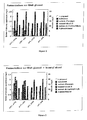
- FIG. 1 is represented the profile of the volatile metabolites resulting from the fermentation of the strains in a genetic context iah1.
- the accumulation of acetylated esters of higher alcohols is less significant for the strain YRC1018 ( ATF2 , atf1, iah1 ) than for the strain YRC988 ( ATF1, atf2, iah1 ).
- Atf2p is also capable of producing acetylated esters.
- the triple mutant ( atf1, atf2, iah1 ) produces only a very small quantity of esters of higher alcohols.
- the “2-phenylethyl acetate / isoamyl acetate” ratio compared to the wild-type strain decreases in the case of the ATF1, atf2 strain, going from 0.21 to 0.186 (Table 1). This shows a more favorable esterification for isoamyl alcohol than for 2-phenylethanol. The same ratio goes from 0.21 to 0.41 in the case of the atf1, ATF2 strain (Table 1). This indicates that the atf1, ATF2 strain is relatively more active on 2-phenylethanol.
- Atf2p produces esters having a power aromatic. Atf2p could present an advantage if however it is confirmed that its specificity is different from that of Atflp. The reduced activity of Atf2p compared to Atf1p could present an advantage in a sensory assessment where one does not seek necessarily an overproduction of aromatic metabolites but rather a good balance.
- Example 2 In vivo study of the acetyl transferase alcohol activity expressed from the ATF1 and ATF2 genes in a medium supplemented with higher alcohols. Comparison of the production profile of esters by Saccharomyces cerevisiae in a context of mutation in the gene coding for isoamyl acetate esterase, iah1.
- Example 1 The materials and methods are similar to those described in Example 1, except the exception of the culture medium to which 100 mg / l is added, i.e. the isoamyl alcohol is 2-phenylethanol. Weight losses during fermentation are almost identical to those observed without addition (as in example 1), indicating that the addition of higher alcohols does not substantially alter the fermentation in anaerobic. After 72 hours of fermentation, the metabolic profile is measured as previously (example 1).
- esters is shown when the isoamyl alcohol has been added to the culture medium.
- the amount of isoamyl alcohol extracted from the fermentation medium is increased, being on average 118 mg / l, which is to be compared to 49.5 mg / l of the fermented medium without addition.
- the content of ester corresponding to the added alcohol is increased substantially, more for the ATF1, atf2 strain than for the atf1, ATF2 strain while the production of the derivative ester 2-phenyl ethanol (2-phenylethyl acetate) remains equivalent to that obtained in the medium without addition.
- the triple mutant produces very few acetylated esters.
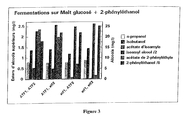
- FIG. 3 the production of esters is shown when the 2-phenylethanol has been added to the culture medium.
- the amount of 2-phenylethanol extracted from the fermentation medium is increased and is on average 131 mg / l, to be compared with an average of 12.5 mg / l without addition.
- the triple mutant atf1, atf2, iah1 accumulates very few acetylated esters.
- the content of ester corresponding to the added alcohol (2-phenylethyl acetate) is increased substantially.
- the ratios “IAAc x1000 / IAA” in the malt medium supplemented with isoamyl alcohol and “FEAc x1000 / FE” in the malt medium supplemented with 2-phenylethanol go from 16.2 to 15.1 for the ATF1 strain , atf2 or a decrease of 7% and from 1.9 to 5.5 for the strain atf1, ATF2 or an increase of 190%. This confirms a preference for the atf1, ATF2 strain for 2-phenylethanol. So the ATF2 gene promotes the production of the 2-phenylethyl acetate ester, which brings fruity, floral, dewy, honey notes.
- Example 3 Comparison of the spectrum of production of esters from an overexpression of the ATF1 or ATF2 genes in a iah1 genetic context .
- the ATF1 and ATF2 genes were cloned into shuttle vectors with average copy number (2 ⁇ ) with URA3 as selection marker.
- the plasmids pRC124 and pRC131 thus contain the expression cassettes of the ATF2 and ATF1 genes respectively, under the control of the TEF1 promoter ( proTEF1 ) and the PGK1 terminator (ter PGK1 ).
- oligonucleotides were used: note: the prefixes “pro” and “ter” indicate that it is a promoter and a terminator, respectively.
- the plasmid pRC102 corresponds to the plasmid pFL44L (Bonneaud et al ., 1991) whose multiple cloning site (SMC) has been modified.
- SMC multiple cloning site
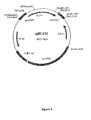
- the plasmid pRC103 was constructed after partial digestion of pRC102 by the endonuclease EcoRI , then treatment with the Large Fragment of DNA Polymerase I (Fragment from Klenow, Life Technologies) and religation. After verifying that the EcoRI site thus eliminated was indeed that adjacent to the ColEl sequence (origin of replication of E. coli ), we have named this new plasmid pRC103 (FIG. 5).
- the plasmid pRC104 corresponds to the insertion of the ter PGK1 terminator into pRC103.
- the PCR made with the oligonucleotides ORC107 and ORC108 made it possible to amplify the sequence of the ter terminator PGK1 . All amplifications were carried out using AdvanTaq TM DNA polymerase (Clontech) under conditions known to those skilled in the art. The fragment obtained, after purification, was digested with MluI and AvrII. The cloning of this insert in the plasmid pRC103, previously digested with these same restriction enzymes, made it possible to obtain pRC104 (FIG. 6).
- the plasmid pRC105 corresponds to the insertion of the pro TEF1 promoter into pRC104.
- the PCR made with the oligonucleotides ORC103 and ORC104 made it possible to amplify the sequence of the promoter pro TEF1.
- ATF1 PCR was carried out with the oligonucleotides ORC129 and ORC130 on a total DNA extract isolated from the DCL "M" strain (Walker, 1998; purchased from DCL, GB; www.dclyeast.co.uk) according to the following program: 5 minutes of denaturation at 94 ° C, then 27 cycles consisting of 45 seconds of denaturation at 94 ° C followed by 1 minute of hybridization at 55 ° C followed by 1.5 minutes of elongation at 72 ° C, then, at the end of the 27 th cycle, a final elongation of 10 minutes at 72 ° C.
- the PCR of ATF2 was carried out with the oligonucleotides ORC139 and ORC140 on a total DNA extract isolated from the strain X2180-1A (obtained from the NCYC) according to the following program: 5 minutes of denaturation at 94 ° C., then 20 cycles consisting of 1 minute of denaturation at 94 ° C followed by 1 minute of hybridization at 54.5 ° C followed by 1.6 minutes of elongation at 70 ° C, then, at the end of 20 th cycle, a final elongation of 10 minutes at 70 ° C.
- PCR fragments after purification by the Concert TM Rapid PCR Kit (Life Technologies), were digested with the endonucleases SalI and MluI.
- the inserts thus obtained could be cloned into the plasmid pRC105 previously subjected to the same digests with SalI and MluI.
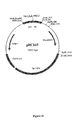
- Cloning into pRC105 of the fragment corresponding to the PCR of ATF2 gave the plasmid pRC124 (FIG. 8).
- the one corresponding to the PCR of ATF1 gave the plasmid pRC131 ( Figure 9).
- the strains to be studied are precultivated with stirring at 150 rpm overnight at 29 ° C. These precultures are carried out in 500 ml Erlenmeyer flasks in 100 ml of SC100 liquid medium (Sherman, 1991; containing 10% w / v of glucose) devoid of uracil, which meets the selection conditions for the presence of the plasmid.
- SC100 liquid medium Sherman, 1991; containing 10% w / v of glucose
- the cultures are seeded as described above in malt medium.
- the latter is supplemented with leucine, lysine and histidine as well as G418.
- the ethyl acetate measurement is made on 10 ml of the centrifuged medium.
- the samples were analyzed by gas chromatography on an Agilent 6890 device.
- the analysis is carried out by the following protocol: Column CP-WAX 57 CB (Varian) 50 m by 250 ⁇ m internal diameter (for 0.2% ⁇ m film thickness); program of temperature: 40 ° C for 5 minutes, then 5 ° C / minute to 210 ° C.
- the Detector and injector temperatures are maintained at 250 ° C. 1 ⁇ l injection is done in 1/10 split mode for 30 seconds; helium flow through the column is constant at 1.5 ml / minute. Products are detected using a detector flame ionization.
- the quantity of a given substance is calculated relative to the area of the internal standard (4-methyl-2-pentanol).
- the YRC988 strain is transformed by plasmids expressing, under the control of the pro TEF1 promoter , either the ATF1 gene (pRC131) or the ATF2 gene (pRC124). For each gene, 2 clones are chosen, which will be called in FIG. 10 YRC / pATF1 # 1 and # 2 in the case of ATF1 and YRC / pATF2 # 1 and # 2 in the case of ATF2.
- a strain serving as a control was obtained by transformation of YRC988 with a plasmid containing the expression block pro TEF1- ter PGK1 without insert. It will be called YRC / pRC105 in Figure 10B.
- ATF2 produced during fermentation an accumulation of ethyl acetate limited to a multiplying factor of 2 to 4, compared to the control.
- overexpression of ATF2 if the accumulations of acetylated esters are lower than those of overexpression of ATF1, we notice however acetate levels multiplied by 50 to 60 for 2-phenylethyl and by 18 20 for isoamyl acetate, compared to the control.
- Example 4 In Vivo Study in a Medium with Alcohols of the Acetyl Alcohol Transferase Activity from the Overexpressed ATF2 Gene
- Precultures are carried out in liquid SC20 medium (Sherman, 1991) devoid of uracil and according to the same procedure as in Example 3.
- the cultures are seeded as described above in malt medium, this time non-glucose.
- the latter is supplemented with leucine, lysine and histidine.
- leucine, lysine and histidine was supplemented with leucine, lysine and histidine.
- To this malt medium we add just before seeding the alcohols at a rate of 100 ⁇ g / ml.
- the alcohols and their derived products acetylated esters of alcohol, the acid corresponding to the alcohol and its ester ethyl.
- the bioconversion capacity is then expressed by the ratio "acetylated ester added alcohol "/" sum of alcohols and derived products ". This value gives a indication of the ability to acetylate the different alcohols added to the external environment by the transformed yeast strain.
- a strain overexpressing ATF2 shows increased activity with long chain alcohols, with substrates which have a hydrophobic core or with terpene substrates. But it does not seem capable of acetylating a tertiary alcohol (linalool). Note in particular the aromatic contribution of acetylated esters of terpenes, such as ⁇ -citronellol, geraniol.
- Example 5 in vivo study of the addition of phenylalanine on the alcohol acetyl transferase activity from the overexpressed ATF2 gene.
- Precultures are seeded overnight at 29 ° C. with the strains to be studied, in YNBD medium (Sherman, 1991) added to the requirements of the acid strains amines. Selection for the presence of the plasmid is carried out by the absence of uracil in the preculture medium.
- the cultures are seeded at an optical density measured at 578 nm of 0.1 (equivalent to 10 6 cells / ml) in 150 ml Erlenmeyer flasks containing 150 ml of white grape juice.
- the white grape juice medium is obtained from a concentrated white grape juice (CSR Pampryl) at a rate of 1 volume for 3.4 volumes of demineralized water.
- CSR Pampryl concentrated white grape juice
- the medium is sterilized overnight by adding 150 ⁇ l of diethyl pyrocarbonate (DEPC, Sigma). Fermentation takes place for 312 hours (13 days) at 29 ° C. After fermentation in white grape juice, the metabolic profiles were analyzed as before.
- the influence of the addition of phenylalanine (20 or 100 mg / l) on the production of ethyl phenyl acetate is measured.
- the level of 2-phenylethyl acetate is multiplied by a factor of 80 when a strain which overexpresses the ATF2 gene is compared with a control strain in a medium supplemented with 100 mg / ml of phenylalanine.
- Plasmid pRC172 was constructed by replacing, in pRC165, the pro TEF1- ter PGK1 cassette by the pro TEF1-ATF2- ter PGK1 cassette ( ATF2 expression cassette under the control of the pro TEF1 promoter and the ter PGK1 terminator) .
- the latter was isolated by NotI from the plasmid pRC124 (described above), then inserted into pRC165 previously released by NotI from its cassette TEF1- ter PGK1.
- the direction of insertion was determined by EcoRI.
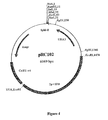
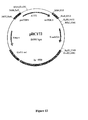
- the plasmid pRC172 ( Figure 12) contains the expression cassette for the ATF2 gene under the control of the pro TEF1 promoter and the ter terminator PGK1.
- the plasmid carries the marker gene kanR , giving the yeast resistance to geneticin (G418).
- the plasmid pRC169 was constructed by replacing, in pRC165, the pro TEF1- ter PGK1 cassette by the pro TEF1-ATF1 -ter RGK1 cassette ( ATF1 expression cassette under the control of the pro TEF1 promoter and the ter PGK1 terminator) .
- the latter was isolated by NotI from the plasmid pRC131 (described above), then inserted into pRC165 previously released by NotI from its cassette TEF1- ter PGK1.
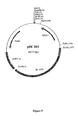
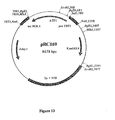
- Plasmid pRC169 (FIG. 13) contains the expression cassette for the ATF1 gene under the control of the pro TEF1 promoter and of the ter terminator PGK1.
- the plasmid carries the marker gene kanR , giving the yeast resistance to geneticin (G418).
- the relative orientations are identical to those of the plasmid pRC172, with the exception of the expression cassette ATF1.
- the transformation of the plasmids (pRC165, pRC172 and pRC169) in the 100x145 strain was carried out according to established protocols (Ito et al., 1983; Gietz et al ., 1992, 1995).
- the strain 100x145 transformed by the plasmid pRC169 was deposited under the number CNCM I-2741
- the strain 100x145 transformed by the plasmid pRC169 was deposited under the number CNCM I-2741
- the strain 100x145 transformed by the plasmid pRC172 CNCM number I-2742 was deposited under the number CNCM I-2742.
- the untransformed strain will serve as a control.
- 2 clones are analyzed, giving similar results.
- Precultures are seeded overnight at 25 ° C by the strains to be studied, in YPD100 medium (Sherman, 1991; containing 10% w / v of glucose), supplemented with Tween 80 (0.05% v / v) and ergosterol ( 10 mg / l).
- YPD100 medium Sherman, 1991; containing 10% w / v of glucose
- Tween 80 0.05% v / v
- ergosterol 10 mg / l
- the cultures are seeded at an optical density measured at 578 nm of 0.5 (equivalent to 0.5 10 7 cells / ml) in 150 ml Erlenmeyer flasks containing 150 ml of white grape juice.
- “White grape juice” (CSR Pampryl) is obtained in a local super market in 1 liter bottles (white grape juice containing 12% v / v of Muscat from Alexandria). Fermentation takes place for 15 days at 25 ° C. After fermentation in white grape juice, the metabolic profiles were analyzed as before.
- the main metabolites produced (ethanol, glycerol) as well as the residual sugars (glucose, fructose) were measured by HPLC (Aminex HPX-87H column 30 cm x 4.5 cm (Bio-Rad) maintained at 65 ° C. Refractometric detector Mobile phase: H 2 SO 4 0.005M, flow rate: 0.7ml / min).
- HPLC Aminex HPX-87H column 30 cm x 4.5 cm (Bio-Rad) maintained at 65 ° C.
- Refractometric detector Mobile phase: H 2 SO 4 0.005M, flow rate: 0.7ml / min).
- the products to be analyzed were detected by their retention time in comparison with that of the pure substance. The concentrations were calculated after injection of the compounds in known quantities.
- the sensory evaluation was carried out by professionals.
- the L116 strain is an oenological strain (Javelot C., Girard P., Colonna-Ceccaldi B. and Voquercu B. 1991 J. Biotechnol. 21 p 239-252) for which spores have been isolated and described. Spores 5b and 7a show a stable sexual sign and, crossed with each other, restore fermentation characteristics comparable to those of the parental strain L116.
- the DNA of spores 5b and 7a of the strain L116 was extracted.
- the oligonucleotides (ORC59: 5 'AAATCGATGCGAGGCATATTTATGGTGAAGGATAAG 3' and ORC60: 5 'AAATCGATGTCTTATTGTTCTTGATTTGTGCCCCGTA 3') used for the amplification of the URA3 gene carry a Cla I restriction site at their 5 'end.
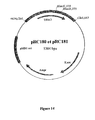
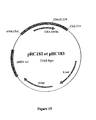
- the Hinc II cleavage of the plasmids pRC180 and 181 made it possible to release a 136 bp fragment, internal to the ORF of URA3.
- 2 new plasmids (pRC182 and pRC183, FIG. 15) were isolated, originating respectively from the plasmids pRC180 and pRC181.
- the kanamycin resistance gene (kanR ) was amplified from the plasmid pFA6a-KANMX4 (described by Wach et al ., 1994.
- the oligonucleotides used are ORC61 and ORC62.
- the kanR gene PCR product was cloned into the plasmid pCR4®Blunt-TOPO®.
- the bacterial transformants were directly selected on kanamycin (50 ⁇ g / ml).
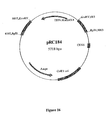
- the Eco RV -Eco RV fragment containing kanR was then introduced into the Eco RV site of the TAP1 gene carried by the yeast plasmid pFL39 (Bonneaud et al., 1991). 4 clones of this new plasmid pRC184 were isolated and controlled ( Figure 16).
- This new single-copy (centromeric) vector carries the G418 resistance gene ( kanR ) inserted into the sequence coding for TAP1.
- the competent spores 5b and 7a are co-transformed with 1.25 ⁇ g of the URA3 ⁇ fragment isolated respectively from pRC 182 and pRC183 as well as 2 ⁇ g from the plasmid pRC184.
- YPD + G418 medium 200 ⁇ g / ml
- the colonies obtained are subcultured on a selective SD medium, prepared according to Boeke et al., Containing 5-fluoro-orotic acid (5FOA).
- the clones which are auxotrophic for uracil and resistant to SFOA are propagated on YPD medium and diluted on this same agar medium in order to obtain isolated colonies.
- YRC1008 URA3 ⁇ , isogenic of 5b
- YRC1009 and YRC1013 URA3 ⁇ isogenic of 7a
- the strains YRC1342 and YRC1344 are obtained, which are respectively URA3 ⁇ and isogenic of the strain 5bx7a, derived from L116.
- the plasmids pRC105, pRC124 and pRC131 are transformed in strain YRC1342 by selecting a prototrophy for uracil on medium YNBD.
- YRC1342 strains transformed by plasmid pRC124 and plasmid pRC131 have been deposited respectively under the numbers CNCM I-2739 and 1-2740.
- Precultures are seeded overnight at 25 ° C by the strains to be studied, in YPD100 medium (Sherman, 1991; containing 10% w / v glucose). The cells are centrifuged and taken up in an appropriate volume of sterile water to serve as an inoculum.
- “White grape juice” (CSR Pampryl) is obtained in a local super market in 1 liter bottles (white grape juice containing 12% v / v of Muscat from Alexandria).
- a solution of pectolytic enzymes is prepared (AR 2000 distributed by Gist-Brocades, DSM SA) at a rate of 100 mg / ml and filtered through Millipore 0.45 ⁇ m. This preparation is added at 0.1% v / v in the grape juice.
- the cultures are seeded at an optical density measured at 578 nm of 0.5 (equivalent to 0.5 10 7 cells / ml) in 150 ml Erlenmeyer flasks containing 150 ml of white grape juice. Fermentation takes place for 10 days at 25 ° C. After fermentation in white grape juice, the metabolic profiles were analyzed as before.
- the sensory evaluation was carried out under standard conditions by professionals.
- the YRC1342 strain is described above. Plasmids pRC105, pRC124 and pRC131 (described above) are transformed into the YRC1342 strain by selecting prototrophy for uracil on YNBD medium.
- Precultures are seeded overnight at 25 ° C by the strains to be studied, in YPD100 medium (Sherman, 1991; containing 10% w / v glucose).
- the cells are centrifuged and taken up in an appropriate volume of sterile water to serve as an inoculum.
- the white grape juice, Muscat d'Alexandrie is obtained from Foulon, Sopagly (CSR Pampryl).
- a solution of pectolytic enzymes is prepared (AR 2000 distributed by Gist-Brocades) at a rate of 100 mg / ml and filtered through Millipore 0.45 ⁇ m. This preparation is added at 0.1% v / v in the grape juice.
- the cultures are seeded at an optical density measured at 578 nm of 0.5 (equivalent to 0.5 10 7 cells / ml) in Erlenmeyer flasks of "150 ml" containing 150 ml of white grape juice. Fermentation takes place for 10 days at 25 ° C. After fermentation in white grape juice, the metabolic profiles were analyzed as before.
- the sensory evaluation was carried out under standard conditions by professionals.
- Precultures are seeded overnight at 25 ° C by the strains to be studied, in YPD100 medium (Sherman, 1991; containing 10% w / v glucose).
- the cells are centrifuged and taken up in an appropriate volume of sterile water to serve as an inoculum.
- the preculture or culture medium intended for the auxotrophic strains for uracil is added with 60 mg / l of uracil.
- “White grape juice” (CSR Pampryl) is obtained in a local super market in 1 liter bottles (white grape juice containing 12% v / v of Muscat from Alexandria).
- a solution of pectolytic enzymes is prepared (AR 2000 distributed by Gist-Brocades) with grapes of 100 mg / ml and filtered through Millipore 0.45 ⁇ m. This preparation is added at 0.1% v / v in the grape juice.
- the cultures are seeded at an optical density measured at 578 nm of 0.5 (equivalent to 0.5 10 7 cells / ml) in 3 L Erlenmeyer flasks containing 3 L of white grape juice. Fermentation takes place for 15 days at 25 ° C. After fermentation in white grape juice, the metabolic profiles were analyzed as before. The grape juice is then centrifuged and the supernatant is stored at 4 ° C until sensory evaluation.
- the sensory evaluation was carried out under standard conditions by professionals.
- Example 9 The results as a whole are similar to those obtained on a smaller scale in Example 7. Note however that the absolute values of the acetylated esters are higher in Example 9. The deviations in the absolute values for these esters may be due differences in fermented volumes and the volatility of these compounds making absolute measurement more difficult. Note that the accumulation of ethyl acetate is less important (at least 5 times and is at the same level as the control strains) in the strains expressing ATF2 than those expressing ATF1. In sensory test (Table 9), the grape juices fermented by the strain expressing ATF1 are perceived as aggressive, which is due to a note of solvent, of ethyl acetate. This note of solvent by its dominance hides the muscat background of the fermented drink. As a result, by overexpressing ATF2, a more balanced, fruity product is obtained thanks to the acetylated esters, with less undesirable substances from a sensory point of view.
- ATF2 has the disadvantage of coding for a protein less active than the enzyme coded by ATF1 : compared to a wild strain, the ratios of the acetylated aromatic components evolve in an opposite direction in overexpressing ATF2 instead of ATF1 .
- the inventors have thus overexpressed the ATF2 gene which codes for an enzyme whose activity spectrum is different from the enzyme coded by ATF1.
- it is not necessary to use a drink supplemented or rich in aromatic precursors.
- the process also has the advantage, for a given yeast strain, of orienting desired metabolism of yeast, producing acetylated esters desired such as those derived from 2-phenylethanol, which provide fruity notes, flowers, dews, honey.
- the method can also use mutant strains which overproduce metabolic precursors of the desired acetylated esters, such as 2-phenylethanol, such strains being obtained by selection of resistance to amino acid analogs.
- this application is particularly interesting to increase the aromatic complexity of yeast strains capable of overproducing terpenes, since such terpenes (geraniol, nerol, beta-citronellol 7) are then found under an acetylated form which is aromatically active.
Landscapes
- Chemical & Material Sciences (AREA)
- Organic Chemistry (AREA)
- Life Sciences & Earth Sciences (AREA)
- Engineering & Computer Science (AREA)
- Zoology (AREA)
- Wood Science & Technology (AREA)
- General Health & Medical Sciences (AREA)
- General Engineering & Computer Science (AREA)
- Biochemistry (AREA)
- Genetics & Genomics (AREA)
- Health & Medical Sciences (AREA)
- Bioinformatics & Cheminformatics (AREA)
- Microbiology (AREA)
- Food Science & Technology (AREA)
- Mycology (AREA)
- Biotechnology (AREA)
- Chemical Kinetics & Catalysis (AREA)
- General Chemical & Material Sciences (AREA)
- Micro-Organisms Or Cultivation Processes Thereof (AREA)
Applications Claiming Priority (2)
| Application Number | Priority Date | Filing Date | Title |
|---|---|---|---|
| FR0114221 | 2001-11-02 | ||
| FR0114221A FR2831886B1 (fr) | 2001-11-02 | 2001-11-02 | Boissons fermentees comprenant des levures transformees par le gene atf2 |
Publications (1)
| Publication Number | Publication Date |
|---|---|
| EP1308501A1 true EP1308501A1 (de) | 2003-05-07 |
Family
ID=8869023
Family Applications (1)
| Application Number | Title | Priority Date | Filing Date |
|---|---|---|---|
| EP02292724A Withdrawn EP1308501A1 (de) | 2001-11-02 | 2002-10-31 | Durch das ATF2 Gen transformierte Hefe enthaltende Gärungsgetränke |
Country Status (2)
| Country | Link |
|---|---|
| EP (1) | EP1308501A1 (de) |
| FR (1) | FR2831886B1 (de) |
Cited By (4)
| Publication number | Priority date | Publication date | Assignee | Title |
|---|---|---|---|---|
| WO2007032524A3 (en) * | 2005-09-13 | 2007-07-05 | Suntory Ltd | Alcohol acetyl transferase gene and use thereof |
| EP2816102A1 (de) | 2013-06-18 | 2014-12-24 | Anheuser-Busch InBev S.A. | Verfahren zur Herstellung eines vergorenen Getränks und so hergestelltes Getränk |
| CN117757650A (zh) * | 2024-01-03 | 2024-03-26 | 泰山学院 | 一种酿酒酵母及其在生产低高级醇和/或高乙酸乙酯酒产品中的应用 |
| WO2025238614A1 (en) * | 2024-05-16 | 2025-11-20 | Danstar Ferment Ag | Modulation in production of ester flavor compounds in yeast for flavored beverage production |
Families Citing this family (4)
| Publication number | Priority date | Publication date | Assignee | Title |
|---|---|---|---|---|
| US9040263B2 (en) | 2010-07-28 | 2015-05-26 | Butamax Advanced Biofuels Llc | Production of alcohol esters and in situ product removal during alcohol fermentation |
| BR112012032172A2 (pt) | 2010-06-18 | 2015-11-24 | Butamax Tm Advanced Biofuels | método para produzir um álcool e composição |
| CN109439557A (zh) * | 2018-12-14 | 2019-03-08 | 武汉轻工大学 | 高产酸、低产杂醇油酿酒酵母菌及其组合物和应用 |
| CN113832167B (zh) * | 2021-11-01 | 2023-04-21 | 昆明理工大学 | 一个基因及其在提高苯乙醇和色醇产量中的用途 |
Citations (2)
| Publication number | Priority date | Publication date | Assignee | Title |
|---|---|---|---|---|
| US5728412A (en) * | 1992-06-18 | 1998-03-17 | Kirin Beer Kabushiki Kaisha | Alcohol acetyltransferase genes and use thereof |
| JPH11235176A (ja) * | 1998-02-24 | 1999-08-31 | Kirin Brewery Co Ltd | 高級アルコール及び酢酸エステル生産量が改変された酵母並びに該酵母を用いた酒類の製造法 |
-
2001
- 2001-11-02 FR FR0114221A patent/FR2831886B1/fr not_active Expired - Fee Related
-
2002
- 2002-10-31 EP EP02292724A patent/EP1308501A1/de not_active Withdrawn
Patent Citations (2)
| Publication number | Priority date | Publication date | Assignee | Title |
|---|---|---|---|---|
| US5728412A (en) * | 1992-06-18 | 1998-03-17 | Kirin Beer Kabushiki Kaisha | Alcohol acetyltransferase genes and use thereof |
| JPH11235176A (ja) * | 1998-02-24 | 1999-08-31 | Kirin Brewery Co Ltd | 高級アルコール及び酢酸エステル生産量が改変された酵母並びに該酵母を用いた酒類の製造法 |
Non-Patent Citations (1)
| Title |
|---|
| DATABASE WPI Section Ch Week 199946, Derwent World Patents Index; Class D16, AN 1999-544005, XP002216774 * |
Cited By (11)
| Publication number | Priority date | Publication date | Assignee | Title |
|---|---|---|---|---|
| WO2007032524A3 (en) * | 2005-09-13 | 2007-07-05 | Suntory Ltd | Alcohol acetyl transferase gene and use thereof |
| AU2006289720B2 (en) * | 2005-09-13 | 2011-07-14 | Suntory Holdings Limited | Alcohol acetyl transferase gene and use thereof |
| CN1932014B (zh) * | 2005-09-13 | 2012-05-30 | 三得利控股株式会社 | 醇乙酰转移酶基因及其用途 |
| EP2816102A1 (de) | 2013-06-18 | 2014-12-24 | Anheuser-Busch InBev S.A. | Verfahren zur Herstellung eines vergorenen Getränks und so hergestelltes Getränk |
| WO2014202564A2 (en) | 2013-06-18 | 2014-12-24 | Anheuser-Busch Inbev Sa | Method for preparing a fermented beverage and beverage thus produced |
| WO2014202564A3 (en) * | 2013-06-18 | 2015-02-19 | Anheuser-Busch Inbev Sa | Method for preparing a fermented beverage and beverage thus produced |
| CN105283536A (zh) * | 2013-06-18 | 2016-01-27 | 安海斯-布希英博股份有限公司 | 用于制备发酵饮料的方法以及由此制备的饮料 |
| JP2016524471A (ja) * | 2013-06-18 | 2016-08-18 | アンハイザー−ブッシュ インベブ ソシエテ アノニムAnheuser−Busch InBev SA | 発酵飲料を調製する方法およびこのようにして製造される飲料 |
| CN117757650A (zh) * | 2024-01-03 | 2024-03-26 | 泰山学院 | 一种酿酒酵母及其在生产低高级醇和/或高乙酸乙酯酒产品中的应用 |
| CN117757650B (zh) * | 2024-01-03 | 2024-06-04 | 泰山学院 | 一种酿酒酵母及其在生产低高级醇和/或高乙酸乙酯酒产品中的应用 |
| WO2025238614A1 (en) * | 2024-05-16 | 2025-11-20 | Danstar Ferment Ag | Modulation in production of ester flavor compounds in yeast for flavored beverage production |
Also Published As
| Publication number | Publication date |
|---|---|
| FR2831886B1 (fr) | 2004-07-16 |
| FR2831886A1 (fr) | 2003-05-09 |
Similar Documents
| Publication | Publication Date | Title |
|---|---|---|
| Fornairon-Bonnefond et al. | New trends on yeast autolysis and wine ageing on lees: A bibliographic review | |
| Torija et al. | Effects of fermentation temperature and Saccharomyces species on the cell fatty acid composition and presence of volatile compounds in wine | |
| EP2902481A1 (de) | Verfahren zur Herstellung von Hefestämmen mit geringer Ethanolerzeugung, damit erhaltene Hefestämme und deren Verwendung | |
| EP2145004B1 (de) | Mittel zur reduzierung des acetoin-aufbaus in medien für alkoholische gärung | |
| EP1308501A1 (de) | Durch das ATF2 Gen transformierte Hefe enthaltende Gärungsgetränke | |
| EP0651784B1 (de) | Hefeart die das gen der laktatdehydrogenase der milch exprimiert, und verwendbare vektoren zur herstellung dieser arten | |
| JP2023549539A (ja) | 遺伝子学的に改変された酵母細胞およびこれの使用の方法 | |
| EP3108016A1 (de) | Pentose-pentose-fermentierender stamm mit optimierter vermehrung | |
| FR2735145A1 (fr) | Souches de levures presentant un bilan de fermentation alcoolique des sucres modifie et leurs applications, vecteurs utilisables pour l'obtention desdites souches. | |
| JP6110610B2 (ja) | 醸造酵母の育種方法、並びに該醸造酵母を用いたアルコール飲料及び清酒の製造方法 | |
| JPH11235176A (ja) | 高級アルコール及び酢酸エステル生産量が改変された酵母並びに該酵母を用いた酒類の製造法 | |
| FR2734843A1 (fr) | Nouveau procede de bioconversion microbienne. | |
| WO2006134277A1 (fr) | Souches de levures saccharomyces transformees presentant une production d'ethanol reduite par fermentation | |
| JP5340607B2 (ja) | 酵母のβ−フェネチルアルコール産生促進剤及びβ−フェネチルアルコールを含有する酵母発酵物の製造法 | |
| EP3510043B1 (de) | Verwendung von mcm7, um essigsäure-resistente hefestämme zu erhalten | |
| JP4570702B2 (ja) | 香味成分含有量の割合が改変された酒類の製造法 | |
| JP7457987B2 (ja) | 吟醸香を高生産する新規ビール酵母 | |
| KR102840685B1 (ko) | 드라이 타입의 약주 제조용 사카로마이세스 세레비지애 nibrfgc000501771 균주 및 이를 이용한 드라이 타입의 약주 제조 방법 | |
| FR2685345A1 (fr) | Procede de production d'acide anthranilique et d'anthranilate de methyle par emploi de mutants de saccharomyces cerevisiae et utilisation de ces mutants dans l'elaboration de boissons fermentees. | |
| AU2024290294A1 (en) | Method for producing fermented malt liquid | |
| KR20230149156A (ko) | 드라이 타입의 탁주 제조용 사카로마이세스 세레비지애 nibrfgc000501982 균주 및 이를 이용한 드라이 타입의 탁주 제조 방법 | |
| Luo et al. | Mechanistic insights into fermentation performance and innovative breeding strategies for industrial brewing yeast | |
| FR3157791A1 (fr) | Produit alimentaire à base de céréales cofermenté avec Propionibacterium | |
| WO2025073849A9 (en) | Production of fruit based or other types of alcoholic beverages | |
| EP4405471A1 (de) | Genetisch verbesserter mikroorganismusstamm, der grössere mengen flüchtiger organischer verbindungen produzieren kann, und screening-verfahren zur gewinnung solcher stämme |
Legal Events
| Date | Code | Title | Description |
|---|---|---|---|
| PUAI | Public reference made under article 153(3) epc to a published international application that has entered the european phase |
Free format text: ORIGINAL CODE: 0009012 |
|
| AK | Designated contracting states |
Designated state(s): AT BE BG CH CY CZ DE DK EE ES FI FR GB GR IE IT LI LU MC NL PT SE SK TR |
|
| AX | Request for extension of the european patent |
Extension state: AL LT LV MK RO SI |
|
| 17P | Request for examination filed |
Effective date: 20030721 |
|
| RAP1 | Party data changed (applicant data changed or rights of an application transferred) |
Owner name: PERNOD-RICARD |
|
| AKX | Designation fees paid |
Designated state(s): AT BE BG CH CY CZ DE DK EE ES FI FR GB GR IE IT LI LU MC NL PT SE SK TR |
|
| 17Q | First examination report despatched |
Effective date: 20040226 |
|
| STAA | Information on the status of an ep patent application or granted ep patent |
Free format text: STATUS: THE APPLICATION IS DEEMED TO BE WITHDRAWN |
|
| 18D | Application deemed to be withdrawn |
Effective date: 20040708 |