EP1308710A9 - Verfahren und Vorrichtung zur Prüfung der Auflösung von Produkten - Google Patents
Verfahren und Vorrichtung zur Prüfung der Auflösung von Produkten Download PDFInfo
- Publication number
- EP1308710A9 EP1308710A9 EP02257349A EP02257349A EP1308710A9 EP 1308710 A9 EP1308710 A9 EP 1308710A9 EP 02257349 A EP02257349 A EP 02257349A EP 02257349 A EP02257349 A EP 02257349A EP 1308710 A9 EP1308710 A9 EP 1308710A9
- Authority
- EP
- European Patent Office
- Prior art keywords
- calculate
- conc
- chambers
- test
- vol
- Prior art date
- Legal status (The legal status is an assumption and is not a legal conclusion. Google has not performed a legal analysis and makes no representation as to the accuracy of the status listed.)
- Granted
Links
- 238000000034 method Methods 0.000 title claims abstract description 27
- 238000007922 dissolution test Methods 0.000 title claims description 20
- 238000012360 testing method Methods 0.000 claims abstract description 91
- 238000001727 in vivo Methods 0.000 claims abstract description 59
- 238000004090 dissolution Methods 0.000 claims abstract description 54
- 238000010998 test method Methods 0.000 claims abstract description 11
- 238000004422 calculation algorithm Methods 0.000 claims description 50
- 239000000126 substance Substances 0.000 claims description 39
- 238000000338 in vitro Methods 0.000 claims description 34
- 150000001875 compounds Chemical class 0.000 claims description 18
- 239000002245 particle Substances 0.000 claims description 18
- 238000004364 calculation method Methods 0.000 claims description 17
- 239000007787 solid Substances 0.000 claims description 13
- 238000013178 mathematical model Methods 0.000 claims description 12
- 230000036470 plasma concentration Effects 0.000 claims description 11
- 239000000463 material Substances 0.000 claims description 9
- 239000013543 active substance Substances 0.000 abstract description 37
- 230000009466 transformation Effects 0.000 abstract description 3
- 210000004027 cell Anatomy 0.000 description 131
- 239000002609 medium Substances 0.000 description 83
- 239000012530 fluid Substances 0.000 description 44
- 230000000968 intestinal effect Effects 0.000 description 39
- 230000002496 gastric effect Effects 0.000 description 35
- 239000000203 mixture Substances 0.000 description 35
- 238000001914 filtration Methods 0.000 description 26
- 230000008859 change Effects 0.000 description 21
- 239000002552 dosage form Substances 0.000 description 21
- 238000004458 analytical method Methods 0.000 description 19
- 239000007788 liquid Substances 0.000 description 18
- 238000010521 absorption reaction Methods 0.000 description 15
- 238000009472 formulation Methods 0.000 description 15
- 229940079593 drug Drugs 0.000 description 14
- 239000003814 drug Substances 0.000 description 14
- 239000000243 solution Substances 0.000 description 10
- HEMHJVSKTPXQMS-UHFFFAOYSA-M Sodium hydroxide Chemical compound [OH-].[Na+] HEMHJVSKTPXQMS-UHFFFAOYSA-M 0.000 description 9
- 238000002835 absorbance Methods 0.000 description 9
- HEFNNWSXXWATRW-UHFFFAOYSA-N Ibuprofen Chemical compound CC(C)CC1=CC=C(C(C)C(O)=O)C=C1 HEFNNWSXXWATRW-UHFFFAOYSA-N 0.000 description 8
- 238000013461 design Methods 0.000 description 8
- 239000012528 membrane Substances 0.000 description 8
- 239000008194 pharmaceutical composition Substances 0.000 description 8
- 238000011161 development Methods 0.000 description 7
- 210000002381 plasma Anatomy 0.000 description 7
- 101000807541 Homo sapiens Ubiquitin carboxyl-terminal hydrolase 24 Proteins 0.000 description 6
- 102100037176 Ubiquitin carboxyl-terminal hydrolase 24 Human genes 0.000 description 6
- 239000003795 chemical substances by application Substances 0.000 description 6
- 239000012738 dissolution medium Substances 0.000 description 6
- 238000013265 extended release Methods 0.000 description 6
- 238000010438 heat treatment Methods 0.000 description 6
- 229960001680 ibuprofen Drugs 0.000 description 6
- RZVAJINKPMORJF-UHFFFAOYSA-N Acetaminophen Chemical compound CC(=O)NC1=CC=C(O)C=C1 RZVAJINKPMORJF-UHFFFAOYSA-N 0.000 description 5
- 238000004891 communication Methods 0.000 description 5
- 229960001193 diclofenac sodium Drugs 0.000 description 5
- 210000005095 gastrointestinal system Anatomy 0.000 description 5
- JGMJQSFLQWGYMQ-UHFFFAOYSA-M sodium;2,6-dichloro-n-phenylaniline;acetate Chemical compound [Na+].CC([O-])=O.ClC1=CC=CC(Cl)=C1NC1=CC=CC=C1 JGMJQSFLQWGYMQ-UHFFFAOYSA-M 0.000 description 5
- 239000002253 acid Substances 0.000 description 4
- 238000006073 displacement reaction Methods 0.000 description 4
- 238000009506 drug dissolution testing Methods 0.000 description 4
- 230000006870 function Effects 0.000 description 4
- 238000004128 high performance liquid chromatography Methods 0.000 description 4
- 229960005489 paracetamol Drugs 0.000 description 4
- 230000002572 peristaltic effect Effects 0.000 description 4
- 239000000546 pharmaceutical excipient Substances 0.000 description 4
- KWGRBVOPPLSCSI-WCBMZHEXSA-N pseudoephedrine Chemical compound CN[C@@H](C)[C@@H](O)C1=CC=CC=C1 KWGRBVOPPLSCSI-WCBMZHEXSA-N 0.000 description 4
- 230000001105 regulatory effect Effects 0.000 description 4
- 239000004480 active ingredient Substances 0.000 description 3
- 230000001276 controlling effect Effects 0.000 description 3
- 230000001186 cumulative effect Effects 0.000 description 3
- KWGRBVOPPLSCSI-UHFFFAOYSA-N d-ephedrine Natural products CNC(C)C(O)C1=CC=CC=C1 KWGRBVOPPLSCSI-UHFFFAOYSA-N 0.000 description 3
- 230000000694 effects Effects 0.000 description 3
- 238000002474 experimental method Methods 0.000 description 3
- 239000003456 ion exchange resin Substances 0.000 description 3
- 229920003303 ion-exchange polymer Polymers 0.000 description 3
- 238000005457 optimization Methods 0.000 description 3
- 229960003908 pseudoephedrine Drugs 0.000 description 3
- 210000002784 stomach Anatomy 0.000 description 3
- NWUYHJFMYQTDRP-UHFFFAOYSA-N 1,2-bis(ethenyl)benzene;1-ethenyl-2-ethylbenzene;styrene Chemical group C=CC1=CC=CC=C1.CCC1=CC=CC=C1C=C.C=CC1=CC=CC=C1C=C NWUYHJFMYQTDRP-UHFFFAOYSA-N 0.000 description 2
- 108090000790 Enzymes Proteins 0.000 description 2
- 102000004190 Enzymes Human genes 0.000 description 2
- 238000004566 IR spectroscopy Methods 0.000 description 2
- 229940013181 advil Drugs 0.000 description 2
- 238000013019 agitation Methods 0.000 description 2
- 238000013459 approach Methods 0.000 description 2
- 230000003111 delayed effect Effects 0.000 description 2
- DCOPUUMXTXDBNB-UHFFFAOYSA-N diclofenac Chemical compound OC(=O)CC1=CC=CC=C1NC1=C(Cl)C=CC=C1Cl DCOPUUMXTXDBNB-UHFFFAOYSA-N 0.000 description 2
- 239000000706 filtrate Substances 0.000 description 2
- 239000012729 immediate-release (IR) formulation Substances 0.000 description 2
- 238000012417 linear regression Methods 0.000 description 2
- 238000004519 manufacturing process Methods 0.000 description 2
- 235000010987 pectin Nutrition 0.000 description 2
- 229920001277 pectin Polymers 0.000 description 2
- 239000001814 pectin Substances 0.000 description 2
- 238000012545 processing Methods 0.000 description 2
- 230000005855 radiation Effects 0.000 description 2
- 239000000565 sealant Substances 0.000 description 2
- 238000004611 spectroscopical analysis Methods 0.000 description 2
- 238000003756 stirring Methods 0.000 description 2
- 239000003826 tablet Substances 0.000 description 2
- 238000012546 transfer Methods 0.000 description 2
- 238000000108 ultra-filtration Methods 0.000 description 2
- 238000000870 ultraviolet spectroscopy Methods 0.000 description 2
- XLYOFNOQVPJJNP-UHFFFAOYSA-N water Substances O XLYOFNOQVPJJNP-UHFFFAOYSA-N 0.000 description 2
- 238000005481 NMR spectroscopy Methods 0.000 description 1
- 238000001069 Raman spectroscopy Methods 0.000 description 1
- 238000009825 accumulation Methods 0.000 description 1
- 230000002378 acidificating effect Effects 0.000 description 1
- 239000000654 additive Substances 0.000 description 1
- 238000005276 aerator Methods 0.000 description 1
- BNPSSFBOAGDEEL-UHFFFAOYSA-N albuterol sulfate Chemical compound OS(O)(=O)=O.CC(C)(C)NCC(O)C1=CC=C(O)C(CO)=C1.CC(C)(C)NCC(O)C1=CC=C(O)C(CO)=C1 BNPSSFBOAGDEEL-UHFFFAOYSA-N 0.000 description 1
- 239000003957 anion exchange resin Substances 0.000 description 1
- 230000008901 benefit Effects 0.000 description 1
- 239000003613 bile acid Substances 0.000 description 1
- 230000036765 blood level Effects 0.000 description 1
- 239000007853 buffer solution Substances 0.000 description 1
- 238000011088 calibration curve Methods 0.000 description 1
- 238000004737 colorimetric analysis Methods 0.000 description 1
- 230000000052 comparative effect Effects 0.000 description 1
- 238000012937 correction Methods 0.000 description 1
- 230000007812 deficiency Effects 0.000 description 1
- 230000001419 dependent effect Effects 0.000 description 1
- 229960001259 diclofenac Drugs 0.000 description 1
- 238000002848 electrochemical method Methods 0.000 description 1
- 238000005516 engineering process Methods 0.000 description 1
- 238000012395 formulation development Methods 0.000 description 1
- 238000004817 gas chromatography Methods 0.000 description 1
- 230000030136 gastric emptying Effects 0.000 description 1
- 239000007902 hard capsule Substances 0.000 description 1
- 230000006872 improvement Effects 0.000 description 1
- 239000004615 ingredient Substances 0.000 description 1
- 230000003993 interaction Effects 0.000 description 1
- 150000002500 ions Chemical class 0.000 description 1
- 238000004811 liquid chromatography Methods 0.000 description 1
- 238000004949 mass spectrometry Methods 0.000 description 1
- 238000005259 measurement Methods 0.000 description 1
- 230000007246 mechanism Effects 0.000 description 1
- 238000002483 medication Methods 0.000 description 1
- 230000004060 metabolic process Effects 0.000 description 1
- 230000007935 neutral effect Effects 0.000 description 1
- 230000003287 optical effect Effects 0.000 description 1
- 239000006186 oral dosage form Substances 0.000 description 1
- 150000002894 organic compounds Chemical class 0.000 description 1
- 239000011236 particulate material Substances 0.000 description 1
- 230000004962 physiological condition Effects 0.000 description 1
- 239000006187 pill Substances 0.000 description 1
- 239000000843 powder Substances 0.000 description 1
- 239000000047 product Substances 0.000 description 1
- 239000010453 quartz Substances 0.000 description 1
- 239000011347 resin Substances 0.000 description 1
- 229920005989 resin Polymers 0.000 description 1
- 210000003296 saliva Anatomy 0.000 description 1
- 150000003839 salts Chemical class 0.000 description 1
- 238000013341 scale-up Methods 0.000 description 1
- VYPSYNLAJGMNEJ-UHFFFAOYSA-N silicon dioxide Inorganic materials O=[Si]=O VYPSYNLAJGMNEJ-UHFFFAOYSA-N 0.000 description 1
- 239000007901 soft capsule Substances 0.000 description 1
- 239000002195 soluble material Substances 0.000 description 1
- 238000007619 statistical method Methods 0.000 description 1
- 229940089453 sudafed Drugs 0.000 description 1
- 239000004094 surface-active agent Substances 0.000 description 1
- 239000006188 syrup Substances 0.000 description 1
- 235000020357 syrup Nutrition 0.000 description 1
- 230000009885 systemic effect Effects 0.000 description 1
- 230000037317 transdermal delivery Effects 0.000 description 1
- 238000000844 transformation Methods 0.000 description 1
- 229940072651 tylenol Drugs 0.000 description 1
- 230000000007 visual effect Effects 0.000 description 1
- 239000002699 waste material Substances 0.000 description 1
Images


Classifications
-
- G—PHYSICS
- G01—MEASURING; TESTING
- G01N—INVESTIGATING OR ANALYSING MATERIALS BY DETERMINING THEIR CHEMICAL OR PHYSICAL PROPERTIES
- G01N13/00—Investigating surface or boundary effects, e.g. wetting power; Investigating diffusion effects; Analysing materials by determining surface, boundary, or diffusion effects
-
- G—PHYSICS
- G01—MEASURING; TESTING
- G01N—INVESTIGATING OR ANALYSING MATERIALS BY DETERMINING THEIR CHEMICAL OR PHYSICAL PROPERTIES
- G01N33/00—Investigating or analysing materials by specific methods not covered by groups G01N1/00 - G01N31/00
- G01N33/15—Medicinal preparations ; Physical properties thereof, e.g. dissolubility
-
- G—PHYSICS
- G16—INFORMATION AND COMMUNICATION TECHNOLOGY [ICT] SPECIALLY ADAPTED FOR SPECIFIC APPLICATION FIELDS
- G16C—COMPUTATIONAL CHEMISTRY; CHEMOINFORMATICS; COMPUTATIONAL MATERIALS SCIENCE
- G16C20/00—Chemoinformatics, i.e. ICT specially adapted for the handling of physicochemical or structural data of chemical particles, elements, compounds or mixtures
- G16C20/30—Prediction of properties of chemical compounds, compositions or mixtures
-
- G—PHYSICS
- G16—INFORMATION AND COMMUNICATION TECHNOLOGY [ICT] SPECIALLY ADAPTED FOR SPECIFIC APPLICATION FIELDS
- G16C—COMPUTATIONAL CHEMISTRY; CHEMOINFORMATICS; COMPUTATIONAL MATERIALS SCIENCE
- G16C20/00—Chemoinformatics, i.e. ICT specially adapted for the handling of physicochemical or structural data of chemical particles, elements, compounds or mixtures
- G16C20/50—Molecular design, e.g. of drugs
-
- G—PHYSICS
- G01—MEASURING; TESTING
- G01N—INVESTIGATING OR ANALYSING MATERIALS BY DETERMINING THEIR CHEMICAL OR PHYSICAL PROPERTIES
- G01N13/00—Investigating surface or boundary effects, e.g. wetting power; Investigating diffusion effects; Analysing materials by determining surface, boundary, or diffusion effects
- G01N2013/006—Dissolution of tablets or the like
Definitions
- the rate at which pharmaceutically active compounds dissolve in gastrointestinal fluids is of crucial importance in the design and use of orally administered medications.
- the active compound must be dissolved before it can be absorbed by the body.
- the rate at which the active substance enters into solution is know in the art as the dissolution rate, and the determination of the dissolution rate in vitro is known as dissolution testing.
- IVIVC in vitro - in vivo correlation
- a Level A correlation is one that predicts the entire in vivo time course from the in vitro data.
- a Level B correlation is one that uses statistical moment analysis. The mean dissolution time is compared either to the mean residence time or to the mean in vivo dissolution time.
- a Level C correlation establishes a single point relationship between a dissolution parameter and a pharmacokinetic parameter. Level B and Level C correlations do not reflect the complete shape of the plasma concentration-time curve.
- a Multiple Level C correlation relates in vitro data at several time points to several pharmacokinetic parameters. It is generally considered that if a multiple level C is possible, then Level A correlation should also be possible. Rank order correlations are those where only a qualitative relationship exists between in vitro and in vivo.
- a Level A correlation is considered to be the most informative and is recommended by the USFDA wherever possible. Multiple Level C correlations can be as useful as Level A, but a Level A is preferred. Single point Level C correlations are considered useful only in the early stages of formulation development. Level B correlations are the least useful for regulatory purposes. Rank order correlations are not considered useful for regulatory purposes.
- Level A Having a high level of correlation, eg Level A, can reduce the amount of in vivo testing necessary for new formulations and can therefore be very valuable to pharmaceutical companies.
- USP24 pages 1941 - 1951 describes seven different sets of apparatus for performing dissolution testing.
- Apparatus 1 and 2 in section ⁇ 711> pages 1941 - 1942 are essentially containers with a suitable stirring device into which is placed a fixed volume of dissolution medium, and the formulation being tested. Samples of the medium are withdrawn at various times and analyzed for dissolved active substance to determine the rate of dissolution.
- Section ⁇ 724> pages 1944 - 1951 describes various apparatus designed to test dissolution of extended release, delayed release, and transdermal delivery systems.
- Apparatus 3 extended release
- Apparatus 4 extended release
- Apparatus 5 transports a paddle over a disk
- Apparatus 6 transdermal
- Apparatus 7 uses a reciprocating holder.
- Apparatus 1, 2, 3, 5, 6, and 7 use a fixed volume of the dissolution medium.
- Apparatus 4 uses a continuous flow of dissolution medium. In all cases the volume of dissolution medium used is sufficient to completely dissolve the test substance, frequently known as sink conditions.
- test material is constantly exposed to fresh dissolution medium, where the concentration of active substance is always zero. While this eliminates the equilibrium constraint, and therefore does permit the complete dissolution of such active substances, it still does not simulate the physiological condition where the concentration of active substance is zero only at the start. With formulations controlled by equilibrium or limited solubility it is clear to one skilled in the art that the USP methods cannot be expected to give good IVIVC without further mathematical manipulation of the data.
- Level A IVIVC is obtained by the use of mathematical tools to convert the in vitro data into predicted plasma concentration curves, or similar pharmacokinetic data that reflect the entire time course of the drug in the body. While this is acceptable to the regulatory authorities it is not completely satisfactory because any mathematical model involves basic assumptions, and a major change in a formulation, for example release mechanism or change in solubility, may render those assumptions invalid, requiring the use of a different mathematical model. This limits the predictive power of the IVIVC.
- the use of a mathematical model to transform the data is also not ideal because it is not immediately apparent from the raw data obtained in the dissolution test if a change has been significant. It is necessary to transform the data using the model before the effect of the change can be evaluated.
- the value of a mathematical model is frequently related to the number of independent variables used to adjust the model to fit the in vivo data. As a guideline the USFDA recommends no more than three independent variables.
- a method that has been used to solve the problem associated with the USP fixed volume and flow-through methods has been the continuous flow cell in which either the contents of the cell is stirred, or a part of the effluent is recycled to the cell. This allows equilibrium effects to be evaluated.
- Huynh-Ngoc and Sirois The equipment described by Huynh-Ngoc and Sirois (J. Pharm Belg, 1976, 31 , 589-598; ibid 1977, 32 , 67-75) is a continuous flow apparatus.
- the equipment was designed to facilitate replacement of gastric fluid with intestinal fluid to simulate the transit of the test material through the gastrointestinal system.
- the authors establish only a rank order IVIVC.
- Kawashima and Lin J. Pharm Sci, 69 , 1388-1392, 1980
- the authors made no connection between their data and in vivo performance, although it is clear to one skilled in the art that the limitations will be the same as those for the Huynh-Ngoc and Sirois equipment.
- the equipment described by Archondikis and Papaioannou is a flow-through cell like the USP Apparatus 4 but returned the fluid removed from the vessel to the fresh fluid reservoir, such that the fluid was continuously recirculated from the reservoir to the flow-through cell and back to the reservoir.
- This arrangement results in a fixed volume test, the limitations of which have been described above.
- the equipment described by Miller, Maikner, and Hickey is of the flow through type. It has the same limitations regarding IVIVC as does the USP Apparatus 4 described above.
- Dissolution testing provides a better understanding of the amount of a pharmaceutically active compound available at a particular absorption site at various times.
- establishing a relationship between dosage form and availability of a pharmaceutically active compounds at certain absorption sites and systemic blood levels of such active compound aids in the development of specialized delivery techniques.
- Dissolution technology that allows determination of IVIVC for pharmaceutically active compounds that exist in complexes wherein the active substance is bound to a solid or other particulate material and exists in a state of equilibrium with the surrounding medium has not yet been developed.
- Previous techniques for correlating in vitro and in vivo dissolution data have been limited to accounting for such factors as interactions with salts, enzymes, the ionic strength and pH of the medium and temperature.
- Discrepancies between in vitro and in vivo values of dissolution and absorption have previously been corrected for by transformation of data such as by applying intestinal weighting functions, which transformations may not allow for physiological interpretation.
- Applicant has invented an apparatus and a test method that satisfies all these needs.
- medium means the liquid medium into which the active substance is being released.
- release media can be water, simulated intestinal fluid, simulated gastric fluid, simulated saliva, or the authentic physiological versions of these fluids, water, and various buffer solutions.
- the term "residence time” as used herein, is a well known engineering concept applied to continuous flow systems, and is calculated by mathematically dividing the volume of liquid in a vessel by the flow rate into an out of the vessel such that the volume of liquid remains constant. For example, a flow rate of 5ml/min into and out of a vessel containing 10ml of liquid has a residence time of 2 minutes.
- inate as used herein, means the product derived from forming a complex between an ion exchange resin and an ionizable organic compound.
- composition means a chemical, a material, a composition, a blend, or a mixture of materials or components that will at least partially dissolve within a release medium to release an active agent.
- concentration means a chemical, a material, a composition, a blend, or a mixture of materials or components that will at least partially dissolve within a release medium to release an active agent.
- characteristics, parameters, and specifications may be used interchangeably herein and are intended to refer to some property, ingredient, quantity, quality, etc. of a composition or dosage form.
- C max means the maximum concentration observed in the blood plasma concentration vs time curve for in vivo data, or the cell effluent concentration vs time curve for in vitro data.
- t max means the time taken to reach C max after the administration of the drug, either in vivo, or in vitro.
- t 10 means the time taken after the occurrence of C max for the concentration to fall to 10% of the value of C max .
- gastric chamber refers to the first of three chambers of the current invention, the design and function of which is described hereinbelow.
- intestinal chamber refers to the second of three chambers of the current invention, the design and function of which is described hereinbelow.
- the present invention relates to an apparatus for conducting dissolution tests comprising:
- the present invention further relates to a dissolution test method for use with said apparatus, comprising the steps:
- the present invention relates to an algorithm for use in optimizing the operational variables for use with said apparatus comprising the steps:
- the present invention relates to an apparatus for conducting dissolution tests comprising:
- the present invention further relates to a dissolution test method for use with said apparatus, comprising the steps:
- the present invention relates to an algorithm for use in optimizing the operational variables for use with said apparatus comprising the steps:
- the invention relates to an apparatus for assessing simulated biological dissolution of a pharmaceutical composition and absorption of a pharmaceutically active compound thereof comprising:
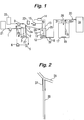
- FIG. 1 schematically illustrates one embodiment of the dissolution apparatus of the present invention.
- a reservoir (21), a pump (1), and a filtration cell (2) are connected such that the liquid contents of the reservoir (21) is transferred into the filtration cell (2) via the pump (1).
- the filtration cell (2) is equipped with a tight fitting lid (24), a filtration membrane (3), a stirrer (4), an inlet (28), an outlet positioned to allow removal of filtered liquid (27), a sample addition port (8), and a dip-tube and Tee assembly (7).
- the outlet (27) is connected to a flow-thru uv cell (5) and pump (6), such that the filtrate is pumped through the uv cell (5) and returned to the inlet of the filtration cell (2).
- One branch of the dip-tube and Tee assembly (7) comprises a dip-tube to allow removal of liquid and small particle size solid from the filtration cell (2).
- the second branch of the dip tube and Tee assembly is connected to the outlet of a pump (9).
- the third branch of the dip-tube and Tee assembly (7) is connected to the inlet (29) of a second filtration cell (10).
- a reservoir (22) is connected to the pump (9) such that the liquid from the reservoir (22) is fed into the second branch of the dip-tube and Tee assembly (7).
- the filtration cell (10) is equipped with a tight fitting lid (25), a pH sensor (13), a stirrer (11), a filtration membrane (12), two inlets (29 and 30), and an outlet positioned to allow removal of filtered liquid (32).
- a reservoir (23) is connected to a pump (15) and to one of the inlets (30) of the filtration cell (10), such that liquid from the reservoir (23) is transferred into the filtration cell (10).
- the outlet (32) is connected to a flow-thru uv cell (16).
- the outlet of the uv cell (16) is connected to the inlet (31) of the cell (17).
- the pH sensor (13) is electrically connected to a pH controller (14).
- the power supply to pump (15) is connected to the output relay of the pH controller (14) such that the pump (15) is turned on when the pH as measured by the pH sensor (13) is below a target value, and is turned off when said pH is above a target value.
- the cell (17) is equipped with a tight fitting lid (26), a stirrer (18), a dip-tube (19), and an outlet (33).
- the outlet is connected to the inlet of a flow-thru uv cell (20).
- the outlet from the uv cell (20) is directed to waste or any suitable reservoir (34).
- the filtration cell (2) and immediately associated equipment represents the gastric chamber;
- the filtration cell (10) and immediately associated equipment represents the intestinal chamber;
- the cell (17) and immediately associated equipment represents the circulatory chamber.
- Each of the flow-thru uv cells (5, 16, and 20) is placed in a suitable uv spectrophotometer capable of measuring the absorbance of the cell contents at the desired wavelength.
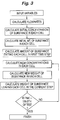
- FIG. 2 schematically illustrates one embodiment of the mixing device herein called a dip-tube and Tee assembly.
- Said dip-tube and Tee assembly (7) comprises a Y-shaped connector (35), a length of tubing (36), and a sealant (37).
- the tubing (36) is inserted into one of the branches of the connector (35) together with a sealant to prevent leakage of liquid and to hold said tubing in place during operation.
- the length of the tubing is adjusted so that it's lower end is below the surface of the liquid when the equipment is operating. This arrangement allows the transfer of small particles between the gastric and intestinal chambers without clogging the tubing.
- reservoir (21) is filled with simulated gastric fluid
- reservoir (22) is filled with simulated intestinal fluid
- reservoir (23) is filled with 0.8M aqueous sodium hydroxide solution.
- the pumps are operated to fill each of the chambers to the desired volumes, and then run for sufficient time to establish that the flow rate from each pump is as desired and the pH of cell (10) is maintained within the target range.
- the uv cells are checked to make sure that they contain no air bubbles.
- the sample addition port (8) is a hole with a rubber stopper. For said embodiment the pumps are momentarily stopped, the stopper is removed, and the sample to be tested is added to the filtration cell (2). The stopper is immediately replaced and the pumps restarted.
- Exposure to the fluid in the gastric chamber causes the sample to be partially or completely disintegrated, and/or dispersed, and/or dissolved.
- the dissolved portion exits thegastric chamber via the tube (36) together with small particles of undissolved drug and/or excipient. Dissolved drug and/or dissolved excipient also exits the gastric chamber through the outlet (27).
- the filter membrane (3) prevents undissolved particles from exiting through the outlet (27).
- the liquid that exits though outlet (27) passes through the uv cell (5), where it's uv absorbance at any desired wavelength is continuously monitored. Said liquid is continuously returned to the gastric chamber via the inlet (28).
- the material exiting via the tube (36) enters the Tee (35) where it mixes with simulated intestinal fluid from the pump (9).
- This mixture then enters the intestinal chamber via the inlet (29).
- the incoming mixture is mixed with the contents of said chamber together with sodium hydroxide solution entering from pump (15). Because the sodium hydroxide flow is controlled by the pH of the contents of the cell (10) the result is that the acid present in the gastric fluid portion of the incoming mixture is neutralized.
- the undissolved portion of the incoming mixture has further opportunity to dissolve. Dissolved drug and/or dissolved excipient exits the intestinal chamber through the outlet (32).
- the filter membrane (12) prevents any undissolved drug and/or undissolved excipient from exiting said chamber.
- the liquid that exits though outlet (32) passes through the uv cell (16), where it's uv absorbance at any desired wavelength is continuously monitored. The liquid exiting the uv cell (16) then enters the circulatory chamber via the inlet (31).
- the incoming medium is mixed with the medium already present in said chamber.
- the resulting mixture continuously exits the chamber via the dip-tube (19) and outlet (33).
- the liquid that exits though outlet (33) passes through the uv cell (20), where it's uv absorbance at any desired wavelength is continuously monitored.
- the data collected from the spectrophotometer can be used to calculate the instantaneous concentration of the active substance.
- the data can be used to characterize the release rate and the total amount of active substance released. Measuring the concentration of active substance in the effluent collected in the collection reservoir (34) permits the calculation of the total amount of active substance released. While the embodiment of the invention described above and illustrated by the examples uses constant composition of release fluids within each test, it is clear that the compositions can be changed with time, for example, as taught by Waaler (J Pharm Sci, 82 , 764-766, 1993), to simulate changing conditions within the body. Test method variables are composition of release media, residence time in each of the three chambers, amount of the sample being tested, and temperature.
- the preferred temperature is 37°C
- the preferred composition of the release media are simulated gastric and simulated intestinal fluids, recommended compositions for both of which can be found in the most recent edition of the US Pharmacopeia. It is also clear to one skilled in the art that other additives, such as enzymes, bile acids, and surfactants, can be included where their need is demonstrated.
- the USFDA recommends that dissolution conditions be physiologically relevant. However, it is clear to one skilled in the art that the present invention can be adapted for conditions that are not physiologically relevant.
- Such conditions may be desirable when considerations such as speed of operation, unusual solubility, or non conventional dosage forms are taken into account. For example, applicant has determined in some cases that by proportionally reducing residence times, the time scale of the test can be considerably shortened without loss of useful information.
- the invention can be used to test many different types of formulation. These can include, but are not restricted to, tablets, powders, pills, syrups, fast-melt tablets, hard capsules and soft capsules.
- the medium analysis device includes, but is not limited to, any detector known in the art that generates physical and/or chemical data of a pharmaceutical or active test agent, e.g., the use of a UV spectrophotometer as the method of analysis.
- the detector is capable of acquiring data characteristic of a particular agent by method selected from the group consisting of ultraviolet radiation, infrared radiation, nuclear magnetic resonance, Ramen spectroscopy, electrochemical, biosensors, refractometry, optical activity, and combinations thereof. Any in-line detector known in the art that is applicable to the active substance and release medium can be also be used.
- the medium dissolution analysis device is a detector that has a sensor communicatively attached thereto.
- the medium analysis device preferably includes a detector operatively associated with the dissolution medium for at least the time period required for the dosage form to release the maximum releasable quantity of therapeutically active agent and a data processor for continually processing the generated data for at least the time period required for the dosage form to release the maximum releasable quantity of therapeutically active agent to obtain a dissolution profile of the dosage form.
- the data processor may be any device capable of continuously processing the data generated by the detector.
- the data processor is a computer.
- the data generated by the detector is preferably stored and/or analyzed by the computer.
- the data collector is a computer that has data processing software. The data is preferably continuously processed by the software as it is received from the detector.
- the detector measures the concentration of the therapeutically active agent in the media surrounding the dosage form such as in simulated gastric or intestinal fluid. By measuring the concentration of the agent in the surrounding media, the amount of agent released from the dosage form can be calculated.
- the invention can also be used by removing samples from the chambers directly or from the effluent discharge of the chambers instead of, or in addition to in-line analysis.
- the analytical methods can be any method known in the art, including but not limited to, Gas chromatography, liquid chromatography, high performance liquid chromatography (HPLC), colorimetry, uv spectroscopy, IR spectroscopy, Raman spectroscopy, near IR spectroscopy, bio-sensors, electrochemical methods, mass spectroscopy, and nuclear magnetic spectroscopy .
- the medium analysis is performed in-line using uv spectroscopy. It is clear to one skilled in the art that any combination of the medium analysis devices can be used as appropriate for the data required.
- the absorption of active substance in the stomach can be simulated by not returning to the gastric chamber, all or part of the medium exiting the gastric chamber via the second outlet.
- the flow rate of said medium can be adjusted so that the removal rate corresponds to the in vivo gastric absorption.
- the filtration cells (2 and 10) can be of any design that provides the requirements of agitation, desired volume, filtration speed, filtration efficiency, and compatibility with the active substance and the release media.
- the preferred filtration cells are continuous, stirred, filtration cells, such as the Amicon stirred ultrafiltration cell models 8003, 8010, 8050, 8200, and 8400 available from Millipore Corporation.
- the lids and height of these cells can be modified to fulfill the requirements as described hereinabove.
- the third cell (17) can be of any design that provides the requirements of agitation, desired volume, and compatibility with the active substance and the release media.
- the pumps useful in the practice of the present invention can be any pump capable of attaining the desired flow rate and maintaining said flow rate constant throughout the test. These include but are not limited to, general purpose positive displacement pumps, peristaltic pumps, diaphragm pumps, HPLC quality positive displacement pumps, and centrifugal pumps.
- Preferred pumps useful in the invention are peristaltic pumps, diaphragm pumps, and HPLC quality positive displacement pumps. Most preferred are peristaltic pumps and HPLC quality positive displacement pumps.
- Heating devices useful in the practice of the present invention can be any of those known in the art that give sufficiently uniform and accurate temperature control.
- the preferred heating device will be able to control the temperature to within +/-2°C of the desired temperature.
- the more preferred heating device will be able to control the temperature to within +/-1°C of the desired temperature.
- the most preferred heating device will be able to control the temperature in conformity with the most current recommendations in the US Pharmacopeia and like sources.
- the tubing used in the dip-tube and Tee assembly can be any tubing compatible with the release medium and the test sample. The length of said tubing is adjusted such that the lower end is below the surface of the liquid in the filtration cell (2).
- the cross-sectional diameter of the tubing is selected so that small particles are carried up the tubing by the flow of the release medium and so that particles do not clog the tubing.
- tubing with an internal diameter of 0.5 to 3.0mm fulfills these requirements for flow rates to the cell (2) in the range 0.5 to 2.5 ml/min. For other flow rates other internal diameters may be needed.
- suitable internal diameters for the said tube can be selected by trial and error, or by calculation using suitable hydrodynamic considerations.
- the medium analysis sensor and controller used with the intestinal chamber can be any combination of sensor and controller that measures and permits control of physical characteristics such as, but not limited to, pH, osmolarity, conductivity, and concentration of specific ions.
- the preferred medium analysis sensor and controller are any pH sensor and pH controller available in the art that permit the control of the pH in the intestinal chamber to within the target range.
- the most preferred medium analysis sensor and controller are any pH sensor and pH controller available in the art that has an accuracy of +/-0.02 pH units.
- the pH in the second cell (10) is controlled to the same value as that of the simulated intestinal fluid. It is clear to one skilled in the art that the pH in the said cell can be any value achievable by addition of either an acid or a base through the delivery system defined by the reservoir (23), the pump (15), and the inlet (30), and is not limited to the pH of the fluid in the reservoir (22).
- the solution used to adjust the pH of the second cell can be acidic or basic.
- the preferred concentration of acid or base in said solution is one that requires a flow rate of said solution to be not more than 10% of the total flow of the other release media.
- the most preferred concentration of acid or base in said solution is one that requires a flow rate of said solution to be not more than 2% of the total flow of the other release media.
- the number of cells used in the equipment can be varied depending on the information required. Three cells, as described in one embodiment above, is the preferred number when correlation with blood plasma concentration data is required. When drug absorption rate data is required it is only necessary to operate the combination of gastric and intestinal chambers.
- a further possibility is to add a buccal dissolution cell before the gastric chamber such that the effluent from the buccal dissolution chamber enters an inlet in the gastric chamber.
- Said addition can be used for either drug absorption or blood plasma concentration data.
- Filter membranes useful in the practice of this invention can be any of the commercially available filter membranes that are compatible with the release media.
- Preferred filter membranes have a nominal particle size cut-off of not more than 10 microns.
- the more preferred filters have a nominal particle size cut-off of 0.25-5 microns.
- the most preferred filter membranes have a nominal particle size cut-off of 1-3 microns.
- the volumes of the three chambers and the flow rates of the various media are calculated based on the desired residence times for each of the chambers.
- Residence times in each of the chambers useful in the practice of this invention can be any value required to give Level A IVIVC.
- the preferred residence times are those that have physiological relevance.
- the applicant has determined by experimentation that the following ranges of residence times are useful: gastric chamber, 5-60 minutes; intestinal chamber, 1-90 minutes; circulatory chamber, greater than 30 minutes.
- flow controlling devices such as pressure feed systems and pumps requires the inclusion of various other mechanical, electrical and electronic equipment.
- Said equipment includes, but is not limited to, pressure relief valves, check valves, pressure relief piping, pressure control systems, surge suppressors, surge tanks, de-aerators, electronic flow control systems, proportional control systems, pressure gauges, and flow gauges.
- the invention relates to a dissolution test method for use with the apparatus described hereinabove, comprising the steps of:
- test method variables including the number of said chambers, number of media, volume of release medium in each of said chambers, flow rate of release medium to each of said chambers, amount of the sample being tested, pH of the media, composition of the media, and temperature.
- the present invention relates to a method for predicting the in vitro dissolution profile of a pharmaceutically active compound comprising using an algorithm to reduce the time required to optimize dissolution test conditions.
- the method of the present invention typically operates on a time-scale that is the same as the time-scale of the in vivo absorption and metabolism of the active substances being tested. This can give rise to tests that take up to 24 hours. While this is not a major problem once the test conditions are established, it does present a problem for the development of the optimal residence times because there is a wide range of possible values for each of the residence times, and it may take many iterations of the test to determine reasonable conditions, and then several more to determine the optimal conditions. Consequently, it is expected that test method development times will be in the range of 2-5 weeks. The use of the algorithm reduces test method development time.
- the algorithm calculates the composition of the fluid in each of the flow-through cells of the dissolution apparatus of the present invention. The calculation is done in a sequential, stepwise manner over many iterations. Each iteration covers a small period of time. The combination of these iterations results in a complete dissolution profile.
- Figure 3 depicts the general architecture of the algorithm
- the first step is to enter the initial input variables as specified below.
- the algorithm then calculates the various flow rates, initial concentrations and the weight of substance in each cell, based on the input variables. Once values for the above mentioned variables have been calculated the initial state of the system has been defined.
- the algorithm then considers the first step, or iteration, by calculating the amount of substance that exits each of the cells in said first step.
- the amount that exits the first cell is considered to be equal to the amount of substance entering the second cell.
- the amount of substance exited the second cell is considered to be equal to the amount of substance entering the third cell.
- the algorithm then recalculates the new concentrations and weight of substance in each cell. Once values for the above mentioned variables have been calculated, the state of the system at the end of the first step has been defined. The algorithm then moves to the second step, and repeats the above calculations to generate a third step, and a fourth step, and so on. The algorithm continues until the total amount of time considered is equal to the total length of the test defined in the initial input variables.
- the algorithm uses the following variables to calculate the profile: Step # sequential number of the iteration currently being calculated C1 Conc concentration of the substance in the fluid contained in the first cell C2 Conc concentration of the substance in the fluid contained in the second cell C3 Conc concentration of the substance in the fluid contained in the third cell Time time since the start of the test C1 wt weight of the substance present in the first cell C2 wt weight of the substance present in the second cell C3 wt weight of the substance present in the third cell C1 out weight of the substance that exits the first cell during one step of the calculation C2 out weight of the substance that exits the first cell during one step of the calculation C3 out weight of the substance that exits the first cell during one step of the calculation C1 vol volume of fluid in the first cell C2 vol volume of fluid in the second cell C3 vol volume of fluid in the third cell C1 Res residence time in the first cell C2 Res residence time in the second cell C2 Res residence time in the third cell F1 Flow rate of release fluid 1 to the first cell F2 Flow rate of
- the units are as follows: Volume liters (1) Time minutes (mins) Flow rate liters/minute (l/min) Weight milligrams (mg) Concentration milligrams/liter (mg/l)
- the algorithm requires the input of values for the following variables:
- a graph of C1 conc vs time represents the change in concentration of the substance in the first cell.
- a graph of C2 conc vs time represents the change in concentration of the substance in the second cell.
- the graph C2 conc vs time is representative of the in vivo absorption profile of a substance.
- a graph of C3 conc vs time represents the change in concentration of the substance in the third cell.
- the graph C3 cone vs time is representative of the in vivo blood plasma concentration profile of a substance.
- a graph of these values calculated for each iteration, plotted against time gives the cumulative dissolution profile for the first cell.
- a graph of these values calculated for each iteration, plotted against time gives the cumulative dissolution profile for the second cell.
- a graph of these values calculated for each iteration, plotted against time gives the cumulative dissolution profile for the third cell.
- the algorithm includes a factor to account for the disintegration time of a real dosage form.
- the factor, Disint has the units of time and is incorporated by replacing calculation h above with the following:
- Time Disint + (Step # x timestep)
- the general architecture of the method for using the algorithm to optimize conditions for experimental testing is illustrated in Figure 4.
- the method of use for this algorithm is as follows:
- the algorithm makes the assumption that all the test substance is dissolved quickly, such that there is no significant amount of undissolved solid in the second cell.
- the result of this assumption is that when the algorithm is applied to pharmaceutical dosage forms it is only applicable to immediate release dosage forms.
- the number of iterations (Steps total) strongly influences the accuracy of the algorithm. Very low values give insufficient resolution between iterations. Very high values will cause the accumulation of calculation errors because values of C1 out, C2 out and C3 out become too small for accurate representation by the computer. Values of Steps total useful in the practice of this invention are from 100 to 20,000. Preferred values are from 1,000 to 10,000. Most preferred values are from 2,000 to 5,000.
- Example 1 Comparative Example - Single cell dissolution test
- a continuous, stirred, filtration cell such as the Amicon stirred ultrafiltration cell model 8050, available from Millipore Corporation, was equipped with a peristaltic pump to feed fluid into the cell at a rate in the range 3-10ml/min
- the filtrate from the cell was passed into a 1cm path length flow-through quartz uv cell.
- the uv cell is situated in a suitable uv spectrophotometer, such as the Genesys 2, UV Spectrophotemer available from Spectronic Instruments.
- the filtration cell was fitted with a 3 micron filter to retain undissolved particles.
- Example 2 Three cell dissolution test using Ibuprofen
- the three cell equipment of this invention was operated as follows.
- the release media were simulated gastric fluid, (as per USP24, without pectin) and simulated intestinal fluid (as per USP24, pH 7.4).
- the pH in the second cell was controlled at 7.4+/-0.02.
- the flow rates and volumes were adjusted so that the residence times in the gastric, intestinal, and circulatory chambers were 20, 16, and 168 minutes respectively.
- the uv absorbance was measured at 265nm.
- One 200mg sugar coated ibuprofen tablet (200mg Advil®) was used.
- the data from this experiment is summarized in Table 2 and compared with in vivo data reported in Clin.Drug Invest. Volume 21, pages 73-78, 2001 for the same dosage from.
- the correlation coefficient for this comparison was 0.993 and the t max values correspond. This example demonstrates that the invention gives excellent correlation with in vivo data.
- the three cell equipment of this invention was operated as follows.
- the release media were simulated gastric fluid, (as per USP24, without pectin) and simulated intestinal fluid (as per USP24, pH 7.4).
- the pH in the second cell was controlled at 7.4+/-0.02.
- the uv absorbance was measured at 276nm.
- the flow rates and volumes were adjusted so that the residence times in the gastric, intestinal, and circulatory chambers were each 35 minutes. 50mg of diclofenac sodium was added to the first cell.
- Table 1 The data from this experiment is summarized in Table 1 and compared with in vivo data reported in US Patent 4,510,128. The correlation coefficient for this comparison was 0.960 and the t max values correspond.
- This example demonstrates the improvement of the 3-cell system over the single cell system (Example 1).
- Example 4 Three cell dissolution test using a diclofenac resinate
- Example 3 The conditions of Example 3 were repeated except that a complex of diclofenac and an anion exchange resin (prepared as described in US Patent 4,510,128, Example 1(a)). This formulation gives an extended release of the active ingredient. The amount used was equivalent to 50mg of diclofenac sodium. The results of this test are given in Table 3 and compared with in vivo data provided in said patent. The correlation coefficient for this comparison is 0.82 and the t max values are very similar.
- This example demonstrates the predictability of the invention in that test conditions determined in one dosage form, in this case an immediate release formulation, give results with good IVIVC for a different dosage form of the same active ingredient, in this case an extended release formulation.
- the three cell test equipment was operated with the release medium and at the pH described in Example 2. 200 mg of ibuprofen was used. The algorithm was used to match the t max and t 10 for ibuprofen in vivo data (T. Schettler et al, Clin. Drug Invest 21 , 73-78, 2001). t max and t 10 for in vivo data were 70 and 410 minutes respectively. The best fit with the algoritm gave t max and t 10 values of 70.7 and 410.8 respectively. The resulting residence times for the first, second and third cell were 20, 16, and 168 minutes respectively.
- the data from this example is shown in Figure 5.
- the data from the algorithm and the in vitro test has been adjusted using a linear scaling factor so that the data can be compared with the in vivo data. The excellent correlation between all three datasets is clear.
- the three cell test equipment was operated with the release medium and at the pH described in Example 2. 500 mg of paracetamol was used. The algorithm was used to match the t max and t 10 for paracetamol in vivo data (WO9739747, Figure 4). t max and t 10 for in vivo data were 33 and 510 minutes respectively. The resulting residence times for the first, second and third cells were 7, 4.5, and 220 min respectively.
- the three cell test equipment was operated with the release medium and at the pH described in Example 2. 90 mg of pseudoephedrine was used. The algorithm was used to match the t max and t 10 for pseuoephedrine in vivo data (EP1059084A2, Fig 3). t max and t 10 for in vivo data were 90 and 1380 minutes respectively. The best fit with the algorithm gave t max and t 10 values of 89 and 1383 mins respectively. The resulting residence times for the first, second and third cells were, 18, 16, and 592 mins respectively.
- the data from this example is shown in Figure 7.
- the data from the algorithm and the in vitro test has been adjusted using a linear scaling factor so that the data can be compared with the in vivo data.
- the excellent correlation between all three data sets is clear. Examples 5, 6, 7 demonstrate the excellent correlation between the dissolution profile predicted by the algorithm and the actual test results obtained from the test equipment.
Landscapes
- Life Sciences & Earth Sciences (AREA)
- Health & Medical Sciences (AREA)
- Chemical & Material Sciences (AREA)
- Engineering & Computer Science (AREA)
- Bioinformatics & Cheminformatics (AREA)
- General Health & Medical Sciences (AREA)
- Physics & Mathematics (AREA)
- General Physics & Mathematics (AREA)
- Immunology (AREA)
- Pathology (AREA)
- Biochemistry (AREA)
- Analytical Chemistry (AREA)
- Medicinal Chemistry (AREA)
- Pharmacology & Pharmacy (AREA)
- Molecular Biology (AREA)
- Food Science & Technology (AREA)
- Biophysics (AREA)
- Crystallography & Structural Chemistry (AREA)
- Theoretical Computer Science (AREA)
- Computing Systems (AREA)
- Bioinformatics & Computational Biology (AREA)
- Spectroscopy & Molecular Physics (AREA)
- Investigating Or Analysing Biological Materials (AREA)
- Measuring Or Testing Involving Enzymes Or Micro-Organisms (AREA)
- Medicines Containing Antibodies Or Antigens For Use As Internal Diagnostic Agents (AREA)
- Measurement Of The Respiration, Hearing Ability, Form, And Blood Characteristics Of Living Organisms (AREA)
Applications Claiming Priority (2)
| Application Number | Priority Date | Filing Date | Title |
|---|---|---|---|
| US7144 | 2001-11-05 | ||
| US10/007,144 US6799123B2 (en) | 2001-11-05 | 2001-11-05 | Dissolution test equipment and method |
Publications (4)
| Publication Number | Publication Date |
|---|---|
| EP1308710A2 EP1308710A2 (de) | 2003-05-07 |
| EP1308710A9 true EP1308710A9 (de) | 2003-08-27 |
| EP1308710A3 EP1308710A3 (de) | 2004-01-02 |
| EP1308710B1 EP1308710B1 (de) | 2006-01-04 |
Family
ID=21724469
Family Applications (1)
| Application Number | Title | Priority Date | Filing Date |
|---|---|---|---|
| EP02257349A Expired - Lifetime EP1308710B1 (de) | 2001-11-05 | 2002-10-23 | Verfahren und Vorrichtung zur Prüfung der Auflösung von Produkten |
Country Status (6)
| Country | Link |
|---|---|
| US (1) | US6799123B2 (de) |
| EP (1) | EP1308710B1 (de) |
| JP (1) | JP3787322B2 (de) |
| KR (2) | KR100965486B1 (de) |
| DE (1) | DE60208510T2 (de) |
| TW (1) | TWI231369B (de) |
Families Citing this family (26)
| Publication number | Priority date | Publication date | Assignee | Title |
|---|---|---|---|---|
| US7027970B2 (en) * | 2001-10-19 | 2006-04-11 | Globomax Llc | Tool for in vitro-in vivo correlation |
| US6799123B2 (en) | 2001-11-05 | 2004-09-28 | Lyn Hughes | Dissolution test equipment and method |
| US7470545B2 (en) * | 2001-11-05 | 2008-12-30 | Rohm And Haas Company | Buccal dissolution of active substances |
| US7024955B2 (en) * | 2003-03-01 | 2006-04-11 | Symyx Technologies, Inc. | Methods and systems for dissolution testing |
| GB2406641B (en) | 2003-08-19 | 2007-09-12 | Wicken Technology Ltd | Materials analysis |
| WO2006032957A1 (en) * | 2004-05-26 | 2006-03-30 | Pfizer Products Inc. | In vitro predictive method |
| FI20050385A0 (fi) * | 2005-04-14 | 2005-04-14 | Jukka Rantanen | Menetelmä ja laitteisto kiinteän aineen liuottamiseksi nesteeseen |
| US7331251B2 (en) * | 2005-06-22 | 2008-02-19 | Idaho State University | Dissolution testing of solid dosage forms intended to be administered in the oral cavity |
| US7996255B1 (en) * | 2005-09-29 | 2011-08-09 | The Mathworks, Inc. | System and method for providing sales leads based on-demand software trial usage |
| EP1777510A1 (de) * | 2005-10-21 | 2007-04-25 | Rohm and Haas Company | Verfahren und Vorrichtung zur Prüfung der Auflösung von Produkten |
| TW200732644A (en) * | 2005-10-25 | 2007-09-01 | Rohm & Haas | Dissolution test equipment and methods for testing having improved filtration system |
| JP2007304001A (ja) * | 2006-05-12 | 2007-11-22 | Hoyu Co Ltd | 分析装置及び分析方法 |
| US20090064768A1 (en) * | 2007-03-13 | 2009-03-12 | Emad Alkhawam | Devices for Determining the Release Profile of Macromolecules and Methods of Using the Same |
| CA2690116A1 (en) * | 2007-06-11 | 2008-12-18 | Inhalation Sciences Sweden Ab | A device for studying interaction between particles and lungs |
| US20090155920A1 (en) * | 2007-11-12 | 2009-06-18 | Symyx Technologies, Inc. | High throughput dissolution and precipitation apparatus and method |
| EP2182342A1 (de) | 2008-10-28 | 2010-05-05 | LEK Pharmaceuticals D.D. | Auflösungsvorrichtung mit zwei Fächern und Verfahren |
| JP5576337B2 (ja) | 2010-06-30 | 2014-08-20 | ローム アンド ハース カンパニー | 医薬剤形を溶出試験装置に分配するための送達装置 |
| JP5586098B2 (ja) * | 2010-08-04 | 2014-09-10 | ローム アンド ハース カンパニー | 改良された溶出試験装置 |
| EP2529770A1 (de) * | 2011-05-31 | 2012-12-05 | Nederlandse Organisatie voor toegepast -natuurwetenschappelijk onderzoek TNO | Verdauungssystem |
| CN103018414A (zh) * | 2012-10-25 | 2013-04-03 | 中南大学 | 一种药物制剂活性成分个性化体外溶出检测方法和溶出装置 |
| CN104764823B (zh) * | 2015-04-10 | 2017-01-04 | 中国石油大学(华东) | 一种测定表面活性剂在超临界co2、水及原油三相中分配系数的装置及方法 |
| CN110770579B (zh) * | 2017-08-25 | 2022-10-14 | 株式会社岛津制作所 | 液相色谱仪、溶出试验机以及溶出试验系统 |
| GB2566688B (en) | 2017-09-16 | 2020-03-25 | Univ Of Hertfordshire Higher Education Corporation | Apparatus, buffer and method for pH control |
| USD907235S1 (en) | 2017-09-18 | 2021-01-05 | University Of Hertfordshire Higher Education Corporation | Enclosure for dissolution system |
| JP7261655B2 (ja) | 2019-05-15 | 2023-04-20 | 日立造船株式会社 | 消化器官における薬剤の溶解試験装置 |
| WO2021163988A1 (zh) * | 2020-02-21 | 2021-08-26 | 南京海维医药科技有限公司 | 一种溶出测试的辅助装置 |
Family Cites Families (11)
| Publication number | Priority date | Publication date | Assignee | Title |
|---|---|---|---|---|
| US433543A (en) * | 1890-08-05 | Automatic relief-valve | ||
| DE1598441A1 (de) * | 1966-03-16 | 1970-07-23 | Dibbern Dr Rer Nat Hans Werner | Geraet zur Ermittlung der gastro-enteralen Resorptionsquote |
| US4335438A (en) * | 1980-04-17 | 1982-06-15 | Smolen Victor F | Method and apparatus for automatic dissolution testing of products |
| CH680472A5 (de) * | 1989-12-18 | 1992-08-31 | Sotax Ag | |
| US6174497B1 (en) * | 1997-06-04 | 2001-01-16 | Euro-Celtique, S.A. | Detection systems and methods for predicting the dissolution curve of a drug from a pharmaceutical dosage form |
| US5983515A (en) * | 1996-08-01 | 1999-11-16 | Distek, Inc. | Apparatus for measuring heights in dissolution testing equipment |
| US6004822A (en) * | 1997-04-04 | 1999-12-21 | Alfred LaGreca | Device and method for measuring solubility and for performing titration studies of submilliliter quantities |
| US6022733A (en) * | 1997-12-02 | 2000-02-08 | Tam; Yun K. | Simulated biological dissolution and absorption system |
| US20020035459A1 (en) * | 1998-09-14 | 2002-03-21 | George M. Grass | Pharmacokinetic-based drug design tool and method |
| EP1052498A1 (de) * | 1999-05-11 | 2000-11-15 | Sotax Ag | Verfahren, Patrone und Vorrichtung zum Einbringen eines teilchenförmigen Materials in eine Flüssigkeit |
| US6799123B2 (en) | 2001-11-05 | 2004-09-28 | Lyn Hughes | Dissolution test equipment and method |
-
2001
- 2001-11-05 US US10/007,144 patent/US6799123B2/en not_active Expired - Lifetime
-
2002
- 2002-10-23 TW TW091124515A patent/TWI231369B/zh not_active IP Right Cessation
- 2002-10-23 DE DE60208510T patent/DE60208510T2/de not_active Expired - Lifetime
- 2002-10-23 EP EP02257349A patent/EP1308710B1/de not_active Expired - Lifetime
- 2002-11-01 JP JP2002319805A patent/JP3787322B2/ja not_active Expired - Fee Related
- 2002-11-05 KR KR1020020068230A patent/KR100965486B1/ko not_active Expired - Fee Related
-
2010
- 2010-04-21 KR KR1020100036723A patent/KR101008997B1/ko not_active Expired - Lifetime
Also Published As
| Publication number | Publication date |
|---|---|
| DE60208510D1 (de) | 2006-03-30 |
| JP3787322B2 (ja) | 2006-06-21 |
| DE60208510T2 (de) | 2006-09-21 |
| US20030088369A1 (en) | 2003-05-08 |
| EP1308710A3 (de) | 2004-01-02 |
| EP1308710B1 (de) | 2006-01-04 |
| US6799123B2 (en) | 2004-09-28 |
| KR101008997B1 (ko) | 2011-01-17 |
| KR100965486B1 (ko) | 2010-06-24 |
| EP1308710A2 (de) | 2003-05-07 |
| KR20030038439A (ko) | 2003-05-16 |
| KR20100059747A (ko) | 2010-06-04 |
| JP2003149229A (ja) | 2003-05-21 |
| TWI231369B (en) | 2005-04-21 |
Similar Documents
| Publication | Publication Date | Title |
|---|---|---|
| EP1308710B1 (de) | Verfahren und Vorrichtung zur Prüfung der Auflösung von Produkten | |
| US7470545B2 (en) | Buccal dissolution of active substances | |
| US9285353B1 (en) | Dissolution test equipment | |
| US8584539B2 (en) | Delivery device for dispensing pharmaceutical dosage forms into dissolution testing apparatus | |
| O'Dwyer et al. | In vitro methods to assess drug precipitation in the fasted small intestine–a PEARRL review | |
| US20070160497A1 (en) | Dissolution test equipment and methods for testing | |
| KR100831943B1 (ko) | 개선된 여과 시스템을 갖는 용해 테스트 장비 및 테스트방법 | |
| CN107525901B (zh) | 微分溶出仪及药物制剂溶出一致性检测方法 | |
| Nissankararao et al. | Dissolution method development and validation: a review | |
| Majer et al. | Optimizing carry-over in automated dissolution system dissoBOT for paracetamol and diclofenac sodium analysis | |
| Bhowmik | Lecture Notes_Series 1 | |
| Voss et al. | Evaluation of the robustness of the in vitro dissolution method for itraconazole meltextrudate oral film-coated tablets |
Legal Events
| Date | Code | Title | Description |
|---|---|---|---|
| PUAI | Public reference made under article 153(3) epc to a published international application that has entered the european phase |
Free format text: ORIGINAL CODE: 0009012 |
|
| 17P | Request for examination filed |
Effective date: 20021106 |
|
| AK | Designated contracting states |
Designated state(s): AT BE BG CH CY CZ DE DK EE ES FI FR GB GR IE IT LI LU MC NL PT SE SK TR |
|
| AX | Request for extension of the european patent |
Extension state: AL LT LV MK RO SI |
|
| PUAL | Search report despatched |
Free format text: ORIGINAL CODE: 0009013 |
|
| AK | Designated contracting states |
Kind code of ref document: A3 Designated state(s): AT BE BG CH CY CZ DE DK EE ES FI FR GB GR IE IT LI LU MC NL PT SE SK TR |
|
| AX | Request for extension of the european patent |
Extension state: AL LT LV MK RO SI |
|
| 17Q | First examination report despatched |
Effective date: 20040209 |
|
| RAP1 | Party data changed (applicant data changed or rights of an application transferred) |
Owner name: ROHM AND HAAS COMPANY |
|
| AKX | Designation fees paid |
Designated state(s): DE FR GB IE |
|
| RAP1 | Party data changed (applicant data changed or rights of an application transferred) |
Owner name: ROHM AND HAAS COMPANY |
|
| GRAP | Despatch of communication of intention to grant a patent |
Free format text: ORIGINAL CODE: EPIDOSNIGR1 |
|
| GRAS | Grant fee paid |
Free format text: ORIGINAL CODE: EPIDOSNIGR3 |
|
| GRAA | (expected) grant |
Free format text: ORIGINAL CODE: 0009210 |
|
| AK | Designated contracting states |
Kind code of ref document: B1 Designated state(s): DE FR GB IE |
|
| REG | Reference to a national code |
Ref country code: GB Ref legal event code: FG4D |
|
| REG | Reference to a national code |
Ref country code: IE Ref legal event code: FG4D |
|
| REF | Corresponds to: |
Ref document number: 60208510 Country of ref document: DE Date of ref document: 20060330 Kind code of ref document: P |
|
| ET | Fr: translation filed | ||
| PLBE | No opposition filed within time limit |
Free format text: ORIGINAL CODE: 0009261 |
|
| STAA | Information on the status of an ep patent application or granted ep patent |
Free format text: STATUS: NO OPPOSITION FILED WITHIN TIME LIMIT |
|
| 26N | No opposition filed |
Effective date: 20061005 |
|
| REG | Reference to a national code |
Ref country code: FR Ref legal event code: PLFP Year of fee payment: 15 |
|
| REG | Reference to a national code |
Ref country code: FR Ref legal event code: PLFP Year of fee payment: 16 |
|
| REG | Reference to a national code |
Ref country code: FR Ref legal event code: PLFP Year of fee payment: 17 |
|
| PGFP | Annual fee paid to national office [announced via postgrant information from national office to epo] |
Ref country code: FR Payment date: 20200914 Year of fee payment: 19 |
|
| PGFP | Annual fee paid to national office [announced via postgrant information from national office to epo] |
Ref country code: IE Payment date: 20201009 Year of fee payment: 19 Ref country code: DE Payment date: 20201013 Year of fee payment: 19 Ref country code: GB Payment date: 20201014 Year of fee payment: 19 |
|
| REG | Reference to a national code |
Ref country code: DE Ref legal event code: R119 Ref document number: 60208510 Country of ref document: DE |
|
| GBPC | Gb: european patent ceased through non-payment of renewal fee |
Effective date: 20211023 |
|
| PG25 | Lapsed in a contracting state [announced via postgrant information from national office to epo] |
Ref country code: GB Free format text: LAPSE BECAUSE OF NON-PAYMENT OF DUE FEES Effective date: 20211023 Ref country code: DE Free format text: LAPSE BECAUSE OF NON-PAYMENT OF DUE FEES Effective date: 20220503 |
|
| PG25 | Lapsed in a contracting state [announced via postgrant information from national office to epo] |
Ref country code: FR Free format text: LAPSE BECAUSE OF NON-PAYMENT OF DUE FEES Effective date: 20211031 |
|
| PG25 | Lapsed in a contracting state [announced via postgrant information from national office to epo] |
Ref country code: IE Free format text: LAPSE BECAUSE OF NON-PAYMENT OF DUE FEES Effective date: 20211023 |