EP1328652B1 - Animal transgenique non humain exprimant ca-ahr - Google Patents
Animal transgenique non humain exprimant ca-ahr Download PDFInfo
- Publication number
- EP1328652B1 EP1328652B1 EP01977048A EP01977048A EP1328652B1 EP 1328652 B1 EP1328652 B1 EP 1328652B1 EP 01977048 A EP01977048 A EP 01977048A EP 01977048 A EP01977048 A EP 01977048A EP 1328652 B1 EP1328652 B1 EP 1328652B1
- Authority
- EP
- European Patent Office
- Prior art keywords
- ahr
- cancer
- animal
- construct
- study
- Prior art date
- Legal status (The legal status is an assumption and is not a legal conclusion. Google has not performed a legal analysis and makes no representation as to the accuracy of the status listed.)
- Expired - Lifetime
Links
Images

Classifications
-
- C—CHEMISTRY; METALLURGY
- C12—BIOCHEMISTRY; BEER; SPIRITS; WINE; VINEGAR; MICROBIOLOGY; ENZYMOLOGY; MUTATION OR GENETIC ENGINEERING
- C12N—MICROORGANISMS OR ENZYMES; COMPOSITIONS THEREOF; PROPAGATING, PRESERVING, OR MAINTAINING MICROORGANISMS; MUTATION OR GENETIC ENGINEERING; CULTURE MEDIA
- C12N15/00—Mutation or genetic engineering; DNA or RNA concerning genetic engineering, vectors, e.g. plasmids, or their isolation, preparation or purification; Use of hosts therefor
- C12N15/09—Recombinant DNA-technology
- C12N15/63—Introduction of foreign genetic material using vectors; Vectors; Use of hosts therefor; Regulation of expression
- C12N15/79—Vectors or expression systems specially adapted for eukaryotic hosts
- C12N15/85—Vectors or expression systems specially adapted for eukaryotic hosts for animal cells
- C12N15/8509—Vectors or expression systems specially adapted for eukaryotic hosts for animal cells for producing genetically modified animals, e.g. transgenic
-
- A—HUMAN NECESSITIES
- A01—AGRICULTURE; FORESTRY; ANIMAL HUSBANDRY; HUNTING; TRAPPING; FISHING
- A01K—ANIMAL HUSBANDRY; AVICULTURE; APICULTURE; PISCICULTURE; FISHING; REARING OR BREEDING ANIMALS, NOT OTHERWISE PROVIDED FOR; NEW BREEDS OF ANIMALS
- A01K67/00—Rearing or breeding animals, not otherwise provided for; New or modified breeds of animals
- A01K67/027—New or modified breeds of vertebrates
- A01K67/0275—Genetically modified vertebrates, e.g. transgenic
-
- C—CHEMISTRY; METALLURGY
- C07—ORGANIC CHEMISTRY
- C07K—PEPTIDES
- C07K14/00—Peptides having more than 20 amino acids; Gastrins; Somatostatins; Melanotropins; Derivatives thereof
- C07K14/435—Peptides having more than 20 amino acids; Gastrins; Somatostatins; Melanotropins; Derivatives thereof from animals; from humans
- C07K14/705—Receptors; Cell surface antigens; Cell surface determinants
-
- A—HUMAN NECESSITIES
- A01—AGRICULTURE; FORESTRY; ANIMAL HUSBANDRY; HUNTING; TRAPPING; FISHING
- A01K—ANIMAL HUSBANDRY; AVICULTURE; APICULTURE; PISCICULTURE; FISHING; REARING OR BREEDING ANIMALS, NOT OTHERWISE PROVIDED FOR; NEW BREEDS OF ANIMALS
- A01K2217/00—Genetically modified animals
- A01K2217/05—Animals comprising random inserted nucleic acids (transgenic)
-
- A—HUMAN NECESSITIES
- A01—AGRICULTURE; FORESTRY; ANIMAL HUSBANDRY; HUNTING; TRAPPING; FISHING
- A01K—ANIMAL HUSBANDRY; AVICULTURE; APICULTURE; PISCICULTURE; FISHING; REARING OR BREEDING ANIMALS, NOT OTHERWISE PROVIDED FOR; NEW BREEDS OF ANIMALS
- A01K2227/00—Animals characterised by species
- A01K2227/10—Mammal
- A01K2227/105—Murine
-
- A—HUMAN NECESSITIES
- A01—AGRICULTURE; FORESTRY; ANIMAL HUSBANDRY; HUNTING; TRAPPING; FISHING
- A01K—ANIMAL HUSBANDRY; AVICULTURE; APICULTURE; PISCICULTURE; FISHING; REARING OR BREEDING ANIMALS, NOT OTHERWISE PROVIDED FOR; NEW BREEDS OF ANIMALS
- A01K2267/00—Animals characterised by purpose
- A01K2267/03—Animal model, e.g. for test or diseases
- A01K2267/0331—Animal model for proliferative diseases
Definitions
- the present invention relates to a mutant construct for a constitutively active aryl hydrocarbon receptor (CA-AhR), a transgenic non-human animal expressing CA-AhR, and an animal model for the study of the molecular mechanisms of cancer, in particular stomach cancer.
- CA-AhR constitutively active aryl hydrocarbon receptor
- the invention also relates to methods of screening and/or investigating carcinogenic and anti-carcinogenic compounds, screening and/or investigating drug candidates, as well as compounds discovered or developed using this method.
- the dioxin / aryl hydrocarbon receptor belongs to a specific class of transcription factors, basic helix-loop-helix/Per-Arnt-Sim domain (bHLH/PAS) proteins, which is emerging as an important battery of regulatory factors seemingly designed to respond to environmental cues.
- Other members of this family include the hypoxia-inducible factor HIF-1 ⁇ , the rhythmicity regulatory protein Clock, the neuro-regulatory protein Sim, and Arnt, an essential partner factor for all of the factors mentioned above including the AhR (1).
- Arnt is recruited to the AhR in a ligand-dependent manner to facilitate recognition of xenobiotic response elements of target promoters.
- the ligand-activated AhR mediates transcriptional activation of a network of genes encoding enzymes such as CYP1A1, CYP1A2, glutathione S-transferase Ya, UDP-glucuronosyl-transferase 1A6 and NAD(P)H quinone oxidoreductase-1 that function in the oxidative metabolism of xenobiotics (2).
- Well-characterized ligands of the AhR are polycyclic aromatic hydrocarbons formed during combustion processes and polychlorinated dioxins and coplanar biphenyls that contaminate industrial chemicals and the environment (2).
- AhR-mediated signalling pathways provide a first line of defence against potentially toxic environmental pollutants.
- induction of oxidative metabolic processes by the AhR can also cause the production of highly carcinogenic metabolites, creating a strong link between AhR activation and chemical carcinogenesis (3).
- the receptor appears to mediate by as yet unclear mechanisms a wide range of toxic effects by chlorinated dioxins including birth defects, impaired reproductive capacity, and immune suppression (1).
- a number of independent loss-of-function studies performed by gene disruption in mice have not yielded conclusive information with regard to a possible developmental role of the receptor (4-7).
- the sole biological function of the AhR could therefore be restricted to regulation of adaptive responses to xenobiotics.
- U.S. 5,378,822 discloses recombinant DNA molecules which encode murine and human Ah receptors, which are used to generate large quantities of Ah-receptor protein for use in competitive binding assays used for detecting environmental pollutants or for regulating gene expression in response to receptor agonists. Another use is for the generation of recombinant organisms that can serve as biomonitors for environmental pollutants, or for detecting human and wildlife populations that have high susceptibility to environmental pollutants.
- US 5 650 283 discloses mammalian cells constitutively expressing AhR for the study of pollutants. It is suggested therein to truncate AhR in the ligand binding region.
- the document "Breast Cancer Research and Treatment", vol. 63 2000, pages 117-131 discusses the involvement of constitutive expression of AhR in tumour cell growth.
- the present invention makes available a powerful tool for the study of cancer, based on a novel expression construct for a constitutively active hydrocarbon receptor CA-AhR.
- the invention further comprises transgenic non-human animals, preferably mammals, expressing CA-AhR in one or more tissues thereof.
- An animal model based on said transgenic non-human animals forms the basis for novel methods e.g. for the study of cancer; for the screening of compounds, such as drug candidates; for the investigation of the molecular mechanisms of cancer, in particular stomach cancer; for the investigation of the mechanisms of highly differentiated adenocarcinoma etc.
- an in vitro model based on transformed cells or cell lines, functionally incorporating the inventive construct are disclosed.
- transgenic animals incorporating said construct, animal models and methods, based on the use of said animals, are disclosed and described, it is to be understood that this invention is not limited to the particular configurations, process steps, and materials disclosed herein as such configurations, process steps, and materials may vary somewhat. It is to be understood that the terminology employed herein is used for the purpose of describing particular embodiments only and is not intended to be limiting since the scope of the present invention will be limited only by the appended claims and equivalents thereof.
- AhR Aryl hydrocarbon (dioxin) receptor
- Arnt AhR nuclear translocator
- CA-AhR Constitutively Active AhR
- CYP1A1 Cytochrome P450 1A1
- HE Hematoxylin-Eosin
- TCDD 2,3,7,8-tetrachlorodibenzo- p -dioxin.
- the present inventors have surprisingly found that expression of CA-AhR in transgenic mice induces a pronounced lethality beginning at six months of age, correlating with the development of severe tumours in the stomach.
- this study clearly demonstrates the oncogenic potential of the AhR. It has been difficult to unambiguously interpret the histopathology of the stomach tumours in the CA-AhR mice.
- the well-organised glandular structures and the low levels of cellular atypia argue for a benign phenotype.
- the reduced life span, the aggressive, expanding invasion of all stomach layers and the adherence to surrounding organs point toward a more malignant phenotype.
- Intestinal metaplasia was widespread in the CA-AhR tumours and this is regarded as a pre-cancerous lesion (17). Furthermore, a subgroup of human intestinal-type gastric carcinoma has recently been described where the cancer cells also are highly differentiated (18). Given the striking gastric oncogenic phenotype of the CA-AhR mice it is interesting to note that the most physiological candidates of receptor ligands are indole derivatives, most notably indolo[3,2- b ]carbazole that are generated in the acidic environment of the stomach from dietary precursors, e.g. indolo-3-carbinol (19).
- Stomach cancer is the second most common human malignancy in the world (21).
- the role (if any) of the AhR in development of this cancer form is not known.
- stomach cancer is more commonly found in men than in women (21, 22), a sex difference that is reflected in the CA-AhR mice.
- Some epidemiological studies show an increased incidence of stomach cancer in human populations exposed to herbicides (23) or fatty fish (24) contaminated with TCDD or other dioxins. More commonly discussed risk factors for stomach cancer is diet containing mutagenic nitrosating compounds, as well as infection with Helicobacter pylori (22).
- the CA-AhR animals in this study received conventional rodent feed, and no infection by Helicobacter was detected by selective culture of tissue homogenates (data not shown).
- AhR ligands include halogenated biphenyls, and a large number of non-halogenated polycyclic aromatic hydrocarbons, e.g. benzo[a]pyrene, 9,10-dimethylbenz[a]anthracene, and 3-methylcholanthrene.
- benzo[a]pyrene 9,10-dimethylbenz[a]anthracene
- 3-methylcholanthrene e.g. benzo[a]pyrene, 9,10-dimethylbenz[a]anthracene, and 3-methylcholanthrene.
- the AhR has recently been proposed to differentially regulate various target genes depending on the chemical nature of the receptor ligand (26).
- the AhR has been reported to activate Bax gene transcription when exposed to 9,10-dimethylbenz[a]anthracene but not when occupied with TCDD as ligand (26). Obviously, this model needs to be further substantiated.
- the present model system may provide an experimental tool to resolve this issue.
- the possible biological effects mediated by the activated receptor per se i.e. produced by the CA-AhR
- the effects produced by the various ligand-stimulated receptor forms can be compared to the effects produced by the various ligand-stimulated receptor forms.
- this scenario needs to be further experimentally elucidated, taking into account that all classes of receptor ligands may not yet have been identified.
- TCDD cyclin/cdk inhibitor p27
- mice develop adenocarcinomas in the glandular stomach upon expression of viral oncoproteins binding the retinoblastoma protein Rb (35-38).
- the AhR has recently been reported to physically interact with Rb (39, 40) via an as yet unclear mechanism, and it remains to be established whether this effect is of any relevance for the phenotype of the CA-AhR expressing mice.
- mice overexpressing TGF ⁇ or EGF-like viral growth factors show cystic hyperplasia, intestinal metaplasia and dysplasia in the stomach (41, 42).
- TGF ⁇ mRNA expression levels are known to be induced by TCDD treatment of e.g. keratinocytes (43).
- the present inventors failed to detect any increase in TGF ⁇ mRNA levels in the glandular stomach of the CA-AhR mice (data not shown).
- CA-AhR induces development of highly invasive stomach tumours in the absence of exposure to any known carcinogen.
- This study provides for the first time evidence of the direct oncogenic potential of the AhR and suggests a possible physiological role of the AhR in homeostatic control of cells of the gastric mucosa.
- the present invention makes available an expression construct for a constitutively active hydrocarbon receptor (CA-AhR), and in particular a mutant construct.
- CA-AhR constitutively active hydrocarbon receptor
- the construct is lacking a portion of the ligand binding domain.
- said construct comprises a mouse AhR sequence lacking amino acids 288 - 421.
- the invention further makes available a transgenic non-human animal expressing CA-AhR in one or more tissues thereof or a transgenic non-human animal functionally incorporating an expression construct as defined above.
- the transgenic non-human animal according to the invention is preferably selected from the group consisting of mice, rats, moneys, sheep and rabbits.
- the present invention also encompasses an isolated cell of the inventive transgenic non-human animal as defined above.
- the invention also encompasses an isolated cell line derived from the transgenic animal as defined above.
- the cell or cells is/are selected from a germ cell or a somatic cell.
- the present invention makes available an animal model for the study of cancer, comprising a transgenic non-human animal comprising an expression construct for a constitutively active hydrocarbon receptor (CA-AhR) in at least one of its cells.
- the transgenic animal according to the invention is preferably selected from the group consisting of mice, rats, monkeys, sheep and rabbits.
- the present invention also makes available an in vitro model for the study of cancer, comprising a cell having comprising an expression construct for a constitutively active hydrocarbon receptor (CA-AhR) functionally incorporated.
- the invention further makes available an in vitro model for the study of cancer, comprising a cell line, the cells of which comprising an expression construct for a constitutively active hydrocarbon receptor (CA-AhR) functionally incorporated.
- An important embodiment of the present invention is a method for the screening of drug candidates, wherein the anti-carcinogenic effect of said drug candidates is assessed in a non-human transgenic animal or a cell or cell line thereof expressing a constitutively active hydrocarbon receptor (CA-AhR).
- CA-AhR constitutively active hydrocarbon receptor
- Another embodiment is a method for the screening of drug candidates, wherein the anti-carcinogenic effect of said drug candidates is assessed in an animal model, or in an in vitro model as defined above.
- Another embodiment is a method for investigating the molecular mechanisms of cancer, wherein an animal model or in vitro model as defined above is used.
- the invention also makes available a method for investigating the mechanisms of highly differentiated adenocarcinoma in the stomach, wherein an animal model or in vitro model as defined above is used.
- the invention further makes available a method of inducing stomach cancer in a non-human animal for research purposes, wherein said animal is transformed with a construct expressing a constitutively active hydrocarbon receptor (CA-AhR).
- a construct expressing a constitutively active hydrocarbon receptor CA-AhR
- Transformed with the construct in this context means that the construct is functionally inserted, i.e. in proper reading frame and orientation, as is well understood by persons skilled in the art.
- Different expression vectors or systems are well known.
- the construct is injected into a fertilised egg of said non-human animal and the egg permitted to develop into an animal containing said construct in its genome.
- the invention makes available a method of inducing drug metabolising enzymes normally regulated by the Ah-receptor in the presence of a ligand for the study of drug metabolism by any member (-s) of said enzymes, wherein a non-human animal is transfected with a construct expressing a constitutively active hydrocarbon receptor (CA-AhR).
- CA-AhR constitutively active hydrocarbon receptor
- an in vitro method of inducing drug metabolising enzymes normally regulated by the Ah-receptor in the presence of a ligand for the study of drug metabolism by any member (-s) of said enzymes is assembled by transfecting cultured cells with a construct expressing a constitutively active hydrocarbon receptor (CA-AhR).
- CA-AhR constitutively active hydrocarbon receptor
- the present invention by making the above practical and powerful research and screening tools available, also relates to drug candidates, prodrugs and treatment regimens identified by a process involving a method, an animal method or an in vitro method involving animals or cells functionally incorporating a construct expressing a constitutively active hydrocarbon receptor (CA-AhR).
- CA-AhR constitutively active hydrocarbon receptor
- mice In the context of drug-developments and the understanding of the molecular mechanisms of cancer, other non-human animals than mice are also of interest, especially other mammals. Rodents, for example, are widely used and especially rats and mice.
- inventive construct also can be transformed into and the CA-Ah receptor expressed in other animals, the present invention also encompasses the use of the construct in such other animals, animal models and methods based thereon.
- CHO cells were transiently transfected with an XRE-containing luciferase reporter gene construct, PTXDIR, and CMV expression plasmids encoding Arnt and either the wild type mouse AhR (8) or a mouse AhR lacking a portion of the ligand binding domain (amino acids 288-421), CA-AhR (J. McGuire, K. Okamoto, M. L. Whitelaw, H. Tanaka, L. Poellinger, studies performed, manuscript in preparation).
- luciferase activity was assayed.
- Whole cell extracts were prepared as previously described (8) to monitor expression of the AhR. The extracts (30 ⁇ g protein) were separated by 7.5% SDS-PAGE, transferred to nitro-cellulose membrane and relative expression levels determined by immunodetection with anti-AhR antiserum (BioMol, PA).
- mice The CA-AhR was subcloned between the mouse IgH intron enhancer/SV40 promoter and the SV40 polyadenylation site of pE ⁇ SR (9).
- Transgenic mice were created by pronuclear injection of a 5.5 kb Kpn I fragment encompassing the E ⁇ SR-CA-AhR construct into fertilised C57BL/6 x CBA eggs, resulting in five founder animals carrying the CA-AhR construct in the genome. Three lines were chosen for further studies and subsequently crossed into the C57BL/6 strain for two additional generations.
- Transgenic CA-AhR and wild type control animals were of the same mixed genetic background. Homozygosity was verified by Southern blot analysis of genomic DNA from tail biopsies.
- the sex ratio of all CA-AhR animals was 216 males and 209 females, and of the homozygous CA-AhR mice 125 males and 107 females, compared to 245 males and 246 females of the wild type mice.
- RNA Isolation and Northern Blot Assay Total RNA was prepared by tissue homogenisation in a guanidinium thiocyanate buffer followed by CsCl 2 -gradient centrifugation (10). Poly-A RNA was isolated from total RNA using oligo-(dT)-coupled magnetic beads (Dynal AS, Oslo, Norway). Northern blot analysis was carried out according to standard methods (10). Prehybridization and hybridization was carried out at 42°C in a formamide-containing buffer (10). The filters were hybridised overnight with 32 P-labelled cDNA probes specific for the genes indicated (11).
- the filters were washed with 2xSSPE at room temperature, 30 minutes 2xSSPE/2% SDS at 65°C and 30 minutes 0.1xSSPE/0.1% SDS at 65°C and subsequently exposed to autoradiographic film at -70°C and Phosphorlmager analysis (FujiFilm Inc.).
- the PhosphorImager results were quantified using the software provided by the manufacturer.
- the ligand binding domain of the AhR mediates both activation of receptor function in the presence of ligand and repression of receptor function in the absence of ligand (8, 13).
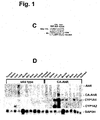
- Partial deletion of the minimal ligand-binding domain of the AhR results in a protein, CA-AhR (Fig. 1 A ), that fails to bind ligand (data not shown).
- This truncated receptor was constitutively active with regard to reporter gene activation (Fig. 1 B ) in transient transfection experiments, at CA-AhR expression levels matching those of the ligand-dependent wild type AhR (Fig. 1 C).
- CA-AhR was expressed in transgenic mice under the control of an SV40 promoter and the immunoglobulin heavy chain (IgH) intron enhancer (9). Mating heterozygous CA-AhR animals yielded wild type, hetero-, and homozygous mice at a normal Mendelian 1:2:1 frequency, indicating no prenatal lethality of homozygous mutants. Both heterozygous and homozygous CA-AhR mice were fertile and showed a normal sex ratio. In agreement with other studies using IgH intron enhancer-driven expression constructs (9, 14), CA-AhR mRNA expression levels were detected in thymus and spleen (Fig.
- Fig. 1 D The ligand-activated AhR regulates expression of a battery of genes encoding xenobiotic metabolising enzymes, e.g. CYP1A1 and CYP1A2 (1).
- CYP1A1 and CYP1A2 (1) xenobiotic metabolising enzymes
- CYP1A1 mRNA was not detected in untreated wild-type mice (Fig. 1 D ).
- all tissues that showed CA-AhR transgene expression also demonstrated induced expression at various levels of CYP1A1 mRNA (Fig. 1 D ).
- CA-AhR is transcriptionally active and mimics the action of the ligand-activated AhR.
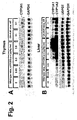
- a well-characterized adverse effect of dioxin is involution of the thymus (1).
- the relative thymus weight of CA-AhR animals was decreased up to six months of age (Fig. 2 B ).
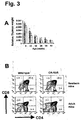
- Altered population sizes of single positive CD8 + and CD4 + T cells have previously been observed in rats exposed to TCDD during gestation (16). This effect was also observed in thymi from new-born CA-AhR mice (data not shown).
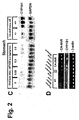
- the CA-AhR mice showed a significantly reduced life span where only very few homozygous animals survived past an age of 12 months. Several mice were found dead, beginning already at six months of age, most often without any preceding clinical symptoms. Notably, there was a striking sex difference in that male mice died earlier than females. In addition, a difference in the time-course between two independent homozygous lines of mice was also observed (Fig. 2 C ).
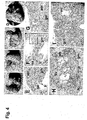
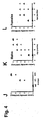
- the present inventors also detected glands in the subserosa that were clearly defined by connective tissue and associated with lymphatic tissue, vessels, fat and sometimes nerves (Fig. 3 I ), indicative of a severe perturbation of the differentiation status of these tissues. These alterations are characteristic for hamartomas of the human stomach. Intestinal metaplasia was common in most cysts of the tumours demonstrating staining of intestinal-type mucous not normally observed in the corpus of the stomach (Fig. 4 A - B ). Moreover, squamous metaplasia resulting in formation of squamous cysts was also observed (data not shown).
- the gastric tumours were not found in any wild type mice (n>200) but in more than 200 transgenic animals. Moreover, the tumours appeared in three independent lines of CA-AhR mice, indicating that the neoplasia was not an effect of random integration of the expression construct into the genome. Heterozygous mice showed less severe stomach tumours than homozygous mice, indicating a gene-dosage effect (data not shown). Moreover, the severity of the gastric tumours increased with age, and males were more severely affected (data not shown), further illustrating the sex difference in susceptibility to the CA-AhR, previously observed with regard to mortality (Fig. 2C).
Landscapes
- Life Sciences & Earth Sciences (AREA)
- Health & Medical Sciences (AREA)
- Chemical & Material Sciences (AREA)
- Genetics & Genomics (AREA)
- Engineering & Computer Science (AREA)
- Zoology (AREA)
- Organic Chemistry (AREA)
- General Health & Medical Sciences (AREA)
- Biotechnology (AREA)
- Veterinary Medicine (AREA)
- Biomedical Technology (AREA)
- Biochemistry (AREA)
- Environmental Sciences (AREA)
- Molecular Biology (AREA)
- Wood Science & Technology (AREA)
- Bioinformatics & Cheminformatics (AREA)
- Biophysics (AREA)
- General Engineering & Computer Science (AREA)
- Plant Pathology (AREA)
- Animal Husbandry (AREA)
- Cell Biology (AREA)
- Physics & Mathematics (AREA)
- Toxicology (AREA)
- Gastroenterology & Hepatology (AREA)
- Microbiology (AREA)
- Proteomics, Peptides & Aminoacids (AREA)
- Animal Behavior & Ethology (AREA)
- Immunology (AREA)
- Biodiversity & Conservation Biology (AREA)
- Medicinal Chemistry (AREA)
- Micro-Organisms Or Cultivation Processes Thereof (AREA)
- Measuring Or Testing Involving Enzymes Or Micro-Organisms (AREA)
- Preparation Of Compounds By Using Micro-Organisms (AREA)
- Medicines Containing Material From Animals Or Micro-Organisms (AREA)
- Investigating Or Analysing Biological Materials (AREA)
Claims (18)
- Construction d'expression d'un récepteur hydrocarbone dioxine aryle constitutivement actif (CA-AhR), caractérisée en ce que ladite construction est la séquence AhR de souris ayant une délétion des acides aminés 288 à 421.
- Animal transgénique non-humain incorporant de façon fonctionnelle une construction d'expression selon la revendication 1.
- Animal transgénique non-humain selon la revendication 2, choisi dans le groupe constitué des souris, rats, singes, chèvres et lapins.
- Cellule isolée de l'animal transgénique selon la revendication 2.
- Lignée cellulaire isolée dérivée de l'animal transgénique selon la revendication 2.
- Cellule selon la revendication 4, caractérisé en ce que ladite cellule est choisie parmi une cellule germinale et une cellule somatique.
- Modèle animal non-humain pour l'étude du cancer, comprenant un animal transgénique selon la revendication 2.
- Modèle animal non-humain pour l'étude du cancer, comprenant un animal transgénique selon la revendication 3.
- Modèle in vitro pour l'étude du cancer, comprenant une cellule selon la revendication 4.
- Modèle in vitro pour l'étude du cancer, comprenant une lignée cellulaire selon la revendication 5.
- Procédé de criblage de candidats-drogue, caractérisé en ce que les effets anti-carcinogènes desdits candidats-drogue sont testés chez un animal transgénique non-humain selon la revendication 2 ou 3, ou une cellule de cet animal transgénique ou une lignée cellulaire dérivée de ceux-ci, exprimant un récepteur hydrocarbone dioxine aryle constitutivement actif (CA-AhR).
- Procédé de criblage de candidats-drogue, caractérisé en ce que les effets anti-carcinogènes desdits candidats-drogue sont évalués dans un modèle selon l'une quelconque des revendications 7 à 10.
- Procédé pour étudier les mécanismes moléculaires du cancer, caractérisé en ce qu'on utilise le modèle selon l'une quelconque des revendications 7 à 10.
- Procédé pour étudier les mécanismes des adénocarcinomes hautement différenciés dans l'estomac, caractérisé en ce qu'on utilise un modèle selon l'une quelconque de revendications 7 à 10.
- Procédé d'induction d'un cancer stomacal chez un animal non-humain à but de recherche, caractérisé en ce que ledit animal est transfecté par une construction selon la revendication 1.
- Procédé selon la revendication 15, dans lequel la construction est injectée dans un oeuf fertilisé dudit animal non-humain, permettant à l'oeuf de se développer dans un animal contenant ladite construction dans son génome.
- Procédé d'induction d'enzymes métabolisant une drogue, normalement régulés par le récepteur Ah, en présence d'un ligand pour l'étude du métabolisme de la drogue par n'importe quel membre desdits enzymes, caractérisé en ce qu'un animal non-humain est transfecté par une construction selon la revendication 1.
- Procédé d'induction d'enzymes métabolisant une drogue, normalement régulés par le récepteur Ah, en présence d'un ligand pour l'étude du métabolisme de la drogue par n'importe quel membre desdits enzymes, caractérisé en ce que les cellules cultivées sont transfectées par une construction selon la revendication 1.
Applications Claiming Priority (3)
| Application Number | Priority Date | Filing Date | Title |
|---|---|---|---|
| US24354800P | 2000-10-26 | 2000-10-26 | |
| US243548P | 2000-10-26 | ||
| PCT/SE2001/002335 WO2002034928A1 (fr) | 2000-10-26 | 2001-10-25 | Animal transgenique non humain exprimant ca-ahr |
Publications (2)
| Publication Number | Publication Date |
|---|---|
| EP1328652A1 EP1328652A1 (fr) | 2003-07-23 |
| EP1328652B1 true EP1328652B1 (fr) | 2006-02-15 |
Family
ID=22919182
Family Applications (1)
| Application Number | Title | Priority Date | Filing Date |
|---|---|---|---|
| EP01977048A Expired - Lifetime EP1328652B1 (fr) | 2000-10-26 | 2001-10-25 | Animal transgenique non humain exprimant ca-ahr |
Country Status (6)
| Country | Link |
|---|---|
| US (1) | US7098376B2 (fr) |
| EP (1) | EP1328652B1 (fr) |
| AT (1) | ATE317907T1 (fr) |
| AU (1) | AU2001296198A1 (fr) |
| DE (1) | DE60117280T2 (fr) |
| WO (1) | WO2002034928A1 (fr) |
Families Citing this family (5)
| Publication number | Priority date | Publication date | Assignee | Title |
|---|---|---|---|---|
| ATE443257T1 (de) | 2003-05-14 | 2009-10-15 | Index Pharmaceuticals Ab | Verfahren zur identifizierung von tff2 regulierenden agentien |
| US10314810B2 (en) * | 2010-07-27 | 2019-06-11 | Trustees Of Boston University | Aryl hydrocarbon receptor (AhR) modifiers as novel cancer therapeutics |
| US10683552B2 (en) | 2014-11-25 | 2020-06-16 | Presidents And Fellows Of Harvard College | Clonal haematopoiesis |
| EP3626832B1 (fr) | 2014-11-25 | 2024-06-12 | The Brigham and Women's Hospital, Inc. | Procédé d'identification d'une personne présentant une prédisposition à ou souffrant d'une maladie cardio-métabolique |
| CN110810323B (zh) * | 2019-04-23 | 2021-09-14 | 中国科学院脑科学与智能技术卓越创新中心 | 制备具有强迫仪式样行为的非人灵长类动物模型的方法 |
Family Cites Families (3)
| Publication number | Priority date | Publication date | Assignee | Title |
|---|---|---|---|---|
| US5650283A (en) * | 1993-04-08 | 1997-07-22 | Northwestern University | Biological assay for detecting agonists to the Ah receptor |
| US5378822A (en) * | 1993-04-08 | 1995-01-03 | Wisconsin Alumni Research | Nucleic acids encoding murine and human Ah receptors |
| WO1999028464A2 (fr) * | 1997-11-28 | 1999-06-10 | Wisconsin Alumni Research Foundation | Adn complementaires et proteines appartenant a la superfamille bhlh-pas des regulateurs de transcription et procedes d'utilisation correspondants |
-
2001
- 2001-10-25 EP EP01977048A patent/EP1328652B1/fr not_active Expired - Lifetime
- 2001-10-25 AU AU2001296198A patent/AU2001296198A1/en not_active Abandoned
- 2001-10-25 US US10/415,255 patent/US7098376B2/en not_active Expired - Fee Related
- 2001-10-25 AT AT01977048T patent/ATE317907T1/de not_active IP Right Cessation
- 2001-10-25 WO PCT/SE2001/002335 patent/WO2002034928A1/fr not_active Ceased
- 2001-10-25 DE DE60117280T patent/DE60117280T2/de not_active Expired - Lifetime
Also Published As
| Publication number | Publication date |
|---|---|
| US7098376B2 (en) | 2006-08-29 |
| DE60117280T2 (de) | 2006-11-02 |
| AU2001296198A1 (en) | 2002-05-06 |
| WO2002034928A1 (fr) | 2002-05-02 |
| US20040088743A1 (en) | 2004-05-06 |
| DE60117280D1 (de) | 2006-04-20 |
| EP1328652A1 (fr) | 2003-07-23 |
| ATE317907T1 (de) | 2006-03-15 |
Similar Documents
| Publication | Publication Date | Title |
|---|---|---|
| Andersson et al. | A constitutively active dioxin/aryl hydrocarbon receptor induces stomach tumors | |
| Lin et al. | Deletion of the aryl hydrocarbon receptor-associated protein 9 leads to cardiac malformation and embryonic lethality | |
| Mimura et al. | Loss of teratogenic response to 2, 3, 7, 8‐tetrachlorodibenzo‐p‐dioxin (TCDD) in mice lacking the Ah (dioxin) receptor | |
| Freeman et al. | Deletion of nicotinamide nucleotide transhydrogenase: a new quantitive trait locus accounting for glucose intolerance in C57BL/6J mice | |
| Zeng et al. | Development of estrogen-responsive transgenic medaka for environmental monitoring of endocrine disrupters | |
| Gonzalez et al. | Xenobiotic receptor knockout mice | |
| Dear et al. | The Hox11 gene is essential for cell survival during spleen development | |
| Amann et al. | Mtgr1 is a transcriptional corepressor that is required for maintenance of the secretory cell lineage in the small intestine | |
| CA2688438A1 (fr) | Animaux transgeniques permettant d'evaluer la toxicite et le metabolisme d'un medicament | |
| ZA200802559B (en) | Novel gene disruptions, compositions and methods relating thereto | |
| Schonhoff et al. | Energy homeostasis and gastrointestinal endocrine differentiation do not require the anorectic hormone peptide YY | |
| US5919997A (en) | Transgenic mice having modified cell-cycle regulation | |
| US7098376B2 (en) | Transgenic mouse expressing constitutively active hydrocarbon receptor | |
| EP1769085B1 (fr) | DETECTION DU STRESS CELLULAIRE en utilisant le promoteur de Hmox-1 | |
| JP2008522605A (ja) | 薬物の代謝及び毒性を評価するためのトランスジェニック動物 | |
| US7119249B2 (en) | Methods and transgenic mouse model for identifying and modulating factors involved in the production of reactive oxygen intermediates | |
| JP2002511747A (ja) | 耐糖能障害疾患に対する治療および診断ツール | |
| US20040019921A1 (en) | Non-human mammal with disrupted or modified MIF gene, and uses thereof | |
| Li et al. | Transgenic overexpression of prothymosin α induces development of polycystic kidney disease | |
| US7446239B2 (en) | SCA2 knockout animal and methods of use | |
| JP3646161B2 (ja) | Keap1遺伝子改変による異物代謝系第二相強化非ヒト動物の作出方法 | |
| US20110119780A1 (en) | Screening for non-genotoxic carcinogens | |
| AU6622400A (en) | A knockout mouse for the tumor suppressor gene anx7 | |
| AU2011203346A8 (en) | Detection of cellular stress | |
| Vooijs | Tumor modeling in mice with conditional retinoblastoma gene deficiency |
Legal Events
| Date | Code | Title | Description |
|---|---|---|---|
| PUAI | Public reference made under article 153(3) epc to a published international application that has entered the european phase |
Free format text: ORIGINAL CODE: 0009012 |
|
| 17P | Request for examination filed |
Effective date: 20030312 |
|
| AK | Designated contracting states |
Designated state(s): AT BE CH CY DE DK ES FI FR GB GR IE IT LI LU MC NL PT SE TR |
|
| AX | Request for extension of the european patent |
Extension state: AL LT LV MK RO SI |
|
| RIN1 | Information on inventor provided before grant (corrected) |
Inventor name: MCGUIRE, JAQUELINE Inventor name: ANDERSSON, PATRIK Inventor name: POELLINGER, LORENZ Inventor name: HANBERG WIKLUND, ANNIKA |
|
| 17Q | First examination report despatched |
Effective date: 20050203 |
|
| GRAP | Despatch of communication of intention to grant a patent |
Free format text: ORIGINAL CODE: EPIDOSNIGR1 |
|
| GRAS | Grant fee paid |
Free format text: ORIGINAL CODE: EPIDOSNIGR3 |
|
| GRAA | (expected) grant |
Free format text: ORIGINAL CODE: 0009210 |
|
| AK | Designated contracting states |
Kind code of ref document: B1 Designated state(s): AT BE CH CY DE DK ES FI FR GB GR IE IT LI LU MC NL PT SE TR |
|
| PG25 | Lapsed in a contracting state [announced via postgrant information from national office to epo] |
Ref country code: IT Free format text: LAPSE BECAUSE OF FAILURE TO SUBMIT A TRANSLATION OF THE DESCRIPTION OR TO PAY THE FEE WITHIN THE PRESCRIBED TIME-LIMIT;WARNING: LAPSES OF ITALIAN PATENTS WITH EFFECTIVE DATE BEFORE 2007 MAY HAVE OCCURRED AT ANY TIME BEFORE 2007. THE CORRECT EFFECTIVE DATE MAY BE DIFFERENT FROM THE ONE RECORDED. Effective date: 20060215 Ref country code: NL Free format text: LAPSE BECAUSE OF FAILURE TO SUBMIT A TRANSLATION OF THE DESCRIPTION OR TO PAY THE FEE WITHIN THE PRESCRIBED TIME-LIMIT Effective date: 20060215 Ref country code: FI Free format text: LAPSE BECAUSE OF FAILURE TO SUBMIT A TRANSLATION OF THE DESCRIPTION OR TO PAY THE FEE WITHIN THE PRESCRIBED TIME-LIMIT Effective date: 20060215 Ref country code: BE Free format text: LAPSE BECAUSE OF FAILURE TO SUBMIT A TRANSLATION OF THE DESCRIPTION OR TO PAY THE FEE WITHIN THE PRESCRIBED TIME-LIMIT Effective date: 20060215 Ref country code: AT Free format text: LAPSE BECAUSE OF FAILURE TO SUBMIT A TRANSLATION OF THE DESCRIPTION OR TO PAY THE FEE WITHIN THE PRESCRIBED TIME-LIMIT Effective date: 20060215 |
|
| REG | Reference to a national code |
Ref country code: CH Ref legal event code: EP Ref country code: GB Ref legal event code: FG4D |
|
| REG | Reference to a national code |
Ref country code: IE Ref legal event code: FG4D |
|
| REF | Corresponds to: |
Ref document number: 60117280 Country of ref document: DE Date of ref document: 20060420 Kind code of ref document: P |
|
| PG25 | Lapsed in a contracting state [announced via postgrant information from national office to epo] |
Ref country code: SE Free format text: LAPSE BECAUSE OF FAILURE TO SUBMIT A TRANSLATION OF THE DESCRIPTION OR TO PAY THE FEE WITHIN THE PRESCRIBED TIME-LIMIT Effective date: 20060515 Ref country code: DK Free format text: LAPSE BECAUSE OF FAILURE TO SUBMIT A TRANSLATION OF THE DESCRIPTION OR TO PAY THE FEE WITHIN THE PRESCRIBED TIME-LIMIT Effective date: 20060515 |
|
| PG25 | Lapsed in a contracting state [announced via postgrant information from national office to epo] |
Ref country code: ES Free format text: LAPSE BECAUSE OF FAILURE TO SUBMIT A TRANSLATION OF THE DESCRIPTION OR TO PAY THE FEE WITHIN THE PRESCRIBED TIME-LIMIT Effective date: 20060526 |
|
| REG | Reference to a national code |
Ref country code: CH Ref legal event code: NV Representative=s name: TROESCH SCHEIDEGGER WERNER AG |
|
| PG25 | Lapsed in a contracting state [announced via postgrant information from national office to epo] |
Ref country code: PT Free format text: LAPSE BECAUSE OF FAILURE TO SUBMIT A TRANSLATION OF THE DESCRIPTION OR TO PAY THE FEE WITHIN THE PRESCRIBED TIME-LIMIT Effective date: 20060717 |
|
| NLV1 | Nl: lapsed or annulled due to failure to fulfill the requirements of art. 29p and 29m of the patents act | ||
| PG25 | Lapsed in a contracting state [announced via postgrant information from national office to epo] |
Ref country code: IE Free format text: LAPSE BECAUSE OF NON-PAYMENT OF DUE FEES Effective date: 20061025 |
|
| ET | Fr: translation filed | ||
| PG25 | Lapsed in a contracting state [announced via postgrant information from national office to epo] |
Ref country code: MC Free format text: LAPSE BECAUSE OF NON-PAYMENT OF DUE FEES Effective date: 20061031 |
|
| PLBE | No opposition filed within time limit |
Free format text: ORIGINAL CODE: 0009261 |
|
| STAA | Information on the status of an ep patent application or granted ep patent |
Free format text: STATUS: NO OPPOSITION FILED WITHIN TIME LIMIT |
|
| 26N | No opposition filed |
Effective date: 20061116 |
|
| REG | Reference to a national code |
Ref country code: GB Ref legal event code: 732E |
|
| REG | Reference to a national code |
Ref country code: CH Ref legal event code: PFA Owner name: INDEX PHARMACEUTICALS AB Free format text: INDEX THERAPEUTICALS AB#SCHEELES VAEG 1#171 77 STOCKHOLM (SE) -TRANSFER TO- INDEX PHARMACEUTICALS AB#SCHEELES VAEG 1#171 77 STOCKHOLM (SE) Ref country code: CH Ref legal event code: PUE Owner name: INDEX THERAPEUTICALS AB Free format text: INDEX PHARMACEUTICALS AB#FOGDEVRETEN 2#171 77 STOCKHOLM (SE) -TRANSFER TO- INDEX THERAPEUTICALS AB#SCHEELES VAEG 1#171 77 STOCKHOLM (SE) |
|
| REG | Reference to a national code |
Ref country code: FR Ref legal event code: CD Ref country code: FR Ref legal event code: TP |
|
| PG25 | Lapsed in a contracting state [announced via postgrant information from national office to epo] |
Ref country code: GR Free format text: LAPSE BECAUSE OF FAILURE TO SUBMIT A TRANSLATION OF THE DESCRIPTION OR TO PAY THE FEE WITHIN THE PRESCRIBED TIME-LIMIT Effective date: 20060516 |
|
| PG25 | Lapsed in a contracting state [announced via postgrant information from national office to epo] |
Ref country code: LU Free format text: LAPSE BECAUSE OF NON-PAYMENT OF DUE FEES Effective date: 20061025 Ref country code: TR Free format text: LAPSE BECAUSE OF FAILURE TO SUBMIT A TRANSLATION OF THE DESCRIPTION OR TO PAY THE FEE WITHIN THE PRESCRIBED TIME-LIMIT Effective date: 20060215 |
|
| PG25 | Lapsed in a contracting state [announced via postgrant information from national office to epo] |
Ref country code: CY Free format text: LAPSE BECAUSE OF FAILURE TO SUBMIT A TRANSLATION OF THE DESCRIPTION OR TO PAY THE FEE WITHIN THE PRESCRIBED TIME-LIMIT Effective date: 20060215 |
|
| PGFP | Annual fee paid to national office [announced via postgrant information from national office to epo] |
Ref country code: DE Payment date: 20101019 Year of fee payment: 10 |
|
| PGFP | Annual fee paid to national office [announced via postgrant information from national office to epo] |
Ref country code: GB Payment date: 20101028 Year of fee payment: 10 |
|
| PGFP | Annual fee paid to national office [announced via postgrant information from national office to epo] |
Ref country code: FR Payment date: 20111118 Year of fee payment: 11 Ref country code: CH Payment date: 20111014 Year of fee payment: 11 |
|
| REG | Reference to a national code |
Ref country code: CH Ref legal event code: PL |
|
| GBPC | Gb: european patent ceased through non-payment of renewal fee |
Effective date: 20121025 |
|
| REG | Reference to a national code |
Ref country code: FR Ref legal event code: ST Effective date: 20130628 |
|
| PG25 | Lapsed in a contracting state [announced via postgrant information from national office to epo] |
Ref country code: LI Free format text: LAPSE BECAUSE OF NON-PAYMENT OF DUE FEES Effective date: 20121031 Ref country code: CH Free format text: LAPSE BECAUSE OF NON-PAYMENT OF DUE FEES Effective date: 20121031 Ref country code: DE Free format text: LAPSE BECAUSE OF NON-PAYMENT OF DUE FEES Effective date: 20130501 Ref country code: GB Free format text: LAPSE BECAUSE OF NON-PAYMENT OF DUE FEES Effective date: 20121025 |
|
| REG | Reference to a national code |
Ref country code: DE Ref legal event code: R119 Ref document number: 60117280 Country of ref document: DE Effective date: 20130501 |
|
| PG25 | Lapsed in a contracting state [announced via postgrant information from national office to epo] |
Ref country code: FR Free format text: LAPSE BECAUSE OF NON-PAYMENT OF DUE FEES Effective date: 20121031 |