EP1357189A2 - Elicitor von Überempfindlichkeitsreaktionen in Pflanzen - Google Patents
Elicitor von Überempfindlichkeitsreaktionen in Pflanzen Download PDFInfo
- Publication number
- EP1357189A2 EP1357189A2 EP03075745A EP03075745A EP1357189A2 EP 1357189 A2 EP1357189 A2 EP 1357189A2 EP 03075745 A EP03075745 A EP 03075745A EP 03075745 A EP03075745 A EP 03075745A EP 1357189 A2 EP1357189 A2 EP 1357189A2
- Authority
- EP
- European Patent Office
- Prior art keywords
- harpin
- erwinia
- plant
- amylovora
- pathogen
- Prior art date
- Legal status (The legal status is an assumption and is not a legal conclusion. Google has not performed a legal analysis and makes no representation as to the accuracy of the status listed.)
- Granted
Links
Images

Classifications
-
- C—CHEMISTRY; METALLURGY
- C12—BIOCHEMISTRY; BEER; SPIRITS; WINE; VINEGAR; MICROBIOLOGY; ENZYMOLOGY; MUTATION OR GENETIC ENGINEERING
- C12N—MICROORGANISMS OR ENZYMES; COMPOSITIONS THEREOF; PROPAGATING, PRESERVING, OR MAINTAINING MICROORGANISMS; MUTATION OR GENETIC ENGINEERING; CULTURE MEDIA
- C12N15/00—Mutation or genetic engineering; DNA or RNA concerning genetic engineering, vectors, e.g. plasmids, or their isolation, preparation or purification; Use of hosts therefor
- C12N15/09—Recombinant DNA-technology
- C12N15/63—Introduction of foreign genetic material using vectors; Vectors; Use of hosts therefor; Regulation of expression
- C12N15/79—Vectors or expression systems specially adapted for eukaryotic hosts
- C12N15/82—Vectors or expression systems specially adapted for eukaryotic hosts for plant cells, e.g. plant artificial chromosomes (PACs)
- C12N15/8241—Phenotypically and genetically modified plants via recombinant DNA technology
- C12N15/8261—Phenotypically and genetically modified plants via recombinant DNA technology with agronomic (input) traits, e.g. crop yield
- C12N15/8271—Phenotypically and genetically modified plants via recombinant DNA technology with agronomic (input) traits, e.g. crop yield for stress resistance, e.g. heavy metal resistance
- C12N15/8279—Phenotypically and genetically modified plants via recombinant DNA technology with agronomic (input) traits, e.g. crop yield for stress resistance, e.g. heavy metal resistance for biotic stress resistance, pathogen resistance, disease resistance
- C12N15/8281—Phenotypically and genetically modified plants via recombinant DNA technology with agronomic (input) traits, e.g. crop yield for stress resistance, e.g. heavy metal resistance for biotic stress resistance, pathogen resistance, disease resistance for bacterial resistance
-
- C—CHEMISTRY; METALLURGY
- C07—ORGANIC CHEMISTRY
- C07K—PEPTIDES
- C07K14/00—Peptides having more than 20 amino acids; Gastrins; Somatostatins; Melanotropins; Derivatives thereof
- C07K14/195—Peptides having more than 20 amino acids; Gastrins; Somatostatins; Melanotropins; Derivatives thereof from bacteria
- C07K14/24—Peptides having more than 20 amino acids; Gastrins; Somatostatins; Melanotropins; Derivatives thereof from bacteria from Enterobacteriaceae (F), e.g. Citrobacter, Serratia, Proteus, Providencia, Morganella, Yersinia
- C07K14/27—Erwinia (G)
-
- C—CHEMISTRY; METALLURGY
- C12—BIOCHEMISTRY; BEER; SPIRITS; WINE; VINEGAR; MICROBIOLOGY; ENZYMOLOGY; MUTATION OR GENETIC ENGINEERING
- C12N—MICROORGANISMS OR ENZYMES; COMPOSITIONS THEREOF; PROPAGATING, PRESERVING, OR MAINTAINING MICROORGANISMS; MUTATION OR GENETIC ENGINEERING; CULTURE MEDIA
- C12N1/00—Microorganisms; Compositions thereof; Processes of propagating, maintaining or preserving microorganisms or compositions thereof; Processes of preparing or isolating a composition containing a microorganism; Culture media therefor
- C12N1/20—Bacteria; Culture media therefor
- C12N1/205—Bacterial isolates
-
- C—CHEMISTRY; METALLURGY
- C12—BIOCHEMISTRY; BEER; SPIRITS; WINE; VINEGAR; MICROBIOLOGY; ENZYMOLOGY; MUTATION OR GENETIC ENGINEERING
- C12R—INDEXING SCHEME ASSOCIATED WITH SUBCLASSES C12C - C12Q, RELATING TO MICROORGANISMS
- C12R2001/00—Microorganisms ; Processes using microorganisms
- C12R2001/01—Bacteria or Actinomycetales ; using bacteria or Actinomycetales
- C12R2001/185—Escherichia
- C12R2001/19—Escherichia coli
-
- Y—GENERAL TAGGING OF NEW TECHNOLOGICAL DEVELOPMENTS; GENERAL TAGGING OF CROSS-SECTIONAL TECHNOLOGIES SPANNING OVER SEVERAL SECTIONS OF THE IPC; TECHNICAL SUBJECTS COVERED BY FORMER USPC CROSS-REFERENCE ART COLLECTIONS [XRACs] AND DIGESTS
- Y10—TECHNICAL SUBJECTS COVERED BY FORMER USPC
- Y10S—TECHNICAL SUBJECTS COVERED BY FORMER USPC CROSS-REFERENCE ART COLLECTIONS [XRACs] AND DIGESTS
- Y10S530/00—Chemistry: natural resins or derivatives; peptides or proteins; lignins or reaction products thereof
- Y10S530/82—Proteins from microorganisms
- Y10S530/823—Lower fungi, e.g. mold
-
- Y—GENERAL TAGGING OF NEW TECHNOLOGICAL DEVELOPMENTS; GENERAL TAGGING OF CROSS-SECTIONAL TECHNOLOGIES SPANNING OVER SEVERAL SECTIONS OF THE IPC; TECHNICAL SUBJECTS COVERED BY FORMER USPC CROSS-REFERENCE ART COLLECTIONS [XRACs] AND DIGESTS
- Y10—TECHNICAL SUBJECTS COVERED BY FORMER USPC
- Y10S—TECHNICAL SUBJECTS COVERED BY FORMER USPC CROSS-REFERENCE ART COLLECTIONS [XRACs] AND DIGESTS
- Y10S530/00—Chemistry: natural resins or derivatives; peptides or proteins; lignins or reaction products thereof
- Y10S530/82—Proteins from microorganisms
- Y10S530/825—Bacteria
Definitions
- bacteria classified in the genera Erwinia, Pseudomonas and Xanthomonas are responsible for most losses due to bacterial plant pathogens.
- Many of the bacterial diseases of plants cause farmers great losses on a sporadic basis. The losses result from death, disfigurement or reduced productivity of affected plants.
- hrp genes The genes that bacterial plant pathogens require for HR-eliciting ability, are called hrp genes, for h ypersensitive r eaction and p athogenicity, are also required for causing disease.
- hrp genes The genes that bacterial plant pathogens require for HR-eliciting ability, are called hrp genes, for h ypersensitive r eaction and p athogenicity, are also required for causing disease.
- the products of hrp genes and how they function in elicitation of the HR, and in disease development remained unknown prior to the present invention.
- the present invention concerns products of hrp genes (elicitors) that are responsible for the collapse seen in the HR and are required for disease development.
- Interactions between bacterial pathogens and their plant hosts generally fall into two categories: (1) compatible (pathogen-host), leading to intercellular bacterial growth, symptom development and disease development in the host plant; and (2) incompatible (pathogen-nonhost), resulting in the hypersensitive response, a particular type of incompatible interaction occurring, without progressive disease symptoms.
- compatible pathogen-host
- incompatible pathogen-nonhost
- the hypersensitive response of higher plants is characterized by the rapid, localized collapse and death of tissues containing an incompatible pathogen (a microorganism that is pathogenic only on other plants) and is associated with the defense of plants against many bacteria, fungi, nematodes, and viruses [see Phytopathogenic Prokaryotes, (M.S. Mount and G.H. Lacy eds.) Academic Press, New York. pp 149-177 (1982)]. Elicitation of the hypersensitive response by bacteria was first demonstrated in 1963 when the intercellular spaces of tobacco leaves were infiltrated with 10 7 cells/ml of an incompatible pathogen. The infiltrated areas collapsed within 24-48 hours and ceased to support bacterial multiplication [see Nature 199:299 (1963)]. Thus, in the HR, the pathogen is localized and further growth is restricted.
- an incompatible pathogen a microorganism that is pathogenic only on other plants
- Elicitation of the hypersensitive response by bacteria was first demonstrated in 1963 when the intercellular spaces of tobacco leaves were in
- the technique used in the laboratory to demonstrate the HR is straight-forward.
- the intercellular spaces of tobacco leaves are infiltrated by first puncturing a sector on a leaf with a common straight dissecting needle. Then a 1-ml capacity syringe (without a needle), containing 0.1-0.5 ml of a bacterial cell suspension (usually 10 7 -10 8 viable cells/ml) of bacteria is pressed against one side of the leaf directly over the puncture. While pressing a finger on the opposite side of the leaf to stabilize it and to prevent liquid from leaking out of the punctured area, the syringe plunger is pressed gently to introduce the bacterial suspension into the leaf. Infiltration is considered successful when a water-soaked area approximately 1-4 cm 2 appears in the leaf.
- hrp genes Production of the elicitor of the hypersensitive response is controlled by a cluster of several hrp genes, which are highly conserved, and often interchangeable, among many species of plant pathogenic bacteria. Although individual and several hrp genes have been cloned by others, functional clusters of hrp genes have been cloned only from Erwina amylovora and Pseudomonas syringae . These clusters have been shown to confer on nonpathogenic bacteria the ability to elicit the hypersensitive response in tobacco and other leaves [see Mol. Plant-Microbe Interact. 4:132 (1991); J.
- the elicitor was initially isolated and purified from E. coli DH5 ⁇ (pCPP430), and later from a wild-type strain of E. amylovora, the bacterium that causes a disease of rosaceous plants, such as apple and pear, known as fire blight.
- E. amylovora the bacterium that causes a disease of rosaceous plants, such as apple and pear, known as fire blight.
- the name "harpin” is proposed for the hypersensitive response elicitor from E. amylovora; this elicitor is considered to be the archetype for a family of proteinaceous HR elicitors that are produced by many different phytopathogenic bacteria.
- a further aspect of this present invention is to describe specific elicitor proteins isolated from bacteria, which when applied to nonhost plants, cause a toxic response that is similar to the response elicited by living cells of the bacteria that produced the proteins.
- a further aspect of this present invention is to isolate and describe the genes that encode the elicitor proteins, which might be used to cause plants or other organisms to produce elicitor protein, which would exert its toxic effects in a precise controlled manner.
- a further aspect of this present invention is to provide sufficient characterization, and identification of these proteins to allow design and development of techniques that will inactivate, destroy, or bind with these proteins.
- This aspect is desirable because it is known the same proteins are required by the bacteria that produce them in order to cause disease in host plants of the bacteria. Neutralizing the toxic effects of the proteins neutralizes their roles in disease and reduces disease in plants.
- a still further aspect of the present invention is to develop antibodies against these proteins, sequence the antibodies produced, construct nucleic acid sequences which when inserted properly into the genome of a plant would cause the plant to express the antibody and thus prevent bacteria from causing disease in plants.
- One portion of the present invention is based on the identification of a particular hrp gene of the hrp gene cluster of Erwinia amylovora. That particular gene is transcribed and translated to yield the proteinaceous elicitor of the of the hypersensitive response.
- Another portion of the present invention deals with the identification of homologous genes from Erwinia, Xanthomonas, and Pseudomonas species that encode similar proteins to the HR elicitor from E . amylovora. Prior to the making of the present invention, the isolation of a proteinaceous elicitor of the hypersensitive response had not been reported.
- Another portion of the present invention is a description of techniques for isolation and purification of a proteinaceous elicitor of the hypersensitive response.
- An additional portion of this invention concerns the genetic manipulation of the genes encoding the HR-elicitor proteins to enhance production of harpin.
- the various portions and aspects of the present invention relate to providing prophylaxis against Erwinia amylovora, the causative agent of fire blight of apple, pear, and other rosaceous plants.
- the present invention broadly relates to providing prophylaxis to bacteria of the genera Erwinia, Pseudomonas and Xanthomonas which cause other diseases of a variety of plants.
- E . coli DH5 ⁇ (pCPP1084) and E . amylovora Ea321 have been deposited with the American Type Culture Collection in Rockville, Maryland. Their deposit number are ATCC 69021 and ATCC 49947, respectively. The deposit of ATCC 69021 has been made under the Budapest Treaty, and cultures will be made available in accordance with the provisions of this treaty.
- Figure 1 is a restriction endonuclease map of the hrp cluster of Erwinia amylovora
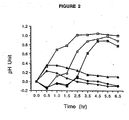
- Figure 2 depicts the changes in pH of a bathing solution of tobacco cell-suspension cultures.
- figure 1 represents the restriction endonuclease map of the hrp cluster of Erwinia amylovora in which "E” designates Eco RI, "H” designates Hind III , and "B” designates Bam HI restriction sites.
- the vertical lines indicate the location of transposon insertions that have been tested for their effects on the ability to elicit the HR and to be pathogenic on pear.
- Metabolically active cells of Erwinia amylovora Ea321 [see Molecular Plant-Microbe Interactions 1(3):135 (1988)] and E . coli DH5 ⁇ (pCPP430) with all indicated insertions fail to elicit the hypersensitive reaction in tobacco.
- the region encompassed by all indicated insertions is essential also for the elicitation of a K + /H + exchange reaction of tobacco cell suspension cultures. Derivatives of Ea321 containing all the indicated insertions are not pathogenic to pear.
- Plasmid pCPP430 was identified from a library of genomic DNA of the wild-type strain of E. amylovora, known in our laboratory as Ea321, and has been deposited in the American Type Culture Collection as 49947. The strain was received in 1978 from the French National Collection of Phytopathogenic bacteria, in which it is known as CNFB 1367. Genomic DNA was isolated and digested with Sau 3A, ligated into the cosmid vector of pCPP9 previously digested with Bam HI, packaged and transfected into E. coli strain ED8767 according to procedures previously described [see Mol. Plant-Microbe Int. 1:135 (1988)].
- the resulting cosmids were mobilized into strains by conjugation with the aid of the helper plasmid pRK2013 [Bauer, D.W., Molecular genetics of pathogenicity of Erwinia amylovora: techniques, tools and their application. Ph.D. thesis. Cornell University, Ithaca, NY (1989)].
- the resulting library was diluted and spread on plates of nutrient agar containing both spectinomycin and kanamycin 50 ⁇ gm/ml final concentration. Plates containing about 500 colonies, after incubation at 37° for 24 hr, were selected when the diameter of each colony was 0.5-1.0 mm. The colonies from these plates were replica-stamped onto plates containing Luria-Bertani agar (LA) on which 0.1 ml of a suspension of strain Ea321T143 previously had been spread. Ea321T143 is a Tn10-induced Hrp- mutant strain of Ea321; it is not pathogenic to pear fruit and does not elicit the HR in tobacco and other plants. It had been grown to O.D.
- LA Luria-Bertani agar
- 620 1.3 in Luria broth plus tetracycline (10 ⁇ gm/ml).
- the LA plates were incubated for 5 hr at 28°C and the growth on these plates were replica-plated on to a minimal medium for the growth of Erwinia amylovora, which contained glucose 2 g/l, asparagine 1.5 g/l.
- This procedure selected transconjugants of Ea321T143 which contained various cosmids of the Ea321 library. After 48 hr of incubation at 28°C, freshly cut slices of immature pear fruit were pressed onto the surface of each plate of transconjugants such that all colonies beneath the pear-slice came in contact with pear tissue. The pear slices were inverted, incubated in plastic boxes lined with well-moistened paper towels and observed daily for up to 5 days for the presence of droplets of ooze. The immature pear fruit had been harvested approximately 6 weeks following bloom, from trees of Pyrus communis cv. Bartlett. The fruits were 2-4 cm in diameter, and they were stored at 0-2°C until used. Ooze as used in this description of the present invention, is a mixture of plant and bacterial products that consists largely of living bacterial cells.
- the ooze was dilution-streaked on plates of E. amylovora -minimal medium with 50 ⁇ g/ml spectinomycin and 10 ⁇ gm/ml tetracycline, incubated for 2 days at 28°C and individual colonies were picked with sterile toothpicks, propagated on a fresh plate of Ea minimal agar + 50 ⁇ g/ml spectinomycin and 10 ⁇ gm/ml tetracycline and retested for pathogenicity. Freshly cut pear fruit tissue was stabbed with toothpicks contaminated with the strains to be tested.
- Cosmids from those colonies which caused disease on pear fruit were remobilized into DH5 ⁇ from Ea321T143 by combining 0.5 aliquots of overnight LB + antibiotic cultures of DH5 ⁇ , the Ea321T143 path + transconjugant (the strain of Ea321T143 containing the cosmid which bestowed on Ea321T143 the ability to cause disease), and pRK2013, the helper plasmid. The combination was mixed thoroughly, centrifuged, and the pellet suspended in 150 ⁇ l of L broth, without antibiotics.
- the pellet was thoroughly resuspended and 0.1 ml drops were placed on LA plates, allowed to soak into the agar without spreading, and then the plates were incubated at 28°C for 5 hr. After incubation, the spotted growth was resuspended in 1 ml of 5 mM potassium phosphate buffer, pH 6.5, and 0.1 aliquots were spread onto plates of LA + 50 ⁇ g/ml spectinomycin and 20 ⁇ g/ml Naladixic acid, which were then incubated for 48 hr at 37°C. Colonies were simultaneously transferred with toothpicks to plates of LA + 50 ⁇ g/ml spectinomycin and LA + Km. Those colonies that grew_only_on the 50 ⁇ g/ml spectinomycin plates, indicating loss of the helper plasmid pRK2013 (Km r ) were chosen for preservation by freezing and for further study.
- pCPP430 cosmid that restored pathogenicity to pear
- suspensions were infiltrated into tobacco leaf sectors.
- the effect of pCPP430, maintained in E. coli DH5 ⁇ was tested in tobacco.
- the strain was grown to OD 620 0.4-0.6 (approximately 10 8 cfu/ml) in Luria broth + 50 ⁇ g/ml spectinomycin.
- the culture was centrifuged (12,000 x g for 1 minute), resuspended in 5 mM phosphate buffer pH 6.5, to the original volume and infiltrated into tobacco leaves. Collapse of the tissue occurred within 8 hrs.
- the hrp gene from E. amylovora contained in the cosmid pCPP430 is particularly well expressed in Escherichia coli [see Advances in Molecular Genetics of Plant-Microbe Interactions, supra; Phytopathology 79:1166 (1989); and Mol. Plant-Microbe Interactions 4(5):493 (1991)].
- Escherichia coli Usually de novo RNA and protein synthesis was required for Ea321 to elicit the HR.
- E. coli (pCPP430) and Ea321(pCPP430) are able to elicit the HR in the presence of bacterial transcriptional or translational inhibitors such as rifampicin and tetracycline. This indicated that the HR elicitor was present in/on cells of E. coli DH5 ⁇ (pCPP430) before tobacco leaves were infiltrated with the bacteria.
- the search for the HR elicitor began by infiltrating tobacco leaves with the cell-free culture supernatants of E . amylovora Ea321, Ea321(pCPP430) or E. coli DH5 ⁇ (pCPP430).
- O.D. 620 ca. 1.0
- Ea321, E. coli DH5 ⁇ (pCPP430) and E. coli DH5 ⁇ (pRK2013) were grown overnight in LB broth containing respectively, no antibiotic, 50 ⁇ g/ml spectinomycin, or Km 50 .
- the next morning 0.5 ml aliquots of each strain were combined in a microcentrifuge tube, centrifuged for 2 min and resuspended in 0.15 ml of Luria broth (no antibiotics). A 0.1 ml aliquot of this suspension was spotted on Luria agar (no antibiotics) and incubated for 5 hr at 28°C.
- the growth from this spot was resuspended in 1 ml of 5 mM potassium phosphate buffer, pH 6.5, and 0.1 ml aliquots were spread on plates of E . amylovora minimal medium containing 50 ⁇ g/ml spectinomycin to select for strains of Ea321 harboring pCPP430. Plates were incubated for 2-3 days at 28°C. Individual colonies were toothpicked simultaneously to minimal medium containing 50 ⁇ g/ml spectinomycin and to minimal medium containing Km 50 .
- LB Luria-Bertani
- PMSF phenylmethylsulfonyl fluoride
- the cells were then disrupted by sonication using a Sonicator Ultrasonic Cell DisruptorTM (Heat System-Ultrasonics) at a power output of 4, and the pulsar cycle timer set to 40% duty cycle (under these conditions, 10 ml of bacterial suspension were sonicated for 10 min on ice).
- the debris from sonication were removed by centrifuging at 12,000 x g for 1 hour, the supernatant liquid was filtered through a 0.2 ⁇ m pore-size membrane filter to remove any remaining intact cells.
- the resulting preparation at dilutions up to about 1:10, was able to elicit the hypersensitive response in tobacco leaves.
- the advantage of the heat stability of the elicitor preparation was used to aid in further purification of the elicitor. Only a limited number of proteins remained after holding the elicitor preparation of Example III in a boiling water bath for 10 minutes and subsequent removal of the insoluble material by centrifugation. One band, corresponding to 44 kD, was prominent following electrophoresis of the heated Example III preparation on SDS-polyacrylamide (10% SDS-PAGE gels were prepared and used according to instructions of the supplier, Hoeffer Scientific Instruments; protein in the gels was stained with 0.025% Coomassie Blue R-250 for 30 min and destained with 50% methanol and 10% acetic acid solution) gels. A band of this mobility was uniquely present in all preparations with HR-eliciting activity.
- the fractions with HR-eliciting activity always contained a protein that corresponded to 44kD in molecular size with a pl of 4.0 to 4.5.
- CFEP CFEP was heated in a boiling water bath for 10 minutes, cooled to 25-30°C and centrifuged for 10 min at 12,000 x g. The supernatant liquid was retained and filtered through a 0.2 ⁇ m pore size filtration membrane (Millipore, MF).
- the heat-treated CFEP was bound to an anion exchange resin (Whatman DE-52) and eluted stepwise with increasing amounts of KCI in 5 mM potassium phosphate buffer, pH 6.5. Harpin was eluted from the column by buffer containing 90 mM KCI. The presence of harpin was determined by infiltration of tobacco leaf sectors with elements from the column that had been concentrated to 50% of the initial volume. In addition, fractions were electrophoresed in SDS-PAGE gels according to standard procedures. Final purification was accomplished by High Pressure Liquid Chromatography (HPLC).
- HPLC High Pressure Liquid Chromatography
- Preparations purified by ion-exchange chromatography were adjusted to pH 2 by the addition of acetic acid and, following centrifugation to remove any precipitates, were applied to a reverse-phase HPLC prepacked column (YMC AQ-303).
- the column was eluted with a gradient of 10-70% acetonitrile at pH 2 in 0.25% w/v trifluoroacetic acid. Detection of protein was by absorption of light from 190 nm to 300 nm. Each 0.25 ml fraction was tested for ability to elicit the HR by infiltration of tobacco leaf sectors.
- the granulated gel bed used for the resolution of the Example III preparation was prepared with Bio-lyteTM (Bio-Rad Laboratories) as recommended by the manufacturer. Wide-range ampholytes, pH 3-10 (Sigma) were used at a final concentration in the slurry of 2%. Electrode solutions were 1M H 3 PO 4 (anode) and 1M NaOH (cathode).
- harpin was protease sensitive, heat-stable, and acidic.
- Treatment of harpin with protease abolished HR-eliciting ability and eliminated the 44 kD protein band from SDS polyacrylamide gels.
- the preparation retained HR-eliciting activity.
- active protease was present in the infiltration mixture, no hypersensitive response developed.
- infiltration of tobacco leaves with active or heat-inactivated protease alone did not result in any macroscopic symptoms. Harpin retained its HR-eliciting activity following heating in a boiling water bath for 10 min.
- Purified harpin from an SDS gel had a pl of 4.3 as determined by resolution on thin-layer isoelectrofocusing gels using conventional techniques.
- harpin is located at or near the bacterial cell-surface, and that it is unstable.
- Cell suspensions of Ea321(pCPP430) or E. coli DH5 ⁇ (pCPP430) maintain their HR-eliciting activity for not more than 0.5 hr and 1 hr, respectively, in the presence of tetracycline (40 ⁇ g/ml), a translation inhibitor.
- tetracycline 40 ⁇ g/ml
- harpin was not detected once the cells lost HR-eliciting activity.
- the protease inhibitor PMSF 0.5 mM
- the bacteria retained HR-eliciting activity for more than two hours, and decreasing amounts of harpin were detected simultaneously in the SDS gels over time.
- Tobacco plants Nicotiana tabacum L. 'Xanthi' were grown in artificial soil mix to a height of 90-100 cm. Plants were moved from the greenhouse to the laboratory ⁇ 24 hr before infiltration. Infiltration of the leaf lamina was done with a needle-less syringe through a small hole made with a dissecting needle. Collapse of the infiltrated area, indicative of the HR, was recorded 24 hrs after infiltration.
- Tobacco Assay Medium [MES 0.5 mM, mannitol 0.175 M, K2S04 (2 ml of a .25 M stock solution), CaCl 2 (2 ml of a 0.25 M stock solution) high-purity water 996 ml; adjusted to pH 6.0 with 1N NaOH and filtered through a 0.2 ⁇ m pore-size membrane filter] was used to wash as many cells as possible through a single layer of cheesecloth. This washed and strained suspension was next poured into a large funnel lined with 1 layer of MiraclothTM (non-woven cloth), and the cells that lined the MiraclothTM were gently washed with an additional 200-400 ml of Tobacco Assay Medium.
- Bacterial cell suspensions were prepared by growing overnight cultures in LB with the appropriate antibiotic and then diluting the strains back to an OD 620 of 0.20 the next morning. The cultures were regrown to OD 0.4. At this OD, strains of Ea321 and their derivatives are estimated to have a concentration of approximately 2 x 10 8 cfu/ml. Strains of E. coli DH5 ⁇ and their derivatives are estimated to have a concentration of approximately 1 x 10 8 cfu/ml. The cells were centrifuged at 5000 x g and resuspended to give 5 fold concentrations (for Ea321 and derivatives) and 10 fold concentrations (for E. coli and derivatives) in 1 mM MES buffer pH 6.
- the following example provides a comparison of harpin obtained from E. coli DH5 ⁇ (pCPP430) and Ea 321.
- E. amylovora is produced by E. amylovora and not E. coli stimulated by the presence of pCPP430
- E. amylovora Ea321 the same techniques used for its isolation from E. coli DH5 ⁇ (pCPP430) were used with E. amylovora Ea321, except that the cells were preincubated in a HR-inducing medium for 5 hrs before sonication.
- E. coli DH5 ⁇ (pCPP9) which harbors the vector of pCPP430, was subjected to the same procedures as E.coli DH5 ⁇ (pCPP430).
- E. amylovora Ea321 produces, on a per cell basis, about one tenth the amount of harpin as does E. coli DH5 ⁇ (pCPP430).
- the properties of the elicitor protein from E. amylovora Ea321 and E. coli DH5 ⁇ (pCPP430) were identical. No protease-sensitive heat stable HR-eliciting activity associated with a 44 kD protein was seen in cell-free extracts taken from E . coli DH5 ⁇ (pCPP9).
- E. amylovora harpin The properties of the E. amylovora harpin are consistent with several important physiological observations that were made following the discovery that bacteria can elicit the hypersensitive response. Infiltration of plant tissues with incompatible pathogens and inhibitors of bacterial protein or RNA synthesis prevent the hypersensitive response [see Phytopathology 72:1513 (1982)] indicating that de novo RNA and protein synthesis is required. When bacteria are infiltrated in dilute water agar, no hypersensitive response is elicited, suggesting that intimate contact between bacteria and plant cells is required. Pre-induced bacteria quickly lose HR-eliciting ability when infiltrated with translation or transcriptional inhibitors [see Science 245:1374 (1989)].
- harpin is associated with the bacterial cell surface and appears unstable in nature because of its extreme sensitivity to proteolysis. Thus, harpin degradation may be important in regulating the development of the plant-bacterium interaction.
- harpin is also a primary determinant of pathogenicity in E . amylovora.
- the basis for the essential role for harpin in both compatible (host:disease) and incompatible (nonhost:hypersensitive response) interactions is not clear.
- Host range in some plant pathogenic bacteria has been shown to be controlled by avr genes that can confer cultivar-specific incompatibility to hrp + pathogens.
- the biochemical activity of the avr gene products and the basis for their dependence on hrp genes for phenotypic expression is unknown, although avrB is regulated by hrp genes. Regulation of the production or accumulation of harpin may also be a determinative factor; the hrp gene cluster in E . amylovora is expressed about 10-fold lower in host tissue (pear) than in nonhost tissue (tobacco).
- the following example provides a description for the determination of the N-terminal amino acid sequence by which the gene encoding harpin was located.
- harpin In order to locate the gene encoding harpin, named hrpN, the partial amino acid sequence of the harpin protein was determined.
- N-terminal amino acid sequence of harpin was determined according to the methods of Hunkapiller [see Methods Of Protein Microcharacterization; A Practical Handbook, ppg 223-247, Humana Press, Clifton, New Jersey (1986)] is as follows:
- the deduced amino acid sequence of harpin (including the N-terminal amino acid sequence given above) according to the present invention is:
- the partial amino acid sequence of harpin was utilized to construct an oligonucleotide probe with bases corresponding to those encoding the ninth to fifteenth amino acids of the N-terminus of harpin. Since several of these amino acids may have several nucleic acid codons, a 48-fold degenerate oligonucleotide was constructed according to standard procedures.
- the structural gene encoding harpin was identified by hybridization of the oligonucleotide probe constructed in Example VIII with DNA of Erwinia amylovora.
- the specific DNA cloned in the hrp cluster of E. amylovora in cosmid pCPP430 was digested with the restriction enzyme Bam HI and a separate portion was digested with the restriction enzyme Hind III.
- the DNA digests were electrophoresed in 0.7% agarose, stained with ethidium bromide, transferred to a nylon membrane (Immobilon) and hybridized with the oligonucleotide probe previously described, according to standard procedures.
- the probe was labelled with radioactive phosphorous using 32 P labelled GTP.
- anti-harpin antibodies The production of anti-harpin antibodies according to the present invention is described in the following example:
- Antibodies were raised in rabbits in response to injection with harpin. Three injections of highly purified harpin (100, 150 and 50 ⁇ g, respectively) were made at 2-3 week intervals. The antiserum was harvested after 8 weeks, IgG was precipitated with ammonium sulfate, and preabsorbed with sonicated E. coli DH5 ⁇ (pCPP9) lysate. The specificity of the antiserum was confirmed by reaction in western blots of harpin purified by HPLC as described in Example VII. No reaction was seen with pre-immune serum when western blots containing resolved CFEP from DH5 ⁇ (pCPP430) were hybridized.
- hrpN in the T7 RNA polymerase/promoter expression system is described in the following example:
- the plasmid pGpl-2 (Proc. Natl. Acad. Sci. U.S.A. 82:1074 (1985)] and pCPP1084, which contains the 1.3 kb Hind III fragment under the control of T7 ⁇ 10 promoter, was transformed, into E. coli DH5 ⁇ or Ea321. These two compatible plasmids constitute the T7 expression system.
- the cells containing both pGpl-1 and pCPP1084 were grown in LB with 100 ⁇ g/ml of ampicillin and 50 ⁇ g/ml of kanamycin at 30°C.
- Cells were incubated at 42°C for 10 additional minutes and then shifted to 30°C and incubated for an additional 1 hour. Cells were pulsed with 10 ⁇ Ci of 35 S methioine for 5 min at 30°C. The cells were centrifuged and resuspended in 50 ⁇ l of "cracking buffer" (60 mM Tris-HCl, pH 6.8, 1% SDS, 1% 2-mercaptoethanol, 10% glycerol and 0.01% bromophenol blue). The samples were heated at 100°C for 3 min and 20 ⁇ l were placed on a 10% SDS PAGE gel.
- "cracking buffer” 60 mM Tris-HCl, pH 6.8, 1% SDS, 1% 2-mercaptoethanol, 10% glycerol and 0.01% bromophenol blue.
- the nucleic acid sequence of the hrpN gene according to the present invention was determined according to the following example.
- DNA sequencing analysis was performed by the dideoxy-chain termination method (Sanger 1977, PNAS 74:5643-5667). The sequences were verified from both strands by using either the universal primer or the T3 primer. The subclones generated by Kpn1 and Pt+1 from the 1.3 kb Hind III fragment were used directly as templates for sequencing.
- the nucleotide sequence of hrpN was submitted to Genbank and assigned accession number M92994. The nucleotide sequence is shown below.
- the open reading frame (including the stop codon TGA) which is expressed to provide the amino add sequence for harpin is as follows:
- pCPP50 A new plasmid. designated pCPP50, was constructed especially for high expression of harpin as follows:.
- the expression vector plNIII 113 -A2 [see Bio/Technology, pp 81-85 (Jan. 1984)] was modified. It was digested with the restriction endonuclease Xba I and Hind III which resulted in two fragments. The smaller DNA fragment was discarded and replaced with a portion of the pBluescript SK - polylinker ( Xba I to Hind III). These manipulations removed the ribosome-binding site and initiation codon (ATG) from pINIII 113 -A2 and replaced them with several useful cloning sites ( Xba I, Spe I, Bam HI, Sma I, Pst I, Eco RV, Hind III, Bam HI). The resulting vector (pCPP50) was used in conjunction with the hrpN gene to facilitate super-production of harpin by E. coli .
- Plasmid pCPP1084, containing hrpN (Example VII) was digested with the restriction endonuclease Hind III.
- the 1.3 kb Hind III DNA fragment was purified from an agarose gel, and ligated into pCPP50 which had also been digested with Hind III and treated with alkaline phosphoratase.
- the DNA was transformed into E. coli DH5 ⁇ .
- transformants were screened on an SDS-Polyacrylamide gel for production of a protein corresponding to the known mobility of harpin.
- One clone, designated pCPP2139 produced large quantities of harpin.
- E. coli DH5 ⁇ (pCPP2139) Large quantities of harpin were produced in E. coli DH5 ⁇ (pCPP2139) according to the following procedure: E. coli DH5 ⁇ (pCPP2139) was grown in M9 minimal medium supplemented with 5 g/l casamino acids and 40 mg/l thiamine. The bacteria were grown for an additional 20 hours at 37°C. Harpin was isolated from the bacteria according to Example III.
- Harpin produced by E. coli DH5 ⁇ (pCPP2139) was active in tobacco leaf assays and it had the same molecular weight on SDS-polyacrylamide gels and reacted with anti-harpin antiserum (Example X) as harpin produced by E. coli DH5 ⁇ (pCPP430).
- E. coli DH5 ⁇ (pCPP2139) had detectable activity at a 1:150 dilution.
- E. coli DH5 ⁇ (pCPP430) had detectable activity only to a 1:10 dilution.
- E . coli DH5 ⁇ (pCPP2139) produced at least 15 times as much harpin as E. coli DH5 ⁇ (pCPP430).
- the results referred to are tabulated in the following table. CFEP from E.
- Inactivation of harpin by reaction of E . amylovora cells with an antiserum specific for harpin (Example X) or a protease that degrades harpin (Example VII) resulted in a reduction in disease of pear caused by E. amylovora.
- Immature pear fruit, harvested when the fruit were 3-4 cm in diameter were surface-disinfested, cut in half lengthwise and placed on moistened paper towels. Wells were cut in the cheeks of fruit with a number 1 cork borer (see Beer, S.V. Methods in Phytobacteriology, pp 372-375 (1990) Klement, Z., Rudolf, K, and Sands, D. eds).
- Ea321 One ml of a culture of Ea321 (2 x 10 8 cfu/ml) was mixed with 50 ⁇ l and 100 ⁇ l of a 1:25 dilution of anti-harpin antisera (Example X), and after 5 minutes, 50 ⁇ l of the mixture was deposited in the well of each pear fruit. Similarly, suspensions of Ea321 were mixed with protease before deposit in the wells in the pear fruit. The pears were incubated at 27°C and observed daily for 3 days. Controls consisted of cells not treated and cells mixed with pre-immune serum taken from the same rabbit.
- E. amylovora Treatment of E. amylovora with either protease or harpin-specific antiserum reduced the number of pear fruits that became infected. Treatment with preimmune (normal) serum had no effect on the development of disease.
- preimmune serum had no effect on the development of disease.
- the above-described test of the effect of two treatments that affect harpin without affecting the vitality or growth of E. amylovora was particularly harsh. Only the harpin present on the treated cells could be affected because the antiserum or enzyme could not be present to react with harpin on the progeny from the treated cells.
- anti-harpin antibodies would be produced by plants transformed with genes encoding anti-harpin antibodies or protease, and these in turn would inhibit or lessen the disease severity of the plant exposed to the elicitor. Also, in nature, treatment of blooming apple or pear trees with protease or anti-harpin antibodies is likely to result in greater reductions in fire blight because infections generally are initiated by a small number of cells, as opposed to about 10 8 , as was used in the above example.
- harpin is the archetype for proteinaceous factors that enable plant pathogenic bacteria (and possibly other pathogenic microorganisms) to elicit either the hypersensitive response in nonhosts or to promote disease in hosts.
- strains of the three genera Erwinia, Pseudomonas, and Xanthomonas elicit a very similar (visually and physiologically) hypersensitive response when infiltrated into leaves of their respective non-host plants. This relationship has been documented almost since the discovery of the hypersensitive response elicited by bacteria in 1963.
- genes required for the elicitation of the HR by strains of all three genera of bacteria are also those required for both pathogenicity to host plants and for elicitation of the hypersensitive response in non-host plants.
- hrp genes of E. amylovora appear to be involved in the secretion of cell-surface exposition of harpin, based on the phenotype of mutations in those genes.
- One gene of the hrp gene cluster of Pseudomonas syringae which hybridizes with a portion of the hrp gene cluster of E . amylovora , encodes a protein with a high amino acid similarity with proteins involved in secretion in various Gram-negative bacteria.
- hrpN mutants may be used to identify, by complementation, genes from other plant pathogenic organisms (e.g., bacteria, fungi, nematodes) that encode proteins that function similarly to harpin. Although such proteins may have substantially different primary structures (and therefore would be difficult to detect by DNA hybridization techniques), these proteins should restore the ability to elicit the HR to either E. amylovora or E. coli cells carrying a hrp cluster that was functional, except for the hrpN gene.
- plant pathogenic organisms e.g., bacteria, fungi, nematodes
- proteins may have substantially different primary structures (and therefore would be difficult to detect by DNA hybridization techniques)
- these proteins should restore the ability to elicit the HR to either E. amylovora or E. coli cells carrying a hrp cluster that was functional, except for the hrpN gene.
- harpin and/or harpin-producing strains to identify in plants harpin receptors and/or their interactants in signal transduction pathways and clone their encoding genes.
- this would allow one to exploit the potential of harpin to function (depending upon the plant) as a pathogenicity factor or as an elicitor of defense reactions to manipulate the structure or expression of plant genes (s) encoding harpin receptor(s) for the purpose of producing genetically engineered plants with improved resistance to plant pathogens.
- Still another use of harpin within the scope of the present invention would be as a potentiator of secondary metabolite production in plants grown either naturally or in tissue culture.
- Still another use would be the fusion of the gene encoding harpin to specific promoters of plant genes to develop specific transgenic plants.
- harpin When the plant gene is "turned on”, harpin would be expressed and the plant cell killed.
- Some appropriate plant gene promoters and their projected uses include genes involved in pollen development (resulting in the development of male sterile plants); genes that are expressed in response to infection by fungi, e.g. genes encoding phenylalanine ammonia lyase and chalcone synthase (the plant cell would be killed thereby limiting the progress of the fungus and making the plant resistant to fungal diseases); and genes involved in the development of senescence (to facilitate harvest, expression of hrp genes would result in defoliation).
- harpin within the scope of the present invention would be the use of harpin as a "target molecule" with which chemical compounds would be designed to react and thereby inactivate the bacterial harpin, which, because it is essential for disease, would provide a specific bacteriacide target.
Landscapes
- Health & Medical Sciences (AREA)
- Genetics & Genomics (AREA)
- Life Sciences & Earth Sciences (AREA)
- Chemical & Material Sciences (AREA)
- Engineering & Computer Science (AREA)
- Organic Chemistry (AREA)
- Biotechnology (AREA)
- Zoology (AREA)
- Bioinformatics & Cheminformatics (AREA)
- Wood Science & Technology (AREA)
- Molecular Biology (AREA)
- General Health & Medical Sciences (AREA)
- Biomedical Technology (AREA)
- General Engineering & Computer Science (AREA)
- Biochemistry (AREA)
- Biophysics (AREA)
- Medicinal Chemistry (AREA)
- Microbiology (AREA)
- Plant Pathology (AREA)
- Cell Biology (AREA)
- Physics & Mathematics (AREA)
- Tropical Medicine & Parasitology (AREA)
- Virology (AREA)
- Gastroenterology & Hepatology (AREA)
- Proteomics, Peptides & Aminoacids (AREA)
- Peptides Or Proteins (AREA)
- Agricultural Chemicals And Associated Chemicals (AREA)
- Micro-Organisms Or Cultivation Processes Thereof (AREA)
- Saccharide Compounds (AREA)
- Breeding Of Plants And Reproduction By Means Of Culturing (AREA)
- Preparation Of Compounds By Using Micro-Organisms (AREA)
Applications Claiming Priority (3)
| Application Number | Priority Date | Filing Date | Title |
|---|---|---|---|
| US90793592A | 1992-07-01 | 1992-07-01 | |
| US907935 | 1992-07-01 | ||
| EP93918140A EP0648266B1 (de) | 1992-07-01 | 1993-06-30 | Auslöser von überempfindlichkeitsreaktionen in pflanzen |
Related Parent Applications (2)
| Application Number | Title | Priority Date | Filing Date |
|---|---|---|---|
| EP93918140A Division EP0648266B1 (de) | 1992-07-01 | 1993-06-30 | Auslöser von überempfindlichkeitsreaktionen in pflanzen |
| EP93918140.0 Division | 1994-01-20 |
Publications (3)
| Publication Number | Publication Date |
|---|---|
| EP1357189A2 true EP1357189A2 (de) | 2003-10-29 |
| EP1357189A3 EP1357189A3 (de) | 2003-12-10 |
| EP1357189B1 EP1357189B1 (de) | 2011-04-13 |
Family
ID=25424885
Family Applications (2)
| Application Number | Title | Priority Date | Filing Date |
|---|---|---|---|
| EP93918140A Expired - Lifetime EP0648266B1 (de) | 1992-07-01 | 1993-06-30 | Auslöser von überempfindlichkeitsreaktionen in pflanzen |
| EP03075745A Expired - Lifetime EP1357189B1 (de) | 1992-07-01 | 1993-06-30 | Elicitor von Überempfindlichkeitsreaktionen in Pflanzen |
Family Applications Before (1)
| Application Number | Title | Priority Date | Filing Date |
|---|---|---|---|
| EP93918140A Expired - Lifetime EP0648266B1 (de) | 1992-07-01 | 1993-06-30 | Auslöser von überempfindlichkeitsreaktionen in pflanzen |
Country Status (8)
| Country | Link |
|---|---|
| US (2) | US5849868A (de) |
| EP (2) | EP0648266B1 (de) |
| JP (1) | JPH07509604A (de) |
| AT (2) | ATE317438T1 (de) |
| DE (2) | DE69333980T2 (de) |
| ES (2) | ES2256836T3 (de) |
| PT (1) | PT1357189E (de) |
| WO (1) | WO1994001546A1 (de) |
Families Citing this family (204)
| Publication number | Priority date | Publication date | Assignee | Title |
|---|---|---|---|---|
| WO1994001546A1 (en) | 1992-07-01 | 1994-01-20 | Cornell Research Foundation, Inc. | Elicitor of the hypersensitive response in plants |
| US5708139A (en) * | 1993-05-17 | 1998-01-13 | Cornell Research Foundation, Inc. | Pseudomonas syringae pv syringae hrpZ gene |
| JP3961023B2 (ja) * | 1995-06-07 | 2007-08-15 | コーネル・リサーチ・ファンデーション・インコーポレイテッド | 植物における過敏応答誘導耐性 |
| US5850015A (en) * | 1995-06-07 | 1998-12-15 | Cornell Research Foundation, Inc. | Hypersensitive response elicitor from Erwinia chrysanthemi |
| AU2548597A (en) * | 1996-03-25 | 1997-10-17 | University Of Florida | Antibodies against avirulence/pathogenicity proteins of plant pathogens |
| US6235974B1 (en) * | 1996-12-05 | 2001-05-22 | Cornell Research Foundation, Inc. | Hypersensitive response induced resistance in plants by seed treatment with a hypersensitive response elicitor |
| US6277814B1 (en) | 1997-01-27 | 2001-08-21 | Cornell Research Foundation, Inc. | Enhancement of growth in plants |
| US6998515B1 (en) | 1997-01-27 | 2006-02-14 | Cornell Research Foundation, Inc. | Use of a nucleic acid encoding a hypersensitive response elicitor polypeptide to enhance growth in plants |
| US5977060A (en) * | 1997-02-28 | 1999-11-02 | Cornell Research Foundation, Inc. | Insect control with a hypersensitive response elicitor |
| BR9809699A (pt) | 1997-05-30 | 2000-07-11 | Cornell Res Foundation Inc | Fragmento isolado de uma proteìna ou polipeptìdeo eliciador de resposta hipersensìvel de erwinia, molécula de dna isolada, sistema de expressão, célula hospedeira, planta transgênica, semente de planta transgênica, e, processos para conferir resistência a doença e intensificar crescimento de plantas e para controlar insetos para plantas |
| US6228644B1 (en) | 1997-08-06 | 2001-05-08 | Cornell Research Foundation, Inc. | Hypersensitive response elicitor from Erwinia amylovora, its use, and encoding gene |
| US6262018B1 (en) | 1997-08-06 | 2001-07-17 | Cornell Research Foundation, Inc. | Hypersensitive response elicitor from Erwinia amylovora and its use |
| US6172184B1 (en) | 1997-08-06 | 2001-01-09 | Cornell Research Foundation, Inc. | Hypersensitive response elicitor from Pseudomonas syringae and its use |
| US6333302B1 (en) | 1997-09-03 | 2001-12-25 | Cornell Research Foundation, Inc. | Use of hypersensitive response elicitor protein or polypeptide from Clavibacter michiganensis for disease resistance, growth enhancement and insect control |
| US6476292B1 (en) | 1998-02-26 | 2002-11-05 | Pioneer Hi-Bred International, Inc. | Methods for enhancing disease resistance in plants |
| US6858707B1 (en) | 1998-10-05 | 2005-02-22 | Eden Bioscience Corporation | Hypersensitive response elicitor fragments which are active but do not elicit a hypersensitive response |
| US6960705B2 (en) | 1998-10-05 | 2005-11-01 | Eden Bioscience Corporation | Nucleic acid encoding a hypersensitive response elicitor from Xanthomonas campestris |
| US6624139B1 (en) | 1998-11-05 | 2003-09-23 | Eden Bioscience Corporation | Hypersensitive response elicitor-induced stress resistance |
| US7041876B2 (en) | 2000-01-26 | 2006-05-09 | Cornell Research Foundation, Inc. | Oomycete-resistant transgenic plants by virtue of pathogen-induced expression of a heterologous hypersensitive response elicitor |
| US20020019337A1 (en) | 2000-04-19 | 2002-02-14 | Zhong-Min Wei | Treatment of fruits or vegetables with hypersensitive response elicitor to inhibit postharvest disease or desiccation |
| CA2411896A1 (en) * | 2000-06-16 | 2001-12-27 | Eden Bioscience Corporation | Hypersensitive response eliciting domains of bacterial harpins and use thereof |
| KR100356226B1 (ko) * | 2000-09-30 | 2002-10-18 | 현대자동차주식회사 | 배터리 내구력 시험 방법 |
| KR20030015010A (ko) * | 2001-08-14 | 2003-02-20 | 주식회사 파이오니아 | 신규한 가지검은마름병원균 wt#3(kccm10283)유래 wt#3-1유전자를 이용한 새로운생물농약 |
| KR20050084521A (ko) * | 2003-01-03 | 2005-08-26 | 뉴트라-박, 인코포레이티드. | 식물 및 식물의 일부를 처리하는 방법 |
| WO2007109080A2 (en) * | 2006-03-16 | 2007-09-27 | Vertex Pharmaceuticals Incorporated | Deuterated hepatitis c protease inhibitors |
| CA2732882A1 (en) * | 2008-08-12 | 2010-02-18 | Plant Health Care, Inc. | Production, formulation, and uses of stable liquid harpin protein formulations |
| US20130274104A1 (en) | 2010-12-22 | 2013-10-17 | Basf Se | Agrochemical mixtures for increasing the health of a plant |
| TWI616138B (zh) | 2011-04-15 | 2018-03-01 | 先正達合夥公司 | 殺有害生物組合物及使用其的方法 |
| US9204638B2 (en) | 2011-12-30 | 2015-12-08 | Plant Health Care, Inc. | Method for increasing plant yield, and yield improving compositions |
| UA120628C2 (uk) | 2014-11-07 | 2020-01-10 | Басф Се | Пестицидні суміші |
| WO2017076757A1 (en) | 2015-11-02 | 2017-05-11 | Basf Se | Substituted oxadiazoles for combating phytopathogenic fungi |
| BR112018008288A2 (pt) | 2015-11-04 | 2018-10-30 | Basf Se | uso de compostos de fórmula, compostos de fórmula, mistura, composição agroquímica e método para combater fungos |
| WO2017081312A1 (en) | 2015-11-13 | 2017-05-18 | Basf Se | Substituted oxadiazoles for combating phytopathogenic fungi |
| EP3373732A1 (de) | 2015-11-13 | 2018-09-19 | Basf Se | Substituierte oxadiazolone zur bekämpfung phytopathogener pilze |
| CA3003946A1 (en) | 2015-11-19 | 2017-05-26 | Basf Se | Substituted oxadiazoles for combating phytopathogenic fungi |
| MX2018006244A (es) | 2015-11-19 | 2018-11-09 | Basf Se | Oxadiazoles sustituidos para combatir hongos fitopatogenos. |
| WO2017153200A1 (en) | 2016-03-10 | 2017-09-14 | Basf Se | Fungicidal mixtures iii comprising strobilurin-type fungicides |
| WO2017157920A1 (en) | 2016-03-16 | 2017-09-21 | Basf Se | Use of tetrazolinones for combating resistant phytopathogenic fungi on fruits |
| US11241012B2 (en) | 2016-03-16 | 2022-02-08 | Basf Se | Use of tetrazolinones for combating resistant phytopathogenic fungi on soybean |
| EP3429357B1 (de) | 2016-03-16 | 2025-09-17 | Basf Se | Verwendung eines spezifischen tetrazolinons zur bekämpfung phytopathogener pilze in getreide |
| BR112018069897B1 (pt) | 2016-04-11 | 2023-01-17 | Basf Se | Composto de fórmula i, composição agroquímica, processo para a preparação de compostos de fórmula i, uso não terapêutico de compostos e método para o combate de fungos fitopatogênicos nocivos |
| WO2018050421A1 (en) | 2016-09-13 | 2018-03-22 | Basf Se | Fungicidal mixtures i comprising quinoline fungicides |
| WO2018054721A1 (en) | 2016-09-26 | 2018-03-29 | Basf Se | Pyridine compounds for controlling phytopathogenic harmful fungi |
| WO2018054711A1 (en) | 2016-09-26 | 2018-03-29 | Basf Se | Pyridine compounds for controlling phytopathogenic harmful fungi |
| WO2018054723A1 (en) | 2016-09-26 | 2018-03-29 | Basf Se | Pyridine compounds for controlling phytopathogenic harmful fungi |
| WO2018065182A1 (en) | 2016-10-04 | 2018-04-12 | Basf Se | Reduced quinoline compounds as antifuni agents |
| WO2018073110A1 (en) | 2016-10-20 | 2018-04-26 | Basf Se | Quinoline compounds as fungicides |
| EP3555056A1 (de) | 2016-12-19 | 2019-10-23 | Basf Se | Substituierte oxadiazole zur bekämpfung phytopathogener pilze |
| EP3339297A1 (de) | 2016-12-20 | 2018-06-27 | Basf Se | Verwendung von substituierten oxadiazolonen zur bekämpfung phytopathogener pilze |
| EP3338552A1 (de) | 2016-12-21 | 2018-06-27 | Basf Se | Verwendung eines tetrazolinon fungizids bei transgenen pflanzen |
| CN108264542A (zh) * | 2016-12-30 | 2018-07-10 | 四川本原作物科技有限公司 | 海藻酸钠修饰的Hrps共价三聚肽及其制备方法 |
| CN108264563A (zh) * | 2016-12-30 | 2018-07-10 | 四川本原作物科技有限公司 | 葡聚糖修饰的Hrps共价三聚肽及其制备方法 |
| WO2018134127A1 (en) | 2017-01-23 | 2018-07-26 | Basf Se | Fungicidal pyridine compounds |
| WO2018149754A1 (en) | 2017-02-16 | 2018-08-23 | Basf Se | Pyridine compounds |
| WO2018153730A1 (en) | 2017-02-21 | 2018-08-30 | Basf Se | Substituted oxadiazoles for combating phytopathogenic fungi |
| MX2019011785A (es) | 2017-03-31 | 2019-11-18 | Basf Se | Proceso para preparar compuestos de 2,3-dihidrotiazolo[3,2-a]pirim idin-4-io quirales. |
| US20200187500A1 (en) | 2017-04-06 | 2020-06-18 | Basf Se | Pyridine compounds |
| AU2018247768A1 (en) | 2017-04-07 | 2019-10-03 | Basf Se | Substituted oxadiazoles for combating phytopathogenic fungi |
| WO2018188962A1 (en) | 2017-04-11 | 2018-10-18 | Basf Se | Substituted oxadiazoles for combating phytopathogenic fungi |
| RU2019136993A (ru) | 2017-04-20 | 2021-05-20 | Пи Индастриз Лтд. | Новые соединения фениламина |
| WO2018202428A1 (en) | 2017-05-02 | 2018-11-08 | Basf Se | Fungicidal mixture comprising substituted 3-phenyl-5-(trifluoromethyl)-1,2,4-oxadiazoles |
| WO2018202491A1 (en) | 2017-05-04 | 2018-11-08 | Basf Se | Substituted trifluoromethyloxadiazoles for combating phytopathogenic fungi |
| WO2018202487A1 (en) | 2017-05-04 | 2018-11-08 | Basf Se | Substituted 5-(haloalkyl)-5-hydroxy-isoxazoles for combating phytopathogenic fungi |
| EP3618628A1 (de) | 2017-05-05 | 2020-03-11 | Basf Se | Fungizide mischungen mit triazolverbindungen |
| WO2018210661A1 (en) | 2017-05-15 | 2018-11-22 | Basf Se | Heteroaryl compounds as agrochemical fungicides |
| WO2018210658A1 (en) | 2017-05-15 | 2018-11-22 | Basf Se | Heteroaryl compounds as agrochemical fungicides |
| WO2018210659A1 (en) | 2017-05-15 | 2018-11-22 | Basf Se | Heteroaryl compounds as agrochemical fungicides |
| WO2018210660A1 (en) | 2017-05-15 | 2018-11-22 | Basf Se | Heteroaryl compounds as agrochemical fungicides |
| CR20190580A (es) | 2017-05-30 | 2020-02-10 | Basf Se | Compuestos de piridina y pirazina |
| WO2018219797A1 (en) | 2017-06-02 | 2018-12-06 | Basf Se | Substituted oxadiazoles for combating phytopathogenic fungi |
| WO2018234139A1 (en) | 2017-06-19 | 2018-12-27 | Basf Se | 2-[[5-(trifluoromethyl)-1,2,4-oxadiazol-3-yl]aryloxy](thio)acetamides for combating phytopathogenic fungi |
| WO2019002158A1 (en) | 2017-06-30 | 2019-01-03 | Basf Se | SUBSTITUTED TRIFLUOROMETHYLOXADIAZOLES FOR THE CONTROL OF PHYTOPATHOGENIC FUNGI |
| WO2019025250A1 (en) | 2017-08-04 | 2019-02-07 | Basf Se | SUBSTITUTED TRIFLUOROMETHYLOXADIAZOLES FOR COMBATING PHYTOPATHOGENIC FUNGI |
| WO2019038042A1 (en) | 2017-08-21 | 2019-02-28 | Basf Se | SUBSTITUTED TRIFLUOROMETHYLOXADIAZOLES FOR THE CONTROL OF PHYTOPATHOGENIC FUNGI |
| EP3675638A1 (de) | 2017-08-29 | 2020-07-08 | Basf Se | Pestizidgemische |
| WO2019042932A1 (en) | 2017-08-31 | 2019-03-07 | Basf Se | METHOD FOR CONTROLLING RICE PARASITES IN RICE |
| EP3453706A1 (de) | 2017-09-08 | 2019-03-13 | Basf Se | Pestizide imidazolverbindungen |
| EP3684761A1 (de) | 2017-09-18 | 2020-07-29 | Basf Se | Substituierte trifluormethyloxadiazole zur bekämpfung phytopathogener pilze |
| WO2019057660A1 (en) | 2017-09-25 | 2019-03-28 | Basf Se | INDOLE AND AZAINDOLE COMPOUNDS HAVING 6-CHANNEL SUBSTITUTED ARYL AND HETEROARYL CYCLES AS AGROCHEMICAL FUNGICIDES |
| US11399543B2 (en) | 2017-10-13 | 2022-08-02 | Basf Se | Substituted 1,2,3,5-tetrahydroimidazo[1,2-a]pyrimidiniumolates for combating animal pests |
| WO2019101511A1 (en) | 2017-11-23 | 2019-05-31 | Basf Se | Substituted trifluoromethyloxadiazoles for combating phytopathogenic fungi |
| WO2019115511A1 (en) | 2017-12-14 | 2019-06-20 | Basf Se | Fungicidal mixture comprising substituted 3-phenyl-5-(trifluoromethyl)-1,2,4-oxadiazoles |
| EP3723485A1 (de) | 2017-12-15 | 2020-10-21 | Basf Se | Fungizide mischung mit substituierten pyridinen |
| WO2019121143A1 (en) | 2017-12-20 | 2019-06-27 | Basf Se | Substituted cyclopropyl derivatives |
| BR112020012614A2 (pt) | 2017-12-20 | 2020-11-24 | Pi Industries Ltd | compostos de fluoralquenil, processo de preparação e utilização |
| IL275726B2 (en) | 2018-01-09 | 2024-06-01 | Basf Se | Silylethynyl hetaryl compounds as nitrification inhibitors |
| WO2019137995A1 (en) | 2018-01-11 | 2019-07-18 | Basf Se | Novel pyridazine compounds for controlling invertebrate pests |
| WO2019150311A1 (en) | 2018-02-02 | 2019-08-08 | Pi Industries Ltd. | 1-3 dithiol compounds and their use for the protection of crops from phytopathogenic microorganisms |
| CA3088722A1 (en) | 2018-02-07 | 2019-08-15 | Basf Se | New pyridine carboxamides |
| WO2019154665A1 (en) | 2018-02-07 | 2019-08-15 | Basf Se | New pyridine carboxamides |
| EP3530118A1 (de) | 2018-02-26 | 2019-08-28 | Basf Se | Fungizidmischungen |
| EP3530116A1 (de) | 2018-02-27 | 2019-08-28 | Basf Se | Fungizide mischungen mit xemium |
| BR112020016425A2 (pt) | 2018-02-28 | 2020-12-15 | Basf Se | Uso de composto de alcoxipirazol, composição para uso na redução da nitrificação, mistura agroquímica e métodos de redução da nitrificação e de tratamento de fertilizante ou composição |
| PE20211754A1 (es) | 2018-02-28 | 2021-09-06 | Basf Se | Uso de compuestos de alcoxi pirazol funcionalizados con n como inhibidores de la nitrificacion |
| WO2019166252A1 (en) | 2018-02-28 | 2019-09-06 | Basf Se | Fungicidal mixtures comprising fenpropidin |
| WO2019166558A1 (en) | 2018-02-28 | 2019-09-06 | Basf Se | Use of pyrazole propargyl ethers as nitrification inhibitors |
| WO2019166257A1 (en) | 2018-03-01 | 2019-09-06 | BASF Agro B.V. | Fungicidal compositions of mefentrifluconazole |
| EP3533331A1 (de) | 2018-03-02 | 2019-09-04 | Basf Se | Fungizidemischungen enthaltend pydiflumetofen |
| EP3533333A1 (de) | 2018-03-02 | 2019-09-04 | Basf Se | Fungizide mischungen enthaltend pydiflumetofen |
| EP3536150A1 (de) | 2018-03-06 | 2019-09-11 | Basf Se | Fungizide mischungen enthaltend fluxapyroxad |
| WO2019175713A1 (en) | 2018-03-14 | 2019-09-19 | Basf Corporation | New catechol molecules and their use as inhibitors to p450 related metabolic pathways |
| WO2019175712A1 (en) | 2018-03-14 | 2019-09-19 | Basf Corporation | New uses for catechol molecules as inhibitors to glutathione s-transferase metabolic pathways |
| WO2019219464A1 (en) | 2018-05-15 | 2019-11-21 | Basf Se | Substituted trifluoromethyloxadiazoles for combating phytopathogenic fungi |
| CN112423590B (zh) | 2018-05-15 | 2022-07-08 | 巴斯夫欧洲公司 | 包含benzpyrimoxan和oxazosulfyl的混合物和用途以及它们的施用方法 |
| WO2019224092A1 (en) | 2018-05-22 | 2019-11-28 | Basf Se | Pesticidally active c15-derivatives of ginkgolides |
| WO2020002472A1 (en) | 2018-06-28 | 2020-01-02 | Basf Se | Use of alkynylthiophenes as nitrification inhibitors |
| DK3826983T3 (da) | 2018-07-23 | 2024-08-05 | Basf Se | Anvendelse af substituerede 2-thiazoliner som nitrificeringshæmmere |
| US12151991B2 (en) | 2018-07-23 | 2024-11-26 | Basf Se | Use of a substituted thiazolidine compound as nitrification inhibitor |
| TW202009235A (zh) | 2018-08-17 | 2020-03-01 | 印度商皮埃企業有限公司 | 1,2-二硫醇酮化合物及其用途 |
| EP3613736A1 (de) | 2018-08-22 | 2020-02-26 | Basf Se | Substituierte glutarimidderivate |
| US20220046925A1 (en) | 2018-09-28 | 2022-02-17 | Basf Se | Method of controlling pests by seed treatment application of a mesoionic compound or mixture thereof |
| EP3628158A1 (de) | 2018-09-28 | 2020-04-01 | Basf Se | Pestizide zusammensetzung die eine mesoionische verbindung und ein biopestizid enthält |
| EP3628156A1 (de) | 2018-09-28 | 2020-04-01 | Basf Se | Verfahren zur bekämpfung von schädlingen von zuckerrohr-, zitrus-, raps- und kartoffelpflanzen |
| EP3628157A1 (de) | 2018-09-28 | 2020-04-01 | Basf Se | Verfahren zur kontrolle von insektizid-resistenten insekten und virusübertragung auf pflanzen |
| EP3643705A1 (de) | 2018-10-24 | 2020-04-29 | Basf Se | Pestizidverbindungen |
| WO2020095161A1 (en) | 2018-11-05 | 2020-05-14 | Pi Industries Ltd. | Nitrone compounds and use thereof |
| EP3670501A1 (de) | 2018-12-17 | 2020-06-24 | Basf Se | Substituierte [1,2,4]triazol-verbindungen als fongizide |
| EP3696177A1 (de) | 2019-02-12 | 2020-08-19 | Basf Se | Heterocyclische verbindungen zur bekämpfung von wirbellosen schädlingen |
| EP3730489A1 (de) | 2019-04-25 | 2020-10-28 | Basf Se | Heteroarylverbindungen als agrochemische fungizide |
| EP3975718A1 (de) | 2019-05-29 | 2022-04-06 | Basf Se | Mesoionische imidazolverbindungen und derivate zur bekämpfung von tierischen schädlingen |
| EP3769623A1 (de) | 2019-07-22 | 2021-01-27 | Basf Se | Mesoionische imidazolverbindungen und derivate zur bekämpfung von tierischen schädlingen |
| WO2020244969A1 (en) | 2019-06-06 | 2020-12-10 | Basf Se | Pyridine derivatives and their use as fungicides |
| WO2020244970A1 (en) | 2019-06-06 | 2020-12-10 | Basf Se | New carbocyclic pyridine carboxamides |
| MX2021014864A (es) | 2019-06-06 | 2022-01-18 | Basf Se | N-(pirid-3-il)carboxamidas fungicidas. |
| EP3766879A1 (de) | 2019-07-19 | 2021-01-20 | Basf Se | Pestizide pyrazolverbindungen |
| WO2021063735A1 (en) | 2019-10-02 | 2021-04-08 | Basf Se | New bicyclic pyridine derivatives |
| WO2021063736A1 (en) | 2019-10-02 | 2021-04-08 | Basf Se | Bicyclic pyridine derivatives |
| CN114845551B (zh) | 2019-12-23 | 2025-04-29 | 巴斯夫欧洲公司 | 酶增强农业化学活性化合物的根吸收 |
| US20230106291A1 (en) | 2020-02-28 | 2023-04-06 | BASF Agro B.V. | Methods and uses of a mixture comprising alpha-cypermethrin and dinotefuran for controlling invertebrate pests in t |
| WO2021175669A1 (en) | 2020-03-04 | 2021-09-10 | Basf Se | Use of substituted 1,2,4-oxadiazoles for combating phytopathogenic fungi |
| WO2021209360A1 (en) | 2020-04-14 | 2021-10-21 | Basf Se | Fungicidal mixtures comprising substituted 3-phenyl-5-(trifluoromethyl)-1,2,4-oxadiazoles |
| EP3903581A1 (de) | 2020-04-28 | 2021-11-03 | Basf Se | Verwendung von strobilurin-verbindungen zur bekämpfung von phytopathogenen pilzen, die eine aminosäuresubstitution f129l im mitochondrialen cytochrom b-protein enthalten, zur vermittlung einer resistenz gegen qo-inhibitoren i |
| EP3903582A1 (de) | 2020-04-28 | 2021-11-03 | Basf Se | Verwendung von verbindungen vom strobilurintyp zur bekämpfung von phytopathogenen pilzen, die eine aminosäuresubstitution f129l in dem mitochondrialen cytochrom-b-protein enthalten, das resistenz gegenüber qo-inhibitoren ii verleiht |
| EP3903583A1 (de) | 2020-04-28 | 2021-11-03 | Basf Se | Verwendung von verbindungen vom strobilurintyp zur bekämpfung von phytopathogenen pilzen, die eine aminosäuresubstitution f129l in dem mitochondrialen cytochrom-b-protein enthalten, das resistenz gegenüber qo-inhibitoren iii verleiht |
| CN115443267B (zh) | 2020-04-28 | 2025-09-05 | 巴斯夫欧洲公司 | 杀害虫化合物 |
| EP3903584A1 (de) | 2020-04-28 | 2021-11-03 | Basf Se | Verwendung von verbindungen vom strobilurintyp zur bekämpfung von phytopathogenen pilzen, die eine aminosäuresubstitution f129l in dem mitochondrialen cytochrom-b-protein enthalten, das resistenz gegenüber qo-inhibitoren iv verleiht |
| EP3909950A1 (de) | 2020-05-13 | 2021-11-17 | Basf Se | Heterocyclische verbindungen zur bekämpfung von wirbellosen schädlingen |
| EP3945089A1 (de) | 2020-07-31 | 2022-02-02 | Basf Se | Verwendung von verbindungen vom strobilurintyp zur bekämpfung von phytopathogenen pilzen, die eine aminosäuresubstitution f129l in dem mitochondrialen cytochrom-b-protein enthalten, das resistenz gegenüber qo-inhibitoren v verleiht |
| WO2021249800A1 (en) | 2020-06-10 | 2021-12-16 | Basf Se | Substituted [1,2,4]triazole compounds as fungicides |
| EP3960727A1 (de) | 2020-08-28 | 2022-03-02 | Basf Se | Verwendung von verbindungen vom strobilurintyp zur bekämpfung von phytopathogenen pilzen, die eine aminosäuresubstitution f129l im mitochondrialen cytochrom-b-protein enthalten, das resistenz gegenüber qo-inhibitoren vi verleiht |
| EP3939961A1 (de) | 2020-07-16 | 2022-01-19 | Basf Se | Strobilurintyp und deren verwendung zur bekämpfung von phytopathogenen pilzen |
| WO2022017836A1 (en) | 2020-07-20 | 2022-01-27 | BASF Agro B.V. | Fungicidal compositions comprising (r)-2-[4-(4-chlorophenoxy)-2-(trifluoromethyl)phenyl]-1- (1,2,4-triazol-1-yl)propan-2-ol |
| EP3970494A1 (de) | 2020-09-21 | 2022-03-23 | Basf Se | Verwendung von verbindungen vom strobilurintyp zur bekämpfung von phytopathogenen pilzen, die eine aminosäuresubstitution f129l in dem mitochondrialen cytochrom-b-protein enthalten, das resistenz gegenüber qo-inhibitoren viii verleiht |
| TW202229241A (zh) | 2020-09-26 | 2022-08-01 | 印度商皮埃企業有限公司 | 殺線蟲化合物及其用途 |
| WO2022089969A1 (en) | 2020-10-27 | 2022-05-05 | BASF Agro B.V. | Compositions comprising mefentrifluconazole |
| WO2022090069A1 (en) | 2020-11-02 | 2022-05-05 | Basf Se | Compositions comprising mefenpyr-diethyl |
| WO2022090071A1 (en) | 2020-11-02 | 2022-05-05 | Basf Se | Use of mefenpyr-diethyl for controlling phytopathogenic fungi |
| WO2022106304A1 (en) | 2020-11-23 | 2022-05-27 | BASF Agro B.V. | Compositions comprising mefentrifluconazole |
| EP4018830A1 (de) | 2020-12-23 | 2022-06-29 | Basf Se | Pestizide mischungen |
| CN116829521A (zh) | 2021-02-02 | 2023-09-29 | 巴斯夫欧洲公司 | Dcd和烷氧基吡唑作为硝化抑制剂的协同增效作用 |
| EP4043444A1 (de) | 2021-02-11 | 2022-08-17 | Basf Se | Substituierte isoxazolinderivate |
| WO2022238157A1 (en) | 2021-05-11 | 2022-11-17 | Basf Se | Fungicidal mixtures comprising substituted 3-phenyl-5-(trifluoromethyl)-1,2,4-oxadiazoles |
| JP2024519815A (ja) | 2021-05-18 | 2024-05-21 | ビーエーエスエフ ソシエタス・ヨーロピア | 殺菌剤としての新規な置換ピリジン |
| EP4341257A1 (de) | 2021-05-18 | 2024-03-27 | Basf Se | Neue substituierte chinoline als fungizide |
| KR20240008857A (ko) | 2021-05-18 | 2024-01-19 | 바스프 에스이 | 살진균제로서의 신규한 치환된 피리딘 |
| EP4341248A1 (de) | 2021-05-21 | 2024-03-27 | Basf Se | Verwendung einer n-funktionalisierten alkoxypyrazolverbindung als nitrifikationshemmer |
| EP4341245A1 (de) | 2021-05-21 | 2024-03-27 | Basf Se | Verwendung von ethynylpyridinverbindungen als nitrifikationsinhibitoren |
| EP4094579A1 (de) | 2021-05-28 | 2022-11-30 | Basf Se | Pestizidgemische enthaltend metyltetraprole |
| BR112023027004A2 (pt) | 2021-06-21 | 2024-03-12 | Basf Se | Estrutura de metal-orgânica, uso da estrutura de metal-orgânica, composição para uso na redução da nitrificação, mistura agroquímica e métodos de redução da nitrificação, de tratamento de fertilizante ou composição de fertilizante e de preparação de uma estrutura de metal-orgânica |
| EP4119547A1 (de) | 2021-07-12 | 2023-01-18 | Basf Se | Triazolverbindungen zur bekämpfung von wirbellosen schädlingen |
| AU2022321882A1 (en) | 2021-08-02 | 2024-02-15 | Basf Se | (3-pirydyl)-quinazoline |
| MX2024001592A (es) | 2021-08-02 | 2024-02-15 | Basf Se | (3-quinolil)-quinazolina. |
| CN113621074B (zh) * | 2021-08-06 | 2023-04-25 | 苏州乙水茉生物科技有限公司 | 一种多价植物免疫融合蛋白及其生产方法和应用 |
| EP4140986A1 (de) | 2021-08-23 | 2023-03-01 | Basf Se | Pyrazolverbindungen zur bekämpfung von wirbellosen schädlingen |
| EP4140995A1 (de) | 2021-08-27 | 2023-03-01 | Basf Se | Pyrazin verbindungen zur kontrolle von wirbellosen schädlingen |
| EP4151631A1 (de) | 2021-09-20 | 2023-03-22 | Basf Se | Heterocyclische verbindungen zur bekämpfung von wirbellosen schädlingen |
| WO2023072671A1 (en) | 2021-10-28 | 2023-05-04 | Basf Se | Use of strobilurin type compounds for combating phytopathogenic fungi containing an amino acid substitution f129l in the mitochondrial cytochrome b protein conferring resistance to qo inhibitors ix |
| WO2023072670A1 (en) | 2021-10-28 | 2023-05-04 | Basf Se | Use of strobilurin type compounds for combating phytopathogenic fungi containing an amino acid substitution f129l in the mitochondrial cytochrome b protein conferring resistance to qo inhibitors x |
| EP4194453A1 (de) | 2021-12-08 | 2023-06-14 | Basf Se | Pyrazinverbindungen zur bekämpfung von wirbellosen schädlingen |
| EP4198033A1 (de) | 2021-12-14 | 2023-06-21 | Basf Se | Heterocyclische verbindungen zur bekämpfung von wirbellosen schädlingen |
| EP4198023A1 (de) | 2021-12-16 | 2023-06-21 | Basf Se | Pestizidaktive thiosemicarbazonverbindungen |
| EP4238971A1 (de) | 2022-03-02 | 2023-09-06 | Basf Se | Substituierte isoxazolinderivate |
| WO2023203066A1 (en) | 2022-04-21 | 2023-10-26 | Basf Se | Synergistic action as nitrification inhibitors of dcd oligomers with alkoxypyrazole and its oligomers |
| CA3263381A1 (en) | 2022-08-02 | 2024-02-08 | Basf Se | PYRAZOLO PESTICIDE COMPOUNDS |
| EP4342885A1 (de) | 2022-09-20 | 2024-03-27 | Basf Se | N-(3-(aminomethyl)-phenyl)-5-(4-phenyl)-5-(trifluoromethyl)-4,5-dihydroisoxazol-3-amin-derivate und ähnliche verbindungen als pestizide |
| EP4361126A1 (de) | 2022-10-24 | 2024-05-01 | Basf Se | Verwendung von strobilurin-derivaten zur bekämpfung von phytopathogenen pilzen mit aminosäuresubstitution f129l |
| CN120187295A (zh) | 2022-11-14 | 2025-06-20 | 巴斯夫欧洲公司 | 包含取代的吡啶的杀真菌混合物 |
| EP4619393A1 (de) | 2022-11-16 | 2025-09-24 | Basf Se | Substituierte benzodiazepine als fungizide |
| EP4618760A1 (de) | 2022-11-16 | 2025-09-24 | Basf Se | Fungizide mischung mit substituierten pyridinen |
| CN120202194A (zh) | 2022-11-16 | 2025-06-24 | 巴斯夫欧洲公司 | 作为杀真菌剂的取代的四氢苯并二氮杂䓬 |
| EP4619399A1 (de) | 2022-11-16 | 2025-09-24 | Basf Se | Substituierte tetrahydrobenzoxazepine |
| WO2024104815A1 (en) | 2022-11-16 | 2024-05-23 | Basf Se | Substituted benzodiazepines as fungicides |
| EP4389210A1 (de) | 2022-12-21 | 2024-06-26 | Basf Se | Heteroarylverbindungen zur bekämpfung von wirbellosen schädlingen |
| WO2024165343A1 (en) | 2023-02-08 | 2024-08-15 | Basf Se | New substituted quinoline compounds for combatitng phytopathogenic fungi |
| CN120957986A (zh) | 2023-03-17 | 2025-11-14 | 巴斯夫欧洲公司 | 用于对抗植物病原性真菌的取代的吡啶基/吡嗪基二氢苯并硫氮杂䓬化合物 |
| EP4455137A1 (de) | 2023-04-24 | 2024-10-30 | Basf Se | Pyrimidinverbindungen zur bekämpfung von wirbellosen schädlingen |
| EP4702006A1 (de) | 2023-04-26 | 2026-03-04 | Basf Se | Verwendung von strobilurin-derivaten zur bekämpfung von phytopathogenen pilzen mit aminosäuresubstitution f129l |
| EP4467535A1 (de) | 2023-05-25 | 2024-11-27 | Basf Se | Lactam-pestizidverbindungen |
| EP4488270A1 (de) | 2023-07-06 | 2025-01-08 | Basf Se | Triazolverbindungen zur bekämpfung von wirbellosen schädlingen |
| EP4488273A1 (de) | 2023-07-06 | 2025-01-08 | Basf Se | Triazolverbindungen zur bekämpfung von wirbellosen schädlingen |
| EP4488269A1 (de) | 2023-07-06 | 2025-01-08 | Basf Se | Triazolverbindungen zur bekämpfung von wirbellosen schädlingen |
| EP4574819A1 (de) | 2023-12-22 | 2025-06-25 | Basf Se | Diazinonverbindungen zur bekämpfung von wirbellosen schädlingen |
| WO2025223904A1 (en) | 2024-04-24 | 2025-10-30 | Basf Se | Mixtures of strobilurin type compounds for combating phytopathogenic fungi containing an amino acid substitution f129l in the mitochondrial cytochrome b protein conferring resistance to qo inhibitors with at least one further pesticide i |
| EP4640052A1 (de) | 2024-04-24 | 2025-10-29 | Basf Se | Mischungen von strobilurin-derivaten zur bekämpfung phytopathogener pilze mit einer aminosäuresubstitution f129l im mitochondrialen cytochrom b protein |
| WO2026012814A1 (en) | 2024-07-10 | 2026-01-15 | Basf Se | Compositions and methods to enhance crop yield and plant health |
| WO2026021912A1 (en) | 2024-07-23 | 2026-01-29 | Basf Se | New substituted benzothiazine pyridine compounds for combatting phytopathogenic fungi |
| WO2026021910A1 (en) | 2024-07-23 | 2026-01-29 | Basf Se | New substituted benzothiazine pyridine compounds for combatting phytopathogenic fungi |
| WO2026021911A1 (en) | 2024-07-23 | 2026-01-29 | Basf Se | New substituted benzothiazine pyridine compounds for combatting phytopathogenic fungi |
| WO2026021909A1 (en) | 2024-07-23 | 2026-01-29 | Basf Se | New substituted benzothiazine pyridine compounds for combatting phytopathogenic fungi |
| WO2026037853A1 (en) | 2024-08-14 | 2026-02-19 | Basf Se | Benzoxazole derivatives as pesticidal compounds |
| WO2026041702A1 (en) | 2024-08-21 | 2026-02-26 | Basf Se | Benzoxazole derivatives as pesticidal compounds |
| WO2026057375A1 (en) | 2024-09-11 | 2026-03-19 | Basf Se | Mixtures of ambruticin with at least one further pesticide |
| WO2026057374A1 (en) | 2024-09-11 | 2026-03-19 | Basf Se | Fungicidal mixture comprising substituted pyridyl/pyrazidyl dihydrobenzothiazepine compounds |
| WO2026093251A1 (en) | 2024-10-28 | 2026-05-07 | Basf Se | Pesticidal compounds and uses thereof |
Family Cites Families (24)
| Publication number | Priority date | Publication date | Assignee | Title |
|---|---|---|---|---|
| MA19798A1 (fr) * | 1982-06-08 | 1983-12-31 | Novartis Ag | Agent de lutte contre les maladies des plantes ; sa preparation et son application a la protection des plantes . |
| US4597972A (en) * | 1983-06-10 | 1986-07-01 | Aplin & Barrett, Ltd. | Nisin as an antibotulinal agent for food products |
| US4569841A (en) * | 1983-06-10 | 1986-02-11 | Chevron Research Company | Erwinia herbicola strain that inhibits pathogenic plant bacteria |
| US4601842A (en) * | 1983-08-01 | 1986-07-22 | University Patents, Inc. | Prevention of freezing at moderate supercooling using biogenic ice nucleation inhibitors |
| US4740593A (en) * | 1983-09-06 | 1988-04-26 | Microlife Technics, Inc. | Derived nisin producing microorganisms, method of production and use and products obtained thereby |
| EP0162551B1 (de) * | 1984-04-03 | 1992-01-08 | Michael James Sampson | Landwirtschaftliche Pestizide |
| US5243038A (en) * | 1986-11-04 | 1993-09-07 | Protein Polymer Technologies, Inc. | Construction of synthetic DNA and its use in large polypeptide synthesis |
| US5061490A (en) * | 1987-07-29 | 1991-10-29 | W. R. Grace & Co.-Conn. | Biological inoculant |
| DE19775050I2 (de) * | 1987-08-21 | 2010-12-16 | Syngenta Participations Ag | Benzothiadiazole und ihre Verwendung in Verfahren und Mitteln gegen Pflanzenkrankheiten. |
| US5614395A (en) * | 1988-03-08 | 1997-03-25 | Ciba-Geigy Corporation | Chemically regulatable and anti-pathogenic DNA sequences and uses thereof |
| NL8800725A (nl) * | 1988-03-23 | 1989-10-16 | Mogen International N V En Rij | Recombinant dna; getransformeerde microorganismen, plantecellen en planten; werkwijze voor het produceren van een polypeptide of eiwit m.b.v. planten of plantecellen; werkwijze voor het produceren van planten met virusresistentie. |
| US5260271A (en) * | 1988-06-22 | 1993-11-09 | Applied Microbiology, Inc. | Nisin compositions for use as enhanced broad range bactericides |
| US5217950A (en) * | 1988-06-22 | 1993-06-08 | Applied Microbiology, Inc. | Nisin compositions for use as enhanced, broad range bactericides |
| US5135910A (en) * | 1988-06-22 | 1992-08-04 | The Public Health Research Institute Of The City Of New York | Nisin compositions for use as enhanced, broad range bactericides |
| US5244658A (en) * | 1988-08-03 | 1993-09-14 | Wisconsin Alumni Research Foundation | Biological inoculant effective against aphanomyces |
| US5173403A (en) | 1989-02-24 | 1992-12-22 | Oklahoma Medical Research Foundation | Thermostable acid protease from sulfolobus acidocaldarius and gene |
| FR2657603B1 (fr) | 1990-01-29 | 1993-07-09 | Pechiney Electrometallurgie | Procede d'obtention de corps solides poreux a base de carbure refractaire a l'aide de composes organiques et de metal ou metallouide. |
| PH30997A (en) * | 1990-03-12 | 1997-12-23 | Ciba Geigy | Antipathologenically effective compositions comprising lytic peptides and hydrolytic enzymes. |
| WO1994001546A1 (en) * | 1992-07-01 | 1994-01-20 | Cornell Research Foundation, Inc. | Elicitor of the hypersensitive response in plants |
| US5243938A (en) | 1992-07-30 | 1993-09-14 | Yan Miin J | Differential stroke internal combustion engine |
| EP0612848A3 (de) * | 1993-02-24 | 1995-05-24 | Sandoz Ltd | Hyperempfindlichkeitszugenhörender Gen. |
| US5708139A (en) * | 1993-05-17 | 1998-01-13 | Cornell Research Foundation, Inc. | Pseudomonas syringae pv syringae hrpZ gene |
| US5494684A (en) * | 1994-02-23 | 1996-02-27 | Bar-Ilan University | Plant protection from infection by Phytophthora infestans using fish oil |
| US5569830A (en) * | 1994-05-03 | 1996-10-29 | Regents Of The University Of California | Plant inhibitors of fungal polygalacturonases and their use to control fungal disease |
-
1993
- 1993-06-30 WO PCT/US1993/006243 patent/WO1994001546A1/en not_active Ceased
- 1993-06-30 ES ES93918140T patent/ES2256836T3/es not_active Expired - Lifetime
- 1993-06-30 ES ES03075745T patent/ES2362721T3/es not_active Expired - Lifetime
- 1993-06-30 EP EP93918140A patent/EP0648266B1/de not_active Expired - Lifetime
- 1993-06-30 PT PT03075745T patent/PT1357189E/pt unknown
- 1993-06-30 AT AT93918140T patent/ATE317438T1/de not_active IP Right Cessation
- 1993-06-30 DE DE69333980T patent/DE69333980T2/de not_active Expired - Fee Related
- 1993-06-30 AT AT03075745T patent/ATE505546T1/de not_active IP Right Cessation
- 1993-06-30 DE DE69334354T patent/DE69334354D1/de not_active Expired - Lifetime
- 1993-06-30 EP EP03075745A patent/EP1357189B1/de not_active Expired - Lifetime
- 1993-06-30 JP JP6503402A patent/JPH07509604A/ja active Pending
-
1994
- 1994-02-23 US US08/200,724 patent/US5849868A/en not_active Expired - Lifetime
-
1997
- 1997-05-05 US US08/851,376 patent/US6174717B1/en not_active Expired - Lifetime
Non-Patent Citations (1)
| Title |
|---|
| None |
Also Published As
| Publication number | Publication date |
|---|---|
| ATE317438T1 (de) | 2006-02-15 |
| ES2362721T3 (es) | 2011-07-12 |
| US5849868A (en) | 1998-12-15 |
| EP1357189B1 (de) | 2011-04-13 |
| JPH07509604A (ja) | 1995-10-26 |
| US6174717B1 (en) | 2001-01-16 |
| DE69333980D1 (de) | 2006-04-20 |
| EP0648266A1 (de) | 1995-04-19 |
| ES2256836T3 (es) | 2006-07-16 |
| PT1357189E (pt) | 2011-06-27 |
| WO1994001546A1 (en) | 1994-01-20 |
| DE69333980T2 (de) | 2006-10-05 |
| EP0648266A4 (de) | 1995-07-05 |
| EP0648266B1 (de) | 2006-02-08 |
| DE69334354D1 (de) | 2011-05-26 |
| ATE505546T1 (de) | 2011-04-15 |
| EP1357189A3 (de) | 2003-12-10 |
Similar Documents
| Publication | Publication Date | Title |
|---|---|---|
| EP1357189B1 (de) | Elicitor von Überempfindlichkeitsreaktionen in Pflanzen | |
| US5858786A (en) | Pseudomonas syringae pv Syrinagae hrpZ gene | |
| JP3122642B2 (ja) | 虫害抵抗性植物 | |
| AU730081B2 (en) | Hypersensitive response elicitor from erwinia amylovora, its use, and encoding gene | |
| AU2004267355B2 (en) | Insecticidal proteins secreted from Bacillus thuringiensis and uses therefor | |
| He et al. | Pseudomonas syringae pv. syringae harpinPss: a protein that is secreted via the Hrp pathway and elicits the hypersensitive response in plants | |
| Schell et al. | Analysis of the Pseudomonas solanacearum polygalacturonase encoded by pglA and its involvement in phytopathogenicity | |
| CN1274259A (zh) | 源于丁香假单胞菌的过敏反应诱导物及其用途 | |
| Nissinen et al. | Clavibacter michiganensis subsp. sepedonicus elicits a hypersensitive response in tobacco and secretes hypersensitive response-inducing protein (s) | |
| AU729987B2 (en) | Hypersensitive response elicitor from erwinia amylovora and its use | |
| US6528480B1 (en) | Protein with plant protecting properties | |
| US6399858B1 (en) | Chitinase gene from stenotrophomonas maltophilia | |
| MXPA00001200A (en) | Hypersensitive response elicitor from erwinia amylovora | |
| MXPA00001199A (es) | Inductor de respuesta de hipersensibilidad proveniente de erwinia amylovora, su uso y gen codificante |
Legal Events
| Date | Code | Title | Description |
|---|---|---|---|
| PUAI | Public reference made under article 153(3) epc to a published international application that has entered the european phase |
Free format text: ORIGINAL CODE: 0009012 |
|
| PUAL | Search report despatched |
Free format text: ORIGINAL CODE: 0009013 |
|
| 17P | Request for examination filed |
Effective date: 20030314 |
|
| AC | Divisional application: reference to earlier application |
Ref document number: 0648266 Country of ref document: EP Kind code of ref document: P |
|
| AK | Designated contracting states |
Kind code of ref document: A2 Designated state(s): AT BE CH DE DK ES FR GB GR IE IT LI LU MC NL PT SE |
|
| AK | Designated contracting states |
Kind code of ref document: A3 Designated state(s): AT BE CH DE DK ES FR GB GR IE IT LI LU MC NL PT SE |
|
| AKX | Designation fees paid |
Designated state(s): AT BE CH DE DK ES FR GB GR IE IT LI LU MC NL PT SE |
|
| 17Q | First examination report despatched |
Effective date: 20070117 |
|
| GRAP | Despatch of communication of intention to grant a patent |
Free format text: ORIGINAL CODE: EPIDOSNIGR1 |
|
| GRAS | Grant fee paid |
Free format text: ORIGINAL CODE: EPIDOSNIGR3 |
|
| GRAA | (expected) grant |
Free format text: ORIGINAL CODE: 0009210 |
|
| AC | Divisional application: reference to earlier application |
Ref document number: 0648266 Country of ref document: EP Kind code of ref document: P |
|
| AK | Designated contracting states |
Kind code of ref document: B1 Designated state(s): AT BE CH DE DK ES FR GB GR IE IT LI LU MC NL PT SE |
|
| REG | Reference to a national code |
Ref country code: GB Ref legal event code: FG4D |
|
| REG | Reference to a national code |
Ref country code: CH Ref legal event code: EP |
|
| REG | Reference to a national code |
Ref country code: IE Ref legal event code: FG4D |
|
| REF | Corresponds to: |
Ref document number: 69334354 Country of ref document: DE Date of ref document: 20110526 Kind code of ref document: P |
|
| REG | Reference to a national code |
Ref country code: DE Ref legal event code: R096 Ref document number: 69334354 Country of ref document: DE Effective date: 20110526 |
|
| REG | Reference to a national code |
Ref country code: PT Ref legal event code: SC4A Free format text: AVAILABILITY OF NATIONAL TRANSLATION Effective date: 20110608 |
|
| REG | Reference to a national code |
Ref country code: ES Ref legal event code: FG2A Ref document number: 2362721 Country of ref document: ES Kind code of ref document: T3 Effective date: 20110712 |
|
| REG | Reference to a national code |
Ref country code: NL Ref legal event code: T3 |
|
| REG | Reference to a national code |
Ref country code: GR Ref legal event code: EP Ref document number: 20110401660 Country of ref document: GR Effective date: 20110829 |
|
| PG25 | Lapsed in a contracting state [announced via postgrant information from national office to epo] |
Ref country code: SE Free format text: LAPSE BECAUSE OF FAILURE TO SUBMIT A TRANSLATION OF THE DESCRIPTION OR TO PAY THE FEE WITHIN THE PRESCRIBED TIME-LIMIT Effective date: 20110413 |
|
| PG25 | Lapsed in a contracting state [announced via postgrant information from national office to epo] |
Ref country code: AT Free format text: LAPSE BECAUSE OF FAILURE TO SUBMIT A TRANSLATION OF THE DESCRIPTION OR TO PAY THE FEE WITHIN THE PRESCRIBED TIME-LIMIT Effective date: 20110413 |
|
| REG | Reference to a national code |
Ref country code: CH Ref legal event code: PL |
|
| PLBE | No opposition filed within time limit |
Free format text: ORIGINAL CODE: 0009261 |
|
| STAA | Information on the status of an ep patent application or granted ep patent |
Free format text: STATUS: NO OPPOSITION FILED WITHIN TIME LIMIT |
|
| PG25 | Lapsed in a contracting state [announced via postgrant information from national office to epo] |
Ref country code: DK Free format text: LAPSE BECAUSE OF FAILURE TO SUBMIT A TRANSLATION OF THE DESCRIPTION OR TO PAY THE FEE WITHIN THE PRESCRIBED TIME-LIMIT Effective date: 20110413 |
|
| 26N | No opposition filed |
Effective date: 20120116 |
|
| REG | Reference to a national code |
Ref country code: IE Ref legal event code: MM4A |
|
| REG | Reference to a national code |
Ref country code: PT Ref legal event code: MM4A Free format text: LAPSE DUE TO NON-PAYMENT OF FEES Effective date: 20120402 |
|
| PG25 | Lapsed in a contracting state [announced via postgrant information from national office to epo] |
Ref country code: CH Free format text: LAPSE BECAUSE OF NON-PAYMENT OF DUE FEES Effective date: 20110630 Ref country code: LI Free format text: LAPSE BECAUSE OF NON-PAYMENT OF DUE FEES Effective date: 20110630 Ref country code: IE Free format text: LAPSE BECAUSE OF NON-PAYMENT OF DUE FEES Effective date: 20110630 |
|
| REG | Reference to a national code |
Ref country code: DE Ref legal event code: R097 Ref document number: 69334354 Country of ref document: DE Effective date: 20120116 |
|
| PGFP | Annual fee paid to national office [announced via postgrant information from national office to epo] |
Ref country code: NL Payment date: 20120626 Year of fee payment: 20 Ref country code: DE Payment date: 20120627 Year of fee payment: 20 |
|
| REG | Reference to a national code |
Ref country code: PT Ref legal event code: NF4A Free format text: RESTITUTIO IN INTEGRUM Effective date: 20120820 |
|
| PG25 | Lapsed in a contracting state [announced via postgrant information from national office to epo] |
Ref country code: PT Free format text: LAPSE BECAUSE OF NON-PAYMENT OF DUE FEES Effective date: 20120402 |
|
| PGFP | Annual fee paid to national office [announced via postgrant information from national office to epo] |
Ref country code: GR Payment date: 20120628 Year of fee payment: 20 Ref country code: FR Payment date: 20120705 Year of fee payment: 20 Ref country code: GB Payment date: 20120625 Year of fee payment: 20 |
|
| PGFP | Annual fee paid to national office [announced via postgrant information from national office to epo] |
Ref country code: IT Payment date: 20120622 Year of fee payment: 20 |
|
| PGFP | Annual fee paid to national office [announced via postgrant information from national office to epo] |
Ref country code: BE Payment date: 20120625 Year of fee payment: 20 |
|
| PGRI | Patent reinstated in contracting state [announced from national office to epo] |
Ref country code: PT Effective date: 20120820 |
|
| PGFP | Annual fee paid to national office [announced via postgrant information from national office to epo] |
Ref country code: ES Payment date: 20120626 Year of fee payment: 20 |
|
| PGFP | Annual fee paid to national office [announced via postgrant information from national office to epo] |
Ref country code: PT Payment date: 20120402 Year of fee payment: 20 |
|
| PGRI | Patent reinstated in contracting state [announced from national office to epo] |
Ref country code: PT Effective date: 20120820 |
|
| PG25 | Lapsed in a contracting state [announced via postgrant information from national office to epo] |
Ref country code: MC Free format text: LAPSE BECAUSE OF NON-PAYMENT OF DUE FEES Effective date: 20110630 |
|
| PG25 | Lapsed in a contracting state [announced via postgrant information from national office to epo] |
Ref country code: LU Free format text: LAPSE BECAUSE OF NON-PAYMENT OF DUE FEES Effective date: 20110630 |
|
| BE20 | Be: patent expired |
Owner name: CORNELL RESEARCH FOUNDATION INC. Effective date: 20130630 |
|
| REG | Reference to a national code |
Ref country code: DE Ref legal event code: R071 Ref document number: 69334354 Country of ref document: DE |
|
| REG | Reference to a national code |
Ref country code: DE Ref legal event code: R071 Ref document number: 69334354 Country of ref document: DE |
|
| REG | Reference to a national code |
Ref country code: PT Ref legal event code: MM4A Free format text: MAXIMUM VALIDITY LIMIT REACHED Effective date: 20130630 |
|
| REG | Reference to a national code |
Ref country code: NL Ref legal event code: V4 Effective date: 20130630 |
|
| REG | Reference to a national code |
Ref country code: GB Ref legal event code: PE20 Expiry date: 20130629 |
|
| PG25 | Lapsed in a contracting state [announced via postgrant information from national office to epo] |
Ref country code: GB Free format text: LAPSE BECAUSE OF EXPIRATION OF PROTECTION Effective date: 20130629 |
|
| REG | Reference to a national code |
Ref country code: GR Ref legal event code: MA Ref document number: 20110401660 Country of ref document: GR Effective date: 20130701 |
|
| PG25 | Lapsed in a contracting state [announced via postgrant information from national office to epo] |
Ref country code: PT Free format text: LAPSE BECAUSE OF EXPIRATION OF PROTECTION Effective date: 20130708 Ref country code: DE Free format text: LAPSE BECAUSE OF EXPIRATION OF PROTECTION Effective date: 20130702 |
|
| REG | Reference to a national code |
Ref country code: ES Ref legal event code: FD2A Effective date: 20141120 |
|
| PG25 | Lapsed in a contracting state [announced via postgrant information from national office to epo] |
Ref country code: ES Free format text: LAPSE BECAUSE OF EXPIRATION OF PROTECTION Effective date: 20130701 |