EP1414967B1 - Gen der mit der virulenz des leishmania parasiten assoziiert ist - Google Patents
Gen der mit der virulenz des leishmania parasiten assoziiert ist Download PDFInfo
- Publication number
- EP1414967B1 EP1414967B1 EP02751257.3A EP02751257A EP1414967B1 EP 1414967 B1 EP1414967 B1 EP 1414967B1 EP 02751257 A EP02751257 A EP 02751257A EP 1414967 B1 EP1414967 B1 EP 1414967B1
- Authority
- EP
- European Patent Office
- Prior art keywords
- protein
- lmpdi
- leishmania
- nucleic acid
- sequence
- Prior art date
- Legal status (The legal status is an assumption and is not a legal conclusion. Google has not performed a legal analysis and makes no representation as to the accuracy of the status listed.)
- Expired - Lifetime
Links
Images






Classifications
-
- C—CHEMISTRY; METALLURGY
- C07—ORGANIC CHEMISTRY
- C07K—PEPTIDES
- C07K16/00—Immunoglobulins [IG], e.g. monoclonal or polyclonal antibodies
- C07K16/40—Immunoglobulins [IG], e.g. monoclonal or polyclonal antibodies against enzymes
-
- C—CHEMISTRY; METALLURGY
- C12—BIOCHEMISTRY; BEER; SPIRITS; WINE; VINEGAR; MICROBIOLOGY; ENZYMOLOGY; MUTATION OR GENETIC ENGINEERING
- C12N—MICROORGANISMS OR ENZYMES; COMPOSITIONS THEREOF; PROPAGATING, PRESERVING, OR MAINTAINING MICROORGANISMS; MUTATION OR GENETIC ENGINEERING; CULTURE MEDIA
- C12N9/00—Enzymes; Proenzymes; Compositions thereof; Processes for preparing, activating, inhibiting, separating or purifying enzymes
- C12N9/90—Isomerases (5.)
-
- A—HUMAN NECESSITIES
- A61—MEDICAL OR VETERINARY SCIENCE; HYGIENE
- A61P—SPECIFIC THERAPEUTIC ACTIVITY OF CHEMICAL COMPOUNDS OR MEDICINAL PREPARATIONS
- A61P33/00—Antiparasitic agents
- A61P33/02—Antiprotozoals, e.g. for leishmaniasis, trichomoniasis, toxoplasmosis
-
- A—HUMAN NECESSITIES
- A61—MEDICAL OR VETERINARY SCIENCE; HYGIENE
- A61P—SPECIFIC THERAPEUTIC ACTIVITY OF CHEMICAL COMPOUNDS OR MEDICINAL PREPARATIONS
- A61P43/00—Drugs for specific purposes, not provided for in groups A61P1/00-A61P41/00
-
- A—HUMAN NECESSITIES
- A61—MEDICAL OR VETERINARY SCIENCE; HYGIENE
- A61K—PREPARATIONS FOR MEDICAL, DENTAL OR TOILETRY PURPOSES
- A61K39/00—Medicinal preparations containing antigens or antibodies
- A61K2039/51—Medicinal preparations containing antigens or antibodies comprising whole cells, viruses or DNA/RNA
- A61K2039/52—Bacterial cells; Fungal cells; Protozoal cells
- A61K2039/523—Bacterial cells; Fungal cells; Protozoal cells expressing foreign proteins
-
- A—HUMAN NECESSITIES
- A61—MEDICAL OR VETERINARY SCIENCE; HYGIENE
- A61K—PREPARATIONS FOR MEDICAL, DENTAL OR TOILETRY PURPOSES
- A61K39/00—Medicinal preparations containing antigens or antibodies
- A61K2039/57—Medicinal preparations containing antigens or antibodies characterised by the type of response, e.g. Th1, Th2
-
- C—CHEMISTRY; METALLURGY
- C07—ORGANIC CHEMISTRY
- C07K—PEPTIDES
- C07K2319/00—Fusion polypeptide
-
- Y—GENERAL TAGGING OF NEW TECHNOLOGICAL DEVELOPMENTS; GENERAL TAGGING OF CROSS-SECTIONAL TECHNOLOGIES SPANNING OVER SEVERAL SECTIONS OF THE IPC; TECHNICAL SUBJECTS COVERED BY FORMER USPC CROSS-REFERENCE ART COLLECTIONS [XRACs] AND DIGESTS
- Y02—TECHNOLOGIES OR APPLICATIONS FOR MITIGATION OR ADAPTATION AGAINST CLIMATE CHANGE
- Y02A—TECHNOLOGIES FOR ADAPTATION TO CLIMATE CHANGE
- Y02A50/00—TECHNOLOGIES FOR ADAPTATION TO CLIMATE CHANGE in human health protection, e.g. against extreme weather
- Y02A50/30—Against vector-borne diseases, e.g. mosquito-borne, fly-borne, tick-borne or waterborne diseases whose impact is exacerbated by climate change
Definitions
- the invention lies in the field of the fight against leishmaniasis. It results from the detection, from wild-type Leishmania major isolates , of a gene coding for a protein, designated LmPDI, presenting two regions identical to the sequence (Cys-Gly-His-Cys) of the potential active site. protein disulfide isomerases (PDI). This LmPDI protein is predominantly expressed in the most virulent isolates of the parasite. It constitutes on the one hand a new therapeutic target for developing anti-leishmaniasis drugs and, on the other hand, a new element that can be used in the composition of immunogenic and possibly vaccinating preparations intended to protect a host, human or animal, against Leishmania.
- LmPDI protein disulfide isomerases
- Leishmaniasis is a heterogeneous group of pathologies that affects several million individuals and is caused by infection of the host by a protozoan parasite of the genus Leishmania.
- the clinical expression of the infection is characterized by a large polymorphism, including asymptomatic infection, simple or recurrent skin forms, diffuse or anergic cutaneous forms, mucocutaneous and cutaneous forms and visceral forms, which are fatal in the absence specific treatment.
- each species or sub-species of Leishmania responsible for a particular clinical form however, this rule is not strict.
- the same parasitic species may be responsible for clinical forms of variable severity. This diversity in the clinical expression of the infection is due, at least in part, to a diversity in the virulence of the parasite.
- the parasite During its cycle, the parasite alternates between two stages: the flagellated promastigote stage, which is found in the digestive tract of the insect vector, and the amastigote stage in the macrophage of the host.
- Anti-leishmanial drugs are difficult to use, among other things because of their toxicity and the increasingly frequent resistance developed by the parasite (Lira, Sundar et al., 1999).
- recently developed and tested vaccines have not shown, for the time being, the expected efficacy (Sharifi, FeKri et al 1998, Khalil, El Hassan et al 2000).
- LPG phosphomannose isomerase
- LPG1 Sacks, Modi et al 2000, Spath, Epstein et al 2000
- LPG2 Descoteaux, Luo et al., 1995
- galactosyl transferase (De and Roy 1999) have also been associated with Leishmania virulence .
- Other virulence factors have recently been described.
- cysteine proteinase family Mottram, Brooks et al., 1998)
- mitogen-activated protein (MAP) kinase Wiese 1998)
- A2 gene Zahang and Matlasheviski 1997)
- the gp63 surface glycoprotein Chokrabarty, Mukherjee et al., 1996)
- KMP kinetoplastid membrane protein
- SHP heat shock proteins
- Characterization of virulence factors may have fundamental implications for the development of new drugs or vaccines against these conditions. Indeed, the preferential targeting of a protein involved in the virulence of the parasite makes it possible to avoid the unnecessary appearance of resistance in low-risk strains, which resistances can then be transmitted to other strains. In addition, a mutation of the targeted virulence protein, resulting in drug resistance, may in this case also lead to a decrease or even a loss of virulence of the parasite, and therefore a certain therapeutic effect.
- L. major is the agent of zoonotic cutaneous leishmaniasis (LCZ), which occurs in humans epidemic over a very wide area that extends continuously from Mauritania to Mongolia.
- LCZ zoonotic cutaneous leishmaniasis
- the inventors have identified L. major isolates , obtained from human lesions of LCZ, all obtained during the same transmission season, and which differ in their pathogenicity in the experimental model of BALB / c susceptible mouse infection (Example 1). ). Differences in experimental pathogenicity correlate with growth differences in vitro, reflecting variations in the biology of these wild isolates.
- LmPDI This new protein has been designated LmPDI for the following reasons: just like the other members of the PDI family, (i) LmPDI has two CGHC active domains, (ii) the N-terminal region of this protein contains a potential signal sequence and, in the carboxy-terminal region, a potential signal for retention in the endoplasmic reticulum (EEDL), (iii) it can be organized as an oligomeric structure, (iv) the protein recombinant produced in E. coli expresses PDI activity in vitro. Moreover, apart from the conserved regions mentioned above, there are very few similarities between LmPDI and the other IDPs already described.
- the PDI family includes several highly divergent molecules involved in the processes of processing proteins secreted into the endoplasmic reticulum (Noiva 1999, Frand, Cuozzo et al., 2000).
- PDIs are multi-functional proteins that intervene in the complex mechanisms of retention, repair, regulation of expression, they assist the conformational changes to allow the exit of the endoplasmic reticulum only correctly folded proteins.
- IDPs enzymatic functions
- other functions have recently been attributed to IDPs; they include chaperone activities, peptide attachment and cell adhesion (Ferrari and Soling 1999).
- LmPDI is predominantly expressed in the most virulent isolates (Example 2). In total, all of these results suggests that LmPDI plays an important role in the natural virulence of the parasite Leishmania and can therefore provide a new target for chemotherapy or vaccination.
- DsbA disulfide bond
- DsbA is also important for the pathogenicity of pathogenic Escherichia coli species: in pathogenic species for the urinary tract, it catalyzes the formation of the disulfide bridges of a chaperone protein specific to pili (Zhang and Donnenberg 1996). In enteropathogenic species, it is also required for stability and pili formation (Hultgren, Abraham et al., 1993, Wang, Bjes et al., 2000).
- the present application constitutes the first description suggesting an important role of IDPs as a virulence factor of a protozoan parasite.
- LmPDI could exert its effects by assisting the conformational changes and stability of other factors essential for the biology and pathogenesis of the Leishmania parasite .
- the identification of such factors would be extremely interesting for a better understanding of the biology of this parasite, and for the development of new treatments or vaccines against leishmaniasis.
- the invention therefore relates first of all to a protein implicated in Leishmania virulence , comprising at least one site (Cys-Gly-His-Cys) identical to the potential active site of a protein of the family of disulfide isomerase proteins (PDI). ).
- This protein is preferably a protein encoded by the parasite itself.
- the invention relates to the Leishmania major LmPDI protein , of sequence SEQ ID No: 2, and to any functional variant of LmPDI, having at least 40% identity, and preferably at least 80%, with the LmPDI.
- a second embodiment of the invention relates to a recombinant polypeptide comprising at least one fragment of more than 10 amino acids of a protein such as those defined above, where appropriate fused to another polypeptide fragment, said recombinant polypeptide being capable of triggering an immunological reaction against an LmPDI epitope when administered to an animal.
- the invention also relates to a recombinant polypeptide comprising at least one fragment of more than 10 amino acids of a protein such as those defined above, where appropriate fused to another polypeptide fragment, said recombinant polypeptide being capable of being recognized by antibodies directed against the LmPDI protein.
- polypeptide must be understood in a broad sense, that is to say including sequences of at least 10 amino acids (or more when specified), including or not including glycosylated units or glycolipids, and regardless of its structure, primary, secondary or tertiary.
- the fragment of LmPDI present in the recombinant polypeptides of the invention described above may be larger than 15, 20, 30, 50 or 100 amino acids, and even more.
- LmPDI recombinant or purified from infected cells, as well as a polypeptide of the invention, can be used to immunize a host, human or animal, to protect it from leishmaniasis or to produce and recover antibodies directed against the LmPDI, as described in Example 2.
- a particular recombinant polypeptide according to the invention is the LmPDI- (His) 6 protein of sequence SEQ ID No: 3, described in Example 2.
- a recombinant polypeptide according to the invention is a fusion protein between a fragment of LmPDI, comprising at least one epitope of LmPDI, and a carrier polypeptide promoting the presentation of this fragment to the immune system. It may be, in particular, a fusion of all or part of the LmPDI with a fragment of the ⁇ -lactamase, a tetanus or diphtheria toxoid, or any other polypeptide of a pathogenic organism, in particular of parasitic, bacterial or viral origin.
- a nucleic acid sequence encoding a protein or polypeptide such as those described above.
- a preferred nucleic acid sequence comprises the coding sequence of LmPDI, of sequence SEQ ID No: 1, or a fragment of this sequence of size greater than or equal to 30 nucleotides, preferably greater than 100 nucleotides, encoding a polypeptide comprising at least one characteristic epitope of LmPDI.
- the invention also relates to a nucleic acid vector comprising a nucleic acid sequence of the invention.
- a nucleic acid vector comprising a nucleic acid sequence of the invention.
- it may be a plasmid, a cosmid, a phage, or a virus.
- a vector of the invention will allow the expression, in a host cell, of a protein or a polypeptide according to the invention.
- a vector of the invention can allow the expression, in a bacterium or a eukaryotic cell, of LmPDI.
- the invention also relates to a cell in culture comprising a vector such as those described above.
- This cell can be a bacterium, a yeast, an insect cell, a mammalian cell, or any other type of cell. It can be used either to express and possibly produce a protein or a polypeptide according to the invention, or to produce a vector which will then be used to express a protein or a polypeptide according to the invention in another cell type in culture, or in vivo .
- CHO, VERO, BHK21 cells and insect cells as cell types that can be used in vitro in the context of the present invention.
- a particular cell of the invention is the bacterial strain LmPDI-XL 1 , deposited in the National Collection of Microorganisms Culture (CNCM) on 31/01/2001 under the number I-2621.
- This strain is derived from an XL1-Blue MRF strain strain of ⁇ (mrcA) 183 ⁇ (mcrCB-hsdSMR-mrr) 173endA1 supE44 thi-1 recA1 gyrA96 relA1 lac [F 'proAB lacl q Z ⁇ M15 Tn10 (Tet r )], transformed with the plasmid pBK-CMV-LmPDI.
- This plasmid corresponds to the plasmid pBK-CMV sold by Stratagene (La Jolla, CA), in which the LmPDI cDNA was added between the EcoR I and Xho I restriction sites .
- the invention also relates to a nucleic acid probe that specifically hybridizes, under stringent conditions, with the nucleic acid sequence of SEQ ID No: 1, thus making it possible to determine the presence or absence of the virulence gene coding for the LmPDI, in a biological sample.
- Stringent hybridization conditions will be defined herein as conditions that allow specific hybridization of two DNA molecules at about 65 ° C, for example in a solution of 6X SSC, 0.5% SDS, 5X Denhardt's solution and 100 ⁇ g / ml of denatured non-specific DNA, or any solution of equivalent ionic strength, and after a washing step carried out at 65 ° C, for example in a solution of at most 0.2 ⁇ SSC and 0.1% SDS , or any equivalent ionic strength solution.
- the stringency of the conditions can be adapted by those skilled in the art, depending on the size of the sequence to be hybridized, its content in nucleotides GC, and any other parameter, for example according to the protocols described. in in Sambrook et al., 2001 (Molecular Cloning: A Laboratory Manual, 3rd Ed., Laboratory press, Cold Spring Harbor, New York ).
- a molecule A specifically recognizes a molecule B if, in a complex mixture, molecule A has an affinity for molecule B significantly greater than its affinity for the other molecules of the mixture, so that it is possible to detect the molecule B via the molecule A.
- the stringency conditions used herein are those that allow the PDIs of the different Leishmanian species and not those of the host and other microorganisms to be detected in the presence of a radiolabeled probe synthesized from the cDNA of LmPDI.
- a probe of the invention which specifically hybridizes with the sequence SEQ ID NO: 1 under stringent conditions, is such that a Southern blot performed using this labeled probe, presents, when performed on a DNA sample of cells infected with a L. major strain expressing LmPDI, at least one distinctly distinct band, and of greater intensity than the other bands (non-specific), said band not appearing on a Southern blot performed in the same conditions, on a DNA sample of non-infected cells with a L. major strain .
- Another aspect of the invention is a nucleotide primer for specifically amplifying at least a portion of the sequence of SEQ ID NO: 1 from Leishmania- infected cells , thereby determining the presence or absence thereof. of the virulence gene encoding LmPDI, in a biological sample.
- the amplification will be called "specific” since the amplification reaction, carried out from control cells not infected with Leishmania, does not lead to the significant amplification of any sequence, whereas the same reaction, carried out on a sample containing the nucleotide sequence of SEQ ID No: 1, leads to the amplification of at least one fragment of this sequence.
- probes and primers mentioned above may optionally be labeled, and / or presented in diagnostic kits, which are also part of the invention. Indeed, it may be advantageous to determine the presence and, possibly, the level of expression of the LmPDI gene during a Leishmania infection , for example to to determine the parasite load and / or the desirability of a treatment involving the use of an inhibitor of LmPDI.
- the invention in another embodiment, relates to purified antibodies, specifically recognizing LmPDI. It may be monoclonal or polyclonal antibodies, human, humanized, or animals. These antibodies can be purified, for example, on an LmPDI affinity column, using the protocol described in the experimental part. Such antibodies specific for LmPDI can find several applications.
- LmPDI inhibitors can be used to detect the presence of LmPDI in a biological sample, for example to diagnose leishmaniasis and / or to determine the advisability of using a LmPDI inhibitor to treat this leishmaniasis.
- the invention thus also relates to a method of in vitro diagnosis of infection with a parasite responsible for Leishmaniasis.
- a method of in vitro diagnosis of infection with a parasite responsible for Leishmaniasis can be carried out using a polypeptide or a protein of the invention, or an antibody directed against this protein, or using probes as described above.
- Detection of the complex can be done using any means known to those skilled in the art (enzymatic reaction, fluorescence transfer or other).
- the antibodies of the invention can be included in diagnostic kits, in the same way as the probes and primers mentioned above.
- the antibodies of the invention may be included in the composition of a medicament for the prophylaxis, attenuation, or treatment of certain leishmaniases.
- the invention in another embodiment, relates to an immunogenic composition
- an immunogenic composition comprising a recombinant protein and / or polypeptide and / or a nucleic acid sequence and / or a vector and / or a cell of the invention.
- said immunogenic composition being capable of stimulating in vitro the proliferation of mononuclear cells from individuals having been in contact with a parasite Leishmania.
- a preferred immunogenic composition of the invention is capable of stimulating in vitro the proliferation of mononuclear cells from individuals having been in contact with Leishmania major .
- these compositions have a formulation pharmaceutically acceptable for administration to a human or animal host.
- LmPDI was capable of inducing in vitro the production of cytokines by mononuclear cells from individuals having been in contact with L. major, and that the expression profile of the cytokines corresponded to that observed during an immune response of Th1 type (Example 3).
- An immunogenic composition such as those described above, capable of inducing a Th1-type immune response when administered to a host, human or animal, is therefore a particularly preferred embodiment of the invention.
- the invention also relates to a vaccine composition
- a vaccine composition comprising a protein, and / or a recombinant polypeptide, and / or a nucleic acid sequence, and / or a vector, and / or a cell of the invention as described above, said vaccine composition being intended to protect a host, human or animal, against leishmaniasis.
- the vaccine compositions of the invention are formulated in a pharmaceutically acceptable manner to be administered to a human or animal host.
- Such a vaccinating composition may be in the form of a liquid to be injected into the patient, subcutaneously or intramuscularly, or in the form of an oral vaccine, in the form of an ointment, or in the form of particles bound to a nucleotide sequence of the invention, for example by adsorption of DNA on the surface of the particles.
- the latter form allows the administration of the vaccine by "bombardment” (or " gene gun "). It is important to note that the formulations of vaccinating compositions mentioned here are only exemplary, and are in no way restrictive.
- the immunogenic and / or vaccinating compositions of the invention may also comprise one or more antigen (s) heterologous (s) vis-a-vis Leshmania, and / or one or more nucleic acid sequence (s) encoding such antigens.
- the compositions of the invention can therefore trigger an immunological reaction with respect to several different pathogens and, where appropriate, constitute polyvaccines.
- the vaccination process should be adapted to the type of vaccine used and the mammal to which it is administered.
- Methods of vaccination against Leishmania comprising administering to a host, human or animal, a composition comprising a protein, and / or a recombinant polypeptide, and / or a nucleic acid sequence, and / or a vector, and / or a cell of the invention such as those described above, are also within the scope of the present invention.
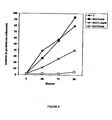
- the enhancement of the role of LmPDI in the virulence of Leishmania also makes it possible to envisage new strategies of research of active molecules to inhibit the growth of the parasite. Indeed, it has been shown that a molecule inhibiting PDI, for example such as bacitracin or chloromercurilbenzenesulfonic acid (pCMBS) inhibits the growth of Leishmania in a liquid medium (Example 4).
- pCMBS chloromercurilbenzenesulfonic acid
- the invention therefore also relates to a method for screening molecules capable of inhibiting the growth of Leishmania major, comprising a step of evaluating the capacity of said molecules to inhibit the activity of LmPDI.
- Protein Disulfide Isomerases generally have several activities such as, in particular, oxidation-reduction, isomerase and chaperone activities.
- the screening methods according to the invention may relate to the inhibition of any of the functions of the LmPDI.
- Any other PDI activity assay may be used in the screening methods of the invention, particularly any assay derived from the original protocol described by Lyles and Gilbert (1991).
- a screening method according to the invention may also comprise a test for inhibiting the growth of Leishmania major in a liquid medium and, where appropriate, a growth inhibition test of Leishmania major in a murine model of experimental leishmaniasis.
- a test for inhibiting the growth of Leishmania major in a liquid medium and, where appropriate, a growth inhibition test of Leishmania major in a murine model of experimental leishmaniasis.
- An example of such a method is detailed in the experimental part, in Example 5.
- the active molecules screened by the process as defined above are characterized by their ability to inhibit or modulate the growth of Leishmania major.
- a PDI inhibitor can inhibit the growth of Leishmania.
- the use of one or more inhibitors of Protein Disulfide Isomerases (PDI), for the preparation of a pharmaceutical composition intended for the prophylaxis, attenuation, or treatment of a Leishmania infection is also an integral part of the invention.
- anti-PDI or anti-LmPDI antibodies examples include anti-PDI or anti-LmPDI antibodies, bacitracin, zinc bacitracin, 5,5'-dithiobis acid (2 -nitrobenzo ⁇ que) (DTNB), p-chloromercuribenzenesulfonic acid (pCMBS), or tocinoic acid.
- compositions prepared according to the above uses are preferably administrable to a human or animal host, topically, orally or parenterally.
- the invention relates to the use of bacitracin or zinc bacitracin as an inhibitor of growth of a parasite responsible for leishmaniasis or as an active agent against Leishmania infection .
- a pharmaceutical composition for the treatment of a Leishmania infection containing one or more inhibitors of Protein Disulfide Isomerases (PDI), is an integral part of the invention.
- a composition may in particular contain bacitracin or zinc bacitracin.
- the composition may especially be formulated for topical application, for example in the form of a cream, an ointment, an ointment, or a spray, without this being limiting.
- the inventors have shown that such a composition, applied locally in the form of an ointment at the site of injection of the parasite into BALB / c mice, attenuates the progression of the disease (Example 9 and figure 14 ).
- the present invention also relates to a pharmaceutical composition for the treatment of Leishmania infection , comprising at least one LmPDI specific antibody and / or any molecule that inhibits PDI activation.
- a pharmaceutical composition for the treatment of Leishmania infection comprising at least one LmPDI specific antibody and / or any molecule that inhibits PDI activation.
- Such a composition is preferably suitable for topical, oral or parenteral administration.
- Methods of treating leishmaniasis including administering to the patient, human or animal, an inhibitor of PDI or LmPDI, whether an antibody or any other type of molecule, are also included. the scope of the present invention.
- the L. major isolates used in this work come from human lesions of LCZ obtained during a study summarized in Example 1.
- the parasites were cultured on NNN medium (solid medium prepared based on agarose and blood of rabbit) at 26 ° C, and progressively transferred to RPMI (SIGMA, St Louis, MO) containing 2mM L-Glutamine, 100U / ml penicillin, 100 ⁇ g / ml streptomycin and 10% inactivated fetal calf serum (medium). full).
- Promastigotes in the log phase of growth are adjusted to 10 6 parasites / ml in a constant volume of complete medium and incubated at 26 ° C.
- the stationary phase of growth is reached after 4 to 6 days with parasite densities ranging from 3.10 7 to 8.10 7 . These stationary phase growth promastigotes are used for RNA and protein extractions.
- RNAs are extracted using the "TRIZOL” reagent (Gibco-BRL).
- the polyA + RNAs are purified by passage on an oligo dT / cellulose column using the "poly A + RNA isolation kit” kit (Amersham-Pharmacia) according to the manufacturer's instructions.
- the cDNAs are amplified by PCR using a combination of 12 oligo dT and 10 arbitrary decamers.
- the PCR is carried out in a volume of 20 ⁇ L containing 2 ⁇ l of the reverse transcription reaction, 0.2 ⁇ M of the 5 'primer, 1 ⁇ M of the 3' primer, 2 ⁇ M of dNTP, 10 ⁇ Ci [ ⁇ 35 S] dATP, 1 ⁇ buffer.
- Taq DNA polymerase reaction buffer and 1 U Taq polymerase (Amersham-Pharmacia).
- the reactions are incubated in a Perkin-Elmer 9600 thermocycler for 40 cycles at 94 ° C for 30s, 40 ° C for 60s and 72 ° C for 30s followed by a 72 ° C cycle for 6 minutes.
- the PCR products are analyzed on a 6% acrylamide sequencing gel.
- the gel is dried under vacuum on Whatman 3MM paper and autoradiographed.
- the differentially expressed cDNAs are excised from the gel, eluted and reamplified by PCR in the presence of the same oligonucleotides and under the conditions described above.
- the amplification products are cloned into the pMOSblue vector using the "blunt-ended PCR cloning kit" kit (Amersham-Pharmacia) according to the manufacturer's instructions.
- the cloned fragments are sequenced using the Sequencing Ready Reaction Kit (Perkin-Elmer) and analyzed using the ABI 377 automatic sequencer.
- Hybridizations are carried out in a Denhardt's 1X solution / 6X SSC / 0.1% SDS / 0.1mg.ml -1 salmon sperm DNA overnight at 65 ° C. The membranes are washed at 65 ° C. in a solution containing 0.1 ⁇ SSC / 0.1% SDS and autoradiographed.
- a cDNA library was constructed from 5 ⁇ g of the most virulent strain (GLC94) promastigote mRNA in the ZAPII vector, according to the manufacturer's instructions (Stratagene). 6.10 6 lysis plaques were screened using the [ ⁇ 32 P] P] dCTP-labeled p14 probe using the "megaprime DNA labeling system kit" (Amersham-Pharmacia). The lysis ranges of interest are removed and screened again to isolate the positive clones of the contaminating clones. Positive clones are then sequenced.
- the sequence corresponding to the open reading frame of the LmPDI cDNA (1371bp) lacking the coding sequence for the signal peptide was cloned into the bacterial expression vector pET-22b (Novagen).
- the E. coli BL21 bacteria containing the recombinant plasmid (pET-22b-LmPDI) are cultured in LB medium and the synthesis of the recombinant protein is induced in the presence of 1 mM of isopropyl-1-thio-D-galactopyranoside (IPTG) for 4 hours.
- LmPDI- (His) 6 protein (SEQ ID No: 3) is purified by affinity chromatography on a nickel (Ni 2+ ) column (Amersham-Pharmacia). The purity of the protein produced is verified by SDS-PAGE.
- a rabbit was immunized by intramuscular injection of 500 ⁇ g of the purified recombinant purified LmPDI (v / v) into incomplete Freund's adjuvant (IFA, Sigma).
- the rabbit received two additional injections of 500 ⁇ g of recombinant protein, the first intramuscularly 15 days after the first injection and the second intradermally 30 days later.
- the rabbit was bled 10 days after the last injection, the sera were harvested and kept at -80 ° C.
- the protein lysates of promastigotes were denatured in 1X Laemmli buffer for 10 minutes at 100 ° C, deposited on a 12% SDS-Acrylamide gel and electroblotted onto a nitrocellulose membrane (Millipore).
- the membranes were incubated in a blocking solution PBS / 0.1% Tween20 / 3% skimmed milk at room temperature for one hour and then in the same solution containing anti-LmPDI antibody diluted 1/1000 in 4 ° C overnight. After 3 washes in PBS / 0.1% Tween20, the membranes were incubated in the presence of the peroxidase-coupled anti-rabbit IgG secondary antibody (Amersham-Pharmacia, diluted 1/1000) for one hour at room temperature. ambient and washed 3 times in PBS / 0.1% Tween20. The protein-antibody complexes were revealed by the detection of the peroxidase activity in using the "ECL system" kit according to the manufacturer's instructions (Amersham-Pharmacia).
- RNase A purified ribonuclease
- RNase A Reduced and denatured RNase A (8 ⁇ M) was incubated in buffer containing 4.5 mM (cCMP), 1 mM Glutathione GSH, 0.2 mM Glutathione disulfide GSSH, 2 mM EDTA and 100 mM Tris-HCl pH 8 presence of bovine serum albumin (BSA) (1.4 ⁇ M) as a negative control, bovine Protein Disulfide Isomerase (1.4 ⁇ M) as a positive control, or recombinant LmPDI (1.4 ⁇ M) for 30 minutes at 25 ° C . Reactivation of RNase A was determined by measuring RNase A activity at 296nm every 5 minutes as previously described in the literature (Lyles and Gilbert 1991).
- BSA bovine serum albumin
- LmPDI recombinant LmPDI
- Example 1 Selection of isolates of L. major, with different levels of virulence
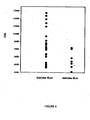
- the L. major isolates used in this work come from human LCZ lesions obtained in a prospective study conducted in 1994-1995. in El Guettar, southern Tunisia (Louzir, Melby et al., 1998). They were selected from 19 isolates on the basis of their pathogenicity during experimental infection of susceptible BALB / c mice: 2.10 6 amastigotes of the diver isolates were injected into BALB / c mice hind paw pads, and the Progression of the lesion was observed weekly for 9 weeks. Five weeks after infection, the production of IL-4 and IFN-gamma by mononuclear lymph node cells activated in vitro by parasite antigens was measured.
- the most virulent strains induce the highest levels of IL-4 and the lowest levels of IFN- ⁇ in vitro, 5 weeks after infection.
- N A or C or G or T.
- the amplification reactions were performed by PCR using the same oligo-dT used in the reverse transcription reaction and combined with 10 arbitrary primers as described in the scientific literature (Liang and Pardee 1992; Liang, Bauer et al 1995, Heard, Lewis et al., 1996).
- the clone p14 has been completely sequenced and the size of this clone is 339bp.
- the comparison of the nucleotide sequence of this fragment with the sequences described in the databases (GenBank and EMBL) did not make it possible to identify a significantly homologous sequence. This may be due to the fact that clone p14 corresponds to the untranslated 3 'terminal region of the messenger.
- the 339bp fragment was used to screen a GLC94 isolate promoter cDNA library. Two positive clones were isolated from 6 ⁇ 10 5 recombinant clones analyzed.
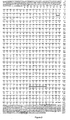
- the figure 2 shows the nucleotide sequence of the longest clone, which is 2094 bp (SEQ ID No: 1).
- This clone has an open reading frame encoding a polypeptide of 477 amino acids (aa), with a theoretical molecular weight of 52.4 kDa and an isoelectric point of 5.22.
- the N-terminal region of this protein corresponds to a signal potential signal export to the endoplasmic reticulum, of 20 aa.
- the 5 'untranslated region contains a Leishmania characteristic splice leader and the untranslated 3' region contains a poly A tail preceded by a potential polyadenylation site ( figure 2 ).
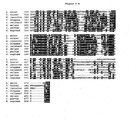
- the peptide sequence of the isolated clone shows 27-36% identity with proteins of the family of Protein Disulfide Isomerases (PDI and Erp) of several species ( figure 3 ).
- this protein contains two regions at residues 47-52 and 381-386 which are identical to the potential active sites (Cys-Gly-His-Cys, or CGHC) of PDI, Erp and thioredoxin family proteins.
- the C-terminal portion shows a potential retention signal in KDEL endoplasmic reticulum (EEDL) at residues 474-477 suggesting that, like PDI and Erp, this protein is found in the endoplasmic reticulum lumen.
- P14 is therefore a protein of the L. major family of Protein Disulfide Isomerases . It has been called LmPDI ( figure 2 and 3 ).
- the inventors performed Southern blot hybridization using the 32 P-labeled LmPDI cDNA fragment as a probe.
- the results obtained generally show a single band, except for enzymes that have a cleavage site within the LmPDI cDNA ( Figure 5A ).
- the gene encoding LmPDI is therefore likely to be present in a single copy in the L. major genome .
- the LmPDI gene appears conserved in various Leishmania species tested ( Leishmania infantum , dermotropic, and a viserotrophic, Leishmania donovani ) ( Figure 5B ).
- L. major's LmPDI given its significant expression during the infective stage of the parasite, could be the target of a cellular immune response.
- the ability of LmPDI to induce a cellular immune response was assessed by mononuclear cell proliferation experiments obtained from individuals with active lesions or history of LCZ.
- Mononuclear cells including lymphocytes and monocytes, are separated from peripheral blood by Ficoll / Hypaque gradient centrifugation (Pharmacia, Uppsala, Sweden).
- the result shows a significant proliferation with immune individuals.
- Induction of cytokines (IFN- ⁇ IL-4) in PBMC culture supernatants was done by incubation for 48 hours of mono-nucleated cells with the same concentration of LmPDI and assay was performed by ELISA using human anti-IL-4 and anti-IFN-gamma monoclonal antibodies (Pharmingen, San Diego, CA).
- results were performed on a small sample of individuals. They clearly show the absence of IL-4 and the presence of significant levels of IFN- ⁇ in the supernatant of cells stimulated by LmPDI.
- Example 4 Inhibition of L. major growth in a liquid medium, in the presence of a PDI inhibitor
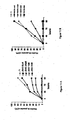
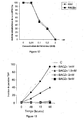
- Bacitracin is a known inhibitor of PDI. Experiments using bacitracin show that at the final concentration of 2 mM bacitracin completely inhibits the growth of L. major parasites in a liquid medium ( figure 9 ).
- RNase A purified ribonuclease
- RNase A The reduced and denatured RNase A (8 ⁇ M) was incubated in a buffer containing 4.5 mM (cCMP), 1 mM Glutathione GSH, 0.2 mM Glutathione disulfide GSSH, 2 mM EDTA and 100 mM Tris-HCl pH 8 in the presence of bovine serum albumin (BSA) (1.4 ⁇ M) as a negative control, Bovine Protein Disulfide Isomerase (1.4 ⁇ M) as a positive control, or recombinant LmPDI (1.4 ⁇ M) for 30 minutes at 25 ° C. Reactivation of RNase A is determined by measuring RNase A activity at 296 nm every 5 minutes for 30 minutes as previously described in the literature (Lyles and Gilbert 1991).
- BSA bovine serum albumin
- LmPDI recombinant LmPDI
- bacitracin bacitracin
- BACZn zinc bacitracin
- pCMBA p-chloromercuribenzoic acid
- DTNB 5,5'-dithiobis (2-nitrobenzoic acid)
- mice will be sacrificed, an estimate of the parasite load will be made at the injection site and in the ganglion that drains the lesion.
- Example 6 In vitro infection of murine macrophages by Leishmania
- Murine bone marrow macrophages ( murine bone marrow macrophages, or MBMMs) are obtained from extramuscular bone marrow of femur or tibia from BALB / c female mice. MBMMs are cultured in multi-chambered 1-chamber plates. , 5 ⁇ 10 3 cells per well in 500 ⁇ l of complete medium. To stimulate the growth and maturation of the MBMM, the culture medium is supplemented with 20% conditioned medium with L-929 fibroblasts as a source of macrophage colony factor stimulator (macrophage colony stimulating factor, or MCSF). After 6 days of culture at 37 ° C.
- MCSF macrophage colony stimulating factor
- the medium is removed, the MBMM are washed, and fresh RPMI medium with 10% fetal calf serum, but not containing L-fibroblast conditioned medium. -929, is added.
- Intra-lesional amastigotes were purified from non-ulcerated lesions, by differential centrifugation, and counted using trypan blue viral dye. These parasites are used to infect MBMM at a final ratio of four parasites per macrophage. Two hours after the addition of the parasites, the macrophages are rinsed five times with PBS to remove non-phagocytized amastigotes. The cultures are then incubated at 37 ° C. in 95% air and 5% CO 2 .
- the enumeration of infected macrophages is performed at the center of each well, where the cells are well spread and where the parasites can be easily enumerated. At this level of the plate, the parasite / macrophage ratio may be greater than 4.
- bacitracin and zinc bacitracin constitute a complex of polypeptide antibiotics produced by Bacillus subtilis and Bacillus licheniformis.
- Bacitracin A is the main compound of commercial bacitracin, which is a mixture of at least nine bacitracins. This antibiotic is capable of inhibiting the synthesis of the wall of many Gram + bacteria, but also the activity of several proteases such as PDI, transglutaminase, papain and neuropeptidase. Most of these proteases have a cysteine residue in their active site.
- rLmPDI recombinant LmPDI
- RNase Reduced and Denatured previously described (Lyles and Gilbert, 1991), was used to highlight the activity of LmPDI. Twenty milligrams of RNase A (Amersham-Pharmacia) were denatured in buffer consisting of 0.15M Dithiothreitol, 6M Guanidine HCl and 0.1M Tris-CI pH 8.6 for 18 hours at room temperature. Denatured and reduced RNase was then purified on a Sephadex G25 column equilibrated in 0.01 M HCl and quantitated spectrophotometrically at 275 nm.
- PDI catalyzes the renaturation of the reduced and denatured RNase (Gilbert 1998). Restoration of RNase activity was measured by spectrophotometry presence of cytidine 2'-3'-cyclic monophosphate (cCMP) as substrate.
- cCMP cytidine 2'-3'-cyclic monophosphate
- rLmPDI recombinant LmPDI
- the inventors then tested the effect of zinc bacitracin on the in vitro growth kinetics of L. major promastigotes .
- zinc bacitracin was tested, on the one hand because it has the same inhibition profile of rLmPDI enzymatic activity as bacitracin, and on the other hand, because bacitracin is more stable and less toxic when coupled with zinc.
- the promastigotes of isolate GLC94 were cultured on rabbit serum medium coagulated for two days. Subsequently, the parasites (2x10 6 parasites per ml) were transferred into complete medium comprising zinc bacitracin BACZn, at 1; 1.5 and 2.5 mM. Promastigotes grown in complete medium in the absence of inhibitors were used as controls. Following-up was by counting parasites at 48, 72 and 96 hours. The results are shown at figure 13 .
- mice were infected with promastigotes in stationary growth phase (10 6 promastigotes per paw) of GLC94 isolate in the hind foot pad and treated with 5 mM or 25 mM BACZn ointment. (prepared in petrolatum). The treatment with the ointment was started 48 hours after injection of the parasites, one application per day for 5 days per week. Mice infected in the same way and treated with petrolatum were used as controls. The size of the lesions was measured weekly. The results are shown in the figure 14 .
- LmPDI may therefore be considered a potential target for anti-Leishmanian chemotherapy, and it appears that bacitracin is potentially effective against L. major.
Landscapes
- Health & Medical Sciences (AREA)
- Chemical & Material Sciences (AREA)
- Life Sciences & Earth Sciences (AREA)
- Organic Chemistry (AREA)
- Medicinal Chemistry (AREA)
- General Health & Medical Sciences (AREA)
- Genetics & Genomics (AREA)
- Veterinary Medicine (AREA)
- Bioinformatics & Cheminformatics (AREA)
- Engineering & Computer Science (AREA)
- Molecular Biology (AREA)
- Wood Science & Technology (AREA)
- Pharmacology & Pharmacy (AREA)
- Public Health (AREA)
- Nuclear Medicine, Radiotherapy & Molecular Imaging (AREA)
- General Chemical & Material Sciences (AREA)
- Chemical Kinetics & Catalysis (AREA)
- Animal Behavior & Ethology (AREA)
- Biochemistry (AREA)
- Zoology (AREA)
- Biomedical Technology (AREA)
- Proteomics, Peptides & Aminoacids (AREA)
- Tropical Medicine & Parasitology (AREA)
- Biotechnology (AREA)
- General Engineering & Computer Science (AREA)
- Immunology (AREA)
- Biophysics (AREA)
- Microbiology (AREA)
- Medicines Containing Antibodies Or Antigens For Use As Internal Diagnostic Agents (AREA)
- Peptides Or Proteins (AREA)
- Medicines That Contain Protein Lipid Enzymes And Other Medicines (AREA)
- Enzymes And Modification Thereof (AREA)
- Micro-Organisms Or Cultivation Processes Thereof (AREA)
- Investigating Or Analysing Biological Materials (AREA)
- Measuring Or Testing Involving Enzymes Or Micro-Organisms (AREA)
Claims (34)
- Leishmania-Protein, enthalten in der Parasitenvirulenz, umfassend wenigstens ein (Cys-Gly-His-Cys)-Zentrum, identisch mit einem möglichen aktiven Zentrum eines Proteins der Familie der Protein-Disulfid-Isomerasen (PDI), wobei das Leishmania-Protein ein Protein von SEQ-ID-Nr.: 2 ist.
- Funktionelle Variante des Proteins gemäß Anspruch 1, welche wenigstens 80% Identität mit diesem Protein besitzt.
- Rekombinantes Polypeptid, umfassend wenigstens ein Fragment von mehr als 10 Aminosäuren eines Proteins gemäß irgendeinem der Ansprüche 1 bis 2, wobei das rekombinante Polypeptin dazu geeignet ist, eine immunologische Reaktion gegen ein Epitop des Proteins gemäß Anspruch 1 freizusetzen, wenn es einem menschlichen oder tierischen Wirt verabreicht wird.
- Rekombinantes Polypeptid gemäß Anspruch 3, dadurch gekennzeichnet, dass es sich um das Protein LmPDI-(His)6 der Sequenz SEQ-ID-Nr.: 3 handelt.
- Fusionspeptid, umfassend ein rekombinantes Polypeptid gemäß Anspruch 3, mit einem anderen polypeptitischen Fragment fusioniert, wobei das Fusionsprotein dazu geeignet ist, eine immunologische Reaktion gegen ein Epitop des Proteins gemäß Anspruch 1 freizusetzen, wenn es einem menschlichen oder tierischen Wirt verabreicht wird.
- Rekombinante Nukleinsäure, dadurch gekennzeichnet, dass ihre Sequenz ein Protein oder ein Polypeptid gemäß einem der Ansprüche 1 bis 5 kodiert, unter dem Vorbehalt, dass die Sequenz dieser Nukleinsäure nicht jene der Contig 2285105-2298564, verfügbar unter der Zugangsnummer AL499624.2, ist.
- Nukleinsäuresequenz gemäß Anspruch 6, dadurch gekennzeichnet, dass sie die Kodierungssequenz entsprechend den Nukleotiden 241 bis 1674 der Sequenz SEQ-ID-Nr.: 1 oder ein Fragment dieser Sequenz in einer Größe von größer oder gleich 100 Nukleotiden umfasst.
- Nukleinsäurevektor, dadurch gekennzeichnet, dass er eine Nukleinsäuresequenz gemäß Anspruch 6 oder 7 umfasst.
- Vektor gemäß Anspruch 8, dadurch gekennzeichnet, dass es sich um ein Plasmid, ein Cosmid, einen Phagen oder einen Virus handelt.
- Zellkultur, umfassend einen Vektor gemäß Anspruch 8 oder 9.
- Zelle gemäß Anspruch 10, dadurch gekennzeichnet, dass es sich um den Bakterienstamm LmPD1-XL1 handelt, welcher bei der Collection Nationale de Culture des Microorganismes (CNCM) am 31/01/2001 unter der Nummer 1-2621 hinterlegt wurde.
- Verwendung einer Nukleinsäuresonde, welche sich unter sehr stringenten Bedingungen spezifisch mit der Nukleinsequenz SEQ-ID-Nr.: 1 hybridisiert, um in einer biologischen Probe das Vorhandensein oder die Abwesenheit eines Virulenzgenes zu bestimmen, das für das Protein gemäß Anspruch 1 kodiert.
- Nukleotidstarter, dadurch gekennzeichnet, dass er eine spezifische Amplifikation wenigstens eines Fragments der Sequenz SEQ-ID-Nr.: 1, ausgehend von durch Leishmania major infizierten Zellen ermöglicht, wodurch so das Vorhandensein oder die Abwesenheit eines Virulenzgenes bestimmt werden kann, welches in einer biologischen Probe das Protein SEQ-ID-Nr.: 2 (LmPDI) kodiert.
- Gereinigter Antikörper, welcher das Protein von Anspruch 1 spezifisch erkennt.
- Immunogene Zusammensetzung, umfassend ein Protein gemäß Anspruch 1, 2 oder 5 und/oder ein rekombinantes Polypeptid gemäß Anspruch 3 oder 4 und/oder eine rekombinante Nukleinsäure, deren Sequenz ein solches Protein kodiert, und/oder eine rekombinante Nukleinsäure, deren Sequenz ein solches Peptid kodiert, und/oder eine Nukleinsäure gemäß Anspruch 7, und/oder ein Nukleinsäurevektor, umfassend eine solche Nukleinsäure und/oder eine Zelle, umfassend einen solchen Vektor, wobei die immunogene Zusammensetzung in vitro die Proliferation mononuklearer Zellen stimulieren kann, welche von Individuen abstammen, die mit einem Leishmania-Protein in Kontakt waren.
- Immunogene Zusammensetzung gemäß Anspruch 15, welche in vitro die Proliferation mononuklearer Zellen stimulieren kann, welche von Individuen stammen, welche mit Leishmania major in Kontakt waren.
- Immunogene Zusammensetzung gemäß Anspruch 15 oder 16 als pharmazeutisch annehmbare Zusammensetzung zur Verabreichung an einen menschlichen oder tierischen Wirt.
- Immunogene Zusammensetzung gemäß einem jeden der Ansprüche 15 bis 17, welche eine Immunantwort vom Typ Th1 bewirken kann, wenn sie einem menschlichen oder tierischen Wirt verabreicht wird.
- Impfzusammensetzung, umfassend ein Protein gemäß Anspruch 1, 2 oder 5 und/oder ein rekombinantes Polypeptid gemäß Anspruch 3 oder 4 und/oder eine rekombinante Nukleinsäure, deren Sequenz ein solches Protein kodiert, und/oder eine rekombinante Nukleinsäure, deren Sequenz ein solches Polypeptid kodiert, und/oder eine Nukleinsäure gemäß Anspruch 7 und/oder einen Nukleinsäurevektor, umfassend eine solche Nukleinsäure, und/oder eine Zelle, umfassend einen solchen Vektor, wobei die Impfzusammensetzung dazu bestimmt ist, einen menschlichen oder tierischen Wirt gegen Leishmaniose zu schützen.
- Impfzusammensetzung gemäß Anspruch 19 als pharmazeutisch annehmbare Formulierung zur Verabreichung an einen menschlichen oder tierischen Wirt.
- Immunogene Zusammensetzung und/oder Impfzusammensetzung gemäß einem der Ansprüche 15 bis 20, welche des weiteren ein Fremdantigen auf Leishmania und/oder eine Nukleinsäuresequenz, welche für das Fremdantigen auf Leishmania kodiert, umfasst.
- Verfahren zum in vitro Klassifizieren von Molekülen, welche dazu geeignet sind, das Wachstum von Leishmania major zu inhibieren, umfassend einen Schritt der Evaluierung der Fähigkeit dieser Moleküle, die Aktivität des Proteins von Anspruch 1 zu inhibieren.
- Verfahren zur Klassifizierung gemäß Anspruch 22, worin der Schritt der Evaluierung der Fähigkeit eines Moleküls die Aktivität des Proteins von Anspruch 1 zu inhibieren, in einem Reaktivierungstest der reduzierten und denaturierten RNase A bewirkt wird, umfassend die folgenden Schritte:- Inkubieren der reduzierten und denaturierten RNase A des Proteins von Anspruch 1 unter Bedingungen, welche diese Reaktivierung gestatten,- Inkubieren der reduzierten und denaturierten RNase A unter Bedingungen, die identisch zu jenen sind, welche die Reaktivierung durch das Protein von Anspruch 1 gestatten, unter Hinzufügen des zu testenden Moleküls,- Vergleichen der in Abwesenheit und Vorhandensein des zu testenden Moleküls erhaltenen Ergebnisse, wobei ein Fehlen der Reaktivierung der RNase A in Gegenwart des getesteten Moleküls offenbart, dass dieses Molekül eine inhibierende Wirkung gegenüber dem Protein von Anspruch 1 besitzt.
- Klassifizierungsverfahren gemäß den Ansprüchen 22 und 23, umfassend des weiteren einen Test der Inhibierung des Wachstums von Leishmania major in wässrigem Milieu.
- Verwendung einer oder mehrerer Verbindungen, welche eine Protein-Disulfid-Isomerase (PDI) von Leishmania major inhibieren, zur Herstellung einer pharmazeutischen Zusammensetzung für die Prophylaxe, Milderung oder Behandlung einer Infektion mit Leishmania major.
- Verwendung nach Anspruch 25, worin die Inhibitorverbindung oder eine der Inhibitorverbindungen ein anti-PDI- oder anti-LmPDI-Antikörper, Bacitracin, Zink-Bacitracin, 5,5'-Dithiobis-2-Nitrobenzolsäure (DTNB), p-Chlormercurbenzolsulfonsäure (pCMBS) oder Tocinoinsäure ist.
- Verwendung nach Anspruch 25 oder 26 für die Herstellung einer an einen menschlichen oder tierischen Wirt topisch, oral oder parenteral verabreichbaren Zusammensetzung.
- Verwendung von Bacitracin oder Zink-Bacitracin zur Herstellung einer pharmazeutischen Zusammensetzung zur Inhibierung des Wachstums eines für Leishmaniose verantwortlichen Parasiten oder als Wirkstoff gegen eine Leishmania-Infektion.
- Pharmazeutische Zusammensetzung zur Behandlung einer Infektion durch Leishmania, umfassend einen Antikörper gemäß Anspruch 14.
- Zusammensetzung gemäß Anspruch 29, geeignet zur topischen, oralen oder parenteralen Verabreichung.
- Pharmazeutische Zusammensetzung zur Behandlung einer Leishmania-Infektion, enthaltend einen oder mehrere Inhibitoren der Protein-Disulfid-Isomerase (PDI).
- Pharmazeutische Zusammensetzung gemäß Anspruch 31, enthaltend Bacitracin oder Zink-Bacitracin.
- In vitro Diagnoseverfahren einer Infektion durch einen Parasiten, der für Leishmaniose verantwortlich ist, dadurch gekennzeichnet, dass es umfasst:- das in Kontakt bringen wenigstens eines Antikörpers gemäß Anspruch 14 mit einer biologischen Probe eines Subjekts, das teilweise durch einen für die Leishmaniose verantwortlichen Parasiten infiziert ist, unter Bedingungen, welche die Bildung eines Immunkomplexes zwischen den Antikörpern und den in der Probe enthaltenen antigenen Proteinen erlauben,- Feststellen des Komplexes.
- Diagnosekit für die Durchführung des Verfahrens gemäß Anspruch 33 dadurch gekennzeichnet, dass es umfasst:- wenigstens einen Antikörper gemäß Anspruch 14,- ein für die Bildung eines Immunkomplexes mit dem Antikörper geeignetes Milieu,- ein Reagenz, das die Feststellung des möglicherweise gebildeten Komplexes erlaubt,- gegebenenfalls Kontrollproben.
Applications Claiming Priority (3)
| Application Number | Priority Date | Filing Date | Title |
|---|---|---|---|
| FR0107985 | 2001-06-18 | ||
| FR0107985A FR2826018B1 (fr) | 2001-06-18 | 2001-06-18 | Gene associe a la virulence du parasite leishmania |
| PCT/FR2002/002086 WO2002103002A2 (fr) | 2001-06-18 | 2002-06-17 | Gene associe a la virulence du parasite leishmania |
Publications (2)
| Publication Number | Publication Date |
|---|---|
| EP1414967A2 EP1414967A2 (de) | 2004-05-06 |
| EP1414967B1 true EP1414967B1 (de) | 2015-04-15 |
Family
ID=8864458
Family Applications (1)
| Application Number | Title | Priority Date | Filing Date |
|---|---|---|---|
| EP02751257.3A Expired - Lifetime EP1414967B1 (de) | 2001-06-18 | 2002-06-17 | Gen der mit der virulenz des leishmania parasiten assoziiert ist |
Country Status (16)
| Country | Link |
|---|---|
| EP (1) | EP1414967B1 (de) |
| JP (2) | JP2004537299A (de) |
| KR (1) | KR20040023621A (de) |
| CN (2) | CN101274960A (de) |
| AU (2) | AU2002345672B2 (de) |
| BR (1) | BR0210486A (de) |
| CZ (1) | CZ20033430A3 (de) |
| FR (1) | FR2826018B1 (de) |
| HR (1) | HRP20031046A2 (de) |
| HU (1) | HUP0400204A3 (de) |
| MX (1) | MXPA03011904A (de) |
| NZ (1) | NZ530459A (de) |
| PL (1) | PL367113A1 (de) |
| WO (1) | WO2002103002A2 (de) |
| YU (1) | YU99603A (de) |
| ZA (1) | ZA200309739B (de) |
Families Citing this family (8)
| Publication number | Priority date | Publication date | Assignee | Title |
|---|---|---|---|---|
| CA2540736A1 (en) * | 2005-04-08 | 2006-10-08 | Institut Pasteur | Polypeptides of leishmania major and polynucleotides encoding same and vaccinal, therapeutical and diagnostic applications thereof |
| US20070015803A1 (en) * | 2005-04-12 | 2007-01-18 | Romark Laboratories L.C. | Methods for treating diseases through interruption of protein maturation, compounds that inhibit the function of molecular chaperones such as protein disulfide isomerases or interfere with glycosylation, pharmaceutical compositions comprising them, and screening methods for identifying therapeutic agents |
| EP2141248B1 (de) * | 2008-07-03 | 2012-12-12 | Institut Pasteur | Verfahren zur Identifizierung von Leishmania-Virulenzfaktoren |
| SA110310855B1 (ar) * | 2009-11-13 | 2014-09-16 | Laboratories Leti S L Unipersonal | استخدام مصدر l3 و/ أو l5 كلقاح أو كوسيلة تشخيصية لمرض طفيلي |
| JP5986576B2 (ja) * | 2010-11-10 | 2016-09-06 | ラボラトリオス レティ,エセ.エレ. | 新規アジュバント |
| EP3978618A1 (de) | 2015-05-08 | 2022-04-06 | Spectral Platforms, Inc. | Albuminbasierte nichtkovalente komplexe und verfahren zur verwendung davon |
| CN106085995B (zh) * | 2016-06-15 | 2019-07-12 | 华南理工大学 | 一种基因定点改造的蛋白质二硫键异构酶及其应用 |
| EP3602065A4 (de) * | 2017-03-20 | 2020-12-23 | Spectral Platforms, Inc. | Spektroskopische verfahren zur detektion und charakterisierung von mikroorganismen |
Family Cites Families (1)
| Publication number | Priority date | Publication date | Assignee | Title |
|---|---|---|---|---|
| CA2105538C (en) * | 1993-09-03 | 1999-03-09 | Gregory Matlashewski | Differentially expressed leishmania genes and proteins |
-
2001
- 2001-06-18 FR FR0107985A patent/FR2826018B1/fr not_active Expired - Fee Related
-
2002
- 2002-06-17 WO PCT/FR2002/002086 patent/WO2002103002A2/fr not_active Ceased
- 2002-06-17 KR KR10-2003-7016587A patent/KR20040023621A/ko not_active Ceased
- 2002-06-17 AU AU2002345672A patent/AU2002345672B2/en not_active Ceased
- 2002-06-17 BR BR0210486-5A patent/BR0210486A/pt not_active IP Right Cessation
- 2002-06-17 EP EP02751257.3A patent/EP1414967B1/de not_active Expired - Lifetime
- 2002-06-17 HR HR20031046A patent/HRP20031046A2/xx not_active Application Discontinuation
- 2002-06-17 YU YU99603A patent/YU99603A/sh unknown
- 2002-06-17 PL PL02367113A patent/PL367113A1/xx not_active IP Right Cessation
- 2002-06-17 CZ CZ20033430A patent/CZ20033430A3/cs unknown
- 2002-06-17 CN CNA2008100013487A patent/CN101274960A/zh active Pending
- 2002-06-17 JP JP2003506456A patent/JP2004537299A/ja active Pending
- 2002-06-17 HU HU0400204A patent/HUP0400204A3/hu unknown
- 2002-06-17 NZ NZ530459A patent/NZ530459A/en not_active Application Discontinuation
- 2002-06-17 CN CNA02813849XA patent/CN1526017A/zh active Pending
- 2002-06-17 MX MXPA03011904A patent/MXPA03011904A/es not_active Application Discontinuation
-
2003
- 2003-12-17 ZA ZA200309739A patent/ZA200309739B/xx unknown
-
2008
- 2008-08-13 AU AU2008203830A patent/AU2008203830A1/en not_active Ceased
-
2009
- 2009-08-06 JP JP2009183479A patent/JP2009254386A/ja active Pending
Also Published As
| Publication number | Publication date |
|---|---|
| HUP0400204A3 (en) | 2010-01-28 |
| BR0210486A (pt) | 2004-08-17 |
| CN1526017A (zh) | 2004-09-01 |
| FR2826018A1 (fr) | 2002-12-20 |
| CZ20033430A3 (cs) | 2004-05-12 |
| KR20040023621A (ko) | 2004-03-18 |
| WO2002103002A3 (fr) | 2004-02-26 |
| WO2002103002A2 (fr) | 2002-12-27 |
| JP2009254386A (ja) | 2009-11-05 |
| EP1414967A2 (de) | 2004-05-06 |
| CN101274960A (zh) | 2008-10-01 |
| AU2002345672B2 (en) | 2008-05-29 |
| NZ530459A (en) | 2008-04-30 |
| MXPA03011904A (es) | 2005-07-01 |
| HRP20031046A2 (en) | 2004-04-30 |
| HUP0400204A2 (hu) | 2005-04-28 |
| YU99603A (sh) | 2006-05-25 |
| AU2008203830A1 (en) | 2008-09-11 |
| JP2004537299A (ja) | 2004-12-16 |
| FR2826018B1 (fr) | 2005-01-07 |
| PL367113A1 (en) | 2005-02-21 |
| ZA200309739B (en) | 2004-10-12 |
Similar Documents
| Publication | Publication Date | Title |
|---|---|---|
| EP1678305B1 (de) | Protozoanstamm der spezies leishmania infantum mit reduzierter virulenz und dessen verwendung | |
| AU2008203830A1 (en) | Gene associated with leishmania parasite virulence | |
| EP1446422A2 (de) | Methyliertes rekombinantes mykobakterielles antigen, das einem heparin-bindenden hämagglutinin (hbha) entspricht | |
| EP2499244A1 (de) | Impfstoffe und diagnostika für trypanosomiasis | |
| EP3801608A1 (de) | Multiepitope peptidverbindungen und impfstoffe gegen leishmaniose | |
| US8715697B2 (en) | Genes associated with Leishmania parasite virulence | |
| BE1022553A1 (fr) | Mutants de spy0269 | |
| EP2010562B1 (de) | Neue, die migration dendritischer zellen induzierende polypeptide, sowie medikamente und pharmazeutische zusammensetzungen, die diese enthalten | |
| CA2540736A1 (en) | Polypeptides of leishmania major and polynucleotides encoding same and vaccinal, therapeutical and diagnostic applications thereof | |
| EP1343814A2 (de) | Immunogene glycopeptide. screening- und herstellungsverfahren sowie verwendungen | |
| EP1163364B1 (de) | Screeningverfahren unter verwendung der mgdg-synthase | |
| BE1022553B1 (fr) | Mutants de spy0269 | |
| FR2723589A1 (fr) | Nouvel antigene de trypanosoma cruzi, et gene codant pour cette derniere; leur application a la detection de la maladie de chagas | |
| WO2006085011A1 (fr) | Moyens pour l'obtention de promastigotes de leishmanies avirulents, promastigotes obtenus et leurs applications | |
| WO1995030006A1 (fr) | Proteine majeure de leishmanies, acide nucleique codant pour cette proteine et leurs applications | |
| EP2130550A1 (de) | Verwendung einer DEAD-Box-RNA-Helicase zur Induktion der Erzeugung von Zytokinen | |
| FR2994193A1 (fr) | Souches mutantes de neospora et leurs utilisations | |
| Handal | Regulation of antioxidant enzymes in Entamoeba histolytica (SCHAUDINN, 1903) | |
| WO1991013987A2 (fr) | Adnc codante pour le gene n du virus de la septicemie hemorragique virale et ses utilisations | |
| FR2692279A1 (fr) | Séquences nucléotidiques issues de la souche WO du vif et leurs fragments, applications desdites séquences à l'expression de peptides immunogènes et au diagnostic de l'immunodéficience féline. |
Legal Events
| Date | Code | Title | Description |
|---|---|---|---|
| PUAI | Public reference made under article 153(3) epc to a published international application that has entered the european phase |
Free format text: ORIGINAL CODE: 0009012 |
|
| 17P | Request for examination filed |
Effective date: 20031203 |
|
| AK | Designated contracting states |
Kind code of ref document: A2 Designated state(s): AT BE CH CY DE DK ES FI FR GB GR IE IT LI LU MC NL PT SE TR |
|
| AX | Request for extension of the european patent |
Extension state: AL LT LV MK RO SI |
|
| 17Q | First examination report despatched |
Effective date: 20061107 |
|
| GRAP | Despatch of communication of intention to grant a patent |
Free format text: ORIGINAL CODE: EPIDOSNIGR1 |
|
| RIC1 | Information provided on ipc code assigned before grant |
Ipc: C07K 16/40 20060101ALI20141016BHEP Ipc: C07K 14/44 20060101ALI20141016BHEP Ipc: G01N 33/569 20060101ALI20141016BHEP Ipc: C07K 16/20 20060101ALI20141016BHEP Ipc: G01N 33/50 20060101ALI20141016BHEP Ipc: C12Q 1/68 20060101ALI20141016BHEP Ipc: C12N 15/30 20060101AFI20141016BHEP Ipc: C12N 9/90 20060101ALI20141016BHEP Ipc: G01N 33/573 20060101ALI20141016BHEP Ipc: A61K 39/00 20060101ALI20141016BHEP |
|
| INTG | Intention to grant announced |
Effective date: 20141110 |
|
| RAP1 | Party data changed (applicant data changed or rights of an application transferred) |
Owner name: INSTITUT PASTEUR DE TUNIS Owner name: INSTITUT PASTEUR |
|
| RIN1 | Information on inventor provided before grant (corrected) |
Inventor name: LOUZIR, HECHMI Inventor name: DELLAGI, KOUSSAY Inventor name: CHENIK, MEHDI Inventor name: BEN ACHOUR, YOSSER |
|
| GRAS | Grant fee paid |
Free format text: ORIGINAL CODE: EPIDOSNIGR3 |
|
| GRAA | (expected) grant |
Free format text: ORIGINAL CODE: 0009210 |
|
| AK | Designated contracting states |
Kind code of ref document: B1 Designated state(s): AT BE CH CY DE DK ES FI FR GB GR IE IT LI LU MC NL PT SE TR |
|
| REG | Reference to a national code |
Ref country code: GB Ref legal event code: FG4D Free format text: NOT ENGLISH Ref country code: CH Ref legal event code: EP |
|
| REG | Reference to a national code |
Ref country code: IE Ref legal event code: FG4D Free format text: LANGUAGE OF EP DOCUMENT: FRENCH |
|
| REG | Reference to a national code |
Ref country code: AT Ref legal event code: REF Ref document number: 722010 Country of ref document: AT Kind code of ref document: T Effective date: 20150515 |
|
| REG | Reference to a national code |
Ref country code: DE Ref legal event code: R096 Ref document number: 60247117 Country of ref document: DE Effective date: 20150521 |
|
| REG | Reference to a national code |
Ref country code: FR Ref legal event code: PLFP Year of fee payment: 14 |
|
| REG | Reference to a national code |
Ref country code: NL Ref legal event code: VDEP Effective date: 20150415 |
|
| REG | Reference to a national code |
Ref country code: AT Ref legal event code: MK05 Ref document number: 722010 Country of ref document: AT Kind code of ref document: T Effective date: 20150415 |
|
| PG25 | Lapsed in a contracting state [announced via postgrant information from national office to epo] |
Ref country code: NL Free format text: LAPSE BECAUSE OF FAILURE TO SUBMIT A TRANSLATION OF THE DESCRIPTION OR TO PAY THE FEE WITHIN THE PRESCRIBED TIME-LIMIT Effective date: 20150415 |
|
| PG25 | Lapsed in a contracting state [announced via postgrant information from national office to epo] |
Ref country code: PT Free format text: LAPSE BECAUSE OF FAILURE TO SUBMIT A TRANSLATION OF THE DESCRIPTION OR TO PAY THE FEE WITHIN THE PRESCRIBED TIME-LIMIT Effective date: 20150817 Ref country code: ES Free format text: LAPSE BECAUSE OF FAILURE TO SUBMIT A TRANSLATION OF THE DESCRIPTION OR TO PAY THE FEE WITHIN THE PRESCRIBED TIME-LIMIT Effective date: 20150415 Ref country code: FI Free format text: LAPSE BECAUSE OF FAILURE TO SUBMIT A TRANSLATION OF THE DESCRIPTION OR TO PAY THE FEE WITHIN THE PRESCRIBED TIME-LIMIT Effective date: 20150415 |
|
| PG25 | Lapsed in a contracting state [announced via postgrant information from national office to epo] |
Ref country code: GR Free format text: LAPSE BECAUSE OF FAILURE TO SUBMIT A TRANSLATION OF THE DESCRIPTION OR TO PAY THE FEE WITHIN THE PRESCRIBED TIME-LIMIT Effective date: 20150716 Ref country code: AT Free format text: LAPSE BECAUSE OF FAILURE TO SUBMIT A TRANSLATION OF THE DESCRIPTION OR TO PAY THE FEE WITHIN THE PRESCRIBED TIME-LIMIT Effective date: 20150415 |
|
| PGFP | Annual fee paid to national office [announced via postgrant information from national office to epo] |
Ref country code: FR Payment date: 20150630 Year of fee payment: 14 |
|
| REG | Reference to a national code |
Ref country code: DE Ref legal event code: R119 Ref document number: 60247117 Country of ref document: DE |
|
| PG25 | Lapsed in a contracting state [announced via postgrant information from national office to epo] |
Ref country code: DK Free format text: LAPSE BECAUSE OF FAILURE TO SUBMIT A TRANSLATION OF THE DESCRIPTION OR TO PAY THE FEE WITHIN THE PRESCRIBED TIME-LIMIT Effective date: 20150415 Ref country code: IT Free format text: LAPSE BECAUSE OF FAILURE TO SUBMIT A TRANSLATION OF THE DESCRIPTION OR TO PAY THE FEE WITHIN THE PRESCRIBED TIME-LIMIT Effective date: 20150415 Ref country code: MC Free format text: LAPSE BECAUSE OF FAILURE TO SUBMIT A TRANSLATION OF THE DESCRIPTION OR TO PAY THE FEE WITHIN THE PRESCRIBED TIME-LIMIT Effective date: 20150415 |
|
| REG | Reference to a national code |
Ref country code: CH Ref legal event code: PL |
|
| PLBE | No opposition filed within time limit |
Free format text: ORIGINAL CODE: 0009261 |
|
| STAA | Information on the status of an ep patent application or granted ep patent |
Free format text: STATUS: NO OPPOSITION FILED WITHIN TIME LIMIT |
|
| PG25 | Lapsed in a contracting state [announced via postgrant information from national office to epo] |
Ref country code: LU Free format text: LAPSE BECAUSE OF FAILURE TO SUBMIT A TRANSLATION OF THE DESCRIPTION OR TO PAY THE FEE WITHIN THE PRESCRIBED TIME-LIMIT Effective date: 20150617 |
|
| 26N | No opposition filed |
Effective date: 20160118 |
|
| GBPC | Gb: european patent ceased through non-payment of renewal fee |
Effective date: 20150715 |
|
| REG | Reference to a national code |
Ref country code: IE Ref legal event code: MM4A |
|
| PG25 | Lapsed in a contracting state [announced via postgrant information from national office to epo] |
Ref country code: IE Free format text: LAPSE BECAUSE OF NON-PAYMENT OF DUE FEES Effective date: 20150617 Ref country code: DE Free format text: LAPSE BECAUSE OF NON-PAYMENT OF DUE FEES Effective date: 20160101 Ref country code: GB Free format text: LAPSE BECAUSE OF NON-PAYMENT OF DUE FEES Effective date: 20150715 Ref country code: LI Free format text: LAPSE BECAUSE OF NON-PAYMENT OF DUE FEES Effective date: 20150630 Ref country code: CH Free format text: LAPSE BECAUSE OF NON-PAYMENT OF DUE FEES Effective date: 20150630 |
|
| REG | Reference to a national code |
Ref country code: FR Ref legal event code: ST Effective date: 20170228 |
|
| PG25 | Lapsed in a contracting state [announced via postgrant information from national office to epo] |
Ref country code: FR Free format text: LAPSE BECAUSE OF NON-PAYMENT OF DUE FEES Effective date: 20160630 |
|
| PG25 | Lapsed in a contracting state [announced via postgrant information from national office to epo] |
Ref country code: CY Free format text: LAPSE BECAUSE OF FAILURE TO SUBMIT A TRANSLATION OF THE DESCRIPTION OR TO PAY THE FEE WITHIN THE PRESCRIBED TIME-LIMIT Effective date: 20150415 Ref country code: SE Free format text: LAPSE BECAUSE OF FAILURE TO SUBMIT A TRANSLATION OF THE DESCRIPTION OR TO PAY THE FEE WITHIN THE PRESCRIBED TIME-LIMIT Effective date: 20150415 |
|
| PG25 | Lapsed in a contracting state [announced via postgrant information from national office to epo] |
Ref country code: BE Free format text: LAPSE BECAUSE OF NON-PAYMENT OF DUE FEES Effective date: 20150630 |
|
| PG25 | Lapsed in a contracting state [announced via postgrant information from national office to epo] |
Ref country code: TR Free format text: LAPSE BECAUSE OF FAILURE TO SUBMIT A TRANSLATION OF THE DESCRIPTION OR TO PAY THE FEE WITHIN THE PRESCRIBED TIME-LIMIT Effective date: 20150415 |