EP1420009A2 - Novel amino acid derivatives with improved multi-drug resistance activity - Google Patents
Novel amino acid derivatives with improved multi-drug resistance activity Download PDFInfo
- Publication number
- EP1420009A2 EP1420009A2 EP03029635A EP03029635A EP1420009A2 EP 1420009 A2 EP1420009 A2 EP 1420009A2 EP 03029635 A EP03029635 A EP 03029635A EP 03029635 A EP03029635 A EP 03029635A EP 1420009 A2 EP1420009 A2 EP 1420009A2
- Authority
- EP
- European Patent Office
- Prior art keywords
- straight
- group
- branched alkyl
- formula
- compound
- Prior art date
- Legal status (The legal status is an assumption and is not a legal conclusion. Google has not performed a legal analysis and makes no representation as to the accuracy of the status listed.)
- Withdrawn
Links
- 0 CCCC(C*)CN Chemical compound CCCC(C*)CN 0.000 description 3
- OTOATSWKRSNICB-ZPUQHVIOSA-N N/C=C/C(/C=C/N)=O Chemical compound N/C=C/C(/C=C/N)=O OTOATSWKRSNICB-ZPUQHVIOSA-N 0.000 description 1
Classifications
-
- C—CHEMISTRY; METALLURGY
- C07—ORGANIC CHEMISTRY
- C07C—ACYCLIC OR CARBOCYCLIC COMPOUNDS
- C07C237/00—Carboxylic acid amides, the carbon skeleton of the acid part being further substituted by amino groups
- C07C237/02—Carboxylic acid amides, the carbon skeleton of the acid part being further substituted by amino groups having the carbon atoms of the carboxamide groups bound to acyclic carbon atoms of the carbon skeleton
-
- C—CHEMISTRY; METALLURGY
- C07—ORGANIC CHEMISTRY
- C07D—HETEROCYCLIC COMPOUNDS
- C07D213/00—Heterocyclic compounds containing six-membered rings, not condensed with other rings, with one nitrogen atom as the only ring hetero atom and three or more double bonds between ring members or between ring members and non-ring members
- C07D213/02—Heterocyclic compounds containing six-membered rings, not condensed with other rings, with one nitrogen atom as the only ring hetero atom and three or more double bonds between ring members or between ring members and non-ring members having three double bonds between ring members or between ring members and non-ring members
- C07D213/04—Heterocyclic compounds containing six-membered rings, not condensed with other rings, with one nitrogen atom as the only ring hetero atom and three or more double bonds between ring members or between ring members and non-ring members having three double bonds between ring members or between ring members and non-ring members having no bond between the ring nitrogen atom and a non-ring member or having only hydrogen or carbon atoms directly attached to the ring nitrogen atom
- C07D213/24—Heterocyclic compounds containing six-membered rings, not condensed with other rings, with one nitrogen atom as the only ring hetero atom and three or more double bonds between ring members or between ring members and non-ring members having three double bonds between ring members or between ring members and non-ring members having no bond between the ring nitrogen atom and a non-ring member or having only hydrogen or carbon atoms directly attached to the ring nitrogen atom with substituted hydrocarbon radicals attached to ring carbon atoms
- C07D213/36—Radicals substituted by singly-bound nitrogen atoms
- C07D213/40—Acylated substituent nitrogen atom
-
- A—HUMAN NECESSITIES
- A61—MEDICAL OR VETERINARY SCIENCE; HYGIENE
- A61K—PREPARATIONS FOR MEDICAL, DENTAL OR TOILETRY PURPOSES
- A61K31/00—Medicinal preparations containing organic active ingredients
- A61K31/16—Amides, e.g. hydroxamic acids
-
- A—HUMAN NECESSITIES
- A61—MEDICAL OR VETERINARY SCIENCE; HYGIENE
- A61P—SPECIFIC THERAPEUTIC ACTIVITY OF CHEMICAL COMPOUNDS OR MEDICINAL PREPARATIONS
- A61P31/00—Antiinfectives, i.e. antibiotics, antiseptics, chemotherapeutics
-
- C—CHEMISTRY; METALLURGY
- C07—ORGANIC CHEMISTRY
- C07C—ACYCLIC OR CARBOCYCLIC COMPOUNDS
- C07C237/00—Carboxylic acid amides, the carbon skeleton of the acid part being further substituted by amino groups
- C07C237/02—Carboxylic acid amides, the carbon skeleton of the acid part being further substituted by amino groups having the carbon atoms of the carboxamide groups bound to acyclic carbon atoms of the carbon skeleton
- C07C237/22—Carboxylic acid amides, the carbon skeleton of the acid part being further substituted by amino groups having the carbon atoms of the carboxamide groups bound to acyclic carbon atoms of the carbon skeleton having nitrogen atoms of amino groups bound to the carbon skeleton of the acid part, further acylated
-
- C—CHEMISTRY; METALLURGY
- C07—ORGANIC CHEMISTRY
- C07D—HETEROCYCLIC COMPOUNDS
- C07D213/00—Heterocyclic compounds containing six-membered rings, not condensed with other rings, with one nitrogen atom as the only ring hetero atom and three or more double bonds between ring members or between ring members and non-ring members
- C07D213/02—Heterocyclic compounds containing six-membered rings, not condensed with other rings, with one nitrogen atom as the only ring hetero atom and three or more double bonds between ring members or between ring members and non-ring members having three double bonds between ring members or between ring members and non-ring members
- C07D213/04—Heterocyclic compounds containing six-membered rings, not condensed with other rings, with one nitrogen atom as the only ring hetero atom and three or more double bonds between ring members or between ring members and non-ring members having three double bonds between ring members or between ring members and non-ring members having no bond between the ring nitrogen atom and a non-ring member or having only hydrogen or carbon atoms directly attached to the ring nitrogen atom
- C07D213/24—Heterocyclic compounds containing six-membered rings, not condensed with other rings, with one nitrogen atom as the only ring hetero atom and three or more double bonds between ring members or between ring members and non-ring members having three double bonds between ring members or between ring members and non-ring members having no bond between the ring nitrogen atom and a non-ring member or having only hydrogen or carbon atoms directly attached to the ring nitrogen atom with substituted hydrocarbon radicals attached to ring carbon atoms
- C07D213/36—Radicals substituted by singly-bound nitrogen atoms
- C07D213/38—Radicals substituted by singly-bound nitrogen atoms having only hydrogen or hydrocarbon radicals attached to the substituent nitrogen atom
-
- C—CHEMISTRY; METALLURGY
- C07—ORGANIC CHEMISTRY
- C07D—HETEROCYCLIC COMPOUNDS
- C07D213/00—Heterocyclic compounds containing six-membered rings, not condensed with other rings, with one nitrogen atom as the only ring hetero atom and three or more double bonds between ring members or between ring members and non-ring members
- C07D213/02—Heterocyclic compounds containing six-membered rings, not condensed with other rings, with one nitrogen atom as the only ring hetero atom and three or more double bonds between ring members or between ring members and non-ring members having three double bonds between ring members or between ring members and non-ring members
- C07D213/04—Heterocyclic compounds containing six-membered rings, not condensed with other rings, with one nitrogen atom as the only ring hetero atom and three or more double bonds between ring members or between ring members and non-ring members having three double bonds between ring members or between ring members and non-ring members having no bond between the ring nitrogen atom and a non-ring member or having only hydrogen or carbon atoms directly attached to the ring nitrogen atom
- C07D213/24—Heterocyclic compounds containing six-membered rings, not condensed with other rings, with one nitrogen atom as the only ring hetero atom and three or more double bonds between ring members or between ring members and non-ring members having three double bonds between ring members or between ring members and non-ring members having no bond between the ring nitrogen atom and a non-ring member or having only hydrogen or carbon atoms directly attached to the ring nitrogen atom with substituted hydrocarbon radicals attached to ring carbon atoms
- C07D213/44—Radicals substituted by doubly-bound oxygen, sulfur, or nitrogen atoms, or by two such atoms singly-bound to the same carbon atom
- C07D213/46—Oxygen atoms
- C07D213/50—Ketonic radicals
-
- C—CHEMISTRY; METALLURGY
- C07—ORGANIC CHEMISTRY
- C07D—HETEROCYCLIC COMPOUNDS
- C07D213/00—Heterocyclic compounds containing six-membered rings, not condensed with other rings, with one nitrogen atom as the only ring hetero atom and three or more double bonds between ring members or between ring members and non-ring members
- C07D213/02—Heterocyclic compounds containing six-membered rings, not condensed with other rings, with one nitrogen atom as the only ring hetero atom and three or more double bonds between ring members or between ring members and non-ring members having three double bonds between ring members or between ring members and non-ring members
- C07D213/04—Heterocyclic compounds containing six-membered rings, not condensed with other rings, with one nitrogen atom as the only ring hetero atom and three or more double bonds between ring members or between ring members and non-ring members having three double bonds between ring members or between ring members and non-ring members having no bond between the ring nitrogen atom and a non-ring member or having only hydrogen or carbon atoms directly attached to the ring nitrogen atom
- C07D213/60—Heterocyclic compounds containing six-membered rings, not condensed with other rings, with one nitrogen atom as the only ring hetero atom and three or more double bonds between ring members or between ring members and non-ring members having three double bonds between ring members or between ring members and non-ring members having no bond between the ring nitrogen atom and a non-ring member or having only hydrogen or carbon atoms directly attached to the ring nitrogen atom with hetero atoms or with carbon atoms having three bonds to hetero atoms with at the most one bond to halogen, e.g. ester or nitrile radicals, directly attached to ring carbon atoms
- C07D213/78—Carbon atoms having three bonds to hetero atoms, with at the most one bond to halogen, e.g. ester or nitrile radicals
- C07D213/81—Amides; Imides
-
- C—CHEMISTRY; METALLURGY
- C07—ORGANIC CHEMISTRY
- C07D—HETEROCYCLIC COMPOUNDS
- C07D231/00—Heterocyclic compounds containing 1,2-diazole or hydrogenated 1,2-diazole rings
- C07D231/02—Heterocyclic compounds containing 1,2-diazole or hydrogenated 1,2-diazole rings not condensed with other rings
- C07D231/10—Heterocyclic compounds containing 1,2-diazole or hydrogenated 1,2-diazole rings not condensed with other rings having two or three double bonds between ring members or between ring members and non-ring members
- C07D231/12—Heterocyclic compounds containing 1,2-diazole or hydrogenated 1,2-diazole rings not condensed with other rings having two or three double bonds between ring members or between ring members and non-ring members with only hydrogen atoms, hydrocarbon or substituted hydrocarbon radicals, directly attached to ring carbon atoms
-
- C—CHEMISTRY; METALLURGY
- C07—ORGANIC CHEMISTRY
- C07D—HETEROCYCLIC COMPOUNDS
- C07D233/00—Heterocyclic compounds containing 1,3-diazole or hydrogenated 1,3-diazole rings, not condensed with other rings
- C07D233/54—Heterocyclic compounds containing 1,3-diazole or hydrogenated 1,3-diazole rings, not condensed with other rings having two double bonds between ring members or between ring members and non-ring members
- C07D233/56—Heterocyclic compounds containing 1,3-diazole or hydrogenated 1,3-diazole rings, not condensed with other rings having two double bonds between ring members or between ring members and non-ring members with only hydrogen atoms or radicals containing only hydrogen and carbon atoms, attached to ring carbon atoms
-
- C—CHEMISTRY; METALLURGY
- C07—ORGANIC CHEMISTRY
- C07D—HETEROCYCLIC COMPOUNDS
- C07D233/00—Heterocyclic compounds containing 1,3-diazole or hydrogenated 1,3-diazole rings, not condensed with other rings
- C07D233/54—Heterocyclic compounds containing 1,3-diazole or hydrogenated 1,3-diazole rings, not condensed with other rings having two double bonds between ring members or between ring members and non-ring members
- C07D233/64—Heterocyclic compounds containing 1,3-diazole or hydrogenated 1,3-diazole rings, not condensed with other rings having two double bonds between ring members or between ring members and non-ring members with substituted hydrocarbon radicals attached to ring carbon atoms, e.g. histidine
-
- C—CHEMISTRY; METALLURGY
- C07—ORGANIC CHEMISTRY
- C07D—HETEROCYCLIC COMPOUNDS
- C07D249/00—Heterocyclic compounds containing five-membered rings having three nitrogen atoms as the only ring hetero atoms
- C07D249/02—Heterocyclic compounds containing five-membered rings having three nitrogen atoms as the only ring hetero atoms not condensed with other rings
- C07D249/08—1,2,4-Triazoles; Hydrogenated 1,2,4-triazoles
Definitions
- the present invention relates to novel compounds which can maintain, increase, or restore sensitivity of cells to therapeutic or prophylactic agents.
- This invention also relates to pharmaceutical compositions comprising these compounds.
- the compounds and pharmaceutical compositions of this invention are particularly well-suited for treatment of multi-drug resistant cells, for prevention of the development of multi-drug resistance and for use in multi-drug resistant cancer therapy.
- a major problem affecting the efficacy of chemotherapy regimens is the evolution of cells which, upon exposure to a chemotherapeutic drug, become resistant to a multitude of structurally unrelated drugs and therapeutic agents.
- the appearance of such multi-drug resistance often occurs in the presence of overexpression of a 170-kDA membrane P-glycoprotein (gp-170).
- the gp-170 protein is present in the plasma membranes of some healthy tissues, in addition to cancer cell lines, and is homologous to bacterial transport proteins (Hait et al., Cancer Communications, Vol. 1(1), 35 (1989); West, TIBS , Vol. 15, 42 (1990)).
- the protein acts as an export pump, conferring drug resistance through active extrusion of toxic chemicals.
- the mechanism for the pump is unknown, it is speculated that the gp-170 protein functions by expelling substances that share certain chemical or physical characteristics, such as hydrophobicity, the presence of carbonyl groups, or the existence of a glutathione conjugate (see West).
- MRP multidrug resistance associated protein
- the MRP gene encodes a 190 kD membrane-associated protein that is another member of the ATP binding cassette superfamily. MRP appears to function in the same manner as P-glycoprotein, acting as a pump for removing natural product drugs from the cell.
- a possible physiological function for MRP maybe ATP-dependent transport of glutathione S-conjugates [G. Jedlitschky et al., Cancer Res., 54, pp. 4833-36 (1994); I. Leier et al., J. Biol. Chem., 269, pp. 27807-10 (1994); and Muller et al., Proc. Natl. Acad. Sci. USA, 91, pp. 13033-37 (1994)].
- MRP may be another protein responsible for a broad resistance to anti-cancer drugs.
- CsA cyclosporin A
- CsA usage is often accompanied by adverse side effects including nephrotoxicity, hepatotoxicity and central nervous system disorders.
- calcium transport blockers and calmodulin inhibitors both sensitize MDR cells, but each produces undesirable physiological effects (see Hait et al.; Twentyman et al., Br. J. Cancer , Vol. 56, 55 (1987)).
- the present invention provides novel compounds that have a surprisingly improved ability, as compared with previously described MDR modifiers, to maintain, increase or restore drug sensitivity in multi-drug resistant (“MDR") cells, compositions containing these compounds and methods for using them.
- MDR multi-drug resistant
- the compounds of this invention may be used alone or in combination with other therapeutic or prophylactic agents to maintain, increase or restore the therapeutic or prophylactic effects of drugs in cells, especially MDR cells, or to prevent the development of MDR cells.
- these novel compounds, compositions and methods are advantageously used to aid or enhance chemotherapy regimens for the treatment or prophylaxis of cancer and other diseases.
- the present invention also provides methods for preparing the compounds of this invention and intermediates useful in those methods.
- This invention relates to a novel class of compounds represented by formula (I): wherein R 1 , B and D are independently:
- At least one of B or D is independently represented by the formula -(CH 2 ) r -(Z)-(CH 2 ) s -Ar, wherein:
- the preferred Ar groups of this invention include phenyl, 2-pyridyl, 3-pyridyl, 4-pyridyl, imidazolyl, indolyl, isoindolyl, quinolinyl, isoquinolinyl, 1,2,3,4-tetrahydroisoquinolinyl, and 1,2,3,4-tetrahydroquinolinyl, wherein said Ar may contain one or more substituents which are independently selected from the group consisting of hydrogen, hydroxyl, nitro, trifluoromethyl, (C1-C6)-straight or branched alkyl, O-[(C1-C6)-straight or branched alkyl], halogen, SO 3 H, and NR 3 R 4 , wherein R 3 and R 4 are independently selected from the group consisting of (C1-C6)-straight or branched alkyl, (C3-C6)-straight or branched alkenyl, hydrogen and benzyl; or wherein
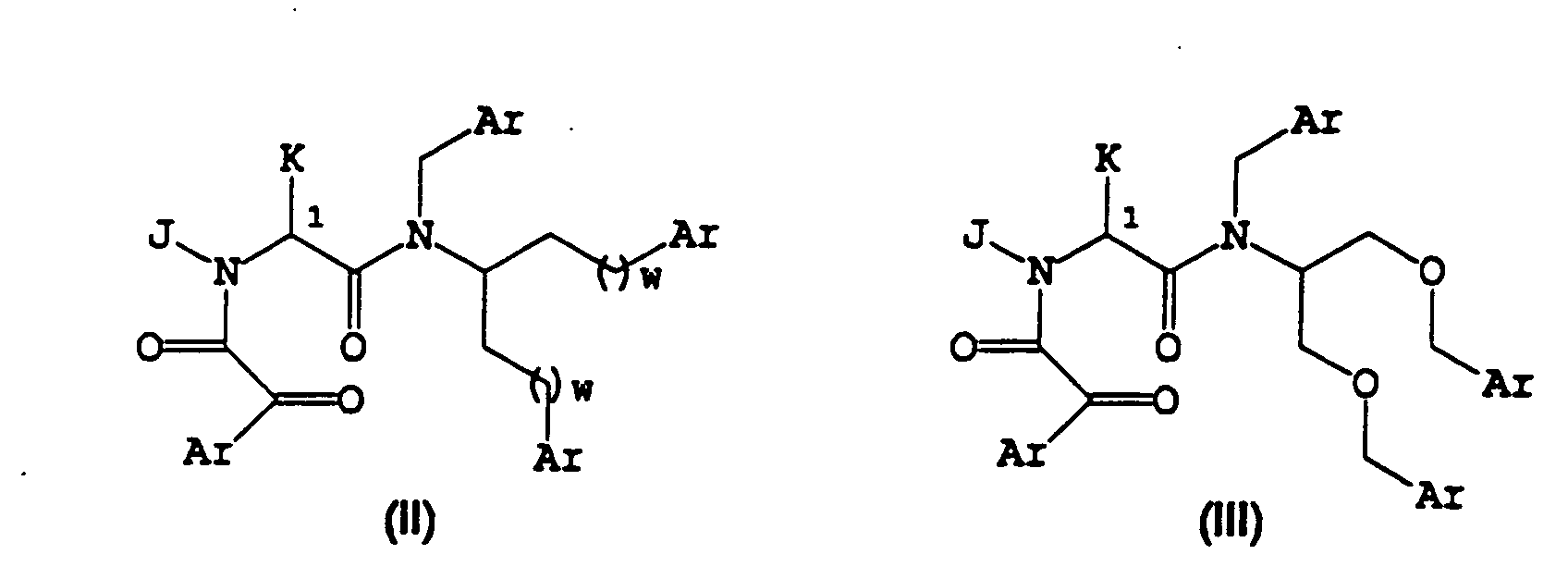
- Examples of some preferred compounds of formula (I) have the formula (II) or (III): wherein J and K are independently (C1-C6)-straight or branched alkyl or Ar-substituted (C1-C6)-straight or -branched alkyl; each Ar is independently one of the preferred aryl groups of this invention, as defined above; and each w is 1 or 2.
- Table I provides some examples of preferred compounds of formula (I), wherein X is a 3,4,5-trimethoxyphenyl group, and m is 0 (formula (I')) wherein for each compound, B, D, J, K, and R 1 are defined as indicated.
- Another embodiment of this invention is directed to compounds of formula (XXXI): wherein m, B, D, J and K are as defined above for compounds of formula (I); R 7 has the same definition as R 1 as defined above for compounds of formula (I); W is O or S; Y is O or N, wherein when Y is O, then R 8 is a lone pair (as used herein, the term “lone pair” refers to a lone pair of electrons, such as the lone pair of electrons present on divalent oxygen) and R 9 is selected from the group consisting of Ar, (C1-C6)-straight or branched alkyl, and (C3-C6)-straight or branched alkenyl or alkynyl; and when Y is N, then R 8 and R 9 are independently selected from the group consisting of Ar, (C1-C6)-straight or branched alkyl, and (C3-C6)-straight or branched alkenyl or alkynyl
- W in compounds of formula (XXXI) is oxygen.
- compounds of formula (XXXI) wherein at least one of B or D is independently represented by the formula -(CH 2 ) r -(Z)-(CH 2 ) s -Ar, wherein:
- the compounds of this invention include all optical and racemic isomers.
- all compounds of this invention include pharmaceutically acceptable derivatives thereof.
- a "pharmaceutically acceptable derivative” denotes any pharmaceutically acceptable salt, ester, or salt of such ester, of a compound of this invention or any other compound which, upon administration to a patient, is capable of providing (directly or indirectly) a compound of this invention, or a metabolite or residue thereof, characterized by the ability to maintain, increase or restore sensitivity of MDR cells to therapeutic or prophylactic agents or to prevent development of multi-drug resistance.
- Compounds of this invention may be obtained using any conventional technique.
- these compounds are chemically synthesized from readily available starting materials, such as alpha-amino acids.
- Modular and convergent methods for the synthesis of these compounds are also preferred. In a convergent approach, for example, large sections of the final product are brought together in the last stages of the synthesis, rather than by incremental addition of small pieces to a growing molecular chain.
- Scheme 1 illustrates a representative example of a convergent process for the synthesis of compounds of formula (I) (wherein m is 0 or 1).
- the process comprises coupling of a protected amino acid of formula (IV), wherein P is a protecting group, with an amine of formula (V) to provide an amino amide of formula (VI).
- Protected alpha-amino acids are well known in the art and many are commercially available. For example, common protecting groups and convenient methods for the protection of amino acids are described in T. W. Greene, P. G. M. Wuts, Protective Groups in Organic Chemistry, 2nd Ed., John Wiley and Sons, New York (1991).
- Alkoxycarbonyl groups are preferred for protection of the nitrogen atom in compounds of formula (IV), with t-butoxycarbonyl (Boc), benzyloxycarbonyl (Cbz), allyloxycarbonyl (Alloc), and trimethylsilylethoxycarbonyl (Teoc) being more preferred.
- compounds of formula (VI) are deprotected under suitable deprotection conditions (see Greene, supra), and the free amino group of (VII) is then acylated using a preformed acyl chloride of formula (VIII') or any other activated form of a compound of formula (VIII).
- the halogen chloro group in (VIII') may be replaced with other leaving groups or activating groups known in the art such as other halogens, imidazolyl or pentafluorophenoxy groups.
- Amines of formula (V) wherein m is 0 can also be conveniently prepared, for example, as illustrated in Schemes 2, 3 and 4.
- Reaction of an organometallic reagent of formula (XV) and a carboxylic acid of formula (XVI), or an equivalent (e.g., the Weinreb amide) provides ketones of formula (XVII).
- ketones can be readily converted to amines of formula (V') using any of the well known procedures in the art, for example, through reductive amination (Scheme 2).
- 1,6-heptadiyn-4-ol can be coupled via a metal-catalyzed reaction to aromatic halides of formula (XVIII) to give an alcohol of formula (XIX). Subsequent hydrogenation provides an alcohol of formula (XX). Oxidation to a ketone of formula (XVII') and subsequent amination would then provide the desired amine of formula (V").
- this invention also provides a method for preparing compounds of formula (I) comprising the steps of:
- Optically active compounds of formula (I) may also be prepared using optically active starting materials, thus obviating the need for resolution of enantiomers or separation of diastereomers at a late stage in the synthesis.
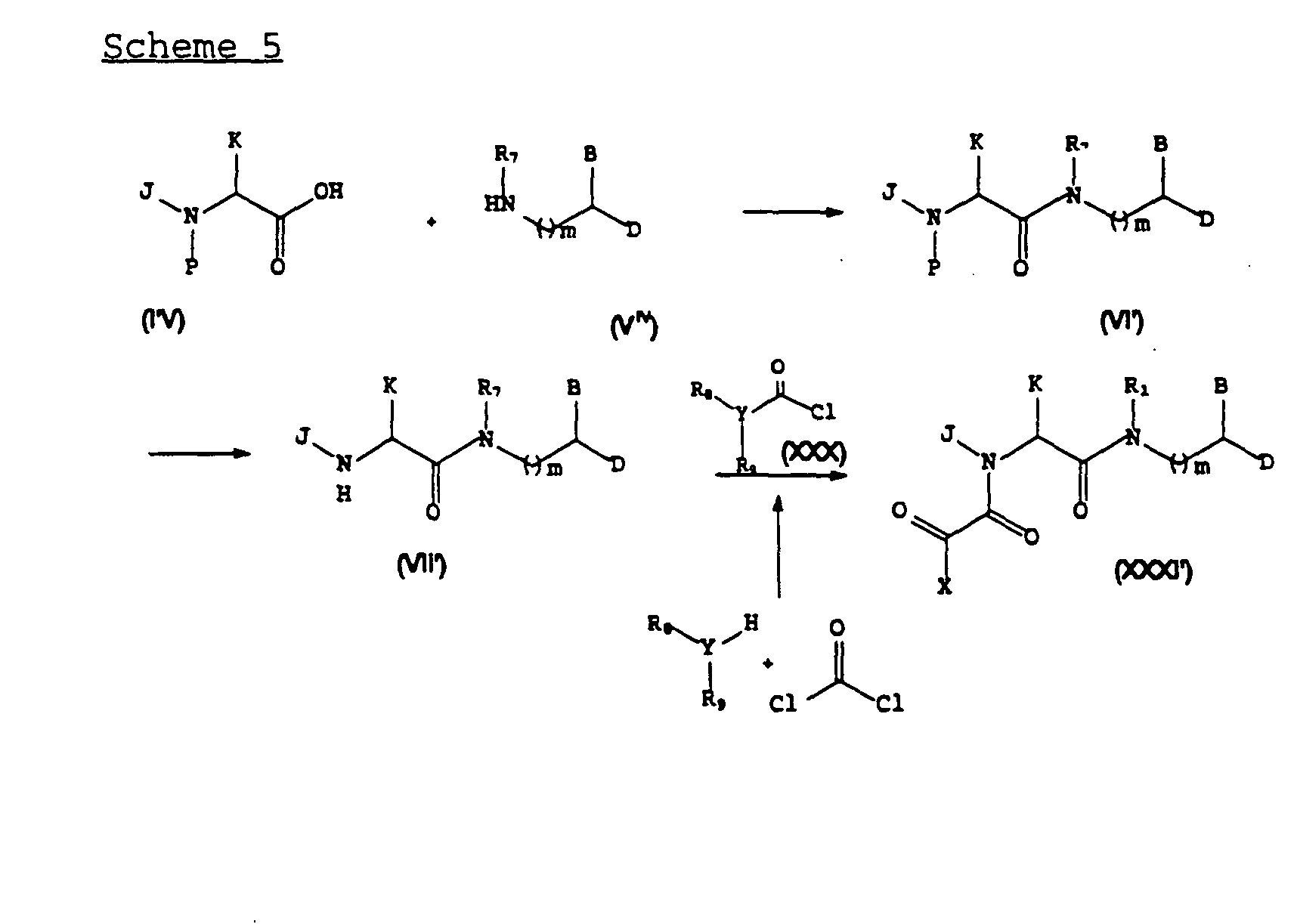
- Scheme 5 illustrates a representative example of a process for the preparation of a preferred subclass of compounds of formula (XXXI) wherein W is an oxygen.
- ureas and carbamates of formula (XXXI') are prepared in a manner analogous to the processes for preparation of compounds of formula (I) depicted in Scheme 1.
- a protected amino acid of formula (IV) can be coupled to a secondary amine of formula (V iv ).
- Deprotection followed by acylation with an acid chloride of formula (XXX) would then provide the desired compound of formula (XXXI').
- the compounds of this invention may be modified by appending appropriate functionalities to enhance selective biological properties.
- modifications are known in the art and include those which increase biological penetration into a given biological system (e.g., blood, lymphatic system, central nervous system), increase oral availability, increase solubility to allow administration by injection, alter metabolism and alter rate of excretion.
- the compounds of this invention are characterized by the ability to increase, restore or maintain the sensitivity of MDR cells to cytotoxic compounds, such as, for example, those typically used in chemotherapy. Based on that ability, the compounds of this invention are advantageously used as chemosensitizing agents, to increase the effectiveness of chemotherapy in individuals who are afflicted with drug-resistant cancers, tumors, metastases or disease. In addition, the compounds of this invention are capable of maintaining sensitivity to therapeutic or prophylactic agents in non-resistant cells. Therefore, the compounds of this invention are useful in treating or preventing multi-drug resistance ("MDR") in a patient. More specifically, these compounds are useful in treating of preventing P-glycoprotein-meidated MDR and MRP-mediated MDR.
- MDR multi-drug resistance
- the term "patient” refers to mammals, including humans.
- the term “cell” refers to mammalian cells, including human cells.
- the terms "sensitizing agent”, “sensitizer”, “chemosensitizing agent”, “chemosensitizer” and “MDR modifier” denote a compound having the ability to increase or restore the sensitivity of an MDR cell, or to maintain the sensitivity of a non-resistant cell, to one or more therapeutic or prophylactic agents.
- MDR sensitization and “sensitization” and “resensitization” refer to the action of such a compound in maintaining, increasing, or restoring drug sensitivity.
- the compounds of the present invention may be used in the form of pharmaceutically acceptable salts derived from inorganic or organic acids and bases. Included among such acid salts are the following: acetate, adipate, alginate, aspartate, benzoate, benzenesulfonate, bisulfate, butyrate, citrate, camphorate, camphorsulfonate, cyclopentanepropionate, digluconate, dodecylsulfate, ethanesulfonate, fumarate, glucoheptanoate, glycerophosphate, hemisulfate, heptanoate, hexanoate, hydrochloride, hydrobromide, hydroiodide, 2-hydroxyethanesulfonate, lactate, maleate, methanesulfonate, 2-naphthalenesulfonate, nicotinate, oxalate, pamoate, pectinate, persulfate
- Base salts include ammonium salts, alkali metal salts, such as sodium and potassium salts, alkaline earth metal salts, such as calcium and magnesium salts, salts with organic bases, such as dicyclohexylamine salts, N-methyl-D-glucamine, and salts with amino acids such as arginine, lysine, and so forth.
- the basic nitrogen-containing groups can be quaternized with such agents as lower alkyl halides, such as methyl, ethyl, propyl, and butyl chloride, bromides and iodides; dialkyl sulfates, such as dimethyl, diethyl, dibutyl and diamyl sulfates, long chain halides such as decyl, lauryl, myristyl and stearyl chlorides, bromides and iodides, aralkyl halides, such as benzyl and phenethyl bromides and others. Water or oil-soluble or dispersible products are thereby obtained.
- lower alkyl halides such as methyl, ethyl, propyl, and butyl chloride, bromides and iodides
- dialkyl sulfates such as dimethyl, diethyl, dibutyl and diamyl sulfates
- long chain halides such
- the compounds of the present invention may be administered orally, parenterally, by inhalation spray, topically, rectally, nasally, buccally, vaginally or via an implanted reservoir in dosage formulations containing conventional non-toxic pharmaceutically-acceptable carriers, adjuvants and vehicles.
- parenteral as used herein includes subcutaneous, intravenous, intramuscular, intra-articular, intra-synovial, intrasternal, intrathecal, intrahepatic, intralesional and intracranial injection or infusion techniques.
- compositions of this invention comprise any of the compounds of the present invention, or pharmaceutically acceptable salts thereof, with any pharmaceutically acceptable carrier, adjuvant or vehicle.
- pharmaceutically acceptable carriers, adjuvants and vehicles that may be used in the pharmaceutical compositions of this invention include, but are not limited to, ion exchangers, alumina, aluminum stearate, lecithin, serum proteins, such as human serum albumin, buffer substances such as phosphates, glycine, sorbic acid, potassium sorbate, partial glyceride mixtures of saturated vegetable fatty acids, water, salts or electrolytes, such as protamine sulfate, disodium hydrogen phosphate, potassium hydrogen phosphate, sodium chloride, zinc salts, colloidal silica, magnesium trisilicate, polyvinyl pyrrolidone, cellulose-based substances, polyethylene glycol, sodium carboxymethylcellulose, polyacrylates, waxes, polyethylene-polyoxypropylene-block polymers, polyethylene glycol and wool fat.
- the pharmaceutical compositions may be in the form of a sterile injectable preparation, for example a sterile injectable aqueous or oleaginous suspension.
- This suspension may be formulated according to techniques known in the art using suitable dispersing or wetting agents and suspending agents.
- the sterile injectable preparation may also be a sterile injectable solution or suspension in a non-toxic parenterally-acceptable diluent or solvent, for example as a solution in 1,3-butanediol.
- the acceptable vehicles and solvents that may be employed are water, Ringer's solution and isotonic sodium chloride solution.
- sterile, fixed oils are conventionally employed as a solvent or suspending medium.
- any bland fixed oil may be employed including synthetic mono- or di-glycerides.
- Fatty acids such as oleic acid and its glyceride derivatives are useful in the preparation of injectables, as do natural pharmaceutically-acceptable oils, such as olive oil or castor oil, especially in their polyoxyethylated versions.
- These oil solutions or suspensions may also contain a long-chain alcohol diluent or dispersant, such as Ph. Helv or similar alcohol.
- compositions of this invention may be orally administered in any orally acceptable dosage form including, but not limited to, capsules, tablets, aqueous suspensions or solutions.
- carriers which are commonly used include lactose and corn starch.
- Lubricating agents such as magnesium stearate, are also typically added.
- useful diluents include lactose and dried corn starch.
- aqueous suspensions are required for oral use, the active ingredient is combined with emulsifying and suspending agents. If desired, certain sweetening, flavoring or coloring agents may also be added.
- compositions of this invention may be administered in the form of suppositories for rectal administration.
- suppositories for rectal administration.
- suppositories can be prepared by mixing the agent with a suitable non-irritating excipient which is solid at room temperature but liquid at the rectal temperature and therefore will melt in the rectum to release the drug.
- suitable non-irritating excipient include cocoa butter, beeswax and polyethylene glycols.
- compositions of this invention may also be administered topically, especially when the target of treatment includes areas or organs readily accessible by topical application, including diseases of the eye, the skin, or the lower intestinal tract. Suitable topical formulations are readily prepared for each of these areas or organs.
- Topical application for the lower intestinal tract can be effected in a rectal suppository formulation (see above) or in a suitable enema formulation. Topically-transdermal patches may also be used.
- the pharmaceutical compositions may be formulated in a suitable ointment containing the active component suspended or dissolved in one or more carriers.
- Carriers for topical administration of the compounds of this invention include, but are not limited to, mineral oil, liquid petrolatum, white petrolatum, propylene glycol, polyoxyethylene, polyoxypropylene compound, emulsifying wax and water.
- the pharmaceutical compositions can be formulated in a suitable lotion or cream containing the active components suspended or dissolved in one or more pharmaceutically acceptable carriers.
- Suitable carriers include, but are not limited to, mineral oil, sorbitan monostearate, polysorbate 60, cetyl esters wax, cetearyl alcohol, 2-octyldodecanol, benzyl alcohol and water.
- the pharmaceutical compositions may be formulated as micronized suspensions in isotonic, pH adjusted sterile saline, or, preferably, as solutions in isotonic, pH adjusted sterile saline, either with our without a preservative such as benzylalkonium chloride.
- the pharmaceutical compositions may be formulated in an ointment such as petrolatum.
- compositions of this invention may also be administered by nasal aerosol or inhalation.
- Such compositions are prepared according to techniques well-known in the art of pharmaceutical formulation and may be prepared as solutions in saline, employing benzyl alcohol or other suitable preservatives, absorption promoters to enhance bioavailability, fluorocarbons, and/or other conventional solubilizing or dispersing agents.
- the amount of active ingredient that may be combined with the carrier materials to produce a single dosage form will vary depending upon the host treated, and the particular mode of administration. It should be understood, however, that a specific dosage and treatment regimen for any particular patient will depend upon a variety of factors, including the activity of the specific compound employed, the age, body weight, general health, sex and diet of the patient, the time of administration and rate of excretion of the compound, the particular drug combination, and the judgment of the treating physician and the severity of the particular disease being treated. The amount of active ingredient may also depend upon the therapeutic or prophylactic agent, if any, with which the ingredient is co-administered.
- pharmaceutically effective amount refers to an amount effective to prevent multi-drug resistance or to maintain, increase or restore drug sensitivity in MDR cells.
- Dosage levels of between about 0.01 and about 100 mg/kg body weight per day, preferably between about 0.5 and about 50 mg/kg body weight per day of the active ingredient compound are useful.
- a typical preparation will contain between about 5% and about 95% active compound (w/w).
- such preparations contain between about 20% and about 80% active compound.
- compositions according to this invention may comprise a combination of a compound of this invention and another therapeutic or prophylactic agent.
- the compounds may be administered either alone or in combination with one or more therapeutic agents, such as chemotherapeutic agents, (e.g., actinomycin D, doxorubicin, vincristine, vinblastine, etoposide, amsacrine, mitoxantrone, tenipaside, taxol and colchicine) and/or a chemosensitizing agent (e.g., cyclosporin A and analogs, phenothiazines and thioxantheres), in order to increase the susceptibility of the MDR cells within the patient to the agent or agents.
- chemotherapeutic agents e.g., actinomycin D, doxorubicin, vincristine, vinblastine, etoposide, amsacrine, mitoxantrone, tenipaside, taxol and colchicine
- a chemosensitizing agent e.g., cyclosporin A and analogs, phen
- the reaction was diluted with ethyl acetate and water. The layers were separated and the aqueous phase reextracted with ethyl acetate. The organics were combined, washed with saturated sodium bicarbonate, water and brine, dried over anhydrous magnesium sulfate, filtered and concentrated in vacuo. The residue was chromatographed on silica gel (elution with 5% methanol/methylene chloride) to provide the desired product.
- 1,7-Di(pyridin-4-yl)-heptan-4-one (Compound 11): To a solution of 1,7-di(pyridin-4-yl)-heptan-4-ol (4.1 g, 15.2 mmol) in methylene chloride (50 mL) at 0°C, was added potassium bromide (180 mg) and 2,2,6,6-tetramethyl-1-piperidinyloxy, free radical (71 mg). To the resulting mixture was added dropwise a solution of sodium bicarbonate (510 mg) in sodium hypochlorite (65 ml). After the addition was complete, the reaction mixture was warmed to room temperature and stirred for 30 min. The mixture was diluted with ethyl acetate and water.
- Methyl-(3-(pyridin-4-yl)-1-(2-(pyridin-4-yl)-ethyl)-propyl)amine (Compound 13) : To a slurry of methylamine hydrochloride (1.7 g, 25.4 mmol) and sodium acetate (2.5 g, 30.48 mmol) in methanol (20 mL) was added a solution of compound 2 (1.21 g, 5.08 mmol) in methanol (5 mL). The resulting mixture was treated with a solution of sodium cyanoborohydride (370 mg, 6.09 mmol) in methanol (5 mL) and heated to 80°C.
- cell lines which are known to be resistant to a particular drug may be used. These cell lines include, but are not limited to, the L1210, P388D, CHO and MCF7 cell lines. Alternatively, resistant cell lines may be developed. The cell line is exposed to the drug to which it is resistant, or to the test compound; cell viability is then measured and compared to the viability of cells which are exposed to the drug in the presence of the test compound.
- L1210 mouse leukemia cells transformed with the pHaMDR1/A retrovirus carrying a MDR1 cDNA as described by Pastan et al., Proc. Natl. Acad. Sci., Vol. 85, 4486-4490 (1988).
- the resistant line, labelled L1210VMDRC.06 was obtained from Dr. M. M. Gottesman of the National Cancer Institute. These drug-resistant transfectants had been selected by culturing cells in 0.06 mg/ml colchicine.
- Multi-drug resistance assays were conducted by plating cells (2 x 10 3 , 1 x 10 4 , or 5 x 10 4 cells/well) in 96 well microtiter plates and exposing them to a concentration range of doxorubicin (50 nM-10 ⁇ M) in the presence or absence of multi-drug resistance modifier compounds ("MDR inhibitors") of this invention (1, 2.5 or 10 ⁇ M) as described in Ford et al., Cancer Res., Vol. 50, 1748-1756. (1990). After culture for 3 days, the viability of cells was quantitated using MTT (Mossman) or XTT dyes to assess mitochondrial function. All determinations were made in replicates of 4 or 8. Also see, Mossman T., J. Immunol. Methods , Vol. 65, 55-63 (1983).
- Results were determined by comparison of the IC 50 for doxorubicin alone to the IC 50 for doxorubicin+ MDR inhibitor.
- An MDR ratio was calculated (IC 50 Dox/IC 50 Dox + Inhibitor) and the integer value used for comparison of compound potencies.
- HL60/ADR cells were plated HL60/ADR cells in 96 well microtiter plates (4 x 10 4 cells/well). The cells were then exposed to various concentrations of doxorubicin (50 nM to 10 ⁇ M) in the presence or absence of various compounds of this invention at various concentrations (0.5 - 10 ⁇ M). After culturing the cells for 3 days, their viability was quantitated using the XTT dye method to assess mitochondrial function. Results were expressed as a ratio of the IC 50 for doxorubicin alone to the the IC 50 for doxorubicin plus MDR inhibitor. IC 50 values are expressed in nM.
Landscapes
- Chemical & Material Sciences (AREA)
- Organic Chemistry (AREA)
- Health & Medical Sciences (AREA)
- Veterinary Medicine (AREA)
- Medicinal Chemistry (AREA)
- Pharmacology & Pharmacy (AREA)
- Life Sciences & Earth Sciences (AREA)
- Animal Behavior & Ethology (AREA)
- General Health & Medical Sciences (AREA)
- Public Health (AREA)
- Epidemiology (AREA)
- Communicable Diseases (AREA)
- Oncology (AREA)
- Chemical Kinetics & Catalysis (AREA)
- General Chemical & Material Sciences (AREA)
- Nuclear Medicine, Radiotherapy & Molecular Imaging (AREA)
- Pharmaceuticals Containing Other Organic And Inorganic Compounds (AREA)
- Acyclic And Carbocyclic Compounds In Medicinal Compositions (AREA)
- Pyridine Compounds (AREA)
- Medicines Containing Antibodies Or Antigens For Use As Internal Diagnostic Agents (AREA)
- Plural Heterocyclic Compounds (AREA)
Abstract
Description

wherein any one of the CH2 groups of said alkyl chains may be optionally replaced by a heteroatom selected from the group consisting of O, S, SO, SO2, and NR, wherein R is selected from the group consisting of hydrogen, (C1-C4)-straight or branched alkyl, (C3-C4)-straight or branched alkenyl or alkynyl, and (C1-C4) bridging alkyl wherein a bridge is formed between the nitrogen and a carbon atom of said heteroatom-containing chain to form a ring, and wherein said ring is optionally fused to an Ar group;
wherein R2 has the same definition as R1; and R3 and R4 independently have the same definitions as B and D, or R3 and R4 are taken together to form a 5-7 membered heterocyclic aliphatic or aromatic ring;
wherein Ar is a carbocyclic aromatic group selected from the group consisting of phenyl, 1-naphthyl, 2-naphthyl, indenyl, azulenyl, fluorenyl, and anthracenyl;
wherein Ar may contain one or more substituents which are independently selected from the group consisting of hydrogen, halogen, hydroxyl, nitro, -SO3H, trifluoromethyl, trifluoromethoxy, (C1-C6)-straight or branched alkyl, (C2-C6)-straight or branched alkenyl, O-[(C1-C6)-straight or branched alkyl], O-[(C3-C4)-straight or branched alkenyl], O-benzyl, O-phenyl, 1,2-methylenedioxy, -NR5R6, carboxyl, N-(C1-C5-straight or branched alkyl or C3-C5-straight or branched alkenyl) carboxamides, N,N-di-(C1-C5-straight or branched alkyl or C3-C5-straight or branched alkenyl) carboxamides, morpholinyl, piperidinyl, O-M, CH2-(CH2)q-M, O-(CH2)q-M, (CH2)q-O-M, and CH=CH-M;
m is 0 or 1.


R7 has the same definition as R1 as defined above for compounds of formula (I);
W is O or S;
Y is O or N, wherein
when Y is O, then R8 is a lone pair (as used herein, the term "lone pair" refers to a lone pair of electrons, such as the lone pair of electrons present on divalent oxygen) and R9 is selected from the group consisting of Ar, (C1-C6)-straight or branched alkyl, and (C3-C6)-straight or branched alkenyl or alkynyl; and
when Y is N, then R8 and R9 are independently selected from the group consisting of Ar, (C1-C6)-straight or branched alkyl, and (C3-C6)-straight or branched alkenyl or alkynyl; or R8 and R9 are taken together to form a heterocyclic 5-6 membered ring selected from the group consisting of pyrrolidine, imidazolidine, pyrazolidine, piperidine, and piperazine;
wherein the term Ar is as defined above for compounds of formula (I).


| Evaluation of Compounds for Reversal of MDR | |||||
| Compound | IC50 Dox Alone | IC50 Dox + .5 µM Cpd. | IC50 Dox + 1.0 µM Cpd. | MDR Ratio 0.5 µM | MDR Ratio 1.0 µM |
| 6 | 350 | 65 | <50 | 5.4 | >7.0 |
| 7 | 425 | 95 | <50 | 4.5 | >8.5 |
| 8 | 600 | 55 | 150 | 4.0 | 10.9 |
| 9 | 275 | <50 | <50 | >5.5 | >5.5 |
| 10 | 400 | 170 | 65 | 2.4 | 6.1 |
| 12 | 460 | 125 | <50 | 3.2 | >9.2 |
| 14 | 775 | 610 | 350 | 1.3 | 2.2 |
| 15 | 375 | 375 | 175 | 1.0 | 2.1 |
| 16 | 350 | 65 | <50 | 5.4 | >7.0 |
| 21 | 350 | 275 | 85 | 1.3 | 4.1 |
| 23 | 600 | 125 | <50 | 4.8 | >12.0 |
| CsA | 500 | NT | <55 | NT | >9.1 |
| Reversal Of MRP-meidated MDR in HL60/ADR Cells | |||||||||||
| Cmpd | IC50 Dox alone | IC50 Dox + 0.5µM Cpd | IC50 Dox + 1 µM Cpd | IC50 Dox + 2.5µM Cpd | IC50 Dox + 5 µM Cpd | IC50 Dox + Ratio 10µM Cpd | MDR Ratio 0.5 µ M | MDR Ratio 1 µM | MDR Ratio 2.5µM | MDR Ratio 5 µM | MDR Ratio 10µm |
| 7 | 5 | 1.8 | 1.1 | 0.625 | 0.4 | 0.08 | 4.4 | 4.5 | 8 | 12.5 | 62.5 |
| 8 | 5 | 1.1 | 0.8 | 0.5 | 0.4 | 02 | 4.5 | 6.3 | 10 | 12.5 | 25 |
| 9 | 5 | 1 | 0.6 | 0.2 | 02 | 0.04 | 5 | 8.3 | 25 | 25 | 125 |
Claims (15)
- A compound of formula (I):wherein R1, B and D are independently:
 Ar, (C1-C6)-straight or branched alkyl, (C2-C6)-straight or branched alkenyl or alkynyl, (C5-C7)-cycloalkyl-substituted (C1-C6)-straight or branched alkyl, (C5-C7)-cycloalkyl-substituted (C3-C6)-straight or branched alkenyl or alkynyl, (C5-C7)-cycloalkenyl-substituted (C1-C6)-straight or branched alkyl, (C5-C7)-cycloalkenyl-substituted (C3-C6)-straight or branched alkenyl or alkynyl, Ar-substituted (C1-C6)-straight or branched alkyl, Ar-substituted (C3-C6)-straight or branched alkenyl or alkynyl;
wherein any one of the CH2 groups of said alkyl chains may be optionally replaced by a heteroatom selected from the group consisting of O, S, SO, SO2, and NR, wherein R is selected from the group consisting of hydrogen, (C1-C4)-straight or branched alkyl, (C3-C4)-straight or branched alkenyl or alkynyl, and (C1-C4) bridging alkyl wherein a bridge is formed between the nitrogen and a carbon atom of said heteroatom-containing chain to form a ring, and wherein said ring is optionally fused to an Ar group;B and D may also be hydrogen;provided that R1 is not hydrogen;J is selected from the group consisting of (C1-C6)-straight or branched alkyl, (C3-C6)-straight or branched alkenyl, Ar-substituted (C1-C6)-straight or branched alkyl, and Ar-substituted (C3-C6)-straight or branched alkenyl or alkynyl;K is selected from the group consisting of (C1-C6)-straight or branched alkyl, Ar-substituted (C1-C6)-straight or branched alkyl, Ar-substituted (C2-C6)-straight or branched alkenyl or alkynyl, and cyclohexylmethyl;X is selected from the group consisting of Ar, -OR2, and -NR3R4;
wherein R2 has the same definition as R1; andR3 and R4 independently have the same definitions as B and D; or R3 and R4 are taken together to form a 5-7 membered heterocyclic aliphatic or aromatic ring;
wherein Ar is a carbocyclic aromatic group selected from the group consisting of phenyl, 1-naphthyl, 2-naphthyl, indenyl, azulenyl, fluorenyl, and anthracenyl;or Ar is a heterocyclic aromatic group selected from the group consisting of 2-furyl, 3-furyl, 2-thienyl, 3-thienyl, 2-pyridyl, 3-pyridyl, 4-pyridyl, pyrrolyl, oxazolyl, thiazolyl, imidazolyl, pyraxolyl, 2-pyrazolinyl, pyrazolidinyl, isoxazolyl, isotriazolyl, 1,2,3-oxadiazolyl, 1,2,3-triazolyl, 1,3,4-thiadiazolyl, pyridazinyl, pyrimidinyl, pyrazinyl, 1,3,5-triazinyl, 1,3,5-trithianyl, indolizinyl, indolyl, isoindolyl, 3H-indolyl, indolinyl, benzo[b]furanyl, benzo[b]thio-phenyl, 1H-indazolyl, benzimidazolyl, benzthiazolyl, purinyl, 4H-quinolizinyl, quinolinyl, 1,2,3,4-tetrahydroquinolinyl, isoquinolinyl, 1,2,3,4-tetrahydroisoquinolinyl, cinnolinyl, phthalazinyl, quinazolinyl, quinoxalinyl, 1,8-naphthyridinyl, pteridinyl, carbazolyl, acridinyl, phenazinyl, phenothiazinyl, and phenoxazinyl;
wherein Ar may contain one or more substituents which are independently selected from the group consisting of hydrogen, halogen, hydroxyl, nitro, - SO3H, trifluoromethyl, trifluoromethoxy, (C1-C6)-straight or branched alkyl, (C2-C6)-straight or branched alkenyl, O-[(C1-C6)-straight or branched alkyl], O-[(C3-C4)-straight or branched alkenyl], O-benzyl, O-phenyl, 1,2-methylenedioxy, -NR5R6, carboxyl, N-(C1-C5-straight or branched alkyl or C3-C5-straight or branched alkenyl) carboxamides, N,N-di-(C1-C5-straight or branched alkyl or C3-C5-straight or branched alkenyl) carboxamides, morpholinyl, piperidinyl, O-M, CH2-(CH2)q-M, O-(CH2)q-M, (CH2)q-O-M, and CH=CH-M;
wherein R5 and R6 are independently selected from the group consisting of hydrogen, (C1-C6)-straight or branched alkyl, (C3-C6)-straight or branched alkenyl or alkynyl and benzyl; M is selected from the group consisting of 4-methoxyphenyl, 2-pyridyl, 3-pyridyl, 4-pyridyl, pyrazyl, quinolyl, 3,5-dimethylisoxazoyl, 2-methylthiazoyl, thiazoyl, 2-thienyl, 3-thienyl and pyrimidyl; and q is 0-2; andm is 0 or 1. - The compound of formula (I) according to claim 1, wherein at least one of B or D is independently represented by the formula -(CH2)r-(Z)-(CH2)s-Ar, wherein:r is 1-4;s is 0-1;Ar is as defined in claim 1; andeach Z is independently selected from the group consisting of CH2, O, S, SO, SO2, and NR, wherein R is selected from the group consisting of hydrogen, (C1-C4)-straight or branched alkyl, (C3-C4)-straight or branched alkenyl or alkynyl, and (C1-C4) bridging alkyl, wherein a bridge is formed between the nitrogen atom and the Ar group.
- The compound of formula (I) according to claim 1 or 2, wherein Ar is selected from the group consisting of phenyl, 2-pyridyl, 3-pyridyl, 4-pyridyl, imidazolyl, indolyl, isoindolyl, quinolinyl, isoquinolinyl, 1,2,3,4-tetrahydroisoquinolinyl, and 1,2,3,4-tetrahydroquinolinyl, wherein said Ar may contain one or more substituents which are independently selected from the group consisting of hydrogen, hydroxyl, nitro, trifluoromethyl, (C1-C6)-straight or branched alkyl, O-[(C1-C6)-straight or branched alkyl], halogen, SO3H, and NR3R4, wherein R3 and R4 are independently selected from the group consisting of (C1-C6)-straight or branched alkyl, (C3-C6)-straight or branched alkenyl, hydrogen and benzyl; or wherein R3 and R4 can be taken together to form a 5-6 membered heterocyclic ring.
- A compound of formula(III):wherein J and K are independently (C1-C6)-straight or branched alkyl or Ar-substituted (C1-C6)-straight or branched alkyl;
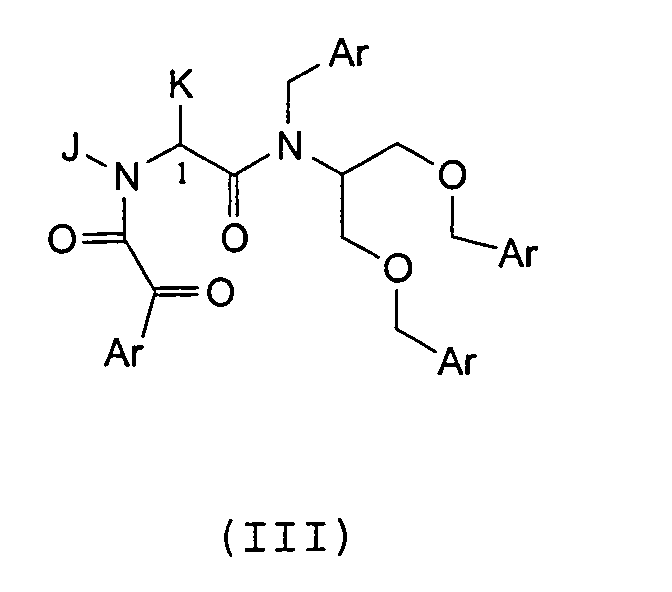
each Ar is independently as defined in claim 3 and each w is 1 or 2. - A compound of formula (XXXI):wherein m, B, D, J and K are as defined in claim 1;
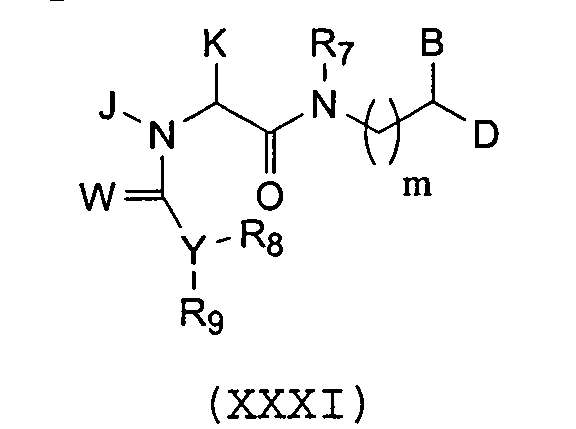
R7 is Ar, (C1-C6)-straight or branched alkyl, (C2-C6)-straight or branched alkenyl or alkynyl, (C5-C7)-cycloalkyl-substituted (C1-C6)-straight or branched alkyl, (C5-C7)-cycloalkyl-substituted (C3-C6)-straight or branched alkenyl or alkynyl, (C5-C7)-cycloalkenyl-substituted (C1-C6)-straight or branched alkyl, (C5-C7)-cycloalkenyl-substituted (C3-C6)-straight or branched alkenyl or alkynyl, Ar-substituted (C1-C6)-straight or branched alkyl, Ar-substituted (C3-C6)-straight or branched alkenyl or alkynyl;
wherein any one of the CH2 groups of said alkyl chains may be optionally replaced by a heteroatom selected from the group consisting of O, S, SO, SO2, and NR, wherein R is selected from the group consisting of hydrogen, (C1-C4)-straight or branched alkyl, (C3-C4)-straight or branched alkenyl or alkynyl, and (C1-C4) bridging alkyl wherein a bridge is formed between the nitrogen and a carbon atom of said heteroatom-containing chain to form a ring, and wherein said ring is optionally fused to an Ar group;
W is O or S;
Y is O or N, wherein
when Y is O, then R8 is a lone pair (as used herein, the term "lone pair" refers to a lone pair of electrons, such as the lone pair of electrons present on divalent oxygen) and R9 is selected from the group consisting of Ar, (C1-C6)-straight or branched alkyl, and (C3-C6)-straight or branched alkenyl or alkynyl; and
when Y is N, then R8 and R9 are independently selected from the group consisting of Ar, (C1-C6)-straight or branched alkyl, and (C3-C6)-straight or branched alkenyl or alkynyl; or R8 and R9 are taken together to form a heterocyclic 5-6 membered ring selected from the group consisting of pyrrolidine, imidazolidine, pyrazolidine, piperidine, and piperazine;
wherein the term Ar is as defined in claim 1. - The compound of formula (XXXI) according to claim 5, wherein W is oxygen.
- The compound of formula (XXXI) according to claim 5 or claim 6, wherein at least one of B or D is independently represented by the formula -(CH2)r-(Z)-(CH2)s-Ar, wherein:r is 1-4;s is 0-1;Ar is as defined in claim 1; andeach Z is independently selected from the group consisting of CH2, O, S, SO, SO2, and NR, wherein R is selected from the group consisting of hydrogen, (C1-C4)-straight or branched alkyl, (C3-C4)-straight or branched alkenyl or alkynyl, and (C1-C4) bridging alkyl, wherein a bridge is formed between the nitrogen atom and the Ar group.
- A pharmaceutical composition for treatment or prevention of multi-drug resistance comprising a pharmaceutically effective amount of a compound according to any one of claims 1 to 7 and a pharmaceutically acceptable carrier, adjuvant or vehicle.
- The pharmaceutical composition according to claim 8, further comprising a chemotherapeutic agent.
- The pharmaceutical composition according to claim 8 or 9, further comprising a chemosensitizer, other than the compound according to any one of claims 1 to 7.
- Use of a compound according to any one of claims 1-7, and a pharmaceutically acceptable carrier, adjuvant or vehicle for the preparation of a pharmaceutical composition for treating or preventing multi-drug resistance in a patient.
- Use according to claim 11, wherein said composition is administered orally.
- Use according to claim 11 or 12, wherein said multi-drug resistance is P-glycoprotein-mediated.
- Use according to claim 11 or 12, wherein said multi-drug resistance is MRP-mediated.
- A process for the synthesis of a compound of formula (I), according to any one of claims 1 to 3, comprising the steps of:(a) coupling an amino acid of formula (IV) with an amine of formula (V):to give an amide of formula (VI):
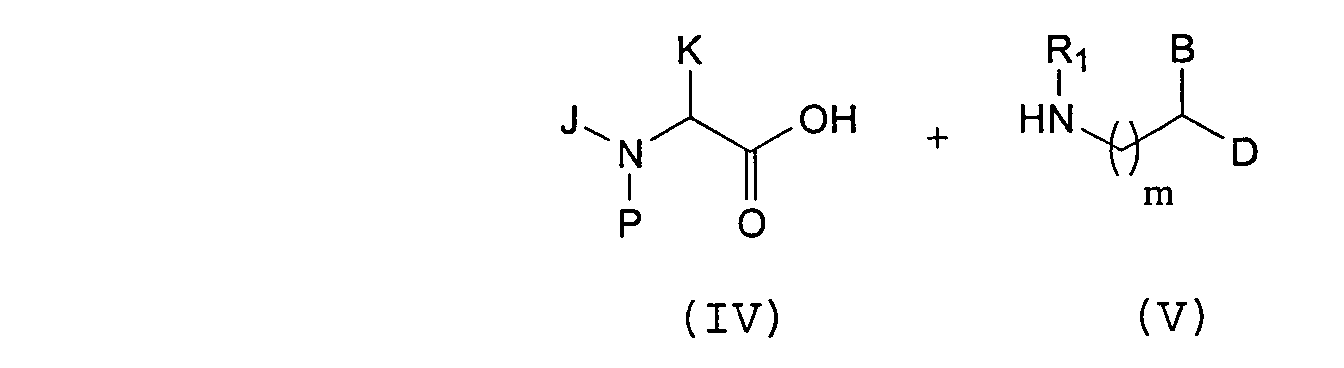
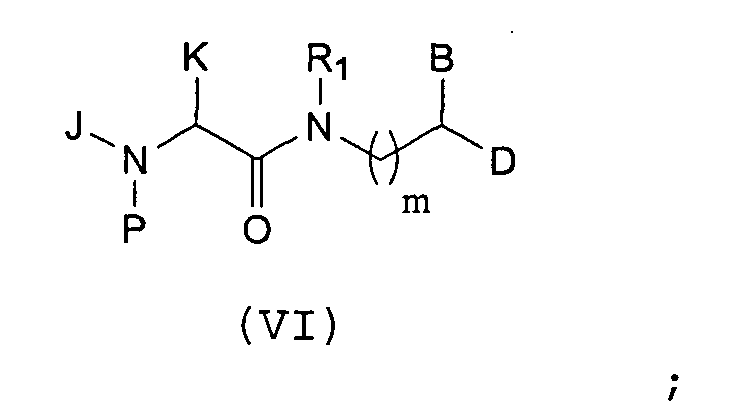 (b) deprotecting the amide of formula (VI) to give an amino amide of formula (VII):
 (c) acylating the amino amide of formula (VII) with compound of formula (VIII):wherein B, D, J, K, X and R1 are as defined in claim 1.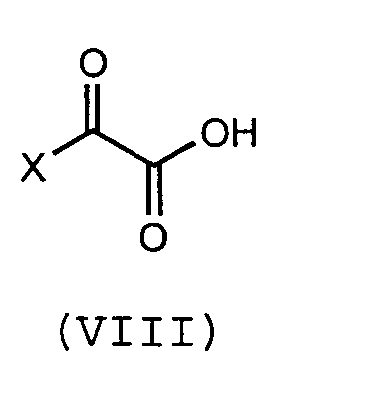
Applications Claiming Priority (5)
| Application Number | Priority Date | Filing Date | Title |
|---|---|---|---|
| US34083094A | 1994-11-16 | 1994-11-16 | |
| US340830 | 1994-11-16 | ||
| US377285 | 1995-01-23 | ||
| US08/377,285 US5543423A (en) | 1994-11-16 | 1995-01-23 | Amino acid derivatives with improved multi-drug resistance activity |
| EP95939156A EP0797567B1 (en) | 1994-11-16 | 1995-11-13 | Novel amino acid derivatives with improved multi-drug resistance activity |
Related Parent Applications (1)
| Application Number | Title | Priority Date | Filing Date |
|---|---|---|---|
| EP95939156A Division EP0797567B1 (en) | 1994-11-16 | 1995-11-13 | Novel amino acid derivatives with improved multi-drug resistance activity |
Publications (2)
| Publication Number | Publication Date |
|---|---|
| EP1420009A2 true EP1420009A2 (en) | 2004-05-19 |
| EP1420009A3 EP1420009A3 (en) | 2004-05-26 |
Family
ID=23335106
Family Applications (1)
| Application Number | Title | Priority Date | Filing Date |
|---|---|---|---|
| EP03029635A Withdrawn EP1420009A3 (en) | 1994-11-16 | 1995-11-13 | Novel amino acid derivatives with improved multi-drug resistance activity |
Country Status (8)
| Country | Link |
|---|---|
| US (1) | US5543423A (en) |
| EP (1) | EP1420009A3 (en) |
| KR (1) | KR100404717B1 (en) |
| CN (1) | CN1099407C (en) |
| AR (1) | AR004655A1 (en) |
| PE (1) | PE52396A1 (en) |
| RU (1) | RU2165410C2 (en) |
| ZA (1) | ZA959304B (en) |
Families Citing this family (65)
| Publication number | Priority date | Publication date | Assignee | Title |
|---|---|---|---|---|
| US5846981A (en) * | 1993-05-28 | 1998-12-08 | Gpi Nil Holdings Inc. | Inhibitors of rotamase enzyme activity |
| US5798355A (en) * | 1995-06-07 | 1998-08-25 | Gpi Nil Holdings, Inc. | Inhibitors of rotamase enzyme activity |
| US5744485A (en) * | 1994-03-25 | 1998-04-28 | Vertex Pharmaceuticals Incorporated | Carbamates and ureas as modifiers of multi-drug resistance |
| US5859031A (en) | 1995-06-07 | 1999-01-12 | Gpi Nil Holdings, Inc. | Small molecule inhibitors of rotamase enzyme activity |
| US7056935B2 (en) * | 1995-06-07 | 2006-06-06 | Gpi Nil Holdings, Inc. | Rotamase enzyme activity inhibitors |
| US5696135A (en) * | 1995-06-07 | 1997-12-09 | Gpi Nil Holdings, Inc. | Inhibitors of rotamase enzyme activity effective at stimulating neuronal growth |
| US6037370A (en) | 1995-06-08 | 2000-03-14 | Vertex Pharmaceuticals Incorporated | Methods and compositions for stimulating neurite growth |
| US5801197A (en) * | 1995-10-31 | 1998-09-01 | Gpi Nil Holdings, Inc. | Rotamase enzyme activity inhibitors |
| US5804578A (en) * | 1996-04-03 | 1998-09-08 | Merck & Co., Inc. | Piperidines, pyrrolidines and hexahydro-1H-azepines promote release of growth hormone |
| US6093816A (en) | 1996-06-27 | 2000-07-25 | Isis Pharmaceuticals, Inc. | Cationic lipids |
| US5786378A (en) * | 1996-09-25 | 1998-07-28 | Gpi Nil Holdings, Inc. | Heterocyclic thioesters |
| US6218424B1 (en) * | 1996-09-25 | 2001-04-17 | Gpi Nil Holdings, Inc. | Heterocyclic ketone and thioester compounds and uses |
| US5801187A (en) * | 1996-09-25 | 1998-09-01 | Gpi-Nil Holdings, Inc. | Heterocyclic esters and amides |
| US5840736A (en) * | 1996-11-13 | 1998-11-24 | Vertex Pharmaceuticals Incorporated | Methods and compositions for stimulating neurite growth |
| US5811434A (en) * | 1996-11-13 | 1998-09-22 | Vertex Pharmacueticals Incorporated | Methods and compositions for stimulating neurite growth |
| US5780484A (en) * | 1996-11-13 | 1998-07-14 | Vertex Pharmaceuticals Incorporated | Methods for stimulating neurite growth with piperidine compounds |
| US5846979A (en) | 1997-02-28 | 1998-12-08 | Gpi Nil Holdings, Inc. | N-oxides of heterocyclic esters, amides, thioesters, and ketones |
| US6103698A (en) | 1997-03-13 | 2000-08-15 | Basf Aktiengesellschaft | Dolastatin-15 derivatives in combination with taxanes |
| US6162616A (en) * | 1997-04-16 | 2000-12-19 | Millennium Pharmaceuticals, Inc. | Multidrug resistance-associated polypeptide |
| US6187784B1 (en) | 1998-06-03 | 2001-02-13 | Gpi Nil Holdings, Inc. | Pipecolic acid derivative hair growth compositions and uses |
| US6187796B1 (en) | 1998-06-03 | 2001-02-13 | Gpi Nil Holdings, Inc. | Sulfone hair growth compositions and uses |
| US6274602B1 (en) | 1998-06-03 | 2001-08-14 | Gpi Nil Holdings, Inc. | Heterocyclic thioester and ketone hair growth compositions and uses |
| US20010049381A1 (en) * | 1997-06-04 | 2001-12-06 | Gpl Nil Holdings, Inc., | Pyrrolidine derivative hair growth compositions and uses |
| US5945441A (en) | 1997-06-04 | 1999-08-31 | Gpi Nil Holdings, Inc. | Pyrrolidine carboxylate hair revitalizing agents |
| US6271244B1 (en) | 1998-06-03 | 2001-08-07 | Gpi Nil Holdings, Inc. | N-linked urea or carbamate of heterocyclic thioester hair growth compositions and uses |
| US6852496B1 (en) | 1997-08-12 | 2005-02-08 | Oregon Health And Science University | Methods of screening for agents that promote nerve cell growth |
| US6268384B1 (en) | 1997-08-29 | 2001-07-31 | Vertex Pharmaceuticals Incorporated | Compounds possessing neuronal activity |
| US5968921A (en) | 1997-10-24 | 1999-10-19 | Orgegon Health Sciences University | Compositions and methods for promoting nerve regeneration |
| US6331537B1 (en) | 1998-06-03 | 2001-12-18 | Gpi Nil Holdings, Inc. | Carboxylic acids and carboxylic acid isosteres of N-heterocyclic compounds |
| US6172087B1 (en) | 1998-06-03 | 2001-01-09 | Gpi Nil Holding, Inc. | N-oxide of heterocyclic ester, amide, thioester, or ketone hair growth compositions and uses |
| EP1085853A1 (en) * | 1998-06-03 | 2001-03-28 | GPI NIL Holdings, Inc. | Heterocyclic ester and amide hair growth compositions and uses |
| US6429215B1 (en) | 1998-06-03 | 2002-08-06 | Gpi Nil Holdings, Inc. | N-oxide of heterocyclic ester, amide, thioester, or ketone hair growth compositions and uses |
| WO1999062880A1 (en) | 1998-06-03 | 1999-12-09 | Gpi Nil Holdings, Inc. | N-linked sulfonamides of n-heterocyclic carboxylic acids or carboxylic acid isosteres |
| US7338976B1 (en) | 1998-08-14 | 2008-03-04 | Gpi Nil Holdings, Inc. | Heterocyclic esters or amides for vision and memory disorders |
| US6506788B1 (en) | 1998-08-14 | 2003-01-14 | Gpi Nil Holdings, Inc. | N-linked urea or carbamate of heterocyclic thioesters for vision and memory disorders |
| US6395758B1 (en) | 1998-08-14 | 2002-05-28 | Gpi Nil Holdings, Inc. | Small molecule carbamates or ureas for vision and memory disorders |
| US6335348B1 (en) | 1998-08-14 | 2002-01-01 | Gpi Nil Holdings, Inc. | Nitrogen-containing linear and azepinyl/ compositions and uses for vision and memory disorders |
| US6339101B1 (en) | 1998-08-14 | 2002-01-15 | Gpi Nil Holdings, Inc. | N-linked sulfonamides of N-heterocyclic carboxylic acids or isosteres for vision and memory disorders |
| US6399648B1 (en) | 1998-08-14 | 2002-06-04 | Gpi Nil Holdings, Inc. | N-oxides of heterocyclic ester, amide, thioester, or ketone for vision and memory disorders |
| US6218423B1 (en) | 1998-08-14 | 2001-04-17 | Gpi Nil Holdings, Inc. | Pyrrolidine derivatives for vision and memory disorders |
| US6384056B1 (en) | 1998-08-14 | 2002-05-07 | Gpi Nil Holdings, Inc. | Heterocyclic thioesters or ketones for vision and memory disorders |
| US6333340B1 (en) | 1998-08-14 | 2001-12-25 | Gpi Nil Holdings, Inc. | Small molecule sulfonamides for vision and memory disorders |
| US6337340B1 (en) | 1998-08-14 | 2002-01-08 | Gpi Nil Holdings, Inc. | Carboxylic acids and isosteres of heterocyclic ring compounds having multiple heteroatoms for vision and memory disorders |
| US6376517B1 (en) | 1998-08-14 | 2002-04-23 | Gpi Nil Holdings, Inc. | Pipecolic acid derivatives for vision and memory disorders |
| US6462072B1 (en) | 1998-09-21 | 2002-10-08 | Gpi Nil Holdings, Inc. | Cyclic ester or amide derivatives |
| US6300341B1 (en) | 1998-09-30 | 2001-10-09 | The Procter & Gamble Co. | 2-substituted heterocyclic sulfonamides |
| US6307049B1 (en) | 1998-09-30 | 2001-10-23 | The Procter & Gamble Co. | Heterocyclic 2-substituted ketoamides |
| US6261693B1 (en) * | 1999-05-03 | 2001-07-17 | Guardian Industries Corporation | Highly tetrahedral amorphous carbon coating on glass |
| JP2003503479A (en) * | 1999-07-06 | 2003-01-28 | バーテックス ファーマシューティカルズ インコーポレイテッド | N-substituted glycine derivatives |
| US6734211B1 (en) * | 1999-07-09 | 2004-05-11 | Oregon Health & Sciences University | Compositions and methods for promoting nerve regeneration |
| JP2001031635A (en) | 1999-07-14 | 2001-02-06 | Ajinomoto Co Inc | Method for producing optically active N-protected-N-methyl-phenylalanine derivative |
| WO2001010821A1 (en) * | 1999-08-05 | 2001-02-15 | The Procter & Gamble Company | Multivalent exocyclic diketo compounds |
| US6734192B1 (en) | 1999-08-23 | 2004-05-11 | Mp-1 Inc. | Treatment of viral infections |
| US6417189B1 (en) | 1999-11-12 | 2002-07-09 | Gpi Nil Holdings, Inc. | AZA compounds, pharmaceutical compositions and methods of use |
| US7253169B2 (en) | 1999-11-12 | 2007-08-07 | Gliamed, Inc. | Aza compounds, pharmaceutical compositions and methods of use |
| EP1244670B1 (en) | 1999-12-21 | 2006-03-08 | MGI GP, Inc. | Hydantoin derivative compounds, pharmaceutical compositions, and methods of using same |
| US6258526B1 (en) * | 2000-01-19 | 2001-07-10 | M.D.R. Test Ltd | Ex-vivo test kit for testing the effectiveness of reversers of multidrug resistance |
| US6376514B1 (en) | 2000-10-17 | 2002-04-23 | The Procter & Gamble Co. | Substituted six-membered heterocyclic compounds useful for treating multidrug resistance and compositions and methods thereof |
| US6693099B2 (en) | 2000-10-17 | 2004-02-17 | The Procter & Gamble Company | Substituted piperazine compounds optionally containing a quinolyl moiety for treating multidrug resistance |
| EP1404325A2 (en) * | 2001-05-29 | 2004-04-07 | Guilford Pharmaceuticals Inc. | Method for treating nerve injury caused by surgery |
| WO2003041128A2 (en) * | 2001-11-07 | 2003-05-15 | Pharmacia Corporation | Methods of promoting uptake and nuclear accumulation of polyamides in eukaryotic cells |
| US7294701B2 (en) * | 2003-04-02 | 2007-11-13 | Technion Research & Development Foundation Ltd. | Antibody fragment capable of modulating multidrug resistance and compositions and kits and methods using same |
| US7825136B2 (en) * | 2003-07-10 | 2010-11-02 | Vertex Pharmaceuticals Incorporated | Potentiators of antibacterial activity |
| US8058430B2 (en) * | 2007-06-29 | 2011-11-15 | Florida Atlantic University Broad of Trustees | Biologically active aphrocallistin compounds |
| AU2010292148A1 (en) | 2009-09-11 | 2012-04-12 | Vertex Pharmaceuticals Incorporated | Compositions of N-benzyl-3-(4-chlorophenyl)-2- [methyl-[2-oxo-2-(3,4,5-trimethoxyphenyl) acetyl]amino]-N- [3-(4-pyridyl)-1-[2-[4-pyridyl)ethy]propyl]propanamide and uses thereof |
Family Cites Families (19)
| Publication number | Priority date | Publication date | Assignee | Title |
|---|---|---|---|---|
| US2447587A (en) * | 1942-12-18 | 1948-08-24 | Geigy Ag J R | Acyl glycine amides |
| DE2328391A1 (en) * | 1972-06-19 | 1974-01-10 | Degussa | TRIALKOXYCINNAMOYLAMINOCARBONIC ACIDS |
| US4296113A (en) * | 1980-01-14 | 1981-10-20 | E. R. Squibb & Sons, Inc. | Mercaptoacyl derivatives of keto substituted proline and pipecolic acid |
| US4376124A (en) * | 1982-03-08 | 1983-03-08 | American Home Products Corporation | Method for modulating the immune response with dibenzocycloheptenylidenes |
| US4579840A (en) * | 1983-08-12 | 1986-04-01 | Immunetech Pharmaceuticals | Method of blocking immune complex binding to immunoglobulin Fc receptors |
| JPS6137764A (en) * | 1984-07-31 | 1986-02-22 | Suntory Ltd | Novel physiologically active compound having anti-prolyl-endopeptidase activity |
| CN86101850A (en) * | 1985-03-22 | 1987-02-04 | 森得克斯(美国)有限公司 | N, N'-dialkylguanidino dipeptide production method and use |
| US4920218A (en) * | 1988-10-12 | 1990-04-24 | Merck & Co., Inc. | Novel hydroxide mediated FK-506 rearrangement process |
| US5135915A (en) * | 1988-10-14 | 1992-08-04 | Genentech, Inc. | Method for the treatment of grafts prior to transplantation using TGF-.beta. |
| JP2691442B2 (en) * | 1989-02-20 | 1997-12-17 | 株式会社ヤクルト本社 | Novel proline derivative |
| DE3924506A1 (en) * | 1989-07-25 | 1991-01-31 | Hoechst Ag | New poly:hydroxy:amide derivs. |
| DE4015255A1 (en) * | 1990-05-12 | 1991-11-14 | Hoechst Ag | OXALYL-AMINOSA-E-LEED DERIVATIVES, METHOD FOR THE PRODUCTION THEREOF AND THEIR USE AS A MEDICAMENT FOR INHIBITING THE PROLYL HYDROXYLASE |
| US5192773A (en) * | 1990-07-02 | 1993-03-09 | Vertex Pharmaceuticals, Inc. | Immunosuppressive compounds |
| GB2247456A (en) * | 1990-09-03 | 1992-03-04 | Fujisawa Pharmaceutical Co | Tetrahydropyrane compounds, a process for their production and a pharmaceutical composition containing the same |
| US5250678A (en) * | 1991-05-13 | 1993-10-05 | Merck & Co., Inc. | O-aryl, O-alkyl, O-alkenyl and O-alkynylmacrolides having immunosuppressive activity |
| CA2074061A1 (en) * | 1991-08-26 | 1993-02-27 | Ivo Monkovic | Benzamide multidrug resistance reversing agents |
| EP0539976A1 (en) * | 1991-10-29 | 1993-05-05 | G.D. Searle & Co. | Ethynyl-alanine-amino-diol compounds for treatment of hypertension |
| NZ314207A (en) * | 1992-09-28 | 2000-12-22 | Vertex Pharma | 1-(2-Oxoacetyl)-piperidine-2-carboxylic acid derivatives as multi drug resistant cancer cell sensitizers |
| US5744485A (en) * | 1994-03-25 | 1998-04-28 | Vertex Pharmaceuticals Incorporated | Carbamates and ureas as modifiers of multi-drug resistance |
-
1995
- 1995-01-23 US US08/377,285 patent/US5543423A/en not_active Expired - Lifetime
- 1995-11-03 ZA ZA959304A patent/ZA959304B/en unknown
- 1995-11-03 AR ARP950100046A patent/AR004655A1/en active IP Right Grant
- 1995-11-13 EP EP03029635A patent/EP1420009A3/en not_active Withdrawn
- 1995-11-13 KR KR1019970703249A patent/KR100404717B1/en not_active Expired - Fee Related
- 1995-11-13 RU RU97110114/04A patent/RU2165410C2/en not_active IP Right Cessation
- 1995-11-13 CN CN95196279A patent/CN1099407C/en not_active Expired - Fee Related
- 1995-11-16 PE PE1995284732A patent/PE52396A1/en not_active Application Discontinuation
Also Published As
| Publication number | Publication date |
|---|---|
| US5543423A (en) | 1996-08-06 |
| CN1163605A (en) | 1997-10-29 |
| CN1099407C (en) | 2003-01-22 |
| ZA959304B (en) | 1996-05-29 |
| AR004655A1 (en) | 1999-03-10 |
| KR100404717B1 (en) | 2004-03-30 |
| KR970707077A (en) | 1997-12-01 |
| PE52396A1 (en) | 1996-12-12 |
| RU2165410C2 (en) | 2001-04-20 |
| EP1420009A3 (en) | 2004-05-26 |
Similar Documents
| Publication | Publication Date | Title |
|---|---|---|
| US5543423A (en) | Amino acid derivatives with improved multi-drug resistance activity | |
| AU689991B2 (en) | Novel amino acid derivatives with improved multi-drug resistance activity | |
| EP1138673B1 (en) | Novel carbamates and ureas as modifiers of multi-drug resistance | |
| EP0839143B1 (en) | Tetralin compounds with mdr activity | |
| MXPA97003621A (en) | New derivatives amino acids with improved activity for multip drug resistance | |
| HK1067620A (en) | Novel amino acid derivatives with improved multi-drug resistance activity | |
| HK1003636B (en) | Novel amino acid derivatives with improved multi-drug resistance activity | |
| HK1043111A (en) | Novel carbamates and ureas as modifiers of multi-drug resistance | |
| HK1013993B (en) | Novel carbamates and ureas as modifiers of multi-drug resistance |
Legal Events
| Date | Code | Title | Description |
|---|---|---|---|
| PUAI | Public reference made under article 153(3) epc to a published international application that has entered the european phase |
Free format text: ORIGINAL CODE: 0009012 |
|
| PUAL | Search report despatched |
Free format text: ORIGINAL CODE: 0009013 |
|
| AC | Divisional application: reference to earlier application |
Ref document number: 0797567 Country of ref document: EP Kind code of ref document: P |
|
| AK | Designated contracting states |
Kind code of ref document: A2 Designated state(s): AT BE CH DE DK ES FR GB GR IE IT LI LU MC NL PT SE |
|
| AX | Request for extension of the european patent |
Extension state: LT LV SI |
|
| AK | Designated contracting states |
Kind code of ref document: A3 Designated state(s): AT BE CH DE DK ES FR GB GR IE IT LI LU MC NL PT SE |
|
| AX | Request for extension of the european patent |
Extension state: LT LV SI |
|
| RIN1 | Information on inventor provided before grant (corrected) |
Inventor name: HARDING, MATTHEW W. Inventor name: ZELLE, ROBERT E. |
|
| 17P | Request for examination filed |
Effective date: 20041126 |
|
| AKX | Designation fees paid |
Designated state(s): AT BE CH DE DK ES FR GB GR IE IT LI LU MC NL PT SE |
|
| REG | Reference to a national code |
Ref country code: HK Ref legal event code: DE Ref document number: 1067620 Country of ref document: HK |
|
| STAA | Information on the status of an ep patent application or granted ep patent |
Free format text: STATUS: THE APPLICATION IS DEEMED TO BE WITHDRAWN |
|
| 18D | Application deemed to be withdrawn |
Effective date: 20060828 |
|
| REG | Reference to a national code |
Ref country code: HK Ref legal event code: WD Ref document number: 1067620 Country of ref document: HK |