EP1432737B1 - Humaner miniantikörper zytotoxisch für tumorzellen die den erbb2 rezeptor exprimieren - Google Patents
Humaner miniantikörper zytotoxisch für tumorzellen die den erbb2 rezeptor exprimieren Download PDFInfo
- Publication number
- EP1432737B1 EP1432737B1 EP02784853A EP02784853A EP1432737B1 EP 1432737 B1 EP1432737 B1 EP 1432737B1 EP 02784853 A EP02784853 A EP 02784853A EP 02784853 A EP02784853 A EP 02784853A EP 1432737 B1 EP1432737 B1 EP 1432737B1
- Authority
- EP
- European Patent Office
- Prior art keywords
- cells
- erbb2
- seq
- erbicin
- protein
- Prior art date
- Legal status (The legal status is an assumption and is not a legal conclusion. Google has not performed a legal analysis and makes no representation as to the accuracy of the status listed.)
- Expired - Lifetime
Links
Images




Classifications
-
- A—HUMAN NECESSITIES
- A61—MEDICAL OR VETERINARY SCIENCE; HYGIENE
- A61K—PREPARATIONS FOR MEDICAL, DENTAL OR TOILETRY PURPOSES
- A61K31/00—Medicinal preparations containing organic active ingredients
- A61K31/70—Carbohydrates; Sugars; Derivatives thereof
- A61K31/7088—Compounds having three or more nucleosides or nucleotides
-
- A—HUMAN NECESSITIES
- A61—MEDICAL OR VETERINARY SCIENCE; HYGIENE
- A61P—SPECIFIC THERAPEUTIC ACTIVITY OF CHEMICAL COMPOUNDS OR MEDICINAL PREPARATIONS
- A61P35/00—Antineoplastic agents
-
- C—CHEMISTRY; METALLURGY
- C07—ORGANIC CHEMISTRY
- C07K—PEPTIDES
- C07K16/00—Immunoglobulins [IG], e.g. monoclonal or polyclonal antibodies
- C07K16/18—Immunoglobulins [IG], e.g. monoclonal or polyclonal antibodies against material from animals or humans
- C07K16/32—Immunoglobulins [IG], e.g. monoclonal or polyclonal antibodies against material from animals or humans against translation products of oncogenes
-
- A—HUMAN NECESSITIES
- A61—MEDICAL OR VETERINARY SCIENCE; HYGIENE
- A61K—PREPARATIONS FOR MEDICAL, DENTAL OR TOILETRY PURPOSES
- A61K39/00—Medicinal preparations containing antigens or antibodies
- A61K2039/505—Medicinal preparations containing antigens or antibodies comprising antibodies
-
- C—CHEMISTRY; METALLURGY
- C07—ORGANIC CHEMISTRY
- C07K—PEPTIDES
- C07K2317/00—Immunoglobulins specific features
- C07K2317/20—Immunoglobulins specific features characterized by taxonomic origin
- C07K2317/21—Immunoglobulins specific features characterized by taxonomic origin from primates, e.g. man
-
- C—CHEMISTRY; METALLURGY
- C07—ORGANIC CHEMISTRY
- C07K—PEPTIDES
- C07K2317/00—Immunoglobulins specific features
- C07K2317/60—Immunoglobulins specific features characterized by non-natural combinations of immunoglobulin fragments
- C07K2317/62—Immunoglobulins specific features characterized by non-natural combinations of immunoglobulin fragments comprising only variable region components
- C07K2317/622—Single chain antibody (scFv)
-
- C—CHEMISTRY; METALLURGY
- C07—ORGANIC CHEMISTRY
- C07K—PEPTIDES
- C07K2319/00—Fusion polypeptide
Definitions
- the present invention refers to a human mini-antibody cytotoxic for tumor cells that express the ErbB2 receptor, its corresponding sequence, the procedure for isolating it, and its use in therapy.
- RTK transmembrane tyrosine kinase receptor
- ErbB2 may also increase resistance of tumor cells to host defenses by allowing them to evade the immune surveillance against neoplastic growth exerted by activated macrophages (9).
- mAbs mouse and rat monoclonal antibodies directed against ErbB2 extracellular domain
- Antibody fragments have been isolated from combinatorial libraries expressed on phages, using for selection purified antigens or peptides immobilized on artificial surfaces.
- the disadvantages of this type of approach is that it may lead to the selection of antibodies that do not recognize the antigen in its native statue, i.e. in its physiological context (37).
- an anti-ErbB2 scFv isolated by using the extracellular domain of purified ErbB2 was not capable of binding ErbB2 on the surface of SKBR3 cells (21).
- This methodology provides several advantages with inspect to the hybridoma technology, which can be summarized as follows: (i) entirely human nature of the antibodies: (ii) possibility to bypass animal immunization; (iii) rapid isolation of scFv by affinity techniques from very large libraries of up to 10 13 different clones; (iv) availability of stable scfv after phage selection, with high yields by expression in bacteria of the selected cDNAs; (v) possibility of obtaining antibodies when classical methodologies may not succeed, as with toxic antigens or highly conserved in various species.
- the phage display technique has already been applied to the production of human scFv specific for ErbB2, using for their selection its isolated recombinant extracellular domain (20, 21), or more recently breast tumor cells (22). Given their high affinity for the receptor, these immunoreagents may be considered precious tools as delivery vehicles for specifically directing cytotoxic agents to antigen-bearing tumor cells. However, none of them has antitumor activity.
- the present invention provides a recombinant single chain anti-ErbB2 antibody of human origin able to inhibit growth of cells expressing the ErbB2 receptor comprising the amino acid sequence of SEQ ID NO:2 (VH region and the amino acid sequence of SEQ ID NO: 12 (VL region).
- the object of the present invention is a fully human scFv, named Erbicin, specific for the ErbB2 receptor, with pharmacological, particularly antitumour, activity.
- Erbicin has been isolated from a very large phagemid library (Griffin.1 library) (19) of human synthetic soFv by panning (affinity selection on antigen) carried out on live cells that express different levels of BrbB2. It has been found that the single chain fragment of a human anti-ErbB2 antibody, called Erbicin, shows biological properties not described for other anti-ErbB2 scFv isolated so far.
- Erbicin binds specifically to the ErbB2 receptor, it is internalized by target cells, it severely inhibits receptor phosphorylation, and displays a powerful growth inhibition of all ErbB2 positive cell lines tested. In addition, a clear cytotoxic effect was evidenced towards ErbB2 hyper-expressing SKBR3 cells, in which apoptotic death is induced.
- Another object of the invention are the pharmaceutical compositions comprising as active principle Erbicin itself in its phage format (Ph-Erbicin), or Erbicin fused to constant regions from human antibodies, or to toxins, or to molecules with cytotoxic potential, such as enzymes with ribonuclease or protease activity (clearly known to the expert in the field).
- Another object of the invention is the use of the scfv according to the invention in therapy, particularly as an antitumour agent, more particularly for the treatment of tumors in which cells express the ErbB2 receptor, such as cells from mammary, ovary or lung carcinomas. Additional objects of the invention will be evident from the following detailed description of the invention.
- the present invention refers to a fully human single chain miniantibody (scFv), which specifically binds to ErbB2, hence called anti-ErbB2 scFv, according to the nomenclature used for antibodies, well known to the expert in the field.
- This miniantibody has the property to bind to the ErbB2 receptor and engender the inhibition of its phosphorylation.
- This inhibition is of the order of 65% at least, when measured in SKBR3 cells by assays with anti-phosphotyrosine antibodies carried out on cell extracts pretreated at increasing time intervals (from 1 to 7 hours) with Erbicin, to detect the decrease of the phosphorylation level of the receptor.
- Said miniantibody has both cytostatic and cytotoxic effects on cells that express the ErbB2 receptor.
- the miniantibody scFv described in the present invention has the following amino acid sequence, defined as SEQ ID. N. 20 - Amino acid sequence of the miniantibody (ScFv): encoded by the DNA SEQ ID. N. 19 DNA sequence of the miniantibody (ScFv);
- the present invention comprises all the nucleotide sequences that, for the degeneracy of the genetic code, can encode the present amino acid sequence.
- sequences SEQ ID N. 1 and SEQ ID N. 11 correspond to sequences coding for CDR-1, CDR-2 and CDR-3 of VH and VL chains, and are indicated respectively, as:
- CDR regions correspond to the regions that concur to define the contact site between antigen and antibody. Thus, they are specifically involved in binding specificity.
- the corresponding amino acid sequences are indicated as:
- the linker is a peptide fragment or peptide, for example long about 15 amino acid residues, in preference comprising glycine residues.
- An additional aspect of the invention is the use of such DNA sequences, in particular of those encoding VH; VL and CDR-1 -2 and -3 VH and CDR-1, -2 and -3 VL for the construction of chimeric proteins and fusion proteins, of which the above ammo acid sequences represent the portion endowed with binding specificity, or capable of confer such specificity.
- fusion proteins comprising at least two distinct functional regions, both VH and VL, or SEQ ID N.20.
- the identified miniantibody shows an intrinsic, strong and selective anti-proliferative activity on cells that overexpress ErbB2. It has been isolated through a selection performed on a phage library panning with the antigen expressed in vivo live cells overexpressing the ErbB2 antigen-The selection strategy was based on the use of two combinations of cell lines, each comprising an ErbB2-positive and an ErbB2-negative cell line.
- Ph-Erbicin scFv expressed on phage
- Ph-Erbicin recognized specifically the ErbB2 receptor with no crossed reactivity with the structurally related EGFR (ErbB1), expressed at high levels on A431 cells (Table I). It is to be underlined that the isolated scFv could discriminate ErbB2 from all other members of the ErbB family, such as ErbB3 and ErbB4, expressed at very low levels on cell lines SK-OV-3 and SKBR3, respectively.
- the anti-ErbB2 scFv (miniantibody) has been obtained also in soluble form as a pure protein from the periplasmic extract of bacterial cells infected with the positive phage clone. It has been found that the anti-ErbB2 scFv in its soluble form, called Erbicin, maintains its binding specificity to the receptor.
- Ph-Erbicin has an anti-proliferative effect (cytostatic) on all ErbB2-positive tumor cells, whereas its effect on SKBR3 is cytotoxic, with the induction of apoptosis.
- the mechanism which is the basis of this high sensitivity of SKBR3 cells to anti-ErbB2 immunoreagents appears to depend on an autocrine activation loop, in turn dependent on the overexpression not only of the ErbB2 receptor, but also of its ligand. This loop would be interrupted by the anti-ErbB2 scFv.
- Ph-Erbicin is the first example of human scFv expressed on phage, with a dose-dependent cytostatic/cytotoxic action.
- the anti-ErbB2 scFv here reported has been found to be more active as an antitumor agent when it is expressed on phage, than in its soluble format.
- the scFv expressed on phage is more stable, and/or it acquires a different conformation that increases its biological effects.
- the human anti-ErbB2 scFv is capable, both in its soluble and phage formats, to be effectively internalized by target cells overexpressing ErbB2, and to specifically inhibit their growth, or to generate a cytotoxic effect.
- soluble Erbicin would not be immunogenic in human patients; hence it represents an ideal active principle for anti-neoplastic therapy in which tumor cells express the ErbB2 receptor, such as cells from mammary, ovary, and lung carcinomas.
- Ph-Erbicin and Erbicin for their effective internalization by target cells, can be used as vehicles to direct drugs or toxins (known to the expert) to the cytosol of tumor target cells. This should increase the antitumor potential of the transported molecules, fused in chimeras with the scFv, and should decrease their possible systemic toxicity.
- compositions according to the invention comprise as active principle an effective amounts of Erbicin, soluble or in phage format; Erbicin as a protein fused to constant regions from human antibodies, or to toxins or molecules with cytotoxic potential, such as enzymes with ribonuclease or protease activity.
- ERB-Ab a fully human fusion protein, called ERB-Ab, made up of Erbicin fused to the constant regions from human immunoglobulins G1;
- an ImmunoRNase i.e. a fully human fusion protein, called hERB-RNase, made up of Erbicin fused to a human enzyme with ribonuclease activity (human pancreatic ribonuclease).
- Erb-Ab is virtually a fully human antibody, capable to recognize specifically ErbB2-positive tumor cells and selectively kill them. It represents a potentially more effective anti-cancer drug than the corresponding single chain antibody fragment (Erbicin). Due to its larger size and the presence of an Fc portion, Erb-Ab is expected to have a longer half-life in human body fluids, and a stronger cytotoxic effect on target cells, attained by the activation of ADCC (antibody-dependent cellular cytotoxicity) and CDCC (complement-dependent cellular cytotoxicity) reactions.
- ADCC antibody-dependent cellular cytotoxicity
- CDCC complement-dependent cellular cytotoxicity
- the ERB-Ab preparation was obtained through the following basic steps: (i) isolation of Erbicin encoding cDNA; (ii) fusion of said cDNA to a cDNA encoding the constant regions (CH2 and CH3) and the hinge peptide from human heavy chains of immunoglobulin G1, cloned in the expression vector pIgplus (Novagen).
- the standard methodology (50) described for similar fusion reactions of scFv molecules to constant antibody regions was followed; (iii) expression of the resulting fusion cDNA in eucaryotic cells (P3X from a murine myeloma).
- the ImmunoRNase hERB-RNase was obtained through the following basic steps: (i) fusion of the cDNA encoding Erbicin to the cDNA encoding human pancreas RNase. A DNA fragment encoding a spacer peptide of 11 amino acid residues (AAASGGPEGGS SEQ ID N. 24 ) was interposed between the two coding regions; (ii) expression of the resulting fusion cDNA in Escherichia coli; (iii) isolation and characterization of the recombinant protein.
- hERB-RNase is the first fully human Immuno-RNase, i.e. a chimeric protein made up of a human antibody moiety fused to a human ribonucleolytic enzyme.
- hERB-RNase For its human nature, hERB-RNase is expected to be well tolerated in humans, because it is not immunogenic and not toxic, as the ribonuclease becomes toxic only when vehiculated into a target cell. Since it contains an antibody moiety highly specific for tumor cells that express the ErbB2 receptor, hERB-RNase represents a promising new anticancer drug for mammary, colon, ovarian and other carcinomas. To date, a single antibody-based anti-cancer drug is used in therapy, by the commercial name of Herceptin. This however, is a "humanized" murine molecule. The Erbicin-based immunoRNass is instead fully human, and in fact the first fully human antibody-based anticancer agent.
- compositions according to the invention further comprise additives, diluents, adjuvants and eccipients known to the expert in the field. Also dosages and the administration protocols are functional to the subject and type of disease to be treated.
- the antibodies and the proteins, as well as the vectors according the present invention may be prepared conveniently as kits and used for diagnosis or therapy.
- the strategy devised for the isolation of an anti-ErbB2 scFv from the Griffin.1 library (19) consisted in a double selection, with the use of two different combinations of "positive”, i.e. antigen-bearing, and "negative” cell lines.
- "positive”, i.e. antigen-bearing, and "negative” cell lines were used in the first combination, and untransfected NIH 3T3 as antigen-negative cells.
- a human breast cancer cell line naturally expressing high levels of ErbB2 receptor (SKBR3 cells), and a human epidermoid carcinoma cell line (A431 cells), expressing the receptor at very low levels, were used as antigen-positive and antigen-negative cells, respectively.
- the strategy of using two combinations of positive and negative cell lines was devised to guarantee an effective selection of the anti-ErbB2 clones.
- the DNA encoding the variable regions of these positive clones was amplified by PCR, and then analyzed by digestion with BstNI and BsaJI restriction enzymes. Two different digestion patterns were obtained (named type A and B); these were seen in clones isolated by either strategy 1 or strategy 2.
- VH heavy chain variable region
- VL light chain variable region
- Ph-Erbicin was tested by flow cytometry for its ability to bind to a panel of human tumor cell lines expressing high levels of ErbB2. Cell lines that had not been previously used in the phage isolation procedure were chosen. Cells were incubated with Ph-Erbicin, washed twice with PBS, and treated with a murine mAb directed against the M13 phage. For detection, a rabbit anti-mouse fluoresceinated IgG was used.
- Ph-Erbicin gave strong labeling of MDA-MB453 and BT-474 cells from breast carcinoma, and of SK-OV-3 cells from ovarian adenocarcinoma. On the contrary, no fluorescence was detected when the same cells were incubated with an irrelevant anti-NIP scFv-phage (27). The labeling intensity produced by Ph-Erbicin was comparable to that obtained with the anti-ErbB2 murine MgR6 mAb ( Fig. 2 , panels B, D and F).
- Ph-Erbicin (i) can discriminate between ErbB2-expressing and non-expressing cell lines; (ii) specifically recognizes the ErbB2 extracellular domain; and (iii) discriminates between ErbB2 and EGFR receptors in spite of their extensive sequence identity.
- the data suggest a positive correlation between the extent of binding of Ph-Erbicin to ErbB2-positive cells and the levels of ErbB2 expression in these cell lines. This was determined by the results obtained with the anti-ErbB2 MgR6 mAb (see Table I). As MgR6 effectively titrates ErbB2 on the cell surface, the fluorescence data obtained with this mAb represent a measure of the expression levels of the receptor on the cell lines tested.
- the pHEN2 phagemid vector (a derivative of the pHEN1 vector (27)) containing the DNA encoding Erbicin, was used to transform the bacterial strain SF110 (32). After induction with IPTG, a periplasmic extract was prepared as previously described (33).
- the periplasmic extract was analyzed by ELISA, as well as by flow cytometry using the cell lines tested with Ph-Erbicin. The results from both analyses showed that the anti-ErbB2 soluble scFv selectively binds to the antigen-bearing cells (data not shown).
- the scFv immunoreagent was named Erbicin.
- the recombinant Erbicin was purified by immobilized-metal affinity chromatography (MAC) by using Ni-NTA agarose, and then analyzed by SDS-PAGE electrophoresis. A single band of the expected molecular size (about 27 kDa) was obtained by Blue Coomassie staining ( Fig. 3 ).
- the purified Erbicin was also analyzed by Western blotting either with an anti-His tag mAb, or with the 9E10 anti-myc mAb (directed against a 11-residue peptide from the myc protein fused to the C-terminal end of the scFv). By both analyses a band of the expected size, approximately 27 kDa, was visualized ( Fig. 3 ).
- the new human anti-ErbB2 scFv was then tested, both in the phage and in the soluble format, for its ability to undergo receptor-mediated endocytosis in SKBR3 cells.
- To test the immunoreagent in the phage format cells grown on coverslips were incubated with Ph-Erbicin (10 11 cfu/ml) for 16 hours at 37°C. Cells were then extensively washed with PBS to remove non-specific binding, followed by four washes with a high salt and low pH stripping glycine buffer to remove phages specifically bound to the cell surface (34).
- the scFv was incubated with SKBR3 cells grown on coverslips for 2 or 16 hours at 37°C.
- the intracellular scFv was identified by confocal microscopy using anti-myc 9E10 mAb, followed by rabbit anti-mouse FITC-conjugated antibody.
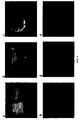
- a strong intracellular fluorescence was visualized ( Fig. 4 , panels B and C), whereas no staining was detected upon incubation for the same time periods with an irrelevant anti-NIP soluble scFv ( Fig 4 , panels E and F), expressed and purified as described for Erbicin.
- Ph-Erbicin was found to severely inhibit their proliferation, with a dose-dependent cytotoxic effect ( Fig 6A ).
- An IC 50 value i.e.
- the IC 50 value of 2.8 x 10 10 cfu/ml calculated for Ph-Erbicin was expressed also in terms of scFv concentration (1.3 ng/ml) in the phage preparation, assuming that one molecule of scFv is present per phage particle.
- the scFv in the phage format appeared to be about 5000-fold more active as an antitumor agent than the soluble scFv.
- Ph-Erbicin The ability of Ph-Erbicin to inhibit cell proliferation was also tested on other human tumor cells expressing high levels of ErbB2, such as MDA-MB453, BT-474, and SK-OV-3 cells, and on murine NIH 3T3 fibroblasts transfected with human ErbB2. All these ErbB2-positive cell lines were severely inhibited in their proliferation by Ph-Erbicin, whereas no anti-proliferative effect was detected on ErbB2-negative A431 cells and untransfected NIH 3T3 fibroblasts (see Table I). The IC 50 values obtained with these ErbB2-positive cells are in the range of 10 11 cfu/ml, i.e. one order of magnitude higher than the value determined for SKBR3 cells.
- Ph-Erbicin On these four cell lines appeared to be cytostatic, rather than cytotoxic, as the number of surviving cells was never found to be lower than the number of plated cells.
- the higher sensitivity of SKBR3 cells to Ph-Erbicin is further supported by our observation that incubation of SKBR3 cells with Ph-Erbicin leads to a dramatic change in cell morphology and the appearance of cell debris; no such changes were seen with the other ErbB2-positive cell lines tested in this study ( Fig. 7 ).
- annexin V to measure the appearance of phosphatidylserine, a marker of apoptosis, on the outer leaflet of the plasma membrane of SKBR3 cells.
- Cells treated with either Ph-Erbicin or Erbicin were found to bind two-fold more FITC-conjugated annexin V than untreated cells or cells treated with a control anti-NIP scFv, either in its phage or its soluble format (Table II). This indicates that the cell death induced by Erbicin is that of apoptosis.
- Table I FACS analyses of Ph-Erbicin binding to a series of cell lines expressing different levels of ErbB2.
- Binding was measured from the average fluorescence intensity (MFI).
- MFI average fluorescence intensity
- the receptor expression levels were measured with the murine mAb MgR6 as specific anti-ErbB2 antibody.
- the SKBR3 human breast tumor cell line and the A431 human epidermoid carcinoma cell line were cultured in RPMI 1640 (Gibco BRL, Life Technologies, Paisley, UK).
- the BT-474 and MDA-MB453 human breast tumor cell lines (a kind gift of H. C. Hurst, ICRF, London), the SK-OV-3 human ovarian cell line (a kind gift of I. McNeish, ICRF, London), and the NIH-3T3 murine fibroblasts (American Type Culture Collection, Rockville, MD, USA, code N. CRL-1658) were grown in DMEM (Gibco BRL).
- the NIH-3T3 fibroblast cell line transfected with human ErbB2 kindly provided by N. E. Hynes (Friederick Miescher Institute, Switzerland), was cultured in DMEM containing 1 mg/ml G418 (Gibco BRL). Media were supplemented with 10% fetal calf serum, 50 Units/ml pennicillin, and 50 ⁇ g/ml streptomycin (all from Gibco BRL).
- murine anti-M13 mAb Amersham Pharmacia Biotech, Little Chalfont, UK
- murine mAb 9E10 directed against the myc tag protein (45); murine anti-His tag mAb (Qiagen, West Wales, UK); murine anti-ErbB2 MgR6 mAb (gift from Menarini Research, Pomezia, Italy) (24); FITC-conjugated rabbit anti-mouse immunoglobulin antibody, and HRP-conjugated rabbit anti-mouse immunoglobulins (both from Dako, Cambridgeshire, UK); murine anti-phosphotyrosine mAb.
- P-Tyr PY99
- anti-gp200-MR6 scFv was isolated as described in (36); murine anti-actin mAb (Sigma, St. Louis, MO, USA).
- Anti-NIP 4-hydroxy-3-nitro-5-iodophenylacetyl
- anti-thyroglobulin scFv were kindly provided by Dr. G. Winter.
- ErbB2-positive cells were labeled as follows.
- Phagemid particles were rescued with M13-K07 from the Griffin library, as previously described (18).
- phages (10 13 cfu) were blocked with 5% milk powder (Marvel) in PBS for 15 min.
- the blocked phages were incubated for 16 hours at 4°C with labeled "positive" cells (1x10 6 ) in the presence of unlabeled "negative” cells (9x10 6 ) by gently rotating, in a final volume of 5 ml containing 2% Marvel. Cells were then pelleted by centrifugation at 600 x g for 5 min at 4°C, and washed twice in 50 ml of PBS.
- the "positive" labeled cells were sorted by FACS.
- DNA fingerprinting analysis was performed with the restriction endonuclease BstNI or BsaJI (New England Biolabs, Hertfordshire, UK), as described (18).
- DNA encoding the variable region of positive clones was amplified by PCR from the pHEN2 plasmid, using as primers 5'-CAGTCTATGCGGCCCCATTCA-3' SEQ ID N. 22 (complementary to the sequence located between gene III and the c-myc peptide tag) and 5'-ATGAAATACCT ATTGCCTACG-3' SEQ ID N. 23 (pel B leader sequence).
- Cell lysates from SKBR3 were prepared by resuspending in 0.5 ml of lysis buffer (10 mM Tris-HCl, pH 7.4, 150 mM NaCl, 0.5% Nonidet P-40, containing protease inhibitors (Complete TM proteases inhibitor, Boehringer Mannheim, Germany) about 7.5x10 6 cells, previously detached with the dissociation solution (Sigma), and washed 3 times with PBS. After 20 min at 0°C, the extracts were clarified by centrifugation at 12,000 rpm for 10 min.
- lysis buffer 10 mM Tris-HCl, pH 7.4, 150 mM NaCl, 0.5% Nonidet P-40, containing protease inhibitors (Complete TM proteases inhibitor, Boehringer Mannheim, Germany) about 7.5x10 6 cells, previously detached with the dissociation solution (Sigma), and washed 3 times with PBS. After 20 min at 0°C, the extracts were clarified by centrifugation at
- ErbB2 immunoprecipitation was carried out by incubating the anti-ErbB2 MgR6 mAb with the cell lysates for 3 hours at 4°C. The immune complex was then collected by adsorption to protein G-Sepharose (Sigma) for 1 hour at 4°C. After four washes the proteins, released by boiling in loading buffer (47), were fractionated by 7.5% SDS gel-electrophoresis (SDS-PAGE) and electroblotted onto PVDF membranes (Millipore Corporation, Bedford, MA, USA). The ErbB2 protein was detected using either anti-ErbB2 mAbs or scfv-phage preparations, as previously described (36).
- scFv carrying phages were prepared from individual ampicillin-resistant colonies grown in 100 ml of 2xTY medium, purified by polyethylene glycol (PEG) precipitation (48) and washed with 20 ml of sterile water. After a further PEG precipitation step, phages were resuspended in PBS, centrifuged at 12,000 rpm for 15 min and stored at 4°C until further use.
- PEG polyethylene glycol
- E. coli SF110 previously infected with Ph-Erbicin or with anti-NIP scFv-phage, were grown at 37°C in 2xTY media containing 100 ⁇ g/ml ampicillin and 1% glucose, until an absorbancy of 1 O.D. at 600 nm was reached. Cells were centrifuged at 6,000 rpm for 15 min and resuspended in glucose-free medium. The expression of soluble scFv was then induced by the addition of IPTG (Alexis, Nottingham, UK) to a final concentration of 1 mM in the cell culture, which was then grown at room temperature overnight.
- IPTG Alexis, Nottingham, UK
- periplasmic extract was obtained by resuspending cells in ice-cold 50 mM Tris-HCl, pH 7.4, 1 mM EDTA, 20% sucrose. After an incubation of 1 hour on ice, the periplasmic extract, obtained by centrifugation at 12,000 rpm for 30 min at 4°C, was dialyzed in PBS. Alternatively, soluble periplasmic proteins were isolated using the B-PER buffer (Pierce, Rockford, IL) according to the manufacturer's recommendations.
- Soluble scFv was purified on immobilized-metal affinity chromatography (IMAC), by incubating the periplasmic extract with Ni-NTA agarose (Qiagen, West Wales, UK) overnight at 4°C. After extensive washes with PBS, containing 20 mM imidazole, the protein was eluted in 50 mM NaH 2 PO 4 , pH 8.0, containing 0.3 M NaCl and 250 mM imidazole.
- IMAC immobilized-metal affinity chromatography
- SKBR3 cells were grown for 24 h in serum deprived RPMI medium, then treated with EGF (Collaborative Research Inc., Waltham, MA), or soluble Erbicin, at a concentration of 100 ng/ml and 12 ⁇ g/ml, respectively, in fresh, serum deprived medium. At the indicated times, cells were washed with PBS, harvested and lysed in the presence of 1 mM sodium orthovanadate. Western blotting analyses were performed with an anti-phosphotyrosine mAb. The signal intensity of reactive bands was quantitated with a phosphorimager (GS-710, Biorad, Hercules, CA).
- phages (10 11 cfu/ml) or native scFv (20 ⁇ g/ml) for 2 or 16 hours at 37°C. Cells were then washed, fixed and permeabilized as described elsewhere (34). Intracellular phages or scFv were detected with either anti-M13 mAb or mAb 9E10, respectively, followed by FITC-conjugated rabbit anti-mouse immunoglobulin. Optical confocal sections were taken using a confocal microscope (Zeiss, Axiovert S100TV).
- phage particles 10 12 cfu/ml
- Marvel/PBS 50% Marvel/PBS
- Bound phage particles were detected using murine anti-M13 mAb, followed by FITC-conjugated rabbit anti-mouse immunoglobulin (Dako).
- the anti-ErbB2 mAb MgR6 was used at saturating concentrations in PBS containing 2% normal human serum, and detected using the FITC-conjugated rabbit anti-mouse immunoglobulin (Dako).
- Controls comprised cells incubated with the appropriate isotype-matched antibodies.
- Annexin V immunofluorescence cells were resuspended in binding buffer (10mM HEPES, pH 7.4; 140mM NaCl, 2.5mM CaCl 2 ) and then stained with Annexin V-FITC and 7-amino-actinomycin D (7-AAD) according to the manufacturer's recommendations (PharMingen, Oxford, UK). Labeled cells were analyzed using the FACS Calibur flow cytometer (Becton Dickinson, Oxford, UK); the data were processed using Cell Quest software (Becton Dickinson).
- Cells were seeded in 96-well plates; SKBR3, BT-474 and MDA-MB453 cells at a density of 1.5 x 10 4 /well in 150 ⁇ l; A431, NIH-3T3 and NIH-3T3 cells transfected with human ErbB2, at a density of 5 x 10 3 /well. Phages (10 10 -10 11 cfu/ml) or soluble purified scFv (1-20 ⁇ g/ml) were added, and at suitable time intervals surviving cells were counted. Cell counts were determined in triplicate by the trypan blue exclusion test. In parallel experiments cells were pulsed for 8 h with [ 3 H]thymidine (Amersham-Pharmacia Biotech, Little Chalfont, UK) prior to harvest, and the incorporated radioactivity was measured.
- SKBR3 cells were seeded in 6-well plates at a density of 3 x 10 5 /well, in the absence or in the presence of Ph-Erbicin (10 11 cfu/ml) or Erbicin (15 ⁇ g/ml).
- Ph-Erbicin 10 11 cfu/ml
- Erbicin 15 ⁇ g/ml
- the irrelevant anti-NIP scFv was tested in its phage and soluble format as a control. After 24 hours, cells were harvested, washed in PBS, and treated with Annexin V as described above.
- the apoptotic inducer puromycin (10 ⁇ g/ml) was used as a positive control.
- the fully human immunoRNase hERB-RNase was prepared as follows: The cDNA encoding human pancreas RNase, containing a spacer sequence at the 5' terminus and a Not I recognition site at both termini, was cloned in the expression vector pHEN2 (27) downstream to the sequence encoding Erbicin, previously inserted in NcoI/NotI sites. SF110 E . coli cells were transformed with the recombinant vector and induced with IPTG.
- hERB-RNase was isolated from a bacterial peryplasmic extract by "immobilized-metal affinity chromatography" (IMAC) on a Talon resin, followed by an affinity chromatography on a uridine-2'-5',3'-5'-diphosphate-agarose resin.
- IMAC immobilized-metal affinity chromatography
- the recombinant protein was analyzed by Blue Coomassie staining and Western blots performed with an anti human pancreas RNase antibody.
- the ribonucleolytic activity was tested by a zymogram developed with yeast RNA as an RNase substrate.
- the binding specificity was tested by Elisa assays on SKBR3 and A431 cells.
- the effects of hERB-RNase on cell proliferation were tested as described in Example 6.
Landscapes
- Health & Medical Sciences (AREA)
- Chemical & Material Sciences (AREA)
- Life Sciences & Earth Sciences (AREA)
- Medicinal Chemistry (AREA)
- General Health & Medical Sciences (AREA)
- Organic Chemistry (AREA)
- Molecular Biology (AREA)
- Veterinary Medicine (AREA)
- Public Health (AREA)
- Animal Behavior & Ethology (AREA)
- Pharmacology & Pharmacy (AREA)
- Proteomics, Peptides & Aminoacids (AREA)
- Biophysics (AREA)
- Genetics & Genomics (AREA)
- Epidemiology (AREA)
- Oncology (AREA)
- Immunology (AREA)
- Biochemistry (AREA)
- General Chemical & Material Sciences (AREA)
- Chemical Kinetics & Catalysis (AREA)
- Nuclear Medicine, Radiotherapy & Molecular Imaging (AREA)
- Peptides Or Proteins (AREA)
- Micro-Organisms Or Cultivation Processes Thereof (AREA)
- Medicines That Contain Protein Lipid Enzymes And Other Medicines (AREA)
- Medicines Containing Antibodies Or Antigens For Use As Internal Diagnostic Agents (AREA)
- Preparation Of Compounds By Using Micro-Organisms (AREA)
- Medicines Containing Material From Animals Or Micro-Organisms (AREA)
Claims (33)
- Rekombinanter einkettiger Anti-ErbB2-Antikörper humanem Ursprungs, der in der Lage ist, das Wachstum von Zellen, die den ErbB2-Rezeptor exprimieren, zu inhibieren, umfassend die Aminosäuresequenz von SED ID Nr. 2 (VH-Region) und die Aminosäuresequenz von SEQ ID Nr. 12 (VL-Region).
- Rekombinanter Antikörper nach Anspruch 1, wobei die VH-Region von SEQ ID Nr. 2 und die VL-Region von SEQ ID Nr. 12 durch einen Protein-Linker kovalent verbunden sind.
- Fusionsprotein, dadurch gekennzeichnet, dass es die Aminosäuresequenz von SEQ ID Nr. 2 (VH Region) und die Aminosäuresequenz von SEQ ID Nr. 12 (VL-Region) umfasst.
- Fusionsprotein nach Anspruch 3, wobei die Aminosäuresequenzen zu konstanten Regionen aus humanen Antikörpern oder zu Toxinen oder Molekülen mit cytotoxischer Wirkung fusioniert sind.
- Fusionsprotein nach Anspruch 4, wobei die konstanten Regionen aus humanen Antikörpern aus Immunoglobulinen G1 sind.
- Fusionsprotein nach Anspruch 4 oder 5, wobei das Protein in der Lage ist, ErbB2-positive Tumorzellen spezifisch zu erkennen und gezielt abzutöten.
- Fusionsprotein nach Anspruch 3, wobei zumindest eine der Sequenzen zu einem humanen Enzym mit Ribonukleaseaktivität fusioniert ist.
- Fusionsprotein nach Anspruch 7, wobei das humane Enzym humane Pankreas-Ribonuklease ist.
- Nukleotidsequenzen, die für einen rekombinanten Antikörper nach Anspruch 1 oder 2 oder für das Fusionsprotein nach einem der Ansprüche 3 bis 8 kodieren.
- Nukleotidsequenz nach Anspruch 9, die SEQ ID Nr. 1 und SEQ ID Nr. 11 umfasst.
- Vektor, der zumindest eine der Nukleotidsequenzen nach Anspruch 9 oder 10 umfasst.
- Vektor nach Anspruch 11, der ein Expressionsvektor ist.
- Bakteriophagenvektor, der eine Nukleotidsequenz nach Anspruch 9 oder 10 umfasst.
- Bakteriophagenvektor nach Anspruch 13, dadurch gekennzeichnet, dass er auf seiner Oberfläche zumindest eine Kopie des rekombinanten Antikörpers nach Anspruch 1 oder 2 exprimiert.
- Zelle, die mit einem Vektor nach Anspruch 11 oder 12 transformiert ist.
- Antikörper nach Anspruch 1 oder 2 oder Protein nach einem der Ansprüche 3 bis 8 zur pharmazeutischen Verwendung.
- Antikörper nach Anspruch 1 oder 2 oder Protein nach einem der Ansprüche 3 bis 8 zur diagnostischen Verwendung.
- Antikörper nach Anspruch 1 oder 2 oder Protein nach einem der Ansprüche 3 bis 8 zur Verwendung als Anti-Tumor-Mittel.
- Antikörper oder Protein zur Verwendung nach Anspruch 18, wobei das Anti-Tumor-Mittel ein Anti-Tumor-Mittel gegen Brust-, Eierstock-, Kolontumor, Lungenkarzinoma, Speicheldrüsen- oder Magentumor ist.
- Nukleotidsequenz nach Anspruch 9 oder 10 zur pharmazeutischen Verwendung.
- Nukleotidsequenz nach Anspruch 9 oder 10 zur diagnostischen Verwendung.
- Bakteriophagenvektor nach Anspruch 13 oder 14 zur pharmazeutischen Verwendung.
- Bakteriophagenvektor nach Anspruch 13 oder 14 zur Verwendung als Anti-Tumor-Mittel.
- Bakteriophagenvektor zur Verwendung nach Anspruch 23, wobei das Anti-Tumor-Mittel ein Anti-Tumor-Mittel gegen Brust-, Eierstock-, Kolontumor, Lungenkarzinoma, Speicheldrüsen- oder Magentumor ist.
- Pharmazeutische Zusammensetzung, die einen Antikörper nach Anspruch 1 oder 2 oder ein Protein nach einem der Ansprüche 3 bis 8 als Wirkstoff umfasst.
- Pharmazeutische Zusammensetzung, die einen Vektor nach Anspruch 11 oder 12 oder einen Bakteriophagenvektor nach Anspruch 13 oder 14 als Wirkstoff umfasst.
- Pharmazeutische Zusammensetzung nach Anspruch 25 oder 26, die ein Verdünnungsmittel und/oder einen Exzipienten und/oder ein Adjuvans umfasst.
- Verwendung eines Antikörpers nach Anspruch 1 oder 2 oder eines Proteins nach einem der Ansprüche 3 bis 8 zur Herstellung eines antiproliferativen Arzneimittels oder eines Anti-Tumor-Arzneimittels.
- Verwendung einer Nukleotidsequenz nach Anspruch 9 oder 10 zur Herstellung eines antiproliferativen Arzneimittels oder eines Anti-Tumor-Arzneimittels.
- Verwendung eines Bakteriophagenvektors nach Anspruch 13 oder 14 zur Herstellung eines antiproliferativen Arzneimittels oder eines Anti-Tumor-Arzneimittels.
- Verfahren zur Herstellung eines rekombinanten Antikörpers nach Anspruch 1 oder 2 aus einem Vektor nach Anspruch 11 oder 12.
- Verfahren zur Herstellung eines Fusionsproteins nach Anspruch 5, das die folgenden Schritte umfasst:(i) Isolieren zumindest einer der Nukleotidsequenzen nach einem der Ansprüche 9 bis 11;(ii) Fusionieren der DNA-Sequenz zu einer cDNA, die für die konstanten Regionen (CH2 und CH3) und für das Gelenkpeptid aus humanen schweren Ketten des Immunoglobulins G1 kodiert;(iii) Exprimieren der resultierenden Fusions-cDNA in eukaryotischen Zellen.
- Verfahren zur Herstellung eines Fusionsproteins nach einem der Ansprüche 4, 7 oder 8, umfassend die folgenden Schritte:(i) Fusionieren der DNA-Sequenzen nach einem der Ansprüche 10 bis 12 zur cDNA, die für humane Pankreas-RNase kodiert, wobei das Fusionieren vorzugsweise durch Zwischenschalten eines DNA-Fragments erfolgt, das für ein Spacer-Peptid gemäß SEQ ID Nr. 24 kodiert;(ii) Exprimieren der resultierenden Fusions-cDNA in Escherichia coli;(iii) Isolieren und Charakterisieren des rekombinanten Proteins.
Priority Applications (1)
| Application Number | Priority Date | Filing Date | Title |
|---|---|---|---|
| SI200230870T SI1432737T1 (sl) | 2001-07-10 | 2002-07-10 | Humano mini-protitelo, citotoksično za tumorske celice, ki izražajo ERBB2 receptor |
Applications Claiming Priority (3)
| Application Number | Priority Date | Filing Date | Title |
|---|---|---|---|
| ITRM20010408 | 2001-07-10 | ||
| IT2001RM000408A ITRM20010408A1 (it) | 2001-07-10 | 2001-07-10 | Mini-anticorpo umano citotossico per cellule tumorali che esprimono il recettore erbb2. |
| PCT/EP2002/007671 WO2003006509A2 (en) | 2001-07-10 | 2002-07-10 | Human mini-antibody cytotoxic for tumor cells which express the erbb2 receptor |
Publications (2)
| Publication Number | Publication Date |
|---|---|
| EP1432737A2 EP1432737A2 (de) | 2004-06-30 |
| EP1432737B1 true EP1432737B1 (de) | 2009-10-14 |
Family
ID=11455653
Family Applications (1)
| Application Number | Title | Priority Date | Filing Date |
|---|---|---|---|
| EP02784853A Expired - Lifetime EP1432737B1 (de) | 2001-07-10 | 2002-07-10 | Humaner miniantikörper zytotoxisch für tumorzellen die den erbb2 rezeptor exprimieren |
Country Status (13)
| Country | Link |
|---|---|
| US (2) | US7585952B2 (de) |
| EP (1) | EP1432737B1 (de) |
| AT (1) | ATE445646T1 (de) |
| CA (1) | CA2453435A1 (de) |
| DE (1) | DE60234041D1 (de) |
| DK (1) | DK1432737T3 (de) |
| ES (1) | ES2334895T3 (de) |
| IT (1) | ITRM20010408A1 (de) |
| NZ (1) | NZ531035A (de) |
| PT (1) | PT1432737E (de) |
| SI (1) | SI1432737T1 (de) |
| WO (1) | WO2003006509A2 (de) |
| ZA (1) | ZA200401044B (de) |
Families Citing this family (35)
| Publication number | Priority date | Publication date | Assignee | Title |
|---|---|---|---|---|
| ITFI20010114A1 (it) * | 2001-06-22 | 2002-12-22 | Univ Firenze | Glicopeptidi,loro preparazione e loro uso nella diagnosi o nel trattamento terapeutico della sclerosi multipla |
| ES2710439T3 (es) | 2005-01-21 | 2019-04-25 | Genentech Inc | Dosificación fija de anticuerpos HER |
| KR101253576B1 (ko) | 2005-02-23 | 2013-04-11 | 제넨테크, 인크. | Her 이량체화 억제제를 이용한 암 환자에서의 질환진행까지의 시간 또는 생존의 연장 |
| US20100015661A1 (en) * | 2006-04-21 | 2010-01-21 | Mab-Factory Gmbh | Antibody-rnase-conjugate |
| JP5638804B2 (ja) * | 2006-08-04 | 2014-12-10 | アストラゼネカ アクチボラグ | ErbB2に対する抗体 |
| EP2899541A1 (de) | 2007-03-02 | 2015-07-29 | Genentech, Inc. | Voraussage der Reaktion auf einen HRE-Dimerisationshemmer auf Basis niedriger HER3-Expression |
| US9551033B2 (en) | 2007-06-08 | 2017-01-24 | Genentech, Inc. | Gene expression markers of tumor resistance to HER2 inhibitor treatment |
| CA2690334C (en) | 2007-06-08 | 2017-02-14 | Genentech, Inc. | Gene expression markers of tumor resistance to her2 inhibitor treatment |
| BRPI0812682A2 (pt) | 2008-06-16 | 2010-06-22 | Genentech Inc | tratamento de cáncer de mama metastático |
| SG10201402742YA (en) | 2009-03-20 | 2014-08-28 | Genentech Inc | Bispecific anti-her antibodies |
| JP5705836B2 (ja) | 2009-05-29 | 2015-04-22 | エフ・ホフマン−ラ・ロシュ・アクチェンゲゼルシャフト | Her2を発現する胃癌患者のher2シグナル伝達のためのモジュレーター |
| KR20130000384A (ko) | 2010-02-18 | 2013-01-02 | 더 보드 어브 트러스티스 어브 더 리랜드 스탠포드 주니어 유니버시티 | 뉴레귤린 길항제 및 암의 치료에서의 그의 용도 |
| US9169328B2 (en) | 2010-03-26 | 2015-10-27 | Memorial Sloan Kettering Cancer Center | Antibodies to MUC16 and methods of use thereof |
| WO2011146568A1 (en) | 2010-05-19 | 2011-11-24 | Genentech, Inc. | Predicting response to a her inhibitor |
| US20130245233A1 (en) | 2010-11-24 | 2013-09-19 | Ming Lei | Multispecific Molecules |
| US20120148559A1 (en) | 2010-12-01 | 2012-06-14 | Board Of Regents The University Of Texas System | Compositions and method for deimmunization of proteins |
| JP5766296B2 (ja) | 2010-12-23 | 2015-08-19 | エフ.ホフマン−ラ ロシュ アーゲーF. Hoffmann−La Roche Aktiengesellschaft | ポリペプチド−ポリヌクレオチド複合体、およびエフェクター成分の標的化された送達におけるその使用 |
| US20140363438A1 (en) | 2011-08-17 | 2014-12-11 | Genentech, Inc. | Neuregulin antibodies and uses thereof |
| US9327023B2 (en) | 2011-10-25 | 2016-05-03 | The Regents Of The University Of Michigan | HER2 targeting agent treatment in non-HER2-amplified cancers having HER2 expressing cancer stem cells |
| AU2012346540C1 (en) | 2011-11-30 | 2019-07-04 | Genentech, Inc. | ErbB3 mutations in cancer |
| WO2013083810A1 (en) | 2011-12-09 | 2013-06-13 | F. Hoffmann-La Roche Ag | Identification of non-responders to her2 inhibitors |
| RU2014136886A (ru) | 2012-03-27 | 2016-05-20 | Дженентек, Инк. | Диагностика и виды лечения, связанные с ингибиторами her3 |
| JP6998646B2 (ja) | 2012-11-30 | 2022-02-04 | エフ・ホフマン-ラ・ロシュ・アクチェンゲゼルシャフト | Pd-l1阻害剤併用療法を必要とする患者の同定 |
| US9738726B2 (en) | 2013-06-11 | 2017-08-22 | The United States Of America, As Represented By The Secretary, Department Of Health And Human Services | HER2-specific monoclonal antibodies and conjugates thereof |
| WO2015031119A1 (en) | 2013-08-26 | 2015-03-05 | Health Research, Inc. | Method for prophylaxis and/or treatment of erbb2 positive cancers |
| SG11201608192SA (en) | 2014-04-11 | 2016-10-28 | Medimmune Llc | Bispecific her2 antibodies |
| SG10201913680PA (en) | 2014-05-29 | 2020-03-30 | Macrogenics Inc | Tri-specific binding molecules that specifically bind to multiple cancer antigens and methods of use thereof |
| TWI695011B (zh) | 2014-06-18 | 2020-06-01 | 美商梅爾莎納醫療公司 | 抗her2表位之單株抗體及其使用之方法 |
| TWI693232B (zh) | 2014-06-26 | 2020-05-11 | 美商宏觀基因股份有限公司 | 與pd-1和lag-3具有免疫反應性的共價結合的雙抗體和其使用方法 |
| CN107075490A (zh) | 2014-08-20 | 2017-08-18 | 健康研究公司 | 用于预防和/或治疗erbb1阳性癌症的方法 |
| AP2017009823A0 (en) | 2014-09-26 | 2017-03-31 | Macrogenics Inc | Bi-specific monovalent diabodies that are capable of binding cd19 and cd3, and uses thereof |
| CA2979976A1 (en) | 2015-03-17 | 2016-09-22 | Memorial Sloan Kettering Cancer Center | Anti-muc16 antibodies and uses thereof |
| SG10201601719RA (en) | 2016-03-04 | 2017-10-30 | Agency Science Tech & Res | Anti-LAG-3 Antibodies |
| WO2017194554A1 (en) | 2016-05-10 | 2017-11-16 | Inserm (Institut National De La Sante Et De La Recherche Medicale) | Combinations therapies for the treatment of cancer |
| SG10201603721TA (en) | 2016-05-10 | 2017-12-28 | Agency Science Tech & Res | Anti-CTLA-4 Antibodies |
Family Cites Families (9)
| Publication number | Priority date | Publication date | Assignee | Title |
|---|---|---|---|---|
| JPH07309780A (ja) * | 1994-03-02 | 1995-11-28 | N Bii T Kk | 抗癌剤 |
| US5795961A (en) * | 1995-02-14 | 1998-08-18 | Ludwig Institute For Cancer Research | Recombinant human anti-Lewis b antibodies |
| GB9805660D0 (en) * | 1998-03-18 | 1998-05-13 | Unichema Chemie Bv | Improvements in and relating to fatty acid metabolism |
| US6135941A (en) | 1998-03-27 | 2000-10-24 | Incyte Pharmaceuticals, Inc. | Human immune system associated molecules |
| US6794128B2 (en) | 1998-04-24 | 2004-09-21 | The Regents Of The University Of California | Methods of selecting internalizing antibodies |
| US7244826B1 (en) | 1998-04-24 | 2007-07-17 | The Regents Of The University Of California | Internalizing ERB2 antibodies |
| GB9809280D0 (en) | 1998-04-30 | 1998-07-01 | Rpms Technology Ltd | Immunosupression |
| AU6841300A (en) * | 1999-08-26 | 2001-03-19 | Morphosys Ag | Human antibodies or fragments thereof binding to hla-cw6 |
| AU7676300A (en) * | 1999-10-12 | 2001-04-23 | Cambridge Antibody Technology Limited | Human anti-adipocyte monoclonal antibodies and their use |
-
2001
- 2001-07-10 IT IT2001RM000408A patent/ITRM20010408A1/it unknown
-
2002
- 2002-07-10 DE DE60234041T patent/DE60234041D1/de not_active Expired - Lifetime
- 2002-07-10 ES ES02784853T patent/ES2334895T3/es not_active Expired - Lifetime
- 2002-07-10 US US10/483,803 patent/US7585952B2/en not_active Expired - Fee Related
- 2002-07-10 WO PCT/EP2002/007671 patent/WO2003006509A2/en not_active Ceased
- 2002-07-10 PT PT02784853T patent/PT1432737E/pt unknown
- 2002-07-10 EP EP02784853A patent/EP1432737B1/de not_active Expired - Lifetime
- 2002-07-10 SI SI200230870T patent/SI1432737T1/sl unknown
- 2002-07-10 NZ NZ531035A patent/NZ531035A/en not_active IP Right Cessation
- 2002-07-10 CA CA002453435A patent/CA2453435A1/en not_active Abandoned
- 2002-07-10 DK DK02784853.0T patent/DK1432737T3/da active
- 2002-07-10 AT AT02784853T patent/ATE445646T1/de active
-
2004
- 2004-02-09 ZA ZA200401044A patent/ZA200401044B/en unknown
-
2009
- 2009-07-20 US US12/506,152 patent/US8227585B2/en not_active Expired - Fee Related
Non-Patent Citations (3)
| Title |
|---|
| P. CARTER ET AL.: "Development of Herceptin", BREAST DISEASE, vol. 11, 2000, pages 103 - 111 * |
| R. SCHIER ET AL.: "Isolation of high-affinity monomeric human anti-c-erb-2 single chain Fv using affinity-driven selection", JOURNAL OF MOLECULAR BIOLOGY, vol. 255, 1996, pages 28 - 43 * |
| T. VAN DEN BEUKEN ET AL.: "Affinity maturation of Fab antibody fragments by fluorescent-activated cell sorting of yeast-displayed libraries", FEBS LETTERS, vol. 456, 2003, pages 288 - 294 * |
Also Published As
| Publication number | Publication date |
|---|---|
| ES2334895T3 (es) | 2010-03-17 |
| US20100173978A1 (en) | 2010-07-08 |
| WO2003006509A2 (en) | 2003-01-23 |
| SI1432737T1 (sl) | 2010-02-26 |
| DE60234041D1 (de) | 2009-11-26 |
| ZA200401044B (en) | 2004-10-22 |
| US20070258985A1 (en) | 2007-11-08 |
| PT1432737E (pt) | 2010-02-17 |
| US8227585B2 (en) | 2012-07-24 |
| CA2453435A1 (en) | 2003-01-23 |
| DK1432737T3 (da) | 2010-02-08 |
| US7585952B2 (en) | 2009-09-08 |
| ITRM20010408A1 (it) | 2003-01-10 |
| NZ531035A (en) | 2005-04-29 |
| WO2003006509A3 (en) | 2003-11-20 |
| ATE445646T1 (de) | 2009-10-15 |
| ITRM20010408A0 (it) | 2001-07-10 |
| EP1432737A2 (de) | 2004-06-30 |
Similar Documents
| Publication | Publication Date | Title |
|---|---|---|
| US8227585B2 (en) | Human mini-antibody cytotoxic for tumor cells which express the ERBB2 receptor | |
| JP7057843B2 (ja) | GUCY2cに特異的な抗体及びその使用 | |
| KR101287777B1 (ko) | 가용성 cea에 대한 내성을 가지는 약학적 조성물 | |
| AU2003216748B2 (en) | Novel anti-IGF-IR antibodies and uses thereof | |
| De Lorenzo et al. | A new human antitumor immunoreagent specific for ErbB2 | |
| US20040242851A1 (en) | Bispecific antibodies that bind to vegf receptors | |
| US20020103345A1 (en) | Bispecific immunoglobulin-like antigen binding proteins and method of production | |
| US20110165161A1 (en) | Anti-epcam antibodies that induce apoptosis of cancer cells and methods using same | |
| KR20190055008A (ko) | 항-her2 항체 또는 그의 항원 결합 단편, 및 이를 포함하는 키메라 항원 수용체 | |
| KR102009238B1 (ko) | 암의 치료 및/또는 예방용 의약 조성물 | |
| CN107108737B (zh) | c-met特异性人抗体及其制备方法 | |
| KR20050037478A (ko) | Mn 결합 및 세포 부착-중화 활성을 갖는 인간 항체 | |
| CN113825772A (zh) | 抗her2亲合体及将其用作开关分子的可切换嵌合抗原受体 | |
| KR102783248B1 (ko) | Cd55에 대한 신규 항체 및 이의 용도 | |
| KR20150097304A (ko) | 항 EGFR DARPin을 포함하는 EGFR/HER2 이중 특이 항체 | |
| WO2004003211A1 (en) | Bispecific antibodies that bind to vegf receptors | |
| AU2002333238B2 (en) | Human mini-antibody cytotoxic for tumor cells which express the ErbB2 receptor | |
| AU2002333238A1 (en) | Human mini-antibody cytotoxic for tumor cells which express the ErbB2 receptor | |
| JP7619582B2 (ja) | Cd55に対する新規抗体及びその用途 | |
| EP4620973A1 (de) | Gegen zelloberflächenabgeschiedenes komplementprotein c3d gerichtete antikörper und verwendung davon | |
| CN117192118A (zh) | 一种抗cldn 18.2和cd47的双特异性抗体治疗疾病的用途 |
Legal Events
| Date | Code | Title | Description |
|---|---|---|---|
| PUAI | Public reference made under article 153(3) epc to a published international application that has entered the european phase |
Free format text: ORIGINAL CODE: 0009012 |
|
| 17P | Request for examination filed |
Effective date: 20040209 |
|
| AK | Designated contracting states |
Kind code of ref document: A2 Designated state(s): AT BE BG CH CY CZ DE DK EE ES FI FR GB GR IE IT LI LU MC NL PT SE SK TR |
|
| AX | Request for extension of the european patent |
Extension state: AL LT LV MK RO SI |
|
| RAP1 | Party data changed (applicant data changed or rights of an application transferred) |
Owner name: BIOTECNOL S.A. |
|
| 17Q | First examination report despatched |
Effective date: 20060220 |
|
| GRAP | Despatch of communication of intention to grant a patent |
Free format text: ORIGINAL CODE: EPIDOSNIGR1 |
|
| RAP1 | Party data changed (applicant data changed or rights of an application transferred) |
Owner name: BIOTECNOL S.A. |
|
| GRAS | Grant fee paid |
Free format text: ORIGINAL CODE: EPIDOSNIGR3 |
|
| GRAA | (expected) grant |
Free format text: ORIGINAL CODE: 0009210 |
|
| AK | Designated contracting states |
Kind code of ref document: B1 Designated state(s): AT BE BG CH CY CZ DE DK EE ES FI FR GB GR IE IT LI LU MC NL PT SE SK TR |
|
| AX | Request for extension of the european patent |
Extension state: AL LT LV MK RO SI |
|
| REG | Reference to a national code |
Ref country code: GB Ref legal event code: FG4D |
|
| REG | Reference to a national code |
Ref country code: CH Ref legal event code: EP |
|
| REG | Reference to a national code |
Ref country code: IE Ref legal event code: FG4D |
|
| REF | Corresponds to: |
Ref document number: 60234041 Country of ref document: DE Date of ref document: 20091126 Kind code of ref document: P |
|
| REG | Reference to a national code |
Ref country code: CH Ref legal event code: NV Representative=s name: KIRKER & CIE S.A. |
|
| REG | Reference to a national code |
Ref country code: PT Ref legal event code: SC4A Free format text: AVAILABILITY OF NATIONAL TRANSLATION Effective date: 20100114 |
|
| REG | Reference to a national code |
Ref country code: SE Ref legal event code: TRGR |
|
| REG | Reference to a national code |
Ref country code: DK Ref legal event code: T3 |
|
| REG | Reference to a national code |
Ref country code: PT Ref legal event code: SC4A Free format text: AVAILABILITY OF NATIONAL TRANSLATION Effective date: 20100114 |
|
| REG | Reference to a national code |
Ref country code: ES Ref legal event code: FG2A Ref document number: 2334895 Country of ref document: ES Kind code of ref document: T3 |
|
| PG25 | Lapsed in a contracting state [announced via postgrant information from national office to epo] |
Ref country code: BG Free format text: LAPSE BECAUSE OF FAILURE TO SUBMIT A TRANSLATION OF THE DESCRIPTION OR TO PAY THE FEE WITHIN THE PRESCRIBED TIME-LIMIT Effective date: 20100114 Ref country code: EE Free format text: LAPSE BECAUSE OF FAILURE TO SUBMIT A TRANSLATION OF THE DESCRIPTION OR TO PAY THE FEE WITHIN THE PRESCRIBED TIME-LIMIT Effective date: 20091014 |
|
| PLBE | No opposition filed within time limit |
Free format text: ORIGINAL CODE: 0009261 |
|
| STAA | Information on the status of an ep patent application or granted ep patent |
Free format text: STATUS: NO OPPOSITION FILED WITHIN TIME LIMIT |
|
| PG25 | Lapsed in a contracting state [announced via postgrant information from national office to epo] |
Ref country code: SK Free format text: LAPSE BECAUSE OF FAILURE TO SUBMIT A TRANSLATION OF THE DESCRIPTION OR TO PAY THE FEE WITHIN THE PRESCRIBED TIME-LIMIT Effective date: 20091014 Ref country code: CZ Free format text: LAPSE BECAUSE OF FAILURE TO SUBMIT A TRANSLATION OF THE DESCRIPTION OR TO PAY THE FEE WITHIN THE PRESCRIBED TIME-LIMIT Effective date: 20091014 |
|
| 26N | No opposition filed |
Effective date: 20100715 |
|
| PG25 | Lapsed in a contracting state [announced via postgrant information from national office to epo] |
Ref country code: GR Free format text: LAPSE BECAUSE OF FAILURE TO SUBMIT A TRANSLATION OF THE DESCRIPTION OR TO PAY THE FEE WITHIN THE PRESCRIBED TIME-LIMIT Effective date: 20100115 |
|
| PG25 | Lapsed in a contracting state [announced via postgrant information from national office to epo] |
Ref country code: MC Free format text: LAPSE BECAUSE OF NON-PAYMENT OF DUE FEES Effective date: 20100731 |
|
| PG25 | Lapsed in a contracting state [announced via postgrant information from national office to epo] |
Ref country code: IT Free format text: LAPSE BECAUSE OF FAILURE TO SUBMIT A TRANSLATION OF THE DESCRIPTION OR TO PAY THE FEE WITHIN THE PRESCRIBED TIME-LIMIT Effective date: 20091014 |
|
| PG25 | Lapsed in a contracting state [announced via postgrant information from national office to epo] |
Ref country code: CY Free format text: LAPSE BECAUSE OF FAILURE TO SUBMIT A TRANSLATION OF THE DESCRIPTION OR TO PAY THE FEE WITHIN THE PRESCRIBED TIME-LIMIT Effective date: 20091014 |
|
| PG25 | Lapsed in a contracting state [announced via postgrant information from national office to epo] |
Ref country code: LU Free format text: LAPSE BECAUSE OF NON-PAYMENT OF DUE FEES Effective date: 20100710 |
|
| PG25 | Lapsed in a contracting state [announced via postgrant information from national office to epo] |
Ref country code: TR Free format text: LAPSE BECAUSE OF FAILURE TO SUBMIT A TRANSLATION OF THE DESCRIPTION OR TO PAY THE FEE WITHIN THE PRESCRIBED TIME-LIMIT Effective date: 20091014 |
|
| PGFP | Annual fee paid to national office [announced via postgrant information from national office to epo] |
Ref country code: FI Payment date: 20130717 Year of fee payment: 12 |
|
| REG | Reference to a national code |
Ref country code: LT Ref legal event code: MM9D Effective date: 20140710 |
|
| PG25 | Lapsed in a contracting state [announced via postgrant information from national office to epo] |
Ref country code: FI Free format text: LAPSE BECAUSE OF NON-PAYMENT OF DUE FEES Effective date: 20140710 |
|
| REG | Reference to a national code |
Ref country code: SI Ref legal event code: KO00 Effective date: 20150317 |
|
| REG | Reference to a national code |
Ref country code: FR Ref legal event code: PLFP Year of fee payment: 14 |
|
| PGFP | Annual fee paid to national office [announced via postgrant information from national office to epo] |
Ref country code: CH Payment date: 20151223 Year of fee payment: 14 Ref country code: IE Payment date: 20151223 Year of fee payment: 14 Ref country code: GB Payment date: 20151230 Year of fee payment: 14 Ref country code: DK Payment date: 20151228 Year of fee payment: 14 |
|
| PGFP | Annual fee paid to national office [announced via postgrant information from national office to epo] |
Ref country code: NL Payment date: 20151221 Year of fee payment: 14 Ref country code: FR Payment date: 20151229 Year of fee payment: 14 Ref country code: PT Payment date: 20151218 Year of fee payment: 14 Ref country code: AT Payment date: 20151229 Year of fee payment: 14 Ref country code: ES Payment date: 20151229 Year of fee payment: 14 Ref country code: SE Payment date: 20151228 Year of fee payment: 14 |
|
| PGFP | Annual fee paid to national office [announced via postgrant information from national office to epo] |
Ref country code: DE Payment date: 20151230 Year of fee payment: 14 |
|
| PGFP | Annual fee paid to national office [announced via postgrant information from national office to epo] |
Ref country code: BE Payment date: 20151224 Year of fee payment: 14 |
|
| PG25 | Lapsed in a contracting state [announced via postgrant information from national office to epo] |
Ref country code: BE Free format text: LAPSE BECAUSE OF NON-PAYMENT OF DUE FEES Effective date: 20160731 |
|
| REG | Reference to a national code |
Ref country code: DE Ref legal event code: R119 Ref document number: 60234041 Country of ref document: DE |
|
| REG | Reference to a national code |
Ref country code: DK Ref legal event code: EBP Effective date: 20170131 |
|
| REG | Reference to a national code |
Ref country code: CH Ref legal event code: PL |
|
| REG | Reference to a national code |
Ref country code: NL Ref legal event code: MM Effective date: 20160801 |
|
| REG | Reference to a national code |
Ref country code: SE Ref legal event code: EUG |
|
| REG | Reference to a national code |
Ref country code: AT Ref legal event code: MM01 Ref document number: 445646 Country of ref document: AT Kind code of ref document: T Effective date: 20160710 |
|
| GBPC | Gb: european patent ceased through non-payment of renewal fee |
Effective date: 20160710 |
|
| PG25 | Lapsed in a contracting state [announced via postgrant information from national office to epo] |
Ref country code: SE Free format text: LAPSE BECAUSE OF NON-PAYMENT OF DUE FEES Effective date: 20160711 Ref country code: FR Free format text: LAPSE BECAUSE OF NON-PAYMENT OF DUE FEES Effective date: 20160801 Ref country code: NL Free format text: LAPSE BECAUSE OF NON-PAYMENT OF DUE FEES Effective date: 20160801 Ref country code: DE Free format text: LAPSE BECAUSE OF NON-PAYMENT OF DUE FEES Effective date: 20170201 Ref country code: LI Free format text: LAPSE BECAUSE OF NON-PAYMENT OF DUE FEES Effective date: 20160731 Ref country code: CH Free format text: LAPSE BECAUSE OF NON-PAYMENT OF DUE FEES Effective date: 20160731 |
|
| REG | Reference to a national code |
Ref country code: FR Ref legal event code: ST Effective date: 20170331 |
|
| REG | Reference to a national code |
Ref country code: IE Ref legal event code: MM4A |
|
| PG25 | Lapsed in a contracting state [announced via postgrant information from national office to epo] |
Ref country code: PT Free format text: LAPSE BECAUSE OF NON-PAYMENT OF DUE FEES Effective date: 20170110 Ref country code: GB Free format text: LAPSE BECAUSE OF NON-PAYMENT OF DUE FEES Effective date: 20160710 Ref country code: AT Free format text: LAPSE BECAUSE OF NON-PAYMENT OF DUE FEES Effective date: 20160710 |
|
| PG25 | Lapsed in a contracting state [announced via postgrant information from national office to epo] |
Ref country code: IE Free format text: LAPSE BECAUSE OF NON-PAYMENT OF DUE FEES Effective date: 20160710 |
|
| PG25 | Lapsed in a contracting state [announced via postgrant information from national office to epo] |
Ref country code: DK Free format text: LAPSE BECAUSE OF NON-PAYMENT OF DUE FEES Effective date: 20160731 |
|
| PG25 | Lapsed in a contracting state [announced via postgrant information from national office to epo] |
Ref country code: ES Free format text: LAPSE BECAUSE OF NON-PAYMENT OF DUE FEES Effective date: 20160711 |
|
| REG | Reference to a national code |
Ref country code: ES Ref legal event code: FD2A Effective date: 20181129 |