EP1447410A1 - Contrôle de la croissance et des processus de developpement des plantes - Google Patents
Contrôle de la croissance et des processus de developpement des plantes Download PDFInfo
- Publication number
- EP1447410A1 EP1447410A1 EP03075366A EP03075366A EP1447410A1 EP 1447410 A1 EP1447410 A1 EP 1447410A1 EP 03075366 A EP03075366 A EP 03075366A EP 03075366 A EP03075366 A EP 03075366A EP 1447410 A1 EP1447410 A1 EP 1447410A1
- Authority
- EP
- European Patent Office
- Prior art keywords
- plant
- protein
- plant cell
- nucleotide sequence
- assaying
- Prior art date
- Legal status (The legal status is an assumption and is not a legal conclusion. Google has not performed a legal analysis and makes no representation as to the accuracy of the status listed.)
- Withdrawn
Links
- 230000008638 plant developmental process Effects 0.000 title claims abstract description 24
- 230000008636 plant growth process Effects 0.000 title claims abstract description 21
- 108090000623 proteins and genes Proteins 0.000 claims abstract description 143
- 102000004169 proteins and genes Human genes 0.000 claims abstract description 104
- 235000018102 proteins Nutrition 0.000 claims abstract description 100
- 238000000034 method Methods 0.000 claims abstract description 73
- 239000002773 nucleotide Substances 0.000 claims abstract description 73
- 125000003729 nucleotide group Chemical group 0.000 claims abstract description 73
- 230000005305 organ development Effects 0.000 claims abstract description 36
- 230000013020 embryo development Effects 0.000 claims abstract description 28
- 108010064851 Plant Proteins Proteins 0.000 claims abstract description 22
- 235000021118 plant-derived protein Nutrition 0.000 claims abstract description 22
- 239000000463 material Substances 0.000 claims abstract description 21
- 125000003275 alpha amino acid group Chemical group 0.000 claims abstract description 13
- 210000002257 embryonic structure Anatomy 0.000 claims description 64
- 239000013598 vector Substances 0.000 claims description 46
- 210000001161 mammalian embryo Anatomy 0.000 claims description 43
- 238000004519 manufacturing process Methods 0.000 claims description 41
- 230000014509 gene expression Effects 0.000 claims description 35
- 230000001105 regulatory effect Effects 0.000 claims description 31
- 230000030118 somatic embryogenesis Effects 0.000 claims description 28
- 230000001172 regenerating effect Effects 0.000 claims description 27
- 230000000392 somatic effect Effects 0.000 claims description 26
- 230000018109 developmental process Effects 0.000 claims description 22
- 230000015572 biosynthetic process Effects 0.000 claims description 21
- 230000009261 transgenic effect Effects 0.000 claims description 19
- 239000003630 growth substance Substances 0.000 claims description 17
- 238000011069 regeneration method Methods 0.000 claims description 17
- 230000008929 regeneration Effects 0.000 claims description 16
- 230000001131 transforming effect Effects 0.000 claims description 16
- IXVMHGVQKLDRKH-VRESXRICSA-N Brassinolide Natural products O=C1OC[C@@H]2[C@@H]3[C@@](C)([C@H]([C@@H]([C@@H](O)[C@H](O)[C@H](C(C)C)C)C)CC3)CC[C@@H]2[C@]2(C)[C@@H]1C[C@H](O)[C@H](O)C2 IXVMHGVQKLDRKH-VRESXRICSA-N 0.000 claims description 15
- 235000001014 amino acid Nutrition 0.000 claims description 9
- 239000000047 product Substances 0.000 claims description 9
- 241001465754 Metazoa Species 0.000 claims description 8
- 150000001413 amino acids Chemical class 0.000 claims description 8
- IXVMHGVQKLDRKH-YEJCTVDLSA-N (22s,23s)-epibrassinolide Chemical compound C1OC(=O)[C@H]2C[C@H](O)[C@H](O)C[C@]2(C)[C@H]2CC[C@]3(C)[C@@H]([C@H](C)[C@H](O)[C@@H](O)[C@H](C)C(C)C)CC[C@H]3[C@@H]21 IXVMHGVQKLDRKH-YEJCTVDLSA-N 0.000 claims description 7
- 102000004190 Enzymes Human genes 0.000 claims description 7
- 108090000790 Enzymes Proteins 0.000 claims description 7
- 125000000539 amino acid group Chemical group 0.000 claims description 7
- 239000002417 nutraceutical Substances 0.000 claims description 5
- 235000021436 nutraceutical agent Nutrition 0.000 claims description 5
- 235000005974 protein supplement Nutrition 0.000 claims description 5
- 229940116540 protein supplement Drugs 0.000 claims description 5
- 238000006467 substitution reaction Methods 0.000 claims description 5
- 239000003262 industrial enzyme Substances 0.000 claims description 4
- 230000008186 parthenogenesis Effects 0.000 claims description 4
- 230000022532 regulation of transcription, DNA-dependent Effects 0.000 claims description 4
- XUJNEKJLAYXESH-UHFFFAOYSA-N cysteine Natural products SCC(N)C(O)=O XUJNEKJLAYXESH-UHFFFAOYSA-N 0.000 claims description 3
- 235000018417 cysteine Nutrition 0.000 claims description 3
- 239000006052 feed supplement Substances 0.000 claims description 3
- 230000031787 nutrient reservoir activity Effects 0.000 claims description 3
- 125000003607 serino group Chemical group [H]N([H])[C@]([H])(C(=O)[*])C(O[H])([H])[H] 0.000 claims description 3
- MTCFGRXMJLQNBG-UHFFFAOYSA-N Serine Natural products OCC(N)C(O)=O MTCFGRXMJLQNBG-UHFFFAOYSA-N 0.000 claims description 2
- 230000002708 enhancing effect Effects 0.000 claims description 2
- 230000008569 process Effects 0.000 abstract description 15
- 230000002103 transcriptional effect Effects 0.000 abstract description 5
- 230000001902 propagating effect Effects 0.000 abstract description 3
- 241000196324 Embryophyta Species 0.000 description 284
- 210000004027 cell Anatomy 0.000 description 154
- 210000001519 tissue Anatomy 0.000 description 55
- 108091028043 Nucleic acid sequence Proteins 0.000 description 21
- 241000219194 Arabidopsis Species 0.000 description 18
- 230000000408 embryogenic effect Effects 0.000 description 18
- 230000009466 transformation Effects 0.000 description 18
- 206010020649 Hyperkeratosis Diseases 0.000 description 15
- 239000002299 complementary DNA Substances 0.000 description 13
- 230000002018 overexpression Effects 0.000 description 13
- 241000894007 species Species 0.000 description 13
- 238000011161 development Methods 0.000 description 12
- 230000012010 growth Effects 0.000 description 12
- 230000006870 function Effects 0.000 description 11
- 240000004808 Saccharomyces cerevisiae Species 0.000 description 10
- 240000007594 Oryza sativa Species 0.000 description 9
- 238000000338 in vitro Methods 0.000 description 9
- 210000000056 organ Anatomy 0.000 description 9
- 108090000765 processed proteins & peptides Proteins 0.000 description 9
- 108020004414 DNA Proteins 0.000 description 8
- IXVMHGVQKLDRKH-KNBKMWSGSA-N brassinolide Chemical compound C1OC(=O)[C@H]2C[C@H](O)[C@H](O)C[C@]2(C)[C@H]2CC[C@]3(C)[C@@H]([C@H](C)[C@@H](O)[C@H](O)[C@@H](C)C(C)C)CC[C@H]3[C@@H]21 IXVMHGVQKLDRKH-KNBKMWSGSA-N 0.000 description 8
- 230000001939 inductive effect Effects 0.000 description 8
- 230000008635 plant growth Effects 0.000 description 8
- 102000004196 processed proteins & peptides Human genes 0.000 description 8
- IXVMHGVQKLDRKH-QHBHMFGVSA-N 24-Epibrassinolide Natural products C1OC(=O)[C@H]2C[C@H](O)[C@H](O)C[C@]2(C)[C@H]2CC[C@]3(C)[C@@H]([C@H](C)[C@@H](O)[C@H](O)[C@H](C)C(C)C)CC[C@H]3[C@@H]21 IXVMHGVQKLDRKH-QHBHMFGVSA-N 0.000 description 7
- 235000007164 Oryza sativa Nutrition 0.000 description 7
- 230000000694 effects Effects 0.000 description 7
- 239000012634 fragment Substances 0.000 description 7
- 230000002068 genetic effect Effects 0.000 description 7
- 229920001184 polypeptide Polymers 0.000 description 7
- 235000009566 rice Nutrition 0.000 description 7
- 238000013518 transcription Methods 0.000 description 7
- 230000035897 transcription Effects 0.000 description 7
- 240000008042 Zea mays Species 0.000 description 6
- 239000000411 inducer Substances 0.000 description 6
- 229930192334 Auxin Natural products 0.000 description 5
- 241000209510 Liliopsida Species 0.000 description 5
- 241000218922 Magnoliophyta Species 0.000 description 5
- 235000002017 Zea mays subsp mays Nutrition 0.000 description 5
- 239000002363 auxin Substances 0.000 description 5
- 230000035784 germination Effects 0.000 description 5
- 239000005556 hormone Substances 0.000 description 5
- 229940088597 hormone Drugs 0.000 description 5
- 239000002609 medium Substances 0.000 description 5
- 239000005648 plant growth regulator Substances 0.000 description 5
- 210000001938 protoplast Anatomy 0.000 description 5
- 238000004114 suspension culture Methods 0.000 description 5
- 238000012546 transfer Methods 0.000 description 5
- 238000011144 upstream manufacturing Methods 0.000 description 5
- 239000005631 2,4-Dichlorophenoxyacetic acid Substances 0.000 description 4
- 241000219195 Arabidopsis thaliana Species 0.000 description 4
- 108091026890 Coding region Proteins 0.000 description 4
- 235000016383 Zea mays subsp huehuetenangensis Nutrition 0.000 description 4
- 230000004075 alteration Effects 0.000 description 4
- 230000019552 anatomical structure morphogenesis Effects 0.000 description 4
- -1 antibodies Substances 0.000 description 4
- 210000003855 cell nucleus Anatomy 0.000 description 4
- 230000005014 ectopic expression Effects 0.000 description 4
- 230000004720 fertilization Effects 0.000 description 4
- 230000002363 herbicidal effect Effects 0.000 description 4
- 239000004009 herbicide Substances 0.000 description 4
- 235000009973 maize Nutrition 0.000 description 4
- 239000006870 ms-medium Substances 0.000 description 4
- 235000021110 pickles Nutrition 0.000 description 4
- 108091033319 polynucleotide Proteins 0.000 description 4
- 102000040430 polynucleotide Human genes 0.000 description 4
- 239000002157 polynucleotide Substances 0.000 description 4
- 238000012545 processing Methods 0.000 description 4
- 108091008023 transcriptional regulators Proteins 0.000 description 4
- 108091032973 (ribonucleotides)n+m Proteins 0.000 description 3
- 241000589158 Agrobacterium Species 0.000 description 3
- 108020004705 Codon Proteins 0.000 description 3
- 108020004635 Complementary DNA Proteins 0.000 description 3
- 230000004568 DNA-binding Effects 0.000 description 3
- IAZDPXIOMUYVGZ-UHFFFAOYSA-N Dimethylsulphoxide Chemical compound CS(C)=O IAZDPXIOMUYVGZ-UHFFFAOYSA-N 0.000 description 3
- 101150080441 LEC1 gene Proteins 0.000 description 3
- 108091081024 Start codon Proteins 0.000 description 3
- 241000209140 Triticum Species 0.000 description 3
- 108090000848 Ubiquitin Proteins 0.000 description 3
- 102000044159 Ubiquitin Human genes 0.000 description 3
- 230000001594 aberrant effect Effects 0.000 description 3
- 230000004913 activation Effects 0.000 description 3
- 230000003115 biocidal effect Effects 0.000 description 3
- 230000004071 biological effect Effects 0.000 description 3
- 238000003776 cleavage reaction Methods 0.000 description 3
- 238000005520 cutting process Methods 0.000 description 3
- 125000000151 cysteine group Chemical group N[C@@H](CS)C(=O)* 0.000 description 3
- 201000010099 disease Diseases 0.000 description 3
- 208000037265 diseases, disorders, signs and symptoms Diseases 0.000 description 3
- 230000001747 exhibiting effect Effects 0.000 description 3
- 239000013604 expression vector Substances 0.000 description 3
- 230000004927 fusion Effects 0.000 description 3
- 230000006872 improvement Effects 0.000 description 3
- 230000000977 initiatory effect Effects 0.000 description 3
- 238000003780 insertion Methods 0.000 description 3
- 230000037431 insertion Effects 0.000 description 3
- 230000008774 maternal effect Effects 0.000 description 3
- 230000035800 maturation Effects 0.000 description 3
- 230000007246 mechanism Effects 0.000 description 3
- 230000001404 mediated effect Effects 0.000 description 3
- 230000000442 meristematic effect Effects 0.000 description 3
- 230000004048 modification Effects 0.000 description 3
- 238000012986 modification Methods 0.000 description 3
- 230000035772 mutation Effects 0.000 description 3
- 150000007523 nucleic acids Chemical group 0.000 description 3
- 239000013612 plasmid Substances 0.000 description 3
- 230000004044 response Effects 0.000 description 3
- 230000007017 scission Effects 0.000 description 3
- 238000003786 synthesis reaction Methods 0.000 description 3
- 238000011426 transformation method Methods 0.000 description 3
- 238000013519 translation Methods 0.000 description 3
- HXKWSTRRCHTUEC-UHFFFAOYSA-N 2,4-Dichlorophenoxyaceticacid Chemical compound OC(=O)C(Cl)OC1=CC=C(Cl)C=C1 HXKWSTRRCHTUEC-UHFFFAOYSA-N 0.000 description 2
- 102100036791 Adhesion G protein-coupled receptor L2 Human genes 0.000 description 2
- 241000589155 Agrobacterium tumefaciens Species 0.000 description 2
- 101710104127 CCAAT/enhancer-binding protein zeta Proteins 0.000 description 2
- 108010022172 Chitinases Proteins 0.000 description 2
- 102000012286 Chitinases Human genes 0.000 description 2
- KRKNYBCHXYNGOX-UHFFFAOYSA-K Citrate Chemical compound [O-]C(=O)CC(O)(CC([O-])=O)C([O-])=O KRKNYBCHXYNGOX-UHFFFAOYSA-K 0.000 description 2
- 108700010070 Codon Usage Proteins 0.000 description 2
- 108010074122 Ferredoxins Proteins 0.000 description 2
- 102100039556 Galectin-4 Human genes 0.000 description 2
- 239000005980 Gibberellic acid Substances 0.000 description 2
- 108010060309 Glucuronidase Proteins 0.000 description 2
- 102000053187 Glucuronidase Human genes 0.000 description 2
- DHMQDGOQFOQNFH-UHFFFAOYSA-N Glycine Chemical compound NCC(O)=O DHMQDGOQFOQNFH-UHFFFAOYSA-N 0.000 description 2
- 101150009006 HIS3 gene Proteins 0.000 description 2
- 101000928189 Homo sapiens Adhesion G protein-coupled receptor L2 Proteins 0.000 description 2
- 101000608765 Homo sapiens Galectin-4 Proteins 0.000 description 2
- SIKJAQJRHWYJAI-UHFFFAOYSA-N Indole Chemical compound C1=CC=C2NC=CC2=C1 SIKJAQJRHWYJAI-UHFFFAOYSA-N 0.000 description 2
- 108020005350 Initiator Codon Proteins 0.000 description 2
- 108060001084 Luciferase Proteins 0.000 description 2
- 239000005089 Luciferase Substances 0.000 description 2
- 101710205482 Nuclear factor 1 A-type Proteins 0.000 description 2
- 102100022165 Nuclear factor 1 B-type Human genes 0.000 description 2
- 101710170464 Nuclear factor 1 B-type Proteins 0.000 description 2
- 101710113455 Nuclear factor 1 C-type Proteins 0.000 description 2
- 101710140810 Nuclear factor 1 X-type Proteins 0.000 description 2
- 108700026244 Open Reading Frames Proteins 0.000 description 2
- 108020004511 Recombinant DNA Proteins 0.000 description 2
- 108700008625 Reporter Genes Proteins 0.000 description 2
- 101100394989 Rhodopseudomonas palustris (strain ATCC BAA-98 / CGA009) hisI gene Proteins 0.000 description 2
- 244000061456 Solanum tuberosum Species 0.000 description 2
- 235000002595 Solanum tuberosum Nutrition 0.000 description 2
- 229930006000 Sucrose Natural products 0.000 description 2
- CZMRCDWAGMRECN-UGDNZRGBSA-N Sucrose Chemical compound O[C@H]1[C@H](O)[C@@H](CO)O[C@@]1(CO)O[C@@H]1[C@H](O)[C@@H](O)[C@H](O)[C@@H](CO)O1 CZMRCDWAGMRECN-UGDNZRGBSA-N 0.000 description 2
- 108091023040 Transcription factor Proteins 0.000 description 2
- 102000040945 Transcription factor Human genes 0.000 description 2
- 108700019146 Transgenes Proteins 0.000 description 2
- 235000021307 Triticum Nutrition 0.000 description 2
- 241000700605 Viruses Species 0.000 description 2
- 238000004458 analytical method Methods 0.000 description 2
- 238000013459 approach Methods 0.000 description 2
- 230000008827 biological function Effects 0.000 description 2
- 239000007975 buffered saline Substances 0.000 description 2
- 230000032823 cell division Effects 0.000 description 2
- 230000010261 cell growth Effects 0.000 description 2
- 210000002421 cell wall Anatomy 0.000 description 2
- 230000008469 cellular response to desiccation Effects 0.000 description 2
- 230000008859 change Effects 0.000 description 2
- 238000006243 chemical reaction Methods 0.000 description 2
- 230000001276 controlling effect Effects 0.000 description 2
- 239000004062 cytokinin Substances 0.000 description 2
- UQHKFADEQIVWID-UHFFFAOYSA-N cytokinin Natural products C1=NC=2C(NCC=C(CO)C)=NC=NC=2N1C1CC(O)C(CO)O1 UQHKFADEQIVWID-UHFFFAOYSA-N 0.000 description 2
- 238000012217 deletion Methods 0.000 description 2
- 230000037430 deletion Effects 0.000 description 2
- 230000005059 dormancy Effects 0.000 description 2
- 238000004520 electroporation Methods 0.000 description 2
- 239000003623 enhancer Substances 0.000 description 2
- 241001233957 eudicotyledons Species 0.000 description 2
- 235000013305 food Nutrition 0.000 description 2
- 238000010353 genetic engineering Methods 0.000 description 2
- IXORZMNAPKEEDV-UHFFFAOYSA-N gibberellic acid GA3 Natural products OC(=O)C1C2(C3)CC(=C)C3(O)CCC2C2(C=CC3O)C1C3(C)C(=O)O2 IXORZMNAPKEEDV-UHFFFAOYSA-N 0.000 description 2
- IXORZMNAPKEEDV-OBDJNFEBSA-N gibberellin A3 Chemical compound C([C@@]1(O)C(=C)C[C@@]2(C1)[C@H]1C(O)=O)C[C@H]2[C@]2(C=C[C@@H]3O)[C@H]1[C@]3(C)C(=O)O2 IXORZMNAPKEEDV-OBDJNFEBSA-N 0.000 description 2
- 230000013595 glycosylation Effects 0.000 description 2
- 238000006206 glycosylation reaction Methods 0.000 description 2
- 239000005090 green fluorescent protein Substances 0.000 description 2
- HNDVDQJCIGZPNO-UHFFFAOYSA-N histidine Natural products OC(=O)C(N)CC1=CN=CN1 HNDVDQJCIGZPNO-UHFFFAOYSA-N 0.000 description 2
- 238000009396 hybridization Methods 0.000 description 2
- SEOVTRFCIGRIMH-UHFFFAOYSA-N indole-3-acetic acid Chemical compound C1=CC=C2C(CC(=O)O)=CNC2=C1 SEOVTRFCIGRIMH-UHFFFAOYSA-N 0.000 description 2
- 230000008595 infiltration Effects 0.000 description 2
- 238000001764 infiltration Methods 0.000 description 2
- NOESYZHRGYRDHS-UHFFFAOYSA-N insulin Chemical compound N1C(=O)C(NC(=O)C(CCC(N)=O)NC(=O)C(CCC(O)=O)NC(=O)C(C(C)C)NC(=O)C(NC(=O)CN)C(C)CC)CSSCC(C(NC(CO)C(=O)NC(CC(C)C)C(=O)NC(CC=2C=CC(O)=CC=2)C(=O)NC(CCC(N)=O)C(=O)NC(CC(C)C)C(=O)NC(CCC(O)=O)C(=O)NC(CC(N)=O)C(=O)NC(CC=2C=CC(O)=CC=2)C(=O)NC(CSSCC(NC(=O)C(C(C)C)NC(=O)C(CC(C)C)NC(=O)C(CC=2C=CC(O)=CC=2)NC(=O)C(CC(C)C)NC(=O)C(C)NC(=O)C(CCC(O)=O)NC(=O)C(C(C)C)NC(=O)C(CC(C)C)NC(=O)C(CC=2NC=NC=2)NC(=O)C(CO)NC(=O)CNC2=O)C(=O)NCC(=O)NC(CCC(O)=O)C(=O)NC(CCCNC(N)=N)C(=O)NCC(=O)NC(CC=3C=CC=CC=3)C(=O)NC(CC=3C=CC=CC=3)C(=O)NC(CC=3C=CC(O)=CC=3)C(=O)NC(C(C)O)C(=O)N3C(CCC3)C(=O)NC(CCCCN)C(=O)NC(C)C(O)=O)C(=O)NC(CC(N)=O)C(O)=O)=O)NC(=O)C(C(C)CC)NC(=O)C(CO)NC(=O)C(C(C)O)NC(=O)C1CSSCC2NC(=O)C(CC(C)C)NC(=O)C(NC(=O)C(CCC(N)=O)NC(=O)C(CC(N)=O)NC(=O)C(NC(=O)C(N)CC=1C=CC=CC=1)C(C)C)CC1=CN=CN1 NOESYZHRGYRDHS-UHFFFAOYSA-N 0.000 description 2
- 229930027917 kanamycin Natural products 0.000 description 2
- 229960000318 kanamycin Drugs 0.000 description 2
- SBUJHOSQTJFQJX-NOAMYHISSA-N kanamycin Chemical compound O[C@@H]1[C@@H](O)[C@H](O)[C@@H](CN)O[C@@H]1O[C@H]1[C@H](O)[C@@H](O[C@@H]2[C@@H]([C@@H](N)[C@H](O)[C@@H](CO)O2)O)[C@H](N)C[C@@H]1N SBUJHOSQTJFQJX-NOAMYHISSA-N 0.000 description 2
- 229930182823 kanamycin A Natural products 0.000 description 2
- 108010053156 lipid transfer protein Proteins 0.000 description 2
- 239000007788 liquid Substances 0.000 description 2
- 125000003588 lysine group Chemical group [H]N([H])C([H])([H])C([H])([H])C([H])([H])C([H])([H])C([H])(N([H])[H])C(*)=O 0.000 description 2
- 239000003550 marker Substances 0.000 description 2
- 230000003278 mimic effect Effects 0.000 description 2
- 230000001002 morphogenetic effect Effects 0.000 description 2
- 210000004940 nucleus Anatomy 0.000 description 2
- 230000000888 organogenic effect Effects 0.000 description 2
- 244000052769 pathogen Species 0.000 description 2
- 230000001717 pathogenic effect Effects 0.000 description 2
- 230000008121 plant development Effects 0.000 description 2
- 239000003375 plant hormone Substances 0.000 description 2
- 230000029279 positive regulation of transcription, DNA-dependent Effects 0.000 description 2
- 230000000644 propagated effect Effects 0.000 description 2
- 230000021217 seedling development Effects 0.000 description 2
- 230000001568 sexual effect Effects 0.000 description 2
- 230000035882 stress Effects 0.000 description 2
- 239000000758 substrate Substances 0.000 description 2
- 239000005720 sucrose Substances 0.000 description 2
- 230000001629 suppression Effects 0.000 description 2
- 230000007704 transition Effects 0.000 description 2
- 101150084750 1 gene Proteins 0.000 description 1
- 108010011619 6-Phytase Proteins 0.000 description 1
- JXCKZXHCJOVIAV-UHFFFAOYSA-N 6-[(5-bromo-4-chloro-1h-indol-3-yl)oxy]-3,4,5-trihydroxyoxane-2-carboxylic acid;cyclohexanamine Chemical compound [NH3+]C1CCCCC1.O1C(C([O-])=O)C(O)C(O)C(O)C1OC1=CNC2=CC=C(Br)C(Cl)=C12 JXCKZXHCJOVIAV-UHFFFAOYSA-N 0.000 description 1
- 206010069754 Acquired gene mutation Diseases 0.000 description 1
- 101710197633 Actin-1 Proteins 0.000 description 1
- 108700016155 Acyl transferases Proteins 0.000 description 1
- 102000057234 Acyl transferases Human genes 0.000 description 1
- 244000144725 Amygdalus communis Species 0.000 description 1
- 108010037365 Arabidopsis Proteins Proteins 0.000 description 1
- 101100492798 Arabidopsis thaliana ATML1 gene Proteins 0.000 description 1
- 241000319930 Bryophyllum <angiosperm> Species 0.000 description 1
- 102100031102 C-C motif chemokine 4 Human genes 0.000 description 1
- 101150012716 CDK1 gene Proteins 0.000 description 1
- 101100342815 Caenorhabditis elegans lec-1 gene Proteins 0.000 description 1
- OYPRJOBELJOOCE-UHFFFAOYSA-N Calcium Chemical compound [Ca] OYPRJOBELJOOCE-UHFFFAOYSA-N 0.000 description 1
- 108010084185 Cellulases Proteins 0.000 description 1
- 102000005575 Cellulases Human genes 0.000 description 1
- 101001033883 Cenchritis muricatus Protease inhibitor 2 Proteins 0.000 description 1
- 239000005496 Chlorsulfuron Substances 0.000 description 1
- 102100022641 Coagulation factor IX Human genes 0.000 description 1
- 241000218631 Coniferophyta Species 0.000 description 1
- IGXWBGJHJZYPQS-SSDOTTSWSA-N D-Luciferin Chemical compound OC(=O)[C@H]1CSC(C=2SC3=CC=C(O)C=C3N=2)=N1 IGXWBGJHJZYPQS-SSDOTTSWSA-N 0.000 description 1
- 101150074155 DHFR gene Proteins 0.000 description 1
- CYCGRDQQIOGCKX-UHFFFAOYSA-N Dehydro-luciferin Natural products OC(=O)C1=CSC(C=2SC3=CC(O)=CC=C3N=2)=N1 CYCGRDQQIOGCKX-UHFFFAOYSA-N 0.000 description 1
- 101100059559 Emericella nidulans (strain FGSC A4 / ATCC 38163 / CBS 112.46 / NRRL 194 / M139) nimX gene Proteins 0.000 description 1
- 101710121765 Endo-1,4-beta-xylanase Proteins 0.000 description 1
- YQYJSBFKSSDGFO-UHFFFAOYSA-N Epihygromycin Natural products OC1C(O)C(C(=O)C)OC1OC(C(=C1)O)=CC=C1C=C(C)C(=O)NC1C(O)C(O)C2OCOC2C1O YQYJSBFKSSDGFO-UHFFFAOYSA-N 0.000 description 1
- 241000206602 Eukaryota Species 0.000 description 1
- 108010076282 Factor IX Proteins 0.000 description 1
- 108010054218 Factor VIII Proteins 0.000 description 1
- 102000001690 Factor VIII Human genes 0.000 description 1
- BJGNCJDXODQBOB-UHFFFAOYSA-N Fivefly Luciferin Natural products OC(=O)C1CSC(C=2SC3=CC(O)=CC=C3N=2)=N1 BJGNCJDXODQBOB-UHFFFAOYSA-N 0.000 description 1
- 101710088564 Flagellar hook-associated protein 3 Proteins 0.000 description 1
- 241000710198 Foot-and-mouth disease virus Species 0.000 description 1
- 229930182566 Gentamicin Natural products 0.000 description 1
- CEAZRRDELHUEMR-URQXQFDESA-N Gentamicin Chemical compound O1[C@H](C(C)NC)CC[C@@H](N)[C@H]1O[C@H]1[C@H](O)[C@@H](O[C@@H]2[C@@H]([C@@H](NC)[C@@](C)(O)CO2)O)[C@H](N)C[C@@H]1N CEAZRRDELHUEMR-URQXQFDESA-N 0.000 description 1
- 239000004471 Glycine Substances 0.000 description 1
- 108010017080 Granulocyte Colony-Stimulating Factor Proteins 0.000 description 1
- 102000004269 Granulocyte Colony-Stimulating Factor Human genes 0.000 description 1
- 108010017213 Granulocyte-Macrophage Colony-Stimulating Factor Proteins 0.000 description 1
- 102000004457 Granulocyte-Macrophage Colony-Stimulating Factor Human genes 0.000 description 1
- 108010043121 Green Fluorescent Proteins Proteins 0.000 description 1
- 102000004144 Green Fluorescent Proteins Human genes 0.000 description 1
- 206010053759 Growth retardation Diseases 0.000 description 1
- 101000613620 Homo sapiens Protein mono-ADP-ribosyltransferase PARP15 Proteins 0.000 description 1
- 240000005979 Hordeum vulgare Species 0.000 description 1
- 235000007340 Hordeum vulgare Nutrition 0.000 description 1
- 241000692870 Inachis io Species 0.000 description 1
- 102000004877 Insulin Human genes 0.000 description 1
- 108090001061 Insulin Proteins 0.000 description 1
- 102000005755 Intercellular Signaling Peptides and Proteins Human genes 0.000 description 1
- 108010070716 Intercellular Signaling Peptides and Proteins Proteins 0.000 description 1
- 108010047761 Interferon-alpha Proteins 0.000 description 1
- 102000006992 Interferon-alpha Human genes 0.000 description 1
- 102000003996 Interferon-beta Human genes 0.000 description 1
- 108090000467 Interferon-beta Proteins 0.000 description 1
- 102000014150 Interferons Human genes 0.000 description 1
- 108010050904 Interferons Proteins 0.000 description 1
- 102000015696 Interleukins Human genes 0.000 description 1
- 108010063738 Interleukins Proteins 0.000 description 1
- 244000017020 Ipomoea batatas Species 0.000 description 1
- 235000002678 Ipomoea batatas Nutrition 0.000 description 1
- 101100288095 Klebsiella pneumoniae neo gene Proteins 0.000 description 1
- QIVBCDIJIAJPQS-VIFPVBQESA-N L-tryptophane Chemical compound C1=CC=C2C(C[C@H](N)C(O)=O)=CNC2=C1 QIVBCDIJIAJPQS-VIFPVBQESA-N 0.000 description 1
- 101710173438 Late L2 mu core protein Proteins 0.000 description 1
- 108090001060 Lipase Proteins 0.000 description 1
- 102000004882 Lipase Human genes 0.000 description 1
- 239000004367 Lipase Substances 0.000 description 1
- DDWFXDSYGUXRAY-UHFFFAOYSA-N Luciferin Natural products CCc1c(C)c(CC2NC(=O)C(=C2C=C)C)[nH]c1Cc3[nH]c4C(=C5/NC(CC(=O)O)C(C)C5CC(=O)O)CC(=O)c4c3C DDWFXDSYGUXRAY-UHFFFAOYSA-N 0.000 description 1
- 102000007651 Macrophage Colony-Stimulating Factor Human genes 0.000 description 1
- 108010046938 Macrophage Colony-Stimulating Factor Proteins 0.000 description 1
- 241001314551 Malaxis Species 0.000 description 1
- 240000003183 Manihot esculenta Species 0.000 description 1
- 235000016735 Manihot esculenta subsp esculenta Nutrition 0.000 description 1
- 108010052285 Membrane Proteins Proteins 0.000 description 1
- 102000018697 Membrane Proteins Human genes 0.000 description 1
- 101100261636 Methanothermobacter marburgensis (strain ATCC BAA-927 / DSM 2133 / JCM 14651 / NBRC 100331 / OCM 82 / Marburg) trpB2 gene Proteins 0.000 description 1
- 241000204795 Muraena helena Species 0.000 description 1
- 101000777470 Mus musculus C-C motif chemokine 4 Proteins 0.000 description 1
- 125000001429 N-terminal alpha-amino-acid group Chemical group 0.000 description 1
- 229930193140 Neomycin Natural products 0.000 description 1
- 244000061176 Nicotiana tabacum Species 0.000 description 1
- 235000002637 Nicotiana tabacum Nutrition 0.000 description 1
- 102100022201 Nuclear transcription factor Y subunit beta Human genes 0.000 description 1
- 108090000854 Oxidoreductases Proteins 0.000 description 1
- 102000004316 Oxidoreductases Human genes 0.000 description 1
- 102000035195 Peptidases Human genes 0.000 description 1
- 108091005804 Peptidases Proteins 0.000 description 1
- 102000005877 Peptide Initiation Factors Human genes 0.000 description 1
- 108010044843 Peptide Initiation Factors Proteins 0.000 description 1
- IAJOBQBIJHVGMQ-UHFFFAOYSA-N Phosphinothricin Natural products CP(O)(=O)CCC(N)C(O)=O IAJOBQBIJHVGMQ-UHFFFAOYSA-N 0.000 description 1
- 239000002202 Polyethylene glycol Substances 0.000 description 1
- 239000004365 Protease Substances 0.000 description 1
- 101710188315 Protein X Proteins 0.000 description 1
- 102100040846 Protein mono-ADP-ribosyltransferase PARP15 Human genes 0.000 description 1
- 108700005075 Regulator Genes Proteins 0.000 description 1
- 108010003581 Ribulose-bisphosphate carboxylase Proteins 0.000 description 1
- 240000000111 Saccharum officinarum Species 0.000 description 1
- 235000007201 Saccharum officinarum Nutrition 0.000 description 1
- 108010016634 Seed Storage Proteins Proteins 0.000 description 1
- 238000012300 Sequence Analysis Methods 0.000 description 1
- 101100242848 Streptomyces hygroscopicus bar gene Proteins 0.000 description 1
- 102100033598 Triosephosphate isomerase Human genes 0.000 description 1
- 101710194411 Triosephosphate isomerase 1 Proteins 0.000 description 1
- QIVBCDIJIAJPQS-UHFFFAOYSA-N Tryptophan Natural products C1=CC=C2C(CC(N)C(O)=O)=CNC2=C1 QIVBCDIJIAJPQS-UHFFFAOYSA-N 0.000 description 1
- 244000272739 Vitis cinerea Species 0.000 description 1
- 101100273808 Xenopus laevis cdk1-b gene Proteins 0.000 description 1
- 235000005824 Zea mays ssp. parviglumis Nutrition 0.000 description 1
- JUGOREOARAHOCO-UHFFFAOYSA-M acetylcholine chloride Chemical compound [Cl-].CC(=O)OCC[N+](C)(C)C JUGOREOARAHOCO-UHFFFAOYSA-M 0.000 description 1
- 230000009471 action Effects 0.000 description 1
- 230000003213 activating effect Effects 0.000 description 1
- 230000010933 acylation Effects 0.000 description 1
- 238000005917 acylation reaction Methods 0.000 description 1
- 108010050181 aleurone Proteins 0.000 description 1
- 229940126575 aminoglycoside Drugs 0.000 description 1
- 230000003321 amplification Effects 0.000 description 1
- 238000000137 annealing Methods 0.000 description 1
- 229930002877 anthocyanin Natural products 0.000 description 1
- 235000010208 anthocyanin Nutrition 0.000 description 1
- 239000004410 anthocyanin Substances 0.000 description 1
- 150000004636 anthocyanins Chemical class 0.000 description 1
- 239000003242 anti bacterial agent Substances 0.000 description 1
- 230000000340 anti-metabolite Effects 0.000 description 1
- 230000000692 anti-sense effect Effects 0.000 description 1
- 239000000427 antigen Substances 0.000 description 1
- 108091007433 antigens Proteins 0.000 description 1
- 102000036639 antigens Human genes 0.000 description 1
- 229940100197 antimetabolite Drugs 0.000 description 1
- 239000002256 antimetabolite Substances 0.000 description 1
- 230000011681 asexual reproduction Effects 0.000 description 1
- 238000013465 asexual reproduction Methods 0.000 description 1
- 230000001651 autotrophic effect Effects 0.000 description 1
- 244000062766 autotrophic organism Species 0.000 description 1
- 230000004888 barrier function Effects 0.000 description 1
- 230000008901 benefit Effects 0.000 description 1
- 108010051210 beta-Fructofuranosidase Proteins 0.000 description 1
- 230000027455 binding Effects 0.000 description 1
- 239000003114 blood coagulation factor Substances 0.000 description 1
- 150000001647 brassinosteroids Chemical class 0.000 description 1
- 210000004899 c-terminal region Anatomy 0.000 description 1
- 229910052791 calcium Inorganic materials 0.000 description 1
- 239000011575 calcium Substances 0.000 description 1
- 230000021523 carboxylation Effects 0.000 description 1
- 238000006473 carboxylation reaction Methods 0.000 description 1
- 238000004113 cell culture Methods 0.000 description 1
- 230000022131 cell cycle Effects 0.000 description 1
- 230000024245 cell differentiation Effects 0.000 description 1
- 210000000170 cell membrane Anatomy 0.000 description 1
- 230000032341 cell morphogenesis Effects 0.000 description 1
- 230000004663 cell proliferation Effects 0.000 description 1
- 239000006285 cell suspension Substances 0.000 description 1
- 230000001413 cellular effect Effects 0.000 description 1
- 239000013043 chemical agent Substances 0.000 description 1
- 239000003795 chemical substances by application Substances 0.000 description 1
- VJYIFXVZLXQVHO-UHFFFAOYSA-N chlorsulfuron Chemical compound COC1=NC(C)=NC(NC(=O)NS(=O)(=O)C=2C(=CC=CC=2)Cl)=N1 VJYIFXVZLXQVHO-UHFFFAOYSA-N 0.000 description 1
- 238000010367 cloning Methods 0.000 description 1
- 150000001875 compounds Chemical class 0.000 description 1
- 238000004590 computer program Methods 0.000 description 1
- 238000007796 conventional method Methods 0.000 description 1
- 235000005822 corn Nutrition 0.000 description 1
- 230000010432 cotyledon development Effects 0.000 description 1
- 238000005138 cryopreservation Methods 0.000 description 1
- 238000012258 culturing Methods 0.000 description 1
- LEVWYRKDKASIDU-IMJSIDKUSA-N cystine group Chemical group C([C@@H](C(=O)O)N)SSC[C@@H](C(=O)O)N LEVWYRKDKASIDU-IMJSIDKUSA-N 0.000 description 1
- 238000007418 data mining Methods 0.000 description 1
- 230000003247 decreasing effect Effects 0.000 description 1
- 230000002950 deficient Effects 0.000 description 1
- 230000003111 delayed effect Effects 0.000 description 1
- 230000001419 dependent effect Effects 0.000 description 1
- 230000009274 differential gene expression Effects 0.000 description 1
- 230000029087 digestion Effects 0.000 description 1
- 235000004879 dioscorea Nutrition 0.000 description 1
- 230000019827 double fertilization forming a zygote and endosperm Effects 0.000 description 1
- 238000005516 engineering process Methods 0.000 description 1
- 230000007613 environmental effect Effects 0.000 description 1
- 238000001976 enzyme digestion Methods 0.000 description 1
- 210000002615 epidermis Anatomy 0.000 description 1
- 238000002474 experimental method Methods 0.000 description 1
- 229960004222 factor ix Drugs 0.000 description 1
- 229960000301 factor viii Drugs 0.000 description 1
- 108020001507 fusion proteins Proteins 0.000 description 1
- 102000037865 fusion proteins Human genes 0.000 description 1
- 238000012239 gene modification Methods 0.000 description 1
- 230000005017 genetic modification Effects 0.000 description 1
- 235000013617 genetically modified food Nutrition 0.000 description 1
- IAJOBQBIJHVGMQ-BYPYZUCNSA-N glufosinate-P Chemical compound CP(O)(=O)CC[C@H](N)C(O)=O IAJOBQBIJHVGMQ-BYPYZUCNSA-N 0.000 description 1
- 239000003102 growth factor Substances 0.000 description 1
- 231100000001 growth retardation Toxicity 0.000 description 1
- 238000010438 heat treatment Methods 0.000 description 1
- 238000002744 homologous recombination Methods 0.000 description 1
- 230000006801 homologous recombination Effects 0.000 description 1
- 238000002649 immunization Methods 0.000 description 1
- 230000003053 immunization Effects 0.000 description 1
- 230000001976 improved effect Effects 0.000 description 1
- 238000001727 in vivo Methods 0.000 description 1
- PZOUSPYUWWUPPK-UHFFFAOYSA-N indole Natural products CC1=CC=CC2=C1C=CN2 PZOUSPYUWWUPPK-UHFFFAOYSA-N 0.000 description 1
- RKJUIXBNRJVNHR-UHFFFAOYSA-N indolenine Natural products C1=CC=C2CC=NC2=C1 RKJUIXBNRJVNHR-UHFFFAOYSA-N 0.000 description 1
- 208000015181 infectious disease Diseases 0.000 description 1
- 229940125396 insulin Drugs 0.000 description 1
- 230000003993 interaction Effects 0.000 description 1
- 108700027921 interferon tau Proteins 0.000 description 1
- 229960001388 interferon-beta Drugs 0.000 description 1
- 229940047124 interferons Drugs 0.000 description 1
- 229940047122 interleukins Drugs 0.000 description 1
- 235000011073 invertase Nutrition 0.000 description 1
- 238000002955 isolation Methods 0.000 description 1
- 230000011890 leaf development Effects 0.000 description 1
- 230000002015 leaf growth Effects 0.000 description 1
- 231100000518 lethal Toxicity 0.000 description 1
- 230000001665 lethal effect Effects 0.000 description 1
- 235000019421 lipase Nutrition 0.000 description 1
- 230000029226 lipidation Effects 0.000 description 1
- 238000004020 luminiscence type Methods 0.000 description 1
- 238000012423 maintenance Methods 0.000 description 1
- 230000021121 meiosis Effects 0.000 description 1
- 239000012528 membrane Substances 0.000 description 1
- 230000004060 metabolic process Effects 0.000 description 1
- 239000002207 metabolite Substances 0.000 description 1
- 238000000520 microinjection Methods 0.000 description 1
- 230000000394 mitotic effect Effects 0.000 description 1
- 239000000203 mixture Substances 0.000 description 1
- 238000010369 molecular cloning Methods 0.000 description 1
- 230000000921 morphogenic effect Effects 0.000 description 1
- 230000000877 morphologic effect Effects 0.000 description 1
- 238000002703 mutagenesis Methods 0.000 description 1
- 231100000350 mutagenesis Toxicity 0.000 description 1
- 230000000869 mutational effect Effects 0.000 description 1
- 210000004897 n-terminal region Anatomy 0.000 description 1
- 229960004927 neomycin Drugs 0.000 description 1
- 238000003199 nucleic acid amplification method Methods 0.000 description 1
- 108020004707 nucleic acids Proteins 0.000 description 1
- 102000039446 nucleic acids Human genes 0.000 description 1
- 230000000050 nutritive effect Effects 0.000 description 1
- 238000010397 one-hybrid screening Methods 0.000 description 1
- 210000004789 organ system Anatomy 0.000 description 1
- 230000008520 organization Effects 0.000 description 1
- 230000008122 ovule development Effects 0.000 description 1
- 239000002245 particle Substances 0.000 description 1
- 230000037361 pathway Effects 0.000 description 1
- 230000008447 perception Effects 0.000 description 1
- 150000002989 phenols Chemical class 0.000 description 1
- 108010082527 phosphinothricin N-acetyltransferase Proteins 0.000 description 1
- 230000026731 phosphorylation Effects 0.000 description 1
- 238000006366 phosphorylation reaction Methods 0.000 description 1
- 230000009894 physiological stress Effects 0.000 description 1
- 210000002706 plastid Anatomy 0.000 description 1
- 230000010152 pollination Effects 0.000 description 1
- 229920001223 polyethylene glycol Polymers 0.000 description 1
- 230000001323 posttranslational effect Effects 0.000 description 1
- 235000012015 potatoes Nutrition 0.000 description 1
- 230000019525 primary metabolic process Effects 0.000 description 1
- 238000010188 recombinant method Methods 0.000 description 1
- 230000006798 recombination Effects 0.000 description 1
- 238000005215 recombination Methods 0.000 description 1
- 230000009719 regenerative response Effects 0.000 description 1
- 230000011371 regulation of developmental process Effects 0.000 description 1
- 230000003716 rejuvenation Effects 0.000 description 1
- 230000008439 repair process Effects 0.000 description 1
- 230000033458 reproduction Effects 0.000 description 1
- 238000002271 resection Methods 0.000 description 1
- 108091008146 restriction endonucleases Proteins 0.000 description 1
- 230000000717 retained effect Effects 0.000 description 1
- 230000002441 reversible effect Effects 0.000 description 1
- 230000002786 root growth Effects 0.000 description 1
- 150000003839 salts Chemical class 0.000 description 1
- 230000008117 seed development Effects 0.000 description 1
- 230000007226 seed germination Effects 0.000 description 1
- 230000005562 seed maturation Effects 0.000 description 1
- 230000035945 sensitivity Effects 0.000 description 1
- 230000035939 shock Effects 0.000 description 1
- 230000011664 signaling Effects 0.000 description 1
- 238000002741 site-directed mutagenesis Methods 0.000 description 1
- 230000037439 somatic mutation Effects 0.000 description 1
- 230000002269 spontaneous effect Effects 0.000 description 1
- 238000005507 spraying Methods 0.000 description 1
- 210000000130 stem cell Anatomy 0.000 description 1
- 238000003860 storage Methods 0.000 description 1
- 239000000725 suspension Substances 0.000 description 1
- 238000012090 tissue culture technique Methods 0.000 description 1
- 231100000331 toxic Toxicity 0.000 description 1
- 230000002588 toxic effect Effects 0.000 description 1
- 231100000701 toxic element Toxicity 0.000 description 1
- 231100000419 toxicity Toxicity 0.000 description 1
- 230000001988 toxicity Effects 0.000 description 1
- 108091006106 transcriptional activators Proteins 0.000 description 1
- 238000000844 transformation Methods 0.000 description 1
- 230000014621 translational initiation Effects 0.000 description 1
- 101150081616 trpB gene Proteins 0.000 description 1
- 101150111232 trpB-1 gene Proteins 0.000 description 1
- 238000002255 vaccination Methods 0.000 description 1
- 230000002792 vascular Effects 0.000 description 1
- 230000017260 vegetative to reproductive phase transition of meristem Effects 0.000 description 1
- 230000003612 virological effect Effects 0.000 description 1
- 238000001262 western blot Methods 0.000 description 1
- 230000009614 wildtype growth Effects 0.000 description 1
Images


Classifications
-
- C—CHEMISTRY; METALLURGY
- C12—BIOCHEMISTRY; BEER; SPIRITS; WINE; VINEGAR; MICROBIOLOGY; ENZYMOLOGY; MUTATION OR GENETIC ENGINEERING
- C12N—MICROORGANISMS OR ENZYMES; COMPOSITIONS THEREOF; PROPAGATING, PRESERVING, OR MAINTAINING MICROORGANISMS; MUTATION OR GENETIC ENGINEERING; CULTURE MEDIA
- C12N15/00—Mutation or genetic engineering; DNA or RNA concerning genetic engineering, vectors, e.g. plasmids, or their isolation, preparation or purification; Use of hosts therefor
- C12N15/09—Recombinant DNA-technology
- C12N15/63—Introduction of foreign genetic material using vectors; Vectors; Use of hosts therefor; Regulation of expression
- C12N15/79—Vectors or expression systems specially adapted for eukaryotic hosts
- C12N15/82—Vectors or expression systems specially adapted for eukaryotic hosts for plant cells, e.g. plant artificial chromosomes (PACs)
- C12N15/8241—Phenotypically and genetically modified plants via recombinant DNA technology
- C12N15/8261—Phenotypically and genetically modified plants via recombinant DNA technology with agronomic (input) traits, e.g. crop yield
- C12N15/8287—Phenotypically and genetically modified plants via recombinant DNA technology with agronomic (input) traits, e.g. crop yield for fertility modification, e.g. apomixis
-
- C—CHEMISTRY; METALLURGY
- C07—ORGANIC CHEMISTRY
- C07K—PEPTIDES
- C07K14/00—Peptides having more than 20 amino acids; Gastrins; Somatostatins; Melanotropins; Derivatives thereof
- C07K14/415—Peptides having more than 20 amino acids; Gastrins; Somatostatins; Melanotropins; Derivatives thereof from plants
-
- C—CHEMISTRY; METALLURGY
- C12—BIOCHEMISTRY; BEER; SPIRITS; WINE; VINEGAR; MICROBIOLOGY; ENZYMOLOGY; MUTATION OR GENETIC ENGINEERING
- C12N—MICROORGANISMS OR ENZYMES; COMPOSITIONS THEREOF; PROPAGATING, PRESERVING, OR MAINTAINING MICROORGANISMS; MUTATION OR GENETIC ENGINEERING; CULTURE MEDIA
- C12N15/00—Mutation or genetic engineering; DNA or RNA concerning genetic engineering, vectors, e.g. plasmids, or their isolation, preparation or purification; Use of hosts therefor
- C12N15/09—Recombinant DNA-technology
- C12N15/63—Introduction of foreign genetic material using vectors; Vectors; Use of hosts therefor; Regulation of expression
- C12N15/79—Vectors or expression systems specially adapted for eukaryotic hosts
- C12N15/82—Vectors or expression systems specially adapted for eukaryotic hosts for plant cells, e.g. plant artificial chromosomes (PACs)
- C12N15/8241—Phenotypically and genetically modified plants via recombinant DNA technology
- C12N15/8261—Phenotypically and genetically modified plants via recombinant DNA technology with agronomic (input) traits, e.g. crop yield
- C12N15/8262—Phenotypically and genetically modified plants via recombinant DNA technology with agronomic (input) traits, e.g. crop yield involving plant development
Definitions
- the invention relates to the field of plant biotechnology.
- it relates to the area of controlling plant growth and developmental processes, such as organogenesis and/or embryogenesis, more specifically through the expression of genes encoding transcriptional regulators central to these processes.
- Morphogenesis of plants in vitro is a complex developmental process which involves differential gene expression, cell proliferation, and differentiation. Given the right conditions, plant cells undergo morphogenic development leading to plant regeneration, such as somatic embryogenesis and organogenesis. Plant morphogenesis requires tight co-ordination among a range of processes. Because plant cells do not migrate, morphogenesis is ultimately dependent on appropriate directional cell expansion and division. Expansion and division (of cells) must be integrated with positional information such that new structures form at particular locations and in the appropriate orientation. In addition growth must be co-ordinated among large numbers of cells that are not directly in contact with one another to produce bilaterally symmetrical organs such as leaves, sepals, petals and ovules.
- Somatic embryogenesis in plants as in animals, is an extremelyly controlled sequence of events, wherein subtle biochemical alterations mediate major changes in form and function.
- Somatic embryogenesis is the most direct way to regenerate plants from single cells or protoplasts. Somatic embryogenesis has been defined as a non-sexual developmental process that produces a bipolar embryo from somatic tissue. Developmental stages similar to zygotic embryogenesis occur and yield an embryo with no vascular connections to the parental tissue. Different patterns in the origins of somatic embryos have been distinguished from in vitro grown explants. These include direct production of somatic embryos from the explant cells called pre-embryonically determined cells, and indirect production of somatic embryos from induced embryogenically determined cells in unorganised callus/tissue mass.
- a typical angiosperm seed initially consists of three major components, the embryo, the endosperm and the maternal seed coat.
- Seed development begins with a double fertilization event, in which one sperm cell nucleus fuses with the egg cell nucleus to form the embryo, and a second sperm cell nucleus fuses with two central cell nuclei to form the endosperm.
- Embryo development itself can be separated into three developmental phases.
- the first phase of embryo development is one of cell division and morphogenesis, which serves to establish the major tissue types and organ systems of the mature plant.
- the second phase encompasses a period of rapid cell expansion and is characterized by the synthesis of storage reserves that sustain the embryo during germination and early seedling development.
- the embryo becomes desiccated and enters into a period of developmental arrest or dormancy. All of the above events normally take place while the seed remains attached to the maternal plant.
- Asexual embryo development may occur naturally, for example on the leaf margins of Bryophyllum (Yarborough, 1923) and Malaxis (Taylor, 1967), or within the ovule of apomictic plants (Koltunow, 1995). Apomixis refers to the production of a seed from the maternal ovule tissues in the absence of egg cell fertilization.
- Asexual embryo development may also be induced in vitro from gametophytic or somatic tissue (Mordhorst et al., 1997) or may be induced by genetic modification of gene expression (Ogas et al., 1997; Lotan et al., 1998).
- apomixis Three major mechanisms of apomixis, diplospory, apospory and adventitious embryony, have been observed. Each mechanism differs with respect to the source of the cell that gives rise to the embryo and with respect to the time during ovule development at which the apomictic process is initiated. Diplospory and apospory are considered gametophytic forms of apomixis as they involve the formation of diploid embryo sacs. Adventitious embryony does not involve the production of a mitotically-derived embryo sac.
- the megaspore mother cell does not undergo normal meiosis, but rather divides mitotically to produce a diploid embryo sac instead of the normal haploid embryo sac.
- One of the cells of the embryo sac functions as the egg cell and divides parthenogenetically (without fertilization) to form an embryo.
- the unreduced polar nuclei of the embryo sac may fuse to form the endosperm (autonomous endosperm production), the nutritive tissue of the seed, while in other species pollination is necessary for endosperm production (pseudogamy).
- aposporous apomicts parthenogenic embryos are produced from additional cells, the aposporous initials, that differentiate from the nucellus. As with the megagametophyte of diplosporous species, the aposporous initial undergoes mitotic divisions to produce a diploid embryo sac. Aposporous embryos are not derived from the megagametophyte and can therefore co-exist within a single ovule with sexually-derived embryos. Autonomous production of endosperm is rare in aposporous species. Aposporous apomicts therefore depend on fertilization of the polar nuclei of a meiotically-derived embryo sac for the production of endosperm.
- adventitious embryony embryos are formed directly from sporophytic ovule tissue, such as the integuments or nucellus, via parthenogenesis. Seeds derived from species exhibiting adventitious embryony generally contain multiple asexually-derived embryos and may also contain a single sexually-derived embryo. Plants exhibiting adventitious embryo also rely on the presence of a meiotically-derived embryo sac within the same ovule for endosperm formation.
- the apomictic trait appears to be under the control of a single dominant locus.
- This locus may encode one or more developmental regulators, such as transcription factors, that in sexually reproducing plants function to initiate gene expression cascades leading to embryo sac formation and/or embryogenesis, but which are heterochronically or ectopically expressed in apomictic plants (Peacock, 1992; Koltunow, 1993; Koltunow et al, 1995).
- Apomixis is a valuable trait for crop improvement since apomictic seeds give rise to clonal offspring and can therefore be used to genetically fix hybrid lines.
- the production of hybrid seed is a labour intensive and costly procedure as it involves maintaining pop ulations of genetically pure parental lines, the use of separate pollen donor and male-sterile lines, and line isolation. Production of seed through apomixis avoids these problems in that once a hybrid has been produced, it can be maintained clonally, thereby eliminating the need to maintain and cross separate parental lines.
- apomictic seed also provides a more cost effective method of multiplying vegetatively-propagated crops, as it eliminates the use of cuttings or tissue culture techniques to propagate lines, reduces the spread of diseases which are easily transmitted through vegetatively-propagated tissues, and in many species reduces the size of the propagule leading to lower shipping and planting costs.
- apomixis occurs in a wide range of plant species, few crop species are apomictic. Attempts to introduce apomictic traits into crop species by introgression from wild relatives (Ozias-Akins, et al., 1993; WO 97/10704; WO 97/11167) or through crosses between related, but developmentally divergent sexual species (WO 98/33374), have not yielded marketable products. Other approaches have focused on the identification of gene sequences that may be used to identify or manipulate apomictic processes (WO 97/43427; WO 98/36090), however these approaches have not led to methods for the routine production of apomictic plants.
- plant growth regulators such as auxins, or auxins in combination with cytokinins.
- Embryos can also be induced to form in culture from the gametophytic tissues of the ovule (gynogenesis) and the anther (androgenesis, pollen or microspore embryogenesis), either by the addition of plant growth regulators or by a simple
- mutants have been identified that may be used to induce efficient production of embryos in vitro. These include recessive arabidopsis mutants with altered shoot meristems, for example primordia timing (pt), clavata (clv)1 and clv3, which were shown to enhance embryogenic callus formation when seedlings were germinated in the presence of auxin (Mordhorst et al., 1998).
- the altered expression of two arabidopsis genes LEAFY COTYLEDON (LEC1; WO 98/37184, Lotan et al., 1998) and PICKLE, have been shown to promote the production of somatic embryos in the absence of added growth regulators.
- the LEC1 gene encodes a homologue of the HAP3 subunit of a CCAAT box-binding transcription factor (CBF).
- CBF CCAAT box-binding transcription factor
- Mutant pickle roots produce embryo-forming callus when the root tissue is separated from the rest of the plant and placed on minimal medium without growth regulators (Ogas et al., 1997). Mutant pickle roots show morphological characteristics of developing seeds, such as oil bodies and, as with LEC1 over-expressers, accumulate genes preferentially expressed in developing seeds.
- Efficient production of apomictic seed is only likely to be realised through the identification and subsequent modification of developmental regulators, such as transcription factors, that are known to activate gene expression cascades leading to embryogenesis in both sexually-reproducing and apomictic plants.
- developmental regulators such as transcription factors
- Plant micropropagation is an efficient method of propagating disease-free, genetically uniform and massive amounts of plants in vitro .
- Micropropagation can be achieved by direct organogenesis from roots or shoots or via more complicated procedures involving regeneration of plant organs from less organized somatic tissue.
- micropropagation requires specific plant growth regulators and environmental conditions.
- genotype and explant is crucial in obtaining regenerative response.
- somatic embryogenesis as outlined above has several advantages over micropropagation via (ectopic) organogenesis as a practical means of propagation. It bypasses the necessity of timely and costly manipulations of individual explants to obtain organogenesis.
- Somatic embryogenesis may accelerate the introduction of improved clones into commercial production as somatic embryos can be encapsulated and handled as seeds. Somatic embryos or embryogenic cultures are thus appropriate materials for cryopreservation or for the development of artificial seeds, in commercial plant production.
- somatic embryo quality is still the primary barrier to the operational use of somatic embryos as artificial seeds for most species.
- somatic embryos are rapidly produced, normal plants are difficult to obtain from these embryos due to asynchronous maturation.
- somatic embryos discontinue growth prematurely, resulting in embryos which do not germinate or germinate slowly.
- the phenotype of the regenerated plants may be altered. As a result, in many cases regeneration via organogenesis is the only option.
- the invention provides a plant protein involved in transcriptional regulation characterised in that it comprises the amino acid sequence PRGRP X GSKNK, wherein X is A, P, L or R. Furthermore the invention provides a plant protein characterised in that in addition it also comprises a DUF296 domain.
- a specific embodiment of the present invention is a plant protein as mentioned above, characterised in that it has at least 200 amino acids, whereby the amino acid sequence PRGRPXGSKNK is present in the N-terminal part, and wherein the DUF296 domain is separated from said sequence by about 13-20 amino acid residues.
- said plant protein according to the invention is characterised in that it comprises the amino acid sequence [NP_191115.1 ⁇ number from Genbank ⁇ ] or [NP_177776.1], or a functional part thereof.
- nucleotide sequence encoding a protein as mentioned above.
- the invention provides a nucleotide sequence, characterised in that said nucleotide sequence comprises the nucleotide sequence [NM_115413.1] or [NM_106300.1].
- the invention provides a vector comprising a nucleotide sequence of the invention, a transformed plant cell or plant comprising a vector according to the invention and seed obtained from a transformed plant comprising a vector according to the invention.
- the invention further provides a method to modulate plant growth or developmental processes in a plant or plant cell, characterised in that a protein or nucleotide sequence or a vector according to the invention is introduced into said plant or plant cell.
- said developmental process comprises organogenesis and/or embryogenesis, preferably ectopic organogenesis or somatic embryogenesis.
- a growth regulator preferably a brassinosteroid.
- the invention now provides a method for producing asexually derived embryos comprising: i) transforming a plant cell with the vector according to the invention; ii) growing said plant cell to produce tissue; iii) selecting said tissue for the presence of a nucleotide sequence of the invention; and iv) assaying said tissue for asexual embryo production; v) maintaining or growing isolated mature or immature embryos in culture.
- Also included in the invention is a method of producing asexually derived embryos comprising: i) introducing into said plant cell a protein according to the invention to produce a modified plant cell; ii) growing said modified plant cell to produce tissue; and iii) assaying said tissue for asexual embryo formation; v) maintaining or growing isolated mature or immature embryos in culture.
- a further embodiment of the invention is a method for producing an apomictic plant comprising: i) transforming a plant with the vector according to the invention to produce a transformed plant; or ii) introducing into said plant a protein according to the invention; ii) selecting said transformed plant for the presence of a nucleotide sequence of the invention; and/or iii) assaying said transformed plant for asexual embryo production; iv) maintaining or growing isolated mature or immature embryos in culture; v) production of an apomictic plants from the mature embryos of step iv.
- said invention relates to an above method wherein said step of assaying involves assaying for asexually derived embryos, somatic embryos, gametophytically derived embryos, adventitious embryony, diplospory or for haploid parthenogenesis of the embryo sac.
- the invention further provides a method for enhancing the regenerative capacity of a plant comprising: i) transforming a plant cell with the vector according to the invention, or introducing into said plant cell a protein according to the invention; to produce a modified plant cell: ii) growing said modified plant cell to produce tissue; and iii) assaying said tissue for enhanced regeneration as compared to wild-type tissue; iv) regeneration of complete plants from said tissue.
- the step of growing said transformed plant cell, the step of assaying said tissue, or both the step of growing said transformed plant cell and the step of assaying said tissue are carried out in the absence of an additional growth regulator.
- the invention provides a method of selecting a modified plant comprising; i) transforming a normally non-regenerative plant with a vector according to the invention; or introducing into said plant a protein according to the invention, to produce said modified plant; and ii) determining whether said modified plant is able to regenerate under conditions in which said normally non-regenerative plant does not regenerate.
- the invention further provides a method of producing a protein of interest comprising; i) transforming a plant with a vector according to the invention and a second vector comprising a nucleotide sequence encoding a protein of interest under the control of a regulatory element, wherein said regulatory element is induced by the expression product of a nucleotide sequence according to the invention; to produce a transformed plant; ii) selecting said transformed plant for occurrence of a nucleotide sequence according to the invention; and iv) growing said transformed plant in order to produce said protein of interest.
- said protein of interest is selected from the group consisting of a pharmaceutically active protein, antibody, industrial enzyme, protein supplement, nutraceutical, storage protein, an enzyme involved in oil biosynthesis, animal feed, and animal feed supplement.
- the invention also concerns a method to modulate plant growth or developmental processes in a plant or plant cell, characterised in that a nucleotide sequence of the invention or a vector comprising a nucleotide sequence of the invention is introduced into said plant or plant cell.
- said developmental process comprises organogenesis and/or embryogenesis, preferably ectopic organogenesis or somatic embryogenesis.
- Also provided in the invention is a method to modulate plant growth or developmental processes in a plant or plant cell as mentioned above, further providing said plant or plant cell with a growth regulator, preferably a brassinosteroid.
- a further aspect of the invention is the use of a nucleotide sequence according to the invention or a vector according comprising a nucleotide sequence of the invention, to modulate plant growth or developmental processes in a plant or plant cell.
- said developmental process comprises organogenesis and/or embryogenesis, preferably ectopic organogenesis or somatic embryogenesis.
- nucleotide sequence or a vector according to the invention comprising a nucleotide sequence of the invention, in combination with a growth regulator, preferably a brassinosteroid, to modulate plant growth or developmental processes in a plant or plant cell.
- a growth regulator preferably a brassinosteroid
- a specific embodiment of the invention is a transgenic plant or plant cell obtainable by a method according to the invention. Further provided is the use of material from a transgenic plant or plant cell according to the invention, to modulate plant growth or developmental processes, preferably ectopic organogenesis or somatic embryogenesis, in a non-transformed plant or plant cell.
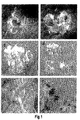
- Figure 1 A gene construct with the cDNA corresponding to NM_115413.1 under control of the CaMV 35S promoter can lead to ectopic organogenesis and formation of somatic embryos. Growth of plant material is on 1 ⁇ 2 MS medium without hormones, supplemented with 1% sucrose. The material shown is from homozygous lines.
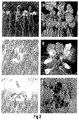
- Figure 2 A gene construct with the cDNA corresponding to NM_106300.1 under control of the CaMV 35S promoter can lead to severe developmental effects, most notably deformation of cotyledons. Growth of plant material is on 1 ⁇ 2 MS medium without hormones, supplemented with 1% sucrose. The material shown is from homozygous lines, except for the primary transformants shown in panel e.
- Figure 3 After germination of wild-type arabiodopsis seeds (ecotype Columbia) on 1 ⁇ 2MS medium containing 24-epibrassinolide (at 4 ⁇ M), growth aberrations resembling those seen in NM_115413.1 or NM_106300.1 overexpressing seedlings can be observed.
- FIG. 4 In vitro culture of seedlings in liquid MS medium (MS-4) containing 4.4 ⁇ M 2,4-dichlorophenoxyacetic-acid (2,4-D) as described by Mordhorst et al. (Genetics 149, 549-563 (1998)).
- Top panel seedlings of a homozygous control line containing an empty vector (i.e. without a cDNA sequence downstream of the CaMV 35S promoter) at 17 dag (phenotype similar to untransformed Columbia, which is not shown here).
- Bottom panel seedlings of a line homozygous for a construct expressing NM_115413.1 under control of the CaMV 35S promoter. Note the large meristematic apical zone in these seedlings and their narrow cotyledons compared to the formation of unorganized callus on the cotyledons of the control line (top panel)
- plant proteins comprising a single sequence motif/domain - PRGRP X GSKNK (wherein X is A, P, L or R) act as transcriptional regulators playing a central role in plant growth and developmental processes.
- X is A, P, L or R
- Arabidopsis thaliana 15 novel genes encoding plant proteins as mentioned above can be found (8 with A, 6 with P, and 1 with R substitutions), ranging in size from 206-339 amino acids.
- accession numbers from Genbank [nucleotide accession number NM_115413.1, NM_117526.1, NM_111328.1, NM_106300.1, NM_130105.1, NM_101943.1, NM_117890.2, NM_119705.1, NM_117275.1, NM_118410.1, NM_115951.1, NM_129855.2, NM_129079.1, NM_124348.1 and NM_101316.1] coding for [protein accession numberNP_191115.1, NP_567432.1, NP_566232.1, NP_177776.1, NP_182067.1, NP_173514.1, NP_193515.1, NP_195265.1, NP_192942.1, NP_194012.1, NP_191646.1, NP_181822.1, NP_181070.1, NP_199781.1 and NP_172901.1, respectively].
- Some of the transcriptional regulator genes identified comprising the sequence motif/domain PRGRP X GSKNK also comprise a single DUF296 domain (http://www.sanger.ac.uk/cgi-bin/Pfam/getacc?PF03479).
- This DUF296 domain is located approximately 13-20 amino acid residues downstream of the last lysine residue of the PRGRP X GSKNK (wherein X is A, P, L or R) motif.
- This DUF296 domain comprises at least 120 amino acid residues.
- no clear function had been assigned to any of the above mentioned proteins, or domains. Since the DUF296 domain is found in proteins that contain one or more PRGRP X GSKNK motifs, a DNA-binding function for these proteins as a whole can be expected (http://pfam.wustl.edu)
- proteins comprising the features as mentioned above, that is a single motif/domain PRGRP X GSKNK (wherein X is A, P, L or R) alone or comprising both the motif/domain PRGRP X GSKNK (wherein X is A, P, L or R) in combination with the DUF296 domain, are believed to be involved in transcriptional regulation of growth and developmental processes in plants, more specifically ectopic organogenesis or somatic embryogenesis.
- proteins of the invention comprising the motif/domain PRGRP X GSKNK (wherein X is A, P, L or R) in combination with the DUF296 domain, where the conserved cysteine residing in the DUF296 domain was substituted for a serine residue (e.g. "D (x16) S "), when expressed under the control of an effective plant promoter, were found to alter plant morphology. One of them could even incite ectopic embryo development.
- a plant protein according to the invention is characterised in that it comprises the amino acid sequence [NP_191115.1] or [NP_177776.1] or a functional part thereof.
- a functional part of said protein is defined as a part of said protein which has the same biological activity in kind, but not necessarily in amount.
- the word protein means a sequence of amino acids connected through peptide bonds. Polypeptides or peptides are also considered to be proteins.
- Variants of proteins of the invention are proteins obtained from the proteins as mentioned above, by replacing adding/deleting one or more amino acids, while still retaining biological activity. Deliberate amino acid substitution may be made on the basis of similarity in polarity, charge, solubility, hydrophobicity, and/or the amphipathetic nature of the residues as long as the biological activity of the polypeptide is retained. As long as the changes to the amino acid sequence of the protein do not altogether abolish the activity of the protein, such variants are embraced in the present invention.
- the primer length in nucleotides is selected from the group of integers consisting of from at least 15 to 50. Those of skill in the art will recognise that a lengthened primer sequence can be employed to increase specificity of binding (i.e. annealing) to a target sequence.
- Stringent conditions in this respect means a reaction at a temperature of between 60°C and 65°C in 0.3 strength citrate buffered saline containing 0.1% SDS followed by rinsing at the same temperature with 0.3 strength citrate buffered saline containing 0.1% SDS.
- polynucleotides which selectively hybridise, under selective hybridisation conditions, to one or more of the above discussed nucleotide sequences, and which code for an amino acid sequence which has a biological function similar to the function of a protein according to the invention.
- Another way to indicate hybridisation potential is on sequence identity.
- the present invention provides also for nucleotide sequences which have a percentage of identity related to the above mentioned sequences of 40% to 95% .
- the percentage of identity can be at least, 40%, 45%, 50%, 55%, 60%, 65%, 70%, 75%, 80%, 85%, 90%, or 95% .
- Sequence identity on nucleotide sequences can be calculated by using the BLASTN computer program (which is publicly available, for instance through the National Center for Biotechnological Information, accessible via the internet on http://www.ncbi.nlm.nih.gov/) using the default settings of 11 for wordlength (W), 10 for expectation (E), 5 as reward score for a pair of matching residues (M), -4 as penalty score for mismatches (N) and a cutoff of 100.
- BLASTN computer program which is publicly available, for instance through the National Center for Biotechnological Information, accessible via the internet on http://www.ncbi.nlm.nih.gov/
- W wordlength
- E expectation
- M reward score for a pair of matching residues
- N penalty score for mismatches
- said nucleotide sequence encoding a protein of the invention comprises the nucleotide sequence coding forNP_191115.1 or coding forNP_177776.1. Also part of the invention are nucleotide sequences which are conservatively modified variants of the nucleotide sequences of the invention (denoted by accession numbers), or polymorphic variants thereof. It may be advantageous to produce nucleotide sequences according to the invention, or derivatives thereof possessing a substantially different codon usage. It is known by those skilled in the art that as a result of degeneracy of the genetic code, a multitude of gene sequences, some bearing minimal homology to the nucleotide sequences of any known and any naturally occurring genes may be produced.
- the invention contemplates each and every possible variation including "silent variations" of the nucleotide sequences that could be made by selecting combinations based on possible codon choices. These combinations are made in accordance with the standard triplet genetic code as applied to the nucleotide sequence of naturally occurring gene sequences, and all such variations are to be considered as being specifically disclosed.
- altered nucleotide sequences of the invention arising from deletions, insertions, substitutions of different nucleotides resulting in polynucleotides that encode the same or are functionally equivalent.
- the nucleotide sequences of the invention can be used, for example to selectively hybridise and detect allelic variants of the nucleotide sequences of the present invention.
- the present invention provides isolated nucleotide sequences comprising one or more polymorphic (allelic) variants of the nucleotide sequences of the invention.
- constructs having a nucleotide sequence of the invention under the control of a suitable promoter/regulatory element.
- promoter/regulatory element it is meant those that include developmentally regulated, tissue specific, inducible and constitutive regulatory elements/promoters.
- a regulatory element that is developmentally regulated, or controls the differential expression of a gene/nucleotide under its control, is activated within certain organs or tissues of an organ at specific times during the development of that organ or tissue.
- some regulatory elements that are developmentally regulated may preferentially be active within certain organs or tissues at specific developmental stages, they may also be active in a developmentally regulated manner, or at a basal level in other organs or tissues within the plant as well, such regulatory elements are considered "tissue specific". Regulatory elements may be found either upstream, within, downstream, or a combination thereof, of the coding region of a gene.
- An inducible regulatory element is one that is capable of directly or indirectly activating transcription of one or more nucleotide sequences or genes in response to an inducer. In the absence of an inducer the nucleotide sequences or genes will not be transcribed. Typically the protein factor, that binds specifically to an inducible regulatory element to activate transcription, is present in an inactive form which is then directly or indirectly converted to the active form by the inducer.
- the inducer can be a chemical agent such as a protein, metabolite, growth regulator, herbicide or phenolic compound or a physiological stress imposed directly by heat, cold, salt, or toxic elements or indirectly through the action of a pathogen or disease agent such as a virus.
- a plant cell containing an inducible regulatory element may be exposed to an inducer by externally applying the inducer to the cell or plant such as by spraying, watering, heating or similar methods.
- a constitutive regulatory element directs the expression of a gene throughout the various parts of a plant and continuously throughout plant development.
- constitutive regulatory elements include promoters associated with the CaMV 35S transcript. (Odell et al., 1985, Nature, 313: 810-812), the rice actin 1 (Zhang et al, 1991, Plant Cell, 3: 1155-1165) and triosephosphate isomerase 1 (Xu et al, 1994, Plant Physiol. 106: 459-467) genes, the maize ubiquitin 1 gene (Cornejo et al, 1993, Plant Mol. Biol.
- the recombinant gene constructs may be inserted into vectors, which may be commercially available, suitable for transforming into plants and suitable for the expression of the gene product in the transformed cells.
- vectors which may be commercially available, suitable for transforming into plants and suitable for the expression of the gene product in the transformed cells.
- Preferably used are binary vectors which are useful for plant transformations using Agrobacterium.
- constructs of this invention may be further manipulated to include plant selectable markers.
- Useful selectable markers include enzymes which provide for resistance to an antibiotic such as gentamycin, hygromycin, kanamycin, and the like.
- enzymes providing for production of a compound identifiable by colour change such as GUS (beta-glucuronidase), fluorescence or luminescence, such as luciferase or green fluorescent protein are useful.
- the invention thus provides a vector comprising a nucleotide sequence of the invention.
- Methods which are well known to those skilled in the art can be used to construct expression vectors containing a nucleotide sequence of the invention, and appropriate transcriptional and translational controls. These methods include in-vitro recombinant techniques. Such techniques are described in Sambrook et al ., 1989. Molecular cloning a laboratory manual, cold spring Harbour press, Plain view, NY and Ausubel FM et al ., (1989) Current protocols in molecular biology, John Wiley and Sons, New York, NY.
- the nucleotide sequence encoding the polypeptide is inserted into the appropriate expression vector (i.e. a vector that contains the necessary elements for the transcription or translation of the inserted coding sequence).
- the appropriate expression vector i.e. a vector that contains the necessary elements for the transcription or translation of the inserted coding sequence.
- Specific initiation signals may also be required for efficient translation of the polypeptides of the invention. These signals include the ATG initiation codon and adjacent sequences. In cases where the polypeptides, their initiation codons and upstream sequences are inserted into the appropriate expression vector, no additional translational control systems including the ATG initiation codon must be provided. Furthermore, the initiation codon must be in the correct reading frame to ensure transcription of the entire insert.
- Exogenous transcriptional elements and initiation codons can be of various origins, both natural and synthetic. The efficiency of expression may be enhanced by the inclusion of enhancers appropriate to the cell system in use (Scharf D et al (1994) Results Prob Cell Differ 20: 125-62; Bittner et al . (1987) Methods in Enzymol 153: 516-544).
- the various fragments comprising the regulatory regions and open reading frame may be subjected to different processing conditions, such as ligation, restriction enzyme digestion, resection, in-vitro mutagenesis, primer repair, use of linkers and adapters and the like.
- nucleotide transitions, transversions, insertions, deletions and the like may be performed on the DNA which is employed in the regulatory regions and/or open reading frame.
- the expression cassette may be wholly or partially derived from natural sources endogenous to the host cell.
- nucleotide sequences of the present invention can be engineered in order to alter the coding sequence for a variety of reasons, including but not limited to, alterations which modify the cloning, processing, and/or expression of the gene product.
- mutations may be introduced using techniques which are well known in the state of the art, e.g. site directed mutagenesis to insert new restriction sites, to alter glycosylation patterns, to change codon usage, to produce splice variants etc. Codons may be selected to increase the rate at which expression of the peptide occurs in a particular expression hosts in accordance with the frequency with which particular codons are utilised by the host (Murray E et al . (1989) Nuc Acids Res 17: 477-508).
- RNA transcripts having more desirable properties such as a greater half life, than transcripts produced from naturally occurring sequences.
- the invention provides a transformed plant cell or plant comprising a vector according to the invention and seed obtained from a transformed plant comprising a vector according to the invention.
- the invention now provides a method of producing asexually derived embryos comprising: i) transforming a plant cell with the vector comprising a nucleotide sequence of the invention which encodes a protein which when present at a sufficient level within the plant cell renders the plant cell embryonic, or increases the regenerative capacity of the plant cell or both renders said cell embryogenic and increases the regenerative capacity of said plant cell; ii) growing said plant cell to produce tissue; iii) selecting said tissue for the presence of a nucleotide sequence of the invention; and iv) assaying said tissue for asexual embryo production; v) maintaining or growing isolated mature or immature embryos in culture.
- Regeneration refers to a morphogenetic response that results in the production of new tissues, organs, embryos, whole plants or fragments of whole plants that are derived from a single cell, or a group of cells.
- Regeneration may proceed indirectly via a callus phase or directly, without an intervening callus phase.
- "Regenerative capacity” refers to the ability of a plant cell to undergo regeneration.
- embryonic cell it is meant a cell that has completed the transition from either a somatic or a gametophytic cell to a state where no further applied stimuli are necessary to produce a somatic or gametophytic embryo, respectively.
- Also included in the invention is a method of producing asexually derived embryos comprising: i) introducing into said plant cell a protein according to the invention, which when present at a sufficient level within the plant cell renders the plant cell embryonic, or increases the regenerative capacity of the plant cell or both renders said cell embryogenic and increases the regenerative capacity of said plant cell; to produce a modified plant cell; ii) growing said modified plant cell to produce tissue; and iii) assaying said tissue for asexual embryo formation; v) maintaining or growing isolated mature or immature embryos in culture.
- a further embodiment of the invention is a method for producing an apomictic plant comprising: i) transforming a plant with a vector comprising a nucleotide sequence of the invention which encodes a protein which when present at a sufficient level within the plant cell renders the plant cell embryonic, or increases the regenerative capacity of the plant cell or both renders said cell embryogenic and increases the regenerative capacity of said plant cell; to produce a transformed plant; or introducing into said plant a protein according to the invention which when present at a sufficient level within the plant cell renders the plant cell embryonic, or increases the regenerative capacity of the plant cell or both renders said cell embryogenic and increases the regenerative capacity of said plant cell; ii) selecting said transformed plant for the presence of a nucleotide sequence of the invention; and/or iii) assaying said transformed plant for asexual embryo production; iv) maintaining or growing isolated mature or immature embryos in culture; v) production of an apomictic plants from the mature embryos of
- a protein of the invention can be introduced/translocated into a plant or plant cell as outlined in PCT/NL01/00388, herein encompassed by reference.
- said invention relates to an above method wherein said step of assaying involves assaying for asexually derived embryos, somatic embryos, gametophytically derived embryos, adventitious embryony, diplospory or for haploid parthenogenesis of the embryo sac.
- the invention further provides a method of modifying the regenerative capacity of a plant comprising: i) transforming a plant cell with the vector comprising a nucleotide sequence of the invention which encodes a protein which when present at a sufficient level within the plant cell renders the plant cell embryonic, or increases the regenerative capacity of the plant cell or both renders said cell embryogenic and increases the regenerative capacity of said plant cell, or introducing into said plant cell a protein according to the invention which when present at a sufficient level within the plant cell renders the plant cell embryonic, or increases the regenerative capacity of the plant cell or both renders said cell embryogenic and increases the regenerative capacity of said plant cell; to produce a modified plant cell: ii) growing said modified plant cell to produce tissue; and iii) assaying said tissue for enhanced regeneration as compared to wild-type tissue.
- the step of growing said transformed plant cell, the step of assaying said tissue, or both the step of growing said transformed plant cell and the step of assaying said tissue are carried out in the absence of an additional growth regulator.
- the invention provides a method of selecting a modified plant comprising; i) transforming a normally non-regenerative plant with a vector comprising a nucleotide sequence of the invention which encodes a protein which when present at a sufficient level within the plant cell renders the plant cell embryonic, or increases the regenerative capacity of the plant cell or both renders said cell embryogenic and increases the regenerative capacity of said plant cell; or introducing into said plant a protein according to the invention which when present at a sufficient level within the plant cell renders the plant cell embryonic, or increases the regenerative capacity of the plant cell or both renders said cell embryogenic and increases the regenerative capacity of said plant cell, to produce said modified plant; and ii) determining whether said modified plant is able to regenerate under conditions in which said normally non-regenerative plant does not regenerate.
- a plant protein of the present invention acting as a transcriptional regulator, with it's ability to control plant growth or developmental processes, can also be used to drive the ectopic expression of a protein of interest (i.e. a protein not normally expressed in said plant), under the control of a regulatory element, wherein said regulatory element is induced by said protein.
- a protein of interest i.e. a protein not normally expressed in said plant
- a regulatory element wherein said regulatory element is induced by said protein.
- the invention thus provides a method of producing a protein of interest comprising; i) transforming a plant with a vector according to the invention and a second vector comprising a nucleotide sequence encoding a protein of interest under the control of a regulatory element, wherein said regulatory element is induced by the expression product of a nucleotide sequence according to the invention; to produce a transformed plant; ii) selecting said transformed plant for occurrence of a nucleotide sequence according to the invention; and iii) growing said transformed plant in order to produce said protein of interest.
- a nucleotide sequence encoding a protein of interest according to the invention may be ligated to a nucleotide sequence encoding a protein or fragment thereof of the invention to form a fusion protein.
- the two sequences may be cleaved by inclusion of a 'cleavage' sequence (e.g. sequence (2A) of the foot and mouth disease virus and like sequences) which encodes a postranslational cleavage site between the two nucleic acid sequences.
- This sequence can mediate cleavage in a heterologous protein context in a range of eukaryotic expression systems.
- nucleotide sequences of the invention may be driven by a number of promoters/regulatory elements, particularly active in plants, well-known in the art and readily obtainable by the skilled person.
- promoters include constitutive promoters akin to viral based promoters (e.g. CaMV 35S promoter), chimeric promoters like ferredoxin/RolD and the like, tissue specific promoters like root, shoot and epidermal, endosperm specific promoters (e.g.
- Rubisco (shoot specific), ferredoxin (shoot specific, RolD (root specific), lipid transfer protein (LTP1), Arabidopsis thaliana meristem layer 1 (ATML1; epidermis specific) and Cyc promoter, B 1 - or D-hordein promoter, UFO promoter (shoot meristem specific promoter) and the like.
- inducible and developmentally regulated promoters maize ubiquitin promoter, the cell division cycle promoter cdc2, ACT2 promoter from Arabidopsis thaliana , heat shock inducible promoter, pathogen inducible promoters, stress inducible promoters (like chitinase promoter) and the like.
- promoters that can be generated by one of skill in the art.
- the invention further contemplates the use of the individual promoters of the nucleotide sequences of the present invention for this purpose.
- a terminator is provided which causes transcription to cease.
- This can be any terminator which functions in plants.
- Particularly preferred are the NOS, OCS and 35S terminator or the potato protease inhibitor II (potpiII) terminator.
- the 35S promoter particularly the cotyledons of transgenic seedlings are sites where ectopic organogenesis and somatic embryogenesis can be observed.
- nucleotide sequence encoding a "protein of interest” it is meant by way of illustration any nucleotide that is to be expressed in a transformed plant.
- a nucleotide sequence encoding a protein of interest may include, but is not limited to, a nucleotide that encodes a pharmaceutically active protein, for example growth factors, growth regulators, antibodies, antigens, their derivatives useful for immunization or vaccination and the like.
- Such proteins include, but are not limited to, interleukins, insulin, G-CSF, GM-CSF, hPG-CSF, M-CSF or combinations thereof, interferons, for example, interferon-alpha , interferon- beta , interferon- tau , blood clotting factors, for example, Factor VIII, Factor IX, or tPA or combinations thereof.
- a nucleotide sequence of interest may also encode an industrial enzyme, protein supplement, nutraceutical, or a value-added product for feed, food, or both feed and food use.
- proteins include, but are not limited to proteases, oxidases, phytases chitinases, invertases, lipases, cellulases, xylanases, enzymes involved in oil biosynthesis etc.
- said protein of interest is selected from the group consisting of a pharmaceutically active protein, antibody, industrial enzyme, protein supplement, nutraceutical, storage protein, an enzyme involved in oil biosynthesis, animal feed, and animal feed supplement.
- the invention further concerns a method to modulate plant growth or developmental processes in a plant or plant cell, characterised in that a nucleotide sequence of the invention or a vector comprising a nucleotide sequence of the invention is introduced into said plant or plant cell.
- Modulation refers to the alteration in a positive or negative fashion of plant growth and development processes, for example through activation or suppression of gene(s) which are essentially capable of initiation, progression, suppression or repression of plant growth and development processes.
- a host strain may be chosen for its ability to modulate the expression of the inserted sequences or to process the expressed protein in the desired fashion.
- modifications of the polypeptide include, but are not limited to, acylation, carboxylation, glycosylation, phosphorylation and lipidation.
- Post translation processing which cleaves a 'prepro' form of the protein may also be important for correct insertion, folding and/or function.
- Different host cells which have the correct cellular machinery and characteristic mechanisms for such post-translational activities maybe chosen to ensure correct modification and processing of the introduced, foreign protein.
- the target 'plant cell' may be part of a whole plant or may be an isolated cell or part of a tissue which may be regenerated into a whole plant.
- the invention is illustrated in transgenic Arabidopsis , the actual applicability of the invention is not limited to this plant species.
- the target plant may be selected from any monocotyledonous or dicotyledonous plant species.
- the procedure or method for preparing a transformant can be performed according to the conventional technique used in the fields of molecular biology, biotechnology and genetic engineering. Manipulation of DNA sequences in plant cells may be carried out using the Cre/loxP site specific recombination system as outlined in patent application WO9109957. An entire plant can be generated from a single transformed plant cell through culturing techniques known to those skilled in the art. Regeneration of plants from transformed material can be accomplished through somatic embryogenesis (the structures formed are bipolar with cotyledons and roots) or organogenesis (formation of shoots or roots).
- Efficient transformation and regeneration methods are a priority for successful application of genetic engineering to the improvement of vegetative propagated plants. Transformation of plant species is now routine for an impressive number of plant species, including both the Dicotyledoneae as well as the Monocotyledoneae.
- any transformation method may be used to introduce chimeric DNA according to the invention into a suitable ancestor cell. Methods may suitably be selected from the calcium/polyethylene glycol method for protoplasts (Krens, F.A. et al ., 1982, Nature 296, 72-74; Negrutiu I. et al , June 1987, Plant Mol. Biol. 8 , 363-373), electroporation of protoplasts (Shillito R.D.
- a preferred method according to the invention comprises Agrobacterium-mediated DNA transfer. Especially preferred is the use of the so-called binary vector technology as disclosed in EP A 120 516 and U.S. Patent 4,940,838).
- monocotyledonous plants are amenable to transformation and fertile transgenic plants can be regenerated from transformed cells or embryos, or other plant material.
- preferred methods for transformation of monocots are microprojectile bombardment of embryos, explants or suspension cells, and direct DNA uptake or (tissue) electroporation (Shimamoto, et al , 1989, Nature 338, 274-276).
- Transgenic maize plants have been obtained by introducing the Streptomyces hygroscopicus bar- gene, which encodes phosphinothricin acetyltransferase (an enzyme which inactivates the herbicide phosphinothricin), into embryogenic cells of a maize suspension culture by microprojectile bombardment (Gordon-Kamm, 1990, Plant Cell, 2, 603-618).
- the introduction of genetic material into aleurone protoplasts of other monocot crops such as wheat and barley has been reported (Lee, 1989, Plant Mol. Biol. 13, 21-30).
- Wheat plants have been regenerated from embryogenic suspension culture by selecting embryogenic callus for the establishment of the embryogenic suspension cultures (Vasil, 1990 Bio/Technol. 8, 429-434). The combination with transformation systems for these crops enables the application of the present invention to monocots.
- Monocotyledonous plants including commercially important crops such as rice, wheat and corn are also amenable to DNA transfer by Agrobacterium strains ( vide WO 94/00977; EP 0 159 418 B1; EP 0 856 060; Gould J, Michael D, Hasegawa O, Ulian EC, Peterson G, Smith RH, (1991) Plant. Physiol. 95, 426-434).
- plant cells or cell groupings are selected for the transfer with the nucleic acid sequence encoding the protein according to the invention, following which the transformed material is regenerated into a whole plant.
- Any number of selection systems may be used to recover the transformed cells (those containing recombinant DNA) over untransformed cells.
- suitable markers include genes that provide antibiotic or herbicide resistance.
- antibiotic or herbicide resistance can be used as the basis of selection; for example, dhfr which confers resistance to methotrextate (Wiger M. et al . (1980) Proc Natl Acad Sci 77: 3567-70), npt, which confers resistance to the aminoglycosides neomycin and G-418 (Colbere-Garapin F. et al .
- luciferase and its substrate which are widely used to identify transformants, but also to quantify the amount of stable protein expression attributable to a specific vector system (Rhodes CA et al . (1995) Methods Mol Biol 55: 121-131.
- putatively transformed plants may be evaluated, for instance using Southern analysis, for the presence of the recombinant DNA according to the invention, copy number and/or genomic organization.
- expression levels of the newly introduced DNA may be undertaken, using Northern and/or Western analysis, and other techniques well known to persons having ordinary skill in the art.
- the invention further provides a host cell transformed with a nucleotide sequence of the invention.
- the invention further concerns a method to modulate plant growth or developmental processes, wherein said developmental comprises organogenesis and/or embryogenesis, preferably ectopic organogenesis or somatic embryogenesis, in a plant or plant cell, characterised in that a nucleotide sequence of the invention or a vector comprising a nucleotide sequence of the invention is introduced into said plant or plant cell.
- proteins of the invention can directly or indirectly activate transcription without being fused with transcriptional activators such as the GAL4 activation domain from yeast. Furthermore, overexpression of proteins of the invention was shown to modulate the growth, and to trigger ectopic organogenesis and somatic embryogenesis, particularly in the cotyledons of transgenic seedlings.
- Also provided in the invention is a method to modulate plant growth or developmental processes in a plant or plant cell as mentioned above, further providing said plant or plant cell with a growth regulator, preferably a brassinosteroid, even more preferred 24-epibrassinolide.
- a growth regulator preferably a brassinosteroid, even more preferred 24-epibrassinolide. It has been discovered that addition of 24-epibrassinolide (C28H408, Duchefa) can mimic some of the effects of overexpression of the proteins of the invention when applied on wild-type Arabidopsis.
- plant growth regulators more in particular plant growth regulators belonging to the brassinosteroids, preferably 24-epibrassinolide, when used in combination with the ectopic expression of proteins of the invention, can enhance developmental processes in a plant or plant cell, more in particular ectopic organogenesis or somatic embryogenesis.
- a further aspect of the invention is the use of a nucleotide sequence according to the invention or a vector according comprising a nucleotide sequence of the invention, to modulate plant growth or developmental processes in a plant or plant cell.
- said developmental process comprises organogenesis and/or embryogenesis, preferably ectopic organogenesis or somatic embryogenesis.
- a nucleotide sequence according to the invention or a vector comprising a nucleotide sequence of the invention in combination with a growth regulator, preferably a brassinosteroid, to modulate plant growth or developmental processes in a plant or plant cell.
- a specific embodiment of the invention is a transgenic plant or plant cell obtainable by a method according to the invention.
- the invention now provides a plant and propagating material thereof which contains in its genome a nucleotide sequence of the invention or a vector as defined above, and which, accordingly, show a phenotype in which the development of plant cells or tissues is altered towards a more organogenic/embryogenic phenotype.
- a genetically engineered plant or offspring of a transgenic/genetically engineered plant is encompassed by the present invention. From the examples it will become clear that the phenotype which will show after transformation as a result of the expression of a nucleotide sequence according to the invention depends on the level of expression of the transgene (in combination with tissue and development specificity).
- transgenic material from a transgenic plant or plant cell according to the invention to modulate plant growth or developmental processes, preferably ectopic organogenesis or somatic embryogenesis, in a non-transformed plant or plant cell.
- Transgenic material harbouring constructs leading to the ectopic production of a protein of the invention can be used to initiate, growth and developmental process, more in particular embryogenesis or organogenesis, in a non-transformed plant or plant cell.
- plant cells and tissues can be steered towards a more organigenic/embryogenic phenotype.
- Optimisation of plant growth and development process is essential for the propagation of plants for commercial or conservational purposes.
- the ability to modulate such processes at the molecular level, more specifically through the expression of genes encoding transcriptional regulators central to these processes as provided by the present invention paves the way for the micropropagation of commercial species deemed recalcitrant towards genetic transformation.
- Example 1 N-terminal plant-specific PRGRP(A/P/L/R)GSKNK like motif.
- Proteins with the sequence identifiers PRGRP(A/P/L/R)GSKNK are so far found exclusively in higher plants (R being rare compared to A, P, and L).
- Arabidopsis thaliana 15 genes (8A, 6P, 1R) can be found by data mining and in the monocotelydenous species Oryza sativa (rice) 11 (6P, 2A, 3L).
- the encoded proteins range from 206 to 339 amino acids.
- accession number of the above mentioned Arabidopsis sequences is provided as a way of illustration, in table 1.
- the sequence PRGRP(A/P/L/R)GSKNK is present in the N-terminal part of plant proteins. At position 13-20 residues downstream of the lysine residue (K), is positioned a DUF296 domain, which until the present invention had unassigned function, and which stretches out for about 120-140 amino acid residues. The remaining N-terminal amino acid sequence is much less conserved. Of the 48 DUF296 domains present in the PFAM database, 36 are found in eukaryotes and exclusively in higher plants. Presently 31 of the listed DUF296 domains are found in Arabidopsis and 2 in rice.
- the DUF296 domain of plant proteins can be better defined.
- the DUF296 domain given in the PFAM database reads:-
- Example 3 Plant proteins containing a single N-terminal PRGRP(A/P/L/R)GSKNK like motif are involved in transcriptional regulation
- A2220 bp XbaI-EcoRI promoter fragment (about -3570 to -350 upstream of the ATG translational start site) of an Arabidopsis gene encoding an auxin-inducible plasma membrane protein (AF098631) was fused upstream of a yeast HIS3 reporter gene in pINT1 (AF289993) after digestion of this vector with SpeI and EcoRI. After homologous recombination in yeast strain Y187 (see P.B.F. Ouwerkerk and A.H.
- the promoter-containing yeast strain was transformed with plasmid material (about 3.75.10 6 yeast colonies obtained) and histidine-independent transformants were selected up till 6 days after transformation (at 28 °C).
- Most of the transformants harboured a plasmid in which the Arabidopsis cDNA sequence followed the yeast GAL4 activation domain (GAL4-AD) in such a manner that a translational fusion was created.
- GAL4-AD yeast GAL4 activation domain
- two related cDNA sequences were recovered that were not translationally fused with the GAL4-AD. This fact indicates that the proteins encoded by these particular cDNA sequences trans-activated the HIS3 reporter gene due to direct or indirect interaction with the upstream Arabidopsis promoter sequence.
- Example 3 Overexpression of cDNA sequences encoding plant proteins containing a single PRGRP(A/P/L/R)GSKNK like motif and a single DUF296-like motif can lead to strongly altered seedling development and somatic embryogenesis
- the cDNAs corresponding to NM_115413.1 and NM_106300.1 were cloned as SmaI/BglII fragments (partial digests) in SmaI/BamHI digested pART7 (A.P. Gleave, 1992, Plant Mol. Biol. 20, 1203-1207) under control of the CaMV 35S promoter.
- T2 The next generation (T2) showed severe phenotypes at the seedling stage, segregating in a mendelian fashion and linked with resistance to kanamycin due to the selectable nptII marker gene which was present in the transferred T-DNA.
- the NM_115413.1 overexpression construct often caused a nearly seedling lethal phenotype throughout T2 families with distorted, pale cotyledons and rather inactive apical meristems.
- embryonic structures were formed particularly on the cotyledons which could grow out to viable somatic embryos (see figure 1).
- the phenotype caused by the NM_106300.1 cDNA overexpression construct was less severe and predominantly affected cotyledon and leaf shape, being more oval or lancet shaped than wild type. In some cases callus formation was observed on older cotyledons (see figure 2).
- Example 4 Variability in effects of expression of cDNA sequences encoding plant proteins containing a single N-terminal PRGRP(A/P/L/R)GSKNK like motif and a single DUF296-like motif.
- 24-epibrassinolide had the most profound effect on wild type plants when one considers the ability to mimic the mutant phenotypes caused by NM_115413.1/NM_106300.1 overexpression constructs although somatic embryogenesis was not observed (see figure 3). 24-epibrassinolide was also able to make the mutant phenotypes more vigorous.
Landscapes
- Health & Medical Sciences (AREA)
- Genetics & Genomics (AREA)
- Life Sciences & Earth Sciences (AREA)
- Chemical & Material Sciences (AREA)
- Organic Chemistry (AREA)
- Engineering & Computer Science (AREA)
- Molecular Biology (AREA)
- Bioinformatics & Cheminformatics (AREA)
- Biotechnology (AREA)
- General Engineering & Computer Science (AREA)
- Biomedical Technology (AREA)
- Wood Science & Technology (AREA)
- Zoology (AREA)
- Biophysics (AREA)
- General Health & Medical Sciences (AREA)
- Biochemistry (AREA)
- Physics & Mathematics (AREA)
- Microbiology (AREA)
- Plant Pathology (AREA)
- Cell Biology (AREA)
- Botany (AREA)
- Gastroenterology & Hepatology (AREA)
- Medicinal Chemistry (AREA)
- Proteomics, Peptides & Aminoacids (AREA)
- Breeding Of Plants And Reproduction By Means Of Culturing (AREA)
- Micro-Organisms Or Cultivation Processes Thereof (AREA)
- Peptides Or Proteins (AREA)
Priority Applications (6)
| Application Number | Priority Date | Filing Date | Title |
|---|---|---|---|
| EP03075366A EP1447410A1 (fr) | 2003-02-06 | 2003-02-06 | Contrôle de la croissance et des processus de developpement des plantes |
| EP04708943A EP1590367A2 (fr) | 2003-02-06 | 2004-02-06 | Controle de la croissance et des processus de developpement des plantes |
| CA002515333A CA2515333A1 (fr) | 2003-02-06 | 2004-02-06 | Procede de regulation de la croissance de plantes et de processus de developpement |
| PCT/NL2004/000083 WO2004069865A2 (fr) | 2003-02-06 | 2004-02-06 | Procede de regulation de la croissance de plantes et de processus de developpement |
| AU2004208961A AU2004208961A1 (en) | 2003-02-06 | 2004-02-06 | Control of plant growth and developmental processes |
| US11/198,001 US20060041959A1 (en) | 2003-02-06 | 2005-08-05 | Control of plant growth and developmental process |
Applications Claiming Priority (1)
| Application Number | Priority Date | Filing Date | Title |
|---|---|---|---|
| EP03075366A EP1447410A1 (fr) | 2003-02-06 | 2003-02-06 | Contrôle de la croissance et des processus de developpement des plantes |
Publications (1)
| Publication Number | Publication Date |
|---|---|
| EP1447410A1 true EP1447410A1 (fr) | 2004-08-18 |
Family
ID=32669004
Family Applications (2)
| Application Number | Title | Priority Date | Filing Date |
|---|---|---|---|
| EP03075366A Withdrawn EP1447410A1 (fr) | 2003-02-06 | 2003-02-06 | Contrôle de la croissance et des processus de developpement des plantes |
| EP04708943A Withdrawn EP1590367A2 (fr) | 2003-02-06 | 2004-02-06 | Controle de la croissance et des processus de developpement des plantes |
Family Applications After (1)
| Application Number | Title | Priority Date | Filing Date |
|---|---|---|---|
| EP04708943A Withdrawn EP1590367A2 (fr) | 2003-02-06 | 2004-02-06 | Controle de la croissance et des processus de developpement des plantes |
Country Status (5)
| Country | Link |
|---|---|
| US (1) | US20060041959A1 (fr) |
| EP (2) | EP1447410A1 (fr) |
| AU (1) | AU2004208961A1 (fr) |
| CA (1) | CA2515333A1 (fr) |
| WO (1) | WO2004069865A2 (fr) |
Cited By (1)
| Publication number | Priority date | Publication date | Assignee | Title |
|---|---|---|---|---|
| CN117024538A (zh) * | 2023-06-16 | 2023-11-10 | 中国农业大学 | 一种玉米抗倒伏基因及其相关蛋白和生物材料的应用 |
Families Citing this family (4)
| Publication number | Priority date | Publication date | Assignee | Title |
|---|---|---|---|---|
| WO2007064724A2 (fr) * | 2005-12-01 | 2007-06-07 | Cropdesign N.V. | Plantes ayant des caracteristiques de croissance ameliorees et procedes de fabrication de celles-ci |
| NL2011980C2 (en) * | 2013-12-17 | 2015-06-18 | Univ Leiden | New effects of plant ahl proteins. |
| US9078427B1 (en) | 2014-08-29 | 2015-07-14 | Pioneer Hi Bred International Inc | Method of storing plant embryos |
| CN106661574B (zh) | 2014-08-29 | 2019-12-06 | 先锋国际良种公司 | 涉及油基质的方法和装置 |
Citations (3)
| Publication number | Priority date | Publication date | Assignee | Title |
|---|---|---|---|---|
| WO2001036444A1 (fr) * | 1999-11-17 | 2001-05-25 | Mendel Biotechnology, Inc. | Genes du developpement de vegetaux |
| WO2001085946A2 (fr) * | 2000-05-12 | 2001-11-15 | Cropdesign N.V. | Molecules d'acide nucleique codant pour des proteines de cycle cellulaire de plantes et leurs utilisations |
| WO2002015675A1 (fr) * | 2000-08-22 | 2002-02-28 | Mendel Biotechnology, Inc. | Genes servant a modifier des caracteristiques de plantes iv |
Family Cites Families (6)
| Publication number | Priority date | Publication date | Assignee | Title |
|---|---|---|---|---|
| NL8300698A (nl) * | 1983-02-24 | 1984-09-17 | Univ Leiden | Werkwijze voor het inbouwen van vreemd dna in het genoom van tweezaadlobbige planten; agrobacterium tumefaciens bacterien en werkwijze voor het produceren daarvan; planten en plantecellen met gewijzigde genetische eigenschappen; werkwijze voor het bereiden van chemische en/of farmaceutische produkten. |
| US20030233680A1 (en) * | 1996-09-04 | 2003-12-18 | Michael Thomashow | Methods for modifying plant biomass and cell protectant levels |
| US20040128712A1 (en) * | 2000-02-17 | 2004-07-01 | Cai-Zhong Jiang | Methods for modifying plant biomass and abiotic stress |
| US7511190B2 (en) * | 1999-11-17 | 2009-03-31 | Mendel Biotechnology, Inc. | Polynucleotides and polypeptides in plants |
| US20030121070A1 (en) * | 2000-08-22 | 2003-06-26 | Luc Adam | Genes for modifying plant traits IV |
| US7345217B2 (en) * | 1998-09-22 | 2008-03-18 | Mendel Biotechnology, Inc. | Polynucleotides and polypeptides in plants |
-
2003
- 2003-02-06 EP EP03075366A patent/EP1447410A1/fr not_active Withdrawn
-
2004
- 2004-02-06 CA CA002515333A patent/CA2515333A1/fr not_active Abandoned
- 2004-02-06 EP EP04708943A patent/EP1590367A2/fr not_active Withdrawn
- 2004-02-06 WO PCT/NL2004/000083 patent/WO2004069865A2/fr not_active Ceased
- 2004-02-06 AU AU2004208961A patent/AU2004208961A1/en not_active Abandoned
-
2005
- 2005-08-05 US US11/198,001 patent/US20060041959A1/en not_active Abandoned
Patent Citations (3)
| Publication number | Priority date | Publication date | Assignee | Title |
|---|---|---|---|---|
| WO2001036444A1 (fr) * | 1999-11-17 | 2001-05-25 | Mendel Biotechnology, Inc. | Genes du developpement de vegetaux |
| WO2001085946A2 (fr) * | 2000-05-12 | 2001-11-15 | Cropdesign N.V. | Molecules d'acide nucleique codant pour des proteines de cycle cellulaire de plantes et leurs utilisations |
| WO2002015675A1 (fr) * | 2000-08-22 | 2002-02-28 | Mendel Biotechnology, Inc. | Genes servant a modifier des caracteristiques de plantes iv |
Non-Patent Citations (12)
| Title |
|---|
| DATABASE GSP [online] 2 July 2002 (2002-07-02), XP002247119, retrieved from EBI Database accession no. AAU93048 * |
| DATABASE GSP [online] 26 February 2002 (2002-02-26), XP002247059, retrieved from EBI Database accession no. AAU72537 * |
| DATABASE GSP [online] 31 July 2001 (2001-07-31), XP002247058, retrieved from EBI Database accession no. AAE01961 * |
| DATABASE NCBI [online] 20 August 2002 (2002-08-20), Database accession no. NM_106300.1 * |
| DATABASE NCBI [online] 20 August 2002 (2002-08-20), Database accession no. NM_115413.1 * |
| DATABASE NCBI [online] 20 August 2002 (2002-08-20), Database accession no. NP_177776.1 * |
| DATABASE NCBI [online] 20 August 2002 (2002-08-20), Database accession no. NP_19115.1 * |
| DATABASE PRODOM [online] 22 May 2002 (2002-05-22), XP002247060, retrieved from EBI Database accession no. PD265383 * |
| DATABASE SWISSPROT [online] 1 June 2001 (2001-06-01), XP002247057, retrieved from EBI Database accession no. Q9C9K7 * |
| DATABASE SWISSPROT [online] 1 October 2000 (2000-10-01), XP002247056, retrieved from EBI Database accession no. Q9M2S3 * |
| FRIEDRICHSEN DANIELLE M ET AL: "Three redundant brassinosteroid early response genes encode putative bHLH transcription factors required for normal growth.", GENETICS. UNITED STATES NOV 2002, vol. 162, no. 3, November 2002 (2002-11-01), pages 1445 - 1456, XP002247054, ISSN: 0016-6731 * |
| MÜSSIG C ET AL: "Brassinosteroid signaling in plants.", TRENDS IN ENDOCRINOLOGY AND METABOLISM: TEM. UNITED STATES NOV 2001, vol. 12, no. 9, November 2001 (2001-11-01), pages 398 - 402, XP002247055, ISSN: 1043-2760 * |
Cited By (1)
| Publication number | Priority date | Publication date | Assignee | Title |
|---|---|---|---|---|
| CN117024538A (zh) * | 2023-06-16 | 2023-11-10 | 中国农业大学 | 一种玉米抗倒伏基因及其相关蛋白和生物材料的应用 |
Also Published As
| Publication number | Publication date |
|---|---|
| EP1590367A2 (fr) | 2005-11-02 |
| WO2004069865A8 (fr) | 2005-03-31 |
| AU2004208961A1 (en) | 2004-08-19 |
| WO2004069865A2 (fr) | 2004-08-19 |
| US20060041959A1 (en) | 2006-02-23 |
| WO2004069865A3 (fr) | 2005-02-10 |
| CA2515333A1 (fr) | 2004-08-19 |
Similar Documents
| Publication | Publication Date | Title |
|---|---|---|
| US7977534B2 (en) | Promotion of somatic embryogenesis in plants by Wuschel gene expression | |
| AU742366B2 (en) | Induction of male sterility in plants by expression of high levels of avidin | |
| US7151170B1 (en) | Use of the BNM3 transcriptional activator to control plant embryogenesis and regeneration processes | |
| WO1996040949A1 (fr) | Induction de la sterilite male dans des plantes par expression de niveaux eleves d'avidine | |
| JP2000504580A (ja) | タバコからの小胞子特異的プロモーター | |
| AU728015C (en) | Methods for producing parthenocarpic or female sterile transgenic plants | |
| US20050014268A1 (en) | Genetic transformation using a PARP inhibitor | |
| Heidmann et al. | A protocol for transformation and regeneration ofAntirrhinum majus. | |
| EP1447410A1 (fr) | Contrôle de la croissance et des processus de developpement des plantes | |
| US7056739B1 (en) | Compositions and methods for modulation of plant cell division | |
| US20030018995A1 (en) | Plants with a modified flower and seed development | |
| AU6442500A (en) | Male sterile plants | |
| AU2007201633B2 (en) | Promotion of somatic embryogenesis in plants by wuschel gene expression | |
| CN120366359A (zh) | Pdrp1和pdrp2基因在调控番茄植物育性中的应用 |
Legal Events
| Date | Code | Title | Description |
|---|---|---|---|
| PUAI | Public reference made under article 153(3) epc to a published international application that has entered the european phase |
Free format text: ORIGINAL CODE: 0009012 |
|
| AK | Designated contracting states |
Kind code of ref document: A1 Designated state(s): AT BE BG CH CY CZ DE DK EE ES FI FR GB GR HU IE IT LI LU MC NL PT SE SI SK TR |
|
| AX | Request for extension of the european patent |
Extension state: AL LT LV MK RO |
|
| RIN1 | Information on inventor provided before grant (corrected) |
Inventor name: VAN DER ZAAL, ENGELBERTUS JACOBUS Inventor name: HOOYKAAS, PAUL JAN JACOB |
|
| 17P | Request for examination filed |
Effective date: 20050218 |
|
| AKX | Designation fees paid |
Designated state(s): AT BE BG CH CY CZ DE DK EE ES FI FR GB GR HU IE IT LI LU MC NL PT SE SI SK TR |
|
| STAA | Information on the status of an ep patent application or granted ep patent |
Free format text: STATUS: THE APPLICATION IS DEEMED TO BE WITHDRAWN |
|
| 18D | Application deemed to be withdrawn |
Effective date: 20060306 |