EP1452596A1 - Auf umweltstress reagierende promotoren und transkriptionsfaktor-codierende gene - Google Patents
Auf umweltstress reagierende promotoren und transkriptionsfaktor-codierende gene Download PDFInfo
- Publication number
- EP1452596A1 EP1452596A1 EP02783565A EP02783565A EP1452596A1 EP 1452596 A1 EP1452596 A1 EP 1452596A1 EP 02783565 A EP02783565 A EP 02783565A EP 02783565 A EP02783565 A EP 02783565A EP 1452596 A1 EP1452596 A1 EP 1452596A1
- Authority
- EP
- European Patent Office
- Prior art keywords
- stress
- seq
- plant
- dehydration
- relationship
- Prior art date
- Legal status (The legal status is an assumption and is not a legal conclusion. Google has not performed a legal analysis and makes no representation as to the accuracy of the status listed.)
- Withdrawn
Links
Images



















































Classifications
-
- C—CHEMISTRY; METALLURGY
- C12—BIOCHEMISTRY; BEER; SPIRITS; WINE; VINEGAR; MICROBIOLOGY; ENZYMOLOGY; MUTATION OR GENETIC ENGINEERING
- C12N—MICROORGANISMS OR ENZYMES; COMPOSITIONS THEREOF; PROPAGATING, PRESERVING, OR MAINTAINING MICROORGANISMS; MUTATION OR GENETIC ENGINEERING; CULTURE MEDIA
- C12N15/00—Mutation or genetic engineering; DNA or RNA concerning genetic engineering, vectors, e.g. plasmids, or their isolation, preparation or purification; Use of hosts therefor
- C12N15/09—Recombinant DNA-technology
- C12N15/63—Introduction of foreign genetic material using vectors; Vectors; Use of hosts therefor; Regulation of expression
- C12N15/79—Vectors or expression systems specially adapted for eukaryotic hosts
- C12N15/82—Vectors or expression systems specially adapted for eukaryotic hosts for plant cells, e.g. plant artificial chromosomes (PACs)
- C12N15/8216—Methods for controlling, regulating or enhancing expression of transgenes in plant cells
- C12N15/8237—Externally regulated expression systems
- C12N15/8238—Externally regulated expression systems chemically inducible, e.g. tetracycline
-
- C—CHEMISTRY; METALLURGY
- C07—ORGANIC CHEMISTRY
- C07K—PEPTIDES
- C07K14/00—Peptides having more than 20 amino acids; Gastrins; Somatostatins; Melanotropins; Derivatives thereof
- C07K14/415—Peptides having more than 20 amino acids; Gastrins; Somatostatins; Melanotropins; Derivatives thereof from plants
-
- C—CHEMISTRY; METALLURGY
- C12—BIOCHEMISTRY; BEER; SPIRITS; WINE; VINEGAR; MICROBIOLOGY; ENZYMOLOGY; MUTATION OR GENETIC ENGINEERING
- C12N—MICROORGANISMS OR ENZYMES; COMPOSITIONS THEREOF; PROPAGATING, PRESERVING, OR MAINTAINING MICROORGANISMS; MUTATION OR GENETIC ENGINEERING; CULTURE MEDIA
- C12N15/00—Mutation or genetic engineering; DNA or RNA concerning genetic engineering, vectors, e.g. plasmids, or their isolation, preparation or purification; Use of hosts therefor
- C12N15/09—Recombinant DNA-technology
- C12N15/63—Introduction of foreign genetic material using vectors; Vectors; Use of hosts therefor; Regulation of expression
- C12N15/79—Vectors or expression systems specially adapted for eukaryotic hosts
- C12N15/82—Vectors or expression systems specially adapted for eukaryotic hosts for plant cells, e.g. plant artificial chromosomes (PACs)
- C12N15/8216—Methods for controlling, regulating or enhancing expression of transgenes in plant cells
- C12N15/8237—Externally regulated expression systems
-
- C—CHEMISTRY; METALLURGY
- C12—BIOCHEMISTRY; BEER; SPIRITS; WINE; VINEGAR; MICROBIOLOGY; ENZYMOLOGY; MUTATION OR GENETIC ENGINEERING
- C12N—MICROORGANISMS OR ENZYMES; COMPOSITIONS THEREOF; PROPAGATING, PRESERVING, OR MAINTAINING MICROORGANISMS; MUTATION OR GENETIC ENGINEERING; CULTURE MEDIA
- C12N15/00—Mutation or genetic engineering; DNA or RNA concerning genetic engineering, vectors, e.g. plasmids, or their isolation, preparation or purification; Use of hosts therefor
- C12N15/09—Recombinant DNA-technology
- C12N15/63—Introduction of foreign genetic material using vectors; Vectors; Use of hosts therefor; Regulation of expression
- C12N15/79—Vectors or expression systems specially adapted for eukaryotic hosts
- C12N15/82—Vectors or expression systems specially adapted for eukaryotic hosts for plant cells, e.g. plant artificial chromosomes (PACs)
- C12N15/8241—Phenotypically and genetically modified plants via recombinant DNA technology
- C12N15/8261—Phenotypically and genetically modified plants via recombinant DNA technology with agronomic (input) traits, e.g. crop yield
- C12N15/8271—Phenotypically and genetically modified plants via recombinant DNA technology with agronomic (input) traits, e.g. crop yield for stress resistance, e.g. heavy metal resistance
- C12N15/8273—Phenotypically and genetically modified plants via recombinant DNA technology with agronomic (input) traits, e.g. crop yield for stress resistance, e.g. heavy metal resistance for drought, cold, salt resistance
Definitions
- the present invention relates to an environmental stress-responsive promoter and a gene encoding environmental stress-responsive transcriptional factor.
- genomic and cDNA sequences have been determined with respect to a number of organisms by gene sequencing projects.
- Arabidopsis thaliana the complete genomic sequences of two chromosomes have been determined (Lin, X. et al., (1999), Nature 402, 761-768; and Mayer, K. et al., (1999), Nature 402, 769-777).
- the expressed sequence tag (EST) project also has greatly contributed to the discovery of expression genes (Hofte, H. et al., (1993), Plant J. 4, 1051-1061; Newman, T. et al., (1994), Plant Physiol. 106, 1241-1255; and Cooke, R. et al., (1996), Plant J. 9, 101-124; and Asamizu, E. et al., (2000), DNA Res. 7, 175-180).
- the database of EST (dbEST) of the National Center for Biotechnology Information(NCBI) includes partial cDNA sequences, in which more than half (about 28,000 genes) of the total genes are reproduced, (as estimated from the gene content of Arabidopsis thaliana chromosome 2 completely sequenced [Lin, X. et al., (1999), Nature 402, 761-768]).
- microarray (DNA chip) technology has become a useful tool for analyzing genome-scale gene expression (Schena, M. et al., (1995), Science 270, 467-470; Eisen, M. B. and Brown, P. O. (1999), Methods Enzymol. 303, 179-205).
- cDNA sequences are arrayed on a slide glass in a density of not smaller than 1,000 genes/cm 2 .
- the cDNA sequences thus arrayed are hybridized simultaneously with a pair of cDNA probes tagged with two color fluorescent labels, which have been prepared from RNA samples of different types of cells or tissues. In this manner, a large amount of genes can be directly analyzed and compared for gene expression.
- a DNA chip is used in analyzing the expression profile of an inflammatory-disease associated gene under various induction conditions (Heller, R. A. et al., (1997), Proc. Natl. Acad. Sci. USA, 94, 2150-2155). Furthermore, using a microarray, a yeast genome having more than 6,000 coding sequences has been analyzed for dynamic expression (DeRisi, J. L. et al., (1997) Science 278, 680-686; and Wodicka, L. et al., (1997), Nature Biotechnol. 15, 1359-1367).
- Dehydration responsive element and C-repeat sequence has been identified as an important cis-acting element when drought, high salt and cold stress-responsive genes are expressed in an ABA independent manner, where ABA refers to abscisic acid, a kind of plant hormone and serves as a signal transmission factor of seed dormancy and environmental stress (Yamaguchi-Shinozaki, K., and Shinozaki, K. (1994), Plant Cell 6, 251-264; Thomashow, M. F. et al., (1999), Plant Mol. Biol. 50, 571-599; and Shinozaki, K., and Yamaguchi-Shinozaki, K. (2000), Curr. Opin. Plant Biol. 3, 217-223).
- DREB/CBF transcriptional factor
- DREB1A CBF3
- CaMV 35S promoter a CaMV 35S promoter or a stress-inducible rd29A promoter
- strong constitutive expression of stress-inducible DREB1A target genes are induced to improve resistance to freezing, drought and salt stresses (Liu, Q. et al., (1998), Plant Cell 10, 1391-1406; and Kasuga, M. et at., (1999), Nature Biotechnol. 17, 287-291).
- DREB1A target genes such as rd29A/Iti78/cor78, kin1, kin2/cor6.6, cor15a, rd17/cor47, and erd10 (Kasuga, M. et al., (1999), Nature Biotechnol. 17, 287-291).
- DREB1A target genes such as rd29A/Iti78/cor78, kin1, kin2/cor6.6, cor15a, rd17/cor47, and erd10 (Kasuga, M. et al., (1999), Nature Biotechnol. 17, 287-291).
- DREB1A target genes such as rd29A/Iti78/cor78, kin1, kin2/cor6.6, cor15a, rd17/cor47, and erd10
- the present invention is directed to providing an environmental stress-responsive promoter and a gene encoding an environmental stress-responsive transcriptional factor.
- the present inventors have intensively studied to solve the aforementioned problems. As a result, they succeeded in identifying novel genes responsive to cold, drought and salt stresses and isolating promoter regions thereof by using cDNA microarray analysis, thereby accomplishing the present invention.
- the present invention is directed to an environmental stress-responsive promoter comprising DNA of the following (a), (b) or (c):
- Examples of environmental stress include at least one selected from the group consisting of cold stress, drought stress, and salt stress.
- the present invention is also directed to an expression vector comprising the promoter mentioned above, or an expression vector having an arbitrary gene integrated therein.
- the present invention is directed to a transformant comprising the expression vector.
- the present invention is directed to a transgenic plant, such as a plant body, plant organ, plant tissue or plant culture cell, comprising the expression vector.
- the present invention is still further directed to a method for producing a stress-resistant plant, comprising culturing or cultivating the transgenic plant.
- the present inventors identified novel genes encoding cold, drought and salt stress-responsive transcriptional factors by use of cDNA microarray analysis, thereby accomplishing the present invention.
- the present invention is directed to a gene encoding an environmental stress-responsive transcriptional factor comprising an amino acid of the following (a) or (b):
- the present invention is directed to a gene according to claim 1, comprising DNA of the following (a), (b) or (c):
- examples of environmental stress include at least one selected from the group consisting of cold stress, drought stress, and salt stress.
- the present invention is also directed to an expression vector containing the gene, a transformant containing the expression vector, and a transgenic plant containing the expression vector.
- the present invention is directed to a transgenic plant, such as a plant body, plant organ, plant tissue or plant culture cell.
- the present invention is directed to a method for producing a stress-resistant plant, comprising culturing or cultivating the transgenic plant.
- the present inventors constructed full-length cDNA libraries from Arabidopsis plants placed under different conditions, such as dehydration-treated plants and cold-treated plants (Seki. M. et al., (1998), Plant J. 15, 707-720), by the biotinylated CAP trapper method (Caminci. P. et al., (1996), Genomics, 37, 327-336). Then, Arabidopsis full-length cDNA microarrays were respectively prepared using about 1,300 full-length cDNA molecules and about 7,000 full-length cDNA molecules both containing stress-inducible genes.
- Another cDNA microarray was prepared using a DREBIA target gene, a transcriptional regulator for controlling expression of a stress-responsive gene. Thereafter, expression patterns of genes under drought and cold stress were monitored to exhaustively analyze stress-responsive genes.
- novel environmental stress-responsive genes that is, 44 drought-inducible genes and 19 cold-inducible genes were isolated. 30 out of the 44 drought-inducible genes, and 10 out of the 19 cold-inducible genes were novel stress-inducible genes.
- a full-length cDNA microarray is useful tool for analyzing the expression manner of Arabidopsis thaliana drought- and cold-stress inducible genes and analyzing the target gene of a stress associated transcriptional regulator.
- the promoter of the present invention contains a cis-element which is present upstream of a gene encoding a stress-responsive protein expressed by an environmental stress such as a cold, drought, or high salt stress and which activates the transcription of a gene present downstream thereof by binding of a transcriptional factor.
- a cis-element include a dehydration responsive element (DRE), an abscisic acid responsive element (ABRE), and a cold-stress responsive element.
- genes encoding proteins binding to these elements include a DRE binding protein 1A gene (referred to also as a “DREB1A gene”), DRE binding protein 1C gene (referred to also as a “DREB 1 C gene”), DRE binding protein 2A gene (referred to also as a “DREB2A gene”), and DRE binding protein 2B gene (referred to also as a "DREB2B gene”).
- DREB1A gene DRE binding protein 1A gene
- DRE binding protein 1C gene referred to also as a "DREB 1 C gene”
- DRE binding protein 2A gene referred to also as a "DREB2A gene”
- DRE binding protein 2B gene referred to also as a "DREB2B gene”.
- stress-responsive genes are isolated by using a microarray.
- a microarray use may be made of about 1,300 cDNA molecules in total including genes isolated from Arabidopsis full-length cDNA libraries, responsive to dehydration (RD) genes, early responsive to dehydration (ERD) genes, kin1 genes, kin2 genes, and cor15a genes; and furthermore, ⁇ -tubulin genes as an internal standard; and moreover, mouse nicotinic acetylcholine receptor epsilon subunit (nAChRE) genes and mouse glucocorticoid receptor homologous genes, as negative controls.
- RD dehydration
- ERP early responsive to dehydration
- kin1 genes kin1 genes
- kin2 genes and cor15a genes
- ⁇ -tubulin genes as an internal standard
- a microarray used in isolating the promoter of the present invention use may be made of about 7,000 cDNA molecules in total including genes isolated from an Arabidopsis full-length cDNA library, responsive to dehydration (RD) genes, early responsive to dehydration(ERD) genes, and PCR amplification fragments as an internal standard obtained from ⁇ control template DNA fragments (TX803, manufactured by Takara Shuzo); and mouse nicotinic acetylcholine receptor epsilon subunit (nAChRE) genes and mouse glucocorticoid receptor homologous genes, as negative controls.
- RD dehydration
- ERP early responsive to dehydration
- PCR amplification fragments as an internal standard obtained from ⁇ control template DNA fragments (TX803, manufactured by Takara Shuzo)
- TX803 ⁇ control template DNA fragments
- nAChRE mouse nicotinic acetylcholine receptor epsilon subunit
- a plasmid DNA extracted with a plasmid preparation device is sequenced by sequence analysis using a DNA sequencer (ABI PRISM 3700, PE Applied Biosystems, CA, USA). Based on the GenBank/EMBL database, the obtained sequence is screened for homology by using the BLAST program.
- the cDNA molecule inserted into a vector for constructing cDNA libraries is amplified by PCR using complementary primers to the sequences of vectors on both sides of the cDNA molecule.
- Examples of such vectors include ⁇ ZAPII and ⁇ PS.
- a microarray can be prepared according to a conventional method, which is not particularly limited. For example, using a gene tip microarray stamp machine GTMASS SYSTEM (manufactured by Nippon Laser & Electronics Lab.), the above obtained PCR product is loaded from a microtiter plate and spotted on a microslide glass at predetermined intervals. Then, to prevent a non-specific signal from being expressed, the slide is immersed into a blocking solution.
- GTMASS SYSTEM manufactured by Nippon Laser & Electronics Lab.
- Examples of plant materials include a plant strain obtained by destroying specific genes as well as wild type plants.
- a transgenic plant having cDNA of DREB1A introduced therein may be used.
- Examples of plant species include Arabidopsis thaliana, tobacco and rice. Of them, Arabidopsis thaliana is preferable.
- Dehydration- and cold-stress treatments can be carried out according to a known method (Yamaguchi-Shinozaki, K., and Shinozaki, K. (1994), Plant Cell 6,251-264).
- plant bodies wild type plants and DREB1A overexpression transformants
- plant bodies After plant bodies (wild type plants and DREB1A overexpression transformants) are exposed to stress, they are sampled and stored in cryogenic conditions with liquid nitrogen. The wild type and DREB1A overexpression transformants are used in an experiment to identify a DREB1A target gene. From plant bodies, mRNA is isolated and purified by a known method or a kit.
- each of mRNA samples is subjected to reverse transcription and then used in hybridization.
- the microarray is scanned with a scanning laser microscope or the like.
- Imagene Ver 2.0 BioDiscovery
- QuantArray GSI Lumonics
- a plasmid having a target gene is prepared. In this way, the target genes are isolated.
- a promoter region is determined by analyzing the nucleotide sequence of the gene isolated above and using a gene analysis program based on the genomic information of database (GenBank/EMBL, ABRC).
- the isolated genes can be classified into ones inducible by both dehydration and cold stress, ones inducible specifically by drought stress, and one inducible specifically by cold stress. According to the gene analysis program, from the genes mentioned above, 90 types of genes below can be identified.
- a promoter of the present invention acts as an environmental stress-responsive promoter
- any promoter having a nucleotide sequence selected from SEQ ID NOS: 1 to 90 wherein one or more nucleotides, preferably one or several nucleotides (for example 1 to 10, preferably 1 to 5) may be deleted, substituted or added.
- DNA hybridizing with the DNA comprising any nucleotide sequence selected from SEQ ID NOS: 1 to 90 under stringent conditions and acting as an environmental stress-responsive promoter is also included in the promoter of the present invention.
- the promoter can be obtained by chemical synthesis, PCR using a cloned probe as a template, or hybridization using a DNA fragment having the nucleotide sequence as a probe. Furthermore, a mutant of the promoter of the present invention, which has the same functions as those of a non-mutated promoter, can be also synthesized by a site-specific mutagenesis or the like.
- a mutation may be introduced by using a mutation-introducing kit (for example, Mutant-K manufactured by Takara or Mutant-G manufactured by Takara) which uses a site-specific mutagenesis or by using the LA PCR in vitro mutagenesis series kit (manufactured by Takara).
- a mutation-introducing kit for example, Mutant-K manufactured by Takara or Mutant-G manufactured by Takara
- LA PCR in vitro mutagenesis series kit manufactured by Takara
- the term "functioning as an environmental stress-responsive promoter" used herein refers to a function of activating transcription caused by binding RNA polymerase to the promoter when the promoter is exposed to a predetermined environmental stress condition.
- the term "environmental stress” used herein generally refers to an abiotic stress such as drought stress, cold stress, high salt stress, or intensive light stress.
- the term “drought” used herein refers to a state of water deficiency
- the term “cold” used herein refers to a state where an object is exposed to a lower temperature than the optimum living temperature for each organism (e.g., in the case of Arabidopsis thaliana, it is exposed to a temperature of -20 to +21°C continuously for one hour to several weeks).
- the term “high salt” used herein refers to a state where a plant is treated with NaCl of 50 mM to 600 mM in concentration continuously for 0.5 hours to several weeks.
- intensive light stress refers to a state where too intensive light to use for photosynthesis is applied to a plant, and corresponds to a case where, for example, light of 5,000 to 10,000 Lx or more is applied. These environmental stresses may be applied singly or in combination.
- the plant promoter of the present invention includes a promoter having a nucleotide sequence represented by SEQ ID NOS: 1 to 90 wherein a nucleotide sequence may be added to the 3' end in order to increase transcriptional efficiency or a nucleotide sequence may be deleted from the 5' end to the extent not to lose the activity of a promoter.
- the promoter of the present invention includes DNA which hybridizes with DNA consisting of any nucleotide sequence selected from SEQ ID NOS: 1 to 90 under stringent conditions and acts as an environmental stress-responsive promoter.
- stringent conditions refers to the conditions of sodium concentration of 25 to 500 mM, preferably 25 to 300 mM, and a temperature of 42 to 68°C, preferably 42 to 65°C; more preferably, conditions of 5 ⁇ SSC (83 mM NaCl, 83 mM sodium citrate) and a temperature of 42°C.
- An expression vector of the present invention can be obtained by ligating (inserting) a promoter according to the present invention to an appropriate vector.
- the vector into which a promoter of the present invention is to be inserted is not particularly limited as long as it can be replicated in a host. Examples of such a vector include a plasmid, shuttle vector and helper plasmid.
- plasmid DNA examples include plasmids derived from Escherichia coli (e.g., pBR322, pBR325, pUC118, pUC119, pUC18, pUC19, and pBluescript); plasmids derived from Bacillus subtilis (e.g., pUB110 and pTP5); and plasmids derived from yeasts (e.g., YEp13 and YCp50).
- a phage DNA examples include ⁇ phages (Charon4A, Charon21A EMBL3, EMBL4, ⁇ gt10, ⁇ gt11, and ⁇ ZAP).
- Further animal virus vectors such as retrovirus and a vaccinia virus and insect virus vectors such as a baculovirus can be also used.
- a promoter according to the present invention into a vector, use may be made of a method of digesting a purified DNA with appropriate restriction enzymes, inserting the obtained DNA fragment into the restriction site of a suitable vector DNA or a multi-cloning site, and ligating it to the vector.
- the arbitrary gene can be further inserted into the aforementioned expression vector.
- the technique inserting an arbitrary gene is the same as the method inserting a promoter into a vector.
- An arbitrary gene is not particularly limited. Examples of the gene include genes shown in Table 2 and known genes other than those.
- a reporter gene for example, a GUS gene
- a promoter of the present invention the strength of the promoter can be easily evaluated by checking GUS activity.
- a reporter gene other than the GUS gene luciferase and a green fluorescent protein can be used.
- a desired gene is ligated to the promoter of the present invention in a sense or antisense direction and then, the construction can be inserted into a vector such as pBI101 (Clonetech) called a binary vector.
- a transcriptional factor binds to a cis element which is present upstream of a gene and activates the transcription of the gene present downstream thereof.
- the transcriptional factors isolated in the present invention are induced by environmental stresses such as a low temperature, dehydration, and high salt concentration.
- Environmental stress-responsive transcriptional factors are roughly divided into those belonging to a DREB family, ERF family, zinc finger family, WRKY family, MYB family, bHLH family, NAC family, homeo domain family and bZIP family.
- stress responsive genes are isolated by using a microarray.
- a microarray use may be made of about 7,000 cDNA molecules in total including genes isolated from Arabidopsis full-length cDNA libraries, responsive to dehydration (RD) genes, early responsive to dehydration (ERD) genes; PCR amplification fragments obtained from a ⁇ control template DNA fragment (TX803, manufactured by Takara Shuzo), as an internal standard; and mouse nicotinic acetylcholine receptor epsilon subunit (nAChRE) genes and mouse glucocorticoid receptor homologous genes, as negative controls.
- RD dehydration
- ERP early responsive to dehydration
- PCR amplification fragments obtained from a ⁇ control template DNA fragment (TX803, manufactured by Takara Shuzo)
- TX803 ⁇ control template DNA fragment
- nAChRE mouse nicotinic acetylcholine receptor epsilon subunit
- a plasmid DNA extracted by a plasmid preparation device is sequenced by sequence analysis using a DNA sequencer (ABI PRISM 3700, PE Applied Biosystems, CA, USA). Based on the GenBank/EMBL database, the obtained sequence is screened for homology by using the BLAST program.
- reverse transcription is carried out to synthesize a double-stranded DNA molecule and a cDNA molecule is inserted into a vector.
- the cDNA molecule inserted into a vector for constructing cDNA libraries is amplified by PCR using complementary primers to the sequences of vectors on both sides of the cDNA molecule.
- Examples of such vectors include ⁇ ZAPII and ⁇ PS.
- a microarray can be prepared according to a conventional method, which is not particularly limited. For example, using a gene tip microarray stamp machine GTMASS SYSTEM (manufactured by Nippon Laser & Electronics Lab.), the above obtained PCR product is loaded from the microtiter plate and spotted on a microslide glass at predetermined intervals. Then, to prevent a non-specific signal from being expressed, the slide is immersed into a blocking solution.
- GTMASS SYSTEM manufactured by Nippon Laser & Electronics Lab.
- Examples of plant materials include a plant strain obtained by destroying a specific gene as well as wild type plants.
- a transgenic plant having a cDNA of DREB1A introduced therein may be used.
- Examples of plant species include Arabidopsis thaliana, tobacco and rice. Of them, Arabidopsis thaliana is preferable.
- Dehydration- and cold-stress treatments can be carried out according to a known method (Yamaguchi-Shinozaki, K., and Shinozaki, K. (1994), Plant Cell 6, 251-264).
- plant bodies wild type plants and DREB1A overexpression transformants
- plant bodies After plant bodies (wild type plants and DREB1A overexpression transformants) are exposed to stress, they are sampled and stored in cryogenic conditions with liquid nitrogen. The wild type and DREB1A overexpression transformants are used in an experiment to identify a DREB1A target gene. From plant bodies, mRNA is isolated and purified by a known method or a kit.
- each of mRNA samples is subjected to reverse transcription and then used in hybridization.
- the microarray After hybridization, the microarray is scanned with a scanning laser microscope or the like.
- Imagene Ver 2.0 BioDiscovery
- QuantArray GSI Lumonics
- a plasmid having a target gene is prepared. In this way, the target genes are isolated.
- a transcriptional factor is determined by analyzing the nucleotide sequence of the gene isolated above and using a gene analysis program based on the genomic information of database (GenBank/EMBL, ABRC).
- the isolated genes can be classified into ones inducible by both drought and cold stress, ones inducible specifically by drought stress, and one inducible specifically by cold stress.
- genes encoding 36 types of transcriptional factors can be identified.
- the nucleotide sequences of the genes encoding 36 types of transcriptional factors are represented by SEQ ID NOS: 2n-1 (n is an integer of 47 to 82) and amino acid sequences of the transcriptional factors are represented by SEQ ID NOS: 2n (n is an integer of 47 to 82).
- a transcriptional factor of the present invention functions as an environmental stress-responsive transcriptional factor
- any transcriptional factor having a nucleotide sequence selected from SEQ ID NOS: 2n-1 (n is an integer of 47 to 82) wherein one or more nucleotides, preferably one or several nucleotides (for example 1 to 10, preferably 1 to 5) have been deleted, substituted or added.
- DNA hybridizing with the DNA comprising any nucleotide sequence selected from SEQ. ID NOS. 2n-1 (n is an integer of 47 to 82) under stringent conditions and encoding an environmental stress-responsive transcriptional factor is also included in the transcriptional factor of the present invention.
- stringent conditions refers to the conditions of sodium concentration of 25 to 500 mM, preferably 25 to 300 mM, and a temperature of 42 to 68°C, preferably 42 to 65°C; more preferably, conditions of 5 ⁇ SSC (83 mM NaCl, 83 mM sodium citrate) and a temperature of 42°C.
- 36 types of transcriptional factors isolated in the present invention may be classified as follows.
- RAFL05-21-L12 cannot be classified into (1) to (9).
- the gene encoding a transcriptional factor according to the present invention can be obtained by chemical synthesis, PCR using a cloned probe as a template, or hybridizing a DNA fragment having the nucleotide sequence as a probe. Furthermore, a mutant of the gene encoding a transcriptional factor according to the present invention, and having the same functions as those of a non-mutated transcriptional factor, can be also synthesized by a site-specific mutagenesis or the like.
- a mutation may be introduced by using a mutation-introducing kit (for example, Mutant-K manufactured by Takara and Mutant-G manufactured by Takara) which uses a site-specific mutagenesis or by using the LA PCR in vitro mutagenesis series kit (manufactured by Takara).
- a mutation-introducing kit for example, Mutant-K manufactured by Takara and Mutant-G manufactured by Takara
- LA PCR in vitro mutagenesis series kit manufactured by Takara
- the term "environmental stress” used herein generally refers to an abiotic stress such as drought stress, cold stress, high salt stress, or intensive light stress.
- the term “drought” used herein refers to a state of water deficiency
- the term “cold” used herein refers to a state where an object is exposed to a lower temperature than the optimum living temperature of each organism (e.g., in the case of Arabidopsis thaliana, e.g., in the case of Arabidopsis thaliana, it is exposed to a temperature of -20 to +21 °C continuously for one hour to several weeks).
- high salt used herein refers to a state where a plant is treated with NaCl of 50 mM to 600 mM in concentration continuously for 0.5 hours to several weeks.
- intensive light stress used herein refers to a state where too intensive light to use for photosynthesis is applied to a plant, and corresponds to a case where, for example, light of 5,000 to 10,000 Lx or more is applied. These environmental stresses may be applied singly or in combination.
- the expression vector of the present invention can be obtained by ligating (inserting) a gene encoding a transcriptional factor according to the present invention to an appropriate vector.
- the vector into which a gene encoding a transcriptional factor of the present invention is inserted is not particularly limited as long as it can be replicated in a host. Examples of such a vector include a plasmid, shuttle vector and helper plasmid.
- plasmid DNA examples include plasmids derived from Escherichia coli (e.g., pBR322, pBR325, pUC118, pUC119, pUC18, pUC19, and pBluescript), plasmids derived from Bacillus subtilis (e.g., pUB110 and pTP5); and plasmids derived from yeasts (e.g., YEp13 and YCp50).
- a phage DNA examples include ⁇ phages (Charon4A, Charon21A EMBL3, EMBL4, ⁇ gt10, ⁇ gt11, and ⁇ ZAP).
- Further animal virus vectors such as retrovirus and a vaccinia virus and insect virus vectors such as a baculovirus can be also used.
- a transcriptional factor of the present invention into a vector, use may be made of a method of digesting a purified DNA with appropriate restriction enzymes, inserting the obtained DNA fragment into the restriction site of a suitable vector DNA or a multi-cloning site, and ligating it to the vector.
- a reporter gene for example, a GUS gene
- a GUS gene widely used in plants is linked to the 3' end of the gene encoding a transcriptional factor of the present invention
- the strength of the gene expression can be easily evaluated by checking GUS activity.
- a reporter gene other than the GUS gene luciferase and a green fluorescent protein can be used.
- a transformant of the present invention can be obtained by introducing an expression vector of the present invention into a host.
- the host used herein is not particularly limited as long as it can express a promoter, a gene of interest, or an environmental stress-responsive transcriptional factor. Of them, a plant is preferable.
- a transformant plant (transgenic plant) can be obtained as follows.
- a plant to be transformed in the present invention refers to an entire plant, a plant organ (such as leaf, petal, stem, root, or seed), a plant tissue (such as the epidermis, phloem, parenchyma, xylem, or vascular bundle), or a plant culture cell.
- a plant organ such as leaf, petal, stem, root, or seed
- a plant tissue such as the epidermis, phloem, parenchyma, xylem, or vascular bundle
- Examples of plants used for transformation include plants belonging to the Brassicaceae, Gramineae, Solanaceae and Leguminosae (see below); however they are not limited to these plants.
- the aforementioned recombinant vector can be introduced into a plant by a conventional transformation method such as electroporation, Agrobacterium method, particle gun method, or PEG method.
- a gene is introduced into a host by treating a vector by an electroporation device equipped with a pulse controller under conditions: a voltage of 500 to 1,600 V, 25 to 1,000 ⁇ F, and 20 to 30 msec.
- a plant body, organ and tissue may be directly used. Alternatively, they may be used after they are sectioned to pieces or after protoplasts of them are prepared.
- the samples thus prepared may be processed by a gene-introduction device (for example, PDS-1000/He manufactured by Bio-Rad). Processing conditions vary depending upon a plant or sample. Generally, processing is performed at a pressure of about 1,000 to 1800 psi and a distance of about 5 to 6 cm.
- a gene of interest can be introduced into a plant by using a plant virus as a vector.
- plant viruses include a cauliflower mosaic virus.
- a virus genome is inserted into a vector derived from Escherichia coli to prepare a recombinant and then such a gene of interest is inserted into the virus genome.
- the virus genome thus modified is excised out from the recombinant with restriction enzymes and inoculated into a plant host. In this manner the gene of interest can be introduced into the plant host.
- a portion of plasmid DNA of the bacteria is transferred into a plant genome.
- a gene of interest is introduced into a plant host.
- Agrobacterium tumefaciens when it is introduced into a plant by transfection, produces a tumor called a crown gall.
- a plant when it is transfected with Agrobacterium rhizogenes, it produces hairy roots.
- T-DNA region transferred DNA region
- the desired DNA By inserting desired DNA, which is to be incorporated into a plant genome, into the T-DNA region on a Ti or Ri plasmid, the desired DNA can be incorporated into a plant genome, when the host is transfected with Agrobacterium bacteria.
- Tumoral tissues, shoots and hairy roots obtained as a result of transformation can be directly used in cell culture, tissue culture, or organ culture.
- a plant hormone such as auxin, cytokinin, gibberellin, abscisic acid, ethylene, or brassinoride
- auxin, cytokinin, gibberellin, abscisic acid, ethylene, or brassinoride is administered to them in an appropriate concentration by using a conventional plant tissue culture method, a plant body can be regenerated from them.
- a vector according to the present invention can be not only incorporated into the plant hosts mentioned above but also introduced into bacteria belonging to the Escherichia such as Escherichia coli, the Bacillus such as Bacillus subtilis and the Pseudomonas such as Pseudomonas putida; yeasts such as Saccharomyces cerevisiae and Schizosaccharomyces pombe; animal cells such as COS cells and CHO cells; and insect cells such as Sf9 cells, to obtain a transformant.
- Escherichia such as Escherichia coli
- Bacillus such as Bacillus subtilis and the Pseudomonas such as Pseudomonas putida
- yeasts such as Saccharomyces cerevisiae and Schizosaccharomyces pombe
- animal cells such as COS cells and CHO cells
- insect cells such as Sf9 cells
- a recombinant vector according to the present invention can be self-replicated in the bacterium and, at the same time, is comprised of a promoter of the present invention, a ribosome binding sequence, a gene of interest and a transcription termination sequence. Furthermore, a gene regulating the promoter may be included in the bacterium.
- a method for introducing a recombinant vector into bacteria is not particularly limited as long as it is a method which can introduce DNA into bacteria. Examples of such a method include a method of using calcium ions and an electroporation method.
- Saccharomyces cerevisiae and Schizosaccharomyces pombe may be used.
- a method for introducing a recombinant vector is not particularly limited as long as it is a method for introducing DNA into a yeast. Examples of such a method include electroporation, spheroplast method, and lithium acetate method.
- a monkey COS-7 cell a monkey COS-7 cell, Vero, Chinese hamster ovary cell (CHO cell), and mouse L cell etc.
- methods for introducing a recombinant vector into an animal cell include electroporation, calcium phosphate method, and lipofection method.
- a Sf9 cell and the like may be used.
- Examples of method for introducing a recombinant vector into an insect cell include a calcium phosphate method, lipofection method, and electroporation method.
- PCR is performed by preparing DNA from a transformant, and designing DNA specific primers. PCR is carried out under the same conditions as used for preparing the plasmid mentioned above. Thereafter, the obtained amplified product is subjected to agarose gel electrophoresis, polyacrylamide gel electrophoresis or capillary electrophoresis, and stained with ethidium bromide, or SYBR Green solution, etc. If the amplified product is found as a single band, it is confirmed that a transformant is obtained.
- the amplified product can be also detected by PCR using primers previously stained with a fluorescent dye or the like. Furthermore, there may be employed a method in which the amplified product is bound to a solid phase such as a microplate and confirmed by fluorescent or an enzymatic reaction.
- a transformed plant body can be regenerated from the above transformed plant cell or the like.
- a regeneration method use is made of one in which callus-form transformed cells are transferred to a medium having a different hormone in a different concentration and cultured to form an adventitious embryo, from which an entire plant body is obtained.
- the medium to be used herein include an LS medium and an MS medium.
- the "method for producing a plant body” of the present invention comprises steps of: introducing a plant expression vector, into which the above plant promoter or a gene encoding an environmental stress-responsive transcriptional factor is inserted, into a host cell to obtain a transformed plant cell; regenerating a transformed plant body from the transformed plant cell; obtaining a plant seed from the transformed plant body; and producing a plant body from the plant seed.
- the transformed plant body is collected from a rooting medium and transferred to a pot having soil containing water placed therein. Then, the transformed plant body is grown at constant temperature to form flowers. Finally seeds are obtained.
- the seed is isolated and seeded in soil containing water, followed by growing at constant temperature under illumination. The plant thus bred becomes an environmental stress-resistant plant exhibiting the stress resistance corresponding to the responsivity of a promoter introduced therein or a gene encoding the environmental stress-responsive transcriptional factor introduced therein.
- a microarray was constructed by using about 7,000 cDNA molecules in total including genes isolated from an Arabidopsis full-length cDNA libraries, responsive-to-dehydration (RD) genes, early responsive-to-dehydration (ERD) genes, kin 1 genes, kin2 genes, and cor15a genes; ⁇ -tubulin genes as an internal standard; and mouse nicotinic acetylcholine receptor epsilon subunit (nAChRE) genes and mouse glucocorticoid receptor homologous genes, as negative controls.
- the present inventors have constructed full-length cDNA libraries from an Arabidopsis plant body under different conditions (e.g., dehydration treatment, cold treatment and non-treatment in different growth stages from budding to maturation of seeds) by the biotinylated CAP trapper method. From the full-length cDNA libraries, the present inventors isolated individually about 7,000 independent Arabidopsis full-length cDNA molecules. The cDNA fragments, which were amplified by PCR, were arranged on a slide glass in accordance with a known method (Eisen and Brown, 1999). The present inventors prepared a full-length cDNA microarray containing about 7,000 Arabidopsis full-length cDNA molecules, which contain the genes below.
- dehydration-, cold-, high salt-, and ABA-inducible genes were isolated by using a full-length cDNA microarray containing about 7,000 Arabidopsis full-length cDNA molecules.
- Probes of a plant treated with different stresses and an untreated plant with stress and labeled with Cy3 and Cy5 fluorescent dyes were mixed.
- the probes were hybridized with the full-length cDNA microarray containing about 7,000 Arabidopsis full-length cDNA molecules.
- the hybridized microarray was scanned by two discrete laser channels for Cy3 and Cy5 emission from each of DNA elements. Subsequently, the intensity ratio between two fluorescent signals from each DNA element was determined. Based on the relative value of the intensity ratio, a change of differential expression of genes represented as a cDNA spot on the microarray was determined. In this example, an ⁇ -tubulin gene, whose expression level was almost equivalent under two different experimental conditions was used, as an internal control gene.
- Plasmid DNA extracted by a plasmid preparation device (NA 100) manufactured by Kurabo was sequenced to find homology of gene sequences.
- the DNA sequence was determined by a dye terminator cycle sequencing method using a DNA sequencer (ABI PRISM 3700. PE Applied Biosystems, CA, USA). Based on the GenBank/EMBL database, homology of sequences was found by using the BLAST program.
- ⁇ ZAPII (Carninci et al., 1996) was used as a vector for constructing a cDNA library.
- the cDNA inserted in a vector for the library was amplified by PCR using complementary primers to the sequences of both sides of the cDNA.
- sequences of primers are as follows:
- PCR was performed under the following conditions: an initial reaction at 94°C for 3 minutes, 35 cycles each consisting of 95°C for one minute, 60°C for 30 seconds and 72°C for 3 minutes, and a final reaction at 72°C for 3 minutes.
- a gene tip microarray stamp machine GTMASS SYSTEM manufactured by Nippon Laser & Electronics Lab.
- GTMASS SYSTEM manufactured by Nippon Laser & Electronics Lab.
- a PCR product 100 to 500 ng/ml was loaded from a 384-well microtiter plate to form spots of the PCR product (5 nl for each) at intervals of 280 ⁇ m on 6 micro slide glasses (S7444, manufactured Matsunami) coated with poly-L lysine.
- the slide after printing was placed in a beaker containing heated distilled water to moisten it and placed at 100°C for 3 seconds to dry it. After the slide was placed on a slide rack, the rack was transferred into a glass chamber.
- a blocking solution (15 ml of 1M sodium borate salt (pH 8.0), 5.5 g succinic anhydrous compound (Wako), and 335 ml of 1-methyl-2-pyrrolidon (Wako)) was poured.
- the slide rack was shaken up and down 5 times and gently shaking for 15 minutes, the slide rack was transferred to a glass chamber containing boiling water, shaken 5 times, and allowed to stand alone for 2 minutes. Thereafter, the slide rack was transferred to a glass chamber containing 95% ethanol, shaken 5 times, and centrifuged at 800 rpm for 30minutes.
- dehydration treatment was performed by pulling a plant body out of the agar medium, placing it on a filter, and dried at a temperature of 22°C and a relative humidity of 60%.
- the cold treatment was performed by transferring a plant body grown at 22°C to 4°C.
- High salt stress treatment was performed by growing a plant body at an aqueous solution containing 250 mM NaCl.
- Each of the mRNA samples was subjected to a reverse transcription reaction in the presence of Cy3 dUTP or Cy5 dUTP (Amersham Pharmacia).
- the composition of the buffer (30 ⁇ l) used in the reverse transcription reaction is shown in Table 2.
- reaction mixture 15 ⁇ l of 0.1 M NaOH and 1.5 ⁇ l of 20 mM EDTA were added and treated at 70°C for 10 minutes. Further, 15 ⁇ l of 0.1 M HCl was added to the reaction mixture, a sample was taken and transferred to a Micro con 30 micro concentrator (Amicon). 400 ⁇ l of TE buffer was added to the sample and centrifuged until the volume of the buffer reached 10 to 20 ⁇ l. The effulent was discarded.
- a probe was subjected to high-speed centrifugation for one minute by a benchtop micro centrifuge. To avoid generation of bubbles, the probe was placed at the center of an array and a cover slip was placed thereon. Four drops of 5 ⁇ l of 3 ⁇ SSC were dropped on a slide glass and a chamber was kept at a suitable humidity to prevent the probe from being dried during hybridization. After the slide glass was placed in a cassette for hybridization (THC-1, BM machine) and the cassette was sealed, hybridization treatment was performed at 65°C for 12 to 16 hours. The slide glass was taken out from the cassette and placed on the slide rack.
- solution 1 2 ⁇ SSC, 0.1% SDS
- the rack was washed while shaking and transferred into solution 2 (1 ⁇ SSC) to wash for 2 minutes.
- the rack was further transferred to solution 3 (0.2 ⁇ SSC), allowed to stand for 2 minutes, and centrifuged at 800 rpm for 1 min to dry.
- the microarray was scanned at a resolution of 10 ⁇ m per pixel by use of a scanning laser microscope (ScanArray 4000; GSI Lumonics, Watertown, MA).
- ScanArray 4000 a scanning laser microscope
- GSI Lumonics a program for analyzing microarray data
- Imagene Ver 2.0 BioDiscovery
- QuantArray GSI Lumonics
- Fluorescent-labeled cDNA was prepared by subjecting mRNA isolated from an unstressed Arabidopsis thaliana plant to a reverse transcription reaction in the presence of Cy5-dUTP. A second probe labeled with Cy3-dUTP was prepared from a plant treated at low temperature for 2 hours. Both probes were simultaneously hybridized with a cDNA microarray comprising about 7,000 Arabidopsis thaliana cDNA clones and then a pseudo color image was created.
- red signal and green signal Genes induced and suppressed by a stress are represented by a red signal and green signal, respectively. Genes expressed at virtually the same level in both treatments are represented by a yellow signal. The intensity of each spot corresponds to the absolute value of the expression level of each gene. It is shown that a cold-inducible gene (rd29A) is represented by a red signal whereas an ⁇ -tubulin gene (an internal control) is represented by a yellow signal.
- rd29A cold-inducible gene
- ⁇ -tubulin gene an internal control
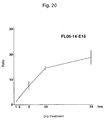
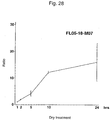
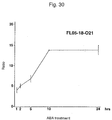
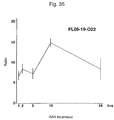
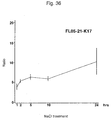
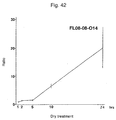
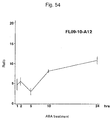
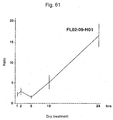
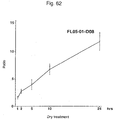
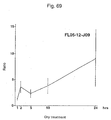
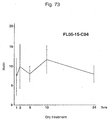
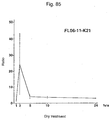
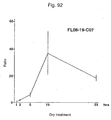
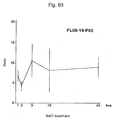
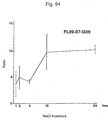
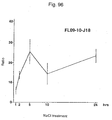
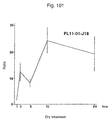
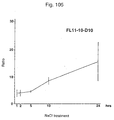
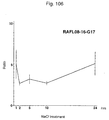
- the stress inducible genes isolated by a method according to the present invention exhibit different profiles; however, it is found that expression is induced by adding each stress. From this, it is demonstrated that the nucleotide sequences positioned upstream of these 90 types of genes and represented by SEQ ID NO: 1 to 90 serve as stress responsive promoters.
- a microarray was constructed by using about 7,000 cDNA molecules in total including genes isolated from Arabidopsis full-length cDNA libraries, responsive to dehydration (RD) genes, early responsive to dehydration (ERD) genes, kin 1 genes, kin2 genes, and cor15a genes; fragments amplified from ⁇ control template DNA by PCR as an internal standard; and mouse nicotinic acetylcholine receptor epsilon subunit (nAChRE) genes and mouse glucocorticoid receptor homologous genes, as negative controls.
- the present inventors have constructed full-length cDNA libraries from an Arabidopsis plant body under different conditions (e.g., dehydration treatment, cold treatment and non-treatment in different growth stages from budding to maturation of seeds) by the biotinylated CAP trapper method. From the full-length cDNA libraries, the present inventors isolated individually about 7,000 independent Arabidopsis full-length cDNA molecules. The cDNA fragments, which were amplified by PCR, were arranged on a slide glass in accordance with a known method (Eisen and Brown, 1999). The present inventors prepared a full-length cDNA microarray containing about 7,000 Arabidopsis full-length cDNA molecules, which contain the genes below.
- dehydration-, cold- and high salt-inducible genes were isolated by using a full length cDNA microarray containing about 7,000 Arabidopsis full-length cDNA molecules.
- Probes of plants treated with different stresses and an untreated plant with stress and labeled with Cy3 and Cy5 fluorescent dyes were mixed.
- the probes were hybridized with the full-length cDNA microarray containing about 7,000 Arabidopsis full-length cDNA molecules.
- hybridization with DNA elements on a microarray can be performed simultaneously, with the result that quantitative determination of gene expression under two different conditions (that is, stressed and unstressed conditions) can be directly and easily performed.
- the hybridized microarray was scanned by two discrete laser channels for Cy3 and Cy5 emission from each of DNA elements. Subsequently, the intensity ratio between two fluorescent signals from each DNA element was determined. Based on the relative value of the intensity ratio, a change of differential expression of genes represented as a cDNA spot on the microarray was determined. In this example, an ⁇ -tubulin gene, whose expression level was almost equivalent under two different experimental conditions, was used as an internal control gene.
- mRNA molecules derived from a plant treated with one of the stresses mentioned above and mRNA molecules derived from a wild-type plant unstressed were used to prepare Cy3-labeled cDNA and Cy5-labeled cDNA probes, respectively. These cDNA probes were mixed and hybridized with a cDNA microarray.
- a control fragment which exhibits almost the same expression level under two type conditions, was used as an internal control gene.
- a gene that exhibits the expression ratio (dehydration/unstressed, cold/unstressed or high salt/unstressed) more than 5 times of that of the control fragment was defined as an inducible gene by a stress given to the gene.
- Plasmid DNA extracted by a DNA extraction device (model Biomek, manufactured by Beckman Coulter) and purified by use of a multiscreen 96-hole filter plate (manufactured by Millipore) was sequenced to find homology of gene sequences.
- a DNA sequence was determined by a dye terminator cycle sequencing method using a DNA sequencer (ABI PRISM 3700. PE Applied Biosystems, CA, USA). Based on the GenBank/EMBL database, the homology of sequences was found by using the BLAST program.
- ⁇ ZAP and ⁇ FLC-1 were used as a vector for constructing a cDNA library.
- the cDNA inserted in a vector for the library was amplified by PCR using complementary primers to the sequences of both sides of the cDNA.
- sequences of primers are as follows:
- PCR was performed under the following conditions: initial reaction at 94°C for 3 minutes, 35 cycles each consisting of 95°C for one minute, 60°C for 30 seconds, and 72°C for 3minutes, and a final reaction at 72°C for 3 minutes.
- a gene tip microarray stamp machine GTMASS SYSTEM manufactured by Nippon Laser & Electronics Lab.
- GTMASS SYSTEM manufactured by Nippon Laser & Electronics Lab.
- a PCR product 500-1,000 ng/ml was loaded from a 384-well microtiter plate and form spots of the PCR product (5 nl for each) at intervals of 300 ⁇ m on 48 micro slide glasses (model Super Aldehyde substrate, manufactured by Telechem International). After spotting, the slide was dried in an atmosphere having a relative humidity of 30% or less and irradiated with ultraviolet rays for mediating a cross-linking reaction.
- the slide was treated in 0.2% SDS with shaking for 2 minutes three times and soaked in distilled water twice. Subsequently, the slides were placed on a slide rack, which was the transferred into a chamber containing hot water and allowed to stand for 2 minutes. Subsequently, to the chamber, a blocking solution (containing 1 g borohydride, 300 ml of PBS, and 90 ml of 100% ethanol) was poured. After the glass chamber housing the slide rack was moderately shaken, the slide rack was transferred to a chamber containing 0.2% SDS and gently shaken for one minute 3 times. Thereafter, the slide rack was transferred to a glass chamber containing distilled water, moderately shaken for one minute, and centrifuged for 20 minutes to dry.
- a blocking solution containing 1 g borohydride, 300 ml of PBS, and 90 ml of 100% ethanol
- dehydration treatment was performed by pulling a plant body out of the agar medium, placing it on a filter, and dried at a temperature of 22°C and a relative humidity of 60%.
- the cold treatment was performed by transferring a plant body grown at 22°C to 4°C.
- High salt stress treatment was performed by growing a plant body at an aqueous solution containing 250 mM NaCl.
- Each of the mRNA samples was subjected to a reverse transcription reaction in the presence of Cy3 dUTP or Cy5 dUTP (Amersham Pharmacia). More specifically, the reverse transcription reaction was performed in a total amount of 20 ⁇ l of 1 ⁇ Superscript first-stand buffer (containing 50 mM Tris-HCl, pH 8.3, 75 mM KCI, 3 mM MgCl 2 , and 20 mM DTT, manufactured by Life Technology), which contained:
- reaction solution of the aforementioned composition was incubated at 42°C for 35 minutes, 200 U of Superscript II reverse transcriptase was added and further incubated at 42°C for 35 minutes.
- 5 ⁇ l of 0.5 M EDTA, 10 ⁇ l of 1N NaOH, and 20 ⁇ l of distilled water were added, thereby terminating the enzyme reaction taking place in the reaction solution and simultaneously decomposing a template.
- the reaction solution was then incubated at 65°C for 1 hour and thereafter neutralized with 1M Tris-HCL (pH 7.5).
- the reaction solution was transferred to a Microcon 30 micro concentrator (manufactured by Amicon). 250 ⁇ l of TE buffer was added and centrifuged until the amount of the buffer reached 10 ⁇ l. The effulent was discarded. This step was repeated 4 times. Probes contained in the reaction solution were centrifugally collected and several ⁇ l of distilled water was added. To the obtained probes, 5.1 ⁇ l of 20 ⁇ SSC, 2 ⁇ g/ ⁇ l of Yeast tRNA, and 4.8 ⁇ l of 2% SDS were added. Further, the samples were denatured at 100°C for 2 minutes, placed at room temperature for 5 minutes, and thereafter used in hybridization.
- a probe was centrifuged for one minute by a benchtop micro centrifuge. To avoid generation of bubbles, the probe was placed at the center of an array and a cover slip was placed thereon. Four drops of 5 ⁇ l of 3 ⁇ SSC were dropped on a slide glass and a chamber was kept at a suitable humidity to prevent the probe from being dried during hybridization. After the slide glass was placed in a cassette for hybridization (THC-1, BM machine) and the cassette was sealed, hybridization treatment was performed at 65°C for 12 to 16 hours. The slide glass was taken out from the cassette and placed on the slide rack.
- the microarray was scanned at a resolution of 10 ⁇ m per pixel by use of a scanning laser microscope (ScanArray 4000; GSI Lumonics, Watertown, MA).
- ScanArray 4000 As a program for analyzing microarray data, QuantArray, Ver 2.0 (GSI Lumonics) was used.
- the background fluorescence was obtained through calculation based on fluorescent signals obtained from negative control genes (mouse nicotinic acetylcholine receptor epsilon subunit (nAChRE) gene and mouse glucocorticoid receptor homologous gene). Samples giving a fluorescent signal value of less than 1,000, which is equal to less than twice the background signal value, were not subjected to analysis.
- the cluster analysis of genes was performed by Genespring (manufactured by Silicon Genetic).
- Fluorescence-labeled cDNA was prepared by subjecting mRNA isolated from unstressed Arabidopsis thaliana to a reverse transcription reaction in the presence of Cy5-dUTP.
- a second probe labeled with Cy3-dUTP was prepared from a plant stress with dehydration, cold or high-salt. Both probes were simultaneously hybridized with a cDNA microarray containing about 7,000 Arabidopsis thaliana cDNA clones and pseudo color image was created.
- Genes induced and suppressed by a stress are represented by a red signal and a green signal, respectively.
- Genes expressed at virtually the same level in both treatments are represented by a yellow signal.
- the intensity of each spot corresponds to the absolute value of the expression level of each gene. It is shown that a cold-inducible gene (rd29A) is represented by a red signal, whereas a control fragment (an internal control) is represented by a yellow signal.
- RAFL05-21-L12 was not classified into the following families.
- the nucleic acid base sequence which was searched by the BLAST X based on amino acid sequence data registered in the GenBank Database, it exhibited E-value of e -100 , which means that RAFL05-21-L12 is homologous to a gene encoding a known transcriptional factor, that is, heat shock transcriptional factor-like protein.
- RAFL05-21-L12 was identified as a transcriptional factor.
- 36 types of transcriptional factors were identified in this example.
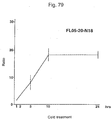
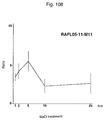
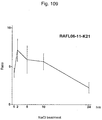
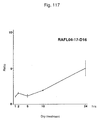
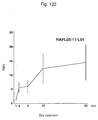
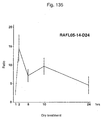
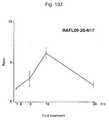
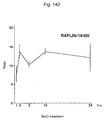
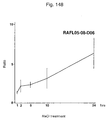
- the genes encoding stress responsive transcriptional factors isolated by a method according to the present invention exhibit different profiles; however, it is found that expression is induced by adding each stress.
- a stress responsive promoter and an environmental stress responsive transcriptional factor are provided by the present invention.
- the promoter of the present invention is useful in that it can be used for breeding of environmental stress resistant plants in a molecular level.
- SEQ ID NOS: 91, 92, 165 and 166 are synthetic primers.
Landscapes
- Health & Medical Sciences (AREA)
- Genetics & Genomics (AREA)
- Life Sciences & Earth Sciences (AREA)
- Chemical & Material Sciences (AREA)
- Engineering & Computer Science (AREA)
- Organic Chemistry (AREA)
- Bioinformatics & Cheminformatics (AREA)
- Biotechnology (AREA)
- General Engineering & Computer Science (AREA)
- Biomedical Technology (AREA)
- Wood Science & Technology (AREA)
- Zoology (AREA)
- Molecular Biology (AREA)
- Biochemistry (AREA)
- Biophysics (AREA)
- General Health & Medical Sciences (AREA)
- Physics & Mathematics (AREA)
- Cell Biology (AREA)
- Microbiology (AREA)
- Plant Pathology (AREA)
- Botany (AREA)
- Gastroenterology & Hepatology (AREA)
- Medicinal Chemistry (AREA)
- Proteomics, Peptides & Aminoacids (AREA)
- General Chemical & Material Sciences (AREA)
- Micro-Organisms Or Cultivation Processes Thereof (AREA)
- Saccharide Compounds (AREA)
Priority Applications (1)
| Application Number | Priority Date | Filing Date | Title |
|---|---|---|---|
| EP07001833A EP1803813A3 (de) | 2001-11-19 | 2002-11-15 | Auf Umweltbelastung reagierender Promotor und für auf Umweltbelastung reagierenden Transkriptionsfaktor codierendes Gen |
Applications Claiming Priority (5)
| Application Number | Priority Date | Filing Date | Title |
|---|---|---|---|
| JP2001353038A JP2003144175A (ja) | 2001-11-19 | 2001-11-19 | 環境ストレス応答性プロモーター |
| JP2001353038 | 2001-11-19 | ||
| JP2002020329 | 2002-01-29 | ||
| JP2002020329A JP2003219882A (ja) | 2002-01-29 | 2002-01-29 | 環境ストレス応答性転写因子をコードする遺伝子 |
| PCT/JP2002/011955 WO2003044190A1 (en) | 2001-11-19 | 2002-11-15 | Environmental stress-responsive promoters and genes encoding transcriptional factor |
Related Child Applications (1)
| Application Number | Title | Priority Date | Filing Date |
|---|---|---|---|
| EP07001833A Division EP1803813A3 (de) | 2001-11-19 | 2002-11-15 | Auf Umweltbelastung reagierender Promotor und für auf Umweltbelastung reagierenden Transkriptionsfaktor codierendes Gen |
Publications (2)
| Publication Number | Publication Date |
|---|---|
| EP1452596A1 true EP1452596A1 (de) | 2004-09-01 |
| EP1452596A4 EP1452596A4 (de) | 2005-10-12 |
Family
ID=26624596
Family Applications (2)
| Application Number | Title | Priority Date | Filing Date |
|---|---|---|---|
| EP07001833A Withdrawn EP1803813A3 (de) | 2001-11-19 | 2002-11-15 | Auf Umweltbelastung reagierender Promotor und für auf Umweltbelastung reagierenden Transkriptionsfaktor codierendes Gen |
| EP02783565A Withdrawn EP1452596A4 (de) | 2001-11-19 | 2002-11-15 | Auf umweltstress reagierende promotoren und transkriptionsfaktor-codierende gene |
Family Applications Before (1)
| Application Number | Title | Priority Date | Filing Date |
|---|---|---|---|
| EP07001833A Withdrawn EP1803813A3 (de) | 2001-11-19 | 2002-11-15 | Auf Umweltbelastung reagierender Promotor und für auf Umweltbelastung reagierenden Transkriptionsfaktor codierendes Gen |
Country Status (5)
| Country | Link |
|---|---|
| US (2) | US7368630B2 (de) |
| EP (2) | EP1803813A3 (de) |
| CN (1) | CN100359012C (de) |
| AU (1) | AU2002349547A1 (de) |
| WO (1) | WO2003044190A1 (de) |
Cited By (7)
| Publication number | Priority date | Publication date | Assignee | Title |
|---|---|---|---|---|
| EP2072620A3 (de) * | 2004-12-08 | 2009-09-09 | SunGene GmbH | Expressionskassetten für preferentiell vaskuläre Expression in Pflanzen |
| WO2010060162A1 (en) * | 2008-11-28 | 2010-06-03 | Empresa Brasileira De Pesquisa Agropecuária - Embrapa | Use of at(n) insertions in promoter elements for controlling the expression levels of coding sequences in plants |
| EP2258859A1 (de) | 2009-05-19 | 2010-12-08 | Genoplante-Valor | Verfahren zur Durchführung einer homologen Rekombination |
| EP2316954A1 (de) | 2006-05-18 | 2011-05-04 | Biogemma | Verfahren zum Ausführen der homologen Rekombination in Pflanzen |
| EP2687605A1 (de) | 2012-07-19 | 2014-01-22 | Biogemma | Verfahren zur Durchführung einer homologen Rekombination |
| EP4019639A1 (de) | 2020-12-22 | 2022-06-29 | KWS SAAT SE & Co. KGaA | Förderung der regeneration und transformation in beta vulgaris |
| EP4019638A1 (de) | 2020-12-22 | 2022-06-29 | KWS SAAT SE & Co. KGaA | Förderung der regeneration und transformation in beta vulgaris |
Families Citing this family (9)
| Publication number | Priority date | Publication date | Assignee | Title |
|---|---|---|---|---|
| US7663025B2 (en) | 1999-03-23 | 2010-02-16 | Mendel Biotechnology, Inc. | Plant Transcriptional Regulators |
| US7888558B2 (en) | 1999-11-17 | 2011-02-15 | Mendel Biotechnology, Inc. | Conferring biotic and abiotic stress tolerance in plants |
| US7858848B2 (en) | 1999-11-17 | 2010-12-28 | Mendel Biotechnology Inc. | Transcription factors for increasing yield |
| US7598429B2 (en) | 2001-04-18 | 2009-10-06 | Mendel Biotechnology, Inc. | Transcription factor sequences for conferring advantageous properties to plants |
| US7691991B2 (en) | 2000-04-17 | 2010-04-06 | Ceres, Inc. | Sequence-determined DNA fragments encoding cytochrome P450 proteins |
| US7385046B2 (en) | 2001-01-03 | 2008-06-10 | Ceres, Inc. | Sequence-determined DNA fragments encoding ethylene responsive element binding proteins |
| US7595433B2 (en) | 2004-09-14 | 2009-09-29 | Ceres, Inc. | Modulations of amino acid and sugar content in plants |
| US20060059585A1 (en) | 2004-09-14 | 2006-03-16 | Boris Jankowski | Modulating plant sugar levels |
| BRPI0712507A2 (pt) * | 2006-06-15 | 2011-07-05 | Cropdesign Nv | método para intensificar caracterìsticas relacionadas ao rendimento em plantas, planta ou parte da mesma, contrução uso de uma construção planta, parte de planta ou célula vegetal, método para a produção de uma planta transgência, partes colhìveis de um planta, produtos, uso de um ácido nucleico, molécula isolada de ácido nucleico, e, polipeptìdeo isolado |
Family Cites Families (10)
| Publication number | Priority date | Publication date | Assignee | Title |
|---|---|---|---|---|
| JPH04500459A (ja) * | 1989-02-13 | 1992-01-30 | ユニバーシティー、オブ、メディシン、アンド、デンティストリー、オブ、ニュージャージー | 組換えコールドショックタンパク質、その製造および農業における使用 |
| JP3183458B2 (ja) * | 1998-08-12 | 2001-07-09 | 農林水産省国際農林水産業研究センター所長 | 植物の転写因子をコードする遺伝子 |
| JP2000116259A (ja) * | 1998-10-09 | 2000-04-25 | Japan International Res Center For Agricultural Sciences | 環境ストレス耐性植物 |
| JP3178672B2 (ja) * | 1998-10-14 | 2001-06-25 | 農林水産省国際農林水産業研究センター所長 | 環境ストレス耐性植物 |
| EP1033405A3 (de) * | 1999-02-25 | 2001-08-01 | Ceres Incorporated | DNS-fragmente mit bestimmter Sequenz und die dadurch kodierte Polypeptide |
| JP3131779B2 (ja) | 1999-03-16 | 2001-02-05 | 東京大学長 | Dnaフラグメント、組み換えdna、形質転換された植物細胞および形質転換植物 |
| JP2001054384A (ja) * | 1999-08-17 | 2001-02-27 | Hitachi Ltd | シロイヌナズナ・δ1−ピロリン−5−カルボン酸合成酵素遺伝子のプロモーター。 |
| US20070016976A1 (en) * | 2000-06-23 | 2007-01-18 | Fumiaki Katagiri | Plant genes involved in defense against pathogens |
| US7109033B2 (en) * | 2000-08-24 | 2006-09-19 | The Scripps Research Institute | Stress-regulated genes of plants, transgenic plants containing same, and methods of use |
| JP3995912B2 (ja) * | 2000-11-22 | 2007-10-24 | 独立行政法人理化学研究所 | 環境ストレス応答性プロモーター |
-
2002
- 2002-11-15 CN CNB028272625A patent/CN100359012C/zh not_active Expired - Fee Related
- 2002-11-15 AU AU2002349547A patent/AU2002349547A1/en not_active Abandoned
- 2002-11-15 EP EP07001833A patent/EP1803813A3/de not_active Withdrawn
- 2002-11-15 EP EP02783565A patent/EP1452596A4/de not_active Withdrawn
- 2002-11-15 WO PCT/JP2002/011955 patent/WO2003044190A1/ja not_active Ceased
-
2006
- 2006-09-05 US US11/470,154 patent/US7368630B2/en not_active Expired - Fee Related
-
2008
- 2008-03-25 US US12/076,932 patent/US20080216196A1/en not_active Abandoned
Cited By (14)
| Publication number | Priority date | Publication date | Assignee | Title |
|---|---|---|---|---|
| EP2072620A3 (de) * | 2004-12-08 | 2009-09-09 | SunGene GmbH | Expressionskassetten für preferentiell vaskuläre Expression in Pflanzen |
| EP2316954A1 (de) | 2006-05-18 | 2011-05-04 | Biogemma | Verfahren zum Ausführen der homologen Rekombination in Pflanzen |
| CN102388142B (zh) * | 2008-11-28 | 2014-08-06 | 巴西农业研究公司-恩布拉帕 | 启动子元件中AT(n)插入在控制植物编码序列的表达水平中的用途 |
| WO2010060162A1 (en) * | 2008-11-28 | 2010-06-03 | Empresa Brasileira De Pesquisa Agropecuária - Embrapa | Use of at(n) insertions in promoter elements for controlling the expression levels of coding sequences in plants |
| CN102388142A (zh) * | 2008-11-28 | 2012-03-21 | 巴西农业研究公司-恩布拉帕 | 启动子元件中AT(n)插入在控制植物编码序列的表达水平中的用途 |
| US10894964B2 (en) | 2008-11-28 | 2021-01-19 | Empresa Brasileira De Pesquisa Agropecuaria - Embrapa | Use of AT(n) insertions in promoter elements for controlling the expression levels of coding sequences in plants |
| EP2258859A1 (de) | 2009-05-19 | 2010-12-08 | Genoplante-Valor | Verfahren zur Durchführung einer homologen Rekombination |
| WO2014013056A1 (en) | 2012-07-19 | 2014-01-23 | Biogemma | Method for performing homologous recombination |
| EP2687605A1 (de) | 2012-07-19 | 2014-01-22 | Biogemma | Verfahren zur Durchführung einer homologen Rekombination |
| EP4019639A1 (de) | 2020-12-22 | 2022-06-29 | KWS SAAT SE & Co. KGaA | Förderung der regeneration und transformation in beta vulgaris |
| EP4019638A1 (de) | 2020-12-22 | 2022-06-29 | KWS SAAT SE & Co. KGaA | Förderung der regeneration und transformation in beta vulgaris |
| WO2022136535A1 (en) | 2020-12-22 | 2022-06-30 | KWS SAAT SE & Co. KGaA | Promoting regeneration and transformation in beta vulgaris |
| WO2022136557A1 (en) | 2020-12-22 | 2022-06-30 | KWS SAAT SE & Co. KGaA | Promoting regeneration and transformation in plants |
| US12527270B2 (en) | 2020-12-22 | 2026-01-20 | KWS SAAT SE & Co. KGaA | Promoting regeneration and transformation in plants |
Also Published As
| Publication number | Publication date |
|---|---|
| US7368630B2 (en) | 2008-05-06 |
| EP1452596A4 (de) | 2005-10-12 |
| US20080216196A1 (en) | 2008-09-04 |
| WO2003044190A1 (en) | 2003-05-30 |
| CN1628170A (zh) | 2005-06-15 |
| EP1803813A3 (de) | 2007-11-14 |
| EP1803813A2 (de) | 2007-07-04 |
| US20070094752A1 (en) | 2007-04-26 |
| CN100359012C (zh) | 2008-01-02 |
| AU2002349547A1 (en) | 2003-06-10 |
Similar Documents
| Publication | Publication Date | Title |
|---|---|---|
| US20050009187A1 (en) | Environmental stress-responsive promoter and genes encoding transcriptional factor | |
| US20080216196A1 (en) | Environmental stress-responsive promoter and a gene encoding environmental stress-responsive transcriptional factor | |
| AU2007201459B2 (en) | Environmental stress responsive promoter | |
| Dai et al. | Overexpression of an R1R2R3 MYB gene, OsMYB3R-2, increases tolerance to freezing, drought, and salt stress in transgenic Arabidopsis | |
| Shan et al. | Cotton GhDREB1 increases plant tolerance to low temperature and is negatively regulated by gibberellic acid | |
| Yokotani et al. | Expression of rice heat stress transcription factor OsHsfA2e enhances tolerance to environmental stresses in transgenic Arabidopsis | |
| US20050086718A1 (en) | Plant transcriptional regulators of abiotic stress | |
| CA2390597A1 (en) | Pathogen tolerance genes | |
| CA2620912A1 (en) | Stress tolerance in plants | |
| EP1496737B1 (de) | Ice1, ein regulator des kälteinduzierten transcriptoms und der gefriertoleranz bei pflanzen | |
| Schoenbeck et al. | The alfalfa (Medicago sativa) TDY1 gene encodes a mitogen-activated protein kinase homolog | |
| US20150128304A1 (en) | Plant Body Showing Improved Resistance Against Environmental Stress and Method for Producing Same | |
| US7141720B2 (en) | Transcriptional factor enhancing the resistance of plants to osmotic stress | |
| CN108841835B (zh) | 大豆ZF-HD蛋白编码基因GmZFHD11的应用 | |
| KR100350216B1 (ko) | 삼투 스트레스 신호 전달 경로에서 억제 조절 작용을 하는 삼투 스트레스에 의해 유도되는 단백질 | |
| JP4162050B2 (ja) | 環境ストレス応答性プロモーター | |
| US20130031669A1 (en) | Plant transcriptional regulators of abiotic stress ii | |
| JP2007105049A (ja) | 環境ストレス応答性プロモーター | |
| JP2004313197A (ja) | 環境ストレス応答性プロモーター | |
| JP2003219882A (ja) | 環境ストレス応答性転写因子をコードする遺伝子 | |
| JP2007082557A (ja) | 環境ストレス応答性転写因子をコードする遺伝子 | |
| KR102026766B1 (ko) | 가뭄 저항성 유전자 및 이의 용도 | |
| KR101819448B1 (ko) | 건조 스트레스 저항성 관련 유전자 및 이를 이용한 건조 스트레스 저항성 식물체 | |
| AU776291B2 (en) | Novel gene regulating the synthesis of abscisic acid | |
| ES2361749T3 (es) | Reguladores transcripcionales de plantas. |
Legal Events
| Date | Code | Title | Description |
|---|---|---|---|
| PUAI | Public reference made under article 153(3) epc to a published international application that has entered the european phase |
Free format text: ORIGINAL CODE: 0009012 |
|
| 17P | Request for examination filed |
Effective date: 20040608 |
|
| AK | Designated contracting states |
Kind code of ref document: A1 Designated state(s): AT BE BG CH CY CZ DE DK EE ES FI FR GB GR IE IT LI LU MC NL PT SE SK TR |
|
| A4 | Supplementary search report drawn up and despatched |
Effective date: 20050825 |
|
| 17Q | First examination report despatched |
Effective date: 20060721 |
|
| STAA | Information on the status of an ep patent application or granted ep patent |
Free format text: STATUS: THE APPLICATION IS DEEMED TO BE WITHDRAWN |
|
| 18D | Application deemed to be withdrawn |
Effective date: 20070201 |