EP1457885A2 - Système et procédé pour surveiller et contrôler des fichiers d'applications - Google Patents
Système et procédé pour surveiller et contrôler des fichiers d'applications Download PDFInfo
- Publication number
- EP1457885A2 EP1457885A2 EP04251012A EP04251012A EP1457885A2 EP 1457885 A2 EP1457885 A2 EP 1457885A2 EP 04251012 A EP04251012 A EP 04251012A EP 04251012 A EP04251012 A EP 04251012A EP 1457885 A2 EP1457885 A2 EP 1457885A2
- Authority
- EP
- European Patent Office
- Prior art keywords
- application
- database
- program
- workstation
- module
- Prior art date
- Legal status (The legal status is an assumption and is not a legal conclusion. Google has not performed a legal analysis and makes no representation as to the accuracy of the status listed.)
- Withdrawn
Links
Images




Classifications
-
- G—PHYSICS
- G06—COMPUTING OR CALCULATING; COUNTING
- G06F—ELECTRIC DIGITAL DATA PROCESSING
- G06F21/00—Security arrangements for protecting computers, components thereof, programs or data against unauthorised activity
- G06F21/50—Monitoring users, programs or devices to maintain the integrity of platforms, e.g. of processors, firmware or operating systems
- G06F21/55—Detecting local intrusion or implementing counter-measures
- G06F21/56—Computer malware detection or handling, e.g. anti-virus arrangements
-
- G—PHYSICS
- G06—COMPUTING OR CALCULATING; COUNTING
- G06F—ELECTRIC DIGITAL DATA PROCESSING
- G06F21/00—Security arrangements for protecting computers, components thereof, programs or data against unauthorised activity
- G06F21/50—Monitoring users, programs or devices to maintain the integrity of platforms, e.g. of processors, firmware or operating systems
-
- G—PHYSICS
- G06—COMPUTING OR CALCULATING; COUNTING
- G06F—ELECTRIC DIGITAL DATA PROCESSING
- G06F21/00—Security arrangements for protecting computers, components thereof, programs or data against unauthorised activity
- G06F21/50—Monitoring users, programs or devices to maintain the integrity of platforms, e.g. of processors, firmware or operating systems
- G06F21/55—Detecting local intrusion or implementing counter-measures
-
- G—PHYSICS
- G06—COMPUTING OR CALCULATING; COUNTING
- G06F—ELECTRIC DIGITAL DATA PROCESSING
- G06F21/00—Security arrangements for protecting computers, components thereof, programs or data against unauthorised activity
- G06F21/50—Monitoring users, programs or devices to maintain the integrity of platforms, e.g. of processors, firmware or operating systems
- G06F21/57—Certifying or maintaining trusted computer platforms, e.g. secure boots or power-downs, version controls, system software checks, secure updates or assessing vulnerabilities
-
- G—PHYSICS
- G06—COMPUTING OR CALCULATING; COUNTING
- G06F—ELECTRIC DIGITAL DATA PROCESSING
- G06F21/00—Security arrangements for protecting computers, components thereof, programs or data against unauthorised activity
- G06F21/60—Protecting data
- G06F21/62—Protecting access to data via a platform, e.g. using keys or access control rules
- G06F21/6218—Protecting access to data via a platform, e.g. using keys or access control rules to a system of files or objects, e.g. local or distributed file system or database
-
- G—PHYSICS
- G06—COMPUTING OR CALCULATING; COUNTING
- G06Q—INFORMATION AND COMMUNICATION TECHNOLOGY [ICT] SPECIALLY ADAPTED FOR ADMINISTRATIVE, COMMERCIAL, FINANCIAL, MANAGERIAL OR SUPERVISORY PURPOSES; SYSTEMS OR METHODS SPECIALLY ADAPTED FOR ADMINISTRATIVE, COMMERCIAL, FINANCIAL, MANAGERIAL OR SUPERVISORY PURPOSES, NOT OTHERWISE PROVIDED FOR
- G06Q20/00—Payment architectures, schemes or protocols
- G06Q20/08—Payment architectures
- G06Q20/20—Point-of-sale [POS] network systems
- G06Q20/203—Inventory monitoring
-
- H—ELECTRICITY
- H04—ELECTRIC COMMUNICATION TECHNIQUE
- H04L—TRANSMISSION OF DIGITAL INFORMATION, e.g. TELEGRAPHIC COMMUNICATION
- H04L63/00—Network architectures or network communication protocols for network security
- H04L63/20—Network architectures or network communication protocols for network security for managing network security; network security policies in general
-
- H—ELECTRICITY
- H04—ELECTRIC COMMUNICATION TECHNIQUE
- H04L—TRANSMISSION OF DIGITAL INFORMATION, e.g. TELEGRAPHIC COMMUNICATION
- H04L63/00—Network architectures or network communication protocols for network security
- H04L63/04—Network architectures or network communication protocols for network security for providing a confidential data exchange among entities communicating through data packet networks
- H04L63/0428—Network architectures or network communication protocols for network security for providing a confidential data exchange among entities communicating through data packet networks wherein the data content is protected, e.g. by encrypting or encapsulating the payload
-
- Y—GENERAL TAGGING OF NEW TECHNOLOGICAL DEVELOPMENTS; GENERAL TAGGING OF CROSS-SECTIONAL TECHNOLOGIES SPANNING OVER SEVERAL SECTIONS OF THE IPC; TECHNICAL SUBJECTS COVERED BY FORMER USPC CROSS-REFERENCE ART COLLECTIONS [XRACs] AND DIGESTS
- Y10—TECHNICAL SUBJECTS COVERED BY FORMER USPC
- Y10S—TECHNICAL SUBJECTS COVERED BY FORMER USPC CROSS-REFERENCE ART COLLECTIONS [XRACs] AND DIGESTS
- Y10S707/00—Data processing: database and file management or data structures
- Y10S707/99931—Database or file accessing
-
- Y—GENERAL TAGGING OF NEW TECHNOLOGICAL DEVELOPMENTS; GENERAL TAGGING OF CROSS-SECTIONAL TECHNOLOGIES SPANNING OVER SEVERAL SECTIONS OF THE IPC; TECHNICAL SUBJECTS COVERED BY FORMER USPC CROSS-REFERENCE ART COLLECTIONS [XRACs] AND DIGESTS
- Y10—TECHNICAL SUBJECTS COVERED BY FORMER USPC
- Y10S—TECHNICAL SUBJECTS COVERED BY FORMER USPC CROSS-REFERENCE ART COLLECTIONS [XRACs] AND DIGESTS
- Y10S707/00—Data processing: database and file management or data structures
- Y10S707/99941—Database schema or data structure
- Y10S707/99943—Generating database or data structure, e.g. via user interface
-
- Y—GENERAL TAGGING OF NEW TECHNOLOGICAL DEVELOPMENTS; GENERAL TAGGING OF CROSS-SECTIONAL TECHNOLOGIES SPANNING OVER SEVERAL SECTIONS OF THE IPC; TECHNICAL SUBJECTS COVERED BY FORMER USPC CROSS-REFERENCE ART COLLECTIONS [XRACs] AND DIGESTS
- Y10—TECHNICAL SUBJECTS COVERED BY FORMER USPC
- Y10S—TECHNICAL SUBJECTS COVERED BY FORMER USPC CROSS-REFERENCE ART COLLECTIONS [XRACs] AND DIGESTS
- Y10S707/00—Data processing: database and file management or data structures
- Y10S707/99941—Database schema or data structure
- Y10S707/99944—Object-oriented database structure
- Y10S707/99945—Object-oriented database structure processing
Definitions
- the invention is related to computing devices and, more particularly to monitoring and controlling application files operating thereon.
- the Internet is a global system of computers that are linked together so that the various computers can communicate seamlessly with one another.
- Employees can access server computers to download and execute rogue programs and also operate peer-to-peer file sharing in the workplace, both of which pose new threats to an employer.
- instant messaging IM
- IM instant messaging
- the employer does not know who sees sensitive data transmitted between the computers.
- IM can be a productive tool, when used in accordance with company policy.
- streaming media is a growing concern because of its drain on network bandwidth.
- employees that have illegal or unlicensed software on their workstations can present undesirable liability risks to the company because the company can be held responsible for the employee's use of the illegal or unlicensed software.
- One aspect is a system for collecting program data for use in updating a monitoring system which controls programs operating on a workstation.
- the system comprises a workstation having a database of categorized application programs along with one or more policies associated with each program, the workstation being configured for a user to request execution of a program.
- the system further comprises a workstation management module coupled to the workstation and configured to detect the program requested by the user, determine whether the program is in the categorized application database, send the program and program data associated with the program to an application server module if the program is not in the categorized application database, and apply one or more policies that are associated with the program, wherein the one or more policies are received from the application server module.
- the system further comprises an application server module coupled to the workstation and configured to receive the program data from the workstation management module if the program was not in the categorized application database at the workstation management module, determine whether the program was previously categorized at the application server module, if the program was not previously categorized at the application server module, then send the program data to an application database factory. Alternatively, if the program was previously categorized at the application server module, then the system provides the one or more policies associated with one or more categories that were previously associated with the program to the workstation management module.
- Another aspect of the invention is a method of updating a system which controls operation of programs on a workstation.
- the method comprises detecting a launch of an application on the workstation, generating an application digest for the launched application, determining whether the application is categorized, wherein a categorized application is associated with one or more policies, and if the application is categorized, then applying the one or more policies that are associated with the application.
- the method further comprises posting the application to a logging database, uploading the logging database to an application server module, and determining whether the application is in an application inventory database of categorized applications, wherein a categorized application is associated with one or more categories. If the application is not in the application inventory database of the application server module, then the method further comprises posting the application to an uncategorized application database.
- the method further comprises applying one or more policies associated with the application.
- Still another aspect of the invention is a method of updating a system which controls operation of programs on a workstation.
- the method comprises detecting a launch of an application on the workstation, generating a hash value for the launched application, comparing the generated hash value to one or more hash values in a hash/policy table that includes one or more policies associated with the one or more hash values, and if the generated hash value matches one or more of the hash values in the hash/policy table, then applying the one or more policies that are associated with the one or more hash values.
- the method comprises posting the application to a logging database, uploading the logging database to an application server module, and determining whether the application from the logging database is in an application inventory database. If the application is not in the application inventory database, then the method comprises posting the application to an uncategorized application database.
- Yet another aspect of the invention is a method of collecting collection data for use in updating a system which controls execution of programs on a workstation.
- the method comprises launching a program at the workstation, determining whether the program is stored in a table, and if the program is stored, applying a first rule that is associated with the program. Alternatively, if the program is not stored, the method further comprises posting the program to a database.
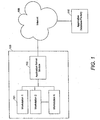
- FIGURE 1 is a block diagram of a site collection system for controlling application files on a workstation.
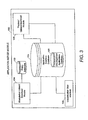
- FIGURE 2 is a block diagram of a work station management module.
- FIGURE 3 is a block diagram of an application server module.
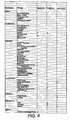
- FIGURE 4 is an illustration of a database of parent groups and categories that can be associated with an application file.
- FIGURE 5 is a block diagram of an application database factory.
- FIGURE 6 is an illustration of a screen shot of one embodiment of a graphical user interface (GUI) for an application analyst's classification module.
- GUI graphical user interface
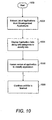
- FIGURE 7 is a flow diagram illustrating a process for monitoring and controlling the launch of an application on the workstation.
- FIGURE 8 is a flow diagram illustrating a process performed by the workstation for uploading and downloading collection data with the application server module.
- FIGURE 9 is a flow diagram illustrating a process performed by the application server module for uploading and downloading collection data with the workstation.
- FIGURE 10 is a flow diagram illustrating a process for classifying an uncategorized application at the application server module.
- FIGURE 11 is a flow diagram illustrating a process for uploading application data from the application server module to the application database factory.
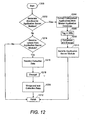
- FIGURE 12 is a flow diagram illustrating a process for downloading application data from the application database factory to the application server module.
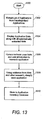
- FIGURE 13 is a flow diagram illustrating a process for classifying an uncategorized application at the application database factory.
- modules can be implemented as software, firmware or a hardware component, such as a field programmable gate array (FPGA) or application specific integrated circuit (ASIC), which performs certain tasks.
- FPGA field programmable gate array
- ASIC application specific integrated circuit
- Such components or modules may be advantageously configured to reside on the addressable storage medium and configured to execute on one or more processors.
- a module may include, by way of example, components such as software components, object oriented software components, class components and task components, processes, functions, attributes, procedures, subroutines, segments of program code, drivers, firmware, microcode, circuitry, data, databases, data structures, tables, arrays and variables.
- the functionality provided for in the components and modules may be combined into fewer components and modules or further separated into additional components and modules. Additionally, the components and modules may advantageously be implemented to execute on one or more computers.
- FIGURE 1 is a block diagram of a local area network (LAN) 100 coupled to an Internet 108 and an application database factory 110, which is also coupled to the Internet 108.
- LAN local area network
- application database factory 110 which is also coupled to the Internet 108.
- FIGURE 1 only a single LAN is shown, though two or numerous such networks would more typically be included. Similarly, two or more application database factories could also be deployed.
- the LAN 100 includes one or more workstations 101 coupled to an application server module 102.
- the application server module 102 communicates via the Internet 108 in order to upload and download applications and application related data with the application database factory 110.
- the LAN 100 can have an Ethernet 10-base T topology, or be based on any networking protocol, including wireless networks, token ring network and the like.
- the workstation 101 is coupled to the application server module 102.
- the workstation 101 can be a personal computer operating, for example, under the Microsoft Windows operating system, however, other computers, such as those manufactured by Apple or other systems, can be used.
- the application server module 102 couples the LAN 100 with the Internet 108.
- the application server module 102 communicates with the Internet 108 via connection devices, such as routers or other data packet switching technology, for translating Internet TCP/IP protocols into the proper protocols for communicating with the Internet 108.
- connection devices such as routers or other data packet switching technology
- the connection devices used to implement a given system can vary as well as its location within the LAN 100.
- the connection devices could be located at the workstation(s) 101 or connected peripherally to the Internet 108.
- An exemplary connection device includes a firewall module (not shown) coupled to a router module (not shown).
- FIGURE 2 is a block diagram of the workstation management module 101 from FIGURE 1.
- the workstation management module 101 can detect the launch of an application on the workstation 101 and determine an access privilege for the workstation 101 and/or user.
- an access privilege can include allowing the launched application to run on the workstation 101.
- Access privileges can be in the form of one or more policies or rules.
- the workstation management module 101 can utilize a predetermined association between the launched application and one or more categories. The one or more categories can be further associated with the policies or rules for the workstation 101 and/or user.
- the workstation management module can include an application digest generator 201, a client inventory module 202, an upload/download module 203, a hash/policy table 204, a logging database 206, and an execution launch detection module 210.
- the execution launch detection module 210 detects the launch and directs the application digest generator 201 to analyze data related to the requested application. As part of its analysis, the execution launch detection module 210 can generate a hash for the application using the application digest generator 201.
- the application digest generator 201 parses properties from the requested application. Examples of such properties include the name, publisher, suite, hash, file size, version, and additional information or properties which are associated with the launched application.
- the hash for the launched application is determined by transforming the binary associated with the launched application into a unique set of bits.
- a hash function which is a form of encryption known in the art, is employed in determining the hash for the launched application. In this way, the hash function takes selected binary input from the application and transforms the binary into a fixed-length encrypted output called a hash. The result is a hash with a fixed-size set of bits that serves as a unique "digital fingerprint" for the launched application.
- Two exemplary hash algorithms include MD-5 and Secure Hash Algorithm-1 (SHA-1).
- the MD-5 hash algorithm produces a 128-bit output hash.
- the SHA-1 algorithm produces a 160-bit output hash.
- the parsed properties and/or application associated with the parsed properties are provided to the execution launch detection module 210.
- the execution launch detection module 210 analyzes the application request from the workstation 101 and then compares the application request with the hash/policy table 204.
- the hash/policy table 204 includes one or more predetermined parsed properties and one or more policies associated therewith.
- the application server module 102 provides the hash/policy table 204 to the workstation management module 200.
- the hash/policy table 204 which is received from the application server module 102, can include a list of application names, publishers, suites, hashes, categories, and rules or policies associated therewith.
- the one or more parsed properties in the hash/policy table 204 include a list of hash values.
- the hash/policy table 204 further includes a list of policies that are associated with the hash values in the list.
- the hash/policy table 204 could further include a list of categories that are associated with the hash values and/or policies.
- the hash/policy table 204 does not include hash values. Instead, the hash/policy table 204 includes the names/publishers/suites or other properties which identify the applications in the hash/policy table 204.
- the execution launch detection module 210 compares the properties of the application to the properties in the hash/policy table 204 to determine what access privileges or policies should be applied to the request to run the application. These policies or rules can include, for example, allowing the execution of the program, denying execution of the program, alerting the user that the request to run the application will be logged, and allowing the user a specific amount of time in which to run the application.
- the workstation management module 200 can employ other actions, cumulatively referred to as selectable filters, in response to a request to run the application.
- selectable filters include postponing the running of the application, allowing the user to override denial to run the application, limiting the user's access to the application based on a quota, and limiting the user's access to the application based on a network load.
- Each requested application can be associated with one or more policies or rules.
- the execution launch module 210 checks to see if the generated hash matches any hashes stored in the hash/policy table 204. If a match between the requested application and a hash in the hash/policy table 204 is found, the execution launch detection module 210 applies the policy(s)/rule(s) associated with the hash that matches the requested application and/or the user requesting the application. For example, if application of the rule by the execution launch detection module 210 indicates that the requested application is not allowed to run on the workstation 101 or to be run by the user, a predefined block page can be sent to the user interface explaining that the requested application is not allowed to run and why. Alternatively, the execution launch detection module 210 simply stops the requested application from running on the workstation 101.
- the execution launch detection module 210 determines how to proceed with the uncategorized application. For example, running of the application could be allowed when the execution launch detection module 210 determines that the application requested is uncategorized. Alternatively, the execution launch detection module 210 can stop execution of the requested application depending on policy for this user at this workstation.
- the one or more policies identified for the requested application is applied in response to the request to run the application.
- the execution launch detection module 210 filters each request to run an application using the parsed properties, the hash/policy table 204, and the policies/rules from the hash/policy table.
- a policy can be provided and utilized even if the application is not found in the hash/policy table 204.
- the event is logged in the logging database 206.
- Information that is logged in the logging database 206 can include, for example, the application name, time of day, and the hash associated with the application.
- the logging database 206 can also include additional data associated with the application requested. For example, a request frequency or a time of execution for the application requested can be included in the logging database 206.
- the execution launch detection module 210 can store the application name, hash, and information parsed by the application digest generator 201 in the logging database 206.
- the logging database 206 can include additional information associated with the requested application. For example, the publisher, suite, file size, hash, and directory location can be included in the logging database 206.
- the client inventory module 202 is configured to inventory the applications on the workstation 101.
- the client inventory module 202 can access the hash/policy table 204 to determine whether the applications on the workstation 101 are classified and/or uncategorized.
- the client inventory module 202 can be configured to perform the inventory of the workstation 101 on a periodic basis. For example, the client inventory module 202 can inventory the applications on the workstation 101 once a day or on any other interval selected.
- the client inventory module 202 can perform the inventory during non-working hours.
- the inventory can be determined when the workstation 101 is powered up by the user or powered down by the user.
- a network administrator can instruct the client inventory module 202 to perform the inventory.
- the inventory can be performed in response to polling by the application server module 102 (see FIGURE 1).
- the upload/download module 203 can transmit data to and receive data from the application server module 102 (see FIGURE 1).
- the upload/download module 203 can transmit data from the logging database 206 to the application server module 102.
- the client inventory module 202 performs an inventory of the applications on the workstation 101
- the results of the inventory can be uploaded to the application server module 102 by the upload/download module 203.
- the upload performed by the upload/download module 203 can be immediate or periodic depending on the desires of the network administrator. For example, a daily upload after normal business hours could be used.
- the upload/download module 203 can compute the request frequency from scanning the logging database 206, to prioritize the applications in the logging database 206 for their transmission to the application server module 102.
- a frequency count database (not shown) is updated for each entry in the logging database 206.
- the frequency count database maintains the request frequency for each entry in the logging database 206.
- the upload/download module 203 accesses the frequency count database to prioritize the applications.
- the upload/download module 203 can refer to a request frequency for applications found from scanning the logging database 206.
- the request frequency can be used to prioritize the applications in the logging database 206 for their transmission to the application server module 102.
- FIGURE 3 is a block diagram of an application server module 102 which communicates with the workstation management module 200 (FIGURE 2) to upload and download a list of applications comprising properties of applications as well as policies associated with the applications once categorized. For example, parsed properties from requested applications can be uploaded to the application server module 102 while a list of hash values and policies associated therewith are downloaded to the workstation management module 200.
- the category associated with the application can be transmitted to the workstation management module 200. If the category associated with the application is available to the workstation management module 200, the workstation management module can select the access privilege for the workstation and/or user that corresponds to the one or more categories associated with the application. When more than one category is associated with the application and the categories have different policies associated thereto, one or both rules/policies can be used for the access privilege.
- the application server module 102 can include an application inventory database 103, a workstation upload/download module 104, a factory upload/download module 105, a classification user interface 106, and a policy database 109.
- the application inventory database 103 can further include an uncategorized application database 108. Alternatively, the uncategorized application database 108 can be a separate database from the application inventory database 103.
- the network administrator interfaces with the application server module 102 via the classification user interface 106.
- the network administrator can classify uncategorized applications from the application inventory database 103 via the classification user interface 106.
- the network administrator can further interface through the classification user interface 106 to select or create access privileges/policies/rules for users, workstation, and/or groups of users/workstations. These rules are stored in the policy database 109. These rules can include, for example, allowing applications associated with selected categories to execute on a given workstation 101. Rules can also include selectable filters. For example, rather than simply not allowing the application to execute, the network administrator may select or create a selectable filter which is applied when the application is requested.
- the rules are provided to the workstation management module 200 via the workstation upload/download module 104. In this way, the execution launch detection module 210 (see FIGURE 2) applies the rule that is associated with the category of the requested application.
- One function of the workstation upload/download module 104 is to receive identifiers for the application names and any additional data or parsed properties which are associated with the application names from the workstation management module 200.
- the identifier for an application name could be a hash value or the name of the application itself.
- the application names include names from the logging database 206.
- the additional data can also include a request frequency for an application found in the logging database 206, the request frequency for an application found in the logging database 206, a trace ID, and a primary language used by the workstation management module 200.
- the term "collection data" will be used to include applications and any additional data associated with the application.
- the workstation upload/download module 104 downloads all or portions of the application inventory database 103 to the workstation management module 200 as will be described more fully below.
- the workstation upload/download module 104 receives the collection data from the upload/download module 203 (see FIGURE 2) and processes the collection data. Processing can include merging and sorting the collection data from multiple workstation management modules.
- the workstation upload/download module 104 determines whether each application in the collection data requires categorization. If an application has not been previously categorized, the collection data associated with that application is stored in the uncategorized application database 108.
- the network administrator can receive the collection data (for example, application information and any additional data associated with the application) from the uncategorized application database 108.
- the network administrator via the classification user interface 106, is then able to categorize the uncategorized application and/or associate a policy with the category or application. Once categorized, the application is stored in the application inventory database 103. As will be described below, if the network administrator does not classify the application, the application database factory 110 can classify the collection data.
- the workstation upload/download module 104 thereafter routinely copies the application inventory database 103 or a portion thereof to the workstation management module 200 (see FIGURE 2).
- data from the application inventory database 103 can be copied to the hash/policy table 204.
- the policies in the policy database 109 can be incorporated into the downloaded data from the application inventory database 103 or downloaded separately from the application inventory database 103.
- the system can include thousands of workstation management modules 200, each of which is updated regularly by the workstation upload/download module 104 to provide updated data to the hash/policy table 204.
- the workstation upload/download module 104 transfers portions of the application inventory database 103.
- the workstation management module 200 can receive updates so that the entire database need not be transmitted.
- the workstation management module 104 receives a subset of the data from the application inventory database 103.
- the selected data could be the hash values.
- the policies from the policy database 109 could then be incorporated with the hash values and downloaded to the workstation management module 104.
- a flowchart of the process performed by the application server module 102 is shown in, and will be described with reference to, FIGURE 9.
- the factory upload/download module 105 is configured to transmit data from the application inventory database 103 to the application database factory 110.
- the upload could be immediate or periodic depending on the level of service required by the network administrator. For example, a daily upload after normal business hours could be used.
- the factory upload/download module 105 can refer to the request frequency to prioritize the applications in the application inventory database 103 for their transmission to the application database factory 110.
- the factory upload/download module 105 can refer to the uncategorized application database 108 to select collection data for uploading to the application database factory 110. If data from the uncategorized application database 108 is to be uploaded to the application database factory 110, the factory upload/download module 105 can refer to a request frequency to select applications from the uncategorized application database 108 for uploading to the application database factory 110. In this way, the request frequency can be used to prioritize the applications in the uncategorized application database 108 for their transmission to the application database factory 110.
- the factory upload/download module 105 can further upload applications that have been classified by the network administrator. As described above, the network administration can classify or categorize applications via the classification user interface 106. In this way, the application database factory 110 receives the newly classified applications from the application server module 102. As can be imagined, the application database factory 110 can receive applications and associated categories from thousands of application server modules 102.
- the workstation upload/download module 104 can receive an inventory taken by the client inventory module 202 from the upload/download module 203 (see FIGURE 2). Once uploaded to the application server module 102, the network administrator can review one or more inventories to determine what applications are being used by each workstation 101. The inventory can include categorized as well as uncategorized applications. Depending on the configuration of the LAN 100, the network administrator can review the one or more inventories at the workstation management module 200 (see FIGURE 2).
- FIGURE 4 is an illustration of one example of a database of parent groups and categories that are associated with the applications.
- one or more of the categories listed in the database are further associated with risk classes.
- risk classes include security, liability, and productivity.
- the risk classes can be useful to the network administrator when associating rules/policies with each application.
- each rule/policy is associated with the applications based on the risk class that is associated with each category.
- exemplary categories of applications include operating systems, anti-virus software, contact managers, collaboration, media players, adult, and malicious applets and scripts.
- the categories can be further grouped into parent groups.
- parent groups might include system, access/privacy, productivity, communication, audio/video, entertainment, and malware.
- the network administrator can select an individual policy or rule to associate therewith.
- the application server module 102 can select the policy or rule that is associated with that category.
- FIGURE 5 is a block diagram of the application database factory 110 connected to the Internet 108.
- the application database factory can be implemented as one or more computers or servers with related data storage.
- the application database factory 110 provides the application inventory database to the application server module 102 and processes data that is associated with uncategorized applications and other information. For example, frequency usage from the application inventory database 103 can be processed.
- the application database factory 110 receives uncategorized applications and any additional data associated with the application from the application server module 102 and downloads categorized applications to the application server module.
- the application database factory 110 can also upload the request frequency for the applications.
- the application database factory 110 can include an upload/download module 301, a master application database 300, and an application analyst's classification module 302.
- the master application database 300 can further include an uncategorized applications database 303.
- One function of the upload/download module 301 is to receive collection data (for example, applications and any additional data associated with the application) from the application server module 102.
- the collection data includes applications from the uncategorized application database 108 and applications from the application inventory database 103.
- the collection data can include a request frequency for an application found in the application inventory database 103 (see FIGURE 3), a request frequency for an application found in the uncategorized application database 108, a trace ID, and a primary language used by the application server module 102.
- the upload/download module 301 receives the collection data from the factory upload/download module 105.
- the upload/download module 301 processes the collection data. Processing can include merging, sorting, and determining a language for the collection data from multiple application server modules 102.
- the upload/download module 301 determines whether each application in the collection data requires categorization. If the application has not been previously categorized, the application analyst's classification module 302 receives the application and any additional data associated with the application from the upload/download module 301.
- the application analyst classification module 302 is coupled to the master application database 300.
- the application analyst classification module 302 is configured to manipulate and manage data from the master application database 300.
- the application analyst classification module 302 receives applications and their associated data from the master application database 300.
- the associated data can include, for example, a publisher and suite that correspond to the application.
- the application analyst's classification module 302 classifies or categorizes applications which are then added to the master application database 300 of categorized applications.
- a human reviewer interacts with the application analyst's classification module 302 to perform the categorization or recategorization. The process for classifying or categorizing applications at the application database factory is described with reference to FIGURE 13.
- GUI graphical user interface
- the GUI includes a representation of the application ID and the related textual information.
- the GUI can include buttons preloaded with algorithmically derived hints to enhance productivity of the human reviewer. These identities can be selected based on, for example, the URL that is identified as the source of the application. An exemplary GUI will be described below with reference to FIGURE 6.
- the application analyst's classification module 302 is configured to select applications and their associated data from the master application database 300.
- the application analyst classification module 302 can apply rules to select a subset of applications from the master application database 300. These rules can be dependent upon, for example, categories, languages, suites, dates, and source directories.
- the application analyst classification module 302 can use SQL queries, in conjunction with the rules, to select the subset for categorization or recategorization from the master application database 300.
- the application analyst classification module 302 can analyze each application, the collection data, any text objects associated with the application, any additional data associated with the application, and any additional data retrieved independent of the collection data to determine one or more appropriate categories. Examples of independent data include data from an Internet search that utilizes the collection data. Categorization can be based upon word analysis, adaptive learning systems, and image analysis.
- the application analyst classification module 302 accesses the Internet 108 and performs a search based on the application and the collection data.
- a GUI button preloaded with the publisher of the application is selected by the human reviewer to initiate an Internet search.
- the Internet search can provide the application analyst's classification module 302 with additional information to the application analyst classification module 302 for categorizing the application.
- the search can identify a uniform resource locator (URL) which is the address of a computer or a document on the Internet that is relevant to the categorization process for the application.
- the URL consists of a communications protocol followed by a colon and two slashes (e.g.,: http://), the identifier of a computer, and usually a path through a directory to a file.
- the identifier of the computer can be in the form of a domain name, for example, www.m-w.com, or an Internet protocol (I.P.) address, for example, 123.456.789.1.
- I.P. Internet protocol
- the application analyst's classification module 302 can utilize the hash and/or URL associated with the application to aid in categorizing the application.
- the application analyst classification module 302 posts the application along with its associated one or more categories into the master application database 300 of applications.
- the master application database of applications can include applications and their associated categories.
- the master application database 300 can be stored in a relational database management system, such as Oracle, Sybase, Informix, Microsoft Server, and Access.
- a text object posting system can perform this posting.
- FIGURE 13 A more detailed block diagram of the process performed via the application analyst's classification module 302 is shown in FIGURE 13.
- the upload/download module 301 routinely copies the master application database 300 to the application server module(s) 102.
- the system can include thousands of application server modules 102, each of which is updated regularly by the upload/download module 301 to provide an updated database of categorized applications.
- the upload/download module 301 can transfer portions of the master application database 300, such as updates, to the application server module 102 so that the entire database does not need to be transmitted.
- a flowchart of the process performed by the application database factory 110 is shown in, and will be described with reference to, FIGURE 11.
- the application analyst classification module 302 can process the categorized applications selected from the master application database 300 for their subsequent download to the application server module 102.
- FIGURES 5 and 6 a screen shot of one example of a graphical user interface for the application analyst's classification module 302 is shown.
- the highlighted application filename is "cmdide.sys.”
- the name of the application is "CMD PCI IDE Bus Driver.”
- additional information uploaded to the application database factory 110 includes the publisher CMD Technology, Inc. and the related suite, Microsoft Windows Operating System.
- the application analyst's classification module 302 displays this information to the human reviewer to aid in categorizing the application.
- the application CMD PCI IDE bus driver
- the application analyst's classification module 302 classified the application in the parent group titled access/privacy.
- the application analyst classification module 302 can perform further categorization of the application.
- the application could be classified under anti-virus software, authentication, encryption, firewalls, hacking, remote access, spy ware, or system audit.
- One or more risk classes can be used to group categories. The risk classes can be useful to the network administrator when associating rules/policies with each application. As mentioned above, one or more categories can be associated with a single application or hash value.
- FIGURE 7 is a flow diagram illustrating the process of monitoring and controlling the execution of a requested application on the workstation 101.
- the process begins at a start state 700.
- the user of the workstation 101 launches an application.
- the launched application can be in response to a predetermined startup sequence for the workstation 101.
- the workstation 101 could be programmed to launch one or more applications upon power-on startup.
- the execution launch detection module 210 detects the launch of the application.
- the application digest generator 201 generates a digest of data relating to the launched application.
- the digested data can be in the form of collection data.
- the collection data can include, for example, the publisher, suite, one or more hashes, and source directory.
- the process moves to a decision state 706 where the execution launch detection module 210 compares the application digest prepared by the application digest generator 201 to the hash/policy table 204.
- a hash generated by the application digest generator 201 can be compared to hashes from the hash/policy table 204.
- a plurality of different hashes is generated and compared to hashes from the hash/policy table 204.
- an MD-5 hash and an SHA-1 hash could be generated for the requested application and compared to MD-5 hashes and SHA-1 hashes from the hash/policy table 204.
- the process continues to a state 710 where the policy associated with the hash is applied in response to the launch of the requested application.
- these policies can include allowing the execution of the application, denying execution of the application, alerting the user that the execution of the application may receive further scrutiny by the network administrator, or allow for a certain amount of time for running the application. In this instance, at the end of the specified time, the execution launch detection module 210 does not permit the application to continue running on the workstation 101.
- the execution launch detection module 210 logs the event to the logging database 206. In this way, a record is maintained of the applications that are allowed to execute on the workstation 101.
- the process then moves to a state 714 where the execution launch detection module 210 monitors the system in order to detect the launch of another application on the workstation 101.
- the retrieved information from the hash/policy table 204 further includes a policy associated with the hash value.
- category information which corresponds to the hash value, is utilized in selecting the policy. For example, a hash value could be associated with a parent group and/or category. The parent group and/or category could then be associated with the policy.
- the execution launch detection module 210 applies a not-classified application policy to the request to execute the application.
- the not-classified application policy can include, for example, allowing the application to execute, denying execution, or alerting the user that additional scrutiny will be applied to the requesting of the application, while limiting the amount of time that the application is allowed to run on the workstation 101.
- the process continues to state 714 as described above where the execution launch detection module 210 awaits the launch of another application on the workstation 101.
- FIGURE 8 is a flow diagram illustrating a process performed by the workstation 101 for uploading and downloading collection data with the application server module 102.
- the process begins at a start state 800.
- the upload/download module 203 receives an incoming signal from the workstation upload/download module 104.
- the process proceeds to a decision state 804 where the upload/download module 203 receives a request to download the hash/policy table 204 from the application server module 102.
- the time for receiving the download file can be periodic, random, added set time, or in response to polling.
- the upload/download module 203 and/or the workstation upload/download module 104 can initiate the download to the workstation management module 200.
- the process moves to a state 806 where the upload/download module 203 receives and stores the hash/policy table 204 or a portion thereof.
- the application server module 102 can select data from the application inventory database 103 and policies from the policy database 109 for copying to the hash/policy table 204.
- the application inventory database 103 can include applications that have been categorized by the application database factory 110 as well as applications that have been categorized via the classification user interface 106.
- the workstation upload/download module 104 transfers a portion of the hash/policy table 204.
- the upload/download module 203 can receive an update so that the entire database need not be transmitted.
- the upload/download module 203 receives a subset of the data from the application inventory database 103.
- the selected data could be the hash values which are combined with the policies.
- the downloaded data can update the existing hash/policy table 204.
- the downloaded data can be in the form of collection data from one or more sources.
- the sources can include the classification user interface 106 and the application database factory 110.
- the collection data can include any additional data associated with the applications, for example, request frequencies associated with the applications from the application inventory database and/or request frequencies associated with the applications from the uncategorized application database 108, and/or indicators.
- the process moves to a state 810 where the upload/download module 203 awaits a wake-up signal from the application server module 102.
- the process moves to a decision state 812 where the application server module 102 can request an inventory of the applications on the workstation 101. If the application server module 102 requests an inventory of the applications on the workstation 101, the process moves to a state 814 where the client inventory module 202 inventories the applications on the workstation 101. Once the client inventory module 202 compiles a list of the applications on the workstation 101, the process moves to a state 815 where the application digest generator 201 generates a digest of data relating to each application.
- the application digest generator 201 parses properties from the applications. Examples of such properties include the name, publisher, suite, hash, and version, which are associated with the applications.
- the process then moves to a state 824 where the application and the digest are stored in the logging database 206.
- the process then moves to decision state 820 where the client inventory module 202 determines whether all of the inventoried applications have been stored in the logging database 206. If all of the inventoried applications have not been processed, flow returns to state 824 where the next application inventoried by the client inventory module 202 is processed as described above.
- the process moves to a decision state 826 to determine whether the application server module 102 is only requesting collection data from the logging database 206 for uncategorized applications. If the application server module 102 only requests data for uncategorized applications, the process moves to a state 828 wherein the upload/download module 203 extracts and formats data associated with the uncategorized applications from the logging database 206 for uploading to the application server module 102. The process next moves to a state 830 where the data associated with the uncategorized applications is transmitted to the application server module 102.
- the collection data uploaded to the application server module 102 can be formatted or unformatted. Additionally, the collection data can be encrypted and/or compressed or not.
- the workstation upload/download module 104 decrypts and uncompresses the collection data if decryption and/or uncompression is required.
- the workstation upload/download module 104 reassembles the collection data into a list of applications and any additional data associated with the applications.
- the workstation upload/download module 104 merges and sorts the collection data.
- the process moves to the state 810 where the workstation management module 200 awaits the next wake-up signal from the application server module 102.
- the process moves to a state 832 where the upload/download module 203 extracts and formats all of the application data in the logging database 206.
- This data can include categorized data for applications that are listed in the hash/policy table 204 and uncategorized data for applications that are not listed in the hash/policy table 204.
- the collection data can be formatted or unformatted. Additionally, the collection data can be encrypted and/or compressed or not.
- Flow proceeds to state 830 where the data from the logging database 206 is uploaded to the application server module 102. The flow then proceeds as described above to state 810 where the workstation management module 200 awaits a wake-up signal from the application server module 102.
- FIGURE 9 is a flow diagram illustrating a process performed by the application server module 102 for uploading and downloading collection data with the workstation 101.
- the process begins at a start state 900.
- the workstation upload/download module 104 determines whether to generate a download to the workstation management module 200.
- the time for receiving the download can be periodic, random, at a set time, or in response to polling.
- the workstation upload/download module 104 and/or the upload/download module 203 can initiate the download to the workstation management module 200. If the workstation upload/download module 104 is to download to the workstation management module 200, the process moves to a state 904 where the workstation upload/download module 104 extracts policy data from the policy database 109.
- the policy database 109 associates access permissions to the parent groups and/or categories associated with each application based on the workstation receiving the download. For example, if a workstation were not designated to run applications relating to games, the policy database 109 would identify the parent groups/or categories which are associated with games for that workstation.
- the network administrator via the classification user interface 106, can update the policy database 109.
- the policy database 109 can include different access privileges for each workstation 101. In this way, different workstations 101 can have different policies associated with the applications running thereon.
- the process moves to a state 906 where the workstation upload/download module 104 creates a hash/policy table from the application inventory database 103 in conjunction with the designated policies for this workstation.
- Each parent group and/or category is associated with the policies extracted from the policy database 109 for each of the one or more workstations receiving a download.
- Each application or hash in the application inventory database 103 can be associated with a parent group and/or category.
- the workstation upload/download module 104 selects the hash values from the application inventory database 103 for applications that are associated with the parent group/or categories relating to games. Thus, the same application may be allowed to run on a workstation but not allowed to run on a different workstation.
- Flow continues to a state 908 where the workstation upload/download module 104 transmits the hash/policy table 204 or a portion thereof to the upload/download module 203.
- the download file can include the application names, hash values, associated categories, and/or associated policies. Flow then proceeds to end state 910.
- the process moves to a decision state 912 where the workstation upload/download module 104 determines whether to request an upload of the workstation inventory.
- the workstation inventory can include all, or a portion of, the logging database 206.
- the process moves to a state 914 where a request is sent by the application server module 102 to the upload/download module 203.
- the workstation upload/download module 104 receives the requested upload from the workstation 101.
- the uploaded data can be formatted or unformatted. Additionally, the uploaded data can be encrypted and/or compressed or not.
- the workstation upload/download module 104 decrypts and uncompresses the uploaded data if decryption and/or uncompression is required at next state 918.
- the workstation upload/download module 104 reassembles the uploaded data into a list of applications and any additional data associated with the applications.
- the workstation upload/download module 104 merges and sorts the collected data including the frequency count with other workstation inventories.
- the system can include thousands of workstation management modules, each of which is regularly uploading data from its logging database 206.
- the uploaded data can include any additional data associated with the application, for example, directory location.
- the workstation upload/download module 104 can merge and sort the uploaded data based on the application or any additional data associated with the application.
- the workstation upload/download module 104 can refer to a request frequency to sort and merge the applications from one or more workstations 101.
- FIGURE 10 is a flow diagram illustrating the process of categorizing the applications at the application server module 102.
- the process begins at a start state 1000.
- a network administrator launches the classification user interface 106 via the GUI.
- the GUI provides a graphical interface tool for the network administrator to manipulate and manage the application inventory database 103.
- the network administrator extracts a list of applications and/or associated data from the uncategorized application database 108 for review and categorization.
- the process moves to a state 1004 where the application and any related data is displayed for review by the network administrator.
- the network administrator classifies the application based on the displayed data.
- the process then moves to a state 1008 where the process returns to states 1004 and 1006 for each application extracted from the uncategorized application database 108.
- FIGURE 11 is a flow diagram illustrating the process of downloading the master application database 300 to the application server module 102 and for uploading inventoried application data from the application server module 102.
- the process begins at a start state 1100.
- the factory upload/download module 105 requests a download of the categorized applications from the application database factory 110.
- the categorized applications are stored in the master application database 300 at the application database factory 110.
- the time for receiving the categorized applications can be periodic, random, at a set time, or in response to polling.
- the factory upload/download module 105 and/or the upload/download module 301 can initiate the download to the application server module 102.
- the downloaded data can include any additional data associated with the application.
- the factory upload/download module 105 determines whether a send all uncategorized application flag has been activated.
- the send all uncategorized application flag can be selected by the network administrator via the classification user interface 106. If the send all uncategorized application flag has been activated, the process moves to a state 1106 where the factory upload/download module 105 retrieves all applications from the uncategorized application database 108. Flow continues to decision state 1108 where the factory upload/download module 105 determines if the send all application inventory flag has been activated. The send all application inventory flag can be activated by the network administrator via the classification user interface 106.
- the process moves to a state 1110 where the factory upload/download module 105 retrieves the data from the application inventory database 103.
- Flow moves to a state 1112 where the uncategorized applications and any additional data associated with the applications, for example, collection data, can be formatted.
- the additional data can include request frequencies and/or indicators associated with the applications.
- the collection data is not required to be formatted and thus may be directly uploaded to the application database factory 110.
- the selection of a format for the collection data can depend on the type of data connection that the application database factory 110 has with the application server module 102.
- the factory upload/download module 105 can use a markup language, for example, extensible markup language (XML), standard generalized markup language (SGML), and hypertext markup language (HTML), to format the collection data.
- a markup language for example, extensible markup language (XML), standard generalized markup language (SGML), and hypertext markup language (HTML)
- XML extensible markup language
- SGML standard generalized markup language
- HTTP hypertext markup language
- the collection data can be further processed prior to its upload to the application database factory 110.
- check limit state 1114 and compression and encryption state 1116 can be performed to process the collection data prior to uploading to the application database factory 110. While these blocks may facilitate the upload of the collection data, they are not required to be performed.
- the collection data can be uploaded without applying states 1114 and 1116. In this way the process can follow alternate path 1113. Thus, the collection data can be directly uploaded to the application database factory 110 without applying states 1114 and 1116.
- the process moves to a state 1114 where the factory upload/download module 105 can limit the collection data to a maximum size for uploading to the application database factory 110.
- the collection data from a single workstation could be limited to a maximum of 20 megabytes.
- the process continues to a state 1116 where the collection data is compressed so that the collection data takes up less space. Further, the collection data is encrypted so that it is unreadable except by authorized users, for example, the application database factory 110.
- the collection data can include any additional data associated with the application, for example, suite information.
- the process moves to a state 1120 where the upload/download module 301 continues with the download to the factory upload/download module 105.
- the process moves to a state 1122 where the downloaded data is stored in the application inventory database 103.
- decision state 1104 if the send all uncategorized application flag was not activated, the process moves to decision state 1108 as described above where the factory upload/download module 105 determines if the send all application inventory flag has been activated. Depending on whether the send all application inventory flag was activated, the process then continues as described above.
- FIGURE 12 is a flow diagram illustrating processing of collecting data by the application database factory 110.
- the process begins at a state 1200.
- the application database factory 110 can download the master application database 300 to the application server module 102. If the application database factory 110 is to download the master application database 300 to the application server module 102, the process moves to a state 1204 where the upload/download module 301 extracts categorized applications from the master application database 300. A subset of the categorized applications can be selected for download to the application server module 102. The subset can include only categorized applications that have been deemed ready for publishing.
- the process moves to a state 1206 where the application data retrieved from the master application database 300 can be formatted.
- the application data is not required to be formatted and this may be directly downloaded to the application server module 102.
- the selection of a format for the data can depend on the type of data connection that the application database factory 110 has with the application server module 102.
- the upload/download module 301 can use a markup language, for example, XML, SGML and HTML, to format the collection data.
- the data to be downloaded can be further processed prior to its download to the application server module 102.
- the process continues to a state 1208 where the application data is compressed so that the application data takes up less space. Further, the application data is encrypted so that it is unreadable except by authorized users, for example, the application server module 102.
- Flow continues to a state 1210 where the application data is downloaded to the application server module 102.
- the process then moves to state 1212 which is an end state.
- decision state 1202 if application data from the master application database 300 is not being downloaded to the application server module 102, the process moves to a decision state 1214 where the application database factory 110 can receive an upload from the application server module 102. If the application database factory 110 is not to receive an upload from the application server module 102, the process moves to end state 1212.
- the process moves to a state 1216 where the upload/download module 301 receives the upload from the factory upload/download module 105.
- the time for receiving the collection data can be periodic, random, at a set time, or in response to polling.
- the upload/download module 301 and/or the factory upload/download module 105 can initiate the upload to the application database factory 110.
- the collection can include any additional data associated with the application, for example, request frequencies associated with the application from the application inventory database 103 and/or request frequencies associated with applications from the uncategorized application database 108.
- the collection data can be formatted or unformatted. Additionally, the collection data can be encrypted and/or compressed or not.
- the process continues to a state 1218 where the upload/download module 301 decrypts and uncompresses the collection data if decryption and/or uncompression is required.
- the process moves to a state 1220 where the collection data is merged and sorted into the master application database 300 and the uncategorized application database 303.
- the process then continues to end state 1212.
- FIGURE 13 is a flowchart illustrating the process of classifying applications from the uncategorized application database 303.
- the process begins at start state 1300.
- the process moves to a state 1302 where a list of applications is extracted from the uncategorized application database 303 for classification by the human reviewer via the application analyst's classification module 302.
- the application analyst classification module 302 interfaces with the human reviewer to determine the appropriate category or categories of the application.
- the application analyst's classification module 302 is utilized to display the application and any related data on the GUI.
- the related data can indicate to the human reviewer the category or categories with which the application should be associated.
- the application analyst classification module 302 allows the human reviewer to analyze each application and any additional data that is associated with the application to determine its appropriate category or categories.
- the process continues to a state 1306 where the human reviewer uses the application, related information, and any Internet information to research the application.
- the Internet information can be derived from a search using a web browser search engine.
- the application name and any of the related application data can be used for the Internet search.
- the human reviewer can further review documents, specifications, manuals, and the like to best determine the category or categories to associate with the application.
- the process continues to a state 1308 where the human reviewer classifies each application using the evidence associated with the application, any hints from the related information, and/or other research.
- the process finally moves to a state 1310 where the selected category or categories that the human reviewer associated with the given application is stored in the master application database 300.
Landscapes
- Engineering & Computer Science (AREA)
- Computer Security & Cryptography (AREA)
- Theoretical Computer Science (AREA)
- Software Systems (AREA)
- Computer Hardware Design (AREA)
- General Engineering & Computer Science (AREA)
- Physics & Mathematics (AREA)
- General Physics & Mathematics (AREA)
- Business, Economics & Management (AREA)
- Accounting & Taxation (AREA)
- General Health & Medical Sciences (AREA)
- Health & Medical Sciences (AREA)
- General Business, Economics & Management (AREA)
- Strategic Management (AREA)
- Finance (AREA)
- Computing Systems (AREA)
- Computer Networks & Wireless Communication (AREA)
- Signal Processing (AREA)
- Virology (AREA)
- Databases & Information Systems (AREA)
- Bioethics (AREA)
- Stored Programmes (AREA)
- Information Retrieval, Db Structures And Fs Structures Therefor (AREA)
- Management, Administration, Business Operations System, And Electronic Commerce (AREA)
Applications Claiming Priority (2)
| Application Number | Priority Date | Filing Date | Title |
|---|---|---|---|
| US10/390,547 US7185015B2 (en) | 2003-03-14 | 2003-03-14 | System and method of monitoring and controlling application files |
| US390547 | 2003-03-14 |
Publications (2)
| Publication Number | Publication Date |
|---|---|
| EP1457885A2 true EP1457885A2 (fr) | 2004-09-15 |
| EP1457885A3 EP1457885A3 (fr) | 2007-10-17 |
Family
ID=32771660
Family Applications (1)
| Application Number | Title | Priority Date | Filing Date |
|---|---|---|---|
| EP20040251012 Withdrawn EP1457885A3 (fr) | 2003-03-14 | 2004-02-24 | Système et procédé pour surveiller et contrôler des fichiers d'applications |
Country Status (5)
| Country | Link |
|---|---|
| US (7) | US7185015B2 (fr) |
| EP (1) | EP1457885A3 (fr) |
| JP (1) | JP5057640B2 (fr) |
| AU (1) | AU2004200620C1 (fr) |
| CA (1) | CA2457176A1 (fr) |
Cited By (16)
| Publication number | Priority date | Publication date | Assignee | Title |
|---|---|---|---|---|
| WO2006101758A2 (fr) | 2005-03-22 | 2006-09-28 | Microsoft Corporation | Identité de l'application et service de classement |
| WO2006124832A1 (fr) | 2005-05-19 | 2006-11-23 | Websense, Inc. | Systeme et procede de controle et de commande de fichiers d'applications |
| WO2007060092A1 (fr) * | 2005-11-24 | 2007-05-31 | International Business Machines Corporation | Methode de generation d'un ordonnancement de categorisation |
| EP1834233A4 (fr) * | 2004-11-10 | 2009-04-22 | Lehman Brothers Inc | Procedes et systeme pour mesurer un logiciel |
| US7797270B2 (en) | 2003-03-14 | 2010-09-14 | Websense, Inc. | System and method of monitoring and controlling application files |
| US8244817B2 (en) | 2007-05-18 | 2012-08-14 | Websense U.K. Limited | Method and apparatus for electronic mail filtering |
| US8453243B2 (en) | 2005-12-28 | 2013-05-28 | Websense, Inc. | Real time lockdown |
| EP2819346A1 (fr) * | 2013-06-28 | 2014-12-31 | Kaspersky Lab, ZAO | Système et procédé servant à configurer automatiquement des règles de contrôle d'application |
| US8943547B2 (en) | 2013-06-28 | 2015-01-27 | Kaspersky Lab Zao | System and method for automatically configuring application control rules |
| US9378282B2 (en) | 2008-06-30 | 2016-06-28 | Raytheon Company | System and method for dynamic and real-time categorization of webpages |
| US9609001B2 (en) | 2007-02-02 | 2017-03-28 | Websense, Llc | System and method for adding context to prevent data leakage over a computer network |
| US9654495B2 (en) | 2006-12-01 | 2017-05-16 | Websense, Llc | System and method of analyzing web addresses |
| US9680866B2 (en) | 2006-07-10 | 2017-06-13 | Websense, Llc | System and method for analyzing web content |
| US9723018B2 (en) | 2006-07-10 | 2017-08-01 | Websense, Llc | System and method of analyzing web content |
| US10044715B2 (en) | 2012-12-21 | 2018-08-07 | Forcepoint Llc | Method and apparatus for presence based resource management |
| CN108509501A (zh) * | 2018-02-28 | 2018-09-07 | 努比亚技术有限公司 | 一种查询处理方法、服务器及计算机可读存储介质 |
Families Citing this family (126)
| Publication number | Priority date | Publication date | Assignee | Title |
|---|---|---|---|---|
| GB2380002A (en) * | 2001-06-28 | 2003-03-26 | Gen Electric | Upload ordering system |
| GB0117721D0 (en) * | 2001-07-20 | 2001-09-12 | Surfcontrol Plc | Database and method of generating same |
| DE10215567A1 (de) * | 2002-04-09 | 2003-10-23 | Siemens Ag | Verfahren zur Übertragung von Daten, insbesondere mit multimedialen Inhalten, in einem Mobilfunknetz |
| ES2387763T3 (es) * | 2002-05-06 | 2012-10-01 | Swisscom Ag | Sistema y procedimiento para la administración de recursos de módulos de recursos portátiles |
| US7275244B1 (en) * | 2003-03-18 | 2007-09-25 | Microsoft Corporation | System and method for incrementally saving web files to a web server using file hash values |
| US7949732B1 (en) | 2003-05-12 | 2011-05-24 | Sourcefire, Inc. | Systems and methods for determining characteristics of a network and enforcing policy |
| US20040236639A1 (en) * | 2003-05-20 | 2004-11-25 | Arun Candadai | Dynamic data collaboration |
| US7315978B2 (en) * | 2003-07-30 | 2008-01-01 | Ameriprise Financial, Inc. | System and method for remote collection of data |
| US20050097346A1 (en) * | 2003-10-31 | 2005-05-05 | Brent Pipal | Program code version enforcement |
| US7546640B2 (en) * | 2003-12-10 | 2009-06-09 | International Business Machines Corporation | Fine-grained authorization by authorization table associated with a resource |
| US8156175B2 (en) * | 2004-01-23 | 2012-04-10 | Tiversa Inc. | System and method for searching for specific types of people or information on a peer-to-peer network |
| US7761569B2 (en) * | 2004-01-23 | 2010-07-20 | Tiversa, Inc. | Method for monitoring and providing information over a peer to peer network |
| US20050257205A1 (en) * | 2004-05-13 | 2005-11-17 | Microsoft Corporation | Method and system for dynamic software updates |
| GB2416879B (en) | 2004-08-07 | 2007-04-04 | Surfcontrol Plc | Device resource access filtering system and method |
| GB2418108B (en) * | 2004-09-09 | 2007-06-27 | Surfcontrol Plc | System, method and apparatus for use in monitoring or controlling internet access |
| GB2418037B (en) | 2004-09-09 | 2007-02-28 | Surfcontrol Plc | System, method and apparatus for use in monitoring or controlling internet access |
| GB2418999A (en) * | 2004-09-09 | 2006-04-12 | Surfcontrol Plc | Categorizing uniform resource locators |
| US8181219B2 (en) * | 2004-10-01 | 2012-05-15 | Microsoft Corporation | Access authorization having embedded policies |
| US7685632B2 (en) * | 2004-10-01 | 2010-03-23 | Microsoft Corporation | Access authorization having a centralized policy |
| US7904956B2 (en) * | 2004-10-01 | 2011-03-08 | Microsoft Corporation | Access authorization with anomaly detection |
| WO2006101549A2 (fr) | 2004-12-03 | 2006-09-28 | Whitecell Software, Inc. | Systeme securise permettant l'execution d'un code programme informatique autorise |
| US8005913B1 (en) | 2005-01-20 | 2011-08-23 | Network Protection Sciences, LLC | Controlling, filtering, and monitoring of mobile device access to the internet, data, voice, and applications |
| US7770785B2 (en) * | 2005-06-13 | 2010-08-10 | Qualcomm Incorporated | Apparatus and methods for detection and management of unauthorized executable instructions on a wireless device |
| GB0512744D0 (en) | 2005-06-22 | 2005-07-27 | Blackspider Technologies | Method and system for filtering electronic messages |
| GB0513375D0 (en) | 2005-06-30 | 2005-08-03 | Retento Ltd | Computer security |
| US8272058B2 (en) | 2005-07-29 | 2012-09-18 | Bit 9, Inc. | Centralized timed analysis in a network security system |
| US7895651B2 (en) | 2005-07-29 | 2011-02-22 | Bit 9, Inc. | Content tracking in a network security system |
| US8984636B2 (en) | 2005-07-29 | 2015-03-17 | Bit9, Inc. | Content extractor and analysis system |
| US8027684B2 (en) * | 2005-08-22 | 2011-09-27 | Infosys Technologies, Ltd. | System for performing a task in a communication network and methods thereof |
| US7725737B2 (en) * | 2005-10-14 | 2010-05-25 | Check Point Software Technologies, Inc. | System and methodology providing secure workspace environment |
| JP2007133632A (ja) * | 2005-11-10 | 2007-05-31 | Hitachi Software Eng Co Ltd | セキュリティポリシー設定方法及びプログラム |
| US7733803B2 (en) | 2005-11-14 | 2010-06-08 | Sourcefire, Inc. | Systems and methods for modifying network map attributes |
| US8046833B2 (en) * | 2005-11-14 | 2011-10-25 | Sourcefire, Inc. | Intrusion event correlation with network discovery information |
| US8533199B2 (en) | 2005-12-14 | 2013-09-10 | Unifi Scientific Advances, Inc | Intelligent bookmarks and information management system based on the same |
| US8321437B2 (en) * | 2005-12-29 | 2012-11-27 | Nextlabs, Inc. | Detecting behavioral patterns and anomalies using activity profiles |
| US9122719B2 (en) * | 2006-04-28 | 2015-09-01 | Bmc Software, Inc. | Database application federation |
| US8615801B2 (en) * | 2006-08-31 | 2013-12-24 | Microsoft Corporation | Software authorization utilizing software reputation |
| US9860274B2 (en) | 2006-09-13 | 2018-01-02 | Sophos Limited | Policy management |
| BRPI0718582A8 (pt) * | 2006-11-07 | 2018-05-22 | Tiversa Ip Inc | Sistema e método para experiência aprimorada com uma rede ponto a ponto |
| KR20090003094A (ko) * | 2006-12-04 | 2009-01-09 | 한국전자통신연구원 | 소프트웨어 그룹 서비스 서버, 단말 및 그 방법 |
| US8453235B1 (en) * | 2006-12-15 | 2013-05-28 | Oracle America, Inc. | Controlling access to mail transfer agents by clients |
| GB2458094A (en) | 2007-01-09 | 2009-09-09 | Surfcontrol On Demand Ltd | URL interception and categorization in firewalls |
| GB2445764A (en) * | 2007-01-22 | 2008-07-23 | Surfcontrol Plc | Resource access filtering system and database structure for use therewith |
| US8161473B2 (en) | 2007-02-01 | 2012-04-17 | Microsoft Corporation | Dynamic software fingerprinting |
| US8069352B2 (en) * | 2007-02-28 | 2011-11-29 | Sourcefire, Inc. | Device, system and method for timestamp analysis of segments in a transmission control protocol (TCP) session |
| US8015174B2 (en) | 2007-02-28 | 2011-09-06 | Websense, Inc. | System and method of controlling access to the internet |
| US8510790B2 (en) * | 2007-03-12 | 2013-08-13 | Hitachi Kokusai Electric Inc. | Substrate processing apparatus |
| CN105321108B (zh) * | 2007-04-12 | 2019-10-18 | 克罗尔信息保证有限责任公司 | 一种用于在对等网络上创建共享信息列表的系统和方法 |
| US8024396B2 (en) * | 2007-04-26 | 2011-09-20 | Microsoft Corporation | Distributed behavior controlled execution of modeled applications |
| EP2156290B1 (fr) * | 2007-04-30 | 2020-03-25 | Cisco Technology, Inc. | Réactivité en temps réel d'un réseau informatique |
| CN101790725B (zh) * | 2007-06-11 | 2013-11-20 | 蒂弗萨公司 | 用于在对等网络上做广告的系统和方法 |
| US20090044183A1 (en) * | 2007-08-09 | 2009-02-12 | Spencer Quin | Method and apparatus for updating the state of a computing device |
| US8271969B2 (en) * | 2007-08-09 | 2012-09-18 | Research In Motion Limited | Method and apparatus for determining the state of a computing device |
| US8429709B2 (en) * | 2007-08-20 | 2013-04-23 | International Business Machines Corporation | Privacy ontology for identifying and classifying personally identifiable information and a related GUI |
| US20090132579A1 (en) * | 2007-11-21 | 2009-05-21 | Kwang Edward M | Session audit manager and method |
| US8407757B2 (en) * | 2008-01-04 | 2013-03-26 | International Business Machines Corporation | Specifying and enforcing run-time policies for application processes being executed on a computer |
| US8286219B2 (en) * | 2008-02-16 | 2012-10-09 | Xencare Software Inc. | Safe and secure program execution framework |
| US9130986B2 (en) | 2008-03-19 | 2015-09-08 | Websense, Inc. | Method and system for protection against information stealing software |
| US8407784B2 (en) | 2008-03-19 | 2013-03-26 | Websense, Inc. | Method and system for protection against information stealing software |
| US9015842B2 (en) | 2008-03-19 | 2015-04-21 | Websense, Inc. | Method and system for protection against information stealing software |
| US8370948B2 (en) | 2008-03-19 | 2013-02-05 | Websense, Inc. | System and method for analysis of electronic information dissemination events |
| US8474043B2 (en) | 2008-04-17 | 2013-06-25 | Sourcefire, Inc. | Speed and memory optimization of intrusion detection system (IDS) and intrusion prevention system (IPS) rule processing |
| US8661428B2 (en) * | 2008-04-25 | 2014-02-25 | Vmware, Inc. | Updating a file using differences and file format therefor |
| US8132258B1 (en) | 2008-06-12 | 2012-03-06 | Trend Micro Incorporated | Remote security servers for protecting customer computers against computer security threats |
| US8230510B1 (en) | 2008-10-02 | 2012-07-24 | Trend Micro Incorporated | Scanning computer data for malicious codes using a remote server computer |
| WO2010045089A1 (fr) | 2008-10-08 | 2010-04-22 | Sourcefire, Inc. | Smb à base de cible et traitement dce/rpc pour un système de détection d'intrusion ou système de prévention d'intrusion |
| US9292689B1 (en) | 2008-10-14 | 2016-03-22 | Trend Micro Incorporated | Interactive malicious code detection over a computer network |
| US8087081B1 (en) | 2008-11-05 | 2011-12-27 | Trend Micro Incorporated | Selection of remotely located servers for computer security operations |
| US8484727B2 (en) * | 2008-11-26 | 2013-07-09 | Kaspersky Lab Zao | System and method for computer malware detection |
| US20100217963A1 (en) * | 2009-02-25 | 2010-08-26 | Harold Lee Peterson | System, method and computer-readable medium for providing and executing a sequence of launch of applications at boot-up |
| AU2010254269A1 (en) | 2009-05-26 | 2011-12-22 | Websense, Inc. | Systems and methods for efficient detection of fingerprinted data and information |
| US8474038B1 (en) * | 2009-09-30 | 2013-06-25 | Emc Corporation | Software inventory derivation |
| US8655844B1 (en) | 2009-09-30 | 2014-02-18 | Emc Corporation | File version tracking via signature indices |
| US8701193B1 (en) | 2009-09-30 | 2014-04-15 | Emc Corporation | Malware detection via signature indices |
| US10210162B1 (en) | 2010-03-29 | 2019-02-19 | Carbonite, Inc. | Log file management |
| US9544328B1 (en) * | 2010-03-31 | 2017-01-10 | Trend Micro Incorporated | Methods and apparatus for providing mitigations to particular computers |
| CA2789824C (fr) | 2010-04-16 | 2018-11-06 | Sourcefire, Inc. | Systeme et procede de detection d'attaque de reseau en temps quasi reel, et systeme et procede de detection unifiee par routage de detection |
| US8595840B1 (en) | 2010-06-01 | 2013-11-26 | Trend Micro Incorporated | Detection of computer network data streams from a malware and its variants |
| US8433790B2 (en) | 2010-06-11 | 2013-04-30 | Sourcefire, Inc. | System and method for assigning network blocks to sensors |
| US8671182B2 (en) | 2010-06-22 | 2014-03-11 | Sourcefire, Inc. | System and method for resolving operating system or service identity conflicts |
| US8364811B1 (en) * | 2010-06-30 | 2013-01-29 | Amazon Technologies, Inc. | Detecting malware |
| US20120158819A1 (en) * | 2010-12-21 | 2012-06-21 | Microsoft Corporation | Policy-based application delivery |
| US8601034B2 (en) | 2011-03-11 | 2013-12-03 | Sourcefire, Inc. | System and method for real time data awareness |
| KR101326896B1 (ko) * | 2011-08-24 | 2013-11-11 | 주식회사 팬택 | 단말기 및 이를 이용하는 어플리케이션의 위험도 제공 방법 |
| US8677346B1 (en) | 2011-09-27 | 2014-03-18 | Symantec Corporation | Providing installer package information to a user |
| EP2610762A1 (fr) * | 2011-12-29 | 2013-07-03 | Tata Consultancy Services Limited | Système de gestion de version de base de données |
| US9992024B2 (en) * | 2012-01-25 | 2018-06-05 | Fujitsu Limited | Establishing a chain of trust within a virtual machine |
| US20130212024A1 (en) * | 2012-02-10 | 2013-08-15 | Protegrity Corporation | Tokenization in distributed payment environments |
| US9826572B2 (en) * | 2012-03-15 | 2017-11-21 | Intel Corporation | Wireless enhanced projector |
| US9715325B1 (en) | 2012-06-21 | 2017-07-25 | Open Text Corporation | Activity stream based interaction |
| KR101630136B1 (ko) * | 2012-07-06 | 2016-06-13 | 엠파이어 테크놀로지 디벨롭먼트 엘엘씨 | 온라인 서비스를 위한 입력들의 구조화 |
| US9847948B2 (en) | 2012-07-09 | 2017-12-19 | Eturi Corp. | Schedule and location responsive agreement compliance controlled device throttle |
| US9887887B2 (en) | 2012-07-09 | 2018-02-06 | Eturi Corp. | Information throttle based on compliance with electronic communication rules |
| US10079931B2 (en) | 2012-07-09 | 2018-09-18 | Eturi Corp. | Information throttle that enforces policies for workplace use of electronic devices |
| US8966064B2 (en) | 2012-07-09 | 2015-02-24 | Parentsware, Llc | Agreement compliance controlled electronic device throttle |
| US9854393B2 (en) | 2012-07-09 | 2017-12-26 | Eturi Corp. | Partial information throttle based on compliance with an agreement |
| WO2014009813A2 (fr) * | 2012-07-12 | 2014-01-16 | Md Databank Corp | Système de stockage sécurisé et utilisations dudit système |
| US9537888B1 (en) | 2013-04-08 | 2017-01-03 | Amazon Technologies, Inc. | Proxy server-based malware detection |
| US9544192B2 (en) | 2013-04-24 | 2017-01-10 | Mastercard International Incorporated | Systems and methods for using metadata to search for related computer infrastructure components |
| US9619778B2 (en) | 2013-04-24 | 2017-04-11 | Mastercard International Incorporated | Systems and methods for scanning infrastructure for inventory data |
| US9563871B2 (en) | 2013-04-24 | 2017-02-07 | Mastercard International Incorporated | Systems and methods for storing computer infrastructure inventory data |
| US10686759B2 (en) | 2014-06-22 | 2020-06-16 | Webroot, Inc. | Network threat prediction and blocking |
| US10129098B2 (en) | 2015-03-27 | 2018-11-13 | Microsoft Technology Licensing, Llc | Networked device resource enumeration |
| US10075453B2 (en) * | 2015-03-31 | 2018-09-11 | Juniper Networks, Inc. | Detecting suspicious files resident on a network |
| US10395133B1 (en) | 2015-05-08 | 2019-08-27 | Open Text Corporation | Image box filtering for optical character recognition |
| US10599844B2 (en) | 2015-05-12 | 2020-03-24 | Webroot, Inc. | Automatic threat detection of executable files based on static data analysis |
| US10289686B1 (en) | 2015-06-30 | 2019-05-14 | Open Text Corporation | Method and system for using dynamic content types |
| US9697361B2 (en) | 2015-07-06 | 2017-07-04 | AO Kaspersky Lab | System and method of controlling opening of files by vulnerable applications |
| US10129359B2 (en) * | 2016-01-20 | 2018-11-13 | Google Llc | Methods and apparatus to selectively provide cached and presently compiled applications |
| US9928365B1 (en) | 2016-10-31 | 2018-03-27 | International Business Machines Corporation | Automated mechanism to obtain detailed forensic analysis of file access |
| US10346625B2 (en) | 2016-10-31 | 2019-07-09 | International Business Machines Corporation | Automated mechanism to analyze elevated authority usage and capability |
| US9830469B1 (en) * | 2016-10-31 | 2017-11-28 | International Business Machines Corporation | Automated mechanism to secure customer data |
| US10997120B2 (en) * | 2017-03-16 | 2021-05-04 | Cisco Technology, Inc. | Systems and methods for device visiting frequency estimation |
| US10650156B2 (en) | 2017-04-26 | 2020-05-12 | International Business Machines Corporation | Environmental security controls to prevent unauthorized access to files, programs, and objects |
| US10445143B2 (en) * | 2017-06-14 | 2019-10-15 | Vmware, Inc. | Device replacement for hyper-converged infrastructure computing environments |
| US11093624B2 (en) | 2017-09-12 | 2021-08-17 | Sophos Limited | Providing process data to a data recorder |
| US10943007B2 (en) * | 2017-09-20 | 2021-03-09 | Twistlock, Ltd | System and method for defending applications invoking anonymous functions |
| US10728034B2 (en) | 2018-02-23 | 2020-07-28 | Webroot Inc. | Security privilege escalation exploit detection and mitigation |
| US11159553B2 (en) | 2018-04-13 | 2021-10-26 | Webroot Inc. | Determining exploit prevention using machine learning |
| US10440063B1 (en) | 2018-07-10 | 2019-10-08 | Eturi Corp. | Media device content review and management |
| CN109358508A (zh) * | 2018-11-05 | 2019-02-19 | 杭州安恒信息技术股份有限公司 | 一种基于自学习工控主机安全防护方法和系统 |
| US11314863B2 (en) | 2019-03-27 | 2022-04-26 | Webroot, Inc. | Behavioral threat detection definition and compilation |
| CN110618911B (zh) * | 2019-08-15 | 2022-12-09 | 中国平安财产保险股份有限公司 | 数据监控方法、装置、存储介质和服务器 |
| EP3816832B1 (fr) | 2019-10-29 | 2025-07-09 | Palantir Technologies Inc. | Systèmes et procédés permettant de fournir une autorisation basée sur un réseau à l'aide d'identifiants de hachage de noeud de sécurité |
| CN113762857B (zh) * | 2020-11-24 | 2024-09-24 | 北京沃东天骏信息技术有限公司 | 一种库存扣减方法、装置、设备及存储介质 |
| US20250219989A1 (en) * | 2023-12-27 | 2025-07-03 | Dish Wireless L.L.C. | 5g virtual internet protocol (vip) audit in the cloud |
Family Cites Families (246)
| Publication number | Priority date | Publication date | Assignee | Title |
|---|---|---|---|---|
| US166001A (en) * | 1875-07-27 | Improvement in the art of preparing cotton for spinning | ||
| US194194A (en) * | 1877-08-14 | Improvement in apparatus for deodorizing gases from rendering-tanks | ||
| US251862A (en) * | 1882-01-03 | Feed feazee | ||
| US295177A (en) * | 1884-03-18 | htjnzekee | ||
| US3915079A (en) * | 1974-03-14 | 1975-10-28 | William H Balderson | Auto-coffee |
| US3955713A (en) * | 1975-01-13 | 1976-05-11 | Hurley Joseph A P | Coffee making console for automobiles and the like |
| US4151790A (en) * | 1977-07-07 | 1979-05-01 | Jean English | Coffee maker for vehicles |
| US4382402A (en) * | 1981-04-01 | 1983-05-10 | Alvarez Donald E | Portable coffee maker |
| US4423414A (en) | 1981-08-27 | 1983-12-27 | Burroughs Corporation | System and method for name-lookup in a local area network data communication system |
| JPS6170654A (ja) | 1984-09-14 | 1986-04-11 | Hitachi Ltd | 分散処理システムにおける資源管理方式 |
| US4674400A (en) * | 1984-10-09 | 1987-06-23 | Advanced Products & Technologies | Portable beverage brewer |
| US4924384A (en) | 1988-09-21 | 1990-05-08 | International Business Machines Corporation | Method for controlling the peer-to-peer processing of a distributed application across a synchronous request/response interface using push-down stack automata |
| US5434392A (en) * | 1989-02-13 | 1995-07-18 | Farberware, Inc. | Microwave drip coffee maker |
| US4875408A (en) * | 1989-02-27 | 1989-10-24 | Mcgee Frank C | Beverage maker for use in automotive vehicles |
| DE4000634C1 (fr) * | 1989-05-20 | 1991-02-28 | Melitta-Werke Bentz & Sohn, 4950 Minden, De | |
| US5274736A (en) * | 1990-10-18 | 1993-12-28 | Rohr Jr Edward J | Pressurized heating apparatus for making coffee in an automobile |
| JPH05114905A (ja) | 1991-04-08 | 1993-05-07 | Digital Equip Corp <Dec> | 単一アドレス及びプロトコール・テーブル・ブリツジを使用したメツセージの処置フイルタリング |
| WO1992019054A1 (fr) | 1991-04-12 | 1992-10-29 | Concord Communications, Inc. | Systeme de controle de reseau de communication |
| JPH04372037A (ja) | 1991-06-21 | 1992-12-25 | Matsushita Electric Ind Co Ltd | システム管理情報設定装置 |
| US5233914A (en) * | 1991-08-01 | 1993-08-10 | English Philip H | In-car coffee maker |
| US5123335A (en) * | 1991-08-05 | 1992-06-23 | Pullen Aselu | Coffee maker apparatus |
| US6850252B1 (en) | 1999-10-05 | 2005-02-01 | Steven M. Hoffberg | Intelligent electronic appliance system and method |
| US5699287A (en) | 1992-09-30 | 1997-12-16 | Texas Instruments Incorporated | Method and device for adding and subtracting thermometer coded data |
| US5581703A (en) | 1993-06-29 | 1996-12-03 | International Business Machines Corporation | Method and apparatus for reserving system resources to assure quality of service |
| US5555376A (en) | 1993-12-03 | 1996-09-10 | Xerox Corporation | Method for granting a user request having locational and contextual attributes consistent with user policies for devices having locational attributes consistent with the user request |
| US5493692A (en) | 1993-12-03 | 1996-02-20 | Xerox Corporation | Selective delivery of electronic messages in a multiple computer system based on context and environment of a user |
| US5606668A (en) | 1993-12-15 | 1997-02-25 | Checkpoint Software Technologies Ltd. | System for securing inbound and outbound data packet flow in a computer network |
| US5377581A (en) * | 1994-03-21 | 1995-01-03 | Campbell; Jerry D. | Electrical coffee pot positionable in a vehicle and operable from a cigarette lighter receptacle |
| US5465353A (en) | 1994-04-01 | 1995-11-07 | Ricoh Company, Ltd. | Image matching and retrieval by multi-access redundant hashing |
| US6769009B1 (en) | 1994-05-31 | 2004-07-27 | Richard R. Reisman | Method and system for selecting a personalized set of information channels |
| WO1996005549A1 (fr) | 1994-08-09 | 1996-02-22 | Shiva Corporation | Procede et dispositif permettant de limiter l'acces a un reseau local d'ordinateurs |
| US5682325A (en) | 1994-09-12 | 1997-10-28 | Bell Atlantic Network Services, Inc. | Level 1 gateway for video tone networks |
| US5541911A (en) | 1994-10-12 | 1996-07-30 | 3Com Corporation | Remote smart filtering communication management system |
| US5549610A (en) | 1994-10-31 | 1996-08-27 | Smith & Nephew Richards Inc. | Femoral intramedullary nail |
| US5619648A (en) | 1994-11-30 | 1997-04-08 | Lucent Technologies Inc. | Message filtering techniques |
| US5832503A (en) | 1995-02-24 | 1998-11-03 | Cabletron Systems, Inc. | Method and apparatus for configuration management in communications networks |
| US5696486A (en) | 1995-03-29 | 1997-12-09 | Cabletron Systems, Inc. | Method and apparatus for policy-based alarm notification in a distributed network management environment |
| JP3998710B2 (ja) | 1995-05-08 | 2007-10-31 | クランベリー、プロパティーズ、リミテッド、ライアビリティー、カンパニー | 規則準拠電子メッセージ管理装置 |
| US5678041A (en) | 1995-06-06 | 1997-10-14 | At&T | System and method for restricting user access rights on the internet based on rating information stored in a relational database |
| US5696898A (en) | 1995-06-06 | 1997-12-09 | Lucent Technologies Inc. | System and method for database access control |
| CA2176775C (fr) | 1995-06-06 | 1999-08-03 | Brenda Sue Baker | Systeme et methode pour controler l'acces aux bases de donnees |
| AU694367B2 (en) | 1995-06-07 | 1998-07-16 | Soverain Software Llc | Internet server access control and monitoring systems |
| US5774668A (en) | 1995-06-07 | 1998-06-30 | Microsoft Corporation | System for on-line service in which gateway computer uses service map which includes loading condition of servers broadcasted by application servers for load balancing |
| US6456306B1 (en) | 1995-06-08 | 2002-09-24 | Nortel Networks Limited | Method and apparatus for displaying health status of network devices |
| US5643086A (en) | 1995-06-29 | 1997-07-01 | Silicon Gaming, Inc. | Electronic casino gaming apparatus with improved play capacity, authentication and security |
| US5706507A (en) | 1995-07-05 | 1998-01-06 | International Business Machines Corporation | System and method for controlling access to data located on a content server |
| US5941947A (en) | 1995-08-18 | 1999-08-24 | Microsoft Corporation | System and method for controlling access to data entities in a computer network |
| KR19990067327A (ko) | 1995-11-02 | 1999-08-16 | 내쉬 로저 윌리엄 | 통신 네트워크용 서비스 창조 장치 |
| US5787427A (en) | 1996-01-03 | 1998-07-28 | International Business Machines Corporation | Information handling system, method, and article of manufacture for efficient object security processing by grouping objects sharing common control access policies |
| US5936830A (en) | 1996-01-29 | 1999-08-10 | Lucas Industries Public Limited Co. | Ignition exciter for a gas turbine engine and method of igniting a gas turbine engine |
| US5855020A (en) | 1996-02-21 | 1998-12-29 | Infoseek Corporation | Web scan process |
| US5832212A (en) | 1996-04-19 | 1998-11-03 | International Business Machines Corporation | Censoring browser method and apparatus for internet viewing |
| US5884033A (en) | 1996-05-15 | 1999-03-16 | Spyglass, Inc. | Internet filtering system for filtering data transferred over the internet utilizing immediate and deferred filtering actions |
| US5787253A (en) | 1996-05-28 | 1998-07-28 | The Ag Group | Apparatus and method of analyzing internet activity |
| US6151643A (en) | 1996-06-07 | 2000-11-21 | Networks Associates, Inc. | Automatic updating of diverse software products on multiple client computer systems by downloading scanning application to client computer and generating software list on client computer |
| US5850523A (en) | 1996-06-21 | 1998-12-15 | National Instruments Corporation | Method and system for monitoring fieldbus network with multiple packet filters |
| US5991807A (en) | 1996-06-24 | 1999-11-23 | Nortel Networks Corporation | System for controlling users access to a distributive network in accordance with constraints present in common access distributive network interface separate from a server |
| US5835722A (en) | 1996-06-27 | 1998-11-10 | Logon Data Corporation | System to control content and prohibit certain interactive attempts by a person using a personal computer |
| US5799002A (en) | 1996-07-02 | 1998-08-25 | Microsoft Corporation | Adaptive bandwidth throttling for network services |
| US5944821A (en) * | 1996-07-11 | 1999-08-31 | Compaq Computer Corporation | Secure software registration and integrity assessment in a computer system |
| US6052723A (en) | 1996-07-25 | 2000-04-18 | Stockmaster.Com, Inc. | Method for aggregate control on an electronic network |
| US5832228A (en) | 1996-07-30 | 1998-11-03 | Itt Industries, Inc. | System and method for providing multi-level security in computer devices utilized with non-secure networks |
| US5983279A (en) | 1996-08-30 | 1999-11-09 | Apple Computer, Inc. | Buffer management mechanism for distributed multimedia applications |
| US6144934A (en) | 1996-09-18 | 2000-11-07 | Secure Computing Corporation | Binary filter using pattern recognition |
| US5734380A (en) | 1996-09-27 | 1998-03-31 | Adams; James S. | Method for controlling the presentation of displays in a multi-window computer environment |
| US5911043A (en) | 1996-10-01 | 1999-06-08 | Baker & Botts, L.L.P. | System and method for computer-based rating of information retrieved from a computer network |
| US5884325A (en) | 1996-10-09 | 1999-03-16 | Oracle Corporation | System for synchronizing shared data between computers |
| US5958015A (en) | 1996-10-29 | 1999-09-28 | Abirnet Ltd. | Network session wall passively listening to communication session, with use of access rules, stops further communication between network devices by emulating messages to the devices |
| US7058822B2 (en) | 2000-03-30 | 2006-06-06 | Finjan Software, Ltd. | Malicious mobile code runtime monitoring system and methods |
| GB9623298D0 (en) | 1996-11-08 | 1997-01-08 | Int Computers Ltd | Updating mechanism for software |
| US6167520A (en) | 1996-11-08 | 2000-12-26 | Finjan Software, Inc. | System and method for protecting a client during runtime from hostile downloadables |
| US5801747A (en) | 1996-11-15 | 1998-09-01 | Hyundai Electronics America | Method and apparatus for creating a television viewer profile |
| US5848412A (en) | 1996-11-19 | 1998-12-08 | Ncr Corporation | User controlled browser identification disclosing mechanism |
| US5848233A (en) | 1996-12-09 | 1998-12-08 | Sun Microsystems, Inc. | Method and apparatus for dynamic packet filter assignment |
| US6065059A (en) | 1996-12-10 | 2000-05-16 | International Business Machines Corporation | Filtered utilization of internet data transfers to reduce delay and increase user control |
| US5896502A (en) | 1996-12-10 | 1999-04-20 | International Business Machines Corporation | Internet data transfer control via a client system to reduce delay |
| US6167457A (en) | 1996-12-11 | 2000-12-26 | Agilent Technologies | Message filters, automatic binding, and encoding for distributed systems |
| US5889958A (en) | 1996-12-20 | 1999-03-30 | Livingston Enterprises, Inc. | Network access control system and process |
| US5892905A (en) | 1996-12-23 | 1999-04-06 | International Business Machines Corporation | Computer apparatus and method for providing a common user interface for software applications accessed via the world-wide web |
| US5987611A (en) | 1996-12-31 | 1999-11-16 | Zone Labs, Inc. | System and methodology for managing internet access on a per application basis for client computers connected to the internet |
| AUPO525497A0 (en) | 1997-02-21 | 1997-03-20 | Mills, Dudley John | Network-based classified information systems |
| US6105027A (en) | 1997-03-10 | 2000-08-15 | Internet Dynamics, Inc. | Techniques for eliminating redundant access checking by access filters |
| US5983270A (en) | 1997-03-11 | 1999-11-09 | Sequel Technology Corporation | Method and apparatus for managing internetwork and intranetwork activity |
| US5987606A (en) | 1997-03-19 | 1999-11-16 | Bascom Global Internet Services, Inc. | Method and system for content filtering information retrieved from an internet computer network |
| US5996011A (en) | 1997-03-25 | 1999-11-30 | Unified Research Laboratories, Inc. | System and method for filtering data received by a computer system |
| BR9808737A (pt) | 1997-05-09 | 2001-01-16 | Gte Cyber Trust Solutions Inc | Certificados biométricos |
| US5899991A (en) | 1997-05-12 | 1999-05-04 | Teleran Technologies, L.P. | Modeling technique for system access control and management |
| US5961591A (en) | 1997-05-13 | 1999-10-05 | Microsoft Corporation | Downloading data while rejection of its use may be overridden |
| US5968176A (en) | 1997-05-29 | 1999-10-19 | 3Com Corporation | Multilayer firewall system |
| JP3208706B2 (ja) * | 1997-06-10 | 2001-09-17 | 富士通株式会社 | 情報活用システム |
| US6189026B1 (en) | 1997-06-16 | 2001-02-13 | Digital Equipment Corporation | Technique for dynamically generating an address book in a distributed electronic mail system |
| US5899995A (en) * | 1997-06-30 | 1999-05-04 | Intel Corporation | Method and apparatus for automatically organizing information |
| US6037570A (en) * | 1997-07-03 | 2000-03-14 | Noles; Terry T. | Portable brewing pot for use in vehicles |
| US6446119B1 (en) | 1997-08-07 | 2002-09-03 | Laslo Olah | System and method for monitoring computer usage |
| US5919257A (en) | 1997-08-08 | 1999-07-06 | Novell, Inc. | Networked workstation intrusion detection system |
| US6249805B1 (en) | 1997-08-12 | 2001-06-19 | Micron Electronics, Inc. | Method and system for filtering unauthorized electronic mail messages |
| US6199102B1 (en) | 1997-08-26 | 2001-03-06 | Christopher Alan Cobb | Method and system for filtering electronic messages |
| US5978807A (en) | 1997-09-30 | 1999-11-02 | Sony Corporation | Apparatus for and method of automatically downloading and storing internet web pages |
| US6256739B1 (en) | 1997-10-30 | 2001-07-03 | Juno Online Services, Inc. | Method and apparatus to determine user identity and limit access to a communications network |
| US6167358A (en) | 1997-12-19 | 2000-12-26 | Nowonder, Inc. | System and method for remotely monitoring a plurality of computer-based systems |
| US6052709A (en) | 1997-12-23 | 2000-04-18 | Bright Light Technologies, Inc. | Apparatus and method for controlling delivery of unsolicited electronic mail |
| US5999932A (en) | 1998-01-13 | 1999-12-07 | Bright Light Technologies, Inc. | System and method for filtering unsolicited electronic mail messages using data matching and heuristic processing |
| US5902620A (en) * | 1998-02-17 | 1999-05-11 | Hp Intellectual Corp. | Apparatus and method for making beverages in a microwave oven |
| US6094487A (en) | 1998-03-04 | 2000-07-25 | At&T Corporation | Apparatus and method for encryption key generation |
| US6167538A (en) | 1998-03-06 | 2000-12-26 | Compaq Computer Corporation | Method and apparatus for monitoring components of a computer system |
| US6055564A (en) | 1998-03-11 | 2000-04-25 | Hewlett Packard Company | Admission control where priority indicator is used to discriminate between messages |
| US6123010A (en) * | 1998-03-18 | 2000-09-26 | Blackstone; Michael Alexander | Rechargeable mobile beverage maker with portable mug and carrying case |
| US6233618B1 (en) * | 1998-03-31 | 2001-05-15 | Content Advisor, Inc. | Access control of networked data |
| US6195698B1 (en) | 1998-04-13 | 2001-02-27 | Compaq Computer Corporation | Method for selectively restricting access to computer systems |
| US6169406B1 (en) | 1998-05-02 | 2001-01-02 | Stanley G. Peschel | Very low frequency high voltage sinusoidal electrical testing method, systems and apparatus |
| US6178417B1 (en) | 1998-06-29 | 2001-01-23 | Xerox Corporation | Method and means of matching documents based on text genre |
| US6199081B1 (en) | 1998-06-30 | 2001-03-06 | Microsoft Corporation | Automatic tagging of documents and exclusion by content |
| US6085241A (en) | 1998-07-22 | 2000-07-04 | Amplify. Net, Inc. | Internet user-bandwidth management and control tool |
| US6460141B1 (en) | 1998-10-28 | 2002-10-01 | Rsa Security Inc. | Security and access management system for web-enabled and non-web-enabled applications and content on a computer network |
| US7603685B2 (en) | 1998-11-03 | 2009-10-13 | United Video Properties, Inc. | Program guide system with combination category search |
| US6266774B1 (en) | 1998-12-08 | 2001-07-24 | Mcafee.Com Corporation | Method and system for securing, managing or optimizing a personal computer |
| US6324578B1 (en) | 1998-12-14 | 2001-11-27 | International Business Machines Corporation | Methods, systems and computer program products for management of configurable application programs on a network |
| US6564327B1 (en) | 1998-12-23 | 2003-05-13 | Worldcom, Inc. | Method of and system for controlling internet access |
| US6330590B1 (en) | 1999-01-05 | 2001-12-11 | William D. Cotten | Preventing delivery of unwanted bulk e-mail |
| US6418433B1 (en) | 1999-01-28 | 2002-07-09 | International Business Machines Corporation | System and method for focussed web crawling |
| US6154741A (en) | 1999-01-29 | 2000-11-28 | Feldman; Daniel J. | Entitlement management and access control system |
| US6366298B1 (en) | 1999-06-03 | 2002-04-02 | Netzero, Inc. | Monitoring of individual internet usage |
| US6904609B1 (en) | 1999-03-18 | 2005-06-07 | Microsoft Corporation | Systems and methods for electronic program guide data services |
| US6486892B1 (en) | 1999-04-07 | 2002-11-26 | Joseph L. Stern | System and method for accessing, manipulating and viewing internet and non-internet related information and for controlling networked devices |
| US6519571B1 (en) | 1999-05-27 | 2003-02-11 | Accenture Llp | Dynamic customer profile management |
| US6772346B1 (en) * | 1999-07-16 | 2004-08-03 | International Business Machines Corporation | System and method for managing files in a distributed system using filtering |
| US6560632B1 (en) * | 1999-07-16 | 2003-05-06 | International Business Machines Corporation | System and method for managing files in a distributed system using prioritization |
| US6295559B1 (en) | 1999-08-26 | 2001-09-25 | International Business Machines Corporation | Rating hypermedia for objectionable content |
| US7139999B2 (en) * | 1999-08-31 | 2006-11-21 | Accenture Llp | Development architecture framework |
| US7424543B2 (en) | 1999-09-08 | 2008-09-09 | Rice Iii James L | System and method of permissive data flow and application transfer |
| US20050139650A1 (en) | 1999-09-20 | 2005-06-30 | Gonzalo Steven M. | Method and system for configuring a publicly accessible computer system |
| AUPQ321699A0 (en) * | 1999-09-30 | 1999-10-28 | Aristocrat Leisure Industries Pty Ltd | Gaming security system |
| WO2001033371A1 (fr) | 1999-11-05 | 2001-05-10 | Surfmonkey.Com, Inc. | Systeme et procede de filtrage du contenu pour adultes sur internet |
| JP4279427B2 (ja) | 1999-11-22 | 2009-06-17 | 富士通株式会社 | 通信支援方法及びシステム |
| US6321267B1 (en) | 1999-11-23 | 2001-11-20 | Escom Corporation | Method and apparatus for filtering junk email |
| US6832230B1 (en) * | 1999-12-22 | 2004-12-14 | Nokia Corporation | Apparatus and associated method for downloading an application with a variable lifetime to a mobile terminal |
| US6460050B1 (en) * | 1999-12-22 | 2002-10-01 | Mark Raymond Pace | Distributed content identification system |
| US6606659B1 (en) * | 2000-01-28 | 2003-08-12 | Websense, Inc. | System and method for controlling access to internet sites |
| DE60040560D1 (de) | 2000-01-28 | 2008-11-27 | Websense Inc | System und verfahren zum steuern des zugangs zu internet-sites |
| WO2001055905A1 (fr) | 2000-01-28 | 2001-08-02 | Websense, Inc. | Categorisation automatisee de donnees internet |
| US7185361B1 (en) | 2000-01-31 | 2007-02-27 | Secure Computing Corporation | System, method and computer program product for authenticating users using a lightweight directory access protocol (LDAP) directory server |
| US20010044818A1 (en) | 2000-02-21 | 2001-11-22 | Yufeng Liang | System and method for identifying and blocking pornogarphic and other web content on the internet |
| US20090216641A1 (en) | 2000-03-30 | 2009-08-27 | Niration Network Group, L.L.C. | Methods and Systems for Indexing Content |
| US20010032258A1 (en) | 2000-03-31 | 2001-10-18 | Kabushiki Kaisha Free Bit.Com | System for internet connections, system for providing internet user information, method for providing internet user preference information, and method for distributing digital contents using the internet |
| US6772214B1 (en) | 2000-04-27 | 2004-08-03 | Novell, Inc. | System and method for filtering of web-based content stored on a proxy cache server |
| US7603721B2 (en) * | 2000-05-09 | 2009-10-13 | Microsoft Corporation | Restricted software and hardware usage on a computer |
| EP1218832B1 (fr) | 2000-05-19 | 2016-09-21 | Cisco Technology, Inc. | Attribution d'acces dans un support de communications partage |
| US7130870B1 (en) | 2000-05-20 | 2006-10-31 | Ciena Corporation | Method for upgrading embedded configuration databases |
| JP3730480B2 (ja) | 2000-05-23 | 2006-01-05 | 株式会社東芝 | ゲートウェイ装置 |
| US20050149759A1 (en) | 2000-06-15 | 2005-07-07 | Movemoney, Inc. | User/product authentication and piracy management system |
| GB0016835D0 (en) * | 2000-07-07 | 2000-08-30 | Messagelabs Limited | Method of, and system for, processing email |
| US7350204B2 (en) * | 2000-07-24 | 2008-03-25 | Microsoft Corporation | Policies for secure software execution |
| US6886099B1 (en) * | 2000-09-12 | 2005-04-26 | Networks Associates Technology, Inc. | Computer virus detection |
| US8010469B2 (en) | 2000-09-25 | 2011-08-30 | Crossbeam Systems, Inc. | Systems and methods for processing data flows |
| JP2002175010A (ja) | 2000-09-29 | 2002-06-21 | Shinu Ko | ホームページ改竄防止システム |
| US20020073089A1 (en) * | 2000-09-29 | 2002-06-13 | Andrew Schwartz | Method and system for creating and managing relational data over the internet |
| US7496960B1 (en) * | 2000-10-30 | 2009-02-24 | Trend Micro, Inc. | Tracking and reporting of computer virus information |
| US20020083461A1 (en) | 2000-11-22 | 2002-06-27 | Hutcheson Stewart Douglas | Method and system for providing interactive services over a wireless communications network |
| US20030177187A1 (en) * | 2000-11-27 | 2003-09-18 | Butterfly.Net. Inc. | Computing grid for massively multi-player online games and other multi-user immersive persistent-state and session-based applications |
| US6894991B2 (en) | 2000-11-30 | 2005-05-17 | Verizon Laboratories Inc. | Integrated method for performing scheduling, routing and access control in a computer network |
| US20080214300A1 (en) | 2000-12-07 | 2008-09-04 | Igt | Methods for electronic data security and program authentication |
| US20020078045A1 (en) | 2000-12-14 | 2002-06-20 | Rabindranath Dutta | System, method, and program for ranking search results using user category weighting |
| US7096493B1 (en) | 2000-12-21 | 2006-08-22 | Gary G. Liu | Internet file safety information center |
| US6782388B2 (en) * | 2000-12-29 | 2004-08-24 | Bellsouth Intellectual Property Corporation | Error usage investigation and disposal system |
| US7062649B2 (en) | 2001-01-12 | 2006-06-13 | Hewlett-Packard Development Company, L.P. | System and method for categorizing security profile rules within a computer system |
| US7363657B2 (en) | 2001-03-12 | 2008-04-22 | Emc Corporation | Using a virus checker in one file server to check for viruses in another file server |
| US7058663B2 (en) * | 2001-03-13 | 2006-06-06 | Koninklijke Philips Electronics, N.V. | Automatic data update |
| US20030018903A1 (en) | 2001-03-19 | 2003-01-23 | Greca Damon G. Della | Method of containing spread of computer viruses |
| US7010696B1 (en) * | 2001-03-30 | 2006-03-07 | Mcafee, Inc. | Method and apparatus for predicting the incidence of a virus |
| US7080000B1 (en) | 2001-03-30 | 2006-07-18 | Mcafee, Inc. | Method and system for bi-directional updating of antivirus database |
| US6947935B1 (en) * | 2001-04-04 | 2005-09-20 | Microsoft Corporation | Training, inference and user interface for guiding the caching of media content on local stores |
| WO2002093334A2 (fr) | 2001-04-06 | 2002-11-21 | Symantec Corporation | Commande d'acces temporaire lors de flambees de virus informatiques |
| US20020152284A1 (en) | 2001-04-13 | 2002-10-17 | John Cambray | System and method for performing real time monitoring and control of an interactive network |
| US7210041B1 (en) | 2001-04-30 | 2007-04-24 | Mcafee, Inc. | System and method for identifying a macro virus family using a macro virus definitions database |
| US7228565B2 (en) * | 2001-05-15 | 2007-06-05 | Mcafee, Inc. | Event reporting between a reporting computer and a receiving computer |
| US20030061279A1 (en) | 2001-05-15 | 2003-03-27 | Scot Llewellyn | Application serving apparatus and method |
| US6741997B1 (en) * | 2001-06-14 | 2004-05-25 | Oracle International Corporation | Instantiating objects in distributed database systems |
| US6910049B2 (en) | 2001-06-15 | 2005-06-21 | Sony Corporation | System and process of managing media content |
| US6782383B2 (en) | 2001-06-18 | 2004-08-24 | Siebel Systems, Inc. | System and method to implement a persistent and dismissible search center frame |
| WO2003001413A1 (fr) * | 2001-06-22 | 2003-01-03 | Nosa Omoigui | Systeme et procede d'extraction, de gestion, de distribution et de presentation de connaissances |
| US6934745B2 (en) | 2001-06-28 | 2005-08-23 | Packeteer, Inc. | Methods, apparatuses and systems enabling a network services provider to deliver application performance management services |
| US7421411B2 (en) | 2001-07-06 | 2008-09-02 | Nokia Corporation | Digital rights management in a mobile communications environment |
| US7310817B2 (en) | 2001-07-26 | 2007-12-18 | Mcafee, Inc. | Centrally managed malware scanning |
| US7225430B2 (en) * | 2001-07-26 | 2007-05-29 | Landesk Software Limited | Software code management method and apparatus |
| US20060036874A1 (en) | 2001-08-08 | 2006-02-16 | Igt | Data pattern verification in a gaming machine environment |
| US7254386B2 (en) | 2001-08-10 | 2007-08-07 | Kyocera Wireless Corp. | System and method for improved security in handset reprovisioning and reprogramming |
| US7117494B2 (en) | 2001-08-10 | 2006-10-03 | Kyocera Wireless Corp. | System and method for bi-directional communication and execution of dynamic instruction sets |
| US7254526B2 (en) | 2001-08-24 | 2007-08-07 | International Business Machines Corporation | Apparatus and method for determining compatibility of web sites with designated requirements based on functional characteristics of the web sites |
| US20040019656A1 (en) * | 2001-10-04 | 2004-01-29 | Smith Jeffrey C. | System and method for monitoring global network activity |
| EP1300126A1 (fr) * | 2001-10-05 | 2003-04-09 | Pihsiang Machinery MFG. Co., Ltd. | Dispositif de support de batterie pour véhicule du type scooter |
| US7526654B2 (en) * | 2001-10-16 | 2009-04-28 | Marc Charbonneau | Method and system for detecting a secure state of a computer system |
| US7680892B2 (en) | 2001-11-06 | 2010-03-16 | Ihance, Inc. | Method and system for monitoring email and website behavior of an email recipient |
| US20030105973A1 (en) * | 2001-12-04 | 2003-06-05 | Trend Micro Incorporated | Virus epidemic outbreak command system and method using early warning monitors in a network environment |
| US6947985B2 (en) | 2001-12-05 | 2005-09-20 | Websense, Inc. | Filtering techniques for managing access to internet sites or other software applications |
| US7194464B2 (en) | 2001-12-07 | 2007-03-20 | Websense, Inc. | System and method for adapting an internet filter |
| US20030147369A1 (en) | 2001-12-24 | 2003-08-07 | Singh Ram Naresh | Secure wireless transfer of data between different computing devices |
| US6944772B2 (en) * | 2001-12-26 | 2005-09-13 | D'mitri Dozortsev | System and method of enforcing executable code identity verification over the network |
| US20030126139A1 (en) * | 2001-12-28 | 2003-07-03 | Lee Timothy A. | System and method for loading commercial web sites |
| US7299277B1 (en) | 2002-01-10 | 2007-11-20 | Network General Technology | Media module apparatus and method for use in a network monitoring environment |
| GB2384659B (en) * | 2002-01-25 | 2004-01-14 | F Secure Oyj | Anti-virus protection at a network gateway |
| US8370936B2 (en) | 2002-02-08 | 2013-02-05 | Juniper Networks, Inc. | Multi-method gateway-based network security systems and methods |
| US6792510B1 (en) * | 2002-02-14 | 2004-09-14 | Novell, Inc. | System and method for updating a cache |
| JPWO2003069470A1 (ja) * | 2002-02-15 | 2005-06-09 | 株式会社イマージュ | アプリケーション作成システム、作成装置、および作成方法、並びにアプリケーション提供システム、提供装置、および提供方法、並びにアプリケーション運用システム、運用装置、および運用方法 |
| US7089246B1 (en) | 2002-02-28 | 2006-08-08 | America Online, Inc. | Overriding content ratings and restricting access to requested resources |
| US7343418B2 (en) | 2002-06-03 | 2008-03-11 | Microsoft Corporation | Peer to peer network |
| US7370194B2 (en) | 2002-06-10 | 2008-05-06 | Microsoft Corporation | Security gateway for online console-based gaming |
| US7373666B2 (en) * | 2002-07-01 | 2008-05-13 | Microsoft Corporation | Distributed threat management |
| US7162628B2 (en) | 2002-07-23 | 2007-01-09 | Cisco Technology, Inc. | Method, system, apparatus and program product for temporary personalization of a computer terminal |
| US7526809B2 (en) | 2002-08-08 | 2009-04-28 | Trend Micro Incorporated | System and method for computer protection against malicious electronic mails by analyzing, profiling and trapping the same |
| EP1535164B1 (fr) | 2002-08-26 | 2012-01-04 | International Business Machines Corporation | Determination du niveau de menace associe a l'activite d'un reseau |
| FI113499B (fi) * | 2002-09-12 | 2004-04-30 | Jarmo Talvitie | Turvajärjestelmä, menetelmä ja laite tietokonevirusten torjumiseksi sekä tiedon eristämiseksi |
| US20040068479A1 (en) * | 2002-10-04 | 2004-04-08 | International Business Machines Corporation | Exploiting asynchronous access to database operations |
| US7437760B2 (en) | 2002-10-10 | 2008-10-14 | International Business Machines Corporation | Antiviral network system |
| JP4217455B2 (ja) | 2002-10-15 | 2009-02-04 | キヤノン株式会社 | 周辺装置、情報処理方法、および制御プログラム |
| US6850943B2 (en) | 2002-10-18 | 2005-02-01 | Check Point Software Technologies, Inc. | Security system and methodology for providing indirect access control |
| US8909926B2 (en) * | 2002-10-21 | 2014-12-09 | Rockwell Automation Technologies, Inc. | System and methodology providing automation security analysis, validation, and learning in an industrial controller environment |
| US6931328B2 (en) | 2002-11-08 | 2005-08-16 | Optiscan Biomedical Corp. | Analyte detection system with software download capabilities |
| US7376969B1 (en) | 2002-12-02 | 2008-05-20 | Arcsight, Inc. | Real time monitoring and analysis of events from multiple network security devices |
| US7600234B2 (en) * | 2002-12-10 | 2009-10-06 | Fisher-Rosemount Systems, Inc. | Method for launching applications |
| US20040153666A1 (en) * | 2003-02-05 | 2004-08-05 | Sobel William E. | Structured rollout of updates to malicious computer code detection definitions |
| US20040153644A1 (en) * | 2003-02-05 | 2004-08-05 | Mccorkendale Bruce | Preventing execution of potentially malicious software |
| EP1593026A1 (fr) | 2003-02-14 | 2005-11-09 | Whale Communications Ltd. | Systeme et procede de fourniture d'acces conditionnel a des applications de serveur depuis des dispositifs d'acces eloignes |
| US7529754B2 (en) * | 2003-03-14 | 2009-05-05 | Websense, Inc. | System and method of monitoring and controlling application files |
| US7185015B2 (en) | 2003-03-14 | 2007-02-27 | Websense, Inc. | System and method of monitoring and controlling application files |
| US20040187029A1 (en) | 2003-03-21 | 2004-09-23 | Ting David M. T. | System and method for data and request filtering |
| JP2004328909A (ja) * | 2003-04-25 | 2004-11-18 | Nippon Densan Corp | 円筒状部品及びその製造方法、並びにそれを用いたモータ |
| US7376154B2 (en) * | 2003-08-29 | 2008-05-20 | Agilent Technologies, Inc. | Non-intrusive method for routing policy discovery |
| US7107416B2 (en) | 2003-09-08 | 2006-09-12 | International Business Machines Corporation | Method, system, and program for implementing retention policies to archive records |
| US7631181B2 (en) * | 2003-09-22 | 2009-12-08 | Canon Kabushiki Kaisha | Communication apparatus and method, and program for applying security policy |
| US20050108557A1 (en) | 2003-10-11 | 2005-05-19 | Kayo David G. | Systems and methods for detecting and preventing unauthorized access to networked devices |
| US20050091535A1 (en) | 2003-10-24 | 2005-04-28 | Microsoft Corporation | Application identity for software products |
| US7082429B2 (en) | 2003-12-10 | 2006-07-25 | National Chiao Tung University | Method for web content filtering |
| WO2005057070A1 (fr) | 2003-12-10 | 2005-06-23 | Jfe Steel Corporation | Procede de determination de caracteristiques d'ecrouissage sur un tube de conduite |
| US7398399B2 (en) | 2003-12-12 | 2008-07-08 | International Business Machines Corporation | Apparatus, methods and computer programs for controlling performance of operations within a data processing system or network |
| EP1745342A2 (fr) * | 2004-04-19 | 2007-01-24 | Securewave S.A. | Autorisation locale et centralisee en ligne de fichiers executables |
| US6984991B2 (en) * | 2004-05-11 | 2006-01-10 | International Business Machines Corporation | Initialization of a bidirectional, self-timed parallel interface with automatic testing of AC differential wire pairs |
| US20050273858A1 (en) | 2004-06-07 | 2005-12-08 | Erez Zadok | Stackable file systems and methods thereof |
| US20060080735A1 (en) | 2004-09-30 | 2006-04-13 | Usa Revco, Llc | Methods and systems for phishing detection and notification |
| US7716727B2 (en) | 2004-10-29 | 2010-05-11 | Microsoft Corporation | Network security device and method for protecting a computing device in a networked environment |
| US8117339B2 (en) | 2004-10-29 | 2012-02-14 | Go Daddy Operating Company, LLC | Tracking domain name related reputation |
| US20060174343A1 (en) | 2004-11-30 | 2006-08-03 | Sensory Networks, Inc. | Apparatus and method for acceleration of security applications through pre-filtering |
| US20060259948A1 (en) | 2005-05-12 | 2006-11-16 | International Business Machines Corporation | Integrated document handling in distributed collaborative applications |
| US7788723B2 (en) | 2005-05-17 | 2010-08-31 | Computer Associates Think, Inc. | Method and apparatus for identifying computer vulnerabilities using exploit probes and remote scanning |
| US20070028302A1 (en) | 2005-07-29 | 2007-02-01 | Bit 9, Inc. | Distributed meta-information query in a network |
| US20070204223A1 (en) | 2006-02-27 | 2007-08-30 | Jay Bartels | Methods of and systems for personalizing and publishing online content |
| US20080267144A1 (en) * | 2007-04-26 | 2008-10-30 | Motorola, Inc. | System and method for managing broadcast and/or multicast based communication sessions for mobile nodes |
-
2003
- 2003-03-14 US US10/390,547 patent/US7185015B2/en not_active Expired - Lifetime
-
2004
- 2004-02-09 CA CA 2457176 patent/CA2457176A1/fr not_active Abandoned
- 2004-02-17 AU AU2004200620A patent/AU2004200620C1/en not_active Ceased
- 2004-02-24 EP EP20040251012 patent/EP1457885A3/fr not_active Withdrawn
- 2004-03-15 JP JP2004072956A patent/JP5057640B2/ja not_active Expired - Fee Related
-
2005
- 2005-06-01 US US11/146,318 patent/US8689325B2/en active Active
- 2005-06-01 US US11/143,006 patent/US8020209B2/en active Active
-
2007
- 2007-01-18 US US11/624,635 patent/US7797270B2/en not_active Expired - Lifetime
-
2011
- 2011-09-12 US US13/230,661 patent/US8701194B2/en not_active Expired - Lifetime
-
2013
- 2013-11-11 US US14/076,940 patent/US9342693B2/en not_active Expired - Fee Related
-
2016
- 2016-05-09 US US15/150,308 patent/US9607149B2/en not_active Expired - Fee Related
Cited By (26)
| Publication number | Priority date | Publication date | Assignee | Title |
|---|---|---|---|---|
| US7797270B2 (en) | 2003-03-14 | 2010-09-14 | Websense, Inc. | System and method of monitoring and controlling application files |
| US9692790B2 (en) | 2003-03-14 | 2017-06-27 | Websense, Llc | System and method of monitoring and controlling application files |
| EP1834233A4 (fr) * | 2004-11-10 | 2009-04-22 | Lehman Brothers Inc | Procedes et systeme pour mesurer un logiciel |
| US7979898B2 (en) | 2004-11-10 | 2011-07-12 | Barclays Capital Inc. | System and method for monitoring and controlling software usage in a computer |
| EP1862005A4 (fr) * | 2005-03-22 | 2016-04-20 | Microsoft Technology Licensing Llc | Identité de l'application et service de classement |
| WO2006101758A2 (fr) | 2005-03-22 | 2006-09-28 | Microsoft Corporation | Identité de l'application et service de classement |
| WO2006124832A1 (fr) | 2005-05-19 | 2006-11-23 | Websense, Inc. | Systeme et procede de controle et de commande de fichiers d'applications |
| JP2008546060A (ja) * | 2005-05-19 | 2008-12-18 | ウエブセンス インコーポレイテッド | アプリケーションファイルの監視及び制御システム及び方法 |
| AU2006247382B2 (en) * | 2005-05-19 | 2011-05-26 | Websense, Inc. | System and method of monitoring and controlling application files |
| WO2007060092A1 (fr) * | 2005-11-24 | 2007-05-31 | International Business Machines Corporation | Methode de generation d'un ordonnancement de categorisation |
| US8417701B2 (en) | 2005-11-24 | 2013-04-09 | International Business Machines Corporation | Generation of a categorization scheme |
| US8453243B2 (en) | 2005-12-28 | 2013-05-28 | Websense, Inc. | Real time lockdown |
| US9723018B2 (en) | 2006-07-10 | 2017-08-01 | Websense, Llc | System and method of analyzing web content |
| US9680866B2 (en) | 2006-07-10 | 2017-06-13 | Websense, Llc | System and method for analyzing web content |
| US9654495B2 (en) | 2006-12-01 | 2017-05-16 | Websense, Llc | System and method of analyzing web addresses |
| US9609001B2 (en) | 2007-02-02 | 2017-03-28 | Websense, Llc | System and method for adding context to prevent data leakage over a computer network |
| US9473439B2 (en) | 2007-05-18 | 2016-10-18 | Forcepoint Uk Limited | Method and apparatus for electronic mail filtering |
| US8799388B2 (en) | 2007-05-18 | 2014-08-05 | Websense U.K. Limited | Method and apparatus for electronic mail filtering |
| US8244817B2 (en) | 2007-05-18 | 2012-08-14 | Websense U.K. Limited | Method and apparatus for electronic mail filtering |
| US9378282B2 (en) | 2008-06-30 | 2016-06-28 | Raytheon Company | System and method for dynamic and real-time categorization of webpages |
| US10044715B2 (en) | 2012-12-21 | 2018-08-07 | Forcepoint Llc | Method and apparatus for presence based resource management |
| US9432406B2 (en) | 2013-06-28 | 2016-08-30 | AO Kaspersky Lab | System and method for resolving conflicts between application control rules |
| US9032475B2 (en) | 2013-06-28 | 2015-05-12 | Kaspersky Lab Zao | System and method for testing and configuring application control rules |
| US8943547B2 (en) | 2013-06-28 | 2015-01-27 | Kaspersky Lab Zao | System and method for automatically configuring application control rules |
| EP2819346A1 (fr) * | 2013-06-28 | 2014-12-31 | Kaspersky Lab, ZAO | Système et procédé servant à configurer automatiquement des règles de contrôle d'application |
| CN108509501A (zh) * | 2018-02-28 | 2018-09-07 | 努比亚技术有限公司 | 一种查询处理方法、服务器及计算机可读存储介质 |
Also Published As
| Publication number | Publication date |
|---|---|
| US20060004636A1 (en) | 2006-01-05 |
| US8701194B2 (en) | 2014-04-15 |
| US20050223001A1 (en) | 2005-10-06 |
| US20160253499A1 (en) | 2016-09-01 |
| US20040181788A1 (en) | 2004-09-16 |
| US7797270B2 (en) | 2010-09-14 |
| US20140068708A1 (en) | 2014-03-06 |
| US20120005212A1 (en) | 2012-01-05 |
| US20070162463A1 (en) | 2007-07-12 |
| CA2457176A1 (fr) | 2004-09-14 |
| US8020209B2 (en) | 2011-09-13 |
| US9342693B2 (en) | 2016-05-17 |
| JP5057640B2 (ja) | 2012-10-24 |
| US7185015B2 (en) | 2007-02-27 |
| JP2004280831A (ja) | 2004-10-07 |
| AU2004200620C1 (en) | 2010-09-30 |
| US9607149B2 (en) | 2017-03-28 |
| AU2004200620A1 (en) | 2004-09-30 |
| US8689325B2 (en) | 2014-04-01 |
| AU2004200620B2 (en) | 2010-04-29 |
| EP1457885A3 (fr) | 2007-10-17 |
Similar Documents
| Publication | Publication Date | Title |
|---|---|---|
| US9607149B2 (en) | System and method of monitoring and controlling application files | |
| US9692790B2 (en) | System and method of monitoring and controlling application files | |
| US12468848B2 (en) | Data augmentation for threat investigation in an enterprise network | |
| US12609940B2 (en) | Incremental enrichment of threat data | |
| US20260056966A1 (en) | Data lake lookups using event time stamps in lineage data |
Legal Events
| Date | Code | Title | Description |
|---|---|---|---|
| PUAI | Public reference made under article 153(3) epc to a published international application that has entered the european phase |
Free format text: ORIGINAL CODE: 0009012 |
|
| AK | Designated contracting states |
Kind code of ref document: A2 Designated state(s): AT BE BG CH CY CZ DE DK EE ES FI FR GB GR HU IE IT LI LU MC NL PT RO SE SI SK TR |
|
| AX | Request for extension of the european patent |
Extension state: AL HR LT LV MK |
|
| PUAL | Search report despatched |
Free format text: ORIGINAL CODE: 0009013 |
|
| AK | Designated contracting states |
Kind code of ref document: A3 Designated state(s): AT BE BG CH CY CZ DE DK EE ES FI FR GB GR HU IE IT LI LU MC NL PT RO SE SI SK TR |
|
| AX | Request for extension of the european patent |
Extension state: AL LT LV MK |
|
| RIC1 | Information provided on ipc code assigned before grant |
Ipc: H04L 29/06 20060101ALI20070907BHEP Ipc: G06F 11/34 20060101AFI20040617BHEP |
|
| 17P | Request for examination filed |
Effective date: 20080409 |
|
| AKX | Designation fees paid |
Designated state(s): AT BE BG CH CY CZ DE DK EE ES FI FR GB GR HU IE IT LI LU MC NL PT RO SE SI SK TR |
|
| STAA | Information on the status of an ep patent application or granted ep patent |
Free format text: STATUS: THE APPLICATION IS DEEMED TO BE WITHDRAWN |
|
| 18D | Application deemed to be withdrawn |
Effective date: 20120901 |