EP1459797B1 - Redundantes Verfahren zur Gasreinigung - Google Patents
Redundantes Verfahren zur Gasreinigung Download PDFInfo
- Publication number
- EP1459797B1 EP1459797B1 EP04006160A EP04006160A EP1459797B1 EP 1459797 B1 EP1459797 B1 EP 1459797B1 EP 04006160 A EP04006160 A EP 04006160A EP 04006160 A EP04006160 A EP 04006160A EP 1459797 B1 EP1459797 B1 EP 1459797B1
- Authority
- EP
- European Patent Office
- Prior art keywords
- gas
- purification
- column
- cleaning
- stages
- Prior art date
- Legal status (The legal status is an assumption and is not a legal conclusion. Google has not performed a legal analysis and makes no representation as to the accuracy of the status listed.)
- Expired - Lifetime
Links
- 238000000746 purification Methods 0.000 title claims abstract description 64
- 238000000034 method Methods 0.000 title claims abstract description 18
- 239000007789 gas Substances 0.000 claims description 80
- 230000008929 regeneration Effects 0.000 claims description 18
- 238000011069 regeneration method Methods 0.000 claims description 18
- 238000011403 purification operation Methods 0.000 claims 2
- 230000004075 alteration Effects 0.000 claims 1
- 238000012986 modification Methods 0.000 abstract 1
- 230000004048 modification Effects 0.000 abstract 1
- 238000004140 cleaning Methods 0.000 description 35
- 239000011261 inert gas Substances 0.000 description 9
- 239000003054 catalyst Substances 0.000 description 7
- 230000008569 process Effects 0.000 description 7
- 230000000274 adsorptive effect Effects 0.000 description 5
- 239000001301 oxygen Substances 0.000 description 5
- 229910052760 oxygen Inorganic materials 0.000 description 5
- QVGXLLKOCUKJST-UHFFFAOYSA-N atomic oxygen Chemical compound [O] QVGXLLKOCUKJST-UHFFFAOYSA-N 0.000 description 4
- 230000003197 catalytic effect Effects 0.000 description 4
- 230000008859 change Effects 0.000 description 4
- VNWKTOKETHGBQD-UHFFFAOYSA-N methane Chemical compound C VNWKTOKETHGBQD-UHFFFAOYSA-N 0.000 description 4
- 230000009467 reduction Effects 0.000 description 3
- IJGRMHOSHXDMSA-UHFFFAOYSA-N Atomic nitrogen Chemical compound N#N IJGRMHOSHXDMSA-UHFFFAOYSA-N 0.000 description 2
- 239000004215 Carbon black (E152) Substances 0.000 description 2
- UFHFLCQGNIYNRP-UHFFFAOYSA-N Hydrogen Chemical compound [H][H] UFHFLCQGNIYNRP-UHFFFAOYSA-N 0.000 description 2
- 238000010438 heat treatment Methods 0.000 description 2
- 229930195733 hydrocarbon Natural products 0.000 description 2
- 150000002430 hydrocarbons Chemical class 0.000 description 2
- 239000001257 hydrogen Substances 0.000 description 2
- 229910052739 hydrogen Inorganic materials 0.000 description 2
- 230000010354 integration Effects 0.000 description 2
- 238000004519 manufacturing process Methods 0.000 description 2
- MYMOFIZGZYHOMD-UHFFFAOYSA-N Dioxygen Chemical compound O=O MYMOFIZGZYHOMD-UHFFFAOYSA-N 0.000 description 1
- 229940123973 Oxygen scavenger Drugs 0.000 description 1
- 239000006096 absorbing agent Substances 0.000 description 1
- 238000006243 chemical reaction Methods 0.000 description 1
- 125000004122 cyclic group Chemical group 0.000 description 1
- 238000005265 energy consumption Methods 0.000 description 1
- 238000009434 installation Methods 0.000 description 1
- 230000007257 malfunction Effects 0.000 description 1
- 238000005259 measurement Methods 0.000 description 1
- 229910052757 nitrogen Inorganic materials 0.000 description 1
- 230000008439 repair process Effects 0.000 description 1
- 239000004065 semiconductor Substances 0.000 description 1
Images



Classifications
-
- B—PERFORMING OPERATIONS; TRANSPORTING
- B01—PHYSICAL OR CHEMICAL PROCESSES OR APPARATUS IN GENERAL
- B01D—SEPARATION
- B01D53/00—Separation of gases or vapours; Recovering vapours of volatile solvents from gases; Chemical or biological purification of waste gases, e.g. engine exhaust gases, smoke, fumes, flue gases, aerosols
- B01D53/02—Separation of gases or vapours; Recovering vapours of volatile solvents from gases; Chemical or biological purification of waste gases, e.g. engine exhaust gases, smoke, fumes, flue gases, aerosols by adsorption, e.g. preparative gas chromatography
- B01D53/04—Separation of gases or vapours; Recovering vapours of volatile solvents from gases; Chemical or biological purification of waste gases, e.g. engine exhaust gases, smoke, fumes, flue gases, aerosols by adsorption, e.g. preparative gas chromatography with stationary adsorbents
- B01D53/0407—Constructional details of adsorbing systems
- B01D53/0423—Beds in columns
-
- B—PERFORMING OPERATIONS; TRANSPORTING
- B01—PHYSICAL OR CHEMICAL PROCESSES OR APPARATUS IN GENERAL
- B01D—SEPARATION
- B01D53/00—Separation of gases or vapours; Recovering vapours of volatile solvents from gases; Chemical or biological purification of waste gases, e.g. engine exhaust gases, smoke, fumes, flue gases, aerosols
- B01D53/02—Separation of gases or vapours; Recovering vapours of volatile solvents from gases; Chemical or biological purification of waste gases, e.g. engine exhaust gases, smoke, fumes, flue gases, aerosols by adsorption, e.g. preparative gas chromatography
- B01D53/04—Separation of gases or vapours; Recovering vapours of volatile solvents from gases; Chemical or biological purification of waste gases, e.g. engine exhaust gases, smoke, fumes, flue gases, aerosols by adsorption, e.g. preparative gas chromatography with stationary adsorbents
- B01D53/0454—Controlling adsorption
-
- C—CHEMISTRY; METALLURGY
- C01—INORGANIC CHEMISTRY
- C01B—NON-METALLIC ELEMENTS; COMPOUNDS THEREOF; METALLOIDS OR COMPOUNDS THEREOF NOT COVERED BY SUBCLASS C01C
- C01B13/00—Oxygen; Ozone; Oxides or hydroxides in general
- C01B13/02—Preparation of oxygen
- C01B13/0229—Purification or separation processes
- C01B13/0233—Chemical processing only
- C01B13/024—Chemical processing only by reduction
-
- C—CHEMISTRY; METALLURGY
- C01—INORGANIC CHEMISTRY
- C01B—NON-METALLIC ELEMENTS; COMPOUNDS THEREOF; METALLOIDS OR COMPOUNDS THEREOF NOT COVERED BY SUBCLASS C01C
- C01B13/00—Oxygen; Ozone; Oxides or hydroxides in general
- C01B13/02—Preparation of oxygen
- C01B13/0229—Purification or separation processes
- C01B13/0248—Physical processing only
- C01B13/0259—Physical processing only by adsorption on solids
-
- C—CHEMISTRY; METALLURGY
- C01—INORGANIC CHEMISTRY
- C01B—NON-METALLIC ELEMENTS; COMPOUNDS THEREOF; METALLOIDS OR COMPOUNDS THEREOF NOT COVERED BY SUBCLASS C01C
- C01B13/00—Oxygen; Ozone; Oxides or hydroxides in general
- C01B13/02—Preparation of oxygen
- C01B13/0229—Purification or separation processes
- C01B13/0288—Combined chemical and physical processing
-
- C—CHEMISTRY; METALLURGY
- C01—INORGANIC CHEMISTRY
- C01B—NON-METALLIC ELEMENTS; COMPOUNDS THEREOF; METALLOIDS OR COMPOUNDS THEREOF NOT COVERED BY SUBCLASS C01C
- C01B21/00—Nitrogen; Compounds thereof
- C01B21/04—Purification or separation of nitrogen
- C01B21/0405—Purification or separation processes
- C01B21/0411—Chemical processing only
- C01B21/0422—Chemical processing only by reduction
-
- C—CHEMISTRY; METALLURGY
- C01—INORGANIC CHEMISTRY
- C01B—NON-METALLIC ELEMENTS; COMPOUNDS THEREOF; METALLOIDS OR COMPOUNDS THEREOF NOT COVERED BY SUBCLASS C01C
- C01B21/00—Nitrogen; Compounds thereof
- C01B21/04—Purification or separation of nitrogen
- C01B21/0405—Purification or separation processes
- C01B21/0494—Combined chemical and physical processing
-
- B—PERFORMING OPERATIONS; TRANSPORTING
- B01—PHYSICAL OR CHEMICAL PROCESSES OR APPARATUS IN GENERAL
- B01D—SEPARATION
- B01D2259/00—Type of treatment
- B01D2259/40—Further details for adsorption processes and devices
- B01D2259/40083—Regeneration of adsorbents in processes other than pressure or temperature swing adsorption
- B01D2259/40086—Regeneration of adsorbents in processes other than pressure or temperature swing adsorption by using a purge gas
-
- B—PERFORMING OPERATIONS; TRANSPORTING
- B01—PHYSICAL OR CHEMICAL PROCESSES OR APPARATUS IN GENERAL
- B01D—SEPARATION
- B01D2259/00—Type of treatment
- B01D2259/40—Further details for adsorption processes and devices
- B01D2259/403—Further details for adsorption processes and devices using three beds
-
- B—PERFORMING OPERATIONS; TRANSPORTING
- B01—PHYSICAL OR CHEMICAL PROCESSES OR APPARATUS IN GENERAL
- B01D—SEPARATION
- B01D2259/00—Type of treatment
- B01D2259/40—Further details for adsorption processes and devices
- B01D2259/41—Further details for adsorption processes and devices using plural beds of the same adsorbent in series
-
- C—CHEMISTRY; METALLURGY
- C01—INORGANIC CHEMISTRY
- C01B—NON-METALLIC ELEMENTS; COMPOUNDS THEREOF; METALLOIDS OR COMPOUNDS THEREOF NOT COVERED BY SUBCLASS C01C
- C01B2210/00—Purification or separation of specific gases
- C01B2210/0001—Separation or purification processing
- C01B2210/0003—Chemical processing
- C01B2210/0004—Chemical processing by oxidation
-
- C—CHEMISTRY; METALLURGY
- C01—INORGANIC CHEMISTRY
- C01B—NON-METALLIC ELEMENTS; COMPOUNDS THEREOF; METALLOIDS OR COMPOUNDS THEREOF NOT COVERED BY SUBCLASS C01C
- C01B2210/00—Purification or separation of specific gases
- C01B2210/0001—Separation or purification processing
- C01B2210/0003—Chemical processing
- C01B2210/0006—Chemical processing by reduction
-
- C—CHEMISTRY; METALLURGY
- C01—INORGANIC CHEMISTRY
- C01B—NON-METALLIC ELEMENTS; COMPOUNDS THEREOF; METALLOIDS OR COMPOUNDS THEREOF NOT COVERED BY SUBCLASS C01C
- C01B2210/00—Purification or separation of specific gases
- C01B2210/0043—Impurity removed
- C01B2210/0048—Air
-
- C—CHEMISTRY; METALLURGY
- C01—INORGANIC CHEMISTRY
- C01B—NON-METALLIC ELEMENTS; COMPOUNDS THEREOF; METALLOIDS OR COMPOUNDS THEREOF NOT COVERED BY SUBCLASS C01C
- C01B2210/00—Purification or separation of specific gases
- C01B2210/0043—Impurity removed
- C01B2210/0068—Organic compounds
- C01B2210/007—Hydrocarbons
Definitions
- the invention relates to a method for the continuous purification of a gas by means of cleaning columns (filters).
- Gas cleaning systems for inert gases are known.
- the cleaning process is catalytic, reactive - adsorptive.
- Typical is a continuous catalyst as the first purification stage for methane or hydrocarbon removal.
- the next cleaning step (reactive - adsorptive) always involves a change process between two columns (containers). One, which performs the cleaning and the second which is regenerated, which takes over the cleaning task by loading the first by switching (u.s.w.).
- Gas cleaning systems for oxygen are also known.
- the cleaning process is catalytic, adsorptive.
- Typical is a continuous catalyst as the first purification stage for methane or hydrocarbon removal.
- the next cleaning step (adsorptive) always involves a change process between two columns (containers). One which performs the cleaning and the second column, which is regenerated, which takes over the cleaning task by loading the first column (u.s.w.).
- the invention has for its object to improve the operation of continuous gas cleaning systems.
- the gas purification system includes three gas purification stages, e.g. Gas purification columns (e.g., adsorbers or absorbers), and no other gas purification stages.
- the gas purification stages are provided for continuous use with change as a cleaning unit, as a unit to be regenerated and as a replacement unit (stand-by unit) and interconnected accordingly.
- the gas purification stages are arranged in parallel.
- the gas purification system preferably includes controllable valves.
- the gas purification system advantageously includes a control unit.
- the gas purification system is used for the continuous purification of a gas or for the production of a clean gas or a high-purity gas.
- Gases to be purified are e.g. Inert gases such as nitrogen, reactive gases such as oxygen.
- the three purification stages are usually connected so that the gas to be purified is passed through only one of the three purification stages and can be changed without interruption or conversion measures to another of the three purification stages of the gas flow.
- the three purification stages are each operated as a purification stage, regeneration stage and replacement stage, the sequence and / or the interconnection being set as required, e.g. in case of a fault, can be changed.
- the gas purification system is e.g. a manual, semi-automatic and fully automated system.
- FIG. 1 Illustrated example of a gas purification system is a redundant system with three gas purification stages. It consists of the three gas cleaning columns no. 1, 2 and 3 (reference numerals 6, 7 and 8), the gas lines, valves (usually controllable valves, eg pneumatic valves) and other accessories such as gas supply, control unit, control lines.
- the gas purification columns are operated in alternation of operation as a gas purifier, regeneration and operation as a replacement ("stand by").
- the particular state of a gas purification column is matched with the state of other gas purification columns.
- the gas purification system is used, for example, for the continuous supply of purest gases in the manufacture of semiconductor chips. Here, the redundancy of the gas purification system is of particular importance.
- each of the three gas purification stages (columns 6, 7, 8) is alternately used as a gas purification stage or gas purification column, as a regeneration stage (for regeneration of spent gas purification column) and as a replacement stage (new, unused or regenerated gas purification stage) intended.
- a gas purification stage or gas purification column As a regeneration stage (for regeneration of spent gas purification column) and as a replacement stage (new, unused or regenerated gas purification stage) intended.
- the gas cleaning system separate gas paths for the cleaned / purified gas and the regeneration gas (eg hydrogen) via valves (eg controllable valves such as pneumatic or solenoid valves) are adjustable.
- each gas cleaning column successively passes through the functions cleaning column, regeneration column and replacement column.
- column 1 (6) is connected as a purification stage, column 2 (7) as a regeneration stage and column 3 (8) as a replacement stage.
- column 1 (6) is switched as a regeneration stage, column 2 (7) as a replacement stage and column 3 (8) as a purification stage.
- column 1 (6) is switched as a replacement stage, column 2 (7) as a purification stage and column 3 (8) as a regeneration stage.
- a new cycle begins.
- One phase runs for example over 168 hours. This results in a total time of a cycle of 504 hours (in undisturbed operation, cycle over paths a, b, c).
- each stage is used only as a cleaning step and changed between these levels.
- the redundancy leads to a time saving of 312 hours or 13 days, which is ready to find and eliminate the error.
- Fig. 3 - Fig. 5 show concrete examples of systems for inert gas cleaner with ( Fig. 3 ) and without ( Fig. 4 ) Catalyst stage as well as oxygen cleaner ( Fig. 5 ), designed as redundant gas cleaning systems with three purification stages or cleaning columns.
- Sensors are interchangeable without interrupting the cleaning process (eg: input flow measurement by by-pass fittings).
- the following purification step contains three columns (containers) for cleaning and changing. One, which performs the cleaning, the second which is regenerated (that is already “stand by") and the third which is regenerated. In the case of a fault on one of the three columns, this is taken out of the three-cycle. The two remaining columns now work like a "typical" cleaner (redundancy!).
- the time to correct the fault is increased by more than 100%.
Landscapes
- Chemical & Material Sciences (AREA)
- Organic Chemistry (AREA)
- Analytical Chemistry (AREA)
- General Chemical & Material Sciences (AREA)
- Chemical Kinetics & Catalysis (AREA)
- Inorganic Chemistry (AREA)
- Engineering & Computer Science (AREA)
- Oil, Petroleum & Natural Gas (AREA)
- Separation Of Gases By Adsorption (AREA)
- Solid-Sorbent Or Filter-Aiding Compositions (AREA)
- Treating Waste Gases (AREA)
Description
- Die Erfindung betrifft ein Verfahren zur kontinuierlichen Reinigung eines Gases mittels Reinigungssäulen (Filter).
- Bekannt sind Gasreinigungssysteme für Inertgase (N2, Ar, He). Der Reinigungsprozess erfolgt katalytisch, reaktiv - adsorptiv. Typisch ist ein kontinuierlich arbeitender Katalysator als erste Reinigungsstufe zur Methan bzw. Kohlenwasserstoffentfernung. Der nächste Reinigungsschritt (reaktiv - adsorptive) beinhaltet immer einen Wechselvorgang zwischen zwei Säulen (Behältern). Eine, welche die Reinigung duchführt und die zweite welche regeneriert wird, die bei Beladung der ersten durch Umschaltung die Reinigungsaufgabe übernimmt (u.s.w.).
- Ebenso gibt es Gasreinigungssysteme für Inertgase (N2, Ar, He) ohne eine katalytische Vorreinigungsstufe. Die Reinigung (reaktiv - adsorptive) beinhaltet ebenso hier immer einen Wechselvorgang zwischen zwei Säulen (Behältern). Eine, welche die Reinigung ausführt und die zweite welche regeneriert wird, die bei Beladung der ersten Säule durch Umschaltung die Reinigungsaufgabe übernimmt (u.s.w.).
- Bekannt sind ferner Gasreinigungssysteme für Sauerstoff. Der Reinigungsprozess erfolgt katalytisch, adsorptiv. Typisch ist ein kontinuierlich arbeitender Katalysator als erste Reinigungsstufe zur Methan bzw. Kohlenwasserstoffentfernung. Der nächste Reinigungsschritt (adsorptiv) beinhaltet immer einen Wechselvorgang zwischen zwei Säulen (Behältern). Eine, welche die Reinigung ausführt und die zweite Säule, welche regeneriert wird, die bei Beladung der ersten Säule durch Umschaltung die Reinigungsaufgabe übernimmt (u.s.w.).
- Zur Erhöhung der Versorgungssicherheit werden häufig solche Systeme parallel installiert (z.B. zwei baugleiche Reiniger) um Redundanz zu erzielen. Das heißt doppelte Gerätekosten, doppelter Aufstellplatz, doppelte Anschlussarbeiten, doppelter Energieverbrauch etc.
- Der Erfindung liegt die Aufgabe zugrunde, den Betrieb kontinuierlicher Gasreinigungssysteme zu verbessern.
- Gelöst wurde die Aufgabe durch ein Verfahren mit den in Anspruch 1 beschriebenen Merkmalen.
- Das Gasreinigungssystem enthält drei Gasreinigungsstufen, z.B. Gasreinigungssäulen (z.B. Adsorber oder Absorber), und keine weiteren Gasreinigungsstufen. Die Gasreinigungsstufen sind für einen kontinuierlichen Einsatz mit Wechsel als Reinigungseinheit, als zu regenerierende Einheit und als Ersatz-Einheit (Stand-by-Einheit) vorgesehen und entsprechend verschaltet. In der Regel sind die Gasreinigungsstufen parallel angeordnet. Das Gasreinigungssystem enthält vorzugsweise steuerbare Ventile. Das Gasreinigungssystem enthält vorteilhaft eine Steuereinheit.
- Das Gasreinigungssystem dient zur kontinuierlichen Reinigung eines Gases oder zur Herstellung eines Reingases oder eines hochreinen Gases. Zu reinigende Gase sind z.B. Inertgase wie Stickstoff, Reaktivgase wie Sauerstoff. Die drei Reinigungsstufen sind in der Regel so verschaltet, dass das zu reinigende Gas nur durch eine der drei Reinigungsstufen geleitet wird und ohne Unterbrechung oder Umbaumaßnahmen auf eine andere der drei Reinigungsstufen der Gasfluß gewechselt werden kann. Die drei Reinigungsstufen werden jeweils als Reinigungsstufe, Regenerierstufe und Ersatzstufe betrieben, wobei die Reihenfolge und/oder die Verschaltung je nach Erfordernis, z.B. bei einer Störung, geändert werden kann.
- Das Gasreinigungssystem ist z.B. ein manuell, semi-automatisch und vollautomatisch arbeitendes System.
- Das Gasreinigungssystem mit den drei Gasreinigungsstufen bildet ein sehr effektives redundantes System, das zu folgenden Vorteilen führt:
- Reduzierung des benötigten Aufstellplatzes um ca. 1/3-tel
- Reduzierung des Installationsaufwandes um 50%
- Reduzierung des Stromverbrauches bis zu 50%
- Integration einer Filterredundanz im System Gasreiniger
- Die Erfindung wird anhand der Zeichnung erläutert.
-
Fig. 1 zeigt ein Schema eines Gasreinigungssystems mit drei Gasreinigungssäulen. -
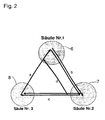
Fig. 2 zeigt schematisch die Verfahrenabläufe des Gasreinigungssystems. -
Fig. 3 zeigt ein Beispiel eines Gasreinigungssystems für Inertgas ohne Katalysatorstufe. -
Fig. 4 zeigt ein Beispiel eines Gasreinigungssystems für Inertgas mit Katalysatorstufe. -
Fig. 5 zeigt ein Beispiel eines Gasreinigungssystems für Sauerstoff mit Katalysatorstufe. - Das in
Fig. 1 abgebildete Beispiel eines Gasreinigungssystem ist ein redundantes System mit drei Gasreinigungsstufen. Es besteht aus den drei Gasreinigungssäulen Nr. 1, 2 und 3 (Bezugszeichen 6, 7 und 8), den Gasleitungen, Ventilen (in der Regel steuerbare Ventile, z.B. Pneumatikventile) und weiteren Zubehörteilen wie Gasversorgung, Steuereinheit, Steuerleitungen. Die Gasreinigungssäulen werden im Wechsel von Betrieb als Gasreiniger, von Regeneration und von Betrieb als Ersatz ("Stand by") betrieben. Der jeweilige Zustand einer Gasreinigungssäule ist mit dem Zustand der anderen Gasreinigungssäulen abgestimmt. Das Gasreinigungssystem wird beispielsweise zur kontinuierlichen Bereitstellung von reinsten Gasen bei der Herstellung von Halbleiter-Chips eingesetzt. Hier ist die Redundanz des Gasreinigungssystems von besonderer Bedeutung. - Anhand von
Fig. 2 wird der Verfahrensablauf und die möglichen Verfahrenschritte in dem redundanten Gasreinigungssystem mit drei Gasreinigungssäulen 6, 7, 8 erläutert. In dem kontinuierlich arbeitenden Gasreinigungssystem ist jede drei Gasreinigungsstufen (Säulen 6, 7, 8) wechselweise als Gasreinigungsstufe oder Gasreinigungssäule, als Regenerierungsstufe (zur Regenierung der verbrauchten Gasreinigungssäule) und als Ersatzstufe (neue, unverbrauchte oder regenerierte Gasreinigungsstufe) vorgesehen. In dem Gasreinigungssystem sind getrennte Gaswege für das zu reinigende/gereinigte Gas und das Regeneriergas (z.B. Wasserstoff) über Ventile (z.B. steuerbare Ventile wie Pneumatik- oder Magnetventile) einstellbar. Bei dem ungestörten Betrieb des Gasreinigungssystems werden die drei Gasreinigungsstufen in einem Zyklus gefahren, in dem jede Gasreinigungssäule nacheinander die Funktionen Reinigungssäule, Regenierungssäule und Ersatzsäule durchläuft. In einer ersten Phase des Zyklus ist beispielsweise Säule 1 (6) als Reinigungsstufe, Säule 2 (7) als Regenerierungssstufe und Säule 3 (8) als Ersatzstufe geschaltet. In der nachfolgenden Phase wird z.B. Säule 1 (6) als Regenerierungssstufe, Säule 2 (7) als Ersatzstufe und Säule 3 (8) als Reinigungsstufe geschaltet. In der letzten Phase wird z.B. Säule 1 (6) als Ersatzstufe, Säule 2 (7) als Reinigungsstufe und Säule 3 (8) als Regenerierungssstufe geschaltet. Danach beginnt ein neuer Zyklus. Eine Phase läuft z.B. über 168 Stunden. Daraus ergibt sich eine Gesamtzeit eines Zyklus von 504 Stunden (bei ungestörtem Betrieb, Zyklus über Wege a, b, c). - Bei einer Störung bei einer Säule, z.B. bei Säule Nr. 3 (8), wird umgeschaltet auf einen kontinuierlichen Betrieb zwischen Säule 1 (6) und Säule 2 (7), das heißt bei einer Störung im Bereich einer Säule oder Stufe wird auf einen Zyklus zwischen zwei ungestörten Säulen, im Beispiel Säule 1 (6) und Säule (7), übergegangen (in
Fig. 2 , Wege b, d). Das Gasreinigungssystem wird in diesem Fall wie ein übliches System mit zwei Stufen (Reinigung im Wechsel mit Regenerierung) betrieben. Die Gesamtzeit des Zyklus beträgt nun zwei mal 168 Stunden, also insgesamt 336 Stunden. Nach Beseitigung der Störung bei Säule Nr. 3 (8) ist die Redundanz des Systems wieder hergestellt. Der zyklische Betrieb zwischen drei Säulen wird wieder aufgenommen. - Im Falle einer Störung im Gesamtsystem, z.B. der Ausfall einer gemeinsamen Einheit oder einer übergeordneten Einheit oder Baugruppe (z.B. Ausfall der Regeneriergas-Versorgung für die Regenerierung oder Ausfall eines Durchflußreglers), wobei die Säulen (6,7,8) bzw. Reinigungsstufen selbst keine Fehler aufweisen, wird jede Stufe nur als Reinigungsstufe eingesetzt und zwischen diesen Stufen gewechselt. Bei einer angenommenen Reinigungskapazität einer Säule von 168 Stunden wird durch das Weiterschalten über 3 Stufen Zeit für die Reparatur des Systems gewonnen, nämlich 312 Stunden (2 x 168 h - 1 x TRegeneration = 312 h Tmax ). Hier führt die Redundanz zu einem Zeitgewinn von 312 Stunden oder 13 Tagen, der bereit steht, um den Fehler zu finden und zu beseitigen.
- Die Schemata in
Fig. 3 - Fig. 5 zeigen konkrete Beispiele der Systeme für Inertgas-Reiniger mit (Fig. 3 ) und ohne (Fig. 4 ) Katalysatorstufe als auch Sauerstoff-Reiniger (Fig. 5 ), ausgeführt als redundante Gasreinigungssysteme mit drei Reinigungsstufen oder Reinigungssäulen. - Alle Gasreinigungssysteme sind so konzipiert, dass eine vergleichbare Redundanz erzielt wird ohne den Einsatz eines zweiten, üblichen Systems (aus Reinigungsstufe und Regenerierungsstufe). Im Einzelnen bedeutet dies:
- Die kontinuierlich arbeitende Katalysatorstufe ist mit einem redundanten Heizsystem ausgestattet
- Die kontinuierlich arbeitende Katalysatorstufe ist mit einem elektrischen Vorerhitzer ausgestattet, der eine Redundanzstruktur besitzt (Zwei Temperatursensoren zur getrennten Temperaturreglung, zwei Temperatursensoren zur getrennten Temperaturbegrenzung sowie eines Vorerhitzers mit Redundanten Heizelementen in der Form 2 x 100% bzw. 3 x 50%.
- Sensoren sind austauschbar ohne Unterbrechung des Reinigungsprozesse (z.B.: Eingangsdurchflussmessung durch by pass-Armaturen).
- Die folgende Reinigungsstufe (reaktiv - adsobtive im Falle der Inertgasreiniger,
Fig.3 und4 bzw. adsobtiv im Falle der Sauerstoffreiniger,Fig. 5 ) beinhaltet für die Reinigung und den Wechselvorgang drei Säulen (Behälter). Eine, welche die Reinigung vollführt, die Zweite welche regeneriert ist (also schon "stand by" ist) und die Dritte welche regeneriert wird. Im Falle eines Fehlers an einer der drei Säulen, wird diese aus dem Dreier-Zyklus herausgenommen. Die beiden übrig bleibenden Säulen arbeiten nun wie ein "typischer" Reiniger weiter (Redundanz!). Im Falle eines Fehlers an zentralen Funktionseinheiten (z.B.: Durchflussregler MFC 2) wird die Zeit zur Behebung des Fehlers (ebenso Restzeit der sicheren Medienversorgung) um mehr als 100% erhöht. -
- 1
- Gaseingang des zu reinigenden Gases
- 2
- Gasausgang des gereinigten Gases
- 3
- Gaseingang von Regeneriergas (z.B. Wasserstoff)
- 4
- Gasausgang von Regeneriergas
- 5
- Steuerluft
- 6
- Säule Nr. 1
- 7
- Säule Nr. 2
- 8
- Säule Nr. 3
Claims (5)
- Verfahren zur Reinigung eines Gases in einem Gasreinigungssystem mit drei Reinigungsstufen (6, 7, 8), die so verschaltet sind, dass das Gas nur durch eine der drei Reinigungsstufen geleitet wird und ohne Unterbrechung oder Umbaumassnahmen auf eine andere der drei Reinigungsstufen (6, 7, 8) der Gasfluss gewechselt werden kann, dadurch gekennzeichnet, dass die drei Reinigungsstufen in einem Zyklus gefahren werden, in dem jede der Reinigungsstufen nacheinander die Funktionen Gasreinigungsbetrieb., Säulenregenerierung und Ersatzbetrieb durchläuft.
- Verfahren nach Anspruch 1, dadurch gekennzeichnet, dass die Reinigungsstufen (6, 7, 8) als Gasreinigungssäulen oder Gasfiltersäulen ausgebildet sind.
- Verfahren nach einem der Ansprüche 1 oder 2, dadurch gekennzeichnet, dass das Gasreinigungssystem neben den drei Reinigungsstufen (6, 7, 8) keine weiteren Reinigungsstufen enthält.
- Verfahren nach einem der Ansprüche 1 bis 3, dadurch gekennzeichnet, dass Reinstgase oder hochreine Gase hergestellt werden.
- Verfahren nach einem der Ansprüche 1 bis 4, dadurch gekennzeichnet, dass bei einer Störung in einer der drei Reinigungsstufen die anderen beiden Reinigungsstufen in einem Zyklus gefahren werden, in dem die anderen beiden Reinigungsstufen nacheinander die Funktionen Gasreinigungsbetrieb und Säulenregenerierung durchlaufen.
Applications Claiming Priority (2)
| Application Number | Priority Date | Filing Date | Title |
|---|---|---|---|
| DE10312528 | 2003-03-20 | ||
| DE10312528 | 2003-03-20 |
Publications (3)
| Publication Number | Publication Date |
|---|---|
| EP1459797A2 EP1459797A2 (de) | 2004-09-22 |
| EP1459797A3 EP1459797A3 (de) | 2005-06-01 |
| EP1459797B1 true EP1459797B1 (de) | 2009-11-18 |
Family
ID=32798004
Family Applications (1)
| Application Number | Title | Priority Date | Filing Date |
|---|---|---|---|
| EP04006160A Expired - Lifetime EP1459797B1 (de) | 2003-03-20 | 2004-03-16 | Redundantes Verfahren zur Gasreinigung |
Country Status (3)
| Country | Link |
|---|---|
| EP (1) | EP1459797B1 (de) |
| AT (1) | ATE448856T1 (de) |
| DE (2) | DE102004012666B4 (de) |
Families Citing this family (1)
| Publication number | Priority date | Publication date | Assignee | Title |
|---|---|---|---|---|
| CN116764355B (zh) * | 2023-05-23 | 2025-09-02 | 四川永祥新能源有限公司 | 一种高低负荷适用的三氯氢硅合成气洗涤方法和控制系统、方法 |
Family Cites Families (10)
| Publication number | Priority date | Publication date | Assignee | Title |
|---|---|---|---|---|
| NL234089A (de) * | 1957-12-11 | 1900-01-01 | ||
| US3355860A (en) * | 1965-02-18 | 1967-12-05 | United Aircraft Corp | Three canister regenerative co2 system |
| US3527024A (en) * | 1968-11-05 | 1970-09-08 | Black Sivalls & Bryson Inc | Process for recovering condensible components from a gas stream |
| US3713272A (en) * | 1971-08-26 | 1973-01-30 | Continental Oil Co | Process for recovering condensible components from a gas stream |
| US5298054A (en) * | 1990-10-01 | 1994-03-29 | Fmc Corporation | Pressure and temperature swing adsorption system |
| DE4319327C1 (de) * | 1993-06-11 | 1994-05-26 | Kernforschungsz Karlsruhe | Verfahren zur Erhöhung des Beladegrades von Sorptionsmaterialien in Filterbetten |
| JPH11335102A (ja) * | 1998-05-22 | 1999-12-07 | Iwatani Internatl Corp | 高濃度オゾン連続発生方法及びその装置 |
| FR2779069B1 (fr) * | 1998-06-02 | 2000-07-13 | Inst Francais Du Petrole | Procede d'adsorption et de desorption d'un solvant contenu dans un gaz naturel issu d'un procede de deshydratation |
| DE19954457B4 (de) * | 1999-11-12 | 2005-01-13 | LTG Prozessluft- und Gebäudetechnik GmbH & Co. KG | Einrichtung zur Rückgewinnung von Lösungsmittelbestandteilen |
| DE10115620A1 (de) * | 2001-03-29 | 2002-10-10 | Fritz Stephan Gmbh | Modulare Sauerstoff-Versorgungsanlage und Verfahren und Vorrichtung zur Steuerung der Anlage |
-
2004
- 2004-03-16 EP EP04006160A patent/EP1459797B1/de not_active Expired - Lifetime
- 2004-03-16 DE DE102004012666A patent/DE102004012666B4/de not_active Expired - Fee Related
- 2004-03-16 DE DE502004010379T patent/DE502004010379D1/de not_active Expired - Fee Related
- 2004-03-16 AT AT04006160T patent/ATE448856T1/de not_active IP Right Cessation
Also Published As
| Publication number | Publication date |
|---|---|
| DE102004012666A1 (de) | 2004-10-21 |
| ATE448856T1 (de) | 2009-12-15 |
| DE102004012666B4 (de) | 2008-12-04 |
| DE502004010379D1 (de) | 2009-12-31 |
| EP1459797A2 (de) | 2004-09-22 |
| EP1459797A3 (de) | 2005-06-01 |
Similar Documents
| Publication | Publication Date | Title |
|---|---|---|
| EP0053837B1 (de) | Adsorptionsverfahren und Anlage zur Durchführung des Verfahrens | |
| DE69514190T2 (de) | Verbessertes Druckwechseladsorptionsverfahren | |
| EP0006138B1 (de) | Verfahren zum Betrieb einer Druck-Wechsel-Adsorption-Anlage | |
| EP0009217B1 (de) | Adiabatisches Adsorptionsverfahren zur Gasreinigung oder -trennung | |
| DE69803143T2 (de) | Verfahren und Vorrichtung zur Produktion eines gasförmigen Produkts | |
| DE60129685T2 (de) | Mehrbettiges druckwechseladsorptionsverfahren | |
| DE69618711T2 (de) | Verfahren zur integrierten Lufttrennung | |
| DE69201984T2 (de) | Verfahren zur Sauerstoffproduktion durch Absorption. | |
| DE69801544T2 (de) | Rückgewinnung von Ozon mittels Zeolithadsorbentien | |
| EP0225605B1 (de) | Druckwechseladsorptionsverfahren | |
| DE60034201T2 (de) | Verfahren zum Reinigen eines Gases und entsprechende Vorrichtung | |
| EP0011872A1 (de) | Verfahren zum Betrieb einer zyklisch arbeitenden Druckwechsel-Adsorptionsanlage | |
| DE3132758A1 (de) | Absorptionsverfahren | |
| DE69619036T2 (de) | Adsorptionsverfahren mit Niederdruck- und Hochdruckspeiseströmen | |
| DE2729558C3 (de) | Adsorptions/Desorptionsverfahren zur Gewinnung von Wasserstoff | |
| EP1459797B1 (de) | Redundantes Verfahren zur Gasreinigung | |
| DE2624346A1 (de) | Verfahren zur zerlegung von gasen durch adsorption | |
| EP0086435A1 (de) | Verfahren zum Betreiben einer zyklisch arbeitenden Druckwechsel-Adsorptionsanlage | |
| EP0086436B1 (de) | Verfahren zum Betrieb einer zyklisch arbeitenden Druckwechsel-Adsorptionsanlage | |
| DE60037952T2 (de) | Druckwechseladsorptionseinheit | |
| DE19506762C1 (de) | Druckwechseladsorptionsverfahren | |
| EP0728515B1 (de) | Druckwechseladsorptionsanlage | |
| DE4434101C1 (de) | Druckwechsel-Adsorptionsverfahren | |
| DE19506761C1 (de) | Druckwechseladsorptionsverfahren | |
| DE60110540T2 (de) | Druckwechseladsorptionsverfahren in sehr grossem Masstab |
Legal Events
| Date | Code | Title | Description |
|---|---|---|---|
| PUAI | Public reference made under article 153(3) epc to a published international application that has entered the european phase |
Free format text: ORIGINAL CODE: 0009012 |
|
| AK | Designated contracting states |
Kind code of ref document: A2 Designated state(s): AT BE BG CH CY CZ DE DK EE ES FI FR GB GR HU IE IT LI LU MC NL PL PT RO SE SI SK TR |
|
| AX | Request for extension of the european patent |
Extension state: AL LT LV MK |
|
| RIN1 | Information on inventor provided before grant (corrected) |
Inventor name: RITTERBACH, FRANK Inventor name: ARNOLD, PETER |
|
| PUAL | Search report despatched |
Free format text: ORIGINAL CODE: 0009013 |
|
| AK | Designated contracting states |
Kind code of ref document: A3 Designated state(s): AT BE BG CH CY CZ DE DK EE ES FI FR GB GR HU IE IT LI LU MC NL PL PT RO SE SI SK TR |
|
| AX | Request for extension of the european patent |
Extension state: AL LT LV MK |
|
| RAP1 | Party data changed (applicant data changed or rights of an application transferred) |
Owner name: LINDE NIPPON SANSO GMBH & CO KG |
|
| 17P | Request for examination filed |
Effective date: 20051027 |
|
| AKX | Designation fees paid |
Designated state(s): AT BE BG CH CY CZ DE DK EE ES FI FR GB GR HU IE IT LI LU MC NL PL PT RO SE SI SK TR |
|
| 17Q | First examination report despatched |
Effective date: 20070307 |
|
| RTI1 | Title (correction) |
Free format text: REDUNDANT METHOD FOR GAS PURIFICATION |
|
| GRAP | Despatch of communication of intention to grant a patent |
Free format text: ORIGINAL CODE: EPIDOSNIGR1 |
|
| GRAS | Grant fee paid |
Free format text: ORIGINAL CODE: EPIDOSNIGR3 |
|
| GRAA | (expected) grant |
Free format text: ORIGINAL CODE: 0009210 |
|
| AK | Designated contracting states |
Kind code of ref document: B1 Designated state(s): AT BE BG CH CY CZ DE DK EE ES FI FR GB GR HU IE IT LI LU MC NL PL PT RO SE SI SK TR |
|
| REG | Reference to a national code |
Ref country code: GB Ref legal event code: FG4D Free format text: NOT ENGLISH |
|
| REG | Reference to a national code |
Ref country code: CH Ref legal event code: EP |
|
| REG | Reference to a national code |
Ref country code: IE Ref legal event code: FG4D |
|
| REF | Corresponds to: |
Ref document number: 502004010379 Country of ref document: DE Date of ref document: 20091231 Kind code of ref document: P |
|
| REG | Reference to a national code |
Ref country code: NL Ref legal event code: VDEP Effective date: 20091118 |
|
| PG25 | Lapsed in a contracting state [announced via postgrant information from national office to epo] |
Ref country code: ES Free format text: LAPSE BECAUSE OF FAILURE TO SUBMIT A TRANSLATION OF THE DESCRIPTION OR TO PAY THE FEE WITHIN THE PRESCRIBED TIME-LIMIT Effective date: 20100228 Ref country code: PT Free format text: LAPSE BECAUSE OF FAILURE TO SUBMIT A TRANSLATION OF THE DESCRIPTION OR TO PAY THE FEE WITHIN THE PRESCRIBED TIME-LIMIT Effective date: 20100318 Ref country code: FI Free format text: LAPSE BECAUSE OF FAILURE TO SUBMIT A TRANSLATION OF THE DESCRIPTION OR TO PAY THE FEE WITHIN THE PRESCRIBED TIME-LIMIT Effective date: 20091118 Ref country code: SE Free format text: LAPSE BECAUSE OF FAILURE TO SUBMIT A TRANSLATION OF THE DESCRIPTION OR TO PAY THE FEE WITHIN THE PRESCRIBED TIME-LIMIT Effective date: 20091118 |
|
| PG25 | Lapsed in a contracting state [announced via postgrant information from national office to epo] |
Ref country code: PL Free format text: LAPSE BECAUSE OF FAILURE TO SUBMIT A TRANSLATION OF THE DESCRIPTION OR TO PAY THE FEE WITHIN THE PRESCRIBED TIME-LIMIT Effective date: 20091118 Ref country code: CY Free format text: LAPSE BECAUSE OF FAILURE TO SUBMIT A TRANSLATION OF THE DESCRIPTION OR TO PAY THE FEE WITHIN THE PRESCRIBED TIME-LIMIT Effective date: 20091118 Ref country code: SI Free format text: LAPSE BECAUSE OF FAILURE TO SUBMIT A TRANSLATION OF THE DESCRIPTION OR TO PAY THE FEE WITHIN THE PRESCRIBED TIME-LIMIT Effective date: 20091118 |
|
| REG | Reference to a national code |
Ref country code: IE Ref legal event code: FD4D |
|
| PG25 | Lapsed in a contracting state [announced via postgrant information from national office to epo] |
Ref country code: BG Free format text: LAPSE BECAUSE OF FAILURE TO SUBMIT A TRANSLATION OF THE DESCRIPTION OR TO PAY THE FEE WITHIN THE PRESCRIBED TIME-LIMIT Effective date: 20100218 Ref country code: RO Free format text: LAPSE BECAUSE OF FAILURE TO SUBMIT A TRANSLATION OF THE DESCRIPTION OR TO PAY THE FEE WITHIN THE PRESCRIBED TIME-LIMIT Effective date: 20091118 Ref country code: IE Free format text: LAPSE BECAUSE OF FAILURE TO SUBMIT A TRANSLATION OF THE DESCRIPTION OR TO PAY THE FEE WITHIN THE PRESCRIBED TIME-LIMIT Effective date: 20091118 Ref country code: DK Free format text: LAPSE BECAUSE OF FAILURE TO SUBMIT A TRANSLATION OF THE DESCRIPTION OR TO PAY THE FEE WITHIN THE PRESCRIBED TIME-LIMIT Effective date: 20091118 Ref country code: EE Free format text: LAPSE BECAUSE OF FAILURE TO SUBMIT A TRANSLATION OF THE DESCRIPTION OR TO PAY THE FEE WITHIN THE PRESCRIBED TIME-LIMIT Effective date: 20091118 Ref country code: NL Free format text: LAPSE BECAUSE OF FAILURE TO SUBMIT A TRANSLATION OF THE DESCRIPTION OR TO PAY THE FEE WITHIN THE PRESCRIBED TIME-LIMIT Effective date: 20091118 |
|
| PG25 | Lapsed in a contracting state [announced via postgrant information from national office to epo] |
Ref country code: SK Free format text: LAPSE BECAUSE OF FAILURE TO SUBMIT A TRANSLATION OF THE DESCRIPTION OR TO PAY THE FEE WITHIN THE PRESCRIBED TIME-LIMIT Effective date: 20091118 Ref country code: CZ Free format text: LAPSE BECAUSE OF FAILURE TO SUBMIT A TRANSLATION OF THE DESCRIPTION OR TO PAY THE FEE WITHIN THE PRESCRIBED TIME-LIMIT Effective date: 20091118 |
|
| PLBE | No opposition filed within time limit |
Free format text: ORIGINAL CODE: 0009261 |
|
| STAA | Information on the status of an ep patent application or granted ep patent |
Free format text: STATUS: NO OPPOSITION FILED WITHIN TIME LIMIT |
|
| BERE | Be: lapsed |
Owner name: LINDE NIPPON SANSO G.M.B.H. & CO KG Effective date: 20100331 |
|
| 26N | No opposition filed |
Effective date: 20100819 |
|
| PG25 | Lapsed in a contracting state [announced via postgrant information from national office to epo] |
Ref country code: MC Free format text: LAPSE BECAUSE OF NON-PAYMENT OF DUE FEES Effective date: 20100331 Ref country code: GR Free format text: LAPSE BECAUSE OF FAILURE TO SUBMIT A TRANSLATION OF THE DESCRIPTION OR TO PAY THE FEE WITHIN THE PRESCRIBED TIME-LIMIT Effective date: 20100219 |
|
| REG | Reference to a national code |
Ref country code: CH Ref legal event code: PL |
|
| GBPC | Gb: european patent ceased through non-payment of renewal fee |
Effective date: 20100316 |
|
| REG | Reference to a national code |
Ref country code: FR Ref legal event code: ST Effective date: 20101130 |
|
| PG25 | Lapsed in a contracting state [announced via postgrant information from national office to epo] |
Ref country code: FR Free format text: LAPSE BECAUSE OF NON-PAYMENT OF DUE FEES Effective date: 20100331 |
|
| PG25 | Lapsed in a contracting state [announced via postgrant information from national office to epo] |
Ref country code: CH Free format text: LAPSE BECAUSE OF NON-PAYMENT OF DUE FEES Effective date: 20100331 Ref country code: DE Free format text: LAPSE BECAUSE OF NON-PAYMENT OF DUE FEES Effective date: 20101001 Ref country code: BE Free format text: LAPSE BECAUSE OF NON-PAYMENT OF DUE FEES Effective date: 20100331 Ref country code: LI Free format text: LAPSE BECAUSE OF NON-PAYMENT OF DUE FEES Effective date: 20100331 |
|
| PG25 | Lapsed in a contracting state [announced via postgrant information from national office to epo] |
Ref country code: GB Free format text: LAPSE BECAUSE OF NON-PAYMENT OF DUE FEES Effective date: 20100316 Ref country code: IT Free format text: LAPSE BECAUSE OF FAILURE TO SUBMIT A TRANSLATION OF THE DESCRIPTION OR TO PAY THE FEE WITHIN THE PRESCRIBED TIME-LIMIT Effective date: 20091118 |
|
| PG25 | Lapsed in a contracting state [announced via postgrant information from national office to epo] |
Ref country code: AT Free format text: LAPSE BECAUSE OF NON-PAYMENT OF DUE FEES Effective date: 20100316 |
|
| PG25 | Lapsed in a contracting state [announced via postgrant information from national office to epo] |
Ref country code: HU Free format text: LAPSE BECAUSE OF FAILURE TO SUBMIT A TRANSLATION OF THE DESCRIPTION OR TO PAY THE FEE WITHIN THE PRESCRIBED TIME-LIMIT Effective date: 20100519 Ref country code: LU Free format text: LAPSE BECAUSE OF NON-PAYMENT OF DUE FEES Effective date: 20100316 |
|
| PG25 | Lapsed in a contracting state [announced via postgrant information from national office to epo] |
Ref country code: TR Free format text: LAPSE BECAUSE OF FAILURE TO SUBMIT A TRANSLATION OF THE DESCRIPTION OR TO PAY THE FEE WITHIN THE PRESCRIBED TIME-LIMIT Effective date: 20091118 |