EP1460074A1 - Composés aminoalkylés substitués - Google Patents
Composés aminoalkylés substitués Download PDFInfo
- Publication number
- EP1460074A1 EP1460074A1 EP04014397A EP04014397A EP1460074A1 EP 1460074 A1 EP1460074 A1 EP 1460074A1 EP 04014397 A EP04014397 A EP 04014397A EP 04014397 A EP04014397 A EP 04014397A EP 1460074 A1 EP1460074 A1 EP 1460074A1
- Authority
- EP
- European Patent Office
- Prior art keywords
- compound
- group
- dimethylxanthine
- cells
- alkyl
- Prior art date
- Legal status (The legal status is an assumption and is not a legal conclusion. Google has not performed a legal analysis and makes no representation as to the accuracy of the status listed.)
- Withdrawn
Links
Images





Classifications
-
- A—HUMAN NECESSITIES
- A61—MEDICAL OR VETERINARY SCIENCE; HYGIENE
- A61K—PREPARATIONS FOR MEDICAL, DENTAL OR TOILETRY PURPOSES
- A61K31/00—Medicinal preparations containing organic active ingredients
- A61K31/33—Heterocyclic compounds
- A61K31/395—Heterocyclic compounds having nitrogen as a ring hetero atom, e.g. guanethidine or rifamycins
- A61K31/495—Heterocyclic compounds having nitrogen as a ring hetero atom, e.g. guanethidine or rifamycins having six-membered rings with two or more nitrogen atoms as the only ring heteroatoms, e.g. piperazine or tetrazines
- A61K31/505—Pyrimidines; Hydrogenated pyrimidines, e.g. trimethoprim
- A61K31/519—Pyrimidines; Hydrogenated pyrimidines, e.g. trimethoprim ortho- or peri-condensed with heterocyclic rings
- A61K31/52—Purines, e.g. adenine
- A61K31/522—Purines, e.g. adenine having oxo groups directly attached to the heterocyclic ring, e.g. hypoxanthine, guanine, acyclovir
-
- A—HUMAN NECESSITIES
- A61—MEDICAL OR VETERINARY SCIENCE; HYGIENE
- A61K—PREPARATIONS FOR MEDICAL, DENTAL OR TOILETRY PURPOSES
- A61K31/00—Medicinal preparations containing organic active ingredients
- A61K31/33—Heterocyclic compounds
- A61K31/395—Heterocyclic compounds having nitrogen as a ring hetero atom, e.g. guanethidine or rifamycins
- A61K31/495—Heterocyclic compounds having nitrogen as a ring hetero atom, e.g. guanethidine or rifamycins having six-membered rings with two or more nitrogen atoms as the only ring heteroatoms, e.g. piperazine or tetrazines
- A61K31/505—Pyrimidines; Hydrogenated pyrimidines, e.g. trimethoprim
- A61K31/519—Pyrimidines; Hydrogenated pyrimidines, e.g. trimethoprim ortho- or peri-condensed with heterocyclic rings
- A61K31/52—Purines, e.g. adenine
-
- A—HUMAN NECESSITIES
- A61—MEDICAL OR VETERINARY SCIENCE; HYGIENE
- A61P—SPECIFIC THERAPEUTIC ACTIVITY OF CHEMICAL COMPOUNDS OR MEDICINAL PREPARATIONS
- A61P1/00—Drugs for disorders of the alimentary tract or the digestive system
-
- A—HUMAN NECESSITIES
- A61—MEDICAL OR VETERINARY SCIENCE; HYGIENE
- A61P—SPECIFIC THERAPEUTIC ACTIVITY OF CHEMICAL COMPOUNDS OR MEDICINAL PREPARATIONS
- A61P1/00—Drugs for disorders of the alimentary tract or the digestive system
- A61P1/16—Drugs for disorders of the alimentary tract or the digestive system for liver or gallbladder disorders, e.g. hepatoprotective agents, cholagogues, litholytics
-
- A—HUMAN NECESSITIES
- A61—MEDICAL OR VETERINARY SCIENCE; HYGIENE
- A61P—SPECIFIC THERAPEUTIC ACTIVITY OF CHEMICAL COMPOUNDS OR MEDICINAL PREPARATIONS
- A61P13/00—Drugs for disorders of the urinary system
- A61P13/02—Drugs for disorders of the urinary system of urine or of the urinary tract, e.g. urine acidifiers
-
- A—HUMAN NECESSITIES
- A61—MEDICAL OR VETERINARY SCIENCE; HYGIENE
- A61P—SPECIFIC THERAPEUTIC ACTIVITY OF CHEMICAL COMPOUNDS OR MEDICINAL PREPARATIONS
- A61P15/00—Drugs for genital or sexual disorders; Contraceptives
-
- A—HUMAN NECESSITIES
- A61—MEDICAL OR VETERINARY SCIENCE; HYGIENE
- A61P—SPECIFIC THERAPEUTIC ACTIVITY OF CHEMICAL COMPOUNDS OR MEDICINAL PREPARATIONS
- A61P17/00—Drugs for dermatological disorders
-
- A—HUMAN NECESSITIES
- A61—MEDICAL OR VETERINARY SCIENCE; HYGIENE
- A61P—SPECIFIC THERAPEUTIC ACTIVITY OF CHEMICAL COMPOUNDS OR MEDICINAL PREPARATIONS
- A61P3/00—Drugs for disorders of the metabolism
-
- A—HUMAN NECESSITIES
- A61—MEDICAL OR VETERINARY SCIENCE; HYGIENE
- A61P—SPECIFIC THERAPEUTIC ACTIVITY OF CHEMICAL COMPOUNDS OR MEDICINAL PREPARATIONS
- A61P31/00—Antiinfectives, i.e. antibiotics, antiseptics, chemotherapeutics
-
- A—HUMAN NECESSITIES
- A61—MEDICAL OR VETERINARY SCIENCE; HYGIENE
- A61P—SPECIFIC THERAPEUTIC ACTIVITY OF CHEMICAL COMPOUNDS OR MEDICINAL PREPARATIONS
- A61P37/00—Drugs for immunological or allergic disorders
-
- A—HUMAN NECESSITIES
- A61—MEDICAL OR VETERINARY SCIENCE; HYGIENE
- A61P—SPECIFIC THERAPEUTIC ACTIVITY OF CHEMICAL COMPOUNDS OR MEDICINAL PREPARATIONS
- A61P43/00—Drugs for specific purposes, not provided for in groups A61P1/00-A61P41/00
-
- A—HUMAN NECESSITIES
- A61—MEDICAL OR VETERINARY SCIENCE; HYGIENE
- A61P—SPECIFIC THERAPEUTIC ACTIVITY OF CHEMICAL COMPOUNDS OR MEDICINAL PREPARATIONS
- A61P7/00—Drugs for disorders of the blood or the extracellular fluid
-
- A—HUMAN NECESSITIES
- A61—MEDICAL OR VETERINARY SCIENCE; HYGIENE
- A61P—SPECIFIC THERAPEUTIC ACTIVITY OF CHEMICAL COMPOUNDS OR MEDICINAL PREPARATIONS
- A61P9/00—Drugs for disorders of the cardiovascular system
-
- C—CHEMISTRY; METALLURGY
- C07—ORGANIC CHEMISTRY
- C07D—HETEROCYCLIC COMPOUNDS
- C07D473/00—Heterocyclic compounds containing purine ring systems
- C07D473/02—Heterocyclic compounds containing purine ring systems with oxygen, sulphur, or nitrogen atoms directly attached in positions 2 and 6
- C07D473/04—Heterocyclic compounds containing purine ring systems with oxygen, sulphur, or nitrogen atoms directly attached in positions 2 and 6 two oxygen atoms
Definitions
- the invention provides a class of substituted amino alkyl compounds that are effective agents to inhibit specific cellular signaling events often induced by noxious or inflammatory stimuli, or to directly or indirectly (immune stimulation) be anti-microbial to yeast or fungal infections. More specifically, the inventive compounds have at least one amine-containing substituent bonded to core moiety.
- the inventive compounds are useful antagonists to control intracellular levels of specific non-arachidonyl sn-2 unsaturated phosphatidic acids and corresponding phosphatidic acid-derived diacylglycerols which occur in response to cellular proliferative stimuli.
- Pentoxifylline (1-(5-oxohexyl)-3,7-dimethylxanthine), abbreviated PTX and disclosed in U.S. Patents 3,422,307 and 3,737,433, is a xanthine derivative which has seen widespread medical use for the increase of blood flow. Metabolites of PTX were summarized in Davis et al., Applied Environment Microbial . 48:327, 1984. One such metabolite, 1-(5-hydroxyhexyl)-3,7-dimethylxanthine, designated M1 and disclosed in U.S. Patents 4,515,795 and 4,576,947, increases cerebral blood flow. In addition, U.S. Patents 4,833,146 and 5,039,666 disclose use of tertiary alcohol analogs of xanthine for enhancing cerebral blood flow.
- U.S. Patent 4,636,507 discloses that PTX and M1 stimulate chemotaxis in polymorphonuclear leukocytes in response to a chemotaxis stimulator.
- PTX and related tertiary alcohol substituted xanthines inhibit activity of certain cytokines to affect chemotaxis (U.S. Patent 4,965,271 and U.S. Patent 5,096,906).
- Administration of PTX and GM-CSF decrease tumor necrosis factor (TNF) levels in patients undergoing allogeneic bone marrow transplant (Bianco et al ., Blood 76: Supplement 1 (522A), 1990). Reduction in bone marrow transplant-related complications accompanied reduction in assayable levels of TNF.
- TNF levels were higher among PTX recipients. Therefore, elevated levels of TNF are not the primary cause of such complications.
- inventive compounds useful in a large variety of therapeutic indications for treating or preventing disease mediated by intracellular signaling through one or two specific intracellular signaling pathways.
- inventive compounds and compositions are suitable for normal routes of therapeutic administration (e.g. , parenteral, oral, topical, etc.) for providing effective dosages.
- the invention provides a class of amine-derived compounds, preferably amine cyclic compounds.
- the inventive compounds and pharmaceutical compositions thereof have the formula: (R)j - (core moiety), including resolved enantiomers and/or diastereomers, hydrates, salts, solvates and mixtures thereof, wherein j is an integer from one to three, the core moiety is either non-cyclic or comprises at least one five- to seven-membered ring structure, R may be selected from the group consisting of hydrogen, halogen (preferably bromine, chlorine, fluorine and iodine), hydroxyl, amino, substituted or unsubstituted benzyl, alkyl (C 1-6 , preferably methyl) or alkenyl (C 1-6 ), preferably the alkyl or alkenyl groups being substituted by an hydroxy, halogen and dimethylamine and/or interrupted by an oxygen atom, wherein at least one R has the formula I: wherein n is an integer from four to eighte
- a non-cyclic core moiety may be, for example, an amino acid (one or two), an hydroxyl, carboxyl, sulfoxide, sulfonate, phosphate, amide, amine, or ketone group, a simple ionic functional group, or a terminal hydrogen or halogen atom.
- Exemplary core moiety amino acids may include one or more of the following: alanine, arginine, asparagine, aspartic acid, cysteine, glutamine, glutamic acid, glycine, histidine, isoleucine, leucine, lysine, methionine, phenylalanine, proline, serine, threonine, tryptophan, tyrosine and valine.
- the non-cyclic core moiety may preferably be a dipeptide comprising two amino acids selected from the foregoing exemplary list.
- Exemplary core halogen atoms include bromine, chlorine, fluorine and iodine.
- a core moiety may alternatively be at least one five- to seven-membered ring, preferably having from one to three, five- to six-membered ring structures in a predominantly planar configuration.
- amino alkyl substituent R is bonded to a ring nitrogen if one exists.
- ring-core moieties may be substituted or unsubstituted: barbituric acid; benzamide; benzene; biphenyl; cyclohexane, cyclohexene; cyclohexanedione; cyclopentanedione; delta-lactam; flutarimide; glutarimide; homophthalimide; imidazole amide; isocarbostyrile; lumazine; napthlalene; pteridine; pthalimide; piperidine; pyridine; pyrimidine; pyrrole amide; quinazolinedione; quinazolinone; quinolone; recorsinol; stilbene; succinimide; theobromine; thymine; triazine; tricyclododecane; uracil; xanthine; or derivatives thereof.
- Preferred ring cores include substituted or unsubstituted glutarimide, methylthymine, methyluracil, thymine, theobromine, uracil and xanthine.
- Exemplary preferred cores include, but are not limited to: 1,3-cyclohexanedione, 1,3-cyclopentanedione; 1,3-dihydroxynaphthalene; 1-methyllumazine; methylbarbituric acid; 3,3-dimethylflutarimide; 2-hydroxypyridine; methyldihydroxy-pyrazolopyrimidine (preferably, 1,3-dimethyldihydroxypyrazolo[4,3-d] pyrimidine); methylpyrrolopyrimidine (preferably, 1-methylpyrrolo [2,3-d] pyrimidine); 2-pyrrole amides; 3-pyrrole amides; 1,2,3,4-tetrahydroisoquinolone; 1-methyl-2,4(1H,3H)-quinazolinedi
- the ring-core is xanthine or a xanthine derivative.
- xanthine compounds have the following formula II: wherein R is selected from the foregoing members.
- R is bonded to the N 1 xanthine nitrogen in formula I above and R, bonded to N 3 and N 7 xanthine nitrogens, are independently selected from the group consisting of hydrogen, methyl, fluoro, chloro and amino.
- the invention provides a pharmaceutical composition
- a pharmaceutical composition comprising an inventive compound and a pharmaceutically acceptable excipient.
- the pharmaceutical composition may be formulated for oral, parenteral, ocular or topical administration to a patient.
- the invention includes a method for treating an individual having a variety of diseases.
- the disease is characterized by or can be treated by inhibiting an immune response or a cellular response to external or in situ primary stimuli, the cellular response being mediated through a specific phospholipid-based second messenger acting adjacent to a cell membrane inner leaflet.
- the second messenger pathway is activated in response to various noxious or proliferative stimuli characteristic of a variety of disease states.
- the invention includes methods for treating or preventing clinical symptoms of various disease states or reducing toxicity of other treatments by inhibiting cellular signaling through a second messenger pathway involving signaling through a non-arachidonyl phosphatidic acid intermediate.
- a disease state or treatment-induced toxicity are selected from the group consisting of: tumor progression involving tumor stimulation of blood supply (angiogenesis) by production of fibroblast growth factor (FGF), vascular endothelial growth factor (VEGF) or platelet-derived growth factor (PDGF); tumor invasion and formation of metastases through adhesion molecule binding, expressed by vascular endothelial cells (VCAM and ICAM); tissue invasion through tumor metalloprotease production such as MMP-9; autoimmune diseases caused by dysregulation of the T cell or B cell immune systems, treatable by suppression of the T cell or B cell responses; acute allergic reactions including, but not limited to, asthma and chronic inflammatory diseases, mediated by pro-inflammatory cytokines including tumor necrosis factor (TNF) and IL-1, and rheumatoid arthritis, osteoarthritis, multiple sclerosis or insulin dependent diabetes mellitus (IDDM), associated with enhanced localization of inflammatory cells and release of inflammatory cytokines and metalloproteases; smooth muscle cell, endothelial
- AIDS and AIDS related complex human immunodeficiency virus infection
- HIV-associated dementia kidney mesengial cell proliferation in response to IL-1, MIP-1 ⁇ , PDGF or FGF
- inflammation kidney glomerular or tubular toxicity in response to cyclosporin A or amphotericin B treatment
- organ toxicity e.g ., gastrointestinal or pulmonary epithelial
- cytotoxic therapy e.g. , cytotoxic drug or radiation
- effects of non-alkylating anti-tumor agents inflammation in response to inflammatory stimuli (e.g.
- TNF TNF, IL-1 and the like
- metalloproteases or allergies due to degranulation of mast cells and basophils in response to IgE or RANTES
- bone diseases caused by overproduction of osteoclast-activating factor (OAF) by osteoclasts bone diseases caused by overproduction of osteoclast-activating factor (OAF) by osteoclasts
- CNS diseases resulting from over-stimulation by proinflammatory neurotransmitters such as , acetylcholine, serotonin, leuenkephalin or glutamate
- acute inflammatory diseases such as septic shock, adult respiratory distress syndrome
- multi-organ dysfunction associated with inflammatory cytokine cascade and combinations thereof.
- Non-arachidonyl PA species some of which are generated from lyso-PA by the enzyme lyso-PA acyl transferase (LPAAT).
- LPAAT lyso-PA acyl transferase
- inventive compounds are of particular significance for inhibiting IL-2-induced proliferative response.
- IL-2 signaling inhibition is potentially useful in the treatment of numerous disease states involving T-cell activation and hyperproliferation.
- Exemplary autoimmune diseases are lupus, scleroderma, rheumatoid arthritis, multiple sclerosis, glomerula nephritis, insulin dependent diabetes mellitas (IDDM), as well as potential malignancies, including but not limited to, chronic myelogenous leukemia as well as others.
- the invention provides a genus of compounds which can control cellular behavior by a particular phase of a secondary messenger pathway system (Bursten et al., J. Biol. Chem . 266:20732, 1991).
- the second messengers are lipids or phospholipids and use the following abbreviations:
- Lysophosphatidic acid transferase effects the synthesis of phosphatidic acid (PA) from lysophosphatidic acid (LPA) by incorporation of an acyl group from acyl CoA. Hydrolysis of the phosphate moiety by PA phosphohydrolase (PAPH) results in the formation of DAG.
- PA phosphatidic acid
- PAPH PA phosphohydrolase
- the compounds and pharmaceutical compositions of the invention include inhibitors of subspecies of LPAAT and PAPH enzymes with substrate specificity for intermediates with 1,2-diunsaturated and 1-alkyl, 2-unsaturated subspecies.
- One representative example of such an inhibitor is PTX.
- PTX blocks PAPH in a specific activation pathway that does not involve PI but rather derives from a PA that is largely composed of 1,2-diunsaturated and 1-alkyl, 2-unsaturated subspecies. This was shown, for example, by the demonstration that human mesangial cells stimulated with TNF produce DAG from PI and regenerate PI in the absence and the presence of PTX.
- PA or DAG are derived from sources other than PI.
- the compounds of the invention affect that subset of PAPH and LPAAT that relates to substrates with unsaturated fatty acids other than arachidonate in the sn-2 position, not the housekeeping forms of these enzymes that serve the PI pathway.
- Each membrane phospholipid subclass e.g. , PA, PI, PE, PC and PS
- PA is often stable, but present in relatively small quantities.
- PA in resting cells consists mostly of saturated acyl chains, usually consisting of myristate, stearate and palmitate.
- PC's acyl side chains consist mostly of acyl palmitate in the sn-1 position and oleate in the sn-2 position.
- PE and PI are predominantly composed of sn-1 stearate and sn-2 arachidonate.
- the origin of any PA species may be deduced from the chemical nature of its acyl groups in the sn-1 and sn-2 positions. For example, if PA is derived from PC through action of the enzyme PLD, the PA will contain the characteristic acyl side chains of PC substrate passed through the second messenger pathway. Further, the origin of any 1,2 sn-substrate species may be differentiated as to its origin. However, it is important to know whether or not each phospholipid species passes through a PA form previous to hydrolysis to DAG. The lyso-PA that is converted to PA and thence to DAG may be shown.
- the complexities of this second messenger pathway can be sorted by suitable analyses by fatty acyl side chain chemistry (i . e ., by thin layer chromatography, gas-liquid chromatography, or high pressure liquid chromatography) of intermediates in cells at various time points after stimulation of the second messenger pathway.
- fatty acyl side chain chemistry i . e ., by thin layer chromatography, gas-liquid chromatography, or high pressure liquid chromatography
- DAG is generated from PI through the classical phosphoinositide pathway.
- DAG is derived from both PA that is being remodeled through a cycle whereby PA is sn-2 hydrolyzed by PLA-2, followed by sn-2 transacylation by LPAAT, and a PLD-pathway from PA that is generated from either PE or PC or both substrates by PLD.
- the present second messenger pathway involves substrates with unsaturated fatty acids in the sn-2 position other than arachidonate and those sub species of PAPH and LPAAT that are not involved in normal cellular housekeeping functions that are part of the classical PI pathway.
- the PAPH and LPAAT enzymes involved in the present second messenger pathway are extraordinarly stereo specific for different acyl side chains and isomeric forms of substrates. Therefore, the inventive compounds are preferably, substantially enantiomerically pure, and preferably are the R enantiomer at the chiral carbon atom bonded to the hydroxyl group.
- PTX in vitro blocks formation of remodeled PA through the PA/DAG pathway at high PTX concentrations (greater than those that could be achieved in patients without dose-limiting side effects) by blocking formation of PA subspecies at LPAAT. Even in the presence of PTX, cells continue to form PA through the action of PLD, and DAG is also formed through the action of phospholipase C on PC and PI. The latter pathway are not inhibited by the inventive compounds or PTX.
- DAG derived from remodeled and PLA-generated PA is diminished (e.g., 1,2-sn-dioleoyl DAG, 1-alkyl, 2-linoleoyl DAG and 1-alkyl, 2-docosahexaneolyl DAG). Therefore, the inventive compounds and PTX inhibit the formation of only a certain species of PA and DAG by selectively inhibiting a specific second messenger pathway that is only activated in cells by noxious stimuli, but is not used to signal normal cellular housekeeping functions.
- inventive compounds are useful in treating a wide variety of clinical indications.
- in vitro and in vivo data, presented herein provides predictive data that a wide variety of clinical indications, having similar effects on the specific second messenger pathway, may be treated by the inventive compounds, which specifically inhibit the pathway, activated by noxious stimuli and mediated through, for example, inflammatory cytokines.
- the mechanism of action for the inventive compounds explains why these compounds have a multifarious clinical indications.
- Activation of the second messenger pathway is a major mediator of response to noxious stimuli and results in cellular signals that lead to, for example, acute and chronic inflammation, immune response and cancer cell growth.
- all inhibitors do not inhibit all enzymes of this second messenger pathway.
- the inventive compounds may desirably inhibit many other unmentioned, noxious stimuli, they most effectively mediate the above conditions.
- Signals mediated by the present second messenger pathway include, for example, those cellular responses of LPS directly, T cell activation by antigen, B cell activation by antigen, cellular responses to IL-1 mediated through the IL-1 Type 1 receptor (but not the IL-1 Type 2 receptor), the TNF Type 1 receptor, growth stimulated by transformations including, but not limited to, activated oncogenes ( e . g ., ras, abl, her 2-neu and the like), smooth muscle cell proliferation stimulated by PDGF, b-FGF and IL-1; T cell and B cell growth stimulation by IL-2, IL-4 or IL-7 and IL-4 or IL-6, respectively; and more generally, T cell receptor signaling.
- activated oncogenes e . g ., ras, abl, her 2-neu and the like
- smooth muscle cell proliferation stimulated by PDGF, b-FGF and IL-1
- the inventive compounds block IL-1 signal transduction through the Type 1 receptor as shown, for example, by preventing IL-1 and IL-1 plus PDGF (platelet derived growth factor) induction of proliferation of smooth muscle, endothelial and kidney mesengial cells; (2) suppress up regulation of adhesion molecules as shown, for example, by blocking VCAM in endothelial cells; (3) inhibit TNF, LPS and IL-1 induced metalloproteases (an inflammation model); (4) block LPS, TNF or IL-1 induced metalloprotease and secondary cytokine production (for prevention and treatment of septic shock); (5) suppress T cell and B cell activation by antigen, for example, IL-2 and IL-4; (6) inhibit mast cell activation by IgE; (7) are cytotoxic for transformed cells and tumor cell lines, yet not for normal cells; and (8) block signaling by IL-2, IL-4, IL-6 and IL-7 on T and B cells.
- PDGF platelet derived growth factor
- in vitro effects give rise to the following in vivo biologic effects, including, but not limited to, protection and treatment of endotoxic shock and sepsis induced by gram positive or gram negative bacteria, inhibition of tumor cell growth, synergistic immunosuppression, active in autoimmune diseases and in suppressing allograft reactions, and stimulation of hair grow through reversal of an apoptotic process.
- inventive compounds are most potent when used to prevent and treat septic shock, treat acute and chronic inflammatory disease, treat or prevent an autoimmune disease and stimulate hair growth (when applied topically).
- the inventive compounds also are useful as an adjuvant to inhibit toxic side effects of drugs whose side effects are mediated through the present second messenger pathway.
- Metalloproteases mediate tissue damage such as glomerular diseases of the kidney, joint destruction in arthritis, and lung destruction in emphysema, and play a role in tumor metastases.
- Three examples of metalloproteases include a 92 kD type V gelatinase induced by TNF, IL-1 and PDGF plus bFGF, a 72 kD type IV collagenase that is usually constitutive and induced by TNF or IL-1, and a stromelysin/PUMP-1 induced by TNF and IL-1.
- the inventive compounds can inhibit TNF or IL-1 induction of the 92 kD type V gelatinase inducable metalloprotease. Moreover, the inventive compounds can reduce PUMP-1 activity induced by 100 U/ml of IL-1. Accordingly, the inventive compounds prevent induction of certain metalloproteases induced by IL-1 or TNF and are not involved with constitutively produced proteases ( e.g. , 72 kD type IV collagenase) involved in normal tissue remodeling.
- constitutively produced proteases e.g. , 72 kD type IV collagenase
- the inventive compounds inhibit signal transduction mediated through the Type I IL-1 receptor, and are therefore considered as IL-1 antagonists.
- a recent review article entitled "The Role of Interleukin-1 in Disease” (Dinarello and Wolff N. Engl. J . Med. 328, 106, Jan.
- IL-1 acts directly on the blood vessels to induce vasodilatation through the rapid production of platelet activating factor and nitric oxide, whereas in autoimmune disease it acts by stimulating other cells to produce cytokines or enzymes that then act on the target tissue.”
- the article describes a group of diseases that are mediated by IL-1, including sepsis syndrome, rheumatoid arthritis, inflammatory bowel disease, acute and myelogenous leukemia, insulin-dependent diabetes mellitus, atherosclerosis and other diseases including transplant rejection, graft versus host disease (GVHD), psoriasis, asthma; osteoporosis, periodontal disease, autoimmune thyroiditis, alcoholic hepatitis, premature labor secondary to uterine infection and even sleep disorders. Since the inventive compounds inhibit cellular signaling through the IL-1 Type I receptor and are IL-1 antagonists, the inventive compounds
- IL-1-induced shock appears to be the ability of IL-1 to increase the plasma concentrations of small mediator molecules such as platelet activating factor, prostaglandin and nitric oxide. These substances are potent vasodilators and induce shock in laboratory animals. Blocking the action of IL-1 prevents the synthesis and release of these mediators.
- a single intravenous injection of IL-1 decreases mean arterial pressure, lowers systemic vascular resistance, and induces leukopenia and thrombocytopenia.
- the intravenous administration of IL-1 also rapidly decreases blood pressure, and doses of 300 ng or more per kilogram of body weight may cause severe hypotension.
- the therapeutic advantage of blocking the action of IL-1 resides in preventing its deleterious biologic effects without interfering with the production of molecules that have a role in homeostasis.
- the present inventive compounds address the need identified by Dinarello and Wolff by inhibiting cellular signaling only through the IL-1 Type I receptor and not through the IL-1 Type II receptor.
- Interleukin-1 is present in synovial lining and synovial fluid of patients with rheumatoid arthritis, and explants of synovial tissue from such patients produce IL-1 in vitro . Intraarticular injections of interleukin-1 induce leukocyte infiltration, cartilage breakdown, and periarticular bone remodeling in animals.
- interleukin-1 In isolated cartilage and bone cells in vitro, interleukin-1 triggers the expression of genes for collagenases as well as phospholipases and cyclooxygenase, and blocking its action reduces bacterial-cell-wall-induced arthritis in rats.” Therefore, the inventive compounds, as IL-1 antagonists, are useful to treat and prevent rheumatoid arthritis.
- IL-1 can stimulate production of inflammatory eicosanoids such as prostaglandin E 2 (PGE 2 ) and leukotriene B 4 (LTB 4 ) and IL-8, an inflammatory cytokine with neutrophil-chemoattractant and neutrophil-stimulating properties.
- PGE 2 prostaglandin E 2
- LTB 4 leukotriene B 4
- IL-8 an inflammatory cytokine with neutrophil-chemoattractant and neutrophil-stimulating properties.
- Tissue concentrations of PGE2 and LTB4 correlate with the severity of disease in patients with ulcerative colitis, and tissue concentrations of IL-1 and IL-8 are high in patients with inflammatory bowel disease. Therefore, an IL-1 antagonist, such as the inventive compounds, would be effective to treat inflammatory bowel disease.
- the inventive compounds should be effective to prevent the growth of worsening of disease for acute and chronic myelogenous leukemias.
- IDDM Insulin-dependent diabetes mellitus
- Islets of animals with spontaneously occurring IDDM e.g., BB rats or NOD mice
- BB rats or NOD mice have inflammatory cells that contain IL-1. Therefore, the inventive compounds should be useful for the prevention of and treatment of IDDM.
- IL-1 also plays a role in the development of atherosclerosis. Endothelial cells are a target of IL-1. IL-1 stimulates proliferation of vascular smooth muscle cells. Foam cells isolated from fatty arterial plaques from hypercholesterolemic rabbits contain IL-1 ⁇ and IL-1 ⁇ messenger RNA. The uptake of peripheral blood monocytes results in initiation of IL-1 production by these cells. IL-1 also stimulates production of PDGF. Taken together, IL-1 plays a part in the development of atherosclerotic lesions. Therefore, an IL-1 antagonist, such as the inventive compounds should be useful in preventing and treating atherosclerosis.
- IL-1 activates (through the Type I IL-1 receptor) a lyso-PA acyltransferase (LPAAT) and phosphatidate phosphohydrolase within 5 seconds of cell (for example, human mesangial cells, HMC) exposure to this cytokine.
- LPAAT lyso-PA acyltransferase
- HMC human mesangial cells
- the generation of the sn-2 unsaturated PA fraction by LPAAT serves to activate either G-proteins, or acts directly upon PLD through alteration of its lipid microenvironment.
- Activation of LPAAT and generation of the sn-2-unsaturated PA species is an energy sensitive pathway of PLD. This provides a mechanism for a limited-receptor system to amplify a signal and generate a cellular response by rapid synthesis of small amounts of PA. Uptake of di-unsaturated PA, which is about ⁇ 0.1% of total membrane lipid mass, is sufficient to activate PLD activity. This quantity of PA is similar to that endogeneously synthesized by LPAAT.
- the PA-stimulated PLD acts upon PE, which should be localized to the inner leaflet of the cell membrane, which is enriched in PE relative to the outer leaflet. Therefore, the cellular inflammatory response to IL-1 is mediated by the pathway: IL-1R ⁇ PA ⁇ (PLD) ⁇ PE. Whereas a localized tissue response is: lysoPA ⁇ PI ⁇ PKC ⁇ (PLD) ⁇ PC.
- the PLD species are likely to be different isozymes.
- the second messenger pathway whose activation is inhibited by the inventive compounds is not a PI-derived pathway and does not involve PKC in the time courses of inhibition. PKC is acutely activated by PI-derived DAG, but chronic activation ( i .
- the pathway inhibited by the inventive compounds is PE-directed and not PC-directed. Moreover, the PE-directed PLD favors substrates with sn-2 long-chain unsaturation.
- DAG and PA are upregulated in oncogenically transformed cells.
- activating ras mutations result in increased generation of DAG on stimulation with mitogens, although the sources of DAG have differed between experimental systems.
- IL-1 ⁇ stimulation increased PLA2 and LPAAT activation, resulting in generation of sn-2 unsaturated PA and subsequent hydrolysis to DAG by phosphatidate phosphohydrolase.
- the ras transformation in NIH/3T3 cells upregulates serum-stimulated generation of DAG and PA.
- the specific species of DAG that is stimulated by serum is dioleoyl and for PA are dilinoleoyl and dioleoyl.
- This upregulation occurs over 4-12 hours and pretreatment of cells with an inventive compound, or PTX, blocks generation of these phospholipid second messengers.
- the inhibition occurs either through suppressing the generation of PA de novo from lysoPA, or through inhibition of one or both arms of the Lands cycle.
- the coordinate increase of lysoPA in the setting of diminished PA/DAG production suggests inhibition of transacylation of a precursor lipid. Therefore, the ras transformation mediates an upregulation of PA through indirect stimulation of PLA2 and/or LPAAT activity.
- the inventive compounds inhibit the conversion of the upregulated lysoPA to PA and subsequently block the phenotypic changes induced by PA/DAG in the membrane.
- inventive compounds to inhibit generation of unsaturated phospholipids is mirrored by the ability of inventive compounds to inhibit proliferation and tumorogenicity of ras -transformed cells in vitro and in vivo.
- PTX inhibits ras-transformed NIH/3T3 cells more than parental cells. This inhibition is reversible and is not associated with significant cytotoxicity.
- TNF tumor necrosis factor
- inventive compounds or pharmaceutically acceptable salts thereof can be used in the manufacture of a medicament for the prophylactic or therapeutic treatment of any disease state in a human or other mammal, which is exacerbated or signaled through the present second messenger cellular phospholipid-based signaling pathway and by excessive or unregulated production of "first messenger" inflammatory cytokines such as TNF or IL-1.
- first messenger inflammatory cytokines
- TNF first messenger signaling there are several disease states in which excessive or unregulated TNF production by monocytes/macrophages is implicated in exacerbating or causing the disease.
- neurodegenerative diseases such as Alzheimers disease, endotoxemia or toxic shock syndrome (Tracey et al., Nature 330:662, 1987 and Hinshaw et al., Circ. Shock 30:279, 1990); cachexia (Dezube et al., Lancet 355:662, 1990), and adult respiratory distress syndrome (Miller et al., Lancet 2(8665):712, 1989).
- inventive compounds may be used topically in the treatment of prophylaxis of topical disease states mediated or exacerbated by excessive TNF or IL-1, such as viral infections (herpes or viral conjunctivitis), psoriasis, fungal or yeast infections (ringworm, athletes foot, vaginitis, dandruff, etc.) or other dermatologic hyperproliferative disorders.
- High TNF levels have been implicated in acute malaria attacks (Grau et al., N . Engl. J. Med.
- inventive compounds provide a method for maintaining homeostasis in cells contacted by primary stimuli by mitigating the effects of these primary stimuli on the secondary signaling pathways invoked within seconds of a primary stimulus.
- administration of an inventive compound in vivo or ex vivo provides a method to modify cellular behavior, the method comprising contacting cells ( in vivo or ex vivo ), whose behavior is to be modified, with an effective amount of an inventive compound or a pharmaceutical composition thereof wherein said method is a method to: (1) inhibit proliferation of tumor cells and said amount is sufficient to inhibit said proliferation; (2) suppress activation of T-cells by antigen or IL-2 stimulation, and said amount is sufficient to promote said activation; (3) suppress activation of monocyte/macrophage cells by endotoxin, TNF, IL-1 or GM-CSF stimulation and said amount is sufficient to suppress said activation; (4) suppress antibody production of B-cells in response to an antigen, IL-4 or CD40 ligand and said amount is sufficient to suppress said antibody production;
- the compounds of the invention can inhibit certain VEGF (vascular endothelial growth factor), FGF (fibroblast growth factor) and PDGF (platelet derived growth factor) effects in vivo , such as inhibition of angiogenesis or restenosis.
- VEGF vascular endothelial growth factor
- FGF fibroblast growth factor
- PDGF platelet derived growth factor
- Ferns et al. Science 253:1129, 1991
- neointimal smooth muscle chemotaxis and angioplasty are inhibited in rats using a neutralizing antibody to PDGF.
- Jawien et al. J. Clin Invest. 89:507, 1992
- PDGF promotes smooth muscle migration and intimal thickening in a rat model of balloon angioplasty.
- Inhibition of the PDGF-mediated effects following balloon angioplasty by the inventive compounds is the pharmacological rationale for using the inventive compounds as therapeutic agents to prevent restenosis.
- the inventive compounds also inhibit atherogenesis because increased levels of PDGF expressed by macrophages are associated with all phases of atherogenesis (Ross et al., Science 248:1009, 1990).
- many human tumors express elevated levels of either PDGF, FGF, receptors for FGF or PDGF, or mutated cellular oncogenes highly homologous to these growth factors or their receptors.
- tumor cell lines include sarcoma cell lines (Leveen et al., Int. J.
- the drugs of the invention are also useful to raise the seizure threshold, to stabilize synapses against neurotoxins such,as strychnine, to potentiate the effect of anti-Parkinson drugs such as L-dopa, to potentiate the effects of soporific compounds, to relieve motion disorders resulting from administration of tranquilizers, and to diminish or prevent neuron overfiring associated with progressive neural death following cerebral vascular events such as stroke.
- the compounds of the invention are useful in the treatment of norepinephrine-deficient depression and depressions associated with the release of endogenous glucocorticoids, to prevent the toxicity to the central nervous system of dexamethasone or methylprednisolone, and to treat chronic pain without addiction to the drug.
- the compounds of the invention are useful in the treatment of children with learning and attention deficits and generally improve memory in subjects with organic deficits, including Alzheimer's patients.
- PBMCs peripheral blood mononuclear cells
- HBSS hanks balanced salt solution
- PBMC are obtained from a band at a plasma-Ficoll interface, separated and washed at least twice in a saline solution, such as HBSS. Contaminating red cells are lysed, such as by ACK lysis for 10 min at 37 °C, and the PBMCs are washed twice in HBSS.
- the pellet of purified PBMCs is resuspended in complete medium, such as RPMI 1640 plus 20% human inactivated serum.
- Proliferative response of PBMC to allogeneic stimulation is determined in a two-way MLR performed in a 96-well microtiter plate.
- PBMC cells in 200 ⁇ l complete medium are co-cultured with approximately 10 5 autologous (control culture) or allogeneic (stimulated culture) PBMC cells, wherein the allogeneic cells are from HLA disparate individuals.
- Varying doses of compounds (drug) are added at the time of addition of cells to the microtiter plate.
- the cultures are incubated for 6 days at 37 °C in a 5% CO 2 atmosphere.
- tritiated thymidine is added (for example, 1 ⁇ Ci/well of 40 to 60 Ci/mmole) and proliferation determined by liquid scintillation counting.
- Another assay for measuring activity of the inventive compounds involves determining PDGF, FGF or VEGF proliferative response using either mouse NIH-3T3 (Balb) cells or human-derived stromal cells.
- Human stromal cells are plated ( e.g. , about 2000 cells per well) in defined media (e.g ., 69% McCoy's, 12.5% fetal calf serum, 12.5% horse serum, 1% antibiotics, 1% glutamine, 1% vitamin supplement, 0.8% essential amino acids, 1% sodium pyruvate, 1% sodium bicarbonate, 0.4% non-essential amino acids and 0.36% hydrocortisone). Two to three days later, the stromal cells are starved in serum-free media.
- defined media e.g ., 69% McCoy's, 12.5% fetal calf serum, 12.5% horse serum, 1% antibiotics, 1% glutamine, 1% vitamin supplement, 0.8% essential amino acids, 1% sodium pyruvate, 1% sodium bicarbon
- the cells are treated with a stimulating agent, such as PDGF-AA, PDGF-BB or basic FGF (fibroblast growth factor) with or without IL-1 ⁇ or TNF, and tritiated thymidine.
- a stimulating agent such as PDGF-AA, PDGF-BB or basic FGF (fibroblast growth factor) with or without IL-1 ⁇ or TNF, and tritiated thymidine.
- Cell proliferation is determined by liquid scintillation counting.
- a B-cell proliferation assay determines the effect of the inventive compounds on inhibiting proliferation of stimulated B-cells, stimulated by an anti-mu antibody (40 ⁇ g/ml), IL-4 or PMA (2.5 nM).
- Ramos B-cell tumor cells or murine splenocytes can be incubated with a stimulating agent, an inventive compound and tritiated thymidine to measure inhibition of cell proliferation caused by the stimulating agent.
- inventive compounds useful in a large variety of therapeutic indications for modulating disease by intracellular signaling through one or two specific intracellular signaling pathways.
- inventive compounds and compositions are suitable for normal routes of therapeutic administration (e.g. , parenteral, oral, ocular, topical, etc.) for providing effective dosages.
- the invention provides a class of amine-derived compounds, preferably amine cyclic compounds.
- the inventive compounds and pharmaceutical compositions thereof have the formula: (R)j - (core moiety), including resolved enantiomers and/or diastereomers, hydrates, salts, solvates and mixtures thereof, wherein j is an integer from one to three, the core moiety is either non-cyclic or comprises at least one five- to seven-membered ring structure, R may be selected from the group consisting of hydrogen, halogen (preferably bromine, chlorine, fluorine and iodine), hydroxyl, amino, substituted or unsubstituted benzyl, alkyl (C 1-6 , preferably methyl) or alkenyl (C 1-6 ), preferably the alkyl or alkenyl groups being substituted by an hydroxy, halogen and dimethylamine and/or interrupted by an oxygen atom, wherein at least one R has the formula I: wherein n is an integer from four to eighte
- a non-cyclic core moiety may be, for example, an amino acid (one or two), an hydroxyl, carboxyl, sulfoxide, sulfonate, phosphate, amide, amine, or ketone group, a simple ionic functional group, or a terminal hydrogen or halogen atom.
- Exemplary core moiety amino acids may include one or more of the following: alanine, arginine, asparagine, aspartic acid, cysteine, glutamine, glutamic acid, glycine, histidine, isoleucine, leucine, lysine, methionine, phenylalanine, proline, serine, threonine, tryptophan, tyrosine and valine.
- the non-cyclic core moiety may preferably be a dipeptide comprising two amino acids selected from the foregoing exemplary list.
- Exemplary core halogen atoms include bromine, chlorine, fluorine and iodine.
- a core moiety may alternatively be at least one five- to seven-membered ring, preferably having from one to three, five- to six-membered ring structures in a predominantly planar configuration.
- amino alkyl substituent R is bonded to a ring nitrogen if one exists.
- ring-core moieties may be substituted or unsubstituted: barbituric acid; benzamide; benzene; biphenyl; cyclohexane, cyclohexene; cyclohexanedione; cyclopentanedione; delta-lactam; flutarimide; glutarimide; homophthalimide; imidazole amide; isocarbostyrile; lumazine; napthlalene; pteridine; pthalimide; piperidine; pyridine; pyrimidine; pyrrole amide; quinazolinedione; quinazolinone; quinolone; recorsinol; stilbene; succinimide; theobromine; thymine; triazine; tricyclododecane; uracil; xanthine; or derivatives thereof.
- Preferred ring cores include substituted or unsubstituted glutarimide, methylthymine, methyluracil, thymine, theobromine, uracil and xanthine.
- Exemplary preferred cores include, but are not limited to: 1,3-cyclohexanedione, 1,3-cyclopentanedione; 1,3-dihydroxynaphthalene; 1-methyllumazine; methylbarbituric acid; 3,3-dimethylflutarimide; 2-hydroxypyridine; methyldihydroxy-pyrazolopyrimidine (preferably, 1,3-dimethyldihydroxypyrazolo[4,3-d] pyrimidine); methylpyrrolopyrimidine (preferably, 1-methylpyrrolo [2,3-d] pyrimidine); 2-pyrrole amides; 3-pyrrole amides; 1,2,3,4-tetrahydroisoquinolone; 1-methyl-2,4(1H,3H)-quinazolinedi
- the ring-core is xanthine or a xanthine derivative.
- xanthine compounds have the following formula II: wherein R is selected from the foregoing members.
- R is bonded to the N 1 xanthine nitrogen in formula I above and R, bonded to N 3 and N 7 xanthine nitrogens, are independently selected from the group consisting of hydrogen, methyl, fluoro, chloro and amino.
- R substituents not having formula I may independently be hydrogen, halogen (preferably bromine, chlorine, fluorine and iodine), hydroxyl, amino, substituted or unsubstituted benzyl, alkyl (C 1-6 , preferably methyl) or alkenyl (C 1-6 ), preferably the alkyl or alkenyl groups being substituted by an hydroxy, halogen and dimethylamine and/or interrupted by an oxygen atom.
- halogen preferably bromine, chlorine, fluorine and iodine
- hydroxyl amino, substituted or unsubstituted benzyl
- alkyl (C 1-6 , preferably methyl) or alkenyl (C 1-6 ) preferably the alkyl or alkenyl groups being substituted by an hydroxy, halogen and dimethylamine and/or interrupted by an oxygen atom.
- Preferred, exemplary R substituents not having formula I may include methyl, ethyl, isopropyl, n-propyl, isobutyl, n-butyl, t-butyl, 2-hydroxyethyl, 3-hydroxypropyl, 3-hydroxy-n-butyl, 2-methoxyethyl, 4-methoxy-n-butyl, 5-hydroxyhexyl, 2-bromopropyl, 3-dimethylaminobutyl, 4-chloropentyl, and the like.
- Particularly preferred R substituents are ethyl, methyl, or hydrogen, most preferably, methyl and hydrogen.
- Particularly preferred compounds of the invention are exemplified herein.
- the compounds of the invention may be provided as enantiomeric or diastereomeric mixtures or in resolved or partially resolved forms. Standard procedures are used for resolving optical isomers. Different enantiomeric variants (e.g. , stereoisomers and chiral forms) of the inventive compound may have different drug activities, based upon their differential ability to inhibit PAPH and LPAAT.
- An optical isomer, substantially free of the corresponding enantiomer and/or diastereomers, is at least about 85% of a relevant optical isomer, preferably at least about 95% relevant optical isomer and especially at least about 99% or higher relevant optical isomer. Most preferably an amount of other optical forms is undetectable.
- the invention provides a pharmaceutical composition
- a pharmaceutical composition comprising an inventive compound and a pharmaceutically acceptable excipient.
- the pharmaceutical composition may be formulated for oral, parenteral or topical administration to a patient.
- the invention further provides a pharmaceutical composition comprising an inventive compound and a pharmaceutically acceptable excipient, the pharmaceutical composition being formulated for oral, parenteral or topical administration to a patient.
- a pharmaceutical composition may alternatively comprise one or a plurality of inventive compounds and a pharmaceutically acceptable carrier or excipient.
- Treatment of individuals with an inventive compound or pharmaceutical composition may include contacting with the inventive compound in vitro culture, in an extracorporeal treatment, or by administering (oral, parenteral or topical) the inventive compound or pharmaceutical composition to a subject whose cells are to be treated.
- Exemplary, preferred compounds of the invention include both R and S enantiomers and racemic mixtures of the following compounds:
- the compounds of the invention further are able to decrease enhanced levels of a relevant PA and DAG resulting from stimulation of synaptosomes with acetylcholine and/or epinephrine. This suggests that the effects of the compounds of the invention are to both enhance the release of inhibitory neural transmitters such as dopamine, and to modulate the distal "slow current" effects of such neurotransmitters.
- a particularly preferred regimen for use in treating leukemia is 4-50 mg/kg body weight. It is to be understood, however, that for any particular subject, specific dosage regimens should be adjusted to the individual's need and to the professional judgment of the person administering or supervising the administration of the inventive compounds.
- NIH3T3-D5C3 cells can be used to compare effects of a compound of Formula 1 alone or in combination with a P-450 inhibitor by comparing transformation phenotype among control, incubation with a compound of Formula 1 alone, and coincubation of a compound of Formula 1 with the P-450 enzyme inhibitor.
- Compounds that inhibit P-450 include, for example, (mg range daily dosage) propranolol (20-100), metaprolol (20-100); verapamil (100-400), diltiazem (100-400), nifedipine (60-100); cimetidine (400-2,400); ciprofloxacin (500-2000), enoxacin (500-2,000), norfloxacin (500-2000), ofloxacin (500-2,000), pefloxacin (500-2,000); erythromycin (100-1,000), troleandomycin (100-1,000); ketoconizole (100-2,000), thiabenzadole (100-1,000); isoniazid (100-1000); mexiletine (100-1,000); and dexamethasone (1-100 mg).
- a suitable formulation will depend on the nature of the disorder to be treated, the nature of the medicament chosen, and the judgment of the attending physician.
- inventive compounds are formulated either for injection or oral administration, although other modes of administration such as transmucosal or transdermal routes may be employed.
- Suitable formulations for these compounds can be found, for example, in Remington's Pharmaceutical Sciences (latest edition), Mack Publishing Company, Easton, PA.
- inventive compounds and their pharmaceutically acceptable salts can be employed in a wide variety of pharmaceutical forms.
- the preparation of a pharmaceutically acceptable salt will be determined by the chemical nature of the compound itself, and can be prepared by conventional techniques readily available. Thus, if a solid carrier is used, the preparation can be tableted, placed in a hard gelatin capsule in powder or pellet form or in the form of a troche or lozenge.
- the amount of solid carrier will vary widely but preferably will be from about 25 mg to about 1 gram, wherein the amount of inventive compound per dose will vary from about 25 mg to about 1 gram for an adult.
- the preparation When a liquid carrier is used, the preparation will be in the form of a syrup, emulsion, soft gelatin capsule, sterile injectable liquid such as an ampule or nonaqueous liquid suspension.
- a liquid carrier e . g ., ethanol, polyethylene glycol, coconut oil, glycerine or water
- inventive compound required for therapeutic effect on topical administration will, of course, vary with the compound chosen, the nature and severity of the disease and the discretion of the treatment provider.
- Parenteral includes intravenous, intramuscular, subcutaneous, intranasal, intrarectal, intravaginal or intraperitoneal administration. Appropriate dosage forms for such administration may be prepared by conventional techniques.
- a typical parenteral composition consists of a solution or suspension of the inventive compound or a salt thereof in a sterile or non-aqueous carrier optionally containing a parenterally acceptable oil, for example polyethylene glycol, polyvinylpyrrolidone, lecithin, arachis oil, or sesame oil.
- the daily dosage for treatment of sepsis or another severe inflammatory condition via parenteral administration is suitable from about 0.001 mg/kg to about 40 mg/kg, preferably from about 0.01 mg/kg to about 20 mg/kg of an inventive compound or a pharmaceutically acceptable salt thereof calculated as the free base.
- the inventive compounds may be administered orally.
- the daily dosage regimen for oral administration is suitably from about 0.1 mg/kg to about 1000 mg/kg per day.
- the dosage is suitably form about 0.001 mg/kg to about 40 mg/kg of the inventive compound or a pharmaceutically acceptable salt thereof calculated as the free base.
- the active ingredient may be administered from 1 to 6 times a day, sufficient to exhibit activity.
- inventive compounds may be administered by inhalation (e.g., intranasal or oral)
- Appropriate dosage forms include an aerosol or a metered dose inhaler, as prepared by conventional techniques.
- the daily dosage is suitably form about 0.00 mg/kg to about 40 mg/kg of the inventive compound or a pharmaceutically acceptable salt thereof calculated as the free base.
- Typical compounds for inhalation are in the form of a solution, suspension or emulsion that may be administered as a dry powder or in the form of an aerosol using a conventional propellant.
- PTX means Pentoxifylline.
- This example illustrates a method for synthesis of 1-(5-aminohexyl)-3,7-dimethylxanthine.
- the tosyl salt of the amine was precipitated out and was recovered by filtration. Then, 30% aqueous ammonium hydroxide (20 mls) was added to the crystals and the free amine was extracted into dichloromethane (3 x 15 mls), dried over sodium sulfate and the solvent evaporated to yield the free amine as a viscous oil; 0.7 g with a 50% yield.
- CT1520 Another method to synthesize CT1520 begins with a solution of PTX (Sigma, 1.39 g, 5.0 mmol) in methanol (50 ml). Ammonium acetate (3.85 g, 50 mmol) was added and stirred for five minutes. Sodium cyanoborohydride (0.64 g, 10 mmol) was added to this solution, followed by 3 ⁇ molecular sieves and this reaction mixture was stirred for 24 hours. The reaction mixture was filtered to remove solids. The solids were washed with dichloromethane (50 ml) and the filtrate was washed with water (50 ml).
- the aqueous phase was treated with saturated ammonium chloride solution (25 ml), stirred for 15 min and then a 30% aqueous ammonium hydroxide solution added (20 ml) to make the aqueous phase basic.
- the basic aqueous phase was extracted with 25% ethanol/dichloromethane (3 x 35 ml). The combined extracts were dried with magnesium sulfate. Solvent was evaporated under vacuum to provide a product as a viscous oil ( 0.95 g, 3.41 mmol, 68% yield).
- This example illustrates a method for synthesis of 1-(7'-aminooctyl)-3,7-dimethylxanthine.
- 8-Bromo-2-octanone was used to alkylate the N1 position of theobromine as described in Example 1.
- the resulting 1-(2-octanone)-3,7-dimethylxanthine (5 mmol) was dissolved in 50 mls of methanol.
- Ammonium acetate (50 mmol) was added and the mixture was stirred for 5 minutes, vented to the outside.
- Sodium cyanoborohydride (10mmol) was added, followed by 3 ⁇ molecular sieves (3 scoops).
- CT1548 Another method to synthesize CT1548 begins with a suspension of NaH (580 mg, 24.2 mmol) in DMSO (100ml) and added theobromine (3.96 g, 22.0 mmol). After 30 min, 8-bromo-1-octene (3.96 g, 22 mmol) was added and the reaction mixture was stirred for 16 hrs at 25 °C. The reaction mixture was poured into 200 ml water and extracted with dichloromethane (3 x 50 ml).
- This example illustrates a Method for Synthesis of 1-(10-aminoundecyl)-3,7-dimethylxanthine.
- 1-bromo-10-undecene is used in place of 8-bromo-2-octanone in the synthesis described in Examples 1 and 2 (first parts) for amino substituted xanthines.
- 1-bromo-10-undecene was converted to the ketone by a modification of the Wacker process, according to the method of Tsuji, Synthesis 369, 1984.
- This example illustrates a synthesis method for CT1557 (N-(5-methylaminohexyl) 3,7-dimethylxanthine).
- a solution of PTX (2.0g, 7.2 mmol) in methanol (50 ml) was added to methylamine hydrochloride (4.85 g, 72 mmol) and stirred for 5 min.
- Sodium cyanoborohydride (0.9 g, 14.4 mmol) was added and this solution was stirred for 48 hrs.
- This solution was treated with a saturated ammonium chloride solution (70 ml), stirred for 1 min, and then a 28% aqueous ammonium hydroxide solution (100 ml) was added.
- This example illustrates a method to synthesize CT1558 (N-(5-dimethylaminohexyl) 3,7-dimethylxanthine).
- a solution of PTX (2.0g, 7.2 mmol) in methanol (50 ml) was added to dimethylamine hydrochloride (5.86 g, 72 mmol) and stirred for 5 min.
- Sodium cyanoborohydride (0.9 g, 14.4 mmol) was added and this solution was stirred for 42 hrs.
- This solution was treated with a saturated ammonium chloride solution (70 ml), stirred for 1 min, and then a 28% aqueous ammonium hydroxide solution (50 ml) was added.
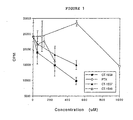
- This example illustrates effects of CT1558, CT1557 and CT1548 on a proliferative response of PBMCs to allogeneic stimulation determined in a two-way mixed lymphocyte reaction.
- the two way mixed lymphocyte reaction procedure is described herein. Briefly, 10 5 responder PBMC in 200 ⁇ l complete medium were co-cultured with 10 5 allogeneic cells. Autologous control cultures produced counts less than 1000. Drug was added contemporaneous with cells. The cultures were incubated for 6 days and labeled with tritiated thymidine to measure cell proliferation. Each of the inventive compounds were more effective than PTX for modulating immune activity in this assay (Figure 1).
- This example illustrates reversible effects of CT1558 and cyclosporin A (CyA) in a reversible mixed lymphocyte assay.
- This assay compares the ability of each drug to inhibit the proliferative response when the drug is in contact with cells and to allow the proliferative response to resume following drug removal.
- the culture were treated with 350 ⁇ g CT1558 or 3.3 ⁇ g/ml cyclosporin A continuously for 6 days prior to pulsing with tritiated thymidine.
- the cultures were treated with drug for 24, 48, 72, or 96 hrs prior to washing and resuspending in drug-free media and then pulsed with tritiated thymidine.
- the results in Figure 2 indicate that CT1558 and CyA decrease the proliferative response.
- CyA inhibition is irreversible whereas CT1558 inhibition is reversible.
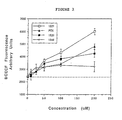
- This example illustrates the effects of CT1520, CT1548, CT1521 and PTX for protection of mouse L929 cells from cytotoxic effects of TNF.
- This procedure is an in vitro septic shock model.
- L929 cells (10 5 /well) were treated with 300 ng/ml of human TNF with or without drug (added one hour prior to TNF addition) at concentrations shown in Figure 3.
- the cells were stained for viability using BCECF and fluorescence analyzed for viability using a Milipore fluorescence plate reader.
- the results shown in Figure 3 illustrate that the most potent cytoprotective effects were seen with CT1520 and CT1548.
- This example illustrates the effects of CT1548 and CT1558 on inhibition of PDGF-induced proliferation in human stromal cells.
- Human stromal cells were starved in serum-free media for 24 hours and then stimulated with 50 ng/ml PDGF-BB. The drugs were added at various concentrations one hour prior to PDGF stimulation. Tritiated thymidine was added at the time of PDGF stimulation and pulsed for 24 hours. Cells were harvested and cell proliferation measured ( Figure 4). Background counts ( i.e. , starved cells) were about 10% of control levels.
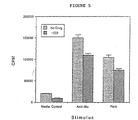
- This example illustrates the effects of CT1558 (250 ⁇ o ⁇ ) to inhibit B cell proliferation.
- Ramos B-cell tumor cells were treated with CT1558 for one hr prior to stimulation with anti-mu antibody or PMA (5nM). One day later the cells were pulsed with tritiated thymidine and proliferation determined (Figure 5). CT1558 inhibited the proliferative response.
- This example illustrates the effects of CT1521 and CT1558 on thymocyte proliferation stimulated by IL-1 or Con A.
- the data are shown in Figure 6. Drugs were added 2 hrs prior to stimulation. Both drugs inhibited the proliferation of thymocytes.
- This example illustrates a method to synthesize 1-(6-Hydroxyhexyl)-3,7-dimethylxanthine.
- a mixture of theobromine (1.0 g, 5.5 mmol, from Sigma) and 50% sodium hydride in oil (264 mg, 5.5 mmol) and dimethylsulfoxide (20 mL) was stirred for 50 minutes, after which 6-bromo-1-hexanol (1.0 g, 5.5 mmol, from Aldrich) was added. After stirring for 18 hours, the solution was treated with water (50 mL) and then extracted with two 25 mL aliquots of hexane.
- the aqueous phase was extracted with 25% ethanol-dichloromethane (3 X 35 mL) and the combined ethanol-dichloromethane extracts dried over magnesium sulfate. The solvents were evaporated under vacuum. The remaining dimethylsulfoxide was removed by distillation under full pump vacuum to yield 1.4 g 1-(6-hydroxyhexyl)-3,7-dimethylxanthine (91% yield) as a white powder.
- This example shows the effects of 1-[5-(undecylamino)hexyl]-3,7-dimethylxanthine on PDGF-induced proliferation in human stromal cells.
- human stromal cells were starved in serum-free media for 24 hours and then stimulated with 50 ng/ml PDGF-BB. The drugs were added at various concentrations one hour prior to PDGF stimulation. Tritiated thymidine was added at the time of PDGF stimulation and pulsed for 24 hours. Cells were harvested and cell proliferation measured having background counts ( i . e ., starved cells) at about 10% of control levels.
- Figure 7 illustrates the inventive compound's inhibition of PDGF-induced proliferation at various concentrations ( ⁇ M).
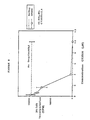
- This example shows an inhibitive effect of the inventive compound 1-[5-(undecylamino)hexyl]-3,7-dimethylxanthine on thymocyte proliferation and activation at various concentrations of the compounds (IC50) for murine thymocyte proliferation costimulated by Concanavalin A (Con A) and interleukin-2 alpha (IL-2).
- Con A used to activate CD3, along with IL-2 co-stimulation, induces T cell proliferation and differentiation.
- Thymuses obtained from normal, female Balb/C mice, were dissociated and plated into 96-well plates at a density of 2 x 10 5 cells/well. Con A (0.25 mg/ml) and IL-2 (15 U/ml) were added to the wells. The cells were incubated for 4 days at 37°C. On day 4, the cells were pulsed with tritiated thymidine and incubated for an additional 4 hours. Incorporated tritiated thymidine of harvested cells was determined in a liquid scintillation counter. Drug doses (shown in Figure 8, ⁇ M) were added two hours prior to Con A and IL-2 activation. Background counts were less than 200 cpm. The inventive compounds tested inhibit thymocyte proliferation and activation at relatively low concentrations with an IC50 value of 2.3 ⁇ M.
Landscapes
- Health & Medical Sciences (AREA)
- Chemical & Material Sciences (AREA)
- Organic Chemistry (AREA)
- General Health & Medical Sciences (AREA)
- Public Health (AREA)
- Veterinary Medicine (AREA)
- Medicinal Chemistry (AREA)
- Animal Behavior & Ethology (AREA)
- Life Sciences & Earth Sciences (AREA)
- Pharmacology & Pharmacy (AREA)
- Nuclear Medicine, Radiotherapy & Molecular Imaging (AREA)
- Chemical Kinetics & Catalysis (AREA)
- General Chemical & Material Sciences (AREA)
- Bioinformatics & Cheminformatics (AREA)
- Engineering & Computer Science (AREA)
- Epidemiology (AREA)
- Diabetes (AREA)
- Hematology (AREA)
- Oncology (AREA)
- Communicable Diseases (AREA)
- Cardiology (AREA)
- Heart & Thoracic Surgery (AREA)
- Obesity (AREA)
- Gastroenterology & Hepatology (AREA)
- Urology & Nephrology (AREA)
- Immunology (AREA)
- Dermatology (AREA)
- Endocrinology (AREA)
- Reproductive Health (AREA)
- Pharmaceuticals Containing Other Organic And Inorganic Compounds (AREA)
- Organic Low-Molecular-Weight Compounds And Preparation Thereof (AREA)
- Acyclic And Carbocyclic Compounds In Medicinal Compositions (AREA)
Applications Claiming Priority (3)
| Application Number | Priority Date | Filing Date | Title |
|---|---|---|---|
| US973804 | 1992-11-09 | ||
| US07/973,804 US5340813A (en) | 1992-11-09 | 1992-11-09 | Substituted aminoalkyl xanthine compounds |
| EP94900587A EP0623133B1 (fr) | 1992-11-09 | 1993-11-09 | Composes d'amino alkyle substitues |
Related Parent Applications (2)
| Application Number | Title | Priority Date | Filing Date |
|---|---|---|---|
| EP94900587A Division EP0623133B1 (fr) | 1992-11-09 | 1993-11-09 | Composes d'amino alkyle substitues |
| EP94900587.0 Division | 1994-05-26 |
Publications (1)
| Publication Number | Publication Date |
|---|---|
| EP1460074A1 true EP1460074A1 (fr) | 2004-09-22 |
Family
ID=25521246
Family Applications (2)
| Application Number | Title | Priority Date | Filing Date |
|---|---|---|---|
| EP94900587A Expired - Lifetime EP0623133B1 (fr) | 1992-11-09 | 1993-11-09 | Composes d'amino alkyle substitues |
| EP04014397A Withdrawn EP1460074A1 (fr) | 1992-11-09 | 1993-11-09 | Composés aminoalkylés substitués |
Family Applications Before (1)
| Application Number | Title | Priority Date | Filing Date |
|---|---|---|---|
| EP94900587A Expired - Lifetime EP0623133B1 (fr) | 1992-11-09 | 1993-11-09 | Composes d'amino alkyle substitues |
Country Status (11)
| Country | Link |
|---|---|
| US (1) | US5340813A (fr) |
| EP (2) | EP0623133B1 (fr) |
| JP (1) | JPH07503486A (fr) |
| AT (1) | ATE277049T1 (fr) |
| AU (1) | AU5551594A (fr) |
| CA (1) | CA2117377C (fr) |
| DE (1) | DE69333632T2 (fr) |
| DK (1) | DK0623133T3 (fr) |
| ES (1) | ES2227522T3 (fr) |
| PT (1) | PT623133E (fr) |
| WO (1) | WO1994011370A1 (fr) |
Families Citing this family (22)
| Publication number | Priority date | Publication date | Assignee | Title |
|---|---|---|---|---|
| US5817662A (en) * | 1992-11-09 | 1998-10-06 | Cell Therapeutics, Inc. | Substituted amino alkyl compounds |
| US6469017B1 (en) * | 1998-01-16 | 2002-10-22 | Cell Therapeutics, Inc. | Method of inhibiting interleukin-12 signaling |
| JPH08508514A (ja) * | 1993-11-01 | 1996-09-10 | セル・セラピューティックス・インコーポレーテッド | 細胞内ウイルス複製を阻害する方法 |
| AU1289595A (en) * | 1993-11-15 | 1995-06-06 | Cell Therapeutics, Inc. | Method for selectively inhibiting il-2 signal transduction |
| US5620676A (en) * | 1994-03-08 | 1997-04-15 | The United States Of America As Represented By The Department Of Health And Human Services | Biologically active ATP analogs |
| US5994402A (en) * | 1996-06-05 | 1999-11-30 | Rotstein; Ori D. | Anti-inflammatory and anti-pyretic method |
| US5786360A (en) * | 1996-11-19 | 1998-07-28 | Link Technology Incorporated | A1 adenosine receptor antagonists |
| US6011066A (en) * | 1998-02-02 | 2000-01-04 | Veterans General Hospital-Taipei | Method for treating septic shock |
| US6902721B1 (en) * | 1998-07-10 | 2005-06-07 | Osteoscreen, Inc. | Inhibitors of proteasomal activity for stimulating bone growth |
| JP4834224B2 (ja) | 1999-03-05 | 2011-12-14 | デューク ユニバーシティ | C16不飽和fp−選択的プロスタグランジン類縁体 |
| US6894175B1 (en) * | 1999-08-04 | 2005-05-17 | The Procter & Gamble Company | 2-Decarboxy-2-phosphinico prostaglandin derivatives and methods for their preparation and use |
| US20020037914A1 (en) * | 2000-03-31 | 2002-03-28 | Delong Mitchell Anthony | Compositions and methods for treating hair loss using C16-C20 aromatic tetrahydro prostaglandins |
| US20020013294A1 (en) * | 2000-03-31 | 2002-01-31 | Delong Mitchell Anthony | Cosmetic and pharmaceutical compositions and methods using 2-decarboxy-2-phosphinico derivatives |
| US20020172693A1 (en) | 2000-03-31 | 2002-11-21 | Delong Michell Anthony | Compositions and methods for treating hair loss using non-naturally occurring prostaglandins |
| JP3990972B2 (ja) * | 2001-11-20 | 2007-10-17 | 有限会社 キック | 血管再狭窄防止薬及び該防止薬がコーティングされた血管内埋め込み器具 |
| JP2006518390A (ja) * | 2003-02-19 | 2006-08-10 | エンダシア,インコーポレイテッド | A1アデノシンレセプターアンタゴニスト |
| CA2528385C (fr) * | 2003-06-06 | 2011-03-15 | Endacea, Inc. | Antagonistes du recepteur d'adenosine a1 |
| WO2004110379A2 (fr) * | 2003-06-09 | 2004-12-23 | Endacea, Inc. | Antagonistes de recepteur d'adenosine a1 |
| EP1841448A2 (fr) * | 2004-12-30 | 2007-10-10 | Diakine Therapeutics, Inc. | Compositions pharmaceutiques et procedes pour le retablissement de masse et de fonction de cellule-beta |
| US8722739B2 (en) * | 2008-10-29 | 2014-05-13 | Novaer Holdings, Inc. | Amino acid salts of prostaglandins |
| US8623918B2 (en) * | 2008-10-29 | 2014-01-07 | Novaer Holdings, Inc. | Amino acid salts of prostaglandins |
| WO2024199098A1 (fr) * | 2023-03-24 | 2024-10-03 | 麦科奥特(苏州)科技有限公司 | Dérivé de xanthine et son procédé de préparation et son utilisation |
Citations (2)
| Publication number | Priority date | Publication date | Assignee | Title |
|---|---|---|---|---|
| US4275064A (en) * | 1976-02-06 | 1981-06-23 | Interx Research Corporation | Transient pro-drug forms of xanthine derivatives and their use as topical anti-inflammatory agents |
| US4845081A (en) * | 1984-10-18 | 1989-07-04 | University Of Florida | Aminomethyl derivatives of biologically active substances, and enhanced delivery thereof across topical membranes |
Family Cites Families (11)
| Publication number | Priority date | Publication date | Assignee | Title |
|---|---|---|---|---|
| US4061753A (en) * | 1976-02-06 | 1977-12-06 | Interx Research Corporation | Treating psoriasis with transient pro-drug forms of xanthine derivatives |
| US4374837A (en) * | 1981-07-31 | 1983-02-22 | Laroche Navarron, S.A. | Piperazine derivatives of theobromine |
| HU190377B (en) * | 1982-03-12 | 1986-08-28 | Chinoin Gyogyszer Es Vegyeszet | Process for preparing theophyllinyl-alkyl-oxadiazoles |
| IT1203656B (it) * | 1983-06-10 | 1989-02-15 | Medosan Ind Biochimi | Attivita' antiaggregante piastrinica,antiinfiammatoria e broncolitica di esteri aroilpirrol e pirrilfenil acetici delle 7 (w-ossialchil) teofilline |
| US4558051A (en) * | 1983-10-11 | 1985-12-10 | Richardson-Vicks, Inc. | Analgesic and anti-inflammatory compositions comprising xanthines and methods of using same |
| DE3620674A1 (de) * | 1986-06-20 | 1987-12-23 | Nattermann A & Cie | Salbe zur behandlung von hauterkrankungen |
| US5126340A (en) * | 1986-10-16 | 1992-06-30 | American Cyanamid Company | 4-[(substituted)alkylcarbonyl]-4,5-dihydro and -4,5,6,7-tetrahydro-7-[(substituted)-phenyl]pyrazolo[1,5-a]pyrimidine-3-carbonitriles |
| US5272153A (en) * | 1986-12-31 | 1993-12-21 | Hoechst-Roussel Pharmaceuticals, Inc. | Method of inhibiting the activity of leukocyte derived cytokines |
| US5196439A (en) * | 1987-11-27 | 1993-03-23 | Eisai Co., Ltd. | Piperidine compounds useful to treat cerebrovascular diseases |
| US5039666A (en) * | 1990-10-30 | 1991-08-13 | Hoechst-Roussel Pharmaceuticals Inc. | Aminoglycoside composition having substantially reduced nephrotoxicity induced by the aminoglycoside |
| US5247086A (en) * | 1992-03-26 | 1993-09-21 | American Cyanamid Company | Process for the synthesis of 5-[(substituted amino]-8-[phenyl or substituted-phenyl]-3H,6H-1,4,5A,8A-tetraazaace-naphthylen-3-ones and intermediates therefor |
-
1992
- 1992-11-09 US US07/973,804 patent/US5340813A/en not_active Expired - Lifetime
-
1993
- 1993-11-09 DE DE69333632T patent/DE69333632T2/de not_active Expired - Lifetime
- 1993-11-09 WO PCT/US1993/010776 patent/WO1994011370A1/fr not_active Ceased
- 1993-11-09 JP JP6512276A patent/JPH07503486A/ja active Pending
- 1993-11-09 ES ES94900587T patent/ES2227522T3/es not_active Expired - Lifetime
- 1993-11-09 EP EP94900587A patent/EP0623133B1/fr not_active Expired - Lifetime
- 1993-11-09 EP EP04014397A patent/EP1460074A1/fr not_active Withdrawn
- 1993-11-09 AT AT94900587T patent/ATE277049T1/de not_active IP Right Cessation
- 1993-11-09 CA CA002117377A patent/CA2117377C/fr not_active Expired - Fee Related
- 1993-11-09 DK DK94900587T patent/DK0623133T3/da active
- 1993-11-09 AU AU55515/94A patent/AU5551594A/en not_active Abandoned
- 1993-11-09 PT PT94900587T patent/PT623133E/pt unknown
Patent Citations (2)
| Publication number | Priority date | Publication date | Assignee | Title |
|---|---|---|---|---|
| US4275064A (en) * | 1976-02-06 | 1981-06-23 | Interx Research Corporation | Transient pro-drug forms of xanthine derivatives and their use as topical anti-inflammatory agents |
| US4845081A (en) * | 1984-10-18 | 1989-07-04 | University Of Florida | Aminomethyl derivatives of biologically active substances, and enhanced delivery thereof across topical membranes |
Also Published As
| Publication number | Publication date |
|---|---|
| ATE277049T1 (de) | 2004-10-15 |
| WO1994011370A1 (fr) | 1994-05-26 |
| AU5551594A (en) | 1994-06-08 |
| PT623133E (pt) | 2005-01-31 |
| CA2117377C (fr) | 2006-05-30 |
| DK0623133T3 (da) | 2004-12-20 |
| JPH07503486A (ja) | 1995-04-13 |
| EP0623133B1 (fr) | 2004-09-22 |
| US5340813A (en) | 1994-08-23 |
| EP0623133A4 (en) | 1995-10-11 |
| DE69333632D1 (de) | 2004-10-28 |
| EP0623133A1 (fr) | 1994-11-09 |
| CA2117377A1 (fr) | 1994-05-26 |
| ES2227522T3 (es) | 2005-04-01 |
| DE69333632T2 (de) | 2005-12-01 |
Similar Documents
| Publication | Publication Date | Title |
|---|---|---|
| US5889011A (en) | Substituted amino alkyl compounds | |
| US5804584A (en) | Therapeutic compounds containing a monocyclic five- to six- membered ring structure having one to two nitrogen atoms | |
| CA2117377C (fr) | Composes aminoalkyl substitues | |
| US5670506A (en) | Halogen, isothiocyanate or azide substituted xanthines | |
| US6100271A (en) | Therapeutic compounds containing xanthinyl | |
| US5837703A (en) | Amino-alcohol substituted cyclic compounds | |
| US5807861A (en) | Amine substituted xanthinyl compounds | |
| US5777115A (en) | Acetal-and ketal-substituted pyrimidine compounds | |
| EP0669825A1 (fr) | Composes a teneur hydroxyle | |
| US5770595A (en) | Oxime substituted therapeutic compounds | |
| US5801182A (en) | Amine substituted compounds | |
| AU695674C (en) | Second messenger cell signaling inhibitors | |
| WO1994022863A9 (fr) | Inhibiteurs de la signalisation cellulaire vehiculee par des messagers secondaires | |
| WO1995020589A1 (fr) | Inhibiteurs de la signalisation cellulaire | |
| WO1994024133A1 (fr) | Inhibiteurs de signalisation cellulaire a cycle substitue | |
| US5866576A (en) | Epoxide-containing compounds | |
| US5521315A (en) | Olefin substituted long chain compounds | |
| US6103730A (en) | Amine substituted compounds | |
| HK1066795A (en) | Substituted amino alkyl compounds | |
| US20030207901A1 (en) | Hydroxyl-containing compounds | |
| AU737005B2 (en) | Second messenger cell signalling inhibitors |
Legal Events
| Date | Code | Title | Description |
|---|---|---|---|
| PUAI | Public reference made under article 153(3) epc to a published international application that has entered the european phase |
Free format text: ORIGINAL CODE: 0009012 |
|
| 17P | Request for examination filed |
Effective date: 20040618 |
|
| AC | Divisional application: reference to earlier application |
Ref document number: 0623133 Country of ref document: EP Kind code of ref document: P |
|
| AK | Designated contracting states |
Kind code of ref document: A1 Designated state(s): AT BE CH DE DK ES FR GB GR IE IT LI LU MC NL PT SE |
|
| REG | Reference to a national code |
Ref country code: HK Ref legal event code: DE Ref document number: 1066795 Country of ref document: HK |
|
| AKX | Designation fees paid |
Designated state(s): AT BE CH DE DK ES FR GB GR IE IT LI LU MC NL PT SE |
|
| REG | Reference to a national code |
Ref country code: HK Ref legal event code: WD Ref document number: 1066795 Country of ref document: HK |
|
| 17Q | First examination report despatched |
Effective date: 20110525 |
|
| STAA | Information on the status of an ep patent application or granted ep patent |
Free format text: STATUS: THE APPLICATION IS DEEMED TO BE WITHDRAWN |
|
| 18D | Application deemed to be withdrawn |
Effective date: 20110601 |