EP1469082A1 - Méthode d'identification de substances qui inhibent spécifiquement le complexe de promotion d'anaphase. - Google Patents
Méthode d'identification de substances qui inhibent spécifiquement le complexe de promotion d'anaphase. Download PDFInfo
- Publication number
- EP1469082A1 EP1469082A1 EP03008908A EP03008908A EP1469082A1 EP 1469082 A1 EP1469082 A1 EP 1469082A1 EP 03008908 A EP03008908 A EP 03008908A EP 03008908 A EP03008908 A EP 03008908A EP 1469082 A1 EP1469082 A1 EP 1469082A1
- Authority
- EP
- European Patent Office
- Prior art keywords
- apc
- binding
- peptide
- cdh1
- fragment
- Prior art date
- Legal status (The legal status is an assumption and is not a legal conclusion. Google has not performed a legal analysis and makes no representation as to the accuracy of the status listed.)
- Withdrawn
Links
Images





Classifications
-
- C—CHEMISTRY; METALLURGY
- C12—BIOCHEMISTRY; BEER; SPIRITS; WINE; VINEGAR; MICROBIOLOGY; ENZYMOLOGY; MUTATION OR GENETIC ENGINEERING
- C12Q—MEASURING OR TESTING PROCESSES INVOLVING ENZYMES, NUCLEIC ACIDS OR MICROORGANISMS; COMPOSITIONS OR TEST PAPERS THEREFOR; PROCESSES OF PREPARING SUCH COMPOSITIONS; CONDITION-RESPONSIVE CONTROL IN MICROBIOLOGICAL OR ENZYMOLOGICAL PROCESSES
- C12Q1/00—Measuring or testing processes involving enzymes, nucleic acids or microorganisms; Compositions therefor; Processes of preparing such compositions
- C12Q1/34—Measuring or testing processes involving enzymes, nucleic acids or microorganisms; Compositions therefor; Processes of preparing such compositions involving hydrolase
- C12Q1/37—Measuring or testing processes involving enzymes, nucleic acids or microorganisms; Compositions therefor; Processes of preparing such compositions involving hydrolase involving peptidase or proteinase
-
- G—PHYSICS
- G01—MEASURING; TESTING
- G01N—INVESTIGATING OR ANALYSING MATERIALS BY DETERMINING THEIR CHEMICAL OR PHYSICAL PROPERTIES
- G01N2500/00—Screening for compounds of potential therapeutic value
-
- G—PHYSICS
- G01—MEASURING; TESTING
- G01N—INVESTIGATING OR ANALYSING MATERIALS BY DETERMINING THEIR CHEMICAL OR PHYSICAL PROPERTIES
- G01N2500/00—Screening for compounds of potential therapeutic value
- G01N2500/02—Screening involving studying the effect of compounds C on the interaction between interacting molecules A and B (e.g. A = enzyme and B = substrate for A, or A = receptor and B = ligand for the receptor)
Definitions
- the present invention relates to the regulation of the cell cycle in eukaryotic cells.
- the invention relates to the key regulator of the cell cycle, the Anaphase Promoting Complex (APC) or cyclosome, as a target for chemotherapeutic drugs.
- APC Anaphase Promoting Complex
- the aim of most chemotherapeutic approaches against cancer is to kill rapidly proliferating cells while leaving non-proliferating, differentiated cells unaffected. Since the state of the components regulating the cell cycle is different between proliferating and quiescent cells, these components are potential targets for anti-cancer drugs.
- the Anaphase-Promoting Complex or Cyclosome is a multisubunit ubiquitin-protein ligase (E3) that controls important transitions in the eukaryotic cell cycle.
- the main APC targets in mitosis are the anaphase inhibitor securin, whose destruction promotes sister chromatid separation, and mitotic B-type cyclins, which have to be degraded in order to exit from mitosis (reviewed in 1,2 ) .
- the APC achieves this by transferring activated ubiquitin residues from ubiquitin-conjugating enzymes (E2 or UBC) onto substrates, resulting in the formation of polyubiquitin chains. These chains act as recognition signal that target the substrate proteins for proteolysis by the 26S proteasome (reviewed in 3 ).
- APC is an unusually complex ubiquitin ligase, sedimenting with an S value of 22 and being comprised of at least 11 core subunits. Sequence motifs found in APC subunits include tetratrico peptide repeats (TPR) in APC3/CDC27, APC6/CDC16, APC7, and APC8/CDC23 4,5 , the DOC domain in APC10/DOC1 6,7 , a cullin homology domain in APC2 8,9 , and a RING finger in APC11 10,11 . Like several other RING finger proteins, APC11 alone is sufficient to catalyze polyubiquitination reactions, although with reduced substrate specificity and regulation 10,11 .
- TPR tetratrico peptide repeats
- APC11 tightly interacts with APC2's cullin domain 12,13 . Similar pairs of cullin and RING proteins are also found at the core of SCF and VHL complex-type ubiquitin ligases, where they form the minimal catalytically active module. These observations imply that APC2 and APC11 constitute the active ubiquitin-conjugating component within holo-APC (the naturally occuring APC), whereas other subunits might confer substrate specificity or play roles in regulation. Alternatively, their main function might be a structural one, as suggested by a 3D model of human APC reconstituted from cryo-electron microscopy. This model shows a cage-like structure that might shield the active subunits on the inside of a reaction chamber 14 .
- APC activity strictly depends on transient association with one of the activator proteins CDH1 and CDC20, which might be directly involved in substrate recognition (reviewed in 15 ). Most recently, APC10 has been implicated in aiding in substrate binding 16 and processivity 17 of polyubiquitination.
- CDH1 and CDC20 possess WD40 repeats, a motif found in other adaptor proteins, and APC10 consists largely of the DOC domain, a conserved motif that is often found in conjunction with other ubiquitination domains and folds into a structure likely to interact with ligands 18,19 .
- CDH1 two conserved motifs have been found to be important for interaction with the APC, the N-terminal C-box (also called DRY-box) and the C-terminal amino acid motif isoleucine-arginine (IR) 16,20 . Apart from its possible role in substrate recruitment, it is not known how CDH1 activates the APC, or where it binds to the complex.
- Reconstitution from recombinant subunits has been crucial for functional and structural studies of several macromolecular complexes, including the SCF ubiquitin ligase, whose crystal structure has recently been solved 21 . Partially due to its greater complexity, reconstitution of the APC has proven difficult.
- the APC has been suggested as a target for chemotherapeutic intervention for the following reasons:
- WO 96/33286 it is suggested to identify APC inhibitors by incubating the mitotic destruction complex, APC, in a reaction containing a ubiquitin activating enzyme (E1 ), a suitable ubiquitin conjugating enzyme (E2), ubiquitin, ATP and a substrate (e. g. cyclin B) which can be detected either by immunoblotting or because it is labeled radioactively, and determining whether a test compound inhibits the ubiquitination reaction.
- E1 ubiquitin activating enzyme
- E2 suitable ubiquitin conjugating enzyme
- ubiquitin ubiquitin
- ATP e.g. cyclin B
- WO 98/21326 describes a method for identifying the APC subunits and using these subunits to provide APC in recombinant form to be employed in an assay to identify APC inhibitors.
- the screening methods for identifying compounds that inhibit the ubiquitination reaction mediated by the APC are based on the ability of the APC subunit APC11 to autoubiquitinate and to be sufficient to ubiquitinate substrate proteins of native APC.
- APC2 and APC11 can be reversibly dissociated from the complex, leaving an intact residual complex that still interacts with CDH1 and whose activity can be restored by addition of recombinant APC2/11. Furthermore, the inventors isolated a subcomplex consisting of APC1, 2, 4, 5 and 11 that is unable to ubiquitinate substrates or bind CDH1.
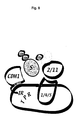
- Figure 8 shows a cartoon summarizing the findings on APC assembly and mechanism.
- APC2/11 which recruit ubiquitin-loaded E2, can be dissociated from the remaining complex. They can also form a stable complex together with APC1/4/5 in the absence of other subunit, especially the TPR proteins.
- CDH1 interacts with the TPR subunits APC3 and APC7 and might therefore be juxtaposed to APC2/11, consistent with its apparent role as substrate-presenting factor.
- the present invention relates to a method for determining whether a compound has the ability to specifically inhibit the APC, wherein
- An "APC fragment” in the meaning of the present invention may be the full-length APC subunits APC3 or APC7, or variants thereof that have the binding properties of the naturally occuring proteins, or the C-terminal portion of APC3 or APC7 that is responsible for binding to the peptide.
- the APC fragment corresponds to the TPR region of the protein, which encompasses amino acids 498 to 824 of human APC3 (accession number NP_001247) or amino acids 297 to 565 of human APC7 (accession number NP_057322), respectively.
- the APC fragments are preferably employed as recombinant proteins, which can be obtained according to conventional methods by transforming and culturing a suitable host with a plasmid carrying the sequence encoding the protein.
- the cDNA sequences of the protein components are available from the literature and from databases (see above).
- the APC subunits or their fragments may contain deviations from the amino acid sequence of the naturally occuring protein as long as these deviations do not impair the protein's functional activity.
- the APC subunits are fused to an affinity tag, a protein which is suitable for affinity purification, such as gluthathione S-transferase (GST, Amersham Pharmacia), maltose binding protein (MBP, New England Biolabs) or short tags like His(6) (Qiagen).
- GST gluthathione S-transferase
- MBP maltose binding protein
- short tags like His(6) (Qiagen).
- the preferred host cells are E. coli cells, because they are devoid of endogenous APC.
- the proteins are purified according to standard protocols, preferably by affinity chromatography.
- the peptide defined in b) is designated a "APC-binding peptide”.
- the APC-binding peptide is an "IR peptide". As described above, this peptide has isoleucine-arginine as the C-terminal amino acid motif. In the experiments of the invention, it has been shown that an IR peptide can inhibit binding of the APC to CDH1 or CDC20 and thus activation of the APC. The principle of the method of the invention is to find compounds that compete with the IR peptide and thus function as specific inhibitors for APC activation.
- the IR peptide is the C-terminal peptide derived from CDH1 or CDC20.
- the IR peptide has the sequence CFSKTRSTKESVSVLNLFTRIR (SEQ ID NO:1; authentic human CDH1 C-terminus), or CLRREREKASTSKSSLIHQGIR (SEQ ID NO:2; the authentic human CDC20 C-terminus).
- peptides may be modified with regard to their length and sequence, e.g. they may be shortened at the N-terminus for easier handling, or mutated in view of increasing the binding. These alterations may be carried out routinely, by peptide synthesis, and the candidate IR peptides tested in serial experiments for their binding efficiency.
- the APC-binding peptide is derived from the DRY box, e.g. a peptide with the sequence GDRFIPSR (SEQ ID NO:3), which is derived from human CDH1, or the sequence GDRYIPHR (SEQ ID NO:4) derived from human CDC20. It has been shown that a mutation of this sequence strongly prevents activation of the APC, which is obivously a result of reduced binding of the mutated CDH1 to the APC.
- the ability of the test compound to interfere with binding of CDH1 or CDC20 to the APC can be tested according to various assay principles.
- the primary screening assay (step A) is a fluorescence polarization assay (FPA).
- FPA fluorescence polarization assay
- the fluorescence polarization assays that can be employed in the method of the invention are well known in the art.
- the basic principle of fluorescence polarization (FP) involves a change in the rotational Brownian motion of a small molecule upon binding to a larger molecule.
- FP fluorescence polarization
- the change in the mobility of a small fluorescent ligand can be detected with high sensitivity by measuring the depolarization of the light emitted following excitation with polarized light.
- FP permits direct measurement of complex formation in solution without its separation from reactants.
- the primary screen (step A) comprises the steps of
- Suitable fluorescent labels are commercially available, examples are fluorescein, rhodamine, oregon green, Bodipi FL, etc.; methods for conjugation are well known in the art.
- the fluorescent value must be detectable at low concentrations.
- holo APC preferably from human cells, is used in this type of FP assay.
- the extent of binding is determined by measuring the physical proximity of the binding partners upon incubation, e.g. by means of a FRET assay (fluorescence resonance energy transfer, as described by 27 or by 28 ).
- FRET fluorescence resonance energy transfer, as described by 27 or by 28 .
- FRET can only be achieved if certain conditions are fullfilled, i.e. fluorophor pairs with overlapping emission and excitation wavelenghts, like europium/allophycocyanin, europium/Cy5, europium/PE (all commercially available from Wallac, Turku, Finnland) and an minimal proximity of these fluorophors below 5-10nM.ln a FRET assay, the APC-binding peptide and an APC fragment carry fluorophors that form a suitable FRET pair.
- fluorophors may be present on the molecule by being bound to antibodies directed against the affinity label present on the APC subunit (or a fragment thereof) as obtained after purification, e.g. GST or the myc epitope, or they are directly coupled to the APC subunit (or fragment).
- the APC-binding peptide usually carries the fluorophor either directly (direct coupling is usually achieved by commercial custom service, e.g. Wallac) or the biotinylated peptide is used in combination with fluorophor-labeled streptavidin. When coupled to antibodies, the fluorophors are added to the reaction after its completion.
- the primary screen of step A comprises the steps of
- the primary screen (step A) in the method of the invention is based on an ELISA-type assay employing reagents that recognize the binding partners.
- such reagents are antibodies; the assay is an ELISA-type assay that may be carried out according to standard methodology that is commercially available.
- an assay may be conducted as follows: One of the binding partners (APC subunit or a fragment thereof) is immobilized on a microtiter plate by means of an antibody (against the APC subunit or a fragment thereof or against a tag, e.g. GST, His, Myc) that is bound to the plate.
- APC subunit or a fragment thereof is immobilized on a microtiter plate by means of an antibody (against the APC subunit or a fragment thereof or against a tag, e.g. GST, His, Myc) that is bound to the plate.
- the other binding partner, the APC-binding peptide is added in biotinylated form, in the presence and absence of the test compound, and binding is determined by addition of streptavidin (or avidin) that carries a detectable label, e.g. horseradish peroxidase, alkaline phosphatase or a fluorophor.
- streptavidin or avidin
- a detectable label e.g. horseradish peroxidase, alkaline phosphatase or a fluorophor.
- This assay may also be conducted in a reverse manner: in this case the biotinylated APC-binding peptide is immobilized on a streptavidin plate and the APC subunit (fragment) is added in solution. Binding is determined, in the presence or absence of the test compound, by addition of a labeled antibody against the APC subunit (or against a tag) or by addition of a labeled secondary antibody that binds to an antibody against the APC subunit or against a tag.
- test compound with the ability to inhibit binding of the APC-binding peptide to the APC subunit is identified by a reduced signal.
- non-biotinylated APC-binding peptide is present in excess.
- the primary screening assay of step A may be a radioactive assay, e.g. a scintillation proximity assay (SPA).
- SPA scintillation proximity assay
- the APC subunit (fragment) is immobilized on a solid support, e.g. an SPA or LEAD Seeker bead (Amersham), using an epitope tag such as GST or His.
- a solid support e.g. an SPA or LEAD Seeker bead (Amersham)
- an epitope tag such as GST or His.
- the APC-binding peptide carrying a radioactive label e.g. 33 P, 3 H, 125 I, is added in the absence or presence of test compounds, incubated for a period of time sufficient for binding and the amount of radioactivity remaining associated with the beads is measured.
- step A is carried out as a Amplified Luminescent Proximity Homogeneous Assay (ALPHA).
- APHA Amplified Luminescent Proximity Homogeneous Assay
- AlphaScreen which is commercially available (Life Sciences Perkin Elmer) is a bead-based non-radioactive assay.
- a photosensitizer in the "donor” bead converts ambient oxygen to a more excited singlet state.
- the singlet state oxygen molecules diffuse across to react with a thioxene derivative in the "acceptor” bead generating chemiluminescence at 370 nm that further activates fluorophors contained in the same bead.
- the fluorophors subsequently emit light at 520-620 nm.
- the singlet state oxygen molecules produced by the donor bead go un-detected without the close proximity of the acceptor bead. As a result, only a very low background signal is produced.
- the application of this assay in the method of the present invention may be as follows: the biotinylated APC-binding peptide is bound to the streptavidin-coated donor beads and the APC subunit (fragment) is bound to the acceptor beads via a tag on the protein and a corresponding binding partner on the beads, e.g. a GST tag and an anti-GST antibody, a His6 tag and NiNTA (Ni-nitrilotriacetic acid), a Myc tag and an anti-Myc antibody, a HA tag (hemagglutinin) an anti-HA antibody or a Flag tag and anti Flag antibodies.
- a tag on the protein and a corresponding binding partner on the beads e.g. a GST tag and an anti-GST antibody, a His6 tag and NiNTA (Ni-nitrilotriacetic acid), a Myc tag and an anti-Myc antibody, a HA tag (hemagglutinin) an anti-HA antibody or a
- the donor and acceptor beads are incubated for a period of time sufficient for binding of the APC-binding peptide and the APC fragment, in the presence or absence of the test compound, and the chemiluminescence signals are compared. A reduction of the signal is indicative of the compound's ability to interfere with binding.
- step A To confirm that a compound that has been identified in the above-described primary screens of step A) according to its ability to interfere with binding of an APC-binding peptide to the APC (fragment) will also inhibit holo APC and is therefore a drug candidate which is capable of inhibiting the cell's entry into the subsequent cell cycle, the compound is, in the next step B), subjected to a secondary screen employing holo APC.
- the APC assembles multiubiquitin chains on a variety of regulatory proteins and thus targets them for proteolysis by the 26S proteasome.
- E1 and ubiquitin-conjugating enzymes E2s
- the APC assembles multiubiquitin chains on a variety of regulatory proteins and thus targets them for proteolysis by the 26S proteasome.
- the APC has to ubiquitinate the anaphase inhibitor securin, whereas exit from mitosis requires the APC-mediated ubiquitination of B-type cyclins.
- APC substrates contain either a destruction (D) or a KEN box sequence whose presence is required for recognition by the APC (3).
- an APC with the ability of the native APC to ubiquitinate APC substrate protein in a strictly regulated manner is employed, e.g. immunoprecipitated APC, preferably from human cells, in particular from HeLa cells.
- the APC employed in the this step is preferably mitotic APC.
- mitotic APC can be obtained according to standard methods, e.g. from Nocodazole-arrested HeLa cells, as described in 26 .
- recombinant APC may be used, which can be produced according to the method described in WO 98/21326.
- This APC may be immobilized on a solid support, preferably beads, covalently associated with antibodies against an APC subunit, e.g. APC3/CDC27; in the case of recombinant APC, it may be present in solution.
- APC subunit e.g. APC3/CDC27
- the following components are employed in the reaction, which occurs in the presence or absence of the candidate compound: E1, E2, in particular UBCH5b or UBCH10, or a combination of both, ubiquitin, either radioactively labeled for direct detection of polyubiquitin chains or unlabeled for detection of substrate conjugates, an ATP regenerating system and substrate proteins such as CyclinB or Securin, preferably from human source. Both substrate proteins may be tagged at the carboxy-terminus with a myc-epitope for antibody detection and a his(6) tag for affinity purification, or alternatively with a GST tag.
- the substrate proteins are either labeled with 125 I or detectable through a carboxy-terminal tag, e.g. the myc tag recognized by the 9E10 antibody.
- the secondary screening assay system also requires the presence of an APC activator, i.e. CDH1 or CDC20 in recombinant form, preferably expressed in insect cells. Reactions can either be analysed by SDS-PAGE following phosphorimaging (when using iodinated proteins) or Western blotting using appropriate antibodies (9E10, anti ubiquitin).
- this assay can also be performed on microtiter plates covered with antibodies, e.g. against GST.
- Substrate proteins like CyclinB or Securin when fused to GST, can be captured on the plates after the reaction is completed.
- the amount of associated ubiquitin can be measured either directly, when using 125 I-ubiquitin or quantified using antibodies against ubiquitin, or against a tag associated with ubiquitin.
- These antibodies are either directly labeled, i.e. with a fluorophor or with 125 l, or will be detected with a secondary, labeled antibody.
- a suitable ubiquitin activating enzyme is the wheat UBA1 E1 (gene bank accession number M55604), however, UBA1 E1 from other species may also be used, which can be purified on a ubiquitin affinity matrix according to published procedures (e.g. 28,29 ).
- CDH1 or CDC20 are employed as recombinant proteins, preferably expressed in insect cells, as described in 23 .
- an ubiquitin conjugating enzyme is, in a preferred embodiment, the human variant UBCH5b (gene bank accession number U39317), although, also in this case, UBCH5b homologs from other species, e.g. Xenopus laevis, may be employed. Alternatively, UBCH5a or UBCH5c can be used.
- the ubiquitin conjugating enzyme E2 is fused to an affinity tag.
- ATP regenerating system To provide ATP for the ubiquitination reaction, a so-called “ATP regenerating system” is employed ( 31 ).
- Untagged ubiquitin is commercially available (Sigma). Recombinantly produced ubiquitin is fused to different tags for purification, i.e. His(6), GST or for detection, i.e. myc-epitope, HA-epitope. In both cases, ubiquitin comprises the N-terminal 76 amino acids required for its function.
- step B To make sure that the secondary assay of step B) is indeed suitable to confirm that the compounds inhibit APC activation, a control reaction is peformed prior to the screen. In such control reaction the APC activators are omitted and the background activity of the APC determined.
- Compounds identified in the screening method of the invention which function as specific APC inhibitors, are expected to arrest cells in metaphase of mitosis; this arrest is expected to subsequently induce apoptotic cell death.
- tumor cell proliferation To test the ability of a compound to inhibit tumor cell proliferation, primary human tumor cells are incubated with the compound identified in the screen and the inhibition of tumor cell proliferation is tested by conventional methods, e.g. bromo-desoxy-uridine or 3 H incorporation. Compounds that exhibit an antiproliferative effect in these assays may be further tested in tumor animal models and used for the therapy of tumors.
- Toxicity and therapeutic efficacy of the compounds identified as drug candidates can be determined by standard pharmaceutical procedures, which include conducting cell culture and animal experiments to determine the IC 50 , LD 50 , ED 50 .
- the data obtained are used for determining the human dose range, which will also depend on the dosage form (tablets, capsules, aerosol sprays, ampules, etc.) and the administration route (oral, buccal, nasal, paterental or rectal).
- a pharmaceutical composition containing the compound as the active ingredient can be formulated in conventional manner using one or more physologically active carriers and excipients. Methods for making such formulations can be found in manuals, e.g. "Remington Pharmaceutical Sciences".
- the present invention relates to peptidomimetics that are derived from the APC binding peptides, i.e. CFSKTRSTKESVSVLNLFTRIR (SEQ ID NO:1), CLRREREKASTSKSSLIHQGIR (SEQ ID NO:2), GDRFIPSR (SEQ ID NO:3) or GDRYIPHR (SEQ ID NO:4).
- CFSKTRSTKESVSVLNLFTRIR SEQ ID NO:1
- CLRREREKASTSKSSLIHQGIR SEQ ID NO:2
- GDRFIPSR SEQ ID NO:3
- GDRYIPHR SEQ ID NO:4
- peptidomimetics can be obtained by known methods, e.g. as described by 32 , or by 33 . These peptidomimetics may be tested for their ability to inhibit APC activation, as described above for the secondary screening assay, and to inhibit tumor proliferation and used as cancer therapeutics like small molecule compounds.
- APC2 and APC11 can be dissociated from the APC
- a subcomplex consisting of APC1, 2, 4, 5, 11 elutes separately from holo-APC from an anion exchange resin.
- TPR-containing subunits APC3 and APC7 mediate APC interactions with C-terminal IR motifs
- CDH1/CDC20 peptides containing the IR motif inhibit CDH1 binding and APC activation
- Binding and activation of the APC depends on CDH1's C-terminal IR motif and the C-box
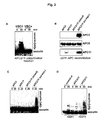
- holo-APC Sucrose density gradient centrifugation of holo-APC (A) and ⁇ 2/11-APC (B). Fractions were concentrated adnd anlayzed by western blot with APC antibodies. As input sample and antibody control, holo-APC was used in A and B.
- Anion exchange chromatography separates distinct populations of APC subunits
- Hela extracts were separated on a Source15Q column and eluted with a KCI gradient. Protein-containing fractions were collected and analyzed by western blotting for APC subunits, four of which are shown as examples.
- Antibodies raised against APC2, APC3/CDC27, APC8/CDC23, CDH1, APC10 and CDC26 have been described 7,10,14,25,26 .
- Antibodies against APC4, APC5, APC6/CDC16, APC7 and APC11 were raised by immunizing rabbits with synthetic peptides coupled to Keyhole Limpet Hemocyanin (APC4: CIVIKVEKLDPELDS, SEQ ID NO:5.
- APC5 CELTSRDEGERKMEKEEL; SEQ ID NO:6.
- APC6 CLETSRKTPDSRPSL; SEQ ID NO:7.
- APC7 CQKMEKEESPTDATQEED; SEQ ID NO:8.
- APC11 CRQEWKFKE, SEQ ID NO:9).
- UBCx antibodies were raised in mice against recombinantly expresses UBCx.
- Synthetic peptides used in binding and inhibition assays were CLRREREKASTSKSSLIHQGIR (CDC20 C-terminus; SEQ ID NO:2), CFSKTRSTKESVSVLNLFTRIR (CDH1 C-terminus;SEQ ID NO:1), CESDLHSLLQLDAPIPNAPPARW (CDC20 N-terminus; SEQ ID NO:10), and CAVWSLSSCKPGFGVD (control;SEQ ID NO:11).
- Recombinant HisHA-tagged CDH1 was expressed and purified as described 23 .
- the QuickChange Site-directed mutagenesis kit (Stratagene, La Jolla, CA) was used to generated the DRY box deletion (GDRFIPSR to AAAAAAAA; SEQ ID NO:12).
- GDRFIPSR DRY box deletion
- AAAAAAAA AAAAAAAA
- SEQ ID NO:12 SEQ ID NO:12
- Baculoviruses encoding the CDH1 mutants, His-APC2, HisHA-tagged APC3, 5, 6, 7, 8 and HA-APC11 were generated using the BAC-TO-BAC system (Invitrogen), and proteins were expressed in Sf9 or Hi5 cells.
- Extracts from logarithmically growing HeLa cells were prepared in buffer A (20 mM Tris-HCl, pH 7.5, 100 mM NaCl, 0.2% NP-40, 20 mM - glycerophosphate, 10% glycerol, 1 mM NaF, 0.5 mM DTT), and APC was immunopurfied using an APC3 peptide antibody 14 .
- ⁇ 2/11-APC on APC4 antibody beads was incubated for 30 min at 4°C in extracts prepared from Sf9 insect cells (in buffer A). That had been infected with baculoviruses encoding His-tagged APC2, HA-tagged APC11 or both proteins. Extracts were centrifuged at 100.000xg for 60 min before incubation with ⁇ 2/11 APC. Beads were subsequently washed 5x with buffer C and analysed for APC2/11 binding and ubiquitination activity.
- Immunopurified holo-APC or subcomplexes were washed and incubated with purified recombinant CDH1 (0.5-1.0 ⁇ g per 10 ⁇ l bead volume) in TBS/T, or with insect cell lysates in TBS/T containing recombinant CDH1 proteins as indicated. Peptides for competition were used at 1 mg/ml, with the addition of 0.5 mM DTT to the buffer. Subsequently, bead-bound complexes were washed 3x with TBS/T and immunoblotted for binding of CDH1 or used in ubiquitination assays. In vitro ubiquitination reactions were performed as described 26 .
- Securin-myc-his substrate was detected by immunoblotting with monoclonal anti-Myc 9E10 antibodies.
- an iodinated N-terminal recombinant fragment of sea urchin cyclin B (amino acids 13-110) was used and visualized by autoradiography 14 .
- Pellets from 5x10 9 logarithmically grown HeLa cells (4C, Belgium) were lysed in 20 mM TrisCl pH7.7, 150 mM KCI, 0.5 mM DTT, 0.1% Tween-20, Protease Inhibitor mix (Sigma) using a french press and cleared by 100,000xg centrifugation for 1 h. After filtration through a 0.45 ⁇ m filter, extracts were loaded onto a 60ml Source15Q anion exchange column (Amersham) at 4 ml/min. The column was washed with 20 mM Tris-Cl pH7.7, 150 mM KCI, 0.5 mM DTT until a drop in A 280 indicated the end of the flowthrough. Elution was carried out with a gradient from 150 mM to 600 mM KCl. Elution fractions were collected, desalted using PD10 gravity flow colums (Pharmacia) and concentrated in Centriprep cartridges.
- the catalytic subunits APC2 and APC11 can be dissociated from holo-APC
- APC bound to APC3 antibody beads was treated with various buffer conditions. Surprisingly, it was found that slightly lowered pH reduced the amount of APC2 and APC11 bound to holo-APC. After extensive washing of immunopurified APC with a high salt sodium phosphate buffer of pH 6.5 (see material and methods for details) and subsequent peptide elution, complexes still containing APC2 were depleted by immunoprecipitation with APC2 antibodies. Re-immunoprecipitation with APC4 antibodies showed that the remaining complex (henceforth called ⁇ 2/11-APC) has indeed quantitatively lost APC2 and APC11 ( Figure 1A).
- CDH1-loaded holo-APC and ⁇ 2/11-APC were analyzed for ubiquitination activity towards the substrate securin.
- holo-APC converts securin into ubiquitin conjugates of higher molecular mass in the presence of ATP, E1 and E2 enzymes
- ⁇ 2/11-APC is completely inactive in this in vitro ubiquitination assay ( Figure 1 C).
- APC2/11 are therefore not only sufficient, but also strictly required for ubiquitination activity of the APC.
- APC1, 2, 4, 5 and 11 form a stable subcomplex
- Q 350 -APC did not show significant activity towards securin ( Figure 3B), despite the presence of APC2 and APC11. This is unexpected given the ability of recombinant APC2/11 complexes to ubiquitinate APC substrates, but might support a model in which additional subunits would limit unregulated access of substrates to the catalytically active subunits.
- TPR domains and a C-terminal peptide motif as APC-CDH1 interaction modules TPR domains and a C-terminal peptide motif as APC-CDH1 interaction modules
- APC3, APC6, APC7, APC8, CDC26 and APC10 as possible CDH1 receptors.
- APC3, 6, 7 and 8 all contain multiple TPRs, a motif present in several adaptor proteins like the co-chaperone Hop or the peroxisomal importing receptor PEX5, where it is involved in interactions with C-terminal peptides.
- Structure prediction tools suggest that the TPR domains in APC3, APC6 and APC7 fold in a very similar manner to PEX5 ( Figure 4), and the inventors have previously shown that APC3 binds APC10 through APC10's extended C-terminal peptide 18 .
- FIG. 4 shows APC3's TPR domain modeled on the PEX5 structure 24 , with PEX5's cognate PTS1 peptide replaced by APC10's C-terminal pentapeptide, YRSIR. Strikingly, it was noted that APC10 orthologues from different species all share this conserved IR (LR in yeast) dipeptide with the APC activators CDH1 and CDC20. This remarkable conservation in several proteins in the APC context suggested an important, possibly common functional role for this motif.
- APC8 did not bind either peptide, and APC6 bound only in low amounts that were also observed to bind to control peptides ( Figure 5A and data not shown).
- APC7 interacted strongly with the CDH1 C-terminus and moderately with CDC20's C-terminus ( Figure 5A), in a manner very similar to APC3.
- APC3 and APC7 are highly related in their primary sequences. In budding yeast, which lacks APC7, they share Cdc27p as their closest homologue. This suggests that APC3 and APC7 might have originated from gene duplication and might still have overlapping functions.
- CDH1 binding and APC activation depends on two motifs in CDH1
- CDH1 baculovirus encoding CDH1 with a deletion of the C-terminal dipeptide ( ⁇ IR) was generated.
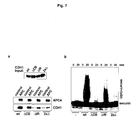
- Another conserved motif located in CDH1's N-terminal region, the C-box has been shown to be required for APC binding in yeast 20 . Therefore CDH1 versions with mutations in the C-box ( ⁇ DRY), and in both motifs (2x ⁇ ) were also generated. After expression in insect cells, the lysates were incubated with antibody-bound APC or control antibody beads, washed, and tested for activity and binding of recombinant CDH1.
- Figure 7A shows that both mutations in the DRY box and in the IR tail diminished binding significantly but not completely. Combining both mutations resulted in a further decrease in affinity, indicating that DRY box and IR tails cooperate to achieve optimal APC binding ( Figure 7A).
Landscapes
- Chemical & Material Sciences (AREA)
- Organic Chemistry (AREA)
- Life Sciences & Earth Sciences (AREA)
- Zoology (AREA)
- Wood Science & Technology (AREA)
- Proteomics, Peptides & Aminoacids (AREA)
- Health & Medical Sciences (AREA)
- Engineering & Computer Science (AREA)
- Microbiology (AREA)
- Biochemistry (AREA)
- Physics & Mathematics (AREA)
- Molecular Biology (AREA)
- Biotechnology (AREA)
- Biophysics (AREA)
- Analytical Chemistry (AREA)
- Immunology (AREA)
- Bioinformatics & Cheminformatics (AREA)
- General Engineering & Computer Science (AREA)
- General Health & Medical Sciences (AREA)
- Genetics & Genomics (AREA)
- Medicines That Contain Protein Lipid Enzymes And Other Medicines (AREA)
- Peptides Or Proteins (AREA)
Priority Applications (2)
| Application Number | Priority Date | Filing Date | Title |
|---|---|---|---|
| EP03008908A EP1469082A1 (fr) | 2003-04-16 | 2003-04-16 | Méthode d'identification de substances qui inhibent spécifiquement le complexe de promotion d'anaphase. |
| US10/825,688 US20050014206A1 (en) | 2003-04-16 | 2004-04-16 | Method of identifying compounds that specifically inhibit the anaphase promoting complex |
Applications Claiming Priority (1)
| Application Number | Priority Date | Filing Date | Title |
|---|---|---|---|
| EP03008908A EP1469082A1 (fr) | 2003-04-16 | 2003-04-16 | Méthode d'identification de substances qui inhibent spécifiquement le complexe de promotion d'anaphase. |
Publications (1)
| Publication Number | Publication Date |
|---|---|
| EP1469082A1 true EP1469082A1 (fr) | 2004-10-20 |
Family
ID=32892900
Family Applications (1)
| Application Number | Title | Priority Date | Filing Date |
|---|---|---|---|
| EP03008908A Withdrawn EP1469082A1 (fr) | 2003-04-16 | 2003-04-16 | Méthode d'identification de substances qui inhibent spécifiquement le complexe de promotion d'anaphase. |
Country Status (1)
| Country | Link |
|---|---|
| EP (1) | EP1469082A1 (fr) |
Cited By (3)
| Publication number | Priority date | Publication date | Assignee | Title |
|---|---|---|---|---|
| EP2298895A1 (fr) * | 2005-07-27 | 2011-03-23 | Oncotherapy Science, Inc. | Procédé de diagnostic du cancer pulmonaire à petites cellules |
| US9205069B2 (en) | 2009-03-06 | 2015-12-08 | President And Fellows Of Harvard College | Inhibitors of anaphase promoting complex activity |
| US9572788B2 (en) | 2014-05-13 | 2017-02-21 | President And Fellows Of Harvard College | Cell permeable inhibitors of anaphase promoting complex |
Citations (4)
| Publication number | Priority date | Publication date | Assignee | Title |
|---|---|---|---|---|
| WO2001083518A2 (fr) * | 2000-05-04 | 2001-11-08 | Mount Sinai Hospital | Molecules qui modulent la proteolyse dependant de l'ubiquitine et procedes d'identification de ces molecules |
| WO2001085992A2 (fr) * | 2000-05-12 | 2001-11-15 | Prolifix Limited | Dosage des modulateurs du cycle cellulaire basee sur la modulation de la deterioration de la cycline d1 en reponse a un rayonnement ionisant |
| EP1167539A1 (fr) * | 2000-06-29 | 2002-01-02 | Boehringer Ingelheim International GmbH | Méthodes pour l'identification des inhibiteurs des complexes promoteurs de l'anaphase |
| US20030022837A1 (en) * | 2001-05-24 | 2003-01-30 | Jackson Peter K. | Modulation of cell division by an early mitotic inhibitor protein |
-
2003
- 2003-04-16 EP EP03008908A patent/EP1469082A1/fr not_active Withdrawn
Patent Citations (4)
| Publication number | Priority date | Publication date | Assignee | Title |
|---|---|---|---|---|
| WO2001083518A2 (fr) * | 2000-05-04 | 2001-11-08 | Mount Sinai Hospital | Molecules qui modulent la proteolyse dependant de l'ubiquitine et procedes d'identification de ces molecules |
| WO2001085992A2 (fr) * | 2000-05-12 | 2001-11-15 | Prolifix Limited | Dosage des modulateurs du cycle cellulaire basee sur la modulation de la deterioration de la cycline d1 en reponse a un rayonnement ionisant |
| EP1167539A1 (fr) * | 2000-06-29 | 2002-01-02 | Boehringer Ingelheim International GmbH | Méthodes pour l'identification des inhibiteurs des complexes promoteurs de l'anaphase |
| US20030022837A1 (en) * | 2001-05-24 | 2003-01-30 | Jackson Peter K. | Modulation of cell division by an early mitotic inhibitor protein |
Non-Patent Citations (5)
| Title |
|---|
| CANMAN JULIE C ET AL: "Inducing precocious anaphase in cultured mammalian cells", June 2002, CELL MOTILITY AND THE CYTOSKELETON, VOL. 52, NR. 2, PAGE(S) 61-65, ISSN: 0886-1544, XP002286222 * |
| KIEBER-EMMONSS T ET AL: "THERAPEUTIC PEPTIDES AND PEPTIDOMIMETICS", CURRENT OPINION IN BIOTECHNOLOGY, LONDON, GB, vol. 8, no. 4, 1997, pages 435 - 441, XP001106388, ISSN: 0958-1669 * |
| SORENSEN CLAUS STORGAARD ET AL: "A conserved cyclin-binding domain determines functional interplay between anaphase-promoting complex-Cdh1 and cyclin A-Cdk2 during cell cycle progression", June 2001, MOLECULAR AND CELLULAR BIOLOGY, VOL. 21, NR. 11, PAGE(S) 3692-3703, ISSN: 0270-7306, XP002286219 * |
| VODERMAIER HARTMUT C: "Cell cycle: Waiters serving the destruction machinery", 16 October 2001, CURRENT BIOLOGY, VOL. 11, NR. 20, PAGE(S) R834-R837, ISSN: 0960-9822, XP002286221 * |
| ZHANG YONGKE ET AL: "Identification of an overlapping binding domain on Cdc20 for Mad2 and anaphase-promoting complex: Model for spindle checkpoint regulation", August 2001, MOLECULAR AND CELLULAR BIOLOGY, VOL. 21, NR. 15, PAGE(S) 5190-5199, ISSN: 0270-7306, XP002286220 * |
Cited By (3)
| Publication number | Priority date | Publication date | Assignee | Title |
|---|---|---|---|---|
| EP2298895A1 (fr) * | 2005-07-27 | 2011-03-23 | Oncotherapy Science, Inc. | Procédé de diagnostic du cancer pulmonaire à petites cellules |
| US9205069B2 (en) | 2009-03-06 | 2015-12-08 | President And Fellows Of Harvard College | Inhibitors of anaphase promoting complex activity |
| US9572788B2 (en) | 2014-05-13 | 2017-02-21 | President And Fellows Of Harvard College | Cell permeable inhibitors of anaphase promoting complex |
Similar Documents
| Publication | Publication Date | Title |
|---|---|---|
| Schwab et al. | Yeast Hct1 recognizes the mitotic cyclin Clb2 and other substrates of the ubiquitin ligase APC | |
| Thornton et al. | An architectural map of the anaphase-promoting complex | |
| Mundt et al. | On the regulation and function of human polo-like kinase 1 (PLK1): effects of overexpression on cell cycle progression | |
| Winston et al. | The SCFβ-TRCP–ubiquitin ligase complex associates specifically with phosphorylated destruction motifs in IκBα and β-catenin and stimulates IκBα ubiquitination in vitro | |
| Nash et al. | Multisite phosphorylation of a CDK inhibitor sets a threshold for the onset of DNA replication | |
| CA2054602C (fr) | Methode de dosage d'une substance influant sur un systeme de regulation d'un ligand phosphoryle-sh2 | |
| Kaiser et al. | Cyclin-dependent kinase and Cks/Suc1 interact with the proteasome in yeast to control proteolysis of M-phase targets | |
| US20020197606A1 (en) | Compositions and methods for monitoring the modification of modification dependent binding partner polypeptides | |
| Yeh et al. | The F-box protein SKP2 binds to the phosphorylated threonine 380 in cyclin E and regulates ubiquitin-dependent degradation of cyclin E | |
| US20090263831A1 (en) | Ubiquitin ligase assay | |
| US6348311B1 (en) | ATM kinase modulation for screening and therapies | |
| EP2087355B1 (fr) | Procédé pour la détection de modifications post-traductionnelles | |
| Seibert et al. | Combinatorial diversity of fission yeast SCF ubiquitin ligases by homo-and heterooligomeric assemblies of the F-box proteins Pop1p and Pop2p | |
| EP1469082A1 (fr) | Méthode d'identification de substances qui inhibent spécifiquement le complexe de promotion d'anaphase. | |
| US20050014206A1 (en) | Method of identifying compounds that specifically inhibit the anaphase promoting complex | |
| EP2521792A2 (fr) | Procédé à base de fret pour la détermination de l'activité de protéine phosphatase et de protéine kinase | |
| JP2002538088A (ja) | 天然結合パートナーの修飾をモニターするための組成物および方法 | |
| Kraft et al. | Methods to measure ubiquitin-dependent proteolysis mediated by the anaphase-promoting complex | |
| EP1299559B1 (fr) | Procedes servant a identifier des inhibiteurs du complexe de promotion d'anaphase | |
| US6613531B2 (en) | Sigma binding region of RNA polymerase and uses thereof | |
| JP2006503582A (ja) | Ip3タンパク質結合測定法 | |
| WO2001075142A2 (fr) | Dosage de proteine kinase | |
| EP1154788B1 (fr) | Inhibiteurs de la separine, technique d'identification de ceux-ci et applications | |
| US20050181453A1 (en) | Ubiquitin-based protein interaction assays and related compositions | |
| WO2005113789A2 (fr) | Procede pour identifier des composes ayant la capacite d'inhiber l'activite de myc |
Legal Events
| Date | Code | Title | Description |
|---|---|---|---|
| PUAI | Public reference made under article 153(3) epc to a published international application that has entered the european phase |
Free format text: ORIGINAL CODE: 0009012 |
|
| AK | Designated contracting states |
Kind code of ref document: A1 Designated state(s): AT BE BG CH CY CZ DE DK EE ES FI FR GB GR HU IE IT LI LU MC NL PT RO SE SI SK TR |
|
| AX | Request for extension of the european patent |
Extension state: AL LT LV MK |
|
| 17P | Request for examination filed |
Effective date: 20050420 |
|
| AKX | Designation fees paid |
Designated state(s): AT BE BG CH CY CZ DE DK EE ES FI FR GB GR HU IE IT LI LU MC NL PT RO SE SI SK TR |
|
| STAA | Information on the status of an ep patent application or granted ep patent |
Free format text: STATUS: THE APPLICATION IS DEEMED TO BE WITHDRAWN |
|
| 18D | Application deemed to be withdrawn |
Effective date: 20060419 |