EP1473367A1 - Mittel und Methoden zur Diagnose und Behandlung affektiver Störungen - Google Patents
Mittel und Methoden zur Diagnose und Behandlung affektiver Störungen Download PDFInfo
- Publication number
- EP1473367A1 EP1473367A1 EP04018640A EP04018640A EP1473367A1 EP 1473367 A1 EP1473367 A1 EP 1473367A1 EP 04018640 A EP04018640 A EP 04018640A EP 04018640 A EP04018640 A EP 04018640A EP 1473367 A1 EP1473367 A1 EP 1473367A1
- Authority
- EP
- European Patent Office
- Prior art keywords
- p2x7r
- intron
- exon
- nucleic acid
- atp
- Prior art date
- Legal status (The legal status is an assumption and is not a legal conclusion. Google has not performed a legal analysis and makes no representation as to the accuracy of the status listed.)
- Granted
Links
- 238000000034 method Methods 0.000 title claims abstract description 202
- 208000019022 Mood disease Diseases 0.000 title claims abstract description 104
- 150000007523 nucleic acids Chemical class 0.000 claims abstract description 150
- 108090000623 proteins and genes Proteins 0.000 claims abstract description 147
- 108090000765 processed proteins & peptides Proteins 0.000 claims abstract description 132
- 102000004196 processed proteins & peptides Human genes 0.000 claims abstract description 127
- 229920001184 polypeptide Polymers 0.000 claims abstract description 123
- 102000039446 nucleic acids Human genes 0.000 claims abstract description 115
- 108020004707 nucleic acids Proteins 0.000 claims abstract description 115
- 230000035772 mutation Effects 0.000 claims abstract description 107
- 108020003589 5' Untranslated Regions Proteins 0.000 claims abstract description 86
- 102000004169 proteins and genes Human genes 0.000 claims abstract description 67
- 239000000203 mixture Substances 0.000 claims abstract description 66
- 239000013598 vector Substances 0.000 claims abstract description 61
- 208000017194 Affective disease Diseases 0.000 claims abstract description 56
- 102000004310 Ion Channels Human genes 0.000 claims abstract description 41
- 238000012217 deletion Methods 0.000 claims abstract description 41
- 230000037430 deletion Effects 0.000 claims abstract description 41
- 108020005345 3' Untranslated Regions Proteins 0.000 claims abstract description 37
- 230000027455 binding Effects 0.000 claims abstract description 22
- 108091023037 Aptamer Proteins 0.000 claims abstract description 19
- 125000003729 nucleotide group Chemical group 0.000 claims description 195
- 239000002773 nucleotide Substances 0.000 claims description 187
- 108020004414 DNA Proteins 0.000 claims description 60
- 125000000539 amino acid group Chemical group 0.000 claims description 51
- 125000003275 alpha amino acid group Chemical group 0.000 claims description 48
- 108091032973 (ribonucleotides)n+m Proteins 0.000 claims description 45
- 241000282414 Homo sapiens Species 0.000 claims description 35
- 150000001413 amino acids Chemical class 0.000 claims description 33
- 108091028043 Nucleic acid sequence Proteins 0.000 claims description 28
- 208000020925 Bipolar disease Diseases 0.000 claims description 25
- 238000001514 detection method Methods 0.000 claims description 20
- 238000002360 preparation method Methods 0.000 claims description 17
- 239000002299 complementary DNA Substances 0.000 claims description 15
- 230000002068 genetic effect Effects 0.000 claims description 15
- 208000024714 major depressive disease Diseases 0.000 claims description 14
- 238000003745 diagnosis Methods 0.000 claims description 13
- 206010026749 Mania Diseases 0.000 claims description 10
- 208000020016 psychiatric disease Diseases 0.000 claims description 6
- 208000011688 Generalised anxiety disease Diseases 0.000 claims description 5
- 208000029364 generalized anxiety disease Diseases 0.000 claims description 5
- 206010021030 Hypomania Diseases 0.000 claims description 4
- 208000021384 Obsessive-Compulsive disease Diseases 0.000 claims description 3
- 208000027030 Premenstrual dysphoric disease Diseases 0.000 claims description 3
- 208000000810 Separation Anxiety Diseases 0.000 claims description 3
- 208000025748 atypical depressive disease Diseases 0.000 claims description 3
- 208000024732 dysthymic disease Diseases 0.000 claims description 3
- 230000001900 immune effect Effects 0.000 claims description 3
- 208000019906 panic disease Diseases 0.000 claims description 3
- 208000019899 phobic disease Diseases 0.000 claims description 3
- 208000028173 post-traumatic stress disease Diseases 0.000 claims description 3
- 208000012672 seasonal affective disease Diseases 0.000 claims description 3
- 208000025874 separation anxiety disease Diseases 0.000 claims description 3
- 208000008811 Agoraphobia Diseases 0.000 claims description 2
- 206010034912 Phobia Diseases 0.000 claims description 2
- 206010041250 Social phobia Diseases 0.000 claims description 2
- RYYWUUFWQRZTIU-UHFFFAOYSA-N Thiophosphoric acid Chemical class OP(O)(S)=O RYYWUUFWQRZTIU-UHFFFAOYSA-N 0.000 claims description 2
- 208000026725 cyclothymic disease Diseases 0.000 claims description 2
- 201000001716 specific phobia Diseases 0.000 claims description 2
- 101001007348 Arachis hypogaea Galactose-binding lectin Proteins 0.000 claims 1
- 230000000694 effects Effects 0.000 abstract description 78
- 150000001875 compounds Chemical class 0.000 abstract description 75
- 239000008194 pharmaceutical composition Substances 0.000 abstract description 42
- 108090000862 Ion Channels Proteins 0.000 abstract description 22
- 238000004519 manufacturing process Methods 0.000 abstract description 15
- 108091092195 Intron Proteins 0.000 abstract description 14
- 230000002018 overexpression Effects 0.000 abstract description 5
- 230000009452 underexpressoin Effects 0.000 abstract description 4
- 101710189965 P2X purinoceptor 7 Proteins 0.000 description 468
- 102100037602 P2X purinoceptor 7 Human genes 0.000 description 410
- MWUXSHHQAYIFBG-UHFFFAOYSA-N Nitric oxide Chemical compound O=[N] MWUXSHHQAYIFBG-UHFFFAOYSA-N 0.000 description 176
- 210000004027 cell Anatomy 0.000 description 175
- 230000014509 gene expression Effects 0.000 description 70
- 239000013615 primer Substances 0.000 description 64
- 238000004458 analytical method Methods 0.000 description 54
- 235000018102 proteins Nutrition 0.000 description 54
- 125000004169 (C1-C6) alkyl group Chemical group 0.000 description 50
- 239000000556 agonist Substances 0.000 description 50
- 125000004435 hydrogen atom Chemical group [H]* 0.000 description 47
- -1 isoquinolinesulfonyl Chemical group 0.000 description 46
- 108700028369 Alleles Proteins 0.000 description 40
- 235000001014 amino acid Nutrition 0.000 description 39
- 239000003795 chemical substances by application Substances 0.000 description 38
- 238000012360 testing method Methods 0.000 description 38
- 238000003752 polymerase chain reaction Methods 0.000 description 36
- 230000004044 response Effects 0.000 description 36
- ZKHQWZAMYRWXGA-KQYNXXCUSA-N Adenosine triphosphate Chemical compound C1=NC=2C(N)=NC=NC=2N1[C@@H]1O[C@H](COP(O)(=O)OP(O)(=O)OP(O)(O)=O)[C@@H](O)[C@H]1O ZKHQWZAMYRWXGA-KQYNXXCUSA-N 0.000 description 33
- 239000003814 drug Substances 0.000 description 33
- 229940024606 amino acid Drugs 0.000 description 32
- 239000005557 antagonist Substances 0.000 description 31
- 239000012634 fragment Substances 0.000 description 30
- JYGXADMDTFJGBT-VWUMJDOOSA-N hydrocortisone Chemical compound O=C1CC[C@]2(C)[C@H]3[C@@H](O)C[C@](C)([C@@](CC4)(O)C(=O)CO)[C@@H]4[C@@H]3CCC2=C1 JYGXADMDTFJGBT-VWUMJDOOSA-N 0.000 description 30
- ZKHQWZAMYRWXGA-UHFFFAOYSA-N Adenosine triphosphate Natural products C1=NC=2C(N)=NC=NC=2N1C1OC(COP(O)(=O)OP(O)(=O)OP(O)(O)=O)C(O)C1O ZKHQWZAMYRWXGA-UHFFFAOYSA-N 0.000 description 29
- 229940079593 drug Drugs 0.000 description 29
- LXIKEPCNDFVJKC-QXMHVHEDSA-N tenidap Chemical compound C12=CC(Cl)=CC=C2N(C(=O)N)C(=O)\C1=C(/O)C1=CC=CS1 LXIKEPCNDFVJKC-QXMHVHEDSA-N 0.000 description 28
- 229960003676 tenidap Drugs 0.000 description 27
- 208000037265 diseases, disorders, signs and symptoms Diseases 0.000 description 26
- UYTPUPDQBNUYGX-UHFFFAOYSA-N guanine Chemical compound O=C1NC(N)=NC2=C1N=CN2 UYTPUPDQBNUYGX-UHFFFAOYSA-N 0.000 description 26
- 238000011282 treatment Methods 0.000 description 26
- 229910052739 hydrogen Inorganic materials 0.000 description 25
- 125000002887 hydroxy group Chemical group [H]O* 0.000 description 25
- 239000001257 hydrogen Substances 0.000 description 24
- 102000054766 genetic haplotypes Human genes 0.000 description 23
- 239000000243 solution Substances 0.000 description 23
- 230000001430 anti-depressive effect Effects 0.000 description 22
- 102000054765 polymorphisms of proteins Human genes 0.000 description 22
- 125000001424 substituent group Chemical group 0.000 description 22
- RWQNBRDOKXIBIV-UHFFFAOYSA-N thymine Chemical compound CC1=CNC(=O)NC1=O RWQNBRDOKXIBIV-UHFFFAOYSA-N 0.000 description 22
- CZPWVGJYEJSRLH-UHFFFAOYSA-N Pyrimidine Chemical compound C1=CN=CN=C1 CZPWVGJYEJSRLH-UHFFFAOYSA-N 0.000 description 21
- KDCGOANMDULRCW-UHFFFAOYSA-N 7H-purine Chemical compound N1=CNC2=NC=NC2=C1 KDCGOANMDULRCW-UHFFFAOYSA-N 0.000 description 20
- 239000000935 antidepressant agent Substances 0.000 description 20
- 239000000126 substance Substances 0.000 description 20
- 125000006552 (C3-C8) cycloalkyl group Chemical group 0.000 description 19
- 210000004556 brain Anatomy 0.000 description 19
- 230000006870 function Effects 0.000 description 19
- 238000009396 hybridization Methods 0.000 description 19
- 125000001997 phenyl group Chemical group [H]C1=C([H])C([H])=C(*)C([H])=C1[H] 0.000 description 19
- 239000000523 sample Substances 0.000 description 19
- 108700024394 Exon Proteins 0.000 description 18
- 108020004999 messenger RNA Proteins 0.000 description 18
- AWJJLYZBWRIBCZ-UGTJMOTHSA-N 3'-O-(4-Benzoyl)benzoyl ATP Chemical compound O([C@@H]1[C@@H](COP(O)(=O)OP(O)(=O)OP(O)(O)=O)O[C@H]([C@@H]1O)N1C=2N=CN=C(C=2N=C1)N)C(=O)C(C=C1)=CC=C1C(=O)C1=CC=CC=C1 AWJJLYZBWRIBCZ-UGTJMOTHSA-N 0.000 description 17
- 239000003550 marker Substances 0.000 description 17
- 229910052757 nitrogen Inorganic materials 0.000 description 17
- 229910052760 oxygen Inorganic materials 0.000 description 17
- GFFGJBXGBJISGV-UHFFFAOYSA-N Adenine Chemical compound NC1=NC=NC2=C1N=CN2 GFFGJBXGBJISGV-UHFFFAOYSA-N 0.000 description 16
- 238000013459 approach Methods 0.000 description 16
- 239000000047 product Substances 0.000 description 16
- 150000003839 salts Chemical class 0.000 description 16
- 102100021752 Corticoliberin Human genes 0.000 description 15
- 241000699670 Mus sp. Species 0.000 description 15
- KLVRDXBAMSPYKH-RKYZNNDCSA-N corticotropin-releasing hormone (human) Chemical compound C([C@@H](C(=O)N[C@@H](CO)C(=O)N[C@@H](CC(N)=O)C(=O)N[C@@H](CCCNC(N)=N)C(=O)N[C@@H](CCCCN)C(=O)N[C@@H](CC(C)C)C(=O)N[C@@H](CCSC)C(=O)N[C@@H](CCC(O)=O)C(=O)N[C@H](C(=O)N[C@@H]([C@@H](C)CC)C(N)=O)[C@@H](C)CC)NC(=O)[C@H](C)NC(=O)[C@H](CCC(N)=O)NC(=O)[C@H](CCC(N)=O)NC(=O)[C@H](C)NC(=O)[C@H](CC(C)C)NC(=O)[C@H](CCC(N)=O)NC(=O)[C@H](CCC(O)=O)NC(=O)[C@H](C)NC(=O)[C@H](CCCNC(N)=N)NC(=O)[C@H](C)NC(=O)[C@H](CCSC)NC(=O)[C@H](CCC(O)=O)NC(=O)[C@H](CC(C)C)NC(=O)[C@@H](NC(=O)[C@H](CCC(O)=O)NC(=O)[C@H](CCCNC(N)=N)NC(=O)[C@H](CC(C)C)NC(=O)[C@H](CC(C)C)NC(=O)[C@H](CC=1N=CNC=1)NC(=O)[C@H](CC=1C=CC=CC=1)NC(=O)[C@@H](NC(=O)[C@H](CC(C)C)NC(=O)[C@H](CC(O)=O)NC(=O)[C@H](CC(C)C)NC(=O)[C@H](CO)NC(=O)[C@@H](NC(=O)[C@H]1N(CCC1)C(=O)[C@H]1N(CCC1)C(=O)[C@H](CCC(O)=O)NC(=O)[C@H](CCC(O)=O)NC(=O)[C@@H](N)CO)[C@@H](C)CC)C(C)C)C(C)C)C1=CNC=N1 KLVRDXBAMSPYKH-RKYZNNDCSA-N 0.000 description 15
- 229960000890 hydrocortisone Drugs 0.000 description 15
- 230000001965 increasing effect Effects 0.000 description 15
- 238000012163 sequencing technique Methods 0.000 description 15
- 239000003981 vehicle Substances 0.000 description 15
- 229940005513 antidepressants Drugs 0.000 description 14
- 238000003556 assay Methods 0.000 description 14
- 108010079452 beta Adrenergic Receptors Proteins 0.000 description 14
- 102000012740 beta Adrenergic Receptors Human genes 0.000 description 14
- 208000035475 disorder Diseases 0.000 description 14
- 125000005843 halogen group Chemical group 0.000 description 14
- 102000005962 receptors Human genes 0.000 description 14
- 108020003175 receptors Proteins 0.000 description 14
- 229930024421 Adenine Natural products 0.000 description 13
- 230000004913 activation Effects 0.000 description 13
- 229960000643 adenine Drugs 0.000 description 13
- 230000003321 amplification Effects 0.000 description 13
- 210000000349 chromosome Anatomy 0.000 description 13
- 125000000623 heterocyclic group Chemical group 0.000 description 13
- 125000004433 nitrogen atom Chemical group N* 0.000 description 13
- 238000003199 nucleic acid amplification method Methods 0.000 description 13
- 102000040430 polynucleotide Human genes 0.000 description 13
- 108091033319 polynucleotide Proteins 0.000 description 13
- 239000002157 polynucleotide Substances 0.000 description 13
- 230000014616 translation Effects 0.000 description 13
- 208000019901 Anxiety disease Diseases 0.000 description 12
- NINIDFKCEFEMDL-UHFFFAOYSA-N Sulfur Chemical group [S] NINIDFKCEFEMDL-UHFFFAOYSA-N 0.000 description 12
- QVGXLLKOCUKJST-UHFFFAOYSA-N atomic oxygen Chemical compound [O] QVGXLLKOCUKJST-UHFFFAOYSA-N 0.000 description 12
- 229910001424 calcium ion Inorganic materials 0.000 description 12
- UHDGCWIWMRVCDJ-ZAKLUEHWSA-N cytidine Chemical compound O=C1N=C(N)C=CN1[C@H]1[C@H](O)[C@@H](O)[C@H](CO)O1 UHDGCWIWMRVCDJ-ZAKLUEHWSA-N 0.000 description 12
- 229960003957 dexamethasone Drugs 0.000 description 12
- 201000010099 disease Diseases 0.000 description 12
- 239000012528 membrane Substances 0.000 description 12
- 230000004048 modification Effects 0.000 description 12
- 238000012986 modification Methods 0.000 description 12
- 239000001301 oxygen Substances 0.000 description 12
- 239000012071 phase Substances 0.000 description 12
- 230000001105 regulatory effect Effects 0.000 description 12
- 210000001519 tissue Anatomy 0.000 description 12
- 125000004178 (C1-C4) alkyl group Chemical group 0.000 description 11
- LFQSCWFLJHTTHZ-UHFFFAOYSA-N Ethanol Chemical compound CCO LFQSCWFLJHTTHZ-UHFFFAOYSA-N 0.000 description 11
- 241000699666 Mus <mouse, genus> Species 0.000 description 11
- 125000000217 alkyl group Chemical group 0.000 description 11
- 230000015572 biosynthetic process Effects 0.000 description 11
- 210000004369 blood Anatomy 0.000 description 11
- 239000008280 blood Substances 0.000 description 11
- 230000000295 complement effect Effects 0.000 description 11
- 229910052736 halogen Inorganic materials 0.000 description 11
- 230000000971 hippocampal effect Effects 0.000 description 11
- 238000002347 injection Methods 0.000 description 11
- 239000007924 injection Substances 0.000 description 11
- 239000002502 liposome Substances 0.000 description 11
- 125000004430 oxygen atom Chemical group O* 0.000 description 11
- 239000012453 solvate Substances 0.000 description 11
- 229940113082 thymine Drugs 0.000 description 11
- 238000013518 transcription Methods 0.000 description 11
- 230000035897 transcription Effects 0.000 description 11
- 238000013519 translation Methods 0.000 description 11
- 125000004191 (C1-C6) alkoxy group Chemical group 0.000 description 10
- 108091026890 Coding region Proteins 0.000 description 10
- WHUUTDBJXJRKMK-VKHMYHEASA-N L-glutamic acid Chemical compound OC(=O)[C@@H](N)CCC(O)=O WHUUTDBJXJRKMK-VKHMYHEASA-N 0.000 description 10
- 241000124008 Mammalia Species 0.000 description 10
- 108091093037 Peptide nucleic acid Proteins 0.000 description 10
- 238000006243 chemical reaction Methods 0.000 description 10
- 210000001320 hippocampus Anatomy 0.000 description 10
- XLYOFNOQVPJJNP-UHFFFAOYSA-N water Substances O XLYOFNOQVPJJNP-UHFFFAOYSA-N 0.000 description 10
- OYPRJOBELJOOCE-UHFFFAOYSA-N Calcium Chemical compound [Ca] OYPRJOBELJOOCE-UHFFFAOYSA-N 0.000 description 9
- 102000004190 Enzymes Human genes 0.000 description 9
- 108090000790 Enzymes Proteins 0.000 description 9
- 239000011575 calcium Substances 0.000 description 9
- 238000004422 calculation algorithm Methods 0.000 description 9
- 230000008859 change Effects 0.000 description 9
- 125000004093 cyano group Chemical group *C#N 0.000 description 9
- 229940088598 enzyme Drugs 0.000 description 9
- 125000001153 fluoro group Chemical group F* 0.000 description 9
- 150000002367 halogens Chemical group 0.000 description 9
- 238000000338 in vitro Methods 0.000 description 9
- 210000000287 oocyte Anatomy 0.000 description 9
- 125000004076 pyridyl group Chemical group 0.000 description 9
- 238000003127 radioimmunoassay Methods 0.000 description 9
- 230000001177 retroviral effect Effects 0.000 description 9
- 208000024891 symptom Diseases 0.000 description 9
- AHOUBRCZNHFOSL-YOEHRIQHSA-N (+)-Casbol Chemical compound C1=CC(F)=CC=C1[C@H]1[C@H](COC=2C=C3OCOC3=CC=2)CNCC1 AHOUBRCZNHFOSL-YOEHRIQHSA-N 0.000 description 8
- 108091006146 Channels Proteins 0.000 description 8
- 241001465754 Metazoa Species 0.000 description 8
- 102000008299 Nitric Oxide Synthase Human genes 0.000 description 8
- 108010021487 Nitric Oxide Synthase Proteins 0.000 description 8
- AHOUBRCZNHFOSL-UHFFFAOYSA-N Paroxetine hydrochloride Natural products C1=CC(F)=CC=C1C1C(COC=2C=C3OCOC3=CC=2)CNCC1 AHOUBRCZNHFOSL-UHFFFAOYSA-N 0.000 description 8
- 102000018546 Paxillin Human genes 0.000 description 8
- ACNHBCIZLNNLRS-UHFFFAOYSA-N Paxilline 1 Natural products N1C2=CC=CC=C2C2=C1C1(C)C3(C)CCC4OC(C(C)(O)C)C(=O)C=C4C3(O)CCC1C2 ACNHBCIZLNNLRS-UHFFFAOYSA-N 0.000 description 8
- NQRYJNQNLNOLGT-UHFFFAOYSA-N Piperidine Chemical compound C1CCNCC1 NQRYJNQNLNOLGT-UHFFFAOYSA-N 0.000 description 8
- 241000700159 Rattus Species 0.000 description 8
- 108700031954 Tgfb1i1/Leupaxin/TGFB1I1 Proteins 0.000 description 8
- IQFYYKKMVGJFEH-XLPZGREQSA-N Thymidine Chemical compound O=C1NC(=O)C(C)=CN1[C@@H]1O[C@H](CO)[C@@H](O)C1 IQFYYKKMVGJFEH-XLPZGREQSA-N 0.000 description 8
- 239000003153 chemical reaction reagent Substances 0.000 description 8
- OPTASPLRGRRNAP-UHFFFAOYSA-N cytosine Chemical compound NC=1C=CNC(=O)N=1 OPTASPLRGRRNAP-UHFFFAOYSA-N 0.000 description 8
- UREBDLICKHMUKA-CXSFZGCWSA-N dexamethasone Chemical compound C1CC2=CC(=O)C=C[C@]2(C)[C@]2(F)[C@@H]1[C@@H]1C[C@@H](C)[C@@](C(=O)CO)(O)[C@@]1(C)C[C@@H]2O UREBDLICKHMUKA-CXSFZGCWSA-N 0.000 description 8
- 239000000975 dye Substances 0.000 description 8
- 239000013604 expression vector Substances 0.000 description 8
- 238000001415 gene therapy Methods 0.000 description 8
- 229930195712 glutamate Natural products 0.000 description 8
- 230000004179 hypothalamic–pituitary–adrenal axis Effects 0.000 description 8
- 230000001404 mediated effect Effects 0.000 description 8
- 125000000449 nitro group Chemical group [O-][N+](*)=O 0.000 description 8
- 229960002296 paroxetine Drugs 0.000 description 8
- ACNHBCIZLNNLRS-UBGQALKQSA-N paxilline Chemical compound N1C2=CC=CC=C2C2=C1[C@]1(C)[C@@]3(C)CC[C@@H]4O[C@H](C(C)(O)C)C(=O)C=C4[C@]3(O)CC[C@H]1C2 ACNHBCIZLNNLRS-UBGQALKQSA-N 0.000 description 8
- 125000002924 primary amino group Chemical group [H]N([H])* 0.000 description 8
- 125000004454 (C1-C6) alkoxycarbonyl group Chemical group 0.000 description 7
- 101150060590 ANAPC5 gene Proteins 0.000 description 7
- 239000000275 Adrenocorticotropic Hormone Substances 0.000 description 7
- 102000052588 Anaphase-Promoting Complex-Cyclosome Apc5 Subunit Human genes 0.000 description 7
- 108700004604 Anaphase-Promoting Complex-Cyclosome Apc5 Subunit Proteins 0.000 description 7
- 108020004705 Codon Proteins 0.000 description 7
- 102400000739 Corticotropin Human genes 0.000 description 7
- 101800000414 Corticotropin Proteins 0.000 description 7
- 241000196324 Embryophyta Species 0.000 description 7
- 102100026918 Phospholipase A2 Human genes 0.000 description 7
- 108050007316 Rab35 Proteins 0.000 description 7
- 240000004808 Saccharomyces cerevisiae Species 0.000 description 7
- 235000014680 Saccharomyces cerevisiae Nutrition 0.000 description 7
- 108020004459 Small interfering RNA Proteins 0.000 description 7
- 230000002378 acidificating effect Effects 0.000 description 7
- 125000001931 aliphatic group Chemical group 0.000 description 7
- 101150082657 apc5 gene Proteins 0.000 description 7
- 125000003118 aryl group Chemical group 0.000 description 7
- 230000006399 behavior Effects 0.000 description 7
- 230000000903 blocking effect Effects 0.000 description 7
- 229910052791 calcium Inorganic materials 0.000 description 7
- 125000003178 carboxy group Chemical group [H]OC(*)=O 0.000 description 7
- 238000010835 comparative analysis Methods 0.000 description 7
- IDLFZVILOHSSID-OVLDLUHVSA-N corticotropin Chemical compound C([C@@H](C(=O)N[C@@H](CO)C(=O)N[C@@H](CCSC)C(=O)N[C@@H](CCC(O)=O)C(=O)N[C@@H](CC=1NC=NC=1)C(=O)N[C@@H](CC=1C=CC=CC=1)C(=O)N[C@@H](CCCNC(N)=N)C(=O)N[C@@H](CC=1C2=CC=CC=C2NC=1)C(=O)NCC(=O)N[C@@H](CCCCN)C(=O)N1[C@@H](CCC1)C(=O)N[C@@H](C(C)C)C(=O)NCC(=O)N[C@@H](CCCCN)C(=O)N[C@@H](CCCCN)C(=O)N[C@@H](CCCNC(N)=N)C(=O)N[C@@H](CCCNC(N)=N)C(=O)N1[C@@H](CCC1)C(=O)N[C@@H](C(C)C)C(=O)N[C@@H](CCCCN)C(=O)N[C@@H](C(C)C)C(=O)N[C@@H](CC=1C=CC(O)=CC=1)C(=O)N1[C@@H](CCC1)C(=O)N[C@@H](CC(N)=O)C(=O)NCC(=O)N[C@@H](C)C(=O)N[C@@H](CCC(O)=O)C(=O)N[C@@H](CC(O)=O)C(=O)N[C@@H](CCC(O)=O)C(=O)N[C@@H](CO)C(=O)N[C@@H](C)C(=O)N[C@@H](CCC(O)=O)C(=O)N[C@@H](C)C(=O)N[C@@H](CC=1C=CC=CC=1)C(=O)N1[C@@H](CCC1)C(=O)N[C@@H](CC(C)C)C(=O)N[C@@H](CCC(O)=O)C(=O)N[C@@H](CC=1C=CC=CC=1)C(O)=O)NC(=O)[C@@H](N)CO)C1=CC=C(O)C=C1 IDLFZVILOHSSID-OVLDLUHVSA-N 0.000 description 7
- 229960000258 corticotropin Drugs 0.000 description 7
- 230000001186 cumulative effect Effects 0.000 description 7
- 230000003247 decreasing effect Effects 0.000 description 7
- 125000000816 ethylene group Chemical group [H]C([H])([*:1])C([H])([H])[*:2] 0.000 description 7
- 238000009472 formulation Methods 0.000 description 7
- 125000002883 imidazolyl group Chemical group 0.000 description 7
- 230000005764 inhibitory process Effects 0.000 description 7
- 150000002500 ions Chemical class 0.000 description 7
- 210000002569 neuron Anatomy 0.000 description 7
- 239000002858 neurotransmitter agent Substances 0.000 description 7
- 230000009261 transgenic effect Effects 0.000 description 7
- 125000000229 (C1-C4)alkoxy group Chemical group 0.000 description 6
- UHDGCWIWMRVCDJ-UHFFFAOYSA-N 1-beta-D-Xylofuranosyl-NH-Cytosine Natural products O=C1N=C(N)C=CN1C1C(O)C(O)C(CO)O1 UHDGCWIWMRVCDJ-UHFFFAOYSA-N 0.000 description 6
- UHDGCWIWMRVCDJ-PSQAKQOGSA-N Cytidine Natural products O=C1N=C(N)C=CN1[C@@H]1[C@@H](O)[C@@H](O)[C@H](CO)O1 UHDGCWIWMRVCDJ-PSQAKQOGSA-N 0.000 description 6
- IAZDPXIOMUYVGZ-UHFFFAOYSA-N Dimethylsulphoxide Chemical compound CS(C)=O IAZDPXIOMUYVGZ-UHFFFAOYSA-N 0.000 description 6
- QTANTQQOYSUMLC-UHFFFAOYSA-O Ethidium cation Chemical compound C12=CC(N)=CC=C2C2=CC=C(N)C=C2[N+](CC)=C1C1=CC=CC=C1 QTANTQQOYSUMLC-UHFFFAOYSA-O 0.000 description 6
- PEDCQBHIVMGVHV-UHFFFAOYSA-N Glycerine Chemical compound OCC(O)CO PEDCQBHIVMGVHV-UHFFFAOYSA-N 0.000 description 6
- 241000238631 Hexapoda Species 0.000 description 6
- 102000028593 Rab35 Human genes 0.000 description 6
- 239000002253 acid Substances 0.000 description 6
- 239000000674 adrenergic antagonist Substances 0.000 description 6
- 229910052799 carbon Inorganic materials 0.000 description 6
- 229910002092 carbon dioxide Inorganic materials 0.000 description 6
- 239000000969 carrier Substances 0.000 description 6
- 230000030833 cell death Effects 0.000 description 6
- PXBRQCKWGAHEHS-UHFFFAOYSA-N dichlorodifluoromethane Chemical group FC(F)(Cl)Cl PXBRQCKWGAHEHS-UHFFFAOYSA-N 0.000 description 6
- 238000009826 distribution Methods 0.000 description 6
- 125000005842 heteroatom Chemical group 0.000 description 6
- 238000003018 immunoassay Methods 0.000 description 6
- 238000001727 in vivo Methods 0.000 description 6
- 239000003446 ligand Substances 0.000 description 6
- 239000007788 liquid Substances 0.000 description 6
- IJGRMHOSHXDMSA-UHFFFAOYSA-N nitrogen Substances N#N IJGRMHOSHXDMSA-UHFFFAOYSA-N 0.000 description 6
- 230000026731 phosphorylation Effects 0.000 description 6
- 238000006366 phosphorylation reaction Methods 0.000 description 6
- 125000003386 piperidinyl group Chemical group 0.000 description 6
- 239000013612 plasmid Substances 0.000 description 6
- 239000011148 porous material Substances 0.000 description 6
- 239000000843 powder Substances 0.000 description 6
- 238000012216 screening Methods 0.000 description 6
- 239000007790 solid phase Substances 0.000 description 6
- 229910052717 sulfur Inorganic materials 0.000 description 6
- 230000001225 therapeutic effect Effects 0.000 description 6
- 125000004890 (C1-C6) alkylamino group Chemical group 0.000 description 5
- 102100035473 2'-5'-oligoadenylate synthase-like protein Human genes 0.000 description 5
- 108010016310 Calcium-Calmodulin-Dependent Protein Kinase Kinase Proteins 0.000 description 5
- 102000000500 Calcium-Calmodulin-Dependent Protein Kinase Kinase Human genes 0.000 description 5
- 102100024052 Calcium-binding protein 1 Human genes 0.000 description 5
- IVOMOUWHDPKRLL-KQYNXXCUSA-N Cyclic adenosine monophosphate Chemical compound C([C@H]1O2)OP(O)(=O)O[C@H]1[C@@H](O)[C@@H]2N1C(N=CN=C2N)=C2N=C1 IVOMOUWHDPKRLL-KQYNXXCUSA-N 0.000 description 5
- 241000701022 Cytomegalovirus Species 0.000 description 5
- WQZGKKKJIJFFOK-GASJEMHNSA-N Glucose Natural products OC[C@H]1OC(O)[C@H](O)[C@@H](O)[C@@H]1O WQZGKKKJIJFFOK-GASJEMHNSA-N 0.000 description 5
- 101000597360 Homo sapiens 2'-5'-oligoadenylate synthase-like protein Proteins 0.000 description 5
- AGPKZVBTJJNPAG-WHFBIAKZSA-N L-isoleucine Chemical compound CC[C@H](C)[C@H](N)C(O)=O AGPKZVBTJJNPAG-WHFBIAKZSA-N 0.000 description 5
- 108091092878 Microsatellite Proteins 0.000 description 5
- 108091034117 Oligonucleotide Proteins 0.000 description 5
- 150000007513 acids Chemical class 0.000 description 5
- 230000036506 anxiety Effects 0.000 description 5
- 238000012098 association analyses Methods 0.000 description 5
- WQZGKKKJIJFFOK-VFUOTHLCSA-N beta-D-glucose Chemical compound OC[C@H]1O[C@@H](O)[C@H](O)[C@@H](O)[C@@H]1O WQZGKKKJIJFFOK-VFUOTHLCSA-N 0.000 description 5
- 210000001124 body fluid Anatomy 0.000 description 5
- 238000004364 calculation method Methods 0.000 description 5
- 238000012512 characterization method Methods 0.000 description 5
- 238000007876 drug discovery Methods 0.000 description 5
- 239000000839 emulsion Substances 0.000 description 5
- 239000003623 enhancer Substances 0.000 description 5
- 238000002474 experimental method Methods 0.000 description 5
- 238000003780 insertion Methods 0.000 description 5
- 230000037431 insertion Effects 0.000 description 5
- 238000001990 intravenous administration Methods 0.000 description 5
- 210000002540 macrophage Anatomy 0.000 description 5
- 238000005259 measurement Methods 0.000 description 5
- 239000004031 partial agonist Substances 0.000 description 5
- 230000000144 pharmacologic effect Effects 0.000 description 5
- 230000008569 process Effects 0.000 description 5
- 238000000746 purification Methods 0.000 description 5
- 125000000714 pyrimidinyl group Chemical group 0.000 description 5
- 230000009467 reduction Effects 0.000 description 5
- 230000002829 reductive effect Effects 0.000 description 5
- 230000010076 replication Effects 0.000 description 5
- 229920006395 saturated elastomer Polymers 0.000 description 5
- 230000001568 sexual effect Effects 0.000 description 5
- 230000019491 signal transduction Effects 0.000 description 5
- 230000037432 silent mutation Effects 0.000 description 5
- 238000004088 simulation Methods 0.000 description 5
- 229910001415 sodium ion Inorganic materials 0.000 description 5
- 239000000725 suspension Substances 0.000 description 5
- 238000003786 synthesis reaction Methods 0.000 description 5
- 230000008685 targeting Effects 0.000 description 5
- YBJHBAHKTGYVGT-ZKWXMUAHSA-N (+)-Biotin Chemical compound N1C(=O)N[C@@H]2[C@H](CCCCC(=O)O)SC[C@@H]21 YBJHBAHKTGYVGT-ZKWXMUAHSA-N 0.000 description 4
- 125000004916 (C1-C6) alkylcarbonyl group Chemical group 0.000 description 4
- 125000006700 (C1-C6) alkylthio group Chemical group 0.000 description 4
- DWRXFEITVBNRMK-UHFFFAOYSA-N Beta-D-1-Arabinofuranosylthymine Natural products O=C1NC(=O)C(C)=CN1C1C(O)C(O)C(CO)O1 DWRXFEITVBNRMK-UHFFFAOYSA-N 0.000 description 4
- 238000002965 ELISA Methods 0.000 description 4
- 108091060211 Expressed sequence tag Proteins 0.000 description 4
- DHMQDGOQFOQNFH-UHFFFAOYSA-N Glycine Chemical compound NCC(O)=O DHMQDGOQFOQNFH-UHFFFAOYSA-N 0.000 description 4
- 101000983077 Homo sapiens Phospholipase A2 Proteins 0.000 description 4
- UFHFLCQGNIYNRP-UHFFFAOYSA-N Hydrogen Chemical compound [H][H] UFHFLCQGNIYNRP-UHFFFAOYSA-N 0.000 description 4
- 102000008394 Immunoglobulin Fragments Human genes 0.000 description 4
- 108010021625 Immunoglobulin Fragments Proteins 0.000 description 4
- GUBGYTABKSRVRQ-QKKXKWKRSA-N Lactose Natural products OC[C@H]1O[C@@H](O[C@H]2[C@H](O)[C@@H](O)C(O)O[C@@H]2CO)[C@H](O)[C@@H](O)[C@H]1O GUBGYTABKSRVRQ-QKKXKWKRSA-N 0.000 description 4
- TWRXJAOTZQYOKJ-UHFFFAOYSA-L Magnesium chloride Chemical compound [Mg+2].[Cl-].[Cl-] TWRXJAOTZQYOKJ-UHFFFAOYSA-L 0.000 description 4
- 102220536098 P2X purinoceptor 7_R117W_mutation Human genes 0.000 description 4
- 108700008625 Reporter Genes Proteins 0.000 description 4
- FAPWRFPIFSIZLT-UHFFFAOYSA-M Sodium chloride Chemical compound [Na+].[Cl-] FAPWRFPIFSIZLT-UHFFFAOYSA-M 0.000 description 4
- 210000001744 T-lymphocyte Anatomy 0.000 description 4
- 241000700605 Viruses Species 0.000 description 4
- 241000269370 Xenopus <genus> Species 0.000 description 4
- 230000002159 abnormal effect Effects 0.000 description 4
- ORILYTVJVMAKLC-UHFFFAOYSA-N adamantane Chemical class C1C(C2)CC3CC1CC2C3 ORILYTVJVMAKLC-UHFFFAOYSA-N 0.000 description 4
- 238000007792 addition Methods 0.000 description 4
- 229960001456 adenosine triphosphate Drugs 0.000 description 4
- 230000006400 anxiety behaviour Effects 0.000 description 4
- 230000006907 apoptotic process Effects 0.000 description 4
- 230000001580 bacterial effect Effects 0.000 description 4
- 239000011324 bead Substances 0.000 description 4
- IQFYYKKMVGJFEH-UHFFFAOYSA-N beta-L-thymidine Natural products O=C1NC(=O)C(C)=CN1C1OC(CO)C(O)C1 IQFYYKKMVGJFEH-UHFFFAOYSA-N 0.000 description 4
- 239000010839 body fluid Substances 0.000 description 4
- 230000001413 cellular effect Effects 0.000 description 4
- 210000001175 cerebrospinal fluid Anatomy 0.000 description 4
- 238000010367 cloning Methods 0.000 description 4
- 125000004122 cyclic group Chemical group 0.000 description 4
- 229940104302 cytosine Drugs 0.000 description 4
- 230000001419 dependent effect Effects 0.000 description 4
- 230000007357 depressive behavior Effects 0.000 description 4
- 239000008121 dextrose Substances 0.000 description 4
- 239000002552 dosage form Substances 0.000 description 4
- 238000007877 drug screening Methods 0.000 description 4
- 235000019441 ethanol Nutrition 0.000 description 4
- 239000000284 extract Substances 0.000 description 4
- 238000012048 forced swim test Methods 0.000 description 4
- 210000004408 hybridoma Anatomy 0.000 description 4
- 230000004941 influx Effects 0.000 description 4
- 238000001802 infusion Methods 0.000 description 4
- 230000000977 initiatory effect Effects 0.000 description 4
- 230000003993 interaction Effects 0.000 description 4
- 230000003834 intracellular effect Effects 0.000 description 4
- 239000008101 lactose Substances 0.000 description 4
- 150000002632 lipids Chemical class 0.000 description 4
- 238000007477 logistic regression Methods 0.000 description 4
- HQKMJHAJHXVSDF-UHFFFAOYSA-L magnesium stearate Chemical compound [Mg+2].CCCCCCCCCCCCCCCCCC([O-])=O.CCCCCCCCCCCCCCCCCC([O-])=O HQKMJHAJHXVSDF-UHFFFAOYSA-L 0.000 description 4
- 210000004962 mammalian cell Anatomy 0.000 description 4
- 230000007246 mechanism Effects 0.000 description 4
- 239000002609 medium Substances 0.000 description 4
- 238000010369 molecular cloning Methods 0.000 description 4
- 125000002757 morpholinyl group Chemical group 0.000 description 4
- 210000000056 organ Anatomy 0.000 description 4
- 238000004806 packaging method and process Methods 0.000 description 4
- 230000036961 partial effect Effects 0.000 description 4
- 239000000546 pharmaceutical excipient Substances 0.000 description 4
- 150000003904 phospholipids Chemical class 0.000 description 4
- 210000002381 plasma Anatomy 0.000 description 4
- BASFCYQUMIYNBI-UHFFFAOYSA-N platinum Chemical compound [Pt] BASFCYQUMIYNBI-UHFFFAOYSA-N 0.000 description 4
- 210000001236 prokaryotic cell Anatomy 0.000 description 4
- 125000000719 pyrrolidinyl group Chemical group 0.000 description 4
- 102200004237 rs199473401 Human genes 0.000 description 4
- 102200091228 rs367545984 Human genes 0.000 description 4
- 230000028327 secretion Effects 0.000 description 4
- 239000011780 sodium chloride Substances 0.000 description 4
- 239000007787 solid Substances 0.000 description 4
- 230000000638 stimulation Effects 0.000 description 4
- 238000006467 substitution reaction Methods 0.000 description 4
- 229940104230 thymidine Drugs 0.000 description 4
- 230000002103 transcriptional effect Effects 0.000 description 4
- 238000012546 transfer Methods 0.000 description 4
- 125000002023 trifluoromethyl group Chemical group FC(F)(F)* 0.000 description 4
- 241000701447 unidentified baculovirus Species 0.000 description 4
- 210000002700 urine Anatomy 0.000 description 4
- 238000001262 western blot Methods 0.000 description 4
- 125000005913 (C3-C6) cycloalkyl group Chemical group 0.000 description 3
- RTHCYVBBDHJXIQ-MRXNPFEDSA-N (R)-fluoxetine Chemical compound O([C@H](CCNC)C=1C=CC=CC=1)C1=CC=C(C(F)(F)F)C=C1 RTHCYVBBDHJXIQ-MRXNPFEDSA-N 0.000 description 3
- 102000040650 (ribonucleotides)n+m Human genes 0.000 description 3
- SGUAFYQXFOLMHL-UHFFFAOYSA-N 2-hydroxy-5-{1-hydroxy-2-[(4-phenylbutan-2-yl)amino]ethyl}benzamide Chemical compound C=1C=C(O)C(C(N)=O)=CC=1C(O)CNC(C)CCC1=CC=CC=C1 SGUAFYQXFOLMHL-UHFFFAOYSA-N 0.000 description 3
- RJVLFQBBRSMWHX-DHUJRADRSA-N 5-isoquinolinesulfonic acid [4-[(2S)-2-[5-isoquinolinylsulfonyl(methyl)amino]-3-oxo-3-(4-phenyl-1-piperazinyl)propyl]phenyl] ester Chemical compound O=C([C@H](CC=1C=CC(OS(=O)(=O)C=2C3=CC=NC=C3C=CC=2)=CC=1)N(C)S(=O)(=O)C=1C2=CC=NC=C2C=CC=1)N(CC1)CCN1C1=CC=CC=C1 RJVLFQBBRSMWHX-DHUJRADRSA-N 0.000 description 3
- 102000036364 Cullin Ring E3 Ligases Human genes 0.000 description 3
- 102000004127 Cytokines Human genes 0.000 description 3
- 108090000695 Cytokines Proteins 0.000 description 3
- 102000053602 DNA Human genes 0.000 description 3
- 238000009007 Diagnostic Kit Methods 0.000 description 3
- WHUUTDBJXJRKMK-UHFFFAOYSA-N Glutamic acid Natural products OC(=O)C(N)CCC(O)=O WHUUTDBJXJRKMK-UHFFFAOYSA-N 0.000 description 3
- 241000282412 Homo Species 0.000 description 3
- 102000000589 Interleukin-1 Human genes 0.000 description 3
- 108010002352 Interleukin-1 Proteins 0.000 description 3
- 238000000636 Northern blotting Methods 0.000 description 3
- 102000007399 Nuclear hormone receptor Human genes 0.000 description 3
- 102100037601 P2X purinoceptor 4 Human genes 0.000 description 3
- 101710189967 P2X purinoceptor 4 Proteins 0.000 description 3
- 102220535086 P2X purinoceptor 7_E496A_mutation Human genes 0.000 description 3
- 102220536116 P2X purinoceptor 7_G150R_mutation Human genes 0.000 description 3
- 102220535088 P2X purinoceptor 7_I568N_mutation Human genes 0.000 description 3
- 102220535123 P2X purinoceptor 7_Q460R_mutation Human genes 0.000 description 3
- 102220536104 P2X purinoceptor 7_R270C_mutation Human genes 0.000 description 3
- 238000012408 PCR amplification Methods 0.000 description 3
- DNIAPMSPPWPWGF-UHFFFAOYSA-N Propylene glycol Chemical compound CC(O)CO DNIAPMSPPWPWGF-UHFFFAOYSA-N 0.000 description 3
- 102000002294 Purinergic P2X Receptors Human genes 0.000 description 3
- 108010000836 Purinergic P2X Receptors Proteins 0.000 description 3
- 101000794475 Schistosoma mansoni Calcium-binding protein Proteins 0.000 description 3
- VYPSYNLAJGMNEJ-UHFFFAOYSA-N Silicium dioxide Chemical compound O=[Si]=O VYPSYNLAJGMNEJ-UHFFFAOYSA-N 0.000 description 3
- 108091027967 Small hairpin RNA Proteins 0.000 description 3
- FKNQFGJONOIPTF-UHFFFAOYSA-N Sodium cation Chemical compound [Na+] FKNQFGJONOIPTF-UHFFFAOYSA-N 0.000 description 3
- DBMJMQXJHONAFJ-UHFFFAOYSA-M Sodium laurylsulphate Chemical compound [Na+].CCCCCCCCCCCCOS([O-])(=O)=O DBMJMQXJHONAFJ-UHFFFAOYSA-M 0.000 description 3
- 238000002105 Southern blotting Methods 0.000 description 3
- 229920002472 Starch Polymers 0.000 description 3
- 239000005864 Sulphur Chemical group 0.000 description 3
- ZMANZCXQSJIPKH-UHFFFAOYSA-N Triethylamine Chemical compound CCN(CC)CC ZMANZCXQSJIPKH-UHFFFAOYSA-N 0.000 description 3
- JLCPHMBAVCMARE-UHFFFAOYSA-N [3-[[3-[[3-[[3-[[3-[[3-[[3-[[3-[[3-[[3-[[3-[[5-(2-amino-6-oxo-1H-purin-9-yl)-3-[[3-[[3-[[3-[[3-[[3-[[5-(2-amino-6-oxo-1H-purin-9-yl)-3-[[5-(2-amino-6-oxo-1H-purin-9-yl)-3-hydroxyoxolan-2-yl]methoxy-hydroxyphosphoryl]oxyoxolan-2-yl]methoxy-hydroxyphosphoryl]oxy-5-(5-methyl-2,4-dioxopyrimidin-1-yl)oxolan-2-yl]methoxy-hydroxyphosphoryl]oxy-5-(6-aminopurin-9-yl)oxolan-2-yl]methoxy-hydroxyphosphoryl]oxy-5-(6-aminopurin-9-yl)oxolan-2-yl]methoxy-hydroxyphosphoryl]oxy-5-(6-aminopurin-9-yl)oxolan-2-yl]methoxy-hydroxyphosphoryl]oxy-5-(6-aminopurin-9-yl)oxolan-2-yl]methoxy-hydroxyphosphoryl]oxyoxolan-2-yl]methoxy-hydroxyphosphoryl]oxy-5-(5-methyl-2,4-dioxopyrimidin-1-yl)oxolan-2-yl]methoxy-hydroxyphosphoryl]oxy-5-(4-amino-2-oxopyrimidin-1-yl)oxolan-2-yl]methoxy-hydroxyphosphoryl]oxy-5-(5-methyl-2,4-dioxopyrimidin-1-yl)oxolan-2-yl]methoxy-hydroxyphosphoryl]oxy-5-(5-methyl-2,4-dioxopyrimidin-1-yl)oxolan-2-yl]methoxy-hydroxyphosphoryl]oxy-5-(6-aminopurin-9-yl)oxolan-2-yl]methoxy-hydroxyphosphoryl]oxy-5-(6-aminopurin-9-yl)oxolan-2-yl]methoxy-hydroxyphosphoryl]oxy-5-(4-amino-2-oxopyrimidin-1-yl)oxolan-2-yl]methoxy-hydroxyphosphoryl]oxy-5-(4-amino-2-oxopyrimidin-1-yl)oxolan-2-yl]methoxy-hydroxyphosphoryl]oxy-5-(4-amino-2-oxopyrimidin-1-yl)oxolan-2-yl]methoxy-hydroxyphosphoryl]oxy-5-(6-aminopurin-9-yl)oxolan-2-yl]methoxy-hydroxyphosphoryl]oxy-5-(4-amino-2-oxopyrimidin-1-yl)oxolan-2-yl]methyl [5-(6-aminopurin-9-yl)-2-(hydroxymethyl)oxolan-3-yl] hydrogen phosphate Polymers Cc1cn(C2CC(OP(O)(=O)OCC3OC(CC3OP(O)(=O)OCC3OC(CC3O)n3cnc4c3nc(N)[nH]c4=O)n3cnc4c3nc(N)[nH]c4=O)C(COP(O)(=O)OC3CC(OC3COP(O)(=O)OC3CC(OC3COP(O)(=O)OC3CC(OC3COP(O)(=O)OC3CC(OC3COP(O)(=O)OC3CC(OC3COP(O)(=O)OC3CC(OC3COP(O)(=O)OC3CC(OC3COP(O)(=O)OC3CC(OC3COP(O)(=O)OC3CC(OC3COP(O)(=O)OC3CC(OC3COP(O)(=O)OC3CC(OC3COP(O)(=O)OC3CC(OC3COP(O)(=O)OC3CC(OC3COP(O)(=O)OC3CC(OC3COP(O)(=O)OC3CC(OC3COP(O)(=O)OC3CC(OC3COP(O)(=O)OC3CC(OC3CO)n3cnc4c(N)ncnc34)n3ccc(N)nc3=O)n3cnc4c(N)ncnc34)n3ccc(N)nc3=O)n3ccc(N)nc3=O)n3ccc(N)nc3=O)n3cnc4c(N)ncnc34)n3cnc4c(N)ncnc34)n3cc(C)c(=O)[nH]c3=O)n3cc(C)c(=O)[nH]c3=O)n3ccc(N)nc3=O)n3cc(C)c(=O)[nH]c3=O)n3cnc4c3nc(N)[nH]c4=O)n3cnc4c(N)ncnc34)n3cnc4c(N)ncnc34)n3cnc4c(N)ncnc34)n3cnc4c(N)ncnc34)O2)c(=O)[nH]c1=O JLCPHMBAVCMARE-UHFFFAOYSA-N 0.000 description 3
- 230000009471 action Effects 0.000 description 3
- 239000000048 adrenergic agonist Substances 0.000 description 3
- 239000000443 aerosol Substances 0.000 description 3
- 230000001270 agonistic effect Effects 0.000 description 3
- 125000003545 alkoxy group Chemical group 0.000 description 3
- 238000000137 annealing Methods 0.000 description 3
- 230000000890 antigenic effect Effects 0.000 description 3
- 230000001640 apoptogenic effect Effects 0.000 description 3
- 239000002876 beta blocker Substances 0.000 description 3
- 230000004071 biological effect Effects 0.000 description 3
- 239000012472 biological sample Substances 0.000 description 3
- 230000003185 calcium uptake Effects 0.000 description 3
- 239000002775 capsule Substances 0.000 description 3
- 125000003917 carbamoyl group Chemical group [H]N([H])C(*)=O 0.000 description 3
- 210000000170 cell membrane Anatomy 0.000 description 3
- 229920002678 cellulose Polymers 0.000 description 3
- 235000010980 cellulose Nutrition 0.000 description 3
- HVYWMOMLDIMFJA-DPAQBDIFSA-N cholesterol Chemical compound C1C=C2C[C@@H](O)CC[C@]2(C)[C@@H]2[C@@H]1[C@@H]1CC[C@H]([C@H](C)CCCC(C)C)[C@@]1(C)CC2 HVYWMOMLDIMFJA-DPAQBDIFSA-N 0.000 description 3
- 238000003776 cleavage reaction Methods 0.000 description 3
- 230000002860 competitive effect Effects 0.000 description 3
- 230000007423 decrease Effects 0.000 description 3
- 210000001947 dentate gyrus Anatomy 0.000 description 3
- 238000013461 design Methods 0.000 description 3
- 229940052761 dopaminergic adamantane derivative Drugs 0.000 description 3
- 231100000673 dose–response relationship Toxicity 0.000 description 3
- 239000003937 drug carrier Substances 0.000 description 3
- 230000004064 dysfunction Effects 0.000 description 3
- 210000003527 eukaryotic cell Anatomy 0.000 description 3
- 239000012530 fluid Substances 0.000 description 3
- 229960002464 fluoxetine Drugs 0.000 description 3
- 210000001650 focal adhesion Anatomy 0.000 description 3
- 108020001507 fusion proteins Proteins 0.000 description 3
- 102000037865 fusion proteins Human genes 0.000 description 3
- 239000011521 glass Substances 0.000 description 3
- 238000004128 high performance liquid chromatography Methods 0.000 description 3
- 238000013537 high throughput screening Methods 0.000 description 3
- 230000002209 hydrophobic effect Effects 0.000 description 3
- 210000003016 hypothalamus Anatomy 0.000 description 3
- 125000003453 indazolyl group Chemical group N1N=C(C2=C1C=CC=C2)* 0.000 description 3
- 125000001041 indolyl group Chemical group 0.000 description 3
- 239000003112 inhibitor Substances 0.000 description 3
- 230000001057 ionotropic effect Effects 0.000 description 3
- AGPKZVBTJJNPAG-UHFFFAOYSA-N isoleucine Natural products CCC(C)C(N)C(O)=O AGPKZVBTJJNPAG-UHFFFAOYSA-N 0.000 description 3
- 229960000310 isoleucine Drugs 0.000 description 3
- 210000003734 kidney Anatomy 0.000 description 3
- 229960001785 mirtazapine Drugs 0.000 description 3
- RONZAEMNMFQXRA-UHFFFAOYSA-N mirtazapine Chemical compound C1C2=CC=CN=C2N2CCN(C)CC2C2=CC=CC=C21 RONZAEMNMFQXRA-UHFFFAOYSA-N 0.000 description 3
- 239000003068 molecular probe Substances 0.000 description 3
- 238000012544 monitoring process Methods 0.000 description 3
- VRBKIVRKKCLPHA-UHFFFAOYSA-N nefazodone Chemical compound O=C1N(CCOC=2C=CC=CC=2)C(CC)=NN1CCCN(CC1)CCN1C1=CC=CC(Cl)=C1 VRBKIVRKKCLPHA-UHFFFAOYSA-N 0.000 description 3
- 229960001800 nefazodone Drugs 0.000 description 3
- 230000000324 neuroprotective effect Effects 0.000 description 3
- 230000036963 noncompetitive effect Effects 0.000 description 3
- 239000003921 oil Substances 0.000 description 3
- 235000019198 oils Nutrition 0.000 description 3
- 230000008520 organization Effects 0.000 description 3
- 239000008188 pellet Substances 0.000 description 3
- 239000000816 peptidomimetic Substances 0.000 description 3
- 150000004885 piperazines Chemical class 0.000 description 3
- 239000004033 plastic Substances 0.000 description 3
- 229920003023 plastic Polymers 0.000 description 3
- 239000003755 preservative agent Substances 0.000 description 3
- IGFXRKMLLMBKSA-UHFFFAOYSA-N purine Chemical compound N1=C[N]C2=NC=NC2=C1 IGFXRKMLLMBKSA-UHFFFAOYSA-N 0.000 description 3
- 230000002285 radioactive effect Effects 0.000 description 3
- 238000011160 research Methods 0.000 description 3
- 102200095807 rs28360460 Human genes 0.000 description 3
- 230000007017 scission Effects 0.000 description 3
- 229960002073 sertraline Drugs 0.000 description 3
- VGKDLMBJGBXTGI-SJCJKPOMSA-N sertraline Chemical compound C1([C@@H]2CC[C@@H](C3=CC=CC=C32)NC)=CC=C(Cl)C(Cl)=C1 VGKDLMBJGBXTGI-SJCJKPOMSA-N 0.000 description 3
- 239000011734 sodium Substances 0.000 description 3
- 235000019333 sodium laurylsulphate Nutrition 0.000 description 3
- 229940032147 starch Drugs 0.000 description 3
- 235000019698 starch Nutrition 0.000 description 3
- 239000008107 starch Substances 0.000 description 3
- 239000006228 supernatant Substances 0.000 description 3
- 229940066771 systemic antihistamines piperazine derivative Drugs 0.000 description 3
- 238000002560 therapeutic procedure Methods 0.000 description 3
- 230000007704 transition Effects 0.000 description 3
- 230000032258 transport Effects 0.000 description 3
- 241001430294 unidentified retrovirus Species 0.000 description 3
- 238000011144 upstream manufacturing Methods 0.000 description 3
- 239000013603 viral vector Substances 0.000 description 3
- 210000002845 virion Anatomy 0.000 description 3
- 229910052727 yttrium Inorganic materials 0.000 description 3
- 125000006528 (C2-C6) alkyl group Chemical group 0.000 description 2
- VBICKXHEKHSIBG-UHFFFAOYSA-N 1-monostearoylglycerol Chemical compound CCCCCCCCCCCCCCCCCC(=O)OCC(O)CO VBICKXHEKHSIBG-UHFFFAOYSA-N 0.000 description 2
- JKMHFZQWWAIEOD-UHFFFAOYSA-N 2-[4-(2-hydroxyethyl)piperazin-1-yl]ethanesulfonic acid Chemical compound OCC[NH+]1CCN(CCS([O-])(=O)=O)CC1 JKMHFZQWWAIEOD-UHFFFAOYSA-N 0.000 description 2
- FWMNVWWHGCHHJJ-SKKKGAJSSA-N 4-amino-1-[(2r)-6-amino-2-[[(2r)-2-[[(2r)-2-[[(2r)-2-amino-3-phenylpropanoyl]amino]-3-phenylpropanoyl]amino]-4-methylpentanoyl]amino]hexanoyl]piperidine-4-carboxylic acid Chemical compound C([C@H](C(=O)N[C@H](CC(C)C)C(=O)N[C@H](CCCCN)C(=O)N1CCC(N)(CC1)C(O)=O)NC(=O)[C@H](N)CC=1C=CC=CC=1)C1=CC=CC=C1 FWMNVWWHGCHHJJ-SKKKGAJSSA-N 0.000 description 2
- 125000002373 5 membered heterocyclic group Chemical group 0.000 description 2
- IGPDWKCUDHIIRL-UHFFFAOYSA-N 5-chloro-2-oxo-3-[oxo(thiophen-2-yl)methyl]-3H-indole-1-carboxamide Chemical compound C12=CC(Cl)=CC=C2N(C(=O)N)C(=O)C1C(=O)C1=CC=CS1 IGPDWKCUDHIIRL-UHFFFAOYSA-N 0.000 description 2
- 206010000117 Abnormal behaviour Diseases 0.000 description 2
- 241000251468 Actinopterygii Species 0.000 description 2
- GUBGYTABKSRVRQ-XLOQQCSPSA-N Alpha-Lactose Chemical compound O[C@@H]1[C@@H](O)[C@@H](O)[C@@H](CO)O[C@H]1O[C@@H]1[C@@H](CO)O[C@H](O)[C@H](O)[C@H]1O GUBGYTABKSRVRQ-XLOQQCSPSA-N 0.000 description 2
- 239000004475 Arginine Substances 0.000 description 2
- XKRFYHLGVUSROY-UHFFFAOYSA-N Argon Chemical compound [Ar] XKRFYHLGVUSROY-UHFFFAOYSA-N 0.000 description 2
- 241001203868 Autographa californica Species 0.000 description 2
- 241000894006 Bacteria Species 0.000 description 2
- 241000283690 Bos taurus Species 0.000 description 2
- SGHZXLIDFTYFHQ-UHFFFAOYSA-L Brilliant Blue Chemical compound [Na+].[Na+].C=1C=C(C(=C2C=CC(C=C2)=[N+](CC)CC=2C=C(C=CC=2)S([O-])(=O)=O)C=2C(=CC=CC=2)S([O-])(=O)=O)C=CC=1N(CC)CC1=CC=CC(S([O-])(=O)=O)=C1 SGHZXLIDFTYFHQ-UHFFFAOYSA-L 0.000 description 2
- 101150045814 Cabp1 gene Proteins 0.000 description 2
- 102000004657 Calcium-Calmodulin-Dependent Protein Kinase Type 2 Human genes 0.000 description 2
- 108010003721 Calcium-Calmodulin-Dependent Protein Kinase Type 2 Proteins 0.000 description 2
- 102100022789 Calcium/calmodulin-dependent protein kinase type IV Human genes 0.000 description 2
- 102000000584 Calmodulin Human genes 0.000 description 2
- 108010041952 Calmodulin Proteins 0.000 description 2
- CURLTUGMZLYLDI-UHFFFAOYSA-N Carbon dioxide Chemical compound O=C=O CURLTUGMZLYLDI-UHFFFAOYSA-N 0.000 description 2
- 102000029816 Collagenase Human genes 0.000 description 2
- 108060005980 Collagenase Proteins 0.000 description 2
- 238000007399 DNA isolation Methods 0.000 description 2
- 239000003155 DNA primer Substances 0.000 description 2
- 238000001712 DNA sequencing Methods 0.000 description 2
- 108010014303 DNA-directed DNA polymerase Proteins 0.000 description 2
- 102000016928 DNA-directed DNA polymerase Human genes 0.000 description 2
- 241000252212 Danio rerio Species 0.000 description 2
- 208000020401 Depressive disease Diseases 0.000 description 2
- 241000255581 Drosophila <fruit fly, genus> Species 0.000 description 2
- KCXVZYZYPLLWCC-UHFFFAOYSA-N EDTA Chemical compound OC(=O)CN(CC(O)=O)CCN(CC(O)=O)CC(O)=O KCXVZYZYPLLWCC-UHFFFAOYSA-N 0.000 description 2
- 101000944251 Emericella nidulans (strain FGSC A4 / ATCC 38163 / CBS 112.46 / NRRL 194 / M139) Calcium/calmodulin-dependent protein kinase cmkA Proteins 0.000 description 2
- 241000588724 Escherichia coli Species 0.000 description 2
- LYCAIKOWRPUZTN-UHFFFAOYSA-N Ethylene glycol Chemical compound OCCO LYCAIKOWRPUZTN-UHFFFAOYSA-N 0.000 description 2
- 241001539473 Euphoria Species 0.000 description 2
- 206010015535 Euphoric mood Diseases 0.000 description 2
- 241000233866 Fungi Species 0.000 description 2
- 108700039691 Genetic Promoter Regions Proteins 0.000 description 2
- 239000007995 HEPES buffer Substances 0.000 description 2
- 241000713858 Harvey murine sarcoma virus Species 0.000 description 2
- 101000910444 Homo sapiens Calcium-binding protein 1 Proteins 0.000 description 2
- 101000821884 Homo sapiens Protein S100-G Proteins 0.000 description 2
- DGAQECJNVWCQMB-PUAWFVPOSA-M Ilexoside XXIX Chemical compound C[C@@H]1CC[C@@]2(CC[C@@]3(C(=CC[C@H]4[C@]3(CC[C@@H]5[C@@]4(CC[C@@H](C5(C)C)OS(=O)(=O)[O-])C)C)[C@@H]2[C@]1(C)O)C)C(=O)O[C@H]6[C@@H]([C@H]([C@@H]([C@H](O6)CO)O)O)O.[Na+] DGAQECJNVWCQMB-PUAWFVPOSA-M 0.000 description 2
- 108060003951 Immunoglobulin Proteins 0.000 description 2
- 206010022998 Irritability Diseases 0.000 description 2
- KFZMGEQAYNKOFK-UHFFFAOYSA-N Isopropanol Chemical compound CC(C)O KFZMGEQAYNKOFK-UHFFFAOYSA-N 0.000 description 2
- 108091026898 Leader sequence (mRNA) Proteins 0.000 description 2
- 102000003820 Lipoxygenases Human genes 0.000 description 2
- 108090000128 Lipoxygenases Proteins 0.000 description 2
- WHXSMMKQMYFTQS-UHFFFAOYSA-N Lithium Chemical compound [Li] WHXSMMKQMYFTQS-UHFFFAOYSA-N 0.000 description 2
- 241000713869 Moloney murine leukemia virus Species 0.000 description 2
- YNAVUWVOSKDBBP-UHFFFAOYSA-N Morpholine Chemical compound C1COCCN1 YNAVUWVOSKDBBP-UHFFFAOYSA-N 0.000 description 2
- PXHVJJICTQNCMI-UHFFFAOYSA-N Nickel Chemical compound [Ni] PXHVJJICTQNCMI-UHFFFAOYSA-N 0.000 description 2
- 102000015636 Oligopeptides Human genes 0.000 description 2
- 108010038807 Oligopeptides Proteins 0.000 description 2
- 108700026244 Open Reading Frames Proteins 0.000 description 2
- 241000283973 Oryctolagus cuniculus Species 0.000 description 2
- 102220535121 P2X purinoceptor 7_A348T_mutation Human genes 0.000 description 2
- 102220535150 P2X purinoceptor 7_A433V_mutation Human genes 0.000 description 2
- 102220535115 P2X purinoceptor 7_R270H_mutation Human genes 0.000 description 2
- 102220535118 P2X purinoceptor 7_R276H_mutation Human genes 0.000 description 2
- 102220535119 P2X purinoceptor 7_T357S_mutation Human genes 0.000 description 2
- 102220536107 P2X purinoceptor 7_Y155H_mutation Human genes 0.000 description 2
- 239000004952 Polyamide Substances 0.000 description 2
- 239000004793 Polystyrene Substances 0.000 description 2
- WCUXLLCKKVVCTQ-UHFFFAOYSA-M Potassium chloride Chemical compound [Cl-].[K+] WCUXLLCKKVVCTQ-UHFFFAOYSA-M 0.000 description 2
- 108010029485 Protein Isoforms Proteins 0.000 description 2
- 102000001708 Protein Isoforms Human genes 0.000 description 2
- 208000028017 Psychotic disease Diseases 0.000 description 2
- 108010080192 Purinergic Receptors Proteins 0.000 description 2
- 238000010240 RT-PCR analysis Methods 0.000 description 2
- 241000714474 Rous sarcoma virus Species 0.000 description 2
- 241000256251 Spodoptera frugiperda Species 0.000 description 2
- 108091081024 Start codon Proteins 0.000 description 2
- 108091023040 Transcription factor Proteins 0.000 description 2
- 102000040945 Transcription factor Human genes 0.000 description 2
- 235000021307 Triticum Nutrition 0.000 description 2
- 244000098338 Triticum aestivum Species 0.000 description 2
- 241000251539 Vertebrata <Metazoa> Species 0.000 description 2
- 230000001594 aberrant effect Effects 0.000 description 2
- 230000003213 activating effect Effects 0.000 description 2
- 239000000654 additive Substances 0.000 description 2
- 239000002671 adjuvant Substances 0.000 description 2
- 230000002411 adverse Effects 0.000 description 2
- 230000004075 alteration Effects 0.000 description 2
- 150000001412 amines Chemical class 0.000 description 2
- 239000003708 ampul Substances 0.000 description 2
- 210000004102 animal cell Anatomy 0.000 description 2
- 238000010171 animal model Methods 0.000 description 2
- 230000003042 antagnostic effect Effects 0.000 description 2
- 230000000692 anti-sense effect Effects 0.000 description 2
- 239000012062 aqueous buffer Substances 0.000 description 2
- 239000007864 aqueous solution Substances 0.000 description 2
- ODKSFYDXXFIFQN-UHFFFAOYSA-N arginine Natural products OC(=O)C(N)CCCNC(N)=N ODKSFYDXXFIFQN-UHFFFAOYSA-N 0.000 description 2
- 210000003719 b-lymphocyte Anatomy 0.000 description 2
- 230000008901 benefit Effects 0.000 description 2
- 125000001797 benzyl group Chemical group [H]C1=C([H])C([H])=C(C([H])=C1[H])C([H])([H])* 0.000 description 2
- 239000011230 binding agent Substances 0.000 description 2
- 239000003124 biologic agent Substances 0.000 description 2
- 230000033228 biological regulation Effects 0.000 description 2
- 238000001574 biopsy Methods 0.000 description 2
- 239000011616 biotin Substances 0.000 description 2
- 229960002685 biotin Drugs 0.000 description 2
- 235000020958 biotin Nutrition 0.000 description 2
- 230000037396 body weight Effects 0.000 description 2
- 230000009460 calcium influx Effects 0.000 description 2
- 125000004432 carbon atom Chemical group C* 0.000 description 2
- 150000001768 cations Chemical class 0.000 description 2
- 230000006037 cell lysis Effects 0.000 description 2
- 239000001913 cellulose Substances 0.000 description 2
- 230000002759 chromosomal effect Effects 0.000 description 2
- 229960002424 collagenase Drugs 0.000 description 2
- 238000001246 colloidal dispersion Methods 0.000 description 2
- 239000000084 colloidal system Substances 0.000 description 2
- 238000004590 computer program Methods 0.000 description 2
- 239000013068 control sample Substances 0.000 description 2
- 238000007796 conventional method Methods 0.000 description 2
- 230000010485 coping Effects 0.000 description 2
- 125000000753 cycloalkyl group Chemical group 0.000 description 2
- 235000018417 cysteine Nutrition 0.000 description 2
- XUJNEKJLAYXESH-UHFFFAOYSA-N cysteine Natural products SCC(N)C(O)=O XUJNEKJLAYXESH-UHFFFAOYSA-N 0.000 description 2
- 230000007812 deficiency Effects 0.000 description 2
- 230000006735 deficit Effects 0.000 description 2
- 238000004925 denaturation Methods 0.000 description 2
- 230000036425 denaturation Effects 0.000 description 2
- 238000011161 development Methods 0.000 description 2
- 230000018109 developmental process Effects 0.000 description 2
- 125000004663 dialkyl amino group Chemical group 0.000 description 2
- DOIRQSBPFJWKBE-UHFFFAOYSA-N dibutyl phthalate Chemical compound CCCCOC(=O)C1=CC=CC=C1C(=O)OCCCC DOIRQSBPFJWKBE-UHFFFAOYSA-N 0.000 description 2
- 235000014113 dietary fatty acids Nutrition 0.000 description 2
- 239000000539 dimer Substances 0.000 description 2
- 238000007878 drug screening assay Methods 0.000 description 2
- 238000002001 electrophysiology Methods 0.000 description 2
- 230000007831 electrophysiology Effects 0.000 description 2
- 239000003995 emulsifying agent Substances 0.000 description 2
- ZMMJGEGLRURXTF-UHFFFAOYSA-N ethidium bromide Chemical compound [Br-].C12=CC(N)=CC=C2C2=CC=C(N)C=C2[N+](CC)=C1C1=CC=CC=C1 ZMMJGEGLRURXTF-UHFFFAOYSA-N 0.000 description 2
- 229960005542 ethidium bromide Drugs 0.000 description 2
- 229930195729 fatty acid Natural products 0.000 description 2
- 239000000194 fatty acid Substances 0.000 description 2
- 150000004665 fatty acids Chemical class 0.000 description 2
- 235000019688 fish Nutrition 0.000 description 2
- 238000000684 flow cytometry Methods 0.000 description 2
- 238000002866 fluorescence resonance energy transfer Methods 0.000 description 2
- 239000007850 fluorescent dye Substances 0.000 description 2
- 238000002509 fluorescent in situ hybridization Methods 0.000 description 2
- 229960004038 fluvoxamine Drugs 0.000 description 2
- CJOFXWAVKWHTFT-XSFVSMFZSA-N fluvoxamine Chemical compound COCCCC\C(=N/OCCN)C1=CC=C(C(F)(F)F)C=C1 CJOFXWAVKWHTFT-XSFVSMFZSA-N 0.000 description 2
- 125000000524 functional group Chemical group 0.000 description 2
- 230000002538 fungal effect Effects 0.000 description 2
- 229960003692 gamma aminobutyric acid Drugs 0.000 description 2
- BTCSSZJGUNDROE-UHFFFAOYSA-N gamma-aminobutyric acid Chemical compound NCCCC(O)=O BTCSSZJGUNDROE-UHFFFAOYSA-N 0.000 description 2
- 229920000159 gelatin Polymers 0.000 description 2
- 235000019322 gelatine Nutrition 0.000 description 2
- 230000030279 gene silencing Effects 0.000 description 2
- 238000012226 gene silencing method Methods 0.000 description 2
- 238000010363 gene targeting Methods 0.000 description 2
- BRZYSWJRSDMWLG-CAXSIQPQSA-N geneticin Chemical compound O1C[C@@](O)(C)[C@H](NC)[C@@H](O)[C@H]1O[C@@H]1[C@@H](O)[C@H](O[C@@H]2[C@@H]([C@@H](O)[C@H](O)[C@@H](C(C)O)O2)N)[C@@H](N)C[C@H]1N BRZYSWJRSDMWLG-CAXSIQPQSA-N 0.000 description 2
- 238000003205 genotyping method Methods 0.000 description 2
- 239000001963 growth medium Substances 0.000 description 2
- 230000036541 health Effects 0.000 description 2
- 210000002443 helper t lymphocyte Anatomy 0.000 description 2
- 125000001072 heteroaryl group Chemical group 0.000 description 2
- 210000003630 histaminocyte Anatomy 0.000 description 2
- HNDVDQJCIGZPNO-UHFFFAOYSA-N histidine Natural products OC(=O)C(N)CC1=CN=CN1 HNDVDQJCIGZPNO-UHFFFAOYSA-N 0.000 description 2
- 230000002163 immunogen Effects 0.000 description 2
- 102000018358 immunoglobulin Human genes 0.000 description 2
- 238000013198 immunometric assay Methods 0.000 description 2
- 238000010874 in vitro model Methods 0.000 description 2
- 238000010348 incorporation Methods 0.000 description 2
- 239000004615 ingredient Substances 0.000 description 2
- 230000002401 inhibitory effect Effects 0.000 description 2
- 150000002537 isoquinolines Chemical class 0.000 description 2
- 238000002372 labelling Methods 0.000 description 2
- 238000007834 ligase chain reaction Methods 0.000 description 2
- 229910052744 lithium Inorganic materials 0.000 description 2
- 229960001078 lithium Drugs 0.000 description 2
- XGZVUEUWXADBQD-UHFFFAOYSA-L lithium carbonate Chemical compound [Li+].[Li+].[O-]C([O-])=O XGZVUEUWXADBQD-UHFFFAOYSA-L 0.000 description 2
- 229910052808 lithium carbonate Inorganic materials 0.000 description 2
- 230000006742 locomotor activity Effects 0.000 description 2
- 229920002521 macromolecule Polymers 0.000 description 2
- 229910001629 magnesium chloride Inorganic materials 0.000 description 2
- 235000019359 magnesium stearate Nutrition 0.000 description 2
- 238000013507 mapping Methods 0.000 description 2
- 239000000463 material Substances 0.000 description 2
- 230000000936 membranestabilizing effect Effects 0.000 description 2
- 229910052751 metal Inorganic materials 0.000 description 2
- 239000002184 metal Substances 0.000 description 2
- 125000002496 methyl group Chemical group [H]C([H])([H])* 0.000 description 2
- 229960002237 metoprolol Drugs 0.000 description 2
- IUBSYMUCCVWXPE-UHFFFAOYSA-N metoprolol Chemical compound COCCC1=CC=C(OCC(O)CNC(C)C)C=C1 IUBSYMUCCVWXPE-UHFFFAOYSA-N 0.000 description 2
- 239000000693 micelle Substances 0.000 description 2
- 210000000865 mononuclear phagocyte system Anatomy 0.000 description 2
- 230000036651 mood Effects 0.000 description 2
- 208000037891 myocardial injury Diseases 0.000 description 2
- 229930014626 natural product Natural products 0.000 description 2
- 239000013642 negative control Substances 0.000 description 2
- 230000001537 neural effect Effects 0.000 description 2
- 230000003472 neutralizing effect Effects 0.000 description 2
- QJGQUHMNIGDVPM-UHFFFAOYSA-N nitrogen group Chemical group [N] QJGQUHMNIGDVPM-UHFFFAOYSA-N 0.000 description 2
- 230000001777 nootropic effect Effects 0.000 description 2
- 210000000956 olfactory bulb Anatomy 0.000 description 2
- 238000012346 open field test Methods 0.000 description 2
- 150000002894 organic compounds Chemical class 0.000 description 2
- 238000007911 parenteral administration Methods 0.000 description 2
- 238000010647 peptide synthesis reaction Methods 0.000 description 2
- 210000003024 peritoneal macrophage Anatomy 0.000 description 2
- 239000002831 pharmacologic agent Substances 0.000 description 2
- 125000003356 phenylsulfanyl group Chemical group [*]SC1=C([H])C([H])=C([H])C([H])=C1[H] 0.000 description 2
- WTJKGGKOPKCXLL-RRHRGVEJSA-N phosphatidylcholine Chemical compound CCCCCCCCCCCCCCCC(=O)OC[C@H](COP([O-])(=O)OCC[N+](C)(C)C)OC(=O)CCCCCCCC=CCCCCCCCC WTJKGGKOPKCXLL-RRHRGVEJSA-N 0.000 description 2
- 125000004193 piperazinyl group Chemical group 0.000 description 2
- 125000000587 piperidin-1-yl group Chemical group [H]C1([H])N(*)C([H])([H])C([H])([H])C([H])([H])C1([H])[H] 0.000 description 2
- 229910052697 platinum Inorganic materials 0.000 description 2
- 229920002401 polyacrylamide Polymers 0.000 description 2
- 229920002647 polyamide Polymers 0.000 description 2
- 229920002223 polystyrene Polymers 0.000 description 2
- 238000002600 positron emission tomography Methods 0.000 description 2
- 108010092804 postsynaptic density proteins Proteins 0.000 description 2
- 229910001414 potassium ion Inorganic materials 0.000 description 2
- AQHHHDLHHXJYJD-UHFFFAOYSA-N propranolol Chemical compound C1=CC=C2C(OCC(O)CNC(C)C)=CC=CC2=C1 AQHHHDLHHXJYJD-UHFFFAOYSA-N 0.000 description 2
- 238000000164 protein isolation Methods 0.000 description 2
- 102000008344 purinergic nucleotide receptor activity proteins Human genes 0.000 description 2
- 108040002778 purinergic nucleotide receptor activity proteins Proteins 0.000 description 2
- 229960003770 reboxetine Drugs 0.000 description 2
- CBQGYUDMJHNJBX-RTBURBONSA-N reboxetine Chemical compound CCOC1=CC=CC=C1O[C@H](C=1C=CC=CC=1)[C@@H]1OCCNC1 CBQGYUDMJHNJBX-RTBURBONSA-N 0.000 description 2
- 108091008146 restriction endonucleases Proteins 0.000 description 2
- 238000007894 restriction fragment length polymorphism technique Methods 0.000 description 2
- 208000022610 schizoaffective disease Diseases 0.000 description 2
- QZAYGJVTTNCVMB-UHFFFAOYSA-N serotonin Chemical compound C1=C(O)C=C2C(CCN)=CNC2=C1 QZAYGJVTTNCVMB-UHFFFAOYSA-N 0.000 description 2
- 210000003491 skin Anatomy 0.000 description 2
- 229910052708 sodium Inorganic materials 0.000 description 2
- 241000894007 species Species 0.000 description 2
- 238000001228 spectrum Methods 0.000 description 2
- 210000000952 spleen Anatomy 0.000 description 2
- 239000007921 spray Substances 0.000 description 2
- 230000006641 stabilisation Effects 0.000 description 2
- 238000011105 stabilization Methods 0.000 description 2
- 238000010561 standard procedure Methods 0.000 description 2
- 150000003431 steroids Chemical class 0.000 description 2
- 239000011550 stock solution Substances 0.000 description 2
- UCSJYZPVAKXKNQ-HZYVHMACSA-N streptomycin Chemical compound CN[C@H]1[C@H](O)[C@@H](O)[C@H](CO)O[C@H]1O[C@@H]1[C@](C=O)(O)[C@H](C)O[C@H]1O[C@@H]1[C@@H](NC(N)=N)[C@H](O)[C@@H](NC(N)=N)[C@H](O)[C@H]1O UCSJYZPVAKXKNQ-HZYVHMACSA-N 0.000 description 2
- 230000035882 stress Effects 0.000 description 2
- 239000000758 substrate Substances 0.000 description 2
- 239000000375 suspending agent Substances 0.000 description 2
- 235000020357 syrup Nutrition 0.000 description 2
- 239000006188 syrup Substances 0.000 description 2
- 230000009885 systemic effect Effects 0.000 description 2
- 239000000454 talc Substances 0.000 description 2
- 229910052623 talc Inorganic materials 0.000 description 2
- 125000001544 thienyl group Chemical group 0.000 description 2
- 210000001541 thymus gland Anatomy 0.000 description 2
- 238000001890 transfection Methods 0.000 description 2
- 150000003626 triacylglycerols Chemical class 0.000 description 2
- 230000001960 triggered effect Effects 0.000 description 2
- 235000015112 vegetable and seed oil Nutrition 0.000 description 2
- 239000008158 vegetable oil Substances 0.000 description 2
- 239000000080 wetting agent Substances 0.000 description 2
- 238000001086 yeast two-hybrid system Methods 0.000 description 2
- SFLSHLFXELFNJZ-QMMMGPOBSA-N (-)-norepinephrine Chemical compound NC[C@H](O)C1=CC=C(O)C(O)=C1 SFLSHLFXELFNJZ-QMMMGPOBSA-N 0.000 description 1
- IGLYMJRIWWIQQE-QUOODJBBSA-N (1S,2R)-2-phenylcyclopropan-1-amine (1R,2S)-2-phenylcyclopropan-1-amine Chemical compound N[C@H]1C[C@@H]1C1=CC=CC=C1.N[C@@H]1C[C@H]1C1=CC=CC=C1 IGLYMJRIWWIQQE-QUOODJBBSA-N 0.000 description 1
- FDKWRPBBCBCIGA-REOHCLBHSA-N (2r)-2-azaniumyl-3-$l^{1}-selanylpropanoate Chemical compound [Se]C[C@H](N)C(O)=O FDKWRPBBCBCIGA-REOHCLBHSA-N 0.000 description 1
- LOGFVTREOLYCPF-KXNHARMFSA-N (2s,3r)-2-[[(2r)-1-[(2s)-2,6-diaminohexanoyl]pyrrolidine-2-carbonyl]amino]-3-hydroxybutanoic acid Chemical compound C[C@@H](O)[C@@H](C(O)=O)NC(=O)[C@H]1CCCN1C(=O)[C@@H](N)CCCCN LOGFVTREOLYCPF-KXNHARMFSA-N 0.000 description 1
- 125000004209 (C1-C8) alkyl group Chemical group 0.000 description 1
- METKIMKYRPQLGS-GFCCVEGCSA-N (R)-atenolol Chemical compound CC(C)NC[C@@H](O)COC1=CC=C(CC(N)=O)C=C1 METKIMKYRPQLGS-GFCCVEGCSA-N 0.000 description 1
- TWBNMYSKRDRHAT-RCWTXCDDSA-N (S)-timolol hemihydrate Chemical compound O.CC(C)(C)NC[C@H](O)COC1=NSN=C1N1CCOCC1.CC(C)(C)NC[C@H](O)COC1=NSN=C1N1CCOCC1 TWBNMYSKRDRHAT-RCWTXCDDSA-N 0.000 description 1
- DDMOUSALMHHKOS-UHFFFAOYSA-N 1,2-dichloro-1,1,2,2-tetrafluoroethane Chemical compound FC(F)(Cl)C(F)(F)Cl DDMOUSALMHHKOS-UHFFFAOYSA-N 0.000 description 1
- KILNVBDSWZSGLL-KXQOOQHDSA-N 1,2-dihexadecanoyl-sn-glycero-3-phosphocholine Chemical compound CCCCCCCCCCCCCCCC(=O)OC[C@H](COP([O-])(=O)OCC[N+](C)(C)C)OC(=O)CCCCCCCCCCCCCCC KILNVBDSWZSGLL-KXQOOQHDSA-N 0.000 description 1
- NRJAVPSFFCBXDT-HUESYALOSA-N 1,2-distearoyl-sn-glycero-3-phosphocholine Chemical compound CCCCCCCCCCCCCCCCCC(=O)OC[C@H](COP([O-])(=O)OCC[N+](C)(C)C)OC(=O)CCCCCCCCCCCCCCCCC NRJAVPSFFCBXDT-HUESYALOSA-N 0.000 description 1
- TZCPCKNHXULUIY-RGULYWFUSA-N 1,2-distearoyl-sn-glycero-3-phosphoserine Chemical compound CCCCCCCCCCCCCCCCCC(=O)OC[C@H](COP(O)(=O)OC[C@H](N)C(O)=O)OC(=O)CCCCCCCCCCCCCCCCC TZCPCKNHXULUIY-RGULYWFUSA-N 0.000 description 1
- PKYCWFICOKSIHZ-UHFFFAOYSA-N 1-(3,7-dihydroxyphenoxazin-10-yl)ethanone Chemical compound OC1=CC=C2N(C(=O)C)C3=CC=C(O)C=C3OC2=C1 PKYCWFICOKSIHZ-UHFFFAOYSA-N 0.000 description 1
- IIZPXYDJLKNOIY-JXPKJXOSSA-N 1-palmitoyl-2-arachidonoyl-sn-glycero-3-phosphocholine Chemical compound CCCCCCCCCCCCCCCC(=O)OC[C@H](COP([O-])(=O)OCC[N+](C)(C)C)OC(=O)CCC\C=C/C\C=C/C\C=C/C\C=C/CCCCC IIZPXYDJLKNOIY-JXPKJXOSSA-N 0.000 description 1
- 125000004214 1-pyrrolidinyl group Chemical group [H]C1([H])N(*)C([H])([H])C([H])([H])C1([H])[H] 0.000 description 1
- MIJDSYMOBYNHOT-UHFFFAOYSA-N 2-(ethylamino)ethanol Chemical compound CCNCCO MIJDSYMOBYNHOT-UHFFFAOYSA-N 0.000 description 1
- ITHCSGCUQDMYAI-ZMIZWQJLSA-N 2-carboxy-D-arabinitol 1,5-bisphosphate Chemical compound OP(=O)(O)OC[C@@H](O)[C@@H](O)[C@](O)(COP(O)(O)=O)C(O)=O ITHCSGCUQDMYAI-ZMIZWQJLSA-N 0.000 description 1
- ASJSAQIRZKANQN-CRCLSJGQSA-N 2-deoxy-D-ribose Chemical class OC[C@@H](O)[C@@H](O)CC=O ASJSAQIRZKANQN-CRCLSJGQSA-N 0.000 description 1
- APIXJSLKIYYUKG-UHFFFAOYSA-N 3 Isobutyl 1 methylxanthine Chemical compound O=C1N(C)C(=O)N(CC(C)C)C2=C1N=CN2 APIXJSLKIYYUKG-UHFFFAOYSA-N 0.000 description 1
- HVCOBJNICQPDBP-UHFFFAOYSA-N 3-[3-[3,5-dihydroxy-6-methyl-4-(3,4,5-trihydroxy-6-methyloxan-2-yl)oxyoxan-2-yl]oxydecanoyloxy]decanoic acid;hydrate Chemical compound O.OC1C(OC(CC(=O)OC(CCCCCCC)CC(O)=O)CCCCCCC)OC(C)C(O)C1OC1C(O)C(O)C(O)C(C)O1 HVCOBJNICQPDBP-UHFFFAOYSA-N 0.000 description 1
- XKFPYPQQHFEXRZ-UHFFFAOYSA-N 5-methyl-N'-(phenylmethyl)-3-isoxazolecarbohydrazide Chemical compound O1C(C)=CC(C(=O)NNCC=2C=CC=CC=2)=N1 XKFPYPQQHFEXRZ-UHFFFAOYSA-N 0.000 description 1
- 125000004070 6 membered heterocyclic group Chemical group 0.000 description 1
- CZVCGJBESNRLEQ-UHFFFAOYSA-N 7h-purine;pyrimidine Chemical compound C1=CN=CN=C1.C1=NC=C2NC=NC2=N1 CZVCGJBESNRLEQ-UHFFFAOYSA-N 0.000 description 1
- 108091006112 ATPases Proteins 0.000 description 1
- 102000057290 Adenosine Triphosphatases Human genes 0.000 description 1
- 229920000936 Agarose Polymers 0.000 description 1
- 102000002260 Alkaline Phosphatase Human genes 0.000 description 1
- 108020004774 Alkaline Phosphatase Proteins 0.000 description 1
- 235000019489 Almond oil Nutrition 0.000 description 1
- 208000024827 Alzheimer disease Diseases 0.000 description 1
- QGZKDVFQNNGYKY-UHFFFAOYSA-O Ammonium Chemical compound [NH4+] QGZKDVFQNNGYKY-UHFFFAOYSA-O 0.000 description 1
- 229920000856 Amylose Polymers 0.000 description 1
- 244000105975 Antidesma platyphyllum Species 0.000 description 1
- 108010039627 Aprotinin Proteins 0.000 description 1
- 241000219194 Arabidopsis Species 0.000 description 1
- 101100428024 Arabidopsis thaliana UTR5B gene Proteins 0.000 description 1
- DCXYFEDJOCDNAF-UHFFFAOYSA-N Asparagine Natural products OC(=O)C(N)CC(N)=O DCXYFEDJOCDNAF-UHFFFAOYSA-N 0.000 description 1
- 241000228212 Aspergillus Species 0.000 description 1
- 241000972773 Aulopiformes Species 0.000 description 1
- 208000023275 Autoimmune disease Diseases 0.000 description 1
- 244000063299 Bacillus subtilis Species 0.000 description 1
- 235000014469 Bacillus subtilis Nutrition 0.000 description 1
- 102100026189 Beta-galactosidase Human genes 0.000 description 1
- 108091003079 Bovine Serum Albumin Proteins 0.000 description 1
- 208000014644 Brain disease Diseases 0.000 description 1
- 206010006187 Breast cancer Diseases 0.000 description 1
- 125000006577 C1-C6 hydroxyalkyl group Chemical group 0.000 description 1
- 125000000882 C2-C6 alkenyl group Chemical group 0.000 description 1
- 102100034798 CCAAT/enhancer-binding protein beta Human genes 0.000 description 1
- 101150017013 CLCN2 gene Proteins 0.000 description 1
- 241000244203 Caenorhabditis elegans Species 0.000 description 1
- 102000003922 Calcium Channels Human genes 0.000 description 1
- 108090000312 Calcium Channels Proteins 0.000 description 1
- 108010026870 Calcium-Calmodulin-Dependent Protein Kinases Proteins 0.000 description 1
- 102000019025 Calcium-Calmodulin-Dependent Protein Kinases Human genes 0.000 description 1
- 101710161998 Calcium-binding protein 1 Proteins 0.000 description 1
- 102100021534 Calcium/calmodulin-dependent protein kinase kinase 2 Human genes 0.000 description 1
- 102220551049 Calcium/calmodulin-dependent protein kinase kinase 2_R363C_mutation Human genes 0.000 description 1
- 102220564336 Calcium/calmodulin-dependent protein kinase kinase 2_S10N_mutation Human genes 0.000 description 1
- 102220564334 Calcium/calmodulin-dependent protein kinase kinase 2_T85S_mutation Human genes 0.000 description 1
- 102100033086 Calcium/calmodulin-dependent protein kinase type 1 Human genes 0.000 description 1
- 241000282465 Canis Species 0.000 description 1
- 208000024172 Cardiovascular disease Diseases 0.000 description 1
- 102000014914 Carrier Proteins Human genes 0.000 description 1
- 108090000994 Catalytic RNA Proteins 0.000 description 1
- 102000053642 Catalytic RNA Human genes 0.000 description 1
- 241000700199 Cavia porcellus Species 0.000 description 1
- 241000282693 Cercopithecidae Species 0.000 description 1
- 101100007328 Cocos nucifera COS-1 gene Proteins 0.000 description 1
- 108700010070 Codon Usage Proteins 0.000 description 1
- 108020004635 Complementary DNA Proteins 0.000 description 1
- 229920002261 Corn starch Polymers 0.000 description 1
- 108010022152 Corticotropin-Releasing Hormone Proteins 0.000 description 1
- 239000000055 Corticotropin-Releasing Hormone Substances 0.000 description 1
- 241000699802 Cricetulus griseus Species 0.000 description 1
- 102000005636 Cyclic AMP Response Element-Binding Protein Human genes 0.000 description 1
- 108010045171 Cyclic AMP Response Element-Binding Protein Proteins 0.000 description 1
- FBPFZTCFMRRESA-FSIIMWSLSA-N D-Glucitol Natural products OC[C@H](O)[C@H](O)[C@@H](O)[C@H](O)CO FBPFZTCFMRRESA-FSIIMWSLSA-N 0.000 description 1
- FBPFZTCFMRRESA-KVTDHHQDSA-N D-Mannitol Chemical compound OC[C@@H](O)[C@@H](O)[C@H](O)[C@H](O)CO FBPFZTCFMRRESA-KVTDHHQDSA-N 0.000 description 1
- FDKWRPBBCBCIGA-UWTATZPHSA-N D-Selenocysteine Natural products [Se]C[C@@H](N)C(O)=O FDKWRPBBCBCIGA-UWTATZPHSA-N 0.000 description 1
- 238000000018 DNA microarray Methods 0.000 description 1
- 108010008286 DNA nucleotidylexotransferase Proteins 0.000 description 1
- 102000052510 DNA-Binding Proteins Human genes 0.000 description 1
- 108700020911 DNA-Binding Proteins Proteins 0.000 description 1
- 102100029764 DNA-directed DNA/RNA polymerase mu Human genes 0.000 description 1
- 206010011971 Decreased interest Diseases 0.000 description 1
- 206010054089 Depressive symptom Diseases 0.000 description 1
- HCYAFALTSJYZDH-UHFFFAOYSA-N Desimpramine Chemical compound C1CC2=CC=CC=C2N(CCCNC)C2=CC=CC=C21 HCYAFALTSJYZDH-UHFFFAOYSA-N 0.000 description 1
- 229920002307 Dextran Polymers 0.000 description 1
- 239000004338 Dichlorodifluoromethane Substances 0.000 description 1
- SHIBSTMRCDJXLN-UHFFFAOYSA-N Digoxigenin Natural products C1CC(C2C(C3(C)CCC(O)CC3CC2)CC2O)(O)C2(C)C1C1=CC(=O)OC1 SHIBSTMRCDJXLN-UHFFFAOYSA-N 0.000 description 1
- IJFPVINAQGWBRJ-UHFFFAOYSA-N Diisooctyl phthalate Chemical compound CC(C)CCCCCOC(=O)C1=CC=CC=C1C(=O)OCCCCCC(C)C IJFPVINAQGWBRJ-UHFFFAOYSA-N 0.000 description 1
- BVTJGGGYKAMDBN-UHFFFAOYSA-N Dioxetane Chemical class C1COO1 BVTJGGGYKAMDBN-UHFFFAOYSA-N 0.000 description 1
- 206010013496 Disturbance in attention Diseases 0.000 description 1
- 206010013710 Drug interaction Diseases 0.000 description 1
- 238000012286 ELISA Assay Methods 0.000 description 1
- LVGKNOAMLMIIKO-UHFFFAOYSA-N Elaidinsaeure-aethylester Natural products CCCCCCCCC=CCCCCCCCC(=O)OCC LVGKNOAMLMIIKO-UHFFFAOYSA-N 0.000 description 1
- 102100031780 Endonuclease Human genes 0.000 description 1
- 102100030013 Endoribonuclease Human genes 0.000 description 1
- 101710199605 Endoribonuclease Proteins 0.000 description 1
- YQYJSBFKSSDGFO-UHFFFAOYSA-N Epihygromycin Natural products OC1C(O)C(C(=O)C)OC1OC(C(=C1)O)=CC=C1C=C(C)C(=O)NC1C(O)C(O)C2OCOC2C1O YQYJSBFKSSDGFO-UHFFFAOYSA-N 0.000 description 1
- WSFSSNUMVMOOMR-UHFFFAOYSA-N Formaldehyde Chemical compound O=C WSFSSNUMVMOOMR-UHFFFAOYSA-N 0.000 description 1
- 241000287828 Gallus gallus Species 0.000 description 1
- 208000003098 Ganglion Cysts Diseases 0.000 description 1
- 108010010803 Gelatin Proteins 0.000 description 1
- 239000001828 Gelatine Substances 0.000 description 1
- 108700028146 Genetic Enhancer Elements Proteins 0.000 description 1
- 208000010412 Glaucoma Diseases 0.000 description 1
- JZNWSCPGTDBMEW-UHFFFAOYSA-N Glycerophosphorylethanolamin Natural products NCCOP(O)(=O)OCC(O)CO JZNWSCPGTDBMEW-UHFFFAOYSA-N 0.000 description 1
- ZWZWYGMENQVNFU-UHFFFAOYSA-N Glycerophosphorylserin Natural products OC(=O)C(N)COP(O)(=O)OCC(O)CO ZWZWYGMENQVNFU-UHFFFAOYSA-N 0.000 description 1
- 239000004471 Glycine Substances 0.000 description 1
- 229930186217 Glycolipid Natural products 0.000 description 1
- 102000009465 Growth Factor Receptors Human genes 0.000 description 1
- 108010009202 Growth Factor Receptors Proteins 0.000 description 1
- HTTJABKRGRZYRN-UHFFFAOYSA-N Heparin Chemical compound OC1C(NC(=O)C)C(O)OC(COS(O)(=O)=O)C1OC1C(OS(O)(=O)=O)C(O)C(OC2C(C(OS(O)(=O)=O)C(OC3C(C(O)C(O)C(O3)C(O)=O)OS(O)(=O)=O)C(CO)O2)NS(O)(=O)=O)C(C(O)=O)O1 HTTJABKRGRZYRN-UHFFFAOYSA-N 0.000 description 1
- 108091027305 Heteroduplex Proteins 0.000 description 1
- 101000892264 Homo sapiens Beta-1 adrenergic receptor Proteins 0.000 description 1
- 101100287682 Homo sapiens CAMK2G gene Proteins 0.000 description 1
- 101100126883 Homo sapiens CAMK4 gene Proteins 0.000 description 1
- 101000945963 Homo sapiens CCAAT/enhancer-binding protein beta Proteins 0.000 description 1
- 101100329411 Homo sapiens CRH gene Proteins 0.000 description 1
- 101000971617 Homo sapiens Calcium/calmodulin-dependent protein kinase kinase 2 Proteins 0.000 description 1
- 101000944250 Homo sapiens Calcium/calmodulin-dependent protein kinase type 1 Proteins 0.000 description 1
- 101000974816 Homo sapiens Calcium/calmodulin-dependent protein kinase type IV Proteins 0.000 description 1
- 101000599048 Homo sapiens Interleukin-6 receptor subunit alpha Proteins 0.000 description 1
- 101001098256 Homo sapiens Lysophospholipase Proteins 0.000 description 1
- 101100456626 Homo sapiens MEF2A gene Proteins 0.000 description 1
- 101000952181 Homo sapiens MLX-interacting protein Proteins 0.000 description 1
- 101001098517 Homo sapiens Paxillin Proteins 0.000 description 1
- 101001096022 Homo sapiens Phospholipase B1, membrane-associated Proteins 0.000 description 1
- 101000640050 Homo sapiens Protein strawberry notch homolog 1 Proteins 0.000 description 1
- 101001089243 Homo sapiens RILP-like protein 2 Proteins 0.000 description 1
- 108010001336 Horseradish Peroxidase Proteins 0.000 description 1
- 102000001706 Immunoglobulin Fab Fragments Human genes 0.000 description 1
- 108010054477 Immunoglobulin Fab Fragments Proteins 0.000 description 1
- 206010061218 Inflammation Diseases 0.000 description 1
- 102000003777 Interleukin-1 beta Human genes 0.000 description 1
- 108090000193 Interleukin-1 beta Proteins 0.000 description 1
- 108020004684 Internal Ribosome Entry Sites Proteins 0.000 description 1
- 241001138401 Kluyveromyces lactis Species 0.000 description 1
- 241000235058 Komagataella pastoris Species 0.000 description 1
- DCXYFEDJOCDNAF-REOHCLBHSA-N L-asparagine Chemical compound OC(=O)[C@@H](N)CC(N)=O DCXYFEDJOCDNAF-REOHCLBHSA-N 0.000 description 1
- HNDVDQJCIGZPNO-YFKPBYRVSA-N L-histidine Chemical compound OC(=O)[C@@H](N)CC1=CN=CN1 HNDVDQJCIGZPNO-YFKPBYRVSA-N 0.000 description 1
- FBOZXECLQNJBKD-ZDUSSCGKSA-N L-methotrexate Chemical compound C=1N=C2N=C(N)N=C(N)C2=NC=1CN(C)C1=CC=C(C(=O)N[C@@H](CCC(O)=O)C(O)=O)C=C1 FBOZXECLQNJBKD-ZDUSSCGKSA-N 0.000 description 1
- QIVBCDIJIAJPQS-VIFPVBQESA-N L-tryptophane Chemical compound C1=CC=C2C(C[C@H](N)C(O)=O)=CNC2=C1 QIVBCDIJIAJPQS-VIFPVBQESA-N 0.000 description 1
- 108010028554 LDL Cholesterol Proteins 0.000 description 1
- 238000008214 LDL Cholesterol Methods 0.000 description 1
- 240000007472 Leucaena leucocephala Species 0.000 description 1
- 235000010643 Leucaena leucocephala Nutrition 0.000 description 1
- NNJVILVZKWQKPM-UHFFFAOYSA-N Lidocaine Chemical compound CCN(CC)CC(=O)NC1=C(C)C=CC=C1C NNJVILVZKWQKPM-UHFFFAOYSA-N 0.000 description 1
- 102000004086 Ligand-Gated Ion Channels Human genes 0.000 description 1
- 108090000543 Ligand-Gated Ion Channels Proteins 0.000 description 1
- KDXKERNSBIXSRK-UHFFFAOYSA-N Lysine Natural products NCCCCC(N)C(O)=O KDXKERNSBIXSRK-UHFFFAOYSA-N 0.000 description 1
- 239000004472 Lysine Substances 0.000 description 1
- 102100037406 MLX-interacting protein Human genes 0.000 description 1
- 235000019759 Maize starch Nutrition 0.000 description 1
- 229930195725 Mannitol Natural products 0.000 description 1
- 241001508691 Martes zibellina Species 0.000 description 1
- DBTDEFJAFBUGPP-UHFFFAOYSA-N Methanethial Chemical compound S=C DBTDEFJAFBUGPP-UHFFFAOYSA-N 0.000 description 1
- 229920000168 Microcrystalline cellulose Polymers 0.000 description 1
- 102000010909 Monoamine Oxidase Human genes 0.000 description 1
- 108010062431 Monoamine oxidase Proteins 0.000 description 1
- 229940123685 Monoamine oxidase inhibitor Drugs 0.000 description 1
- 206010027951 Mood swings Diseases 0.000 description 1
- 241001529936 Murinae Species 0.000 description 1
- 241000699660 Mus musculus Species 0.000 description 1
- 101100079042 Mus musculus Myef2 gene Proteins 0.000 description 1
- 102100038895 Myc proto-oncogene protein Human genes 0.000 description 1
- 101710135898 Myc proto-oncogene protein Proteins 0.000 description 1
- 102000003896 Myeloperoxidases Human genes 0.000 description 1
- 108090000235 Myeloperoxidases Proteins 0.000 description 1
- 102100021148 Myocyte-specific enhancer factor 2A Human genes 0.000 description 1
- GXCLVBGFBYZDAG-UHFFFAOYSA-N N-[2-(1H-indol-3-yl)ethyl]-N-methylprop-2-en-1-amine Chemical compound CN(CCC1=CNC2=C1C=CC=C2)CC=C GXCLVBGFBYZDAG-UHFFFAOYSA-N 0.000 description 1
- 229910002651 NO3 Inorganic materials 0.000 description 1
- 229930193140 Neomycin Natural products 0.000 description 1
- 206010028980 Neoplasm Diseases 0.000 description 1
- 108010088373 Neurofilament Proteins Proteins 0.000 description 1
- 102000008763 Neurofilament Proteins Human genes 0.000 description 1
- 241000221960 Neurospora Species 0.000 description 1
- 244000061176 Nicotiana tabacum Species 0.000 description 1
- 235000002637 Nicotiana tabacum Nutrition 0.000 description 1
- NHNBFGGVMKEFGY-UHFFFAOYSA-N Nitrate Chemical compound [O-][N+]([O-])=O NHNBFGGVMKEFGY-UHFFFAOYSA-N 0.000 description 1
- GRYLNZFGIOXLOG-UHFFFAOYSA-N Nitric acid Chemical compound O[N+]([O-])=O GRYLNZFGIOXLOG-UHFFFAOYSA-N 0.000 description 1
- 239000000020 Nitrocellulose Substances 0.000 description 1
- PHVGLTMQBUFIQQ-UHFFFAOYSA-N Nortryptiline Chemical compound C1CC2=CC=CC=C2C(=CCCNC)C2=CC=CC=C21 PHVGLTMQBUFIQQ-UHFFFAOYSA-N 0.000 description 1
- 101710163270 Nuclease Proteins 0.000 description 1
- 108020004711 Nucleic Acid Probes Proteins 0.000 description 1
- 108091005461 Nucleic proteins Proteins 0.000 description 1
- 239000004677 Nylon Substances 0.000 description 1
- 108020005187 Oligonucleotide Probes Proteins 0.000 description 1
- 108700020796 Oncogene Proteins 0.000 description 1
- 240000007594 Oryza sativa Species 0.000 description 1
- 235000007164 Oryza sativa Nutrition 0.000 description 1
- 102000004316 Oxidoreductases Human genes 0.000 description 1
- 108090000854 Oxidoreductases Proteins 0.000 description 1
- 102100040479 P2X purinoceptor 2 Human genes 0.000 description 1
- 101710189968 P2X purinoceptor 2 Proteins 0.000 description 1
- 102100040460 P2X purinoceptor 3 Human genes 0.000 description 1
- 101710189970 P2X purinoceptor 3 Proteins 0.000 description 1
- 102220536060 P2X purinoceptor 4_I119V_mutation Human genes 0.000 description 1
- 102220536105 P2X purinoceptor 4_S242G_mutation Human genes 0.000 description 1
- 102220536057 P2X purinoceptor 4_Y315C_mutation Human genes 0.000 description 1
- 102100037603 P2X purinoceptor 5 Human genes 0.000 description 1
- 101710189969 P2X purinoceptor 5 Proteins 0.000 description 1
- 102100037606 P2X purinoceptor 6 Human genes 0.000 description 1
- 101710190089 P2X purinoceptor 6 Proteins 0.000 description 1
- 102220535082 P2X purinoceptor 7_H521Q_mutation Human genes 0.000 description 1
- 102220536118 P2X purinoceptor 7_V76A_mutation Human genes 0.000 description 1
- 101150056369 PIN gene Proteins 0.000 description 1
- 101150048837 PLA2G1B gene Proteins 0.000 description 1
- 102000016387 Pancreatic elastase Human genes 0.000 description 1
- 108010067372 Pancreatic elastase Proteins 0.000 description 1
- 235000019483 Peanut oil Nutrition 0.000 description 1
- 229930182555 Penicillin Natural products 0.000 description 1
- JGSARLDLIJGVTE-MBNYWOFBSA-N Penicillin G Chemical compound N([C@H]1[C@H]2SC([C@@H](N2C1=O)C(O)=O)(C)C)C(=O)CC1=CC=CC=C1 JGSARLDLIJGVTE-MBNYWOFBSA-N 0.000 description 1
- 102000002508 Peptide Elongation Factors Human genes 0.000 description 1
- 108010068204 Peptide Elongation Factors Proteins 0.000 description 1
- 240000009164 Petroselinum crispum Species 0.000 description 1
- RMUCZJUITONUFY-UHFFFAOYSA-N Phenelzine Chemical compound NNCCC1=CC=CC=C1 RMUCZJUITONUFY-UHFFFAOYSA-N 0.000 description 1
- 108010058864 Phospholipases A2 Proteins 0.000 description 1
- 108090001050 Phosphoric Diester Hydrolases Proteins 0.000 description 1
- 102000004861 Phosphoric Diester Hydrolases Human genes 0.000 description 1
- OAICVXFJPJFONN-UHFFFAOYSA-N Phosphorus Chemical compound [P] OAICVXFJPJFONN-UHFFFAOYSA-N 0.000 description 1
- 108091000080 Phosphotransferase Proteins 0.000 description 1
- 241000235648 Pichia Species 0.000 description 1
- ZYFVNVRFVHJEIU-UHFFFAOYSA-N PicoGreen Chemical compound CN(C)CCCN(CCCN(C)C)C1=CC(=CC2=[N+](C3=CC=CC=C3S2)C)C2=CC=CC=C2N1C1=CC=CC=C1 ZYFVNVRFVHJEIU-UHFFFAOYSA-N 0.000 description 1
- 206010035226 Plasma cell myeloma Diseases 0.000 description 1
- 241000276498 Pollachius virens Species 0.000 description 1
- 239000004698 Polyethylene Substances 0.000 description 1
- 239000002202 Polyethylene glycol Substances 0.000 description 1
- 239000004743 Polypropylene Substances 0.000 description 1
- ZLMJMSJWJFRBEC-UHFFFAOYSA-N Potassium Chemical compound [K] ZLMJMSJWJFRBEC-UHFFFAOYSA-N 0.000 description 1
- NPYPAHLBTDXSSS-UHFFFAOYSA-N Potassium ion Chemical compound [K+] NPYPAHLBTDXSSS-UHFFFAOYSA-N 0.000 description 1
- ONIBWKKTOPOVIA-UHFFFAOYSA-N Proline Natural products OC(=O)C1CCCN1 ONIBWKKTOPOVIA-UHFFFAOYSA-N 0.000 description 1
- 102000004005 Prostaglandin-endoperoxide synthases Human genes 0.000 description 1
- 108090000459 Prostaglandin-endoperoxide synthases Proteins 0.000 description 1
- 101710122252 Protein S100-G Proteins 0.000 description 1
- 102100021486 Protein S100-G Human genes 0.000 description 1
- 102100033979 Protein strawberry notch homolog 1 Human genes 0.000 description 1
- 102000000033 Purinergic Receptors Human genes 0.000 description 1
- 102100033758 RILP-like protein 2 Human genes 0.000 description 1
- 102000009572 RNA Polymerase II Human genes 0.000 description 1
- 108010009460 RNA Polymerase II Proteins 0.000 description 1
- 108010092799 RNA-directed DNA polymerase Proteins 0.000 description 1
- 108091030071 RNAI Proteins 0.000 description 1
- 108091081062 Repeated sequence (DNA) Proteins 0.000 description 1
- 101710145875 Replicase large subunit Proteins 0.000 description 1
- 102000006382 Ribonucleases Human genes 0.000 description 1
- 108010083644 Ribonucleases Proteins 0.000 description 1
- 241000283984 Rodentia Species 0.000 description 1
- WINXNKPZLFISPD-UHFFFAOYSA-M Saccharin sodium Chemical compound [Na+].C1=CC=C2C(=O)[N-]S(=O)(=O)C2=C1 WINXNKPZLFISPD-UHFFFAOYSA-M 0.000 description 1
- 241000293869 Salmonella enterica subsp. enterica serovar Typhimurium Species 0.000 description 1
- 206010068889 Schizoaffective disorder bipolar type Diseases 0.000 description 1
- 241000235347 Schizosaccharomyces pombe Species 0.000 description 1
- 241000710961 Semliki Forest virus Species 0.000 description 1
- 101710113029 Serine/threonine-protein kinase Proteins 0.000 description 1
- 241000607715 Serratia marcescens Species 0.000 description 1
- 108010042291 Serum Response Factor Proteins 0.000 description 1
- 102100022056 Serum response factor Human genes 0.000 description 1
- XUIMIQQOPSSXEZ-UHFFFAOYSA-N Silicon Chemical compound [Si] XUIMIQQOPSSXEZ-UHFFFAOYSA-N 0.000 description 1
- 108020004682 Single-Stranded DNA Proteins 0.000 description 1
- 239000004141 Sodium laurylsulphate Substances 0.000 description 1
- 229930006000 Sucrose Natural products 0.000 description 1
- CZMRCDWAGMRECN-UGDNZRGBSA-N Sucrose Chemical compound O[C@H]1[C@H](O)[C@@H](CO)O[C@@]1(CO)O[C@@H]1[C@H](O)[C@@H](O)[C@H](O)[C@@H](CO)O1 CZMRCDWAGMRECN-UGDNZRGBSA-N 0.000 description 1
- 208000005400 Synovial Cyst Diseases 0.000 description 1
- 108700026226 TATA Box Proteins 0.000 description 1
- FEWJPZIEWOKRBE-UHFFFAOYSA-N Tartaric Acid Chemical class [H+].[H+].[O-]C(=O)C(O)C(O)C([O-])=O FEWJPZIEWOKRBE-UHFFFAOYSA-N 0.000 description 1
- 239000004098 Tetracycline Substances 0.000 description 1
- 108091036066 Three prime untranslated region Proteins 0.000 description 1
- 102000006601 Thymidine Kinase Human genes 0.000 description 1
- 108020004440 Thymidine kinase Proteins 0.000 description 1
- 108700029229 Transcriptional Regulatory Elements Proteins 0.000 description 1
- 101710150448 Transcriptional regulator Myc Proteins 0.000 description 1
- 229940123445 Tricyclic antidepressant Drugs 0.000 description 1
- QIVBCDIJIAJPQS-UHFFFAOYSA-N Tryptophan Natural products C1=CC=C2C(CC(N)C(O)=O)=CNC2=C1 QIVBCDIJIAJPQS-UHFFFAOYSA-N 0.000 description 1
- 239000006035 Tryptophane Substances 0.000 description 1
- 241000221566 Ustilago Species 0.000 description 1
- 241000700618 Vaccinia virus Species 0.000 description 1
- 206010046865 Vaccinia virus infection Diseases 0.000 description 1
- 206010052428 Wound Diseases 0.000 description 1
- 208000027418 Wounds and injury Diseases 0.000 description 1
- 241000269368 Xenopus laevis Species 0.000 description 1
- ATBOMIWRCZXYSZ-XZBBILGWSA-N [1-[2,3-dihydroxypropoxy(hydroxy)phosphoryl]oxy-3-hexadecanoyloxypropan-2-yl] (9e,12e)-octadeca-9,12-dienoate Chemical compound CCCCCCCCCCCCCCCC(=O)OCC(COP(O)(=O)OCC(O)CO)OC(=O)CCCCCCC\C=C\C\C=C\CCCCC ATBOMIWRCZXYSZ-XZBBILGWSA-N 0.000 description 1
- 230000005856 abnormality Effects 0.000 description 1
- 238000002835 absorbance Methods 0.000 description 1
- 238000009825 accumulation Methods 0.000 description 1
- 229960002122 acebutolol Drugs 0.000 description 1
- GOEMGAFJFRBGGG-UHFFFAOYSA-N acebutolol Chemical compound CCCC(=O)NC1=CC=C(OCC(O)CNC(C)C)C(C(C)=O)=C1 GOEMGAFJFRBGGG-UHFFFAOYSA-N 0.000 description 1
- 125000002777 acetyl group Chemical group [H]C([H])([H])C(*)=O 0.000 description 1
- 230000021736 acetylation Effects 0.000 description 1
- 238000006640 acetylation reaction Methods 0.000 description 1
- QOMNQGZXFYNBNG-UHFFFAOYSA-N acetyloxymethyl 2-[2-[2-[5-[3-(acetyloxymethoxy)-2,7-difluoro-6-oxoxanthen-9-yl]-2-[bis[2-(acetyloxymethoxy)-2-oxoethyl]amino]phenoxy]ethoxy]-n-[2-(acetyloxymethoxy)-2-oxoethyl]-4-methylanilino]acetate Chemical compound CC(=O)OCOC(=O)CN(CC(=O)OCOC(C)=O)C1=CC=C(C)C=C1OCCOC1=CC(C2=C3C=C(F)C(=O)C=C3OC3=CC(OCOC(C)=O)=C(F)C=C32)=CC=C1N(CC(=O)OCOC(C)=O)CC(=O)OCOC(C)=O QOMNQGZXFYNBNG-UHFFFAOYSA-N 0.000 description 1
- 239000013543 active substance Substances 0.000 description 1
- 230000001154 acute effect Effects 0.000 description 1
- 230000010933 acylation Effects 0.000 description 1
- 238000005917 acylation reaction Methods 0.000 description 1
- 239000000808 adrenergic beta-agonist Substances 0.000 description 1
- 238000001042 affinity chromatography Methods 0.000 description 1
- 230000032683 aging Effects 0.000 description 1
- 230000001476 alcoholic effect Effects 0.000 description 1
- 125000003342 alkenyl group Chemical group 0.000 description 1
- 125000005036 alkoxyphenyl group Chemical group 0.000 description 1
- 125000003282 alkyl amino group Chemical group 0.000 description 1
- 230000029936 alkylation Effects 0.000 description 1
- 238000005804 alkylation reaction Methods 0.000 description 1
- 239000008168 almond oil Substances 0.000 description 1
- HSFWRNGVRCDJHI-UHFFFAOYSA-N alpha-acetylene Natural products C#C HSFWRNGVRCDJHI-UHFFFAOYSA-N 0.000 description 1
- AWUCVROLDVIAJX-UHFFFAOYSA-N alpha-glycerophosphate Natural products OCC(O)COP(O)(O)=O AWUCVROLDVIAJX-UHFFFAOYSA-N 0.000 description 1
- 125000003368 amide group Chemical group 0.000 description 1
- 229960000836 amitriptyline Drugs 0.000 description 1
- KRMDCWKBEZIMAB-UHFFFAOYSA-N amitriptyline Chemical compound C1CC2=CC=CC=C2C(=CCCN(C)C)C2=CC=CC=C21 KRMDCWKBEZIMAB-UHFFFAOYSA-N 0.000 description 1
- APKFDSVGJQXUKY-INPOYWNPSA-N amphotericin B Chemical compound O[C@H]1[C@@H](N)[C@H](O)[C@@H](C)O[C@H]1O[C@H]1/C=C/C=C/C=C/C=C/C=C/C=C/C=C/[C@H](C)[C@@H](O)[C@@H](C)[C@H](C)OC(=O)C[C@H](O)C[C@H](O)CC[C@@H](O)[C@H](O)C[C@H](O)C[C@](O)(C[C@H](O)[C@H]2C(O)=O)O[C@H]2C1 APKFDSVGJQXUKY-INPOYWNPSA-N 0.000 description 1
- AVKUERGKIZMTKX-NJBDSQKTSA-N ampicillin Chemical compound C1([C@@H](N)C(=O)N[C@H]2[C@H]3SC([C@@H](N3C2=O)C(O)=O)(C)C)=CC=CC=C1 AVKUERGKIZMTKX-NJBDSQKTSA-N 0.000 description 1
- 229960000723 ampicillin Drugs 0.000 description 1
- 210000004727 amygdala Anatomy 0.000 description 1
- 150000001450 anions Chemical class 0.000 description 1
- 239000000730 antalgic agent Substances 0.000 description 1
- 230000003556 anti-epileptic effect Effects 0.000 description 1
- 239000002260 anti-inflammatory agent Substances 0.000 description 1
- 230000003110 anti-inflammatory effect Effects 0.000 description 1
- 239000001961 anticonvulsive agent Substances 0.000 description 1
- 239000004599 antimicrobial Substances 0.000 description 1
- 239000003963 antioxidant agent Substances 0.000 description 1
- 235000006708 antioxidants Nutrition 0.000 description 1
- 230000036528 appetite Effects 0.000 description 1
- 235000019789 appetite Nutrition 0.000 description 1
- 239000008365 aqueous carrier Substances 0.000 description 1
- 239000003125 aqueous solvent Substances 0.000 description 1
- 239000008135 aqueous vehicle Substances 0.000 description 1
- 125000000637 arginyl group Chemical group N[C@@H](CCCNC(N)=N)C(=O)* 0.000 description 1
- 229910052786 argon Inorganic materials 0.000 description 1
- 239000000823 artificial membrane Substances 0.000 description 1
- 229960001230 asparagine Drugs 0.000 description 1
- 235000009582 asparagine Nutrition 0.000 description 1
- 229940009098 aspartate Drugs 0.000 description 1
- 238000003149 assay kit Methods 0.000 description 1
- 238000012093 association test Methods 0.000 description 1
- 210000001130 astrocyte Anatomy 0.000 description 1
- 229960002274 atenolol Drugs 0.000 description 1
- 125000004429 atom Chemical group 0.000 description 1
- 238000000376 autoradiography Methods 0.000 description 1
- 238000002869 basic local alignment search tool Methods 0.000 description 1
- 230000003542 behavioural effect Effects 0.000 description 1
- 229940049706 benzodiazepine Drugs 0.000 description 1
- 125000003310 benzodiazepinyl group Chemical class N1N=C(C=CC2=C1C=CC=C2)* 0.000 description 1
- 125000001164 benzothiazolyl group Chemical group S1C(=NC2=C1C=CC=C2)* 0.000 description 1
- 102000016966 beta-2 Adrenergic Receptors Human genes 0.000 description 1
- 108010014499 beta-2 Adrenergic Receptors Proteins 0.000 description 1
- 102000016959 beta-3 Adrenergic Receptors Human genes 0.000 description 1
- 108010014502 beta-3 Adrenergic Receptors Proteins 0.000 description 1
- 108010005774 beta-Galactosidase Proteins 0.000 description 1
- 229960004324 betaxolol Drugs 0.000 description 1
- CHDPSNLJFOQTRK-UHFFFAOYSA-N betaxolol hydrochloride Chemical compound [Cl-].C1=CC(OCC(O)C[NH2+]C(C)C)=CC=C1CCOCC1CC1 CHDPSNLJFOQTRK-UHFFFAOYSA-N 0.000 description 1
- 230000001588 bifunctional effect Effects 0.000 description 1
- 230000002146 bilateral effect Effects 0.000 description 1
- 108091008324 binding proteins Proteins 0.000 description 1
- 239000012867 bioactive agent Substances 0.000 description 1
- 230000003115 biocidal effect Effects 0.000 description 1
- 125000004057 biotinyl group Chemical group [H]N1C(=O)N([H])[C@]2([H])[C@@]([H])(SC([H])([H])[C@]12[H])C([H])([H])C([H])([H])C([H])([H])C([H])([H])C(*)=O 0.000 description 1
- 230000006287 biotinylation Effects 0.000 description 1
- 238000007413 biotinylation Methods 0.000 description 1
- 208000028683 bipolar I disease Diseases 0.000 description 1
- 229960002781 bisoprolol Drugs 0.000 description 1
- VHYCDWMUTMEGQY-UHFFFAOYSA-N bisoprolol Chemical compound CC(C)NCC(O)COC1=CC=C(COCCOC(C)C)C=C1 VHYCDWMUTMEGQY-UHFFFAOYSA-N 0.000 description 1
- 210000000601 blood cell Anatomy 0.000 description 1
- 210000000988 bone and bone Anatomy 0.000 description 1
- 108010006025 bovine growth hormone Proteins 0.000 description 1
- 210000000133 brain stem Anatomy 0.000 description 1
- 210000005013 brain tissue Anatomy 0.000 description 1
- 229940124630 bronchodilator Drugs 0.000 description 1
- 239000000872 buffer Substances 0.000 description 1
- 239000000337 buffer salt Substances 0.000 description 1
- QWCRAEMEVRGPNT-UHFFFAOYSA-N buspirone Chemical compound C1C(=O)N(CCCCN2CCN(CC2)C=2N=CC=CN=2)C(=O)CC21CCCC2 QWCRAEMEVRGPNT-UHFFFAOYSA-N 0.000 description 1
- 229960002495 buspirone Drugs 0.000 description 1
- 102200027218 c.217G>A Human genes 0.000 description 1
- 238000010804 cDNA synthesis Methods 0.000 description 1
- IDMLRIMDYVWWRJ-UHFFFAOYSA-N calcium crimson Chemical compound CC(=O)OCOC(=O)CN(CC(=O)OCOC(C)=O)C1=CC=CC=C1OCCOC1=CC(NS(=O)(=O)C=2C=C(C(C=3C4=CC=5CCCN6CCCC(C=56)=C4OC4=C5C6=[N+](CCC5)CCCC6=CC4=3)=CC=2)S([O-])(=O)=O)=CC=C1N(CC(=O)OCOC(C)=O)CC(=O)OCOC(C)=O IDMLRIMDYVWWRJ-UHFFFAOYSA-N 0.000 description 1
- FUFJGUQYACFECW-UHFFFAOYSA-L calcium hydrogenphosphate Chemical compound [Ca+2].OP([O-])([O-])=O FUFJGUQYACFECW-UHFFFAOYSA-L 0.000 description 1
- NMUGYJRMGWBCPU-UHFFFAOYSA-N calcium orange Chemical compound C=12C=CC(=[N+](C)C)C=C2OC2=CC(N(C)C)=CC=C2C=1C(C(=C1)C([O-])=O)=CC=C1NC(=S)NC(C=1)=CC=C(N(CC(=O)OCOC(C)=O)CC(=O)OCOC(C)=O)C=1OCCOC1=CC=CC=C1N(CC(=O)OCOC(C)=O)CC(=O)OCOC(C)=O NMUGYJRMGWBCPU-UHFFFAOYSA-N 0.000 description 1
- 239000001506 calcium phosphate Substances 0.000 description 1
- 229910000389 calcium phosphate Inorganic materials 0.000 description 1
- 235000011010 calcium phosphates Nutrition 0.000 description 1
- BPKIGYQJPYCAOW-FFJTTWKXSA-I calcium;potassium;disodium;(2s)-2-hydroxypropanoate;dichloride;dihydroxide;hydrate Chemical compound O.[OH-].[OH-].[Na+].[Na+].[Cl-].[Cl-].[K+].[Ca+2].C[C@H](O)C([O-])=O BPKIGYQJPYCAOW-FFJTTWKXSA-I 0.000 description 1
- 125000002837 carbocyclic group Chemical group 0.000 description 1
- 150000001720 carbohydrates Chemical class 0.000 description 1
- 239000001569 carbon dioxide Substances 0.000 description 1
- 229960004424 carbon dioxide Drugs 0.000 description 1
- 229910002091 carbon monoxide Inorganic materials 0.000 description 1
- 125000002915 carbonyl group Chemical group [*:2]C([*:1])=O 0.000 description 1
- 230000015556 catabolic process Effects 0.000 description 1
- 102000040944 cation channel activity Human genes 0.000 description 1
- 108091023041 cation channel activity Proteins 0.000 description 1
- 238000000423 cell based assay Methods 0.000 description 1
- 230000010261 cell growth Effects 0.000 description 1
- 239000013592 cell lysate Substances 0.000 description 1
- 210000003169 central nervous system Anatomy 0.000 description 1
- 210000001638 cerebellum Anatomy 0.000 description 1
- 210000003710 cerebral cortex Anatomy 0.000 description 1
- 230000002490 cerebral effect Effects 0.000 description 1
- 229930183167 cerebroside Natural products 0.000 description 1
- 150000001784 cerebrosides Chemical class 0.000 description 1
- 239000002738 chelating agent Substances 0.000 description 1
- 239000013043 chemical agent Substances 0.000 description 1
- 150000005829 chemical entities Chemical group 0.000 description 1
- 125000003636 chemical group Chemical group 0.000 description 1
- 238000007385 chemical modification Methods 0.000 description 1
- 210000004978 chinese hamster ovary cell Anatomy 0.000 description 1
- 235000012000 cholesterol Nutrition 0.000 description 1
- 208000032852 chronic lymphocytic leukemia Diseases 0.000 description 1
- 230000002057 chronotropic effect Effects 0.000 description 1
- 108010060348 citron-kinase Proteins 0.000 description 1
- 238000007621 cluster analysis Methods 0.000 description 1
- 238000011260 co-administration Methods 0.000 description 1
- 239000003086 colorant Substances 0.000 description 1
- 238000004040 coloring Methods 0.000 description 1
- 238000012875 competitive assay Methods 0.000 description 1
- 238000002967 competitive immunoassay Methods 0.000 description 1
- 238000004883 computer application Methods 0.000 description 1
- 235000008504 concentrate Nutrition 0.000 description 1
- 239000012141 concentrate Substances 0.000 description 1
- 238000013270 controlled release Methods 0.000 description 1
- 230000001276 controlling effect Effects 0.000 description 1
- 238000012937 correction Methods 0.000 description 1
- 238000010219 correlation analysis Methods 0.000 description 1
- 229940041967 corticotropin-releasing hormone Drugs 0.000 description 1
- 230000008878 coupling Effects 0.000 description 1
- 238000010168 coupling process Methods 0.000 description 1
- 238000005859 coupling reaction Methods 0.000 description 1
- 238000011262 co‐therapy Methods 0.000 description 1
- 238000004132 cross linking Methods 0.000 description 1
- 239000013078 crystal Chemical group 0.000 description 1
- 210000004748 cultured cell Anatomy 0.000 description 1
- 238000012258 culturing Methods 0.000 description 1
- 125000001511 cyclopentyl group Chemical group [H]C1([H])C([H])([H])C([H])([H])C([H])(*)C1([H])[H] 0.000 description 1
- 210000000805 cytoplasm Anatomy 0.000 description 1
- 230000003436 cytoskeletal effect Effects 0.000 description 1
- 210000004292 cytoskeleton Anatomy 0.000 description 1
- 230000002950 deficient Effects 0.000 description 1
- 238000006731 degradation reaction Methods 0.000 description 1
- 230000003111 delayed effect Effects 0.000 description 1
- 238000003935 denaturing gradient gel electrophoresis Methods 0.000 description 1
- 230000003001 depressive effect Effects 0.000 description 1
- 230000000994 depressogenic effect Effects 0.000 description 1
- 229960003914 desipramine Drugs 0.000 description 1
- 230000000368 destabilizing effect Effects 0.000 description 1
- 235000019700 dicalcium phosphate Nutrition 0.000 description 1
- 235000019404 dichlorodifluoromethane Nutrition 0.000 description 1
- 229940042935 dichlorodifluoromethane Drugs 0.000 description 1
- 229940087091 dichlorotetrafluoroethane Drugs 0.000 description 1
- 235000005911 diet Nutrition 0.000 description 1
- 230000037213 diet Effects 0.000 description 1
- GLUUGHFHXGJENI-UHFFFAOYSA-N diethylenediamine Natural products C1CNCCN1 GLUUGHFHXGJENI-UHFFFAOYSA-N 0.000 description 1
- 230000029087 digestion Effects 0.000 description 1
- QONQRTHLHBTMGP-UHFFFAOYSA-N digitoxigenin Natural products CC12CCC(C3(CCC(O)CC3CC3)C)C3C11OC1CC2C1=CC(=O)OC1 QONQRTHLHBTMGP-UHFFFAOYSA-N 0.000 description 1
- SHIBSTMRCDJXLN-KCZCNTNESA-N digoxigenin Chemical compound C1([C@@H]2[C@@]3([C@@](CC2)(O)[C@H]2[C@@H]([C@@]4(C)CC[C@H](O)C[C@H]4CC2)C[C@H]3O)C)=CC(=O)OC1 SHIBSTMRCDJXLN-KCZCNTNESA-N 0.000 description 1
- 239000003085 diluting agent Substances 0.000 description 1
- 239000007884 disintegrant Substances 0.000 description 1
- 239000002270 dispersing agent Substances 0.000 description 1
- 238000012377 drug delivery Methods 0.000 description 1
- 241001493065 dsRNA viruses Species 0.000 description 1
- 230000008846 dynamic interplay Effects 0.000 description 1
- 230000000668 effect on calcium Effects 0.000 description 1
- 239000003792 electrolyte Substances 0.000 description 1
- 238000003372 electrophysiological method Methods 0.000 description 1
- 238000005538 encapsulation Methods 0.000 description 1
- 230000002708 enhancing effect Effects 0.000 description 1
- 238000006911 enzymatic reaction Methods 0.000 description 1
- 206010015037 epilepsy Diseases 0.000 description 1
- 210000003743 erythrocyte Anatomy 0.000 description 1
- 229960003745 esmolol Drugs 0.000 description 1
- AQNDDEOPVVGCPG-UHFFFAOYSA-N esmolol Chemical compound COC(=O)CCC1=CC=C(OCC(O)CNC(C)C)C=C1 AQNDDEOPVVGCPG-UHFFFAOYSA-N 0.000 description 1
- 230000032050 esterification Effects 0.000 description 1
- 238000005886 esterification reaction Methods 0.000 description 1
- 150000002148 esters Chemical class 0.000 description 1
- 125000001495 ethyl group Chemical group [H]C([H])([H])C([H])([H])* 0.000 description 1
- LVGKNOAMLMIIKO-QXMHVHEDSA-N ethyl oleate Chemical compound CCCCCCCC\C=C/CCCCCCCC(=O)OCC LVGKNOAMLMIIKO-QXMHVHEDSA-N 0.000 description 1
- 229940093471 ethyl oleate Drugs 0.000 description 1
- 125000002534 ethynyl group Chemical group [H]C#C* 0.000 description 1
- 238000011156 evaluation Methods 0.000 description 1
- 230000005284 excitation Effects 0.000 description 1
- 230000007717 exclusion Effects 0.000 description 1
- 239000003925 fat Substances 0.000 description 1
- 239000012091 fetal bovine serum Substances 0.000 description 1
- 239000000945 filler Substances 0.000 description 1
- 239000000796 flavoring agent Substances 0.000 description 1
- 235000013312 flour Nutrition 0.000 description 1
- GNBHRKFJIUUOQI-UHFFFAOYSA-N fluorescein Chemical compound O1C(=O)C2=CC=CC=C2C21C1=CC=C(O)C=C1OC1=CC(O)=CC=C21 GNBHRKFJIUUOQI-UHFFFAOYSA-N 0.000 description 1
- 238000000799 fluorescence microscopy Methods 0.000 description 1
- 238000001943 fluorescence-activated cell sorting Methods 0.000 description 1
- 125000001207 fluorophenyl group Chemical group 0.000 description 1
- 230000004907 flux Effects 0.000 description 1
- 239000011888 foil Substances 0.000 description 1
- 235000003599 food sweetener Nutrition 0.000 description 1
- 230000037433 frameshift Effects 0.000 description 1
- YFHXZQPUBCBNIP-UHFFFAOYSA-N fura-2 Chemical compound CC1=CC=C(N(CC(O)=O)CC(O)=O)C(OCCOC=2C(=CC=3OC(=CC=3C=2)C=2OC(=CN=2)C(O)=O)N(CC(O)=O)CC(O)=O)=C1 YFHXZQPUBCBNIP-UHFFFAOYSA-N 0.000 description 1
- 150000002270 gangliosides Chemical class 0.000 description 1
- 239000007789 gas Substances 0.000 description 1
- 239000000499 gel Substances 0.000 description 1
- 238000001502 gel electrophoresis Methods 0.000 description 1
- 238000001641 gel filtration chromatography Methods 0.000 description 1
- 239000008273 gelatin Substances 0.000 description 1
- 235000011852 gelatine desserts Nutrition 0.000 description 1
- 230000009368 gene silencing by RNA Effects 0.000 description 1
- 238000010353 genetic engineering Methods 0.000 description 1
- 239000008103 glucose Substances 0.000 description 1
- WHUUTDBJXJRKMK-VKHMYHEASA-L glutamate group Chemical group N[C@@H](CCC(=O)[O-])C(=O)[O-] WHUUTDBJXJRKMK-VKHMYHEASA-L 0.000 description 1
- 235000013922 glutamic acid Nutrition 0.000 description 1
- 239000004220 glutamic acid Substances 0.000 description 1
- ZDXPYRJPNDTMRX-UHFFFAOYSA-N glutamine Natural products OC(=O)C(N)CCC(N)=O ZDXPYRJPNDTMRX-UHFFFAOYSA-N 0.000 description 1
- 125000000404 glutamine group Chemical group N[C@@H](CCC(N)=O)C(=O)* 0.000 description 1
- YQEMORVAKMFKLG-UHFFFAOYSA-N glycerine monostearate Natural products CCCCCCCCCCCCCCCCCC(=O)OC(CO)CO YQEMORVAKMFKLG-UHFFFAOYSA-N 0.000 description 1
- SVUQHVRAGMNPLW-UHFFFAOYSA-N glycerol monostearate Natural products CCCCCCCCCCCCCCCCC(=O)OCC(O)CO SVUQHVRAGMNPLW-UHFFFAOYSA-N 0.000 description 1
- 230000013595 glycosylation Effects 0.000 description 1
- 238000006206 glycosylation reaction Methods 0.000 description 1
- 235000009424 haa Nutrition 0.000 description 1
- 210000004209 hair Anatomy 0.000 description 1
- 208000014829 head and neck neoplasm Diseases 0.000 description 1
- 210000003958 hematopoietic stem cell Anatomy 0.000 description 1
- 229960002897 heparin Drugs 0.000 description 1
- 229920000669 heparin Polymers 0.000 description 1
- 239000000710 homodimer Substances 0.000 description 1
- 238000002744 homologous recombination Methods 0.000 description 1
- 230000006801 homologous recombination Effects 0.000 description 1
- 102000057087 human PXN Human genes 0.000 description 1
- 210000003917 human chromosome Anatomy 0.000 description 1
- 150000004677 hydrates Chemical group 0.000 description 1
- 230000036571 hydration Effects 0.000 description 1
- 238000006703 hydration reaction Methods 0.000 description 1
- 150000004679 hydroxides Chemical class 0.000 description 1
- WGCNASOHLSPBMP-UHFFFAOYSA-N hydroxyacetaldehyde Natural products OCC=O WGCNASOHLSPBMP-UHFFFAOYSA-N 0.000 description 1
- 239000001866 hydroxypropyl methyl cellulose Substances 0.000 description 1
- 235000010979 hydroxypropyl methyl cellulose Nutrition 0.000 description 1
- 229920003088 hydroxypropyl methyl cellulose Polymers 0.000 description 1
- UFVKGYZPFZQRLF-UHFFFAOYSA-N hydroxypropyl methyl cellulose Chemical compound OC1C(O)C(OC)OC(CO)C1OC1C(O)C(O)C(OC2C(C(O)C(OC3C(C(O)C(O)C(CO)O3)O)C(CO)O2)O)C(CO)O1 UFVKGYZPFZQRLF-UHFFFAOYSA-N 0.000 description 1
- 229960004801 imipramine Drugs 0.000 description 1
- BCGWQEUPMDMJNV-UHFFFAOYSA-N imipramine Chemical compound C1CC2=CC=CC=C2N(CCCN(C)C)C2=CC=CC=C21 BCGWQEUPMDMJNV-UHFFFAOYSA-N 0.000 description 1
- 230000003100 immobilizing effect Effects 0.000 description 1
- 230000036737 immune function Effects 0.000 description 1
- 230000028993 immune response Effects 0.000 description 1
- 208000026278 immune system disease Diseases 0.000 description 1
- 230000000984 immunochemical effect Effects 0.000 description 1
- 238000001114 immunoprecipitation Methods 0.000 description 1
- 230000001976 improved effect Effects 0.000 description 1
- 238000012405 in silico analysis Methods 0.000 description 1
- 238000000126 in silico method Methods 0.000 description 1
- 238000007901 in situ hybridization Methods 0.000 description 1
- 238000000099 in vitro assay Methods 0.000 description 1
- 238000009399 inbreeding Methods 0.000 description 1
- 238000011534 incubation Methods 0.000 description 1
- 230000001939 inductive effect Effects 0.000 description 1
- 239000011261 inert gas Substances 0.000 description 1
- 208000015181 infectious disease Diseases 0.000 description 1
- 230000002458 infectious effect Effects 0.000 description 1
- 208000027866 inflammatory disease Diseases 0.000 description 1
- 230000002757 inflammatory effect Effects 0.000 description 1
- 230000004054 inflammatory process Effects 0.000 description 1
- 230000028709 inflammatory response Effects 0.000 description 1
- 239000007972 injectable composition Substances 0.000 description 1
- 230000000297 inotrophic effect Effects 0.000 description 1
- 239000012212 insulator Substances 0.000 description 1
- 230000010354 integration Effects 0.000 description 1
- 238000001361 intraarterial administration Methods 0.000 description 1
- 238000007912 intraperitoneal administration Methods 0.000 description 1
- 238000007913 intrathecal administration Methods 0.000 description 1
- 238000007914 intraventricular administration Methods 0.000 description 1
- 229940125425 inverse agonist Drugs 0.000 description 1
- 238000004255 ion exchange chromatography Methods 0.000 description 1
- SZVJSHCCFOBDDC-UHFFFAOYSA-N iron(II,III) oxide Inorganic materials O=[Fe]O[Fe]O[Fe]=O SZVJSHCCFOBDDC-UHFFFAOYSA-N 0.000 description 1
- 239000013038 irreversible inhibitor Substances 0.000 description 1
- 208000028867 ischemia Diseases 0.000 description 1
- 229960002672 isocarboxazid Drugs 0.000 description 1
- 238000002955 isolation Methods 0.000 description 1
- JJWLVOIRVHMVIS-UHFFFAOYSA-N isopropylamine Chemical compound CC(C)N JJWLVOIRVHMVIS-UHFFFAOYSA-N 0.000 description 1
- 238000009533 lab test Methods 0.000 description 1
- 238000011005 laboratory method Methods 0.000 description 1
- PYZRQGJRPPTADH-UHFFFAOYSA-N lamotrigine Chemical compound NC1=NC(N)=NN=C1C1=CC=CC(Cl)=C1Cl PYZRQGJRPPTADH-UHFFFAOYSA-N 0.000 description 1
- 229960001848 lamotrigine Drugs 0.000 description 1
- 239000004816 latex Substances 0.000 description 1
- 229920000126 latex Polymers 0.000 description 1
- 239000000787 lecithin Substances 0.000 description 1
- 229940067606 lecithin Drugs 0.000 description 1
- 235000010445 lecithin Nutrition 0.000 description 1
- 125000001909 leucine group Chemical group [H]N(*)C(C(*)=O)C([H])([H])C(C([H])([H])[H])C([H])([H])[H] 0.000 description 1
- 208000032839 leukemia Diseases 0.000 description 1
- 210000000265 leukocyte Anatomy 0.000 description 1
- 229960004194 lidocaine Drugs 0.000 description 1
- 230000000670 limiting effect Effects 0.000 description 1
- 239000007791 liquid phase Substances 0.000 description 1
- 239000003589 local anesthetic agent Substances 0.000 description 1
- 238000002865 local sequence alignment Methods 0.000 description 1
- 230000004807 localization Effects 0.000 description 1
- 230000033001 locomotion Effects 0.000 description 1
- 238000011866 long-term treatment Methods 0.000 description 1
- 239000000314 lubricant Substances 0.000 description 1
- HWYHZTIRURJOHG-UHFFFAOYSA-N luminol Chemical compound O=C1NNC(=O)C2=C1C(N)=CC=C2 HWYHZTIRURJOHG-UHFFFAOYSA-N 0.000 description 1
- 239000006166 lysate Substances 0.000 description 1
- ZLNQQNXFFQJAID-UHFFFAOYSA-L magnesium carbonate Chemical compound [Mg+2].[O-]C([O-])=O ZLNQQNXFFQJAID-UHFFFAOYSA-L 0.000 description 1
- 239000001095 magnesium carbonate Substances 0.000 description 1
- 229910000021 magnesium carbonate Inorganic materials 0.000 description 1
- 239000006249 magnetic particle Substances 0.000 description 1
- 239000000594 mannitol Substances 0.000 description 1
- 235000010355 mannitol Nutrition 0.000 description 1
- 230000013011 mating Effects 0.000 description 1
- 239000011159 matrix material Substances 0.000 description 1
- 238000002483 medication Methods 0.000 description 1
- 101150014102 mef-2 gene Proteins 0.000 description 1
- 238000002844 melting Methods 0.000 description 1
- 230000008018 melting Effects 0.000 description 1
- 230000008172 membrane trafficking Effects 0.000 description 1
- 230000003340 mental effect Effects 0.000 description 1
- 239000002923 metal particle Substances 0.000 description 1
- 150000002739 metals Chemical class 0.000 description 1
- 229960000485 methotrexate Drugs 0.000 description 1
- 125000004170 methylsulfonyl group Chemical group [H]C([H])([H])S(*)(=O)=O 0.000 description 1
- 238000013048 microbiological method Methods 0.000 description 1
- 235000019813 microcrystalline cellulose Nutrition 0.000 description 1
- 239000008108 microcrystalline cellulose Substances 0.000 description 1
- 229940016286 microcrystalline cellulose Drugs 0.000 description 1
- 210000000274 microglia Anatomy 0.000 description 1
- 238000000520 microinjection Methods 0.000 description 1
- 230000003228 microsomal effect Effects 0.000 description 1
- 239000004005 microsphere Substances 0.000 description 1
- 230000005012 migration Effects 0.000 description 1
- 238000013508 migration Methods 0.000 description 1
- 235000013336 milk Nutrition 0.000 description 1
- 239000008267 milk Substances 0.000 description 1
- 210000004080 milk Anatomy 0.000 description 1
- 239000002480 mineral oil Substances 0.000 description 1
- 235000010446 mineral oil Nutrition 0.000 description 1
- 230000002297 mitogenic effect Effects 0.000 description 1
- 239000002899 monoamine oxidase inhibitor Substances 0.000 description 1
- 210000001616 monocyte Anatomy 0.000 description 1
- 230000009945 mood elevation Effects 0.000 description 1
- 238000010172 mouse model Methods 0.000 description 1
- 108700024542 myc Genes Proteins 0.000 description 1
- 201000000050 myeloid neoplasm Diseases 0.000 description 1
- 239000002088 nanocapsule Substances 0.000 description 1
- 239000006199 nebulizer Substances 0.000 description 1
- 229960004927 neomycin Drugs 0.000 description 1
- 230000004770 neurodegeneration Effects 0.000 description 1
- 208000015122 neurodegenerative disease Diseases 0.000 description 1
- 230000007472 neurodevelopment Effects 0.000 description 1
- 210000005044 neurofilament Anatomy 0.000 description 1
- 210000004498 neuroglial cell Anatomy 0.000 description 1
- 230000007935 neutral effect Effects 0.000 description 1
- 210000000440 neutrophil Anatomy 0.000 description 1
- 229910052759 nickel Inorganic materials 0.000 description 1
- 229910017604 nitric acid Inorganic materials 0.000 description 1
- 229920001220 nitrocellulos Polymers 0.000 description 1
- 239000012457 nonaqueous media Substances 0.000 description 1
- 239000002687 nonaqueous vehicle Substances 0.000 description 1
- 239000000346 nonvolatile oil Substances 0.000 description 1
- 229960002748 norepinephrine Drugs 0.000 description 1
- SFLSHLFXELFNJZ-UHFFFAOYSA-N norepinephrine Natural products NCC(O)C1=CC=C(O)C(O)=C1 SFLSHLFXELFNJZ-UHFFFAOYSA-N 0.000 description 1
- 229960001158 nortriptyline Drugs 0.000 description 1
- 238000007899 nucleic acid hybridization Methods 0.000 description 1
- 239000002853 nucleic acid probe Substances 0.000 description 1
- 210000004940 nucleus Anatomy 0.000 description 1
- 235000015097 nutrients Nutrition 0.000 description 1
- 229920001778 nylon Polymers 0.000 description 1
- 239000002751 oligonucleotide probe Substances 0.000 description 1
- 239000004006 olive oil Substances 0.000 description 1
- 235000008390 olive oil Nutrition 0.000 description 1
- 238000011275 oncology therapy Methods 0.000 description 1
- 230000003287 optical effect Effects 0.000 description 1
- 210000003463 organelle Anatomy 0.000 description 1
- 150000002895 organic esters Chemical class 0.000 description 1
- 210000001672 ovary Anatomy 0.000 description 1
- 125000004043 oxo group Chemical group O=* 0.000 description 1
- 239000006179 pH buffering agent Substances 0.000 description 1
- 230000036407 pain Effects 0.000 description 1
- 239000002245 particle Substances 0.000 description 1
- 238000012402 patch clamp technique Methods 0.000 description 1
- 244000052769 pathogen Species 0.000 description 1
- 230000037361 pathway Effects 0.000 description 1
- 239000000312 peanut oil Substances 0.000 description 1
- 229960002035 penbutolol Drugs 0.000 description 1
- KQXKVJAGOJTNJS-HNNXBMFYSA-N penbutolol Chemical compound CC(C)(C)NC[C@H](O)COC1=CC=CC=C1C1CCCC1 KQXKVJAGOJTNJS-HNNXBMFYSA-N 0.000 description 1
- 229940049954 penicillin Drugs 0.000 description 1
- 235000011197 perejil Nutrition 0.000 description 1
- 230000000737 periodic effect Effects 0.000 description 1
- 230000001935 permeabilising effect Effects 0.000 description 1
- 239000003208 petroleum Substances 0.000 description 1
- 239000008177 pharmaceutical agent Substances 0.000 description 1
- 229940124531 pharmaceutical excipient Drugs 0.000 description 1
- 239000000825 pharmaceutical preparation Substances 0.000 description 1
- 229960000964 phenelzine Drugs 0.000 description 1
- 125000001095 phosphatidyl group Chemical group 0.000 description 1
- 150000008104 phosphatidylethanolamines Chemical class 0.000 description 1
- 229910052698 phosphorus Inorganic materials 0.000 description 1
- 239000011574 phosphorus Substances 0.000 description 1
- 229910001392 phosphorus oxide Inorganic materials 0.000 description 1
- LFGREXWGYUGZLY-UHFFFAOYSA-N phosphoryl Chemical class [P]=O LFGREXWGYUGZLY-UHFFFAOYSA-N 0.000 description 1
- 102000020233 phosphotransferase Human genes 0.000 description 1
- 238000006303 photolysis reaction Methods 0.000 description 1
- 230000001766 physiological effect Effects 0.000 description 1
- 239000006187 pill Substances 0.000 description 1
- 229960002508 pindolol Drugs 0.000 description 1
- PHUTUTUABXHXLW-UHFFFAOYSA-N pindolol Chemical compound CC(C)NCC(O)COC1=CC=CC2=NC=C[C]12 PHUTUTUABXHXLW-UHFFFAOYSA-N 0.000 description 1
- 150000003053 piperidines Chemical class 0.000 description 1
- 239000013600 plasmid vector Substances 0.000 description 1
- 230000008488 polyadenylation Effects 0.000 description 1
- 239000004417 polycarbonate Substances 0.000 description 1
- 229920000515 polycarbonate Polymers 0.000 description 1
- 229920000573 polyethylene Polymers 0.000 description 1
- 229920001223 polyethylene glycol Polymers 0.000 description 1
- 229920000642 polymer Polymers 0.000 description 1
- 229920001155 polypropylene Polymers 0.000 description 1
- 239000001267 polyvinylpyrrolidone Substances 0.000 description 1
- 229920000036 polyvinylpyrrolidone Polymers 0.000 description 1
- 235000013855 polyvinylpyrrolidone Nutrition 0.000 description 1
- 230000029279 positive regulation of transcription, DNA-dependent Effects 0.000 description 1
- 230000004481 post-translational protein modification Effects 0.000 description 1
- 239000011591 potassium Substances 0.000 description 1
- 229910052700 potassium Inorganic materials 0.000 description 1
- 239000001103 potassium chloride Substances 0.000 description 1
- 235000011164 potassium chloride Nutrition 0.000 description 1
- 229920001592 potato starch Polymers 0.000 description 1
- 230000002335 preservative effect Effects 0.000 description 1
- 210000000063 presynaptic terminal Anatomy 0.000 description 1
- 239000002987 primer (paints) Substances 0.000 description 1
- 230000037452 priming Effects 0.000 description 1
- 238000000513 principal component analysis Methods 0.000 description 1
- MFDFERRIHVXMIY-UHFFFAOYSA-N procaine Chemical compound CCN(CC)CCOC(=O)C1=CC=C(N)C=C1 MFDFERRIHVXMIY-UHFFFAOYSA-N 0.000 description 1
- 229960004919 procaine Drugs 0.000 description 1
- 238000012545 processing Methods 0.000 description 1
- 230000009465 prokaryotic expression Effects 0.000 description 1
- 239000003380 propellant Substances 0.000 description 1
- 230000000069 prophylactic effect Effects 0.000 description 1
- 229960003712 propranolol Drugs 0.000 description 1
- QQONPFPTGQHPMA-UHFFFAOYSA-N propylene Natural products CC=C QQONPFPTGQHPMA-UHFFFAOYSA-N 0.000 description 1
- 125000004805 propylene group Chemical group [H]C([H])([H])C([H])([*:1])C([H])([H])[*:2] 0.000 description 1
- OANVFVBYPNXRLD-UHFFFAOYSA-M propyromazine bromide Chemical compound [Br-].C12=CC=CC=C2SC2=CC=CC=C2N1C(=O)C(C)[N+]1(C)CCCC1 OANVFVBYPNXRLD-UHFFFAOYSA-M 0.000 description 1
- 230000001681 protective effect Effects 0.000 description 1
- 230000004952 protein activity Effects 0.000 description 1
- 229940121649 protein inhibitor Drugs 0.000 description 1
- 239000012268 protein inhibitor Substances 0.000 description 1
- 230000009145 protein modification Effects 0.000 description 1
- 230000006920 protein precipitation Effects 0.000 description 1
- 238000001742 protein purification Methods 0.000 description 1
- 238000001243 protein synthesis Methods 0.000 description 1
- 229940124811 psychiatric drug Drugs 0.000 description 1
- 238000001671 psychotherapy Methods 0.000 description 1
- 150000003212 purines Chemical class 0.000 description 1
- 125000000561 purinyl group Chemical group N1=C(N=C2N=CNC2=C1)* 0.000 description 1
- 150000003230 pyrimidines Chemical class 0.000 description 1
- 239000000700 radioactive tracer Substances 0.000 description 1
- 239000011535 reaction buffer Substances 0.000 description 1
- 229940075993 receptor modulator Drugs 0.000 description 1
- 230000006798 recombination Effects 0.000 description 1
- 238000005215 recombination Methods 0.000 description 1
- 238000009877 rendering Methods 0.000 description 1
- 230000004043 responsiveness Effects 0.000 description 1
- 230000000717 retained effect Effects 0.000 description 1
- 210000001995 reticulocyte Anatomy 0.000 description 1
- 210000001525 retina Anatomy 0.000 description 1
- 238000010839 reverse transcription Methods 0.000 description 1
- 238000003757 reverse transcription PCR Methods 0.000 description 1
- 238000004007 reversed phase HPLC Methods 0.000 description 1
- 206010039073 rheumatoid arthritis Diseases 0.000 description 1
- 102000007268 rho GTP-Binding Proteins Human genes 0.000 description 1
- 108010033674 rho GTP-Binding Proteins Proteins 0.000 description 1
- 108010041788 rho-Associated Kinases Proteins 0.000 description 1
- 102000000568 rho-Associated Kinases Human genes 0.000 description 1
- PYWVYCXTNDRMGF-UHFFFAOYSA-N rhodamine B Chemical compound [Cl-].C=12C=CC(=[N+](CC)CC)C=C2OC2=CC(N(CC)CC)=CC=C2C=1C1=CC=CC=C1C(O)=O PYWVYCXTNDRMGF-UHFFFAOYSA-N 0.000 description 1
- 210000003705 ribosome Anatomy 0.000 description 1
- 108091092562 ribozyme Proteins 0.000 description 1
- 235000009566 rice Nutrition 0.000 description 1
- 239000011435 rock Substances 0.000 description 1
- 235000019515 salmon Nutrition 0.000 description 1
- 238000005070 sampling Methods 0.000 description 1
- 229940124834 selective serotonin reuptake inhibitor Drugs 0.000 description 1
- 239000012896 selective serotonin reuptake inhibitor Substances 0.000 description 1
- 229940055619 selenocysteine Drugs 0.000 description 1
- ZKZBPNGNEQAJSX-UHFFFAOYSA-N selenocysteine Natural products [SeH]CC(N)C(O)=O ZKZBPNGNEQAJSX-UHFFFAOYSA-N 0.000 description 1
- 235000016491 selenocysteine Nutrition 0.000 description 1
- 230000035945 sensitivity Effects 0.000 description 1
- 229940076279 serotonin Drugs 0.000 description 1
- 239000008159 sesame oil Substances 0.000 description 1
- 235000011803 sesame oil Nutrition 0.000 description 1
- 230000011664 signaling Effects 0.000 description 1
- 239000000741 silica gel Substances 0.000 description 1
- 229910002027 silica gel Inorganic materials 0.000 description 1
- 239000000377 silicon dioxide Substances 0.000 description 1
- 238000002922 simulated annealing Methods 0.000 description 1
- 235000020183 skimmed milk Nutrition 0.000 description 1
- 230000007958 sleep Effects 0.000 description 1
- 239000004055 small Interfering RNA Substances 0.000 description 1
- 150000003384 small molecules Chemical class 0.000 description 1
- 238000002415 sodium dodecyl sulfate polyacrylamide gel electrophoresis Methods 0.000 description 1
- RYYKJJJTJZKILX-UHFFFAOYSA-M sodium octadecanoate Chemical compound [Na+].CCCCCCCCCCCCCCCCCC([O-])=O RYYKJJJTJZKILX-UHFFFAOYSA-M 0.000 description 1
- 159000000000 sodium salts Chemical class 0.000 description 1
- 229940079832 sodium starch glycolate Drugs 0.000 description 1
- 239000008109 sodium starch glycolate Substances 0.000 description 1
- 229920003109 sodium starch glycolate Polymers 0.000 description 1
- AEQFSUDEHCCHBT-UHFFFAOYSA-M sodium valproate Chemical compound [Na+].CCCC(C([O-])=O)CCC AEQFSUDEHCCHBT-UHFFFAOYSA-M 0.000 description 1
- 239000002904 solvent Substances 0.000 description 1
- 239000000600 sorbitol Substances 0.000 description 1
- 235000010356 sorbitol Nutrition 0.000 description 1
- 229960002370 sotalol Drugs 0.000 description 1
- ZBMZVLHSJCTVON-UHFFFAOYSA-N sotalol Chemical compound CC(C)NCC(O)C1=CC=C(NS(C)(=O)=O)C=C1 ZBMZVLHSJCTVON-UHFFFAOYSA-N 0.000 description 1
- 239000003549 soybean oil Substances 0.000 description 1
- 235000012424 soybean oil Nutrition 0.000 description 1
- 238000002798 spectrophotometry method Methods 0.000 description 1
- 150000003408 sphingolipids Chemical class 0.000 description 1
- 210000000278 spinal cord Anatomy 0.000 description 1
- 239000003381 stabilizer Substances 0.000 description 1
- 230000000087 stabilizing effect Effects 0.000 description 1
- 238000011272 standard treatment Methods 0.000 description 1
- 238000007619 statistical method Methods 0.000 description 1
- 210000000130 stem cell Anatomy 0.000 description 1
- 239000008227 sterile water for injection Substances 0.000 description 1
- 238000003756 stirring Methods 0.000 description 1
- 238000003860 storage Methods 0.000 description 1
- 238000013517 stratification Methods 0.000 description 1
- 229960005322 streptomycin Drugs 0.000 description 1
- 238000007920 subcutaneous administration Methods 0.000 description 1
- 201000009032 substance abuse Diseases 0.000 description 1
- 231100000736 substance abuse Toxicity 0.000 description 1
- 208000011117 substance-related disease Diseases 0.000 description 1
- 239000005720 sucrose Substances 0.000 description 1
- 239000000829 suppository Substances 0.000 description 1
- 230000001629 suppression Effects 0.000 description 1
- 238000002198 surface plasmon resonance spectroscopy Methods 0.000 description 1
- 238000013268 sustained release Methods 0.000 description 1
- 239000012730 sustained-release form Substances 0.000 description 1
- 239000003765 sweetening agent Substances 0.000 description 1
- 230000002889 sympathetic effect Effects 0.000 description 1
- 230000033504 synapse organization Effects 0.000 description 1
- 210000001179 synovial fluid Anatomy 0.000 description 1
- 230000002194 synthesizing effect Effects 0.000 description 1
- 239000003826 tablet Substances 0.000 description 1
- 235000002906 tartaric acid Nutrition 0.000 description 1
- 230000002123 temporal effect Effects 0.000 description 1
- 229960002180 tetracycline Drugs 0.000 description 1
- 229930101283 tetracycline Natural products 0.000 description 1
- 235000019364 tetracycline Nutrition 0.000 description 1
- 150000003522 tetracyclines Chemical class 0.000 description 1
- UEEFBRHXFDJPTA-KWIZKVQNSA-J tetrasodium;[[[(2r,3s,4r,5r)-5-(6-amino-2-methylsulfanylpurin-9-yl)-3,4-dihydroxyoxolan-2-yl]methoxy-oxidophosphoryl]oxy-oxidophosphoryl] phosphate Chemical compound [Na+].[Na+].[Na+].[Na+].C12=NC(SC)=NC(N)=C2N=CN1[C@@H]1O[C@H](COP([O-])(=O)OP([O-])(=O)OP([O-])([O-])=O)[C@@H](O)[C@H]1O UEEFBRHXFDJPTA-KWIZKVQNSA-J 0.000 description 1
- MPLHNVLQVRSVEE-UHFFFAOYSA-N texas red Chemical compound [O-]S(=O)(=O)C1=CC(S(Cl)(=O)=O)=CC=C1C(C1=CC=2CCCN3CCCC(C=23)=C1O1)=C2C1=C(CCC1)C3=[N+]1CCCC3=C2 MPLHNVLQVRSVEE-UHFFFAOYSA-N 0.000 description 1
- 125000004001 thioalkyl group Chemical group 0.000 description 1
- 229960004605 timolol Drugs 0.000 description 1
- 125000003944 tolyl group Chemical group 0.000 description 1
- 238000003325 tomography Methods 0.000 description 1
- 238000007862 touchdown PCR Methods 0.000 description 1
- 231100000820 toxicity test Toxicity 0.000 description 1
- 231100000027 toxicology Toxicity 0.000 description 1
- 238000009602 toxicology test Methods 0.000 description 1
- 230000005026 transcription initiation Effects 0.000 description 1
- 230000005030 transcription termination Effects 0.000 description 1
- 230000002463 transducing effect Effects 0.000 description 1
- 238000003151 transfection method Methods 0.000 description 1
- 238000011830 transgenic mouse model Methods 0.000 description 1
- 230000014621 translational initiation Effects 0.000 description 1
- 229960003741 tranylcypromine Drugs 0.000 description 1
- 229940108519 trasylol Drugs 0.000 description 1
- QORWJWZARLRLPR-UHFFFAOYSA-H tricalcium bis(phosphate) Chemical compound [Ca+2].[Ca+2].[Ca+2].[O-]P([O-])([O-])=O.[O-]P([O-])([O-])=O QORWJWZARLRLPR-UHFFFAOYSA-H 0.000 description 1
- CYRMSUTZVYGINF-UHFFFAOYSA-N trichlorofluoromethane Chemical compound FC(Cl)(Cl)Cl CYRMSUTZVYGINF-UHFFFAOYSA-N 0.000 description 1
- 229940029284 trichlorofluoromethane Drugs 0.000 description 1
- 239000003029 tricyclic antidepressant agent Substances 0.000 description 1
- 229960004799 tryptophan Drugs 0.000 description 1
- 241000701161 unidentified adenovirus Species 0.000 description 1
- 241001529453 unidentified herpesvirus Species 0.000 description 1
- 241000701366 unidentified nuclear polyhedrosis viruses Species 0.000 description 1
- 241001515965 unidentified phage Species 0.000 description 1
- 239000002691 unilamellar liposome Substances 0.000 description 1
- 230000003827 upregulation Effects 0.000 description 1
- 238000002255 vaccination Methods 0.000 description 1
- 208000007089 vaccinia Diseases 0.000 description 1
- 229940102566 valproate Drugs 0.000 description 1
- 229940124549 vasodilator Drugs 0.000 description 1
- 239000003071 vasodilator agent Substances 0.000 description 1
- 235000013311 vegetables Nutrition 0.000 description 1
- 230000035899 viability Effects 0.000 description 1
- 229920002554 vinyl polymer Polymers 0.000 description 1
- 230000003612 virological effect Effects 0.000 description 1
- 238000011179 visual inspection Methods 0.000 description 1
- 238000003260 vortexing Methods 0.000 description 1
- 238000005406 washing Methods 0.000 description 1
- 239000003643 water by type Substances 0.000 description 1
- 238000009736 wetting Methods 0.000 description 1
Images

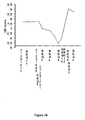

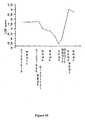

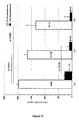
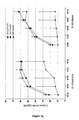
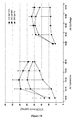

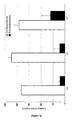

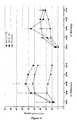
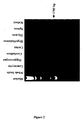


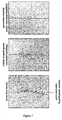


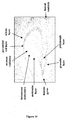

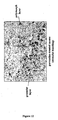
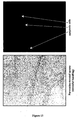
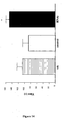
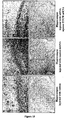


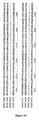
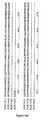
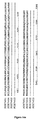

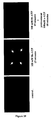
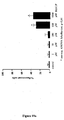
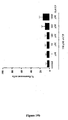

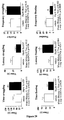
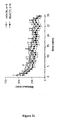

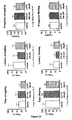

Classifications
-
- C—CHEMISTRY; METALLURGY
- C12—BIOCHEMISTRY; BEER; SPIRITS; WINE; VINEGAR; MICROBIOLOGY; ENZYMOLOGY; MUTATION OR GENETIC ENGINEERING
- C12Q—MEASURING OR TESTING PROCESSES INVOLVING ENZYMES, NUCLEIC ACIDS OR MICROORGANISMS; COMPOSITIONS OR TEST PAPERS THEREFOR; PROCESSES OF PREPARING SUCH COMPOSITIONS; CONDITION-RESPONSIVE CONTROL IN MICROBIOLOGICAL OR ENZYMOLOGICAL PROCESSES
- C12Q1/00—Measuring or testing processes involving enzymes, nucleic acids or microorganisms; Compositions therefor; Processes of preparing such compositions
- C12Q1/68—Measuring or testing processes involving enzymes, nucleic acids or microorganisms; Compositions therefor; Processes of preparing such compositions involving nucleic acids
- C12Q1/6876—Nucleic acid products used in the analysis of nucleic acids, e.g. primers or probes
- C12Q1/6883—Nucleic acid products used in the analysis of nucleic acids, e.g. primers or probes for diseases caused by alterations of genetic material
-
- A—HUMAN NECESSITIES
- A61—MEDICAL OR VETERINARY SCIENCE; HYGIENE
- A61K—PREPARATIONS FOR MEDICAL, DENTAL OR TOILETRY PURPOSES
- A61K31/00—Medicinal preparations containing organic active ingredients
- A61K31/33—Heterocyclic compounds
- A61K31/395—Heterocyclic compounds having nitrogen as a ring hetero atom, e.g. guanethidine or rifamycins
- A61K31/40—Heterocyclic compounds having nitrogen as a ring hetero atom, e.g. guanethidine or rifamycins having five-membered rings with one nitrogen as the only ring hetero atom, e.g. sulpiride, succinimide, tolmetin, buflomedil
-
- A—HUMAN NECESSITIES
- A61—MEDICAL OR VETERINARY SCIENCE; HYGIENE
- A61K—PREPARATIONS FOR MEDICAL, DENTAL OR TOILETRY PURPOSES
- A61K31/00—Medicinal preparations containing organic active ingredients
- A61K31/70—Carbohydrates; Sugars; Derivatives thereof
- A61K31/7088—Compounds having three or more nucleosides or nucleotides
-
- A—HUMAN NECESSITIES
- A61—MEDICAL OR VETERINARY SCIENCE; HYGIENE
- A61P—SPECIFIC THERAPEUTIC ACTIVITY OF CHEMICAL COMPOUNDS OR MEDICINAL PREPARATIONS
- A61P15/00—Drugs for genital or sexual disorders; Contraceptives
-
- A—HUMAN NECESSITIES
- A61—MEDICAL OR VETERINARY SCIENCE; HYGIENE
- A61P—SPECIFIC THERAPEUTIC ACTIVITY OF CHEMICAL COMPOUNDS OR MEDICINAL PREPARATIONS
- A61P25/00—Drugs for disorders of the nervous system
-
- A—HUMAN NECESSITIES
- A61—MEDICAL OR VETERINARY SCIENCE; HYGIENE
- A61P—SPECIFIC THERAPEUTIC ACTIVITY OF CHEMICAL COMPOUNDS OR MEDICINAL PREPARATIONS
- A61P25/00—Drugs for disorders of the nervous system
- A61P25/18—Antipsychotics, i.e. neuroleptics; Drugs for mania or schizophrenia
-
- A—HUMAN NECESSITIES
- A61—MEDICAL OR VETERINARY SCIENCE; HYGIENE
- A61P—SPECIFIC THERAPEUTIC ACTIVITY OF CHEMICAL COMPOUNDS OR MEDICINAL PREPARATIONS
- A61P25/00—Drugs for disorders of the nervous system
- A61P25/22—Anxiolytics
-
- A—HUMAN NECESSITIES
- A61—MEDICAL OR VETERINARY SCIENCE; HYGIENE
- A61P—SPECIFIC THERAPEUTIC ACTIVITY OF CHEMICAL COMPOUNDS OR MEDICINAL PREPARATIONS
- A61P25/00—Drugs for disorders of the nervous system
- A61P25/24—Antidepressants
-
- A—HUMAN NECESSITIES
- A61—MEDICAL OR VETERINARY SCIENCE; HYGIENE
- A61P—SPECIFIC THERAPEUTIC ACTIVITY OF CHEMICAL COMPOUNDS OR MEDICINAL PREPARATIONS
- A61P43/00—Drugs for specific purposes, not provided for in groups A61P1/00-A61P41/00
-
- A—HUMAN NECESSITIES
- A61—MEDICAL OR VETERINARY SCIENCE; HYGIENE
- A61P—SPECIFIC THERAPEUTIC ACTIVITY OF CHEMICAL COMPOUNDS OR MEDICINAL PREPARATIONS
- A61P5/00—Drugs for disorders of the endocrine system
- A61P5/24—Drugs for disorders of the endocrine system of the sex hormones
-
- C—CHEMISTRY; METALLURGY
- C07—ORGANIC CHEMISTRY
- C07K—PEPTIDES
- C07K14/00—Peptides having more than 20 amino acids; Gastrins; Somatostatins; Melanotropins; Derivatives thereof
- C07K14/435—Peptides having more than 20 amino acids; Gastrins; Somatostatins; Melanotropins; Derivatives thereof from animals; from humans
- C07K14/705—Receptors; Cell surface antigens; Cell surface determinants
-
- G—PHYSICS
- G01—MEASURING; TESTING
- G01N—INVESTIGATING OR ANALYSING MATERIALS BY DETERMINING THEIR CHEMICAL OR PHYSICAL PROPERTIES
- G01N33/00—Investigating or analysing materials by specific methods not covered by groups G01N1/00 - G01N31/00
- G01N33/48—Biological material, e.g. blood, urine; Haemocytometers
- G01N33/50—Chemical analysis of biological material, e.g. blood, urine; Testing involving biospecific ligand binding methods; Immunological testing
- G01N33/68—Chemical analysis of biological material, e.g. blood, urine; Testing involving biospecific ligand binding methods; Immunological testing involving proteins, peptides or amino acids
- G01N33/6872—Intracellular protein regulatory factors and their receptors, e.g. including ion channels
-
- G—PHYSICS
- G01—MEASURING; TESTING
- G01N—INVESTIGATING OR ANALYSING MATERIALS BY DETERMINING THEIR CHEMICAL OR PHYSICAL PROPERTIES
- G01N33/00—Investigating or analysing materials by specific methods not covered by groups G01N1/00 - G01N31/00
- G01N33/48—Biological material, e.g. blood, urine; Haemocytometers
- G01N33/50—Chemical analysis of biological material, e.g. blood, urine; Testing involving biospecific ligand binding methods; Immunological testing
- G01N33/68—Chemical analysis of biological material, e.g. blood, urine; Testing involving biospecific ligand binding methods; Immunological testing involving proteins, peptides or amino acids
- G01N33/6893—Chemical analysis of biological material, e.g. blood, urine; Testing involving biospecific ligand binding methods; Immunological testing involving proteins, peptides or amino acids related to diseases not provided for elsewhere
- G01N33/6896—Neurological disorders, e.g. Alzheimer's disease
-
- C—CHEMISTRY; METALLURGY
- C12—BIOCHEMISTRY; BEER; SPIRITS; WINE; VINEGAR; MICROBIOLOGY; ENZYMOLOGY; MUTATION OR GENETIC ENGINEERING
- C12Q—MEASURING OR TESTING PROCESSES INVOLVING ENZYMES, NUCLEIC ACIDS OR MICROORGANISMS; COMPOSITIONS OR TEST PAPERS THEREFOR; PROCESSES OF PREPARING SUCH COMPOSITIONS; CONDITION-RESPONSIVE CONTROL IN MICROBIOLOGICAL OR ENZYMOLOGICAL PROCESSES
- C12Q2600/00—Oligonucleotides characterized by their use
- C12Q2600/156—Polymorphic or mutational markers
-
- G—PHYSICS
- G01—MEASURING; TESTING
- G01N—INVESTIGATING OR ANALYSING MATERIALS BY DETERMINING THEIR CHEMICAL OR PHYSICAL PROPERTIES
- G01N2800/00—Detection or diagnosis of diseases
- G01N2800/30—Psychoses; Psychiatry
- G01N2800/304—Mood disorders, e.g. bipolar, depression
Definitions
- the present invention relates to nucleic acid molecules, preferably genomic sequences, encoding an ATP-gated ion channel P2X7R which contain a mutation in the 5'UTR or 3'UTR regions, a mutation in exon 3, 5, 6, 8 or 13 or in introns 1, 3, 4, 5, 6, 7, 9, 11 or 12 or a deletion in exon 13, which allow to diagnose affective disorders.
- the invention further relates to polypeptides encoded by said nucleic acid molecules vectors and host cells comprising said nucleic acid molecules as well as to methods for producing polypeptides encoded by said nucleic acid molecules.
- the present invention also provides antibodies specifically directed to polypeptides encoded by said nucleic acid molecules and aptamers specifically binding said nucleic acid molecules.
- primers for selectively amplifying said nucleic acid molecules are provided in the present invention as well as kits, compositions, particularly pharmaceutical and diagnostic compositions comprising said nucleic acid molecules, vectors, polypeptides, aptamers, antibodies and/or primers.
- the present invention relates to methods for diagnosing affective disorders associated with a non-functional P2X7R protein, an altered ATP-gating of the P2X7R protein, an over- or underexpression of the P2X7R protein or associated with the presence of any one of the aforementioned nucleic acid molecules or polypeptides encoded thereby.
- the present invention relates to uses and methods for treating affective disorders employing a functional or non-functional ATP-gated ion-channel P2X7R.
- the present invention also relates to uses of modulators of P2X7R activity for treating affective diseases.
- the present invention also relates to methods for identifying and characterizing compounds which are capable of specifically interacting with or altering the characteristics of the polypeptides of the present invention as well as to methods for the production of pharmaceutical compositions.
- Affective disorders include among others, depression, anxiety, and bipolar disorder. These diseases are well described in the literature; see, for example, Diagnostic and Statistical Manual of Mental Disorders-4th Edition Text Revision (DMS-IV-TR), American Psychiatric Press, 2000. Depression, also known as unipolar affective disorder, is characterized by a combination of symptoms such as lowered mood, loss of energy, loss of interest, feeling of physical illness, poor concentration, altered appetite, altered sleep and a slowing down of physical and mental functions resulting in a relentless feeling of hopelessness, helplessness, guilt, and anxiety.
- DMS-IV-TR Diagnostic and Statistical Manual of Mental Disorders-4th Edition Text Revision
- depression The primary subtypes of this disease are major depression, dysthymia (milder depression), and atypical depression. Other important forms of depression are premenstrual dysphoric disorder and seasonal affective disorder.
- Present treatment of depression consists of psychotherapy, antidepressant drugs, or a combination of both. Most antidepressive drugs target the transport of the neurotransmitters serotonin and/or norepinephrine, or the activity of the enzyme monoamine oxidase.
- Selective serotonin-reuptake inhibitors e.g., fluoxetine, paroxetine, sertraline, fluvoxamine
- tricyclic antidepressants e.g., amitriptyline, imipramine, desipramine, nortriptyline
- monoamine oxidase inhibitors e.g., phenelzine, isocarboxazid, tranylcypromine
- designer antidepressants such as mirtazapine, reboxetine, nefazodone.
- all existing antidepressive drugs possess shortcomings such as long latency until response, high degree of non-responders and undesirable side effects ( Holsboer , Biol. Psychol.
- Anxiety disorders are defined by an excessive or inappropriate aroused state characterized by feelings of apprehension, uncertainty, or fear. They are classified according to the severity and duration of their symptoms and specific affective characteristics. Categories include: (1) Generalized anxiety disorder, (2) panic disorder, (3) phobias, (4) obsessive-compulsive disorder, (5) post-traumatic stress disorder, and (6) separation anxiety disorder.
- the standard treatment for most anxiety disorders is a combination of cognitive-behavioural therapy with antidepressant medication. Additional medications include benzodiazepines and buspirone.
- Bipolar disorder also known as manic-depression, is characterized by mood swings between periods of mania (i.e. mood elevation including exaggerated euphoria, irritability) and periods of depression. Bipolar disorder is classified according to the severity of the symptoms. Patients diagnosed with bipolar disorder type I suffer from manic or mixed episodes with or without major depression. In Bipolar Disorder type II, patients have episodes of hypomania and episodes of major depression. With hypomania the symptoms of mania (euphoria or irritability) appear in milder forms and are of shorter duration.
- the current drugs used to treat bipolar disorders are lithium, valproate and lamotrigine, which stimulates the release of the neurotransmitter glutamate.
- the technical problem underlying the present invention is to provide means and methods for diagnosis and treating affective disorders.
- the present invention relates to a nucleic acid molecule comprising a nucleic acid sequence selected from the group consisting of:
- mutations in the P2X7R gene which encodes the ATP-gated ion channel P2X7R can cause the whole spectrum of affective disorders.
- cognate disorder when used in the context of the present invention means to include, but is not limited to, depression, anxiety, unipolar disorder, bipolar disorder type I, bipolar disorder type II, mania, attention deficit hyperactive disorder, substance abuse, and any other disorders affecting the normal behaviour, or mood of an individual. Each mutation causes alterations that can explain affective disorders as shown in the Examples hereinbelow.
- P2X7R is an ATP-gated ion channel belonging to the P2X ionotropic channel family.
- the gene was first isolated from rat brain (Surprenant et al., (1996), 272, 735-738; Genbank accession number NM_019256) and subsequently from a human monocyte library ( Rassendren et al., J. Biol. Chem. 272 (1997), 5482-5486; Genbank accession numbers NM_002562, Y09561) by virtue of its sequence homology with the other members of the P2X family.
- P2X7R corresponded to the unidentified P2Z receptor which mediates the permeabilising action of ATP on mast cells and macrophages ( Dahlqvist and Diamant , Acta Physiol. Scand. 34 (1974), 368-384; Steinberg and Silverstein , J. Biol. Chem. 262 (1987), 3118-3122; Gordon , Biochem. J. 233 (1986), 309-319).
- the P2X7R has two hydrophobic membrane-spanning domains, an extracellular loop, and forms transmembrane ion channels.
- P2X7 receptors seem to function only in homooligomeric form and bear a pharmacological profile markedly different from other P2X homo- or heteromers (North and Surprenant , Annual Rev. Pharmacology Toxicology 40 (2000), 563-580).
- P2X7R requires levels of ATP in excess of 1 mM to achieve activation, whereas other P2X receptors activate at ATP concentrations of ⁇ 100 ⁇ M ( Steinberg et al., J. Biol. Chem. 262 (1987), 8884-8888; Greenberg et al., J. Biol. Chem. 263 (1988), 10337-10343) 32).
- P2X7R While all P2X receptors demonstrate non-selective channel-like properties following ligation, the channels formed by the P2X7R can rapidly transform into pores that can allow the passage of molecules of up to 900 Dalton ( Virginio et al., J. Physiol. 519 (1999), 335-346). P2X7R is expressed in hematopoietic cells, mast cells and macrophages ( Surprenant et al., Science 272 (1996), 3118-3122), where it is organized in tetrameric or hexameric form ( Kim et al., J. Biol. Chem. 276 (2001), 23262-23267). P2X7R is inter alia involved in the regulation of the immune function and inflammatory response.
- Activation of P2X7R by ATP in macrophages is associated with mitogenic stimulation of T cells ( Baricordi et al., Blood 87 (1996), 682-690), the release of cytokines such as interieukin-1 ⁇ ( Griffiths et al., J. Immol. 154 (1995), 2821-2828), and formation of macrophage polykarions ( Falzoni et al., J. Clin. Invest. 95 (1995), 1207-1216).
- Stimulation of the P2X7R with ATP can also result in cell death by triggering massive transmembrane ion fluxes (particularly influx of Ca2 + and Na +, and efflux of K +) and the formation of non-selective plasma membrane pores ( Di Virgilio et al., Cell Death Differ. 5 (1998), 191-199).
- P2X7R was originally thought to be restricted to microglia (resident macrophage of the brain) and ependymal cells rather than neurons ( Collo et al., Neuropharmacology 36 (1997), 1277-1283) suggesting a role of P2X7R in neurodegeneration.
- P2X7R has since been found in neurons of the rat retina ( Brandle et al, Brain Research Molecular Brain Res. 62 (1998), 106-109), cochlear ganglion cells ( Brandle et al, Neuroscience Letters 273 (1999), 105-108), and presynaptic terminals of neurons throughout the brainstem and spinal cord (Deuchards et al., J. Neurosci. 21 (2001), 7143-7152). Subsequent studies also suggest that P2X7R regulates the release of neurotransmitters such as glutamate and GABA in neurons of the hippocampus ( Armstrong et al., J.
- adamantane derivatives (WO 99/29660 , WO 99/29661 , WO 00/61569 , WO 01/42194 , WO 01/44170, WO 01/44213 ), substituted phenyl compounds ( WO 00/71529 ), piperidine and piperazine derivatives (WO 01/46200 ) are antagonists of P2X7R while Oxidized ATP (oATP) acts as an irreversible inhibitor of the receptor ( Chen et al., J. Biol. Chem., 268 (1993), 8199-8203). Some of these antagonists are presently being evaluated for the treatment of inflammatory, immune, and cardiovascular diseases.
- BzATP (2'-3'-O-(4-Benzoylbenzoyl)adenosine 5'-triphosphate (C 24 H 24 N 5 O 15 P 3 ) acts as agonist of P2X7R (North and Surprenant , Annu. Rev. Pharmacol. Toxicol. 40 (2000), 563-580).
- WO 99/55901 describes a method for identifying compounds that modulate the activity of a mammalian purinoreceptor selected from the group consisting of P2X2, P2X3, P2X4, P2X5, P2X6 and P2X7 and suggests a role of said purinoreceptors in therapy of behavioural disorders such as epilepsy, depression and aging-associated degenerative diseases.
- mice lacking P2X7R are healthy, fertile and demonstrate no overt phenotype.
- LPS-activated peritoneal macrophages from P2X7R -/- animals fail to generate mature interleukin-1 ⁇ (IL-1 ⁇ ) when challenged with ATP suggesting an inability of peritoneal macrophages to release IL-1 in response to ATP ( Solle et al, J. Biol. Chem. 276 (2001), 125-132).
- IL-1 ⁇ interleukin-1 ⁇
- a detailed behavioural study of the P2X7R-/- mice was not performed. In humans, a Glu-496 to Ala polymorphism leads to the loss of P2X7 function ( Gu et al., J. Biol. Chem.
- nucleic acid sequence means the sequence of bases comprising purine- and pyrimidine bases which are comprised by nucleic acid molecules, whereby said bases represent the primary structure of a nucleic acid molecule.
- Nucleic acid sequences include DNA, cDNA, genomic DNA, RNA, synthetic forms and mixed polymers, both sense and antisense strands, or may contain non-natural or derivatized nucleotide bases, as will be readily appreciated by those skilled in the art.
- polypeptide means a peptide, a protein, or a polypeptide which encompasses amino acid chains of a given length, wherein the amino acid residues are linked by covalent peptide bonds.
- peptidomimetics of such proteins/polypeptides wherein amino acid(s) and/or peptide bond(s) have been replaced by functional analogs are also encompassed by the invention as well as other than the 20 gene-encoded amino acids, such as selenocysteine.
- Peptides, oligopeptides and proteins may be termed polypeptides.
- the terms polypeptide and protein are often used interchangeably herein.
- polypeptide also refers to, and does not exclude, modifications of the polypeptide, e.g., glycosylation, acetylation, phosphorylation and the like. Such modifications are well described in basic texts and in more detailed monographs, as well as in a voluminous research literature.
- position used in accordance with the present invention means the position of either an amino acid within an amino acid sequence depicted herein or the position of a nucleotide within a nucleic acid sequence depicted herein.
- ATP-gated ion channel P2X7R denotes a polypeptide which can be classified as a member of the P2X ionotropic receptor family. They are also known as purinergic receptors. P2X receptors are ligand-gated ion channels. The ligand for these receptors may be ATP and/or another natural nucleotide such as ADP, UTP and UDP, or a synthetic nucleotide such as 2-methylthioATP.
- the criteria for the classification are: (1) a sequence homology that is higher than 39% across the family or different species; (2) signal transduction mechanism involving ion conductance (Khakh et al., Pharmacol Rev. 253 (2001), 107-18).
- the term “ATP-gated ion channel P2X7R” is interchangeable with the terms “ionotropic receptor” or “purinergic receptor”.
- the term “ATP-gated ion channel P2X7R” denotes a polypeptide which can be classified as an ATP-gated ion channel P2X7R on the basis of one or more structural and/or functional characteristics, preferably those described above.
- Structural characteristics refer to certain structural features which allow to classify a polypeptide as being a P2X7R protein. One such feature is the amino acid sequence.
- a polypeptide is classified as an ATP-gated ion channel P2X7R if it shows a certain degree of sequence identity over its own length to the amino acid sequence of the human P2X7R protein depicted in SEQ ID NO: 3 or 4.
- This degree of sequence identity is at least 40%, more preferably at least 50%, even more preferably at least 60%, at least 70%, at least 80%, at least 90% or at least 95%. It is particularly preferred that the degree of sequence identity is at least 65%.
- P2X7R proteins are two hydrophobic membrane-spanning domains, an extra cellular loop which could be analyzed by using the program TMPRED ( Hofmann Biol. Chem. 347 (1993), 166) or TMHMM ( Krogh J. Mol. Bio. 305 (2001), 567-580). Additionally, P2X7R may exist as a single polypeptide, as dimer, tetramer or the like.
- a protein is preferably classified as a P2X7R protein if it displays at least one of the above-mentioned structural characteristics.
- Functional characteristics refer to properties related to the biological activity of the P2X7R protein.
- P2X7R is an ATP-gated ion channel which allows calcium and sodium ions to pass from extracellular solution to intracellular solution, and allows potassium ions to pass from intracellular to extracellular solution.
- the ATP-gated ion channel P2X7R forms naturally a homooligomeric form.
- the characteristics of P2X7R receptor proteins can be determined as mentioned hereinbelow.
- ATP-gated ion channels P2X7R comprises functional and non-functional forms of the ATP-gated ion channels P2X7R.
- a functional ATP-gated ion channel P2X7R is understood to be a P2X7R protein which has at least one of the above-mentioned functional characteristics which can be measured by methods known in the art.
- a non-functional ATP-gated ion channel P2X7R is a protein which can be classified as a P2X7R protein due to structural characteristics as described above but which has lost at least one, preferably all, functional characteristics of a P2X7R protein as described above.
- Non-functionality of the P2X7R protein can, e.g., be determined by measuring whether calcium and sodium ions can flow into cells or whether potassium ions can exit from cells.
- Cells harbouring a mutation in the P2X7R gene show an altered ion influx and/or efflux in comparison to cells harbouring a wild-type P2X7R protein.
- One method consists of measuring the rate of ATP-induced incorporation of ethidium into cells, e.g. cells isolated from an individual. Ethidium is incorporated into the cells through P2X7R pores, when the pore formation is activated by ATP. Cells are then incubated with or without ATP in the presence of ethidium, then they are analyzed by flow cytometry. Ethidium fluorescence is measured and compared in the presence or absence of ATP. If the P2X7R has lower activity, the ethidium fluorescence induced by ATP will be lower than in control cells.
- Fluorescent emission was collected using a 590-nm long-pass filter.
- the linear mean channel fluorescence intensity for each gated subpopulation over successive 5-s intervals was analyzed with the use of Win-MDI software (Joseph Trotter, version 2.7) and plotted against time.
- Another method of determining P2X7R activity is to measure calcium entry into isolated cells incubated with fluorescent dyes that emit only upon binding to calcium. The cells have to be loaded with the dye and then the calcium entry has to be stimulated. Examples of such dyes include Fura-2, Calcium green, calcium orange, calcium crimson (all available from Molecular Probes). Methods of measuring calcium transport are well known in the art; see for example, Takahashi et al., Physiol Rev.
- Ba21 uptake can be measured over 60 s using 133BaCl2 (final concentration, 0.2 mM).
- 133BaCl2 final concentration, 0.2 mM.
- a prewarmed stock solution of 133Ba21 0.4 mM and 1 ⁇ Ci/ml is added in equal volumes to prewarmed isolated cells in 150 mM KCI with HEPES (pH 7.4) at 37°C.
- ATP (1 mM) is added either 10 minutes before or simultaneously with the 133Ba21 isotope.
- Aliquots of 0.8 ml are taken at time points between 0 and 60 s and are immediately mixed with 0.2 ml of ice-cold 50 mM MgCl2 (in KCI-HEPES medium) that had been previously layered over 250 ⁇ l of oil mixture (di-n-butyl phthalate and di-iso-octyl phthalate, 7:3 vol/vol) and then centrifuged at 8,000 g for 30 s. The supernatants and the oil are aspirated, and the cell pellets are counted in a Wallac Wizard 3 automatic gamma-counter or in any other suitable gamma measuring unit.
- the present invention is based on the finding that mutations of different kinds in the P2X7R gene are linked to the occurrence of affective disorders.
- the first type of mutations are mutations in the 5'UTR. Examples of such mutations are single nucleotide replacements at positions corresponding to positions 362, 532, 1100, 1122, 1171 or 1702 of the genomic sequence of the wild-type ATP-gated ion channel P2X7R as described in SEQ ID NO: 1.
- SEQ ID NO: 1 The position with respect to nucleotide sequences mentioned herein refer to the sequence shown in SEQ ID NO: 1.
- This sequence represents the nucleic acid sequence of the P2X7R gene encoding the ATP-gated ion channel P2X7R. It is possible for the skilled person to identify the position in the genomic sequence corresponding to a position in SEQ ID NO: 1 by aligning the sequences. Moreover, the exact locations of the exons and introns are indicated in SEQ ID NO: 1 hereinbelow. Additionally, the person skilled in the art is able to identify exons and introns of the P2X7R gene by comparing SEQ ID NO: 1 with SEQ ID NO: 2 which shows the cDNA sequence of the P2X7R gene.
- a thymine (T) is replaced by another nucleotide, preferably a purine base. More preferably, at said position said thymidine is replaced by a pyrimidine base. Particularly preferred, said thymine is replaced by a cytosine (C).
- a thymine is preferably replaced by another nucleotide, preferably a pyrimidine base. More preferably, at said position said thymine is replaced by a purine base. Particularly preferred, said thymidine is replaced by a guanine (G).
- the adenine (A) residues at positions 1100 and 1122, respectively, in the 5'UTR of the genomic sequence of the P2X7R gene is preferably replaced by a pyrimidine base. More preferably, said adenine is replaced by a purine base and particularly preferred said adenine is replaced by a guanine (G).
- a cytidine is replaced by another nucleotide, preferably by a pyrimidine base. More preferably, said cytidine is replaced by a purine base and even more preferred, said cytidine is replaced by a guanine (G).
- the guanine at position 1702 in the 5'UTR of the genomic sequence of the gene P2X7R depicted in SEQ ID NO: 1 is replaced by another nucleotide, preferably by a pyrimidine base. More preferably, said guanine is replaced by a purine base and particularly preferred it is replaced by an adenine (A).
- a second type of mutation found in the P2X7R gene are mutations in exons which lead to amino acid substitutions in the corresponding amino acid sequence. These are the mutations listed under item (b), supra.
- the term "an amino acid residue as indicated in column 'Amino acid residue' of Table A corresponding to position X of the wild-type ATP-gated ion channel P2X7R as depicted in column 'Position in wild-type'" has the following meaning: The amino acid residue in question would be located at position X in the sequence of SEQ ID NO: 3 or 4 if the sequence in which said amino acid residue occurs is compared and aligned with the amino acid sequence of SEQ ID NO: 3 or 4.
- the amino acid sequence shown in SEQ ID NO: 3 or 4 is the amino acid sequence of the human P2X7R gene and is used as a reference sequence in the present invention.
- the skilled person can use means and methods well-known in the art, e.g., alignments, either manually or by using computer programs such as those mentioned further down below in connection with the definition of the term "hybridization" and degrees of homology.
- BLAST2.0 which stands for Basic Local Alignment Search Tool ( Altschul , Nucl. Acids Res. 25 (1997), 3389-3402; Altschul, J. Mol. Evol. 36 (1993), 290-300; Altschul, J. Mol. Biol. 215 (1990), 403-410), can be used to search for local sequence alignments.
- BLAST produces alignments of both nucleotide and amino acid sequences to determine sequence similarity. Because of the local nature of the alignments, BLAST is especially useful in determining exact matches or in identifying similar sequences.
- the fundamental unit of BLAST algorithm output is the High-scoring Segment Pair (HSP).
- An HSP consists of two sequence fragments of arbitrary but equal lengths whose alignment is locally maximal and for which the alignment score meets or exceeds a threshold or cutoff score set by the user.
- the BLAST approach is to look for HSPs between a query sequence and a database sequence, to evaluate the statistical significance of any matches found, and to report only those matches which satisfy the user-selected threshold of significance.
- the parameter E establishes the statistically significant threshold for reporting database sequence matches. E is interpreted as the upper bound of the expected frequency of chance occurrence of an HSP (or set of HSPs) within the context of the entire database search. Any database sequence whose match satisfies E is reported in the program output. Analogous computer techniques using BLAST ( Altschul (1997), loc.
- the sensitivity of the computer search can be modified to determine whether any particular match is categorized as exact or similar.
- the basis of the search is the product score which is defined as: %sequence identity x % maximum BLAST score 100 and it takes into account both the degree of similarity between two sequences and the length of the sequence match. For example, with a product score of 40, the match will be exact within a 1-2% error; and at 70, the match will be exact. Similar molecules are usually identified by selecting those which show product scores between 15 and 40, although lower scores may identify related molecules.
- the second group of mutations identified in the P2X7R gene are mutations in the exons of the P2X7R gene which lead to amino acid substitutions.
- SEQ ID NO 2 shows the cDNA sequence of the P2X7R gene.
- an arginine (R) residue is replaced by another amino acid residue, preferably by an aliphatic, acidic or basic amino acid residue. More preferably, by an aromatic amino acid residue which is particularly preferred to be a tryptophane (W).
- W tryptophane
- a glycine (G) residue is replaced by another amino acid residue, preferably by an aliphatic, aromatic or acidic amino acid residue. More preferably, by a basic amino acid residue and particularly preferred by an arginine (R).
- R arginine
- a glutamate residue (E) is replaced by another amino acid residue, preferably by an aliphatic, aromatic or acidic amino acid residue. More preferably, said glutamate is replaced by a basic amino acid residue which is particularly preferred a lysine (K).
- K a lysine
- a leucine residue (L) is replaced by another amino acid residue.
- Said amino acid residue is preferably an aliphatic, acidic or basic amino acid residue. More preferably, said amino acid residue is an aromatic amino acid residue which is particularly preferred to be a proline (P).
- P proline
- an arginine residue (R) is replaced by another amino acid residue.
- Said amino acid residue is preferably an aromatic, acidic or basic amino acid residue. More preferably, said amino acid residue is an aliphatic amino acid residue which is particularly preferred to be a cysteine (C).
- C cysteine
- an isoleucine (I) residue is replaced by another amino acid residue. More preferably, said isoleucine is replaced by an aromatic, basic or acidic amino acid residue. Even more preferred, said isoleucine is replaced by an aliphatic amino acid residue which is particularly preferred to be an asparagine (N).
- N asparagine
- an argine residue (R) is replaced by another amino acid residue.
- Said amino acid residue is preferably an aromatic, acidic or basic amino acid residue. More preferably, it is an aliphatic amino acid residue and particularly preferred it is a glutamine (Q) residue.
- Q glutamine
- the above-mentioned mutations in the exons of the P2X7R gene occur due to point mutations caused by, e.g. chemical and/or physical means or inaccuracy of the replication complex followed by a failure of the reparation machinery of a cell, can result in a change of a single codon.
- Possible types of point mutations are transitions, i.e. change of a purine or pyrimidine base for another purine or pyrimidine base, e.g. adenine to guanine or thymidine to cytosine or transversions, i.e.
- a point mutation can also be caused by insertion or deletion of one or more nucleotides.
- the third group of mutations in the P2X7R gene has been identified to be in exons 5 and 8 of the P2X7R gene depicted in SEQ ID NO: 1 and to be silent, i.e. they do not lead to amino acid changes.
- a cytidine residue is replaced by another nucleotide.
- Said nucleotide is preferably a pyrimidine base and particularly preferred a thymine.
- the exchange of the cytidine residue at position 32548 in exon 5 of the P2X7R gene by another nucleotide preferably does not lead to the replacement of the amino acid cysteine by another amino acid residue.
- Said nucleotide residue is preferably a pyrimidine base and particularly preferred thymine. Due to this replacement the amino acid aspartate (D) encoded by the respective codon in which at position 37633 a replacement has taken place is preferably not replaced by another amino acid residue.
- the above-mentioned mutations in exons 5 and 8 at positions 32548 and 37633, respectively, of the wild-type P2X7R gene depicted in SEQ ID NO:1 are mutations at the third position of a triplet codon, i.e.
- silent mutations do normally not lead to a change of the amino acid due to the degeneracy of the genetic code, i.e. 64 triplets encode at all 20 naturally occurring amino acids.
- said silent mutations lead to a change in the codon encoding its respective amino acids insofar that the newly generated codon may not fit so well into the codon usage of an organism. Namely, the newly generated codon is not translated by the ribosome with the same efficiency as the "old" codon. This may lead to insufficient amounts of the corresponding polypeptide causing an distinct phenotype.
- the fourth group of mutations in the P2X7R gene described hereinabove in item (d) is a deletion of 7 amino acids corresponding to positions 488 to 494 of the wild-type P2X7R amino acid sequence as depicted in SEQ ID NO: 3 or 4.
- the present invention also relates to nucleic acid sequences encoding a P2X7R protein in which amino acids corresponding to positions 488 to 494 of the wild-type ATP-gated ion channel P2X7R as depicted in SEQ ID NO: 3 or 4 are deleted.
- a fragment encompassing amino acid positions 488 to 494 of the corresponding wild-type amino acid sequence depicted in SEQ ID NO: 3 or 4 is deleted which results in a shortened polypeptide.
- An example for such a shortened polypeptide is depicted in SEQ ID NO: 11.
- This type of mutation as described herein preferably encodes a non-functional ATP-gated ion channel P2X7R.
- the deletion of a fragment encompassing amino acids 488 to 494 of the wild-type amino acid sequence depicted in SEQ ID NO: 3 or 4 is the result of a deletion in exon 13.
- the resulting protein depicted in SEQ ID NO: 11 lacks amino acids 488 to 494 of the corresponding wild type amino acid sequence depicted in SEQ ID NO: 3 or 4 such that amino acid position 494 of the deleted polypeptide depicted in SEQ ID NO: 11 corresponds to amino acid position 502 of the wild-type amino acid sequence depicted in SEQ ID NO: 3 or 4.
- the nucleic acid sequence of the invention encodes a P2X7R polypeptide in which exactly amino acids corresponding to positions 488 to 494 of SEQ ID NO: 3 or 4 are deleted.
- mutants are comprised in which either more or less amino acids within the P2X7R amino acid sequence set forth in SEQ ID NO: 3 or 4 may be deleted due to, for example, atypical splicing or deletion of nucleotides of the nucleic acid molecule encoding P2X7R or wrong posttranslational processes, as long as the P2X7R ATP-gated ion channel is non-functional.
- further amino acids preceding amino acid position 488 or amino acids succeeding amino acid position 494 may be deleted or that less amino acids are deleted.
- At least one, more preferably at least two, even more preferably at least three and most preferably at least 5 amino acid residues are further deleted upstream from the position corresponding to amino acid residue 488 and/or downstream of the position corresponding to amino acid residue 494 of SEQ ID NO: 3 or 4.
- it is preferred that not more than 20, preferably not more than 15, even more preferably not more than 10 and most preferably not more than 7 amino acid residues are further deleted upstream of the position corresponding to amino acid residue 488 of SEQ ID NO: 3 or 4 or downstream of the position corresponding to amino acid residue 494 of SEQ ID NO: 3 or 4.
- nucleotide as indicated in column "Intron” of the Table B corresponding to the position as indicated in column "Replaced nucleotide” of Table B corresponding to the position as indicated in column “Position in wild-type” of Table B is replaced by another nucleotide means that a nucleotide residue in a P2X7R encoding sequence would be located at position Y in SEQ ID NO: 1 when the P2X7R sequence is compared and aligned with the sequence of SEQ ID NO: 1. If the nucleotide at the respective position is a purine base such as adenine or guanine it is preferred that due to a transition it is replaced by another purine base.
- an adenine is replaced by a guanine or a guanine is replaced by an adenine.
- the nucleotide at the respective position is a pyrimidine base it is preferred that due to a transition it is replaced by another pyrimidine base.
- thymine is replaced by a cytidine and a cytidine is replaced by a thymine.
- a purine base is replaced by a pyrimidine base or vice versa.
- an adenine is replaced by a thymine and a guanine is replaced by a cytidine.
- said nucleotide in introns 1, 3, 4, 5, 6, 7, 9, 11 or 12 of the P2X7R gene depicted in SEQ ID NO: 1 is replaced by the nucleotide depicted in column "Polymorphism" of Table 1, hereinbelow.
- a last group of mutations that has been identified relates to mutations which reside in the 3'UTR of the wild-type P2X7R gene depicted in SEQ ID NO: 1.
- the mutations were found at positions 54925, 55169, 55170, 55171 or 55917 respectively, of the wild-type P2X7R gene depicted in SEQ ID NO: 1.
- guanine residue was found to be replaced by another nucleotide.
- said guanine residue is replaced by a pyrimidine base, more preferably by a purine base and particularly preferred by an adenine.
- a cytidine residue is replaced by another nucleotide, preferably by a pyrimidine base. More preferably, it is replaced by a purine base and particularly preferred, it is replaced by an adenine.
- an adenine residue is replaced by another nucleotide residue, preferably by a purine base. More preferably, said adenine residue is replaced by a pyrimidine base and particularly preferred said adenine residue is replaced by a cytidine residue. It was also found that at position 55917 a cytidine residue is replaced by another nucleotide.
- said nucleotide residue is a purine base, more preferably a pyrimidine base and particularly preferable a thymine.
- polymorphisms in promoter and enhancer regions can affect gene function by modulating transcription, particularly if they are situated at recognition sites for DNA binding proteins ( Fishman et al., J. Clin. Invest. 102 (1998), 1369-1376).
- polymorphism which is used in the present invention means single nucleotide substitution, nucleotide insertion and nucleotide deletion which in the case of insertion and deletion includes insertion or deletion of one or more nucleotides at a position of a gene and corresponding alterations in expressed proteins.
- Polymorphisms in the 5' untranslated region (5'UTR) of genes can affect the efficiency with which proteins are translated.
- a representative example of this is in the c-myc gene where a C-G SNP that creates an internal ribosome entry site is associated with increased efficiency of c-myc translation and myeloma ( Chappell et al., Oncogene 19 (2000), 4437-4440).
- Polymorphisms in the 3'UTR can affect gene function by altering the secondary structure of RNA and efficiency of translation or by affecting motifs in the RNA that bind proteins which regulate RNA degradation.
- Polymorphisms within introns can affect gene function by affecting RNA splicing resulting in aberrant polypeptides.
- Another way in which intronic polymorphisms can affect gene function is when they affect regulatory motifs within introns.
- Examples are the Sp1 binding site polymorphism within intron 1 of the COLIA1 gene ( Mann et al., J. Clin. Invest 107 (2001), 899-907) and a repeat polymorphisms within the IL-1Ra gene ( Keen et al., Bone 23 (1998), 367-371). Further examples between intronic SNPs and gene function are described in Caceres and Komblihtt , Trends Genet. 4 (2002), 186-93. Example 4 on page 52, line 30 to page 53, line 51 of the text describes potential alternative splicing events and aberrant protein production associated with three SNPs disclosed in the application.
- the nucleic acid sequences described hereinabove may comprise at least 56580 nucleotides, preferably at least 10000 nucleotides, at least 5000 nucleotides, at least 1000 nucleotides, at least 500 nucleotides, at least 100 nucleotides. More preferably, said nucleic acid sequences comprise at least 50 nucleotides and particularly preferred they comprise at least 20 or 21 nucleotides comprising the mutations or deletions as described hereinabove. Most preferably such a nucleic acid sequence has a sequence as depicted in any one of SEQ ID NOs: 13 to 51.
- nucleic acid sequences described hereinabove which comprise mutations in exons leading to a replacement of the corresponding amino acid sequence of the P2X7R wild-type polypeptide depicted in SEQ ID NO: 3 or 4 encode polypeptides shown in SEQ ID NOs: 5 to 10 and 12 Additionally, the nucleic acid sequences described hereinabove which comprise a deletion leading to a truncated polypeptide in comparison to the full-length polypeptide of the wild-type P2X7R polypeptide shown in SEQ ID NO: 3 or 4 is shown in SEQ ID NO: 11.
- the present invention also relates to nucleic acid molecules which hybridize to one of the above described nucleic acid molecules and which shows a mutation as described hereinabove.
- hybridizes as used in accordance with the present invention may relate to hybridizations under stringent or non-stringent conditions. If not further specified, the conditions are preferably non-stringent. Said hybridization conditions may be established according to conventional protocols described, for example, in Sambrook, Russell “Molecular Cloning, A Laboratory Manual”, Cold Spring Harbor Laboratory, N.Y. (2001); Ausubel, "Current Protocols in Molecular Biology", Green Publishing Associates and Wiley Interscience, N.Y.
- blocking reagents include Denhardt's reagent, BLOTTO, heparin, denatured salmon sperm DNA, and commercially available proprietary formulations.
- the inclusion of specific blocking reagents may require modification of the hybridization conditions described above, due to problems with compatibility.
- Hybridizing nucleic acid molecules also comprise fragments of the above described molecules.
- Such fragments may represent nucleic acid sequences which code for a non-functional ATP-gated ion channel P2X7R or a non-functional fragment thereof, and which have a length of at least 12 nucleotides, preferably at least 15, more preferably at least 18, more preferably of at least 21 nucleotides, more preferably at least 30 nucleotides, even more preferably at least 40 nucleotides and most preferably at least 60 nucleotides.
- nucleic acid molecules which hybridize with any of the aforementioned nucleic acid molecules also include complementary fragments, derivatives and allelic variants of these molecules.
- a hybridization complex refers to a complex between two nucleic acid sequences by virtue of the formation of hydrogen bonds between complementary G and C bases and between complementary A and T bases; these hydrogen bonds may be further stabilized by base stacking interactions.
- the two complementary nucleic acid sequences hydrogen bond in an antiparallel configuration.
- a hybridization complex may be formed in solution (e.g., Cot or Rot analysis) or between one nucleic acid sequence present in solution and another nucleic acid sequence immobilized on a solid support (e.g., membranes, filters, chips, pins or glass slides to which, e.g., cells have been fixed).
- the terms complementary or complementarity refer to the natural binding of polynucleotides under permissive salt and temperature conditions by base-pairing.
- the sequence "A-G-T” binds to the complementary sequence "T-C-A”.
- Complementarity between two single-stranded molecules may be "partial", in which only some of the nucleic acids bind, or it may be complete when total complementarity exists between single-stranded molecules.
- the degree of complementartity between nucleic acid strands has significant effects on the efficiency and strength of hybridization between nucleic acid strands. This is of particular importance in amplification reactions, which depend upon binding between nucleic acids strands.
- hybridizing sequences preferably refers to sequences which display a sequence identity of at least 40%, preferably at least 50%, more preferably at least 60%, even more preferably at least 70%, particularly preferred at least 80%, more particularly preferred at least 90%, even more particularly preferred at least 95% and most preferably at least 97% identity with a nucleic acid sequence as described above encoding a P2X7R protein having a described mutation.
- hybridizing sequences preferably refers to sequences encoding a P2X7R protein having a sequence identity of at least 40%, preferably at least 50%, more preferably at least 60%, even more preferably at least 70%, particularly preferred at least 80%, more particularly preferred at least 90%, even more particularly preferred at least 95% and most preferably at least 97% identity with an amino acid sequence of a P2X7R mutant as described herein above.
- the term "identical” or “percent identity” in the context of two or more nucleic acid or amino acid sequences refers to two or more sequences or subsequences that are the same, or that have a specified percentage of amino acid residues or nucleotides that are the same (e.g., 60% or 65% identity, preferably, 70-95% identity, more preferably at least 95% identity), when compared and aligned for maximum correspondence over a window of comparison, or over a designated region as measured using a sequence comparison algorithm as known in the art, or by manual alignment and visual inspection. Sequences having, for example, 60% to 95% or greater sequence identity are considered to be substantially identical. Such a definition also applies to the complement of a test sequence.
- the described identity exists over a region that is at least about 15 to 25 amino acids or nucleotides in length, more preferably, over a region that is about 50 to 100 amino acids or nucleotides in length.
- Those having skill in the art will know how to determine percent identity between/among sequences using, for example, algorithms such as those based on CLUSTALW computer program ( Thompson Nucl. Acids Res. 2 (1994), 4673-4680) or FASTDB ( Brutlag Comp. App. Biosci. 6 (1990), 237-245), as known in the art.
- the FASTDB algorithm typically does not consider internal non-matching deletions or additions in sequences, i.e., gaps, in its calculation, this can be corrected manually to avoid an overestimation of the % identity.
- CLUSTALW does take sequence gaps into account in its identity calculations.
- the BLASTP program uses as defaults a wordlength (W) of 3, and an expectation (E) of 10.
- the present invention also relates to nucleic acid molecules the sequence of which is degenerate in comparison with the sequence of an above-described hybridizing molecule.
- the term "being degenerate as a result of the genetic code” means that due to the redundancy of the genetic code different nucleotide sequences code for the same amino acid.
- the present invention also related to nucleic acid molecules which comprise one or more of the above-described mutations or deletions.
- the nucleic acid molecules according to the invention may be derived from any organism encoding corresponding P2X7R ATP-gated ion channels.
- P2X7R ATP-gated ion channels have been reported in various organisms, for example, rat (see, Suprenant (1996), loc. cit.), mouse (Genbank Accession No. AJ 489297), xenopus (Genbank Accession No. AJ 345114), chicken (Genbank Accession No. BM 491404) or Bos Taurus (Genbank Accession No. AF 083073).
- the nucleic acid molecule of the invention is derived from a vertebrate, preferably from a mammal, even more preferably the nucleic acid molecule is derived from rabbit or guinea pig, and most preferably the nucleic acid is derived from mouse, rat or human.
- the nucleic acid molecule according to the invention may be any type of nucleic acid, e.g. DNA, RNA or PNA (peptide nucleic acid).
- a peptide nucleic acid is a polyamide type of DNA analog and the monomeric units for adenine, guanine, thymine and cytosine are available commercially (Perceptive Biosystems). Certain components of DNA, such as phosphorus, phosphorus oxides, or deoxyribose derivatives, are not present in PNAs.
- PNAs bind specifically and tightly to complementary DNA strands and are not degraded by nucleases. In fact, PNA binds more strongly to DNA than DNA itself does. This is probably because there is no electrostatic repulsion between the two strands, and also the polyamide backbone is more flexible. Because of this, PNA/DNA duplexes bind under a wider range of stringency conditions than DNA/DNA duplexes, making it easier to perform multiplex hybridization. Smaller probes can be used than with DNA due to the strong binding.
- the DNA may, for example, be cDNA. In a preferred embodiment it is a genomic DNA.
- the RNA may be, e.g., mRNA.
- the nucleic acid molecule may be natural, synthetic or semisynthetic or it may be a derivative, such as peptide nucleic acid ( Nielsen , Science 254 (1991), 1497-1500) or phosphorothioates.
- the nucleic acid molecule may be a recombinantly produced chimeric nucleic acid molecule comprising any of the aforementioned nucleic acid molecules either alone or in combination.
- the nucleic acid molecule of the present invention is part of a vector. Therefore, the present invention relates in another embodiment to a vector comprising the nucleic acid molecule of this invention.
- a vector may be, e.g., a plasmid, cosmid, virus, bacteriophage or another vector used e.g. conventionally in genetic engineering, and may comprise further genes such as marker genes which allow for the selection of said vector in a suitable host cell and under suitable conditions.
- the nucleic acid molecules of the present invention may be inserted into several commercially available vectors.
- Nonlimiting examples include plasmid vectors compatible with mammalian cells, such as pUC, pBluescript (Stratagene), pET (Novagen), pREP (Invitrogen), pCRTopo (Invitrogen), pcDNA3 (Invitrogen), pCEP4 (Invitrogen), pMC1 neo (Stratagene), pXT1 (Stratagene), pSG5 (Stratagene), EBO-pSV2neo, pBPV-1, pdBPVMMTneo, pRSVgpt, pRSVneo, pSV2-dhfr, pUCTag, pIZD35, pLXIN and pSIR (Clontech) and pIRES-EGFP (Clontech).
- plasmid vectors compatible with mammalian cells such as
- Baculovirus vectors such as pBlueBac, BacPacz Baculovirus Expression System (CLONTECH), and MaxBacTM Baculovirus Expression System, insect cells and protocols (Invitrogen) are available commercially and may also be used to produce high yields of biologically active protein. (see also, Miller (1993), Curr. Op. Genet. Dev., 3, 9; O'Reilly, Baculovirus Expression Vectors: A Laboratory Manual, p. 127).
- prokaryotic vectors such as pcDNA2; and yeast vectors such as pYes2 are nonlimiting examples of other vectors suitable for use with the present invention.
- For vector modification techniques see Sambrook and Russel (2001), loc. cit.
- Vectors can contain one or more replication and inheritance systems for cloning or expression, one or more markers for selection in the host, e. g., antibiotic resistance, and one or more expression cassettes.
- the coding sequences inserted in the vector can be synthesized by standard methods, isolated from natural sources, or prepared as hybrids. Ligation of the coding sequences to transcriptional regulatory elements (e. g., promoters, enhancers, and/or insulators) and/or to other amino acid encoding sequences can be carried out using established methods.
- the vectors may, in addition to the nucleic acid sequences of the invention, comprise expression control elements, allowing proper expression of the coding regions in suitable hosts.
- control elements are known to the artisan and may include a promoter, translation initiation codon, translation and insertion site or internal ribosomal entry sites (IRES) ( Owens , Proc. Natl. Acad. Sci. USA 98 (2001), 1471-1476) for introducing an insert into the vector.
- the nucleic acid molecule of the invention is operatively linked to said expression control sequences allowing expression in eukaryotic or prokaryotic cells. Particularly preferred are in this context control sequences which allow for correct expression in neuronal cells and/or cells derived from nervous tissue.
- Control elements ensuring expression in eukaryotic and prokaryotic cells are well known to those skilled in the art. As mentioned above, they usually comprise regulatory sequences ensuring initiation of transcription and optionally poly-A signals ensuring termination of transcription and stabilization of the transcript. Additional regulatory elements may include transcriptional as well as translational enhancers, and/or naturally-associated or heterologous promoter regions. Possible regulatory elements permitting expression in for example mammalian host cells comprise the CMV-HSV thymidine kinase promoter, SV40, RSV-promoter (Rous sarcome virus), human elongation factor 1 ⁇ -promoter, CMV enhancer, CaM-kinase promoter or SV40-enhancer.
- promoters for example, the tac-lac-promoter, the lacUV5 or the trp promoter, has been described.
- Beside elements which are responsible for the initiation of transcription such regulatory elements may also comprise transcription termination signals, such as SV40-poly-A site or the tk-poly-A site, downstream of the polynucleotide.
- suitable expression vectors are known in the art such as Okayama-Berg cDNA expression vector pcDV1 (Pharmacia), pRc/CMV, pcDNA1, pcDNA3 (In-Vitrogene, as used, inter alia in the appended examples), pSPORT1 (GIBCO BRL) or pGEMHE (Promega), or prokaryotic expression vectors, such as lambda gt11.
- An expression vector according to this invention is at least capable of directing the replication, and preferably the expression, of the nucleic acids and protein of this invention.
- Suitable origins of replication include, for example, the Col E1, the SV40 viral and the M 13 origins of replication.
- Suitable promoters include, for example, the cytomegalovirus (CMV) promoter, the iacZ promoter, the gai10 promoter and the Autographa californica multiple nuclear polyhedrosis virus (AcMNPV) polyhedral promoter.
- Suitable termination sequences include, for example, the bovine growth hormone, SV40, iacZ and AcMNPV polyhedral polyadenylation signals.
- selectable markers include neomycin, ampicillin, and hygromycin resistance and the like.
- Specifically-designed vectors allow the shuttling of DNA between different host cells, such as bacteria-yeast, or bacteria-animal cells, or bacteria-fungal cells, or bacteria invertebrate cells.
- the vector may further comprise nucleic acid sequences encoding for secretion signals. Such sequences are well known to the person skilled in the art.
- leader sequences capable of directing the expressed polypeptide to a cellular compartment may be added to the coding sequence of the nucleic acid molecules of the invention and are well known in the art.
- the leader sequence(s) is (are) assembled in appropriate phase with translation, initiation and termination sequences, and preferably, a leader sequence capable of directing secretion of translated protein, or a part thereof, into, inter alia, the extracellular membrane.
- the heterologous sequence can encode a fusion protein including an C- or N-terminal identification peptide imparting desired characteristics, e.g., stabilization or simplified purification of expressed recombinant product.
- said vector may also be, besides an expression vector, a gene transfer and/or gene targeting vector.
- Gene therapy which is based on introducing therapeutic genes (for example for vaccination) into cells by ex-vivo or in-vivo techniques is one of the most important applications of gene transfer.
- Suitable vectors, vector systems and methods for in-vitro or in-vivo gene therapy are described in the literature and are known to the person skilled in the art; see, e.g., Giordano, Nature Medicine 2 (1996), 534-539; Schaper , Circ. Res. 79 (1996), 911-919; Anderson, Science 256 (1992), 808-813, Isner, Lancet 348 (1996), 370-374; Muhlhauser, Circ. Res.
- nucleic acid molecules of the invention and vectors as described herein above may be designed for direct introduction or for introduction via liposomes, or viral vectors (e.g. adenoviral, retroviral) into the cell. Additionally, baculoviral systems or systems based on vaccinia virus or Semliki Forest Virus can be used as eukaryotic expression system for the nucleic acid molecules of the invention.
- fragments of the protein, the fusion protein or antigenic fragments of the invention may be produced by direct peptide synthesis using solid-phase techniques (cf Stewart et al. (1969) Solid Phase Peptide Synthesis; Freeman Co, San Francisco; Merrifield, J. Am. Chem. Soc. 85 (1963), 2149-2154).
- In vitro protein synthesis may be performed using manual techniques or by automation. Automated synthesis may be achieved, for example, using Applied Biosystems 431A Peptide Synthesizer (Perkin Elmer, Foster City CA) in accordance with the instructions provided by the manufacturer.
- Various fragments may be chemically synthesized separately and combined using chemical methods to produce the full length molecule.
- the present invention in addition relates to a host transformed with a vector of the present invention or to a host comprising the nucleic acid molecule of the invention.
- Said host may be produced by introducing said vector or nucleotide sequence into a host cell which upon its presence in the cell mediates the expression of a protein encoded by the nucleotide sequence of the invention or comprising a nucleotide sequence or a vector according to the invention wherein the nucleotide sequence and/or the encoded polypeptide is foreign to the host cell.
- nucleotide sequence and/or the encoded polypeptide is either heterologous with respect to the host, this means derived from a cell or organism with a different genomic background, or is homologous with respect to the host but located in a different genomic environment than the naturally occurring counterpart of said nucleotide sequence. This means that, if the nucleotide sequence is homologous with respect to the host, it is not located in its natural location in the genome of said host, in particular it is surrounded by different genes. In this case the nucleotide sequence may be either under the control of its own promoter or under the control of a heterologous promoter.
- the location of the introduced nucleic acid molecule or the vector can be determined by the skilled person by using methods well-known to the person skilled in the art, e.g., Southern Blotting.
- the vector or nucleotide sequence according to the invention which is present in the host may either be integrated into the genome of the host or it may be maintained in some form extrachromosomally. In this respect, it is also to be understood that the nucleotide sequence of the invention can be used to restore or create a mutant gene via homologous recombination.
- Said host may be any prokaryotic or eukaryotic cell. Suitable prokaryotic/bacterial cells are those generally used for cloning like E. coli, Salmonella typhimurium, Serratia marcescens or Bacillus subtilis. Said eukaryotic host may be a mammalian cell, an amphibian cell, a fish cell, an insect cell, a fungal cell, a plant cell or a bacterial cell (e.g., E coli strains HB101, DH5a, XL1 Blue, Y1090 and JM101). Eukaryotic recombinant host cells are preferred.
- eukaryotic host cells include, but are not limited to, yeast, e.g., Saccharomyces cerevisiae, Schizosaccharomyces pombe, Kluyveromyces lactis or Pichia pastoris cells, cell lines of human, bovine, porcine, monkey, and rodent origin, as well as insect cells, including but not limited to, Spodoptera frugiperda insect cells and Drosophila-derived insect cells as well as zebra fish cells.
- yeast e.g., Saccharomyces cerevisiae, Schizosaccharomyces pombe, Kluyveromyces lactis or Pichia pastoris cells
- insect cells including but not limited to, Spodoptera frugiperda insect cells and Drosophila-derived insect cells as well as zebra fish cells.
- Mammalian species-derived cell lines suitable for use and commercially available include, but are not limited to, L cells, CV-1 cells, COS-1 cells (ATCC CRL 1650), COS-7 cells (ATCC CRL 1651), HeLa cells (ATCC CCL 2), C1271 (ATCC CRL 1616), BS-C-1 (ATCC CCL 26) and MRC-5 (ATCC CCL 171).
- said mammalian cell is a neuronal cell and/or a cultured cell like, inter alia, a HEK 293 (human embryonic kidney) cell, a CHO, HeLa, NIH3T3, BHK, PC12 cell or a neuronal stem cell preferably derived from a mammal and more preferably from a human.
- said amphibian cell is an oocyte.
- said oocyte is a frog oocyte, particularly preferred a Xenopus laevis oocyte.
- the host according to the invention is a non-human transgenic organism.
- Said non-human organism may be a mammal, amphibian, a fish, an insect, a fungus or a plant.
- Particularly preferred non-human transgenic animals are Drosophila species, Caenorhabditis elegans, Xenopus species, zebra fish, Spodoptera frugiperda, Autographa californica, mice and rats.
- Transgenic plants comprise, but are not limited to, wheat, tobacco, parsley and Arabidopsis.
- Transgenic fungi are also well known in the art and comprise, inter alia, yeasts, like S. pombe or S. cerevisae, or Aspergillus, Neurospora or Ustilago species or Pichia species.
- the present invention relates to a method for producing the polypeptide encoded by a nucleic acid molecule of the invention comprising culturing/raising the host of the invention and isotating the produced polypeptide.
- a method for producing the polypeptide encoded by a nucleic acid molecule of the invention comprising culturing/raising the host of the invention and isotating the produced polypeptide.
- the produced protein is harvested from the culture medium or from isolated (biological) membranes by established techniques.
- the produced polypeptide may be directly isolated from the host cell.
- Said host cell may be part of or derived from a part of a host organism, for example said host cell may be part of the CNS of an animal or the harvestable part of a plant. Additionally, the produced polypeptide may be isolated from fluids derived from said host, like blood, milk or cerebrospinal fluid.
- polypeptides depicted in SEQ ID NOs: 5 to 12 which are encoded by the nucleic acid molecules of the invention or produced by the method of the invention.
- the polypeptide of the invention may accordingly be produced by microbiological methods or by transgenic mammals. It is also envisaged that the polypeptide of the invention is recovered from transgenic plants. Alternatively, the polypeptide of the invention may be produced synthetically or semi-synthetically. For example, chemical synthesis, such as the solid phase procedure described by Houghton Proc. Natl. Acad. Sci. USA (82) (1985), 5131-5135, can be used. Another method is in vitro translation of mRNA. A preferred method involves the recombinant production of protein in host cells as described above.
- nucleotide acid sequences comprising all or a portion of any one of the nucleotide sequences according to the invention can be synthesized by PCR, inserted into an expression vector, and a host cell transformed with the expression vector. Thereafter, the host cell is cultured to produce the desired polypeptide, which is isolated and purified. Protein isolation and purification can be achieved by any one of several known techniques; for example and without limitation, ion exchange chromatography, gel filtration chromatography and affinity chromatography, high pressure liquid chromatography (HPLC), reversed phase HPLC, preparative disc gel electrophoresis.
- cell-free translation systems can be used to produce the polypeptides of the present invention.
- Suitable cell-free expression systems for use in accordance with the present invention include rabbit reticulocyte lysate, wheat germ extract, canine pancreatic microsomal membranes, E. coli S30 extract, and coupled transcription/translation systems such as the TNT-system (Promega). These systems allow the expression of recombinant polypeptides or peptides upon the addition of cloning vectors, DNA fragments, or RNA sequences containing coding regions and appropriate promoter elements.
- protein isolation/purification techniques may require modification of the proteins of the present invention using conventional methods. For example, a histidine tag can be added to the protein to allow purification on a nickel column. Other modifications may cause higher or lower activity, permit higher levels of protein production, or simplify purification of the protein.
- the present invention relates to an antibody specifically directed to a polypeptide of the invention, wherein said antibody specifically reacts with an epitope generated and/or formed by the mutation in the ATP-gated ion channel P2X7R selected from the group consisting of:
- the term “specifically” in this context means that the antibody reacts with the mutant P2X7R protein but not with a wild-type P2X7R protein. Preferably this term also means that such an antibody does not bind to other mutant forms of the P2X7R protein, in particular those described herein. Whether the antibody specifically reacts as defined herein above can easily be tested, inter alia, by comparing the reaction of said antibody with a wild-type ATP-gated ion channel P2X7R (or a subunit or a fragment thereof) with the reaction of said antibody with a mutant P2X7R polypeptide of the invention.
- the antibody of the present invention can be, for example, polyclonal or monoclonal.
- the term "antibody” also comprises derivatives or fragments thereof which still retain the binding specificity. Techniques for the production of antibodies are well known in the art and described, e.g. in Harlow and Lane “Antibodies, A Laboratory Manual", CSH Press, Cold Spring Harbor, 1988. These antibodies can be used, for example, for the immunoprecipitation and immunolocalization of the polypeptides of the invention as well as for the monitoring of the presence of such polypeptides, for example, in recombinant organisms or in diagnosis. They can also be used for the identification of compounds interacting with the proteins according to the invention (as mentioned herein below).
- surface plasmon resonance as employed in the BIAcore system can be used to increase the efficiency of phage antibodies which bind to an epitope of the polypeptide of the invention ( Schier , Human Antibodies Hybridomas 7 (1996), 97-105; Malmborg , J. Immunol. Methods 183 (1995), 7-13).
- the present invention furthermore includes chimeric, single chain and humanized antibodies, as well as antibody fragments, like, inter alia, Fab fragments.
- Antibody fragments or derivatives further comprise F(ab')2, Fv or scFv fragments; see, for example, Harlow and Lane, loc. cit..
- Various procedures are known in the art and may be used for the production of such antibodies and/or fragments.
- the (antibody) derivatives can be produced by peptidomimetics. Further, techniques described for the production of single chain antibodies (see, inter alia, US Patent 4,946,778 ) can be adapted to produce single chain antibodies to polypeptide(s) of this invention. Also, transgenic animals may be used to express humanized antibodies to polypeptides of this invention. Most preferably, the antibody of this invention is a monoclonal antibody. For the preparation of monoclonal antibodies, any technique which provides antibodies produced by continuous cell line cultures can be used.
- the antibodies/antibody constructs as well as antibody fragments or derivatives to be employed in accordance with this invention or capable to be expressed in a cell may, inter alia, be achieved by direct injection of the corresponding proteineous molecules or by injection of nucleic acid molecules encoding the same.
- gene therapy approaches are envisaged.
- the term "antibody molecule” relates to full immunoglobulin molecules as well as to parts of such immunoglobulin molecules.
- the term relates, as discussed above, to modified and/or altered antibody molecules, like chimeric and humanized antibodies.
- the term also relates to monoclonal or polyclonal antibodies as well as to recombinantly or synthetically generated/synthesized antibodies.
- antibody molecule also comprises bifunctional antibodies and antibody constructs, like single chain Fvs (scFv) or antibody-fusion proteins. It is also envisaged in context of this invention that the term “antibody” comprises antibody constructs which may be expressed in cells, e.g. antibody constructs which may be transfected and/or transduced via, inter alia, viruses or vectors. It is in particular envisaged that such antibody constructs specifically recognize the polypeptides of the present invention. It is, furthermore, envisaged that said antibody construct is employed in gene therapy approaches.
- the present invention relates also to an aptamer specifically binding to a polypeptide according to the invention wherein said aptamer reacts with an epitope of a polypeptide of the present invention.
- the present invention furthermore relates to an aptamer specifically directed to a corresponding nucleic acid molecule according to the invention.
- the term "aptamer” means nucleic acid molecules that can bind to target molecules. Aptamers commonly comprise RNA, single stranded DNA, modified RNA or modified DNA molecules.
- the preparation of aptamers is well known in the art and may involve, inter alia, the use of combinatorial RNA libraries to identify binding sides (Gold, Ann. Rev. Biochem. 64 (1995), 763-797).
- the present invention relates to a primer or pair of primers capable of specifically amplifying the nucleic acid molecules of the present invention.
- primer when used in the present invention means a single-stranded nucleic acid molecule capable of annealing the nucleic acid molecule of the present application and thereby being capable of serving as a starting point for amplification.
- Said term also comprises oligoribo- or desoxyribonucleotides which are complementary to a region of one of the strands of a nucleic acid molecule of the present invention.
- the term "pair of primers” means a pair of primers that are with respect to a complementary region of a nucleic acid molecule directed in the opposite direction towards each other to enable, for example, amplification by polymerase chain reaction (PCR).
- amplifying refers to repeated copying of a specified sequence of nucleotides resulting in an increase in the amount of said specified sequence of nucleotides. and allows the generation of a multitude of identical or essentially identical (i.e. at least 95% more preferred at least 98%, even more preferred at least 99% and most preferred at least 99.5% such as 99.9% identical) nucleic acid molecules or parts thereof. Such methods are well established in the art; see Sambrook et al.
- a primer according to the invention is preferably a primer which binds to a region of a nucleic acid molecule of the invention which is unique for this molecule and which is not present in the wild-type P2X7R encoding sequence, i.e. the primer binds in a region in which one of the above described mutations occur.
- a pair of primers according to the invention it is possible that one of the primers of the pair is specific in the above described meaning or both of the primers of the pair are specific. In both cases, the use of such a pair of primers would allow to specifically amplify a mutant of the invention as described herein-above but not the wild-type P2X7R encoding sequence.
- the 3'-OH end of a primer is used by a polymerase to be extended by successive incorporation of nucleotides.
- the primer or pair of primers of the present invention can be used, for example, in primer extension experiments on template RNA according to methods known by the person skilled in the art.
- the primer or pair of primers of the present invention are used for amplification reactions on template RNA or template DNA, preferably cDNA or genomic DNA.
- the primer or pair of primers can also be used for hybridization experiments as known in the art.
- the primer or pair of primers are used in polymerase chain reactions to amplify sequences corresponding to a sequence of the nucleic acid molecule of the present invention. It is known that the length of a primer results from different parameters ( Gillam , Gene 8 (1979), 81-97; Innis , PCR Protocols: A guide to methods and applications, Academic Press, San Diego, USA (1990)).
- the primer should only hybridize or bind to a specific region of a target nucleotide sequence.
- the length of a primer that statistically hybridizes only to one region of a target nucleotide sequence can be calculated by the following formula: (1 ⁇ 4) x (whereby x is the length of the primer).
- a hepta- or octanucleotide would be sufficient to bind statistically only once on a sequence of 37 kb.
- a primer exactly matching to a complementary template strand must be at least 9 base pairs in length, otherwise no stable-double strand can be generated ( Goulian , Biochemistry 12 (1973), 2893-2901). It is also envisaged that computer-based algorithms can be used to design primers capable of amplifying the nucleic acid molecules of the invention.
- the primers of the invention are at least 10 nucleotides in length, more preferred at least 12 nucleotides in length, even more preferred at least 15 nucleotides in length, particularly preferred at least 18 nucleotides in length, even more particularly preferred at least 20 nucleotides in length and most preferably at least 25 nucleotides in length.
- the invention can also be carried out with primers which are shorter or longer.
- the primer or pair of primers is labeled.
- the label may, for example, be a radioactive label, such as 32 P, 33 P or 35 S.
- the label is a non-radioactive label, for example, digoxigenin, biotin and fluorescence dye or a dye.
- said primers are selected from the group consisting of SEQ ID NOs: 52 to 111.
- the present invention relates to a composition
- a composition comprising a nucleic acid molecule, a vector, a polypeptide, an antibody, an aptamer and/or a primer or pair of primers of the invention.
- composition relates to compositions which comprise at least one nucleic acid molecule, vector, polypeptide, an antibody and/or primer or pair of primers of this invention. It may, optionally, comprise further molecules capable of altering the characteristics of the component of the invention thereby, for example, suppressing, blocking, modulating and/or activating their function which have neuroprotective, nootropic, antidepressive and/or cell-protective properties as will also be described herein below.
- the composition may be in solid, liquid or gaseous form and may be, inter alia, in the form of (a) powder(s), (a) tablet(s), (a) solution(s) or (an) aerosol(s).
- the composition according to the invention is a diagnostic composition, optionally further comprising suitable means for detection.
- the present invention is based on the surprising finding that mutations in the P2X7R protein are connected with affective disorders. Thus, this knowledge now allows to diagnose affective disorders in an easy way.
- the diagnostic composition comprises at least one of the aforementioned compounds of the invention.
- the diagnostic composition may be used, inter alia, for methods for determining the presence and/or expression of the nucleic acids and/or polypeptides of the invention.
- This may be effected by detecting, e.g., the presence of a corresponding gene in the genetic material of an individual or the presence of the corresponding mRNA which comprises isolation of DNA or RNA from a cell derived from said individual, contacting the DNA or RNA so obtained with a nucleic acid probe as described above under hybridizing conditions, and detecting the presence of mRNAs hybridized to the probe.
- the diagnostic composition may also be used for detecting the presence of a nucleic acid molecule of the invention by PCR.
- polypeptides of the invention can be detected with methods known in the art, which comprise, inter alia, immunological methods, like, RIA, FIA, ELISA, FACS or Western blotting.
- the diagnostic composition of the invention may be useful, inter alia, in detecting the prevalence, the onset or the progress of a disease related to the expression of a polypeptide of the invention. Accordingly, the diagnostic composition of the invention may be used, inter alia, for assessing the prevalence, the onset and/or the disease status of affective disorders, as defined herein above. It is also contemplated that the diagnostic composition of the invention may be useful in discriminating (the) stage(s) of a disease.
- the diagnostic composition optionally comprises suitable means for detection.
- the nucleic acid molecule(s), vector(s), host(s), antibody(ies), aptamer(s), polypeptide(s) described above are, for example, suitable for use in immunoassays in which they can be utilized in liquid phase or bound to a solid phase carrier.
- examples of well-known carriers include glass, polystyrene, polyvinyl ion, polypropylene, polyethylene, polycarbonate, dextran, nylon, amyloses, natural and modified celluloses, polyacrylamides, agaroses, and magnetite.
- the nature of the carrier can be either soluble or insoluble for the purposes of the invention.
- Solid phase carriers are known to those in the art and may comprise polystyrene beads, latex beads, magnetic beads, colloid metal particles, glass and/or silicon chips and surfaces, nitrocellulose strips, membranes, sheets, duracytes and the walls of wells of a reaction tray, plastic tubes or other test tubes.
- Suitable methods of immobilizing nucleic acid molecule(s), vector(s), host(s), antibody(ies), aptamer(s), polypeptide(s), etc. on solid phases include but are not limited to ionic, hydrophobic, covalent interactions or (chemical) crosslinking and the like.
- immunoassays which can utilize said compounds of the invention are competitive and non-competitive immunoassays in either a direct or indirect format.
- Commonly used detection assays can comprise radioisotopic or non-radioisotopic methods.
- immunoassays are the radioimmunoassay (RIA), the sandwich (immunometric assay) and the Northern or Southern blot assay.
- these detection methods comprise, inter alia, IRMA (Immune Radioimmunometric Assay), EIA (Enzyme Immuno Assay), ELISA (Enzyme Linked Immuno Assay), FIA (Fluorescent Immuno Assay), and CLIA (Chemioluminescent Immune Assay).
- the diagnostic compounds of the present invention may be are employed in techniques like FRET (Fluorescence Resonance Energy Transfer) assays.
- labels and methods for labeling are known to those of ordinary skill in the art.
- Examples of the types of labels which can be used in the present invention include inter alia, fluorochromes (like fluorescein, rhodamine, Texas Red, etc.), enzymes (like horse radish peroxidase, ⁇ -galactosidase, alkaline phosphatase), radioactive isotopes (like 32P, 33P, 35S or 125I), biotin, digoxygenin, colloidal metals, chemi- or bioluminescent compounds (like dioxetanes, luminol or acridiniums).
- fluorochromes like fluorescein, rhodamine, Texas Red, etc.
- enzymes like horse radish peroxidase, ⁇ -galactosidase, alkaline phosphatase
- radioactive isotopes like 32P, 33P, 35S or 125I
- biotin digoxygen
- biomolecules A variety of techniques are available for labeling biomolecules, are well known to the person skilled in the art and are considered to be within the scope of the present invention and comprise, inter alia, covalent coupling of enzymes or biotinyl groups, phosphorylations, biotinylations, random priming, nick-translations, tailing (using terminal transferases).
- Detection methods comprise, but are not limited to, autoradiography, fluorescence microscopy, direct and indirect enzymatic reactions, etc.
- Said diagnostic composition may be used for methods for detecting the presence and/or abundance of a nucleic acid molecule of the invention in a biological and/or medical sample and/or for detecting expression of such a nucleic acid molecule (e.g. by determining the mRNA or the expressed polypeptide). Furthermore, said diagnostic composition may also be used in methods of the present invention, inter alia, for the detection of specific antagonists or agonists for P2X7R ATP-gated ion channels (see herein below).
- the present invention provides a method of diagnosing an affective disorder or a susceptibility to an affective disorder comprising the step of determining in a sample obtained from an individual whether the P2X7R protein expressed in the cells of said individual is non-functional, shows an altered ATP-gating in comparison to the wild-type P2X7R protein or is over- or under-expressed in comparison to the P2X7R protein level of an unaffected individual.
- the term "over- or under-expressed in comparison to the P2X7R protein level" in the context of the present invention means that the P2X7R protein level is higher or lower than the P2X7R level of an healthy individual, i.e. an individual not affected with an affective disorder.
- the over-expression may result, e.g. from an increased amount of P2X7R mRNA caused by enhanced transcription rates due to increased activity of the RNA-polymerase II.
- the amount of mRNA may accordingly lead to an increased translation and, thus, to an higher protein level of P2X7R. It may also be possible that a higher amount of P2X7R protein is caused by increased stability of the protein.
- An under-expression of P2X7R protein may be caused by low transcription rates of the P2X7R gene and, thus, insufficient amounts of P2X7R mRNA give only rise to a low P2X7R protein amount. Another reason may be that the P2X7R protein is unstable and, thus, is not present in amounts comparable to the wild-type protein level.
- the under- or over-expression of P2X7R protein may be determined by methods well-known to the person skilled in the art. These include, but are not limited, to methods for determining the amount of mRNA or the amount and/or activity of the protein. Examples are Northern Blot analysis or immuno based techniques, such as Western Blotting.
- “Non-functional” means that the P2X7R protein has lost at least one functional property displayed by the wild-type P2X7R protein as described herein above.
- “non-functional” means that the P2X7R protein does no longer function as a channel.
- Non-functionality may, e.g., be caused by the fact that one allele occurring in an individual codes for a P2X7R protein which leads to non-functional dimers (dominant negative mutation). Whether a P2X7R protein in an individual is functional or non-functional can be determined by the methods described herein above and in the examples.
- the term "altered ATP-gating" means that the respective P2X7R protein reacts in a different way to ATP than the wild-type P2X7R protein. This can be determined as described in the appended examples or as described hereinabove. In the context of diagnosis, not only the activity of the P2X7R could be of diagnostic value but also the amount of expression.
- Another aspect of the present invention is a method for diagnosing an affective disorder or a susceptibility to an affective disorder comprising the step of determining in a sample obtained from an individual whether the P2X7R gene sequence or encoded protein thereof comprises a mutation in comparison to the wild-type P2X7R sequence.
- a preferred embodiment of the present invention is a method, wherein a mutation is a mutation in a P2X7R sequence as defined hereinabove and/or a nucleotide replacement or deletion selected from the following Table C indicating in column "Region of P2X7R” the region of the P2X7R genomic nucleotide sequence in which the replacement or deletion occurs, in column “Nucleotide” of Table C the nucleotide which is replaced by another nucleotide or the nucleotides which are deleted and in column “Position in wild-type” of Table C the corresponding position in the nucleotide sequence of the wild-type ATP-gated ion channel P2X7R as depicted in SEQ ID NO: 1 Region of P2X7R Nucleotide Position in wild-type 5'UTR T 362 5'UTR T 532 5'UTR A 1100 5'UTR A 1122 5'UTR C 1171 5'UTR T 1351 5'UTR G
- nucleotide which is replaced by another nucleotide is a purine base, it is preferred to be replaced by another purine base. If it is a pyrimidine base, it is preferred to be replaced by another pyrimidine base. It is also preferred that a purine base is replaced by a pyrimidine base and that a pyrimidine base is replaced by a purine base.
- nucleotides indicated in Table C are replaced by the nucleotides indicated at the respective position in Table 12 hereinbelow (see Example 3).
- the present invention relates to diagnostic composition designed for use in a method in which the occurrence of the mutation in the ATP-gated ion channel P2X7R gene is determined by PCR, immunological methods and/or electrophysiological methods as described herein below and in the appended Examples. Additionally, it is possible to determine the occurrence of a mutation in the ATP-gated ion channel P2X7R as described hereinabove.
- the present invention relates to the use of a nucleic acid molecule, a vector, a polypeptide, an antibody, aptamer and/or a primer or pair of primers of the present invention for the preparation of a diagnostic composition for the detection of an affective disorder.
- the present invention relates to methods of diagnosing an affective disorder of an individual comprising:
- gene means a nucleotide sequence associated with the production of a protein, including promoter sequences, enhancer sequences, intron sequences, exon sequences, coding regions, 5' untranslated region (5'UTR), 3' untranslated region (3'UTR), and splice variants.
- the individual is a mammal and more preferably human.
- the cells are preferably derived from skin, blood, urine or cerebral spinal fluid.
- the method of the present invention allows for the diagnosis of an affective disorder according to the composition of a genetic marker corresponding to the P2X7R gene.
- polymorphisms in the P2X7R are genetically linked to patients suffering from an affective disorder.
- the diagnosis of an affective disorder can, e.g., be effected by isolating cells from an individual, and isolating the genomic DNA of said cells.
- Such cells can be collected from body fluids, skin, hair, biopsies and other sources.
- oligonucleotide primers spanning the P2X7R locus may be designed in order to amplify the genetic material by Polymerase Chain Reaction (PCR).
- PCR Polymerase Chain Reaction
- Conventional methods for designing, synthesizing, producing said oligonucleotide primers and performing PCR amplification may be found in standard textbooks, see, for example Agrawal (Ed.), "Protocols for Oligonucleotides and Analogs: Synthesis and Properties (Methods in Molecular Biology, 20)", Humana Press, 1993; Innis et al.
- Sequencing may be performed manually by any molecular biologist of ordinary skills or by an automated sequencing apparatus. These procedures are common in the art, see, for example, Adams et al. (Ed.), “Automated DNA Sequencing and Analysis", Academic Press, 1994; Alphey , “DNA Sequencing: From Experimental Methods to Bioinformatics", Springer Verlag Publishing, 1997.
- Detection and analysis of polymorphisms in P2X7R can also be performed using amplification refractory mutation system (ARMSTM), amplification refractory mutation system linear extension (ALEXTM), single-strand conformation polymorphism (SSCP), heteroduplex analysis, PCR-SSCP, fluorescent SSCP in an automated DNA sequencer, denaturing gradient gel electrophoresis, RNase protection assays, detection of mutations by sequence specific oligonucleotide hybridization, chemical cleavage methods, enzyme mismatch cleavage methods, cleavage fragment length methods, allele-specific oligonucleotide hybridization on DNA chips, and other such methods known in the art, see, for example Nollau et al, Clin. Chem.
- the present invention also relates to a method of diagnosing an affective disorder in an individual comprising:
- Detection and analysis of polymorphisms in the P2X7R RNA can be performed according to the methods described above.
- the present invention also relates to a method for diagnosing an affective disorder in an individual comprising:
- a polynucleotide comprising at least 20 bases of the human P2X7R gene and comprising a mutation or polymorphism selected from any of the following: Novel polymorphisms in the human P2X7R Region in P2X7 Polymorphism Protein Modification 5'UTR 362 T-C 5'UTR 532 T-G 5'UTR 1100 A-G 5'UTR 1122 A-G 5'UTR 1171 C-G 5'UTR 1702 G-A Intron01 3166 G-C Intron01 24778 C-T Intron01 24830 6C-T Exon03 26188 C-T Arg117Trp Intron03 26308 A-G Intron03 26422 G-A Intron04 32394 G-A Intron04 32434 T-C Exon05 32493 G-A Gly150Arg Exon05 32548 C-T Silent Cys168 Intron05 32783 A-C Exon06 35438 G-
- the polymorphism describes the position and the variation observed.
- the position and numbering of the polymorphism corresponds to the human P2X7R gene as defined in SEQ ID No 1.
- Primers used for SNP amplification and sequencing are shown in Table 1a and listed in SEQ ID NO: 52 to SEQ ID NO: 111.
- Another aspect of the present invention is in the form of a diagnostic kit for affective disorders comprising a specific oligonucleotide probe, or primer corresponding to P2X7R polymorphisms.
- the diagnostic kit may comprise appropriate packaging and instructions for the use in the method of the invention.
- Said kit may further comprise appropriate buffer, and enzymes such as reverse transcriptase, and thermostable polymerases.
- diagnosis can be performed on a mouse, rat or human.
- the invention is generally applied in vitro, e.g. using cells or other material obtained from an individual. However, it can also be applied on a living individual, or post mortem.
- diagnosis of an affective disorder may be followed by prescription, or administration of an antidepressant drug.
- Administration and dosage of antidepressive drugs can vary between patients and are well know in the medical art, see, for example Benkert and Hippius , “Kompendium der Psychiatrischen Pharmakotherapie", Springer Verlag Publishing, 2000; Albers , “Handbook of Psychiatric Drugs: 2001-2002 Edition", Current Clinical Strategies Publishing, 2000.
- Preferred examples include between 5 mg and 80 mg per day, preferably 20 mg, fluoxetine; between 5 mg and 50 mg per day, preferably 20 mg, paroxetine; between 5 mg and 200 mg per day, preferably 50 mg, sertraline; between 5 mg and 300 mg per day, preferably 100 mg, fluvoxamine; between 5 mg and 100 mg per day, preferably 30 mg, mirtazapine; between 4 mg and 50 mg, preferably 8 mg, reboxetine; between 5 mg and 600 mg per day, preferably 200 mg, nefazodone; between 450 mg and 1800 mg per day, preferably 900 mg, lithium carbonate.
- the P2X7R protein is also useful for monitoring the efficacy and/or dosing of a drug or the likelihood of a patient to respond to a drug.
- the invention relates to a method for, monitoring the efficacy and/or dosing of a drug, e.g. an antidepressive drug, and/or the likelihood of a patient to respond to said drug which comprises determining the level of expression and/or activity of the P2X7R protein in a patient before and after administration of the respective drug.
- a drug e.g. an antidepressive drug
- P2X7R activity can be monitored by Positron Emission Tomography (PET) or Single Photon Emission Computerised Tomography (SPECT) using a radiolabelled ligand tracer for P2X7R.
- P2X7R ligands can be, but are not limited to, ATP, an antagonist binding P2X7R, an agonist binding P2X7R, or a small polynucleotide comprising at least 20 bases of the human P2X7R gene.
- a modulation of P2X7R activity, membrane distribution or expression levels would reflect the activity and potency of the antidepressive drug.
- sample any biological sample obtained from an individual, cell line, tissue culture, or other source containing polynucleotides or polypeptides or portions thereof.
- biological samples include body fluids (such as blood, sera, plasma, urine, synovial fluid and spinal fluid) and tissue sources found to express the polynucleotides of the present invention. Methods for obtaining tissue biopsies and body fluids from mammals are well known in the art.
- a biological sample which includes genomic DNA, mRNA or proteins is preferred as a source.
- mutations of the P2X7R encoding gene can occur on DNA level or on mRNA level and may result in an altered expression of P2X7R or in the expression of P2X7R ATP-gated ion channels which show either an altered function or no function when compared to the wild-type P2X7R ATP-gated ion channel as described herein.
- various methods on DNA level, RNA level or protein level exist for determining whether the ATP-gated ion channel P2X7R gene shows a mutation as described herein above. Consequently, mRNA, cDNA, DNA and genomic DNA are the preferred nucleic acid molecules to be used in the below mentioned methods. Also polypeptides or fragments thereof are preferred if a mutation in the P2X7R ATP-gated ion channel protein as described herein is to be determined.
- a point mutation leading to the replacement of an amino acid residue at the positions as indicated in Table 1 of the corresponding wild-type P2X7R amino acid sequence depicted in SEQ ID NO: 3 or 4 by another amino acid can be determined by PCR.
- Said PCR is followed by a restriction fragment length polymorphism (RFLP) analysis if due to the point mutation a recognition site for a restriction endonuclease is generated which is not present in the wild-type nucleotide sequence or a recognition site for a restriction enzyme is created which does not occur in the wild-type P2X7R.
- RFLP restriction fragment length polymorphism
- said mutation can be determined by PCR using primers and conditions that allow only an amplification of the wild-type nucleotide sequence encoding the corresponding wild-type amino acid at the respective position, but not of the nucleotide sequence of a nucleic acid molecule encoding a different amino acid residue at the corresponding position. It is even more preferred that PCR is performed to determine a mutation using primers and conditions that allow no amplification if the wild-type nucleotide sequence is present, but only if another amino acid residue is encoded at the respective position.
- PCR PCR and primers under conditions that allow amplification of a fragment comprising at least the nucleotide residues encoding the amino acid residue corresponding to positions of SEQ ID NO: 1.
- Said PCR is followed by e.g., sequencing and/or single strand conformation analysis (SSCA).
- SSCA single strand conformation analysis
- Said fragment is preferably of at least 25 nucleotides in length, more preferred of at least 50 nucleotide in length, even more preferred of at least 75 nucleotides in length, particularly preferred of at least 100 nucleotides in length, more particularly preferred of at least 200 nucleotides in length, also more particularly preferred at least 250 nucleotides in length, even more particularly preferred at least 300 nucleotides in length and most particularly preferred at least 600 nucleotides in length.
- Said primers are preferably of at least 12 nucleotides in length, more preferred of at least 15 nucleotides in length, even more preferred of at least 18 nucleotides in length and most preferred of at least 21 nucleotides in length as depicted in SEQ ID NOs: 52 to 111.
- the temperature for annealing said primers is preferably at least 50°C, more preferred at least 55°C and most preferred at least 58°C.
- the temperature for denaturation is preferably at least 95°C for preferably at least 10 sec, more preferably at least 20 sec, even more preferred at least 30 sec and most preferred at least 60 sec.
- the temperature for denaturation may be shorter or longer.
- the temperature for extension of the annealed primers is preferably at least 10 sec, more preferably at least 20 sec, even more preferred at least 30 sec and most preferred at least 60 sec.
- a PCR reaction comprising the aforementioned conditions is exemplified in the Examples herein below.
- the subsequent sequencing and/or SSCA is carried out as known in the art.
- the PCR fragments are separated on a 10% polyacrylamide gel at 4°C or also preferred at room temperature. PCR fragments showing a SSCA band shift are amplified with the primers under conditions as mentioned above and are subsequently sequenced.
- a deletion is determined by using hybridization techniques as known in the art.
- a primer is designed as mentioned herein above that is capable to only hybridize to wild-type genomic DNA as depicted in SEQ ID NO: 1 but not to a nucleotide sequence comprising a deletion of a fragment between nucleotides 54562 and 54582 of SEQ ID NO: 1.
- FISH fluorescent in situ hybridization
- a deletion of nucleotide residues as described herein may be determined by using PCR, wherein one primer of a pair of primers is located within the region of genomic DNA comprising said deletion.
- said deletion is between nucleotide positions 54562 and 54582 as depicted in SEQ ID NO: 1.
- PCR using primers which are located upstream or downstream of the deletion is performed to determine said deletion.
- both a fragment of genomic DNA of the wild-type nucleotide sequence as set forth in SEQ ID NO: 1 and a fragment of the nucleotide sequence comprising a deletion of preferably the nucleotides between positions 54562 and 54582 as depicted in SEQ ID NO: 1 will be amplified.
- P2X7R mutations on the protein level. Some of the mutations described above lead to shortened versions of the P2X7R protein. Thus, it is conceivable to determine the occurrence of these mutations by determining the length or molecular weight of the P2X7R protein expressed in an individual, e.g. by SDS PAGE. It is also possible to determine the mutations of the P2X7R ATP-gated channel as described herein by using the antibodies of the present invention. Said antibodies specific for said mutations of P2X7R proteins will be determined by assay techniques such as radioimmunoassays, competitive-binding assays, Western blot analysis and ELISA assay. Also preferred are classical immunohistological methods.
- the finding, described in the present invention, that certain mutations in the P2X7R encoding gene and/or the corresponding protein are connected with affective disorder is indicative that the non- or dysfunction of the P2X7R protein is responsible for various forms of affective disorders.
- the finding of these mutations not only allows the diagnosis of affective disorders by determining whether the above-described mutations occur in an individual. It also allows to develop a treatment of affective disorders which has been diagnosed to be the result of a mutation in the P2X7R encoding gene.
- Such a treatment can, e.g., comprise the introduction of a nucleic acid molecule encoding a non-functional or functional wild-type P2X7R protein thereby restoring in said individual the P2X7R activity or the activation or repression of (a) P2X7R gene(s) in vivo.
- activation or repression in this context means that the expression of the gene is either enhanced (activation) or reduced (repression).
- An enhancement of expression can, e.g., be achieved by increasing the efficiency of transcription initiation, for example, by using suitable compounds which have an activating effect on transcription. Alternatively, an enhancement can be achieved by replacing the naturally occurring promoter by a more efficient promoter.
- a repression may be achieved by suppressing expression of the gene, e.g., by specifically suppressing transcription from the respective promoter by suitable compounds or by rendering the promoter less efficient or non-functional.
- the present invention also relates to a pharmaceutical composition.
- pharmaceutical composition relates to a composition comprising a nucleic acid molecule comprising a nucleotide sequence which encodes an ATP-gated ion channel P2X7R and which is selected from the group consisting of:
- Such pharmaceutical compositions comprise a therapeutically effective amount of a nucleic acid molecule encoding a functional P2X7R protein and, optionally, a pharmaceutically acceptable carrier.
- the pharmaceutical composition may be administered with a physiologically acceptable carrier to a patient, as described herein.
- pharmaceutically acceptable means approved by a regulatory agency or other generally recognized pharmacopoeia for use in animals, and more particularly in humans.
- carrier refers to a diluent, adjuvant, excipient, or vehicle with which the therapeutic is administered.
- Such pharmaceutical carriers can be sterile liquids, such as water and oils, including those of petroleum, animal, vegetable or synthetic origin, such as peanut oil, soybean oil, mineral oil, sesame oil and the like. Water is a preferred carrier when the pharmaceutical composition is administered intravenously. Saline solutions and aqueous dextrose and glycerol solutions can also be employed as liquid carriers, particularly for injectable solutions. Suitable pharmaceutical excipients include starch, glucose, lactose, sucrose, gelatin, malt, rice, flour, chalk, silica gel, sodium stearate, glycerol monostearate, talc, sodium ion, dried skim milk, glycerol, propylene, glycol, water, ethanol and the like.
- compositions can also contain minor amounts of wetting or emulsifying agents, or pH buffering agents.
- These compositions can take the form of solutions, suspensions, emulsion, tablets, pills, capsules, powders, sustained-release formulations and the like.
- the composition can be formulated as a suppository, with traditional binders and carriers such as triglycerides.
- Oral formulation can include standard carriers such as pharmaceutical grades of mannitol, lactose, starch, magnesium stearate, sodium saccharine, cellulose, magnesium carbonate, etc. Examples of suitable pharmaceutical carriers are described in "Remington's Pharmaceutical Sciences" by E.W. Martin.
- compositions will contain a therapeutically effective amount of the aforementioned compounds, preferably in purified form, together with a suitable amount of carrier so as to provide the form for proper administration to the patient.
- the formulation should suit the mode of administration.
- the composition is formulated in accordance with routine procedures as a pharmaceutical composition adapted for intravenous administration to human beings.
- compositions for intravenous administration are solutions in sterile isotonic aqueous buffer.
- the composition may also include a solubilizing agent and a local anesthetic such as lignocaine to ease pain at the site of the injection.
- the ingredients are supplied either separately or mixed together in unit dosage form, for example, as a dry lyophilised powder or water free concentrate in a hermetically sealed container such as an ampoule or sachette indicating the quantity of active agent.
- a hermetically sealed container such as an ampoule or sachette indicating the quantity of active agent.
- the composition is to be administered by infusion, it can be dispensed with an infusion bottle containing sterile pharmaceutical grade water or saline.
- an ampoule of sterile water for injection or saline can be provided so that the ingredients may be mixed prior to administration.
- the pharmaceutical composition of the invention can be formulated as neutral or salt forms.
- Pharmaceutically acceptable salts include those formed with anions such as those derived from hydrochloric, phosphoric, acetic, oxalic, tartaric acids, etc., and those formed with cations such as those derived from sodium, potassium, ammonium, calcium, ferric hydroxides, isopropylamine, triethylamine, 2-ethylamino ethanol, histidine, procaine, etc. In vitro assays may optionally be employed to help identify optimal dosage ranges. The precise dose to be employed in the formulation will also depend on the route of administration, and the seriousness of the disease or disorder, and should be decided according to the judgment of the practitioner and each patient's circumstances.
- Effective doses may be extrapolated from dose-response curves derived from in vitro or animal model test systems.
- the pharmaceutical composition is administered directly or in combination with an adjuvant.
- the pharmaceutical composition is preferably designed for the application in gene therapy.
- the technique of gene therapy has already been described above in connection with the nucleic acid molecules of the invention and all what has been said there also applies in connection with the pharmaceutical composition.
- the nucleic acid molecule in the pharmaceutical composition is preferably in a form which allows its introduction, expression and/or stable integration into cells of an individual to be treated.
- retroviral vectors for gene therapy, various viral vectors which can be utilized, for example, adenovirus, herpes virus, vaccinia, or, preferably, an RNA virus such as a retrovirus.
- retroviral vectors in which a single foreign gene can be inserted include, but are not limited to: Moloney murine leukemia virus (MoMuLV), Harvey murine sarcoma virus (HaMuSV), murine mammary tumor virus (MuMTV), and Rous Sarcoma Virus (RSV).
- MoMuLV Moloney murine leukemia virus
- HaMuSV Harvey murine sarcoma virus
- MuMTV murine mammary tumor virus
- RSV Rous Sarcoma Virus
- retroviral vectors can also incorporate multiple genes. All of these vectors can transfer or incorporate a gene for a selectable marker so that transduced cells can be identified and generated.
- Retroviral vectors can be made target specific by inserting, for example, a polynucleotide encoding a sugar, a glycolipid, or a protein. Those of skill in the art will know of, or can readily ascertain without undue experimentation, specific polynucleotide sequences which can be inserted into the retroviral genome to allow target specific delivery of the retroviral vector containing the inserted polynucleotide sequence.
- recombinant retroviruses are preferably defective, they require assistance in order to produce infectious vector particles.
- This assistance can be provided, for example, by using helper cell lines that contain plasmids encoding all of the structural genes of the retrovirus under the control of regulatory sequences within the LTR. These plasmids are missing a nucleotide sequence which enables the packaging mechanism to recognize an RNA transcript for encapsidation.
- Helper cell lines which have deletions of the packaging signal include, but are not limited to w2, PA317 and PA12, for example. These cell lines produce empty virions, since no genome is packaged.
- a retroviral vector is introduced into such cells in which the packaging signal is intact, but the structural genes are replaced by other genes of interest, the vector can be packaged and vector virion produced.
- NIH 3T3 or other tissue culture cells can be directly transfected with plasmids encoding the retroviral structural genes gag, pol and env, by conventional calcium phosphate transfection. These cells are then transfected with the vector plasmid containing the genes of interest. The resulting cells release the retroviral vector into the culture medium.
- Another targeted delivery system for P2X7R polynucleotides is a colloidal dispersion system.
- Colloidal dispersion systems include macromolecule complexes, nanocapsules, microspheres, beads, and lipid-based systems including oil-in-water emulsions, micelles, mixed micelles, and liposomes.
- the preferred colloidal system of this invention is a liposome.
- Liposomes are artificial membrane vesicles which are useful as delivery vehicles in vitro and in vivo. It has been shown that large unilamellar vesicles (LUV), which range in size from 0.2-4.0 pm can encapsulate a substantial percentage of an aqueous buffer containing large macromolecules.
- LUV large unilamellar vesicles
- RNA, DNA and intact virions can be encapsulated within the aqueous interior and be delivered to cells in a biologically active form ( Fraley , et al., Trends Biochem. Sci., 6:77, 1981).
- liposomes In addition to mammalian cells, liposomes have been used for delivery of polynucleotides in plant, yeast and bacterial cells.
- a liposome In order for a liposome to be an efficient gene transfer vehicle, the following characteristics should be present: (1) encapsulation of the genes of interest at high efficiency while not compromising their biological activity; (2) preferential and substantial binding to a target cell in comparison to non-target cells; (3) delivery of the aqueous contents of the vesicle to the target cell cytoplasm at high efficiency; and (4) accurate and effective expression of genetic information (Mannino, et al., Biotechniques, 6:682, 1988).
- the composition of the liposome is usually a combination of phospholipids, particularly high-phase-transition-temperature phospholipids, usually in combination with steroids, especially cholesterol. Other phospholipids or other lipids may also be used.
- lipids useful in liposome production include phosphatidyl compounds, such as phosphatidylglycerol, phosphatidylcholine, phosphatidylserine, phosphatidylethanolamine, sphingolipids, cerebrosides, and gangliosides.
- phosphatidyl compounds such as phosphatidylglycerol, phosphatidylcholine, phosphatidylserine, phosphatidylethanolamine, sphingolipids, cerebrosides, and gangliosides.
- Particularly useful are diacylphosphatidylglycerols, where the lipid moiety contains from 14-18 carbon atoms, particularly from 16-18 carbon atoms, and is saturated.
- Illustrative phospholipids include egg phosphatidylcholine, dipalmitoylphosphatidylcholine and distearoylphosphatidylcholine.
- the targeting of liposomes can be classified based on anatomical and mechanistic factors. Anatomical classification is based on the level of selectivity, for example, organ-specific, cell-specific, and organelle-specific. Mechanistic targeting can be distinguished based upon whether it is passive or active. Passive targeting utilizes the natural tendency of liposomes to distribute to cells of the reticulo-endothelial system (RES) in organs which contain sinusoidal capillaries.
- RES reticulo-endothelial system
- the present invention relates to a method of treating an affective disorder comprising administering a therapeutically effective amount of the pharmaceutical composition comprising a nucleotide sequence encoding a functional ATP-gated ion channel as described herein above to a subject suffering from said disorder.
- the term "subject” means an individual in need of a treatment of an affective disorder.
- the subject is a vertebrate, even more preferred a mammal, particularly preferred a human.
- administered means administration of a therapeutically effective dose of the aforementioned nucleic acid molecule encoding a functional P2X7R protein to an individual.
- therapeutically effective amount is meant a dose that produces the effects for which it is administered. The exact dose will depend on the purpose of the treatment, and will be ascertainable by one skilled in the art using known techniques.
- the compounds described herein having the desired therapeutic activity may be administered in a physiologically acceptable carrier to a patient, as described herein.
- the compounds may be formulated in a variety of ways as discussed below.
- the concentration of therapeutically active compound in the formulation may vary from about 0.1-100 wt %.
- the agents maybe administered alone or in combination with other treatments.
- the administration of the pharmaceutical composition can be done in a variety of ways as discussed above, including, but not limited to, orally, subcutaneously, intravenously, intra-arterial, intranodal, intramedullary, intrathecal, intraventricular, intranasally, intrabronchial, transdermally, intranodally, intrarectally, intraperitoneally, intramuscularly, intrapulmonary, vaginally, rectally, or intraocularly.
- the candidate agents may be directly applied as a solution dry spray. The attending physician and clinical factors will determine the dosage regimen.
- dosages for any one patient depends upon many factors, including the patient's size, body surface area, age, the particular compound to be administered, sex, time and route of administration, general health, and other drugs being administered concurrently.
- a typical dose can be, for example, in the range of 0.001 to 1000 ⁇ g; however, doses below or above this exemplary range are envisioned, especially considering the aforementioned factors.
- the dosages are preferably given once a week, however, during progression of the treatment the dosages can be given in much longer time intervals and in need can be given in much shorter time intervals, e.g., daily.
- the immune response is monitored using herein described methods and further methods known to those skilled in the art and dosages are optimized, e.g., in time, amount and/or composition.
- Dosages will vary but a preferred dosage for intravenous administration of DNA is from approximately 10 6 to 10 12 copies of the DNA molecule. If the regimen is a continuous infusion, it should also be in the range of 1 ⁇ g to 10 mg units per kilogram of body weight per minute, respectively. Progress can be monitored by periodic assessment.
- the pharmaceutical composition of the invention may be administered locally or systemically.
- Administration will preferably be parenterally, e.g., intravenously.
- Preparations for parenteral administration include sterile aqueous or non-aqueous solutions, suspensions, and emulsions.
- non-aqueous solvents are propylene glycol, polyethylene glycol, vegetable oils such as olive oil, and injectable organic esters such as ethyl oleate.
- Aqueous carriers include water, alcoholic/aqueous solutions, emulsions or suspensions, including saline and buffered media.
- Parenteral vehicles include sodium ion solution, Ringer's dextrose, dextrose and sodium ion, lactated Ringer's, or fixed oils.
- Intravenous vehicles include fluid and nutrient replenishers, electrolyte replenishers (such as those based on Ringer's dextrose), and the like. Preservatives and other additives may also be present such as, for example, antimicrobials, anti-oxidants, chelating agents, and inert gases and the like. It is also envisaged that the pharmaceutical compositions are employed in co-therapy approaches, i.e. in co-administration with other medicaments or drugs, for example other drugs for preventing, treating or ameliorating affective disorders.
- Another aspect of the present invention is a pharmaceutical composition
- a pharmaceutical composition comprising a compound, the administration of which to cells leads to a reduction or increase of the expression of a nucleic acid encoding an ATP-gated ion channel P2X7R in the cells or comprising a nucleic acid molecule the expression of which in cells or the administration of which to cells leads to a reduction or increase of the expression of a nucleic acid encoding an ATP-gated ion channel P2X7R in the cells.
- Said pharmaceutical composition may be useful for treating individuals having an increased or reduced amount of the P2X7R protein or expression level as described hereinabove.
- said pharmaceutical composition leads to in increase of the expression of a nucleic acid encoding an ATP-gated ion channel P2X7R in the cells.
- the above-mentioned pharmaceutical composition the administration of which to cells leads to a reduction of the expression of a nucleic acid encoding an ATP-gated ion channel P2X7R is an antisense nucleic acid, a ribozyme, a co-suppressive nucleic acid, iRNA or siRNA.
- siRNA approach is, for example, disclosed in Elbashir ((2001), Nature 411, 494-498)). It is also envisaged in accordance with this invention that for example short hairpin RNAs (shRNAs) are employed in accordance with this invention as pharmaceutical composition.
- RNAi small temporal RNAs
- Paddison (2002) Genes Dev. 16, 948-958
- approaches for gene silencing are known in the art and comprise "RNA"-approaches like RNAi or siRNA.
- Successful use of such approaches has been shown in Paddison (2002) loc. cit., Elbashir (2002) Methods 26, 199-213; Novina (2002) Mat. Med. June 3, 2002; Donze (2002) Nucl. Acids Res. 30, e46; Paul (2002) Nat. Biotech 20, 505-508; Lee (2002) Nat. Biotech. 20, 500-505; Miyagashi (2002) Nat. Biotech.
- a compound which leads to a reduction of the expression of the P2X7R gene may, e.g., be a compound which acts on the regulatory region of the gene and thereby reduces the level of transcription. Such compounds can be identified by methods as described herein below.
- the invention also relates to the use of a nucleic acid molecule encoding a functional P2X7R protein as described herein above in connection with the pharmaceutical composition for the preparation of a pharmaceutical composition for treating an affective disorder.
- the present invention relates to a method of treating an affective disorder comprising administering a therapeutically effective amount of the nucleic acid molecule according to the invention or a therapeutically effective amount of the corresponding encoded polypeptide to a subject suffering from said disorder.
- the present invention relates to a pharmaceutical composition
- a pharmaceutical composition comprising, inter alia, the polynucleotides according to the present invention, i.e. polynucleotides having mutations and/or deletions as described hereinabove.
- Such pharmaceutical compositions may, e.g., be useful for treating individuals having an increased or decreased amount of the P2X7R protein or having a P2X7R protein showing an increased or decreased activity which can be determined as described hereinabove.
- a pharmceutical composition may be useful for treating individuals having a decreased amount of the P2X7R protein or having a P2X7R protein showing a decreased activity which can be determined as described hereinabove It is envisaged that, e.g.
- a non-functional or preferably a hyperfunctional P2X7R protein comprised by said pharmaceutical composition is incorporated in a P2X7R complex which naturally exists in cells as described hereinabove. It is also envisaged that the above-described techniques for gene therapy can be used for treating an individual with the nucleic acid molecules of the present invention, mutatis mutandis.
- the present invention also envisages the use of the nucleic acid molecules, the vectors, the polypeptides, the antibody and/or the aptamer according to the invention for the preparation of a pharmaceutical composition for the treatment of an affective disorder.
- a further aspect of the present invention is the use of a modulator of P2X7R activity or expression for the preparation of a pharmaceutical composition for treating an affective disorder.
- modulator means (a) compound(s), a complex of compounds, (a) substance(s) or complex of substances which can modify, i.e. modulate the activity of P2X7R or the expression of P2X7R either directly or indirectly.
- the modulation can, for example, occur at the protein level.
- the P2X7R protein may interfere with the modulator such that it is either more active or less active.
- the modulation can also occur on nucleic acid level. Namely, the gene is transcribed more frequently or less frequently giving rise to more or less protein.
- Modulation can also influence RNA or protein stability. Since it was surprisingly found that agonists of P2X7R improve the symptoms of mice selected for anxiety and depressive behaviour, the modulator of P2X7R activity used for the preparation of a pharmaceutical composition for treating an affective disorder is preferably an agonist.
- agonist means an agent or a compound that can interact with a receptor and initiate a physiological or a pharmacological response characteristic of that receptor.
- P2X7R agonist examples include but are not restricted to ATP, ATP-4, BzATP (2'-3'-O-(4-Benzoylbenzoyl)adenosine 5'-triphosphate (C 24 H 24 N 5 O 15 P 3 )) and tenidap (5-chloro-2,3-dihydro-2-oxo-3-(2-thienylcarbonyl)-indole-1-carboxamide, i.e. C 15 H 11 ClN 2 O 2 S) or a derivative thereof.
- said agonist used to treat depression or anxiety is BzATP is as demonstrated in Example 9 hereinbelow.
- said modulator is selected from the group consisting of piperidine and piperazine derivatives, adamantane derivatives, substituted phenyl compounds, oxidized ATP, 2-O-(4-benzoylbenzoyl)adenosine-5-triphosphate and 3-O-(4-benzoylbenzoyl)adenosine-5-triphosphate as, for example, described in WO 99/29660 , WO 99/29661 ; WO 99/296896 ; WO 00/61569 ; WO 01/42194; WO 01/44170 ; WO 01/44213 ; WO 00/71529 ; WO 01/46200 .
- NHCO 2 R 12 CONH 2 or a 5 or 6-membered saturated ring containing an oxygen atom, a 5-membered heterocyclic ring containing one or two heteroatoms selected from O, N or S, or phenyl optionally substituted by one or more groups selected from alkyl, hydroxy, amino, alkoxy, or nitro;
- R 6 is alkyl;
- R 7 is a cyclopentane ring;
- R 8 is phenyl;
- R 9 and R 10 are independently hydrogen, benzyl, alkenyl, cycloalkyl, alkyl optionally substituted by hydroxy, alkoxy, cyano, dialkylamino, phenyl, pyridyl or CO 2
- R 11 or R 9 and R 10 together form a 5- to 7-membered saturated or partially saturated ring optionally containing a further heteroaton and optionally substituted by one or more groups selected from alkyl (optionally containing an oxygen atom in the chain
- a compound of general formula: wherein A represents a group CH 2 or an oxygen atom; B represents a hydrogen or halogen atom; D represents a group CH 2 , OCH 2 , NHCH 2 or CH 2 CH 2 ; R represents a phenyl, benzothiazolyl, indolyl, indazolyl, purinyl, pyridyl, pyrimidinyl or thiophenyl group, each of which may be optionally substituted by one or more substituents independently selected from a halogen atom or a cyano, carboxyl, hydroxyl, nitro, halo-C 1 -C 6 -alkyl, -N(R 1 )-C( O)-R 2 , -C(O)-NR 3 R 4 , -NR 5 R 6 , C 3 -C8-cycloalkyl, 3- to 8-membered heterocyclyl, C 3 -C 8 -cycloalkyloxy, C 1
- a compound of general formula: wherein x represents 1 or 2; A represents a group CH 2 or an oxygen atom; B represents a hydrogen or halogen atom; R represents a phenyl, pyridyl, indolyl, indazolyl, pyrimidinyl or thiophenyl group, each of which may be optionally substituted by one or more substituents independently selected from a halogen atom or an amino, cyano, carboxyl, hydroxyl, nitro, C 1 -C 6 -alkyl, halo-C 1 -C 6 -alkyl, -N(R 1 )-C( O)-R 2 , -C(O)NR 3 R 4 , -NR5R 6 , C 3 -C 8 -cycloalkyl, 3- to 8-membered heterocyclyl, C 3 -C 8 -cycloalkyloxy, C 1 -C 6 -alkylcarbonyl, C 1 -
- R 1 represents a hydrogen atom or a C 1 -C 6 -alkyl or C 3 -C 8 -cycloalkyl group
- R 2 represents a C 1 -C 6 -alkyl or C 3 -C 8 -cycloalkyl group
- R 3 and R 4 each independently represent a hydrogen atom or a C 1 -C 6 -alkyl or C 3 -C 8 -cycloalkyl group
- R 5 represents a-hydrogen atom or a C 1 -C 6 -alkyl or C 3 -C 8 -cycloalkyl group
- R 6 represents a C 3 -C 8 -cycloalkyl group and, additionally, a C 1 -C 6 -alkyl group when R 5 is not a hydrogen atom
- R 7 represents a hydrogen atom or a C 1 -C 6 -alkyl or C 3 -C 8 -cycloalkyl group
- R 8 represents a C 1 -
- D represents CH 2 or CH 2 CH 2 ;
- E represents C(O)NH or NHC(O);
- R 1 and R 2 each independently represent a hydrogen or halogen atom, or an amino, nitro, C 1 -C 6 -alkyl or trifluoromethyl group;
- R 3 represents a group of formula:
- X represents an oxygen or sulphur atom or a group NH, SO or SO 2 ; Y represents an oxygen or sulphur atom or a group NR 11 , SO or SO 2 ; Z represents a group -OH, -SH, -CO 2 H, C 1 -C 6 -alkoxy, C 1 -C 6 -alkylthio, C 1 -C 6 -alkylsulphinyl, C 1 -C 6 -alkylsulphonyl, -NR 6 R 7 , -C(O)NR 8 R 9 , imidazolyl, 1 -methylimidazolyl, -N(R 10 )C(O)-C 1 -C 6 -alkyl, C 1 -C 6 -alkylcarbonyloxy, C 1 -C 6 -alkoxycarbonyloxy, -OC(O)NR 12 R 13 , -OCH 2 OC(O)R 14 OCHOC(O)
- R 4 represents a C 1 -C 6 -alkyl group
- X represents an oxygen or sulphur atom or a group NR 13 , SO or SO 2
- R 5 represents hydrogen, or R 5 represents C 1 -C 6 -alkyl or C 2 -C 6 -alkenyl, each of which may be optionally substituted by at least one substituent selected from halogen, hydroxyl, (di)C 1 -C 6 -alkylamino, -Y-R 6 , and a 5- or 6-membered heteroaromatic ring comprising from 1 to 4 heteroatoms independently selected from nitrogen, oxygen and sulphur which heteroaromatic ring may itself be optionally substituted by at least one substituent selected from halogen, hydroxyl and C 1 -C 6 -alkyl
- Y represents an oxygen or sulphur atom or a group NH, SO or SO 2
- R 6 represents a group -R 7 Z where R 7 represents a C 2
- R 6 additionally represents hydrogen, C 1 -C 6 -alkyl, C 1 -C 6 -alkylcarbonyl, C 1 -C 6 -alkoxycarbonyl, -C(O)NR 14 R 15 , -CH2OC(O)R 16 , -CH2OC(O)OR 17 or -C(O)OCH2OR 18 ;
- R 8 , R 9 , R 10 , R 11 and R 12 each independently represent a hydrogen atom or a C 1 -C 6 -alkyl group;
- R 13 represents hydrogen, C 3 -C 8 -cycloalkyl, C 3 -C 8 -cycloalkylmethyl, or R 13 represents a C 1 -C 6 -
- X represents a nitrogen atom or a group C(R 5 ); Y represents an oxygen or sulphur atom or a group NR 6 ; either R 1 and R 2 each independently represent a hydrogen atom or a C 1 -C 4 -alkyl group but do not both simultaneously represent a hydrogen atom, or R 1 and R 2 together represent a group -CH 2 ZCH 2 -; Z represents a bond, an oxygen or sulphur atom or a group CH 2 or NR 7 ; m is 0 or 1; R 3 represents a 5- to 10-membered unsaturated ring system which may comprise from 1 to 4 ring heteroatoms independently selected from nitrogen, oxygen and sulphur, the ring system being optionally substituted by one or more substituents independently selected from halogen, nitro, cyano, NR 8 R 9 , C 1 -C 4 -alkyl-C(O)NH--, NHR 12 C(O)--, C 1 -C 4 -alky
- each R 1 independently represents a hydrogen or halogen atom, or a trifluoromethyl, cyano, nitro, C 1 -C 6 -alkyl or C 1 -C 6 -alkoxy group;
- T represents an oxygen atom or a group NH;
- U represents an oxygen or sulphur atom or a group NH;
- Ar represents a group:
- X represents a bond, an oxygen atom or a group CO, CH 2 , CH 2 O, O(CH 2 ) m , CH 2 OCH 2 , NR 5 , CH 2 NR 5 , NR 5 CH 2 , CH 2 NR 5 CH 2 , CONR 5 , S(O) n or SO 2 NR 5 , m is 1. 2 or 3; 15 n is 0.
- R 2 and R 3 represents a halogen, cyano, nitro, amino, hydroxyl, or a group selected from C 1 -C 6 -alkyl optionally substituted by at least one C 3 -C 6 -cycloalkyl, C 3 -C 8 -cycloalkyl, C 1 -C 6 -alkyloxy optionally substituted by at least one C 3 -C 6 -cYcloalkyl, C 3 -C 8 -cycloalkyloxy, S(O) p C 1 -C 6 -alkyl or S(O) q C 3 -C 8 -cycloalkyl, each of these groups being optionally substituted by one or more fluorine atoms, and the other of R 2 and R 3 represents a hydrogen or halogen atom or a methyl group; p is 0, 1 or 2; q is 0, 1 or 2; R4represents di(C 1 -2 alkyl)N(CH2) t
- a compound of general formula: wherein X represents an oxygen or sulphur atom or a group NH, CH 2 , CH 2 CH 2 or OCH 2 ; Y represents a group CH 2 or C O; R 1 represents a pyridyl or pyrimidinyl group; R 2 represents a phenyl, pyridyl or pyrimidinyl group, each of which may be optionally substituted by one or more substituents independently selected from a halogen atom or an amino, cyano, hydroxyl, nitro, C 1 -C 6 -alkyl, halo-C 1 -C 6 -alkyl, C 1 -C 6 -alkoxy, C 1 -C 6 -alkylthio, (di)C 1 -C 6 -alkylamino, C 1 -C 6 -alkylcarbonyl, C 1 -C 6 -alkoxycarbonyl, C 1 -C 6 -alkylsul
- An additional embodiment of the invention provides a method for treating affective disorders by administrating an agent modulating the activity of P2X7R, such as an antagonist of the P2X7R.
- P2X7R an agent modulating the activity of P2X7R
- antagonists include, but are not restricted to, adamantane derivatives, isoquinolines and their derivatives, substituted phenyl compounds, piperidine derivatives, piperazine derivatives.
- P2X7R antagonists are described in the art and include the compounds found in Chen et al., Bioconjugate Chem.
- P2X7R activity can also be modulated by RNA-based interference mechanisms and methods such as, but not limited to, small interference RNA (siRNA) molecules, and long double-stranded RNA (dsRNA).
- siRNA small interference RNA
- dsRNA long double-stranded RNA
- the present invention relates in a further embodiment to a method for treating affective disorders such as anxiety and depressive behaviour by administrating an agent modulating the activity of P2X7R such as an agonist of the P2X7R.
- an agent modulating the activity of P2X7R such as an agonist of the P2X7R.
- WO 03/042190 , WO 03/042191 , WO 03/059353 or US 2004/0029841 describe compositions of P2X7R antagonists and methods of treating P2X7 mediated diseases by administering these compounds.
- P2X7R e.g., treating depression
- antagonists of P2X7R have to be used in the treatment of, e.g., depression.
- the finding of the present invention that antagonists have no antidepressive effects, but rather agonists of P2X7R have an antidepressive effect could not have been expected and is, thus, even more suprising.
- the present application therefore, provides, inter alia, the basis for the development of effective medicaments having therapeutic benefits against, e.g., depression.
- said medicaments comprising an agonist of P2X7R are effective in treating affective disorders, in particular for treating those disorders mentioned herein, and in particular for treating depression.
- P2X7R agonists include but are not restricted to ATP, ATP-4, and BzATP (2'-3'-O-(4-Benzoylbenzoyl)adenosine 5'-triphosphate (C 24 H 24 N 5 O 15 P 3 )).
- the P2X7R agonist to be used for treating affective disorders is BzATP. More preferably, BzATP is used to treat depression or anxiety as demonstrated in Example 9 hereinbelow.
- the present application provides another unexpected finding in that the chemical compound called tenidap or a derivative thereof also functions as a modulator of P2X7R which can thus be used for treating affective disorders. So far, various medical applications are described for tenidap or a derivative thereof. However, the use of tenidap or a derivative thereof for treating affective disorders is neither known nor suggested in the prior art. Accordingly, the present application relates to the use of tenidap or a derivative thereof or 3-substituted-2-oxindole-1-carboxamides for the preparation of a pharmaceutical composition for treating an affective disorder.
- a method of treatment of an affective disorder comprising administering a therapeutically effective amount of tenidap or a derivative thereof or 3-substituted-2-oxindole-1-carboxamides to a subject suffering from said disorder.
- the composition of tenidap (5-chloro-2,3-dihydro-2-oxo-3-(2-thienylcarbonyl)-indole-1-carboxamide, i.e.
- Tenidap is also used for the treatment of Alzheimer's disease (WO 96/31209 ; US 5,545,656 ).
- Tenidap or a derivative thereof or its pharmaceutically base salts have also been shown to inhibit activation of collagenase, treat collagenase mediated disorders and diseases, and inhibit the activity of myeloperoxidase in mammals (US 5,008,283 ).
- Tenidap can reduce total serum cholesterol, LDL cholesterol and triglycerides ( US 5,122,534 ), and can be used for the treatment of ischemia induced myocardial injury and cytokine mediated myocardial injury ( EP-B1 679 396 ).
- none of the aforementioned documents discloses a use of tenidap or derivatives thereof or 3-substituted-2-oxindole-1-carboxamides thereof for treating, for example, affective disorders such as depression.
- tenidap can enhance the activity of the P2X7 receptor. It is suggested that tenidap may act by increasing ATP levels or improving the effect of ATP on P2X7. ATP is the natural ligand of P2X7R. Accordingly, tenidap or a derivative thereof is a modulator of P2X7R as is described herein since a modulator is defined as either directly or indirectly modulating the activity or expression of P2X7R.
- modulators of P2X7R are useful for treating affective disorders
- tenidap or a derivative thereof is used as a modulator of P2X7R activity for the preparation of a pharmaceutical composition for the treatment of an affective disorder
- the preparation of pharmaceutical compositions, the modes of admininstration etc. are described supra and infra and apply to the use of tenidap or a derivative thereof for the preparation of a pharmaceutical composition, mutatis mutandis.
- the embodiments relating to the uses of and methods for treating affective disorders decribed herein apply to the use of tenidap or a derivative thereof for treating affective disorders or the corresponding method of treatment, mutatis mutandis.
- modulators of P2X7R activity can be used in any combinations thereof for treating an affective disorder.
- BzATP and tenidap or a derivative thereof or 3-substituted-2-oxindole-1-carboxamides may be used together, e.g., simultaneously or by successive administration for treating an affective disorder.
- the pharmaceutical composition described herein optionally comprises further molecules which have cell protective properties capable of altering the characteristics of the components of the invention thereby, for example, modulating, preferably blocking possible undesired, adverse or negative side effects of these components.
- cell protective properties capable of altering the characteristics of the components of the invention thereby, for example, modulating, preferably blocking possible undesired, adverse or negative side effects of these components.
- One such possible undesired, adverse or negative side effect is the formation of pores in the cell membrane of treated cells which horrtosis.
- said further molecules belong to the class of beta-adrenergic receptor modulators including agonists or antagonists having membrane-stabilizing properties.
- Beta-adrenergic receptor modulators including agonists and antagonists are compounds which decrease or increase the positive chronotropic, positive inotropic, bronchodilator and vasodilator responses caused by beta-adrenergic receptor agonists or antagonists. The magnitude of this decreased or increased response is proportional to the existing sympathetic tone and the concentration of beta-adrenergic receptor blocking agent which reaches the receptor sites.
- a beta-adrenergic receptor modulator in the context of the present invention is thus an antagonist or agonist.
- the activity of a beta-adrenergic receptor antagonist or agonist can be determined as is well known in the art.
- beta-adrenergic receptors can be determined by measuring the accumulation of cyclic adenosine mono-phosphate (cAMP) in Chinese hamster ovary (CHO) cells.
- CHO cells can be uniquely transfected with the cDNA coding for the human beta1-, beta2-, or beta3-adrenergic receptor under the control of the CMV promoter or any other suitable promoter element. Transfection of the cells is performed using standard cell transfection methods, see for example, Joyner , "Gene Targeting: A Practical Approach", Oxford University Press, New York, 1993.
- Cells overexpressing one of the beta-adrenergic gene are then grown to confluence in Ham's F12 media (Gibco BRL) containing 10% fetal bovine serum, 500 mg/ml Geneticin, 100 U/ml penicillin, 100 mg/ml streptomycin and 250 ng/ml fungizone according to the procedure described in American Type Culture Collection Catalogue of Cell Lines and Hybridomas, Seventh Edition, 1992, p. 36, ATCC CCL 61 CHO-K1.
- Beta-adrenergic modulator compounds can be prepared as 10 mM stock solutions in DMSO (0.1% DMSO, final concentration), diluted in Ham's F12 media and added to the cells at 10 -10 to 10 -5 M along with 10 -3 M isobutylmethylxanthine to inhibit phosphodiesterase activity. The media and cells are then incubated for 5 minutes at 37°C. At the end of this period, the media is aspirated and the cells lysed in 0.01N HCl. The cellular content of cAMP can then be determined by radioimmunoassay (RIA) using a kit from New England Nuclear (Burlington, Mass.).
- RIA radioimmunoassay
- beta-adrenergic receptor modulating agent examples include but are not limited to known beta-adrenergic receptor antagonist such as timolol, sotalol, esmolol, cateolol, propranolol, betaxolol, penbutolol, metoprolol, acebutolol, atenolol, metoprolol, pindolol, and bisoprolol, and their salts, hydrates, solvates and any crystal forms in which they may occur. Further examples of beta-adrenergic receptor blocking agents are described in US 5,776,930 .
- beta-adrenergic receptor antagonists are DL-propanolol, D-propanolol and labetolol.
- DL-propanolol and labetolol are are beta-adrenergic receptor antagonists with membrane-stabilizing properties, while D-propanolol is an optical isomer with poor beta-adrenergic blocking activity.
- beta-adrenergic receptor antagonists or agonists to the pharmaceutical composition of the present invention for treating an affective disorder may be useful in the context of administering P2X7R agonists. This is because the prior art suggests that the activation of P2X7R by agonists may result in cell death by triggering the formation of pores within the cell membrane.
- Example 9 of the present application the pore-forming activity effect described for P2X7R agonists by the prior art was only observed for very few cells.
- concentrations of 10 to 300 ⁇ M DL-propanolol, D-propanolol or labetolol can inhibit the pore-forming activity of P2X7R without affecting the opening of the cation channel activity of P2X7R.
- beta-adrenergic modulators e.g. agonists are useful as apoptosis inhibiting agents.
- beta-adrenergic receptor modulators including antagonists or agonists are administered in combination with P2X7R agonists for the treatment of affective disorders.
- Said beta-adrenergic receptor antagonists or agonists are preferably administered in a concentration of 10 to 300 ⁇ M.
- the P2X7R modulating agent and its physiologically acceptable salts and solvates may be formulated for administration by inhalation, insufflation (either through the mouth, or nose), oral, buccal, parenteral, or rectal administration.
- the pharmaceutical composition of the P2X7 modulating agent may take the form of, for example, tablets or capsules prepared by conventional means with pharmaceutical acceptable excipients such as binding agents (e.g., pregelatinised maize starch, polyvinylpyrrolidone, hydroxypropyl methylcellulose), fillers (e.g., lactose, microcrystalline cellulose, calcium hydrogen phosphate), lubricants (e.g., magnesium stearate, talc, silica), disintegrants (e.g., potato starch, sodium starch glycolate), or wetting agents (e.g., sodium lauryl sulphate).
- binding agents e.g., pregelatinised maize starch, polyvinylpyrrolidone, hydroxypropyl methylcellulose
- fillers e.g., lactose, microcrystalline cellulose, calcium hydrogen phosphate
- lubricants e.g., magnesium stearate, talc, silica
- disintegrants e
- Liquid preparations for oral administration may take the form of, for example, solutions, syrups, or suspensions, or may be presented as a dry product for constitution with water or other suitable vehicle before use.
- Such liquid preparation may be prepared by conventional means with pharmaceutically acceptable additives such as suspending agents (e.g., sorbitol, syrup, cellulose derivatives, hydrogenated edible fats), emulsifying agents (e.g., lecithin, acacia), non-aqueous vehicles (e.g., almond oil, oily esters, ethyl alcohol, fractionated vegetable oils), preservatives (e.g., methyl or propyl-p-hydroxycarbonates, soric acids).
- the preparations may also contain buffer salts, flavouring, coloring and sweetening agents as deemed appropriate.
- Preparations for oral administration may be suitably formulated to give controlled release of the agent modulating P2X7R activity.
- the agent modulating P2X7R activity for use according to the present invention is conveniently delivered in the form of an aerosol spray presentation from a pressurised pack or a nebulizer, with the use of a suitable propellant (e.g., dichlorodifluoromethane, trichlorofluoromethane, dichlorotetrafluoroethane, carbon dioxide or other suitable gas).
- a suitable propellant e.g., dichlorodifluoromethane, trichlorofluoromethane, dichlorotetrafluoroethane, carbon dioxide or other suitable gas.
- the dosage unit may be determined by providing a valve to deliver a metered amount.
- Capsules and cartridges of, for example, gelatine, for use in an inhaler or insufflator may be formulated containing a powder mix of the P2X7R activity modulating agent and a suitable powder base such as lactose or starch.
- An agent modulating P2X7R activity may be formulated for parenteral administration by injection, for example, by bolus injection or continuous infusion.
- Site of injections include intra-venous, intra-peritoneal or sub-cutaneous.
- Formulations for injection may be presented in units dosage form (e.g., in phial, in multi-dose container), and with an added preservative.
- the agent modulating P2X7R activity may take such forms as suspensions, solutions or emulsions in oily or aqueous vehicles, and may contain formulatory agents such as suspending, stabilizing, or dispersing agents.
- the agent may be in powder form for constitution with a suitable vehicle (e.g., sterile pyrogen-free water) before use.
- An agent modulating P2X7R activity may, if desired, be presented in a pack, or dispenser device which may contain one or more unit dosage forms containing the said agent.
- the pack may for example comprise metal or plastic foil, such as blister pack.
- the pack or dispenser device may be accompanied with instruction for administration.
- the aforementioned methods or uses are envisaged to treat affective disorders selected from the group consisting of major depression, generalized anxiety disorder and bipolar disorder.
- said major depression is selected from the group consisting of major depression, dysthymia, atypical depression, premenstrual dysphoric disorder and seasonal affective disorder.
- said generalized anxiety disorder is selected from the group consisting of panic disorder, phobias, agoraphobia, social phobia, specific phobia, obsessive-compulsive disorder, post-traumatic stress disorder, separation anxiety disorder, mania, hypomania and cyclothymic disorder.
- bipolar disorder is bipolar disorder type I or bipolar disorder type II.
- the present invention relates to a kit comprising the nucleic acid molecule, the vector, the host, the polypeptide, the antibody or the aptamer, the primer or pair of primers of the invention or the molecule as identified or characterized in a method herein below of the present invention.
- the kit of the present invention further comprises, optionally (a) reaction buffer(s), storage solutions and/or remaining reagents or materials required for the conduct of scientific or diagnostic assays or the like.
- parts of the kit of the invention can be packaged individually in vials or bottles or in combination in containers or multicontainer units.
- the kit of the present invention may be advantageously used, inter alia, for carrying out the method of producing a polypeptide of the invention, the method(s) of identification and/or characterization of molecules specifically interacting with P2X7R ATP-gated ion channels as described herein below and/or it could be employed in a variety of applications referred herein, e.g., as diagnostic kits, as research tools or therapeutic tools. Additionally, the kit of the invention may contain means for detection suitable for scientific, medical and/or diagnostic purposes. The manufacture of the kits follows preferably standard procedures which are known to the person skilled in the art.
- the present invention relates to a method for identifying compounds or mixtures of compounds which are capable of specifically interacting with a polypeptide of the present invention, comprising the steps of (a) contacting a polypeptide of the present invention with a candidate compound or mixture of compounds to be tested; and (b) determining whether said is capable of specifically interacting with said polypeptide.
- the polypeptide may be provided directly or by expression of a corresponding nucleic acid molecule or vector of the invention, e.g., in vitro or in a suitable host cell.
- the present invention relates to a method for the characterization of compounds which are capable of altering characteristics of the polypeptides of the present invention, comprising the steps of (a) contacting a polypeptide of the invention with said compound; and (b) determining whether the compound alters a characteristic of said polypeptide.
- altering characteristic of the polypeptide of the present invention means that the functional characteristics to the polypeptides of the present invention in comparison to functional characteristics which they had before being contacted with the compounds identified by the above-described method: as described hereinabove are altered; i.e. changed.
- Said identification and/or characterization of which are capable of interacting with or altering characteristics of the polypeptide of this invention may be, inter alia, achieved by transfecting an appropriate host with a nucleic acid molecule of invention.
- Said hosts comprise, but are not limited to, HEK 293 cells or are injected into frog oocytes, preferably a Xenopus oocyte for functional expression ( Goldin , Methods Enzymol. 207 (1992), 266).
- Expressed P2X7R ATP-gated channels can be examined using standard two-electrode voltage clamp techniques ( Stuhmer , Methods Enzymol. 207 (1992), 319; Kohler , Science 273 (1996), 1709).
- membrane currents may be deduced in the absence and/or presence of the molecule to be identified and/or characterized.
- Methods for the deduction of membrane currents are well known in the art and comprise, e.g., patch clamp methods as described in Hamill, Pfluger's Arch. 391 (1981), 85-100 or two-electrode voltage clamp in oocytes, as described in Methfessel, Pflügers Archive 407 (1986), 577-588.
- interacting with the polypeptides of the present invention means that the polypeptides of the present invention interact directly and/or indirectly with compounds identified by the method described above.
- the present invention relates to a method of screening for molecules which are capable of interacting with the polypeptide of this invention, comprising the steps of (a) contacting a polypeptide of the invention with a molecule; and (b) measuring and/or detecting a response; and (c) comparing said response to a standard response as measured in the absence of said candidate molecule.
- the present invention also relates to a method for identifying a compound which is capable of enhancing or reducing the expression of the P2X7R gene comprising the steps of contacting a cell which expresses the P2X7R gene from its natural promoter or a reporter gene driven by the P2X7R promoter and determining whether the expression of the gene is increased or reduced when compared to conditions in which the compound is not present.
- Potential candidate molecules or candidate mixtures of molecules may be, inter alia, substances, compounds or compositions which are of chemical or biological origin, which are naturally occurring and/or which are synthetically, recombinantly and/or chemically produced or compounds or compositions described hereinabove.
- candidate molecules may be proteins, protein-fragments, peptides, amino acids and/or derivatives thereof or other compounds, such as ions, which bind to and/or interact with wild-type P2X7R ATP-gated ion channels.
- Such binding and/or interacting candidate compounds may be found employing, inter alia, yeast two-hybrid systems or modified yeast two-hybrid systems as described, for example in Fields, Nature 340 (1989), 245-246; Gyuris , Cell 75 (1993), 791-801; or Zervos, Cell 72 (1993), 223-232.
- potential candidate molecules may be contacted with a cell, such as an oocyte or a HEK 293 cell, which expresses a polypeptide of the invention or with a membrane patch comprising a polypeptide of the invention and a corresponding response (inter alia, a dose-response response, a current-response, or single current channel response) may be measured in order to elucidate any effect said candidate molecule causes.
- a cell such as an oocyte or a HEK 293 cell, which expresses a polypeptide of the invention or with a membrane patch comprising a polypeptide of the invention and a corresponding response (inter alia, a dose-response response, a current-response, or single current channel response) may be measured in order to elucidate any effect said candidate molecule causes.
- Further methods to be employed in accordance with the present invention comprise, but are not limited to, homogenous fluorescence readouts in high-throughput screenings (as described, inter alia, in Pope, Drug Discovery Today 4 (1999), 350-362).
- the method of the present invention for identification, characterization and/or screening of molecules capable of interacting with P2X7R ATP-gated ion channels can, inter alia, employ hosts as defined herein which express the polypeptide of the present invention.
- Cell-based assays, instrumentation for said assays and/or measurements are well-known in the art and described, inter alia, in Gonzalez, Drug Discovery Today 4 (1999), 431-439 or Ramm, Drug Discovery Today 4 (1999), 401-410.
- cRNA i.e. synthetic RNA from a cDNA construct
- host cells such as Xenopus oocytes
- direct nucleic acid injection can be employed, such as the Eppendorf microinjection system (Micromnipulator 5171 and Transjector 5242).
- the injected/transformed cells can be analyzed for ion currents about 4 hours later using patch-clamp techniques which are commonly practiced in the art.
- the present invention relates to a method for the production of a pharmaceutical composition
- a method for the production of a pharmaceutical composition comprising the steps of a method of the invention for identifying, characterizing and/or screening of molecules which are capable of interacting with and/or altering the characteristics of a P2X7R ATP-gated ion channel of the invention and further comprising a step, wherein a derivative of said identified, characterized and/or screened molecule is generated.
- a derivative may be generated by, inter alia, peptidomimetics.
- the invention furthermore relates to a method for the production of a pharmaceutical composition
- a method for the production of a pharmaceutical composition comprising the steps of a method of the invention for identifying, characterizing, screening and/or derivatizing of molecules which are capable of interacting with and/or altering the characteristics of a P2X7R ATP-gated ion channel and formulating the molecules identified, characterized, screened and/or derivatized in pharmaceutically acceptable form.
- said molecule(s) comprise(s) (a) neuroprotective, (a) nootropic and/or (a) antiepileptic molecule(s).
- Yet another embodiment of the invention is the use of a P2X7R polypeptide, in particular those according to the present invention, to identify biological, chemical, or pharmacological agents that can have an antidepressive effect.
- the term 'agent' refers to a chemical compound or composition capable of inducing a desired therapeutic or prophylactic effect when properly administered to a subject or cell.
- the present invention allows the generation of cells expressing P2X7R for the identification and characterization of agents which modulate ionic influx and efflux.
- HEK293 cells can be stably transfected with cDNA encoding the human P2X7R and plated in 12, 96 and 384 well plates. Said cells are cultured in appropriate medium. Examples of such medium are well known in the art, see, for example Freshney , "Culture of Animal Cells: A Manual of Basic Technique, 4th edition, Wiley-Liss Publishing, 2000.
- Said cells can then be pre-incubated with said agents for 15 min prior to stimulation with 3 mM ATP for 10 minutes. Reactions are then terminated by rapid aspiration of the extracellular medium in each well. The cells in each well are subsequently extracted overnight with 1 ml 10% HNO3. Potassium (K+) content in the extracts can be determined by atomic absorbance spectrophotometry. Agent function is then measured by the percent inhibition or stimulation of the K+ release triggered by 3 mM ATP and compared to K+ release in the absence of the agents. P2X7R activity can also be monitored according to the movement of calcium (Ca2+; see Denyer et al., Drug Discov.
- P2X7R activity can also be monitored according to secretion of neurotransmitters such as glutamate and GABA.
- Neurotransmitter levels in treated cells can be quantified by suitable methods, e.g., Enzyme Linked Immunoabsorbent Assay (ELISA), Radio Immuno Assay (RIA), High Performance Liquid Chromatography (HPLC).
- ELISA Enzyme Linked Immunoabsorbent Assay
- RIA Radio Immuno Assay
- HPLC High Performance Liquid Chromatography
- a large number of compounds can be screened for increase in neurotransmitter (for example, glutamate) secretion.
- the release of glutamate can be measured for example by Fluorometric glutamate release assays (e.g., Amplex Red Glutamic Acid/Glutamate Oxidase Assay Kit, Molecular Probes) or High-Throughput Electrophysiology.
- the present invention uses the P2X7R polypeptides disclosed herein or polypeptides of the present invention in a method for identifying compounds or agents having agonist activity to said P2X7R polypeptides or to the polypeptides of the present invention.
- Agents and compounds are defined and described hereinabove and hereinbelow.
- cells that express the P2X7 gene are contacted with candidate agents, molecules or compounds as described hereinabove and either calcium influx or ethidium bromide entry is measured by methods known in the art, described hereinabove and in particular described in Example 8 hereinbelow.
- the cells used in the method for identifying agonists to P2X7R are preferably cells of a hippocampal cell line.
- Hippocampal cell lines are prepared by methods known in the art, for example, described in EP 0 773 287 or EP 0 773 292.
- hippocampal cell lines are rat H19-7 hippocampal cells (ATCC-2526) described in Eves et al. Proc. Natl. Acad. Sci. USA 89 (1992), 4373-4377, mouse HN9.10 hippocampal cells described in Lee et al. J. Neurosci. 10 (1992), 1779-1787 or rat Hi5B hippocampal cells described in Renfranz et al., Cell 66 (1991), 713-729.
- the hippocampal cells used in accordance with the aforementioned method are cells of the HT-series (see Davis and Maher (1994), Brain Res. 652, 169-173), Morimoto and Koshland (1990), Neuron 5, 875-880). It is also preferred that the hippocampal cells express the endogenous P2X7R gene. However, it is also envisaged that such cells may be genetically modified by introducing an exogenous P2X7R gene using methods commonly known in the art. More preferably, HT-22 cells are used for identifying agonists to the P2X7R polypeptides described herein or to the polypeptides of the present invention and HT-39 cells are used as a negative control as described in Example 8 hereinbelow.
- cells are transfected with nucleic acid constructs encoding a reporter gene regulated by the P2X7R promoter (see above), an increase or decrease in the expression of the reporter gene in response to biological or pharmaceutical agents can be analyzed using methods that detect levels or status of protein or mRNA present in the corresponding cell or detect biological activities of the reporter gene.
- Suitable reporter molecules or labels include radionucleotides, enzymes, fluorescent, chemiluminescent or chromogenic agents as well as substrates, co-factors, inhibitors, magnetic particles, and the like.
- Candidate agents encompass numerous chemical classes, though typically they are organic molecules, preferably small organic compounds having a molecular weight of more than 50 and less than about 2,500 Daltons.
- Candidate agents comprise functional groups necessary for structural interaction with proteins, particularly hydrogen bonding, and typically include at least an amine, carbonyl, hydroxyl or carboxyl group, preferably at least two of the functional chemical groups.
- the candidate agents often comprise carbocyclic or heterocyclic structures and/or aromatic or polyaromatic structures substituted with one or more of the above functional groups.
- Candidate agents are also found among biomolecules including peptides, amino acids, saccharides, fatty acids, steroids, purines, pyrimidines, nucleic acids and derivatives, structural analogs or combinations thereof.
- Candidate agents are obtained from a wide variety of sources including libraries of synthetic or natural compounds. For example, numerous means are available for random and directed synthesis of a wide variety of organic compounds and biomolecules, including expression of randomized oligonucleotides and oligopeptides.
- libraries of natural compounds in the form of bacterial, fungal, plant and animal extracts are available or readily produced.
- natural or synthetically produced libraries and compounds are readily modified through conventional chemical, physical and biochemical means, and may be used to produce combinatorial libraries.
- Known pharmacological agents may be subjected to directed or random chemical modifications, such as acylation, alkylation, esterification, amidification, etc. to produce structural analogs.
- Another technique for drug screening provides for high throughput screening of compounds having suitable binding affinity to the protein of interest as described in published PCT application WO 84/03564.
- large numbers of different small test compounds e.g. aptamers, peptides, low-molecular weight compounds etc.
- the test compounds are reacted with the proteins or fragments thereof, and washed. Bound proteins are then detected by methods well known in the art. Purified proteins can also be coated directly onto plates for use in the aforementioned drug screening techniques.
- non-neutralizing antibodies can be used to capture the peptide and immobilize it on a solid support.
- the present invention further particularly provides a method, wherein the pharmaceutical composition to be produced further comprises neuroprotective substances, nootrophic substances, brilliant blue, piperidine or derivatives thereof, adamantine derivatives, substituted phenyl compounds, oxidized ATP, 2-O-(4-benzoylbenzoyl)adenosine-5-triphosphate or 3-O-(4-benzoylbenzoyl)adenosine-5-triphosphate.
- the pharmaceutical compositions to be produced further comprise antidepressants such as fluoxetine, paroxetine, sertraline, fluroxamine, mirtazapine, reoretine, nefazodone or lithium carbonate.
- the compounds of the aforementioned methods comprise antagonist(s), partial antagonist(s), partial agonist(s) and/or agonist(s) for an altered ATP-gated ion channel P2X7R.
- the term “antagonist” denotes molecules/substances, which are capable of inhibiting and/or reducing an agonistic effect.
- the term “partial antagonist” in accordance with the present invention means a molecule/substance that is capable of incompletely blocking the action of agonists through, inter alia, a non-competitive mechanism.
- an antagonist is preferably a drug that does not provoke a response itself, but blocks agonist-mediated responses. It is a chemical entity that opposes the receptor-associated responses normally induced by another bioactive agent.
- the antagonists have an IC50 between 10 nanomolar and 300 micromolar.
- agonist in accordance with this invention, molecules/substances are denoted which have an affinity as well as an intrinsic activity.
- said intrinsic activity ( ⁇ ) is defined as being proportional to the quotient of the effect, triggered by said agonist (EA) and the effect which can be maximally obtained in a given biological system (Emax): therefore, the intrinsic activity can be defined as ⁇ ⁇ E A E max
- an agonist or full agonist is an endogenous substance or a drug that can interact with a receptor and initiate a maximal or complete physiological or a pharmacological response characteristic of that receptor.
- ATP the natural ligand for the P2X7R
- EC50 the synthetic P2X7R agonist Bz-ATP has an EC50 of 8 micromolar.
- agonists of P2X7R have an EC50 equal or below 300 micromolar.
- the EC50 is defined as the concentration of agonist that provokes a response half way between the baseline response and maximum response on a dose response curve where the X-axis plots concentration of an agonist and the Y-axis plots ion current.
- An inverse agonist also called negative antagonist
- a partial agonist is an endogenous substance or a drug that also provokes physiological or a pharmacological response but, the maximum response is less than the maximum response to a full agonist, regardless of the amount of drug applied.
- partial agonists have EC50s higher than 300 micromolar.
- an identified antagonist of the ATP-gated ion channel P2X7R comprising the mutation(s) and/or deletion(s) described hereinabove may be useful to reestablish the properties normally shown by wild-type P2X7R ATP-gated ion channels.
- An identified agonist of the ATP-gated ion channel P2X7R comprising the mutation(s) and/or deletion(s) described hereinabove may be useful to reestablish the lost functionality of the P2X7R ATP-gated ion channel.
- BPI Bipolar Disorder type I
- BPII Bipolar Disorder type II
- RNAse A Solution 20 mg/ml
- RNAse A Solution 20 mg/ml
- 3 ml of Protein Precipitation Solution were added to cell lysate. Tube was vigorously vortexed for 30 seconds and centrifuged at 2,000 g for 10 minutes. Supernatant was poured into a new tube containing 9 ml of 100% isopropanol. Sample was mixed by inverting gently several times. Tube was centrifuged at 2,000 g for 5 minutes. The DNA white pellet was washed with 10 ml 70% ethanol and the tube was centrifuged at 2,000 g for 3 minutes. Ethanol was poured off and pellet allowed to partially air dry. DNA was solubilized in 500 ⁇ l of DNA Hydration Solution. Final concentration was adjusted to 300-400 ⁇ g/ml.
- a fluorescent-based method was used for the genotyping of microsatellite markers. Briefly, the region encompassing each repeated sequence was amplified by PCR using an unlabeled primer and a fluorescent-labeled primer (Applied biosystems inc, CA, USA). The marker-associated dyes and the corresponding PCR product length are listed in table 2. The PCR reaction was performed using 10ng of DNA sample, 0,2 unit of Taq platinum DNA polymerase (Invitrogene, CA, USA), 20 mM Tris-Cl (pH 8.4), 50 mM KCI, 1.5mM MgCl 2 , 100 ⁇ M of dNTP, and 1,5 ⁇ M of each primer in a final volume of 7 ⁇ l.
- the samples were incubated at 95°C for 3 minutes to activate the Taq platinum DNA polymerase, then 10 cycles of PCR amplification were performed as follows: 95°C for 15 seconds; 58°C for 15 seconds; 72°C for 30 seconds; after that 15 cycles were performed as follow: 89°C for 15 seconds; 58°C for 15 seconds; 72°C for 30 seconds. Finally, the samples were incubated at 72°C for 30 min. Following the PCR amplification samples were pooled according to their dye-labeled primer and their PCR product length (pool of four samples). Pooled sample were separated on an ABI 3100 DNA analyzer (Applied Biosystems inc, CA, USA).
- SimWalk2 is a statistical genetics computer application for haplotype, parametric linkage, non-parametric linkage (NPL), identity by descent (IBD) and mistyping analyses on any size of pedigree. SimWalk2 uses Markov chain Monte Carlo (MCMC) and simulated annealing algorithms to perform these multipoint analyses.
- MCMC Markov chain Monte Carlo
- ASPEX sib_phase was used with two computational strategies: First, by using strictly independent sib pairs; secondly, by using all affected sib-pair combinations. ASPEX was performed for bi-point and multipoint calculations.
- SIMWALK2 computed four different statistics based on descent trees. These statistics measure the degree of clustering among the marker alleles descending from the founders.
- Statistic A is the number of different founder-alleles contributing alleles to the affected it is most powerful at detecting linkage to a recessive trait.
- Statistic B is the maximum number of alleles among the affected descended from any one founder-allele and most powerful at detecting linkage to a dominant trait.
- Statistic C is the 'entropy' of the marker alleles among the affected.
- Statistic D is the extent of allele sharing among all affected pairs as measured by their IBD kinship coefficient. Statistics C and D are more general statistics indicating whether a few founder-alleles are overly represented among the affected.
- Table 5 shows the results observed with SIMWALK2.
- SIMWALK2 analysis Locus Distance (q) Cumul.
- Multipoint and bi-point LOD score values computed by ASPEX were similar.
- the second peak, observed when all sib-pairs are used, may be explained by the presence of a recombinant affected individual, with many affected sibs, sharing the chromosomal region telomeric to NBG12. This kind of individuals has a large impact on LOD score values when all sib-pairs are used instead of one sib-pair. This situation was observed in two sibships.
- This strata included 11 families (266 sampled individuals) that include 52 BPI or schizoaffective disorder, bipolar type, 20 BPII and 28 recurrent major depression
- Model-free LOD score results obtained with ANALYZE and ASPEX applied to the strata are shown in Table 7.
- Cumulative distance (cM) ANALYZE LOD score Sib_phase LOD score independent sib-pairs Sib_phase LOD score all sib-pairs D12S1619 0.0135 0.00 4.54 5.29 7.65 NBG11 0.006 1.37 4.29 5.34 7.70 D12S1666 0.001 1.97 2.77 5.36 7.74 NBG5 0.001 2.07 0.67 5.36 7.74 D12S1721 0.005 2.17 4.48 5.35 7.74 NBG8 0.011 2.67 2.97 4.87 7.00 NBG6 0.0115 3.79 4.05 4.59 6.76 NBG9 0.0035 4.95 2.03 3.72 5.41 NBG10 0.001 5.30 2.00 3.42 5.89 NBG12 0.009 5.40 0.89 3.44 6.11 NBG4 0.001 6.31 2.84 3.71
- Model-free results observed with SIMWALK2 are illustrated in Table 8.
- Model-free LOD score obtained with SIMWALK2 Locus Distance (q) Cumulative distance (cM) STAT(A) -Log(p-value) STAT(B) -Log(p-value) STAT(C) -Log(p-value) STAT(D) -Log(p-value) D12S1619 0.0135 0,00 2,5963 0,9565 3,2156 2,3584 NBG11 0.006 1,37 3,0698 1,7400 3,7747 3,0103 D12S1666 0.001 1,97 2,9340 1,6546 3,5812 2,7223 NBG5 0.001 2,07 2,9781 1,2722 3,6505 2,7846 D12S1721 0.005 2,17 2,9680 1,2630 3,6844 2,7752 NBG8 0.011 2,67 3,0954 1,0804 3,4399 2,5654 NBG6 0.0115 3,79 3,1632 1,0672 3,2670 2,5956 NBG9 0.0035 4,95 2,2106 1,
- Multipoint results on the strata with ASPEX sib_phase by considering only independent sib-pairs (Figure 1b) or all sib-pairs (Figure 1c) are shown in Figures 1d and 1e.
- GENEFINDER Liang et al., Am. J. Hum. Genet. 66 (2000), 1631-1641
- the method is based on the IBD (Identity by Descent) sharing of affected sib-pairs for multiple markers.
- pedigrees were divided into sibship. 56 nuclear families and 183 sib-pairs were used.
- Liang KY, Huang CY, Beaty TH (2000) A unified sampling approach for multipoint analysis of qualitative and quantitative traits in sib pairs.
- the GENEFINDER results points to localization of a susceptibility gene for affective disorders at 3.19 ⁇ 0.446 cM telomeric to the marker D12S1721 (D12S1721 is approximately located at 136.82 cM on the sex-averaged Marshfield chromosome 12 map). 95% C.I.: [2.32, 4.06]; 99% C. I.: [2.03, 4.35] 99.9% C. I.:[1.71, 4.67]
- C.I. 95% C.I.: [1.95, 4.19]; 99% C. I.: [1.59, 4.55] 99.9% C. I.:[1.18, 4.96]
- the most conservative prediction for the disease-associated region is included between markers NBG11 and NBG2 (see Figure 1a). This region was delimited according to linkage and association analysis described in Example 1, using genethon markers and NBG markers. The approximate length of this region is 5,2 Mb. Two major gaps (between FLJ10701 and FLJ32372, and between FLJ1466 and MONDOA) were included in this region. At least 73 genes were listed in this area, where 48 are known genes and 25 are unknown but associated to mRNA and/or EST clusters based on the last genome assembly available at UCSC (November 2002). Predicted genes were not listed. However, the estimation of Cl 99% (confidence interval) using GENEFINDER has limited the most interesting region between markers D12S1666 and NBG9.
- This genomic region covers 1,6 Mb and includes at least 28 genes, and has no major gap.
- fBAD familial Bipolar Affective Disorders
- Genes found within this region include CaMKK2, CABP, P2X7, P2X4, PIN, PLA2, G1B, CIT, PXN, Rab35, and APC5.
- P2X7R as the gene associated with affective diseases.
- Other genes from the ones listed above would be obvious.
- the CaMKK2 gene (also known as Ca 2+ /Calmodulin-dependent protein kinase kinase beta, or CaMKKb) is a serine/threonine protein kinase involved in Ca 2+ dependent signalling pathways.
- CaMKK2 can activate in vitro the downstream kinases CaMKIV and CaMKI, which modulate gene transcription through phosphorylation of transcription factors (e.g., CREB, SRF, MEF2; Corcoran and Means, J. Biol. Chem. 276 (2001), 2975-2978; Soderling , Trends Biochem. Sci. 24 (1999), 232-236). Its role in the Ca 2+ cascade is not critical.
- CaMKKs could be activated without the CaMKKs phosphorylation ( Matsushita and Nairn , J. Biol. Chem. 274 (1998), 10086-10093).
- CaMKK phosphorylation step would contribute to amplification of the Ca 2+ signal since CaMKK is more sensitive to activation by Ca 2+ /Calmodulin, therefore CaMKK would be an important mediator when the levels of intracellular Ca 2+ are low ( Anderson et al., J. Biol. Chem. 273 (1998), 31880-31889).
- CaMKK2 is an obvious target for depression since prior art suggest that cAMP-dependent signaling pathways (mediated by PKA activation) is affected in brain from patients with Bipolar Affective Disorders ( Field et al., J. Neurochem. 73 (1997), 1704-1710; Rahman et al., J. Neurochem. 68 (1997), 297-304; Takahashi et al., J. Neurosci. 19 (1999), 610-618). According to a study using lymphoblastic cell lines, Bipolar disorder could be related to a elevated intracellular calcium levels ( Yoon et al., Mol. Psychiatry 6 (2001), 678-683).
- CABP1 Another obvious candidate for affective disorders would have been the CABP1 gene which generates four neuronal Ca 2+ -binding protein by alternative usage of the 9 coding exons, which are L-CABP, S-CABP, calbrain, and caldendrin ( Haeseleer et al., J. Biol. Chem. 275 (2000), 1247-1260). Their expression is almost totally restricted to brain tissues.
- a functional study on calbrain reveals its negative effect on Ca 2+ /Calmodulin-dependent CaMKII activity by competitively interacts with the CaM-binding domain of CaMKII ( Yamagushi et al., J. Biol. Chem. 274 (1999), 3610-3616).
- CABP1 gene Participation of CABP1 gene in Ca 2+ -dependent signaling pathways would make it obvious to one skilled in the art to select this gene as a candidate for bipolar affective disorder.
- all CABP1 exons were analyzed for the presence of mutations, and surprisingly only two mutations were detected in noncoding regions.
- the PIN gene (Protein inhibitor of NOS (Nitric oxide synthase)) is another obvious candidate responsible for bipolar affective disorder. Nitric oxide (NO) in the brain, may be involved in apoptosis, synaptogenesis, and neuronal development. Because NO cannot be stored in vesicles like other neurotransmitters, its release is regulated by the activity of NOS (Nitric oxide synthase). PIN is a direct inhibitor of NOS by binding and destabilizing the active homodimer complex of NOS ( Jaffrey et al., Science 274 (1996), 774-777). PIN is highly conserved throughout the evolution and is expressed in many cell types.
- PLA2G1B The human phospholipase A2 group IB catalyses the release of fatty acids from glycero-3-phosphocholines.
- Phospholipase A2 genes (PLA2) are expressed in many tissues.
- Some studies have demonstrated associations between excessive PLA2 activity in brain and affective disorders ( Chang et al., Neurochem. Res. 23 (1998), 887-892; Hibbeln et al., Biol. Psychiatry 25 (1989), 945-961).
- other genetic studies have found associations between PLA2G1B gene and bipolar affective disorder ( Dawson et al., Psychiatr. Genet. 5 (1995), 177-180).
- PLAG1B represent a likely candidate for affective disorders. However in the present example, only a single silent mutation was found within exon 3 of the PLAG1B gene.
- Rho-associated protein is a 183 kDa protein which associates to the GTPase Rho.
- CIT shares strong similarity with ROCK and ROK proteins which are other Rho-associated kinases ( Madaule et al., Nature 394 (1998), 491-494).
- Rho GTPases are involved in many processes such as cytoskeletal organization, membrane trafficking, cell growth, and transcriptional activation ( Van Aelst and D'Souza-Schorey , Genes Dev. 11 (1997), 2295-2322).
- the human paxillin (PXN) gene encodes for a 68 kDa protein found in focal adhesions. It is within focal adhesions where adhesion molecules dynamically interact with the cytoskeleton ( Salgia et al., J. Biol. Chem. 270 (1995), 5039-5047). The signaling pathways that regulate these dynamic interactions begin to be elucidated. Many observations suggest that paxillin is involved in transducing signals from growth factor receptors to focal adhesions. The paxillin is expressed in many tissues including brain.
- P2X7 receptor P2X7R
- SNP Single Nucleotide Polymorphisms
- PCR products 4 ng are sequenced using the DYEnamic ET terminator cycle sequencing kit (Amersham Biosciences, Baie D'Urfé, Canada). The sequencing products are resolved on an ABI PRISM 3730XL DNA analyzer, and an ABI PRISM 3700 DNA analyzer. The PCR products are sequenced in both directions. The SNPs identified in studied genes are listed in Table 10.
- Each SNP in genes Rab35, PXN, PLA2G1B, PIN, CaBP, OASL, P2X4R, CaMKK2 and APC5 was designated according to the gene where it was found, and its location in that gene (intronic or exonic regions).
- Each SNP in the P2X7R gene was designated according to their position on SEQ ID NO: 1. The allele describes the position and the variation observed. In coding regions, the position is relative to the start codon, whereas the intronic SNPs are positioned relative to the beginning of the corresponding intron (when known).
- Primers used for identifying the SNPs in the P2X7R and the location of each SNPs included in tables 2 and 12 are defined in table 1a and SEQ ID NOs 52 to 111.
- Missense SNPs or SNPs that could be close to the splice sites were used, because it is more likely that diseases would be associated to an improper function in proteins.
- Case group was composed by bipolar I individuals, schizoaffective bipolar type (182 subjects) and bipolar II diagnosed persons (31 subjects). Many controls from the Saguenay/Lac-St-Jean region, were sampled from Steinert, Glaucoma and Paget DNA banks. The control individuals were not diagnosed for affective disorders. According to the lifetime risks of bipolar disorders (1%), there is no need to screen controls for psychiatric disorders.
- PCR products were analyzed by direct sequencing as described above. After sequencing analysis, individuals are automatically typed for the corresponding SNP using a home-developed program, GENO.pl. The results of SNP genotyping are compiled in a 4D database.
- T1 statistic which is the usual chi-squared statistic on the raw contingency table, was used to test for allelic association.
- T3 statistic the largest chi-squared statistic got by comparing one column of the original table against the total of the other columns, called T3 statistic, was added to the previous one to test for potential genotype association since T1 statistic results may be biased when the contingency table contains cells with low values.
- P2XR7v11B displayed difference in genotype distributions with minimum p-value of 0.028 and 0.025 observed both with T3 statistic. Again, increase in heterozygote frequency of 12% and 13% were respectively observed in the bipolar sample at these polymorphisms.
- Haplotypes showing allelic association significant at the 0.5% level for T1 or T3 statistics Haplotype (marker ranks ) #SNPs Distance Haplotype effective T1 statistic T3 statistic #haplotype (bp) case control (p-value) (p-value) P2XR7I01B-P2XR7v13A (9-23) 15 29618 361 257 0.0003 0.0252 20 P2XR7v02A-P2XR7v13B (10-24) 15 29550 361 260 0.00008 0.0294 20 P2XR7104A-P2XR7v13C (11-25) 15 22164 360 264 0.0003 0.0323 19 P2XR7v05B-P2XR7v13(12-26) 15 22200 361 265 0.0004 0.0065 18 P2XR7E05D-P2XR7E13D (13-27) 15 22180 365 268 0.0035 0.0287 16 P2XR7v05A-P2XR7E1-3J (
- SNPs were identified in this sample by using a subgroup of 24 affected individuals. SNPs in the P2X7R gene detected in the German population were similar if not identical to the SNPs seen in the Saguenay/Lac-St-Jean population (see table 12). Other rare missense SNPs were also noted in the German population, such as Arg117Trp (P2XR7E03A), Glu186Lys (P2XR7E06A), Leu191Pro (P2XR7E06B), IIe568Asn (P2XR7E13J). These amino acids are quite conserved between ortholog P2X7 genes.
- the position and numbering of the polymorphism corresponds to the human P2X7R gene as defined in SEQ ID NO: 1.
- BAC clones were firstly organized using known polymorphic markers, sequence tag sites (STSs), BAC-end sequences and expressed sequence tags (ESTs). Unorientated and unordered DNA regions were reassembled into a sequences using Phrap and reordered the pieces using P2X7R exons as scaffolds. No complete gene organization for P2X7R has been done. There is only a partial gene structure from exon6 to 13, NT_037809.
- this genomic sequence encompassing the P2X7R gene as depicted in SEQ ID NO: 1 could contain some sequence errors, specifically in intronic regions.
- Primers used for SNP amplification and sequencing are shown in Table 1a and depicted in SEQ ID NOs: 52 to 111.
- HWP Hardy-Weinberg principle
- the HWP is useful to evaluate some population problems like marital assortment, Inbreeding, population stratification, admixture, decreased viability of a particular genotype.
- the SNP P2XR7v13A did not respect the Hardy-Weinberg equilibrium.
- the haplotype analysis was performed using the German population.
- the PHASE program Stephens et al., Am. J. Hum. Genet. 68 (2001), 978-989) was used to estimate SNPs haplotypes within exons of the P2X7R gene. Haplotypes were created for each exon having more than one associated SNP (see Table 15 for exon-associated SNPs). Case groups varied from 218-220 individuals, whereas control groups varied between 312-316 individuals. Association hypothesis was tested with the CLUMP method since many haplotypes were created for each exon. T1 and T3 statistic tests performed as described above. T2 and T4 statistics were also calculated owing to the presence of small effective cells in the contingency tables.
- T2 statistic is the usual chi-squared statistic applied on the contingency table obtained after collapsing columns with small expected values.
- T4 statistic is the largest chi-squared statistic obtained by comparing one column of the original table against the total of the other columns. One thousand simulations were used to estimate p-values. The resulting data was analyzed with the logistic regression model (describe above) using SAS V8.0 in order to consider the sexual parameter (for these tests the sample was reduced by 14 normal individuals). However, this analysis method is limited by the reliability of reconstructed haplotypes.
- Table 16 illustrates a genotypic association with haplotypes in exon 13 of the P2X7R genes. Interestingly, many haplotypes for the exon 13 were observed. The differences between statistics in exon 13 (T3 less significant) can be explained by the involvement of more than one genotype of haplotypes in the disease. A potential allelic association was also noted with haplotypes in exon 5 of the P2X7R gene.
- HPA hypothalamic-pituitary-adrenocortical
- DST dexamethasone-suppression test
- Dex/CRH combined dexamethasone/corticotropin-releasing hormone
- ACTH cortisol and/or adrenocorticotropic hormone
- P2XR7v13A consist of an A to G nucleotide change resulting in a Gln460Arg modification in the P2X7R protein.
- the P2XR7v13C SNP corresponds to an A to C nucleotide change resulting in a Glu496Ala modification that has been shown to drastically reduce protein activity (Wiley et al, Drug Dev. Res. 53 (2001) 72-76).
- a venous catheter was inserted at 14:30 the day following dexamethasone administration and blood was collected at 15:00, 15:30, 15:45, 16:00, and 16:15 into tubes containing EDTA and trasylol (Bayer Inc., Germany).
- EDTA and trasylol tubes containing EDTA and trasylol (Bayer Inc., Germany).
- 100 mg of human CRH (Ferring Inc., Germany) was administered intravenously.
- Measurement of plasma cortisol concentrations was done using a commercial radioimmunoassay kit (ICN Biomedicals, USA) while plasma ACTH concentrations was measured using a commercial immunometric assay (Nichols Institute, USA). Both assays were performed according to the manufacturer specifications.
- SNPs in P2X7R correlate with dysfunction in the HPA axis and demonstrate the functional and clinical consequences of polymorphisms in P2X7R.
- a 1700 bp nucleotide sequence corresponding to the human P2X7R promoter was analyzed by using Matinspector V2.2 and Transfac 4.0 algorithms. This analysis showed that the P2X7R gene does not contain a standard TATA box, but has SP1 sites that can make up for transcriptional initiation. Besides the SP1 sequences, there are binding sites for the transcription factors GATA, Oct and Ikarus. These sites are thought to provide tissue specificity. Interestingly, the P2X7R promoter has binding sites that suggest responsiveness to different cytokines such as AP-1, NFAT and CEBPB.
- P2X7R possesses 13 exons and 12 introns ( Buell et al., Receptors Channels 5 (1998), 347), providing a basis for alternative splicing that would yield in theory different transcripts and produce different isoforms with possible different functions. No alternatively spliced variant was clearly identified. However, experiments of EST clustering allowed the description of three splicing variants. One is defined by the lack of the exon 5. This P2X7v02 variant corresponds to the clone IMAGE: 3628076 isolated from brain-derived cell lines. The P2x7v02 lacking the exon 5 produces a frame shift, thus generating a shorter polypeptide.
- the second splicing variant, P2X7v03 is characterized by the presence of the short intron 10 into the mRNA.
- This variant is supported by two high quality sequences, the cDNA clone BRAMY2008977 (AC number: AK090866) from human amygdala and the EST clone dbEST:7339877 derived from an unknown human tumor.
- the last variant, P2X7v04 is defined by the lack of the first exon that suggests an alternative promoter usage closed to the exon 2.
- a high quality EST clone dbEST:4782844 derived form a head and neck tumor supports this variant. These variants are shown in Figures 16a to 16e.
- RNA from whole brain, different dissected brain areas, thymus, spleen and kidney were isolated and analyzed for P2X7R expression.
- RT-PCR reactions were performed using the C. Therm One Step polymerase system (Roche Applied Science) and a protocol for touch down PCR with hot start. Briefly, Reverse Transcription was performed at 52°C according to the manufacturers conditions. PCR reactions were executed with an annealing temperatures of 64°C for the first five cycles and of 54°C for the next 30 cycles.
- P2X7R mRNA was detected in the whole brain, hippocampus, cerebellum, leukocytes and thymus but not in cerebral cortex, hypothalamus, spleen and kidney ( Figure 2). All PCR products were cloned using the pGEM-T-Easy plasmid (Promega), selected in Top-10 bacteria (Invitrogen) by blue-white selection and tested by EcoRI digestion. Clones having fragments of the expected size were amplified and purified for sequencing. The sequence confirmed the identity of the 1785 bp clones as the complete coding sequence of wild-type P2X7R.
- P2X7R The expression of P2X7R was further studied by immunohistochemistry of serial sections of complete mouse brains using a polyclonal antibody directed against an internal peptide of P2X7R (Santa Cruz Biotechnology).
- the brains from stress-free mice were shock frozen, cut into 16 ⁇ m slices and fixed with paraformaldehide for 5 minutes. The sections were blocked for 30 minutes at room temperature with 1:10 horse serum. All antibodies were diluted in TBST buffer (Tris-buffered saline with 0.05% Tween-20). The first antibody was used in a dilution 1:200 and incubated overnight. All washes were performed with TBST buffer.
- an anti-goat IgG biotinylated (Vector Laboratories) was used and detection was performed using the streptavidin-biotin-horse-radish peroxidase complex system (Vector Laboratories) in combination with diaminobencidine. Slides were counterstained with toluidine blue using standard procedures. The same procedure in the absence of the primary antibody was performed as a negative control. As a positive control to test the Preservation of the tissue was verified with an antibody specific for the protein Patched 1 (Santa Cruz Biotechnology). Patched 1 was used as positive control since it stains all relevant brain structures and is not affected by stress or antidepressants.
- P2X7R protein was observed in the glomerular layer of the olfactory bulb at low levels (Figure 3). P2X7R was also present at very low levels in a restricted area of the periventricular hypothalamic nucleus (figure 3). Ependymal cells surrounding the lateral ventricles also showed a fainted staining ( Figure 3). A stronger signal was detected in restricted areas of the hippocampus, where the signal was present in single cells of the polymorph layer, the lacunosum moleculare and the oriens layer ( Figure 4). In more posterior areas of the hippocampus, the signal was present in the molecular layer, stratum radiatum and near the CA3.
- P2X7R is modulated in mice treated with an antidepressant
- mice without paroxetine using the same treatment regiment while a second control group of mice was left undisturbed and stress-free (i.e. untreated) during the same period of the experiments.
- part of the mice of each experimental group were tested in the dark/light box (test of anxiety behaviour) and in the Porsolt's forced swim test (test of depressive-like behaviour) to confirm the effectiveness of the treatment (Figure 5).
- Passive stress coping behaviour decreased after long-term treatment with the antidepressant paroxetine.
- the other part of the experimental groups i.e. mice without test experience
- P2X7R expression is considerably restricted to specific brain areas involved in depression. Moreover, P2X7R expression is inhibited by stress and strongly stimulated by antidepressant treatment in these specific areas. Therefore, P2X7R fulfils all criteria required for the actions of antidepressants according to the highest standards in the field of depression research. In addition, these results suggest that modulation of function of P2X7R is associated with chronic stress, which serves as a model for several aspects of affective disorders.
- P2X7R inhibition acts as a causative agent for affective disorders
- P2X7R function was specifically inhibited in distinct regions of the brain without affecting any other brain function. This was achieved by delivering double stranded small interference RNA molecules (siRNA) into restricted areas of the brain.
- siRNA small interference RNA molecules
- mice Male, naive mice were bilaterally implanted with a guide cannulae (23 gauge, length 8 mm) by means of a stereotactic instrument.
- the coordinates, in relation to bregma, were -2.0 mm posterior, ⁇ 1.0 mm lateral, and -1.0 mm ventral.
- mice were divided into three experimental groups: vehicle (veh), control double stranded RNA (control), and P2X7R specific double stranded siRNA (siRNA). Sequences used for P2X7R siRNA are 5'-GUGGGUCUUGCACAUGAUCTT-3' and 5'-GAUCAUGUGCAAGACCCACTT-3'. Both sequences and were annealed and injected together as a double stranded RNA. On day 6 after surgery, mice were slightly anaesthetized with Isofluran and injections of siRNA were carried out.
- the concentration of the control and siRNA was 0.1 nmol/ ⁇ l, and a volume of 1 ⁇ l per side was infused using specifically adapted injection systems (30 gauge, length 9 mm).
- the anaesthesia for the infusion was of short duration and the mice were awake immediately or few seconds after the manipulation.
- siRNA molecules specific for P2X7R were taken up by brain cells and specifically induce the degradation of the complementary P2X7R mRNA with high efficiency.
- P2X7R function was specifically inhibited for a short period without affecting any other brain function.
- injection of vehicle or control siRNA did not result in any obvious changes in normal behaviour, i.e., food and water intake, or motor behaviour in the home cage.
- mice infused with P2X7R specific siRNA showed a significant increase in passive behaviour, which is construed as depressive-like behaviour (Figure 14).
- This interpretation becomes moreover evident when the effects of antidepressants on passive stress coping behaviour in the forced swim test are visualized ( Figure 5).
- Passive stress coping behaviour increased after acute intrahippocampal injection (bilateral, dentate gyrus) of siRNA targeting P2X7R.
- the Porsolt's forced swim test is a standard test used to assess the effectiveness of antidepressants and it has been proven by many studies that the test is selectively sensitive for these effects, given that the right animal model is used.
- the paradigm has been widely used to test pharmaceutical compounds and to validate animal models of depression, which show an increase in passive behaviour as do the mice where P2X7R has been inhibited (siRNA).
- mice were sacrificed and the brains were examined to confirm the location and efficiency of the siRNA injections.
- the brains were cut into sections and the slides were stained by immunohistochemistry using the above mentioned protocols.
- Brains from mice injected with the specific double stranded siRNA, with control double stranded RNA and with vehicle were examined in parallel.
- the specific siRNA directed against P2X7R injected near the dentate gyrus induced on average an 80% inhibition of P2X7R protein expression as compared to the samples from mice injected with vehicle or with control double stranded RNA. Both the number of cells expressing P2X7R as well as the intensity of the expression were strongly reduced (Figure 15).
- P2X7R agonists were established using an immortalised mouse hippocampal cell line expressing the endogenous P2X7 gene. Briefly, the expression of P2X7 was confirmed by culturing the cells at 37°C/5% CO 2 in DMEM with 10% foetal calf serum (Gibco). Upon reaching 80 % confluence, cells were collected in PBS and homogenized by repeated passage through a syringe (18G needle). The amount of total protein was measured by the Bradford assay (Sigma; diluted 1:5, O.D. measured at 595 nm) according to the manufacturer's recommendation.
- Protein homogenates were then mixed with an equal volume of loading buffer (50 mM Tris-Cl pH 6.8; 25% glycerol; 7,2 mM bromophemol blue; 2% SDS; 200 nM ⁇ -mercaptoethanol) and subsequently denaturated in boiling water for 10 minutes. 20 mg of each sample were loaded onto a 10% polyacrylamide gel containing 0,4 % SDS. Electrophoresis and Western blot transfer were performed according to conventional protocols described, for example, in Sambrook, Russell “Molecular Cloning, A Laboratory Manual”, Cold Spring Harbor Laboratory, N.Y. (2001).
- Membranes were then blocked with 5 % dry milk and incubated with an antibody against P2X7R (1:1000 dilution; Santa Cruz Biotech) followed by incubation with a horse anti-goat peroxidase-coupled secondary antibody (1: 10000 dilution; Santa Cruz Biotech). Membranes were then incubated for 1 hour at 37°C in Lumi-Light Western Blotting Substrate (Roche Applied Science) followed by a 10 minute exposure on a BioMax MR Film (Kodak).
- a 70 kD band corresponding to the expected size of the P2X7R protein was detected in HT-22 cells demonstrating expression of the endogenous mouse P2X7 gene ( Figure 17).
- a second mouse hippocampal cell line (HT-39) did not express P2X7.
- P2X7R is an ATP-gated ion channel which allows the entry of calcium and sodium ions into cells
- a method for identifying P2X7R agonist was established by monitoring calcium influx into HT-22 cells.
- Cells were first loaded with the fluorescent dye Oregon green AM ester (Molecular Probes) for 30 minutes at room temperature, washed 2 times with DMEM/10% foetal calf serum to remove excess dye and cultured for 15 minutes in the presence of 100 ⁇ M 2- and 2'-3'-O-(4-Benzoylbenzoyl)adenosine 5'-triphosphate (BzATP: C 24 H 24 N 5 O 15 P 3 )).
- BzATP is a known agonist of P2X7R (North and Surprenant , Annu. Rev. Pharmacol. Toxicol. 40 (2000), 563-580). Calcium movement into the cells was visualised under a fluorescent microscope with a fluorescein filter (wavelength 492/517 nm). Oregon green AM ester is a fluorescent dye that binds to intracellular calcium. Accordingly, an increase in green fluorescence was observed in cells treated with BzATP ( Figure 18) signalling an activation of P2X7R which results in an influx of calcium into the cells and an increase binding of Oregon green dye to intracellular calcium.
- Oregon green AM ester can be replaced by Fluo-3, fluo-4, fluo-5F, fluo-5N, fluo-4FF, Fluo-4 dextran, Fluo-3 AM, Fluo-4 AM, Fluo-5F AM, Fluo-5N AM and Fluo-4FF AM (Molecular Probes).
- Calcium influx in HT-22 cells can also be measured in 96-well and 384-well microplate using the Calcium Plus Assay Kit (Molecular Device) or FLIPR ® Calcium Assay Kit for Fluorometric Imaging Plate Reader Systems (Molecular Device).
- HT-22 cells can be replaced by any cells expressing P2X7R, including cells that have been genetically modified by introducing an exogenous P2X7 gene.
- Yet another method of measuring P2X7R activity involves the entry of ethidium bromide into P2X7R expressing cells. Activation of P2X7R by an agonist allows the entry of ethidium bromide which binds nuclear DNA and emits a fluorescence signal.
- the propidium dye YOPRO-1 can be substituted for ethidium bromide.
- An increase in fluorescence can be used as a measure of P2X7 receptor activation. Therefore, the assay can be used to test and quantify the effect of an agent or compound with agonist properties on P2X7R.
- 10 3 HT-22 cells were seeded per well in a 96-well flat bottom microtitre plates and incubated at 37°C/5%CO 2 in DMEM medium containing 10% FCS until the cells attached to the culture surface. Once attached, cells were incubated for 60 minutes in DMEM medium containing 10%FCS, 10 -4 M ethidium bromide and increasing concentrations of BzATP (1 ⁇ M, 10 ⁇ M, 100 ⁇ M, 500 ⁇ M, 1 mM). The number of fluorescent cells which have integrated the ethidium bromide to the DNA can then be counted using a fluorescent microscope (Zeiss, Germany).
- a P2X7R agonist is defined as an agent or a compound with an EC50 equal or below 300 micromolar, whereas the term EC 50 is defined as the concentration eliciting 50% of maximal response to an agonist (North and Surprenant, Annu. Rev. Pharmacol. Toxicol.
- the specificity of an agonist for P2X7R can be evaluated by pre-incubation of the cells for 60 minutes with 100 ⁇ M o-ATP before adding the agonist and ethidium bromide dye. Under these conditions, activation of P2X7R by the agonist is inhibited by oATP resulting in a reduction in the number of fluorescent cells ( Figure 19b).
- Yet another method for identifying P2X7R agonists was devised by generating a immortalised mouse cell line that overexpresses the human P2X7R gene under the control of the human cytomegalovirus (CMV) early promoter/enhancer region.
- CMV human cytomegalovirus
- the human P2X7R cDNA was inserted into the pcDNA3.1 vector (Invitrogen) and transfected into the mouse hippocampal cell line HT-22 using Lipofectamine (Invitrogen) according to the manufacturer's specifications.
- culture medium containing 500 ⁇ g/ml G418 was added to the cells. Resistant clones were separately isolated and cultured 14 days after applying the selection medium.
- the agonistic activity of a compound was evaluated by measuring calcium entry in the cells that overexpress the human P2X7R.
- Cells were cultured in 96 well plates and incubated at 37°C with 5% CO 2 DMEM with 10% foetal calf serum (Gibco) until they reached confluence. Cells were then loaded for one hour with 10 ⁇ M of Fluo-4 AM (Molecular Probes). Fluo-4 AM is a fluorescent dye that binds to intracellular calcium. After loading, cells were washed once with a buffer containing 0.5 mM CaCl 2 and 20 mM Hepes and were treated with 20 ⁇ M BzATP or 50 ⁇ M tenidap.
- Agonist activity was detected by measuring an increase in calcium influx which results in increased binding to Fluo-4 AM and increased fluorescence. Changes in fluorescence signal are measured using a Fluostar Optima plate reader (BMG biotech). Both BzATP and tenidap produced a rapid increase in fluorescence intensity which declined slowly over time ( Figure 19c). Thus, both compound stimulated the activity of P2X7R which results in an influx of ions into the cells.
- BzATP (2'-3'-O-(4-Benzoylbenzoyl)adenosine 5'-triphosphate (C 24 H 24 N 5 O 15 P 3 )
- BzATP is a compound with strong specificity to P2X7R (North and Surprenant , Annu. Rev. Pharmacol. Toxicol. 40 (2000), 563-580).
- the P2X7R agonist was directly injected into the hippocampus of mice.
- a P2X7R agonist agent or compound could also be delivered orally, subcutaneously, intravenously, intra-arterial, intranodal, intramedullary, intrathecal, intraventricular, intranasally, intrabronchial, transdermally, intrarectally, intraperitoneally, intramuscularly, intrapulmonary, vaginally, rectally, or intraocularly.
- mice Four months old male mice were bilaterally implanted with guide cannulae (23 gauge, length 8 mm) by means of a stereotactic instrument (David Kopf Instruments). The coordinates, in relation to bregma, were -2.0 mm posterior, ⁇ 1.0 mm lateral, and - 1.0 mm ventral. After surgery, the mice were allowed to recover for 10 to 12 days. Following this recovery period, mice were injected with 1 ⁇ l vehicle solution (0,5% DMSO, Sigma) or 50 ⁇ M BzATP (Sigma, prepared in 0,5% DMSO) in each side of the brain over a period of 60 seconds. Injections were performed using a 9 mm-30 gauge needle inserted into the guide cannulae and connected via tubing to a 10 ⁇ l Hamilton syringe.
- the behaviour of individual mice was assessed using the Porsolt's forced swim test 24 hours after injection of vehicle solution or BzATP. A pre-exposure of 5 minutes to the test was done 10-15 minutes after vehicle or BzATP injection.
- the forced swim test is a standard test that measures primary stress-induced reductions in avoidance or escape, termed behavioural despair. The test is used to determine the effectiveness of antidepressants, test new pharmaceutical compounds and validate animal models of depression ( Porsolt et al., Arch. Int. Pharmacodym. 229 (1977), 327-336; Porsolt, Rev. Neurosci. 11 (2000), 53-58; Rubenric et al., Behav. Brain Res.
- the test consists of placing a mouse for a period of 5 minutes into a glass cylinder containing water. Under such circumstances, the mouse cannot touch the bottom of the cylinder and is thus forced to swim. Time, latency and frequency of struggling versus floating are scored as behavioural parameters. Floating (i.e. movements made only for keeping balance and breath) is a passive behaviour associated with despair and represents a depressive-like symptom since the animal does not make any effort to actively cope with the stressful situation. Increased struggling (i.e.
- active attempts to escape indicates active coping behaviour that can be interpreted as an improvement of depression-like symptoms.
- treatment with serotonergic antidepressants reduce the total time spent floating ( Borsini , Neurosci. Biobehav. Rev. 19 (1995), 377-395; Redrobe and Bourin , Psychopharmacology 138 (1998), 198-206, and in parallel increases the time of active behaviour (i.e. swimming or struggling; Lucki et al., Psychopharmacology 155 (2001), 315-322).
- the P2X7R agonist BzATP was found to increase active escape attempts (i.e. increase in time and frequency of struggling, decrease in latency of struggling) while a decrease in passive behaviour (i.e. decrease in time and frequency of floating, increase in latency of floating) was measured when compared to control mice injected with vehicle solution (Figure 20). Observed results were verified statistically using Mann-Whitney U and one-way MANOVA tests. The differences in time struggling, latency of floating and frequency of floating were found to be statistically significant. While latency and frequency of struggling and time floating results were not supported statistically, they still represented a tendency towards improvement in stress coping behaviour. These results demonstrate that a P2X7R agonist can lead to improvements in depressive-like symptoms.
- KN-62 (1-(N,O-bis[5-isoquinolinesulphonyl]-N-methyl-L-tyrosyl)-4-phenylpiperazine) and oxidized ATP (oATP) were administered to DBA/2O1a mice (Harlan Winkelmann, Germany) that exhibit the behavioural characteristic of being highly anxious.
- KN-62 has been shown to be a non competitive antagonist of P2X7R ( Chessel et al., Brit. J. Pharmacol., 124 (1998), 1314-1320) while oATP acts as an irreversible inhibitor of P2X7R ( Chen et al., J. Biol. Chem., 268 (1993), 8199-8203).
- the P2X7R antagonists were directly injected into the dentate gyrus region of the hippocampus. Briefly, three months old male mice were bilaterally implanted with guide cannulae (23 gauge, length 8 mm) by means of a stereotactic instrument (David Kopf Instruments). The coordinates, in relation to bregma, were -1.5 mm posterior, ⁇ 1.0 mm lateral, and -0.8 mm ventral. Mice were allowed to recover for 10 to13 days after surgery.
- mice were injected with 1 ⁇ l vehicle solution (0,01% DMSO, Sigma), or 100nM KN-62 (Sigma, prepared in 0,01% DMSO), or 10 ⁇ M oATP (Sigma, prepared in PBS) in each side of the brain over a period of 60 seconds. All injections were performed using a 9 mm-31 gauge needle inserted into the guide cannulae and connected via tubing to a 10 ⁇ l Hamilton syringe.
Landscapes
- Health & Medical Sciences (AREA)
- Life Sciences & Earth Sciences (AREA)
- Chemical & Material Sciences (AREA)
- Engineering & Computer Science (AREA)
- General Health & Medical Sciences (AREA)
- Medicinal Chemistry (AREA)
- Organic Chemistry (AREA)
- Molecular Biology (AREA)
- Biomedical Technology (AREA)
- Proteomics, Peptides & Aminoacids (AREA)
- Immunology (AREA)
- Pharmacology & Pharmacy (AREA)
- Veterinary Medicine (AREA)
- Animal Behavior & Ethology (AREA)
- Public Health (AREA)
- Bioinformatics & Cheminformatics (AREA)
- Hematology (AREA)
- Analytical Chemistry (AREA)
- Urology & Nephrology (AREA)
- Biochemistry (AREA)
- Cell Biology (AREA)
- General Chemical & Material Sciences (AREA)
- Nuclear Medicine, Radiotherapy & Molecular Imaging (AREA)
- Chemical Kinetics & Catalysis (AREA)
- Neurosurgery (AREA)
- Zoology (AREA)
- Biotechnology (AREA)
- Pathology (AREA)
- Genetics & Genomics (AREA)
- Microbiology (AREA)
- Physics & Mathematics (AREA)
- Neurology (AREA)
- General Physics & Mathematics (AREA)
- Epidemiology (AREA)
- Wood Science & Technology (AREA)
- Biophysics (AREA)
- Food Science & Technology (AREA)
- Toxicology (AREA)
- Endocrinology (AREA)
- Gastroenterology & Hepatology (AREA)
Priority Applications (2)
| Application Number | Priority Date | Filing Date | Title |
|---|---|---|---|
| EP04018640A EP1473367B1 (de) | 2003-04-17 | 2004-04-16 | Mittel und Verfahren zur Diagnose und Behandlung affektiver Störungen |
| PL04018640T PL1473367T3 (pl) | 2003-04-17 | 2004-04-16 | Środki i sposoby diagnozowania zaburzeń afektywnych |
Applications Claiming Priority (6)
| Application Number | Priority Date | Filing Date | Title |
|---|---|---|---|
| EP03008753 | 2003-04-17 | ||
| EP03008753 | 2003-04-17 | ||
| EP03019626 | 2003-09-04 | ||
| EP03019626 | 2003-09-04 | ||
| EP04018640A EP1473367B1 (de) | 2003-04-17 | 2004-04-16 | Mittel und Verfahren zur Diagnose und Behandlung affektiver Störungen |
| EP04009160A EP1469072B1 (de) | 2003-04-17 | 2004-04-16 | Mittel und Verfahren zur Diagnose und Behandlung affektiver Störungen |
Related Parent Applications (1)
| Application Number | Title | Priority Date | Filing Date |
|---|---|---|---|
| EP04009160A Division EP1469072B1 (de) | 2003-04-17 | 2004-04-16 | Mittel und Verfahren zur Diagnose und Behandlung affektiver Störungen |
Publications (2)
| Publication Number | Publication Date |
|---|---|
| EP1473367A1 true EP1473367A1 (de) | 2004-11-03 |
| EP1473367B1 EP1473367B1 (de) | 2007-06-27 |
Family
ID=33300969
Family Applications (2)
| Application Number | Title | Priority Date | Filing Date |
|---|---|---|---|
| EP04009160A Expired - Lifetime EP1469072B1 (de) | 2003-04-17 | 2004-04-16 | Mittel und Verfahren zur Diagnose und Behandlung affektiver Störungen |
| EP04018640A Expired - Lifetime EP1473367B1 (de) | 2003-04-17 | 2004-04-16 | Mittel und Verfahren zur Diagnose und Behandlung affektiver Störungen |
Family Applications Before (1)
| Application Number | Title | Priority Date | Filing Date |
|---|---|---|---|
| EP04009160A Expired - Lifetime EP1469072B1 (de) | 2003-04-17 | 2004-04-16 | Mittel und Verfahren zur Diagnose und Behandlung affektiver Störungen |
Country Status (12)
| Country | Link |
|---|---|
| US (4) | US20050147604A1 (de) |
| EP (2) | EP1469072B1 (de) |
| JP (2) | JP2006523648A (de) |
| AT (2) | ATE365798T1 (de) |
| CA (1) | CA2522985A1 (de) |
| DE (2) | DE602004007184T2 (de) |
| DK (2) | DK1473367T3 (de) |
| ES (2) | ES2286543T3 (de) |
| MX (1) | MXPA05011008A (de) |
| PL (2) | PL1473367T3 (de) |
| PT (2) | PT1473367E (de) |
| WO (1) | WO2004092384A2 (de) |
Cited By (5)
| Publication number | Priority date | Publication date | Assignee | Title |
|---|---|---|---|---|
| US7344860B2 (en) | 2003-04-03 | 2008-03-18 | Bristol-Myers Squibb Company | Polynucleotide encoding a novel human P2X7 splice variant, HBMYP2X7v |
| EP1938801A1 (de) * | 2006-12-22 | 2008-07-02 | Biofrontera Bioscience GmbH | Nanoemulsion |
| US8124730B1 (en) | 2004-04-02 | 2012-02-28 | Bristol-Myers Squibb Company | Polynucleotide encoding a novel human P2X7 splice variant, HBMYP2X7v |
| US12280146B2 (en) | 2023-04-06 | 2025-04-22 | Biofrontera Bioscience Gmbh | Nanoemulsion without propylene glycol |
| US12409112B2 (en) | 2023-04-06 | 2025-09-09 | Biofrontera Bioscience Gmbh | Pressurized nanoemulsion |
Families Citing this family (21)
| Publication number | Priority date | Publication date | Assignee | Title |
|---|---|---|---|---|
| JP4384852B2 (ja) | 2001-01-17 | 2009-12-16 | イントリート ピーティーワイ リミテッド | 非機能性p2x7レセプター抗体、癌及びその他の容態の診断及び処置 |
| MX2007002423A (es) * | 2004-08-31 | 2007-08-07 | Sylentis Sau | Metodos y composiciones para inhibir la expresion del receptor p2x7. |
| EP2305258A3 (de) * | 2005-05-31 | 2011-07-06 | Duska Scientific Co | Verhinderung von neuronalen schäden |
| WO2007115095A2 (en) * | 2006-03-29 | 2007-10-11 | The Trustees Of Columbia University In The City Ofnew York | Systems and methods for using molecular networks in genetic linkage analysis of complex traits |
| US20070249666A1 (en) * | 2006-03-31 | 2007-10-25 | Bratcher Natalie A | P2X7 Antagonists to Treat Affective Disorders |
| WO2008043146A1 (en) * | 2006-10-10 | 2008-04-17 | Biosceptre International Limited | Antibodies against non functional p2x7 receptor |
| JP2010505426A (ja) * | 2006-10-10 | 2010-02-25 | バイオスセプター インターナショナル リミテッド | 非機能性p2x7受容体に対する抗体を産生するハイブリドーマ |
| WO2009019503A2 (en) * | 2007-08-03 | 2009-02-12 | Astrazeneca Ab | P2x7 antagonists for use in the treatment of mood disorders |
| ATE542139T1 (de) | 2007-09-14 | 2012-02-15 | Biosceptre Int Ltd | Purinerge (p2x)-rezeptoren in extrazellulärer körperflüssigkeit |
| ES2619681T3 (es) | 2007-09-14 | 2017-06-26 | Biosceptre (Aust) Pty Ltd | Novedosos epítopos P2X7 |
| US20100204247A1 (en) * | 2007-10-04 | 2010-08-12 | Duffy Joseph L | N-substituted oxindoline derivatives as calcium channel blockers |
| CN102143978B (zh) | 2008-07-04 | 2015-02-18 | 生物权威国际有限公司 | 抗p2x7肽和表位 |
| EP2467404B1 (de) | 2009-08-20 | 2015-09-30 | Biosceptre International Limited | Antikörper gegen den p2x7-rezeptor und fragmente davon |
| WO2011075789A1 (en) | 2009-12-24 | 2011-06-30 | Biosceptre International Limited | Antibodies to non-functional oligomeric p2x7 receptors |
| EP2613808B1 (de) | 2010-09-10 | 2017-11-08 | Biosceptre (Aust) Pty Ltd | Haustier krebst therapien mit einem anti p2x7 antikörper |
| MX349321B (es) | 2011-07-01 | 2017-07-21 | Biosceptre (Aust) Pty Ltd | Terapia combinada. |
| WO2014182601A1 (en) | 2013-05-08 | 2014-11-13 | Children's Medical Center Corporation | A method of preventing and treating type 1 diabetes, allograft rejection and lung fibrosis (by targeting the atp/p2x7r axis) |
| JP6728657B2 (ja) * | 2015-12-04 | 2020-07-22 | 東洋紡株式会社 | 核酸増幅法 |
| US20190106747A1 (en) * | 2016-03-21 | 2019-04-11 | Indiana University Research And Technology Corporation | Drugs, pharmacogenomics and biomarkers for acive longevity |
| US12060148B2 (en) | 2022-08-16 | 2024-08-13 | Honeywell International Inc. | Ground resonance detection and warning system and method |
| CN115381950B (zh) * | 2022-09-06 | 2023-08-18 | 天津医科大学总医院 | Rab 35或其下游调控分子在治疗骨折后慢性疼痛中的应用 |
Citations (2)
| Publication number | Priority date | Publication date | Assignee | Title |
|---|---|---|---|---|
| WO2001062787A1 (en) * | 2000-02-24 | 2001-08-30 | Oxford Glycosciences (Uk) Limited | Diagnosis and treatment of bipolar affective disorder |
| EP1199372A2 (de) * | 2000-10-21 | 2002-04-24 | AstraZeneca AB | Polymorphismen des menschlichen P2X7 Gens |
Family Cites Families (15)
| Publication number | Priority date | Publication date | Assignee | Title |
|---|---|---|---|---|
| US6214581B1 (en) * | 1998-01-16 | 2001-04-10 | Abbott Laboratories | Nucleic acids encoding a functional human purinoreceptor P2X3 and P2X6, and methods of production and use thereof |
| WO1999055901A2 (en) * | 1998-04-30 | 1999-11-04 | Abbott Laboratories | Screening assay for identifying human purinoreceptor ligands |
| JP2000095695A (ja) * | 1998-07-23 | 2000-04-04 | Nippon Koutai Kenkyusho:Kk | 精神分裂病治療薬 |
| ATE294577T1 (de) * | 1999-02-24 | 2005-05-15 | Univ Cincinnati | Verwendung von sulfamat derivaten zur behandlung von impulsiven störungen |
| CA2394428A1 (en) | 1999-12-16 | 2001-06-21 | Katayanagi Institute | Method for detecting target nucleotide sequences |
| SE9904652D0 (sv) * | 1999-12-17 | 1999-12-17 | Astra Pharma Prod | Novel Compounds |
| JP2003135075A (ja) * | 2001-11-05 | 2003-05-13 | Research Association For Biotechnology | 新規な全長cDNA |
| PA8557501A1 (es) * | 2001-11-12 | 2003-06-30 | Pfizer Prod Inc | Benzamida, heteroarilamida y amidas inversas |
| WO2003042190A1 (en) * | 2001-11-12 | 2003-05-22 | Pfizer Products Inc. | N-alkyl-adamantyl derivatives as p2x7-receptor antagonists |
| CA2471562A1 (en) * | 2001-12-21 | 2003-07-24 | King Pharmaceuticals Research And Development, Inc. | Tyrosyl derivatives and their use as p2x7 receptor modulators |
| US20040029841A1 (en) * | 2002-04-18 | 2004-02-12 | Renshaw Perry F. | Purinergic antagonists for treating depression |
| US20050037983A1 (en) * | 2003-03-11 | 2005-02-17 | Timothy Dinan | Compositions and methods for the treatment of depression and other affective disorders |
| US7344860B2 (en) * | 2003-04-03 | 2008-03-18 | Bristol-Myers Squibb Company | Polynucleotide encoding a novel human P2X7 splice variant, HBMYP2X7v |
| US6759435B1 (en) * | 2003-07-03 | 2004-07-06 | A.P. Group Inc. | Antidepressant drugs and methods |
| FR2867784B1 (fr) | 2004-03-17 | 2006-06-09 | Commissariat Energie Atomique | Aptameres selectionnes a partir de cellules vivantes tumorales et leurs applications |
-
2004
- 2004-04-16 EP EP04009160A patent/EP1469072B1/de not_active Expired - Lifetime
- 2004-04-16 US US10/825,593 patent/US20050147604A1/en not_active Abandoned
- 2004-04-16 ES ES04018640T patent/ES2286543T3/es not_active Expired - Lifetime
- 2004-04-16 PT PT04018640T patent/PT1473367E/pt unknown
- 2004-04-16 EP EP04018640A patent/EP1473367B1/de not_active Expired - Lifetime
- 2004-04-16 JP JP2006505172A patent/JP2006523648A/ja not_active Ceased
- 2004-04-16 CA CA002522985A patent/CA2522985A1/en not_active Abandoned
- 2004-04-16 DE DE602004007184T patent/DE602004007184T2/de not_active Expired - Lifetime
- 2004-04-16 ES ES04009160T patent/ES2293114T3/es not_active Expired - Lifetime
- 2004-04-16 AT AT04018640T patent/ATE365798T1/de not_active IP Right Cessation
- 2004-04-16 PT PT04009160T patent/PT1469072E/pt unknown
- 2004-04-16 WO PCT/EP2004/004076 patent/WO2004092384A2/en not_active Ceased
- 2004-04-16 DK DK04018640T patent/DK1473367T3/da active
- 2004-04-16 PL PL04018640T patent/PL1473367T3/pl unknown
- 2004-04-16 DE DE602004008528T patent/DE602004008528T2/de not_active Expired - Lifetime
- 2004-04-16 MX MXPA05011008A patent/MXPA05011008A/es active IP Right Grant
- 2004-04-16 AT AT04009160T patent/ATE371738T1/de not_active IP Right Cessation
- 2004-04-16 US US10/553,298 patent/US20060110385A1/en not_active Abandoned
- 2004-04-16 DK DK04009160T patent/DK1469072T3/da active
- 2004-04-16 PL PL04009160T patent/PL1469072T3/pl unknown
-
2007
- 2007-05-16 US US11/749,645 patent/US7767398B2/en not_active Expired - Fee Related
- 2007-05-16 US US11/749,629 patent/US20080200411A1/en not_active Abandoned
-
2009
- 2009-08-27 JP JP2009196458A patent/JP2010011855A/ja active Pending
Patent Citations (2)
| Publication number | Priority date | Publication date | Assignee | Title |
|---|---|---|---|---|
| WO2001062787A1 (en) * | 2000-02-24 | 2001-08-30 | Oxford Glycosciences (Uk) Limited | Diagnosis and treatment of bipolar affective disorder |
| EP1199372A2 (de) * | 2000-10-21 | 2002-04-24 | AstraZeneca AB | Polymorphismen des menschlichen P2X7 Gens |
Non-Patent Citations (2)
| Title |
|---|
| DATABASE EMBL 14 May 1999 (1999-05-14), XP002284283, Database accession no. AC007546 * |
| WILEY J S ET AL: "GENETIC POLYMORPHISMS OF THE HUMAN P2X7 RECEPTOR AND RELATIONSHIP TO FUNCTION", DRUG DEVELOPMENT RESEARCH, NEW YORK, NY, US, vol. 53, no. 2/3, June 2001 (2001-06-01), pages 72 - 76, XP001119468, ISSN: 0272-4391 * |
Cited By (6)
| Publication number | Priority date | Publication date | Assignee | Title |
|---|---|---|---|---|
| US7344860B2 (en) | 2003-04-03 | 2008-03-18 | Bristol-Myers Squibb Company | Polynucleotide encoding a novel human P2X7 splice variant, HBMYP2X7v |
| US8124730B1 (en) | 2004-04-02 | 2012-02-28 | Bristol-Myers Squibb Company | Polynucleotide encoding a novel human P2X7 splice variant, HBMYP2X7v |
| EP1938801A1 (de) * | 2006-12-22 | 2008-07-02 | Biofrontera Bioscience GmbH | Nanoemulsion |
| US11540981B2 (en) | 2006-12-22 | 2023-01-03 | Biofrontera Bioscience Gmbh | Nanoemulsion formulation with improved stability and cell penetration |
| US12280146B2 (en) | 2023-04-06 | 2025-04-22 | Biofrontera Bioscience Gmbh | Nanoemulsion without propylene glycol |
| US12409112B2 (en) | 2023-04-06 | 2025-09-09 | Biofrontera Bioscience Gmbh | Pressurized nanoemulsion |
Also Published As
| Publication number | Publication date |
|---|---|
| EP1473367B1 (de) | 2007-06-27 |
| DK1469072T3 (da) | 2008-01-07 |
| US20080057504A1 (en) | 2008-03-06 |
| JP2006523648A (ja) | 2006-10-19 |
| EP1469072B1 (de) | 2007-08-29 |
| WO2004092384A2 (en) | 2004-10-28 |
| JP2010011855A (ja) | 2010-01-21 |
| US7767398B2 (en) | 2010-08-03 |
| CA2522985A1 (en) | 2004-10-28 |
| DK1473367T3 (da) | 2007-10-01 |
| EP1469072A2 (de) | 2004-10-20 |
| WO2004092384A3 (en) | 2005-06-02 |
| EP1469072A3 (de) | 2004-11-24 |
| ATE371738T1 (de) | 2007-09-15 |
| ES2286543T3 (es) | 2007-12-01 |
| PT1469072E (pt) | 2007-10-29 |
| DE602004007184T2 (de) | 2008-02-28 |
| MXPA05011008A (es) | 2006-03-08 |
| DE602004008528D1 (de) | 2007-10-11 |
| PL1469072T3 (pl) | 2008-03-31 |
| DE602004008528T2 (de) | 2008-05-21 |
| US20060110385A1 (en) | 2006-05-25 |
| US20050147604A1 (en) | 2005-07-07 |
| ES2293114T3 (es) | 2008-03-16 |
| DE602004007184D1 (de) | 2007-08-09 |
| PT1473367E (pt) | 2007-09-10 |
| US20080200411A1 (en) | 2008-08-21 |
| ATE365798T1 (de) | 2007-07-15 |
| PL1473367T3 (pl) | 2007-11-30 |
Similar Documents
| Publication | Publication Date | Title |
|---|---|---|
| US7767398B2 (en) | Means and methods for diagnosing and treating affective disorders | |
| US12012634B2 (en) | Methods for diagnosing, prognosing, and treating parkinson's disease or parkinsonism | |
| US10233495B2 (en) | Methods and compositions for screening and treating developmental disorders | |
| Knöll et al. | The cardiac mechanical stretch sensor machinery involves a Z disc complex that is defective in a subset of human dilated cardiomyopathy | |
| Koppelman et al. | Identification of PCDH1 as a novel susceptibility gene for bronchial hyperresponsiveness | |
| Seco et al. | Allelic mutations of KITLG, encoding KIT ligand, cause asymmetric and unilateral hearing loss and Waardenburg syndrome type 2 | |
| Ramser et al. | A splice site mutation in the methyltransferase gene FTSJ1 in Xp11. 23 is associated with non-syndromic mental retardation in a large Belgian family (MRX9) | |
| Hmani-Aifa et al. | Identification of two new mutations in the GPR98 and the PDE6B genes segregating in a Tunisian family | |
| EP3289106A1 (de) | Diagnoseverfahren | |
| Zullo et al. | RYR1 sequence variants in myopathies: expression and functional studies in two families | |
| KR20170041955A (ko) | 근위축성측삭경화증에 대한 진단 마커로서의 돌연변이 유전자 및 이를 이용한 진단방법 | |
| US20030219796A1 (en) | Method of testing for allergic disease | |
| US20030224423A1 (en) | Method of testing for allergic diseases | |
| US20140187593A1 (en) | Diagnostic test and treatment for a neurological disorder | |
| WO2004039979A1 (en) | Means and methods for diagnosing and treating idiopathic generalized epilepsy (ige) | |
| WO2011084772A2 (en) | Allelic disorders caused by mutations in trpv4 | |
| Rhodes | The role of sequestosome 1 (SQSTM1) in Paget's Disease of Bone | |
| WO2004003159A2 (en) | Novel therapeutic target for treating vascular diseases, dyslipidemias and related disorders | |
| JPWO2004016783A1 (ja) | アトピー性皮膚炎の検査方法 | |
| JPWO2004031386A1 (ja) | アトピー性皮膚炎の検査方法 |
Legal Events
| Date | Code | Title | Description |
|---|---|---|---|
| PUAI | Public reference made under article 153(3) epc to a published international application that has entered the european phase |
Free format text: ORIGINAL CODE: 0009012 |
|
| 17P | Request for examination filed |
Effective date: 20040805 |
|
| AC | Divisional application: reference to earlier application |
Ref document number: 1469072 Country of ref document: EP Kind code of ref document: P |
|
| AK | Designated contracting states |
Kind code of ref document: A1 Designated state(s): AT BE BG CH CY CZ DE DK EE ES FI FR GB GR HU IE IT LI LU MC NL PL PT RO SE SI SK TR |
|
| AX | Request for extension of the european patent |
Extension state: AL HR LT LV MK |
|
| RAP1 | Party data changed (applicant data changed or rights of an application transferred) |
Owner name: AFFECTIS PHARMACEUTICALS AG |
|
| AKX | Designation fees paid |
Designated state(s): AT BE BG CH CY CZ DE DK EE ES FI FR GB GR HU IE IT LI LU MC NL PL PT RO SE SI SK TR |
|
| GRAP | Despatch of communication of intention to grant a patent |
Free format text: ORIGINAL CODE: EPIDOSNIGR1 |
|
| GRAS | Grant fee paid |
Free format text: ORIGINAL CODE: EPIDOSNIGR3 |
|
| GRAA | (expected) grant |
Free format text: ORIGINAL CODE: 0009210 |
|
| AC | Divisional application: reference to earlier application |
Ref document number: 1469072 Country of ref document: EP Kind code of ref document: P |
|
| AK | Designated contracting states |
Kind code of ref document: B1 Designated state(s): AT BE BG CH CY CZ DE DK EE ES FI FR GB GR HU IE IT LI LU MC NL PL PT RO SE SI SK TR |
|
| REG | Reference to a national code |
Ref country code: GB Ref legal event code: FG4D |
|
| REG | Reference to a national code |
Ref country code: CH Ref legal event code: EP |
|
| REG | Reference to a national code |
Ref country code: IE Ref legal event code: FG4D |
|
| REF | Corresponds to: |
Ref document number: 602004007184 Country of ref document: DE Date of ref document: 20070809 Kind code of ref document: P |
|
| REG | Reference to a national code |
Ref country code: PT Ref legal event code: SC4A Free format text: AVAILABILITY OF NATIONAL TRANSLATION Effective date: 20070829 |
|
| REG | Reference to a national code |
Ref country code: SE Ref legal event code: TRGR |
|
| REG | Reference to a national code |
Ref country code: DK Ref legal event code: T3 |
|
| REG | Reference to a national code |
Ref country code: GR Ref legal event code: EP Ref document number: 20070402527 Country of ref document: GR |
|
| REG | Reference to a national code |
Ref country code: CH Ref legal event code: NV Representative=s name: VOSSIUS & PARTNER |
|
| ET | Fr: translation filed | ||
| REG | Reference to a national code |
Ref country code: PL Ref legal event code: T3 |
|
| REG | Reference to a national code |
Ref country code: ES Ref legal event code: FG2A Ref document number: 2286543 Country of ref document: ES Kind code of ref document: T3 |
|
| PG25 | Lapsed in a contracting state [announced via postgrant information from national office to epo] |
Ref country code: BG Free format text: LAPSE BECAUSE OF FAILURE TO SUBMIT A TRANSLATION OF THE DESCRIPTION OR TO PAY THE FEE WITHIN THE PRESCRIBED TIME-LIMIT Effective date: 20070927 Ref country code: CZ Free format text: LAPSE BECAUSE OF FAILURE TO SUBMIT A TRANSLATION OF THE DESCRIPTION OR TO PAY THE FEE WITHIN THE PRESCRIBED TIME-LIMIT Effective date: 20070627 Ref country code: SI Free format text: LAPSE BECAUSE OF FAILURE TO SUBMIT A TRANSLATION OF THE DESCRIPTION OR TO PAY THE FEE WITHIN THE PRESCRIBED TIME-LIMIT Effective date: 20070627 |
|
| REG | Reference to a national code |
Ref country code: CH Ref legal event code: PCAR Free format text: VOSSIUS & PARTNER;NADELBERG 3;4051 BASEL (CH) |
|
| PG25 | Lapsed in a contracting state [announced via postgrant information from national office to epo] |
Ref country code: SK Free format text: LAPSE BECAUSE OF FAILURE TO SUBMIT A TRANSLATION OF THE DESCRIPTION OR TO PAY THE FEE WITHIN THE PRESCRIBED TIME-LIMIT Effective date: 20070627 |
|
| PLBE | No opposition filed within time limit |
Free format text: ORIGINAL CODE: 0009261 |
|
| STAA | Information on the status of an ep patent application or granted ep patent |
Free format text: STATUS: NO OPPOSITION FILED WITHIN TIME LIMIT |
|
| PG25 | Lapsed in a contracting state [announced via postgrant information from national office to epo] |
Ref country code: RO Free format text: LAPSE BECAUSE OF FAILURE TO SUBMIT A TRANSLATION OF THE DESCRIPTION OR TO PAY THE FEE WITHIN THE PRESCRIBED TIME-LIMIT Effective date: 20070627 |
|
| 26N | No opposition filed |
Effective date: 20080328 |
|
| REG | Reference to a national code |
Ref country code: PT Ref legal event code: TE4A Owner name: AFFECTIS PHARMACEUTICALS AG, DE Effective date: 20080626 |
|
| REG | Reference to a national code |
Ref country code: CH Ref legal event code: PFA Owner name: AFFECTIS PHARMACEUTICALS AG Free format text: AFFECTIS PHARMACEUTICALS AG#KRAEPELINSTRASSE 2#80804 MUENCHEN (DE) -TRANSFER TO- AFFECTIS PHARMACEUTICALS AG#FRAUNHOFERSTRASSE 13#82152 MARTINSRIED (DE) |
|
| PG25 | Lapsed in a contracting state [announced via postgrant information from national office to epo] |
Ref country code: MC Free format text: LAPSE BECAUSE OF NON-PAYMENT OF DUE FEES Effective date: 20080430 |
|
| REG | Reference to a national code |
Ref country code: FR Ref legal event code: CA |
|
| PG25 | Lapsed in a contracting state [announced via postgrant information from national office to epo] |
Ref country code: EE Free format text: LAPSE BECAUSE OF FAILURE TO SUBMIT A TRANSLATION OF THE DESCRIPTION OR TO PAY THE FEE WITHIN THE PRESCRIBED TIME-LIMIT Effective date: 20070627 |
|
| PG25 | Lapsed in a contracting state [announced via postgrant information from national office to epo] |
Ref country code: CY Free format text: LAPSE BECAUSE OF FAILURE TO SUBMIT A TRANSLATION OF THE DESCRIPTION OR TO PAY THE FEE WITHIN THE PRESCRIBED TIME-LIMIT Effective date: 20070627 |
|
| PGFP | Annual fee paid to national office [announced via postgrant information from national office to epo] |
Ref country code: PT Payment date: 20100323 Year of fee payment: 7 |
|
| PGFP | Annual fee paid to national office [announced via postgrant information from national office to epo] |
Ref country code: GB Payment date: 20100330 Year of fee payment: 7 |
|
| PG25 | Lapsed in a contracting state [announced via postgrant information from national office to epo] |
Ref country code: LU Free format text: LAPSE BECAUSE OF NON-PAYMENT OF DUE FEES Effective date: 20080416 Ref country code: HU Free format text: LAPSE BECAUSE OF FAILURE TO SUBMIT A TRANSLATION OF THE DESCRIPTION OR TO PAY THE FEE WITHIN THE PRESCRIBED TIME-LIMIT Effective date: 20071228 |
|
| PGFP | Annual fee paid to national office [announced via postgrant information from national office to epo] |
Ref country code: DK Payment date: 20100419 Year of fee payment: 7 Ref country code: ES Payment date: 20100423 Year of fee payment: 7 Ref country code: FI Payment date: 20100422 Year of fee payment: 7 Ref country code: FR Payment date: 20100428 Year of fee payment: 7 Ref country code: IE Payment date: 20100424 Year of fee payment: 7 |
|
| PGFP | Annual fee paid to national office [announced via postgrant information from national office to epo] |
Ref country code: AT Payment date: 20100421 Year of fee payment: 7 Ref country code: DE Payment date: 20100531 Year of fee payment: 7 Ref country code: IT Payment date: 20100420 Year of fee payment: 7 Ref country code: NL Payment date: 20100422 Year of fee payment: 7 Ref country code: PL Payment date: 20100323 Year of fee payment: 7 |
|
| PGFP | Annual fee paid to national office [announced via postgrant information from national office to epo] |
Ref country code: BE Payment date: 20100419 Year of fee payment: 7 Ref country code: CH Payment date: 20100512 Year of fee payment: 7 |
|
| PGFP | Annual fee paid to national office [announced via postgrant information from national office to epo] |
Ref country code: SE Payment date: 20100419 Year of fee payment: 7 Ref country code: TR Payment date: 20100416 Year of fee payment: 7 |
|
| PGFP | Annual fee paid to national office [announced via postgrant information from national office to epo] |
Ref country code: GR Payment date: 20100426 Year of fee payment: 7 |
|
| REG | Reference to a national code |
Ref country code: PT Ref legal event code: MM4A Free format text: LAPSE DUE TO NON-PAYMENT OF FEES Effective date: 20111017 |
|
| BERE | Be: lapsed |
Owner name: AFFECTIS PHARMACEUTICALS A.G. Effective date: 20110430 |
|
| REG | Reference to a national code |
Ref country code: NL Ref legal event code: V1 Effective date: 20111101 |
|
| REG | Reference to a national code |
Ref country code: SE Ref legal event code: EUG |
|
| REG | Reference to a national code |
Ref country code: CH Ref legal event code: PL |
|
| GBPC | Gb: european patent ceased through non-payment of renewal fee |
Effective date: 20110416 |
|
| REG | Reference to a national code |
Ref country code: AT Ref legal event code: MM01 Ref document number: 365798 Country of ref document: AT Kind code of ref document: T Effective date: 20110416 |
|
| REG | Reference to a national code |
Ref country code: GR Ref legal event code: ML Ref document number: 20070402527 Country of ref document: GR Effective date: 20111102 |
|
| REG | Reference to a national code |
Ref country code: FR Ref legal event code: ST Effective date: 20111230 |
|
| PG25 | Lapsed in a contracting state [announced via postgrant information from national office to epo] |
Ref country code: FR Free format text: LAPSE BECAUSE OF NON-PAYMENT OF DUE FEES Effective date: 20110502 Ref country code: NL Free format text: LAPSE BECAUSE OF NON-PAYMENT OF DUE FEES Effective date: 20111101 Ref country code: LI Free format text: LAPSE BECAUSE OF NON-PAYMENT OF DUE FEES Effective date: 20110430 Ref country code: DE Free format text: LAPSE BECAUSE OF NON-PAYMENT OF DUE FEES Effective date: 20111101 Ref country code: CH Free format text: LAPSE BECAUSE OF NON-PAYMENT OF DUE FEES Effective date: 20110430 Ref country code: FI Free format text: LAPSE BECAUSE OF NON-PAYMENT OF DUE FEES Effective date: 20110416 Ref country code: BE Free format text: LAPSE BECAUSE OF NON-PAYMENT OF DUE FEES Effective date: 20110430 Ref country code: PT Free format text: LAPSE BECAUSE OF NON-PAYMENT OF DUE FEES Effective date: 20111017 |
|
| REG | Reference to a national code |
Ref country code: IE Ref legal event code: MM4A |
|
| REG | Reference to a national code |
Ref country code: DK Ref legal event code: EBP |
|
| PG25 | Lapsed in a contracting state [announced via postgrant information from national office to epo] |
Ref country code: GR Free format text: LAPSE BECAUSE OF NON-PAYMENT OF DUE FEES Effective date: 20111102 Ref country code: AT Free format text: LAPSE BECAUSE OF NON-PAYMENT OF DUE FEES Effective date: 20110416 Ref country code: IT Free format text: LAPSE BECAUSE OF NON-PAYMENT OF DUE FEES Effective date: 20110416 Ref country code: GB Free format text: LAPSE BECAUSE OF NON-PAYMENT OF DUE FEES Effective date: 20110416 |
|
| REG | Reference to a national code |
Ref country code: DE Ref legal event code: R119 Ref document number: 602004007184 Country of ref document: DE Effective date: 20111101 |
|
| PG25 | Lapsed in a contracting state [announced via postgrant information from national office to epo] |
Ref country code: IE Free format text: LAPSE BECAUSE OF NON-PAYMENT OF DUE FEES Effective date: 20110418 |
|
| REG | Reference to a national code |
Ref country code: ES Ref legal event code: FD2A Effective date: 20120524 |
|
| PG25 | Lapsed in a contracting state [announced via postgrant information from national office to epo] |
Ref country code: DK Free format text: LAPSE BECAUSE OF NON-PAYMENT OF DUE FEES Effective date: 20110430 |
|
| PG25 | Lapsed in a contracting state [announced via postgrant information from national office to epo] |
Ref country code: ES Free format text: LAPSE BECAUSE OF NON-PAYMENT OF DUE FEES Effective date: 20110417 |
|
| REG | Reference to a national code |
Ref country code: PL Ref legal event code: LAPE |
|
| PG25 | Lapsed in a contracting state [announced via postgrant information from national office to epo] |
Ref country code: PL Free format text: LAPSE BECAUSE OF NON-PAYMENT OF DUE FEES Effective date: 20110416 |
|
| PG25 | Lapsed in a contracting state [announced via postgrant information from national office to epo] |
Ref country code: SE Free format text: LAPSE BECAUSE OF NON-PAYMENT OF DUE FEES Effective date: 20110417 |
|
| PG25 | Lapsed in a contracting state [announced via postgrant information from national office to epo] |
Ref country code: TR Free format text: LAPSE BECAUSE OF NON-PAYMENT OF DUE FEES Effective date: 20110416 |