EP1490694B1 - Phosphoproteine a regulation ampc pour diagnostic et soins dans des maladies neurodegeneratives - Google Patents
Phosphoproteine a regulation ampc pour diagnostic et soins dans des maladies neurodegeneratives Download PDFInfo
- Publication number
- EP1490694B1 EP1490694B1 EP03722373A EP03722373A EP1490694B1 EP 1490694 B1 EP1490694 B1 EP 1490694B1 EP 03722373 A EP03722373 A EP 03722373A EP 03722373 A EP03722373 A EP 03722373A EP 1490694 B1 EP1490694 B1 EP 1490694B1
- Authority
- EP
- European Patent Office
- Prior art keywords
- disease
- htarpp
- cell
- subject
- alzheimer
- Prior art date
- Legal status (The legal status is an assumption and is not a legal conclusion. Google has not performed a legal analysis and makes no representation as to the accuracy of the status listed.)
- Expired - Lifetime
Links
Images






Classifications
-
- C—CHEMISTRY; METALLURGY
- C07—ORGANIC CHEMISTRY
- C07K—PEPTIDES
- C07K14/00—Peptides having more than 20 amino acids; Gastrins; Somatostatins; Melanotropins; Derivatives thereof
- C07K14/435—Peptides having more than 20 amino acids; Gastrins; Somatostatins; Melanotropins; Derivatives thereof from animals; from humans
- C07K14/46—Peptides having more than 20 amino acids; Gastrins; Somatostatins; Melanotropins; Derivatives thereof from animals; from humans from vertebrates
- C07K14/47—Peptides having more than 20 amino acids; Gastrins; Somatostatins; Melanotropins; Derivatives thereof from animals; from humans from vertebrates from mammals
-
- C—CHEMISTRY; METALLURGY
- C07—ORGANIC CHEMISTRY
- C07K—PEPTIDES
- C07K16/00—Immunoglobulins [IG], e.g. monoclonal or polyclonal antibodies
- C07K16/18—Immunoglobulins [IG], e.g. monoclonal or polyclonal antibodies against material from animals or humans
-
- C—CHEMISTRY; METALLURGY
- C12—BIOCHEMISTRY; BEER; SPIRITS; WINE; VINEGAR; MICROBIOLOGY; ENZYMOLOGY; MUTATION OR GENETIC ENGINEERING
- C12Q—MEASURING OR TESTING PROCESSES INVOLVING ENZYMES, NUCLEIC ACIDS OR MICROORGANISMS; COMPOSITIONS OR TEST PAPERS THEREFOR; PROCESSES OF PREPARING SUCH COMPOSITIONS; CONDITION-RESPONSIVE CONTROL IN MICROBIOLOGICAL OR ENZYMOLOGICAL PROCESSES
- C12Q1/00—Measuring or testing processes involving enzymes, nucleic acids or microorganisms; Compositions therefor; Processes of preparing such compositions
- C12Q1/68—Measuring or testing processes involving enzymes, nucleic acids or microorganisms; Compositions therefor; Processes of preparing such compositions involving nucleic acids
- C12Q1/6876—Nucleic acid products used in the analysis of nucleic acids, e.g. primers or probes
- C12Q1/6883—Nucleic acid products used in the analysis of nucleic acids, e.g. primers or probes for diseases caused by alterations of genetic material
-
- G—PHYSICS
- G01—MEASURING; TESTING
- G01N—INVESTIGATING OR ANALYSING MATERIALS BY DETERMINING THEIR CHEMICAL OR PHYSICAL PROPERTIES
- G01N33/00—Investigating or analysing materials by specific methods not covered by groups G01N1/00 - G01N31/00
- G01N33/48—Biological material, e.g. blood, urine; Haemocytometers
- G01N33/50—Chemical analysis of biological material, e.g. blood, urine; Testing involving biospecific ligand binding methods; Immunological testing
- G01N33/68—Chemical analysis of biological material, e.g. blood, urine; Testing involving biospecific ligand binding methods; Immunological testing involving proteins, peptides or amino acids
- G01N33/6893—Chemical analysis of biological material, e.g. blood, urine; Testing involving biospecific ligand binding methods; Immunological testing involving proteins, peptides or amino acids related to diseases not provided for elsewhere
- G01N33/6896—Neurological disorders, e.g. Alzheimer's disease
-
- C—CHEMISTRY; METALLURGY
- C12—BIOCHEMISTRY; BEER; SPIRITS; WINE; VINEGAR; MICROBIOLOGY; ENZYMOLOGY; MUTATION OR GENETIC ENGINEERING
- C12Q—MEASURING OR TESTING PROCESSES INVOLVING ENZYMES, NUCLEIC ACIDS OR MICROORGANISMS; COMPOSITIONS OR TEST PAPERS THEREFOR; PROCESSES OF PREPARING SUCH COMPOSITIONS; CONDITION-RESPONSIVE CONTROL IN MICROBIOLOGICAL OR ENZYMOLOGICAL PROCESSES
- C12Q2600/00—Oligonucleotides characterized by their use
- C12Q2600/158—Expression markers
-
- G—PHYSICS
- G01—MEASURING; TESTING
- G01N—INVESTIGATING OR ANALYSING MATERIALS BY DETERMINING THEIR CHEMICAL OR PHYSICAL PROPERTIES
- G01N2800/00—Detection or diagnosis of diseases
- G01N2800/28—Neurological disorders
-
- G—PHYSICS
- G01—MEASURING; TESTING
- G01N—INVESTIGATING OR ANALYSING MATERIALS BY DETERMINING THEIR CHEMICAL OR PHYSICAL PROPERTIES
- G01N2800/00—Detection or diagnosis of diseases
- G01N2800/28—Neurological disorders
- G01N2800/2814—Dementia; Cognitive disorders
- G01N2800/2821—Alzheimer
Definitions
- the present invention relates to methods of diagnosing, prognosticating and monitoring the progression of neurodegenerative diseases in a subject. Furthermore, methods of therapy control and screening for modulating agents of neurodegenerative diseases are provided. The invention also discloses pharmaceutical compositions, kits, and recombinant animal models.
- AD Alzheimer's disease
- these diseases constitute an enormous health, social, and economic burden.
- AD is the most common neurodegenerative disease, accounting for about 70% of all dementia cases, and it is probably the most devastating age-related neurodegenerative condition affecting about 10% of the population over 65 years of age and up to 45% over age 85 (for a recent review see Vickers et al., Progress in Neurobiology 2000, 60: 139-165 ).
- Vickers et al., Progress in Neurobiology 2000, 60: 139-165 Presently, this amounts to an estimated 12 million cases in the US, Europe, and Japan. This situation will inevitably worsen with the demographic increase in the number of old people ("aging of the baby boomers") in developed countries.
- AD Alzheimer's disease
- amyloid- ⁇ (A ⁇ ) protein evolves from the cleavage of the amyloid precursor protein (APP) by different kinds of proteases.
- the cleavage by the ⁇ / ⁇ -secretase leads to the formation of A ⁇ peptides of different lengths, typically a short more soluble and slow aggregating peptide consisting of 40 amino acids and a longer 42 amino acid peptide, which rapidly aggregates outside the cells, forming the characteristic amyloid plaques ( Selkoe, Physiological Rev 2001, 81: 741-66 ; Greenfield et al., Frontiers Bioscience 2000, 5: D72-83 ).
- AD patients Two types of plaques, diffuse plaques and neuritic plaques, can be detected in the brain of AD patients, the latter ones being the classical, most prevalent type. They are primarily found in the cerebral cortex and hippocampus.
- the neuritic plaques have a diameter of 50 ⁇ m to 200 ⁇ m and are composed of insoluble fibrillar amyloids, fragments of dead neurons, of microglia and astrocytes, and other components such as neurotransmitters, apolipoprotein E, glycosaminoglycans, ⁇ 1-antichymotrypsin and others.
- the generation of toxic A ⁇ deposits in the brain starts very early in the course of AD, and it is discussed to be a key player for the subsequent destructive processes leading to AD pathology.
- NFTs neurofibrillary tangles
- abnormal neurites described as neuropil threads
- a loss of neurons can be observed. It is discussed that said neuron loss may be due to a damaged microtubule-associated transport system ( Johnson and Jenkins, J Alzheimers Dis 1996, 1: 38-58 ; Johnson and Hartigan, J Alzheimers Dis 1999, 1: 329-351 ).
- AD neurofibrillary tangles and their increasing number correlates well with the clinical severity of AD ( Schmitt et al., Neurology 2000, 55: 370-376 ).
- AD is a progressive disease that is associated with early deficits in memory formation and ultimately leads to the complete erosion of higher cognitive function.
- the cognitive disturbances include among other things memory impairment, aphasia, agnosia and the loss of executive functioning.
- a characteristic feature of the pathogenesis of AD is the selective vulnerability of particular brain regions and subpopulations of nerve cells to the degenerative process. Specifically, the temporal lobe region and the hippocampus are affected early and more severely during the progression of the disease.
- AD Alzheimer's disease
- AD apolipoprotein E gene
- the polymorphic plasmaprotein ApoE plays a role in the intercellular cholesterol and phospholipid transport by binding low-density lipoprotein receptors, and it seems to play a role in neurite growth and regeneration. Efforts to detect further susceptibility genes and disease-linked polymorphisms, lead to the assumption that specific regions and genes on human chromosomes 10 and 12 may be associated with late-onset AD ( Myers et al., Science 2000, 290: 2304-5 ; Bertram et al., Science 2000, 290: 2303 ; Scott et al., Am J Hum Genet 2000, 66: 922-32 ).
- ARPPs cAMP-regulated phosphoproteins
- Receptor-mediated phosphorylation and dephosphorylation of ARPPs constitute important pathways for the regulation of neuronal functions in response to levels of the important second messenger cAMP and activity of the cAMP-dependent protein kinase, PKA (for recent review, Greengard, Science 2001, 294: 1024-1030 ).
- ARPPs are DARPP-32 (dopamine and cAMP regulated phosphoprotein of 32 kDa molecular weight), ARPP-16/19 (cAMP regulated phosphoprotein of 16/19 kDa molecular weight), and ARPP-21 (cAMP regulated phosphoprotein of 21 kDa molecular weight), all of which are encoded by separate genes in the human genome.
- DARPP-32 is encoded on chromosome 17, ARPP-16/19 on chromosome 15, and the ARPP-21 locus is found on chromosome 3 of the human genome.
- DARPP-32, ARPP-16/19, and ARPP-21 are non-homologous proteins but may have similar or even overlapping functions based on their tissue expression pattern within the human post-mortem brain.
- transcripts for all three ARPPs can be detected in brain regions that receive a rich dopamine innervation from the mesencephalon, i.e. the caudate nucleus, putamen, nucleus accumbens, and the amygdaloid complex.
- ARPP-16/19 shows a strong mRNA hybridization signal in the neocortex, whereas DARPP-32 and ARPP-21 showed low levels of signal intensity only ( Brene et al., J Neurosci 1994, 14: 985-998 ).
- the distribution of ARPP mRNAs overlaps to a large extent with the distribution of the dopamine D1 receptor which thus may regulate the phophorylation status of ARPPs via adenylate cyclase/cAMP and PKA.
- the phosphorylation status of DARPP-32 is at the crossroads of multiple complex signaling pathways involving PKA (signaling by receptors for dopamine, opiate, adenosine, serotonin, vasoactive intestinal peptide), the protein phosphatase PP-2B/calcineurin (signaling by receptors for dopamine, gamma-aminobutyric acid, glutamate), and the protein phosphatase PP-1 which controls the state of phosphorylation and activity of numerous physiologically important substrates including neurotransmitter receptors, voltage-gated ion channels, ion pumps, and transcription factors ( Greengard, Science 2001, 294: 1024-1030 ).
- PKA signaling by receptors for dopamine, opiate, adenosine, serotonin, vasoactive intestinal peptide
- protein phosphatase PP-2B/calcineurin signalaling by receptors for dopamine, gamma-amino
- ARPP-21 A function of ARPP-21 is largely unknown.
- Human ARPP-21 consists of 89 amino acids and is phophorylated by PKA on serin-56 ( Brene et al., J Neurosci 1994, 14: 985-998 ).
- the human ARPP-21 isoform cARPP encoding a polypeptide of 89 amino acids has been described in WO00/34477 .
- Available evidence supports the view that ARPP-21 is a cAMP regulated phosphoprotein highly enriched in the cell bodies and terminals of medium-sized spiny neurons of the basal ganglia with the highest levels of immunoreactivity seen in structures comprising the limbic striatum ( Ouimet et al., J Neurosci 1989, 9: 865-875 ).
- ARPP-21 may therefore play a role as an intracellular third messenger in mediating some of the effects of dopamine, vasoactive intestinal polypeptide, and/or other neurotransmitters acting via cAMP in these dopamine-innervated brain regions ( Ouimet et al., J Neurosci 1989, 9: 865-875 ; Hemmings and Greengard, J Neurosci 1989, 9: 851-864 ).
- the dopamine D1 agonist SKF38393 was shown to increase the state of phosphorylation of ARPP-21 in tissue slices of the substantia nigra of rat brain ( Tsou et al., J Neurochem 1993, 60: 1043-1046 ).
- DARPP-32 A dysregulation of DARPP-32 function has been postulated to be causally related to the above disorders and, therefore, DARPP-32 can be considered a potential therapeutic target for said diseases ( WO 99/20273 ; US 5777195 ).
- the present disclosure provides a defined pathophysiological implication and diagnostic and therapeutic utility for a novel and hitherto undescribed human isoform of the cAMP regulated phosphoprotein ARPP-21, herein designated as human TARPP (hTARPP), on the basis of differential expression of hTARPP mRNA in post-mortem brains of patients suffering from Alzheimer's disease in comparison to age-matched healthy individuals.
- human TARPP a homologous ARPP-21 splice-variant, called TARPP, encodes a ca. 100 kDa protein that accompanies T cell receptor gene rearrangement and thymocyte education ( Kisielow et al., Eur J Immunol 2001, 31: 1141-1149 ).
- TARPP was coined to reflect the thymocyte-specific protein expression in mice.
- murine TARPP mRNA and protein can also be detected in the brain, whereas no mRNA or protein is found in heart, lung, liver, lymph nodes, and spleen. A function for murine TARPP in the brain has not been described.
- level as used herein is meant to comprise a gage of, or a measure of the amount of, or a concentration of a transcription product, for instance an mRNA, or a translation product, for instance a protein or polypeptide.
- activity shall be understood as a measure for the ability of a transcription product or a translation product to produce a biological effect or a measure for a level of biologically active molecules.
- activity also refers to enzymatic activity.
- level and/or “activity” as used herein further refer to gene expression levels or gene activity. Gene expression can be defined as the utilization of the information contained in a gene by transcription and translation leading to the production of a gene product.
- “Dysregulation” shall mean an upregulation or downregulation of gene expression.
- a gene product comprises either RNA or protein and is the result of expression of a gene. The amount of a gene product can be used to measure how active a gene is.
- the term "gene” as used in the present specification and in the claims comprises both coding regions (exons) as well as non-coding regions (e.g. non-coding regulatory elements such as promoters or enhancers, introns, leader and trailer sequences).
- the term “ORF” is an acronym for "open reading frame” and refers to a nucleic acid sequence that does not possess a stop codon in at least one reading frame and therefore can potentially be translated into a sequence of amino acids.
- regulatory elements shall comprise inducible and non-inducible promoters, enhancers, operators, and other elements that drive and regulate gene expression.
- fragment as used herein is meant to comprise e.g. an alternatively spliced, or truncated, or otherwise cleaved transcription product or translation product.
- derivative as used herein refers to a mutant, or an RNA-edited, or a chemically modified, or otherwise altered transcription product, or to a mutant, or chemically modified, or otherwise altered translation product.
- a “derivative” may be generated by processes such as altered phosphorylation, or glycosylation, or acetylation, or lipidation, or by altered signal peptide cleavage or other types of maturation cleavage. These processes may occur post-translationally.
- the term "modulator” as used in the present invention and in the claims refers to a molecule capable of changing or altering the level and/or the activity of a gene, or a transcription product of a gene, or a translation product of a gene.
- a “modulator” is capable of changing or altering the biological activity of a transcription product or a translation product of a gene.
- Said modulation may be an increase or a decrease in enzyme activity, a change in binding characteristics, or any other change or alteration in the biological, functional, or immunological properties of said translation product of a gene.
- agent refers to any substance, chemical, composition or extract that have a positive or negative biological effect on a cell, tissue, body fluid, or within the context of any biological system, or any assay system examined. They can be agonists, antagonists, partial agonists or inverse agonists of a target.
- agents, reagents, or compounds may be nucleic acids, natural or synthetic peptides or protein complexes, or fusion proteins.
- oligonucleotide primer or “primer” refer to short nucleic acid sequences which can anneal to a given target polynucleotide by hybridization of the complementary base pairs and can be extended by a polymerase. They may be chosen to be specific to a particular sequence or they may be randomly selected, e.g. they will prime all possible sequences in a mix. The length of primers used herein may vary from 10 nucleotides to 80 nucleotides.
- Probes are short nucleic acid sequences of the nucleic acid sequences described and disclosed herein or sequences complementary therewith. They may comprise full length sequences, or fragments, derivatives, isoforms, or variants of a given sequence. The identification of hybridization complexes between a "probe” and an assayed sample allows the detection of the presence of other similar sequences within that sample.
- homolog or homology is a term used in the art to describe the relatedness of a nucleotide or peptide sequence to another nucleotide or peptide sequence, which is determined by the degree of identity and/or similarity between said sequences compared.
- variant refers to any polypeptide and protein, in reference to polypeptides and proteins disclosed in the present invention, in which one or more amino acids are added and/or substituted and/or deleted and/or inserted at the N-terminus, and/or the C-terminus, and/or within the native amino acid sequences of the native polypeptides or proteins of the present invention.
- variant shall include any shorter or longer version of the polypeptides and proteins herein.
- “Variants” shall also comprise a sequence that has at least about 80% sequence identity, more preferably at least about 90% sequence identity, and most preferably at least about 95% sequence identity with the amino acid sequences of SEQ ID NO. 1.
- Derivatives, variants and fragments of hTARPP may include, but are not limited to functional consensus binding motifs for PLC ⁇ and Grb2, as well as an R3H domain or other functional modules within the polypeptide sequence of hTARPP.
- Variants of a protein molecule shown in SEQ ID NO. 1 include, for example, proteins with conservative amino acid substitutions in highly conservative regions. For example, isoleucine, valine and leucine can each be substituted for one another. Aspartate and glutamate can be substituted for each other. Glutamine and asparagine can be substituted for each other. Serine and threonine can be substituted for each other.
- Amino acid substitutions in less conservative regions include, for example, isoleucine, valine and leucine, which can each be substituted for one another. Aspartate and glutamate can be substituted for each other. Glutamine and asparagine can be subsituted for each other. Serine and threonine can be substituted for each other. Glycine and alanine can be substituted for each other. Alanine and valine can be substituted for each other. Methionine can be substituted for each of leucine, isoleucine or valine, and vice versa. Lysine and arginine can be substituted for each other.
- Proteins and polypeptides include variants, fragments, and chemical derivatives of the protein comprising SEQ ID NO. 1.
- protein and polypeptide refer to a linear series of amino acid residues connected to one another by peptide bonds between the alpha-amino group and caboxy groups of adjactent amino acid residues. Other covalent bonds, such as amide and disulfide bonds, may also be present. They can include proteins and polypeptides which can be isolated from nature or be produced by recombinant and/or synthetic means. Native proteins or polypeptides refer to naturally-occurring truncated or secreted forms, naturally occurring variant forms (e.g. splice-variants) and naturally occurring allelic variants.
- isolated as used herein is considered to refer to molecules that are removed from their natural environment, i.e. isolated from a cell or from a living organism in which they normally occur, and that are separated or essentially purified from the coexisting components with which they are found to be associated in nature.
- sequences encoding such molecules can be linked by the hand of man to polynucleotides, to which they are not linked in their natural state, and that such molecules can be produced by recombinant and/or synthetic means. Even if for said purposes those sequences may be introduced into living or non-living organisms by methods known to those skilled in the art, and even if those sequences are still present in said organisms, they are still considered to be isolated.
- the terms "risk”, “susceptibility”, and “predisposition” are tantamount and are used with respect to the probability of developing a neurodegenerative disease, preferably Alzheimer's disease.
- AD-type neuropathology refers to neuropathological, neurophysiological, histopathological and clinical hallmarks as described in the instant invention and as commonly known from state-of-the-art literature (see: Iqbal, Swaab, Winblad and Wisniewski, Alzheimer's Disease and Related Disorders (Etiology, Pathogenesis and Therapeutics), Wiley & Sons, New York, Weinheim, Toronto, 1999 ; Scinto and Daffner, Early Diagnosis of Alzheimer's Disease, Humana Press, Totowa, New Jersey, 2000 ; Mayeux and Christen, Epidemiology of Alzheimer's Disease: From Gene to Prevention, Springer Press, Berlin, Heidelberg, New York, 1999 ; Younkin, Tanzi and Christen, Presenilins and Alzheimer's Disease, Springer Press, Berlin, Heidelberg, New York, 1998 ).
- Neurodegenerative diseases or disorders according to the present invention comprise Alzheimer's disease, Parkinson's disease, Huntington's disease, amyotrophic lateral sclerosis, Pick's disease, fronto-temporal dementia, progressive nuclear palsy, corticobasal degeneration, cerebro-vascular dementia, multiple system atrophy, argyrophilic grain dementia and other tauopathies, and mild-cognitive impairment.
- Further conditions involving neurodegenerative processes are, for instance, age-related macular degeneration, narcolepsy, motor neuron diseases, prion diseases, traumatic nerve injury and repair, and multiple sclerosis.
- the invention features an isolated nucleic acid encoding a protein molecule shown in SEQ ID NO. 1.
- the protein molecule of SEQ ID NO. 1 is denoted human TARPP (hTARPP).
- human TARPP subject to the protein modules of SEQ ID NO. 1, i.e. putative consensus binding motifs for PLC ⁇ and Grb2, as well as an R3H domain, which is a conserved sequence motif, discussed to be involved in the binding of polynucleotides, DNA, single-stranded DNA, and RNA, human TARPP may function as a cAMP regulated protein, as an intracellular third messenger, and/or as a scaffolding protein.
- Human TARPP may interact with lipids and other proteins, or it may be implicated in nucleic acid binding, in nerve cell signaling pathways, and in organizing and regulating neuronal function, and thus hTARPP may play a role in neuro-degeneration, in cell protection and regeneration processes. Also disclosed one functional variants, derivatives and fragments of hTARPP, which might have a modification of the given primary structure of hTARPP, but whose essential biological function may remain unaffected.
- the invention also features an isolated nucleic acid molecule, wherein the nucleic acid molecule is a DNA molecule.
- Nucleic acid molecules can be DNA molecules, such as genomic DNA molecules or cDNA molecules, or RNA molecules, such as mRNA molecules.
- said nucleic acid molecules can be cDNA molecules comprising a nucleotide sequence of SEQ ID NO. 2 or SEQ ID NO. 3.
- the invention also features an isolated D N A molecule capable of hybridizing with the complement of the cD N A described in SEQ ID NO. 2 or SEQ ID NO. 3 under stringent conditions.
- Stringent conditions means that hybridization will be carried out 5°C to 10°C below that temperature at which totally complementary nucleic acids will just hybridize.
- Optimized stringency conditions for each sequence are established on parameters such as temperature, nucleic acid molecule consistency, salt conditions, and others well known to those of ordinary skill in the art (see Sambrook and Russell, Molecular Cloning: A Laboratory Manual, Cold Spring Harbor Laboratory Press, Cold Spring Harbor, New York, 2000 ).
- Examples for stringent conditions include (i) 0.2xSSC (standard saline citrate) and 0.1 % SDS at 60 °C and (ii) 50 % formamide, 4xSSC, 50 mM HEPES, pH 7.0, 10x Denhardt's solution, 100 ⁇ g/ml thermally denatured salmon sperm DNA at 42 °C. This shall not exclude even higher stringency conditions as mentioned, nor shall it exclude lower stringency conditions as mentioned.
- the invention features a vector comprising a nucleic acid molecule according to one of claims 1 to 4.
- said vector is a virus, a bacteriophage, or a plasmid.
- a plasmid adapted for expression in a bacterial cell comprising said nucleic acid molecule, encoding a protein molecule shown in SEQ ID NO. 1, or a fragment, or variant, or derivative thereof, and the regulatory elements necessary for expression of said molecule in a bacterial cell.
- a plasmid adapted for expression in a yeast cell which comprises a nucleic acid molecule, encoding a protein molecule shown in SEQ ID NO. 1, or a variant, or fragment, or derivative thereof, and the regulatory elements necessary for expression of said molecule in a yeast cell.
- a plasmid adapted for expression in a mammalian cell which comprises a nucleic acid molecule, encoding a protein molecule shown in SEQ ID NO. 1, or a fragment, or variant, or derivative thereof, and the regulatory elements necessary for expression of said molecule in a mammalian cell.
- the invention features a cell transformed with a nucleic acid molecule according to one of claims 1 to 4, wherein said cell is in particular a bacterial cell, a yeast cell, a mammalian cell, or an insect cell, provided that the cell is not derived from human embryo.
- the present invention also discloses cells comprising a DNA molecule capable of hybridizing with the complement of the cDNA described in SEQ ID NO. 2 or SEQ ID NO. 3 under stringent conditions.
- a bacterial cell comprising a plasmid adapted for expression in a bacterial cell, said plasmid comprising a nucleic acid molecule encoding a protein molecule shown in SEQ ID NO.
- the invention also discloses a yeast cell comprising a plasmid adapted for expression in a yeast cell, said plasmid comprises a nucleic acid molecule encoding a protein molecule shown in SEQ ID NO. 1, or a fragment, or a derivative, or a variant thereof, and the regulatory elements necessary for expression of said molecule in the yeast cell.
- a mammalian cell comprising a plasmid adapted for expression in a mammalian cell, said plasmid comprising a nucleic acid molecule encoding a protein molecule shown in SEQ ID NO. 1, or a variant, or a derivative, or a fragment thereof, and the regulatory elements necessary for expression of said molecule in the mammalian cell.
- the present invention features a protein molecule shown in SEQ ID NO. 1. Furthermore, the present invention features a protein molecules shown in SEQ ID NO. 1 for use as a diagnostic target for detecting Alzheimer's disease.
- the present invention further discloses a protein molecule shown in SEQ ID NO.1, or a fragment, or derivative, or variant thereof, for use as a screening target for reagents or compounds preventing, or treating, or ameliorating a neurodegenerative disease, preferably Alzheimer's disease.
- the invention further features an antibody specifically immunoreactive with an immunogen, wherein said immunogen is a protein molecule shown in SEQ ID NO. 1.
- the immunogen may comprise immunogenic or antigenic epitopes or portions of a translation product of said gene, wherein said immunogenic or antigenic portion of a translation product is a polypeptide, and wherein said polypeptide elicits an antibody response in an animal, and wherein said polypeptide is immunospecifically bound by said antibody.
- Methods for generating antibodies are well known in the art (see Harlow et al., Antibodies, A Laboratory Manual, Cold Spring Harbor Laboratory Press, Cold Spring Harbor, New York, 1988 ).
- antibody encompasses all forms of antibodies known in the art, such as polyclonal, monoclonal, chimeric, recombinatorial, anti-idiotypic, humanized, or single chain antibodies, as well as fragments thereof (see Dubel and Breitling, Recombinant Antibodies, Wiley-Liss, New York, NY, 1999 ).
- Antibodies of the present invention are useful, for instance, in a variety of diagnostic and therapeutic methods, based on state-in-the-art techniques (see Harlow and Lane, Using Antibodies: A Laboratory Manual, Cold Spring Harbor Laboratory Press, Cold Spring Harbor, New York, 1999 and Edwards R., Immunodiagnostics: A Practical Approach, Oxford University Press, Oxford, England, 1999 ) such as enzyme-immuno assays (e.g. enzyme-linked immunosorbent assay, ELISA), radioimmuno assays, chemoluminescence-immuno assays, Western-blot, immunopreoipitation and antibody microarrays. These methods involve the detection of translation products of the human TARPP gene.
- enzyme-immuno assays e.g. enzyme-linked immunosorbent assay, ELISA
- radioimmuno assays e.g. enzyme-linked immunosorbent assay, ELISA
- radioimmuno assays e.g. enzyme-linked immunosorb
- the present invention features the use of said antibody for detecting the Alzheimer's disease state of a cell in a sample from a subject, comprising immunocytochemical staining of said cell with said antibody, wherein an altered degree of staining, or an altered staining pattern in said cell compared to a cell representing a known health status indicates the Alzheimer's disease state of said cell.
- the invention is particularly suited to detect pathological structures in the brain of a subject. It is also especially suited to detect pathological cells of the muscular system, prostate, stomach, testis, ovary, adrenal glands, mammary glands, liver, spleen, lung, trachea or placenta. The pathological state relates to Alzheimer's disease.
- Immunocytochemical staining of a cell can be carried out by a number of different experimental methods well known in the art. It might be preferred, however, to apply an automated method for the detection of antibody binding, wherein the determination of the degree of staining of a cell, or the determination of the cellular or subcellular staining pattern of a cell, or the topological distribution of an antigen on the cell surface or among organelles and other subcellular structures within the cell, are carried out according to the method described in US patent 6150173 .
- the invention features a method of diagnosing or prognosticating Alzheimer's disease in a subject, or determining whether a subject is at increased risk of developing said disease.
- the method comprises: determining a level, or an activity, or both said level and said activity of (I) a transcription product of the gene coding for hTARPP, and/or of (ii) a translation product of the gene coding for hTARPP, in a brain sample obtained from said subject and comparing said level, and/or said activity to a reference value representing a known disease or health status, thereby diagnosing or prognosticating said disease in said subject, or determining whether said subject is at increased risk of developing said disease.
- the invention also relates to the construction and the use of primers and probes which are unique to the nucleic acid sequences, or fragments, or variants thereof, as disclosed in the present invention.
- the oligonucleotide primers and/or probes can be labeled specifically with fluorescent, bioluminescent, magnetic, or radioactive substances.
- the invention further relates to the detection and the production of said nucleic acid sequences, or fragments and/or variants thereof, using said specific oligonucleotide primers in appropriate combinations.
- PCR-analysis a method well known to those skilled in the art, can be performed with said primer combinations to amplify said gene specific nucleic acid sequences from a sample containing nucleic acids. Such sample may be derived either from healthy or diseased subjects.
- the invention provides nucleic acid sequences, oligonucleotide primers, and probes of at least 10 bases in length up to the entire coding and gene sequences, useful for the detection of gene mutations and single nucleotide polymorphisms in a given sample comprising nucleic acid sequences to be examined, which may be associated with Alzheimer's disease.
- This feature has utility for developing rapid DNA-based diagnostic tests, preferably also in the format of a kit.
- a level, or an activity, or both said level and said activity, of (i) a transcription product of the gene coding for hTARPP, and/or of (ii) a translation product of the gene coding for hTARPP, and/or of (iii) a fragment, or derivative, or variant of said transcription or translation product in a sample from said subject is determined.
- Said level and/or said activity is compared to a reference value representing a known disease or health status. Thereby the progression of said neurodegenerative disease in said subject is monitored.
- a method of evaluating a treatment for a neurodegenerative disease comprising determining a level, or an activity, or both said level and said activity of (i) a transcription product of the gene coding for hTARPP, and/or of (ii) a translation product of the gene coding for hTARPP, and/or of (iii) a fragment, or derivative, or variant of said transcription or translation product in a sample obtained from a subject being treated for said disease.
- Said level, or said activity, or both said level and said activity are compared to a reference value representing a known disease or health status, thereby evaluating the treatment for said neurodegenerative disease.
- the present invention discloses the differential expression and regulation of hTARPP in specific brain regions of Alzheimer's disease patients. Consequently, the gene coding for hTARPP and its corresponding translation products may have a causative role in the regional selective neuronal degeneration typically observed in Alzheimer's disease. Alternatively, hTARPP may confer a neuroprotective function to the remaining surviving nerve cells. Based on these disclosures, the present invention has utility for the diagnostic evaluation and prognosis as well as for the identification of a predisposition to a neurodegenerative disease, in particular Alzheimer's disease. Furthermore, the present invention discloses methods for the diagnostic monitoring of patients undergoing treatment for such a disease.
- the sample to be analyzed and determined is selected from the group comprising brain tissue, or other tissues, or other body cells.
- the sample can also comprise cerebrospinal fluid or other body fluids including saliva, urine, blood, serum plasma, or mucus.
- the methods of diagnosis, prognosis, monitoring the progression or evaluating a treatment for Alzheimer's disease, according to the instant invention can be practiced ex corpore, and such methods preferably relate to samples, for instance, body fluids or cells, removed, collected, or isolated from a subject or patient.
- said reference value is that of a level, or an activity, or both said level and said activity of (i) a transcription product of the gene coding for hTARPP, and/or of (ii) a translation product of the gene coding for hTARPP, in a sample from a subject not suffering from Alzheimer's disease.
- an alteration in the level and/or activity of a transcription product of the gene coding for human TARPP and/or a translation product of the gene coding for human TARPP protein in a sample cell, or tissue, or body fluid in particular cerebrospinal fluid from said subject relative to a reference value representing a known health status indicates a diagnosis, or prognosis, or increased risk of Alzheimer's disease in said subject.
- measurement of the level of transcription products of the gene coding for hTARPP is performed in a sample from a subject using a quantitative PCR-analysis with primer combinations to amplify said gene specific sequences from cDNA obtained by reverse transcription of RNA extracted from a sample of a subject.
- a Northern blot with probes specific for said gene can also be applied. It might further be preferred to measure transcription products by means of chip-based microarray technologies. These techniques are known to those of ordinary skill in the art (see Sambrook and Russell, Molecular Cloning: A Laboratory Manual, Cold Spring Harbor Laboratory Press, Cold Spring Harbor, New York, 2001 ; Schena M., Microarray Biochip Technology, Eaton Publishing, Natick, MA, 2000 ).
- An example of an immunoassay is the detection and measurement of enzyme activity as disclosed and described in the patent application WO 02/14543 .
- a level and/or an activity of a translation product of the gene coding for hTARPP, and/or the level of activity of said translation product of the gene coding for hTARPP can be detected using an immunoassay, an activity assay, and/or a binding assay.
- immunoassays can measure the amount of binding between said protein molecule and an anti-protein antibody by the use of enzymatic, chromodynamic, radioactive, magnetic, or luminescent labels which are attached to either the anti-protein antibody or a secondary antibody which binds the anti-protein antibody.
- other high affinity ligands may be used.
- Immunoassays which can be used include e.g.
- the level, or the activity, or both said level and said activity of (i) a transcription product of the gene coding for hTARPP, and/or of (ii) a translation product of the gene coding for hTARPP, in a series of samples taken from said subject over a period of time is compared, in order to monitor the progression of said disease.
- said subject receives a treatment prior to one or more of said sample gatherings.
- said level and/or activity is determined before and after said treatment of said subject.
- kits for diagnosing or prognosticating neurodegenerative diseases, in particular Alzheimer's disease, or determining the propensity or predisposition of a subject to develop a neurodegenerative disease, in particular Alzheimer's disease comprising:
- the invention discloses a method of treating or preventing a neurodegenerative disease, in particular Alzheimer's disease; in a subject comprising the administration to said subject in a therapeutically or prophylactically effective amount of an agent or agents which directly or indirectly affect a level, or an activity, or both said level and said activity, of (i) the gene coding for hTARPP, and/or (ii) a transcription product of the gene coding for hTARPP, and/or (iii) a translation product of the gene coding for hTARPP, and/or (iv) a fragment, or derivative, or variant of (i) to (iii).
- Said agent may comprise a small molecule, or it may also comprise a peptide, an oligopeptide, or a polypeptide.
- Said peptide, oligopeptide, or polypeptide may comprise an amino acid sequence shown in SEQ ID NO. 1, or a fragment, or derivative, or a variant thereof.
- An agent for treating or preventing a neurodegenerative disease, in particular AD may also consist of a nucleotide, an oligonucleotide, or a polynucleotide.
- Said oligonucleotide or polynucleotide may comprise a nucleotide sequence of the gene coding for hTARPP shown in SEQ ID NO. 2 or SEQ ID NO. 3, either in sense orientation or in antisense orientation.
- the method comprises the application of per se known methods of gene therapy and/or antisense nucleic acid technology to administer said agent or agents.
- gene therapy includes several approaches: molecular replacement of a mutated gene, addition of a new gene resulting in the synthesis of a therapeutic protein, and modulation of endogenous cellular gene expression by recombinant expression methods or by drugs. Gene-transfer techniques are described in detail (see e.g.
- the invention discloses a method of treating or preventing a neurodegenerative disease by means of antisense nucleic acid therapy, i.e. the down-regulation of an inappropriately expressed or defective gene by the introduction of antisense nucleic acids or derivatives thereof into certain critical cells (see e.g. Gillespie, DN&P 1992, 5: 389-395 ; Agrawal and Akhtar, Trends Biotechnol 1995, 13: 197-199 ; Crooke, Biotechnology 1992, 10: 882-6 ).
- ribozymes i.e. RNA molecules that act as enzymes, destroying RNA that carries the message of disease has also been described (see e.g.
- the subject to be treated is a human, and therapeutic antisense nucleic acids or derivatives thereof are directed against hTARPP. It is preferred that cells of the central nervous system, preferably the brain, of a subject are treated in such a way. Cell penetration can be performed by known strategies such as coupling of antisense nucleic acids and derivatives thereof to carrier particles, or the above described techniques. Strategies for administering targeted therapeutic oligodeoxynucleotides are known to those of skill in the art (see e.g. Wickstrom, Trends Biotechnol 1992, 10: 281-287 ). In some cases, delivery can be performed by mere topical application.
- RNA interference RNA interference
- the method comprises grafting donor cells into the central nervous system, preferably the brain, of said subject, or donor cells preferably treated so as to minimize or reduce graft rejection, wherein said donor cells are genetically modified by insertion of at least one transgene encoding said agent or agents.
- Said transgene might be carried by a viral vector, in particular a retroviral vector.
- the transgene can be inserted into the donor cells by a nonviral physical transfection of DNA encoding a transgene, in particular by microinjection.
- Insertion of the transgene can also be performed by electroporation, chemically mediated transfection, in particular calcium phosphate transfection, and liposomal mediated transfection (see Mc Celland and Pardee, Expression Genetics: Accelerated and High-Throughput Methods, Eaton Publishing, Natick, MA, 1999 ).
- said agent for treating and preventing Alzheimer's disease is a therapeutic protein which can be administered to said subject, preferably a human, by a process comprising introducing subject cells into said subject, said subject cells having been treated in vitro to insert a DNA segment encoding said therapeutic protein, said subject cells expressing in vivo in said subject a therapeutically effective amount of said therapeutic protein.
- Said DNA segment can be inserted into said cells in vitro by a viral vector, in particular a retroviral vector.
- Methods of treatment disclosed in the present invention comprise the application of transplantation, and stem cell therapy using non-human embryonic stem cells or non-human embryonic germ cells and neuronal adult stem cells, combined with any of the previously described cell- and gene therapeutic methods.
- Stem cells may be totipotent or pluripotent. They may also be organ-specific.
- Strategies for repairing diseased and/or damaged brain cells or tissue comprise (i) taking donor cells from an adult tissue. Nuclei of those cells are transplanted into unfertilized egg cells from which the genetic material has been removed. non-human Embryonic stem cells are isolated from the blastocyst stage of the cells which underwent somatic cell nuclear transfer.
- stem cells preferably neuronal cells ( Lanza et al., Nature Medicine 1999, 9: 975-977 ), or (ii) purifying adult stem cells, isolated from the central nervous system, or from bone marrow (mesenchymal stem cells), for in vitro expansion and subsequent grafting and transplantation, or (iii) directly inducing endogenous neural stem cells to proliferate, migrate, and differentiate into functional neurons ( Peterson DA, Curr. Opin. Pharmacol. 2002, 2: 34-42 ).
- Adult neural stem cells are of great potential for repairing damaged or diseased brain tissues, as the germinal centers of the adult brain are basically free of neuronal damage or dysfunction ( Colman A, Drug Discovery World 2001, 7: 66-71 ).
- the subject for treatment or prevention can be a human, an experimental animal, e.g. a mouse or a rat, a domestic animal, or a non-human primate.
- the experimental animal can be an animal model for a neurodegenerative disorder, e.g. a transgenic mouse and/or a knock-out mouse with an Alzheimer's-type neuropathology.
- the invention discloses a modulator of an activity, or a level, or both said activity and said level of at least one substance which is selected from the group consisting of (i) a gene coding for hTARPP, and/or (ii) a transcription product of the gene coding for hTARPP and/or (iii) a translation product of the gene coding for hTARPP, and/or (iv) a fragment, or derivative, or variant of (i) to (iii).
- the invention discloses a pharmaceutical composition
- a pharmaceutical composition comprising said modulator and preferably a pharmaceutical carrier.
- Said carrier refers to a diluent, adjuvant, excipient, or vehicle with which the modulator is administered.
- a modulator of an activity, or a level, or both said activity and said level of at least one substance which is selected from the group consisting of (i) a gene coding for hTARPP, and/or (ii) a transcription product of the gene coding for hTARPP, and/or (iii) a translation product of the gene coding for hTARPP, and/or (iv) a fragment, or derivative, or variant of (i) to (iii) for use in a pharmaceutical composition.
- a modulator of an activity, or a level, or both said activity and said level of at least one substance which is selected from the group consisting of (i) a gene coding for hTARPP, and/or (ii) a transcription product of the gene coding for hTARPP and/or (iii) a translation product of the gene coding for hTARPP, and/or (iv) a fragment, or derivative, or variant of (i) to (iii) for a preparation of a medicament for treating or preventing a neurodegenerative disease, in particular Alzheimer's disease.
- the present invention also discloses a kit comprising one or more containers filled with a therapeutically or prophylactically effective amount of said pharmaceutical composition.
- the invention discloses a recombinant, non-human animal comprising a non-native gene sequence coding for hTARPP, or a fragment, or a variant, or a derivative thereof.
- the generation of said recombinant, non-human animal comprises (i) providing a gene targeting construct containing said gene sequence and a selectable marker sequence, and (ii) introducing said targeting construct into a stem cell of a non-human animal, and (iii) introducing said non-human animal stem cell into a non-human embryo, and (iv) transplanting said embryo into a pseudopregnant non-human animal, and (v) allowing said embryo to develop to term, and (vi) identifying a genetically altered non-human animal whose genome comprises a modification of said gene sequence in both alleles, and (vii) breeding the genetically altered non-human animal of step (vi) to obtain a genetically altered non-human animal whose genome comprises a modification of said endogenous gene, wherein said gene is mis-expressed
- the invention discloses an assay for screening for a modulator of neurodegenerative diseases, in particular Alzheimer's disease, or related diseases and disorders of one or more substances selected from the group consisting of (i) a gene coding for hTARPP, and/or (ii) a transcription product of the gene coding for hTARPP, and/or (iii) a translation product of the gene coding for hTARPP, and/or (iv) a fragment, or derivative, or variant of (i) to (iii).
- This screening method comprises (a) contacting a cell with a test compound, and (b) measuring the activity, or the level, or both the activity and the level of one or more substances recited in (i) to (iv), and (c) measuring the activity, or the level, or both the activity and the level of said substances in a control cell not contacted with said test compound, and (d) comparing the levels of the substance in the cells of step (b) and (c), wherein an alteration in the activity and/or level of said substances in the contacted cells indicates that the test compound is a modulator of said diseases and disorders.
- the invention discloses a screening assay for a modulator of neurodegenerative diseases, in particular Alzheimer's disease, or related diseases and disorders of one or more substances selected from the group consisting of (i) a gene coding for hTARPP, and/or (ii) a transcription product of the gene coding for hTARPP, and/or (iii) a translation product of the gene coding for hTARPP, and/or (iv) a fragment, or derivative, or variant of (i) to (iii), comprising (a) administering a test compound to a test animal which is predisposed to developing or has already developed symptoms of a neurodegenerative disease or related diseases or disorders, and (b) measuring the activity and/or level of one or more substances recited in (i) to (iv), and (c) measuring the activity and/or level of said substances in a matched control animal which is equally predisposed to developing or has already developed symptoms of said diseases and to which animal no such test compound has been administered, and (d) comparing the activity
- test animal and/or said control animal is a recombinant non-human animal which expresses hTARPP, under the control of a transcriptional regulatory element which is not the native hTARPP gene transcriptional control regulatory element.
- the present invention provides a method for producing a medicament comprising the steps of (i) identifying a modulator of neurodegenerative diseases by a method of the aforementioned screening assays and (ii) admixing the modulator with a pharmaceutical carrier.
- said modulator may also be identifiable by other types of screening assays.
- an assay for testing a compound preferably for screening a plurality of compounds, for inhibition of binding between a ligand and hTARPP, or a fragment, or derivative, or variant thereof.
- Said screening assay comprises the steps of (i) adding a liquid suspension of said hTARPP, or a fragment, or variant, or derivative thereof, to a plurality of containers, and (ii) adding a compound or a plurality of compounds to be screened for said inhibition to said plurality of containers, and (iii) adding fluorescently labelled ligand to said containers, and (iv) incubating said hTARPP, or said fragment, or variant, or derivative thereof, and said compound or plurality of compounds, and said fluorescently labelled ligand, and (v) measuring the amounts of fluorescence associated with said hTARPP, or with said fragment, or variant, or derivative thereof, and (vi) determining the degree of inhibition by one or more of said compounds of binding of said ligand to said hTARPP, or said fragment
- any other detectable label known to the person skilled in the art e.g. radioactive labels, and detect it accordingly.
- Said method may be useful for the identification of novel compounds as well as for evaluating compounds which have been improved or otherwise optimized in their ability to inhibit the binding of a ligand to a gene product of the gene coding for hTARPP, or a fragment, or variant, or derivative thereof.
- a fluorescent binding assay in this case based on the use of carrier particles, is disclosed and described in patent application WO 00/52451 .
- a further example is the competitive assay method as described in patent WO 02/01226 .
- Preferred signal detection methods for screening assays of the instant invention are described in the following patent applications: WO 96/13744 , WO 98/16814 , WO 98/23942 , WO 99/17086 , WO 99/34195 , WO 00/66985 , WO 01/59436 , WO 01/59416 .
- the present invention provides a method for producing a medicament comprising the steps of (i) identifying a compound as an inhibitor of binding between a ligand and a gene product of the gene coding for hTARPP by the aforementioned inhibitory binding assay and (ii) admixing the compound with a pharmaceutical carrier.
- a compound as an inhibitor of binding between a ligand and a gene product of the gene coding for hTARPP by the aforementioned inhibitory binding assay and (ii) admixing the compound with a pharmaceutical carrier.
- said compound may also be identifiable by other types of screening assays.
- the invention discloses an assay for testing a compound, preferably for screening a plurality of compounds to determine the degree of binding of said compounds to hTARPP, or to a fragment, a variant, or a derivative thereof.
- Said screening assay comprises (i) adding a liquid suspension of said hTARPP, or a fragment, or variant, or derivative thereof, to a plurality of containers, and (ii) adding a fluorescently labelled compound or a plurality of fluorescently labelled compounds to be screened for said binding to said plurality of containers, and (iii) incubating said hTARPP, or said fragment, or variant, or derivative thereof, and said fluorescently labelled compound or fluorescently labelled compounds, and (iv) measuring the amounts of fluorescence associated with said hTARPP, or with said fragment, or variant, or derivative thereof, and (v) determining the degree of binding by one or more of said compounds to said hTARPP, or said fragment, or variant, or derivative thereof.
- the present invention provides a method for producing a medicament comprising the steps of (i) identifying a compound as a binder to a gene product of the gene coding for hTARPP by the aforementioned binding assays and (ii) admixing the compound with a pharmaceutical carrier.
- said compound may also be identifiable by other types of screening assays.
- the present invention provides for a medicament obtainable by any of the methods according to the herein claimed screening assays.
- the instant invention provides for a medicament obtained by any of the methods according to the herein claimed screening assays.
- Figure 1 depicts the brain regions with selective vulnerability to neuronal loss and degeneration in Alzheimer's disease.
- neurons within the inferior temporal lobe, the entorhinal cortex, the hippocampus, and the amygdala are subject to degenerative processes in Alzheimer's disease ( Terry et al., Annals of Neurology 1981, 10:184-192 ). These brain regions are mostly involved in the processing of learning and memory functions.
- neurons within the frontal cortex, the occipital cortex, and the cerebellum remain largely intact and preserved from neurodegenerative processes in Alzheimer's disease.
- Brain tissues from the frontal cortex (F), the temporal cortex (T), and the hippocampus (H) of Alzheimer's disease patients and healthy, age-matched control individuals were used for the herein disclosed examples.
- F frontal cortex
- T temporal cortex
- H hippocampus
- the image of a normal healthy brain was taken from a publication by Strange ( Brain Biochemistry and Brain Disorders, Oxford University Press, Oxford, 1992, p.4 ).
- FIG 2 and 3 illustrate the verification of the differential expression of the human TARPP (hTARPP) gene in AD brain tissues by quantitative RT-PCR analysis. Quantification of RT-PCR products from RNA samples collected from the frontal cortex (F) and the temporal cortex (T) of AD patients ( Figure 2a ) and samples from the frontal cortex (F) and the hippocampus (H) of AD patients ( Figure 3a ) was performed by the LightCycler rapid thermal cycling technique. Likewise, samples of healthy, age-matched control individuals were compared ( Figure 2b for frontal cortex and temporal cortex, Figure 3b for frontal cortex and hippocampus). The data were normalized to the combined average values of a set of standard genes which showed no significant differences in their gene expression levels.
- Said set of standard genes consisted of genes for cyclophilin B, the ribosomal protein S9, the transferrin receptor, GAPDH, and beta-actin.
- the figure depicts the kinetics of amplification by plotting the cycle number against the amount of amplified material as measured by its fluorescence.
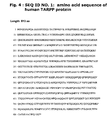
- Figure 4 discloses the protein sequence of human TARPP (hTARPP); SEQ ID NO. 1.
- the full length human TARPP protein consists of 813 amino acids.
- Figure 5 shows an alignment of the amino acid sequence of SEQ ID NO.1, hTARPP protein, with mouse ( Mus musculus ) TARPP amino acid sequence (GenBank accession number af324451).
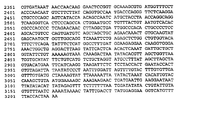
- Figure 6 represents the nucleotide sequence of SEQ ID NO. 2, the coding sequence of the human TARPP gene, comprising 2442 nucleotides.
- Figure 7 shows the nucleotide sequence of SEQ ID NO. 3, the hTARPP cDNA, comprising 3212 nucleotides. Primers used for quantitative PCR analysis are located from nucleotide 2471 to 2493 for the forward primer and from nucleotide 2518 to 2539 for the reverse primer.
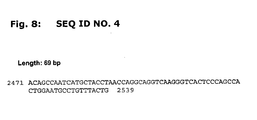
- Figure 8 depicts SEQ ID NO. 4, the nucleotide sequence of the 69 bp cDNA fragment, amplified with the primers used for quantitative PCR analysis. For the location of the primers refer to SEQ ID NO. 3, Figure 7 .
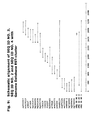
- Figure 9 charts the schematic alignment of SEQ ID NO. 4, the hTARPP cDNA fragment, SEQ ID NO. 2, the coding sequence of the hTARPP gene, and SEQ ID NO. 3, the hTARPP gene nucleotide sequence derived from the alignment of human EST nucleotide sequences found in the GenBank genetic sequence database. EST numbers are written on the left side, all sequences are 5' to 3' directed.
- FIG 10 depicts human cerebral cortex labeled with an affinity-purified rabbit anti-hTARPP antiserum raised against a peptide corresponding to amino acids 566-580 (green signals). Strong immunoreactivity of human TARPP was detected in both, pre-central cortex (CT) and white matter (WM) ( Figure 10a , low magnification). In the cortex, hTARPP is mainly detected in the cytoplasm of neuronal cell bodies and in some distal segments of neuronal processes ( Figure 10b , high magnification). Moreover, axonal filaments and the cytoplasm of some glia cells were immuno-positive in the white matter. The same immunostaining pattern was observed by using another antiserum raised against a peptide mapping to amino acids 325-341 of hTARPP. Blue signals indicate nuclei stained with DAPI.
- Table 1 lists expression levels in the frontal cortex relative to the temporal cortex for the transcription product of the hTARPP gene in seven Alzheimer's disease patients, herein identified by internal reference numbers P010, P011, P012, P014, P016, P017, P019 (1.34 to 4.11 fold) and five healthy, age-matched control individuals, herein identified by internal reference numbers C005, C008, C011, C012, C014 (0.47 to 1.39 fold). The values shown are reciprocal values according to the formula described herein (see below).
- Table 2 lists the hTARPP gene expression levels in the frontal cortex relative to the hippocampus in six Alzheimer's disease patients, herein identified by internal reference numbers P010, P011, P012, P014, P016, P019 (1.21 to 5.51 fold) and three healthy, age-matched control individuals, herein identified by internal reference numbers C004, C005, C008 (1.10 to 1.76 fold).
- the values shown are reciprocal values according to the formula described herein (see below).
- Brain tissues from Alzheimer's disease patients and age-matched control subjects were collected within 6 hours post-mortem and immediately frozen on dry ice. Sample sections from each tissue were fixed in paraformaldehyde for histopathological confirmation of the diagnosis. Brain areas for differential expression analysis were identified (see Figure 1 ) and stored at - 80°C until RNA extractions were performed.
- PCR amplification (95 °C and 1 sec, 56 °C and 5 sec, and 72 °C and 5 sec) was performed in a volume of 20 ⁇ l containing Lightcycler-FastStart DNA Master SYBR Green I mix (containing FastStart Taq DNA polymerase, reaction buffer, dNTP mix with dUTP instead of dTTP, SYBR Green I dye, and 1 mM MgCl 2 ; Roche), 0.5 ⁇ M primers, 2 ⁇ l of a cDNA dilution series (final concentration of 40, 20, 10, 5, 1 and 0.5 ng human total brain cDNA; Clontech) and depending on the primers used, additional 3 mM MgCl 2 .
- Lightcycler-FastStart DNA Master SYBR Green I mix containing FastStart Taq DNA polymerase, reaction buffer, dNTP mix with dUTP instead of dTTP, SYBR Green I dye, and 1 mM MgCl 2
- the PCR protocol was applied to determine the PCR efficiency of a set of reference genes which were selected as a reference standard for quantification.
- the mean value of five such reference genes was determined: (1) cyclophilin B, using the specific primers 5'-ACTGAAGCACTACGGGCCTG-3' and 5'-AGCCGTTGGTGTCTTTGCC-3' except for MgCl 2 (an additional 1 mM was added instead of 3 mM).
- Melting curve analysis revealed a single peak at approximately 87 °C with no visible primer dimers.
- Agarose gel analysis of the PCR product showed one single band of the expected size (62 bp).
- the logarithm of the cDNA concentration was plotted against the threshold cycle number C t for the gene coding for hTARPP and the five reference standard genes. The slopes and the intercepts of the standard curves (i.e. linear regressions) were calculated for all genes.
- cDNAs from frontal cortex and temporal cortex, and from hippocampus and frontal cortex, respectively were analyzed in parallel and normalized to cyclophilin B.
- the C t values were measured and converted to ng total brain cDNA using the corresponding standard curves: 10 ⁇ ⁇ C t value - intercept / slope ng total brain cDNA
- a third step the set of reference standard genes was analyzed in parallel to determine the mean average value of the temporal to frontal ratios, and of the hippocampal to frontal ratios, respectively, of expression levels of the reference standard genes for each individual brain sample.
- cyclophilin B was analyzed in step 2 and step 3, and the ratio from one gene to another gene remained constant in different runs, it was possible to normalize the values for hTARPP to the mean average value of the set of reference standard genes instead of normalizing to one single gene alone.
- the calculation was performed by dividing the ratios shown above by the deviation of cyclophilin B from the mean value of all housekeeping genes. The results of such quantitative RT-PCR analysis for hTARPP are shown in Figure 2 and 3 .
- SEQ ID NO. 4 is identical to portions of the human EST sequences hms80139 and bg201698 and others (shown in Figure 8 ). These human ESTs showed homology to mouse (Mus musculus) TARPP. Aligning human ESTs in addition to SEQ ID NO. 4, a complete EST cluster representing the hTARPP cDNA, SEQ ID NO. 3, was determined. The amino acid sequence of a large open reading frame, with the potential to encode a protein of 813 amino acid residues was deduced, SEQ ID NO. 1.
- hTARPP immunofluorescence staining of hTARPP in human brain
- frozen sections were prepared from post-mortem pre-central gyrus of a donor person (Cryostat Leica CM3050S) and fixed in acetone at room temperature for 10 min. After washing in PBS, the sections were pre-incubated with blocking buffer (10% normal goat serum, 0.2% Triton X-100 in PBS) for 30min, and then incubated with affinity-purified rabbit anti-hTARPP antisera (1:20-1:40 diluted in blocking buffer, Eurogentec, Herstal, Belgium, custom-made) overnight at 4°C.
- blocking buffer 10% normal goat serum, 0.2% Triton X-100 in PBS
- the sections were incubated with FITC-conjugated goat anti-rabbit IgG (1:150 diluted in 1% BSA/PBS) for 2 hours at room temperature, and then again washed in PBS. Staining of the nuclei was performed by incubation of the sections with 5 ⁇ M DAPI in PBS for 3min (blue signal).
- the sections were treated with 1% Sudan Black B in 70% ethanol for 2-10 min at room temperature and sequentially dipped in 70% ethanol, destilled water, and PBS.
- the sections were coverslipped by 'Vectrashield mounting medium' (Vector Laboratories, Burlingame, CA) and observed under an inverted microscope (IX81, Olympus Optical).
- the digital images were captured with the appropriate software (AnalySiS, Olympus Optical).
Landscapes
- Chemical & Material Sciences (AREA)
- Health & Medical Sciences (AREA)
- Life Sciences & Earth Sciences (AREA)
- Organic Chemistry (AREA)
- Engineering & Computer Science (AREA)
- Proteomics, Peptides & Aminoacids (AREA)
- Molecular Biology (AREA)
- Immunology (AREA)
- Biochemistry (AREA)
- General Health & Medical Sciences (AREA)
- Genetics & Genomics (AREA)
- Zoology (AREA)
- Analytical Chemistry (AREA)
- Biomedical Technology (AREA)
- Biophysics (AREA)
- Medicinal Chemistry (AREA)
- Wood Science & Technology (AREA)
- Biotechnology (AREA)
- Pathology (AREA)
- Hematology (AREA)
- Microbiology (AREA)
- Urology & Nephrology (AREA)
- Physics & Mathematics (AREA)
- General Physics & Mathematics (AREA)
- Toxicology (AREA)
- Cell Biology (AREA)
- Neurosurgery (AREA)
- Neurology (AREA)
- Bioinformatics & Cheminformatics (AREA)
- General Engineering & Computer Science (AREA)
- Food Science & Technology (AREA)
- Gastroenterology & Hepatology (AREA)
- Medicines That Contain Protein Lipid Enzymes And Other Medicines (AREA)
- Pharmaceuticals Containing Other Organic And Inorganic Compounds (AREA)
- Measuring Or Testing Involving Enzymes Or Micro-Organisms (AREA)
- Peptides Or Proteins (AREA)
- Medicines Containing Material From Animals Or Micro-Organisms (AREA)
- Medicines Containing Antibodies Or Antigens For Use As Internal Diagnostic Agents (AREA)
Claims (13)
- Acide nucléique isolé codant pour une molécule de protéine présentée dans SEQ ID NO: 1.
- Molécule d'acide nucléique isolée selon la revendication 1, dans laquelle la molécule d'acide nucléique est une molécule d'ADN.
- Molécule d'acide nucléique isolée selon la revendication 2, dans laquelle la molécule d'acide nucléique est une molécule d'ADNc, en particulier une molécule d'ADNc comprenant une séquence de nucléotides présentée dans SEQ ID NO : 2 et SEQ ID NO : 3.
- Molécule d'ADN isolée capable de s'hybrider avec le complément de l'ADNc décrit dans SEQ ID NO : 2 ou SEQ ID NO : 3 dans des conditions stringentes.
- Vecteur comprenant une molécule d'acide nucléique selon l'une quelconque des revendications 1 à 4.
- Vecteur selon la revendication 5, dans lequel ledit vecteur est un plasmide, un virus ou un bactériophage.
- Cellule transformée avec une molécule d'acide nucléique selon l'une quelconque des revendications 1 à 4, dans laquelle ladite cellule est en particulier une cellule bactérienne, une cellule de levure, une cellule de mammifère ou une cellule d'insecte, à condition que la cellule ne soit pas dérivée d'un embryon humain.
- Molécule de protéine présentée dans SEQ ID NO : 1.
- Molécule de protéine présentée dans SEQ ID NO : 1, pour utilisation comme cible de diagnostic pour détecter la maladie d'Alzheimer.
- Utilisation d'un anticorps spécifiquement immunoréactif avec un immunogène, dans laquelle ledit immunogène est une molécule de protéine présentée dans SEQ ID NO : 1, pour détecter l'état de la maladie d'Alzheimer d'une cellule dans un échantillon provenant d'un sujet, comprenant la coloration immunocytochimique de ladite cellule avec ledit anticorps, où un degré de coloration modifié, ou un motif de coloration modifié dans ladite cellule par rapport à une cellule représentant un état de santé connu, indique l'état de la maladie d'Alzheimer de ladite cellule.
- Procédé de diagnostic ou de pronostic de la maladie d'Alzheimer chez un sujet, ou consistant à déterminer si un sujet présente un risque accru de développer ladite maladie, comprenant l'étape consistant à :déterminer un taux et/ou une activité(i) d'un produit de transcription du gène codant pour hTARPP, et/ou(ii) d'un produit de traduction du gène codant pour hTARPP,dans un échantillon de cerveau obtenu à partir dudit sujet et comparer ledit taux et/ou ladite activité à une valeur de référence représentant une maladie connue ou un état de santé connu, permettant ainsi de diagnostiquer ou pronostiquer ladite maladie chez ledit sujet, ou de déterminer si ledit sujet présente un risque accru de développer ladite maladie.
- Procédé selon la revendication 11, dans lequel ladite valeur de référence est celle d'un taux et/ou d'une activité(i) d'un produit de transcription du gène codant pour hTARPP, et/ou(ii) d'un produit de traduction du gène codant pour hTARPP,
dans un échantillon provenant d'un sujet ne souffrant pas de la maladie d'Alzheimer. - Procédé selon l'une quelconque des revendications 11 ou 12, dans lequel une modification du taux et/ou de l'activité d'un produit de transcription du gène codant pour hTARPP et/ou d'un produit de traduction du gène codant pour hTARPP dans une cellule échantillon, ou un tissu ou un fluide corporel, en particulier le liquide céphalo-rachidien, provenant dudit sujet, relativement à une valeur de référence représentant un état de santé connu, indique un diagnostic, ou un pronostic, ou un risque accru de maladie d'Alzheimer pour ledit sujet.
Priority Applications (1)
| Application Number | Priority Date | Filing Date | Title |
|---|---|---|---|
| EP03722373A EP1490694B1 (fr) | 2002-04-02 | 2003-04-01 | Phosphoproteine a regulation ampc pour diagnostic et soins dans des maladies neurodegeneratives |
Applications Claiming Priority (6)
| Application Number | Priority Date | Filing Date | Title |
|---|---|---|---|
| US36897002P | 2002-04-02 | 2002-04-02 | |
| US368970P | 2002-04-02 | ||
| EP02007522 | 2002-04-02 | ||
| EP02007522 | 2002-04-02 | ||
| PCT/EP2003/003364 WO2003083482A1 (fr) | 2002-04-02 | 2003-04-01 | Phosphoproteine a regulation ampc pour diagnostic et soins dans des maladies neurodegeneratives |
| EP03722373A EP1490694B1 (fr) | 2002-04-02 | 2003-04-01 | Phosphoproteine a regulation ampc pour diagnostic et soins dans des maladies neurodegeneratives |
Publications (2)
| Publication Number | Publication Date |
|---|---|
| EP1490694A1 EP1490694A1 (fr) | 2004-12-29 |
| EP1490694B1 true EP1490694B1 (fr) | 2011-03-09 |
Family
ID=43646220
Family Applications (1)
| Application Number | Title | Priority Date | Filing Date |
|---|---|---|---|
| EP03722373A Expired - Lifetime EP1490694B1 (fr) | 2002-04-02 | 2003-04-01 | Phosphoproteine a regulation ampc pour diagnostic et soins dans des maladies neurodegeneratives |
Country Status (6)
| Country | Link |
|---|---|
| US (1) | US20060024305A1 (fr) |
| EP (1) | EP1490694B1 (fr) |
| AT (1) | ATE501437T1 (fr) |
| AU (1) | AU2003229586A1 (fr) |
| DE (1) | DE60336307D1 (fr) |
| WO (1) | WO2003083482A1 (fr) |
Family Cites Families (3)
| Publication number | Priority date | Publication date | Assignee | Title |
|---|---|---|---|---|
| US5011912A (en) * | 1986-12-19 | 1991-04-30 | Immunex Corporation | Hybridoma and monoclonal antibody for use in an immunoaffinity purification system |
| US5777195A (en) * | 1996-05-17 | 1998-07-07 | The Rockefeller University | Knockout mutant mouse for DARPP-32 and use thereof |
| AR031361A1 (es) * | 2001-04-26 | 2003-09-24 | Ruben Juan Sferco | Instrumento para la realizacion de colangiografia operatoria |
-
2003
- 2003-04-01 DE DE60336307T patent/DE60336307D1/de not_active Expired - Lifetime
- 2003-04-01 AT AT03722373T patent/ATE501437T1/de not_active IP Right Cessation
- 2003-04-01 US US10/509,950 patent/US20060024305A1/en not_active Abandoned
- 2003-04-01 AU AU2003229586A patent/AU2003229586A1/en not_active Abandoned
- 2003-04-01 EP EP03722373A patent/EP1490694B1/fr not_active Expired - Lifetime
- 2003-04-01 WO PCT/EP2003/003364 patent/WO2003083482A1/fr not_active Ceased
Also Published As
| Publication number | Publication date |
|---|---|
| ATE501437T1 (de) | 2011-03-15 |
| DE60336307D1 (de) | 2011-04-21 |
| AU2003229586A1 (en) | 2003-10-13 |
| EP1490694A1 (fr) | 2004-12-29 |
| US20060024305A1 (en) | 2006-02-02 |
| WO2003083482A1 (fr) | 2003-10-09 |
Similar Documents
| Publication | Publication Date | Title |
|---|---|---|
| WO2004003563A2 (fr) | Utilisation diagnostique et therapeutique de la proteine et du gene ensadin-0581 dans le cadre des maladies neurodegeneratives | |
| US20060259990A1 (en) | Diagnostic and therapeutic use of tb2 gene and protein for neurodegenerative diseases | |
| US20080301821A1 (en) | Diagnostic and Therapeutic use of a Plasma Membrane Atpase | |
| WO2003091734A1 (fr) | Utilisation a des fins diagnostiques et therapeutiques du gene et de la proteine ensadine-0477 pour le traitement de maladies neurodegeneratives | |
| WO2004001422A2 (fr) | Utilisation, en matiere de diagnostic et de therapie de maladies neurodegeneratives, de la proteine 2 (g3bp2) se fixant au domaine sh3 de la proteine activant la ras gtpase | |
| WO2004038411A2 (fr) | Utilisations diagnostique et therapeutique d'un gene de l'ensadin-0289 et d'une proteine pour des maladies neurodegeneratives | |
| US20060088827A1 (en) | Diagnostic and therapeutic use of a voltage-gated ion channel scn2a for neurodegenerative diseases | |
| US20060052280A1 (en) | Diagnostic and therapeutic use of a golgi protein for neurodegenerative diseases | |
| EP1490694B1 (fr) | Phosphoproteine a regulation ampc pour diagnostic et soins dans des maladies neurodegeneratives | |
| EP1490692A2 (fr) | Utilisation diagnostique et therapeutique de caps | |
| EP1485410A1 (fr) | Utilisation de proteines maguin humaines et d'acides nucleiques dans le diagnostic et le traitement de pathologies neurodegeneratives | |
| US20060141459A1 (en) | Diagnostic and therapeutic use of foap-13 polynucleotides and polypeptides for neurodegenerative diseases | |
| US20050214763A1 (en) | Diagnostic and therapeutic use of an activator protein for vesicle secretion for neurodegenerative diseases | |
| US20060160728A1 (en) | Diagnostic and therapeutic use of ensandin-0138 gene and protein for neurodegenerative diseases | |
| US20050153295A1 (en) | Diagnostic and therapeutic use of human maguin proteins and nucleic acids for neurodegenerative diseases | |
| WO2004035823A2 (fr) | Utilisation diagnostique et therapeutique des gene et proteine ensadin-0625 destinee a des maladies neurodegeneratives | |
| US20060073480A1 (en) | Diagnostic and therapeutic use of vault polynucleotides and proteins for neurodegenerative diseases | |
| US20050106569A1 (en) | Diagnostic and therapeutic use of ma onconeuronal antigents for neurodegenerative diseases | |
| US20060051757A1 (en) | Diagnostic and therapeutic use of ensadin-0477 gene and protein for neurodegenerative diseases | |
| US20060294602A1 (en) | Diagnostic and therapeutic use of a rab family gtp-binding protein for neurodegenerative diseases | |
| EP1561117A1 (fr) | Utilisation diagnostique et therapeutique de la proteine et du arl7 dans la maladie d'alzheimer | |
| WO2003098221A1 (fr) | Utilisation a des fins diagnostiques et therapeutiques de la proteine et du gene d'ensadine-0255 pour traiter des maladies neurodegeneratives | |
| EP1534856A2 (fr) | Utilisation diagnostique et therapeutique de la proteine de liaison a l'hormone thyroidienne pour des maladies neurodegeneratives |
Legal Events
| Date | Code | Title | Description |
|---|---|---|---|
| PUAI | Public reference made under article 153(3) epc to a published international application that has entered the european phase |
Free format text: ORIGINAL CODE: 0009012 |
|
| 17P | Request for examination filed |
Effective date: 20040921 |
|
| AK | Designated contracting states |
Kind code of ref document: A1 Designated state(s): AT BE BG CH CY CZ DE DK EE ES FI FR GB GR HU IE IT LI LU MC NL PT RO SE SI SK TR |
|
| AX | Request for extension of the european patent |
Extension state: AL LT LV MK |
|
| RIN1 | Information on inventor provided before grant (corrected) |
Inventor name: VON DER KAMMER, HEINZ Inventor name: HANES, JOZEF Inventor name: HIPFEL, RAINER Inventor name: POHLNER, JOHANNES |
|
| 17Q | First examination report despatched |
Effective date: 20081107 |
|
| GRAP | Despatch of communication of intention to grant a patent |
Free format text: ORIGINAL CODE: EPIDOSNIGR1 |
|
| GRAS | Grant fee paid |
Free format text: ORIGINAL CODE: EPIDOSNIGR3 |
|
| GRAA | (expected) grant |
Free format text: ORIGINAL CODE: 0009210 |
|
| AK | Designated contracting states |
Kind code of ref document: B1 Designated state(s): AT BE BG CH CY CZ DE DK EE ES FI FR GB GR HU IE IT LI LU MC NL PT RO SE SI SK TR |
|
| REG | Reference to a national code |
Ref country code: GB Ref legal event code: FG4D |
|
| REG | Reference to a national code |
Ref country code: CH Ref legal event code: EP |
|
| REG | Reference to a national code |
Ref country code: IE Ref legal event code: FG4D |
|
| REF | Corresponds to: |
Ref document number: 60336307 Country of ref document: DE Date of ref document: 20110421 Kind code of ref document: P |
|
| REG | Reference to a national code |
Ref country code: DE Ref legal event code: R096 Ref document number: 60336307 Country of ref document: DE Effective date: 20110421 |
|
| REG | Reference to a national code |
Ref country code: CH Ref legal event code: NV Representative=s name: SCHMAUDER & PARTNER AG PATENT- UND MARKENANWAELTE |
|
| REG | Reference to a national code |
Ref country code: NL Ref legal event code: VDEP Effective date: 20110309 |
|
| PG25 | Lapsed in a contracting state [announced via postgrant information from national office to epo] |
Ref country code: ES Free format text: LAPSE BECAUSE OF FAILURE TO SUBMIT A TRANSLATION OF THE DESCRIPTION OR TO PAY THE FEE WITHIN THE PRESCRIBED TIME-LIMIT Effective date: 20110620 Ref country code: SE Free format text: LAPSE BECAUSE OF FAILURE TO SUBMIT A TRANSLATION OF THE DESCRIPTION OR TO PAY THE FEE WITHIN THE PRESCRIBED TIME-LIMIT Effective date: 20110309 Ref country code: GR Free format text: LAPSE BECAUSE OF FAILURE TO SUBMIT A TRANSLATION OF THE DESCRIPTION OR TO PAY THE FEE WITHIN THE PRESCRIBED TIME-LIMIT Effective date: 20110610 |
|
| PG25 | Lapsed in a contracting state [announced via postgrant information from national office to epo] |
Ref country code: NL Free format text: LAPSE BECAUSE OF FAILURE TO SUBMIT A TRANSLATION OF THE DESCRIPTION OR TO PAY THE FEE WITHIN THE PRESCRIBED TIME-LIMIT Effective date: 20110309 Ref country code: FI Free format text: LAPSE BECAUSE OF FAILURE TO SUBMIT A TRANSLATION OF THE DESCRIPTION OR TO PAY THE FEE WITHIN THE PRESCRIBED TIME-LIMIT Effective date: 20110309 Ref country code: SI Free format text: LAPSE BECAUSE OF FAILURE TO SUBMIT A TRANSLATION OF THE DESCRIPTION OR TO PAY THE FEE WITHIN THE PRESCRIBED TIME-LIMIT Effective date: 20110309 Ref country code: AT Free format text: LAPSE BECAUSE OF FAILURE TO SUBMIT A TRANSLATION OF THE DESCRIPTION OR TO PAY THE FEE WITHIN THE PRESCRIBED TIME-LIMIT Effective date: 20110309 Ref country code: CY Free format text: LAPSE BECAUSE OF FAILURE TO SUBMIT A TRANSLATION OF THE DESCRIPTION OR TO PAY THE FEE WITHIN THE PRESCRIBED TIME-LIMIT Effective date: 20110309 Ref country code: BG Free format text: LAPSE BECAUSE OF FAILURE TO SUBMIT A TRANSLATION OF THE DESCRIPTION OR TO PAY THE FEE WITHIN THE PRESCRIBED TIME-LIMIT Effective date: 20110609 |
|
| PG25 | Lapsed in a contracting state [announced via postgrant information from national office to epo] |
Ref country code: BE Free format text: LAPSE BECAUSE OF FAILURE TO SUBMIT A TRANSLATION OF THE DESCRIPTION OR TO PAY THE FEE WITHIN THE PRESCRIBED TIME-LIMIT Effective date: 20110309 |
|
| PG25 | Lapsed in a contracting state [announced via postgrant information from national office to epo] |
Ref country code: EE Free format text: LAPSE BECAUSE OF FAILURE TO SUBMIT A TRANSLATION OF THE DESCRIPTION OR TO PAY THE FEE WITHIN THE PRESCRIBED TIME-LIMIT Effective date: 20110309 Ref country code: PT Free format text: LAPSE BECAUSE OF FAILURE TO SUBMIT A TRANSLATION OF THE DESCRIPTION OR TO PAY THE FEE WITHIN THE PRESCRIBED TIME-LIMIT Effective date: 20110711 |
|
| PG25 | Lapsed in a contracting state [announced via postgrant information from national office to epo] |
Ref country code: CZ Free format text: LAPSE BECAUSE OF FAILURE TO SUBMIT A TRANSLATION OF THE DESCRIPTION OR TO PAY THE FEE WITHIN THE PRESCRIBED TIME-LIMIT Effective date: 20110309 Ref country code: RO Free format text: LAPSE BECAUSE OF FAILURE TO SUBMIT A TRANSLATION OF THE DESCRIPTION OR TO PAY THE FEE WITHIN THE PRESCRIBED TIME-LIMIT Effective date: 20110309 Ref country code: SK Free format text: LAPSE BECAUSE OF FAILURE TO SUBMIT A TRANSLATION OF THE DESCRIPTION OR TO PAY THE FEE WITHIN THE PRESCRIBED TIME-LIMIT Effective date: 20110309 Ref country code: MC Free format text: LAPSE BECAUSE OF NON-PAYMENT OF DUE FEES Effective date: 20110430 |
|
| PLBE | No opposition filed within time limit |
Free format text: ORIGINAL CODE: 0009261 |
|
| STAA | Information on the status of an ep patent application or granted ep patent |
Free format text: STATUS: NO OPPOSITION FILED WITHIN TIME LIMIT |
|
| REG | Reference to a national code |
Ref country code: FR Ref legal event code: ST Effective date: 20111230 |
|
| PG25 | Lapsed in a contracting state [announced via postgrant information from national office to epo] |
Ref country code: FR Free format text: LAPSE BECAUSE OF NON-PAYMENT OF DUE FEES Effective date: 20110509 |
|
| REG | Reference to a national code |
Ref country code: IE Ref legal event code: MM4A |
|
| 26N | No opposition filed |
Effective date: 20111212 |
|
| PG25 | Lapsed in a contracting state [announced via postgrant information from national office to epo] |
Ref country code: DK Free format text: LAPSE BECAUSE OF FAILURE TO SUBMIT A TRANSLATION OF THE DESCRIPTION OR TO PAY THE FEE WITHIN THE PRESCRIBED TIME-LIMIT Effective date: 20110309 |
|
| REG | Reference to a national code |
Ref country code: DE Ref legal event code: R097 Ref document number: 60336307 Country of ref document: DE Effective date: 20111212 |
|
| PG25 | Lapsed in a contracting state [announced via postgrant information from national office to epo] |
Ref country code: IE Free format text: LAPSE BECAUSE OF NON-PAYMENT OF DUE FEES Effective date: 20110401 |
|
| PG25 | Lapsed in a contracting state [announced via postgrant information from national office to epo] |
Ref country code: IT Free format text: LAPSE BECAUSE OF FAILURE TO SUBMIT A TRANSLATION OF THE DESCRIPTION OR TO PAY THE FEE WITHIN THE PRESCRIBED TIME-LIMIT Effective date: 20110309 |
|
| REG | Reference to a national code |
Ref country code: DE Ref legal event code: R082 Ref document number: 60336307 Country of ref document: DE Representative=s name: VON KREISLER SELTING WERNER, DE |
|
| REG | Reference to a national code |
Ref country code: DE Ref legal event code: R082 Ref document number: 60336307 Country of ref document: DE Representative=s name: VON KREISLER SELTING WERNER, DE Effective date: 20130114 Ref country code: DE Ref legal event code: R081 Ref document number: 60336307 Country of ref document: DE Owner name: EVOTEC INTERNATIONAL GMBH, DE Free format text: FORMER OWNER: EVOTEC NEUROSCIENCES GMBH, 22525 HAMBURG, DE Effective date: 20130114 Ref country code: DE Ref legal event code: R082 Ref document number: 60336307 Country of ref document: DE Representative=s name: VON KREISLER SELTING WERNER - PARTNERSCHAFT VO, DE Effective date: 20130114 Ref country code: DE Ref legal event code: R082 Ref document number: 60336307 Country of ref document: DE Representative=s name: DOMPATENT VON KREISLER SELTING WERNER - PARTNE, DE Effective date: 20130114 |
|
| REG | Reference to a national code |
Ref country code: CH Ref legal event code: PFA Owner name: EVOTEC INTERNATIONAL GMBH, DE Free format text: FORMER OWNER: EVOTEC NEUROSCIENCES GMBH, DE |
|
| PG25 | Lapsed in a contracting state [announced via postgrant information from national office to epo] |
Ref country code: LU Free format text: LAPSE BECAUSE OF NON-PAYMENT OF DUE FEES Effective date: 20110401 |
|
| PG25 | Lapsed in a contracting state [announced via postgrant information from national office to epo] |
Ref country code: TR Free format text: LAPSE BECAUSE OF FAILURE TO SUBMIT A TRANSLATION OF THE DESCRIPTION OR TO PAY THE FEE WITHIN THE PRESCRIBED TIME-LIMIT Effective date: 20110309 |
|
| PG25 | Lapsed in a contracting state [announced via postgrant information from national office to epo] |
Ref country code: HU Free format text: LAPSE BECAUSE OF FAILURE TO SUBMIT A TRANSLATION OF THE DESCRIPTION OR TO PAY THE FEE WITHIN THE PRESCRIBED TIME-LIMIT Effective date: 20110309 |
|
| PGFP | Annual fee paid to national office [announced via postgrant information from national office to epo] |
Ref country code: GB Payment date: 20220425 Year of fee payment: 20 Ref country code: DE Payment date: 20220429 Year of fee payment: 20 |
|
| PGFP | Annual fee paid to national office [announced via postgrant information from national office to epo] |
Ref country code: CH Payment date: 20220421 Year of fee payment: 20 |
|
| REG | Reference to a national code |
Ref country code: DE Ref legal event code: R071 Ref document number: 60336307 Country of ref document: DE |
|
| REG | Reference to a national code |
Ref country code: CH Ref legal event code: PL |
|
| REG | Reference to a national code |
Ref country code: GB Ref legal event code: PE20 Expiry date: 20230331 |
|
| PG25 | Lapsed in a contracting state [announced via postgrant information from national office to epo] |
Ref country code: GB Free format text: LAPSE BECAUSE OF EXPIRATION OF PROTECTION Effective date: 20230331 |