EP1493749A1 - Nouvelle protéine VCH-core+1, sa utilisation dans des méthodes diagnostiques et prophylactiques et procédé de criblage d'agents anti-VHC - Google Patents
Nouvelle protéine VCH-core+1, sa utilisation dans des méthodes diagnostiques et prophylactiques et procédé de criblage d'agents anti-VHC Download PDFInfo
- Publication number
- EP1493749A1 EP1493749A1 EP03291676A EP03291676A EP1493749A1 EP 1493749 A1 EP1493749 A1 EP 1493749A1 EP 03291676 A EP03291676 A EP 03291676A EP 03291676 A EP03291676 A EP 03291676A EP 1493749 A1 EP1493749 A1 EP 1493749A1
- Authority
- EP
- European Patent Office
- Prior art keywords
- nucleotide
- core
- protein
- hcv
- sequence
- Prior art date
- Legal status (The legal status is an assumption and is not a legal conclusion. Google has not performed a legal analysis and makes no representation as to the accuracy of the status listed.)
- Withdrawn
Links
Images







Classifications
-
- C—CHEMISTRY; METALLURGY
- C07—ORGANIC CHEMISTRY
- C07K—PEPTIDES
- C07K5/00—Peptides containing up to four amino acids in a fully defined sequence; Derivatives thereof
- C07K5/04—Peptides containing up to four amino acids in a fully defined sequence; Derivatives thereof containing only normal peptide links
- C07K5/10—Tetrapeptides
- C07K5/1002—Tetrapeptides with the first amino acid being neutral
- C07K5/1005—Tetrapeptides with the first amino acid being neutral and aliphatic
- C07K5/1013—Tetrapeptides with the first amino acid being neutral and aliphatic the side chain containing O or S as heteroatoms, e.g. Cys, Ser
-
- A—HUMAN NECESSITIES
- A61—MEDICAL OR VETERINARY SCIENCE; HYGIENE
- A61P—SPECIFIC THERAPEUTIC ACTIVITY OF CHEMICAL COMPOUNDS OR MEDICINAL PREPARATIONS
- A61P1/00—Drugs for disorders of the alimentary tract or the digestive system
- A61P1/16—Drugs for disorders of the alimentary tract or the digestive system for liver or gallbladder disorders, e.g. hepatoprotective agents, cholagogues, litholytics
-
- A—HUMAN NECESSITIES
- A61—MEDICAL OR VETERINARY SCIENCE; HYGIENE
- A61P—SPECIFIC THERAPEUTIC ACTIVITY OF CHEMICAL COMPOUNDS OR MEDICINAL PREPARATIONS
- A61P31/00—Antiinfectives, i.e. antibiotics, antiseptics, chemotherapeutics
- A61P31/12—Antivirals
- A61P31/14—Antivirals for RNA viruses
-
- C—CHEMISTRY; METALLURGY
- C07—ORGANIC CHEMISTRY
- C07K—PEPTIDES
- C07K14/00—Peptides having more than 20 amino acids; Gastrins; Somatostatins; Melanotropins; Derivatives thereof
- C07K14/005—Peptides having more than 20 amino acids; Gastrins; Somatostatins; Melanotropins; Derivatives thereof from viruses
-
- C—CHEMISTRY; METALLURGY
- C07—ORGANIC CHEMISTRY
- C07K—PEPTIDES
- C07K16/00—Immunoglobulins [IG], e.g. monoclonal or polyclonal antibodies
- C07K16/40—Immunoglobulins [IG], e.g. monoclonal or polyclonal antibodies against enzymes
-
- G—PHYSICS
- G01—MEASURING; TESTING
- G01N—INVESTIGATING OR ANALYSING MATERIALS BY DETERMINING THEIR CHEMICAL OR PHYSICAL PROPERTIES
- G01N33/00—Investigating or analysing materials by specific methods not covered by groups G01N1/00 - G01N31/00
- G01N33/48—Biological material, e.g. blood, urine; Haemocytometers
- G01N33/50—Chemical analysis of biological material, e.g. blood, urine; Testing involving biospecific ligand binding methods; Immunological testing
- G01N33/53—Immunoassay; Biospecific binding assay; Materials therefor
- G01N33/576—Immunoassay; Biospecific binding assay; Materials therefor for hepatitis
-
- C—CHEMISTRY; METALLURGY
- C12—BIOCHEMISTRY; BEER; SPIRITS; WINE; VINEGAR; MICROBIOLOGY; ENZYMOLOGY; MUTATION OR GENETIC ENGINEERING
- C12N—MICROORGANISMS OR ENZYMES; COMPOSITIONS THEREOF; PROPAGATING, PRESERVING, OR MAINTAINING MICROORGANISMS; MUTATION OR GENETIC ENGINEERING; CULTURE MEDIA
- C12N2770/00—MICROORGANISMS OR ENZYMES; COMPOSITIONS THEREOF; PROPAGATING, PRESERVING, OR MAINTAINING MICROORGANISMS; MUTATION OR GENETIC ENGINEERING; CULTURE MEDIA ssRNA viruses positive-sense
- C12N2770/00011—Details
- C12N2770/24011—Flaviviridae
- C12N2770/24211—Hepacivirus, e.g. hepatitis C virus, hepatitis G virus
- C12N2770/24222—New viral proteins or individual genes, new structural or functional aspects of known viral proteins or genes
-
- Y—GENERAL TAGGING OF NEW TECHNOLOGICAL DEVELOPMENTS; GENERAL TAGGING OF CROSS-SECTIONAL TECHNOLOGIES SPANNING OVER SEVERAL SECTIONS OF THE IPC; TECHNICAL SUBJECTS COVERED BY FORMER USPC CROSS-REFERENCE ART COLLECTIONS [XRACs] AND DIGESTS
- Y10—TECHNICAL SUBJECTS COVERED BY FORMER USPC
- Y10S—TECHNICAL SUBJECTS COVERED BY FORMER USPC CROSS-REFERENCE ART COLLECTIONS [XRACs] AND DIGESTS
- Y10S436/00—Chemistry: analytical and immunological testing
- Y10S436/82—Hepatitis associated antigens and antibodies
Definitions
- the present invention relates to a novel form of core+1 protein of Hepatitis C virus (HCV), designated shorter form core+1 protein.
- HCV Hepatitis C virus
- the invention also provides methods for detecting infection by Hepatitis C virus in biological samples, methods of screening compounds which interact with viral propagation in HCV infected cells and advantageously decrease inhibit or prevent viral propagation or screening of compounds impaction on the expression of shorter form core+1 protein and uses of these compounds for the preparation of compositions useful for their anti-viral activities.
- the invention also proposes to use the shorter form core+1 protein of the invention to derive immunogenic compositions for protection against HCV infection or against its consequences.
- Hepatitis C is a viral infection of the liver which has also been referred to as "non A, non B hepatitis” (NANBH) until identification of the causative agent.
- Hepatitis C virus is one of the viruses (A, B, C, D and E), which together account for the majority of cases of viral hepatitis.
- Hepatitis C virus was first identified in 1989 (Choo et al. 1989) and defined as a common cause of liver disease with an estimated 170-million infected people worldwide.
- Hepatitis C virus (HCV) infection affects the liver, which causes hepatitis, i.e., an inflammation of the liver.
- HCV infections 75 to 85% of persons infected with HCV progress to chronic infection, approximately 20% of these cases develop complications of chronic hepatitis C, including cirrhosis of the liver or hepatocellular carcinoma after 20 years of infection (Di Bisceglie 2000).
- the current recommended treatment for HCV infections is a combination of interferon and ribavirin drugs, however the treatment is not effective in all cases and the liver transplantation is indicated in hepatitis C-related end-stage liver disease. At present, there is no vaccine available to prevent HCV infection, therefore all precautions to avoid infection must be taken.
- HCV is a (+) sense single-stranded enveloped RNA virus in the Hepacivirus genus within the Flaviviridae family.
- the viral genome is approximately 10 kb in length and encodes a 3011 amino acid polyprotein precursor.
- the HCV genome has a large single open reading frame (ORF) coding for a unique polyprotein, said polyprotein being co- and post-translationally processed by cellular and viral proteases into three structural protein, i.e., core, E1 and E2 and at least six non-structural NS2, NS3, NS4A, NS4B, NS5A and NS5B proteins (Houghton 1996 and Reed et al. 2000).
- ORF open reading frame
- IVS internal ribosome entry site
- the core protein which forms the viral nucleocapsid, is predicted to be 191 amino acids in length and to have a molecular mass of 23 kDa (p23). Further processing of p23 produces the mature core protein (p21 ), consisting of between 173-182 amino acids. It has been previously reported that a protein having a molecular weight of about 17 kDa is also expressed from the core protein-coding sequence of some HCV isolates both in vitro and in vivo, e.g.
- HCV polypeptide of 16/17 kDa (p16/p17), consisting of maximum 160 amino acids, is encoded by the open reading frame that overlaps the core gene in the +1 frame (core+1 ORF) and is syntheTized in vitro as a result of a +1 ribosomal frameshift for translation.
- This 16/17 kDa polypeptide is named ARFP for Alternative Reading Frame Protein or F for Frameshift protein or core+1 according to the location of this novel protein.
- the ARFP/F/core+1 protein is synthetized in vitro from the initiator codon of the polyprotein sequence followed by a +1 ribosomal frameshift operating in the region of core codons 8-14 (Xu et al. 2001, Varaklioti et al. 2002).
- the expression of the core+1 protein coding sequence has been assayed in mammalian cells, i.e. in vivo, in order to investigate the biological importance of the core+1 protein. It has been shown that expression of the core+1 ORF of HCV-1 and of HCV-1 a (H) in rabbit reticulocyte lysates (in vitro) can be obtained respectively for HCV-1 isolate whereas it is not detected for HCV-1 a(H) isolate (Varaklioti et al. 2002). Indeed, the core+1 protein has been synthesized in vitro when expressing core +1 ORF from HCV-1 but has not been detected when expressing core+1 ORF from HCV-1a (H).
- HCV-1 and HCV-1a(H) isolates of HCV although belonging to the same genotype, have different sequences at the frameshift site located in codons 8-14 of HCV-1. The difference especially consists in the lack of the 10-A nucleotide residues in the HCV-1 a(H) sequence at the putative frameshift site.
- the inventors have studied said expression in vivo.
- HCV-1 and HCV-1 a (H) core coding sequences efficiently allow expression of the core+1 ORF in transfected mammalian cells.
- the transfection and expression experiments carried out in mammalian cells have also enabled the present inventors to identify that in vivo expression of core+1 ORF is associated with synthesis of a new protein which expression follows a new alternative translation initiation mechanism of core+1 ORF when compared to the mechanism identified for the in vitro expression of core+1 protein. Said alternative mechanism directs the synthesis of a shorter form of core+1 protein, in vivo .
- HCV-1 and HCV-1a have been disclosed, respectively, in Genebank under references No.M62321 and No.M67463.
- Viruses which are subject to genome size constraints have developed different strategies to expand their coding capacity, such as ribosomal frameshifting or internal translational initiation.
- the ribosomal frameshifting consists in avoiding a termination codon, which would otherwise have been encountered by the ribosome, and instead creates a protein with extra amino acid sequences at its C terminal end. Therefore, in ribosomal frameshifting a directed change of translational reading frame allows the synthesis of a single protein from two or more overlapping genes.
- the internal translational initiation consists in escaping from an upstream initiator codon according to different mechanisms including leaky-scanning and ribosome shunting and internal ribosome entry site. Such a mechanism is apparently used for in vivo expression of shorter form core+1 protein.
- the invention thus provides a new protein of HCV life cycle, which is designated shorter form core+1 protein and which can be obtained by in vivo expression of the core+1 coding sequence or ORF, especially in mammalian cells.
- the invention also relates to nucleic acid sequences encoding said shorter form core+1 protein.
- the invention also provides methods for detecting in a biological sample of an individual the presence or absence of the shorter form core+1 protein giving evidence of Hepatitis C virus infection.
- the invention also provides use of the shorter form core+1 protein of the invention in an immunogenic composition.
- An immunogenic composition of the invention may advantageously be prepared in order to elicit a CTL response against HCV infection, in a patient.
- the shorter form core+1 HCV protein may also be involved in the preparation of therapeutic composition aiming at interacting with the consequences of HCV infection, especially when persistent infection appears.
- the invention also provides means for screening compounds, especially compounds having antiviral activity, as a result of interaction with in vivo expression of the core+1 ORF directing translation of shorter form core+1 protein.
- these screening methods are appropriate for routine high throughput screening of compounds capable of interacting with viral propagation and control of life cycle of the virus especially capable of inhibiting or preventing viral propagation.
- the invention also provides for the use of the compounds capable of interacting with viral propagation and control of life cycle of the virus, especially compounds capable of inhibiting or preventing viral propagation, advantageously as a result of their capacity to interact with expression of shorter form core+1 protein in HCV infected cells, which compounds would be useful for the preparation of a drug for the treatment of disorders induced by or associated with infection of Hepatitis C virus.
- a first object of the invention is thus a shorter form core+1 protein of HCV which is the product of translation of a coding sequence consisting of all or part of nucleotide sequence extending from nucleotide 598 to nucleotide 920 within the core +1 ORF of HCV represented on Figure 3B.
- the shorter form core+1 protein which is encoded by a nucleotide sequence having a translation initiation codon (ATG) at position 598 or by a nucleotide sequence having an ATG at position 606 of the HCV core+1 coding sequence.
- ATG translation initiation codon
- the shorter form core+1 protein is encoded by :
- the expression "shorter form core+1 protein", or " in vivo core+1 protein” refer to the Hepatitis C virus proteins obtainable in vivo, in cells infected with HCV, or in cells transfected with a DNA construct comprising core coding sequence or core+1 ORF.
- a predominant shorter form of core+1 is especially produced in vivo which is smaller than the 16/17kDa core+1 in vitro synthesized product, as it is predicted to have a calculated molecular weight of less than 10 kDa.
- the shorter form core+1 protein does not contain the first 10 consecutive A residues of the core protein.
- core +1 ORF refers to the nucleotide sequence such as represented Figure 3B of the present application which is comprised within the "core coding sequence” of HCV. Said core +1 ORF, begins at nucleotide 342 with translation initiation codon and extends up to nucleotide at position 920 (US n° 09/644,987) in the sequence illustrated on Figure 3B.
- core+1 protein is encoded by core+1 ORF or by core coding sequence, when said nucleotide sequences are expressed in vivo.
- the invention relates further to a shorter form core+1 protein of HCV which is obtainable in vivo by expression of the core+1 open reading frame (ORF) which is contained in nucleotide sequence extending from nucleotide at position 342 to nucleotide at position 920, preferably to nucleotide at position 826 of the nucleotide sequence represented on Figure 3B and which calculated molecular weight is less than 10 kDa .
- ORF core+1 open reading frame
- shorter form core+1 protein is obtainable in vivo independently of the expression of the HCV polyprotein and also independently of the expression of core+1 protein. Said expression in vivo uses the same frame as the one used for core+1 expression in the core+1 ORF but does not involve the frameshift transfection mechanism required for core+1 in vitro expression.
- the shorter form core+1 protein is the expression product of the core+1 ORF in mammalian cells.
- the shorter form core +1 protein is recognized by a serum of patients infected with HCV. In the same way circulating anti-core+1 antibodies have been detected in HCV-infected individuals, suggesting that this protein is produced during natural HCV infection.
- the shorter form core+1 protein comprises the amino acid sequence extending from amino acid residue corresponding to nucleotide 598 to amino acid residue corresponding to nucleotide 826, or to nucleotide 897 or to nucleotide 920 of the sequence represented on Figure 3B.
- the shorter form core+1 protein comprises the amino acid sequence extending from amino acid residue corresponding to nucleotide 606 to amino acid residue corresponding to nucleotide 826, or to nucleotide 897 or to nucleotide 920 of the sequence represented on Figure 3B.
- start and/or stop codons disclosed for shorter core+1 protein may vary depending on the HCV isolate considered.
- the above positions of start and stop codons are given with respect to the amino-acid sequence of Figure3.
- shorter form core+1 protein ending with codon corresponding to nucleotide 826 can be regarded as a preferred form of said protein, the above given longer sequences may be encoded simultaneously or alternatively.
- the invention further concerns peptides contained within the shorter form core+1 protein, especially peptide useful as epitopes.
- epitope when referring to a peptide is to be considered as an antigenic determinant or the immunologically active region of said peptide. It is the portion of said immunogenic peptide which is bound specifically by antibody or TCR.
- Said epitope on a peptide antigen may involve elements of the primary, secondary, tertiary, an even quaternary structure of the peptide and contains at least three residues.
- the present invention provides a particular peptide of interest, useful as epitope, and having the following sequence : COOH-T-Y-R-S-S-A-P-L-L-E-A-L-P-G-P-NH 2
- Such peptide of interest comprises amino-acid sequence extending from amino-acid residue corresponding to nucleotide 749 to amino-acid residue corresponding to nucleotide 793, or to nucleotide 796 in the sequence of Figure 3B.
- Variants of this peptide such as those obtained by deletions, additions or substitutions of amino acids in the peptide, are also encompassed by the present invention and can be obtained by methods known in the art, as long as these variants can elicit antibodies or can immunologically react with antibodies directed against the above sequence.
- Such peptides are interesting especially for the preparation of antibodies, either polyclonal or monoclonal.
- the translation initiation codon of shorter form core+1 protein may vary depending on HCV isolate. Some isolates contain two ATG which both may be used for synthesis of shorter form core+1 protein. Other isolates contain only one ATG for said protein.
- the invention also concerns a mosaic of proteins encoded by the above defined core coding sequence of HCV.
- a mosaic contains at least two proteins selected among core protein, core+1 protein, shorter form core+1 protein or their derivatives, including derivatives encoded by said sequence and involving further frameshift mechanism in the 3' terminal part of the core coding sequence.
- compositions of proteins can comprise proteins of the same isolates or from different HCV isolates.
- the invention also relates to a nucleotide sequence consisting in a fragment of the nucleotide sequence extending from nucleotide 342 to nucleotide 920 represented on Figure 3B, which fragment is capable of encoding a shorter form core+1 protein of HCV when transfected in mammalian cells under expression conditions.
- nucleotide sequence encoding a shorter form core+1 protein comprises a nucleotide sequence extending from nucleotide 598 or from nucleotide 606 to nucleotide 826 within the core+1 coding sequence of Figure 3B.
- nucleotide sequence encoding a shorter form core+1 protein is chosen among:
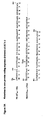
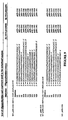
- the invention also provides variant nucleotide sequences derived from different isolates, which encode the shorter form core+1 proteins illustrated on Figure 8.
- the invention thus provides a nucleotide sequence comprising a Hepatitis C virus core protein coding sequence which is derived from the nucleotide sequence represented on Figure 3B as a result of one or several mutation selected among the following:
- nucleotide sequences of the invention are especially under a purified form, i.e., they are isolated from their natural environment in HCV.
- the above mutations consist in generating a missense codon in a specific position of the nucleotide sequence, for detecting codons which are critical for core+1 expression in vivo .
- a "stop codon”, “missense codon”, “nonsense codon”, “terminator codon” and “chain-terminating codon” are capable of stopping the translation since any amino acids correspond to said codon.
- the coding sequences of stop codon are often UAA, UAG and UGA. The presence of a stop codon disrupts the core+1 coding region and fails to support the production of the core+1 protein whether said stop codon is in frame with the open reading frame (ORF) of core+1 coding region.
- the invention also provides nucleotide sequences which are functional variants of said nucleotide sequences and having at least 70% identity, preferably 80% or 90% identity.
- variant refers to a nucleotide sequence substantially homologous to HCV shorter form core+1 nucleotide sequence, which has however undergone mutations, especially one or more deletions, insertions or substitutions resulting of the genetic code degeneracy.
- the variant nucleotide sequence is at least 70% identical to a nucleotide sequence encoding native shorter form core+1 protein, most preferably at least 80% or 90% identical. Determination of variant sequences according to the present invention may be performed using the GAP computer program (Devereux et al, Nucl. Acids Res. 12: 387, 1984).
- Variants can especially comprise conservative substitutions such that physiochemical characteristics of the mutated sequence are substantially identical to those of the native shorter form core+1 nucleotide sequence. Variants can also be chosen for their capacity to encode a variant shorter form core+1 protein which is recognized by antibodies directed against native shorter form core+1 protein.
- nucleotide sequence of Figure 3B are derivable from amino-acid sequences of Figure 8, including considering the variability resulting from degeneracy of the genetic code.
- the invention also concerns a nucleotide sequence, such isolated DNA or RNA sequence, which hybridises under stringent conditions to a nucleotide sequence disclosed herein.
- Those nucleotide sequences comprise also complementary sequences of nucleotide sequences encoding a mosaic of proteins comprising core protein, shorter form core+1 protein, fragment of shorter form core+1 protein and their derivatives.
- the invention also relates a nucleotide sequence which hybridises under stringent conditions with at least a complementary sequence of any nucleotide sequence disclosed above.
- the invention also concerns nucleotides sequences, complementary to a sequence selected among the above disclosed sequences.
- stringent conditions refers to conditions of severe stringency such as defined by Sambrook et al. in Molecular Cloning : a laboratory manual (1989). These conditions of high stringency are defined as following hybridisation conditions : use a prewashing solution for the nitrocellulose filters 5X SSC, 0.5% SDS, 1.0 mM EDTA (pH 8.0), hybridisation conditions of 50% formamide, 6X SSC at 42°C and washing conditions at 68°C, 0.2X SSC and 0.1 % SDS. Protocols are known to those having ordinary skill in the art. Moreover, the skilled artisan will recognize that the temperature and wash solution salt concentration can be adjust as necessary according to experimental constraints.
- the invention provides a chimeric gene which comprises a promoter operatively linked to a nucleotide sequence such as described above.
- Promoters sequence commonly use is selected from the group consisting of lactose promoter system, tryptophan promoter system, tac promoter and CMV promoter.
- a "chimeric gene” or “recombinant gene” consists in a DNA molecule resulting from combination or linkage of two DNA sources together, said sources not found naturally together.
- the shorter form core+1 protein is "operatively linked" to a promoter such as allow a suitable transcription and translation of said shorter form core+1 sequence, said regulatory sequence is thus functionally related to the shorter form core+1 DNA sequence.
- the chimeric gene comprises a CMV/T7 chimeric promoter and a chloramphenicol acetyl transferase (CAT) gene in a first cistron and the entire internal ribosome entry site (IRES) of the HCV core coding sequence and part of the wild type core coding sequence fused to LUC gene in a second cistron.
- the dicistronic cassettes CAT-IRES-core-LUC were placed under the control of a CMV/T7 chimeric promoter, wherein CMV comes from Cytomegalovirus and T7 from bacteriophage, to allow the use of the same DNA plasmid for expression in vivo and in vitro.
- the ATG was changed to a GGG codon.
- CAT activity serves as an internal control to standardize transfection efficiencies in vivo or potential variations in the transcript abundance in vitro.
- the chimeric gene is constructed such as LUC gene is fused to the core sequence in a 0, +1 or -1 frames.
- the open reading frame is in frame 0, +1 or -1 such as not interrupted translation by termination codon in order to obtain a polypeptide chain, i.e. LUC polypeptide in this specific case.
- Vector according to the invention is particularly appropriate to transfer DNA sequences, e.g. chimeric gene and has properties allow protein expression.
- This vector is a plasmid, a cosmid a phage or a virus.
- the vector is a plasmid selected from the group consisting of pHPI-1333 and pHPI-1335 represented in Figure 1.
- the invention also relates to recombinant cells especially mammalian cells transfected with a nucleotide sequence of the invention.
- transfection or “transformation” it is understood the introduction of DNA into a recipient cell and its subsequent integration into said recipient cell chromosomal DNA. Methods of transfection or transformation are usual methods well known in the art, e.g. electroporation. Transfection can be either transient or stable.
- Recombinant cells which are transfected or transformed by vector, are preferably animal, mammalian or human cells.
- recombinant cells are BHK-21 or Huh-1.
- the invention also provides antibodies which are raised against shorter form core+ 1 protein or against a peptide thereof.
- the invention relates to purified antibodies which specifically bind, to shorter form core+1 protein, i.e., without cross-reacting with core protein and/or core+1 protein.
- cross reaction is a serological reaction in which antibodies against one antigen react with a non-identical but immunologically closely related antigen.
- antigen is the shorter form core+1 protein which has a polypeptide sequence close to core protein and/or core+1 protein.
- antibodies binding specifically to shorter form core+1 protein may be directed against epitopes of said protein which are not present or which are not exposed in other proteins, especially in HCV core protein or HCV core+ 1 protein.
- the invention also concerns purified antibodies which specifically bind to polypeptide fragments common for shorter form core+1 protein, core+1 protein and optionally core protein.
- the common polypeptide fragments of the above proteins are comprised between nucleotide 897 to nucleotide 920. A preferred polypeptide fragment is illustrated above.
- Monoclonal antibodies directed against the antigen of the invention can also be prepared. Methods of production monoclonal antibodies are usual methods well known in the art, including preparation of hybridoma and isolating the produced monoclonal antibodies having the required binding affinity.
- shorter form core+1 protein is used to prepare antibodies that specifically bind to the shorter form core+1 protein.
- the invention also relates to a purified polypeptide which specifically binds to at least one purified antibody which binds itself to shorter form core+1 protein or polypeptide fragments thereof or to an antibody produced by a method using the shorter form core+1 protein or polypeptide fragments thereof as antigen.
- purified polypeptide refers to the shorter form core+1 protein of Hepatitis C virus representing at least 70%, preferably 80% or 90% of polypeptides recognized by purified antibody illustrated above.
- the shorter form core+1 protein is detected with antibodies which are immunologicaly reactive with said protein by forming an antigen-antibody complex.
- Method for determining the amount of antibody bound to an antigen are well known in the art.
- the antibody may carry a detectable marker, then a standard curve may be generated using known amounts of the tested antigen and the amount of signal generated by the marker.
- the invention also relates to a method for the in vitro detection of infection by Hepatitis C virus, which consists in detecting antibodies recognizing the shorter form core+1 protein in a biological sample.
- the shorter form core+1 protein can be used as antigens to identify antibodies recognizing said shorter form in materials and to determine the concentration of the antibodies in those samples.
- biological samples of an individual include but are not limited to biological fluids as urine and blood samples or tissue and cells.
- these methods employ the formation of antigen-antibody complex for the detection of HCV by means of immunoassay (direct detection) or ELISA (indirect detection).
- immunoassay direct detection
- ELISA indirect detection
- the use of immunoassay or observation of antigen-antibody by secondary reactions is well known in detecting and quantifying humoral components in fluids.
- the invention also relates to immunogenic compositions, comprising HCV shorter form core+1 protein or a peptide thereof, including a specific immunogenic peptide.
- compositions are useful to raise an immune response, either an antibody response and or preferably a CTL response in patients.
- the CTL response is such that it protects a patient against HCV infection or against its consequences.
- the nucleic acid sequences may also, alternatively, be involved in the preparation of immunogenic compositions.
- the invention also concerns the shorter form core+1 protein for use in therapeutic compositions for the treatment of HCV infection or its consequences.
- the shorter form core+1 protein may interfere with the viral life cycle and especially down regulate HCV proliferation in patients.
- the invention further relates to a method of screening compounds for their capacity to interact with viral propagation in cells infected by HCV, said method comprising:
- the invention also concerns a method of screening compounds wherein interaction is determined by measuring the expression level of shorter form core+1 protein, prior and after contacting the HCV infected cells with a candidate compound.
- Alternative translation mechanisms are used by viruses to regulate the production of structural and enzymatic proteins and, ultimately to virus propagation. Altering these translation mechanisms disrupt the virus life cycle and interact with virus production by eliminating or reducing said virus propagation. Therefore, alternative mechanisms translation provide a major target on which antiviral agents can act.
- Translation mechanisms is an attractive target to identify agents that affect the efficiency of these processes. Indeed, change in initiation translation (non-ATG codon, modification of start codon) can have large effect on virus production. Furthermore, compounds that change the efficiency of translation mechanisms function at low concentrations equivalent to therapeutic concentration which do not disturb the translational machinery or cells infected by HCV virus for example.
- the term "compound” refers to inorganic or organic chemical or biological compounds either natural (isolated) or synthetic, and especially encompass nucleic acids, proteins, polypeptides, peptides, glycopeptides, lipids, lipoproteins and carbohydrates.
- Blocking the translation of the core ORF has a positive effect on the translation of the level of expression of the core+1 ORF.
- the translation is two-fold increase whether the initiator ATG codon of the HCV polyprotein is converted into a stop codon. Such mutation will block core expression but also increase level of core+1 in vivo expression.
- transfected cells are animal, mammalian or human cells.
- cells which are used in the methods of screening compounds are BHK-21 or Huh-1 .
- the invention also concerns the compounds identified as a result of carrying out the above methods of screening.
- Such compounds identified by the above methods of the invention are useful for the treatment of disorders induced by or associated with an infection by Hepatitis C virus.
- These compounds, selected according to the above screening methods can be used for the preparation of a drug for the treatment or disorders induced by or associated with infection of HCV.
- Some of these compounds may modulate disorders induced by or associated with infection of HCV by restoring or improving translation of the shorter form core+1 protein.
- disorders resulting in HCV proliferation in host is cirrhosis, hepatocellular carcinoma or disease associated to liver chronic infection.
- the HCV-1 cDNA sequences thus obtained were cloned in pHPl-888 described in Varaklioti et al. 2002.
- the HCV-1 cDNA is obtained from pHPl-888 by PCR using sense primer, named HCVF17 (nucleotides 9-27), 5'-CGCCGGATCCTGATGGGGGCGACACTCCAC-3' plus antisense primer, named HCVR38 (nucleotides 342-322) 5'-CGCCGGATCCGGTGCACGGTCTACGAGACC-3' and using sense primer, named HCVF36 (nucleotides 268-287), 5'-CGCCGGATCCGGTCGCGAAAGGCCTTGTGG-3' plus antisense primer, named HCVR27 (nucleotides 1052-1030), 5'-CGCCGGATCCTCGAGGCGTTGCCCTCACGA-3'.
- Plasmids pHPI-888 is based on the pGEM-3zf(+) vector (Promega) and contains cDNA sequence (nucleotide 9-1054) from the HCV-1 isolate (IRES-core HCV-1 sequence : accession No.M62321).
- the HCV-1a (H) cDNA sequence is obtained by PCR using primers below amplifying sequence of HCV-1 a (H) from pDNA-C1.
- the pDNA-C1 plasmid is created by insertion of the first 1064 nucleotides of HCV strain H into the vector pcDNA3 (Invitrogen).
- the cloned sequence included the 5'-NCR (nucleotides 1 to 341), the nucleocapsid coding sequence (nudeotde 342 to 914), and 150 nucleotides encoding the first 50 amino acids of the envelope E1 (nucleotides 915 to 1064) (Inchauspe et al. 1991, IRES-core HCV strain H sequence : accession number No. M67463).
- the dicistronic constructs pHPl-1331, -1333 and -1332 contain the chloramphenicol acetyl transferase (CAT) gene as the first cistron followed by the entire IRES and part of the wild-type core coding sequences (nucleotides 9-630) from the prototype HCV-1 isolate fused to the firefly LUC gene in the 0, +1 and -1 frames, respectively. They were produced by site-directed mutagenesis from dicistronic pHPI-1311, -1313 and -1312, respectively, using primers 5'-TGGATCCAAGGGGAAGACGCC-3' (sense) and 5'- GGCGTCTTCCCCTTGGATCCA-3' (antisense).
- CAT chloramphenicol acetyl transferase
- This set of primers converts the start codon of the luciferase coding region (ATG) into a glycine codon (GGG).
- pHPI-1311, -1313 and -1312 were constructed by replacing the 203-bp Nhe l -Xba l fragment of the dicistronic pHPl-1046 (Psaridi et al.1999) carrying nucleotides 249-407 of the IRES-core sequences fused with part of the LUC gene, with the 435-bp Nhe l- Xba l fragments of pHPl-766, -767, -768 (Varaklioti et al.
- nucleotides 249-630 of the IRES core sequences fused with the first 50 nucleotides of the LUC gene containing nucleotides 249-630 of the IRES core sequences fused with the first 50 nucleotides of the LUC gene.
- the dicistronic constructs pHPl-1334, -1335 and -1336 carry the entire IRES and part of the wild-type core coding region (nucleotides 9-630) from HCV-1 a (H) fused to the LUC gene in all three frames (0, +1 and -1 respectively). They were derived by site-directed mutagenesis using pHPl-1328, -1329 and -1330, respectively as templates and primers 5'-TGGATCCAAGGGGAAGACGCC -3' (sense) and 5'-GGCGTCTTCCCCTTGGATCCA -3' (antisense).
- the primers change the initiator codon of the luciferase coding region into a glycine codon (ATG ⁇ GGG).
- pHPl-1328, -1329 and -1330 were generated by replacing the 203-bp Nhe l -Xba l fragment of pHPl-1046 with the 435-bp Nhel-Xbal fragments of pHPI-748, -749, -750 (Varaklioti et al. 2002), respectively.
- BHK-21 and Huh-7 cells were maintained in Dulbecco's modified Eagle's medium (DMEM) supplemented with 10% fetal bovine serum (DMEM/FBS) at 37°C in a 5% CO 2 incubator.
- DMEM Dulbecco's modified Eagle's medium
- DMEM/FBS fetal bovine serum
- Cells seeded in 6-well plates (60% confluence) were transfected with 1 ⁇ g plasmid DNA in the presence of lipofectamine plusTM reagent (Invitrogen) according to the manufacturer's protocol (Invitrogen, Cat. No 10964-013). The medium was replaced with new DMEM/FBS 24h post-transfection.
- the cells were washed twice with phosphatebuffered saline (PBS) 48h post-transfection and lysed in 260 ⁇ l of 1X luciferase lysis buffer (Promega).
- Firefly LUC was quantified by mixing 20 ⁇ l of extract with 100 ⁇ l of luciferase assay reagent (Promega) and measuring the luminescence directly with a Turner TO-20/20 luminometer.
- CAT was quantified with the CAT-ELISA kit according to the manufacturer's instructions (Roche, Cat. No. 1363727).
- the goat polyclonal antibody against the firefly luciferase was obtained with the kit (Promega, Cat. No. G7451) from Promega Corporation at a concentration of 1 mg/ml.
- Cell lysates were mixed by vortexing and centrifuged at 14000xg for 10 min at 4°C. Clarified lysates were incubated with 10 ⁇ l of anti-LUC polyclonal antibody on a rocker overnight at 4oC. Protein G PLUSAgarose (Santa Cruz Biotechnology) was added (20 ⁇ l) to this mixture and the reactions were incubated in the same conditions for an additional 2h. After microcentrifugation, the agarose beads were washed three times with a buffer containing 50 mM Tris (pH 8), 150 mM NaCl, 0.1% Nonidet P-40 and 1 mM EDTA. The immunoprecipitates were subsequently resolved by 10% SDS-PAGE, transferred onto nitrocellulose membranes and detected by autoradiography.
- the translation of the core+1 protein from the HCV-1 and HCV-1a (H) isolates in mammalian cells has been analysed.
- the expression of core+1 ORF have been compared with in vitro system based on rabbit reticulocyte lysates.
- the cDNA sequences containing the entire IRES and part of the core coding sequences (nucleotide 9-630) from HCV-1 and HCV-1a (H) fused to the LUC gene in all three frames were transferred into a dicistronic vector in which CAT was the first gene.
- the dicistronic cassettes CAT-IRES-core-LUC were placed under the control of a CMV/SP6 promoter to allow the use of the same DNA plasmid for expression in vivo and in vitro .
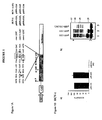
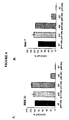
- These constructs are illustrated in Figure 1A of the present application.
- the expression of the LUC gene is directly related to the expression of the fused core or core+1 coding sequences, and CAT activity serves as an internal control to standardize transfection efficiencies in vivo or potential variations in the transcript abundance in vitro .
- Each construct was transfected into BHK-21 cells and forty-eight hours later LUC and CAT activities were measured.
- HCV-1a H
- LUC-tagged protein is efficiently produced in vivo , with similar translation levels as the core coding sequence.
- HCV-1a lacks the 10 consecutive A residues representing codons 8-11 (nucleotides 364-373) of the HCV-1 genome, which is a known slippery site for ribosomal frameshifting.
- the importance of the 10-A residue region on the expression of the core+1 ORF in transfected cells was also analysed and compared to that in rabbit reticulocyte lysates.
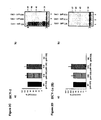
- the molecular mechanism implicated in the in vivo expression of the core+1 ORF is further investigate according to two mutations introduced into the core coding region of the core+1-LUC-tagged constructs of both the HCV-1 and HCV-1a(H) isolates.
- Mutation N3 converted the ATG initiator codon of the core ORF into a terminator codon and mutation N6 introduced a stop codon at the 25th position of the core coding sequence at nucleotide 414 (P25, CCG).
- the resulting plasmids were named pHPl-1343 and pHPl-1344 for HCV-1, and pHPI-1346 and pHPI-1347 for HCV-1a (H), respectively.
- N3 and N6 mutations failed to block the core+1 expression in transfected cells for both HCV-1 and HCV-1a (H) isolates. Furthermore, said N3 and N6 mutations have also increased levels of luciferase activity.
- the GCA alanine codon at nucleotide 346 is arbitrarily defined as the first codon of the core+1 ORF.
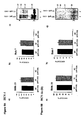
- Three nonsense mutations were separately inserted into the core+1 coding sequences of HCV-1 and HCV-1a (H) :
- nucleotides 583 and 606 contains two ATG (nucleotides 598- ATG NNN ATG -606), which assess the functional importance of these ATG as initiation sites for the translation of the core+1 protein in vivo.
- ATG nucleotides 598- ATG NNN ATG -606
- This system improves the detection of the luciferase protein, as HCV IRES is more active in monocistronic constructs.
- the luciferase activity exhibited by the monocistronic IRES-core+1-LUC construct pHPI-1362 in BHK-21 cells forty-eight hours post-transfection was about nine-fold higher than that yielded from the respective dicistronic pHPl-1333.
- lmmunoprecipitation experiments were carried out with extracts of BHK-21 cells transfected with pHPI-1362, using a goat polyclonal antibody raised against luciferase.
- a protein with an apparent molecular mass of around 62 kDa reacted strongly with the polyclonal antibody, this protein was clearly smaller than the chimeric protein core+1-LUC produced in vitro from the pHPI-1333 construct.
Landscapes
- Health & Medical Sciences (AREA)
- Chemical & Material Sciences (AREA)
- Life Sciences & Earth Sciences (AREA)
- Organic Chemistry (AREA)
- Molecular Biology (AREA)
- General Health & Medical Sciences (AREA)
- Medicinal Chemistry (AREA)
- Immunology (AREA)
- Biochemistry (AREA)
- Engineering & Computer Science (AREA)
- Proteomics, Peptides & Aminoacids (AREA)
- Genetics & Genomics (AREA)
- Biophysics (AREA)
- Urology & Nephrology (AREA)
- Virology (AREA)
- Hematology (AREA)
- Biomedical Technology (AREA)
- Communicable Diseases (AREA)
- Gastroenterology & Hepatology (AREA)
- Chemical Kinetics & Catalysis (AREA)
- Public Health (AREA)
- Animal Behavior & Ethology (AREA)
- Pathology (AREA)
- Nuclear Medicine, Radiotherapy & Molecular Imaging (AREA)
- General Physics & Mathematics (AREA)
- Pharmacology & Pharmacy (AREA)
- Biotechnology (AREA)
- Cell Biology (AREA)
- Veterinary Medicine (AREA)
- Microbiology (AREA)
- General Chemical & Material Sciences (AREA)
- Food Science & Technology (AREA)
- Physics & Mathematics (AREA)
- Analytical Chemistry (AREA)
- Bioinformatics & Cheminformatics (AREA)
- Oncology (AREA)
- Peptides Or Proteins (AREA)
- Micro-Organisms Or Cultivation Processes Thereof (AREA)
- Medicines That Contain Protein Lipid Enzymes And Other Medicines (AREA)
- Investigating Or Analysing Biological Materials (AREA)
Priority Applications (8)
| Application Number | Priority Date | Filing Date | Title |
|---|---|---|---|
| EP03291676A EP1493749A1 (fr) | 2003-07-04 | 2003-07-04 | Nouvelle protéine VCH-core+1, sa utilisation dans des méthodes diagnostiques et prophylactiques et procédé de criblage d'agents anti-VHC |
| PCT/EP2004/007996 WO2005005468A1 (fr) | 2003-07-04 | 2004-07-02 | Proteine de noyau+1, methodes de diagnostic d'infections au hcv, de prophylaxies et de criblage d'agents anti-hcv |
| AU2004255858A AU2004255858A1 (en) | 2003-07-04 | 2004-07-02 | Novel HCV core+1 protein, methods for diagnosis of HCV infections, prophylaxis, and for screening of anti-HCV agents |
| JP2006518183A JP2008500801A (ja) | 2003-07-04 | 2004-07-02 | 新規なhcvコア+1タンパク質、hcv感染の診断方法、予防方法及び抗hcv剤のスクリーニング方法 |
| EP04741114A EP1641816A1 (fr) | 2003-07-04 | 2004-07-02 | Nouvelle proteine vch-core+1, son utilisation dans des methodes diagnostiques et prophylactiques et procede de criblage d'agents anti-vhc |
| CA002531222A CA2531222A1 (fr) | 2003-07-04 | 2004-07-02 | Proteine de noyau+1, methodes de diagnostic d'infections au hcv, de prophylaxies et de criblage d'agents anti-hcv |
| US11/322,374 US7838002B2 (en) | 2003-07-04 | 2006-01-03 | HCV core+1 protein, methods for diagnosis of HCV infections, prophylaxis, and for screening of anti-HCV agents |
| US12/926,387 US20110287406A1 (en) | 2003-07-04 | 2010-11-15 | Novel HCV core+1 protein, methods for diagnosis of HCV infections, prophylaxis, and for screening of anti-HCV agents |
Applications Claiming Priority (1)
| Application Number | Priority Date | Filing Date | Title |
|---|---|---|---|
| EP03291676A EP1493749A1 (fr) | 2003-07-04 | 2003-07-04 | Nouvelle protéine VCH-core+1, sa utilisation dans des méthodes diagnostiques et prophylactiques et procédé de criblage d'agents anti-VHC |
Publications (1)
| Publication Number | Publication Date |
|---|---|
| EP1493749A1 true EP1493749A1 (fr) | 2005-01-05 |
Family
ID=33427267
Family Applications (2)
| Application Number | Title | Priority Date | Filing Date |
|---|---|---|---|
| EP03291676A Withdrawn EP1493749A1 (fr) | 2003-07-04 | 2003-07-04 | Nouvelle protéine VCH-core+1, sa utilisation dans des méthodes diagnostiques et prophylactiques et procédé de criblage d'agents anti-VHC |
| EP04741114A Withdrawn EP1641816A1 (fr) | 2003-07-04 | 2004-07-02 | Nouvelle proteine vch-core+1, son utilisation dans des methodes diagnostiques et prophylactiques et procede de criblage d'agents anti-vhc |
Family Applications After (1)
| Application Number | Title | Priority Date | Filing Date |
|---|---|---|---|
| EP04741114A Withdrawn EP1641816A1 (fr) | 2003-07-04 | 2004-07-02 | Nouvelle proteine vch-core+1, son utilisation dans des methodes diagnostiques et prophylactiques et procede de criblage d'agents anti-vhc |
Country Status (6)
| Country | Link |
|---|---|
| US (2) | US7838002B2 (fr) |
| EP (2) | EP1493749A1 (fr) |
| JP (1) | JP2008500801A (fr) |
| AU (1) | AU2004255858A1 (fr) |
| CA (1) | CA2531222A1 (fr) |
| WO (1) | WO2005005468A1 (fr) |
Cited By (2)
| Publication number | Priority date | Publication date | Assignee | Title |
|---|---|---|---|---|
| EP1824978A4 (fr) * | 2004-11-18 | 2008-09-10 | Valorisation Hsj Soc En Comman | Proteine f du virus de l'hepatite c et ses utilisations |
| CN103175955A (zh) * | 2011-12-26 | 2013-06-26 | 中国人民解放军军事医学科学院卫生学环境医学研究所 | 一种用于氯霉素快速检测的直接包被elisa方法 |
Families Citing this family (1)
| Publication number | Priority date | Publication date | Assignee | Title |
|---|---|---|---|---|
| US9623806B2 (en) * | 2015-07-07 | 2017-04-18 | Jesus Alejandro Rodriguez | Device and method for restraining containers in a vehicle |
Citations (2)
| Publication number | Priority date | Publication date | Assignee | Title |
|---|---|---|---|---|
| WO1999063941A2 (fr) * | 1998-06-09 | 1999-12-16 | Branch Andrea D | Nouveaux peptides du virus de l'hepatite c et utilisations de ceux-ci |
| US20020076415A1 (en) * | 1999-12-14 | 2002-06-20 | Jing-Hsiung Ou | Hepatitis C virus gene products |
Family Cites Families (1)
| Publication number | Priority date | Publication date | Assignee | Title |
|---|---|---|---|---|
| WO2005010035A2 (fr) * | 2003-07-22 | 2005-02-03 | Branch Andrea D | Polypeptides a cadres de lecture differents, derive du virus de l'hepatite c et ses methodes d'utilisation |
-
2003
- 2003-07-04 EP EP03291676A patent/EP1493749A1/fr not_active Withdrawn
-
2004
- 2004-07-02 EP EP04741114A patent/EP1641816A1/fr not_active Withdrawn
- 2004-07-02 JP JP2006518183A patent/JP2008500801A/ja active Pending
- 2004-07-02 AU AU2004255858A patent/AU2004255858A1/en not_active Abandoned
- 2004-07-02 CA CA002531222A patent/CA2531222A1/fr not_active Abandoned
- 2004-07-02 WO PCT/EP2004/007996 patent/WO2005005468A1/fr not_active Ceased
-
2006
- 2006-01-03 US US11/322,374 patent/US7838002B2/en not_active Expired - Fee Related
-
2010
- 2010-11-15 US US12/926,387 patent/US20110287406A1/en not_active Abandoned
Patent Citations (2)
| Publication number | Priority date | Publication date | Assignee | Title |
|---|---|---|---|---|
| WO1999063941A2 (fr) * | 1998-06-09 | 1999-12-16 | Branch Andrea D | Nouveaux peptides du virus de l'hepatite c et utilisations de ceux-ci |
| US20020076415A1 (en) * | 1999-12-14 | 2002-06-20 | Jing-Hsiung Ou | Hepatitis C virus gene products |
Non-Patent Citations (4)
| Title |
|---|
| VARAKLIOTI AGORITSA ET AL: "Alternate translation occurs within the core coding region of the hepatitis C viral genome", JOURNAL OF BIOLOGICAL CHEMISTRY, vol. 277, no. 20, 17 May 2002 (2002-05-17), pages 17713 - 17721, XP002274109, ISSN: 0021-9258 * |
| VASSILAKI NIKI ET AL: "Two alternative translation mechanisms are responsible for the expression of the HCV ARFP/F/Core+1 coding open reading frame.", JOURNAL OF BIOLOGICAL CHEMISTRY, vol. 278, no. 42, 17 October 2003 (2003-10-17), pages 40503 - 40513, XP002274111, ISSN: 0021-9258 * |
| WALEWSKI JOSE L ET AL: "Evidence for a new hepatitis C virus antigen encoded in an overlapping reading frame", RNA (NEW YORK), vol. 7, no. 5, May 2001 (2001-05-01), pages 710 - 721, XP002274110, ISSN: 1355-8382 * |
| XU Z ET AL: "synthesis of a novel hepatitis Cvirus protein by ribosomal frameshift", EMBO JOURNAL, OXFORD UNIVERSITY PRESS, SURREY, GB, vol. 20, no. 14, April 2001 (2001-04-01), pages 3840 - 3848, XP002246932, ISSN: 0261-4189 * |
Cited By (2)
| Publication number | Priority date | Publication date | Assignee | Title |
|---|---|---|---|---|
| EP1824978A4 (fr) * | 2004-11-18 | 2008-09-10 | Valorisation Hsj Soc En Comman | Proteine f du virus de l'hepatite c et ses utilisations |
| CN103175955A (zh) * | 2011-12-26 | 2013-06-26 | 中国人民解放军军事医学科学院卫生学环境医学研究所 | 一种用于氯霉素快速检测的直接包被elisa方法 |
Also Published As
| Publication number | Publication date |
|---|---|
| US20110287406A1 (en) | 2011-11-24 |
| WO2005005468A1 (fr) | 2005-01-20 |
| EP1641816A1 (fr) | 2006-04-05 |
| CA2531222A1 (fr) | 2005-01-20 |
| JP2008500801A (ja) | 2008-01-17 |
| AU2004255858A1 (en) | 2005-01-20 |
| US7838002B2 (en) | 2010-11-23 |
| US20060194281A1 (en) | 2006-08-31 |
Similar Documents
| Publication | Publication Date | Title |
|---|---|---|
| Bartenschlager et al. | Nonstructural protein 3 of the hepatitis C virus encodes a serine-type proteinase required for cleavage at the NS3/4 and NS4/5 junctions | |
| Varaklioti et al. | Alternate translation occurs within the core coding region of the hepatitis C viral genome | |
| Santolini et al. | The NS2 protein of hepatitis C virus is a transmembrane polypeptide | |
| AU2005275713B2 (en) | Modified human hepatitis C virus genomic RNA having autonomous replicative competence | |
| Cocquerel et al. | Charged residues in the transmembrane domains of hepatitis C virus glycoproteins play a major role in the processing, subcellular localization, and assembly of these envelope proteins | |
| Failla et al. | An amino-terminal domain of the hepatitis C virus NS3 protease is essential for interaction with NS4A | |
| Hüssy et al. | Hepatitis C virus core protein: carboxy-terminal boundaries of two processed species suggest cleavage by a signal peptide peptidase | |
| EP0998567B1 (fr) | Genomes clones des virus de l'hepatite c infectieuse et leurs utilisations | |
| EP0746333B1 (fr) | PROCEDE DE REPRODUCTION $i(IN VITRO) DE L'ACTIVITE PROTEOLYTIQUE DE LA PROTEASE NS3 DU VIRUS DE L'HEPATITE C (VHC) | |
| EP1694694B1 (fr) | Virus de l'hepatite c capable de replication et procedes d'utilisation | |
| US9057048B2 (en) | Infectious hepatitis C virus—high producing HCV variants and use thereof | |
| US20100159467A1 (en) | Method for replicating the hepatitis c virus | |
| EP1185664B1 (fr) | Genome clone du virus de l'hepatite c de genotype 2a et son utilisation | |
| US20110287406A1 (en) | Novel HCV core+1 protein, methods for diagnosis of HCV infections, prophylaxis, and for screening of anti-HCV agents | |
| Sheng et al. | Characterization of interaction of classical swine fever virus NS3 helicase with 3′ untranslated region | |
| Kato et al. | Processing of hepatitis C virus core protein is regulated by its C‐terminal sequence | |
| EP1185665B1 (fr) | Clone infectieux d'adnc du gb virus-b et ses utilisations | |
| Yildiz et al. | Molecular characterization of a full genome Turkish hepatitis C virus 1b isolate (HCV-TR1): a predominant viral form in Turkey | |
| US7084266B1 (en) | Cloned genome of infectious hepatitus C virus of genotype 2A and uses thereof | |
| US20090087832A1 (en) | Nucleic acids and new polypeptides associated with and/or overlapping with hepatitis C virus core gene products | |
| Esumi et al. | Immunoreactive core peptides of hepatitis C virus produced in Escherichia coli and in vitro DNA amplification-restricted transcription-translation system | |
| Nozaki et al. | Expression and epitope analysis of hepatitis C virus NS1 |
Legal Events
| Date | Code | Title | Description |
|---|---|---|---|
| PUAI | Public reference made under article 153(3) epc to a published international application that has entered the european phase |
Free format text: ORIGINAL CODE: 0009012 |
|
| AK | Designated contracting states |
Kind code of ref document: A1 Designated state(s): AT BE BG CH CY CZ DE DK EE ES FI FR GB GR HU IE IT LI LU MC NL PT RO SE SI SK TR |
|
| AX | Request for extension of the european patent |
Extension state: AL LT LV MK |
|
| AKX | Designation fees paid | ||
| REG | Reference to a national code |
Ref country code: DE Ref legal event code: 8566 |
|
| STAA | Information on the status of an ep patent application or granted ep patent |
Free format text: STATUS: THE APPLICATION IS DEEMED TO BE WITHDRAWN |
|
| 18D | Application deemed to be withdrawn |
Effective date: 20050917 |