EP1512742A1 - Modification conditionnelle de l'expression de sirnas - Google Patents
Modification conditionnelle de l'expression de sirnas Download PDFInfo
- Publication number
- EP1512742A1 EP1512742A1 EP03020267A EP03020267A EP1512742A1 EP 1512742 A1 EP1512742 A1 EP 1512742A1 EP 03020267 A EP03020267 A EP 03020267A EP 03020267 A EP03020267 A EP 03020267A EP 1512742 A1 EP1512742 A1 EP 1512742A1
- Authority
- EP
- European Patent Office
- Prior art keywords
- expression
- sirna
- eukaryotic
- pol
- promoter
- Prior art date
- Legal status (The legal status is an assumption and is not a legal conclusion. Google has not performed a legal analysis and makes no representation as to the accuracy of the status listed.)
- Withdrawn
Links
- 230000014509 gene expression Effects 0.000 title claims abstract description 178
- 230000004048 modification Effects 0.000 title 1
- 238000012986 modification Methods 0.000 title 1
- 108020004459 Small interfering RNA Proteins 0.000 claims abstract description 162
- 108090000623 proteins and genes Proteins 0.000 claims abstract description 53
- 108090000626 DNA-directed RNA polymerases Proteins 0.000 claims abstract description 49
- 102000004163 DNA-directed RNA polymerases Human genes 0.000 claims abstract description 49
- 230000001105 regulatory effect Effects 0.000 claims abstract description 41
- 238000000034 method Methods 0.000 claims abstract description 40
- 210000003527 eukaryotic cell Anatomy 0.000 claims abstract description 28
- 239000002773 nucleotide Substances 0.000 claims abstract description 19
- 125000003729 nucleotide group Chemical group 0.000 claims abstract description 19
- 210000000805 cytoplasm Anatomy 0.000 claims abstract description 14
- 239000003814 drug Substances 0.000 claims abstract description 14
- 238000000338 in vitro Methods 0.000 claims abstract description 14
- 238000013518 transcription Methods 0.000 claims abstract description 13
- 230000035897 transcription Effects 0.000 claims abstract description 13
- 210000004027 cell Anatomy 0.000 claims description 51
- 239000013598 vector Substances 0.000 claims description 22
- 210000001519 tissue Anatomy 0.000 claims description 21
- 239000003623 enhancer Substances 0.000 claims description 19
- 239000013612 plasmid Substances 0.000 claims description 19
- 108091027967 Small hairpin RNA Proteins 0.000 claims description 17
- 239000004055 small Interfering RNA Substances 0.000 claims description 17
- 108091026890 Coding region Proteins 0.000 claims description 16
- 101710137500 T7 RNA polymerase Proteins 0.000 claims description 15
- 230000000692 anti-sense effect Effects 0.000 claims description 11
- 206010028980 Neoplasm Diseases 0.000 claims description 10
- 230000005764 inhibitory process Effects 0.000 claims description 10
- 108020004999 messenger RNA Proteins 0.000 claims description 10
- 150000007523 nucleic acids Chemical group 0.000 claims description 10
- 102000039446 nucleic acids Human genes 0.000 claims description 8
- 108020004707 nucleic acids Proteins 0.000 claims description 8
- 102000004127 Cytokines Human genes 0.000 claims description 7
- 108090000695 Cytokines Proteins 0.000 claims description 7
- 239000004098 Tetracycline Substances 0.000 claims description 7
- 229940079593 drug Drugs 0.000 claims description 7
- 229960002180 tetracycline Drugs 0.000 claims description 7
- 229930101283 tetracycline Natural products 0.000 claims description 7
- 235000019364 tetracycline Nutrition 0.000 claims description 7
- 150000003522 tetracyclines Chemical class 0.000 claims description 7
- 108020004684 Internal Ribosome Entry Sites Proteins 0.000 claims description 6
- 238000011161 development Methods 0.000 claims description 6
- 230000002068 genetic effect Effects 0.000 claims description 6
- 101150024821 tetO gene Proteins 0.000 claims description 6
- 239000013603 viral vector Substances 0.000 claims description 6
- 108010088751 Albumins Proteins 0.000 claims description 5
- 108091080980 Hepatitis delta virus ribozyme Proteins 0.000 claims description 5
- 102000018120 Recombinases Human genes 0.000 claims description 5
- 108010091086 Recombinases Proteins 0.000 claims description 5
- 208000036142 Viral infection Diseases 0.000 claims description 5
- 230000001580 bacterial effect Effects 0.000 claims description 5
- 239000003102 growth factor Substances 0.000 claims description 5
- 210000004185 liver Anatomy 0.000 claims description 5
- 238000002560 therapeutic procedure Methods 0.000 claims description 5
- 241001515965 unidentified phage Species 0.000 claims description 5
- 230000009385 viral infection Effects 0.000 claims description 5
- 108091081021 Sense strand Proteins 0.000 claims description 4
- 241000700605 Viruses Species 0.000 claims description 4
- 230000009692 acute damage Effects 0.000 claims description 4
- 108010026331 alpha-Fetoproteins Proteins 0.000 claims description 4
- 230000009693 chronic damage Effects 0.000 claims description 4
- 229940088597 hormone Drugs 0.000 claims description 4
- 230000001939 inductive effect Effects 0.000 claims description 4
- 230000036210 malignancy Effects 0.000 claims description 4
- 230000003818 metabolic dysfunction Effects 0.000 claims description 4
- 230000001991 pathophysiological effect Effects 0.000 claims description 4
- 230000002265 prevention Effects 0.000 claims description 4
- 108010062271 Acute-Phase Proteins Proteins 0.000 claims description 3
- 102000011767 Acute-Phase Proteins Human genes 0.000 claims description 3
- 102000009027 Albumins Human genes 0.000 claims description 3
- 241000894006 Bacteria Species 0.000 claims description 3
- 206010021143 Hypoxia Diseases 0.000 claims description 3
- 108010066321 Keratin-14 Proteins 0.000 claims description 3
- 108010065868 RNA polymerase SP6 Proteins 0.000 claims description 3
- 108010000134 Vascular Cell Adhesion Molecule-1 Proteins 0.000 claims description 3
- 102100023543 Vascular cell adhesion protein 1 Human genes 0.000 claims description 3
- 239000003153 chemical reaction reagent Substances 0.000 claims description 3
- 230000001276 controlling effect Effects 0.000 claims description 3
- 239000005556 hormone Substances 0.000 claims description 3
- 230000001146 hypoxic effect Effects 0.000 claims description 3
- 230000002757 inflammatory effect Effects 0.000 claims description 3
- 102000005962 receptors Human genes 0.000 claims description 3
- 239000000126 substance Substances 0.000 claims description 3
- 230000001629 suppression Effects 0.000 claims description 3
- 238000012546 transfer Methods 0.000 claims description 3
- 108010074051 C-Reactive Protein Proteins 0.000 claims description 2
- 102000019034 Chemokines Human genes 0.000 claims description 2
- 108010012236 Chemokines Proteins 0.000 claims description 2
- 108020004705 Codon Proteins 0.000 claims description 2
- 102100037872 Intercellular adhesion molecule 2 Human genes 0.000 claims description 2
- 101710148794 Intercellular adhesion molecule 2 Proteins 0.000 claims description 2
- 108010057466 NF-kappa B Proteins 0.000 claims description 2
- 102000003945 NF-kappa B Human genes 0.000 claims description 2
- 102100040990 Platelet-derived growth factor subunit B Human genes 0.000 claims description 2
- 101710103494 Platelet-derived growth factor subunit B Proteins 0.000 claims description 2
- 239000000556 agonist Substances 0.000 claims description 2
- 239000005557 antagonist Substances 0.000 claims description 2
- 239000003242 anti bacterial agent Substances 0.000 claims description 2
- 229940088710 antibiotic agent Drugs 0.000 claims description 2
- 108010028263 bacteriophage T3 RNA polymerase Proteins 0.000 claims description 2
- 239000003795 chemical substances by application Substances 0.000 claims description 2
- 230000007613 environmental effect Effects 0.000 claims description 2
- 230000003993 interaction Effects 0.000 claims description 2
- 230000036542 oxidative stress Effects 0.000 claims description 2
- 229910052760 oxygen Inorganic materials 0.000 claims description 2
- 239000001301 oxygen Substances 0.000 claims description 2
- 102100032752 C-reactive protein Human genes 0.000 claims 2
- 102100023635 Alpha-fetoprotein Human genes 0.000 claims 1
- 108091006146 Channels Proteins 0.000 claims 1
- 239000000122 growth hormone Substances 0.000 claims 1
- 230000008723 osmotic stress Effects 0.000 claims 1
- 238000003786 synthesis reaction Methods 0.000 abstract description 42
- 230000015572 biosynthetic process Effects 0.000 abstract description 40
- 108091032973 (ribonucleotides)n+m Proteins 0.000 abstract description 21
- 238000001727 in vivo Methods 0.000 abstract description 16
- 230000006870 function Effects 0.000 abstract description 15
- 201000010099 disease Diseases 0.000 abstract description 6
- 208000037265 diseases, disorders, signs and symptoms Diseases 0.000 abstract description 6
- 108010076504 Protein Sorting Signals Proteins 0.000 abstract description 4
- 238000013519 translation Methods 0.000 abstract description 4
- 230000002452 interceptive effect Effects 0.000 abstract description 3
- 238000002360 preparation method Methods 0.000 abstract description 3
- 239000005090 green fluorescent protein Substances 0.000 description 20
- 108010048367 enhanced green fluorescent protein Proteins 0.000 description 13
- 230000001419 dependent effect Effects 0.000 description 12
- 230000001154 acute effect Effects 0.000 description 10
- 238000002474 experimental method Methods 0.000 description 10
- 108700026244 Open Reading Frames Proteins 0.000 description 9
- 230000000694 effects Effects 0.000 description 9
- 230000001404 mediated effect Effects 0.000 description 9
- 230000003612 virological effect Effects 0.000 description 9
- 238000012228 RNA interference-mediated gene silencing Methods 0.000 description 8
- 239000012634 fragment Substances 0.000 description 8
- 230000009368 gene silencing by RNA Effects 0.000 description 8
- 206010073071 hepatocellular carcinoma Diseases 0.000 description 8
- 238000001890 transfection Methods 0.000 description 8
- 102000040650 (ribonucleotides)n+m Human genes 0.000 description 7
- 108090001117 Insulin-Like Growth Factor II Proteins 0.000 description 7
- 102000048143 Insulin-Like Growth Factor II Human genes 0.000 description 7
- 239000013604 expression vector Substances 0.000 description 7
- 238000003780 insertion Methods 0.000 description 7
- 230000037431 insertion Effects 0.000 description 7
- 230000014616 translation Effects 0.000 description 7
- 108090000994 Catalytic RNA Proteins 0.000 description 6
- 102000053642 Catalytic RNA Human genes 0.000 description 6
- 241000196324 Embryophyta Species 0.000 description 6
- 230000008901 benefit Effects 0.000 description 6
- 230000004069 differentiation Effects 0.000 description 6
- 230000002829 reductive effect Effects 0.000 description 6
- 230000004044 response Effects 0.000 description 6
- 108091092562 ribozyme Proteins 0.000 description 6
- 102000004889 Interleukin-6 Human genes 0.000 description 5
- 108090001005 Interleukin-6 Proteins 0.000 description 5
- 108091034117 Oligonucleotide Proteins 0.000 description 5
- JLCPHMBAVCMARE-UHFFFAOYSA-N [3-[[3-[[3-[[3-[[3-[[3-[[3-[[3-[[3-[[3-[[3-[[5-(2-amino-6-oxo-1H-purin-9-yl)-3-[[3-[[3-[[3-[[3-[[3-[[5-(2-amino-6-oxo-1H-purin-9-yl)-3-[[5-(2-amino-6-oxo-1H-purin-9-yl)-3-hydroxyoxolan-2-yl]methoxy-hydroxyphosphoryl]oxyoxolan-2-yl]methoxy-hydroxyphosphoryl]oxy-5-(5-methyl-2,4-dioxopyrimidin-1-yl)oxolan-2-yl]methoxy-hydroxyphosphoryl]oxy-5-(6-aminopurin-9-yl)oxolan-2-yl]methoxy-hydroxyphosphoryl]oxy-5-(6-aminopurin-9-yl)oxolan-2-yl]methoxy-hydroxyphosphoryl]oxy-5-(6-aminopurin-9-yl)oxolan-2-yl]methoxy-hydroxyphosphoryl]oxy-5-(6-aminopurin-9-yl)oxolan-2-yl]methoxy-hydroxyphosphoryl]oxyoxolan-2-yl]methoxy-hydroxyphosphoryl]oxy-5-(5-methyl-2,4-dioxopyrimidin-1-yl)oxolan-2-yl]methoxy-hydroxyphosphoryl]oxy-5-(4-amino-2-oxopyrimidin-1-yl)oxolan-2-yl]methoxy-hydroxyphosphoryl]oxy-5-(5-methyl-2,4-dioxopyrimidin-1-yl)oxolan-2-yl]methoxy-hydroxyphosphoryl]oxy-5-(5-methyl-2,4-dioxopyrimidin-1-yl)oxolan-2-yl]methoxy-hydroxyphosphoryl]oxy-5-(6-aminopurin-9-yl)oxolan-2-yl]methoxy-hydroxyphosphoryl]oxy-5-(6-aminopurin-9-yl)oxolan-2-yl]methoxy-hydroxyphosphoryl]oxy-5-(4-amino-2-oxopyrimidin-1-yl)oxolan-2-yl]methoxy-hydroxyphosphoryl]oxy-5-(4-amino-2-oxopyrimidin-1-yl)oxolan-2-yl]methoxy-hydroxyphosphoryl]oxy-5-(4-amino-2-oxopyrimidin-1-yl)oxolan-2-yl]methoxy-hydroxyphosphoryl]oxy-5-(6-aminopurin-9-yl)oxolan-2-yl]methoxy-hydroxyphosphoryl]oxy-5-(4-amino-2-oxopyrimidin-1-yl)oxolan-2-yl]methyl [5-(6-aminopurin-9-yl)-2-(hydroxymethyl)oxolan-3-yl] hydrogen phosphate Polymers Cc1cn(C2CC(OP(O)(=O)OCC3OC(CC3OP(O)(=O)OCC3OC(CC3O)n3cnc4c3nc(N)[nH]c4=O)n3cnc4c3nc(N)[nH]c4=O)C(COP(O)(=O)OC3CC(OC3COP(O)(=O)OC3CC(OC3COP(O)(=O)OC3CC(OC3COP(O)(=O)OC3CC(OC3COP(O)(=O)OC3CC(OC3COP(O)(=O)OC3CC(OC3COP(O)(=O)OC3CC(OC3COP(O)(=O)OC3CC(OC3COP(O)(=O)OC3CC(OC3COP(O)(=O)OC3CC(OC3COP(O)(=O)OC3CC(OC3COP(O)(=O)OC3CC(OC3COP(O)(=O)OC3CC(OC3COP(O)(=O)OC3CC(OC3COP(O)(=O)OC3CC(OC3COP(O)(=O)OC3CC(OC3COP(O)(=O)OC3CC(OC3CO)n3cnc4c(N)ncnc34)n3ccc(N)nc3=O)n3cnc4c(N)ncnc34)n3ccc(N)nc3=O)n3ccc(N)nc3=O)n3ccc(N)nc3=O)n3cnc4c(N)ncnc34)n3cnc4c(N)ncnc34)n3cc(C)c(=O)[nH]c3=O)n3cc(C)c(=O)[nH]c3=O)n3ccc(N)nc3=O)n3cc(C)c(=O)[nH]c3=O)n3cnc4c3nc(N)[nH]c4=O)n3cnc4c(N)ncnc34)n3cnc4c(N)ncnc34)n3cnc4c(N)ncnc34)n3cnc4c(N)ncnc34)O2)c(=O)[nH]c1=O JLCPHMBAVCMARE-UHFFFAOYSA-N 0.000 description 5
- 230000003321 amplification Effects 0.000 description 5
- 238000013459 approach Methods 0.000 description 5
- 229940100601 interleukin-6 Drugs 0.000 description 5
- 238000003199 nucleic acid amplification method Methods 0.000 description 5
- 230000008488 polyadenylation Effects 0.000 description 5
- 101100297347 Caenorhabditis elegans pgl-3 gene Proteins 0.000 description 4
- 241000124008 Mammalia Species 0.000 description 4
- 101000702488 Rattus norvegicus High affinity cationic amino acid transporter 1 Proteins 0.000 description 4
- 230000015556 catabolic process Effects 0.000 description 4
- 238000006731 degradation reaction Methods 0.000 description 4
- BRZYSWJRSDMWLG-CAXSIQPQSA-N geneticin Chemical compound O1C[C@@](O)(C)[C@H](NC)[C@@H](O)[C@H]1O[C@@H]1[C@@H](O)[C@H](O[C@@H]2[C@@H]([C@@H](O)[C@H](O)[C@@H](C(C)O)O2)N)[C@@H](N)C[C@H]1N BRZYSWJRSDMWLG-CAXSIQPQSA-N 0.000 description 4
- 230000007062 hydrolysis Effects 0.000 description 4
- 238000006460 hydrolysis reaction Methods 0.000 description 4
- 230000002441 reversible effect Effects 0.000 description 4
- 230000008685 targeting Effects 0.000 description 4
- 108020004414 DNA Proteins 0.000 description 3
- 241000701867 Enterobacteria phage T7 Species 0.000 description 3
- 208000037262 Hepatitis delta Diseases 0.000 description 3
- 102000003777 Interleukin-1 beta Human genes 0.000 description 3
- 108090000193 Interleukin-1 beta Proteins 0.000 description 3
- 241001465754 Metazoa Species 0.000 description 3
- 241000699670 Mus sp. Species 0.000 description 3
- 108010077850 Nuclear Localization Signals Proteins 0.000 description 3
- 108010078067 RNA Polymerase III Proteins 0.000 description 3
- 102000014450 RNA Polymerase III Human genes 0.000 description 3
- 102000013529 alpha-Fetoproteins Human genes 0.000 description 3
- 230000033228 biological regulation Effects 0.000 description 3
- 238000004113 cell culture Methods 0.000 description 3
- 230000001413 cellular effect Effects 0.000 description 3
- 238000010367 cloning Methods 0.000 description 3
- 230000000295 complement effect Effects 0.000 description 3
- 239000000539 dimer Substances 0.000 description 3
- 238000001415 gene therapy Methods 0.000 description 3
- 239000001963 growth medium Substances 0.000 description 3
- 208000029570 hepatitis D virus infection Diseases 0.000 description 3
- 231100000844 hepatocellular carcinoma Toxicity 0.000 description 3
- 230000007246 mechanism Effects 0.000 description 3
- 210000000056 organ Anatomy 0.000 description 3
- 102000004169 proteins and genes Human genes 0.000 description 3
- 210000003705 ribosome Anatomy 0.000 description 3
- LOGFVTREOLYCPF-KXNHARMFSA-N (2s,3r)-2-[[(2r)-1-[(2s)-2,6-diaminohexanoyl]pyrrolidine-2-carbonyl]amino]-3-hydroxybutanoic acid Chemical compound C[C@@H](O)[C@@H](C(O)=O)NC(=O)[C@H]1CCCN1C(=O)[C@@H](N)CCCCN LOGFVTREOLYCPF-KXNHARMFSA-N 0.000 description 2
- 108020004463 18S ribosomal RNA Proteins 0.000 description 2
- 102000007469 Actins Human genes 0.000 description 2
- 108010085238 Actins Proteins 0.000 description 2
- 108010054576 Deoxyribonuclease EcoRI Proteins 0.000 description 2
- 241000206602 Eukaryota Species 0.000 description 2
- 108700039691 Genetic Promoter Regions Proteins 0.000 description 2
- 208000005331 Hepatitis D Diseases 0.000 description 2
- 241000724709 Hepatitis delta virus Species 0.000 description 2
- 241000238631 Hexapoda Species 0.000 description 2
- 108700012441 IGF2 Proteins 0.000 description 2
- 101150101999 IL6 gene Proteins 0.000 description 2
- 239000012097 Lipofectamine 2000 Substances 0.000 description 2
- 108060001084 Luciferase Proteins 0.000 description 2
- 108091028043 Nucleic acid sequence Proteins 0.000 description 2
- FAPWRFPIFSIZLT-UHFFFAOYSA-M Sodium chloride Chemical compound [Na+].[Cl-] FAPWRFPIFSIZLT-UHFFFAOYSA-M 0.000 description 2
- 241001365914 Taira Species 0.000 description 2
- 108020000999 Viral RNA Proteins 0.000 description 2
- 238000010171 animal model Methods 0.000 description 2
- 230000000840 anti-viral effect Effects 0.000 description 2
- 201000011510 cancer Diseases 0.000 description 2
- 239000006143 cell culture medium Substances 0.000 description 2
- 238000006243 chemical reaction Methods 0.000 description 2
- 239000013599 cloning vector Substances 0.000 description 2
- 230000001086 cytosolic effect Effects 0.000 description 2
- 238000006471 dimerization reaction Methods 0.000 description 2
- 210000002242 embryoid body Anatomy 0.000 description 2
- 238000010438 heat treatment Methods 0.000 description 2
- 210000003494 hepatocyte Anatomy 0.000 description 2
- 230000002401 inhibitory effect Effects 0.000 description 2
- 230000010354 integration Effects 0.000 description 2
- 230000010468 interferon response Effects 0.000 description 2
- 230000004807 localization Effects 0.000 description 2
- 238000003468 luciferase reporter gene assay Methods 0.000 description 2
- 210000004962 mammalian cell Anatomy 0.000 description 2
- 238000004519 manufacturing process Methods 0.000 description 2
- 239000013642 negative control Substances 0.000 description 2
- 239000013600 plasmid vector Substances 0.000 description 2
- 239000013641 positive control Substances 0.000 description 2
- 238000001243 protein synthesis Methods 0.000 description 2
- 238000003753 real-time PCR Methods 0.000 description 2
- 108020003175 receptors Proteins 0.000 description 2
- 238000003259 recombinant expression Methods 0.000 description 2
- 230000009467 reduction Effects 0.000 description 2
- 238000011160 research Methods 0.000 description 2
- 239000000523 sample Substances 0.000 description 2
- 238000012163 sequencing technique Methods 0.000 description 2
- 210000002966 serum Anatomy 0.000 description 2
- 229910052709 silver Inorganic materials 0.000 description 2
- 239000004332 silver Substances 0.000 description 2
- 241000894007 species Species 0.000 description 2
- 230000000638 stimulation Effects 0.000 description 2
- 238000007920 subcutaneous administration Methods 0.000 description 2
- 230000002103 transcriptional effect Effects 0.000 description 2
- SGKRLCUYIXIAHR-AKNGSSGZSA-N (4s,4ar,5s,5ar,6r,12ar)-4-(dimethylamino)-1,5,10,11,12a-pentahydroxy-6-methyl-3,12-dioxo-4a,5,5a,6-tetrahydro-4h-tetracene-2-carboxamide Chemical compound C1=CC=C2[C@H](C)[C@@H]([C@H](O)[C@@H]3[C@](C(O)=C(C(N)=O)C(=O)[C@H]3N(C)C)(O)C3=O)C3=C(O)C2=C1O SGKRLCUYIXIAHR-AKNGSSGZSA-N 0.000 description 1
- 241000251468 Actinopterygii Species 0.000 description 1
- 108010060219 Apolipoprotein E2 Proteins 0.000 description 1
- 108091032955 Bacterial small RNA Proteins 0.000 description 1
- 208000017667 Chronic Disease Diseases 0.000 description 1
- 208000035473 Communicable disease Diseases 0.000 description 1
- MYMOFIZGZYHOMD-UHFFFAOYSA-N Dioxygen Chemical compound O=O MYMOFIZGZYHOMD-UHFFFAOYSA-N 0.000 description 1
- 108090000204 Dipeptidase 1 Proteins 0.000 description 1
- KCXVZYZYPLLWCC-UHFFFAOYSA-N EDTA Chemical compound OC(=O)CN(CC(O)=O)CCN(CC(O)=O)CC(O)=O KCXVZYZYPLLWCC-UHFFFAOYSA-N 0.000 description 1
- 102100037241 Endoglin Human genes 0.000 description 1
- 108010036395 Endoglin Proteins 0.000 description 1
- 241000588724 Escherichia coli Species 0.000 description 1
- 241000672609 Escherichia coli BL21 Species 0.000 description 1
- 241000702191 Escherichia virus P1 Species 0.000 description 1
- 238000012413 Fluorescence activated cell sorting analysis Methods 0.000 description 1
- 102100036263 Glutamyl-tRNA(Gln) amidotransferase subunit C, mitochondrial Human genes 0.000 description 1
- 108010068250 Herpes Simplex Virus Protein Vmw65 Proteins 0.000 description 1
- 101001001786 Homo sapiens Glutamyl-tRNA(Gln) amidotransferase subunit C, mitochondrial Proteins 0.000 description 1
- 101000979342 Homo sapiens Nuclear factor NF-kappa-B p105 subunit Proteins 0.000 description 1
- 239000005089 Luciferase Substances 0.000 description 1
- 108060004795 Methyltransferase Proteins 0.000 description 1
- 241001529936 Murinae Species 0.000 description 1
- 241000699660 Mus musculus Species 0.000 description 1
- 102100023050 Nuclear factor NF-kappa-B p105 subunit Human genes 0.000 description 1
- 108700020796 Oncogene Proteins 0.000 description 1
- 238000009004 PCR Kit Methods 0.000 description 1
- 206010034133 Pathogen resistance Diseases 0.000 description 1
- 102000007056 Recombinant Fusion Proteins Human genes 0.000 description 1
- 108010008281 Recombinant Fusion Proteins Proteins 0.000 description 1
- 102000006382 Ribonucleases Human genes 0.000 description 1
- 108010083644 Ribonucleases Proteins 0.000 description 1
- 241000283984 Rodentia Species 0.000 description 1
- 238000011579 SCID mouse model Methods 0.000 description 1
- 240000004808 Saccharomyces cerevisiae Species 0.000 description 1
- 241001468001 Salmonella virus SP6 Species 0.000 description 1
- 241000700584 Simplexvirus Species 0.000 description 1
- 239000007983 Tris buffer Substances 0.000 description 1
- 108091023045 Untranslated Region Proteins 0.000 description 1
- 241000251539 Vertebrata <Metazoa> Species 0.000 description 1
- 239000012190 activator Substances 0.000 description 1
- 101150010487 are gene Proteins 0.000 description 1
- 230000002457 bidirectional effect Effects 0.000 description 1
- 230000003115 biocidal effect Effects 0.000 description 1
- 210000004369 blood Anatomy 0.000 description 1
- 239000008280 blood Substances 0.000 description 1
- 210000004556 brain Anatomy 0.000 description 1
- 230000021164 cell adhesion Effects 0.000 description 1
- 230000010261 cell growth Effects 0.000 description 1
- 108091092328 cellular RNA Proteins 0.000 description 1
- 210000003763 chloroplast Anatomy 0.000 description 1
- 230000001684 chronic effect Effects 0.000 description 1
- 238000003776 cleavage reaction Methods 0.000 description 1
- 238000012761 co-transfection Methods 0.000 description 1
- 239000002299 complementary DNA Substances 0.000 description 1
- 238000010276 construction Methods 0.000 description 1
- 238000009402 cross-breeding Methods 0.000 description 1
- 125000004122 cyclic group Chemical group 0.000 description 1
- 230000007123 defense Effects 0.000 description 1
- 238000013461 design Methods 0.000 description 1
- BABWHSBPEIVBBZ-UHFFFAOYSA-N diazete Chemical compound C1=CN=N1 BABWHSBPEIVBBZ-UHFFFAOYSA-N 0.000 description 1
- 239000005546 dideoxynucleotide Substances 0.000 description 1
- 230000029087 digestion Effects 0.000 description 1
- 238000010790 dilution Methods 0.000 description 1
- 239000012895 dilution Substances 0.000 description 1
- 238000009826 distribution Methods 0.000 description 1
- 229960003722 doxycycline Drugs 0.000 description 1
- 230000009977 dual effect Effects 0.000 description 1
- 239000012636 effector Substances 0.000 description 1
- 210000003038 endothelium Anatomy 0.000 description 1
- 230000002255 enzymatic effect Effects 0.000 description 1
- 210000002919 epithelial cell Anatomy 0.000 description 1
- 239000013613 expression plasmid Substances 0.000 description 1
- 239000000284 extract Substances 0.000 description 1
- 230000004927 fusion Effects 0.000 description 1
- 102000037865 fusion proteins Human genes 0.000 description 1
- 108020001507 fusion proteins Proteins 0.000 description 1
- 230000030279 gene silencing Effects 0.000 description 1
- 238000010363 gene targeting Methods 0.000 description 1
- 230000036541 health Effects 0.000 description 1
- 230000003494 hepatotrophic effect Effects 0.000 description 1
- 230000003284 homeostatic effect Effects 0.000 description 1
- 210000005260 human cell Anatomy 0.000 description 1
- 230000001771 impaired effect Effects 0.000 description 1
- 208000027866 inflammatory disease Diseases 0.000 description 1
- 230000000977 initiatory effect Effects 0.000 description 1
- 238000002347 injection Methods 0.000 description 1
- 239000007924 injection Substances 0.000 description 1
- 210000002510 keratinocyte Anatomy 0.000 description 1
- 231100000518 lethal Toxicity 0.000 description 1
- 230000001665 lethal effect Effects 0.000 description 1
- 230000000670 limiting effect Effects 0.000 description 1
- 208000030159 metabolic disease Diseases 0.000 description 1
- 230000002503 metabolic effect Effects 0.000 description 1
- 238000000386 microscopy Methods 0.000 description 1
- 238000012544 monitoring process Methods 0.000 description 1
- 230000035772 mutation Effects 0.000 description 1
- 210000003098 myoblast Anatomy 0.000 description 1
- 230000035407 negative regulation of cell proliferation Effects 0.000 description 1
- 210000004498 neuroglial cell Anatomy 0.000 description 1
- 210000002569 neuron Anatomy 0.000 description 1
- 238000010606 normalization Methods 0.000 description 1
- 230000001575 pathological effect Effects 0.000 description 1
- 244000000003 plant pathogen Species 0.000 description 1
- 125000002924 primary amino group Chemical group [H]N([H])* 0.000 description 1
- 230000008569 process Effects 0.000 description 1
- 230000022532 regulation of transcription, DNA-dependent Effects 0.000 description 1
- 230000008261 resistance mechanism Effects 0.000 description 1
- 108091008146 restriction endonucleases Proteins 0.000 description 1
- 230000007017 scission Effects 0.000 description 1
- 230000019491 signal transduction Effects 0.000 description 1
- 238000010583 slow cooling Methods 0.000 description 1
- 239000011780 sodium chloride Substances 0.000 description 1
- 239000000243 solution Substances 0.000 description 1
- 230000010473 stable expression Effects 0.000 description 1
- 238000010561 standard procedure Methods 0.000 description 1
- 210000000130 stem cell Anatomy 0.000 description 1
- 230000002194 synthesizing effect Effects 0.000 description 1
- 108700020534 tetracycline resistance-encoding transposon repressor Proteins 0.000 description 1
- 230000001225 therapeutic effect Effects 0.000 description 1
- 231100000331 toxic Toxicity 0.000 description 1
- 230000002588 toxic effect Effects 0.000 description 1
- 239000003053 toxin Substances 0.000 description 1
- 231100000765 toxin Toxicity 0.000 description 1
- 108700012359 toxins Proteins 0.000 description 1
- 230000009261 transgenic effect Effects 0.000 description 1
- 238000012250 transgenic expression Methods 0.000 description 1
- 238000011830 transgenic mouse model Methods 0.000 description 1
- 230000001052 transient effect Effects 0.000 description 1
- LENZDBCJOHFCAS-UHFFFAOYSA-N tris Chemical compound OCC(N)(CO)CO LENZDBCJOHFCAS-UHFFFAOYSA-N 0.000 description 1
- 210000004881 tumor cell Anatomy 0.000 description 1
- 231100000588 tumorigenic Toxicity 0.000 description 1
- 230000000381 tumorigenic effect Effects 0.000 description 1
- 241000701161 unidentified adenovirus Species 0.000 description 1
- 238000011144 upstream manufacturing Methods 0.000 description 1
- 210000005167 vascular cell Anatomy 0.000 description 1
- 210000003556 vascular endothelial cell Anatomy 0.000 description 1
- 239000011800 void material Substances 0.000 description 1
- 230000029663 wound healing Effects 0.000 description 1
Images




Classifications
-
- C—CHEMISTRY; METALLURGY
- C12—BIOCHEMISTRY; BEER; SPIRITS; WINE; VINEGAR; MICROBIOLOGY; ENZYMOLOGY; MUTATION OR GENETIC ENGINEERING
- C12N—MICROORGANISMS OR ENZYMES; COMPOSITIONS THEREOF; PROPAGATING, PRESERVING, OR MAINTAINING MICROORGANISMS; MUTATION OR GENETIC ENGINEERING; CULTURE MEDIA
- C12N15/00—Mutation or genetic engineering; DNA or RNA concerning genetic engineering, vectors, e.g. plasmids, or their isolation, preparation or purification; Use of hosts therefor
- C12N15/09—Recombinant DNA-technology
- C12N15/11—DNA or RNA fragments; Modified forms thereof; Non-coding nucleic acids having a biological activity
- C12N15/111—General methods applicable to biologically active non-coding nucleic acids
-
- C—CHEMISTRY; METALLURGY
- C12—BIOCHEMISTRY; BEER; SPIRITS; WINE; VINEGAR; MICROBIOLOGY; ENZYMOLOGY; MUTATION OR GENETIC ENGINEERING
- C12N—MICROORGANISMS OR ENZYMES; COMPOSITIONS THEREOF; PROPAGATING, PRESERVING, OR MAINTAINING MICROORGANISMS; MUTATION OR GENETIC ENGINEERING; CULTURE MEDIA
- C12N15/00—Mutation or genetic engineering; DNA or RNA concerning genetic engineering, vectors, e.g. plasmids, or their isolation, preparation or purification; Use of hosts therefor
- C12N15/09—Recombinant DNA-technology
- C12N15/63—Introduction of foreign genetic material using vectors; Vectors; Use of hosts therefor; Regulation of expression
- C12N15/79—Vectors or expression systems specially adapted for eukaryotic hosts
-
- A—HUMAN NECESSITIES
- A61—MEDICAL OR VETERINARY SCIENCE; HYGIENE
- A61K—PREPARATIONS FOR MEDICAL, DENTAL OR TOILETRY PURPOSES
- A61K48/00—Medicinal preparations containing genetic material which is inserted into cells of the living body to treat genetic diseases; Gene therapy
-
- C—CHEMISTRY; METALLURGY
- C12—BIOCHEMISTRY; BEER; SPIRITS; WINE; VINEGAR; MICROBIOLOGY; ENZYMOLOGY; MUTATION OR GENETIC ENGINEERING
- C12N—MICROORGANISMS OR ENZYMES; COMPOSITIONS THEREOF; PROPAGATING, PRESERVING, OR MAINTAINING MICROORGANISMS; MUTATION OR GENETIC ENGINEERING; CULTURE MEDIA
- C12N2310/00—Structure or type of the nucleic acid
- C12N2310/10—Type of nucleic acid
- C12N2310/11—Antisense
- C12N2310/111—Antisense spanning the whole gene, or a large part of it
-
- C—CHEMISTRY; METALLURGY
- C12—BIOCHEMISTRY; BEER; SPIRITS; WINE; VINEGAR; MICROBIOLOGY; ENZYMOLOGY; MUTATION OR GENETIC ENGINEERING
- C12N—MICROORGANISMS OR ENZYMES; COMPOSITIONS THEREOF; PROPAGATING, PRESERVING, OR MAINTAINING MICROORGANISMS; MUTATION OR GENETIC ENGINEERING; CULTURE MEDIA
- C12N2310/00—Structure or type of the nucleic acid
- C12N2310/10—Type of nucleic acid
- C12N2310/14—Type of nucleic acid interfering nucleic acids [NA]
-
- C—CHEMISTRY; METALLURGY
- C12—BIOCHEMISTRY; BEER; SPIRITS; WINE; VINEGAR; MICROBIOLOGY; ENZYMOLOGY; MUTATION OR GENETIC ENGINEERING
- C12N—MICROORGANISMS OR ENZYMES; COMPOSITIONS THEREOF; PROPAGATING, PRESERVING, OR MAINTAINING MICROORGANISMS; MUTATION OR GENETIC ENGINEERING; CULTURE MEDIA
- C12N2310/00—Structure or type of the nucleic acid
- C12N2310/50—Physical structure
- C12N2310/53—Physical structure partially self-complementary or closed
-
- C—CHEMISTRY; METALLURGY
- C12—BIOCHEMISTRY; BEER; SPIRITS; WINE; VINEGAR; MICROBIOLOGY; ENZYMOLOGY; MUTATION OR GENETIC ENGINEERING
- C12N—MICROORGANISMS OR ENZYMES; COMPOSITIONS THEREOF; PROPAGATING, PRESERVING, OR MAINTAINING MICROORGANISMS; MUTATION OR GENETIC ENGINEERING; CULTURE MEDIA
- C12N2320/00—Applications; Uses
- C12N2320/50—Methods for regulating/modulating their activity
-
- C—CHEMISTRY; METALLURGY
- C12—BIOCHEMISTRY; BEER; SPIRITS; WINE; VINEGAR; MICROBIOLOGY; ENZYMOLOGY; MUTATION OR GENETIC ENGINEERING
- C12N—MICROORGANISMS OR ENZYMES; COMPOSITIONS THEREOF; PROPAGATING, PRESERVING, OR MAINTAINING MICROORGANISMS; MUTATION OR GENETIC ENGINEERING; CULTURE MEDIA
- C12N2330/00—Production
- C12N2330/30—Production chemically synthesised
Definitions
- the present invention provides an in vitro and in vivo method for modulating the expression of a target gene in a conditional manner, utilizing small interfering (si) RNA. It also provides non-eukaryotic polymerase expression constructs and siRNA expression constructs suitable for said method, a kit comprising said expression constructs as well as the use of said expression constructs for the preparation of medicaments for the treatment of various diseases associated with dysfunctional gene expression.
- nucleotide sequence of a non-eukaryotic-RNA-polymerase By functionally fusing the nucleotide sequence of a non-eukaryotic-RNA-polymerase with eukaryotic transcription regulating sequences, an induced cell-type specific or otherwise regulated expression of the foreign RNA polymerase in eukaryots becomes possible. Since the non-eukaryotic-RNA polymerase lacks a nucleic signal peptide, it will remain in the cytoplasm after translation. Thus, it is only able to transcribe target sequences cytoplasmatically, and the nucleus-bound functions such as the addition of a cap-structure or of a polyA-tail will not take place.
- siRNA coding sequences which are functionally linked with a recognition sequence for the non-eukaryotic-RNA-polymerase will be transcribed in the cytoplasm by the non-eukaryotic-RNA-polymerase, resulting in non-capped and non- polyadenylated siRNAs. Since the expression of the non-eukaryotic-RNA-polymerase cell-type specific or otherwise regulated, the expression of the siRNA is accordingly also cell-type specific or otherwise regulated. The functional link between coding sequences for siRNA with a recognition sequence for a conditionally regulated and expressed non-eukaryotic foreign-RNA polymerase will finally result in an intracellularly located, conditionally directed synthesis and function of siRNA in eukaryotic cells.
- RNA interference whereby small RNA molecules defined as small interfering RNAs (siRNAs) interact in a sequence specific manner with cellular RNAs and thereby induce their degradation, has become a promising, powerful and widely used tool in laboratories for modulating gene function in invertebrates, mammals and plants (Vaucheret et al., J. Cell Sci., 114, 3083-91 (2001); McManus and Sharp, Nat. Rev. Genet., 3, 737-47 (2002); Sharp P.A., Genes Dev., 15, 485-90 (2001)). This technique also appears to have great potential for clinical applications.
- siRNAs small interfering RNAs
- RNAi is an evolutionary conserved mechanism that generates the active siRNAs through an endogenous RNase (Dicer) activity in a multistep process. Subsequently, the resulting 19- to 23-nt siRNAs serve as guides for enzymatic cleavage of complementary homologous target RNAs; thus RNAi provides a mechanism to reduce expression of a target RNA (Elbashir et al., Nature, 411, 494-8 (2001); Elbashir et al., Embo. J., 20, 6877-88 (2001); Hammond et al., Nature, 404, 293-6 (2000); Papp et al., Plant Physiol., 132, 1382-90 (2003)).
- Double stranded RNAs (dsRNAs) longer than 30 nt, on the other hand, do activate an antiviral interferon response in mammals, leading to the unspecific degradation of RNA and consequently to an overall reduced protein biosynthesis and inhibition of cell proliferation; thus long dsRNAs do not cause RNAi.
- dsRNAs Double stranded RNAs
- siRNAs (Elbashir et al., Nature, 411, 494-498 (2001); Elbashir et al., Genes Dev., 15, 188-200 (2001); Leirdal and Sioud, Biochem.
- siRNAs and natural siRNAs are amplified by endogenous RNA-dependent RNA polymerases, intensifying the effects of the initial siRNA molecules (Miyagishi and Taira, Nat. Biotechnol., 20, 497-500 (2002); Lipardi et al., Cell, 107, 297-307 (2001)).
- the natural roles of siRNA includes the defense against viral infection (Sharp P.A., Genes Dev., 15, 485-90 (2001); Li W.X. and Ding S.W., Curr. Opin. Biotechnol., 12, 150-4 (2001); Lucy et al., Embo.
- siRNA is effective in combating viral diseases through hydrolysis of the viral RNA, thus making it a potential therapeutic tool
- McCaffrey et al. Nature, 418, 38-9 (2002); Lee et al., Nat. Biotechnol., 20, 500-5 (2002); Novina et al., Nat. Med., 8, 681-6 (2002); Carmichael G.G., Nature, 418, 379-80 (2002); Coburn and Cullen, J. Virol., 76, 9225-31 (2002); Jiang M. and Milner J., Oncogene, 21, 6041-8 (2002); Olson et al., Insect Biochem. Mol.
- a regulated siRNA expression system is crucial to enable specific degradation of target sequences in a controlled manner, i.e. only in specific cell types of the organisms or under defined circumstances.
- conditionally driven siRNA synthesis and function provides a possibility for controlled manipulation of gene expression in animals and plants, in order to increase agricultural crop or to improve pathogen resistance. Furthermore, conditionally driven siRNA synthesis is an useful tool in basic research to study the function of a certain signaling pathways by silencing the corresponding genes during physiological and/or pathological situations in vivo.
- siRNA is produced chemically or enzymatically through in vitro transcription using phage-RNA-polymerases (T7, Sp6 or T3) with consecutive transfection of these siRNA-molecules into the cells of interest (Elbashir et al., Nature, 411, 494-8 (2001); Elbashir et al., Genes Dev., 15, 188-200 (2001); Harborth et al., J. Cell. Sci., 114, 4557-65 (2001); Elbashir et al., Methods, 26, 199-213 (2002); Krichevsky A.M. and Kosik K.S., Proc. Natl. Acad. Sci.
- RNA polymerase III promoter such as the U6 snRNA- or Pol-III H1 RNA promoter
- the endogenous RNA-polymerase III mediated the transcription of the siRNA-coding sequence
- the siRNA-coding sequence contained in such expression cassettes of plasmids or viral vectors comprises two sequences, one representing the targeted RNA sequence (sense strand) and as a second sequence, a reverse and complementary one, coding for the strand hybridising to the targeted RNA (antisense strand).
- the antisense and sense strand can be located in different cassettes and expressed separately, subsequently hybridising to form a double-stranded RNA (dsRNA), or they can be located in one cassette and be synthesized as one molecule on a connected nucleic acid strand, provided a non-self-complementary sequence region (loop) is placed in between sense and antisense strand; an intramolecular stem-loop structure is then formed.
- dsRNA double-stranded RNA
- RNA-polymerases III eukaryotic RNA-polymerases III
- Polymerases III have the advantage that they do not mediate the addition of a cap or a polyA-tail to the synthesized siRNAs, while at the same time they use an oligo-dT-sequence as termination signal.
- eukaryotic H1 and U6 RNA promoters have been used for integration into siRNA expression cassettes, because they have a well-defined transcriptional start and mediate termination at a stretch of five thymidines, resulting in two base uridinylated overhangs, which is ideal for the expression of siRNA molecules.
- Another advantage of these promoters transcribed by Pol III, is the high copy number they yield.
- U6 and H1 promoters have already been used for ribozyme expression (Bertrand et al., RNA, 3, 75-88 (1997); Good et al., Gene Ther., 4, 45-54 (1997); Thompson et al.; Nucleic Acids Res., 23, 2259-68 (1995)) and now are most frequently used for siRNA expression (Miyagishi and Taira, Nat. Biotechnol., 20, 497-500 (2002); Brummelkamp et al., Science, 296, 550-3 (2002); Paul et al., Nat. Biotechnol., 20, 505-8 (2002); Barton and Medzhitov, Proc. Natl. Acad. Sci.
- RNA-Pol III is ubiquitously and constitutively expressed in eukaryotic cells and thus the entire organism
- efficient and stable expression of the siRNA-coding sequences contained in an expression cassette of a plasmid -, a viral or another vector can be achieved by introducing these vectors into eukaryotic cells and/or entire organisms.
- an unresolved problem of that method is that the expression cannot be regulated.
- Present invention offers a solution to that drawback.
- the present invention provides a method to modulate - in vitro and in vivo - the expression levels of target genes in a conditional manner by directing siRNA expression in eukaryotic cells.
- the interventional modulation of the expression endogenous and/or exogenous genes becomes possible with the method of the present invention.
- Areas of application of the present invention are human health and basic research, where the ability to specifically modulate in a conditional manner the expression of genes, including homeostatic genes, offers great benefits. Further areas of application are genetics and agriculture, animal and plant pathogens, or resistance mechanisms to these, are frequently responsible for sub-maximal yields and thus lower profits.
- the present invention allows the targeted modulation - in a tissue specific, a cell-type specific, species-specific or conditional manner - of genes responsible for these undesired effects, and therefore offers surprising benefits.
- the present invention thus provides
- the presented invention describes a method, which enables the synthesis of siRNA in eukaryotic cells, tissue culture or organism in a conditional, spatially and timewise directed manner, thereby allowing the modulation of expression level of a gene to be targeted by the siRNA.
- Eukaryotic organism includes vertebrates such as mammals (human and non-human, including rodents etc.), birds and fish, invertebrates such as worms and insects, plants, etc.
- Eukaryotic cells and “eukaryotic cell culture” according to the present invention relates to cells and cell culture derived from the above organisms, including stem cells and embryoid bodies. Eukaryotic cells according to the invention also includes single cell eukaryotes such as yeasts.
- An eukaryotic tissue culture according to the present invention relates to isolated tissue derived from the above organism, including intact organs.
- In vitro and “in vitro cultivation” relates to the treatment of cells and tissue culture (including embryoid bodies and isolated human cells or organs).
- tissue culture including embryoid bodies and isolated human cells or organs.
- the above terms always refer to whole (functionally infact) cells and is not to be understood as referring to cellular extracts.
- In vivo and “in vitro cultivation” refer to the treatment of organisms or parts thereof not yet separated from the organism, i.e. treatment of cells and tissue in their natural environment.
- Modulation of the expression level relates to inhibition, and/or suppression of the target gene expression.
- conditional manner of modulating the expression in the method of embodiments (1) and (7) of the invention is effected by cell-, and/or tissue-, and/or development-specific factors, such as growth factors, hormones, cytokines or chemokines, receptors and/or pathophysiological factors, such as oxygen radicals, osmostic or oxidative stress and/or environmental factors such as temperature, ion concentration,and/or chemicals or drugs such as antibiotics, agonists an antagonists of channels, receptors, mediators or the like.
- cell-, and/or tissue-, and/or development-specific factors such as growth factors, hormones, cytokines or chemokines, receptors and/or pathophysiological factors, such as oxygen radicals, osmostic or oxidative stress and/or environmental factors such as temperature, ion concentration,and/or chemicals or drugs such as antibiotics, agonists an antagonists of channels, receptors, mediators or the like.
- the expressed siRNAs interact with the homologous nucleic acid sequences of the gene to be modulated which results in a degradation of the homologous mRNA sequences and thus, in the inhibition and/or suppression of the gene encoding the homologous mRNA sequences.
- the siRNAs are expressed in the cytoplasm and the siRNAs are void of a cap structure and a polyA tail. This can be achieved by the mode of administration of the siRNA expression construct and its design (i.e. by avoiding that the siRNA expression construct is present in the nucleus e.g. by viral transfection).
- the expression construct according to the invention are circular or linear nucleic acids, preferably the expression constructs are vectors.
- the expression constructs are extrachromosomal vectors or vectors with integration properties, including plasmids, viruses, phages, most preferably expression constructs are adenoviral vectors.
- the N-EU-Pol expression construct may be designed to be integrated into the genome of the cells.
- the non-eukaryotic RNA polymerase is selected from a RNA polymerase derived from phages, viruses or bacteria.
- the non-eukaryotic RNA polymerase is selected from phage RNA polymerase such as a T7 RNA polymerase, an Sp6 RNA polymerase, a T3 RNA polymerase, T4 polymerase, a K11 RNA polymerase, a phi-YeO3-12 RNA polymerase etc.
- the polymerase is a T7 RNA polymerase.
- the regulating sequence providing for the conditional expression of the non-eukaryotic polymerase is a genetic element controlling the cell- and/or tissue-, and/or development-specific, and/or pathophysiological and/or environmentally induced expression of the RNA polymerase, preferably the regulating sequence is selected from a cell and/or tissue and/or development-specific promoter, cell and/or tissue specific enhancers, and/or from regulatory elements of transcription mediating drugs, of reagents, of growth factors, of hormones or of the cytokine response.
- the regulating sequence may be combined with regulatory elements effecting the translation modus such as internal ribosome binding entry sites (IRES) or with specific splice sites resulting in conditional dependent splicing.
- the regulatory sequence is selected from a cell-type specific promoter and/ or enhancer such as the human epidermal cytokeratin 14 gene promoter or the liver-specific albumin promoter and /or the alpha-fetoprotein promoter and/or enhancer.
- the regulatory sequences are also preferably selected from a pathophysiologically responsive promoter such as the liver-specific acute phase responsive promoter of the C-reactive protein gene and/or the respective enhancers and/or the respective control elements, the inflammatory inducible promoter and/or enhancer of the gene of the vascular cell adhesion molecule-1 or its hypoxic and/or cytokine responsive elements such as the NF ⁇ B binding sites.
- regulatory sequences are selected from trancriptional control elements mediating a drug response such as the tetracycline responsive elements (TRE) of the bacterial tet operator (tetO).
- the non-eukaryotic RNA polymerase expression construct may comprise further genetic elements selected from constitutively active promoters, in particular of eukaryotic, prokaryotic or viral origin, recombinase recognition sites (RRS) such as lox P sites, attB/attP sites, stop codons, other bacterial control elements, internal ribosome entry sites (IRES), termination signals, polyA tail, mRNA stability elements, etc.
- RTS recombinase recognition sites
- IVS internal ribosome entry sites
- the recognition sequences for the non-eukaryotic RNA polymerase of the siRNA expression construct are selected from a non-eukaryotic promoter such as bacteriophage promoters in particular RNA-polymerase binding elements taken from the T3, or T7 or the Sp6 bacteriophage genome and more preferably promoter sequences of the bacteriophage T7. It is preferred that said recognition sequences are functionally linked with sequences encoding the siRNA, and that said sequences coding for the siRNA are functionally linked with termination signals and/or hepatitis delta ribozyme encoding sequences and/or restriction sites.
- a non-eukaryotic promoter such as bacteriophage promoters in particular RNA-polymerase binding elements taken from the T3, or T7 or the Sp6 bacteriophage genome and more preferably promoter sequences of the bacteriophage T7. It is preferred that said recognition sequences are functionally linked with sequences encoding the siRNA, and that said sequences
- the siRNAs encoded by the siRNA expression construct are individually designed to interact with the homologous sequences of the target gene to be modulated preferably, said siRNAs have length of 18 to 30 nucleotides, preferably of 25 to 30 nucleotides, more preferably of 18 to 25 nucleotides.
- the siRNA expression cassette may comprise additional genetic elements, preferably selected from recombinase recognition sites such as lox P sites or attB/attP sites possibly flanking a synthetic sequence and/or from bacterial regulatory sequences such as the tetracycline operator, tetO.
- the expressed siRNA forms a short hairpin RNA (shRNA), with the stem being formed by the sense strand and the antisense strand, and an interconnecting loop is in between these two strands.
- shRNA short hairpin RNA
- the total length of the shRNA between 41 and 85 nucleotides, whereby the minimal length of the antisense and sense strands is 18 nucleotides and the maximal length is 30 nucleotides; the loop comprises between 5 to 25 nucleotides.
- the non-eukaryotic promoter is preferably a promoter of the T7 bacteriophage selected from SEQ ID NO:7 or variants thereof ( (SEQ ID NO: 52, SEQ ID NO: 53 and SEQ ID NO: 54), or an Sp6 promoter selected from SEQ ID Nos 8, 46, 47, or 48, or an T3 promoter selected from SEQ ID NO: 9 or 49, or a K11 promoter selected from SEQ ID NO: 55 or a phiYe03-12 promoter selected from SEQ ID NO: 56.
- the promoter are always matched at the end of the expression cassette with the appropriate termination signals, i.e.
- a T7 promoter with a T7 terminator (SEQ ID NOs: 37, 38, 39 or 40), a T3 promoter with a T3 terminator (SEQ ID NOs: 63 or 64), an Sp6 promoter with an rrnB T1 or T2 SEQ ID Nos: 65 or 66, respectively Sp6 terminator ( Sequenz Info réelle myself) , a phiYe03-12 promoter with a phiYe03-12 terminator (SEQ ID NOs: 61 or 62) and a K11 promoter with a K11 terminator.
- the termination signal has SEQ ID Nos. 37, 38, 39 or 40.
- the siRNA expression construct carries downstream of the siRNA or the shRNA encoding sequence a sequence encoding for a hepatitis delta ribozyme (SEQ ID Nos: 57-60) in order to produce homogenous, well-defined, and exact 3'ends of the siRNA transcripts by the cis-cleaving ribozyme.
- the non-eukaryotic polymerase expression construct has SEQ ID NOs: 67 and/or the siRNA expression construct has SEQ ID NO: 68 is a complex and/or the siRNA expression cassette is accomplished by dimerization of SEQ ID Nos: 69 and 70 out of the SEQ ID Nos: 26 and 27.
- the method of embodiment (7) of the invention includes in vitro and in vivo reaction schemes.
- said method also embraces the treatment of the diseases mentioned in (5) and (6) above, i.e. a gene therapy method, which comprises administering an eukaryotic organism including agricultural crops and animals, preferably a human being, a polymerase expression construct and/or siRNA expression construct as described herein before.
- the expression constructs utilized in the medicaments (5) and (6) are gene therapy vectors, and the constructs of (2) and (3) above may be gene therapy vectors.
- N-EU-Pol non-eukaryotic RNA polymerases
- N-Eu-pol in particular N-EU-Pol derived from enterobacteriophages, have only been used for in vitro for siRNA synthesis (Yang et al., Mol. Cell. Biol., 21, 7807-16 (2001); Billy et al., Proc. Natl, Acad. Sci. USA, 98, 14428-33 (2001); Yu et al., Proc. Natl.
- phage-RNA-polymerases can be expressed in mammalian and plant cells (Elroy-et al., Proc. Natl. Acad. Sci. USA, 86, 6126-30 (1989); Elroy-Stein O and Moss B., Proc. Natl. Acad. Sci. USA, 87, 6743-7 (1990); Deuschle et al., Proc. Natl. Acad. Sci. USA, 86, 5400-4 (1989); Fuerst et al., Proc. Natl. Acad. Sci. USA, 83, 8122-6 (1986); Moss et al., Nature, 348, 91-2 (1990); Huemer et al., J.
- phage-RNA-polymerases expressed in compartmentalized eukaryotic cells naturally localize to the cytoplasm, where no capping and polyadenylation mechanism exist.
- This limitation had to be overcome in phage RNA-polymerases intended to be used for protein synthesis in mammalian cells to guarantee the needed ribosomal binding (Elroy-et al., Proc. Natl. Acad. Sci. USA, 86, 6126-30 (1989); Elroy-Stein O and Moss B., Proc. Natl. Acad. Sci. USA, 87, 6743-7 (1990); Deuschle et al., Proc. Natl. Acad. Sci.
- viral IRES- (internal ribosome entry site) and UTR- (untranslated regions) sequences have been used to enable efficient ribosome binding and protein translation more efficient in the cytoplasm (US-Patent 5,135,855), when a phage-RNA polymerase without an NLS was used.
- Crucial for the present invention is the localization of phage-RNA polymerases to the cytoplasm where they can direct siRNA synthesis, without adding a cap or a polyA tail.
- N-EU-Pol In contrast to prokaryotes, the recombinant expression of N-EU-Pol in eukaryotic systems can occur in various cellular compartments, and the N-EU-Pol are found to be transcriptionally active in all of them.
- the N-EU-Pol transcript made in the nucleus of a eukaryotic cell is transported into the cytoplasm and is translated therein (figure 1A).
- the nascent N-EU-Pol having no signal peptide directing it to any of the specialized compartments such as nucleus, mitochondrium or the chloroplast, remains in the cytoplasm.
- the present invention demonstrates that the cytoplasmic N-EU-Pol is able to transcribe siRNA coding sequences (Examples 1 to 3, see also figure 2A), generating functional siRNAs.
- the N-EU-Pol of the present invention is active, no capping-mechanism and polyadenylation occur.
- a further advantage of the localization of the N-EU-Pol itself to the cytoplasm and thus the siRNA synthesis there, is that this is also the compartment whereto endogenous target transcripts are primarily located (see Fig. 1B).
- the siRNA-coding sequence was functionally fused with the recognition- and binding sequence, i.e. the promoter, of the corresponding N-EU-Pol.
- RNA-polymerase of the enterobacterio-phage T7 was used for siRNA synthesis in eukaryotic cell systems. Therefore the binding sequence of the promoter region of gene 10 of the enterobacteriophage T7 (SEQ ID NO: 7) was employed. Alternatively, variants of this promoter can be placed 5' of the siRNA-coding sequence to construct an expression cassette (SEQ ID Nos: 52, 53 and 54). These can be derived from other genes of bacteriophages or the consensus of the native T7 promoter may be synthetically varied. Another option is to place the recognition sequences and their variants of the respectively expressed N-EU-Pol into the expression cassette.
- the recognition- and binding sequence i.e. the promoter, recognized by Sp6-RNA Polymerase have to be used.
- These N-Eu-Pol binding sequences can be of native or synthetic origin. This is also true for other phage-based expression systems such as T3, PhiYe03-12 and K11. If a viral N-EU-Pol is expressed recombinantly, a corresponding viral promoter sequence in the siRNA expression cassette has to be employed.
- phage expression systems are used, since they only require a short recognition sequence (less than 30 bp) for the corresponding RNA-polymerase, which is highly specific, while of the specific recognition sequence only a few nucleotides are crucial (Diaz et al., J. Mol. Biol., 229, 805-11 (1993); Lee S.S. and Kang C., Biochem. Int., 26, 1-5 (1992)).
- the coding sequence of the siRNA will be expressed as a short hairpin RNA (shRNA) from one gene comprising both the sense and the antisense strand, whereby the two sequences are separated from each other by a non-complementary loop region.
- shRNA short hairpin RNA
- An expression cassette for synthesis of shRNA is depicted in example 2.1 (figure 3B), in which siRNA against enhanced green fluorescent protein (EGFP, SEQ ID NO: 36) was expressed in hepatoma cells, using T7 phage RNA polymerase.
- EGFP enhanced green fluorescent protein
- the siRNA-expression cassette is localized in a plasmid or viral vector.
- Expression cassettes of viral vectors contain a termination signal, which either corresponds to the native terminators of the individual N-EU-Pol (e.g. native T7-terminators, c.f. SEQ ID NOs: 37-40) or represents a more efficient variant or a synthetically designed terminator.
- the terminators are located downstream of the coding region of the siRNA strands.
- siRNA is expressed as shRNA variants
- a oligo-dT domain might be placed downstream of the hairpin siRNA sequence.
- siRNA-expression cassettes localized in plasmids are used such as described in the examples, termination of siRNA synthesis is guaranteed by plasmid linearisation.
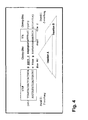
- the siRNA expression cassette contains one or more restriction sites in the 3' siRNA-flanking region (figure 4) for linearisation.
- a sequence encoding for a hepatitis delta virus (HDV) ribozyme (SEQ ID NOs: 57, 58, 59, 60) is applied between the encoding si/shRNA sequence and the downstream termination or linearisation signal.
- the ribozyme sequence assures the release of correctly terminated siRNA or shRNA since the HDV ribozyme self cleaves 5 'to its G + 1 nucleotide.
- extraneous and troublesome 3' -extra-sequences of released siRNA or shRNA are avoided by HDV ribozyme mediated cis-cleaving (Chowira et al., J. Biol. Chem. 269, 25856-64 (1994); Schürer et al., Nucleic Acids Res. 30, e56 (2002); Walker et al., Nucleic Acids Res. 31, e82 (2003)).
- the present invention demonstrates that the use of N-Eu-Pol unexpectedly results in highly efficient siRNA synthesis as shown by the specific and successful gene silencing by RNA interference (see examples).
- the in vivo siRNA synthesis with N-Eu-Pol yields high copy numbers, while omitting a cap-structure and a polyA tail.
- By conditionally directing the expression of a N-Eu Pol it is possible to stimulate or suppress siRNA synthesis and siRNA-induced RNA interference in a cell-, organ-, or tissue-specific manner or to couple siRNA expression to specific conditions.
- N-Eu-Pol preferably the DNA dependent RNA-polymerases from enterobacteriophages T3, T7,Sp6, K11 or PhiYe03-12 (SEQ ID NOs: 1,2, 3, 43, and 44, respectively) with transcription regulatory and modifying sequences.
- the latter comprise promoters and enhancers or other sequences effecting transcription and gene expression. These can be chosen from prokaryotic, viral or eukaryotic sequences. Fusing the foreign RNA-polymerases, N-Eu-Pol, with these transcription regulatory sequences leads to a directional expression of the N-Eu-Pol corresponding to the endogenous gene taken the regulatory sequence from.
- This principle is exemplified by the predominant expression of the recombinant N-Eu-Pol in hepatocytes of the liver by functional fusing the sequence coding N-Eu-Pol with the promoter for the albumin gene (Gorski et al., Cell, 47, 767-76 (1986); Izban M.G. and Papaconstantinou J., J. Biol. Chem., 264, 9171-9 (1989)) (cf. 5.4).
- the fused N-Eu-Pol may employ sequences which mediate transcription upon stimulation or inhibition with growth factors, cytokines, physical interventions or chemical toxins or drugs.
- the promoter of the platelet-derived growth factor B-chain which is expressed in neurons and glial cells (Sasahara et al., Cell, 64, 217-27 (1991)), has been used to direct expression of human ApoE2 in the brain (Georgopoulos et al., Biochemistry, 41, 9293-301 (2002)).
- the promoter of the intercellular adhesion molecule-2 was used to express endoglin in vascular endothelial cells (Velasco et al., Gene Ther., 8, 897-904 (2001)). More sophisticated gene targeting approaches have been aiming for cell specific expression by using heterologous hypoxic and cytokine-inducible enhancers, such as the NF-kB sites of the vascular cell adhesion mole-cute-1 (VCAM-1) in the endothelium (Velasco et al., Gene Ther. ,12, 897-904 (2001)).
- VCAM-1 vascular cell adhesion mole-cute-1
- the promoter of the C-R eactive acute phase P rotein (CRP) (SEQ ID NO: 5) directs highly enhanced expression when stimulated with acute phase mediators (Kleemann et al., Blood, 101, 545-51 (2003)).
- CRP C-R eactive acute phase P rotein
- the conditional induced synthesis of an N-Eu-Pol was demonstrated by recombinantly expressing the T7 phage polymerase gene (SEQ ID NO: 1) under the control of a CRP promoter (SEQ ID NO: 5) (see examples 5.2.2 Bibleiter anpassen) in an expression vector, when hepatoma cells transfected with this expression vector were stimulated with interleukin 1 ⁇ and interleukin 6.
- prokaryotic regulatory sequences it is also possible to employ prokaryotic regulatory sequences to drive conditional N-Eu-Pol expression.
- the tetracycline responsive elements (TRE) of the tet operator (tetO ) naturally involved in prokaryotic gene expression leads to tetracycline dependent transcription, which can also be applied to the transcriptional regulation in eukaryotes.
- TRE tetracycline responsive elements
- tetO tet operator
- seven copies of tetO combined to a minimal CMV promoter (SEQ ID NO: 6) are used to control gene transcription.
- the available tetracycline analogue doxycycline leads to binding of the tet repressor (tet-off) or the tet activator, which is provided as a fusion protein with the VP16 protein of herpes simplex virus (Gossen M. and Bujard H., Proc. Natl. Acad. Sci. USA, 89, 5547-51 (1992); Gossen M. and Bujard H., Nucleic Acids Res., 21, 4411-2 (1993); Gossen et al., Science, 268, 1766-9 (1995)).
- the tet on or tet off system has already been successfully used for regulation of transgenic or recombinant expression in mammalian cells and mice (Baron U.
- conditional expression of the N-Eu-Pol results in the conditional synthesis of siRNA molecules which subsequently trigger conditional functional RNA interference in the eukaryotic cells carrying the siRNA-expression cassette presented above.
- the ORF of the N-Eu-Pol is linked to an ubiquitous and constitutive active promoter such as the CMV promoter; in between the promoter region and the ORF of the N-Eu-Pol a stop fragment is introduced, according to Westphal and coworker (Lakso et al., Proc. Natl. Acad. Sci. USA, 89, 6232-6 (1992)).
- the stop fragment (SEQ ID NO: 41) is flanked by loxP sites (SEQ ID NO: 42) (cf.
- the first major goal was the creation of a control system for a successful synthesis of functional siRNA by N-Eu-Pol.
- the inhibition of the synthesis of the enhanced green fluorescent protein (EGFP, SEQ ID NO: 36) mediated by the T7-RNA polymerase synthesized siRNA was chosen.
- the expression cassette for the siRNA-antiGFP with these specifications was generated by dimerisation of two oligonucleotide-single strands.
- the oligonucleotides T7-GFP-S (SEQ ID NO: 20) and T7-GFP-AS (SEQ ID NO: 21) were commercially synthesized by Operon/Qiagen.
- Dimerization was achieved by heating them up together (96°C) in a 20 mM Tris buffer (pH 7.6) containing 150 mM NaCl, and 1 mM EDTA, followed by slow cooling in a heating block.
- a pGL-3 vector Promega
- pGL3-CMV was digested with Bgl II and BamH I so that the complete luciferase-expression cassette was cut out, including the CMV-promoter and the polyA-signal sequence.
- the siRNA-expression plasmid pT7-antiGFP was generated (cf fig. 2). Before transfection, the pT7-antiGFP plasmid was linearized with Nae I at its 3' terminus. The linear plasmid was then transfected in two different experiments into the cell lines Huh-T7 or Huh-GFP using Lipofectamine 2000 following manufacturer's instructions:
- Example 2 Establishing of an eukaryotic vector system for conditional expression of siRNA
- conditional directed siRNA synthesis two expression cassettes are needed, which can be created in one or two vectors.
- One of these expression cassettes comprises the promoter sequence of a N-EU-Pol, the siRNA coding sequence, and a terminating oligo-dT-sequence.
- the second one comprises the coding sequence for the N-EU-POL under the transcriptionally regulatory control of an eukaryotic promoter of choice, mediating the desired conditional expression of N-EU-POL, as well as a polyA signal.
- Example 3 Cell-type specific and differentiation-dependent mediated inhibition of gene expression by siRNA:
- Myoblasts of the rat cell line L6 differentiate into myotubes upon deprivation of serum in the culture medium.
- L6-GFP CMV promoter
- the differentiation-dependent control of siRNA synthesis was feasible via a differentiation-dependent regulation of the T7-RNA-polymerase. The procedure equalled the one described in Example 1.1.
- the ORF of the T7-RNA-polymerase was linked to the 3' end of a respectively functional promoter, namely the rat ⁇ -smooth-muscle actin promoter (SEQ ID NOs: 50), in the vector pGL-3 basic.
- SEQ ID NOs: 50 the rat ⁇ -smooth-muscle actin promoter
- siRNA did not show any effect in epithelial cells.
- An inhibition of EGFP-expression after transfection of L6-cells with recombined EGFP-expression could only be recognized due to reduced EGFP fluorescence levels once a differentiation from L6 cells into myotubes occurred following serum deprivation.
- the reduced expression of the reporter indicates a cell-type specific and differentiation-dependent function of siRNA, which is mediated by the directed expression of the N-EU-Pol T7-phage RNA polymerase.
- Example 4 Conditional siRNA delivery in diseased tissues using viral vectors
- siRNA expression system was introduced into mice via adenoviral gene transfer. Hepatocellular carcinoma were induced by injection of 10 7 Huh-7 cells into SCID mice. Subcutaneous tumors formed after 3 to 5 weeks, which histologically resembled hepatocellular carcinoma.
- the anti-IGFII-siRNA expression cassette was used as described in 5.2.1 As N-Eu-Pol the T7-phage RNA polymerase was used and placed alternatively under the control of the promoters of the CRP (SEQ ID NO: 5) or the albumin gene promoter (SEQ ID NO: 4) combined with the alpha-fetoprotein enhancer (SEQ ID NO: 51). As described before, the nucleotide sequence for CRP (cf. Example 1.1. and for the albumin-alpha-fetoprotein had been amplified from human or murine genomic DNA using adequate restriction sites and have been cloned into the vector pGL-3 basic.
- the respective KpnI - Sal I fragment containing the transcriptional regulatory sequence for CRP or albumin/ alpha feto-protein, the coding region of the T7-phage RNA polymerase and the SV40-tate polyA-signal of the plasmids pGL-CRP-T7 or pGL-Alb-T7, were cloned into the Kpn I - Sal I restriction sites of the multiple cloning site (MCS) of the pshuttle vector (Stratagene).
- MCS multiple cloning site
- the Bgl II restriction site served as insertion site for the T7-expression cassette of the anti-IGFII - siRNA.
- the plasmids pshuttle CRP-T7 or pshuttle Alb-T7 were recombined with pAdeasy 1 according to the method of He et al., Proc. Natl. Acad. Sci. USA, 95, 2509-14 (1998)). Subsequently, they were linearized at the Pac I site, transfected into HEK-293 cells and amplified. 5 ⁇ 10 10 viral copies were injected intravenously into mice which had developed subcutaneous hepatocellular carcinomas. The hepatotrophic adenoviruses could be detected in tumor cells and the level of IGF II - mRNA and -protein was measured (cf. Example 2.1).
Landscapes
- Health & Medical Sciences (AREA)
- Genetics & Genomics (AREA)
- Engineering & Computer Science (AREA)
- Life Sciences & Earth Sciences (AREA)
- Biomedical Technology (AREA)
- Chemical & Material Sciences (AREA)
- Wood Science & Technology (AREA)
- Biotechnology (AREA)
- General Engineering & Computer Science (AREA)
- Organic Chemistry (AREA)
- Bioinformatics & Cheminformatics (AREA)
- Zoology (AREA)
- Molecular Biology (AREA)
- Microbiology (AREA)
- Biophysics (AREA)
- Physics & Mathematics (AREA)
- Biochemistry (AREA)
- General Health & Medical Sciences (AREA)
- Plant Pathology (AREA)
- Pharmaceuticals Containing Other Organic And Inorganic Compounds (AREA)
- Medicines That Contain Protein Lipid Enzymes And Other Medicines (AREA)
Priority Applications (2)
| Application Number | Priority Date | Filing Date | Title |
|---|---|---|---|
| EP03020267A EP1512742A1 (fr) | 2003-09-08 | 2003-09-08 | Modification conditionnelle de l'expression de sirnas |
| EP04104331A EP1512743A1 (fr) | 2003-09-08 | 2004-09-08 | Modification conditionnelle de l'expression de sirnas |
Applications Claiming Priority (1)
| Application Number | Priority Date | Filing Date | Title |
|---|---|---|---|
| EP03020267A EP1512742A1 (fr) | 2003-09-08 | 2003-09-08 | Modification conditionnelle de l'expression de sirnas |
Publications (1)
| Publication Number | Publication Date |
|---|---|
| EP1512742A1 true EP1512742A1 (fr) | 2005-03-09 |
Family
ID=34130160
Family Applications (1)
| Application Number | Title | Priority Date | Filing Date |
|---|---|---|---|
| EP03020267A Withdrawn EP1512742A1 (fr) | 2003-09-08 | 2003-09-08 | Modification conditionnelle de l'expression de sirnas |
Country Status (1)
| Country | Link |
|---|---|
| EP (1) | EP1512742A1 (fr) |
Cited By (2)
| Publication number | Priority date | Publication date | Assignee | Title |
|---|---|---|---|---|
| EP4019636A1 (fr) * | 2011-12-21 | 2022-06-29 | Apse Llc | Procédés d'utilisation de vlp avec des capsides résistants aux hydrolases |
| US12312606B2 (en) | 2020-10-15 | 2025-05-27 | Hoffmann-La Roche Inc. | Nucleic acid constructs for VA RNA transcription |
-
2003
- 2003-09-08 EP EP03020267A patent/EP1512742A1/fr not_active Withdrawn
Non-Patent Citations (6)
| Title |
|---|
| BLIND M ET AL: "Cytoplasmic RNA modulators of an inside-out signal-transduction cascade", PROCEEDINGS OF THE NATIONAL ACADEMY OF SCIENCES OF USA, NATIONAL ACADEMY OF SCIENCE. WASHINGTON, US, vol. 96, no. 7, 30 March 1999 (1999-03-30), pages 3606 - 3610, XP002195636, ISSN: 0027-8424 * |
| FAMULOK M ET AL: "In vivo-applied functional RNAs as tools in proteomics and genomics research", TRENDS IN BIOTECHNOLOGY, ELSEVIER PUBLICATIONS, CAMBRIDGE, GB, vol. 20, no. 11, 1 November 2002 (2002-11-01), pages 462 - 466, XP004389589, ISSN: 0167-7799 * |
| SHI H ET AL: "GENETIC INTERFERENCE IN TRYPANOSOMA BRUCEI BY HERITABLE AND INDUCIBLE DOUBLE-STRANDED RNA", RNA, CAMBRIDGE UNIVERSITY PRESS, CAMBRIDGE, GB, vol. 6, no. 7, July 2000 (2000-07-01), pages 1069 - 1076, XP008016340, ISSN: 1355-8382 * |
| WANG Z ET AL: "Inhibition of trypanosoma brucei gene expression by RNA interference using an integratable vector with opposing T7 promoters", JOURNAL OF BIOLOGICAL CHEMISTRY, AMERICAN SOCIETY OF BIOLOGICAL CHEMISTS, BALTIMORE, MD, US, vol. 275, no. 51, 22 December 2000 (2000-12-22), pages 40174 - 40179, XP002964702, ISSN: 0021-9258 * |
| WARD GEORGE A ET AL: "Stringent chemical and thermal regulation of recombinant gene expression by vaccinia virus vectors in mammalian cells", PROCEEDINGS OF THE NATIONAL ACADEMY OF SCIENCES OF THE UNITED STATES, vol. 92, no. 15, 1995, 1995, pages 6773 - 6777, XP002264459, ISSN: 0027-8424 * |
| YAROVOI S V ET AL: "Human cell lines expressing hormone regulated T7 RNA polymerase localized at distinct intranuclear sites", GENE: AN INTERNATIONAL JOURNAL ON GENES AND GENOMES, ELSEVIER SCIENCE PUBLISHERS, BARKING, GB, vol. 275, no. 1, 5 September 2001 (2001-09-05), pages 73 - 81, XP004307113, ISSN: 0378-1119 * |
Cited By (2)
| Publication number | Priority date | Publication date | Assignee | Title |
|---|---|---|---|---|
| EP4019636A1 (fr) * | 2011-12-21 | 2022-06-29 | Apse Llc | Procédés d'utilisation de vlp avec des capsides résistants aux hydrolases |
| US12312606B2 (en) | 2020-10-15 | 2025-05-27 | Hoffmann-La Roche Inc. | Nucleic acid constructs for VA RNA transcription |
Similar Documents
| Publication | Publication Date | Title |
|---|---|---|
| EP2314687B1 (fr) | Constructions geniques permettant l'expression inductible de petites molecules d'arn pour une extinction genique ciblee | |
| EP1424896B1 (fr) | Procede d'expression de petites molecules d'arn a l'interieur d'une cellule | |
| CN100500854C (zh) | siRNA表达系统和利用该系统制备含有被击倒的功能性基因的细胞的方法 | |
| EP2166107A1 (fr) | Vecteurs de lentivirus pour l'expression de shRNA | |
| JP2013520158A (ja) | タンパク質生産の増強のためのmRNAの一次構造の再操作 | |
| EP1462525B1 (fr) | Systeme d'expression d'arnsi et procede de production de cellule knockdown a gene fonctionnel ou analogue utilisant ce systeme | |
| JP6326703B2 (ja) | 外因性遺伝子発現増強剤 | |
| JP7830029B2 (ja) | 制御可能なイントロンを用いる発現調節 | |
| US20060171924A1 (en) | Bidirectional promoters for small RNA expression | |
| JP2021509253A (ja) | ウイルス生成ペイロードに対して低い毒性を有する改変ec7細胞 | |
| EP1512742A1 (fr) | Modification conditionnelle de l'expression de sirnas | |
| US20050064489A1 (en) | Engineered U6 and H1 promoters | |
| EP1512743A1 (fr) | Modification conditionnelle de l'expression de sirnas | |
| Gurney et al. | The use of small interfering RNA to elucidate the activity and function of ion channel genes in an intact tissue | |
| AU2004256322B2 (en) | siRNA expression system | |
| WO2001066774A1 (fr) | Systeme de regulation de l'expression d'un gene donne, au moyen d'un autre gene codant pour un polypeptide possedant une activite recombinante | |
| JP2015180203A (ja) | タンパク質生産の増強のためのmRNAの一次構造の再操作 | |
| US20250163437A1 (en) | Bacteria-free approach for expressing nucleic acids and proteins in eukaryotic cells | |
| US20060031949A1 (en) | Inducible expression systems for modulating the expression of target genes in eukaryotic cells and non-human animals | |
| EP1731607A1 (fr) | Expression au sein d'un organisme vivant de shRNA et siRNA sous le contrôle d'un gène represseur de tétracycline à codons optimisés | |
| EP2112221A1 (fr) | Système à micro-émulsification automatique intégré dans des microcapsules à cýur liquide | |
| Petrova et al. | An Expression System for Production of Recombinant Protein with the Properties of Cytokine LIF in Cos-1 Cells | |
| EP1553181A1 (fr) | Inhibition de l'expression d'un gène et utilisation | |
| WO2005053750A1 (fr) | Systeme d'expression inductible de l'acide nucleique |
Legal Events
| Date | Code | Title | Description |
|---|---|---|---|
| PUAI | Public reference made under article 153(3) epc to a published international application that has entered the european phase |
Free format text: ORIGINAL CODE: 0009012 |
|
| AK | Designated contracting states |
Kind code of ref document: A1 Designated state(s): AT BE BG CH CY CZ DE DK EE ES FI FR GB GR HU IE IT LI LU MC NL PT RO SE SI SK TR |
|
| AX | Request for extension of the european patent |
Extension state: AL LT LV MK |
|
| STAA | Information on the status of an ep patent application or granted ep patent |
Free format text: STATUS: THE APPLICATION HAS BEEN WITHDRAWN |
|
| 18W | Application withdrawn |
Effective date: 20050309 |