EP1522856A1 - Méthodes et compositions à base de cholecytoskinin (CCK) et ces analogs, pour le diagnostic des maladies neurologique ou psychiatrique en particulier Alzheimer's - Google Patents
Méthodes et compositions à base de cholecytoskinin (CCK) et ces analogs, pour le diagnostic des maladies neurologique ou psychiatrique en particulier Alzheimer's Download PDFInfo
- Publication number
- EP1522856A1 EP1522856A1 EP03022498A EP03022498A EP1522856A1 EP 1522856 A1 EP1522856 A1 EP 1522856A1 EP 03022498 A EP03022498 A EP 03022498A EP 03022498 A EP03022498 A EP 03022498A EP 1522856 A1 EP1522856 A1 EP 1522856A1
- Authority
- EP
- European Patent Office
- Prior art keywords
- cck
- disease
- sequence
- seq
- substance
- Prior art date
- Legal status (The legal status is an assumption and is not a legal conclusion. Google has not performed a legal analysis and makes no representation as to the accuracy of the status listed.)
- Withdrawn
Links
Images


Classifications
-
- G—PHYSICS
- G01—MEASURING; TESTING
- G01N—INVESTIGATING OR ANALYSING MATERIALS BY DETERMINING THEIR CHEMICAL OR PHYSICAL PROPERTIES
- G01N33/00—Investigating or analysing materials by specific methods not covered by groups G01N1/00 - G01N31/00
- G01N33/48—Biological material, e.g. blood, urine; Haemocytometers
- G01N33/50—Chemical analysis of biological material, e.g. blood, urine; Testing involving biospecific ligand binding methods; Immunological testing
- G01N33/68—Chemical analysis of biological material, e.g. blood, urine; Testing involving biospecific ligand binding methods; Immunological testing involving proteins, peptides or amino acids
- G01N33/6893—Chemical analysis of biological material, e.g. blood, urine; Testing involving biospecific ligand binding methods; Immunological testing involving proteins, peptides or amino acids related to diseases not provided for elsewhere
- G01N33/6896—Neurological disorders, e.g. Alzheimer's disease
-
- C—CHEMISTRY; METALLURGY
- C07—ORGANIC CHEMISTRY
- C07K—PEPTIDES
- C07K14/00—Peptides having more than 20 amino acids; Gastrins; Somatostatins; Melanotropins; Derivatives thereof
- C07K14/435—Peptides having more than 20 amino acids; Gastrins; Somatostatins; Melanotropins; Derivatives thereof from animals; from humans
- C07K14/575—Hormones
- C07K14/595—Gastrins; Cholecystokinins [CCK]
-
- G—PHYSICS
- G01—MEASURING; TESTING
- G01N—INVESTIGATING OR ANALYSING MATERIALS BY DETERMINING THEIR CHEMICAL OR PHYSICAL PROPERTIES
- G01N2800/00—Detection or diagnosis of diseases
- G01N2800/28—Neurological disorders
- G01N2800/2814—Dementia; Cognitive disorders
- G01N2800/2821—Alzheimer
Definitions
- the invention is related to methods to detect neurological or psychiatric, demential diseases or the detection of a predisposition for such disease, especially Alzheimer's disease.
- concentration of Cholecystokinin (CCK) -molecules in body fluids or other kind of samples obtained from individuals is measured using tests therefor.
- CCK Cholecystokinin
- the invention relates to CCK-molecules suitable to determine the presence and/or the progression of these neurological or psychiatric, demential diseases.
- the invention also relates to detection kits and detection reagents such as antibodies, nucleic acids etc., which are suitable to detect the corresponding CCK-molecules.
- the invention comprises pharmaceutical compositions containing CCK-molecules, e.g. CCK-proteins (Seq.-ID 28), fragments of CCK-proteins such as the CCK-protein fragments represented by Seq.-ID 1 to 27, CCK-peptidomimetics, CCK specific antibodies or antibody fragments, nucleic acids coding for CCK-proteins or CCK-protein fragments or nucleic acids complementary to these nucleic acids, CCK antagonists or CCK agonist, etc.
- CCK-molecules e.g. CCK-proteins (Seq.-ID 28)
- fragments of CCK-proteins such as the CCK-protein fragments represented by Seq.-ID 1 to 27, CCK-peptidomimetics, CCK specific antibodies or antibody fragments
- the invention furthermore relates to methods suitable for stratification of patients especially within clinical trials and screening methods to identify CCK-binding molecules such as CCK-receptors, CCK-agonists, CCK-antagonists or modulators of CCK-expression, CCK-function or CCK-activity.
- CCK-binding molecules such as CCK-receptors, CCK-agonists, CCK-antagonists or modulators of CCK-expression, CCK-function or CCK-activity.
- Alzheimer's disease Neurological or psychiatric, demential diseases are increasingly becoming a problem in industrialized countries especially as the mean life expectancy increases. Most of these kind of diseases are incurable and about 65 % of these patients suffer from Alzheimer's disease (Morbus Alzheimer, AD). Besides Alzheimer's disease there are known several non-Alzheimer dementias such as vascular dementia, Lewy-Body dementia, Binswanger dementia as well as demential diseases which represent "side effects" of other diseases such as Pick's disease, Gerstmann-Straussler-Scheinger-disease, Huntington disease, Creuzfeld-Jakob disease, depression etc. Alzheimer's disease is a neurodegenerative disease primary characterized by a strongly impaired short term,memory and cognitive deficits.
- Morphologically Alzheimer's disease is associated with amyloid deposits (" senile plaques” ) and degenerated neuronal cells (" tangles” ) within the brain. These morphological changes can only be analyzed post mortem and so far are the only available clear proof for the presence of Alzheimer's disease.
- Methods suitable for diagnosis of Alzheimer's disease in a living individual are neuro-psychological tests, such as the "Mini-Mental Status Examination” (MMSE) or imaging techniques such as magnetic resonance imaging (MRI), computer tomography (CT) or single photon emmission computer tomographie (SPECT).
- MMSE Mini-Mental Status Examination
- MRI magnetic resonance imaging
- CT computer tomography
- SPECT single photon emmission computer tomographie
- MMS Mini-Mental Scores
- Neuro-psychological tests like the MMS Examination are done only by specialists or by big clinical centers and consequently are not readily accessible to many physicians which is another major drawback of current diagnostic methods for Alzheimer's disease.
- a biochemical diagnostic test measuring CCK-molecules in for example body fluids or tissues samples of patients has clear advantages, e.g. to be accessible for every physician who can sent patient material to clinical laboratories.
- Alzheimer's disease Currently there is no causal therapy available for treatment or cure of Alzheimer's disease. Only the symptoms of Alzheimer's disease are treated for example by addition of neurotransmitters such as acetylcholine or acetylcholine esterase inhibitors. There are also antioxidative agents, scavenger molecules, calcium channel blockers, anti-inflammatory molecules, inhibitors of secretases, anti-amyloid antibodies and the immunization against amyloid peptides in use for therapy of Alzheimer's disease. Nevertheless to date there is no causal therapy for Alzheimer's disease available.
- the scope of the invention is to find additional, reliable biomarkers for neurological or psychiatric, demential diseases, especially Alzheimer's disease to improve the diagnostic options especially for early detection of these diseases.
- the invention comprises these marker molecules as therapeutics for treatment of neurological or psychiatric, demential diseases, especially Alzheimer's disease.
- the invention provides a method for testing for a neurological or psychiatric, demential disease, especially Alzheimer's disease, or a test for the prediction of a predisposition for such a disease.
- CCK-amino acid sequences represent fragments of the CCK-protein or the complete CCK-protein itself and are suitable for laboratory testing.
- the CCK-protein fragments are not random fragments but fragments of the CCK-protein which originate as a consequence of processes occurring in biological systems. These fragments are different from random proteolytic fragments which are commonly obtained by for example adding proteases such as trypsin to an isolated protein or to a biological sample containing proteins Tests, e.g.
- CCK-protein, CCK-protein fragment or of a corresponding nucleic acid in a biological sample derived from an individual.
- the sequence of CCK is available in the public database GeneBank under the accession no. NP_000720 for the CCK- amino acid sequence and under the accession no.NM_000729 for the CCK-nucleic acid sequence.
- the results of the test can be used by physicians for diagnosis.
- Another embodiment of the invention is the use of this laboratory test to diagnose neurological or psychiatric, demential diseases, especially Alzheimer's disease at an early stage, e.g. by diagnosis of " Mild Cognitive Impairment" (MCI) or to diagnose neurological or psychiatric, demential diseases different from Alzheimer's disease such as for example Lewy-Body-Dementia or vascular dementia.
- MCI Mild Cognitive Impairment
- CCK-molecules included in the invention most likely are associated with the disease itself the invention also includes their use as therapeutics or as drug targets.
- the removal or addition of these molecules might be of benefit to an individual in need for therapy or prophylaxis of a neurological or psychiatric, demential disease, especially Alzheimer's disease.
- Cholecystokinin (CCK) is synthesized by neuronal cells and I cells in the small intestinal mucosa as a 115 amino acid polypeptide.
- Plasma CCK most likely originates from I-cells of the small intestinal mucosa and CCK33, CCK22 and CCK58 belong to this group whereas CCK8 is primarily present in neuronal tissue [2].
- In total neuronal CCK represents the majority of CCK present in the organism [2, 3].
- CCK is altered by a number of postranslational processing steps, including the removal of a 20 amino acid N-terminal signal sequence, and the addition of sulfate groups to Tyrosin 97, 111 and 114, and carboxyamidation of the C-terminus (phenylalanine at position 103). Prior to carboxyamidation 12 C-terminal amino acids are removed. The resulting 83 amino acid long CCK molecule (CCK83) represents amino acids 21 to 103 of CCK [2, 3].
- CCK83 Other processing products, all including the C-terminus of CCK83, are the CCK peptides comprising 4, 5, 6, 7, 8, 12, 22, 33, 39, and 58 amino acids termed CCK4, CCK5, CCK6, CCK7, CCK8, CCK12, CCK22, CCK33, CCK39 and CCK58.
- CCK4 CCK5 amino acids
- CCK6 CCK7, CCK8
- CCK12 CCK22, CCK33, CCK39 and CCK58.
- CCK-molecules are usually carboxyamidated and at least one tyrosine side chain bears a sulfate modification.
- Many of these CCK-molecules are generated from CCK-83 by processing at mono- or di-basic sites by prohormone convertases [2, 3] such as PC-1, PC-2, PC-5, PC-7, PACE4 or Furin.
- CCK-molecules such as CCK-5 and CCK-7 are obviously generated at least in part by other proteases different from prohormone convertases. In addition not all mono- and dibasic sites present in CCK are processed by prohormone convertases. In mice with a defect in the protease carboxypeptidase E there are present CCK8 molecules with additional amino acids at the C-terminus, e.g. which contain either Gly-Arg-Arg or just Gly termed CCKB-GRR and CCK8-G [4].
- Type B receptors CCKB
- type A receptors CCKA
- Type A receptors mediate different functions.
- Type A receptors mediate gall bladder and muscle contraction, intestinal motility, pancreatic enzyme, insulin and hormone secretion, satiety and growth.
- Type B receptors mediate growth, histamine and pepsinogen secretion, inhibit dopamine release, support panic attacks and improve memory function [5, 6] .
- CCK and CCK-protein is definded by the complete amino acid sequence corresponding to the GeneBank accession number NP_000720, this molecule is termed CCK-protein or CCK within this patent application.
- Other accession numbers for the CCK-protein are AAA53094, GMHUCP, P06307, 1305270A, AAH08283, AAP35637, AAP36308 and P23362. Included in this definition are variants or mutants of the CCK-protein showing at least 70%, preferably 80%, preferably 90%, preferably 95%, preferably 99% homology to the GeneBank accession number NP_000720. The homology is calculated according to the description provided in the following paragraphs.
- CCK-proteins can be present in nature or can originate from non-natural sources.
- Natural sources can be CCK-proteins from different species, different alleles, different gene loci, etc.
- Non-natural sources can be CCK-proteins generated by recombinant technologies like for example site-directed mutagenesis or random mutagenesis, the latter of which can be achieved for example by use of chemicals, or by use of ionizing radiation.
- the corresponding altered nucleic acid mutants may include substitutions, deletions, insertations, invertations or combinations of these alterations.
- the alterations can be present in coding as well as in non-coding nucleic acid sequences such as for example promoter sequences, 3'- or 5'-untranslated sequences.
- Sequence alterations can be conservative, that means not changing the amino acid sequence, and they can be non-conservative, resulting in altered amino acid sequences.
- the resulting mutated CCK-proteins can be biologically active, partial biologically active or biologically inactive. Further included are CCK-proteins with and without signal sequences, processed, non-processed, soluble or transmembrane or membrane associated CCK-proteins.
- CCK-proteins resulting from alternative splicing, alternative translations start and stop positions, RNA editing, alternative postranslational modifications, especially CCK-proteins with sulfate groups, N-terminal pyroglutamate modifications, carboxyamidations, translation of stop codons into unusual amino acids such as seleno-cysteine or pyro-lysine as well as CCK-proteins originated through other mechanisms present in nature.
- CCK-protein fragments are fragments of a CCK-protein. Preferably these fragments are at least 8 amino acids long. CCK-protein fragments also share at least 70%, preferably 80%, preferably 90%, preferably 95%, preferably 99% homology to the corresponding fragments ot the sequence having GeneBank accession number NP_000720. The homology is calculated according to the description provided in the following paragraph "Homology of sequences" . Percentage of homology is calculated on the basis of the length of the CCK-protein fragment not on the basis of the length of the CCK-protein. Consequently, a CCK-protein fragment with a sequence length of 20 amino acids which includes 4 amino acids different from the corresponding sequence of the CCK-protein is a 80% homologue fragment of the CCK-protein.
- Nucleic acids coding for CCK-proteins or CCK-protein fragments are regarded as being DNA, RNA and DNA-RNA hybrid molecules both of natural origin and prepared synthetically, enzymatically or by recombinant techniques.
- Nucleic acids of natural origin are present in public databases such as the NCBI database under the accession numbers AH002739, L00354, L29400, BC008283,BT006991 and BT007640. Included are the coding and the corresponding complementary strand of nucleic acids as well as single stranded, double stranded, linear or circular molecules of nucleic acids.
- nucleic acid molecules may represent a part of larger nucleic acid molecules as used in molecular biology such as plasmids, cosmids, phage particles, artificial chromosomes, viral vectors, retroviruses, adenoviruses, adeno-like viruses, bacculoviruses, etc.
- nucleic acid molecules which are composed partially or completely of modified nucleotides which comprise modified nucleotides having for example high in vivo stability, such as, for example, phosphorothioates.
- the modification of the nucleotides for example can reside within the base entity, the sugar entity or the phosphor entity of the nucleotide.
- Such stabilized nucleic acids are already known and used in the art.
- CCK-molecule as used within this application is meant to include all CCK-proteins, CCK-protein fragments and CCK-nucleic acids as defined in the previous paragraphs.
- GCG Genetics Computer Group, University of Wisconsin, Madison, WI, USA
- GAP Genetics Computer Group, University of Wisconsin, Madison, WI, USA
- BLASTP BLASTN
- FASTA FASTA
- Preferred parameters for amino acid homology searches are the algorithms of Needleman und Wunsch [9], the BLOSUM 62 matrix [10], a Gap Penalty of 12, a Gap Length Penalty of 4 and a Threshold of Similarity of 0. These parameters can also be used with the GAP algorithm.
- the previous parameters are default parameters for amino acid sequence homology searches. Gaps at the ends of sequences do not reduce the value for their homology.
- a chemically or post-translationally modified amino acid sequence may consist of both D- and of L-amino acids, and combinations of D- and L-amino acids. These sequences may additionally comprise modified/unusual amino acids, i.e. amino acids which do not belong to the 20 standard amino acids. Numerous examples of such amino acids are know in the art [11]. There are also numerous example of post-translational modifications known in the art such as phosphate- or sulphate-modifications, glycosylation, amidation, deamidation, pyroglutamate modifications, oxidized or amidated amino acid side chains etc.
- nucleotide molecules of sufficiently complementary sequence to permit such hybridization under pre-determined conditions generally used in the art.
- the exact length of the nucleotide molecules suitable for hybridizing reactions will depend upon many factors, including temperature and reaction conditions used.
- the nucleotide molecules such as a PCR-primers, typically contain 15 to 25 or more nucleotides, although they may contain fewer nucleotides.
- the nucleotide molecule sequence need not reflect the exact complementary sequence of the target nucleotide molecules.
- a non-complementary nucleotide fragment may be attached to the 5' or 3' end of the nucleotide molecule, with the remainder of the nucleotide molecule sequence being complementary to the target nucleotide molecule.
- Hybridization-temperature 81.5 °C + 16.6 x Log [Sodium concentration present in the reaction] + 0.41 x (percentage of G and C nucleotides) - 0.63 x (percentage of formamide present in the reaction) - 600 / number of base pairs in duplex
- the hybridization-temperature of a duplex decreases by 1 to 1.5 °C with every 1% decrease in sequence homology.
- an error probability of less than 10%, preferably less than 5% further preferably less than 1% is defined as significant.
- Sensitivity is defined as the proportion of patients with the disease who acquire a positive diagnostic result in a diagnosis for the disease, i.e. the diagnosis correctly indicates the disease.
- the specificity is defined as the proportion of healthy patients who acquire a negative diagnostic result in a diagnosis for the disease, i.e. the diagnosis correctly indicates that no disease is present.
- a preferred embodiment of the invention is the use of CCK-molecules for diagnosis and prognosis of neurological or psychiatric, demential diseases, especially Alzheimer's disease.
- CCK-molecules for diagnosis and prognosis of neurological or psychiatric, demential diseases, especially Alzheimer's disease.
- diagnosis and prognosis of neurological or psychiatric, demential diseases, especially Alzheimer's disease there are several strategies common and suitable:
- Control samples eventually used for analysis may represent pool-samples comprising a mixture of individual control samples.
- a defined pattern of two or more different CCK-molecules can be used as marker panel for diagnosis or prognosis of a neurological or psychiatric, demential disease, especially Alzheimer's disease.
- the invention furthermore comprises the combination of the determination of at least one CCK-molecule with other known markers or diagnostic methods for these diseases to enable or to improve the diagnostic result.
- the invention includes the diagnosis of early stages of the disease the monitoring of disease progression or success of a therapeutic strategy, or the identification of subgroups of patients which are susceptible for a certain therapeutic strategy (stratification).
- Early stages of neurological or psychological diseases, especially Alzheimer's disease are "Mild Cognitive Impairment” (MCI), " Mini Mental Status” (MMS) scores below 27, or a set of tests including MMS as suggested by the "Consortium to Establish a Registry for Alzheimer's disease” (CERAD), "Global Deterioration Scale” (GDS) values above 1, " Clinical Dementia Rating Scale” (CDR) values above 0, etc.
- MMS scores are recorded in a range from 0 to 30 and a score of 27-30 is regarded as normal or healthy.
- GDS and CDR values are recorded for different cognitive abilities and for GDS the scale ranges from 1 to 7, with 1 regarded as normal or healthy, and for CDR the scale range is from 0 to 3 with 0 regarded as normal or healthy.
- Mild cognitive impairment is dependant on age and education and definitions used for MCI are determining memory fuction and other cognitive abilities using for example MMS-, GDS-, CDR- or CERAD-tests.
- a determined score which is at least 1 standard deviation below the score of that particular age and education matched test group indicates mild cognitive impairment [12].
- Preferred biomarker molecules are Seq.-ID 1 to Seq.-ID 29 shown in the sequence protocol. Their corresponding sequences are listed in Table 1. Furthermore, CCK-protein fragments of Seq.-ID 1 to Seq.-ID 28 are suitable as biomarker especially if they share at least 70%, preferably 80%, preferably 90%, preferably 95%, preferably 99% sequence homology to Seq.-ID 28 or to the sequence of a CCK-protein of the species of the individual tested. A further embodiment of the invention are CCK-protein fragments generated through proteolytic activity especially of prohormone convertases and carboxypeptidases.
- CCK-protein fragments comprising at least 8 amino acids with different lengths of additionally added C- and/or N-terminal added CCK-protein sequences are suitable as biomarker for a neurological or psychiatric, demential disease, especially Alzheimer's disease.
- Especially at least 8 amino acids long CCK-protein fragments comprising parts of the CCK-protein sequence from amino acid 1-49, or 41-81 or 64-95 or 97-115 are included in the invention.
- Other preferred embodiments of the invention are CCK-proteins or CCK-protein fragments containing point mutations resulting in at maximum two altered amino acids in the sequence.
- biomarkers are CCK-proteins or CCK-protein fragments with chemical, enzymatical or postranslational modifications. This results in, among others, altered molecular masses resulting in altered mass-spectrometric properties and altered chromatographic retention times for example during reverse phase chromatography.
- the peptides may contain sulfate and phosphate modified side chains of amino acids, N-terminal or C-terminal amidations, N- or O-linked glycosylations, N-terminal pyroglutamate modifications and the peptides may be oxidized and contain for example Sodium-, Potassium-, Ammonium- or other adducts.
- nucleic acids coding for CCK-proteins or CCK-protein fragment as described above. Also included are nucleic acid sequences complementary to the coding nucleic acid sequences, which also can be used as markers for diagnosis of neurological or psychiatric, demential diseases, especially Alzheimer's disease.
- salts of CCK-molecules are also included in the invention.
- the protein sequence of CCK contains several di-basic sites which are potential processing sites for prohormone convertases such as PC-1 (also known as PC-3), PC-2, PC-4, PC-5 (also known as PC-6), PC-7/8, PACE4 or furin.
- PC-1 also known as PC-3
- PC-2 also known as PC-2
- PC-4 also known as PC-5
- PC-7/8 PCACE4 or furin.
- Processing products originating from a CCK-protein or CCK-protein fragment through the action of a prohormone convertase often represent peptides with biological activity and are not just degradation products. Consequently, another embodiment of the invention are CCK-protein fragments originating from the sequence of the CCK-protein as a consequence of processing by prohormone convertases and carboxypeptidases.
- Prohormone convertases cut amino acid sequences C-terminal to di-basic and sometimes also mono-basic sites.
- a di- or mono-basic sites contains two or one basic amino acids, e.g. arginine or lysine. Consequently the CCK-protein sequence potentially can be cut by prohormone convertases between the following positions of the amino acid sequence: between amino acid 35/36, 42/43, 45/46, 49/50, 55/56, 64/65, 71/72, 77/78, 81/82, 91/92, 95/96 and 106/107. Subsequently to the action of prohormone convertases often the C-terminal basic amino acids are removed gradually by carboxypeptidases.
- CCK-protein fragments There are several CCK-protein fragments know in the art such as CCK83, CCK58, CCK39, CCK33, CCK22, CCK12, CCK8, CCK7, CCK6, CCK5 and CCK4. These CCK-protein fragments are generated in vivo through the proteolytic activity of certain enzymes such as prohormone convertases. In the course of the processing of CCK-proteins into CCK-protein fragments by-products may be generated.
- Seq.-ID 1 to Seq.-ID 4 New by-products of proteolytic processing of CCK83 to CCK58 which are not know in the prior art are Seq.-ID 1 to Seq.-ID 4 as these four sequences represent most of the sequence between the signal sequence of the CCK-protein and the N-terminal end of the biological active CCK58 fragment (see figure 1).
- Seq.-ID 1 to Seq.-ID 7 represent new by-products of the processing of CCK83 to CCK39 (see figure 1).
- Seq.-ID 7 represents a new by-product which is released during the processing of CCK58 to CCK39 (see figure 1).
- quantification of certain CCK-protein fragments such as for example Seq.-ID 1 to 4 can be used to indirectly determine the concentration of CCK58
- quantification of certain CCK-protein fragments such as for example Seq.-ID 5 to 7 can be used to determine the concentration of CCK39
- quantification of certain CCK-protein fragments such as for example Seq.-ID 8 can be used to determine the conversion rate of CCK58 into CCK39.
- the biological sample may preferably be cerebrospinal fluid (CSF) or a sample such as cerebrospinal fluid, whole blood, blood products such as serum, plasma and blood cells, lymph fluid, urine, stool, tear fluid; saliva, synovial fluid, sputum, tear fluid, cell or tissue samples or cell or tissue homogenates etc.
- CSF cerebrospinal fluid
- a sample such as cerebrospinal fluid, whole blood, blood products such as serum, plasma and blood cells, lymph fluid, urine, stool, tear fluid; saliva, synovial fluid, sputum, tear fluid, cell or tissue samples or cell or tissue homogenates etc.
- tissue homogenates can be produced inter alia from human tissue samples such as biopsies.
- These tissues can be comminuted for example with manual homogenizers, with ultrasound homogenizers or with electrically operated homogenizers such as, for example, Ultraturrax, and then be boiled in a manner known to the skilled worker in acidic aqueous solutions with, for example, 0.1 to 0.2 M acetic acid for 10 minutes.
- the extracts are then subjected to the respective detection method, e.g. a mass-spectrometric investigation.
- the samples can be prepared, for example where appropriate diluted or concentrated, and stored in the usual way.
- One embodiment of the invention is the use of physical methods which are able to indicate the peptides of the invention qualitatively or quantitatively. These methods include, inter alia, liquid chromatography, thin-layer chromatography, circular dichroism, CD spectroscopy, bio-chip technologies using nucleic acids, proteins, antibodies or other suitable binding or coupling agents (e.g. Ciphergen Biosystems, Inc., Fremont, CA, USA) as well as numerous different spectroscopic methods, which employ electromagnetic rays of various wave lengths, e.g. wave length from 1 nm to 1m.
- These methods include among others atom absorption spectroscopy, chemiluminescence spectrometry, electron spectrometry, X-ray spectrometry, infra red spectrometry, fourier transform IR spectrometry, Raman spectroscopy, laser spectrometry, " lochbrenn” spectrometry, luminescence spectrometry, plasma spectrometry, magnetic resonance spectroscopy (NMR), mass spectrometry, micro wave spectroscopy, " Mössbauer” spectrometry, fluorescence spectrometry, UV/visible-spectrometry etc.
- a particularly preferred embodiment of this invention encompasses the use of reverse phase chromatography, in particular a C18 reverse phase chromatography column using mobile phases consisting of trifluoroacetic acid and acetonitrile, for separation of peptides in human cerebrospinal fluid.
- mobile phases consisting of trifluoroacetic acid and acetonitrile
- the fractions collected in each case each comprise 1/96 of the mobile phase volume used.
- the fractions obtained in this way are analyzed with the aid of mass spectrometry, preferably with the aid of MALDI mass spectrometry (matrix-assisted laser desorption ionization) using a matrix solution consisting of, for example, L(-) fucose and alpha-cyano-4-hydroxycinnamic acid dissolved in a mixture of acetonitrile, water, trifluoroacetic acid and acetone.
- MALDI mass spectrometry matrix-assisted laser desorption ionization
- Another preferred embodiment of the invention is to perform a pre-fractionation of the sample by precipitation using precipitants such as ammonium sulfate, polyethylene glycol, trichloroacetic acid, acetone, ethanol etc.
- precipitants such as ammonium sulfate, polyethylene glycol, trichloroacetic acid, acetone, ethanol etc.
- Other suitable precipitation methods are immune precipitations or precipitations initiated by alteration of physical factors such as temperature (heat precipitation) or pressure. Fractions obtained using these methods can be further analyzed individually or in groups.
- Another sample preparation method is the use of extraction methods using liquid solvents.
- One suitable solvent is a mixture of an organic solvent such as polyethylene glycol and an aqueous salt solution. Due to their physical properties substances present in the sample are enriched in certain fractions and subsequently can be analyzed with further methods.
- a preferred embodiment of the invention is the determination of CCK-molecules by determination of their moleculare mass for example by use of mass spectrometry.
- the substances can be identified by MALDI (matrix-assisted laser desorption and ionization) mass spectrometry or a MALDI-TOF (Matrix-assisted-laser-desorption-and-ionisation-time-of-flight-) mass spectrometry.
- the mass-spectrometric determination further preferably includes at least one of the following mass signals, in each case calculated on the basis of the theoretical monoisotopic mass of the corresponding peptide.
- ⁇ (is larger than or equal to) is to be understood to mean that the relevant peptides cannot have any larger masses but can have only the masses possible owing to the amino acids which are possibly additionally present at the ends of these peptides.
- Amino acids which may be additionally present at the ends of these peptides are not just any ones but only those which may be present at this sequence position owing to the sequence of the CCK-protein (Seq.-ID 28).
- the CCK-protein fragments with the Seq.-ID 3, 4 and 6 were identified with an N-terminal pyroglutamate modification, resulting in a mass reduction of about 17 Dalton and the CCK-protein fragment corresponding to Seq.-ID 8 was determined as a sodium adduct, resulting in an increased mass of about 22 Dalton.
- the masses including the modification of these peptide are for Seq.-ID 3 2522.3 Dalton, for Seq.-ID 4 4243.2 Dalton, for Seq.-ID 6 4540.4 Dalton and for Seq.-ID 8 2270.1 Dalton.
- the second mass represents the mass of the modified peptide. It is possible, that these or other CCK-protein fragments may be present in nature with one or more other or additional modifications resulting in masses different to their theoretical masses as shown in table 1.
- CCK-proteins Novel, specific fragments of CCK-proteins were identified, and their significance was revealed by the method used for the invention.
- the sequences of suitable CCK-proteins and CCK-protein fragments are indicated in the sequence listing Seq-ID 1 to 28. Some of these sequences represent novel substances which are not known in the prior art (Seq.-ID 1 to 14).
- the CCK-protein fragments of Seq.-ID 9 - 14 may comprise at the N- and/or C terminus additional amino acid sequences corresponding to the sequence of the CCK-protein at that particular position.
- the invention also encompasses the CCK-proteins, CCK-protein fragments and corresponding isolated nucleic acids prepared by recombinant techniques or synthetically, and isolated from biological samples, in unmodified, chemically modified or post-translational modified form.
- the invention also encompasses nucleic acids which correspond to CCK-protein or CCK-protein fragments, and especially those which correspond to Seq.-ID 1 to 28 of the invention, the use thereof for the indirect determination and quantification of the relevant CCK-proteins and CCK-protein fragments.
- This also includes nucleic acids which represent, for example, non-coding sequences such as, for example, 5'- or 3' non-translated regions of the mRNA, or nucleic acids which show a sequence agreement with the CCK-nucleic acid sequence (Seq.-ID 29) which is sufficient for specific hybridization experiments and which are therefore suitable for the indirect detection of relevant CCK-proteins and CCK-protein fragments.
- One exemplary embodiment thereof encompasses the obtaining of tissue samples, e.g. of biopsy specimens, from patients and the subsequent determination of the concentration of an RNA transcript corresponding to the sequence of the GeneBank accession No. NP_000729 or corresponding to a sequence showing at least 70% homology to NP_000729. This entails comparison of quantitative measured results (intensities) from a sample to be investigated with the measurements obtained in a group of patients suffering from Alzheimer's disease and a control group.
- RT-PCR reverse transcriptase polymerase chain reaction
- quantitative PCR quantitative PCR
- real-time PCR ABSI PRISM® 7700 Sequence Detection System, Applied Biosystems, Foster City, CA, USA
- in situ hybridization Northern blots
- nucleic acid chip assays nucleic acid chip assays and other methods known in the art.
- RT-PCR reverse transcriptase polymerase chain reaction
- ABI PRISM® 7700 Sequence Detection System Applied Biosystems, Foster City, CA, USA
- in situ hybridization Northern blots
- nucleic acid chip assays nucleic acid chip assays and other methods known in the art.
- the presence or prognosis of a neurological or psychiatric, demential disease, preferably Alzheimer's disease and/or the severity thereof can be inferred from the results.
- tests such as immunologic detection systems, preferably an ELISA (enzyme-linked immunosorbent assay) can be used to detect CCK-proteins and CCK-protein fragments.
- This immunologic detection picks up at least one CCK-protein or CCK-protein fragment.
- immunological diagnostic test systems such as direct or competitive ELISA, or other detection techniques such as, for example, RIA (radio immuno assay), EIA (enzyme immune assay), ELI-Spot assay (enzyme-linked immune spot assay), chemiluminescence assay, elektrochemiluminescence assay, flourecence assay, etc. are also suitable.
- CCK-proteins or CCK-proteins fragments isolated from biological samples, recombinant expressed or enzymatically prepared or chemically synthesized can be used as standard and/or control for the quantification.
- Identification of these substances is generally possible for example with the aid of an antibody directed to that particular substance.
- Further methods suitable for such detections are, inter alia, Western blotting, immune precipitation, protein chip assays, Dot-Blots, plasmon resonance spectrometry (BIACORE® technology, Biacore International AB, Uppsala, Sweden), affinity matrices (e.g. ABICAP-Technologie, ABION Weg für Bio Stamm undtechnik mbH, Julich, Germany) etc.
- Substances/molecules suitable as detection agents are generally all those permitting the construction of a specific laboratory diagnostic detection system because they specifically bind a CCK-protein or a CCK-protein fragment. Numerous other immunologic detection systems also suitable for this purpose are known in the art.
- the invention further comprises the use of at least one CCK-protein or CCK-protein fragment for the diagnosis of neurological or psychiatric, demential diseases, especially of Alzheimer's disease, and the use of CCK-proteins or CCK-proteins fragments for obtaining antibodies or other agents which, because of their CCK-specific binding properties, are suitable for developing diagnostic reagents for laboratory detection systems for these diseases.
- the invention furthermore comprises test kits containing CCK-proteins and/or CCK-protein fragments for use as standards. These test kits can also contain CCK-specific antibodies and/or antibody fragments immobilized on particles or on surfaces or prepared for immobilizing.
- the antibodies also can be labeled using enzymes, dyes, fluorescent dyes, radioactive substances, or other kind of labels enabling their use in diagnostic kits.
- a further embodiment of the invention is the obtaining of CCK-proteins and CCK-protein fragments using recombinant expression systems, in vitro translation, chromatographic methods and chemical synthesis protocols etc. which are known to the skilled worker.
- CCK-proteins and CCK-protein fragments can be isolated from natural sources or from recombinant expression systems by using reverse phase chromatography, affinity chromatography, ion exchange chromatography, gelfiltration, isoelectric focusing, preparative immune precipitation, ammonium sulfate precipitation, extraction using organic solvents, etc.
- the substances isolated to greater than 50% purity can be used for therapy or prophylaxis of neurological or psychiatric, demential diseases, especially Alzheimer's disease, can be used as standards in diagnostic assays, can be used for the manufacture of antibodies specifically recognizing these substances etc.
- the CCK-proteins or CCK-protein fragments may be C- or N-terminally or internally fused to heterologous amino acid sequences such as poly-histidine sequences, hemagglutinin epitopes (HA-tag), HIV-Tat-sequences, VP22-sequences or proteins such as, for example, maltose-binding proteins, glutathione S-transferase (GST), green fluorescent protein (GFP) or protein domains such as the GAL-4 DNA binding domain or the GAL4 activation domain.
- heterologous amino acid sequences such as poly-histidine sequences, hemagglutinin epitopes (HA-tag), HIV-Tat-sequences, VP22-sequences or proteins such as, for example, maltose-binding proteins, glutathione S-transferase (GST), green fluorescent protein (GFP) or protein domains such as the GAL-4 DNA binding domain or the GAL4 activ
- the substances containing these additional amino acid sequences are for example suitable to isolate the substances, or to more conveniently detect these substances or to identify binding partners of these substances (using for example the yeast-two-hybrid system) or to enable the transfer of these substances from the extracellular to the intracellular space.
- a preferred embodiment of the invention are antibodies or antibody fragments binding to CCK-proteins or CCK-protein fragments, especially antibodies binding to neo-epitopes of CCK-protein fragments. Furthermore a preferred embodiment of the invention is the production and isolation of antibodies or antibody fragments specific to CCK-proteins or CCK-protein fragments. A particularly preferred embodiment is the production of CCK-protein fragment-specific antibodies which recognize neo-epitopes, i.e. epitopes which are present only on CCK-protein fragments but not in a CCK-proteins. Such anti-CCK-protein fragment antibodies make the specific immunologic detection of CCK-protein fragments possible in the presence of CCK-protein.
- Polyclonal antibodies can be produced by immunizations of experimental animals such as, for example, mice, rats, rabbits or goats. Monoclonal antibodies can be obtained for example by immunizations of experimental animals and subsequent application of hybridoma techniques or else via recombinant experimental approaches such as, for example, via antibody libraries such as the HuCAL® antibody library of MorphoSys, Martinsried, Germany, or other recombinant production methods known to the skilled worker. Antibodies can also be used in the form of antigen-binding antibody fragments such as, for example, F ab fragments or F ab2 fragments etc. These antibodies or antibody fragments can also be part of fusion proteins or can be coupled to other proteins.
- Suitable fusion partners or proteins suitable for coupling are for example enzymes such as alkaline phosphatase or peroxidases or fluorescent proteins such as green fluorescent protein or toxins such as bacterial or fungal toxins.
- enzymes such as alkaline phosphatase or peroxidases or fluorescent proteins such as green fluorescent protein or toxins such as bacterial or fungal toxins.
- antibodies or antibody fragments can be coupled to non-protein compounds such as fluorescent dyes for example FITC, BODIPY or Texas red, to radioactive isotopes such as phosphor, tritium, iodine, technetium, etc. or to other structures such as biotin or pharmacological active substances such as anti-cancer drugs, or anti microbial drugs, etc.
- Concentrations of certain CCK-protein-fragments are clearly altered in Alzheimer's disease patients. Consequently supplementation or removal of CCK-molecules is a possible therapeutic option for treatment of patients suffering from neurological or psychiatric, demential diseases, especially Alzheimer's disease.
- the aim of this strategy is to adjust the in vivo concentrations of CCK-molecules to at least the concentrations present in healthy individuals. It might be of benefit for the individual to reverse the disease-related concentration change of CCK-molecules. For example if a certain CCK-molecule is present in decreased concentrations in an individual suffering form a neurological or psychiatric, demential disease, the concentration of that CCK-molecule can be increased even above the normal concentrations present in healthy individuals.
- the concentration of a CCK-molecule is increased and for therapeutic intervention it is suitable to further increase the concentration of this CCK-molecule, as the increased CCK-molecule concentration may be a biological response of the organism of the individual to cure itself. Consequently the opposite may also be true: a CCK-molecule is decreased and for therapeutic purpose the concentration of this CCK-molecule can be further decreased.
- the CCK-molecule used for diagnosis is different from the CCK-molecule used for therapy.
- a reason for this scenario is that for example a certain fragment of the whole CCK-molecule is suitable to detect the disease but for treatment of the disease the concentration of the complete CCK-molecule has to be altered.
- this combination can be used for future diagnosis and therapy of that disease.
- Another preferred embodiment of the invention is the combination of different therapeutic strategies to increase the therapeutic benefit for the individual in need of such a therapy.
- Suitable tools for decreasing the concentration of CCK-molecules are for example neutralizing antibodies, antibody fragments, antibody-fusion proteins or other polypeptides or molecules binding to CCK-molecules such as CCK-molecule receptors.
- Other tools for decreasing the concentration of CCK-molecules are antisense nucleic acids, siRNA-nucleic acids (RNA-mediated interference, RNAi), peptide-nucleic acids (PNAs), ribozymes, triplex nucleic acids, etc. or antagonists of CCK-molecules or substances decreasing the expression, translation, postranslational modification or the processing of CCK-molecules or substances increasing the degradation of CCK-molecules such as proteases.
- Suitable tools to increase the concentration of CCK-molecules are the CCK-molecules itself (produced by recombinant, enzymatic chemical or other techniques or purified from natural sources), circular, linear, single or double stranded nucleic acids coding for CCK-molecules such as plasmids, cosmids, mRNA, cDNA, expression systems using retroviruses, adenoviruses, bacculoviruses, phages, yeast, bacteria, mammalian or plant cells, etc.
- CCK-molecules include the use of agonists of CCK-molecules, molecules increasing the expression, translation, postranslational modification, processing, half life (for example pegylation of polypeptides) of CCK-molecules, etc.
- CCK-molecules as well as modulators of the concentration of CCK-molecules can be replaced by mimetics or by polymers composed totally or in part of modified amino acids or modified nucleotides. These substances can be used for therapy of neurological or psychiatric, demential diseases, especially Alzheimer's disease.
- a further exemplary use is the quantitative or qualitative determination of the abovementioned CCK-proteins or CCK-protein fragments for estimating the efficacy of a therapy under development for neurological or psychiatric, demential diseases, in particular Alzheimer's disease.
- the invention is also suitable for stratification of participants of clinical trials to test new therapies for treatment of neurological or psychiatric, demential diseases, in particular Alzheimer's disease.
- the testing of efficacy and the selection of the correct patients for therapies and for clinical trials is of outstanding importance for successful application and development of a therapeutic agent, and no clinically measurable parameter making this reliably possible is yet available for Alzheimer's disease [14].
- One exemplary embodiment thereof encompasses the cultivation of cell lines and their exposure to CCK-proteins, CCK-protein fragments or with substances which promote the expression of CCK-proteins or CCK-protein fragments, or which promote the processing of CCK-proteins.
- Substances which promote processing are for example proteases such as prohormone convertases. It is possible thereby to establish the biological properties of CCK-proteins and CCK-protein fragments in connection with neurological or psychiatric, demential diseases, in particular Alzheimer's disease.
- Fusion molecules can also be used for the treatment of the cell lines, e.g. fusion proteins comprising sequences which enable for example the transport of fusion molecules from the extracellular space into the cell such as HIV-tat or VP22-sequences.
- Cell lines can also be transfected with inter alia expression vectors, mRNA or other nucleic acid molecules coding for molecules which directly or indirectly modulate the expression of CCK-protein or CCK-protein fragments. These modulating molecules can be prohormone convertases, antisense nucleic acids, siRNA-molecules, ribozymes, triplex-forming nucleic acids, CCK-agonists or -antagonists etc. Alternatively cell lines can be treated directly with anti-CCK antibodies, CCK-agonists or CCK-antagonists, with antisense-, ribozyme-, triplex-forming- or siRNA-nucleic acids etc. It is possible to treat a cell line with two or more different expression vectors, proteins or other molecules at the same time. Cell lines which appear suitable as neurological model systems in connection with CCK in particular can be used for such investigations.
- Read-out systems which can be used for these investigations are inter alia tests which measure the rate of proliferation of the treated cells, their metabolic activity, the rate of apoptosis of the cells, changes in cell morphology, in the expression of cell-intrinsic proteins or reporter genes or which measure the release of cytosolic cell constituents as markers for cell death. It is also suitable to measure the in vivo activity of these molecules employing experimental animals such as mice, rats, rabbits, dogs, apes etc., especially if these experimental animal strains are considered as model of neurological or psychiatric, demential diseases, in particular as model of Alzheimer's disease. Read-out parameters may be the survival time of the animals, their behavior and their short-term memory.
- One example of a memory test which is suitable for experimental animals is the Morris water maze test. Further parameters which can be used are the determination of body function such as body temperature, pulse rate, heart and lung function, blood pressure, brain currents, etc. Further test are measurements of neurological or metabolic mediators such as proteins, peptides, second messengers, hormones, lipids, steroids, etc. in samples such as blood, tissue samples, urine, cerebrospinal fluid etc. Furthermore morphological and histological investigations on tissues such as for example, the brain can be done.
- CCK-proteins and CCK-protein fragments Another method to investigate the function of CCK-proteins and CCK-protein fragments is the generation of experimental animals with CCK-deficiencies (knock outs) or with increased expression of CCK-proteins or CCK-protein fragments. This can be done with standard molecular biological methods as known in the art.
- the CCK-expression can be altered globally in the whole organism or only locally, depending on the experimental method used. Suitable experimental animals are Caenorhabditis elegans, drosophila, zebrafish, mice, rats, etc.
- compositions containing CCK-molecules and CCK-modulating molecules containing CCK-molecules and CCK-modulating molecules
- the invention further comprises the use of compositions containing substances such as CCK-proteins, CCK-protein fragments as well as the corresponding peptidomimetics for therapy of neurological or psychiatric, demential diseases, especially Alzheimer's disease.
- Peptidomimetics are molecules which have the activity of the corresponding peptide or protein but are not build from the standard set of 20 amino acids but from other structures such as for example beta-amino acids or aptmers® (Noxxon Pharma AG, Berlin, Germany) or other non-amino acid structures which can substitute amino acid structures.
- Agonist, antagonist, antibodies directed towards CCK-proteins or CCK-protein fragments are also suitable to modulate the concentration of CCK-proteins and CCK-protein fragments.
- antibody-fusion proteins or other molecules selectively binding to CCK-proteins or CCK-protein fragments is suitable for therapy or prophylaxis.
- nucleic acids coding for CCK-protein or CCK-protein fragments or complementary nucleic acid sequences may be used for therapy.
- two or more CCK-proteins and CCK-protein fragments can be combined or can be coupled together or can be coupled with other non-CCK sequences.
- the coupling can be of covalent or non-covalent nature.
- the final molecule can be a linear, branched or circular molecule and combinations of covalently coupled, non-covalently coupled, linear, branched or circular molecule parts are possible.
- An example for a non-covalent coupling is a biotin-labeled protein such as CCK coupled to streptavidin-coupled antibodies mediated by binding of streptavidin to biotin.
- a further embodiment of the invention comprises the use of compositions containing substances such as antisense nucleic acids, triplex-building nucleic acids, siRNA nucleic acids, ribozymes and other nucleic acids which are suitable to modulate the expression of CCK-proteins or CCK-protein fragments. Also suitable are agonists or antagonists of CCK-protein or CCK-protein fragment activities.
- Another embodiment of the invention are galenic formulations or chemical modifications of CCK-proteins, CCK-proteins fragments and their corresponding nucleic acids in such a way enabling or improving for example their transfer through the blood-brain-barrier and/or the blood-liquor-barrier or improving their transport through the cell membrane into the cytosol or improving their survival, stability, i.e.
- Such suitable modifications are the coupling of hydrocarbon chains such as polyethylenglycol to these molecules, the packaging of these molecules into liposomes or packaging of the substances into gastric acid resistant capsules enabling the passage of these substances through the stomach.
- Combining of CCK-sequences with foreign sequences such as the HIV-tat sequence can be used to improve the transport of these CCK-molecules into the intracellular space.
- Another embodiment of the inventions comprises the addition of pharmacologically acceptable additives.
- additives can be preservative agents, sterile solvents, filler additives, dye additives, flavor additives, scent additives, etc.
- a further embodiment of the invention is the combination of a CCK-molecule or a CCK-modulating substance with other medicaments.
- These other medicaments are preferably chosen from medicaments suitable for treatment of neurological diseases, especially Alzheimer's disease or chosen from medicaments suitable for treatment of diseases often associated with Alzheimer's disease or other neurological or psychiatric, demential diseases.
- a further embodiment of the invention comprises dosage of these molecules via different routes, e.g. intravenous or subcutaneous injection, oral application, inhalable gas or aerosol, topic preparation or injection directly into the subarachnoidal cavity, into tissues such as muscle, fat, brain, etc.
- routes e.g. intravenous or subcutaneous injection, oral application, inhalable gas or aerosol, topic preparation or injection directly into the subarachnoidal cavity, into tissues such as muscle, fat, brain, etc.
- These different routes of application result in a higher bioavailability, higher biological activity or higher local concentration of these substances.
- proteins or protein fragments intended for oral application can be packed in acid resistant capsules which protect them from gastric acid and digestion during passage of the stomach.
- Highly hydrophobic substances can be converted to more hydrophilic substances by use of suitable galenic preparation methods rendering them more suitable for intravenous injections.
- polymeric structures such as polyethylenglycol (PEG) can be coupled to these substances.
- Pegylated substances very often are better dissolved in aqueous solutions, are less immunogen and have a longer in vivo half-live. Pegylation also can improove the shelf life of substances at roomtemperature or at temperatures below roomtemperature such as 4°C, -20°C or -70°C, which are commonly used storage tempertures. Other dosage forms are packaging of the substances into polymers or gels (Atrix Labs, Fort Collins, CO, USA, Andrx Pharmaceuticals, Davie, FL, USA) etc. enabling their continuous and controlled release for longer periods of time.
- Another embodiment of the invention comprises methods to identify substances which modulate the expression, concentration or activity of CCK-proteins, CCK-protein fragments, CCK-agonists, CCK-antagonists, receptors binding to CCK-molecules, proteases which process CCK-proteins or CCK-protein fragments, or of nucleic acids coding for these substances.
- One example for a suitable screening method known in the art is contacting a biological sample with immobilized CCK-proteins or CCK-protein fragments. Subsequently substances which are present in the biological sample but did not bind to the immobilized CCK-proteins or CCK-protein fragments are removed by washing.
- CCK-proteins or CCK-proteins fragments can be eluted by use of buffers changing physical parameters such as pH, ionic strength, hydrophobicity, temperature, etc.
- Substances recovered can be identified by standard methods such as protein sequencing, mass spectrometry, gel electrophoresis, bio chip assays, etc.
- Other test assays are for example phage display techniques, yeast-two hybrid assays, plasmon resonance spectrometry (Biacore International SA Uppsala, Sweden), reporter gene assays showing altered expression of CCK-proteins or CCK-protein fragments or showing altered biological activity of CCK-proteins or CCK-protein fragments etc.
- CCK-agonists or CCK-antagonists found using these screening methods can be used for therapy or prophylaxis of neurological or psychiatric, demential diseases especially Alzheimer's disease.
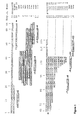
- Figure 1 shows an alignment of the CCK-protein sequence with the CCK-protein fragments according to Seq.-ID 1 to 26. Sequenced which are not known in the prior art are framed. Sequences known in the prior art are Seq.-IDs 15 to 26 representing CCK83, CCK58, CCK39, CCK33, CCK22, CCK12 and CCK8, CCK7, CCK6, CCK5, CCK4 and the signal sequence of CCK.
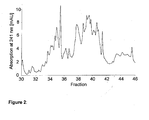
- Figure 2 shows a chromatogram recorded using reverse phase chromatography as in example 2 for the separation and enrichment of the CCK-proteins and CCK-protein fragments from cerebrospinal fluid.
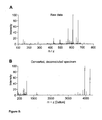
- Figure 3 shows a spectrum resulting from MALDI mass-spectrometric measurement as in example 3 of the CCK-peptide fragment representing the CCK-sequence from amino acid 21 to 60 (Seq.-ID 4), with a theoretical monoisotopic mass of 4243.2 Dalton (mass of Seq.-ID 4 with pyroglutamate modification), after reverse phase chromatography of human cerebrospinal fluid as in Example 2.
- Figure 4 shows data generated by MALDI mass-spectrometric measurment as relatively quantifying mass spectrometry (MS) method.
- MS mass spectrometry
- Figure 5 shows an MS/MS fragment spectrum as in example 4 of the CCK-peptide fragment representing the CCK-sequence from amino acid 21 to 60 (Seq.-ID 4) with a pyroglutamate modification.
- the peak pattern is characteristic for the CCK-protein fragment corresponding to the CCK sequence of amino acid 21 to 60 (Seq.-ID 4) with a pyroglutamate modification.
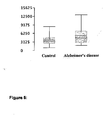
- Figure 6 shows in the form of a box-whisker plot a comparison of the integrated MALDI mass-spectrometric signal intensities of the CCK-protein fragment corresponding to the CCK sequence from amino acid 21 to 60 with a pyroglutamate modification (Seq.-ID 4) in controls, compared with the signal intensities in samples from Alzheimer's disease patients.
- Example 1 Obtaining cerebrospinal fluid for determining CCK-protein fragments
- CSF or cerebrospinal fluid is the fluid which is present in the four ventricles of the brain and in the subarachnoid space and which is produced in particular in the choroid plexus of the lateral ventricle.
- Cerebrospinal fluid is usually collected by lumbar puncture and less often by suboccipital puncture or ventricular puncture.
- lumbar puncture spinal puncture
- the puncture involves penetration of the spinal subarachnoid space between the 3rd and 4th or the 4th and 5th lumbar spinous vertebral with a long hollow needle, and thus CSF being obtained.
- the sample is then centrifuged at 2000 ⁇ g for 10 minutes, and the supernatant is stored at -80°C.
- Example 2 Separation of peptides from cerebrospinal fluid (CSF) for mass-spectrometric measurement of CCK-protein fragments
- Mobile phases of the following composition were used: mobile phase A: 0.06% (v/v) trifluoroacetic acid, mobile phase B: 0.05% (v/v) trifluoroacetic acid, 80% (v/v) acetonitrile.
- Chromatography took place at 33°C using an HP ChemStation 1100 supplied by Agilent Technologies with a micro flow cell supplied by Agilent Technologies. Human cerebrospinal fluid was used as sample. 440 ⁇ l of CSF were diluted with water to 1650 ⁇ l, the pH was adjusted to 2-3, the sample was centrifuged at 18000 ⁇ for 10 minutes and finally 1500 ⁇ l of the sample prepared in this way were loaded onto the chromatography column.
- the chromatography conditions were as follows: 5% mobile phase B at time 0 min, from time 1 to 45 min continuous increase in the mobile phase B concentration to 50%, from time 45 to 49 min continuous increase in the mobile phase B concentration to 100% and subsequently up to time 53 min constant 100% buffer B. Collection of 96 fractions each of 0.5 ml starts 10 minutes after the start of the chromatography. The chromatogram of a cerebrospinal fluid sample prepared under the experimental conditions described herein is depicted in Figure 2.
- Example 3 Measurement of masses of peptides by means of MALDI mass spectrometry
- MALDI-TOF matrix-assisted laser desorption/ionization time-of-flight
- MALDI-TOF mass spectrometers are manufactured by PerSeptive Biosystems Framingham (Voyager-DE, Voyager-DE PRO or Voyager-DE STR) or by Bruker Daltonik GmbH (BIFLEX). The samples are prepared by mixing them with a matrix substance which typically consists of an organic acid.
- Typical matrix substances suitable for peptides are 3,5-dimethoxy-4-hydroxycinnamic acid, ⁇ -cyano-4-hydroxycinnamic acid and 2,5-dihydroxybenzoic acid.
- a lyophilized equivalent obtained by reverse phase chromatography corresponding to 500 ⁇ l of human cerebrospinal fluid is used to measure the CCK-protein fragments of the invention.
- the chromatographed lyophilized sample is dissolved in 15 ⁇ l of a matrix solution.
- This matrix solution contains, for example, 10 g/L ⁇ -cyano-4-hydroxycinnamic acid and 10 g/L L(-)fucose dissolved in a solvent mixture consisting of acetonitrile, water, trifluoroacetic acid and acetone in the ratio 49:49:1:1 by volume.
- 0.3 ⁇ l of this solution is transferred to a MALDI carrier plate, and the dried sample is analyzed in a Voyager-DE STR MALDI mass spectrometer from PerSeptive Biosystems. The measurement takes place in linear mode with delayed extractionTM.
- An example of a measurement of one of the CCK-protein fragments of the invention is shown in Figure 3.
- the MALDI-TOF mass spectrometer can be employed to quantify peptides such as, for example, CCK-proteins and CCK-protein fragments of the invention if these peptides are present in a concentration which is within the dynamic measurement range of the mass spectrometer, thus avoiding detector saturation. This is the case for the measurement of the CCK-proteins and CCK-protein fragments of the invention in cerebrospinal fluid at a CSF equivalent concentration of 33.3 ⁇ l per ⁇ l of matrix solution. There is a specific ratio between measured signal and concentration for each peptide, which means that the MALDI mass spectrometry can preferably be used for the relative quantification of peptides. This situation is depicted in Figure 4.
- the peptides of the invention are employed for example using nanoSpray-MS/MS [13].
- This entails a CCK-protein fragment ion being selected in the mass spectrometer on the basis of its specific m/z (mass/charge) value in a manner known to the skilled worker.
- This selected ion is then fragmented by supplying collision energy with an collision gas, e.g. helium or nitrogen, and the resulting fragments of the CCK-protein fragment are detected in the mass spectrometer in an integrated analysis unit, and corresponding m/z values are determined (principle of tandem mass spectrometry) [15].
- the fragmentation behavior of peptides makes unambiguous identification of the CCK-protein fragments of the invention possible.
- Example 5 Mass spectrometric quantification of the CCK-protein fragments to compare their relative concentration in control samples with their concentration in patients' samples
- a sample preparation as in Example 1 and 2 followed by a MALDI measurement of the CCK-protein fragments of the invention as in Example 3 were carried out on 279 clinical samples representing 86 passive (healthy) controls, 66 active controls (non-Alzheimer dementias) and 127 samples from patients suffering from Alzheimer's disease.
- An example of MALDI signal intensities is depicted in the form of a box-whisker plot in Figure 6. Samples were measured in the course of 4 independent measurement serieses to enable cross validation of the results.
- the box-whisker plot depicted makes it possible to compare the integrated MALDI mass-spectrometric signal intensities of the CCK-protein fragment in controls with the MALDI signal intensities in samples from Alzheimer's disease patients.
- the box i.e.
- the columns in the diagram in Figure 6 include the range of MALDI signal intensities in which 50% of the respective MALDI signal intensities are found.
- the lines starting from the box and pointing upward and downward (whiskers) indicate the range in which in each case the 25% of measurements which show the highest signal intensities (upper quarter) are found, and in which the 25% of measurements which show the lowest signal intensities (lower quarter) are found.
- the full line in the columns indicates the median and the broken line in the columns indicates the mean.
Landscapes
- Health & Medical Sciences (AREA)
- Life Sciences & Earth Sciences (AREA)
- Chemical & Material Sciences (AREA)
- Engineering & Computer Science (AREA)
- Biomedical Technology (AREA)
- Molecular Biology (AREA)
- Proteomics, Peptides & Aminoacids (AREA)
- General Health & Medical Sciences (AREA)
- Medicinal Chemistry (AREA)
- Hematology (AREA)
- Immunology (AREA)
- Biochemistry (AREA)
- Gastroenterology & Hepatology (AREA)
- Urology & Nephrology (AREA)
- Organic Chemistry (AREA)
- Cell Biology (AREA)
- Endocrinology (AREA)
- Physics & Mathematics (AREA)
- Analytical Chemistry (AREA)
- Microbiology (AREA)
- Biotechnology (AREA)
- General Physics & Mathematics (AREA)
- Pathology (AREA)
- Neurosurgery (AREA)
- Food Science & Technology (AREA)
- Toxicology (AREA)
- Zoology (AREA)
- Biophysics (AREA)
- Genetics & Genomics (AREA)
- Neurology (AREA)
- Measuring Or Testing Involving Enzymes Or Micro-Organisms (AREA)
- Medicines That Contain Protein Lipid Enzymes And Other Medicines (AREA)
- Investigating Or Analysing Biological Materials (AREA)
Priority Applications (3)
| Application Number | Priority Date | Filing Date | Title |
|---|---|---|---|
| EP03022498A EP1522856A1 (fr) | 2003-10-09 | 2003-10-09 | Méthodes et compositions à base de cholecytoskinin (CCK) et ces analogs, pour le diagnostic des maladies neurologique ou psychiatrique en particulier Alzheimer's |
| EP04790253A EP1743176A1 (fr) | 2003-10-09 | 2004-10-11 | Procede pour detecter une maladie de demence neurologique ou psychiatrique, en particulier la maladie d'alzheimer, par utilisation de molecules de cholecystokinine (cck), de substances correspondantes et de reactifs de detection |
| PCT/EP2004/011337 WO2005038463A1 (fr) | 2003-10-09 | 2004-10-11 | Procede pour detecter une maladie de demence neurologique ou psychiatrique, en particulier la maladie d'alzheimer, par utilisation de molecules de cholecystokinine (cck), de substances correspondantes et de reactifs de detection |
Applications Claiming Priority (1)
| Application Number | Priority Date | Filing Date | Title |
|---|---|---|---|
| EP03022498A EP1522856A1 (fr) | 2003-10-09 | 2003-10-09 | Méthodes et compositions à base de cholecytoskinin (CCK) et ces analogs, pour le diagnostic des maladies neurologique ou psychiatrique en particulier Alzheimer's |
Publications (1)
| Publication Number | Publication Date |
|---|---|
| EP1522856A1 true EP1522856A1 (fr) | 2005-04-13 |
Family
ID=34306858
Family Applications (2)
| Application Number | Title | Priority Date | Filing Date |
|---|---|---|---|
| EP03022498A Withdrawn EP1522856A1 (fr) | 2003-10-09 | 2003-10-09 | Méthodes et compositions à base de cholecytoskinin (CCK) et ces analogs, pour le diagnostic des maladies neurologique ou psychiatrique en particulier Alzheimer's |
| EP04790253A Withdrawn EP1743176A1 (fr) | 2003-10-09 | 2004-10-11 | Procede pour detecter une maladie de demence neurologique ou psychiatrique, en particulier la maladie d'alzheimer, par utilisation de molecules de cholecystokinine (cck), de substances correspondantes et de reactifs de detection |
Family Applications After (1)
| Application Number | Title | Priority Date | Filing Date |
|---|---|---|---|
| EP04790253A Withdrawn EP1743176A1 (fr) | 2003-10-09 | 2004-10-11 | Procede pour detecter une maladie de demence neurologique ou psychiatrique, en particulier la maladie d'alzheimer, par utilisation de molecules de cholecystokinine (cck), de substances correspondantes et de reactifs de detection |
Country Status (2)
| Country | Link |
|---|---|
| EP (2) | EP1522856A1 (fr) |
| WO (1) | WO2005038463A1 (fr) |
Cited By (4)
| Publication number | Priority date | Publication date | Assignee | Title |
|---|---|---|---|---|
| WO2009046865A3 (fr) * | 2007-09-11 | 2009-09-11 | Mondobiotech Laboratories Ag | Utilisation d'un peptide en tant qu'agent thérapeutique |
| US20130225478A1 (en) * | 2010-07-19 | 2013-08-29 | Yeda Research And Development Co. Ltd. | Peptides based on the transmembrane domain of a toll-like receptor (tlr) for treatment of tlr-mediated diseases |
| US11299555B2 (en) * | 2016-03-03 | 2022-04-12 | Toagosei Co., Ltd | Method for diagnosing alzheimer's disease using signal peptide as indicator |
| US11313862B2 (en) * | 2016-03-03 | 2022-04-26 | Toagosei Co., Ltd. | Method for diagnosing amyotrophic lateral sclerosis using signal peptide as indicator |
Families Citing this family (1)
| Publication number | Priority date | Publication date | Assignee | Title |
|---|---|---|---|---|
| CN120555443B (zh) * | 2025-04-11 | 2026-05-05 | 华中农业大学 | 一种构建速生不育斑马鱼模型的方法 |
-
2003
- 2003-10-09 EP EP03022498A patent/EP1522856A1/fr not_active Withdrawn
-
2004
- 2004-10-11 WO PCT/EP2004/011337 patent/WO2005038463A1/fr not_active Ceased
- 2004-10-11 EP EP04790253A patent/EP1743176A1/fr not_active Withdrawn
Non-Patent Citations (8)
| Title |
|---|
| DATABASE EBI [online] 1 January 1988 (1988-01-01), XP002270773, retrieved from EBI accession no. P06307 Database accession no. P06307 * |
| DATABASE EBI [online] 15 February 2001 (2001-02-15), XP002270771, retrieved from EBI accession no. aab24382 Database accession no. aab24382 * |
| DATABASE EBI [online] 2 October 2003 (2003-10-02), XP002270772, retrieved from EBI accession no. AAP35637 Database accession no. AAP35637 * |
| LOEFBERG CHARLOTTA ET AL: "Cholecystokinin in CSF from depressed patients: Possible relations to severity of depression and suicidal behaviour", EUROPEAN NEUROPSYCHOPHARMACOLOGY, vol. 8, no. 2, May 1998 (1998-05-01), pages 153 - 157, XP002270767, ISSN: 0924-977X * |
| PERRY R H ET AL: "Neuropeptides in Alzheimer's disease, depression and schizophrenia. A post mortem analysis of vasoactive intestinal peptide and cholecystokinin in cerebral cortex.", JOURNAL OF THE NEUROLOGICAL SCIENCES. NETHERLANDS SEP 1981, vol. 51, no. 3, September 1981 (1981-09-01), pages 465 - 472, XP002270766, ISSN: 0022-510X * |
| PICH A ET AL: "Protein and peptide profiling of breast cancer cells by mass spectrometry.", PATHOLOGY RESEARCH AND PRACTICE, vol. 199, no. 4, 2003, 87th Meeting of the German Society of Pathology and 23rd Meeting of the German Society of Cytology;Bamberg, Germany; June 11-14, 2003, pages 183, XP009026325, ISSN: 0344-0338 * |
| RATY S ET AL: "Cholecystokinin in acute alcoholic and biliary pancreatitis", INTERNATIONAL JOURNAL OF PANCREATOLOGY 2000 UNITED STATES, vol. 28, no. 1, 2000, pages 51 - 57, XP009025994, ISSN: 0169-4197 * |
| REHFELD JENS F: "Accurate measurement of cholecystokinin in plasma", CLINICAL CHEMISTRY, vol. 44, no. 5, May 1998 (1998-05-01), pages 991 - 1001, XP002270800, ISSN: 0009-9147 * |
Cited By (5)
| Publication number | Priority date | Publication date | Assignee | Title |
|---|---|---|---|---|
| WO2009046865A3 (fr) * | 2007-09-11 | 2009-09-11 | Mondobiotech Laboratories Ag | Utilisation d'un peptide en tant qu'agent thérapeutique |
| US20130225478A1 (en) * | 2010-07-19 | 2013-08-29 | Yeda Research And Development Co. Ltd. | Peptides based on the transmembrane domain of a toll-like receptor (tlr) for treatment of tlr-mediated diseases |
| US9890202B2 (en) | 2010-07-19 | 2018-02-13 | Yeda Research And Development Co. Ltd. | Peptides based on the transmembrane domain of a toll-like receptor (TLR) for treatment of TLR-mediated diseases |
| US11299555B2 (en) * | 2016-03-03 | 2022-04-12 | Toagosei Co., Ltd | Method for diagnosing alzheimer's disease using signal peptide as indicator |
| US11313862B2 (en) * | 2016-03-03 | 2022-04-26 | Toagosei Co., Ltd. | Method for diagnosing amyotrophic lateral sclerosis using signal peptide as indicator |
Also Published As
| Publication number | Publication date |
|---|---|
| WO2005038463A1 (fr) | 2005-04-28 |
| EP1743176A1 (fr) | 2007-01-17 |
| WO2005038463A8 (fr) | 2006-02-16 |
Similar Documents
| Publication | Publication Date | Title |
|---|---|---|
| US20040142388A1 (en) | Method for detecting chronic dementia diseases, and corresponding VGF peptides and detection reagents | |
| US11698378B2 (en) | Methods and compositions for tauopathy diagnosis and treatment | |
| US20070264197A1 (en) | Method for detecting a progressive, chronic dementia disease, and corresponding peptides and detection reagents | |
| US20050048584A1 (en) | Method for detecting alzheimer's disease and differentiating alzheimer's disease from other demential diseases associated peptides and use thereof | |
| Lin et al. | Proteomic profiling in MPTP monkey model for early Parkinson disease biomarker discovery | |
| US20230032690A1 (en) | New tau species | |
| CN105548561B (zh) | 阿尔茨海默病的诊断药和诊断方法 | |
| CN112567039B (zh) | 阿尔茨海默氏病的诊断药物和诊断方法 | |
| US20100291597A1 (en) | Secretogranin and vgf peptide biomarkers and uses thereof | |
| US20070031908A1 (en) | Method for detecting a progressive, chronic dementia disease, and corresponding peptides and detection reagents | |
| JP4757266B2 (ja) | バイオマーカー及びその使用 | |
| WO2005038463A1 (fr) | Procede pour detecter une maladie de demence neurologique ou psychiatrique, en particulier la maladie d'alzheimer, par utilisation de molecules de cholecystokinine (cck), de substances correspondantes et de reactifs de detection | |
| WO2024235859A1 (fr) | Dosage de preotéine tau | |
| KR101117799B1 (ko) | 아토피성 피부질환 진단용 마커 | |
| Smirnova et al. | Comparison of proteomic approaches used for the detection of potential biomarkers of Alzheimer's disease in blood plasma | |
| Mukherjee et al. | Isomerized Aβ in the brain can distinguish the status of amyloidosis in the Alzheimer’s disease spectrum | |
| WO2006108051A2 (fr) | Compositions et methodes pour le diagnostic et le traitement de la maladie d'alzheimer | |
| EP1658502A2 (fr) | Especes polypeptidiques secretees et utilisation associee | |
| WO2005116659A2 (fr) | Compositions et methodes associees a la maladie d'alzheimer | |
| US20230041692A1 (en) | Novel peptide hormones | |
| Anapindi | Liquid chromatography and mass spectrometry based characterization to understand the role of neuropeptides in various physiological conditions and disease states | |
| EP1431763A1 (fr) | Méthode pour détecter une maladie métabolique | |
| Carrette et al. | Proteomic Applications for Molecular Assessment of Alzheimer's Disease | |
| Orr | Pascal Verdier-Pinard, Fang Wang, Ruth Hogue Angeletti, Susan Band Horwitz |
Legal Events
| Date | Code | Title | Description |
|---|---|---|---|
| PUAI | Public reference made under article 153(3) epc to a published international application that has entered the european phase |
Free format text: ORIGINAL CODE: 0009012 |
|
| AK | Designated contracting states |
Kind code of ref document: A1 Designated state(s): AT BE BG CH CY CZ DE DK EE ES FI FR GB GR HU IE IT LI LU MC NL PT RO SE SI SK TR |
|
| AX | Request for extension of the european patent |
Extension state: AL LT LV MK |
|
| AKX | Designation fees paid | ||
| 19U | Interruption of proceedings before grant |
Effective date: 20060102 |
|
| 19W | Proceedings resumed before grant after interruption of proceedings |
Effective date: 20060703 |
|
| REG | Reference to a national code |
Ref country code: DE Ref legal event code: 8566 |
|
| RAP1 | Party data changed (applicant data changed or rights of an application transferred) |
Owner name: DIGILAB BIOVISION GMBH |
|
| STAA | Information on the status of an ep patent application or granted ep patent |
Free format text: STATUS: THE APPLICATION IS DEEMED TO BE WITHDRAWN |
|
| 18D | Application deemed to be withdrawn |
Effective date: 20051014 |