EP1528743B1 - Verfahren und Vorrichtung zur Untersuchung und Sperrung eines Datenstroms - Google Patents
Verfahren und Vorrichtung zur Untersuchung und Sperrung eines Datenstroms Download PDFInfo
- Publication number
- EP1528743B1 EP1528743B1 EP04025579A EP04025579A EP1528743B1 EP 1528743 B1 EP1528743 B1 EP 1528743B1 EP 04025579 A EP04025579 A EP 04025579A EP 04025579 A EP04025579 A EP 04025579A EP 1528743 B1 EP1528743 B1 EP 1528743B1
- Authority
- EP
- European Patent Office
- Prior art keywords
- packet
- packets
- file
- connection
- host
- Prior art date
- Legal status (The legal status is an assumption and is not a legal conclusion. Google has not performed a legal analysis and makes no representation as to the accuracy of the status listed.)
- Expired - Lifetime
Links
- 238000000034 method Methods 0.000 title claims abstract description 28
- 230000000903 blocking effect Effects 0.000 title abstract description 6
- 230000005540 biological transmission Effects 0.000 claims description 6
- 238000010586 diagram Methods 0.000 description 19
- 241000700605 Viruses Species 0.000 description 10
- 230000015654 memory Effects 0.000 description 10
- 238000007689 inspection Methods 0.000 description 5
- 238000001514 detection method Methods 0.000 description 4
- 230000002155 anti-virotic effect Effects 0.000 description 3
- 238000001914 filtration Methods 0.000 description 3
- 208000015181 infectious disease Diseases 0.000 description 3
- 230000004044 response Effects 0.000 description 3
- 230000003287 optical effect Effects 0.000 description 2
- 230000004075 alteration Effects 0.000 description 1
- 239000012634 fragment Substances 0.000 description 1
- 230000003116 impacting effect Effects 0.000 description 1
- 230000007246 mechanism Effects 0.000 description 1
- 230000004048 modification Effects 0.000 description 1
- 238000012986 modification Methods 0.000 description 1
- 230000008569 process Effects 0.000 description 1
- 230000000644 propagated effect Effects 0.000 description 1
- 230000001360 synchronised effect Effects 0.000 description 1
Images




Classifications
-
- H—ELECTRICITY
- H04—ELECTRIC COMMUNICATION TECHNIQUE
- H04L—TRANSMISSION OF DIGITAL INFORMATION, e.g. TELEGRAPHIC COMMUNICATION
- H04L63/00—Network architectures or network communication protocols for network security
- H04L63/02—Network architectures or network communication protocols for network security for separating internal from external traffic, e.g. firewalls
- H04L63/0281—Proxies
-
- H—ELECTRICITY
- H04—ELECTRIC COMMUNICATION TECHNIQUE
- H04L—TRANSMISSION OF DIGITAL INFORMATION, e.g. TELEGRAPHIC COMMUNICATION
- H04L63/00—Network architectures or network communication protocols for network security
- H04L63/14—Network architectures or network communication protocols for network security for detecting or protecting against malicious traffic
- H04L63/1441—Countermeasures against malicious traffic
- H04L63/145—Countermeasures against malicious traffic the attack involving the propagation of malware through the network, e.g. viruses, trojans or worms
Definitions
- the invention relates to the field of computer networks. More specifically, the invention relates to computer network security.
- Figure 1 is a diagram illustrating a proxy firewall analyzing packets.
- an external host 105 establishes a connection 104 to a proxy firewall 103.
- the proxy firewall 103 establishes a connection 102 to a protected host 101 on behalf of the external host 105.
- the proxy firewall 103 communicates with the protected host 101 on behalf of the external host 105.
- the proxy firewall 103 also communicates with the external host 105 on behalf of the protected host 101.
- the external host 105 transmits a packet A to the proxy firewall 103.
- the proxy firewall 103 receives the packet A and analyzes the packet A at a time 2.
- the proxy firewall 103 may analyze the packet's payload, or both the header and the payload.
- the proxy firewall 103 acts as the protected host 101 and analyzes the packet A's payload at the application level. Hence, the proxy firewall 103 must support the application level protocols relevant to packet A. If packet A is determined to be allowed, then at a time 3.1, the packet A is reencapsulated and transmitted to the protected host 101. If the packet A is determined to be disallowed, then at a time 3.2 the packet A is discarded.
- the proxy firewall is able to analyze the header and the payload of the packet, this technique of analysis is inefficient.
- the proxy firewall introduces a great amount of latency with the traffic since the proxy firewall is communicating on behalf of the external host and the protected host. Packets are slowed since they are traversing two connections. The latency introduced by the two connections provides the proxy firewall 103 the necessary time to analyze the payload.
- the proxy firewall 103 must support higher level protocols in order to decapsulate, analyze, and re-encapsulate the packet. Supporting the higher level protocols further increases latency and increases the cost and complexity of the firewall.
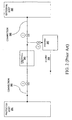
- FIG. 2 is a diagram illustrating packet analysis with a sniffer.
- an external host 205 establishes a connection 202 to a protected host 201 through a firewall 203.
- a packet A is transmitted from the external host 205.
- the firewall 203 analyzed the packet A.
- a sniffer 207 sniffs packets that are transmitted from the external host 205 to the firewall 203.
- the sniffer 207 is illustrated as sniffing packets transmitted from the external host 205 to the firewall 203, the sniffer 207 can also sniff packets transmitted from the firewall 203 to the protected host 201.
- the sniffer 207 sniffs the packet A and analyzes the payload of the packet A.
- the sniffer 207 must support higher level protocols relevant to the packet A in order to analyze the payload of the packet A. If the packet A is an allowed packet, then the sniffer 207 simply discards the packet A. If the packet A is a disallowed packet, then the sniffer 207 transmits an alarm 209. The alarm 209 may be transmitted to the firewall 203, an administrative work station, the protected host 201, etc.
- the firewall 203 analyzes packets traversing the connection 202. Whether the firewall 203 implements packet filtering or stateful packet inspection, the firewall 203 only analyzes the header of the packet A. If the firewall 203 determines that the packet A is allowed, then at a time 3 the firewall 203 forwards the packet A to the protected host 201. If the firewall 203 determines that the packet A is disallowed, then the packet A is discarded. Unfortunately, the connection 202 remains open even though the packet A is determined to be disallowed. Hence, additional packets can still traverse the connection 202. Although the firewall 203 discards disallowed packets, disallowed packets may continue to be transmitted on the connection 202. As long as the connection 202 remains open, the risk of the firewall 203 being penetrated increases.
- the sniffer technique enables analysis of packet headers and payloads without impacting transmission time by performing packet payload analysis in the sniffer 207 instead of the firewall 203
- the packet payload analysis provided by the sniffer 207 only provides notification and does not prevent infection.
- the sniffer technique provides notification of a threatening connection, but does not block disallowed packets.
- US 6 088 803 discloses a system for virus checking a data object being downloaded from a content server to a client device.
- the virus checker is located in the network device which is connected to the content server and the client device.
- the document shows a method of transmitting each portion of a datastream received from the content server to the client device after it has performed a virus checking of this portion. If a virus is detected, the network device terminates the transmission from the content server and the transmission to the client device.
- the document discloses desensitizing the protocol stack timer by artificially delaying individual segments of the requested file before transmitting them to client device.
- EP 1 122 932 A2 discloses a gateway between a computer and the external intemet as well as a method for protecting a computer against files with malicious content. It is known that the packets of datastream are simultaneously released to the computer and stored in the gateway as long as the packet is not the last packet. If the last packet of a file arrives, it is held until it is verified that the file passes inspection. After passing the inspection, the last packet is also delivered to the computer. If not, the last packet is not delivered. Therefore, there is a strong need to provide a possibility to maintain a connection between a network access device and an external host in the internet.
- a network access device analyzes (without proxying) each packet of a stream of packets traversing a single connection through the network access device from an external host to a protected host.
- the network access device forwards each allowed packet of the stream of packets as long as the connection is active. However, if one packet of the stream of packets is determined to be disallowed as a result of the analyzing, then the network access device discards the disallowed packet and terminates the connection, causing the protected host to discard those packets received on the terminated connection.
- Figure 1 is a diagram illustrating a proxy firewall analyzing packets.
- Figure 2 is a diagram illustrating packet analysis with a sniffer.
- Figure 3 is an exemplary diagram illustrating datastream packet header analysis according to one embodiment of the invention.
- Figure 4 is an exemplary diagram illustrating a network access device performing datastream packet payload block analysis according to one embodiment of the invention.
- Figure 5 is an exemplary diagram illustrating a network access device performing datastream packet payload file analysis according to one embodiment of the invention.
- Figure 6 is an exemplary diagram illustrating fragmented packet transmission according to one embodiment of the invention.
- Figure 7 is an exemplary diagram illustrating retransmission according to one embodiment of the invention.
- Figure 8 is an exemplary diagram illustrating throttling according to one embodiment of the invention.
- Figure 3 is an exemplary diagram illustrating datastream analysis according to one embodiment of the invention.
- an external host 303 has established a connection 304 with a protected host 301.
- the connection 304 traverses a network access device 305 that supports the connection 304.
- the network access device includes a forwarding module 307 and a datastream analysis module 309.
- the external host 303 transmits a set of packets 302A - 3021 along the connection 304.
- the datastream analysis module 309 analyzes each of the packets 302A -302E and determines the packet 302E to be a disallowed packet.
- the datastream analysis module 309 does not analyze packets 302F - 3021 after determining packet 302E to be a disallowed packet.
- the packets 302E - 302I are analyzed as substantially the same time. In such an embodiment, in response to one of the packets 302E - 302I being determined as disallowed, analysis of remaining packets is discontinued.
- the packet 302E may be disallowed because its header identifies a disallowed source IP address, its payload contains disallowed data, or its payload is the last part of a disallowed file.
- the analysis may be packet header analysis, packet payload block analysis, packet payload file analysis, or a combination of analysis techniques. With packet header analysis, headers of packets are analyzed. With packet payload block analysis, the payloads of packets are analyzed on a per packet basis. With packet payload file analysis, payloads of packets that form a file are collected and assembled in order for the file to be analyzed. Each of the analysis techniques will be described in more detail below.
- the forwarding module and the datastream analysis module pass an identifier, pointer, or address to a memory location where a packet is stored
- the datastream analysis module 309 copies packets to a different memory location.
- the datastream analysis module 309 indicates to the forwarding module 307 that the packets 302A - 302D are allowed.
- the forwarding module 307 forwards the packets 302A - 302D along the connection 304 to the protected host 301.
- the network access device 305 discards the packet 302E.
- the datastream analysis module 309 discards the packet 302E.
- the forwarding module 307 discards the packet 302E after the datastream analysis module 309 indicates that the packet 302E is disallowed.
- the packet 302E is stored for logging and investigative purposes.
- the network access device 303 terminates connection 304. Since the traffic is flowing through the Network Access Device, embodiments of the invention can terminate the traffic in a variety of ways (e.g., simulate each of the devices and send a reset packet to the other device; stop forwarding all the traffic on a particular connection, in order to force each of the devices on either side of the connection to go through the Timeout sequence and shut down the connection; etc.). Since the connection 304 is terminated, the external host 303 must establish a new connection with the protected host 301 in order to send more disallowed packets. Since a connection from the external host 303 has already transmitted disallowed packets, the network access device 305 may deny access to the protected host 301 from the external host 303.
- ways e.g., simulate each of the devices and send a reset packet to the other device; stop forwarding all the traffic on a particular connection, in order to force each of the devices on either side of the connection to go through the Timeout sequence and shut down the connection; etc.
- the connection 304 Since
- resources of the network access device 305 will not be spent processing additional disallowed traffic from the external host 303 since the connection 304 has been terminated.
- the protected host 301 discards the packets 302A - 302D since the connection 304 has been terminated.
- analyzing packets as described in Figure 3 protects a host without having to establish and maintain two connection as with a proxy firewall. Therefore, datastream analysis can block packet based attacks, provide intrusion detection, provide content filtering and anti-virus protection without introducing the latency of two connections as with a proxy firewall and without expending resources analyzing packets traversing a connection already deemed threatening.
- the datasteam analysis module can optionally send a notification after the intrusion and/or unauthorized content after blocking an intrusion and/or unauthorized content.
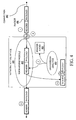
- FIG 4 is an exemplary diagram illustrating datastream packet header analysis according to one embodiment of the invention.
- a connection 402 traverses a network access device 405 that supports the connection 402.
- the network access device 405 includes a forwarding module 407 and a datastream analysis module 409.
- the datastream analysis module 409 analyzes packets received by the network access device 405 to determine whether packets are allowed or disallowed.
- the forwarding module 407 receives packets and forwards those packets that the datastream analysis module 409 determines to be allowed. Those packets that are determined to be disallowed by the datastream analysis module 409 are discarded and the connection 402 terminated.
- the datastream analysis module 409 in Figure 4 determines whether a packet is allowed or disallowed by using one or more techniques involving the header of a packet.
- the datastream analysis module 409 inspects headers of packets against a packet filter.
- a packet filter is a set of rules identifying permitted and/or restricted source addresses. The set of rules may be enhanced with more advanced rules than permitted/restricted source addresses, such as permitted/restricted ports and/or services.
- the datastream analysis module 409 performs stateful packet inspection.
- a packet 401 is transmitted along the connection 402.
- the datastream analysis module inspects the header of the packet 401 against a set of header rules 421 (e.g., a table for stateful packet inspection, a packet filter, etc.). If the datastream analysis module 409 determines the packet 401 to be an allowed packet, then at a time 3.1 the forwarding module 407 forwards the packet 401 along the connection 402. If the datastream analysis module 409 determines the packet 401 to be a disallowed packet, then at a time 3.2, the packet 401 is discarded and at a time 4, the threatening connection 402 is terminated.
- a set of header rules 421 e.g., a table for stateful packet inspection, a packet filter, etc.
- firewall protection as described in Figure 4 blocks a threatening connection, thus blocking packet based attacks.
- providing firewall protection as described in Figure 4 provides intrusion detection and site restriction without implementing relatively complex and costly proxy services and without introducing latency from multiple connections and processing packets at higher protocols as in proxy firewalls.
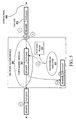
- FIG. 5 is an exemplary diagram illustrating a network access device performing datastream packet payload block analysis according to one embodiment of the invention.
- a connection 502 traverses a network access device 505 that supports the connection 502.
- the network access device 505 includes a forwarding module 507 and a datastream analysis module 509.
- the datastream analysis module 509 analyzes packets received by the network access device 505 to determine whether packets are allowed or disallowed.
- the forwarding module 507 receives packets and forwards those packets that the datastream analysis module 509 determines to be allowed. Those packets that are determined to be disallowed by the datastream analysis module 509 are discarded and the connection 502 terminated.
- the datastream analysis module 509 in Figure 5 determines whether a packet is allowed or disallowed by inspecting data in the payload of a packet.
- a packet 501 is transmitted along the connection 502.
- the datastream analysis module inspects the payload of the packet 401 against a set of payload rules 521 (e.g., the payload includes a restricted text string, a restricted URL, threatening script, etc.).
- a pointer to the payload is provided to the datastream analysis module 509.
- the datastream analysis module 509 copies the payload of the packet 501 and can either discard the copied payload whether or not the packet 501 is determined to be allowed or disallowed or store the copy for logging, statistical or other analytical purposes.
- the forwarding module 507 forwards the packet 501 along the connection 502. If the datastream analysis module 509determines the packet 501 to be a disallowed packet, then at a time 3.2 the packet 501 is discarded and at a time 4 the threatening connection 502 is terminated.
- firewall protection as described in Figure 5 blocks a threatening connection thus blocking packet based attacks.
- providing firewall protection as described in Figure 4 provides intrusion detection and site restriction without implementing relatively complex and costly proxy services and without introducing latency from multiple connections and processing packets at higher protocols as in proxy firewalls.
- the datastream packet payload block analysis described in Figure 5 enables intrusion detection and content filtering without introducing latency or introducing relatively little latency from analyzing packet payloads in contrast to proxy firewalls.
- Datastream packet payload block analysis blocks an intrusion and/or unauthorized content and does not allow a packet based intrusion and/or unauthorized content to continue to flow into the network access device, thus avoiding utilization of resources of the network access device analyzing packets of a connection already deemed threatening.
- FIG. 6 is an exemplary diagram illustrating a network access device performing datastream packet payload file analysis according to one embodiment of the invention.
- a network access device 605 supports a connection 602 between an external host and a protected host that are not illustrated.
- the network access device 605 includes a forwarding module 607 and a datastream analysis module 609.
- the network access device 605 performs a virus scan prior to the protected host's receipt of an entire file. In one embodiment, with the exception of one or more of the final packets of the stream (the set of one or more hold back packets), the network access device forwards the packets from the stream to the protected host as the stream is received, but the network access device also builds its own copy of the file from the payloads of these packets.
- the network access device When the set of final packets are received by the network access device, the network access device does not forward the set, but it holds back this set of one or more final packets (also referred to as the set of one or more hold back packets), completes the build of the file, and completes the virus scan (while in certain embodiments the virus scan is not begun until the entire file is built, in other embodiments the virus scan is begun before the entire file is built but is completed after the entire file is built). If a virus is detected, the set of final packets are not sent and the connection is terminated. In response to not receiving the set of final packets, the protected host will discard all of the packets received on the terminated connection; thereby avoiding infection.
- a last packet 601 is transmitted along the connection 602.
- the datastream analysis module 609 copies the payload from the last packet 601 or accesses the payload of the last packet 601 that is stored in memory (e.g., a buffer).
- the payload of the last packet 601 is assembled with previous packet payloads 623 into a file 631.
- the datastream analysis module 609 determines that the last packet 601 is the last packet for the file 631 with any one of a variety of techniques.
- the datastream analysis module 609 may check the size of the payload, check a sequence number in the header of the last packet 601, etc.
- the datastream analysis module 609 analyzes (e.g., performs an anti-virus scan) the file 623.
- the forwarding module 607 forwards the last packet 601 along the connection 602 to the protected host. If the file 631 is determined to be threatening, then at a time 5.2, the last packet 601 and the file 631 are discarded. As previously stated, the last packet 601 and the file 631 may be stored for analytical, statistical, or other purposes.
- Datastream packet payload file analysis provides anti-virus protection that blocks threatening files before they are received by a protected host.
- the complexities and costliness of managing separate connections for a single datastream as with a proxy firewall is avoided with datastream packet payload file analysis which monitors a single connection for a single datastream
- the forwarding module 307 and the datastream analysis module 309 may be a single module in the network access device 305. In such an embodiment, the combined module would wait to forward each packet until analysis had been completed on each packet.
- packets received at the network access device 305 are queued. While in the queue, the datastream analysis module 309 performs the packet header analysis. The datastream packet header analysis is synchronized so that analysis will complete when a packet advances to an entry in the queue before being forwarded.
- a connection between an external host and a protected host should be maintained in order to complete datastream payload file analysis.
- the packet header analysis illustrated in Figure 4 or the packet payload block analysis illustrated in Figure 5 may respectively require the connections 402 and 502 to be maintained until analysis has completed.
- the connection 602 may need to be maintained in order for the file scan to complete.
- Figures 7 - 9 are diagrams illustrating exemplary techniques that may be performed by a forwarding module for maintaining a connection, but these Figure do not repeat illustration of the analysis illustrated in Figures 3 - 6.
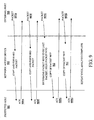
- FIG. 7 is an exemplary diagram illustrating throttling according to one embodiment of the invention.
- An external host 705 transmits a packet 707A to a protected host 701 through a network access device 703.
- the protected host 701 transmits an acknowledgement 709A to the external host 705, but the network access device 703 slows down the acknowledgement 709A as it forwards the acknowledgement 709A to the external host 705.
- the external host 705 transmits a packet 707B through the network access device 703 to the protected host 701.
- the protected host 701 transmits an acknowledgement 709B to the external host 705 through the network access device 703.
- the network access device 703 slows down the acknowledgement 709B, more than the acknowledgement 709A, as the network access device forwards the acknowledgement 709B to the external host 705.
- the network access device 703 continues to increase latency of acknowledgements received from the protected host 701 destined for the external host 705 to an amount sufficient for the network access device to 703 to analyze each packet (either packet header analysis or packet payload block analysis) without causing the connection to be closed.
- FIG. 8 is an exemplary diagram illustrating fragmented packet transmission according to one embodiment of the invention.
- An external host 805 transmits a packet 807A through a network access device 803 to a protected host 801.
- the protected host 801 transmits an acknowledgement 809A to the external host 805 through the network access device 803.
- the external host 805 attempts to transmit a packet 807J to the protected host 801, but the network access device 803 intercepts the packet 807J.
- the network access device 803 determines that the packet 807J is the last packet in the stream as previously described in Figure 6.
- the network access device 803 decapsulates a payload from the packet 807J, fragments the payload into subparts, and encapsulates each subpart. The network access device 803 then begins to forward each of the encapsulated subparts.
- the network access device 803 transmits the subpart packet 807J.1 to the protected host 801.
- the protected host 801 transmits an acknowledgement 809J.1 through the network access device 803 to the external host 805.
- the acknowledgement 809J.1 indicates that it has received a part of the packet 807J.
- the external host 805 retransmits the packet 807J.
- the network access device 803 transmits a subpart 807J.2 to the protected host 801.
- the protected host 801 transmits an acknowledgement 809J.2 to the external host 805. This process is repeated until analysis of the packet 807J or a file assembled from packets 807A - 807J has been completed.
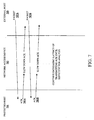
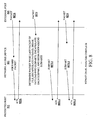
- Figure 9 is an exemplary diagram illustrating retransmission according to one embodiment of the invention.
- an external host 905 transmits a packet 907A to the protected host 901 through the network access device 903.
- the network access device 903 copies and forwards the packet 907A.
- the protected host 901 transmits an acknowledgement 909A to the external host 905.
- the external host 905 transmits a series of packets after transmitting the packet 907A and the protected host 901 responds with an acknowledgment for each of the received packets.
- the external host 905 transmits the packet 907F to the protected host 901. Once again, the network access device 903 copies and forwards the packet 907F. The copy of the packet transmitted prior to the packet 907F is discarded and overwritten by the packet 907F.
- An acknowledgement 909F is transmitted from the protected host 901 to the external host 905 through the network access device 903.
- the external host 905 transmits the packet 907G to the network access device 903.
- the network access device 903, in Figure 9, determines that the packet 907G is the last packet (e.g., as previously described in Figure 6) and holds the last packet 907G.
- the network access device 903 transmits the packet 907F (actually a copy of the already transmitted packet 907F) to the protected host 901.
- the protected host 901 transmits an acknowledgement 909F to the external host 905 again acknowledging receipt of the packet 907F.
- the external host 905 transmits the packet 907G again through the network access device 903.
- the network access device 903 retransmits the packet 907F to the protected host 901.
- the protected host 901 transmits the acknowledgement 909F to the external host 905, again acknowledging receipt of the packet 907F.
- the network access device 903 continues to retransmit the packet 907F (the next to last packet) until analysis of the packet and/or the file has been completed.
- FIG 10 is a diagram illustrating an exemplary network access device according to one embodiment of the invention.
- a network access device 1001 includes ports 1009A - 1009C.
- the ports 1009A and 1009B transmit and receive data to and from protected hosts.
- the port 1009C transmits and receives data to and from an external host.
- the network access device 1001 also includes a memory 1013 that is coupled with the ports 1009A - 1009C.
- the network access device 1001 further includes a forwarding module 1003 and a datastream analysis module 1005.
- the forwarding module 1003 is coupled with the datastream analysis module and the memory 1013.
- the datastream analysis module is also coupled with the memory 1013.
- the hosts and network access devices described in the Figures include memories, processors, and/or ASICs.
- Such memories include a machine-readable medium on which is stored a set of instructions (i.e., software) embodying any one, or all, of the methodologies described herein.
- Software can reside, completely or at least partially, within this memory and/or within the processor and/or ASICs.
- machine-readable medium shall be taken to include any mechanism that provides (i.e., stores and/or transmits) information in a form readable by a machine (e.g., a computer).
- a machine-readable medium includes read only memory (“ROM”), random access memory (“RAM”), magnetic disk storage media, optical storage media, flash memory devices, electrical, optical, acoustical, or other forms of propagated signals (e.g., carrier waves, infrared signals, digital signals, etc.), etc.
- ROM read only memory
- RAM random access memory
- magnetic disk storage media magnetic disk storage media
- optical storage media flash memory devices
- electrical, optical, acoustical, or other forms of propagated signals e.g., carrier waves, infrared signals, digital signals, etc.
- the network access device illustrated in the Figures may be remotely coupled with or directly coupled to a protected host.
- the operations performed by the network access device are implemented on a machine-readable medium within a protected host.
Landscapes
- Engineering & Computer Science (AREA)
- Computer Security & Cryptography (AREA)
- Computer Hardware Design (AREA)
- Computing Systems (AREA)
- General Engineering & Computer Science (AREA)
- Computer Networks & Wireless Communication (AREA)
- Signal Processing (AREA)
- Health & Medical Sciences (AREA)
- General Health & Medical Sciences (AREA)
- Virology (AREA)
- Data Exchanges In Wide-Area Networks (AREA)
- Automatic Analysis And Handling Materials Therefor (AREA)
Claims (11)
- Verfahren zur Benutzung in einem Netzwerkzugangsgerät umfassend:Kopieren einer Paketnutzlast von jedem aus einer Vielzahl von Paketen (302, 401, 501, 601, 707, 807, 907), die auf einer einzelnen Verbindung (304, 402, 502, 602) zwischen einem externen Rechner (303, 705, 805, 905) und einem geschützten Rechner (301, 701, 801, 901) empfangen werden, wobei die Verbindung einen Strom von Paketen (302, 401, 501, 601, 707, 807, 907) überträgt, und wobei der Strom von Pakten (302, 401, 501, 707, 807, 907) die Vielzahl von Paketen (302, 401, 501, 601, 707, 807, 907) beinhaltet:dadurch gekennzeichnet, dassweiterleiten von allen bis auf das letzte der Vielzahl von Paketen (302, 401, 501, 601, 707, 807, 907) an den geschützten Rechner (301, 701, 801, 901);wieder zusammensetzen der kopierten Paketnutzlast in eine Datei;analysieren der Datei, um zu bestimmen, ob die Datei erlaubt oder nicht erlaubt ist;wenn die Datei erlaubt ist, weiterleiten des letzten Paketes (302, 401, 501, 601, 707, 807, 907) an den geschützten Rechner (301, 701, 801, 901); undwenn festgestellt wird, dass die Datei nicht erlaubt ist, fallenlassen des letzten Paketes (302, 401, 501, 601, 707, 807, 907) und beenden der Verbindung (304, 401, 502, 602),
während die Datei analysiert wird, die Verbindung (304, 402, 502, 602) zu dem externen Rechner (303, 705, 805, 905) durch senden einer Bestätigung des vorletzten Paketes (907F) oder eines Teiles des letzten Paketes (807J) zu dem externen Rechner (303, 705, 805, 905) aufrecht erhalten wird, so dass der externe Rechner (303, 705, 805, 905) auf die Bestätigung mit dem erneuten Senden des letzten Paketes (807J, 907G) antwortet. - Verfahren nach Anspruch 1, welches weiterhin beinhaltet:bestimmen, dass das Paket (807) das letzte Paket (807J) einer Datei ist, entkapseln der Paketnutzlast,aufteilen der Paketnutzlast in Unterteile (807J.1, 807J.2),einkapseln jedes Unterteiles (807J.1, 807J.2) undweiterleiten der Unterteile (807J.1, 807J.2) zu dem geschützten Rechner (801),weiterleiten einer Bestätigung (809J.1, 809J.2) des Empfangs eines Unterteiles ausgehend von dem geschützten Rechner (801) zu dem externen Rechner (805).
- Verfahren nach Anspruch 1 oder 2, welches weiterhin beinhaltet:bestimmen, dass das Paket (907G) das letzte Paket (907) ist, halten des letzten Paketes (907G),übertragen einer Kopie des vorletzten Paketes (907F) an den geschützten Rechner (901),weiterleiten einer Bestätigung (909F) des vorletzten Paketes (907F) ausgehend von dem geschützten Rechner zu dem externen Rechner (905), wodurch der externe Rechner (905) gezwungen wird, dass letzte Paket (907G) erneut zu übertragen.
- Verfahren nach einem der vorangehenden Ansprüche, welches weiter beinhaltet:analysieren eines Kopfes von jedem Paket (302, 401, 501, 601, 707, 807, 907), das über die Verbindung (304, 402, 502, 602) von dem externen Rechner (303, 705, 805, 905) empfangen worden ist;beenden der Verbindung (304, 402, 502, 602), wenn ein Paket (302, 401, 501, 601, 707, 807, 907), dass über die Verbindung (304, 402, 505, 602) empfangen worden ist, als nicht erlaubt bestimmt worden ist, und verwerfen des Paketes (302, 401, 501, 601, 707, 807, 907).
- Verfahren nach Anspruch 4, dadurch gekennzeichnet, dass das Analysieren jedes Paketes (302, 401, 501, 601, 707, 807, 907) des Stromes der Pakete (302, 401, 501 601, 707, 807, 907) beinhaltet, den Kopf jedes Paketes (302, 401, 501, 601, 707, 807, 907) des Stromes der Pakete (302, 401, 501, 601, 707, 807, 907) gegen einen Paketfilter zu überprüfen.
- Verfahren nach Anspruch 4 oder 5, wobei das Analysieren des Kopfes umfasst, die in dem Kopf angegebene Adresse gegen einen Paketfilter zu überprüfen.
- Verfahren nach einen der vorangehenden Ansprüche, wobei das Aufrechterhalten der Verbindung (304, 402, 502, 602) beinhaltet, die Übertragungslatenz zu jeder Bestätigung, die von dem geschützten Rechner (301, 701, 801, 901) zu dem externen Rechner (303, 705, 805, 905) übertragen wird, zu erhöhen, bis die Analyse vollständig ist.
- Verfahren nach einen der vorangehenden Ansprüche, wobei das Analysieren der Datei das Durchführen einer Anti-Virus-Analyse der Datei umfasst.
- Verfahren nach einen der vorangehenden Ansprüche, wobei das Analysieren einer jeden der kopierten Paketnutzlasten umfasst, jede kopierte Paketnutzlast gegen eine Liste von unerlaubtem Inhalt zu überprüfen und zu bestimmen, ob jede kopierte Paketnutzlast ein bedrohliches Skript enthält.
- Vorrichtung umfassend:Mittel, die eingerichtet sind, um eine Paketnutzlast von jedem von einer Vielzahl von Paketen (302, 401, 501, 601, 707, 807, 907), die auf einer einzelnen Verbindung (304, 402, 502, 602) zwischen einem externen Rechner (303, 705, 805, 905) und einem geschützten Rechner (301, 701, 801, 901) empfangen worden sind, zu kopieren, wobei die Verbindung einen Strom von Paketen (302, 401, 501, 601, 707, 807, 907) überträgt und der Strom von Paketen (302, 401, 501, 601, 707, 807, 907) eine Vielzahl von Paketen (302, 401, 501, 601, 707, 807, 907) beinhaltet;Mittel, die eingerichtet sind, alle bis auf das letzte der Vielzahl von Paketen (302, 401, 501, 601, 707, 807, 907) an den geschützten Rechner (301, 701, 801, 901) zu übertragen;wobei die Vorrichtung weiterhin Mittel umfasst, die eingerichtet sind,dadurch gekennzeichnet,die kopierten Paketnutzlasten in eine Datei zusammen zu setzen;die Datei zu analysieren, um zu bestimmen, ob die Datei erlaubt oder nicht erlaubt ist; unddas letzte Paket (302, 401, 501, 601, 707, 807, 907) an den geschützten Rechner (301, 701, 801, 901) weiterzuleiten, wenn die Datei erlaubt ist; oderdas letzte Paket (302, 401, 501, 601, 707, 807, 907) fallen zu lassen und die Verbindung (304, 402, 502, 602) zu beenden, wenn festgestellt wird, dass die Datei nicht erlaubt ist,
dass die Vorrichtung auch Mittel umfasst, die eingerichtet sind, die Verbindung (304, 402, 502, 602) zu dem externen Rechner (303, 705, 805, 905) durch senden einer Bestätigung des vorletzten Paketes (907F) oder von einem Unterteil des letzten Paketes (807J) an den externen Rechner (303, 705, 805, 905) während des Analysierens der Datei aufrecht zu erhalten, so dass der externe Rechner (303, 705, 805, 905) auf die Bestätigung durch erneutes Senden des letzten Paketes (807J, 907G) antwortet. - Maschinenlesbares Medium, das Instruktionen zur Verfügung stellt, die, wenn sie von einem Satz aus einen oder mehreren Prozessoren ausgeführt werden, bewirken, dass der Satz von Prozessoren die Operationen gemäß einen der Ansprüche 1 bis 9 ausführt.
Applications Claiming Priority (2)
| Application Number | Priority Date | Filing Date | Title |
|---|---|---|---|
| US697846 | 2003-10-29 | ||
| US10/697,846 US7310815B2 (en) | 2003-10-29 | 2003-10-29 | Method and apparatus for datastream analysis and blocking |
Publications (3)
| Publication Number | Publication Date |
|---|---|
| EP1528743A2 EP1528743A2 (de) | 2005-05-04 |
| EP1528743A3 EP1528743A3 (de) | 2005-07-06 |
| EP1528743B1 true EP1528743B1 (de) | 2007-03-21 |
Family
ID=34423402
Family Applications (1)
| Application Number | Title | Priority Date | Filing Date |
|---|---|---|---|
| EP04025579A Expired - Lifetime EP1528743B1 (de) | 2003-10-29 | 2004-10-27 | Verfahren und Vorrichtung zur Untersuchung und Sperrung eines Datenstroms |
Country Status (5)
| Country | Link |
|---|---|
| US (1) | US7310815B2 (de) |
| EP (1) | EP1528743B1 (de) |
| AT (1) | ATE357803T1 (de) |
| DE (1) | DE602004005396D1 (de) |
| TW (1) | TWI378704B (de) |
Families Citing this family (51)
| Publication number | Priority date | Publication date | Assignee | Title |
|---|---|---|---|---|
| US6205249B1 (en) | 1998-04-02 | 2001-03-20 | Scott A. Moskowitz | Multiple transform utilization and applications for secure digital watermarking |
| US7664263B2 (en) | 1998-03-24 | 2010-02-16 | Moskowitz Scott A | Method for combining transfer functions with predetermined key creation |
| US7346472B1 (en) | 2000-09-07 | 2008-03-18 | Blue Spike, Inc. | Method and device for monitoring and analyzing signals |
| US7177429B2 (en) | 2000-12-07 | 2007-02-13 | Blue Spike, Inc. | System and methods for permitting open access to data objects and for securing data within the data objects |
| US7159116B2 (en) | 1999-12-07 | 2007-01-02 | Blue Spike, Inc. | Systems, methods and devices for trusted transactions |
| US7664264B2 (en) | 1999-03-24 | 2010-02-16 | Blue Spike, Inc. | Utilizing data reduction in steganographic and cryptographic systems |
| WO2001018628A2 (en) | 1999-08-04 | 2001-03-15 | Blue Spike, Inc. | A secure personal content server |
| US6961773B2 (en) | 2001-01-19 | 2005-11-01 | Esoft, Inc. | System and method for managing application service providers |
| US7287275B2 (en) | 2002-04-17 | 2007-10-23 | Moskowitz Scott A | Methods, systems and devices for packet watermarking and efficient provisioning of bandwidth |
| US8233392B2 (en) * | 2003-07-29 | 2012-07-31 | Citrix Systems, Inc. | Transaction boundary detection for reduction in timeout penalties |
| US7630305B2 (en) | 2003-07-29 | 2009-12-08 | Orbital Data Corporation | TCP selective acknowledgements for communicating delivered and missed data packets |
| US7616638B2 (en) | 2003-07-29 | 2009-11-10 | Orbital Data Corporation | Wavefront detection and disambiguation of acknowledgments |
| US8270423B2 (en) * | 2003-07-29 | 2012-09-18 | Citrix Systems, Inc. | Systems and methods of using packet boundaries for reduction in timeout prevention |
| US8238241B2 (en) | 2003-07-29 | 2012-08-07 | Citrix Systems, Inc. | Automatic detection and window virtualization for flow control |
| US8437284B2 (en) | 2003-07-29 | 2013-05-07 | Citrix Systems, Inc. | Systems and methods for additional retransmissions of dropped packets |
| US8432800B2 (en) | 2003-07-29 | 2013-04-30 | Citrix Systems, Inc. | Systems and methods for stochastic-based quality of service |
| JP2007534223A (ja) * | 2003-11-24 | 2007-11-22 | エフエスシー インターネット コーポレイション | ネットワークセッション再構築 |
| US8863277B2 (en) * | 2004-04-07 | 2014-10-14 | Fortinet, Inc. | Systems and methods for passing network traffic content |
| US7562389B1 (en) | 2004-07-30 | 2009-07-14 | Cisco Technology, Inc. | Method and system for network security |
| US7555774B2 (en) * | 2004-08-02 | 2009-06-30 | Cisco Technology, Inc. | Inline intrusion detection using a single physical port |
| US7835361B1 (en) | 2004-10-13 | 2010-11-16 | Sonicwall, Inc. | Method and apparatus for identifying data patterns in a file |
| US7600257B2 (en) | 2004-10-13 | 2009-10-06 | Sonicwall, Inc. | Method and an apparatus to perform multiple packet payloads analysis |
| US7725938B2 (en) * | 2005-01-20 | 2010-05-25 | Cisco Technology, Inc. | Inline intrusion detection |
| US7844700B2 (en) * | 2005-03-31 | 2010-11-30 | Microsoft Corporation | Latency free scanning of malware at a network transit point |
| US20100070982A1 (en) * | 2005-09-09 | 2010-03-18 | Pitts William M | Distributed File System Consistency Mechanism Extension For Accelerating Communications Between Distributed Applications |
| US8468589B2 (en) | 2006-01-13 | 2013-06-18 | Fortinet, Inc. | Computerized system and method for advanced network content processing |
| GB2432933B (en) * | 2006-03-14 | 2008-07-09 | Streamshield Networks Ltd | A method and apparatus for providing network security |
| EP1868321B1 (de) * | 2006-06-12 | 2016-01-20 | Mitsubishi Denki Kabushiki Kaisha | In-line-Inhaltsanalyse eines TCP-Datenstroms |
| US8392603B2 (en) | 2006-08-14 | 2013-03-05 | International Business Machines Corporation | File transfer |
| US8042184B1 (en) | 2006-10-18 | 2011-10-18 | Kaspersky Lab, Zao | Rapid analysis of data stream for malware presence |
| EP1976195B1 (de) * | 2007-03-30 | 2014-05-07 | Alcatel-Lucent | Verfahren und System zum Lernen von MAC-Adressen |
| US7930750B1 (en) * | 2007-04-20 | 2011-04-19 | Symantec Corporation | Method to trickle and repair resources scanned using anti-virus technologies on a security gateway |
| US8166534B2 (en) * | 2007-05-18 | 2012-04-24 | Microsoft Corporation | Incorporating network connection security levels into firewall rules |
| US8863286B1 (en) | 2007-06-05 | 2014-10-14 | Sonicwall, Inc. | Notification for reassembly-free file scanning |
| US8416773B2 (en) * | 2007-07-11 | 2013-04-09 | Hewlett-Packard Development Company, L.P. | Packet monitoring |
| US7991723B1 (en) | 2007-07-16 | 2011-08-02 | Sonicwall, Inc. | Data pattern analysis using optimized deterministic finite automaton |
| US8813221B1 (en) | 2008-09-25 | 2014-08-19 | Sonicwall, Inc. | Reassembly-free deep packet inspection on multi-core hardware |
| TW201029396A (en) * | 2009-01-21 | 2010-08-01 | Univ Nat Taiwan | Packet processing device and method |
| US9769149B1 (en) | 2009-07-02 | 2017-09-19 | Sonicwall Inc. | Proxy-less secure sockets layer (SSL) data inspection |
| WO2011058261A1 (fr) * | 2009-11-13 | 2011-05-19 | France Telecom | Procede d'analyse d'un contenu transmis par paquets dans un reseau de communication vers un terminal, programme d'ordinateur, equipement reseau et systeme |
| US8782790B1 (en) * | 2010-02-19 | 2014-07-15 | Symantec Corporation | Signature creation for malicious network traffic |
| US8776234B2 (en) * | 2011-04-20 | 2014-07-08 | Kaspersky Lab, Zao | System and method for dynamic generation of anti-virus databases |
| US9608959B2 (en) * | 2015-03-23 | 2017-03-28 | Quest Software Inc. | Non RFC-compliant protocol classification based on real use |
| US10187446B2 (en) | 2015-03-23 | 2019-01-22 | Sonicwall Inc. | Firewall multi-level security dynamic host-based sandbox generation for embedded URL links |
| US10834065B1 (en) | 2015-03-31 | 2020-11-10 | F5 Networks, Inc. | Methods for SSL protected NTLM re-authentication and devices thereof |
| US9485231B1 (en) | 2015-05-26 | 2016-11-01 | Dell Software Inc. | Securing internet of things communications across multiple vendors |
| US9888011B2 (en) | 2015-07-31 | 2018-02-06 | Sonicwall Inc. | Social media login and interaction management |
| US10404698B1 (en) | 2016-01-15 | 2019-09-03 | F5 Networks, Inc. | Methods for adaptive organization of web application access points in webtops and devices thereof |
| US11962499B2 (en) * | 2018-10-31 | 2024-04-16 | Vmware, Inc. | Multitenancy for service machines |
| TWI825293B (zh) * | 2020-03-24 | 2023-12-11 | 瑞昱半導體股份有限公司 | 應用在網路裝置中的電路 |
| CN113872936A (zh) * | 2021-08-26 | 2021-12-31 | 上海宝康电子控制工程有限公司 | 一种流模式网络安全检测方法及系统 |
Family Cites Families (9)
| Publication number | Priority date | Publication date | Assignee | Title |
|---|---|---|---|---|
| US5889943A (en) | 1995-09-26 | 1999-03-30 | Trend Micro Incorporated | Apparatus and method for electronic mail virus detection and elimination |
| US6119236A (en) * | 1996-10-07 | 2000-09-12 | Shipley; Peter M. | Intelligent network security device and method |
| IL120420A (en) * | 1997-03-10 | 1999-12-31 | Security 7 Software Ltd | Method and system for preventing the downloading and execution of executable objects |
| US6178448B1 (en) * | 1997-06-18 | 2001-01-23 | International Business Machines Corporation | Optimal link scheduling for multiple links by obtaining and utilizing link quality information |
| US6088803A (en) * | 1997-12-30 | 2000-07-11 | Intel Corporation | System for virus-checking network data during download to a client device |
| US6219706B1 (en) * | 1998-10-16 | 2001-04-17 | Cisco Technology, Inc. | Access control for networks |
| EP1122932B1 (de) | 2000-02-04 | 2006-08-09 | Aladdin Knowledge Systems Ltd. | Schutz von Computernetzen gegen böswillige Inhalte |
| US9392002B2 (en) | 2002-01-31 | 2016-07-12 | Nokia Technologies Oy | System and method of providing virus protection at a gateway |
| US7454499B2 (en) * | 2002-11-07 | 2008-11-18 | Tippingpoint Technologies, Inc. | Active network defense system and method |
-
2003
- 2003-10-29 US US10/697,846 patent/US7310815B2/en not_active Expired - Lifetime
-
2004
- 2004-10-27 EP EP04025579A patent/EP1528743B1/de not_active Expired - Lifetime
- 2004-10-27 DE DE602004005396T patent/DE602004005396D1/de not_active Expired - Lifetime
- 2004-10-27 AT AT04025579T patent/ATE357803T1/de not_active IP Right Cessation
- 2004-10-29 TW TW093133045A patent/TWI378704B/zh not_active IP Right Cessation
Also Published As
| Publication number | Publication date |
|---|---|
| TWI378704B (en) | 2012-12-01 |
| US20050097358A1 (en) | 2005-05-05 |
| EP1528743A3 (de) | 2005-07-06 |
| TW200531500A (en) | 2005-09-16 |
| ATE357803T1 (de) | 2007-04-15 |
| DE602004005396D1 (de) | 2007-05-03 |
| US7310815B2 (en) | 2007-12-18 |
| EP1528743A2 (de) | 2005-05-04 |
Similar Documents
| Publication | Publication Date | Title |
|---|---|---|
| US7310815B2 (en) | Method and apparatus for datastream analysis and blocking | |
| US7461403B1 (en) | System and method for providing passive screening of transient messages in a distributed computing environment | |
| Handley et al. | Network Intrusion Detection: Evasion, Traffic Normalization, and {End-to-End} Protocol Semantics | |
| CN100474213C (zh) | 分组接收装置以及用于加速分组过滤的系统和方法 | |
| US9392002B2 (en) | System and method of providing virus protection at a gateway | |
| CA2516975C (en) | Using tcp to authenticate ip source addresses | |
| CN102067532B (zh) | 分组片段的处理 | |
| Van Rooij | Real stateful TCP packet filtering in IP filter | |
| US20070025374A1 (en) | TCP normalization engine | |
| CN100518052C (zh) | 在分组网络的路由器中提供节点安全的方法和装置 | |
| KR101280910B1 (ko) | 고속 패킷 처리를 위한 네트워크 프로세서 기반 2단계 침입탐지장치 및 방법 | |
| US20120005369A1 (en) | System and method of tcp tunneling | |
| CN101132396B (zh) | 使至少一个tcp数据段流受切入式内容分析的方法和设备 | |
| US8006303B1 (en) | System, method and program product for intrusion protection of a network | |
| JP2005529523A (ja) | Iscsiおよびipsecプロトコルをサポートするギガビットイーサネットアダプタ | |
| JP2009510815A (ja) | サーチ前のパケットのリアセンブル方法及びシステム | |
| Gont | Security assessment of the internet protocol version 4 | |
| CN1545294A (zh) | 一种用于媒体流传输和网络测量的实时数据传输控制方法 | |
| KR20020040658A (ko) | 선택적 스푸퍼 및 선택적 스푸핑 수행 방법 | |
| CN116032807B (zh) | 一种探测方法、装置、电子设备及存储介质 | |
| JP4481780B2 (ja) | Tcpサーバへのsynパケット帯域幅攻撃から防御する方法および装置 | |
| Bernardo et al. | Network security considerations for a new generation protocol UDT | |
| Levy et al. | Superimposing permutational covert channels onto reliable stream protocols | |
| CN117768130A (zh) | 攻击防御方法及装置 | |
| Singh et al. | USING CONSISTENCY CHECKS TO PREVENT MALICIOUS TUNNELING |
Legal Events
| Date | Code | Title | Description |
|---|---|---|---|
| PUAI | Public reference made under article 153(3) epc to a published international application that has entered the european phase |
Free format text: ORIGINAL CODE: 0009012 |
|
| AK | Designated contracting states |
Kind code of ref document: A2 Designated state(s): AT BE BG CH CY CZ DE DK EE ES FI FR GB GR HU IE IT LI LU MC NL PL PT RO SE SI SK TR |
|
| AX | Request for extension of the european patent |
Extension state: AL HR LT LV MK |
|
| PUAL | Search report despatched |
Free format text: ORIGINAL CODE: 0009013 |
|
| AK | Designated contracting states |
Kind code of ref document: A3 Designated state(s): AT BE BG CH CY CZ DE DK EE ES FI FR GB GR HU IE IT LI LU MC NL PL PT RO SE SI SK TR |
|
| AX | Request for extension of the european patent |
Extension state: AL HR LT LV MK |
|
| RIC1 | Information provided on ipc code assigned before grant |
Ipc: 7H 04L 29/06 B Ipc: 7H 04L 29/00 A |
|
| 17P | Request for examination filed |
Effective date: 20050926 |
|
| AKX | Designation fees paid |
Designated state(s): AT BE BG CH CY CZ DE DK EE ES FI FR GB GR HU IE IT LI LU MC NL PL PT RO SE SI SK TR |
|
| GRAP | Despatch of communication of intention to grant a patent |
Free format text: ORIGINAL CODE: EPIDOSNIGR1 |
|
| RIC1 | Information provided on ipc code assigned before grant |
Ipc: H04L 29/00 20060101AFI20061009BHEP |
|
| GRAS | Grant fee paid |
Free format text: ORIGINAL CODE: EPIDOSNIGR3 |
|
| GRAA | (expected) grant |
Free format text: ORIGINAL CODE: 0009210 |
|
| AK | Designated contracting states |
Kind code of ref document: B1 Designated state(s): AT BE BG CH CY CZ DE DK EE ES FI FR GB GR HU IE IT LI LU MC NL PL PT RO SE SI SK TR |
|
| PG25 | Lapsed in a contracting state [announced via postgrant information from national office to epo] |
Ref country code: SI Free format text: LAPSE BECAUSE OF FAILURE TO SUBMIT A TRANSLATION OF THE DESCRIPTION OR TO PAY THE FEE WITHIN THE PRESCRIBED TIME-LIMIT Effective date: 20070321 Ref country code: FI Free format text: LAPSE BECAUSE OF FAILURE TO SUBMIT A TRANSLATION OF THE DESCRIPTION OR TO PAY THE FEE WITHIN THE PRESCRIBED TIME-LIMIT Effective date: 20070321 Ref country code: LI Free format text: LAPSE BECAUSE OF FAILURE TO SUBMIT A TRANSLATION OF THE DESCRIPTION OR TO PAY THE FEE WITHIN THE PRESCRIBED TIME-LIMIT Effective date: 20070321 Ref country code: CH Free format text: LAPSE BECAUSE OF FAILURE TO SUBMIT A TRANSLATION OF THE DESCRIPTION OR TO PAY THE FEE WITHIN THE PRESCRIBED TIME-LIMIT Effective date: 20070321 Ref country code: NL Free format text: LAPSE BECAUSE OF FAILURE TO SUBMIT A TRANSLATION OF THE DESCRIPTION OR TO PAY THE FEE WITHIN THE PRESCRIBED TIME-LIMIT Effective date: 20070321 Ref country code: BE Free format text: LAPSE BECAUSE OF FAILURE TO SUBMIT A TRANSLATION OF THE DESCRIPTION OR TO PAY THE FEE WITHIN THE PRESCRIBED TIME-LIMIT Effective date: 20070321 Ref country code: PL Free format text: LAPSE BECAUSE OF FAILURE TO SUBMIT A TRANSLATION OF THE DESCRIPTION OR TO PAY THE FEE WITHIN THE PRESCRIBED TIME-LIMIT Effective date: 20070321 Ref country code: AT Free format text: LAPSE BECAUSE OF FAILURE TO SUBMIT A TRANSLATION OF THE DESCRIPTION OR TO PAY THE FEE WITHIN THE PRESCRIBED TIME-LIMIT Effective date: 20070321 |
|
| REG | Reference to a national code |
Ref country code: GB Ref legal event code: FG4D |
|
| REG | Reference to a national code |
Ref country code: CH Ref legal event code: EP |
|
| REF | Corresponds to: |
Ref document number: 602004005396 Country of ref document: DE Date of ref document: 20070503 Kind code of ref document: P |
|
| REG | Reference to a national code |
Ref country code: IE Ref legal event code: FG4D |
|
| PG25 | Lapsed in a contracting state [announced via postgrant information from national office to epo] |
Ref country code: SE Free format text: LAPSE BECAUSE OF FAILURE TO SUBMIT A TRANSLATION OF THE DESCRIPTION OR TO PAY THE FEE WITHIN THE PRESCRIBED TIME-LIMIT Effective date: 20070621 |
|
| PG25 | Lapsed in a contracting state [announced via postgrant information from national office to epo] |
Ref country code: ES Free format text: LAPSE BECAUSE OF FAILURE TO SUBMIT A TRANSLATION OF THE DESCRIPTION OR TO PAY THE FEE WITHIN THE PRESCRIBED TIME-LIMIT Effective date: 20070702 |
|
| PG25 | Lapsed in a contracting state [announced via postgrant information from national office to epo] |
Ref country code: PT Free format text: LAPSE BECAUSE OF FAILURE TO SUBMIT A TRANSLATION OF THE DESCRIPTION OR TO PAY THE FEE WITHIN THE PRESCRIBED TIME-LIMIT Effective date: 20070821 |
|
| REG | Reference to a national code |
Ref country code: CH Ref legal event code: PL |
|
| NLV1 | Nl: lapsed or annulled due to failure to fulfill the requirements of art. 29p and 29m of the patents act | ||
| EN | Fr: translation not filed | ||
| PG25 | Lapsed in a contracting state [announced via postgrant information from national office to epo] |
Ref country code: SK Free format text: LAPSE BECAUSE OF FAILURE TO SUBMIT A TRANSLATION OF THE DESCRIPTION OR TO PAY THE FEE WITHIN THE PRESCRIBED TIME-LIMIT Effective date: 20070321 |
|
| PG25 | Lapsed in a contracting state [announced via postgrant information from national office to epo] |
Ref country code: RO Free format text: LAPSE BECAUSE OF FAILURE TO SUBMIT A TRANSLATION OF THE DESCRIPTION OR TO PAY THE FEE WITHIN THE PRESCRIBED TIME-LIMIT Effective date: 20070321 Ref country code: CZ Free format text: LAPSE BECAUSE OF FAILURE TO SUBMIT A TRANSLATION OF THE DESCRIPTION OR TO PAY THE FEE WITHIN THE PRESCRIBED TIME-LIMIT Effective date: 20070321 |
|
| PLBE | No opposition filed within time limit |
Free format text: ORIGINAL CODE: 0009261 |
|
| STAA | Information on the status of an ep patent application or granted ep patent |
Free format text: STATUS: NO OPPOSITION FILED WITHIN TIME LIMIT |
|
| PG25 | Lapsed in a contracting state [announced via postgrant information from national office to epo] |
Ref country code: DK Free format text: LAPSE BECAUSE OF FAILURE TO SUBMIT A TRANSLATION OF THE DESCRIPTION OR TO PAY THE FEE WITHIN THE PRESCRIBED TIME-LIMIT Effective date: 20070321 Ref country code: DE Free format text: LAPSE BECAUSE OF FAILURE TO SUBMIT A TRANSLATION OF THE DESCRIPTION OR TO PAY THE FEE WITHIN THE PRESCRIBED TIME-LIMIT Effective date: 20070622 |
|
| 26N | No opposition filed |
Effective date: 20071227 |
|
| PG25 | Lapsed in a contracting state [announced via postgrant information from national office to epo] |
Ref country code: IT Free format text: LAPSE BECAUSE OF FAILURE TO SUBMIT A TRANSLATION OF THE DESCRIPTION OR TO PAY THE FEE WITHIN THE PRESCRIBED TIME-LIMIT Effective date: 20070321 Ref country code: FR Free format text: LAPSE BECAUSE OF FAILURE TO SUBMIT A TRANSLATION OF THE DESCRIPTION OR TO PAY THE FEE WITHIN THE PRESCRIBED TIME-LIMIT Effective date: 20071123 Ref country code: GR Free format text: LAPSE BECAUSE OF FAILURE TO SUBMIT A TRANSLATION OF THE DESCRIPTION OR TO PAY THE FEE WITHIN THE PRESCRIBED TIME-LIMIT Effective date: 20070622 |
|
| PG25 | Lapsed in a contracting state [announced via postgrant information from national office to epo] |
Ref country code: MC Free format text: LAPSE BECAUSE OF NON-PAYMENT OF DUE FEES Effective date: 20071031 |
|
| PG25 | Lapsed in a contracting state [announced via postgrant information from national office to epo] |
Ref country code: IE Free format text: LAPSE BECAUSE OF NON-PAYMENT OF DUE FEES Effective date: 20071030 |
|
| PG25 | Lapsed in a contracting state [announced via postgrant information from national office to epo] |
Ref country code: FR Free format text: LAPSE BECAUSE OF FAILURE TO SUBMIT A TRANSLATION OF THE DESCRIPTION OR TO PAY THE FEE WITHIN THE PRESCRIBED TIME-LIMIT Effective date: 20070321 |
|
| PG25 | Lapsed in a contracting state [announced via postgrant information from national office to epo] |
Ref country code: EE Free format text: LAPSE BECAUSE OF FAILURE TO SUBMIT A TRANSLATION OF THE DESCRIPTION OR TO PAY THE FEE WITHIN THE PRESCRIBED TIME-LIMIT Effective date: 20070321 |
|
| PG25 | Lapsed in a contracting state [announced via postgrant information from national office to epo] |
Ref country code: CY Free format text: LAPSE BECAUSE OF FAILURE TO SUBMIT A TRANSLATION OF THE DESCRIPTION OR TO PAY THE FEE WITHIN THE PRESCRIBED TIME-LIMIT Effective date: 20070321 |
|
| PG25 | Lapsed in a contracting state [announced via postgrant information from national office to epo] |
Ref country code: BG Free format text: LAPSE BECAUSE OF FAILURE TO SUBMIT A TRANSLATION OF THE DESCRIPTION OR TO PAY THE FEE WITHIN THE PRESCRIBED TIME-LIMIT Effective date: 20070621 Ref country code: LU Free format text: LAPSE BECAUSE OF NON-PAYMENT OF DUE FEES Effective date: 20071027 |
|
| PG25 | Lapsed in a contracting state [announced via postgrant information from national office to epo] |
Ref country code: TR Free format text: LAPSE BECAUSE OF FAILURE TO SUBMIT A TRANSLATION OF THE DESCRIPTION OR TO PAY THE FEE WITHIN THE PRESCRIBED TIME-LIMIT Effective date: 20070321 Ref country code: HU Free format text: LAPSE BECAUSE OF FAILURE TO SUBMIT A TRANSLATION OF THE DESCRIPTION OR TO PAY THE FEE WITHIN THE PRESCRIBED TIME-LIMIT Effective date: 20070922 |
|
| PGFP | Annual fee paid to national office [announced via postgrant information from national office to epo] |
Ref country code: GB Payment date: 20160928 Year of fee payment: 13 |
|
| GBPC | Gb: european patent ceased through non-payment of renewal fee |
Effective date: 20171027 |
|
| PG25 | Lapsed in a contracting state [announced via postgrant information from national office to epo] |
Ref country code: GB Free format text: LAPSE BECAUSE OF NON-PAYMENT OF DUE FEES Effective date: 20171027 |