EP1544211A1 - LSA-5 pre-erythrocytic stage antigen of plasmodium falciparum, immunogenic composition comprising said antigen, and vaccines against malaria - Google Patents
LSA-5 pre-erythrocytic stage antigen of plasmodium falciparum, immunogenic composition comprising said antigen, and vaccines against malaria Download PDFInfo
- Publication number
- EP1544211A1 EP1544211A1 EP03293158A EP03293158A EP1544211A1 EP 1544211 A1 EP1544211 A1 EP 1544211A1 EP 03293158 A EP03293158 A EP 03293158A EP 03293158 A EP03293158 A EP 03293158A EP 1544211 A1 EP1544211 A1 EP 1544211A1
- Authority
- EP
- European Patent Office
- Prior art keywords
- lsa
- antigen
- polypeptide
- antibodies
- peptide
- Prior art date
- Legal status (The legal status is an assumption and is not a legal conclusion. Google has not performed a legal analysis and makes no representation as to the accuracy of the status listed.)
- Withdrawn
Links
Images





Classifications
-
- A—HUMAN NECESSITIES
- A61—MEDICAL OR VETERINARY SCIENCE; HYGIENE
- A61K—PREPARATIONS FOR MEDICAL, DENTAL OR TOILETRY PURPOSES
- A61K39/00—Medicinal preparations containing antigens or antibodies
- A61K39/002—Protozoa antigens
- A61K39/015—Hemosporidia antigens, e.g. Plasmodium antigens
-
- A—HUMAN NECESSITIES
- A61—MEDICAL OR VETERINARY SCIENCE; HYGIENE
- A61K—PREPARATIONS FOR MEDICAL, DENTAL OR TOILETRY PURPOSES
- A61K39/00—Medicinal preparations containing antigens or antibodies
- A61K39/39—Medicinal preparations containing antigens or antibodies characterised by the immunostimulating additives, e.g. chemical adjuvants
-
- A—HUMAN NECESSITIES
- A61—MEDICAL OR VETERINARY SCIENCE; HYGIENE
- A61P—SPECIFIC THERAPEUTIC ACTIVITY OF CHEMICAL COMPOUNDS OR MEDICINAL PREPARATIONS
- A61P33/00—Antiparasitic agents
- A61P33/02—Antiprotozoals, e.g. for leishmaniasis, trichomoniasis, toxoplasmosis
- A61P33/06—Antimalarials
-
- C—CHEMISTRY; METALLURGY
- C07—ORGANIC CHEMISTRY
- C07K—PEPTIDES
- C07K14/00—Peptides having more than 20 amino acids; Gastrins; Somatostatins; Melanotropins; Derivatives thereof
- C07K14/435—Peptides having more than 20 amino acids; Gastrins; Somatostatins; Melanotropins; Derivatives thereof from animals; from humans
- C07K14/44—Peptides having more than 20 amino acids; Gastrins; Somatostatins; Melanotropins; Derivatives thereof from animals; from humans from protozoa
- C07K14/445—Plasmodium
-
- C—CHEMISTRY; METALLURGY
- C07—ORGANIC CHEMISTRY
- C07K—PEPTIDES
- C07K16/00—Immunoglobulins [IG], e.g. monoclonal or polyclonal antibodies
- C07K16/18—Immunoglobulins [IG], e.g. monoclonal or polyclonal antibodies against material from animals or humans
- C07K16/20—Immunoglobulins [IG], e.g. monoclonal or polyclonal antibodies against material from animals or humans from protozoa
- C07K16/205—Plasmodium
-
- C—CHEMISTRY; METALLURGY
- C07—ORGANIC CHEMISTRY
- C07K—PEPTIDES
- C07K17/00—Carrier-bound or immobilised peptides; Preparation thereof
- C07K17/02—Peptides being immobilised on, or in, an organic carrier
-
- C—CHEMISTRY; METALLURGY
- C07—ORGANIC CHEMISTRY
- C07K—PEPTIDES
- C07K2317/00—Immunoglobulins specific features
- C07K2317/20—Immunoglobulins specific features characterized by taxonomic origin
- C07K2317/21—Immunoglobulins specific features characterized by taxonomic origin from primates, e.g. man
-
- Y—GENERAL TAGGING OF NEW TECHNOLOGICAL DEVELOPMENTS; GENERAL TAGGING OF CROSS-SECTIONAL TECHNOLOGIES SPANNING OVER SEVERAL SECTIONS OF THE IPC; TECHNICAL SUBJECTS COVERED BY FORMER USPC CROSS-REFERENCE ART COLLECTIONS [XRACs] AND DIGESTS
- Y02—TECHNOLOGIES OR APPLICATIONS FOR MITIGATION OR ADAPTATION AGAINST CLIMATE CHANGE
- Y02A—TECHNOLOGIES FOR ADAPTATION TO CLIMATE CHANGE
- Y02A50/00—TECHNOLOGIES FOR ADAPTATION TO CLIMATE CHANGE in human health protection, e.g. against extreme weather
- Y02A50/30—Against vector-borne diseases, e.g. mosquito-borne, fly-borne, tick-borne or waterborne diseases whose impact is exacerbated by climate change
Definitions
- the present invention pertains to the protection against malaria. More particularly, the invention is based on the characterisation of a novel liver and sporozoite-stage P. falciparum antigen, hereafter referred to as LSA-5.
- LSA-5 This antigen is highly antigenic and the prevalence of antibodies in subjects living in endemic areas is extremely high (ca. 90 %).
- the results described hereafter show that LSA-5 can be used to obtain a total sterilizing protection in a substantial number of immunized primates, against a challenge infection by a high dose of virulent sporozoite stage parasite from the species which is lethal for human beings. Therefore, the present invention relates to new polypeptide molecules and to their use as active principle in antimalarial vaccine and in methods of diagnosis of the disease. Antibodies recognizing LSA-5, and their use in antimalarial therapy or diagnosis, is also contemplated.
- the parasites responsible for malaria in man display different morphologies in the human host and express different antigens depending on their location in the body.
- the morphological and antigenic differences of these parasites during their life cycles in man enable different stages of development in the liver and in the blood to be defined: the sporozo ⁇ te, the infectious form injected by the vector mosquito, transforms rapidly into a schizont in the host's hepatocytes and thereafter infects the erythrocytes.
- the intrahepatic localization of P.falciparum manifests itself in the expression of a group of antigens specific to this stage of development and which are highly immunogenic under the natural conditions of exposure to the disease.
- the inventors have developed a methodology to identify P. falciparum liver stage antigens on the basis of screening a genomic expression library (of clone T9-96) with human stage restricted sera (from subjects exposed for over 25 years to sporozoite inoculation, yet not developing blood forms due to continuous chloroquine prophylaxis).
- the clones were assigned to 29 genes, which all have the interesting characteristics to encode antigens recognised by exposed individuals (Druilhe et al, 1998, (Charlotte Gruner, Snounou et al. 2003).
- the initial screens for this family of clones included a) the pattern of expression in different stages of the life-cycle in various species and b) the study of conservation of the gene among P.
- affinity-purified antibodies were prepared on the product of each clone, and used to study the reactivity with P. falciparum, P.yoelii, P. berghei, and to a certain extent, P. vivax, at a) sporozoite stage, b) liver stage and c) blood-stages.
- the degree of conservation was assessed by studying the expression of the antigen with the same antibody on the surface of a series of wild Thai isolates at sporozoite stage. Selected clones were further studied for their antigenicity, immunogenicity and protective efficacy.
- LSA-1 liver stage antigen
- SALSA sporozo ⁇ te liver stage antigen
- STARP STARP
- LSA-5 is most antigenic and immunogenic, well conserved among various isolates, and stands out, together with LSA-3, as one of the very few molecules able to induce a protective effect against a P. falciparum challenge. Moreover, the surrogates of protection are apparently similar for LSA-5, LSA-3 and irradiated sporozoites induced immunity, suggesting that all three may induce similar mechanisms of defence.
- a first object of the present invention is hence an antigenic peptide or polypeptide comprising at least one motif selected from the group consisting of SEQ No: 1 to 14 described in table 1 below, wherein said peptide or polypeptide is recognized by anti-LSA-5 specific antibodies.
- Antigenic peptides or polypeptides comprising at least one variant of one of the motifs of SEQ ID No: 1 to 14 are also part of the present invention, provided they are still recognized by anti-LSA-5 specific antibodies and provided said variant differs from one original motif in that one or several of its amino acid residue(s) is (are) replaced by the corresponding amino acid residue(s) of one or several of the other motifs.
- the group of sequences comprising the motifs of SEQ No: 1 to 14 and their variants according to the present invention therefore comprises the peptide sequence of SEQ ID No:1, the peptide sequence of SEQ ID No:6, and the peptide sequences differing from SEQ ID No:1 and 6 as follows :
- An antigenic peptide or polypeptide comprising at least one variant of the motif of SEQ ID No: 1, as defined above, and which is recognized by anti-LSA-5 specific antibodies, is one particular embodiment of the present invention.
- the peptides, polypeptides, or lipopetides according to the invention preferably comprise between 9 and 150 amino-acids, more preferably between 12 and 30 amino-acids.
- the invention also pertains to a consensus LSA-5 peptide having the following sequence: EEVVEELIEEVIPEELVL (SEQ ID NO: 15), which can be linked to a lipidic molecule to form lipopeptides.
- EEVVEELIEEVIPEELVL SEQ ID NO: 15
- An example of such a consensus lipopeptide is (EEVVEELIEEVIPEELVL (Plm)-CONH 2 ),. wherein Plm is a C-terminal palmitoylysylamide residue.
- LSA-5 antigen of SEQ ID No: 16 (séquence of DG571) itself, and any antigenic peptide or polypeptide, which comprises LSA-5 or a variant thereof derived from LSA-5 by addition, deletion, or conservative substitution of one or several amino acids, provided said peptide or polypeptide is recognized by anti-LSA-5 specific antibodies.
- the peptides or polypeptides of the invention can be obtained either by biological synthesis in cells using an expression vector, or by chemical synthesis, for example following the solid phase peptide synthesis (SPPS) methodology described by R. B Merrifield in 1963 ( J. Am. Chem. Soc. 85, 2149), or one of its subsequent derivatives such as Fmoc or t-Boc chemistries.
- SPPS solid phase peptide synthesis
- the facultative addition of a lipidic molecule, to any of the peptides or polypeptides according to the invention can be performed by example using the technique described by Deprez et al. (Deprez, Gras-Masse et al. 1995).
- a test to determine whether a peptide or polypeptide is "recognized by anti-LSA-5 specific antibodies" in the sense of the present invention is as follows : human anti-LSA-5 specific antibodies are obtained as described in the materials and methods below, and then a competition test between said peptide or polypeptide and the LSA-5 antigen of SEQ ID No: 16 is performed, by testing their ability to bind to the obtained human anti-LSA-5 specific antibodies.
- a binding test can be performed with anti-LSA5 antibodies induced in an animal immunized with the LSA-5 antigen of SEQ ID No: 16, or immunopurified, by performing direct ELISAs or Western Blots, or cellular tests involving lymphocytes from an animal immunized with the LSA-5 antigen, in the presence of the peptide or polypeptide to be tested. More detailed protocols to test whether a peptide or polypeptide is "recognized by anti-LSA-5 specific antibodies" are described in Example 9 below.
- fusion proteins comprising an antigenic moiety which is a peptide or polypeptide recognized by anti-LSA-5 specific antibodies, as described above, and a second moiety, which is heterologous to the LSA-5 antigen.
- heterologous to LSA-5" is meant here that the sequence of this second moiety is not derived from LSA-5.
- any sequence having less than 30% of identity with the sequence of SEQ ID No:16 will be considered as heterologous to LSA-5.
- fusion proteins are described below, such as ßgal-DG571, Gluthatione-S-transferase-LSA5, and a fusion protein with a 6-Histidine-tail, wherein LSA-5 is in N-terminal position.
- LSA-5 moiety designates the LSA-5 antigen itself and any antigenic peptide or polypeptide derived from LSA-5 as described above, provided it is recognised by anti-LSA-5 specific antibodies.
- the present invention also pertains to a LSA-5 mixotope.
- a "mixotope” is a convergent combinatorial library of peptides obtained by a unique synthesis, by adding several different amino acids simultaneously, instead of one, to the peptide fragment already obtained, thereby generating a controlled diversity of the obtained peptides (Gras-Masse, Ameisen et al. 1992).
- the LSA-5 mixotope according to the present invention comprises a variety of synthetic peptides having the sequence :
- the mixotope of the invention is preferably a mix of at least 50, at least 100, or at least 500 peptides of different sequences corresponding to SEQ ID No:17.
- the mixotope comprises up to 1152 different peptides.
- a similar combinatorial library of peptides, or mixotope can be obtained by preparing the mixotope according to sequences 1 to 14 of table 1, where each of the possible combinations is reproduced by the technique of the mixotope, including those that are not listed in table 1, but are possible, according to the aminoacid substitutions shown in table 1.
- the invention also concerns a lipo-mixotope, which is a mixotope as defined above, in which at least part of the synthetic peptides is linked to a lipidic molecule.
- This lipidic molecule can be, for example, a palmitic acid, or any lipidic chain having 11 to 25 carbons.
- the antigenic peptide, lipopeptide, polypeptide, lipo-polypeptide, mixotope or lipo-mixotope is bound to a support.
- the invention therefore also relates to the conjugates obtained by covalent coupling of the peptides according to the invention to physiologically acceptable and non-toxic (natural or synthetic) carrier molecules that enable, in particular, the immunogenicity to be increased, via complementary reactive groups carried, respectively, by the carrier molecule and the peptide.
- Natural proteins such as tetanus toxo ⁇ d, ovalbumin, serum albumins, haemocyanins, tuberculin PPD (purified protein derivative), and the like, as well as viral particles such as Hepatitis B particles, may be mentioned as possible examples of macromolecular carrier molecules or supports which participate in the constitution of the conjugates according to the invention.
- a preferred form of these conjugates is that which generates insoluble microparticles of 1 nanometer to 500 nanometers in diameter since such insoluble microparticles are preferentially taken up by Antigen Presenting Cells, particularly dendritic cells and channel the antigen into the antigen presenting pathways to lymphocytes.
- Biodegradable polymers such as lipophosphoglycanes (LPG) or poly-L lactic acid, can advantageously used as supports in the conjugates according to the invention.
- Synthetic macromolecular supports can also be used, like for example, polylysines or poly(DL-alanine)-poly(-Lysine)s.
- Hydrocarbon or lipid supports for example saturated or unsaturated fatty acids, and preferably C 16 or C 18 acids of the oleyl or palmitoleyl type, can also be coupled to the antigenic peptides or polypeptides according to the invention.
- Conjugates consisting of a polypeptide originating from LSA-5 covalently linked via a lysine bridge to saturated or unsaturated lipid residues hence also form part of the invention, more especially when the lipid residue is a palmitoyl or a palmityl or an oleyl.
- the antigens or peptides according to the invention may be coupled to traditional supports or adsorbed on such supports, in particular nitrocellulose, latex or polystyrene microspheres or beads, or incorporated in Tyl particles.
- To synthesize the conjugates according to the invention use may be made of methods with are known per se, such as the one described by Frantz and Robertson in Infect. And Immunity, 33, 193-198 (1981), or the one described in Applied and Environmental Microbiology (October 1981), vol. 42, No. 4, 611-614 by P.E. Kauffman, using the peptide and the appropriate carrier molecule.
- the invention also pertains to an immunogenic composition
- an immunogenic composition comprising as an immunogen a peptide, apolypeptide, a lipopeptide, a lipo-polypeptide, a mixotope, a lipo-mixotope or a conjugate as defined above.
- a peptide or polypeptide will also designate, in what follows, lipopeptides, lipo-polypeptides, mixotopes and lipo-mixotopes, either bound to a support or not.
- LSA-5 is an excellent candidate for the preparation of an anti-malaria pre-erythrocytic sub-unit vaccine.
- the present invention therefore also pertains to the use of an immunogenic peptide or polypeptide according to the above definitions, for the preparation of a vaccine composition against malaria.
- a vaccine against malaria comprising as an immunogen a peptide or polypeptide as defined above, is also part of the present invention.
- immunogenic compositions and vaccines of the invention can further comprise a LSA-3 antigen as described by Daubersies et al. (2000), or a variant thereof recognized by LSA-3-specific antibodies.
- LSA-3 antigen as described by Daubersies et al. (2000), or a variant thereof recognized by LSA-3-specific antibodies.
- the definition of the variants of LSA-3 that can be used in association with LSA-5 corresponds to the polypeptide molecules defined in claim 1 of WO 96/41877.
- the two antigens can be either covalently linked (for example, in a fusion protein), or not, as described in example 8.
- immunogenic compositions and vaccines of the invention can comprise, in addition to LSA-5, one or more other antigen(s) selected in the group of antigens comprising LSA-1, LSA-3, SALSA, STARP, TRAP, PfEXP1, CS, MSP-3 and GLURP.
- the immunogenic composition or the vaccine is formulated for subcutaneous, intradermal or intramuscular injection.
- the immunogenic composition or vaccine of the invention preferably comprises between 1 and 100 pg of antigenic peptide per injection dose, more preferably between 2 and 50 ⁇ g/dose.
- adjuvants such as Alum and/or Montanide
- Alum and/or Montanide can be added to the immunogenic composition or vaccine of the invention.
- Other possible adjuvants that can be used in the immunogenic composition or vaccine of the invention are described in EP 1 201 250 A1, such as SB62, SB26, and SBAS2 (As02), this latter being particularly preferred.
- passive transfer of anti-LSA-5 antibodies can be useful at least to inhibit the parasite invasion into hepatocytes.
- Another important aspect of the present invention is hence a purified polyclonal serum or monoclonal antibody which recognizes the LSA-5 antigen of SEQ ID No:16 , as well as its use in pharmaceutical compositions to protect by passive immunotherapy infected subjects and subjects presenting or likely to present the symptoms of the disease.
- the polyclonal antibodies may be produced either by affinity-purification from sera of infected people, as described in the materials and methods below, or by any other method known by the skilled artisan, for example by immunizing mammals with the native or recombinant LSA-5 protein or with a peptide, lipopeptide, polypeptide, mixotope or lipo-mixotope according to the present invention, either alone or coupled to a carrier molecule, and possibly in the oresence of an adjuvant. Protocols for obtaining such polyclonal seras are described in general handbooks such as "Handbook of Experimental Immunology", 5 th edition, D.M. Weir, L.A. Immunberg, C.C. Blackwell and L.A. Herzenberg, eds. Blackwell Scientific Publications, Ltd., Edimburgh, 1997.
- the monoclonal antibodies may be produced by the hybridoma technique in accordance with the standard procedures comprising:
- a medicament for passive immunotherapy or prophylaxy of malaria comprising an antibody as described above, is also part of the present invention.
- the LSA-5 antigen is present at the surface of sporozoites, and hence anti-LSA-5 antibodies can inhibit the penetration of sporozoites into hepatic cells.
- This medicament can further comprise antibodies directed against ( i.e., recognizing) at least one other antigen selected amongst LSA-1, LSA-3, LSA-5, SALSA, STARP, TRAP, PfEXP1, CS, MSP-3, and GLURP. These antibodies can be produced following the same protocols as those described above for anti-LSA-5 antibodies.
- a method for lowering the parasitemia in a malarial patient, or for protecting against or treating Plasmodium falciparum in a subject presenting malarial symptoms, or likely to be infected by malaria is also provided.
- Such a method consists in administering to said subject a medicament comprising anti-LSA-5 antibodies, as described above.
- the invention also pertains to a method for the in vitro diagnosis of malaria in an individual likely to be infected by P. falciparum, which comprises the bringing of a biological sample from said individual into contact with an antigenic peptide or polypeptide of the invention, under conditions enabling the formation of antigen/antibody complexes between said antigenic peptide or polypeptide and the antibodies possibly present in the biological sample, and the in vitro detection of the antigen/antibody complexes possibly formed.
- biological samples examples include red blood cells, white blood cells, serum or urine.
- Conditions enabling the formation of antigen/antibody complexes are known by the skilled artisan, and can be found for example in the "Handbook of Experimental Immunology", supra.
- in vitro diagnosis can be performed by an ELISA assay, for example using conditions decribed in the "Handbook of Experimental Immunology", supra.
- the invention also relates to a procedure for monitoring the vaccination of the patient against infection with P. falciparum, starting from a biological sample such as blood, characterized in that it comprises:
- the antigens according to the invention are advantageously labelled with the aid of a radioactive marker, an enzymatic or fluorescent label or even a physical type of marker.
- the biological sample can be further brought into contact with one or several antigenic peptides originating from other pre-erythrocytic antigens and/or from antigens of the sporozo ⁇ te stage, for example with peptides originating from antigens selected amongst LSA-1, LSA-3, SALSA, STARP, TRAP, PfEXP1, CS, MSP-3, and GLURP.
- antigens selected amongst LSA-1, LSA-3, SALSA, STARP, TRAP, PfEXP1, CS, MSP-3, and GLURP.
- kits for the in vitro detection of the presence of antibodies directed against the antigens of the invention characterized in that they contain at least one peptide or polypeptide according to the invention, if necessary bound to a support.
- a kit comprises :
- a kit according to the present invention also preferably comprises direction for its particular use.
- Another method of the invention for the in vitro diagnosis of malaria in an individual likely to be infected by P. falciparum, comprises the bringing of a biological sample from said individual into contact with anti-LSA-5 antibodies as described above, under conditions enabling the formation of antigen/antibody complexes between said antibodies and the antigens specific for P. falciparum possibly present in the biological sample, and the in vitro detection of the antigen/antibody complexes possibly formed.
- the biological samples that can be used in this method include blood, red blood cells, white blood cells, sera, and urine, for example.
- kits for the in vitro diagnosis of malaria comprising anti-LSA-5 antibodies
- Such a kit can further comprise reagents for enabling the formation of antigen/antibody complexes between said antibodies and LSA-5 antigens possibly present in a biological sample, and reagents enabling the in vitro detection of the antigen/antibody complexes possibly formed.
- the diagnosis of malaria can also be performed in vivo, by intra-dermic injection of an immunogenic composition comprising antigenic peptides or polypeptides as described above.
- an immunogenic composition comprising antigenic peptides or polypeptides as described above.
- Ready-to-use syringes or devices, comprising an appropriate amount of an immunogenic composition according to the invention, are also part of the invention.
- Another aspect of the present invention is an isolated nucleotide sequence coding for an antigenic peptide or polypeptide as described above, as well as a recombinant nucleotide sequence comprising a promoter sequence and a sequence coding for such an antigenic peptide or polypeptide.
- a particular sequence of the invention comprises the sequence of SEQ ID No:18, encoding the polypeptide of SEQ ID No.: 19 (i.e., the LSA-5 antigen).
- a recombinant cloning and/or expression vector comprising a nucleotide sequence as above-described, is also part of the invention.
- the nucleotide sequence is preferably under the control of a promoter and regulatory elements homologous or heterologous vis-à-vis a host cell, for expression in the host cell.
- the vectors of the invention can be used for the preparation of a medicament for genetic immunisation against Plasmodium falciparum. Accordingly, the invention also pertains to a DNA vaccine comprising a nucleotide sequence as described above.
- the VR1020 vector VICAL ®
- the VR1020 vector mentioned for example in (Kang, Calvo et al. 1998) and in (Valenzuela, Belkaid et al. 2001), can be used for obtaining constructs for direct DNA immunization.
- a recombinant host cell which is transformed by a vector according to the invention, is also part of the invention.
- This cell can be for example a bacterium, a yeast, an insect cell, or a mammalian cell.
- the invention also concerns methods of immunisation of an individual likely to be infected by P. falciparum, by administering an immunogenic composition, a peptidic vaccine, or an expression vector or a DNA vaccine as described above.
- an immunogenic composition a peptidic vaccine
- an expression vector or a DNA vaccine as described above.
- the skilled artisan is able to determine the best administration mode, depending on the type of composition used.
- peptidic vaccine can be administered via subcutaneous injection
- a DNA vaccine can be administered by gene gun.
- peptidic vaccine can be aministered via subcutaneous or intramuscular injection together with appropriate adjuvants
- a DNA vaccine can be administered by intra-dermic, subcutaneous or intra-muscular injection, by needle, by gene-gun or by powderject with or without enhancing sequences such as CPG.
- P. falciparum were obtained either from infected Anopheles gambiae or Anopheles dirus, mosquitoes after membrane feeding on gametocytes from cultures of the NF54 as described by Ponnodurai (Ponnudurai, Lensen et al. 1989) or on gametocytes from 32 Thai patients, ie from wild Asian isolates (Galey, Druilhe et al. 1990).
- Sporozoites of P. yoelii (17XNL strain, 17XNL clone 1.1 and 265BY) and P. berghei (Anka strain) were extracted from infected A.
- Sporozoites were prepared aseptically, fixed rapidly with 0.01% glutaraldehyde as described (Druilhe, Pradier et al. 1986) and stored at 4 °C before use for IFAT.
- P. falciparum liver schizonts were obtained from liver biopsies of either a Sapajou monkey ( Cebus appela ) , 5 days after infection with 10 6 sporozoites of an African patient isolate 730XI (Druilhe, Puebla et al.
- liver schizonts were obtained from liver biopsies of C3H/HeJ mice 42h after infection with 1x10 6 sporozoites of 17XNL clone 1.1.
- Human antibodies were affinity-purified on the recombinant proteins ßgal-DG 571 (LSAS) and ßgal-DG 662 (PfEMP3) (Gruner, Brahimi et al. 2001) and ßgal-DG 438 (Marchand and Druilhe 1990) by successive absorption of antibodies from seven human hyperimmune sera that had been depleted of Abs reactive with ß-galactosidase (Brahimi, Perumble et al. 1993).
- LSAS ßgal-DG 571
- PfEMP3 ßgal-DG 662
- ßgal-DG 438 Marchand and Druilhe 1990
- the reactivity of human and animal antibodies with sporozoites and infected hepatocytes was assessed by incubating antibodies for thirty minutes at 37°C with i) glutaraldehyde-fixed sporozoites, ii) 5 ⁇ m sections of LS infected liver tissue. The slides were then washed 3 times with PBS and incubated for a further 30 minutes with fluorescein isothiocyanate (FITC)-labeled goat anti-human IgG, A, M (Bio-Rad, France), or anti-mouse IgG, A, M (Cappel, Organon Teknika, Belgium), in all cases diluted 1/200 in PBS supplemented with 1/2000 Evans blue. Positivity by IFAT on liver schizonts was ascertained by phase contrast microscopy and subsequent Giemsa staining of the section (Druilhe, Puebla et al. 1984).
- Donse is in the savannah part of Burkina Faso, 50 km north of Ouagadougou. Malaria transmission reaches 100 infective bite/individual/year (Druilhe, Pradier et al. 1986), which is high, although average by African standards. Dielmo village is located in the Sine-Saloum region of Senegal. The transmission of malaria is intense and perennial with marked annual and seasonal fluctuations. The average of infective mosquito's bites is about 250/person/year.
- the recombinant proteins ßgal-571 (LSA5) and ßgal-64 (PfEMP3) were subjected to sodium dodecyl polyacrylamide gel electrophoresis on 7,5% acrylamide and electro-blotted onto nitrocellulose membrane.
- LSA5 ßgal-571
- PfEMP3 ßgal-64
- 43 sera from Podor village were tested at 1/100 dilution and revealed by peroxidase-labeled second antibodies.
- 9 sera from healthy individual were tested in parallel.
- ELISA assay ELISA assay .
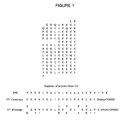
- ELISAs were performed by coating microtiter plates with 10 ⁇ g/ml. solution in PBS of the LSA5-71 consensus peptide (EEVVEELIEEVIPEELVL (Plm)-CONH 2 ) ( Fig.1). The plates were washed twice in PBS with 0.01 % Tween 20, blocked for 1 h in PBS supplemented with 2,5% non-fat milk (Régilait) prior to addition of 50 ⁇ l of human sera at 1/100 dilution in PBS 0,05% Tween 20 (PBST), 1,25% non-fat milk. The plates were then incubated at room temperature for one hour.
- Developing P.falciparum or P. yoelii liver stages were identified by IFAT with either an anti-LSA1 (DG536) Ab or a monoclonal antibody (MAb) NYLS3 respectively, as described in (Charoenvit, Mellouk et al. 1995) by epifluorescence using an Olympus ultra violet (UV) microscope. Parallel experiments were performed with P. berghei to evaluate inter-species inhibition. The MAb directed against the CS of P. berghei was used as control of inhibition of P. berghei sporozoite invasion and to detect P. berghei liver schizonts by IFAT staining as described in (Charoenvit, Mellouk et al. 1995).
- liver schizonts in each culture well was counted and used to calculate the mean number of the liver schizonts in duplicate culture wells. Results were expressed as the percentage of inhibition calculated as: (number of liver schizonts in control - number of liver schizonts in test/ number of liver schizonts in control) x 100.
- mice C57BU6, BALB/c and F1: (C57BL/6xBALB/c) mice were immunised with 10 ⁇ g ⁇ gal- DG 571 adsorbed on microparticules of nitrocellulose at day 0 and received 3 subsequent injections of 5 ⁇ g of the recombinant protein at day 30, 100 and day 174.
- the control groups were immunised with ⁇ gal- DG 671 (SALSA) as above.
- mice C3H/Hej
- BALB/c mice were immunised with a higher dose of 50 ⁇ g GST-DG 571 adsorbed on 5.6x10 4 polystyrene beads (0,5 ⁇ m diameter) at day 0 and received two subsequent injection of 25 ⁇ g of the recombinant protein adsorbed on the same number of polystyrene beads at day 15 and day 36.
- C3H/Hej control mice were immunised with GST-DG671 (SALSA) as above.
- C57BU6, BALB/c and F1 mice were challenged with 10000 live P. yoelii sporozoites (17XNL strain) and C3H/Hej mice were challenged with a lower dose (500 sporozoites from 17XNL clone 1.1) injected in the retro-orbital blood sinus, which is far more reliable than the tail-vein.
- Parasiteamia were determined on Giemsa stained blood smears from each mouse from day 5 to day 14. Protection was defined as either the absence of blood stages or a significant delay in their emergence as compared to controls, as described in (Sauzet, Perlaza et al. 2001), and as also applied today by A.Hill et al for clinical trials.
- mice were challenged by 1 million live P. yoelii sporozoites i.v.
- the liver was removed 42h-44h post challenge.
- Each liver tissue was cut into 4 to 6 pieces and immediately fixed in Carnoy.
- the samples were embeded in paraffin sectioned at 5 ⁇ and stained with Hematoxylin-Eosine.
- the number of hepatic schizonts was determined after observation of ⁇ 100 sections from the different samples of infected liver tissue obtained from each animal. Only one every 10 sections was studied to avoid to count two times the same schizont.
- This low antigen dose was chosen in view of comparative data obtained in mice both with LSA3 and LSA5, and of results in Aotus with LSA3 at the same dose (Perlaza, Zapata et al. 2003). Each animal received 3 doses of the immunogen at 21 days interval. Three Aotus were injected with GST alone and were used as antigen controls. Two additional na ⁇ ve monkeys served as infectivity controls. Sporozoite challenge . P. falciparum sporozoites were obtained from Anopheles albimanus mosquitoes fed on artificial feeders containing malaria infected blood from monkeys infected with P. falciparum Santa Lucia strain gametocytes.
- the parasitemia were followed-up during 40 days after challenge by thick smear, PCR and parasite LDH (pLDH) test.
- the parasite density expressed in parasites/ ⁇ l was calculated as described elsewhere (Zapata, Perlaza et al. 2002).
- the animals were treated with a combination of Sulphadoxine-Pyrimethamine (Kinnamon and Rothe 1975; Landgraf, Kollaritsch et al. 1994).
- IFN- ⁇ determinations PBMC from each monkey were isolated by gradient centrifugation on Ficoll Paque (Pharmacia Biotech) before immunisation and 15 days after the last injection for the determination of IFN- ⁇ production.
- IFN- ⁇ production by PBMC was measured both by Elispot and in cell culture supernatants.
- T-cell assays were performed using Aotus PBMC isolated on Ficoll Paque (Pharmacia Biotech) from the maximum ethically acceptable amount of blood from these small primates (less ⁇ 1 Kg), i.e. 3 ml of blood taken by femoral venipuncture on day 0 (pre-immunisation) and 15 days after the third immunisation.
- the number of IFN- ⁇ producing PBMC was evaluated using a commercial kit for human IFN- ⁇ ELIspot (MABTECH, Sweden).
- Microtiter plate wells (Millipore, MAHA S45, Bedford, MA, USA) were coated with 5 ⁇ g/ml of anti-human IFN- ⁇ mAb (1-D1K MABTECH AB, Sweden) overnight at 4°C. After blocking with RPMI medium plus 10% foetal calf serum (FCS) for 2 h at room temperature, a suspension of 5x10 5 PBMC/well was mixed with either recombinant proteins or synthetic peptides at 20 ⁇ g/ml. Plates were incubated for 40 h at 37°C in a 5% CO 2 - 95% air atmosphere.
- FCS foetal calf serum
- results are expressed as the mean number of IFN- ⁇ spot forming cells (SFCs) per 10 6 PBMC.
- SFCs spot forming cells
- IFN- ⁇ concentrations in PBMC supernatants collected on day 5 were determined by a two-site capture ELISA as describe elsewhere (Benmohamed, Thomas et al. 2000) using another combination of anti-human IFN- ⁇ mAb identified as able to react with Aotus IFN- ⁇ Negative and positive controls (unstimulated cells and cells stimulated by PHA) were included in each assay.
- IFN- ⁇ concentration (IU/ml) was calculated from a standard curve included in each plate and made from known amounts of recombinant human IFN- ⁇ (Pharmingen International, 19751G). The specificity was determined by comparing the concentration in the test and control supernatants.
- mice Groups of five C3H mice were immunised subcutaneously either a) three times at 1 month interval, with 50 ⁇ g of either the recombinant LSA3-DG729, or the recombinant LSA5.71, or a mixture of LSA3-DG729 + LSA5.71 or b) only two times at 1 month interval with only 1 ⁇ g of the same single or combined recombinants. All antigens were delivered s.c. with AS02 adjuvant. Antibody responses were measured three weeks after the last immunisation by ELISA against each of the recombinants. Results are presented as means of Ab ratio (+/- SD) from 5 mice per group compared to sera from unimmunised C3H mice.
- the initial clone identified, DG571 was found to be part of a group, or family, of 12 clones in the initial 119-pre-erythrocytic stage fragments, identified by screening with the serum of a priest exposed for 26 years to sporozoite challenges, while undergoing continuous daily chloroquine prophylaxis.
- the homologies between those clones were indicated not only by immunological cross-reactivity using affinity purified antibodies on the product of each of the 12 clones, but also by cross-hybridisation between those inserts. Sequencing of the fragments indicated that 7 had significant homology (> 60 %) with various regions of the gene encoding Pf11.1, whereas one belongs to GLURP and the 4 remaining contain repetitive sequences characteristic of the genome of P.
- the sequence of the clone DG571 which corresponds to an insert of 399 base pairs, was found to be constituted of approximately 15 repeats of 9 amino-acids, rich in glutamic acid, isoleucine and valine (FIG. 1). For this reason, it has various degrees of homologies with other P. falciparum antigens rich in Glutamic acid, such as the R2 region of GLURP, the repeat region of LSA-3, the 11.1 antigen, the Pf332 antigen and the RESA. Analysis of the released genome data did not lead to a clear-cut conclusion as to whether DG571 belongs to the megagene Pf11.1 or not.
- Antibodies Wild isolates at sporozoite stage LS P. yoelii spz P.berghei spz NF 54 XII XIII XIV XV XVI XVII XVIII XIX XX XXI XXII Wild isol. Cebus 3D7 chimp Anti ISA-5 Abs. ⁇ Hu-aff. Purified Abs. +++ +++ +++ +++ +++ +++ +++ +++ +++ +++ +++ +++ +++ +++ +++ +++ +++ +++ +++ +++ +++ +++ +++ +++ +++ +++ +++ +++ +++ ++ ⁇ Abs.
- IFAT was performed with human anti-betaGal-DG571 (LSA-5) immunopurified mice on P.faclciparum sporozoites from 11 Thai isolates and NF54 strain;
- Example 2 LSA-5 is consistently expressed on the surface of sporozoites from 32 patient isolates and in the liver-stages
- IFA immunofluorescence assay for malaria.
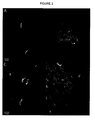
- Human-specific anti-LSA5 antibodies were further tested by IFAT (indirect fluorescent antibody test) upon sporozoites from the two rodent malaria species P. yoelii and P. berghei. Similar pattern, with an even distribution over the entire surface of sporozoites was obtained with the two species although the reactivity was stronger with P. yoelii ( Figure 2-C). No IFAT labelling of P. yoelii or P.
- berghei sporozoites was obtained using human antibodies affinity-purified on the control recombinant protein DG 438, or using DG 662 (PfEMP3) on P. berghei.
- Antibodies induced in LSA5-immunised mice also strongly reacted with P. falciparum sporozoites from all the strains investigated (NF54 and 7 thai solates).
- the cross-reactivity on P. yoelii sporozoites (17XNL) obtained with human anti-LSA5 antibodies was also detected with anti-LSA5- antibodies from mice by IFAT on all P. yoelii strains tested (265BY strain, 17XNL strain and 17XNL clone 1.1).
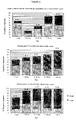
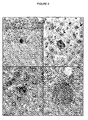
- LSA-5 The ultrastructural localisation of LSA-5 was revealed by immunogold labeling of a) sporozoites (Fig 3-A and B), where it is associated with the membrane but also abundant in the cytoplasm, and b) of fully mature liver forms, which showed the protein to be associated with the fluffy or flocculent material present in the parasitophorous vacuole which surrounds the emerging exoerythrocytic merozoites (Fig. 4-A, B, and C).
- labelling of LSA-5 was always seen within the PVM (Parasitophorous Vacuole Membrane) and never in the hepatocyte cytoplasm nor on the hepatocyte surface.
- the intensity of the staining, both by IFAT and by EM indicates that LSA5 is actively synthesised during liver schyzogony.
- LSA-5 The stage-specific expression of LSA-5 was indicated by the above experiments. It was confirmed by the reactivity of LSA5-71 with sera from 3 human volunteers immunised by irradiated sporozoites and who were protected upon challenge (hence by antibodies directed mainly to pre-erythrocytic stage antigens), as well as 2 other clergy' sera (Soeur Neveu, and Père Gouel, in addition to Père Mauvais) and by sera from P. yoelii challenged mice undergoing treatment by pyrimethamine, which developed Abs only to sporozoite and liver stages (not shown).
- Example 3 LSA-5 is highly antigenic in individuals exposed to various levels of malaria transmission.
- results obtained in Podor the lowest transmission area are again in favour of the high antigenicity of the native LSA5 since specific antibody responses can be elicited after very few malaria infective mosquito bites.
- the prevalences recorded for LSA5 are therefore significantly higher than those previously recorded in the same subjects from the same areas for LSA1 (Fidock, Gras-Masse et al. 1994), Salsa (Bottius, BenMohamed et al. 1996), Starp (Fidock, Bottius et al. 1994), CS (Bottius, BenMohamed et al. 1996), Pf EMP3 and EBA175. They are as high or higher than those recorded for LSA3 (Perlaza, Sauzet et al. 2001).
- the inhibition was 50% when antibodies where immunopurified on recombinant protein DG88 belonging to 11.1 antigen.
- the antibodies immunopurified on the non-cross-reactive antigen SALSA had no significant effect ( ⁇ 10% inhibition).
- the nearly complete inhibition obtained with anti-LSA-5 antibodies is similar to that obtained with anti-LSA-3 (Bottius, BenMohamed et al. 1996), and stands among the highest ever obtained.
- inhibition of sporozoite invasion has been obtained previously using anti-circumsporozoite protein monoclonal antibodies as well as human antibodies against STARP, SALSA, LSA-3.
- anti-CS, STARP and SALSA inhibition was sometimes strong but never total.
- the antigen had no inhibitory effect by itself, and when added to the anti-LSA-5-71 human antibody, it totally reversed the invasion inhibition observed, thereby indicating clearly that the inhibitory effect was due to the paratope, the antigen binding site of the antibody, ie.not to any kind of toxic effect linked with the antibody preparation.
- the remaining sporozoites were agglutinated, i.e. likely by the antibody, and this was reversed by the antigen.
- Antibodies raised in mice had a much weaker effect than human affinity-purified antibodies (45%).
- the anti-CircumSporozoite protein 2A10 Mab was employed as positive control, and an antibody against DG536 (LSA-1), not expressed on the sporozoite, as negative control. Since those results have been obtained recently and deserve to be repeated in another experiment, they are not shown.
- mice that had received anti-LSA5 antibodies indicating that human anti-LSA5 antibodies had fully protected mice against P. yoelii sporozoite infection.
- control mice that had received sporozoites pre-incubated with anti-SALSA antibodies, or untreated sporozoites had a patent parasitaemia from day 5 and the infection followed a normal course (Table 3). It should be underscored that, in contrast with passive experiments performed using monoclonal Abs anti-TRAP or anti-CSP of P. yoelii, where huge amounts of antibodies had to be transferred, respectively 500 ⁇ g (Gantt, Persson et al.
- anti-LSA-5 antibodies were protective at a much lower amount (20 ⁇ g).
- In vivo protective effect of anti-LSA5 Abs in passive transfer experiments 100 ⁇ g/ml of human anti-LSA5, anti- ⁇ gal-DG729 (LSA3) or anti- ⁇ gal-DG671 (SALSA) Abs were added to 150 P. yoelii sporozoites, in a final volume of 200 ⁇ l/mouse, and injected into the tail vein of Balb/C mice. Parasitemia were recorded from day 4 to day 21 after challenge.
- Example 5 Immunisation with LSA-5 induces protection against a P.yoelii sporozoite challenge in several strains of mice
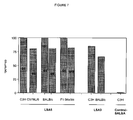
- mice C57BL/6, BALB/c and F1(C57BL/6xBALB/c) received four immunisations of either ßgal-DG571 (LSA5) or ßgal-DG671 (SALSA), and were challenged by intravenous inoculation of 10,000 P. yoelii sporozoites (17XNL strain).
- LSA5 ßgal-DG571
- SALSA ßgal-DG671
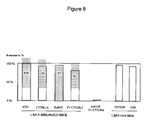
- mice were immunised with 50 ⁇ g of the LSA5 recombinant GST-DG 571, adsorbed on polystyrene beads and were subsequently challenged, together with 5 GST controls with 500 live P. yoelii sporozoites (17XNL clone 1.1) which is consistently infective at a rate of 100 sporozoites per animal. All 5 C3H and 5 BALB/C mice showed protection, full in two and partial in the remaining immunised mice. Genetic immunisation was attempted but provided only a more modest 24 h delay in patency in each of the 8 immunised animals as compared to 9 controls.
- mice are immunised with a P. falciparum molecule, challenged by P. yoelii, which contains a homologous cross-reactive molecule.
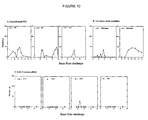
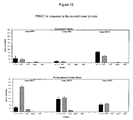
- the number of responding cells was very high, ranging from 100 to 250 spots per million PBMC, in response to the 571-histidine recombinant protein and / or to the consensus 571 LSA-5 peptide, the mixotope LSA-5, far less to P9A and P9B peptides derived from the 11.1 published sequence or to control antigens such as LSA-1.
- results are still preliminary they nevertheless represent the second report of a malaria pre-erythrocytic sub-unit vaccine candidate capable of inducing protection in Aotus monkeys against P. falciparum sporozoite challenge, and in this case with heterologous strain challenge.
- the results suggest a protective effect of LSA5 in immunised monkeys.
- Example 7 Protection induced by LSA5 is associated with elevated IFN- ⁇ responses
- IFN- ⁇ was considered here for two reasons: first, because it is established as a major mediator of protection against malaria liver stages, and second because it is a more reliable index of T cell activation than proliferation assays which are particularly difficult with Aotus lymphocytes (Perlaza, Zapata et al. 2003).
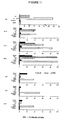
- IFN- ⁇ in the supematants IFN- ⁇ production by cells from all LSA-5 immunised monkeys was specifically induced by the recombinant protein DG-571 ( Figure 11). Levels were comparable to those specifically produced in LSA-3 immunised animals (Perlaza, Zapata et al. 2003). Importantly, IFN- ⁇ secretion by PBMC was also induced in response to P. falciparum sporozoite extracts, indicating that the native epitopes in LSA-5 were well processed and recognised by the vaccine-stimulated cells. The specificity of IFN- ⁇ production was demonstrated by negative results obtained from the 3 control monkeys tested in parallel, as well as with cells obtained before immunisation (not shown).
- Aotus Antigen ELISA titer Spz IFA titer V85 GST ⁇ 100 400 571-GST ⁇ 100 571 petide ⁇ 100 P9B peptide ⁇ 100 V86 GST ⁇ 100 400 571-GST ⁇ 100 571 petide ⁇ 100 P9B peptide ⁇ 100 M217 GST ⁇ 100 800 571-GST 350 571 petide ⁇ 100 P9B peptide 240 M219 GST ⁇ 100 200 571-GST ⁇ 100 571 petide ⁇ 100 P9B peptide ⁇ 100 M221 GST ⁇ 100 400 571-GST ⁇ 100 571 petide ⁇ 100 P9B peptide ⁇ 100
- Example 8 Co-immunisation with LSA-3 and LSA-5 indicates that both molecules are immunogenic when presented together.
- LSA5 is one of the very rare antigens able to induce a protection against sporozoite challenge
- combined immunisations of LSA3+LSA5 were performed, as compared to single immunisation in a same batch of mice.
- mice immunised with each recombinant protein individually strong specific antibody responses were induced at the highest dose.
- both proteins were still highly immunogenic ( Figure 13).
- anti-LSA-3 Ab titres did not differ significantly compared to the higher dose
- anti-LSA-5 titres were two to three folds lower.
- mice immunised with low doses of LSA-3 + LSA-5 exhibited anti-LSA-5 antibodies 3 orders of magnitude higher than in mice immunised with LSA-5 alone, bringing titres to levels similar to those immunised at high doses.
- LSA5 stage specificity of LSA5 was demonstrated by reactivity of human, mice and Aotus antibodies to the sporozoite surface and to liver stages, both by IFAT and EM, as well as by invasion inhibition both in vitro and in vivo.
- the identification of LSA5 extends the range of molecules that can be targeted by Abs on the P.falciparum sporozoite surface.
- LSA5 being expressed in both sporozoites and liver stages can be targeted by both humoral and cellular defence mechanisms.
- LSA-5 is very well conserved as the dominant epitopes could be detected in 32 isolates at sporozoites stage generated from patients gametocytes. This is obviously a critical characteristic since antigen polymorphism has been repeatedly stressed to be a major limitation to vaccine development (Facer and Tanner 1997). It is important to underscore that the challenges were performed using an heterologous parasite in Aotus, the Santa Lucia strain, whereas the vaccine formulation was based on the gene sequence obtained from the T9-96 clone. This strongly contrasts with other malaria vaccine candidates, where polymorphisms are known to be present and limiting protection, and therefore where challenges have to rely on the homologous strain (Kwiatkowski and Marsh 1997).
- the antigenicity of the molecule was found to be very satisfactory. Specific antibodies were detected at high prevalence in 3 endemic areas. Prevalence was as high or higher than that of other pre-erythrocytic stages candidates such as LSA1, SALSA, STARP and CS (Fidock, Bottius et al. 1994; Fidock, Gras-Masse et al. 1994; Bottius, BenMohamed et al. 1996) (and that of many asexual blood stages antigens), this being particularly clear in the case of the lowest malaria transmission area studied.
- pre-erythrocytic stages candidates such as LSA1, SALSA, STARP and CS (Fidock, Bottius et al. 1994; Fidock, Gras-Masse et al. 1994; Bottius, BenMohamed et al. 1996) (and that of many asexual blood stages antigens), this being particularly clear in the case of the lowest malaria transmission area studied.
- mice are highly susceptible to sporozoite infection since as few as 100 sporozoites injected can induce blood infection.
- the recombinant proteins used for the immunisation are derived from human malaria P. falciparum parasites, whereas the parasite used for challenge is the rodent P. yoelii species. Therefore the protection observed relies upon a limited number of shared epitopes between these two species. The percent protection measured after high dose challenges are in full agreement with the estimated reductions based on delay of emergence of parasitaemia.
- lymphocyte recruitment is a major defence mechanism responsible for protection.
- a technique was recently described (Hebert, Sauzet et al. 2003) designed to analyse the epitope-specific cell recruitment in the liver, where peptide-coated polystyrene beads are injected intra-portally in recombinant-immunised mice. This technique, validated using LSA3-derived peptides (Hebert, Sauzet et al. 2003), was further used to compare cell recruitment induced by immunisation protocols either able to induce protection or not (using distinct adjuvants). It was also employed in LSA5.71 immunised mice receiving intra hepatic particles coated with the LSA5 consensus peptide.
- LSA-5 is one of the very rare candidates that can achieve protection against a P. falciparum sporozoite challenge. Indeed, there are several molecules that have induced immunity in mice against rodent malaria challenge, CS, TRAP and combinations of the two, being the most studied (Schneider, Gilbert et al. 1998). Conversely, there are very few molecules that have shown a protective effect against a P. falciparum challenge in primates or in humans. This has been achieved to-date only by LSA-3 and LSA-5 against both homologous and heterologous strain challenges and, to a more limited extent and for shorter time, by RTSS, a particulate formulation of CS (Stoute, Slaoui et al.
- IFN- ⁇ is the most potent cytokine active against the LS development (Ferreira, Schofield et al. 1986; Mellouk, Maheshwari et al. 1987; Schofield, Ferreira et al. 1987). Results tend to confirm that specific IFN- ⁇ secretion by PBMC is an important component of defence against P. falciparum pre-erythrocytic stages, at least by Elispot in the present study. Specific IFN- ⁇ secretion obtained in response to the sporozoite native protein suggests a proper processing of both natural and "artificial" epitopes for presentation to T cells, i.e. a proper conformation of the immunogens.
- Example 9 experimental protocol to test whether a peptide or polypeptide is recognized by anti-LSA5 specific antibodies
- a typical experimental protocole is an ELISA assay, such as that described in the above materials and methods, in which the test peptide used in place of the LSA-5 71 consensus peptide described in this ELISA method, and the antibody directed to the consensus peptide or to any other of the sequence described in table 1, is used to test its reactivity with a test peptide (using either human affinity purified antibodies on the consensus peptide or sera from animals immunised with the consensus peptide with an appropriate adjuvant, such as Montanide ISA720 or Freund complete adjuvant).
- an appropriate adjuvant such as Montanide ISA720 or Freund complete adjuvant
- Another way of assessing whether a peptide or polypeptide is recognised by LSA-5 specific antibodies is to use the procedure described on page 19, this time with coating with a consensus peptide and where the test peptide is used in a competition assay mixed at various concentrations ranging from 10 microgrammes to 1 mg per ml to the test antibody, so as to determine whether it can inhibit the binding of the antibody to the consensus peptide.
- test peptide is linked to nitrocellulose surface in an immuno-blotting experiment or, finally, if the test peptide is used in an IFAT inhibition assay similar to that described above with the ELISA, where the test peptide is mixed with an anti-consensus sequence antibody and used to inhibit the binding to the parasite in an IFAT assay.
Landscapes
- Health & Medical Sciences (AREA)
- Chemical & Material Sciences (AREA)
- Life Sciences & Earth Sciences (AREA)
- Organic Chemistry (AREA)
- General Health & Medical Sciences (AREA)
- Medicinal Chemistry (AREA)
- Tropical Medicine & Parasitology (AREA)
- Molecular Biology (AREA)
- Immunology (AREA)
- Proteomics, Peptides & Aminoacids (AREA)
- Veterinary Medicine (AREA)
- Genetics & Genomics (AREA)
- Biophysics (AREA)
- Biochemistry (AREA)
- Public Health (AREA)
- Pharmacology & Pharmacy (AREA)
- Animal Behavior & Ethology (AREA)
- Mycology (AREA)
- Epidemiology (AREA)
- Microbiology (AREA)
- Chemical Kinetics & Catalysis (AREA)
- General Chemical & Material Sciences (AREA)
- Zoology (AREA)
- Toxicology (AREA)
- Gastroenterology & Hepatology (AREA)
- Nuclear Medicine, Radiotherapy & Molecular Imaging (AREA)
- Peptides Or Proteins (AREA)
- Medicines Containing Antibodies Or Antigens For Use As Internal Diagnostic Agents (AREA)
- Preparation Of Compounds By Using Micro-Organisms (AREA)
- Micro-Organisms Or Cultivation Processes Thereof (AREA)
Priority Applications (10)
| Application Number | Priority Date | Filing Date | Title |
|---|---|---|---|
| EP03293158A EP1544211A1 (en) | 2003-12-15 | 2003-12-15 | LSA-5 pre-erythrocytic stage antigen of plasmodium falciparum, immunogenic composition comprising said antigen, and vaccines against malaria |
| PCT/EP2004/014848 WO2005058948A1 (en) | 2003-12-15 | 2004-12-15 | Lsa-5 liver stage and blood stage antigen of plasmodium falciparum, immunogenic composition comprising said antigen, and vaccines against malaria |
| CA2548792A CA2548792C (en) | 2003-12-15 | 2004-12-15 | Lsa-5 liver stage and blood stage antigen of plasmodium falciparum, immunogenic composition comprising said antigen, and vaccines against malaria |
| DK04804433.3T DK1697405T3 (da) | 2003-12-15 | 2004-12-15 | LSA-5 leverstadium- og blodstadium-antigen fra Plasmodium falciparum, immunogent præparat omfattende dette antigen samt vacciner mod malaria |
| BRPI0417286-8A BRPI0417286A (pt) | 2003-12-15 | 2004-12-15 | misturas de peptìdeos ou polipeptìdeo antigênicos, peptìdeos antigênicos, polipeptìdeo antigênico, misturas antigênicas, lipopeptìdeo, mixotopo, lipomixotopo, conjugado, composições imunogênicas, vacina contra malária, uso de uma mistura, soro policlonal, anticorpo humano recombinante, usos de uma composição, medicamento, métodos e kits para o diagnóstico in vitro de malária, seqüências de nucleotìdeo, vetor de clonagem e/ou expressão recombinante, uso de um vetor de expressão vacina de dna e célula hospedeira recombinante |
| CNA2004800417423A CN1922202A (zh) | 2003-12-15 | 2004-12-15 | 恶性疟原虫的肝期和血液期抗原lsa-5、包括该抗原的免疫原性复合物和抗疟疾疫苗 |
| JP2006544395A JP4991308B2 (ja) | 2003-12-15 | 2004-12-15 | 熱帯熱マラリア原虫(Plasmodiumfalciparum)のLSA−5肝臓期および血中期抗原、この抗原を含有する免疫原性組成物、およびマラリアに対するワクチン |
| ZA200604958A ZA200604958B (en) | 2003-12-15 | 2004-12-15 | LSA-5 liver stage and blood stage antigen of plasmodium falciparum, immunogenic composition comprising said antigen, and vaccines against malaria |
| EP04804433A EP1697405B1 (en) | 2003-12-15 | 2004-12-15 | Lsa-5 liver stage and blood stage antigen of plasmodium falciparum, immunogenic composition comprising said antigen, and vaccines against malaria |
| US11/451,324 US8765145B2 (en) | 2003-12-15 | 2006-06-13 | LSA-5 liver stage and blood stage antigen of Plasmodium falciparum, immunogenic composition comprising said antigen, and vaccines against malaria |
Applications Claiming Priority (1)
| Application Number | Priority Date | Filing Date | Title |
|---|---|---|---|
| EP03293158A EP1544211A1 (en) | 2003-12-15 | 2003-12-15 | LSA-5 pre-erythrocytic stage antigen of plasmodium falciparum, immunogenic composition comprising said antigen, and vaccines against malaria |
Publications (1)
| Publication Number | Publication Date |
|---|---|
| EP1544211A1 true EP1544211A1 (en) | 2005-06-22 |
Family
ID=34486470
Family Applications (2)
| Application Number | Title | Priority Date | Filing Date |
|---|---|---|---|
| EP03293158A Withdrawn EP1544211A1 (en) | 2003-12-15 | 2003-12-15 | LSA-5 pre-erythrocytic stage antigen of plasmodium falciparum, immunogenic composition comprising said antigen, and vaccines against malaria |
| EP04804433A Expired - Lifetime EP1697405B1 (en) | 2003-12-15 | 2004-12-15 | Lsa-5 liver stage and blood stage antigen of plasmodium falciparum, immunogenic composition comprising said antigen, and vaccines against malaria |
Family Applications After (1)
| Application Number | Title | Priority Date | Filing Date |
|---|---|---|---|
| EP04804433A Expired - Lifetime EP1697405B1 (en) | 2003-12-15 | 2004-12-15 | Lsa-5 liver stage and blood stage antigen of plasmodium falciparum, immunogenic composition comprising said antigen, and vaccines against malaria |
Country Status (9)
| Country | Link |
|---|---|
| US (1) | US8765145B2 (da) |
| EP (2) | EP1544211A1 (da) |
| JP (1) | JP4991308B2 (da) |
| CN (1) | CN1922202A (da) |
| BR (1) | BRPI0417286A (da) |
| CA (1) | CA2548792C (da) |
| DK (1) | DK1697405T3 (da) |
| WO (1) | WO2005058948A1 (da) |
| ZA (1) | ZA200604958B (da) |
Cited By (1)
| Publication number | Priority date | Publication date | Assignee | Title |
|---|---|---|---|---|
| KR100982064B1 (ko) * | 2006-03-28 | 2010-09-13 | 원광대학교산학협력단 | 말라리아 원충에 대한 단일클론 항체 및 이를 이용한말라리아의 진단방법 |
Families Citing this family (6)
| Publication number | Priority date | Publication date | Assignee | Title |
|---|---|---|---|---|
| CN101603964A (zh) * | 2009-07-10 | 2009-12-16 | 中国海洋大学 | 海产品中异尖线虫的酶联免疫检测方法 |
| CA2769996C (en) * | 2009-11-05 | 2018-06-12 | The United States Of America As Represented By The Secretary Of The Na | Plasmodium falciparum sporozoite and liver stage antigens |
| US9321834B2 (en) | 2013-12-05 | 2016-04-26 | Leidos, Inc. | Anti-malarial compositions |
| JP6642835B2 (ja) * | 2014-11-28 | 2020-02-12 | 繁之 狩野 | 熱帯熱マラリア原虫のエノラーゼタンパク質の部分配列を用いた人工抗原とその製造方法 |
| KR20190044587A (ko) | 2016-05-19 | 2019-04-30 | 아메드 에스.아이. 앨리 | 합성 말라리아 면역원, 이의 조합, 및 말라리아 감염을 예방하고 치료하기 위한 이의 용도 |
| CN113144222B (zh) * | 2021-04-14 | 2023-05-23 | 台州学院 | 外泌体用于防止脑型疟疾发生的实验方法 |
Citations (2)
| Publication number | Priority date | Publication date | Assignee | Title |
|---|---|---|---|---|
| WO1986000620A1 (fr) | 1984-07-02 | 1986-01-30 | Institut Pasteur | Molecule comportant au moins une sequence peptidique porteuse d'un epitope |
| WO2002038176A2 (en) * | 2000-10-25 | 2002-05-16 | Glaxosmithkline Biologicals S.A. | Immunogenic compositions comprising liver stage malarial antigens |
Family Cites Families (1)
| Publication number | Priority date | Publication date | Assignee | Title |
|---|---|---|---|---|
| AU2001281100A1 (en) * | 2000-08-03 | 2002-02-18 | Hercules Incorporated | Reduced molecular weight galactomannans oxidized by galactose oxidase |
-
2003
- 2003-12-15 EP EP03293158A patent/EP1544211A1/en not_active Withdrawn
-
2004
- 2004-12-15 CA CA2548792A patent/CA2548792C/en not_active Expired - Fee Related
- 2004-12-15 WO PCT/EP2004/014848 patent/WO2005058948A1/en not_active Ceased
- 2004-12-15 BR BRPI0417286-8A patent/BRPI0417286A/pt not_active IP Right Cessation
- 2004-12-15 DK DK04804433.3T patent/DK1697405T3/da active
- 2004-12-15 JP JP2006544395A patent/JP4991308B2/ja not_active Expired - Fee Related
- 2004-12-15 ZA ZA200604958A patent/ZA200604958B/en unknown
- 2004-12-15 CN CNA2004800417423A patent/CN1922202A/zh active Pending
- 2004-12-15 EP EP04804433A patent/EP1697405B1/en not_active Expired - Lifetime
-
2006
- 2006-06-13 US US11/451,324 patent/US8765145B2/en not_active Expired - Fee Related
Patent Citations (2)
| Publication number | Priority date | Publication date | Assignee | Title |
|---|---|---|---|---|
| WO1986000620A1 (fr) | 1984-07-02 | 1986-01-30 | Institut Pasteur | Molecule comportant au moins une sequence peptidique porteuse d'un epitope |
| WO2002038176A2 (en) * | 2000-10-25 | 2002-05-16 | Glaxosmithkline Biologicals S.A. | Immunogenic compositions comprising liver stage malarial antigens |
Non-Patent Citations (10)
| Title |
|---|
| BALLOU W RIPLEY ET AL: "Pre-erythrocytic malaria vaccines to prevent Plasmodium falciparum malaria.", CHEMICAL IMMUNOLOGY. SWITZERLAND 2002, vol. 80, 2002, pages 253 - 261, XP001179856, ISSN: 1015-0145 * |
| BOJANG K A ET AL: "Efficacy of RTS,S/AS02 malaria vaccine against Plasmodium falciparum infection in semi-immune adult men in The Gambia: a randomised trial", LANCET, vol. 358, no. 9297, 8 December 2001 (2001-12-08), pages 1927 - 1934, XP004326411, ISSN: 0140-6736 * |
| DATABASE EMBL [online] 1 March 2003 (2003-03-01), "Gene 11-1 protein precursor, P.f.", XP002272412, retrieved from EBI Database accession no. Q816U6 * |
| DATABASE EMBL [online] 1 November 1996 (1996-11-01), "beta-galactosidase fusion protein, P.f.", XP002272411, retrieved from EBI Database accession no. M32153 * |
| DATABASE EMBL [online] 25 March 1993 (1993-03-25), "Plasmodium falciparum 11-1 gene part 1", XP002272413, retrieved from EBI Database accession no. X07453 * |
| GARDNER M J ET AL: "GENOME SEQUENCE OF THE HUMAN MALARIA PARASITE PLASMODIUM FALCIPARUM", NATURE, MACMILLAN JOURNALS LTD. LONDON, GB, vol. 419, 2002, pages 498 - 511, XP001156336, ISSN: 0028-0836 * |
| KOENEN M. ET AL.: "Human antisera detect a Plsamodium falciparum genomic clone encoding a nonapeptide repeat", NATURE, vol. 311, 1984, pages 382 - 385, XP001179871 * |
| KURTIS JONATHAN D ET AL: "Pre-erythrocytic immunity to Plasmodium falciparum: The case for an LSA-1 vaccine", TRENDS IN PARASITOLOGY, vol. 17, no. 5, May 2001 (2001-05-01), pages 219 - 223, XP002272410, ISSN: 1471-4922 * |
| MOORTHY VASEE ET AL: "Malaria vaccines", BRITISH MEDICAL BULLETIN, vol. 62, 2002, pages 59 - 72, XP009026942, ISSN: 0007-1420 * |
| PERLAZA BLANCA-LILIANA ET AL: "Immunogenicity and protective efficacy of Plasmodium falciparum liver-stage Ag-3 in Aotus lemurinus griseimembra monkeys.", EUROPEAN JOURNAL OF IMMUNOLOGY, vol. 33, no. 5, May 2003 (2003-05-01), pages 1321 - 1327, XP001179664, ISSN: 0014-2980 (ISSN print) * |
Cited By (1)
| Publication number | Priority date | Publication date | Assignee | Title |
|---|---|---|---|---|
| KR100982064B1 (ko) * | 2006-03-28 | 2010-09-13 | 원광대학교산학협력단 | 말라리아 원충에 대한 단일클론 항체 및 이를 이용한말라리아의 진단방법 |
Also Published As
| Publication number | Publication date |
|---|---|
| BRPI0417286A (pt) | 2007-04-10 |
| CA2548792A1 (en) | 2005-06-30 |
| ZA200604958B (en) | 2007-11-28 |
| US20100183590A1 (en) | 2010-07-22 |
| WO2005058948A1 (en) | 2005-06-30 |
| US8765145B2 (en) | 2014-07-01 |
| CN1922202A (zh) | 2007-02-28 |
| CA2548792C (en) | 2014-07-08 |
| EP1697405B1 (en) | 2012-09-05 |
| DK1697405T3 (da) | 2013-01-02 |
| JP4991308B2 (ja) | 2012-08-01 |
| JP2008504005A (ja) | 2008-02-14 |
| EP1697405A1 (en) | 2006-09-06 |
Similar Documents
| Publication | Publication Date | Title |
|---|---|---|
| Renia et al. | Immunization with a recombinant C-terminal fragment of Plasmodium yoelii merozoite surface protein 1 protects mice against homologous but not heterologous P. yoelii sporozoite challenge | |
| Bottius et al. | A novel Plasmodium falciparum sporozoite and liver stage antigen (SALSA) defines major B, T helper, and CTL epitopes | |
| Fidock et al. | Plasmodium falciparum sporozoite invasion is inhibited by naturally acquired or experimentally induced polyclonal antibodies to the STARP antigen | |
| Moreno et al. | Preclinical evaluation of a synthetic Plasmodium falciparum MAP malaria vaccine in Aotus monkeys and mice | |
| Lousada-Dietrich et al. | A synthetic TLR4 agonist formulated in an emulsion enhances humoral and Type 1 cellular immune responses against GMZ2–A GLURP–MSP3 fusion protein malaria vaccine candidate | |
| Ling et al. | Immunization against the murine malaria parasite Plasmodium yoelii using a recombinant protein with adjuvants developed for clinical use | |
| CA2337754C (en) | Recombinant multivalent malarial vaccine against plasmodium falciparum | |
| US8765145B2 (en) | LSA-5 liver stage and blood stage antigen of Plasmodium falciparum, immunogenic composition comprising said antigen, and vaccines against malaria | |
| US20020155441A1 (en) | Polypeptide molecules of the pre-erythrocytic stage of malaria | |
| US20110002916A1 (en) | Plasmodium falciparum antigens and their vaccine and diagnostic applications | |
| Arévalo-Herrera et al. | Antibody-mediated and cellular immune responses induced in naive volunteers by vaccination with long synthetic peptides derived from the Plasmodium vivax circumsporozoite protein | |
| Chappel et al. | Naturally acquired human antibodies which recognize the first epidermal growth factor-like module in the Plasmodium falciparum merozoite surface protein 1 do not inhibit parasite growth in vitro | |
| EP1526178B1 (en) | MSP-3-like family of genes | |
| Bilsborough et al. | Fine epitope specificity of antibodies to region II of the Plasmodiumvivax circumsporozoite protein correlates with ability to bind recombinant protein and sporozoites | |
| do Rosario et al. | Plasmodium falciparum: administration of anti-sporozoite antibodies during sporogony results in production of sporozoites which are not neutralized by human anti-circumsporozoite protein vaccine sera | |
| Martin et al. | Malaria vaccines in clinical development: Introduction and recombinant/subunit approaches | |
| Amen | Isolation and characterization of human monoclonal antibodies blocking Plasmodium falciparum transmission | |
| Chauhan | Vaccines for malaria–prospects and promise | |
| Trager et al. | Malaria vaccine | |
| CHAPPEL et al. | falciparum Merozoite Surface Protein Inhibit Parasite Growth In Vitro | |
| Valero | Monoclonal Antibodies Binding to Malarial Merozoite Surface Protein 1 Protect in vivo Against Plasmodium yoelii Infection | |
| Chaun | Vaccines for malaria--prospects and promise. | |
| Milek | PFS48/45, major transmission-blocking vaccine candidate of the human malaria parasite Plasmodium falciparum | |
| Chai | The humoral response to a chemically defined synthetic vaccine comprised of epitopes derived from the circumsporozoite protein of Plasmodium berghei | |
| Hoffman et al. | World Conference on Pre-Erythrocytic Stage Malaria Vaccine Development: Current Status and Future Prospects Held in Bethesda, Maryland on April 12-15, 1989 |
Legal Events
| Date | Code | Title | Description |
|---|---|---|---|
| PUAI | Public reference made under article 153(3) epc to a published international application that has entered the european phase |
Free format text: ORIGINAL CODE: 0009012 |
|
| AK | Designated contracting states |
Kind code of ref document: A1 Designated state(s): AT BE BG CH CY CZ DE DK EE ES FI FR GB GR HU IE IT LI LU MC NL PT RO SE SI SK TR |
|
| AX | Request for extension of the european patent |
Extension state: AL LT LV MK |
|
| 17P | Request for examination filed |
Effective date: 20051213 |
|
| AKX | Designation fees paid |
Designated state(s): AT BE BG CH CY CZ DE DK EE ES FI FR GB GR HU IE IT LI LU MC NL PT RO SE SI SK TR |
|
| 17Q | First examination report despatched |
Effective date: 20061127 |
|
| STAA | Information on the status of an ep patent application or granted ep patent |
Free format text: STATUS: THE APPLICATION HAS BEEN WITHDRAWN |
|
| 18W | Application withdrawn |
Effective date: 20130920 |