EP1551005B1 - Musikalische Vorrichtung mit selektiver Entschlüsselung von nutzbaren Teilen eines geladenen zusammengesetzten Inhalts - Google Patents
Musikalische Vorrichtung mit selektiver Entschlüsselung von nutzbaren Teilen eines geladenen zusammengesetzten Inhalts Download PDFInfo
- Publication number
- EP1551005B1 EP1551005B1 EP04106785.1A EP04106785A EP1551005B1 EP 1551005 B1 EP1551005 B1 EP 1551005B1 EP 04106785 A EP04106785 A EP 04106785A EP 1551005 B1 EP1551005 B1 EP 1551005B1
- Authority
- EP
- European Patent Office
- Prior art keywords
- content
- music
- materials
- composite
- usable
- Prior art date
- Legal status (The legal status is an assumption and is not a legal conclusion. Google has not performed a legal analysis and makes no representation as to the accuracy of the status listed.)
- Expired - Lifetime
Links
Images

Classifications
-
- G—PHYSICS
- G11—INFORMATION STORAGE
- G11B—INFORMATION STORAGE BASED ON RELATIVE MOVEMENT BETWEEN RECORD CARRIER AND TRANSDUCER
- G11B20/00—Signal processing not specific to the method of recording or reproducing; Circuits therefor
- G11B20/00086—Circuits for prevention of unauthorised reproduction or copying, e.g. piracy
-
- G—PHYSICS
- G06—COMPUTING OR CALCULATING; COUNTING
- G06F—ELECTRIC DIGITAL DATA PROCESSING
- G06F21/00—Security arrangements for protecting computers, components thereof, programs or data against unauthorised activity
- G06F21/10—Protecting distributed programs or content, e.g. vending or licensing of copyrighted material ; Digital rights management [DRM]
-
- G—PHYSICS
- G06—COMPUTING OR CALCULATING; COUNTING
- G06F—ELECTRIC DIGITAL DATA PROCESSING
- G06F21/00—Security arrangements for protecting computers, components thereof, programs or data against unauthorised activity
- G06F21/60—Protecting data
- G06F21/62—Protecting access to data via a platform, e.g. using keys or access control rules
-
- G—PHYSICS
- G10—MUSICAL INSTRUMENTS; ACOUSTICS
- G10H—ELECTROPHONIC MUSICAL INSTRUMENTS; INSTRUMENTS IN WHICH THE TONES ARE GENERATED BY ELECTROMECHANICAL MEANS OR ELECTRONIC GENERATORS, OR IN WHICH THE TONES ARE SYNTHESISED FROM A DATA STORE
- G10H1/00—Details of electrophonic musical instruments
- G10H1/0033—Recording/reproducing or transmission of music for electrophonic musical instruments
-
- G—PHYSICS
- G11—INFORMATION STORAGE
- G11B—INFORMATION STORAGE BASED ON RELATIVE MOVEMENT BETWEEN RECORD CARRIER AND TRANSDUCER
- G11B20/00—Signal processing not specific to the method of recording or reproducing; Circuits therefor
- G11B20/00086—Circuits for prevention of unauthorised reproduction or copying, e.g. piracy
- G11B20/00666—Circuits for prevention of unauthorised reproduction or copying, e.g. piracy involving a step of erasing or nullifying data, e.g. data being overwritten with a random string
-
- G—PHYSICS
- G10—MUSICAL INSTRUMENTS; ACOUSTICS
- G10H—ELECTROPHONIC MUSICAL INSTRUMENTS; INSTRUMENTS IN WHICH THE TONES ARE GENERATED BY ELECTROMECHANICAL MEANS OR ELECTRONIC GENERATORS, OR IN WHICH THE TONES ARE SYNTHESISED FROM A DATA STORE
- G10H2220/00—Input/output interfacing specifically adapted for electrophonic musical tools or instruments
- G10H2220/005—Non-interactive screen display of musical or status data
- G10H2220/015—Musical staff, tablature or score displays, e.g. for score reading during a performance
-
- G—PHYSICS
- G10—MUSICAL INSTRUMENTS; ACOUSTICS
- G10H—ELECTROPHONIC MUSICAL INSTRUMENTS; INSTRUMENTS IN WHICH THE TONES ARE GENERATED BY ELECTROMECHANICAL MEANS OR ELECTRONIC GENERATORS, OR IN WHICH THE TONES ARE SYNTHESISED FROM A DATA STORE
- G10H2240/00—Data organisation or data communication aspects, specifically adapted for electrophonic musical tools or instruments
- G10H2240/011—Files or data streams containing coded musical information, e.g. for transmission
- G10H2240/026—File encryption of specific electrophonic music instrument file or stream formats, e.g. MIDI, note oriented formats, sound banks, wavetables
-
- G—PHYSICS
- G10—MUSICAL INSTRUMENTS; ACOUSTICS
- G10H—ELECTROPHONIC MUSICAL INSTRUMENTS; INSTRUMENTS IN WHICH THE TONES ARE GENERATED BY ELECTROMECHANICAL MEANS OR ELECTRONIC GENERATORS, OR IN WHICH THE TONES ARE SYNTHESISED FROM A DATA STORE
- G10H2240/00—Data organisation or data communication aspects, specifically adapted for electrophonic musical tools or instruments
- G10H2240/011—Files or data streams containing coded musical information, e.g. for transmission
- G10H2240/031—File merging MIDI, i.e. merging or mixing a MIDI-like file or stream with a non-MIDI file or stream, e.g. audio or video
-
- G—PHYSICS
- G10—MUSICAL INSTRUMENTS; ACOUSTICS
- G10H—ELECTROPHONIC MUSICAL INSTRUMENTS; INSTRUMENTS IN WHICH THE TONES ARE GENERATED BY ELECTROMECHANICAL MEANS OR ELECTRONIC GENERATORS, OR IN WHICH THE TONES ARE SYNTHESISED FROM A DATA STORE
- G10H2240/00—Data organisation or data communication aspects, specifically adapted for electrophonic musical tools or instruments
- G10H2240/091—Info, i.e. juxtaposition of unrelated auxiliary information or commercial messages with or between music files
Definitions
- This invention relates to a music content using system that provides the convenience of using a complex music content including encrypted multiple music content materials.
- Patent Document 1 Systems for copyright protection of music performance data (music content) are conventionally known, as disclosed in Patent Document 1, in which only electronic musical instruments (electronic music machines) that know an encryption key can decrypt and use the encrypted performance data to ensure security.
- Patent Document 1 is Japanese patent laid-open application No. 2003-208163 .
- systems for allowing users to enjoy variety of music at a time by providing a composite music content including multiple content materials, such as MIDI performance data and logic score data, to electronic music machines, and allowing the electronic music machines to use the multiple content materials.
- content materials such as MIDI performance data and logic score data
- the electronic music machines may not be able to use all the content materials contained in each composite music content file provided, depending on the type and capability of electronic music machine. For example, some electronic music machines may be able to reproduce MIDI performance data from the composite content file including the MIDI performance data as content materials, but not be able to use the logic score data also contained in the composite content because of lack of monitor for displaying a musical score. In such a case, if the composite music content file is encrypted for security, the electronic music machines will have to decrypt all the encrypted content materials including those unusable on the electronic music machines, thereby wasting time on unnecessary decryption.
- EP 1 172 796 A1 discloses a data reproducing apparatus.
- the data (MIDI, audio, text and images) to be received is SMF-formatted data including event information and event executing timing.
- Data is assorted on a kind-by-kind basis upon a delta time, and the assorted data are respectively reproduced in a MIDI reproducing section (11), an audio reproducing section, a text reproducing section and an image reproducing section. Because each of the data is reproduced in a given timing according to the predetermined delta time, synchronization can be easily provided between different kinds of data.
- the complex contents of SMF format containing various kinds of event data including regular MIDI events, audio events, image events and so on are reproduced while successively decoding these events. The decoding and reproduction of various events are performed in parallel manner.
- Decoding of some kind of event may be skippes while decoding the remaining kinds of events.
- the complex contents of SMF format are reproduced in synchronization with delta time regardless of skipping decoding of some kind of events.
- Marc A. Kaplan: "IBM Cryptolopes, SuperDistribution and Digital Rights Management” (1996 ) discloses encoding different types of content data separately using different encryption keys. Content files to be decrypted are selected by the user.
- This invention has been made in view of the foregoing situation, and it is an object of the invention to provide a music content using system capable of quickly using a composite music content file including two or more encrypted music content materials.
- the composite music content file including the multiple kinds of content materials, each encrypted individually, is used on various music content using apparatuses or music information processing apparatuses, only a content material(s) usable on each electronic music machine is decrypted and used.
- each electronic music machine decrypts only a desired kind(s) of content material(s) usable on the electronic music machine. In other words, since other kinds of unusable content materials are not decrypted, the time required for decryption can be reduced.
- each electronic music machine decrypts only the content material(s) arranged in a specific location(s) corresponding to the content using capability of the electronic music machine. This makes possible quick use of a desired content material(s) in such a simple manner as to decrypt only the content materials arranged in specific locations in the music content file.
- each electronic music machine determines whether each content material included in the composite music content file is usable on the electronic music machine, and decrypts only the content material(s) determined to be usable. This also makes possible quick use of content materials even when the locations of the content materials in the composite music content file are uncertain.
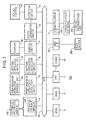
- Fig. 1 is a block diagram showing the hardware structure of a music content using system according to one preferred embodiment of the invention.
- a music content using apparatus EM that forms the main part of the system is a music information processing apparatus capable of processing music information, such as an electronic musical instrument or a personal computer (PC) with a performance operation section and a sound output section, called an electronic music machine.
- Such an electronic music machine EM includes a central processing unit (CPU) 1, a random access memory (RAM) 2, a read only memory (ROM) 3, an external memory unit 4, a performance operation detection circuit 5, a setting operation detection circuit 6, a display circuit 7, a sound generator circuit 8, an effector circuit 9, a MIDI interface (I/F) 10, and a communication interface (I/F) 11.
- CPU central processing unit
- RAM random access memory
- ROM read only memory
- an external memory unit 4 an external memory unit 4
- a performance operation detection circuit 5 a setting operation detection circuit 6
- display circuit 7 a sound generator circuit 8
- an effector circuit 9
- the CPU 1 performs various kinds of music information processing including music content using processing in response to clocks from a timer 13 according to various control programs including music content using programs.
- the RAM 2 is used as a working area for temporary storage of various kinds of data necessary for these kinds of processing.
- Prestored in the ROM 3 are not only various control programs and parameters, or music information, necessary for these kinds of processing, but also machine number information uniquely assigned to the electronic music machine EM.
- the external memory unit 4 includes an internal storage medium drive for driving an internal storage medium 4A such as a hard disk (HD), and external storage medium drives for driving various kinds of portable storage media 4B, such as a compact disk read only memory (CD-ROM), a flexible disk (FD), a magneto-optical (MO) disk, a digital versatile disk (DVD), and a small memory card like Smart Media (trademark).
- the internal storage medium 4A can store music information like music contents and control programs acquired from a music content distribution server DS and the like.
- the external storage media 4B can also store information acquired by the machine EM. In this case, however, information requiring permission such as a music content is recorded according to predetermined conditions.
- the external storage media 4B include specific external recording media (specific media) with music contents or music content using programs prerecorded on them.
- the specific media each have a unique media number, respectively, from which the music contents or the music content using programs can be introduced to the machine EM through each of the external storage medium drives.
- the performance operation detection circuit 5 detects the operating state of each performance operator or control 14, such as a keyboard or wheel, to introduce performance information to the machine EM according to the detected operating state.
- the performance operation detection circuit 5 and the performance operators 14 constitute the performance operation section.
- the setting operation detection circuit 6 detects the operating state of each setting operator or control 15, such as a character/numeral cursor key, a panel switch, or a mouse, to introduce setting information to the machine EM according to the detected operating state.
- the display circuit 7 drives the display 16 for various screens or various indicators (lamps), and controls these display/lighting states in accordance with instructions from the CPU 1.
- These elements 7 and 16 constitute display output section that aids the display of data in response to the operating state of each operator or control 14, 15.
- music information such as performance data (MIDI data) stored in the storage section 3, 4 can be edited using the display output section.
- the display output section may also have additional functions for some types of electronic music machines EM, including the function of displaying image data of a musical score or the like included in the music information or music content on the screen of the display 16, and the function of guiding performance according to performance-aiding data.
- the sound generator circuit 8 generates a tone signal corresponding to performance data from the performance operator 14 or the memory means 3, 4.
- the effector circuit 9 having a DSP for effect impartment gives predetermined effects to the tone signal.
- a sound system 17 connected to the effector circuit 9 includes a D/A converter, amplifier, and a speaker to generate sound based on the effect-imparted tone signal.
- These elements 8, 9, and 17 constitute a sound output section.
- the sound output section may also have an audio data processing function for some types of electronic music machines EM. In this case, an audio signal corresponding to audio data (waveform data) included in the music information from the storage section 3, 4 can be imparted with an effect(s) and outputted to the sound system 17.
- some types of electronic music machines EM may have printing function and provide a printing section with a printing circuit and a printer (not shown) as an output device in addition to the display output section 7, 16, and the sound output section 8, 9, 17.
- printing data such as a musical score included in the music information or music content can be printed on the printer.
- the MIDI I/F 10 is connected to another electronic musical instrument (MIDI device) ED so that the music information can be exchanged between the electronic music machine EM and the electronic musical instrument ED.
- the communication I/F 11 is connected to a communication network CN such as the Internet so that music contents and various control programs for using the music contents can be distributed from one or more music content distribution servers DS and used on the electronic music machine EM.
- Each of the music content distribution servers DS has substantially the same hardware structure as the electronic music machine EM shown in Fig. 1 .
- the music content distribution server DS may not include the performance operation section 5, 14, the sound output section 8, 9, 17, and the MIDI I/F 10, etc.
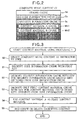
- FIG. 2 shows the data format of a music content used in the music content using system according to the embodiment of this invention. An outline of the features of the music content using system will be described in brief using Fig. 2 .
- a composite music content file Cf used in this system includes multiple kinds of content materials A, B, ... each encrypted individually as indicated by different hatching.
- the composite music content is a bundle of different contents designed for one music piece, such as MIDI performance data of the music piece, logical score data of the same music piece, and audio data of the same music piece.
- electronic music machines are diverse in capabilities of using music data. Some music machines may be equipped with monitors for using the logical score data, while other music machines may lack the capability of using the logical score data.
- the content materials includes a usable content material which matches with the capability of the electronic music machine EM and an unusable content material which does not match with the capability of the electronic music machine EM.
- the composite music content file Cf is used on each electronic music machine EM, only a content material(s) usable on the machine are selected and decrypted from the composite music content file Cf.
- the order of the arrangement of the multiple kinds of content materials A, B, ... in the composite music content file Cf is fixed in advance according to the order of content material chunks Mc1, Mc2, ... so that only a content material(s) in a specific location(s) corresponding to the content using function(s) of the machine will be decrypted.
- the order of the arrangement of the content materials is unspecified. Therefore, it is determined for each of the content material chunks Mc1, Mc2, ... whether each content is usable on the machine to decrypt only the content material(s) determined to be usable.
- Music contents used in this system include a content file Cf called the "composite music content.”
- the composite music content file Cf includes multiple kinds of music content materials each encrypted individually.
- Such a composite music content file Cf can be distributed from the music content distribution server DS and stored on the internal storage medium 4A. Alternatively, it may be recorded on one of portable external recording media (specific media) usable on the electronic music machine EM.
- the composite music content file Cf consists of a plurality of chunks encrypted in a hierarchical fashion, including a header chunk Hc, a code information chunk Cc, a security information chunk Sc, and a plurality of content material chunks Mc1, Mc2, ...
- the header chunk Hc describes header information in plaintext or non-encrypted form, such as the content name of the composite music content file Cf, the total number of bytes, the number of chunks, etc.
- the contents of the other chunks Cc, Sc, Mc1, Mc2, ... are encrypted with predetermined keys (encryption keys), respectively, as indicated by different hatching.
- the code information chunk Cc is encrypted with a first encryption key (hereinafter also called “the first key").
- the first encryption key is, for example, a machine unique key uniquely assigned to the electronic music machine EM, or a media unique key unique to each of predetermined specific external recording media (specific media).
- the code information chunk Cc describes information (code information) related to the ciphers, or codes, of the other chunks Sc, Mc1, Mc2, ... lower in hierarchy than the code information chunk Cc.
- the code information describes that the security chunk Sc can be decrypted with a second encryption key and each of the content material chunks Mc1, Mc2, ... can be decrypted with a third encryption key, etc.
- the security chunk Sc is encrypted with a second encryption key for the security information chunk (hereinafter also called “the second key") defined in the code information chunk Cc.
- the security information chunk Sc describes information (security information) defining security conditions for using each of the content materials Mc1, Mc2, ...
- the security information represents the limiting conditions for using the content to instruct whether to enable or disable (whether to permit or not permit) each of content using items, such as replay (sound replay, musical score display), editing, duplicate (copying), and printing.
- Each of the content material chunks Mc1, Mc2, ... is encrypted with a third encryption key (hereinafter also called “the third key") defined in the code information chunk Cc.
- the third encryption key used to encrypt and decrypt each of the content material chunks Mc1, Mc2, ... may be a common key for all the content material chunks, or a different key for each content material.
- a common key may also be used as the second encryption key and the third encryption key.
- Each of the content material chunks Mc1, Mc2, ... includes real data that form an actual part of each type of content material, such as MIDI performance data, logic score data, or audio data.
- the first content material chunk Mc1 includes MIDI performance data as the content material A
- the second content material chunk Mc2 includes logic score data as the content material B.
- the same kind of content materials may be included in two or more content material chunks, such as a case where a piece of MIDI performance data is recorded in the first content material chunk Mc1 and another piece of MIDI performance data is recorded in the second content material chunk Mc2.
- the kind of usable content materials A, B, ... in such a composite music content file Cf varies according to the type of electronic music machine EM.
- an X type electronic music machine EMx as a high-end model can use both the content material A (MIDI performance data) and the content material B (logic score data), while a Y type electronic music machine EMy as a low-end mode can use only the content material A (MIDI performance data).
- the content materials A, B, ... in the composite music content file Cf are arranged in a predetermined, fixed-order according to the order of the multiple content material chunks Mc1, Mc2, ...
- the content using programs for each electronic music machine EM are preset according to the type of the machine to decrypt only the material chunks including usable content materials.
- the X type electronic music machine EMx can decrypt the first and second content material chunks Mc1, Mc2 including usable content materials A (MIDI performance data) and B (logic score data)
- the Y type electronic music machine EMy can decrypt only the first content material chunk Mc1 including the content material A (MIDI performance data) as the usable content material.
- the order of the arrangement of the content materials A, B, ... in the composite music content file Cf is unspecified or irrelevant to the order of the multiple content material chunks Mc1, Mc2, ...
- the security information chunk Sc in the composite music content file Cf describes material type information representing each of the content materials A, B, ... in each of the content material chunks Mc1, Mc2, ... as part of security information.
- the electronic music machine EM checks the contents of the material type information to determine whether each of the content material chunks Mc1, Mc2, ... includes a content material usable on the machine EM. Then, based on the determination results, the electronic music machine EM decrypts only the content material chunk(s) corresponding to the usable content material(s).
- part of each content material e.g., the headmost part
- Fig. 3 is a flowchart of "content material using processing 1" representing an example of processing for using a music content according to the embodiment of the invention.
- This processing flow shows the operation of the above-mentioned Y type electronic music machine EMy.
- the content materials A, B, ... in the composite music content file Cf are arranged in the content material chunks Mc1, Mc2, ..., respectively, in fixed orders which are predetermined correspondingly to different capabilities required for using the content materials.
- the electronic music machine EMy automatically identifies the usable content material arranged at a particular order predetermined in correspondence to the capability of the electronic music machine EMy.
- the Y type electronic music machine EMy that can use only the content material A decrypts only the first material chunk Mc1 selected from the material chunks Mc1, Mc2, ... to read only the first material chunk Mc1 including the content material A without decrypting the other material chunks Mc2, ...
- a particular composite music content is selected according to instruction by the user from a plurality of composite music contents stored in the internal storage medium 4A or a specific portable external storage medium 4b (one of specific media) of the memory unit 4.
- the selected composite music content file Cf is loaded onto the RAM 2 from the internal storage medium 4A or the specific portable external storage medium 4B of the memory unit 4, the type Y electronic music machine EMy performs the content material using processing 1 to display the content name and the like on the screen of the display 16 according to the header information of the header chunk Hc in the composite music content file Cf.
- the machine EMy performs the following processing steps S1 to S5.
- step S1 the code information chunk Cc is first decrypted with the first key to determine the second and third keys for decrypting the security information chunk Sc and the content material chunks Mc1, Mc2, ..., respectively. Then, in step S2, the security information chunk Sc is decrypted with the second key, or key for the security information chunk, obtained from the code information chunk Cc.
- step S3 only the first content material chunk Mc1 is decrypted with the third key, or key for the content material chunks, obtained from the code information chunk Cc, to read the content material A (performance data) from the content material chunk Mc1.
- the decrypted content material A is used as defined in the limiting conditions in the security information of the security information chunk Sc decrypted in step S2.
- step S3 For example, if the security information dictates that the content material A decrypted in step S3 is "replayable,” sound will be emitted through the sound output section 8, 9, 17 based on the performance data of the content material A. If the security information dictates that it is "editable,” it will mean that the performance data of the content material A can be edited. Further, if it is “replicable,” it will mean that the content material A can be encrypted by a predetermined encryption system and copied to a licensed external recording medium 4A.
- step S5 After completion of using the content material A as the first content material, the procedure goes to the final step S5.
- step S5 if the content material A needs to be restored onto the internal storage medium 4A after being edited or processed in the content using step S4, the composite music content file Cf with the chunks from the chunk Cc to the chunk Mc1 that have been decrypted and expanded on the RAM 2 is re-encrypted to prevent unauthorized use and stored on the internal storage medium 4A. Then, the composite music content file Cf is deleted from the RAM 2 to prevent a careless leakage of the content from the RAM 2. After completion of the reencryption and deletion processing, the content material using processing 1 is ended.
- the X type electronic music machine EMx which can use the content materials A and B, performs the content material using processing 1 according to the embodiment, it will also decrypt the second content material chunk Mc2 in step S3, though not shown in Fig. 3 , after decrypting the first content material chunk Mc1. Then, in step S4, the content materials A and B of the first and second content material chunks are used.
- the content materials usable on the machine and the content material chunks that include the content materials are known beforehand.
- all the content material chunks usable on the machine are decrypted from the composite music content file Cf in step S3 of Fig. 3 in the same manner as in the type X electronic music machine EMx.
- processing for using the content materials included in the decrypted content material chunks is performed.
- Fig. 4 is a flowchart of "content material using processing 2" representing an example of processing for using a music content according to this alternative example.
- This processing flow is applied in common to electronic music machines EM, including the above-mentioned type X and Y electronic music machines EMx and EMy, in the case where the composite music content file Cf has two music content material chunks Mc1 and Mc2.
- Fig. 4 when the composite music content file Cf is loaded onto the RAM 2 to start the content material using processing 2, the electronic music machine EM of type X or type Y decrypts the code information chunk Cc with the first key in the first step P1 in the same manner as in the flow of Fig. 3 to determine the second and third keys for decrypting the security information chunk Sc and the content material chunks Mc1, Mc2, ..., respectively. Then, in step P2, the security information chunk Sc is decrypted with the second key (key for the security information chunk) obtained from the code information chunk Cc.
- the second key key for the security information chunk
- step P3 it is determined that the content material included in the first content material chunk Mc1 is type A according to the material type information included in the security information of the security information chunk Sc decrypted in step P2 to determine whether the content material A is usable on the electronic music machine EM.
- step P4 the first content material chunk Mc1 is decrypted with the third key (key for the content material chunks), obtained from the code information chunk Cc, to read the content material A (performance data) from the first content material chunk Mc1.
- step P4 After the first content material chunk is decrypted (P4), or when it is determined that the content material A in the content material chunk Mc1 is unusable on the electronic music machine EM (when No in P3), the procedure goes to step P5. Then, in step P5, it is determined that the content material included in the second content material chunk Mc2 is type B according to the material type information to determine whether the content material B is usable on the electronic music machine EM.
- step P6 the second content material chunk Mc2 is decrypted with the third key, or key for the content material chunks, obtained from the code information chunk Cc, to read the content material B (logic score data) from the second content material chunk Mc2.
- step P6 After the second content material chunk is decrypted (P6), or when it is determined that the content material B in the second content material chunk Mc2 is unusable on the machine EM like on the type Y electronic music machine EMy (when No in P5), the procedure goes to step P7.
- each of the decrypted content materials is used according to the security information in the security information chunk Sc decrypted in step P2.
- the security information chunk Sc decrypted in step P2 For example, in the case of the type Y electronic music machine EMy, only the content material A (performance data) decrypted in step P4 is used according to the contents of the security information. Meanwhile, in the case of the type X electronic music machine EMx, both the content materials A and B decrypted in steps P4 and P6 are used according to the contents of the security information.
- step P8 After completion of using the content material(s) in step P7, the procedure goes to the final step P8.
- step P8 when the content needs to be restored onto the internal storage medium 4A to prevent a careless leakage of the decrypted content, the composite music content file Cf with the material chunks including the usable content material(s) that have been decrypted and expanded on the RAM 3 is reencrypted and restored on the internal storage medium 4A. Then, the composite music content file Cf is deleted from the RAM 3, and the content material using processing 2 is ended.
- the content material using processing 2 is applied in common to electronic music machines EM of any type, including the electronic music machines EMx and EMy, by changing part of the procedure as indicated by the broken lines.
- the procedure returns to step P5 as indicated by the broken lines.
- step P5 it is determined, in the same manner described above, whether a content material in the subsequent, third content material chunk Mc3 is usable on the electronic music machine EM.
- the procedure returns to step P5 directly or via step P6, depending on the determination result in P5, thus repeating the processing step P5.
- step P7 After completion of determination of the last content material chunk (when NO in P5 or via P6), the procedure goes to step P7 to use the content materials decrypted in steps P4 and P6.
- each chunk in the composite music content file is encrypted by the same encryption system using the same or different encryption key for each chunk.
- the present invention is not limited to the embodiments, and each chunk may be encrypted by an encryption system different from that for another chunk.
- the content materials are arranged in the predetermined order of first MIDI performance data, second logical score data and so on.
- the invention is not limited to this specific order. The order of arranging the content materials may be predetermined differently. However, it should be noted that the order must be predetermined commonly to all the electronic musical machines compliant to the inventive system.
Landscapes
- Engineering & Computer Science (AREA)
- Theoretical Computer Science (AREA)
- Computer Security & Cryptography (AREA)
- Software Systems (AREA)
- Physics & Mathematics (AREA)
- General Physics & Mathematics (AREA)
- Computer Hardware Design (AREA)
- Signal Processing (AREA)
- General Engineering & Computer Science (AREA)
- Multimedia (AREA)
- Health & Medical Sciences (AREA)
- Bioethics (AREA)
- General Health & Medical Sciences (AREA)
- Acoustics & Sound (AREA)
- Technology Law (AREA)
- Reverberation, Karaoke And Other Acoustics (AREA)
- Electrophonic Musical Instruments (AREA)
- Storage Device Security (AREA)
Claims (5)
- Musikvorrichtung, die eine Fähigkeit hat, einen zusammengesetzten Musikinhalt (Cf) zu verwenden, aufweisend:einen Speicherabschnitt (2, 4), der dazu ausgelegt ist, eine Datei des zusammengesetzten Musikinhalts (Cf) zu speichern, der aus mehreren Inhaltsmaterialien (Mc1, Mc2) besteht, undeinen Verwendungsabschnitt, der dazu ausgelegt ist, nur ein verwendbares Inhaltsmaterial (Mc1, Mc2) aus den mehreren Inhaltsmaterialien (Mc1, Mc2) zu verwenden, das zur Fähigkeit der Musikvorrichtung passt, und nicht ein nicht verwendbares Inhaltsmaterial (Mc1, Mc2) aus den mehreren Inhaltsmaterialien (Mc1, Mc2) zu verwenden, das nicht zur Fähigkeit der Musikvorrichtung passt,dadurch gekennzeichnet, dass
jedes der Inhaltsmaterialien (Mc1, Mc2) einzeln verschlüsselt ist;
die Musikvorrichtung ferner aufweist
einen Entschlüsselungsabschnitt und
einen Erkennungsabschnitt, der dazu ausgelegt ist, das verwendbare Inhaltsmaterial (Mc1, Mc2) aus den mehreren Inhaltsmaterialien (Mc1, Mc2) des in dem Speicherabschnitt (2, 4) gespeicherten zusammengesetzten Musikinhalts (Cf) zu erkennen, um den Entschlüsselungsabschnitt so zu steuern, dass er selektiv nur das von dem Erkennungsabschnitt erkannte verwendbare Inhaltsmaterial (Mc1, Mc2) entschlüsselt, während er das nicht verwendbare Inhaltsmaterial (Mc1, Mc2) nicht entschlüsselt, wodurch eine schnelle Verwendung des zusammengesetzten Musikinhalts (Cf) durch den Verwendungsabschnitt ermöglicht wird, während die von dem Entschlüsselungsabschnitt zur Entschlüsselung des zusammengesetzten Musikinhalts (Cf) benötigte Zeit verkürzt wird,
wobei der Speicherabschnitt (2, 4) dazu ausgelegt ist, die Datei des zusammengesetzten Musikinhalts (Cf) zu speichern, so dass die mehreren Inhaltsmaterialien (Mc1, Mc2) in Reihenfolgen angeordnet sind, die entsprechend verschiedenen zum Verwenden der Inhaltsmaterialien benötigten Fähigkeiten vorbestimmt sind, wobei der Erkennungsabschnitt dazu ausgelegt ist, das verwendbare Inhaltsmaterial (Mc1, Mc2), das in einer vorbestimmten Reihenfolge angeordnet ist, die in Entsprechung zu der Fähigkeit der Musikvorrichtung vorbestimmt ist, automatisch zu erkennen,
und wobei der Erkennungsabschnitt dazu ausgelegt ist, bei jedem der mehreren Inhaltsmaterialien (Mc1, Mc2) festzustellen, ob es zu der Fähigkeit der Musikvorrichtung passt, um so das verwendbare Inhaltsmaterial aus den mehreren Inhaltsmaterialien zu erkennen. - Musikvorrichtung gemäß Anspruch 1, wobei der Speicherabschnitt dazu ausgelegt ist, den zusammengesetzten Musikinhalt zu speichern, der aus den mehreren Inhaltsmaterialien besteht, die mit einem Codeschlüssel verschlüsselt sind, der für die mehreren Inhaltsmaterialien gleich eingestellt ist.
- Musikvorrichtung gemäß Anspruch 1, wobei der Speicherabschnitt dazu ausgelegt ist, den zusammengesetzten Musikinhalt zu speichern, der aus den mehreren Inhaltsmaterialien besteht, die mit Codeschlüsseln verschlüsselt sind, die für die mehreren Inhaltsmaterialien unterschiedlich eingestellt sind.
- Programm zur Verwendung in einer Musikvorrichtung, die einen Prozessor (1) und einen Speicherabschnitt (2, 4) hat, in dem eine Datei aus einem zusammengesetzten Musikinhalt (Cf) gespeichert ist, der aus mehreren Inhaltsmaterialien (Mc1, Mc2) besteht, wobei die Inhaltsmaterialien (Mc1, Mc2) des in dem Speicherabschnitt (2, 4) gespeicherten zusammengesetzten Musikinhalts (Cf) ein verwendbares Inhaltsmaterial (Mc1, Mc2), das von der Musikvorrichtung verwendet werden kann, und ein nicht verwendbares Inhaltsmaterial (Mc1, Mc2) beinhalten, das von der Musikvorrichtung nicht verwendet wird, wobei das Programm von dem Prozessor (1) dazu ausführbar ist, die Musikvorrichtung zu veranlassen, ein Verfahren auszuführen, das den Schritt des Verwendens des entschlüsselten verwendbaren Inhaltsmaterials beinhaltet;
dadurch gekennzeichnet, dass
jedes der Inhaltsmaterialien (Mc1, Mc2) einzeln verschlüsselt ist, wobei die Musikvorrichtung dazu fähig ist, mindestens eines der Inhaltsmaterialien (Mc1, Mc2) des zusammengesetzten Musikinhalts (Cf) nach der Entschlüsselung zu verwenden; und
dadurch dass das Verfahren ferner die folgenden Schritte aufweist:Erkennen des verwendbaren Inhaltsmaterials (Mc1, Mc2) aus den mehreren Inhaltsmaterialien (Mc1, Mc2) des in dem Speicherabschnitt (2, 4) gespeicherten zusammengesetzten Musikinhalts (Cf);selektives Entschlüsseln nur des erkannten verwendbaren Inhaltsmaterials (Mc1, Mc2), während das nicht verwendbare Inhaltsmaterial (Mc1, Mc2) nicht entschlüsselt wird, wodurch eine schnelle Verwendung des zusammengesetzten Musikinhalts (Cf) ermöglicht wird, während die zur Entschlüsselung des zusammengesetzten Musikinhalts (Cf) benötigte Zeit verkürzt wird,wobei in dem Speicherabschnitt (2, 4) die Datei des zusammengesetzten Musikinhalts (Cf) in einer solchen Weise gespeichert ist, dass die mehreren Inhaltsmaterialien (Mc1, Mc2) in Reihenfolgen angeordnet sind, die entsprechend verschiedenen zum Verwenden der Inhaltsmaterialien benötigten Fähigkeiten vorbestimmt sind, wobei das verwendbare Inhaltsmaterial (Mc1, Mc2), das in einer vorbestimmten Reihenfolge angeordnet ist, die in Entsprechung zu der Fähigkeit der Musikvorrichtung vorbestimmt ist, automatisch erkannt wird,und wobei bei jedem aus den mehreren Inhaltsmaterialien (Mc1, Mc2) festgestellt wird, ob es zu der Fähigkeit der Musikvorrichtung passt, um so das verwendbare Inhaltsmaterial aus den mehreren Inhaltsmaterialien zu erkennen. - Verfahren zum Verwenden eines zusammengesetzten Musikinhalts (Cf) in einer Musikvorrichtung, die einen Speicherabschnitt (2, 4) aufweist, in dem eine Datei eines zusammengesetzten Musikinhalts (Cf) gespeichert ist, der aus mehreren Inhaltsmaterialien (Mc1, Mc2) besteht, wobei die Inhaltsmaterialien des zusammengesetzten Musikinhalts (Cf) ein verwendbares Inhaltsmaterial (Mc1, Mc2), das von der Musikvorrichtung verwendet werden kann, und ein nicht verwendbares Inhaltsmaterial (Mc1, Mc2) beinhalten, das von der Musikvorrichtung nicht verwendet wird, wobei das Verfahren den Schritt des Verwendens des entschlüsselten verwendbaren Inhaltsmaterials beinhaltet;
dadurch gekennzeichnet, dass
jedes der Inhaltsmaterialien (Mc1, Mc2) einzeln verschlüsselt ist, wobei die Musikvorrichtung dazu fähig ist, mindestens eines der Inhaltsmaterialien (Mc1, Mc2) des zusammengesetzten Musikinhalts (Cf) nach der Entschlüsselung zu verwenden; und
dadurch dass das Verfahren ferner die folgenden Schritte aufweist:Erkennen des verwendbaren Inhaltsmaterials (Mc1, Mc2) aus den mehreren Inhaltsmaterialien (Mc1, Mc2) des in dem Speicherabschnitt (2, 4) gespeicherten zusammengesetzten Musikinhalts (Cf);selektives Entschlüsseln nur des erkannten verwendbaren Inhaltsmaterials (Mc1, Mc2), während das nicht verwendbare Inhaltsmaterial (Mc1, Mc2) nicht entschlüsselt wird, wodurch eine schnelle Verwendung des zusammengesetzten Musikinhalts (Cf) ermöglicht wird, während die zur Entschlüsselung des zusammengesetzten Musikinhalts (Cf) benötigte Zeit verkürzt wird,wobei in dem Speicherabschnitt (2, 4) die Datei des zusammengesetzten Musikinhalts (Cf) in einer solchen Weise gespeichert ist, dass die mehreren Inhaltsmaterialien (Mc1, Mc2) in Reihenfolgen angeordnet sind, die entsprechend verschiedenen zum Verwenden der Inhaltsmaterialien benötigten Fähigkeiten vorbestimmt sind, wobei das verwendbare Inhaltsmaterial (Mc1, Mc2), das in einer vorbestimmten Reihenfolge angeordnet ist, die in Entsprechung zu der Fähigkeit der Musikvorrichtung vorbestimmt ist, automatisch erkannt wird,und wobei bei jedem aus den mehreren Inhaltsmaterialien (Mc1, Mc2) festgestellt wird, ob es zu der Fähigkeit der Musikvorrichtung passt, um so das verwendbare Inhaltsmaterial aus den mehreren Inhaltsmaterialien zu erkennen.
Applications Claiming Priority (2)
| Application Number | Priority Date | Filing Date | Title |
|---|---|---|---|
| JP2003435636A JP4702689B2 (ja) | 2003-12-26 | 2003-12-26 | 音楽コンテンツ利用装置及びプログラム |
| JP2003435636 | 2003-12-26 |
Publications (2)
| Publication Number | Publication Date |
|---|---|
| EP1551005A1 EP1551005A1 (de) | 2005-07-06 |
| EP1551005B1 true EP1551005B1 (de) | 2013-11-27 |
Family
ID=34567567
Family Applications (1)
| Application Number | Title | Priority Date | Filing Date |
|---|---|---|---|
| EP04106785.1A Expired - Lifetime EP1551005B1 (de) | 2003-12-26 | 2004-12-21 | Musikalische Vorrichtung mit selektiver Entschlüsselung von nutzbaren Teilen eines geladenen zusammengesetzten Inhalts |
Country Status (4)
| Country | Link |
|---|---|
| US (1) | US20050142526A1 (de) |
| EP (1) | EP1551005B1 (de) |
| JP (1) | JP4702689B2 (de) |
| CN (1) | CN1637851B (de) |
Families Citing this family (9)
| Publication number | Priority date | Publication date | Assignee | Title |
|---|---|---|---|---|
| JP4367662B2 (ja) | 2007-03-23 | 2009-11-18 | ソニー株式会社 | 情報処理システム、端末装置、情報処理方法、プログラム |
| JP4933932B2 (ja) | 2007-03-23 | 2012-05-16 | ソニー株式会社 | 情報処理システム、情報処理装置、情報処理方法、プログラム |
| JP2010262002A (ja) | 2009-04-30 | 2010-11-18 | Yamaha Corp | 音楽コンテンツデータ処理装置及びプログラム |
| US8312296B2 (en) | 2010-03-10 | 2012-11-13 | Dell Products L.P. | System and method for recovering from an interrupted encryption and decryption operation performed on a volume |
| US8856550B2 (en) * | 2010-03-10 | 2014-10-07 | Dell Products L.P. | System and method for pre-operating system encryption and decryption of data |
| US9135471B2 (en) * | 2010-03-10 | 2015-09-15 | Dell Products L.P. | System and method for encryption and decryption of data |
| US8930713B2 (en) | 2010-03-10 | 2015-01-06 | Dell Products L.P. | System and method for general purpose encryption of data |
| US8560846B2 (en) * | 2011-01-13 | 2013-10-15 | Hewlett-Packard Development Company, L.P. | Document security system and method |
| CN106488274B (zh) * | 2016-10-19 | 2019-11-15 | 广东广新信息产业股份有限公司 | 多媒体终端的节目清单生成方法和系统 |
Family Cites Families (19)
| Publication number | Priority date | Publication date | Assignee | Title |
|---|---|---|---|---|
| DE4413451A1 (de) * | 1994-04-18 | 1995-12-14 | Rolf Brugger | Vorrichtung zum Vertrieb von Musikinformationen in digitaler Form |
| US5889860A (en) * | 1996-11-08 | 1999-03-30 | Sunhawk Corporation, Inc. | Encryption system with transaction coded decryption key |
| KR100511250B1 (ko) * | 1998-04-09 | 2005-11-03 | 엘지전자 주식회사 | 디지탈오디오/비디오(a/v)시스템 |
| JP4236024B2 (ja) | 1999-03-08 | 2009-03-11 | 株式会社フェイス | データ再生装置および情報端末機 |
| US6427149B1 (en) * | 1999-09-09 | 2002-07-30 | Herman Rodriguez | Remote access of archived compressed data files |
| US20020003886A1 (en) * | 2000-04-28 | 2002-01-10 | Hillegass James C. | Method and system for storing multiple media tracks in a single, multiply encrypted computer file |
| JP4003203B2 (ja) * | 2000-08-10 | 2007-11-07 | サイファーゲート株式会社 | 暗号化プログラムを記録した記録媒体及び復号化プログラムを記録した記録媒体 |
| AU2000275544A1 (en) * | 2000-09-15 | 2002-03-26 | Netfraternity Network S.P.A. | Method and system for the dissemination of audio tracks through computer networks |
| US7107110B2 (en) * | 2001-03-05 | 2006-09-12 | Microsoft Corporation | Audio buffers with audio effects |
| US20020144587A1 (en) * | 2001-04-09 | 2002-10-10 | Naples Bradley J. | Virtual music system |
| JP3862061B2 (ja) * | 2001-05-25 | 2006-12-27 | ヤマハ株式会社 | 楽音再生装置および楽音再生方法ならびに携帯端末装置 |
| JP3705581B2 (ja) * | 2001-06-27 | 2005-10-12 | ヤマハ株式会社 | データ送信方法および送信システム |
| US7030311B2 (en) * | 2001-11-21 | 2006-04-18 | Line 6, Inc | System and method for delivering a multimedia presentation to a user and to allow the user to play a musical instrument in conjunction with the multimedia presentation |
| US7196259B2 (en) * | 2002-01-11 | 2007-03-27 | Yamaha Corporation | Performance data transmission controlling apparatus and electronic musical instrument capable of acquiring performance data |
| JP3569266B2 (ja) * | 2002-03-22 | 2004-09-22 | 株式会社東芝 | 再生装置及び省電力方法 |
| JP2004023667A (ja) * | 2002-06-19 | 2004-01-22 | Matsushita Electric Ind Co Ltd | プロファイル情報送信装置 |
| JP3864881B2 (ja) * | 2002-09-24 | 2007-01-10 | ヤマハ株式会社 | 電子音楽システムおよび電子音楽システム用プログラム |
| JP2004117798A (ja) * | 2002-09-26 | 2004-04-15 | Yamaha Corp | コンテンツ提供システム並びに情報処理端末及び処理プログラム |
| JP3938015B2 (ja) * | 2002-11-19 | 2007-06-27 | ヤマハ株式会社 | 音声再生装置 |
-
2003
- 2003-12-26 JP JP2003435636A patent/JP4702689B2/ja not_active Expired - Lifetime
-
2004
- 2004-12-21 EP EP04106785.1A patent/EP1551005B1/de not_active Expired - Lifetime
- 2004-12-22 US US11/021,243 patent/US20050142526A1/en not_active Abandoned
- 2004-12-24 CN CN200410102601XA patent/CN1637851B/zh not_active Expired - Lifetime
Also Published As
| Publication number | Publication date |
|---|---|
| EP1551005A1 (de) | 2005-07-06 |
| CN1637851A (zh) | 2005-07-13 |
| JP2005195673A (ja) | 2005-07-21 |
| CN1637851B (zh) | 2010-12-01 |
| US20050142526A1 (en) | 2005-06-30 |
| JP4702689B2 (ja) | 2011-06-15 |
Similar Documents
| Publication | Publication Date | Title |
|---|---|---|
| EP1376308B1 (de) | Verfahren zur kopiergeschützten Aufzeichnung und Verteilung von digitalen Signalen | |
| US7096268B1 (en) | Copyrighted data processing method and apparatus | |
| US20090274296A1 (en) | Digital content decrypting apparatus and operating method thereof | |
| JP4370800B2 (ja) | 音楽コンテンツ利用装置及びプログラム | |
| KR20000064791A (ko) | 콘텐트 정보 및 그것과 관련된 추가정보를전송하는 방법 및 시스템 | |
| US7237124B2 (en) | Contents recorder/reproducer | |
| JP2002132457A (ja) | 情報記録装置及び情報再生装置並びに情報記録再生装置 | |
| JP2011181179A (ja) | 記録担体、記録担体に情報を書き込む方法及びコンピュータシステム | |
| EP1551005B1 (de) | Musikalische Vorrichtung mit selektiver Entschlüsselung von nutzbaren Teilen eines geladenen zusammengesetzten Inhalts | |
| JP2001142786A (ja) | 著作権付きデータ処理方法およびその装置 | |
| US7869595B2 (en) | Content copying device and content copying method | |
| JP2004046452A (ja) | 情報記録装置及び情報再生装置並びにそのプログラム | |
| JP3891720B2 (ja) | 記録媒体及び記録再生装置 | |
| JP2004318927A (ja) | デジタルデータの保存方法および記録媒体 | |
| US7937327B2 (en) | Music content using apparatus | |
| KR20000055719A (ko) | 디지탈 데이터 파일 암호화 방법 | |
| JP4788736B2 (ja) | 音楽コンテンツ利用装置及びプログラム | |
| JP4867424B2 (ja) | コンテンツ記録装置、コンテンツ再生装置またはコンピュータプログラム | |
| JP2005011105A (ja) | 再生装置、暗号化記録装置及びプログラム | |
| JPH11249670A (ja) | カラオケ装置及びカラオケ端末装置 | |
| JP2002278843A (ja) | コンテンツ再生装置 | |
| JP2003208163A (ja) | 演奏データ転送制御装置及び電子楽器及び演奏データ転送制御プログラム並びに演奏データ取得プログラム | |
| JP2004287901A (ja) | 音楽コンテンツ利用装置およびプログラム並びにコンピュータ読み取り可能な記録媒体 | |
| JP2000242564A (ja) | 記録媒体及び記録再生装置 | |
| JP2000092042A (ja) | 楽曲データ提供システム及び楽曲データ復号装置 |
Legal Events
| Date | Code | Title | Description |
|---|---|---|---|
| PUAI | Public reference made under article 153(3) epc to a published international application that has entered the european phase |
Free format text: ORIGINAL CODE: 0009012 |
|
| 17P | Request for examination filed |
Effective date: 20041223 |
|
| AK | Designated contracting states |
Kind code of ref document: A1 Designated state(s): AT BE BG CH CY CZ DE DK EE ES FI FR GB GR HU IE IS IT LI LT LU MC NL PL PT RO SE SI SK TR |
|
| AX | Request for extension of the european patent |
Extension state: AL BA HR LV MK YU |
|
| AKX | Designation fees paid |
Designated state(s): AT BE BG CH CY CZ DE DK EE ES FI FR GB GR HU IE IS IT LI LT LU MC NL PL PT RO SE SI SK TR |
|
| 17Q | First examination report despatched |
Effective date: 20050902 |
|
| RAP1 | Party data changed (applicant data changed or rights of an application transferred) |
Owner name: YAMAHA CORPORATION |
|
| GRAP | Despatch of communication of intention to grant a patent |
Free format text: ORIGINAL CODE: EPIDOSNIGR1 |
|
| INTG | Intention to grant announced |
Effective date: 20130704 |
|
| GRAS | Grant fee paid |
Free format text: ORIGINAL CODE: EPIDOSNIGR3 |
|
| GRAA | (expected) grant |
Free format text: ORIGINAL CODE: 0009210 |
|
| AK | Designated contracting states |
Kind code of ref document: B1 Designated state(s): AT BE BG CH CY CZ DE DK EE ES FI FR GB GR HU IE IS IT LI LT LU MC NL PL PT RO SE SI SK TR |
|
| REG | Reference to a national code |
Ref country code: GB Ref legal event code: FG4D |
|
| REG | Reference to a national code |
Ref country code: CH Ref legal event code: EP |
|
| REG | Reference to a national code |
Ref country code: AT Ref legal event code: REF Ref document number: 642992 Country of ref document: AT Kind code of ref document: T Effective date: 20131215 |
|
| REG | Reference to a national code |
Ref country code: IE Ref legal event code: FG4D |
|
| REG | Reference to a national code |
Ref country code: DE Ref legal event code: R096 Ref document number: 602004043882 Country of ref document: DE Effective date: 20140116 |
|
| REG | Reference to a national code |
Ref country code: NL Ref legal event code: VDEP Effective date: 20131127 |
|
| REG | Reference to a national code |
Ref country code: AT Ref legal event code: MK05 Ref document number: 642992 Country of ref document: AT Kind code of ref document: T Effective date: 20131127 |
|
| REG | Reference to a national code |
Ref country code: LT Ref legal event code: MG4D |
|
| PG25 | Lapsed in a contracting state [announced via postgrant information from national office to epo] |
Ref country code: LT Free format text: LAPSE BECAUSE OF FAILURE TO SUBMIT A TRANSLATION OF THE DESCRIPTION OR TO PAY THE FEE WITHIN THE PRESCRIBED TIME-LIMIT Effective date: 20131127 Ref country code: IS Free format text: LAPSE BECAUSE OF FAILURE TO SUBMIT A TRANSLATION OF THE DESCRIPTION OR TO PAY THE FEE WITHIN THE PRESCRIBED TIME-LIMIT Effective date: 20140327 Ref country code: SE Free format text: LAPSE BECAUSE OF FAILURE TO SUBMIT A TRANSLATION OF THE DESCRIPTION OR TO PAY THE FEE WITHIN THE PRESCRIBED TIME-LIMIT Effective date: 20131127 Ref country code: NL Free format text: LAPSE BECAUSE OF FAILURE TO SUBMIT A TRANSLATION OF THE DESCRIPTION OR TO PAY THE FEE WITHIN THE PRESCRIBED TIME-LIMIT Effective date: 20131127 Ref country code: FI Free format text: LAPSE BECAUSE OF FAILURE TO SUBMIT A TRANSLATION OF THE DESCRIPTION OR TO PAY THE FEE WITHIN THE PRESCRIBED TIME-LIMIT Effective date: 20131127 |
|
| PG25 | Lapsed in a contracting state [announced via postgrant information from national office to epo] |
Ref country code: CY Free format text: LAPSE BECAUSE OF FAILURE TO SUBMIT A TRANSLATION OF THE DESCRIPTION OR TO PAY THE FEE WITHIN THE PRESCRIBED TIME-LIMIT Effective date: 20131127 Ref country code: AT Free format text: LAPSE BECAUSE OF FAILURE TO SUBMIT A TRANSLATION OF THE DESCRIPTION OR TO PAY THE FEE WITHIN THE PRESCRIBED TIME-LIMIT Effective date: 20131127 Ref country code: ES Free format text: LAPSE BECAUSE OF FAILURE TO SUBMIT A TRANSLATION OF THE DESCRIPTION OR TO PAY THE FEE WITHIN THE PRESCRIBED TIME-LIMIT Effective date: 20131127 Ref country code: BE Free format text: LAPSE BECAUSE OF FAILURE TO SUBMIT A TRANSLATION OF THE DESCRIPTION OR TO PAY THE FEE WITHIN THE PRESCRIBED TIME-LIMIT Effective date: 20131127 |
|
| PG25 | Lapsed in a contracting state [announced via postgrant information from national office to epo] |
Ref country code: PT Free format text: LAPSE BECAUSE OF FAILURE TO SUBMIT A TRANSLATION OF THE DESCRIPTION OR TO PAY THE FEE WITHIN THE PRESCRIBED TIME-LIMIT Effective date: 20140327 |
|
| PG25 | Lapsed in a contracting state [announced via postgrant information from national office to epo] |
Ref country code: EE Free format text: LAPSE BECAUSE OF FAILURE TO SUBMIT A TRANSLATION OF THE DESCRIPTION OR TO PAY THE FEE WITHIN THE PRESCRIBED TIME-LIMIT Effective date: 20131127 |
|
| REG | Reference to a national code |
Ref country code: CH Ref legal event code: PL |
|
| REG | Reference to a national code |
Ref country code: DE Ref legal event code: R097 Ref document number: 602004043882 Country of ref document: DE |
|
| PG25 | Lapsed in a contracting state [announced via postgrant information from national office to epo] |
Ref country code: SK Free format text: LAPSE BECAUSE OF FAILURE TO SUBMIT A TRANSLATION OF THE DESCRIPTION OR TO PAY THE FEE WITHIN THE PRESCRIBED TIME-LIMIT Effective date: 20131127 Ref country code: CZ Free format text: LAPSE BECAUSE OF FAILURE TO SUBMIT A TRANSLATION OF THE DESCRIPTION OR TO PAY THE FEE WITHIN THE PRESCRIBED TIME-LIMIT Effective date: 20131127 Ref country code: RO Free format text: LAPSE BECAUSE OF FAILURE TO SUBMIT A TRANSLATION OF THE DESCRIPTION OR TO PAY THE FEE WITHIN THE PRESCRIBED TIME-LIMIT Effective date: 20131127 Ref country code: PL Free format text: LAPSE BECAUSE OF FAILURE TO SUBMIT A TRANSLATION OF THE DESCRIPTION OR TO PAY THE FEE WITHIN THE PRESCRIBED TIME-LIMIT Effective date: 20131127 Ref country code: MC Free format text: LAPSE BECAUSE OF FAILURE TO SUBMIT A TRANSLATION OF THE DESCRIPTION OR TO PAY THE FEE WITHIN THE PRESCRIBED TIME-LIMIT Effective date: 20131127 |
|
| REG | Reference to a national code |
Ref country code: IE Ref legal event code: MM4A |
|
| PG25 | Lapsed in a contracting state [announced via postgrant information from national office to epo] |
Ref country code: DK Free format text: LAPSE BECAUSE OF FAILURE TO SUBMIT A TRANSLATION OF THE DESCRIPTION OR TO PAY THE FEE WITHIN THE PRESCRIBED TIME-LIMIT Effective date: 20131127 |
|
| PLBE | No opposition filed within time limit |
Free format text: ORIGINAL CODE: 0009261 |
|
| STAA | Information on the status of an ep patent application or granted ep patent |
Free format text: STATUS: NO OPPOSITION FILED WITHIN TIME LIMIT |
|
| PG25 | Lapsed in a contracting state [announced via postgrant information from national office to epo] |
Ref country code: IE Free format text: LAPSE BECAUSE OF NON-PAYMENT OF DUE FEES Effective date: 20131221 Ref country code: CH Free format text: LAPSE BECAUSE OF NON-PAYMENT OF DUE FEES Effective date: 20131231 Ref country code: LI Free format text: LAPSE BECAUSE OF NON-PAYMENT OF DUE FEES Effective date: 20131231 |
|
| 26N | No opposition filed |
Effective date: 20140828 |
|
| REG | Reference to a national code |
Ref country code: DE Ref legal event code: R097 Ref document number: 602004043882 Country of ref document: DE Effective date: 20140828 |
|
| REG | Reference to a national code |
Ref country code: FR Ref legal event code: ST Effective date: 20141119 |
|
| PG25 | Lapsed in a contracting state [announced via postgrant information from national office to epo] |
Ref country code: FR Free format text: LAPSE BECAUSE OF NON-PAYMENT OF DUE FEES Effective date: 20140127 |
|
| PG25 | Lapsed in a contracting state [announced via postgrant information from national office to epo] |
Ref country code: SI Free format text: LAPSE BECAUSE OF FAILURE TO SUBMIT A TRANSLATION OF THE DESCRIPTION OR TO PAY THE FEE WITHIN THE PRESCRIBED TIME-LIMIT Effective date: 20131127 |
|
| PG25 | Lapsed in a contracting state [announced via postgrant information from national office to epo] |
Ref country code: TR Free format text: LAPSE BECAUSE OF FAILURE TO SUBMIT A TRANSLATION OF THE DESCRIPTION OR TO PAY THE FEE WITHIN THE PRESCRIBED TIME-LIMIT Effective date: 20131127 |
|
| PG25 | Lapsed in a contracting state [announced via postgrant information from national office to epo] |
Ref country code: LU Free format text: LAPSE BECAUSE OF NON-PAYMENT OF DUE FEES Effective date: 20131221 Ref country code: BG Free format text: LAPSE BECAUSE OF FAILURE TO SUBMIT A TRANSLATION OF THE DESCRIPTION OR TO PAY THE FEE WITHIN THE PRESCRIBED TIME-LIMIT Effective date: 20131127 Ref country code: HU Free format text: LAPSE BECAUSE OF FAILURE TO SUBMIT A TRANSLATION OF THE DESCRIPTION OR TO PAY THE FEE WITHIN THE PRESCRIBED TIME-LIMIT; INVALID AB INITIO Effective date: 20041221 |
|
| PG25 | Lapsed in a contracting state [announced via postgrant information from national office to epo] |
Ref country code: IT Free format text: LAPSE BECAUSE OF FAILURE TO SUBMIT A TRANSLATION OF THE DESCRIPTION OR TO PAY THE FEE WITHIN THE PRESCRIBED TIME-LIMIT Effective date: 20131127 Ref country code: GR Free format text: LAPSE BECAUSE OF NON-PAYMENT OF DUE FEES Effective date: 20131127 |
|
| PG25 | Lapsed in a contracting state [announced via postgrant information from national office to epo] |
Ref country code: GR Free format text: LAPSE BECAUSE OF FAILURE TO SUBMIT A TRANSLATION OF THE DESCRIPTION OR TO PAY THE FEE WITHIN THE PRESCRIBED TIME-LIMIT Effective date: 20140228 |
|
| PGFP | Annual fee paid to national office [announced via postgrant information from national office to epo] |
Ref country code: GB Payment date: 20171220 Year of fee payment: 14 |
|
| GBPC | Gb: european patent ceased through non-payment of renewal fee |
Effective date: 20181221 |
|
| PG25 | Lapsed in a contracting state [announced via postgrant information from national office to epo] |
Ref country code: GB Free format text: LAPSE BECAUSE OF NON-PAYMENT OF DUE FEES Effective date: 20181221 |
|
| PGFP | Annual fee paid to national office [announced via postgrant information from national office to epo] |
Ref country code: DE Payment date: 20211210 Year of fee payment: 18 |
|
| REG | Reference to a national code |
Ref country code: DE Ref legal event code: R119 Ref document number: 602004043882 Country of ref document: DE |
|
| PG25 | Lapsed in a contracting state [announced via postgrant information from national office to epo] |
Ref country code: DE Free format text: LAPSE BECAUSE OF NON-PAYMENT OF DUE FEES Effective date: 20230701 |