EP1551471B1 - Revetement bioactif pour dispositifs medicaux comprenant de la keratine - Google Patents
Revetement bioactif pour dispositifs medicaux comprenant de la keratine Download PDFInfo
- Publication number
- EP1551471B1 EP1551471B1 EP03771809A EP03771809A EP1551471B1 EP 1551471 B1 EP1551471 B1 EP 1551471B1 EP 03771809 A EP03771809 A EP 03771809A EP 03771809 A EP03771809 A EP 03771809A EP 1551471 B1 EP1551471 B1 EP 1551471B1
- Authority
- EP
- European Patent Office
- Prior art keywords
- keratin
- medical device
- group
- groups
- previous
- Prior art date
- Legal status (The legal status is an assumption and is not a legal conclusion. Google has not performed a legal analysis and makes no representation as to the accuracy of the status listed.)
- Expired - Lifetime
Links
- 102000011782 Keratins Human genes 0.000 title claims abstract description 130
- 108010076876 Keratins Proteins 0.000 title claims abstract description 130
- 238000000576 coating method Methods 0.000 title claims abstract description 65
- 239000011248 coating agent Substances 0.000 title claims abstract description 37
- 230000000975 bioactive effect Effects 0.000 title claims description 17
- 238000000034 method Methods 0.000 claims abstract description 49
- LFQSCWFLJHTTHZ-UHFFFAOYSA-N Ethanol Chemical compound CCO LFQSCWFLJHTTHZ-UHFFFAOYSA-N 0.000 claims description 50
- 210000004209 hair Anatomy 0.000 claims description 39
- RTAQQCXQSZGOHL-UHFFFAOYSA-N Titanium Chemical compound [Ti] RTAQQCXQSZGOHL-UHFFFAOYSA-N 0.000 claims description 37
- 239000000758 substrate Substances 0.000 claims description 36
- 239000010936 titanium Substances 0.000 claims description 36
- 229910052719 titanium Inorganic materials 0.000 claims description 36
- 229910000077 silane Inorganic materials 0.000 claims description 33
- 239000002904 solvent Substances 0.000 claims description 33
- BLRPTPMANUNPDV-UHFFFAOYSA-N Silane Chemical compound [SiH4] BLRPTPMANUNPDV-UHFFFAOYSA-N 0.000 claims description 31
- XLYOFNOQVPJJNP-UHFFFAOYSA-N water Substances O XLYOFNOQVPJJNP-UHFFFAOYSA-N 0.000 claims description 31
- 150000001282 organosilanes Chemical class 0.000 claims description 25
- CSCPPACGZOOCGX-UHFFFAOYSA-N Acetone Chemical compound CC(C)=O CSCPPACGZOOCGX-UHFFFAOYSA-N 0.000 claims description 24
- KFZMGEQAYNKOFK-UHFFFAOYSA-N Isopropanol Chemical compound CC(C)O KFZMGEQAYNKOFK-UHFFFAOYSA-N 0.000 claims description 24
- OKKJLVBELUTLKV-UHFFFAOYSA-N Methanol Chemical compound OC OKKJLVBELUTLKV-UHFFFAOYSA-N 0.000 claims description 24
- 239000000463 material Substances 0.000 claims description 19
- 230000002829 reductive effect Effects 0.000 claims description 19
- IAZDPXIOMUYVGZ-UHFFFAOYSA-N Dimethylsulphoxide Chemical compound CS(C)=O IAZDPXIOMUYVGZ-UHFFFAOYSA-N 0.000 claims description 18
- 239000007943 implant Substances 0.000 claims description 17
- WYURNTSHIVDZCO-UHFFFAOYSA-N Tetrahydrofuran Chemical compound C1CCOC1 WYURNTSHIVDZCO-UHFFFAOYSA-N 0.000 claims description 16
- YMWUJEATGCHHMB-UHFFFAOYSA-N Dichloromethane Chemical compound ClCCl YMWUJEATGCHHMB-UHFFFAOYSA-N 0.000 claims description 15
- 239000000203 mixture Substances 0.000 claims description 12
- 125000003545 alkoxy group Chemical group 0.000 claims description 10
- 239000003054 catalyst Substances 0.000 claims description 10
- 125000003700 epoxy group Chemical group 0.000 claims description 9
- 125000000391 vinyl group Chemical group [H]C([*])=C([H])[H] 0.000 claims description 9
- 239000008367 deionised water Substances 0.000 claims description 8
- 229910021641 deionized water Inorganic materials 0.000 claims description 8
- 239000003999 initiator Substances 0.000 claims description 8
- -1 organosilane compound Chemical class 0.000 claims description 8
- YLQBMQCUIZJEEH-UHFFFAOYSA-N tetrahydrofuran Natural products C=1C=COC=1 YLQBMQCUIZJEEH-UHFFFAOYSA-N 0.000 claims description 8
- 210000000963 osteoblast Anatomy 0.000 claims description 7
- 229910052710 silicon Inorganic materials 0.000 claims description 7
- 102000007350 Bone Morphogenetic Proteins Human genes 0.000 claims description 6
- 108010007726 Bone Morphogenetic Proteins Proteins 0.000 claims description 6
- 102000004887 Transforming Growth Factor beta Human genes 0.000 claims description 6
- 108090001012 Transforming Growth Factor beta Proteins 0.000 claims description 6
- 125000003277 amino group Chemical group 0.000 claims description 6
- 229940112869 bone morphogenetic protein Drugs 0.000 claims description 6
- 239000000919 ceramic Substances 0.000 claims description 6
- 229910052751 metal Inorganic materials 0.000 claims description 6
- 239000002184 metal Substances 0.000 claims description 6
- ZRKFYGHZFMAOKI-QMGMOQQFSA-N tgfbeta Chemical compound C([C@H](NC(=O)[C@H](C(C)C)NC(=O)CNC(=O)[C@H](CCC(O)=O)NC(=O)[C@H](CCCNC(N)=N)NC(=O)[C@H](CC(N)=O)NC(=O)[C@H](CC(C)C)NC(=O)[C@H]([C@@H](C)O)NC(=O)[C@H](CCC(O)=O)NC(=O)[C@H]([C@@H](C)O)NC(=O)[C@H](CC(C)C)NC(=O)CNC(=O)[C@H](C)NC(=O)[C@H](CO)NC(=O)[C@H](CCC(N)=O)NC(=O)[C@@H](NC(=O)[C@H](C)NC(=O)[C@H](C)NC(=O)[C@@H](NC(=O)[C@H](CC(C)C)NC(=O)[C@@H](N)CCSC)C(C)C)[C@@H](C)CC)C(=O)N[C@@H]([C@@H](C)O)C(=O)N[C@@H](C(C)C)C(=O)N[C@@H](CC=1C=CC=CC=1)C(=O)N[C@@H](C)C(=O)N1[C@@H](CCC1)C(=O)N[C@@H]([C@@H](C)O)C(=O)N[C@@H](CC(N)=O)C(=O)N[C@@H](CCC(O)=O)C(=O)N[C@@H](C)C(=O)N[C@@H](CC=1C=CC=CC=1)C(=O)N[C@@H](CCCNC(N)=N)C(=O)N[C@@H](C)C(=O)N[C@@H](CC(C)C)C(=O)N1[C@@H](CCC1)C(=O)N1[C@@H](CCC1)C(=O)N[C@@H](CCCNC(N)=N)C(=O)N[C@@H](CCC(O)=O)C(=O)N[C@@H](CCCNC(N)=N)C(=O)N[C@@H](CO)C(=O)N[C@@H](CCCNC(N)=N)C(=O)N[C@@H](CC(C)C)C(=O)N[C@@H](CC(C)C)C(O)=O)C1=CC=C(O)C=C1 ZRKFYGHZFMAOKI-QMGMOQQFSA-N 0.000 claims description 6
- 239000000560 biocompatible material Substances 0.000 claims description 5
- 230000015572 biosynthetic process Effects 0.000 claims description 5
- 238000004140 cleaning Methods 0.000 claims description 5
- 239000007822 coupling agent Substances 0.000 claims description 5
- 229910052736 halogen Inorganic materials 0.000 claims description 5
- 150000002367 halogens Chemical class 0.000 claims description 5
- 239000010703 silicon Substances 0.000 claims description 5
- 239000003795 chemical substances by application Substances 0.000 claims description 4
- 210000001519 tissue Anatomy 0.000 claims description 4
- 125000003282 alkyl amino group Chemical group 0.000 claims description 3
- 125000003178 carboxy group Chemical group [H]OC(*)=O 0.000 claims description 3
- 229910052588 hydroxylapatite Inorganic materials 0.000 claims description 3
- IQPQWNKOIGAROB-UHFFFAOYSA-N isocyanate group Chemical group [N-]=C=O IQPQWNKOIGAROB-UHFFFAOYSA-N 0.000 claims description 3
- 150000002739 metals Chemical class 0.000 claims description 3
- 230000000399 orthopedic effect Effects 0.000 claims description 3
- 230000001590 oxidative effect Effects 0.000 claims description 3
- XYJRXVWERLGGKC-UHFFFAOYSA-D pentacalcium;hydroxide;triphosphate Chemical compound [OH-].[Ca+2].[Ca+2].[Ca+2].[Ca+2].[Ca+2].[O-]P([O-])([O-])=O.[O-]P([O-])([O-])=O.[O-]P([O-])([O-])=O XYJRXVWERLGGKC-UHFFFAOYSA-D 0.000 claims description 3
- 125000001424 substituent group Chemical group 0.000 claims description 3
- 210000003323 beak Anatomy 0.000 claims description 2
- 239000004053 dental implant Substances 0.000 claims description 2
- 210000003746 feather Anatomy 0.000 claims description 2
- 210000002683 foot Anatomy 0.000 claims description 2
- 210000000003 hoof Anatomy 0.000 claims description 2
- 210000003284 horn Anatomy 0.000 claims description 2
- 229910001092 metal group alloy Inorganic materials 0.000 claims description 2
- 238000002156 mixing Methods 0.000 claims description 2
- 230000002861 ventricular Effects 0.000 claims description 2
- 230000004913 activation Effects 0.000 claims 2
- 210000002805 bone matrix Anatomy 0.000 claims 2
- GEHJBWKLJVFKPS-UHFFFAOYSA-N bromochloroacetic acid Chemical compound OC(=O)C(Cl)Br GEHJBWKLJVFKPS-UHFFFAOYSA-N 0.000 description 31
- 210000004027 cell Anatomy 0.000 description 27
- 239000000243 solution Substances 0.000 description 22
- CIWBSHSKHKDKBQ-JLAZNSOCSA-N Ascorbic acid Chemical compound OC[C@H](O)[C@H]1OC(=O)C(O)=C1O CIWBSHSKHKDKBQ-JLAZNSOCSA-N 0.000 description 20
- 238000004833 X-ray photoelectron spectroscopy Methods 0.000 description 19
- CWERGRDVMFNCDR-UHFFFAOYSA-N thioglycolic acid Chemical compound OC(=O)CS CWERGRDVMFNCDR-UHFFFAOYSA-N 0.000 description 16
- 238000000605 extraction Methods 0.000 description 15
- VLKZOEOYAKHREP-UHFFFAOYSA-N n-Hexane Chemical group CCCCCC VLKZOEOYAKHREP-UHFFFAOYSA-N 0.000 description 15
- IJGRMHOSHXDMSA-UHFFFAOYSA-N Atomic nitrogen Chemical compound N#N IJGRMHOSHXDMSA-UHFFFAOYSA-N 0.000 description 12
- 238000001914 filtration Methods 0.000 description 12
- DHCLVCXQIBBOPH-UHFFFAOYSA-N Glycerol 2-phosphate Chemical compound OCC(CO)OP(O)(O)=O DHCLVCXQIBBOPH-UHFFFAOYSA-N 0.000 description 11
- 239000007788 liquid Substances 0.000 description 11
- 230000008569 process Effects 0.000 description 11
- 102000004169 proteins and genes Human genes 0.000 description 11
- 108090000623 proteins and genes Proteins 0.000 description 11
- 235000010323 ascorbic acid Nutrition 0.000 description 10
- 229960005070 ascorbic acid Drugs 0.000 description 10
- 239000011668 ascorbic acid Substances 0.000 description 10
- 239000003638 chemical reducing agent Substances 0.000 description 10
- 235000018102 proteins Nutrition 0.000 description 10
- 239000007787 solid Substances 0.000 description 10
- VHUUQVKOLVNVRT-UHFFFAOYSA-N Ammonium hydroxide Chemical compound [NH4+].[OH-] VHUUQVKOLVNVRT-UHFFFAOYSA-N 0.000 description 9
- MHAJPDPJQMAIIY-UHFFFAOYSA-N Hydrogen peroxide Chemical compound OO MHAJPDPJQMAIIY-UHFFFAOYSA-N 0.000 description 9
- KWYUFKZDYYNOTN-UHFFFAOYSA-M Potassium hydroxide Chemical compound [OH-].[K+] KWYUFKZDYYNOTN-UHFFFAOYSA-M 0.000 description 9
- HEMHJVSKTPXQMS-UHFFFAOYSA-M Sodium hydroxide Chemical compound [OH-].[Na+] HEMHJVSKTPXQMS-UHFFFAOYSA-M 0.000 description 9
- 239000000908 ammonium hydroxide Substances 0.000 description 9
- 230000002209 hydrophobic effect Effects 0.000 description 9
- XSQUKJJJFZCRTK-UHFFFAOYSA-N Urea Chemical compound NC(N)=O XSQUKJJJFZCRTK-UHFFFAOYSA-N 0.000 description 8
- 238000006243 chemical reaction Methods 0.000 description 8
- 229910052757 nitrogen Inorganic materials 0.000 description 8
- 239000003960 organic solvent Substances 0.000 description 8
- 238000007254 oxidation reaction Methods 0.000 description 8
- SQGYOTSLMSWVJD-UHFFFAOYSA-N silver(1+) nitrate Chemical compound [Ag+].[O-]N(=O)=O SQGYOTSLMSWVJD-UHFFFAOYSA-N 0.000 description 8
- 108010000487 High-Molecular-Weight Kininogen Proteins 0.000 description 7
- 102000002261 High-Molecular-Weight Kininogen Human genes 0.000 description 7
- NINIDFKCEFEMDL-UHFFFAOYSA-N Sulfur Chemical compound [S] NINIDFKCEFEMDL-UHFFFAOYSA-N 0.000 description 7
- 239000012298 atmosphere Substances 0.000 description 7
- 239000011521 glass Substances 0.000 description 7
- 229910052717 sulfur Inorganic materials 0.000 description 7
- 239000011593 sulfur Substances 0.000 description 7
- 238000010504 bond cleavage reaction Methods 0.000 description 6
- 230000008878 coupling Effects 0.000 description 6
- 238000010168 coupling process Methods 0.000 description 6
- 238000005859 coupling reaction Methods 0.000 description 6
- 235000018417 cysteine Nutrition 0.000 description 6
- XUJNEKJLAYXESH-UHFFFAOYSA-N cysteine Natural products SCC(N)C(O)=O XUJNEKJLAYXESH-UHFFFAOYSA-N 0.000 description 6
- LEVWYRKDKASIDU-IMJSIDKUSA-N cystine group Chemical group C([C@@H](C(=O)O)N)SSC[C@@H](C(=O)O)N LEVWYRKDKASIDU-IMJSIDKUSA-N 0.000 description 6
- 239000011159 matrix material Substances 0.000 description 6
- 230000002138 osteoinductive effect Effects 0.000 description 6
- 230000003647 oxidation Effects 0.000 description 6
- 239000000843 powder Substances 0.000 description 6
- 230000007017 scission Effects 0.000 description 6
- 235000001014 amino acid Nutrition 0.000 description 5
- 229940024606 amino acid Drugs 0.000 description 5
- 150000001413 amino acids Chemical class 0.000 description 5
- 238000005119 centrifugation Methods 0.000 description 5
- 238000007598 dipping method Methods 0.000 description 5
- 210000003963 intermediate filament Anatomy 0.000 description 5
- 239000007800 oxidant agent Substances 0.000 description 5
- 150000003254 radicals Chemical class 0.000 description 5
- 230000009467 reduction Effects 0.000 description 5
- 125000003396 thiol group Chemical group [H]S* 0.000 description 5
- 150000003573 thiols Chemical class 0.000 description 5
- PMNLUUOXGOOLSP-UHFFFAOYSA-N 2-mercaptopropanoic acid Chemical compound CC(S)C(O)=O PMNLUUOXGOOLSP-UHFFFAOYSA-N 0.000 description 4
- 239000004475 Arginine Substances 0.000 description 4
- 108091003079 Bovine Serum Albumin Proteins 0.000 description 4
- WSFSSNUMVMOOMR-UHFFFAOYSA-N Formaldehyde Chemical compound O=C WSFSSNUMVMOOMR-UHFFFAOYSA-N 0.000 description 4
- XUIMIQQOPSSXEZ-UHFFFAOYSA-N Silicon Chemical compound [Si] XUIMIQQOPSSXEZ-UHFFFAOYSA-N 0.000 description 4
- ODKSFYDXXFIFQN-UHFFFAOYSA-N arginine Natural products OC(=O)C(N)CCCNC(N)=N ODKSFYDXXFIFQN-UHFFFAOYSA-N 0.000 description 4
- 235000009697 arginine Nutrition 0.000 description 4
- 230000033558 biomineral tissue development Effects 0.000 description 4
- 239000004202 carbamide Substances 0.000 description 4
- 230000004069 differentiation Effects 0.000 description 4
- DNJIEGIFACGWOD-UHFFFAOYSA-N ethyl mercaptane Natural products CCS DNJIEGIFACGWOD-UHFFFAOYSA-N 0.000 description 4
- 239000012091 fetal bovine serum Substances 0.000 description 4
- RWSXRVCMGQZWBV-WDSKDSINSA-N glutathione Chemical compound OC(=O)[C@@H](N)CCC(=O)N[C@@H](CS)C(=O)NCC(O)=O RWSXRVCMGQZWBV-WDSKDSINSA-N 0.000 description 4
- 230000000278 osteoconductive effect Effects 0.000 description 4
- 239000002244 precipitate Substances 0.000 description 4
- 238000012545 processing Methods 0.000 description 4
- KHILLYASAGTPOI-UHFFFAOYSA-M sodium;9,10-dioxoanthracene-2-sulfonate;hydrate Chemical compound O.[Na+].C1=CC=C2C(=O)C3=CC(S(=O)(=O)[O-])=CC=C3C(=O)C2=C1 KHILLYASAGTPOI-UHFFFAOYSA-M 0.000 description 4
- DGVVWUTYPXICAM-UHFFFAOYSA-N β‐Mercaptoethanol Chemical compound OCCS DGVVWUTYPXICAM-UHFFFAOYSA-N 0.000 description 4
- MMNWSHJJPDXKCH-UHFFFAOYSA-N 9,10-dioxoanthracene-2-sulfonic acid Chemical group C1=CC=C2C(=O)C3=CC(S(=O)(=O)O)=CC=C3C(=O)C2=C1 MMNWSHJJPDXKCH-UHFFFAOYSA-N 0.000 description 3
- WHUUTDBJXJRKMK-UHFFFAOYSA-N Glutamic acid Natural products OC(=O)C(N)CCC(O)=O WHUUTDBJXJRKMK-UHFFFAOYSA-N 0.000 description 3
- XUJNEKJLAYXESH-REOHCLBHSA-N L-Cysteine Chemical compound SC[C@H](N)C(O)=O XUJNEKJLAYXESH-REOHCLBHSA-N 0.000 description 3
- ODKSFYDXXFIFQN-BYPYZUCNSA-P L-argininium(2+) Chemical compound NC(=[NH2+])NCCC[C@H]([NH3+])C(O)=O ODKSFYDXXFIFQN-BYPYZUCNSA-P 0.000 description 3
- KDLHZDBZIXYQEI-UHFFFAOYSA-N Palladium Chemical compound [Pd] KDLHZDBZIXYQEI-UHFFFAOYSA-N 0.000 description 3
- MTCFGRXMJLQNBG-UHFFFAOYSA-N Serine Natural products OCC(N)C(O)=O MTCFGRXMJLQNBG-UHFFFAOYSA-N 0.000 description 3
- 239000006087 Silane Coupling Agent Substances 0.000 description 3
- 238000004458 analytical method Methods 0.000 description 3
- 210000000988 bone and bone Anatomy 0.000 description 3
- 239000000284 extract Substances 0.000 description 3
- 239000000835 fiber Substances 0.000 description 3
- 235000013922 glutamic acid Nutrition 0.000 description 3
- 239000004220 glutamic acid Substances 0.000 description 3
- 238000010438 heat treatment Methods 0.000 description 3
- 238000000338 in vitro Methods 0.000 description 3
- TWNQGVIAIRXVLR-UHFFFAOYSA-N oxo(oxoalumanyloxy)alumane Chemical compound O=[Al]O[Al]=O TWNQGVIAIRXVLR-UHFFFAOYSA-N 0.000 description 3
- 229920000642 polymer Polymers 0.000 description 3
- 238000002360 preparation method Methods 0.000 description 3
- 238000010992 reflux Methods 0.000 description 3
- 238000000926 separation method Methods 0.000 description 3
- 235000004400 serine Nutrition 0.000 description 3
- 150000004756 silanes Chemical class 0.000 description 3
- AKHNMLFCWUSKQB-UHFFFAOYSA-L sodium thiosulfate Chemical compound [Na+].[Na+].[O-]S([O-])(=O)=S AKHNMLFCWUSKQB-UHFFFAOYSA-L 0.000 description 3
- 238000000527 sonication Methods 0.000 description 3
- 238000010186 staining Methods 0.000 description 3
- 125000000542 sulfonic acid group Chemical group 0.000 description 3
- 230000008961 swelling Effects 0.000 description 3
- MTCFGRXMJLQNBG-REOHCLBHSA-N (2S)-2-Amino-3-hydroxypropansäure Chemical compound OC[C@H](N)C(O)=O MTCFGRXMJLQNBG-REOHCLBHSA-N 0.000 description 2
- RYHBNJHYFVUHQT-UHFFFAOYSA-N 1,4-Dioxane Chemical compound C1COCCO1 RYHBNJHYFVUHQT-UHFFFAOYSA-N 0.000 description 2
- ZAMOUSCENKQFHK-UHFFFAOYSA-N Chlorine atom Chemical compound [Cl] ZAMOUSCENKQFHK-UHFFFAOYSA-N 0.000 description 2
- HEDRZPFGACZZDS-UHFFFAOYSA-N Chloroform Chemical compound ClC(Cl)Cl HEDRZPFGACZZDS-UHFFFAOYSA-N 0.000 description 2
- 102000008186 Collagen Human genes 0.000 description 2
- 108010035532 Collagen Proteins 0.000 description 2
- 241000282326 Felis catus Species 0.000 description 2
- 108010024636 Glutathione Proteins 0.000 description 2
- DHMQDGOQFOQNFH-UHFFFAOYSA-N Glycine Chemical compound NCC(O)=O DHMQDGOQFOQNFH-UHFFFAOYSA-N 0.000 description 2
- 102000003839 Human Proteins Human genes 0.000 description 2
- 108090000144 Human Proteins Proteins 0.000 description 2
- CKLJMWTZIZZHCS-REOHCLBHSA-N L-aspartic acid Chemical compound OC(=O)[C@@H](N)CC(O)=O CKLJMWTZIZZHCS-REOHCLBHSA-N 0.000 description 2
- WHUUTDBJXJRKMK-VKHMYHEASA-N L-glutamic acid Chemical compound OC(=O)[C@@H](N)CCC(O)=O WHUUTDBJXJRKMK-VKHMYHEASA-N 0.000 description 2
- QIVBCDIJIAJPQS-VIFPVBQESA-N L-tryptophane Chemical compound C1=CC=C2C(C[C@H](N)C(O)=O)=CNC2=C1 QIVBCDIJIAJPQS-VIFPVBQESA-N 0.000 description 2
- OUYCCCASQSFEME-QMMMGPOBSA-N L-tyrosine Chemical compound OC(=O)[C@@H](N)CC1=CC=C(O)C=C1 OUYCCCASQSFEME-QMMMGPOBSA-N 0.000 description 2
- 108010058188 Low-Molecular-Weight Kininogen Proteins 0.000 description 2
- KDXKERNSBIXSRK-UHFFFAOYSA-N Lysine Natural products NCCCCC(N)C(O)=O KDXKERNSBIXSRK-UHFFFAOYSA-N 0.000 description 2
- 239000004472 Lysine Substances 0.000 description 2
- KFSLWBXXFJQRDL-UHFFFAOYSA-N Peracetic acid Chemical compound CC(=O)OO KFSLWBXXFJQRDL-UHFFFAOYSA-N 0.000 description 2
- AYFVYJQAPQTCCC-UHFFFAOYSA-N Threonine Natural products CC(O)C(N)C(O)=O AYFVYJQAPQTCCC-UHFFFAOYSA-N 0.000 description 2
- 239000004473 Threonine Substances 0.000 description 2
- QIVBCDIJIAJPQS-UHFFFAOYSA-N Tryptophan Natural products C1=CC=C2C(CC(N)C(O)=O)=CNC2=C1 QIVBCDIJIAJPQS-UHFFFAOYSA-N 0.000 description 2
- 150000001335 aliphatic alkanes Chemical class 0.000 description 2
- 125000000539 amino acid group Chemical group 0.000 description 2
- 239000007864 aqueous solution Substances 0.000 description 2
- 235000003704 aspartic acid Nutrition 0.000 description 2
- 238000003556 assay Methods 0.000 description 2
- QVGXLLKOCUKJST-UHFFFAOYSA-N atomic oxygen Chemical compound [O] QVGXLLKOCUKJST-UHFFFAOYSA-N 0.000 description 2
- OQFSQFPPLPISGP-UHFFFAOYSA-N beta-carboxyaspartic acid Natural products OC(=O)C(N)C(C(O)=O)C(O)=O OQFSQFPPLPISGP-UHFFFAOYSA-N 0.000 description 2
- 238000005422 blasting Methods 0.000 description 2
- 238000001311 chemical methods and process Methods 0.000 description 2
- 239000003153 chemical reaction reagent Substances 0.000 description 2
- 239000000460 chlorine Substances 0.000 description 2
- 229910052801 chlorine Inorganic materials 0.000 description 2
- 229920001436 collagen Polymers 0.000 description 2
- 229960003067 cystine Drugs 0.000 description 2
- 230000006378 damage Effects 0.000 description 2
- YLJJAVFOBDSYAN-UHFFFAOYSA-N dichloro-ethenyl-methylsilane Chemical compound C[Si](Cl)(Cl)C=C YLJJAVFOBDSYAN-UHFFFAOYSA-N 0.000 description 2
- OSVXSBDYLRYLIG-UHFFFAOYSA-N dioxidochlorine(.) Chemical compound O=Cl=O OSVXSBDYLRYLIG-UHFFFAOYSA-N 0.000 description 2
- 238000001035 drying Methods 0.000 description 2
- 239000003292 glue Substances 0.000 description 2
- 229960003180 glutathione Drugs 0.000 description 2
- 239000010931 gold Substances 0.000 description 2
- HNDVDQJCIGZPNO-UHFFFAOYSA-N histidine Natural products OC(=O)C(N)CC1=CN=CN1 HNDVDQJCIGZPNO-UHFFFAOYSA-N 0.000 description 2
- WQYVRQLZKVEZGA-UHFFFAOYSA-N hypochlorite Chemical compound Cl[O-] WQYVRQLZKVEZGA-UHFFFAOYSA-N 0.000 description 2
- 210000000987 immune system Anatomy 0.000 description 2
- 208000014674 injury Diseases 0.000 description 2
- PJUIMOJAAPLTRJ-UHFFFAOYSA-N monothioglycerol Chemical compound OCC(O)CS PJUIMOJAAPLTRJ-UHFFFAOYSA-N 0.000 description 2
- 239000004570 mortar (masonry) Substances 0.000 description 2
- 239000012299 nitrogen atmosphere Substances 0.000 description 2
- 230000024121 nodulation Effects 0.000 description 2
- 239000001301 oxygen Substances 0.000 description 2
- 229910052760 oxygen Inorganic materials 0.000 description 2
- 238000004439 roughness measurement Methods 0.000 description 2
- 150000003839 salts Chemical class 0.000 description 2
- HYHCSLBZRBJJCH-UHFFFAOYSA-M sodium hydrosulfide Chemical compound [Na+].[SH-] HYHCSLBZRBJJCH-UHFFFAOYSA-M 0.000 description 2
- 229910052979 sodium sulfide Inorganic materials 0.000 description 2
- GRVFOGOEDUUMBP-UHFFFAOYSA-N sodium sulfide (anhydrous) Chemical compound [Na+].[Na+].[S-2] GRVFOGOEDUUMBP-UHFFFAOYSA-N 0.000 description 2
- 238000001228 spectrum Methods 0.000 description 2
- 238000001694 spray drying Methods 0.000 description 2
- 230000003746 surface roughness Effects 0.000 description 2
- 238000003786 synthesis reaction Methods 0.000 description 2
- 229940035024 thioglycerol Drugs 0.000 description 2
- OUYCCCASQSFEME-UHFFFAOYSA-N tyrosine Natural products OC(=O)C(N)CC1=CC=C(O)C=C1 OUYCCCASQSFEME-UHFFFAOYSA-N 0.000 description 2
- IYMAXBFPHPZYIK-BQBZGAKWSA-N Arg-Gly-Asp Chemical class NC(N)=NCCC[C@H](N)C(=O)NCC(=O)N[C@@H](CC(O)=O)C(O)=O IYMAXBFPHPZYIK-BQBZGAKWSA-N 0.000 description 1
- DCXYFEDJOCDNAF-UHFFFAOYSA-N Asparagine Natural products OC(=O)C(N)CC(N)=O DCXYFEDJOCDNAF-UHFFFAOYSA-N 0.000 description 1
- 239000004155 Chlorine dioxide Substances 0.000 description 1
- BWGNESOTFCXPMA-UHFFFAOYSA-N Dihydrogen disulfide Chemical compound SS BWGNESOTFCXPMA-UHFFFAOYSA-N 0.000 description 1
- 239000004471 Glycine Substances 0.000 description 1
- DGAQECJNVWCQMB-PUAWFVPOSA-M Ilexoside XXIX Chemical compound C[C@@H]1CC[C@@]2(CC[C@@]3(C(=CC[C@H]4[C@]3(CC[C@@H]5[C@@]4(CC[C@@H](C5(C)C)OS(=O)(=O)[O-])C)C)[C@@H]2[C@]1(C)O)C)C(=O)O[C@H]6[C@@H]([C@H]([C@@H]([C@H](O6)CO)O)O)O.[Na+] DGAQECJNVWCQMB-PUAWFVPOSA-M 0.000 description 1
- ONIBWKKTOPOVIA-BYPYZUCNSA-N L-Proline Chemical compound OC(=O)[C@@H]1CCCN1 ONIBWKKTOPOVIA-BYPYZUCNSA-N 0.000 description 1
- QNAYBMKLOCPYGJ-REOHCLBHSA-N L-alanine Chemical compound C[C@H](N)C(O)=O QNAYBMKLOCPYGJ-REOHCLBHSA-N 0.000 description 1
- DCXYFEDJOCDNAF-REOHCLBHSA-N L-asparagine Chemical compound OC(=O)[C@@H](N)CC(N)=O DCXYFEDJOCDNAF-REOHCLBHSA-N 0.000 description 1
- ZDXPYRJPNDTMRX-VKHMYHEASA-N L-glutamine Chemical compound OC(=O)[C@@H](N)CCC(N)=O ZDXPYRJPNDTMRX-VKHMYHEASA-N 0.000 description 1
- HNDVDQJCIGZPNO-YFKPBYRVSA-N L-histidine Chemical compound OC(=O)[C@@H](N)CC1=CN=CN1 HNDVDQJCIGZPNO-YFKPBYRVSA-N 0.000 description 1
- AGPKZVBTJJNPAG-WHFBIAKZSA-N L-isoleucine Chemical compound CC[C@H](C)[C@H](N)C(O)=O AGPKZVBTJJNPAG-WHFBIAKZSA-N 0.000 description 1
- ROHFNLRQFUQHCH-YFKPBYRVSA-N L-leucine Chemical compound CC(C)C[C@H](N)C(O)=O ROHFNLRQFUQHCH-YFKPBYRVSA-N 0.000 description 1
- KDXKERNSBIXSRK-YFKPBYRVSA-N L-lysine Chemical compound NCCCC[C@H](N)C(O)=O KDXKERNSBIXSRK-YFKPBYRVSA-N 0.000 description 1
- FFEARJCKVFRZRR-BYPYZUCNSA-N L-methionine Chemical compound CSCC[C@H](N)C(O)=O FFEARJCKVFRZRR-BYPYZUCNSA-N 0.000 description 1
- COLNVLDHVKWLRT-QMMMGPOBSA-N L-phenylalanine Chemical compound OC(=O)[C@@H](N)CC1=CC=CC=C1 COLNVLDHVKWLRT-QMMMGPOBSA-N 0.000 description 1
- AYFVYJQAPQTCCC-GBXIJSLDSA-N L-threonine Chemical compound C[C@@H](O)[C@H](N)C(O)=O AYFVYJQAPQTCCC-GBXIJSLDSA-N 0.000 description 1
- KZSNJWFQEVHDMF-BYPYZUCNSA-N L-valine Chemical compound CC(C)[C@H](N)C(O)=O KZSNJWFQEVHDMF-BYPYZUCNSA-N 0.000 description 1
- ROHFNLRQFUQHCH-UHFFFAOYSA-N Leucine Natural products CC(C)CC(N)C(O)=O ROHFNLRQFUQHCH-UHFFFAOYSA-N 0.000 description 1
- 241000699666 Mus <mouse, genus> Species 0.000 description 1
- 229910019142 PO4 Inorganic materials 0.000 description 1
- ONIBWKKTOPOVIA-UHFFFAOYSA-N Proline Natural products OC(=O)C1CCCN1 ONIBWKKTOPOVIA-UHFFFAOYSA-N 0.000 description 1
- 101710172711 Structural protein Proteins 0.000 description 1
- 238000000692 Student's t-test Methods 0.000 description 1
- KZSNJWFQEVHDMF-UHFFFAOYSA-N Valine Natural products CC(C)C(N)C(O)=O KZSNJWFQEVHDMF-UHFFFAOYSA-N 0.000 description 1
- 241000251539 Vertebrata <Metazoa> Species 0.000 description 1
- 208000027418 Wounds and injury Diseases 0.000 description 1
- 238000000026 X-ray photoelectron spectrum Methods 0.000 description 1
- NIXOWILDQLNWCW-UHFFFAOYSA-M acrylate group Chemical group C(C=C)(=O)[O-] NIXOWILDQLNWCW-UHFFFAOYSA-M 0.000 description 1
- 235000004279 alanine Nutrition 0.000 description 1
- 239000000956 alloy Substances 0.000 description 1
- 229910045601 alloy Inorganic materials 0.000 description 1
- 238000013459 approach Methods 0.000 description 1
- 108010072041 arginyl-glycyl-aspartic acid Proteins 0.000 description 1
- 125000003118 aryl group Chemical group 0.000 description 1
- 235000009582 asparagine Nutrition 0.000 description 1
- 229960001230 asparagine Drugs 0.000 description 1
- 239000012620 biological material Substances 0.000 description 1
- 235000019402 calcium peroxide Nutrition 0.000 description 1
- 230000036755 cellular response Effects 0.000 description 1
- 230000008859 change Effects 0.000 description 1
- 238000012512 characterization method Methods 0.000 description 1
- 235000019398 chlorine dioxide Nutrition 0.000 description 1
- 150000001875 compounds Chemical class 0.000 description 1
- 238000011109 contamination Methods 0.000 description 1
- 230000002596 correlated effect Effects 0.000 description 1
- 230000001054 cortical effect Effects 0.000 description 1
- 238000004132 cross linking Methods 0.000 description 1
- 125000000151 cysteine group Chemical group N[C@@H](CS)C(=O)* 0.000 description 1
- 239000003599 detergent Substances 0.000 description 1
- 229910003460 diamond Inorganic materials 0.000 description 1
- 239000010432 diamond Substances 0.000 description 1
- VHJLVAABSRFDPM-QWWZWVQMSA-N dithiothreitol Chemical compound SC[C@@H](O)[C@H](O)CS VHJLVAABSRFDPM-QWWZWVQMSA-N 0.000 description 1
- 238000011156 evaluation Methods 0.000 description 1
- 230000003203 everyday effect Effects 0.000 description 1
- 239000000706 filtrate Substances 0.000 description 1
- 238000001502 gel electrophoresis Methods 0.000 description 1
- ZDXPYRJPNDTMRX-UHFFFAOYSA-N glutamine Natural products OC(=O)C(N)CCC(N)=O ZDXPYRJPNDTMRX-UHFFFAOYSA-N 0.000 description 1
- PCHJSUWPFVWCPO-UHFFFAOYSA-N gold Chemical compound [Au] PCHJSUWPFVWCPO-UHFFFAOYSA-N 0.000 description 1
- 229910052737 gold Inorganic materials 0.000 description 1
- 239000003102 growth factor Substances 0.000 description 1
- 210000003780 hair follicle Anatomy 0.000 description 1
- 230000007062 hydrolysis Effects 0.000 description 1
- 238000006460 hydrolysis reaction Methods 0.000 description 1
- 230000003116 impacting effect Effects 0.000 description 1
- 238000001727 in vivo Methods 0.000 description 1
- 239000011261 inert gas Substances 0.000 description 1
- 230000000977 initiatory effect Effects 0.000 description 1
- 238000002955 isolation Methods 0.000 description 1
- AGPKZVBTJJNPAG-UHFFFAOYSA-N isoleucine Natural products CCC(C)C(N)C(O)=O AGPKZVBTJJNPAG-UHFFFAOYSA-N 0.000 description 1
- 229960000310 isoleucine Drugs 0.000 description 1
- 238000004519 manufacturing process Methods 0.000 description 1
- 238000005259 measurement Methods 0.000 description 1
- 230000003340 mental effect Effects 0.000 description 1
- CERQOIWHTDAKMF-UHFFFAOYSA-M methacrylate group Chemical group C(C(=C)C)(=O)[O-] CERQOIWHTDAKMF-UHFFFAOYSA-M 0.000 description 1
- 229930182817 methionine Natural products 0.000 description 1
- 108700005457 microfibrillar Proteins 0.000 description 1
- 238000001000 micrograph Methods 0.000 description 1
- 239000002103 nanocoating Substances 0.000 description 1
- 230000003287 optical effect Effects 0.000 description 1
- 230000011164 ossification Effects 0.000 description 1
- 229910052763 palladium Inorganic materials 0.000 description 1
- JRKICGRDRMAZLK-UHFFFAOYSA-L persulfate group Chemical group S(=O)(=O)([O-])OOS(=O)(=O)[O-] JRKICGRDRMAZLK-UHFFFAOYSA-L 0.000 description 1
- COLNVLDHVKWLRT-UHFFFAOYSA-N phenylalanine Natural products OC(=O)C(N)CC1=CC=CC=C1 COLNVLDHVKWLRT-UHFFFAOYSA-N 0.000 description 1
- BULVZWIRKLYCBC-UHFFFAOYSA-N phorate Chemical compound CCOP(=S)(OCC)SCSCC BULVZWIRKLYCBC-UHFFFAOYSA-N 0.000 description 1
- NBIIXXVUZAFLBC-UHFFFAOYSA-K phosphate Chemical compound [O-]P([O-])([O-])=O NBIIXXVUZAFLBC-UHFFFAOYSA-K 0.000 description 1
- 239000010452 phosphate Substances 0.000 description 1
- 238000006116 polymerization reaction Methods 0.000 description 1
- 229920001184 polypeptide Polymers 0.000 description 1
- 102000004196 processed proteins & peptides Human genes 0.000 description 1
- 108090000765 processed proteins & peptides Proteins 0.000 description 1
- 238000003908 quality control method Methods 0.000 description 1
- 230000005855 radiation Effects 0.000 description 1
- 238000007342 radical addition reaction Methods 0.000 description 1
- 238000011160 research Methods 0.000 description 1
- 230000000717 retained effect Effects 0.000 description 1
- 238000004626 scanning electron microscopy Methods 0.000 description 1
- 239000004460 silage Substances 0.000 description 1
- 229910001961 silver nitrate Inorganic materials 0.000 description 1
- 239000011734 sodium Substances 0.000 description 1
- 229910052708 sodium Inorganic materials 0.000 description 1
- 235000015424 sodium Nutrition 0.000 description 1
- 229940079101 sodium sulfide Drugs 0.000 description 1
- 235000019345 sodium thiosulphate Nutrition 0.000 description 1
- 238000007619 statistical method Methods 0.000 description 1
- 239000000126 substance Substances 0.000 description 1
- 238000012360 testing method Methods 0.000 description 1
- 230000008733 trauma Effects 0.000 description 1
- 229910021642 ultra pure water Inorganic materials 0.000 description 1
- 239000012498 ultrapure water Substances 0.000 description 1
- 239000004474 valine Substances 0.000 description 1
- 239000008096 xylene Substances 0.000 description 1
- 150000003738 xylenes Chemical class 0.000 description 1
Images



Classifications
-
- A—HUMAN NECESSITIES
- A61—MEDICAL OR VETERINARY SCIENCE; HYGIENE
- A61L—METHODS OR APPARATUS FOR STERILISING MATERIALS OR OBJECTS IN GENERAL; DISINFECTION, STERILISATION OR DEODORISATION OF AIR; CHEMICAL ASPECTS OF BANDAGES, DRESSINGS, ABSORBENT PADS OR SURGICAL ARTICLES; MATERIALS FOR BANDAGES, DRESSINGS, ABSORBENT PADS OR SURGICAL ARTICLES
- A61L27/00—Materials for grafts or prostheses or for coating grafts or prostheses
- A61L27/28—Materials for coating prostheses
- A61L27/34—Macromolecular materials
-
- B—PERFORMING OPERATIONS; TRANSPORTING
- B60—VEHICLES IN GENERAL
- B60Q—ARRANGEMENT OF SIGNALLING OR LIGHTING DEVICES, THE MOUNTING OR SUPPORTING THEREOF OR CIRCUITS THEREFOR, FOR VEHICLES IN GENERAL
- B60Q1/00—Arrangement of optical signalling or lighting devices, the mounting or supporting thereof or circuits therefor
- B60Q1/26—Arrangement of optical signalling or lighting devices, the mounting or supporting thereof or circuits therefor the devices being primarily intended to indicate the vehicle, or parts thereof, or to give signals, to other traffic
- B60Q1/2661—Arrangement of optical signalling or lighting devices, the mounting or supporting thereof or circuits therefor the devices being primarily intended to indicate the vehicle, or parts thereof, or to give signals, to other traffic mounted on parts having other functions
-
- C—CHEMISTRY; METALLURGY
- C09—DYES; PAINTS; POLISHES; NATURAL RESINS; ADHESIVES; COMPOSITIONS NOT OTHERWISE PROVIDED FOR; APPLICATIONS OF MATERIALS NOT OTHERWISE PROVIDED FOR
- C09D—COATING COMPOSITIONS, e.g. PAINTS, VARNISHES OR LACQUERS; FILLING PASTES; CHEMICAL PAINT OR INK REMOVERS; INKS; CORRECTING FLUIDS; WOODSTAINS; PASTES OR SOLIDS FOR COLOURING OR PRINTING; USE OF MATERIALS THEREFOR
- C09D189/00—Coating compositions based on proteins; Coating compositions based on derivatives thereof
- C09D189/04—Products derived from waste materials, e.g. horn, hoof or hair
-
- C—CHEMISTRY; METALLURGY
- C09—DYES; PAINTS; POLISHES; NATURAL RESINS; ADHESIVES; COMPOSITIONS NOT OTHERWISE PROVIDED FOR; APPLICATIONS OF MATERIALS NOT OTHERWISE PROVIDED FOR
- C09D—COATING COMPOSITIONS, e.g. PAINTS, VARNISHES OR LACQUERS; FILLING PASTES; CHEMICAL PAINT OR INK REMOVERS; INKS; CORRECTING FLUIDS; WOODSTAINS; PASTES OR SOLIDS FOR COLOURING OR PRINTING; USE OF MATERIALS THEREFOR
- C09D189/00—Coating compositions based on proteins; Coating compositions based on derivatives thereof
- C09D189/04—Products derived from waste materials, e.g. horn, hoof or hair
- C09D189/06—Products derived from waste materials, e.g. horn, hoof or hair derived from leather or skin
-
- B—PERFORMING OPERATIONS; TRANSPORTING
- B60—VEHICLES IN GENERAL
- B60R—VEHICLES, VEHICLE FITTINGS, OR VEHICLE PARTS, NOT OTHERWISE PROVIDED FOR
- B60R19/00—Wheel guards; Radiator guards, e.g. grilles; Obstruction removers; Fittings damping bouncing force in collisions
- B60R19/02—Bumpers, i.e. impact receiving or absorbing members for protecting vehicles or fending off blows from other vehicles or objects
- B60R19/48—Bumpers, i.e. impact receiving or absorbing members for protecting vehicles or fending off blows from other vehicles or objects combined with, or convertible into, other devices or objects, e.g. bumpers combined with road brushes, bumpers convertible into beds
- B60R19/50—Bumpers, i.e. impact receiving or absorbing members for protecting vehicles or fending off blows from other vehicles or objects combined with, or convertible into, other devices or objects, e.g. bumpers combined with road brushes, bumpers convertible into beds with lights or registration plates
- B60R2019/505—Bumpers, i.e. impact receiving or absorbing members for protecting vehicles or fending off blows from other vehicles or objects combined with, or convertible into, other devices or objects, e.g. bumpers combined with road brushes, bumpers convertible into beds with lights or registration plates with lights
Definitions
- the present application provides a medical implant comprising a passivating coating comprising keratin.
- the passivating coating comprising a bonding region and a bioactive region.
- the said bonding region comprises at least one organosilane compound comprising a silane component bound to a surface of said substrate.
- the bioactive region comprises an organic component of said organosilane bound to a reactive pendant group on the keratin.
- the present application provides substrates comprising a passivating coating comprising keratin.
- the passivating coating comprises osteoinductive properties.
- the passivating coating comprises both osteoinductive properties and osteoconductive properties.
- the substrate comprises a biocompatible material.
- the biocompatible material preferably is selected from the group consisting of silicon, metals, metal alloys, and ceramics.
- a preferred metal comprises titanium, and may be titanium mental or an alloy thereof.
- a preferred ceramic comprises hydroxyapatite.
- the passivating coating comprises keratin and, in a preferred embodiment, one or more bioactive factors selected from the group consisting of bone morphogenetic protein (BMP) and transforming growth factor beta (TGF- ⁇ ).
- BMP bone morphogenetic protein
- TGF- ⁇ transforming growth factor beta
- the keratin is derived from a material selected from the group consisting of hair, fur, feathers, horns, hooves, beaks, or feet.
- the keratin preferably is derived from hair, more preferably from human hair, which may be referred to as "human hair keratin.”
- the keratin also preferably comprises reduced keratin.
- the organosilane preferably comprises a silane component and an organic component.
- the bonding region comprises the silane component bonded with a surface of the medical device and the bioactive region comprises the keratin bonded to the organic component of the organosilane.
- Suitable organic components for the organosilane are adapted to react with reactive pendant groups on the keratin.
- the organosilanes preferably comprise an organic component comprising a moiety selected from the group consisting of epoxy groups, alkoxy groups, vinyl groups, amine groups, isocyanate groups, and carboxyl groups.
- Preferred organic components comprise a moiety selected from the group consisting of epoxy groups, alkoxy groups, vinyl groups, and amine groups.
- More preferred organic components are selected from the group consisting of epoxy groups, acrylate groups, alkoxy groups, vinyl groups, and alkylamine groups. Most preferred organic moieties are selected from the group consisting of vinyl groups and epoxy groups.
- the organosilane preferably comprises substituents selected from the group consisting of from about 1 to 3 halogens and from about 1 to 3 alkoxy groups. A preferred halogen is chlorine.
- the substrate is cleaned before bonding the coupling material to the substrate.
- the cleaning comprises sonication in anhydrous solvent and sonicaton in water.
- Suitable anyhydrous solvents include, but are not necessarily limited to methanol, ethanol, isopropyl alcohol, dimethylsulfoxide, acetone, or tetrahydrofuran.
- a preferred anhydrous solvent is dichloromethane.
- the water preferably is deionized water.
- Bonding keratin to said bonding region comprises dissolving keratin in an appropriate solvent and adding an anhydrous solvent to produce a keratin mixture, exposing said bonding region to said keratin fixture; and curing under conditions effective to produce said bioactive region.
- Suitable anhydrous solvents include, but are not necessarily limited to methanol, ethanol, isopropyl alcohol, dimethylsulfoxide, acetone, or tetrahydrofuran.
- a preferred anhydrous solvent is dimethylsulfoxide.
- the method further comprises mixing the keratin mixture with a reagent selected from the group consisting of a catalyst and an initiator.
- a reagent selected from the group consisting of a catalyst and an initiator.
- a suitable initiator or catalyst generates free radicals.
- a preferred free radical initiator is selected from the group consisting of anthraquinone-2-sulfonic acid or anthraquinone-2-sulfonic acid sodium salt monohydrate (Aldrich; Milwaukee, WI).
- Figure 1 as a graph showing the water contact angle of keratin-coated titanium disks, which demonstrates that disks subjected to the process of the present application, silane coating followed by grafting of keratins, had the lowest resulting contact angle.
- Figure 2 is a graph showing the water contact angle of keratin-coated substrates demonstrating that both titanium and glass were effectively coated using the dipping process.
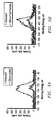
- Figure 3 is a chart comparing XPS spectra between an untreated titanium disk and a) a silane-coated disk (Si2p spectra) and b) a disk treated with silane, catalyst and keratin (N1s spectra).
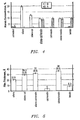
- Figure 4 is a graph showing Si and N XPS atomic concentrations of keratin-coated titanium disks.
- Figure 5 is the estimated thickness of coatings on titanium disks, where the numbers in parenthesis indicate the thickness of the films on the silane coating.
- Figure 6 is a micrograph showing that 2T3 cells adhere to and differentiate on keratin-coated titanium disks.
- Keratins are one of the few, if not the only family of human proteins that can readily be donated without injury or trauma. This unique family of structural proteins can be found in numerous vertebrate tissues, most notably in hair and fur. Hundreds of tons of human hair are disposed of every day. As a family with more than 100 homologues, the biocompatibility of keratins is predetermined by their structural variation. No other human protein offers this magnitude of structural and compositional diversity, and therefore, tolerance by the immune system.
- the present application selectively extracts keratins from human hair fibers and uses the keratins in a dipping process which produces a molecular coating on the surfaces of medical device materials, such as metals and ceramic.
- the method uses a coupling agent adapted to bond with both a surface of the implant and with reactive pendant groups on the keratin.
- the bonding region comprises at least one silane compound, more preferably an organosilane.
- the organosilane preferably comprises a silane component and an organic component, wherein the bonding region comprises the silane component bonded with a surface of the medical device and the organic component bonded with reactive moieties on the keratin.
- the silane component of the organosilane is covalently bonded with the surface of the medial device and the organic component of the organosilane is covalently bonded with reactive moieties on the keratin.
- Human hair is composed of a tough, tubular outer layer made up of flattened cells arranged in a scaly, overlapping profile known as the cuticle.
- the inner bulk of the hair is known as the cortex and is constructed from elongated cells that are densely packed with fibrous keratins.
- the fibrous keratins are arranged in bundles, referred to as macrofibrils, that contain microfibrillar coiled-coils of ⁇ -helical keratins.
- the intermediate filaments (IFs) of this structure are bound together with an amorphous keratin matrix material.
- the matrix and IFs vary in function and composition.
- the matrix is the "glue” that holds the IFs together.
- This glue is high in sulfur content and is made up of low molecular weight keratins (LMWKs), typically less than 10-15 kDa.
- LMWKs low molecular weight keratins
- the IFs are composed of keratins of relatively low sulfur content but high molecular weight (high molecular weight keratins or HMWKs), generally 50-85 kDa.
- keratins are afforded their structural integrity in large part by the presence of disulfide crosslinks which form a three dimensional network of polypeptide chains. This network structure renders keratins insoluble. Keratins can, however, be made soluble by destroying this three-dimensional structure via disulfide bond scission. Disulfide bond scission can be done oxidatively, reductively, or by a combination of the two.
- Disulfide bond scission and selective extraction under controlled conditions results in the isolation of LMWKs from HMWKs.
- This process serves to remove the cortical proteins without disrupting the cuticle.
- the inner structure of the hair fiber is removed without substantial damage to the cuticle.
- the HMWKs from this extraction process give rise to two broad protein bands by gel electrophoresis at molecular weight of 66 kDa and 43 kDa. These keratins are useful as structural biomaterials, including coatings for ceramic and metal surfaces.
- Growth factors such as bone morphogenetic protein (BMP) and transforming growth factor beta (TGF- ⁇ ), are present in the hair follicle, are deliverable by the coatings, and provide the coatings with osteoinductive and osteoconductive properties.
- BMP bone morphogenetic protein
- TGF- ⁇ transforming growth factor beta
- Keratin comprises amino acids, which generally have the formula: Table 1 summarizes the amino acid residues found in human hair, for example, and shows the "R 1 " groups associated with each residue. Table 1. Ranked average amounts of amino acid in human hair Amino Acid R 1 Group Nature pKa Isoelectric Point (pH) Percent Composition in Hair Cysteine H-S-CH 2 - Nonpolar 8.4 5.02 17.3 Glutamic Acid Polar 4.5 3.22 13.9 Arginine Polar 12.5 11.15 9.85 Serine HO-CH 2 - Polar None 5.68 9 Threonine Polar None 5.64 7.75 Leucine Hydro phobic None 5.98 7.35 Proline Hydro phobic None 6.3 6.95 Aspartic Acid Polar 4.5 2.77 5.8 Valine Hydro phobic None 5.96 5.7 Isoleucine Hydro phobic None 5.94 4.75 Glycine H- Nonpolar None 5.65 4.15 Phenylalanine Hydro phobic None 5.48 3 Alanine CH 3 - Hydrophobic None 6 2.8 Tyrosine Hydro phobic None 5.66
- this group can be converted to other sulfur containing moieties, most notably thiol.
- Thiols theoretically can be reacted with reactive ends of the coupling material using a number of chemical techniques, such as those described in S. Patai (Ed.), the Chemistry of the Thiol Group, Parts 1 and 2, John Wiley & Sons, New York, NY (1974 ).
- Other reaction scenarios, such as those directed toward polymer synthesis, also are useful to utilize thiols to form an assortment of desirable crosslinks, including those described in Rempp, P. and Merrill, E. W., Polymer Synthesis, Huethig & Wepf Verlag Basel, Heidelberg, Germany (1986 ); Young, R. J. and Lovell, P. A., Introduction to Polymers, Chapman & Hall, London (1991 ); Odian, G., Principles of Polymerization, John Wiley & Sons, New York, NY (1991 ).
- cysteine In addition to cysteine, the following amino acids have pendant groups comprising nitrogen or oxygen which may be useful as reactive pendant groups; arginine, serine, glutamic acid, threonine, aspartic acid, lysine, asparagine, glutamine, tyrosine, tryptophan, and histidine.
- preferred amino acid residues comprising reactive pendant groups for crosslinking are cysteine, arginine, serine, and glutamic acid, most preferably cysteine and arginine.
- the keratins may be processed and/or isolated in a number of ways. Preferably, the processing is sufficient to render the resulting proteins water soluble. Suitable processing techniques include known oxidation techniques, reductive techniques, and/or combinations thereof, as long as the processing renders the proteins water soluble without significant hydrolysis of peptide bonds.
- HMWK's may be extracted from hair using at least two reductive extractions; as described in Crewther, W. G., Fraser, R. D. B., Lennox, F. G., and Lindley, H., "The Chemistry of Keratins” in Advances in Protein Chemistry, Anfinsen, C. B., Jr., Anson, M. L., Edsall, J. T., and Richards, F. M. (Editors), Academic Press, New York, pp. 191-346 (1965 ).
- the hair is oxidized by a suitable oxidizing agent.
- suitable oxidizing agents include, but are not necessarily limited to hydrogen peroxide, peracetic acid, percarbonates, persulfates, chlorine dioxide, sodium and calcium peroxides, perborates, and hypochlorite.
- a most preferred oxidizing agent is hydrogen peroxide.
- the oxidants are used at a concentration of up to about 35%, preferably at from about 0.1% to about 10%. The oxidation preferably occurs at reflux temperatures.
- the hair is treated with hydrogen peroxide (H 2 O 2 ), at from about 0.1% to about 10%, most preferably 1%, in order to disrupt the cuticle and swell the keratin source material.
- H 2 O 2 hydrogen peroxide
- This process also converts some fraction of the cystine residues into sulfonic acid groups.
- the amount of oxidation may be controlled by varying the time of oxidation, preferably from about 0 hours to about 4 hours, while retaining the other conditions of the oxidation reaction constant. These conditions include concentration and type of oxidant, temperature, and ratio of extracting media to keratin source material.
- the oxidized hair is filtered and rinsed, preferably with deionized water. The filtrate is discarded and the hair allowed to dry.
- the conversion rate of cystine to sulfonic acid residues is roughly proportional to the amount of time used for the oxidation.
- Residual cystines in the resulting oxidized keratin solids are converted to other sulfur-containing moieties using reductive techniques.
- the disulfide-bridged cystine group is converted to a thiol group, which has utility of it's own, or can be modified using a variety of chemical techniques.
- the oxidized hair preferably is treated with a reducing agent.
- Suitable reducing agents include, but are not necessarily limited to thioglycolic acid and salts thereof, mercaptoethanol, dithiothreitol, thioglycerol, thiolactic acid, glutathione, cysteine, sodium sulfide, and sodium hydrosulfide.
- Preferred reducing agents are thioglycolic acid and mercaptoethanol, most preferably thioglycolic acid.
- the previously oxidized hair is suspended in the reducing agent typically at a concentration of up to about 10N, preferably from about 0.1N and 1N; at a pH greater than about 7, preferably equal to or greater than 9, most preferably 9; a temperature of from about 25 to about 80°C, preferably about 60 °C, preferably for a time period of from about 1 to about 72, most preferably about 24 hours.
- the reaction occurs under an inert atmosphere, preferably nitrogen.
- the liquid fraction is separated from any remaining solids using known means, including but not necessarily limited to filtration, or cannulation and/or centrifugation, preferably under inert atmosphere. A preferred method of separation is filtration.
- the soluble keratin proteins are isolated from the solution by addition of a water-miscible non-solvent, or by spray drying.
- Water-miscible non-solvents include, but are not necessarily limited to ethanol, methanol, isopropyl alcohol, tetrahydrofuran, acetone, dioxane, and the like, again under inert atmosphere.
- a preferred non-solvent is ethanol.
- the precipitate is separated from the non-solvent using known means, preferably by filtration and rinsing using additional aliquots of the non-solvent.
- the resulting keratin proteins are dried using known techniques, preferably overnight under vacuum at room temperature. This process results in the keratins having both sulfonic acid groups and thiol groups.
- clean, dry human hair is treated with hydrogen peroxide with heating, preferably at reflux, for a period of time effective to achieve scission of disulfide bonds, typically about 180 minutes.
- the hair is separated from the liquid, preferably by filtration, and the liquid is discarded.
- the hair was rinsed with water, preferably in copious amounts, and allowed to air dry.
- the dried, oxidized hair is then treated with a reducing agent, preferably 1M thioglycolic acid at pH 9 (adjusted with ammonium hydroxide), and the mixture is heated, preferably to about 60 °C, under inert gas, preferably under a nitrogen atmosphere, for a period of time, preferably 24 hours.
- the solids are separated from the liquid, preferably by centrifugation.
- the filtered liquid is added, preferably dropwise, to an excess of ethanol, preferably about an 8-fold volume excess of ethanol, thereby forming a keratin precipitate.
- the precipitated keratins are isolated by filtration and dried under vacuum. The keratin is ground into a fine powder using a mortar and pestle.
- a first reductive extraction is performed by treating the hair with a first reducing agent under first conditions effective to selectively extract matrix keratins, producing a first solution comprising soluble reduced matrix keratins (LMWK's) and remaining hair solids (HMWK's).
- LMWK's soluble reduced matrix keratins
- HMWK's remaining hair solids
- the remaining hair solids and the first solution are separated, and the remaining hair solids are exposed to a second extraction solution under second conditions effective to solubilize ⁇ -keratins, producing a second solution comprising soluble reduced ⁇ -keratins (HMWK's) and solid cuticle.
- HMWK's soluble reduced ⁇ -keratins
- Suitable reducing agents again include, but are not necessarily limited to thioglycolic acid and salts thereof, mercaptoethanol, dithlothreitol, thioglycerol, thiolactic acid, glutathione, cystine, sodium sulfide, and sodium hydrosulfide.
- Preferred reducing agents are thioglycolic acid and mercaptoethanol, most preferably thioglycolic acid.
- the hair (or other protein source) is suspended in a reducing agent at a concentration of from about 0.1M to about 10M, preferably about 1.0M.
- gentle swelling of hair fibers is achieved at a pH of about 9 or more, preferably at a pH of from about 9 to about 10.5.
- the initial reduction takes place at a temperature of from about 20 to about 100 °C, preferably at about 25 °C.
- the time period required to accomplish the first reduction is from about 8 to about 36 hours, most preferably about 24 hours.
- the reaction occurs under an inert atmosphere, preferably nitrogen.
- the liquid fraction is separated from remaining solids using known means, including but not necessarily limited to filtration, cannulation, and/or centrifugation, preferably under inert atmosphere. A preferred method of separation is filtration.
- a second extraction is performed using a suitable swelling agent, preferably urea, and/or a base such as ammonium hydroxide, sodium hydroxide, or potassium hydroxide.
- a most preferred swelling agent for this second extraction is concentrated urea.
- the second extraction effectively removes the fibrous ⁇ -keratins from inside the cuticle.
- the second extraction occurs at from about 1M to about 10M urea, preferably about 7M urea, for a period of at least about 1 hour, preferably from about 1 to about 72 hours, more preferably 20 hours or more, most preferably about 24 hours.
- the second extraction occurs at room temperature, but may take place at temperatures of from about 20 °C to about 100 °C, preferably about 25 °C.
- the liquid fraction is separated from the empty, intact cuticle, using known means. Suitable means include but are not necessarily limited to filtration, cannulation and/or centrifugation, preferably under inert atmosphere. A preferred method of separation is filtration.
- water soluble keratin proteins may be retained in solution for further use, or they may be isolated from the solution by addition to a water-miscible non-solvent, or by spray drying.
- Water-miscible non-solvents include, but are not necessarily limited to ethanol, methanol, isopropyl alcohol, tetrahydrofuran, acetone, dioxane, and the like, again under inert atmosphere.
- a preferred non-solvent is ethanol.
- the precipitate is separated from the non-solvent using known means, preferably by filtration and rinsing using additional aliquots of the non-solvent.
- the precipitated proteins are dried using known techniques, preferably overnight under vacuum at room temperature.
- the extracted water soluble keratin proteins (herein sometimes collectively referred to as "water soluble proteins") comprise thiols or thiol groups.
- any suitable procedure is sequential sonication in an anhydrous solvent and water.
- Suitable anyhydrous solvents include, but are not necessarily limited to methanol, ethanol, isopropyl alcohol, dimethylsulfoxide, acetone, or tetrahydrofuran.
- a preferred anhydrous solvent is dichloromethane.
- the water preferably is deionized water, followed by drying, preferably in air.
- the implant After cleaning, the implant is immersed in a solution of the coupling material, preferably an organosilane.
- the coupling material preferably an organosilane.
- silane compounds in surface coatings is a well-known industrial process. Arkels B. "Tailoring surfaces with silanes.” Chemtech 1977;7:766-778 . Not only can organosilanes passivate and change the chemistry of a surface, they can be used as coupling agents to facilitate the bonding of yet another compound to the outside surface of a substrate.
- the organosilanes preferably comprise an organic component comprising a moiety selected from the group consisting of epoxy groups, alkoxy groups, vinyl groups, amine groups, isocyanate groups, and carboxyl groups.
- Preferred organic components comprise a moiety selected from the group consisting of epoxy groups, alkoxy groups, vinyl groups, and amine groups. More preferred organic components are selected from the group consisting of epoxy groups, methacrylate groups, alkoxy groups, vinyl groups, and alkylamine groups. Most preferred organic moieties are selected from the group consisting of vinyl groups and epoxy groups.
- the organosilane preferably comprises substituents selected from the group consisting of from about 1 to 3 halogens and from about 1 to 3 alkoxy groups.
- a preferred halogen is chlorine.
- a preferred organosilane, particularly where the surface is titanium, is vinylmethyldichlorosilane (Gelest Inc., Tullytown, PA).
- the organosilane is in an organic solvent.
- the organic solvent may be substantially any organic solvent that is effective to maintain the organosilane in solution without negatively impacting the bonding process.
- the organic solvent preferably comprises elements other than oxygen and/or nitrogen.
- suitable organic solvents include, but are not necessarily limited to alkanes, alkylene chlorides, chloroform, xylenes, and combinations thereof.
- a preferred alkane is hexane and a preferred alkylene chloride is methylene chloride.
- a most preferred organic solvent is hexane.
- the percentage of the organosilane in the organic solvent may vary from about 1 to about 10 weight percent, preferably about 1 weight percent.
- the substrate is maintained in the solution for a time sufficient to form the coating, suitably from about 1 to about 30 minutes, typically about 10 minutes.
- the substrate then is removed from solution, rinsed with copious amounts of fresh organic solvent, and allowed to air dry.
- keratin powder obtained as described above is dissolved in an appropriate solvent.
- an appropriate solvent is water.
- an appropriate solvent comprises an aqueous solution comprising a base.
- bases include, but are not necessarily limited to ammonium hydroxide, sodium hydroxide, and/or potassium hydroxide.
- a preferred base is ammonium hydroxide.
- about 15 grams of the keratin powder is dissolved in about 30 mL of 3N ammonium hydroxide.
- An anhydrous solvent is added.
- Suitable anhydrous solvents include, but are not necessarily limited to methanol, ethanol, isopropyl alcohol, dimethylsulfoxide, acetone, or tetrahydrofuran.
- a preferred anhydrous solvent is dimethylsulfoxide.
- a suitable catalyst or initiator preferably is used.
- a suitable initiator or catalyst is used to generate free radicals.
- An example of such an initiator is a UV activated photoinitiator, such as anthraquinone-2-sulfonic acid or anthraquinone-2-sulfonic acid sodium salt monohydrate (Aldrich; Milwaukee, WI). At the foregoing weights and volumes, about 1.5 grams of anthraquinone-2-sulfonic acid sodium salt monohydrate is added. The resulting solution is poured over the silane-coated implant such that it is completely submerged.
- the coating on the submerged substrate then is cured using an effective energy source, such as a heat lamp, an autoclave, a microwave, or a UV lamp.
- an effective energy source such as a heat lamp, an autoclave, a microwave, or a UV lamp.
- the substrate is removed from the solution, rinsed, preferably with copious amounts of deionized water, and allowed to dry, preferably by air.
- the filtered liquid was added dropwise to an 8-fold volume excess of ethanol thereby forming a keratin precipitate.
- the precipitated keratins were isolated by filtration and dried under vacuum.
- the keratin was ground into a fine powder using a mortar and pestle.
- Grit blasted titanium test disks with highly controlled and thoroughly characterized surfaces to be used for cellular response were prepared.
- the material chosen was a medical grade, commercially pure titanium (C.P. Ti).
- the materials were purchased as large sheets (approximately 5 ft. x 4 ft. x 0.050 in., to ensure metallurgical homogeneity for all sample sets) from Timet (O'Fallon, MO, USA).
- 1 ft. x 1 ft. sheets were cut from the original large single sheet. In order to ensure a consistent surface finish for each disk, surface preparation was performed on these sheets. Each 1 ft. x 1 ft. sheet was subjected to the aluminum oxide grit blasting process with compressed air using a #20 grit aluminum oxide (Al 2 O 3 ) powder for the rough surface finish; grit blasting was performed by Southwest Research Institute (San Antonio, TX, USA).
- Quality control of the surface finishing operations was performed and gauged by the consistency of surface roughness measurements.
- the surface roughness was measured using a diamond stylus contact profilometer at 10 different locations on each 1 ft. x 1 ft. plate. The roughness measurements were taken in all directions.
- the average R a was 9.56 ⁇ m with a standard deviation of 1.63 ⁇ m.
- Disks with 14.75 mm diameter and 0.80mm thickness were prepared for the cell assays.
- the disks were washed 3 times in a detergent solution and rinsed 2 times with DI water in between each wash. After the final rinse, ethanol was poured over the disks to remove excess water. The disks were air-dried.
- titanium disks were cleaned by sequential sonication in dichloromethane and deionized water followed by drying in air. Disks were immersed in a 1 weight percent solution of vinylmethyldichlorosilane (Gelest Inc., Tullytown, PA) in hexanes for 10 minutes. Each disk was individually removed from solution, rinsed with copious amounts of fresh hexanes, and allowed to air dry.
- vinylmethyldichlorosilane Gelst Inc., Tullytown, PA
- XPS X-ray Photoelectron Spectroscopy
- XPS data was obtained using a Physical Electronics PHI5700 ESCA system with an Al monochromatic source (Al K ⁇ radiation at 1486.6 eV).
- the base pressure in the XPS ultrahigh vacuum chamber was 2 X 10 -10 torr during the analysis.
- High resolution scans were obtained with a step size of 0.1 eV and pass energy of 11.75 eV.
- the presence of the silane and keratin coatings was monitored by tracking the atomic concentration of elements that are only present in each of these coatings. Silicon was used for the silane coating and nitrogen for the keratin. Although sulfur is also present in keratin and detected by XPS, it was not used in this work as the signal-to-noise ratio for sulfur was close to 1.5; therefore, the atomic concentrations calculated for the sulfur signal were in the same order as the error bars.
- N N o ⁇ exp - t / ⁇ ⁇ sin ⁇
- N the XPS signal (area under the peak) of the substrate with a film on it
- N o the XPS signal of the clean substrate
- t the thickness of the film
- ⁇ the mean-free path of photoelectrons in the film (assumed to be 20 ⁇ in this work)
- ⁇ the angle between the XPS detector and the surface, equal to 45 degrees in this case.
- Alpha-minimal essential medium ( ⁇ -MEM) was purchased from Gibco BRL (Grand Island, NY, USA) and fetal bovine serum (FBS) was from Summit Biotechnology (Fort Collins, CO, USA). Formalin was obtained from Electron Microscopy Sciences (Fort Washington, PA, USA). All other reagents were purchased from Sigma Chemical Co. (St. Louis, MO, USA).
- the 2T3 cell line has been isolated and cloned from a transgenic mouse.
- Harris MA Harris MA
- DL Wozney JM
- Mundy GR and Harris SE.
- 2T3 cells undergo bone matrix formation in vitro.
- 2T3 cells were plated onto each titanium disk in a 12-well plate, one plate per group.
- the cells were cultured with ⁇ -MEM supplemented with 10% FBS until they reached 90% confluence, approximately day 5.
- the medium was changed every other day. Once the cells reached confluence, the medium was changed to ⁇ -MEM containing 5% FBS, 100 ⁇ g/ml ascorbic acid (AsA) and 5 mM ⁇ -glycerophosphate ( ⁇ -GP) for the treatment group or to 5% FBS ⁇ -MEM without AsA and ⁇ GP for the control group.
- the medium was changed every three days and fresh reagents were added up to day 14, which was the end of the treatment period.
- Cells were cultured at 37°C, 5% CO 2 .
- the cells were first washed with PBS and fixed in 10% phosphate buffered formalin for 10 min. The formalin solution was aspirated and the cells were rinsed with deionized water (dH 2 O). Fresh 2% silver nitrate (AgNO 3 ) was added to the cells and the titanium disks with cells were then put under sunlight for 10 minutes. After 10 minutes, the AgNO 3 was removed and the 2T3 cells were rinsed under a steady stream of dH 2 O. A 5% sodium thiosulfate (Na 2 S 2 O 3 ) solution was added to the cells for 3 minutes. The Na 2 S 2 O 3 was removed and the cells were rinsed again with dH 2 O. The following ethanol (EtOH) series was applied to the cells: 95% EtOH for 30 sec., repeat once more followed by two 100% EtOH applications for 30 seconds each. The cells were then allowed to air dry.
- EtOH ethanol
- the titanium disks with cells were gold/palladium (Au/Pd) coated for 10 seconds in a sputter coater. Images of the titanium surface were obtained on an Array scanning electron microscope (SEM) (Amray, Bedford, MA, USA) at 15 kV. Images were acquired at three magnifications: 100X, 500X, and 1, 000X.
- SEM Array scanning electron microscope
- a vinyl-functional silane coupling agent was used to graft keratins onto coated glass and titanium substrates using free radical addition chemistry.
- a UV activated photoinitiator anthraquinone-2-sulfonic acid, was used to generate free radicals, although thermal initiation with another catalyst could also be used.
- excellent coating of the substrates was achieved by dipping into a hexane solution of the silane. As shown in Figure 1 , the resulting increase in water contact angle for titanium disks averaged 38 degrees.
- the treatment groups included various combinations of keratin coatings with and without the silane coupling, both in the presence and absence of the photoinitiator (designated as "cat.” in Figure 1 ).
- the successful coatings were achieved by dipping the titanium disks into a hexanes solution of the silane.
- the XPS Si2p signals from the untreated titanium disk and a silane-coated titanium disk are shown in Figure 3a .
- the Si signal from the coated disk corresponded to an atomic concentration of ⁇ 20%, which compared to ⁇ 3% for the untreated disk clearly indicates the presence of the silane coating.
- the small amount of Si on the untreated disks was likely due to surface contamination.
- the addition of keratin resulted in an increase of nitrogen atomic concentration from ⁇ 3 % (background level on an untreated disk) to 8.5%.
- Figure 3b shows the typical N1s XPS signal from an untreated titanium disk and that of the sample coated with silane, the catalyst and keratin.
- the atomic concentrations of Si and N measured on the different treatment groups are shown in Figure 4 .
- the concentration of these two elements correlated very nicely with the presence of the organosilane and the keratin.
- the two step dipping process for applying a keratin coating onto titanium substrates resulted in films that were hydrophilic and robust as evidenced by the water contact angle and XPS data, respectively.
- This process should result in a more biostable coating as the keratin is covalently bonded to the surface.
- the coating process resulted in very thin layers of both silane and keratin and would not be expected to interfere with the surface topology often employed by implant manufacturers to promote cell attachment to roughened titanium implant surfaces.
- the 2T3 osteoblast assay showed that the coating promoted attachment, growth, and differentiation. The ability of these cells to produce bony matrix is demonstrative of the keratin coatings osteoconductive properties. In future studies we intend to demonstrate that these keratin coatings are capable of accelerating the rate of bone ongrowth.
Landscapes
- Chemical & Material Sciences (AREA)
- Health & Medical Sciences (AREA)
- Engineering & Computer Science (AREA)
- Life Sciences & Earth Sciences (AREA)
- Materials Engineering (AREA)
- Wood Science & Technology (AREA)
- Organic Chemistry (AREA)
- Oral & Maxillofacial Surgery (AREA)
- General Health & Medical Sciences (AREA)
- Medicinal Chemistry (AREA)
- Mechanical Engineering (AREA)
- Transplantation (AREA)
- Epidemiology (AREA)
- Animal Behavior & Ethology (AREA)
- Dermatology (AREA)
- Public Health (AREA)
- Veterinary Medicine (AREA)
- Materials For Medical Uses (AREA)
- Media Introduction/Drainage Providing Device (AREA)
- Non-Portable Lighting Devices Or Systems Thereof (AREA)
- Lighting Device Outwards From Vehicle And Optical Signal (AREA)
Claims (30)
- Dispositif médical comprenant :un substrat comprenant un revêtement de passivation comprenant de la kératine, ledit revêtement de passivation comprenant une région de liaison et une région bioactive ;ladite région de liaison comprenant au moins un composé organosilane comprenant un composant silane lié à une surface dudit substrat ; etladite région bioactive comprenant un composant organique dudit organosilane lié à un groupe pendant réactif de ladite kératine.
- Dispositif médical selon la revendication 1, dans lequel ledit composant silane dudit composé organosilane est lié de manière covalente à une surface du substrat.
- Dispositif médical selon la revendication 2, dans lequel ladite région bioactive comprend des groupes pendants réactifs de ladite kératine liés de manière covalente audit composant organique dudit organosilane.
- Dispositif médical selon la revendication 1, dans lequel ledit revêtement de passivation est efficace pour augmenter la formation de matrice osseuse assurée par des cellules ostéoblastes de souris 2T3 de culture.
- Dispositif médical selon l'une quelconque des revendications précédentes, choisi dans le groupe constitué par les constructions d'ingénierie tissulaire, les implants orthopédiques, les implants médicaux, les implants dentaires et les dispositifs d'assistance ventriculaire.
- Dispositif médical selon l'une quelconque des revendications précédentes, dans lequel ledit substrat comprend un matériau biocompatible.
- Dispositif médical selon la revendication 6, dans lequel le matériau biocompatible est choisi dans le groupe constitué par le silicium, les métaux, les alliages de métaux et les céramiques.
- Dispositif médical selon la revendication 6, dans lequel ledit matériau biocompatible est choisi dans le groupe constitué par le titane et l'hydroxyapatite.
- Dispositif médical selon l'une quelconque des revendications précédentes, dans lequel ledit revêtement de passivation comprend de la kératine et un ou plusieurs facteurs bioactifs choisis dans le groupe constitué par la protéine morphogénique osseuse (BMP) et le facteur de croissance transformant bêta (TGF-β).
- Dispositif médical selon l'une quelconque des revendications précédentes, dans laquelle ladite kératine est dérivée d'une substance choisie dans le groupe constitué par les cheveux, les poils, les plumes, les cornes, les sabots, les becs et les pieds.
- Dispositif médical selon la revendication 10, dans lequel ladite kératine est de la kératine de cheveu humain.
- Dispositif médical selon l'une quelconque des revendications précédentes, dans lequel ladite kératine comprend de la kératine réduite.
- Dispositif médical selon l'une quelconque des revendications précédentes, dans lequel ladite kératine comprend de la kératine de masse moléculaire élevée (HMWK) ayant une masse moléculaire comprise entre environ 50 et environ 85 kDa.
- Dispositif médical selon l'une quelconque des revendications précédentes, dans lequel ledit revêtement de passivation est efficace pour accélérer la formation de matrice osseuse par des ostéoblastes de souris 2T3 de culture.
- Dispositif médical selon l'une quelconque des revendications précédentes, dans lequel ledit composant organique dudit organosilane comprend une fraction choisie dans le groupe constitué par les groupes époxy, les groupes alcoxy, les groupes vinyle, les groupes amine, les groupes isocyanate et les groupes carboxyle.
- Dispositif médical selon la revendication 15, dans lequel lesdits groupes amine sont des groupes alkylamine.
- Dispositif médical selon l'une quelconque des revendications précédentes, dans lequel ledit organosilane comprend des substituants choisis dans le groupe constitué par environ 1 à 3 atomes d'halogène et environ 1 à 3 groupes alcoxy.
- Procédé de revêtement d'un dispositif médical avec un revêtement de passivation, ledit procédé comprenant les étapes consistant à :lier un agent de couplage à une ou plusieurs surfaces dudit dispositif médical, produire une région de liaison ; etlier la kératine à ladite région de liaison.
- Procédé selon la revendication 18, dans lequel la liaison de la kératine à ladite région de liaison comprend les étapes consistant à :dissoudre la kératine dans un solvant ; etajouter un second solvant anhydre pour produire un mélange de kératine ;exposer ladite région de liaison audit mélange de kératine, produisant une région de liaison revêtue de kératine ; etfaire durcir ladite région de liaison revêtue de kératine dans des conditions efficaces pour produire ladite région bioactive.
- Procédé selon la revendication 19, comprenant en outre le nettoyage de ladite ou desdites surfaces avant la liaison dudit agent de couplage à ladite ou auxdites surfaces.
- Procédé selon la revendication 19 ou 20, comprenant en outre l'oxydation de ladite ou desdites surfaces avant la liaison dudit agent de couplage à ladite ou auxdites surfaces.
- Procédé selon la revendication 20, dans lequel ledit nettoyage comprend la sonification de ladite ou desdites surfaces dans un premier solvant anhydre et la sonification de ladite ou desdites surfaces dans de l'eau.
- Procédé selon la revendication 22, dans lequel ledit premier solvant anhydre est choisi dans le groupe constitué par le méthanol, l'éthanol, l'alcool isopropylique, le diméthylsulfoxyde, l'acétone, le tétrahydrofurane et le dichlorométhane.
- Procédé selon la revendication 22 ou 23, dans lequel ladite eau est de l'eau désionisée.
- Procédé selon l'une quelconque des revendications 19 à 24, dans lequel ledit second solvant anhydre est choisi dans le groupe constitué par le méthanol, l'éthanol, l'alcool isopropylique, le diméthylsulfoxyde, l'acétone et le tétrahydrofurane.
- Procédé selon l'une quelconque des revendications 19 à 25, comprenant en outre le fait de mélanger le mélange de kératine avec un activateur choisi dans le groupe constitué par un catalyseur et un initiateur.
- Procédé selon l'une quelconque des revendications 19 à 26, dans lequel lesdites conditions comprennent l'exposition de ladite région de liaison revêtue de kératine à une source d'énergie pendant une durée efficace pour produire ladite région bioactive.
- Procédé selon la revendication 27, dans lequel lesdites conditions comprennent la présence dudit activateur.
- Procédé selon la revendication 27 ou 28, dans lequel ladite durée est d'environ 1 à environ 24 heures.
- Procédé selon la revendication 29, dans lequel ladite durée est d'environ 24 heures.
Applications Claiming Priority (3)
| Application Number | Priority Date | Filing Date | Title |
|---|---|---|---|
| US39903902P | 2002-07-25 | 2002-07-25 | |
| US399039P | 2002-07-25 | ||
| PCT/US2003/023207 WO2004011052A1 (fr) | 2002-07-25 | 2003-07-25 | Revetement bioactif pour dispositifs medicaux comprenant de la keratine |
Publications (2)
| Publication Number | Publication Date |
|---|---|
| EP1551471A1 EP1551471A1 (fr) | 2005-07-13 |
| EP1551471B1 true EP1551471B1 (fr) | 2009-04-01 |
Family
ID=31188534
Family Applications (1)
| Application Number | Title | Priority Date | Filing Date |
|---|---|---|---|
| EP03771809A Expired - Lifetime EP1551471B1 (fr) | 2002-07-25 | 2003-07-25 | Revetement bioactif pour dispositifs medicaux comprenant de la keratine |
Country Status (9)
| Country | Link |
|---|---|
| US (3) | US7163321B2 (fr) |
| EP (1) | EP1551471B1 (fr) |
| JP (2) | JP4991032B2 (fr) |
| AT (1) | ATE427127T1 (fr) |
| AU (1) | AU2003261242B2 (fr) |
| CA (1) | CA2493555A1 (fr) |
| DE (1) | DE60326973D1 (fr) |
| NZ (1) | NZ538218A (fr) |
| WO (1) | WO2004011052A1 (fr) |
Families Citing this family (23)
| Publication number | Priority date | Publication date | Assignee | Title |
|---|---|---|---|---|
| FR2865939B1 (fr) * | 2004-02-06 | 2007-08-31 | Biomatlante | Utilisation de polymeres organiques silanises pour creation de revetement bioactif, pour implant ou prothese |
| WO2007001339A2 (fr) | 2004-08-17 | 2007-01-04 | Wake Forest University Health Sciences | Succedanes du plasma sanguin stockes a temperature ambiante |
| US8273702B2 (en) | 2006-02-17 | 2012-09-25 | Wake Forest University Health Sciences | Wound healing compositions containing keratin biomaterials |
| JP2009527274A (ja) | 2006-02-17 | 2009-07-30 | ウェイク・フォレスト・ユニヴァーシティ・ヘルス・サイエンシズ | ケラチン医用生体材料から形成されるコーティングおよび生体用インプラント |
| US20080146872A1 (en) | 2006-11-07 | 2008-06-19 | Gruber William H | Mechanical distension systems for performing a medical procedure in a remote space |
| PL227142B1 (pl) * | 2006-11-21 | 2017-11-30 | Inst Medycyny Doświadczalnej I Klinicznej Im M Mossakowskiego Polskiej Akademii Nauk | Mikrostrukturalny preparat białkowy zawierajacy zwiazki biologicznie czynne |
| US20090047260A1 (en) * | 2007-08-17 | 2009-02-19 | Wake Forest University Health Sciences | Keratin biomaterials for cell culture and methods of use |
| US20090072556A1 (en) * | 2007-09-16 | 2009-03-19 | Conrad Michael Kudelko | Non-Opaque Radiator Grilles for Automotive Vehicles |
| WO2010093882A1 (fr) * | 2009-02-13 | 2010-08-19 | Wake Forest University Health Sciences | Biomatériaux de kératine pour culture de cellules et procédés d'utilisation |
| JP2012526845A (ja) | 2009-05-13 | 2012-11-01 | ケラプラスト テクノロジーズ, リミテッド | バイオポリマー材料 |
| AU2012296490B2 (en) | 2011-08-17 | 2017-09-07 | Keratin Biosciences, Inc. | Low protein percentage gelling compositions |
| US10385095B2 (en) | 2011-08-17 | 2019-08-20 | Keratin Biosciences, Inc | Methods for extracting keratin proteins |
| US9827245B2 (en) | 2013-03-15 | 2017-11-28 | KeraNetics, LLC | Keratin compositions comprising halofuginone |
| US9815946B2 (en) * | 2013-08-16 | 2017-11-14 | Exxonmobil Chemical Patents Inc. | Stabilized poly(arylene ether) compositions and methods of making them |
| US10576877B2 (en) | 2017-03-24 | 2020-03-03 | Honda Patents & Technologies North America, Llc | Illuminated grille |
| US11027641B2 (en) * | 2017-10-09 | 2021-06-08 | AAC Enterprises LLC | Front grill with LED module lighting system |
| CN107737378A (zh) * | 2017-10-10 | 2018-02-27 | 东华大学 | 一种采用硅烷偶联剂改善的角蛋白羟基磷灰石复合膜、制备方法及其应用 |
| US10479296B2 (en) | 2018-03-02 | 2019-11-19 | Ford Global Technologies, Llc | Smart grille assembly and modular grille assembly system for a motor vehicle |
| CN110787322B (zh) * | 2019-11-19 | 2021-11-30 | 佛山科学技术学院 | 一种矿化角蛋白仿生材料及其制备方法 |
| US11312323B2 (en) | 2020-05-12 | 2022-04-26 | Pro-Gard Products Llc | Front grille light assembly for emergency vehicles |
| AU2022396032A1 (en) * | 2021-11-23 | 2024-06-06 | University Of Cincinnati | Electrochemical aptamer sensors with non-monolayer blocking layers |
| EP4311726A1 (fr) * | 2022-07-25 | 2024-01-31 | Coplus Inc. | Couvercle de radiateur de voiture |
| CN118217443B (zh) * | 2024-01-15 | 2026-04-03 | 国科温州研究院(温州生物材料与工程研究所) | 一种人发角蛋白止血海绵及其制备方法与应用 |
Family Cites Families (55)
| Publication number | Priority date | Publication date | Assignee | Title |
|---|---|---|---|---|
| US922692A (en) * | 1907-10-07 | 1909-05-25 | Byron B Goldsmith | Thermoplastic keratin composition. |
| US926999A (en) * | 1907-11-25 | 1909-07-06 | Carl Neuberg | Process of producing digestible substances from keratin. |
| US960914A (en) * | 1909-09-21 | 1910-06-07 | Arthur Heinemann | Pills for the treatment of diabetes mellitus. |
| US2336413A (en) * | 1941-12-06 | 1943-12-07 | Nicholas M Michailovsky | Driving light |
| US2434688A (en) * | 1942-11-03 | 1948-01-20 | Ralph L Evans | Regenerated keratin |
| NL274938A (fr) * | 1961-02-22 | |||
| US3642498A (en) * | 1969-09-18 | 1972-02-15 | Gen Mills Inc | Method of preparing keratin-containing films and coatings |
| BE758986A (fr) * | 1969-11-18 | 1971-04-30 | Iws Nominee Co Ltd | Procede de foulage de tissus textiles |
| JPS5785308A (en) * | 1980-11-17 | 1982-05-28 | Kao Corp | Hair rinse composition |
| JPS57130910A (en) * | 1981-02-05 | 1982-08-13 | Kao Corp | Hair treatment agent |
| JPS57144213A (en) * | 1981-03-03 | 1982-09-06 | Kao Corp | Hair treatment |
| JPS57178946A (en) * | 1981-04-30 | 1982-11-04 | Hashimoto Forming Co Ltd | Lighting apparatus fixing method for car radiator grill |
| US4570629A (en) * | 1982-03-17 | 1986-02-18 | University Of Illinois Foundation | Hydrophilic biopolymeric copolyelectrolytes, and biodegradable wound dressing comprising same |
| CH660368A5 (fr) * | 1982-08-23 | 1987-04-15 | Oreal | Derive proteinique comportant, en greffage, des restes absorbeurs d'ultra-violets, son procede de preparation et compositions le contenant. |
| US4474694A (en) * | 1982-11-08 | 1984-10-02 | Ralston Purina Company | Modified protein adhesive binder and method of producing |
| JPS59155248A (ja) * | 1983-02-22 | 1984-09-04 | テルモ株式会社 | 被覆膜およびその製法 |
| JPS6294450A (ja) * | 1985-10-21 | 1987-04-30 | Nissan Motor Co Ltd | フロントサイトシ−ルドの取付構造 |
| US5047249A (en) * | 1988-07-22 | 1991-09-10 | John Morris Co., Inc. | Compositions and methods for treating skin conditions and promoting wound healing |
| US5258501A (en) * | 1988-11-25 | 1993-11-02 | Slobodan Barbaric | Stabilization of glycoproteins |
| US5073294A (en) * | 1990-03-07 | 1991-12-17 | Hercules Incorporated | Process of preparing compositions having multiple oriented mesogens |
| US5276138A (en) * | 1990-09-17 | 1994-01-04 | Kurashiki Boseki Kabushiki Kaisha | Process for solubilizing animal hair |
| US5202053A (en) * | 1991-02-22 | 1993-04-13 | Hercules Incorporated | Polymerizable nematic monomer compositions |
| US5356433A (en) * | 1991-08-13 | 1994-10-18 | Cordis Corporation | Biocompatible metal surfaces |
| FR2692582B1 (fr) * | 1992-06-18 | 1998-09-18 | Flamel Tech Sa | Nouveaux derives reticulables de collagene, leur procede d'obtention et leur application a la preparation de biomateriaux. |
| DE4227681C2 (de) * | 1992-08-21 | 1995-05-18 | Becker & Co Naturinwerk | Wundabdeckungsmaterial auf der Basis von Kollagenfasern und Verfahren zu seiner Herstellung |
| US5300285A (en) * | 1992-10-13 | 1994-04-05 | Dow Corning Corporation | Permanent waving with silicones |
| US5358935A (en) * | 1992-11-19 | 1994-10-25 | Robert Allen Smith | Nonantigenic keratinous protein material |
| US5824651A (en) * | 1993-05-10 | 1998-10-20 | Universite De Montreal | Process for modification of implant surface with bioactive conjugates for improved integration |
| JPH078273A (ja) * | 1993-06-14 | 1995-01-13 | Kurabo Ind Ltd | 接着性動物細胞の無血清培養法 |
| US5373426A (en) * | 1993-09-24 | 1994-12-13 | O'sullivan; Alan L. | Front-mounted vehicle brake light |
| DE4408171A1 (de) * | 1994-03-11 | 1995-09-14 | Basf Ag | Neue polymerisierbare flüssigkristalline Verbindungen |
| US5505952A (en) * | 1994-04-19 | 1996-04-09 | United States Surgical Corporation | Modified synthetic cross-linked amino acid polymers and medical devices formed therefrom |
| US5563230A (en) * | 1994-09-09 | 1996-10-08 | National Science Council | Chiral smectic liquid crystalline polymers |
| US5617883A (en) * | 1994-09-14 | 1997-04-08 | Shiseido Co., Ltd. | Reducing agents for permanent waving of hair |
| DE4442831A1 (de) * | 1994-12-01 | 1996-06-05 | Consortium Elektrochem Ind | Verfahren zur Herstellung von Benzoesäure(4-hydroxyphenylester)-Derivaten |
| EP0808350B1 (fr) * | 1995-02-06 | 2001-07-18 | MERCK PATENT GmbH | Composes mesogeniques bireactifs et intermediaires associes |
| GB9506926D0 (en) * | 1995-04-04 | 1995-05-24 | Croda Int Plc | Cystine-siicone copolymers and their use for treating keratin substrates |
| US5712252A (en) * | 1996-03-08 | 1998-01-27 | The University Of Tennessee Research Corporation | Method of augmenting soft tissue in mammals |
| US6143948A (en) * | 1996-05-10 | 2000-11-07 | Isotis B.V. | Device for incorporation and release of biologically active agents |
| GB2315072B (en) * | 1996-07-04 | 2000-09-13 | Merck Patent Gmbh | Circular UV polariser |
| US6013855A (en) * | 1996-08-06 | 2000-01-11 | United States Surgical | Grafting of biocompatible hydrophilic polymers onto inorganic and metal surfaces |
| US6443942B2 (en) * | 1996-11-01 | 2002-09-03 | Minimed, Inc. | Medication device with protein stabilizing surface coating |
| SE9604293D0 (sv) * | 1996-11-22 | 1996-11-22 | Lennart Gaelliner | Strålkastararrangemang |
| US6352699B1 (en) * | 1997-04-04 | 2002-03-05 | L'oreal | Cosmetic or dermatological composition forming, on a keratin substrate, a film in cross-linked hybrid material |
| DE69821548T2 (de) * | 1997-05-29 | 2004-12-30 | Rohm And Haas Co. | Vernetzte Polyaminsäure und deren Verfahren zur Herstellung |
| DE19738861A1 (de) * | 1997-09-05 | 1999-03-11 | Basf Ag | Verfahen zur Herstellung von eingefärbten Formmassen |
| US5948432A (en) * | 1997-11-26 | 1999-09-07 | Keraplast Technologies Ltd. | Keratin-based sheet material for biomedical applications and method of production |
| US5932552A (en) * | 1997-11-26 | 1999-08-03 | Keraplast Technologies Ltd. | Keratin-based hydrogel for biomedical applications and method of production |
| US6110487A (en) * | 1997-11-26 | 2000-08-29 | Keraplast Technologies Ltd. | Method of making porous keratin scaffolds and products of same |
| US6371984B1 (en) * | 1999-09-13 | 2002-04-16 | Keraplast Technologies, Ltd. | Implantable prosthetic or tissue expanding device |
| US6357707B1 (en) * | 2000-01-07 | 2002-03-19 | Jimmy W. Lindsay | Mounting clamp |
| AU2002340749A1 (en) * | 2001-05-04 | 2002-11-18 | Concentric Medical | Coated combination vaso-occlusive device |
| WO2003008006A1 (fr) * | 2001-07-19 | 2003-01-30 | Dempsey, Donald, J. | Surface bioactive destinee a des implants en titane |
| US6706408B2 (en) * | 2002-05-16 | 2004-03-16 | Surmodics, Inc. | Silane coating composition |
| US8187326B2 (en) * | 2002-05-22 | 2012-05-29 | Advanced Technologies And Regenerative Medicine, Llc. | Attachment of absorbable tissue scaffolds to fixation devices |
-
2003
- 2003-07-18 US US10/622,248 patent/US7163321B2/en not_active Expired - Lifetime
- 2003-07-25 DE DE60326973T patent/DE60326973D1/de not_active Expired - Lifetime
- 2003-07-25 CA CA002493555A patent/CA2493555A1/fr not_active Abandoned
- 2003-07-25 NZ NZ538218A patent/NZ538218A/en not_active IP Right Cessation
- 2003-07-25 WO PCT/US2003/023207 patent/WO2004011052A1/fr not_active Ceased
- 2003-07-25 EP EP03771809A patent/EP1551471B1/fr not_active Expired - Lifetime
- 2003-07-25 AU AU2003261242A patent/AU2003261242B2/en not_active Ceased
- 2003-07-25 JP JP2004524789A patent/JP4991032B2/ja not_active Expired - Fee Related
- 2003-07-25 AT AT03771809T patent/ATE427127T1/de not_active IP Right Cessation
- 2003-07-25 US US10/626,907 patent/US20050058686A1/en not_active Abandoned
-
2009
- 2009-02-20 US US12/390,360 patent/US20090148488A1/en not_active Abandoned
-
2011
- 2011-10-14 JP JP2011227392A patent/JP2012011233A/ja not_active Withdrawn
Also Published As
| Publication number | Publication date |
|---|---|
| JP4991032B2 (ja) | 2012-08-01 |
| ATE427127T1 (de) | 2009-04-15 |
| AU2003261242B2 (en) | 2009-12-17 |
| US20040057242A1 (en) | 2004-03-25 |
| JP2012011233A (ja) | 2012-01-19 |
| EP1551471A1 (fr) | 2005-07-13 |
| NZ538218A (en) | 2008-04-30 |
| DE60326973D1 (de) | 2009-05-14 |
| CA2493555A1 (fr) | 2004-02-05 |
| US20090148488A1 (en) | 2009-06-11 |
| JP2005537831A (ja) | 2005-12-15 |
| AU2003261242A1 (en) | 2004-02-16 |
| US7163321B2 (en) | 2007-01-16 |
| US20050058686A1 (en) | 2005-03-17 |
| WO2004011052A1 (fr) | 2004-02-05 |
Similar Documents
| Publication | Publication Date | Title |
|---|---|---|
| EP1551471B1 (fr) | Revetement bioactif pour dispositifs medicaux comprenant de la keratine | |
| EP2919920B1 (fr) | Procédé pour le greffage de polymères sur des substrats métalliques | |
| JP2855224B2 (ja) | 高分子表面の調製 | |
| EP0200574B1 (fr) | Biomatériau contenant un composite de dérivé de chitosane et de collagène et procédé pour la production de ce biomatériau | |
| US6616982B2 (en) | Poly(ethylene oxide) coated surfaces | |
| AU743878B2 (en) | Peptide-coated implants and methods for producing same | |
| WO2007116690A1 (fr) | biomateriau, articulation artificielle utilisant ledit biomateriau et procede de production | |
| Lee et al. | Effects of polydopamine coating on the bioactivity of titanium for dental implants | |
| US20210207282A1 (en) | Electrochemical attachment of phosphonic acids to metallic substrates and osteoconductive medical devices containing same | |
| US20060165618A1 (en) | Photoactivatable composition and uses thereof | |
| EP3624862A1 (fr) | Revêtements hautement hydrophiles pour applications biomédicales | |
| JP2009512508A (ja) | トロポエラスチンの使用および生産方法、およびトロポエラスチン生体材料 | |
| JP2010088933A (ja) | ペプチド被覆インプラントおよびその調製方法 | |
| KR20180137508A (ko) | 치과용 보철물 및 그 부품 | |
| Shahryari et al. | The positive influence of electrochemical cyclic potentiodynamic passivation (CPP) of a SS316LS surface on its response to fibronectin and pre-osteoblasts | |
| EP2124819B1 (fr) | Procédé pour la fabrication d'un matériau composite | |
| EP0472936A2 (fr) | Procédé pour modifier des surfaces | |
| KR102893787B1 (ko) | 치과용 임플란트 구조체 표면에 생체분자를 결합하는 방법, 이를 사용하여 제조된 치과용 임플란트 재료 | |
| KR20070100230A (ko) | 히알루론산으로 코팅된 골 임플란트 장치 | |
| CN120695260B (zh) | 一种口腔修复材料改性用涂层、应用及口腔修复材料 | |
| KR101157663B1 (ko) | 생체 적합성을 향상시키기 위한 금속 표면 개질 방법 | |
| JP6041132B2 (ja) | 材料表面修飾方法 | |
| Paredes et al. | Cell study of the biomimetic modifications on a CoCrMo alloy for biomedical applications | |
| Xiao | Tailored organic thin films on gold and titanium: Peptide-grafting, protein resistance and physical characterization |
Legal Events
| Date | Code | Title | Description |
|---|---|---|---|
| PUAI | Public reference made under article 153(3) epc to a published international application that has entered the european phase |
Free format text: ORIGINAL CODE: 0009012 |
|
| 17P | Request for examination filed |
Effective date: 20050209 |
|
| AK | Designated contracting states |
Kind code of ref document: A1 Designated state(s): AT BE BG CH CY CZ DE DK EE ES FI FR GB GR HU IE IT LI LU MC NL PT RO SE SI SK TR |
|
| AX | Request for extension of the european patent |
Extension state: AL LT LV MK |
|
| 17Q | First examination report despatched |
Effective date: 20070222 |
|
| GRAP | Despatch of communication of intention to grant a patent |
Free format text: ORIGINAL CODE: EPIDOSNIGR1 |
|
| GRAP | Despatch of communication of intention to grant a patent |
Free format text: ORIGINAL CODE: EPIDOSNIGR1 |
|
| GRAS | Grant fee paid |
Free format text: ORIGINAL CODE: EPIDOSNIGR3 |
|
| GRAA | (expected) grant |
Free format text: ORIGINAL CODE: 0009210 |
|
| AK | Designated contracting states |
Kind code of ref document: B1 Designated state(s): AT BE BG CH CY CZ DE DK EE ES FI FR GB GR HU IE IT LI LU MC NL PT RO SE SI SK TR |
|
| AX | Request for extension of the european patent |
Extension state: AL LT LV MK |
|
| REG | Reference to a national code |
Ref country code: GB Ref legal event code: FG4D |
|
| REG | Reference to a national code |
Ref country code: CH Ref legal event code: EP |
|
| REG | Reference to a national code |
Ref country code: IE Ref legal event code: FG4D |
|
| REF | Corresponds to: |
Ref document number: 60326973 Country of ref document: DE Date of ref document: 20090514 Kind code of ref document: P |
|
| PG25 | Lapsed in a contracting state [announced via postgrant information from national office to epo] |
Ref country code: SI Free format text: LAPSE BECAUSE OF FAILURE TO SUBMIT A TRANSLATION OF THE DESCRIPTION OR TO PAY THE FEE WITHIN THE PRESCRIBED TIME-LIMIT Effective date: 20090401 |
|
| NLV1 | Nl: lapsed or annulled due to failure to fulfill the requirements of art. 29p and 29m of the patents act | ||
| LTIE | Lt: invalidation of european patent or patent extension |
Effective date: 20090401 |
|
| PG25 | Lapsed in a contracting state [announced via postgrant information from national office to epo] |
Ref country code: EE Free format text: LAPSE BECAUSE OF FAILURE TO SUBMIT A TRANSLATION OF THE DESCRIPTION OR TO PAY THE FEE WITHIN THE PRESCRIBED TIME-LIMIT Effective date: 20090401 Ref country code: ES Free format text: LAPSE BECAUSE OF FAILURE TO SUBMIT A TRANSLATION OF THE DESCRIPTION OR TO PAY THE FEE WITHIN THE PRESCRIBED TIME-LIMIT Effective date: 20090712 Ref country code: PT Free format text: LAPSE BECAUSE OF FAILURE TO SUBMIT A TRANSLATION OF THE DESCRIPTION OR TO PAY THE FEE WITHIN THE PRESCRIBED TIME-LIMIT Effective date: 20090902 Ref country code: AT Free format text: LAPSE BECAUSE OF FAILURE TO SUBMIT A TRANSLATION OF THE DESCRIPTION OR TO PAY THE FEE WITHIN THE PRESCRIBED TIME-LIMIT Effective date: 20090401 Ref country code: FI Free format text: LAPSE BECAUSE OF FAILURE TO SUBMIT A TRANSLATION OF THE DESCRIPTION OR TO PAY THE FEE WITHIN THE PRESCRIBED TIME-LIMIT Effective date: 20090401 |
|
| PG25 | Lapsed in a contracting state [announced via postgrant information from national office to epo] |
Ref country code: SE Free format text: LAPSE BECAUSE OF FAILURE TO SUBMIT A TRANSLATION OF THE DESCRIPTION OR TO PAY THE FEE WITHIN THE PRESCRIBED TIME-LIMIT Effective date: 20090701 Ref country code: NL Free format text: LAPSE BECAUSE OF FAILURE TO SUBMIT A TRANSLATION OF THE DESCRIPTION OR TO PAY THE FEE WITHIN THE PRESCRIBED TIME-LIMIT Effective date: 20090401 |
|
| PG25 | Lapsed in a contracting state [announced via postgrant information from national office to epo] |
Ref country code: CZ Free format text: LAPSE BECAUSE OF FAILURE TO SUBMIT A TRANSLATION OF THE DESCRIPTION OR TO PAY THE FEE WITHIN THE PRESCRIBED TIME-LIMIT Effective date: 20090401 Ref country code: DK Free format text: LAPSE BECAUSE OF FAILURE TO SUBMIT A TRANSLATION OF THE DESCRIPTION OR TO PAY THE FEE WITHIN THE PRESCRIBED TIME-LIMIT Effective date: 20090401 Ref country code: RO Free format text: LAPSE BECAUSE OF FAILURE TO SUBMIT A TRANSLATION OF THE DESCRIPTION OR TO PAY THE FEE WITHIN THE PRESCRIBED TIME-LIMIT Effective date: 20090401 |
|
| PLBE | No opposition filed within time limit |
Free format text: ORIGINAL CODE: 0009261 |
|
| STAA | Information on the status of an ep patent application or granted ep patent |
Free format text: STATUS: NO OPPOSITION FILED WITHIN TIME LIMIT |
|
| PG25 | Lapsed in a contracting state [announced via postgrant information from national office to epo] |
Ref country code: BE Free format text: LAPSE BECAUSE OF FAILURE TO SUBMIT A TRANSLATION OF THE DESCRIPTION OR TO PAY THE FEE WITHIN THE PRESCRIBED TIME-LIMIT Effective date: 20090401 Ref country code: SK Free format text: LAPSE BECAUSE OF FAILURE TO SUBMIT A TRANSLATION OF THE DESCRIPTION OR TO PAY THE FEE WITHIN THE PRESCRIBED TIME-LIMIT Effective date: 20090401 Ref country code: MC Free format text: LAPSE BECAUSE OF NON-PAYMENT OF DUE FEES Effective date: 20090731 |
|
| REG | Reference to a national code |
Ref country code: CH Ref legal event code: PL |
|
| 26N | No opposition filed |
Effective date: 20100105 |
|
| PG25 | Lapsed in a contracting state [announced via postgrant information from national office to epo] |
Ref country code: BG Free format text: LAPSE BECAUSE OF FAILURE TO SUBMIT A TRANSLATION OF THE DESCRIPTION OR TO PAY THE FEE WITHIN THE PRESCRIBED TIME-LIMIT Effective date: 20090701 |
|
| PG25 | Lapsed in a contracting state [announced via postgrant information from national office to epo] |
Ref country code: CH Free format text: LAPSE BECAUSE OF NON-PAYMENT OF DUE FEES Effective date: 20090731 Ref country code: LI Free format text: LAPSE BECAUSE OF NON-PAYMENT OF DUE FEES Effective date: 20090731 |
|
| PG25 | Lapsed in a contracting state [announced via postgrant information from national office to epo] |
Ref country code: GR Free format text: LAPSE BECAUSE OF FAILURE TO SUBMIT A TRANSLATION OF THE DESCRIPTION OR TO PAY THE FEE WITHIN THE PRESCRIBED TIME-LIMIT Effective date: 20090702 |
|
| PG25 | Lapsed in a contracting state [announced via postgrant information from national office to epo] |
Ref country code: IT Free format text: LAPSE BECAUSE OF FAILURE TO SUBMIT A TRANSLATION OF THE DESCRIPTION OR TO PAY THE FEE WITHIN THE PRESCRIBED TIME-LIMIT Effective date: 20090401 |
|
| PG25 | Lapsed in a contracting state [announced via postgrant information from national office to epo] |
Ref country code: LU Free format text: LAPSE BECAUSE OF NON-PAYMENT OF DUE FEES Effective date: 20090725 |
|
| PG25 | Lapsed in a contracting state [announced via postgrant information from national office to epo] |
Ref country code: HU Free format text: LAPSE BECAUSE OF FAILURE TO SUBMIT A TRANSLATION OF THE DESCRIPTION OR TO PAY THE FEE WITHIN THE PRESCRIBED TIME-LIMIT Effective date: 20091002 |
|
| PG25 | Lapsed in a contracting state [announced via postgrant information from national office to epo] |
Ref country code: TR Free format text: LAPSE BECAUSE OF FAILURE TO SUBMIT A TRANSLATION OF THE DESCRIPTION OR TO PAY THE FEE WITHIN THE PRESCRIBED TIME-LIMIT Effective date: 20090401 |
|
| PG25 | Lapsed in a contracting state [announced via postgrant information from national office to epo] |
Ref country code: CY Free format text: LAPSE BECAUSE OF FAILURE TO SUBMIT A TRANSLATION OF THE DESCRIPTION OR TO PAY THE FEE WITHIN THE PRESCRIBED TIME-LIMIT Effective date: 20090401 |
|
| REG | Reference to a national code |
Ref country code: FR Ref legal event code: PLFP Year of fee payment: 14 |
|
| REG | Reference to a national code |
Ref country code: FR Ref legal event code: PLFP Year of fee payment: 15 |
|
| REG | Reference to a national code |
Ref country code: FR Ref legal event code: PLFP Year of fee payment: 16 |
|
| PGFP | Annual fee paid to national office [announced via postgrant information from national office to epo] |
Ref country code: IE Payment date: 20220609 Year of fee payment: 20 Ref country code: GB Payment date: 20220606 Year of fee payment: 20 |
|
| PGFP | Annual fee paid to national office [announced via postgrant information from national office to epo] |
Ref country code: FR Payment date: 20220609 Year of fee payment: 20 |
|
| PGFP | Annual fee paid to national office [announced via postgrant information from national office to epo] |
Ref country code: DE Payment date: 20220531 Year of fee payment: 20 |
|
| REG | Reference to a national code |
Ref country code: DE Ref legal event code: R071 Ref document number: 60326973 Country of ref document: DE |
|
| REG | Reference to a national code |
Ref country code: GB Ref legal event code: PE20 Expiry date: 20230724 |
|
| REG | Reference to a national code |
Ref country code: IE Ref legal event code: MK9A |
|
| PG25 | Lapsed in a contracting state [announced via postgrant information from national office to epo] |
Ref country code: IE Free format text: LAPSE BECAUSE OF EXPIRATION OF PROTECTION Effective date: 20230725 Ref country code: GB Free format text: LAPSE BECAUSE OF EXPIRATION OF PROTECTION Effective date: 20230724 |