EP1554864B1 - Procede et appareil d'assistance-annuaire - Google Patents
Procede et appareil d'assistance-annuaire Download PDFInfo
- Publication number
- EP1554864B1 EP1554864B1 EP03808828A EP03808828A EP1554864B1 EP 1554864 B1 EP1554864 B1 EP 1554864B1 EP 03808828 A EP03808828 A EP 03808828A EP 03808828 A EP03808828 A EP 03808828A EP 1554864 B1 EP1554864 B1 EP 1554864B1
- Authority
- EP
- European Patent Office
- Prior art keywords
- directory
- words
- database
- assistant apparatus
- entry
- Prior art date
- Legal status (The legal status is an assumption and is not a legal conclusion. Google has not performed a legal analysis and makes no representation as to the accuracy of the status listed.)
- Expired - Lifetime
Links
- 238000000034 method Methods 0.000 title claims description 33
- 238000012790 confirmation Methods 0.000 claims description 8
- 238000004590 computer program Methods 0.000 claims description 7
- 238000004891 communication Methods 0.000 claims description 5
- 241001672694 Citrus reticulata Species 0.000 claims description 4
- 238000007476 Maximum Likelihood Methods 0.000 claims description 4
- 238000001914 filtration Methods 0.000 claims description 3
- 238000005259 measurement Methods 0.000 claims description 3
- 238000012937 correction Methods 0.000 claims 1
- 101100258233 Caenorhabditis elegans sun-1 gene Proteins 0.000 description 1
- 235000004240 Triticum spelta Nutrition 0.000 description 1
- 238000010586 diagram Methods 0.000 description 1
- 238000005516 engineering process Methods 0.000 description 1
- 230000006870 function Effects 0.000 description 1
- 230000002452 interceptive effect Effects 0.000 description 1
- 230000001788 irregular Effects 0.000 description 1
- 230000003287 optical effect Effects 0.000 description 1
- 238000012545 processing Methods 0.000 description 1
- 238000006467 substitution reaction Methods 0.000 description 1
Images


Classifications
-
- G—PHYSICS
- G10—MUSICAL INSTRUMENTS; ACOUSTICS
- G10L—SPEECH ANALYSIS TECHNIQUES OR SPEECH SYNTHESIS; SPEECH RECOGNITION; SPEECH OR VOICE PROCESSING TECHNIQUES; SPEECH OR AUDIO CODING OR DECODING
- G10L15/00—Speech recognition
- G10L15/28—Constructional details of speech recognition systems
- G10L15/30—Distributed recognition, e.g. in client-server systems, for mobile phones or network applications
-
- H—ELECTRICITY
- H04—ELECTRIC COMMUNICATION TECHNIQUE
- H04M—TELEPHONIC COMMUNICATION
- H04M3/00—Automatic or semi-automatic exchanges
- H04M3/42—Systems providing special services or facilities to subscribers
- H04M3/487—Arrangements for providing information services, e.g. recorded voice services or time announcements
- H04M3/493—Interactive information services, e.g. directory enquiries ; Arrangements therefor, e.g. interactive voice response [IVR] systems or voice portals
- H04M3/4931—Directory assistance systems
-
- G—PHYSICS
- G10—MUSICAL INSTRUMENTS; ACOUSTICS
- G10L—SPEECH ANALYSIS TECHNIQUES OR SPEECH SYNTHESIS; SPEECH RECOGNITION; SPEECH OR VOICE PROCESSING TECHNIQUES; SPEECH OR AUDIO CODING OR DECODING
- G10L15/00—Speech recognition
- G10L15/08—Speech classification or search
- G10L15/18—Speech classification or search using natural language modelling
- G10L15/1822—Parsing for meaning understanding
-
- H—ELECTRICITY
- H04—ELECTRIC COMMUNICATION TECHNIQUE
- H04M—TELEPHONIC COMMUNICATION
- H04M3/00—Automatic or semi-automatic exchanges
- H04M3/42—Systems providing special services or facilities to subscribers
- H04M3/487—Arrangements for providing information services, e.g. recorded voice services or time announcements
- H04M3/493—Interactive information services, e.g. directory enquiries ; Arrangements therefor, e.g. interactive voice response [IVR] systems or voice portals
-
- H—ELECTRICITY
- H04—ELECTRIC COMMUNICATION TECHNIQUE
- H04M—TELEPHONIC COMMUNICATION
- H04M3/00—Automatic or semi-automatic exchanges
- H04M3/42—Systems providing special services or facilities to subscribers
- H04M3/487—Arrangements for providing information services, e.g. recorded voice services or time announcements
- H04M3/493—Interactive information services, e.g. directory enquiries ; Arrangements therefor, e.g. interactive voice response [IVR] systems or voice portals
- H04M3/4936—Speech interaction details
-
- G—PHYSICS
- G10—MUSICAL INSTRUMENTS; ACOUSTICS
- G10L—SPEECH ANALYSIS TECHNIQUES OR SPEECH SYNTHESIS; SPEECH RECOGNITION; SPEECH OR VOICE PROCESSING TECHNIQUES; SPEECH OR AUDIO CODING OR DECODING
- G10L15/00—Speech recognition
- G10L15/22—Procedures used during a speech recognition process, e.g. man-machine dialogue
-
- H—ELECTRICITY
- H04—ELECTRIC COMMUNICATION TECHNIQUE
- H04M—TELEPHONIC COMMUNICATION
- H04M2201/00—Electronic components, circuits, software, systems or apparatus used in telephone systems
- H04M2201/40—Electronic components, circuits, software, systems or apparatus used in telephone systems using speech recognition
Definitions
- the present invention relates to a directory assistant method and apparatus, and more particularly, to a directory assistant method and apparatus in an automatic dialogue telecommunications system.
- the directory assistant (DA) system providing telephone numbers to customers, is an important telecommunications business. For example, the Kelsey Group estimates that telecom companies worldwide collectively receive more than 516 millions DA calls per month, almost all of which are currently handled by operators. Automating this service using speech recognition is a large market opportunity.
- the conventional DA system is implemented by using a restricted dialogue. Traditionally, it first asks a user to say the name of the person to be reached, then uses a speech recognizer to locate several candidates from a directory database. Issues specific to European-type languages, such as words that are pronounced the same but spelt differently, are dealt with in directory assistant methods described in WO 97/28634 and WO 00/36591 . If the candidates are too many, the DA system further asks the user to spell the name of the desired person or to provide extra information, for example, the name of the street where the desired person lives. In this way, the range of the candidates can be further narrowed down.
- More sophisticated directory enquiry systems can deal with directory entries for several cities, as described in EP 1 172 994 , or can interact with the user in a human-like and natural fashion, as described in "PADIS - An automatic telephone switchboard and directory information system” (A. Kellner et al, speech Communication).
- Chinese is a monosyllabic language. Each word of Chinese contains exactly one syllable. There are more than 13000 commonly used words and only 1300 legal syllables. On average, there are about 10 homophones for each syllable.
- a Chinese name is usually shorter than a Western name. The Chinese name usually has three syllables only. Moreover, there are about two hundred family names (surnames) frequently used by billions of Chinese.
- Chinese is an ideographic language. Chinese usually introduce their names to other people by describing their name word by word and by some commonly used phrases. There is no easy and standard way to "spell” or "compose” Chinese words. Therefore, the performance of current DA systems is not satisfactory, especially the Chinese DA systems.
- This object is achieved by a directory assistant method according to claim 1 and a directory assistant apparatus according to claim 18.
- the directory assistant method and apparatus use natural language dialogue system to ask users to describe the desired directory entry and then use the relevant knowledge databases to parse and understand these descriptions and interpret their meanings.
- the directory assistant method and apparatus integrate all available information from several dialogues turns, directory database and relevant knowledge database, and then provide the users' desired directory entry information.
- the directory assistant apparatus of the present invention such as a Mandarin directory assistant apparatus, comprises a database 30 comprising a directory database 32 for storing directory entry information, and a relevant knowledge database 31 for storing grammar rules and concept sequences; an acoustic recognition unit 10 for receiving a speech signal describing the desired directory entry, recognizing the speech signal and generating recognized word sequences; a speech interpreting unit 20 for interpreting the recognized word sequences by using a predetermined name description grammar rule and relevant information thereof stored in the relevant knowledge database 31 to form concept sequences and interpreting the concept sequences according to semantic meaning and relevant information thereof stored in the relevant knowledge database 31 and current system status thereof, thereby generating at least one candidate by using one of maximum a posterior probabilities and maximum likelihood criterion for the desired directory entry, in addition, the speech interpreting unit 20 further updates the system status; a look up unit 40 for looking up at least one directory entry information corresponding to the at least one candidate from the directory database 32; and an output unit 60 (such as a speech output unit
- the directory assistant apparatus of the present invention further comprises a question generator 60 for generating a question to request more information, wherein the question is one of requesting a user to supply more information, listing-based confirmation and open-question confirmation.
- the listing-based confirmation is used when the potential candidates are in a limit of numbers, or the probability of the top one is far from those of the others.
- the open-question confirmation is used when the most popular description way in name database to ask users for confirmation, for example: you mean (the same Li3 as in Li3 Deng1 Hue1).
- the acoustic recognition unit 10 further comprises a speech recognizer 11 for recognizing the input speech signal and generating recognized word sequences; a confusion analyzer 12 for expanding the recognized word sequences according to a confusion table 13, wherein the confusion table 13 is pre-trained and comprises all confusable words, their corresponding correct ones and occurring probabilities; and a confidence measurement unit 14 for filtering out confusable word pairs according to a confidence table 15.
- the database 30 comprises a relevant knowledge database 31 and a directory database 32.
- the relevant knowledge database 31 comprises words and using frequencies thereof, ways to describe the words, grammar rules, attributes and corresponding using frequencies, communication concepts and their frequencies of usage, corresponding grammar rules, semantic meaning and frequencies of usage, while the directory database 32 comprises a plurality of entries, wherein each entry comprises name, telephone number, relevant information and frequencies of usage.
- grammar rule and concept sequences are used to describe the desired directory entry comprising entry name or at least one word of entry name and relevant information thereof, and the grammar rule is generated by frequently used grammar templates and frequently used words.
- the grammar templates are generated by one of frequently used nouns, names of famous people, idioms, character strokes, letters, words, and character roots, etc.
- words in names can be described as follows:
- Fig. 2 illustrates the generation of name description grammar rules from frequently used templates and frequently used words of the present invention.
- the present invention first builds a database which collects the name description grammar rules and their corresponding semantic tags.
- the first way is to collect as many names as possible and their corresponding character descriptions. From this database, we have found name description grammar rules and their probability statistics such as LN (descriptions of the last name) 84, FN1 (descriptions of the first word of the first name) 85 and FN2 (description of the second word of the first name) 86.
- the second way is to find frequently used grammar templates from a small database of name descriptions (for example the database mentioned above). Then we use the found grammar templates and frequently used words to generate the necessary grammar rules. For example, we have found that the most popular ways to describe the words of names are:
- the directory assistant method of the present invention such as a Mandarin directory assistant method, is described as follows:
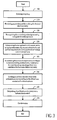
- the method first prompts a question to ask the user to speech input the desired entry (100); then receives a speech signal describing the desired directory entry (110); recognizes the speech signal and generating recognized word sequences, expands the recognized word sequences according to a confusion table and filters out confusable word pairs according to a confidence table (120); interprets the recognized word sequences by using a predetermined grammar rule and relevant information thereof stored in a database to form concept sequences (130); interprets the concept sequences according to semantic meaning and relevant information thereof stored in the database and current system status thereof, thereby generating at least one candidate by using one of maximum a posterior probabilities and maximum likelihood criterion for the desired directory entry and updates the system status; looks up at least one directory entry information corresponding to the at least one candidate from the database and generates a question to request more information if there are uncertainties (150); outputs the at least one directory entry information located (160); and confirms the located directory entry information and repeats the above steps until the desired directory entry information is located (170).
- the above-mentioned method can be implemented by computer program instructions.
- the computer program instructions can be loaded into a computer or other programmable processing devices to perform the functions of the method illustrated in Fig. 3 .
- the computer program instructions can be stored in a computer program product or computer readable medium. Examples of a computer program product or computer readable medium includes recordable-type medium such as a magnetic tape, a floppy disc, a hard disc drive, a RAM, a ROM and an optical disc and transmission-type medium such as digital and analog communication links.
- the present invention is directed to understanding ways of describing words in names, building up a relevant knowledge database to store ways of describing words in names and using the database as grammar rules to parse input speech.
- the present invention can use the natural language dialogues system to ask the user to describe the words of names when there are still uncertainties.
- the present invention uses the relevance knowledge database to parse and understand these descriptions and interpret their meaning.
- the present invention combines all available information to narrow down the range of possible candidates and finally locates the correct directory entry.
- part of the present invention is described by using Chinese words as an example, the present invention can also be applied to other languages. For example, famous family name description, like (same Li3 as in Li3 Deng1 Hue1), can be changed to "Bush as in George Bush.”
Landscapes
- Engineering & Computer Science (AREA)
- Signal Processing (AREA)
- Human Computer Interaction (AREA)
- Computational Linguistics (AREA)
- Health & Medical Sciences (AREA)
- Audiology, Speech & Language Pathology (AREA)
- Physics & Mathematics (AREA)
- Acoustics & Sound (AREA)
- Multimedia (AREA)
- Artificial Intelligence (AREA)
- Machine Translation (AREA)
Claims (34)
- Une méthode d'assistance au répertoire prévoyant la fourniture d'informations désirées, pour l'entrée dans un répertoire, à un utilisateur, et comprenant les opérations suivantes :a) réception d'un signal vocal décrivant l'entrée désirée dans le répertoire,b) reconnaissance du signal vocal et production de suites de mot reconnues ; et caractérisée par l'incorporation des interventions suivantes :c) interprétation des suites de mots homophoniques comportant l'emploi d'une règle de grammaire prédéterminée à description du nom et autres informations pertinentes mémorisées dans une base de données de connaissances pertinentes (31) pour former des suites de concepts, la base de données de connaissances pertinentes (31) comprenant des mots et une ou plusieurs façons de décrire les mots comprenant les noms, noms de personnalités, idiomes, traits caractéristiques, mots étrangers utilisés fréquemment, racines de caractères ;d) interprétation de suites de concept en fonction de leur signification sémantique, et d'informations pertinentes relatives mémorisée dans la base de données de connaissances pertinentes (31) et situation relative du système actuel, en produisant ainsi au minimum un candidat pour l'entrée désirée dans le répertoire ;e) consultation d'au moins une information d'entrée dans le répertoire correspondant à au moins un candidat de la base de données ; etf) sortie d'au moins une information d'entrée dans le répertoire.
- La méthode selon la revendication 1, dans laquelle l'opération e) comprend en outre la production d'une question dans le cas d'incertitudes, pour requérir à l'utilisateur de décrire les noms de noms dans une entrée de base de données de répertoire candidate.
- La méthode selon la revendication 1, comprenant également les opérations de rectification par l'utilisateur, ou la confirmation et la répétition des points a) à f) jusqu'à la localisation des informations désirées d'entrée dans le répertoire.
- La méthode selon la revendication 1, dans laquelle l'opération a) comprend en outre l'opération du message d'invite du système avant la réception d'un signal de la parole.
- La méthode selon la revendication 1, dans laquelle la règle de grammaire prédéterminée à description du nom et les suites de concept sont utilisées pour décrire l'entrée désirée dans le répertoire, comprenant le nom d'entrée ou au moins un mot du nom d'entrée et autres informations pertinentes.
- La méthode selon la revendication 1, dans laquelle la règle de grammaire prédéterminée à description du nom est produite par des modèles de grammaire fréquemment utilisés, et des mots fréquemment utilisés.
- La méthode selon la revendication 6, dans laquelle les modèles de grammaire sont produits par un des suivants : noms, noms de personnalités, idiomes, traits caractéristiques, lettres, mots, et racines de caractères, fréquemment utilisés.
- La méthode selon la revendication 1, dans laquelle l'opération b) comprend également l'expansion de suites de mots reconnues, conformément à une table de confusion (13).
- La méthode selon la revendication 8, dans laquelle la table de confusion (13) est préenregistrée, et comprend tous les mots prêtant à confusion, les mots corrects correspondants, et les probabilités de survenance.
- La méthode selon la revendication 1, dans laquelle l'opération b) comprend également la mesure de la confiance pour éliminer par filtrage des paires de mots portant à confusion, conformément à une table de confiance (15).
- La méthode selon la revendication 1, dans laquelle l'opération d) comprend également la mise à jour de l'état du système.
- La méthode selon la revendication 1, dans laquelle la base de données de connaissances pertinente (31) comprend des mots et des fréquences d'utilisation de ces derniers, des méthodes de description des mots, des règles de grammaire, des attributs et des fréquences d'utilisation correspondantes.
- La méthode selon la revendication 1, dans laquelle la base de données de connaissances pertinente (31) comprend des concepts de communication et des fréquences d'utilisation de ces derniers, des règles de grammaires correspondantes, la signification sémantique, et les fréquences d'utilisation.
- La méthode selon la revendication 1, dans laquelle la base de données du répertoire (32) comprend une série d'entrées, et dans le cadre de laquelle chaque entrée comprend le nom, le numéro de téléphone, des informations pertinentes et la fréquence d'utilisation.
- La méthode selon la revendication 1, dans laquelle le minimum d'un candidat est produit en utilisant un des suivants : un maximum de probabilités à posteriori et un maximum de critères de probabilité.
- La méthode selon la revendication 1, dans laquelle la méthode est une méthode d'assistant de répertoire Mandarin.
- Un programme informatique résidant sur un support lisible par ordinateur, présentant une série d'instructions stockées dans celui-ci, qui, lorsqu'elles sont exécutées par un processeur, permettent au processeur- de recevoir un signal vocal décrivant l'entrée désirée dans le répertoire,- de reconnaître le signal vocal et la production de suites de mot reconnues ; et caractérisé par le fait que le processeur :- interprète des suites de mots homophoniques avec l'emploi d'une règle de grammaire prédéterminée à description du nom et autres informations pertinentes mémorisées dans une base de données de connaissances pertinentes (31) pour former des suites de concepts, la base de données de connaissances pertinentes (31) comprenant des mots et une ou plusieurs façons de décrire les mots comprenant les noms, noms de personnalités, idiomes, traits caractéristiques, mots étrangers utilisés fréquemment, racines de caractères ;- interprète des suites de concept en fonction de leur signification sémantique, et d'informations pertinentes relatives mémorisées dans la base de données de connaissances pertinentes (31), et la situation relative du système actuel, en produisant ainsi au minimum un candidat pour l'entrée désirée dans le répertoire ;- consulte au moins une information d'entrée dans le répertoire correspondant à au moins un candidat de la base de données ; et- sort au moins l'information d'entrée située dans le répertoire.
- Un appareil d'assistance au répertoire permettant de fournir des informations désirées d'entrée dans le répertoire, y compris- une base de données (30) comprenant un base de données à répertoire (32) pour mémoriser des informations sur des entrées dans le répertoire, et une base de données de connaissances pertinentes (31) pour mémoriser des règles de grammaire et des suites de concepts ;- un dispositif de reconnaissance acoustique (10) pour la réception d'un signal vocal décrivant l'entrée désirée dans le répertoire, reconnaissant le signal vocal et produisant des suites de mots reconnues ; caractérisé par- un dispositif d'interprétation de la parole (20) pour l'interprétation des suites de mots homophoniques reconnues en faisant usage d'une règle de grammaire prédéterminée pour la description de noms et des informations relatives pertinentes stockées dans la base de données de connaissances pertinentes (31) pour former des suites de concepts, la base de données de connaissances pertinentes (31) comprenant des mots et une ou plusieurs façons de décrire les mots comprenant des noms utilisés fréquemment, des noms de personnalités,des idiomes, des traits de caractères, des mots étrangers utilisés fréquemment, des racines de caractères, et l'interprétation des suites de concept conformément à la signification sémantique et à des informations pertinentes sur celle-ci stockées dans la base de données de connaissances pertinente (31), et la situation actuelle du système correspondant, en produisant au minimum un candidat pour l'entrée désirée dans le répertoire ;- Un dispositif de consultation (40) pour consulter au minimum une information d'entrée dans le répertoire correspondant à un candidat, au minimum, de la base de données du répertoire (32), et- un dispositif de sortie (60) pour la sortie d'informations sur au moins une entrée sur le répertoire localisée.
- L'appareil d'assistance au répertoire selon la revendication 18, dans lequel la règle de grammaire et les suites de concepts prédéterminées sont utilisés pour décrire l'entrée désirée dans le répertoire, comprenant le nom d'entrée ou au minimum un mot du nom d'entrée et des informations pertinentes sur celui-ci.
- L'appareil d'assistance au répertoire selon la revendication 18, dans lequel la base de données de connaissances pertinente (31) est composée de mots et de fréquences d'utilisation, de modalités d'utilisation des mots, de règles de grammaire, d'attributs et de fréquences d'utilisation correspondantes.
- L'appareil d'assistance au répertoire selon la revendication 18, dans lequel la base de données de connaissances pertinente (31) comprend des concepts de communication et des fréquences d'utilisation de ces derniers, des règles de grammaires correspondantes, une signification sémantique, et des fréquences d'utilisation.
- L'appareil d'assistance au répertoire selon la revendication 18, dans lequel la base de données du répertoire (32) comprend une série d'entrées, et dans le cadre de laquelle chaque entrée comprend le nom, le numéro de téléphone, des informations pertinentes et des fréquences d'utilisation.
- L'appareil d'assistance au répertoire selon la revendication 18, dans lequel la règle de grammaire prédéterminée est générée par des modèles de grammaire et des mots utilisés fréquemment.
- L'appareil d'assistant au répertoire selon la revendication 23, dans lequel les modèles de grammaire sont générés par un des suivants : nom ; nom de personnalités ; idiomes ; traits de caractères ; lettres ; mots ; et racines de caractères.
- L'appareil d'assistance au répertoire selon la revendication 18, dans lequel le dispositif de reconnaissance acoustique (10) comprend en outre un dispositif de reconnaissance de la parole (11) permettant de reconnaître le signal de la parole et de produire des suites de mots reconnues.
- L'appareil d'assistance au répertoire selon la revendication 18, dans lequel le dispositif de reconnaissance acoustique (10) comprend en outre un analyseur de confusion (12) pour développer les suites de mots reconnues conformément à une table de confusion (13).
- L'appareil d'assistance au répertoire selon la revendication 26, dans lequel la table de confusion (13) est préenregistrée, et comprend tous les mots portant à confusion, les mots corrects correspondants, et des probabilités survenant.
- L'appareil d'assistance au répertoire selon la revendication 18, dans lequel le dispositif de reconnaissance acoustique (10) comprend en outre un dispositif de mesure de la confiance (14) pour extraire en les filtrant des paires de mots portant à confusion, selon une table de confiance (15).
- L'appareil d'assistance au répertoire selon la revendication 18, dans lequel le dispositif d'interprétation de la parole (20) met constamment à jour le statut du système.
- L'appareil d'assistance au répertoire selon la revendication 18, comprenant en plus un générateur de questions (50) pour la production d'une question pour demander des renseignements supplémentaires.
- L'appareil d'assistance au répertoire selon la revendication 30, dans lequel la question consiste à demander à un utilisateur de fournir des informations supplémentaires, une confirmation à base de listing, et une confirmation à question ouverte.
- L'appareil d'assistance au répertoire selon la revendication 18, dans lequel au minimum un candidat est généré en utilisant un des suivants : un maximum de probabilités à posteriori et un maximum de critères de probabilité.
- L'appareil d'assistance au répertoire selon la revendication 18, dans lequel le dispositif de sortie est un dispositif de sortie de la parole.
- L'appareil d'assistance au répertoire selon la revendication 18, dans lequel l'appareil d'assistance au répertoire est un appareil d'assistance au répertoire Mandarin.
Priority Applications (1)
| Application Number | Priority Date | Filing Date | Title |
|---|---|---|---|
| EP03808828A EP1554864B1 (fr) | 2002-10-16 | 2003-10-08 | Procede et appareil d'assistance-annuaire |
Applications Claiming Priority (4)
| Application Number | Priority Date | Filing Date | Title |
|---|---|---|---|
| EP02102454 | 2002-10-16 | ||
| EP02102454 | 2002-10-16 | ||
| PCT/IB2003/004429 WO2004036887A1 (fr) | 2002-10-16 | 2003-10-08 | Procede et appareil d'assistance-annuaire |
| EP03808828A EP1554864B1 (fr) | 2002-10-16 | 2003-10-08 | Procede et appareil d'assistance-annuaire |
Publications (2)
| Publication Number | Publication Date |
|---|---|
| EP1554864A1 EP1554864A1 (fr) | 2005-07-20 |
| EP1554864B1 true EP1554864B1 (fr) | 2012-11-21 |
Family
ID=32103995
Family Applications (1)
| Application Number | Title | Priority Date | Filing Date |
|---|---|---|---|
| EP03808828A Expired - Lifetime EP1554864B1 (fr) | 2002-10-16 | 2003-10-08 | Procede et appareil d'assistance-annuaire |
Country Status (7)
| Country | Link |
|---|---|
| EP (1) | EP1554864B1 (fr) |
| JP (1) | JP2006503328A (fr) |
| KR (1) | KR20050056242A (fr) |
| CN (1) | CN100502441C (fr) |
| AU (1) | AU2003264790A1 (fr) |
| TW (1) | TWI307845B (fr) |
| WO (1) | WO2004036887A1 (fr) |
Families Citing this family (3)
| Publication number | Priority date | Publication date | Assignee | Title |
|---|---|---|---|---|
| CN102404358A (zh) * | 2010-09-10 | 2012-04-04 | 中华电信股份有限公司 | 远程电话簿系统 |
| WO2016151700A1 (fr) * | 2015-03-20 | 2016-09-29 | 株式会社 東芝 | Dispositif, procédé et programme de compréhension d'intention |
| CN107577656B (zh) * | 2017-07-12 | 2020-02-14 | 中国科学院自动化研究所 | 文本隐含语义激活方法及系统 |
Family Cites Families (14)
| Publication number | Priority date | Publication date | Assignee | Title |
|---|---|---|---|---|
| WO1994014270A1 (fr) | 1992-12-17 | 1994-06-23 | Bell Atlantic Network Services, Inc. | Service de renseignements telephoniques mecanise |
| JPH086940A (ja) * | 1994-06-16 | 1996-01-12 | Hitachi Ltd | 音声入力方式およびそれを用いた情報処理装置 |
| CA2372671C (fr) * | 1994-10-25 | 2007-01-02 | British Telecommunications Public Limited Company | Services a commande vocale |
| GB9601925D0 (en) * | 1996-01-31 | 1996-04-03 | British Telecomm | Database access |
| JP3435471B2 (ja) * | 1996-03-29 | 2003-08-11 | 日本電信電話株式会社 | 情報検索後処理方法と装置及び情報検索システム |
| JPH1117796A (ja) * | 1997-06-19 | 1999-01-22 | Matsushita Electric Ind Co Ltd | 音声認識電話装置 |
| JPH11153998A (ja) * | 1997-11-19 | 1999-06-08 | Canon Inc | 音声応答装置及びその方法、コンピュータ可読メモリ |
| JP3035261B2 (ja) * | 1998-03-20 | 2000-04-24 | 株式会社エイ・ティ・アール音声翻訳通信研究所 | 日本語構文解析装置 |
| WO2000036591A1 (fr) * | 1998-12-17 | 2000-06-22 | Koninklijke Philips Electronics N.V. | Systeme de renseignements automatique a commande vocale |
| WO2002029620A1 (fr) * | 2000-10-02 | 2002-04-11 | Fujitsu Limited | Systeme d'extraction de caractere, procede d'extraction de caractere, et support d'enregistrement lisible par ordinateur |
| JP2002148181A (ja) * | 2000-11-07 | 2002-05-22 | Hioki Ee Corp | フローインジェクション分析装置 |
| JP4240807B2 (ja) * | 2000-12-25 | 2009-03-18 | 日本電気株式会社 | 移動通信端末装置、音声認識方法、およびそのプログラムを記録した記録媒体 |
| US6934683B2 (en) * | 2001-01-31 | 2005-08-23 | Microsoft Corporation | Disambiguation language model |
| JP2001357064A (ja) * | 2001-04-09 | 2001-12-26 | Toshiba Corp | 情報共有支援システム |
-
2003
- 2003-10-08 EP EP03808828A patent/EP1554864B1/fr not_active Expired - Lifetime
- 2003-10-08 KR KR1020057006435A patent/KR20050056242A/ko not_active Withdrawn
- 2003-10-08 WO PCT/IB2003/004429 patent/WO2004036887A1/fr not_active Ceased
- 2003-10-08 CN CNB2003801015184A patent/CN100502441C/zh not_active Expired - Lifetime
- 2003-10-08 AU AU2003264790A patent/AU2003264790A1/en not_active Abandoned
- 2003-10-08 JP JP2004544575A patent/JP2006503328A/ja active Pending
- 2003-10-13 TW TW092128283A patent/TWI307845B/zh not_active IP Right Cessation
Also Published As
| Publication number | Publication date |
|---|---|
| WO2004036887A1 (fr) | 2004-04-29 |
| CN1706173A (zh) | 2005-12-07 |
| CN100502441C (zh) | 2009-06-17 |
| JP2006503328A (ja) | 2006-01-26 |
| KR20050056242A (ko) | 2005-06-14 |
| AU2003264790A1 (en) | 2004-05-04 |
| EP1554864A1 (fr) | 2005-07-20 |
| TWI307845B (en) | 2009-03-21 |
| TW200419387A (en) | 2004-10-01 |
Similar Documents
| Publication | Publication Date | Title |
|---|---|---|
| US6243680B1 (en) | Method and apparatus for obtaining a transcription of phrases through text and spoken utterances | |
| EP0570660B1 (fr) | Système de reconnaissance de parole pour traduction naturelle de langage | |
| EP1240642B1 (fr) | Apprentissage d'etats de dialogue et de modele linguistique d'un systeme parle d'information | |
| US7974843B2 (en) | Operating method for an automated language recognizer intended for the speaker-independent language recognition of words in different languages and automated language recognizer | |
| US8126714B2 (en) | Voice search device | |
| US20030149566A1 (en) | System and method for a spoken language interface to a large database of changing records | |
| EP2940684A1 (fr) | Procédé et système de reconnaissance vocale pour informations utilisateur personnalisées | |
| US20050004799A1 (en) | System and method for a spoken language interface to a large database of changing records | |
| EP1623412B1 (fr) | Procede de modelisation statistique de langue pour la reconnaissance vocale | |
| EP2104935A1 (fr) | Procédé et système pour obtenir une reconnaissance de la parole | |
| WO2008084476A2 (fr) | Système de reconnaissance de voyelles et procédé dans des applications de traduction de parole en texte | |
| US7302381B2 (en) | Specifying arbitrary words in rule-based grammars | |
| US20040006469A1 (en) | Apparatus and method for updating lexicon | |
| Callejas et al. | Implementing modular dialogue systems: a case study | |
| EP1554864B1 (fr) | Procede et appareil d'assistance-annuaire | |
| Mérialdo | Multilevel decoding for very-large-size-dictionary speech recognition | |
| CN114822544B (zh) | 一种面向电力调度领域的语音识别方法 | |
| CA2597826C (fr) | Methode, logiciel et dispositif pour identifiant unique d'un contact desire dans une base de donnees de contact base sur un seul enonce | |
| Georgila et al. | A speech-based human-computer interaction system for automating directory assistance services | |
| CN115101051B (zh) | 一种多通道语音识别装置及其语音转文字方法 | |
| Georgila et al. | An integrated dialogue system for the automation of call centre services. | |
| Ouellet et al. | Heuristic syllabification and statistical syllable-based modeling for speech-input topic identification | |
| Parthasarathy | Experiments in keypad-aided spelling recognition | |
| KR20120063827A (ko) | 연속 음성 인식에 대한 시맨틱 네트워크를 이용한 호 분류 방법 및 그 시스템 | |
| Georgila et al. | Large Vocabulary Search Space Reduction Employing Directed Acyclic Word Graphs and Phonological Rules |
Legal Events
| Date | Code | Title | Description |
|---|---|---|---|
| PUAI | Public reference made under article 153(3) epc to a published international application that has entered the european phase |
Free format text: ORIGINAL CODE: 0009012 |
|
| 17P | Request for examination filed |
Effective date: 20050517 |
|
| AK | Designated contracting states |
Kind code of ref document: A1 Designated state(s): AT BE BG CH CY CZ DE DK EE ES FI FR GB GR HU IE IT LI LU MC NL PT RO SE SI SK TR |
|
| AX | Request for extension of the european patent |
Extension state: AL LT LV MK |
|
| DAX | Request for extension of the european patent (deleted) | ||
| 17Q | First examination report despatched |
Effective date: 20080613 |
|
| GRAP | Despatch of communication of intention to grant a patent |
Free format text: ORIGINAL CODE: EPIDOSNIGR1 |
|
| GRAC | Information related to communication of intention to grant a patent modified |
Free format text: ORIGINAL CODE: EPIDOSCIGR1 |
|
| RAP1 | Party data changed (applicant data changed or rights of an application transferred) |
Owner name: NUANCE COMMUNICATIONS, INC. |
|
| GRAS | Grant fee paid |
Free format text: ORIGINAL CODE: EPIDOSNIGR3 |
|
| GRAA | (expected) grant |
Free format text: ORIGINAL CODE: 0009210 |
|
| AK | Designated contracting states |
Kind code of ref document: B1 Designated state(s): AT BE BG CH CY CZ DE DK EE ES FI FR GB GR HU IE IT LI LU MC NL PT RO SE SI SK TR |
|
| REG | Reference to a national code |
Ref country code: GB Ref legal event code: FG4D |
|
| REG | Reference to a national code |
Ref country code: CH Ref legal event code: EP |
|
| REG | Reference to a national code |
Ref country code: AT Ref legal event code: REF Ref document number: 585570 Country of ref document: AT Kind code of ref document: T Effective date: 20121215 |
|
| REG | Reference to a national code |
Ref country code: IE Ref legal event code: FG4D |
|
| REG | Reference to a national code |
Ref country code: DE Ref legal event code: R096 Ref document number: 60342668 Country of ref document: DE Effective date: 20130117 |
|
| REG | Reference to a national code |
Ref country code: NL Ref legal event code: VDEP Effective date: 20121121 |
|
| REG | Reference to a national code |
Ref country code: AT Ref legal event code: MK05 Ref document number: 585570 Country of ref document: AT Kind code of ref document: T Effective date: 20121121 |
|
| PG25 | Lapsed in a contracting state [announced via postgrant information from national office to epo] |
Ref country code: ES Free format text: LAPSE BECAUSE OF FAILURE TO SUBMIT A TRANSLATION OF THE DESCRIPTION OR TO PAY THE FEE WITHIN THE PRESCRIBED TIME-LIMIT Effective date: 20130304 Ref country code: SE Free format text: LAPSE BECAUSE OF FAILURE TO SUBMIT A TRANSLATION OF THE DESCRIPTION OR TO PAY THE FEE WITHIN THE PRESCRIBED TIME-LIMIT Effective date: 20121121 Ref country code: FI Free format text: LAPSE BECAUSE OF FAILURE TO SUBMIT A TRANSLATION OF THE DESCRIPTION OR TO PAY THE FEE WITHIN THE PRESCRIBED TIME-LIMIT Effective date: 20121121 |
|
| PG25 | Lapsed in a contracting state [announced via postgrant information from national office to epo] |
Ref country code: GR Free format text: LAPSE BECAUSE OF FAILURE TO SUBMIT A TRANSLATION OF THE DESCRIPTION OR TO PAY THE FEE WITHIN THE PRESCRIBED TIME-LIMIT Effective date: 20130222 Ref country code: BE Free format text: LAPSE BECAUSE OF FAILURE TO SUBMIT A TRANSLATION OF THE DESCRIPTION OR TO PAY THE FEE WITHIN THE PRESCRIBED TIME-LIMIT Effective date: 20121121 Ref country code: SI Free format text: LAPSE BECAUSE OF FAILURE TO SUBMIT A TRANSLATION OF THE DESCRIPTION OR TO PAY THE FEE WITHIN THE PRESCRIBED TIME-LIMIT Effective date: 20121121 Ref country code: PT Free format text: LAPSE BECAUSE OF FAILURE TO SUBMIT A TRANSLATION OF THE DESCRIPTION OR TO PAY THE FEE WITHIN THE PRESCRIBED TIME-LIMIT Effective date: 20130321 |
|
| PG25 | Lapsed in a contracting state [announced via postgrant information from national office to epo] |
Ref country code: AT Free format text: LAPSE BECAUSE OF FAILURE TO SUBMIT A TRANSLATION OF THE DESCRIPTION OR TO PAY THE FEE WITHIN THE PRESCRIBED TIME-LIMIT Effective date: 20121121 |
|
| PG25 | Lapsed in a contracting state [announced via postgrant information from national office to epo] |
Ref country code: DK Free format text: LAPSE BECAUSE OF FAILURE TO SUBMIT A TRANSLATION OF THE DESCRIPTION OR TO PAY THE FEE WITHIN THE PRESCRIBED TIME-LIMIT Effective date: 20121121 Ref country code: EE Free format text: LAPSE BECAUSE OF FAILURE TO SUBMIT A TRANSLATION OF THE DESCRIPTION OR TO PAY THE FEE WITHIN THE PRESCRIBED TIME-LIMIT Effective date: 20121121 Ref country code: BG Free format text: LAPSE BECAUSE OF FAILURE TO SUBMIT A TRANSLATION OF THE DESCRIPTION OR TO PAY THE FEE WITHIN THE PRESCRIBED TIME-LIMIT Effective date: 20130221 Ref country code: CZ Free format text: LAPSE BECAUSE OF FAILURE TO SUBMIT A TRANSLATION OF THE DESCRIPTION OR TO PAY THE FEE WITHIN THE PRESCRIBED TIME-LIMIT Effective date: 20121121 Ref country code: SK Free format text: LAPSE BECAUSE OF FAILURE TO SUBMIT A TRANSLATION OF THE DESCRIPTION OR TO PAY THE FEE WITHIN THE PRESCRIBED TIME-LIMIT Effective date: 20121121 |
|
| PG25 | Lapsed in a contracting state [announced via postgrant information from national office to epo] |
Ref country code: NL Free format text: LAPSE BECAUSE OF FAILURE TO SUBMIT A TRANSLATION OF THE DESCRIPTION OR TO PAY THE FEE WITHIN THE PRESCRIBED TIME-LIMIT Effective date: 20121121 Ref country code: RO Free format text: LAPSE BECAUSE OF FAILURE TO SUBMIT A TRANSLATION OF THE DESCRIPTION OR TO PAY THE FEE WITHIN THE PRESCRIBED TIME-LIMIT Effective date: 20121121 Ref country code: IT Free format text: LAPSE BECAUSE OF FAILURE TO SUBMIT A TRANSLATION OF THE DESCRIPTION OR TO PAY THE FEE WITHIN THE PRESCRIBED TIME-LIMIT Effective date: 20121121 |
|
| PLBE | No opposition filed within time limit |
Free format text: ORIGINAL CODE: 0009261 |
|
| STAA | Information on the status of an ep patent application or granted ep patent |
Free format text: STATUS: NO OPPOSITION FILED WITHIN TIME LIMIT |
|
| 26N | No opposition filed |
Effective date: 20130822 |
|
| REG | Reference to a national code |
Ref country code: DE Ref legal event code: R097 Ref document number: 60342668 Country of ref document: DE Effective date: 20130822 |
|
| PG25 | Lapsed in a contracting state [announced via postgrant information from national office to epo] |
Ref country code: MC Free format text: LAPSE BECAUSE OF FAILURE TO SUBMIT A TRANSLATION OF THE DESCRIPTION OR TO PAY THE FEE WITHIN THE PRESCRIBED TIME-LIMIT Effective date: 20121121 |
|
| REG | Reference to a national code |
Ref country code: CH Ref legal event code: PL |
|
| REG | Reference to a national code |
Ref country code: IE Ref legal event code: MM4A |
|
| PG25 | Lapsed in a contracting state [announced via postgrant information from national office to epo] |
Ref country code: CH Free format text: LAPSE BECAUSE OF NON-PAYMENT OF DUE FEES Effective date: 20131031 Ref country code: LI Free format text: LAPSE BECAUSE OF NON-PAYMENT OF DUE FEES Effective date: 20131031 |
|
| REG | Reference to a national code |
Ref country code: FR Ref legal event code: ST Effective date: 20140630 |
|
| PG25 | Lapsed in a contracting state [announced via postgrant information from national office to epo] |
Ref country code: FR Free format text: LAPSE BECAUSE OF NON-PAYMENT OF DUE FEES Effective date: 20131031 |
|
| PG25 | Lapsed in a contracting state [announced via postgrant information from national office to epo] |
Ref country code: IE Free format text: LAPSE BECAUSE OF NON-PAYMENT OF DUE FEES Effective date: 20131008 |
|
| PG25 | Lapsed in a contracting state [announced via postgrant information from national office to epo] |
Ref country code: TR Free format text: LAPSE BECAUSE OF FAILURE TO SUBMIT A TRANSLATION OF THE DESCRIPTION OR TO PAY THE FEE WITHIN THE PRESCRIBED TIME-LIMIT Effective date: 20121121 Ref country code: CY Free format text: LAPSE BECAUSE OF FAILURE TO SUBMIT A TRANSLATION OF THE DESCRIPTION OR TO PAY THE FEE WITHIN THE PRESCRIBED TIME-LIMIT Effective date: 20121121 |
|
| PG25 | Lapsed in a contracting state [announced via postgrant information from national office to epo] |
Ref country code: LU Free format text: LAPSE BECAUSE OF NON-PAYMENT OF DUE FEES Effective date: 20131008 Ref country code: HU Free format text: LAPSE BECAUSE OF FAILURE TO SUBMIT A TRANSLATION OF THE DESCRIPTION OR TO PAY THE FEE WITHIN THE PRESCRIBED TIME-LIMIT; INVALID AB INITIO Effective date: 20031008 |
|
| PGFP | Annual fee paid to national office [announced via postgrant information from national office to epo] |
Ref country code: GB Payment date: 20220901 Year of fee payment: 20 |
|
| PGFP | Annual fee paid to national office [announced via postgrant information from national office to epo] |
Ref country code: DE Payment date: 20220831 Year of fee payment: 20 |
|
| P01 | Opt-out of the competence of the unified patent court (upc) registered |
Effective date: 20230505 |
|
| P02 | Opt-out of the competence of the unified patent court (upc) changed |
Effective date: 20230513 |
|
| REG | Reference to a national code |
Ref country code: DE Ref legal event code: R071 Ref document number: 60342668 Country of ref document: DE |
|
| REG | Reference to a national code |
Ref country code: GB Ref legal event code: PE20 Expiry date: 20231007 |
|
| PG25 | Lapsed in a contracting state [announced via postgrant information from national office to epo] |
Ref country code: GB Free format text: LAPSE BECAUSE OF EXPIRATION OF PROTECTION Effective date: 20231007 |
|
| PG25 | Lapsed in a contracting state [announced via postgrant information from national office to epo] |
Ref country code: GB Free format text: LAPSE BECAUSE OF EXPIRATION OF PROTECTION Effective date: 20231007 |
|
| REG | Reference to a national code |
Ref country code: GB Ref legal event code: 732E Free format text: REGISTERED BETWEEN 20240321 AND 20240327 |
|
| REG | Reference to a national code |
Ref country code: DE Ref legal event code: R081 Ref document number: 60342668 Country of ref document: DE Owner name: MICROSOFT TECHNOLOGY LICENSING, LLC, REDMOND, US Free format text: FORMER OWNER: NUANCE COMMUNICATIONS, INC., BURLINGTON, MASS., US |