EP1562909B1 - Compositions ophtalmiques pour le traitement de l'hypertension oculaire - Google Patents
Compositions ophtalmiques pour le traitement de l'hypertension oculaire Download PDFInfo
- Publication number
- EP1562909B1 EP1562909B1 EP03781747A EP03781747A EP1562909B1 EP 1562909 B1 EP1562909 B1 EP 1562909B1 EP 03781747 A EP03781747 A EP 03781747A EP 03781747 A EP03781747 A EP 03781747A EP 1562909 B1 EP1562909 B1 EP 1562909B1
- Authority
- EP
- European Patent Office
- Prior art keywords
- alkyl
- heterocyclyl
- aryl
- alkenyl
- pharmaceutically acceptable
- Prior art date
- Legal status (The legal status is an assumption and is not a legal conclusion. Google has not performed a legal analysis and makes no representation as to the accuracy of the status listed.)
- Expired - Lifetime
Links
- 0 C[C@@](*)[C@@](C[C@@](C)C[C@]1C)[C@@]1C=C1CCC1 Chemical compound C[C@@](*)[C@@](C[C@@](C)C[C@]1C)[C@@]1C=C1CCC1 0.000 description 5
- YHXWCCICPJVBFS-UHFFFAOYSA-N CCCCCC[n](c1c2)nc(C(C3=CCCC=C3)=O)c1ccc2OC Chemical compound CCCCCC[n](c1c2)nc(C(C3=CCCC=C3)=O)c1ccc2OC YHXWCCICPJVBFS-UHFFFAOYSA-N 0.000 description 1
- VDRWFBGSDLRPLK-UHFFFAOYSA-N Cc1n[nH]c2c1ccc(OC)c2 Chemical compound Cc1n[nH]c2c1ccc(OC)c2 VDRWFBGSDLRPLK-UHFFFAOYSA-N 0.000 description 1
Classifications
-
- C—CHEMISTRY; METALLURGY
- C07—ORGANIC CHEMISTRY
- C07F—ACYCLIC, CARBOCYCLIC OR HETEROCYCLIC COMPOUNDS CONTAINING ELEMENTS OTHER THAN CARBON, HYDROGEN, HALOGEN, OXYGEN, NITROGEN, SULFUR, SELENIUM OR TELLURIUM
- C07F9/00—Compounds containing elements of Groups 5 or 15 of the Periodic Table
- C07F9/02—Phosphorus compounds
- C07F9/547—Heterocyclic compounds, e.g. containing phosphorus as a ring hetero atom
- C07F9/645—Heterocyclic compounds, e.g. containing phosphorus as a ring hetero atom having two nitrogen atoms as the only ring hetero atoms
- C07F9/6503—Five-membered rings
- C07F9/65031—Five-membered rings having the nitrogen atoms in the positions 1 and 2
- C07F9/65038—Five-membered rings having the nitrogen atoms in the positions 1 and 2 condensed with carbocyclic rings or carbocyclic ring systems
-
- A—HUMAN NECESSITIES
- A61—MEDICAL OR VETERINARY SCIENCE; HYGIENE
- A61K—PREPARATIONS FOR MEDICAL, DENTAL OR TOILETRY PURPOSES
- A61K31/00—Medicinal preparations containing organic active ingredients
- A61K31/33—Heterocyclic compounds
- A61K31/395—Heterocyclic compounds having nitrogen as a ring hetero atom, e.g. guanethidine or rifamycins
- A61K31/41—Heterocyclic compounds having nitrogen as a ring hetero atom, e.g. guanethidine or rifamycins having five-membered rings with two or more ring hetero atoms, at least one of which being nitrogen, e.g. tetrazole
- A61K31/415—1,2-Diazoles
- A61K31/416—1,2-Diazoles condensed with carbocyclic ring systems, e.g. indazole
-
- A—HUMAN NECESSITIES
- A61—MEDICAL OR VETERINARY SCIENCE; HYGIENE
- A61P—SPECIFIC THERAPEUTIC ACTIVITY OF CHEMICAL COMPOUNDS OR MEDICINAL PREPARATIONS
- A61P27/00—Drugs for disorders of the senses
- A61P27/02—Ophthalmic agents
-
- A—HUMAN NECESSITIES
- A61—MEDICAL OR VETERINARY SCIENCE; HYGIENE
- A61P—SPECIFIC THERAPEUTIC ACTIVITY OF CHEMICAL COMPOUNDS OR MEDICINAL PREPARATIONS
- A61P27/00—Drugs for disorders of the senses
- A61P27/02—Ophthalmic agents
- A61P27/06—Antiglaucoma agents or miotics
-
- A—HUMAN NECESSITIES
- A61—MEDICAL OR VETERINARY SCIENCE; HYGIENE
- A61P—SPECIFIC THERAPEUTIC ACTIVITY OF CHEMICAL COMPOUNDS OR MEDICINAL PREPARATIONS
- A61P3/00—Drugs for disorders of the metabolism
- A61P3/08—Drugs for disorders of the metabolism for glucose homeostasis
- A61P3/10—Drugs for disorders of the metabolism for glucose homeostasis for hyperglycaemia, e.g. antidiabetics
-
- A—HUMAN NECESSITIES
- A61—MEDICAL OR VETERINARY SCIENCE; HYGIENE
- A61P—SPECIFIC THERAPEUTIC ACTIVITY OF CHEMICAL COMPOUNDS OR MEDICINAL PREPARATIONS
- A61P43/00—Drugs for specific purposes, not provided for in groups A61P1/00-A61P41/00
-
- C—CHEMISTRY; METALLURGY
- C07—ORGANIC CHEMISTRY
- C07D—HETEROCYCLIC COMPOUNDS
- C07D231/00—Heterocyclic compounds containing 1,2-diazole or hydrogenated 1,2-diazole rings
- C07D231/54—Heterocyclic compounds containing 1,2-diazole or hydrogenated 1,2-diazole rings condensed with carbocyclic rings or ring systems
- C07D231/56—Benzopyrazoles; Hydrogenated benzopyrazoles
Definitions
- Glaucoma is a degenerative disease of the eye wherein the intraocular pressure is too high to permit normal eye function. As a result, damage may occur to the optic nerve head and result in irreversible loss of visual function. If untreated, glaucoma may eventually lead to blindness. Ocular hypertension, i.e., the condition of elevated intraocular pressure without optic nerve head damage or characteristic glaucomatous visual field defects, is now believed by the majority of ophthalmologists to represent merely the earliest phase in the onset of glaucoma.
- This invention relates to the use of potent potassium channel blockers or a formulation thereof in the treatment of glaucoma and other conditions which are related to elevated intraocular pressure in the eye of a patient.
- This invention also relates to the use of such compounds to provide a neuroprotective effect to the eye of mammalian species, particularly humans. More particularly this invention relates to the treatment of glaucoma and/or ocular hypertension (elevated intraocular pressure) using novel indazole compounds having the structural formula I: or a pharmaceutically acceptable salt, enantiomer, diastereomer or mixture thereof:
- the present invention is directed to novel potassium channel blockers of Formula I. It also discloses a method for decreasing elevated intraocular pressure or treating glaucoma by administration, preferably topical or intra-camaral administration, of a composition containing a potassium channel blocker of Formula I described hereinabove and a pharmaceutically acceptable carrier.
- R w is selected from H, C 1-6 alkyl, -C(O)C 1-6 alkyl and -C(O)N(R) 2 and all other variables are as originally described.
- X is -(CHR 7 ) p -, and all other variables are as originally described.
- X is -(CHR 7 )pCO-, and all other variables are as originally described.
- R 7 is hydrogen or C 1-6 alkyl, and all other variables are as originally described.
- Still another embodiment of this invention is realized when R 2 is C 1-10 alkyl or C 1-6 alkylOR and R 3 is C 1-10 alkyl, (CH 2 ) n C 3-10 heterocyclyl, and X is -(CHR 7 )pCO-, said heterocyclyl and alkyl optionally substituted with 1 to 3 groups of R a .
- R a is selected from F, Cl, Br, I, CF 3 , N(R) 2 , NO 2 , CN, -O-, -CONHR 8 , -CON(R 8 ) 2 , -O(CH 2 ) n COOR, -NH(CH 2 ) n OR, -COOR, -OCF3, -NHCOR, -S02R, -S02NR2, -SR, (C 1 -C 6 alkyl)O-, -(CH2)nO(CH2)mOR, -(CH 2 ) n C 1-6 alkoxy, (aryl)O-, -OH, (C 1 -C 6 alkyl)S(O) m -, H 2 N-C(NH)-, (C 1 -C 6 alkyl)C(O)-, (C 1 -C 6 alkyl)OC(O)NH-, -(C 1 -C 6 alkyl)NR
- the compounds of the present invention may have asymmetric centers, chiral axes and chiral planes, and occur as racemates, racemic mixtures, and as individual diastereomers, with all possible isomers, including optical isomers, being included in the present invention. (See E.L. Eliel and S.H. Wilen Stereochemistry of Carbon Compounds (John Wiley and Sons, New York 1994), in particular pages 1119-1190 )
- variable e.g. aryl, heterocycle, R 1 , R 6 etc.
- its definition on each occurrence is independent at every other occurrence.
- combinations of substituents/or variables are permissible only if such combinations result in stable compounds.
- R a When R a is -O- and attached to a carbon it is referred to as a carbonyl group and when it is attached to a nitrogen (e.g., nitrogen atom on a pyridyl group) or sulfur atom it is referred to a N-oxide and sulfoxide group, respectively.
- a nitrogen e.g., nitrogen atom on a pyridyl group
- sulfur atom it is referred to a N-oxide and sulfoxide group, respectively.
- alkyl refers to a monovalent alkane (hydrocarbon) derived radical containing from 1 to 10 carbon atoms unless otherwise defined. It may be straight, branched or cyclic. Preferred alkyl groups include methyl, ethyl, propyl, isopropyl, butyl, t-butyl, cyclopropyl cyclopentyl and cyclohexyl. When the alkyl group is said to be substituted with an alkyl group, this is used interchangeably with "branched alkyl group”.
- Cycloalkyl is a specie of alkyl containing from 3 to 15 carbon atoms, unless otherwise defined, without alternating or resonating double bonds between carbon atoms. It may contain from 1 to 4 rings, which are fused. Examples of such cycloalkyl elements include, but are not limited to, cyclopropyl, cyclobutyl, cyclopentyl, cyclohexyl and cycloheptyl.
- Alkenyl is C 2 -C 6 alkenyl.
- Alkoxy refers to an alkyl group of indicated number of carbon atoms attached through an oxygen bridge, with the alkyl group optionally substituted as described herein.
- Said groups are those groups of the designated length in either a straight or branched configuration and if two or more carbon atoms in length, they may include a double or a triple bond.
- Exemplary of such alkoxy groups are methoxy, ethoxy, propoxy, isopropoxy, butoxy, isobutoxy, tertiary butoxy, pentoxy, isopentoxy, hexoxy, isohexoxy allyloxy, propargyloxy, and the like.
- Halogen refers to chlorine, fluorine, iodine or bromine.
- Aryl refers to aromatic rings e.g., phenyl, substituted phenyl and the like, as well as rings which are fused, e.g., naphthyl, phenanthrenyl and the like.
- An aryl group thus contains at least one ring having at least 6 atoms, with up to five such rings being present, containing up to 22 atoms therein, with alternating (resonating) double bonds between adjacent carbon atoms or suitable heteroatoms.
- aryl groups are phenyl, naphthyl, tetrahydronaphthyl, indanyl, biphenyl, phenanthryl, anthryl or acenaphthyl and phenanthrenyl, preferably phenyl, naphthyl or phenanthrenyl.
- Aryl groups may likewise be substituted as defined.
- Preferred substituted aryls include phenyl and naphthyl.
- heterocyclyl or heterocyclic represents a stable 3- to 7-membered monocyclic or stable 8- to 11-membered bicyclic heterocyclic ring which is either saturated or unsaturated, and which consists of carbon atoms and from one to four heteroatoms selected from the group consisting of N, O, and S, and including any bicyclic group in which any of the above-defined heterocyclic rings is fused to a benzene ring.
- the heterocyclic ring may be attached at any heteroatom or carbon atom which results in the creation of a stable structure.
- a fused heterocyclic ring system may include carbocyclic rings and need include only one heterocyclic ring.
- heterocycle or heterocyclic includes heteroaryl moieties.
- heterocyclic elements include, but are not limited to, azepinyl, benzimidazolyl, benzisoxazolyl, benzofurazanyl, benzopyranyl, benzothiopyranyl, benzofuryl, benzothiazolyl, benzothienyl, benzoxazolyl, chromanyl, cinnolinyl, dihydrobenzofuryl, dihydrobenzothienyl, dihydrobenzothiopyranyl, dihydrobenzothiopyranyl sulfone, dihydropyrrolyl, 1,3-dioxolanyl, furyl, imidazolidinyl, imidazolinyl, imidazolyl, indolinyl, indolyl, isochromanyl, isoindolinyl, isoquinolinyl, isothiazolidinyl, isothiazolyl, isothiazolidinyl, morpholin
- heterocycle is selected from 2-azepinonyl, benzimidazolyl, 2-diazapinonyl, dihydroimidazolyl, dihydropyrrolyl, imidazolyl, 2-imidazolidinonyl, indolyl, isoquinolinyl, morpholinyl, piperidyl, piperazinyl, pyridyl, pyrrolidinyl, 2-piperidinonyl, 2-pyrimidinonyl, 2-pyrollidinonyl, quinolinyl, tetrahydrofuryl, tetrahydroisoquinolinyl, and thienyl.
- heteroatom means O, S or N, selected on an independent basis.
- heteroaryl refers to a monocyclic aromatic hydrocarbon group having 5 or 6 ring atoms, or a bicyclic aromatic group having 8 to 10 atoms, containing at least one heteroatom, O, S or N, in which a carbon or nitrogen atom is the point of attachment, and in which one or two additional carbon atoms is optionally replaced by a heteroatom selected from O or S, and in which from 1 to 3 additional carbon atoms are optionally replaced by nitrogen heteroatoms, said heteroaryl group being optionally substituted as described herein.
- heterocyclic elements include, but are not limited to, benzimidazolyl, benzisoxazolyl, benzofurazanyl, benzopyranyl, benzothiopyranyl, benzofuryl, benzothiazolyl, benzothienyl, benzoxazolyl, chromanyl, cinnolinyl, dihydrobenzofuryl, dihydrobenzothienyl, dihydrobenzothiopyranyl, dihydrobenzothiopyranyl sulfone, furyl, imidazolyl, indolinyl, indolyl, isochromanyl, isoindolinyl, isoquinolinyl, isothiazolyl, naphthyridinyl, oxadiazolyl, pyridyl, pyrazinyl, pyrazolyl, pyridazinyl, pyrimidinyl, pyrrolyl, quinazolin
- This invention is also concerned with compositions and methods of treating ocular hypertension or glaucoma by administering to a patient in need thereof one of the compounds of formula I in combination with a ⁇ -adrenergic blocking agent such as timolol, betaxolol, levobetaxolol, carteolol, levobunolol, a parasympathomimetic agent such as epinephrine, iopidine, brimonidine, clonidine, para-aminoclonidine, carbonic anhydrase inhibitor such as dorzolamide, acetazolamide, metazolamide or brinzolamide, an EP4 agonist (such as those disclosed in WO 02/24647 , WO 02/42268 , EP 1114816 , WO 01/46140 and WO 01/72268 ), a prostaglandin such as latanoprost, travaprost, unoprostone, rescula, S1033 (
- 4,690,931 particularly eliprodil and R-eliprodil as set forth in WO 94/13275 , including memantine; or an agonist of 5-HT2 receptors as set forth in PCT/US00/31247 , particularly 1-(2-aminopropyl)-3-methyl-1H-imdazol-6-ol fumarate and 2-(3-chloro-6-methoxy-indazol-1-yl)-1-methyl-ethylamine.
- hypotensive lipid (the carboxylic acid group on the ⁇ -chain link of the basic prostaglandin structure is replaced with electrochemically neutral substituents) is that in which the carboxylic acid group is replaced with a C 1-6 alkoxy group such as OCH 3 (PGF 2a 1-OCH 3 ), or a hydroxy group (PGF 2a 1-OH).
- Preferred potassium channel blockers are calcium activated potassium channel blockers. More preferred potassium channel blockers are high conductance, calcium activated potassium (Maxi-K) channel blockers. Maxi-K channels are a family of ion channels that are prevalent in neuronal, smooth muscle and epithelial tissues and which are gated by membrane potential and intracellular Ca2+.
- the present invention is based upon the finding that maxi-K channels, if blocked, inhibit aqueous humor production by inhibiting net solute and H 2 O efflux and therefore lower IOP.
- maxi-K channel blockers are useful for treating other ophthamological dysfunctions such as macular edema and macular degeneration. It is known that lowering IOP promotes blood flow to the retina and optic nerve. Accordingly, the compounds of this invention are useful for treating macular edema and/or macular degeneration.
- maxi-K channel blockers which lower IOP are useful for providing a neuroprotective effect. They are also believed to be effective for increasing retinal and optic nerve head blood velocity and increasing retinal and optic nerve oxygen by lowering IOP, which when coupled together benefits optic nerve health. As a result, this invention further relates to a method for increasing retinal and optic nerve head blood velocity, increasing retinal and optic nerve oxygen tension as well as providing a neuroprotective effect or a combination thereof.
- a number of marketed drugs function as potassium channel antagonists. The most important of these include the compounds Glyburide, Glipizide and Tolbutamide. These potassium channel antagonists are useful as antidiabetic agents.
- the compounds of this invention may be combined with one or more of these compounds to treat diabetes.
- Potassium channel antagonists are also utilized as Class 3 antiarrhythmic agents and to treat acute infarctions in humans.
- a number of naturally occuring toxins are known to block potassium channels including Apamin, Iberiotoxin, Charybdotoxin, Noxiustoxin, Kaliotoxin, Dendrotoxin(s), mast cell degranuating (MCD) peptide, and ⁇ -Bungarotoxin ( ⁇ -BTX).
- the compounds of this invention may be combined with one or more of these compounds to treat arrhythmias.
- Depression is related to a decrease in neurotransmitter release.
- Current treatments of depression include blockers of neurotransmitter uptake, and inhibitors of enzymes involved in neurotransmitter degradation which act to prolong the lifetime of neurotransmitters.
- Alzheimer's disease is also characterized by a diminished neurotransmitter release.
- Three classes of drugs are being investigated for the treatment of Alzheimer's disease cholinergic potentiators such as the anticholinesterase drugs (e.g., physostigmine (eserine), and Tacrine (tetrahydroaminocridine)); nootropics that affect neuron metabolism with little effect elsewhere (e.g., Piracetam, Oxiracetam; and those drugs that affect brain vasculature such as a mixture of ergoloid mesylates amd calcium channel blocking drugs including Nimodipine.
- anticholinesterase drugs e.g., physostigmine (eserine), and Tacrine (tetrahydroaminocridine)
- nootropics that affect neuron metabolism with little effect elsewhere
- Piracetam, Oxiracetam e.g., Piracetam, Oxiracetam
- those drugs that affect brain vasculature such
- Selegiline a monoamine oxidase B inhibitor which increases brain dopamine and norepinephrine has reportedly caused mild improvement in some Alzheimer's patients.
- Aluminum chelating agents have been of interest to those who believe Alzheimer's disease is due to aluminum toxicity.
- Drugs that affect behavior, including neuroleptics, and anxiolytics have been employed.
- Anxiolytics, which are mild tranquilizers, are less effective than neuroleptics
- the present invention is related to novel compounds which are useful as potassium channel antagonists.
- the compounds within the scope of the present invention exhibit potassium channel antagonist activity and thus are useful in disorders associated with potassium channel malfunction.
- a number of cognitive disorders such as Alzheimer's Disease, memory loss or depression may benefit from enhanced release of neurotransmitters such as serotonin, dopamine or acetylcholine and the like.
- Blockage of Maxi-K channels maintains cellular depolarization and therefore enhances secretion of these vital neurotransmitters.
- the compounds of this invention may be combined with anticholinesterase drugs such as physostigmine (eserine) and Tacrine (tetrahydroaminocridine), nootropics such as Piracetam, Oxiracetam, ergoloid mesylates, selective calcium channel blockers such as Nimodipine, or monoamine oxidase B inhibitors such as Selegiline, in the treatment of Alzheimer's disease.
- anticholinesterase drugs such as physostigmine (eserine) and Tacrine (tetrahydroaminocridine)
- nootropics such as Piracetam, Oxiracetam, ergoloid mesylates
- selective calcium channel blockers such as Nimodipine
- monoamine oxidase B inhibitors such as Selegiline
- the compounds of this invention may also be combined with Apamin, Iberiotoxin, Charybdotoxin, Noxiustoxin, Kaliotoxin, Dendrotoxin(s), mast cell degranuating (MCD) peptide, ⁇ -Bungarotoxin ( ⁇ -BTX) or a combination thereof in treating arrythmias.
- the compounds of this invention may further be combined with Glyburide, Glipizide, Tolbutamide or a combination thereof to treat diabetes.
- each of the claimed compounds are potassium channel antagonists and are thus useful in the decribed neurological disorders in which it is desirable to maintain the cell in a depolarized state to achieve maximal neurotransmitter release.
- the compounds produced in the present invention are readily combined with suitable and known pharmaceutically acceptable excipients to produce compositions which may be administered to mammals, including humans, to achieve effective potassium channel blockage.
- salts of the compounds of formula I will be pharmaceutically acceptable salts.
- Other salts may, however, be useful in the preparation of the compounds according to the invention or of their pharmaceutically acceptable salts.
- suitable “pharmaceutically acceptable salts” refers to salts prepared form pharmaceutically acceptable non-toxic bases including inorganic bases and organic bases. Salts derived from inorganic bases include aluminum, ammonium, calcium, copper, ferric, ferrous, lithium, magnesium, manganic salts, manganous, potassium, sodium, zinc and the like. Particularly preferred are the ammonium, calcium, magnesium, potassium and sodium salts.
- Salts derived from pharmaceutically acceptable organic non-toxic bases include salts of primary, secondary and tertiary amines, substituted amines including naturally occurring substituted amines, cyclic amines and basic ion exchange resins, such as arginine, betaine caffeine, choline, N,N 1 -dibenzylethylenediamine, diethylamin, 2-diethylaminoethanol, 2-dimethylaminoethanol, ethanolamine, ethylenediamine, N-ethylmorpholine, N-ethylpiperidine, glucamine, glucosamine, histidine, hydrabamine, isopropylamine, lysine, methylglucamine, morpholine, piperazine, piperidine, polyamine resins, procaine, purines, theobromine, triethylamine, trimethylamine tripropylamine, tromethamine and the like.
- basic ion exchange resins such as arginine,
- salts may be prepared from pharmaceutically acceptable non-toxic acids, including inorganic and organic acids.
- acids include acetic, benzenesulfonic, benzoic, camphorsulfonic, citric, ethanesulfonic, fumaric, gluconic, glutamic, hydrobromic, hydrochloric, isethionic, lactic, maleic, malic, mandelic, methanesulfonic, mucic, nitric, pamoic, pantothenic, phosphoric, succinic, sulfuric, tartaric, p-toluenesulfonic acid and the like.
- Particularly preferred are citric, hydrobromic, hydrochloric, maleic, phosphoric, sulfuric and tartaric acids.
- composition is intended to encompass a product comprising the specified ingredients in the specific amounts, as well as any product which results, directly or indirectly, from combination of the specific ingredients in the specified amounts.
- the daily dosage will normally be determined by the prescribing physician with the dosage generally varying according to the age, weight, sex and response of the individual patient, as well as the severity of the patient's symptoms.
- the maxi-K channel blockers used can be administered in a therapeutically effective amount intravaneously, subcutaneously, topically, transdermally, parenterally or any other method known to those skilled in the art.
- Ophthalmic pharmaceutical compositions are preferably adapted for topical administration to the eye in the form of solutions, suspensions, ointments, creams or as a solid insert.
- Ophthalmic formulations of this compound may contain from 0.01 ppm to 1% and especially 0.1 ppm to 1% of medicament. Higher dosages as, for example, about 10% or lower dosages can be employed provided the dose is effective in reducing intraocular pressure, treating glaucoma, increasing blood flow velocity or oxygen tension.
- For a single dose from between 0.01 to 5000 ng, preferably 0.1 to 500 ng, and especially 1 to 100 ng of the compound can be applied to the human eye.
- the pharmaceutical preparation which contains the compound may be conveniently admixed with a non-toxic pharmaceutical organic carrier, or with a non-toxic pharmaceutical inorganic carrier.
- a non-toxic pharmaceutical organic carrier or with a non-toxic pharmaceutical inorganic carrier.
- pharmaceutically acceptable carriers are, for example, water, mixtures of water and water-miscible solvents such as lower alkanols or aralkanols, vegetable oils, polyalkylene glycols, petroleum based jelly, ethyl cellulose, ethyl oleate, carboxymethyl-cellulose, polyvinylpyrrolidone, isopropyl myristate and other conventionally employed acceptable carriers.
- the pharmaceutical preparation may also contain non-toxic auxiliary substances such as emulsifying, preserving, wetting agents, bodying agents and the like, as for example, polyethylene glycols 200, 300, 400 and 600, carbowaxes 1,000, 1,500, 4,000, 6,000 and 10,000, antibacterial components such as quaternary ammonium compounds, phenylmercuric salts known to have cold sterilizing properties and which are non-injurious in use, thimerosal, methyl and propyl paraben, benzyl alcohol, phenyl ethanol, buffering ingredients such as sodium borate, sodium acetates, gluconate buffers, and other conventional ingredients such as sorbitan monolaurate, triethanolamine, oleate, polyoxyethylene sorbitan monopalmitylate, dioctyl sodium sulfosuccinate, monothioglycerol, thiosorbitol, ethylenediamine tetracetic acid, and the like.
- auxiliary substances such as e
- suitable ophthalmic vehicles can be used as carrier media for the present purpose including conventional phosphate buffer vehicle systems, isotonic boric acid vehicles, isotonic sodium chloride vehicles, isotonic sodium borate vehicles and the like.
- the pharmaceutical preparation may also be in the form of a microparticle formulation.
- the pharmaceutical preparation may also be in the form of a solid insert. For example, one may use a solid water soluble polymer as the carrier for the medicament.
- the polymer used to form the insert may be any water soluble non-toxic polymer, for example, cellulose derivatives such as methylcellulose, sodium carboxymethyl cellulose, (hydroxyloweralkyl cellulose), hydroxyethyl cellulose, hydroxypropyl cellulose, hydroxypropylmethyl cellulose; acrylates such as polyacrylic acid salts, ethylacrylates, polyactylamides; natural products such as gelatin, alginates, pectins, tragacanth, karaya, chondrus, agar, acacia; the starch derivatives such as starch acetate, hydroxymethyl starch ethers, hydroxypropyl starch, as well as other synthetic derivatives such as polyvinyl alcohol, polyvinyl pyrrolidone, polyvinyl methyl ether, polyethylene oxide, neutralized carbopol and xanthan gum, gellan gum, and mixtures of said polymer.
- cellulose derivatives such as methylcellulose, sodium carboxymethyl
- Suitable subjects for the administration of the formulation of the present invention include primates, man and other animals, particularly man and domesticated animals such as cats and dogs.
- the pharmaceutical preparation may contain non-toxic auxiliary substances such as antibacterial components which are non-injurious in use, for example, thimerosal, benzalkonium chloride, methyl and propyl paraben, benzyldodecinium bromide, benzyl alcohol, or phenylethanol; buffering ingredients such as sodium chloride, sodium borate, sodium acetate, sodium citrate, or gluconate buffers; and other conventional ingredients such as sorbitan monolaurate, triethanolamine, polyoxyethylene sorbitan monopalmitylate, ethylenediamine tetraacetic acid, and the like.
- auxiliary substances such as antibacterial components which are non-injurious in use, for example, thimerosal, benzalkonium chloride, methyl and propyl paraben, benzyldodecinium bromide, benzyl alcohol, or phenylethanol
- buffering ingredients such as sodium chloride, sodium borate, sodium acetate, sodium citrate,
- the ophthalmic solution or suspension may be administered as often as necessary to maintain an acceptable IOP level in the eye. It is contemplated that administration to the malian eye will be about once or twice daily.
- novel formulations of this invention may take the form of solutions, gels, ointments, suspensions or solid inserts, formulated so that a unit dosage comprises a therapeutically effective amount of the active component or some multiple thereof in the case of a combination therapy.
- nitroanisole is brominated using NBS, AIBN and benzoyl peroxide.
- Treatment of the bromonitroanisole with potassium cyanide yielded the cyanonitroanisole.
- Conversion of the nitro group to an amine is accomplished by hydrogenation.
- the amine is then treated with sodium nitrite and HCl to yield the indazole ring.
- Tautomerization of the resultant derivative gives the indazole nucleus.
- Treatment of the nitrile with a Gringard followed by hydrolysis of the resultant imino-magnesium complex gives the desired alkyl/aryl ketone.
- Nitrile (1.5 g) obtained from Preparative Example 2 was dissolved in 20 mL of dry THF and under argon 3 equiv. of PhMgBr (1M in THF) was added at 5°C. The reaction mixture was stirred at room temperature for 1h. The reaction was carefully quenched by addition of water and 1N HCl (15 mL). The quenched reaction mixture was stirred at room temperature for 1hour then extracted with ethyl acetate (20 mL X3); combined organic phases were dried over sodium sulfate and concentrated to a solid residue which was azeotroped with toluene three times.
- LCMS [M+H] 253
- the desired compound was prepared by a procedure similar to the one described for Preparative Example 7, but cyclohexyl magnesium bromide was used in place of cyclopentyl magnesium bromide.
- 1 H NMR (CDCl 3 ) ⁇ 1.327 (1 H, m), 1.479 (2 H, m), 1.604 (2 H, m), 1.781 (1 H, m), 1.861 (2 H, m), 2.000 (2 H, m), 3.641 (1 H, m), 3.902 (3 H, s), 6.923 (1 H, s), 7.008 (1 H, d), 8.259 (1 H, d).
- Indazole (0.55 mmoles from Preparative Example 3) starting material obtained as above was dissolved in DMF (3 mL) followed by the addition of sodium hydride (0.88 mmoles). The reaction was stirred at room temperature for 15 min, followed by the addition of 1-bromopinacolone (0.669 mmoles). The reaction was stirred at room temperature for 30 min. TLC and LC-MS analysis indicated complete consumption of starting material concurrent with the formation of a new product spot. The reaction mixture was quenched by the addition of water. Standard aqueous work-up followed by purification of crude by SGC gave the desired product as white solid.
- Indazole (0.60 mmoles from Preparative Example 4) starting material obtained as above was dissolved in DMF (3 mL) followed by the addition of sodium hydride (0.88 mmoles). The reaction was stirred at room temperature for 15 min, followed by the addition of 1-bromopinacolone (0.669 mmoles). The reaction was stirred at room temperature for 30 min. TLC and LC-MS analysis indicated complete consumption of starting material concurrent with the formation of a new product spot. The reaction mixture was quenched by the addition of water. Standard aqueous work-up followed by purification of crude by SGC gave the desired product as white solid.
- Examples 4 through 15 as shown below are made, with some modification of the desired compound of Example 3, by alkylation of the indazole as described in Example 1. Additionally, analogs of Examples 1 and 4-15 can be prepared following analogous procedures using the indazole of Preparative Example 4 or alternatively another indazole prepared following procedures described herein.
- 1 H NMR (CHCl 3 ) ⁇ 9.53 (1H, d); 8.71 (1H, dd); 8.35 (1H, d); 7.88 (1H, d); 7.08 (1H, dd); 6.57 (1H, d); 5.44 (2H, s); 4.32 (2H, t); 3.91 (3H, s); 1.38 (9H, s).
- LC-MS (M+H) 432.3.
- the reaction was warmed to 0 °C and added sodium borohydride (0.5g) portion-wise. After stirring at 0 °C for 1 hour, the mixture was poured into water and extracted with ethyl acetate. The organic layer was washed with 1N NaOH aq , brine, dried (MgSO 4 ), and concentrated under reduced pressure to afford crude alcohol.
- 1 H NMR (CHCl 3 ) ⁇ 9.53 (1H, d); 8.54 (1H, dd); 8.35 (1H, d); 7.37 (1H, d); 7.07 (1H, dd); 6.56 (1H, d); 5.45 (2H, s); 4.11 (2H, t); 3.90 (3H, s); 3.18 (2H, t); 1.38 (9H, s).
- LC-MS (M+H) 396.2.
- Step A The title compound was prepared by a procedure similar to the one described for Example 20, Step A.
- the reaction used dimethylamine hydrogen chloride and potassium carbonate instead of pyrrolidine.
- the identification of inhibitors of the Maxi-K channel can be accomplished using Aurora Biosciences technology, and is based on the ability of expressed Maxi-K channels to set cellular resting potential after transient transfection of both ⁇ and ⁇ subunits of the channel in TsA-201 cells.
- cells display a hyperpolarized membrane potential, negative inside, close to E ⁇ (-80 mV) which is a consequence of the activity of the Maxi-K channel.
- Blockade of the Maxi-K channel will cause cell depolarization. Changes in membrane potential can be determined with voltage-sensitive fluorescence resonance energy transfer (FRET) dye pairs that use two components, a donor coumarin (CC 2 DMPE) and an acceptor oxanol (DiSBAC 2 (3)).
- FRET voltage-sensitive fluorescence resonance energy transfer
- Oxanol is a lipophilic anion and distributes across the membrane according to membrane potential. Under normal conditions, when the inside of the cell is negative with respect to the outside, oxanol is accumulated at the outer leaflet of the membrane and excitation of coumarin will cause FRET to occur. Conditions that lead to membrane depolarization will cause the oxanol to redistribute to the inside of the cell, and, as a consequence, to a decrease in FRET. Thus, the ratio change (donor/acceptor) increases after membrane depolarization.
- Transient transfection of the Maxi-K channel in TsA-201 cells can be carried out as previously described ( Hanner et al. (1998) J. Biol. Chem. 273, 16289-16296 ) using FUGENE6 TM as the transfection reagent. Twenty four hours after transfection, cells are collected in Ca 2+ -Mg 2+ -free Dulbecco's phosphate-buffered saline (D-PBS), subjected to centrifugation, plated onto 96-well poly-d-lysine coated plates at a density of 60,000 cells/well, and incubated overnight.
- D-PBS Ca 2+ -Mg 2+ -free Dulbecco's phosphate-buffered saline
- the cells are then washed 1x with D-PBS, and loaded with 100 ⁇ l of 4 ⁇ M CC 2 DMPE-0.02% pluronic-127 in D-PBS. Cells are incubated at room temperature for 30 min in the dark. Afterwards, cells are washed 2x with D-PBS and loaded with 100 ⁇ l of 6 ⁇ M DiSBAC 2 (3) in (mM): 140 NaCl, 0.1 KCl,2 CaCl 2 , MgCl 2 , 20 Hepes-NaOH, pH 7.4,10 glucose. Test compounds are diluted into this solution, and added at the same time. Cells are incubated at room temperature for 30 min in the dark.
- the compounds of this invention were found to cause concentration-dependent inhibition of the fluorescence ratio with IC 50 's in the range of about 1nM to about 20 ⁇ M, more preferably from about 10 nM to about 500 nM.
- maxi-K channels The activity of high-conductance calcium-activated potassium (maxi-K) channels in human non-pigmented ciliary epithelial cells was determined using electrophysiological methods. Currents through maxi-K channels were recorded in the inside-out configuration of the patch clamp technique, where the pipette solution faces the extracellular side of the channel and the bath solution faces the intracellular side. Excised patches contained one to about fifty maxi-K channels. Maxi-K channels were identified by their large single channel conductance (250-300 pS), and by sensitivity of channel gating to membrane potential and intracellular calcium concentration. Membrane currents were recorded using standard electrophysiological techniques.
- the bath (intracellular) solution was identical, except, in some cases, calcium was removed, 1 mM EGTA was added and 20 mM KCl was replaced with 20 mM KF to eliminate calcium to test for calcium sensitivity of channel gating. Drugs were applied to the intracellular side of the channel by bath perfusion.
- Human non-pigmented ciliary epithelial cells were grown in tissue culture as described ( Martin-Vasallo, P., Ghosh, S., and Coca-Prados, M., 1989, J. Cell. Physiol 141, 243-252 ), and plated onto glass cover slips prior to use. High resistance seals (>1 Gohm) were formed between the pipette and cell surface, and inside out patches were excised. Maxi-K channels in the patch were identified by their gating properties; channel open probability increased in response to membrane depolarization and elevated intracellular calcium. In patches used for pharmacological analysis, removing intracellular calcium eliminated voltage-gated currents. Maxi-K currents were measured after depolarizing voltage steps or ramps that caused channel opening.
- the compounds of this invention were applied to the intracellular side of the channel in appropriate concentrations (0.001 to 100 ⁇ M).
- the compounds reduced channel open probability, and this effect was reversed upon washout of compounds from the experimental chamber.
- the IC50 for block of maxi-K channels under these conditions for the compounds of this invention ranged from about 0.5 nM to about 10 ⁇ M.
Landscapes
- Chemical & Material Sciences (AREA)
- Health & Medical Sciences (AREA)
- Organic Chemistry (AREA)
- Life Sciences & Earth Sciences (AREA)
- General Health & Medical Sciences (AREA)
- Veterinary Medicine (AREA)
- Public Health (AREA)
- Medicinal Chemistry (AREA)
- Animal Behavior & Ethology (AREA)
- Pharmacology & Pharmacy (AREA)
- Nuclear Medicine, Radiotherapy & Molecular Imaging (AREA)
- Engineering & Computer Science (AREA)
- General Chemical & Material Sciences (AREA)
- Chemical Kinetics & Catalysis (AREA)
- Bioinformatics & Cheminformatics (AREA)
- Diabetes (AREA)
- Ophthalmology & Optometry (AREA)
- Molecular Biology (AREA)
- Biochemistry (AREA)
- Obesity (AREA)
- Hematology (AREA)
- Endocrinology (AREA)
- Emergency Medicine (AREA)
- Epidemiology (AREA)
- Pharmaceuticals Containing Other Organic And Inorganic Compounds (AREA)
- Plural Heterocyclic Compounds (AREA)
- Medicinal Preparation (AREA)
- Medicines That Contain Protein Lipid Enzymes And Other Medicines (AREA)
- Acyclic And Carbocyclic Compounds In Medicinal Compositions (AREA)
Abstract
Claims (11)
- Composé de la formule développée I:
 dans lequelR représente hydrogène ou alkyle C1-6;X représente -(CHR7)pCO-;Y représente -CO(CH2)n;Q représente CRy;Ry représente H ou alkyle C1-6;Rw représente H, alkyle C1-6, -C(O)alkyle C1-6, -C(O)Oalkyle C1-6, -SO2N(R)2,-SO2alkyle C1-6, -SO2aryle C6-10, NO2, CN ou -C(O)N(R)2;R2 représente alkyle C1-10 ou alkyle C1-6OR, ledit alkyle optionnellement substitué par 1-3 groupes sélectionnés parmi Ra;R3 représente alkyle C1-10 ou -(CH2)nhétérocyclyle C3-10, ledit alkyle ou hétérocyclyle optionnellement substitué par 1-3 groupes Ra;R4 et R5 représentent indépendamment hydrogène, alcoxy C1-6, OH, alkyle C1-6, COOR, SOqalkyle C1-6, COalkyle C1-6, SO3H, -O(CH2)nN(R)2, -O(CH2)nCO2R,-OPO(OH)2, CF3, OCF3, -N(R)2, nitro, cyano, alkylamino C1-6 ou halogène;R6 représente hydrogène, alkyle C1-10, -(CH2)naryle C6-10, NRcRd, -NR(CH2)naryle C6-10, -N((CH2)naryle C6-10)2, -(CH2)nhétérocyclyle C3-10, -NR(CH2)nhétérocyclyle C3-10,-N((CH2)nhétérocyclyle C3-10)2, (aryle C6-10)O-, -(CH2)ncycloalkyle C3-8, -COOR,-C(O)CO2R, lesdits aryle, hétérocyclyle et alkyle optionnellement substitués par 1-3 groupes sélectionnés parmi Ra, où le/les Ra peuvent être attachés à un atome de carbone quelconque ou à un hétéroatome sélectionné parmi N et S;Rc et Rd représentent indépendamment H, alkyle C1-6, alcényle C2-6, alkyle C1-6SR, -(CH2)nO(CH2)mOR, -(CH2)nalcoxy C1-6 ou -(CH2)ncycloalkyle C3-8,ou bien Rc et Rd pris ensemble avec l'atome N intermédiaire forment un cycle de carbone hétérocyclique à 4-10 chaînons optionnellement interrompu par 1-2 atomes de O, S, C(O) ou NR et ayant optionnellement 1-4 doubles liaisons et optionnellement substitué par 1-3 groupes sélectionnés parmi Ra;R7 représente hydrogène, alkyle C1-6, -(CH2)nCOOR ou -(CH2)nN(R)2,R8 représente -(CH2)ncycloalkyle C3-8, -(CH2)nhétérocyclyle C3-10, alcoxy C1-6 ou-(CH2)nhétéroaryle C5-10, -(CH2)naryle C6-10, ledit hétérocyclyle, aryle ou hétéroaryle optionnellement substitué par 1-3 groupes sélectionnés parmi Ra;Ra représente F, Cl, Br, I, CF3, N(R)2, NO2, CN, -O-, -COR8, -CONHR8,-CON(R8)2, -O(CH2)nCOOR, -NH(CH2)nOR, -COOR, -OCF3, CF2CH2OR, -NHCOR, SO2R, -SO2NR2, -SR, (alkyle C1-C6)O-, -(CH2)nO(CH2)mOR, -(CH2)nalcoxy C1-6, (aryle)O-, -(CH2)nOH, (alkyle C1-C6)S(O)m-, H2N-C(NH)-, (alkyle C1-C6)C(O)-, (alkyle C1-C6)OC(O)NH-, -(alkyle C1-C6)NRw(CH2)nhétérocyclyle C3-10-Rw, -(alkyle C1-C6)O(CH2)nhétérocyclyle C3-10-Rw, -(alkyle C1-C6)S(CH2)nhétérocyclyle C3-10-Rw,-(alkyle C1C6)-hétérocyclyle C3-10hétérocyclyle-Rw, -(CH2)nZ1-C( =Z2)N(R)2, -(alcényle C2-6) NRw(CH2)nhétérocyclyle C3-10-Rw, -(alcényle C2-6)O(CH2)nhétérocyclyle C3-10-Rw,-(alcényle C2-6)S(CH2)nhétérocyclyle C3-10-Rw, -(alcényle C2-6)hétérocyclyle C3-10-Rw,-(alcényle C2-6)-Z1-C(=Z2)N(R)2, -(CH2)nSO2R, -(CH2)nSO3H, -(CH2)nPO(OR)2, cycloalkyle C3-10, aryle C6-10, hétérocyclyle C3-10, alcényle C2-6 et alkyle C1-C10, lesdits alkyle, alcényle, alcoxy, hétérocyclyle et aryle optionnellement substitués par 1-3 groupes sélectionnés parmi alkyle C1-C6, halogène, (CH2)nOH, CN, NO2, CON(R)2 et COOR;Z1 et Z2 représentent indépendamment NRw, O, CH2 ou S;m est 0-3;n est 0;p est 1-3 etq est 0-2;ou un composé sélectionné parmi:
Tableau 1 ou un sel, un énantiomère, un diastéréomère pharmaceutiquement acceptable ou un mélange de ceux-ci.
R1 R2 
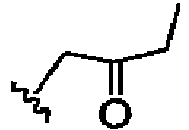


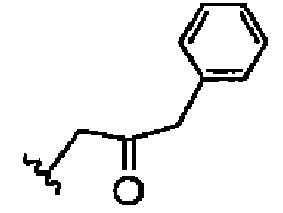






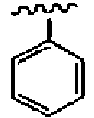


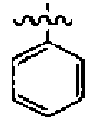

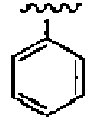


- Composé selon la revendication 1 qui est sélectionné parmi:
Tableau 1 
R1 R2 


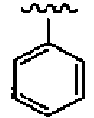


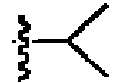





Tableau 2 ou un sel, un énantiomère, un diastéréomère pharmaceutiquement acceptable ou un mélange de ceux-ci.
où R1 est 


et X est N ou CH; - Composé selon la revendication 2 qui est sélectionné parmi la table suivante:

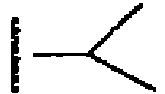
R1 R2 




ou un sel, un énantiomère, un diastéréomère pharmaceutiquement acceptable ou un mélange de ceux-ci. - Composé selon la revendication 3 qui est:

- Utilisation d'un composé selon l'une quelconque des revendications 1-4, dans la fabrication d'un médicament pour traiter l'hypertension oculaire ou le glaucome.
- Utilisation d'un composé selon l'une quelconque des revendications 1-4, dans la fabrication d'un médicament pour traiter un oedème maculaire, une dégénération maculaire, pour accroître la vitesse du sang dans la rétine et dans le nerf optique, pour accroître la pression d'oxygène dans la rétine et dans le nerf optique et/ou pour fournir un effet neuroprotecteur.
- Utilisation d'un composé selon l'une quelconque des revendications 1-4, dans la fabrication d'un médicament pour le traitement de la maladie d'Alzheimer, la dépression, des troubles cognitifs, des troubles associés à l'arythmie ou le diabète.
- Composition comprenant un composé selon l'une quelconque des revendications 1-4 et un véhicule pharmaceutiquement acceptable.
- Composition selon la revendication 8, qui est une formulation topique sous forme d'une solution ou d'une suspension et qui contient optionnellement de la gomme xanthane ou de la gomme gellane.
- Composition selon la revendication 8, comprenant en plus un principe actif appartenant au groupe consistant en: agent bloquant β-adrénergique, agent parasympathomimétique, agent sympathomimétique, inhibiteur d'anhydrase carbonique, agoniste de EP4, une prostaglandine ou un dérivé de celle-ci, un lipide hypotenseur, un neuroprotecteur et un agoniste des récepteurs 5-HT2.
- Composition selon la revendication 10, dans laquelle l'agent bloquant β-adrénergique est le timolol, betaxolol, levobetaxolol, cartéolol ou levobunolol; l'agent parasympathomimétique est la pilocarpine; l'agent sympathomimétique est l'épinéphrine, brimonidine, iopidine, clonidine ou la para-aminoclonidine; l'inhibiteur d'anhydrase carbonique est le dorzolamide, acétazolamide, métazolamide ou brinzolamide; la prostaglandine est le latanoprost, travaprost, unoprostone, rescula ou S1033; le lipide hypotenseur est le lumigan; le neuroprotecteur est l'éliprodil, le R-éliprodil ou la mémantine et l'agoniste des récepteurs 5-HT2 est le fumarate de 1-(2-aminopropyl)-3-méthyl-1H-imidazol-6-ole ou la 2-(3-chloro-6-méthoxy-indazol-1-yl)-1-méthyl-éthylamine.
Applications Claiming Priority (5)
| Application Number | Priority Date | Filing Date | Title |
|---|---|---|---|
| US42480802P | 2002-11-08 | 2002-11-08 | |
| US424808P | 2002-11-08 | ||
| US50009103P | 2003-09-04 | 2003-09-04 | |
| US500091P | 2003-09-04 | ||
| PCT/US2003/035078 WO2004043932A1 (fr) | 2002-11-08 | 2003-11-04 | Compositions ophtalmiques pour le traitement de l'hypertension oculaire |
Publications (2)
| Publication Number | Publication Date |
|---|---|
| EP1562909A1 EP1562909A1 (fr) | 2005-08-17 |
| EP1562909B1 true EP1562909B1 (fr) | 2012-06-27 |
Family
ID=32314559
Family Applications (1)
| Application Number | Title | Priority Date | Filing Date |
|---|---|---|---|
| EP03781747A Expired - Lifetime EP1562909B1 (fr) | 2002-11-08 | 2003-11-04 | Compositions ophtalmiques pour le traitement de l'hypertension oculaire |
Country Status (22)
| Country | Link |
|---|---|
| US (2) | US7196082B2 (fr) |
| EP (1) | EP1562909B1 (fr) |
| JP (2) | JP4456072B2 (fr) |
| KR (1) | KR20050072805A (fr) |
| AR (1) | AR041991A1 (fr) |
| AU (2) | AU2003286884A1 (fr) |
| BR (1) | BR0316040A (fr) |
| CA (1) | CA2505086C (fr) |
| CL (1) | CL2003002293A1 (fr) |
| DO (1) | DOP2003000747A (fr) |
| EC (1) | ECSP055781A (fr) |
| HR (1) | HRP20050409A2 (fr) |
| IS (1) | IS7822A (fr) |
| MA (1) | MA27497A1 (fr) |
| MX (1) | MXPA05004889A (fr) |
| NO (1) | NO20052751D0 (fr) |
| NZ (1) | NZ539593A (fr) |
| PE (1) | PE20040692A1 (fr) |
| PL (1) | PL377172A1 (fr) |
| RU (1) | RU2005117627A (fr) |
| TW (1) | TWI250873B (fr) |
| WO (2) | WO2004043932A1 (fr) |
Families Citing this family (18)
| Publication number | Priority date | Publication date | Assignee | Title |
|---|---|---|---|---|
| KR20040028469A (ko) | 2002-09-30 | 2004-04-03 | 엘지전자 주식회사 | 1 회 기록 가능한 광디스크의 디펙트 영역 관리방법 |
| US7135575B2 (en) * | 2003-03-03 | 2006-11-14 | Array Biopharma, Inc. | P38 inhibitors and methods of use thereof |
| DE602004020079D1 (de) * | 2003-09-04 | 2009-04-30 | Merck & Co Inc | Ophthalmische zusammensetzungen zur behandlung der okularen hypertonie |
| CN1988903A (zh) * | 2004-07-20 | 2007-06-27 | 默克公司 | 用于治疗高眼压症的眼用组合物 |
| EP1647549A1 (fr) * | 2004-10-14 | 2006-04-19 | Laboratoire Theramex | Indazoles, benzisoxazoles et benzisothiazoles en tant qu'agents oestrogéniques |
| KR101357465B1 (ko) * | 2006-01-31 | 2014-02-03 | 어레이 바이오파마 인크. | 키나제 억제제 및 그의 사용 방법 |
| EP2004193A2 (fr) * | 2006-03-13 | 2008-12-24 | Merck & Co., Inc. | Compositions ophtalmiques pour le traitement de l'hypertension oculaire |
| JP5255559B2 (ja) * | 2006-03-31 | 2013-08-07 | アボット・ラボラトリーズ | インダゾール化合物 |
| EP2352501B1 (fr) * | 2008-11-03 | 2014-01-01 | ChemoCentryx, Inc. | Composés pour l'utilisation dans le traitement de l'ostéoporose |
| WO2012071369A2 (fr) | 2010-11-24 | 2012-05-31 | The Trustees Of Columbia University In The City Of New York | Antagoniste rbp4 non rétinoïde pour le traitement de la dégénérescence maculaire liée à l'âge et de la maladie de stargardt |
| WO2013166037A1 (fr) | 2012-05-01 | 2013-11-07 | The Trustees Of Columbia University In The City Of New York | Antagonistes non rétinoïdes pour le traitement de troubles oculaires |
| US9938291B2 (en) | 2013-03-14 | 2018-04-10 | The Trustess Of Columbia University In The City Of New York | N-alkyl-2-phenoxyethanamines, their preparation and use |
| US9637450B2 (en) | 2013-03-14 | 2017-05-02 | The Trustees Of Columbia University In The City Of New York | Octahydrocyclopentapyrroles, their preparation and use |
| EP2968304B1 (fr) | 2013-03-14 | 2018-10-10 | The Trustees of Columbia University in the City of New York | 4-phénylpipéridines, leur préparation et leur utilisation |
| US9944644B2 (en) | 2013-03-14 | 2018-04-17 | The Trustees Of Columbia University In The City Of New York | Octahydropyrrolopyrroles their preparation and use |
| EP4036094B1 (fr) | 2014-04-30 | 2025-12-24 | The Trustees of Columbia University in the City of New York | 4-phénylpipéridines substituées, leur préparation et leur utilisation |
| CN104211638A (zh) * | 2014-08-13 | 2014-12-17 | 李增 | 一种脂肪氨基取代的芸香碱类衍生物及其制备和作为抗阿尔兹海默症的药物中的应用 |
| CN108602775B (zh) | 2016-01-14 | 2022-04-29 | 贝思以色列女会吏医学中心公司 | 肥大细胞调节剂及其用途 |
Family Cites Families (25)
| Publication number | Priority date | Publication date | Assignee | Title |
|---|---|---|---|---|
| FR2534580A1 (fr) * | 1982-10-13 | 1984-04-20 | Synthelabo | Derives de phenyl-1 piperidino-2 propanol, leur preparation, et medicaments qui les contiennent |
| US5151444B1 (en) * | 1987-09-18 | 1999-07-06 | R Tech Ueno Ltd | Ocular hypotensive agents |
| AU3693789A (en) | 1988-05-10 | 1989-11-29 | Leo Pharmaceutical Products Ltd. A/S (Lovens Kemiske Fabrik Produktionsaktieselskab) | New ophthalmic preparation for treating glaucoma |
| DE1300150T1 (de) * | 1988-09-06 | 2003-09-18 | Pharmacia Ab, Stockholm | Prostaglandin-Derivate zur Behandlung von Glaukom oder Augenüberdruck |
| US5296504A (en) * | 1988-09-06 | 1994-03-22 | Kabi Pharmacia | Prostaglandin derivatives for the treatment of glaucoma or ocular hypertension |
| US5352708A (en) * | 1992-09-21 | 1994-10-04 | Allergan, Inc. | Non-acidic cyclopentane heptanoic acid, 2-cycloalkyl or arylalkyl derivatives as therapeutic agents |
| US5922773A (en) | 1992-12-04 | 1999-07-13 | The Children's Medical Center Corp. | Glaucoma treatment |
| FR2701026B1 (fr) * | 1993-02-02 | 1995-03-31 | Adir | Nouveaux dérivés de l'indole, de l'indazole et du benzisoxazole, leur procédé de préparation et les compositions pharmaceutiques qui les contiennent. |
| JP3208210B2 (ja) * | 1993-03-17 | 2001-09-10 | 旭化成株式会社 | 結晶性芳香族ポリカーボネートプレポリマーの製造方法及び芳香族ポリカーボネートの製造方法 |
| AU7099194A (en) | 1993-06-08 | 1995-01-03 | Vide Pharmaceuticals | Methods and compositions for lowering intraocular pressure |
| US5510383A (en) * | 1993-08-03 | 1996-04-23 | Alcon Laboratories, Inc. | Use of cloprostenol, fluprostenol and their salts and esters to treat glaucoma and ocular hypertension |
| US5573758A (en) | 1995-04-28 | 1996-11-12 | Allergan | Method for reducing intraocular pressure in the mammalian eye by administration of potassium channel blockers |
| AP2001002304A0 (en) * | 1996-05-03 | 2001-12-31 | Pfizer | Substituted indazole derivatives and related compounds |
| US5925342A (en) * | 1996-11-13 | 1999-07-20 | Allergan | Method for reducing intraocular pressure in the mammalian eye by administration of potassium channel blockers |
| GB2321455A (en) * | 1997-01-24 | 1998-07-29 | Norsk Hydro As | Lipophilic derivatives of biologically active compounds |
| KR20010074981A (ko) | 1998-09-14 | 2001-08-09 | 우에노 도시오 | ω치환된 페닐프로스타그란딘 E 유도체 및 그 유도체를유효 성분으로 하는 약제 |
| GEP20043203B (en) | 1999-12-22 | 2004-03-25 | Pfizer Prod Inc | EP4 Receptor Selective Agonists in the Treatment of Osteoporosis |
| AU771130B2 (en) | 2000-01-18 | 2004-03-11 | Merck & Co., Inc. | Ophthalmic compositions for treating ocular hypertension |
| WO2001070701A1 (fr) | 2000-03-17 | 2001-09-27 | Alcon, Inc. | Derives d'indazole 5-hydroxy permettant de traiter le glaucome |
| BR0017157A (pt) | 2000-03-17 | 2002-11-26 | Alcon Inc | Derivados de 6-hidroxi-indazol para o tratamento de glaucoma |
| US6956036B1 (en) * | 2000-03-17 | 2005-10-18 | Alcon, Inc. | 6-hydroxy-indazole derivatives for treating glaucoma |
| CN1366458A (zh) | 2000-03-31 | 2002-08-28 | 东丽株式会社 | 毛发生长和毛发形成调节剂 |
| AU2001290250A1 (en) | 2000-09-21 | 2002-04-02 | Ono Pharmaceutical Co. Ltd. | Ep4 receptor agonists containing 8-azaprostaglandin derivatives as the active ingredient |
| OA12533A (en) | 2000-11-27 | 2006-06-05 | Pfizer Prod Inc | Ep4 receptor selective agonists in the treatment of osteoporosis. |
| FR2827861B1 (fr) | 2001-07-27 | 2004-04-02 | Aventis Pharma Sa | Derives des indazoles ou des indoles, leur utilisation en medecine humaine et plus particulierement en cancerologie |
-
2003
- 2003-10-14 US US10/684,990 patent/US7196082B2/en not_active Expired - Lifetime
- 2003-11-03 TW TW092130678A patent/TWI250873B/zh not_active IP Right Cessation
- 2003-11-04 JP JP2005507086A patent/JP4456072B2/ja not_active Expired - Fee Related
- 2003-11-04 PL PL377172A patent/PL377172A1/pl not_active Application Discontinuation
- 2003-11-04 EP EP03781747A patent/EP1562909B1/fr not_active Expired - Lifetime
- 2003-11-04 HR HR20050409A patent/HRP20050409A2/hr not_active Application Discontinuation
- 2003-11-04 AU AU2003286884A patent/AU2003286884A1/en not_active Abandoned
- 2003-11-04 MX MXPA05004889A patent/MXPA05004889A/es unknown
- 2003-11-04 AU AU2003287506A patent/AU2003287506B8/en not_active Ceased
- 2003-11-04 RU RU2005117627/04A patent/RU2005117627A/ru not_active Application Discontinuation
- 2003-11-04 AR ARP030104032A patent/AR041991A1/es not_active Application Discontinuation
- 2003-11-04 CA CA002505086A patent/CA2505086C/fr not_active Expired - Fee Related
- 2003-11-04 WO PCT/US2003/035078 patent/WO2004043932A1/fr not_active Ceased
- 2003-11-04 KR KR1020057008142A patent/KR20050072805A/ko not_active Ceased
- 2003-11-04 NZ NZ539593A patent/NZ539593A/en unknown
- 2003-11-04 BR BR0316040-8A patent/BR0316040A/pt not_active IP Right Cessation
- 2003-11-04 WO PCT/US2003/035080 patent/WO2004043933A1/fr not_active Ceased
- 2003-11-05 PE PE2003001115A patent/PE20040692A1/es not_active Application Discontinuation
- 2003-11-07 CL CL200302293A patent/CL2003002293A1/es unknown
- 2003-11-07 DO DO2003000747A patent/DOP2003000747A/es unknown
-
2005
- 2005-04-25 IS IS7822A patent/IS7822A/is unknown
- 2005-05-06 EC EC2005005781A patent/ECSP055781A/es unknown
- 2005-06-07 MA MA28316A patent/MA27497A1/fr unknown
- 2005-06-07 NO NO20052751A patent/NO20052751D0/no unknown
-
2006
- 2006-12-19 US US11/641,212 patent/US7547720B2/en not_active Expired - Lifetime
-
2009
- 2009-08-24 JP JP2009192691A patent/JP5061293B2/ja not_active Expired - Fee Related
Also Published As
Similar Documents
| Publication | Publication Date | Title |
|---|---|---|
| JP5061293B2 (ja) | 高眼圧治療用眼科組成物 | |
| AU2003287481B2 (en) | Ophthalmic compositions for treating ocular hypertension | |
| EP1802299A2 (fr) | Compositions ophtalmiques de traitement de l'hypertension oculaire | |
| EP1663987B1 (fr) | Compositions ophtalmiques traitant l'hypertension oculaire | |
| AU2004271978B2 (en) | Ophthalmic compositions for treating ocular hypertension | |
| WO2006020003A2 (fr) | Compositions ophtalmiques traitant l'hypertension oculaire | |
| US20060154897A1 (en) | Ophthalmic compositions for treating ocular hypertension | |
| ZA200503134B (en) | Ophthalmic compositions for treating ocular hypertension |
Legal Events
| Date | Code | Title | Description |
|---|---|---|---|
| PUAI | Public reference made under article 153(3) epc to a published international application that has entered the european phase |
Free format text: ORIGINAL CODE: 0009012 |
|
| 17P | Request for examination filed |
Effective date: 20050608 |
|
| AK | Designated contracting states |
Kind code of ref document: A1 Designated state(s): AT BE BG CH CY CZ DE DK EE ES FI FR GB GR HU IE IT LI LU MC NL PT RO SE SI SK TR |
|
| AX | Request for extension of the european patent |
Extension state: AL LT LV MK |
|
| RAX | Requested extension states of the european patent have changed |
Extension state: LT Payment date: 20050608 Extension state: LV Payment date: 20050608 |
|
| 17Q | First examination report despatched |
Effective date: 20061124 |
|
| RAP1 | Party data changed (applicant data changed or rights of an application transferred) |
Owner name: MERCK SHARP & DOHME CORP. |
|
| GRAP | Despatch of communication of intention to grant a patent |
Free format text: ORIGINAL CODE: EPIDOSNIGR1 |
|
| GRAC | Information related to communication of intention to grant a patent modified |
Free format text: ORIGINAL CODE: EPIDOSCIGR1 |
|
| GRAS | Grant fee paid |
Free format text: ORIGINAL CODE: EPIDOSNIGR3 |
|
| GRAA | (expected) grant |
Free format text: ORIGINAL CODE: 0009210 |
|
| AK | Designated contracting states |
Kind code of ref document: B1 Designated state(s): AT BE BG CH CY CZ DE DK EE ES FI FR GB GR HU IE IT LI LU MC NL PT RO SE SI SK TR |
|
| AX | Request for extension of the european patent |
Extension state: LT LV |
|
| REG | Reference to a national code |
Ref country code: GB Ref legal event code: FG4D |
|
| REG | Reference to a national code |
Ref country code: CH Ref legal event code: EP |
|
| REG | Reference to a national code |
Ref country code: AT Ref legal event code: REF Ref document number: 564145 Country of ref document: AT Kind code of ref document: T Effective date: 20120715 |
|
| REG | Reference to a national code |
Ref country code: IE Ref legal event code: FG4D |
|
| RAP2 | Party data changed (patent owner data changed or rights of a patent transferred) |
Owner name: SCHERING CORPORATION |
|
| RAP2 | Party data changed (patent owner data changed or rights of a patent transferred) |
Owner name: MERCK SHARP & DOHME CORP. |
|
| REG | Reference to a national code |
Ref country code: CH Ref legal event code: NV Representative=s name: MARKS & CLERK (LUXEMBOURG) LLP |
|
| REG | Reference to a national code |
Ref country code: DE Ref legal event code: R096 Ref document number: 60341408 Country of ref document: DE Effective date: 20120823 |
|
| REG | Reference to a national code |
Ref country code: NL Ref legal event code: T3 |
|
| PG25 | Lapsed in a contracting state [announced via postgrant information from national office to epo] |
Ref country code: FI Free format text: LAPSE BECAUSE OF FAILURE TO SUBMIT A TRANSLATION OF THE DESCRIPTION OR TO PAY THE FEE WITHIN THE PRESCRIBED TIME-LIMIT Effective date: 20120627 Ref country code: SE Free format text: LAPSE BECAUSE OF FAILURE TO SUBMIT A TRANSLATION OF THE DESCRIPTION OR TO PAY THE FEE WITHIN THE PRESCRIBED TIME-LIMIT Effective date: 20120627 |
|
| REG | Reference to a national code |
Ref country code: AT Ref legal event code: MK05 Ref document number: 564145 Country of ref document: AT Kind code of ref document: T Effective date: 20120627 |
|
| REG | Reference to a national code |
Ref country code: LT Ref legal event code: MG9D Effective date: 20120627 |
|
| PG25 | Lapsed in a contracting state [announced via postgrant information from national office to epo] |
Ref country code: SI Free format text: LAPSE BECAUSE OF FAILURE TO SUBMIT A TRANSLATION OF THE DESCRIPTION OR TO PAY THE FEE WITHIN THE PRESCRIBED TIME-LIMIT Effective date: 20120627 Ref country code: GR Free format text: LAPSE BECAUSE OF FAILURE TO SUBMIT A TRANSLATION OF THE DESCRIPTION OR TO PAY THE FEE WITHIN THE PRESCRIBED TIME-LIMIT Effective date: 20120928 |
|
| PG25 | Lapsed in a contracting state [announced via postgrant information from national office to epo] |
Ref country code: SK Free format text: LAPSE BECAUSE OF FAILURE TO SUBMIT A TRANSLATION OF THE DESCRIPTION OR TO PAY THE FEE WITHIN THE PRESCRIBED TIME-LIMIT Effective date: 20120627 Ref country code: AT Free format text: LAPSE BECAUSE OF FAILURE TO SUBMIT A TRANSLATION OF THE DESCRIPTION OR TO PAY THE FEE WITHIN THE PRESCRIBED TIME-LIMIT Effective date: 20120627 Ref country code: BE Free format text: LAPSE BECAUSE OF FAILURE TO SUBMIT A TRANSLATION OF THE DESCRIPTION OR TO PAY THE FEE WITHIN THE PRESCRIBED TIME-LIMIT Effective date: 20120627 Ref country code: CZ Free format text: LAPSE BECAUSE OF FAILURE TO SUBMIT A TRANSLATION OF THE DESCRIPTION OR TO PAY THE FEE WITHIN THE PRESCRIBED TIME-LIMIT Effective date: 20120627 Ref country code: RO Free format text: LAPSE BECAUSE OF FAILURE TO SUBMIT A TRANSLATION OF THE DESCRIPTION OR TO PAY THE FEE WITHIN THE PRESCRIBED TIME-LIMIT Effective date: 20120627 Ref country code: EE Free format text: LAPSE BECAUSE OF FAILURE TO SUBMIT A TRANSLATION OF THE DESCRIPTION OR TO PAY THE FEE WITHIN THE PRESCRIBED TIME-LIMIT Effective date: 20120627 Ref country code: CY Free format text: LAPSE BECAUSE OF FAILURE TO SUBMIT A TRANSLATION OF THE DESCRIPTION OR TO PAY THE FEE WITHIN THE PRESCRIBED TIME-LIMIT Effective date: 20120627 |
|
| PG25 | Lapsed in a contracting state [announced via postgrant information from national office to epo] |
Ref country code: PT Free format text: LAPSE BECAUSE OF FAILURE TO SUBMIT A TRANSLATION OF THE DESCRIPTION OR TO PAY THE FEE WITHIN THE PRESCRIBED TIME-LIMIT Effective date: 20121029 Ref country code: IT Free format text: LAPSE BECAUSE OF FAILURE TO SUBMIT A TRANSLATION OF THE DESCRIPTION OR TO PAY THE FEE WITHIN THE PRESCRIBED TIME-LIMIT Effective date: 20120627 |
|
| PG25 | Lapsed in a contracting state [announced via postgrant information from national office to epo] |
Ref country code: DK Free format text: LAPSE BECAUSE OF FAILURE TO SUBMIT A TRANSLATION OF THE DESCRIPTION OR TO PAY THE FEE WITHIN THE PRESCRIBED TIME-LIMIT Effective date: 20120627 Ref country code: ES Free format text: LAPSE BECAUSE OF FAILURE TO SUBMIT A TRANSLATION OF THE DESCRIPTION OR TO PAY THE FEE WITHIN THE PRESCRIBED TIME-LIMIT Effective date: 20121008 |
|
| PLBE | No opposition filed within time limit |
Free format text: ORIGINAL CODE: 0009261 |
|
| STAA | Information on the status of an ep patent application or granted ep patent |
Free format text: STATUS: NO OPPOSITION FILED WITHIN TIME LIMIT |
|
| 26N | No opposition filed |
Effective date: 20130328 |
|
| REG | Reference to a national code |
Ref country code: DE Ref legal event code: R097 Ref document number: 60341408 Country of ref document: DE Effective date: 20130328 |
|
| PG25 | Lapsed in a contracting state [announced via postgrant information from national office to epo] |
Ref country code: BG Free format text: LAPSE BECAUSE OF FAILURE TO SUBMIT A TRANSLATION OF THE DESCRIPTION OR TO PAY THE FEE WITHIN THE PRESCRIBED TIME-LIMIT Effective date: 20120927 |
|
| REG | Reference to a national code |
Ref country code: IE Ref legal event code: MM4A |
|
| PG25 | Lapsed in a contracting state [announced via postgrant information from national office to epo] |
Ref country code: IE Free format text: LAPSE BECAUSE OF NON-PAYMENT OF DUE FEES Effective date: 20121104 |
|
| PG25 | Lapsed in a contracting state [announced via postgrant information from national office to epo] |
Ref country code: MC Free format text: LAPSE BECAUSE OF NON-PAYMENT OF DUE FEES Effective date: 20121130 Ref country code: TR Free format text: LAPSE BECAUSE OF FAILURE TO SUBMIT A TRANSLATION OF THE DESCRIPTION OR TO PAY THE FEE WITHIN THE PRESCRIBED TIME-LIMIT Effective date: 20120627 |
|
| PG25 | Lapsed in a contracting state [announced via postgrant information from national office to epo] |
Ref country code: LU Free format text: LAPSE BECAUSE OF NON-PAYMENT OF DUE FEES Effective date: 20121104 |
|
| PG25 | Lapsed in a contracting state [announced via postgrant information from national office to epo] |
Ref country code: HU Free format text: LAPSE BECAUSE OF FAILURE TO SUBMIT A TRANSLATION OF THE DESCRIPTION OR TO PAY THE FEE WITHIN THE PRESCRIBED TIME-LIMIT Effective date: 20031104 |
|
| REG | Reference to a national code |
Ref country code: FR Ref legal event code: PLFP Year of fee payment: 13 |
|
| REG | Reference to a national code |
Ref country code: FR Ref legal event code: PLFP Year of fee payment: 14 |
|
| PGFP | Annual fee paid to national office [announced via postgrant information from national office to epo] |
Ref country code: FR Payment date: 20161017 Year of fee payment: 14 Ref country code: CH Payment date: 20161025 Year of fee payment: 14 Ref country code: DE Payment date: 20161130 Year of fee payment: 14 Ref country code: GB Payment date: 20161026 Year of fee payment: 14 Ref country code: NL Payment date: 20161107 Year of fee payment: 14 |
|
| REG | Reference to a national code |
Ref country code: DE Ref legal event code: R119 Ref document number: 60341408 Country of ref document: DE |
|
| REG | Reference to a national code |
Ref country code: NL Ref legal event code: MM Effective date: 20171201 |
|
| GBPC | Gb: european patent ceased through non-payment of renewal fee |
Effective date: 20171104 |
|
| PG25 | Lapsed in a contracting state [announced via postgrant information from national office to epo] |
Ref country code: CH Free format text: LAPSE BECAUSE OF NON-PAYMENT OF DUE FEES Effective date: 20171130 Ref country code: LI Free format text: LAPSE BECAUSE OF NON-PAYMENT OF DUE FEES Effective date: 20171130 |
|
| REG | Reference to a national code |
Ref country code: FR Ref legal event code: ST Effective date: 20180731 |
|
| PG25 | Lapsed in a contracting state [announced via postgrant information from national office to epo] |
Ref country code: FR Free format text: LAPSE BECAUSE OF NON-PAYMENT OF DUE FEES Effective date: 20171130 Ref country code: DE Free format text: LAPSE BECAUSE OF NON-PAYMENT OF DUE FEES Effective date: 20180602 Ref country code: NL Free format text: LAPSE BECAUSE OF NON-PAYMENT OF DUE FEES Effective date: 20171201 |
|
| PG25 | Lapsed in a contracting state [announced via postgrant information from national office to epo] |
Ref country code: GB Free format text: LAPSE BECAUSE OF NON-PAYMENT OF DUE FEES Effective date: 20171104 |