EP1570858A1 - Monovalenter Ligand des FcalphaRI-Rezeptors als ein antiinflammatorisches Agens - Google Patents
Monovalenter Ligand des FcalphaRI-Rezeptors als ein antiinflammatorisches Agens Download PDFInfo
- Publication number
- EP1570858A1 EP1570858A1 EP04290615A EP04290615A EP1570858A1 EP 1570858 A1 EP1570858 A1 EP 1570858A1 EP 04290615 A EP04290615 A EP 04290615A EP 04290615 A EP04290615 A EP 04290615A EP 1570858 A1 EP1570858 A1 EP 1570858A1
- Authority
- EP
- European Patent Office
- Prior art keywords
- fcαri
- fab
- iga
- ige
- cells
- Prior art date
- Legal status (The legal status is an assumption and is not a legal conclusion. Google has not performed a legal analysis and makes no representation as to the accuracy of the status listed.)
- Withdrawn
Links
Images





Classifications
-
- C—CHEMISTRY; METALLURGY
- C07—ORGANIC CHEMISTRY
- C07K—PEPTIDES
- C07K16/00—Immunoglobulins [IG], e.g. monoclonal or polyclonal antibodies
- C07K16/18—Immunoglobulins [IG], e.g. monoclonal or polyclonal antibodies against material from animals or humans
- C07K16/28—Immunoglobulins [IG], e.g. monoclonal or polyclonal antibodies against material from animals or humans against receptors, cell surface antigens or cell surface determinants
- C07K16/2803—Immunoglobulins [IG], e.g. monoclonal or polyclonal antibodies against material from animals or humans against receptors, cell surface antigens or cell surface determinants against the immunoglobulin superfamily
- C07K16/283—Immunoglobulins [IG], e.g. monoclonal or polyclonal antibodies against material from animals or humans against receptors, cell surface antigens or cell surface determinants against the immunoglobulin superfamily against Fc-receptors, e.g. CD16, CD32, CD64
-
- A—HUMAN NECESSITIES
- A61—MEDICAL OR VETERINARY SCIENCE; HYGIENE
- A61P—SPECIFIC THERAPEUTIC ACTIVITY OF CHEMICAL COMPOUNDS OR MEDICINAL PREPARATIONS
- A61P1/00—Drugs for disorders of the alimentary tract or the digestive system
-
- A—HUMAN NECESSITIES
- A61—MEDICAL OR VETERINARY SCIENCE; HYGIENE
- A61P—SPECIFIC THERAPEUTIC ACTIVITY OF CHEMICAL COMPOUNDS OR MEDICINAL PREPARATIONS
- A61P11/00—Drugs for disorders of the respiratory system
- A61P11/06—Antiasthmatics
-
- A—HUMAN NECESSITIES
- A61—MEDICAL OR VETERINARY SCIENCE; HYGIENE
- A61P—SPECIFIC THERAPEUTIC ACTIVITY OF CHEMICAL COMPOUNDS OR MEDICINAL PREPARATIONS
- A61P13/00—Drugs for disorders of the urinary system
- A61P13/12—Drugs for disorders of the urinary system of the kidneys
-
- A—HUMAN NECESSITIES
- A61—MEDICAL OR VETERINARY SCIENCE; HYGIENE
- A61P—SPECIFIC THERAPEUTIC ACTIVITY OF CHEMICAL COMPOUNDS OR MEDICINAL PREPARATIONS
- A61P17/00—Drugs for dermatological disorders
-
- A—HUMAN NECESSITIES
- A61—MEDICAL OR VETERINARY SCIENCE; HYGIENE
- A61P—SPECIFIC THERAPEUTIC ACTIVITY OF CHEMICAL COMPOUNDS OR MEDICINAL PREPARATIONS
- A61P19/00—Drugs for skeletal disorders
- A61P19/02—Drugs for skeletal disorders for joint disorders, e.g. arthritis, arthrosis
-
- A—HUMAN NECESSITIES
- A61—MEDICAL OR VETERINARY SCIENCE; HYGIENE
- A61P—SPECIFIC THERAPEUTIC ACTIVITY OF CHEMICAL COMPOUNDS OR MEDICINAL PREPARATIONS
- A61P19/00—Drugs for skeletal disorders
- A61P19/04—Drugs for skeletal disorders for non-specific disorders of the connective tissue
-
- A—HUMAN NECESSITIES
- A61—MEDICAL OR VETERINARY SCIENCE; HYGIENE
- A61P—SPECIFIC THERAPEUTIC ACTIVITY OF CHEMICAL COMPOUNDS OR MEDICINAL PREPARATIONS
- A61P29/00—Non-central analgesic, antipyretic or antiinflammatory agents, e.g. antirheumatic agents; Non-steroidal antiinflammatory drugs [NSAID]
-
- A—HUMAN NECESSITIES
- A61—MEDICAL OR VETERINARY SCIENCE; HYGIENE
- A61P—SPECIFIC THERAPEUTIC ACTIVITY OF CHEMICAL COMPOUNDS OR MEDICINAL PREPARATIONS
- A61P3/00—Drugs for disorders of the metabolism
- A61P3/08—Drugs for disorders of the metabolism for glucose homeostasis
- A61P3/10—Drugs for disorders of the metabolism for glucose homeostasis for hyperglycaemia, e.g. antidiabetics
-
- A—HUMAN NECESSITIES
- A61—MEDICAL OR VETERINARY SCIENCE; HYGIENE
- A61P—SPECIFIC THERAPEUTIC ACTIVITY OF CHEMICAL COMPOUNDS OR MEDICINAL PREPARATIONS
- A61P37/00—Drugs for immunological or allergic disorders
-
- A—HUMAN NECESSITIES
- A61—MEDICAL OR VETERINARY SCIENCE; HYGIENE
- A61P—SPECIFIC THERAPEUTIC ACTIVITY OF CHEMICAL COMPOUNDS OR MEDICINAL PREPARATIONS
- A61P7/00—Drugs for disorders of the blood or the extracellular fluid
- A61P7/12—Antidiuretics, e.g. drugs for diabetes insipidus
-
- A—HUMAN NECESSITIES
- A61—MEDICAL OR VETERINARY SCIENCE; HYGIENE
- A61K—PREPARATIONS FOR MEDICAL, DENTAL OR TOILETRY PURPOSES
- A61K39/00—Medicinal preparations containing antigens or antibodies
- A61K2039/505—Medicinal preparations containing antigens or antibodies comprising antibodies
-
- C—CHEMISTRY; METALLURGY
- C07—ORGANIC CHEMISTRY
- C07K—PEPTIDES
- C07K2317/00—Immunoglobulins specific features
- C07K2317/50—Immunoglobulins specific features characterized by immunoglobulin fragments
- C07K2317/54—F(ab')2
-
- C—CHEMISTRY; METALLURGY
- C07—ORGANIC CHEMISTRY
- C07K—PEPTIDES
- C07K2317/00—Immunoglobulins specific features
- C07K2317/70—Immunoglobulins specific features characterized by effect upon binding to a cell or to an antigen
- C07K2317/77—Internalization into the cell
-
- Y—GENERAL TAGGING OF NEW TECHNOLOGICAL DEVELOPMENTS; GENERAL TAGGING OF CROSS-SECTIONAL TECHNOLOGIES SPANNING OVER SEVERAL SECTIONS OF THE IPC; TECHNICAL SUBJECTS COVERED BY FORMER USPC CROSS-REFERENCE ART COLLECTIONS [XRACs] AND DIGESTS
- Y10—TECHNICAL SUBJECTS COVERED BY FORMER USPC
- Y10S—TECHNICAL SUBJECTS COVERED BY FORMER USPC CROSS-REFERENCE ART COLLECTIONS [XRACs] AND DIGESTS
- Y10S424/00—Drug, bio-affecting and body treating compositions
- Y10S424/804—Drug, bio-affecting and body treating compositions involving IgG3, IgG4, IgA, or IgY
-
- Y—GENERAL TAGGING OF NEW TECHNOLOGICAL DEVELOPMENTS; GENERAL TAGGING OF CROSS-SECTIONAL TECHNOLOGIES SPANNING OVER SEVERAL SECTIONS OF THE IPC; TECHNICAL SUBJECTS COVERED BY FORMER USPC CROSS-REFERENCE ART COLLECTIONS [XRACs] AND DIGESTS
- Y10—TECHNICAL SUBJECTS COVERED BY FORMER USPC
- Y10S—TECHNICAL SUBJECTS COVERED BY FORMER USPC CROSS-REFERENCE ART COLLECTIONS [XRACs] AND DIGESTS
- Y10S424/00—Drug, bio-affecting and body treating compositions
- Y10S424/809—Drug, bio-affecting and body treating compositions involving immunoglobulin or antibody fragment, e.g. fab', fv, fc, heavy chain or light chain
Definitions
- the invention relates to the use of a monovalent ligand of the Fc ⁇ RI IgA receptor as an anti-inflammatory agent.
- Immunoglobulin A is the most heterogeneous Ig isotype in humans, existing in multiple molecular forms such as monomeric, polymeric and secretory IgA; it comprises two subclasses IgA1 and IgA2.
- IgA In serum, IgA exists mainly in monomeric form, with a minor percentage of polymeric IgA (pIgA).
- IgA In mucosal secretions (saliva, tears, colostrum, gastrointestinal fluids, nasal bronchial secretion, and urine), IgA is produced as dimers, joined by a polypeptide termed J-chain. Dimeric IgA binds to the membrane-associated polymeric Ig receptor (pIgR), and the resulting complex is transported from the baso-lateral to the apical/luminal side of mucosal epithelium. During this transport the bound IgA is released by proteolytic cleavage from the pIgR; however a portion of the pIgR, the secretory component, remains associated with dimeric IgA, forming altogether secretory IgA (SIgA).
- pIgR membrane-associated polymeric Ig receptor
- SIgA plays a major role in the innate immune system preventing microorganisms and foreign proteins from penetrating the mucosal surfaces. It also neutralizes toxins and infectious organisms.
- IgA secretory IgA antibodies
- IgA is the second most abundant Ig isotype in serum, it is not usually involved in humoral immune responses and does not activate complement.
- Monomeric serum IgA has anti-inflammatory activity and is capable of down-regulating functions such as IgG-induced phagocytosis, bactericidal activity, oxidative burst, and cytokine release.
- polymeric IgA and IgA-containing immune complexes (IC) can efficiently trigger immune effector functions on blood leukocytes through IgA Fc receptors.
- FcRs immunoglobulins
- the human IgA Fc receptors (Fc ⁇ R) family comprises several members (for review cf. MONTEIRO and VAN DE WINKEL, Annu. Rev. Immunol. 21: 177-204, 2003), but only Fc ⁇ RI (or CD89), a receptor specific for the IgA Fc region, has been identified on blood myeloid cells (MONTEIRO and al., J. Exp. Med. 171: 597-613, 1990; MALISZEWSKI and al., J. Exp. Med. 172: 1665-1672, 1990).
- Fc ⁇ RI is expressed on monocyte/macrophages, dendritic cells, Kupffer cells, neutrophils and eosiniphils and binds both IgA1 and IgA2 (CONLEY and DELACROIX, Ann. Int. Med. 106: 892-899, 1987; KERR, Annu. Rev. Immunol. 12: 63-84, 1994) with low affinity (Ka ⁇ 10 6 M -1 ) (MONTEIRO and VAN DE WINKEL, 2003, aforementioned).
- Fc ⁇ RI is a member of the Ig gene superfamily. It comprises two extracellular Ig-like domains (EC1 and EC2), a transmembrane region and a cytoplasmic tail devoid of recognized signaling motifs. Crystal structures of human Fc ⁇ RI reveal that the two Ig-like domains are oriented at right angles to each other and that two Fc ⁇ RI molecules are required for the binding of one IgA molecule (HERR and al., J. Mol. Biol. 327: 645-657, 2003). The IgA binding site is located in the membrane-distal EC1 domain. Anti-Fc ⁇ RI mouse and human monoclonal antibodies (mAb) have been generated (MONTEIRO and al., J. Immunol.
- Fc ⁇ RI Signaling through Fc ⁇ RI is dependent on association of Fc ⁇ RI with the FcR ⁇ chain subunit, forming the trimer Fc ⁇ RI ⁇ / ⁇ .
- the FcR ⁇ chain contains an immunoreceptor tyrosine-based activation motif (ITAM) in its cytoplasmic tail (PFEFFERKORN and YEAMAN, J. Immunol. 153: 3228-3236, 1994; LAUNAY and al., J. Biol. Chem. 274: 7216-7225, 1999) that allows the recruitment of crucial signalling effectors (KINET, Annu. Rev. Immunol. 17: 931-972, 1999).
- ITAM immunoreceptor tyrosine-based activation motif
- KINET crucial signalling effectors
- ITIM immunoreceptor tyrosine-based inhibitory motif
- the Inventors have shown in an asthma model, that in vivo targeting of Fc ⁇ RI by said monovalent Fab fragment abolished antigen-induced bronchial hyper-reactivity and the accompanying airway inflammation particularly leukocyte infiltration into the lung tissue. They have also shown in a model of interstitial renal fibrosis and obstructive nephropathy, that in vivo targeting of Fc ⁇ RI by said monovalent Fab fragment considerably decreased the pathological inflammatory reactions.
- An object of the present invention is the use of a monovalent antibody fragment directed against the EC2 domain of the Fc ⁇ RI receptor, for the preparation of a medicament for treating an inflammatory disease.
- inflammatory diseases examples include allergic diseases in particular asthma, as well as inflammatory diseases involving interactions between immunoglobulins and FcR, such as nephritis, rheumatoid arthritis and auto-immune diseases (lupus, diabetes, etc).They also include non-immune inflammatory diseases such as those induced by unilateral ureteral obstruction resulting in kidney inflammation, drug induced toxicity of the kidney, gut inflammatory disorders such as Crohn's disease.
- a monovalent antibody fragment is an immunoglobulin fragment that has only one antigen-binding site, in contrast with a whole immunoglobulin molecule, that comprises at least two antigen-binding sites.
- monovalent fragments are Fab fragments that consist of the light chain and the first half of the heavy chain, or scFv fragments that consist of the variable portions of the heavy and light chains of an antibody, connected to one another via a flexible linker (CLACKSON et al., Nature, 352, 624-628, 1991), thus forming a single-chain protein.
- Fab fragments can be obtained, by the conventional techniques of enzyme digestion, from an antibody directed against the EC2 domain of the Fc ⁇ RI receptor.
- Said antibody can be a murine monoclonal antibody obtained by the conventional hybridoma technology.
- it can also be a chimeric antibody, a humanized antibody, or a completely human antibody.
- Chimeric antibodies can be obtained from said monoclonal antibodies by replacing the constant-region domains by human domains;
- humanized antibodies can be obtained by incorporating the CDRs of said monoclonal antibodies into the framework regions (FRs) of a human antibody, using techniques, known in themselves, of CDR grafting.
- Completely human monoclonal antibodies can be obtained in the same way as conventional murine monoclonal antibodies, except that the mice immunized are transgenic mice with a human immunoglobulin repertoire, as disclosed for instance in PCT WO 02/064634.
- Monovalent antibody fragments in particular scFv fragments, can be directly obtained by expressing, in an appropriate host cell, a recombinant DNA comprising the DNA sequences encoding the variable regions of a monoclonal, humanized or human antibody directed against the EC2 domain of the Fc ⁇ RI receptor, associated with an appropriate linker. They can also be generated from an antibody phage display library, panned with the EC2 domain of the Fc ⁇ RI receptor. Humanized scFv fragments can also be obtained by the method described by ARNDT et al, (Int J Cancer 107, 822-829, 2003).
- the specificity towards the EC2 domain of the Fc ⁇ RI receptor of the above antibodies and monovalent fragments can be checked by testing their effect on the binding of IgA to the Fc ⁇ RI receptor; the antibodies or fragments that do not block said binding are in most of cases directed against the EC2 domain.
- some non-blocking antibodies such as the monoclonal antibody A3, have been reported to recognize an epitope between EC1 and EC2 domains (MORTON et al., J Exp Med, 189, 1715-22, 1999).
- the above test will advantageously be completed or replaced by an assay of the binding of said antibodies or monovalent fragments to a recombinant protein comprising the EC2 domain and devoid of the EC1 domain of the Fc ⁇ RI receptor, such as the chimeric receptor composed of Fc ⁇ RI EC2 and bovine Fc ⁇ 2R EC1 described by MORTON et al. (1999, cited above).
- the monovalent fragments of anti-Fc ⁇ RI antibodies that do not block the binding of IgA to the Fc ⁇ RI receptor can directly be tested in vitro for their anti-inflammatory properties, for instance their ability to inhibit IgG-mediated phagocytosis in human blood monocytes, or to inhibit the IgE-mediated degranulation response of a mast-cell line expressing Fc ⁇ RI, as described in the examples below.
- the monovalent antibody fragments can be administered, systemically or locally, in various ways.
- parenteral routes including for instance intramuscular, intradermal, intravenous, intraperitoneal, subcutaneous, or local injections.
- the monovalent antibody fragments of the invention are in a form suitable for delivery to mucosal surfaces of the airways.
- they may be suspended in a liquid formulation for delivery to a patient in an aerosol form or by means of a nebuliser device similar to those currently employed in the treatment of asthma.
- the monovalent antibody fragments can be optionally mixed with suitable carriers and/or excipient(s) known to those of ordinary skill in the art.
- EXAMPLE 1 Fc ⁇ RI TARGETING INHIBITS IgG-MEDIATED PHAGOCYTOSIS IN HUMAN BLOOD MONOCYTES IN VITRO
- Human peripheral blood mononuclear cells were isolated by Ficoll-Hypaque density gradient centrifugation from healthy volunteers. Enriched (70 to 80%) monocyte populations were obtained by adherence to plastic as described in MONTEIRO and al. (1990, aforementioned).
- Fab fragments of an anti-Fc ⁇ RI mAb (IgG1 ⁇ , clone A77, MONTEIRO and al., J. Immunol. 148: 1764-1770, 1992) and of an irrelevant control monoclonal antibody (IgG1 ⁇ , clone 320) (PASTORELLI and al., J. Biol. Chem. 276: 20407-20412, 2001) were generated by pepsin digestion for 8 h at 37°C followed by reduction with 0.01 M cysteine and alkylation with 0.15 M iodoacetamine at pH 7.5. Complete digestion and purity were controlled by SDS-PAGE.
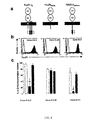
- Adherent blood mononuclear cells were preincubated with 10 ⁇ g/ml Fab A77 (c), irrelevant Fab 320 or buffer for 30 min at 37°C. After washing, cells were incubated at 37°C for 30 min with Texas-red-conjugated E. coli (50 bacterial/cell) (Molecular Probes, Eu imperative, Oregan), opsonized or not with polyclonal rabbit anti- E . coli IgG antibodies (Molecular Probes) according to the manufacturer's instructions. After washing, slides were mounted and examined with a confocal laser microscope (LSM 510 Carl Zeiss, Jena, Germany). Overlaid transmission and fluorescence images (mid sections) are shown. The panels (a-d) are representative of six independent experiments.
- the mean number ( ⁇ SD) of ingested bacteria per monocyte in six experiments with different healthy donors is shown in Figure 1. It was determined by counting at least three fields in each experiment. The number above the bar corresponds to the mean percentage of inhibition by Fab, calculated as follows: 100 - 100 x (n of IgG-opsonized bacteria in the presence of Fab A77 - n of non opsonized bacteria) / ( n of IgG opsonized bacteria - n of non opsonized bacteria) in which n indicates the mean number of internalised bacteria.
- Fc ⁇ RI high-affinity receptor IgE
- RBL-2H3 cells Transfection of RBL-2H3 cells was performed as described by LAUNAY and al. (1999, aforementioned): the wild-type human Fc ⁇ RI construct was cloned into pSR ⁇ NEO vector containing a resistance gene to neomycin between XbaI-BamHI restriction sites and the sequence was controlled by DNA sequencing.
- RBL-2H3 cells maintained as described by ROA and al. (J. Immunol. 159: 2815-2823, 1997), were transfected with 15 ⁇ g of DNA by electroporation at 250 V and 1500 ⁇ Fa using an Easyjet + apparatus (Eurogenetec, Seraing, Belgium).
- Clones resistant for 1 mg/ml G418 were selected for Fc ⁇ RI expression by flow cytometry.
- Cells were preincubated with 100 ⁇ g human polyclonal IgG (PharMingen, San Diego, California) to block Fc ⁇ Rs before incubation with phycoerythrin-labeled anti-Fc ⁇ RI mAb (IgG1 ⁇ , A59-PE) (MONTEIRO and al., 1992, aforementioned) or with an isotype-matched irrelevant Ab (Becton Dickinson, Bedford, Massachussets). After washing, cells were analysed using a FACScalibur flow cytometer and CellQuest software (Becton Dickinson). One clone expressing human Fc ⁇ RI (clone 15.4) was selected for the following experimentations.
- Exocytosis of granular mediators contained in cells was determined by measuring the release of ⁇ -hexosaminisase as described in (ROA and al., 1997, aforementioned), by Fc ⁇ RI transfected cells, or by non transfected cells used as a control, upon sensitization with different test reagents.
- Cells were plated in 96-well plates (Becton Dickinson) at 5 ⁇ 10 4 cells/well. Cells were sensitized with different test reagents as hereafter indicated for each reagent. Cells were washed in prewarmed Tyrode buffer (135 mM NaCl, 5 mM KCl, 5.6 mM glucose, 10 mM HEPES, pH 7.3, 1.8 mM CaCl 2 , 1 mM MgCl 2 , and 5% BSA), and degranulation was triggered with 0.1 ⁇ g/ml DNP-HAS (Sigma). Net ⁇ -hexosaminidase release was calculated as a percentage of total content after subtracting spontaneous release.
- Tyrode buffer 135 mM NaCl, 5 mM KCl, 5.6 mM glucose, 10 mM HEPES, pH 7.3, 1.8 mM CaCl 2 , 1 mM MgCl 2 , and 5% BSA
- Data are means ⁇ SD of five independent experiments. The number above the bar corresponds to the mean percentage inhibition of degranulation.
- anti-Fc ⁇ RI Fab failed to modify IgE binding (not shown).
- Anti-Fc ⁇ RI Fab purified by gel filtration had a similar inhibitory action, ruling out a role of aggregates in the observed effects (not shown).
- Human Fc ⁇ RI transfectants (clone 15.4) were sensitized with IgE in the presence of different concentrations of anti-Fc ⁇ RI Fab A77 of irrelevant Fab 320 for 1 h at 37°C. Cells were washed, degranulation was triggered with DNP-HSA, and ⁇ -hexosaminidase release was determined.
- Human Fc ⁇ RI transfectants (clone 15.4) were sensitized with IgE in the presence of 10 ⁇ g/ml Fab fragment from different anti-Fc ⁇ RI mAbs: A3 (recognizing a binding site between EC1 and EC2; A59, A62, A77, recognizing a binding site within EC2) or irrelevant Fab 320 for 1 h at 37°C.
- F(ab') 2 were generated from the anti-Fc ⁇ RI mAb (A77) or from the irrelevant antibody 320, by pepsin digestion for 8 h at 37°C with an enzyme to substrate ratio (w/w) of 1/50 in 0.1 M acetate buffer, pH.4.4 as described in SILVAIN and al. (J. Immunol. 155: 1606-1618, 1995). Complete digestion and purity were controlled by SDS-PAGE.
- Human Fc ⁇ RI transfectants (clone 15.4) were sensitized with IgE, or IgE plus 10 ⁇ g/ml Fab or F(ab') 2 fragments from A77, or IgE plus irrelevant Fab or F(ab') 2 fragments from 320, for 1 h at 37°C.
- Human Fc ⁇ RI transfectants (clone 15.4) were sensitized with IgE, or 10 ⁇ g/ml Fab or F(ab') 2 fragments from A77, or irrelevant Fab or F(ab') 2 fragments from 320, for 1 h at 37°C.
- IgA exert biological activity at inflammatory sites, which contain numerous mediators including proteases
- the effect of trypsin treatment of cells on IgA-mediated inhibitory function was examined, given that Fc ⁇ RI is resistant to trypsin (MONTEIRO and al., 1990, aforementioned).
- Human Fc ⁇ RI transfectants were pretreated or not with 1 mg/ml trypsin-TCPK (Sigma) in DMEM for 30 min at 37°C and then sensitized overnight with IgE alone, or with IgE plus 0.2 mg/ml serum IgG, or purified serum IgA (batches n°39328 and 02828, ICN Biomedicals Inc, Aurora, Ohio).
- Human Fc ⁇ RI transfectants were pretreated with 1 mg/ml trypsin-TCPK (Sigma) in DMEM for 30 min at 37°C and sensitized overnight with IgE alone or with IgE plus various concentrations of two batches of purified serum IgA (batches n°39328 and n°02828, ICN Biomedicals Inc, Aurora, Ohio), secretory IgA (SIgA, batch n°42K3780, Sigma Aldrich, St-Louis, Missouri) or human IgG.
- Human Fc ⁇ RI transfectants were pretreated with 1 mg/ml trypsin-TCPK (Sigma) in DMEM for 30 min at 37°C and sensitized overnight with IgE plus 0.2 mg/ml serum IgG, purified myeloma IgA1 and IgA2 or SIgA. Cells were washed, degranulation was triggered with DNP-HSA, and ⁇ -hexosaminidase release was determined.
- Human Fc ⁇ RI transfectants were pretreated with 1 mg/ml trypsin-TCPK (Sigma) in DMEM for 30 min at 37°C and sensitized overnight with IgE plus 0.1 mg/ml serum IgG (IgG), total serum IgA (IgA), polymeric serum IgA (pIgA), dimeric serum IgA (dIgA) or monomeric serum IgA (mIgA). Serum IgA was size-fractionated by HPLC.
- A77 mAb and IgA may be explained by the binding site and the ligand avidity. While anti-Fc ⁇ RI mAb A77 biding site is localized in EC2, IgA interacts with EC1 domain (MORTON and al., J. Exp. Med. 189: 1715-1722, 1999) and polymeric IgA bind more avidly to Fc ⁇ RI than monomeric IgA (HERR and al., 2003, aforementioned; WINES and al., 1999, aforementioned).
- the R209L/ ⁇ chimera was generated as follows.
- the extracellular and transmembrane domains of the R209L mutant were amplified by PCR using primers F wt : GGG CTCGAG ATGGACCCCAAACAGACCACC (SEQ ID NO: 1) and R ⁇ - ⁇ : CTTTCGCACTTGGATCTTCAGATTTTCAACCAGTATGGCCAA (SEQ ID NO: 2), as well as the intracellular domain of human Fc ⁇ R ⁇ -chain using primers F ⁇ - ⁇ : TTGGCCATACTGGTTGAAAATCTGAAGATCCAA GTGCGAAAG (SEQ ID NO: 3) and R ⁇ : GGG GGATCC TTACTGTGGTGGTTTC TCATG (SEQ ID NO: 4).
- PCR products were fused by overlapping extension PCR.
- the FcR ⁇ ITAM usually known as an activatory motif was investigated to know whether it could also mediate the inhibitory effect.
- the human FcR ⁇ chain contains two carboxy-terminal tyrosines (Y268 and Y278 within the Fc ⁇ RI R209L / ⁇ chimeric receptor) being part of the ITAM motif known to play a role in cellular activation (17,24). Point mutations (Y268F, Y278F and double Y268/278F) were introduced in ITAM motif of the Fc ⁇ RI R209L/ ⁇ chimera .
- Stable transfectants (simple or double) established in RBL-2H3 cells transfected with the R209L/ ⁇ chimera containing Y268F and/or Y278F mutations within ITAM motif were no longer able to mediate the inhibitory and the activatory response (not shown).
- Indicated RBL transfectants (Fc ⁇ RI- ⁇ 2, Fc ⁇ RI R209L/ ⁇ chimera wild type, Fc ⁇ R 1 R 209L/ ⁇ chimera Y268F/Y278F) were stimulated for 15 min with 10 ⁇ g/ml anti-Fc ⁇ RI Fab A77, irrelevant Fab 320, 40 ⁇ g/ml RAM F(ab') 2 or a combination of anti-Fc ⁇ RI A77 F(ab') 2 plus RAM F(ab') 2 .
- lysis buffer 50 mM HEPES pH 7.4, 1% Triton X-100, 0.1% SDS, 50 mM NaF, 50 mM NaCl, 1 mM Na 3 VO 4 , 30 mM Na 4 P 2 O 7 , 50 U/ml aprotinin, 10 ⁇ g/ml leupeptin
- lysis buffer 50 mM HEPES pH 7.4, 1% Triton X-100, 0.1% SDS, 50 mM NaF, 50 mM NaCl, 1 mM Na 3 VO 4 , 30 mM Na 4 P 2 O 7 , 50 U/ml aprotinin, 10 ⁇ g/ml leupeptin
- Lysates were resolved by SDS - 10% PAGE and proteins were transferred onto PVDF membrane.
- Human Fc ⁇ RI transfectants (a, clone 15.4) and untransfected RBL-2H3 cells (b) were sensitized with IgE alone or with IgE plus 10 ⁇ g/ml anti-Fc ⁇ RI Fab A77 or irrelevant Fab 320.
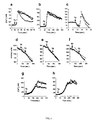
- Human Fc ⁇ RI transfectants (clone 15.4) were sensitized with IgE alone or with IgE plus 10 ⁇ g/ml anti-FcaRI Fab A77 or irrelevant Fab 320. Cells were then loaded with FURA-2-AM as indicated and extracellular calcium was chelated with 3.5 mM EGTA shortly before determining [Ca 2+ ] i to discriminate between calcium release from intracellular stores and calcium entry from the external medium. The results are shown in Figure 6c.
- Anti-Fc ⁇ RI Fab inhibits Ca 2+ influx
- Human Fc ⁇ RI transfectants (clone 15.4) were sensitized with IgE alone (d) or with IgE plus 10 ⁇ g/ml anti-Fc ⁇ RI Fab A77 (e) or irrelevant Fab 320 (f).
- Anti-Fc ⁇ RI Fab inhibits events between calcium release from internal stores and the opening of SOC
- thapsigargin a pharmacologic agent that depletes inositol triphosphate-sensitive stores, resulting in SOC opening, in the absence of transmembrane receptor engagement (THASTRUP and al., Agents Actions 27: 17-23, 1989).
- mice do not express Fc ⁇ RI homologs (KABAGAWA and al., Proc. Nat. Acad. Sci. 94: 5261-5266, 1997; HAYAMI and al., J. Biol. Chem. 272: 7320-7327, 1997)
- Balb/c transgenic mice Tg expressing the human Fc ⁇ RI (CD89, line 83) under the control of the CD11b promoter were used, yielding myeloid cell expression similar to that observed in humans (LAUNAY and al., J. Exp. Med. 191: 1999-2009, 2000). Genotyping was done by PCR (LAUNAY and al., 2000, aforementioned). Mice were bred and maintained at the mouse facilities of IFR 02 and Bichat Medical School. All experiments were done in accordance with national guidelines.
- Anti-Fc ⁇ RI Fab immunotherapy was tested in an IgE-mediated animal model of asthma according to ZUBERI and al. (J. Immunol. 164: 2667-2673, 2000) which protocol was adapted. Briefly, Fc ⁇ RI-transgenic Balb/c mice (Tg) and littermate controls (Lt) were immunized intraperitoneally twice with 10 ⁇ g TNP-OVA (Sigma) in 2 mg of aluminium hydroxide gel per 25 g body weight on days 0 and 7.
- mice were challenged intranasally daily for 7 consecutive days with PBS or 2 ⁇ g TNP-OVA complexed with 20 ⁇ g anti-DNP IgE (IC) in the presence of 5 ⁇ g anti-Fc ⁇ RI Fab A77 or irrelevant Fab 320.
- mice received 50 ⁇ g anti-Fc ⁇ RI Fab A77 or control Fab intraperitoneally.
- unrestrained conscious mice were placed in a whole-body plethysmograph chamber (BUXCO Electronics, Sharon, CT). After stabilization for a few minutes, an aerosol of 300 mM methacholine was delivered for 60 sec.
- Pulmonary histology of antigen-challenged Tg mice treated with the irrelevant Fab 320 showed peribronchial (Fig. 7f) and epithelial (Fig. 7g) inflammatory infiltrates consisting mainly of granulocytes and mononuclear cells, and diffuse alveolar capillary congestion (Fig. 7h) (see arrows). These features were absent in lungs from PBS-challenged mice (Fig. 7c-e) showing normal physiology.
- Antigen-challenged anti-Fc ⁇ RI Fab A77-treated mice showed substantially less inflammation and congestion (Fig. 7i-k). Anti-Fc ⁇ RI Fab administration prevented antigen-induced airway congestion and infiltration by inflammatory cells.
- Anti-Fc ⁇ RI immunotherapy was also tested after unilateral ureteral obstruction (UUO) in mice, an inflammatory model of interstitial renal fibrosis and obstructive nephropathy (KLAHR and MORRISSEY, Am. J. Physiol. Renal Physiol. 283(5): F861-875, 2002).
- the kidneys are characterized by tubular dilatation, infiltration of inflammatory cells such as macrophages, and epithelial-mesenchymal transition of the kidney.
- unilateral obstruction or the ureter of the left kidney was performed on anaesthetized Tg CD89 mice by ligation at two locations.
- mice were treated with either PBS, 100 ⁇ g irrelevant Fab 320 or 100 ⁇ g Fab A77. On day 6, mice were sacrificed and obstructed kidney was processed for hispathologic evaluation (Periodic Acid Schiff (PAS) staining and immunohistochemical staining with anti-CD11b antibody).
- PBS Periodic Acid Schiff
- the PBS-treated kidneys show typical pathologic features of UUO with dilated tubules and cellular infiltration (PAS staining, not shown), notably macrophages (anti-CD11b staining). These typical pathologic features were almost absent in Fab A77-treated kidneys and cellular infiltration is considerably decreased. No effects were observed in the kidneys of the Fab 320-treated Tg CD89 mice.
Landscapes
- Health & Medical Sciences (AREA)
- Chemical & Material Sciences (AREA)
- Organic Chemistry (AREA)
- Medicinal Chemistry (AREA)
- Life Sciences & Earth Sciences (AREA)
- General Health & Medical Sciences (AREA)
- Animal Behavior & Ethology (AREA)
- General Chemical & Material Sciences (AREA)
- Nuclear Medicine, Radiotherapy & Molecular Imaging (AREA)
- Pharmacology & Pharmacy (AREA)
- Chemical Kinetics & Catalysis (AREA)
- Engineering & Computer Science (AREA)
- Public Health (AREA)
- Veterinary Medicine (AREA)
- Bioinformatics & Cheminformatics (AREA)
- Immunology (AREA)
- Diabetes (AREA)
- Biophysics (AREA)
- Proteomics, Peptides & Aminoacids (AREA)
- Rheumatology (AREA)
- Molecular Biology (AREA)
- Genetics & Genomics (AREA)
- Hematology (AREA)
- Pulmonology (AREA)
- Biochemistry (AREA)
- Physical Education & Sports Medicine (AREA)
- Emergency Medicine (AREA)
- Pain & Pain Management (AREA)
- Biomedical Technology (AREA)
- Urology & Nephrology (AREA)
- Obesity (AREA)
- Endocrinology (AREA)
- Dermatology (AREA)
- Orthopedic Medicine & Surgery (AREA)
- Peptides Or Proteins (AREA)
- Medicines Containing Antibodies Or Antigens For Use As Internal Diagnostic Agents (AREA)
- Medicines That Contain Protein Lipid Enzymes And Other Medicines (AREA)
- Acyclic And Carbocyclic Compounds In Medicinal Compositions (AREA)
- Steroid Compounds (AREA)
- Pharmaceuticals Containing Other Organic And Inorganic Compounds (AREA)
Priority Applications (9)
| Application Number | Priority Date | Filing Date | Title |
|---|---|---|---|
| EP04290615A EP1570858A1 (de) | 2004-03-05 | 2004-03-05 | Monovalenter Ligand des FcalphaRI-Rezeptors als ein antiinflammatorisches Agens |
| JP2007501248A JP4756029B2 (ja) | 2004-03-05 | 2005-03-04 | 抗炎症剤としてのFcαRI受容体の一価のリガンド |
| DK05716182.0T DK1720572T3 (da) | 2004-03-05 | 2005-03-04 | Monovalent ligand af FcalfaRI-receptoren som antiinflammatorisk middel |
| ES05716182T ES2359316T3 (es) | 2004-03-05 | 2005-03-04 | Ligando monovalente del receptor fcalfari como un agente antiinflamatorio. |
| AT05716182T ATE494006T1 (de) | 2004-03-05 | 2005-03-04 | Monovalenter ligand des fcalphari-rezeptors als ein antiinflammatorisches agens |
| US10/591,642 US7892538B2 (en) | 2004-03-05 | 2005-03-04 | Monovalent ligand of the FcαRI receptor as an anti-inflammatory agent |
| DE602005025731T DE602005025731D1 (de) | 2004-03-05 | 2005-03-04 | Monovalenter ligand des fcalphari-rezeptors als ein antiinflammatorisches agens |
| EP05716182A EP1720572B1 (de) | 2004-03-05 | 2005-03-04 | Monovalenter ligand des fcalphari-rezeptors als ein antiinflammatorisches agens |
| PCT/EP2005/002882 WO2005089798A1 (en) | 2004-03-05 | 2005-03-04 | Monovalent ligand of the fcalphari receptor as an anti-inflammatory agent |
Applications Claiming Priority (1)
| Application Number | Priority Date | Filing Date | Title |
|---|---|---|---|
| EP04290615A EP1570858A1 (de) | 2004-03-05 | 2004-03-05 | Monovalenter Ligand des FcalphaRI-Rezeptors als ein antiinflammatorisches Agens |
Publications (1)
| Publication Number | Publication Date |
|---|---|
| EP1570858A1 true EP1570858A1 (de) | 2005-09-07 |
Family
ID=34746166
Family Applications (2)
| Application Number | Title | Priority Date | Filing Date |
|---|---|---|---|
| EP04290615A Withdrawn EP1570858A1 (de) | 2004-03-05 | 2004-03-05 | Monovalenter Ligand des FcalphaRI-Rezeptors als ein antiinflammatorisches Agens |
| EP05716182A Expired - Lifetime EP1720572B1 (de) | 2004-03-05 | 2005-03-04 | Monovalenter ligand des fcalphari-rezeptors als ein antiinflammatorisches agens |
Family Applications After (1)
| Application Number | Title | Priority Date | Filing Date |
|---|---|---|---|
| EP05716182A Expired - Lifetime EP1720572B1 (de) | 2004-03-05 | 2005-03-04 | Monovalenter ligand des fcalphari-rezeptors als ein antiinflammatorisches agens |
Country Status (8)
| Country | Link |
|---|---|
| US (1) | US7892538B2 (de) |
| EP (2) | EP1570858A1 (de) |
| JP (1) | JP4756029B2 (de) |
| AT (1) | ATE494006T1 (de) |
| DE (1) | DE602005025731D1 (de) |
| DK (1) | DK1720572T3 (de) |
| ES (1) | ES2359316T3 (de) |
| WO (1) | WO2005089798A1 (de) |
Cited By (1)
| Publication number | Priority date | Publication date | Assignee | Title |
|---|---|---|---|---|
| CN110577598A (zh) * | 2018-06-11 | 2019-12-17 | 李莉 | 抗sFcεRIα单克隆抗体及其应用 |
Families Citing this family (1)
| Publication number | Priority date | Publication date | Assignee | Title |
|---|---|---|---|---|
| EP2127666A1 (de) | 2008-05-28 | 2009-12-02 | Drug Discovery Factory B.V. | Verfahren zur Behandlung oder Prophylaxe von chronischen Entzündungskrankheiten |
Citations (4)
| Publication number | Priority date | Publication date | Assignee | Title |
|---|---|---|---|---|
| WO1999028349A2 (en) * | 1997-12-02 | 1999-06-10 | Medarex, Inc. | CELLS EXPRESSING ANTI-Fc RECEPTOR BINDING COMPONENTS |
| WO1999041285A1 (en) * | 1998-02-17 | 1999-08-19 | Medarex, Inc. | Treating and diagnosing macrophage-mediated diseases using fc receptor ligands |
| US6018031A (en) * | 1989-10-20 | 2000-01-25 | Trustees Of Dartmouth College | Binding agents specific for IgA receptor |
| WO2002064634A2 (en) * | 2001-02-12 | 2002-08-22 | Medarex, Inc. | Human monoclonal antibodies to fc alpha receptor (cd89) |
Family Cites Families (1)
| Publication number | Priority date | Publication date | Assignee | Title |
|---|---|---|---|---|
| US5922845A (en) * | 1996-07-11 | 1999-07-13 | Medarex, Inc. | Therapeutic multispecific compounds comprised of anti-Fcα receptor antibodies |
-
2004
- 2004-03-05 EP EP04290615A patent/EP1570858A1/de not_active Withdrawn
-
2005
- 2005-03-04 AT AT05716182T patent/ATE494006T1/de not_active IP Right Cessation
- 2005-03-04 US US10/591,642 patent/US7892538B2/en active Active
- 2005-03-04 DE DE602005025731T patent/DE602005025731D1/de not_active Expired - Lifetime
- 2005-03-04 WO PCT/EP2005/002882 patent/WO2005089798A1/en not_active Ceased
- 2005-03-04 EP EP05716182A patent/EP1720572B1/de not_active Expired - Lifetime
- 2005-03-04 JP JP2007501248A patent/JP4756029B2/ja not_active Expired - Fee Related
- 2005-03-04 DK DK05716182.0T patent/DK1720572T3/da active
- 2005-03-04 ES ES05716182T patent/ES2359316T3/es not_active Expired - Lifetime
Patent Citations (4)
| Publication number | Priority date | Publication date | Assignee | Title |
|---|---|---|---|---|
| US6018031A (en) * | 1989-10-20 | 2000-01-25 | Trustees Of Dartmouth College | Binding agents specific for IgA receptor |
| WO1999028349A2 (en) * | 1997-12-02 | 1999-06-10 | Medarex, Inc. | CELLS EXPRESSING ANTI-Fc RECEPTOR BINDING COMPONENTS |
| WO1999041285A1 (en) * | 1998-02-17 | 1999-08-19 | Medarex, Inc. | Treating and diagnosing macrophage-mediated diseases using fc receptor ligands |
| WO2002064634A2 (en) * | 2001-02-12 | 2002-08-22 | Medarex, Inc. | Human monoclonal antibodies to fc alpha receptor (cd89) |
Non-Patent Citations (1)
| Title |
|---|
| MORTON H CRAIG ET AL: "CD89: The human myeloid IgA Fc receptor", ARCHIVUM IMMUNOLOGIAE ET THERAPIAE EXPERIMENTALIS, vol. 49, no. 3, 2001, pages 217 - 229, XP009035083, ISSN: 0004-069X * |
Cited By (2)
| Publication number | Priority date | Publication date | Assignee | Title |
|---|---|---|---|---|
| CN110577598A (zh) * | 2018-06-11 | 2019-12-17 | 李莉 | 抗sFcεRIα单克隆抗体及其应用 |
| CN110577598B (zh) * | 2018-06-11 | 2022-03-08 | 李莉 | 抗sFcεRIα单克隆抗体及其应用 |
Also Published As
| Publication number | Publication date |
|---|---|
| DE602005025731D1 (de) | 2011-02-17 |
| ES2359316T3 (es) | 2011-05-20 |
| DK1720572T3 (da) | 2011-04-26 |
| JP4756029B2 (ja) | 2011-08-24 |
| JP2007526278A (ja) | 2007-09-13 |
| EP1720572A1 (de) | 2006-11-15 |
| EP1720572B1 (de) | 2011-01-05 |
| US20080085280A1 (en) | 2008-04-10 |
| US7892538B2 (en) | 2011-02-22 |
| ATE494006T1 (de) | 2011-01-15 |
| WO2005089798A1 (en) | 2005-09-29 |
Similar Documents
| Publication | Publication Date | Title |
|---|---|---|
| AU2020200981B2 (en) | Multispecific antibodies, multispecific activatable antibodies and methods of using the same | |
| US8546539B2 (en) | Fc receptor-binding polypeptides with modified effector functions | |
| EP2248529B1 (de) | NKG2D Antikörper zur Verwendung in der Behandlung von Autoimmunerkrankungen oder Entzündungskrankheiten | |
| JP2002505097A (ja) | 治療薬としてのcd147結合分子 | |
| US12024560B2 (en) | Therapeutic agents and methods for enhancing immune responses in tumor microenvironment | |
| JP2015180704A (ja) | Sp35抗体およびその使用 | |
| US9115198B2 (en) | Antibody modulating the differentiation and function of dendritic cells via binding intercellular adhesion molecule-1 and use thereof | |
| EP1720572B1 (de) | Monovalenter ligand des fcalphari-rezeptors als ein antiinflammatorisches agens | |
| EP4640709A1 (de) | Anti-human-cx3cr1-antikörper | |
| HK40127219A (en) | Anti-human cx3cr1 antibody |
Legal Events
| Date | Code | Title | Description |
|---|---|---|---|
| PUAI | Public reference made under article 153(3) epc to a published international application that has entered the european phase |
Free format text: ORIGINAL CODE: 0009012 |
|
| AK | Designated contracting states |
Kind code of ref document: A1 Designated state(s): AT BE BG CH CY CZ DE DK EE ES FI FR GB GR HU IE IT LI LU MC NL PL PT RO SE SI SK TR |
|
| AX | Request for extension of the european patent |
Extension state: AL LT LV MK |
|
| AKX | Designation fees paid | ||
| REG | Reference to a national code |
Ref country code: DE Ref legal event code: 8566 |
|
| STAA | Information on the status of an ep patent application or granted ep patent |
Free format text: STATUS: THE APPLICATION IS DEEMED TO BE WITHDRAWN |
|
| 18D | Application deemed to be withdrawn |
Effective date: 20060308 |