EP1580179A1 - Dielektrische porzellanzusammensetzung, elektronische vorrichtung und herstellungsverfahren dafür - Google Patents
Dielektrische porzellanzusammensetzung, elektronische vorrichtung und herstellungsverfahren dafür Download PDFInfo
- Publication number
- EP1580179A1 EP1580179A1 EP03780844A EP03780844A EP1580179A1 EP 1580179 A1 EP1580179 A1 EP 1580179A1 EP 03780844 A EP03780844 A EP 03780844A EP 03780844 A EP03780844 A EP 03780844A EP 1580179 A1 EP1580179 A1 EP 1580179A1
- Authority
- EP
- European Patent Office
- Prior art keywords
- mol
- dielectric
- ceramic composition
- main component
- dielectric ceramic
- Prior art date
- Legal status (The legal status is an assumption and is not a legal conclusion. Google has not performed a legal analysis and makes no representation as to the accuracy of the status listed.)
- Withdrawn
Links
Images


Classifications
-
- H—ELECTRICITY
- H01—ELECTRIC ELEMENTS
- H01G—CAPACITORS; CAPACITORS, RECTIFIERS, DETECTORS, SWITCHING DEVICES, LIGHT-SENSITIVE OR TEMPERATURE-SENSITIVE DEVICES OF THE ELECTROLYTIC TYPE
- H01G4/00—Fixed capacitors; Processes of their manufacture
- H01G4/002—Details
- H01G4/018—Dielectrics
- H01G4/06—Solid dielectrics
- H01G4/08—Inorganic dielectrics
- H01G4/10—Metal-oxide dielectrics
-
- B—PERFORMING OPERATIONS; TRANSPORTING
- B32—LAYERED PRODUCTS
- B32B—LAYERED PRODUCTS, i.e. PRODUCTS BUILT-UP OF STRATA OF FLAT OR NON-FLAT, e.g. CELLULAR OR HONEYCOMB, FORM
- B32B18/00—Layered products essentially comprising ceramics, e.g. refractory products
-
- C—CHEMISTRY; METALLURGY
- C04—CEMENTS; CONCRETE; ARTIFICIAL STONE; CERAMICS; REFRACTORIES
- C04B—LIME, MAGNESIA; SLAG; CEMENTS; COMPOSITIONS THEREOF, e.g. MORTARS, CONCRETE OR LIKE BUILDING MATERIALS; ARTIFICIAL STONE; CERAMICS; REFRACTORIES; TREATMENT OF NATURAL STONE
- C04B35/00—Shaped ceramic products characterised by their composition; Ceramics compositions; Processing powders of inorganic compounds preparatory to the manufacturing of ceramic products
- C04B35/01—Shaped ceramic products characterised by their composition; Ceramics compositions; Processing powders of inorganic compounds preparatory to the manufacturing of ceramic products based on oxide ceramics
- C04B35/48—Shaped ceramic products characterised by their composition; Ceramics compositions; Processing powders of inorganic compounds preparatory to the manufacturing of ceramic products based on oxide ceramics based on zirconium or hafnium oxides, zirconates, zircon or hafnates
- C04B35/49—Shaped ceramic products characterised by their composition; Ceramics compositions; Processing powders of inorganic compounds preparatory to the manufacturing of ceramic products based on oxide ceramics based on zirconium or hafnium oxides, zirconates, zircon or hafnates containing also titanium oxides or titanates
-
- C—CHEMISTRY; METALLURGY
- C04—CEMENTS; CONCRETE; ARTIFICIAL STONE; CERAMICS; REFRACTORIES
- C04B—LIME, MAGNESIA; SLAG; CEMENTS; COMPOSITIONS THEREOF, e.g. MORTARS, CONCRETE OR LIKE BUILDING MATERIALS; ARTIFICIAL STONE; CERAMICS; REFRACTORIES; TREATMENT OF NATURAL STONE
- C04B35/00—Shaped ceramic products characterised by their composition; Ceramics compositions; Processing powders of inorganic compounds preparatory to the manufacturing of ceramic products
- C04B35/622—Forming processes; Processing powders of inorganic compounds preparatory to the manufacturing of ceramic products
- C04B35/626—Preparing or treating the powders individually or as batches ; preparing or treating macroscopic reinforcing agents for ceramic products, e.g. fibres; mechanical aspects section B
- C04B35/62605—Treating the starting powders individually or as mixtures
- C04B35/6261—Milling
- C04B35/6262—Milling of calcined, sintered clinker or ceramics
-
- C—CHEMISTRY; METALLURGY
- C04—CEMENTS; CONCRETE; ARTIFICIAL STONE; CERAMICS; REFRACTORIES
- C04B—LIME, MAGNESIA; SLAG; CEMENTS; COMPOSITIONS THEREOF, e.g. MORTARS, CONCRETE OR LIKE BUILDING MATERIALS; ARTIFICIAL STONE; CERAMICS; REFRACTORIES; TREATMENT OF NATURAL STONE
- C04B35/00—Shaped ceramic products characterised by their composition; Ceramics compositions; Processing powders of inorganic compounds preparatory to the manufacturing of ceramic products
- C04B35/622—Forming processes; Processing powders of inorganic compounds preparatory to the manufacturing of ceramic products
- C04B35/626—Preparing or treating the powders individually or as batches ; preparing or treating macroscopic reinforcing agents for ceramic products, e.g. fibres; mechanical aspects section B
- C04B35/62605—Treating the starting powders individually or as mixtures
- C04B35/62625—Wet mixtures
- C04B35/6263—Wet mixtures characterised by their solids loadings, i.e. the percentage of solids
-
- C—CHEMISTRY; METALLURGY
- C04—CEMENTS; CONCRETE; ARTIFICIAL STONE; CERAMICS; REFRACTORIES
- C04B—LIME, MAGNESIA; SLAG; CEMENTS; COMPOSITIONS THEREOF, e.g. MORTARS, CONCRETE OR LIKE BUILDING MATERIALS; ARTIFICIAL STONE; CERAMICS; REFRACTORIES; TREATMENT OF NATURAL STONE
- C04B35/00—Shaped ceramic products characterised by their composition; Ceramics compositions; Processing powders of inorganic compounds preparatory to the manufacturing of ceramic products
- C04B35/622—Forming processes; Processing powders of inorganic compounds preparatory to the manufacturing of ceramic products
- C04B35/626—Preparing or treating the powders individually or as batches ; preparing or treating macroscopic reinforcing agents for ceramic products, e.g. fibres; mechanical aspects section B
- C04B35/62605—Treating the starting powders individually or as mixtures
- C04B35/62625—Wet mixtures
- C04B35/6264—Mixing media, e.g. organic solvents
-
- C—CHEMISTRY; METALLURGY
- C04—CEMENTS; CONCRETE; ARTIFICIAL STONE; CERAMICS; REFRACTORIES
- C04B—LIME, MAGNESIA; SLAG; CEMENTS; COMPOSITIONS THEREOF, e.g. MORTARS, CONCRETE OR LIKE BUILDING MATERIALS; ARTIFICIAL STONE; CERAMICS; REFRACTORIES; TREATMENT OF NATURAL STONE
- C04B35/00—Shaped ceramic products characterised by their composition; Ceramics compositions; Processing powders of inorganic compounds preparatory to the manufacturing of ceramic products
- C04B35/622—Forming processes; Processing powders of inorganic compounds preparatory to the manufacturing of ceramic products
- C04B35/626—Preparing or treating the powders individually or as batches ; preparing or treating macroscopic reinforcing agents for ceramic products, e.g. fibres; mechanical aspects section B
- C04B35/63—Preparing or treating the powders individually or as batches ; preparing or treating macroscopic reinforcing agents for ceramic products, e.g. fibres; mechanical aspects section B using additives specially adapted for forming the products, e.g.. binder binders
-
- C—CHEMISTRY; METALLURGY
- C04—CEMENTS; CONCRETE; ARTIFICIAL STONE; CERAMICS; REFRACTORIES
- C04B—LIME, MAGNESIA; SLAG; CEMENTS; COMPOSITIONS THEREOF, e.g. MORTARS, CONCRETE OR LIKE BUILDING MATERIALS; ARTIFICIAL STONE; CERAMICS; REFRACTORIES; TREATMENT OF NATURAL STONE
- C04B35/00—Shaped ceramic products characterised by their composition; Ceramics compositions; Processing powders of inorganic compounds preparatory to the manufacturing of ceramic products
- C04B35/622—Forming processes; Processing powders of inorganic compounds preparatory to the manufacturing of ceramic products
- C04B35/626—Preparing or treating the powders individually or as batches ; preparing or treating macroscopic reinforcing agents for ceramic products, e.g. fibres; mechanical aspects section B
- C04B35/63—Preparing or treating the powders individually or as batches ; preparing or treating macroscopic reinforcing agents for ceramic products, e.g. fibres; mechanical aspects section B using additives specially adapted for forming the products, e.g.. binder binders
- C04B35/638—Removal thereof
-
- C—CHEMISTRY; METALLURGY
- C04—CEMENTS; CONCRETE; ARTIFICIAL STONE; CERAMICS; REFRACTORIES
- C04B—LIME, MAGNESIA; SLAG; CEMENTS; COMPOSITIONS THEREOF, e.g. MORTARS, CONCRETE OR LIKE BUILDING MATERIALS; ARTIFICIAL STONE; CERAMICS; REFRACTORIES; TREATMENT OF NATURAL STONE
- C04B35/00—Shaped ceramic products characterised by their composition; Ceramics compositions; Processing powders of inorganic compounds preparatory to the manufacturing of ceramic products
- C04B35/622—Forming processes; Processing powders of inorganic compounds preparatory to the manufacturing of ceramic products
- C04B35/64—Burning or sintering processes
-
- H—ELECTRICITY
- H01—ELECTRIC ELEMENTS
- H01B—CABLES; CONDUCTORS; INSULATORS; SELECTION OF MATERIALS FOR THEIR CONDUCTIVE, INSULATING OR DIELECTRIC PROPERTIES
- H01B3/00—Insulators or insulating bodies characterised by the insulating materials; Selection of materials for their insulating or dielectric properties
- H01B3/02—Insulators or insulating bodies characterised by the insulating materials; Selection of materials for their insulating or dielectric properties mainly consisting of inorganic substances
-
- H—ELECTRICITY
- H01—ELECTRIC ELEMENTS
- H01B—CABLES; CONDUCTORS; INSULATORS; SELECTION OF MATERIALS FOR THEIR CONDUCTIVE, INSULATING OR DIELECTRIC PROPERTIES
- H01B3/00—Insulators or insulating bodies characterised by the insulating materials; Selection of materials for their insulating or dielectric properties
- H01B3/02—Insulators or insulating bodies characterised by the insulating materials; Selection of materials for their insulating or dielectric properties mainly consisting of inorganic substances
- H01B3/12—Insulators or insulating bodies characterised by the insulating materials; Selection of materials for their insulating or dielectric properties mainly consisting of inorganic substances ceramics
-
- H—ELECTRICITY
- H01—ELECTRIC ELEMENTS
- H01G—CAPACITORS; CAPACITORS, RECTIFIERS, DETECTORS, SWITCHING DEVICES, LIGHT-SENSITIVE OR TEMPERATURE-SENSITIVE DEVICES OF THE ELECTROLYTIC TYPE
- H01G4/00—Fixed capacitors; Processes of their manufacture
- H01G4/002—Details
- H01G4/018—Dielectrics
- H01G4/06—Solid dielectrics
- H01G4/08—Inorganic dielectrics
- H01G4/12—Ceramic dielectrics
-
- H—ELECTRICITY
- H01—ELECTRIC ELEMENTS
- H01G—CAPACITORS; CAPACITORS, RECTIFIERS, DETECTORS, SWITCHING DEVICES, LIGHT-SENSITIVE OR TEMPERATURE-SENSITIVE DEVICES OF THE ELECTROLYTIC TYPE
- H01G4/00—Fixed capacitors; Processes of their manufacture
- H01G4/002—Details
- H01G4/018—Dielectrics
- H01G4/06—Solid dielectrics
- H01G4/08—Inorganic dielectrics
- H01G4/12—Ceramic dielectrics
- H01G4/1209—Ceramic dielectrics characterised by the ceramic dielectric material
- H01G4/1236—Ceramic dielectrics characterised by the ceramic dielectric material based on zirconium oxides or zirconates
- H01G4/1245—Ceramic dielectrics characterised by the ceramic dielectric material based on zirconium oxides or zirconates containing also titanates
-
- B—PERFORMING OPERATIONS; TRANSPORTING
- B32—LAYERED PRODUCTS
- B32B—LAYERED PRODUCTS, i.e. PRODUCTS BUILT-UP OF STRATA OF FLAT OR NON-FLAT, e.g. CELLULAR OR HONEYCOMB, FORM
- B32B2311/00—Metals, their alloys or their compounds
- B32B2311/22—Nickel or cobalt
-
- C—CHEMISTRY; METALLURGY
- C04—CEMENTS; CONCRETE; ARTIFICIAL STONE; CERAMICS; REFRACTORIES
- C04B—LIME, MAGNESIA; SLAG; CEMENTS; COMPOSITIONS THEREOF, e.g. MORTARS, CONCRETE OR LIKE BUILDING MATERIALS; ARTIFICIAL STONE; CERAMICS; REFRACTORIES; TREATMENT OF NATURAL STONE
- C04B2235/00—Aspects relating to ceramic starting mixtures or sintered ceramic products
- C04B2235/02—Composition of constituents of the starting material or of secondary phases of the final product
- C04B2235/30—Constituents and secondary phases not being of a fibrous nature
- C04B2235/32—Metal oxides, mixed metal oxides, or oxide-forming salts thereof, e.g. carbonates, nitrates, (oxy)hydroxides, chlorides
- C04B2235/3205—Alkaline earth oxides or oxide forming salts thereof, e.g. beryllium oxide
- C04B2235/3206—Magnesium oxides or oxide-forming salts thereof
-
- C—CHEMISTRY; METALLURGY
- C04—CEMENTS; CONCRETE; ARTIFICIAL STONE; CERAMICS; REFRACTORIES
- C04B—LIME, MAGNESIA; SLAG; CEMENTS; COMPOSITIONS THEREOF, e.g. MORTARS, CONCRETE OR LIKE BUILDING MATERIALS; ARTIFICIAL STONE; CERAMICS; REFRACTORIES; TREATMENT OF NATURAL STONE
- C04B2235/00—Aspects relating to ceramic starting mixtures or sintered ceramic products
- C04B2235/02—Composition of constituents of the starting material or of secondary phases of the final product
- C04B2235/30—Constituents and secondary phases not being of a fibrous nature
- C04B2235/32—Metal oxides, mixed metal oxides, or oxide-forming salts thereof, e.g. carbonates, nitrates, (oxy)hydroxides, chlorides
- C04B2235/3205—Alkaline earth oxides or oxide forming salts thereof, e.g. beryllium oxide
- C04B2235/3208—Calcium oxide or oxide-forming salts thereof, e.g. lime
-
- C—CHEMISTRY; METALLURGY
- C04—CEMENTS; CONCRETE; ARTIFICIAL STONE; CERAMICS; REFRACTORIES
- C04B—LIME, MAGNESIA; SLAG; CEMENTS; COMPOSITIONS THEREOF, e.g. MORTARS, CONCRETE OR LIKE BUILDING MATERIALS; ARTIFICIAL STONE; CERAMICS; REFRACTORIES; TREATMENT OF NATURAL STONE
- C04B2235/00—Aspects relating to ceramic starting mixtures or sintered ceramic products
- C04B2235/02—Composition of constituents of the starting material or of secondary phases of the final product
- C04B2235/30—Constituents and secondary phases not being of a fibrous nature
- C04B2235/32—Metal oxides, mixed metal oxides, or oxide-forming salts thereof, e.g. carbonates, nitrates, (oxy)hydroxides, chlorides
- C04B2235/3205—Alkaline earth oxides or oxide forming salts thereof, e.g. beryllium oxide
- C04B2235/3213—Strontium oxides or oxide-forming salts thereof
-
- C—CHEMISTRY; METALLURGY
- C04—CEMENTS; CONCRETE; ARTIFICIAL STONE; CERAMICS; REFRACTORIES
- C04B—LIME, MAGNESIA; SLAG; CEMENTS; COMPOSITIONS THEREOF, e.g. MORTARS, CONCRETE OR LIKE BUILDING MATERIALS; ARTIFICIAL STONE; CERAMICS; REFRACTORIES; TREATMENT OF NATURAL STONE
- C04B2235/00—Aspects relating to ceramic starting mixtures or sintered ceramic products
- C04B2235/02—Composition of constituents of the starting material or of secondary phases of the final product
- C04B2235/30—Constituents and secondary phases not being of a fibrous nature
- C04B2235/32—Metal oxides, mixed metal oxides, or oxide-forming salts thereof, e.g. carbonates, nitrates, (oxy)hydroxides, chlorides
- C04B2235/3217—Aluminum oxide or oxide forming salts thereof, e.g. bauxite, alpha-alumina
-
- C—CHEMISTRY; METALLURGY
- C04—CEMENTS; CONCRETE; ARTIFICIAL STONE; CERAMICS; REFRACTORIES
- C04B—LIME, MAGNESIA; SLAG; CEMENTS; COMPOSITIONS THEREOF, e.g. MORTARS, CONCRETE OR LIKE BUILDING MATERIALS; ARTIFICIAL STONE; CERAMICS; REFRACTORIES; TREATMENT OF NATURAL STONE
- C04B2235/00—Aspects relating to ceramic starting mixtures or sintered ceramic products
- C04B2235/02—Composition of constituents of the starting material or of secondary phases of the final product
- C04B2235/30—Constituents and secondary phases not being of a fibrous nature
- C04B2235/32—Metal oxides, mixed metal oxides, or oxide-forming salts thereof, e.g. carbonates, nitrates, (oxy)hydroxides, chlorides
- C04B2235/3224—Rare earth oxide or oxide forming salts thereof, e.g. scandium oxide
-
- C—CHEMISTRY; METALLURGY
- C04—CEMENTS; CONCRETE; ARTIFICIAL STONE; CERAMICS; REFRACTORIES
- C04B—LIME, MAGNESIA; SLAG; CEMENTS; COMPOSITIONS THEREOF, e.g. MORTARS, CONCRETE OR LIKE BUILDING MATERIALS; ARTIFICIAL STONE; CERAMICS; REFRACTORIES; TREATMENT OF NATURAL STONE
- C04B2235/00—Aspects relating to ceramic starting mixtures or sintered ceramic products
- C04B2235/02—Composition of constituents of the starting material or of secondary phases of the final product
- C04B2235/30—Constituents and secondary phases not being of a fibrous nature
- C04B2235/32—Metal oxides, mixed metal oxides, or oxide-forming salts thereof, e.g. carbonates, nitrates, (oxy)hydroxides, chlorides
- C04B2235/3224—Rare earth oxide or oxide forming salts thereof, e.g. scandium oxide
- C04B2235/3225—Yttrium oxide or oxide-forming salts thereof
-
- C—CHEMISTRY; METALLURGY
- C04—CEMENTS; CONCRETE; ARTIFICIAL STONE; CERAMICS; REFRACTORIES
- C04B—LIME, MAGNESIA; SLAG; CEMENTS; COMPOSITIONS THEREOF, e.g. MORTARS, CONCRETE OR LIKE BUILDING MATERIALS; ARTIFICIAL STONE; CERAMICS; REFRACTORIES; TREATMENT OF NATURAL STONE
- C04B2235/00—Aspects relating to ceramic starting mixtures or sintered ceramic products
- C04B2235/02—Composition of constituents of the starting material or of secondary phases of the final product
- C04B2235/30—Constituents and secondary phases not being of a fibrous nature
- C04B2235/32—Metal oxides, mixed metal oxides, or oxide-forming salts thereof, e.g. carbonates, nitrates, (oxy)hydroxides, chlorides
- C04B2235/3224—Rare earth oxide or oxide forming salts thereof, e.g. scandium oxide
- C04B2235/3227—Lanthanum oxide or oxide-forming salts thereof
-
- C—CHEMISTRY; METALLURGY
- C04—CEMENTS; CONCRETE; ARTIFICIAL STONE; CERAMICS; REFRACTORIES
- C04B—LIME, MAGNESIA; SLAG; CEMENTS; COMPOSITIONS THEREOF, e.g. MORTARS, CONCRETE OR LIKE BUILDING MATERIALS; ARTIFICIAL STONE; CERAMICS; REFRACTORIES; TREATMENT OF NATURAL STONE
- C04B2235/00—Aspects relating to ceramic starting mixtures or sintered ceramic products
- C04B2235/02—Composition of constituents of the starting material or of secondary phases of the final product
- C04B2235/30—Constituents and secondary phases not being of a fibrous nature
- C04B2235/32—Metal oxides, mixed metal oxides, or oxide-forming salts thereof, e.g. carbonates, nitrates, (oxy)hydroxides, chlorides
- C04B2235/3224—Rare earth oxide or oxide forming salts thereof, e.g. scandium oxide
- C04B2235/3229—Cerium oxides or oxide-forming salts thereof
-
- C—CHEMISTRY; METALLURGY
- C04—CEMENTS; CONCRETE; ARTIFICIAL STONE; CERAMICS; REFRACTORIES
- C04B—LIME, MAGNESIA; SLAG; CEMENTS; COMPOSITIONS THEREOF, e.g. MORTARS, CONCRETE OR LIKE BUILDING MATERIALS; ARTIFICIAL STONE; CERAMICS; REFRACTORIES; TREATMENT OF NATURAL STONE
- C04B2235/00—Aspects relating to ceramic starting mixtures or sintered ceramic products
- C04B2235/02—Composition of constituents of the starting material or of secondary phases of the final product
- C04B2235/30—Constituents and secondary phases not being of a fibrous nature
- C04B2235/32—Metal oxides, mixed metal oxides, or oxide-forming salts thereof, e.g. carbonates, nitrates, (oxy)hydroxides, chlorides
- C04B2235/3231—Refractory metal oxides, their mixed metal oxides, or oxide-forming salts thereof
- C04B2235/3239—Vanadium oxides, vanadates or oxide forming salts thereof, e.g. magnesium vanadate
-
- C—CHEMISTRY; METALLURGY
- C04—CEMENTS; CONCRETE; ARTIFICIAL STONE; CERAMICS; REFRACTORIES
- C04B—LIME, MAGNESIA; SLAG; CEMENTS; COMPOSITIONS THEREOF, e.g. MORTARS, CONCRETE OR LIKE BUILDING MATERIALS; ARTIFICIAL STONE; CERAMICS; REFRACTORIES; TREATMENT OF NATURAL STONE
- C04B2235/00—Aspects relating to ceramic starting mixtures or sintered ceramic products
- C04B2235/02—Composition of constituents of the starting material or of secondary phases of the final product
- C04B2235/30—Constituents and secondary phases not being of a fibrous nature
- C04B2235/32—Metal oxides, mixed metal oxides, or oxide-forming salts thereof, e.g. carbonates, nitrates, (oxy)hydroxides, chlorides
- C04B2235/3231—Refractory metal oxides, their mixed metal oxides, or oxide-forming salts thereof
- C04B2235/3251—Niobium oxides, niobates, tantalum oxides, tantalates, or oxide-forming salts thereof
-
- C—CHEMISTRY; METALLURGY
- C04—CEMENTS; CONCRETE; ARTIFICIAL STONE; CERAMICS; REFRACTORIES
- C04B—LIME, MAGNESIA; SLAG; CEMENTS; COMPOSITIONS THEREOF, e.g. MORTARS, CONCRETE OR LIKE BUILDING MATERIALS; ARTIFICIAL STONE; CERAMICS; REFRACTORIES; TREATMENT OF NATURAL STONE
- C04B2235/00—Aspects relating to ceramic starting mixtures or sintered ceramic products
- C04B2235/02—Composition of constituents of the starting material or of secondary phases of the final product
- C04B2235/30—Constituents and secondary phases not being of a fibrous nature
- C04B2235/32—Metal oxides, mixed metal oxides, or oxide-forming salts thereof, e.g. carbonates, nitrates, (oxy)hydroxides, chlorides
- C04B2235/3231—Refractory metal oxides, their mixed metal oxides, or oxide-forming salts thereof
- C04B2235/3256—Molybdenum oxides, molybdates or oxide forming salts thereof, e.g. cadmium molybdate
-
- C—CHEMISTRY; METALLURGY
- C04—CEMENTS; CONCRETE; ARTIFICIAL STONE; CERAMICS; REFRACTORIES
- C04B—LIME, MAGNESIA; SLAG; CEMENTS; COMPOSITIONS THEREOF, e.g. MORTARS, CONCRETE OR LIKE BUILDING MATERIALS; ARTIFICIAL STONE; CERAMICS; REFRACTORIES; TREATMENT OF NATURAL STONE
- C04B2235/00—Aspects relating to ceramic starting mixtures or sintered ceramic products
- C04B2235/02—Composition of constituents of the starting material or of secondary phases of the final product
- C04B2235/30—Constituents and secondary phases not being of a fibrous nature
- C04B2235/32—Metal oxides, mixed metal oxides, or oxide-forming salts thereof, e.g. carbonates, nitrates, (oxy)hydroxides, chlorides
- C04B2235/3231—Refractory metal oxides, their mixed metal oxides, or oxide-forming salts thereof
- C04B2235/3258—Tungsten oxides, tungstates, or oxide-forming salts thereof
-
- C—CHEMISTRY; METALLURGY
- C04—CEMENTS; CONCRETE; ARTIFICIAL STONE; CERAMICS; REFRACTORIES
- C04B—LIME, MAGNESIA; SLAG; CEMENTS; COMPOSITIONS THEREOF, e.g. MORTARS, CONCRETE OR LIKE BUILDING MATERIALS; ARTIFICIAL STONE; CERAMICS; REFRACTORIES; TREATMENT OF NATURAL STONE
- C04B2235/00—Aspects relating to ceramic starting mixtures or sintered ceramic products
- C04B2235/02—Composition of constituents of the starting material or of secondary phases of the final product
- C04B2235/30—Constituents and secondary phases not being of a fibrous nature
- C04B2235/32—Metal oxides, mixed metal oxides, or oxide-forming salts thereof, e.g. carbonates, nitrates, (oxy)hydroxides, chlorides
- C04B2235/3262—Manganese oxides, manganates, rhenium oxides or oxide-forming salts thereof, e.g. MnO
-
- C—CHEMISTRY; METALLURGY
- C04—CEMENTS; CONCRETE; ARTIFICIAL STONE; CERAMICS; REFRACTORIES
- C04B—LIME, MAGNESIA; SLAG; CEMENTS; COMPOSITIONS THEREOF, e.g. MORTARS, CONCRETE OR LIKE BUILDING MATERIALS; ARTIFICIAL STONE; CERAMICS; REFRACTORIES; TREATMENT OF NATURAL STONE
- C04B2235/00—Aspects relating to ceramic starting mixtures or sintered ceramic products
- C04B2235/02—Composition of constituents of the starting material or of secondary phases of the final product
- C04B2235/30—Constituents and secondary phases not being of a fibrous nature
- C04B2235/36—Glass starting materials for making ceramics, e.g. silica glass
-
- C—CHEMISTRY; METALLURGY
- C04—CEMENTS; CONCRETE; ARTIFICIAL STONE; CERAMICS; REFRACTORIES
- C04B—LIME, MAGNESIA; SLAG; CEMENTS; COMPOSITIONS THEREOF, e.g. MORTARS, CONCRETE OR LIKE BUILDING MATERIALS; ARTIFICIAL STONE; CERAMICS; REFRACTORIES; TREATMENT OF NATURAL STONE
- C04B2235/00—Aspects relating to ceramic starting mixtures or sintered ceramic products
- C04B2235/65—Aspects relating to heat treatments of ceramic bodies such as green ceramics or pre-sintered ceramics, e.g. burning, sintering or melting processes
- C04B2235/658—Atmosphere during thermal treatment
- C04B2235/6582—Hydrogen containing atmosphere
-
- C—CHEMISTRY; METALLURGY
- C04—CEMENTS; CONCRETE; ARTIFICIAL STONE; CERAMICS; REFRACTORIES
- C04B—LIME, MAGNESIA; SLAG; CEMENTS; COMPOSITIONS THEREOF, e.g. MORTARS, CONCRETE OR LIKE BUILDING MATERIALS; ARTIFICIAL STONE; CERAMICS; REFRACTORIES; TREATMENT OF NATURAL STONE
- C04B2235/00—Aspects relating to ceramic starting mixtures or sintered ceramic products
- C04B2235/65—Aspects relating to heat treatments of ceramic bodies such as green ceramics or pre-sintered ceramics, e.g. burning, sintering or melting processes
- C04B2235/658—Atmosphere during thermal treatment
- C04B2235/6583—Oxygen containing atmosphere, e.g. with changing oxygen pressures
- C04B2235/6584—Oxygen containing atmosphere, e.g. with changing oxygen pressures at an oxygen percentage below that of air
-
- C—CHEMISTRY; METALLURGY
- C04—CEMENTS; CONCRETE; ARTIFICIAL STONE; CERAMICS; REFRACTORIES
- C04B—LIME, MAGNESIA; SLAG; CEMENTS; COMPOSITIONS THEREOF, e.g. MORTARS, CONCRETE OR LIKE BUILDING MATERIALS; ARTIFICIAL STONE; CERAMICS; REFRACTORIES; TREATMENT OF NATURAL STONE
- C04B2235/00—Aspects relating to ceramic starting mixtures or sintered ceramic products
- C04B2235/65—Aspects relating to heat treatments of ceramic bodies such as green ceramics or pre-sintered ceramics, e.g. burning, sintering or melting processes
- C04B2235/66—Specific sintering techniques, e.g. centrifugal sintering
- C04B2235/661—Multi-step sintering
- C04B2235/662—Annealing after sintering
- C04B2235/663—Oxidative annealing
-
- C—CHEMISTRY; METALLURGY
- C04—CEMENTS; CONCRETE; ARTIFICIAL STONE; CERAMICS; REFRACTORIES
- C04B—LIME, MAGNESIA; SLAG; CEMENTS; COMPOSITIONS THEREOF, e.g. MORTARS, CONCRETE OR LIKE BUILDING MATERIALS; ARTIFICIAL STONE; CERAMICS; REFRACTORIES; TREATMENT OF NATURAL STONE
- C04B2235/00—Aspects relating to ceramic starting mixtures or sintered ceramic products
- C04B2235/70—Aspects relating to sintered or melt-casted ceramic products
- C04B2235/74—Physical characteristics
- C04B2235/78—Grain sizes and shapes, product microstructures, e.g. acicular grains, equiaxed grains, platelet-structures
- C04B2235/785—Submicron sized grains, i.e. from 0,1 to 1 micron
-
- C—CHEMISTRY; METALLURGY
- C04—CEMENTS; CONCRETE; ARTIFICIAL STONE; CERAMICS; REFRACTORIES
- C04B—LIME, MAGNESIA; SLAG; CEMENTS; COMPOSITIONS THEREOF, e.g. MORTARS, CONCRETE OR LIKE BUILDING MATERIALS; ARTIFICIAL STONE; CERAMICS; REFRACTORIES; TREATMENT OF NATURAL STONE
- C04B2235/00—Aspects relating to ceramic starting mixtures or sintered ceramic products
- C04B2235/70—Aspects relating to sintered or melt-casted ceramic products
- C04B2235/74—Physical characteristics
- C04B2235/78—Grain sizes and shapes, product microstructures, e.g. acicular grains, equiaxed grains, platelet-structures
- C04B2235/786—Micrometer sized grains, i.e. from 1 to 100 micron
-
- C—CHEMISTRY; METALLURGY
- C04—CEMENTS; CONCRETE; ARTIFICIAL STONE; CERAMICS; REFRACTORIES
- C04B—LIME, MAGNESIA; SLAG; CEMENTS; COMPOSITIONS THEREOF, e.g. MORTARS, CONCRETE OR LIKE BUILDING MATERIALS; ARTIFICIAL STONE; CERAMICS; REFRACTORIES; TREATMENT OF NATURAL STONE
- C04B2235/00—Aspects relating to ceramic starting mixtures or sintered ceramic products
- C04B2235/70—Aspects relating to sintered or melt-casted ceramic products
- C04B2235/74—Physical characteristics
- C04B2235/79—Non-stoichiometric products, e.g. perovskites (ABO3) with an A/B-ratio other than 1
-
- C—CHEMISTRY; METALLURGY
- C04—CEMENTS; CONCRETE; ARTIFICIAL STONE; CERAMICS; REFRACTORIES
- C04B—LIME, MAGNESIA; SLAG; CEMENTS; COMPOSITIONS THEREOF, e.g. MORTARS, CONCRETE OR LIKE BUILDING MATERIALS; ARTIFICIAL STONE; CERAMICS; REFRACTORIES; TREATMENT OF NATURAL STONE
- C04B2235/00—Aspects relating to ceramic starting mixtures or sintered ceramic products
- C04B2235/70—Aspects relating to sintered or melt-casted ceramic products
- C04B2235/96—Properties of ceramic products, e.g. mechanical properties such as strength, toughness, wear resistance
-
- C—CHEMISTRY; METALLURGY
- C04—CEMENTS; CONCRETE; ARTIFICIAL STONE; CERAMICS; REFRACTORIES
- C04B—LIME, MAGNESIA; SLAG; CEMENTS; COMPOSITIONS THEREOF, e.g. MORTARS, CONCRETE OR LIKE BUILDING MATERIALS; ARTIFICIAL STONE; CERAMICS; REFRACTORIES; TREATMENT OF NATURAL STONE
- C04B2237/00—Aspects relating to ceramic laminates or to joining of ceramic articles with other articles by heating
- C04B2237/30—Composition of layers of ceramic laminates or of ceramic or metallic articles to be joined by heating, e.g. Si substrates
- C04B2237/32—Ceramic
- C04B2237/34—Oxidic
- C04B2237/345—Refractory metal oxides
- C04B2237/346—Titania or titanates
-
- C—CHEMISTRY; METALLURGY
- C04—CEMENTS; CONCRETE; ARTIFICIAL STONE; CERAMICS; REFRACTORIES
- C04B—LIME, MAGNESIA; SLAG; CEMENTS; COMPOSITIONS THEREOF, e.g. MORTARS, CONCRETE OR LIKE BUILDING MATERIALS; ARTIFICIAL STONE; CERAMICS; REFRACTORIES; TREATMENT OF NATURAL STONE
- C04B2237/00—Aspects relating to ceramic laminates or to joining of ceramic articles with other articles by heating
- C04B2237/30—Composition of layers of ceramic laminates or of ceramic or metallic articles to be joined by heating, e.g. Si substrates
- C04B2237/32—Ceramic
- C04B2237/34—Oxidic
- C04B2237/345—Refractory metal oxides
- C04B2237/348—Zirconia, hafnia, zirconates or hafnates
-
- C—CHEMISTRY; METALLURGY
- C04—CEMENTS; CONCRETE; ARTIFICIAL STONE; CERAMICS; REFRACTORIES
- C04B—LIME, MAGNESIA; SLAG; CEMENTS; COMPOSITIONS THEREOF, e.g. MORTARS, CONCRETE OR LIKE BUILDING MATERIALS; ARTIFICIAL STONE; CERAMICS; REFRACTORIES; TREATMENT OF NATURAL STONE
- C04B2237/00—Aspects relating to ceramic laminates or to joining of ceramic articles with other articles by heating
- C04B2237/30—Composition of layers of ceramic laminates or of ceramic or metallic articles to be joined by heating, e.g. Si substrates
- C04B2237/40—Metallic
- C04B2237/405—Iron metal group, e.g. Co or Ni
-
- C—CHEMISTRY; METALLURGY
- C04—CEMENTS; CONCRETE; ARTIFICIAL STONE; CERAMICS; REFRACTORIES
- C04B—LIME, MAGNESIA; SLAG; CEMENTS; COMPOSITIONS THEREOF, e.g. MORTARS, CONCRETE OR LIKE BUILDING MATERIALS; ARTIFICIAL STONE; CERAMICS; REFRACTORIES; TREATMENT OF NATURAL STONE
- C04B2237/00—Aspects relating to ceramic laminates or to joining of ceramic articles with other articles by heating
- C04B2237/50—Processing aspects relating to ceramic laminates or to the joining of ceramic articles with other articles by heating
- C04B2237/70—Forming laminates or joined articles comprising layers of a specific, unusual thickness
- C04B2237/704—Forming laminates or joined articles comprising layers of a specific, unusual thickness of one or more of the ceramic layers or articles
-
- Y—GENERAL TAGGING OF NEW TECHNOLOGICAL DEVELOPMENTS; GENERAL TAGGING OF CROSS-SECTIONAL TECHNOLOGIES SPANNING OVER SEVERAL SECTIONS OF THE IPC; TECHNICAL SUBJECTS COVERED BY FORMER USPC CROSS-REFERENCE ART COLLECTIONS [XRACs] AND DIGESTS
- Y10—TECHNICAL SUBJECTS COVERED BY FORMER USPC
- Y10T—TECHNICAL SUBJECTS COVERED BY FORMER US CLASSIFICATION
- Y10T428/00—Stock material or miscellaneous articles
- Y10T428/24—Structurally defined web or sheet [e.g., overall dimension, etc.]
- Y10T428/24802—Discontinuous or differential coating, impregnation or bond [e.g., artwork, printing, retouched photograph, etc.]
- Y10T428/24926—Discontinuous or differential coating, impregnation or bond [e.g., artwork, printing, retouched photograph, etc.] including ceramic, glass, porcelain or quartz layer
Definitions
- the present invention relates to a dielectric ceramic composition, an electronic device and production methods of them, and particularly relates to a nonreducing temperature compensating dielectric ceramic composition preferably used for an electronic device, such as a multilayer ceramic capacitor, using a base metal as an internal electrode thereof.
- Multilayer ceramic capacitors are widely used as electronic devices, and the number used in one electronic device is also large.
- a multilayer ceramic capacitor is normally produced by stacking an internal electrode layer paste and a dielectric layer paste by a sheet method or a printing method, etc. and cofiring the result.
- a dielectric ceramic material used for a multilayer ceramic capacitor, etc. of the related art has a property of getting reduced and becoming a semiconductor when fired in a reducing atmosphere. Therefore, as an internal electrode material, Pd and other precious metals, which do not melt at a temperature of sintering the dielectric ceramic material and are not oxidized even if fired under a high oxygen partial pressure of not bringing the dielectric ceramic material to be a semiconductor, have been used.
- the internal electrode layer When using a base metal as a conductive material of the internal electrode layer, however, the internal electrode layer is oxidized when fired in the air. Accordingly, cofiring of the dielectric layer and internal electrode layer has to be performed in a reducing atmosphere.
- a nonreducing dielectric material has been proposed.
- a multilayer ceramic capacitor using a nonreducing dielectric material has a disadvantage that the insulation resistance (IR) becomes poor when a thickness of the dielectric layer is made thin (5 ⁇ m or thinner) according to a reliability test.
- the dielectric ceramic composition is preferably used for a multilayer ceramic capacitor using a base metal, such as Ni, as an internal electrode.
- the present invention was made in consideration of the above circumstances and has as an object thereof to provide highly reliable nonreducing dielectric ceramic composition preferably used as a dielectric layer of a multilayer ceramic capacitor, etc. using Ni or other base metal as the internal electrode, and able to be sintered at 1300°C or lower, wherein a temperature coefficient of the capacitance is small and able to be freely controlled in a range of -15 to +150 ppm/°C, the insulation resistance at 25°C is 1 ⁇ 10 13 ⁇ or higher, the specific permittivity and dielectric loss tangent (tan ⁇ ) have a little frequency dependency, accelerated lifetime of the insulation resistance is long and, moreover, a defect rate of the insulation resistance is low even when the insulation layer is made thin.
- another object of the present invention is to provide an electronic device, such as a multilayer ceramic capacitor, having a dielectric ceramic composition having the above characteristics as the dielectric layer, and production methods for producing the dielectric ceramic composition and the electronic device unfailingly with high productivity.
- a dielectric ceramic composition including at least a main component containing a dielectric oxide having a composition expressed by [(Ca x Sr 1-x )0] m [(Ti y Zr 1-y-z z Hf z )O 2 ], a first subcomponent containing a Mn oxide and/or an Al oxide, and a glass component:
- the dielectric ceramic composition according to the present invention basically has approximately the same composition as that in the patent article 1, so that it is possible to provide a highly reliable nonreducing dielectric ceramic composition able to be sintered at 1300°C or lower, wherein a temperature coefficient of the capacitance is small and able to be freely controlled in a range of -15 to +150 ppm/°C, the insulation resistance at 25°C is 1 ⁇ 10 13 ⁇ or higher, the specific permittivity and dielectric loss tangent (tan ⁇ ) have a little frequency dependency, and accelerated lifetime of the insulation resistance is long even when the insulation layer is made thin.
- Hf is added to the main component, so that a shrinkage curve at sintering becomes gentle comparing with that of a composition not added with Hf, and cracks and delamination are hard to be generated at the time of cofiring with an internal electrode. Also, since Hf is added to the main component, crystal grain growth is suppressed and a fine and uniform crystal can be realized comparing with the case of a composition not added with Hf. These were proved by the experiments by the present inventors.
- 0.2 to 5 mol% and more preferably 0.2 to 3 mol% of the Mn oxide in terms of MnO, and 0.1 to 10 mol%, and more preferably 0.1 to 5 mol% of an Al oxide in terms of Al 2 O 3 are included.
- the Mn oxide is added as a reduction resistance imparting agent and a sintering auxiliary.
- the adding quantity is too small, the sinterability declines, while when too large, it is liable that frequency dependency by the permittivity and a temperature coefficient of the capacitance increases and frequency dependency by the tan ⁇ increases.
- 0 to 2.5 mol% (note that 0 is excluded) and more preferably 0.5 to 2.5 mol% of a V oxide in terms of V 2 O 5 is included with respect to 100 mol% of the main component.
- the IR accelerated lifetime can be improved.
- the adding quantity is too small, it is liable that the effect of improving the IR accelerated lifetime is hard to be obtained, while when too much, sinterability tends to decline.
- the glass component contains at least SiO 2 as a main component.
- the glass component further contains BaO and CaO, and a composite oxide expressed by a general formula (Ba, Ca) x SiO 2+x is more preferable.
- the glass component is [(Ba v Ca 1-v )O] w SiO 2 (barium silicate / calcium), "v” and “w” in the composition formula of the glass component are in ranges of 0 ⁇ v ⁇ 1 and 0.5 ⁇ w ⁇ 4.0, and the glass component is included by 0.5 to 15 mol%, more preferably 0.1 to 5 mol% with respect to 100 mol% of the main component. Further preferably, the "v” and “w” in the formula of the glass component are in ranges of 0.5 ⁇ v ⁇ 1 and 0.55 ⁇ w ⁇ 3.0.
- the glass component is added as a sintering auxiliary.
- the adding quantity of the glass component is too small, the sinterability tends to decline, while when too much, it is liable that the sinterability is hindered.
- At least one of rare earth elements including Sc and Y is included by 0.02 to 1.5 mol% and more preferably 0.10 to 1.0 mol% with respect to 100 mol% of the main component.
- the rare earth elements include 17 elements composed of a lanthanoid.
- At least one of Nb, Mo, Ta, W and Mg is included by 0.02 to 1.5 mol% and more preferably 0.10 to 1.0 mol% with respect to 100 mol% of the main component.
- These elements may be combined with the above rare earth elements to be included in the dielectric ceramic composition.
- a total content thereof is preferably 0.02 to 1.5 mol% and more preferably 0.10 to 1.0 mol% with respect to 100 mol% of the main component.
- high dispersion mixture is performed until an average particle diameter of the mixture composed of the main component, glass component and subcomponent becomes 1.0 ⁇ m or less.
- solid solubility of the glass component and subcomponents to the main component is uniformly accelerated, so that reactivity becomes gentle in main firing and abrupt grain growth can be suppressed.
- crystal particle diameters become uniform and fine and able to be sufficiently sintered at a temperature of 1300°C or lower, so that it becomes possible to realize a thinner layer.
- a stress from the internal electrode is lightened when thermally contracted at the time of the main firing, so that crack defectives are reduced.
- the calcinated substance is mixed with a binder to prepare a dielectric paste, the dielectric paste is subjected to main firing, and a temperature of the main firing is 1300°C or lower.
- An average particle diameter of a crystal in the dielectric ceramic composition obtained after performing main firing on the calcinated substance is preferably 2 ⁇ m or smaller, more preferably 1.5 ⁇ m or smaller, and particularly preferably 1.0 ⁇ m or smaller.
- the dielectric ceramic composition according to the present invention is preferably produced by the method described above.
- an electronic device having a dielectric layer, wherein the dielectric layer is composed of any one of the dielectric ceramic compositions explained above.
- an electronic device is an electronic device, such as a multilayer ceramic capacitor, having alternately stacked internal electrodes and dielectric layers.
- the internal electrode includes at least nickel or other base metal.
- an average particle diameter of a crystal in the dielectric layer is 2 ⁇ m or less.
- main firing at 1300°C or lower is performed on the internal electrodes and dielectric layers at a time.
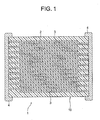
- a multilayer ceramic capacitor 1 as an electronic device has a capacitor element body 10 having a configuration that dielectric layers 2 and internal electrode layers 3 are alternately stacked. On both end portions of the capacitor element body 10, a pair of external electrodes 4 respectively connected to the internal electrode layers 3 alternately arranged inside the element body 10 are formed.
- a shape of the capacitor element body 10 is not particularly limited, but normally is rectangular parallelepiped. Also, a size thereof is not particularly limited and may be suitable size in accordance with the use object, but normally is (0.4 to 5.6 mm) ⁇ (0.2 to 5.0 mm) ⁇ (0.2 to 1.9 mm) or so.
- the internal electrode layers 3 are stacked so as to be alternately exposed to surfaces of two facing end portions of the capacitor element body 10.
- the pair of external electrodes 4 are formed at both end portions of the capacitor element body 10 and connected to exposed end surfaces of the alternately arranged internal electrode layers 3 so as to compose a capacitor circuit.
- the dielectric layer 2 includes the dielectric ceramic composition of the present invention.
- a dielectric ceramic composition of the present invention includes at least a main component containing a dielectric oxide having a composition expressed by [(Ca x Sr 1-x )O] m [(Ti y Zr 1-y-z Hf z )O 2 ], a first subcomponent containing a Mn oxide and/or an Al oxide, and a glass component.
- composition mole ratios in the main component are in relationships below. 0.90 ⁇ m ⁇ 1.04, preferably 1.005 ⁇ m ⁇ 1.025 0.5 ⁇ x ⁇ 1, preferably 0.6 ⁇ x ⁇ 0.9 0.01 ⁇ y ⁇ 0.10, preferably 0.02 ⁇ y ⁇ 0.07 0 ⁇ z ⁇ 0.20, preferably 0 ⁇ z ⁇ 0.10
- 0.2 to 5 mol% and more preferably 0.2 to 3 mol% of the Mn oxide in terms of MnO, and 0.1 to 10 mol%, and more preferably 0.1 to 5 mol% of an Al oxide in terms of Al 2 O 3 are included.
- the Mn oxide is added as a reduction resistance imparting agent and a sintering auxiliary.
- the adding quantity is too small, the sinterability declines, while when too large, it is liable that frequency dependency by the permittivity and a temperature coefficient of the capacitance increases and frequency dependency by the tan ⁇ increases.
- 0 to 2.5 mol% (note that 0 is excluded) and more preferably 0.5 to 2.5 mol% of a V oxide in terms of V 2 O 5 is included with respect to 100 mol% of the main component.
- the IR accelerated lifetime can be improved.
- the adding quantity is too small, it is liable that the effect of improving the IR accelerated lifetime is hard to be obtained, while when too much, sinterability tends to decline.
- the glass component contains at least SiO 2 as a main component.
- the glass component further contains BaO and CaO, and a composite oxide expressed by a general formula (Ba, Ca) x SiO 2+x is more preferable.
- the glass component is [(Ba v Ca 1-v )O] w SiO 2 (barium silicate / calcium), "v” and “w” in the composition formula of the glass component are in ranges of 0 ⁇ v ⁇ 1 and 0.5 ⁇ w ⁇ 4.0, and the glass component is included by 0.5 to 15 mol%, more preferably 0.1 to 5 mol% with respect to 100 mol% of the main component. Further preferably, the "v” and “w” in the formula of the glass component are in ranges of 0.5 ⁇ v ⁇ 1 and 0.55 ⁇ w ⁇ 3.0.
- the glass component is added as a sintering auxiliary.
- the adding quantity of the glass component is too small, the sinterability tends to decline, while when too much, it is liable that the sinterability is hindered.
- At least one of rare earth elements including Sc and Y is included by 0.02 to 1.5 mol% and more preferably 0.10 to 1.0 mol% with respect to 100 mol% of the main component.
- the rare earth elements include 17 elements composed of a lanthanoid.
- At least one of Nb, Mo, Ta, W and Mg is included by 0.02 to 1.5 mol% and more preferably 0.10 to 1.0 mol% with respect to 100 mol% of the main component.
- These elements may be combined with the above rare earth elements to be included in the dielectric ceramic composition.
- a total content thereof is preferably 0.02 to 1.5 mol% and more preferably 0.10 to 1.0 mol% with respect to 100 mol% of the main component.
- the dielectric layer 2 is composed of crystal grains and a grain boundary phase, and an average particle diameter of the crystal grain of the dielectric layer 2 is 2 ⁇ m or less.
- the grain boundary phase normally contains oxides of materials composing the dielectric material or internal electrode material, oxides of separately added materials and, furthermore, oxides of materials to be mixed in as impurities in the procedure, and is normally composed of glass or a vitreous material.
- a conductive material included in the internal electrode layer 3 is not particularly limited, and base metals may be used because composing material of the dielectric layer 2 has reducing resistance.
- the base metal to be used as the conductive material Ni or a Ni alloy is preferable.
- a Ni alloy an alloy of one or more kinds of elements selected from Mn, Cr, Co and Al with Ni is preferable, and a content of Ni in the alloy is preferably 95 wt% or more.
- the Ni or Ni alloy may contain various trace components, such as P, Fe and Mg, by not more than 0.1 wt% or so.
- a thickness of the internal electrode layer may be suitably determined in accordance with the use object, etc., but normally it is preferably 0.5 to 5 ⁇ m, and particularly 1 to 2.5 ⁇ m or so.
- a conductive material included in the external electrode 4 is not particularly limited, and Cu, a Cu alloy, Ni and Ni alloy, etc. are used. Of course, Ag and an Ag-Pd alloy, etc. may be also used. Note that inexpensive Ni, Cu and alloys of these are used in the present embodiment.
- a thickness of the external electrode may be suitably determined in accordance with the use object, etc., but normally 10 to 50 ⁇ m or so is preferable.
- a multilayer ceramic capacitor using the dielectric ceramic composition of the present invention is produced by forming a green chip by a normal printing method and sheet method using pastes, firing the same, then, printing or transferring external electrodes and firing in the same way as in a multilayer ceramic capacitor of the related art. Below, the production method will be explained specifically.
- the dielectric layer paste may be an organic paste obtained by kneading the dielectric material with an organic vehicle or a water based paste.
- the dielectric material in accordance with a composition of the dielectric ceramic composition according to the present invention explained above, materials composing the main component and subcomponents (including a glass component) are used.
- materials composing the main component and subcomponents including a glass component
- a form of the materials is not particularly limited and oxides composing the main component and subcomponents and/or compounds, which become oxides by firing, are used and the materials may be powder obtained by a liquid-phase synthesis method.
- oxides by firing for example, carbonate, oxalate, nitrate, hydroxide and organic metal compound, etc. may be mentioned.
- oxides and the compounds to be oxides by firing may be used together.
- a content of each compound in the dielectric material may be determined so as to attain the above explained composition of the dielectric ceramic composition after firing.
- the material powder those having an average particle diameter of 0.0005 to 1.5 ⁇ m or so are used in the present embodiment.
- An organic vehicle is obtained by dissolving a binder in an organic solvent.
- the binder to be used for the organic vehicle is not particularly limited and may be suitably selected from a variety of normal binders, such as ethyl cellulose and polyvinyl butyral.
- the organic solvent to be used here is not particularly limited and may be suitably selected from a variety of organic solvents, such as terpineol, butyl carbitol, acetone, and toluene, in accordance with a method to be used, such as the printing method and sheet method.
- a water based paste is obtained by dissolving a water-soluble binder and dispersant, etc. in water.
- the water-soluble binder is not particularly limited and may be suitably selected from polyvinyl alcohol, cellulose, water-soluble acrylic resin, and emulsion etc.
- the paste is not collectively fabricated by mixing the main component (base material) and subcomponents (additives) in a vehicle by the liquid-phase method, but the solid-phase method is used. Namely, after performing high dispersion mixing on the main component materials and subcomponent materials, the result is dried, then, calcinated at a time, and the result is mixed with a vehicle to fabricate the paste.
- the high dispersion mixing of the main component materials and subcomponent materials is performed, for example, by adding water as a medium respectively to the main component materials and subcomponent materials and mixing by a ball mill for 16 to 40 hours.
- a condition of the calcination is not particularly limited and, for example, 1100 to 1300°C for 2 to 4 hours.
- the calcinated result is subjected to wet grinding by a ball mill, etc., dried, then, fabricated to be a paste.
- the internal electrode layer paste is fabricated by kneading a conductive material formed by the above variety of conductive metals and alloys or a variety of oxides, organic metal compounds, and resinates, etc., which become the above conductive material after firing, with the above organic vehicle.
- the external electrode paste may be fabricated in the same way as in the case of the internal electrode layer paste explained above.
- a content of each of the above pastes and organic vehicle is not particularly limited and may be a normal content that, for example, the binder is 1 to 5 wt% or so and the solvent is 10 to 50 wt% or so.
- each paste may contain additives selected from a variety of dispersants, plasticizers, dielectrics, and insulator, etc. in accordance with need.
- the dielectric paste and the internal electrode paste are stacked by printing on a substrate of polyethylene terephhtalate, etc., cut to be a predetermined shape, then, released from the substrate to obtain a green chip.
- the dielectric paste is used for forming a green sheet, the internal electrode paste is printed thereon and, then, the results are stacked to obtain a green chip.
- the green chip is subjected to binder removal processing and firing.
- the binder removal processing may be performed under a normal condition, but particularly when using a base metal, such as Ni and a Ni alloy, as a conductive material of the internal electrode layer, it is performed in the air, the temperature rising rate is 5 to 300°C/hour and preferably 10 to 100°C, the holding temperature is 180 to 400°C and preferably 200 to 300°C, and the temperature holding time is 0.5 to 24 hours and preferably 5 to 20 hours.
- a base metal such as Ni and a Ni alloy
- a firing atmosphere of the green chip may be suitably determined in accordance with a kind of the conductive material in the internal electrode layer paste, but when using a base metal, such as Ni and a Ni alloy, as a conductive material, a reducing atmosphere is preferable, and the oxygen partial pressure of the firing atmosphere is preferably 10 -10 to 10 -3 Pa and more preferably 10 -7 to 10 -3 Pa (10 -5 to 10 -12 atm).
- the oxygen partial pressure at firing is too low, it is liable that the conductive material of the internal electrode is abnormally sintered, while when too high, the internal electrode tends to be oxidized.
- the holding temperature at the main firing is 1300°C or lower, preferably 1000 to 1300°C, and more preferably 1200 to 1300°C.
- the holding temperature is too low, densification tends to become insufficient, while when too high, the capacity-temperature characteristics tend to deteriorate as a result of breakings of electrodes due to abnormal sintering of the internal electrode or dispersion of the internal electrode layer material.
- the temperature rising rate is preferably 50 to 500°C/hour and more preferably 200 to 300°C/hour
- the temperature holding time is preferably 0.5 to 8 hours and more preferably 1 to 3 hours
- the cooling rate is preferably 50 to 500°C/hour and more preferably 200 to 300°C/hour.
- the firing atmosphere is preferably a reducing atmosphere and a preferable atmosphere gas is, for example, a wet mixed gas of nitrogen gas and hydrogen gas.
- annealing thermal treatment
- Annealing is processing for re-oxidizing the dielectric layer and the insulation resistance can be improved thereby.
- An oxygen partial pressure in the annealing atmosphere is preferably 10 -4 Pa or higher, and more preferably 1 to 10 -3 Pa (10 -5 to 10 -8 atm) .
- the oxygen partial pressure is too low, re-oxidization of the dielectric layer 2 tends to become difficult, while when too high, the internal electrode layer 3 tends to be oxidized.
- the holding temperature at annealing is preferably 1150°C or lower, and more preferably 500 to 1100°C.
- the holding temperature is too low, re-oxidization of the dielectric layer becomes insufficient, so that it is liable that the insulation resistance becomes low and the accelerated lifetime becomes short.
- the holding temperature is too high, not only the internal electrode layer is oxidized to reduce the capacity, but the internal electrode layer reacts with the dielectric base material, and it is liable that deterioration of the capacity-temperature characteristics, a decline of the insulation resistance and a decline of the accelerated lifetime are caused.
- the annealing may be composed only of a temperature rising step and a temperature lowering step. In this case, the temperature holding time is zero and the holding temperature becomes a synonym of the highest temperature.
- the temperature holding time is preferably 0 to 20 hours and more preferably 6 to 10 hours, and the cooling rate is preferably 50 to 500°C/hour and more preferably 100 to 300°C/hour.
- a preferable atmosphere gas to be used in the annealing is, for example, a wet nitrogen gas.
- a wetter, etc. may be used to wet the nitrogen gas and mixed gas, etc. in the above binder removal processing and annealing.
- the water temperature is preferably 5 to 75°C.
- the binder removal processing, firing and annealing may be performed continuously or separately.
- the atmosphere is changed without cooling after the binder removal processing, continuously, the temperature is raised to the holding temperature at firing to perform firing. Next, it is cooled and the thermal treatment is preferably performed by changing the atmosphere when the temperature reaches to the holding temperature of the thermal treatment.
- the atmosphere is changed, and the temperature is furthermore raised. After that, after cooling the temperature to the holding temperature at the annealing, it is preferable that the cooling continues by changing the atmosphere again to a nitrogen gas or a wet nitrogen gas.
- the atmosphere may be changed, or the entire process of the annealing may be in a wet nitrogen gas atmosphere.
- the thus obtained capacitor sintered body is subjected to end surface polishing, for example, by barrel polishing and sand-blast, etc., then, a terminal electrode paste is printed or transferred, and firing is performed to external electrodes 4.
- a firing condition of the external electrode paste is preferably at 600 to 800°C for 10 minutes to 1 hour or so in a wet mixed gas of nitrogen gas and hydrogen gas.
- soldering, etc. is performed on the external electrode 4 to form a cover layer (pad layer).
- the ceramic capacitor 1 of the present embodiment produced as above is mounted on a print substrate, etc. by soldering, etc. and used for a variety of electronic equipments.
- a multilayer ceramic capacitor was explained as an example of an electronic device according to the present invention, but an electronic device according to the present invention is not limited to the multilayer ceramic capacitor and may be any as far as it is composed of a dielectric ceramic composition having the above composition.
- main component materials SrCO 3 , CaCO 3 , TiO 2 , ZrO 2 and HfO 2
- subcomponent materials including a glass component each having an average particle diameter of 0.1 to 1.5 ⁇ m
- carbonate MnO 3 and BaCO 3
- oxides Al 2 O 3 , SiO 2 and Y 2 O 3 , etc.
- a green sheet having a thickness of 7 ⁇ m was formed on a PET film, after printing the internal electrode layer paste thereon, the green sheet was removed from the PET film.
- the green sheets and protective green sheets (not printed with the internal electrode layer paste) were stacked and bonded with pressure, so that a green chip was obtained.
- the number of the stacked sheets having an internal electrode was four.
- the green chip was cut to a predetermined size and subjected to binder removal processing, firing and annealing (thermal treatment), so that a multilayer ceramic fired body was obtained.
- the binder removal processing was performed under a condition of the temperature raising rate of 15°C/hour, the holding temperature of 280°C, the temperature holding time of 8 hours, and the atmosphere of in the air.
- the firing was performed under a condition of the temperature raising rate of 200°C/hour, the holding temperature of 1280°C, the temperature holding time of 2 hours, cooling rate of 300°C/hour and the atmosphere of wet mixed gas of N 2 and H 2 (the oxygen partial pressure was adjusted to be in a range of 2 ⁇ 10 -7 to 5 ⁇ 10 -3 Pa).
- the annealing was performed under a condition of the holding temperature of 900°C, the temperature holding time of 9 hours, cooling rate of 300°C/hour and the atmosphere of wet N 2 gas (the oxygen partial pressure was 3.54 ⁇ 10 -2 Pa). Note that a wetter, wherein the water temperature was 35°C, was used to wet the atmosphere gas at the time of firing and annealing.
- the external electrode paste was transferred to the end surfaces and fired at 800°C for 10 minutes in a wet N 2 + H 2 atmosphere to form external electrodes, so that samples of the multilayer ceramic capacitor having the configuration as shown in FIG. 1 were obtained.
- a size of the thus obtained samples was 3.2 mm ⁇ 1.6 mm ⁇ 0.6 mm, the number of dielectric layers sandwiched by internal electrode layers was 4, a thickness of one dielectric layer was 7 ⁇ m, and a thickness of one internal electrode layer was 2 ⁇ m. Evaluation of the characteristics below was made on the respective samples.
- a capacitance of the capacitor samples was measured under a condition of the reference temperature of 25°C, a frequency of 1 kHz, and an input signal level (measurement voltage) of 1 Vrms by using a digital LCR meter (4274A made by YHP). Then, the obtained capacitance, and an electrode size and a distance between electrodes in each capacitor sample were used for calculating the specific permittivity (no unit). After that, by using an insulation resistance tester (R8340A made by Advantest Corporation), insulation resistance IR after applying a direct current of 50V to the capacitor samples for 60 seconds at 25°C was measured. The results are shown in Table 2.
- the capacitance change rate ⁇ C125/C25 (ppm/°C) was calculated by the formula 1 below.
- ⁇ C125/C25 ⁇ (C125-C25)/C25 ⁇ (1/(125-25)) Note that "C125” indicates a capacitance at 125°C and “C25” indicates a capacitance at 25°C in the formula.
- the capacitor samples were kept in a state of being applied with a direct current voltage of 70 V/ ⁇ m at 200°C for measuring time until the resistance (IR) became 2 ⁇ 10 5 ⁇ by considering it as a high temperature load lifetime.
- the measurement of the high temperature load lifetime was made on 10 capacitor samples and the evaluation was made by obtaining the average lifetime. The results are shown in Table 2.
- Insulation resistance was measured on 1000 capacitor samples having the same composition by the same method of measuring insulation resistance explained above. Those exhibited 10 10 ⁇ or lower were considered defective and percentage of the defective samples was obtained.
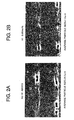
- FIG. 2B showing an enlarged picture of a section of a capacitor sample as an example corresponding to the sample number 3
- FIG. 2A showing an enlarged picture of a section of a capacitor sample as a comparative example corresponding to the sample number 10 shown in Table 1 and Table 2
- the average crystal particle diameter became small by adding Hf in the main component.
- capacitor samples were produced in the same way as in the example 1 and an evaluation was made in the same way as in the example 1. The results are shown in Table 11. Note that, in the present embodiment, dielectric loss (tan ⁇ ) of the capacitor samples was also measured by an LCR meter under a condition of 140°C and 20 Hz. Also, the results of measuring temperature dependency by tan ⁇ in the capacitor samples are shown in FIG. 4B.
- Capacitor samples were produced in the same way as in the sample numbers 70 to 72 in the example 6 other than collectively fabricating a dielectric paste not by the solid-phase method but by the liquid-phase method, and in the same way as in the example 6 other than performing main firing at a temperature of 1220 to 1300°C. An evaluation was made in the same way as in the example 6. The results are shown in Table 12. Also, results of measuring temperature dependency by tan ⁇ of the capacitor samples are shown in FIG. 4A.
- capacitor samples were produced in the same way as in the case of the sample number 10 in the example 1 and an evaluation was made in the same way as in the example 1.
- Table 13 Note that, in the present embodiment, X-ray analysis was also performed on dielectric layers of the capacitor samples, and a CV value (variation coefficient) indicating dispersibility of respective elements in the dielectric layers was also measured as shown in Table 13.
- the CV value is defined as a value obtained by calculating standard deviation D(x) from an X-ray intensity distribution of each element in the dielectric layer and dividing the standard deviation D(x) by an expectation value E(x) of the X-ray intensity distribution of each element.
- the dispersibility is preferable.
- the CV value (variation coefficient) indicating dispersibility of each element in the dielectric layer was measured on capacitor samples having a composition of the sample number 3 (Hf is added) in the example 1 in the same way as in the reference example 2. The results are shown in Table 13.
- a highly reliable nonreducing dielectric ceramic composition preferably used as a dielectric layer of a multilayer ceramic capacitor, etc. using a base metal, such as Ni, as an internal electrode and able to be sintered at 1300°C or lower; wherein a temperature coefficient of the capacitance is small and able to be freely controlled in a range of -15 to +150 ppm/°C, the insulation resistance at 25°C is 1 ⁇ 10 13 ⁇ or higher, the specific permittivity and dielectric loss tangent (tan ⁇ ) have a little frequency dependency, accelerated lifetime of the insulation resistance is long, and a insulation resistance defect rate is low even when the insulation layer is made thin.
- a base metal such as Ni
Landscapes
- Engineering & Computer Science (AREA)
- Chemical & Material Sciences (AREA)
- Ceramic Engineering (AREA)
- Manufacturing & Machinery (AREA)
- Inorganic Chemistry (AREA)
- Materials Engineering (AREA)
- Structural Engineering (AREA)
- Organic Chemistry (AREA)
- Power Engineering (AREA)
- Microelectronics & Electronic Packaging (AREA)
- Composite Materials (AREA)
- Inorganic Insulating Materials (AREA)
- Ceramic Capacitors (AREA)
- Compositions Of Oxide Ceramics (AREA)
- Fixed Capacitors And Capacitor Manufacturing Machines (AREA)
Applications Claiming Priority (3)
| Application Number | Priority Date | Filing Date | Title |
|---|---|---|---|
| JP2002372783 | 2002-12-24 | ||
| JP2002372783 | 2002-12-24 | ||
| PCT/JP2003/016178 WO2004063119A1 (ja) | 2002-12-24 | 2003-12-17 | 誘電体磁器組成物、電子部品およびこれらの製造方法 |
Publications (2)
| Publication Number | Publication Date |
|---|---|
| EP1580179A1 true EP1580179A1 (de) | 2005-09-28 |
| EP1580179A4 EP1580179A4 (de) | 2009-01-14 |
Family
ID=32708191
Family Applications (1)
| Application Number | Title | Priority Date | Filing Date |
|---|---|---|---|
| EP03780844A Withdrawn EP1580179A4 (de) | 2002-12-24 | 2003-12-17 | Dielektrische porzellanzusammensetzung, elektronische vorrichtung und herstellungsverfahren dafür |
Country Status (7)
| Country | Link |
|---|---|
| US (1) | US7312172B2 (de) |
| EP (1) | EP1580179A4 (de) |
| JP (1) | JP4548118B2 (de) |
| KR (1) | KR100673878B1 (de) |
| CN (1) | CN1313418C (de) |
| TW (1) | TWI264426B (de) |
| WO (1) | WO2004063119A1 (de) |
Cited By (1)
| Publication number | Priority date | Publication date | Assignee | Title |
|---|---|---|---|---|
| EP4211092A4 (de) * | 2020-09-10 | 2025-12-10 | Kemet Electronics Corp | Dielektrische keramische zusammensetzung und keramischer kondensator damit |
Families Citing this family (13)
| Publication number | Priority date | Publication date | Assignee | Title |
|---|---|---|---|---|
| DE112007001335B4 (de) * | 2006-07-07 | 2019-05-23 | Murata Manufacturing Co., Ltd. | Dielektrische Keramik, Keramikelektronikelement und Vielschicht-Keramikkondensator |
| JP4678022B2 (ja) * | 2007-11-26 | 2011-04-27 | Tdk株式会社 | 誘電体磁器組成物の製造方法 |
| KR101115647B1 (ko) * | 2008-03-31 | 2012-02-16 | 티디케이가부시기가이샤 | 유전체 자기 조성물, 전자 부품 및 이들의 제조 방법 |
| JP4561922B2 (ja) | 2008-03-31 | 2010-10-13 | Tdk株式会社 | 誘電体磁器組成物、電子部品およびこれらの製造方法 |
| US8178456B2 (en) * | 2008-07-08 | 2012-05-15 | Ian Burn Consulting, Inc. | Sintered dielectric ceramic, composition for making, and use thereof in multilayer capacitor and energy storage device |
| KR101113441B1 (ko) * | 2009-12-31 | 2012-02-29 | 삼성전기주식회사 | 유전체 자기 조성물 및 이를 포함하는 적층 세라믹 커패시터 |
| WO2016021370A1 (ja) * | 2014-08-04 | 2016-02-11 | 株式会社村田製作所 | 積層セラミックコンデンサ |
| CN106356191B (zh) * | 2015-07-17 | 2019-05-31 | 株式会社村田制作所 | 层叠陶瓷电容器、浆料及钙钛矿型构造 |
| KR102029529B1 (ko) * | 2016-12-19 | 2019-10-07 | 삼성전기주식회사 | 적층 세라믹 커패시터 |
| JP7429516B2 (ja) * | 2018-12-20 | 2024-02-08 | 株式会社日本触媒 | セラミックシート及びその製造方法 |
| CN114262227A (zh) * | 2021-11-26 | 2022-04-01 | 西安交通大学 | 等价-受主掺杂提高钛酸钡陶瓷介电非线性介电性方法 |
| CN115010488B (zh) * | 2022-01-17 | 2023-04-14 | 北京元六鸿远电子科技股份有限公司 | 一种低烧低介高q高稳定电容器用微波瓷料 |
| JP7847477B2 (ja) * | 2022-05-30 | 2026-04-17 | Tdk株式会社 | 誘電体組成物および積層セラミック電子部品 |
Family Cites Families (15)
| Publication number | Priority date | Publication date | Assignee | Title |
|---|---|---|---|---|
| JPH0831284B2 (ja) * | 1986-11-14 | 1996-03-27 | 株式会社村田製作所 | 非還元性温度補償用誘電体磁器組成物 |
| JP3134024B2 (ja) | 1993-03-22 | 2001-02-13 | ティーディーケイ株式会社 | 積層型セラミックチップコンデンサ |
| US5319517A (en) | 1992-03-27 | 1994-06-07 | Tdk Corporation | Multilayer ceramic chip capacitor |
| JPH0818866B2 (ja) * | 1994-03-25 | 1996-02-28 | 堺化学工業株式会社 | セラミツク誘電体用組成物 |
| JPH10101417A (ja) * | 1996-09-25 | 1998-04-21 | Sakai Chem Ind Co Ltd | 誘電体磁器及び誘電体磁器製造用組成物 |
| JP2997236B2 (ja) * | 1997-03-31 | 2000-01-11 | ティーディーケイ株式会社 | 非還元性誘電体磁器材料 |
| EP0913843B1 (de) | 1997-03-31 | 2006-02-08 | TDK Corporation | Nichtreduzierender dielektrischer keramischer werkstoff |
| JP2001097772A (ja) | 1999-09-30 | 2001-04-10 | Tdk Corp | 誘電体磁器組成物、電子部品およびそれらの製造方法 |
| JP3520053B2 (ja) | 2000-02-09 | 2004-04-19 | Tdk株式会社 | 誘電体磁器組成物、電子部品および電子部品の製造方法 |
| JP2001220229A (ja) * | 2000-02-09 | 2001-08-14 | Tdk Corp | 誘電体磁器組成物、電子部品および電子部品の製造方法 |
| JP3470703B2 (ja) * | 2000-04-07 | 2003-11-25 | 株式会社村田製作所 | 非還元性誘電体セラミックおよびそれを用いた積層セラミックコンデンサ、ならびに非還元性誘電体セラミックの製造方法 |
| JP3503568B2 (ja) * | 2000-04-07 | 2004-03-08 | 株式会社村田製作所 | 非還元性誘電体セラミック及びそれを用いた積層セラミックコンデンサ |
| EP1216974A1 (de) * | 2000-12-20 | 2002-06-26 | Matsushita Electric Industrial Co., Ltd. | Dielektrischer Keramik-Glas Verbundwerksstoff und dielektrische Vorrichtung |
| JP3705141B2 (ja) * | 2001-03-19 | 2005-10-12 | 株式会社村田製作所 | 誘電体セラミック、その製造方法およびその評価方法ならびに積層セラミック電子部品 |
| JP4506084B2 (ja) * | 2002-04-16 | 2010-07-21 | 株式会社村田製作所 | 非還元性誘電体セラミックおよびその製造方法ならびに積層セラミックコンデンサ |
-
2003
- 2003-12-17 EP EP03780844A patent/EP1580179A4/de not_active Withdrawn
- 2003-12-17 CN CNB2003801099512A patent/CN1313418C/zh not_active Expired - Lifetime
- 2003-12-17 JP JP2004566289A patent/JP4548118B2/ja not_active Expired - Lifetime
- 2003-12-17 WO PCT/JP2003/016178 patent/WO2004063119A1/ja not_active Ceased
- 2003-12-17 KR KR1020057011871A patent/KR100673878B1/ko not_active Expired - Lifetime
- 2003-12-17 US US10/540,395 patent/US7312172B2/en not_active Expired - Lifetime
- 2003-12-19 TW TW092136127A patent/TWI264426B/zh not_active IP Right Cessation
Cited By (1)
| Publication number | Priority date | Publication date | Assignee | Title |
|---|---|---|---|---|
| EP4211092A4 (de) * | 2020-09-10 | 2025-12-10 | Kemet Electronics Corp | Dielektrische keramische zusammensetzung und keramischer kondensator damit |
Also Published As
| Publication number | Publication date |
|---|---|
| HK1087393A1 (en) | 2006-10-13 |
| TWI264426B (en) | 2006-10-21 |
| WO2004063119A1 (ja) | 2004-07-29 |
| CN1753847A (zh) | 2006-03-29 |
| JPWO2004063119A1 (ja) | 2006-05-18 |
| US7312172B2 (en) | 2007-12-25 |
| JP4548118B2 (ja) | 2010-09-22 |
| KR100673878B1 (ko) | 2007-01-25 |
| US20060234853A1 (en) | 2006-10-19 |
| CN1313418C (zh) | 2007-05-02 |
| EP1580179A4 (de) | 2009-01-14 |
| TW200418743A (en) | 2004-10-01 |
| KR20050093799A (ko) | 2005-09-23 |
Similar Documents
| Publication | Publication Date | Title |
|---|---|---|
| US7176156B2 (en) | Electronic device, dielectric ceramic composition and the production method | |
| US7042707B2 (en) | Multilayer ceramic capacitor | |
| US7678724B2 (en) | Electronic device, dielectric ceramic composition and the production method | |
| EP1648004B1 (de) | Dielektrische keramische Zusammensetzung mit dielektrischen Kern-Hülle Partikeln und elektronisches Gerät | |
| EP1826190A2 (de) | Dielektrische keramische Zusammensetzung und Herstellungsverfahren dafür | |
| US7696118B2 (en) | Dielectric ceramic composition, electronic device and the production method | |
| EP1820784A1 (de) | Elektronische Vorrichtung, dielektrische keramische Zusammensetzung und Herstellungsverfahren | |
| US20070223177A1 (en) | Multilayer electronic device and the production method | |
| US7550402B2 (en) | Ceramic electronic device and the production method | |
| EP1138652A1 (de) | Verfahren zur Herstellung einer keramischen Zusammensetzung und Verfahren zur Herstellung eines elektronischen Geräts | |
| EP1683769B1 (de) | Elektronische Vorrichtung, dielektrische Zusammensetzung und Verfahren zur Herstellung | |
| EP1916681B1 (de) | Dielektrische keramische Zusammensetzung und elektronische Vorrichtung | |
| US7312172B2 (en) | Dielectric ceramic composition, electronic device and production methods of the same | |
| EP1298105B1 (de) | Dielektrische porzellanzusammensetzung und elektronische teile | |
| US20090246541A1 (en) | Dielectric ceramic composition, an electric component and a manufacturing method thereof | |
| US7265072B2 (en) | Dielectric ceramic composition and electronic device | |
| US7518849B2 (en) | Multilayer electronic device and the production method | |
| EP1826191A2 (de) | Dielektrische keramische Zusammensetzung, elektronische Vorrichtung und Herstellungsverfahren | |
| US7399724B2 (en) | Electronic device, dielectric ceramic composition and production method of the same | |
| JP2000260653A (ja) | 積層セラミックコンデンサおよびその検査方法 |
Legal Events
| Date | Code | Title | Description |
|---|---|---|---|
| PUAI | Public reference made under article 153(3) epc to a published international application that has entered the european phase |
Free format text: ORIGINAL CODE: 0009012 |
|
| 17P | Request for examination filed |
Effective date: 20050630 |
|
| AK | Designated contracting states |
Kind code of ref document: A1 Designated state(s): AT BE BG CH CY CZ DE DK EE ES FI FR GB GR HU IE IT LI LU MC NL PT RO SE SI SK TR |
|
| RBV | Designated contracting states (corrected) |
Designated state(s): DE FR GB |
|
| A4 | Supplementary search report drawn up and despatched |
Effective date: 20081211 |
|
| 17Q | First examination report despatched |
Effective date: 20120316 |
|
| STAA | Information on the status of an ep patent application or granted ep patent |
Free format text: STATUS: THE APPLICATION IS DEEMED TO BE WITHDRAWN |
|
| 18D | Application deemed to be withdrawn |
Effective date: 20120727 |