EP1586655A2 - Procédés améliorés de transfection de lymphocytes T - Google Patents
Procédés améliorés de transfection de lymphocytes T Download PDFInfo
- Publication number
- EP1586655A2 EP1586655A2 EP05006611A EP05006611A EP1586655A2 EP 1586655 A2 EP1586655 A2 EP 1586655A2 EP 05006611 A EP05006611 A EP 05006611A EP 05006611 A EP05006611 A EP 05006611A EP 1586655 A2 EP1586655 A2 EP 1586655A2
- Authority
- EP
- European Patent Office
- Prior art keywords
- cells
- agent
- cell
- nucleic acid
- gene
- Prior art date
- Legal status (The legal status is an assumption and is not a legal conclusion. Google has not performed a legal analysis and makes no representation as to the accuracy of the status listed.)
- Granted
Links
Images






Classifications
-
- C—CHEMISTRY; METALLURGY
- C12—BIOCHEMISTRY; BEER; SPIRITS; WINE; VINEGAR; MICROBIOLOGY; ENZYMOLOGY; MUTATION OR GENETIC ENGINEERING
- C12N—MICROORGANISMS OR ENZYMES; COMPOSITIONS THEREOF; PROPAGATING, PRESERVING, OR MAINTAINING MICROORGANISMS; MUTATION OR GENETIC ENGINEERING; CULTURE MEDIA
- C12N15/00—Mutation or genetic engineering; DNA or RNA concerning genetic engineering, vectors, e.g. plasmids, or their isolation, preparation or purification; Use of hosts therefor
- C12N15/09—Recombinant DNA-technology
- C12N15/87—Introduction of foreign genetic material using processes not otherwise provided for, e.g. co-transformation
-
- C—CHEMISTRY; METALLURGY
- C07—ORGANIC CHEMISTRY
- C07K—PEPTIDES
- C07K16/00—Immunoglobulins [IG], e.g. monoclonal or polyclonal antibodies
- C07K16/18—Immunoglobulins [IG], e.g. monoclonal or polyclonal antibodies against material from animals or humans
- C07K16/28—Immunoglobulins [IG], e.g. monoclonal or polyclonal antibodies against material from animals or humans against receptors, cell surface antigens or cell surface determinants
- C07K16/2803—Immunoglobulins [IG], e.g. monoclonal or polyclonal antibodies against material from animals or humans against receptors, cell surface antigens or cell surface determinants against the immunoglobulin superfamily
- C07K16/2809—Immunoglobulins [IG], e.g. monoclonal or polyclonal antibodies against material from animals or humans against receptors, cell surface antigens or cell surface determinants against the immunoglobulin superfamily against the T-cell receptor (TcR)-CD3 complex
-
- C—CHEMISTRY; METALLURGY
- C07—ORGANIC CHEMISTRY
- C07K—PEPTIDES
- C07K16/00—Immunoglobulins [IG], e.g. monoclonal or polyclonal antibodies
- C07K16/18—Immunoglobulins [IG], e.g. monoclonal or polyclonal antibodies against material from animals or humans
- C07K16/28—Immunoglobulins [IG], e.g. monoclonal or polyclonal antibodies against material from animals or humans against receptors, cell surface antigens or cell surface determinants
- C07K16/2803—Immunoglobulins [IG], e.g. monoclonal or polyclonal antibodies against material from animals or humans against receptors, cell surface antigens or cell surface determinants against the immunoglobulin superfamily
- C07K16/2818—Immunoglobulins [IG], e.g. monoclonal or polyclonal antibodies against material from animals or humans against receptors, cell surface antigens or cell surface determinants against the immunoglobulin superfamily against CD28 or CD152
-
- A—HUMAN NECESSITIES
- A61—MEDICAL OR VETERINARY SCIENCE; HYGIENE
- A61K—PREPARATIONS FOR MEDICAL, DENTAL OR TOILETRY PURPOSES
- A61K48/00—Medicinal preparations containing genetic material which is inserted into cells of the living body to treat genetic diseases; Gene therapy
-
- C—CHEMISTRY; METALLURGY
- C07—ORGANIC CHEMISTRY
- C07K—PEPTIDES
- C07K2317/00—Immunoglobulins specific features
- C07K2317/70—Immunoglobulins specific features characterized by effect upon binding to a cell or to an antigen
- C07K2317/74—Inducing cell proliferation
Definitions
- exogenous DNA in eukaryotic cells permits the study of a broad array of biological topics ranging from the regulation of gene expression to the treatment of disease by gene transfer-based therapies.
- a number of methods for gene transfer into mammalian cells have evolved. These include in vivo and in vitro infection with cloned retroviral vectors (Shimotohno, K., and Temin, H. M. (1981) Cell 26:67-77; Cone, R. D., and Mulligan, R. C. (1984) Proc. Natl . Acad . Sci. USA 81:6349-6353; Dubensky, T. W., Campbell, B. A., and Villareal, L. P. (1984) Proc. Natl .
- primary T lymphocytes e.g. peripheral blood T lymphocytes obtained from an individual, have been found to be refractory to transfection and expression of exogenous DNA.
- Primary T lymphocytes also have been found to be refractory to expression of the introduced nucleic acid when first stimulated to proliferate.
- the present invention provides an improved method for transfecting T cells with a nucleic acid molecule containing a gene such that expression of the gene in the T cells is enhanced as compared to classic transfection techniques.
- the method of the invention is particularly useful for transfecting primary T cells which are refractory to classical transfection techniques.
- the method involves contacting a proliferating T cell with one or more agents which stimulate the proliferating T cell prior to introducing the nucleic acid molecule into the T cell.
- the T cell is stimulated with a combination of a first agent which provides a primary activation signal to the T cell and a second agent which provides a costimulatory signal.
- the method of the invention has numerous applications, in particular for gene therapy.
- the present invention provides an improved method for transfecting a T cell with a nucleic acid molecule comprising a gene such that the gene is expressed in the T cell.
- the method of the invention comprises contacting a proliferating T cell with at least one agent which stimulates the proliferating T cell prior to introducing the nucleic acid molecule into the T cell, such that the gene is expressed in the T cell.
- the method of the invention is based, at least in part, on the observation that transfection of primary T cells with a nucleic acid comprising a gene results in poor expression of the gene unless the primary T cells are proliferating and, furthermore, are stimulated with stimulatory agents, such as agents which induce a primary activation signal and a costimulatory signal in the T cells.
- the T cells are preferably contacted with the stimulatory agents about 10 hours prior to introducing the nucleic acid into the T cells.
- significant expression of an exogenous gene can be achieved in T cells by stimulating proliferating T cells prior to introducing a nucleic acid comprising the gene into the T cells.
- the invention provides an improved method for transfecting T cells with a nucleic acid molecule comprising a gene such that the gene is expressed in the T cells.
- the improvement provided by the methods of the invention over classical T cell transfection methods involves contacting the T cell with a stimulatory agent prior to (e.g. several hours) introducing the nucleic acid molecule into proliferating T cells.
- the method of the invention allows for much higher expression of the gene introduced into the T cells than conventional transfection techniques.
- the method of the invention is particularly useful for introducing and expressing a gene of interest into primary T cells.
- T cells are obtained from a subject, transfected in vitro with a nucleic acid molecule according to the methods of the invention, and readminstered to the host.
- the gene of interest can be a gene encoding a protein, or a gene encoding a functional RNA molecule, such as an antisense molecule or a ribozyme.
- the gene of interest can encode any protein of interest, including proteins that protect the T cells, proteins that are toxic to the T cells, or proteins that are secreted from the T cells to effect other cells.
- the method of the invention is applicable to, for example, gene therapy, alteration of T cell function and production of proteins in T cells.
- T cells that can be transfected according to the method of the invention
- the invention involves a method for transfecting a T cell with a nucleic acid molecule comprising a gene, such that the gene is expressed in the T cell.
- T cell refers to T lymphocytes as defined in the art and is intended to include thymocytes, immature T lymphocytes, mature T lymphocytes, resting T lymphocytes, or activated T lymphocytes.
- the T cells can be CD4 + T cells, CD8 + T cells, CD4 + CD8 + T cells, or CD4 - CD8 - T cells.
- the T cells can also be T helper cells, such as T helper 1 (Th1) or T helper 2 (Th2) cells. T cells that differ from each other by at least one marker, such as CD4, are referred to herein as "subsets" of T cells.
- the T cells can be a purified population of T cells, or alternatively the T cells can be in a population with cells of a different type, such as B cells and/or other peripheral blood cells.
- the T cells can be a purified population of a subset of T cells, such as CD4 + T cells, or they can be a population of T cells comprising different subsets of T cells.
- the T cells are T cell clones that have been maintained in culture for extended periods of time. T cell clones can be transformed to different degrees.
- the T cells are a T cell clone that proliferates indefinitely in culture.
- the T cells are primary T cells.
- the language "primary T cells" is intended to include T cells obtained from an individual, as opposed to T cells that have been maintained in culture for extended periods of time.
- primary T cells are preferably peripheral blood T cells obtained from a subject.
- a population of primary T cells can be composed of mostly one subset of T cells.
- the population of primary T cells can be composed of different subsets of T cells.
- the T cells can be from a healthy individual, or alternatively the T cells may be from an individual affected with a condition.
- the condition can be an infectious disease, such as a condition resulting from a viral infection, a bacterial infection or an infection by any other microorganism.
- the T cells are from an individual infected with a human immunodeficiency virus (HIV).
- the T cells are from a subject suffering from or susceptible to an autoimmune disease.
- the T cells can be of human origin, murine origin or any other mammalian species.
- the nucleic acid molecule is introduced into T cells that are actively proliferating.
- T cells can be stimulated to proliferate by contacting the T cells with a variety of agents, such as a combination of agents providing a primary activation signal and a costimulatory signal to T cells.
- agents that can be used to stimulate T cells to proliferate are well known in the art and are described below, in Section 2.
- T cells that are stimulated to proliferate are characterized by cellular enlargement, clumping, and acidification of the culture medium.
- T cell proliferation can be evidenced by, for example, examining the size or measuring the volume of the T cells, such as with a Coulter Counter.
- a resting T cell has a mean diameter of about 6.8 microns. Following the initial activation and stimulation the T cell mean diameter will increase to over 12 microns by day 4 and begin to decrease by about day 6. Moreover, T cell proliferation can be assessed by standard techniques known in the art, such as tritiated thymidine uptake.
- the method of the invention involves contacting proliferating T cells with at least one stimulatory agent prior to introducing the nucleic acid molecule into the proliferating T cell.
- stimulatory agent is intended to include agents which provide a signal to the T cell, such that the level of expression of the gene comprised in the nucleic acid molecule transfected into the T cell is higher when the T cell is contacted with the stimulatory agent prior to introducing the nucleic acid molecule into the T cell, than in T cells not contacted with the stimulatory agent prior to introducing the nucleic acid molecule.
- the stimulatory agent is an agent which provides a primary activation signal to a T cell.
- the language "primary activation signal" is intended to include signals, typically triggered through the TCR/CD3 complex, that induce activation of T cells.
- Activation of a T cell is intended to include modifications of a T cell, such that the T cell is induced to proliferate and differentiate upon receiving a second signal, such as a costimulatory signal.
- the primary activation signal is provided by an agent which contacts the T cell receptor or the CD3 complex associated with the T cell receptor.
- the agent is an antibody reactive against CD3, such as the monoclonal antibody OKT3 (available from the American Type Culture Collection, Rockville, MD; No.
- the stimulating agent is an agent that stimulates the CD2 complex on T cells, such as a combination of antibodies, e.g. T11.3 + T11.1 or T11.3 + T11.2 (see e.g., Meuer, S.C. et al. (1984) Cell 36 :897-906).
- the T cells are stimulated with a combination of agents that stimulate both a primary activation signal and a costimlulatory signal in the T cell.
- costimulatory agent is intended to include agents which provide a costimulatory signal in T cells, such that a T cell that has received a primary activation signal (e.g. an activated T cell) is stimulated to proliferate or to secrete cytokines, such as IL-2, IL-4, or interferon- ⁇ .
- the costimulatory agent interacts with CD28 or CTLA4 molecules on the surface of the T cells.
- the costimulatory signal is a ligand of CD28 or CTLA4, such as a B-lymphocyte antigen B7-1 or B7-2.
- the language "stimulatory form of a natural ligand of CD28" is intended to include B7-1 and B7-2 molecules, fragments thereof, or modifications thereof, which are capable of providing costimulatory signals to the T cells.
- Stimulatory forms of natural ligands of CD28 can be identified by, for example, contacting activated peripheral blood lymphocytes with a form of a natural ligand of CD28 and performing a standard T cell proliferation assay.
- a stimulatory form of a natural ligand of CD28 is capable of stimulating proliferation of the T cells.
- Stimulatory forms of natural ligands of CD28/CTLA4 are described, for example, in PCT Publication No. WO 95/03408.
- agents that can be used to stimulate T cells prior to introducing a nucleic acid molecule into the T cell include agents that stimulate one or more intracellular signal transduction pathways involved in T cell activation and/or costimulation.
- the stimulatory agent is a calcium ionophore, such as ionomycin or A23187.
- the stimulatory agent can be an agent which stimulates protein kinase C, such as a phorbol ester.
- a preferred phorbol ester is phorbol-12,13-dibutyrate.
- T cells are contacted with a combination of a calcium ionophore and a phorbol ester prior to transfection with a nucleic acid molecule.
- the stimulatory agent can also be an agent which activates protein tyrosine kinases.
- a preferred agent that stimulates protein tyrosine kinases is pervanadate (O'Shea, J.J., et al. (1992) Proc. Natl . Acad . Sci . USA 89 :10306).
- the stimulatory agent is a polyclonal activator.
- Polyclonal activators include agents that bind to glycoproteins expressed on the plasma membrane of T cells and include lectins, such as phytohemaglutinin (PHA), concanavalin (Con A) and pokeweed mitogen (PWM).
- PHA phytohemaglutinin
- Con A concanavalin
- PWM pokeweed mitogen
- a specific activation signal By providing a clone a specific activation signal, it is possible to selectively transfect only a certain clone of T cells in a population of T cells. Specific activation of a T cell clone can be accomplished, for example, using a specific antigen presented by an antigen-presenting cell.
- the stimulatory agent is a lymphokine, such as IL-2.
- the lymphokine is preferably used in combination with another agent, such as an agent which provides a primary activation signal to the T cell, for stimulating T cells.
- T cells are contacted with a combination of an agent which provides a primary activation signal to the T cells (e.g., an anti-CD3 antibody) and an effective amount of IL-2, prior to transfecting the T cells with a nucleic acid molecule, such that the nucleic acid molecule is expressed in the T cells.
- super-antigens Other stimulating agents that can be used include super-antigens.
- the term "super-antigen” as defined herein is intended to include bacterial enterotoxins, or other bacterial proteins capable of stimulating proliferation of T cells.
- Super-antigens include staphylococcal enterotoxins (SE), such as SEA, SEB, SEC, SED, and SEE.
- SE staphylococcal enterotoxins
- SEB staphylococcal enterotoxins
- SEB Stylococcal enterotoxins
- SEC Stylococcal enterotoxins
- SED Stylococcal enterotoxins
- SEE Stylococcal enterotoxins
- Super-antigens can also be of viral origin, such as retroviral super-antigens.
- Additional agents that are capable of stimulating T cells either alone or in combination with other agents, that may be identified using T cell stimulation assays as known in the art or described herein are also within the scope of the invention.
- T cell stimulation assays as known in the art or described herein are also within the scope of the invention.
- any combination of the above described agents can be used.
- the stimulating agents can be used in solution, or attached to a solid surface.
- the solid surface can be, for example, the surface of a tissue culture dish or a bead.
- linkage to the solid surface can be performed by methods well known in the art.
- proteins can be chemically crosslinked to the cell surface using commercially available crosslinking reagents (Pierce, Rockford IL) or immobilized on plastic by overnight incubation at 4°C. If several agents are used for stimulation of the T cells, some agents may be in solution and some agents may be attached to a solid support.
- the T cells are stimulated with a combination of solid phase coupled anti-CD3 antibody and soluble anti-CD28 antibody.
- the specific doses of stimulatory agent(s) to be added to the T cells will vary with the type of stimulating agent.
- the stimulating agents are used at the same doses at which they are used for stimulating T cells to proliferate and secrete cytokines, as described in the art.
- T cells are contacted with the stimulatory agent prior to introducing the nucleic acid molecule comprising the gene into the T cells.
- the T cells are contacted with the stimulatory agent at least about 2 hours before introducing the nucleic acid molecule into the T cells.
- the T cells are contacted with the stimulatory agent at least about 4 hours before introducing the nucleic acid molecule into the T cells.
- the T cells are contacted with the stimulatory agent at least about 6 hours before introducing the nucleic acid molecule into the T cells.
- the T cells are contacted with the stimulatory agent at least about 8 hours before introducing the nucleic acid molecule into the T cells.
- the T cells are contacted with the stimulatory agent at most about 2 hours before transfection, at most about 4 hours before transfection, at most about 6 hours before transfection, at most about 8 hours before transfection, at most about 10 hours before transfection, at most about 12 hours before transfection, at most about 14 hours before transfection, at most about 16 hours before transfection, at most about 18 hours before transfection, at most about 20 hours before transfection, at most about 22 hours before transfection, at most about 24 hours before transfection.
- the T cells are contacted with at least one stimulatory agent between about 1 hour and 24 hours prior to introducing the nucleic acid molecule into the T cells:
- proliferating T cells are contacted with at least one stimulatory agent between about 5 and 15 hours, such as about 10 hours prior to transfecting a nucleic acid molecule comprising a gene of interest.
- proliferating T cells are contacted with at least one stimulatory agent and further transfected with the nucleic acid molecule.
- the non-proliferating T cells are stimulated to proliferate, then contacted with at least one stimulatory agent prior to being transfected according to the method of the invention.
- Non-proliferating T cells can be stimulated to proliferate using agents well known in the art, such as those described above, under the section "Stimulatory Agents".
- Preferred agents include a combination of an agent which provides a primary activation signal and an agent which provides a costimulatory signal.
- Other preferred combinations of agents for stimulating proliferation of T cells include combinations of a phorbol ester and a calcium ionophore, or PMA and IL-2.
- resting primary T cells are first contacted with at least one agent which stimulates proliferation of T cells, such as a combination of a calcium ionophore and a phorbol ester.
- at least one agent which stimulates proliferation of T cells such as a combination of a calcium ionophore and a phorbol ester.
- the proliferating T cells are contacted with at least one agent which stimulates the T cells.
- the T cells are transfected with a nucleic acid molecule comprising a gene of interest, such that the gene is expressed in the T cells.
- the T cells are further contacted with agents that stimulate the T cells after transfection of the T cells.
- peripheral blood mononuclear cells can be isolated from a subject and purified by density gradient centrifugation, e.g., Ficoll/Hypaque.
- the purified peripheral blood cells are then transfected with a nucleic acid molecule according to the method of the invention.
- the peripheral blood mononuclear cells are further enriched in specific cell types prior to being transfected. Monocytes can be depleted, for example, by adherence on plastic.
- the CD4 + T cell population can further be enriched by separation from residual monocytes, B cells, NK cells and CD8 + T cells using monoclonal antibody (mAb) and anti-mouse-Ig coated magnetic beads using commercially available mAbs (such as anti-CD 14 (Mo2), anti-CD 11b (Mo1), anti-CD20 (B1), anti-CD16 (3G8) and anti-CD8 (7PT 3F9) mAbs).
- mAb monoclonal antibody
- mAbs such as anti-CD 14 (Mo2), anti-CD 11b (Mo1), anti-CD20 (B1), anti-CD16 (3G8) and anti-CD8 (7PT 3F9) mAbs.
- the method of the invention can also be applied to subsets of CD4 + T cells, such as CD4 + CD45RA + (naive CD4 + T cells) and CD4 + CD45RO + (memory T cells) T cell subsets.
- the efficiency of the purification can be analyzed by flow cytometry (Coulter, EPICS Elite), using anti-CD3, anti-CD4, anti-CD8, anti-CD14 mAbs, or additional antibodies that recognize specific subsets of T cells, followed by fluorescein isothiocyanate conjugated goat anti-mouse immunoglobulin (Fisher, Pittsburgh, PA) or other secondary antibody
- the method of the invention further comprises stimulating the T cells to expand in vitro after transfection of the T cells.
- T cells can be stimulated to expand in vitro as described in the Examples section.
- T cells are incubated with an agent which provides a primary activating signal, such as anti-CD3 and an agent which provides a costimulatory signal, such as an anti-CD28 antibody. Two days later, the cells are diluted with fresh medium and the agent providing the costimulatory agent is added to the culture. The T cells are then counted, sized, and diluted with fresh medium every two days until the sizing distribution shifted nearly back to a resting cell profile (at about 10 days). The T cells can then be restimulated with the agent which provides a primary activating signal and an agent which provides a costimulatory signal.
- T cells sizing and couting can be performed using a Coulter Counter, as described herein.
- the T cells are primary T cells.
- T cells can be obtained from a subject, transfected according to the method of the invention, and expanded in vitro.
- the transfected and expanded T cells are readministered to the subject. It may be preferable to further purify the T cells prior to administering into the subject, such as by gradient centrifugation.
- the invention pertains to methods for transfecting T cells with a nucleic acid comprising a gene, such that the gene is expressed in the T cells.
- the language "transfecting T cells” is intended to include any means by which a nucleic acid molecule can be introduced into a T cell.
- the term "transfection” encompasses a variety of techniques useful for introduction of nucleic acids into mammalian cells including electroporation, calcium-phosphate precipitation, DEAE-dextran treatment, lipofection, microinjection, and viral infection. Suitable methods for transfecting mammalian cells can be found in Sambrook et al. (Molecular Cloning: A Laboratory Manual, 2nd Edition. Cold Spring Harbor Laboratory press (1989)) and other laboratory textbooks.
- the nucleic acid molecule encoding a gene of interest is introduced into a T cell using a viral vector.
- viral vectors include, for example, recombinant retroviruses, adenovirus, adeno-associated virus, and herpes simplex virus-1.
- Retrovirus vectors and adeno-associated virus vectors are generally understood to be the recombinant gene delivery system of choice for the transfer of exogenous genes in vivo, particularly into humans. Alternatively they can be used for introducing exogenous genes ex vivo into T cells. These vectors provide efficient delivery of genes into T cells, and the transferred nucleic acids are stably integrated into the chromosomal DNA of the host cell.
- retroviruses A major prerequisite for the use of retroviruses is to ensure the safety of their use, particularly with regard to the possibility of the spread of wild-type virus in the cell population.
- the development of specialized cell lines (termed “packaging cells") which produce only replication-defective retroviruses has increased the utility of retroviruses for gene therapy, and defective retroviruses are well characterized for use in gene transfer for gene therapy purposes (for a review see Miller, A.D. (1990) Blood 76:271).
- recombinant retrovirus can be constructed in which part of the retroviral coding sequence ( gag , pol, env) is replaced by a gene of interest rendering the retrovirus replication defective.
- the replication defective retrovirus is then packaged into virions which can be used to infect a target cell through the use of a helper virus by standard techniques. Protocols for producing recombinant retroviruses and for infecting cells in vitro or in vivo with such viruses can be found in Current Protocols in Molecular Biology, Ausubel, F.M. et al. (eds.) Greene Publishing Associates, (1989), Sections 9.10-9.14 and other standard laboratory manuals. Examples of suitable retroviruses include pLJ, pZIP, pWE and pEM which are well known to those skilled in the art. Examples of suitable packaging virus lines for preparing both ecotropic and amphotropic retroviral systems include ⁇ Crip, ⁇ Cre, ⁇ 2 and ⁇ Am.
- retroviral-based vectors by modifying the viral packaging proteins on the surface of the viral particle.
- strategies for the modification of the infection spectrum of retroviral vectors include: coupling antibodies specific for cell surface antigens to the viral env protein (Roux et al. (1989) Proc. Natl . Acad . Sci. USA 86:9079-9083; Julan et al. (1992) J. Gen Virol 73:3251-3255; and Goud et al.
- Coupling can be in the form of the chemical cross-linking with a protein or other variety (e.g., lactose to convert the env protein to an asialoglycoprotein), as well as by generating fusion proteins (e.g., single-chain antibody/ env fusion proteins).
- viral particles containing a nucleic acid molecule containing a gene of interest operably linked to appropriate regulatory elements are modified for example according to the methods described above, such that they can specifically target subsets of T cells.
- the viral particle can be coated with antibodies to surface molecule that are specific to certain types of T cells.
- it is possible to selectively target CD4 + T cells by linking to the viral particle antibodies that recognize the CD4 molecule on the T cell.
- infection of CD4 + T cells will occur preferentially over infection of CD8 + T cells. This method is particularly useful when only specific subsets of T cells are desired to be transfected.
- Another viral gene delivery system useful in the present invention utilitizes adenovirus-derived vectors.
- the genome of an adenovirus can be manipulated such that it encodes and expresses a gene product of interest but is inactivated in terms of its ability to replicate in a normal lytic viral life cycle. See for example Berkner et al. (1988) BioTechniques 6:616; Rosenfeld et al. (1991) Science 252:431-434; and Rosenfeld et al. (1992) Cell 68:143-155.
- adenoviral vectors derived from the adenovirus strain Ad type 5 d1324 or other strains of adenovirus are well known to those skilled in the art. Recombinant adenoviruses can be advantageous in certain circumstances in that they are not capable of infecting nondividing cells. Furthermore, the virus particle is relatively stable and amenable to purification and concentration, and as above, can be modified so as to affect the spectrum of infectivity.
- introduced adenoviral DNA (and foreign DNA contained therein) is not integrated into the genome of a host cell but remains episomal, thereby avoiding potential problems that can occur as a result of insertional mutagenesis in situations where introduced DNA becomes integrated into the host genome (e.g., retroviral DNA).
- the carrying capacity of the adenoviral genome for foreign DNA is large (up to 8 kilobases) relative to other gene delivery vectors (Berkner et al. cited supra ; Haj-Ahmand and Graham (1986) J . Virol . 57:267).
- adenoviral vectors currently in use and therefore favored by the present invention are deleted for all or parts of the viral E1 and E3 genes but retain as much as 80% of the adenoviral genetic material (see, e.g., Jones et al. (1979) Cell 16:683; Berkner et al., supra ; and Graham et al. in Methods in Molecular Biology , E.J. Murray, Ed. (Humana, Clifton, NJ, 1991) vol. 7. pp. 109-127).
- Expression of the gene of interest comprised in the nucleic acid molecule can be under control of, for example, the E1A promoter, the major late promoter (MLP) and associated leader sequences, the E3 promoter, or exogenously added promoter sequences.
- MLP major late promoter
- Adeno-associated virus is a naturally occurring defective virus that requires another virus, such as an adenovirus or a herpes virus, as a helper virus for efficient replication and a productive life cycle.
- Adeno-associated viruses exhibit a high frequency of stable integration (see for example Flotte et al. (1992) Am. J . Respir. Cell. Mol . Biol . 7:349-356; Samulski et al.
- Vectors containing as few as 300 base pairs of AAV can be packaged and can integrate. Space for exogenous DNA is limited to about 4.5 kb.
- An AAV vector such as that described in Tratschin et al. (1985) Mol . Cell. Biol. 5:3251-3260 can be used to introduce DNA into T cells.
- a variety of nucleic acids have been introduced into different cell types using AAV vectors (see for example Hermonat et al. (1984) Proc. Natl . Acad . Sci .
- the nucleic acid molecule comprising a gene of interest is introduced into a T cell by non-viral-mediated methods of transfection well known in the art. These methods include electroporation, calcium phosphate precipitation, and DEAE dextran transfection.
- the nucleic acid molecule comprising a gene of interest is carried by and delivered into a T cell by a cell-delivery vehicle.
- a cell-delivery vehicle include, for example, cationic liposomes (LipofectinTM) or derivatized (e.g., antibody conjugated) polylysine conjugates, gramicidin S, artificial viral envelopes.
- LipofectinTM cationic liposomes
- derivatized e.g., antibody conjugated
- polylysine conjugates e.g., antibody conjugated polylysine conjugates
- gramicidin S artificial viral envelopes.
- efficient introduction of the nucleic acid molecule in primary T lymphocytes is obtained by transfecting the primary T lymphocytes with adeno-associated virus plasmid DNA complexed to cationic liposomes, as described in Philip, R. et al. (1994) Mol . Cell . Biol . 14: 2411.
- the nucleic acid molecule comprising a gene of interest is delivered into a specific cell in the form of a soluble molecular complex.
- the complex contains the nucleic acid releasably bound to a carrier comprised of a nucleic acid binding agent and a cell-specific binding agent which binds to a surface molecule of the specific T cell and is of a size that can be subsequently internalized by the cell.
- a carrier comprised of a nucleic acid binding agent and a cell-specific binding agent which binds to a surface molecule of the specific T cell and is of a size that can be subsequently internalized by the cell.
- the nucleic acid is introduced into T cells by particle bombardment, as described in Yang, N.-S. and Sun, W.H. (1995) Nature Medicine 1: 481.
- the invention pertains to an improved method for introducing a nucleic acid molecule comprising a gene into a T cell.
- a nucleic acid molecule is intended to include DNA and RNA, and may be either single or double-stranded.
- gene is intended to include a DNA nucleotide sequence that can be transcribed into RNA or alternatively, an RNA molecule that can be translated into at least one protein.
- the gene comprises a nucleotide sequence containing one or more open reading frames, i.e., sequences that code for peptides, such that upon transfection into the T cell according to the method of the invention, at least one protein is synthesized in the T cell.
- the gene encoding at least one protein can be any gene, such as a gene encoding a cytokine.
- the gene can code for one peptide or the gene can encode several peptides.
- the gene is a nucleotide sequence, which upon introduction in the T cells according to the method of the invention is expressed into one or more functional RNA molecules(e.g.,an antisense RNA molecule).
- the functional RNA molecule inhibits, or at least decreases, expression of one or more endogenous genes in the T cell.
- the method of the invention is useful for decreasing expression of a selected gene in T cells.
- T cells are transfected with a nucleic acid molecule comprising a gene encoding antisense RNA, such that translation of an endogenous RNA is reduced.
- an “antisense” nucleic acid comprises a nucleotide sequence which is complementary to a "sense” nucleic acid, e.g., complementary to an mRNA sequence encoding a protein, constructed according to the rules of Watson and Crick base pairing. Accordingly, an antisense nucleic acid can hydrogen bond to a sense nucleic acid.
- the antisense sequence complementary to a sequence of an mRNA can be complementary to a sequence found in the coding region of the mRNA or can be complementary to a 5' or 3' untranslated region of the mRNA.
- an antisense nucleic acid is complementary to a region preceding or spanning the initiation codon or in the 3' untranslated region of an mRNA.
- Ribozymes are catalytic RNA molecules with ribonuclease activity which are capable of cleaving a single-stranded nucleic acid, such as an mRNA, to which they have a complementary region.
- a ribozyme having specificity for a nucleic acid of interest can be designed based upon the nucleotide sequence of the nucleic acid.
- a derivative of a Tetrahymena L-19 IVS RNA can be constructed in which the base sequence of the active site is complementary to the base sequence to be cleaved in an mRNA of interest. See for example Cech et al. U.S. Patent No. 4,987,071; and Cech et al. U.S. Patent No. 5,116,742.
- nucleic acid molecule comprising the gene can be a DNA molecule or an RNA molecule.
- the nucleic acid molecule can be a portion of a natural nucleic acid molecule, or alternatively, it can be made synthetically.
- the nucleic acid molecule typically contains regulatory elements to which the gene is operably linked. "Operably linked” is intended to mean that the nucleotide sequence of the gene is linked to at least one regulatory sequence in a manner which allows for expression (i.e., transcription) of the gene in T cells. Regulatory sequences are art-recognized and are selected to direct expression of the gene in an appropriate T cell. Accordingly, the term regulatory sequence includes promoters, enhancers and other expression control elements. Such regulatory sequences are known to those skilled in the art and are further described in Goeddel, Gene Expression Technology: Methods in Enzymology 185, Academic Press, San Diego, CA (1990).
- regulatory elements include those required for transcription and translation of the gene, and may include promoters, enhancers, polyadenylation signals, and sequences necessary for transport of the molecule to the appropriate cellular compartment.
- the regulatory functions responsible for transcription and/or translation of the cDNA are often provided by viral sequences. Examples of commonly used viral promoters include those derived from polyoma, Adenovirus 2, cytomegalovirus and Simian Virus 40, and retroviral LTRs.
- the nucleic acid molecule comprising a gene of interest is under the control of an inducible control element, such that expression of the gene can be turned on or off, by contacting or not contacting, respectively, the T cells containing the nucleic acid with an agent which affects the inducible control element.
- the nucleic acid molecule is under the control of an inducible control element.
- inducible regulatory systems for use in mammalian cells are known in the art, for example systems in which gene expression is regulated by heavy metal ions (Mayo et al. (1982) Cell 29:99-108; Brinster et al. (1982) Nature 296:39-42; Searle et al. (1985) Mol . Cell. Biol . 5:1480-1489), heat shock (Nouer et al. (1991) in Heat Shock Response, e.d. Nouer, L. , CRC, Boca Raton , FL, pp167-220), hormones (Lee et al.
- Inducible control elements can be inducible in all T cells, or alternatively only in a specific subset of T cells, such as in CD4 + T cells, CD8 + T cells, T helper 1 (Th1), T helper 2 (Th2) cells.
- Inducible control elements could also be elements which are inducible by one agent in one type of T cells, (such as CD4 + T cells) and which are inducible by another agent in another type of T cells (such as CD8 + T cells).
- the nucleic acid molecule comprising a gene of interest is under the control of regulatory sequences which constitutively drive the expression of the nucleic acid molecule.
- regulatory elements which drive constitutive expression of nucleic acid molecules to which they are operably linked can be viral elements (e.g., derived from polyoma, Adenovirus 2, cytomegalovirus, Simian Virus 40 or retrovirus).
- constitutive T cell enhancers can be used such as a T cell receptor enhancer (see e.g., Winoto and Baltimore (1989) EMBO J . 8 :729-733).
- the nucleic acid molecule comprising a gene of interest operably linked to regulatory elements is typically carried within a vector(e.g.,a plasmid or viral DNA) which includes sequences that are necessary for in vitro selection and amplification of the vector in bacteria.
- a vector e.g., a plasmid or viral DNA
- a vector allowing for the expression of the gene carried by the vector is referred to herein as an "expression vector”.
- the invention pertains to improved methods for introducing and expressing a gene comprised in a nucleic acid molecule into T cells.
- the T cells are primary T cells.
- the method of the invention allows for high level expression of a gene when introduced into primary T cells, as compared to previous methods for transfecting primary T cells.
- the ability to transfect primary T cells with a nucleic acid molecule comprising a gene, such that the gene is expressed in the T cells has numerous applications, in particular for gene therapy.
- peripheral blood T cells are obtained from a subject and transfected ex vivo with a nucleic acid molecule containing a gene encoding a protein of interest, such that the protein is synthesized in the T cells.
- the T cells may further be readministered to the subject.
- the exogenous protein synthesized in the T cell is secreted by the T cell.
- the invention provides a method for producing in an individual a secretable protein. Proteins within the scope of the invention include, for example, cytokines, lymphokines, and growth factors:
- the proteins produced by the transfected T cell may be predominantly targeted to other cells than to T lymphocytes themselves.
- the protein produced by the transfected T cell is an intracellular or membrane protein.
- the exogenous protein is a protein that protects the T cells from an infection by, for example, a virus.
- a virus such as human immunodeficiency virus (HIV).
- HIV human immunodeficiency virus
- the exogenous protein is a protein which kills a specific subset of T cells, such as a toxin.
- the protein can be selectively targeted to specific subsets of T cells by having the gene under the control of a regulatory control element specific for that subset of T cells. It is also possible to target an exogenous gene specifically to certain types of T cells by using a transfection method that allows for selective transfection of certain T cell subsets. For example, T cells can be transfected with liposomes containing on their membrane a ligand for a T cell subset specific molecule.
- the gene introduced into the T cell by the method of the invention can also be a gene designed to treat a genetic disease, such as severe combined immunodeficiency due to adenine deaminase deficiency.
- a gene encoding adenosine deaminase can be introduced into, and expressed in, primary T lymphocytes using the method of the invention.
- Another embodiment of the invention pertains to the treatment of hyper-IgM syndrome, a genetic disorder characterized by a mutation in the CD40 ligand (gp39) on T cells and characterized by defects in helper T cell-dependent antibody responses.
- T cells from a subject having hyper-IgM syndrome can be transfected ex vivo with a nucleic acid encoding gp39, preferably under the control of its own promoter, followed by administration of the T cells to the patient.
- Other genetic diseases resulting from a disfunctional gene in T cells such as a gene encoding a protein involved in T cell signal transduction pathways, can be treated by the method of the invention.
- Direct transfection experiments are often required to demonstrate the functional importance of putative regulatory elements in vivo. Such studies typically utilize transformed or immortalized cell lines. However, it would be preferable to study regulatory DNA sequences in the primary cells of interest. For the prospective study of cell cycle-regulated, especially G0-specific, gene expression, the maintenance of a physiological background is required. These examples were designed to develop conditions allowing for expression of exogenous DNA transfected into primary T cells.
- Peripheral blood T cells were prepared as follows. Buffy coats were obtained by leukophoresis of healthy donors aged 21 to 31 years or from the Red Cross. Peripheral blood mononuclear cells (PBMCs) were obtained by density gradient centrifugation through a Ficoll-Hypaque (Pharmacia) cushion or with Lymphocyte Separation Medium (Litton Bionetics). The CD28 + subset of T cells was then isolated from the PBMCs by negative selection using immunoadsorption with goat anti-mouse Ig-coated magnetic particles (Dynal Inc.) as previously described (June, C. H., Ledbetter, J. A., Gillespie, M. M., Lindsten, T., and Thompson, C. B.
- Human peripheral blood T cells obtained as described above were shown to be >99% CD2 + , >98% CD28 + and in a quiescent state.
- the purified T cells used in this study were depleted of accessory cells and did not proliferate in vitro after stimulation with phytohemagglutinin (PHA), phorbol myristate acetate (PMA), or ionomycin alone.
- PHA phytohemagglutinin
- PMA phorbol myristate acetate
- mAb monoclonal antibody
- mAb monoclonal antibody
- >90% of the resting T cells were activated and the majority of the cells synchronously proceeded through one round of cell division.
- CD3 mAb G19-4 (IgG1) was produced and purified as described previously (Ledbetter, J. A., Martin, P. J., Spooner, C. E., Wofsy, D., Tsu, T. T., Beatty, P.
- mAb G19-4 was absorbed to the surface of plastic tissue culture flasks/plates as previously described (Geppert, T. D., and Lipsky, P. E. (1987) J. Immunol . 138:1660-1666) in amounts appropriate for proliferation. This was done because of the requirement for cross-linking (Williams, J. M., Ransil, B. J., Shapiro, H. M., and Strom, T. B. (1984) J . Immunol . 133:2986-2995) and to prevent internalization of the CD3 complex (Ledbetter, J. A., June, C.
- CD28 mAb 9.3 (IgG2a) was purified on protein A-sepharose, dialyzed against PBS, filtered through a 0.22 ⁇ m sterile filter, cleared of aggregates by centrifugation (100,000 x g for 45 min) and used at 1 ⁇ g/ml (Ledbetter, J. A., Martin, P. J., Spooner, C. E., Wofsy, D., Tsu, T. T., Beatty, P. G., and Gladstone, P. (1985) J . Immunol . 135:2331-2336).
- T cells Two days later, on Day 3, the activated T cells were counted, sized, and diluted to a concentration of 0.5 x 10⁶ cells/ml with fresh complete medium. mAb 9.3 was added to a final concentration of 0.5 ⁇ g/ml. Counting, sizing, and dilution of cells were repeated every 2 days until the sizing distribution shifted nearly back to a resting cell profile at which point T cells were resuspended in complete medium at 2 x 10⁶ cells/ml and restimulated as above (first restimulation usually around Day 10).
- Cells were counted using a Coulter ZM Counter (Coulter Electronics). Cells were sized on a linear scale with a Coulter Counter model ZM equipped with a cylindrical 70- ⁇ m aperture and a Channelyzer model C-256 (Coulter Electronics) interfaced to an IBM PC computer. Cells were suspended in Isoton and calibration was performed using latex beads of uniform diameters.
- Coulter ZM Counter Coulter Electronics
- FIG. 2 illustrates the growth characteristics of cells cultured in this manner.
- cells could be maintained and grown in exponential fashion for many weeks (more than 3 months) using repeated ⁇ CD3/ ⁇ CD28 costimulation.
- Flow cytometric analysis was performed at various time points to follow the phenotypic evolution of these cells.
- T cells expanded in this fashion became progressively more CD4 + 45RO + reflecting a switch in phenotype from naive T helper (Th) cells to memory cells. This is in direct contrast to cells which were grown in the presence of exogenous IL-2 after ⁇ CD3/ ⁇ CD28 costimulation.
- These cells became progressively more CD8 + with time and were eventually incapable of further proliferation in culture.
- Example 2 Cellular proliferation is not sufficient for expression of exogenous DNA
- RNA extraction cells were harvested by centrifugation and total cellular RNA extracted using guanidinium isothiocyanate (Chirgwin et al., 1979). The samples were equalized for rRNA, and the equalization confirmed by ethidium bromide staining of equal amounts of the RNA samples separated on a nondenaturing 1% agarose gel as described previously (June, C. H., Ledbetter, J. A., Gillespie, M. M., Lindsten, T., and Thompson, C. B. (1987) Mol. Cell. Biol . 11:5435-5445).
- RNA samples (5 to 10 ⁇ g) were separated on 1% agarose/formaldehyde gels and transferred to nitrocellulose.
- DNA probes were labeled by nick translation to a specific activity of 3 to 9 x 10⁸ cpm/ ⁇ g.
- the IL-2 specific probe was a 1.0 kb PstI cDNA insert derived from the pTCGF5 plasmid (Clark, S. C., Arya, S. K., Wong-Staal, F., Matsumoto-Kobayashi, M., Kay, R. M., Kaufman, R. J., Brown, E. L., Shoemaker, C., Copeland, T., and Oroszian, S.
- the HLA B7 probe was a 1.4-kb PstI fragment isolated from pHLA-B7 (Sood, A. K., Pereira, D., and Weissman, S. M. (1981) Proc. Natl . Acad. Sci. USA 78:616-620).
- the ets-1 DNA probe consisted of a 442 base pair EcoRI/XbaI fragment from the 5' end of a 1.9-kb ets-1 cDNA (Ho, I-C., Bhat, N. K., Gottschalk, L. R., Lindsten, T., Thompson, C.
- RNA was extracted from peripheral blood T cells cultured according the protocol allowing for long term clonal expansion of primary T cells described above at various time points after activation with ⁇ CD3/ ⁇ CD28 on Day 1 or after restimulation on Day 8.
- the results of the Northern blot analysis are presented in Figure 3.
- Resting human T cells express high levels of ets-1 mRNA and protein.
- Resting T cells and "activated" cells on Day 8 expressed high levels of ets-1 mRNA.
- ets-1 mRNA decreased to undetectable levels by 6 hours. In both cells from Day 1 and Day 8, ets-1 mRNA was reexpressed and maintained between 24 and 72 hours following stimulation.
- the cells were transferred to tissue culture flasks and incubated for 30 min at 37°C, 5% CO2. The cells were then pelleted, washed once with RPMI 1640/20% FCS/G/H, and resuspended in 10 ml RPMI 1640/20% FCS/G/H at 37°C, 5% CO2.
- primary T cells are transfected by electroporation.
- electroporation protocol cells were washed twice with ice-cold PBS and resuspended at 20 x 106cells/ml in ice-cold RPMI 1640/20% FCS/G/H. 6 x 10⁶ cells in 300 ⁇ l were transferred to a sterile 0.4 cm electroporation cuvette (BioRad). 1 to 10 ⁇ g of reporter plasmid was added and the cells electroporated using a gene pulser (BioRad) at 250 V and 960 ⁇ farads. The cells were incubated 10 min on ice, diluted to 10 ml with RPMI 1640/20% FCS/G/H and placed at 37°C, 5% CO 2 .
- Equal volumes of cell extracts were assayed for CAT activity in a 16 hour reaction.
- EDTA was added to a final concentration of 5 mM and the extracts heated at 65°C for 10 min to prevent the hydrolysis of acetyl-CoA and the deacetylation of chloramphenicol (Crabb, D. W., and Dixon, J. E. (1987) Anal. Biochem. 163:88-92).
- TLC thin-layer chromatography
- spots corresponding to [14C]chloramphenicol and its acetylated derivatives were quantitated using a Betascope (Betagen) or phosphorimager (Molecular Dynamics).
- the percent acetylation was calculated after subtracting background values from experimental acetylated and non-acetylated values. If the percent acetylation was out of the linear range of the assay for a given set of transfections, equal volumes of cell extracts were diluted, and the CAT assay reperformed. CAT activity was then normalized to the amount of protein in the reaction. Normalized CAT activity is expressed as (percent acetylation/mg protein) x 50. All comparisons of reporter activity derive from cells stimulated, transfected, harvested, and assayed at the same time with the same reagents.
- ETS-1-CAT-2 reporter activity was detected in primary cells transfected in this manner. Since endogenous ets-1 mRNA is preferentially expressed in resting cells and is reinduced approximately 2-3 days following T-cell stimulation, ETS-1-CAT-2 reporter expression was expected, whether or not T cells reentered a resting state. Surprisingly, transfection of cells with positive controls such as RSV-CAT, HIV-1-CAT, and HTLV-1-CAT, also yielded no demonstrable reporter activity. Based on increases in cell number, cells at Day 6 of the long-term culture protocol were in log-phase growth ( Figure 2). However, transfection of these cells with constitutive reporter constructs resulted in no detectable reporter activity suggesting that proliferation alone is insufficient for efficient transgene expression.
- FIG. 4 depicts the timetable used for this and subsequent transfections. Resting T cells were stimulated to proliferate by incubation with a saturating amount of immobilized anti-CD3 antibody and anti-CD28 at 1 ⁇ g/ml. Two days later, on Day 3, the activated T cells were counted, sized, and diluted to a concentration of 0.5 x 10⁶ cells/ml with fresh complete medium. mAb 9.3 was added to a final concentration of 0.5 ⁇ g/ml. At day 5, cells were stimulated with phorbol-12,13-dibutyrate (PDBU; from LC Services Corp.) at 10 ng/ml and ionomycin (Calbiochem) at 0.4 ⁇ g/ml.
- PDBU phorbol-12,13-dibutyrate
- pRSV-CAT consists of RSV LTR sequences fused to the 5' end of coding sequences for CAT (Gorman, C. M., Merlino, G. T., Willingham, M. C., Pastan, I., and Howard, B. H. (1982) Proc . Natl . Acad . Sci. USA 79:6777-6781). Cells were harvested 40 hours later and assayed for CAT activity.
- Purified resting T cells (Day 1) were stimulated with a saturating quantity of immobilized ⁇ CD3 mAb G19-4 in the presence of the ⁇ CD28 mAb 9.3 (1 ⁇ g/ml).
- activated T cells were diluted to a concentration of 0.5 x 10⁶/ml with fresh complete medium and mAb 9.3 added to a final concentration of 0.5 ⁇ g/ml.
- T cells in exponential growth were treated with phorbol-12,13-dibutyrate (PDBU) (10 ng/ml) plus ionomycin (0.4 ⁇ g/ml) or conditioned medium alone for 10 hrs.
- PDBU phorbol-12,13-dibutyrate
- ionomycin 0.4 ⁇ g/ml
- RNA cells were analyzed for DNA and RNA content on a FACScan flow cytometer (Becton-Dickinson) after staining with acridine orange (Polysciences) using a procedure described by Darzynkiewicz (1990) Methods Cell Biol . 33:285-298).
- 1 to 5 x 10⁶ cells were washed two times with PBS and fixed in cold 70% ethanol at a concentration of 2 x 10⁶/ml. Cells were centrifuged, washed, and resuspended in complete medium at a concentration below 2 x 10⁶/ml. 0.2 ml of this cell suspension was stained with acridine orange and analyzed on the FACScan.
- Cells with increased RNA content and unchanged DNA content were considered G1 phase cells.
- Cells with increased RNA and DNA content were considered in S or G2M phases.
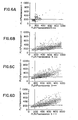
- stimulation of resting T cells with ⁇ CD3/ ⁇ CD28 resulted in progression of greater than 92% of the cells from G0 to G1 or S/G2M phases of the cell cycle by the third day of cellular expansion. This corresponded to a 207-fold increase in tritiated thymidine incorporation and an increase in mean cellular volume.
- ⁇ CD3/ ⁇ CD28 stimulated in progression of greater than 92% of the cells from G0 to G1 or S/G2M phases of the cell cycle by the third day of cellular expansion. This corresponded to a 207-fold increase in tritiated thymidine incorporation and an increase in mean cellular volume.
- PDBU + ionomycin treated cells assayed for RNA and DNA content 10 hours after stimulation were found to be in G 1 or S/G2M phases of the cell cycle.
- the Rous sarcoma virus LTR contains a calcium/calmodulin-dependent protein kinase (CaM-kinase) response element which is capable of conferring selective induction of transcription by activated CaM-kinase in the presence of elevated levels of calcium ions (Kapiloff, M. S., Mathis, J. M., Nelson, C. A., Lin, C. R., and Rosenfeld, M. G. (1991) Proc. Natl . Acad . Sci. USA 88:3710-3714).
- CaM-kinase calcium/calmodulin-dependent protein kinase
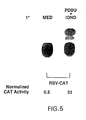
- PDBU/IONO prestimulation of cells resulted in a 345-fold increase in RSV-CAT reporter activity relative to the non-stimulated proliferating control.
- Stimulation of cells 30 hours after transfection with either ⁇ CD3/ ⁇ CD28 or PDBU/IONO resulted in a small 3- or 3.5-fold increase in RSV-CAT reporter activity, respectively.
- Culturing of transfected cells in growth-competent conditioned medium resulted in a 2.5-fold increase in CAT activity.
- PDBU/IONO or ⁇ CD3/ ⁇ CD28 stimulation of cells immediately after transfection resulted in a small 4- to 5-fold increase in RSV-CAT activity.
- HIV-1-CAT has been described previously (Nabel, G., and Baltimore, D. (1987) Nature 326:711-713), was used in this example.
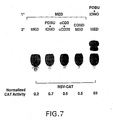
- Proliferating T cells were prestimulated with either PDBU/IONO, ⁇ CD3/ ⁇ CD28, or treated with conditioned medium alone, transfected with HIV-1-CAT, then either immediately cultured in conditioned medium or stimulated 30 hours after transfection with PDBU/IONO, ⁇ CD3/ ⁇ CD28, or medium alone. 10 hours later, the cells were harvested and assayed for CAT activity.
- results of the CAT assays are shown in Figure 8.
- the results indicate that prestimulation of primary T cells 10 hours prior to transfection greatly enhances expression of the HIV-1-CAT reporter construct compared to transfection without prestimulation.
- the enhancement of expression of the reporter construct is not dependent on the type of promoter and enhancer in the construct.
- prestimulation of the primary T cells to enhance expression of the transfected reporter construct can also be done with a combination of anti-CD3 and anti-CD28 antibodies.
- Example 3 Expression of exogenous DNA requires TCR-dependent signal transduction at the time of transfection
- Panel B indicates that in the presence of optimal ⁇ CD3 stimulation, IL-2 mRNA expression peaked at 6 hours of culture; by 12 hours of culture IL-2 mRNA levels had decreased to undetectable levels.
- This transient induction of IL-2 mRNA expression was accompanied by a small amount of IL-2 in the culture supernatant (5 U/ml at 24 hours) and vigorous proliferation (41% of cells in S/G2M phases of the cell cycle by 48 hours) (Panel D).
- stimulation of the TCR-CD3 complex resulted in the transient induction of IL-2 gene transcription peaking 6 hours and decreasing to undetectable levels by 12 hours post-stimulation.
- IL2-CAT contains the IL-2 promoter/enhancer (-585 to +18) immediately 5' of the chloramphenicol acetyltransferase (CAT) gene and has been described previously (Bielinska, A., Shivdasani, R. A., Zhang, L., and Nabel, G. J. (1990) Science 250:997-1000).
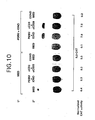
- Proliferating primary T cells on Day 5 of the expansion protocol were either prestimulated with PDBU/IONO or treated with conditioned medium alone, transfected with the IL2-CAT reporter plasmid, then immediately cultured in growth competent conditioned medium or complete medium. 30 hours after transfection, cells cultured in complete medium were stimulated with either PDBU/IONO, ⁇ CD3/ ⁇ CD28, or were treated with medium alone. 10 hours later, cell number and viability were determined by trypan blue exclusion, and cells harvested for CAT activity.
- the CAT assay results are shown in Figure 10 and are summarized as follows: 1) in the absence of prestimulation, proliferating primary cells expressed extremely low levels of IL2-CAT reporter; 2) stimulation of cells 30 hours after transfection did not increase this low level of IL2-CAT reporter gene expression; 3) following PDBU/IONO prestimulation and transfection, cells resuspended in lymphokine-rich conditioned medium or complete medium also expressed extremely low levels of IL2-CAT reporter; 4) however, following both PDBU/IONO prestimulation and TCR-directed stimulation 30 hours after transfection, IL2-CAT reporter activity increased 79-fold relative to cells which only received prestimulation and approximately 20-fold relative to the non-stimulated proliferating control.
- IL2-CAT reporter gene expression required TCR-dependent signal transduction both before and after transfection. These data are consistent with a model in which the introduction of the IL2-CAT DNA reporter construct into an expressible compartment or state requires TCR-dependent signal transduction before transfection. However, even though the IL2-CAT reporter plasmid is competent for expression, little or no IL2-CAT transcription occurs since the initial signal transduction was delivered 10 hours before transfection and by the above Northern analysis ( Figure 9), IL-2 mRNA transcription decreases to low levels by this timepoint. TCR/CD3-dependent stimulation after transfection results in trans-activation of the expression-competent IL-2 promoter/enhancer and CAT mRNA transcription with resulting reporter activity.
- T cells were stimulated with either ⁇ CD28 (1 ⁇ g/ml), SEA (10ng/ml, Toxin Technologies), PDBU (10 ng/ml)/IONO (0.4 ⁇ g/ml), or medium alone for 10 hours. These cells were transfected with RSV-CAT, then harvested 40 hours later for CAT activity. Activated T cells undergo cell division between 24-36 hours after mitogenic stimulation. Therefore, at the time of transfection, very few, if any, T cells have progressed through M phase.
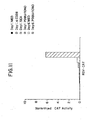
- T cells stimulated with SEA or PDBU/IONO did exhibit phenotypic changes associated with proliferation (cellular enlargement, aggregation). However, these populations had not increased in cell number. As shown in Figure 11, the normalized CAT activities for all these transfection conditions were relatively low (0.07-0.26). Resting cells stimulated with PDBU/IONO demonstrated a small 3.7-fold increase in RSV-CAT activity relative to the resting control. This small increase in CAT activity between PDBU/IONO stimulated and resting cells may simply reflect the effects of cellular activation and proliferation on RSV LTR transcription once this reporter plasmid is capable of expression as a result of the initial signal transduction.
- CAT activities of cells stimulated with ⁇ CD28 or SEA were no different from that of resting cells. Neither ⁇ CD28 nor SEA alone constitute complete mitogenic stimuli.
- the induction of T-cell proliferation by SEA requires the addition of a second costimulatory signal provided by accessory cells (a requirement for major histocompatibility complex (MHC) Class II presentation) or of monoclonal antibody stimulation of CD28 (Green, J. M., Turka, L. A., June, C. H., and Thompson, C. B. (1992) Cell . Immunol . 145(1):11-20).
- Resting T cells do not express MHC Class II (HLA-Dr) on their surface (Mayforth, R. D. (1991) Ph. D. Dissertation, Univ. of Chicago).
- HLA-Dr MHC Class II
- PDBU/IONO prestimulation of proliferating cells resulted in a 13.4-fold increase in CAT activity relative to the proliferating non-stimulated control and a 23.7-fold increase over PDBU/IONO stimulated resting cells.
- cellular proliferation at the time of transfection greatly enhances RSV-CAT reporter expression.
- Example 5 Differences in reporter gene activity are not due to differences in transfection efficiency
- TCR-dependent signal transduction prior to the time of transfection is required for transgene expression. Stimulation after transfection does not appreciably increase reporter activity in most cases.
- the critical factor is the activational state of the cell, independent of proliferation, at the time of transfection. Any of a number of roles for signal transduction can be envisioned. In the simplest model, signal transduction of proliferating cells at the time of transfection could increase transfection efficiency and therefore the amount of reporter plasmid reaching the nucleus. Alternatively, signal transduction could facilitate the movement of transfected DNA from a non-transcribable to transcribable compartment, e.g., from the cytoplasm to nucleus.
- Proliferating primary T cells on Day 5 were prestimulated with PDBU/IONO or treated with conditioned medium alone, transfected with the RSV-CAT reporter plasmid, then cultured in complete medium. At 0, 6, 24, and 48 hours alter transfection, cell number and viability were determined by Coulter counting and trypan blue exclusion respectively.
- DNA was extracted from both these fractions using serial ammonium acetate/isopropanol precipitations following SDS solubilization and Proteinase K digestion.
- the DNA isolation protocol is quantitative for the recovery of both low and high molecular weight DNA.
- nuclear and cytoplasmic DNA from 105 total cell equivalents was size-fractionated in 1.0% agarose gels and transferred onto nitrocellulose as previously described (Thompson, C. B., and Neiman, P. E. (1987) Cell 48:369-378). Blots were hybridized with either an EcoRI fragment from the CAT coding region ofpRSV-CAT or an EcoRI/BamHI fragment from the CAT coding region of pIL2CAT.
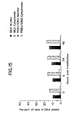
- PDBU/IONO prestimulated and non-stimulated cells were transfected with 32P-radiolabeled linearized RSV-CAT. These cells were then separated into nuclear and cytoplasmic fractions 0, 6, 24, and 48 hours after transfection. The fractions were then counted on a liquid scintillation counter.
- Example 6 Superantigen-induced TCR activation alters the nuclear fate of DNA containing a retroviral LTR
- SEA either alone, or in conjunction with APCs expressing MHC Class II (HLA-DR), increases HIV-1-CAT reporter gene expression.
- HLA-DR MHC Class II
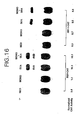
- Figure 16 The proliferative status of SEA and SEA + MONO stimulated cells, as measured by tritiated thymidine incorporation and cell size, was not measurably different from that of non-stimulated proliferating cells.
- increased HIV-1-CAT and RSV-CAT reporter expression results from superantigen's effects on signal transduction and not on proliferation per se.
- T-cell activation is required for integration of the HIV-1 genome into the host genome and production of infectious virus (Stevenson, M., Stanwick, T. L., Dempsey, M. P., and Lamonica, C. A. (1990) EMBO J . 9(5):1551-1560; Zack, J. A., Arrigo, S. J., Weitsman, S. R., Go, A. S., Haislip, A., and Chen, I. S. Y. (1990) Cell 61:213-222; Bukrinsky, M. L., Stanwick, T.
- Superantigens molecules recognized by T cells expressing specific TCR V ⁇ gene products, bridge MHC Class II and the TCR, variously leading to cell activation, deletion, or anergy. This group of protein antigens is characterized by its ability to activate large numbers of peripheral blood T cells. Mammalian retroviruses may encode superantigens to block generation of cellular immune reactivity or to facilitate replication consequent to direct cell activation. Recent reports suggest that expression of an HIV-1 superantigen may mediate the T-cell depletion seen in HIV-1 infection (Imberti, L., Sottini, A., Bettinardi, A., Puoti, M., and Primi, D. (1991) Science 254:860-862; Cameron, P.
- the examples show the existence of an active mechanism, repressible by TCR-mediated signal transduction, which protects quiescent and proliferating T lymphocytes from the expression of exogenous DNA.
- T cells only express exogenous DNA following signal transduction prior to transfection. This finding has implications in the field of somatic cell gene therapy since cellular proliferation alone may be insufficient for efficient expression of exogenous DNA.
- the invention provides a method for efficient expression of a gene introduced in a proliferating T cell.
- T cells are obtained from an individual, stimulated to proliferate ex vivo, genetically transduced by the method of the invention and readministered into the individual.
- the T cells are contacted with an agent, or a combination of agents, which stimulates T cell receptor mediated signal transduction, such as an anti-CD3 antibody, a combination of phorbol ester and ionomycin, or other agent that bypasses the T cell receptor.
- an agent or a combination of agents, which stimulates T cell receptor mediated signal transduction, such as an anti-CD3 antibody, a combination of phorbol ester and ionomycin, or other agent that bypasses the T cell receptor.
- the invention also provides methods for blocking or decreasing expression of exogenous DNA, such as viral DNA.
- exogenous DNA such as viral DNA.
- primary T cells containing exogenous DNA, such as viral DNA can be stimulated to proliferate while inhibiting viral replication by, for example, stimulating proliferation of the T cells with an agent that does not activate the mechanism required for exogenous gene expression described herein.
Landscapes
- Health & Medical Sciences (AREA)
- Chemical & Material Sciences (AREA)
- Immunology (AREA)
- Genetics & Genomics (AREA)
- Organic Chemistry (AREA)
- Life Sciences & Earth Sciences (AREA)
- Engineering & Computer Science (AREA)
- Biophysics (AREA)
- General Health & Medical Sciences (AREA)
- Molecular Biology (AREA)
- Biochemistry (AREA)
- Biomedical Technology (AREA)
- Wood Science & Technology (AREA)
- Zoology (AREA)
- Bioinformatics & Cheminformatics (AREA)
- General Engineering & Computer Science (AREA)
- Biotechnology (AREA)
- Medicinal Chemistry (AREA)
- Proteomics, Peptides & Aminoacids (AREA)
- Microbiology (AREA)
- Plant Pathology (AREA)
- Physics & Mathematics (AREA)
- Micro-Organisms Or Cultivation Processes Thereof (AREA)
Applications Claiming Priority (5)
| Application Number | Priority Date | Filing Date | Title |
|---|---|---|---|
| US43509595A | 1995-05-04 | 1995-05-04 | |
| US435095 | 1995-05-04 | ||
| US08/475,136 US6692964B1 (en) | 1995-05-04 | 1995-06-07 | Methods for transfecting T cells |
| US475136 | 1995-06-07 | ||
| EP96913327A EP0824594B1 (fr) | 1995-05-04 | 1996-05-02 | Procedes ameliores de transfection des lymphocytes t |
Related Parent Applications (2)
| Application Number | Title | Priority Date | Filing Date |
|---|---|---|---|
| EP96913327A Division EP0824594B1 (fr) | 1995-05-04 | 1996-05-02 | Procedes ameliores de transfection des lymphocytes t |
| EP96913327.1 Division | 1996-11-07 |
Publications (3)
| Publication Number | Publication Date |
|---|---|
| EP1586655A2 true EP1586655A2 (fr) | 2005-10-19 |
| EP1586655A3 EP1586655A3 (fr) | 2006-03-08 |
| EP1586655B1 EP1586655B1 (fr) | 2012-07-11 |
Family
ID=31188753
Family Applications (1)
| Application Number | Title | Priority Date | Filing Date |
|---|---|---|---|
| EP05006611A Expired - Lifetime EP1586655B1 (fr) | 1995-05-04 | 1996-05-02 | Procédés améliorés de transfection de lymphocytes T |
Country Status (2)
| Country | Link |
|---|---|
| US (1) | US6692964B1 (fr) |
| EP (1) | EP1586655B1 (fr) |
Cited By (1)
| Publication number | Priority date | Publication date | Assignee | Title |
|---|---|---|---|---|
| WO2018167486A1 (fr) | 2017-03-15 | 2018-09-20 | Oxford Biomedica (Uk) Limited | Procédé |
Families Citing this family (501)
| Publication number | Priority date | Publication date | Assignee | Title |
|---|---|---|---|---|
| EP0824594B1 (fr) * | 1995-05-04 | 2005-04-06 | The United States of America as Representend by The Secretary of the Navy | Procedes ameliores de transfection des lymphocytes t |
| US7067318B2 (en) * | 1995-06-07 | 2006-06-27 | The Regents Of The University Of Michigan | Methods for transfecting T cells |
| WO2002014481A1 (fr) * | 2000-08-16 | 2002-02-21 | Takara Bio Inc. | Procede de culture extensive de lymphocytes t cytotoxiques specifiques de l'antigene |
| US6627442B1 (en) * | 2000-08-31 | 2003-09-30 | Virxsys Corporation | Methods for stable transduction of cells with hiv-derived viral vectors |
| ATE429486T1 (de) * | 2001-08-15 | 2009-05-15 | Takara Bio Inc | Expansionskulturverfahren für antigenspezifische zytotoxische t-lymphozyten |
| US8119401B2 (en) * | 2002-03-07 | 2012-02-21 | Amsterdam Molecular Therapeutics (Amt) Ip B.V. | IL-10 gene transfer to peripheral mononuclear cells |
| TW201043699A (en) * | 2002-03-25 | 2010-12-16 | Takara Bio Inc | Process for producing cytotoxic lymphocyte |
| US20060269529A1 (en) * | 2002-05-07 | 2006-11-30 | Niederman Thomas M | Modified t lymphocytes and uses therefor |
| US8927273B2 (en) | 2003-08-22 | 2015-01-06 | Takara Bio Inc. | Process for producing cytotoxic lymphocytes |
| WO2007020880A1 (fr) * | 2005-08-17 | 2007-02-22 | Takara Bio Inc. | Procédé de production de lymphocytes |
| KR101408565B1 (ko) * | 2005-09-30 | 2014-06-17 | 다카라 바이오 가부시키가이샤 | T 세포 집단의 제조 방법 |
| PH12013501201A1 (en) | 2010-12-09 | 2013-07-29 | Univ Pennsylvania | Use of chimeric antigen receptor-modified t cells to treat cancer |
| US9402865B2 (en) | 2011-01-18 | 2016-08-02 | The Trustees Of The University Of Pennsylvania | Compositions and methods for treating cancer |
| US10421960B2 (en) | 2011-09-16 | 2019-09-24 | The Trustees Of The University Of Pennsylvania | RNA engineered T cells for the treatment of cancer |
| US9708384B2 (en) | 2011-09-22 | 2017-07-18 | The Trustees Of The University Of Pennsylvania | Universal immune receptor expressed by T cells for the targeting of diverse and multiple antigens |
| US9272002B2 (en) | 2011-10-28 | 2016-03-01 | The Trustees Of The University Of Pennsylvania | Fully human, anti-mesothelin specific chimeric immune receptor for redirected mesothelin-expressing cell targeting |
| US9422351B2 (en) | 2011-11-03 | 2016-08-23 | The Trustees Of The University Of Pennsylvania | Isolated B7-H4 specific compositions and methods of use thereof |
| US20140322216A1 (en) | 2011-11-08 | 2014-10-30 | The Trustees Of The University Of Pennsylvania | Glypican-3-specific antibody and uses thereof |
| SG11201404769UA (en) | 2012-02-22 | 2014-11-27 | Univ Pennsylvania | Use of icos-based cars to enhance antitumor activity and car persistence |
| KR20140127816A (ko) | 2012-02-22 | 2014-11-04 | 더 트러스티스 오브 더 유니버시티 오브 펜실바니아 | 암의 치료에 유용한 t 세포의 지속성 집단을 생성시키기 위한 조성물 및 방법 |
| SG11201404284SA (en) | 2012-02-22 | 2014-10-30 | Univ Pennsylvania | Use of the cd2 signaling domain in second-generation chimeric antigen receptors |
| EP4541818A3 (fr) | 2012-05-25 | 2025-07-23 | Cellectis | Procédés d'ingénierie de cellules t allogéniques et résistantes aux immunosuppresseurs pour immunothérapie |
| US20150017136A1 (en) | 2013-07-15 | 2015-01-15 | Cellectis | Methods for engineering allogeneic and highly active t cell for immunotherapy |
| AU2013289971A1 (en) | 2012-07-13 | 2015-01-22 | The Trustees Of The University Of Pennsylvania | Enhancing activity of CAR T cells by co-introducing a bispecific antibody |
| CN112375846A (zh) | 2012-07-13 | 2021-02-19 | 宾夕法尼亚大学董事会 | 评估用于施用的转导t细胞的适用性的方法 |
| US9937205B2 (en) | 2012-09-04 | 2018-04-10 | The Trustees Of The University Of Pennsylvania | Inhibition of diacylglycerol kinase to augment adoptive T cell transfer |
| ES2714523T3 (es) | 2012-09-04 | 2019-05-28 | Cellectis | Receptor quimérico de antígenos multicatenario y usos del mismo |
| AR092745A1 (es) | 2012-10-01 | 2015-04-29 | Univ Pennsylvania | Composiciones que comprenden un dominio de union anti-fap y metodos para hacer blanco en celulas estromales para el tratamiento del cancer |
| WO2014055657A1 (fr) | 2012-10-05 | 2014-04-10 | The Trustees Of The University Of Pennsylvania | Utilisation d'une approche trans-signalisation dans des récepteurs d'antigènes chimériques |
| WO2014055771A1 (fr) | 2012-10-05 | 2014-04-10 | The Trustees Of The University Of Pennsylvania | Récepteur d'antigène chimérique de récepteur alpha du folate humain |
| AU2013204922B2 (en) | 2012-12-20 | 2015-05-14 | Celgene Corporation | Chimeric antigen receptors |
| AU2014214850C1 (en) | 2013-02-06 | 2018-12-06 | Celgene Corporation | Modified T lymphocytes having improved specificity |
| US9573988B2 (en) | 2013-02-20 | 2017-02-21 | Novartis Ag | Effective targeting of primary human leukemia using anti-CD123 chimeric antigen receptor engineered T cells |
| LT2958943T (lt) | 2013-02-20 | 2020-01-27 | The Trustees Of The University Of Pennsylvania | Vėžio gydymas, naudojant humanizuotą anti-egfrviii chimerinio antigeno receptorių |
| EP2970426B1 (fr) | 2013-03-15 | 2019-08-28 | Michael C. Milone | Ciblage de cellules cytotoxiques par des récepteurs chimériques pour une immunothérapie adoptive |
| CA2907397C (fr) | 2013-03-15 | 2022-11-22 | Anthrogenesis Corporation | Lymphocytes t modifies |
| US9446105B2 (en) | 2013-03-15 | 2016-09-20 | The Trustees Of The University Of Pennsylvania | Chimeric antigen receptor specific for folate receptor β |
| TWI654206B (zh) | 2013-03-16 | 2019-03-21 | 諾華公司 | 使用人類化抗-cd19嵌合抗原受體治療癌症 |
| RU2725542C2 (ru) | 2013-05-13 | 2020-07-02 | Селлектис | Способы конструирования высокоактивных т-клеток для иммунотерапии |
| RS63798B1 (sr) | 2013-05-13 | 2022-12-30 | Cellectis | Cd19 specifični himerni antigenski receptor i njegove primene |
| DK3309248T3 (da) | 2013-05-29 | 2021-08-02 | Cellectis | Fremgangsmåde til manipulering af T-celler til immunterapi under anvendelse af et RNA-guidet CAS-nuklease-system |
| CA2931684C (fr) | 2013-12-19 | 2024-02-20 | Novartis Ag | Recepteurs antigeniques chimeriques de la mesotheline humaine et leurs utilisations |
| EP3087101B1 (fr) | 2013-12-20 | 2024-06-05 | Novartis AG | Récepteur d'antigène chimérique régulable |
| WO2015112626A1 (fr) | 2014-01-21 | 2015-07-30 | June Carl H | Capacité améliorée de présentation de l'antigène de lymphocytes t de récepteur d'antigène chimérique (car) par l'introduction conjointe de molécules de stimulation conjointe |
| AU2015216875B2 (en) | 2014-02-14 | 2021-02-25 | Cellectis | Cells for immunotherapy engineered for targeting antigen present both on immune cells and pathological cells |
| WO2015123496A1 (fr) | 2014-02-14 | 2015-08-20 | Immune Design Corp. | Immunothérapie du cancer par combinaison de stimulation immunitaire locale et systémique |
| MX373460B (es) | 2014-03-11 | 2020-04-07 | Cellectis | Metodo para generar celulas t compatibles para el trasplante alogenico. |
| US20170081411A1 (en) | 2014-03-15 | 2017-03-23 | Novartis Ag | Regulatable chimeric antigen receptor |
| EP3593812A3 (fr) | 2014-03-15 | 2020-05-27 | Novartis AG | Traitement du cancer à l'aide d'un récepteur d'antigène chimérique |
| US9944709B2 (en) | 2014-03-19 | 2018-04-17 | Cellectis | CD123 specific chimeric antigen receptors for cancer immunotherapy |
| IL322264A (en) | 2014-04-07 | 2025-09-01 | Novartis Ag | Cancer treatment using chimeric antigen receptor (CAR) against CD19 |
| AU2015245469B2 (en) | 2014-04-11 | 2020-11-12 | Cellectis | Method for generating immune cells resistant to arginine and/or tryptophan depleted microenvironment |
| EP3738597A1 (fr) | 2014-04-25 | 2020-11-18 | Bluebird Bio, Inc. | Procédés améliorés de production de thérapies reposant sur des cellules adoptives |
| IL296691B2 (en) | 2014-04-25 | 2023-11-01 | 2Seventy Bio Inc | MND promoter chimeric antigen receptors |
| DK3166968T3 (da) | 2014-05-02 | 2021-12-06 | Univ Pennsylvania | Sammensætninger og fremgangsmåder til kimæriske autoantistofreceptor-T-celler |
| WO2015166056A1 (fr) | 2014-05-02 | 2015-11-05 | Cellectis | Récepteur antigénique chimérique à chaînes multiples spécifique de cs1 |
| CN106793780B (zh) | 2014-06-06 | 2020-05-26 | 蓝鸟生物公司 | 改善的t细胞组合物 |
| US10982189B2 (en) | 2014-07-11 | 2021-04-20 | Celgene Corporation | Methods of improving vector transduction efficiency into T lymphocytes |
| WO2016014530A1 (fr) | 2014-07-21 | 2016-01-28 | Novartis Ag | Combinaisons de faibles doses renforçant l'immunité d'inhibiteurs de mtor et car |
| US11542488B2 (en) | 2014-07-21 | 2023-01-03 | Novartis Ag | Sortase synthesized chimeric antigen receptors |
| MY181834A (en) | 2014-07-21 | 2021-01-08 | Novartis Ag | Treatment of cancer using humanized anti-bcma chimeric antigen receptor |
| US9777061B2 (en) | 2014-07-21 | 2017-10-03 | Novartis Ag | Treatment of cancer using a CD33 chimeric antigen receptor |
| MX2017001079A (es) | 2014-07-24 | 2017-09-12 | Bluebird Bio Inc | Receptores de antígeno quiméricos de antígeno de maduración de células b (bcma). |
| ES2715413T3 (es) | 2014-07-29 | 2019-06-04 | Cellectis | Receptores de antígeno quiméricos específicos para ROR1 (NTRKR1) para inmunoterapia contra el cáncer |
| JP2017522893A (ja) | 2014-07-31 | 2017-08-17 | セレクティスCellectis | Ror1特異的多重鎖キメラ抗原受容体 |
| US20170209492A1 (en) | 2014-07-31 | 2017-07-27 | Novartis Ag | Subset-optimized chimeric antigen receptor-containing t-cells |
| KR20220150428A (ko) | 2014-08-12 | 2022-11-10 | 안트로제네시스 코포레이션 | 림프절 b 세포 구역, 피부, 또는 위장관으로 귀소하도록 조작된 car-t 림프구 |
| WO2016025880A1 (fr) | 2014-08-14 | 2016-02-18 | Novartis Ag | Traitement du cancer à l'aide du récepteur d'antigène chimérique gfr alpha-4 |
| SG11201700770PA (en) | 2014-08-19 | 2017-03-30 | Novartis Ag | Anti-cd123 chimeric antigen receptor (car) for use in cancer treatment |
| ES3034398T3 (en) | 2014-08-28 | 2025-08-18 | Bioatla Inc | Conditionally active chimeric antigen receptors for modified t-cells |
| US11111288B2 (en) | 2014-08-28 | 2021-09-07 | Bioatla, Inc. | Conditionally active chimeric antigen receptors for modified t-cells |
| CA2959694C (fr) | 2014-09-04 | 2023-11-21 | Cellectis | Recepteurs d'antigenes chimeriques specifiques de la glycoproteine trophoblastique (5t4, tpbg) utilises pour l'immunotherapie du cancer |
| ES2891332T3 (es) | 2014-09-17 | 2022-01-27 | Novartis Ag | Direccionamiento a células citotóxicas con receptores quiméricos para la inmunoterapia adoptiva |
| AU2015330898B2 (en) | 2014-10-08 | 2022-03-10 | Novartis Ag | Biomarkers predictive of therapeutic responsiveness to chimeric antigen receptor therapy and uses thereof |
| US20180334490A1 (en) | 2014-12-03 | 2018-11-22 | Qilong H. Wu | Methods for b cell preconditioning in car therapy |
| EP3971210A1 (fr) | 2014-12-12 | 2022-03-23 | 2seventy bio, Inc. | Composition utilisée dans le traitement d'affections liées aux cellules b chez un sujet en besoin, comprenant une cellule effective comportant des récepteurs d'antigènes chimériques bcma |
| CN107567461A (zh) | 2014-12-29 | 2018-01-09 | 诺华股份有限公司 | 制备嵌合抗原受体表达细胞的方法 |
| WO2016123100A1 (fr) | 2015-01-26 | 2016-08-04 | Fate Therapeutics, Inc. | Procédés et compositions pour induire la différenciation de cellules hématopoïétiques |
| WO2016120218A1 (fr) | 2015-01-26 | 2016-08-04 | Cellectis | Récepteurs d'antigènes chimériques monocaténaires spécifiques anti-cll1 (sccar) pour une immunothérapie anticancéreuse |
| US11161907B2 (en) | 2015-02-02 | 2021-11-02 | Novartis Ag | Car-expressing cells against multiple tumor antigens and uses thereof |
| WO2016142532A1 (fr) | 2015-03-11 | 2016-09-15 | Cellectis | Procédés d'ingénierie de cellules t allogéniques pour augmenter leur persistance et/ou leur greffe chez des patients |
| CN107530427A (zh) | 2015-03-27 | 2018-01-02 | 南加利福尼亚大学 | 针对用于实体肿瘤的治疗的lhr的car t细胞疗法 |
| WO2016161390A1 (fr) | 2015-04-03 | 2016-10-06 | Eureka Therapeutics, Inc. | Constructions ciblant des complexes peptide afp/cmh et leurs utilisations |
| EP3280795B1 (fr) | 2015-04-07 | 2021-03-24 | Novartis AG | Combinaison de traitement à l'aide du récepteur antigénique chimérique et de derivés de l'amino pyrimidine |
| MX2017012939A (es) | 2015-04-08 | 2018-05-22 | Novartis Ag | Terapias cd20, terapias cd22 y terapias de combinacion con una celula que expresa un receptor quimerico de antigeno (car) de cd19. |
| TWI700298B (zh) | 2015-04-13 | 2020-08-01 | 美商輝瑞股份有限公司 | 靶向b細胞成熟抗原之嵌合型抗原受體類 |
| AU2016249005B2 (en) | 2015-04-17 | 2022-06-16 | Novartis Ag | Methods for improving the efficacy and expansion of chimeric antigen receptor-expressing cells |
| EP3286211A1 (fr) | 2015-04-23 | 2018-02-28 | Novartis AG | Traitement du cancer à l'aide de protéine récepteur antigénique chimérique et un inhibiteur de protéine kinase |
| JP2018513201A (ja) | 2015-04-25 | 2018-05-24 | ザ ジェネラル ホスピタル コーポレイション | 抗fugetactic剤と抗癌剤の併用療法、および、癌の治療のための組成物 |
| WO2016174652A1 (fr) | 2015-04-30 | 2016-11-03 | Technion Research & Development Foundation Limited | Récepteurs antigéniques chimériques et méthodes d'utilisation correspondantes |
| AU2016257721B2 (en) | 2015-05-01 | 2019-11-14 | The Regents Of The University Of California | Glycan-dependent immunotherapeutic molecules |
| BR112017024757A2 (pt) | 2015-05-18 | 2018-11-13 | TCR2 Therapeutics Inc. | composições e métodos para reprogramação de tcr utilizando proteínas de fusão |
| WO2016185035A1 (fr) | 2015-05-20 | 2016-11-24 | Cellectis | Récepteurs d'antigènes chimériques spécifiques anti-gd3 pour l'immunothérapie anticancéreuse |
| MX383614B (es) | 2015-05-21 | 2025-03-14 | Harpoon Therapeutics Inc | Proteinas de union triespecificas y metodos de uso. |
| EP3302559B1 (fr) | 2015-06-04 | 2022-01-12 | University of Southern California | Immunothérapie des cellules car ciblées par lym-1 et lym-2 |
| AU2016301196B2 (en) | 2015-08-06 | 2022-09-08 | Dana-Farber Cancer Institute, Inc. | Tunable endogenous protein degradation |
| US11667691B2 (en) | 2015-08-07 | 2023-06-06 | Novartis Ag | Treatment of cancer using chimeric CD3 receptor proteins |
| CN105384825B (zh) | 2015-08-11 | 2018-06-01 | 南京传奇生物科技有限公司 | 一种基于单域抗体的双特异性嵌合抗原受体及其应用 |
| MX2018001776A (es) | 2015-08-11 | 2018-06-06 | Cellectis | Celulas para inmunoterapia modificadas geneticamente para dirigirse al antigeno cd38 y para la inactivacion del gen cd38. |
| ES2911015T3 (es) | 2015-08-31 | 2022-05-17 | Helixmith Co Ltd | Receptores quiméricos de antígeno anti-sialil Tn |
| CN116334205A (zh) | 2015-09-03 | 2023-06-27 | 诺华股份有限公司 | 预测细胞因子释放综合征的生物标志物 |
| HK1259026A1 (zh) | 2015-09-18 | 2019-11-22 | 综合医院公司以麻省总医院名义经营 | 用於治疗癌症的抗趋除剂的局部递送 |
| KR20180053744A (ko) | 2015-09-23 | 2018-05-23 | 사이토이뮨 테라퓨틱스 엘엘씨 | 면역 요법을 위한 flt3 유도된 car 세포 |
| CN116059316A (zh) | 2015-10-23 | 2023-05-05 | 优瑞科生物技术公司 | 抗体/t细胞受体嵌合构建体及其用途 |
| WO2017078807A1 (fr) | 2015-11-04 | 2017-05-11 | Fate Therapeutics, Inc. | Procédés et compositions pour induire la différenciation de cellules hématopoïétiques |
| CN108368520B (zh) | 2015-11-04 | 2023-01-17 | 菲特治疗公司 | 多能细胞的基因组工程改造 |
| US12282014B2 (en) | 2015-11-19 | 2025-04-22 | Dana-Farber Cancer Institute, Inc. | Methods of identifying compounds that interfere with ERG-driven misguidance of BAF complexes in TMPRSS2-ERG driven prostate cancers |
| ES2987957T3 (es) | 2015-11-23 | 2024-11-18 | Novartis Ag | Vectores de transferencia lentivirales optimizados y usos de los mismos |
| ES2975747T3 (es) | 2015-11-30 | 2024-07-12 | Univ California | Administración de carga útil específica de tumor y activación inmunitaria utilizando un anticuerpo humano que se dirige a un antígeno de superficie celular de tumor altamente específico |
| WO2017099712A1 (fr) | 2015-12-07 | 2017-06-15 | Bluebird Bio, Inc. | Compositions de lymphocytes t améliorées |
| US11052111B2 (en) | 2015-12-08 | 2021-07-06 | Chimera Bioengineering, Inc. | Smart CAR devices and DE CAR polypeptides for treating disease and methods for enhancing immune responses |
| PT3393504T (pt) | 2015-12-22 | 2025-12-30 | Novartis Ag | Recetor de antigénio quimérico (car) de mesotelina e anticorpo contra o inibidor de pd-l1 para utilização combinada em terapia anticancerígena |
| CA3009852A1 (fr) | 2015-12-28 | 2017-07-06 | Novartis Ag | Methodes de production de cellules d'expression de recepteur d'antigene chimerique |
| BR112018013074A2 (en) | 2015-12-30 | 2018-12-11 | Novartis Ag | immune effector cell therapies with enhanced efficacy |
| MX385964B (es) | 2016-01-08 | 2025-03-18 | Celgene Corp | Formas sólidas de 2-(4-clorofenil)-n-((2-(2,6-dioxopiperidin-3-il)-1-oxoisoindolin-5-il) metil)-2,2-difluoroacetamida y sus composiciones farmacéuticas y usos. |
| EP3399978B1 (fr) | 2016-01-08 | 2020-09-09 | Celgene Corporation | Composés antiprolifératifs, leurs compositions pharmaceutiques et leurs utilisations |
| BR112018013884A2 (pt) | 2016-01-08 | 2018-12-18 | Celgene Corp | formulações de 2-(4-clorofenil)-n-((2-(2,6-dioxopiperidin-3-il)-1-oxoisoindolin-5-il)metil)-2,2-difluoroacetamida |
| EP3405481B1 (fr) | 2016-01-21 | 2023-01-18 | Pfizer Inc. | Récepteurs antigéniques chimériques ciblant le variant iii du récepteur du facteur de croissance épidermique |
| CA3016287A1 (fr) | 2016-03-04 | 2017-09-08 | Novartis Ag | Cellules exprimant de multiples molecules de recepteur d'antigene chimere (car) et leurs utilisations |
| WO2017172981A2 (fr) | 2016-03-29 | 2017-10-05 | University Of Southern California | Récepteurs antigéniques chimériques ciblant le cancer |
| WO2017180713A1 (fr) | 2016-04-13 | 2017-10-19 | Orimabs Ltd. | Anticorps anti-psma et leur utilisation |
| WO2017180993A1 (fr) | 2016-04-14 | 2017-10-19 | Bluebird Bio, Inc. | Systèmes de récepteur d'antigène chimère de récupération |
| EP3429634A1 (fr) | 2016-04-15 | 2019-01-23 | Cellectis | Méthode de mise au point par génie génétique de lymphocytes t hypersensibles à un promédicament spécifique pour une immunothérapie par expression génique |
| EP3443096B1 (fr) | 2016-04-15 | 2023-03-01 | Novartis AG | Compositions et méthodes pour l'expression sélective des récepteurs antigéniques chimériques |
| EP3429633B1 (fr) | 2016-04-15 | 2021-02-24 | Cellectis | Méthode d'ingénierie par inactivation génique de cellules t spécifiquement hypersensibles à un médicament destinées à une utilisation en immunothérapie |
| CN109328230A (zh) | 2016-04-15 | 2019-02-12 | 宾夕法尼亚大学董事会 | 嵌合同种异体抗原受体t细胞的组合物和方法 |
| TWI851939B (zh) | 2016-05-13 | 2024-08-11 | 美商拜奧亞特拉公司 | 抗-ror2抗體、抗體片段、其免疫結合物及其用途 |
| US10100106B2 (en) | 2016-05-20 | 2018-10-16 | Harpoon Therapeutics, Inc. | Single domain serum albumin binding protein |
| US11623958B2 (en) | 2016-05-20 | 2023-04-11 | Harpoon Therapeutics, Inc. | Single chain variable fragment CD3 binding proteins |
| US20210177896A1 (en) | 2016-06-02 | 2021-06-17 | Novartis Ag | Therapeutic regimens for chimeric antigen receptor (car)- expressing cells |
| US12048718B2 (en) | 2016-06-07 | 2024-07-30 | Max-Delbrück-Centrum für Molekulare Medizin in der Helmholtz-Geminschaft | Chimeric antigen receptor and CAR-T cells that bind BCMA |
| EP3468994A1 (fr) | 2016-06-08 | 2019-04-17 | Intrexon Corporation | Récepteurs antigéniques chimériques spécifiques de cd33 |
| JP7195154B2 (ja) | 2016-07-06 | 2022-12-23 | セレクティス | 初代免疫細胞における逐次遺伝子編集 |
| JP2018035137A (ja) | 2016-07-13 | 2018-03-08 | マブイミューン ダイアグノスティックス エイジーMabimmune Diagnostics Ag | 新規な抗線維芽細胞活性化タンパク質(fap)結合薬剤およびその使用 |
| SG11201900344YA (en) | 2016-07-15 | 2019-02-27 | Novartis Ag | Treatment and prevention of cytokine release syndrome using a chimeric antigen receptor in combination with a kinase inhibitor |
| CA3031289A1 (fr) | 2016-07-18 | 2018-01-25 | Helix Biopharma Corp. | Cellules immunitaires a recepteur antigenique chimerique pour le traitement du cancer |
| CN110214150A (zh) | 2016-07-28 | 2019-09-06 | 诺华股份有限公司 | 嵌合抗原受体和pd-1抑制剂的组合疗法 |
| EP3490590A2 (fr) | 2016-08-01 | 2019-06-05 | Novartis AG | Traitement du cancer au moyen d'un récepteur d'antigène chimérique en combinaison avec un inhibiteur d'une molécule de macrophage pro-m2 |
| WO2018026953A1 (fr) | 2016-08-02 | 2018-02-08 | TCR2 Therapeutics Inc. | Compositions et méthodes de reprogrammation de tcr en utilisant des protéines de fusion |
| KR102512934B1 (ko) | 2016-08-10 | 2023-03-23 | 레전드 바이오테크 아일랜드 리미티드 | Bcma를 표적으로 하는 키메라 항원 수용체 및 이들의 이용 방법 |
| US10294454B2 (en) | 2016-08-24 | 2019-05-21 | General Electric Company | Methods and kits for cell activation |
| EP4342978A3 (fr) | 2016-09-01 | 2024-07-03 | Chimera Bioengineering Inc. | Lymphocytes t car optimisés à l'or |
| MA46236A (fr) | 2016-09-14 | 2019-07-24 | Janssen Biotech Inc | Récepteurs antigéniques chimériques comprenant des domaines de la fibronectine de type iii spécifiques du bcma, et utilisations correspondantes |
| WO2018057585A1 (fr) | 2016-09-21 | 2018-03-29 | The United States Of America, As Represented By The Secretary, Department Of Health And Human Services | Récepteur antigénique chimérique (car) qui cible le récepteur de chimiokine ccr4 et son utilisation |
| MX2019003899A (es) | 2016-10-07 | 2019-08-14 | Tcr2 Therapeutics Inc | Composiciones y metodos para reprogramacion de receptores de linfocitos t mediante el uso de proteinas de fusion. |
| WO2018067992A1 (fr) | 2016-10-07 | 2018-04-12 | Novartis Ag | Récepteurs antigéniques chimériques pour le traitement du cancer |
| WO2018073391A1 (fr) | 2016-10-19 | 2018-04-26 | Cellectis | Insertion de gènes cibles pour immunothérapie cellulaire améliorée |
| WO2018073394A1 (fr) | 2016-10-19 | 2018-04-26 | Cellectis | Récepteurs d'antigènes chimériques induisant la mort cellulaire |
| WO2018075820A2 (fr) | 2016-10-20 | 2018-04-26 | Celgene Corporation | Récepteurs antigéniques chimériques hétérodimérisables à base de céréblon |
| KR20240005168A (ko) | 2016-11-04 | 2024-01-11 | 2세븐티 바이오, 인코포레이티드 | 항-bcma car t 세포 조성물 |
| US11332713B2 (en) | 2016-11-16 | 2022-05-17 | KSQ Therapeutics, Inc. | Gene-regulating compositions and methods for improved immunotherapy |
| DK3541833T5 (da) | 2016-11-17 | 2024-09-02 | 2Seventy Bio Inc | TGFß signalkonverter |
| AU2017363311A1 (en) | 2016-11-22 | 2019-06-13 | TCR2 Therapeutics Inc. | Compositions and methods for TCR reprogramming using fusion proteins |
| KR102275008B1 (ko) | 2016-11-23 | 2021-07-13 | 하푼 테라퓨틱스, 인크. | 전립선 특이 막 항원 결합 단백질 |
| US10844134B2 (en) | 2016-11-23 | 2020-11-24 | Harpoon Therapeutics, Inc. | PSMA targeting trispecific proteins and methods of use |
| WO2018111340A1 (fr) | 2016-12-16 | 2018-06-21 | Novartis Ag | Procédés de détermination de la puissance et de la fonction proliférative de lymphocytes t à récepteur antigénique chimérique (car) |
| WO2018115189A1 (fr) | 2016-12-21 | 2018-06-28 | Cellectis | Cellules immunitaires résistantes aux inhibiteurs du protéasome conçues de façon stable pour l'immunothérapie |
| JP2020513754A (ja) | 2016-12-21 | 2020-05-21 | ティーシーアール2 セラピューティクス インク. | がん治療用に操作されたt細胞 |
| EP3346001A1 (fr) | 2017-01-06 | 2018-07-11 | TXCell | Population de cellules t régulatrices monospécifiques avec cytotoxicité pour cellules b |
| WO2018127585A1 (fr) | 2017-01-06 | 2018-07-12 | Txcell | Population de lymphocytes t régulateurs monospécifiques avec cytotoxicité pour les lymphocytes b |
| CA3049652A1 (fr) | 2017-01-10 | 2018-07-19 | Intrexon Corporation | Modulation de l'expression de polypeptides par l'intermediaire de nouveaux systemes d'expression de commutateurs geniques |
| TW201831517A (zh) | 2017-01-12 | 2018-09-01 | 美商優瑞科生物技術公司 | 靶向組織蛋白h3肽/mhc複合體之構築體及其用途 |
| EP3574005B1 (fr) | 2017-01-26 | 2021-12-15 | Novartis AG | Compositions de cd28 et procédés pour une thérapie à base de récepteur antigénique chimérique |
| JP2020506700A (ja) | 2017-01-31 | 2020-03-05 | ノバルティス アーゲー | 多重特異性を有するキメラt細胞受容体タンパク質を用いた癌の治療 |
| WO2018148180A2 (fr) | 2017-02-07 | 2018-08-16 | Immune Design Corp. | Matériaux et méthodes pour l'identification et le traitement du cancer |
| EP3580212A4 (fr) | 2017-02-08 | 2021-03-17 | Dana Farber Cancer Institute, Inc. | Régulation de récepteurs d'antigènes chimériques |
| AU2018222735B2 (en) | 2017-02-17 | 2023-04-27 | George Todaro | Use of TGF alpha for the treatment of diseases and disorders |
| WO2018160754A2 (fr) | 2017-02-28 | 2018-09-07 | Harpoon Therapeutics, Inc. | Protéine monovalente inductible de fixation d' antigène |
| JP2020515542A (ja) | 2017-03-23 | 2020-05-28 | ザ ジェネラル ホスピタル コーポレイション | Cxcr4/cxcr7の遮断およびヒトパピローマウイルス関連疾患の治療 |
| EP3600355B1 (fr) | 2017-03-28 | 2025-11-05 | The Trustees of the University of Pennsylvania | Car spécifique hla-a2 destiné à être utilisé dans le traitement des tissus transplantés suite à un rejet |
| AU2018246378A1 (en) | 2017-03-31 | 2019-10-17 | Cellectis Sa | New universal chimeric antigen receptor T cells specific for CD22 |
| EP3592854A1 (fr) | 2017-04-13 | 2020-01-15 | Cellectis | Nouveaux réactifs spécifiques à une séquence ciblant ccr5 dans des cellules hématopoïétiques primaires |
| BR112019021857A2 (pt) | 2017-04-19 | 2020-06-02 | Allogene Therapeutics, Inc. | Métodos e composições de célula t aperfeiçoada |
| IL270138B2 (en) | 2017-04-26 | 2025-08-01 | Eureka Therapeutics Inc | Structures that specifically recognize glypican 3 and their uses |
| AU2018258045B2 (en) | 2017-04-26 | 2024-02-29 | Eureka Therapeutics, Inc. | Chimeric antibody/T-cell receptor constructs and uses thereof |
| US20200055948A1 (en) | 2017-04-28 | 2020-02-20 | Novartis Ag | Cells expressing a bcma-targeting chimeric antigen receptor, and combination therapy with a gamma secretase inhibitor |
| AU2018265856B2 (en) | 2017-05-12 | 2023-04-27 | Harpoon Therapeutics, Inc. | Mesothelin binding proteins |
| CA3063362A1 (fr) | 2017-05-12 | 2018-11-15 | Harpoon Therapeutics, Inc. | Proteines trispecifiques ciblant la msln et procedes d'utilisation |
| WO2018206791A1 (fr) | 2017-05-12 | 2018-11-15 | Cellectis | Récepteurs d'antigènes chimériques à commutateur à base de protéase pour immunothérapie cellulaire plus sûre |
| CA3063807A1 (fr) | 2017-05-18 | 2018-11-22 | Umc Utrecht Holding B.V. | Compositions et procedes pour therapies de ciblage de cellules |
| PE20241587A1 (es) | 2017-06-02 | 2024-08-01 | Pfizer | Receptores de antigenos quimericos que se dirigen a flt3 |
| AU2018281316B2 (en) | 2017-06-07 | 2024-05-30 | Precigen, Inc. | Expression of novel cell tags |
| AU2018281830B2 (en) | 2017-06-09 | 2023-11-02 | Agonox, Inc. | Utilization of CD39 and CD103 for identification of human tumor reactive cells for treatment of cancer |
| EP3638295A1 (fr) | 2017-06-13 | 2020-04-22 | TCR2 Therapeutics Inc. | Compositions et méthodes de reprogrammation de tcr au moyen de protéines de fusion |
| WO2018232372A1 (fr) | 2017-06-16 | 2018-12-20 | Protelica, Inc. | Récepteurs d'antigène chimériques à domaine de liaison de la fibronectine et leurs méthodes d'utilisation |
| US11312783B2 (en) | 2017-06-22 | 2022-04-26 | Novartis Ag | Antibody molecules to CD73 and uses thereof |
| WO2018237173A1 (fr) | 2017-06-22 | 2018-12-27 | Novartis Ag | Molécules d'anticorps dirigées contre cd73 et utilisations correspondantes |
| CA3067914A1 (fr) | 2017-06-30 | 2019-01-03 | Cellectis | Immunotherapie cellulaire pour une administration repetitive |
| PL3644999T3 (pl) | 2017-06-30 | 2023-05-08 | Celgene Corporation | Kompozycje i sposoby zastosowania 2-(4-chlorofenylo)-n-((2-(2,6-dioksopiperydyn-3-ylo)-1-oksoizoindolin-5-ylo)metylo)-2,2-difluoroacetamidu |
| JP7258009B2 (ja) | 2017-07-10 | 2023-04-14 | セルジーン コーポレイション | 抗増殖化合物及びその使用方法 |
| JP7280238B2 (ja) | 2017-07-17 | 2023-05-23 | ヤンセン バイオテツク,インコーポレーテツド | フィブロネクチンiii型ドメインに対する抗原結合領域及びその使用方法 |
| WO2019016360A1 (fr) | 2017-07-21 | 2019-01-24 | Cellectis | Cellules immunitaires modifiées résistantes au micro-environnement tumoral |
| KR102804751B1 (ko) | 2017-08-23 | 2025-05-13 | 막스-델부뤽-센트럼 퓌어 몰레쿨라레 메디친 인 데어 헬름홀츠-게마인샤프트 | Cxcr5에 결합하는 키메라 항원 수용체 및 car-t 세포 |
| EP3687561A4 (fr) | 2017-09-01 | 2021-06-09 | The Australian National University | Molécules immunorégulatrices et leurs utilisations |
| WO2019056099A1 (fr) | 2017-09-19 | 2019-03-28 | The University Of British Columbia | Anticorps anti-hla-a2 et leurs procédés d'utilisation |
| JP7317023B2 (ja) | 2017-09-20 | 2023-07-28 | ザ・ユニバーシティ・オブ・ブリティッシュ・コロンビア | 新規抗hla-a2抗体、およびその使用 |
| BR112020005938A2 (pt) | 2017-09-27 | 2020-11-17 | University Of Southern California | célula imune ou população de células imunes da mesma, célula efetora imune ou célula-tronco, célula que apresenta antígeno, polinucleotídeo recombinante, vetor, composição que compreende uma célula imune efetora ou uma célula-tronco, métodos para produzir uma célula efetora imune que expressa receptor imune de ocorrência não natural, para gerar uma população de células manipuladas por rna, para fornecer imunidade antidoença em um indivíduo, para tratar ou prevenir uma doença associada à expressão de um antígeno, e, uso |
| KR20200063215A (ko) | 2017-10-06 | 2020-06-04 | 오슬로 유니버시테시케후스 에이치에프 | 키메라 항원 수용체 |
| WO2019072824A1 (fr) | 2017-10-09 | 2019-04-18 | Cellectis | Car anti-cd123 amélioré dans des lymphocytes t immunitaires modifiés universels |
| IL315737A (en) | 2017-10-13 | 2024-11-01 | Harpoon Therapeutics Inc | B-cell maturation antigen-binding proteins |
| SI3694529T1 (sl) | 2017-10-13 | 2024-10-30 | Harpoon Therapeutics, Inc. | Trispecifične beljakovine in načini uporabe |
| EP3684919A1 (fr) | 2017-10-19 | 2020-07-29 | Cellectis | Intégration génique ciblée de gènes inhibiteurs de nk pour une thérapie par cellules immunitaires améliorée |
| WO2019084288A1 (fr) | 2017-10-25 | 2019-05-02 | Novartis Ag | Procédés de conception de cellules d'expression de récepteur antigénique chimérique |
| WO2019089798A1 (fr) | 2017-10-31 | 2019-05-09 | Novartis Ag | Compositions anti-car et procédés |
| CA3079096A1 (fr) | 2017-11-01 | 2019-05-09 | Allogene Therapeutics, Inc. | Polypeptides de caspase-9 modifies et leurs procedes d'utilisation |
| WO2019086711A1 (fr) | 2017-11-06 | 2019-05-09 | Ludwig Institute For Cancer Research Ltd | Méthode d'expansion de lymphocytes |
| SG11202004512XA (en) | 2017-11-15 | 2020-06-29 | Novartis Ag | Bcma-targeting chimeric antigen receptor, cd19-targeting chimeric antigen receptor, and combination therapies |
| WO2019108900A1 (fr) | 2017-11-30 | 2019-06-06 | Novartis Ag | Récepteur d'antigène chimérique ciblant le bcma et ses utilisations |
| CN112218651A (zh) | 2018-01-08 | 2021-01-12 | 诺华公司 | 用于与嵌合抗原受体疗法组合的免疫增强rna |
| EP4006153B1 (fr) | 2018-01-12 | 2024-07-03 | Curocell Inc. | Cellules immunitaires améliorées utilisant un arnsh double et composition les comprenant |
| EP3765054A4 (fr) | 2018-01-19 | 2022-01-12 | The Trustees Of The University Of Pennsylvania | Compositions et méthodes de ciblage de lymphocytes t gamma delta au moyen de récepteurs antigéniques chimériques |
| WO2019149743A1 (fr) | 2018-01-30 | 2019-08-08 | Cellectis | Association comprenant des cellules immunitaires allogéniques déficientes pour un antigène présent sur les cellules t et sur des cellules pathologiques, et anticorps thérapeutique contre ledit antigène |
| EP3746135A4 (fr) | 2018-01-30 | 2022-03-09 | Foghorn Therapeutics Inc. | Procédés et composés pour traiter des troubles |
| US11497752B2 (en) | 2018-01-30 | 2022-11-15 | Foghorn Therapeutics Inc. | Compounds and uses thereof |
| AU2019215031C1 (en) | 2018-01-31 | 2026-02-26 | Novartis Ag | Combination therapy using a chimeric antigen receptor |
| TW201936633A (zh) | 2018-02-01 | 2019-09-16 | 美商輝瑞大藥廠 | 標靶至cd70的嵌合抗原受體 |
| TWI878213B (zh) | 2018-02-01 | 2025-04-01 | 美商輝瑞大藥廠 | 對cd70具特異性抗體及其用途 |
| WO2019160956A1 (fr) | 2018-02-13 | 2019-08-22 | Novartis Ag | Thérapie par récepteur antigénique chimérique en combinaison avec il-15 r et il15 |
| EP3759132A1 (fr) | 2018-03-02 | 2021-01-06 | Allogene Therapeutics, Inc. | Récepteurs de cytokines chimériques inductibles |
| US10738128B2 (en) | 2018-03-14 | 2020-08-11 | Surface Oncology, Inc. | Antibodies that bind CD39 and uses thereof |
| US20190284553A1 (en) | 2018-03-15 | 2019-09-19 | KSQ Therapeutics, Inc. | Gene-regulating compositions and methods for improved immunotherapy |
| WO2019178420A1 (fr) | 2018-03-15 | 2019-09-19 | KSQ Therapeutics, Inc. | Compositions de régulation génique et procédés pour améliorer l'immunothérapie |
| DE102018108612A1 (de) | 2018-03-21 | 2019-09-26 | Immatics US, Inc. | Verfahren zur erhöhung der persistenz von adoptiv infundierten t-zellen |
| EP3735256A4 (fr) | 2018-03-22 | 2021-10-13 | Windmil Therapeutics, Inc. | Lymphocytes infiltrant la moelle osseuse spécifiques au cancer de la prostate et utilisations associées |
| WO2019195432A1 (fr) | 2018-04-04 | 2019-10-10 | University Of Florida Research Foundation, Inc. | Substances et procédés pour le traitement de troubles du corps de lewy |
| SG11202010116PA (en) | 2018-04-13 | 2020-11-27 | Sangamo Therapeutics France | Chimeric antigen receptor specific for interleukin-23 receptor |
| EP3781590A1 (fr) | 2018-04-20 | 2021-02-24 | Medizinische Hochschule Hannover | Récepteur antigénique chimérique et lymphocytes t-car se liant à l'antigène du virus de l'herpès |
| EP3784351A1 (fr) | 2018-04-27 | 2021-03-03 | Novartis AG | Thérapies reposant sur des cellules car-t présentant une efficacité améliorée |
| EP3788369A1 (fr) | 2018-05-01 | 2021-03-10 | Novartis Ag | Biomarqueurs pour évaluer des cellules car-t pour prédire un résultat clinique |
| EP3813885A4 (fr) | 2018-05-02 | 2022-01-12 | The Trustees of The University of Pennsylvania | Compositions et methodes de récepteurs d'auto-anticorps chimériques et procédés afférents |
| US20190345261A1 (en) | 2018-05-10 | 2019-11-14 | Sensei Biotherapeutics, Inc. | Aspartate beta-hydroxylase chimeric antigen receptors and uses thereof |
| EP3790629A1 (fr) | 2018-05-11 | 2021-03-17 | CRISPR Therapeutics AG | Procédés et compositions pour le traitement du cancer |
| BR112020023330A2 (pt) | 2018-05-14 | 2021-04-20 | Harpoon Therapeutics, Inc. | porção de ligação para ativação condicional de moléculas de imunoglobulina |
| US12343397B2 (en) | 2018-05-17 | 2025-07-01 | Regents Of The University Of Minnesota | Drug-resistant immune cells and methods of use thereof |
| WO2019219979A1 (fr) | 2018-05-18 | 2019-11-21 | Umc Utrecht Holding B.V. | Compositions et procédés pour thérapies de ciblage de cellules |
| BR112020023704A2 (pt) | 2018-05-23 | 2021-02-17 | Celgene Corporation | compostos antiproliferativos e anticorpo bispecífico contra bcma e cd3 para uso combinado |
| SG11202011568XA (en) | 2018-05-23 | 2020-12-30 | Celgene Corp | Treating multiple myeloma and the use of biomarkers for 4-(4-(4-(((2-(2,6-dioxopiperidin-3-yl)-1- oxoisoindolin-4-yl)oxy)methyl)benzyl) piperazin-1-yl)-3-fluorobenzonitrile |
| WO2019227003A1 (fr) | 2018-05-25 | 2019-11-28 | Novartis Ag | Polythérapie comprenant des thérapies par récepteur antigénique chimérique (car) |
| UY38247A (es) | 2018-05-30 | 2019-12-31 | Novartis Ag | Anticuerpos frente a entpd2, terapias de combinación y métodos de uso de los anticuerpos y las terapias de combinación |
| US20210214459A1 (en) | 2018-05-31 | 2021-07-15 | Novartis Ag | Antibody molecules to cd73 and uses thereof |
| WO2019236593A1 (fr) | 2018-06-05 | 2019-12-12 | The Trustees Of The University Of Pennsylvania | Compositions de cellules de récepteur d'auto-anticorps chimérique kinase à spécificité musculaire et méthodes correspondantes |
| AU2019284911B2 (en) | 2018-06-13 | 2026-04-09 | Novartis Ag | BCMA chimeric antigen receptors and uses thereof |
| DK3806903T5 (da) | 2018-06-14 | 2024-08-19 | 2Seventy Bio Inc | Cd79a kimæriske antigenreceptorer |
| WO2019241549A1 (fr) | 2018-06-15 | 2019-12-19 | A2 Biotherapeutics, Inc. | Lymphocytes t régulateurs-car exprimant le foxp3 |
| CA3103936A1 (fr) | 2018-06-18 | 2019-12-26 | Eureka Therapeutics, Inc. | Constructions ciblant un antigene membranaire specifique a la prostate (psma) et leurs utilisations |
| EP3810189A1 (fr) | 2018-06-19 | 2021-04-28 | Armo Biosciences, Inc. | Compositions et méthodes d'utilisation d'agents il-10 conjointement avec une thérapie par cellules à récepteur antigénique chimérique |
| US20210268028A1 (en) | 2018-07-02 | 2021-09-02 | Cellectis | Chimeric antigen receptors (car)-expressing cells and combination treatment for immunotherapy of patients with relapse refractory adverse genetic risk aml |
| CN112689516A (zh) | 2018-07-11 | 2021-04-20 | 细胞基因公司 | 抗bcma嵌合抗原受体的用途 |
| MX2021000532A (es) | 2018-07-19 | 2021-04-12 | Regeneron Pharma | Receptores antigénicos quiméricos con especificidad para bcma y usos de estos. |
| US20210292389A1 (en) | 2018-08-10 | 2021-09-23 | Sangamo Therapeutics France | New car constructs comprising tnfr2 domains |
| CN116144706A (zh) | 2018-08-13 | 2023-05-23 | 根路径基因组学公司 | 成对的二分免疫受体多核苷酸的高通量克隆及其应用 |
| AU2019327913A1 (en) | 2018-08-29 | 2021-03-18 | Nanjing Legend Biotech Co., Ltd. | Anti-mesothelin chimeric antigen receptor (CAR) constructs and uses thereof |
| MX2021002225A (es) | 2018-08-30 | 2021-07-16 | Tcr2 Therapeutics Inc | Composiciones y metodos para la reprogramacion de tcr mediante el uso de proteinas de fusion. |
| WO2020047449A2 (fr) | 2018-08-31 | 2020-03-05 | Novartis Ag | Procédés de fabrication de cellules exprimant un récepteur d'antigène chimère |
| PT3844267T (pt) | 2018-08-31 | 2025-09-30 | Novartis Ag | Métodos de preparação de células que expressam recetor de antigénio quimérico |
| US20210340279A1 (en) | 2018-08-31 | 2021-11-04 | Yale University | Compositions and methods of using cell-penetrating antibodies in combination with immune checkpoint modulators |
| MX2021002316A (es) | 2018-08-31 | 2021-07-15 | Invectys SA | Receptores de antígeno quimérico frente a múltiples isoformas de hla-g. |
| WO2020052542A1 (fr) | 2018-09-10 | 2020-03-19 | Nanjing Legend Biotech Co., Ltd. | Anticorps à domaine unique contre cll1 et leurs constructions |
| US12195544B2 (en) | 2018-09-21 | 2025-01-14 | Harpoon Therapeutics, Inc. | EGFR binding proteins and methods of use |
| EP3856771A4 (fr) | 2018-09-25 | 2022-06-29 | Harpoon Therapeutics, Inc. | Protéines de liaison à dll3 et méthodes d'utilisation |
| WO2020069405A1 (fr) | 2018-09-28 | 2020-04-02 | Novartis Ag | Thérapies par récepteur antigénique chimérique (car) de cd22 |
| US20210347851A1 (en) | 2018-09-28 | 2021-11-11 | Novartis Ag | Cd19 chimeric antigen receptor (car) and cd22 car combination therapies |
| WO2020081588A1 (fr) | 2018-10-17 | 2020-04-23 | Dana-Farber Cancer Institute, Inc. | Complexes de remodelage de la chromatine de la famille swi/snf et leurs utilisations |
| US20220226375A1 (en) | 2018-11-07 | 2022-07-21 | Crispr Therapeutics Ag | Anti-cd33 immune cell cancer therapy |
| WO2020095248A1 (fr) | 2018-11-07 | 2020-05-14 | Crispr Therapeutics Ag | Thérapie contre le cancer des cellules immunitaires anti-ptk7 |
| WO2020095249A1 (fr) | 2018-11-07 | 2020-05-14 | Crispr Therapeutics Ag | Thérapie contre le cancer des cellules immunitaires anti-liv1 |
| EP3880307A1 (fr) | 2018-11-14 | 2021-09-22 | Fundación Pública Andaluza Progreso Y Salud | Polynucléotide pour des immunothérapies plus sûres et plus efficaces |
| SI3880802T1 (sl) | 2018-11-16 | 2022-11-30 | Celgene Corporation | Izboljšan postopek za proizvodnjo celic T |
| US20200268797A1 (en) | 2018-11-30 | 2020-08-27 | Janssen Biotech, Inc. | Gamma delta t cells and uses thereof |
| EP3895052A4 (fr) | 2018-12-14 | 2022-10-26 | 2seventy bio, Inc. | Complexes d'immunorécepteurs régulés par un agent de dimérisation |
| CA3125753A1 (fr) | 2019-01-09 | 2020-07-16 | Celgene Corporation | Composes antiproliferatifs et deuxiemes principes actifs destines a etre utilises dans le traitement d'un myelome multiple |
| ES3059967T3 (en) | 2019-01-09 | 2026-03-24 | Celgene Corp | Solid forms comprising (s)-4-(4-(4-(((2-(2,6-dioxopiperidin-3-yl)-1-oxoisoindolin-4-yl)oxy)methyl) benzyl)piperazin-1-yl)-3-fluorobenzonitrile and salts thereof, and compositions comprising and methods of using the same |
| SG11202107438WA (en) | 2019-01-09 | 2021-08-30 | Celgene Corp | Pharmaceutical compositions comprising (s)-4-(4-(4-(((2-(2,6-dioxopiperidin-3-yl)-1-oxoisoindolin-4-yl)oxy)methyl) benzyl)piperazin-1-yl)-3-fluorobenzonitrile and methods of using the same |
| GB201900858D0 (en) | 2019-01-22 | 2019-03-13 | Price Nicola Kaye | Receptors providing targeted costimulation for adoptive cell therapy |
| CN113874016A (zh) | 2019-01-29 | 2021-12-31 | 福宏治疗公司 | 化合物及其用途 |
| WO2020160196A1 (fr) | 2019-01-29 | 2020-08-06 | Foghorn Therapeutics Inc. | Composés et leurs utilisations |
| WO2020160198A1 (fr) | 2019-01-29 | 2020-08-06 | Foghorn Therapeutics Inc. | Composés et leurs utilisations |
| US20230066136A1 (en) | 2019-01-29 | 2023-03-02 | Foghorn Therapeutics Inc. | Compounds and uses thereof |
| WO2020160100A1 (fr) | 2019-01-29 | 2020-08-06 | Foghorn Therapeutics Inc. | Composés et leurs utilisations |
| EP3924467A1 (fr) | 2019-02-15 | 2021-12-22 | Editas Medicine, Inc. | Cellules tueuses naturelles modifiées (nk) pour l'immunothérapie |
| US20220088075A1 (en) | 2019-02-22 | 2022-03-24 | The Trustees Of The University Of Pennsylvania | Combination therapies of egfrviii chimeric antigen receptors and pd-1 inhibitors |
| JP2022522777A (ja) | 2019-03-01 | 2022-04-20 | レボリューション メディシンズ インコーポレイテッド | 二環式ヘテロアリール化合物及びその使用 |
| EP3930845A1 (fr) | 2019-03-01 | 2022-01-05 | Revolution Medicines, Inc. | Composés hétérocyclyle bicycliques et leurs utilisations |
| US20220143087A1 (en) | 2019-03-08 | 2022-05-12 | Klinikum Der Universitat Munchen | Ccr8 expressing lymphocytes for targeted tumor therapy |
| CN113631575A (zh) | 2019-03-15 | 2021-11-09 | 笛卡尔疗法股份有限公司 | 抗bcma嵌合抗原受体 |
| AU2020247119A1 (en) | 2019-03-25 | 2021-09-23 | Max-Delbrück-Centrum Für Molekulare Medizin In Der Helmholtz-Gemeinschaft | Enhancement of cytolytic T-cell activity by inhibiting EBAG9 |
| JP7654557B2 (ja) | 2019-03-27 | 2025-04-01 | ザ トラスティーズ オブ ザ ユニバーシティ オブ ペンシルバニア | Tn-MUC1キメラ抗原受容体(CAR)T細胞療法 |
| CN113766919B (zh) | 2019-04-05 | 2025-09-16 | 2赛文缇生物公司 | 制造抗bcma car t细胞 |
| EP3947436A4 (fr) | 2019-04-05 | 2022-12-28 | Rootpath Genomics, Inc. | Compositions et procédés pour l'assemblage de gènes récepteurs de lymphocytes t |
| JPWO2020213724A1 (fr) | 2019-04-19 | 2020-10-22 | ||
| EP3959320A1 (fr) | 2019-04-24 | 2022-03-02 | Novartis AG | Compositions et procédés de dégradation sélective de protéines |
| MA55887A (fr) | 2019-05-07 | 2022-03-16 | Modernatx Inc | Microarn de cellules immunitaires exprimés de manière différentielle pour la régulation de l'expression de protéines |
| KR20220008866A (ko) | 2019-05-14 | 2022-01-21 | 하푼 테라퓨틱스, 인크. | EpCAM 결합 단백질 및 사용 방법 |
| CA3141509A1 (fr) | 2019-06-05 | 2020-12-10 | Deutsches Zentrum Fur Neurodegenerative Erkrankungen E.V. (Dzne) | Recepteur d'auto-anticorps chimerique (caar) se liant a des auto-anticorps ciblant le systeme nerveux central dans une maladie auto-immune neurologique |
| KR20220026586A (ko) | 2019-06-27 | 2022-03-04 | 크리스퍼 테라퓨틱스 아게 | 암 치료를 위한 키메라 항원 수용체 t세포 및 nk세포 억제제의 용도 |
| US20220267452A1 (en) | 2019-07-12 | 2022-08-25 | Chugai Seiyaku Kabushiki Kaisha | Anti-mutation type fgfr3 antibody and use therefor |
| US20230149457A1 (en) * | 2019-07-17 | 2023-05-18 | Case Western Reserve University | Long lived t cells for treating hiv infection |
| US12600793B2 (en) | 2019-07-24 | 2026-04-14 | Regeneron Pharmaceuticals, Inc. | Chimeric antigen receptors with MAGE-A4 specificity and uses thereof |
| WO2021022163A2 (fr) | 2019-07-31 | 2021-02-04 | Foghorn Therapeutics Inc. | Composés et leurs utilisations |
| US12263179B1 (en) | 2019-08-01 | 2025-04-01 | Adaptive Biotechnologies Corporation | Lyme disease-associated T cell receptor-related methods |
| WO2021030182A1 (fr) | 2019-08-09 | 2021-02-18 | A2 Biotherapeutics, Inc. | Récepteurs de lymphocytes t à domaine variable unique bifonctionnel et leurs utilisations |
| WO2021035170A1 (fr) | 2019-08-21 | 2021-02-25 | Precision Biosciences, Inc. | Compositions et procédés de reprogrammation tcr à l'aide de protéines de fusion |
| CA3152272A1 (fr) | 2019-08-27 | 2021-03-04 | Janssen Biotech, Inc. | Systeme de recepteurs antigeniques chimeriques et leurs utilisations |
| MX2022002763A (es) | 2019-09-06 | 2022-04-06 | Crispr Therapeutics Ag | Linfocitos t modificados por ingenieria genetica que tienen persistencia mejorada en cultivo. |
| TW202124444A (zh) | 2019-09-16 | 2021-07-01 | 美商表面腫瘤學公司 | 抗cd39抗體組合物及方法 |
| JP2022548881A (ja) | 2019-09-18 | 2022-11-22 | ノバルティス アーゲー | Entpd2抗体、組合せ療法並びに抗体及び組合せ療法を使用する方法 |
| WO2021058795A2 (fr) | 2019-09-27 | 2021-04-01 | Stark Labs | Domaines de liaison à l'antigène associés à des cellules sénescentes, anticorps et récepteurs antigéniques chimériques les comprenant, et leurs utilisations |
| EP3808766A1 (fr) | 2019-10-15 | 2021-04-21 | Sangamo Therapeutics France | Récepteur d'antigène chimérique spécifique pour récepteur de l'interleukine 23 |
| CN114867735A (zh) | 2019-11-04 | 2022-08-05 | 锐新医药公司 | Ras抑制剂 |
| CN114786777A (zh) | 2019-11-04 | 2022-07-22 | 锐新医药公司 | Ras抑制剂 |
| PE20221277A1 (es) | 2019-11-04 | 2022-09-05 | Revolution Medicines Inc | Inhibidores de ras |
| CA3160178A1 (fr) | 2019-11-05 | 2021-05-14 | Celgene Corporation | Utilisations de recepteurs d'antigenes chimeriques anti-bcma |
| JP2022554346A (ja) | 2019-11-05 | 2022-12-28 | セルジーン コーポレーション | 2-(4-クロロフェニル)-n-((2-(2,6-ジオキソピペリジン-3-イル)-1-オキソイソインドリン-5-イル)メチル)-2,2-ジフルオロアセトアミドとの併用療法 |
| PE20230249A1 (es) | 2019-11-08 | 2023-02-07 | Revolution Medicines Inc | Compuestos de heteroarilo biciclicos y usos de estos |
| WO2021096868A1 (fr) | 2019-11-12 | 2021-05-20 | A2 Biotherapeutics, Inc. | Récepteurs de lymphocytes t modifiés et leurs utilisations |
| US20220387555A1 (en) | 2019-11-14 | 2022-12-08 | Ludwig Institute For Cancer Research Ltd | Compositions and methods for immunotherapy |
| EP4065158A2 (fr) | 2019-11-26 | 2022-10-05 | Novartis AG | Récepteurs antigéniques chimériques et leurs utilisations |
| KR20220104217A (ko) | 2019-11-26 | 2022-07-26 | 노파르티스 아게 | Cd19 및 cd22 키메라 항원 수용체 및 이의 용도 |
| WO2021119489A1 (fr) | 2019-12-11 | 2021-06-17 | A2 Biotherapeutics, Inc. | Récepteur antigénique chimérique à base de lilrb1 |
| CN115175928A (zh) | 2019-12-23 | 2022-10-11 | 塞勒克提斯公司 | 用于实体瘤癌症免疫疗法的新型间皮素特异性嵌合抗原受体(car) |
| CA3163703A1 (fr) | 2020-01-07 | 2021-07-15 | Steve Kelsey | Dosage d'inhibiteurs de shp2 et methodes de traitement du cancer |
| JP2023511274A (ja) | 2020-01-14 | 2023-03-17 | シンセカイン インコーポレイテッド | Il2オルソログおよび使用法 |
| US20230220059A1 (en) | 2020-01-17 | 2023-07-13 | Crispr Therapeutics Ag | Genetically engineered t cells expressing bcma-specific chimeric antigen receptors and uses thereof in cancer therapy |
| BR112022015004A2 (pt) | 2020-01-29 | 2022-09-20 | Foghorn Therapeutics Inc | Composto, composição farmacêutica, métodos para diminuir a atividade de um complexo baf, induzir apoptose, reduzir o crescimento tumoral, suprimir a progressão e a colonização metastática do câncer e reduzir o nível e/ou a atividade de brg1 e/ou brm em um câncer e métodos de tratamento e de inibição de brm e brg1 |
| KR20220133259A (ko) | 2020-01-29 | 2022-10-04 | 포그혼 쎄라퓨틱스 인크. | 화합물 및 이의 용도 |
| US12528825B2 (en) | 2020-01-29 | 2026-01-20 | Foghorn Therapeutics Inc. | Compounds and uses thereof |
| CN115697388A (zh) | 2020-01-30 | 2023-02-03 | 优莫佳生物制药股份有限公司 | 双特异性转导增强子 |
| WO2021163618A1 (fr) | 2020-02-14 | 2021-08-19 | Novartis Ag | Procédé de prédiction de réponse à une thérapie de récepteur antigénique chimérique |
| CA3170833A1 (fr) | 2020-02-21 | 2021-08-26 | Harpoon Therapeutics, Inc. | Proteines de liaison a flt3 et methodes d'utilisation |
| MX2022010685A (es) | 2020-02-27 | 2022-09-23 | Novartis Ag | Metodos de produccion de celulas que expresan receptores de antigeno quimericos. |
| WO2021176373A1 (fr) | 2020-03-03 | 2021-09-10 | Janssen Biotech, Inc. | LYMPHOCYTES T Ꝩδ ET UTILISATIONS CORRESPONDANTES |
| US20230126689A1 (en) | 2020-03-06 | 2023-04-27 | Go Therapeutics, Inc. | Anti-glyco-cd44 antibodies and their uses |
| AU2021237790A1 (en) | 2020-03-20 | 2022-10-13 | INSERM (Institut National de la Santé et de la Recherche Médicale) | Chimeric antigen receptor specific for human CD45RC and uses thereof |
| WO2021191870A1 (fr) | 2020-03-27 | 2021-09-30 | Dcprime B.V. | Utilisation ex vivo de cellules modifiées d'origine leucémique pour améliorer l'efficacité d'une thérapie cellulaire adoptive |
| US12378521B2 (en) | 2020-04-15 | 2025-08-05 | Amgen Inc. | Method for enhancing production of genetically engineered autologous T cells |
| US12241086B2 (en) | 2020-04-15 | 2025-03-04 | Amgen Inc. | Process for generating genetically engineered autologous T cells |
| JP2023522330A (ja) | 2020-04-17 | 2023-05-30 | シティ・オブ・ホープ | Flt3陽性悪性腫瘍を処置するためのflt3標的化キメラ抗原受容体改変細胞 |
| EP4142722A1 (fr) | 2020-04-30 | 2023-03-08 | Bristol-Myers Squibb Company | Procédés de traitement d'événements indésirables liés aux cytokines |
| WO2021222576A1 (fr) | 2020-05-01 | 2021-11-04 | A2 Biotherapeutics, Inc. | Protéines de fusion pag1 et procédés de production et d'utilisation associés |
| US12383555B2 (en) | 2020-05-20 | 2025-08-12 | Foghorn Therapeutics Inc. | Methods of treating cancers |
| US12266425B1 (en) | 2020-06-10 | 2025-04-01 | Adaptive Biotechnologies Corporation | T cell receptor sequences diagnostic for COVID-19 and related compositions |
| WO2021252635A1 (fr) | 2020-06-11 | 2021-12-16 | A2 Biotherapeutics, Inc. | Compositions et méthodes de traitement de cancers |
| CN116096862A (zh) | 2020-06-11 | 2023-05-09 | 诺华股份有限公司 | Zbtb32抑制剂及其用途 |
| KR20230042600A (ko) | 2020-06-18 | 2023-03-28 | 레볼루션 메디슨즈, 인크. | Ras 억제제에 대한 획득된 저항성을 지연, 예방, 및 치료하는 방법 |
| EP4171550A1 (fr) | 2020-06-25 | 2023-05-03 | Celgene Corporation | Méthodes pour traiter un cancer avec des polythérapies |
| KR20230033647A (ko) | 2020-06-30 | 2023-03-08 | 멘두스 비.브이. | 난소암 백신에서 백혈병 유래 세포의 용도 |
| SI4178548T1 (sl) | 2020-07-07 | 2024-10-30 | Celgene Corporation | Farmacevtski sestavki, ki obsegajo (S)-4-(4-(4-(((2-(2,6-dioksopiperidin-3-il)-1-oksoizoindolin-4-il)oksi) metil)benzil)piperazin-1-il)-3-fluorobenzonitril, in postopki uporabe le-teh |
| WO2022012680A1 (fr) | 2020-07-16 | 2022-01-20 | Nanjing Legend Biotech Co., Ltd. | Molécules de liaison à cd20 et leurs utilisations |
| WO2022016114A1 (fr) | 2020-07-17 | 2022-01-20 | Instill Bio (Uk) Limited | Molécules chimériques fournissant une co-stimulation ciblée pour une thérapie cellulaire adoptive |
| CA3189671A1 (fr) | 2020-07-17 | 2022-01-20 | Instil Bio (Uk) Limited | Recepteurs fournissant une costimulation ciblee destinee a une therapie cellulaire adoptive |
| AU2021312871A1 (en) | 2020-07-21 | 2023-02-09 | Allogene Therapeutics, Inc. | Chimeric antigen receptors with enhanced signaling and activities and uses thereof |
| EP4185616A1 (fr) | 2020-07-24 | 2023-05-31 | Cellectis S.A. | Lymphocytes t exprimant des activateurs de cellules immunitaires dans des réglages allogéniques |
| US11787800B2 (en) | 2020-07-29 | 2023-10-17 | Foghorn Therapeutics Inc. | BRD9 degraders and uses thereof |
| JP2023536627A (ja) | 2020-08-05 | 2023-08-28 | ドラゴンフライ セラピューティクス, インコーポレイテッド | Egfrを標的とする抗体およびその使用 |
| WO2022036068A1 (fr) | 2020-08-13 | 2022-02-17 | A2 Biotherapeutics, Inc. | Fusions de gènes pour le contrôle de cellules génétiquement modifiées |
| WO2022040454A1 (fr) | 2020-08-20 | 2022-02-24 | A2 Biotherapeutics, Inc. | Compositions et méthodes de traitement de cancers positifs à la mésothéline |
| EP4058474B1 (fr) | 2020-08-20 | 2024-05-08 | A2 Biotherapeutics, Inc. | Compositions et méthodes de traitement de cancers egfr positifs |
| EP4097486A4 (fr) | 2020-08-20 | 2023-09-06 | A2 Biotherapeutics, Inc. | Compositions et méthodes de traitement de cancers positifs à ceacam |
| AU2021334950A1 (en) | 2020-08-24 | 2023-03-02 | Charité - Universitätsmedizin Berlin | Chimeric antigen receptor (CAR)-expressing cells recognizing CEA |
| JP2023540022A (ja) | 2020-08-24 | 2023-09-21 | シャリテ-ウニベルジテーツメディツィン ベルリン | チェックポイント阻害分子及び免疫刺激性サイトカインをコードするキメラ抗原受容体構築物、並びにCD44v6を認識するCAR発現細胞 |
| AU2021345111B2 (en) | 2020-09-15 | 2025-11-27 | Revolution Medicines, Inc. | Indole derivatives as Ras inhibitors in the treatment of cancer |
| WO2022058640A1 (fr) | 2020-09-21 | 2022-03-24 | Fundación Pública Andaluza Progreso Y Salud | Polynucléotide pour l'expression physiologique dans des lymphocytes t |
| WO2022061272A1 (fr) | 2020-09-21 | 2022-03-24 | A2 Biotherapeutics, Inc. | Cellules immunitaires modifiées |
| AU2021347907A1 (en) | 2020-09-23 | 2023-04-20 | Crispr Therapeutics Ag | Genetically engineered t cells with regnase-1 and/or tgfbrii disruption have improved functionality and persistence |
| US12605446B2 (en) | 2020-10-20 | 2026-04-21 | The Methodist Hospital | PSMA-targeted immunotherapies for cancers |
| JP2023550309A (ja) | 2020-11-04 | 2023-12-01 | セルジーン コーポレーション | 以前に抗がんアルキル化剤療法を受けた患者におけるcar t細胞療法 |
| WO2022097068A1 (fr) | 2020-11-05 | 2022-05-12 | Dcprime B.V. | Utilisation d'antigènes indépendants de tumeurs dans des immunothérapies |
| MX2023005609A (es) | 2020-11-13 | 2023-05-29 | Novartis Ag | Terapias de combinacion con celulas que expresan receptores quimericos para el antigeno (car). |
| AU2021386370A1 (en) | 2020-11-24 | 2023-06-22 | Lyell Immunopharma, Inc. | Methods for making, compositions comprising, and methods of using rejuvenated t cells |
| EP4272002A1 (fr) | 2020-12-04 | 2023-11-08 | Celgene Corporation | Utilisations de thérapies par lymphocytes t de récepteurs antigéniques chimériques (car) en association avec des inhibiteurs de facteurs solubles associés à une inflammation |
| JP2024500847A (ja) | 2020-12-18 | 2024-01-10 | センチュリー セラピューティクス,インコーポレイテッド | 適合可能な受容体特異性を有するキメラ抗原受容体システム |
| US12404315B2 (en) | 2020-12-21 | 2025-09-02 | Allogene Therapeutics, Inc. | Protease-activating CD45-gate CAR |
| EP4267250A1 (fr) | 2020-12-22 | 2023-11-01 | Qilu Regor Therapeutics Inc. | Inhibiteurs de sos1 et utilisations associées |
| EP4019538A1 (fr) | 2020-12-22 | 2022-06-29 | Charité - Universitätsmedizin Berlin | Reprogrammation de cellules immunitaires par une intégration ciblée de transgènes de récepteur d'antigène chimérique déficient en zêta |
| US20240041927A1 (en) | 2020-12-22 | 2024-02-08 | Deutsches Zentrum Für Neurodegenerative Erkrankungen E. V. (Dzne) | Chimeric autoantibody receptor (caar) comprising a nicotinic acetylcholine receptor autoantigen |
| US20220202859A1 (en) | 2020-12-23 | 2022-06-30 | Crispr Therapeutics Ag | Cancer treatment using cd38 inhibitor and/or lenalidomide and t-cells expressing a chimeric antigen receptor |
| WO2022137181A1 (fr) | 2020-12-23 | 2022-06-30 | Crispr Therapeutics Ag | Utilisation conjointe de lénalidomide et de lymphocytes car-t |
| WO2022136681A1 (fr) | 2020-12-23 | 2022-06-30 | Gadeta B.V. | Protéines transmembranaires chimériques à activité de signalisation bidirectionnelle |
| AU2022211682A1 (en) | 2021-01-22 | 2023-08-03 | Mendus B.V. | Methods of tumor vaccination |
| MX2023008831A (es) | 2021-01-27 | 2023-10-19 | Umoja Biopharma Inc | Lentivirus para generar células que expresan receptores de antígeno quimérico anti-cd19. |
| TW202239768A (zh) | 2021-01-27 | 2022-10-16 | 美商萊爾免疫藥物股份有限公司 | 改良之免疫細胞療法 |
| MX2023008809A (es) | 2021-01-29 | 2023-08-04 | Allogene Therapeutics Inc | ATENUACIÓN O INACTIVACIÓN DE UNO O MÁS DE TAP2, NLRC5, ß2M, TRAC, RFX5, RFXAP Y RFXANK PARA MITIGAR EL RECONOCIMIENTO DE CÉLULAS T DE PRODUCTOS CELULARES ALOGÉNICOS. |
| WO2022177979A1 (fr) | 2021-02-16 | 2022-08-25 | A2 Biotherapeutics, Inc. | Compositions et méthodes de traitement de cancers her2 positifs |
| CA3172530A1 (fr) | 2021-02-25 | 2022-09-01 | Spencer PARK | Recepteur antigenique chimerique ciblant ror1 |
| CN116964083A (zh) | 2021-03-04 | 2023-10-27 | 艾洛基治疗公司 | 用于保护治疗性细胞免于发生同种异体排斥和激活诱导的细胞死亡的FasL表达和FasR基因敲除 |
| US20250326855A1 (en) | 2021-03-05 | 2025-10-23 | Go Therapeutics, Inc. | Anti-glyco-cd44 antibodies and their uses |
| EP4305153A1 (fr) | 2021-03-09 | 2024-01-17 | CRISPR Therapeutics AG | Lymphocytes t génétiquement modifiés ayant une inactivation de ptpn2 ayant une fonctionnalité améliorée et une activité antitumorale |
| JP2024509268A (ja) | 2021-03-09 | 2024-02-29 | フォグホーン セラピューティクス インコーポレイテッド | 結晶形、それらを含有する組成物、及びそれらの使用方法 |
| KR20230167397A (ko) | 2021-04-08 | 2023-12-08 | 얀센 바이오테크 인코포레이티드 | 향상된 줄기 세포 유사 기억 t 세포 조작을 위한 물질 및 방법 |
| AU2022257093A1 (en) | 2021-04-16 | 2023-11-02 | Celgene Corporation | T cell therapy in patients who have had prior stem cell transplant |
| WO2022229412A1 (fr) | 2021-04-30 | 2022-11-03 | Cellectis S.A. | Nouveaux car anti-muc1 et cellules immunitaires modifiées par un gène pour une immunothérapie anticancéreuse de tumeurs solides |
| JP2024516308A (ja) | 2021-05-04 | 2024-04-12 | リジェネロン・ファーマシューティカルズ・インコーポレイテッド | Mage-a4特異性を有するキメラ抗原受容体及びその使用 |
| AR125782A1 (es) | 2021-05-05 | 2023-08-16 | Revolution Medicines Inc | Inhibidores de ras |
| CR20230558A (es) | 2021-05-05 | 2024-01-24 | Revolution Medicines Inc | Inhibidores de ras para el tratamiento del cáncer |
| US20240207319A1 (en) | 2021-05-06 | 2024-06-27 | Ludwig Institute For Cancer Research Ltd | Compositions and methods for immunotherapy |
| WO2022238963A2 (fr) | 2021-05-12 | 2022-11-17 | Crispr Therapeutics Ag | Cellules immunitaires génétiquement modifiées ciblant cd70 s'utilisant dans le traitement de tumeurs solides |
| AR125851A1 (es) | 2021-05-12 | 2023-08-16 | Crispr Therapeutics Ag | Células inmunes modificadas genéticamente que se focalizan en cd70 para su uso en el tratamiento de neoplasias malignas hematopoyéticas |
| AU2022276124A1 (en) | 2021-05-20 | 2023-11-09 | Albert-Ludwigs-Universität Freiburg | GENE THERAPY FOR THE TREATMENT OF HYPER-IgE SYNDROME (HIES) BY TARGETED GENE INTEGRATION |
| US20250057952A1 (en) | 2021-05-21 | 2025-02-20 | Cellectis S.A. | Enhancing efficacy of t-cell-mediated immunotherapy by modulating cancer-associated fibroblasts in solid tumors |
| TW202307210A (zh) | 2021-06-01 | 2023-02-16 | 瑞士商諾華公司 | Cd19和cd22嵌合抗原受體及其用途 |
| AU2022288058A1 (en) | 2021-06-07 | 2023-11-16 | Agonox, Inc. | Cxcr5, pd-1, and icos expressing tumor reactive cd4 t cells and their use |
| KR20240021826A (ko) | 2021-06-15 | 2024-02-19 | 알로젠 테라퓨틱스 인코포레이티드 | 동종이계 car t 세포 지속성을 연장시키기 위한 숙주 cd70+ 동종반응성 세포의 선택적 표적화 |
| US11945876B2 (en) | 2021-06-16 | 2024-04-02 | Instil Bio (Uk) Limited | Receptors providing targeted costimulation for adoptive cell therapy |
| AU2022299551A1 (en) | 2021-06-23 | 2024-01-18 | Editas Medicine, Inc. | Engineered cells for therapy |
| WO2023283263A1 (fr) | 2021-07-06 | 2023-01-12 | Foghorn Therapeutics Inc. | Sel de citrate, compositions pharmaceutiques et leurs procédés de fabrication et d'utilisation |
| AU2022310862A1 (en) | 2021-07-14 | 2024-02-01 | Regeneron Pharmaceuticals, Inc. | Engineered t cell receptors fused to binding domains from antibodies |
| WO2023288278A1 (fr) | 2021-07-16 | 2023-01-19 | Instil Bio (Uk) Limited | Molécules chimériques fournissant une co-stimulation ciblée pour une thérapie cellulaire adoptive |
| US20230046228A1 (en) | 2021-07-26 | 2023-02-16 | Crispr Therapeutics Ag | Methods for manufacturing genetically engineered car-t cells |
| US20250101126A1 (en) | 2021-08-05 | 2025-03-27 | Go Therapeutics, Inc. | Anti-glyco-muc4 antibodies and their uses |
| CA3223636A1 (fr) | 2021-08-06 | 2023-02-09 | Christopher Walton CARROLL | Compositions et procedes de degradation selective de proteines modifiees |
| CA3228137A1 (fr) | 2021-08-09 | 2023-02-16 | Harbour Biomed (Shanghai) Co., Ltd | Anticorps ciblant cldn18.2, anticorps bispecifique et son utilisation |
| EP4384211A1 (fr) | 2021-08-13 | 2024-06-19 | Ludwig-Maximilians-Universität München | Lymphocytes exprimant des car anti-csf1r pour une thérapie tumorale ciblée |
| EP4387991A1 (fr) | 2021-08-18 | 2024-06-26 | Julius-Maximilians-Universität Würzburg | Thérapie hybride anti-tumorale/anticancéreuse basée sur le ciblage de la résolution ou l'induction de conflits de transcription-réplication (trc) |
| AU2022339819A1 (en) | 2021-09-03 | 2024-04-11 | Go Therapeutics, Inc. | Anti-glyco-lamp1 antibodies and their uses |
| WO2023034569A1 (fr) | 2021-09-03 | 2023-03-09 | Go Therapeutics, Inc. | Anticorps anti-glyco-cmet et leurs utilisations |
| US20230128917A1 (en) | 2021-09-14 | 2023-04-27 | Crispr Therapeutics Ag | Genetically engineered immune cells having a disrupted cd83 gene |
| AR127308A1 (es) | 2021-10-08 | 2024-01-10 | Revolution Medicines Inc | Inhibidores ras |
| US20250346649A1 (en) | 2021-11-05 | 2025-11-13 | St. Jude Children's Research Hospital, Inc. | Zip cytokine receptors |
| WO2023081894A2 (fr) | 2021-11-08 | 2023-05-11 | St. Jude Children's Research Hospital, Inc. | Signatures géniques de lymphocytes t pré-effecteurs |
| WO2023084399A1 (fr) | 2021-11-09 | 2023-05-19 | Crispr Therapeutics Ag | Cellules immunitaires génétiquement modifiées exprimant des récepteurs antigéniques chimériques masqués spécifiques de la protéine tyrosine kinase 7 |
| EP4433512A4 (fr) | 2021-11-19 | 2025-12-31 | Univ Pennsylvania | Antigène cd45 à spécificité pan-leucocytaire génétiquement modifié pour faciliter une thérapie de lymphocytes t car |
| US20230220106A1 (en) | 2021-12-08 | 2023-07-13 | Dragonfly Therapeutics, Inc. | Antibodies targeting 5t4 and uses thereof |
| WO2023111913A1 (fr) | 2021-12-15 | 2023-06-22 | Crispr Therapeutics Ag | Cellule anti-liv1 modifiée avec lyse de régnase-1 et/ou tgfbrii |
| WO2023114954A1 (fr) | 2021-12-17 | 2023-06-22 | Genzyme Corporation | Composés pyrazolopyrazine utilisés comme inhibiteurs de la shp2 |
| WO2023119201A2 (fr) | 2021-12-22 | 2023-06-29 | Crispr Therapeutics Ag | Lymphocytes t génétiquement modifiés avec un proto-oncogène-b de lymphome de lignée de casitas interrompu (cblb) et leurs utilisations |
| EP4227307A1 (fr) | 2022-02-11 | 2023-08-16 | Genzyme Corporation | Composés pyrazolopyrazine en tant qu'inhibiteurs de shp2 |
| WO2023172940A1 (fr) | 2022-03-08 | 2023-09-14 | Revolution Medicines, Inc. | Méthodes de traitement du cancer du poumon réfractaire immunitaire |
| EP4493681A4 (fr) | 2022-03-17 | 2026-04-08 | Keshihua Nanjing Biotechnology Co Ltd | Lymphocytes synthétiques infiltrant les tumeurs (tils) |
| TW202346575A (zh) | 2022-03-23 | 2023-12-01 | 瑞士商Crispr治療公司 | 具有regnase-1及/或tgfbrii破壞的抗cd83 car-t細胞 |
| WO2023180968A1 (fr) | 2022-03-23 | 2023-09-28 | Crispr Therapeutics Ag | Cellules car-t anti-cd19 avec de multiples éditions géniques et leurs utilisations thérapeutiques |
| AU2023244350B2 (en) | 2022-03-29 | 2026-01-22 | Allogene Therapeutics Inc. | Chimeric switch receptors for the conversion of immunesuppressive signals to costimulatory signals |
| IL316032A (en) | 2022-04-08 | 2024-11-01 | Regeneron Pharma | Multicomponent receptor and signaling complexes |
| EP4276174A1 (fr) | 2022-05-09 | 2023-11-15 | Cellectis S.A. | Thérapie génique pour le traitement du syndrome de pi3kinase delta activé de type 1 (apds1) |
| WO2023220644A1 (fr) | 2022-05-10 | 2023-11-16 | Yale University | Compositions et méthodes à base de queues ctla-4 synthétiques pour la reprogrammation de lymphocytes car-t et l'amélioration de l'efficacité anti-tumorale |
| US20250295771A1 (en) | 2022-05-11 | 2025-09-25 | Celgene Corporation | Methods and uses related to t cell therapy and production of same |
| US20250345432A1 (en) | 2022-05-25 | 2025-11-13 | Celgene Corporation | Method for predicting response to a t cell therapy |
| IL317172A (en) | 2022-05-26 | 2025-01-01 | Regeneron Pharma | Lentiviral vector maintenance vehicles and uses thereof |
| EP4536687A1 (fr) | 2022-06-08 | 2025-04-16 | St. Jude Children's Research Hospital, Inc. | Perturbation du kdm4a dans les lymphocytes t pour améliorer l'immunothérapie |
| AU2023285116A1 (en) | 2022-06-10 | 2024-12-19 | Revolution Medicines, Inc. | Macrocyclic ras inhibitors |
| US20260014199A1 (en) | 2022-06-17 | 2026-01-15 | Gadeta B.V. | Modified immune cells |
| EP4540378A1 (fr) | 2022-06-20 | 2025-04-23 | CRISPR Therapeutics AG | Protéines d'édition de base et leurs utilisations |
| WO2024003786A1 (fr) | 2022-06-29 | 2024-01-04 | Crispr Therapeutics Ag | Récepteur antigénique chimérique ciblant gpc-3 et cellules immunitaires exprimant celui-ci pour des utilisations thérapeutiques |
| WO2024003334A1 (fr) | 2022-06-30 | 2024-01-04 | Cellectis S.A. | Amélioration de la sécurité de l'immunothérapie à médiation par les lymphocytes t |
| CN119677716A (zh) | 2022-07-06 | 2025-03-21 | 维维迪恩医疗公司 | 包含wrn解旋酶抑制剂的药物组合物 |
| MA71392A (fr) | 2022-07-06 | 2025-04-30 | Vividion Therapeutics, Inc. | Compositions pharmaceutiques comprenant des inhibiteurs de l'hélicase wrn |
| WO2024020429A1 (fr) | 2022-07-22 | 2024-01-25 | Lyell Immunopharma, Inc. | Thérapie de cellules immunitaires |
| WO2024023802A2 (fr) | 2022-07-29 | 2024-02-01 | Crispr Therapeutics Ag | Cellules immunitaires génétiquement modifiées ayant un gène transporteur associé au traitement des antigènes-2 (tap-2) interrompu |
| CN119654406A (zh) | 2022-07-29 | 2025-03-18 | 艾洛基治疗公司 | 具有降低的基因表达以减轻免疫细胞识别的经工程化的细胞 |
| WO2024023801A2 (fr) | 2022-07-29 | 2024-02-01 | Crispr Therapeutics Ag | Cellules immunitaires génétiquement modifiées ayant un transporteur interrompu associé à un gène de traitement d'antigène -1 (tap -1) |
| WO2024023804A2 (fr) | 2022-07-29 | 2024-02-01 | Crispr Therapeutics Ag | Cellules immunitaires génétiquement modifiées ayant un gène protéine de liaison transporteur associé au traitement des antigènes (tapbp) interrompu |
| IL319225A (en) | 2022-09-15 | 2025-04-01 | Novartis Ag | Treatment of autoimmune disorders using antigen receptor chemotherapeutics |
| WO2024059787A1 (fr) | 2022-09-16 | 2024-03-21 | St. Jude Children's Research Hospital, Inc. | Perturbation de l'asxl1 dans les lymphocytes t pour améliorer l'immunothérapie |
| WO2024062388A2 (fr) | 2022-09-20 | 2024-03-28 | Crispr Therapeutics Ag | Cellules immunitaires génétiquement modifiées exprimant un récepteur antigénique chimérique ciblant cd20 |
| EP4353252A1 (fr) | 2022-10-10 | 2024-04-17 | Charité - Universitätsmedizin Berlin | Lymphocytes t spécifiques d'un antigène par édition génique de cd3 epsilon |
| EP4353253A1 (fr) | 2022-10-10 | 2024-04-17 | Charité - Universitätsmedizin Berlin | Purification de lymphocytes t modifiés par tcr à l'aide de cellules car-nk spécifiques du tcr |
| JP2025536260A (ja) | 2022-10-11 | 2025-11-05 | イェール ユニバーシティー | 細胞透過性抗体の組成物および使用方法 |
| WO2024092092A2 (fr) | 2022-10-27 | 2024-05-02 | Cargo Therapeutics, Inc. | Compositions et méthodes pour des immunothérapies allogéniques |
| JP2025536578A (ja) | 2022-11-03 | 2025-11-07 | セレクティス ソシエテ アノニム | T細胞媒介免疫療法の有効性及び安全性の増進 |
| JP2025541726A (ja) | 2022-12-01 | 2025-12-23 | ジェネレーション バイオ カンパニー | 細胞標的化のためのステルス脂質ナノ粒子組成物 |
| WO2024133052A1 (fr) | 2022-12-19 | 2024-06-27 | Universität Basel Vizerektorat Forschung | Protéine de fusion de récepteur des lymphocytes t |
| WO2024155821A1 (fr) | 2023-01-18 | 2024-07-25 | Yale University | Récepteurs antigéniques chimériques (car) ayant des régions intrinsèquement désordonnées et leurs méthodes d'utilisation |
| AU2024213852A1 (en) | 2023-01-30 | 2025-07-03 | Helmholtz Zentrum München Deutsches Forschungszentrum Für Gesundheit Und Umwelt (Gmbh) | Anti-cd86 car expressing lymphocytes for targeted tumor therapy |
| JP2026506961A (ja) | 2023-02-22 | 2026-02-27 | アストラゼネカ・アクチエボラーグ | B細胞成熟抗原(bcma)に対するキメラ抗原受容体を用いて疾患を治療するための組成物及び方法 |
| WO2024192108A1 (fr) | 2023-03-14 | 2024-09-19 | Evolveimmune Therapeutics, Inc. | Cellules car-t génétiquement modifiées et leurs procédés de fabrication et d'utilisation |
| AU2024241633A1 (en) | 2023-03-30 | 2025-11-06 | Revolution Medicines, Inc. | Compositions for inducing ras gtp hydrolysis and uses thereof |
| WO2024208818A1 (fr) | 2023-04-04 | 2024-10-10 | Innate Pharma | Récepteur antigénique chimérique modulaire |
| WO2024211663A1 (fr) | 2023-04-07 | 2024-10-10 | Revolution Medicines, Inc. | Composés macrocycliques condensés en tant qu'inhibiteurs de ras |
| EP4688790A1 (fr) | 2023-04-07 | 2026-02-11 | Revolution Medicines, Inc. | Composés macrocycliques condensés en tant qu'inhibiteurs de ras |
| WO2024216016A1 (fr) | 2023-04-14 | 2024-10-17 | Revolution Medicines, Inc. | Formes cristallines d'un inhibiteur de ras |
| AU2024252105A1 (en) | 2023-04-14 | 2025-10-16 | Revolution Medicines, Inc. | Crystalline forms of ras inhibitors, compositions containing the same, and methods of use thereof |
| EP4698901A1 (fr) | 2023-04-21 | 2026-02-25 | Charité - Universitätsmedizin Berlin | Marqueurs pour prédiction de l'efficacité thérapeutique d'une cellule tique d'une cellule t |
| CN121712509A (zh) | 2023-05-04 | 2026-03-20 | 锐新医药公司 | 用于ras相关疾病或病症的组合疗法 |
| EP4713352A1 (fr) | 2023-05-15 | 2026-03-25 | Yale University | Compositions de récepteurs antigéniques chimériques, cellules car-mast ainsi formées et procédés d'utilisation associés |
| US20250049810A1 (en) | 2023-08-07 | 2025-02-13 | Revolution Medicines, Inc. | Methods of treating a ras protein-related disease or disorder |
| WO2025049961A1 (fr) | 2023-09-01 | 2025-03-06 | Cargo Therapeutics, Inc. | Thérapies à récepteur antigénique chimérique (car) anti-cd22 |
| CN121816192A (zh) | 2023-09-14 | 2026-04-07 | 因斯布鲁克医科大学 | 通过抑制NR2f6增强CAR-T细胞疗效 |
| IL327306A (en) | 2023-10-12 | 2026-05-01 | Revolution Medicines Inc | Macrocyclic RAS inhibitors |
| WO2025126049A2 (fr) | 2023-12-11 | 2025-06-19 | Crispr Therapeutics Ag | Édition génétique multiplex |
| TW202543675A (zh) | 2023-12-20 | 2025-11-16 | 瑞典商阿斯特捷利康公司 | 死亡受體5(dr5)-裝甲之car-t治療劑 |
| WO2025133340A1 (fr) | 2023-12-21 | 2025-06-26 | Ludwig Institute For Cancer Research Ltd | Protéines hétérodimères comprenant des motifs de dimérisation et procédés d'utilisation |
| WO2025137507A1 (fr) | 2023-12-22 | 2025-06-26 | Regor Pharmaceuticals, Inc. | Inhibiteurs de sos1 et leurs utilisations |
| WO2025171296A1 (fr) | 2024-02-09 | 2025-08-14 | Revolution Medicines, Inc. | Inhibiteurs de ras |
| WO2025188909A1 (fr) | 2024-03-06 | 2025-09-12 | Mdx Management Llc | Conjugués inhibiteurs de shp-1 avec des composés pro-inflammatoires |
| WO2025240847A1 (fr) | 2024-05-17 | 2025-11-20 | Revolution Medicines, Inc. | Inhibiteurs de ras |
| WO2025245381A1 (fr) | 2024-05-23 | 2025-11-27 | The Trustrees Of Dartmouth College | Procédés et compositions pour améliorer la persistance de treg exprimant un car des dans le snc et d'autres tissus |
| WO2025255438A1 (fr) | 2024-06-07 | 2025-12-11 | Revolution Medicines, Inc. | Procédés de traitement d'une maladie ou d'un trouble lié à la protéine ras |
| WO2025265060A1 (fr) | 2024-06-21 | 2025-12-26 | Revolution Medicines, Inc. | Compositions thérapeutiques et procédés de gestion d'effets liés au traitement |
| WO2026006747A1 (fr) | 2024-06-28 | 2026-01-02 | Revolution Medicines, Inc. | Inhibiteurs de ras |
| EP4674430A1 (fr) | 2024-07-01 | 2026-01-07 | Universität zu Köln | Cellules cytotoxiques éditées avec des récepteurs antigéniques chimériques ciblant cd30 pour le traitement d'infections |
| WO2026008700A1 (fr) | 2024-07-03 | 2026-01-08 | Immunofusion Bv | Domaine de signalisation alpha d'il7r, récepteur antigénique chimérique et leurs utilisations |
| WO2026015825A1 (fr) | 2024-07-12 | 2026-01-15 | Revolution Medicines, Inc. | Utilisation d'un inhibiteur de ras pour traiter le cancer du pancréas |
| WO2026015790A1 (fr) | 2024-07-12 | 2026-01-15 | Revolution Medicines, Inc. | Méthodes de traitement d'une maladie ou d'un trouble lié à ras |
| WO2026015796A1 (fr) | 2024-07-12 | 2026-01-15 | Revolution Medicines, Inc. | Méthodes de traitement d'une maladie ou d'un trouble lié à ras |
| WO2026015801A1 (fr) | 2024-07-12 | 2026-01-15 | Revolution Medicines, Inc. | Méthodes de traitement d'une maladie ou d'un trouble liés à ras |
| WO2026050446A1 (fr) | 2024-08-29 | 2026-03-05 | Revolution Medicines, Inc. | Inhibiteurs de ras |
| WO2026072904A2 (fr) | 2024-09-26 | 2026-04-02 | Revolution Medicines, Inc. | Compositions et méthodes de traitement du cancer du poumon |
| WO2026082736A1 (fr) | 2024-10-14 | 2026-04-23 | Cimeio Therapeutics Ag | Récepteur antigénique chimérique (car) ciblant la protéine tyrosine phosphatase de type récepteur c (cd45) et son utilisation dans des applications associées |
| CN121896173A (zh) | 2024-10-21 | 2026-04-21 | 深圳市湾岛细胞科技有限公司 | 表达外源肌苷单磷酸脱氢酶的真核细胞 |
| WO2026090116A2 (fr) | 2024-10-21 | 2026-04-30 | Revolution Medicines, Inc. | Inhibiteurs de ras |
| WO2026090245A1 (fr) | 2024-10-22 | 2026-04-30 | Revolution Medicines, Inc. | Utilisation d'inhibiteurs ras pour traiter un cancer |
| US20260108528A1 (en) | 2024-10-22 | 2026-04-23 | Revolution Medicines, Inc. | Methods of treating a ras protein-related disease or disorder |
Citations (5)
| Publication number | Priority date | Publication date | Assignee | Title |
|---|---|---|---|---|
| US5166320A (en) | 1987-04-22 | 1992-11-24 | University Of Connecticut | Carrier system and method for the introduction of genes into mammalian cells |
| WO1993023431A1 (fr) | 1992-05-14 | 1993-11-25 | Baylor College Of Medicine | Recepteurs d'hormones steroides mutees, procede d'utilisation et commutateur moleculaire pour therapie genique |
| WO1994018317A1 (fr) | 1993-02-12 | 1994-08-18 | The Board Of Trustees Of The Leland Stanford Junior University | Transcription regulee de genes cibles et d'autres evenements biologiques |
| WO1994029442A2 (fr) | 1993-06-14 | 1994-12-22 | Basf Aktiengesellschaft | Maitrise precise de l'expression des genes dans les cellules encaryotes au moyen de promoteurs reagissant a la tetracycline |
| WO1995003408A1 (fr) | 1993-07-26 | 1995-02-02 | Dana-Farber Cancer Institute | B7-2: contre-recepteur de ctla4/cd28 |
Family Cites Families (15)
| Publication number | Priority date | Publication date | Assignee | Title |
|---|---|---|---|---|
| WO1988000970A2 (fr) * | 1986-08-08 | 1988-02-11 | Regents Of The University Of Minnesota | Procede de culture de leucocytes |
| CA2003455C (fr) | 1988-11-23 | 2000-02-22 | Craig B. Thompson | Methode d'immunotherapie par stimulation des cd28 |
| US5858358A (en) * | 1992-04-07 | 1999-01-12 | The United States Of America As Represented By The Secretary Of The Navy | Methods for selectively stimulating proliferation of T cells |
| US5399346A (en) * | 1989-06-14 | 1995-03-21 | The United States Of America As Represented By The Department Of Health And Human Services | Gene therapy |
| US5272082A (en) * | 1992-03-30 | 1993-12-21 | The Wistar Institute Of Anatomy & Biology | Cytotoxic T-ALL cell lines and uses therefor |
| WO1994012196A1 (fr) | 1992-11-25 | 1994-06-09 | Tanox Biosystems, Inc. | CONJUGUES ET STRUCTURES DE RECOMBINAISON COMPRENANT DES MOLECULES DE LIAISON ANTI-CD28 et ANTI-CD3 |
| KR960701988A (ko) * | 1993-04-20 | 1996-03-28 | 윌리엄 에스. 로빈슨 | 세포내 감염원에 감염된 개체의 치료방법 및 치료물질(methods and materials for treatment of individuals infected with intracellular in-fectious agents) |
| WO1994029436A1 (fr) | 1993-06-04 | 1994-12-22 | The United States Of America Represented By The Secretary Of The Navy | Procedes de stimulation selective de la proliferation des lymphocytes t |
| US5733543A (en) * | 1994-04-29 | 1998-03-31 | Nabel; Gary J. | Introduction of HIV-protective genes into cells by particle-mediated gene transfer |
| CA2191586A1 (fr) | 1994-06-03 | 1995-12-14 | Carl H. June | Procedes de stimulation selective de la proliferation des cellules t |
| EP0784482A2 (fr) | 1994-06-07 | 1997-07-23 | The Regents Of The University Of Minnesota | Procedes d'inhibition des reponses des lymphocytes t specifiques a un antigene |
| US6576236B1 (en) | 1994-07-01 | 2003-06-10 | Dana Farber Cancer Institute | Methods for stimulating T cell responses by manipulating a common cytokine receptor γ chain |
| US5853717A (en) | 1994-07-20 | 1998-12-29 | Cytotherapeutics, Inc. | Methods and compositions of growth control for cells encapsulated within bioartificial organs |
| US5827642A (en) * | 1994-08-31 | 1998-10-27 | Fred Hutchinson Cancer Research Center | Rapid expansion method ("REM") for in vitro propagation of T lymphocytes |
| CA2198891A1 (fr) | 1994-08-31 | 1996-03-07 | Hartmut Wekerle | Lymphocytes t modifies genetiquement |
-
1995
- 1995-06-07 US US08/475,136 patent/US6692964B1/en not_active Expired - Lifetime
-
1996
- 1996-05-02 EP EP05006611A patent/EP1586655B1/fr not_active Expired - Lifetime
Patent Citations (5)
| Publication number | Priority date | Publication date | Assignee | Title |
|---|---|---|---|---|
| US5166320A (en) | 1987-04-22 | 1992-11-24 | University Of Connecticut | Carrier system and method for the introduction of genes into mammalian cells |
| WO1993023431A1 (fr) | 1992-05-14 | 1993-11-25 | Baylor College Of Medicine | Recepteurs d'hormones steroides mutees, procede d'utilisation et commutateur moleculaire pour therapie genique |
| WO1994018317A1 (fr) | 1993-02-12 | 1994-08-18 | The Board Of Trustees Of The Leland Stanford Junior University | Transcription regulee de genes cibles et d'autres evenements biologiques |
| WO1994029442A2 (fr) | 1993-06-14 | 1994-12-22 | Basf Aktiengesellschaft | Maitrise precise de l'expression des genes dans les cellules encaryotes au moyen de promoteurs reagissant a la tetracycline |
| WO1995003408A1 (fr) | 1993-07-26 | 1995-02-02 | Dana-Farber Cancer Institute | B7-2: contre-recepteur de ctla4/cd28 |
Non-Patent Citations (27)
| Title |
|---|
| BENVENISTY, N., RESHEF, L., PROC. NATL. ACAD. SCI. USA, vol. 83, 1986, pages 9551 - 9555 |
| BRINSTER ET AL., NATURE, vol. 296, 1982, pages 39 - 42 |
| CANN, A. J., KOYANAGI, Y., CHEN, I. S. Y., ONCOGENE, vol. 3, 1988, pages 123 - 128 |
| CHU, G., SHARP, P., GENE, vol. 13, 1981, pages 197 - 202 |
| CONE, R. D., MULLIGAN, R. C., PROC. NATL. ACAD. SCI. USA, vol. 81, 1984, pages 6349 - 6353 |
| DUBENSKY, T. W., CAMPBELL, B. A., VILLAREAL, L. P., PROC. NATL. ACAD SCI. USA, vol. 81, 1984, pages 7529 - 7533 |
| FEIGNER, P. L., RINGOLD, G. M., NATURE, vol. 337, 1989, pages 387 - 388 |
| GOSSEN, M., BUJARD, H., PROC. NATL. ACAD. SCI. USA, vol. 89, 1992, pages 5547 - 5551 |
| HYNES ET AL., PROC. NATL. ACAD. SCI. USA, vol. 78, 1981, pages 2038 - 2042 |
| ISRAEL, KAUFMAN, NUCL. ACIDS RES., vol. 17, 1989, pages 2589 - 2604 |
| KANEDA, Y., IWAI, K., UCHIDA, T., SCIENCE, vol. 243, 1989, pages 375 - 378 |
| KLOCK ET AL., NATURE, vol. 329, 1987, pages 734 - 736 |
| LEE ET AL., NATURE, vol. 294, 1981, pages 228 - 232 |
| MAYO ET AL., CELL, vol. 29, 1982, pages 99 - 108 |
| MCCUTCHAN, J. H., PAGANO-, J. S., J. NATL. CANCER INST., vol. 41, 1968, pages 351 - 357 |
| MILLER, A.D., BLOOD, vol. 76, 1990, pages 271 |
| NEUMANN, E., SCHAEFER-RIDDER, M., WANG, Y., HOFSCHNEIDER, P. H., EMBO J., vol. 1, 1982, pages 841 - 845 |
| NOUER ET AL.: "Heat Shock Response", 1991, CRC, pages: 167 - 220 |
| PHILIP, R. ET AL., MOL. CELL. BIOL., vol. 14, 1994, pages 2411 |
| SAMBROOK ET AL.: "Molecular Cloning: A Laboratorv Manual. 2nd Edition", 1989, COLD SPRING HARBOR LABORATORY PRESS |
| SEARLE ET AL., MOL. CELL. BIOL., vol. 5, 1985, pages 1480 - 1489 |
| SEEGER, C., GANEM, D., VARMUS, H. E., PROC. NATL. ACAD. SCI. USA, vol. 81, 1984, pages 5849 - 5852 |
| SHIMOTOHNO, K., TEMIN, H. M., CELL, vol. 26, 1981, pages 67 - 77 |
| WINOTO, BALTIMORE, EMBO J, vol. 8, 1989, pages 729 - 733 |
| WOLFF, J. A., MALONE, R. W., WILLIAMS, P., CHONG, W., ACSADI, G., JANI, A, FELGNER, P. L., SCIENCE, vol. 247, 1990, pages 1465 - 1468 |
| YANG, N.-S., SUN, W.H., NATURE MEDICINE, vol. 1, 1995, pages 481 |
| YANG, N-S., BURKHOLDER, J., ROBERTS, B., MARTINELL, B., MCCABE, D., PROC. NATL. ACAD. SCI. USA, vol. 87, 1990, pages 9568 - 9572 |
Cited By (2)
| Publication number | Priority date | Publication date | Assignee | Title |
|---|---|---|---|---|
| WO2018167486A1 (fr) | 2017-03-15 | 2018-09-20 | Oxford Biomedica (Uk) Limited | Procédé |
| US11427645B2 (en) | 2017-03-15 | 2022-08-30 | Oxford Biomedica (Uk) Limited | 5T4-targeting agents and methods |
Also Published As
| Publication number | Publication date |
|---|---|
| US6692964B1 (en) | 2004-02-17 |
| EP1586655A3 (fr) | 2006-03-08 |
| EP1586655B1 (fr) | 2012-07-11 |
Similar Documents
| Publication | Publication Date | Title |
|---|---|---|
| EP1586655B1 (fr) | Procédés améliorés de transfection de lymphocytes T | |
| US7067318B2 (en) | Methods for transfecting T cells | |
| JP4189007B2 (ja) | T細胞の改良トランスフェクション法 | |
| CN112119157B (zh) | 前列腺特异性膜抗原car及其使用方法 | |
| EP3692057B1 (fr) | Peptides de récepteur de facteur de croissance épidermique modifiés destinés à être utilisés dans des cellules génétiquement modifiées | |
| AU2019252527B2 (en) | Optimized engineered nucleases having specificity for the human T cell receptor alpha constant region gene | |
| JP2023175699A (ja) | T細胞受容体アルファ遺伝子の改変されたイントロンを含む遺伝子改変t細胞 | |
| US5858358A (en) | Methods for selectively stimulating proliferation of T cells | |
| US20030077249A1 (en) | Cell activation process and reagents therefor | |
| CN110462040A (zh) | 通过新基因开关表达系统调节多肽的表达 | |
| EP0463080A1 (fr) | Produits pharmaceutiques a base de cd8 | |
| Berger et al. | CD28 costimulation and immunoaffinity-based selection efficiently generate primary gene-modified T cells for adoptive immunotherapy | |
| US5688690A (en) | Human cytotoxic lymphocyte signal transduction surface protein (P38) and monoclonal antibodies thereto | |
| JP2023521410A (ja) | 大型のアデノウイルスペイロードの組み込み | |
| EP1384781B1 (fr) | Procédés d'inhibition de la survie des cellules T, par inhibition du taux de protéine BCL-XL | |
| AU762356B2 (en) | Improved methods for transfecting T cells | |
| Gardner et al. | Robust, but transient expression of adeno-associated virus-transduced genes during human T lymphopoiesis | |
| Rosenzweig et al. | In vitro T lymphopoiesis: a model system for stem cell gene therapy for AIDS | |
| EP1009442B1 (fr) | Ameliorations de ou relatives a la regulation de l'activation des cellules t | |
| AU627710B2 (en) | Rapid immunoselection cloning method | |
| CN121038806A (zh) | 用于转录调控的新颖受体 | |
| HK40119727A (zh) | 包含基因表达阻遏因子和/或合成途径激活因子和/或诱导型有效载荷的细胞 | |
| Wurm | 1.4 Aspects of Gene Transfer and Gene Amplification | |
| Flamm et al. | Expression of a cosmid containing the LCR, Aγ, Δ, and β globin genes in mouse erythroleukemia cells | |
| US20040242520A1 (en) | Expression of immonogenic substances |
Legal Events
| Date | Code | Title | Description |
|---|---|---|---|
| PUAI | Public reference made under article 153(3) epc to a published international application that has entered the european phase |
Free format text: ORIGINAL CODE: 0009012 |
|
| AC | Divisional application: reference to earlier application |
Ref document number: 0824594 Country of ref document: EP Kind code of ref document: P |
|
| AK | Designated contracting states |
Kind code of ref document: A2 Designated state(s): AT BE CH DE DK ES FI FR GB GR IE IT LI LU MC NL PT SE |
|
| PUAL | Search report despatched |
Free format text: ORIGINAL CODE: 0009013 |
|
| RIC1 | Information provided on ipc code assigned before grant |
Ipc: A61K 48/00 20060101ALI20060111BHEP Ipc: C12N 15/87 20060101AFI20050706BHEP Ipc: C07K 16/28 20060101ALI20060111BHEP |
|
| AK | Designated contracting states |
Kind code of ref document: A3 Designated state(s): AT BE CH DE DK ES FI FR GB GR IE IT LI LU MC NL PT SE |
|
| 17P | Request for examination filed |
Effective date: 20060814 |
|
| AKX | Designation fees paid |
Designated state(s): AT BE CH DE DK ES FI FR GB GR IE IT LI LU MC NL PT SE |
|
| 17Q | First examination report despatched |
Effective date: 20070207 |
|
| REG | Reference to a national code |
Ref country code: DE Ref legal event code: R079 Ref document number: 69638515 Country of ref document: DE Free format text: PREVIOUS MAIN CLASS: C12N0015870000 Ipc: A61K0048000000 |
|
| GRAJ | Information related to disapproval of communication of intention to grant by the applicant or resumption of examination proceedings by the epo deleted |
Free format text: ORIGINAL CODE: EPIDOSDIGR1 |
|
| GRAP | Despatch of communication of intention to grant a patent |
Free format text: ORIGINAL CODE: EPIDOSNIGR1 |
|
| RIC1 | Information provided on ipc code assigned before grant |
Ipc: C12N 15/87 20060101ALI20110922BHEP Ipc: C07K 16/28 20060101ALI20110922BHEP Ipc: A61K 48/00 20060101AFI20110922BHEP |
|
| GRAP | Despatch of communication of intention to grant a patent |
Free format text: ORIGINAL CODE: EPIDOSNIGR1 |
|
| GRAS | Grant fee paid |
Free format text: ORIGINAL CODE: EPIDOSNIGR3 |
|
| GRAA | (expected) grant |
Free format text: ORIGINAL CODE: 0009210 |
|
| AC | Divisional application: reference to earlier application |
Ref document number: 0824594 Country of ref document: EP Kind code of ref document: P |
|
| AK | Designated contracting states |
Kind code of ref document: B1 Designated state(s): AT BE CH DE DK ES FI FR GB GR IE IT LI LU MC NL PT SE |
|
| REG | Reference to a national code |
Ref country code: GB Ref legal event code: FG4D |
|
| REG | Reference to a national code |
Ref country code: CH Ref legal event code: EP |
|
| REG | Reference to a national code |
Ref country code: AT Ref legal event code: REF Ref document number: 565745 Country of ref document: AT Kind code of ref document: T Effective date: 20120715 |
|
| REG | Reference to a national code |
Ref country code: IE Ref legal event code: FG4D |
|
| REG | Reference to a national code |
Ref country code: DE Ref legal event code: R096 Ref document number: 69638515 Country of ref document: DE Effective date: 20120830 |
|
| REG | Reference to a national code |
Ref country code: CH Ref legal event code: NV Representative=s name: ING. MARCO ZARDI C/O M. ZARDI & CO. S.A. |
|
| REG | Reference to a national code |
Ref country code: NL Ref legal event code: VDEP Effective date: 20120711 |
|
| REG | Reference to a national code |
Ref country code: AT Ref legal event code: MK05 Ref document number: 565745 Country of ref document: AT Kind code of ref document: T Effective date: 20120711 |
|
| PG25 | Lapsed in a contracting state [announced via postgrant information from national office to epo] |
Ref country code: FI Free format text: LAPSE BECAUSE OF FAILURE TO SUBMIT A TRANSLATION OF THE DESCRIPTION OR TO PAY THE FEE WITHIN THE PRESCRIBED TIME-LIMIT Effective date: 20120711 Ref country code: AT Free format text: LAPSE BECAUSE OF FAILURE TO SUBMIT A TRANSLATION OF THE DESCRIPTION OR TO PAY THE FEE WITHIN THE PRESCRIBED TIME-LIMIT Effective date: 20120711 Ref country code: BE Free format text: LAPSE BECAUSE OF FAILURE TO SUBMIT A TRANSLATION OF THE DESCRIPTION OR TO PAY THE FEE WITHIN THE PRESCRIBED TIME-LIMIT Effective date: 20120711 |
|
| PG25 | Lapsed in a contracting state [announced via postgrant information from national office to epo] |
Ref country code: SE Free format text: LAPSE BECAUSE OF FAILURE TO SUBMIT A TRANSLATION OF THE DESCRIPTION OR TO PAY THE FEE WITHIN THE PRESCRIBED TIME-LIMIT Effective date: 20120711 Ref country code: GR Free format text: LAPSE BECAUSE OF FAILURE TO SUBMIT A TRANSLATION OF THE DESCRIPTION OR TO PAY THE FEE WITHIN THE PRESCRIBED TIME-LIMIT Effective date: 20121012 Ref country code: PT Free format text: LAPSE BECAUSE OF FAILURE TO SUBMIT A TRANSLATION OF THE DESCRIPTION OR TO PAY THE FEE WITHIN THE PRESCRIBED TIME-LIMIT Effective date: 20121112 |
|
| PG25 | Lapsed in a contracting state [announced via postgrant information from national office to epo] |
Ref country code: NL Free format text: LAPSE BECAUSE OF FAILURE TO SUBMIT A TRANSLATION OF THE DESCRIPTION OR TO PAY THE FEE WITHIN THE PRESCRIBED TIME-LIMIT Effective date: 20120711 |
|
| PG25 | Lapsed in a contracting state [announced via postgrant information from national office to epo] |
Ref country code: ES Free format text: LAPSE BECAUSE OF FAILURE TO SUBMIT A TRANSLATION OF THE DESCRIPTION OR TO PAY THE FEE WITHIN THE PRESCRIBED TIME-LIMIT Effective date: 20121022 Ref country code: DK Free format text: LAPSE BECAUSE OF FAILURE TO SUBMIT A TRANSLATION OF THE DESCRIPTION OR TO PAY THE FEE WITHIN THE PRESCRIBED TIME-LIMIT Effective date: 20120711 |
|
| PLBE | No opposition filed within time limit |
Free format text: ORIGINAL CODE: 0009261 |
|
| STAA | Information on the status of an ep patent application or granted ep patent |
Free format text: STATUS: NO OPPOSITION FILED WITHIN TIME LIMIT |
|
| PG25 | Lapsed in a contracting state [announced via postgrant information from national office to epo] |
Ref country code: IT Free format text: LAPSE BECAUSE OF FAILURE TO SUBMIT A TRANSLATION OF THE DESCRIPTION OR TO PAY THE FEE WITHIN THE PRESCRIBED TIME-LIMIT Effective date: 20120711 |
|
| 26N | No opposition filed |
Effective date: 20130412 |
|
| REG | Reference to a national code |
Ref country code: DE Ref legal event code: R097 Ref document number: 69638515 Country of ref document: DE Effective date: 20130412 |
|
| PG25 | Lapsed in a contracting state [announced via postgrant information from national office to epo] |
Ref country code: MC Free format text: LAPSE BECAUSE OF FAILURE TO SUBMIT A TRANSLATION OF THE DESCRIPTION OR TO PAY THE FEE WITHIN THE PRESCRIBED TIME-LIMIT Effective date: 20120711 |
|
| REG | Reference to a national code |
Ref country code: IE Ref legal event code: MM4A |
|
| PG25 | Lapsed in a contracting state [announced via postgrant information from national office to epo] |
Ref country code: IE Free format text: LAPSE BECAUSE OF NON-PAYMENT OF DUE FEES Effective date: 20130502 |
|
| REG | Reference to a national code |
Ref country code: FR Ref legal event code: PLFP Year of fee payment: 20 |
|
| PG25 | Lapsed in a contracting state [announced via postgrant information from national office to epo] |
Ref country code: LU Free format text: LAPSE BECAUSE OF NON-PAYMENT OF DUE FEES Effective date: 20130502 |
|
| PGFP | Annual fee paid to national office [announced via postgrant information from national office to epo] |
Ref country code: DE Payment date: 20150528 Year of fee payment: 20 Ref country code: GB Payment date: 20150527 Year of fee payment: 20 Ref country code: CH Payment date: 20150527 Year of fee payment: 20 |
|
| PGFP | Annual fee paid to national office [announced via postgrant information from national office to epo] |
Ref country code: FR Payment date: 20150519 Year of fee payment: 20 |
|
| REG | Reference to a national code |
Ref country code: DE Ref legal event code: R071 Ref document number: 69638515 Country of ref document: DE |
|
| REG | Reference to a national code |
Ref country code: CH Ref legal event code: PL |
|
| REG | Reference to a national code |
Ref country code: GB Ref legal event code: PE20 Expiry date: 20160501 |
|
| PG25 | Lapsed in a contracting state [announced via postgrant information from national office to epo] |
Ref country code: GB Free format text: LAPSE BECAUSE OF EXPIRATION OF PROTECTION Effective date: 20160501 |