EP1595548A2 - Préparations anti-néovasculature pour traiter le cancer - Google Patents
Préparations anti-néovasculature pour traiter le cancer Download PDFInfo
- Publication number
- EP1595548A2 EP1595548A2 EP05014175A EP05014175A EP1595548A2 EP 1595548 A2 EP1595548 A2 EP 1595548A2 EP 05014175 A EP05014175 A EP 05014175A EP 05014175 A EP05014175 A EP 05014175A EP 1595548 A2 EP1595548 A2 EP 1595548A2
- Authority
- EP
- European Patent Office
- Prior art keywords
- tumor
- antigen
- cell
- mammal
- cells
- Prior art date
- Legal status (The legal status is an assumption and is not a legal conclusion. Google has not performed a legal analysis and makes no representation as to the accuracy of the status listed.)
- Withdrawn
Links
- 206010028980 Neoplasm Diseases 0.000 title claims abstract description 114
- 201000011510 cancer Diseases 0.000 title description 25
- 238000002360 preparation method Methods 0.000 title description 2
- 238000000034 method Methods 0.000 claims abstract description 105
- 239000000203 mixture Substances 0.000 claims abstract description 94
- 230000024932 T cell mediated immunity Effects 0.000 claims abstract description 41
- 230000002163 immunogen Effects 0.000 claims abstract description 25
- 238000011160 research Methods 0.000 claims abstract description 12
- 239000000427 antigen Substances 0.000 claims description 77
- 108091007433 antigens Proteins 0.000 claims description 76
- 102000036639 antigens Human genes 0.000 claims description 76
- 108090000765 processed proteins & peptides Proteins 0.000 claims description 72
- 241000124008 Mammalia Species 0.000 claims description 58
- 210000004027 cell Anatomy 0.000 claims description 55
- 210000004881 tumor cell Anatomy 0.000 claims description 32
- 102100041003 Glutamate carboxypeptidase 2 Human genes 0.000 claims description 31
- 101000892862 Homo sapiens Glutamate carboxypeptidase 2 Proteins 0.000 claims description 31
- 210000001744 T-lymphocyte Anatomy 0.000 claims description 24
- 108090000623 proteins and genes Proteins 0.000 claims description 24
- 210000001151 cytotoxic T lymphocyte Anatomy 0.000 claims description 23
- 102000004169 proteins and genes Human genes 0.000 claims description 22
- 239000012634 fragment Substances 0.000 claims description 21
- 229960005486 vaccine Drugs 0.000 claims description 21
- 210000001519 tissue Anatomy 0.000 claims description 17
- 210000005167 vascular cell Anatomy 0.000 claims description 17
- 108010067306 Fibronectins Proteins 0.000 claims description 14
- 230000014509 gene expression Effects 0.000 claims description 13
- 102000004196 processed proteins & peptides Human genes 0.000 claims description 13
- 230000003053 immunization Effects 0.000 claims description 12
- 108010074032 HLA-A2 Antigen Proteins 0.000 claims description 11
- 102000025850 HLA-A2 Antigen Human genes 0.000 claims description 11
- 108010053099 Vascular Endothelial Growth Factor Receptor-2 Proteins 0.000 claims description 11
- 102000016549 Vascular Endothelial Growth Factor Receptor-2 Human genes 0.000 claims description 11
- 238000012546 transfer Methods 0.000 claims description 11
- 238000002649 immunization Methods 0.000 claims description 10
- 102000039446 nucleic acids Human genes 0.000 claims description 10
- 108020004707 nucleic acids Proteins 0.000 claims description 10
- 150000007523 nucleic acids Chemical class 0.000 claims description 10
- 230000004044 response Effects 0.000 claims description 10
- 238000013461 design Methods 0.000 claims description 9
- 210000002889 endothelial cell Anatomy 0.000 claims description 9
- 230000036039 immunity Effects 0.000 claims description 9
- 238000011579 SCID mouse model Methods 0.000 claims description 7
- 230000000259 anti-tumor effect Effects 0.000 claims description 7
- 210000003556 vascular endothelial cell Anatomy 0.000 claims description 7
- 210000004369 blood Anatomy 0.000 claims description 6
- 239000008280 blood Substances 0.000 claims description 6
- 230000004614 tumor growth Effects 0.000 claims description 6
- 238000002255 vaccination Methods 0.000 claims description 6
- 230000001338 necrotic effect Effects 0.000 claims description 5
- 230000006378 damage Effects 0.000 claims description 4
- 230000028993 immune response Effects 0.000 claims description 4
- 230000001404 mediated effect Effects 0.000 claims description 4
- 229920001184 polypeptide Polymers 0.000 claims description 4
- 238000002560 therapeutic procedure Methods 0.000 claims description 4
- 201000010099 disease Diseases 0.000 claims description 3
- 208000037265 diseases, disorders, signs and symptoms Diseases 0.000 claims description 3
- 230000009261 transgenic effect Effects 0.000 claims description 3
- 230000007998 vessel formation Effects 0.000 claims description 3
- 238000004519 manufacturing process Methods 0.000 claims description 2
- 230000001613 neoplastic effect Effects 0.000 claims description 2
- 102100037362 Fibronectin Human genes 0.000 claims 3
- 238000011282 treatment Methods 0.000 abstract description 12
- 210000005166 vasculature Anatomy 0.000 abstract description 8
- 230000008685 targeting Effects 0.000 abstract description 6
- 238000003776 cleavage reaction Methods 0.000 description 32
- 230000007017 scission Effects 0.000 description 32
- 230000027455 binding Effects 0.000 description 26
- 241000699670 Mus sp. Species 0.000 description 21
- 239000000758 substrate Substances 0.000 description 17
- 230000029087 digestion Effects 0.000 description 16
- 102000016359 Fibronectins Human genes 0.000 description 11
- 108010088729 HLA-A*02:01 antigen Proteins 0.000 description 9
- 241000699666 Mus <mouse, genus> Species 0.000 description 9
- 238000011156 evaluation Methods 0.000 description 9
- 238000000338 in vitro Methods 0.000 description 9
- 238000001819 mass spectrum Methods 0.000 description 9
- 241001465754 Metazoa Species 0.000 description 7
- 150000001413 amino acids Chemical class 0.000 description 7
- 230000001939 inductive effect Effects 0.000 description 7
- 238000002347 injection Methods 0.000 description 7
- 239000007924 injection Substances 0.000 description 7
- 238000004949 mass spectrometry Methods 0.000 description 7
- 239000000047 product Substances 0.000 description 7
- WEVYAHXRMPXWCK-UHFFFAOYSA-N Acetonitrile Chemical compound CC#N WEVYAHXRMPXWCK-UHFFFAOYSA-N 0.000 description 6
- 238000013459 approach Methods 0.000 description 6
- 239000007943 implant Substances 0.000 description 6
- 108010082117 matrigel Proteins 0.000 description 6
- 239000013641 positive control Substances 0.000 description 6
- 108010035452 HLA-A1 Antigen Proteins 0.000 description 5
- 241001529936 Murinae Species 0.000 description 5
- 102000004245 Proteasome Endopeptidase Complex Human genes 0.000 description 5
- 108090000708 Proteasome Endopeptidase Complex Proteins 0.000 description 5
- 230000033115 angiogenesis Effects 0.000 description 5
- 238000002513 implantation Methods 0.000 description 5
- 238000012163 sequencing technique Methods 0.000 description 5
- 210000000952 spleen Anatomy 0.000 description 5
- 230000000638 stimulation Effects 0.000 description 5
- 238000011830 transgenic mouse model Methods 0.000 description 5
- 238000005406 washing Methods 0.000 description 5
- 108091003079 Bovine Serum Albumin Proteins 0.000 description 4
- 238000003556 assay Methods 0.000 description 4
- 239000000872 buffer Substances 0.000 description 4
- 238000007621 cluster analysis Methods 0.000 description 4
- 238000001514 detection method Methods 0.000 description 4
- 230000002500 effect on skin Effects 0.000 description 4
- 239000003480 eluent Substances 0.000 description 4
- 239000002158 endotoxin Substances 0.000 description 4
- 239000012894 fetal calf serum Substances 0.000 description 4
- MHMNJMPURVTYEJ-UHFFFAOYSA-N fluorescein-5-isothiocyanate Chemical compound O1C(=O)C2=CC(N=C=S)=CC=C2C21C1=CC=C(O)C=C1OC1=CC(O)=CC=C21 MHMNJMPURVTYEJ-UHFFFAOYSA-N 0.000 description 4
- 230000012010 growth Effects 0.000 description 4
- 229920006008 lipopolysaccharide Polymers 0.000 description 4
- 238000000159 protein binding assay Methods 0.000 description 4
- QTBSBXVTEAMEQO-UHFFFAOYSA-N Acetic acid Chemical compound CC(O)=O QTBSBXVTEAMEQO-UHFFFAOYSA-N 0.000 description 3
- 239000006146 Roswell Park Memorial Institute medium Substances 0.000 description 3
- 238000004458 analytical method Methods 0.000 description 3
- 230000003527 anti-angiogenesis Effects 0.000 description 3
- 210000000612 antigen-presenting cell Anatomy 0.000 description 3
- 210000004204 blood vessel Anatomy 0.000 description 3
- 238000006243 chemical reaction Methods 0.000 description 3
- KRKNYBCHXYNGOX-UHFFFAOYSA-N citric acid Chemical compound OC(=O)CC(O)(C(O)=O)CC(O)=O KRKNYBCHXYNGOX-UHFFFAOYSA-N 0.000 description 3
- 239000013604 expression vector Substances 0.000 description 3
- 238000011534 incubation Methods 0.000 description 3
- 230000007246 mechanism Effects 0.000 description 3
- 210000004925 microvascular endothelial cell Anatomy 0.000 description 3
- 210000004088 microvessel Anatomy 0.000 description 3
- 239000013642 negative control Substances 0.000 description 3
- 235000015097 nutrients Nutrition 0.000 description 3
- 230000009257 reactivity Effects 0.000 description 3
- 210000002966 serum Anatomy 0.000 description 3
- 238000010186 staining Methods 0.000 description 3
- 238000012360 testing method Methods 0.000 description 3
- 239000013598 vector Substances 0.000 description 3
- 102210012669 B*08 Human genes 0.000 description 2
- 239000006144 Dulbecco’s modified Eagle's medium Substances 0.000 description 2
- LFQSCWFLJHTTHZ-UHFFFAOYSA-N Ethanol Chemical compound CCO LFQSCWFLJHTTHZ-UHFFFAOYSA-N 0.000 description 2
- 241000282412 Homo Species 0.000 description 2
- 239000007760 Iscove's Modified Dulbecco's Medium Substances 0.000 description 2
- 108010010995 MART-1 Antigen Proteins 0.000 description 2
- NWIBSHFKIJFRCO-WUDYKRTCSA-N Mytomycin Chemical compound C1N2C(C(C(C)=C(N)C3=O)=O)=C3[C@@H](COC(N)=O)[C@@]2(OC)[C@@H]2[C@H]1N2 NWIBSHFKIJFRCO-WUDYKRTCSA-N 0.000 description 2
- 125000001429 N-terminal alpha-amino-acid group Chemical group 0.000 description 2
- 239000012979 RPMI medium Substances 0.000 description 2
- 238000012300 Sequence Analysis Methods 0.000 description 2
- CDBYLPFSWZWCQE-UHFFFAOYSA-L Sodium Carbonate Chemical compound [Na+].[Na+].[O-]C([O-])=O CDBYLPFSWZWCQE-UHFFFAOYSA-L 0.000 description 2
- PXIPVTKHYLBLMZ-UHFFFAOYSA-N Sodium azide Chemical compound [Na+].[N-]=[N+]=[N-] PXIPVTKHYLBLMZ-UHFFFAOYSA-N 0.000 description 2
- 230000005867 T cell response Effects 0.000 description 2
- 210000001015 abdomen Anatomy 0.000 description 2
- 230000009471 action Effects 0.000 description 2
- 239000002671 adjuvant Substances 0.000 description 2
- 238000003277 amino acid sequence analysis Methods 0.000 description 2
- 239000002870 angiogenesis inducing agent Substances 0.000 description 2
- 238000010171 animal model Methods 0.000 description 2
- 230000001772 anti-angiogenic effect Effects 0.000 description 2
- 230000030741 antigen processing and presentation Effects 0.000 description 2
- 239000002246 antineoplastic agent Substances 0.000 description 2
- 239000011230 binding agent Substances 0.000 description 2
- 230000015572 biosynthetic process Effects 0.000 description 2
- 230000036770 blood supply Effects 0.000 description 2
- 230000009089 cytolysis Effects 0.000 description 2
- 238000010511 deprotection reaction Methods 0.000 description 2
- 238000011161 development Methods 0.000 description 2
- 230000018109 developmental process Effects 0.000 description 2
- 238000009792 diffusion process Methods 0.000 description 2
- 230000000694 effects Effects 0.000 description 2
- 238000005516 engineering process Methods 0.000 description 2
- 238000003114 enzyme-linked immunosorbent spot assay Methods 0.000 description 2
- 238000013210 evaluation model Methods 0.000 description 2
- 238000000684 flow cytometry Methods 0.000 description 2
- 230000006870 function Effects 0.000 description 2
- 230000002068 genetic effect Effects 0.000 description 2
- 238000009396 hybridization Methods 0.000 description 2
- 238000003364 immunohistochemistry Methods 0.000 description 2
- 238000001727 in vivo Methods 0.000 description 2
- 238000011081 inoculation Methods 0.000 description 2
- 230000003211 malignant effect Effects 0.000 description 2
- 239000002609 medium Substances 0.000 description 2
- BDAGIHXWWSANSR-UHFFFAOYSA-N methanoic acid Natural products OC=O BDAGIHXWWSANSR-UHFFFAOYSA-N 0.000 description 2
- 210000004303 peritoneum Anatomy 0.000 description 2
- 239000012071 phase Substances 0.000 description 2
- 238000002953 preparative HPLC Methods 0.000 description 2
- 230000003252 repetitive effect Effects 0.000 description 2
- 239000011347 resin Substances 0.000 description 2
- 229920005989 resin Polymers 0.000 description 2
- 229920006395 saturated elastomer Polymers 0.000 description 2
- 238000003196 serial analysis of gene expression Methods 0.000 description 2
- 239000004017 serum-free culture medium Substances 0.000 description 2
- 239000007790 solid phase Substances 0.000 description 2
- 239000000243 solution Substances 0.000 description 2
- 241000894007 species Species 0.000 description 2
- 210000004989 spleen cell Anatomy 0.000 description 2
- 210000004988 splenocyte Anatomy 0.000 description 2
- 230000002269 spontaneous effect Effects 0.000 description 2
- UCSJYZPVAKXKNQ-HZYVHMACSA-N streptomycin Chemical compound CN[C@H]1[C@H](O)[C@@H](O)[C@H](CO)O[C@H]1O[C@@H]1[C@](C=O)(O)[C@H](C)O[C@H]1O[C@@H]1[C@@H](NC(N)=N)[C@H](O)[C@@H](NC(N)=N)[C@H](O)[C@H]1O UCSJYZPVAKXKNQ-HZYVHMACSA-N 0.000 description 2
- 238000007920 subcutaneous administration Methods 0.000 description 2
- 230000001225 therapeutic effect Effects 0.000 description 2
- 229940021747 therapeutic vaccine Drugs 0.000 description 2
- 238000009966 trimming Methods 0.000 description 2
- 239000002699 waste material Substances 0.000 description 2
- POVNCJSPYFCWJR-USZUGGBUSA-N (4s)-4-[[(2s)-2-[[(2s)-2-amino-3-(4-hydroxyphenyl)propanoyl]amino]-4-methylpentanoyl]amino]-5-[(2s)-2-[[2-[(2s)-2-[[(2s)-1-[[(2s,3r)-1-[[(1s)-1-carboxy-2-methylpropyl]amino]-3-hydroxy-1-oxobutan-2-yl]amino]-3-methyl-1-oxobutan-2-yl]carbamoyl]pyrrolidin-1- Chemical compound C([C@H](N)C(=O)N[C@@H](CC(C)C)C(=O)N[C@@H](CCC(O)=O)C(=O)N1[C@@H](CCC1)C(=O)NCC(=O)N1[C@@H](CCC1)C(=O)N[C@@H](C(C)C)C(=O)N[C@@H]([C@@H](C)O)C(=O)N[C@@H](C(C)C)C(O)=O)C1=CC=C(O)C=C1 POVNCJSPYFCWJR-USZUGGBUSA-N 0.000 description 1
- OSWFIVFLDKOXQC-UHFFFAOYSA-N 4-(3-methoxyphenyl)aniline Chemical compound COC1=CC=CC(C=2C=CC(N)=CC=2)=C1 OSWFIVFLDKOXQC-UHFFFAOYSA-N 0.000 description 1
- 108090001008 Avidin Proteins 0.000 description 1
- 241000283707 Capra Species 0.000 description 1
- VYZAMTAEIAYCRO-UHFFFAOYSA-N Chromium Chemical compound [Cr] VYZAMTAEIAYCRO-UHFFFAOYSA-N 0.000 description 1
- 102000004266 Collagen Type IV Human genes 0.000 description 1
- 108010042086 Collagen Type IV Proteins 0.000 description 1
- 108090000695 Cytokines Proteins 0.000 description 1
- 102000004127 Cytokines Human genes 0.000 description 1
- 108010041986 DNA Vaccines Proteins 0.000 description 1
- 229940021995 DNA vaccine Drugs 0.000 description 1
- 238000011510 Elispot assay Methods 0.000 description 1
- 101710181478 Envelope glycoprotein GP350 Proteins 0.000 description 1
- 102000004190 Enzymes Human genes 0.000 description 1
- 108090000790 Enzymes Proteins 0.000 description 1
- WQZGKKKJIJFFOK-GASJEMHNSA-N Glucose Natural products OC[C@H]1OC(O)[C@H](O)[C@@H](O)[C@@H]1O WQZGKKKJIJFFOK-GASJEMHNSA-N 0.000 description 1
- 102000009465 Growth Factor Receptors Human genes 0.000 description 1
- 108010009202 Growth Factor Receptors Proteins 0.000 description 1
- 102100028976 HLA class I histocompatibility antigen, B alpha chain Human genes 0.000 description 1
- 102000011786 HLA-A Antigens Human genes 0.000 description 1
- 108010075704 HLA-A Antigens Proteins 0.000 description 1
- 108010058607 HLA-B Antigens Proteins 0.000 description 1
- 102220391613 HLA-B*2702 Human genes 0.000 description 1
- 108010014597 HLA-B44 Antigen Proteins 0.000 description 1
- 108010091938 HLA-B7 Antigen Proteins 0.000 description 1
- 101000937544 Homo sapiens Beta-2-microglobulin Proteins 0.000 description 1
- 101001033280 Homo sapiens Cytokine receptor common subunit beta Proteins 0.000 description 1
- 108010001336 Horseradish Peroxidase Proteins 0.000 description 1
- 102100037850 Interferon gamma Human genes 0.000 description 1
- 108010074328 Interferon-gamma Proteins 0.000 description 1
- 108010002350 Interleukin-2 Proteins 0.000 description 1
- 102000016200 MART-1 Antigen Human genes 0.000 description 1
- 102100028389 Melanoma antigen recognized by T-cells 1 Human genes 0.000 description 1
- 241000699660 Mus musculus Species 0.000 description 1
- ZMXDDKWLCZADIW-UHFFFAOYSA-N N,N-Dimethylformamide Chemical compound CN(C)C=O ZMXDDKWLCZADIW-UHFFFAOYSA-N 0.000 description 1
- 208000003788 Neoplasm Micrometastasis Diseases 0.000 description 1
- 229930040373 Paraformaldehyde Natural products 0.000 description 1
- 229930182555 Penicillin Natural products 0.000 description 1
- JGSARLDLIJGVTE-MBNYWOFBSA-N Penicillin G Chemical compound N([C@H]1[C@H]2SC([C@@H](N2C1=O)C(O)=O)(C)C)C(=O)CC1=CC=CC=C1 JGSARLDLIJGVTE-MBNYWOFBSA-N 0.000 description 1
- 229920001213 Polysorbate 20 Polymers 0.000 description 1
- UIIMBOGNXHQVGW-DEQYMQKBSA-M Sodium bicarbonate-14C Chemical compound [Na+].O[14C]([O-])=O UIIMBOGNXHQVGW-DEQYMQKBSA-M 0.000 description 1
- 108010017842 Telomerase Proteins 0.000 description 1
- 102000005789 Vascular Endothelial Growth Factors Human genes 0.000 description 1
- 108010019530 Vascular Endothelial Growth Factors Proteins 0.000 description 1
- 241000700605 Viruses Species 0.000 description 1
- 210000003489 abdominal muscle Anatomy 0.000 description 1
- 230000001594 aberrant effect Effects 0.000 description 1
- 208000009956 adenocarcinoma Diseases 0.000 description 1
- 230000000735 allogeneic effect Effects 0.000 description 1
- 125000003275 alpha amino acid group Chemical group 0.000 description 1
- 230000003466 anti-cipated effect Effects 0.000 description 1
- QVGXLLKOCUKJST-UHFFFAOYSA-N atomic oxygen Chemical compound [O] QVGXLLKOCUKJST-UHFFFAOYSA-N 0.000 description 1
- 230000008901 benefit Effects 0.000 description 1
- WQZGKKKJIJFFOK-VFUOTHLCSA-N beta-D-glucose Chemical compound OC[C@H]1O[C@@H](O)[C@H](O)[C@@H](O)[C@@H]1O WQZGKKKJIJFFOK-VFUOTHLCSA-N 0.000 description 1
- 210000003969 blast cell Anatomy 0.000 description 1
- 230000000903 blocking effect Effects 0.000 description 1
- 230000017531 blood circulation Effects 0.000 description 1
- 230000001413 cellular effect Effects 0.000 description 1
- 230000007969 cellular immunity Effects 0.000 description 1
- 238000005119 centrifugation Methods 0.000 description 1
- 239000003153 chemical reaction reagent Substances 0.000 description 1
- 239000003795 chemical substances by application Substances 0.000 description 1
- 229940044683 chemotherapy drug Drugs 0.000 description 1
- 210000000038 chest Anatomy 0.000 description 1
- 229910052804 chromium Inorganic materials 0.000 description 1
- 239000011651 chromium Substances 0.000 description 1
- 230000008711 chromosomal rearrangement Effects 0.000 description 1
- 238000010367 cloning Methods 0.000 description 1
- 239000011248 coating agent Substances 0.000 description 1
- 238000000576 coating method Methods 0.000 description 1
- 238000010276 construction Methods 0.000 description 1
- 230000001276 controlling effect Effects 0.000 description 1
- 238000009402 cross-breeding Methods 0.000 description 1
- 208000002445 cystadenocarcinoma Diseases 0.000 description 1
- 229940127089 cytotoxic agent Drugs 0.000 description 1
- 210000004443 dendritic cell Anatomy 0.000 description 1
- 229960000633 dextran sulfate Drugs 0.000 description 1
- 230000004069 differentiation Effects 0.000 description 1
- 238000010494 dissociation reaction Methods 0.000 description 1
- 230000005593 dissociations Effects 0.000 description 1
- 239000012154 double-distilled water Substances 0.000 description 1
- 230000003511 endothelial effect Effects 0.000 description 1
- 210000003989 endothelium vascular Anatomy 0.000 description 1
- 238000002474 experimental method Methods 0.000 description 1
- 238000001400 expression cloning Methods 0.000 description 1
- 235000019253 formic acid Nutrition 0.000 description 1
- 238000009472 formulation Methods 0.000 description 1
- 230000000762 glandular Effects 0.000 description 1
- 239000008103 glucose Substances 0.000 description 1
- 238000003306 harvesting Methods 0.000 description 1
- 102000047279 human B2M Human genes 0.000 description 1
- 102000055647 human CSF2RB Human genes 0.000 description 1
- 210000000987 immune system Anatomy 0.000 description 1
- 238000010166 immunofluorescence Methods 0.000 description 1
- 238000011065 in-situ storage Methods 0.000 description 1
- 210000003734 kidney Anatomy 0.000 description 1
- 210000004185 liver Anatomy 0.000 description 1
- 210000004072 lung Anatomy 0.000 description 1
- 210000002751 lymph Anatomy 0.000 description 1
- 210000001165 lymph node Anatomy 0.000 description 1
- 210000004324 lymphatic system Anatomy 0.000 description 1
- 239000003550 marker Substances 0.000 description 1
- 210000004379 membrane Anatomy 0.000 description 1
- 239000012528 membrane Substances 0.000 description 1
- 230000002503 metabolic effect Effects 0.000 description 1
- 238000002493 microarray Methods 0.000 description 1
- 239000003226 mitogen Substances 0.000 description 1
- 229960004857 mitomycin Drugs 0.000 description 1
- 230000004048 modification Effects 0.000 description 1
- 238000012986 modification Methods 0.000 description 1
- 210000005170 neoplastic cell Anatomy 0.000 description 1
- 239000002773 nucleotide Substances 0.000 description 1
- 125000003729 nucleotide group Chemical group 0.000 description 1
- 231100000590 oncogenic Toxicity 0.000 description 1
- 230000002246 oncogenic effect Effects 0.000 description 1
- 210000000056 organ Anatomy 0.000 description 1
- 229910052760 oxygen Inorganic materials 0.000 description 1
- 239000001301 oxygen Substances 0.000 description 1
- 239000012188 paraffin wax Substances 0.000 description 1
- 229920002866 paraformaldehyde Polymers 0.000 description 1
- 230000000149 penetrating effect Effects 0.000 description 1
- 229940049954 penicillin Drugs 0.000 description 1
- 239000007981 phosphate-citrate buffer Substances 0.000 description 1
- 239000000256 polyoxyethylene sorbitan monolaurate Substances 0.000 description 1
- 235000010486 polyoxyethylene sorbitan monolaurate Nutrition 0.000 description 1
- 230000002516 postimmunization Effects 0.000 description 1
- 230000002265 prevention Effects 0.000 description 1
- 230000037452 priming Effects 0.000 description 1
- 230000008569 process Effects 0.000 description 1
- 230000001737 promoting effect Effects 0.000 description 1
- 230000000644 propagated effect Effects 0.000 description 1
- 238000003259 recombinant expression Methods 0.000 description 1
- 230000001105 regulatory effect Effects 0.000 description 1
- 238000003757 reverse transcription PCR Methods 0.000 description 1
- 210000003079 salivary gland Anatomy 0.000 description 1
- 238000009738 saturating Methods 0.000 description 1
- 208000011581 secondary neoplasm Diseases 0.000 description 1
- 238000013207 serial dilution Methods 0.000 description 1
- 230000000405 serological effect Effects 0.000 description 1
- 229910000029 sodium carbonate Inorganic materials 0.000 description 1
- 239000004328 sodium tetraborate Substances 0.000 description 1
- 230000003393 splenic effect Effects 0.000 description 1
- 230000004936 stimulating effect Effects 0.000 description 1
- 229960005322 streptomycin Drugs 0.000 description 1
- 238000006467 substitution reaction Methods 0.000 description 1
- 239000006228 supernatant Substances 0.000 description 1
- 238000001356 surgical procedure Methods 0.000 description 1
- 239000000725 suspension Substances 0.000 description 1
- 239000003826 tablet Substances 0.000 description 1
- 238000011820 transgenic animal model Methods 0.000 description 1
- 210000003462 vein Anatomy 0.000 description 1
- XLYOFNOQVPJJNP-UHFFFAOYSA-N water Substances O XLYOFNOQVPJJNP-UHFFFAOYSA-N 0.000 description 1
Images






Classifications
-
- A—HUMAN NECESSITIES
- A61—MEDICAL OR VETERINARY SCIENCE; HYGIENE
- A61K—PREPARATIONS FOR MEDICAL, DENTAL OR TOILETRY PURPOSES
- A61K39/00—Medicinal preparations containing antigens or antibodies
- A61K39/0005—Vertebrate antigens
- A61K39/0011—Cancer antigens
- A61K39/001193—Prostate associated antigens e.g. Prostate stem cell antigen [PSCA]; Prostate carcinoma tumor antigen [PCTA]; PAP or PSGR
- A61K39/001195—Prostate specific membrane antigen [PSMA]
-
- A—HUMAN NECESSITIES
- A61—MEDICAL OR VETERINARY SCIENCE; HYGIENE
- A61K—PREPARATIONS FOR MEDICAL, DENTAL OR TOILETRY PURPOSES
- A61K39/00—Medicinal preparations containing antigens or antibodies
- A61K39/0005—Vertebrate antigens
- A61K39/0011—Cancer antigens
-
- A—HUMAN NECESSITIES
- A61—MEDICAL OR VETERINARY SCIENCE; HYGIENE
- A61K—PREPARATIONS FOR MEDICAL, DENTAL OR TOILETRY PURPOSES
- A61K40/00—Cellular immunotherapy
- A61K40/10—Cellular immunotherapy characterised by the cell type used
- A61K40/11—T-cells, e.g. tumour infiltrating lymphocytes [TIL] or regulatory T [Treg] cells; Lymphokine-activated killer [LAK] cells
-
- A—HUMAN NECESSITIES
- A61—MEDICAL OR VETERINARY SCIENCE; HYGIENE
- A61K—PREPARATIONS FOR MEDICAL, DENTAL OR TOILETRY PURPOSES
- A61K40/00—Cellular immunotherapy
- A61K40/40—Cellular immunotherapy characterised by antigens that are targeted or presented by cells of the immune system
- A61K40/41—Vertebrate antigens
- A61K40/42—Cancer antigens
- A61K40/4274—Prostate associated antigens e.g. Prostate stem cell antigen [PSCA]; Prostate carcinoma tumor antigen [PCTA]; Prostatic acid phosphatase [PAP]; Prostate-specific G-protein-coupled receptor [PSGR]
- A61K40/4276—Prostate specific membrane antigen [PSMA]
-
- A—HUMAN NECESSITIES
- A61—MEDICAL OR VETERINARY SCIENCE; HYGIENE
- A61P—SPECIFIC THERAPEUTIC ACTIVITY OF CHEMICAL COMPOUNDS OR MEDICINAL PREPARATIONS
- A61P35/00—Antineoplastic agents
-
- A—HUMAN NECESSITIES
- A61—MEDICAL OR VETERINARY SCIENCE; HYGIENE
- A61K—PREPARATIONS FOR MEDICAL, DENTAL OR TOILETRY PURPOSES
- A61K39/00—Medicinal preparations containing antigens or antibodies
- A61K2039/51—Medicinal preparations containing antigens or antibodies comprising whole cells, viruses or DNA/RNA
- A61K2039/53—DNA (RNA) vaccination
-
- A—HUMAN NECESSITIES
- A61—MEDICAL OR VETERINARY SCIENCE; HYGIENE
- A61K—PREPARATIONS FOR MEDICAL, DENTAL OR TOILETRY PURPOSES
- A61K2239/00—Indexing codes associated with cellular immunotherapy of group A61K40/00
- A61K2239/31—Indexing codes associated with cellular immunotherapy of group A61K40/00 characterized by the route of administration
-
- A—HUMAN NECESSITIES
- A61—MEDICAL OR VETERINARY SCIENCE; HYGIENE
- A61K—PREPARATIONS FOR MEDICAL, DENTAL OR TOILETRY PURPOSES
- A61K2239/00—Indexing codes associated with cellular immunotherapy of group A61K40/00
- A61K2239/38—Indexing codes associated with cellular immunotherapy of group A61K40/00 characterised by the dose, timing or administration schedule
Definitions
- immunogenic compositions methods of designing immunogenic compositions, methods of treatment using immunogenic compositions, methods of evaluating cell-mediated immunity resulting from immunogenic compositions, research models, and methods of making research models, all of which relate to targeting tumor vasculature.
- TuAA tumor-associated antigens
- TuAA include proteins normally expressed selectively by the tissue from which the cancer derives (differentiation antigens), proteins that are associated with a different stage of development (oncofetal and cancer-testis antigens), proteins that are created by aberrant chromosomal rearrangement, or proteins that are derived from oncogenic viruses.
- differentiation antigens proteins normally expressed selectively by the tissue from which the cancer derives
- oncofetal and cancer-testis antigens proteins that are associated with a different stage of development
- proteins that are created by aberrant chromosomal rearrangement or proteins that are derived from oncogenic viruses.
- CTL cytotoxic T lymphocytes
- the anti-angiogenesis approach takes advantage of the need of tumors to recruit a blood supply to support their continued growth. To accomplish this, tumors secrete angiogenic factors that promote the growth of new blood vessels.
- the anti-angiogenesis approach aims to disrupt a tumor's supply of nutrients to cause it to die, or at least limit its growth. Attempts at this approach have sought chemotherapeutic drugs used directly against a variety of anti-angiogenic factors and angiogenesis.
- compositions designed to stimulate cellular immune responses targeting tumor-associated neovasculature TuNV.
- the compositions stimulate a CTL response.
- Such compositions may include one or more epitopes of the target antigen.
- One aspect of this embodiment specifically includes a housekeeping epitope, another specifically includes an immune epitope or epitope cluster, and another aspect specifically combines housekeeping and immune epitopes.
- Embodiments of the invention relate to the use of prostate specific membrane antigen (PSMA) as the target antigen of the composition. Aspects of this embodiment include various epitopes derived from PSMA provided directly as polypeptide, or as a nucleic acid capable of conferring expression of the epitope. Other embodiments relate to the use of other TuNV-associated antigens.
- PSMA prostate specific membrane antigen
- compositions are directed against both the TuNV and against TuAA expressed by the cancerous cells, by combining immunogens derived from both sources into a single formulation or method or treatment.
- compositions of this invention can be accomplished using adoptive transfer of immunized T cells into SCID mice bearing microvasculature formed from implanted human dermal microvascular endothelial cells (HDMEC).
- HDMEC human dermal microvascular endothelial cells
- Preclinical evaluation can also be accomplished through the use of HLA-transgenic mice immunized with compositions comprised of epitopes conserved between mice and humans.
- Embodiments of the invention relate to methods of evaluating cell-mediated immunity.
- the methods can include the steps of implanting vascular cells into an immunodeficient mammal; establishing an immune response in the mammal; and assaying a characteristic to determine cell-mediated immunity in the mammal.
- the cell-mediated immunity can be directed against a neovasculature antigen, for example.
- the neovasculature antigen can be preferentially expressed by tumor-associated neovasculature, for example, and in preferred embodiments can be prostate specific membrane antigen (PSMA), vascular endothelial growth factor receptor 2 (VEGFR2), and the like.
- PSMA prostate specific membrane antigen
- VEGFR2 vascular endothelial growth factor receptor 2
- the establishing step can be achieved, for example, by adoptive transfer of T-cells to the mammal, by contacting the mammal with an antigen, and the like.
- the cell-mediated immunity can be mediated by cytotoxic T lymphocytes.
- the vascular cells can be vascular endothelial cells, such as, for example, human dermal microvascular endothelial cells (HDMEC), telomerase-transformed endothelial cells, and the like.
- the immunodeficient mammal can be a mouse, such as for example a SCID mouse.
- the characterizing step can include assessing a parameter, such as for example, vessel formation, vessel destruction, vessel density, proportion of vessels carrying blood of the host mammal, and the like.
- the methods can further include the step of implanting tumor cells or tumor tissue in the mouse.
- the characterizing step can include assessing a parameter, such as, for example, tumor presence, tumor growth, tumor size, rapidity of tumor appearance, dose of vaccine required to inhibit or prevent tumor establishment, tumor vascularization, a proportion of necrotic tissue within the tumor, and the like.
- the methods can further include the steps of providing a first population of mammals and a second populations of mammals; establishing cell-mediated immunity in the first population; differentially establishing cell-mediated immunity in the second population; and comparing a result obtained from the first population of mammals to a result obtained from the second population of mammals.
- the cell-mediated immunity of the first population can include, for example, na ⁇ ve immunity, immunity to an irrelevant epitope, and the like.
- inventions relate to methods of evaluating cell-mediated immunity, including immunity directed against a neovasculature antigen.
- the methods can include the steps of implanting or injecting MHC-transgenic tumor cells into an MHC-transgenic mammal; establishing an immune response in the mammal; and assaying a characteristic to determine cell-mediated immunity in the mammal.
- the MHC-transgenic mammal can be an HLA-transgenic mammal, such as, for example an HLA-A2 transgenic mammal.
- the mammal can be a mouse.
- the cell-mediated immunity can be established by vaccination, which in preferred embodiments can take place prior to, concurrent with, or subsequent to transfer of the tumor cells, for example.
- the cell-mediated immunity can be mediated by cytotoxic T lymphocytes.
- the neovasculature antigen can be preferentially expressed by tumor-associated neovasculature and can also be a tumor-associated antigen.
- the antigen can be the ED-B domain of fibronectin.
- the characterizing step can include, for example, assessing a parameter, including tumor presence, tumor growth, tumor size, rapidity of tumor appearance, dose of vaccine required to inhibit or prevent tumor establishment, tumor vascularization, a proportion of necrotic tissue within the tumor, and the like.
- the methods can further include the steps of providing a first population of mammals and a second populations of mammals; establishing cell-mediated immunity in the first population; differentially establishing cell-mediated immunity in the second population; and comparing a result obtained from the first population of mammals to a result obtained from the second population of mammals.
- the cell-mediated immunity of the first population can include naive immunity, immunity to an irrelevant epitope, and the like.
- Still further embodiments relate to methods of treating neoplastic disease, including the step of immunizing a mammal to induce a cellular immune response directed against an antigen differentially expressed by tumor-associated neovasculature.
- the differentially expressed antigen can be a protein, such as, for example prostate specific membrane antigen, vascular endothelial growth factor receptor 2 (VEGFR2), and the like.
- the antigen can be the ED-B domain of fibronectin.
- the immunization can be carried out, for example, with at least one peptide derived from the sequence of the protein, with a nucleic acid capable of conferring expression of the protein or peptides, and the like.
- the at least one peptide can include a housekeeping epitope, for example, and in preferred embodiments can be co-C-terminal with the housekeeping epitope.
- the methods can further include at least one additional peptide, wherein the at least one additional peptide includes an immune epitope.
- the methods can include an additional step wherein the mammal is treated with an anti-tumor therapy active directly against cancerous cells.
- the anti-tumor therapy can be immunization against a tumor-associated antigen.
- the cellular immune response can include a CTL response.
- the immunogenic compositions can include at least one immunogen corresponding to an antigen expressed by tumor-associated neovasculature, wherein the composition can induce a cellular immune response.
- the immunogen can be one that is not associated with a cell conspecific with the recipient.
- the antigen can be a protein, such as, for example prostate specific membrane antigen, vascular endothelial growth factor receptor 2 (VEGFR2), and the like. In other preferred embodiments the antigen can be the ED-B domain of fibronectin.
- the immunogen can include at least one peptide.
- the compositions can include a nucleic acid capable of conferring expression of the antigen, and wherein the antigen is a protein or a peptide.
- compositions can include at least one peptide that includes a housekeeping epitope, and in preferred embodiments the at least one peptide can be co-C-terminal with the housekeeping epitope. Also, the compositions can additionally include at least one peptide that includes an immune epitope.
- the compositions can include at least one immunogen corresponding to a tumor-associated antigen. In preferred embodiments the cellular immune response can include a CTL response.
- Embodiments relate to methods of anti-tumor vaccine design.
- the methods can include the steps of identifying an antigen differentially expressed by tumor-associated neovasculature; and incorporating a component of the antigen into a vaccine.
- the component can include, for example, a polypeptide fragment of the antigen, a nucleic acid encoding the antigen or a fragment of the antigen, and the like.
- the methods can include implanting a vascular cell and a tumor cell into an immunodeficient mammal.
- the tumor cell and the vascular cell can be implanted adjacent to one another.
- the vascular cell can be a vascular endothelial cell, such as for example HDMEC.
- the vascular endothelial cell can be telomerase-transformed.
- the immunodeficient mammal can be a mouse, such as, for example, a SCID mouse.
- the research models can include an immunodeficient mammal.
- the mammal can include an implanted vascular cell and an implanted tumor cell.
- the vascular cell and the tumor cell can be implanted adjacent to one another.
- Embodiments of the invention disclosed herein provide compositions, methods of composition or vaccine design, and methods of treatment related to the generation of a cellular immune response, preferably, a T cell response and, more preferably, a CTL response, directed against the neovasculature of tumors. Such methods and compositions are particularly useful in the treatment and prevention of cancer. Other embodiments relate to composition evaluation models.
- compositions Compositions, Composition Design, and Treatment Using the Compositions
- Embodiments of the invention relate to immunogenic compositions, including vaccines, for the generation of a cellular immune response, particularly a T cell response and specifically a CTL response, directed against tumor neovasculature (TuNV).
- TuNV tumor neovasculature
- TuNV tumor neovasculature
- TuNV tumor neovasculature
- TuNV Tuma virus
- Suitable TuNV antigens can include those that are expressed generally in neovasculature or preferentially by TuNV, for example.
- compositions can include, for example, an epitopic peptide or peptides.
- Immune epitopes may be provided embedded in epitope clusters and protein fragments. Housekeeping epitopes can be provided with the proper C-terminus.
- compositions can include nucleic acids capable of conferring expression of these epitopes on pAPC, for example.
- compositions can be administered directly to the lymphatic system of a mammal being treated.
- This can be applied to both polypeptide and nucleic acid based compositions.
- Administration methods of this type, and related technologies, are disclosed in U.S. Patent Application No. 09/380,534, filed on September 1, 1999, and a Continuation-in-Part thereof, filed on February 2, 2001; U.S. Patent Application No. 09/776,232, both entitled "A METHOD OF INDUCING A CTL RESPONSE,”.
- destruction of the blood vessels in a tumor by action of a composition of the invention can eliminate all of the cells in a tumor.
- small tumors including micrometastases, are typically unvasculaturized.
- unvascularized tumors that instead apparently rely on blood flow through channels penetrating the tumor mass have been reported (Maniotis, A.J., et al. Am. J. Pathol. 155: 739-752, 1999).
- the compositions are generally effective as tumor control agents that may not eradicate all cancer cells. Accordingly, the invention provides tools for eliminating tumors, controlling tumor growth, reducing tumor burden, improving overall clinical status, and the like.
- compositions can be desirable to combine these compositions with other treatments that target the cancerous cells directly.
- vasculature in tumors can be mosaic in nature consisting of both endothelial and cancer cells (Chang, Y.S., et al. Proc. Natl. Acad. Sci. USA 97:14608-14613, 2000).
- a course of composition treatment can be followed by administration of a bio- or chemotherapeutic agent.
- treatment can include administration of a TuAA directed composition concurrent or subsequent to administration of the anti-TuNV composition.
- suitable TuNV antigens for the compositions can include those that are expressed generally in neovasculature or preferentially by TuNV, for example.
- a variety of techniques for discovery of TuAA are known in the art. Examples of these techniques include, without limitation, differential hybridization and subtractive hybridization, including use of microarrays; expression cloning; SAGE (serial analysis of gene expression); SEREX (serological identification of antigens by recombinant expression cloning); in situ RT-PCT; immunohistochemistry (as was the case for PSMA); EST analysis; variously using bulk, sectioned, and/or microdissected tissue; and the like.
- Utilization of these and other methods provides one of skill in the art the techniques necessary to identify genes and gene products contained within a target cell that may be used as antigens of immunogenic compositions.
- the techniques are applicable to TuAA discovery regardless of whether the target cell is a cancer cell or an endothelial cell. Any identified antigen can be scrutinized for epitopes, which can be used in embodiments of the invention.
- compositions targeting endothelial cells can be comprised of peptides, or nucleic acids conferring expression of the peptides, corresponding to the digestion products of the housekeeping proteasome (i.e. housekeeping epitopes).
- IFN- ⁇ (gamma) secreted by activated cells of the immune system, can induce expression of the immunoproteasome in the target cells.
- the immunoproteasome is constitutive in professional antigen presenting cells (pAPC).
- the immunogenic compositions can include TuNV antigens and epitopes, for example.
- the epitopes can include one or more housekeeping epitopes and/or one or more immune epitopes.
- Specific epitopes useful in compositions can be identified using the methods disclosed in U.S. Patent Application No. 09/561,074 entitled “METHOD OF EPITOPE DISCOVERY,” filed on April 28, 2000.
- peptide sequences that are known or predicted to bind to some MHC restriction element can be compared to fragments produced by proteasomal digestion in order to identify those that are co-C-terminal.
- Examples of useful epitopes for the embodiments of the invention are disclosed in a U.S. Provisional Patent Application No. , entitled “EPITOPE SEQUENCES,” attorney docket number CTLIMM.027PR, filed on even date with this application, March 7, 2002, and two U.S. Provisional Patent Applications, each entitled “EPITOPE SEQUENCES;” Application No. 60/282,211, filed on April 6, 2001 and 60/337,017, filed on November 7, 2001. Each of these applications is incorporated herein by reference in its entirety.
- PSMA is one example of a TuAA that can be targeted in some embodiments.
- PSMA is expressed in the neovasculature of most tumor types, but not by the vascular endothelium of normal tissues (Chang, S.M. et al., Cancer Res. 59(13):3192-8,1999; Clin Cancer Res. 10:2674-81, 1999).
- PSMA is a membrane antigen, and as such, it may be possible to attack PSMA-expressing TuNV with monoclonal antibody (mAb).
- mAb monoclonal antibody
- the effectiveness of mAb in the treatment of cancer has proved to be more difficult than initially anticipated.
- antigens are discovered to be associated with the TuNV, it is likely that many of them will prove not to be expressed at the vasculature surface, making them inaccessible to mAb attack.
- T cells particularly CTL
- MHC major histocompatability complex
- Fibronectin is subject to developmentally regulated alternative splicing, with the ED-B domain being encoded by a single exon that is used primarily in oncofetal tissues (Matsuura, H. and S. Hakomori Proc. Natl. Acad. Sci. USA 82:6517-6521, 1985; Carnemolla, B. et al. J. Cell Biol . 108:1139-1148, 1989; Loridon-Rosa, B. et al. Cancer Res. 50:1608-1612, 1990; Nicolo, G. et al. Cell Differ. Dev.
- the ED-B domain is also expressed in fibronectin of the neovasculature (Kaczmarek, J. et al. Int. J. Cancer 59:11-16, 1994; Castellani, P. et al. Int. J Cancer 59:612-618, 1994; Neri, D. et al. Nat. Biotech. 15:1271-1275, 1997; Karelina, T.V. and A.Z. Eisen Cancer Detect. Prev. 22:438-444, 1998; Tarli, L. et al. Blood 94:192-198, 1999; Castellani, P. et al. Acta Neurochir. (Wien) 142:277-282, 2000).
- the ED-B domain As an oncofetal domain, the ED-B domain is commonly found in the fibronectin expressed by neoplastic cells, in addition to being expressed by the TuNV. Therefore, CTL-inducing compositions targeting the ED-B domain can exhibit two mechanisms of action: direct lysis of tumor cells, and disruption of tumor blood supply through destruction of the TuNV.
- compositions based on it, or similarly expressed antigens can be effective against other conditions associated with inappropriate angiogenesis. Further, as CTL activity can decay rapidly after withdrawal of the composition, interference with normal angiogenesis can be minimal.
- vascular endothelial growth factor receptor 2 VEGFR2
- U.S. Patent No. 6,342,221 includes discussion of VEGF and VEGFR2.
- any other antigen or protein associated with vascular cells can be a target for the immunogenic compositions, including those that are presently known and those yet to be identified.
- compositions designed based upon the preceding considerations are effective against the various targets.
- additional evaluation can be easily performed at any time, but preferably in a pre-clinical setting.
- such evaluation can be used in order to further aid in composition design.
- Other embodiments of the invention relate to methods of evaluating the immunogenic compositions.
- the compositions of the present invention can be easily evaluated by one of skill in the art using animal models for composition evaluation. For example, following the routine procedures below, one of skill in the art can evaluate TuNV compositions quickly and efficiently. Thus, using the models or guidance described herein, one of skill in the art can evaluate any TuNV composition for any TuNV antigen with little or no experimentation.
- Further embodiments relate to methods of making the animal research models. Other embodiments relate to the research model animals. These embodiments are set forth more fully below.
- Some embodiments relate to a model system for studying the mechanisms of human microvessel formation.
- the model system can be used for preclinical evaluation of compositions.
- the model involves the subcutaneous implantation of telomerase-transformed human dermal microvascular endothelial cells (HDMEC) mixed with MATRIGEL (Becton Dickinson) into SCID mice.
- HDMEC human dermal microvascular endothelial cells
- MATRIGEL Becton Dickinson
- T cells activated by the compositions of this invention can be adoptively transferred, for example, into such implanted mice, and the ability of the T cells to destroy, or prevent the formation of, such human microvessels can be assessed.
- the mouse can be directly vaccinated and evaluated.
- the model system can be further adapted for testing compositions effective in non-human species by substituting DMEC from other species and species-matched telomerase, and by using analogous reagents to those described below for the human system.
- the MHC-restriction elements presenting the epitopes of the composition being tested are shared by the HDMEC line implanted into the mice.
- the T cells can be derived from in vitro immunization of human T cells, or by immunization of HLA-transgenic mice (procedures for which are well known in the art and examples of which are provided in the above incorporated patent applications).
- Use of T cells generated in HLA-transgeneic mice allows matching of genetic backgrounds between the adoptively transferred T cells and the host, thereby reducing the possibility of allogeneic or xenogeneic reactions that might complicate interpretation of the results.
- the donor T cells human or murine
- the donor T cells can be subjected to one or more rounds of in vitro stimulation to enrich for the desired population or establish a clone, and thereby similarly avoid undesired reactivities.
- T cells can constitute a clone or a polyclonal population recognizing one or more epitopes.
- T cells can constitute a clone or a polyclonal population recognizing one or more epitopes.
- on the order of 10 5 to 10 8 cells are transferred for adoptive transfer experiments in mice (see for example Drobyski, W.R. et al. Blood 97:2506-2513, 2001; Seeley B.M. et al. Otolaryngol. Head Neck Surg . 124:436-441, 2001; Kanwar, J.R. et al. Cancer Res. 61:1948-1956, 2001).
- Clones and otherwise more enriched populations generally require the transfer of fewer cells.
- Transfer of the T cells can take place shortly before, concurrent with, or subsequent to implantation or establishment of the HDMEC.
- Parameters that can be assessed to evaluate effectiveness of the compositions include vessel formation, changes in vessel density, and ability to carry mouse blood (as described in Yang et al.), and the like.
- Assessment can be carried out as early as one week, and at least as long as 6 weeks, after implantation of telomerase-transformed HDMEC, preferably after 2 weeks; and from a day to more than 6 weeks after T cell transfer, preferably after 1 to 3 weeks.
- assessment can include comparison of mice receiving T cells reactive with the target antigen with mice receiving na ⁇ ve (including sham-immunized), or irrelevant epitope-reactive T cells.
- tumor cells can be implanted along with the HDMEC. This can result in inducing expression of antigens preferentially expressed by TuNV. In one example, this can be accomplished by implanting a block of tumor tissue adjacent to the HDMEC-containing MATRIGEL implant, injecting tumor cells at the site of the implant, implanting tumor cell-containing MATRIGEL adjacent to the HDMEC-containing MATRIGEL implant, incorporating both tumor cells and HDMEC into the same MATRIGEL implant or by any other suitable method. As discussed above, in some embodiments, tumor cells can be implanted along with vascular cells. The animals so made, can be used as research models. Additional variations will be apparent to one of skill in the art.
- HLA-transgenic strains allow another approach, namely vaccination of the model animal to combat a syngeneic tumor.
- the ED-B domain of fibronectin provides such an opportunity, as it is a marker of angiogenesis and has identical amino acid sequence in both humans and mice (Nilsson, F. et al. Cancer Res. 61:711-716, 2001).
- spontaneous tumor tissue from a strain of HLA-A2 transgenic mice has been isolated and propagated. Epitope discovery and selection, and composition design and delivery for CTL inducing compositions are discussed above.
- the tumor cell line, M1 is derived from a spontaneous salivary glandular cystadenocarcinoma.
- the M1 tumor cell line and methods of using the same is disclosed in U.S. Provisional Application No. , attorney docket number CTLIMM.028PR, filed on even date with this application, March 7, 2001, entitled "AN HLA-TRANSGENIC MURINE TUMOR CELL LINE.”
- the tumor cell line can arise in individuals of the HHD-A2 transgenic mouse strain of S. Pascolo et al. (J. Exp. Med. 185:2043-2051, 1997).
- mice express a single monochain class I molecule comprising human ⁇ (beta)2-microglobulin, and ⁇ 1 (alpha-1), and ⁇ 2 (alpha-2) domains of HLA-A2.1 with the balance of the molecule derived from the murine class I molecule H2D b .
- Blocks of tumor can be transplanted into new individuals where the tumor will re-grow, commonly within 1-3 weeks, with 3 mm blocks growing to 3 cm.
- tumor tissue can be disaggregated and the tumor cells grown in vitro. Upon harvest, the tumor cells can be injected subcutaneously into the neck or abdomen (2.5x10 6 cells for 1-3 successive days), to result in a visible tumor in approximately 5-12 weeks for early passage cells.
- the initial tumor consistently occurs in the vicinity of the salivary glands, but secondary tumors can also occur in a variety of locations, including kidney, lung, liver, and abdominal muscle.
- compositions can be administered before, concurrent with, or subsequent to establishment of the tumor, depending on the expected mechanism of the composition.
- therapeutic compositions intended to be used with some sort of debulking technique e.g. surgery
- concurrent administration can be appropriate. The better established the tumor is before treatment begins, the more stringent the test.
- a peptide, AFSPQGMPEGDLVYVNYARTEDFFKLERDM, PSMA 163-192 , (SEQ ID NO. 3), containing an A1 epitope cluster from prostate specific membrane antigen, PSMA 168-190 (SEQ ID NO. 4) was synthesized using standard solid-phase F-moc chemistry on a 433A ABI Peptide synthesizer.
- peptide After side chain deprotection and cleavage from the resin, peptide first dissolved in formic acid and then diluted into 30% Acetic acid, was run on a reverse-phase preparative HPLC C4 column at following conditions: linear AB gradient (5% B/min) at a flow rate of 4 ml/min, where eluent A is 0.1 % aqueous TFA and eluent B is 0.1 % TFA in acetonitrile. A fraction at time 16.642 min containing the expected peptide, as judged by mass spectrometry, was pooled and lyophilized. The peptide was then subjected to proteasome digestion and mass spectrum analysis essentially as described above. Prominent peaks from the mass spectra are summarized in Table 1.
- Binding of the candidate epitope PSMA 168-177 , GMPEGDLVYV, (SEQ ID NO. 6) to HLA-A2.1 was assayed using a modification of the method of Stauss et al., (Proc Natl Acad Sci USA 89(17):7871-5 (1992)). Specifically, T2 cells, which express empty or unstable MHC molecules on their surface, were washed twice with Iscove's modified Dulbecco's medium (IMDM) and cultured overnight in serum-free AIM-V medium (Life Technologies, Inc., Rockville, MD) supplemented with human ⁇ 2-microglobulin at 3 ⁇ g/ml (Sigma, St.
- IMDM Iscove's modified Dulbecco's medium
- peptide at 800, 400, 200, 100, 50, 25, 12.5, and 6.25 ⁇ g/ml.in a 96-well flat-bottom plate at 3x10 5 cells/200 ⁇ l/well. Peptide was mixed with the cells by repipeting before distributing to the plate (alternatively peptide can be added to individual wells), and the plate was rocked gently for 2 minutes. Incubation was in a 5% CO 2 incubator at 37°C.
- W6/32 (Sigma) can be used as the anti-class I HLA monoclonal antibody
- the cells washed with staining buffer and then incubated with fluorescein isothiocyanate (FITC)-conjugated goat F(ab') antimouse-IgG (Sigma) for 30 min at 4°C and washed 3 times as before.)
- the cells were resuspended in 0.5 ml staining buffer.
- the analysis of surface HLA-A2.1 molecules stabilized by peptide binding was performed by flow cytometry using a FACScan (Becton Dickinson, San Jose, CA). If flow cytometry is not to be performed immediately the cells can be fixed by adding a quarter volume of 2% paraformaldehyde and storing in the dark at 4°C.
- this epitope exhibits significant binding at even lower concentrations than the positive control peptides.
- the known A2.1 binder FLPSDYFPSV (HBV 18-27 ; SEQ ID NO: 107) was also used as a positive control.
- An HLA-B44 binding peptide, AEMGKYSFY (SEQ ID NO: 109), was used as a negative control.
- the fluorescence obtained from the negative control was similar to the signal obtained when no peptide was used in the assay.
- Positive and negative control peptides were chosen from Table 18.3.1 in Current Protocols in Immunology p. 18.3.2, John Wiley and Sons, New York, 1998.
- PSMA 281-310 Cluster Analysis
- PSMA 281-310 Another peptide, RGIAEAVGLPSIPVHPIGYYDAQKLLEKMG, PSMA 281-310 , (SEQ ID NO. 18), containing an A1 epitope cluster from prostate specific membrane antigen, PSMA 283-307 (SEQ ID NO. 19), was synthesized using standard solid-phase F-moc chemistry on a 433A ABI Peptide synthesizer.
- peptide in ddH2O was run on a reverse-phase preparative HPLC C 18 column at following conditions: linear AB gradient (5% B/min) at a flow rate of 4 ml/min, where eluent A is 0.1% aqueous TFA and eluent B is 0.1 % TFA in acetonitrile.
- N-terminal addition of authentic sequence to epitopes can often generate still useful, even better epitopes, for the same or different MHC restriction elements.
- (G)LPSIPVHPI with HLA-A*0201, where the 10-mer can be used as a vaccine useful with several MHC types by relying on N-terminal trimming to create the epitopes for HLA-B7, -B*5101, and Cw*0401.
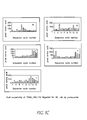
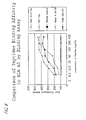
- HLA-A*0201 binding studies were preformed with PSMA 288-297 , GLPSIPVHPI, (SEQ ID NO. 21) essentially as described in Example 1.1 above. As seen in figure 2, this epitope exhibits significant binding at even lower concentrations than the positive control peptides.
- N-terminal addition of authentic sequence to epitopes can often generate still useful, even better epitopes, for the same or different MHC restriction elements.
- (L)RVDCTPLMY SEQ ID NOS 35 and (36)
- HLA-B*2702/5 HLA-B*2702/5
- SIEGNYTLRV SEQ ID NO 30
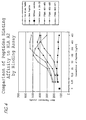
- HLA-A*0201 binding studies were preformed, essentially as described in Example 1.1 above, with PSMA 460-469 , YTLRVDCTPL, (SEQ ID NO.33). As seen in figure 4, this epitope was found to bind HLA-A2.1 to a similar extent as the known A2.1 binder FLPSDYFPSV (HBV 18-27 ; SEQ ID NO: 108) used as a positive control. Additionally, PSMA 461-469 , (SEQ ID NO. 32) binds nearly as well.
- the wells of a nitrocellulose-backed microtiter plate were coated with capture antibody by incubating overnight at 4°C using 50 ⁇ l/well of 4 ⁇ g/ml murine anti-human ⁇ -IFN monoclonal antibody in coating buffer (35 mM sodium bicarbonate, 15 mM sodium carbonate, pH 9.5). Unbound antibody was removed by washing 4 times 5 min. with PBS. Unbound sites on the membrane then were blocked by adding 200 ⁇ l/well of RPMI medium with 10% serum and incubating 1 hr. at room temperature. Antigen stimulated CD8 + T cells, in 1:3 serial dilutions, were seeded into the wells of the microtiter plate using 100 ⁇ l/well, starting at 2x10 5 cells/well.
- PSMA 462-471 SEQ ID NO. 36 was added to a final concentration of 10 ⁇ g/ml and IL-2 to 100 U/ml and the cells cultured at 37°C in a 5% CO 2 , water-saturated atmosphere for 40 hrs. Following this incubation the plates were washed with 6 times 200 ⁇ l/well of PBS containing 0.05% Tween-20 (PBS-Tween).
- Detection antibody 50 ⁇ l/well of 2g/ml biotinylated murine anti-human ⁇ -IFN monoclonal antibody in PBS+10% fetal calf serum, was added and the plate incubated at room temperature for 2 hrs. Unbound detection antibody was removed by washing with 4 times 200 ⁇ l of PBS-Tween. 100 ⁇ l of avidin-conjugated horseradish peroxidase (Pharmingen, San Diego, CA) was added to each well and incubated at room temperature for 1 hr. Unbound enzyme was removed by washing with 6 times 200 ⁇ l of PBS-Tween.
- Substrate was prepared by dissolving a 20 mg tablet of 3-amino 9-ethylcoarbasole in 2.5 ml ofN, N-dimethylformamide and adding that solution to 47,5 ml of 0.05 M phosphate-citrate buffer (pH 5.0). 25 ⁇ l of 30% H 2 O 2 was added to the substrate solution immediately before distributing substrate at100 ⁇ l/well and incubating the plate at room temperature. After color development (generally 15-30 min.), the reaction was stopped by washing the plate with water. The plate was air dried and the spots counted using a stereomicroscope.
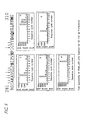
- Figure 5 shows the detection of PSMA 463-471 (SEQ ID NO. 35)-reactive HLA-A1 + CD8 + T cells previously generated in cultures of HLA-A1 + CD8 + T cells with autologous dendritic cells plus the peptide. No reactivity is detected from cultures without peptide (data not shown). In this case it can be seen that the peptide reactive T cells are present in the culture at a frequency between 1 in 2.2x10 4 and 1 in 6.7x10 4 . That this is truly an HLA-A1-restricted response is demonstrated by the ability of anti-HLA-A1 monoclonal antibody to block ⁇ -IFN production; see figure 6.
- FDKSNPIVLRMMNDQLMFLERAFIDPLGLPDRPFY PSMA 653-687 Another peptide, FDKSNPIVLRMMNDQLMFLERAFIDPLGLPDRPFY PSMA 653-687 , (SEQ ID NO. 37) containing an A2 epitope cluster from prostate specific membrane antigen, PSMA 660-681 (SEQ ID NO. 38), was synthesized by MPS (purity >95%) and subjected to proteasome digestion and mass spectrum analysis as described above. Prominent peaks from the mass spectra are summarized in Table 7.
- N-terminal addition of authentic sequence to epitopes can generate still useful, even better epitopes, for the same or different MHC restriction elements. Note for example the pairing of (R)MMNDQLMFL (SEQ ID NOS. 39 and (40)) with HLA-A*02, where the 10-mer retains substantial predicted binding potential.
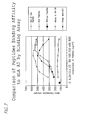
- HLA-A*0201 binding studies were preformed, essentially as described in Example 1.1 above, with PSMA 663-671 , (SEQ ID NO. 39) and PSMA 662-671 , RMMNDQLMFL (SEQ NO. 67). As seen in figures 4, 7 and 8, this epitope exhibits significant binding at even lower concentrations than the positive control peptide (FLPSDYFPSV (HBV 18-27 ); SEQ ID NO. 108). Though not run in parallel, comparison to the controls suggests that PSMA 662-671 (which approaches the MelanA peptide in affinity) has the superior binding activity of these two PSMA peptides.
- compositions as disclosed herein A multi-center clinical study is carried out using compositions as disclosed herein.
- the results of the study show the compositions to be useful and effective for debulking solid tumors and for generally inducing anti-angiogenic activity.
- mice In vivo immunization of mice.
- HHD1 transgenic A*0201 mice (Pascolo, S., et al. J. Exp. Med. 185:2043-2051, 1997) were anesthetized and injected subcutaneously at the base of the tail, avoiding lateral tail veins, using 100 ⁇ l containing 100 nmol of PSMA 288-297 (SEQ ID NO. 21) and 20 ⁇ g of a HTL epitope peptide in PBS emulsified with 50 ⁇ l of IFA (incomplete Freund's adjuvant).
- PSMA 288-297 SEQ ID NO. 21
- IFA incomplete Freund's adjuvant
- mice Using spleens from 2 naive mice for each group of immunized mice, un-immunized mice were sacrificed and their carcasses placed in alcohol. Using sterile instruments, the top dermal layer of skin on the mouse's left side (lower mid-section) was cut through, exposing the peritoneum. The peritoneum was saturated with alcohol, and the spleen aseptically extracted. The spleens were placed in a petri dish with serum-free media. Splenocytes were isolated by using sterile plungers from 3 ml syringes to mash the spleens. Cells were collected in a 50 ml conical tubes in serum-free media, rinsing dish well.
- mice Three days after LPS stimulation of the blast cells and the same day as peptide loading, the primed mice were sacrificed (at 14 days post immunization) to remove spleens as above. 3x10 6 splenocytes were co-cultured with 1x10 6 LPS blasts/well in 24-well plates at 37°C, with 5% CO 2 in DMEM media supplemented with 10% FCS, 5x10 -5 M ⁇ (beta)-mercaptoethanol, 100 ⁇ g/ml streptomycin and 100 IU/ml penicillin. Cultures were fed 5% (vol/vol) ConA supernatant on day 3 and can be transferred on day 7. An aliquot of the CTL are also tested in a standard chromium release assay to ensure activity.
- telomerase-transformed HDMEC in 10 ⁇ l of EGM-2-VM medium (Clonetics, San Diego, CA) are mixed with 0.5 ml of MATRIGEL (Becton Dickinson) on ice. The mixture is injected subcutaneously, through a 25 gauge needle, along the ventral midline of the thorax of SCID mice.
- MATRIGEL Becton Dickinson
- M1 tumor cells grown in complete RPMI plus 10% serum were harvested and washed with PBS by centrifugation.
- the cells were suspended in PBS at 5x10 6 cells/ml and 0.5 ml of the suspension (early passage) was injected subcutaneously into the abdomen.
- an appropriate vaccine vector e.g. pVAX1 (Invitrogen Inc, Carlsbad, CA) or one of the vectors described in U.S. Patent Application No. 09/561,572 entitled "EXPRESSION VECTORS ENCODING EPITOPES OF TARGET-ASSOCIATED ANTIGENS,” filed on April 28, 2001.
- HHD-A2 mice are injected intranodally in the inguinal lymph node with 0, 2, 10, 50, 100, and 200 ⁇ g of vector in PBS every other day over 8 days (4 injections) alternating sides for each injection (single dosage per mouse or group of mice). Injection series are started the day of tumor cell injection, at 2 weeks before, and at 4 and 10 weeks after.
- Effectiveness of the vaccine is expressed as the proportion of vaccinated animals that fail to develop a tumor in the same time frame, the relative size of tumors at the same time point, the delay in time before tumors appear in the vaccinated animals, and the dose and number of composition cycles needed to inhibit or prevent the establishment of tumor.
- mice are vaccinated on the day of tumor cell inoculation, 1 and 2 weeks before, and 3 or 4 days after injections of 1x10 6 cells. Effectiveness of vaccination is assessed at approximately 10 days after tumor cell inoculation.
- HHD-A2 mice were immunized with ED-B29-38 (SEQ ID NO. 103) in complete Freund's adjuvants and spleen cells were harvested and re-stimulated in vitro using standard methodology. The resulting CTL were able to specifically lyse peptide pulsed T2 cells, which are HLA-A2+ (Fig. 9).
- Table 9 discloses epitopes and epitope clusters from PSMA and ED-B that can be useful in construction of compositions according to the present invention.
Landscapes
- Health & Medical Sciences (AREA)
- Life Sciences & Earth Sciences (AREA)
- General Health & Medical Sciences (AREA)
- Veterinary Medicine (AREA)
- Public Health (AREA)
- Animal Behavior & Ethology (AREA)
- Epidemiology (AREA)
- Chemical & Material Sciences (AREA)
- Medicinal Chemistry (AREA)
- Pharmacology & Pharmacy (AREA)
- Microbiology (AREA)
- Oncology (AREA)
- Immunology (AREA)
- Mycology (AREA)
- Developmental Biology & Embryology (AREA)
- Cell Biology (AREA)
- Organic Chemistry (AREA)
- Nuclear Medicine, Radiotherapy & Molecular Imaging (AREA)
- General Chemical & Material Sciences (AREA)
- Chemical Kinetics & Catalysis (AREA)
- Medicines Containing Antibodies Or Antigens For Use As Internal Diagnostic Agents (AREA)
- Medicines That Contain Protein Lipid Enzymes And Other Medicines (AREA)
Priority Applications (1)
| Application Number | Priority Date | Filing Date | Title |
|---|---|---|---|
| EP10178936A EP2295074A1 (fr) | 2001-03-07 | 2002-03-07 | Préparations anti-neovasculature pour traiter le cancer |
Applications Claiming Priority (3)
| Application Number | Priority Date | Filing Date | Title |
|---|---|---|---|
| US27406301P | 2001-03-07 | 2001-03-07 | |
| US274063P | 2001-03-07 | ||
| EP02715085A EP1372736A4 (fr) | 2001-03-07 | 2002-03-07 | Preparations anti-neovaisseaux destinees au traitement anticancereux |
Related Parent Applications (1)
| Application Number | Title | Priority Date | Filing Date |
|---|---|---|---|
| EP02715085A Division EP1372736A4 (fr) | 2001-03-07 | 2002-03-07 | Preparations anti-neovaisseaux destinees au traitement anticancereux |
Publications (2)
| Publication Number | Publication Date |
|---|---|
| EP1595548A2 true EP1595548A2 (fr) | 2005-11-16 |
| EP1595548A3 EP1595548A3 (fr) | 2006-02-22 |
Family
ID=35106572
Family Applications (1)
| Application Number | Title | Priority Date | Filing Date |
|---|---|---|---|
| EP05014175A Withdrawn EP1595548A3 (fr) | 2001-03-07 | 2002-03-07 | Préparations anti-neovasculature pour traiter le cancer |
Country Status (1)
| Country | Link |
|---|---|
| EP (1) | EP1595548A3 (fr) |
Cited By (2)
| Publication number | Priority date | Publication date | Assignee | Title |
|---|---|---|---|---|
| WO2006071983A3 (fr) * | 2004-12-29 | 2007-03-08 | Mannkind Corp | Combinaisons d'antigenes associes a une tumeur dans des compositions pour differents types de cancers |
| WO2009126725A1 (fr) * | 2008-04-09 | 2009-10-15 | The Regents Of The University Of Michigan | Procédé de modulation de la néo-vascularisation |
Citations (1)
| Publication number | Priority date | Publication date | Assignee | Title |
|---|---|---|---|---|
| WO2003073995A2 (fr) * | 2002-03-02 | 2003-09-12 | The Scripps Research Institute | Vaccin a adn contre la proliferation de cellules endotheliales et methodes d'utilisation associees |
Family Cites Families (2)
| Publication number | Priority date | Publication date | Assignee | Title |
|---|---|---|---|---|
| IL125608A0 (en) * | 1998-07-30 | 1999-03-12 | Yeda Res & Dev | Tumor associated antigen peptides and use of same as anti-tumor vaccines |
| DK1276896T3 (da) * | 2000-04-28 | 2010-10-18 | Mannkind Corp | Epitop-synkronisering i antigen-præsenterende celler |
-
2002
- 2002-03-07 EP EP05014175A patent/EP1595548A3/fr not_active Withdrawn
Patent Citations (1)
| Publication number | Priority date | Publication date | Assignee | Title |
|---|---|---|---|---|
| WO2003073995A2 (fr) * | 2002-03-02 | 2003-09-12 | The Scripps Research Institute | Vaccin a adn contre la proliferation de cellules endotheliales et methodes d'utilisation associees |
Non-Patent Citations (7)
| Title |
|---|
| DEN HAAN J M ET AL: "CD8(+) but not CD8(-) dendritic cells cross-prime cytotoxic T cells in vivo.", THE JOURNAL OF EXPERIMENTAL MEDICINE 18 DEC 2000 LNKD- PUBMED:11120766, vol. 192, no. 12, 18 December 2000 (2000-12-18), pages 1685 - 1696, ISSN: 0022-1007 * |
| DENEKAMP J: "VASCULAR ATTACK AS A THERAPEUTIC STRATEGY FOR CANCER", CANCER AND METASTASIS REVIEWS, vol. 9, no. 3, 1990, pages 267 - 282, XP009132426, ISSN: 0167-7659 * |
| GONG M C ET AL: "Prostate-specific membrane antigen (PSMA)-specific monoclonal antibodies in the treatment of prostate and other cancers.", CANCER METASTASIS REVIEWS 1999 LNKD- PUBMED:10855791, vol. 18, no. 4, 1999, pages 483 - 490, XP002982445, ISSN: 0167-7659 * |
| LI YIWEN ET AL: "Active immunization against the vascular endothelial growth factor receptor flk1 inhibits tumor angiogenesis and metastasis.", THE JOURNAL OF EXPERIMENTAL MEDICINE 17 JUN 2002 LNKD- PUBMED:12070285, vol. 195, no. 12, 17 June 2002 (2002-06-17), pages 1575 - 1584, XP002973897, ISSN: 0022-1007, DOI: 10.1084/jem.20020072 * |
| REGNAULT A ET AL: "Fcgamma receptor-mediated induction of dendritic cell maturation and major histocompatibility complex class I-restricted antigen presentation after immune complex internalization.", THE JOURNAL OF EXPERIMENTAL MEDICINE 18 JAN 1999 LNKD- PUBMED:9892619, vol. 189, no. 2, 18 January 1999 (1999-01-18), pages 371 - 380, XP009073998, ISSN: 0022-1007, DOI: 10.1084/jem.189.2.371 * |
| SCHUURHUIS DANITA H ET AL: "Antigen-antibody immune complexes empower dendritic cells to efficiently prime specific CD8+ CTL responses in vivo.", JOURNAL OF IMMUNOLOGY (BALTIMORE, MD. : 1950) 1 MAR 2002 LNKD- PUBMED:11859111, vol. 168, no. 5, 1 March 2002 (2002-03-01), pages 2240 - 2246, ISSN: 0022-1767 * |
| VUKMANOVIC-STEJIC M ET AL: "Specificity, restriction and effector mechanisms of immunoregulatory CD8 T cells.", IMMUNOLOGY FEB 2001 LNKD- PUBMED:11260315, vol. 102, no. 2, February 2001 (2001-02-01), pages 115 - 122, ISSN: 0019-2805 * |
Cited By (3)
| Publication number | Priority date | Publication date | Assignee | Title |
|---|---|---|---|---|
| WO2006071983A3 (fr) * | 2004-12-29 | 2007-03-08 | Mannkind Corp | Combinaisons d'antigenes associes a une tumeur dans des compositions pour differents types de cancers |
| WO2009126725A1 (fr) * | 2008-04-09 | 2009-10-15 | The Regents Of The University Of Michigan | Procédé de modulation de la néo-vascularisation |
| US8697081B2 (en) | 2008-04-09 | 2014-04-15 | The Regents Of The University Of Michigan | Method of modulating neovascularization |
Also Published As
| Publication number | Publication date |
|---|---|
| EP1595548A3 (fr) | 2006-02-22 |
Similar Documents
| Publication | Publication Date | Title |
|---|---|---|
| US7252824B2 (en) | Anti-neovasculature preparations for cancer | |
| CN101888852B (zh) | 癌症疫苗组合物 | |
| CN105418751B (zh) | 来自sparc的癌排斥抗原肽以及含有该肽的药物 | |
| Brändle et al. | The shared tumor‐specific antigen encoded by mouse gene P1A is a target not only for cytolytic T lymphocytes but also for tumor rejection | |
| JPH09502086A (ja) | 完全mage1遺伝子のクローニング及び特性決定 | |
| JP2003510094A (ja) | Muc−1由来のペプチド | |
| EP2178548B1 (fr) | Peptides de survivine en tant que vaccins anticancéreux | |
| CN109311955B (zh) | 一种新的肿瘤特异性多肽及其应用 | |
| EP2216041A1 (fr) | Procédé pour l'induction d'un lymphocyte t cytotoxique, inducteur de lymphocyte t cytotoxique et composition pharmaceutique et vaccin comprenant chacun l'inducteur | |
| KR20220052987A (ko) | Ebv 유래 항원에 특이적인 tcr 작제물 | |
| US8748170B2 (en) | Polypeptides derived from cyclin B1 and uses thereof | |
| JP2002512202A (ja) | メラノーマの免疫治療用のワクチンアジュバント | |
| EP1595548A2 (fr) | Préparations anti-néovasculature pour traiter le cancer | |
| HK1085391A (en) | Anti-neovasculature preparations for treating cancer | |
| KR101970709B1 (ko) | PLK1 단백질에 대한 항원―특이 T 세포 면역반응을 유도하는 HLA―A2 아형―특이 PLKl―유래 항원결정기 | |
| HK1155078A (en) | Anti-neovasculature preparations for treating cancer | |
| US20180355015A1 (en) | Methods and materials for generating t cells | |
| WO2007018198A1 (fr) | Peptide antigène dérivé du hsp105 pour une utilisation chez des patients positifs à l’hal-a2 et produit pharmaceutique comprenant l’antigène | |
| US7476535B2 (en) | TRP2 isoform TRP2-6b containing HLA-A2 restricted epitopes | |
| US20060009393A1 (en) | Immunogenic epitopes for fibroblast growth factors 5 (FGF-5) | |
| ES2371394T3 (es) | Antígenos de cáncer y su utilización. | |
| HK1083771B (en) | Anti-neovasculature preparations for cancer | |
| Generoso | Six-transmembrane epithelial antigen of the postate (STREAP): a potential target of immunotherapy of prostate cancer. | |
| Slingluff Jr | Tumor Biology for the Clinician: Melanoma Peptide Vaccines | |
| VILE et al. | Cancer: Specific and Nonspecific Mechanisms |
Legal Events
| Date | Code | Title | Description |
|---|---|---|---|
| PUAI | Public reference made under article 153(3) epc to a published international application that has entered the european phase |
Free format text: ORIGINAL CODE: 0009012 |
|
| 17P | Request for examination filed |
Effective date: 20050630 |
|
| AC | Divisional application: reference to earlier application |
Ref document number: 1372736 Country of ref document: EP Kind code of ref document: P |
|
| AK | Designated contracting states |
Kind code of ref document: A2 Designated state(s): AT BE CH CY DE DK ES FI FR GB GR IE IT LI LU MC NL PT SE TR |
|
| RIC1 | Information provided on ipc code assigned before grant |
Ipc: 7G 01N 33/48 B Ipc: 7A 61P 35/00 B Ipc: 7A 61K 48/00 B Ipc: 7A 61K 39/00 A Ipc: 7C 07K 14/515 B |
|
| PUAL | Search report despatched |
Free format text: ORIGINAL CODE: 0009013 |
|
| AK | Designated contracting states |
Kind code of ref document: A3 Designated state(s): AT BE CH CY DE DK ES FI FR GB GR IE IT LI LU MC NL PT SE TR |
|
| RTI1 | Title (correction) |
Free format text: ANTI-NEOVASCULATURE PREPARATIONS FOR TREATING CANCER |
|
| REG | Reference to a national code |
Ref country code: HK Ref legal event code: DE Ref document number: 1085391 Country of ref document: HK |
|
| 17Q | First examination report despatched |
Effective date: 20060727 |
|
| AKX | Designation fees paid |
Designated state(s): AT BE CH CY DE DK ES FI FR GB GR IE IT LI LU MC NL PT SE TR |
|
| STAA | Information on the status of an ep patent application or granted ep patent |
Free format text: STATUS: THE APPLICATION HAS BEEN WITHDRAWN |
|
| 18W | Application withdrawn |
Effective date: 20111014 |
|
| REG | Reference to a national code |
Ref country code: HK Ref legal event code: WD Ref document number: 1085391 Country of ref document: HK |