EP1607744A2 - Behandlung von zystenbildenden Erkrankungen mit Kombinationen enthaltend PTBR-Agonisten - Google Patents
Behandlung von zystenbildenden Erkrankungen mit Kombinationen enthaltend PTBR-Agonisten Download PDFInfo
- Publication number
- EP1607744A2 EP1607744A2 EP05016779A EP05016779A EP1607744A2 EP 1607744 A2 EP1607744 A2 EP 1607744A2 EP 05016779 A EP05016779 A EP 05016779A EP 05016779 A EP05016779 A EP 05016779A EP 1607744 A2 EP1607744 A2 EP 1607744A2
- Authority
- EP
- European Patent Office
- Prior art keywords
- ptbr
- ligand
- kidney disease
- disease
- treatment
- Prior art date
- Legal status (The legal status is an assumption and is not a legal conclusion. Google has not performed a legal analysis and makes no representation as to the accuracy of the status listed.)
- Withdrawn
Links
Images


Classifications
-
- A—HUMAN NECESSITIES
- A61—MEDICAL OR VETERINARY SCIENCE; HYGIENE
- A61K—PREPARATIONS FOR MEDICAL, DENTAL OR TOILETRY PURPOSES
- A61K31/00—Medicinal preparations containing organic active ingredients
- A61K31/33—Heterocyclic compounds
- A61K31/395—Heterocyclic compounds having nitrogen as a ring hetero atom, e.g. guanethidine or rifamycins
- A61K31/55—Heterocyclic compounds having nitrogen as a ring hetero atom, e.g. guanethidine or rifamycins having seven-membered rings, e.g. azelastine, pentylenetetrazole
- A61K31/551—Heterocyclic compounds having nitrogen as a ring hetero atom, e.g. guanethidine or rifamycins having seven-membered rings, e.g. azelastine, pentylenetetrazole having two nitrogen atoms, e.g. dilazep
- A61K31/5513—1,4-Benzodiazepines, e.g. diazepam or clozapine
-
- A—HUMAN NECESSITIES
- A61—MEDICAL OR VETERINARY SCIENCE; HYGIENE
- A61K—PREPARATIONS FOR MEDICAL, DENTAL OR TOILETRY PURPOSES
- A61K38/00—Medicinal preparations containing peptides
- A61K38/16—Peptides having more than 20 amino acids; Gastrins; Somatostatins; Melanotropins; Derivatives thereof
- A61K38/17—Peptides having more than 20 amino acids; Gastrins; Somatostatins; Melanotropins; Derivatives thereof from animals; from humans
- A61K38/19—Cytokines; Lymphokines; Interferons
- A61K38/191—Tumor necrosis factors [TNF], e.g. lymphotoxin [LT], i.e. TNF-beta
-
- A—HUMAN NECESSITIES
- A61—MEDICAL OR VETERINARY SCIENCE; HYGIENE
- A61K—PREPARATIONS FOR MEDICAL, DENTAL OR TOILETRY PURPOSES
- A61K45/00—Medicinal preparations containing active ingredients not provided for in groups A61K31/00 - A61K41/00
- A61K45/06—Mixtures of active ingredients without chemical characterisation, e.g. antiphlogistics and cardiaca
-
- A—HUMAN NECESSITIES
- A61—MEDICAL OR VETERINARY SCIENCE; HYGIENE
- A61P—SPECIFIC THERAPEUTIC ACTIVITY OF CHEMICAL COMPOUNDS OR MEDICINAL PREPARATIONS
- A61P13/00—Drugs for disorders of the urinary system
- A61P13/12—Drugs for disorders of the urinary system of the kidneys
-
- A—HUMAN NECESSITIES
- A61—MEDICAL OR VETERINARY SCIENCE; HYGIENE
- A61P—SPECIFIC THERAPEUTIC ACTIVITY OF CHEMICAL COMPOUNDS OR MEDICINAL PREPARATIONS
- A61P43/00—Drugs for specific purposes, not provided for in groups A61P1/00-A61P41/00
-
- G—PHYSICS
- G01—MEASURING; TESTING
- G01N—INVESTIGATING OR ANALYSING MATERIALS BY DETERMINING THEIR CHEMICAL OR PHYSICAL PROPERTIES
- G01N33/00—Investigating or analysing materials by specific methods not covered by groups G01N1/00 - G01N31/00
- G01N33/48—Biological material, e.g. blood, urine; Haemocytometers
- G01N33/50—Chemical analysis of biological material, e.g. blood, urine; Testing involving biospecific ligand binding methods; Immunological testing
- G01N33/94—Chemical analysis of biological material, e.g. blood, urine; Testing involving biospecific ligand binding methods; Immunological testing involving narcotics or drugs or pharmaceuticals, neurotransmitters or associated receptors
- G01N33/948—Sedatives, e.g. cannabinoids, barbiturates
Definitions
- cysts containing either semi-solid or fluid material There are several human diseases that result in the formation of cysts containing either semi-solid or fluid material. Benign cysts can occur, for example, in the ovary, spleen, lungs, kidney and liver, where they are often hereditary. Cysts can be acquired, as in diverticulasis of the intestines, or acquired as a secondary cause of an inherited disease, as in cystic fibrosis, or can be directly inherited, as in polycystic disease of the kidney, which can also affect the liver and brain.
- ARPKD is a rare inherited disorder which usually becomes clinically manifest in early childhood, although presentation of ARPKD at later ages an survival into adulthood have also been observed in many cases.
- ARPKD was first studied in C57BL/6J mice in whom it arises spontaneously (Preminger et al., J. Urol. 127 :556-560 [1982]).
- the cpk mutation characteristic of this disease has been mapped to mouse chromosome 12 (Davisson et al., Genomics 9:778-781 [1991]).
- the gene responsible for ARPKD in humans has been mapped to chromosome 6p. More recently, fine mapping of the autosomal recessive polycystic kidney disease locus (PKHD1) has been reported (Mucher et al., Genomics 48 :40-45 [1998]).
- PKHD1 autosomal recessive polycystic kidney disease locus
- taxol and taxol derivatives inhibit the progression of PKD and prolongs the survival of polycystic cpk mice (Woo et al., Nature 368 :750-753 [1994]; PCT publication WO 94/08041; U.S. Patent No. 5,882,881). Since taxol specifically induces the expression of TNF- ⁇ in macrophages and lymphocytes, it has also been suggested that TNF- ⁇ is useful in the treatment of PKD (U.S. Patent No. 5,750,495).
- PTBR ligands Ro5-4864 and PK11195, but not diazepam, have been described to depress cardiac function in an isolated working rat heart model (Edoute et al ., Pharmacology 46:224-230 [1993]).
- Ro5-4864 has also been reported to increase coronary flow in an isolated perfused Langendorf rat heart without affecting heart rate and left ventricular contractility.
- PK11195 did not antagonize this vasodilatory effect (Grupp et al ., Eur. J. Pharm. 143:143-147 [1987]).
- diazepam induced a transient negative inotropic effect followed by a positive inotropic response.
- PTBR's have been shown to play a role in cell pathways underlying apoptosis.
- PTBR's expressed on mitochondria serve as docking receptors for Bcl 2 , a protein that inhibits apoptosis.
- Bcl 2 a protein that inhibits apoptosis.
- the biological pathways in apoptosis modulated by PTBR ligand interactions are not specifically known.
- the PTBR agonist may, for example, be a native sequence PTBR ligand or a fragment or functional subunit thereof, an organic small molecule or peptide, a polypeptide variant of a native sequence ligand, an antibody, a glycopeptide, a glycolipid, a polysaccharide, an oligosaccharide, a nucleic acid, a peptidomimetic, a pharmacological agent or a metabolite thereof, a transcriptional or translational control sequence, and the like.
- Administration can be performed by various routes known in the art, including, without limitation, intravenous, intraperitoneal, intraarterial, subcutaneous, oral or intramuscular administration.
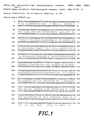
- PTBR's represent a subset of the benzodiazepine receptor family that is located outside the central nervous system. Kruger et al ., in: GABA and Benzodiazepine Receptor Subtypes Biggio and Costa eds., pp. 1-14 (1990) reported the purification, cloning and expression of a peripheral-type benzodiazepine receptor.
- the cDNA of a 18-kDa PTBR polypeptide, originally identified in heart tissue, has subsequently been cloned from various sources, such as rat adrenal (Sprengel et al ., J. Biol. Chem.
- ligand "PTBR ligand” and "ligand of a (native sequence) PTBR” are interchangeable, and are used in the broadest sense to include endogenous or exogenous factors that interact with a PTBR, including native sequence PTBR ligands and their variants, as well as synthetic polypeptide or small molecule ligands.
- the "interaction” is defined as the ability to affect the function of a PTBR may, but does not need to involve, specific binding to the native sequence PTBR.
- PTBR ligand includes antagonists and agonists, as defined below.
- Sequence identity is defined as the percentage of amino acid residues in a candidate sequence that are identical with the amino acid residues in a native polypeptide sequence, after aligning the sequences and introducing gaps, if necessary, to achieve the maximum percent sequence identity, and not considering any conservative substitutions as part of the sequence identity.
- the homology alignment algorithms employed in the BLAST program may be used.
- the BLAST family of programs allows all combinations of DNA or protein query sequences with searches against DNA or protein databases.
- blastp which compares an amino acid query sequence against a protein sequence database
- blastn which compares a nucleotide query sequence against a nucleotide sequence database
- blastx which compares the six-frame conceptual translation products of a nucleotide query sequences (both strands) against a protein sequence database
- tblastn which compares a protein query sequence against a nucleotide sequence database dynamically translated in all six reading frames (both strands)
- tblastx which compares the six-frame translations of a nucleotide query sequence against the six-frame translations of a nucleotide sequence database.
- a preferred biological activity of a PTBR antagonist is the ability to prevent, slow down the progression of or eliminate cyst formation or cyst expansion, or treat a disease dependent upon or mediating cyst formation. Even more preferably, a PTBR antagonist is biologically active, if it is effective in the treatment of polycystic kidney disease (PKD).
- PPD polycystic kidney disease
- immunological property means immunological cross-reactivity with at least one epitope of the reference (native sequence) polypeptide molecule, wherein, “immunological cross-reactivity” means that the candidate polypeptide is capable of competitively inhibiting the qualitative biological activity of the reference (native sequence) polypeptide.
- the immunological cross-reactivity is preferably "specific", which means that the binding affinity of the immunologically cross-reactive molecule identified to the corresponding polypeptide is significantly higher (preferably at least about 2-times, more preferably at least about 4-times, most preferably at least about 6-times higher) than the binding affinity of that molecule to any other known native polypeptide.
- beneficial or desired clinical results include, but are not limited to, alleviation of symptoms, diminishment of extent of disease, stabilized (i.e., not worsening) state of disease, delay or slowing of disease progression, amelioration or palliation of the disease state, and remission (whether partial or total), whether detectable or undetectable.
- Treatment can also mean prolonging survival as compared to expected survival if not receiving treatment.
- Those in need of treatment include those already with the condition or disorder as well as those prone to have the condition or disorder or those in which the condition or disorder is to be prevented.
- Administration "in combination with” one or more further therapeutic agents includes simultaneous (concurrent) and consecutive administration in any order.
- An "individual” is a vertebrate, preferably a mammal, more preferably a human.
- mammal for purposes of treatment refers to any animal classified as a mammal, including humans, domestic and farm animals, and zoo, sports, or pet animals, such as dogs, horses, cats, cows, etc.
- the mammal herein is human.
- humanized antibodies may comprise residues which are found neither in the recipient antibody nor in the imported CDR or framework sequences. These modifications are made to further refine and maximize antibody performance.
- the humanized antibody will comprise substantially all of at least one, and typically two, variable domains, in which all or substantially all of the CDR regions correspond to those of a non-human immunoglobulin and all or substantially all of the FR regions are those of a human immunoglobulin sequence.
- the humanized antibody optimally also will comprise at least a portion of an immunoglobulin constant region (Fc), typically that of a human immunoglobulin.
- the humanized antibody includes a PRIMATIZED® antibody wherein the antigen-binding region of the antibody is derived from an antibody produced by immunizing macaque monkeys with the antigen of interest.
- Antibody fragments comprise a portion of an intact antibody, preferably the antigen binding or variable region of the intact antibody.
- antibody fragments include Fab. Fab', F(ab') 2 , and Fv fragments; diabodies; linear antibodies (Zapata et al., Protein Eng . 8(10):1057-1062 (1995)); single-chain antibody molecules; and multispecific antibodies formed from antibody fragments.
- DBI diazepam-binding inhibitor
- acyl coenzyme A-binding protein (Knudsen et al ., Biochem. J. 26 :513-519 [1989]).
- This ligand is not selective as it has the same affinity ( ⁇ M range) for both the GABA A /benzodiazepine receptor and PTBR.
- a shorter fragment of DBI fragment 17-50, also referred to as trikontetraneuropeptide is more selective for PTBR.
- Synthetic ligands of the PTBR are also known and well characterized.
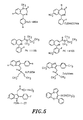
- Such synthetic ligands include benzodiazepines, such as, for example, Ro5-4864 and Clonazepam; isoquinoline carboxamides, e.g. PK 11195 [1-(2-chlorophenyl)-N-methyl-N-(1-methylpropyl)-3-isoquinoline carboxamide] and PK 14105 [(2-fluaro-5-nitro-phenyl)-N-mothyl-N-(1-methylpropyl)-3-isoquinoline carboxamide]; imidazopuridines, e.g.
- Preferred ligands show high selectivity for the PTBR, relative to the benzodizepine receptors present in the brain (CBR) or GABA.
- the difference in binding affinity is preferably at least 10-fold, more preferably at least 1 00-fold, most preferably at least 1000-fold.
- PTBR ligands include agonist and antagonist of PTBR.
- Representative PTBR agonists include benzodiazepines, e.g. Ro5-4864 and its derivatives, while representatives PTBR antagonists include isoquinoline carboxamides, e.g. PK 11195 and PK 14105 and derivatives.
- the first step in identifying new ligands of the PTBR is in vitro screening to identify compounds that selectively bind the peripheral-type receptor.
- Receptor-binding can be tested using peripheral-type and brain-derived receptors isolated from their respective native sources, or produced by recombinant DNA technology and/or chemical synthesis.
- the binding affinity of the candidate compounds can be tested by direct binding (see, e.g. Schoemaker et al ., J. Pharmacol. Exp. Ther., 285 :61-69 [1983]) or by indirect, e.g. competitive, binding.
- the concentration of a compound necessary to displace 50% of another compound bound to the receptor (IC 50 ) is usually used as a measure of binding affinity.
- the other ligand can be any compound known to bind to PTBR with high affinity and selectivity, e.g. PK11195 or Ro5-4864.
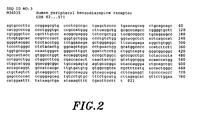
- DNA encoding the full length sequence of the human peripheral benzodiazepine receptor is cloned into an expression vector containing a selectable marker.
- the vector is used to transfect recombinant host cells, for example mammalian cells, e.g., the human embryonic kidney cell line (HEK-293).
- HEK-293 human embryonic kidney cell line
- stable lines which express PTBRs are identified by Western blot using immunoreactivity toward an epitope tag that is genetically engineered into the PTBR gene.
- Membrane fractions are prepared from the stably expressing cell lines in bulk and stored frozen for HTP screening.
- Authentification of the PTBR containing membrane fractions is achieved by reproducing binding coefficients of known radialabelled ligands (such as [3H]Ro5-4864). Screening for novel ligands is performed by virtue of their ability to compete effectively with [3H]Ro5-4864 in competitive binding assays. Binding coefficients can be determined by any known manner, e.g. by Scatchard analysis.
- PTBR agonists and antagonists can be screened in a similar fashion. This can be done in in vitro or in vivo experiments, by monitoring the response of a cell following the binding of the ligand to the receptor. An agonist will produce a cellular response, which results in increased or new activity or in the inhibiting of an already occurring cellular activity. In contrast, an antagonist will have no effect on cellular response, rather will have the effect of preventing binding of agonists to the same receptor sites. It may be desirable to screen for antagonists in a fashion that the readout is functional to find molecules that activate the receptor without affecting the binding site(s) of the native ligand(s). Antagonists can be screened in a similar fashion.
- the PTBR antagonists of the present invention are not limited to PTBR ligands.
- Other PTBR antagonists include (1) variants of a native PTBR that retain the ability to bind an endogenous PTBR ligand but are deficient in their ability to mediate a biological response, (2) soluble receptors, (3) antibodies specifically binding an endogenous PTBR ligand at or around its receptor binding site so that they block the binding of the ligand to its native receptor, and (4) selective inhibitors of the in vivo production of an endogenous PTBR ligand, such as transcriptional regulators of the expression of an endogenous PTBR ligand in vivo.
- Another preferred PTBR antagonist is a bioorganic molecule, usually an orally active compound that is based on synthetic and/or molecular modeling studies, that is capable of preventing the interaction between a native PTBR receptor and its endogeneous ligand.
- Such PTBR antagonists can be identifying using the same type of assays as those discussed above.
- the PTBR antagonist and agonists of the present invention can be small molecules, e.g. organic compounds or peptides that can be synthesized by known techniques of chemical synthesis.
- Some PTBR antagonists or agonists will be polypeptides, e.g. native sequence PTBR ligands, or fragments, variants or derivatives thereof, and may be produced by recombinant DNA technology, chemical synthesis or a combination of these or similar techniques.
- Some PTBR agonist or antagonists are commercially available, e.g. from Hoffmann-La Roche AG (Nutley, NJ), and Synthelabo (France).
- the PTBR ligands, either agonists or antagonist, of the present invention may also be agonist or antagonist antibodies to a PTBR.
- Methods of preparing polyclonal antibodies are known in the art. Polyclonal antibodies can be raised in a mammal, for example, by one or more injections of an immunizing agent and, if desired, an adjuvant. Typically, the immunizing agent and/or adjuvant will be injected in the mammal by multiple subcutaneous or intraperitoneal injections. It may be useful to conjugate the immunizing agent to a protein known to be immunogenic in the mammal being immunized, such as serum albumin, or soybean trypsin inhibitor. Examples of adjuvants which may be employed include Freund's complete adjuvant and MPL-TDM.
- monoclonal antibodies may be prepared using hybridoma methods, such as those described by Kohler and Milstein, Nature , 256 :495 (1975).
- a hybridoma method a mouse, hamster, or other appropriate host animal, is typically immunized with an immunizing agent to elicit lymphocytes that produce or are capable of producing antibodies that will specifically bind to the immunizing agent.
- the lymphocytes may be immunized in vitro.
- PBLs peripheral blood lymphocytes
- spleen cells or lymph node cells are used if non-human mammalian sources are desired.
- the lymphocytes are then fused with an immortalized cell line using a suitable fusing agent, such as polyethylene glycol, to form a hybridoma cell
- a suitable fusing agent such as polyethylene glycol
- Immortalized cell lines are usually transformed mammalian cells, particularly myeloma cells of rodent, bovine and human origin. Usually, rat or mouse myeloma cell lines are employed.
- the hybridoma cells may be cultured in a suitable culture medium that preferably contains one or more substances that inhibit the growth or survival of the unfused, immortalized cells.
- Preferred immortalized cell lines are those that fuse efficiently, support stable high level expression of antibody by the selected antibody-producing cells, and are sensitive to a medium such as HAT medium.
- the culture medium in which the hybridoma cells are cultured can then be assayed for the presence of monoclonal antibodies directed against the particular PTBR used.
- the binding specificity of monoclonal antibodies produced by the hybridoma cells is determined by immunoprecipitatian or by an in vitro binding assay, such as radioimmunoassay (RIA) or enzyme-linked immunoabsorbent assay (ELISA).
- RIA radioimmunoassay
- ELISA enzyme-linked immunoabsorbent assay
- the binding affinity of the monoclonal antibody can, for example, be determined by the Scatchard analysis of Munson and Pollard, Anal. Biochem. , 107 :220 (1980).
- the clones may be subcloned by limiting dilution procedures and grown by standard methods [Goding, supra ]. Suitable culture media for this purpose include, for example, Dulbecco's Modified Eagle's Medium and RPMI-1640 medium. Alternatively, the hybridoma cells may be grown in vivo as ascites in a mammal.
- the monoclonal antibodies secreted by the subclones may be isolated or purified from the culture medium or ascites fluid by conventional immunoglobulin purification procedures such as, for example, protein A-Sepharose, hydroxylapatite chromatography, gel electrophoresis, dialysis, or affinity chromatography.
- monoclonal antibodies may be made by recombinant DNA methods, such as those described in U.S. Patent No. 4,816,567.
- DNA encoding the monoclonal antibodies of the invention can be readily isolated and sequenced using conventional procedures (e.g., by using oligonucleotide probes that are capable of binding specifically to genes encoding the heavy and light chains of murine antibodies).
- the hybridoma cells discussed above serve as a preferred source of such DNA.
- the DNA may be placed into expression vectors, which are then transfected into host cells such as COS cells, Chinese hamster ovary (CHO) cells, or myeloma cells that do not otherwise produce immunoglobulin protein, to obtain the synthesis of monoclonal antibodies in the recombinant host cells.
- host cells such as COS cells, Chinese hamster ovary (CHO) cells, or myeloma cells that do not otherwise produce immunoglobulin protein, to obtain the synthesis of monoclonal antibodies in the recombinant host cells.
- the antibodies may be humanized.
- Humanized antibodies contain minimal sequence derived from a non-human immunoglobulin. More specifically, in humanized antibodies residues from a complementary determining region (CDR) of a human immunoglobulin (the recipient) are replaced by residues from a CDR of a non-human species (donor antibody) such as mouse, rat or rabbit having the desired specificity, affinity and capacity. In some instances, Fv framework residues of the human immunoglobulin are also replaced by corresponding non-human residues.
- CDR complementary determining region
- Humanized antibodies may additionally comprise residues that are found neither in the recipient antibody nor in the imported CDR or framework sequences [Jones et al., Nature , 321 :522-525 (1986); Riechmann et al., Nature , 332 :323-329 (1988)].
- a humanized antibody has one or more amino acid residues introduced into it from a non-human source. These non-human amino acid residues are often referred to as "import" residues, which are typically taken from an "import” variable domain.
- Humanization can be essentially performed following the method of Winter and co-workers [Jones et al., Nature , 321:522-525 (1986); Riechmann et al., Nature , 332 :323-327 (1988); Verhoeyen et al., Science , 239 :1534-1536 (1988)], by substituting rodent CDRs or CDR sequences for the corresponding sequences of a human antibody.
- human antibodies can be produced using various techniques known in the art, including phage display libraries [Hoogenboom and Winter, J. Mol. Biol. , 227: 381 (1991); Marks et al., J. Mol. Biol. , 222 :581 (1991)].
- the techniques of Cole et al. and Boerner et al. are also available for the preparation of human monoclonal antibodies (Cole et al., Monoclonal Antibodies and Cancer Therapy , Alan R. Liss, p. 77 (1985) and Boerner et al., J. Immunol. , 147(1) :86-95 (1991)].
- human antibodies can be made by introducing of human immunoglobulin loci into transgenic animals, e.g., mice in which the endogenous immunoglobulin genes have been partially or completely inactivated. Upon challenge, human antibody production is observed, which closely resembles that seen in humans in all respects, including gene rearrangement, assembly, and antibody repertoire. This approach is described, for example, in U.S. Patent Nos.
- the antibodies may be bispecific, in which one specificity is for a PTBR, and the other specificity for another protein, such as, a second, different PTBR, or a different epitope of the same PTBR, or a PTBR ligand.
- compositions comprising PTBR agonists and antagonists
- the PTBR agonists and antagonists can be administered to a patient at therapeutically effective doses to treat (including prevention) a specific cystic disease, e.g. polycystic kidney disease.
- a therapeutically effective dose refers to that amount of the compound sufficient to result in desired treatment.
- Toxicity and therapeutic efficacy of such compounds can be determined by standard pharmaceutical procedures in cell cultures or experimental animals, e.g ., for determining the LD 50 (the dose lethal to 50% of the population) and the ED 50 (the dose therapeutically effective in 50% of the population).
- the dose ratio between toxic and therapeutic effects is the therapeutic index and it can be expressed as the ratio LD 50 /ED 50 .
- Compounds exhibiting large therapeutic indices are preferred. While compounds that exhibit toxic side effects can be used, care should be taken to design a delivery system that targets such compounds to the site of affected tissue in order to minimize potential damage to uninfected cells and, thereby, reduce side effects.
- Data obtained from cell culture assays and animal studies can be used in formulating a range of dosage for use in humans.
- the dosage of such compounds lies preferably within a range of circulating concentrations that include the ED 50 with little or no toxicity.
- the dosage can vary within this range depending upon the dosage form employed and the route of administration utilized.
- the therapeutically effective dose can be estimated initially from cell culture assays.
- a dose can be formulated in animal models to achieve a circulating plasma concentration range that includes the IC 50 (i.e.. the concentration of the test compound, which achieves a half-maximal inhibition of symptoms) as determined in cell culture. Such information can be used to accurately determine useful doses in humans.
- a typical daily dose for a PTBR agonist or antagonist of the present invention might range from about 1 ⁇ g/kg to about 100 mg/kg of patient body weight or more per day, depending on the factors mentioned above, preferably about 10 ⁇ g/kg/day to 10 mg/kg/day.
- compositions for use in accordance with the present invention can be formulated in conventional manner using one or more physiologically acceptable carriers or excipients.
- the compounds and their physiologically acceptable salts and solvates can be formulated for administration by inhalation or insufflation (either through the mouth or the nose) or oral, buccal, parenteral or rectal administration.
- the pharmaceutical compositions can take the form of, for example, tablets or capsules prepared by conventional means with pharmaceutically acceptable excipients such as binding agents (e.g., pregelatinised maize starch, polyvinylpyrrolidone or hydroxypropyl methylcellulose); fillers (e.g.. lactose, microcrystalline cellulose or calcium hydrogen phosphate); lubricants (e.g., magnesium stearate. talc or silica); disintegrants (e.g., potato starch or sodium starch glycolate); or wetting agents (e.g., sodium lauryl sulfate).
- binding agents e.g., pregelatinised maize starch, polyvinylpyrrolidone or hydroxypropyl methylcellulose
- fillers e.g.. lactose, microcrystalline cellulose or calcium hydrogen phosphate
- lubricants e.g., magnesium stearate. talc or silica
- disintegrants e.g., potato star
- Liquid preparations for oral administration can take the form of, for example, solutions, syrups or suspensions, or they can be presented as a dry product for constitution with water or other suitable vehicle before use.
- Such liquid preparations can be prepared by conventional means with pharmaceutically acceptable additives such as suspending agents (e . g ., sorbitol syrup, cellulose derivatives or hydrogenated edible fats); emulsifying agents (e.g., lecithin or acacia); non-aqueous vehicles ( e . g ., almond oil, oily esters, ethyl alcohol or fractionated vegetable oils); and preservatives ( e . g ., methyl or propyl-p-hydroxybenzoates or sorbic acid).
- the preparations can also contain buffer salts, flavoring, coloring and sweetening agents as appropriate.
- compositions for oral administration can be suitably formulated to give controlled release of the active compound.
- buccal administration the compositions can take the form of tablets or lozenges formulated in conventional manner.
- the compounds for use according to the present invention are conveniently delivered in the form of an aerosol spray presentation from pressurized packs or a nebulizer, with the use of a suitable propellant, e.g., dichlorodiflucromethane, trichlarofluoromethane, dichlorotetrafluoroethane, carbon dioxide or other suitable gas.
- a suitable propellant e.g., dichlorodiflucromethane, trichlarofluoromethane, dichlorotetrafluoroethane, carbon dioxide or other suitable gas.
- a suitable propellant e.g., dichlorodiflucromethane, trichlarofluoromethane, dichlorotetrafluoroethane, carbon dioxide or other suitable gas.
- a suitable propellant e.g., dichlorodiflucromethane, trichlarofluoromethane, dichlorotetrafluoroethane, carbon dioxide or
- the compounds can be formulated for parenteral administration by injection, e.g., by bolus injection or continuous infusion.
- Formulations for injection can be presented in unit dosage form, e.g., in ampoules or in multi-dose containers, with an added preservative.
- the compositions can take such forms as suspensions, solutions or emulsions in oily or aqueous vehicles, and can contain formulatory agents such as suspending, stabilizing or dispersing agents.
- the active ingredient can be in powder form for constitution with a suitable vehicle, e.g., sterile pyrogen-free water, before use.
- the compounds can also be formulated in rectal compositions such as suppositories or retention enemas, e.g., containing conventional suppository bases such as cocoa butter or other glycerides.
- the compounds can also be formulated as a depot preparation. Such long acting formulations can be administered by implantation (for example, subcutaneously or intramuscularly) or by intramuscular injection.
- the compounds can be formulated with suitable polymeric or hydrophobic materials (for example as an emulsion in an acceptable oil) or ion exchange resins, or as sparingly soluble derivatives, for example, as a sparingly soluble salt.
- compositions can, if desired, be presented in a pack or dispenser device that can contain one or more unit dosage forms containing the active ingredient.
- the pack can for example comprise metal or plastic foil, such as a blister pack.
- the pack or dispenser device can be accompanied by instructions for administration.
- the different active ingredients may be formulated together in an appropriate carrier vehicle to form a pharmaceutical composition.
- the PTBR agonists of the present invention may, for example, be combined or otherwise coadministered with other therapeutics used in the treatment of the target disease, for example, polycystic kidney disease, including taxol and taxol derivatives, TNF- ⁇ , anti-hypertensives, including ACE inhibitors, therapeutics targeting protein factors or their receptors, etc.
- the cystic diseases e.g. polycystic kidney disease
- cells derived either from the patient or from other sources are first modified outside the body by introduction of a particular gene or genes. These modified cells are then reintroduced into the patient's body, so as to achieve local, regional or widespread distribution.
- nucleic acids there are a variety of techniques available for introducing nucleic acids into viable cells.
- the techniques vary depending upon whether the nucleic acid is transferred into cultured cells in vitro, or in vivo in the cells of the intended host.
- Techniques suitable for the transfer of nucleic acid into mammalian cells in vitro include the use of liposomes, electroporation, microinjection, cell fusion, DEAE-dextran, the calcium phosphate precipitation method, etc.
- the currently preferred in vivo gene transfer techniques include transfection with viral (typically retroviral) vectors and viral coat protein-liposome mediated transfection (Dzau et al., Trends in Biotechnology 11 :205-210 (1993)).
- the nucleic acid source with an agent that targets the target cells, such as an antibody specific for a cell surface membrane protein or the target cell, a ligand for a receptor on the target cell, etc.
- an agent that targets the target cells such as an antibody specific for a cell surface membrane protein or the target cell, a ligand for a receptor on the target cell, etc.
- proteins which bind to a cell surface membrane protein associated with endocytosis may be used for targeting and/or to facilitate uptake, e.g. capsid proteins or fragments thereof tropic for a particular cell type, antibodies for proteins which undergo internalization in cycling, and proteins that target intracellular localization and enhance intracellular half-life.
- the technique of receptor-mediated endocytosis is described, for example, by Wu et al ., J. Biol. Chem.
- Efficient gene transfer into the kidney is relatively difficult, particularly since the kidney is a structurally complex organ that has a relatively low mitotic index. Moreover, the architectural organization of the kidney is critical for proper organ function. Therefore, efficient gene delivery to one particular cell type within the kidney is relatively difficult to achieve.
- a specific method for gene transfer into the kidney is disclosed, for example, in U.S. Patent No. 5,869,230 issued on February 9, 1999. According to this approach, a vector carrying the genetic material of interest is introduced into the vasculature of the kidney under conditions that allow infection of kidney but protects it from ischemic damage, for example, by maintaining the kidney at a low temperature (e.g. on ice) during incubation with the gene transfer vector.
- the expression profile of representative genes was assessed in normal tissues and tissues obtained from subjects suffering from a disease, specifically cardiac, kidney or inflammatory disease. Identification of the differentially expressed genes involved the following steps: (1) construction of normalized and subtracted cDNA libraries from mRNA extracted from the cells or tissue of healthy animals and an animal model of disease; (2) purification of DNA; (3) microarraying the purified DNA for expression analysis; and (4) probing microarrays to identify the genes from the clones that are differentially expressed using labeled cDNA from healthy and diseased cells or tissues.
- ADPKD autosomal dominant polycystic kidney disease
- Poly A+ mRNA was isolated from the kidneys of normal and diseased animals, following techniques known in the art, such as those described in Ausubel et al., eds., Current Protocols in Molecular Biology, J. Wiley and Sons (New York, NY 1993). Large numbers of tissue samples can be readily processed using techniques well known in the art, such as, for example, the single-step RNA isolation process of Chomczynski (U.S. Patent No., 4,843,155) which is hereby expressly incorporated by reference in its entirety. Methods for making normalized cDNA libraries are also well known in the art, see, e.g. Soares et al., Proc. Natl. Acad. Sci.
- a normalized version of a cDNA library was generated from normal and diseased tissue.
- poly A+ RNA was purified from the normal and diseased tissue samples provided by the in vivo model of kidney disease described above.
- a directionally cloned cDNA library was first generated by conventional methods. Briefly, double stranded cDNA was generated by priming first strand synthesis for reverse transcription using oligo dT primers which contain a Not I restriction site.
- Xba I adapters are added to the 5' end of the cDNA, and the cDNA size was selected for > 500 bp and ligated into the corresponding restriction sites of phagemid vector pCR2.1 (invitrogen, San Diego CA).
- Phagemid vector pCR2.1 contains an F1 origin of replication.
- the cDNA library can be propagated as single stranded phage with appropriate helper virus.
- Single stranded, circular DNA was extracted from the phage library and serves as "tester” DNA in the hybridization step of normalization.
- the other component of the hybridization, "driver" DNA was generated from the library by PCR amplification using a set of primers specific for the region of the vector, which flanks the cloned inserts.
- oligonucleotides (10 ⁇ g each), corresponding to polylinker sequence (same strand as tester DNA) which is present in the PCR product, was included in the hybridization reaction to block annealing of vector-specific sequences which are in common between tester and driver DNA.
- a subtracted library can be made using protocols similar to those used to generate normalized libraries. Again, the method of Bonaldo et al., supra, described here briefly is used.
- a total cDNA library is generated from the tissue obtained from the disease model.
- the cDNA library is directionally cloned in pCR2.1 vector and single stranded tester DNA derived as described above for library normalization.
- the driver DNA is generated by PCR amplification of cloned inserts from the total cDNA library prepared from the normal kidney. Hybridization occurs between sequences, which are in common to normal and diseased kidneys.
- the reaction is driven more thoroughly (calculated C ot - 27) than normalization by using more driver (1.5 ⁇ g vs. 0.5 ⁇ g) and longer hybridization time (48 hr vs. 24 hr). Purification of nonhybridized, single stranded circles by HAP chromatography, conversion to double strand DNA, and electroporation into bacteria yields a subtracted cDNA library enriched for genes which are expressed in diseased rat kidneys.
- 96 purified samples from a single microtiter plate were produced as a microarray.
- a robotic liquid handler Biomek 2000, Beckman
- 85 ⁇ l of PCR reaction mixture was aliquoted into each well of a thin walled, 0.2 ml 96-well plate.
- the reaction mixture contained 0.2 mM each dNTP, 1.25 units of Taq polymerase, and 1X Taq buffer (Boehringer Mannheim).
- Primers, 1 ⁇ m each are from vector regions, which flank the cloning site of pCR2.1 and include a 5' primary amine with a 6 carbon linker to facilitate attachment of DNA product to the glass surface of the microarray chip.
- PCR products were purified by get filtration over Sephacryl 400 (Sigma). Briefly, 400 ⁇ l of pre-swollen Sephacryl 400 was loaded into each well of a 96-well filter plate (PallBiosupport) and spun into a collection plate at 800g for 1 min. Wells were washed 5 times with 0.2x SSC. PCR reaction mixtures were loaded onto the column and purified DNA (flow-thru) was collected at 800g for 1 min. Samples are dried down at 50° C overnight and arrayed.
- RNA is degraded in 0.1 M NaOH, 65°C for 10 min.
- Labeled cDNA was purified by successive filtration with Chroma Spin 30 spin columns (Clontech) following manufacturer's instructions. Samples were dried at room temperature in the dark using a covered Speed-Vac. Probes were applied to the test chip for hybridization and the data collected essentially as described in Schena et al., Proc. Natl. Acad. Sci. USA 93(20):106-49 (1996). The intensity of hybridization signal at each element reflected the level of expression of the mRNA for each gene in the rat ventricle. Digitized signal data was stored and prepared for analysis.
Landscapes
- Health & Medical Sciences (AREA)
- Life Sciences & Earth Sciences (AREA)
- Engineering & Computer Science (AREA)
- Chemical & Material Sciences (AREA)
- Medicinal Chemistry (AREA)
- Pharmacology & Pharmacy (AREA)
- General Health & Medical Sciences (AREA)
- Animal Behavior & Ethology (AREA)
- Public Health (AREA)
- Veterinary Medicine (AREA)
- Bioinformatics & Cheminformatics (AREA)
- Molecular Biology (AREA)
- Immunology (AREA)
- Epidemiology (AREA)
- Urology & Nephrology (AREA)
- General Chemical & Material Sciences (AREA)
- Biomedical Technology (AREA)
- Hematology (AREA)
- Organic Chemistry (AREA)
- Nuclear Medicine, Radiotherapy & Molecular Imaging (AREA)
- Chemical Kinetics & Catalysis (AREA)
- Proteomics, Peptides & Aminoacids (AREA)
- Anesthesiology (AREA)
- Gastroenterology & Hepatology (AREA)
- Biotechnology (AREA)
- Cell Biology (AREA)
- Zoology (AREA)
- Microbiology (AREA)
- Food Science & Technology (AREA)
- Physics & Mathematics (AREA)
- Analytical Chemistry (AREA)
- Biochemistry (AREA)
- General Physics & Mathematics (AREA)
- Pathology (AREA)
- Medicines That Contain Protein Lipid Enzymes And Other Medicines (AREA)
- Pharmaceuticals Containing Other Organic And Inorganic Compounds (AREA)
Applications Claiming Priority (5)
| Application Number | Priority Date | Filing Date | Title |
|---|---|---|---|
| US11300898P | 1998-12-18 | 1998-12-18 | |
| US113008P | 1998-12-18 | ||
| US13620899P | 1999-05-26 | 1999-05-26 | |
| US136208P | 1999-05-26 | ||
| EP99966268A EP1140106B1 (de) | 1998-12-18 | 1999-12-15 | Behandlung von erkrankungen mit zystenbildung |
Related Parent Applications (1)
| Application Number | Title | Priority Date | Filing Date |
|---|---|---|---|
| EP99966268A Division EP1140106B1 (de) | 1998-12-18 | 1999-12-15 | Behandlung von erkrankungen mit zystenbildung |
Publications (2)
| Publication Number | Publication Date |
|---|---|
| EP1607744A2 true EP1607744A2 (de) | 2005-12-21 |
| EP1607744A3 EP1607744A3 (de) | 2009-09-30 |
Family
ID=35351924
Family Applications (1)
| Application Number | Title | Priority Date | Filing Date |
|---|---|---|---|
| EP05016779A Withdrawn EP1607744A3 (de) | 1998-12-18 | 1999-12-15 | Behandlung von zystenbildenden Erkrankungen mit Kombinationen enthaltend PTBR-Agonisten |
Country Status (1)
| Country | Link |
|---|---|
| EP (1) | EP1607744A3 (de) |
Family Cites Families (7)
| Publication number | Priority date | Publication date | Assignee | Title |
|---|---|---|---|---|
| FR2659329B1 (fr) * | 1990-03-09 | 1994-06-03 | Adir | Nouveaux derives d'imidazo [1,2-c] quinazoline, leur procede de preparation et les compositions pharmaceutiques les renfermant. |
| FR2660310B1 (fr) * | 1990-03-27 | 1992-06-05 | Adir | Nouveaux derives de la 4h-pyrrolo[1,2a] thieno[2,3-f] diazepine[1,4], leur procede de preparation et les compositions pharmaceutiques les renfermant. |
| US5550124A (en) * | 1991-12-10 | 1996-08-27 | University Of Southern California | Use of peripheral-type benzodiazpine sites for treatment of CNS trauma or disease |
| AU5140193A (en) * | 1992-09-25 | 1994-04-26 | Regents Of The University Of California, The | Inhibition of cyst formation by cytoskeletal specific drugs |
| IL117659A (en) * | 1995-04-13 | 2000-12-06 | Dainippon Pharmaceutical Co | Substituted 2-phenyl pyrimidino amino acetamide derivative process for preparing the same and a pharmaceutical composition containing same |
| US5776946A (en) * | 1995-08-28 | 1998-07-07 | Mcgeer; Patrick L. | Peripheral benzodiazepine receptor ligands as antiinflammatory agents |
| JP2008520582A (ja) * | 2004-11-15 | 2008-06-19 | イェール・ユニバーシティー | カルシウム異常により起こる状態の処置 |
-
1999
- 1999-12-15 EP EP05016779A patent/EP1607744A3/de not_active Withdrawn
Also Published As
| Publication number | Publication date |
|---|---|
| EP1607744A3 (de) | 2009-09-30 |
Similar Documents
| Publication | Publication Date | Title |
|---|---|---|
| JP6527565B2 (ja) | 脱毛障害を処置するための方法 | |
| JP2021156893A (ja) | Rtk突然変異細胞を有する患者を処置するための組成物及び方法 | |
| US20130202614A1 (en) | Autotaxin pathway modulation and uses thereof | |
| AU2016248317A1 (en) | Methods for treating myeloproliferative disorders | |
| JP2003509340A (ja) | 変性疾患、神経疾患、自己免疫疾患に付随する病的状態を検出、予防又は治療するための、ポリペプチドの使用 | |
| Lin et al. | Regulatory role of KCa3. 1 in immune cell function and its emerging association with rheumatoid arthritis | |
| KR20010085767A (ko) | 결합 조직 성장 인자를 조정, 조절 및 억제함에 의하여신장 장애를 검출, 예방 및 치료하는 방법 | |
| JP2015514966A5 (de) | ||
| US6342495B1 (en) | Agonists and antagonists of peripheral-type benzodiazepine receptors | |
| KR20010041418A (ko) | 프로테아제-활성화되는 수용체 4 및 그것의 사용 | |
| EP1140106B1 (de) | Behandlung von erkrankungen mit zystenbildung | |
| CN101083998A (zh) | 用腺苷a3受体激动剂强化治疗hif-1介导的病症 | |
| US20090105281A1 (en) | Methods of treating inflammation | |
| JP7053692B2 (ja) | 神経変性障害の治療又は予防のための細胞内Nix介在性マイトファジーを増大させる剤及び方法並びにキット | |
| US7105656B2 (en) | Compositions and methods for treating hematologic malignancies and multiple drug resistance | |
| JP2006524496A (ja) | 骨関節炎の診断および処置のためのチロシンキナーゼを標的化する方法および組成物 | |
| US20080233117A1 (en) | Reducing tumor growth | |
| US20180346988A1 (en) | Znf532 for diagnosis and treatment of cancer | |
| US20250297310A1 (en) | Hematopoietic loss of y chromosome leads to cardiac fibrosis and dysfunction and is associated with death due to heart failure | |
| US6429010B1 (en) | DNA encoding the human synapsin III gene and uses thereof | |
| JP4975444B2 (ja) | 創薬標的タンパク質及び標的遺伝子、並びにスクリーニング方法 | |
| US7462447B2 (en) | Methods for evaluating susceptibility to a bone homeostasis disorder | |
| WO2025191291A1 (en) | Methods for the prevention or treatment of erectile dysfunction (ed) by administering slpis (secretory leukocyte protease inhibitors) | |
| JPWO2003002146A1 (ja) | 医薬組成物 | |
| WO1999007739A2 (en) | Dna encoding the human synapsin iii gene and uses thereof |
Legal Events
| Date | Code | Title | Description |
|---|---|---|---|
| PUAI | Public reference made under article 153(3) epc to a published international application that has entered the european phase |
Free format text: ORIGINAL CODE: 0009012 |
|
| AC | Divisional application: reference to earlier application |
Ref document number: 1140106 Country of ref document: EP Kind code of ref document: P |
|
| AK | Designated contracting states |
Kind code of ref document: A2 Designated state(s): AT BE CH CY DE DK ES FI FR GB GR IE IT LI LU MC NL PT SE |
|
| PUAL | Search report despatched |
Free format text: ORIGINAL CODE: 0009013 |
|
| AK | Designated contracting states |
Kind code of ref document: A3 Designated state(s): AT BE CH CY DE DK ES FI FR GB GR IE IT LI LU MC NL PT SE |
|
| AKX | Designation fees paid | ||
| STAA | Information on the status of an ep patent application or granted ep patent |
Free format text: STATUS: THE APPLICATION IS DEEMED TO BE WITHDRAWN |
|
| 18D | Application deemed to be withdrawn |
Effective date: 20100401 |
|
| REG | Reference to a national code |
Ref country code: DE Ref legal event code: 8566 |