EP1612212A1 - Formes cristallines d'acide zoledronique et de ses sels de sodium, sel de sodium de preparation de ceux-ci - Google Patents
Formes cristallines d'acide zoledronique et de ses sels de sodium, sel de sodium de preparation de ceux-ci Download PDFInfo
- Publication number
- EP1612212A1 EP1612212A1 EP05108264A EP05108264A EP1612212A1 EP 1612212 A1 EP1612212 A1 EP 1612212A1 EP 05108264 A EP05108264 A EP 05108264A EP 05108264 A EP05108264 A EP 05108264A EP 1612212 A1 EP1612212 A1 EP 1612212A1
- Authority
- EP
- European Patent Office
- Prior art keywords
- zoledronate
- crystalline solid
- zoledronic acid
- water
- disodium
- Prior art date
- Legal status (The legal status is an assumption and is not a legal conclusion. Google has not performed a legal analysis and makes no representation as to the accuracy of the status listed.)
- Withdrawn
Links
- XRASPMIURGNCCH-UHFFFAOYSA-N zoledronic acid Chemical compound OP(=O)(O)C(P(O)(O)=O)(O)CN1C=CN=C1 XRASPMIURGNCCH-UHFFFAOYSA-N 0.000 title claims abstract description 415
- 229960004276 zoledronic acid Drugs 0.000 title claims abstract description 336
- 238000000034 method Methods 0.000 title claims abstract description 85
- -1 zoledronate sodium salt Chemical class 0.000 title claims abstract description 63
- 239000013078 crystal Substances 0.000 title claims description 139
- 238000002360 preparation method Methods 0.000 title description 27
- 239000008194 pharmaceutical composition Substances 0.000 claims abstract description 16
- OKKJLVBELUTLKV-UHFFFAOYSA-N Methanol Chemical compound OC OKKJLVBELUTLKV-UHFFFAOYSA-N 0.000 claims description 249
- HEMHJVSKTPXQMS-UHFFFAOYSA-M Sodium hydroxide Chemical group [OH-].[Na+] HEMHJVSKTPXQMS-UHFFFAOYSA-M 0.000 claims description 249
- XLYOFNOQVPJJNP-UHFFFAOYSA-N water Substances O XLYOFNOQVPJJNP-UHFFFAOYSA-N 0.000 claims description 229
- 239000007787 solid Substances 0.000 claims description 182
- LFQSCWFLJHTTHZ-UHFFFAOYSA-N Ethanol Chemical compound CCO LFQSCWFLJHTTHZ-UHFFFAOYSA-N 0.000 claims description 173
- 238000010992 reflux Methods 0.000 claims description 126
- 239000000203 mixture Substances 0.000 claims description 117
- OPQQEYHAVUNQNA-UHFFFAOYSA-L disodium;hydroxy-[1-hydroxy-1-[hydroxy(oxido)phosphoryl]-2-imidazol-1-ylethyl]phosphinate Chemical compound [Na+].[Na+].OP(=O)([O-])C(P(O)([O-])=O)(O)CN1C=CN=C1 OPQQEYHAVUNQNA-UHFFFAOYSA-L 0.000 claims description 116
- KFZMGEQAYNKOFK-UHFFFAOYSA-N Isopropanol Chemical compound CC(C)O KFZMGEQAYNKOFK-UHFFFAOYSA-N 0.000 claims description 98
- 239000000725 suspension Substances 0.000 claims description 85
- 239000011541 reaction mixture Substances 0.000 claims description 84
- 238000000634 powder X-ray diffraction Methods 0.000 claims description 62
- KEAYESYHFKHZAL-UHFFFAOYSA-N Sodium Chemical compound [Na] KEAYESYHFKHZAL-UHFFFAOYSA-N 0.000 claims description 52
- 238000001816 cooling Methods 0.000 claims description 52
- 239000002253 acid Substances 0.000 claims description 42
- IEJZOPBVBXAOBH-UHFFFAOYSA-L disodium;(1-hydroxy-2-imidazol-1-yl-1-phosphonatoethyl)phosphonic acid;tetrahydrate Chemical compound O.O.O.O.[Na+].[Na+].OP(=O)([O-])C(P(O)([O-])=O)(O)CN1C=CN=C1 IEJZOPBVBXAOBH-UHFFFAOYSA-L 0.000 claims description 33
- HYMYRPXSMHJPGD-UHFFFAOYSA-A pentadecasodium;hydroxy-(1-hydroxy-2-imidazol-1-yl-1-phosphonatoethyl)phosphinate;dihydrate Chemical compound O.O.[Na+].[Na+].[Na+].[Na+].[Na+].[Na+].[Na+].[Na+].[Na+].[Na+].[Na+].[Na+].[Na+].[Na+].[Na+].OP(=O)([O-])C(P([O-])([O-])=O)(O)CN1C=CN=C1.OP(=O)([O-])C(P([O-])([O-])=O)(O)CN1C=CN=C1.OP(=O)([O-])C(P([O-])([O-])=O)(O)CN1C=CN=C1.OP(=O)([O-])C(P([O-])([O-])=O)(O)CN1C=CN=C1.OP(=O)([O-])C(P([O-])([O-])=O)(O)CN1C=CN=C1 HYMYRPXSMHJPGD-UHFFFAOYSA-A 0.000 claims description 33
- 238000003756 stirring Methods 0.000 claims description 26
- DGAQECJNVWCQMB-PUAWFVPOSA-M Ilexoside XXIX Chemical compound C[C@@H]1CC[C@@]2(CC[C@@]3(C(=CC[C@H]4[C@]3(CC[C@@H]5[C@@]4(CC[C@@H](C5(C)C)OS(=O)(=O)[O-])C)C)[C@@H]2[C@]1(C)O)C)C(=O)O[C@H]6[C@@H]([C@H]([C@@H]([C@H](O6)CO)O)O)O.[Na+] DGAQECJNVWCQMB-PUAWFVPOSA-M 0.000 claims description 25
- 239000011734 sodium Substances 0.000 claims description 25
- 229910052708 sodium Inorganic materials 0.000 claims description 25
- 238000004519 manufacturing process Methods 0.000 claims description 22
- ZMXDDKWLCZADIW-UHFFFAOYSA-N N,N-Dimethylformamide Chemical compound CN(C)C=O ZMXDDKWLCZADIW-UHFFFAOYSA-N 0.000 claims description 18
- 230000001376 precipitating effect Effects 0.000 claims description 17
- 150000004683 dihydrates Chemical class 0.000 claims description 13
- 150000004682 monohydrates Chemical class 0.000 claims description 11
- 150000004684 trihydrates Chemical class 0.000 claims description 10
- QXNVGIXVLWOKEQ-UHFFFAOYSA-N Disodium Chemical class [Na][Na] QXNVGIXVLWOKEQ-UHFFFAOYSA-N 0.000 claims description 8
- 239000003960 organic solvent Substances 0.000 claims description 6
- HRXKRNGNAMMEHJ-UHFFFAOYSA-K trisodium citrate Chemical compound [Na+].[Na+].[Na+].[O-]C(=O)CC(O)(CC([O-])=O)C([O-])=O HRXKRNGNAMMEHJ-UHFFFAOYSA-K 0.000 claims description 5
- 150000004685 tetrahydrates Chemical class 0.000 claims description 4
- 150000004686 pentahydrates Chemical class 0.000 claims description 3
- SOBHUZYZLFQYFK-UHFFFAOYSA-K trisodium;hydroxy-[[phosphonatomethyl(phosphonomethyl)amino]methyl]phosphinate Chemical compound [Na+].[Na+].[Na+].OP(O)(=O)CN(CP(O)([O-])=O)CP([O-])([O-])=O SOBHUZYZLFQYFK-UHFFFAOYSA-K 0.000 claims description 3
- NASFKTWZWDYFER-UHFFFAOYSA-N sodium;hydrate Chemical compound O.[Na] NASFKTWZWDYFER-UHFFFAOYSA-N 0.000 claims description 2
- 239000000243 solution Substances 0.000 description 93
- 239000002244 precipitate Substances 0.000 description 57
- 239000002585 base Substances 0.000 description 47
- 238000002411 thermogravimetry Methods 0.000 description 45
- 238000001757 thermogravimetry curve Methods 0.000 description 33
- 238000001144 powder X-ray diffraction data Methods 0.000 description 29
- 230000004580 weight loss Effects 0.000 description 29
- 238000004128 high performance liquid chromatography Methods 0.000 description 25
- YXFVVABEGXRONW-UHFFFAOYSA-N Toluene Chemical compound CC1=CC=CC=C1 YXFVVABEGXRONW-UHFFFAOYSA-N 0.000 description 24
- QAFBDRSXXHEXGB-UHFFFAOYSA-N imidazol-1-ylacetic acid Chemical compound OC(=O)CN1C=CN=C1 QAFBDRSXXHEXGB-UHFFFAOYSA-N 0.000 description 13
- XHXFXVLFKHQFAL-UHFFFAOYSA-N phosphoryl trichloride Chemical compound ClP(Cl)(Cl)=O XHXFXVLFKHQFAL-UHFFFAOYSA-N 0.000 description 10
- QTBSBXVTEAMEQO-UHFFFAOYSA-N Acetic acid Chemical compound CC(O)=O QTBSBXVTEAMEQO-UHFFFAOYSA-N 0.000 description 9
- WEVYAHXRMPXWCK-UHFFFAOYSA-N Acetonitrile Chemical compound CC#N WEVYAHXRMPXWCK-UHFFFAOYSA-N 0.000 description 9
- LRHPLDYGYMQRHN-UHFFFAOYSA-N N-Butanol Chemical compound CCCCO LRHPLDYGYMQRHN-UHFFFAOYSA-N 0.000 description 9
- XUIMIQQOPSSXEZ-UHFFFAOYSA-N Silicon Chemical compound [Si] XUIMIQQOPSSXEZ-UHFFFAOYSA-N 0.000 description 9
- 239000008346 aqueous phase Substances 0.000 description 9
- 239000007864 aqueous solution Substances 0.000 description 9
- BTANRVKWQNVYAZ-UHFFFAOYSA-N butan-2-ol Chemical compound CCC(C)O BTANRVKWQNVYAZ-UHFFFAOYSA-N 0.000 description 9
- 239000000463 material Substances 0.000 description 9
- 239000003921 oil Substances 0.000 description 9
- BDERNNFJNOPAEC-UHFFFAOYSA-N propan-1-ol Chemical compound CCCO BDERNNFJNOPAEC-UHFFFAOYSA-N 0.000 description 9
- 229910052710 silicon Inorganic materials 0.000 description 9
- 239000010703 silicon Substances 0.000 description 9
- ISIJQEHRDSCQIU-UHFFFAOYSA-N tert-butyl 2,7-diazaspiro[4.5]decane-7-carboxylate Chemical compound C1N(C(=O)OC(C)(C)C)CCCC11CNCC1 ISIJQEHRDSCQIU-UHFFFAOYSA-N 0.000 description 9
- 239000003085 diluting agent Substances 0.000 description 8
- 239000000047 product Substances 0.000 description 7
- 159000000000 sodium salts Chemical class 0.000 description 7
- MVPPADPHJFYWMZ-UHFFFAOYSA-N chlorobenzene Chemical compound ClC1=CC=CC=C1 MVPPADPHJFYWMZ-UHFFFAOYSA-N 0.000 description 6
- 150000001875 compounds Chemical class 0.000 description 6
- 238000006243 chemical reaction Methods 0.000 description 5
- 238000004090 dissolution Methods 0.000 description 5
- 239000003814 drug Substances 0.000 description 5
- 238000001914 filtration Methods 0.000 description 5
- 238000002844 melting Methods 0.000 description 5
- 230000008018 melting Effects 0.000 description 5
- 239000011049 pearl Substances 0.000 description 5
- 239000012071 phase Substances 0.000 description 5
- FUXFIVRTGHOMSO-UHFFFAOYSA-N (1-hydroxy-2-imidazol-1-yl-1-phosphonoethyl)phosphonic acid;hydrate Chemical compound O.OP(=O)(O)C(P(O)(O)=O)(O)CN1C=CN=C1 FUXFIVRTGHOMSO-UHFFFAOYSA-N 0.000 description 4
- 238000000113 differential scanning calorimetry Methods 0.000 description 4
- 229940079593 drug Drugs 0.000 description 4
- 230000036571 hydration Effects 0.000 description 4
- 238000006703 hydration reaction Methods 0.000 description 4
- 230000007062 hydrolysis Effects 0.000 description 4
- 238000006460 hydrolysis reaction Methods 0.000 description 4
- 239000002245 particle Substances 0.000 description 4
- 229940002005 zometa Drugs 0.000 description 4
- BZLVMXJERCGZMT-UHFFFAOYSA-N Methyl tert-butyl ether Chemical compound COC(C)(C)C BZLVMXJERCGZMT-UHFFFAOYSA-N 0.000 description 3
- 238000000354 decomposition reaction Methods 0.000 description 3
- 238000010438 heat treatment Methods 0.000 description 3
- 239000007788 liquid Substances 0.000 description 3
- 239000000546 pharmaceutical excipient Substances 0.000 description 3
- 239000002904 solvent Substances 0.000 description 3
- 239000000126 substance Substances 0.000 description 3
- CSCPPACGZOOCGX-UHFFFAOYSA-N Acetone Chemical compound CC(C)=O CSCPPACGZOOCGX-UHFFFAOYSA-N 0.000 description 2
- IJGRMHOSHXDMSA-UHFFFAOYSA-N Atomic nitrogen Chemical compound N#N IJGRMHOSHXDMSA-UHFFFAOYSA-N 0.000 description 2
- VEXZGXHMUGYJMC-UHFFFAOYSA-N Hydrochloric acid Chemical compound Cl VEXZGXHMUGYJMC-UHFFFAOYSA-N 0.000 description 2
- NBIIXXVUZAFLBC-UHFFFAOYSA-N Phosphoric acid Chemical compound OP(O)(O)=O NBIIXXVUZAFLBC-UHFFFAOYSA-N 0.000 description 2
- 229920002565 Polyethylene Glycol 400 Polymers 0.000 description 2
- VYPSYNLAJGMNEJ-UHFFFAOYSA-N Silicium dioxide Chemical compound O=[Si]=O VYPSYNLAJGMNEJ-UHFFFAOYSA-N 0.000 description 2
- 239000004480 active ingredient Substances 0.000 description 2
- XAGFODPZIPBFFR-UHFFFAOYSA-N aluminium Chemical compound [Al] XAGFODPZIPBFFR-UHFFFAOYSA-N 0.000 description 2
- 229910052782 aluminium Inorganic materials 0.000 description 2
- 230000008901 benefit Effects 0.000 description 2
- 238000002425 crystallisation Methods 0.000 description 2
- 230000008025 crystallization Effects 0.000 description 2
- 229910001873 dinitrogen Inorganic materials 0.000 description 2
- 238000009826 distribution Methods 0.000 description 2
- 239000002552 dosage form Substances 0.000 description 2
- 238000001704 evaporation Methods 0.000 description 2
- 230000008020 evaporation Effects 0.000 description 2
- 239000012530 fluid Substances 0.000 description 2
- 238000009472 formulation Methods 0.000 description 2
- 238000002347 injection Methods 0.000 description 2
- 239000007924 injection Substances 0.000 description 2
- 239000008184 oral solid dosage form Substances 0.000 description 2
- 239000000825 pharmaceutical preparation Substances 0.000 description 2
- 229940127557 pharmaceutical product Drugs 0.000 description 2
- 238000006366 phosphorylation reaction Methods 0.000 description 2
- 230000000704 physical effect Effects 0.000 description 2
- 239000000843 powder Substances 0.000 description 2
- XTUSEBKMEQERQV-UHFFFAOYSA-N propan-2-ol;hydrate Chemical compound O.CC(C)O XTUSEBKMEQERQV-UHFFFAOYSA-N 0.000 description 2
- 229950011303 zoledronic acid monohydrate Drugs 0.000 description 2
- JKQKNOPRCFYWCF-UHFFFAOYSA-N (1-hydroxy-2-imidazol-1-yl-2-phosphonoethyl)phosphonic acid Chemical compound OP(=O)(O)C(O)C(P(O)(O)=O)N1C=CN=C1 JKQKNOPRCFYWCF-UHFFFAOYSA-N 0.000 description 1
- 238000001644 13C nuclear magnetic resonance spectroscopy Methods 0.000 description 1
- JKZJSYXGKHQHRA-UHFFFAOYSA-N 2-imidazol-1-ylacetic acid;hydrochloride Chemical compound Cl.OC(=O)CN1C=CN=C1 JKZJSYXGKHQHRA-UHFFFAOYSA-N 0.000 description 1
- 208000006386 Bone Resorption Diseases 0.000 description 1
- RYGMFSIKBFXOCR-UHFFFAOYSA-N Copper Chemical compound [Cu] RYGMFSIKBFXOCR-UHFFFAOYSA-N 0.000 description 1
- 238000004566 IR spectroscopy Methods 0.000 description 1
- XMEKHKCRNHDFOW-UHFFFAOYSA-N O.O.[Na].[Na] Chemical compound O.O.[Na].[Na] XMEKHKCRNHDFOW-UHFFFAOYSA-N 0.000 description 1
- 229920002472 Starch Polymers 0.000 description 1
- 238000010521 absorption reaction Methods 0.000 description 1
- 150000007513 acids Chemical class 0.000 description 1
- 150000001298 alcohols Chemical class 0.000 description 1
- 239000004411 aluminium Substances 0.000 description 1
- PNEYBMLMFCGWSK-UHFFFAOYSA-N aluminium oxide Inorganic materials [O-2].[O-2].[O-2].[Al+3].[Al+3] PNEYBMLMFCGWSK-UHFFFAOYSA-N 0.000 description 1
- 229910000147 aluminium phosphate Inorganic materials 0.000 description 1
- 238000004458 analytical method Methods 0.000 description 1
- 239000012296 anti-solvent Substances 0.000 description 1
- 230000015572 biosynthetic process Effects 0.000 description 1
- 230000024279 bone resorption Effects 0.000 description 1
- 239000007963 capsule composition Substances 0.000 description 1
- 229940075614 colloidal silicon dioxide Drugs 0.000 description 1
- 238000005056 compaction Methods 0.000 description 1
- 229910052802 copper Inorganic materials 0.000 description 1
- 239000010949 copper Substances 0.000 description 1
- 238000003795 desorption Methods 0.000 description 1
- 238000001514 detection method Methods 0.000 description 1
- 238000001938 differential scanning calorimetry curve Methods 0.000 description 1
- 238000001035 drying Methods 0.000 description 1
- IDGUHHHQCWSQLU-UHFFFAOYSA-N ethanol;hydrate Chemical compound O.CCO IDGUHHHQCWSQLU-UHFFFAOYSA-N 0.000 description 1
- 239000012458 free base Substances 0.000 description 1
- 238000001802 infusion Methods 0.000 description 1
- 239000003112 inhibitor Substances 0.000 description 1
- 238000001990 intravenous administration Methods 0.000 description 1
- 230000001599 osteoclastic effect Effects 0.000 description 1
- 239000008188 pellet Substances 0.000 description 1
- OJMIONKXNSYLSR-UHFFFAOYSA-N phosphorous acid Chemical compound OP(O)O OJMIONKXNSYLSR-UHFFFAOYSA-N 0.000 description 1
- 238000001556 precipitation Methods 0.000 description 1
- 239000010453 quartz Substances 0.000 description 1
- 230000005855 radiation Effects 0.000 description 1
- 238000001953 recrystallisation Methods 0.000 description 1
- 150000003839 salts Chemical class 0.000 description 1
- 238000000926 separation method Methods 0.000 description 1
- 235000012239 silicon dioxide Nutrition 0.000 description 1
- 239000011343 solid material Substances 0.000 description 1
- 235000019698 starch Nutrition 0.000 description 1
- 239000008107 starch Substances 0.000 description 1
- 239000007858 starting material Substances 0.000 description 1
- 210000002784 stomach Anatomy 0.000 description 1
- 238000003860 storage Methods 0.000 description 1
- 239000006188 syrup Substances 0.000 description 1
- 235000020357 syrup Nutrition 0.000 description 1
- 239000007916 tablet composition Substances 0.000 description 1
- 239000000454 talc Substances 0.000 description 1
- 229910052623 talc Inorganic materials 0.000 description 1
- 235000012222 talc Nutrition 0.000 description 1
- 230000001225 therapeutic effect Effects 0.000 description 1
- QORWJWZARLRLPR-UHFFFAOYSA-H tricalcium bis(phosphate) Chemical compound [Ca+2].[Ca+2].[Ca+2].[O-]P([O-])([O-])=O.[O-]P([O-])([O-])=O QORWJWZARLRLPR-UHFFFAOYSA-H 0.000 description 1
- 235000019731 tricalcium phosphate Nutrition 0.000 description 1
- 229960005391 zoledronic acid anhydrous Drugs 0.000 description 1
Images
















Classifications
-
- C—CHEMISTRY; METALLURGY
- C07—ORGANIC CHEMISTRY
- C07F—ACYCLIC, CARBOCYCLIC OR HETEROCYCLIC COMPOUNDS CONTAINING ELEMENTS OTHER THAN CARBON, HYDROGEN, HALOGEN, OXYGEN, NITROGEN, SULFUR, SELENIUM OR TELLURIUM
- C07F9/00—Compounds containing elements of Groups 5 or 15 of the Periodic Table
- C07F9/02—Phosphorus compounds
- C07F9/547—Heterocyclic compounds, e.g. containing phosphorus as a ring hetero atom
- C07F9/645—Heterocyclic compounds, e.g. containing phosphorus as a ring hetero atom having two nitrogen atoms as the only ring hetero atoms
- C07F9/6503—Five-membered rings
- C07F9/6506—Five-membered rings having the nitrogen atoms in positions 1 and 3
Definitions
- the invention relates to polymorphs of zoledronic acid and zoledronate sodium salts; amorphous zoledronate sodium salt, processes for making the polymorphs and amorphous zoledronate sodium salt and pharmaceutical compositions containing the polymorphs and amorphous zoledronate sodium salt.
- Zoledronic acid is a bisphosphonic acid, which is an inhibitor of osteoclastic bone resorption.
- Zoledronic acid designated chemically as (1-Hydroxy-2-imidazol-1-yl-phosphonoethyl) phosphonic acid is marketed in the U.S. under the name Zometa® (zoledronic acid for injection).
- Zometa® is available in vials as a sterile powder for reconstitution for intravenous infusion.
- the prescribing information for Zometa® states that each vial of Zometa® contains 4.264 mg of zoledronic acid monohydrate (corresponding to 4 mg zoledronic acid on an anhydrous basis).
- U.S. patent 4,939,130 discloses a method for making substituted alkanediphosphonic acids.
- Example 10 describes a method for making zoledronic acid.
- the product which is recrystallized from water, has a melting point of 239°C with decomposition.
- repetition of the procedure described in Example 10 did not lead to zoledronic acid, instead, the starting material was collected at the end of the reaction.
- the last step of crystallization could not be repeated exactly since the detailed experimental parameters are not given (different cooling regimes, for instance, can produce different polymorphs when crystallized in the same solvent).
- the solid state physical properties of a compound can be influenced by controlling the conditions under which the compounds are obtained in solid form.
- Solid state physical properties include, for example, the flowability of the milled solid. Flowability affects the ease with which the material is handled during processing into a pharmaceutical product. When particles of the powdered compound do not flow past each other easily, a formulation specialist must take that fact into account in developing a tablet or capsule formulation, which may necessitate the use of glidants such as colloidal silicon dioxide, talc, starch or tribasic calcium phosphate.
- Another important solid state property of a pharmaceutical compound is its rate of dissolution in aqueous fluid.
- the rate of dissolution of an active ingredient in a patient's stomach fluid can have therapeutic consequences since it imposes an upper limit on the rate at which an orally-administered active ingredient can reach the patient's bloodstream.
- the rate of dissolution is also a consideration in formulating syrups, elixirs and other liquid medicaments.
- the solid state form of a compound may also affect its behavior on compaction and its storage stability.
- polymorphic form may give rise to thermal behavior different from that of the amorphous material or another polymorphic form. Thermal behavior is measured in the laboratory by such techniques as capillary melting point, thermogravimetric analysis (TGA) and differential scanning calorimetry (DSC) and can be used to distinguish some polymorphic forms from others.
- TGA thermogravimetric analysis
- DSC differential scanning calorimetry
- a particular polymorphic form may also give rise to distinct spectroscopic properties that may be detectable by powder X-ray diffraction (PXRD), solid state 13 C NMR spectrometry and infrared spectrometry.
- the discovery of new polymorphic forms of a pharmaceutically useful compound provides a new opportunity to improve the performance characteristics of a pharmaceutical product. It enlarges the repertoire of materials that a formulation scientist has available for designing, for example, a pharmaceutical dosage form of a drug with a targeted release profile or other desired characteristic.
- the invention provides for new polymorphic forms of zoledronic acid and zoledronate sodium, and for amorphous zoledronate sodium.
- the invention relates to polymorphs of zoledronic acid and zoledronate sodium salts, amorphous zoledronate sodium salt, processes for making the polymorphs and amorphous zoledronate sodium salt and pharmaceutical compositions containing the polymorphs and amorphous zoledronate sodium salt.
- the invention can be understood by reference to the following numbered embodiments.
- Powder X-ray diffraction (“PXRD") analysis was performed on a Scintag X-Ray powder diffractometer model X'TRA equipped with a solid state detector. Copper radiation of 1.5418 ⁇ was used. A round aluminium sample holder with round zero background quartz plate, with a cavity of 25 mm diameter and 0.5 mm depth, was used.
- LOD Loss on drying
- DSC analysis was done using a Mettler 821 Star e .
- the weight of the samples was about 3 mg.
- the samples were scanned at a rate of 10°C/min from 30°C to 300°C.
- the oven was constantly purged with nitrogen gas at a flow rate of 40 ml/min. Standard 40 ml aluminum crucibles covered by lids with three holes were used.
- Applicants have discovered that different crystal forms of Zoledronic acid may be obtained. Different forms of the zoledronic acid may have improved properties with regards to dissolution (since the dosage form is for injection, the material needs to be reconstituted in water; faster dissolution rate would mean faster reconstitution).
- the recrystallization of Zoledranic acid leads to a material with a purity of at least 99.5% area by HPLC.
- the novel forms of zoledronic acid are hydrated.
- the level of water in Zoledronic acid is estimated by TGA the (thermogravimetric analysis) weight loss.
- Zoledronic acid can be found in the anhydrous state (weight loss up to 2%), monohydrate (weight loss 5-8%), sesquihydrate (weight loss 9-11%).
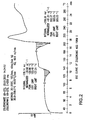
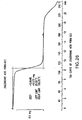
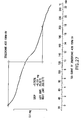
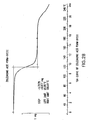
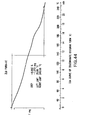
- a typical DSC scan of zoledronic acid shows an endothermic peak below about 160-170°C due mainly to water desorption, and a subsequent endotherm at about 200°C concomitant to an exotherm reaction (see fig.2). From this DSC scan there is no clear detection of a melting point.
- the invention provides a novel crystalline solid form of Zoledronic acid that has been denominated Form I.
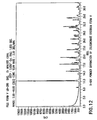
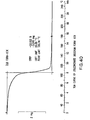
- Zoledronic acid Form I identified by its PXRD pattern, a representative example of which is provided in the diffiactoram of Fig. 1. Particular characteristic peaks occur at 12.1, 12.8, 15.7, and 18.9 ⁇ 0.2 °2 ⁇ . Additional peaks occur at 20.9, 21.3, 21.8, 22.2, 25.8, 27.6, 29.2, 32.5, and 32.9 ⁇ 0.2 °2 ⁇ .
- the hydration level of Zoledronic acid Form I is indicated by a LOD of 5% to 8% (monohydrate) on heating from about 25-220°C.
- Zoledronic acid Form I is substantially free of Zoledronic acid Form II.
- Zoledronic acid Form I is substantially free of other polymorphic forms of Zoledronic acid. Substantially free means less than about 5%.
- a suitable method for detecting other phases and mixtures of polymorphs is the X-Ray powder diffraction method (see “Polymorphism in molecular crystals", Joel Bernstein, Oxford Science Publications, or "Polymorphism in pharmaceutical solids” edited by Harry G.Brittain).
- Zoledronic acid Form I is physically stable and does not substantially transform to any other crystal form when exposed to 100% relative humidity (RH) or less, for one week, or stored at 40°C and 75% RH for 3 months. After exposure to 100% RH or less, for one week, there is no significant gain of moisture in Form I (not significant means that it absorbs less than about 0.2% water). "Substantially transforms to any other crystal form” means that more than about 5% of the crystal form converts or rearranges to Form II or any other crystal form.
- the invention provides a pharmaceutical composition
- a pharmaceutical composition comprising zoledronic acid Form I substantially free of other polymorphic forms of zoledronic acid and at least one pharmaceutically acceptable excipient.
- the pharmaceutical composition is in the form of an oral solid dosage form.
- the invention provides a pharmaceutical composition
- a pharmaceutical composition comprising zoledronic acid Form I, which is physically stable and does not substantially transform to any other crystal form when stored at 40°C and 75%RH for 3 months, and at least one pharmaceutically acceptable excipient.
- the pharmaceutical composition is in the form of an oral solid dosage form.
- novel crystal forms of Zoledronic acid preferably have a particle size distribution such that 100 % of the particles have a size below 100 microns, preferably below 50 microns.
- another aspect of the invention is a pharmaceutical composition
- a pharmaceutical composition comprising a novel crystal form of zoledronic acid, which has a particle size distribution such that 100 % is below 100 microns, preferably below 50 microns, and at least one pharmaceutically acceptable excipient.
- Zoledronic acid Form I can be prepared by a phosphorylation reaction of 1-Imidazoleacetic acid (IAA) in the presence of Phosphorous acid and Phosphorous oxychloride in a diluent, such as, Toluene, Chlorobenzene, PEG-400 and Silicon oil.
- Phosphorous oxychloride is added to a mixture of Phosphorous acid and IAA at 75°C-80°C.
- the reaction mixture is then stirred at 80°C-100°C, preferably at 80 °C for 1-34 hours, preferably 5-25 hours.
- water is added at 80°C-100°C and the aqueous phase is separated.
- Hydrolysis occurs in about 10-20 hrs, preferably 14-16 hours.
- a solvent like ethanol or acetone may be added to obtain a precipitate of ZLD-Ac after stirring at 5°C for 1-6 hours, preferably 2.5-4 hours.
- the invention provides a novel crystalline solid form of Zoledronic acid that has been denominated Form II.
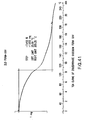
- Zoledronic acid Form II can be identified by its PXRD pattern, a representative example of which is provided in the diffractogram of Fig. 3. Particular characteristic peaks occur at 14.6, 15.4, 19.1, 22.9, and 23.9 ⁇ 0.2 °2 ⁇ . Additional peaks occur at 20.8, 21.7, 25.1, 26.7, 29.5, 29.9, and ⁇ 0.2 °2 ⁇ .
- the hydration level of Zoledronic acid Form II is indicated by a LOD of about 5% (monohydrate) on heating from about 25-220°C.
- Form II can be prepared by a phosphorylation reaction of 1-Imidazoleacetic acid (IAA, 1eq.) in the presence of Phosphorous acid (2eq.) and Phosphorous oxychloride (3.7eq.) in silicon oil as a diluent.
- Phosphorous oxychloride is added to a mixture of phosphorous acid and IAA at 75°C.
- the reaction mixture is then heated to 80°C for about 27 hours.
- water is added at 80°C and the aqueous phase is separated.
- Hydrolysis usually occurs within about 10-20 hrs, preferably 14-16 hours.
- ethanol is added to obtain a precipitate of ZLD-Ac after stirring at 5°C for 1-6 hours, preferably 2.5-4 hours.
- Zoledronic acid Form II can also be prepared by treating Zoledronic acid form I in Toluene, preferably at reflux temperature, for a duration of 5-20 hours, most preferably 10-16 hours.
- the invention provides a novel crystalline solid form of Zoledronic acid that has been denominated Form XII.
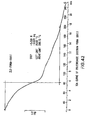
- Zoledronic acid Form XII can be idenfitied by its PXRD pattern, a representative example of which is provided in the diffractogram of Fig. 4. Particular characteristic peaks occur at 9.0, 13.9, 14.8, 21.5, 24.7, and 29.8 ⁇ 0.2 °2 ⁇ . Additional peaks occur at 17.0, 20.6, 20.8, 22.4, 25.8, 27.7, 28.4, 28.7, 29.1, 30.8, 3.19, 32.3, and 32.9 ⁇ 0.2 °2 ⁇ .
- the hydration level of Zoledronic acid form XII is indicated by a LOD of about 6-10%, preferably 6% (monohydrate) on heating from about 25-220°C.
- Zoledronic acid Form XII can be prepared by treating Zoledronic acid form XVIII in water at reflux temperature, the diluent/solid ratio being 10-30 volumes, preferably 24-26 volumes, and cooling the solution to room temperature or less.
- Zoledronic Form XII can be also be prepared by stirring Form I in acetic acid.
- the invention provides a novel crystalline solid form of Zoledronic acid denominated Form XV.
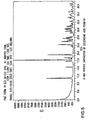
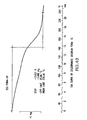
- Zoledronic acid Form XV can be identified by its PXRD pattern, a representative example of which is provided in Fig. 5. Particular characteristic peaks occur at 10.1,17.3,19.3, and 23.2 ⁇ 0.2 °2 ⁇ . Additional peaks occur at 14.5, 16.7,18.1, 24.5, 25.1, 25.7, 28.5, 29.1, 29.6, and 30.4 ⁇ 0.2 °2 ⁇ .
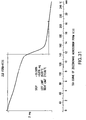
- the TGA of form XV shows a LOD of 1 % (anhydrous) within the temperature range 25-220°C.
- Zoledronic acid Form XV can be prepared by treating any form of Zoledronic acid (preferably form I) and sodium hydroxide (1:1 mole ratio) in absolute ethanol (10 volumes per grams of ZLD-Ac) at reflux temperature for a duration of 5-20 hours, most preferably 10-16 hours.
- Zoledronic acid Form XV can also be prepared by treating any form of Zoledronic acid (preferably form I or form XII) and sodium hydroxide (1:1 mole ratio) in methanol (10 volumes per grams of ZLD-Ac) at reflux temperature for a duration of 5-20 hours, most preferably 10-16 hours.
- any form of Zoledronic acid preferably form I or form XII
- sodium hydroxide (1:1 mole ratio
- the invention provides a novel crystalline solid form of Zoledronic acid denominated Form XVIII.
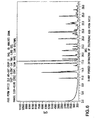
- Zoledronic acid Form XVIII can be identified by its PXRD pattern, a representative example of which is provided in Fig. 6. Particular characteristic peaks occur at 10.7, 13.0, 16.4, 17.4, and 28.5 ⁇ 0.2 °2 ⁇ . Additional peaks occur at 13.3, 18.1, 19.3, 21.3, 23.7, 25.9, 31.5, and 34.5 ⁇ 0.2 °2 ⁇ .
- the TGA weight loss curve of Zoledronic acid form XVIII shows a LOD between 0.3% and about 6%, preferably 6% (monohydrate) within the temperature range 25-220°C.
- Zoledronic acid Form XVIII can be prepared by a reaction of 1-Imidazoleacetic acid, Phosphorous acid and Silicon oil. Phosphorous oxychloride is added to the reaction mixture at 80°C and the reaction mixture is stirred at this temperature for 22 hours. The aqueous phase is separated after addition of water and heated to reflux temperature for a 16 hours. Then absolute ethanol is added and the solution is kept at reflux temperature for 2 hours. Then the solution is cooled gradually to 25°C to obtain a precipitate of ZLD-Ac.
- Zoledronic acid Form XVIII can be also prepared by treating Zoledronic acid form I in methanol, 1-butanol, MTBE, acetonitrile, methanol/water 1:1 or ethanol water 1:1 (10 volumes per grams of ZLD-Ac), at room temperature or reflux temperature, for a duration of 5-20 hours, most preferably 10-16 hours.
- the invention provides a novel crystalline solid form of Zoledronic acid denominated Form XX.
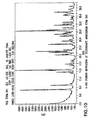
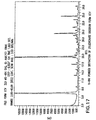
- Zoledronic acid Form XX can be identified by its PXRD pattern, a representative example of which is provided in Fig. 7. Particular characteristic peaks occur at 12.2,19.3, 20.2, 21.3, 25.1, and 27.2 ⁇ 0.2 °2 ⁇ . Additional peaks occur at 11.4, 14.9, 15.5,17.2,18.2, and 30.5 ⁇ 0.2 °2 ⁇ .
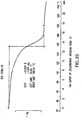
- the TGA weight loss curve of Zoledronic acid form XX shows a LOD of about 0.5% (anhydrous) within the temperature range 25-220°C.
- Zoledronic acid Form XX can be prepared by treating Zoledronic acid form I in ethanol, (preferably absolute), 1-propanol, 2-propanol (IPA), preferably at reflux temperature, the diluent/solid ratio being 15-25 volumes, preferably 10 volumes, for a duration of 5-20 hours, most preferably 10-16 hours.
- the invention provides a novel crystalline solid form of Zoledronic acid, denominated Form XXVI.
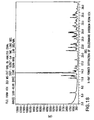
- Zoledronic acid Form XXVI can be identified by its PXRD pattern, a representative example of which is provided in Fig. 8. Particular characteristic peaks occur at 9.8, 14.5, 17.1, 17.6, and 18.3 ⁇ 0.2 °2 ⁇ . Additional peaks occur at 18.8, 19.7, 21.4, 25.7, 26.6, and 28.1 ⁇ 0.2 °2 ⁇ .
- the TGA weight loss curve of Zoledronic acid form XXVI shows typically a LOD of about 1.3% (anhydrous) within the temperature range 25-220°C.
- Zoledronic acid Form XXVI can be prepared by treating Zoledronic acid form I in 2-butanol, preferably at reflux temperature.
- the diluent/solid ratio being 15-25 volumes, preferably 10 volumes, for a duration of 5-20 hours, most preferably 10-16 hours.
- Zoledronic acid sodium salt in a crystalline form could be obtained.
- Use of salts in drugs is very diffused, due to the improved physico-chemical properties over the free acid or free base, mainly solubility or crystallinity properties.
- the crystalline state of a drug in general, has an advantage over the amorphous state in that the physical (and chemical) properties are fully controlled and reproduced, and the capability of a material to crystallize in a solid form makes this material feasible for pharmaceutical uses.
- the novel crystalline Zoledronate sodium salt may have improved solubility.
- the sodium salts obtained have a purity of at least 99.9% area by HPLC. Surprisingly, it was also discovered that Zoledronate sodium salt can crystallize in different crystal forms.
- the level of sodium is measured by methods known in the art, like atomic absorption.
- Zoledronate sodium can be found in a monosodium salt, disodium salt, trisodium salt, each of them in various hydration states.
- the Zoledronate monosodium salt has a sodium content in the range of 6-8% w/w.
- Zoledronate disodium has a sodium content in the range of 11-13% w/w, and Zoledronate trisodium has a sodium content in the range of 17-19% w/w.
- the level of water in Zoledronate sodium is estimated by TGA (thermogravimetric analysis) weight loss.
- the Zoledronate sodium salt can be anhydrous (weight loss up to 2%), a hemihydrate (weight loss 3-4% w/w), a monohydrate (weight loss 5-6%), a sesquihydrate (weight loss 7-8%), a dihydrate (weight loss 9-12% w/w), a trihydrate (13-16% weight loss), or a tetrahydrate (weight loss 17-19% w/w).
- sodium salts of Zoledronic acid may be prepared by treating Zoledronic acid with a base, preferably NaOH, in organic solvents, like lower alcohols or DMF, and water in different proportions relative to the organic solvent.
- the reaction is preferably carried out at reflux temperature.
- a solution of a base in a mixture of alcohol/water is added to a suspension of Zoledronic acid in an equivalent mixture of alcohol/water at reflux temperature.
- the volume ratio of diluent/Zoledronic acid is 6-14, preferably 10 volumes.
- the reaction mixture is stirred at reflux temperature for 10-20 hours, preferably 14-16 hours.
- the reaction mixture can be cooled to room temperature or less, and filtered, or filtered at higher temperatures.
- sodium salts of Zoledronic acid may be prepared by dissolving Zoledronic acid in water, adding a base, preferably NaOH, and precipitating it by cooling, optionally with the aid of an organic solvent such as isopropol alcohol.
- sodium salts of Zoledronic acid may be recrystallized by treating the sodium salt of Zoledronic acid in water (20-30 volumes, preferably 25 volumes) at reflux temperature and then cooling the solution to less than room temperature to obtain a precipitate of ZLD-Na.
- Zoledronate monosodium can be found in crystal Form VIII, characterized by typical PXRD peaks at 8.2, 15.5, 18.6, 23.6, 26.8 deg. 2-theta, and additional peaks at 11.8, 17.6, 20.1, 24.7, 25.0, 28.4, 31.7, 32.8 deg. 2-theta.
- the TGA of form VIII shows a weight loss of 15-16% (trihydrate) within the temperature range 25-220°C.
- Zoledronate monosodium can be found in crystal form XVI , characterized by typical XRD peaks at 7.3, 8.8, 14.7, 21.8, 29.6 deg. 2-theta, and additional peaks at 13.8, 16.8, 20.4, 21.4, 24.4, 25.6, 27.5, 28.2, 31.7. deg. 2-theta.
- the TGA curve of form XVI shows a weight loss of 9-10 % (dihydrate) within the temperature range 25-220°C.
- Zoledronate monosodium can be found in crystal form XVII, characterized by typical XRD peaks at 8.2, 9.0, 14.5, 21.4, 24.5, 29.2 deg 2-theta, and additional peaks at 13.9, 15.5, 16.8, 18.6, 22.3, 23.6, 26.7, 27.7, 32.3 deg. 2-theta.
- the TGA of form XVII shows a weight loss of about 10% (dihydrate) within the temperature range 25-220°C.
- Zoledronate monosodium form VIII may be prepared by dissolving Zoledronic acid in water, adding NaOH in pellets or in aquous solution (40%). IPA may be added to improve the yield of crystallization. This solution is cooled to get form VIII.
- Zoledronate monosodium form VIII may be also obtained by treating Zoledronic acid, preferably form I, and sodium hydroxide (ratio of acid/base 1:1) in water /ethanol 80%:20% v/v, water /methanol 80%:20% v/v, water /isopropanol 80%:20% v/v or 60%:40% v/v.
- Zoledronate monosodium form XVI may be obtained by treating Zoledronic acid, preferably form I, and sodium hydroxide (ratio of acid/base 1:1) in water /ethanol 50%:50% v/v or water /isopropanol 50%:50% v/v, or water /methanol 50%:50% v/v.
- Zoledronate monosodium form XVII may be obtained by dissolving Zoledronic acid in water, adding NaOH in aqueous solution (29%) drop-wise (ratio of acid/base 1:0.7)
- Zoledronate disodium can be found in form V, characterized by typical peaks at 11.3, 14.8, 15.5, 17.4, 19.9 deg. 2-theta, and additional peaks at 18.0, 18.9, 19.7, 22.7, 25.0, 26.7, 30.9, 34.5 deg. 2-theta.
- the TGA curve of form V shows a weight loss of about 10-11% (dihydrate) within the temperature range 25-220°C.
- Zoledronate disodium form V may be prepared by treating Zoledronic acid, preferably form XII, and sodium hydroxide (ratio of acid/base 1:1.1) in water /ethanol ratios between 20%-50% v/v water in ethanol, water /methanol ratios between 40%-50% v/v water in methanol, water /IPA ratios between 40%-50% v/v water in IPA.
- Zoledronate disodium form V may also be prepared by treating Zoledronic acid, preferably form I, and sodium hydroxide (ratio of acid/base1:2) in water /ethanol ratios between 20%-50% v/v water in ethanol, water /methanol 50%:50% v/v water in methanol, water /isopropanol ratios between 20%-50% v/v water in IPA.
- Zoledronate disodium form V may also be prepared by treating Zoledronic acid, preferably form XII, and sodium hydroxide (ratio of acid/base 1:1.1) in water /ethanol ratios between 20%-50% v/v water in ethanol, water /methanol ratios between 40%-50% v/v water in methanol, water /IPA ratios between 40%-50% v/v water in IPA.
- Zoledronic acid preferably form XII
- sodium hydroxide ratio of acid/base 1:1.1
- Zoledronate disodium can be found in form VI , characterized by typical peaks at 7.2,13.3,13.7,14.5,21.7 deg. 2-theta, and additional peaks at 8.2,16.6, 16.9, 17.3, 25.9, 26.6, 30.7, 31.9, 32.9 deg. 2-theta.
- the TGA curve of form VI shows a weight loss of 13-16% (trihydrate) within the temperature range 25-220°C.
- Zoledronate disodium form VI may be prepared by treating Zoledronic acid, preferably form XII, and sodium hydroxide (ratio of acid/base 1:1.1) in water /ethanol or water/methanol 60% v/v water in ethanol or methanol, or water/ isopropanol 80% v/v water in IPA.
- Zoledronate disodium form VI may also be obtained also by recrystallizing Zoledronate disodium, preferably form XIX, in water.
- Zoledronate disodium can be found in form VII, characterized by typical peaks at 6.2 11.6, 12.6, 13.7 deg. 2-theta, and additional peaks at 22.0, 23.2, 26.4, 27.1, 28.6, 28.8, 34.2 deg. 2-theta.
- the TGA curve of form VII shows a weight loss of 17-19 % within the temperature range 25-220°C (tetrahydrate). Less crystalline form VII is found with water content of 7-10% within the temperature range 25-220°C.
- Zoledronate sodium form VII may be obtained by dissolving Zoledronic acid in water, adding a base, preferaby NaOH (aqueous solution or pearls) until the pH of 5.5-7.5, preferably 5.7-7.0.
- the solution is cooled and optionally an organic solvent (preferably isopropanol) is added.
- the solution may be concentrated to obtain the solid material.
- the mixture may be further stirred for a period of 1-5 hours, preferably 2 hours.
- Zoledronate disodium form VII may be also prepared by treating Zoledronic acid, preferably form XII, and sodium hydroxide (ratio of acid/base 1:1.1) in water /ethanol or water/methanol or water/isopropanol 80%:20% v/v of water in the alcohol.
- Zoledronate disodium form VII may be also prepared by treating Zoledronic acid, preferably form XII, and sodium hydroxide (ratio of acid/base 1:1.1) in water/isopropanol 60%:40% v/v water in IPA.
- Zoledronate disodium form VII may be also prepared by treating Zoledronic acid, preferably form I, and sodium hydroxide (ratio of acid/base 1:2) in water/ ethanol 80%:20% v/v water in ethanol.
- Zoledronate disodium can be found in form X , characterized by typical peaks at 6.7,14.4, 18.2, 20.4, 20.7 deg. 2-theta, and additional peaks at 8.8, 13.7, 17.0, 19.8, 21.3, 24.4, 27.5, 27.9, 30.9, 33.4 deg. 2-theta.
- the TGA curve of form X shows a weight loss of about 3 % (hemihydrate) within the temperature range 25-220°C.
- Zoledronate disodium form X may be obtained by treating Zoledronic acid, preferably form XII, and sodium hydroxide (ratio of acid/base 1:1.1) in water/isopropanol 20%:80% v/v water in IPA.
- Zoledronate disodium can be found in form XIII, characterized by typical peaks at 6.5, 13.0, 16.1, 17.2, 30.7 deg. 2-theta, and additional peaks at 10.2, 19.0, 20.0, 20.6, 22.3, 27.4, 28.6, 28.9, 34.8 deg. 2-theta.
- the TGA curve of form XIII shows a weight loss of about 3% (hemihydrate) within the temperature range 25-220°C.
- Zoledronate disodium form XIII may be obtained by treating Zoledronic acid, preferably form I, and sodium hydroxide (ratio of acid/base 1:2) in water/ ethanol 5%:95% v/v water in ethanol.
- Zoledronate disodium can be found in form XIV , characterized by typical peaks at 6.6, 19.9, 28.5, 34.8 deg. 2-theta, and additional peaks at 13.0, 15.1, 17.1, 20.5, 27.7, 29.6, 30.7, 33.5 deg. 2-theta.
- the TGA curve of form XIV shows a weight loss of 1-2% . (anhydrous) within the temperature range 25-220°C.
- Zoledronate disodium form XIV may be obtained by treating Zoledronic acid, preferably form I, and sodium hydroxide (ratio of acid/base 1:2) in water/methanol 20%:80% v/v water in methanol.
- Zoledronate disodium form XIV may be also obtained by treating Zoledronic acid, preferably form XII, and sodium hydroxide (ratio of acid/base 1:1) in water/DMF 20%:80% v/v water in DMF.
- Zoledronate disodium can be found in form XIX , characterized by typical X-Ray peaks at 11.6, 12.5, 13.7, 22.0, 23.1 deg. 2-theta, and additional peaks at 6.2, 14.3, 15.3, 16.0, 18.5, 24.3, 28.6 deg. 2-theta.
- the TGA curve of form XIX shows a weight loss of about 22% (pentahydrate) within the temperature range 25-220°C.
- Zoledronate disodium form XIX may be obtained by treating Zoledronate disodium, preferably form VII, in water and precipitating the material, preferably by cooling.
- Zoledronate disodium form XIX may be also obtained by dissolving Zoledronic acid in water, adding a base, preferably NaOH (aqueous solution or pearls) (ratio of acid/base 1:2), in reflux..
- a base preferably NaOH (aqueous solution or pearls) (ratio of acid/base 1:2), in reflux.
- Zoledronate disodium can be found in form XXV, characterized by typical peaks at 7.4, 13.7, 17.6, 21.9 deg. 2-theta, and additional peaks at 6.3, 9.5, 12.6, 14.6, 26.2, 27.1, 28.6 deg. 2-theta.
- the TGA curve of form XXV shows a weight loss of 7-8% (sesquihydrate) within the temperature range 25-220°C.
- Zoledronate disodium form XXV may be obtained by treating Zoledronic acid, preferably form I, and sodium hydroxide (ratio of acid/base 1:2) in water/methanol 80%:20% v/v water in methanol.
- Zoledronate disodium can be found in form XXVII, characterized by typical peaks at 6.4, 8.2, 16.0, 17.4,19.0, 28.8 deg. 2-theta, and additional peaks at 7.7,10.2, 17.2, 18.1, 21.6, 25.7, 25.9 deg. 2-theta.
- the TGA curve of form XXVII shows a weight loss of about 5-6% (monohydrate) within the temperature range 25-220°C.
- Zoledronate disodium form XXVII may be prepared by treating Zoledronic acid, preferably form I, and sodium hydroxide (ratio of acid/base 1:2) in water /methanol 5%:95% v/v water in methanol and by treating Zoledronic acid, preferably form XII, and sodium hydroxide (ratio of acid/base 1:1) in water/ methanol 20%:80% v/v water in methanol.
- Zoledronate trisodium can be found in form IX , characterized by typical peaks at 8.3, 10.9, 15.0, 16.6, 22.8 deg. 2-theta, and additional peaks at 13.1, 20.2, 20.6, 20.9, 25.0, 27.8, 29.0 deg. 2-theta.
- the TGA curve of form IX shows a weight loss of about 13-14% (trihydrate) within the temperature range 25-220°C.
- Zoledronate trisodium form IX may be prepared by treating Zoledronic acid, preferably form XII, and sodium hydroxide (ratio of acid/base 1:2.1) in water /ethanol or water/methanol or water/isopropanol in ratios between 20%-80% v/v of water in the alcohol.
- Zoledronate trisodium can be found in form XI, characterized by typical peaks at 6.2, 7.9, 8.8, 10.6, 12.2 deg. 2-theta, and additional peaks at 15.0, 15.4, 17.5, 18.8, 19.6, 20.5, 22.3, 23.7, 25.7, 29.6, 31.7 deg. 2-theta.
- the TGA curve of form XI shows a weight loss of about 9% (dihydrate) within the temperature range 25-220°C.
- Zoledronate disodium form XI may be prepared by treating Zoledronic acid, preferably form XII, and sodium hydroxide (ratio of acid/base 1:2.1) in water /ethanol or water /methanol 5%:95% v/v of water in ethanol or methanol.
- Zoledronate sodium amorphous is prepared by treating Zoledronic acid and sodium hydroxide (ratio of acid/base 1:1.1 or 1:2.1 or 1:3.1) in water at room temperature, and precipitating the material by concentrating the solution by any means known in the art like evaporation of the solvent. Evaporation may be done using a vacuum.
- IAA 1-Imidazoleacetic acid
- Phosphorous acid Phosphorous acid
- a diluent Toluene/ Chlorobenzene/ PEG-400/ Silicon oil.
- the obtained suspension is heated to 75°C-80°C and Phosphorous oxychloride is added drop-wise.
- the reaction mixture is then heated to 75°C-100°C for 1-34 hours.
- water is added at 80°C-100°C.
- the mixture is stirred vigorously for about 15 minutes.
- the suspension was heated to 75°C and phosphorous oxychloride (10.5ml, 0.11mole) was added drop-wise during 30 minutes.
- the reaction mixture was then heated to 80°C for 27 hours.
- water (27ml) and toluene (30ml) were added at 80°C. The mixture was stirred vigorously for about 15 minutes.
- Zoledronic acid crystal form I (2.0g) was stirred in Toluene (20ml) at reflux temperature for 14 hours. Then the suspension was cooled to room temperature, filtered, washed with Toluene (1x15ml) and dried in a vacuum oven at 50°C for 24 hours to obtain 1.6g of Zoledronic acid crystal form II .
- Zoledronic acid crystal form XVIII (10.0g) was dissolved in water (260ml) at reflux temperature. The obtained solution was stirred at reflux temperature for about 20 minutes to obtain a clear solution. Then it was cooled to 75°C during 2 hours and stirred at this temperature for 1 hour. The turbid solution was further cooled to 25°C during 4.5 hours and stirred at this temperature for 1 hour. After cooling to 0°C during 2 hours and stirring at this temperature for 16 hours, the white precipitate was filtered and dried in a vacuum oven at 50°C for 24 hours to obtain 7.8g of Zoledronic acid crystal form XII.
- Zoledronic acid crystal form I (2.0g) was stirred in Acetic acid (20ml) at room temperature for 15.5 hours. Then it was filtered, washed with Acetic acid (2x5ml) and dried in a vacuum oven at 50°C for 24 hours to obtain 2.0g of Zoledronic acid crystal form XII.
- Zoledronic acid crystal form XII (2.0g) was stirred in Methanol (20ml) at reflux temperature for 19 hours. Then the suspension was cooled to room temperature, filtered, washed with Methanol (1x5ml) and dried in a vacuum oven at 50°C for 24 hours to obtain 1.8g of a mixture of Zoledronic acid crystal forms XV and XVIII.
- the suspension was heated to 80°C and Phosphorous oxychloride (194.4ml, 2.08mole) was added drop-wise during 4 hours.
- the reaction mixture was stirred at 80°C for 22 hours.
- water (490ml) was added slowly at 80°C.
- the mixture was stirred vigorously for about 30 minutes. Then the silicon oil phase and the aqueous phase were separated.
- Zoledronic acid crystal form I (2.0g) was stirred in Methanol (20ml) at room temperature for 14.5 hours. Then it was filtered, washed with Methanol (2x10ml) and dried in a vacuum oven at 50°C for 25 hours to obtain 1.9g of Zoledronic acid crystal form XVIII .
- Zoledronic acid crystal form I (2.0g) was stirred in Methanol (20ml) at reflux temperature for 16 hours. Then the suspension was cooled to room temperature and the white solid was filtered, washed with Methanol (2x5ml) and dried in a vacuum oven at 50°C for 24 hours to obtain 1.7g of Zoledronic acid crystal form XVIII .
- Zoledronic acid crystal form I (2.0g) was stirred in 1-Butanol (20ml) at reflux temperature for 15.5 hours. Then the suspension was cooled to room temperature and the white solid was filtered, washed with 1-Butanol (1x5ml) and dried in a vacuum oven at 50°C for 24 hours to obtain 1.8g of Zoledronic acid crystal form XVIII .
- Zoledronic acid crystal form I (2.0g) was stirred in MTBE (20ml) at reflux temperature for 15 hours. Then the suspension was cooled to room temperature and the white solid was filtered, washed with MTBE (1x10ml) and dried in a vacuum oven at 50°C for 25 hours to obtain 1.4g of Zoledronic acid crystal form XVIII.
- Zoledronic acid crystal form I (2.0g) was stirred in Acetonitrile (20ml) at room temperature for 22 hours. Then the suspension was filtered, washed with Acetonitrile (2x5ml) and dried in a vacuum oven at 50°C for 23 hours to obtain 2.0g of Zoledronic acid crystal form XVIII.
- Zoledronic acid crystal form I (2.0g) was stirred in a mixture of Methanol/water (1:1 v/v) (20ml) at reflux temperature for 18 hours. Then the suspension was cooled to 0°C, filtered and dried in a vacuum oven at 50°C for 22 hours to obtain 1.8g of Zoledronic acid crystal form XVIII .
- Zoledronic acid crystal form I (2.0g) was stirred in a mixture of Ethanol/water (1:1 v/v) (20ml) at reflux temperature for 18 hours. Then the suspension was cooled to 0°C, filtered and dried in a vacuum oven at 50°C for 22 hours to obtain 1.8g of Zoledronic acid crystal form XVIII .
- Zoledronic acid crystal form I (2.0g) was stirred in absolute Ethanol (20ml) at reflux temperature for 16 hours. The suspension was then cooled to room temperature and the white solid was filtered, washed with absolute Ethanol (2x5ml) and dried in a vacuum oven at 50°C for 22.5 hours to obtain 1.9g of Zoledronic acid crystal form XX in a mixture with crystal form I .
- Zoledronic acid crystal form I (2.0g) was stirred in 1-Propanol (20ml) at reflux temperature for 11.5 hours. The suspension was then cooled to room temperature and the white solid was filtered, washed with 1-Propanol (2x5ml) and dried in a vacuum oven at 50°C for 24 hours to obtain 1.9g of Zoledroruc acid crystal form XX .
- Zoledronic acid crystal form I (2.0g) was stirred in 2-Propanol (IPA) (20ml) at reflux temperature for 14 hours. The suspension was then cooled to room temperature and the white solid was filtered, washed with IPA (2x5ml) and dried in a vacuum oven at 50°C for 24 hours to obtain 1.9g of Zoledronic acid crystal form XX . Purity by HPLC 99.8%.
- Zoledronic acid crystal form I (2.0g) was stirred in 2-Butanol (20ml) at reflux temperature for about 15 hours. The suspension was then cooled to room temperature and the white solid was filtered, washed with 2-Butanol (2x5ml) and dried in a vacuum oven at 50°C for 24 hours to obtain 1.9g of Zoledronic acid crystal form XXVI .
- a 0.5L reactor equipped with a mechanical stirrer, a thermometer, a reflux condenser and a dropping funnel, was loaded with Zoledronic acid form I (10.0g) and water (247ml). The suspension was heated to 94°C to obtain a clear solution. A 40% aqueous solution of Sodium hydroxide (3.45g) was added drop-wise. The solution was then cooled to 4°C during 2 hours and was stirred at this temperature for about 64 hours to obtain a massive precipitate. The white precipitate was filtered, washed with cold water (1x10ml) and dried in a vacuum oven at 50°C for 26 hours to obtain 7.6g (64%) of Zoledronate monosodium crystal form VIII (LOD by TGA 15.1%).
- the composition of the reflux media is expressed on a volume per volume basis (abbreviated vlv).
- a solution of sodium hydroxide (0.7g) in a mixture of water (80% v/v) / Methanol (20% v/v, 10 volumes per grams of ZLD-Ac fprm I ) (36ml) was added drop-wise to a suspension of Zoledronic acid (4.8g) in a mixture of water (80% v/v) / Methanol (20% v/v, 10 volumes per grams of ZLD-Ac form I) (202ml) at reflux temperature.
- the reaction mixture was heated at reflux temperature for additional 16 hours. Then the reaction mixture was cooled to room temperature. Further cooling was performed using an ice-bath.
- a 0.5L reactor equipped with a mechanical stirrer, a thermometer, a reflux condenser and a dropping funnel, was loaded with Zoledronic acid form I (10.0g) and water (247ml). The suspension was heated to 94°C to obtain a clear solution. A 29% aqueous solution of Sodium hydroxide (3.45g) was added drop-wise. The solution was then cooled to room temperature and stirred at this temperature for 16 hours. After cooling to 3°C the product was isolated by filtration. Further cooling of the mother-liquid led to the formation of a white precipitate. The precipitate was filtered and dried in a vacuum oven at 50°C for 24 hours to obtain 0.6g of Zoledronate monosodium crystal form XVII (LOD by TGA 10.3%).
- the reaction mixture was heated at reflux temperature for additional 16 hours. Then the reaction mixture was cooled to room temperature. Further cooling was performed using an ice-bath. The precipitate was then filtered, washed and dried in a vacuum oven at 50°C for 24 hours to give Zoledronate disodium crystal form V .
- the reaction mixture was heated at reflux temperature for additional 16 hours. Then the reaction mixture was cooled to room temperature. Further cooling was performed using an ice-bath.
- the precipitate was then filtered, washed and dried in a vacuum oven at 50°C for 24 hours to give Zoledronate disodium crystal form V .
- a solution of sodium hydroxide (1.4g) in a mixture of water (80% v/v) / IPA (20% v/v, 10 volumes per grams of ZLD-Ac form I) (38ml) was added drop-wise to a suspension of Zoledronic acid form I (5.0g) in a mixture of water (80% v/v) / IPA (20% v/v, 10 volumes per grams of ZLD-Ac) (212ml) at reflux temperature. The reaction mixture was heated at reflux temperature for additional 16 hours. Then the reaction mixture was cooled to room temperature and the solution was evaporated to dryness. The obtained solid was dried in a vacuum oven at 50°C for 5 hours to give 5.2g (78%) of Zoledronate disodium crystal form VI (LOD by TGA 15.4%).Purity by HPLC 99.9%.
- Zoledronate disodium crystal form XIX (4.0g) was dissolved in water (10ml) at reflux temperature. After about 30 minutes at reflux temperature a precipitate was obtained. The suspension was then cooled to 0°C using an ice-bath. The solid was isolated by filtration and dried in a vacuum oven at 50°C for 17 hours to give 2.0g (50%) of Zoledronate disodium crystal form VI.
- a 0.5L reactor equipped with a mechanical stirrer, a thermometer, a reflux condenser and a dropping funnel, was loaded with Zoledronic acid form I (10.0g) and water (130ml). The suspension was heated to reflux temperature to obtain a clear solution. A 40% aqueous solution of Sodium hydroxide (6.9g) was added drop-wise. The solution was then cooled to 4°C during 2 hours and was stirred at this temperature for about 1.5 hours. The solution was concentrated to half of its volume to obtain a precipitate. The white precipitate was filtered and dried in a vacuum oven at 50°C for 22 hours to obtain 2.7g (22%) of Zoledronata disodium crystal form VII (LOD by TGA 10.7%).
- a 0.5L reactor equipped with a mechanical stirrer, a thermometer, a reflux condenser and a dropping funnel, was loaded with Zoledronic acid form I (10.0g) and water (130ml). The suspension was heated to reflux temperature (92°C) to obtain a clear solution. A 40% aqueous solution of Sodium hydroxide (6.9g) was added drop-wise. The solution was then cooled to 25°C was stirred at this temperature for about 16 hours. The solution was then concentrated to half of its volume to obtain a precipitate. The white precipitate was filtered and dried in a vacuum oven at 50°C for 18.5 hours to obtain 2.8g (23%) of Zoledronate disodium crystal form VII (LOD by TGA 10.2%). Purity by HPLC 100.0%.
- a solution of sodium hydroxide (1.4g) in a mixture of water (80% v/v) / Ethanol (20% v/v, 10 volumes per grams of ZLD-Ac form I) (38ml) was added drop-wise to a suspension of Zoledronic acid form I (5.0g) in a mixture of water (80% v/v) / Ethanol (20% v/v, 10 volumes per grams of ZLD-Ac) (212ml) at reflux temperature. The reaction mixture was heated at reflux temperature for additional 18.5 hours. Then the reaction mixture was cooled to room temperature and the solution was evaporated to dryness to obtain 6.7g (98%) of Zoledronate disodium crystal form VII (LOD by TGA 16.8%). Purity by HPLC 99.9%.
- Zoledronate disodium crystal form VII (1.0g) was dissolved in water (19ml) at reflux temperature. After about 30 minutes at reflux temperature a light precipitate was obtained. The suspension was then cooled to 0°C using an ice-bath and was concentrated under vacuum to obtain a massive precipitation. The solid was isolated by filtration after further stirring at 0°C, and dried in a vacuum oven at 50°C for 27 hours to give 0.4g (40%) of Zoledronate disodium crystal form XIX.
- a solution of sodium hydroxide (1.4g) in a mixture of water (80% v/v) / Methanol (20% v/v, 10 volumes per grams of ZLD-Ac form I) (38ml) was added drop-wise to a suspension of Zoledronie acid form I (5.0g) in a mixture of water (80% v/v) / Methanol (20% v/v, 10 volumes per grams of ZLD-Ac) (212ml) at reflux temperature. The reaction mixture was heated at reflux temperature for additional 19 hours. Then the reaction mixture was cooled to room temperature. Further cooling was performed using an ice-bath. The solution was then evaporated to dryness to obtain 6.1g (99%) of Zoledronate disodium crystal form XXV (LOD by TGA 7.4%). Purity by HPLC 99.9%.
- a solution of sodium hydroxide (1.4g) in a mixture of water (20% v/v) / Ethanol or Methanol or IPA (80% v/v, 10 volumes per grams of ZLD-Ac form XII) (10ml) was added drop-wise to a suspension of Zoledronic acid form XII (5.0g) in a mixture of water (20% v/v) / Ethanol or Methanol or IPA (80% v/v, 10 volumes per grams of ZLD-Ac) (53ml) at reflux temperature.
- the reaction mixture was heated at reflux temperature for additional 16 hours. Then the reaction mixture was cooled to room temperature. Further cooling was performed using an ice-bath.
- the precipitate was then filtered, washed and dried in a vacuum oven at 50°C for 24 hours to give Zoledronate trisodium crystal form IX.
- a solution of sodium hydroxide (1.4g) in a mixture of water (40% v/v) / Ethanol or Methanol or IPA (60% v/v, 10 volumes per grams of ZLD-Ac form XII) (13ml) was added drop-wise to a suspension of Zoledronic acid form XII (5.0g) in a mixture of water (40% v/v) / Ethanol or Methanol or IPA (60% v/v, 10 volumes per grams of ZLD-Ac) (71ml) at reflux temperature.
- the reaction mixture was heated at reflux temperature for additional 16 hours. Then the reaction mixture was cooled to room temperature. Further cooling was performed using an ice-bath.
- the precipitate was then filtered, washed and dried in a vacuum oven at 50°C for 24 hours to give Zoledronate trisodium crystal form IX.
Landscapes
- Chemical & Material Sciences (AREA)
- Organic Chemistry (AREA)
- Health & Medical Sciences (AREA)
- Life Sciences & Earth Sciences (AREA)
- Biochemistry (AREA)
- General Health & Medical Sciences (AREA)
- Molecular Biology (AREA)
- Pharmaceuticals Containing Other Organic And Inorganic Compounds (AREA)
- Acyclic And Carbocyclic Compounds In Medicinal Compositions (AREA)
- Saccharide Compounds (AREA)
Applications Claiming Priority (2)
| Application Number | Priority Date | Filing Date | Title |
|---|---|---|---|
| US48487603P | 2003-07-03 | 2003-07-03 | |
| EP04756693A EP1567533B1 (fr) | 2003-07-03 | 2004-07-06 | Formes cristallines d'acide zoledronique, formes cristallines de sel de sodium de zoledronate, sel de sodium de zoledronate amorphe et procedes de preparation de ceux-ci |
Related Parent Applications (1)
| Application Number | Title | Priority Date | Filing Date |
|---|---|---|---|
| EP04756693A Division EP1567533B1 (fr) | 2003-07-03 | 2004-07-06 | Formes cristallines d'acide zoledronique, formes cristallines de sel de sodium de zoledronate, sel de sodium de zoledronate amorphe et procedes de preparation de ceux-ci |
Publications (1)
| Publication Number | Publication Date |
|---|---|
| EP1612212A1 true EP1612212A1 (fr) | 2006-01-04 |
Family
ID=34062065
Family Applications (2)
| Application Number | Title | Priority Date | Filing Date |
|---|---|---|---|
| EP05108264A Withdrawn EP1612212A1 (fr) | 2003-07-03 | 2004-07-06 | Formes cristallines d'acide zoledronique et de ses sels de sodium, sel de sodium de preparation de ceux-ci |
| EP04756693A Expired - Lifetime EP1567533B1 (fr) | 2003-07-03 | 2004-07-06 | Formes cristallines d'acide zoledronique, formes cristallines de sel de sodium de zoledronate, sel de sodium de zoledronate amorphe et procedes de preparation de ceux-ci |
Family Applications After (1)
| Application Number | Title | Priority Date | Filing Date |
|---|---|---|---|
| EP04756693A Expired - Lifetime EP1567533B1 (fr) | 2003-07-03 | 2004-07-06 | Formes cristallines d'acide zoledronique, formes cristallines de sel de sodium de zoledronate, sel de sodium de zoledronate amorphe et procedes de preparation de ceux-ci |
Country Status (8)
| Country | Link |
|---|---|
| US (7) | US20050054616A1 (fr) |
| EP (2) | EP1612212A1 (fr) |
| AT (1) | ATE425170T1 (fr) |
| CA (1) | CA2530193A1 (fr) |
| DE (1) | DE602004019881D1 (fr) |
| ES (1) | ES2322592T3 (fr) |
| IL (1) | IL172513A0 (fr) |
| WO (1) | WO2005005447A2 (fr) |
Cited By (5)
| Publication number | Priority date | Publication date | Assignee | Title |
|---|---|---|---|---|
| US8399023B2 (en) | 2009-07-31 | 2013-03-19 | Thar Pharmaceuticals, Inc. | Crystallization method and bioavailability |
| US9169279B2 (en) | 2009-07-31 | 2015-10-27 | Thar Pharmaceuticals, Inc. | Crystallization method and bioavailability |
| US9340565B2 (en) | 2010-11-24 | 2016-05-17 | Thar Pharmaceuticals, Inc. | Crystalline forms |
| US10093691B2 (en) | 2009-07-31 | 2018-10-09 | Grunenthal Gmbh | Crystallization method and bioavailability |
| US10195218B2 (en) | 2016-05-31 | 2019-02-05 | Grunenthal Gmbh | Crystallization method and bioavailability |
Families Citing this family (73)
| Publication number | Priority date | Publication date | Assignee | Title |
|---|---|---|---|---|
| US6800744B1 (en) * | 1997-07-02 | 2004-10-05 | Genome Therapeutics Corporation | Nucleic acid and amino acid sequences relating to Streptococcus pneumoniae for diagnostics and therapeutics |
| US8071574B2 (en) | 2005-02-22 | 2011-12-06 | John Dennis Bobyn | Implant improving local bone formation |
| EP1891081B1 (fr) * | 2005-06-13 | 2014-08-20 | Jubilant Organosys Limited | Procédé de production d acides bisphosphoniques et de formes de ceux-ci |
| AR054673A1 (es) * | 2005-07-28 | 2007-07-11 | Gador Sa | Una forma cristalina del acido zoledronico, un proceso para su obtencion y la composicion farmaceutica que la comprende |
| WO2007069049A2 (fr) * | 2005-12-16 | 2007-06-21 | Wockhardt Ltd | Procedes pour la preparation d'acide zoledronique pur |
| WO2007125521A2 (fr) * | 2006-05-02 | 2007-11-08 | Ranbaxy Laboratories Limited | Formes polymorphiques de l'acide zolédronique et leurs procédés de synthèse |
| CA2656053A1 (fr) * | 2006-07-03 | 2008-01-10 | Generics [Uk] Limited | Nouveau procede pour la preparation d'acides bisphosphoniques |
| EP1925621A1 (fr) * | 2006-11-27 | 2008-05-28 | Novartis AG | Formes cristallines de l'acide zolédronique |
| WO2011097269A1 (fr) * | 2010-02-06 | 2011-08-11 | Thar Pharmaceuticals, Inc. | Procédé de cristallisation et biodisponibilité |
| US8980868B2 (en) | 2009-07-31 | 2015-03-17 | Thar Pharmaceuticals, Inc. | Oral forms of a phosphonic acid derivative |
| US8882740B2 (en) * | 2009-12-23 | 2014-11-11 | Stryker Trauma Gmbh | Method of delivering a biphosphonate and/or strontium ranelate below the surface of a bone |
| US9949993B2 (en) | 2012-05-14 | 2018-04-24 | Antecip Bioventures Ii Llc | Compositions for administration of zoledronic acid or related compounds for treating low back pain |
| US11654152B2 (en) | 2012-05-14 | 2023-05-23 | Antecip Bioventures Ii Llc | Compositions for oral administration of zoledronic acid or related compounds for treating disease |
| US10028908B2 (en) | 2012-05-14 | 2018-07-24 | Antecip Bioventures Ii Llc | Compositions for oral administration of zoledronic acid or related compounds for treating complex regional pain syndrome |
| US10016446B2 (en) | 2012-05-14 | 2018-07-10 | Antecip Bioventures Ii Llc | Compositions for oral administration of zoledronic acid or related compounds for treating Paget's disease of bone |
| US9675626B2 (en) | 2012-05-14 | 2017-06-13 | Antecip Bioventures Ii Llc | Compositions for oral administration of zoledronic acid or related compounds for treating complex regional pain syndrome |
| US9616078B2 (en) | 2012-05-14 | 2017-04-11 | Antecip Bioventures Ii Llc | Dosage forms for oral administration of zoledronic acid or related compounds for treating disease |
| US9717747B2 (en) | 2012-05-14 | 2017-08-01 | Antecip Bioventures Ii Llc | Osteoclast inhibitors for knee conditions |
| US9861648B2 (en) | 2012-05-14 | 2018-01-09 | Antecip Boiventures Ii Llc | Osteoclast inhibitors for knee conditions |
| US9827192B2 (en) | 2012-05-14 | 2017-11-28 | Antecip Bioventures Ii Llc | Compositions for oral administration of zoledronic acid or related compounds for treating complex regional pain syndrome |
| US10173986B2 (en) * | 2012-05-14 | 2019-01-08 | Antecip Bioventures Ii Llc | Methods for the safe administration of imidazole or imidazolium compounds |
| US10463682B2 (en) | 2012-05-14 | 2019-11-05 | Antecip Bioventures Ii Llc | Compositions for oral administration of zoledronic acid or related compounds for treating low back pain |
| US9999629B2 (en) | 2012-05-14 | 2018-06-19 | Antecip Bioventures Ii Llc | Compositions for oral administration of zoledronic acid or related compounds for treating complex regional pain syndrome |
| US9999628B2 (en) | 2012-05-14 | 2018-06-19 | Antecip Bioventures Ii Llc | Neridronic acid for treating complex regional pain syndrome |
| US10493085B2 (en) | 2012-05-14 | 2019-12-03 | Antecip Bioventures Ii Llc | Neridronic acid and other bisphosphonates for treating complex regional pain syndrome and other diseases |
| US8865757B1 (en) | 2014-05-28 | 2014-10-21 | Antecip Bioventures Ii Llp | Therapeutic compositions comprising imidazole and imidazolium compounds |
| US9669040B2 (en) | 2012-05-14 | 2017-06-06 | Antecip Bioventures Ii Llc | Compositions for oral administration of zoledronic acid or related compounds for treating complex regional pain syndrome |
| US9655908B2 (en) | 2012-05-14 | 2017-05-23 | Antecip Bioventures Ii Llc | Neridronic acid molecular complex for treating complex regional pain syndrome |
| US9707245B2 (en) | 2012-05-14 | 2017-07-18 | Antecip Bioventures Ii Llc | Neridronic acid for treating complex regional pain syndrome |
| US9789128B2 (en) | 2012-05-14 | 2017-10-17 | Antecip Bioventures Ii Llc | Compositions for oral administration of zoledronic acid or related compounds for treating complex regional pain syndrome |
| US9694023B2 (en) | 2012-05-14 | 2017-07-04 | Antecip Bioventures Ii Llc | Methods for the safe administration of imidazole or imidazolium compounds |
| US9844559B2 (en) | 2012-05-14 | 2017-12-19 | Antecip Bioventures Ii Llc | Neridronic acid for treating bone marrow lesions |
| US9662343B2 (en) | 2012-05-14 | 2017-05-30 | Antecip Bioventures Ii Llc | Compositions for oral administration of zoledronic acid or related compounds for treating complex regional pain syndrome |
| US9956237B2 (en) | 2012-05-14 | 2018-05-01 | Antecip Bioventures Ii Llc | Osteoclast inhibitors for knee conditions |
| US10413560B2 (en) | 2012-05-14 | 2019-09-17 | Antecip Bioventures Ii Llc | Dosage forms for oral administration of zoledronic acid or related compounds for treating disease |
| US9827256B2 (en) | 2014-05-27 | 2017-11-28 | Antecip Bioventures Ii Llc | Compositions for administration of zoledronic acid or related compounds for treating lower back pain |
| US10034890B2 (en) | 2012-05-14 | 2018-07-31 | Antecip Bioventures Ii Llc | Compositions for oral administration of zoledronic acid or related compounds for treating complex regional pain syndrome |
| US9925203B2 (en) | 2012-05-14 | 2018-03-27 | Antecip Bioventures Ii Llc | Compositions for administration of zoledronic acid or related compounds for treating low back pain |
| US8802658B2 (en) * | 2012-05-14 | 2014-08-12 | Antecip Bioventures Ii Llc | Compositions for oral administration of zoledronic acid or related compounds for treating disease |
| US9867840B2 (en) | 2014-05-27 | 2018-01-16 | Antecip Bioventures Ii Llc | Compositions for oral administration of zoledronic acid or related compounds for treating complex regional pain syndrome |
| US9867839B2 (en) | 2012-05-14 | 2018-01-16 | Antecip Bioventures Ii Llc | Osteoclast inhibitors for joint conditions |
| US9820999B2 (en) | 2012-05-14 | 2017-11-21 | Antecip Bioventures Ii Llc | Neridronic acid for treating complex regional pain syndrome |
| US9877977B2 (en) | 2012-05-14 | 2018-01-30 | Antecip Bioventures Ii Llc | Compositions for oral administration of zoledronic acid or related compounds for treating complex regional pain syndrome |
| US10111837B2 (en) | 2012-05-14 | 2018-10-30 | Antecip Bioventures Ii Llc | Dosage forms for oral administration of zoledronic acid or related compounds |
| US9782421B1 (en) | 2012-05-14 | 2017-10-10 | Antecip Bioventures Ii Llc | Neridronic acid molecular complex for treating complex regional pain syndrome |
| US9943531B2 (en) | 2014-08-08 | 2018-04-17 | Antecip Bioventures Ii Llc | Osteoclast inhibitors such as zoledronic acid for low back pain treatment |
| US10016445B2 (en) | 2012-05-14 | 2018-07-10 | Antecip Bioventures Ii Llc | Compositions for oral administration of zoledronic acid or related compounds for treating complex regional pain syndrome |
| US10028969B2 (en) | 2012-05-14 | 2018-07-24 | Antecip Bioventures Ii Llc | Compositions for oral administration of zoledronic acid or related compounds for treating complex regional pain syndrome |
| US9700570B2 (en) | 2014-05-27 | 2017-07-11 | Antecip Bioventures Ii Llc | Compositions for oral administration of zoledronic acid or related compounds for treating complex regional pain syndrome |
| US10413561B2 (en) | 2012-05-14 | 2019-09-17 | Antecip Bioventures Ii Llc | Neridronic acid and other bisphosphonates for treating complex regional pain syndrome and other diseases |
| US10350227B2 (en) | 2012-05-14 | 2019-07-16 | Antecip Bioventures Ii Llc | Neridronic acid for treating complex regional pain syndrome |
| SMT201800212T1 (it) * | 2012-05-14 | 2018-07-17 | Antecip Bioventures Ii Llc | Composizione comprendenti acido zoledronico o composti correlati per alleviare dolore infiammatorio e condizioni associate |
| US10080765B2 (en) | 2012-05-14 | 2018-09-25 | Antecip Bioventures Ii Llc | Neridronic acid for treating complex regional pain syndrome |
| US9289441B2 (en) | 2014-08-08 | 2016-03-22 | Antecip Bioventures Ii Llc | Osteoclast inhibitors such as zoledronic acid for low back pain treatment |
| US9956238B2 (en) | 2014-05-15 | 2018-05-01 | Antecip Bioventures Ii Llc | Compositions for administration of zoledronic acid or related compounds for treating low back pain |
| US9707247B2 (en) | 2012-05-14 | 2017-07-18 | Antecip Bioventures Ii Llc | Compositions for administration of zoledronic acid or related compounds for treating low back pain |
| US9901589B2 (en) | 2012-05-14 | 2018-02-27 | Antecip Bioventures Ii Llc | Compositions for oral administration of zoledronic acid or related compounds for treating complex regional pain syndrome |
| US9427403B2 (en) | 2012-05-14 | 2016-08-30 | Antecip Bioventures Ii Llc | Methods for the safe administration of imidazole or imidazolium compounds |
| US9956234B2 (en) | 2012-05-14 | 2018-05-01 | Antecip Bioventures Ii Llc | Osteoclast inhibitors for joint conditions |
| US9895383B2 (en) | 2012-05-14 | 2018-02-20 | Antecip Bioventures Ii Llc | Compositions for oral administration of zoledronic acid or related compounds for treating complex regional pain syndrome |
| US9211257B2 (en) | 2012-05-14 | 2015-12-15 | Antecip Bioventures Ii Llc | Osteoclast inhibitors for knee conditions |
| US10092581B2 (en) | 2014-05-15 | 2018-10-09 | Antecip Bioventures Ii Llc | Osteoclast inhibitors such as zoledronic acid for low back pain treatment |
| US10004756B2 (en) | 2014-05-15 | 2018-06-26 | Antecip Bioventures Ii Llc | Compositions for oral administration of zoledronic acid or related compounds for treating complex regional pain syndrome |
| US10039773B2 (en) | 2012-05-14 | 2018-08-07 | Antecip Bioventures Ii Llc | Neridronic acid for treating arthritis |
| US9770457B2 (en) | 2012-05-14 | 2017-09-26 | Antecip Bioventures Ii Llc | Neridronic acid for treating bone marrow lesion |
| US9795622B2 (en) | 2012-05-14 | 2017-10-24 | Antecip Bioventures Ii Llc | Neridronic acid for treating pain associated with a joint |
| SG10201609548UA (en) * | 2013-10-25 | 2016-12-29 | Antecip Bioventures Ii Llc | Compositions for oral administration of zoledronic acid or related compounds for treating disease |
| AR099354A1 (es) | 2013-11-15 | 2016-07-20 | Akebia Therapeutics Inc | Formas sólidas de ácido {[5-(3-clorofenil)-3-hidroxipiridin-2-carbonil]amino}acético, composiciones, y sus usos |
| US9127069B1 (en) * | 2014-06-11 | 2015-09-08 | Antecip Bioventures LLC | Compositions comprising rank/rankl antagonists and related compounds for treating pain |
| JP2016142045A (ja) * | 2015-02-02 | 2016-08-08 | アイシン精機株式会社 | 開閉体開閉装置 |
| MX2018002627A (es) * | 2015-09-18 | 2018-12-17 | Gruenenthal Chemie | Metodo de cristalizacion y biodisponibilidad. |
| EP3455229B1 (fr) | 2016-05-13 | 2021-03-24 | Thar Pharma LLC | Nouvelles formes cristallines |
| US10316823B2 (en) * | 2017-03-15 | 2019-06-11 | Inventus Holdings, Llc | Wind turbine group control for volant animal swarms |
Citations (1)
| Publication number | Priority date | Publication date | Assignee | Title |
|---|---|---|---|---|
| US4939130A (en) * | 1986-11-21 | 1990-07-03 | Ciba-Geigy Corporation | Substituted alkanediphosphonic acids and pharmaceutical use |
Family Cites Families (7)
| Publication number | Priority date | Publication date | Assignee | Title |
|---|---|---|---|---|
| NZ212917A (en) * | 1984-08-22 | 1988-08-30 | Apace Res Ltd | Recovering alcohols from solution |
| DE3626058A1 (de) | 1986-08-01 | 1988-02-11 | Boehringer Mannheim Gmbh | Neue diphosphonsaeurederivate, verfahren zu deren herstellung und diese verbindungen enthaltende arzneimittel |
| US5728650A (en) * | 1993-10-07 | 1998-03-17 | Zeneca Limited | Herbicidal aza bisphosphonic acids and compositions containing the same |
| CN1148849A (zh) * | 1994-05-18 | 1997-04-30 | 赫彻斯特马里恩鲁斯公司 | 抗组胺哌啶衍生物,其多晶形物和假同晶物的无水和水合物形式的制备方法 |
| US7700779B2 (en) * | 2001-06-18 | 2010-04-20 | Dr. Reddy's Laboratories Limited | Crystalline forms of fexofenadine and its hydrochloride |
| ITMI20020908A1 (it) * | 2002-04-29 | 2003-10-29 | Chemi Spa | Processo di preparazione di sodio alendronato |
| AU2003298927A1 (en) * | 2003-01-03 | 2004-08-10 | The Standard Oil Company | Process for recovering acrylonitrile or methacrylonitrile |
-
2004
- 2004-07-06 EP EP05108264A patent/EP1612212A1/fr not_active Withdrawn
- 2004-07-06 AT AT04756693T patent/ATE425170T1/de not_active IP Right Cessation
- 2004-07-06 DE DE602004019881T patent/DE602004019881D1/de not_active Expired - Fee Related
- 2004-07-06 US US10/886,099 patent/US20050054616A1/en not_active Abandoned
- 2004-07-06 WO PCT/US2004/021626 patent/WO2005005447A2/fr not_active Ceased
- 2004-07-06 EP EP04756693A patent/EP1567533B1/fr not_active Expired - Lifetime
- 2004-07-06 ES ES04756693T patent/ES2322592T3/es not_active Expired - Lifetime
- 2004-07-06 CA CA002530193A patent/CA2530193A1/fr not_active Abandoned
-
2005
- 2005-12-12 IL IL172513A patent/IL172513A0/en unknown
-
2006
- 2006-09-25 US US11/527,255 patent/US7687636B2/en not_active Expired - Fee Related
- 2006-09-25 US US11/527,083 patent/US20070021616A1/en not_active Abandoned
- 2006-09-25 US US11/527,348 patent/US7589211B2/en not_active Expired - Fee Related
- 2006-09-25 US US11/527,258 patent/US7582768B2/en not_active Expired - Fee Related
- 2006-09-25 US US11/527,362 patent/US20070021619A1/en not_active Abandoned
- 2006-09-25 US US11/527,254 patent/US7435827B2/en not_active Expired - Fee Related
Patent Citations (1)
| Publication number | Priority date | Publication date | Assignee | Title |
|---|---|---|---|---|
| US4939130A (en) * | 1986-11-21 | 1990-07-03 | Ciba-Geigy Corporation | Substituted alkanediphosphonic acids and pharmaceutical use |
Non-Patent Citations (2)
| Title |
|---|
| "Zoledronate Disodium", DRUGS OF THE FUTURE, vol. 25, no. 3, 2000, pages 259 - 268, XP008010716 * |
| MÜLLER ET AL.: "Effects of the Bisphosphonate Zoledronate on Bone Loss in the Ovariectomized and in the Adjuvant Arthritic Rat", ARZNEIMITTELFORSCHUNG, vol. 48, no. 1, 1998, pages 81 - 86, XP001206179 * |
Cited By (9)
| Publication number | Priority date | Publication date | Assignee | Title |
|---|---|---|---|---|
| US8399023B2 (en) | 2009-07-31 | 2013-03-19 | Thar Pharmaceuticals, Inc. | Crystallization method and bioavailability |
| US8933057B2 (en) | 2009-07-31 | 2015-01-13 | Thar Pharmaceuticals, Inc. | Crystallization method and bioavailability |
| US9169279B2 (en) | 2009-07-31 | 2015-10-27 | Thar Pharmaceuticals, Inc. | Crystallization method and bioavailability |
| US9334296B2 (en) | 2009-07-31 | 2016-05-10 | Thar Pharmaceuticals, Inc. | Crystallization method and bioavailability |
| US10093691B2 (en) | 2009-07-31 | 2018-10-09 | Grunenthal Gmbh | Crystallization method and bioavailability |
| US10323052B2 (en) | 2009-07-31 | 2019-06-18 | Grunenthal Gmbh | Crystallization method and bioavailability |
| US9340565B2 (en) | 2010-11-24 | 2016-05-17 | Thar Pharmaceuticals, Inc. | Crystalline forms |
| US10519176B2 (en) | 2010-11-24 | 2019-12-31 | Thar Pharma, Llc | Crystalline forms |
| US10195218B2 (en) | 2016-05-31 | 2019-02-05 | Grunenthal Gmbh | Crystallization method and bioavailability |
Also Published As
| Publication number | Publication date |
|---|---|
| US20070021616A1 (en) | 2007-01-25 |
| US20070027323A1 (en) | 2007-02-01 |
| US20070021618A1 (en) | 2007-01-25 |
| IL172513A0 (en) | 2006-04-10 |
| ES2322592T3 (es) | 2009-06-23 |
| US7435827B2 (en) | 2008-10-14 |
| EP1567533B1 (fr) | 2009-03-11 |
| WO2005005447A2 (fr) | 2005-01-20 |
| DE602004019881D1 (de) | 2009-04-23 |
| US7582768B2 (en) | 2009-09-01 |
| US7687636B2 (en) | 2010-03-30 |
| US20070021389A1 (en) | 2007-01-25 |
| US20070021619A1 (en) | 2007-01-25 |
| US7589211B2 (en) | 2009-09-15 |
| CA2530193A1 (fr) | 2005-01-20 |
| WO2005005447A3 (fr) | 2005-07-07 |
| EP1567533A2 (fr) | 2005-08-31 |
| US20070021617A1 (en) | 2007-01-25 |
| ATE425170T1 (de) | 2009-03-15 |
| US20050054616A1 (en) | 2005-03-10 |
Similar Documents
| Publication | Publication Date | Title |
|---|---|---|
| EP1612212A1 (fr) | Formes cristallines d'acide zoledronique et de ses sels de sodium, sel de sodium de preparation de ceux-ci | |
| EP1713489B1 (fr) | Forme cristalline de sodium d'ibandronate et ses procedes de preparation | |
| US20090076272A1 (en) | Polymorphs of eszopiclone malate | |
| US20140336217A1 (en) | Crystalline Forms Of Prasugrel Salts | |
| EP1556041B1 (fr) | Nouvelles hydrates cristallines de sel de sodium d'acide 3-pyridyl-1-hydroxyethylidene-1,1-bisphosphonique | |
| US20070259935A1 (en) | Crystalline forms of letrozole and processes for making them | |
| US20080262060A1 (en) | Crystalline forms of Deferasirox | |
| US20100113527A1 (en) | Crystalline forms of dexlansoprazole | |
| US7618953B2 (en) | Amorphous forms of risedronate monosodium | |
| WO2007074475A2 (fr) | Nouvelles formes polymorphes de l'ibandronate | |
| AU2023312111A1 (en) | Pharmaceutically acceptable salt and polymorph of substituted pyrazolo[1,5-a]pyrimidin-7-amine derivative and use thereof | |
| US6534674B2 (en) | Crystalline disodium pamidronate hydrate and process for preparing it | |
| EP2109613A2 (fr) | Polymorphes de malate d'eszopiclone | |
| SK287324B6 (sk) | Trojsodná soľ kyseliny 4-amino-1-hydroxybutylidén-1,1- bisfosfónovej |
Legal Events
| Date | Code | Title | Description |
|---|---|---|---|
| PUAI | Public reference made under article 153(3) epc to a published international application that has entered the european phase |
Free format text: ORIGINAL CODE: 0009012 |
|
| 17P | Request for examination filed |
Effective date: 20051027 |
|
| AC | Divisional application: reference to earlier application |
Ref document number: 1567533 Country of ref document: EP Kind code of ref document: P |
|
| AK | Designated contracting states |
Kind code of ref document: A1 Designated state(s): AT BE BG CH CY CZ DE DK EE ES FI FR GB GR HU IE IT LI LU MC NL PL PT RO SE SI SK TR |
|
| AX | Request for extension of the european patent |
Extension state: AL HR LT LV MK |
|
| AKX | Designation fees paid |
Designated state(s): AT BE BG CH CY CZ DE DK EE ES FI FR GB GR HU IE IT LI LU MC NL PL PT RO SE SI SK TR |
|
| AXX | Extension fees paid |
Extension state: MK Payment date: 20060509 Extension state: LV Payment date: 20060509 Extension state: LT Payment date: 20060509 Extension state: HR Payment date: 20060509 Extension state: AL Payment date: 20060509 |
|
| 17Q | First examination report despatched |
Effective date: 20060529 |
|
| STAA | Information on the status of an ep patent application or granted ep patent |
Free format text: STATUS: THE APPLICATION IS DEEMED TO BE WITHDRAWN |
|
| 18D | Application deemed to be withdrawn |
Effective date: 20090402 |