EP1620133B1 - Therapie genique pour troubles neurometaboliques - Google Patents
Therapie genique pour troubles neurometaboliques Download PDFInfo
- Publication number
- EP1620133B1 EP1620133B1 EP04760694.2A EP04760694A EP1620133B1 EP 1620133 B1 EP1620133 B1 EP 1620133B1 EP 04760694 A EP04760694 A EP 04760694A EP 1620133 B1 EP1620133 B1 EP 1620133B1
- Authority
- EP
- European Patent Office
- Prior art keywords
- composition
- site
- use according
- aav
- neuron
- Prior art date
- Legal status (The legal status is an assumption and is not a legal conclusion. Google has not performed a legal analysis and makes no representation as to the accuracy of the status listed.)
- Expired - Lifetime
Links
Images




Classifications
-
- C—CHEMISTRY; METALLURGY
- C12—BIOCHEMISTRY; BEER; SPIRITS; WINE; VINEGAR; MICROBIOLOGY; ENZYMOLOGY; MUTATION OR GENETIC ENGINEERING
- C12N—MICROORGANISMS OR ENZYMES; COMPOSITIONS THEREOF; PROPAGATING, PRESERVING, OR MAINTAINING MICROORGANISMS; MUTATION OR GENETIC ENGINEERING; CULTURE MEDIA
- C12N15/00—Mutation or genetic engineering; DNA or RNA concerning genetic engineering, vectors, e.g. plasmids, or their isolation, preparation or purification; Use of hosts therefor
- C12N15/09—Recombinant DNA-technology
- C12N15/63—Introduction of foreign genetic material using vectors; Vectors; Use of hosts therefor; Regulation of expression
- C12N15/79—Vectors or expression systems specially adapted for eukaryotic hosts
- C12N15/85—Vectors or expression systems specially adapted for eukaryotic hosts for animal cells
- C12N15/86—Viral vectors
-
- A—HUMAN NECESSITIES
- A61—MEDICAL OR VETERINARY SCIENCE; HYGIENE
- A61K—PREPARATIONS FOR MEDICAL, DENTAL OR TOILETRY PURPOSES
- A61K38/00—Medicinal preparations containing peptides
- A61K38/16—Peptides having more than 20 amino acids; Gastrins; Somatostatins; Melanotropins; Derivatives thereof
- A61K38/43—Enzymes; Proenzymes; Derivatives thereof
- A61K38/46—Hydrolases (3)
- A61K38/465—Hydrolases (3) acting on ester bonds (3.1), e.g. lipases, ribonucleases
-
- A—HUMAN NECESSITIES
- A61—MEDICAL OR VETERINARY SCIENCE; HYGIENE
- A61K—PREPARATIONS FOR MEDICAL, DENTAL OR TOILETRY PURPOSES
- A61K38/00—Medicinal preparations containing peptides
- A61K38/16—Peptides having more than 20 amino acids; Gastrins; Somatostatins; Melanotropins; Derivatives thereof
- A61K38/43—Enzymes; Proenzymes; Derivatives thereof
- A61K38/46—Hydrolases (3)
- A61K38/48—Hydrolases (3) acting on peptide bonds (3.4)
- A61K38/4886—Metalloendopeptidases (3.4.24), e.g. collagenase
-
- A—HUMAN NECESSITIES
- A61—MEDICAL OR VETERINARY SCIENCE; HYGIENE
- A61K—PREPARATIONS FOR MEDICAL, DENTAL OR TOILETRY PURPOSES
- A61K48/00—Medicinal preparations containing genetic material which is inserted into cells of the living body to treat genetic diseases; Gene therapy
- A61K48/0075—Medicinal preparations containing genetic material which is inserted into cells of the living body to treat genetic diseases; Gene therapy characterised by an aspect of the delivery route, e.g. oral, subcutaneous
-
- A—HUMAN NECESSITIES
- A61—MEDICAL OR VETERINARY SCIENCE; HYGIENE
- A61P—SPECIFIC THERAPEUTIC ACTIVITY OF CHEMICAL COMPOUNDS OR MEDICINAL PREPARATIONS
- A61P25/00—Drugs for disorders of the nervous system
-
- A—HUMAN NECESSITIES
- A61—MEDICAL OR VETERINARY SCIENCE; HYGIENE
- A61P—SPECIFIC THERAPEUTIC ACTIVITY OF CHEMICAL COMPOUNDS OR MEDICINAL PREPARATIONS
- A61P25/00—Drugs for disorders of the nervous system
- A61P25/28—Drugs for disorders of the nervous system for treating neurodegenerative disorders of the central nervous system, e.g. nootropic agents, cognition enhancers, drugs for treating Alzheimer's disease or other forms of dementia
-
- A—HUMAN NECESSITIES
- A61—MEDICAL OR VETERINARY SCIENCE; HYGIENE
- A61P—SPECIFIC THERAPEUTIC ACTIVITY OF CHEMICAL COMPOUNDS OR MEDICINAL PREPARATIONS
- A61P3/00—Drugs for disorders of the metabolism
-
- A—HUMAN NECESSITIES
- A61—MEDICAL OR VETERINARY SCIENCE; HYGIENE
- A61P—SPECIFIC THERAPEUTIC ACTIVITY OF CHEMICAL COMPOUNDS OR MEDICINAL PREPARATIONS
- A61P43/00—Drugs for specific purposes, not provided for in groups A61P1/00-A61P41/00
-
- C—CHEMISTRY; METALLURGY
- C12—BIOCHEMISTRY; BEER; SPIRITS; WINE; VINEGAR; MICROBIOLOGY; ENZYMOLOGY; MUTATION OR GENETIC ENGINEERING
- C12Y—ENZYMES
- C12Y301/00—Hydrolases acting on ester bonds (3.1)
- C12Y301/04—Phosphoric diester hydrolases (3.1.4)
- C12Y301/04003—Phospholipase C (3.1.4.3)
-
- C—CHEMISTRY; METALLURGY
- C12—BIOCHEMISTRY; BEER; SPIRITS; WINE; VINEGAR; MICROBIOLOGY; ENZYMOLOGY; MUTATION OR GENETIC ENGINEERING
- C12N—MICROORGANISMS OR ENZYMES; COMPOSITIONS THEREOF; PROPAGATING, PRESERVING, OR MAINTAINING MICROORGANISMS; MUTATION OR GENETIC ENGINEERING; CULTURE MEDIA
- C12N2750/00—MICROORGANISMS OR ENZYMES; COMPOSITIONS THEREOF; PROPAGATING, PRESERVING, OR MAINTAINING MICROORGANISMS; MUTATION OR GENETIC ENGINEERING; CULTURE MEDIA ssDNA viruses
- C12N2750/00011—Details
- C12N2750/14011—Parvoviridae
- C12N2750/14111—Dependovirus, e.g. adenoassociated viruses
- C12N2750/14141—Use of virus, viral particle or viral elements as a vector
- C12N2750/14143—Use of virus, viral particle or viral elements as a vector viral genome or elements thereof as genetic vector
Definitions
- the present disclosure relates to compositions and methods for treating disorders affecting the central nervous system (CNS).
- the present disclosure further relates to compositions comprising viral vectors such as adeno-associated virus (AAV) vectors, and methods of administration thereof.
- viral vectors such as adeno-associated virus (AAV) vectors
- lysosomal storage diseases includes over forty genetic disorders, many of which involve genetic defects in various lysosomal hydrolases. Representative lysosomal storage diseases and the associated defective enzymes are listed in Table 1.
- LSD enzyme replacement therapy
- Gaucher type 1 patients have only visceral disease and respond favorably to ERT with recombinant glucocerebrosidase (Cerezyme®, Genzyme Corp.).
- Gene therapy is an emerging treatment modality for disorders affecting the CNS, including LSDs.
- restoration of the normal metabolic pathway and reversal of pathology occurs by transducing affected cells with a vector carrying a healthy version of the gene.
- CNS gene therapy has been facilitated by the development of viral vectors capable of effectively infecting post-mitotic neurons.
- viral vectors for gene delivery to the CNS see Davidson et al. (2003) Nature Rev., 4:353-364 .
- Adeno-associated virus (AAV) vectors are considered optimal for CNS gene therapy because they are substantially non-toxic, non-immunogenic, neurotropic and can sustain long-term expression in the CNS ( Kaplitt et al. (1994) Nat.
- a therapeutic transgene product e.g., an enzyme
- transduced cells can be secreted by transduced cells and subsequently taken up by other cells, in which it then alleviates pathology.
- This process is known as cross-correction ( Neufeld et al. (1970) Science, 169:141-146 ).
- pathology such as storage pathology in the context of LSD
- the correction of pathology is typically confined to the immediate vicinity of the injection site because of limited parenchymal diffusion of the injected vector and the secreted transgene product ( Taylor et al. (1997) Nat. Med., 3:771-774 ; Skorupa et al. (1999) Exp. Neurol., 160:17-27 ).
- neuropathology affecting multiple brain regions requires widespread vector delivery, using multiple spatially distributed injections, especially in a large brain such as human. This significantly increases the risk of brain damage.
- some regions of the brain may be difficult to access surgically.
- other modes of vector transport within the CNS, besides diffusion, would be beneficial.
- viruses When administered at axonal endings, some viruses are internalized and transported retrogradely along the axon to the nucleus. Neurons in one brain region are interconnected by axons to distal brain regions thereby providing a transport system for vector delivery.
- adenovirus, HSV, and pseudo-rabies virus have utilized trafficking properties of these viruses to deliver genes to distal structures within the brain ( Soudas et al. (2001) FASEB J., 15:2283-2285 ; Breakefield et al. (1991) New Biol., 3:203-218 ; and deFalco et al. (2001) Science, 291:2608-2613 ).
- drawbacks associated with these viral vectors e.g., immunogenicity and/or cell toxicity, limit their utility.
- AAV2 AAV serotype 2
- the present disclosure provides methods and compositions for treating or preventing metabolic disorders, such as lysosomal storage diseases (LSD), that are characterized by or associated with a risk of diminution of CNS function.
- metabolic disorders such as lysosomal storage diseases (LSD)
- the present disclosure further provides methods for minimally invasive targeted delivery of a transgene to select regions in the brain of an affected subject.
- ASM acid sphingomyelinase
- AAV-ASM human ASM gene
- the present disclosure is based, in part, on the discovery and demonstration that the injection of high titer AAV-ASM into the diseased brain results in AAV-ASM expression within multiple distal sites in a pattern consistent with the topographical organization of the projection neurons that innervate the injection site.
- the present disclosure, including the present invention is further based, in part, on the discovery and demonstration of extensive correction of lysosomal storage pathology at the injection site and all distal sites to which AAV-ASM was transported and where ASM was expressed.
- the present disclosure provides methods for treating neurometabolic disorders in mammals.
- the populations treated by the methods of the present disclosure include, but are not limited to, patients having or at risk for developing a LSD, such as disorders listed in Table 1, particularly, if such disease affects the CNS.
- the disease is Niemann-Pick A disease.
- the disclosed methods include administering to the CNS of an afflicted subject an AAV viral vector carrying a transgene encoding a therapeutic product and allowing the transgene to be expressed within the CNS distally from the administration site at a therapeutic level.
- the administration is accomplished by direct intraparenchymal injection of a high titer AAV vector solution into the diseased brain. Thereafter the transgene is expressed distally, contralaterally or ipsilaterally, to the administration site at a therapeutic level at least 2, 3, 5, 8, 10, 15, 20, 25, 30, 35, 40, 45, or 50 mm from the administration site.
- the present disclosure also provides a method of delivering a recombinant AAV genome to the nucleus of a disease-compromised neuron in vivo.
- the cellular pathology exhibited by the neuron is that of a lysosomal storage disease such as disorders listed in Table 1.
- the disease is Niemann-Pick A disease.
- the method of delivering a recombinant AAV genome to the nucleus of a disease-compromised neuron comprises contacting an axonal ending of the disease-compromised neuron with a composition comprising an AAV viral particle comprising the recombinant AAV genome and allowing the viral particle to be endocytosed and retrogradely transported intracellularly along the axon to the nucleus of the neuron.
- the concentration of the vector in the composition is at least: (a) 5, 6, 7, 8, 8.4, 9, 9.3, 10, 15, 20, 25, or 50 ( ⁇ 10 12 gp/ml); (b) 5, 6, 7, 8, 8.4, 9, 9.3, 10, 15, 20, 25, or 50 ( ⁇ 10 9 tu/ml); or (c) 5, 6, 7, 8, 8.4, 9, 9.3, 10, 15, 20, 25, or 50 ( ⁇ 10 10 iu/ml).
- the neuron is a projection neuron and/or the distance of the axonal ending to the nucleus of the neuron is at least 2, 3, 5, 8, 10, 15, 20, 25, 30, 35, 40, 45, or 50 mm.
- the present disclosure provides a method of delivering a therapeutic transgene product to a target cell of the CNS, which is a neuron or a glial cell, in a mammal afflicted with a neurometabolic disorder, e.g., a LSD that affects the CNS.
- a neurometabolic disorder e.g., a LSD that affects the CNS.
- the method includes contacting an axonal ending of a neuron with a composition containing an AAV vector carrying at least a part of a gene encoding a therapeutic transgene product, allowing the viral particle to be endocytosed and retrogradely transported intracellularly along the axon to the nucleus of the neuron; allowing the therapeutic transgene product to be expressed and secreted by the neuron, and allowing the target cell to uptake the therapeutic transgene product, wherein the therapeutic transgene product thereby alleviates pathology in the target cell.
- the concentration of the vector in the composition is at least: (a) 5, 6, 7, 8, 8.4, 9, 9.3, 10, 15, 20, 25, or 50 ( ⁇ 10 12 gp/ml); (b) 5, 6, 7, 8, 8.4, 9, 9.3, 10, 15, 20, 25, or 50 ( ⁇ 10 9 tu/mi); or (c) 5, 6, 7, 8, 8.4, 9, 9.3, 10, 15, 20, 25, or 50 ( ⁇ 10 10 iu/ml).
- the therapeutic transgene encodes a biologically active molecule, expression of which in the CNS results in at least partial correction of neuropathology.
- the therapeutic transgene product is a lysosomal hydrolase.
- the lysosomal hydrolase is ASM.
- the therapeutic transgene is a metalloendopeptidase, e.g., neprilysin.
- a first aspect of the present invention provides a composition comprising an AAV vector comprising a transgene encoding a lysosomal hydrolase, for use in treating a lysosomal storage disease in a mammal, wherein the composition is to be administered to a first site in the CNS of the mammal and the concentration of the vector in the composition is at least 5 x 10 12 gp/ml such that the lysosomal hydrolase is expressed in a therapeutically effective amount in a second site in the CNS which contains neurons that project to the first site and which is distal to, and at least 2 mm from, said first site.
- the invention provides for the use of an AAV vector comprising a recombinant AAV genome comprising a transgene encoding a lysosomal hydrolase for the preparation of a composition for treating a lysosomal storage disease in a mammal, wherein the composition is to be contacted with an axonal ending of a disease-compromised neuron such that the AAV vector is endocytosed and retrogradely transported intracellulary along the axon of the neuron to the nucleus of the neuron, and wherein the neuron is a projection neuron and the distance from the axonal ending to the nucleus is at least 2mm.
- transgene refers to a polynucleotide that is introduced into a cell and is capable of being expressed under appropriate conditions and confers a desired property to a cell into which it was introduced, or otherwise leads to a desired therapeutic outcome.
- gene particles refer to the number of virions containing the recombinant AAV DNA genome, regardless of infectivity or functionality.
- the number of genome particles in a particular vector preparation can be measured by procedures such as described in the Examples herein, or for example, in Clark et al. (1999) Hum. Gene Ther., 10:1031-1039 ; Veldwijk et al. (2002) Mol. Ther., 6:272-278 .
- infection unit (iu) infectious particle
- replication unit replication unit
- transducing unit (tu) refers to the number of infectious recombinant AAV vector particles that result in the production of a functional transgene product as measured in functional assays such as described in Examples herein, or for example, in Xiao et al. (1997) Exp. Neurobiol., 144:113-124 ; or in Fisher et al. (1996) J. Virol., 70:520-532 (LFU assay).
- terapéutica refers to that amount of a compound that results in prevention or delay of onset or amelioration of symptoms of neurometabolic disorder in a subject or an attainment of a desired biological outcome, such as correction of neuropathology, e.g., cellular pathology associated with a lysosomal storage disease such as that described herein or in Walkley (1998) Brain Pathol., 8:175-193 .
- therapeutic correction refers to that degree of correction that results in prevention or delay of onset or amelioration of symptoms of neurometabolic disorder in a subject.
- the effective amount can be determined by methods well-known in the art and as described in the subsequent sections.
- ASMKO acid sphingomyelinase knockout mice
- ASMKO mice have been previously described and are an accepted model of types A and B Niemann-Pick disease ( Horinouchi et al. (1995) Nat. Genetics, 10:288-293 ; Jin et al. (2002) J. Clin. Invest., 109:1183-1191 ; and Otterbach (1995) Cell, 81:1053-1061 ).
- NPD Niemann-Pick disease
- ASM acid sphingomyelinase
- sphingomyelin cholinephosphohydrolase EC 3.1.3.12
- the lack of functional ASM protein results in the accumulation of sphingomyelin substrate within the lysosomes of neurons and glia throughout the brain. This leads to the formation of large numbers of distended lysosomes in the perikaryon, which is a hallmark feature and the primary cellular phenotype of type A NPD.
- the present disclosure is based, in part, on the discovery and demonstration that an intrahippocampal injection of high titer AAV-ASM into the diseased brains of ASMKO mice results in expression of ASM mRNA and protein distally from the injection site in a pattern consistent with the topographical organization of the projection neurons that innervate the injection site.
- ASM mRNA and protein are also detected in several distal regions outside of the ipsilateral (injected) hippocampus, specifically, in the contralateral hippocampal dentate gyrus and CA3, and the medial septum and entorhinal cortex.
- the present disclosure including the present invention, is further based, in part, on the discovery and demonstration of the extensive correction of lysosomal storage pathology at the distal sites thereby allowing a larger volume of correction via a smaller number of injection sites.
- the present disclosure provides methods for treating neurometabolic disorders in mammals.
- the populations treated by the methods of the present disclosure include, but are not limited to, patients having or at risk for developing a neurometabolic disorder, e.g., a LSD, such as diseases listed in Table 1, particularly, if such a disease affects the CNS.
- a neurometabolic disorder e.g., a LSD
- the disease is type A Niemann-Pick disease.
- neurometabolic disorders may exclude Alzheimer's, Parkinson, Huntington, Tay Sachs, Lesch-Nyan, and Creutzfeldt-Jakob diseases.
- methods of the present disclosure utilizing a metalloendopeptidase as a therapeutic transgene are specifically directed to the treatment of Alzheimer's disease and amyloid-related disorders.
- the method of treating a neurometabolic disorder comprises administration of a high titer AAV vector carrying a therapeutic transgene so that the transgene product is expressed at a therapeutic level in a second site within the CNS distal to the first site.
- the viral titer of the composition is at least: (a) 5, 6, 7, 8, 8.4, 9, 9.3, 10, 15, 20, 25, or 50 ( ⁇ 10 12 gp/ml); (b) 5, 6, 7, 8, 8.4, 9, 9.3, 10, 15, 20, 25, or 50 ( ⁇ 10 9 tu/ml); or (c) 5, 6, 7, 8, 8.4, 9, 9.3, 10, 15, 20, 25, or 50 ( ⁇ 10 10 iu/ml).
- the administration is accomplished by direct intraparenchymal injection of a high titer AAV vector solution into the diseased brain, thereafter the transgene is expressed distally, contralaterally or ipsilaterally, to the administration site at a therapeutic level at least 2, 3, 5, 8 ,10, 15, 20, 25, 30, 35, 40, 45, or 50 mm from the administration site.
- the distance between the first and the second sites is defined as the minimal distance region between the site of administration (first site) and the boundary of the detectable transduction of the distal site (second site) as measured using procedures known in the art or as described in the Examples, e.g., in situ hybridization.
- Some neurons in the CNS of larger mammals may span large distances by virtue of their axonal projections. For example, in humans, some axons may span a distance of 1000 mm or greater.
- AAV can be axonally transported along the entire length of the axon at such a distance to reach and transduce the parent cell body.
- a site of vector administration within the CNS is chosen based on the desired target region of neuropathology and the topology of brain circuits involved so long as an administration site and the target region have axonal connections.
- the target region can be defined, for example, using 3-D sterotaxic coordinates.
- the administration site is chosen so that at least 0.1, 0.5, 1, 5, or 10 % of the total amount of vector injected is delivered distally at the target region of at least 1, 200, 500, or 1000 mm 3 .
- An administration site may be localized in a region innervated by projection neurons connecting distal regions of the brain.
- the substantia nigra and bventral tegmental area send dense projections to the caudate and putamen (collectively known as the striatum).
- Neurons within the substantia nigra and ventral tegmentum can be targeted for transduction by retrograde transport of AAV following injection into the striatum.
- the hippocampus receives well-defined, predictable axonal projections from other regions of the brain.
- administration sites may be localized, for example, in the spinal cord, brainstem (medulla and pons), mesencephalon, cerebellum, diencephalon (thalamus, hypothalamus), telencephalon (corpus striatum, cerebral cortex, or, within the cortex, the occipital, temporal, parietal or frontal lobes), or combinations thereof.
- brainstem medulla and pons
- mesencephalon cerebellum
- diencephalon thalamus, hypothalamus
- telencephalon corpus striatum, cerebral cortex, or, within the cortex, the occipital, temporal, parietal or frontal lobes
- the human brain structure can be correlated to similar structures in the brain of another mammal.
- entorhinal-hippocampus projections For example, most mammals, including humans and rodents, show a similar topographical organization of the entorhinal-hippocampus projections, with neurons in the lateral part of both the lateral and medial entorhinal cortex projecting to the dorsal part or septal pole of the hippocampus, whereas the projection to the ventral hippocampus originates primarily from neurons in medial parts of the entorhinal cortex ( Principles of Neural Science, 4th ed., eds Kandel et al., McGraw-Hill, 1991 ; The Rat Nervous System, 2nd ed., ed. Paxinos, Academic Press, 1995 ).
- layer II cells of the entorhinal cortex project to the dentate gyrus, and they terminate in the outer two-thirds of the molecular layer of the dentate gyrus.
- the axons from layer III cells project bilaterally to the cornu ammonis areas CA1 and CA3 of the hippocampus, terminating in the stratum lacunose molecular layer.
- the second (target) site can be located any region of the CNS, including the brain and the spinal cord, that contains neurons that project to the first (administration) site.
- the second site is in a region of the CNS chosen from the substantia nigra, the medulla oblongata, or the spinal cord.
- sterotaxic microinjection To deliver the vector specifically to a particular region of the central nervous system, especially to a particular region of the brain, it may be administered by sterotaxic microinjection.
- patients will have the sterotaxic frame base fixed in place (screwed into the skull).
- the brain with sterotaxic frame base (MRI-compatible with fiduciary markings) will be imaged using high resolution MRI.
- the MRI images will then be transferred to a computer that runs stereotaxic software.
- a series of coronal, sagittal and axial images will be used to determine the target site of vector injection, and trajectory.
- the software directly translates the trajectory into 3-dimensional coordinates appropriate for the stereotaxic frame.
- Burr holes are drilled above the entry site and the stereotaxic apparatus localized with the needle implanted at the given depth.
- the vector in a pharmaceutically acceptable carrier will then be injected.
- the AAV vector is then administrated by direct injection to the primary target site and retrogradely transported to distal target sites via axons. Additional routes of administration may be used, e.g., superficial cortical application under direct visualization, or other non-stereotaxic application.
- the total volume of material to be administered, and the total number of vector particles to be administered, will be determined by those skilled in the art based upon known aspects of gene therapy. Therapeutic effectiveness and safety can be tested in an appropriate animal model. For example, a variety of well-characterized animal models exist for LSDs, e.g., as described herein or in Watson et al. (2001) Methods Mol. Med., 76:383-403 ; or Jeyakumar et al. (2002) Neuropath. Appl. Neurobiol., 28:343-357 .
- the total volume of injected AAV solution is for example, between 1 to 5 ⁇ l.
- volumes and delivery rates are appropriately scaled.
- volumes of 150 ⁇ l can be safely injected in the primate brain ( Janson et al. (2002) Hum. Gene Ther., 13:1391-1412 ).
- Treatment may consist of a single injection per target site, or may be repeated along the injection tract, if necessary. Multiple injection sites can be used.
- a composition comprising AAV carrying a transgene is administered to another site which can be contralateral or ipsilateral to the first administration site.
- the present disclosure provides a method of delivering a recombinant AAV genome via retrograde axonal transport to the nucleus of a disease-compromised neuron in vivo.
- the cellular pathology exhibited by a neuron is that of a LSD such as listed in Table 1 (see, e.g., Walkley (1998) Brain Pathol., 8:175-193 ).
- the disease is Niemann-Pick A disease.
- the method of delivering a recombinant AAV genome to the nucleus of a disease-compromised neuron comprises contacting an axonal ending of a disease-compromised neuron with a composition comprising an AAV viral particle comprising the recombinant AAV genome and allowing the viral particle to be endocytosed and retrogradely transported intracellulary along the axon to the nucleus of the neuron, wherein the concentration of AAV genomes in the composition is at least: (a) 5, 6, 7, 8, 8.4, 9, 9.3, 10, 15, 20, 25, or 50 ( ⁇ 10 12 gp/ml); (b) 5, 6, 7, 8, 8.4, 9, 9.3, 10, 15, 20, 25, or 50 ( ⁇ 10 9 tu/ml); or (c) 5, 6, 7, 8, 8.4, 9, 9.3, 10, 15, 20, 25, or 50 ( ⁇ 10 10 iu/ml).
- the neuron is a projection neuron and/or the distance from the axonal ending to the nucleus of the neuron is at least 2, 3, 5, 8, 10, 15, 20, 25, 30, 35, 40, 45, or 50 mm.
- the AAV genome is transported along the entire length of the axon, at distances varying depending on the axon length. In humans, these distances may be as much as 1000 mm or greater.
- the present disclosure provides a method of delivering a transgene product to a target cell of the CNS, which is a neuron or a glial cell, in a mammal afflicted with a neurometabolic disorder, e.g., a LSD as listed in Table 1.
- a neurometabolic disorder e.g., a LSD as listed in Table 1.
- the method comprises contacting an axonal ending of a neuron with a composition comprising an AAV vector carrying at least a part of a gene encoding a therapeutic transgene product; allowing the viral particles to be endocytosed and retrogradely transported intracellularly along the axon to the nucleus of the neuron; allowing the transgene product to be expressed and secreted by the neuron; and allowing a second cell to uptake the transgene product, wherein the transgene product thereby alleviates pathology in the second cell.
- the concentration of the AAV vector in the composition is at least: (a) 5, 6, 7, 8, 8.4, 9, 9.3, 10, 15, 20, 25, or 50 ( ⁇ 10 12 gp/ml); (b) 5, 6, 7, 8, 8.4, 9, 9.3, 10, 15, 20, 25, or 50 ( ⁇ 10 9 tu/ml); or (c) 5, 6, 7, 8, 8.4, 9, 9.3, 10, 15, 20, 25, or 50 ( ⁇ 10 10 iu/ml).
- lysosomal hydrolases can be secreted by transduced cells and subsequently taken up by another cell via mannose-6-phosphate receptor-mediated endocytosis, the second cell being transduced or non-transduced ( Sando et al. (1977) Cell, 12:619-627 ; Taylor et al. (1997) Nat. Med., 3:771-774 ; Miranda et al. (2000) Gene Ther., 7:1768-1776 ; and Jin et al. (2002) J. Clin. Invest., 109:1183-1191 ).
- AAV of any serotype can be used so long as the vector is capable of undergoing retrograde axonal transport in a disease-compromised brain.
- the serotype of the viral vector used in certain instances of the present disclosure is selected from the group consisting from AAV2, AAV3, AAV4, AAV5, AAV6, AAV7, and AAV8 (see, e.g., Gao et al. (2002) PNAS, 99:11854-11859 ; and Viral Vectors for Gene Therapy: Methods and Protocols, ed. Machida, Humana Press, 2003 ).
- Other serotype besides those listed herein can be used.
- AAV5 may be specifically excluded from the methods of the present disclosure utilizing a metalloendopeptidase, e.g., nerilysin, as a therapeutic transgene.
- AAV vectors are derived from single-stranded (ss) DNA parvoviruses that are nonpathogenic for mammals (reviewed in Muzyscka (1992) Curr. Top. Microb. Immunol., 158:97-129 ). Briefly, AAV-based vectors have the rep and cap viral genes that account for 96% of the viral genome removed, leaving the two flanking 145-basepair (bp) inverted terminal repeats (ITRs), which are used to initiate viral DNA replication, packaging and integration. In the absence of helper virus, wild-type AAV integrates into the human host-cell genome with preferential site-specificity at chromosome 19q 13.3 or it may remain expressed episomally.
- a single AAV particle can accommodate up to 5 kb of ssDNA, therefore leaving about 4.5 kp for a transgene and regulatory elements, which is typically sufficient.
- trans-splicing systems as described, for example, in United States Patent No. 6,544,785 , may nearly double this limit.
- AAV is AAV2.
- Adeno-associated virus of many serotypes, especially AAV2 have been extensively studied and characterized as gene therapy vectors. Those skilled in the art will be familiar with the preparation of functional AAV-based gene therapy vectors. Numerous references to various methods of AAV production, purification and preparation for administration to human subjects can be found in the extensive body of published literature (see, e.g., Viral Vectors for Gene Therapy: Methods and Protocols, ed. Machida, Humana Press, 2003 ). Additionally, AAV-based gene therapy targeted to cells of the CNS has been described in United States Patent Nos. 6,180,613 and 6,503,888 .
- the vector comprises a transgene operably linked to a promoter.
- the transgene encodes a biologically active molecule, expression of which in the CNS results in at least partial correction of neuropathology.
- the transgene encodes a lysosomal hydrolase.
- the lysosomal hydrolase is ASM.
- the genomic and functional cDNA sequences of human ASM have been published (see, e.g., United States Patent No. 5,773,278 and 6,541,218 ).
- Other lysosomal hydrolases can be used for appropriate diseases, for example, as listed in Table 1.
- the transgene encodes a metalloendopeptidase.
- the metalloendopeptidase can be, for example, the amyloid-beta degrading enzyme neprilysin (EC 3.4.24.11; sequence accession number, e.g., P08473 (SWISS-PROT)), the insulin- degrading enzyme insulysin (EC 3.4.24.56; sequence accession number, e.g., P14735 (SWISS-PROT)), or thimet oligopeptidase (EC 3.4.24.15; sequence accession number, e.g., P52888 (SWISS-PROT)).
- the level of transgene expression in eukaryotic cells is largely determined by the transcriptional promoter within the transgene expression cassette. Promoters that show long-term activity and are tissue- and even cell-specific are used in some instances of the present disclosure, e.g., in some embodiments of the present invention.
- Nonlimiting examples of promoters include, but are not limited to, the cytomegalovirus (CMV) promoter ( Kaplitt et al. (1994) Nat. Genet., 8:148-154 ), CMV/human ⁇ 3-globin promoter ( Mandel et al. (1998) J. Neurosci., 18:4271-4284 ), GFAP promoter ( Xu et al.
- the 1.8-kb neuron-specific enolase (NSE) promoter Klein et al. (1998) Exp. Neurol., 150:183-194
- CBA chicken beta actin
- GUSB ⁇ -glucuronidase
- WPRE Woodchuck Hepatitis Virus Post-Regulatory Element
- BGH bovine growth hormone
- High titer AAV preparations can be produced using techniques known in the art, e.g., as described in United States Patent No. 5,658,776 and Viral Vectors for Gene Therapy: Methods and Protocols, ed. Machida, Humana Press, 2003 .
- AAV vector titers were measured according to genome copy number (genome particles per milliliter). Genome particle concentrations were based on Taqman® PCR of the vector DNA as previously reported ( Clark et al. (1999) Hum. Gene Ther., 10:1031-1039 ; Veldwijk et al. (2002) Mol. Ther., 6:272-278 ). Briefly, purified AAV-ASM was treated with capsid digestion buffer (50mM Tris-HCl pH 8.0, 1.0 mM EDTA, 0.5% SDS, 1.0 mg/ml proteinase K) at 50°C for 1 hour to release vector DNA.
- capsid digestion buffer 50mM Tris-HCl pH 8.0, 1.0 mM EDTA, 0.5% SDS, 1.0 mg/ml proteinase K
- PCR polymerase chain reaction
- primers that anneal to specific sequences in the vector DNA, such as the promoter region, transgene, or the poly A sequence.
- the PCR results were then quantified by a Real-time Taqman® software, such as that provided by the Perkin Elmer-Applied Biosystems (Foster City, CA) Prism 7700 Sequence Detector System.
- Vectors carrying an assayable marker gene such as the ⁇ -galactosidase or green fluorescent protein gene (GFP) can be titered using an infectivity assay.
- Susceptible cells e.g., HeLa, or COS cells
- an assay is performed to determine gene expression such as staining of ⁇ -galactosidase vector-transduced cells with X-gal (5-bromo-4chloro- 3-indolyl- ⁇ -D-galactopyranoside) or fluorescence microscopy for GFP-transduced cells.
- the assay is performed as follows: 4 ⁇ 10 4 HeLa cells are plated in each well of a 24-well culture plate using normal growth media.
- the cells After attachment, i.e., about 24 hours later, the cells are infected with Ad type 5 at a multiplicity of infection (MOI) of 10 and transduced with serial dilutions of the packaged vector and incubated at 37°C.
- MOI multiplicity of infection
- the appropriate assay is performed on the cells (e.g., X-gal staining or fluorescence microscopy). If a reporter gene such as ⁇ -galactosidase is used, the cells are fixed in 2% paraformaldehyde, 0.5% glutaraldehyde and stained for ⁇ -galactosidase activity using X-gal. Vector dilutions that give well-separated cells are counted. Each positive cell represents 1 transduction unit (tu) of vector.
- Ten-week old ASMKO mice contain significant NPD pathology in the central nervous system. Identification of homozygous recessive mutants was verified by PCR. Sixteen 10-week old ASMKO mice were anesthetized with isoflurane and mounted on a stereotaxic frame, an incision was made to expose the underlying skull, and a single drill hole was made over one hemisphere of each mouse.
- AAV2-CMV-ASM (Targeted Genetics, Seattle, WA) were injected into the hippocampus at a final stereotaxic coordinate of 2.0 mm rostral of bregma, 1.5 mm right of midline, and 2.0 mm ventral to pial surface. This hippocampal coordinates ensured that the AAV2 vector was exposed to neurons of the dentate gyrus and of the cornu ammonis area 3 (CA3), as well as to axonal endings of projection neurons of the contralateral hippocampus, medial septum and entorhinal cortex.
- CA3 cornu ammonis area 3
- the pattern of transduction does not support parenchymal diffusion as the reason for AAV2 transport to these distal sites. If such diffusion had occurred, structures between the injected and distal sites would have been exposed to migrating virus. But these intermediate structures were negative for in situ hybridization.
- the striatum which possesses a strong natural tropism for AAV2, was negative for gene transfer despite being in the direct path between the hippocampus and medial septum.
- gene transfer to the distal sites must have arisen by retrograde axonal transport, which indicates that an affected projection neuron can function as an effective highway transport system for AAV2 movement through a diseased brain.
- ASM is an autofluorescent molecule isolated from Streptomyces filipinensis that binds to cholesterol complexes ( Leventhal et al. (2001) J. Biol. Chem., 276:44976-44983 ; and Sarna et al. (2001) Eur. J. Neurosci., 13:1-9 ). Uninjected ASMKO brains had high levels of filipin staining due to these abundant cholesterol complexes, whereas normal mouse brains produced no filipin staining.
- the volume of correction was 30-35 mm 3 or more in the contralateral hippocampus, 5-8 mm 3 or more in the ipsilateral entorhinal cortex, 1-2 mm 3 or more in the contralateral entorhinal cortex, and 2-3 mm 3 or more in the medial septum.
- a single injection of high titer AAV2 vector is sufficient to transfer the ASM gene to structures that innervate the ASMKO affected hippocampus.
- the number of structures positive for AAV2 vector was greater than that demonstrated by a recent study in the normal rat hippocampus, which showed axonal transport only in the entorhinodentate circuit ( Kaspar et al. (2002) Mol. Ther., 5:50-56 ).
- the results described herein demonstrate that axonal transport can occur in projection neurons inflicted with storage pathology, and that this mode of transport results in the clearance of storage pathology in proximal structures and multiple regions distal to the injection site.
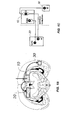
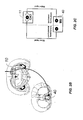
- axonal transport is not limited to only those circuits associated with the hippocampus. Retrograde axonal transport occurred in the nigrostriatal ( Figure 3 ) and in the medullocerebellar ( Figure 4 ) circuits. This demonstrates that axonal transport of AAV2 in diseased-compromised neurons is a general property of the viral vector.
- AAV1-ASM at the concentrations of 1-4 ⁇ 10 13 gp/ml and AAV7-ASM at the concentration of 8.4 ⁇ 10 12 gp/ml. While AAV1 did not exhibit detectable retrograde axonal transport, AAV7 did undergo retrograde axonal transport, similar to AAV2, and produced correction of LSD pathology in distal regions (see Figure 5 ).
- AD Alzheimer's disease
- a ⁇ amyloid ⁇ -peptide
- Neprilysin is a 97 kD membrane-bound zinc metalloendopeptidase that is the rate-limiting enzyme in the normal degradation of A ⁇ .
- Introduction of neprilysin may decelerate the progression of the disease by removing A ⁇ pools before aggregation. Indeed, neprilysin was shown to degrade oligomeric forms of A ⁇ thereby removing existing plaques in an animal model of AD ( Kanemitsu et al. (2003) Neurosci. Lett., 350:113-116 ).
- Neprilysin knockout mice exhibit high levels of A ⁇ ( Iwata et al. (2001) J. Neurosci., 24:991-998 .).
- Neprilysin inhibitors such as thiorphan and phosphoramidon, increase A ⁇ levels in mouse brain ( Iwata et al. (2000) Nat. Med., 6:143-150 ). Additionally, decreased neprilysin mRNA levels were found in areas of high amyloid plaque burden in human brains, further demonstrating the link between neprilysin and AD ( Yasojima et al. (2001) Neurosci. Lett., 297:97-100 ).
- the areas of brain most affected by AD are the hippocampus, cortex, cerebellum, striatum and thalamus (see, e.g., Iwata et al. (2001) supra; Yasojima et al. (2001) supra). These are the same areas of the brain that show efficient retrograde axonal transport with AAV.
- AAV can used to deliver therapeutic transgenes to regions of high plaque burden by direct injection and subsequent translocation of virus through brain circuits to our target sites.
- Viral vector-mediated gene transfer of neprilysin was effective in treating mouse models of AD ( Marr et al. (2003) J. Neurosci., 23:1992-1996 ; Marr et al. (2004) J. Mol. Neurosci., 22:5-11 ; Iwata et al. (2004) J. Neurosci., 24:991-998 ).
- a recent report showed that AAV5-neprilysin removed A ⁇ from the pre-synaptic terminals of the hippocampus in neprilysin-deficient mice, decelerating plaque formation at the synapses (Iwata et al. (2004) supra).
- neprilsyin was found in the contralateral hippocampus but whether this is attributable to retrograde transport of virus or anterograde transport of expressed protein remains unknown.
Landscapes
- Health & Medical Sciences (AREA)
- Life Sciences & Earth Sciences (AREA)
- Engineering & Computer Science (AREA)
- Chemical & Material Sciences (AREA)
- Bioinformatics & Cheminformatics (AREA)
- General Health & Medical Sciences (AREA)
- Organic Chemistry (AREA)
- Pharmacology & Pharmacy (AREA)
- Veterinary Medicine (AREA)
- Medicinal Chemistry (AREA)
- Animal Behavior & Ethology (AREA)
- Public Health (AREA)
- Genetics & Genomics (AREA)
- Biomedical Technology (AREA)
- Nuclear Medicine, Radiotherapy & Molecular Imaging (AREA)
- Chemical Kinetics & Catalysis (AREA)
- General Chemical & Material Sciences (AREA)
- General Engineering & Computer Science (AREA)
- Zoology (AREA)
- Wood Science & Technology (AREA)
- Biotechnology (AREA)
- Neurology (AREA)
- Neurosurgery (AREA)
- Epidemiology (AREA)
- Molecular Biology (AREA)
- Immunology (AREA)
- Biochemistry (AREA)
- Proteomics, Peptides & Aminoacids (AREA)
- Gastroenterology & Hepatology (AREA)
- Physics & Mathematics (AREA)
- Biophysics (AREA)
- Diabetes (AREA)
- Hematology (AREA)
- Obesity (AREA)
- Virology (AREA)
- Psychiatry (AREA)
- Hospice & Palliative Care (AREA)
- Plant Pathology (AREA)
- Microbiology (AREA)
- Medicines That Contain Protein Lipid Enzymes And Other Medicines (AREA)
Claims (19)
- Composition comprenant un vecteur AAV comprenant un transgène codant pour une hydrolase lysosomale, pour utilisation dans le traitement d'une maladie lysosomale chez un mammifère, la composition étant destinée à être administrée à un premier site dans le SNC du mammifère et la concentration du vecteur dans la composition est d'au moins 5 x 10¹² gp/ml de sorte que l'hydrolase lysosomale soit exprimée dans une quantité thérapeutiquement efficace à un deuxième site du SNC qui contient des neurones qui se projettent au premier site et qui est distal par rapport à, et à au moins 2 mm de, ledit premier site.
- Composition pour utilisation selon la revendication 1, la maladie lysosomale étant la maladie de Niemann-Pick A.
- Composition pour utilisation selon la revendication 1, le mammifère étant un humain.
- Composition pour utilisation selon la revendication 1, la composition étant destinée à être administrée par injection directe dans le cerveau.
- Composition pour utilisation selon la revendication 4, le deuxième site étant controlatéral par rapport au premier site.
- Composition pour utilisation selon la revendication 1, le premier site étant dans une région du SNC choisie dans le groupe constitué de la moelle épinière, le tronc cérébral, l'hippocampe, le striatum, la medulla, le pont, le mésencéphale, le cervelet, le thalamus, l'hypothalamus, le cortex cérébral, le lobe occipital, le lobe temporal, le lobe pariétal et le lobe frontal.
- Composition pour utilisation selon la revendication 4, le premier site étant dans l'hippocampe et le deuxième site étant dans une région du cerveau choisie dans le groupe constitué du gyrus denté controlatéral et le CA3 controlatéral, et le septum médian, et le cortex entorhinal.
- Composition pour utilisation selon la revendication 4, le premier site étant dans une région du cerveau choisie dans le groupe constitué du striatum et du cervelet, et le deuxième site étant dans une région du cerveau choisie dans le groupe constitué de la substance noire et le bulbe rachidien.
- Composition pour utilisation selon la revendication 1, la composition étant destinée à être administrée à un troisième site dans le SNC du mammifère.
- Composition pour utilisation selon la revendication 9, le troisième site étant controlatéral par rapport au premier site.
- Composition pour utilisation selon la revendication 1, l'hydrolase lysosomale étant l'aspartylglucosaminidase, la α-galactosidase A, la palmitoyl-protéine thioestérase, la tripeptidyle peptidase, la protéine transmembranaire lysosomale, le transporteur de cystéine, la céramidase acide, la α-L-fucosidase acide, la protéine protectrice/cathepsine A, la β-glucosidase acide ou la glucocérébrosidase, la β-galactosidase acide, l'iduronate-2-sulfatase, la α-L-iduronidase, la galactocérébrosidase, la α-mannosidase acide, la β-mannosidase acide, l'arylsulfatase B, l'arylsulfatase A, la N-acétylgalactosamine-6-sulfate sulfatase, la N-acétylglucosamine-1-phosphotransférase, la sphingomyélinase acide, NPC-1, la α-glucosidase acide, la β-hexosaminidase B, l'héparane N-sulfatase, la α-N-acétylglucosaminidase, l'acétyl-CoA:α-glucosaminide N-acétyltransférase, la N-acétylglucosamine-6-sulfate sulfatase, la α-N-acétylgalactosaminidase, la α-neuramidase, la β-glucuronidase, la β-hexosaminidase A, ou la lipase acide.
- Composition pour utilisation selon la revendication 1, l'hydrolase lysosomale étant la sphingomyélinase acide.
- Utilisation d'un vecteur AAV comprenant un génome AAV recombinant comprenant un transgène codant pour une hydrolase lysosomale pour la préparation d'une composition pour le traitement d'une maladie lysosomale chez un mammifère, la composition étant destinée à être mise en contact avec une terminaison axonale d'un neurone affecté par une maladie de sorte que le vecteur AAV subisse une endocytose et soit transporté de façon rétrograde dans le milieu intracellulaire le long de l'axone du neurone jusqu'au noyau du neurone et l'hydrolase lysosomale est exprimé et sécrété par le neurone et est absorbé par une cellule cible, de manière à atténuer une pathologie dans la cellule cible, la concentration des génomes AAV recombinants dans la composition étant d'au moins 5x10¹² gp/ml et le neurone étant un neurone de projection.
- Utilisation selon la revendication 13, la cellule cible étant un deuxième neurone ou une cellule gliale.
- Utilisation de la revendication 13, la distance de la terminaison axonale au noyau étant d'au moins 2 mm.
- Utilisation de la revendication 13, la maladie lysosomale étant la maladie de Niemann-Pick A.
- Utilisation de la revendication 13, l'hydrolase lysosomale étant la sphingomyélinase acide.
- Composition pour utilisation selon l'une quelconque des revendications 1 à 12, l'AAV étant d'un sérotype choisi dans le groupe constitué d'AAV2, AAV3, AAV4, AAV5, AAV6, AAV7, et AAV8.
- Utilisation selon l'une quelconque des revendications 13 à 17, l'AAV étant d'un sérotype choisi dans le groupe constitué d'AAV2, AAV3, AAV4, AAV5, AAV6, AAV7, et AAV8.
Priority Applications (5)
| Application Number | Priority Date | Filing Date | Title |
|---|---|---|---|
| SI200432298T SI1620133T1 (sl) | 2003-05-01 | 2004-04-30 | Genska terapija za nevrometabolne motnje |
| PL04760694T PL1620133T3 (pl) | 2003-05-01 | 2004-04-30 | Terapia genowa dla zaburzeń neurometabolicznych |
| EP18212196.2A EP3513814A1 (fr) | 2003-05-01 | 2004-04-30 | Thérapie génique pour les troubles neurométaboliques |
| EP10179332.1A EP2269658B1 (fr) | 2003-05-01 | 2004-04-30 | Therapie genique pour troubles neurometaboliques |
| CY20161100204T CY1117457T1 (el) | 2003-05-01 | 2016-03-09 | Γονιδιακη θεραπεια για τις νευρομεταβολικες διαταραχες |
Applications Claiming Priority (3)
| Application Number | Priority Date | Filing Date | Title |
|---|---|---|---|
| US46719503P | 2003-05-01 | 2003-05-01 | |
| US47572603P | 2003-06-04 | 2003-06-04 | |
| PCT/US2004/013685 WO2004098648A1 (fr) | 2003-05-01 | 2004-04-30 | Therapie genique pour troubles neurometaboliques |
Related Child Applications (3)
| Application Number | Title | Priority Date | Filing Date |
|---|---|---|---|
| EP18212196.2A Division EP3513814A1 (fr) | 2003-05-01 | 2004-04-30 | Thérapie génique pour les troubles neurométaboliques |
| EP10179332.1A Division-Into EP2269658B1 (fr) | 2003-05-01 | 2004-04-30 | Therapie genique pour troubles neurometaboliques |
| EP10179332.1A Division EP2269658B1 (fr) | 2003-05-01 | 2004-04-30 | Therapie genique pour troubles neurometaboliques |
Publications (2)
| Publication Number | Publication Date |
|---|---|
| EP1620133A1 EP1620133A1 (fr) | 2006-02-01 |
| EP1620133B1 true EP1620133B1 (fr) | 2015-12-09 |
Family
ID=33436721
Family Applications (3)
| Application Number | Title | Priority Date | Filing Date |
|---|---|---|---|
| EP04760694.2A Expired - Lifetime EP1620133B1 (fr) | 2003-05-01 | 2004-04-30 | Therapie genique pour troubles neurometaboliques |
| EP10179332.1A Expired - Lifetime EP2269658B1 (fr) | 2003-05-01 | 2004-04-30 | Therapie genique pour troubles neurometaboliques |
| EP18212196.2A Withdrawn EP3513814A1 (fr) | 2003-05-01 | 2004-04-30 | Thérapie génique pour les troubles neurométaboliques |
Family Applications After (2)
| Application Number | Title | Priority Date | Filing Date |
|---|---|---|---|
| EP10179332.1A Expired - Lifetime EP2269658B1 (fr) | 2003-05-01 | 2004-04-30 | Therapie genique pour troubles neurometaboliques |
| EP18212196.2A Withdrawn EP3513814A1 (fr) | 2003-05-01 | 2004-04-30 | Thérapie génique pour les troubles neurométaboliques |
Country Status (11)
| Country | Link |
|---|---|
| EP (3) | EP1620133B1 (fr) |
| JP (6) | JP4979067B2 (fr) |
| CY (1) | CY1117457T1 (fr) |
| DK (1) | DK1620133T3 (fr) |
| ES (1) | ES2562490T3 (fr) |
| HU (1) | HUE026861T2 (fr) |
| IL (2) | IL171635A (fr) |
| PL (1) | PL1620133T3 (fr) |
| PT (1) | PT1620133E (fr) |
| SI (1) | SI1620133T1 (fr) |
| WO (1) | WO2004098648A1 (fr) |
Cited By (6)
| Publication number | Priority date | Publication date | Assignee | Title |
|---|---|---|---|---|
| US11020443B2 (en) | 2015-04-23 | 2021-06-01 | University Of Massachusetts | Modulation of AAV vector transgene expression |
| US11208458B2 (en) | 2017-06-07 | 2021-12-28 | Regeneron Pharmaceuticals, Inc. | Compositions and methods for internalizing enzymes |
| US12252544B2 (en) | 2018-05-17 | 2025-03-18 | Regeneron Pharmaceuticals, Inc. | Anti-CD63 antibodies, conjugates, and uses thereof |
| US12258597B2 (en) | 2018-02-07 | 2025-03-25 | Regeneron Pharmaceuticals, Inc. | Methods and compositions for therapeutic protein delivery |
| US12448629B2 (en) | 2018-10-05 | 2025-10-21 | University Of Massachusetts | rAAV vectors for the treatment of GM1 and GM2 gangliosidosis |
| US12486518B2 (en) | 2018-04-13 | 2025-12-02 | University Of Massachusetts | Bicistronic AAV vectors encoding hexosaminidase alpha and beta-subunits and uses thereof |
Families Citing this family (34)
| Publication number | Priority date | Publication date | Assignee | Title |
|---|---|---|---|---|
| US7605249B2 (en) | 2002-11-26 | 2009-10-20 | Medtronic, Inc. | Treatment of neurodegenerative disease through intracranial delivery of siRNA |
| US7618948B2 (en) | 2002-11-26 | 2009-11-17 | Medtronic, Inc. | Devices, systems and methods for improving and/or cognitive function through brain delivery of siRNA |
| US7829694B2 (en) | 2002-11-26 | 2010-11-09 | Medtronic, Inc. | Treatment of neurodegenerative disease through intracranial delivery of siRNA |
| US7732591B2 (en) | 2003-11-25 | 2010-06-08 | Medtronic, Inc. | Compositions, devices and methods for treatment of huntington's disease through intracranial delivery of sirna |
| US7994149B2 (en) | 2003-02-03 | 2011-08-09 | Medtronic, Inc. | Method for treatment of Huntington's disease through intracranial delivery of sirna |
| US20040258666A1 (en) | 2003-05-01 | 2004-12-23 | Passini Marco A. | Gene therapy for neurometabolic disorders |
| ES2562490T3 (es) * | 2003-05-01 | 2016-03-04 | Genzyme Corporation | Terapia génica para trastornos neurometabólicos |
| PT3520823T (pt) * | 2005-05-02 | 2021-09-16 | Genzyme Corp | Terapia genética para distúrbios neurometabólicos |
| AU2006242129A1 (en) | 2005-05-02 | 2006-11-09 | Genzyme Corporation | Gene therapy for spinal cord disorders |
| EP1885854B1 (fr) | 2005-05-06 | 2012-10-17 | Medtronic, Inc. | Procedes et sequences permettant de supprimer l'expression du gene de huntington chez les primates |
| US7902352B2 (en) | 2005-05-06 | 2011-03-08 | Medtronic, Inc. | Isolated nucleic acid duplex for reducing huntington gene expression |
| US9133517B2 (en) | 2005-06-28 | 2015-09-15 | Medtronics, Inc. | Methods and sequences to preferentially suppress expression of mutated huntingtin |
| CN101405008A (zh) * | 2006-02-08 | 2009-04-08 | 建新公司 | A型尼曼-皮克病的基因治疗 |
| US9273356B2 (en) | 2006-05-24 | 2016-03-01 | Medtronic, Inc. | Methods and kits for linking polymorphic sequences to expanded repeat mutations |
| US9375440B2 (en) | 2006-11-03 | 2016-06-28 | Medtronic, Inc. | Compositions and methods for making therapies delivered by viral vectors reversible for safety and allele-specificity |
| US8324367B2 (en) | 2006-11-03 | 2012-12-04 | Medtronic, Inc. | Compositions and methods for making therapies delivered by viral vectors reversible for safety and allele-specificity |
| US7988668B2 (en) | 2006-11-21 | 2011-08-02 | Medtronic, Inc. | Microsyringe for pre-packaged delivery of pharmaceuticals |
| US7819842B2 (en) | 2006-11-21 | 2010-10-26 | Medtronic, Inc. | Chronically implantable guide tube for repeated intermittent delivery of materials or fluids to targeted tissue sites |
| US11219696B2 (en) | 2008-12-19 | 2022-01-11 | Nationwide Children's Hospital | Delivery of polynucleotides using recombinant AAV9 |
| JP5879256B2 (ja) | 2009-05-02 | 2016-03-08 | ジェンザイム・コーポレーション | 神経変性障害のための遺伝子治療 |
| US20130039888A1 (en) | 2011-06-08 | 2013-02-14 | Nationwide Children's Hospital Inc. | Products and methods for delivery of polynucleotides by adeno-associated virus for lysosomal storage disorders |
| BR112015002168A2 (pt) | 2012-08-01 | 2017-11-07 | Nationwide Childrens Hospital | liberação intratecal de vírus 9 adeno-associado recombinante |
| EP4344741A3 (fr) | 2014-11-21 | 2024-08-28 | The University of North Carolina at Chapel Hill | Vecteurs aav ciblant le système nerveux central |
| US10876134B2 (en) | 2014-12-16 | 2020-12-29 | Board Of Regents Of The University Of Nebraska | Gene therapy for juvenile batten disease |
| GB201508025D0 (en) | 2015-05-11 | 2015-06-24 | Ucl Business Plc | Fabry disease gene therapy |
| KR102629418B1 (ko) | 2016-06-13 | 2024-01-25 | 더 유니버시티 오브 노쓰 캐롤라이나 엣 채플 힐 | 최적화된 cln1 유전자 및 발현 카세트 및 그의 용도 |
| CN112553210B (zh) | 2017-10-03 | 2024-09-24 | 普利维尔治疗公司 | 用于溶酶体障碍的基因疗法 |
| BR112020006633A2 (pt) | 2017-10-03 | 2020-10-06 | Prevail Therapeutics, Inc. | terapias genéticas para distúrbios lisossômicos |
| CA3078501A1 (fr) | 2017-10-03 | 2019-04-11 | Prevail Therapeutics, Inc. | Therapies geniques pour troubles lysosomaux |
| JP7749322B2 (ja) | 2018-04-30 | 2025-10-06 | アミカス セラピューティックス インコーポレイテッド | 遺伝子治療構築物及び使用方法 |
| EA202190999A1 (ru) | 2018-10-10 | 2021-10-15 | Амикус Терапьютикс, Инк. | Композиции на основе полипептидов, стабилизированных с помощью дисульфидной связи, и способы применения |
| JP7590968B2 (ja) | 2018-12-05 | 2024-11-27 | アビオナ・セラピュ―ティクス・インコーポレイテッド | 遺伝子送達のための組み換えアデノ随伴ウイルスベクター |
| KR20220006527A (ko) | 2019-04-10 | 2022-01-17 | 프리베일 테라퓨틱스, 인크. | 리소좀 장애에 대한 유전자 요법 |
| EP4284442A4 (fr) * | 2021-02-01 | 2025-04-23 | The Trustees of The University of Pennsylvania | Compositions et méthodes de traitement de la maladie de niemann pick de type a |
Family Cites Families (6)
| Publication number | Priority date | Publication date | Assignee | Title |
|---|---|---|---|---|
| US5773278A (en) | 1991-05-03 | 1998-06-30 | Mount Sinai Medical Center | Acid sphingomyelinase gene |
| PT733103E (pt) | 1993-11-09 | 2004-07-30 | Targeted Genetics Corp | Criacao de elevados titulos de vectores de aav recombinantes |
| EP0755454B1 (fr) | 1994-04-13 | 2008-02-13 | The Rockefeller University | Transmission par virus adenoassocie d'adn a des cellules du systeme nerveux |
| US6544785B1 (en) | 1998-09-14 | 2003-04-08 | Mount Sinai School Of Medicine Of New York University | Helper-free rescue of recombinant negative strand RNA viruses |
| WO2001036603A2 (fr) * | 1999-11-17 | 2001-05-25 | Avigen, Inc. | Virions de virus adeno-associes recombinants destines au traitement de maladies lysosomales |
| ES2562490T3 (es) * | 2003-05-01 | 2016-03-04 | Genzyme Corporation | Terapia génica para trastornos neurometabólicos |
-
2004
- 2004-04-30 ES ES04760694.2T patent/ES2562490T3/es not_active Expired - Lifetime
- 2004-04-30 HU HUE04760694A patent/HUE026861T2/en unknown
- 2004-04-30 PL PL04760694T patent/PL1620133T3/pl unknown
- 2004-04-30 PT PT47606942T patent/PT1620133E/pt unknown
- 2004-04-30 EP EP04760694.2A patent/EP1620133B1/fr not_active Expired - Lifetime
- 2004-04-30 WO PCT/US2004/013685 patent/WO2004098648A1/fr not_active Ceased
- 2004-04-30 JP JP2006514239A patent/JP4979067B2/ja not_active Expired - Fee Related
- 2004-04-30 SI SI200432298T patent/SI1620133T1/sl unknown
- 2004-04-30 EP EP10179332.1A patent/EP2269658B1/fr not_active Expired - Lifetime
- 2004-04-30 DK DK04760694.2T patent/DK1620133T3/en active
- 2004-04-30 EP EP18212196.2A patent/EP3513814A1/fr not_active Withdrawn
-
2005
- 2005-10-27 IL IL171635A patent/IL171635A/en active IP Right Grant
-
2011
- 2011-08-01 JP JP2011168292A patent/JP2011251992A/ja active Pending
-
2013
- 2013-09-24 JP JP2013196398A patent/JP5841574B2/ja not_active Expired - Fee Related
-
2015
- 2015-05-26 JP JP2015106021A patent/JP6170519B2/ja not_active Expired - Fee Related
-
2016
- 2016-03-09 CY CY20161100204T patent/CY1117457T1/el unknown
- 2016-10-20 JP JP2016205651A patent/JP6312771B2/ja not_active Expired - Lifetime
-
2017
- 2017-06-11 IL IL252829A patent/IL252829A0/en unknown
-
2018
- 2018-01-05 JP JP2018000518A patent/JP2018058901A/ja active Pending
Cited By (7)
| Publication number | Priority date | Publication date | Assignee | Title |
|---|---|---|---|---|
| US11020443B2 (en) | 2015-04-23 | 2021-06-01 | University Of Massachusetts | Modulation of AAV vector transgene expression |
| US11208458B2 (en) | 2017-06-07 | 2021-12-28 | Regeneron Pharmaceuticals, Inc. | Compositions and methods for internalizing enzymes |
| US12215138B2 (en) | 2017-06-07 | 2025-02-04 | Regeneron Pharmaceuticals, Inc. | Compositions and methods for internalizing enzymes |
| US12258597B2 (en) | 2018-02-07 | 2025-03-25 | Regeneron Pharmaceuticals, Inc. | Methods and compositions for therapeutic protein delivery |
| US12486518B2 (en) | 2018-04-13 | 2025-12-02 | University Of Massachusetts | Bicistronic AAV vectors encoding hexosaminidase alpha and beta-subunits and uses thereof |
| US12252544B2 (en) | 2018-05-17 | 2025-03-18 | Regeneron Pharmaceuticals, Inc. | Anti-CD63 antibodies, conjugates, and uses thereof |
| US12448629B2 (en) | 2018-10-05 | 2025-10-21 | University Of Massachusetts | rAAV vectors for the treatment of GM1 and GM2 gangliosidosis |
Also Published As
| Publication number | Publication date |
|---|---|
| JP2015178519A (ja) | 2015-10-08 |
| JP2017008118A (ja) | 2017-01-12 |
| EP2269658A1 (fr) | 2011-01-05 |
| EP1620133A1 (fr) | 2006-02-01 |
| ES2562490T3 (es) | 2016-03-04 |
| JP4979067B2 (ja) | 2012-07-18 |
| SI1620133T1 (sl) | 2016-03-31 |
| WO2004098648A1 (fr) | 2004-11-18 |
| JP2006525363A (ja) | 2006-11-09 |
| EP3513814A1 (fr) | 2019-07-24 |
| HUE026861T2 (en) | 2016-07-28 |
| JP2018058901A (ja) | 2018-04-12 |
| PL1620133T3 (pl) | 2016-05-31 |
| PT1620133E (pt) | 2016-03-31 |
| DK1620133T3 (en) | 2016-02-29 |
| JP2014040433A (ja) | 2014-03-06 |
| IL252829A0 (en) | 2017-08-31 |
| EP2269658B1 (fr) | 2018-12-19 |
| CY1117457T1 (el) | 2017-04-26 |
| IL171635A (en) | 2017-06-29 |
| JP2011251992A (ja) | 2011-12-15 |
| JP6170519B2 (ja) | 2017-07-26 |
| JP6312771B2 (ja) | 2018-04-18 |
| JP5841574B2 (ja) | 2016-01-13 |
Similar Documents
| Publication | Publication Date | Title |
|---|---|---|
| US10913956B2 (en) | Gene therapy for neurometabolic disorders | |
| EP2269658B1 (fr) | Therapie genique pour troubles neurometaboliques | |
| US11957765B2 (en) | Gene therapy for neurometabolic disorders | |
| US20060171926A1 (en) | Gene therapy for neurometabolic disorders |
Legal Events
| Date | Code | Title | Description |
|---|---|---|---|
| PUAI | Public reference made under article 153(3) epc to a published international application that has entered the european phase |
Free format text: ORIGINAL CODE: 0009012 |
|
| 17P | Request for examination filed |
Effective date: 20051027 |
|
| AK | Designated contracting states |
Kind code of ref document: A1 Designated state(s): AT BE BG CH CY CZ DE DK EE ES FI FR GB GR HU IE IT LI LU MC NL PL PT RO SE SI SK TR |
|
| RIN1 | Information on inventor provided before grant (corrected) |
Inventor name: DODGE, JAMES Inventor name: STEWART, GREGORY R. Inventor name: PASSINI, MARCO, A. |
|
| DAX | Request for extension of the european patent (deleted) | ||
| 17Q | First examination report despatched |
Effective date: 20080929 |
|
| RAP1 | Party data changed (applicant data changed or rights of an application transferred) |
Owner name: GENZYME CORPORATION |
|
| GRAP | Despatch of communication of intention to grant a patent |
Free format text: ORIGINAL CODE: EPIDOSNIGR1 |
|
| INTG | Intention to grant announced |
Effective date: 20150616 |
|
| GRAS | Grant fee paid |
Free format text: ORIGINAL CODE: EPIDOSNIGR3 |
|
| GRAA | (expected) grant |
Free format text: ORIGINAL CODE: 0009210 |
|
| AK | Designated contracting states |
Kind code of ref document: B1 Designated state(s): AT BE BG CH CY CZ DE DK EE ES FI FR GB GR HU IE IT LI LU MC NL PL PT RO SE SI SK TR |
|
| REG | Reference to a national code |
Ref country code: GB Ref legal event code: FG4D |
|
| REG | Reference to a national code |
Ref country code: AT Ref legal event code: REF Ref document number: 764272 Country of ref document: AT Kind code of ref document: T Effective date: 20151215 Ref country code: CH Ref legal event code: EP |
|
| REG | Reference to a national code |
Ref country code: IE Ref legal event code: FG4D |
|
| REG | Reference to a national code |
Ref country code: DE Ref legal event code: R096 Ref document number: 602004048345 Country of ref document: DE |
|
| REG | Reference to a national code |
Ref country code: RO Ref legal event code: EPE |
|
| REG | Reference to a national code |
Ref country code: DK Ref legal event code: T3 Effective date: 20160223 |
|
| REG | Reference to a national code |
Ref country code: ES Ref legal event code: FG2A Ref document number: 2562490 Country of ref document: ES Kind code of ref document: T3 Effective date: 20160304 |
|
| REG | Reference to a national code |
Ref country code: FR Ref legal event code: PLFP Year of fee payment: 13 |
|
| REG | Reference to a national code |
Ref country code: SE Ref legal event code: TRGR |
|
| REG | Reference to a national code |
Ref country code: PT Ref legal event code: SC4A Free format text: AVAILABILITY OF NATIONAL TRANSLATION Effective date: 20160217 |
|
| REG | Reference to a national code |
Ref country code: NL Ref legal event code: FP |
|
| REG | Reference to a national code |
Ref country code: EE Ref legal event code: FG4A Ref document number: E011595 Country of ref document: EE Effective date: 20160210 |
|
| REG | Reference to a national code |
Ref country code: SK Ref legal event code: T3 Ref document number: E 20464 Country of ref document: SK |
|
| REG | Reference to a national code |
Ref country code: GR Ref legal event code: EP Ref document number: 20160400457 Country of ref document: GR Effective date: 20160505 |
|
| REG | Reference to a national code |
Ref country code: HU Ref legal event code: AG4A Ref document number: E026861 Country of ref document: HU |
|
| REG | Reference to a national code |
Ref country code: DE Ref legal event code: R097 Ref document number: 602004048345 Country of ref document: DE |
|
| PLBE | No opposition filed within time limit |
Free format text: ORIGINAL CODE: 0009261 |
|
| STAA | Information on the status of an ep patent application or granted ep patent |
Free format text: STATUS: NO OPPOSITION FILED WITHIN TIME LIMIT |
|
| 26N | No opposition filed |
Effective date: 20160912 |
|
| REG | Reference to a national code |
Ref country code: FR Ref legal event code: PLFP Year of fee payment: 14 |
|
| REG | Reference to a national code |
Ref country code: FR Ref legal event code: PLFP Year of fee payment: 15 |
|
| PGFP | Annual fee paid to national office [announced via postgrant information from national office to epo] |
Ref country code: NL Payment date: 20180314 Year of fee payment: 15 |
|
| PGFP | Annual fee paid to national office [announced via postgrant information from national office to epo] |
Ref country code: GR Payment date: 20180312 Year of fee payment: 15 Ref country code: SK Payment date: 20180327 Year of fee payment: 15 Ref country code: EE Payment date: 20180306 Year of fee payment: 15 Ref country code: BE Payment date: 20180314 Year of fee payment: 15 Ref country code: PL Payment date: 20180321 Year of fee payment: 15 Ref country code: MC Payment date: 20180328 Year of fee payment: 15 Ref country code: BG Payment date: 20180328 Year of fee payment: 15 |
|
| PGFP | Annual fee paid to national office [announced via postgrant information from national office to epo] |
Ref country code: NL Payment date: 20180412 Year of fee payment: 15 Ref country code: LU Payment date: 20180411 Year of fee payment: 15 |
|
| PGFP | Annual fee paid to national office [announced via postgrant information from national office to epo] |
Ref country code: PT Payment date: 20180426 Year of fee payment: 15 Ref country code: ES Payment date: 20180503 Year of fee payment: 15 Ref country code: CZ Payment date: 20180417 Year of fee payment: 15 Ref country code: IE Payment date: 20180410 Year of fee payment: 15 Ref country code: DK Payment date: 20180410 Year of fee payment: 15 Ref country code: CH Payment date: 20180416 Year of fee payment: 15 Ref country code: FI Payment date: 20180410 Year of fee payment: 15 |
|
| PGFP | Annual fee paid to national office [announced via postgrant information from national office to epo] |
Ref country code: IT Payment date: 20180420 Year of fee payment: 15 Ref country code: SI Payment date: 20180327 Year of fee payment: 15 Ref country code: AT Payment date: 20180326 Year of fee payment: 15 Ref country code: TR Payment date: 20180430 Year of fee payment: 15 |
|
| PGFP | Annual fee paid to national office [announced via postgrant information from national office to epo] |
Ref country code: SE Payment date: 20180411 Year of fee payment: 15 Ref country code: HU Payment date: 20180417 Year of fee payment: 15 |
|
| REG | Reference to a national code |
Ref country code: AT Ref legal event code: UEP Ref document number: 764272 Country of ref document: AT Kind code of ref document: T Effective date: 20151209 |
|
| PGFP | Annual fee paid to national office [announced via postgrant information from national office to epo] |
Ref country code: CY Payment date: 20180419 Year of fee payment: 15 |
|
| REG | Reference to a national code |
Ref country code: EE Ref legal event code: MM4A Ref document number: E011595 Country of ref document: EE Effective date: 20190430 |
|
| REG | Reference to a national code |
Ref country code: CH Ref legal event code: PL |
|
| REG | Reference to a national code |
Ref country code: DK Ref legal event code: EBP Effective date: 20190430 |
|
| REG | Reference to a national code |
Ref country code: NL Ref legal event code: MM Effective date: 20190501 |
|
| REG | Reference to a national code |
Ref country code: AT Ref legal event code: MM01 Ref document number: 764272 Country of ref document: AT Kind code of ref document: T Effective date: 20190430 |
|
| REG | Reference to a national code |
Ref country code: BE Ref legal event code: MM Effective date: 20190430 |
|
| PG25 | Lapsed in a contracting state [announced via postgrant information from national office to epo] |
Ref country code: MC Free format text: LAPSE BECAUSE OF NON-PAYMENT OF DUE FEES Effective date: 20190430 Ref country code: LU Free format text: LAPSE BECAUSE OF NON-PAYMENT OF DUE FEES Effective date: 20190430 |
|
| REG | Reference to a national code |
Ref country code: SK Ref legal event code: MM4A Ref document number: E 20464 Country of ref document: SK Effective date: 20190430 |
|
| PG25 | Lapsed in a contracting state [announced via postgrant information from national office to epo] |
Ref country code: PT Free format text: LAPSE BECAUSE OF NON-PAYMENT OF DUE FEES Effective date: 20191031 Ref country code: CY Free format text: LAPSE BECAUSE OF NON-PAYMENT OF DUE FEES Effective date: 20190430 Ref country code: EE Free format text: LAPSE BECAUSE OF NON-PAYMENT OF DUE FEES Effective date: 20190430 Ref country code: LI Free format text: LAPSE BECAUSE OF NON-PAYMENT OF DUE FEES Effective date: 20190430 Ref country code: NL Free format text: LAPSE BECAUSE OF NON-PAYMENT OF DUE FEES Effective date: 20190501 Ref country code: CH Free format text: LAPSE BECAUSE OF NON-PAYMENT OF DUE FEES Effective date: 20190430 Ref country code: SK Free format text: LAPSE BECAUSE OF NON-PAYMENT OF DUE FEES Effective date: 20190430 Ref country code: FI Free format text: LAPSE BECAUSE OF NON-PAYMENT OF DUE FEES Effective date: 20190430 Ref country code: CZ Free format text: LAPSE BECAUSE OF NON-PAYMENT OF DUE FEES Effective date: 20190430 Ref country code: RO Free format text: LAPSE BECAUSE OF NON-PAYMENT OF DUE FEES Effective date: 20190430 Ref country code: HU Free format text: LAPSE BECAUSE OF NON-PAYMENT OF DUE FEES Effective date: 20190501 Ref country code: BG Free format text: LAPSE BECAUSE OF NON-PAYMENT OF DUE FEES Effective date: 20191031 Ref country code: SE Free format text: LAPSE BECAUSE OF NON-PAYMENT OF DUE FEES Effective date: 20190501 Ref country code: AT Free format text: LAPSE BECAUSE OF NON-PAYMENT OF DUE FEES Effective date: 20190430 |
|
| PG25 | Lapsed in a contracting state [announced via postgrant information from national office to epo] |
Ref country code: SI Free format text: LAPSE BECAUSE OF NON-PAYMENT OF DUE FEES Effective date: 20190501 Ref country code: GR Free format text: LAPSE BECAUSE OF NON-PAYMENT OF DUE FEES Effective date: 20191105 Ref country code: BE Free format text: LAPSE BECAUSE OF NON-PAYMENT OF DUE FEES Effective date: 20190430 |
|
| PG25 | Lapsed in a contracting state [announced via postgrant information from national office to epo] |
Ref country code: IT Free format text: LAPSE BECAUSE OF NON-PAYMENT OF DUE FEES Effective date: 20190430 Ref country code: DK Free format text: LAPSE BECAUSE OF NON-PAYMENT OF DUE FEES Effective date: 20190430 Ref country code: IE Free format text: LAPSE BECAUSE OF NON-PAYMENT OF DUE FEES Effective date: 20190430 |
|
| REG | Reference to a national code |
Ref country code: SE Ref legal event code: EUG |
|
| REG | Reference to a national code |
Ref country code: ES Ref legal event code: FD2A Effective date: 20200901 |
|
| PG25 | Lapsed in a contracting state [announced via postgrant information from national office to epo] |
Ref country code: ES Free format text: LAPSE BECAUSE OF NON-PAYMENT OF DUE FEES Effective date: 20190501 |
|
| PG25 | Lapsed in a contracting state [announced via postgrant information from national office to epo] |
Ref country code: PL Free format text: LAPSE BECAUSE OF NON-PAYMENT OF DUE FEES Effective date: 20190430 |
|
| PG25 | Lapsed in a contracting state [announced via postgrant information from national office to epo] |
Ref country code: TR Free format text: LAPSE BECAUSE OF NON-PAYMENT OF DUE FEES Effective date: 20190430 |
|
| PGFP | Annual fee paid to national office [announced via postgrant information from national office to epo] |
Ref country code: FR Payment date: 20230309 Year of fee payment: 20 |
|
| PGFP | Annual fee paid to national office [announced via postgrant information from national office to epo] |
Ref country code: GB Payment date: 20230309 Year of fee payment: 20 |
|
| PGFP | Annual fee paid to national office [announced via postgrant information from national office to epo] |
Ref country code: DE Payment date: 20230307 Year of fee payment: 20 |
|
| REG | Reference to a national code |
Ref country code: DE Ref legal event code: R071 Ref document number: 602004048345 Country of ref document: DE |
|
| REG | Reference to a national code |
Ref country code: GB Ref legal event code: PE20 Expiry date: 20240429 |
|
| PG25 | Lapsed in a contracting state [announced via postgrant information from national office to epo] |
Ref country code: GB Free format text: LAPSE BECAUSE OF EXPIRATION OF PROTECTION Effective date: 20240429 |
|
| PG25 | Lapsed in a contracting state [announced via postgrant information from national office to epo] |
Ref country code: GB Free format text: LAPSE BECAUSE OF EXPIRATION OF PROTECTION Effective date: 20240429 |