EP1623228B1 - Aopciii und die behandlung und diagnose von diabetes - Google Patents
Aopciii und die behandlung und diagnose von diabetes Download PDFInfo
- Publication number
- EP1623228B1 EP1623228B1 EP20040751089 EP04751089A EP1623228B1 EP 1623228 B1 EP1623228 B1 EP 1623228B1 EP 20040751089 EP20040751089 EP 20040751089 EP 04751089 A EP04751089 A EP 04751089A EP 1623228 B1 EP1623228 B1 EP 1623228B1
- Authority
- EP
- European Patent Office
- Prior art keywords
- apociii
- cells
- blood serum
- serum sample
- amount
- Prior art date
- Legal status (The legal status is an assumption and is not a legal conclusion. Google has not performed a legal analysis and makes no representation as to the accuracy of the status listed.)
- Expired - Lifetime
Links
Images

Classifications
-
- G—PHYSICS
- G01—MEASURING; TESTING
- G01N—INVESTIGATING OR ANALYSING MATERIALS BY DETERMINING THEIR CHEMICAL OR PHYSICAL PROPERTIES
- G01N33/00—Investigating or analysing materials by specific methods not covered by groups G01N1/00 - G01N31/00
- G01N33/48—Biological material, e.g. blood, urine; Haemocytometers
- G01N33/50—Chemical analysis of biological material, e.g. blood, urine; Testing involving biospecific ligand binding methods; Immunological testing
- G01N33/92—Chemical analysis of biological material, e.g. blood, urine; Testing involving biospecific ligand binding methods; Immunological testing involving lipids, e.g. cholesterol, lipoproteins, or their receptors
-
- A—HUMAN NECESSITIES
- A61—MEDICAL OR VETERINARY SCIENCE; HYGIENE
- A61P—SPECIFIC THERAPEUTIC ACTIVITY OF CHEMICAL COMPOUNDS OR MEDICINAL PREPARATIONS
- A61P3/00—Drugs for disorders of the metabolism
-
- A—HUMAN NECESSITIES
- A61—MEDICAL OR VETERINARY SCIENCE; HYGIENE
- A61P—SPECIFIC THERAPEUTIC ACTIVITY OF CHEMICAL COMPOUNDS OR MEDICINAL PREPARATIONS
- A61P3/00—Drugs for disorders of the metabolism
- A61P3/08—Drugs for disorders of the metabolism for glucose homeostasis
- A61P3/10—Drugs for disorders of the metabolism for glucose homeostasis for hyperglycaemia, e.g. antidiabetics
-
- C—CHEMISTRY; METALLURGY
- C07—ORGANIC CHEMISTRY
- C07K—PEPTIDES
- C07K16/00—Immunoglobulins [IG], e.g. monoclonal or polyclonal antibodies
- C07K16/18—Immunoglobulins [IG], e.g. monoclonal or polyclonal antibodies against material from animals or humans
-
- C—CHEMISTRY; METALLURGY
- C12—BIOCHEMISTRY; BEER; SPIRITS; WINE; VINEGAR; MICROBIOLOGY; ENZYMOLOGY; MUTATION OR GENETIC ENGINEERING
- C12N—MICROORGANISMS OR ENZYMES; COMPOSITIONS THEREOF; PROPAGATING, PRESERVING, OR MAINTAINING MICROORGANISMS; MUTATION OR GENETIC ENGINEERING; CULTURE MEDIA
- C12N15/00—Mutation or genetic engineering; DNA or RNA concerning genetic engineering, vectors, e.g. plasmids, or their isolation, preparation or purification; Use of hosts therefor
- C12N15/09—Recombinant DNA-technology
- C12N15/11—DNA or RNA fragments; Modified forms thereof; Non-coding nucleic acids having a biological activity
- C12N15/113—Non-coding nucleic acids modulating the expression of genes, e.g. antisense oligonucleotides; Antisense DNA or RNA; Triplex- forming oligonucleotides; Catalytic nucleic acids, e.g. ribozymes; Nucleic acids used in co-suppression or gene silencing
-
- G—PHYSICS
- G01—MEASURING; TESTING
- G01N—INVESTIGATING OR ANALYSING MATERIALS BY DETERMINING THEIR CHEMICAL OR PHYSICAL PROPERTIES
- G01N30/00—Investigating or analysing materials by separation into components using adsorption, absorption or similar phenomena or using ion-exchange, e.g. chromatography or field flow fractionation
- G01N30/02—Column chromatography
-
- G—PHYSICS
- G01—MEASURING; TESTING
- G01N—INVESTIGATING OR ANALYSING MATERIALS BY DETERMINING THEIR CHEMICAL OR PHYSICAL PROPERTIES
- G01N33/00—Investigating or analysing materials by specific methods not covered by groups G01N1/00 - G01N31/00
- G01N33/48—Biological material, e.g. blood, urine; Haemocytometers
- G01N33/50—Chemical analysis of biological material, e.g. blood, urine; Testing involving biospecific ligand binding methods; Immunological testing
- G01N33/5005—Chemical analysis of biological material, e.g. blood, urine; Testing involving biospecific ligand binding methods; Immunological testing involving human or animal cells
- G01N33/5008—Chemical analysis of biological material, e.g. blood, urine; Testing involving biospecific ligand binding methods; Immunological testing involving human or animal cells for testing or evaluating the effect of chemical or biological compounds, e.g. drugs, cosmetics
- G01N33/502—Chemical analysis of biological material, e.g. blood, urine; Testing involving biospecific ligand binding methods; Immunological testing involving human or animal cells for testing or evaluating the effect of chemical or biological compounds, e.g. drugs, cosmetics for testing non-proliferative effects
- G01N33/5041—Chemical analysis of biological material, e.g. blood, urine; Testing involving biospecific ligand binding methods; Immunological testing involving human or animal cells for testing or evaluating the effect of chemical or biological compounds, e.g. drugs, cosmetics for testing non-proliferative effects involving analysis of members of signalling pathways
-
- G—PHYSICS
- G01—MEASURING; TESTING
- G01N—INVESTIGATING OR ANALYSING MATERIALS BY DETERMINING THEIR CHEMICAL OR PHYSICAL PROPERTIES
- G01N33/00—Investigating or analysing materials by specific methods not covered by groups G01N1/00 - G01N31/00
- G01N33/48—Biological material, e.g. blood, urine; Haemocytometers
- G01N33/50—Chemical analysis of biological material, e.g. blood, urine; Testing involving biospecific ligand binding methods; Immunological testing
- G01N33/5005—Chemical analysis of biological material, e.g. blood, urine; Testing involving biospecific ligand binding methods; Immunological testing involving human or animal cells
- G01N33/5008—Chemical analysis of biological material, e.g. blood, urine; Testing involving biospecific ligand binding methods; Immunological testing involving human or animal cells for testing or evaluating the effect of chemical or biological compounds, e.g. drugs, cosmetics
- G01N33/5044—Chemical analysis of biological material, e.g. blood, urine; Testing involving biospecific ligand binding methods; Immunological testing involving human or animal cells for testing or evaluating the effect of chemical or biological compounds, e.g. drugs, cosmetics involving specific cell types
- G01N33/507—Pancreatic cells
-
- G—PHYSICS
- G01—MEASURING; TESTING
- G01N—INVESTIGATING OR ANALYSING MATERIALS BY DETERMINING THEIR CHEMICAL OR PHYSICAL PROPERTIES
- G01N33/00—Investigating or analysing materials by specific methods not covered by groups G01N1/00 - G01N31/00
- G01N33/48—Biological material, e.g. blood, urine; Haemocytometers
- G01N33/50—Chemical analysis of biological material, e.g. blood, urine; Testing involving biospecific ligand binding methods; Immunological testing
- G01N33/53—Immunoassay; Biospecific binding assay; Materials therefor
- G01N33/564—Immunoassay; Biospecific binding assay; Materials therefor for pre-existing immune complex or autoimmune disease, i.e. systemic lupus erythematosus, rheumatoid arthritis, multiple sclerosis, rheumatoid factors or complement components C1-C9
-
- C—CHEMISTRY; METALLURGY
- C07—ORGANIC CHEMISTRY
- C07K—PEPTIDES
- C07K2317/00—Immunoglobulins specific features
- C07K2317/70—Immunoglobulins specific features characterized by effect upon binding to a cell or to an antigen
- C07K2317/76—Antagonist effect on antigen, e.g. neutralization or inhibition of binding
-
- C—CHEMISTRY; METALLURGY
- C12—BIOCHEMISTRY; BEER; SPIRITS; WINE; VINEGAR; MICROBIOLOGY; ENZYMOLOGY; MUTATION OR GENETIC ENGINEERING
- C12N—MICROORGANISMS OR ENZYMES; COMPOSITIONS THEREOF; PROPAGATING, PRESERVING, OR MAINTAINING MICROORGANISMS; MUTATION OR GENETIC ENGINEERING; CULTURE MEDIA
- C12N2310/00—Structure or type of the nucleic acid
- C12N2310/10—Type of nucleic acid
- C12N2310/11—Antisense
-
- C—CHEMISTRY; METALLURGY
- C12—BIOCHEMISTRY; BEER; SPIRITS; WINE; VINEGAR; MICROBIOLOGY; ENZYMOLOGY; MUTATION OR GENETIC ENGINEERING
- C12N—MICROORGANISMS OR ENZYMES; COMPOSITIONS THEREOF; PROPAGATING, PRESERVING, OR MAINTAINING MICROORGANISMS; MUTATION OR GENETIC ENGINEERING; CULTURE MEDIA
- C12N2310/00—Structure or type of the nucleic acid
- C12N2310/10—Type of nucleic acid
- C12N2310/14—Type of nucleic acid interfering nucleic acids [NA]
-
- G—PHYSICS
- G01—MEASURING; TESTING
- G01N—INVESTIGATING OR ANALYSING MATERIALS BY DETERMINING THEIR CHEMICAL OR PHYSICAL PROPERTIES
- G01N2333/00—Assays involving biological materials from specific organisms or of a specific nature
- G01N2333/435—Assays involving biological materials from specific organisms or of a specific nature from animals; from humans
- G01N2333/775—Apolipopeptides
-
- G—PHYSICS
- G01—MEASURING; TESTING
- G01N—INVESTIGATING OR ANALYSING MATERIALS BY DETERMINING THEIR CHEMICAL OR PHYSICAL PROPERTIES
- G01N2440/00—Post-translational modifications [PTMs] in chemical analysis of biological material
- G01N2440/38—Post-translational modifications [PTMs] in chemical analysis of biological material addition of carbohydrates, e.g. glycosylation, glycation
-
- G—PHYSICS
- G01—MEASURING; TESTING
- G01N—INVESTIGATING OR ANALYSING MATERIALS BY DETERMINING THEIR CHEMICAL OR PHYSICAL PROPERTIES
- G01N2500/00—Screening for compounds of potential therapeutic value
- G01N2500/10—Screening for compounds of potential therapeutic value involving cells
-
- G—PHYSICS
- G01—MEASURING; TESTING
- G01N—INVESTIGATING OR ANALYSING MATERIALS BY DETERMINING THEIR CHEMICAL OR PHYSICAL PROPERTIES
- G01N2800/00—Detection or diagnosis of diseases
- G01N2800/04—Endocrine or metabolic disorders
- G01N2800/042—Disorders of carbohydrate metabolism, e.g. diabetes, glucose metabolism
-
- G—PHYSICS
- G01—MEASURING; TESTING
- G01N—INVESTIGATING OR ANALYSING MATERIALS BY DETERMINING THEIR CHEMICAL OR PHYSICAL PROPERTIES
- G01N2800/00—Detection or diagnosis of diseases
- G01N2800/50—Determining the risk of developing a disease
-
- G—PHYSICS
- G01—MEASURING; TESTING
- G01N—INVESTIGATING OR ANALYSING MATERIALS BY DETERMINING THEIR CHEMICAL OR PHYSICAL PROPERTIES
- G01N2800/00—Detection or diagnosis of diseases
- G01N2800/52—Predicting or monitoring the response to treatment, e.g. for selection of therapy based on assay results in personalised medicine; Prognosis
Definitions
- Voltage-gated L-type Ca 2+ -channels have an important physiological role in pancreatic ⁇ -cell (" ⁇ -cell") signal-transduction (1). These channels constitute an essential link between transient changes in membrane potential and insulin release from ⁇ -cells. Changes in cytoplasmic free Ca 2+ concentration ([Ca 2+ ] i ) in the ⁇ -cell are associated with the activation of a spectrum of intracellular signals and are strictly regulated, as prolonged high [Ca 2+ ] i is harmful to the cells.
- Rabinovitch A. et al. ENDOCRINOLOGY, vol. 142, no. 8, August 2001, pages 3649- 3655 discloses that expression of Calbindin-D 28k in a pancreatic islet ⁇ cell line protects against cytokine-induced apoptosis.
- dyslipidemia is a disease which can be associated with type I diabetics and with patents that do not suffer from diabetes.
- T1D type 1 diabetes
- Sera from newly diagnosed type 1 diabetic (T1D) patients have been shown to increase the activity of voltage-gated L-type Ca 2+ -channels in ⁇ -cells resulting in increased [Ca 2+ ]; upon depolarization and ⁇ -cell apoptosis, effects that can be prevented by Ca 2+ -channel blockers (2).
- it has not been determined what factor in T1D serum is responsible for the changes in [Ca 2+ ] i .
- apolipoprotein CIII (apoCIII) is increased in serum from T1D patients and that this serum factor both induces increased cytoplasmic free Ca 2+ concentration ([Ca 2+ ] i ) and ⁇ -cell death.
- the present invention provides methods of identifying candidate compounds for the treatment of type I diabetes in vitro comprising contacting pancreatic ⁇ cells with an amount of apolipoprotein CIII ("apoCIII") effective to increase intracellular calcium concentration, in the presence of one or more test compounds, and identifying those test compounds that inhibit an apoCIII-induced increase in intracellular calcium concentration in the pancreatic ⁇ cells.
- apoCIII apolipoprotein CIII
- the present invention provides uses of an inhibitor of apoCIII selected from the group consisting of an apoCIII-selective antibody, an antisense oligonucleotide directed against the apoCIII mRNA, and a small interfering RNA directed against the apoCIII mRNA for the preparation of a pharmaceutical composition for treating type I diabetes wherein the pharmaceutical composition is for administering to a patient with type I diabetes an amount effective of the inhibitor of apoCIII to reduce apoCIII-induced increase in intracellular calcium concentration in pancreatic ⁇ cells.
- the present invention provides uses of an inhibitor of apoCIII selected from the group consisting of an apoCIII-selective antibody, an antisense oligonucleotide directed against the apoCIII mRNA, and a small interfering RNA directed against the apoCIII mRNA for the preparation of a pharmaceutical composition for treating type I diabetes.
- the present invention provides methods for diagnosing a propensity to develop type I diabetes comprising determining an amount of sialylated apoCIII in a blood serum sample from a subject; comparing the amount with an amount of sialylated apoCIII in a control blood serum sample; and diagnosing those subjects with an elevated amount of sialylated apoCIII in the blood serum sample relative to the control as having a propensity to develop type I diabetes.
- the present invention provides methods for identifying diabetic patients to be treated with anti-apoCIII therapy, comprising determining an amount of apoCIII in a blood serum sample from a diabetic subject and comparing it to a control blood serum sample; and identifying those subjects with an elevated amount of apoCIII in the blood serum sample relative to the control blood serum sample as being subjects to be treated with anti-apoCIII therapy, wherein the subjects to be treated with anti-apoCIII therapy are to be treated with an apoCIII therapeutic componded selected from the group consisting of an apoCIII-selective antibody, an antisense oligonucleotide directed against the apoCIII mRNA, and a small interfering RNA directed against the apoCIII mRNA.
- the present invention provides methods of identifying candidate compounds for the treatment of type I diabetes in vitro comprising contacting pancreatic ⁇ cells with an amount effective of apolipoprotein CIII ("apoCIII") effective to increase intracellular calcium concentration in the presence of one or more test compounds, and identifying those test compounds that inhibit apoCIII-induced increase in intracellular calcium concentration in the pancreatic ⁇ cells.
- apoCIII apolipoprotein CIII
- apoCIII refers to a protein comprising the amino acid sequence shown in SEQ ID NO:2 (Human) (NCBI accession number CAA25233), SEQ ID NO:4 (Rat) (NCBI accession number AAA40746), SEQ ID NO:6 (Macaque) (NCBI accession number CAA48419), (NCBI accession number NP_075603), SEQ ID NO: 8 (Mouse) or functional equivalents thereof.
- the apoCIII may be substantially purified apoCIII, available, for example, from Sigma Chemical Company (St. Louis, MO), wherein "substantially purified” means that it is removed from its normal in vivo cellular environment
- the apoCIII may be present in a mixture, such as blood serum from type I diabetic or partially or fully purified therefrom using standard techniques, such as those described below.
- substantially purified apoCIII is used.
- glycosylated apoCIII is used, wherein the glycosylation is preferably sialylation.
- mono-sialylated or di-sialylated apoCIII is used.
- glycosylated forms may be purchased, for example, from Sigma Chemical Company, or may be partially or fully purified using standard techniques, such as those described below.
- pancreatic ⁇ cells are any population of cells that contains pancreatic ⁇ islet cells.
- the cells can be obtained from any mammalian species.
- pancreatic ⁇ islet cell populations include the pancreas, isolated pancreatic islets of Langerhans ("pancreatic islets”), isolated pancreatic ⁇ islet cells, and insulin secreting cell lines.
- pancreatic isolation are well known in the art, and methods for isolating pancreatic islets, can be found, for example, in Cejvan et al., Diabetes 52:1176-1181 (2003 ); Zambre et al., Biochem. Pharmacol.
- Insulin secreting cell lines are available from the American Tissue Culture Collection ("ATCC”) (Rockville, MD). In a further embodiment where pancreatic ⁇ cells are used, they are obtained from ob/ob mice, which contain more than 95% ⁇ cells in their islets, and are commercially available.
- ATCC American Tissue Culture Collection
- pancreatic ⁇ cells are obtained from ob/ob mice, which contain more than 95% ⁇ cells in their islets, and are commercially available.
- intracellular calcium concentration refers to cytoplasmic free Ca 2+ concentration ([Ca 2+ ] i ) in the pancreatic ⁇ -cell. Such concentrations can be measured by any method known in the art, such as the use of fluorescent calcium indicators, as disclosed herein.
- increase intracellular calcium concentration refers to increasing the concentration during the course of the assay above that seen in the absence of test compounds.
- the method does not require a specific amount of increase in intracellular calcium concentration over baseline, so long as the compound(s) promotes an increase in intracellular calcium concentration above that seen in the absence of test compounds.
- the increase is a statistically significant increase as measured by standard statistical measurements.
- the contacting of the pancreatic ⁇ cells with the apoCIII may occur before, after, or simultaneously with contacting the cells with one or more test compounds.
- the contacting can be in vitro or ex vivo.
- the present invention further provides compounds identified by the above screening methods, and their use for the preparation of a pharmaceutical composition for treating subjects with type I diabetes.
- the methods further comprise synthesizing the test compounds that inhibit apoCIII-induced increase in intracellular calcium concentration in the pancreatic ⁇ cells.
- test compounds comprise polypeptide sequences
- polypeptides may be chemically synthesized or recombinantly expressed. Recombinant expression can be accomplished using standard methods in the art, as disclosed above.
- expression vectors can comprise bacterial or viral expression vectors, and such host cells can be prokaryotic or eukaryotic.
- Synthetic polypeptides prepared using the well-known techniques of solid phase, liquid phase, or peptide condensation techniques, or any combination thereof, can include natural and unnatural amino acids.
- Amino acids used for peptide synthesis may be standard Boc (N ⁇ -amino protected N ⁇ -t-butyloxycarbonyl) amino acid resin with standard deprotecting, neutralization, coupling and wash protocols, or standard base-labile N ⁇ -amino protected 9-fluorenylmethoxycarbonyl (Fmoc) amino acids.
- Fmoc and Boc N ⁇ -amino protected amino acids can be obtained from Sigma, Cambridge Research Biochemical, or other chemical companies familiar to those skilled in the art
- the polypeptides can be synthesized with other N ⁇ -protecting groups that are familiar to those skilled in this art. Solid phase peptide synthesis may be accomplished by techniques familiar to those in the art and provided, such as by using automated synthesizers.
- test compounds comprise antibodies
- such antibodies can be polyclonal or monoclonal.
- the antibodies can be humanized, fully human, or murine forms of the antibodies.
- Such antibodies can be made by well-known methods, such as described in Harlow and Lane, Antibodies; A Laboratory Manual, Cold Spring Harbor Laboratory, Cold Spring Harbor, N.Y., (1988 ).
- preimmune serum is collected prior to the first immunization with, for example, apoCIII.
- a substantially purified apoCIII, or antigenic fragments thereof, together with an appropriate adjuvant are injected into an animal in an amount and at intervals sufficient to elicit an immune response. Animals are bled at regular intervals, preferably weekly, to determine antibody titer.
- the animals may or may not receive booster injections following the initial immunization.
- the animals are bled, the serum collected, and aliquots are stored at about -20° C.
- Polyclonal antibodies against apoCIII can then be purified directly by passing serum collected from the animal through a column to which non-antigen-related proteins prepared from the same expression system without apoCIII bound.
- Monoclonal antibodies can be produced by obtaining spleen cells from the animal. (See Kohler and Milstein, Nature 256, 495-497 (1975 )).
- monoclonal antibodies (mAb) of interest are prepared by immunizing inbred mice with apoCIII, or an antigenic fragment thereof. The mice are immunized by the IP or SC route in an amount and at intervals sufficient to elicit an immune response. The mice receive an initial immunization on day 0 and are rested for about 3 to about 30 weeks. Immunized mice are given one or more booster immunizations of by the intravenous (IV) route. Lymphocytes, from antibody positive mice are obtained by removing spleens from immunized mice by standard procedures known in the art.
- Hybridoma cells are produced by mixing the splenic lymphocytes with an appropriate fusion partner under conditions which will allow the formation of stable hybridomas.
- the antibody producing cells and fusion partner cells are fused in polyethylene glycol at concentrations from about 30% to about 50%.
- Fused hybridoma cells are selected by growth in hypoxanthine, thymidine and aminopterin supplemented Dulbecco's Modified Eagles Medium (DMEM) by procedures known in the art. Supernatant fluids are collected from growth positive wells and are screened for antibody production by an immunoassay such as solid phase immunoradioassay.
- Hybridoma cells from antibody positive wells are cloned by a technique such as the soft agar technique of MacPherson, Soft Agar Techniques, in Tissue Culture Methods and Applications, Kruse and Paterson, Eds., Academic Press, 1973 .
- Humanized antibody refers to antibodies derived from a non-human antibody, such as a mouse monoclonal antibody.
- humanized antibodies can be derived from chimeric antibodies that retains or substantially retains the antigen-binding properties of the parental, non-human, antibody but which exhibits diminished immunogenicity as compared to the parental antibody when administered to humans.
- chimeric antibodies can comprise human and murine antibody fragments, generally human constant and mouse variable regions. Since humanized antibodies are far less immunogenic in humans than the non-human monoclonal antibodies, they are preferred for subsequent therapeutic antibody use.
- Humanized antibodies can be prepared using a variety of methods known in the art, including but not limited to (1) grafting complementarity determining regions from a non-human monoclonal antibody onto a human framework and constant region ("humanizing"), and (2) transplanting the non-human monoclonal antibody variable domains, but "cloaking" them with a human-like surface by replacement of surface residues ("veneering").
- humanizing grafting complementarity determining regions from a non-human monoclonal antibody onto a human framework and constant region
- transplanting the non-human monoclonal antibody variable domains but "cloaking" them with a human-like surface by replacement of surface residues ("veneering”).
- These methods are disclosed, for example, in, e.g., Jones et al., Nature 321:522-525 (1986 ); Morrison et al., Proc. Natl. Acad. Sci., U.S.A., 81:6851-6855 (1984 ); Morrison
- antibody as used herein is intended to include antibody fragments thereof which are selectively reactive with apoCIII, or fragments thereof.
- Antibodies can be fragmented using conventional techniques, and the fragments screened for utility in the same manner as described herein for whole antibodies. For example, F(ab') 2 fragments can be generated by treating antibody with pepsin. The resulting F(ab') 2 fragment can be treated to reduce disulfide bridges to produce Fab' fragments.
- selectively reactive means that the antibodies recognize one or more epitope within apoCIII, but possess little or no detectable reactivity with control proteins, such as bovine serum albumin, under standard conditions such as those disclosed herein.
- nucleic acids may be chemically synthesized or recombinantly expressed as well. Recombinant expression techniques are well known to those in the art (See, for example, Sambrook, et al., 1989, supra).
- the nucleic acids may be DNA or RNA, and may be single stranded or double.
- such nucleic acids can be chemically or enzymatically synthesized by manual or automated reactions, using standard techniques in the art. If synthesized chemically or by in vitro enzymatic synthesis, the nucleic acid may be purified prior to introduction into the cell.
- the nucleic acids can be purified from a mixture by extraction with a solvent or resin, precipitation, electrophoresis, chromatography, or a combination thereof.
- the nucleic acids may be used with no or a minimum of purification to avoid losses due to sample processing.
- test compounds comprise compounds other then polypeptides, antibodies, or nucleic acids
- test compounds can be made by any of the variety of methods in the art for conducting organic chemical synthesis.
- the present invention provides use of an inhibitor of apoCIII for the preparation of a pharmaceutical composition for treating type I diabetes, wherein the pharmaceutical composition is for administering to patients with type I diabetes an amount effective of an inhibitor of apoCIII to reduce apoCIII-induced increase in intracellular calcium concentration in pancreatic ⁇ cells.
- an "inhibitor" of apoCIII includes compounds that reduce the transcription of apoCIII DNA into RNA, compounds that reduce translation of the apoCIII RNA into protein, and compounds that reduce the function of apoCIII protein. Such inhibiting can be complete inhibition or partial inhibition, such that the expression and/or activity of the apoCIII is reduced, resulting in a reduced ability to increase intracellular calcium concentration.
- Such inhibitors are selected from the group consisting of antibodies that bind to apoCIII; antisense oligonucleotides directed against the apoCIII protein, DNA, or mRNA; small interfering RNAs directed against the apoCIII protein, DNA, or mRNA, and any other chemical or biological compound that can interfere with apoCIII activity.
- the inhibitor is identified using the compounds of the present invention.
- the inhibitor is selected from the group consisting of (a) apoCIII-selective antibodies, (b) antisense nucleic acid constructs derived from the apoCIII mRNA sequence (SEQ ID NOS:1, 3, and 5) (NCBI accession numbers X00567 (Human); J02596 (Rat); and X68359 (Macaque), respectively), and (c) small interfering RNA sequences derived from the apoCIII mRNA sequence (SEQ ID NOS:1, 3, 5, and 7)) (NCBI accession numbers X00567 (Human); J02596 (Rat); X68359 (Macaque), and M_023114 (Mouse) respectively).
- Antibodies against apoCIII are commercially available (for example, from Academy BioMedical Company (Texas, USA) Chemicon International (California, USA); United States Biological (Massachusetts, USA), Novus Biologicals (Colorado, USA Rockland Immunochemicals (Pennsylvania, USA).
- Antisense oligonucleotides will be complementary to the mRNA expressed from the apoCIII gene, in order to bind to the mRNA to inhibit translation.
- the RNAs are double stranded RNAs. Methods for using such double stranded RNAs are as described, for example in US 6,506,559 .
- RNA may be synthesized in vivo or in vitro. Endogenous RNA polymerase of the cell may mediate transcription in vivo, or cloned RNA polymerase can be used for transcription in vivo or in vitro.
- a regulatory region e.g., promoter, enhancer, silencer, splice donor and acceptor, polyadenylation
- a regulatory region e.g., promoter, enhancer, silencer, splice donor and acceptor, polyadenylation
- RNA strands may or may not be polyadenylated; the RNA strands may or may not be capable of being translated into a polypeptide by a cell's translational apparatus.
- RNA may be chemically or enzymatically synthesized by manual or automated reactions.
- the RNA may be synthesized by a cellular RNA polymerase or a bacteriophage RNA polymerase (e.g., T3, T7, SP6). If synthesized chemically or by in vitro enzymatic synthesis, the RNA may be purified prior to introduction into the cell. For example, RNA can be purified from a mixture by extraction with a solvent or resin, precipitation, electrophoresis, chromatography, or a combination thereof.
- the RNA may be used with no or a minimum of purification to avoid losses due to sample processing.
- the RNA may be dried for storage or dissolved in an aqueous solution.
- the solution may contain buffers or salts to promote annealing, and/or stabilization of the duplex strands.
- the present invention also provides pharmaceutical compositions, comprising an inhibitor of apoCIII activity and a pharmaceutically acceptable carrier.
- the apoCIII inhibitor is selected from the group consisting of an antibody reactive with apoCIII or a fragment thereof, an antisense oligonucleotide against the apoCIII mRNA sequence, and a small interfering RNA sequence directed against the apoCIII mRNA sequence.
- the inhibitors may be admixed with lactose, sucrose, starch powder, cellulose esters of alkanoic acids, stearic acid, talc, magnesium stearate, magnesium oxide, sodium and calcium salts of phosphoric and sulphuric acids, acacia, gelatin, sodium alginate, polyvinylpyrrolidine, and/or polyvinyl alcohol, and tableted or encapsulated for conventional administration.
- the inhibitors may be dissolved in saline, water, polyethylene glycol, propylene glycol, carboxymethyl cellulose colloidal solutions, ethanol, corn oil, peanut oil, cottonseed oil, sesame oil, tragacanth gum, and/or various buffers.
- the carrier or diluent may include time delay material, such as glyceryl monostearate or glyceryl distearate alone or with a wax, or other materials well known in the art.
- the inhibitor may be made up in a solid form (including granules, powders or suppositories) or in a liquid form (e.g., solutions, suspensions, or emulsions). Inhibitor may be applied in a variety of solutions. Suitable solutions for use in accordance with the invention are sterile, dissolve sufficient amounts of the antibody, and are not harmful for the proposed application.
- the inhibitor may be subjected to conventional pharmaceutical operations such as sterilization and/or may contain conventional adjuvants, such as preservatives, stabilizers, wetting agents, emulsifiers, buffers etc.
- the present invention provides a method for diagnosing a propensity to develop type I diabetes comprising
- control blood serum sample can be any relevant control that provides a suitable standard against which to compare the amount of sialylated apoCIII in the subject's serum sample, including but not limited to blood serum samples from a non-diabetic subject; previous blood serum samples from the subject being tested, and known reference standards.
- the inventor has discovered that the sialylated forms of apoCIII predominate in type I diabetic patients, and that analyzing the levels of sialylated apoCIII in blood serum relative to control will provide a better read out for diagnosis of patients with type I diabetes or a propensity to develop type I diabetes than analyzing apoCIII levels as a whole.
- the level of mono-sialylated apoCIII in the subject relative to control is analyzed; in another embodiment, the level of di-sialylated apoCIII in the subject relative to control is analyzed; and in a further embodiment, both measurements are made.
- the method does not require a specific amount of increase in sialylated apoCIII in the blood serum sample over control, although it is preferred that the increase is a statistically significant increase as measured by standard statistical measurements.
- the diagnostic methods of the invention can be used in combination with any other diagnostic methods known in the art, in order to increase the accuracy of the assays.
- the present invention provides methods for identifying diabetic patients to be treated with anti-apoCIII therapy, comprising
- control blood serum sample can be any relevant control that provides a suitable standard against which to compare the amount of apoCIII in the subject's serum sample, including but not limited to blood serum samples from diabetic subjects that do not benefit or have not benefited from anti-apoCIII therapy, previous blood serum samples from the subject being tested, and known reference standards.
- anti-apoCIII therapeutic compounds include, but are not limited to, test compounds identified by the methods of the invention as inhibiting the apoCIII-induced increase in intracellular calcium concentration in pancreatic ⁇ cells; apoCIII antibodies; and antisense nucleic acids and small interfering RNAs that selectively bind to apoCIII mRNA as disclosed herein.
- the methods of the invention provide a means to identify the patient population that will most benefit from anti-apoCIII therapy, and thus to minimize use of the therapeutic methods on those patients that will not benefit.
- Such patients can be any patient population that will benefit from anti-apoCIII therapy, preferably diabetic patients (type I or II), and most preferably type I diabetic patients.
- the amount of apoCIII can be of total apoCIII, or, preferably, of sialylated apoCIII.
- the level of mono-sialylated apoCIII in the subject relative to control is analyzed; in another embodiment, the level of di-sialylated apoCIII in the subject relative to control is analyzed; and in a further embodiment, both measurements are made.
- the method does not require a specific amount of increase in apoCIII in the blood serum sample over control, although it is preferred that the increase is a statistically significant increase as measured by standard statistical measurements.
- the basal medium used both for isolation of cells and for experiments was a HEPES buffer (pH 7.4), containing (in mM): 125 NaCl, 5.9 KCl, 1.3 CaCl 2 , 1.2 MgCl 2 , 25 HEPES.
- Bovine serum albumin was added to the medium at a concentration of 1 mg/ml.
- RPMI 1640 medium was supplemented with 100 ⁇ g/ml streptomycin, 100 IU penicillin and 10% fetal calf-, normal human- or diabetic serum.
- ApoCIII apolipoprotein CIII
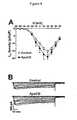
- Patch clamp Whole-cell Ca 2+ currents were recorded by using the perforated-patch variant of the whole-cell patch-clamp recording technique to eliminate the loss of soluble cytoplasmic components. Electrodes were filled with (in mM): 76 Cs 2 SO 4 , 1 MgCl 2 , 10 KCl, 10 NaCl, and 5 HEPES (pH 7.35), as well as amphotericin B (0.24 mg/ml) to permeabilize the cell membrane and allow low-resistance electrical access without breaking the patch. Pancreatic ⁇ -cells were incubated in RPMI 1640 medium with apoCIII (10 :g/ml) or vehicle overnight.
- the cells were bathed in a solution containing (in mM): 138 NaCl, 10 tetraethylammonium chloride, 10 CaCl 2 , 5.6 KCl, 1.2 MgCl 2 , 5 HEPES and 3 D-glucose (pH 7.4).
- Whole-cell currents induced by voltage pulses (from a holding potential of -70 mV to several clamping potentials from -60 to 50 mV in 10 mV increments, 100 ms, 0.5 Hz) were filtered at 1 kHz and recorded. All recordings were made with an Axopatch 200 amplifier (Axon Instruments, Foster City, California) at room temperature (about 22 °C). Acquisition and analysis of data were done using the software program pCLAMP6 (Axon Instruments, Foster City, California).
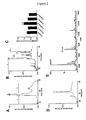
- Protein characterization Primary sequence was obtained in ABI 494C and cLC sequencers. Protein molecular weights were determined by electrospray mass spectrometry (AutoSpec hybrid tandem mass spectrometer, Micromass). For recording of positive-ion conventional-ES spectra, samples (16 pmol/ml) were introduced into the ES interface by infusion or loop injection at a flow rate of 3 ml/min. To determine the position of the glycosylation, the native protein was digested with trypsin 1:10 w/w (Promega, Madison, WI).
- the resulting fragments were separated by HPLC using a Vydac C 8 (2.1 x 150 mm) and a gradient of 0-50% B in 50 min (buffer A, 5% acetonitrile/0.1% TFA; B, 80% acetonitrile/0.1% TFA). The fragments separated were applied to mass analysis.
- Flow cytometric analysis of cell death RINm5F cells were cultured for 36 h in the presence of 10% control serum, control serum and 40 ⁇ g/ml apoCIII or T1D serum with or without 100 or 200 ⁇ g/ml anti-apoCIII.
- the whole cell population was collected and stained with EGFP-conjugated Annexin V and propidium iodide (PI) (BD PharMingen) and analyzed on a FACscan using CELLQuest acquisition software (Becton Dickinson, Immunocytometry System).
- FACS gating based on forward and side scatter, was used to exclude cellular debris and autofluorescence and typically 10 000 cells were selected for analysis.
- ApoCIII plays a key role in the regulation of the metabolism of triglyceride-rich lipoprotein (TRL) (8). It controls the catabolism of TRL by inhibiting the activity of lipoproteinlipase (LPL) (9, 10), thereby inducing hypertriglyceridemia. ApoCIII also inhibits the binding of remnant lipoproteins to catabolic receptors like the LDL receptor related protein (LRP) (11). When the apoCIII gene was disrupted in knock-out mice, there was a 70% reduction in triglyceride levels (12). Overexpression of human apoCIII in transgenic mice results in hypertriglyceridemia (13).
- ApoCIII is a 79-residue, 8.8 kDa polypeptide (14) with three known isoforms that differ in the extent of glycosylation, CIII 0 (no sialic acid), CIII 1 (one sialic acid residue), CIII 2 (two sialic acid residues), contributing approximately 10%, 55% and 35%, respectively, of total plasma apoCIII (15).
- CIII 0 no sialic acid
- CIII 1 one sialic acid residue
- CIII 2 two sialic acid residues
- Insulin is involved in the regulation of the apoCIII gene and induces a dose-dependent down-regulation of the transcriptional activity. Overexpression of the apoCIII gene could contribute to the hypertriglyceridemia seen in T1D patients (17). However, mice transgenic for the human apoCIII gene are neither insulin-resistant nor hyperinsulinemic (18). The concentration of apoCIII has previously been found to be higher in diabetic patients than in normal subjects (19-27). In insulin deficient rats there was no significant change in apoCIII in one study (28), while others have reported an increase in the proportions of the sialylated apoCIII (29, 30).
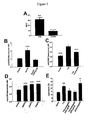
- mice pancreatic ⁇ -cells were cultured overnight with 10% sera from patients or normal subjects. Sera from five of the patients induced a significantly higher increase in [Ca 2+ ] i , when cells were depolarized with 25 mM KCl, leading to an opening of voltage-gated L-type Ca 2+ -channels, than sera from healthy blood donors ( Fig. 1 ). Positive sera were pooled, concentrated and fractionated by reversed phase (RP)-HPLC. When fractions were tested on isolated mouse pancreatic ⁇ -cells, one fraction (No. 3, Fig.
- the concentration of apoCIII has been reported to be between 6-14 mg/dl in control subjects and 9-27 mg/dl in diabetics (19, 20, 24-27). These variations may to a certain extent reflect the fact that various methods have been used for the determinations.
- concentrations in the range 10-50 ⁇ g/ml we have tested concentrations from 1-50 ⁇ g/ml and with 1, 3 and 6 ⁇ g/ml we did not see any effects, but with the concentrations 10-50 ⁇ g/ml we had responses.
- apoCIII which constitutes a mixture of apoCIII 1 and apoCIII 2 , was tested at a concentration of 10 ⁇ g/ml and was shown to stimulate Ca 2+ influx as the product isolated from T1D sera ( Fig. 3B ).
- Co-incubation of ⁇ -cells with 100 ⁇ g/ml of a polyclonal antibody against human apoCIII (Academy BioMedical Company, Houston, TX) blocked the activity of both the commercial apoCIII and the T1D serum ( Fig. 3B,C ).
- the polyclonal antibody had no activity by itself (data not shown).
Landscapes
- Health & Medical Sciences (AREA)
- Life Sciences & Earth Sciences (AREA)
- Engineering & Computer Science (AREA)
- Chemical & Material Sciences (AREA)
- Immunology (AREA)
- Biomedical Technology (AREA)
- Molecular Biology (AREA)
- Hematology (AREA)
- General Health & Medical Sciences (AREA)
- Urology & Nephrology (AREA)
- Biochemistry (AREA)
- Medicinal Chemistry (AREA)
- Biotechnology (AREA)
- Physics & Mathematics (AREA)
- Cell Biology (AREA)
- Organic Chemistry (AREA)
- Microbiology (AREA)
- Analytical Chemistry (AREA)
- General Physics & Mathematics (AREA)
- Pathology (AREA)
- Bioinformatics & Cheminformatics (AREA)
- Genetics & Genomics (AREA)
- Food Science & Technology (AREA)
- Diabetes (AREA)
- Biophysics (AREA)
- Zoology (AREA)
- Wood Science & Technology (AREA)
- General Engineering & Computer Science (AREA)
- Tropical Medicine & Parasitology (AREA)
- Toxicology (AREA)
- Endocrinology (AREA)
- Rehabilitation Therapy (AREA)
- Rheumatology (AREA)
- Nuclear Medicine, Radiotherapy & Molecular Imaging (AREA)
- Veterinary Medicine (AREA)
- Obesity (AREA)
- Chemical Kinetics & Catalysis (AREA)
- Public Health (AREA)
- General Chemical & Material Sciences (AREA)
- Pharmacology & Pharmacy (AREA)
Claims (7)
- Verfahren zur In-vitro-Identifikation von Kandidatenverbindungen für die Behandlung von Typ-I-Diabetes, umfassend:In-Kontakt-bringen pankreatischer Beta-Zellen mit einer Menge an Apolipoprotein CIII ("apoCIII"), die darin wirksam ist, die intrazelluläre Kalzium-Konzentration in Anwesenheit von einer oder mehreren Testverbindungen zu erhöhen, und Identifizieren jener Testverbindungen,die einen durch apoCIII induzierten Anstieg in der intrazellulären Kalzium-Konzentration in den pankreatischen Zellen inhibieren.
- Verfahren nach Anspruch 1, wobei das apoCIII sialyliertes apoCII umfasst.
- Verfahren nach Anspruch 1, wobei das apoCIII im Wesentlichen gereinigt ist.
- Verfahren nach Anspruch 1, zusätzlich umfassend das Synthetisieren der Testverbindungen, die einen durch apoCIII induzierten Anstieg in der intrazellulären Kalzium-Konzentration in den pankreatischen Beta-Zellen inhibieren.
- Verwendung eines Inhibitors von apoCIII, der aus der Gruppe bestehend aus einem für apoCIII selektiven Antikörper, einem Antisense-Oligonukleotid, das gegen die apoCIII-mRNA gerichtet ist, und einer kleinen interferierenden RNA, die gegen die apoCIII-mRNA gerichtet ist, ausgewählt ist, für die Herstellung einer pharmazeutischen Zusammensetzung zur Behandlung von Typ-I-Diabetes.
- Verfahren zum Diagnostizieren einer Neigung einer Versuchsperson, Typ-I-Diabetes zu entwickeln, welches umfasst:(a) Bestimmen einer Menge an sialyliertem apoCIII in einer Blutserumprobe einer Versuchsperson;(b) Vergleichen der Menge mit einer Menge an sialyliertem apoCIII in einer Kontrollblutserumprobe; und(c) Diagnostizieren einer Neigung, Typ-I-Diabetes zu entwickeln, in jenen Versuchspersonen mit einer erhöhten Menge an sialyliertem apoCIII in der Blutserumprobe im Vergleich zu der Kontrolle.
- Verfahren zum Identifizieren diabetischer Patienten, die mit Anti-apoCIII-Therapie behandelt werden sollen, welches umfasst:(a) Bestimmen einer Menge an apoCIII in einer Blutserumprobe von einer diabetischen Versuchsperson und Vergleichen derselben mit einer Kontrollblutserumprobe; und(b) Identifizieren derjenigen Versuchspersonen mit einer erhöhten Menge an apoCIII in der Blutserumprobe im Vergleich zu der Kontrollblutserumprobe als solche Versuchspersonen, die mit Anti-apoCIII-Therapie behandelt werden sollen,
wobei die Versuchspersonen, die mit Anti-apoCIII-Therapie behandelt werden sollen, mit einer apoCIII-therapeutischen Verbindung behandelt werden, die ausgewählt ist aus der Gruppe bestehend aus einem für apoCIII selektiven Antikörper, einem Antisense-Oligonukleotid, das gegen die apoCIII-mRNA gerichtet ist, und einer kleinen interferierenden RNA, die gegen die apoCIII-mRNA gerichtet ist.
Priority Applications (1)
| Application Number | Priority Date | Filing Date | Title |
|---|---|---|---|
| PL04751089T PL1623228T3 (pl) | 2003-04-29 | 2004-04-29 | APOCIII i leczenie oraz diagnozowanie cukrzycy |
Applications Claiming Priority (2)
| Application Number | Priority Date | Filing Date | Title |
|---|---|---|---|
| US46651703P | 2003-04-29 | 2003-04-29 | |
| PCT/US2004/013529 WO2004097429A2 (en) | 2003-04-29 | 2004-04-29 | Apociii and the treatmentand diagnosis of diabetes |
Publications (2)
| Publication Number | Publication Date |
|---|---|
| EP1623228A2 EP1623228A2 (de) | 2006-02-08 |
| EP1623228B1 true EP1623228B1 (de) | 2012-12-05 |
Family
ID=33418391
Family Applications (1)
| Application Number | Title | Priority Date | Filing Date |
|---|---|---|---|
| EP20040751089 Expired - Lifetime EP1623228B1 (de) | 2003-04-29 | 2004-04-29 | Aopciii und die behandlung und diagnose von diabetes |
Country Status (6)
| Country | Link |
|---|---|
| US (11) | US9062306B2 (de) |
| EP (1) | EP1623228B1 (de) |
| DK (1) | DK1623228T3 (de) |
| ES (1) | ES2398110T3 (de) |
| PL (1) | PL1623228T3 (de) |
| WO (1) | WO2004097429A2 (de) |
Families Citing this family (26)
| Publication number | Priority date | Publication date | Assignee | Title |
|---|---|---|---|---|
| US9062306B2 (en) | 2003-04-29 | 2015-06-23 | Biocrine Ab | Methods for identifying compounds for treating type 1 diabetes |
| US20080300170A1 (en) * | 2006-09-01 | 2008-12-04 | Cohava Gelber | Compositions and methods for diagnosis and treatment for type 2 diabetes |
| US20100267052A1 (en) * | 2006-09-01 | 2010-10-21 | American Type Culture Collection | Compositions and methods for diagnosis and treatment of type 2 diabetes |
| CA2661332A1 (en) * | 2006-09-01 | 2008-03-13 | American Type Culture Collection | Compositions and methods for diagnosis and treatment of type 2 diabetes |
| US20090203602A1 (en) * | 2006-09-01 | 2009-08-13 | Cohava Gelber | Compositions and methods for diagnosis and treatment of type 2 diabetes |
| US7951776B2 (en) * | 2006-09-01 | 2011-05-31 | American Type Culture Collection | Methods for treatment of type 1 diabetes |
| WO2010083615A1 (en) * | 2009-01-26 | 2010-07-29 | Protiva Biotherapeutics, Inc. | Compositions and methods for silencing apolipoprotein c-iii expression |
| US20110008901A1 (en) * | 2009-07-07 | 2011-01-13 | Kiernan Urban A | Apolipoprotein ciii in pre- and type 2 diabetes |
| US9157082B2 (en) * | 2011-04-27 | 2015-10-13 | Isis Pharmaceuticals, Inc. | Modulation of apolipoprotein CIII (ApoCIII) expression |
| KR20230084331A (ko) * | 2011-06-21 | 2023-06-12 | 알닐람 파마슈티칼스 인코포레이티드 | 아포리포단백질 c-iii(apoc3) 유전자의 발현 억제를 위한 조성물 및 방법 |
| EP3388068A1 (de) | 2011-06-21 | 2018-10-17 | Alnylam Pharmaceuticals, Inc. | Zusammensetzung und verfahren zur hemmung der expression von protein-c (proc)-genen |
| US8557513B2 (en) * | 2011-06-27 | 2013-10-15 | Biocrine Ab | Methods for treating and/or limiting development of diabetes |
| US9928345B2 (en) | 2012-06-08 | 2018-03-27 | Liposciences, Inc. | Multiple-marker risk parameters predictive of conversion to diabetes |
| US9361429B2 (en) | 2012-06-08 | 2016-06-07 | Liposcience, Inc. | Multi-parameter diabetes risk evaluations |
| US9462973B2 (en) | 2012-07-27 | 2016-10-11 | Biocrine Ab | Methods for monitoring physiological status of a body organ |
| EP2936151B1 (de) | 2012-12-18 | 2018-07-18 | BioCrine AB | Verfahren zur behandlung und/oder begrenzung von diabetes |
| US9783600B2 (en) | 2013-02-25 | 2017-10-10 | Imbp Holding, Llc | Apolipoprotein C3 (ApoCIII) antagonists and methods of their use to remove ApoCIII inhibition of lipoprotein lipase (LPL) |
| KR20150127717A (ko) * | 2013-03-13 | 2015-11-17 | 바이오크린 에이비 | 당뇨병의 치료 및/또는 진행의 제한 방법 |
| EP3011026B1 (de) * | 2013-06-21 | 2019-12-18 | Ionis Pharmaceuticals, Inc. | Verbindungen und verfahren zur modulation der apolipoprotein-c-iii-expression zur verbesserung eines diabetischen profils |
| CA2968114A1 (en) | 2014-11-17 | 2016-05-26 | Alnylam Pharmaceuticals, Inc. | Apolipoprotein c3 (apoc3) irna compositions and methods of use thereof |
| JP6655080B2 (ja) | 2015-02-09 | 2020-02-26 | ビオクリネ エービー | 筋萎縮性側索硬化症を有する対象における糖尿病を治療する方法および/または糖尿病の発症を制限する方法 |
| EP3481864A1 (de) * | 2016-07-08 | 2019-05-15 | Staten Biotechnology B.V. | Anti-apoc3-antikörper und verfahren zur verwendung davon |
| CA3059133A1 (en) | 2017-04-21 | 2018-10-25 | Staten Biotechnology B.V. | Anti-apoc3 antibodies and methods of use thereof |
| CA3080103A1 (en) | 2017-10-31 | 2019-05-09 | Staten Biotechnology B.V. | Anti-apoc3 antibodies and methods of use thereof |
| AU2019352017A1 (en) * | 2018-10-03 | 2021-05-06 | Staten Biotechnology B.V. | Antibodies specific for human and cynomolgus ApoC3 and methods of use thereof |
| WO2021167841A1 (en) | 2020-02-18 | 2021-08-26 | Alnylam Pharmaceuticals, Inc. | Apolipoprotein c3 (apoc3) irna compositions and methods of use thereof |
Family Cites Families (5)
| Publication number | Priority date | Publication date | Assignee | Title |
|---|---|---|---|---|
| US6506559B1 (en) * | 1997-12-23 | 2003-01-14 | Carnegie Institute Of Washington | Genetic inhibition by double-stranded RNA |
| GB0121171D0 (en) * | 2001-08-31 | 2001-10-24 | Glaxosmithkline Biolog Sa | Vaccine |
| US6677303B2 (en) * | 2001-04-30 | 2004-01-13 | Syn X Pharma | Biopolymer marker indicative of disease state having a molecular weight of 1097 daltons |
| US7598227B2 (en) * | 2003-04-16 | 2009-10-06 | Isis Pharmaceuticals Inc. | Modulation of apolipoprotein C-III expression |
| US9062306B2 (en) * | 2003-04-29 | 2015-06-23 | Biocrine Ab | Methods for identifying compounds for treating type 1 diabetes |
-
2004
- 2004-04-29 US US10/834,525 patent/US9062306B2/en active Active
- 2004-04-29 ES ES04751089T patent/ES2398110T3/es not_active Expired - Lifetime
- 2004-04-29 WO PCT/US2004/013529 patent/WO2004097429A2/en not_active Ceased
- 2004-04-29 EP EP20040751089 patent/EP1623228B1/de not_active Expired - Lifetime
- 2004-04-29 DK DK04751089T patent/DK1623228T3/da active
- 2004-04-29 PL PL04751089T patent/PL1623228T3/pl unknown
-
2008
- 2008-08-22 US US12/196,543 patent/US20090061475A1/en not_active Abandoned
- 2008-08-22 US US12/196,536 patent/US8030288B2/en not_active Expired - Lifetime
-
2010
- 2010-11-19 US US12/950,567 patent/US8084439B2/en not_active Expired - Lifetime
-
2011
- 2011-05-11 US US13/105,559 patent/US8507444B2/en not_active Expired - Fee Related
-
2013
- 2013-07-05 US US13/935,825 patent/US8716241B2/en not_active Expired - Fee Related
-
2014
- 2014-03-21 US US14/222,058 patent/US9169484B2/en not_active Expired - Lifetime
-
2015
- 2015-09-28 US US14/867,523 patent/US20160041191A1/en not_active Abandoned
-
2017
- 2017-01-18 US US15/409,027 patent/US10060935B2/en not_active Expired - Lifetime
-
2018
- 2018-07-31 US US16/049,980 patent/US20180348240A1/en not_active Abandoned
-
2020
- 2020-06-11 US US16/898,849 patent/US20200300875A1/en not_active Abandoned
Also Published As
| Publication number | Publication date |
|---|---|
| US8507444B2 (en) | 2013-08-13 |
| US8716241B2 (en) | 2014-05-06 |
| US20200300875A1 (en) | 2020-09-24 |
| US9062306B2 (en) | 2015-06-23 |
| US8030288B2 (en) | 2011-10-04 |
| US20090061475A1 (en) | 2009-03-05 |
| DK1623228T3 (da) | 2013-01-14 |
| US8084439B2 (en) | 2011-12-27 |
| US20090081201A1 (en) | 2009-03-26 |
| US20110064724A1 (en) | 2011-03-17 |
| US20160041191A1 (en) | 2016-02-11 |
| US20110244509A1 (en) | 2011-10-06 |
| WO2004097429A3 (en) | 2004-12-23 |
| PL1623228T3 (pl) | 2013-04-30 |
| ES2398110T3 (es) | 2013-03-13 |
| US20180348240A1 (en) | 2018-12-06 |
| US20130280816A1 (en) | 2013-10-24 |
| EP1623228A2 (de) | 2006-02-08 |
| US20040224304A1 (en) | 2004-11-11 |
| US10060935B2 (en) | 2018-08-28 |
| US20170138968A1 (en) | 2017-05-18 |
| US9169484B2 (en) | 2015-10-27 |
| WO2004097429A2 (en) | 2004-11-11 |
| US20140220039A1 (en) | 2014-08-07 |
Similar Documents
| Publication | Publication Date | Title |
|---|---|---|
| US20200300875A1 (en) | ApoCIII and the Treatment and Diagnosis of Diabetes | |
| US8044182B2 (en) | Adiponectin and uses thereof | |
| KR101937260B1 (ko) | 당뇨병의 치료 및/또는 진행을 제한하기 위한 후보화합물의 동정 방법 | |
| JP2008522162A (ja) | Merの診断用および治療用の作用薬 | |
| JP4397922B2 (ja) | 老化細胞由来dna合成阻害因子 | |
| EP2348050B1 (de) | Anti-glycosilierte cd59-antikörper und ihre verwendung | |
| WO2003094958A1 (en) | Immunoprotective methods for beta cell neogenesis | |
| US20110312872A1 (en) | Norrin in the treatment of diseases associated with an increased tgf-beta activity | |
| JP2006526762A (ja) | アジポネクチンとそのレセプターとの間の相互作用を調節するための方法及び組成物 | |
| WO2004056861A2 (en) | Glycoisoforms of adiponectin and uses thereof | |
| EP0729975B1 (de) | Ecdn - protein und dafuer kodeierende dna | |
| WO1999018125A1 (en) | Human facilitative glucose transport protein glut8 | |
| Funakoshi et al. | Parallel secretion of pancreastatin and somatostatin from human pancreastatin producing cell line (QGP-1N) | |
| JP2006345722A (ja) | 糖尿病の治療薬のスクリーニング方法 | |
| AU2003206460A1 (en) | Glycoisoforms of adiponectin and uses thereof | |
| JP2010029199A (ja) | 老化細胞由来dna合成阻害因子 | |
| FR2767325A1 (fr) | Identification et localisation de polypeptides epil exprimes codes par le gene insl4 et leurs applications | |
| JPH1080277A (ja) | 変異型ヒト成長ホルモンとその用途 |
Legal Events
| Date | Code | Title | Description |
|---|---|---|---|
| PUAI | Public reference made under article 153(3) epc to a published international application that has entered the european phase |
Free format text: ORIGINAL CODE: 0009012 |
|
| 17P | Request for examination filed |
Effective date: 20051129 |
|
| AK | Designated contracting states |
Kind code of ref document: A2 Designated state(s): AT BE BG CH CY CZ DE DK EE ES FI FR GB GR HU IE IT LI LU MC NL PL PT RO SE SI SK TR |
|
| DAX | Request for extension of the european patent (deleted) | ||
| RAP1 | Party data changed (applicant data changed or rights of an application transferred) |
Owner name: BIOSTRATUM AB |
|
| RAP1 | Party data changed (applicant data changed or rights of an application transferred) |
Owner name: BIOCRINE AG |
|
| 17Q | First examination report despatched |
Effective date: 20080218 |
|
| TPAC | Observations filed by third parties |
Free format text: ORIGINAL CODE: EPIDOSNTIPA |
|
| TPAA | Information related to observations by third parties modified |
Free format text: ORIGINAL CODE: EPIDOSCTIPA |
|
| GRAP | Despatch of communication of intention to grant a patent |
Free format text: ORIGINAL CODE: EPIDOSNIGR1 |
|
| GRAS | Grant fee paid |
Free format text: ORIGINAL CODE: EPIDOSNIGR3 |
|
| GRAA | (expected) grant |
Free format text: ORIGINAL CODE: 0009210 |
|
| AK | Designated contracting states |
Kind code of ref document: B1 Designated state(s): AT BE BG CH CY CZ DE DK EE ES FI FR GB GR HU IE IT LI LU MC NL PL PT RO SE SI SK TR |
|
| REG | Reference to a national code |
Ref country code: GB Ref legal event code: FG4D |
|
| REG | Reference to a national code |
Ref country code: CH Ref legal event code: EP |
|
| REG | Reference to a national code |
Ref country code: AT Ref legal event code: REF Ref document number: 587533 Country of ref document: AT Kind code of ref document: T Effective date: 20121215 |
|
| REG | Reference to a national code |
Ref country code: IE Ref legal event code: FG4D |
|
| REG | Reference to a national code |
Ref country code: DK Ref legal event code: T3 |
|
| REG | Reference to a national code |
Ref country code: CH Ref legal event code: NV Representative=s name: SERVOPATENT GMBH, CH |
|
| REG | Reference to a national code |
Ref country code: DE Ref legal event code: R096 Ref document number: 602004040305 Country of ref document: DE Effective date: 20130131 |
|
| REG | Reference to a national code |
Ref country code: SE Ref legal event code: TRGR |
|
| REG | Reference to a national code |
Ref country code: NL Ref legal event code: T3 |
|
| REG | Reference to a national code |
Ref country code: ES Ref legal event code: FG2A Ref document number: 2398110 Country of ref document: ES Kind code of ref document: T3 Effective date: 20130313 |
|
| PG25 | Lapsed in a contracting state [announced via postgrant information from national office to epo] |
Ref country code: FI Free format text: LAPSE BECAUSE OF FAILURE TO SUBMIT A TRANSLATION OF THE DESCRIPTION OR TO PAY THE FEE WITHIN THE PRESCRIBED TIME-LIMIT Effective date: 20121205 |
|
| REG | Reference to a national code |
Ref country code: PL Ref legal event code: T3 |
|
| PG25 | Lapsed in a contracting state [announced via postgrant information from national office to epo] |
Ref country code: CY Free format text: LAPSE BECAUSE OF FAILURE TO SUBMIT A TRANSLATION OF THE DESCRIPTION OR TO PAY THE FEE WITHIN THE PRESCRIBED TIME-LIMIT Effective date: 20121205 Ref country code: SI Free format text: LAPSE BECAUSE OF FAILURE TO SUBMIT A TRANSLATION OF THE DESCRIPTION OR TO PAY THE FEE WITHIN THE PRESCRIBED TIME-LIMIT Effective date: 20121205 Ref country code: GR Free format text: LAPSE BECAUSE OF FAILURE TO SUBMIT A TRANSLATION OF THE DESCRIPTION OR TO PAY THE FEE WITHIN THE PRESCRIBED TIME-LIMIT Effective date: 20130306 |
|
| PG25 | Lapsed in a contracting state [announced via postgrant information from national office to epo] |
Ref country code: SK Free format text: LAPSE BECAUSE OF FAILURE TO SUBMIT A TRANSLATION OF THE DESCRIPTION OR TO PAY THE FEE WITHIN THE PRESCRIBED TIME-LIMIT Effective date: 20121205 Ref country code: CZ Free format text: LAPSE BECAUSE OF FAILURE TO SUBMIT A TRANSLATION OF THE DESCRIPTION OR TO PAY THE FEE WITHIN THE PRESCRIBED TIME-LIMIT Effective date: 20121205 Ref country code: BG Free format text: LAPSE BECAUSE OF FAILURE TO SUBMIT A TRANSLATION OF THE DESCRIPTION OR TO PAY THE FEE WITHIN THE PRESCRIBED TIME-LIMIT Effective date: 20130305 Ref country code: EE Free format text: LAPSE BECAUSE OF FAILURE TO SUBMIT A TRANSLATION OF THE DESCRIPTION OR TO PAY THE FEE WITHIN THE PRESCRIBED TIME-LIMIT Effective date: 20121205 |
|
| PG25 | Lapsed in a contracting state [announced via postgrant information from national office to epo] |
Ref country code: PT Free format text: LAPSE BECAUSE OF FAILURE TO SUBMIT A TRANSLATION OF THE DESCRIPTION OR TO PAY THE FEE WITHIN THE PRESCRIBED TIME-LIMIT Effective date: 20130405 Ref country code: RO Free format text: LAPSE BECAUSE OF FAILURE TO SUBMIT A TRANSLATION OF THE DESCRIPTION OR TO PAY THE FEE WITHIN THE PRESCRIBED TIME-LIMIT Effective date: 20121205 |
|
| PLBI | Opposition filed |
Free format text: ORIGINAL CODE: 0009260 |
|
| PLAX | Notice of opposition and request to file observation + time limit sent |
Free format text: ORIGINAL CODE: EPIDOSNOBS2 |
|
| 26 | Opposition filed |
Opponent name: STRAWMAN LIMITED Effective date: 20130905 |
|
| PG25 | Lapsed in a contracting state [announced via postgrant information from national office to epo] |
Ref country code: MC Free format text: LAPSE BECAUSE OF FAILURE TO SUBMIT A TRANSLATION OF THE DESCRIPTION OR TO PAY THE FEE WITHIN THE PRESCRIBED TIME-LIMIT Effective date: 20121205 |
|
| REG | Reference to a national code |
Ref country code: DE Ref legal event code: R026 Ref document number: 602004040305 Country of ref document: DE Effective date: 20130905 |
|
| PLBB | Reply of patent proprietor to notice(s) of opposition received |
Free format text: ORIGINAL CODE: EPIDOSNOBS3 |
|
| REG | Reference to a national code |
Ref country code: FR Ref legal event code: PLFP Year of fee payment: 12 |
|
| PG25 | Lapsed in a contracting state [announced via postgrant information from national office to epo] |
Ref country code: LU Free format text: LAPSE BECAUSE OF NON-PAYMENT OF DUE FEES Effective date: 20130429 Ref country code: HU Free format text: LAPSE BECAUSE OF FAILURE TO SUBMIT A TRANSLATION OF THE DESCRIPTION OR TO PAY THE FEE WITHIN THE PRESCRIBED TIME-LIMIT; INVALID AB INITIO Effective date: 20040429 |
|
| REG | Reference to a national code |
Ref country code: DE Ref legal event code: R100 Ref document number: 602004040305 Country of ref document: DE |
|
| PLCK | Communication despatched that opposition was rejected |
Free format text: ORIGINAL CODE: EPIDOSNREJ1 |
|
| PLBN | Opposition rejected |
Free format text: ORIGINAL CODE: 0009273 |
|
| STAA | Information on the status of an ep patent application or granted ep patent |
Free format text: STATUS: OPPOSITION REJECTED |
|
| 27O | Opposition rejected |
Effective date: 20150924 |
|
| REG | Reference to a national code |
Ref country code: FR Ref legal event code: PLFP Year of fee payment: 13 |
|
| REG | Reference to a national code |
Ref country code: FR Ref legal event code: PLFP Year of fee payment: 14 |
|
| REG | Reference to a national code |
Ref country code: FR Ref legal event code: PLFP Year of fee payment: 15 |
|
| PGFP | Annual fee paid to national office [announced via postgrant information from national office to epo] |
Ref country code: NL Payment date: 20190426 Year of fee payment: 16 |
|
| PGFP | Annual fee paid to national office [announced via postgrant information from national office to epo] |
Ref country code: ES Payment date: 20190503 Year of fee payment: 16 Ref country code: DE Payment date: 20190429 Year of fee payment: 16 Ref country code: IT Payment date: 20190423 Year of fee payment: 16 Ref country code: IE Payment date: 20190429 Year of fee payment: 16 Ref country code: DK Payment date: 20190429 Year of fee payment: 16 Ref country code: PL Payment date: 20190403 Year of fee payment: 16 |
|
| PGFP | Annual fee paid to national office [announced via postgrant information from national office to epo] |
Ref country code: TR Payment date: 20190417 Year of fee payment: 16 Ref country code: BE Payment date: 20190429 Year of fee payment: 16 Ref country code: FR Payment date: 20190425 Year of fee payment: 16 Ref country code: SE Payment date: 20190429 Year of fee payment: 16 |
|
| PGFP | Annual fee paid to national office [announced via postgrant information from national office to epo] |
Ref country code: CH Payment date: 20190501 Year of fee payment: 16 |
|
| PGFP | Annual fee paid to national office [announced via postgrant information from national office to epo] |
Ref country code: AT Payment date: 20190403 Year of fee payment: 16 Ref country code: GB Payment date: 20190429 Year of fee payment: 16 |
|
| REG | Reference to a national code |
Ref country code: DE Ref legal event code: R082 Ref document number: 602004040305 Country of ref document: DE Representative=s name: ZWICKER SCHNAPPAUF & PARTNER PATENTANWAELTE PA, DE |
|
| REG | Reference to a national code |
Ref country code: CH Ref legal event code: PCAR Free format text: NEW ADDRESS: WANNERSTRASSE 9/1, 8045 ZUERICH (CH) |
|
| REG | Reference to a national code |
Ref country code: DE Ref legal event code: R119 Ref document number: 602004040305 Country of ref document: DE |
|
| REG | Reference to a national code |
Ref country code: DK Ref legal event code: EBP Effective date: 20200430 |
|
| REG | Reference to a national code |
Ref country code: CH Ref legal event code: PL |
|
| REG | Reference to a national code |
Ref country code: NL Ref legal event code: MM Effective date: 20200501 |
|
| REG | Reference to a national code |
Ref country code: AT Ref legal event code: MM01 Ref document number: 587533 Country of ref document: AT Kind code of ref document: T Effective date: 20200429 |
|
| PG25 | Lapsed in a contracting state [announced via postgrant information from national office to epo] |
Ref country code: FR Free format text: LAPSE BECAUSE OF NON-PAYMENT OF DUE FEES Effective date: 20200430 Ref country code: CH Free format text: LAPSE BECAUSE OF NON-PAYMENT OF DUE FEES Effective date: 20200430 Ref country code: AT Free format text: LAPSE BECAUSE OF NON-PAYMENT OF DUE FEES Effective date: 20200429 Ref country code: DE Free format text: LAPSE BECAUSE OF NON-PAYMENT OF DUE FEES Effective date: 20201103 Ref country code: SE Free format text: LAPSE BECAUSE OF NON-PAYMENT OF DUE FEES Effective date: 20200430 Ref country code: LI Free format text: LAPSE BECAUSE OF NON-PAYMENT OF DUE FEES Effective date: 20200430 |
|
| REG | Reference to a national code |
Ref country code: BE Ref legal event code: MM Effective date: 20200430 |
|
| PG25 | Lapsed in a contracting state [announced via postgrant information from national office to epo] |
Ref country code: BE Free format text: LAPSE BECAUSE OF NON-PAYMENT OF DUE FEES Effective date: 20200430 |
|
| GBPC | Gb: european patent ceased through non-payment of renewal fee |
Effective date: 20200429 |
|
| PG25 | Lapsed in a contracting state [announced via postgrant information from national office to epo] |
Ref country code: NL Free format text: LAPSE BECAUSE OF NON-PAYMENT OF DUE FEES Effective date: 20200501 |
|
| PG25 | Lapsed in a contracting state [announced via postgrant information from national office to epo] |
Ref country code: GB Free format text: LAPSE BECAUSE OF NON-PAYMENT OF DUE FEES Effective date: 20200429 Ref country code: IE Free format text: LAPSE BECAUSE OF NON-PAYMENT OF DUE FEES Effective date: 20200429 Ref country code: DK Free format text: LAPSE BECAUSE OF NON-PAYMENT OF DUE FEES Effective date: 20200430 |
|
| REG | Reference to a national code |
Ref country code: ES Ref legal event code: FD2A Effective date: 20210906 |
|
| PG25 | Lapsed in a contracting state [announced via postgrant information from national office to epo] |
Ref country code: IT Free format text: LAPSE BECAUSE OF NON-PAYMENT OF DUE FEES Effective date: 20200429 |
|
| PG25 | Lapsed in a contracting state [announced via postgrant information from national office to epo] |
Ref country code: ES Free format text: LAPSE BECAUSE OF NON-PAYMENT OF DUE FEES Effective date: 20200430 |
|
| PG25 | Lapsed in a contracting state [announced via postgrant information from national office to epo] |
Ref country code: TR Free format text: LAPSE BECAUSE OF NON-PAYMENT OF DUE FEES Effective date: 20200429 |
|
| PG25 | Lapsed in a contracting state [announced via postgrant information from national office to epo] |
Ref country code: PL Free format text: LAPSE BECAUSE OF NON-PAYMENT OF DUE FEES Effective date: 20200429 |