EP1653653B1 - Copyright-schutzsystem - Google Patents
Copyright-schutzsystem Download PDFInfo
- Publication number
- EP1653653B1 EP1653653B1 EP04771306.0A EP04771306A EP1653653B1 EP 1653653 B1 EP1653653 B1 EP 1653653B1 EP 04771306 A EP04771306 A EP 04771306A EP 1653653 B1 EP1653653 B1 EP 1653653B1
- Authority
- EP
- European Patent Office
- Prior art keywords
- key
- encrypted
- data
- content
- category
- Prior art date
- Legal status (The legal status is an assumption and is not a legal conclusion. Google has not performed a legal analysis and makes no representation as to the accuracy of the status listed.)
- Expired - Lifetime
Links
Images










Classifications
-
- H—ELECTRICITY
- H04—ELECTRIC COMMUNICATION TECHNIQUE
- H04N—PICTORIAL COMMUNICATION, e.g. TELEVISION
- H04N7/00—Television systems
- H04N7/16—Analogue secrecy systems; Analogue subscription systems
- H04N7/162—Authorising the user terminal, e.g. by paying; Registering the use of a subscription channel, e.g. billing
- H04N7/165—Centralised control of user terminal ; Registering at central
-
- G—PHYSICS
- G06—COMPUTING OR CALCULATING; COUNTING
- G06F—ELECTRIC DIGITAL DATA PROCESSING
- G06F17/00—Digital computing or data processing equipment or methods, specially adapted for specific functions
-
- G—PHYSICS
- G11—INFORMATION STORAGE
- G11B—INFORMATION STORAGE BASED ON RELATIVE MOVEMENT BETWEEN RECORD CARRIER AND TRANSDUCER
- G11B20/00—Signal processing not specific to the method of recording or reproducing; Circuits therefor
- G11B20/00086—Circuits for prevention of unauthorised reproduction or copying, e.g. piracy
-
- G—PHYSICS
- G11—INFORMATION STORAGE
- G11B—INFORMATION STORAGE BASED ON RELATIVE MOVEMENT BETWEEN RECORD CARRIER AND TRANSDUCER
- G11B20/00—Signal processing not specific to the method of recording or reproducing; Circuits therefor
- G11B20/00086—Circuits for prevention of unauthorised reproduction or copying, e.g. piracy
- G11B20/0021—Circuits for prevention of unauthorised reproduction or copying, e.g. piracy involving encryption or decryption of contents recorded on or reproduced from a record carrier
-
- G—PHYSICS
- G11—INFORMATION STORAGE
- G11B—INFORMATION STORAGE BASED ON RELATIVE MOVEMENT BETWEEN RECORD CARRIER AND TRANSDUCER
- G11B20/00—Signal processing not specific to the method of recording or reproducing; Circuits therefor
- G11B20/00086—Circuits for prevention of unauthorised reproduction or copying, e.g. piracy
- G11B20/0021—Circuits for prevention of unauthorised reproduction or copying, e.g. piracy involving encryption or decryption of contents recorded on or reproduced from a record carrier
- G11B20/00217—Circuits for prevention of unauthorised reproduction or copying, e.g. piracy involving encryption or decryption of contents recorded on or reproduced from a record carrier the cryptographic key used for encryption and/or decryption of contents recorded on or reproduced from the record carrier being read from a specific source
- G11B20/00246—Circuits for prevention of unauthorised reproduction or copying, e.g. piracy involving encryption or decryption of contents recorded on or reproduced from a record carrier the cryptographic key used for encryption and/or decryption of contents recorded on or reproduced from the record carrier being read from a specific source wherein the key is obtained from a local device, e.g. device key initially stored by the player or by the recorder
-
- G—PHYSICS
- G11—INFORMATION STORAGE
- G11B—INFORMATION STORAGE BASED ON RELATIVE MOVEMENT BETWEEN RECORD CARRIER AND TRANSDUCER
- G11B20/00—Signal processing not specific to the method of recording or reproducing; Circuits therefor
- G11B20/00086—Circuits for prevention of unauthorised reproduction or copying, e.g. piracy
- G11B20/0021—Circuits for prevention of unauthorised reproduction or copying, e.g. piracy involving encryption or decryption of contents recorded on or reproduced from a record carrier
- G11B20/00217—Circuits for prevention of unauthorised reproduction or copying, e.g. piracy involving encryption or decryption of contents recorded on or reproduced from a record carrier the cryptographic key used for encryption and/or decryption of contents recorded on or reproduced from the record carrier being read from a specific source
- G11B20/00253—Circuits for prevention of unauthorised reproduction or copying, e.g. piracy involving encryption or decryption of contents recorded on or reproduced from a record carrier the cryptographic key used for encryption and/or decryption of contents recorded on or reproduced from the record carrier being read from a specific source wherein the key is stored on the record carrier
- G11B20/00362—Circuits for prevention of unauthorised reproduction or copying, e.g. piracy involving encryption or decryption of contents recorded on or reproduced from a record carrier the cryptographic key used for encryption and/or decryption of contents recorded on or reproduced from the record carrier being read from a specific source wherein the key is stored on the record carrier the key being obtained from a media key block [MKB]
-
- G—PHYSICS
- G11—INFORMATION STORAGE
- G11B—INFORMATION STORAGE BASED ON RELATIVE MOVEMENT BETWEEN RECORD CARRIER AND TRANSDUCER
- G11B20/00—Signal processing not specific to the method of recording or reproducing; Circuits therefor
- G11B20/00086—Circuits for prevention of unauthorised reproduction or copying, e.g. piracy
- G11B20/0021—Circuits for prevention of unauthorised reproduction or copying, e.g. piracy involving encryption or decryption of contents recorded on or reproduced from a record carrier
- G11B20/00485—Circuits for prevention of unauthorised reproduction or copying, e.g. piracy involving encryption or decryption of contents recorded on or reproduced from a record carrier characterised by a specific kind of data which is encrypted and recorded on and/or reproduced from the record carrier
- G11B20/00492—Circuits for prevention of unauthorised reproduction or copying, e.g. piracy involving encryption or decryption of contents recorded on or reproduced from a record carrier characterised by a specific kind of data which is encrypted and recorded on and/or reproduced from the record carrier wherein content or user data is encrypted
-
- G—PHYSICS
- G11—INFORMATION STORAGE
- G11B—INFORMATION STORAGE BASED ON RELATIVE MOVEMENT BETWEEN RECORD CARRIER AND TRANSDUCER
- G11B20/00—Signal processing not specific to the method of recording or reproducing; Circuits therefor
- G11B20/00086—Circuits for prevention of unauthorised reproduction or copying, e.g. piracy
- G11B20/0021—Circuits for prevention of unauthorised reproduction or copying, e.g. piracy involving encryption or decryption of contents recorded on or reproduced from a record carrier
- G11B20/00485—Circuits for prevention of unauthorised reproduction or copying, e.g. piracy involving encryption or decryption of contents recorded on or reproduced from a record carrier characterised by a specific kind of data which is encrypted and recorded on and/or reproduced from the record carrier
- G11B20/00492—Circuits for prevention of unauthorised reproduction or copying, e.g. piracy involving encryption or decryption of contents recorded on or reproduced from a record carrier characterised by a specific kind of data which is encrypted and recorded on and/or reproduced from the record carrier wherein content or user data is encrypted
- G11B20/00536—Circuits for prevention of unauthorised reproduction or copying, e.g. piracy involving encryption or decryption of contents recorded on or reproduced from a record carrier characterised by a specific kind of data which is encrypted and recorded on and/or reproduced from the record carrier wherein content or user data is encrypted wherein encrypted content data is subjected to a further, iterated encryption, e.g. interwoven encryption
-
- H—ELECTRICITY
- H04—ELECTRIC COMMUNICATION TECHNIQUE
- H04L—TRANSMISSION OF DIGITAL INFORMATION, e.g. TELEGRAPHIC COMMUNICATION
- H04L9/00—Cryptographic mechanisms or cryptographic arrangements for secret or secure communications; Network security protocols
-
- H—ELECTRICITY
- H04—ELECTRIC COMMUNICATION TECHNIQUE
- H04N—PICTORIAL COMMUNICATION, e.g. TELEVISION
- H04N21/00—Selective content distribution, e.g. interactive television or video on demand [VOD]
- H04N21/20—Servers specifically adapted for the distribution of content, e.g. VOD servers; Operations thereof
- H04N21/25—Management operations performed by the server for facilitating the content distribution or administrating data related to end-users or client devices, e.g. end-user or client device authentication, learning user preferences for recommending movies
- H04N21/258—Client or end-user data management, e.g. managing client capabilities, user preferences or demographics, processing of multiple end-users preferences to derive collaborative data
- H04N21/25808—Management of client data
- H04N21/2585—Generation of a revocation list, e.g. of client devices involved in piracy acts
-
- H—ELECTRICITY
- H04—ELECTRIC COMMUNICATION TECHNIQUE
- H04N—PICTORIAL COMMUNICATION, e.g. TELEVISION
- H04N21/00—Selective content distribution, e.g. interactive television or video on demand [VOD]
- H04N21/20—Servers specifically adapted for the distribution of content, e.g. VOD servers; Operations thereof
- H04N21/25—Management operations performed by the server for facilitating the content distribution or administrating data related to end-users or client devices, e.g. end-user or client device authentication, learning user preferences for recommending movies
- H04N21/266—Channel or content management, e.g. generation and management of keys and entitlement messages in a conditional access system, merging a VOD unicast channel into a multicast channel
- H04N21/26613—Channel or content management, e.g. generation and management of keys and entitlement messages in a conditional access system, merging a VOD unicast channel into a multicast channel for generating or managing keys in general
-
- H—ELECTRICITY
- H04—ELECTRIC COMMUNICATION TECHNIQUE
- H04N—PICTORIAL COMMUNICATION, e.g. TELEVISION
- H04N21/00—Selective content distribution, e.g. interactive television or video on demand [VOD]
- H04N21/40—Client devices specifically adapted for the reception of or interaction with content, e.g. set-top-box [STB]; Operations thereof
- H04N21/43—Processing of content or additional data, e.g. demultiplexing additional data from a digital video stream; Elementary client operations, e.g. monitoring of home network or synchronising decoder's clock; Client middleware
- H04N21/433—Content storage operation, e.g. storage operation in response to a pause request, caching operations
- H04N21/4334—Recording operations
-
- H—ELECTRICITY
- H04—ELECTRIC COMMUNICATION TECHNIQUE
- H04N—PICTORIAL COMMUNICATION, e.g. TELEVISION
- H04N21/00—Selective content distribution, e.g. interactive television or video on demand [VOD]
- H04N21/40—Client devices specifically adapted for the reception of or interaction with content, e.g. set-top-box [STB]; Operations thereof
- H04N21/43—Processing of content or additional data, e.g. demultiplexing additional data from a digital video stream; Elementary client operations, e.g. monitoring of home network or synchronising decoder's clock; Client middleware
- H04N21/44—Processing of video elementary streams, e.g. splicing a video clip retrieved from local storage with an incoming video stream or rendering scenes according to encoded video stream scene graphs
- H04N21/4405—Processing of video elementary streams, e.g. splicing a video clip retrieved from local storage with an incoming video stream or rendering scenes according to encoded video stream scene graphs involving video stream decryption
-
- H—ELECTRICITY
- H04—ELECTRIC COMMUNICATION TECHNIQUE
- H04N—PICTORIAL COMMUNICATION, e.g. TELEVISION
- H04N21/00—Selective content distribution, e.g. interactive television or video on demand [VOD]
- H04N21/40—Client devices specifically adapted for the reception of or interaction with content, e.g. set-top-box [STB]; Operations thereof
- H04N21/43—Processing of content or additional data, e.g. demultiplexing additional data from a digital video stream; Elementary client operations, e.g. monitoring of home network or synchronising decoder's clock; Client middleware
- H04N21/44—Processing of video elementary streams, e.g. splicing a video clip retrieved from local storage with an incoming video stream or rendering scenes according to encoded video stream scene graphs
- H04N21/4408—Processing of video elementary streams, e.g. splicing a video clip retrieved from local storage with an incoming video stream or rendering scenes according to encoded video stream scene graphs involving video stream encryption, e.g. re-encrypting a decrypted video stream for redistribution in a home network
-
- H—ELECTRICITY
- H04—ELECTRIC COMMUNICATION TECHNIQUE
- H04N—PICTORIAL COMMUNICATION, e.g. TELEVISION
- H04N21/00—Selective content distribution, e.g. interactive television or video on demand [VOD]
- H04N21/40—Client devices specifically adapted for the reception of or interaction with content, e.g. set-top-box [STB]; Operations thereof
- H04N21/45—Management operations performed by the client for facilitating the reception of or the interaction with the content or administrating data related to the end-user or to the client device itself, e.g. learning user preferences for recommending movies, resolving scheduling conflicts
- H04N21/462—Content or additional data management e.g. creating a master electronic programme guide from data received from the Internet and a Head-end or controlling the complexity of a video stream by scaling the resolution or bit-rate based on the client capabilities
- H04N21/4623—Processing of entitlement messages, e.g. ECM [Entitlement Control Message] or EMM [Entitlement Management Message]
-
- H—ELECTRICITY
- H04—ELECTRIC COMMUNICATION TECHNIQUE
- H04N—PICTORIAL COMMUNICATION, e.g. TELEVISION
- H04N21/00—Selective content distribution, e.g. interactive television or video on demand [VOD]
- H04N21/80—Generation or processing of content or additional data by content creator independently of the distribution process; Content per se
- H04N21/83—Generation or processing of protective or descriptive data associated with content; Content structuring
- H04N21/835—Generation of protective data, e.g. certificates
-
- H—ELECTRICITY
- H04—ELECTRIC COMMUNICATION TECHNIQUE
- H04N—PICTORIAL COMMUNICATION, e.g. TELEVISION
- H04N5/00—Details of television systems
- H04N5/76—Television signal recording
- H04N5/91—Television signal processing therefor
- H04N5/913—Television signal processing therefor for scrambling ; for copy protection
-
- G—PHYSICS
- G11—INFORMATION STORAGE
- G11B—INFORMATION STORAGE BASED ON RELATIVE MOVEMENT BETWEEN RECORD CARRIER AND TRANSDUCER
- G11B2220/00—Record carriers by type
- G11B2220/20—Disc-shaped record carriers
- G11B2220/25—Disc-shaped record carriers characterised in that the disc is based on a specific recording technology
- G11B2220/2537—Optical discs
- G11B2220/2562—DVDs [digital versatile discs]; Digital video discs; MMCDs; HDCDs
-
- H—ELECTRICITY
- H04—ELECTRIC COMMUNICATION TECHNIQUE
- H04N—PICTORIAL COMMUNICATION, e.g. TELEVISION
- H04N5/00—Details of television systems
- H04N5/76—Television signal recording
- H04N5/91—Television signal processing therefor
- H04N5/913—Television signal processing therefor for scrambling ; for copy protection
- H04N2005/91357—Television signal processing therefor for scrambling ; for copy protection by modifying the video signal
- H04N2005/91364—Television signal processing therefor for scrambling ; for copy protection by modifying the video signal the video signal being scrambled
-
- H—ELECTRICITY
- H04—ELECTRIC COMMUNICATION TECHNIQUE
- H04N—PICTORIAL COMMUNICATION, e.g. TELEVISION
- H04N5/00—Details of television systems
- H04N5/76—Television signal recording
- H04N5/84—Television signal recording using optical recording
- H04N5/85—Television signal recording using optical recording on discs or drums
Definitions
- the present invention relates to a system in which a content, which is a digitalized literary work such as a movie or a musical piece, is recorded onto, and reproduced from, a large-capacity recording medium such as an optical disc, and particularly to a copyright protection system which prevents a content from being used illicitly, without permission from the copyright owner.
- a content is encrypted using a certain encryption key, recorded on a recording medium such as an optical disc, and distributed.
- a terminal which holds a decryption key corresponding to such encryption key can decrypt, using the decryption key, data which is read out from the recording medium, and carry out the content's reproduction, and so on.
- a method for encrypting the content itself using an encryption key which corresponds to a decryption key held by a terminal, and recording the encrypted content
- a method in which, in addition to encrypting the content using a certain key and recording the encrypted content, a decryption key corresponding to such key is encrypted using an encryption key corresponding to a decryption key held by the terminal, and the encrypted key is recorded.
- Non-patent reference 1 (Content Protection for Prerecorded Media DVD Book, 4C Entity, LLC) discloses copyright protection systems corresponding to these two types of reproduction apparatuses.
- each reproduction apparatus needs to be provided with a memory within the apparatus, for storing, at least temporarily, the entirety of such revocation data read out from the recording media.
- the present invention provides a copyright protection system which (a) enables the size of a memory provided inside the reproduction apparatus to be reduced, and (b) enables the revocation function of the entire system to be maintained, even when the application program operating on the host of the personal computer is cryptanalyzed and the algorithm and a number of keys are exposed, by changing the encryption/decryption algorithm and key lengths.
- the present invention is a copyright protection system as defined in the appended claims.
- the first embodiment of the present invention is an application of the present invention in a system in which a content is distributed using a recording medium such as a playback-only DVD, and reproduced using reproduction apparatuses.
- a recording medium such as a playback-only DVD
- first and second categories are provided for the reproduction apparatuses, and revocation is carried out using different device keys for each category.
- the first embodiment is characterized by the fact that the revocation systems used for the same recording medium can be classified according to the category of the reproduction apparatuses, and even in the case where, for example, one of the revocation systems is overcome, it is possible to maintain the revocation system belonging to the other category.
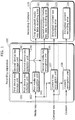
- FIG. 1 shows a recording apparatus 100 which encrypts a content and records the encrypted content, and a recording medium 120.
- FIG. 2 shows a first category reproduction apparatus 200 which reads-out and decrypts, the encrypted content from the recording medium 120.
- FIG. 3 shows a second category reproduction apparatus 300 which reads-out and decrypts, the encrypted content from the recording medium 120.
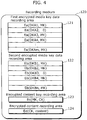
- FIG. 4 shows a specific example of various data to be recorded on the recording medium 120.
- the recording apparatus 100 is an apparatus which records a content onto each DVD at the time of production for example, and includes the following: a first device key storage unit 101 which stores a device key held confidentially by each reproduction apparatus belonging to the first category; a second device key storage unit 102 which stores a device key held confidentially by each reproduction apparatus belonging to the second category; a first device key selection unit 103 and a second device key selection unit 104, each of which selects a device key to be used for the encryption of a media key; a first media key encryption unit 105 which encrypts a media key inputted from the outside, using the device key selected by the first device key selection unit 103; a second media key encryption unit 106 which encrypts the media key, using the device key selected by the second device key selection unit 104; a content key encryption unit 107 which encrypts, using the media key, a content key inputted from the outside; and a content encryption unit 108 which encrypts a content likewise inputted from the outside.
- the first media key encryption unit 105 stores information on a reproduction apparatus to be revoked among the reproduction apparatuses in the first category
- the second media key encryption unit 106 stores information on a reproduction apparatus to be revoked among the reproduction apparatuses in the second category.
- the encrypted media key is generated in such a way that the correct media key cannot be decrypted by such reproduction apparatuses to be revoked.
- different key data is selected for the media key each time a recording medium is manufactured, and different key data is selected for the content key for each content.
- the recording medium 120 includes the following: a first encrypted media key data recording area 121 for recording first encrypted media key data generated by the first media key encryption unit 105; a second encrypted media key data recording area 122 for recording second encrypted media key data generated by the second media key encryption unit 106; an encrypted content key recording area 123 for recording the encrypted content key generated by the content key encryption unit 107; and an encrypted content recording area 124 for recording the encrypted content generated by the content encryption unit 108.
- the first category reproduction apparatus 200 includes the following: a device key storage unit 201 which confidentially holds a device key; a media key decryption unit 202 which obtains the media key by decrypting, using the device key, the first encrypted media key data which is read out from the recording medium 120; a content key decryption unit 203 which obtains the content key by decrypting, using the obtained media key, the encrypted content key which is read out from the recording medium 120; and a content decryption unit 204 which decrypts, using the obtained content key, the encrypted content which is read out from the recording medium 120.
- a reproduction apparatus which is implemented through software, as in an application program in a personal computer, is assumed as a reproduction apparatus belonging to the first category.
- the second category reproduction apparatus 300 includes the following: a device key storage unit 301 which confidentially holds the device key; a media key decryption unit 302 which obtains the media key by decrypting, using the device key, the second encrypted media key data which is read out from the recording medium 120; a content key decryption unit 303 which obtains the content key by decrypting, using the obtained media key, the encrypted content key which is read out from the recording medium 120; and a content decryption unit 304 which decrypts, using the obtained content key, the encrypted content which is read out from the recording medium 120.
- a reproduction apparatus which is implemented through hardware, as in a common household player, is assumed as a reproduction apparatus belonging to the second category.
- FIG. 4 shows a specific example of the various data to be recorded on the recording medium 120 in the case where it is assumed that m-units of first category reproduction apparatuses and n-units of second category reproduction apparatuses hold only one unique device key each, and a first category reproduction apparatus 2 and a second category reproduction apparatus 3 are revoked.
- DKBj device key
- Ea (X, Y), Eb (X, Y), Ec (X, Y) and Ed (X, Y) represent functions for encrypting data Y using key data X.
- the encryption algorithm used can be realized by commonly known technology, and the present embodiment makes use of DES cryptography having a key length of 56 bits.
- a media key (MK) encrypted using device keys (DKA1 to DKAm) held by the first category reproduction apparatuses is recorded in the first encrypted media key data recording area 121.
- the first category reproduction apparatus 2 is revoked, and data "0" which has absolutely no relation to the media key (MK), is encrypted and recorded in DKA2.
- This is the result of having the reproduction apparatus 2 inputted to the first media key encryption unit 105 as the information on the recording apparatus to be revoked within the first category, during the generation of the first encrypted media key, and processed so that the correct media key cannot be obtained by the reproduction apparatus 2.
- the media key (MK) encrypted using device keys (DKB1 to DKBn) held by the second category reproduction apparatuses is recorded in the second encrypted media key data recording area 122.
- the second category reproduction apparatus 3 is revoked, and data "0" which is has absolutely no relation to the media key (MK), is encrypted and recorded in DKB3.
- This is the result of having the reproduction apparatus 3 inputted to the second media key encryption unit 106 as the information on the recording apparatus to be revoked within the second category, during the generation of the second encrypted media key, and processed so that the correct media key cannot be obtained by the reproduction apparatus 3.
- the reproduction apparatuses By generating the first and second media key data in this manner, the reproduction apparatuses, apart from the first category reproduction apparatus 2 and the second category recording apparatus 3, are able to decrypt the correct media key (MK), and the first category reproduction apparatus 2 and the second category recording apparatus 3 can be excluded from the system.
- MK media key
- a content key (CK) which is encrypted using the media key (MK) is recorded in the encrypted content key recording area 123.
- a content which is encrypted using the content key (CK) is recorded in the encrypted content recording area 124.
- the revocation system for the first category reproduction apparatuses is updated. Specific examples are described hereinafter.
- FIG. 5 shows a specific example 1 for various data to be recorded on a new recording medium 120 which is created after it is judged that the revocation for the first category reproduction apparatuses has stopped functioning.
- the device keys DKA1 to DKAm used in generating the first encrypted media key data are changed to DKA'1 to DKA'm.
- each device key among the new device keys (DKA'1 to DKA'm) does not match any of the pre-system update device keys (DKA1 to DKAm).
- the first category reproduction apparatus 200 which is not revoked, is provided with a new device key which is stored in the device key storage unit 201.
- a first category reproduction device m holds a newly provided device key (DKA'm) in the device key storage unit 201, in addition to a device key (DKAm) that it has been holding since before.
- DKA'm device key
- the reproduction apparatus m uses the device key DKAm when reproducing the recording medium in FIG. 4 , and uses the device key DKA'm when reproducing the post-revocation system update recording medium in FIG. 5 . It then uses the obtained media key (MK) to decrypt the encrypted content key and obtain the content key (CK), and then uses the obtained content key (CK) to decrypt the encrypted content and reproduce the content.
- the media key (MK) cannot be obtained by using such device key to decrypt the first encrypted media key which is read out from the recording medium in FIG. 5 , and the content cannot be reproduced.
- FIG. 6 shows a specific example 2 for various data to be recorded on a new recording medium 120 which is created after it is judged that the revocation for the first category reproduction apparatuses has stopped functioning.
- the difference with FIG. 4 is that the device keys DKA1 to DKAm used in generating the first encrypted media key data are changed to DKA'1 to DKA'm, and the encryption algorithm is changed from Ea (X, Y) to Ea' (X, Y).
- each device key among the new device keys (DKA'1 to DKA'm) does not match any of the pre-system update device keys (DKA1 to DKAm).
- each first category reproduction apparatus 200 which is not revoked, is provided with a new device key which is stored in the device key storage unit 201. Furthermore, a decryption algorithm Da' (X, Y) for decrypting the first encrypted media key data in FIG. 6 is built into the media key decryption unit 202, in addition to a decryption algorithm Da (X, Y) for decrypting the first encrypted media key data in FIG. 4 which has been built-in since before.
- a first category reproduction device m holds a newly provided device key (DKA'm), in addition to a device key (DKAm) that it has been holding since before.
- the reproduction apparatus m uses the device key DKAm and the encryption algorithm Da (X, Y) when reproducing the recording medium in FIG. 4 , and uses the device key DKA'm and the encryption algorithm Da' (X,Y) when reproducing the post-revocation system update recording medium in FIG. 6 . It then uses the obtained media key (MK) to decrypt the encrypted content key and obtain the content key (CK), and then uses the obtained content key (CK) to decrypt the encrypted content and reproduce the content.
- Ea (X, Y) and Da (X, Y) use a DES cryptograph having a key length of 56 bits.
- Ea' (X, Y) and Da' (X, Y) use a 112-bit key length cryptograph known as a two-key triple DES.
- the media key (MK) cannot be obtained by using such device key to decrypt the first encrypted media key which is read out from the recording medium in FIG. 6 , and the content cannot be reproduced.
- the first category reproduction apparatus 200 and the second category reproduction apparatus 300 there is no need for the first category reproduction apparatus 200 and the second category reproduction apparatus 300 to read the first or second encrypted media key data which are for revoking respective reproduction apparatuses of the different categories. Therefore, the memory capacity provided within the apparatus can be made smaller and processing time can be reduced. Furthermore, the encryption algorithm used in generating the first encrypted media key data can be made different from the encryption algorithm used in generating the second encrypted media key data.
- the revocation system of the first category reproduction apparatuses falls into a situation where it is exposed, the revocation system can be changed, without affecting the second category reproduction apparatuses, by changing (a) the key length of the device keys provided to the first category reproduction apparatuses and (b) the generation algorithm of the first encrypted media key data.
- the first category refers to a reproduction apparatus implemented through software for which updating and adding of decryption algorithms and keys is easy but sturdy implementation is difficult
- the second category refers to a reproduction apparatus implemented through hardware which is sturdy but updating and adding of decryption algorithms and keys is difficult.
- a PC which realizes content decryption through an application is provided as a reproduction apparatus belonging to the first category
- a consumer device such as a DVD player which realizes content decryption through hardware is provided as a reproduction apparatus belonging to the second category.
- the present invention is not limited to such configuration.
- the recording apparatus 100 includes a storage unit for storing the media key and the content key.
- the recording apparatus 100 includes a generation unit which generates the media key and the content key as required.
- FIG. 1 in the present embodiment, a two-stage configuration is assumed in which the content is encrypted using a content key, and then the content key is encrypted using the media key
- the present invention is not limited to such configuration.
- the recording apparatus in the present embodiment assumes an integrated configuration for the device key storage unit and the media key encryption unit for each category, the content key encryption unit, the content encryption unit, as well as the recording of respective data onto the recording medium.
- the present invention is not limited to such, and it is possible to have a configuration in which the recording apparatus is separated.
- data is also assigned to the revoked reproduction apparatuses at the time of system updating, as in Ea (DKA'2, 0) in FIG. 5 and Ea' (DKA'2, 0) in FIG. 6 .
- Ea DKA'2, 0
- Ea' DKA'2, 0
- the position of the encrypted media key to be used by the reproduction apparatuses which are not revoked is also updated, and by providing new position information when a new device key is provided, the reproduction apparatuses that are not revoked can use the appropriate data and obtain the correct media key even if there is a change in the position of the encrypted media key before and after the system update.
- the volume of data that needs to be stored in the first encrypted media key data recording area after the system update can be reduced.
- the maximum value for the volume is limited, the number of new reproduction apparatuses belonging to the first category can be increased.
- the present embodiment adopts a method in which revocation of a reproduction apparatus is performed using encrypted media key data such as that shown in FIG. 4
- a different method can be used for the method for revocation.
- the revocation method utilizing a tree-structure, disclosed in patent reference 1 can also be used.
- the present embodiment makes use of the DES having a 56-bit key length as the encryption algorithm, and the two-key triple DES having a 112-bit key length as the post-system update algorithm, the present invention is not limited to such, and can also use other encryption algorithms such as AES having a 128-bit key length, for example, which is referred to as a next-generation standard cryptograph.
- the second embodiment of the present invention is characterized by the application of the present invention in a system in which a content encrypted using a content key is recorded onto a recording medium such as a rewritable or recordable DVD-RAM and DVD-R, by a recording apparatus such as a DVD recorder, and the encrypted content is reproduced by a reproduction apparatus after being decrypted using a content key.
- a content encrypted using a content key is recorded onto a recording medium such as a rewritable or recordable DVD-RAM and DVD-R, by a recording apparatus such as a DVD recorder, and the encrypted content is reproduced by a reproduction apparatus after being decrypted using a content key.
- FIG. 7 shows a key generation apparatus 700 which generates and records key information, and a recording medium 720.
- FIG. 8 shows a first category recording apparatus 800 which encrypts a content and records the encrypted content onto the recording medium 720.
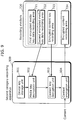
- FIG. 9 shows a second category recording apparatus 900 which encrypts the content and records the encrypted content onto the recording medium 720.
- FIG. 10 shows a first category reproduction apparatus 1000 which reads out the encrypted content from the recording medium 720 and decrypts the encrypted content.
- FIG. 11 shows a second category reproduction apparatus 1100 which reads out the encrypted content from the recording medium 720 and decrypts the encrypted content.
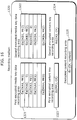
- FIG. 12 shows a specific example of various data to be recorded on the recording medium 120.
- the key generation apparatus 700 respectively stores device keys held confidentially by each apparatus in the first category, into a first device key storage unit 701, and device keys held confidentially by each apparatus in the second category, into a second device key storage unit 702.
- the recording medium 720 includes a first encrypted media key data recording area 721, a second encrypted media key data recording area 722, an encrypted content key recording area 723, and an encrypted content recording area 724.
- the first encrypted media key data recording area 721, the second encrypted media key data recording area 722, and the encrypted content key recording area 723, enclosed in broken lines, are areas that cannot be recorded onto by the first category recording apparatus 800 and the second category recording apparatus 900.
- the encrypted content recording area is an area that can be recorded onto by the first category recording apparatus 800 and the second category recording apparatus 900.
- the first category recording apparatus 800 includes the following: a device key storage unit 801 which stores a device key confidentially; a media key decryption unit 802 which obtains a media key by decrypting, using the device key, a first encrypted media key data which is read out from the recording medium 720; a content key decryption unit 803 which obtains the content key by decrypting, using the obtained media key, the encrypted content key which is read out from the recording medium; and a content encryption unit 804 which encrypts, using the obtained content key, a content which is inputted from the outside.
- a reproduction apparatus which is implemented through software, as in an application program in a personal computer, is assumed as a reproduction apparatus belonging to the first category.
- the second category recording apparatus 900 includes the following: a device key storage unit 901 which stores a device key confidentially; a media key decryption unit 902 which obtains a media key by decrypting, using the device key, the second encrypted media key data which is read out from the recording medium 720; a content key decryption unit 903 which obtains the content key by decrypting, using the obtained media key, the encrypted content key which is read out from the recording medium; and a content encryption unit 904 which encrypts, using the obtained content key, a content which is inputted from the outside.
- a reproduction apparatus which is implemented through hardware, as in a common household recorder, is assumed as a reproduction apparatus belonging to the second category.
- the first category reproduction apparatus 1000 and the second category reproduction apparatus 1100 respectively have the same structure as the first category reproduction unit 200 and the second category reproduction unit 300 in the aforementioned first embodiment of the present invention.
- the same numbering is given to the identical component elements and their description shall be omitted.
- FIG. 12 shows a specific example of various data to be recorded onto the recording medium 720 in the case where it is assumed that m-units of first category apparatuses and n-units of second category apparatuses hold only one unique device key each, and a first category apparatus 2 and a second category apparatus 3 are revoked.
- DKBj device key
- the encrypted content key recording area 723 As the data recorded in the first encrypted media key data recording area 721, the second encrypted media key data recording area 722, the encrypted content key recording area 723, and the encrypted content recording area 724 are respectively the same as the data recorded in the first encrypted media key data recording area 121, the second encrypted media key data recording area 122, the encrypted content key recording area 123, and the encrypted content recording area 124 in the first embodiment of the present invention, their description shall be omitted.
- the apparatuses, apart from the first category apparatus 2 and the second category apparatus 3, are able to decrypt the correct media key (MK), and the first category apparatus 2 and the second category apparatus 3 can be excluded from the system.
- MK media key
- the revocation system for the first category apparatuses is updated. Description of the updating method shall be omitted as the same method as that mentioned previously in the first embodiment of the present invention can be adopted.
- first category apparatuses the recording apparatus 800 and the reproduction apparatus 1000
- second category apparatuses the recording apparatus 900 and the reproduction apparatus 1100
- the memory capacity provided within the apparatus can be made smaller and processing time can also be reduced.
- the encryption algorithm used in generating the first encrypted media key data can be made different from the encryption algorithm used in generating the second encrypted media key data.
- the revocation system of the first category apparatuses can be changed, without affecting the second category apparatuses, by changing (a) the key length of the device keys provided to the first category apparatuses and (b) the generation algorithm of the first encrypted media key data.
- the first category refers to an apparatus implemented through software for which updating and adding of decryption algorithms and keys is easy but sturdy implementation is difficult
- the second category refers to an apparatus implemented through hardware which is sturdy but updating and adding of decryption algorithms and keys is difficult.
- the present embodiment adopts a configuration in which the recording apparatus and reproduction apparatus of each category are different apparatuses, the present embodiment is not limited to this configuration.
- the present invention is not limited to such configuration.
- the key generation apparatus 700 includes a storage unit for storing the media key and the content key.
- the key generation apparatus 700 includes a generation unit which generates the media key and the content key as required.
- FIG. 8 and FIG. 9 in the present embodiment, a two-stage configuration is assumed in which the content key is obtained by decrypting the encrypted content key using the media key, and then the content is encrypted using the obtained content key
- the present invention is not limited to such configuration.
- the key generation unit assumes an integrated configuration for the device key storage unit and the media key encryption unit for each category, the content key encryption unit, as well as the recording of respective data onto the recording medium.
- the present invention is not limited to such configuration.
- a rewritable or recordable optical disc includes an area that can be recorded on using the recording apparatus possessed by a common user, and a playback-only area which cannot be recorded onto using the recording apparatus possessed by the common user.
- a disc manufacturer records data onto the playback-only area prior to shipment.
- the recording of data onto the playback-only area by the disc manufacturer is generally carried out by recording the data in a master referred to as a stamper, and using such stamper in a pressing operation.
- the present invention can be applied even in the case where the encrypted media key data is recorded onto the recording medium in such an operation for recording data onto the playback-only area by a disc manufacturer.
- the third embodiment of the present invention is an application of the present invention in a system in which a content is distributed using a playback-only recording medium, and the distributed content is reproduced using reproduction apparatuses, as in the first embodiment. Furthermore, it is characterized by recording revocation data, which is read by reproduction apparatuses belonging to a first and second category, onto a recording medium using two media keys, a first and a second media key, per recording medium.
- FIG. 13 shows a recording apparatus 1300 which encrypts a content and records the encrypted content, and a recording medium 1320.
- FIG. 14 shows a first category reproduction apparatus 1400 which reads-out and decrypts, the encrypted content from the recording medium 1320.
- FIG. 15 shows a second category reproduction apparatus 1500 which reads-out and decrypts, the encrypted content from the recording medium 1320.
- FIG. 16 shows a specific example of various data to be recorded on the recording medium 1320.
- the recording apparatus 1300 in FIG. 13 is different from the recording apparatus in FIG. 1 in being separately provided with a first media key for the first category and a second media key for the second category, and encrypting the first and second media keys in a first media key encryption unit 1305 and a second media key encryption unit 1306, respectively, then encrypting a content key in a first content key encryption unit 1307 and a second content key encryption unit 1308 using the first and the second media keys, respectively, and then recording the output on the recording medium 1320.
- description shall be omitted.
- the recording medium 1320 includes the following: a first encrypted media key data recording area 1321 for recording first encrypted media key data generated by the first media key encryption unit 1305; a second encrypted media key data recording area 1322 for recording second encrypted media key data generated by the second media key encryption unit 1306; a first encrypted content key recording area 1323 for recording the first encrypted content key generated by the first content key encryption unit 1307; a second encrypted content key recording area 1324 for recording the second encrypted content key generated by the second content key encryption unit 1308; and an encrypted content recording area 1325 for recording the encrypted content generated by the content encryption unit 1309.
- the first category reproduction apparatus 1400 and the second category reproduction apparatus 1500 obtain the content key by respectively decrypting the first and the second encrypted content keys read out from the recording medium 1320. As the rest of the points are the same as in the first category reproduction apparatus 200 and the second category reproduction apparatus 300 in the first embodiment, their description shall be omitted.
- FIG. 16 shows a specific example of the various data to be recorded on the recording medium 1320 in the case where it is assumed that m-units of first category reproduction apparatuses and n-units of second category reproduction apparatuses hold only one unique device key each, and a first category reproduction apparatus 2 and a second category reproduction apparatus 3 are revoked.
- DKBj device key
- Ea (X, Y), Eb (X, Y), Ec (X, Y) and Ed (X, Y), and Ee (X, Y) represent functions for encrypting data Y using key data X.
- the encryption algorithm used can be realized by commonly known technology, and the present embodiment makes use of DES cryptography having a key length of 56 bits.
- a first media key (MK1) encrypted using device keys (DKA1 to DKAm) held by the first category reproduction apparatuses is recorded in the first encrypted media key data recording area 1321.
- the first category reproduction apparatus 2 is revoked, and data "0" which has absolutely no relation to the first media key (MK1), is encrypted and recorded in DKA2.
- This is the result of having the reproduction apparatus 2 inputted to the first media key encryption unit 1305 as the information on the recording apparatus to be revoked within the first category, during the generation of the first encrypted media key data, and processed so that the correct media key cannot be obtained by the reproduction apparatus 2.
- the first category reproduction apparatuses, apart from the reproduction apparatus 2 are able to decrypt the correct, first media key (MK1), and the first category reproduction apparatus 2 can be excluded from the system.
- a second media key (MK2) encrypted using device keys (DKB1 to DKBn) held by the second category reproduction apparatuses is recorded in the second encrypted media key data recording area 1322.
- the second category reproduction apparatus 3 is revoked, and data "0" which has absolutely no relation to the second media key (MK2), is encrypted and recorded in DKB3.
- MK2 the second media key
- This is a result of having the reproduction apparatus 3 inputted to the second media key encryption unit 1306 as the information on the reproduction apparatus to be revoked among the second category, during the generation of the second encrypted media key data, and processed so that the correct media key cannot be obtained by the reproduction apparatus 3.
- the second category reproduction apparatuses, apart from the recording apparatus 3, are able to decrypt the correct second media key (MK2), and the second category recording apparatus 3 can be excluded from the system.
- a content key (CK) which is encrypted using the first media key (MK1) is recorded in the first encrypted content key recording area 1323.
- the content key (CK) which is encrypted using the second media key (MK2) is recorded in the second encrypted content key recording area 1324.
- a content which is encrypted using the content key (CK) is recorded in the encrypted content recording area 1325.
- the revocation system for the first category reproduction apparatuses is updated. Specific examples are described hereinafter.
- FIG. 17 shows a specific example 1 for various data to be recorded on a new recording medium 1320 which is created after it is judged that the revocation for the first category reproduction apparatuses has stopped functioning.
- the difference with FIG. 16 is that the device keys DKA1 to DKAm used in generating the first encrypted media key data are changed to DKA'1 to DKA'm.
- the system update specific example 1 described in the aforementioned first embodiment description of details shall be omitted.
- the media key (MK1) cannot be obtained by using such device key to decrypt the first encrypted media key data which is read out from the recording medium in FIG. 17 , and the content cannot be reproduced.
- FIG. 18 shows a specific example 2 for various data to be recorded on a new recording medium 1320 which is created after it is judged that the revocation for the first category reproduction apparatuses has stopped functioning.
- the difference with FIG. 16 is that the device keys DKA1 to DKAm used in generating the first encrypted media key data are changed to DKA'1 to DKA'm, the encryption algorithm for the first encrypted media key data is changed from Ea (X, Y) to Ea' (X, Y), and the encryption algorithm for the first encrypted content key is changed from Ec (X, Y) to Ec' (X, Y).
- each device key among the new device keys (DKA'1 to DKA'm) does not match any of the pre-system update device keys (DKA1 to DKAm).
- each first category reproduction apparatus 1400 which is not revoked, is provided with a new device key which is stored in a device key storage unit 1401.
- a decryption algorithm Da' (X, Y) for decrypting the first encrypted media key in FIG. 18 is built into a media key decryption unit 1402, in addition to a decryption algorithm Da (X, Y) for decrypting the first encrypted media key data in FIG. 16 , which has been built-in since before.
- a content key decryption unit 1403 in addition to a decryption algorithm Dc (X, Y) for decrypting the first encrypted content key in FIG. 16 , which has been built-in since before.
- a first category reproduction device m holds a newly provided device key (DKA'm), in addition to a device key (DKAm) that it has been holding since before.
- DKA'm newly provided device key
- DKAm device key
- the reproduction apparatus m uses the device key DKAm and the encryption algorithm Da (X, Y) to decrypt the first encrypted media key data and obtain the first media key (MK1).
- the reproduction apparatus m uses the device key DKA'm and the encryption algorithm Da' (X,Y) to decrypt the first encrypted media key data and obtain the first media key (MK1). It then uses the obtained first media key (MK1) and the encryption algorithm Dc' (X, Y) to decrypt the first encrypted content key and obtain the content key (CK), and then uses the obtained content key (CK) to decrypt the encrypted content.
- Ea (X, Y) and Da (X, Y), Ec (X, Y) and Dc (X, Y) use a DES cryptograph having a key length of 56 bits.
- Ea' (X, Y) and Da' (X, Y), Ec' (X, Y), Dc' (X, Y) use a 112-bit key length cryptograph known as a two-key triple DES.
- the media key (MK1) cannot be obtained by using such device key to decrypt the first encrypted media key data which is read out from the recording medium in FIG. 18 , and the content cannot be reproduced.
- the encryption algorithm of the second encrypted media key data, and the encryption algorithm of the second content key data are not changed during the aforementioned system update, no changes need to be made for the reproduction apparatuses belonging to the second category.
- the first category reproduction apparatus 1400 and the second category reproduction apparatus 1500 there is no need for the first category reproduction apparatus 1400 and the second category reproduction apparatus 1500 to read the first or second encrypted media key data which are for revoking respective reproduction apparatuses of the different categories. Therefore, the memory capacity provided within the apparatus can be made smaller and processing time can also be reduced. Furthermore, the encryption algorithms used in generating the first encrypted media key data and the first encrypted content key can be made different from the encryption algorithms used in generating the second encrypted media key data and the second encrypted content data, respectively.
- the revocation system of the first category reproduction apparatuses can be changed, without affecting the second category reproduction apparatuses, by changing (a) the key length of the device keys provided to the first category reproduction apparatuses and (b) the generation algorithm of the first encrypted media key data.
- the independence between categories can be increased. More specifically, even in the case where a device key is exposed from a reproduction apparatus belonging to the first category, the media key that can be obtained using such device key is limited to the first media key only, and thus it is possible to prevent the second media key from being exposed.
- the first category refers to a reproduction apparatus implemented through software for which updating and adding of decryption algorithms and keys is easy but sturdy implementation is difficult
- the second category refers to a reproduction apparatus implemented through hardware which is sturdy but updating and adding of decryption algorithms and keys is difficult.
- the present invention is not limited to such configuration.
- the recording apparatus 1300 includes a storage unit for storing the first media key, the second media key, and content key.
- the recording apparatus 1300 includes a generation unit which generates the first media key, the second media key, and content key as required.
- FIG. 13 a two-stage configuration is assumed in which the content is encrypted using the content key, and then the content key is encrypted using the first and the second media key, the present invention is not limited to such configuration.
- the recording apparatus in the present embodiment assumes an integrated configuration for the device key storage unit, the media key encryption unit and the content key encryption unit for each category, the content encryption unit, as well as the recording of respective data onto the recording medium.
- the present invention is not limited to such configuration.
- data is also assigned to the revoked reproduction apparatuses at the time of system updating, as in Ea (DKA'2, 0) in FIG. 17 and Ea' (DKA'2, 0) in FIG. 18 .
- Ea DKA'2, 0
- Ea' DKA'2, 0
- the position of the encrypted media key to be used by the reproduction apparatuses which are not revoked is also updated, and by providing new position information when a new device key is provided, the reproduction apparatuses that are not revoked can use the appropriate data and obtain the correct media key even if there is a change in the position of the encrypted media key before and after the system update.
- the volume of data that needs to be stored in the first encrypted media key data recording area after the system update can be reduced.
- the maximum value for the volume is limited, the number of new reproduction apparatuses belonging to the first category can be increased.
- the present embodiment adopts a method in which revocation of a reproduction apparatus is performed using encrypted media key data such as that shown in FIG. 16
- a different method can be used for the method for revocation.
- the revocation method utilizing a tree-structure, disclosed in patent reference 1 can also be used.
- the present embodiment makes use of the DES having a 56-bit key length as the encryption algorithm, and the two-key triple DES having a 112-bit key length as the post-system update algorithm, the present invention is not limited to such, and can also use other encryption algorithms such as AES having a 128-bit key length, for example, which is referred to as a next-generation standard cryptograph.
- the present embodiment is an application of the present invention in a system in which a content is distributed using a playback-only recording medium, and the distributed content is reproduced using reproduction apparatuses
- the present invention is not limited to such application.
- the present invention can also be applied in a system utilizing a rewritable or recordable recording medium, by assuming a configuration in which encrypted media key data and an encrypted content key for each category are generated and recorded onto a recording medium by a key generation apparatus, and the encrypted media key data and the encrypted content key are decrypted and the content encrypted by a recording apparatus, in the same manner as in the aforementioned second embodiment.
- the fourth embodiment of the present invention is an application of the present invention in a system in which a content is distributed using a playback-only recording medium, and the distributed content is reproduced using reproduction apparatuses, as in the first embodiment. Furthermore, a recording apparatus in the fourth embodiment uses a first content key and a second content key to encrypt a content twice.
- FIG. 19 shows a recording apparatus 1900 which encrypts a content and records the encrypted content, and a recording medium 1920.
- FIG. 20 shows a first reproduction apparatus 2000 which reads-out and decrypts, the encrypted content from the recording medium 1920.
- FIG. 21 shows a second reproduction apparatus 2100 which reads-out and decrypts, the encrypted content from the recording medium 1920.
- FIG. 22 shows a specific example of various data to be recorded on the recording medium 1920.
- the recording apparatus 1900 in FIG. 19 is different from the recording apparatus 100 in FIG. 1 in having a first content encryption unit 1909 perform a first content encryption on the content, using a first content key, then having a second content encryption unit 1910 perform a second content encryption on the output, using a second content key, then having the first content key encryption unit 1907 and a second content key encryption unit 1908 encrypt, using a media key, the first and the second content keys, respectively, using a media key, and then recording the output on the recording medium 1920.
- description shall be omitted.
- the recording medium 1920 includes the following: a first encrypted media key data recording area 1921 for recording first encrypted media key data; a second encrypted media key data recording area 1922 for recording second encrypted media key data; a first encrypted content key recording area 1923 for recording the first encrypted content key generated by the first content key encryption unit 1907; a second encrypted content key recording area 1924 for recording the second encrypted content key generated by the second content key encryption unit 1908; and an encrypted content recording area 1925 for recording the encrypted content generated by the second content encryption unit 1910.
- the first reproduction apparatus 2000 such as a PC or the like, is made up of a read-out apparatus 2010 such as a drive apparatus for example; and a decryption apparatus 2020 which realizes the decryption of a content using an application for example.
- the fourth embodiment is characterized by having the decryption of an encrypted content performed also in the read-out apparatus 2010 such as a drive apparatus, and the like.
- the read-out apparatus 2010 includes the following: a device key storage unit 2011 which confidentially holds a device key; a second media key decryption unit 2012 which obtains the media key by decrypting, using the device key, the second encrypted media key data which is read out from the recording medium 1920; a second content key decryption unit 2013 which obtains the content key by decrypting, using the obtained media key, the second encrypted content key which is read out from the recording medium; and a second content decryption unit 2014 which performs a second content decryption process, using the obtained content key, on the encrypted content which is read out from the recording medium 1920.
- the performance of the second decryption process on the encrypted content by the second content decryption unit 2014 results in intermediate data which is then supplied to the decryption apparatus 2020, together with the first encrypted media key data and the first encrypted content key which are read out from the recording medium 1920.
- the read-out apparatus 2010 has the aforementioned component elements implemented through hardware, and belongs to the second category.
- the decryption unit 2020 includes the following: a device key storage unit 2021 which confidentially holds the device key; a first media key decryption unit 2022 which obtains the media key by decrypting, using the device key, the first encrypted media key supplied by the read-out apparatus 2010; a first content key decryption unit 2023 which obtains the first content key by decrypting, using the obtained media key, the first encrypted content key supplied by the read-out apparatus 2010; and a first content decryption unit 2024 which obtains the content by performing a first content decryption process using the obtained first content key, on the intermediate data supplied by the read-out apparatus 2010.
- the decryption unit 2020 has the aforementioned component elements implemented through software, and belongs to the first category.
- the second reproduction apparatus 2100 is a second category reproduction apparatus, and includes the following: a device key storage unit 2101 which confidentially holds a device key; a media key decryption unit 2102 which obtains the media key by decrypting, using the device key, the second encrypted media key data which is read out from the recording medium 1920; a second content key decryption unit 2103 which obtains the second content key by decrypting, using the obtained media key, the second encrypted content key which is read out from the recording medium; and a second content decryption unit 2104 which, using the obtained second content key, performs a second content decryption process on the encrypted content which is read out from the recording medium 1920; a first content key decryption unit 2105 which obtains a first content key by decrypting, using the obtained media key, the first encrypted content key data read out from the recording medium; and a first content decryption unit 2106 which obtains the content by performing a first content decryption process using the first content key, on the output of the second content
- a decryption apparatus which is implemented through software, as in an application program in a personal computer is a decryption apparatus belonging to the first category
- an apparatus which is implemented through hardware, as in an optical disk drive which is connected or built into a common household player as well as a personal computer is assumed as an apparatus belonging to the second category.
- FIG. 22 shows a specific example of the various data to be recorded on the recording medium 1920 in the case where it is assumed that m-units of first category decryption apparatuses and n-units of second category apparatuses hold only one unique device key each, and a first category decryption apparatus 2 and a second category apparatus 3 are revoked.
- DKAj device key
- Ea (X, Y), Eb (X, Y), Ec (X, Y), Ed (X, Y), Ee (X, Y), and Ef (X, Y) represent functions for encrypting data Y using key data X.
- the encryption algorithm used can be realized by commonly known technology, and the present embodiment makes use of DES cryptography having a key length of 56 bits.
- Data recorded in the first encrypted media key data recording area 1921 and the second encrypted media key data recording area 1922 are the same as the data recorded in the first encrypted media key data recording area 121 and the second encrypted media key data recording area 122, respectively, in the previously described first embodiment, and their description shall be omitted.
- a first content key (CK1) which is encrypted using the media key (MK) is recorded in the encrypted content key recording area 1923.
- a second content key (CK2) which is encrypted using the media key (MK) is recorded in the encrypted content key recording area 1924.
- a content which is encrypted using the first content key (CK1) and the second content key (CK2) is recorded in the encrypted content recording area 124.
- the revocation system for the first category decryption apparatuses is updated. Specific examples are described hereinafter.
- FIG. 23 shows a specific example 1 for various data to be recorded on a new recording medium 1920 which is created after it is judged that the revocation for the first category decryption apparatuses has stopped functioning.
- the difference with FIG. 22 is that the device keys DKA1 to DKAm used in generating the first encrypted media key data are changed to DKA'1 to DKA'm.
- the system update specific example 1 described in the aforementioned first embodiment description of details shall be omitted.
- the media key (MK) cannot be obtained by using such device key to decrypt the first encrypted media key data which is read out from the recording medium in FIG. 23 , and the content cannot be reproduced.
- FIG. 24 shows a specific example 2 for various data to be recorded on a new recording medium 1920 which is created after it is judged that the revocation for the first category decryption apparatuses has stopped functioning.
- the difference with FIG. 22 is that the device keys DKA1 to DKAm used in generating the first encrypted media key data are changed to DKA'1 to DKA'm, and the encryption algorithm is changed from Ea (X, Y) to Ea' (X, Y).
- Ea (X, Y) Ea' (X, Y).
- the media key (MK) cannot be obtained by using such device key to decrypt the first encrypted media key data which is read out from the recording medium in FIG. 24 , and the content cannot be reproduced.
- the decryption apparatus 2020 the decryption apparatus 2020
- the second category apparatuses read-out apparatus 2010 and second reproduction apparatus 2100
- the memory capacity provided within the apparatus can be made smaller and processing time can also be reduced.
- the encryption algorithm used in generating the first encrypted media key data can be made different from the encryption algorithm used in generating the second encrypted media key data.
- the revocation system of the first category decryption apparatuses can be changed, without affecting the second category apparatuses, by changing (a) the key length of the device keys provided to the first category decryption apparatuses and (b) the generation algorithm of the first encrypted media key data.
- the algorithm for decrypting the second encrypted content key is not installed in the first category decryption apparatus 2020, even when any of the first category decryption apparatuses is cryptanalized and the device key which it holds and the decryption algorithm is exposed, all of the information needed for the decryption of the content cannot be obtained, and thus a stronger copyright protection system can be constructed.
- the first category refers to a decryption apparatus implemented through software for which updating and adding of decryption algorithms and keys is easy but sturdy implementation is difficult
- the second category refers to a reproduction apparatus or a read apparatus implemented through hardware which is sturdy but updating and adding of decryption algorithms and keys is difficult.
- the present invention is not limited to such configuration.
- the recording apparatus 1900 includes a storage unit for storing the media key, the first content key, and the second content key.
- the recording apparatus 1900 includes a generation unit which generates the media key, the first content key, and the second content key, as required.
- FIG. 19 in the present embodiment, a two-stage configuration is assumed in which the content is encrypted using the first and the second content key, and then the first and the second content keys are encrypted using the media key, the present invention is not limited to such configuration.
- the recording apparatus in the present embodiment assumes an integrated configuration for the device key storage unit, the media key encryption unit, the content key encryption unit and the content encryption unit for each category, as well as the recording of respective data onto the recording medium.
- the present invention is not limited to such, and it is possible to have a configuration in which the recording apparatus is separated.
- data is also assigned to the revoked decryption apparatuses at the time of system updating, as in Ea (DKA'2, 0) in FIG. 23 and Ea' (DKA'2, 0) in FIG. 24 .
- Ea DKA'2, 0
- Ea' DKA'2, 0
- the position of the encrypted media key to be used by the decryption apparatuses which are not revoked is also updated, and by providing new position information when a new device key is provided, the decryption apparatuses that are not revoked can use the appropriate data and obtain the correct media key even if the position of the encrypted media key has changed before and after the system update.
- the volume of data that needs to be stored in the first encrypted media key data recording area after the system update can be reduced.
- the maximum value for the volume is limited, it becomes possible to increase the number of new decryption apparatuses belonging to the first category.
- the present embodiment adopts a method in which revocation of a decryption apparatus is performed using encrypted media key data such as that shown in FIG. 22
- a different method can be used for the method for revocation.
- the revocation method utilizing a tree-structure, disclosed in patent reference 1 can also be used.
- the present embodiment makes use of the DES having a 56-bit key length as the encryption algorithm, and the two-key triple DES having a 112-bit key length as the post-system update algorithm, the present invention is not limited to such, and can also use other encryption algorithms such as AES having a 128-bit key length, for example, which is referred to as a next-generation standard cryptograph.
- the present invention is not limited to such.
- the content can be divided into several blocks, with some blocks being encrypted using the first content key (CK1) and the rest of the blocks being encrypted using the second content key (CK2).
- the present embodiment is an application of the present invention in a system in which a content is distributed using a playback-only recording medium, and the distributed content is reproduced using reproduction apparatuses
- the present invention is not limited to such application.
- the present invention can also be applied in a system utilizing a rewritable or recordable recording medium, by assuming a configuration in which encrypted media key data and an encrypted content key for each category are generated and recorded onto a recording medium by a key generation apparatus, and the encrypted media key data and the encrypted content key are decrypted and the content encrypted by a recording apparatus, in the same manner as in the aforementioned second embodiment.
- system in the fourth embodiment is provided with separate media keys for the first category and the second category, and provided with stages of first encrypted content keys respectively using such media keys.
- the fifth embodiment is characterized by the addition of a new second reproduction apparatus into the configuration of the reproduction apparatus 2000 in the fourth embodiment, together with the use of a first media and a second media key, and a first content key and a second content key.
- FIG. 25 shows a recording apparatus 2500 which encrypts a content and records the encrypted content, and a recording medium 2520.
- FIG. 26 shows a first reproduction apparatus 2600 which reads-out and decrypts the encrypted content from the recording medium 2520.
- FIG. 27 shows a second reproduction apparatus 2700 which reads-out and decrypts the encrypted content from the recording medium 2520.
- FIG. 28 shows a specific example of various data to be recorded on the recording medium 2520.
- the recording apparatus 2500 in FIG. 25 is different from the recording apparatus 1900 in FIG. 19 in being separately provided with a first media key for the first category and a second media key for the second category, then encrypting the first and the second media key in a first media key encryption unit 2505 and a second media key encryption unit 2506, respectively, then encrypting the first content key in a first content key encryption unit (1) 2507 and a first content key encryption unit (2) 2511, using the first and the second media keys, respectively, and then recording the output on the recording medium 2520.
- the rest of the points are the same as in the recording apparatus 1900 in the aforementioned fourth embodiment, their description shall be omitted.
- the recording medium 2520 includes the following: a first encrypted media key data recording area 2521 for recording first encrypted media key data; a second encrypted media key data recording area 2522 for recording second encrypted media key data; a first encrypted content key (1) recording area 2523 for recording the first encrypted content key (1) generated by the first content key encryption unit (1) 2507; a first encrypted content key (2) recording area 2526 for recording the first encrypted content key (2) generated by the first content key encryption unit (2) 2511; a second encrypted content key recording area 2524 for recording the second encrypted content key; and an encrypted content recording area 2525 for recording the encrypted content.
- a decryption apparatus 2620 obtains the first content key by decrypting the first encrypted content key (1) which is read out from the recording medium 2520 by a read-out apparatus 2610.
- a decryption apparatus 2620 obtains the first content key by decrypting the first encrypted content key (1) which is read out from the recording medium 2520 by a read-out apparatus 2610.
- the second reproduction apparatus 2700 obtains the first content key by decrypting the first encrypted content key (2) which is read out from the recording medium 2520. As the rest of the points are the same as in the second reproduction apparatus 2100 in the aforementioned fourth embodiment, their description shall be omitted.
- FIG. 28 shows a specific example of the various data to be recorded on the recording medium 2520.
- a first media key (MK1) encrypted using device keys (DKA1 to DKAm) held by the first category decryption apparatuses is recorded in the first encrypted media key data recording area 2521.
- a second media key (MK2) encrypted using device keys (DKB1 to DKBm) held by the second category apparatuses is recorded in the second encrypted media key data recording area 2522.
- the first content key (CK1) encrypted using the first media key (MK1) is recorded in the first encrypted content key (1) recording area 2523
- the first content key (CK1) encrypted using the second media key (MK2) is recorded in the first encrypted content key (2) recording area 2526.
- Eg (X, Y) in FIG. 28 refers to functions for encrypting data Y using key data X.
- the present embodiment uses DES cryptography having a key length of 56 bits.
- the revocation system for the first category decryption apparatuses is updated. Specific examples are described hereinafter.
- FIG. 29 shows a specific example 1 for various data to be recorded on a new recording medium 2520 which is created after it is judged that the revocation for the first category decryption apparatuses has stopped functioning.
- the difference with FIG. 28 is that the device keys DKA1 to DKAm used in generating the first encrypted media key data are changed to DKA'1 to DKA'm.
- the system update specific example 1 described in the aforementioned first embodiment description of details shall be omitted.
- FIG. 30 shows a specific example 2 for various data to be recorded on a new recording medium 2520 which is created after it is judged that the revocation for the first category decryption apparatuses has stopped functioning.
- the difference with FIG. 22 is that the device keys DKA1 to DKAm used in generating the first encrypted media key data are changed to DKA'1 to DKA'm, the encryption algorithm is changed from Ea (X, Y) to Ea' (X, Y), and the encryption algorithm for the first encrypted content key (1) is changed from Ec (X, Y) to Ec' (X, Y).
- a strong copyright protection system can be constructed, in the same manner as in the fourth embodiment.
- the independence between categories can be increased. More specifically, even in the case where a device key is exposed from an apparatus belonging to the first category, the media key that can be obtained using such device key is limited to the first media key only, and thus it is possible to prevent the second media key from being exposed.
- the first category refers to a decryption apparatus implemented through software for which updating and adding of decryption algorithms and keys is easy but sturdy implementation is difficult
- the second category refers to a reproduction apparatus or a read apparatus implemented through hardware which is sturdy but updating and adding of decryption algorithms and keys is difficult.
- the present invention is not limited to such configuration.
- the recording apparatus 2500 includes a storage unit for storing such keys.
- the recording apparatus 2500 includes a generation unit which generates such keys as required.
- the present invention is not limited to such configuration.
- the recording apparatus in the present embodiment assumes an integrated configuration for the device key storage unit, the media key encryption unit, the content key encryption unit and the content encryption unit for each category, as well as the recording of respective data onto the recording medium.
- the present invention is not limited to such, and it is possible to have a configuration in which the recording apparatus is separated.
- data is also assigned to the revoked decryption apparatuses at the time of system updating, as in Ea (DKA'2, 0) in FIG. 29 and Ea' (DKA'2, 0) in FIG. 30 .
- Ea DKA'2, 0
- Ea' DKA'2, 0
- the position of the encrypted media key to be used by the decryption apparatuses which are not revoked is also updated, and by providing new position information when a new device key is provided, the decryption apparatuses that are not revoked can use the appropriate data and obtain the correct media key even if there is a change in the position of the encrypted media key before and after the system update.
- the volume of data that needs to be stored in the first encrypted media key data recording area after the system update can be reduced.
- the maximum value for the volume is limited, it becomes possible to increase the number of new decryption apparatuses belonging to the first category.
- the present embodiment adopts a method in which revocation of a decryption apparatus is performed using encrypted media key data such as that shown in FIG. 28
- a different method can be used for the method for revocation.
- the revocation method utilizing a tree-structure, disclosed in patent reference 1 can also be used.
- the present embodiment makes use of the DES having a 56-bit key length as the encryption algorithm, and the two-key triple DES having a 112-bit key length as the post-system update algorithm, the present invention is not limited to such, and can also use other encryption algorithms such as AES having a 128-bit key length, for example, which is referred to as a next-generation standard cryptograph.
- the present invention is not limited to such.
- the content can be divided into several blocks, with some blocks being encrypted using the first content key (CK1) and the rest of the blocks being encrypted using the second content key (CK2).
- the present embodiment is an application of the present invention in a system in which a content is distributed using a playback-only recording medium, and the distributed content is reproduced using reproduction apparatuses
- the present invention is not limited to such application.
- the present invention can also be applied in a system utilizing a rewritable or recordable recording medium, by assuming a configuration in which encrypted media key data and an encrypted content key for each category are generated and recorded onto a recording medium by a key generation apparatus, and the encrypted media key data and the encrypted content key are decrypted and the content encrypted by a recording apparatus, in the same manner as in the aforementioned second embodiment.
- the sixth embodiment of the present invention is an application of the present invention in a system in which a content is distributed using a playback-only recording medium, and the distributed content is reproduced using reproduction apparatuses, as in the first embodiment.
- FIG. 31 shows a recording apparatus 3100 which encrypts a content and records the encrypted content, and a recording medium 3120.
- FIG. 32 shows a first reproduction apparatus 3200 which reads-out and decrypts, the encrypted content from the recording medium 120.
- FIG. 33 shows a second reproduction apparatus 3300 which reads-out and decrypts, the encrypted content from the recording medium 3120.
- FIG. 34 shows a specific example of various data to be recorded on the recording medium 3120.
- the recording apparatus 3100 in FIG. 31 is different from the recording apparatus 100 in FIG. 1 in generating the content key in a content key generation unit 3109 using a first and a second seed which are inputted from an outside source, and then encrypting, using a media key, the first and the second seeds in a first seed encryption unit 3107 and a second seed encryption unit 3108, respectively, and then recording the output on the recording medium 3120.
- a content key generation unit 3109 using a first and a second seed which are inputted from an outside source
- encrypting using a media key
- the first and the second seeds in a first seed encryption unit 3107 and a second seed encryption unit 3108, respectively
- recording medium 3120 As the rest of the points are the same as in the recording apparatus 100 in FIG. 1 , their description shall be omitted.
- the recording medium 3120 includes the following: a first encrypted media key data recording area 3121 for recording first encrypted media key data; a second encrypted media key data recording area 3122 for recording second encrypted media key data; a first encrypted seed recording area 3123 for recording a first encrypted seed generated by the first seed encryption unit 3107; a second encrypted seed recording area 3124 for recording a second encrypted seed generated by the second seed encryption unit 3108; and an encrypted content recording area 3125 for recording an encrypted content.
- the first reproduction apparatus 3200 is made up of a read-out apparatus 3210 and a decryption apparatus 3220.
- the read-out apparatus 3210 includes the following: a device key storage unit 3211 which confidentially holds a device key; a second media key decryption unit 3212 which obtains the media key by decrypting, using the device key, the second encrypted media key data which is read out from the recording medium 3120; a second seed decryption unit 3213 which obtains the second seed by decrypting, using the obtained media key, the second encrypted seed which is read out from the recording medium. It then supplies the obtained second seed to the decryption apparatus 3220 together with the first encrypted media key data, the first encrypted seed, and the encrypted contents which are read out from the recording medium 3220.
- the read-out apparatus 3210 has the aforementioned component elements implemented through hardware, and belongs to the second category.
- the decryption unit 3220 includes the following: a device key storage unit 3221 which confidentially holds the device key; a first media key decryption unit 3222 which obtains the media key by decrypting, using the device key, the first encrypted media key supplied by the read-out apparatus 3210; a first seed decryption unit 3223 which obtains the first seed by decrypting, using the obtained media key, the first encrypted seed supplied by the read-out apparatus 3210; a content key generation unit 3224 which generates the content key using the obtained first seed and the second seed supplied by the read-out apparatus 3210; and a content decryption unit 3225 which decrypts, using the generated content key, the encrypted content supplied by the read-out apparatus 3210.
- the decryption unit 3220 has the aforementioned component elements implemented through software, and belongs to the first category. Moreover, it is possible to have a such a method where, assuming that the first and the second seeds respectively have 64 bits, a bit concatenation of their respective high 28 bits is carried out in the content key generation units 3109 and 3224 to obtain a 56-bit content key.
- the second reproduction apparatus 3300 is a second category reproduction apparatus, and includes the following: a device key storage unit 3301 which confidentially holds the device key; a media key decryption unit 3302 which obtains the media key by decrypting, using the device key, the second encrypted media key data which is read out from the recording medium 3120; a first seed decryption unit 3303 which obtains the first seed by decrypting, using the obtained media key, the first encrypted seed which is read out from the recording medium; a second seed decryption unit 3304 which obtains the second seed by decrypting, using the obtained media key, the second encrypted seed which is read out from the recording medium 3120; a content key generation unit 3305 which generates the content key from the first seed and the second seed; and a content decryption unit 3306 which decrypts, using the generated content key, the encrypted content which is read out from the recording medium 3120.
- the second reproduction apparatus 3300 has the aforementioned component elements implemented through hardware, and belongs to the second category.
- a decryption apparatus which is implemented through software, as in an application program in a personal computer is a decryption apparatus belonging to the first category
- an apparatus which is implemented through hardware, as in an optical disk drive which is connected or built into a common household player as well as a personal computer is assumed as an apparatus belonging to the second category.
- FIG. 34 shows a specific example of the various data to be recorded on the recording medium 3120 in the case where it is assumed that m-units of first category decryption apparatuses and n-units of second category apparatuses hold only one unique device key each, and a first category decryption apparatus 2 and a second category apparatus 3 are revoked.
- DKAj device key
- Ea (X, Y), Eb (X, Y), Ec (X, Y) and Ed (X, Y), and Ee (X, Y) represent functions for encrypting data Y using key data X.
- the encryption algorithm used can be realized by commonly known technology, and the present embodiment makes use of DES cryptography having a key length of 56 bits.
- the data recorded in the first encrypted media key data recording area 3121 and the second media key data recording area 3122 are the same as the data recorded in the first encrypted media key data recording area 121 and the second media key data recording area 122, respectively, in the aforementioned first embodiment, their description shall be omitted.
- a first seed (SD1) which is encrypted using the media key (MK) is recorded in the first encrypted seed recording area 3123.
- a second seed (SD2) which is encrypted using the media key (MK) is recorded in the first encrypted seed recording area 3124.
- a content which is encrypted using the content key (CK) is recorded in the encrypted content recording area 3125.
- the revocation system for the first category decryption apparatuses is updated.
- FIG. 35 shows a specific example 1 for various data to be recorded on a new recording medium 3120 which is created after it is judged that the revocation for the first category decryption apparatuses has stopped functioning.
- the difference with FIG. 34 is that the device keys DKA1 to DKAm used in generating the first encrypted media key data are changed to DKA'1 to DKA'm.
- the system update specific example 1 described in the aforementioned first embodiment description of details shall be omitted.
- the media key (MK) cannot be obtained by using such device key to decrypt the first encrypted media key which is read out from the recording medium in FIG. 35 , and the content cannot be reproduced.
- FIG. 36 shows a specific example 2 for various data to be recorded on a new recording medium 3120 which is created after it is judged that the revocation for the first category decryption apparatuses has stopped functioning.
- the difference with FIG. 34 is that the device keys DKA1 to DKAm used in generating the first encrypted media key data are changed to DKA'1 to DKA'm, and the encryption algorithm is changed from Ea (X, Y) to Ea' (X, Y).
- Ea (X, Y) Ea' (X, Y).
- the media key (MK) cannot be obtained by using such device key to decrypt the first encrypted media key which is read out from the recording medium in FIG. 36 , and the content cannot be reproduced.
- the first category apparatuses the decryption apparatus 3220
- the second category apparatuses the read-out apparatus 3210 and the second reproduction apparatus 3300
- the memory capacity provided within the apparatus can be made smaller and processing time can be reduced.
- the encryption algorithm used in generating the first encrypted media key data can be made different from the encryption algorithm used in generating the second encrypted media key data.
- the revocation system of the first category decryption apparatuses can be changed, without affecting the second category apparatuses, by changing (a) the key length of the device keys provided to the first category decryption apparatuses and (b) the generation algorithm of the first encrypted media key data.
- the algorithm for decrypting the second encrypted seed is not installed in the first category decryption apparatus 3220, even when any of the first category decryption apparatuses is cryptanalyzed and the device key and the decryption algorithm being held is exposed, the second seed, which is different for each content, cannot be decrypted.
- the first category refers to a decryption apparatus implemented through software for which updating and adding of decryption algorithms and keys is easy but sturdy implementation is difficult
- the second category refers to a reproduction apparatus or a read apparatus implemented through hardware which is sturdy but updating and adding of decryption algorithms and keys is difficult.
- the present invention is not limited to such configuration.
- the recording apparatus 3100 includes a storage unit for storing the media key, the first seed, and the second seed.
- the recording apparatus 3100 includes a generation unit which generates the media key, the first seed, and the second seed as required.
- the present invention is not limited to such configuration.
- the recording apparatus in the present embodiment assumes an integrated configuration for the device key storage unit, the media key encryption unit, the seed encryption unit, the content key generation unit and the content encryption unit for each category, as well as the recording of respective data onto the recording medium.
- the present invention is not limited to such, and it is possible to have a configuration in which the recording apparatus is separated.
- data is also assigned to the revoked decryption apparatuses at the time of system updating, as in Ea (DKA'2, 0) in FIG. 35 and Ea' (DKA'2, 0) in FIG. 36 .
- Ea DKA'2, 0
- Ea' DKA'2, 0
- the position of the encrypted media key to be used by the decryption apparatuses which are not revoked is also updated, and by providing new position information when a new device key is provided, the decryption apparatuses that are not revoked can use the appropriate data and obtain the correct media key even if there is a change in the position of the encrypted media key before and after the system update.
- the volume of data that needs to be stored in the first encrypted media key data recording area after the system update can be reduced.
- the maximum value for the volume is limited, the number of new decryption apparatuses belonging to the first category can be increased.
- the present embodiment adopts a method in which revocation of a decryption apparatus is performed using encrypted media key data such as that shown in FIG. 34
- a different method can be used for the method for revocation.
- the revocation method utilizing a tree-structure, disclosed in patent reference 1 can also be used.
- the present embodiment makes use of the DES having a 56-bit key length as the encryption algorithm, and the two-key triple DES having a 112-bit key length as the post-system update algorithm, the present invention is not limited to such, and can also use other encryption algorithms such as AES having a 128-bit key length, for example, which is referred to as a next-generation standard cryptograph.
- the present embodiment is an application of the present invention in a system in which a content is distributed using a playback-only recording medium, and the distributed content is reproduced using reproduction apparatuses
- the present invention is not limited to such application.
- the present invention can also be applied in a system utilizing a rewritable or recordable recording medium, by assuming a configuration in which encrypted media key data and an encrypted seed for each category are generated and recorded onto a recording medium by a key generation apparatus, and the encrypted media key data and the encrypted seeds are decrypted, and then a content key is generated and the content encrypted by a recording apparatus, in the same manner as in the aforementioned second embodiment.
- the system in the sixth embodiment is provided with separate media keys for the first category and the second category, and provided with stages of the first encrypted seed respectively use such media keys.
- FIG. 37 shows a recording apparatus 3700 which encrypts a content and records the encrypted content, and a recording medium3720.
- FIG. 38 shows a first reproduction apparatus 3800 which reads-out and decrypts the encrypted content from the recording medium 3720.
- FIG. 39 shows a second reproduction apparatus 3900 which reads-out and decrypts the encrypted content from the recording medium 3720.
- FIG. 40 shows a specific example of various data to be recorded on the recording medium 3720.
- the recording apparatus 3700 in FIG. 37 is different from the recording apparatus 3100 in FIG. 31 in being separately provided with a first media key for the first category and a second media key for the second category, then encrypting the first and the second media key in a first media key encryption unit 3705 and a second media key encryption unit 3706, respectively, encrypting a first seed in a first seed encryption unit (1) 3707 and a second seed encryption unit (2) 3711, using the first and the second media keys, respectively, and then recording the output on the recording medium 3720.
- a first media key for the first category and a second media key for the second category encrypting the first and the second media key in a first media key encryption unit 3705 and a second media key encryption unit 3706, respectively, encrypting a first seed in a first seed encryption unit (1) 3707 and a second seed encryption unit (2) 3711, using the first and the second media keys, respectively, and then recording the output on the recording medium 3720.
- the recording medium 3720 includes the following: a first encrypted media key data recording area 3721 for recording first encrypted media key data; a second encrypted media key data recording area 3722 for recording second encrypted media key data; a first encrypted seed (1) recording area 3723 for recording the first encrypted seed (1) generated by the first seed encryption unit (1) 3707; a first encrypted seed (2) recording area 3726 for recording the first encrypted seed (2) generated by the first seed encryption unit (2) 3711; a second encrypted seed data recording area 3724 for recording the second encrypted seed; and an encrypted content recording area 3725 for recording the encrypted content.
- the second encrypted seed data is decrypted by a read-out apparatus 3810 of the first reproduction apparatus 3800 and by the second reproduction apparatus 3900, using the second media key.
- a decryption apparatus 3820 obtains the first seed by decrypting the first encrypted seed (1) which is read out from the recording medium 3720 by the read-out apparatus 3810.
- the rest of the points are the same as in the first reproduction apparatus 3200 in the aforementioned sixth embodiment, their description shall be omitted.
- the second reproduction apparatus 3900 obtains the first seed by decrypting the first encrypted seed (2) which is read out from the recording medium 3720. As the rest of the points are the same as in the second reproduction apparatus 3300 in the aforementioned sixth embodiment, their description shall be omitted.
- FIG. 40 shows a specific example of the various data to be recorded on the recording medium 3720.
- a first media key (MK1) encrypted using device keys (DKA1 to DKAm) held by the first category decryption apparatuses is recorded in the first encrypted media key data recording area 3721.
- a second media key (MK2) encrypted using device keys (DKB1 to DKBm) held by the second category apparatuses is recorded in the second encrypted media key data recording area 3722.
- a first seed (SD1) which is encrypted using the first media key (MK1) is recorded in the first encrypted seed data (1) recording area 3723
- a first seed (SD1) encrypted using the second media key (MK2) is recorded in the first encrypted seed data (2) recording area 3726.
- Ef (X, Y) in FIG. 40 refers to functions for encrypting data Y using key data X.
- the present embodiment uses DES cryptography having a key length of 56 bits.
- the revocation system for the first category decryption apparatuses is updated. Specific examples are described hereinafter.
- FIG. 41 shows a specific example 1 for various data to be recorded on a new recording medium 3720 which is created after it is judged that the revocation for the first category decryption apparatuses has stopped functioning.
- the difference with FIG. 40 is that the device keys DKA1 to DKAm used in generating the first encrypted media key data are changed to DKA'1 to DKA'm.
- the system update specific example 1 described in the aforementioned first embodiment description of details shall be omitted.
- FIG. 42 shows a specific example 2 for various data to be recorded on a new recording medium 3720 which is created after it is judged that the revocation for the first category decryption apparatuses has stopped functioning.
- the difference with FIG. 40 is that the device keys DKA1 to DKAm used in generating the first encrypted media key data are changed to DKA'1 to DKA'm, the encryption algorithm is changed from Ea (X, Y) to Ea' (X, Y), and the encryption algorithm for the first encrypted seed (1) is changed from Ec (X, Y) to Ec' (X, Y).
- the system update specific example 2 described in the aforementioned third embodiment description of details shall be omitted.
- a strong copyright protection system can be constructed, in the same manner as in the sixth embodiment.
- the independence between categories can be increased. More specifically, even in the case where a device key is exposed from an apparatus belonging to the first category, the media key that can be obtained using such device key is limited to the first media key only, and thus it is possible to prevent the second media key from being exposed.
- the first category refers to a decryption apparatus implemented through software for which updating and adding of decryption algorithms and keys is easy but sturdy implementation is difficult
- the second category refers to a reproduction apparatus or a read apparatus implemented through hardware which is sturdy but updating and adding of decryption algorithms and keys is difficult.
- the present invention is not limited to such configuration.
- the recording apparatus 3700 includes a storage unit for storing them.
- the recording apparatus 3700 includes a generation unit which generates them as required.
- the present invention is not limited to such configuration.
- the recording apparatus in the present embodiment assumes an integrated configuration for the device key storage unit, the media key encryption unit and the seed encryption unit for each category, as well as the content key generation unit, the content encryption unit and the recording of respective data onto the recording medium.
- the present invention is not limited to such, and it is possible to have a configuration in which the recording apparatus is separated.
- data is also assigned to the revoked decryption apparatuses at the time of system updating, as in Ea (DKA'2, 0) in FIG. 41 and Ea' (DKA'2, 0) in FIG. 42 .
- Ea DKA'2, 0
- Ea' DKA'2, 0
- the position of the encrypted media key to be used by the decryption apparatuses which are not revoked is also updated, and by providing new position information when a new device key is provided, the decryption apparatuses that are not revoked can use the appropriate data and obtain the correct media key even if there is a change in the position of the encrypted media key before and after the system update.
- the volume of data that needs to be stored in the first encrypted media key data recording area after the system update can be reduced.
- the maximum value for the volume is limited, it becomes possible to increase the number of new decryption apparatuses belonging to the first category.
- the present embodiment adopts a method in which revocation of a decryption apparatus is performed using encrypted media key data such as that shown in FIG. 40
- a different method can be used for the method for revocation.
- the revocation method utilizing a tree-structure, disclosed in patent reference 1 can also be used.
- the present embodiment makes use of the DES having a 56-bit key length as the encryption algorithm, and the two-key triple DES having a 112-bit key length as the post-system update algorithm, the present invention is not limited to such, and can also use other encryption algorithms such as AES having a 128-bit key length, for example, which is referred to as a next-generation standard cryptograph.
- the present embodiment is an application of the present invention in a system in which a content is distributed using a playback-only recording medium, and the distributed content is reproduced using reproduction apparatuses
- the present invention is not limited to such application.
- the present invention can also be applied in a system utilizing a rewritable or recordable recording medium, by assuming a configuration in which encrypted media key data and an encrypted seed for each category are generated and recorded on a recording medium by a key generation apparatus, and the encrypted media key data and the encrypted seeds are decrypted, and then a content key is generated and the content is encrypted by a recording apparatus, in the same manner as in the aforementioned second embodiment.
- the present invention there is no need for a first category apparatus and a second category apparatus to read the first or second encrypted media key data which are for revoking respective apparatuses of the different categories. Therefore, the memory capacity provided within the apparatus can be made smaller and processing time can be reduced.
- the encryption algorithm used in generating the first encrypted media key data can be made different from the encryption algorithm used in generating the second encrypted media key data. Therefore, even in the case where the revocation system of the first category reproduction apparatuses falls into a situation where it is exposed, the revocation system can be changed, without affecting the second category reproduction apparatuses, by changing (a) the key length of the device keys provided to a first category reproduction apparatuses and (b) the generation algorithm of the first encrypted media key data.
- the copyright protection system has the effect of (a) being able to reduce the size of the memory provided within an apparatus, and (b) being able, even in the case where apparatuses of a certain category are illicitly cryptanalyzed and algorithms and a number of keys are exposed, to maintain the revocation function for the entirety of the system, without having to make any changes to the apparatuses of other categories, by changing the encryption/decryption algorithm and the length of the keys for such category.
- the copyright protection system according to the present invention is useful in the case where, in a system in which a content which is a digitalized literary work is recorded onto or reproduced from a large-capacity recording medium such as an optical disc, there exist (a) a recording apparatus or reproduction apparatus implemented through software, for which updating and adding of decryption algorithms and keys is easy but sturdy implementation is difficult, and (b) a recording apparatus or reproduction apparatus implemented through hardware which is sturdy but updating and adding of decryption algorithms and keys is difficult.
Landscapes
- Engineering & Computer Science (AREA)
- Signal Processing (AREA)
- Computer Security & Cryptography (AREA)
- Multimedia (AREA)
- Databases & Information Systems (AREA)
- Computer Networks & Wireless Communication (AREA)
- Theoretical Computer Science (AREA)
- Computer Graphics (AREA)
- Physics & Mathematics (AREA)
- Data Mining & Analysis (AREA)
- Software Systems (AREA)
- General Engineering & Computer Science (AREA)
- General Physics & Mathematics (AREA)
- Mathematical Physics (AREA)
- Storage Device Security (AREA)
- Signal Processing For Digital Recording And Reproducing (AREA)
Claims (5)
- Copyright-Schutzsystem, umfassend: eine Aufzeichnungsvorrichtung (100), operabel für Verschlüsseln eines Inhalts und Aufzeichnen des verschlüsselten Inhalts; ein Aufzeichnungsmedium (120), auf dem der verschlüsselte Inhalt aufgezeichnet wird; und Wiedergabevorrichtungen (200, 300), von denen jede für Auslesen und Entschlüsseln des auf dem Aufzeichnungsmedium (120) verschlüsselt aufgezeichneten Inhalts operabel ist,
wobei die Wiedergabevorrichtungen (200, 300) in N Kategorien klassifiziert sind, wobei N eine natürliche Zahl größer als eins ist,
wobei die Aufzeichnungsvorrichtung (100) operabel ist für a) Erzeugen, für die jeweiligen N Kategorien und auf Basis eines Medienschlüssels und von Geräteschlüsseldaten, von Widerrufsdaten, das sind für Widerrufen eines Geräteschlüssels benutzte Daten, wobei die Widerrufsdaten mehrere Datenelemente enthalten, jeweils umfassend einen verschlüsselten Medienschlüssel, das ist der Medienschlüssel, der unter Anwenden der von den Wiedergabevorrichtungen einer entsprechenden Kategorie verschlüsselt worden ist und mindestens ein Datenelement enthält, in dem der Medienschlüssel durch Daten, die keinen Bezug zum Medienschlüssel haben, ersetzt worden ist, b) Erzeugen des verschlüsselten Inhalts, das ist der Inhalt, der auf Basis des Medienschlüssels verschlüsselt worden ist, und c) Aufzeichnen mindestens der N Elemente von Widerrufsdaten und des auf das Aufzeichnungsmedium (120) verschlüsselten Inhalts, wobei die Geräteschlüsseldaten von den Wiedergabevorrichtungen (200, 300) der jeweiligen N Kategorien gehalten werden und der Geräteschlüssel von einer spezifischen Wiedergabevorrichtung der jeweiligen Kategorien gehalten wird,
und
die Wiedergabevorrichtungen (200, 300) jeweils operabel sind für a) Auslesen, aus dem Aufzeichnungsmedium (120), von Widerrufsdaten unter den N Elementen von Widerrufsdaten, die für die Kategorie sind, zu der die Wiedergabevorrichtung gehört, und des verschlüsselten Inhalts, und b) Entschlüsseln des verschlüsselten Inhalts auf Basis der ausgelesenen Widerrufsdaten unter Anwenden eines Geräteschlüssels, wenn die ausgelesenen Widerrufsdaten unter den mehreren Datenelementen sind, die jeweils einen verschlüsselten Medienschlüssel aufweisen,
wobei die Wiedergabevorrichtungen Folgendes umfassen:zweite Wiedergabevorrichtungen (300), die zu einer zweiten Kategorie gehören, wobei die zweite Kategorie eine der N Kategorien ist, und Verbrauchergeräte sind, bei denen die Inhaltsverschlüsselung durch Hardware realisiert ist, wobei jede der zweiten Wiedergabevorrichtungen (300) operabel ist für Auslesen und Entschlüsseln des auf dem Aufzeichnungsmedium aufgezeichneten verschlüsselten Inhalts, wenn die ausgelesenen Widerrufsdaten unter den mehreren Datenelementen sind, die jeweils einen verschlüsselten Medienschlüssel aufweisen;
underste Wiedergabevorrichtungen (200), die zu einer ersten Kategorie gehören, wobei die erste Kategorie eine der N Kategorien ist, und bei denen die Inhaltsverschlüsselung durch eine Softwareanwendung realisiert ist, von denen jede Folgendes umfasst:eine Auslesevorrichtung der zweiten Kategorie, die operabel ist für Auslesen und Ausführen eines Teils eines Entschlüsselungsvorgangs an auf dem Aufzeichnungsmedium aufgezeichnetem, verschlüsseltem Inhalt; undeine Entschlüsselungsvorrichtung einer ersten Kategorie, verbunden mit der Auslesevorrichtung der zweiten Kategorie, operabel für Ausführen eines Teils des Entschlüsselungsvorgangs an dem verschlüsselten Inhalt,wobei die Aufzeichnungsvorrichtung (100) operabel ist für a) Erzeugen, auf Basis eines Medienschlüssels und auf von den Entschlüsselungsvorrichtungen der ersten Kategorie gehaltenen Geräteschlüsseldaten, ersten Widerrufsdaten (121), das sind Daten, die für Widerrufen eines von einer spezifischen Entschlüsselungsvorrichtung der ersten Kategorie gehaltenen Geräteschlüssels benutzt werden, wobei die ersten Widerrufsdaten (121) mehrere Datenelemente enthalten, die jedes einen verschlüsselten Medienschlüssel aufweisen, das ist der Medienschlüssel, der unter Anwenden der von den Wiedergabevorrichtungen (200) der ersten Kategorie gehaltenen Geräteschlüsseldaten verschlüsselt ist und mindestens ein Datenelement enthält, in dem der Medienschlüssel durch Daten, die keinen Bezug zum Medienschlüssel haben, ersetzt worden ist, b) Erzeugen, auf Basis eines Medienschlüssels und auf von den Vorrichtungen der zweiten Kategorie gehaltenen Geräteschlüsseldaten, zweiten Widerrufsdaten (122), das sind Daten, die für Widerrufen eines von einer spezifischen Vorrichtung der zweiten Kategorie gehaltenen Geräteschlüssels benutzt werden, wobei die zweiten Widerrufsdaten (122) mehrere Datenelemente enthalten, die jedes einen verschlüsselten Medienschlüssel aufweisen, das ist der Medienschlüssel, der unter Anwenden der von den Wiedergabevorrichtungen (300) der zweiten Kategorie gehaltenen Geräteschlüsseldaten verschlüsselt ist und mindestens ein Datenelement enthält" in dem der Medienschlüssel durch Daten, die keinen Bezug zum Medienschlüssel haben, ersetzt worden ist, c) Erzeugen eines verschlüsselten Inhalts, das ist der auf Basis des Medienschlüssels verschlüsselte Inhalt, und d) Aufzeichnen mindestens der ersten Widerrufsdaten (121), der zweiten Widerrufsdaten (122) und des verschlüsselten Inhalts auf dem Aufzeichnungsmedium (120),wobei die zweiten Wiedergabevorrichtungen (300) jeweils operabel sind für Auslesen der zweiten Widerrufsdaten (122) und des verschlüsselten Inhalts vom Aufzeichnungsmedium (120), und zum Entschlüsseln des verschlüsselten Inhalts auf Basis der zweiten Widerrufsdaten (122), wenn die ausgelesenen zweiten Widerrufsdaten (122) unter den mehreren, jeweils einen verschlüsselten Medienschlüssel aufweisenden Datenelementen sind, undin jeder der ersten Wiedergabevorrichtungen (200):die Auslesevorrichtung der zweiten Kategorie operabel ist für a) Auslesen, aus dem Aufzeichnungsmedium (120), der ersten Widerrufsdaten (121), der zweiten Widerrufsdaten (122) und des verschlüsselten Inhalts, und b) Abgeben von Zwischendaten und der ersten Widerrufsdaten (121) an die Entschlüsselungsvorrichtung der ersten Kategorie; unddie Entschlüsselungsvorrichtung der ersten Kategorie operabel ist für Erlangen des Inhalts durch Ausführen des Entschlüsselungsvorgangs, auf Basis der ersten Widerrufsdaten (121), an den von der Auslesevorrichtung der zweiten Kategorie abgegebenen Zwischendaten, wenn die ausgelesenen ersten Widerrufsdaten unter den mehreren, jeweils einen verschlüsselten Medienschlüssel aufweisenden Datenelementen sind, wobei die Zwischendaten die verschlüsselten Daten sind, an denen der Teil des Entschlüsselungsvorgangs, auf Basis der zweiten Widerrufsdaten (122), ausgeführt worden ist, wenn die zweiten Widerrufsdaten unter den mehreren, jeweils einen verschlüsselten Medienschlüssel aufweisenden Datenelementen sind. - Copyright-Schutzsystem nach Anspruch 1,
wobei
die Wiedergabevorrichtungen (200, 300) der jeweiligen Kategorien jeweils operabel sind für a) Auslesen, aus dem Aufzeichnungsmedium (120), der entsprechenden verschlüsselten Medienschlüsseldaten und des verschlüsselten Inhalts, b) Erlangen des Medienschlüssels durch Entschlüsseln der verschlüsselten Medienschlüsseldaten unter Anwenden des gehaltenen Geräteschlüssels, und c) Entschlüsseln des verschlüsselten Inhalts auf Basis des erlangten Medienschlüssels, wenn die ausgelesenen Widerrufsdaten unter den mehreren Datenelementen sind, die jeweils einen verschlüsselten Medienschlüssel aufweisen. - Copyright-Schutzsystem nach Anspruch 2,
wobei die Aufzeichnungsvorrichtung (100) operabel ist für Erzeugen eines Verschlüsselungsschlüssels auf Basis des Medienschlüssels und für Verschlüsseln des Inhalts auf Basis des Verschlüsselungsschlüssels, und
die Wiedergabevorrichtungen (200, 300) der jeweiligen Kategorien jeweils operabel sind für Erzeugen eines Entschlüsselungsschlüssels auf Basis des erlangten Medienschlüssels, und für Entschlüsseln des verschlüsselten Inhalts auf Basis des erzeugten Entschlüsselungsschlüssels, wenn die ausgelesenen Widerrufsdaten unter den mehreren Datenelementen sind, die jeweils einen verschlüsselten Medienschlüssel aufweisen. - Copyright-Schutzsystem nach Anspruch 2,
wobei die Aufzeichnungsvorrichtung (100) operabel ist für Verschlüsseln des Inhalts unter Anwenden eines Inhaltsschlüssels, für Erzeugen eines verschlüsselten Inhaltsschlüssels durch Verschlüsseln des Inhaltsschlüssels unter Anwenden des Medienschlüssels, und für Aufzeichnen des erzeugten verschlüsselten Inhaltsschlüssels auf dem Aufzeichnungsmedium (120), und
die Wiedergabevorrichtungen (200, 300) der jeweiligen Kategorien jeweils operabel sind für Auslesen des verschlüsselten Inhaltsschlüssels aus dem Aufzeichnungsmedium (120), um den Inhaltsschlüssel durch Entschlüsseln des verschlüsselten Inhalts unter Anwenden des Medienschlüssels zu erlangen, und zum Entschlüsseln des verschlüsselten Inhalts unter Anwenden des erlangten Inhaltsschlüssels, wenn die ausgelesenen Widerrufsdaten unter den mehreren Datenelementen sind, die jeweils einen verschlüsselten Medienschlüssel aufweisen. - Copyright-Schutzsystem nach Anspruch 1,
wobei
die Aufzeichnungsvorrichtung (100) operabel ist für Verschlüsseln des Inhalts unter Anwenden eines Inhaltsschlüssels, für Erzeugen von N Elementen von verschlüsselten Inhaltsschlüsseln durch Verschlüsseln des Inhaltsschlüssels unter Anwenden von N Elementen von Medienschlüsseln, und für Aufzeichnen, auf dem Aufzeichnungsmedium (120), der mindestens N Elemente von verschlüsselten Medienschlüsseldaten, der N Elemente von verschlüsselten Inhaltsschlüsseln und des verschlüsselten Inhalts, und
die Wiedergabevorrichtungen (200, 300) der jeweiligen Kategorien jeweils operabel sind für a) Auslesen, aus dem Aufzeichnungsmedium (120), der verschlüsselten Medienschlüsseldaten für die entsprechende Kategorie, des verschlüsselten Inhaltsschlüssels für die entsprechende Kategorie und des verschlüsselten Inhalts, b) Erlangen des Medienschlüssels für die entsprechende Kategorie durch Entschlüsseln der verschlüsselten Medienschlüsseldaten unter Anwenden des gehaltenen Geräteschlüssels, c) Erlangen des Inhaltsschlüssels durch Entschlüsseln des verschlüsselten Inhaltsschlüssels für die entsprechende Kategorie unter Anwenden des erlangten Medienschlüssels für die entsprechende Kategorie, und d) Entschlüsseln des verschlüsselten Inhalts unter Anwenden des erlangten Inhaltsschlüssels, wenn die ausgelesenen Widerrufsdaten unter den mehreren Datenelementen sind, die jeweils einen verschlüsselten Medienschlüssel aufweisen.
Applications Claiming Priority (2)
| Application Number | Priority Date | Filing Date | Title |
|---|---|---|---|
| JP2003286657 | 2003-08-05 | ||
| PCT/JP2004/011303 WO2005013550A1 (ja) | 2003-08-05 | 2004-07-30 | 著作権保護システム |
Publications (3)
| Publication Number | Publication Date |
|---|---|
| EP1653653A1 EP1653653A1 (de) | 2006-05-03 |
| EP1653653A4 EP1653653A4 (de) | 2011-03-09 |
| EP1653653B1 true EP1653653B1 (de) | 2017-11-15 |
Family
ID=34113965
Family Applications (1)
| Application Number | Title | Priority Date | Filing Date |
|---|---|---|---|
| EP04771306.0A Expired - Lifetime EP1653653B1 (de) | 2003-08-05 | 2004-07-30 | Copyright-schutzsystem |
Country Status (6)
| Country | Link |
|---|---|
| US (1) | US7620993B2 (de) |
| EP (1) | EP1653653B1 (de) |
| JP (1) | JP4615444B2 (de) |
| KR (1) | KR101148497B1 (de) |
| CN (1) | CN1833400B (de) |
| WO (1) | WO2005013550A1 (de) |
Families Citing this family (8)
| Publication number | Priority date | Publication date | Assignee | Title |
|---|---|---|---|---|
| JP4469587B2 (ja) * | 2003-09-30 | 2010-05-26 | 株式会社東芝 | 情報記録装置及び情報記録方法、及びデジタル放送受信器 |
| JP5040087B2 (ja) | 2005-09-06 | 2012-10-03 | 富士通株式会社 | 無線通信ネットワークのセキュリティ設定方法、セキュリティ設定プログラム及び無線通信ネットワークシステム |
| JP4893040B2 (ja) * | 2006-03-17 | 2012-03-07 | ソニー株式会社 | 暗号化データ記録装置 |
| JP2008117459A (ja) * | 2006-11-02 | 2008-05-22 | Hitachi Ltd | 記録再生装置 |
| JP5564194B2 (ja) * | 2009-04-14 | 2014-07-30 | 株式会社メガチップス | メモリコントローラ、メモリ制御装置およびメモリ装置 |
| WO2010119784A1 (ja) * | 2009-04-14 | 2010-10-21 | 株式会社メガチップス | メモリコントローラ、メモリ制御装置、メモリ装置、メモリ情報保護システム、メモリ制御装置の制御方法、およびメモリ装置の制御方法 |
| EP2546775A1 (de) * | 2010-03-11 | 2013-01-16 | Panasonic Corporation | Aufzeichnungssystem, wiedergabesystem, schlüsselverteilungsserver, aufzeichnungsvorrichtung, aufzeichnungsmediengerät, wiedergabevorrichtung, aufzeichnungsverfahren und wiedergabeverfahren |
| JP5644467B2 (ja) * | 2010-12-20 | 2014-12-24 | ソニー株式会社 | 情報処理装置、および情報処理方法、並びにプログラム |
Citations (1)
| Publication number | Priority date | Publication date | Assignee | Title |
|---|---|---|---|---|
| EP1253739A1 (de) * | 2000-12-26 | 2002-10-30 | Sony Corporation | Vorrichtung und verfahren zur informationsverarbeitung |
Family Cites Families (18)
| Publication number | Priority date | Publication date | Assignee | Title |
|---|---|---|---|---|
| JP3729529B2 (ja) * | 1994-10-28 | 2005-12-21 | ソニー株式会社 | デイジタル信号送受信システム |
| JP3988172B2 (ja) * | 1997-04-23 | 2007-10-10 | ソニー株式会社 | 情報処理装置および方法、並びに記録媒体 |
| US6118873A (en) * | 1998-04-24 | 2000-09-12 | International Business Machines Corporation | System for encrypting broadcast programs in the presence of compromised receiver devices |
| JP3565715B2 (ja) * | 1998-07-02 | 2004-09-15 | 松下電器産業株式会社 | 放送システムと放送送受信装置 |
| JP2000341265A (ja) * | 1999-05-28 | 2000-12-08 | Matsushita Electric Ind Co Ltd | データ記録および読み出し方法および記録装置および読み取り装置および書き込み装置 |
| JP4131067B2 (ja) * | 1999-10-18 | 2008-08-13 | ソニー株式会社 | 情報処理装置、情報処理方法、およびプログラム記録媒体 |
| US6850914B1 (en) * | 1999-11-08 | 2005-02-01 | Matsushita Electric Industrial Co., Ltd. | Revocation information updating method, revocation informaton updating apparatus and storage medium |
| US7225164B1 (en) * | 2000-02-15 | 2007-05-29 | Sony Corporation | Method and apparatus for implementing revocation in broadcast networks |
| JP2001256113A (ja) * | 2000-03-13 | 2001-09-21 | Toshiba Corp | コンテンツ処理システムおよびコンテンツ保護方法 |
| JP4674396B2 (ja) * | 2000-10-20 | 2011-04-20 | ソニー株式会社 | データ再生装置、データ記録装置、およびデータ再生方法、データ記録方法、並びにプログラム提供媒体 |
| JP4622087B2 (ja) * | 2000-11-09 | 2011-02-02 | ソニー株式会社 | 情報処理装置、および情報処理方法、並びにプログラム記憶媒体 |
| JP2002281013A (ja) | 2000-12-18 | 2002-09-27 | Matsushita Electric Ind Co Ltd | 著作権保護のための鍵管理装置、記録媒体、再生装置、記録装置、鍵管理方法、再生方法、鍵管理プログラム及び鍵管理プログラムを記録したコンピュータ読み取り可能な記録媒体 |
| US7039803B2 (en) * | 2001-01-26 | 2006-05-02 | International Business Machines Corporation | Method for broadcast encryption and key revocation of stateless receivers |
| US7010125B2 (en) * | 2001-01-26 | 2006-03-07 | Interntional Business Machines Corporation | Method for tracing traitor receivers in a broadcast encryption system |
| DE60202568T8 (de) * | 2001-08-08 | 2005-10-20 | Matsushita Electric Industrial Co., Ltd., Kadoma | Urheberrechtschutzsystem, Aufzeichungsvorrichtung, und Wiedergabevorrichtung |
| JP3873740B2 (ja) * | 2001-12-21 | 2007-01-24 | ソニー株式会社 | 記録媒体、記録方法および装置、ならびに、再生方法および装置 |
| US7340603B2 (en) * | 2002-01-30 | 2008-03-04 | Sony Corporation | Efficient revocation of receivers |
| JP4418624B2 (ja) * | 2002-12-17 | 2010-02-17 | パナソニック株式会社 | 暗号化装置および復号化装置 |
-
2004
- 2004-07-30 US US10/563,797 patent/US7620993B2/en not_active Expired - Lifetime
- 2004-07-30 CN CN2004800222389A patent/CN1833400B/zh not_active Expired - Lifetime
- 2004-07-30 EP EP04771306.0A patent/EP1653653B1/de not_active Expired - Lifetime
- 2004-07-30 JP JP2005512594A patent/JP4615444B2/ja not_active Expired - Lifetime
- 2004-07-30 WO PCT/JP2004/011303 patent/WO2005013550A1/ja not_active Ceased
- 2004-07-30 KR KR1020067000796A patent/KR101148497B1/ko not_active Expired - Lifetime
Patent Citations (1)
| Publication number | Priority date | Publication date | Assignee | Title |
|---|---|---|---|---|
| EP1253739A1 (de) * | 2000-12-26 | 2002-10-30 | Sony Corporation | Vorrichtung und verfahren zur informationsverarbeitung |
Also Published As
| Publication number | Publication date |
|---|---|
| US20060282898A1 (en) | 2006-12-14 |
| JPWO2005013550A1 (ja) | 2006-09-28 |
| KR20060061791A (ko) | 2006-06-08 |
| JP4615444B2 (ja) | 2011-01-19 |
| CN1833400A (zh) | 2006-09-13 |
| CN1833400B (zh) | 2011-12-28 |
| WO2005013550A1 (ja) | 2005-02-10 |
| EP1653653A1 (de) | 2006-05-03 |
| KR101148497B1 (ko) | 2012-05-21 |
| EP1653653A4 (de) | 2011-03-09 |
| US7620993B2 (en) | 2009-11-17 |
Similar Documents
| Publication | Publication Date | Title |
|---|---|---|
| US8645710B2 (en) | Information processing apparatus, information storage medium, content management system, data processing method, and computer program | |
| CN100508447C (zh) | 加密设备和方法、解密设备和方法 | |
| US7746738B2 (en) | Data processing method, information recording medium manufacturing management system, recording data generation apparatus and method, and computer program | |
| US20030021421A1 (en) | Method of producing a decrypting apparatus having a cryptographic device and cryptographic information, a system for providing such device and information, and the decrypting apparatus produced by the production method | |
| EP1852803B1 (de) | Informationsverarbeitungseinrichtung, informationsaufzeichnungsmedium-herstellungseinrichtung, informationsaufzeichnungsmedium, verfahren und computerprogramm | |
| JP4122777B2 (ja) | コンテンツ記録再生装置 | |
| MXPA05013184A (es) | Aparato de procesamiento de informacion, medio de grabacion de informacion, metodo de procesamiento de informacion, y programa de computadora. | |
| JP4114605B2 (ja) | 情報処理装置、情報記録媒体、および情報処理方法、並びにコンピュータ・プログラム | |
| US8151357B2 (en) | Information processing apparatus, information recording medium manufacturing method, and computer program | |
| JPWO2006082961A1 (ja) | 記録装置 | |
| EP1653653B1 (de) | Copyright-schutzsystem | |
| CN101010904B (zh) | 信息处理设备、信息记录介质、信息处理方法、和计算机程序 | |
| KR20050122209A (ko) | 디지털 데이터 보존·재생방법 및 장치 | |
| US20060075262A1 (en) | Apparatus and method for securely storing data | |
| KR100580204B1 (ko) | 데이터 저장 장치 및 방법 | |
| JP4774734B2 (ja) | 情報処理装置、情報記録媒体、および情報処理方法、並びにコンピュータ・プログラム | |
| WO2006038776A1 (en) | Apparatus and method for securely storing data |
Legal Events
| Date | Code | Title | Description |
|---|---|---|---|
| PUAI | Public reference made under article 153(3) epc to a published international application that has entered the european phase |
Free format text: ORIGINAL CODE: 0009012 |
|
| 17P | Request for examination filed |
Effective date: 20051221 |
|
| AK | Designated contracting states |
Kind code of ref document: A1 Designated state(s): AT BE BG CH CY CZ DE DK EE ES FI FR GB GR HU IE IT LI LU MC NL PL PT RO SE SI SK TR |
|
| DAX | Request for extension of the european patent (deleted) | ||
| RAP1 | Party data changed (applicant data changed or rights of an application transferred) |
Owner name: PANASONIC CORPORATION |
|
| A4 | Supplementary search report drawn up and despatched |
Effective date: 20110208 |
|
| RIC1 | Information provided on ipc code assigned before grant |
Ipc: H04L 9/08 20060101ALI20110202BHEP Ipc: G11B 20/00 20060101AFI20110202BHEP |
|
| RBV | Designated contracting states (corrected) |
Designated state(s): AT BE BG CH CY CZ DE DK EE ES FI FR GB GR HU IE IT LI LU MC NL PL PT RO SE SI SK TR |
|
| 17Q | First examination report despatched |
Effective date: 20111117 |
|
| RAP1 | Party data changed (applicant data changed or rights of an application transferred) |
Owner name: PANASONIC INTELLECTUAL PROPERTY MANAGEMENT CO., LT |
|
| REG | Reference to a national code |
Ref country code: DE Ref legal event code: R079 Ref document number: 602004052065 Country of ref document: DE Free format text: PREVIOUS MAIN CLASS: H04L0009080000 Ipc: G11B0020000000 |
|
| GRAP | Despatch of communication of intention to grant a patent |
Free format text: ORIGINAL CODE: EPIDOSNIGR1 |
|
| STAA | Information on the status of an ep patent application or granted ep patent |
Free format text: STATUS: GRANT OF PATENT IS INTENDED |
|
| RIC1 | Information provided on ipc code assigned before grant |
Ipc: H04N 21/4623 20110101ALI20170704BHEP Ipc: H04N 21/258 20110101ALI20170704BHEP Ipc: H04N 21/266 20110101ALI20170704BHEP Ipc: H04N 21/4408 20110101ALI20170704BHEP Ipc: G11B 20/00 20060101AFI20170704BHEP Ipc: H04N 7/16 20110101ALN20170704BHEP Ipc: H04N 21/835 20110101ALI20170704BHEP Ipc: H04N 21/4405 20110101ALI20170704BHEP Ipc: H04N 5/913 20060101ALI20170704BHEP Ipc: H04N 21/433 20110101ALI20170704BHEP Ipc: H04L 9/08 20060101ALI20170704BHEP Ipc: H04N 5/85 20060101ALN20170704BHEP |
|
| INTG | Intention to grant announced |
Effective date: 20170717 |
|
| GRAS | Grant fee paid |
Free format text: ORIGINAL CODE: EPIDOSNIGR3 |
|
| GRAA | (expected) grant |
Free format text: ORIGINAL CODE: 0009210 |
|
| STAA | Information on the status of an ep patent application or granted ep patent |
Free format text: STATUS: THE PATENT HAS BEEN GRANTED |
|
| AK | Designated contracting states |
Kind code of ref document: B1 Designated state(s): AT BE BG CH CY CZ DE DK EE ES FI FR GB GR HU IE IT LI LU MC NL PL PT RO SE SI SK TR |
|
| REG | Reference to a national code |
Ref country code: CH Ref legal event code: EP Ref country code: GB Ref legal event code: FG4D Ref country code: AT Ref legal event code: REF Ref document number: 946998 Country of ref document: AT Kind code of ref document: T Effective date: 20171115 |
|
| REG | Reference to a national code |
Ref country code: IE Ref legal event code: FG4D |
|
| REG | Reference to a national code |
Ref country code: DE Ref legal event code: R096 Ref document number: 602004052065 Country of ref document: DE |
|
| REG | Reference to a national code |
Ref country code: NL Ref legal event code: MP Effective date: 20171115 |
|
| REG | Reference to a national code |
Ref country code: AT Ref legal event code: MK05 Ref document number: 946998 Country of ref document: AT Kind code of ref document: T Effective date: 20171115 |
|
| PG25 | Lapsed in a contracting state [announced via postgrant information from national office to epo] |
Ref country code: FI Free format text: LAPSE BECAUSE OF FAILURE TO SUBMIT A TRANSLATION OF THE DESCRIPTION OR TO PAY THE FEE WITHIN THE PRESCRIBED TIME-LIMIT Effective date: 20171115 Ref country code: SE Free format text: LAPSE BECAUSE OF FAILURE TO SUBMIT A TRANSLATION OF THE DESCRIPTION OR TO PAY THE FEE WITHIN THE PRESCRIBED TIME-LIMIT Effective date: 20171115 Ref country code: ES Free format text: LAPSE BECAUSE OF FAILURE TO SUBMIT A TRANSLATION OF THE DESCRIPTION OR TO PAY THE FEE WITHIN THE PRESCRIBED TIME-LIMIT Effective date: 20171115 Ref country code: NL Free format text: LAPSE BECAUSE OF FAILURE TO SUBMIT A TRANSLATION OF THE DESCRIPTION OR TO PAY THE FEE WITHIN THE PRESCRIBED TIME-LIMIT Effective date: 20171115 |
|
| PG25 | Lapsed in a contracting state [announced via postgrant information from national office to epo] |
Ref country code: GR Free format text: LAPSE BECAUSE OF FAILURE TO SUBMIT A TRANSLATION OF THE DESCRIPTION OR TO PAY THE FEE WITHIN THE PRESCRIBED TIME-LIMIT Effective date: 20180216 Ref country code: AT Free format text: LAPSE BECAUSE OF FAILURE TO SUBMIT A TRANSLATION OF THE DESCRIPTION OR TO PAY THE FEE WITHIN THE PRESCRIBED TIME-LIMIT Effective date: 20171115 Ref country code: BG Free format text: LAPSE BECAUSE OF FAILURE TO SUBMIT A TRANSLATION OF THE DESCRIPTION OR TO PAY THE FEE WITHIN THE PRESCRIBED TIME-LIMIT Effective date: 20180215 |
|
| REG | Reference to a national code |
Ref country code: FR Ref legal event code: PLFP Year of fee payment: 15 |
|
| PG25 | Lapsed in a contracting state [announced via postgrant information from national office to epo] |
Ref country code: CY Free format text: LAPSE BECAUSE OF FAILURE TO SUBMIT A TRANSLATION OF THE DESCRIPTION OR TO PAY THE FEE WITHIN THE PRESCRIBED TIME-LIMIT Effective date: 20171115 Ref country code: EE Free format text: LAPSE BECAUSE OF FAILURE TO SUBMIT A TRANSLATION OF THE DESCRIPTION OR TO PAY THE FEE WITHIN THE PRESCRIBED TIME-LIMIT Effective date: 20171115 Ref country code: SK Free format text: LAPSE BECAUSE OF FAILURE TO SUBMIT A TRANSLATION OF THE DESCRIPTION OR TO PAY THE FEE WITHIN THE PRESCRIBED TIME-LIMIT Effective date: 20171115 Ref country code: DK Free format text: LAPSE BECAUSE OF FAILURE TO SUBMIT A TRANSLATION OF THE DESCRIPTION OR TO PAY THE FEE WITHIN THE PRESCRIBED TIME-LIMIT Effective date: 20171115 Ref country code: CZ Free format text: LAPSE BECAUSE OF FAILURE TO SUBMIT A TRANSLATION OF THE DESCRIPTION OR TO PAY THE FEE WITHIN THE PRESCRIBED TIME-LIMIT Effective date: 20171115 |
|
| REG | Reference to a national code |
Ref country code: DE Ref legal event code: R097 Ref document number: 602004052065 Country of ref document: DE |
|
| PG25 | Lapsed in a contracting state [announced via postgrant information from national office to epo] |
Ref country code: IT Free format text: LAPSE BECAUSE OF FAILURE TO SUBMIT A TRANSLATION OF THE DESCRIPTION OR TO PAY THE FEE WITHIN THE PRESCRIBED TIME-LIMIT Effective date: 20171115 Ref country code: RO Free format text: LAPSE BECAUSE OF FAILURE TO SUBMIT A TRANSLATION OF THE DESCRIPTION OR TO PAY THE FEE WITHIN THE PRESCRIBED TIME-LIMIT Effective date: 20171115 Ref country code: PL Free format text: LAPSE BECAUSE OF FAILURE TO SUBMIT A TRANSLATION OF THE DESCRIPTION OR TO PAY THE FEE WITHIN THE PRESCRIBED TIME-LIMIT Effective date: 20171115 |
|
| PLBE | No opposition filed within time limit |
Free format text: ORIGINAL CODE: 0009261 |
|
| STAA | Information on the status of an ep patent application or granted ep patent |
Free format text: STATUS: NO OPPOSITION FILED WITHIN TIME LIMIT |
|
| 26N | No opposition filed |
Effective date: 20180817 |
|
| PG25 | Lapsed in a contracting state [announced via postgrant information from national office to epo] |
Ref country code: SI Free format text: LAPSE BECAUSE OF FAILURE TO SUBMIT A TRANSLATION OF THE DESCRIPTION OR TO PAY THE FEE WITHIN THE PRESCRIBED TIME-LIMIT Effective date: 20171115 |
|
| REG | Reference to a national code |
Ref country code: CH Ref legal event code: PL |
|
| PG25 | Lapsed in a contracting state [announced via postgrant information from national office to epo] |
Ref country code: MC Free format text: LAPSE BECAUSE OF FAILURE TO SUBMIT A TRANSLATION OF THE DESCRIPTION OR TO PAY THE FEE WITHIN THE PRESCRIBED TIME-LIMIT Effective date: 20171115 Ref country code: LU Free format text: LAPSE BECAUSE OF NON-PAYMENT OF DUE FEES Effective date: 20180730 |
|
| REG | Reference to a national code |
Ref country code: BE Ref legal event code: MM Effective date: 20180731 |
|
| PG25 | Lapsed in a contracting state [announced via postgrant information from national office to epo] |
Ref country code: CH Free format text: LAPSE BECAUSE OF NON-PAYMENT OF DUE FEES Effective date: 20180731 Ref country code: LI Free format text: LAPSE BECAUSE OF NON-PAYMENT OF DUE FEES Effective date: 20180731 |
|
| REG | Reference to a national code |
Ref country code: IE Ref legal event code: MM4A |
|
| PG25 | Lapsed in a contracting state [announced via postgrant information from national office to epo] |
Ref country code: BE Free format text: LAPSE BECAUSE OF NON-PAYMENT OF DUE FEES Effective date: 20180731 |
|
| PG25 | Lapsed in a contracting state [announced via postgrant information from national office to epo] |
Ref country code: IE Free format text: LAPSE BECAUSE OF NON-PAYMENT OF DUE FEES Effective date: 20180730 |
|
| PG25 | Lapsed in a contracting state [announced via postgrant information from national office to epo] |
Ref country code: TR Free format text: LAPSE BECAUSE OF FAILURE TO SUBMIT A TRANSLATION OF THE DESCRIPTION OR TO PAY THE FEE WITHIN THE PRESCRIBED TIME-LIMIT Effective date: 20171115 |
|
| PG25 | Lapsed in a contracting state [announced via postgrant information from national office to epo] |
Ref country code: HU Free format text: LAPSE BECAUSE OF FAILURE TO SUBMIT A TRANSLATION OF THE DESCRIPTION OR TO PAY THE FEE WITHIN THE PRESCRIBED TIME-LIMIT; INVALID AB INITIO Effective date: 20040730 Ref country code: PT Free format text: LAPSE BECAUSE OF FAILURE TO SUBMIT A TRANSLATION OF THE DESCRIPTION OR TO PAY THE FEE WITHIN THE PRESCRIBED TIME-LIMIT Effective date: 20171115 |
|
| PGFP | Annual fee paid to national office [announced via postgrant information from national office to epo] |
Ref country code: FR Payment date: 20230424 Year of fee payment: 20 |
|
| PGFP | Annual fee paid to national office [announced via postgrant information from national office to epo] |
Ref country code: GB Payment date: 20230719 Year of fee payment: 20 |
|
| PGFP | Annual fee paid to national office [announced via postgrant information from national office to epo] |
Ref country code: DE Payment date: 20230420 Year of fee payment: 20 |
|
| REG | Reference to a national code |
Ref country code: DE Ref legal event code: R071 Ref document number: 602004052065 Country of ref document: DE |
|
| REG | Reference to a national code |
Ref country code: GB Ref legal event code: PE20 Expiry date: 20240729 |
|
| PG25 | Lapsed in a contracting state [announced via postgrant information from national office to epo] |
Ref country code: GB Free format text: LAPSE BECAUSE OF EXPIRATION OF PROTECTION Effective date: 20240729 |
|
| PG25 | Lapsed in a contracting state [announced via postgrant information from national office to epo] |
Ref country code: GB Free format text: LAPSE BECAUSE OF EXPIRATION OF PROTECTION Effective date: 20240729 |