EP1653978B1 - Vervendung von nitritsalzen zur behandlung von cardiovaskulären erkrankungen - Google Patents
Vervendung von nitritsalzen zur behandlung von cardiovaskulären erkrankungen Download PDFInfo
- Publication number
- EP1653978B1 EP1653978B1 EP04756810.0A EP04756810A EP1653978B1 EP 1653978 B1 EP1653978 B1 EP 1653978B1 EP 04756810 A EP04756810 A EP 04756810A EP 1653978 B1 EP1653978 B1 EP 1653978B1
- Authority
- EP
- European Patent Office
- Prior art keywords
- nitrite
- subject
- pharmaceutically
- acceptable salt
- blood flow
- Prior art date
- Legal status (The legal status is an assumption and is not a legal conclusion. Google has not performed a legal analysis and makes no representation as to the accuracy of the status listed.)
- Expired - Lifetime
Links
Images

Classifications
-
- A—HUMAN NECESSITIES
- A61—MEDICAL OR VETERINARY SCIENCE; HYGIENE
- A61K—PREPARATIONS FOR MEDICAL, DENTAL OR TOILETRY PURPOSES
- A61K33/00—Medicinal preparations containing inorganic active ingredients
-
- A—HUMAN NECESSITIES
- A61—MEDICAL OR VETERINARY SCIENCE; HYGIENE
- A61K—PREPARATIONS FOR MEDICAL, DENTAL OR TOILETRY PURPOSES
- A61K45/00—Medicinal preparations containing active ingredients not provided for in groups A61K31/00 - A61K41/00
- A61K45/06—Mixtures of active ingredients without chemical characterisation, e.g. antiphlogistics and cardiaca
-
- A—HUMAN NECESSITIES
- A61—MEDICAL OR VETERINARY SCIENCE; HYGIENE
- A61P—SPECIFIC THERAPEUTIC ACTIVITY OF CHEMICAL COMPOUNDS OR MEDICINAL PREPARATIONS
- A61P11/00—Drugs for disorders of the respiratory system
-
- A—HUMAN NECESSITIES
- A61—MEDICAL OR VETERINARY SCIENCE; HYGIENE
- A61P—SPECIFIC THERAPEUTIC ACTIVITY OF CHEMICAL COMPOUNDS OR MEDICINAL PREPARATIONS
- A61P13/00—Drugs for disorders of the urinary system
- A61P13/02—Drugs for disorders of the urinary system of urine or of the urinary tract, e.g. urine acidifiers
-
- A—HUMAN NECESSITIES
- A61—MEDICAL OR VETERINARY SCIENCE; HYGIENE
- A61P—SPECIFIC THERAPEUTIC ACTIVITY OF CHEMICAL COMPOUNDS OR MEDICINAL PREPARATIONS
- A61P13/00—Drugs for disorders of the urinary system
- A61P13/12—Drugs for disorders of the urinary system of the kidneys
-
- A—HUMAN NECESSITIES
- A61—MEDICAL OR VETERINARY SCIENCE; HYGIENE
- A61P—SPECIFIC THERAPEUTIC ACTIVITY OF CHEMICAL COMPOUNDS OR MEDICINAL PREPARATIONS
- A61P17/00—Drugs for dermatological disorders
- A61P17/02—Drugs for dermatological disorders for treating wounds, ulcers, burns, scars, keloids, or the like
-
- A—HUMAN NECESSITIES
- A61—MEDICAL OR VETERINARY SCIENCE; HYGIENE
- A61P—SPECIFIC THERAPEUTIC ACTIVITY OF CHEMICAL COMPOUNDS OR MEDICINAL PREPARATIONS
- A61P21/00—Drugs for disorders of the muscular or neuromuscular system
-
- A—HUMAN NECESSITIES
- A61—MEDICAL OR VETERINARY SCIENCE; HYGIENE
- A61P—SPECIFIC THERAPEUTIC ACTIVITY OF CHEMICAL COMPOUNDS OR MEDICINAL PREPARATIONS
- A61P25/00—Drugs for disorders of the nervous system
-
- A—HUMAN NECESSITIES
- A61—MEDICAL OR VETERINARY SCIENCE; HYGIENE
- A61P—SPECIFIC THERAPEUTIC ACTIVITY OF CHEMICAL COMPOUNDS OR MEDICINAL PREPARATIONS
- A61P31/00—Antiinfectives, i.e. antibiotics, antiseptics, chemotherapeutics
-
- A—HUMAN NECESSITIES
- A61—MEDICAL OR VETERINARY SCIENCE; HYGIENE
- A61P—SPECIFIC THERAPEUTIC ACTIVITY OF CHEMICAL COMPOUNDS OR MEDICINAL PREPARATIONS
- A61P31/00—Antiinfectives, i.e. antibiotics, antiseptics, chemotherapeutics
- A61P31/12—Antivirals
-
- A—HUMAN NECESSITIES
- A61—MEDICAL OR VETERINARY SCIENCE; HYGIENE
- A61P—SPECIFIC THERAPEUTIC ACTIVITY OF CHEMICAL COMPOUNDS OR MEDICINAL PREPARATIONS
- A61P31/00—Antiinfectives, i.e. antibiotics, antiseptics, chemotherapeutics
- A61P31/12—Antivirals
- A61P31/14—Antivirals for RNA viruses
- A61P31/16—Antivirals for RNA viruses for influenza or rhinoviruses
-
- A—HUMAN NECESSITIES
- A61—MEDICAL OR VETERINARY SCIENCE; HYGIENE
- A61P—SPECIFIC THERAPEUTIC ACTIVITY OF CHEMICAL COMPOUNDS OR MEDICINAL PREPARATIONS
- A61P33/00—Antiparasitic agents
-
- A—HUMAN NECESSITIES
- A61—MEDICAL OR VETERINARY SCIENCE; HYGIENE
- A61P—SPECIFIC THERAPEUTIC ACTIVITY OF CHEMICAL COMPOUNDS OR MEDICINAL PREPARATIONS
- A61P33/00—Antiparasitic agents
- A61P33/02—Antiprotozoals, e.g. for leishmaniasis, trichomoniasis, toxoplasmosis
- A61P33/06—Antimalarials
-
- A—HUMAN NECESSITIES
- A61—MEDICAL OR VETERINARY SCIENCE; HYGIENE
- A61P—SPECIFIC THERAPEUTIC ACTIVITY OF CHEMICAL COMPOUNDS OR MEDICINAL PREPARATIONS
- A61P37/00—Drugs for immunological or allergic disorders
-
- A—HUMAN NECESSITIES
- A61—MEDICAL OR VETERINARY SCIENCE; HYGIENE
- A61P—SPECIFIC THERAPEUTIC ACTIVITY OF CHEMICAL COMPOUNDS OR MEDICINAL PREPARATIONS
- A61P41/00—Drugs used in surgical methods, e.g. surgery adjuvants for preventing adhesion or for vitreum substitution
-
- A—HUMAN NECESSITIES
- A61—MEDICAL OR VETERINARY SCIENCE; HYGIENE
- A61P—SPECIFIC THERAPEUTIC ACTIVITY OF CHEMICAL COMPOUNDS OR MEDICINAL PREPARATIONS
- A61P43/00—Drugs for specific purposes, not provided for in groups A61P1/00-A61P41/00
-
- A—HUMAN NECESSITIES
- A61—MEDICAL OR VETERINARY SCIENCE; HYGIENE
- A61P—SPECIFIC THERAPEUTIC ACTIVITY OF CHEMICAL COMPOUNDS OR MEDICINAL PREPARATIONS
- A61P7/00—Drugs for disorders of the blood or the extracellular fluid
-
- A—HUMAN NECESSITIES
- A61—MEDICAL OR VETERINARY SCIENCE; HYGIENE
- A61P—SPECIFIC THERAPEUTIC ACTIVITY OF CHEMICAL COMPOUNDS OR MEDICINAL PREPARATIONS
- A61P7/00—Drugs for disorders of the blood or the extracellular fluid
- A61P7/02—Antithrombotic agents; Anticoagulants; Platelet aggregation inhibitors
-
- A—HUMAN NECESSITIES
- A61—MEDICAL OR VETERINARY SCIENCE; HYGIENE
- A61P—SPECIFIC THERAPEUTIC ACTIVITY OF CHEMICAL COMPOUNDS OR MEDICINAL PREPARATIONS
- A61P7/00—Drugs for disorders of the blood or the extracellular fluid
- A61P7/04—Antihaemorrhagics; Procoagulants; Haemostatic agents; Antifibrinolytic agents
-
- A—HUMAN NECESSITIES
- A61—MEDICAL OR VETERINARY SCIENCE; HYGIENE
- A61P—SPECIFIC THERAPEUTIC ACTIVITY OF CHEMICAL COMPOUNDS OR MEDICINAL PREPARATIONS
- A61P7/00—Drugs for disorders of the blood or the extracellular fluid
- A61P7/06—Antianaemics
-
- A—HUMAN NECESSITIES
- A61—MEDICAL OR VETERINARY SCIENCE; HYGIENE
- A61P—SPECIFIC THERAPEUTIC ACTIVITY OF CHEMICAL COMPOUNDS OR MEDICINAL PREPARATIONS
- A61P9/00—Drugs for disorders of the cardiovascular system
-
- A—HUMAN NECESSITIES
- A61—MEDICAL OR VETERINARY SCIENCE; HYGIENE
- A61P—SPECIFIC THERAPEUTIC ACTIVITY OF CHEMICAL COMPOUNDS OR MEDICINAL PREPARATIONS
- A61P9/00—Drugs for disorders of the cardiovascular system
- A61P9/04—Inotropic agents, i.e. stimulants of cardiac contraction; Drugs for heart failure
-
- A—HUMAN NECESSITIES
- A61—MEDICAL OR VETERINARY SCIENCE; HYGIENE
- A61P—SPECIFIC THERAPEUTIC ACTIVITY OF CHEMICAL COMPOUNDS OR MEDICINAL PREPARATIONS
- A61P9/00—Drugs for disorders of the cardiovascular system
- A61P9/08—Vasodilators for multiple indications
-
- A—HUMAN NECESSITIES
- A61—MEDICAL OR VETERINARY SCIENCE; HYGIENE
- A61P—SPECIFIC THERAPEUTIC ACTIVITY OF CHEMICAL COMPOUNDS OR MEDICINAL PREPARATIONS
- A61P9/00—Drugs for disorders of the cardiovascular system
- A61P9/10—Drugs for disorders of the cardiovascular system for treating ischaemic or atherosclerotic diseases, e.g. antianginal drugs, coronary vasodilators, drugs for myocardial infarction, retinopathy, cerebrovascula insufficiency, renal arteriosclerosis
-
- A—HUMAN NECESSITIES
- A61—MEDICAL OR VETERINARY SCIENCE; HYGIENE
- A61P—SPECIFIC THERAPEUTIC ACTIVITY OF CHEMICAL COMPOUNDS OR MEDICINAL PREPARATIONS
- A61P9/00—Drugs for disorders of the cardiovascular system
- A61P9/12—Antihypertensives
-
- A—HUMAN NECESSITIES
- A61—MEDICAL OR VETERINARY SCIENCE; HYGIENE
- A61P—SPECIFIC THERAPEUTIC ACTIVITY OF CHEMICAL COMPOUNDS OR MEDICINAL PREPARATIONS
- A61P9/00—Drugs for disorders of the cardiovascular system
- A61P9/14—Vasoprotectives; Antihaemorrhoidals; Drugs for varicose therapy; Capillary stabilisers
-
- Y—GENERAL TAGGING OF NEW TECHNOLOGICAL DEVELOPMENTS; GENERAL TAGGING OF CROSS-SECTIONAL TECHNOLOGIES SPANNING OVER SEVERAL SECTIONS OF THE IPC; TECHNICAL SUBJECTS COVERED BY FORMER USPC CROSS-REFERENCE ART COLLECTIONS [XRACs] AND DIGESTS
- Y02—TECHNOLOGIES OR APPLICATIONS FOR MITIGATION OR ADAPTATION AGAINST CLIMATE CHANGE
- Y02A—TECHNOLOGIES FOR ADAPTATION TO CLIMATE CHANGE
- Y02A50/00—TECHNOLOGIES FOR ADAPTATION TO CLIMATE CHANGE in human health protection, e.g. against extreme weather
- Y02A50/30—Against vector-borne diseases, e.g. mosquito-borne, fly-borne, tick-borne or waterborne diseases whose impact is exacerbated by climate change
Definitions
- Nitric oxide may be oxidized in blood to nitrite (NO 2 -), an anion considered to be an inert metabolic end product of such nitric oxide oxidation.
- nitrite concentration in aortic ring tissue has been reported to be in excess of 10,000 nM ( Rodriguez et al., Proc Natl Acad Sci U S A, 100, 336-41, 2003 ; Gladwin et al., Proc Natl Acad Sci U S A, 97, 9943-8, 2000 ; and Rassaf et al., Nat Med, 9, 481-3, 2003 ).
- This potential storage pool for NO is in excess of plasma S-nitrosothiols, which have been reported to be less than 10 nM in human plasma ( Rassaf et al., Nat Med, 9, 481-3, 2003 ; Rassaf et al., Free Radic Biol Med, 33, 1590-6, 2002 ; Rassaf et al., J Clin Invest, 109, 1241-8, 2002 ; and Schechter et al., J Clin Invest, 109, 1149-51, 2002 ).
- nitrite may be both consumed, as evidenced by artery-to-vein gradients during NO synthase inhibition and exercise, and produced in the vascular bed by endothelial nitric oxide synthase-derived NO reactions with oxygen.
- nitrite has been reported to be a vasodilator in vitro ( Ignarro et al., Biochim Biophys Acta, 631, 221-31, 1980 ; Ignarro et al., J Pharmacol Exp Ther, 218, 739-49, 1981 ; Moulds et al., Br J Clin Pharmacol, 11, 57-61, 1981 ; Gruetter et al., J Pharmacol Exp Ther, 219, 181-6, 1981 ; Matsunaga et al., J Pharmacol Exp Ther, 248, 687-95, 1989 ; and Laustiola et al., Pharmacol Toxicol, 68, 60-3, 1991 ).
- the levels of nitrite shown to vasodilate in vitro have always been in excess of 100,000 nM (100 ⁇ M) and usually at millimolar concentrations.
- nitrite has been used as a treatment for cyanide poisoning.
- High concentrations are infused into a subject suffering cyanide poisoning in order to oxidize hemoglobin to methemoglobin, which will bind cyanide.
- These high concentrations of nitrite produce clinically significant methemoglobinemia, potentially decreasing oxygen delivery. While these high concentrations of nitrite have been shown to decrease blood pressure in humans, the amount of methemoglobin formed precluded a use for nitrite in the treatment of other medical conditions.
- nitrite was not a significant vasodilator at concentrations below 100 ⁇ M in vitro, and even when infused into humans at concentrations of 200 ⁇ M in the forearm. It was also the state of the art that nitrite was not converted to nitric oxide in the human blood stream.
- WO00/53193 discloses topical pharmaceutical compositions containing an alkaline metal nitrite or an alkaline earth metal nitrite for treating skin ischaemia and related conditions.
- WO95/12394 discloses use of nitric oxide releasing compounds including nitrite salts in protecting against ischemia reperfusion injury.
- Modin et al. Acta Physiol. Scand., Vol. 171:9-16, 2001 ) discloses an in vitro aortic ring assay to evaluate the conversion of nitrite to nitric oxide and relaxation of rat aorta.
- nitrite does not need to be applied in an acidified condition in order for it to be effective in regulating the cardiovascular system, and more particularly to act as a vasodilator in vivo.
- nitrite can serve as a vasodilator in humans at much lower concentrations (as low as 0.9 ⁇ M) than have been used in the past for cyanide poisoning.
- the mechanism is believed to involve a reaction of nitrite with deoxygenated hemoglobin and red blood cells, to produce the vasodilating gas nitric oxide.
- This potent biological effect is observed at doses of nitrite that do not produce clinically significant methemoglobininemia (for instance, less than 20%, more preferably less than 5% methemoglobin in the subject).
- nitrite is converted to nitric oxide in vivo , and that the nitric oxide produced thereby is an effective vasodilator.
- administration of nitrite, for instance a pharmaceutically-acceptable salt of nitrite, to a subject causes a reduction in blood pressure and an increase in blood flow to tissues, for example, to tissues in regions of low oxygen tension.
- malconditions associated with the cardiovascular system for example, high blood pressure, or organs, tissues, or systems suffering a lack of or inadequate blood flow.
- contemplated malconditions include stroke, heart disease, kidney disease and failure, eye damage including hypertensive retinopathy, diabetes, and migraines.
- the invention provides the composition and manufacture of a medicament as claimed, for use in method as below:
- Animal Living multi-cellular vertebrate organisms, a category that includes, for example, mammals and birds.
- the term mammal includes both human and non-human mammals.
- Cerebral ischemia or ischemic stroke A condition that occurs when an artery to or in the brain is partially or completely blocked such that the oxygen demand of the tissue exceeds the oxygen supplied. Deprived of oxygen and other nutrients following an ischemic stroke, the brain suffers damage as a result of the stroke.
- Ischemic stroke can be caused by several different kinds of diseases.
- the most common problem is narrowing of the arteries in the neck or head. This is most often caused by atherosclerosis, or gradual cholesterol deposition. If the arteries become too narrow, blood cells may collect in them and form blood clots (thrombi). These blood clots can block the artery where they are formed (thrombosis), or can dislodge and become trapped in arteries closer to the brain (embolism).
- Another cause of stroke is blood clots in the heart, which can occur as a result of irregular heartbeat (for example, atrial fibrillation), heart attack, or abnormalities of the heart valves. While these are the most common causes of ischemic stroke, there are many other possible causes. Examples include use of street drugs, traumatic injury to the blood vessels of the neck, or disorders of blood clotting.
- Ischemic stroke is by far the most common kind of stroke, accounting for about 80% of all strokes. Stroke can affect people of all ages, including children. Many people with ischemic strokes are older (60 or more years old), and the risk of stroke increases with older ages. At each age, stroke is more common in men than women, and it is more common among African-Americans than white Americans. Many people with stroke have other problems or conditions which put them at higher risk for stroke, such as high blood pressure (hypertension), heart disease, smoking, or diabetes.
- hypoxia Deficiency in the amount of oxygen reaching body tissues.
- a pharmaceutically acceptable fluid composition comprising at least one active ingredient, for example, a salt of nitrite.
- the active ingredient is usually dissolved or suspended in a physiologically acceptable carrier, and the composition can additionally comprise minor amounts of one or more non-toxic auxiliary substances, such as emulsifying agents, preservatives, pH buffering agents and the like.
- non-toxic auxiliary substances such as emulsifying agents, preservatives, pH buffering agents and the like.
- Ischemia A vascular phenomenon in which a decrease in the blood supply to a bodily organ, tissue, or part is caused, for instance, by constriction or obstruction of one or more blood vessels. Ischemia sometimes results from vasoconstriction or thrombosis or embolism. Ischemia can lead to direct ischemic injury, tissue damage due to cell death caused by reduced oxygen supply.
- Ischemia/reperfusion injury In addition to the immediate injury that occurs during deprivation of blood flow, ischemic/reperfusion injury involves tissue injury that occurs after blood flow is restored. Current understanding is that much of this injury is caused by chemical products and free radicals released into the ischemic tissues.
- the resultant injury involves two components - the direct injury occurring during the ischemic interval and the indirect or reperfusion injury that follows.
- the direct ischemic damage resulting from hypoxia
- the indirect or reperfusion mediated damage becomes increasingly important.
- the injury produced by reperfusion can be more severe than the injury induced by ischemia per se. This pattern of relative contribution of injury from direct and indirect mechanisms has been shown to occur in all organs.
- Methemoglobin The oxidized form of hemoglobin in which the iron in the heme component has been oxidized from the ferrous (+2) to the ferric (+3) state. This renders the hemoglobin molecule incapable of effectively transporting and releasing oxygen to the tissues. Normally, there is about 1% of total hemoglobin in the methemoglobin form.
- Methemoglobinemia A condition in which a substantial portion of the hemoglobin in the blood of a subject is in the form of methemoglobin, making it unable to carry oxygen effectively to the tissues. Methemoglobinemia can be an inherited disorder, but it also can be acquired through exposure to chemicals such as nitrates (nitrate-contaminated water), aniline dyes, and potassium chlorate. It is not the presence of methemoglobin but the amount that is important in the clinical setting.
- the following provides rough indications of symptoms associated with different levels of methemoglobin in the blood: ⁇ 1.7%, normal; 10-20%, mild cyanosis (substantially asymptomatic, though it can result in "chocolate brown” blood); 30-40%, headache, fatigue, tachycardia, weakness, dizziness; >35%, symptoms of hypoxia, such as dyspnea and lethargy; 50-60%, acidosis, arrhythmias, coma, convulsions, bradycardia, severe hypoxia, seizures; >70% usually results in death.
- Nitrite The inorganic anion - NO 2 or a salt of nitrous acid (NO 2 - ). Nitrites are often highly soluble, and can be oxidized to form nitrates or reduced to form nitric oxide or ammonia. Nitrite may form salts with alkali metals, such as sodium (NaNO 2 , also known as nitrous acid sodium salt), potassium and lithium, with alkali earth metals, such as calcium, magnesium and barium, with organic bases, such as amine bases, for example, dicyclohexylamine, pyridine, arginine, lysine and the like. Other nitrite salts may be formed from a variety of organic and inorganic bases.
- alkali metals such as sodium (NaNO 2 , also known as nitrous acid sodium salt)
- potassium and lithium alkali earth metals
- alkali earth metals such as calcium, magnesium and barium
- organic bases such as amine bases, for example, dicyclohexy
- the nitrite is a salt of an anionic nitrite delivered with a cation, which cation is selected from sodium, potassium, and arginine.
- a cation which cation is selected from sodium, potassium, and arginine.
- Many nitrite salts are commercially available, and/or readily produced using conventional techniques.
- parenteral Administered outside of the intestine, for example, not via the alimentary tract.
- parenteral formulations are those that will be administered through any possible mode except ingestion. This term especially refers to injections, whether administered intravenously, intrathecally, intramuscularly, intraperitoneally, or subcutaneously, and various surface applications including intranasal, intradermal, and topical application, for instance.
- compositions and formulations suitable for pharmaceutical delivery of the compounds herein disclosed are conventional. Remington's Pharmaceutical Sciences, by E. W. Martin, Mack Publishing Co., Easton, PA, 15th Edition (1975 ), describes compositions and formulations suitable for pharmaceutical delivery of the compounds herein disclosed.
- parenteral formulations usually comprise injectable fluids that include pharmaceutically and physiologically acceptable fluids such as water, physiological saline, balanced salt solutions, aqueous dextrose, glycerol or the like as a vehicle.
- pharmaceutically and physiologically acceptable fluids such as water, physiological saline, balanced salt solutions, aqueous dextrose, glycerol or the like as a vehicle.
- physiologically acceptable fluids such as water, physiological saline, balanced salt solutions, aqueous dextrose, glycerol or the like
- solid compositions for example, powder, pill, tablet, or capsule forms
- conventional non-toxic solid carriers can include, for example, pharmaceutical grades of mannitol, lactose, starch, or magnesium stearate.
- compositions to be administered can contain minor amounts of non-toxic auxiliary substances, such as wetting or emulsifying agents, preservatives, and pH buffering agents and the like, for example sodium acetate or sorbitan monolaurate.
- non-toxic auxiliary substances such as wetting or emulsifying agents, preservatives, and pH buffering agents and the like, for example sodium acetate or sorbitan monolaurate.
- PVD Peripheral Vascular Disease
- PVD The most common cause of PVD is atherosclerosis, a gradual process in which cholesterol and scar tissue build up, forming plaques that occlude the blood vessels.
- PVD may be caused by blood clots that lodge in the arteries and restrict blood flow.
- PVD affects about one in 20 people over the age of 50, or 8 million people in the United States. More than half the people with PVD experience leg pain, numbness or other symptoms, but many people dismiss these signs as "a normal part of aging" and do not seek medical help.
- the most common symptom of PVD is painful cramping in the leg or hip, particularly when walking. This symptom, also known as "claudication,” occurs when there is not enough blood flowing to the leg muscles during exercise, such that ischemia occurs. The pain typically goes away when the muscles are rested.
- Other symptoms may include numbness, tingling or weakness in the leg.
- people with PVD may experience a burning or aching pain in an extremity such as the foot or toes while resting, or may develop a sore on the leg or foot that does not heal.
- People with PVD also may experience a cooling or color change in the skin of the legs or feet, or loss of hair on the legs.
- untreated PVD can lead to gangrene, a serious condition that may require amputation of a leg, foot or toes. People with PVD are also at higher risk for heart disease and stroke.
- a “pharmaceutical agent” or “drug” refers to a chemical compound or other composition capable of inducing a desired therapeutic or prophylactic effect when properly administered to a subject.
- Preventing or treating a disease refers to inhibiting the full development of a disease.
- Treatment refers to a therapeutic intervention that ameliorates a sign or symptom of a disease or pathological condition after it has begun to develop.
- a purified nitrite salt preparation is one in which the specified nitrite salt is more enriched than it is in its generative environment, for instance within a biochemical reaction chamber.
- a preparation of a specified nitrite salt is purified such that the salt represents at least 50% of the total nitrite content of the preparation.
- a purified preparation contains at least 60%, at least 70%, at least 80%, at least 85%, at least 90%, at least 95% or more of the specified compound, such as a particular nitrite salt.
- Reperfusion Restoration of blood supply to tissue that is ischemic, due to decrease in blood supply.
- Reperfusion is a procedure for treating infarction or other ischemia, by enabling viable ischemic tissue to recover, thus limiting further necrosis.
- reperfusion can itself further damage the ischemic tissue, causing reperfusion injury.
- Subject Living multi-cellular organisms, including vertebrate organisms, a category that includes both human and non-human mammals.
- Therapeutic A generic term that includes both diagnosis and treatment.
- Therapeutically effective amount of [a vasodilator] A quantity of compound, such as a nitrite salt, sufficient to achieve a desired effect in a subject being treated. For instance, this can be the amount necessary to treat or ameliorate relatively high blood pressure, or to measurably decrease blood pressure over a period of time, or to measurably inhibit an increase in blood pressure, in a subject.
- an effective amount of a vasodilator may be administered in a single dose, or in several doses, for example daily, during a course of treatment.
- the effective amount will be dependent on the compound applied, the subject being treated, the severity and type of the affliction, and the manner of administration of the compound.
- a therapeutically effective amount of an active ingredient can be measured as the concentration (moles per liter or molar-M) of the active ingredient (such as a pharmaceutically-acceptable salt of nitrite) in blood ( in vivo ) or a buffer ( in vitro ) that produces an effect.
- nitrite such as sodium nitrite
- pharmaceutically-acceptable salts of nitrite are effective as vasodilators at calculated dosages of about 0.6 to about 200 ⁇ M final concentration of nitrite in the circulating blood of a subject, which level can be determined empirically or through calculations. Specific levels can be reached, for instance, by providing less than about 200 mg or less nitrite in a single dose, or a dose provided over a period of time ( e.g ., by infusion or inhalation). For instance, other dosages may be 150 mg, 100 mg, 75 mg, 50 mg or less. Specific example dosages of nitrite salts are provided herein, though the examples are not intended to be limiting. Exact dosage amounts will vary by the size of the subject being treated, the duration of the treatment, the mode of administration, and so forth.
- Particularly beneficial therapeutically effective amounts of a vasodilator are those that are effective for vasodilation or increasing blood flow, but not so high that a significant or toxic level of methemoglobin is produced in the subject to which the vasodilator is administered.
- a vasodilator such as a pharmaceutically-acceptable nitrite salt (e.g ., sodium nitrite)
- nitrite salt e.g ., sodium nitrite
- methemoglobin is produced in the subject.
- no more than 20%, no more than 15%, no more than 10%, no more than 8% or less methemoglobin is produced, for instance as little as 5% or 3% or less, in response to treatment with the vasodilator.
- the general term "subject being treated” is understood to include all animals (for example, humans, apes, laboratory animals, companion animals, etc.) that are or may be suffering from an aberration in blood pressure, such as hypertension.
- vasoconstriction The diminution of the caliber or cross-sectional area of a blood vessel, for instance constriction of arterioles leading to decreased blood flow to a body part. This can be caused by a specific vasoconstrictor, an agent (for instance a chemical or biochemical compound) that causes, directly or indirectly, constriction of blood vessel. Such an agent can also be referred to as a vasobypertonic agent, and is said to have vasoconstrictive activity.
- vasoconstrictors is the vasopressor (from the term pressor, tending to increase blood pressure), which term is generally used to refer to an agent that stimulates contraction of the muscular tissue of the capillaries and arteries.
- Vasoconstriction also can be due to vasospasm, inadequate vasodilatation, thickening of the vessel wall, or the accumulation of flow-restricting materials on the internal wall surfaces or within the wall itself.
- Vasoconstriction is a major presumptive or proven factor in aging and in various clinical conditions including progressive generalized atherogenesis, myocardial infarction, stroke, hypertension, glaucoma, macular degeneration, migraine, hypertension and diabetes mellitus, among others.
- Vasodilation A state of increased caliber of the blood vessels, or the act of dilation of a blood vessel, for instance dilation of arterioles leading to increased blood flow to a body part. This can be caused by a specific vasodilator, an agent (for instance, a chemical or biochemical compound) that causca, directly or indirectly, dilation of blood vessels. Such an agent can also be referred to as a vasohypotonic agent, and is said to have vasodilative activity.
- an agent for instance, a chemical or biochemical compound
- Vasospasm Another cause of stroke occurs secondary to spasm of blood vessels supplying the brain. This type of stroke typically follows a subuchnoid aneurismal hemorrhage with a delayed development of vasospasm within 2-3 weeks of the bleeding event. A similar type of stroke may complicate sickle cell disease.
- nitrite is reduced to nitric oxide in vivo, and that the nitric oxide produced thereby is an effective vasodilator. These effects surprisingly occur at doses that do not produce clinically significant methemoglobinemia.
- These discoveries now enable methods to prevent and treat conditions associated with the cardiovascular system, for example, high blood pressure, pulmonary hypertension, cerebral vasospasm and tissue ischemia-reperfusion injury. These discoveries also provide methods to increase blood flow to tissues, for example, to tissues in regions of low oxygen tension. It is particularly surprising that the nitrite does not need to be applied in an acidified condition in order for it to be effective in regulating the cardiovascular system, and more particularly to act as a vasodilator in vivo.
- the invention provides the composition and manufacture of a medicament as claimed, for use in methods as follows:
- the present disclosure further provides a pharmaceutical composition
- a pharmaceutical composition comprising an effective amount of a non-acidified pharmaceutically-acceptable nitrite and a carrier.
- the vascular complication is one or more selected from the group consisting of pulmonary hypertension (including neonatal pulmonary hypertension, primary pulmonary hypertension, and secondary pulmonary hypertension), systemic hypertension, cutaneous ulceration, acute renal failure, chronic renal failure, intravascular thrombosis, an ischemic central nervous system event, and death.
- pulmonary hypertension including neonatal pulmonary hypertension, primary pulmonary hypertension, and secondary pulmonary hypertension
- systemic hypertension including neonatal pulmonary hypertension, primary pulmonary hypertension, and secondary pulmonary hypertension
- cutaneous ulceration including acute renal failure, chronic renal failure, intravascular thrombosis, an ischemic central nervous system event, and death.
- nitrite is administered to neonates to treat pulmonary hypertension.
- the hemolytic condition includes one or more selected from: sickle cell anemia, thalassemia, hemoglobin C disease, hemoglobin SC disease, sickle thalassemia, hereditary spherocytosis, hereditary elliptocytosis, hereditary ovalcytosis, glucose-6-phosphate deficiency and other red blood cell enzyme deficiencies, paroxysmal nocturnal hemoglobinuria (PNH), paroxysmal cold hemoglobinuria (PCH), thrombotic thrombocytopenic purptua/hemolytic uremic syndrome (TTP/HUS), idiopathic autoimmune hemolytic anemia, drug-induced immune hemolytic anemia, secondary immune hemolytic anemia, non-immune hemolytic anemia caused by chemical or physical agents, malaria, falciparum malaria, bartonellosis, babesiosis, clostridial infection, severe hemophilus influenzas typo b infection, extensive burns, transfusion reaction, rhabdom
- this decreased blood flow to the tissue is caused directly or indirectly by at least one of the following conditions: sickle cell anemia, thalassemia, hemoglobin C disease, hemoglobin SC disease, sickle thalasamia, hereditary spherocytosis, hereditary elliptocytosis, hereditary ovalcytosis, glucose-6-phosphate deficiency and other red blood cell enzyme deficiencies, paroxysmal nocturnal hemoglobinuria (PNH), paroxysmal cold hemoglobinuria (PCH), thrombotic thrombocytopenic purpura/hemolytic uremic syndrome (TTP/HUS), idiopathic autoimmune hemolytic anemia, drug-induced immune hemolytic anemia, secondary immune hemolytic anemia, non-immune hemolytic anemia caused by chemical or physical agents, malaria, falciparum malaria, hartonellosis, babesiosis, clostridial infection, severe hemophilus influenzae typo b infection, extensive hums
- the tissue is an ischemic tissue.
- the administration is parenteral, oral, buccal, rectal, ex vivo, or intraocular.
- the administration is peritoneal, intravenous, intraarterial, subcutaneous, inhaled, or intramuscular.
- the nitrite is administered to the subject in an environment of low oxygen tension, or acts in an area of the subject's body that displays relatively low oxygen tension.
- the nitrite is administered as a pharmaceutically-acceptable salt of nitrite, such as, for instance, sodium nitrite, potassium nitrite, or arginine nitrite, In some embodiments, the nitrite is administered in combination with at least one additional active agent. It is specifically contemplated that, in certain embodiments, that the subject is a mammal, for instance, a human.
- the disclosure further provides for treating a subject having a condition associated with elevated blood pressure in the lungs, e.g. pulmonary hypertension, including administering to the subject an effective amount of pharmaceutically-acceptable non-acidified nitrite.
- this includes treating a subject having neonatal pulmonary hypertension.
- this includes treating a subject having primary and/or secondary pulmonary hypertension.
- the nitrite is nebulized.
- compositions and manufacture of a medicament for use in a method for inducing vasodilation and/or increasing blood flow in a subject which method involves administering to the subject an effective amount of a pharmaccutically-acceptable non-acidified salt of nitrite for a sufficient period of time to induce vasodilation and/or increase blood flow in the subject.
- pharmaceutically acceptable salts of nitrite include sodium nitrite, potassium nitrite, and arginine nitrite.
- the pharmaceutically-acceptable salt of nitrite reacts in the presence of hemoglobin in the subject to release nitric oxide.
- contemplated herein arc methods in which the effective amount of the pharmaceutically-acceptable salt of nitrite, when administered to the subject, induces production in the subject of no more than about 25% methemoglobin; no more than about 20% methemoglobin; no more than about 10% methemoglobin; no more than about 8% methemoglobin; or no more than about 5% methemogiobin.
- examples of the provided methods induce production of even less than 5% methemoglobin, for instance no more than about 3% methemoglobin, less than 3%, less than 2%, or even less than 1%.
- sodium nitrite is administered by injection at about 36 ⁇ moles per minute for at least five minutes into the forearm brachial artery of the subject.
- the effective amount of the pharmaceutically-acceptable salt of nitrite is administered, in various embodiments, to a circulating concentration in the subject of about 0.6 to 240 ⁇ M, measured locally to the site of administration or generally in the subject. It is noted that the local level of nitrite is expected to be higher than the general circulating level particularly in short delivery regimens; in long term delivery regimens, such as delivery using a pump or injector, or by inhalation, the system-wide or general nitrite level is expected to near the level measured near the administration site.
- Administration of the phurmaceutically-acceptable nitrite can be, for instance, parenteral, oral, buccal, rectal, ex vivo, or intraocular in certain embodiments.
- administration of the nitrite can be peritoneal, intravenous, intraerterial, subcutaneous, inhaled, intramuscular, or into a cardiopulmonary bypass circuit. Combinations of two or more routes of administration are also contemplated.
- the subject is a mammal. It is particularly contemplated that the subject can be a human.
- Combination therapy methods are contemplated, wherein the nitrite is administered in combination with at least one additional agent.
- the additional agent is one or more selected from the list consisting of penicillin, hydroxyurea, butyrate, clotrimazole, arginine, or a phosphodiesterase inhibitor (such as sildenafil).
- the subject has elevated blood pressure
- the method is a method for treating at least one vascular complication associated with the elevated blood pressure
- the subject has a hemolytic condition
- the method is a method for treating at least one vascular complication associated with the hemolytic condition.
- the subject may have both elevated blood pressure and a hemolytic condition.
- the at least one vascular complication is one or more selected from the group consisting of pulmonary hypertension, systemic hypertension, peripheral vascular disease, trauma, cardiac arrest, general surgery, organ transplantation, cutaneous ulceration, acute renal failure, chronic renal failure, intravascular thrombosis, angina, an ischemia-reperfusion event, an ischemic central nervous system event, and death.
- the hemolytic condition is one or more selected from the group consisting of sickle cell anemia, thalassernia, hemoglobin C disease, hemoglobin SC disease, sickle thalassemia, hereditary spherocytosis, hereditary elliptocytosis, hereditary ovalcytosis, glucose-6-phosphate deficiency and other red blood cell enzyme deficiencies, paroxysmal nocturnal hemoglobinuria (PNH), paroxysmal cold hemoglobinuria (PCH), thrombotic thrombocytopenic purpura/hemolytic uremic syndrome (TTP/HUS), idiopathic autoimmune hemolytic anemia, drug-induced immune hemolytic anemia, secondary immune hemolytic anemia, non-immune hemolytic anemia caused by chemical or physical agents, malaria, falciparum malaria, bartonellosis, babesiosis, clostridial infection, severe haemophilus influenzae
- PNH paroxysmal nocturnal hemoglobin
- the subject has a condition associated with decreased blood flow to a tissue
- the method is a method to increase blood flow to the tissue of the subject.
- the decreased blood flow to the tissue is caused directly or indirectly by at least one condition selected from the group consisting of: sickle cell anemia, thalassemia, hemoglobin C disease, hemoglobin SC disease, sickle thalassemia, hereditary spherocytosis, hereditary elliptocytosis, hereditary ovalcytosis, glucose-6-phosphate deficiency and other red blood cell enzyme deficiencies, paroxysmal nocturnal hemoglobinuria (PNH), paroxysmal cold hemoglobinuria (PCH), thrombotic thrombocytopenic purpura/hemolytic uremic syndrome (TTP/HUS), idiopathic autoimmune hemolytic anemia, drug-induced immune hemolytic anemia, secondary immune hemolytic anemia, non-immune hemolytic anemia caused by chemical or physical agents,
- PNH paroxysmal noc
- the tissue is an ischemic tissue, for instance one or more tissues selected from the group consisting of neuronal tissue, bowel tissue, intestinal tissue, limb tissue, lung tissue, central nervous tissue, or cardiac tissue.
- the elevated blood pressure may comprise elevated blood pressure in the lungs.
- such subject in some instances has neonatal pulmonary hypertension, or primary and/or secondary pulmonary hypertension.
- the pharmaceutically-acceptable salt of nitrite is nebulized.
- the pharmaceutically-acceptable non-acidified salt of nitrite is administered to a circulating concentration in the subject of no more than about 100 ⁇ M; no more than about 50 ⁇ M; no more than about 20 ⁇ M; no more than about 16 ⁇ M; or less than about 16 ⁇ M,
- Nitrite anions are present in concentrations of about 150-1000 nM in the plasma and about 10 ⁇ M in aortic tissue. This represents the largest vascular storage pool of nitric oxide (NO), provided physiological mechanisms exist to reduce nitrite to NO.
- NO nitric oxide
- the vasodilator properties of nitrite in the human forearm and the mechanisms extant for its bioactivation have been investigated and results are reported herein.
- Sodium nitrite was infused at about 36 ⁇ moles per minute into the forearm brachial artery of 18 normal volunteers, resulting in a regional nitrite concentration of about 222 ⁇ M and an immediate about 175% increase in resting forearm blood flow.
- nitrite Increased blood flow was observed at rest, during NO synthase inhibition and with exercise, and resulted in increased tissue perfusion, as demonstrated by increases in venous hemoglobin-oxygen saturation, partial pressure of oxygen, and pH.
- Systemic concentrations of nitrite increased to about 16 ⁇ M and significantly reduced mean arterial blood pressure.
- the dose of nitrite was reduced about 2-logs and infused at 360 nmoles per minute, resulting in a forearm nitrite concentration of about 2 ⁇ M and an about 22% increase in blood flow.
- Nitrite infusions were associated with the formation of erythrocyte iron-nitrosyl-hemoglobin, and to a lesser extent, S-nitroso-hemoglobin across the forearm vasculature.
- the formation of NO-modified hemoglobin appears to result from the nitrite reductase activity of deoxyhemoglobin, linking tissue hypoxia and nitrite bioactivation.
- nitrite such as sodium nitrite
- pharmaceutically-acceptable salts of nitrite are effective as vasodilators at calculated dosages of about 0.6 to about 200 ⁇ M final concentration of nitrite in the circulating blood of a subject.
- Specific circulating levels can be reached, for instance, by providing less than about 200 mg or less nitrite in a single dose, or a dose provided over a period of time ( e.g., by infusion or inhalation).
- other dosages may be 150 mg, 100 mg, 75 mg, 50 mg or less.
- Specific example dosages of nitrite salts are provided herein, though the examples are not intended to be limiting. Exact dosage amounts will vary by the size of the subject being treated, the duration of the treatment, the mode of administration, and so forth.
- the concentration measured coming out of forearm is about 222 ⁇ M and about 16 ⁇ M in whole body, after 15 minutes infusion.
- the background level of circulating nitrite in mammals is low, around 150-500 nanoM.
- Particularly beneficial therapeutically effective amounts of a vasodilator are those that are effective for vasodilation or increasing blood flow, but not so high that a significant or toxic level of methemoglobin is produced in the subject to which the vasodilator is administered.
- a vasodilator such as a pharmaceutically-acceptable nitrite salt (e.g., sodium nitrite)
- nitrite salt e.g., sodium nitrite
- methemoglobin is produced in the subject. More preferably, no more than 20%, no more than 15%, no more than 10%, no more than 8% or less methemoglobin is produced, for instance as little as 5% or 3% or less, in response to treatment with the vasodilator.
- nitrite can be infused at concentrations less than 40 ⁇ Mol per minute intravenously or intraarterially, or given by mouth.
- doses used are less than those used for the treatment of cyanide poisoning, which are designed to induce clinically significant methemoglobinemia.
- the doses described herein for the treatment/prevention of cardiovascular conditions produce significant and beneficial clinical effects without clinically significant methemoglobin production.
- nitrite compounds and nitrate compounds have been utilized clinically to treat disorders, including angina.
- These drugs e.g, glyceryl trinitrate
- tolerance requiring increases in dosage in order to maintain the same effect
- vasodilators compared to nitrite.
- the former require cellular thiols for metabolism, whereas nitrite or the nitrite salts discussed herein (e.g., sodium nitrite) do not.
- Nitrite is first reduced to form NO and methemoglobin with a rate constant of 2.9 M -1 sec -1 (measured at 25°C, pH 7.0). This reaction will be pseudo-first order, governed by the amounts (20 mM) of intra-erythrocytic hemoglobin, and limited by the rate of nitrite uptake by the erythrocyte membrane.
- NO then binds to deoxyhemoglobin to form iron-nitrosyl-hemoglobin, escapes the erythrocyte, or reacts with other higher oxides, such as NO 2 , to form N 2 O 3 and S-nitroso-hemoglobin.
- Equation series 1 NO 2 - (nitrite) + HbFe II (deoxyhemoglobin) + H + ⁇ HbFe III (methemoglobin) + NO + OH - NO + HbFe II (deoxyhemoglobin) ⁇ HbFe II NO (iron-nitrosyl-hemoglobin)
- nitrite catalyzes the reductive nitrosylation of methemoglobin by NO, a process that generates the intermediate nitrosating species dinitrogen teraoxide (N 2 O 3 ) ( Inorg Chem, 42, 2-4, 2003 ).
- N 2 O 3 intermediate nitrosating species dinitrogen teraoxide
- nitrite reactions with hemoglobin provide ideal conditions for NO and S-nitrosothiol generation along the oxygen gradient as nitrite reacts with deoxyhemoglobin to form NO and with oxyhemoglobin to form nitrogen dioxide (NO 2 ) radical.
- NO nitric oxide
- nitrite produces vasodilation in humans associated with nitrite reduction to NO by deoxyhemoglobin.
- systemic levels of 16 ⁇ M resulted in systemic vasodilation and decreased blood pressure, and regional forearm levels of only 1-2 ⁇ M significantly increased blood flow at rest and with exercise stress.
- conversion of nitrite to NO and S-nitrosothiol was mediated by reaction with deoxyhemoglobin, providing a mechanism for hypoxia-regulated catalytic NO production by the erythrocyte or endothelial/tissue heme proteins.
- Nitrite is present in substantial concentrations in plasma, erythrocytes and in tissues ( Rodriguez et al., Proc Natl Acad Sci USA 100:336-341, 2003 ). 2) Nitrite is relatively stable, because it is not readily reduced by intracellular reductants, as are S-nitrosothiols ( Gladwin et al., J Biol Chem 21:21, 2002 ) and its reaction rate with heme proteins is 10,000 times less than that of authentic NO.
- Nitrite is only converted to NO by reaction with deoxyhemoglobin (or presumably deoxy-myoglobin, -cytoglobin, and -neuroglobin) and its "leaving group" is the met(ferric)heme protein which will not scavenge and inactivate NO ( Doyle et al., J Biol Chem 256:12393-12398, 1981 ). Therefore, this pool provides the ideal substrate for NO generation during hypoxia, providing a novel mechanism for hypoxic vasodilation.
- Hemoglobin possesses anionic binding cavities that retain nitrite ( Gladwin et al., J Biol Chem 21:21, 2002 ) and nitrite is taken up by erythrocytes through the anion exchange protein (AE1 or Band 3) or through the membrane as nitrous acid (a pH dependent process that accelerates nitrite uptake during tissue hypoxia ( Shingles et al., J Bioenerg Biomembr 29:611-616, 1997 ; May et al., Am I Physiol Cell Physiol 279:C1946-1954, 2000 ).
- nitrite would provide a steady source of NO, NO 2 and S-nitrosothiol generation that would occur preferentially in hypoxic vascular territories.
- AE1 could serve to localize catalytic NO and S-nitrosothiol generation at the erythrocyte membrane, where the relatively lipophilic NO, NO 2 and N 2 O 3 could react in the vicinal lipid bilayer ( Figure 5 ).
- the erythrocyte membrane is lined by an unstirred outer diffusion barrier and an inner methemoglobin rich protein matrix that might further promote such NO and NO 2 chemistry ( Coin et al., J Biol Chem 254:1178-1190, 1979 ; Liu et al., J Biol Chem 273:18709-18713, 1998 ; Han et al., Proc Natl Acad Sci USA 99:7763-7768, 2002 ).
- N 2 O 3 generated at the membrane could directly nitrosate the abundant intra-erythrocytic glutathione, eliminating the requirement of transnitrosation reactions with S-nitroso-hemoglobin and thus facilitating rapid export of low molecular weight S-nitrosothiol by simple diffusion across the erythrocyte membrane ( Figure 5 ).
- a nitrite-hemoglobin chemistry supports a role for the red cell in oxygen-dependent NO homeostasis and provides a mechanism for the observations of multiple research groups that red blood cells and plasma "loaded” with NO, by exposure to NO in high concentration in solution or to NO gas or donors (in equilibria with high concentrations of nitrite), can export NO and induce vasodilation in vitro and in vivo ( Rassaf et al., J Clin Invest 109:1241-1248, 2002 ; Fox-Robichaud et al., J Glitz Invest 101:2497-2505, 1998 ; McMahon et al., Nat Med 3:3, 2002 ; Cannon et al., J Clin Invest 108:279-287, 2001 ; Gladwin et al., J Biol Chem 21:21, 2002 ; Gladwin et al., Circulation 107:271-278, 2003 ; Schechter et al., N Eng
- nitrite now can be used to provide selective vasodilation in a subject, and particularly to hypoxemic and ischemic tissue in the subject, and will be useful to treat hemolytic conditions such as sickle cell disease, where free hemoglobin released during hemolysis scavenges NO and disrupts NO-dependent vascular function.
- Nitrite is expected to not only inhibit the ability of free hemoglobin to scavenge NO by oxidizing it to methemoglobin, but also to generate NO in tissue beds with low oxygen tension.
- the applied nitrite will preferentially release nitric oxide at areas of low oxygen tension, thereby providing localized vasodilation and/or increased blood flow.
- Nitrites can be administered to a subject to increase blood flow to a tissue of the subject, for example, to increase blood flow to a tissue, for instance a tissue with low oxygen tension; to cause vasodilation; to decrease a subject's blood pressure; to treat a subject having a condition associated with elevated blood pressure; to treat a hemolytic condition; to treat vascular complications associated with treatments or conditions that cause hemolysis; to treat pulmonary hypertension, cerebral vasospasm, or low blood flow to organs (such as ischemia reperfusion injury to organs including brain, heart, kidney, and liver); and/or to treat organs before and after transplantation.
- organs such as ischemia reperfusion injury to organs including brain, heart, kidney, and liver
- vasodilator properties of nitrite and the mechanisms for its bioactivation were investigated as described herein.
- Sodium nitrite infused at 36 ⁇ moles per minute into the forearm brachial artery of 18 normal volunteers resulted in a regional nitrite concentration of 222 ⁇ M and, surprisingly, a 175% increase in resting forearm blood flow. Increased blood flow was observed at rest, during NO synthase inhibition and with exercise.
- the nitrite infusion also surprisingly resulted in increased tissue perfusion, as demonstrated by increases in venous hemoglobin-oxygen saturation, partial pressure of oxygen, and pH.
- Increased systemic concentrations of nitrite (16 ⁇ M) significantly reduced mean arterial blood pressure.
- Nitrite infusions were associated with the rapid formation of erythrocyte iron-nitrosyl-hemoglobin, and to a lesser extent, S-nitroso-hemoglobin across the forearm vasculature. Formation of these NO-Hb adducts was inversely proportional to the oxyhemoglobin saturation. Additionally, vasodilation of rat aortic rings and the formation of both NO gas and NO-modified hemoglobin from the nitrite reductase activity of deoxyhemoglobin and deoxygenated erythrocytes was observed, a result that links tissue hypoxia, hemoglobin allostery, and nitrite bioactivation.
- Nitrites are administered to a subject in accordance to methods provided herein, in order to decrease blood pressure and/or increase vasodilation in a subject.
- Administration of the nitrites in accordance with the present disclosure may be in a single dose, in multiple doses, and/or in a continuous or intermittent manner, depending, for example, upon the recipient's physiological condition, whether the purpose of the administration is therapeutic or prophylactic, and other factors known to skilled practitioners.
- the administration of the nitrites may be essentially continuous over a preselected period of time or may be in a series of spaced doses.
- the amount administered will vary depending on various factors including, but not limited to, the condition to be treated and the weight, physical condition, health, and age of the subject. Such factors can be determined by a clinician employing animal models or other test systems that are available in the art.
- the nitrite is a pharmaceutically-acceptable salt of nitrite, for example, sodium nitrite.
- the nitrite is not ethyl nitrite.
- the sodium nitrite is not on a medical devise, for example, not on a stent.
- the nitrite is not in the form of a gel.
- the nitrites can be adjusted to the appropriate concentration, and optionally combined with other agents.
- the absolute weight of a given nitrite included in a unit dose can vary.
- the nitrite is administered as a salt of an anionic nitrite with a cation, for example, sodium, potassium, or arginine.
- One or more suitable unit dosage forms including the nitrite can be administered by a variety of routes including topical, oral (for instance, in an enterically coated formulation), parenteral (including subcutaneous, intravenous, intramuscular and intraperitoneal), rectal, dermal, transdermal, intrathoracic, intrapulmonary and intranasal (respiratory) routes.
- routes including topical, oral (for instance, in an enterically coated formulation), parenteral (including subcutaneous, intravenous, intramuscular and intraperitoneal), rectal, dermal, transdermal, intrathoracic, intrapulmonary and intranasal (respiratory) routes.
- the formulations may, where appropriate, be conveniently presented in discrete unit dosage forms and may be prepared by any of the methods known to the pharmaceutical arts. Such methods include the step of mixing the nitrite with liquid carriers, solid matrices, semi-solid carriers, finely divided solid carriers or combinations thereof, and then, if necessary, introducing or shaping the product into the desired delivery system.
- pharmaceutically acceptable it is meant a carrier, diluent, excipient, and/or salt that is compatible with the other ingredients of the formulation, and not deleterious or unsuitably harmful to the recipient thereof.
- the therapeutic compounds may also be formulated for sustained release, for example, using microencapsulation (see WO 94/ 07529 , and U.S. Patent No. 4,962,091 ).
- the nitrites may be formulated for parenteral administration (e.g., by injection, for example, bolus injection or continuous infusion) and may be presented in unit dose form in ampoules, prefilled syringes, small volume infusion containers or in multi-dose containers. Preservatives can be added to help maintain the shelve life of the dosage form.
- the nitrites and other ingredients may form suspensions, solutions, or emulsions in oily or aqueous vehicles, and may contain formulatory agents such as suspending, stabilizing and/or dispersing agents.
- the nitrites and other ingredients may be in powder form, obtained by aseptic isolation of sterile solid or by lyophilization from solution, for constitution with a suitable vehicle, e.g., sterile, pyrogen-free water, before use.
- a suitable vehicle e.g., sterile, pyrogen-free water
- formulations can contain pharmaceutically acceptable carriers and vehicles that are available in the art. It is possible, for example, to prepare solutions using one or more organic solvent(s) that is/are acceptable from the physiological standpoint, chosen, in addition to water, from solvents such as acetone, ethanol, isopropyl alcohol, glycol ethers such as the products sold under the name "Dowanol,” polyglycols and polyethylene glycols, C 1 -C 4 alkyl esters of short-chain acids, ethyl or isopropyl lactate, fatty acid triglycerides such as the products marketed under the name "Miglyol,” isopropyl myristate, animal, mineral and vegetable oils and polysiloxanes.
- solvents such as acetone, ethanol, isopropyl alcohol, glycol ethers such as the products sold under the name "Dowanol,” polyglycols and polyethylene glycols, C 1 -C 4 alkyl esters of short-chain acids, e
- antioxidants such as antioxidants, surfactants, preservatives, film-forming, keratolytic or comedolytic agents, perfumes, flavorings and colorings.
- Antioxidants such as t-butylhydroquinone, butylated hydroxyanisole, butylated hydroxytoluene and ⁇ -tocopherol and its derivatives can be added.
- the pharmaceutical formulations of the present disclosure may include, as optional ingredients, pharmaceutically acceptable carriers, diluents, solubilizing or emulsifying agents, and salts of the type that are available in the art.
- pharmaceutically acceptable carriers such as physiologically buffered saline solutions and water.
- specific non-limiting examples of the carriers and/or diluents that are useful in the pharmaceutical formulations of the present disclosure include water and physiologically acceptable buffered saline solutions, such as phosphate buffered saline solutions.
- the buffered solution can be at a pH of about 6.0-8.5, for instance about 6.5-8.5, about 7-8.
- the nitrites can also be administered via the respiratory tract.
- the present disclosure also provides aerosol pharmaceutical formulations and dosage forms for use in the methods of the disclosure.
- dosage forms include an amount of nitrite effective to treat or prevent the clinical symptoms of a specific condition. Any attenuation, for example a statistically significant attenuation, of one or more symptoms of a condition that has been treated pursuant to the methods of the present disclosure is considered to be a treatment of such condition and is within the scope of the disclosure.
- the composition may take the form of a dry powder, for example, a powder mix of the nitrite and a suitable powder base such as lactose or starch.
- the powder composition may be presented in unit dosage form in, for example, capsules or cartridges, or, e.g., gelatin or blister packs from which the powder may be administered with the aid of an inhalator, insufflator, or a metered-dose inhaler (see, for example, the pressurized metered dose inhaler (MDI) and the dry powder inhaler disclosed in Newman, S. P. in Aerosols and the Lung, Clarke, S. W. and Davia, D. eds., pp. 197-224, Butterworths, London, England, 1984 ).
- MDI pressurized metered dose inhaler
- the dry powder inhaler disclosed in Newman, S. P. in Aerosols and the Lung, Clarke, S. W. and Davia, D. eds., pp.
- Nitrites may also be administered in an aqueous solution, for example, when administered in an aerosol or inhaled form.
- other aerosol pharmaceutical formulations may include, for example, a physiologically acceptable buffered saline solution. Dry aerosol in the form of finely divided solid compound that is not dissolved or suspended in a liquid is also useful in the practice of the present disclosure.
- the nitrites can be conveniently delivered from a nebulizer or a pressurized pack or other convenient means of delivering an aerosol spray.
- Pressurized packs may include a suitable propellant such as dichlorodifluoromethane, trichlorofluoromethane, dichlorotetrafluoroethane, carbon dioxide or other suitable gas.
- the dosage unit may be determined by providing a valve to deliver a metered amount.
- Nebulizers include, but are not limited to, those described in U.S. Patent Nos.
- Aerosol delivery systems of the type disclosed herein are available from numerous commercial sources including Fisons Corporation (Bedford, Mass.), Schering Corp. (Kenilworth, NJ) and American Pharmoseal Co. (Valencia, CA).
- the therapeutic agent may also be administered via nose drops, a liquid spray, such as via a plastic bottle atomizer or metered-dose inhaler. Typical of atomizers are the Mistometer (Wintrop) and the Medihaler (Riker).
- the nitrites may also be delivered via an ultrasonic delivery system. In some embodiments of the disclosure, the nitrites may be delivered via an endotracheal tube. In some embodiments of the disclosure, the nitrites may be delivered via a face mask.
- the present disclosure further pertains to a packaged pharmaceutical composition such as a kit or other container.
- a packaged pharmaceutical composition such as a kit or other container.
- the kit or container holds a therapeutically effective amount of a pharmaceutical composition of nitrite and instructions for using the pharmaceutical composition for treating a condition.
- the nitrite may also be used in combination with one or more other therapeutic agents, for example, pain relievers, anti-inflammatory agents, antihistamines, and the like, whether for the conditions described herein or some other condition.
- the additional agent is one or more selected from penicillin, hydroxyurea, butyrate, clotrimazole, arginine, or a phosphodiesterase inhibitor (such as sildenafil).
- Nitrite has vasodilatory properties in vivo
- This example provides a demonstration that nitrite, administered by infusion to the forearm of human subjects, is an effective vasodilator.
- Subjects with G6PD deficiency, known cytochrome B5 deficiency or a baseline methemoglobin level > 1% were excluded (no screened subjects met these exclusion criteria). Lactating and pregnant females were excluded (one subject with positive HCG levels was excluded). No volunteer subject was allowed to take any medication (oral contraceptive agents allowed), vitamin supplements, herbal preparations, nutriceuticals or other "alternative therapies" for at least one month prior to study and were not be allowed to take aspirin for one week prior to study.
- Brachial artery and antecubital vein catheters were placed into the arm, with the intra-arterial catheter connected to a pressure transducer for blood pressure measurements and an infusion pump delivering normal saline at 1 mL/min.
- baseline arterial and venous blood samples were obtained and forearm blood flow measurements were made by strain gauge venous-occlusion plethysmography, as previously reported ( Panza et al., Circulation, 87, 1468-74, 1993 ).
- a series of 7 blood flow measurements were averaged for each blood flow determination.
- a series of measurements termed Parts I and II were performed in randomized order to minimize a time effect on the forearm blood flow response during nitrite infusion.
- Part I Following 20 minutes of 0.9% NaCl (saline) solution infusion at 1 mL/min into the brachial artery, arterial and venous blood samples were obtained for the assays described below and forearm blood flow measured. Exercise was performed by repetitive hand-grip at one-third of the predetermined maximum grip strength using a hand-grip dynamometer (Technical Products Co.) ( Gladwin et al, Proc Natl Acad Sci U S A, 97, 9943-8, 2000 ; Gladwin et al., Proc Natl Acad Sci U S A, 97, 11482-11487, 2000 ; Cannon et al., J Clin Invest, 108, 279-87, 2001 ).
- a hand-grip dynamometer Technical Products Co.
- nitrite NaNO 2 36 ⁇ mol/ml in 0.9% saline
- Sodium nitrite for use in humans was obtained from Hope Pharmaceuticals (300 mg in 10 ml water) and 286 mg was diluted in 100 ml 0.9% saline by the Pharmaceutical Development Service to a final concentration of 36 ⁇ mol/ml.
- 0.01-0.03 mM sodium bicarbonate was added to the normal saline, so as to titrate pH to 7.0-7.4.
- S-nitroso-hemoglobin is unstable in the reductive red blood cell environment and rapidly decays in a temperature and redox dependent fashion, independent of oxygen tension ( Gladwin et al., J Biol Chem, 21:21, 2002 ). To stabilize the S-nitroso-hemoglobin for measurement, the red blood cell must be rapidly oxidized with ferricyanide.
- the samples were desalted across a 9.5 mL bed volume Sephadex G25 column to eliminate nitrite and excess reagents and partially purify hemoglobin (99% hemoglobin preparation).
- the hemoglobin fraction was quantified by the method of Drabkin, and hemoglobin fractions reacted with and without mercuric chloride (1:5 HgCl 2 :heme ratio- used to differentiate S-nitrosothiol which is mercury labile versus iron-nitrosyl which is mercury stable) and then in 0.1 M HCL/0.5%sulfanilamide (to eliminate residual nitrite; Marley et al., Free Radic Res, 32, 1-9, 2000 ).
- nitrite was mixed with 5 mL of 660 and 1000 ⁇ M deoxygenated erythrocytes in a light protected reaction vessel purged with helium or oxygen (both 21% and 100%) in-line with a chemiluminescent NO analyzer (Seivers, Boulder, CO). After allowing equilibration for 5 minutes, nitrite was injected and the rate of NO production measured. Nitrite was injected into PBS as a control and into 100 ⁇ M hemoglobin to control for the hemolysis in the 660 and 1000 ⁇ M deoxygenated erythrocyte solutions.
- Repetitive hand-grip forearm exercise increased blood flow approximately 600% over resting values, and significantly decreased ipsilateral venous hemoglobin oxygen saturation, p0 2 , and pH, consistent with increased oxygen consumption and CO 2 generation.
- repeat hemodynamic measurements showed an approximate 10% higher forearm blood flow, but no change in systemic blood pressure or forearm venous hemoglobin oxygen saturation, p0 2 and pH values compared with the initial baseline values ( Figure 1B ).
- the NO synthase inhibitor L-NMMA was then infused into the brachial artery at 8 ⁇ mol/min for 5 minutes, significantly reducing forearm blood flow by approximately 30% and significantly reducing venous hemoglobin oxygen saturation, p0 2 and pH values.
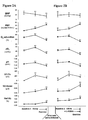
- Figure 1 depicts hemodynamic and metabolic measurements at baseline and during exercise, without ( Figure 1A ) and with ( Figure 1B ) inhibition of NO synthesis in 18 subjects.
- Mean arterial pressure (MAP), forearm blood flow (FBF), and venous oxyhemoglobin saturation, partial pressure of oxygen (pO 2 ), and pH are shown for all experimental conditions.
- MAP mean arterial pressure
- BPF forearm blood flow
- pO 2 partial pressure of oxygen
- pH pH
- Figure 2 depicts the effects of infusion of sodium nitrite (NaNO 2 ) in bicarbonate-buffered normal saline (0.9%; final concentration 36 ⁇ mol/ml) into the brachial arteries of 18 healthy subjects at 1 ml/min for 5 minutes at baseline and continued during exercise.
- Figure 2A depicts the effects without inhibition of NO synthesis.
- Figure 2B depicts the effects with inhibition of NO synthesis.
- Values for mean arterial blood pressure (MAP), forearm blood flow (FBF), venous oxyhemoglobin saturation, partial pressure of oxygen (pO 2 ) and pH, venous nitrite, venous iron-nitrosyl-hemoglobin and venous methemoglobin are shown for all experimental interventions.
- nitrite concentrations were decreased by 2-logs to 400 nmol/mL.
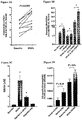
- Figure 3 depicts the effects of infusion of low-dose sodium nitrite in bicarbonate-buffered normal saline into the brachial arteries of 10 healthy subjects at baseline and during exercise, without and with inhibition of NO synthesis.
- Figure 3A depicts forearm blood flow at baseline and following a five-minute in fusion of NaNO 2 (0.36 ⁇ mol/ml in 0.9% saline, infused at 1 ml/min).
- Figure 3B depicts forearm blood flow with and without low-dose nitrite infusion at baseline and during L-NMMA infusion with and without exercise stress.
- Figure 3C depicts venous levels of nitrite from the forearm circulation at the time of blood flow measurements.
- Figure 3D depicts venous levels of S-nitroso-hemoglobin (S-NO) and iron-nitrosyl-hemoglobin (Hb-NO) at baseline and following nitrite infusion during exercise stress.
- S-NO S-nitroso-hem
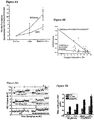
- Figure 4A depicts formation of iron-nitrosyl-hemoglobin (black squares) and S-nitroso-hemoglobin (red circles) during nitrite infusion at baseline, during nitrite infusion and during nitrite infusion with exercise, quantified by subtraction of the arterial from the venous levels and multiplying the result by blood flow.
- Hemoglobin oxygen saturation was measured from the antecubital vein by co-oximetry.
- Asterix in all figures signify P ⁇ 0.05 by paired t test or repeated measures analysis of variance.
Landscapes
- Health & Medical Sciences (AREA)
- Life Sciences & Earth Sciences (AREA)
- Veterinary Medicine (AREA)
- Medicinal Chemistry (AREA)
- Pharmacology & Pharmacy (AREA)
- Animal Behavior & Ethology (AREA)
- General Health & Medical Sciences (AREA)
- Public Health (AREA)
- Chemical & Material Sciences (AREA)
- Organic Chemistry (AREA)
- Chemical Kinetics & Catalysis (AREA)
- Nuclear Medicine, Radiotherapy & Molecular Imaging (AREA)
- General Chemical & Material Sciences (AREA)
- Bioinformatics & Cheminformatics (AREA)
- Engineering & Computer Science (AREA)
- Cardiology (AREA)
- Heart & Thoracic Surgery (AREA)
- Epidemiology (AREA)
- Hematology (AREA)
- Diabetes (AREA)
- Virology (AREA)
- Oncology (AREA)
- Urology & Nephrology (AREA)
- Tropical Medicine & Parasitology (AREA)
- Communicable Diseases (AREA)
- Inorganic Chemistry (AREA)
- Neurology (AREA)
- Pulmonology (AREA)
- Vascular Medicine (AREA)
- Orthopedic Medicine & Surgery (AREA)
- Immunology (AREA)
- Surgery (AREA)
- Physical Education & Sports Medicine (AREA)
- Neurosurgery (AREA)
- Dermatology (AREA)
- Biomedical Technology (AREA)
- Hospice & Palliative Care (AREA)
- Molecular Biology (AREA)
- Pharmaceuticals Containing Other Organic And Inorganic Compounds (AREA)
- Acyclic And Carbocyclic Compounds In Medicinal Compositions (AREA)
Claims (36)
- Verwendung eines nicht angesäuerten, pharmazeutisch annehmbaren Nitritsalzes bei der Herstellung eines Medikaments zum Induzieren einer Gefäßerweiterung und/oder zum Erhöhen des Blutflusses in einem Individuum.
- Verwendung nach Anspruch 1, wobei das pharmazeutisch annehmbare Nitritsalz dazu in der Lage ist, in dem Individuum in Gegenwart von Hämoglobin unter Freisetzung von Stickoxid zu reagieren.
- Verwendung nach Anspruch 1, wobei eine wirksame Menge des pharmazeutisch annehmbaren Nitritsalzes dazu in der Lage ist:die Produktion von nicht mehr als etwa 25 % Methämoglobin in dem Individuum zu induzieren;die Produktion von nicht mehr als etwa 20 % Methämoglobin in dem Individuum zu induzieren;die Produktion von nicht mehr als etwa 10 % Methämoglobin in dem Individuum zu induzieren;die Produktion von nicht mehr als etwa 8 % Methämoglobin in dem Individuum zu induzieren;die Produktion von nicht mehr als etwa 5 % Methämoglobin in dem Individuum zu induzieren oderdie Produktion von nicht mehr als etwa 3 % Methämoglobin in dem Individuum zu induzieren.
- Verwendung nach Anspruch 1, wobei das Medikament zur Verabreichung von Natriumnitrit durch Injektion von etwa 36 µmol/min über zumindest 5 min hinweg in die Oberarmarterie des Individuums vorgesehen ist.
- Verwendung nach Anspruch 1, wobei eine wirksame Menge des pharmazeutisch annehmbaren Nitritsalzes zur Verabreichung bis zum Erreichen einer zirkulierenden Konzentration von etwa 0,6 bis 240 µM in dem Individuum vorgesehen ist.
- Verwendung nach einem der Ansprüche 1 bis 5, wobei das pharmazeutisch annehmbare Salz Natriumnitrit ist.
- Verwendung nach einem der Ansprüche 1 bis 6, wobei das Medikament zur parenteralen, oralen, bukkalen, rektalen, Ex-vivo- oder intraokulären Verabreichung vorgesehen ist oder wobei das Medikament zur peritonealen, intravenösen, intraarteriellen, subkutanen, inhalierten oder intramuskulären Verabreichung oder zur Verabreichung in einen kardiopulmonalen Bypass-Kreislauf vorgesehen ist.
- Verwendung nach einem der Ansprüche 1 bis 7, wobei das Individuum ein Säugetier ist.
- Verwendung nach Anspruch 8, wobei das Individuum ein Mensch ist.
- Verwendung nach einem der Ansprüche 1 bis 9, wobei das Medikament zur Verabreichung in Kombination mit zumindest einem zusätzlichen Mittel vorgesehen ist.
- Verwendung nach einem der Ansprüche 1 bis 10, wobei das Individuum an erhöhtem Blutdruck leidet und das Medikament zur Behandlung von zumindest einer Gefäßkomplikation dient, die mit dem erhöhten Blutdruck in Zusammenhang steht.
- Verwendung nach einem der Ansprüche 1 bis 10, wobei das Individuum ein Leiden aufweist, das mit einem verringerten Blutfluss in ein Gewebe in Zusammenhang steht und wobei das Medikament zur Erhöhung des Blutflusses in das Gewebe des Individuums vorgesehen sit.
- Verwendung nach Anspruch 12, wobei das Gewebe ein ischämisches Gewebe ist.
- Verwendung nach einem der Ansprüche 12 bis 13, wobei das Gewebe ein oder mehrere Gewebe sind, die aus der aus Nervengewebe, Darmgewebe, Magengewebe, Extremitätengewebe, Lungengewebe, Zentralnervengewebe und Herzgewebe bestehenden Gruppe ausgewählt sind.
- Verwendung nach Anspruch 11, wobei der erhöhte Blutdruck erhöhten Blutdruck in der Lunge umfasst.
- Verwendung nach Anspruch 15, wobei das Individuum an neonatalem Lungenhochdruck leidet oder wobei das Individuum an primärem und/oder sekundärem Lungenhochdruck leidet.
- Verwendung nach einem der Ansprüche 15 bis 16, wobei das pharmazeutisch annehmbare Nitritsalz zerstäubt wird.
- Verwendung nach Anspruch 17, wobei das pharmazeutisch annehmbare Nitritsalz zur Verabreichung zum Erreichen einer der folgenden zirkulierenden Konzentrationen in dem Individuum vorgesehen ist:nicht mehr als etwa 100 µM;nicht mehr als etwa 50 µM;nicht mehr als etwa 20 µM;nicht mehr als etwa 16 µM; oderweniger als etwa 16 µM.
- Nicht angesäuertes, pharmazeutisch annehmbares Nitritsalz zur Verwendung in einem Verfahren zum Bewirken einer Gefäßerweiterung und/oder Erhöhung des Blutflusses in einem Individuum.
- Nicht angesäuertes, pharmazeutisch annehmbares Nitritsalz zur Verwendung in einem Verfahren zum Bewirken einer Gefäßerweiterung und/oder zur Erhöhung des Blutflusses in einem Individuum nach Anspruch 19, wobei das pharmazeutisch annehmbare Nitritsalz dazu in der Lage ist, in dem Individuum in Gegenwart von Hämoglobin unter Freisetzung von Stickoxid zu reagieren.
- Nicht angesäuertes, pharmazeutisch annehmbares Nitritsalz zur Verwendung in einem Verfahren zum Bewirken einer Gefäßerweiterung und/oder zur Erhöhung des Blutflusses in einem Individuum nach Anspruch 19, wobei eine wirksame Menge des pharmazeutisch annehmbaren Nitritsalzes dazu in der Lage ist:die Produktion von nicht mehr als etwa 25 % Methämoglobin in dem Individuum zu induzieren;die Produktion von nicht mehr als etwa 20 % Methämoglobin in dem Individuum zu induzieren;die Produktion von nicht mehr als etwa 10 % Methämoglobin in dem Individuum zu induzieren;die Produktion von nicht mehr als etwa 8 % Methämoglobin in dem Individuum zu induzieren;die Produktion von nicht mehr als etwa 5 % Methämoglobin in dem Individuum zu induzieren; oderdie Produktion von nicht mehr als etwa 3 % Methämoglobin in dem Individuum zu induzieren.
- Nicht angesäuertes, pharmazeutisch annehmbares Nitritsalz zur Verwendung in einem Verfahren zum Bewirken einer Gefäßerweiterung und/oder zur Erhöhung des Blutflusses in einem Individuum nach Anspruch 19, wobei das Verfahren die Verabreichung von Natriumnitrit durch Injektion von etwa 36 µMol/min über zumindest 5 min hinweg in die Oberarmarterie des Individuums umfasst.
- Nicht angesäuertes, pharmazeutisch annehmbares Nitritsalz zur Verwendung in einem Verfahren zum Bewirken einer Gefäßerweiterung und/oder zur Erhöhung des Blutflusses in einem Individuum nach Anspruch 19, wobei in dem Verfahren eine wirksame Menge des pharmazeutisch annehmbaren Nitritsalzes zum Erreichen einer zirkulierenden Konzentration von etwa 0,6 bis 240 µM in dem Individuum verabreicht wird.
- Nicht angesäuertes, pharmazeutisch annehmbares Nitritsalz zur Verwendung in einem Verfahren zum Bewirken einer Gefäßerweiterung und/oder zur Erhöhung des Blutflusses in einem Individuum nach einem der Ansprüche 19 bis 23, wobei das pharmazeutisch annehmbare Salz Natriumnitrit ist.
- Nicht angesäuertes, pharmazeutisch annehmbares Nitritsalz zur Verwendung in einem Verfahren zum Bewirken einer Gefäßerweiterung und/oder zur Erhöhung des Blutflusses in einem Individuum nach einem der Ansprüche 19 bis 24, wobei in dem Verfahren die Verabreichung parenteral, oral, bukkal, rektal, ex vivo oder intraokular erfolgt oder wobei die Verabreichung in dem Verfahren peritoneal, intravenös, intraarteriell, subkutan, mittels Inhalation, intramuskulär oder in einen kardiopulmonalen Bypass-Kreislauf erfolgt.
- Nicht angesäuertes, pharmazeutisch annehmbares Nitritsalz zur Verwendung in einem Verfahren zum Bewirken einer Gefäßerweiterung und/oder zur Erhöhung des Blutflusses in einem Individuum nach einem der Ansprüche 19 bis 25, wobei das Individuum ein Säugetier ist.
- Nicht angesäuertes, pharmazeutisch annehmbares Nitritsalz zur Verwendung in einem Verfahren zum Bewirken einer Gefäßerweiterung und/oder zur Erhöhung des Blutflusses in einem Individuum nach Anspruch 26, wobei das Individuum ein Mensch ist.
- Nicht angesäuertes, pharmazeutisch annehmbares Nitritsalz zur Verwendung in einem Verfahren zum Bewirken einer Gefäßerweiterung und/oder zur Erhöhung des Blutflusses in einem Individuum nach einem der Ansprüche 19 bis 27, wobei das Nitrit in dem Verfahren in Kombination mit zumindest einem zusätzlichen Mittel verabreicht wird.
- Nicht angesäuertes, pharmazeutisch annehmbares Nitritsalz zur Verwendung in einem Verfahren zum Bewirken einer Gefäßerweiterung und/oder zur Erhöhung des Blutflusses in einem Individuum nach einem der Ansprüche 19 bis 28, wobei das Individuum an erhöhtem Blutdruck leidet und das Verfahren ein Verfahren zum Behandeln zumindest einer Gefäßkomplikation ist, die mit dem erhöhten Blutdruck in Zusammenhang steht.
- Nicht angesäuertes, pharmazeutisch annehmbares Nitritsalz zur Verwendung in einem Verfahren zum Bewirken einer Gefäßerweiterung und/oder zur Erhöhung des Blutflusses in einem Individuum nach einem der Ansprüche 19 bis 28, wobei das Individuum ein Leiden aufweist, das mit einem verringerten Blutfluss an ein Gewebe in Zusammenhang steht, und das Verfahren ein Verfahren zum Erhöhen des Blutflusses in das Gewebe des Individuums ist.
- Nicht angesäuertes, pharmazeutisch annehmbares Nitritsalz zur Verwendung in einem Verfahren zum Bewirken einer Gefäßerweiterung und/oder zum Erhöhen des Blutflusses in einem Individuum nach Anspruch 30, wobei das Gewebe ein ischämisches Gewebe ist.
- Nicht angesäuertes, pharmazeutisch annehmbares Nitritsalz zur Verwendung in einem Verfahren zum Bewirken einer Gefäßerweiterung und/oder zur Erhöhung des Blutflusses in einem Individuum nach einem der Ansprüche 30 bis 31, wobei das Gewebe ein oder mehrere Gewebe sind, die aus der aus Nervengewebe, Darmgewebe, Magengewebe, Extremitätengewebe, Lungengewebe, Zentralnervengewebe und Herzgewebe bestehenden Gruppe ausgewählt sind.
- Nicht angesäuertes, pharmazeutisch annehmbares Nitritsalz zur Verwendung in einem Verfahren zum Bewirken einer Gefäßerweiterung und/oder zur Erhöhung des Blutflusses in einem Individuum nach Anspruch 29, wobei der erhöhte Blutdruck einen erhöhten Blutdruck in der Lunge umfasst.
- Nicht angesäuertes, pharmazeutisch annehmbares Nitritsalz zur Verwendung in einem Verfahren zum Bewirken einer Gefäßerweiterung und/oder zur Erhöhung des Blutflusses in einem Individuum nach Anspruch 33, wobei das Individuum an neonatalem Lungenhochdruck leidet oder wobei das Individuum an primärem und/oder sekundärem Lungenhochdruck leidet.
- Nicht angesäuertes, pharmazeutisch annehmbares Nitritsalz zur Verwendung in einem Verfahren zum Bewirken einer Gefäßerweiterung und/oder zur Erhöhung des Blutflusses in einem Individuum nach einem der Ansprüche 33 bis 34, wobei das pharmazeutisch annehmbare Nitritsalz zerstäubt wird.
- Nicht angesäuertes, pharmazeutisch annehmbares Nitritsalz zur Verwendung in einem Verfahren zum Bewirken einer Gefäßerweiterung und/oder zur Erhöhung des Blutflusses in einem Individuum nach Anspruch 35, wobei das pharmazeutisch annehmbare Nitritsalz in dem Verfahren zur Verabreichung zum Erreichen einer der folgenden zirkulierenden Konzentrationen in dem Individuum vorgesehen ist:nicht mehr als etwa 100 µM;nicht mehr als etwa 50 µM;nicht mehr als etwa 20 µM;nicht mehr als etwa 16 µM oderweniger als etwa 16 µM.
Applications Claiming Priority (3)
| Application Number | Priority Date | Filing Date | Title |
|---|---|---|---|
| US48595903P | 2003-07-09 | 2003-07-09 | |
| US51124403P | 2003-10-14 | 2003-10-14 | |
| PCT/US2004/021985 WO2005007173A1 (en) | 2003-07-09 | 2004-07-09 | Use of nitrite salts for the treatment of cardiovascular conditions |
Publications (2)
| Publication Number | Publication Date |
|---|---|
| EP1653978A1 EP1653978A1 (de) | 2006-05-10 |
| EP1653978B1 true EP1653978B1 (de) | 2020-06-03 |
Family
ID=34068230
Family Applications (2)
| Application Number | Title | Priority Date | Filing Date |
|---|---|---|---|
| EP04756810.0A Expired - Lifetime EP1653978B1 (de) | 2003-07-09 | 2004-07-09 | Vervendung von nitritsalzen zur behandlung von cardiovaskulären erkrankungen |
| EP04777982A Expired - Lifetime EP1648475B1 (de) | 2003-07-09 | 2004-07-09 | Verwendung von nitritsalzen zur behandlung von kardiovaskulären erkrankungen |
Family Applications After (1)
| Application Number | Title | Priority Date | Filing Date |
|---|---|---|---|
| EP04777982A Expired - Lifetime EP1648475B1 (de) | 2003-07-09 | 2004-07-09 | Verwendung von nitritsalzen zur behandlung von kardiovaskulären erkrankungen |
Country Status (9)
| Country | Link |
|---|---|
| US (5) | US9675637B2 (de) |
| EP (2) | EP1653978B1 (de) |
| JP (3) | JP5564158B2 (de) |
| AT (1) | ATE372777T1 (de) |
| AU (2) | AU2004257693B8 (de) |
| CA (2) | CA2537222A1 (de) |
| DE (1) | DE602004008927T2 (de) |
| ES (1) | ES2294543T3 (de) |
| WO (2) | WO2005004884A2 (de) |
Families Citing this family (83)
| Publication number | Priority date | Publication date | Assignee | Title |
|---|---|---|---|---|
| US8133698B2 (en) * | 2000-05-15 | 2012-03-13 | Silver James H | Sensors for detecting substances indicative of stroke, ischemia, infection or inflammation |
| EP3064242A1 (de) | 2003-04-28 | 2016-09-07 | Advanced Circulatory Systems Inc. | Lüfter und verfahren zur behandlung von kopftrauma und geringer blutzirkulation |
| WO2005004884A2 (en) * | 2003-07-09 | 2005-01-20 | The Government Of The United States Of America As Represented By The Secretary, Department Of Health And Human Services | Use of nitrite salts for the treatment of cardiovascular conditions |
| US7362274B1 (en) * | 2004-07-09 | 2008-04-22 | Huan-Cheng Lien | Coupled feed-in butterfly shaped left/right hand circularly polarized microstrip antenna |
| WO2006113540A2 (en) * | 2005-04-14 | 2006-10-26 | Duke University | Use of ntrosylated hemoglobin |
| US8557300B2 (en) | 2005-05-19 | 2013-10-15 | University Of Cincinnati | Methods for treating bacterial respiratory tract infections in an individual using acidified nitrite |
| US7507842B2 (en) | 2005-08-12 | 2009-03-24 | Radiorx, Inc. | Cyclic nitro compounds, pharmaceutical compositions thereof and uses thereof |
| KR20090087900A (ko) * | 2006-11-07 | 2009-08-18 | 더 제너럴 하스피탈 코포레이션 | 혈관작용성 산소운반체에 의해 유도되는 혈관수축의 감소 |
| US10835555B2 (en) | 2007-02-26 | 2020-11-17 | Heartbeet Ltd | Compositions of nitrates and methods of use thereof |
| US11759477B2 (en) | 2007-02-26 | 2023-09-19 | Heartbeet Ltd. | Compositions of nitrates and methods of use thereof |
| CA2678093C (en) | 2007-02-26 | 2017-10-24 | Jon Lundberg | Performance enhancing composition and use thereof |
| US10842813B2 (en) | 2007-02-26 | 2020-11-24 | Heartbeet Ltd | Compositions of nitrates and methods of use thereof |
| KR20100014853A (ko) | 2007-02-26 | 2010-02-11 | 존 런드버그 | 아질산염 및 질산염의 신규 용도 및 이를 함유하는 조성물 |
| US10821132B2 (en) | 2007-02-26 | 2020-11-03 | Heartbeet Ltd | Compositions of nitrates and methods of use thereof |
| US9352111B2 (en) | 2007-04-19 | 2016-05-31 | Advanced Circulatory Systems, Inc. | Systems and methods to increase survival with favorable neurological function after cardiac arrest |
| US20110003012A1 (en) * | 2007-09-10 | 2011-01-06 | Duke University | Treating patients with subarachnoid hemorrhage |
| US10646508B1 (en) | 2007-09-18 | 2020-05-12 | Thermolife International, Llc | Method of safely administering nitrate dietary supplements and compositions |
| US10426750B1 (en) | 2007-09-18 | 2019-10-01 | Thermolife International, Llc | Amino acid supplement formulations |
| US8455531B2 (en) | 2007-09-18 | 2013-06-04 | Thermolife International, Llc | Amino acid compositions |
| US10426792B1 (en) | 2007-09-18 | 2019-10-01 | Thermolife International, Llc | Amino acid compositions |
| US10435356B1 (en) | 2007-09-18 | 2019-10-08 | Thermolife International, Llc | Amino acid compositions |
| US7777074B2 (en) | 2007-09-18 | 2010-08-17 | Thermolife International, Llc | Amino acid compounds |
| US8466187B2 (en) | 2007-09-18 | 2013-06-18 | Thermolife International, Llc | Amino acid compositions |
| US8569368B2 (en) | 2007-09-18 | 2013-10-29 | Thermolife International, Llc | Amino acid compounds |
| US8569369B2 (en) | 2007-09-18 | 2013-10-29 | Thermolife International, Llc | Amino acid compounds |
| WO2009038796A1 (en) * | 2007-09-20 | 2009-03-26 | Wake Forest University Health Sciences | Methods of treatment for hemolysis |
| WO2009065142A2 (en) * | 2007-11-15 | 2009-05-22 | Biomedical Research Foundation Of Northwest Louisiana | Use of nitrite salts in chronic ischemia |
| US20090196930A1 (en) * | 2007-12-27 | 2009-08-06 | Aires Pharmaceuticals, Inc. | Aerosolized nitrite and nitric oxide -donating compounds and uses thereof |
| WO2009108777A2 (en) * | 2008-02-28 | 2009-09-03 | The Uab Research Foundation | Use of nitrite to enhance viability, recovery, and function of transplant specimens |
| US20100016731A1 (en) * | 2008-07-15 | 2010-01-21 | Cardiox Corporation | Hemodynamic Detection of Circulatory Anomalies |
| WO2010035253A1 (en) * | 2008-09-28 | 2010-04-01 | Joshua Waldhorn | Effective nitric oxide generating preparations |
| AU2016204616B2 (en) * | 2009-02-11 | 2017-05-11 | Hope Medical Enterprise, Inc. D.B.A. Hope Pharmaceuticals | Sodium nitrite-containing pharmaceutical compositions |
| AU2015202300B2 (en) * | 2009-02-11 | 2016-05-26 | Hope Medical Enterprise, Inc. D.B.A. Hope Pharmaceuticals | Sodium nitrite-containing pharmaceutical compositions |
| US8568793B2 (en) | 2009-02-11 | 2013-10-29 | Hope Medical Enterprises, Inc. | Sodium nitrite-containing pharmaceutical compositions |
| US9114109B2 (en) | 2009-06-16 | 2015-08-25 | University of Pittsburgh—of the Commonwealth System of Higher Education | Five-coordinate neuroglobin and use thereof as a blood substitute |
| WO2010147742A2 (en) * | 2009-06-18 | 2010-12-23 | Theravasc Inc. | Use of nitrite salts in treating tissue damage |
| WO2010151150A2 (en) * | 2009-06-22 | 2010-12-29 | Charles Eason | Formulations for vertebrate pest control |
| AU2009202685B1 (en) | 2009-06-30 | 2010-08-19 | Ino Therapeutics Llc | Methods of treating term and near-term neonates having hypoxic respiratory failure associated with clinical or echocardiographic evidence of pulmonary hypertension |
| JP5905387B2 (ja) | 2009-07-08 | 2016-04-20 | ホープ メディカル エンタープライゼズ,インコーポレイテッド ディービーエー ホープ ファーマシュティカルズHope Medical Enterprises,Inc.Dba Hope Pharmaceuticals | チオ硫酸ナトリウムを含有する薬学的組成物 |
| US8273857B2 (en) * | 2009-09-22 | 2012-09-25 | Jen-Chang Hsia | Compositions and methods of use of neurovascular protective multifunctional polynitroxylated pegylated carboxy hemoglobins for transfusion and critical care medicine |
| US20130209584A1 (en) * | 2009-10-14 | 2013-08-15 | Theravasc Inc. | Pharmaceutical formulations of nitrite and uses thereof |
| CN107260756A (zh) * | 2009-10-14 | 2017-10-20 | 瑟阿瓦斯克有限公司 | 亚硝酸盐/酯的药物制剂以及其应用 |
| US12612370B2 (en) | 2011-03-02 | 2026-04-28 | Thermolife International, Llc | Amino acid compositions |
| WO2012135623A1 (en) * | 2011-03-31 | 2012-10-04 | Theravasc Inc. | Use of nitrites for the treatment of cerebral amyloid angiopathy, age associated dementia, and cognitive decline |
| PL2696865T3 (pl) | 2011-04-13 | 2017-07-31 | Thermolife International, Llc | Sposoby zastosowania N-acetylo beta-alaniny |
| GB201114901D0 (en) | 2011-08-26 | 2011-10-12 | King S College London | Vascular treatments |
| US20140308260A1 (en) | 2011-10-07 | 2014-10-16 | Radiorx, Inc. | Methods and compositions comprising a nitrite-reductase promoter for treatment of medical disorders and preservation of blood products |
| WO2013052164A1 (en) | 2011-10-07 | 2013-04-11 | Radiorx, Inc. | Organonitro thioether compounds and medical uses thereof |
| JP6389125B2 (ja) | 2011-11-07 | 2018-09-12 | ザ ジェネラル ホスピタル コーポレイション | 赤血球の処理法 |
| EP3560537B1 (de) | 2011-12-19 | 2021-03-24 | Zoll Medical Corporation | Systeme zur therapeutischen intrathorakalen druckregulierung |
| US20140066881A1 (en) * | 2012-08-31 | 2014-03-06 | Zoll Medical Corporation | Cardiac resuscitation methods and kits |
| JP6441818B2 (ja) * | 2013-02-07 | 2018-12-19 | ザ トラスティーズ オブ ザ ユニバーシティ オブ ペンシルバニア | 心不全の治療法 |
| CN105358160A (zh) | 2013-02-20 | 2016-02-24 | 瑟阿瓦斯克公司 | 亚硝酸盐的药物制剂及其用途 |
| JP6531990B2 (ja) * | 2013-02-28 | 2019-06-19 | ユニバーシティ オブ ピッツバーグ − オブ ザ コモンウェルス システム オブ ハイヤー エデュケイション | 心肺血行動態を改善するための無機亜硝酸塩 |
| US10517817B2 (en) * | 2013-05-09 | 2019-12-31 | Syk Technologies, Llc | Deep topical systemic nitric oxide therapy apparatus and method |
| US10265495B2 (en) | 2013-11-22 | 2019-04-23 | Zoll Medical Corporation | Pressure actuated valve systems and methods |
| CN104096218B (zh) * | 2014-06-05 | 2017-03-22 | 董文其 | 重组人源细胞珠蛋白在制备治疗高血脂症及动脉粥样硬化药物中的应用 |
| US10272039B2 (en) | 2014-11-10 | 2019-04-30 | The United States Of America, As Represented By The Secretary, Department Of Health And Human Services | Topical sodium nitrite formulation |
| US10342778B1 (en) | 2015-10-20 | 2019-07-09 | Epicentrx, Inc. | Treatment of brain metastases using organonitro compound combination therapy |
| US9987270B1 (en) | 2015-10-29 | 2018-06-05 | Epicentrix, Inc. | Treatment of gliomas using organonitro compound combination therapy |
| DK3402480T3 (da) | 2016-01-11 | 2021-06-28 | Epicentrx Inc | Sammensætninger og fremgangsmåder til intravenøs administration af 2-brom-1-(3,3-dinitroazetidin-1-yl)ethanon |
| GB201602959D0 (en) * | 2016-02-19 | 2016-04-06 | Isis Innovation | Use of cerebral nitric oxide donors in the assessment of the extent of brain dyfunction following injury |
| ES2651717B1 (es) * | 2016-07-26 | 2018-11-16 | Lara OLLER DUQUE | Solución acuosa cristaloide isotónica |
| WO2018071741A1 (en) | 2016-10-14 | 2018-04-19 | Epicentrix, Inc. | Sulfoxyalkyl organonitro and related compounds and pharmaceutical compositions for use in medicine |
| US10624921B2 (en) | 2016-11-15 | 2020-04-21 | Berkeley Nox Limited | Dietary supplements |
| CA3047041A1 (en) * | 2016-12-12 | 2018-06-21 | Aobiome Llc | Ammonia oxidizing microorganisms for the regulation of blood pressure |
| WO2018132371A2 (en) | 2017-01-10 | 2018-07-19 | United Therapeutics Corporation | Methods and compositions for treating pulmonary hypertension |
| IL268804B2 (en) | 2017-02-20 | 2023-04-01 | Univ Louisiana State | Hydrogen sulfide and/or nitrite for the treatment and prevention of atrial fibrillation |
| WO2018165108A1 (en) | 2017-03-08 | 2018-09-13 | Hope Medical Enterprises, Inc. Dba Hope Pharmaceuticals | Intradialytic use of sodium thiosulfate |
| KR102647803B1 (ko) | 2017-03-08 | 2024-03-15 | 호프 메디칼 엔터프라이즈스, 인크, 디비에이, 호프파마수으티칼즈 | 아질산나트륨의 투석중 용도 |
| MX2020000265A (es) | 2017-07-07 | 2020-07-22 | Epicentrx Inc | Composiciones para la administración parenteral de agentes terapéuticos. |
| WO2019099003A2 (en) * | 2017-11-15 | 2019-05-23 | Berkeley Nox Limited | Novel dietary supplements |
| WO2019164593A2 (en) | 2018-01-08 | 2019-08-29 | Epicentrx, Inc. | Methods and compositions utilizing rrx-001 combination therapy for radioprotection |
| WO2021015235A1 (ja) * | 2019-07-22 | 2021-01-28 | 学校法人北里研究所 | 透析装置 |
| US20220305051A1 (en) * | 2019-09-05 | 2022-09-29 | University Of Pittsburgh - Of The Commonwealth System Of Higher Education | Nitrite formulations and uses thereof for the treatment of lung injury |
| WO2021046371A1 (en) | 2019-09-05 | 2021-03-11 | The Uab Research Foundation | Treatment and prevention of pulmonary injury |
| JP2024541338A (ja) | 2020-11-12 | 2024-11-08 | サーモライフ インターナショナル, エルエルシー | 血中酸素飽和度を増大させる方法 |
| US11865139B2 (en) | 2020-11-12 | 2024-01-09 | Thermolife International, Llc | Method of treating migraines and headaches |
| EP4291206A4 (de) | 2021-02-11 | 2025-01-08 | Thermolife International, LLC | Verfahren zur verabreichung von stickoxidgas |
| IL305762A (en) * | 2021-03-11 | 2023-11-01 | Thermolife Int Llc | Compositions including nitrate, metal element and amino acid, and methods of use |
| US20230050352A1 (en) * | 2021-08-13 | 2023-02-16 | University Hospitals Cleveland Medical Center | Non-invasive measurement of endogenous s-nitrosothiols |
| JP2023092366A (ja) * | 2021-12-21 | 2023-07-03 | 小林製薬株式会社 | 血行促進用組成物 |
| EP4633693A1 (de) | 2022-12-16 | 2025-10-22 | Fresenius Medical Care Holdings, Inc. | Systeme und verfahren zur verwendung von stickoxid bei der dialyse |
Family Cites Families (107)
| Publication number | Priority date | Publication date | Assignee | Title |
|---|---|---|---|---|
| US3865942A (en) * | 1971-04-28 | 1975-02-11 | Rech Applic Scient Sogeras 424 | Method of increasing cerebral blood flow |
| GB1595056A (en) * | 1976-10-12 | 1981-08-05 | Wellcome Found | Pharmaceutical combination |
| US4163790A (en) * | 1977-05-11 | 1979-08-07 | A. H. Robins Company, Inc. | Method for increasing coronary blood flow in mammals |
| US4849226A (en) * | 1981-06-29 | 1989-07-18 | Alza Corporation | Method for increasing oxygen supply by administering vasodilator |
| US4650484A (en) * | 1983-02-03 | 1987-03-17 | Alza Corporation | Method for treating ischemic conditions |
| US5500230A (en) * | 1987-01-23 | 1996-03-19 | The General Hospital Corporation | Method for treatment of glaucoma with nitrogen containing guanylate cyclase activators |
| JPH0753358Y2 (ja) | 1988-04-08 | 1995-12-06 | 株式会社ケンウッド | 音響機器の制御回路 |
| US5683668A (en) * | 1990-09-20 | 1997-11-04 | The United States Of America As Represented By The Department Of Health And Human Services | Method of generating nitric oxide gas using nitric oxide complexes |
| US5263473A (en) * | 1990-11-05 | 1993-11-23 | The Kendall Company | Compression device for the limb |
| US5396882A (en) * | 1992-03-11 | 1995-03-14 | The General Hospital Corporation | Generation of nitric oxide from air for medical uses |
| DE69127756T2 (de) * | 1990-12-05 | 1998-02-05 | The General Hospital Corp., Charlestown, Mass. | Verwendung von no zur behandlung oder prävention der bronchokonstriktion |
| US5536241A (en) | 1990-12-05 | 1996-07-16 | The General Hospital Corporation | Methods and devices for relaxing smooth muscle contractions |
| US5570683A (en) | 1990-12-05 | 1996-11-05 | The General Hospital Corporation | Methods and devices for treating pulmonary vasoconstriction and asthma |
| US5177208A (en) * | 1991-02-08 | 1993-01-05 | Michael Wilburn | Orthomolecular method of treating sickle cell disease |
| US5108754A (en) * | 1991-02-08 | 1992-04-28 | Michael Wilburn | Orthomolecular method of treating sickle cell disease |
| US5273875A (en) * | 1991-03-22 | 1993-12-28 | Cornell Research Foundation, Inc. | N6 -(hydrazinoiminomethyl)lysine and method of inhibiting nitric oxide formation in body |
| EP0605622B1 (de) * | 1991-09-24 | 1997-11-12 | THE GOVERNMENT OF THE UNITED STATES OF AMERICA as represented by the SECRETARY OF THE DEPARTMENT OF HEALTH AND HUMAN SERVICES | Sauerstoff-substituierte derivate von nucleophil-stickstoffoxid-addukten und ihre verwendung als stickstoffoxid-donor-prodrugs |
| US6291424B1 (en) * | 1991-11-14 | 2001-09-18 | Brigham And Women's Hospital | Nitrosated and nitrosylated heme proteins |
| US6187744B1 (en) * | 1992-03-11 | 2001-02-13 | Michael W. Rooney | Methods and compositions for regulating the intravascular flow and oxygenating activity of hemoglobin in a human or animal subject |
| US5389675A (en) * | 1992-03-27 | 1995-02-14 | The United States Of America As Represented By The Department Of Health And Human Services | Mixed ligand metal complexes of nitric oxide-nucleophile adducts useful as cardiovascular agents |
| US5814666A (en) * | 1992-04-13 | 1998-09-29 | The United States As Represented By The Department Of Health And Human Services | Encapsulated and non-encapsulated nitric oxide generators used as antimicrobial agents |
| US5525357A (en) * | 1992-08-24 | 1996-06-11 | The United States Of America As Represented By The Department Of Health And Human Services | Polymer-bound nitric oxide/nucleophile adduct compositions, pharmaceutical compositions incorporating same and methods of treating biological disorders using same |
| US5405919A (en) * | 1992-08-24 | 1995-04-11 | The United States Of America As Represented By The Secretary Of Health And Human Services | Polymer-bound nitric oxide/nucleophile adduct compositions, pharmaceutical compositions and methods of treating biological disorders |
| US5385940A (en) * | 1992-11-05 | 1995-01-31 | The General Hospital Corporation | Treatment of stroke with nitric-oxide releasing compounds |
| US5427797A (en) * | 1993-04-06 | 1995-06-27 | Brigham And Women's Hospital | Systemic effects of nitric oxide inhalation |
| JPH0753358A (ja) | 1993-08-17 | 1995-02-28 | Teijin Ltd | 吸入剤 |
| US6087479A (en) * | 1993-09-17 | 2000-07-11 | Nitromed, Inc. | Localized use of nitric oxide-adducts to prevent internal tissue damage |
| US5728705A (en) * | 1993-10-04 | 1998-03-17 | The Trustees Of Columbia University In The City Of New York | Method of inducing vasorelaxation to treat pulmonary hypertension |
| AU685178B2 (en) * | 1993-10-08 | 1998-01-15 | United States Of America, Represented By The Secretary, Department Of Health And Human Services, The | Use of nitric oxide-releasing compounds as hypoxic cell radiation sensitizers |
| US5840759A (en) * | 1993-10-08 | 1998-11-24 | The United States Of America As Represented By The Department Of Health And Human Services | Use of nitric oxide releasing compounds to protect noncancerous cells from chemotherapeutic agents |
| GB9320978D0 (en) * | 1993-10-12 | 1993-12-01 | Higenbottam Timohy W | Nitric oxide treatment |
| AU704173B2 (en) | 1993-11-02 | 1999-04-15 | Board Of Supervisors Of Louisiana State University And Agricultural And Mechanical College, The | Use of nitric oxide releasing compounds as protective agents in ischemia reperfusion injury |
| CN1145491C (zh) | 1994-02-21 | 2004-04-14 | 阿伯丁大学 | 用作抗微生物剂的酸化亚硝酸盐 |
| US6709681B2 (en) * | 1995-02-17 | 2004-03-23 | Aberdeen University | Acidified nitrite as an antimicrobial agent |
| GB9804469D0 (en) | 1998-03-02 | 1998-04-29 | Univ Aberdeen | Antiviral composition |
| US5648101A (en) * | 1994-11-14 | 1997-07-15 | Tawashi; Rashad | Drug delivery of nitric oxide |
| US6063407A (en) * | 1995-02-16 | 2000-05-16 | The General Hospital Corporation | Treatment of vascular thrombosis and restenosis with inhaled nitric oxide |
| WO1996030006A1 (en) | 1995-03-24 | 1996-10-03 | Brigham And Women's Hospital | Nitrosylated blood substitutes |
| US5823180A (en) * | 1995-04-03 | 1998-10-20 | The General Hospital Corporation | Methods for treating pulmonary vasoconstriction and asthma |
| US6153186A (en) * | 1995-09-15 | 2000-11-28 | Duke University Medical Center | Red blood cells loaded with S-nitrosothiol and uses therefor |
| US6627738B2 (en) * | 1995-09-15 | 2003-09-30 | Duke University | No-modified hemoglobins and uses therefor |
| US6197745B1 (en) * | 1995-09-15 | 2001-03-06 | Duke University | Methods for producing nitrosated hemoglobins and therapeutic uses therefor |
| US6258032B1 (en) | 1997-01-29 | 2001-07-10 | William M. Hammesfahr | Method of diagnosis and treatment and related compositions and apparatus |
| US5824669A (en) * | 1996-03-22 | 1998-10-20 | Nitromed, Inc. | Nitrosated and nitrosylated compounds and compositions and their use for treating respiratory disorders |
| JP2000510448A (ja) * | 1996-04-05 | 2000-08-15 | ザ ジェネラル ホスピタル コーポレーション | 異常ヘモグロビン症の治療 |
| US5770645A (en) * | 1996-08-02 | 1998-06-23 | Duke University Medical Center | Polymers for delivering nitric oxide in vivo |
| US6057367A (en) * | 1996-08-30 | 2000-05-02 | Duke University | Manipulating nitrosative stress to kill pathologic microbes, pathologic helminths and pathologically proliferating cells or to upregulate nitrosative stress defenses |
| US5958427A (en) * | 1996-11-08 | 1999-09-28 | Salzman; Andrew L. | Nitric oxide donor compounds and pharmaceutical compositions for pulmonary hypertension and other indications |
| US5912019A (en) * | 1997-02-07 | 1999-06-15 | Musc Foundation For Research Development | Compounds for reducing ischemia/reperfusion injury |
| KR20010021749A (ko) * | 1997-07-11 | 2001-03-15 | 추후제출 | 리노바이러스 감염을 억제하는 산화질소 |
| AU9596698A (en) * | 1997-10-15 | 1999-05-03 | Thomas Jefferson University | Nitric oxide donor compositions, methods, apparatus, and kits for preventing or alleviating vasoconstriction or vasospasm in a mammal |
| US6796966B2 (en) * | 1997-10-15 | 2004-09-28 | Jeffrey E. Thomas | Apparatus, and kits for preventing of alleviating vasoconstriction or vasospasm in a mammal |
| US5994444A (en) * | 1997-10-16 | 1999-11-30 | Medtronic, Inc. | Polymeric material that releases nitric oxide |
| US6656452B1 (en) * | 1997-10-21 | 2003-12-02 | The General Hospital Corporation | Use of inhaled NO as anti-inflammatory agent |
| JP2001527072A (ja) * | 1997-12-23 | 2001-12-25 | ニユコメド・イメージング・アクシエセルカペト | 一酸化窒素を放出するキレート化剤およびその治療上の使用 |
| WO1999038472A2 (en) | 1998-01-28 | 1999-08-05 | Seatrace Pharmaceuticals Inc | Topical vasodilatory gel composition and methods of use and production |
| US6103275A (en) * | 1998-06-10 | 2000-08-15 | Nitric Oxide Solutions | Systems and methods for topical treatment with nitric oxide |
| CA2254645A1 (en) | 1998-11-23 | 2000-05-23 | Pulmonox Medical Corporation | Method and apparatus for treatment of respiratory infections by nitric oxide inhalation |
| US20070086954A1 (en) * | 1998-11-23 | 2007-04-19 | Miller Christopher C | Method and apparatus for treatment of respiratory infections by nitric oxide inhalation |
| US20050142218A1 (en) * | 2000-03-09 | 2005-06-30 | Queen Mary & Westfield College | Pharmaceutical composition containing nitrate source and an acidifying agent for treating skin ischaemia |
| GB9905425D0 (en) * | 1999-03-09 | 1999-05-05 | Queen Mary & Westfield College | Pharmaceutical composition |
| ES2337124T3 (es) * | 1999-03-19 | 2010-04-21 | Agrigenetics, Inc. | Promotores de platano y melon para la expresion de transgenes en plantas. |
| US6187332B1 (en) * | 1999-06-14 | 2001-02-13 | Wisconsin Alumni Research Foundation | Acidic buffered nasal spray |
| EP1204870B1 (de) * | 1999-08-02 | 2010-01-20 | Duke University | Methode zur bestimmung der physiologischen wirkungen von hämoglobin |
| AU779991B2 (en) | 1999-08-10 | 2005-02-24 | Board Of Regents, The University Of Texas System | Method for increasing optic nerve, choroidal and retinal blood flow to facilitate the preservation of sight |
| US6314956B1 (en) * | 1999-09-08 | 2001-11-13 | Duke University | Pulmonary delivery of NO group-containing compound in gas form to treat respiratory, cardiac and blood disorders |
| CA2323008C (en) | 1999-10-11 | 2005-07-12 | Pfizer Inc. | Pharmaceutically active compounds |
| US6612306B1 (en) | 1999-10-13 | 2003-09-02 | Healthetech, Inc. | Respiratory nitric oxide meter |
| DE19960404A1 (de) | 1999-12-15 | 2001-07-05 | Messer Austria Gmbh Gumpoldski | Exspirationsabhängige Gasdosierung |
| US6476037B1 (en) * | 2000-03-23 | 2002-11-05 | The Regents Of The University Of California | L-arginine and phosphodiesterase (PDE) inhibitor synergism |
| JP2003531179A (ja) | 2000-04-26 | 2003-10-21 | クイーンズ ユニバーシティ アット キングストン | 悪性細胞表現型に対し一酸化窒素模倣体を使用する処方および方法 |
| DE10025202A1 (de) | 2000-05-20 | 2001-11-29 | Messer Austria Gmbh Gumpoldski | Gasdosiergerät mit Katheter |
| JP4181290B2 (ja) * | 2000-06-12 | 2008-11-12 | 学校法人早稲田大学 | ヘモグロビン小胞体の光還元法 |
| US6601580B1 (en) * | 2000-06-28 | 2003-08-05 | The General Hospital Corporation | Enhancing therapeutic effectiveness of nitric oxide inhalation |
| GB0021317D0 (en) | 2000-08-30 | 2000-10-18 | Queen Mary & Westfield College | Transdermal pharmaceutical delivery composition |
| AU8852301A (en) * | 2000-09-01 | 2002-03-13 | Meir S Sacks | Compositions and methods for inducing vasorelaxation |
| GB0022084D0 (en) * | 2000-09-08 | 2000-10-25 | Univ Aberdeen | Treatment of multiply antibiotic-resistant organisms |
| AU2002211222B2 (en) * | 2000-10-16 | 2006-02-09 | Duke University | Therapeutic use of aerosolized S-nitrosoglutathione in cystic fibrosis |
| CA2421885A1 (en) | 2000-10-27 | 2002-05-02 | Nitromed, Inc. | Methods of treating vascular diseases characterized by nitric oxide insufficiency |
| US7335181B2 (en) * | 2000-12-26 | 2008-02-26 | Pulmonox Technologies Corporation | Nitric oxide decontamination of the upper respiratory tract |
| CA2433803A1 (en) | 2001-01-16 | 2002-07-25 | Mark E. Meyerhoff | Biocatalytic and biomimetic generation of nitric oxide in situ at substrate/blood interfaces |
| US20030055026A1 (en) | 2001-04-17 | 2003-03-20 | Dey L.P. | Formoterol/steroid bronchodilating compositions and methods of use thereof |
| US6667344B2 (en) * | 2001-04-17 | 2003-12-23 | Dey, L.P. | Bronchodilating compositions and methods |
| US6676855B2 (en) * | 2001-08-02 | 2004-01-13 | Duke University | Use of a blood-flow decrease preventing agent in conjunction with insufflating gas |
| GB0119011D0 (en) | 2001-08-03 | 2001-09-26 | Univ Aberdeen | Treatment of nail infections |
| US7040313B2 (en) * | 2001-09-05 | 2006-05-09 | Cyterra Corporation | Method and apparatus for nitric oxide generation |
| GB0125222D0 (en) | 2001-10-19 | 2001-12-12 | Barts & London Nhs Trust | Composition for the treatment of microbial infections |
| US6472390B1 (en) * | 2001-11-13 | 2002-10-29 | Duke University | Use of therapeutic dosages for nitric oxide donors which do not significantly lower blood pressure or pulmonary artery pressure |
| US20050164915A1 (en) * | 2002-04-01 | 2005-07-28 | Sangart, Inc. | Compositions for oxygen transport comprising a high oxygen affinity modified hemoglobin |
| EP1336602A1 (de) | 2002-02-13 | 2003-08-20 | Giovanni Scaramuzzino | Nitrat-Prodrugs zur Freisetzung von Stickstoffmonoxid in kontrollierter und selektiver Weise sowie deren Verwendung zur Prävention und Behandlung inflammatorischer, ischämischer und proliferativer Erkrankungen |
| EP1497268A4 (de) * | 2002-04-05 | 2006-01-18 | Nitromed Inc | Stickoxidspender, zusammensetzungen und anwendungsverfahren |
| EP1514103A4 (de) | 2002-05-29 | 2006-05-24 | Univ Duke | Messung von stickstoffmonoxid in blutgasen und darauf beruhende behandlungen |
| US7241350B2 (en) * | 2002-12-03 | 2007-07-10 | Greenkote (Israel) Ltd. | Corrosion resistant poly-metal diffusion coatings and a method of applying same |
| AU2003295697B2 (en) | 2002-12-12 | 2009-12-24 | Duke University | Forming iron nitrosyl hemoglobin |
| SE0300971D0 (sv) * | 2003-04-03 | 2003-04-03 | Aga Ab | Nitric oxide in treatment of inflammation |
| WO2005004884A2 (en) | 2003-07-09 | 2005-01-20 | The Government Of The United States Of America As Represented By The Secretary, Department Of Health And Human Services | Use of nitrite salts for the treatment of cardiovascular conditions |
| US7329641B2 (en) * | 2003-10-30 | 2008-02-12 | Temple University Of The Commonwealth System Of Higher Education | Blood substitutes |
| MXPA06013111A (es) * | 2004-05-11 | 2007-05-23 | Sensormedics Corp | Dosificacion intermitente de gas de oxido nitrico. |
| US7362274B1 (en) * | 2004-07-09 | 2008-04-22 | Huan-Cheng Lien | Coupled feed-in butterfly shaped left/right hand circularly polarized microstrip antenna |
| US20060088583A1 (en) * | 2004-10-25 | 2006-04-27 | Oxygenix Co., Ltd. | Artificial oxygen carrier containing preventive agents of metHb formation |
| EP1863503B1 (de) | 2005-03-07 | 2019-05-22 | Sangart, Inc. | Zusammensetzung zur abgabe von kohlenmonoxid (co) und stickoxid (no) an gewebe unter verwendung von heme-proteinen als träger |
| WO2006113540A2 (en) | 2005-04-14 | 2006-10-26 | Duke University | Use of ntrosylated hemoglobin |
| US7604291B2 (en) * | 2005-04-20 | 2009-10-20 | Vitito Christopher J | Vehicle entertainment system incorporated within the armrest/console of a vehicle with a swivel monitor mounting structure |
| US8790715B2 (en) * | 2006-02-16 | 2014-07-29 | Ino Therapeutics Llc | Method and apparatus for generating nitric oxide for medical use |
| US8236313B2 (en) | 2006-10-06 | 2012-08-07 | The United States Of America, As Represented By The Secretary Of The Department Of Health And Human Services | Prevention of tissue ischemia, related methods and compositions |
| US8568793B2 (en) * | 2009-02-11 | 2013-10-29 | Hope Medical Enterprises, Inc. | Sodium nitrite-containing pharmaceutical compositions |
| JP6531990B2 (ja) | 2013-02-28 | 2019-06-19 | ユニバーシティ オブ ピッツバーグ − オブ ザ コモンウェルス システム オブ ハイヤー エデュケイション | 心肺血行動態を改善するための無機亜硝酸塩 |
-
2004
- 2004-07-09 WO PCT/US2004/022232 patent/WO2005004884A2/en not_active Ceased
- 2004-07-09 CA CA 2537222 patent/CA2537222A1/en not_active Abandoned
- 2004-07-09 AT AT04777982T patent/ATE372777T1/de active
- 2004-07-09 DE DE200460008927 patent/DE602004008927T2/de not_active Expired - Lifetime
- 2004-07-09 JP JP2006518959A patent/JP5564158B2/ja not_active Expired - Fee Related
- 2004-07-09 CA CA 2536827 patent/CA2536827C/en not_active Expired - Lifetime
- 2004-07-09 EP EP04756810.0A patent/EP1653978B1/de not_active Expired - Lifetime
- 2004-07-09 US US10/563,683 patent/US9675637B2/en not_active Expired - Fee Related
- 2004-07-09 ES ES04777982T patent/ES2294543T3/es not_active Expired - Lifetime
- 2004-07-09 WO PCT/US2004/021985 patent/WO2005007173A1/en not_active Ceased
- 2004-07-09 AU AU2004257693A patent/AU2004257693B8/en not_active Expired
- 2004-07-09 AU AU2004255268A patent/AU2004255268B2/en not_active Expired
- 2004-07-09 JP JP2006518922A patent/JP5564157B2/ja not_active Expired - Fee Related
- 2004-07-09 EP EP04777982A patent/EP1648475B1/de not_active Expired - Lifetime
-
2010
- 2010-03-26 US US12/748,184 patent/US8927030B2/en active Active
-
2011
- 2011-12-22 JP JP2011280763A patent/JP2012092129A/ja active Pending
-
2012
- 2012-02-28 US US13/407,118 patent/US9387224B2/en active Active
-
2015
- 2015-01-05 US US14/589,324 patent/US9700578B2/en not_active Expired - Fee Related
-
2017
- 2017-06-22 US US15/630,017 patent/US20170281673A1/en not_active Abandoned
Non-Patent Citations (2)
| Title |
|---|
| ISBELL ET AL: "Hemoglobin oxygen fractional saturation regulates nitrite-dependent vasodilation of aortic ring bioassays", AM. J. PHYSIOL. HEART CIRC. PHYSIOL., vol. 293, no. 4, 2007, pages H2565 - H2572 * |
| ROBERT F FURCHGOTT ET AL: "reactions of strips of rabbit aorta to epinephrine, isopropylarterenol, sodium nitrite and other drugs", 29 December 1952 (1952-12-29), XP055571719, Retrieved from the Internet <URL:http://jpet.aspetjournals.org/content/jpet/108/2/129.full.pdf> [retrieved on 20190320] * |
Also Published As
| Publication number | Publication date |
|---|---|
| US20150125553A1 (en) | 2015-05-07 |
| WO2005004884A3 (en) | 2005-04-21 |
| CA2537222A1 (en) | 2005-01-27 |
| EP1653978A1 (de) | 2006-05-10 |
| CA2536827A1 (en) | 2005-01-20 |
| AU2004255268A1 (en) | 2005-01-20 |
| ATE372777T1 (de) | 2007-09-15 |
| US20100247682A1 (en) | 2010-09-30 |
| EP1648475A2 (de) | 2006-04-26 |
| WO2005007173A1 (en) | 2005-01-27 |
| US20170281673A1 (en) | 2017-10-05 |
| WO2005004884A2 (en) | 2005-01-20 |
| US20070154569A1 (en) | 2007-07-05 |
| US9700578B2 (en) | 2017-07-11 |
| AU2004257693B8 (en) | 2009-08-13 |
| US9675637B2 (en) | 2017-06-13 |
| CA2536827C (en) | 2014-09-16 |
| US8927030B2 (en) | 2015-01-06 |
| US20120195983A1 (en) | 2012-08-02 |
| AU2004257693B2 (en) | 2009-07-23 |
| JP5564157B2 (ja) | 2014-07-30 |
| DE602004008927T2 (de) | 2008-06-05 |
| AU2004257693A1 (en) | 2005-01-27 |
| DE602004008927D1 (de) | 2007-10-25 |
| US9387224B2 (en) | 2016-07-12 |
| EP1648475B1 (de) | 2007-09-12 |
| JP2007528855A (ja) | 2007-10-18 |
| ES2294543T3 (es) | 2008-04-01 |
| JP2007528852A (ja) | 2007-10-18 |
| AU2004255268B2 (en) | 2010-04-01 |
| JP2012092129A (ja) | 2012-05-17 |
| JP5564158B2 (ja) | 2014-07-30 |
Similar Documents
| Publication | Publication Date | Title |
|---|---|---|
| AU2004257693B2 (en) | Use of nitrite salts for the treatment of cardiovascular conditions | |
| US20060182815A1 (en) | Use of nitrite salts for the treatment of cardiovascular conditions | |
| Kuo et al. | The emerging multifaceted roles of nitric oxide | |
| Calcerrada et al. | Nitric oxide-derived oxidants with a focus on peroxynitrite: molecular targets, cellular responses and therapeutic implications | |
| EP1229954B1 (de) | Verfahren zur behandlung von herz-lungenerkrankungen mittels verbindungen aus der no-gruppe | |
| Atkinson | The use of N-acetylcysteine in intensive care | |
| US20170087181A1 (en) | Nitrite and nitrite-metheme therapy to detoxify stroma-free hemoglobin based blood substitutes | |
| Ichinose et al. | Inhaled nitric oxide—current practice and future potential uses and development | |
| Schechter | NO therapy? | |
| EP3797784A1 (de) | Gerinnungshemmer, vorrichtung zur verbesserung der blutgerinnung, verfahren zur verbesserung der blutgerinnung, verfahren zur verbesserung der funktion von gefässendothelzellen und verfahren zur verbesserung des stoffwechsels | |
| Rossaint | Inhalation of Nitric Oxide in Severe ARDS R. Rossaint, H. Gerlach, and D. Pappert | |
| Rossaint et al. | Inhalation of nitric oxide in severe ARDS | |
| Duncker | Normalization of Hemoglobin-based Oxygen Carrier-201 Induced Vasoconstriction: Roles of nitric oxide scavenging and endothelin. 2 | |
| Moncada et al. | Speaker abstract presentations |
Legal Events
| Date | Code | Title | Description |
|---|---|---|---|
| PUAI | Public reference made under article 153(3) epc to a published international application that has entered the european phase |
Free format text: ORIGINAL CODE: 0009012 |
|
| 17P | Request for examination filed |
Effective date: 20060208 |
|
| AK | Designated contracting states |
Kind code of ref document: A1 Designated state(s): AT BE BG CH CY CZ DE DK EE ES FI FR GB GR HU IE IT LI LU MC NL PL PT RO SE SI SK TR |
|
| DAX | Request for extension of the european patent (deleted) | ||
| 17Q | First examination report despatched |
Effective date: 20070716 |
|
| STAA | Information on the status of an ep patent application or granted ep patent |
Free format text: STATUS: EXAMINATION IS IN PROGRESS |
|
| RIC1 | Information provided on ipc code assigned before grant |
Ipc: A61P 9/10 20060101ALI20190830BHEP Ipc: A61K 33/00 20060101AFI20190830BHEP Ipc: A61K 45/06 20060101ALI20190830BHEP Ipc: A61P 9/12 20060101ALI20190830BHEP Ipc: A61P 9/08 20060101ALI20190830BHEP |
|
| GRAP | Despatch of communication of intention to grant a patent |
Free format text: ORIGINAL CODE: EPIDOSNIGR1 |
|
| GRAJ | Information related to disapproval of communication of intention to grant by the applicant or resumption of examination proceedings by the epo deleted |
Free format text: ORIGINAL CODE: EPIDOSDIGR1 |
|
| GRAP | Despatch of communication of intention to grant a patent |
Free format text: ORIGINAL CODE: EPIDOSNIGR1 |
|
| STAA | Information on the status of an ep patent application or granted ep patent |
Free format text: STATUS: GRANT OF PATENT IS INTENDED |
|
| INTG | Intention to grant announced |
Effective date: 20191216 |
|
| GRAJ | Information related to disapproval of communication of intention to grant by the applicant or resumption of examination proceedings by the epo deleted |
Free format text: ORIGINAL CODE: EPIDOSDIGR1 |
|
| STAA | Information on the status of an ep patent application or granted ep patent |
Free format text: STATUS: EXAMINATION IS IN PROGRESS |
|
| GRAR | Information related to intention to grant a patent recorded |
Free format text: ORIGINAL CODE: EPIDOSNIGR71 |
|
| GRAS | Grant fee paid |
Free format text: ORIGINAL CODE: EPIDOSNIGR3 |
|
| STAA | Information on the status of an ep patent application or granted ep patent |
Free format text: STATUS: GRANT OF PATENT IS INTENDED |
|
| GRAA | (expected) grant |
Free format text: ORIGINAL CODE: 0009210 |
|
| STAA | Information on the status of an ep patent application or granted ep patent |
Free format text: STATUS: THE PATENT HAS BEEN GRANTED |
|
| INTC | Intention to grant announced (deleted) | ||
| AK | Designated contracting states |
Kind code of ref document: B1 Designated state(s): AT BE BG CH CY CZ DE DK EE ES FI FR GB GR HU IE IT LI LU MC NL PL PT RO SE SI SK TR |
|
| INTG | Intention to grant announced |
Effective date: 20200427 |
|
| REG | Reference to a national code |
Ref country code: GB Ref legal event code: FG4D |
|
| REG | Reference to a national code |
Ref country code: CH Ref legal event code: EP Ref country code: AT Ref legal event code: REF Ref document number: 1276292 Country of ref document: AT Kind code of ref document: T Effective date: 20200615 |
|
| REG | Reference to a national code |
Ref country code: DE Ref legal event code: R096 Ref document number: 602004054672 Country of ref document: DE |
|
| PG25 | Lapsed in a contracting state [announced via postgrant information from national office to epo] |
Ref country code: SE Free format text: LAPSE BECAUSE OF FAILURE TO SUBMIT A TRANSLATION OF THE DESCRIPTION OR TO PAY THE FEE WITHIN THE PRESCRIBED TIME-LIMIT Effective date: 20200603 Ref country code: FI Free format text: LAPSE BECAUSE OF FAILURE TO SUBMIT A TRANSLATION OF THE DESCRIPTION OR TO PAY THE FEE WITHIN THE PRESCRIBED TIME-LIMIT Effective date: 20200603 Ref country code: GR Free format text: LAPSE BECAUSE OF FAILURE TO SUBMIT A TRANSLATION OF THE DESCRIPTION OR TO PAY THE FEE WITHIN THE PRESCRIBED TIME-LIMIT Effective date: 20200904 |
|
| REG | Reference to a national code |
Ref country code: NL Ref legal event code: MP Effective date: 20200603 |
|
| PG25 | Lapsed in a contracting state [announced via postgrant information from national office to epo] |
Ref country code: BG Free format text: LAPSE BECAUSE OF FAILURE TO SUBMIT A TRANSLATION OF THE DESCRIPTION OR TO PAY THE FEE WITHIN THE PRESCRIBED TIME-LIMIT Effective date: 20200903 |
|
| REG | Reference to a national code |
Ref country code: AT Ref legal event code: MK05 Ref document number: 1276292 Country of ref document: AT Kind code of ref document: T Effective date: 20200603 |
|
| PG25 | Lapsed in a contracting state [announced via postgrant information from national office to epo] |
Ref country code: NL Free format text: LAPSE BECAUSE OF FAILURE TO SUBMIT A TRANSLATION OF THE DESCRIPTION OR TO PAY THE FEE WITHIN THE PRESCRIBED TIME-LIMIT Effective date: 20200603 |
|
| PG25 | Lapsed in a contracting state [announced via postgrant information from national office to epo] |
Ref country code: EE Free format text: LAPSE BECAUSE OF FAILURE TO SUBMIT A TRANSLATION OF THE DESCRIPTION OR TO PAY THE FEE WITHIN THE PRESCRIBED TIME-LIMIT Effective date: 20200603 Ref country code: IT Free format text: LAPSE BECAUSE OF FAILURE TO SUBMIT A TRANSLATION OF THE DESCRIPTION OR TO PAY THE FEE WITHIN THE PRESCRIBED TIME-LIMIT Effective date: 20200603 Ref country code: PT Free format text: LAPSE BECAUSE OF FAILURE TO SUBMIT A TRANSLATION OF THE DESCRIPTION OR TO PAY THE FEE WITHIN THE PRESCRIBED TIME-LIMIT Effective date: 20201006 Ref country code: AT Free format text: LAPSE BECAUSE OF FAILURE TO SUBMIT A TRANSLATION OF THE DESCRIPTION OR TO PAY THE FEE WITHIN THE PRESCRIBED TIME-LIMIT Effective date: 20200603 Ref country code: CZ Free format text: LAPSE BECAUSE OF FAILURE TO SUBMIT A TRANSLATION OF THE DESCRIPTION OR TO PAY THE FEE WITHIN THE PRESCRIBED TIME-LIMIT Effective date: 20200603 Ref country code: RO Free format text: LAPSE BECAUSE OF FAILURE TO SUBMIT A TRANSLATION OF THE DESCRIPTION OR TO PAY THE FEE WITHIN THE PRESCRIBED TIME-LIMIT Effective date: 20200603 Ref country code: ES Free format text: LAPSE BECAUSE OF FAILURE TO SUBMIT A TRANSLATION OF THE DESCRIPTION OR TO PAY THE FEE WITHIN THE PRESCRIBED TIME-LIMIT Effective date: 20200603 |
|
| PG25 | Lapsed in a contracting state [announced via postgrant information from national office to epo] |
Ref country code: SK Free format text: LAPSE BECAUSE OF FAILURE TO SUBMIT A TRANSLATION OF THE DESCRIPTION OR TO PAY THE FEE WITHIN THE PRESCRIBED TIME-LIMIT Effective date: 20200603 Ref country code: PL Free format text: LAPSE BECAUSE OF FAILURE TO SUBMIT A TRANSLATION OF THE DESCRIPTION OR TO PAY THE FEE WITHIN THE PRESCRIBED TIME-LIMIT Effective date: 20200603 |
|
| REG | Reference to a national code |
Ref country code: DE Ref legal event code: R097 Ref document number: 602004054672 Country of ref document: DE |
|
| PG25 | Lapsed in a contracting state [announced via postgrant information from national office to epo] |
Ref country code: MC Free format text: LAPSE BECAUSE OF FAILURE TO SUBMIT A TRANSLATION OF THE DESCRIPTION OR TO PAY THE FEE WITHIN THE PRESCRIBED TIME-LIMIT Effective date: 20200603 |
|
| PLBE | No opposition filed within time limit |
Free format text: ORIGINAL CODE: 0009261 |
|
| STAA | Information on the status of an ep patent application or granted ep patent |
Free format text: STATUS: NO OPPOSITION FILED WITHIN TIME LIMIT |
|
| REG | Reference to a national code |
Ref country code: BE Ref legal event code: MM Effective date: 20200731 |
|
| PG25 | Lapsed in a contracting state [announced via postgrant information from national office to epo] |
Ref country code: LU Free format text: LAPSE BECAUSE OF NON-PAYMENT OF DUE FEES Effective date: 20200709 Ref country code: DK Free format text: LAPSE BECAUSE OF FAILURE TO SUBMIT A TRANSLATION OF THE DESCRIPTION OR TO PAY THE FEE WITHIN THE PRESCRIBED TIME-LIMIT Effective date: 20200603 |
|
| 26N | No opposition filed |
Effective date: 20210304 |
|
| PG25 | Lapsed in a contracting state [announced via postgrant information from national office to epo] |
Ref country code: SI Free format text: LAPSE BECAUSE OF FAILURE TO SUBMIT A TRANSLATION OF THE DESCRIPTION OR TO PAY THE FEE WITHIN THE PRESCRIBED TIME-LIMIT Effective date: 20200603 Ref country code: BE Free format text: LAPSE BECAUSE OF NON-PAYMENT OF DUE FEES Effective date: 20200731 |
|
| PG25 | Lapsed in a contracting state [announced via postgrant information from national office to epo] |
Ref country code: IE Free format text: LAPSE BECAUSE OF NON-PAYMENT OF DUE FEES Effective date: 20200709 |
|
| PGFP | Annual fee paid to national office [announced via postgrant information from national office to epo] |
Ref country code: FR Payment date: 20210726 Year of fee payment: 18 |
|
| PGFP | Annual fee paid to national office [announced via postgrant information from national office to epo] |
Ref country code: GB Payment date: 20210727 Year of fee payment: 18 Ref country code: CH Payment date: 20210804 Year of fee payment: 18 Ref country code: DE Payment date: 20210728 Year of fee payment: 18 |
|
| PG25 | Lapsed in a contracting state [announced via postgrant information from national office to epo] |
Ref country code: TR Free format text: LAPSE BECAUSE OF FAILURE TO SUBMIT A TRANSLATION OF THE DESCRIPTION OR TO PAY THE FEE WITHIN THE PRESCRIBED TIME-LIMIT Effective date: 20200603 Ref country code: CY Free format text: LAPSE BECAUSE OF FAILURE TO SUBMIT A TRANSLATION OF THE DESCRIPTION OR TO PAY THE FEE WITHIN THE PRESCRIBED TIME-LIMIT Effective date: 20200603 |
|
| REG | Reference to a national code |
Ref country code: DE Ref legal event code: R119 Ref document number: 602004054672 Country of ref document: DE |
|
| REG | Reference to a national code |
Ref country code: CH Ref legal event code: PL |
|
| GBPC | Gb: european patent ceased through non-payment of renewal fee |
Effective date: 20220709 |
|
| PG25 | Lapsed in a contracting state [announced via postgrant information from national office to epo] |
Ref country code: LI Free format text: LAPSE BECAUSE OF NON-PAYMENT OF DUE FEES Effective date: 20220731 Ref country code: FR Free format text: LAPSE BECAUSE OF NON-PAYMENT OF DUE FEES Effective date: 20220731 Ref country code: CH Free format text: LAPSE BECAUSE OF NON-PAYMENT OF DUE FEES Effective date: 20220731 |
|
| PG25 | Lapsed in a contracting state [announced via postgrant information from national office to epo] |
Ref country code: GB Free format text: LAPSE BECAUSE OF NON-PAYMENT OF DUE FEES Effective date: 20220709 Ref country code: DE Free format text: LAPSE BECAUSE OF NON-PAYMENT OF DUE FEES Effective date: 20230201 |