EP1658046B1 - Mukoadhäsive zusammensetzung mit polyacrylat und einem chemolockstoff - Google Patents
Mukoadhäsive zusammensetzung mit polyacrylat und einem chemolockstoff Download PDFInfo
- Publication number
- EP1658046B1 EP1658046B1 EP04740892A EP04740892A EP1658046B1 EP 1658046 B1 EP1658046 B1 EP 1658046B1 EP 04740892 A EP04740892 A EP 04740892A EP 04740892 A EP04740892 A EP 04740892A EP 1658046 B1 EP1658046 B1 EP 1658046B1
- Authority
- EP
- European Patent Office
- Prior art keywords
- csf
- gel
- polycarbophil
- cells
- human
- Prior art date
- Legal status (The legal status is an assumption and is not a legal conclusion. Google has not performed a legal analysis and makes no representation as to the accuracy of the status listed.)
- Expired - Lifetime
Links
Images


Classifications
-
- A—HUMAN NECESSITIES
- A61—MEDICAL OR VETERINARY SCIENCE; HYGIENE
- A61K—PREPARATIONS FOR MEDICAL, DENTAL OR TOILETRY PURPOSES
- A61K9/00—Medicinal preparations characterised by special physical form
- A61K9/0012—Galenical forms characterised by the site of application
- A61K9/0053—Mouth and digestive tract, i.e. intraoral and peroral administration
- A61K9/006—Oral mucosa, e.g. mucoadhesive forms, sublingual droplets; Buccal patches or films; Buccal sprays
-
- A—HUMAN NECESSITIES
- A61—MEDICAL OR VETERINARY SCIENCE; HYGIENE
- A61K—PREPARATIONS FOR MEDICAL, DENTAL OR TOILETRY PURPOSES
- A61K38/00—Medicinal preparations containing peptides
- A61K38/16—Peptides having more than 20 amino acids; Gastrins; Somatostatins; Melanotropins; Derivatives thereof
- A61K38/17—Peptides having more than 20 amino acids; Gastrins; Somatostatins; Melanotropins; Derivatives thereof from animals; from humans
- A61K38/1703—Peptides having more than 20 amino acids; Gastrins; Somatostatins; Melanotropins; Derivatives thereof from animals; from humans from vertebrates
- A61K38/1709—Peptides having more than 20 amino acids; Gastrins; Somatostatins; Melanotropins; Derivatives thereof from animals; from humans from vertebrates from mammals
- A61K38/1729—Cationic antimicrobial peptides, e.g. defensins
-
- A—HUMAN NECESSITIES
- A61—MEDICAL OR VETERINARY SCIENCE; HYGIENE
- A61K—PREPARATIONS FOR MEDICAL, DENTAL OR TOILETRY PURPOSES
- A61K38/00—Medicinal preparations containing peptides
- A61K38/16—Peptides having more than 20 amino acids; Gastrins; Somatostatins; Melanotropins; Derivatives thereof
- A61K38/17—Peptides having more than 20 amino acids; Gastrins; Somatostatins; Melanotropins; Derivatives thereof from animals; from humans
- A61K38/19—Cytokines; Lymphokines; Interferons
- A61K38/193—Colony stimulating factors [CSF]
-
- A—HUMAN NECESSITIES
- A61—MEDICAL OR VETERINARY SCIENCE; HYGIENE
- A61K—PREPARATIONS FOR MEDICAL, DENTAL OR TOILETRY PURPOSES
- A61K38/00—Medicinal preparations containing peptides
- A61K38/16—Peptides having more than 20 amino acids; Gastrins; Somatostatins; Melanotropins; Derivatives thereof
- A61K38/17—Peptides having more than 20 amino acids; Gastrins; Somatostatins; Melanotropins; Derivatives thereof from animals; from humans
- A61K38/19—Cytokines; Lymphokines; Interferons
- A61K38/195—Chemokines, e.g. RANTES
-
- A—HUMAN NECESSITIES
- A61—MEDICAL OR VETERINARY SCIENCE; HYGIENE
- A61K—PREPARATIONS FOR MEDICAL, DENTAL OR TOILETRY PURPOSES
- A61K47/00—Medicinal preparations characterised by the non-active ingredients used, e.g. carriers or inert additives; Targeting or modifying agents chemically bound to the active ingredient
- A61K47/30—Macromolecular organic or inorganic compounds, e.g. inorganic polyphosphates
- A61K47/32—Macromolecular compounds obtained by reactions only involving carbon-to-carbon unsaturated bonds, e.g. carbomers, poly(meth)acrylates, or polyvinyl pyrrolidone
-
- A—HUMAN NECESSITIES
- A61—MEDICAL OR VETERINARY SCIENCE; HYGIENE
- A61K—PREPARATIONS FOR MEDICAL, DENTAL OR TOILETRY PURPOSES
- A61K9/00—Medicinal preparations characterised by special physical form
- A61K9/06—Ointments; Bases therefor; Other semi-solid forms, e.g. creams, sticks, gels
-
- A—HUMAN NECESSITIES
- A61—MEDICAL OR VETERINARY SCIENCE; HYGIENE
- A61P—SPECIFIC THERAPEUTIC ACTIVITY OF CHEMICAL COMPOUNDS OR MEDICINAL PREPARATIONS
- A61P17/00—Drugs for dermatological disorders
-
- A—HUMAN NECESSITIES
- A61—MEDICAL OR VETERINARY SCIENCE; HYGIENE
- A61P—SPECIFIC THERAPEUTIC ACTIVITY OF CHEMICAL COMPOUNDS OR MEDICINAL PREPARATIONS
- A61P31/00—Antiinfectives, i.e. antibiotics, antiseptics, chemotherapeutics
- A61P31/12—Antivirals
-
- A—HUMAN NECESSITIES
- A61—MEDICAL OR VETERINARY SCIENCE; HYGIENE
- A61P—SPECIFIC THERAPEUTIC ACTIVITY OF CHEMICAL COMPOUNDS OR MEDICINAL PREPARATIONS
- A61P31/00—Antiinfectives, i.e. antibiotics, antiseptics, chemotherapeutics
- A61P31/12—Antivirals
- A61P31/20—Antivirals for DNA viruses
Definitions
- This invention concerns improvements in or relating to drug delivery systems and has particular reference to genital drug delivery systems.
- Granulocyte Macrophage - Colony Stimulating Factor produced by keratinocytes acts as a selective chemoattractive molecule for the migration of dendritic cells (DC) into the epithelium and for their differentiation into Langerhans cells (LC) (Kaplan et al, 1992; Pastore et al, 1997). Exposure of LC/DC to GM-CSF in vitro prolongs their survival and increases their capacity to present antigens to lymphocytes (Koch et al, 1990).
- DC dendritic cells
- LC Langerhans cells
- GM-CSF is a potent factor for enhancing the colonization of LC/DC in a (pre)neoplastic epithelium formed in vitro (Hubert et al, 1999).
- the infiltration of organotypic cultures by DC specifically induced the apoptosis of keratinocytes transformed by human papillomavirus (HPV) whereas DC were not affected (Hubert et al, 2001).
- HPVs are common sexually transmitted pathogens inducing a spectrum of diseases ranging from benign genital warts to invasive carcinoma. Some types of HPV have been shown to be directly involved in the malignant transformation process, especially in the uterine cervix. Up to 99 percent of cervical cancer and its precursors (squamous intraepithelial lesions; SIL) may be attributed to infection by oncogenic human papillomavirus (HPV)(Bosch et al, 1995). However, HPV alone is not sufficient for tumor progression (Herrington, 1995).
- a mucoadhesive pharmaceutical composition comprising an acrylic acid containing polymer and a chemoattractant wherein the pH of the composition is 6 or less.
- a chemoattractant is generally understood to be a pharmacological agent which modulates the recruitment of immune cells such as a dendritic and/or Langerhans cell.
- the chemoattractant used in the invention is preferably granulocyte macrophage - colony stimulating factor (GM-CSF, molgramostim), MIP3 ⁇ (macrophage inflamatory proteine 3 ⁇ ), H ⁇ D2 (human ⁇ defensin 2), HNP2 (human neutrophil defensin 2) and/or MCP-1 (monocyte chemotactic protein-1). More preferably it is GM-CSF.
- a Chemoattractant according to the invention is produced in a bacterial expression system such as E.Coli.
- the chemoattractant is present in the pharmaceutical composition at a concentration varying from 300000 to 1000000 International Unit (IU)
- the acrylic acid containing polymer is preferably polycarbophil, a synthetic, high molecular weight, polymer of acrylic acid cross-linked with divinyl glycol.
- hydrogel has a viscosity between 10000and 110000cP (Brookfield viscosity)
- the pH of the composition is preferably 5.5 or less. More preferably it is from 5 to 5.5.
- the pH of the gel is optimised with alkali such as trometamol, sodium hydroxide or the like.
- composition according to the invention optionally further comprises a preservative and/or stabiliser such as methylparahydroxybenzoate, propylparahydroxybenzoate or the like.
- a preservative and/or stabiliser such as methylparahydroxybenzoate, propylparahydroxybenzoate or the like.
- Suitable carriers, excipients and other agents may also be incorporated into the composition to provide improved transfer, delivery and the like.
- composition according to the invention for use in the treatment of a squamous mucosa, preferably in the treatment of an anogenital or oral disease, especially human papilloma virus.
- anogenital disease is meant vaginal, cervical, or rectal disease.
- composition according to the invention in the manufacture of a medicament for use in the treatment of a squamous mucosa, preferably in the treatment of an anogenital or oral disease especially human papilloma virus
- a method of treating an anogenital or oral disease comprises administering a medically effective amount of a composition according to the invention to a patient in need of such treatment.
- treatment with direct administration is done daily, weekly or monthly for a period of time sufficient to reduce, prevent, or ameliorate symptoms
- composition of the invention may also be administered in depot type devices, implants or encapsulated formulation to allow slow or sustained release of the composition.
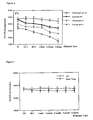
- an acrylic acid containing polymer, particularly polycarbophil in the form of a hydrogel at pH 5.5 conserves the bioactivity of a chemoattractant molecule (GM-CSF) at 4°C or 37°C for at least 21 days, whereas a decrease in the biological activity of a chemoattractant molecule (GM-CSF) was observed after incorporation in the hydroxypropylcellulose or in the poloxamer hydrogels at both temperatures.
- GM-CSF chemoattractant molecule
- the GM-CSF bioactivity evaluated after storage in the polycarbophil hydrogel formulated at a pH value of 5.5 was better than that observed for GM-CSF in solution.
- Poloxamer P407 (Lutrol) was supplied from BASF (Ludwigshafen, Germany.
- Carbomer (Carbopol 974P)
- Polycarbophil Noveon AA1
- Hydroxypropyl cellulose (Klucel GF) was obtained from Hercules (Düsseldorf, Germany).
- GM-CSF was received from Novartis (Brussels, Belgium). All other chemicals were of analytical grade.
- a carbopol gel (1.3% w/w) was prepared by dispersing a carbopol resin in purified water. The mixture was stirred until thickening occurred and then neutralized by dropwise addition of 40% (w/w) tromethamol, until a transparent gel appeared. The quantity of tromethamol was adjusted to achieve a gel pH of 6.9 or 5.5.
- a polycarbophil gel (1.0% w/w) was prepared by dispersing the Noveon AA1 in purified water. The mixture was stirred until thickening occurred and then neutralized by dropwise addition of 40% (w/w) tromethamol, until a transparent gel appeared. The quantity of tromethamol was adjusted to achieve a gel pH 6.9 or 5.5.
- a poloxamer gel was prepared by using a cold method. Poloxamer P407 20% (w/w) was slowly added under gentle mixing to a pH 6.9 phospate buffer 0.05M at a temperature of 4°C. The mixture was allowed to dissolve overnight at 4°C until a clear solution was obtained. Finally, hydroxypropylcellulose 7 %(w/w) was slowly added to a pH 6.9 phosphate buffer 0.05M under gentle mixing until a transparent gel appeared.
- a GM-CSF bioassay was carried out using TF-1 cells.
- GM-CSF diluted in RPMI (culture medium)with 2% FCS (foetal calf serum), were incorporated per gram of different gels by gently mixing. The gels were kept for different periods of time at obscurity and at 37°C or 4°C. The gels were then diluted with 6 ml of RPMI 2% FCS in order to extract the GM-CSF. The final concentration of GM-CSF was 150 ng/ml. This concentration was chosen in order to be in the exponential growth curve of TF1 cells (data not shown). After a filtration on 0.45 ⁇ m pore filters (Millex-HV, Millipore, Bedford, MA), solutions were stored at - 20°C before the bioassay. GM-CSF in solution (150 ng/ml) was also kept during the different intervals of time at 37°C and 4°C and filtered before storage.
- the factor-dependent human cell line TF-1 (ATCC, CRL-2003) was cultivated following previously published recommendations (20) with minor modifications. Briefly, the cells were incubated in RPMI 1640 medium containing 10% fetal bovine serum and 5 ng/ml GM-CSF at 37°C 5% CO2. Cells were deprived of GM-CSF for 24 hours and were cultured in the presence of 2% FCS. The cells were plated in a round-bottom 96 well microtiterplate at 50,000 cells per well, in 100 ⁇ l RPMI 2% FCS and 100 ⁇ l of GM-CSF included in the different polymers for various intervals of time. The tests were performed in quintuplate.
- DC were generated from the adherent fraction of human PBMC (Peripheral Blood Mononuclear Cells) with 800 U/ml GM-CSF (Novartis, Brussels) and 20 U/ml IL-4 (Biosource Europe, Nivelles, Belgium), as previously described (16).
- DC generated for this study constituted a 90% pure cell population based on several criteria including morphology, forward-scatter and side-scatter values observed by FACS (Fluorescence Activated Cell Sorter) analysis and surface phenotype (CD1a+, CD 14-, CD4+, CD54+, ).
- the DC were labeled with a lipophilic fluorescent marker (CM-DiL, Molecular Probes, Leiden, The Netherlands) according to a previously described procedure with minor modifications. Briefly, 4 x 10⁶ DC were resuspended in 1 ml of PBS and heated to 37°C. CM-DiL was diluted in 1 ml of PBS preheated to 37°C to obtain a final concentration of 16 ⁇ g/ml. The dye was mixed for several seconds until the dye was evenly distributed. This solution was immediately transferred to the cell suspension and rapidly mixed by pipetting. The cells were incubated for 2 min at 37°C, then for 2 min on ice. Finally, they were transferred in 40 ml of PBS at 4°C, centrifuged and resuspended in the appropriate medium.
- CM-DiL Molecular Probes, Leiden, The Netherlands
- CB MNC Cord blood mononuclear cells
- LymphoprepTM Ned Pharma As, Oslo, Norway
- CD34+ cells were isolated from CB MNC using the MACS Direct CD34 Progenitor Cell Isolation Kit (Miltenyi Biotec GmBH, Bergisch Gladbach, Germany) and MiniMACS separation columns (Miltenyi Biotec) according to the manufacturer's protocol.
- CD34+ cells Fifteen 104 CD34+ cells were seeded in T25 flasks (Sarstedt, Inc, Newton, NC) in 10 ml of RPMI 1640 medium supplemented with 10% FCS, antibiotics and 50 ⁇ M mercaptoethanol (all from GIBCO-BRL, Gaithersburg, MO).
- Cultures were supplemented with previously optimized concentrations of the following human molecules: SCF (20 ng/ml, specific activity (SA) > 5 105 U/mg), TPO (10 U/ml, SA >1 106 U/mg), FIT3-L (25 ng/ml, SA >2 105 U/mg), GM-CSF (200 U/ml, SA: 11,1 106 U/mg), TNF ⁇ (50 U/ml, SA >2 107 U/mg), IL4 (100 U/ml, SA >2 106 U/ml) and TGF- ⁇ 1 (5 ng/ml or 12.5 ng/ml, SA >2 108 U/mg).
- SCF 20 ng/ml, specific activity (SA) > 5 105 U/mg
- TPO 10 U/ml, SA >1 106 U/mg
- FIT3-L 25 ng/ml, SA >2 105 U/mg
- GM-CSF 200 U/ml,
- GM-CSF and IL4 were obtained from Amoytop (Amoytop Biotech, Xiamen, China) and Biosource (Nivelles, Belgium), respectively.
- the cells were cultured at 37°C in a humidified atmosphere and in the presence of 5% CO2.
- the cellular density was adjusted to 2x10 4 per cm2 and the cells were fed, at days 7 and 14, with GM-CSF, IL4, TNF ⁇ and TGF- ⁇ 1 at the same concentrations as those used at the start of the culture, except for TGF- ⁇ 1 at day 14 which was 12.5 ng/ml for all the cultures.
- cells were collected from cultures by vigorous pipetting to prepare single cell populations.
- Organotypic cultures of HPV-transformed keratinocytes (SiHa cell line (10)) were prepared as previously reported (17). After a 2 week stratification of keratinocytes, labeled DC were seeded on top of the in vitro formed epithelium at a concentration of 2x10 5 cells/50 ⁇ l of culture medium. The organotypic culture was then placed on the polycarbophil gel containing or not 800U/ml of GM-CSF. In order to maintain the culture, the polycarbophil gel (1,5 w/w) was prepared by dispersing the Noveon AA1 in keratinocyte growth medium. The mixture was neutralized by dropwise addition of 40% (w/w) tromethamol.
- the positive control was a solution of liquid GM-CSF at 800U/ml.
- 500 ng/ml of Monocyte Chemotactic Protein 1 (MCP-1, PeproTech, Rocky Hill, NJ) 750 ng/ml of Human Neutrophil Peptide-2 (HNP2, Sigma-Aldrich, St Louis, MO), 750 ng/ml of Human ⁇ Defensin -2 (H ⁇ D-2, PeproTech, Rocky Hill, NJ) or 500 ng/ml of Macrophage Inflammatory Protein 3 ⁇ (MIP3 ⁇ , PeproTech, Rocky Hill, NJ) were also tested as chemoattractant included in liquid culture medium or in the polycarbophil gel at the same concentration.
- MCP-1 Monocyte Chemotactic Protein 1
- HNP2 Human Neutrophil Peptide-2
- MIP3 ⁇ Macrophage Inflammatory Protein 3 ⁇
- the density of DC migrating into the epithelial layer was assessed by the avidin-biotin-peroxidase technique (Vectastain ABC kit, Vector laboratories, Burlingame, CA) with an anti-CD1a monoclonal antibody (clone NA1/34 from Dako, Glostrup, Denmark).
- Vectastain ABC kit Vector laboratories, Burlingame, CA
- an anti-CD1a monoclonal antibody clone NA1/34 from Dako, Glostrup, Denmark.
- Nine ⁇ m frozen sections were fixed in cold acetone for 3 minutes and endogenous peroxidases were blocked with 0.1% H2O2 for 30 minutes.
- Sections were then incubated sequentially with anti-CD1a antibody (at a 1/40 dilution in PBS 2% BSA, 0.01 M NaN3) or with an isotype-matched control antibody for 1 h, with a biotinylated mouse anti-Ig antibody for 30 min and with streptavidin HRP AB Complex for another 30 minutes. Positive cells were visualized by a 3,3'-diaminobenzidin substrate (DAB). The sections were counterstained with hematoxylin. The DC infiltration in organotypic cultures was evaluated by measuring the surface of immunostained cells with a computerized system of image analysis (CAS, Becton Dickinson, Erembodegem, Belgium) following a method previously described (6).
- CAS 3,3'-diaminobenzidin substrate
- each culture section was analyzed and 5 sections of each culture were stained with anti-CD1a.
- the positive surface was expressed as the percentage of the total surface analyzed.
- the LC/DC infiltration depth in the organotypic culturs was evaluated by measuring the distance between the top of the epithelium and individual DC with a computerized system of image analysis (CAS, Becton Dikinson, Erembodegem, Belgium). We then calculated the ratio between the infiltration depth and the thickness of the culture. The infiltration depth of all LC/DC observed in a culture section was analyzed and 4 sections of each culture were stained with anti-CD1a antibody.
- the percentage ratio was 0% for LC/DC staying on the top of the culture and 100% for LC/DC reaching the bottom of the epithelium.
- Statistical analysis was performed by using the Student t test (Instat Mac 2.01 software; Graph-Pad Software, San Diego, CA).
- HPV-transformed keratinocytes (2x10 5 , CasKi cell line, ATCC, CRL-1550) were plated on collagen gel (2mg/ml of type I collagen isolated from rat tail tendons) inserted in Teflon rings (Renner, Dannstadt, Germany) and maintained in culture for one day before transplantation onto mice. Twelve- week-old NOD-scid/scid mice were used for this study. They were housed under sterile conditions and water and feed were provided ad libitum. Before transplantation, the cells were washed and the medium was drained.
- the cell-coated collagen gels were then covered with a silicone transplantation chamber (Renner, Dannstadt, Germany) and implanted in toto onto the dorsal muscle fascia of mice as previously described (2, 11). The mice were killed by cervical dislocation 24 days later. The transplants were excised, embedded in O.C.T. compound (Tissue Tek, Sakura, Netherlands) and frozen on dry ice for cryostat sectioning.
- a silicone transplantation chamber Renner, Dannstadt, Germany
- Fluorescent DC were counted in the epithelium and, after anti-keratin immunolabeling, the epithelial surface was evaluated with a computerized system of image analysis (CAS, Becton Dickinson, Erembodegem, Belgium). Infiltration results were expressed as numbers of DC per mm 2 of epithelium. Statistical analysis was performed by using the Student t test (Instat Mac 2.01 software; Graph-Pad Software, San Diego, CA).
- Graft cryosections (5 ⁇ m in thickness) were fixed in acetone at -20°C and in 80% methanol at 4°C. They were then incubated for 60 min at room temperature with the primary antibodies: anti-mouse type IV collagen (SIF105 rabbit anti-mouse, gift of Dr A. Noel) and anti-human keratin (KL1, mouse anti-human, Immunotech, Marseille, France). The appropriate secondary antibodies were then applied for 30 min: swine anti-rabbit conjugated to Texas red (Dako, Glostrup, Denmark) and sheep anti-mouse conjugated to fluorescein-isothiocyanate (Sigma-Aldrich).
- the GM-CSF biological activity after incorporation into the different hydrogels was measured at different intervals of time using a bioassay of growth stimulation with the GM-CSF-dependant TF-1 cell line.
- the injectable solution (Leucomax, Novartis, Brussels, Belgium) was chosen as positive control.
- the four polymers were tested at a pH value of 6.9 which was reported to be optimal for GM-CSF stability and which correspond to the pH value of the injectable solution (data from Novartis).
- polycarbophil was found to be a particularly convenient polymer for cervico-vaginal formulations and as it is usually recommended to develop cervico-vaginal formulations at acidic pH values, the polycarbophil hydrogel was also tested at pH 5.5.
- Carbomer conferred an activity of GM-CSF similar to that observed with the injectable solution during at least three weeks, but surprisingly, the pH reduction to 5.5 induced a rapid loss in activity when GM-CSF was incorporated in Carbomer. Similar observations were made when the hydrogels were stored at 37°C (data not shown).
- Freeze-drying is a well-established storage method under sterile conditions.
- the bioactivity of GM-CSF after lyophylisation of polycarbophil gel and after storage at different time intervals and different temperatures was tested. After lyophylisation, the residues appeared voluminous and snow-like. The lyophylisates were re-suspendable in water. However, it was necessary to take additional actions such as shaking and vortexing to achieve full re-suspension after addition of one ml of water for one gram of gel. After successful re-suspension, the bioactivity of GM-CSF was reexamined and compared to that obtained after non-lyophylisated sample ( Figure 3 ). The freeze-drying was found to prevent loss of activity for a period of at least 5 weeks, whatever the temperature of storage.
- GM-CSF included in a polymer modulates the ability of DC to infiltrate an in vitro -formed (pre)neoplastic epithelium, reminiscent of high-grade (pre)neoplastic lesions observed in vivo.
- Monocytic precursors from the plastic adherent fraction of human peripheral blood mononuclear cells cultivated in the presence of 800 U/ml of GM-CSF and 20 U/ml of IL-4 for 7 days showed a morphology of DC with abundant dendritic membrane protrusions (data not shown).
- DC were layered on top of organotypic cultures of HPV-transformed keratinocytes in the presence of GM-CSF incorporated or not in the polycarbophil gel. The effect of GM-CSF on DC infiltration was assessed by examining cryosections of organotypic cultures frozen 48 hours after GM-CSF addition.
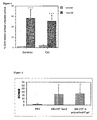
- FIG. 4 illustrates representative experiments showing the density of fluorescent-labeled DC in organotypic cultures of HPV-transformed keratinocyte incubated with or without exogenous GM-CSF incorporated or not in polycarbophil gel.
- DC layered onto organotypic cultures of SiHa poorly infiltrated the epithelial cell layers in the absence of GM-CSF , whereas GM-CSF in solution or incorporated in the gel caused a significant increase in the density of DC observed within the epithelial sheet.
- Quantitative analysis of DC infiltration was performed on organotypic cultures derived from the HPV-transformed cell line SiHa .
- the density of DC in the in vitro -formed epithelium was quantified by evaluating the surface labeled with the anti-CD1a antibody, throughout the full thickness of organotypic cultures. Under basal conditions (in the absence of GM-CSF, liquid or incorporated in the gel), the level of DC infiltration in the cultures was low (1.64 ⁇ 0.78 % of CD1a labeled surface).
- HPV-transformed keratinocytes transplanted cultured on a collagen gel were onto the dorsum of NOD-SCID mice. Twenty-four days after transplantation, mice were killed and the grafts were removed for immunohistological analysis. Histological examination of thin sections revealed that the growth pattern of the grafts reproduces a high-grade squamous (pre)neoplastic lesion and the collagen gel was replaced by a granulation tissue.
- Transplantation of HPV+ keratinocytes induced an angiogenic response in the host tissue starting from vessels of the dorsal muscle and subsequently extending far up into the collagen gel. The vessels sprouted into the tumor epithelium, which started to invade the newly formed granulation tissue
- mice were treated by injecting 200 ⁇ l of GM-CSF, in PBS or in the gel, in the transplantation chamber covering the (pre)neoplastic epithelium, every day, for a period of two days prior the killing of the mice.
- a control group of mice was treated with PBS alone.
- 2 x 10⁶ human DC pre-labeled with fluorescent tracer were intravenously injected in the mice.
- the grafts were harvested one day after the last administration of GM-CSF and processed for microscopic examination.
- the DC infiltration in transplants was assessed by looking for stained DC in histological sections.
- GM-CSF may not be the only factor implicated in the control of LC/DC intra-epithelial migration (12), we wanted to identify other molecules able to stimulate the migration of LC/DC, and/or whose the production could be affected in HPV+ keratinocytes.
- MIP3 ⁇ and H ⁇ D2 have been shown to be chemotactic for immature dendritic cells through the interaction with CCR6 (44, 41, 39, 42).
- SILs have been associated with an intermittent pattern of staining for MIP3 ⁇ compared with normal exocervix.
- HNP2 human neutrophil defensin 2 selectively induces the migration of immature human DC independent of the CCR6 receptor (43).
- MCP-1 plays an important role in the recruitment of LC/DC and monocytes (38) and an inverse correlation between the expression of the MCP-1 gene and the HPV oncogenes E6/E7 was described in cervical carcinoma cell lines (40). Since monocytes-derived DC are deficient for the CCR6 (37) the receptor for MIP3 ⁇ and H ⁇ D-2, we have developed a protocol which allowed to generate a large number of LC from CD34+ precursors (Hubert et al, submitted).
- LC/DC poorly infiltrated the epithelial layer in the absence of GM-CSF ( Figure6 ), whereas addition of GM-CSF caused a significant increase in the density of DC observed in the epithelial layer.
- LC/DC migrated in a similar manner in the presence of GM-CSF included or not in the polycarbophil gel.
- MIP3 ⁇ , H ⁇ D-2, MCP-1 and HNP2 included in a polycarbophil gel could also be used to recruit LC/DC in mucosal surfaces and be useful as a new immunotherapeutic approach for genital HPV-associated (pre)neoplastic lesions.
- a formulation of pharmaceutical composition comprising GM-CSF,as an active substance has been prepared by mixing the active substance in purified water with 1.4% polycarbophil, 0.08% methylhydroxybenzoate and 0.02% propylparahydroxybenzoate. The pH of the formulation is then regulated with Trometamol at pH5.5
- a formulation of pharmaceutical composition comprising Molgramostin, as an active substance has been prepared by mixing the active substance in purified water with 1.4% polycarbophil, 0.08% methylhydroxybenzoate and 0.02% propylparahydroxybenzoate. The pH of the formulation is then regulated with Trometamol at pH5.5
Landscapes
- Health & Medical Sciences (AREA)
- Life Sciences & Earth Sciences (AREA)
- Chemical & Material Sciences (AREA)
- Pharmacology & Pharmacy (AREA)
- Veterinary Medicine (AREA)
- Public Health (AREA)
- General Health & Medical Sciences (AREA)
- Medicinal Chemistry (AREA)
- Animal Behavior & Ethology (AREA)
- Epidemiology (AREA)
- Engineering & Computer Science (AREA)
- Bioinformatics & Cheminformatics (AREA)
- Zoology (AREA)
- Proteomics, Peptides & Aminoacids (AREA)
- Immunology (AREA)
- Gastroenterology & Hepatology (AREA)
- Nuclear Medicine, Radiotherapy & Molecular Imaging (AREA)
- General Chemical & Material Sciences (AREA)
- Chemical Kinetics & Catalysis (AREA)
- Organic Chemistry (AREA)
- Virology (AREA)
- Marine Sciences & Fisheries (AREA)
- Physiology (AREA)
- Oncology (AREA)
- Inorganic Chemistry (AREA)
- Communicable Diseases (AREA)
- Nutrition Science (AREA)
- Dermatology (AREA)
- Biotechnology (AREA)
- Molecular Biology (AREA)
- Medicinal Preparation (AREA)
- Medicines That Contain Protein Lipid Enzymes And Other Medicines (AREA)
- Adhesives Or Adhesive Processes (AREA)
- Peptides Or Proteins (AREA)
- Pharmaceuticals Containing Other Organic And Inorganic Compounds (AREA)
Claims (8)
- Mukoadhäsive pharmazeutische Zusammensetzung, die ein acrylsäurehaltiges Polymer und ein Chemoattraktant umfaßt, wobei der pH-Wert der Zusammensetzung 6 oder weniger beträgt.
- Zusammensetzung nach Anspruch 1, wobei es sich bei dem Chemoattraktant um den Granulocyten-Makrophagenkoloniestimulierenden Faktor (GM-CSF, Molgramostim), MIP3α (Makrophagen-Entzündungsprotein 3α), HβD2 (humanes β-Defensin 2), HNP2 (humanes neutrophiles Defensin 2) und/oder MCP-1 (Monocyten-chemotaktisches Protein-1) handelt.
- Zusammensetzung nach Anspruch 1 oder Anspruch 2, wobei es sich bei dem acrylsäurehaltigen Polymer um Polycarbophil handelt.
- Zusammensetzung nach einem der vorhergehenden Ansprüche, wobei das Polymer in Form eines Hydrogels vorliegt.
- Zusammensetzung nach einem der vorhergehenden Ansprüche, wobei der pH-Wert der Zusammensetzung vorzugsweise 5,5 oder weniger beträgt.
- Zusammensetzung nach einem der vorhergehenden Ansprüche, wobei der pH-Wert der Zusammensetzung von 5 bis 5,5 beträgt.
- Zusammensetzung nach einem der vorhergehenden Ansprüche für die Verwendung bei der Behandlung einer squamösen Mukosa, vorzugsweise für die Behandlung einer Krankheit des Anogenitalbereichs oder einer Mundkrankheit, insbesondere des menschlichen Papilloma-Virus.
- Verwendung einer Zusammensetzung nach einem der Ansprüche 1 bis 6 bei der Herstellung eines Arzneimittels für die Verwendung bei der Behandlung einer squamösen Mukosa, vorzugsweise für die Behandlung einer Krankheit des Anogenitalbereichs oder einer Mundkrankheit, insbesondere des menschlichen PapillomaVirus.
Applications Claiming Priority (2)
| Application Number | Priority Date | Filing Date | Title |
|---|---|---|---|
| GBGB0317999.1A GB0317999D0 (en) | 2003-07-31 | 2003-07-31 | Improvements in or relating to drug delivery systems |
| PCT/EP2004/007617 WO2005013933A1 (en) | 2003-07-31 | 2004-07-09 | Mucoadhesive composition comprising polyacrylate and chemoattractant |
Publications (2)
| Publication Number | Publication Date |
|---|---|
| EP1658046A1 EP1658046A1 (de) | 2006-05-24 |
| EP1658046B1 true EP1658046B1 (de) | 2008-12-10 |
Family
ID=27799593
Family Applications (1)
| Application Number | Title | Priority Date | Filing Date |
|---|---|---|---|
| EP04740892A Expired - Lifetime EP1658046B1 (de) | 2003-07-31 | 2004-07-09 | Mukoadhäsive zusammensetzung mit polyacrylat und einem chemolockstoff |
Country Status (8)
| Country | Link |
|---|---|
| US (1) | US20060228417A1 (de) |
| EP (1) | EP1658046B1 (de) |
| JP (1) | JP2007500673A (de) |
| AT (1) | ATE416754T1 (de) |
| AU (1) | AU2004262873A1 (de) |
| DE (1) | DE602004018326D1 (de) |
| GB (1) | GB0317999D0 (de) |
| WO (1) | WO2005013933A1 (de) |
Families Citing this family (28)
| Publication number | Priority date | Publication date | Assignee | Title |
|---|---|---|---|---|
| EP1674077A1 (de) * | 2004-12-27 | 2006-06-28 | Université de Liège | Mucoadhasive Formulierungen enthaltend Chemokine |
| WO2006084131A2 (en) * | 2005-02-01 | 2006-08-10 | The Government Of The United States Of America, As Represented By The Secretary, Department Of Health And Human Services | Furin inhibitors and alpha-defensins for the treatment or prevention of papillomavirus infection |
| US7528107B2 (en) | 2005-11-30 | 2009-05-05 | Auburn University | Methods of treating inflammation in mammalian tissues comprising administering human alpha-defensins |
| WO2007065128A2 (en) * | 2005-11-30 | 2007-06-07 | Auburn University | Human alpha-defensins inhibit interleukin-1beta release |
| WO2007070660A2 (en) | 2005-12-13 | 2007-06-21 | President And Fellows Of Harvard College | Scaffolds for cell transplantation |
| US9770535B2 (en) | 2007-06-21 | 2017-09-26 | President And Fellows Of Harvard College | Scaffolds for cell collection or elimination |
| US9370558B2 (en) | 2008-02-13 | 2016-06-21 | President And Fellows Of Harvard College | Controlled delivery of TLR agonists in structural polymeric devices |
| CA2715460C (en) | 2008-02-13 | 2020-02-18 | President And Fellows Of Harvard College | Continuous cell programming devices |
| US20120093914A1 (en) * | 2008-11-24 | 2012-04-19 | Moma Therapeutics | Implantable liposome embedded matrix composition, uses thereof, and polycaprolactone particles as scaffolds for tissue regeneration |
| AU2010278702C1 (en) | 2009-07-31 | 2016-07-14 | Forsyth Dental Infirmary For Children | Programming of cells for tolerogenic therapies |
| HRP20200310T1 (hr) | 2010-10-06 | 2020-08-21 | President And Fellows Of Harvard College | Hidrogelovi koji stvaraju pore pogodni za injekcije, namijenjeni staničnim terapijama na bazi materijala |
| ES2685327T3 (es) | 2011-04-28 | 2018-10-08 | President And Fellows Of Harvard College | Armazones tridimensionales macroscópicos preformados inyectables para administración mínimamente invasiva |
| US9675561B2 (en) | 2011-04-28 | 2017-06-13 | President And Fellows Of Harvard College | Injectable cryogel vaccine devices and methods of use thereof |
| US9486512B2 (en) | 2011-06-03 | 2016-11-08 | President And Fellows Of Harvard College | In situ antigen-generating cancer vaccine |
| ES2773895T3 (es) | 2012-04-16 | 2020-07-15 | Harvard College | Composiciones de sílice mesoporosa para modular las respuestas inmunitarias |
| CN109260465A (zh) | 2012-11-14 | 2019-01-25 | 史密夫和内修公司 | 稳定的嗜热菌蛋白酶水凝胶 |
| CN105050629B (zh) | 2013-03-15 | 2018-09-25 | 史密夫和内修公司 | 用于递送活性剂的可溶解的形成凝胶的膜 |
| CN107073090A (zh) | 2014-04-30 | 2017-08-18 | 哈佛学院董事会 | 结合的疫苗装置和杀死癌细胞的方法 |
| WO2016123573A1 (en) | 2015-01-30 | 2016-08-04 | President And Fellows Of Harvard College | Peritumoral and intratumoral materials for cancer therapy |
| US11150242B2 (en) | 2015-04-10 | 2021-10-19 | President And Fellows Of Harvard College | Immune cell trapping devices and methods for making and using the same |
| WO2017136837A1 (en) | 2016-02-06 | 2017-08-10 | President And Fellows Of Harvard College | Recapitulating the hematopoietic niche to reconstitute immunity |
| TW201808987A (zh) | 2016-06-08 | 2018-03-16 | 健生生物科技公司 | Gm-csf變體及使用方法 |
| AU2017295704B2 (en) | 2016-07-13 | 2023-07-13 | President And Fellows Of Harvard College | Antigen-presenting cell-mimetic scaffolds and methods for making and using the same |
| CN110418651A (zh) | 2016-08-02 | 2019-11-05 | 哈佛学院院长等 | 用于调节免疫应答的生物材料 |
| WO2020002650A1 (en) * | 2018-06-29 | 2020-01-02 | Targovax Asa | A formulation |
| WO2020061129A1 (en) | 2018-09-19 | 2020-03-26 | President And Fellows Of Harvard College | Compositions and methods for labeling and modulation of cells in vitro and in vivo |
| JP2022514568A (ja) | 2018-12-17 | 2022-02-14 | プレジデント アンド フェローズ オブ ハーバード カレッジ | 免疫系のモジュレーションのための生物工学的スキャフォールドおよびその使用 |
| JP2022549270A (ja) | 2019-09-23 | 2022-11-24 | プレジデント アンド フェローズ オブ ハーバード カレッジ | バイオマテリアルベースの無抗原ワクチンおよびその使用 |
Family Cites Families (4)
| Publication number | Priority date | Publication date | Assignee | Title |
|---|---|---|---|---|
| US5942253A (en) * | 1995-10-12 | 1999-08-24 | Immunex Corporation | Prolonged release of GM-CSF |
| DE69739583D1 (de) * | 1996-11-14 | 2009-10-29 | Lipomedica Ehf | Topische zusammensetzungen enthaltend als therapeutisch aktiven wirkstoff ein monoglycerid zur behandlung von schleimhautinfektionen |
| US6355270B1 (en) * | 1999-01-11 | 2002-03-12 | The Regents Of The University Of California | Particles for oral delivery of peptides and proteins |
| US7544348B2 (en) * | 2001-02-15 | 2009-06-09 | Access Pharmaceuticals, Inc. | Liquid formulations for the prevention and treatment of mucosal diseases and disorders |
-
2003
- 2003-07-31 GB GBGB0317999.1A patent/GB0317999D0/en not_active Ceased
-
2004
- 2004-07-09 JP JP2006521431A patent/JP2007500673A/ja not_active Withdrawn
- 2004-07-09 AT AT04740892T patent/ATE416754T1/de not_active IP Right Cessation
- 2004-07-09 US US10/566,428 patent/US20060228417A1/en not_active Abandoned
- 2004-07-09 WO PCT/EP2004/007617 patent/WO2005013933A1/en not_active Ceased
- 2004-07-09 DE DE602004018326T patent/DE602004018326D1/de not_active Expired - Fee Related
- 2004-07-09 EP EP04740892A patent/EP1658046B1/de not_active Expired - Lifetime
- 2004-07-09 AU AU2004262873A patent/AU2004262873A1/en not_active Abandoned
Also Published As
| Publication number | Publication date |
|---|---|
| JP2007500673A (ja) | 2007-01-18 |
| DE602004018326D1 (de) | 2009-01-22 |
| AU2004262873A1 (en) | 2005-02-17 |
| GB0317999D0 (en) | 2003-09-03 |
| EP1658046A1 (de) | 2006-05-24 |
| ATE416754T1 (de) | 2008-12-15 |
| US20060228417A1 (en) | 2006-10-12 |
| WO2005013933A1 (en) | 2005-02-17 |
Similar Documents
| Publication | Publication Date | Title |
|---|---|---|
| US20060228417A1 (en) | Mucoadhesive composition comprising polyacrylate and chemoattractant | |
| Baloglu et al. | Strategies to prolong the intravaginal residence time of drug delivery systems | |
| US20100247482A1 (en) | Tight junction modulator peptides for enhanced mucosal delivery of therapeutic compounds | |
| EP3952892A1 (de) | Verfahren zur herstellung und verwendung eines aus mesenchymalen stammzellen gewonnenen sekretoms | |
| JP2009502967A (ja) | 粘膜送達を向上させるためのタイトジャンクション調節ペプチド化合物 | |
| WO1983001198A1 (en) | Method and composition for treating a patient suffering from interferon-susceptible disorder | |
| Bernkop-Schnürch et al. | Intravaginal drug delivery systems: design, challenges, and solutions | |
| US6096869A (en) | Treatment of papillomavirus-associated lesions | |
| US20070166279A1 (en) | Method for modulating hla class ii tumor cell surface expression with a cytokine mixture | |
| HRP20040480A2 (en) | Lox concentration of peroxide for treating or preventing vaginal infections | |
| CN113842358A (zh) | 一种新型兽用子宫注入剂及其制备方法和应用 | |
| Ren et al. | An effective and biocompatible polyethylenimine based vaginal suppository for gene delivery | |
| Hubert et al. | Delivery of granulocyte-macrophage colony-stimulating factor in bioadhesive hydrogel stimulates migration of dendritic cells in models of human papillomavirus-associated (pre) neoplastic epithelial lesions | |
| US20090274658A1 (en) | Tight Junction Modulating Peptides for Enhanced Mucosal Delivery of Therapeutic Compounds | |
| Schneider et al. | Efficacy trial of topically administered interferon gamma-1β gel in comparison to laser treatment in cervical intraepithelial neoplasia | |
| WO2007113682A2 (en) | Tgf-beta pharmaceutical compositions | |
| Bhat et al. | Efficacy of Anti-Fungal Agents Incorporated in Tissue Conditioners in Inhibiting the Growth of Candida albicans. | |
| CN115025128A (zh) | 红色诺卡氏菌细胞壁骨架在治疗宫颈病变中的应用 | |
| ES2376649T3 (es) | Uso de un estrógeno en la producción de una composición que contiene estrógeno para el tratamiiento de la vaginitis atrófica. | |
| EP1674077A1 (de) | Mucoadhasive Formulierungen enthaltend Chemokine | |
| Kimura et al. | The biological effects of macrophage‐colony‐stimulating factor induced by progestin on growth and differentiation of endometrial adenocarcinoma cells | |
| CN111789936B (zh) | 一种阿拉瑞林组合物及其制备方法 | |
| CN101233151A (zh) | 增强治疗剂的黏膜递送的紧密连接调控肽成分 | |
| JP2010509364A (ja) | 創傷治癒における使用のためのil−17b | |
| Desai | Design of Mucoadhesive Gels for the Treatment of Oral Submucous Fibrosis |
Legal Events
| Date | Code | Title | Description |
|---|---|---|---|
| PUAI | Public reference made under article 153(3) epc to a published international application that has entered the european phase |
Free format text: ORIGINAL CODE: 0009012 |
|
| 17P | Request for examination filed |
Effective date: 20060228 |
|
| AK | Designated contracting states |
Kind code of ref document: A1 Designated state(s): AT BE BG CH CY CZ DE DK EE ES FI FR GB GR HU IE IT LI LU MC NL PL PT RO SE SI SK TR |
|
| DAX | Request for extension of the european patent (deleted) | ||
| 17Q | First examination report despatched |
Effective date: 20080121 |
|
| GRAP | Despatch of communication of intention to grant a patent |
Free format text: ORIGINAL CODE: EPIDOSNIGR1 |
|
| GRAS | Grant fee paid |
Free format text: ORIGINAL CODE: EPIDOSNIGR3 |
|
| GRAS | Grant fee paid |
Free format text: ORIGINAL CODE: EPIDOSNIGR3 |
|
| GRAA | (expected) grant |
Free format text: ORIGINAL CODE: 0009210 |
|
| AK | Designated contracting states |
Kind code of ref document: B1 Designated state(s): AT BE BG CH CY CZ DE DK EE ES FI FR GB GR HU IE IT LI LU MC NL PL PT RO SE SI SK TR |
|
| REG | Reference to a national code |
Ref country code: GB Ref legal event code: FG4D |
|
| REG | Reference to a national code |
Ref country code: CH Ref legal event code: EP |
|
| REG | Reference to a national code |
Ref country code: IE Ref legal event code: FG4D |
|
| REF | Corresponds to: |
Ref document number: 602004018326 Country of ref document: DE Date of ref document: 20090122 Kind code of ref document: P |
|
| PG25 | Lapsed in a contracting state [announced via postgrant information from national office to epo] |
Ref country code: SI Free format text: LAPSE BECAUSE OF FAILURE TO SUBMIT A TRANSLATION OF THE DESCRIPTION OR TO PAY THE FEE WITHIN THE PRESCRIBED TIME-LIMIT Effective date: 20081210 Ref country code: NL Free format text: LAPSE BECAUSE OF FAILURE TO SUBMIT A TRANSLATION OF THE DESCRIPTION OR TO PAY THE FEE WITHIN THE PRESCRIBED TIME-LIMIT Effective date: 20081210 Ref country code: PL Free format text: LAPSE BECAUSE OF FAILURE TO SUBMIT A TRANSLATION OF THE DESCRIPTION OR TO PAY THE FEE WITHIN THE PRESCRIBED TIME-LIMIT Effective date: 20081210 Ref country code: FI Free format text: LAPSE BECAUSE OF FAILURE TO SUBMIT A TRANSLATION OF THE DESCRIPTION OR TO PAY THE FEE WITHIN THE PRESCRIBED TIME-LIMIT Effective date: 20081210 |
|
| NLV1 | Nl: lapsed or annulled due to failure to fulfill the requirements of art. 29p and 29m of the patents act | ||
| PG25 | Lapsed in a contracting state [announced via postgrant information from national office to epo] |
Ref country code: RO Free format text: LAPSE BECAUSE OF FAILURE TO SUBMIT A TRANSLATION OF THE DESCRIPTION OR TO PAY THE FEE WITHIN THE PRESCRIBED TIME-LIMIT Effective date: 20081210 Ref country code: ES Free format text: LAPSE BECAUSE OF FAILURE TO SUBMIT A TRANSLATION OF THE DESCRIPTION OR TO PAY THE FEE WITHIN THE PRESCRIBED TIME-LIMIT Effective date: 20090321 Ref country code: EE Free format text: LAPSE BECAUSE OF FAILURE TO SUBMIT A TRANSLATION OF THE DESCRIPTION OR TO PAY THE FEE WITHIN THE PRESCRIBED TIME-LIMIT Effective date: 20081210 Ref country code: BG Free format text: LAPSE BECAUSE OF FAILURE TO SUBMIT A TRANSLATION OF THE DESCRIPTION OR TO PAY THE FEE WITHIN THE PRESCRIBED TIME-LIMIT Effective date: 20090310 Ref country code: BE Free format text: LAPSE BECAUSE OF FAILURE TO SUBMIT A TRANSLATION OF THE DESCRIPTION OR TO PAY THE FEE WITHIN THE PRESCRIBED TIME-LIMIT Effective date: 20081210 |
|
| PG25 | Lapsed in a contracting state [announced via postgrant information from national office to epo] |
Ref country code: AT Free format text: LAPSE BECAUSE OF FAILURE TO SUBMIT A TRANSLATION OF THE DESCRIPTION OR TO PAY THE FEE WITHIN THE PRESCRIBED TIME-LIMIT Effective date: 20081210 Ref country code: SE Free format text: LAPSE BECAUSE OF FAILURE TO SUBMIT A TRANSLATION OF THE DESCRIPTION OR TO PAY THE FEE WITHIN THE PRESCRIBED TIME-LIMIT Effective date: 20090310 Ref country code: CZ Free format text: LAPSE BECAUSE OF FAILURE TO SUBMIT A TRANSLATION OF THE DESCRIPTION OR TO PAY THE FEE WITHIN THE PRESCRIBED TIME-LIMIT Effective date: 20081210 Ref country code: PT Free format text: LAPSE BECAUSE OF FAILURE TO SUBMIT A TRANSLATION OF THE DESCRIPTION OR TO PAY THE FEE WITHIN THE PRESCRIBED TIME-LIMIT Effective date: 20090511 |
|
| PG25 | Lapsed in a contracting state [announced via postgrant information from national office to epo] |
Ref country code: SK Free format text: LAPSE BECAUSE OF FAILURE TO SUBMIT A TRANSLATION OF THE DESCRIPTION OR TO PAY THE FEE WITHIN THE PRESCRIBED TIME-LIMIT Effective date: 20081210 |
|
| PLBE | No opposition filed within time limit |
Free format text: ORIGINAL CODE: 0009261 |
|
| STAA | Information on the status of an ep patent application or granted ep patent |
Free format text: STATUS: NO OPPOSITION FILED WITHIN TIME LIMIT |
|
| PG25 | Lapsed in a contracting state [announced via postgrant information from national office to epo] |
Ref country code: DK Free format text: LAPSE BECAUSE OF FAILURE TO SUBMIT A TRANSLATION OF THE DESCRIPTION OR TO PAY THE FEE WITHIN THE PRESCRIBED TIME-LIMIT Effective date: 20081210 |
|
| 26N | No opposition filed |
Effective date: 20090911 |
|
| PG25 | Lapsed in a contracting state [announced via postgrant information from national office to epo] |
Ref country code: MC Free format text: LAPSE BECAUSE OF NON-PAYMENT OF DUE FEES Effective date: 20090731 |
|
| REG | Reference to a national code |
Ref country code: CH Ref legal event code: PL |
|
| GBPC | Gb: european patent ceased through non-payment of renewal fee |
Effective date: 20090709 |
|
| REG | Reference to a national code |
Ref country code: FR Ref legal event code: ST Effective date: 20100331 |
|
| REG | Reference to a national code |
Ref country code: IE Ref legal event code: MM4A |
|
| PG25 | Lapsed in a contracting state [announced via postgrant information from national office to epo] |
Ref country code: LI Free format text: LAPSE BECAUSE OF NON-PAYMENT OF DUE FEES Effective date: 20090731 Ref country code: CH Free format text: LAPSE BECAUSE OF NON-PAYMENT OF DUE FEES Effective date: 20090731 Ref country code: FR Free format text: LAPSE BECAUSE OF NON-PAYMENT OF DUE FEES Effective date: 20090731 |
|
| PG25 | Lapsed in a contracting state [announced via postgrant information from national office to epo] |
Ref country code: GB Free format text: LAPSE BECAUSE OF NON-PAYMENT OF DUE FEES Effective date: 20090709 |
|
| PG25 | Lapsed in a contracting state [announced via postgrant information from national office to epo] |
Ref country code: DE Free format text: LAPSE BECAUSE OF NON-PAYMENT OF DUE FEES Effective date: 20100202 |
|
| PG25 | Lapsed in a contracting state [announced via postgrant information from national office to epo] |
Ref country code: IE Free format text: LAPSE BECAUSE OF NON-PAYMENT OF DUE FEES Effective date: 20090709 |
|
| PG25 | Lapsed in a contracting state [announced via postgrant information from national office to epo] |
Ref country code: GR Free format text: LAPSE BECAUSE OF FAILURE TO SUBMIT A TRANSLATION OF THE DESCRIPTION OR TO PAY THE FEE WITHIN THE PRESCRIBED TIME-LIMIT Effective date: 20090311 |
|
| PG25 | Lapsed in a contracting state [announced via postgrant information from national office to epo] |
Ref country code: IT Free format text: LAPSE BECAUSE OF FAILURE TO SUBMIT A TRANSLATION OF THE DESCRIPTION OR TO PAY THE FEE WITHIN THE PRESCRIBED TIME-LIMIT Effective date: 20081210 |
|
| PG25 | Lapsed in a contracting state [announced via postgrant information from national office to epo] |
Ref country code: LU Free format text: LAPSE BECAUSE OF NON-PAYMENT OF DUE FEES Effective date: 20090709 |
|
| PG25 | Lapsed in a contracting state [announced via postgrant information from national office to epo] |
Ref country code: HU Free format text: LAPSE BECAUSE OF FAILURE TO SUBMIT A TRANSLATION OF THE DESCRIPTION OR TO PAY THE FEE WITHIN THE PRESCRIBED TIME-LIMIT Effective date: 20090611 |
|
| PG25 | Lapsed in a contracting state [announced via postgrant information from national office to epo] |
Ref country code: TR Free format text: LAPSE BECAUSE OF FAILURE TO SUBMIT A TRANSLATION OF THE DESCRIPTION OR TO PAY THE FEE WITHIN THE PRESCRIBED TIME-LIMIT Effective date: 20081210 |
|
| PG25 | Lapsed in a contracting state [announced via postgrant information from national office to epo] |
Ref country code: CY Free format text: LAPSE BECAUSE OF FAILURE TO SUBMIT A TRANSLATION OF THE DESCRIPTION OR TO PAY THE FEE WITHIN THE PRESCRIBED TIME-LIMIT Effective date: 20081210 |