EP1689164B1 - Verfahren und Vorrichtung zur Erzeugung von verbesserten Bildern aus mehreren konsekutiven Belichtungen - Google Patents
Verfahren und Vorrichtung zur Erzeugung von verbesserten Bildern aus mehreren konsekutiven Belichtungen Download PDFInfo
- Publication number
- EP1689164B1 EP1689164B1 EP05100748A EP05100748A EP1689164B1 EP 1689164 B1 EP1689164 B1 EP 1689164B1 EP 05100748 A EP05100748 A EP 05100748A EP 05100748 A EP05100748 A EP 05100748A EP 1689164 B1 EP1689164 B1 EP 1689164B1
- Authority
- EP
- European Patent Office
- Prior art keywords
- exposure
- exposures
- luminance data
- memory
- data
- Prior art date
- Legal status (The legal status is an assumption and is not a legal conclusion. Google has not performed a legal analysis and makes no representation as to the accuracy of the status listed.)
- Expired - Lifetime
Links
Images

Classifications
-
- G—PHYSICS
- G06—COMPUTING OR CALCULATING; COUNTING
- G06T—IMAGE DATA PROCESSING OR GENERATION, IN GENERAL
- G06T5/00—Image enhancement or restoration
- G06T5/50—Image enhancement or restoration using two or more images, e.g. averaging or subtraction
-
- H—ELECTRICITY
- H04—ELECTRIC COMMUNICATION TECHNIQUE
- H04N—PICTORIAL COMMUNICATION, e.g. TELEVISION
- H04N1/00—Scanning, transmission or reproduction of documents or the like, e.g. facsimile transmission; Details thereof
- H04N1/387—Composing, repositioning or otherwise geometrically modifying originals
- H04N1/3871—Composing, repositioning or otherwise geometrically modifying originals the composed originals being of different kinds, e.g. low- and high-resolution originals
-
- H—ELECTRICITY
- H04—ELECTRIC COMMUNICATION TECHNIQUE
- H04N—PICTORIAL COMMUNICATION, e.g. TELEVISION
- H04N23/00—Cameras or camera modules comprising electronic image sensors; Control thereof
- H04N23/60—Control of cameras or camera modules
- H04N23/68—Control of cameras or camera modules for stable pick-up of the scene, e.g. compensating for camera body vibrations
-
- H—ELECTRICITY
- H04—ELECTRIC COMMUNICATION TECHNIQUE
- H04N—PICTORIAL COMMUNICATION, e.g. TELEVISION
- H04N23/00—Cameras or camera modules comprising electronic image sensors; Control thereof
- H04N23/60—Control of cameras or camera modules
- H04N23/68—Control of cameras or camera modules for stable pick-up of the scene, e.g. compensating for camera body vibrations
- H04N23/681—Motion detection
- H04N23/6811—Motion detection based on the image signal
-
- H—ELECTRICITY
- H04—ELECTRIC COMMUNICATION TECHNIQUE
- H04N—PICTORIAL COMMUNICATION, e.g. TELEVISION
- H04N23/00—Cameras or camera modules comprising electronic image sensors; Control thereof
- H04N23/60—Control of cameras or camera modules
- H04N23/68—Control of cameras or camera modules for stable pick-up of the scene, e.g. compensating for camera body vibrations
- H04N23/681—Motion detection
- H04N23/6812—Motion detection based on additional sensors, e.g. acceleration sensors
-
- H—ELECTRICITY
- H04—ELECTRIC COMMUNICATION TECHNIQUE
- H04N—PICTORIAL COMMUNICATION, e.g. TELEVISION
- H04N23/00—Cameras or camera modules comprising electronic image sensors; Control thereof
- H04N23/60—Control of cameras or camera modules
- H04N23/68—Control of cameras or camera modules for stable pick-up of the scene, e.g. compensating for camera body vibrations
- H04N23/682—Vibration or motion blur correction
- H04N23/683—Vibration or motion blur correction performed by a processor, e.g. controlling the readout of an image memory
-
- H—ELECTRICITY
- H04—ELECTRIC COMMUNICATION TECHNIQUE
- H04N—PICTORIAL COMMUNICATION, e.g. TELEVISION
- H04N23/00—Cameras or camera modules comprising electronic image sensors; Control thereof
- H04N23/60—Control of cameras or camera modules
- H04N23/68—Control of cameras or camera modules for stable pick-up of the scene, e.g. compensating for camera body vibrations
- H04N23/682—Vibration or motion blur correction
- H04N23/684—Vibration or motion blur correction performed by controlling the image sensor readout, e.g. by controlling the integration time
- H04N23/6845—Vibration or motion blur correction performed by controlling the image sensor readout, e.g. by controlling the integration time by combination of a plurality of images sequentially taken
-
- H—ELECTRICITY
- H04—ELECTRIC COMMUNICATION TECHNIQUE
- H04N—PICTORIAL COMMUNICATION, e.g. TELEVISION
- H04N23/00—Cameras or camera modules comprising electronic image sensors; Control thereof
- H04N23/70—Circuitry for compensating brightness variation in the scene
-
- H—ELECTRICITY
- H04—ELECTRIC COMMUNICATION TECHNIQUE
- H04N—PICTORIAL COMMUNICATION, e.g. TELEVISION
- H04N23/00—Cameras or camera modules comprising electronic image sensors; Control thereof
- H04N23/70—Circuitry for compensating brightness variation in the scene
- H04N23/741—Circuitry for compensating brightness variation in the scene by increasing the dynamic range of the image compared to the dynamic range of the electronic image sensors
Definitions
- the present invention relates to a method for creating pictures and more particularly a method for creating an enhanced picture by means of several consecutive exposures.
- the exposures are combined to create pictures with enhanced properties, especially better colour and light content.
- the invention also relates to a device employing the method.
- Today digital cameras are widely used and sold in a wide range including advanced cameras having high resolution image sensors with over 10 Mpixels and simpler cameras, e.g. incorporated in mobile telephones.
- advanced cameras having high resolution image sensors with over 10 Mpixels and simpler cameras, e.g. incorporated in mobile telephones.
- a common solution is to use a flash or a photo light. However, often it is preferred to use the natural, available light. Also, some smaller cameras are not adapted for flash or have not a flash built in. Furthermore, a flash adds costs to the camera.
- the paper "High dynamic range from multiple images: Which exposures to combine?" is considered the most relevant prior art.
- the document describes a method for acquiring a high dynamic range. Several exposures are combined, e.g. by simple summation. The exposures are processed to produce a list of exposures, from which some exposures are selected to be combined to obtain a desired response function of the camera.
- the document EP 1 313 066 discloses a method for merging digital images to obtain a high dynamic range digital image.
- the method uses a series of differently exposed images.
- the images are merged with a weighting function to produce a high dynamic digital range.
- sufficient light is obtained by performing a series of first exposures together with one second exposure in rapid succession.
- the first exposures are combined to provide sufficient luminance and sharpness.
- the second exposure is made to collect colour information.
- the first exposures are combined with the second exposure to provide an enhanced picture.
- the invention provides a method for creating a picture comprising the steps of:
- luminance data (Y) of the N first exposures is stored in a memory.
- the number N of first exposures is greater than 1 and luminance data of the latest first exposure is added to the luminance data (Y) existing in the memory.
- the luminance data (Y) is added with a correction for sharpness enhancement.
- an off-set vector is calculated, the off-set vector representing the difference resulting from motion between the latest first exposure and the contents of the memory, the off-set vector being used during the addition when addressing the memory.
- the luminance data (Y) is optimized for a large luminance value.
- the luminance data (Y) is a weighted sum of the three colour channels Red (R), Green (G), and Blue (B).
- the chrominance data (UV) and luminance data (Y) are sent for processing in an image processor.
- the second exposure is performed last, and the chrominance data (UV) is read from the sensor and the luminance data (Y) is read from the memory.
- the number N of the first exposures ranges from 2 to 8 (2 ⁇ N ⁇ 8).
- the first exposures may have shorter individual exposure times than the second exposure.
- the sum of the exposure times of the N first exposures approximately equals the exposure time of the second exposure.
- the first exposures may be made with a smaller aperture than the second exposure.
- the sum of the exposures of the N first exposures approximately equals the second exposure.
- the invention provides a device for creating a picture, comprising an optical system for exposing a light sensitive sensor, memory means for storing image data, and a processor capable of processing image data.
- the optical system is arranged to expose the light sensitive sensor to a series of exposures, of which a number N are first exposures that may be underexposed, and of which one is a second exposure having a relatively greater exposure
- the processor is arranged to use luminance data (Y) of the N first exposures to create sharpness in the finished picture, and to use chrominance data (UV) of the second exposure to create colour content in the finished picture.
- the processor is arranged to store luminance data (Y) of the N first exposures in the memory.
- the number N of first exposures is greater than 1 and the processor is arranged to add luminance data of the latest first exposure to the luminance data (Y) existing in the memory.
- the processor is arranged to add the luminance data (Y) with a correction for sharpness enhancement.
- the processor is arranged to calculate an off-set vector, the off-set vector representing the difference resulting from motion between the latest first exposure and the contents of the memory, and to use the off-set vector during the addition when addressing the memory.
- the luminance data (Y) is optimized for a large luminance value.
- the processor is arranged to extract the luminance data (Y) as a weighted sum of the three colour channels Red (R), Green (G), and Blue (B).
- the processor is arranged to receive the chrominance data (UV) from the sensor (3) and luminance data (Y) from the memory.
- the optical system is arranged to perform the second exposure last, and the processor is arranged to read the chrominance data (UV) from the sensor and to read the luminance data (Y) from the memory.
- the number N of the first exposures ranges from 2 to 8 (2 ⁇ N ⁇ 8).
- the first exposures may have shorter individual exposure times than the second exposure.
- the sum of the exposure times of the N first exposures approximately equals the exposure time of the second exposure.
- the first exposures may be made with a smaller aperture than the second exposure.
- the sum of the exposures of the N first exposures approximately equals the second exposure.
- the invention relates to a method for creating pictures and a device using the method, e.g. a digital camera, a mobile telephone etc.
- a device e.g. a digital camera, a mobile telephone etc.
- the invention is useful in advanced as well as in simple cameras when it is desired to take a picture in low-light conditions using the available light. In some instances it is not desired to use a flash and with simpler cameras it is not always possible.
- Fig. 1 illustrates relevant parts of a camera according to the invention.
- the camera comprises an optical system including a lens 1 and a shutter 2.
- the optical system exposes a light sensitive sensor 3 to light.
- a control unit comprising a processor 4 controls the operations of the lens 1 and shutter 2.
- the shutter 2 may be a mechanical shutter or the sensor 3 may be controlled electronically to obtain a desired exposure time.
- the processor 4 communicates with the sensor 3 and with a memory 5, in which image data may be stored and retrieved.
- the processor 4 is capable of performing the necessary calculations for image processing.
- the lens 1, shutter 2 and sensor 3 may be of conventional design. A wide range of components with varying quality and performance already exists on the market. Also, image processors handling image data in various ways are previously known. These components will not be described in detail in the present application.
- the memory 5 may be a working space of a memory incorporated in the device or may exist on a separate, removable memory card, storing working data as well as finished pictures.
- the processor and memory may be integrated in the camera design or reside externally or be shared with other functionalities.
- the sensor comprises a number of light sensitive picture elements, so called pixels, typically between 1 and 10 Mpixels (million pixels) distributed over the sensor area. When light impinges on a pixel, the pixel produces a current that is integrated to obtain a light intensity value.
- each pixel is provided with a colour filter, either red, green or blue, in a predetermined mosaic pattern over the sensor.
- Each pixel is assigned a three-component colour value expressed in components of R, G or B, by mathematical interpolation and digitalisation of its own and neighbouring pixel values. This is conventionally performed by an image processor.
- the picture format is separated by transformation into a luminance part and a chrominance part.
- the luminance part Y is a light intensity value and corresponds to a black and white picture.
- the RGB factors may be adjusted to achieve a correct balance between the colours, so that the correct white balance is achieved. This may depend on the available light such as daylight, incandescent lights etc, as is known in the art.
- a novel methodology is used to obtain sufficient light and colour in the finished picture.
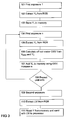
- the basic principle is illustrated in fig. 2.
- a series of N first exposures is taken in rapid succession.
- the first exposures are either taken with a short exposure time and/or with a small aperture.
- a short exposure time will reduce motion blurredness, while a small aperture will increase the depth of field.
- Each first exposure is sharp and in principle underexposed but all pixels exposed to light contributes with a luminance value Y.
- the luminance values Y 1 to Y N are combined to get sufficient luminance in the picture.
- the luminance values are preferably combined in such a way that image movement between the first exposures are taken into account and a correction is made.
- the sensor is exposed to a second exposure.
- the second exposure is either taken with a long exposure time and/or with a large aperture resulting in a greater exposure than the first exposures.
- the exposure is sufficient to ensure that the light sensor is exposed to enough light to get good colour information.
- the second exposure can be expected to be less sharp than the others due to hand shake (or decreased depth of field). It will however receive more light and contain more valuable colour information not captured by the first exposures in the series.
- the colour data should preferably not be digitally enhanced. If the colour data is digitally enhanced there may be a lot of noise in the picture, especially from the blue.
- the luminance information Y and the chrominance information UV from exposures are combined together to form the finished picture.
- the camera is set as is conventional by adjusting the focus of the lens, selecting a total exposure time and aperture setting (F stop value).
- Various exposure programs may be available.
- the user may also select to zoom in and out with the optical system.
- a number N of first exposures is selected to be consistent with the total exposure time.
- N may be any number (including 1), but suitably ranges from 2 to 8.
- the first exposures may have the same exposure time, or the first exposure times may vary between the first exposures in accordance with a predefined program.
- the second exposure time is also selected to be consistent with the total exposure time.
- the total exposure time is the sum of the first exposures and the second exposure.
- conventional image processing may be performed, such as subtraction of black level, gamma adjustment, contrast adjustment, error correction of erroneous pixels, digital sharpening, and JPEG compression. This is performed on the finished picture created by means of the present invention and does not form part of the present invention. Thus, it is not described in detail here.
- the present invention it is possible create a sharp image with correct exposure and colour information even in under low-light conditions.
- the invention enables using available light rendering a flash redundant in many situations. Less or no electric amplification of the colour information is needed, which results in less noise in the finished picture.
- the invention enables taking sharp pictures despite long exposure times. The scope of the invention is only limited by the claims below.
Landscapes
- Engineering & Computer Science (AREA)
- Multimedia (AREA)
- Signal Processing (AREA)
- Physics & Mathematics (AREA)
- General Physics & Mathematics (AREA)
- Theoretical Computer Science (AREA)
- Color Television Image Signal Generators (AREA)
- Studio Devices (AREA)
- Silver Salt Photography Or Processing Solution Therefor (AREA)
- Processing Of Color Television Signals (AREA)
- Image Processing (AREA)
- Light Sources And Details Of Projection-Printing Devices (AREA)
- Exposure Control For Cameras (AREA)
- Transforming Light Signals Into Electric Signals (AREA)
- Projection-Type Copiers In General (AREA)
Claims (28)
- Verfahren zum Bilden eines Bilds, welches folgende Schritte aufweist:Belichten eines licht-sensitiven Sensors (3) hinsichtlich einer Reihe von Belichtungen, von denen eine Anzahl N erste Belichtungen sind, die unterbelichtet sein können, und von denen eine eine zweite Belichtung ist, welche eine relativ größere Belichtung hat,wobei Luminanzdaten (Y) der ersten N Belichtungen verwendet werden, Schärfe im vollendeten Bild zu bilden, und Chrominanzdaten (UV) der zweiten Belichtung verwendet werden, Farbinhalt im vollendeten Bild zu bilden.
- Verfahren nach Anspruch 1, wobei Luminanzdaten (Y) der ersten N Belichtungen in einem Speicher (5) gespeichert werden.
- Verfahren nach Anspruch 2, wobei die Anzahl von ersten N Belichtungen größer als 1 ist, und Luminanzdaten der letzten ersten Belichtung den Luminanzdaten (Y), welche im Speicher (5) existieren, hinzugefügt werden.
- Verfahren nach Anspruch 3, wobei die Luminanzdaten (Y) mit einer Korrektur zur Schärfeerhöhung hinzugefügt werden.
- Verfahren nach Anspruch 4, wobei ein Offset-Vektor berechnet wird,
wobei der Offset-Vektor die Differenz zeigt, welche von der Bewegung zwischen der letzten ersten Belichtung und dem Inhalt des Speichers (5) resultiert, wobei der Offset-Vektor während der Hinzufügung verwendet wird, wenn der Speicher (5) adressiert wird. - Verfahren nach einem der Ansprüche 1 bis 5, wobei die Luminanzdaten (Y) eine gewichtete Summe der drei Farbkanäle rot (R), grün (G) und blau (B) sind.
- Verfahren nach einem der Ansprüche 1 bis 5, wobei die Luminanzdaten (Y) eine Summe der drei Farbkanäle rot (R), grün (G) und blau (B) sind, und die Wichtungen gleich sind (Y = R + G + B).
- Verfahren nach einem der vorhergehenden Ansprüche, wobei die Chrominanzdaten (UV) und die Luminanzdaten (Y) zum Verarbeiten zu einem Bildprozessor (4) gesendet werden.
- Verfahren nach Anspruch 8, wenn abhängig von einem der Ansprüche 2 bis 7, wobei die zweite Belichtung zuletzt durchgeführt wird, und die Chrominanzdaten (UV) vom Sensor (3) gelesen werden und die Luminanzdaten (Y) vom Speicher (5) gelesen werden.
- Verfahren nach einem der vorhergehenden Ansprüche, wobei die Anzahl N der ersten Belichtungen von 2 bis 8 (2 ≤ N ≤ 8) reicht.
- Verfahren nach einem der Ansprüche 1 bis 10, wobei die ersten Belichtungen kürzere individuelle Belichtungszeiten als die zweite Belichtung haben.
- Verfahren nach Anspruch 11, wobei die Summe der Belichtungszeiten der ersten N Belichtungen ungefähr gleich der Belichtungszeit der zweiten Belichtung ist.
- Verfahren nach einem der Ansprüche 1 bis 10, wobei die ersten Belichtungen mit einer kleineren Apertur als die zweite Belichtung ausgeführt werden.
- Verfahren nach Anspruch 13, wobei die Summe der Belichtungen der ersten N Belichtungen ungefähr gleich der zweiten Belichtung ist.
- Einrichtung zum Bilden eines Bilds, welche ein optisches System (1, 2) umfasst, um einen licht-sensitiven Sensor (3) zu belichten, eine Speichereinrichtung (5), um Bilddaten zu speichern, und einen Prozessor (4), der in der Lage ist, Bilddaten zu verarbeiten, dadurch gekennzeichnet, dass:das optische System (1, 2) eingerichtet ist, den licht-sensitiven Sensor (3) für eine Reihe von Belichtungen zu belichten, von denen eine Anzahl N erste Belichtungen sind, welche unterbelichtet sein können, und von denen eine eine zweite Belichtung ist, welche eine relative größere Belichtung hat,und dass der Prozessor (4) eingerichtet ist, Luminanzdaten (Y) der ersten N Belichtungen zu verwenden, um Schärfe im vollendeten Bild zu bilden, und um Chrominanzdaten (UV) der zweiten Belichtung zu verwenden, um Farbinhalt im vollendeten Bild zu bilden.
- Einrichtung nach Anspruch 15, wobei der Prozessor (4) eingerichtet ist, Luminanzdaten (Y) der ersten N Belichtungen im Speicher (5) zu speichern.
- Einrichtung nach Anspruch 16, wobei die Anzahl N erster Belichtungen größer ist als 1, und der Prozessor (4) eingerichtet ist, Luminanzdaten der letzten ersten Belichtung den Luminanzdaten (Y) hinzuzufügen, welche im Speicher (5) existieren.
- Einrichtung nach Anspruch 17, wobei der Prozessor (4) eingerichtet ist, die Luminanzdaten (Y) mit einer Korrektur zur Schärfeerhöhung hinzuzufügen.
- Einrichtung nach Anspruch 18, wobei der Prozessor (4) eingerichtet ist, einen Offset-Vektor zu berechnen, wobei der Offset-Vektor die Differenz zeigt, welche von der Bewegung zwischen der letzten ersten Belichtung und dem Inhalt des Speichers (5) resultiert, und um den Offset-Vektor während des Hinzufügens zu verwenden, wenn der Speicher (5) adressiert wird.
- Einrichtung nach einem der Ansprüche 15 bis 19, wobei der Prozessor (4) eingerichtet ist, die Luminanzdaten (Y) als eine gewichtete Summe der drei Farbkanäle rot (R), grün (G) und blau (B) zu extrahieren.
- Einrichtung nach einem der Ansprüche 15 bis 19, wobei die Luminanzdaten (Y) eine Summe der drei Farbkanäle rot (R), grün (G) und blau (B) ist, und die Wichtungen gleich sind (Y = R + G + B).
- Einrichtung nach einem der Ansprüche 15 bis 21, wobei der Prozessor eingerichtet ist, die Chrominanzdaten (UV) vom Sensor (3) und die Luminanzdaten (Y) vom Speicher (5) zu empfangen.
- Einrichtung nach Anspruch 22, wenn abhängig von einem der Ansprüche 16 bis 21, wobei das optische System (1, 2) eingerichtet ist, die zweite Belichtung zuletzt durchzuführen, und der Prozessor (4) eingerichtet ist, die Chrominanzdaten (UV) vom Sensor (3) zu lesen und um die Luminanzdaten (Y) vom Speicher (5) zu lesen.
- Einrichtung nach einem der Ansprüche 15 bis 23, wobei die Anzahl N der ersten Belichtungen von 2 bis 8 (2 ≤ N ≤ 8) reicht.
- Einrichtung nach einem der Ansprüche 15 bis 24, wobei die ersten Belichtungen festgelegt sind, kürzere individuelle Belichtungszeiten zu haben als die zweite Belichtung.
- Einrichtung nach Anspruch 25, wobei die Summe der Belichtungszeiten der ersten N Belichtungen ungefähr gleich der Belichtungszeit der zweiten Belichtung ist.
- Einrichtung nach einem der Ansprüche 15 bis 24, wobei die ersten Belichtungen festgelegt sind, mit einer kleineren Apertur als die zweite Belichtung gemacht zu werden.
- Einrichtung nach Anspruch 27, wobei die Summe der Belichtungen der ersten N Belichtungen ungefähr gleich der zweiten Belichtung ist.
Priority Applications (10)
| Application Number | Priority Date | Filing Date | Title |
|---|---|---|---|
| DE602005003917T DE602005003917T2 (de) | 2005-02-03 | 2005-02-03 | Verfahren und Vorrichtung zur Erzeugung von Bildern mit hoher Dynamik aus mehreren Belichtungen |
| EP05100748A EP1689164B1 (de) | 2005-02-03 | 2005-02-03 | Verfahren und Vorrichtung zur Erzeugung von verbesserten Bildern aus mehreren konsekutiven Belichtungen |
| AT05100748T ATE381852T1 (de) | 2005-02-03 | 2005-02-03 | Verfahren und vorrichtung zur erzeugung von verbesserten bildern aus mehreren konsekutiven belichtungen |
| RU2007132891/09A RU2397542C2 (ru) | 2005-02-03 | 2006-01-31 | Способ и устройство для создания изображений с высоким динамическим диапазоном из множественных экспозиций |
| BRPI0607206-2A BRPI0607206A2 (pt) | 2005-02-03 | 2006-01-31 | método e aparelho para criar uma imagem |
| CN2006800039522A CN101116324B (zh) | 2005-02-03 | 2006-01-31 | 用于从多次曝光中创建高动态范围图片的方法和装置 |
| US11/814,834 US7916181B2 (en) | 2005-02-03 | 2006-01-31 | Method and device for creating high dynamic range pictures from multiple exposures |
| MX2007009328A MX2007009328A (es) | 2005-02-03 | 2006-01-31 | Metodo y dispositivo para crear imagenes de escala dinamica elevada de multiples exposiciones. |
| PCT/EP2006/050559 WO2006082186A1 (en) | 2005-02-03 | 2006-01-31 | Method and device for creating high dynamic range pictures from multiple exposures |
| JP2007553597A JP2008529435A (ja) | 2005-02-03 | 2006-01-31 | 高ダイナミックレンジ画像を複数回の露光により生成するための方法および装置 |
Applications Claiming Priority (1)
| Application Number | Priority Date | Filing Date | Title |
|---|---|---|---|
| EP05100748A EP1689164B1 (de) | 2005-02-03 | 2005-02-03 | Verfahren und Vorrichtung zur Erzeugung von verbesserten Bildern aus mehreren konsekutiven Belichtungen |
Publications (2)
| Publication Number | Publication Date |
|---|---|
| EP1689164A1 EP1689164A1 (de) | 2006-08-09 |
| EP1689164B1 true EP1689164B1 (de) | 2007-12-19 |
Family
ID=34938633
Family Applications (1)
| Application Number | Title | Priority Date | Filing Date |
|---|---|---|---|
| EP05100748A Expired - Lifetime EP1689164B1 (de) | 2005-02-03 | 2005-02-03 | Verfahren und Vorrichtung zur Erzeugung von verbesserten Bildern aus mehreren konsekutiven Belichtungen |
Country Status (10)
| Country | Link |
|---|---|
| US (1) | US7916181B2 (de) |
| EP (1) | EP1689164B1 (de) |
| JP (1) | JP2008529435A (de) |
| CN (1) | CN101116324B (de) |
| AT (1) | ATE381852T1 (de) |
| BR (1) | BRPI0607206A2 (de) |
| DE (1) | DE602005003917T2 (de) |
| MX (1) | MX2007009328A (de) |
| RU (1) | RU2397542C2 (de) |
| WO (1) | WO2006082186A1 (de) |
Families Citing this family (32)
| Publication number | Priority date | Publication date | Assignee | Title |
|---|---|---|---|---|
| US7978925B1 (en) | 2005-04-16 | 2011-07-12 | Apple Inc. | Smoothing and/or locking operations in video editing |
| EP1944732A3 (de) * | 2007-01-12 | 2010-01-27 | Sanyo Electric Co., Ltd. | Vorrichtung und Verfahren zur Erkennung von Unschärfe, sowie Vorrichtung und Verfahren zur Unschärfenkorrektur |
| US8896712B2 (en) | 2007-07-20 | 2014-11-25 | Omnivision Technologies, Inc. | Determining and correcting for imaging device motion during an exposure |
| DE102007045448B4 (de) | 2007-09-24 | 2025-01-30 | Arnold & Richter Cine Technik Gmbh & Co. Betriebs Kg | Bildsensor |
| US20090244301A1 (en) * | 2008-04-01 | 2009-10-01 | Border John N | Controlling multiple-image capture |
| US8350952B2 (en) | 2008-06-04 | 2013-01-08 | Omnivision Technologies, Inc. | Image sensors with improved angle response |
| JP4748230B2 (ja) * | 2009-02-17 | 2011-08-17 | カシオ計算機株式会社 | 撮像装置、撮像方法及び撮像プログラム |
| CN101873435B (zh) * | 2009-04-23 | 2013-08-14 | 恩斯迈电子(深圳)有限公司 | 产生高动态范围图像的方法及其装置 |
| KR101614914B1 (ko) | 2009-07-23 | 2016-04-25 | 삼성전자주식회사 | 모션 적응적 고대비 영상 획득 장치 및 방법 |
| US8558913B2 (en) | 2010-02-08 | 2013-10-15 | Apple Inc. | Capture condition selection from brightness and motion |
| US8699821B2 (en) | 2010-07-05 | 2014-04-15 | Apple Inc. | Aligning images |
| JP2012050073A (ja) * | 2010-07-30 | 2012-03-08 | Nikon Corp | 撮像装置及び画像合成プログラム |
| JP5665436B2 (ja) * | 2010-09-02 | 2015-02-04 | キヤノン株式会社 | 画像処理装置、画像処理方法及びプログラム |
| US20140192238A1 (en) | 2010-10-24 | 2014-07-10 | Linx Computational Imaging Ltd. | System and Method for Imaging and Image Processing |
| US8462221B2 (en) * | 2010-11-03 | 2013-06-11 | Eastman Kodak Company | Method for producing high dynamic range images |
| KR101746499B1 (ko) | 2010-12-23 | 2017-06-14 | 한국전자통신연구원 | 다이내믹 레인지 삼차원 영상 시스템 |
| US8704943B2 (en) | 2011-01-21 | 2014-04-22 | Aptina Imaging Corporation | Systems for multi-exposure imaging |
| CN102169575B (zh) * | 2011-04-22 | 2012-12-05 | 艾民 | 一种非基色单色光图像数据的处理方法及其处理装置 |
| JP2012257193A (ja) | 2011-05-13 | 2012-12-27 | Sony Corp | 画像処理装置、撮像装置、および画像処理方法、並びにプログラム |
| WO2012173571A1 (en) * | 2011-06-17 | 2012-12-20 | Nanyang Technological University | A method and system for fusing images |
| JP5784426B2 (ja) * | 2011-09-06 | 2015-09-24 | オリンパス株式会社 | 撮像装置 |
| KR102038533B1 (ko) | 2012-06-14 | 2019-10-31 | 한국전자통신연구원 | 레이저 레이더 시스템 및 목표물 영상 획득 방법 |
| CN104488259B (zh) | 2012-07-26 | 2018-07-06 | 德普伊辛迪斯制品公司 | 使用单色传感器的宽动态范围 |
| US9648248B2 (en) * | 2012-12-17 | 2017-05-09 | Sony Corporation | Methods, systems, and media for high dynamic range imaging |
| US8994876B2 (en) | 2012-12-19 | 2015-03-31 | International Business Machines Corporation | Photographic exposure via real time broadcast of lighting parameters |
| US10222824B2 (en) * | 2014-05-12 | 2019-03-05 | Intel Corporation | Dual display system |
| US9646365B1 (en) | 2014-08-12 | 2017-05-09 | Amazon Technologies, Inc. | Variable temporal aperture |
| US9749532B1 (en) | 2014-08-12 | 2017-08-29 | Amazon Technologies, Inc. | Pixel readout of a charge coupled device having a variable aperture |
| US9787899B1 (en) | 2014-08-12 | 2017-10-10 | Amazon Technologies, Inc. | Multiple captures with a variable aperture |
| RU2578799C1 (ru) * | 2015-03-13 | 2016-03-27 | Федеральное государственное бюджетное учреждение науки Институт космических исследований Российской академии наук | Способ получения изображений с увеличенным динамическим диапазоном |
| CN105657244A (zh) * | 2015-11-06 | 2016-06-08 | 乐视移动智能信息技术(北京)有限公司 | 防抖拍照方法、装置及移动终端 |
| CN113205518B (zh) * | 2021-07-05 | 2021-09-07 | 雅安市人民医院 | 医疗车图像信息处理方法及装置 |
Family Cites Families (16)
| Publication number | Priority date | Publication date | Assignee | Title |
|---|---|---|---|---|
| SU781740A1 (ru) * | 1979-01-12 | 1980-11-23 | Одесское специальное конструкторское бюро полиграфического машиностроения | Цифровое устройство дл управлени экспозици ми |
| JPH04324789A (ja) * | 1991-04-24 | 1992-11-13 | Konica Corp | 固体撮像装置 |
| JP2970472B2 (ja) * | 1995-06-01 | 1999-11-02 | 日本電気株式会社 | 固体撮像装置 |
| US5828793A (en) * | 1996-05-06 | 1998-10-27 | Massachusetts Institute Of Technology | Method and apparatus for producing digital images having extended dynamic ranges |
| JP2000050160A (ja) * | 1998-08-03 | 2000-02-18 | Ricoh Co Ltd | 画像合成装置,画像合成方法及び画像合成方法を記憶した記憶媒体 |
| JP3725784B2 (ja) * | 1998-08-07 | 2005-12-14 | コリア インスティテュート オブ サイエンス アンド テクノロジー | 色フレームイメージシーケンスで移動体を検出する装置及び方法 |
| JP2002528970A (ja) * | 1998-10-19 | 2002-09-03 | ベン−グリオン ユニバーシィティー オブ ザ ネゲブ | ダイナミック・レンジを適応的に実時間で拡張する方法を使用する光学撮像装置 |
| JP4284570B2 (ja) * | 1999-05-31 | 2009-06-24 | ソニー株式会社 | 撮像装置及びその方法 |
| US20020135683A1 (en) * | 1999-12-20 | 2002-09-26 | Hideo Tamama | Digital still camera system and method |
| JP2002084449A (ja) * | 2000-09-08 | 2002-03-22 | Sanyo Electric Co Ltd | 固体撮像素子を用いた撮像装置 |
| JP2002232777A (ja) * | 2001-02-06 | 2002-08-16 | Olympus Optical Co Ltd | 撮像システム |
| JP2003087647A (ja) * | 2001-09-10 | 2003-03-20 | Minolta Co Ltd | デジタルスチルカメラ |
| EP1313066B1 (de) * | 2001-11-19 | 2008-08-27 | STMicroelectronics S.r.l. | Verfahren zur Mischung von digitalen Bildern zur Erzeugung eines digitalen Bildes mit erweitertem Dynamikbereich |
| JP3804617B2 (ja) * | 2003-02-14 | 2006-08-02 | コニカミノルタフォトイメージング株式会社 | 画像処理装置及び方法 |
| JP2004357202A (ja) * | 2003-05-30 | 2004-12-16 | Canon Inc | 撮影装置 |
| US7463296B2 (en) * | 2004-04-01 | 2008-12-09 | Microsoft Corporation | Digital cameras with luminance correction |
-
2005
- 2005-02-03 EP EP05100748A patent/EP1689164B1/de not_active Expired - Lifetime
- 2005-02-03 DE DE602005003917T patent/DE602005003917T2/de not_active Expired - Lifetime
- 2005-02-03 AT AT05100748T patent/ATE381852T1/de not_active IP Right Cessation
-
2006
- 2006-01-31 RU RU2007132891/09A patent/RU2397542C2/ru not_active IP Right Cessation
- 2006-01-31 CN CN2006800039522A patent/CN101116324B/zh not_active Expired - Fee Related
- 2006-01-31 MX MX2007009328A patent/MX2007009328A/es active IP Right Grant
- 2006-01-31 US US11/814,834 patent/US7916181B2/en not_active Expired - Fee Related
- 2006-01-31 JP JP2007553597A patent/JP2008529435A/ja active Pending
- 2006-01-31 BR BRPI0607206-2A patent/BRPI0607206A2/pt not_active IP Right Cessation
- 2006-01-31 WO PCT/EP2006/050559 patent/WO2006082186A1/en not_active Ceased
Also Published As
| Publication number | Publication date |
|---|---|
| WO2006082186A1 (en) | 2006-08-10 |
| DE602005003917T2 (de) | 2008-12-04 |
| DE602005003917D1 (de) | 2008-01-31 |
| EP1689164A1 (de) | 2006-08-09 |
| RU2397542C2 (ru) | 2010-08-20 |
| JP2008529435A (ja) | 2008-07-31 |
| CN101116324A (zh) | 2008-01-30 |
| RU2007132891A (ru) | 2009-03-10 |
| ATE381852T1 (de) | 2008-01-15 |
| US7916181B2 (en) | 2011-03-29 |
| BRPI0607206A2 (pt) | 2010-11-03 |
| MX2007009328A (es) | 2007-09-21 |
| CN101116324B (zh) | 2011-03-09 |
| US20080316354A1 (en) | 2008-12-25 |
Similar Documents
| Publication | Publication Date | Title |
|---|---|---|
| EP1689164B1 (de) | Verfahren und Vorrichtung zur Erzeugung von verbesserten Bildern aus mehreren konsekutiven Belichtungen | |
| US10412296B2 (en) | Camera using preview image to select exposure | |
| KR100799215B1 (ko) | 카메라 | |
| JP4524717B2 (ja) | 画像処理装置、撮像装置、画像処理方法及びプログラム | |
| US9288391B2 (en) | Image pickup apparatus, image pickup system, and method of controlling image pickup apparatus | |
| JP3873994B2 (ja) | 撮像装置、及び画像取得方法 | |
| US8305465B2 (en) | Image pick-up apparatus with a shake reducing function | |
| JP6624889B2 (ja) | 映像処理装置、映像処理方法、及び映像処理プログラム | |
| WO2003025667A1 (en) | Method of eliminating hot spot in digital photograph | |
| JP2001103366A (ja) | カメラ | |
| JP5843027B1 (ja) | 撮像装置、制御方法およびプログラム | |
| JP2011228807A (ja) | 画像処理プログラム、画像処理装置、および画像処理方法 | |
| CN100550990C (zh) | 图像校正装置以及图像校正方法 | |
| JP2008301371A (ja) | 撮像装置および画像処理プログラム | |
| US9912873B2 (en) | Image pickup apparatus equipped with display section and method of controlling the same | |
| JP7229728B2 (ja) | 撮影装置、その制御方法、プログラム | |
| JP2019047365A (ja) | 画像処理装置、画像処理装置の制御方法、撮像装置、プログラム | |
| JP4335648B2 (ja) | デジタルカメラ及びデジタルカメラの撮像方法 | |
| JP2007036438A (ja) | 撮像装置における色判別方法及び装置並びに撮像装置の露出制御方法 | |
| JP2016046610A (ja) | 撮像装置 | |
| US20080180533A1 (en) | Systems And Methods Of Customizing A Color Palette On A Digital Camera | |
| JP5282533B2 (ja) | 画像処理装置、撮像装置およびプログラム | |
| JP2010119051A (ja) | 撮像装置及び撮像方法 | |
| JP2006253970A (ja) | 撮像装置、シェーディング補正データ作成方法およびプログラム | |
| JP7678776B2 (ja) | 撮像装置およびその制御方法、ならびに画像処理装置 |
Legal Events
| Date | Code | Title | Description |
|---|---|---|---|
| PUAI | Public reference made under article 153(3) epc to a published international application that has entered the european phase |
Free format text: ORIGINAL CODE: 0009012 |
|
| AK | Designated contracting states |
Kind code of ref document: A1 Designated state(s): AT BE BG CH CY CZ DE DK EE ES FI FR GB GR HU IE IS IT LI LT LU MC NL PL PT RO SE SI SK TR |
|
| AX | Request for extension of the european patent |
Extension state: AL BA HR LV MK YU |
|
| 17P | Request for examination filed |
Effective date: 20070125 |
|
| 17Q | First examination report despatched |
Effective date: 20070222 |
|
| AKX | Designation fees paid |
Designated state(s): AT BE BG CH CY CZ DE DK EE ES FI FR GB GR HU IE IS IT LI LT LU MC NL PL PT RO SE SI SK TR |
|
| GRAP | Despatch of communication of intention to grant a patent |
Free format text: ORIGINAL CODE: EPIDOSNIGR1 |
|
| GRAS | Grant fee paid |
Free format text: ORIGINAL CODE: EPIDOSNIGR3 |
|
| GRAA | (expected) grant |
Free format text: ORIGINAL CODE: 0009210 |
|
| AK | Designated contracting states |
Kind code of ref document: B1 Designated state(s): AT BE BG CH CY CZ DE DK EE ES FI FR GB GR HU IE IS IT LI LT LU MC NL PL PT RO SE SI SK TR |
|
| REG | Reference to a national code |
Ref country code: GB Ref legal event code: FG4D |
|
| RTI1 | Title (correction) |
Free format text: METHOD AND DEVICE FOR CREATING ENHANCED PICTURE BY MEANS OF SEVERAL CONSECUTIVE EXPOSURES |
|
| REG | Reference to a national code |
Ref country code: IE Ref legal event code: FG4D |
|
| REG | Reference to a national code |
Ref country code: CH Ref legal event code: EP |
|
| REF | Corresponds to: |
Ref document number: 602005003917 Country of ref document: DE Date of ref document: 20080131 Kind code of ref document: P |
|
| PG25 | Lapsed in a contracting state [announced via postgrant information from national office to epo] |
Ref country code: CH Free format text: LAPSE BECAUSE OF FAILURE TO SUBMIT A TRANSLATION OF THE DESCRIPTION OR TO PAY THE FEE WITHIN THE PRESCRIBED TIME-LIMIT Effective date: 20071219 Ref country code: LI Free format text: LAPSE BECAUSE OF FAILURE TO SUBMIT A TRANSLATION OF THE DESCRIPTION OR TO PAY THE FEE WITHIN THE PRESCRIBED TIME-LIMIT Effective date: 20071219 Ref country code: SE Free format text: LAPSE BECAUSE OF FAILURE TO SUBMIT A TRANSLATION OF THE DESCRIPTION OR TO PAY THE FEE WITHIN THE PRESCRIBED TIME-LIMIT Effective date: 20080319 |
|
| PG25 | Lapsed in a contracting state [announced via postgrant information from national office to epo] |
Ref country code: FI Free format text: LAPSE BECAUSE OF FAILURE TO SUBMIT A TRANSLATION OF THE DESCRIPTION OR TO PAY THE FEE WITHIN THE PRESCRIBED TIME-LIMIT Effective date: 20071219 Ref country code: PL Free format text: LAPSE BECAUSE OF FAILURE TO SUBMIT A TRANSLATION OF THE DESCRIPTION OR TO PAY THE FEE WITHIN THE PRESCRIBED TIME-LIMIT Effective date: 20071219 Ref country code: LT Free format text: LAPSE BECAUSE OF FAILURE TO SUBMIT A TRANSLATION OF THE DESCRIPTION OR TO PAY THE FEE WITHIN THE PRESCRIBED TIME-LIMIT Effective date: 20071219 Ref country code: SI Free format text: LAPSE BECAUSE OF FAILURE TO SUBMIT A TRANSLATION OF THE DESCRIPTION OR TO PAY THE FEE WITHIN THE PRESCRIBED TIME-LIMIT Effective date: 20071219 Ref country code: NL Free format text: LAPSE BECAUSE OF FAILURE TO SUBMIT A TRANSLATION OF THE DESCRIPTION OR TO PAY THE FEE WITHIN THE PRESCRIBED TIME-LIMIT Effective date: 20071219 |
|
| NLV1 | Nl: lapsed or annulled due to failure to fulfill the requirements of art. 29p and 29m of the patents act | ||
| REG | Reference to a national code |
Ref country code: CH Ref legal event code: PL |
|
| PG25 | Lapsed in a contracting state [announced via postgrant information from national office to epo] |
Ref country code: AT Free format text: LAPSE BECAUSE OF FAILURE TO SUBMIT A TRANSLATION OF THE DESCRIPTION OR TO PAY THE FEE WITHIN THE PRESCRIBED TIME-LIMIT Effective date: 20071219 |
|
| PG25 | Lapsed in a contracting state [announced via postgrant information from national office to epo] |
Ref country code: IS Free format text: LAPSE BECAUSE OF FAILURE TO SUBMIT A TRANSLATION OF THE DESCRIPTION OR TO PAY THE FEE WITHIN THE PRESCRIBED TIME-LIMIT Effective date: 20080419 Ref country code: ES Free format text: LAPSE BECAUSE OF FAILURE TO SUBMIT A TRANSLATION OF THE DESCRIPTION OR TO PAY THE FEE WITHIN THE PRESCRIBED TIME-LIMIT Effective date: 20080330 Ref country code: CZ Free format text: LAPSE BECAUSE OF FAILURE TO SUBMIT A TRANSLATION OF THE DESCRIPTION OR TO PAY THE FEE WITHIN THE PRESCRIBED TIME-LIMIT Effective date: 20071219 |
|
| ET | Fr: translation filed | ||
| PG25 | Lapsed in a contracting state [announced via postgrant information from national office to epo] |
Ref country code: BE Free format text: LAPSE BECAUSE OF FAILURE TO SUBMIT A TRANSLATION OF THE DESCRIPTION OR TO PAY THE FEE WITHIN THE PRESCRIBED TIME-LIMIT Effective date: 20071219 Ref country code: SK Free format text: LAPSE BECAUSE OF FAILURE TO SUBMIT A TRANSLATION OF THE DESCRIPTION OR TO PAY THE FEE WITHIN THE PRESCRIBED TIME-LIMIT Effective date: 20071219 Ref country code: RO Free format text: LAPSE BECAUSE OF FAILURE TO SUBMIT A TRANSLATION OF THE DESCRIPTION OR TO PAY THE FEE WITHIN THE PRESCRIBED TIME-LIMIT Effective date: 20071219 |
|
| PG25 | Lapsed in a contracting state [announced via postgrant information from national office to epo] |
Ref country code: PT Free format text: LAPSE BECAUSE OF FAILURE TO SUBMIT A TRANSLATION OF THE DESCRIPTION OR TO PAY THE FEE WITHIN THE PRESCRIBED TIME-LIMIT Effective date: 20080519 |
|
| PLBE | No opposition filed within time limit |
Free format text: ORIGINAL CODE: 0009261 |
|
| STAA | Information on the status of an ep patent application or granted ep patent |
Free format text: STATUS: NO OPPOSITION FILED WITHIN TIME LIMIT |
|
| PG25 | Lapsed in a contracting state [announced via postgrant information from national office to epo] |
Ref country code: DK Free format text: LAPSE BECAUSE OF FAILURE TO SUBMIT A TRANSLATION OF THE DESCRIPTION OR TO PAY THE FEE WITHIN THE PRESCRIBED TIME-LIMIT Effective date: 20071219 Ref country code: MC Free format text: LAPSE BECAUSE OF NON-PAYMENT OF DUE FEES Effective date: 20080228 |
|
| 26N | No opposition filed |
Effective date: 20080922 |
|
| PG25 | Lapsed in a contracting state [announced via postgrant information from national office to epo] |
Ref country code: EE Free format text: LAPSE BECAUSE OF FAILURE TO SUBMIT A TRANSLATION OF THE DESCRIPTION OR TO PAY THE FEE WITHIN THE PRESCRIBED TIME-LIMIT Effective date: 20071219 Ref country code: GR Free format text: LAPSE BECAUSE OF FAILURE TO SUBMIT A TRANSLATION OF THE DESCRIPTION OR TO PAY THE FEE WITHIN THE PRESCRIBED TIME-LIMIT Effective date: 20080320 Ref country code: IE Free format text: LAPSE BECAUSE OF NON-PAYMENT OF DUE FEES Effective date: 20080204 |
|
| PG25 | Lapsed in a contracting state [announced via postgrant information from national office to epo] |
Ref country code: BG Free format text: LAPSE BECAUSE OF FAILURE TO SUBMIT A TRANSLATION OF THE DESCRIPTION OR TO PAY THE FEE WITHIN THE PRESCRIBED TIME-LIMIT Effective date: 20080319 |
|
| PG25 | Lapsed in a contracting state [announced via postgrant information from national office to epo] |
Ref country code: CY Free format text: LAPSE BECAUSE OF FAILURE TO SUBMIT A TRANSLATION OF THE DESCRIPTION OR TO PAY THE FEE WITHIN THE PRESCRIBED TIME-LIMIT Effective date: 20071219 |
|
| PG25 | Lapsed in a contracting state [announced via postgrant information from national office to epo] |
Ref country code: LU Free format text: LAPSE BECAUSE OF NON-PAYMENT OF DUE FEES Effective date: 20080203 Ref country code: HU Free format text: LAPSE BECAUSE OF FAILURE TO SUBMIT A TRANSLATION OF THE DESCRIPTION OR TO PAY THE FEE WITHIN THE PRESCRIBED TIME-LIMIT Effective date: 20080620 |
|
| PG25 | Lapsed in a contracting state [announced via postgrant information from national office to epo] |
Ref country code: TR Free format text: LAPSE BECAUSE OF FAILURE TO SUBMIT A TRANSLATION OF THE DESCRIPTION OR TO PAY THE FEE WITHIN THE PRESCRIBED TIME-LIMIT Effective date: 20071219 |
|
| PG25 | Lapsed in a contracting state [announced via postgrant information from national office to epo] |
Ref country code: IT Free format text: LAPSE BECAUSE OF NON-PAYMENT OF DUE FEES Effective date: 20080229 |
|
| REG | Reference to a national code |
Ref country code: FR Ref legal event code: PLFP Year of fee payment: 12 |
|
| REG | Reference to a national code |
Ref country code: FR Ref legal event code: PLFP Year of fee payment: 13 |
|
| REG | Reference to a national code |
Ref country code: FR Ref legal event code: PLFP Year of fee payment: 14 |
|
| PGFP | Annual fee paid to national office [announced via postgrant information from national office to epo] |
Ref country code: GB Payment date: 20190130 Year of fee payment: 15 |
|
| GBPC | Gb: european patent ceased through non-payment of renewal fee |
Effective date: 20200203 |
|
| PG25 | Lapsed in a contracting state [announced via postgrant information from national office to epo] |
Ref country code: GB Free format text: LAPSE BECAUSE OF NON-PAYMENT OF DUE FEES Effective date: 20200203 Ref country code: FR Free format text: LAPSE BECAUSE OF NON-PAYMENT OF DUE FEES Effective date: 20200229 |
|
| PGFP | Annual fee paid to national office [announced via postgrant information from national office to epo] |
Ref country code: DE Payment date: 20210120 Year of fee payment: 17 |
|
| REG | Reference to a national code |
Ref country code: DE Ref legal event code: R119 Ref document number: 602005003917 Country of ref document: DE |
|
| PG25 | Lapsed in a contracting state [announced via postgrant information from national office to epo] |
Ref country code: DE Free format text: LAPSE BECAUSE OF NON-PAYMENT OF DUE FEES Effective date: 20220901 |