EP1721618A2 - Composition de Proteasome pour la vaccination antigrippale - Google Patents
Composition de Proteasome pour la vaccination antigrippale Download PDFInfo
- Publication number
- EP1721618A2 EP1721618A2 EP06013179A EP06013179A EP1721618A2 EP 1721618 A2 EP1721618 A2 EP 1721618A2 EP 06013179 A EP06013179 A EP 06013179A EP 06013179 A EP06013179 A EP 06013179A EP 1721618 A2 EP1721618 A2 EP 1721618A2
- Authority
- EP
- European Patent Office
- Prior art keywords
- vaccine
- antigen
- influenza
- proteosome
- mixture
- Prior art date
- Legal status (The legal status is an assumption and is not a legal conclusion. Google has not performed a legal analysis and makes no representation as to the accuracy of the status listed.)
- Withdrawn
Links
- 239000000203 mixture Substances 0.000 title claims description 94
- 229960003971 influenza vaccine Drugs 0.000 title claims description 34
- 229960005486 vaccine Drugs 0.000 claims abstract description 155
- 108091007433 antigens Proteins 0.000 claims abstract description 123
- 102000036639 antigens Human genes 0.000 claims abstract description 123
- 239000000427 antigen Substances 0.000 claims abstract description 118
- 206010022000 influenza Diseases 0.000 claims abstract description 112
- 238000002360 preparation method Methods 0.000 claims abstract description 29
- 238000000034 method Methods 0.000 claims description 70
- 101710154606 Hemagglutinin Proteins 0.000 claims description 64
- 101710093908 Outer capsid protein VP4 Proteins 0.000 claims description 64
- 101710135467 Outer capsid protein sigma-1 Proteins 0.000 claims description 64
- 101710176177 Protein A56 Proteins 0.000 claims description 64
- 239000000185 hemagglutinin Substances 0.000 claims description 63
- 239000003599 detergent Substances 0.000 claims description 39
- 230000004044 response Effects 0.000 claims description 39
- 238000009472 formulation Methods 0.000 claims description 22
- 230000028993 immune response Effects 0.000 claims description 20
- 241000712461 unidentified influenza virus Species 0.000 claims description 19
- 238000000108 ultra-filtration Methods 0.000 claims description 16
- 230000003612 virological effect Effects 0.000 claims description 16
- 238000011026 diafiltration Methods 0.000 claims description 15
- 239000002245 particle Substances 0.000 claims description 13
- 239000000243 solution Substances 0.000 claims description 10
- 108010067390 Viral Proteins Proteins 0.000 claims description 7
- 208000015181 infectious disease Diseases 0.000 claims description 7
- LFQSCWFLJHTTHZ-UHFFFAOYSA-N Ethanol Chemical compound CCO LFQSCWFLJHTTHZ-UHFFFAOYSA-N 0.000 claims description 6
- 229940031348 multivalent vaccine Drugs 0.000 claims description 6
- 238000001556 precipitation Methods 0.000 claims description 5
- 230000009385 viral infection Effects 0.000 claims description 5
- 238000000605 extraction Methods 0.000 claims description 3
- 238000010255 intramuscular injection Methods 0.000 claims description 3
- 239000007927 intramuscular injection Substances 0.000 claims description 3
- 238000002156 mixing Methods 0.000 claims description 3
- BFNBIHQBYMNNAN-UHFFFAOYSA-N ammonium sulfate Chemical compound N.N.OS(O)(=O)=O BFNBIHQBYMNNAN-UHFFFAOYSA-N 0.000 claims description 2
- 229910052921 ammonium sulfate Inorganic materials 0.000 claims description 2
- 235000011130 ammonium sulphate Nutrition 0.000 claims description 2
- 238000011049 filling Methods 0.000 claims 4
- 208000036142 Viral infection Diseases 0.000 claims 3
- 238000000149 argon plasma sintering Methods 0.000 claims 1
- 210000002966 serum Anatomy 0.000 description 51
- 230000003053 immunization Effects 0.000 description 29
- 238000002649 immunization Methods 0.000 description 29
- 241000699670 Mus sp. Species 0.000 description 26
- 241000700605 Viruses Species 0.000 description 25
- 241000282412 Homo Species 0.000 description 21
- 210000004072 lung Anatomy 0.000 description 21
- 108090000623 proteins and genes Proteins 0.000 description 15
- 241001465754 Metazoa Species 0.000 description 14
- 239000012530 fluid Substances 0.000 description 14
- 230000008569 process Effects 0.000 description 13
- 235000018102 proteins Nutrition 0.000 description 13
- 102000004169 proteins and genes Human genes 0.000 description 13
- 230000003248 secreting effect Effects 0.000 description 13
- 241001591005 Siga Species 0.000 description 12
- 239000006228 supernatant Substances 0.000 description 12
- 241000371980 Influenza B virus (B/Shanghai/361/2002) Species 0.000 description 11
- 239000002671 adjuvant Substances 0.000 description 11
- 241000699666 Mus <mouse, genus> Species 0.000 description 10
- 238000005516 engineering process Methods 0.000 description 10
- 210000004027 cell Anatomy 0.000 description 9
- 210000001151 cytotoxic T lymphocyte Anatomy 0.000 description 9
- 239000000047 product Substances 0.000 description 9
- 108010002616 Interleukin-5 Proteins 0.000 description 8
- 230000000536 complexating effect Effects 0.000 description 8
- 238000010790 dilution Methods 0.000 description 8
- 239000012895 dilution Substances 0.000 description 8
- 231100000655 enterotoxin Toxicity 0.000 description 8
- 230000006698 induction Effects 0.000 description 8
- 238000002347 injection Methods 0.000 description 8
- 239000007924 injection Substances 0.000 description 8
- 238000004519 manufacturing process Methods 0.000 description 8
- 239000012528 membrane Substances 0.000 description 8
- 230000009885 systemic effect Effects 0.000 description 8
- 108090000695 Cytokines Proteins 0.000 description 7
- 102000004127 Cytokines Human genes 0.000 description 7
- 238000002965 ELISA Methods 0.000 description 7
- 238000003556 assay Methods 0.000 description 7
- 239000000147 enterotoxin Substances 0.000 description 7
- DVEKCXOJTLDBFE-UHFFFAOYSA-N n-dodecyl-n,n-dimethylglycinate Chemical compound CCCCCCCCCCCC[N+](C)(C)CC([O-])=O DVEKCXOJTLDBFE-UHFFFAOYSA-N 0.000 description 7
- 239000000277 virosome Substances 0.000 description 7
- 230000008901 benefit Effects 0.000 description 6
- 238000011161 development Methods 0.000 description 6
- 230000018109 developmental process Effects 0.000 description 6
- 230000002163 immunogen Effects 0.000 description 6
- 230000005847 immunogenicity Effects 0.000 description 6
- 150000002632 lipids Chemical class 0.000 description 6
- 210000004379 membrane Anatomy 0.000 description 6
- 229940035032 monophosphoryl lipid a Drugs 0.000 description 6
- 210000003928 nasal cavity Anatomy 0.000 description 6
- 102000009016 Cholera Toxin Human genes 0.000 description 5
- 108010049048 Cholera Toxin Proteins 0.000 description 5
- 241000607768 Shigella Species 0.000 description 5
- 239000000872 buffer Substances 0.000 description 5
- 239000002158 endotoxin Substances 0.000 description 5
- 230000036039 immunity Effects 0.000 description 5
- 238000007918 intramuscular administration Methods 0.000 description 5
- 229920006008 lipopolysaccharide Polymers 0.000 description 5
- 230000016379 mucosal immune response Effects 0.000 description 5
- 238000006386 neutralization reaction Methods 0.000 description 5
- 239000002953 phosphate buffered saline Substances 0.000 description 5
- 238000002415 sodium dodecyl sulfate polyacrylamide gel electrophoresis Methods 0.000 description 5
- 241000701447 unidentified baculovirus Species 0.000 description 5
- 238000002255 vaccination Methods 0.000 description 5
- 101710146739 Enterotoxin Proteins 0.000 description 4
- 101710116435 Outer membrane protein Proteins 0.000 description 4
- 230000002238 attenuated effect Effects 0.000 description 4
- 230000001580 bacterial effect Effects 0.000 description 4
- 210000003169 central nervous system Anatomy 0.000 description 4
- 230000000120 cytopathologic effect Effects 0.000 description 4
- 238000000502 dialysis Methods 0.000 description 4
- 230000000694 effects Effects 0.000 description 4
- 239000000499 gel Substances 0.000 description 4
- 229910052737 gold Inorganic materials 0.000 description 4
- 239000010931 gold Substances 0.000 description 4
- 230000001939 inductive effect Effects 0.000 description 4
- 239000002502 liposome Substances 0.000 description 4
- 230000003472 neutralizing effect Effects 0.000 description 4
- 239000008188 pellet Substances 0.000 description 4
- 108090000765 processed proteins & peptides Proteins 0.000 description 4
- 210000002345 respiratory system Anatomy 0.000 description 4
- 239000011780 sodium chloride Substances 0.000 description 4
- 238000012360 testing method Methods 0.000 description 4
- 239000003981 vehicle Substances 0.000 description 4
- 238000005406 washing Methods 0.000 description 4
- 108010074328 Interferon-gamma Proteins 0.000 description 3
- 102000008070 Interferon-gamma Human genes 0.000 description 3
- 201000009906 Meningitis Diseases 0.000 description 3
- 241000588653 Neisseria Species 0.000 description 3
- FAPWRFPIFSIZLT-UHFFFAOYSA-M Sodium chloride Chemical compound [Na+].[Cl-] FAPWRFPIFSIZLT-UHFFFAOYSA-M 0.000 description 3
- 230000000903 blocking effect Effects 0.000 description 3
- 201000010099 disease Diseases 0.000 description 3
- 208000037265 diseases, disorders, signs and symptoms Diseases 0.000 description 3
- 238000009826 distribution Methods 0.000 description 3
- 239000000839 emulsion Substances 0.000 description 3
- 238000011156 evaluation Methods 0.000 description 3
- 230000000951 immunodiffusion Effects 0.000 description 3
- 238000011534 incubation Methods 0.000 description 3
- 229960003130 interferon gamma Drugs 0.000 description 3
- 210000000956 olfactory bulb Anatomy 0.000 description 3
- 229940068196 placebo Drugs 0.000 description 3
- 239000000902 placebo Substances 0.000 description 3
- 102000004196 processed proteins & peptides Human genes 0.000 description 3
- 230000001681 protective effect Effects 0.000 description 3
- 230000002829 reductive effect Effects 0.000 description 3
- 210000004989 spleen cell Anatomy 0.000 description 3
- 230000004580 weight loss Effects 0.000 description 3
- 241000894006 Bacteria Species 0.000 description 2
- 108091003079 Bovine Serum Albumin Proteins 0.000 description 2
- 241000283707 Capra Species 0.000 description 2
- 238000012286 ELISA Assay Methods 0.000 description 2
- 241000588724 Escherichia coli Species 0.000 description 2
- 108010001336 Horseradish Peroxidase Proteins 0.000 description 2
- 206010020751 Hypersensitivity Diseases 0.000 description 2
- 206010061218 Inflammation Diseases 0.000 description 2
- 241001529936 Murinae Species 0.000 description 2
- 229930006000 Sucrose Natural products 0.000 description 2
- CZMRCDWAGMRECN-UGDNZRGBSA-N Sucrose Chemical compound O[C@H]1[C@H](O)[C@@H](CO)O[C@@]1(CO)O[C@@H]1[C@H](O)[C@@H](O)[C@H](O)[C@@H](CO)O1 CZMRCDWAGMRECN-UGDNZRGBSA-N 0.000 description 2
- 230000005867 T cell response Effects 0.000 description 2
- 238000002835 absorbance Methods 0.000 description 2
- 230000004520 agglutination Effects 0.000 description 2
- 230000007815 allergy Effects 0.000 description 2
- 238000012870 ammonium sulfate precipitation Methods 0.000 description 2
- 150000001720 carbohydrates Chemical class 0.000 description 2
- 238000004113 cell culture Methods 0.000 description 2
- 239000003153 chemical reaction reagent Substances 0.000 description 2
- 239000003795 chemical substances by application Substances 0.000 description 2
- 230000009260 cross reactivity Effects 0.000 description 2
- 239000003085 diluting agent Substances 0.000 description 2
- LOKCTEFSRHRXRJ-UHFFFAOYSA-I dipotassium trisodium dihydrogen phosphate hydrogen phosphate dichloride Chemical compound P(=O)(O)(O)[O-].[K+].P(=O)(O)([O-])[O-].[Na+].[Na+].[Cl-].[K+].[Cl-].[Na+] LOKCTEFSRHRXRJ-UHFFFAOYSA-I 0.000 description 2
- 230000008030 elimination Effects 0.000 description 2
- 238000003379 elimination reaction Methods 0.000 description 2
- 238000002474 experimental method Methods 0.000 description 2
- 238000001914 filtration Methods 0.000 description 2
- 239000013020 final formulation Substances 0.000 description 2
- 230000035931 haemagglutination Effects 0.000 description 2
- 230000002209 hydrophobic effect Effects 0.000 description 2
- 230000003308 immunostimulating effect Effects 0.000 description 2
- 238000000338 in vitro Methods 0.000 description 2
- 230000004054 inflammatory process Effects 0.000 description 2
- 230000005764 inhibitory process Effects 0.000 description 2
- 210000003563 lymphoid tissue Anatomy 0.000 description 2
- 230000014759 maintenance of location Effects 0.000 description 2
- 239000003550 marker Substances 0.000 description 2
- 230000000813 microbial effect Effects 0.000 description 2
- 239000003921 oil Substances 0.000 description 2
- 238000003921 particle size analysis Methods 0.000 description 2
- 229940023143 protein vaccine Drugs 0.000 description 2
- 238000011084 recovery Methods 0.000 description 2
- 230000000241 respiratory effect Effects 0.000 description 2
- 238000012552 review Methods 0.000 description 2
- 238000013207 serial dilution Methods 0.000 description 2
- 238000007920 subcutaneous administration Methods 0.000 description 2
- 229940031626 subunit vaccine Drugs 0.000 description 2
- 239000005720 sucrose Substances 0.000 description 2
- 239000004094 surface-active agent Substances 0.000 description 2
- 239000003053 toxin Substances 0.000 description 2
- 231100000765 toxin Toxicity 0.000 description 2
- 108700012359 toxins Proteins 0.000 description 2
- 229940031418 trivalent vaccine Drugs 0.000 description 2
- 230000029069 type 2 immune response Effects 0.000 description 2
- DGVVWUTYPXICAM-UHFFFAOYSA-N β‐Mercaptoethanol Chemical compound OCCS DGVVWUTYPXICAM-UHFFFAOYSA-N 0.000 description 2
- UAIUNKRWKOVEES-UHFFFAOYSA-N 3,3',5,5'-tetramethylbenzidine Chemical compound CC1=C(N)C(C)=CC(C=2C=C(C)C(N)=C(C)C=2)=C1 UAIUNKRWKOVEES-UHFFFAOYSA-N 0.000 description 1
- QFVHZQCOUORWEI-UHFFFAOYSA-N 4-[(4-anilino-5-sulfonaphthalen-1-yl)diazenyl]-5-hydroxynaphthalene-2,7-disulfonic acid Chemical compound C=12C(O)=CC(S(O)(=O)=O)=CC2=CC(S(O)(=O)=O)=CC=1N=NC(C1=CC=CC(=C11)S(O)(=O)=O)=CC=C1NC1=CC=CC=C1 QFVHZQCOUORWEI-UHFFFAOYSA-N 0.000 description 1
- 229920000936 Agarose Polymers 0.000 description 1
- 108010039627 Aprotinin Proteins 0.000 description 1
- 108090001008 Avidin Proteins 0.000 description 1
- 238000011725 BALB/c mouse Methods 0.000 description 1
- 108010071023 Bacterial Outer Membrane Proteins Proteins 0.000 description 1
- VGGGPCQERPFHOB-MCIONIFRSA-N Bestatin Chemical compound CC(C)C[C@H](C(O)=O)NC(=O)[C@@H](O)[C@H](N)CC1=CC=CC=C1 VGGGPCQERPFHOB-MCIONIFRSA-N 0.000 description 1
- VGGGPCQERPFHOB-UHFFFAOYSA-N Bestatin Natural products CC(C)CC(C(O)=O)NC(=O)C(O)C(N)CC1=CC=CC=C1 VGGGPCQERPFHOB-UHFFFAOYSA-N 0.000 description 1
- 241000589562 Brucella Species 0.000 description 1
- UXVMQQNJUSDDNG-UHFFFAOYSA-L Calcium chloride Chemical compound [Cl-].[Cl-].[Ca+2] UXVMQQNJUSDDNG-UHFFFAOYSA-L 0.000 description 1
- -1 Empigen Chemical compound 0.000 description 1
- 102000004190 Enzymes Human genes 0.000 description 1
- 108090000790 Enzymes Proteins 0.000 description 1
- 101000867232 Escherichia coli Heat-stable enterotoxin II Proteins 0.000 description 1
- CEAZRRDELHUEMR-URQXQFDESA-N Gentamicin Chemical compound O1[C@H](C(C)NC)CC[C@@H](N)[C@H]1O[C@H]1[C@H](O)[C@@H](O[C@@H]2[C@@H]([C@@H](NC)[C@@](C)(O)CO2)O)[C@H](N)C[C@@H]1N CEAZRRDELHUEMR-URQXQFDESA-N 0.000 description 1
- 229930182566 Gentamicin Natural products 0.000 description 1
- 108010065155 Human Immunodeficiency Virus env Gene Products Proteins 0.000 description 1
- 108060003951 Immunoglobulin Proteins 0.000 description 1
- GDBQQVLCIARPGH-UHFFFAOYSA-N Leupeptin Natural products CC(C)CC(NC(C)=O)C(=O)NC(CC(C)C)C(=O)NC(C=O)CCCN=C(N)N GDBQQVLCIARPGH-UHFFFAOYSA-N 0.000 description 1
- 206010028980 Neoplasm Diseases 0.000 description 1
- 239000004677 Nylon Substances 0.000 description 1
- 235000010676 Ocimum basilicum Nutrition 0.000 description 1
- 240000007926 Ocimum gratissimum Species 0.000 description 1
- 240000007594 Oryza sativa Species 0.000 description 1
- 235000007164 Oryza sativa Nutrition 0.000 description 1
- 235000001630 Pyrus pyrifolia var culta Nutrition 0.000 description 1
- 240000002609 Pyrus pyrifolia var. culta Species 0.000 description 1
- 239000012980 RPMI-1640 medium Substances 0.000 description 1
- 102000007056 Recombinant Fusion Proteins Human genes 0.000 description 1
- 108010008281 Recombinant Fusion Proteins Proteins 0.000 description 1
- 241001222774 Salmonella enterica subsp. enterica serovar Minnesota Species 0.000 description 1
- BQCADISMDOOEFD-UHFFFAOYSA-N Silver Chemical compound [Ag] BQCADISMDOOEFD-UHFFFAOYSA-N 0.000 description 1
- 101710172711 Structural protein Proteins 0.000 description 1
- 239000007983 Tris buffer Substances 0.000 description 1
- 239000013504 Triton X-100 Substances 0.000 description 1
- 229920004890 Triton X-100 Polymers 0.000 description 1
- 230000004913 activation Effects 0.000 description 1
- 239000004480 active ingredient Substances 0.000 description 1
- 230000002411 adverse Effects 0.000 description 1
- MGSKVZWGBWPBTF-UHFFFAOYSA-N aebsf Chemical compound NCCC1=CC=C(S(F)(=O)=O)C=C1 MGSKVZWGBWPBTF-UHFFFAOYSA-N 0.000 description 1
- 230000003698 anagen phase Effects 0.000 description 1
- 238000004458 analytical method Methods 0.000 description 1
- 238000010171 animal model Methods 0.000 description 1
- 230000002421 anti-septic effect Effects 0.000 description 1
- 230000005875 antibody response Effects 0.000 description 1
- 210000000612 antigen-presenting cell Anatomy 0.000 description 1
- 230000000890 antigenic effect Effects 0.000 description 1
- 238000013459 approach Methods 0.000 description 1
- 229960004405 aprotinin Drugs 0.000 description 1
- 239000013011 aqueous formulation Substances 0.000 description 1
- 230000005540 biological transmission Effects 0.000 description 1
- 229940098773 bovine serum albumin Drugs 0.000 description 1
- 239000007975 buffered saline Substances 0.000 description 1
- 239000008366 buffered solution Substances 0.000 description 1
- 239000001110 calcium chloride Substances 0.000 description 1
- 229910001628 calcium chloride Inorganic materials 0.000 description 1
- 201000011510 cancer Diseases 0.000 description 1
- 235000014633 carbohydrates Nutrition 0.000 description 1
- 238000012754 cardiac puncture Methods 0.000 description 1
- 239000000969 carrier Substances 0.000 description 1
- 230000006037 cell lysis Effects 0.000 description 1
- 239000006285 cell suspension Substances 0.000 description 1
- 230000001413 cellular effect Effects 0.000 description 1
- 238000005119 centrifugation Methods 0.000 description 1
- 238000005352 clarification Methods 0.000 description 1
- 230000000295 complement effect Effects 0.000 description 1
- 230000009918 complex formation Effects 0.000 description 1
- 238000010668 complexation reaction Methods 0.000 description 1
- 239000000356 contaminant Substances 0.000 description 1
- 238000007796 conventional method Methods 0.000 description 1
- 239000012228 culture supernatant Substances 0.000 description 1
- 230000034994 death Effects 0.000 description 1
- 230000007423 decrease Effects 0.000 description 1
- 230000003111 delayed effect Effects 0.000 description 1
- 238000000326 densiometry Methods 0.000 description 1
- 238000000432 density-gradient centrifugation Methods 0.000 description 1
- 230000001419 dependent effect Effects 0.000 description 1
- 238000013461 design Methods 0.000 description 1
- 238000001514 detection method Methods 0.000 description 1
- 230000003467 diminishing effect Effects 0.000 description 1
- 229940042399 direct acting antivirals protease inhibitors Drugs 0.000 description 1
- 235000013601 eggs Nutrition 0.000 description 1
- 238000000635 electron micrograph Methods 0.000 description 1
- 238000001493 electron microscopy Methods 0.000 description 1
- 210000003743 erythrocyte Anatomy 0.000 description 1
- 238000012869 ethanol precipitation Methods 0.000 description 1
- 239000003925 fat Substances 0.000 description 1
- 239000012091 fetal bovine serum Substances 0.000 description 1
- 230000037406 food intake Effects 0.000 description 1
- 230000002068 genetic effect Effects 0.000 description 1
- ZDXPYRJPNDTMRX-UHFFFAOYSA-N glutamine Natural products OC(=O)C(N)CCC(N)=O ZDXPYRJPNDTMRX-UHFFFAOYSA-N 0.000 description 1
- PCHJSUWPFVWCPO-UHFFFAOYSA-N gold Chemical compound [Au] PCHJSUWPFVWCPO-UHFFFAOYSA-N 0.000 description 1
- 125000001475 halogen functional group Chemical group 0.000 description 1
- 238000003306 harvesting Methods 0.000 description 1
- 238000010211 hemagglutination inhibition (HI) assay Methods 0.000 description 1
- 230000008348 humoral response Effects 0.000 description 1
- 210000000987 immune system Anatomy 0.000 description 1
- 102000018358 immunoglobulin Human genes 0.000 description 1
- 229960001438 immunostimulant agent Drugs 0.000 description 1
- 239000003022 immunostimulating agent Substances 0.000 description 1
- 230000002779 inactivation Effects 0.000 description 1
- 230000001524 infective effect Effects 0.000 description 1
- 208000037797 influenza A Diseases 0.000 description 1
- 230000002401 inhibitory effect Effects 0.000 description 1
- ZPNFWUPYTFPOJU-LPYSRVMUSA-N iniprol Chemical compound C([C@H]1C(=O)NCC(=O)NCC(=O)N[C@H]2CSSC[C@H]3C(=O)N[C@@H](CCCCN)C(=O)N[C@@H](C)C(=O)N[C@@H](CCCNC(N)=N)C(=O)N[C@H](C(N[C@H](C(=O)N[C@@H](CCCNC(N)=N)C(=O)N[C@@H](CC=4C=CC(O)=CC=4)C(=O)N[C@@H](CC=4C=CC=CC=4)C(=O)N[C@@H](CC=4C=CC(O)=CC=4)C(=O)N[C@@H](CC(N)=O)C(=O)N[C@@H](C)C(=O)N[C@@H](CCCCN)C(=O)N[C@@H](C)C(=O)NCC(=O)N[C@@H](CC(C)C)C(=O)N[C@@H](CSSC[C@H](NC(=O)[C@H](CC(O)=O)NC(=O)[C@H](CCC(O)=O)NC(=O)[C@H](C)NC(=O)[C@H](CO)NC(=O)[C@H](CCCCN)NC(=O)[C@H](CC=4C=CC=CC=4)NC(=O)[C@H](CC(N)=O)NC(=O)[C@H](CC(N)=O)NC(=O)[C@H](CCCNC(N)=N)NC(=O)[C@H](CCCCN)NC(=O)[C@H](C)NC(=O)[C@H](CCCNC(N)=N)NC2=O)C(=O)N[C@@H](CCSC)C(=O)N[C@@H](CCCNC(N)=N)C(=O)N[C@@H]([C@@H](C)O)C(=O)N[C@@H](CSSC[C@H](NC(=O)[C@H](CC=2C=CC=CC=2)NC(=O)[C@H](CC(O)=O)NC(=O)[C@H]2N(CCC2)C(=O)[C@@H](N)CCCNC(N)=N)C(=O)N[C@@H](CC(C)C)C(=O)N[C@@H](CCC(O)=O)C(=O)N2[C@@H](CCC2)C(=O)N2[C@@H](CCC2)C(=O)N[C@@H](CC=2C=CC(O)=CC=2)C(=O)N[C@@H]([C@@H](C)O)C(=O)NCC(=O)N2[C@@H](CCC2)C(=O)N3)C(=O)NCC(=O)NCC(=O)N[C@@H](C)C(O)=O)C(=O)N[C@@H](CCC(N)=O)C(=O)N[C@H](C(=O)N[C@@H](CC=2C=CC=CC=2)C(=O)N[C@H](C(=O)N1)C(C)C)[C@@H](C)O)[C@@H](C)CC)=O)[C@@H](C)CC)C1=CC=C(O)C=C1 ZPNFWUPYTFPOJU-LPYSRVMUSA-N 0.000 description 1
- 230000000977 initiatory effect Effects 0.000 description 1
- 230000003993 interaction Effects 0.000 description 1
- 230000014828 interferon-gamma production Effects 0.000 description 1
- 230000003834 intracellular effect Effects 0.000 description 1
- 231100000518 lethal Toxicity 0.000 description 1
- 230000001665 lethal effect Effects 0.000 description 1
- 230000021633 leukocyte mediated immunity Effects 0.000 description 1
- GDBQQVLCIARPGH-ULQDDVLXSA-N leupeptin Chemical compound CC(C)C[C@H](NC(C)=O)C(=O)N[C@@H](CC(C)C)C(=O)N[C@H](C=O)CCCN=C(N)N GDBQQVLCIARPGH-ULQDDVLXSA-N 0.000 description 1
- 108010052968 leupeptin Proteins 0.000 description 1
- 239000002960 lipid emulsion Substances 0.000 description 1
- 239000007788 liquid Substances 0.000 description 1
- 210000004962 mammalian cell Anatomy 0.000 description 1
- 239000000463 material Substances 0.000 description 1
- 239000011159 matrix material Substances 0.000 description 1
- 238000005259 measurement Methods 0.000 description 1
- 230000001404 mediated effect Effects 0.000 description 1
- 210000004779 membrane envelope Anatomy 0.000 description 1
- 238000012544 monitoring process Methods 0.000 description 1
- 229940031346 monovalent vaccine Drugs 0.000 description 1
- 210000003097 mucus Anatomy 0.000 description 1
- UMWKZHPREXJQGR-UHFFFAOYSA-N n-methyl-n-(2,3,4,5,6-pentahydroxyhexyl)decanamide Chemical compound CCCCCCCCCC(=O)N(C)CC(O)C(O)C(O)C(O)CO UMWKZHPREXJQGR-UHFFFAOYSA-N 0.000 description 1
- 239000007908 nanoemulsion Substances 0.000 description 1
- 210000002850 nasal mucosa Anatomy 0.000 description 1
- 239000007922 nasal spray Substances 0.000 description 1
- 229940097496 nasal spray Drugs 0.000 description 1
- 231100000189 neurotoxic Toxicity 0.000 description 1
- 230000002887 neurotoxic effect Effects 0.000 description 1
- 230000008518 non respiratory effect Effects 0.000 description 1
- 229920001778 nylon Polymers 0.000 description 1
- 230000003287 optical effect Effects 0.000 description 1
- 244000052769 pathogen Species 0.000 description 1
- 239000000137 peptide hydrolase inhibitor Substances 0.000 description 1
- 239000000546 pharmaceutical excipient Substances 0.000 description 1
- 238000002264 polyacrylamide gel electrophoresis Methods 0.000 description 1
- 229920000136 polysorbate Polymers 0.000 description 1
- 238000011176 pooling Methods 0.000 description 1
- 239000011148 porous material Substances 0.000 description 1
- 230000002516 postimmunization Effects 0.000 description 1
- 230000003389 potentiating effect Effects 0.000 description 1
- 235000008476 powdered milk Nutrition 0.000 description 1
- 239000002244 precipitate Substances 0.000 description 1
- 231100001271 preclinical toxicology Toxicity 0.000 description 1
- 230000003449 preventive effect Effects 0.000 description 1
- 235000004252 protein component Nutrition 0.000 description 1
- 238000000746 purification Methods 0.000 description 1
- 238000003908 quality control method Methods 0.000 description 1
- 230000006798 recombination Effects 0.000 description 1
- 238000005215 recombination Methods 0.000 description 1
- 230000010076 replication Effects 0.000 description 1
- 208000023504 respiratory system disease Diseases 0.000 description 1
- 235000009566 rice Nutrition 0.000 description 1
- 239000012898 sample dilution Substances 0.000 description 1
- 238000003118 sandwich ELISA Methods 0.000 description 1
- 230000028327 secretion Effects 0.000 description 1
- 230000035945 sensitivity Effects 0.000 description 1
- 230000005582 sexual transmission Effects 0.000 description 1
- 229910052709 silver Inorganic materials 0.000 description 1
- 239000004332 silver Substances 0.000 description 1
- 239000001509 sodium citrate Substances 0.000 description 1
- NLJMYIDDQXHKNR-UHFFFAOYSA-K sodium citrate Chemical compound O.O.[Na+].[Na+].[Na+].[O-]C(=O)CC(O)(CC([O-])=O)C([O-])=O NLJMYIDDQXHKNR-UHFFFAOYSA-K 0.000 description 1
- 238000005063 solubilization Methods 0.000 description 1
- 230000007928 solubilization Effects 0.000 description 1
- 230000003381 solubilizing effect Effects 0.000 description 1
- 241000894007 species Species 0.000 description 1
- 210000000952 spleen Anatomy 0.000 description 1
- 239000007921 spray Substances 0.000 description 1
- 230000001954 sterilising effect Effects 0.000 description 1
- 238000004659 sterilization and disinfection Methods 0.000 description 1
- 235000000346 sugar Nutrition 0.000 description 1
- 150000008163 sugars Chemical class 0.000 description 1
- 239000013589 supplement Substances 0.000 description 1
- 239000000829 suppository Substances 0.000 description 1
- 229940021747 therapeutic vaccine Drugs 0.000 description 1
- 210000001519 tissue Anatomy 0.000 description 1
- 210000003437 trachea Anatomy 0.000 description 1
- GPRLSGONYQIRFK-MNYXATJNSA-N triton Chemical compound [3H+] GPRLSGONYQIRFK-MNYXATJNSA-N 0.000 description 1
- 229950009811 ubenimex Drugs 0.000 description 1
- 210000003462 vein Anatomy 0.000 description 1
- 239000001993 wax Substances 0.000 description 1
Images




Classifications
-
- A—HUMAN NECESSITIES
- A61—MEDICAL OR VETERINARY SCIENCE; HYGIENE
- A61K—PREPARATIONS FOR MEDICAL, DENTAL OR TOILETRY PURPOSES
- A61K39/00—Medicinal preparations containing antigens or antibodies
- A61K39/39—Medicinal preparations containing antigens or antibodies characterised by the immunostimulating additives, e.g. chemical adjuvants
-
- A—HUMAN NECESSITIES
- A61—MEDICAL OR VETERINARY SCIENCE; HYGIENE
- A61K—PREPARATIONS FOR MEDICAL, DENTAL OR TOILETRY PURPOSES
- A61K39/00—Medicinal preparations containing antigens or antibodies
- A61K39/12—Viral antigens
-
- A—HUMAN NECESSITIES
- A61—MEDICAL OR VETERINARY SCIENCE; HYGIENE
- A61K—PREPARATIONS FOR MEDICAL, DENTAL OR TOILETRY PURPOSES
- A61K39/00—Medicinal preparations containing antigens or antibodies
- A61K39/12—Viral antigens
- A61K39/145—Orthomyxoviridae, e.g. influenza virus
-
- A—HUMAN NECESSITIES
- A61—MEDICAL OR VETERINARY SCIENCE; HYGIENE
- A61P—SPECIFIC THERAPEUTIC ACTIVITY OF CHEMICAL COMPOUNDS OR MEDICINAL PREPARATIONS
- A61P3/00—Drugs for disorders of the metabolism
- A61P3/12—Drugs for disorders of the metabolism for electrolyte homeostasis
-
- A—HUMAN NECESSITIES
- A61—MEDICAL OR VETERINARY SCIENCE; HYGIENE
- A61P—SPECIFIC THERAPEUTIC ACTIVITY OF CHEMICAL COMPOUNDS OR MEDICINAL PREPARATIONS
- A61P31/00—Antiinfectives, i.e. antibiotics, antiseptics, chemotherapeutics
- A61P31/12—Antivirals
-
- A—HUMAN NECESSITIES
- A61—MEDICAL OR VETERINARY SCIENCE; HYGIENE
- A61P—SPECIFIC THERAPEUTIC ACTIVITY OF CHEMICAL COMPOUNDS OR MEDICINAL PREPARATIONS
- A61P31/00—Antiinfectives, i.e. antibiotics, antiseptics, chemotherapeutics
- A61P31/12—Antivirals
- A61P31/14—Antivirals for RNA viruses
- A61P31/16—Antivirals for RNA viruses for influenza or rhinoviruses
-
- A—HUMAN NECESSITIES
- A61—MEDICAL OR VETERINARY SCIENCE; HYGIENE
- A61P—SPECIFIC THERAPEUTIC ACTIVITY OF CHEMICAL COMPOUNDS OR MEDICINAL PREPARATIONS
- A61P35/00—Antineoplastic agents
-
- A—HUMAN NECESSITIES
- A61—MEDICAL OR VETERINARY SCIENCE; HYGIENE
- A61P—SPECIFIC THERAPEUTIC ACTIVITY OF CHEMICAL COMPOUNDS OR MEDICINAL PREPARATIONS
- A61P37/00—Drugs for immunological or allergic disorders
-
- A—HUMAN NECESSITIES
- A61—MEDICAL OR VETERINARY SCIENCE; HYGIENE
- A61P—SPECIFIC THERAPEUTIC ACTIVITY OF CHEMICAL COMPOUNDS OR MEDICINAL PREPARATIONS
- A61P39/00—General protective or antinoxious agents
-
- A—HUMAN NECESSITIES
- A61—MEDICAL OR VETERINARY SCIENCE; HYGIENE
- A61K—PREPARATIONS FOR MEDICAL, DENTAL OR TOILETRY PURPOSES
- A61K39/00—Medicinal preparations containing antigens or antibodies
- A61K2039/51—Medicinal preparations containing antigens or antibodies comprising whole cells, viruses or DNA/RNA
- A61K2039/525—Virus
- A61K2039/5252—Virus inactivated (killed)
-
- A—HUMAN NECESSITIES
- A61—MEDICAL OR VETERINARY SCIENCE; HYGIENE
- A61K—PREPARATIONS FOR MEDICAL, DENTAL OR TOILETRY PURPOSES
- A61K39/00—Medicinal preparations containing antigens or antibodies
- A61K2039/54—Medicinal preparations containing antigens or antibodies characterised by the route of administration
- A61K2039/541—Mucosal route
- A61K2039/543—Mucosal route intranasal
-
- A—HUMAN NECESSITIES
- A61—MEDICAL OR VETERINARY SCIENCE; HYGIENE
- A61K—PREPARATIONS FOR MEDICAL, DENTAL OR TOILETRY PURPOSES
- A61K39/00—Medicinal preparations containing antigens or antibodies
- A61K2039/555—Medicinal preparations containing antigens or antibodies characterised by a specific combination antigen/adjuvant
- A61K2039/55511—Organic adjuvants
- A61K2039/55516—Proteins; Peptides
-
- A—HUMAN NECESSITIES
- A61—MEDICAL OR VETERINARY SCIENCE; HYGIENE
- A61K—PREPARATIONS FOR MEDICAL, DENTAL OR TOILETRY PURPOSES
- A61K39/00—Medicinal preparations containing antigens or antibodies
- A61K2039/555—Medicinal preparations containing antigens or antibodies characterised by a specific combination antigen/adjuvant
- A61K2039/55511—Organic adjuvants
- A61K2039/55555—Liposomes; Vesicles, e.g. nanoparticles; Spheres, e.g. nanospheres; Polymers
-
- A—HUMAN NECESSITIES
- A61—MEDICAL OR VETERINARY SCIENCE; HYGIENE
- A61K—PREPARATIONS FOR MEDICAL, DENTAL OR TOILETRY PURPOSES
- A61K39/00—Medicinal preparations containing antigens or antibodies
- A61K2039/70—Multivalent vaccine
-
- C—CHEMISTRY; METALLURGY
- C12—BIOCHEMISTRY; BEER; SPIRITS; WINE; VINEGAR; MICROBIOLOGY; ENZYMOLOGY; MUTATION OR GENETIC ENGINEERING
- C12N—MICROORGANISMS OR ENZYMES; COMPOSITIONS THEREOF; PROPAGATING, PRESERVING, OR MAINTAINING MICROORGANISMS; MUTATION OR GENETIC ENGINEERING; CULTURE MEDIA
- C12N2760/00—MICROORGANISMS OR ENZYMES; COMPOSITIONS THEREOF; PROPAGATING, PRESERVING, OR MAINTAINING MICROORGANISMS; MUTATION OR GENETIC ENGINEERING; CULTURE MEDIA ssRNA viruses negative-sense
- C12N2760/00011—Details
- C12N2760/16011—Orthomyxoviridae
- C12N2760/16111—Influenzavirus A, i.e. influenza A virus
- C12N2760/16134—Use of virus or viral component as vaccine, e.g. live-attenuated or inactivated virus, VLP, viral protein
-
- C—CHEMISTRY; METALLURGY
- C12—BIOCHEMISTRY; BEER; SPIRITS; WINE; VINEGAR; MICROBIOLOGY; ENZYMOLOGY; MUTATION OR GENETIC ENGINEERING
- C12N—MICROORGANISMS OR ENZYMES; COMPOSITIONS THEREOF; PROPAGATING, PRESERVING, OR MAINTAINING MICROORGANISMS; MUTATION OR GENETIC ENGINEERING; CULTURE MEDIA
- C12N2760/00—MICROORGANISMS OR ENZYMES; COMPOSITIONS THEREOF; PROPAGATING, PRESERVING, OR MAINTAINING MICROORGANISMS; MUTATION OR GENETIC ENGINEERING; CULTURE MEDIA ssRNA viruses negative-sense
- C12N2760/00011—Details
- C12N2760/16011—Orthomyxoviridae
- C12N2760/16211—Influenzavirus B, i.e. influenza B virus
- C12N2760/16234—Use of virus or viral component as vaccine, e.g. live-attenuated or inactivated virus, VLP, viral protein
Definitions
- the invention is in the field of vaccine preparation. New and improved techniques are illustrated for the preparation of a vaccine against influenza, which techniques are applicable to protein-based vaccines generally.
- Vaccination is the most effective way of reducing the high morbidity and mortality rates as well as diminishing the enormous social and economic impact associated with influenza infection.
- detergent-containing split influenza vaccines are available, the level of vaccination compliance especially in the high-risk groups such as infants and the elderly is low. For example, it is estimated that less than half of the eligible population over the age of 65 actually receives the vaccine.
- the current injectable influenza vaccines are poorly immunogenic as a single dose in infants and the geriatric population.
- influenza infections are restricted to the upper and lower respiratory tracts
- nasally-delivered influenza vaccines offer a more benign approach to vaccination that should increase immunization compliance in all ages of the population.
- immunization by the nasal route may be more effective compared with intramuscular injection because the production of local secretory IgA in the upper respiratory tract can protect against influenza infection, while injectable influenza vaccines are inefficient at inducing mucosal IgA.
- Influenza specific secretory IgA shows a broader cross-reactivity for variant strains of virus and thus may offer a greater degree of protection against mutant influenza viruses.
- nasal flu vaccines may be more effective in the elderly since, unlike the systemic immune system, mucosal immune responses do not deteriorate with age.
- Nasal flu vaccines that also stimulate systemic immune responses may protect the lower respiratory tract (lungs) due to transudation of antibodies from the serum.
- influenza-specific cytotoxic T cells (CTL) in nasal associated lymphoid tissue can contribute to recovery from infection.
- Live attenuated cold adapted (CAV) influenza vaccines conventionally have been used via the nasal route in humans.
- These influenza strains are genetic reassortants combining the HA and NA genes of the current strains of flu virus with the 6 genes encoding the other internal and structural proteins from an influenza donor virus adapted to grow at lower temperatures (25°C) thereby allowing only minimal replication in the nasopharyngal respiratory tract.
- CAV influenza vaccines have the advantage of inducing protective immune responses similar to those elicited by natural infection with influenza, including induction of secretory IgA in the nasal washes, interferon gamma production in restimulated PMNC's and activation of CTL specific for internal viral proteins that may broaden the cross-reactivity against viruses within the same sub-type.
- CAV influenza vaccines are close to commercialization and have been demonstrated to be well - tolerated and immunogenic in children and healthy adults. In recent studies in healthy children, one or two doses of CAV flu vaccine have been shown to induce equivalent systemic antibody as injectable split flu vaccines.
- CAV vaccines for influenza have a number of drawbacks: healthy adults and the elderly who have been previously exposed to influenza viruses respond poorly to CAV vaccines and often do not reach the levels of serum hemagglutination inhibition (HAI) activity that correlate with protection. This is particularly significant for the elderly who are amongst the highest risk group and currently the only group where global vaccination is advised.
- HAI serum hemagglutination inhibition
- CAV's are not recommended for use in immunosuppressed or pregnant women.
- 20 years of clinical evaluation of CAV influenza vaccines licensing has been delayed due to production and quality control issues.
- Inactivated split influenza vaccines contain purified influenza hemagglutinin (HA).
- Inactivated split influenza vaccines given alone or with various particulate delivery vehicles or enterotoxin-based adjuvants have induced influenza specific mucosal and systemic immune responses in animals and humans.
- nasal ISIV containing antigen alone reproducibly induce significantly higher levels of nasal IgA in animals and in limited studies in humans.
- two or more doses of nasal ISIV at higher amounts of HA are required to induce levels of serum HAI equivalent to injectable ISIV which make such vaccines less viable commercially.
- CTB cholera toxin B subunit
- rLT heat-labile toxin from E. coli
- enterotoxins are powerful mucosal adjuvants that are capable of inducing both enhanced secretory IgA and serum immune responses against associated antigens including inactivated split influenza vaccine.
- Recombinant LT was also shown to enhance the local and systemic HA specific response against ISIV in humans ( Hashigucci, et al., Vaccine (1996) 14:113-119 ).
- enterotoxin-based adjuvants nasally in humans has been halted by the US FDA due to the results from pre-clinical toxicity studies in mice, showing that the enterotoxins reach the olfactory bulb region of the CNS and induce strong inflammatory reactions in that tissue following nasal administration.
- Particulate species such as the virosome (a liposome formulation with influenza antigens) have also been tested in animal studies and in humans as effective nasal delivery vehicles for inactivated influenza antigens.
- Particulate antigens may enhance uptake by antigen presenting cells in nasal associated lymphoid tissue.
- Virosomes are liposomes containing influenza virus antigens associated with spheres consisting of lipids. These vaccines have been licensed in Europe as injectables. In mice, nasal virosomes induce serum titers to the same levels as equivalent amounts of injectable split antigen together with significantly higher levels of mucosal secretory IgA.
- Virosomes have been also shown to be immunogenic in humans following nasal immunization, however in two clinical trials it was demonstrated that recombinant LT was necessary to achieve specific titers of serum antibody equivalent to injectable vaccine following nasal immunization with 30 ⁇ g total HA given in two doses ( Gluck, et al., J. Infect. Dis. (2000) 181:1129-1132 ). Although currently licensed in Switzerland, the requirement for the potentially neurotoxic rLT to achieve immunogenic equivalency with injectable flu vaccines precludes the vaccine in many territories including North America.
- Biovector system Another particulate delivery vehicle under development is the Biovector system that comprises an inner core of carbohydrate surrounded by lipid envelope.
- nasal ISIV together with Biovectors demonstrated higher serum HAI and mucosal IgA compared with placebo.
- two doses of the highest level tested of influenza antigen with Biovectors elicited an increase HAI titers that were not significant enough to warrant continued development of this product by a major vaccine manufacturing partner who discontinued cooperative involvement with this technology after examining the data, suggesting the need to supplement the Biovectors with an immunostimulant to achieve the levels of serum HAI that correlate with protection.
- ISIV formulated with MF59 a lipid based emulsion
- MF59 a lipid based emulsion
- MPLA monophosphoryl lipid A
- This technology has also been used in mice to make nasal influenza vaccines with moderate success in pre-clinical studies.
- Proteosome has been used to describe preparations of outer membrane proteins of Meningococci and similar preparations from other bacteria. Lowell, G.H., et al., J. Exp. Med. (1988) 167:658.663 ; Lowell, G.H., et al., Science (1988) 240:800-802 ; Lynch, E.C., et al., Biophys. J. (1984) 45:104-107 ; U.S. patent 5,726,292 issued 10 March 1998 ; U.S. patent 4,707,543 issued 17 November 1987 .
- proteosomes for formulation of vaccines has been reviewed by Lowell, G.H., in "New Generation Vaccines” 2nd ed., Marcel Dekker, Inc., New York, Basil, Hong Kong (1997) pages 193-206 , the contents of which are incorporated herein by reference. Proteosomes are described as comparable in size to certain viruses which are hydrophobic and safe for human use. Proteosomes are said to be useful in formulating vaccines with a variety of proteins and peptides. The review describes formulation of compositions comprising non-covalent complexes between various antigens and proteosomes which are formed when solubilizing detergent is selectively removed using exhaustive dialysis technology.
- Vaccines wherein the antigens are shigella lipopolysaccharide, Brucella lipopolysaccharide, Staphylococcal enterotoxin B toxoid, human immunodeficiency virus envelope protein, E. coli pilus adhesion proteins, and various peptides such as those derived from rice and influenza virus. These formulations are intended for mucosal application. Parenteral vaccines were also formulated. In particular, peptides derived from influenza (not the entire antigen) were used in vaccine preparation. Levi, R., et al., Vaccine (1995) 13:1353-1359 .
- the present invention describes proteosome-influenza vaccine compositions and processes for their production. These vaccines are straightforward to produce and are able to protect against influenza infection.
- a preferred embodiment is a nasal proteosome influenza vaccine that contains inactivated influenza antigens, preferably HA, non-covalently formulated with proteosomes formed from the purified outer membrane proteins of gram negative bacteria such as Neisseria meningitides.
- inactivated influenza antigens preferably HA
- proteosomes formed from the purified outer membrane proteins of gram negative bacteria such as Neisseria meningitides.
- the invention is directed to a method to prepare a vaccine composition which method comprises providing a mixture of at least one viral protein antigen with a proteosome preparation in the presence of detergent and removing the detergent from the mixture by ultrafiltration.
- the proteosome to viral antigen ratio in the mixture is greater than 1:1, preferably greater than 2:1, more preferably greater than 3:1 and more preferably greater than 4:1.
- the invention is directed to vaccines prepared by the foregoing method, and in particular those vaccines where aggregates are formed between the viral antigen, preferably influenza hemagglutinin, and the proteosomes. Preferred size ranges are also described.
- proteosome-protein based vaccines as illustrated by vaccines designed to protect against influenza infection.
- the illustrated proteosome influenza vaccines at equivalent doses of HA to those in injectable vaccines, induce comparable or enhanced serum virus specific immune responses, whereas the HA-influenza antigen without proteosomes induces significantly lower serum responses.
- proteosome influenza vaccines also generate high levels of specific mucosal nasal and lung IgA, whereas injected or nasal administration of influenza antigen alone induces trivial or very low levels of respiratory mucosal IgA.
- proteosome influenza vaccines convert immune responses to influenza antigens from a predominantly Type 2 response to a more balanced Type 1/Type 2 response or a predominant Type 1 response, whereas influenza antigens alone, given mucosally or by injection, elicit predominantly Type 2 responses.
- Type 1 responses promote the induction of cytotoxic T lymphocytes that are important for the resolution of influenza infections.
- Type 1 responses required live virulent or attenuated CAV nasal influenza vaccines.
- Prior reported ISIV administered either alone, or formulated with Biovector or virosome (with or without rLT) induce preferentially Type 2 immune responses.
- proteosome nasal flu vaccines have been shown to be extremely well tolerated in mice and humans. No olfactory bulb or other central nervous system (CNS) involvement was seen in GLP mouse studies conducted with proteosome vaccines indicating that proteosome-flu vaccines are demonstrably inherently safer than the enterotoxin-based adjuvanted flu vaccines described above.
- CNS central nervous system
- nasal proteosome influenza vaccine is immunogenic in humans and induces significant increases in serum HAI in healthy adults at a frequency and level not observed in subjects of this age group given CAV.
- the proteosome-influenza vaccine induces significant levels of secretory IgA in the nasal washes of humans.
- nasal proteosome-influenza vaccine has utility as an inactivated nasal influenza vaccine with immunogenic and safety properties superior to live CAV's and other nasally delivered or adjuvanted inactivated influenza vaccines.
- proteosome formulations with inactivated influenza antigens is typical of proteosomal compositions containing other antigen proteins and such compositions would be similarly effective in protecting against other respiratory or non-respiratory diseases using other viral or non-viral antigens.
- the vaccines and compositions of the invention comprise two major components.
- the first component is a preparation of proteosomes.
- the second component is a protein antigen, preferably a viral antigen.
- bacterially derived antigens which are protein in nature can be used in the preferred formulations as well as viral antigens.
- the compositions are illustrated herein by use of a partially or fully purified preparation of influenza virus antigen.
- the antigen can be purified using detergent extractions and sucrose density gradient centrifugation to contain quantifiable amounts of influenza hemagglutinin (HA).
- Recombinant influenza proteins such as the hemagglutinin protein (HA) expressed in and purified from cell culture such as baculovirus or mammalian cell lines may also be used.
- the influenza component is generally referred to as influenza, split-product or split-flu (for the antigen purified from natural sources) or recombinant HA (rHA).
- proteosomal preparation an extract of outer membrane protein subjected to purification processes which result in the obtention of hydrophobic particles or vesicles as desired in, for example, U.S. patent 5,726,292 , incorporated herein by reference, or in U.S. patent 4,707,543 .
- Alternative and improved methods to prepare proteosomes are described in the examples below and illustrated with flowcharts. Any preparation method which results in the outer wall protein component in vesicular form is included within the definition of "proteosomal preparation,”
- the two components are formulated at specific initial ratios by the processes described so as to optimize interaction between the components resulting in non-covalent association of a significant portion of the two components to each other.
- the processes generally involve the mixing of the components in a selected solution of detergent(s) and then removing the detergent(s) by diafiltration/ultrafiltration methodologies using flow and membrane parameters optimized for the vaccines of the invention.
- the ratio of proteosomes to antigen contained in the composition is preferably greater than 1:1, more preferably greater than 3:1, more preferably greater than 4:1.
- the ratio can be as high as 8:1 or higher.
- the detergent-based solutions of the two components may contain the same detergent or different detergents and more than one detergent may be present in the mixture subjected to ultrafiltration/diafiltration. Suitable detergents include Triton, Empigen, and Mega-10. Other detergents can also be used. The detergents serve to solubilize the components used to prepare the composition. The use of a mixture of detergents may be particularly advantageous. This mixture is, of course, removed by diafiltration/ultrafiltration prior to final formulation.
- compositions of the invention which may then be formulated into vaccines
- the resultant composition is such that it can be filtered through a 0.8 ⁇ filter, a 0.45 ⁇ filter or a 0.2 ⁇ filter. This permits sterilization to be performed by filtration, obviating the necessity of adding an antiseptic such as thimerasol. This is highly advantageous as it is desirable to eliminate any complications by virtue of the presence of such contaminants.
- compositions prepared by the method of the invention are ultimately formulated into vaccines by, if desired, filtration as described above, addition of diluents and carriers, buffers, and the like.
- vaccines wherein HA is the antigen can be made as multivalent vaccines. This can be accomplished in two ways.
- the initial mixture prior to diafiltration/ultrafiltration may contain a mixture of the desired antigens provided initially as separate components optionally in the presence of different detergents or in the presence of the same detergent; the mixture of antigens is then mixed with the detergent-Ocontaining proteosome preparation and processed as described above.
- the composition obtained after diafiltration from a single (or multiple) antigens can be mixed with similarly prepared preparations from one or more additional antigens,
- a trivalent vaccine composed of three different HA antigens.
- the proteosomal composition itself may be prepared by an improved process.
- the multiplicity of steps set forth in the prior art may be short circuited, or additional steps or substituted steps may be employed.
- the preparation process involves one or more precipitations in the presence of ethanol as described in the examples below, followed by re-extracting of the proteosomes in 0.1-1% detergent solutions, typically using Empigen, thus resulting in a more uniform product.
- the ammonium sulfate precipitation steps described on the prior art processes may be eliminated, whether or not the ethanol precipitation steps are employed.
- compositions prepared by the method of the invention can be formulated into vaccines that can be delivered by a mucosal (such as nasal, oral, oropharyngeal, or rectal) or parenteral (such as intramuscular or subcutaneous) or transdermal route to induce both serum and mucosal antibodies and immune responses.
- a mucosal such as nasal, oral, oropharyngeal, or rectal
- parenteral such as intramuscular or subcutaneous
- transdermal route to induce both serum and mucosal antibodies and immune responses.
- nasal vaccine delivered by liquid or spray to mice induces specific anti-influenza immune responses including serum IgG antibodies and hemagglutination inhibition (HAI) antibodies.
- HAI responses are significant since their induction is known to correlate with protection against influenza in humans.
- the vaccines also result in mucosal antibodies including IgA in mucosal secretions collected from the nasal cavity or lungs and in switching of predominant Type 2 type responses to balanced or predominant Type 1 responses as measured by IgG1/IgG2a ratios and induction of Th1 cytokines such as interferon gamma without Th2 cytokines such as IL-5.
- Th1 cytokines such as interferon gamma without Th2 cytokines such as IL-5.
- Such responses are predictive of other cellular mediated responses such as development of cytotoxic T cells (CTLs).
- CTLs cytotoxic T cells
- a nasal vaccine of the instant invention to elicit these three types of responses indicates that the vaccine can provide a more complete immunity since functional serum antibodies (including HAI antibodies), functional nasopharyngeal and lung IgA antibodies that can neutralize influenza virus and Th1 responses that help provide elimination of residual or intracellular virus are all important mediators of protection against influenza virus infection. This is consistent with the results showing that the vaccines described protect mice against weight loss and death associated with challenge of mice with virulent influenza virus.
- the vaccines of the invention can also be administered parenterally, for example, by injection (e.g. intramuscularly or s.c.). Intramuscular injection is demonstrated below to provide higher levels of serum antibodies than provided by administering split-flu vaccine without proteosomes.
- the invention vaccine prepared with split influenza antigen given by nasal spray was well tolerated without any serious adverse effects.
- the vaccine induced serum HAI responses in more than 50% of volunteers (even in volunteers profoundly seronegative to the influenza strain tested), the majority with titers equivalent or exceeding those that correlate with protection against disease caused by influenza virus.
- the serum HAI titers were significantly higher than those induced by split antigen alone given intranasally, which induced an HAI response in less than 13% of volunteers.
- the vaccine also induced nasal wash secretory IgA at levels in significantly more volunteers than, and significantly higher than, that produced following immunization with split vaccine alone given nasally or by injection.
- proteosome-flu vaccines that induced mucosal and systemic immune responses in humans (7.5 -30 ⁇ g) were similar to those of the current injectable vaccines (15 ⁇ g) and would not have been predicted.
- proteosome shigella vaccines to obtain optimal serum and mucosal immune responses following nasal immunization in humans, it was necessary to give the proteosome-shigella vaccines at doses of shigella antigen of 1,000 ⁇ g to 1,500 ⁇ g (fifty to 100 (50-100) fold higher than the average doses of influenza hemagglutinin antigen used for the proteosome-flu vaccines prepared by the methods of the present invention.
- the invention includes monovalent and multi-valent (including, bi- or tri-valent) vaccines.
- the multivalent preparation can be obtained by combining individual monovalent proteosome-flu vaccines, or monovalent influenza antigens can be combined together to form a multivalent antigen mixture, then complexed with proteosomes to produce the composition to be formulated as a multi-component proteosome-flu vaccine.
- the vaccine may contain the active ingredients plus potentially large amounts of a variety of excipients or adjuvants including oils, emulsions, nano-emulsions, fats, waxes, buffers, or sugars, as diluents or vehicles customary in the art to provide stable delivery of the product in the desired delivery format.
- excipients or adjuvants including oils, emulsions, nano-emulsions, fats, waxes, buffers, or sugars, as diluents or vehicles customary in the art to provide stable delivery of the product in the desired delivery format.
- the vaccines may be used in an individual protocol comprising several administrations of the vaccines of the invention, or the invention vaccines can be used in combination protocols with other formulations.
- the selection of antigens is governed by the nature of the infective agent; the design of a particular protocol for administration, including dosage levels and timing of dosing are determined by optimizing such procedures using routine methods well known to the skilled artisan.
- vaccines similar to those exemplified but containing other antigens are successful in protecting humans or animals (as in veterinary applications) against viral or microbial diseases or against certain toxins or biologic threat agents or allergies acquired by mucosal routes, i.e., by inhalation, and also by ingestion or sexual transmission.
- the invention includes preventive or therapeutic vaccines delivered by mucosal or parenteral routes using cell surface or internal protein antigens for vaccines against microbial diseases, allergies or cancer.
- compositions resulting from the process of the invention are clearly different from the technologies known in the art.
- the vaccines described herein contain non-living antigens which are purified or recombinant components.
- compositions are clearly different from MF59 emulsions, liposome, virosome, monophosphoryl lipid A (MPLA) or Biovector technologies since proteosomes are essentially composed of bacterial outer membrane proteins and contain only trivial or minor amounts of native bacterial lipids, whereas MF59 lipid emulsions, liposomes or virosomes consist of many lipids while MPLA and Biovector technologies are lipid-saccharide entities with small (MPLA) or larger (Biovector) amounts of saccharides. None of these adjuvants contain substantial amounts of proteins (bacterial or otherwise).
- compositions thus prepared by Dalseg provide inferior results to those of the vaccines of the present invention; four doses of the Dalseg compositions were required in order to observe the results and the vaccine was not shown to be protective.
- Prior art vaccines therein described showed optimal responses required that optimal responses required antigen doses of up to 1,000 ⁇ g or 15,400 ⁇ g whereas vaccines of the invention are effective in humans using antigen doses in the 7.5-30 ⁇ g range.
- Outer membrane protein proteosome preparations were purified from Group B type 2 Neisseria meningitides by extraction of phenol-killed bacterial paste with a solution of 6% Empigen BB (EBB) (Albright and Wilson, Whithaven, UK) in 1 M calcium chloride followed by precipitation with ethanol, solubilization in 1% EBB-Tris/EDTA-saline and then precipitation with ammonium sulfate. The precipitates were re-solubilized in the 1% EBB buffer, dialyzed and stored in 0.1% EBB at -70°C.
- a flow chart of the process (Flowchart 1) is shown on the following pages. Proteosomes may also be prepared by omitting the ammonium sulfate precipitation step to shorten the process (Flowchart 1A). An alternative process that is also successful is shown in Flowchart 1B.
- influenza antigen influenza HA or Flu-HA
- HA hemagglutinin
- Preparation was performed as outlined in Flowchart 2. Briefly, preparation involved harvesting allantoic fluid from virus inoculated eggs followed by clarification, inactivation of the virus, concentration by diafiltration/ultrafiltration, banding the virus on sucrose gradient density centrifugation, pelleting, extracting the re-suspended pellet with Triton X-100, or NP-40 or other suitable detergent, and centrifuging and collecting the supernatant. This process was repeated as required, analyzed as described in Flowchart 2, pooled and stored at 2-8 degrees C.
- Recombinant baculovirus expressed influenza HA Recombinant baculovirus expressed influenza HA:
- Influenza HA (A/Texas/36/91) was expressed and purified by conventional techniques as described in (Ref. Gail Smith, et. al.). The resultant protein was >95% HA as determined by PAGE reducing gels. HA was quantified in the final complex using densitometry and comparing the intensity of the recombinant HA bands in the complex with the intensity of the bands of known concentrations of the recombinant protein.
- Portions of stock influenza split product antigens were complexed to and formulated with proteosomes using diafiltration/ultrafiltration methods described in Flowchart 3 or by using dialysis,
- the influenza split product was dissolved in saline buffered solution containing the desired detergent e.g. Empigen BB (EBB) at 1 % or, at 0.1%-2% of EBB or other suitable detergent depending on the type of detergent used and was then mixed with proteosomes in the saline buffered 1% Empigen solution (or other appropriate detergent at appropriate concentrations as described above) at various proteosome:HA (wt/wt) ratios ranging from 4:1 to 8:1 including 1:4, 1:1, 2:1, 4:1 and 8:1.
- EBB Empigen BB
- HA proteosome:HA
- the mixture was then subjected to ultrafiltration/diafiltation technology as described in the Flowchart 3 or was exhaustively dialyzed across a dialysis membrane with a 10,000 Molecular Weight cut-off (MWCO) or functionally similar membranes with MWCO ranges of 1,000-30,000 against buffered saline for 1-2 weeks at 4°C exchanging at least 500 parts buffer each day.
- MWCO Molecular Weight cut-off
- SRID single radial immunodiffusion
- Multivalent vaccines may be prepared by making individual monovalent proteosome vaccines and then combining them at the required proportions prior to final formulation and fill. Multivalent preparations may also be formulated by pooling individual antigens in the desired proportions and formulating the mixture with proteosomes as outlined in Flowchart 3. Vaccines were passed through membrane filters of 0.8 ⁇ m pore size and stored at 4°C prior to and during the immunizations.
- mice One day prior to the first immunization randomly selected mice were pre-bled.
- BALB/c mice were immunized intranasally or intramuscularly on days 1 and 21 with antigens in volumes of 25 or 100 ⁇ l respectively containing between 0.3 and 10 ⁇ g HA A/Taiwan/1/86 or A/Beijing/262/95 as split influenza antigen or A/Texas/36/91 as baculovirus recombinants, alone or formulated with proteosomes (proteosome-flu vaccine or proteosome-rHA) at proteosome:HA ratio's at complex initiation of 1:4, 1:1, 2:1, 4:1 and 8:1 wt/wt.
- proteosomes proteosome-flu vaccine or proteosome-rHA
- control mice were given a single intranasal immunization with either phosphate buffered saline or 0.04 LD 50 mouse-adapted live influenza A/Taiwan/12/86 on day 1.
- Animals were bled on days 20 and 35 via the orbital sinus vein or by cardiac puncture. Nasal and lung lavage samples were taken on day 35. The lungs of each mouse were surgically exposed and a canula inserted in the trachea.
- I nasal lavage sample approximately 1 ml
- 2 lung lavage samples (2 x 1 ml) were collected.
- the lung lavage fluids were combined and lavage fluids from individual animals vortexed and centrifuged to remove cell debris and supernatants stored at -70°C until assayed by ELISA.
- This example describes the serum hemagglutination inhibition assay (HAI)
- mice or human sera Prior to determination of HAI activity, mouse or human sera were heated at 56°C to inactivate complement. Elimination of non-specific agglutination was achieved by treating mouse sera with receptor destroying enzyme (RDE). To 0.1 ml of serum was added 0.4 ml of RDE (100 units/ml) for 12 to 18 hr at 37°C. Three hundred ml of sodium citrate (2.5%) was added for 30 min at 56°C to inactivate the RDE. The sample volume was made up to 1 ml with PBS (to give final sample dilution of 1:10). Two-fold serial dilutions of each sample were tested for their ability to inhibit the agglutination of 0.5% chick red blood cells by A/Taiwan/1/86 virus in a standard HAI assay.
- RDE receptor destroying enzyme
- This example describes the serum ELISA assay to measure specific anti flu antibodies in sera, in lung and nasal cavity fluids
- ELISA was performed using whole virus as the detecting antigen. Briefly, 96 well round bottom microtiter plates (Immulon 2, Dynatech, Chantilly, Virginia) were coated with antigen and incubated overnight, After aspiration of the antigen using a plate washer, plates were washed once with PBS containing Tween (PBS-T) and incubated with blocking solution containing PBS-T plus plus 2% powdered milk.
- PBS-T PBS containing Tween
- This example describes the in vitro neutralization assay to measure influenza virus neutralizing antibodies in serum and lung lavage fluids
- CPE cell lysis and cytopathic effect
- the assay was performed in 96-well plates. Each sample was run in octuplicate. Serial dilutions of test samples (sera or lung lavage fluids) were incubated with 100 TCID 50 of live influenza virus homologous to the vaccine strain, incubated for 90 minutes at room temperature and added to 2.4x10 5 MDCK cells/well. Plates were incubated at 32°C / 5%CO 2 for the remainder of the assay. Viral neutralization was determined during the virus growth phase (5-7 days of incubation) by evaluation of CPE using an inverted microscope.
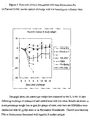
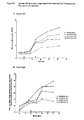
- This example shows the serum and mucosal antibody responses induced by proteosome-flu vaccines following nasal immunization with monovalent vaccines prepared with A/Taiwan/91 influenza split antigen (Fig.s 1 and 2) or purified baculovirus recombinant HA (A/Texas/36/91) (Table 1) by the dialysis method. Similar results were obtained using proteosome-flu vaccines prepared by the scalable diafiltration method (See Example 12 below).
- the responses were compared to the collections of samples from saline immunized animals and from animals immunized with influenza split product delivered alone without proteosomes or with animals immunized with control vaccines containing proteosomes and an irrelevant antigen (HBsAg). Results are shown and summarized in Fig.s 1-2 and Table 1. Briefly: nasal proteosome-flu and proteosome-rHA vaccines at the optimum ratio of proteosomes to HA. The optimal immune responses were obtained for proteosome:HA formulation ratio's between 4:1 and 8:1.
- This example describes the mouse immunization live virus challenge protocols and results
- This example describes the shift of immune responses from Type 2 to Type 1 by nasal Proteosome influenza vaccines
- the IgG1/IgG2a ratio in mouse serum is a surrogate marker for the type of T cell response induced by a vaccine.
- Th1 IgG1/IgG2a ratio's ⁇ 1 correlates with the induction of strong cell mediated immune responses (in addition to serum antibodies); while Th2 (IgG1/IgG2a ratio's >1) predict the induction of strong humoral responses.
- the IgG1/IgG2a ratio was shifted from 14-20 (for Flu antigen alone) down to the 1-2 range when the vaccine contained proteosomes for both nasal and injected vaccines for split flu antigens; and from 6-60 to 1.7 for the baculo HA antigen.
- This shift of immunity from a Th2 to Th1 response was confirmed for the recombinant HA antigen by measuring cytokines produced after re-stimulating spleen cells from immunized animals with inactivated purified influenza virus.
- mice were euthanized 14 days after the second immunization and the spleens from 5 mice from each group were harvested and cells teased into a single cell suspension using a 100- ⁇ m nylon cell strainer (Becton Dickinson, NJ).
- Spleen cells were cultured at 2.0 x 10 6 cells/ml (200 ⁇ l/well) in RPMI 1640 medium (Gibco BRL, Life technologies, Burlington, ON) containing 8% fetal bovine serum (heat-inactivated for 1 hr at 56°C; Gibco BRL), 2 mM glutamine (Gibco BRL), 50 ⁇ M 2-mercaptoethanol (Sigma Chemical Co., St-Louis, MO) and 50 ⁇ g/ml gentamycin (Gibco BRL) with or without UV-inactivated X-113 (A/Texas/36/94 (H1N1) and X-31 (H3N2) reassortant); influenza virus (NIBSC, Hertfordshire, UK) in 96-well cell culture cluster (Corning, NY).
- RPMI 1640 medium Gibco BRL
- Gibco BRL 2 mM glutamine
- 50 ⁇ M 2-mercaptoethanol Sigma Chemical Co., St-Louis, MO
- Murine cytokines levels were measured using sandwich ELISAs (OptELA set) purchased from Pharmingen (San Diego, CA). according to manufacturer's intructions. Recombinant cytokine were used as standards. Table 3 .
- Nasal proteosome baculo HA vaccine shifts the immune response induced by rHA alone from a Type 2 to a balanced Type 1/ Type 2 immune response in mice Pr-rHA (IN) rHA (IN) rHA (IM) G1/G2a* INF ⁇ * * IL-5** G1/G2a INF ⁇ IL-5 G1/G2a INF ⁇ IL-5 1.7 4432 0 6.1 3769 390.5 60,1 6084 119.2
- the nasal proteosome HA vaccine induced the Th1 cytokine, interferon gamma without the Th2 cytokine IL-5; while the recombinant antigen administered by either the nasal or intramuscular route induced both IL-5 and interferon gamma.
- the nasal proteosome HA vaccine is creating a cytokine environment that favors the induction of other arms of immunity such as cytotoxic T cells. This may be advantageous since CTL are important for recovery from virus infection by eliminating virus from infected cells and for cross-protection against variant influenza strains.
- Trivalent proteosome influenza vaccines were prepared using the procedure outlined in Example 3 using detergent split antigens from the A/Beijing/26/95 (H1N1), A/Sydney/201797 (H3N2) and B/Yamanashi/166/98 sub-types of influenza virus.
- Fig. 5A-F for proteosome-flu vaccines made with each strain individually and combining them as a trivalent, strain specific serum IgG (Fig. 5A, C and E) and nasal IgA (Fig. 5B, D and E) responses are enhanced compared to their non-proteosome complexed controls.
- the immunoglobulin titers induced by the monovalent and trivalent proteosome-flu vaccines are not significantly different.
- vaccines comprising multivalent influenza antigens induce serum and mucosal immune responses against each component, equivalent to that induced by the individual univalent vaccines.
- Vaccines can also be prepared by combining the desired amounts of each individual antigen into a trivalent antigen pool and subsequently complexing the combined antigen pool to proteosomes to produce a multivalent proteosome-flu vaccine.
- Evidence for the particle size uniformity and consistency suitable for such a vaccine is shown in example 14 below.
- Evidence for the potency of such vaccines was found using the standard potency test for influenza vaccines viz. the SRID test described in example 3. Using the SRID test, substantial retention of potent HA was found for each of the three strains used in the multivalent vaccines made at either 8:1, 4:1 or 2:1 protaosome:HA ratios in both unfiltered samples as well as in samples filtered using 0.8 um or 0.2 um filters.
- a Phase I dose escalating safety and immunogenicity study was performed in healthy sero-negative adults.
- Groups of patients (8 to 13 per group) received either 2 nasal doses of 7.5, 15 or 30 ⁇ g HA as a GMP grade proteosome-A/Beijing/262/95 vaccine or ABeijing/262/95 antigen alone at 14 day intervals.
- HAI GMT were determined as described in Example 5.
- Secretory IgA specific for the antigen of interest in human nasal wash specimens were measured as follows. Nasal wash specimens were mixed vigorously and then concentrated four to five-fold in centrifugal concentrators with 50 kD cutoff membranes.
- Total secretory antibody (overwhelmingly dimeric secretory IgA, sIgA) was measured by single radial immunodiffusion in agarose containing antibody to human secretory piece using purified human sIgA standards. Antigen-specific sIgA was detected in a kinetic enzyme-linked immunosorbent assay (KELISA). Microtiter plates were coated with a predetermined concentration of antigen. After washing of the plates, samples of each concentrated nasal wash were placed in triplicate wells at a single dilution (selected in preliminary experiments to yield signals in the dynamic range of the assay for > 95% of typical specimens).
- KELISA kinetic enzyme-linked immunosorbent assay
- the resultant normalized rates provide a linear (not geometric as, for example, titers) readout proportional to the amount of antigen-specific sIgA contained in a standard concentration of total sIgA in nasal fluid.
- Serum A/Beijing/262/95 HAI titers in humans following nasal immunization with proteosome-flu Treatment Group N ⁇ 4- fold rises on or before day 42 (%) ⁇ 40 HAI titer on or before day 42 (%) HAI GMT day 42 15 ⁇ g A/Beijing 8 1 (13) 1 (13) 7.7 7.5 ⁇ g proteo-flu 8 2 (25) 2 (25) 10.9 15 ⁇ g proteo-flu 13 6 (46) 5 (38) 14.5 30 ⁇ g proteo-flu 13 7 (54) 6 (46) 21.1
- the proteosome influenza vaccines induced significant rises in mucosal sIgA ( ⁇ 2.9 fold) in more than 85% of the total subjects (Fig. 6B) including 75% of those individuals that received the lowest (7.5 ⁇ g) dose of vaccine. These data demonstrate the ability of the said invention to induce protective immune responses in humans. These responses are superior to those observed for CAV influenza vaccines in this age group which induced mucosal, but poor serum responses following nasal immunization.
- proteosome-flu vaccines that give significant immune responses in humans are low and would not have been predicted from previous results where a 67 to 100-fold higher dose of antigen was required for significant systemic and mucosal responses following nasal immunization with proteosome shigella LPS vaccines (Ref. Abstract or manuscript submitted for publication).
- Uncomplexed proteosomes are insoluble in aqueous systems in the absence of surfactant; complexation with a soluble antigen solubilizes the proteosomes.
- complexation with a soluble antigen solubilizes the proteosomes.
- the insoluble fraction is separated from the soluble fraction, and the identity of the contents of each is determined by SDS-PAGE.
- the presence of proteosome proteins in the supernatant with the soluble antigen is evidence of complexing with the antigen since in the absence of detergent or surfactant, the proteosome proteins are not soluble when not complexed by antigen.
- a sample of the complex is spun in a centrifuge to pellet precipitated particles that may be present.
- the supernatant is transferred to another container and the pellet may be washed with TNS buffer. Both the supernatant and the pellet are then analyzed by SDS-PAGE with the non-complexed antigen run on the same gel as a reference. The gel is stained with Coomassie Blue stain, photographed, and re-stained with silver stain to enhanced sensitivity.
- Non-complexed antigens are run as the reference standards proteosome reference standard and molecular weight markers were: OMP001 reference standard: Mixture of GMP proteosome lots: 0175, 0566, 0621, 0621.
- Proteosome-flu vaccines with complexes containing Pr:HA ratios ranging from 1:4 to 8:1 were made. Vaccines were tested for immunogenicity and for biochemical evidence of complexing as shown by the presence of proteosome proteins in the supernatants of samples centrifuged as described above. The data showed evidence of complexing of the proteosomes with the HA Flu antigen since characteristic bands of proteosome proteins were found in the SDS-PAGE gels in the supernatant with the HA influenza antigen.
- proteosomes in the supernatant is evidence of complex formation, since the proteosomes would otherwise be insoluble in the aqueous matrix.
- proteosomes would otherwise be insoluble in the aqueous matrix.
- higher proteosome to HA ratios e.g. 4:1 (especially) or 8:1 were used whereas less proteosomes were found in the supernatant when lower ratios were used.
- formulation at higher Pr:HA ratios e.g. 4: 1 allowed for more complexing and the lower ratios did not contain dose-limiting amounts ofproteosomes that could be successfully complexed with the influenza antigen.
- EM images of labeled proteosome-flu (monovalent A/Beijing) complex were obtained.
- a transmission electron microscope (TEM) image of the 4:1 Pr-HA vaccine complex, which was then labeled with anti-HA monoclonal antibody and protein A-gold shows that most of the HA is associated with the vesicular structures of the particles or particle aggregates of the complex vaccine. Few labeled sites are not associated with the particles.
- a scanning electron microscope (SEM) image of the 4:1 Pr-HA complex incubated with the anti-HA monoclonal antibody followed by protein A-gold shows evidence of the three-dimensional structure of the vesicles.
- the apparent brightness of the gold particles is dependent on their orientation in the vesicle - gold particles on the back of the vesicle appear blurred and more faint than those on the front of the vesicle.
Landscapes
- Health & Medical Sciences (AREA)
- Life Sciences & Earth Sciences (AREA)
- Chemical & Material Sciences (AREA)
- Pharmacology & Pharmacy (AREA)
- Veterinary Medicine (AREA)
- Public Health (AREA)
- Medicinal Chemistry (AREA)
- General Health & Medical Sciences (AREA)
- Animal Behavior & Ethology (AREA)
- General Chemical & Material Sciences (AREA)
- Chemical Kinetics & Catalysis (AREA)
- Virology (AREA)
- Organic Chemistry (AREA)
- Nuclear Medicine, Radiotherapy & Molecular Imaging (AREA)
- Immunology (AREA)
- Mycology (AREA)
- Microbiology (AREA)
- Epidemiology (AREA)
- Engineering & Computer Science (AREA)
- Pulmonology (AREA)
- Bioinformatics & Cheminformatics (AREA)
- Communicable Diseases (AREA)
- Oncology (AREA)
- Obesity (AREA)
- Hematology (AREA)
- Diabetes (AREA)
- Molecular Biology (AREA)
- Toxicology (AREA)
- Medicines Containing Antibodies Or Antigens For Use As Internal Diagnostic Agents (AREA)
- Medicinal Preparation (AREA)
Applications Claiming Priority (2)
| Application Number | Priority Date | Filing Date | Title |
|---|---|---|---|
| US18247600P | 2000-02-15 | 2000-02-15 | |
| EP01910923A EP1255561B1 (fr) | 2000-02-15 | 2001-02-15 | Vaccin antigrippal a base de proteosomes |
Related Parent Applications (1)
| Application Number | Title | Priority Date | Filing Date |
|---|---|---|---|
| EP01910923A Division EP1255561B1 (fr) | 2000-02-15 | 2001-02-15 | Vaccin antigrippal a base de proteosomes |
Publications (2)
| Publication Number | Publication Date |
|---|---|
| EP1721618A2 true EP1721618A2 (fr) | 2006-11-15 |
| EP1721618A3 EP1721618A3 (fr) | 2007-01-10 |
Family
ID=32178656
Family Applications (2)
| Application Number | Title | Priority Date | Filing Date |
|---|---|---|---|
| EP04000953A Withdrawn EP1419784A3 (fr) | 2000-02-15 | 2001-02-15 | Vaccins à base de protéosomes contre l'allergie, le cancer, les toxines |
| EP06013179A Withdrawn EP1721618A3 (fr) | 2000-02-15 | 2001-02-15 | Composition de Proteasome pour la vaccination antigrippale |
Family Applications Before (1)
| Application Number | Title | Priority Date | Filing Date |
|---|---|---|---|
| EP04000953A Withdrawn EP1419784A3 (fr) | 2000-02-15 | 2001-02-15 | Vaccins à base de protéosomes contre l'allergie, le cancer, les toxines |
Country Status (1)
| Country | Link |
|---|---|
| EP (2) | EP1419784A3 (fr) |
Citations (3)
| Publication number | Priority date | Publication date | Assignee | Title |
|---|---|---|---|---|
| US4707543A (en) | 1985-09-17 | 1987-11-17 | The United States Of America As Represented By The Secretary Of The Army | Process for the preparation of detoxified polysaccharide-outer membrane protein complexes, and their use as antibacterial vaccines |
| US5726292A (en) | 1987-06-23 | 1998-03-10 | Lowell; George H. | Immuno-potentiating systems for preparation of immunogenic materials |
| US6476201B1 (en) * | 1995-09-18 | 2002-11-05 | Id Biomedical Corporation Of Quebec | Methods for the production of non-covalently complexed and multivalent proteosome sub-unit vaccines |
Family Cites Families (2)
| Publication number | Priority date | Publication date | Assignee | Title |
|---|---|---|---|---|
| SK279209B6 (sk) * | 1992-12-21 | 1998-08-05 | Virologický Ústav Sav | Bivalentné imunogény a spôsob ich prípravy |
| AU739723B2 (en) * | 1996-07-10 | 2001-10-18 | Government Of The United States Of America, As Represented By The Secretary Of The Army, The | Protein and peptide vaccines for inducing mucosal immunity |
-
2001
- 2001-02-15 EP EP04000953A patent/EP1419784A3/fr not_active Withdrawn
- 2001-02-15 EP EP06013179A patent/EP1721618A3/fr not_active Withdrawn
Patent Citations (3)
| Publication number | Priority date | Publication date | Assignee | Title |
|---|---|---|---|---|
| US4707543A (en) | 1985-09-17 | 1987-11-17 | The United States Of America As Represented By The Secretary Of The Army | Process for the preparation of detoxified polysaccharide-outer membrane protein complexes, and their use as antibacterial vaccines |
| US5726292A (en) | 1987-06-23 | 1998-03-10 | Lowell; George H. | Immuno-potentiating systems for preparation of immunogenic materials |
| US6476201B1 (en) * | 1995-09-18 | 2002-11-05 | Id Biomedical Corporation Of Quebec | Methods for the production of non-covalently complexed and multivalent proteosome sub-unit vaccines |
Non-Patent Citations (12)
| Title |
|---|
| BARCHFIELD, VACCINE, vol. 17, 1999, pages 695 - 704 |
| DALSEG, R., VACCINES, vol. 96, 1998, pages 177 - 182 |
| GLUCK, J. INFECT. DIS., vol. 181, 2000, pages 1129 - 1132 |
| HASHIGUCCI, VACCINE, vol. 14, 1996, pages 113 - 119 |
| HUDSON, L.; HAY, F.C.: "PRACTICAL IMMUNOLOGY", BLACKWELL SCIENTIFIC PUBLICATION, pages: 230 - 233 |
| LEVI, R., VACCINE, vol. 13, 1995, pages 1353 - 1359 |
| LOWELL, G.H., J. EXP. MED., vol. 167, 1988, pages 658.663 |
| LOWELL, G.H., SCIENCE, vol. 240, 1988, pages 800 - 802 |
| LOWELL, G.H.: "NEW GENERATION VACCINES", 1997, MARCEL DEKKER, INC., pages: 193 - 206 |
| LYNCH, E.C., BIOPHYS. J., vol. 45, 1984, pages 104 - 107 |
| MCGHEE, J. IMMUNOL., vol. 165, 2000, pages 4778 - 4782 |
| TAMURA, J. IMMUNOL., vol. 149, 1992, pages 981 - 988 |
Also Published As
| Publication number | Publication date |
|---|---|
| EP1721618A3 (fr) | 2007-01-10 |
| EP1419784A3 (fr) | 2004-08-25 |
| EP1419784A2 (fr) | 2004-05-19 |
Similar Documents
| Publication | Publication Date | Title |
|---|---|---|
| EP1255561B1 (fr) | Vaccin antigrippal a base de proteosomes | |
| AU2001238478A1 (en) | Proteosome influenza vaccine | |
| JP4137640B2 (ja) | 新規プロテオソーム−リポサッカリドワクチンアジュバント | |
| JP4240237B2 (ja) | ワクチン組成物 | |
| Dhakal et al. | Liposomal nanoparticle-based conserved peptide influenza vaccine and monosodium urate crystal adjuvant elicit protective immune response in pigs | |
| CA2158040A1 (fr) | Mucoadhesifs polymeriques pour l'administration d'agents immunogenes a la surface des muqueuses | |
| Byars et al. | Enhancement of antibody responses to influenza B virus haemagglutinin by use of a new adjuvant formulation | |
| Xu et al. | Immunogenicity of antigen adjuvanted with AS04 and its deposition in the upper respiratory tract after intranasal administration | |
| CN101507814B (zh) | 多组分抗原无细胞百日咳疫苗及其制备方法 | |
| US20130315951A1 (en) | Compositions and methods for stimulating an immune response against infectious agents | |
| Potter et al. | A new surface-antigen-adsorbed influenza virus vaccine II. Studies in a volunteer group | |
| JP2007505836A (ja) | 麻疹サブユニットワクチン | |
| Glück | Intranasal immunization against influenza | |
| EP1419784A2 (fr) | Vaccins à base de protéosomes contre l'allergie, le cancer, les toxines | |
| JP2023091085A (ja) | 粘膜アジュバント | |
| AU2007228736B2 (en) | Intranasal influenza vaccine based on virosomes | |
| HK1095756A (en) | Proteosome influenza vaccine composition | |
| HK1052629B (en) | Proteosome influenza vaccine | |
| KR20040081469A (ko) | 점막 면역 자극제로서 간염 비 바이러스 표면 항원 및결과물로서의 제제 | |
| Ho et al. | The effect of silica nanoparticles on the immunogenicity of plant-based recombinant COE protein of porcine epidemic diarrhea virus in mice | |
| Lowell et al. | Proteosome™ technology for vaccines and adjuvants | |
| TWI397419B (zh) | 病毒顆粒的鼻內或吸入給藥 | |
| Zhang et al. | Immunological effect of subunit influenza vaccine entrapped by liposomes |
Legal Events
| Date | Code | Title | Description |
|---|---|---|---|
| PUAI | Public reference made under article 153(3) epc to a published international application that has entered the european phase |
Free format text: ORIGINAL CODE: 0009012 |
|
| 17P | Request for examination filed |
Effective date: 20060715 |
|
| AC | Divisional application: reference to earlier application |
Ref document number: 1255561 Country of ref document: EP Kind code of ref document: P |
|
| AK | Designated contracting states |
Kind code of ref document: A2 Designated state(s): AT BE CH CY DE DK ES FI FR GB GR IE IT LI LU MC NL PT SE TR |
|
| PUAL | Search report despatched |
Free format text: ORIGINAL CODE: 0009013 |
|
| AK | Designated contracting states |
Kind code of ref document: A3 Designated state(s): AT BE CH CY DE DK ES FI FR GB GR IE IT LI LU MC NL PT SE TR |
|
| RIN1 | Information on inventor provided before grant (corrected) |
Inventor name: PLANTE, MARTIN Inventor name: BURT, DAVID S. Inventor name: FRIES, LOUIS F., III Inventor name: TOROSSIAN, KIRKOR Inventor name: LOWELL, GEORGE H. Inventor name: WHITE, GREGORY LEE Inventor name: JONES, DAVID HUGH |
|
| REG | Reference to a national code |
Ref country code: HK Ref legal event code: DE Ref document number: 1095756 Country of ref document: HK |
|
| AKX | Designation fees paid |
Designated state(s): AT BE CH CY DE DK ES FI FR GB GR IE IT LI LU MC NL PT SE TR |
|
| 17Q | First examination report despatched |
Effective date: 20090827 |
|
| STAA | Information on the status of an ep patent application or granted ep patent |
Free format text: STATUS: THE APPLICATION IS DEEMED TO BE WITHDRAWN |
|
| 18D | Application deemed to be withdrawn |
Effective date: 20110301 |
|
| REG | Reference to a national code |
Ref country code: HK Ref legal event code: WD Ref document number: 1095756 Country of ref document: HK |