EP1729277B1 - Appareil d'affichage à plasma et son procédé de commande - Google Patents
Appareil d'affichage à plasma et son procédé de commande Download PDFInfo
- Publication number
- EP1729277B1 EP1729277B1 EP06252779A EP06252779A EP1729277B1 EP 1729277 B1 EP1729277 B1 EP 1729277B1 EP 06252779 A EP06252779 A EP 06252779A EP 06252779 A EP06252779 A EP 06252779A EP 1729277 B1 EP1729277 B1 EP 1729277B1
- Authority
- EP
- European Patent Office
- Prior art keywords
- reset
- scan electrode
- period
- subfield
- electrode group
- Prior art date
- Legal status (The legal status is an assumption and is not a legal conclusion. Google has not performed a legal analysis and makes no representation as to the accuracy of the status listed.)
- Not-in-force
Links
- 238000000034 method Methods 0.000 title claims description 22
- 230000000630 rising effect Effects 0.000 claims description 17
- 238000012423 maintenance Methods 0.000 description 8
- 230000004888 barrier function Effects 0.000 description 2
- 230000000052 comparative effect Effects 0.000 description 2
- 230000003247 decreasing effect Effects 0.000 description 2
- 239000007789 gas Substances 0.000 description 2
- 229910052734 helium Inorganic materials 0.000 description 2
- 239000001307 helium Substances 0.000 description 2
- SWQJXJOGLNCZEY-UHFFFAOYSA-N helium atom Chemical compound [He] SWQJXJOGLNCZEY-UHFFFAOYSA-N 0.000 description 2
- 239000011261 inert gas Substances 0.000 description 2
- 239000011159 matrix material Substances 0.000 description 2
- 229910052754 neon Inorganic materials 0.000 description 2
- GKAOGPIIYCISHV-UHFFFAOYSA-N neon atom Chemical compound [Ne] GKAOGPIIYCISHV-UHFFFAOYSA-N 0.000 description 2
- OAICVXFJPJFONN-UHFFFAOYSA-N Phosphorus Chemical compound [P] OAICVXFJPJFONN-UHFFFAOYSA-N 0.000 description 1
- 230000006866 deterioration Effects 0.000 description 1
- 230000002542 deteriorative effect Effects 0.000 description 1
- 230000000694 effects Effects 0.000 description 1
- 238000013507 mapping Methods 0.000 description 1
- 230000001360 synchronised effect Effects 0.000 description 1
- 229910052724 xenon Inorganic materials 0.000 description 1
- FHNFHKCVQCLJFQ-UHFFFAOYSA-N xenon atom Chemical compound [Xe] FHNFHKCVQCLJFQ-UHFFFAOYSA-N 0.000 description 1
Images




Classifications
-
- G—PHYSICS
- G09—EDUCATION; CRYPTOGRAPHY; DISPLAY; ADVERTISING; SEALS
- G09G—ARRANGEMENTS OR CIRCUITS FOR CONTROL OF INDICATING DEVICES USING STATIC MEANS TO PRESENT VARIABLE INFORMATION
- G09G3/00—Control arrangements or circuits, of interest only in connection with visual indicators other than cathode-ray tubes
- G09G3/20—Control arrangements or circuits, of interest only in connection with visual indicators other than cathode-ray tubes for presentation of an assembly of a number of characters, e.g. a page, by composing the assembly by combination of individual elements arranged in a matrix no fixed position being assigned to or needed to be assigned to the individual characters or partial characters
- G09G3/22—Control arrangements or circuits, of interest only in connection with visual indicators other than cathode-ray tubes for presentation of an assembly of a number of characters, e.g. a page, by composing the assembly by combination of individual elements arranged in a matrix no fixed position being assigned to or needed to be assigned to the individual characters or partial characters using controlled light sources
- G09G3/28—Control arrangements or circuits, of interest only in connection with visual indicators other than cathode-ray tubes for presentation of an assembly of a number of characters, e.g. a page, by composing the assembly by combination of individual elements arranged in a matrix no fixed position being assigned to or needed to be assigned to the individual characters or partial characters using controlled light sources using luminous gas-discharge panels, e.g. plasma panels
- G09G3/288—Control arrangements or circuits, of interest only in connection with visual indicators other than cathode-ray tubes for presentation of an assembly of a number of characters, e.g. a page, by composing the assembly by combination of individual elements arranged in a matrix no fixed position being assigned to or needed to be assigned to the individual characters or partial characters using controlled light sources using luminous gas-discharge panels, e.g. plasma panels using AC panels
- G09G3/291—Control arrangements or circuits, of interest only in connection with visual indicators other than cathode-ray tubes for presentation of an assembly of a number of characters, e.g. a page, by composing the assembly by combination of individual elements arranged in a matrix no fixed position being assigned to or needed to be assigned to the individual characters or partial characters using controlled light sources using luminous gas-discharge panels, e.g. plasma panels using AC panels controlling the gas discharge to control a cell condition, e.g. by means of specific pulse shapes
- G09G3/292—Control arrangements or circuits, of interest only in connection with visual indicators other than cathode-ray tubes for presentation of an assembly of a number of characters, e.g. a page, by composing the assembly by combination of individual elements arranged in a matrix no fixed position being assigned to or needed to be assigned to the individual characters or partial characters using controlled light sources using luminous gas-discharge panels, e.g. plasma panels using AC panels controlling the gas discharge to control a cell condition, e.g. by means of specific pulse shapes for reset discharge, priming discharge or erase discharge occurring in a phase other than addressing
-
- G—PHYSICS
- G09—EDUCATION; CRYPTOGRAPHY; DISPLAY; ADVERTISING; SEALS
- G09G—ARRANGEMENTS OR CIRCUITS FOR CONTROL OF INDICATING DEVICES USING STATIC MEANS TO PRESENT VARIABLE INFORMATION
- G09G3/00—Control arrangements or circuits, of interest only in connection with visual indicators other than cathode-ray tubes
- G09G3/20—Control arrangements or circuits, of interest only in connection with visual indicators other than cathode-ray tubes for presentation of an assembly of a number of characters, e.g. a page, by composing the assembly by combination of individual elements arranged in a matrix no fixed position being assigned to or needed to be assigned to the individual characters or partial characters
- G09G3/22—Control arrangements or circuits, of interest only in connection with visual indicators other than cathode-ray tubes for presentation of an assembly of a number of characters, e.g. a page, by composing the assembly by combination of individual elements arranged in a matrix no fixed position being assigned to or needed to be assigned to the individual characters or partial characters using controlled light sources
- G09G3/28—Control arrangements or circuits, of interest only in connection with visual indicators other than cathode-ray tubes for presentation of an assembly of a number of characters, e.g. a page, by composing the assembly by combination of individual elements arranged in a matrix no fixed position being assigned to or needed to be assigned to the individual characters or partial characters using controlled light sources using luminous gas-discharge panels, e.g. plasma panels
- G09G3/288—Control arrangements or circuits, of interest only in connection with visual indicators other than cathode-ray tubes for presentation of an assembly of a number of characters, e.g. a page, by composing the assembly by combination of individual elements arranged in a matrix no fixed position being assigned to or needed to be assigned to the individual characters or partial characters using controlled light sources using luminous gas-discharge panels, e.g. plasma panels using AC panels
- G09G3/291—Control arrangements or circuits, of interest only in connection with visual indicators other than cathode-ray tubes for presentation of an assembly of a number of characters, e.g. a page, by composing the assembly by combination of individual elements arranged in a matrix no fixed position being assigned to or needed to be assigned to the individual characters or partial characters using controlled light sources using luminous gas-discharge panels, e.g. plasma panels using AC panels controlling the gas discharge to control a cell condition, e.g. by means of specific pulse shapes
- G09G3/292—Control arrangements or circuits, of interest only in connection with visual indicators other than cathode-ray tubes for presentation of an assembly of a number of characters, e.g. a page, by composing the assembly by combination of individual elements arranged in a matrix no fixed position being assigned to or needed to be assigned to the individual characters or partial characters using controlled light sources using luminous gas-discharge panels, e.g. plasma panels using AC panels controlling the gas discharge to control a cell condition, e.g. by means of specific pulse shapes for reset discharge, priming discharge or erase discharge occurring in a phase other than addressing
- G09G3/2927—Details of initialising
-
- G—PHYSICS
- G09—EDUCATION; CRYPTOGRAPHY; DISPLAY; ADVERTISING; SEALS
- G09G—ARRANGEMENTS OR CIRCUITS FOR CONTROL OF INDICATING DEVICES USING STATIC MEANS TO PRESENT VARIABLE INFORMATION
- G09G3/00—Control arrangements or circuits, of interest only in connection with visual indicators other than cathode-ray tubes
- G09G3/20—Control arrangements or circuits, of interest only in connection with visual indicators other than cathode-ray tubes for presentation of an assembly of a number of characters, e.g. a page, by composing the assembly by combination of individual elements arranged in a matrix no fixed position being assigned to or needed to be assigned to the individual characters or partial characters
- G09G3/2007—Display of intermediate tones
- G09G3/2018—Display of intermediate tones by time modulation using two or more time intervals
- G09G3/2022—Display of intermediate tones by time modulation using two or more time intervals using sub-frames
-
- G—PHYSICS
- G09—EDUCATION; CRYPTOGRAPHY; DISPLAY; ADVERTISING; SEALS
- G09G—ARRANGEMENTS OR CIRCUITS FOR CONTROL OF INDICATING DEVICES USING STATIC MEANS TO PRESENT VARIABLE INFORMATION
- G09G3/00—Control arrangements or circuits, of interest only in connection with visual indicators other than cathode-ray tubes
- G09G3/20—Control arrangements or circuits, of interest only in connection with visual indicators other than cathode-ray tubes for presentation of an assembly of a number of characters, e.g. a page, by composing the assembly by combination of individual elements arranged in a matrix no fixed position being assigned to or needed to be assigned to the individual characters or partial characters
- G09G3/22—Control arrangements or circuits, of interest only in connection with visual indicators other than cathode-ray tubes for presentation of an assembly of a number of characters, e.g. a page, by composing the assembly by combination of individual elements arranged in a matrix no fixed position being assigned to or needed to be assigned to the individual characters or partial characters using controlled light sources
- G09G3/28—Control arrangements or circuits, of interest only in connection with visual indicators other than cathode-ray tubes for presentation of an assembly of a number of characters, e.g. a page, by composing the assembly by combination of individual elements arranged in a matrix no fixed position being assigned to or needed to be assigned to the individual characters or partial characters using controlled light sources using luminous gas-discharge panels, e.g. plasma panels
- G09G3/288—Control arrangements or circuits, of interest only in connection with visual indicators other than cathode-ray tubes for presentation of an assembly of a number of characters, e.g. a page, by composing the assembly by combination of individual elements arranged in a matrix no fixed position being assigned to or needed to be assigned to the individual characters or partial characters using controlled light sources using luminous gas-discharge panels, e.g. plasma panels using AC panels
- G09G3/296—Driving circuits for producing the waveforms applied to the driving electrodes
-
- G—PHYSICS
- G09—EDUCATION; CRYPTOGRAPHY; DISPLAY; ADVERTISING; SEALS
- G09G—ARRANGEMENTS OR CIRCUITS FOR CONTROL OF INDICATING DEVICES USING STATIC MEANS TO PRESENT VARIABLE INFORMATION
- G09G2310/00—Command of the display device
- G09G2310/02—Addressing, scanning or driving the display screen or processing steps related thereto
- G09G2310/0202—Addressing of scan or signal lines
- G09G2310/0218—Addressing of scan or signal lines with collection of electrodes in groups for n-dimensional addressing
-
- G—PHYSICS
- G09—EDUCATION; CRYPTOGRAPHY; DISPLAY; ADVERTISING; SEALS
- G09G—ARRANGEMENTS OR CIRCUITS FOR CONTROL OF INDICATING DEVICES USING STATIC MEANS TO PRESENT VARIABLE INFORMATION
- G09G2310/00—Command of the display device
- G09G2310/06—Details of flat display driving waveforms
- G09G2310/066—Waveforms comprising a gently increasing or decreasing portion, e.g. ramp
-
- G—PHYSICS
- G09—EDUCATION; CRYPTOGRAPHY; DISPLAY; ADVERTISING; SEALS
- G09G—ARRANGEMENTS OR CIRCUITS FOR CONTROL OF INDICATING DEVICES USING STATIC MEANS TO PRESENT VARIABLE INFORMATION
- G09G2320/00—Control of display operating conditions
- G09G2320/02—Improving the quality of display appearance
- G09G2320/0238—Improving the black level
Definitions
- the present invention relates to a plasma display apparatus and a driving method thereof.
- barrier ribs provided between front panel and rear panel forms one unit cell.
- a main discharge gas such as neon (Ne), helium (He), or a combination (Ne+He) of neon and helium, and inert gas containing a small amount of xenon are filled within each cell. Discharge being executed by high frequency voltage, the inert gas generates vacuum ultraviolet rays and excites a phosphor provided between the barrier ribs, thereby showing the image.
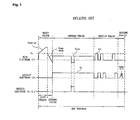
- a plasma display panel is driven with a subfield divided into a reset period for initializing all cells, an address period for selecting the cell to be discharged, a sustain period for sustaining discharge of the selected cell, and an erasure period for erasing wall charges within the discharged cell.
- a ramp-up waveform (Ramp-up) is concurrently applied to all scan electrodes.
- the ramp-up waveform By the ramp-up waveform, a weak dark discharge is generated within the discharge cells of a whole screen.
- a setup discharge positive wall charges are accumulated on an address electrode and a sustain electrode, and negative wall charges are accumulated on a scan electrode.
- a ramp-down waveform (Ramp-down) which falls starting from a positive voltage lower than a peak voltage of the ramp-up waveform to a specific voltage level of lower than a ground (GND) level voltage, generates a weak erasure discharge, thereby sufficiently erasing the wall charges excessively formed in the scan electrode.
- the setdown discharge the wall charges of an extent generating a stable address discharge uniformly remain within the cells.
- a negative scan pulse is sequentially applied to the scan electrodes and at the same time, a positive data pulse is synchronized to the scan pulse and applied to the address electrode.
- the wall charges of the extent generating the discharge at the time of applying the sustain voltage (Vs) are formed within the cell selected by the address discharge.
- a positive voltage (Vz) is supplied to the sustain electrode so that a voltage difference from the scan electrode is reduced during the address period and erroneous discharge with the scan electrode is prevented.
- the sustain pulse (Sus) is alternately applied to the scan electrodes and the sustain electrodes.
- the sustain discharge that is, a display discharge between the scan electrode and the sustain electrode is generated.
- a voltage of an erasure ramp waveform (Ramp-ers) whose pulse width and voltage level are low is supplied to the sustain electrode, thereby erasing the wall charges remaining within the cells of the whole screen.
- the driving waveform is supplied every subfield of the frame.
- a rising ramp (Ramp-up) supplied to the scan electrode in the reset period is generally equal to a high voltage pulse of about 400 V and thus, an amount of light generated depending on discharge caused by the rising ramp relatively gets larger. Accordingly, luminance in an off state of all the discharge cells of the plasma display panel, that is, a black luminance relatively gets larger, thereby causing contrast deterioration.
- Embodiments may solve at least the problems and disadvantages of the background art.
- Embodiments provide a plasma display apparatus and a driving method thereof, for controlling a level of a reset pulse supplied to a scan electrode of a reset period, thereby improving a characteristic of contrast.
- European Patent Application EP 0923066 A1 discloses a method for driving a plasma display panel uses erase addressing for matrix display by an AC-driven plasma display panel.
- the method groups the row electrode pairs into a first group and a second group and, as an operation to charge all the ceils prior to the addressing, applies, to electrode pairs belonging to either one of the first and second groups, a first voltage pulse that generates a discharge only in cells in a non-charged state and then a second voltage pulse for generating a discharge in all the cells, the second voltage pulse also being applied to electrode pairs belonging to the other group.
- United States Patent US 6,411,268 discloses a plasma display unit that applies data pulses of a predetermined polarity to data electrodes in odd-numbered columns and applies data pulses of an opposite polarity to data electrodes in even-numbered columns.
- the plasma display unit applies scanning pulses which are inverted between positive and negative polarities in first and second states that occur alternately, to scanning electrodes in odd-numbered rows, and applies scanning pulses which are inverted between positive and negative polarities in the first and second states in opposite relation to the scanning pulses applied to the scanning electrodes in odd-numbered rows, to scanning electrodes in even-numbered rows.
- Pixels arranged vertically and horizontally in a two-dimensional matrix are alternately energized in a staggered grid pattern, so that the number of pixels that are simultaneously energized is half the number of pixels of a conventional plasma display unit.
- a writing failure of wall charges due to a voltage drop of scanning pulses is prevented from occurring with an AC-discharge, surface-discharge plasma display unit having an increased size.
- European Patent Application EP 1 434 192 A2 discloses a method for driving a plasma display panel, wherein a display field, corresponding to a display of a screen, is composed of a plurality of subfields, a gradation display is realized by combining subfields to be lit among the plurality of subfields, cells to be lit in the display field are separated from unlit cells and all of the cells to be lit are lit in a predetermined subfield arranged near the head in the display field.
- the gradation display level is set with the light emission in the predetermined subfield being taken into consideration.
- a first aspect of the invention provides a plasma display apparatus according to claim 1.
- Another aspect of the invention provides a method of driving a plasma display apparatus according to claim 4.
- FIG. 1 illustrates a driving waveform for driving a plasma display panel in a related art plasma display apparatus
- FIG. 2 illustrates a plasma display apparatus useful for understanding the present invention
- FIG. 3 illustrates a method for dividing a plurality of scan electrodes into a scan electrode group in a plasma display panel useful for understanding the present invention
- FIG. 4 illustrates a method for dividing scan electrodes formed in a plasma display panel, into scan electrode groups comprising the scan electrodes having different number useful for understanding the present invention
- FIG. 5 illustrates a method for dividing scan electrodes formed in a plasma display panel, into scan electrode groups each comprising one scan electrode useful for understanding the present invention
- FIG. 6 illustrates a driving method of a plasma display apparatus useful for understanding the present invention
- FIG. 7 illustrates a difference between frames of a reset pulse supplied to one scan electrode group in a driving method of a plasma display apparatus useful for understanding the present invention
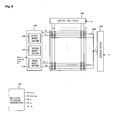
- FIG. 8 illustrates a plasma display apparatus embodying the present invention
- FIG. 9 illustrates a driving method for driving a plasma display panel in the plasma display apparatus of FIG. 8 ;
- FIG. 10 illustrates a difference between frames of a reset pulse supplied to one scan electrode group in a driving method of a plasma display apparatus embodying the present invention.
- a plasma display apparatus comprises a plasma display panel 500 comprising a plurality of scan electrodes (Y1 to Yn), a sustain electrode (Z), and a plurality of address electrodes (X1 to Xm); and a scan driver 503 for driving the plurality of scan electrodes (Y1 to Yn), dividing the plurality of scan electrodes (Y1 to Yn) into a plurality of scan electrode groups, and distinguishing a level of a reset pulse supplied to at least one of the plurality of scan electrode groups, from levels of reset pulses supplied to the others of the plurality of scan electrode groups.
- the plasma display apparatus comprises the plasma display panel 500 comprising the scan electrodes (Y1 to Yn), the sustain electrode (Z), and the plurality of address electrodes (X1 to Xm); a data driver 502 for supplying data to the address electrodes (X1 to Xm); the scan driver 503 for driving the scan electrodes (Y1 to Yn); a sustain driver 504 for driving the sustain electrode (Z) that is a common electrode; and a driving voltage generator 505 for supplying a necessary driving voltage to each of the drivers 502, 503, and 504.
- a front panel (not shown) and a rear panel (not shown) are sealed at regular intervals.
- a plurality of electrodes for example, a plurality of maintenance electrodes comprising the scan electrodes (Y1 to Yn) and the sustain electrode (Z) are formed.
- the address electrodes (X1 to Xm) are formed intersecting with the maintenance electrode comprising the scan electrodes (Y1 to Yn) and the sustain electrode (Z).
- the data driver 502 receives data that is inverse gamma corrected and error diffused by an inverse gamma correction circuit and an error diffusing circuit not shown) and then is mapped to each sub field by a sub field mapping circuit.
- the scan driver 503 supplies a ramp up waveform (ramp-up) and a ramp down waveform (ramp-down) to the scan electrodes (Y1 to Yn) during the reset period.
- the scan driver 503 sequentially supplies a scan pulse of a scan voltage (-Vy) to the scan electrodes (Y1 to Yn) during an address period, and supplies a sustain pulse to the scan electrodes (Y1 to Yn) during a sustain period.
- the scan driver 503 divides the plurality scan electrodes into the plurality of scan electrode groups, and distinguishes the level of the reset pulse supplied to at least one of the scan electrode groups from those of the others of the scan electrode groups in the reset period.
- the sustain driver 504 supplies a bias voltage of a sustain voltage (Vs) to the sustain electrodes (Z) during the address period, and alternately operates with the scan driver 503 and supplies the sustain pulse to the sustain electrodes (Z) during the sustain period.
- Vs sustain voltage
- the driving voltage generator 505 generates a setup voltage (Vsetup), a scan common voltage (Vscan-com), the scan voltage (-Vy), the sustain voltage (Vs), and a data voltage (Vd).
- the driving voltages can be varied depending on a composition of a discharge gas and a discharge cell structure.
- the scan driver 503 comprises a first reset driver 506 and a second reset driver 507.
- the scan driver 503 controls the first and second reset drivers 506 and 507 so that the first reset driver 506 supplies the reset pulses to odd number scan electrode groups of the plurality of scan electrode groups during the reset period, and the second reset driver 507 supplies reset pulses having different levels from the reset pulses supplied to the odd number scan electrode groups, to even number scan electrode groups during the reset period.
- the plurality of scan electrodes are divided into the plurality of scan electrode groups, and the reset pulses each having a different level are supplied to the scan electrode groups different from at least one of the plurality of scan electrodes groups.
- the scan electrodes (Y) are divided into an A scan electrode group 601, a B scan electrode group 602, a C scan electrode group 603, a D scan electrode group 604, an E scan electrode group 605, an F scan electrode group 606, a G scan electrode group 607, an H scan electrode group 608, an I scan electrode group 609, and a J scan electrode group 610.
- the scan electrodes ranging from the scan electrode (Y1) to the scan electrode (Y10) are divided into the A scan electrode group 601
- the scan electrodes ranging from the scan electrode (Y11) to the scan electrode (Y20) are divided into the B scan electrode group 602.
- the C scan electrode group 603, the D scan electrode group 604, the E scan electrode group 605, the F scan electrode group 606, the G scan electrode group 607, the H scan electrode group 608, the I scan electrode group 609, and the J scan electrode group 610 are distinguished.
- the scan driver 503 of FIG. 2 drives the plurality of scan electrode groups divided as above.
- the first reset driver 506 of the scan driver 503 supplies the reset pulses to the odd number scan electrode groups, that is, the A, C, E, G, and I scan electrode groups 601, 603, 605, 607, and 609 of the plurality of scan electrode groups during the reset period.
- the second reset driver 507 supplies the reset pulses to the even number scan electrode groups, that is, the B, D, F, H, and J scan electrode groups 602, 604, 606, 608, and 610 of the plurality of scan electrode groups during the reset period.
- the scan electrode group all comprises the scan electrodes of the same number, respectively.
- the number of the scan electrode groups is at least two and less than the total maximal number of the scan electrodes.
- All the scan electrodes comprised in the one scan electrode group are sequential in their scan sequence. In other words, depending on the scan sequence, the scan electrodes of the predetermined number are collected and set as the scan electrode group.
- the scan electrode groups 601, 602, 603, 604, 605, 606, 607, 608, 609, and 610 comprise ten scan electrodes, respectively, to have same number. But, it is also possible to set the number of the scan electrodes comprised in at least one scan electrode group, different from those of the others of the scan electrode groups.
- the scan electrode groups are also controllable in number.
- the scan electrodes (Y) are divided into an A scan electrode group 701, a B scan electrode group 702, a C scan electrode group 703, a D scan electrode group 704, an E scan electrode group 705, an F scan electrode group 706, a G scan electrode group 707, an H scan electrode group 708, and an I scan electrode group 709.
- At least one of the scan electrode groups 701, 702, 703, 704, 705, 706, 707, 708, and 709 comprises the scan electrodes of the number different from those of the others of the scan electrode groups.
- All the scan electrodes comprised in the one scan electrode group are sequential in their scan sequence. In other words, depending on the scan sequence, the scan electrodes of the predetermined number are collected and set as the scan electrode group.
- the scan driver 503 of FIG. 2 drives the plurality of scan electrode groups divided above.
- the first reset driver 506 of the scan driver 503 supplies the reset pulses to the odd number scan electrode groups, that is, the A, C, E, G, and I scan electrode groups 701, 703, 705, 707, and 709 of the plurality of scan electrode groups during the reset period.
- the second reset driver 507 supplies the reset pulses to the even number scan electrode groups, that is, the B, D, F, and H scan electrode groups 702, 704, 706, and 708 of the plurality of scan electrode groups during the reset period.
- each scan electrode group comprises one scan electrode.
- the scan driver 503 of FIG. 2 drives a plurality of scan electrode groups.
- the first reset driver 506 of the scan driver 503 supplies the reset pulses to the odd number scan electrode groups of the plurality of scan electrode groups
- the second reset driver 507 supplies the reset pulses to the even number scan electrode groups of the plurality of scan electrode groups.
- the plurality of scan electrode groups comprise the first scan electrode group (Ya) and the second scan electrode group (Yb).
- the scan driver 503 comprises the first reset driver 506 and the second reset driver 507.
- the first reset driver 506 supplies a first reset pulse equal to a rising ramp voltage to the first scan electrode group (Ya) during the setup period of the reset period of one subfield.
- the second reset driver 507 supplies a second reset pulse equal to a predetermined positive voltage to the second scan electrode group (Yb) during the setup period of the reset period of the one subfield.
- the first reset pulse rises from the predetermined positive voltage to the setup voltage, and the second reset pulse is equal to the sustain voltage.
- the one subfield is equal to a subfield whose weight is the lowest or a subfield whose order in time is the first among subfields of a frame.
- the predetermined positive voltage is supplied to the first scan electrode group (Ya) and the second scan electrode group (Yb) in a setup period of a reset period of another subfield that is at least one of subfields with exception of the one subfield.
- a maintenance period of a predetermined positive voltage supplied in the setup period of the reset period of another subfield is shorter than a maintenance period of the predetermined positive voltage supplied in the setup period of the reset period of the one subfield.
- the reason of being set above is that low weight causing relatively great unstable discharge in a first subfield for embodying low gray level, the maintenance period of the sustain voltage (Vs) of the reset pulse get longer for stable discharge, thereby getting a distribution of wall charges more uniform within a discharge cell.
- the stable discharge can be guaranteed even though the maintenance period of the sustain voltage (Vs) of the reset pulse is short in length.
- the reset pulse comprising a rising ramp is supplied in the setup period of the reset period only in one subfield among the subfields of the frame and thus, a total of the number of the rising ramps within one frame is decreased, thereby improving a characteristic of contrast.
- first reset driver 506 and the second reset driver 507 supply the same reset pulse to all the scan electrodes comprised in the same scan electrode group, in the reset period.
- the first reset pulse equal to the rising ramp voltage is supplied to the first scan electrode group in the setup period of the reset period of the one subfield
- the second reset pulse equal to the predetermined positive voltage is supplied to the second scan electrode group in the setup period of the reset period of the one subfield.
- the first reset pulse rises from the predetermined positive voltage to the setup voltage, and the second reset pulse is equal to the sustain voltage.
- the predetermined positive voltage is supplied to the first scan electrode group and the second scan electrode group in the setup period of the reset period of another subfield that is at least one of subfields with exception of the one subfield.
- the second reset pulse is supplied in a setup period of a reset period of a subfield corresponding to the one subfield among subfields of a next frame.
- the first reset pulse is supplied in a setup period of a reset period of a subfield corresponding to the one subfield among subfields of a frame after the next frame.
- the first reset driver 506 of FIG. 2 supplying the first reset pulse to the first scan electrode group (Ya) in the first subfield whose weight is the lowest among subfields of one frame, it is possible to supply the second reset pulse in a setup period of a reset period of a first subfield whose weight is the lowest in a next frame.
- the reset pulse supplied to the first scan electrode group (Ya) in the setup period of the reset period, and the reset pulse supplied to the second scan electrode group (Yb) in the setup period of the reset period, are alternately supplied to the first scan electrode group (Ya) and the second scan electrode group (Yb) every one frame.
- the first reset pulse being sequentially supplied to the first scan electrode group (Ya) and the second reset pulse being sequentially supplied to the second scan electrode group (Yb)
- the discharge relatively gets unstable in the second scan electrode group (Yb) to which the rising ramp is not supplied, compared to the first scan electrode group (Ya) to which the rising ramp is sequentially supplied.
- luminance gets different in the first scan electrode group (Ya) and the second scan electrode group (Yb), thereby deteriorating a picture quality.
- the plurality of scan electrodes are divided into odd number and even number scan electrodes.
- the first reset pulse equal to the rising ramp voltage is supplied to the odd number scan electrodes
- the second reset pulse equal to a predetermined positive voltage is supplied to the even number scan electrodes.
- the second reset pulse is supplied to the odd number scan electrodes
- the first reset pulse is supplied to the even number scan electrodes.
- a plurality of scan electrode groups comprise a first scan electrode group, a second scan electrode group, and a third scan electrode group.
- a scan driver 1103 comprises a first reset driver 1106, a second reset driver 1107, and a third reset driver 1108.
- the first reset driver 1106 supplies a first reset pulse rising from a predetermined positive voltage to a setup voltage to the first scan electrode group in a setup period of a reset period of one subfield.
- the second reset driver 1107 supplies a second reset pulse, which rises from a predetermined positive voltage to a voltage lower than the setup voltage and maintains a voltage lower than the setup voltage for a predetermined time, to the second scan electrode group in the setup period of the reset period of the one subfield.
- the third reset driver 1108 supplies a third reset pulse equal to a predetermined positive voltage to the third scan electrode group in the setup period of the reset period of the one subfield.
- the one subfield is equal to a subfield whose weight is the lowest or a subfield whose order in time is the first among subfields of a frame.
- the predetermined positive voltage is supplied to the first scan electrode group, the second scan electrode group, and the third scan electrode group in a setup period of a reset period of another subfield that is at least one of subfields with exception of the one subfield.
- a maintenance period of the predetermined positive voltage supplied in the setup period of the reset period of another subfield is shorter than a maintenance period of the predetermined positive voltage supplied in the setup period of the reset period of the one subfield.
- the number of the reset drivers 1106, 1107, and 1108 are shown only three. But, unlike this, it is possible to embody all cases with more than three drivers such as four, five, and six.
- the first reset pulse is supplied to the first scan electrode group in the setup period of the reset period of the one subfield
- the second reset pulse is supplied to the second scan electrode group in the setup period of the reset period of the one subfield
- the third reset pulse is supplied to the third scan electrode group in the setup period of the reset period of the one subfield.
- the reset pulse comprising the rising ramp is supplied in the setup period of the reset period to the selected scan electrode groups of a predetermined number and thus, a total of the number of the rising ramps within one frame is decreased, thereby improving a characteristic of contrast.
- the first reset pulse is supplied to the first scan electrode group (Ya).
- the third reset pulse is supplied to the third scan electrode group (Yc).
- a reset pulse of voltage that is lower than the rising ramp supplied the first scan electrode group (Ya) and is higher than the predetermined positive voltage supplied to the third scan electrode group (Yc) is supplied to the second scan electrode group (Yb) positioned between the first scan electrode group (Ya) and the third scan electrode group (Yc).
- the luminance difference between the first scan electrode group (Ya) and the second scan electrode group (Yb) is lower than the luminance difference between the first scan electrode group (Ya) and the second scan electrode group (Yb) shown in the driving waveform of FIG. 6 , thereby improving picture quality.
- first reset driver 1106, the second reset driver 1107, and the third reset driver 1108 supply the same reset pulse to all scan electrodes comprised in the same scan electrode group, in the reset period.
- the second reset pulse is supplied in a setup period of a reset period of a subfield corresponding to the one subfield among subfields of a next frame.
- the third reset pulse is supplied in the setup period of the reset period of a subfield corresponding to the one subfield among subfields of a frame after the next frame.
- the third reset pulse is supplied in a setup period of a reset period of a subfield corresponding to the one subfield among subfields of a next frame.
- the first reset pulse is supplied in a setup period of a reset period of a subfield corresponding to the one subfield among subfields of a frame after the next frame.
- the first reset pulse is supplied in a setup period of a reset period of a subfield corresponding to the one subfield among subfields of a next frame.
- the second reset pulse is supplied in a setup period of a reset period of a subfield corresponding to the one subfield among subfields of a frame after the next frame.
- the reset pulse supplied to the first scan electrode group (Ya) in the setup period of the reset period, the reset pulse supplied to the second scan electrode group (Yb) in the setup period of the reset period, and the reset pulse supplied to the third scan electrode group (Yc) in the setup period of the reset period are alternately supplied to the first scan electrode group (Ya), the second scan electrode group (Yb), and the third scan electrode group (Yc) every frame.
- Embodiments of the present invention have an effect of distinguishing the level of the voltage of the reset pulse supplied to the scan electrode group comprising one or more scan electrodes in the setup period of the reset period of one or more subfields of one frame, from those of the others of the scan electrode groups, thereby improving the contrast characteristic.
Landscapes
- Engineering & Computer Science (AREA)
- Physics & Mathematics (AREA)
- Computer Hardware Design (AREA)
- General Physics & Mathematics (AREA)
- Theoretical Computer Science (AREA)
- Power Engineering (AREA)
- Plasma & Fusion (AREA)
- Control Of Indicators Other Than Cathode Ray Tubes (AREA)
- Control Of Gas Discharge Display Tubes (AREA)
Claims (5)
- Appareil d'affichage à plasma comprenant :un panneau d'affichage à plasma comprenant une pluralité d'électrodes de balayage ; etun pilote de balayage (503 ; 1103) pour piloter la pluralité d'électrodes de balayage conçu pour diviser la pluralité d'électrodes de balayage en une pluralité de groupes d'électrodes de balayage (A-J : AI) , etdistinguer un niveau (Vsetup) d'une impulsion de réinitialisation fournie à au moins un de la pluralité de groupes d'électrodes de balayage à partir d'un niveau (Vs) d'une autre impulsion de réinitialisation fournie aux autres de la pluralité de groupes d'électrodes de balayage,dans lequel la pluralité de groupes d'électrodes de balayage comprend un premier groupe d'électrodes de balayage (Ya), un deuxième groupe d'électrodes de balayage (Yb) et un troisième groupe d'électrodes de balayage (Yc),
dans lequel le pilote de balayage comprend un premier pilote de réinitialisation (1106), un second pilote de réinitialisation (1107) et un troisième pilote de réinitialisation (1108), et le premier pilote de réinitialisation (1106) est conçu pour fournir une première impulsion de réinitialisation augmentant d'une tension positive prédéterminée (Vs) à une tension de réglage (Vsetup) au premier groupe d'électrodes de balayage (Ya) dans une période de réglage d'une période de réinitialisation d'un sous-champ, le deuxième pilote de réinitialisation (1107) est conçu pour fournir une deuxième impulsion de réinitialisation augmentant de la tension positive prédéterminée (Vs) à une tension inférieure à la tension de réglage, et maintenir la tension inférieure à la tension de réglage pendant une période prédéterminée, au deuxième groupe d'électrodes de balayage (Yb) dans la période de réglage de la période de réinitialisation d'un sous-champ, le troisième pilote de réinitialisation (1108) est conçu pour fournir une troisième impulsion de réinitialisation avec la tension positive prédéterminée (Vs) au troisième groupe d'électrodes de balayage (Yc) pendant l'ensemble de la période de réglage de la période de réinitialisation dudit un sous-champ,
dans lequel la première impulsion de réinitialisation est fournie au premier groupe d'électrodes de balayage (Ya) dans la période de réglage de la période de réinitialisation dudit un sous-champ, et ensuite, la deuxième impulsion de réinitialisation est fournie au premier groupe d'électrodes de balayage (Ya) dans une période de réglage d'une période de réinitialisation d'un sous-champ correspondant audit un sous-champ parmi les sous-champs de la trame suivante, et ensuite, la troisième impulsion de réinitialisation est fournie au premier groupe d'électrodes de balayage (Ya) dans une période de réglage d'une période de réinitialisation d'un sous-champ correspondant audit un sous-champ parmi les sous-champs de la trame après la trame suivante, la deuxième impulsion de réinitialisation est fournie au deuxième groupe d'électrodes de balayage (Yb) dans la période de réglage de la période de réinitialisation dudit un sous-champ, et ensuite, la troisième impulsion de réinitialisation est fournie au deuxième groupe d'électrodes de balayage (Yb) dans la période de réglage de la période de réinitialisation du sous-champ correspondant audit un sous-champ parmi les sous-champs de la trame suivante, et ensuite, la première impulsion de réinitialisation est fournie au deuxième groupe d'électrodes de balayage (Yb) dans la période de réglage de la période de réinitialisation du sous-champ correspondant audit un sous-champ parmi les sous-champs de la trame après la trame suivante, la troisième impulsion de réinitialisation est fournie au troisième groupe d'électrodes de balayage (Yc) dans la période de réglage de la période de réinitialisation dudit un sous-champ, et ensuite, la première impulsion de réinitialisation est fournie au troisième groupe d'électrodes de balayage (Yc) dans la période de réglage de la période de réinitialisation du sous-champ correspondant audit un sous-champ parmi les sous-champs de la trame suivante, et ensuite, la deuxième impulsion de réinitialisation est fournie au troisième groupe d'électrodes de balayage (Yc) dans la période de réglage de la période de réinitialisation du sous-champ correspondant audit un sous-champ parmi les sous-champs de la trame après la trame suivante. - Appareil d'affichage à plasma selon la revendication 1, dans lequel chacun de la pluralité de groupes d'électrodes de balayage comprend le même nombre d'électrodes de balayage (figure 3).
- Appareil d'affichage à plasma selon la revendication 1, dans lequel le nombre d'électrodes de balayage d'au moins un de la pluralité de groupes d'électrodes de balayage est différent du nombre d'électrodes de balayage d'autres de la pluralité de groupes d'électrodes de balayage (figure 4).
- Procédé de pilotage d'un appareil d'affichage à plasma comprenant
un panneau d'affichage à plasma comprenant une pluralité d'électrodes de balayage ; et
un pilote de balayage (503 ; 1103) pour piloter la pluralité d'électrodes de balayage, le pilote de balayage comprenant un premier pilote de réinitialisation (1106), un deuxième pilote de réinitialisation (1107) et un troisième pilote de réinitialisation (1108), le procédé consistant à :diviser la pluralité d'électrodes de balayage en une pluralité de groupes d'électrodes de balayage (A-J : AI), distinguer un niveau (Vsetup) d'une impulsion de réinitialisation fournie à au moins un de la pluralité de groupes d'électrodes de balayage à partir d'un niveau (Vs) d'une autre impulsion de réinitialisation fournie aux autres de la pluralité de groupes d'électrodes de balayage,diviser la pluralité de groupes d'électrodes de balayage en un premier groupe d'électrodes de balayage (Ya), un deuxième groupe d'électrodes de balayage (Yb) et un troisième groupe d'électrodes de balayage (Yc),commander au premier pilote de réinitialisation (1106) de fournir une première impulsion de réinitialisation augmentant d'une tension positive prédéterminée (Vs) à une tension de réglage (Vsetup) au premier groupe d'électrodes de balayage (Ya) dans une période de réglage d'une période de réinitialisation d'un sous-champ, demander au deuxième pilote de réinitialisation (1107) de fournir une deuxième impulsion de réinitialisation augmentant de la tension positive prédéterminée (Vs) à une tension inférieure à la tension de réglage, et maintenir la tension inférieure à la tension de réglage pendant une période prédéterminée, au deuxième groupe d'électrodes de balayage (Yb) dans la période de réglage de la période de réinitialisation dudit un sous-champ, commander au troisième pilote de réinitialisation (1108) de fournir une troisième impulsion de réinitialisation avec une tension positive prédéterminée (Vs) au troisième groupe d'électrodes de balayage (Yc) pendant l'ensemble de la période de réglage de la période de réinitialisation dudit un sous-champ,fournir la première impulsion de réinitialisation au premier groupe d'électrodes de balayage (Ya) dans la période de réglage de la période de réinitialisation dudit un sous-champ, et fournir ensuite la deuxième impulsion de réinitialisation au premier groupe d'électrodes de balayage (Ya) dans une période de réglage d'une période de réinitialisation d'un sous-champ correspondant audit un sous-champ parmi les sous-champs de la trame suivante, et fournir ensuite la troisième impulsion de réinitialisation au premier groupe d'électrodes de balayage (Ya) dans une période de réglage d'une période de réinitialisation d'un sous-champ correspondant audit un sous-champ parmi les sous-champs de la trame après la trame suivante, fournir la deuxième impulsion de réinitialisation au deuxième groupe d'électrodes de balayage (Yb) dans la période de réglage de la période de réinitialisation dudit un sous-champ, et fournir ensuite la troisième impulsion de réinitialisation au deuxième groupe d'électrodes de balayage (Yb) dans la période de réglage de la période de réinitialisation du sous-champ correspondant audit un sous-champ parmi les sous-champs de la trame suivante, et fournir ensuite la première impulsion de réinitialisation au deuxième groupe d'électrodes de balayage (Yb) dans la période de réglage de la période de réinitialisation du sous-champ correspondant audit un sous-champ parmi les sous-champs de la trame après la trame suivante, fournir la troisième impulsion de réinitialisation au troisième groupe d'électrodes de balayage (Yc) dans la période de réglage de la période de réinitialisation dudit un sous-champ, et fournir ensuite la première impulsion de réinitialisation au troisième groupe d'électrodes de balayage (Yc) dans la période de réglage de la période de réinitialisation du sous-champ correspondant audit un sous-champ parmi les sous-champs de la trame suivante, et fournir ensuite la deuxième impulsion de réinitialisation au troisième groupe d'électrodes de balayage (Yc) dans la période de réglage de la période de réinitialisation du sous-champ correspondant audit un sous-champ parmi les sous-champs de la trame après la trame suivante. - Procédé selon la revendication 4, dans lequel la tension positive prédéterminée (Vs) est fournie au premier groupe d'électrodes de balayage (Ya) et au deuxième groupe d'électrodes de balayage dans la période de réglage de la période de réinitialisation d'un autre sous-champ qui est au moins un des sous-champs à l'exception dudit un sous-champ.
Applications Claiming Priority (1)
| Application Number | Priority Date | Filing Date | Title |
|---|---|---|---|
| KR1020050045417A KR100667538B1 (ko) | 2005-05-30 | 2005-05-30 | 플라즈마 디스플레이 장치 및 그의 구동 방법 |
Publications (2)
| Publication Number | Publication Date |
|---|---|
| EP1729277A1 EP1729277A1 (fr) | 2006-12-06 |
| EP1729277B1 true EP1729277B1 (fr) | 2009-08-05 |
Family
ID=36809288
Family Applications (1)
| Application Number | Title | Priority Date | Filing Date |
|---|---|---|---|
| EP06252779A Not-in-force EP1729277B1 (fr) | 2005-05-30 | 2006-05-30 | Appareil d'affichage à plasma et son procédé de commande |
Country Status (6)
| Country | Link |
|---|---|
| US (1) | US7710354B2 (fr) |
| EP (1) | EP1729277B1 (fr) |
| JP (1) | JP2006338015A (fr) |
| KR (1) | KR100667538B1 (fr) |
| CN (1) | CN1873751A (fr) |
| DE (1) | DE602006008218D1 (fr) |
Families Citing this family (8)
| Publication number | Priority date | Publication date | Assignee | Title |
|---|---|---|---|---|
| KR100570970B1 (ko) * | 2004-05-06 | 2006-04-14 | 엘지전자 주식회사 | 플라즈마 디스플레이 패널의 구동방법 |
| KR100727300B1 (ko) * | 2005-09-09 | 2007-06-12 | 엘지전자 주식회사 | 플라즈마 디스플레이 장치 및 그의 구동 방법 |
| KR100941233B1 (ko) * | 2006-11-15 | 2010-02-10 | 파나소닉 주식회사 | 플라즈마 디스플레이 패널의 구동 방법 및 플라즈마디스플레이 장치 |
| KR100844834B1 (ko) * | 2007-02-09 | 2008-07-08 | 엘지전자 주식회사 | 플라즈마 디스플레이 장치의 구동방법 |
| KR20090023037A (ko) * | 2007-08-28 | 2009-03-04 | 가부시키가이샤 히타치세이사쿠쇼 | 플라즈마 디스플레이 장치 |
| JP2009186932A (ja) * | 2008-02-08 | 2009-08-20 | Hitachi Ltd | プラズマディスプレイ装置の駆動方法及びプラズマディスプレイ装置 |
| JP2009210727A (ja) | 2008-03-03 | 2009-09-17 | Panasonic Corp | プラズマディスプレイパネルの駆動方法 |
| TWI693585B (zh) * | 2017-12-20 | 2020-05-11 | 矽創電子股份有限公司 | 顯示面板驅動電路及其耐高壓電路 |
Citations (7)
| Publication number | Priority date | Publication date | Assignee | Title |
|---|---|---|---|---|
| EP1022715A2 (fr) * | 1999-01-22 | 2000-07-26 | Matsushita Electric Industrial Co., Ltd. | Procédé de commande pour un panneau d'affichage à plasma encourant alternatif |
| US20030006945A1 (en) * | 2001-07-09 | 2003-01-09 | Lg Electronics Inc. | Method for driving plasma display panel |
| US20030034937A1 (en) * | 2001-08-17 | 2003-02-20 | Kim Jung Hun | Method of driving a plasma display panel |
| EP1434192A2 (fr) * | 2002-12-27 | 2004-06-30 | Fujitsu Hitachi Plasma Display Limited | Procédé de commande d'un écran a plasma et écran a plasma |
| US20040233134A1 (en) * | 2001-06-12 | 2004-11-25 | Katsutoshi Shindo | Plasma display panel display and its driving method |
| EP1530193A2 (fr) * | 2003-11-08 | 2005-05-11 | Lg Electronics Inc. | Méthode et dispositif de commande d'un panneau d'affichage à plasma |
| EP1531451A2 (fr) * | 2003-11-12 | 2005-05-18 | Lg Electronics Inc. | Méthode et dispositif de contrôle de l'initialisation dans un panneau d'affichage à plasma |
Family Cites Families (9)
| Publication number | Priority date | Publication date | Assignee | Title |
|---|---|---|---|---|
| JP3511457B2 (ja) | 1997-12-05 | 2004-03-29 | 富士通株式会社 | Pdpの駆動方法 |
| JP3266191B2 (ja) | 1998-12-25 | 2002-03-18 | 日本電気株式会社 | プラズマ・ディスプレイ、その画像表示方法 |
| JP3733773B2 (ja) | 1999-02-22 | 2006-01-11 | 松下電器産業株式会社 | Ac型プラズマディスプレイパネルの駆動方法 |
| KR100286947B1 (ko) * | 1999-03-31 | 2001-04-16 | 김순택 | 플라즈마 표시 패널의 어드레싱 방법 |
| KR100316022B1 (ko) * | 1999-06-28 | 2001-12-12 | 박종섭 | 플라즈마 디스플레이 패널의 구동방법 |
| JP3640622B2 (ja) * | 2001-06-19 | 2005-04-20 | 富士通日立プラズマディスプレイ株式会社 | プラズマディスプレイパネルの駆動方法 |
| JP2005122116A (ja) * | 2003-09-25 | 2005-05-12 | Pioneer Electronic Corp | 表示装置 |
| KR100560493B1 (ko) * | 2003-10-24 | 2006-03-13 | 삼성에스디아이 주식회사 | 플라즈마 표시 장치 및 플라즈마 표시 패널의 구동 방법 |
| KR100570970B1 (ko) * | 2004-05-06 | 2006-04-14 | 엘지전자 주식회사 | 플라즈마 디스플레이 패널의 구동방법 |
-
2005
- 2005-05-30 KR KR1020050045417A patent/KR100667538B1/ko not_active Expired - Fee Related
-
2006
- 2006-05-26 US US11/441,190 patent/US7710354B2/en not_active Expired - Fee Related
- 2006-05-30 JP JP2006149950A patent/JP2006338015A/ja not_active Withdrawn
- 2006-05-30 EP EP06252779A patent/EP1729277B1/fr not_active Not-in-force
- 2006-05-30 DE DE602006008218T patent/DE602006008218D1/de not_active Expired - Fee Related
- 2006-05-30 CN CNA2006100899785A patent/CN1873751A/zh active Pending
Patent Citations (7)
| Publication number | Priority date | Publication date | Assignee | Title |
|---|---|---|---|---|
| EP1022715A2 (fr) * | 1999-01-22 | 2000-07-26 | Matsushita Electric Industrial Co., Ltd. | Procédé de commande pour un panneau d'affichage à plasma encourant alternatif |
| US20040233134A1 (en) * | 2001-06-12 | 2004-11-25 | Katsutoshi Shindo | Plasma display panel display and its driving method |
| US20030006945A1 (en) * | 2001-07-09 | 2003-01-09 | Lg Electronics Inc. | Method for driving plasma display panel |
| US20030034937A1 (en) * | 2001-08-17 | 2003-02-20 | Kim Jung Hun | Method of driving a plasma display panel |
| EP1434192A2 (fr) * | 2002-12-27 | 2004-06-30 | Fujitsu Hitachi Plasma Display Limited | Procédé de commande d'un écran a plasma et écran a plasma |
| EP1530193A2 (fr) * | 2003-11-08 | 2005-05-11 | Lg Electronics Inc. | Méthode et dispositif de commande d'un panneau d'affichage à plasma |
| EP1531451A2 (fr) * | 2003-11-12 | 2005-05-18 | Lg Electronics Inc. | Méthode et dispositif de contrôle de l'initialisation dans un panneau d'affichage à plasma |
Also Published As
| Publication number | Publication date |
|---|---|
| CN1873751A (zh) | 2006-12-06 |
| US7710354B2 (en) | 2010-05-04 |
| DE602006008218D1 (de) | 2009-09-17 |
| EP1729277A1 (fr) | 2006-12-06 |
| US20060267870A1 (en) | 2006-11-30 |
| JP2006338015A (ja) | 2006-12-14 |
| KR100667538B1 (ko) | 2007-01-12 |
| KR20060123832A (ko) | 2006-12-05 |
Similar Documents
| Publication | Publication Date | Title |
|---|---|---|
| US7375702B2 (en) | Method for driving plasma display panel | |
| US7995005B2 (en) | Method and apparatus for driving plasma display panel | |
| US20060232507A1 (en) | Plasma display apparatus and method of driving the same | |
| US20050116891A1 (en) | Method and apparatus of driving a plasma display panel | |
| US7663573B2 (en) | Plasma display panel and driving method thereof | |
| EP1729277B1 (fr) | Appareil d'affichage à plasma et son procédé de commande | |
| EP0923066B1 (fr) | La commande d'un panneau d'affichage à plasma | |
| US20060227076A1 (en) | Plasma display apparatus and driving method thereof | |
| EP1748407A1 (fr) | Dispositif d'affichage à plasma et son procédé de commande | |
| KR101016670B1 (ko) | 플라즈마 표시 패널의 구동 방법 및 플라즈마 표시 장치 | |
| US20070115214A1 (en) | Plasma display and driving method thereof | |
| US20060097962A1 (en) | Plasma display device and driving method thereof | |
| EP1806720A2 (fr) | Dispositif d'affichage à plasma et son procédé de commande | |
| CN101821793A (zh) | 等离子体显示装置 | |
| KR100793292B1 (ko) | 플라즈마 디스플레이 장치 및 그의 구동 방법 | |
| KR100612385B1 (ko) | 플라즈마 표시 패널 및 그 구동 방법 | |
| KR100774877B1 (ko) | 플라즈마 디스플레이 패널 및 그의 구동방법 | |
| KR100747270B1 (ko) | 플라즈마 디스플레이 장치 및 그의 구동방법 | |
| KR100667236B1 (ko) | 플라즈마 디스플레이 패널 및 그 구동방법 | |
| KR100560513B1 (ko) | 플라즈마 디스플레이 패널의 구동 방법 및 플라즈마 표시장치 | |
| KR100757546B1 (ko) | 플라즈마 디스플레이 장치 및 그 구동 방법 | |
| KR20010037563A (ko) | 플라즈마 디스플레이 패널 및 그 구동방법 | |
| KR100560527B1 (ko) | 플라즈마 표시 장치의 구동 방법 | |
| US20080143646A1 (en) | Apparatus and method for driving a plasma display panel | |
| KR20060118292A (ko) | 플라즈마 디스플레이 장치 및 플라즈마 디스플레이 패널의구동 방법 |
Legal Events
| Date | Code | Title | Description |
|---|---|---|---|
| PUAI | Public reference made under article 153(3) epc to a published international application that has entered the european phase |
Free format text: ORIGINAL CODE: 0009012 |
|
| AK | Designated contracting states |
Kind code of ref document: A1 Designated state(s): AT BE BG CH CY CZ DE DK EE ES FI FR GB GR HU IE IS IT LI LT LU LV MC NL PL PT RO SE SI SK TR |
|
| AX | Request for extension of the european patent |
Extension state: AL BA HR MK YU |
|
| 17P | Request for examination filed |
Effective date: 20070606 |
|
| 17Q | First examination report despatched |
Effective date: 20070706 |
|
| AKX | Designation fees paid |
Designated state(s): DE FR GB NL |
|
| GRAP | Despatch of communication of intention to grant a patent |
Free format text: ORIGINAL CODE: EPIDOSNIGR1 |
|
| GRAS | Grant fee paid |
Free format text: ORIGINAL CODE: EPIDOSNIGR3 |
|
| GRAA | (expected) grant |
Free format text: ORIGINAL CODE: 0009210 |
|
| AK | Designated contracting states |
Kind code of ref document: B1 Designated state(s): DE FR GB NL |
|
| REG | Reference to a national code |
Ref country code: GB Ref legal event code: FG4D |
|
| REF | Corresponds to: |
Ref document number: 602006008218 Country of ref document: DE Date of ref document: 20090917 Kind code of ref document: P |
|
| NLV1 | Nl: lapsed or annulled due to failure to fulfill the requirements of art. 29p and 29m of the patents act | ||
| PG25 | Lapsed in a contracting state [announced via postgrant information from national office to epo] |
Ref country code: NL Free format text: LAPSE BECAUSE OF FAILURE TO SUBMIT A TRANSLATION OF THE DESCRIPTION OR TO PAY THE FEE WITHIN THE PRESCRIBED TIME-LIMIT Effective date: 20090805 |
|
| PLBE | No opposition filed within time limit |
Free format text: ORIGINAL CODE: 0009261 |
|
| STAA | Information on the status of an ep patent application or granted ep patent |
Free format text: STATUS: NO OPPOSITION FILED WITHIN TIME LIMIT |
|
| 26N | No opposition filed |
Effective date: 20100507 |
|
| GBPC | Gb: european patent ceased through non-payment of renewal fee |
Effective date: 20100530 |
|
| REG | Reference to a national code |
Ref country code: FR Ref legal event code: ST Effective date: 20110131 |
|
| PG25 | Lapsed in a contracting state [announced via postgrant information from national office to epo] |
Ref country code: DE Free format text: LAPSE BECAUSE OF NON-PAYMENT OF DUE FEES Effective date: 20101201 |
|
| PG25 | Lapsed in a contracting state [announced via postgrant information from national office to epo] |
Ref country code: FR Free format text: LAPSE BECAUSE OF NON-PAYMENT OF DUE FEES Effective date: 20100531 |
|
| PG25 | Lapsed in a contracting state [announced via postgrant information from national office to epo] |
Ref country code: GB Free format text: LAPSE BECAUSE OF NON-PAYMENT OF DUE FEES Effective date: 20100530 |