EP1735780B1 - Support d'enregistrement portant des informations d'etat qui changent au reformatage et procede/dispositif de formation, d'enregistrement et de reproduction dudit support d'enregistrement - Google Patents
Support d'enregistrement portant des informations d'etat qui changent au reformatage et procede/dispositif de formation, d'enregistrement et de reproduction dudit support d'enregistrement Download PDFInfo
- Publication number
- EP1735780B1 EP1735780B1 EP05721901.6A EP05721901A EP1735780B1 EP 1735780 B1 EP1735780 B1 EP 1735780B1 EP 05721901 A EP05721901 A EP 05721901A EP 1735780 B1 EP1735780 B1 EP 1735780B1
- Authority
- EP
- European Patent Office
- Prior art keywords
- pac
- recording medium
- clusters
- information
- recording
- Prior art date
- Legal status (The legal status is an assumption and is not a legal conclusion. Google has not performed a legal analysis and makes no representation as to the accuracy of the status listed.)
- Expired - Lifetime
Links
- 238000000034 method Methods 0.000 title claims description 41
- 230000003287 optical effect Effects 0.000 description 72
- 206010042602 Supraventricular extrasystoles Diseases 0.000 description 30
- 229960005552 PAC-1 Drugs 0.000 description 18
- YQNRVGJCPCNMKT-JLPGSUDCSA-N 2-(4-benzylpiperazin-1-yl)-n-[(2-hydroxy-3-prop-2-enyl-phenyl)methylideneamino]acetamide Chemical compound OC1=C(CC=C)C=CC=C1\C=N/NC(=O)CN1CCN(CC=2C=CC=CC=2)CC1 YQNRVGJCPCNMKT-JLPGSUDCSA-N 0.000 description 17
- 101001139126 Homo sapiens Krueppel-like factor 6 Proteins 0.000 description 17
- 101001133600 Homo sapiens Pituitary adenylate cyclase-activating polypeptide type I receptor Proteins 0.000 description 17
- 101001080401 Homo sapiens Proteasome assembly chaperone 1 Proteins 0.000 description 17
- 102100027583 Proteasome assembly chaperone 1 Human genes 0.000 description 17
- 239000010410 layer Substances 0.000 description 17
- 230000007547 defect Effects 0.000 description 16
- 101001104570 Homo sapiens Proteasome assembly chaperone 2 Proteins 0.000 description 14
- 101000625842 Homo sapiens Tubulin-specific chaperone E Proteins 0.000 description 14
- 102100041008 Proteasome assembly chaperone 2 Human genes 0.000 description 14
- 230000002950 deficient Effects 0.000 description 9
- 239000002355 dual-layer Substances 0.000 description 8
- 238000010586 diagram Methods 0.000 description 7
- 230000006870 function Effects 0.000 description 5
- 230000005764 inhibitory process Effects 0.000 description 4
- 230000007246 mechanism Effects 0.000 description 4
- 239000002356 single layer Substances 0.000 description 3
- 101150043088 DMA1 gene Proteins 0.000 description 2
- YQNRVGJCPCNMKT-LFVJCYFKSA-N 2-[(e)-[[2-(4-benzylpiperazin-1-ium-1-yl)acetyl]hydrazinylidene]methyl]-6-prop-2-enylphenolate Chemical compound [O-]C1=C(CC=C)C=CC=C1\C=N\NC(=O)C[NH+]1CCN(CC=2C=CC=CC=2)CC1 YQNRVGJCPCNMKT-LFVJCYFKSA-N 0.000 description 1
- 101100462537 Caenorhabditis elegans pac-1 gene Proteins 0.000 description 1
- 101100117764 Mus musculus Dusp2 gene Proteins 0.000 description 1
- 101100242890 Quaranfil virus (isolate QrfV/Tick/Afghanistan/EG_T_377/1968) PA gene Proteins 0.000 description 1
- 101150027881 Segment-3 gene Proteins 0.000 description 1
- 101100242891 Thogoto virus (isolate SiAr 126) Segment 3 gene Proteins 0.000 description 1
- 230000001174 ascending effect Effects 0.000 description 1
- 230000008859 change Effects 0.000 description 1
- 238000004891 communication Methods 0.000 description 1
- 238000011109 contamination Methods 0.000 description 1
- 238000011423 initialization method Methods 0.000 description 1
- 230000008569 process Effects 0.000 description 1
- 230000004044 response Effects 0.000 description 1
- 238000012795 verification Methods 0.000 description 1
Images










Classifications
-
- G—PHYSICS
- G11—INFORMATION STORAGE
- G11B—INFORMATION STORAGE BASED ON RELATIVE MOVEMENT BETWEEN RECORD CARRIER AND TRANSDUCER
- G11B7/00—Recording or reproducing by optical means, e.g. recording using a thermal beam of optical radiation by modifying optical properties or the physical structure, reproducing using an optical beam at lower power by sensing optical properties; Record carriers therefor
- G11B7/007—Arrangement of the information on the record carrier, e.g. form of tracks, actual track shape, e.g. wobbled, or cross-section, e.g. v-shaped; Sequential information structures, e.g. sectoring or header formats within a track
- G11B7/00736—Auxiliary data, e.g. lead-in, lead-out, Power Calibration Area [PCA], Burst Cutting Area [BCA], control information
-
- G—PHYSICS
- G11—INFORMATION STORAGE
- G11B—INFORMATION STORAGE BASED ON RELATIVE MOVEMENT BETWEEN RECORD CARRIER AND TRANSDUCER
- G11B7/00—Recording or reproducing by optical means, e.g. recording using a thermal beam of optical radiation by modifying optical properties or the physical structure, reproducing using an optical beam at lower power by sensing optical properties; Record carriers therefor
- G11B7/007—Arrangement of the information on the record carrier, e.g. form of tracks, actual track shape, e.g. wobbled, or cross-section, e.g. v-shaped; Sequential information structures, e.g. sectoring or header formats within a track
-
- G—PHYSICS
- G11—INFORMATION STORAGE
- G11B—INFORMATION STORAGE BASED ON RELATIVE MOVEMENT BETWEEN RECORD CARRIER AND TRANSDUCER
- G11B20/00—Signal processing not specific to the method of recording or reproducing; Circuits therefor
- G11B20/10—Digital recording or reproducing
- G11B20/12—Formatting, e.g. arrangement of data block or words on the record carriers
-
- G—PHYSICS
- G11—INFORMATION STORAGE
- G11B—INFORMATION STORAGE BASED ON RELATIVE MOVEMENT BETWEEN RECORD CARRIER AND TRANSDUCER
- G11B20/00—Signal processing not specific to the method of recording or reproducing; Circuits therefor
- G11B20/10—Digital recording or reproducing
- G11B20/12—Formatting, e.g. arrangement of data block or words on the record carriers
- G11B20/1217—Formatting, e.g. arrangement of data block or words on the record carriers on discs
-
- G—PHYSICS
- G11—INFORMATION STORAGE
- G11B—INFORMATION STORAGE BASED ON RELATIVE MOVEMENT BETWEEN RECORD CARRIER AND TRANSDUCER
- G11B20/00—Signal processing not specific to the method of recording or reproducing; Circuits therefor
- G11B20/10—Digital recording or reproducing
- G11B20/18—Error detection or correction; Testing, e.g. of drop-outs
- G11B20/1883—Methods for assignment of alternate areas for defective areas
-
- G—PHYSICS
- G11—INFORMATION STORAGE
- G11B—INFORMATION STORAGE BASED ON RELATIVE MOVEMENT BETWEEN RECORD CARRIER AND TRANSDUCER
- G11B7/00—Recording or reproducing by optical means, e.g. recording using a thermal beam of optical radiation by modifying optical properties or the physical structure, reproducing using an optical beam at lower power by sensing optical properties; Record carriers therefor
- G11B2007/0003—Recording, reproducing or erasing systems characterised by the structure or type of the carrier
- G11B2007/0009—Recording, reproducing or erasing systems characterised by the structure or type of the carrier for carriers having data stored in three dimensions, e.g. volume storage
- G11B2007/0013—Recording, reproducing or erasing systems characterised by the structure or type of the carrier for carriers having data stored in three dimensions, e.g. volume storage for carriers having multiple discrete layers
-
- G—PHYSICS
- G11—INFORMATION STORAGE
- G11B—INFORMATION STORAGE BASED ON RELATIVE MOVEMENT BETWEEN RECORD CARRIER AND TRANSDUCER
- G11B2220/00—Record carriers by type
- G11B2220/20—Disc-shaped record carriers
-
- G—PHYSICS
- G11—INFORMATION STORAGE
- G11B—INFORMATION STORAGE BASED ON RELATIVE MOVEMENT BETWEEN RECORD CARRIER AND TRANSDUCER
- G11B2220/00—Record carriers by type
- G11B2220/20—Disc-shaped record carriers
- G11B2220/21—Disc-shaped record carriers characterised in that the disc is of read-only, rewritable, or recordable type
- G11B2220/215—Recordable discs
- G11B2220/216—Rewritable discs
-
- G—PHYSICS
- G11—INFORMATION STORAGE
- G11B—INFORMATION STORAGE BASED ON RELATIVE MOVEMENT BETWEEN RECORD CARRIER AND TRANSDUCER
- G11B2220/00—Record carriers by type
- G11B2220/20—Disc-shaped record carriers
- G11B2220/23—Disc-shaped record carriers characterised in that the disc has a specific layer structure
- G11B2220/235—Multilayer discs, i.e. multiple recording layers accessed from the same side
-
- G—PHYSICS
- G11—INFORMATION STORAGE
- G11B—INFORMATION STORAGE BASED ON RELATIVE MOVEMENT BETWEEN RECORD CARRIER AND TRANSDUCER
- G11B2220/00—Record carriers by type
- G11B2220/20—Disc-shaped record carriers
- G11B2220/25—Disc-shaped record carriers characterised in that the disc is based on a specific recording technology
- G11B2220/2537—Optical discs
- G11B2220/2541—Blu-ray discs; Blue laser DVR discs
-
- G—PHYSICS
- G11—INFORMATION STORAGE
- G11B—INFORMATION STORAGE BASED ON RELATIVE MOVEMENT BETWEEN RECORD CARRIER AND TRANSDUCER
- G11B7/00—Recording or reproducing by optical means, e.g. recording using a thermal beam of optical radiation by modifying optical properties or the physical structure, reproducing using an optical beam at lower power by sensing optical properties; Record carriers therefor
- G11B7/002—Recording, reproducing or erasing systems characterised by the shape or form of the carrier
- G11B7/0037—Recording, reproducing or erasing systems characterised by the shape or form of the carrier with discs
- G11B7/00375—Recording, reproducing or erasing systems characterised by the shape or form of the carrier with discs arrangements for detection of physical defects, e.g. of recording layer
-
- G—PHYSICS
- G11—INFORMATION STORAGE
- G11B—INFORMATION STORAGE BASED ON RELATIVE MOVEMENT BETWEEN RECORD CARRIER AND TRANSDUCER
- G11B7/00—Recording or reproducing by optical means, e.g. recording using a thermal beam of optical radiation by modifying optical properties or the physical structure, reproducing using an optical beam at lower power by sensing optical properties; Record carriers therefor
- G11B7/24—Record carriers characterised by shape, structure or physical properties, or by the selection of the material
- G11B7/2403—Layers; Shape, structure or physical properties thereof
- G11B7/24035—Recording layers
- G11B7/24038—Multiple laminated recording layers
Definitions
- the present invention relates to managing physical access control (PAC) and recording data, media containing PAC and recording data (for example, high density optical discs, such as Blu-ray Disc) and apparatus and methods for recording and/or reproducing data to and/or from the media.
- PAC physical access control
- recording data for example, high density optical discs, such as Blu-ray Disc
- optical discs may be used for recording a large quantity of data.
- a new high density optical media for example, the Blu-ray Disc (hereafter called as "BD"
- BD Blu-ray Disc
- BD further includes a rewritable Blu-ray disc (BD-RE), Blu-ray disc writable once (BD-WO), and Blu-ray disc read only (BD-ROM).
- BD-RE rewritable Blu-ray disc
- BD-WO Blu-ray disc writable once
- BD-ROM Blu-ray disc read only
- a drive of a previous version with a previous set of capabilities may have difficulty interacting with a medium that has interacted with a drive including at least one capability from a subsequent set of capabilities.
- BD-RE rewritable Blu-ray disc
- US 2003/210627 A1 relates to recording digital information signals on a recording medium. It describes a Defect Management system based on a Main Defect Table. Further reference is made to EP-A-1 505 597 (document under Art. 54(3) EPC).
- Example embodiments of the present invention provide a PAC on a rewritable recording medium, such as a high density optical disc, and apparatus and methods for recording data to and reproducing data from the medium using the PAC, where the PAC may be initialized, re- initialized, formatted, and/or reformatted.
- a rewritable recording medium such as a high density optical disc
- a method for initializing a medium, such as a high density optical disc may include sorting PACs on the medium into Unknown PACs and Known PACs, if initialization of the medium is possible, initializing the Unknown PACs and the Known PACs, and recording status information on the initialized PACs on a management area of the medium.
- the Unknown PAC may be initialized when the cluster having the PAC recorded thereon is writable.
- a method for initializing a medium may further include setting Disc Definition Structure (DDS) information having PAC status information recorded thereon to a state all the PACs are writable, without initializing the PAC zone at a time of initialization of the medium.
- DDS Disc Definition Structure
- a method for initializing a medium may include sorting PACs on the medium into Unknown PACs and Known PACs, and if initialization of the medium is possible, initializing the known PACs in the PAC zones, while the Unknown PACs are not initialized.
- the term “physical access control (PAC)” may include additional information being recorded on the disc for managing/controlling data recording and reproduction for an entire disc or a specific segment within a physical zone of the disc.
- the term “physical access control (PAC)” maybe referred to as “PAC”, “PAC information”, and/or "PAC control information” for simplicity.
- PAC zone a zone within the disc on which the PAC is recorded
- PAC cluster the PAC being recording in the PAC zone in cluster units
- a PAC may include an "unknown rule", which may restrict read/write of data for the entire disc or a specific segment, for a drive having a specifically unknown PAC_ID and including a drive of a previous version (for example, a "legacy” version").
- a PAC having an "unknown rule” applied thereto may be referred to as an "Unknown PAC”.
- a known specific PAC_ID recorded on the PAC may be referred to as a "known rule” and "PAC specific information" that is applied to the PAC may be referred to as a "Known PAC".
- a "Known PAC" may be a PAC having information related to a date of disc initialization and information (for example, Recorder ID, if one disc is recorded with many recorders, this may be useful information) on a recorder (which may be an optical disc drive) of each cluster on the disc and may be referred to as a "Primary PAC".
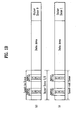
- FIGS. 1A or 1B illustrate PAC zones on a high density optical disc in accordance with an example embodiment of the present invention.
- the high density optical disc may be partitioned from an inner circumference to an outer circumference, into a lead-in zone, a data zone, and a lead-out zone.
- the lead-in zone may be further partitioned into an INFO2 zone and an INFO1 zone for recording various kinds of information thereon.
- the INFO2 zone and an INFO1 zone may include PAC (Physical Access Control) zones.
- a PAC zone assigned to the INFO2 zone may be labeled a PAC2 zone and the PAC zone assigned to the INFO1 zone may be labeled a PAC1 zone.
- One of the PAC2 zone and the PAC1 zone may have an original PAC recorded thereon and the other one may have a back up zone for recording a copy of the original PAC. If a writing direction is from the inner circumference to the outer circumference of the disc, it may be advantageous that the original PAC is recorded on the PACII zone and the backup PAC is recorded on the PACI zone.
- FIG 1B illustrates a diagram of a dual layer disc structure having two recording layers including first recording layer (L0: Layer 0) and second recording layer (L1: Layer 1), wherein each of the recording layers includes a Lead-in/out Zone (also called as an Inner Zone), a Data Area, and an Outer Zone 0, or 1.
- first recording layer L0: Layer 0
- second recording layer L1: Layer 1
- each of the recording layers includes a Lead-in/out Zone (also called as an Inner Zone), a Data Area, and an Outer Zone 0, or 1.
- Each of the lead-in zone (inner zone 0) and the lead-out zone (inner zone 1) may include an INFO 2 zone and an INFO 1 zone for recording management information of the disc, and the PAC zones may be located in the INFO2 zone and/or the INFO1 zone.
- a PAC zone assigned to the INF02 zone may be labeled a PAC2 zone and the PAC zone assigned to the INFO1 zone may be labeled a PAC1 zone.
- One of the PAC2 zone and the PAC1 zone may have an original PAC recorded thereon and the other one may have a back up zone for recording a copy of the original PAC. If a writing direction is from the inner circumference to the outer circumference of the disc, it may be advantageous that the original PAC is recorded on the PACII zone and the backup PAC is recorded on the PACI zone.
- the dual layer disc has a PAC size two times greater than the single layer disc.
- the PAC zone may be provided to handle problems that may occur when an older version of a drive apparatus cannot detect functions on a disc added having functions compatible with a newer version of a drive apparatus.
- the PAC zone may handle compatibility problems using one or more an "unknown rules".
- An "unknown rule” may be used to control predictable operations of the disc, for example, basic control of read, write, etc., linear replacement of a defective zone, logical overwrite, etc.
- An area may also be provided on the disc, indicating where the "unknown rule” is applicable, for example, segments for defining the entire disc or a certain portion of the disc, which is described later in more detail.
- DMA Disc Management Area
- Spare Area a Spare Area
- User Data Area a DMA (Disc Management Area)
- DMA Disc Management Area
- Spare Area a Spare Area
- User Data Area a User Data Area
- segment areas which are predetermined areas on the disc the "unknown rule” is applicable thereto can be designated thereto. (The segment will be described in more detail, later.)
- rules and/or other operations for controlling predictable operations of the above areas such as, starting from basic operations of recording and reproducing, linear replacement of a defective area, logical overwrite of the BD-WO, and/or other similar operations may be defined.
- an older.version drive apparatus is able to access by using the "unknown rule", a newer version of the disc reduces unnecessary access operation of the older version drive apparatus.
- a data area containing user data recorded thereon can be protected more robustly and/or unauthorized access (for example, hacking) of the disc may be prevented or reduced.
- the INF02 zone and the INFO1 zone having the PACII and I zones therein in the lead-in zone may be reviewed in view of writable characteristics of the high density optical disc.
- FIG 2 illustrates INF02 zone and the INFO1 zone on a high density optical disc in accordance with an example embodiment of the present invention.
- the INFO2 zone may have 256 clusters including 32 clusters of PACII zone, 32 clusters of DMA (Defect Management Area) 2 zone for management of defects, 32 clusters of CD (Control Data) 2 zone having control information recorded thereon, and/or 32 clusters of BZ (Buffer Zone) 3 zone of a buffer zone.
- the INFO1 zone may include 32 clusters of BZ2 zone of a buffer area, 32 clusters of drive area which may be a drive area for storing information specific to a drive, 32 clusters of DMA1 zone for managing defects, 32 clusters of CD1 zone for recording control information, and/or a BZ1-PACI zone utilizable as the PAC zone.
- the INFO2 zone may have 256 clusters including a PACII zone, a DMA 2 zone, a CD 2 zone, and a BZ 3 zone, each with 32 clusters, and the INFO1 zone includes a BZ2 zone, a DMA1 zone, a CD1 zone, and/or a BZ1-PACI zone, each with 32 clusters, and 128 clusters of drive area.
- BD-R write once high density optical disc
- the INFO2 zone may have 256 clusters including a PACII zone, a CD 2 zone, and a BZ 3 zone, each with 32 clusters, and the INFO1 zone 256 clusters including a CD1 zone, and/or a BZ1-PACI zone, each with 32 clusters.
- the PAC zones of example embodiments of the present invention may be assigned to the INFO2 zone and/or the INFO1 zone in the lead-in zone in 32 clusters each, according to rewritable characteristics of the high density optical disc.
- the PAC zone may be designated, not only in the lead-in zone, but also in the lead-out zone, such that one PAC zone may have 64 clusters.
- one PAC may have one cluster, for recording a plurality of valid PACs. There also may be a plurality of one cluster sized PACs if desired. An example structure in which one PAC is recorded as one cluster is described with reference to FIG 3 .
- FIG 3 illustrates a diagram of a structure of a PAC recorded on a high density optical disc in accordance with an example embodiment of the present invention.
- one PAC of one cluster size may include a header zone and a specific information zone, specific to a particular disc drive (for example, optical disc drive).
- the PAC header zone may have 384 bytes allocated to a first sector of the PAC, for recording various kinds of PAC information, such as information on an "unknown PAC rule" and segments, and another area of the PAC zone may have information specific to the (optical) disc drive may be referred to as "known rules" recorded thereon.
- FIG. 4 An example structure of a PAC recorded in above structure is described with reference to FIG. 4 .
- FIG. 4 For convenience, in the description, particular fields of the PAC that require more detailed description will refer to drawings that illustrate the particular fields.
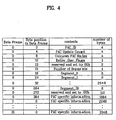
- FIG 4 illustrates a diagram showing a structure of a PAC on a high density optical disc in accordance with an example embodiment of the present invention.
- the PAC may include a header portion (in an example, up to 384 bytes of the first frame)applicable to all PACs and an area having information specific to the drive, recorded thereon.
- An example header portion may include 4 bytes of "PAC_ID”, 4 bytes of "unknown PAC Rules", 1 byte of "Entire Disc Flag”, 1 byte of "Number of Segments”, and/or 32 segments "Segment_0 ⁇ Segment_31" each with 8 bytes.
- the "PAC_ID” may provide the present PAC status and identification codes, for example, if the "PAC_ID” is '00 00 00 00h', the “PAC_ID” may indicate that the present PAC is not used, and if the "PAC_ID” is 'FF FF FF FFh', the "PAC_ID” may indicate that the present PAC zone is available for use again even if the PAC zone has been used previously.
- the "PAC_ID” is used as a code for determining if the disc is one that the present drive can make free access. That is, if the present drive does not know the "PAC_ID” applied thus, determining that this is a case when the present drive can not understand the present PAC under a reason of version mismatch, or the like, the '54 53 54 00h' is used as code requiring to refer to information recorded on the "Unknown PAC Rules" field.
- the "Unknown PAC Rules" field may be used as a field that designates an operation range of a drive that can not recognize the present PAC, which will be described further with reference to FIG 5 .
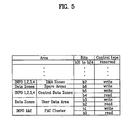
- FIG 5 illustrates a diagram showing a configuration of an "Unknown PAC Rules" field in accordance with an example embodiment of the present invention.
- a degree of controllability of various areas on the disc may be enabled by the "Unknown PAC Rules".
- the "Area” column in Fig. 5 represents the controllable areas on the disc
- the "Control” column represents control types, such as read/write etc.
- "Number of bits” column represents a number of bits required for control.
- the additional bits in the "Number of bits” column may represent cases of dual layer disc with two recording/reproduction sides.
- a degree of controllability of various areas on the disc may be enabled by the "Unknown PAC Rules".
- the "Area” column in Fig. 5 represents the controllable areas on the disc
- the "Control” column represents control types, such as read/write etc.
- "Number of bits” column represents a number of bits required for control.
- the additional bits in the "Number of bits” column may represent cases of dual layer disc with two recording/reproduction sides.
- Unknown PAC Rules may be used to control a number of areas on a disc.
- "Unknown PAC Rules” can indicate recording controllability on Disc Management Area (DMA) zones (which may or may not include a Disc Definition Structure (DDS) in the INFO 1, 2, 3 and/or 4 zone, can indicate recording controllability on the Spare Areas in the Data Zone, can indicate recording and/or reproducing controllability on the Control Data (CD) Zone in the INFO1, 2, 3, and/or 4 zones, can indicate recording and/or reproducing controllability on the User Data Area in the Data Zone, and/or can indicate recording and/or reproducing controllability on the "PAC cluster" in the INFO1 and/or 2 zone.
- DMA Disc Management Area
- DDS Disc Definition Structure
- the following example rule may be applicable to areas (except the "PAC cluster" area).
- the User Data Area may be used as a field for indicating recording and/or reproducing controllability on the segment area, and not necessarily the entire User Data Area.
- Write controllability is applicable only to re-writable discs BD-RE and BD-R and the write controllability of a replacement area for a defective area is also applicable to the re-writable discs BD-RE and BD-R.
- various example features of the present invention may depend on the re-writable characteristics of the high density (optical) disc.
- the "Unknown PAC Rules" field enables designation of a controllable area on the disc for a drive with a version mismatch. Moreover, the above technique may also be applicable to control access to a particular physical area on a disc at a user's option.
- the "PAC Update Count" field in FIG. 4 may indicate a number of the PAC updates, may have '0' written initially, and/or may be incremented by one every time the PAC is re-written.
- the "Entire Disc Flag” field may be used as a field for indicating that the PAC is applicable to an entire area of the disc and the "Number of Segments” field is a field that may represent a number of segment areas to which the PAC is applicable.
- the initialization is inhibited. That is, the "Entire Disc Flag" may be operative in an OR-function with other write inhibition mechanisms.
- WP write protect
- the "Entire Disc Flag" field can be used as a field applicable, not only to a case of an unknown PAC, but also to a case of a known PAC. That is, allowability of re-initialization of even a known PAC which understands the PAC_ID enabling to apply the known rule may be controlled through the "Entire Disc Flag" field.
- the allowability of re-initialization may be indicated with one extra bit (for example, of the 32 bits of the "Unknown PAC Rule” field) as a "re-initialization flag" for indicating the allowability of re-initialization.
- functions of the "Entire Disc Flag” field are not limited to flag named as such.
- the function of the "Entire Disc Flag” field is applicable to the re-initialization of a PAC, and the field may be identified as a "Initialization bit of PAC" field.
- the "Number of Segments" field is a field that may represent a number of segment areas to which the PAC is applicable.
- a maximum number of segments may be allocatable to one PAC.
- a maximum number of 32 segments can be allocated to one PAC and information on the allocated segments may be written in "Segment_0" to "Segment_31" fields, each including 8 bytes.
- Each of the "Segment_0 ⁇ 31" fields may include the first physical sector number (PSN) and the last PSN of the allocated segment area recorded thereon.
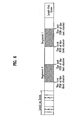
- FIG 6 illustrates segment zones on a high density optical disc in accordance with an example embodiment of the present invention.
- a maximum number for example, 32
- the maximum number of segment area may start from "segment 0".
- positions of the segment areas may be identified by an optical disc drive by writing the first PSN, which may indicate a starting position of the allocated segment area and the last PSN which may indicate the last position of the allocated segment area on "Segment" fields.
- none of the plurality of allocated segments need overlap and the starting and ending positions may be designated at boundaries of clusters.
- the present invention may provide a plurality of PACs, to manage a number (for example, 32) segment areas, which are described in more detail below.
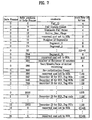
- FIG 7 illustrates a PAC zone on a high density optical disc in accordance with an example embodiment of the present invention.
- a "Primary PAC” may include 4 bytes of "PAC_ID”, 4 bytes of "PAC Update Count”, 4 bytes of "Unknown PAC Rules", 1 byte of "Entire_Disc_Flags", 1 byte of "number of Segments”, a total of 32 "Segment_0 ⁇ Segment_3 1” each with 8 bytes, 2 bytes of "number of Recorder ID entries”, 4 bytes of "Year/Month/Date of initial recording", 2 bytes of "Re-initialization Count", and/or a plurality of "Recorder ID for RID_Tag xxh” fields each with 128 bytes.
- the "number of Recorder ID entries", the "Year/Month/Date of initial recording”, the "Re-initialization Count", and the "Recorder ID for RID_Tag xxh” fields of the "Primary PAC” may be referred to as a "known rule", which is PAC specific Info characterizing a "Primary PAC”.
- a "Primary PAC" having such a structure is discussed below.
- the "PAC_ID" field may be used as a field for providing a status and identification code of the present PAC and be recorded in '50 52 4D 00h' for indicating the Primary PAC, specifically. '50 52 4D 00h' represents characters "PRM", and the last 00h bit indicates that a version of the Primary PAC is '0'.
- the "PAC Update Count" field may be used to indicate a number of updates of the Primary PAC, may be written as 00h at the time of initialization, and may be incremented by one every time the Primary PAC is re-written.
- the "Unknown PAC Rules" field is a field that may be used for designating an operation range of a drive that does not understand the Primary PAC identified by "PAC_ID" having a structure as shown in FIG 5 , and may be set to control the DMA area, the spare area, the control data area, the user data area, the PAC cluster area, and/or other similar data.
- the "Entire_Disc_Flags" field of the Primary PAC may be set to 00h for allowing initialization, and, if no segment area is allocated, the "number of Segments” field, and the "Segment_i” fields may be set to 00h.
- the "number of Recorder ID entries" field is a field that may be used to indicate a number of recorder IDs of 128 byte size and/or a maximum allowable number in the Primary PAC of 252.
- the "Year/Month/Date of initial recording" field is a field that may be used for recording a
- the "Re-initialization Count” field is a field that may be used for indicating a number of re-initialization of the disc.
- the "Recorder ID for RID_Tag xxh” field is a field having 128 bytes allocated thereto that may be used for recorder ID information for recording drive signatures of all recorders thereon.
- the 128 bytes of drive signature may include 48 bytes of a manufacturer's name, 48 bytes of additional identification information, and/or 32 bytes of serial number.
- a maximum for example, 32
- FIG 8 illustrates a PAC zone on a high density optical disc in accordance with an example embodiment of the present invention.
- a plurality of valid PACs may be written on one PAC zone (a PAC zone of INFO2 or INFO1), each with 32 clusters.
- a valid PAC may be defined as a zone containing the various kinds of PAC information and a maximum number (for example, 32, or 64 in the case of a dual layer disc) of valid PACs may be provided on a disc, each with one cluster size that can be allocated to one PAC zone.
- PAC_ID 54 53 54 00h
- a remainder of the PAC zone having no valid PACs recorded thereon may have a PAC with a PAC_ID of 00 00 00 00h or FF FF FF FFh, and a PAC zone having nothing record thereon may be left as an unrecorded PAC.
- the PAC may be written at an area next to the defective area.
- the defect may be caused by damage to; or contamination of a disc surface, and when the defect occurs at the area the PAC is to be written thereon, the PAC information may be written on an area next to the defective area.
- Operations such as finding a position of a valid PAC zone from the PAC zone or finding a position of a next writable PAC zone while avoiding an area written already to require no more writing, and defective area from above PAC zone may an important matter in view of initialization and recording speed of the disc and many retries may be required for reading a defective area.
- the present invention describes a method in which status information on positions of the plurality of valid PACs, a position of the next writable PAC, and/or other relevant information may be written on a DDS (Disc Definition Structure).
- DDS Disc Definition Structure
- a DDS may be a zone containing information on the first PSN of a defect list, a position of a user data zone, sizes of spare areas, and/or other relevant information, and may be information written on the DMA zone of the disc as information on DMS (Defect Management Structure) together with DFL (Defect List).
- the information written in the DMA may be information scanned and pre-loaded in advance when the disc is loaded into a drive. Therefore, once various status information on the PAC, such as positions of the plurality of valid PACs, a position of the next writable PAC, and/or other relevant information is written in the DDS as pointers, the optical disc drive may obtain information on the PAC zone without needing to scan all the PAC zones.
- a DDS may include various kinds of information on status of the PAC zone and will be described below.
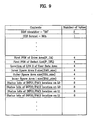
- FIG 9 illustrates a DDS on a high density optical disc in accordance with an example embodiment of the present invention.
- FIG 9 illustrates a diagram showing an example embodiment of a DDS on a high density optical disc in accordance with an example embodiment of the present invention.
- the example embodiment of FIG 9 illustrates a dual layer disc, but the teachings of FIG 9 are equally applicable to a single layer disc.
- the DDS may include a "DDS identifier” field, a "DDS format” field, a "First PSN of Drive Area (P_DA)” field representing the first physical sector number of a drive area, a “First PSN of Defect List (P_DFL)” field representing the first PSN of the defect list, a "Location of LSN 0 of User Data Area” field representing a position of an LSN (logical sector number) of the user data area, an "Inner Spare Area 0 size (ISA0_size)” field representing a size of an inner spare area 0, an “Outer Spare Area size (OSA_size)” field representing a size of an outer spare area 0, an “Inner Spare Area 1_size (ISA1_size)” field representing a size of an inner spare area 1, a "Status bits of INFO1/PAC1 location on L0” field having status information on the PAC1 in the INFO1 zone of the first recording layer L0 recorded thereon, a "DDS identifier”
- the DDS may provide various status information on the PAC, such as a position of cluster having valid PAC allocated thereto, the next writable area, and/or other similar information.
- FIG 10 An example of PAC status information of a PAC zone in accordance with an example embodiment of the present invention is described in more detail with reference to FIG 10 .
- two bits may be allocated to each field provided for indicating status information of the PAC zone recorded on the DDS.
- 00 indicates that the PAC cluster is unrecorded
- PAC_ID FF FF FF FFh recorded thereon
- 10 indicates that the PAC cluster is an invalid PAC (for example, due to a defect)
- 11 indicates that the PAC cluster is a valid PAC.
- a defect is not the only reason a PAC cluster may be identified as invalid.
- the PAC cluster when the PAC cluster is not readable due to "unknown PAC Rules" too, the PAC cluster may also be identified as an invalid PAC, with 10. That is, as described above, the bit b0 of "Unknown PAC Rule" may be used as a bit for indicating if the PAC cluster is readable, wherein even if the PAC cluster is re-writable in a case where the bit is set to 1, the PAC cluster is indicated as an invalid PAC.
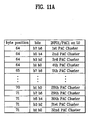
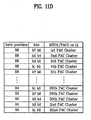
- FIGs. 11A - 11D illustrate structures showing a PAC status information field of a DDS which indicate status information of a PAC zone
- FIG 11A illustrates a structure of "Status bits of INFO1/PAC1 location on L0" field for indicating status information of the PAC1 zone designated to the INFO1 zone of the first recording layer L0.
- the "Status bits of INFO1/PAC1 location on L0" field may have a total 8 bytes (64 bits) allocated thereto starting from a byte position of 64 (for example) to a byte position of 71 (for example), wherein by indicating status information with two bits for each of PAC clusters, information on a total number (for example, 32) of PAC clusters may be indicated.
- bits b7 - b6 are 11 at a 64 byte position, this may be used to indicate that the first PAC cluster in the PAC1 zone on the first recording layer has a valid PAC.
- the "Status bits of INFO2/PAC2 location on L0" field may be recorded by the same method for the PAC2 zone on the INF02 zone on the first recording layer, which is shown in FIG 11B .
- FIG 11C illustrates an example structure of a "Status bits of INFO1/PAC1 location on L1" field having status information on a PAC1 in the INFO1 zone of the second recording layer L1
- FIG. 11D an example structure of a "Status bits of INFO2/PAC2 location on L1" field having status information on a PAC2 in the INFO2 zone of the second recording layer L1, wherein information on the PAC cluster is indicated as described above.
- characteristics of a PAC of the present invention can be summarized as follows.
- PAC In valid PACs, there may be "Unknown PAC” and "Known PAC” depending on whether the valid PAC understands a PAC_ID, or not, wherein the "Unknown PAC" has recording and/or reproducing control information on certain areas on the disc (for example, the DMA area, the spare area, the user data area, the PAC cluster, and/or other similar areas).
- the recording and/or reproducing control information on the user data area may be used as recording and/or reproducing control information on the segment area, if the segments are allocated to the user data area.
- the "Known PAC” may include specific information, specific to the PAC, and a “Primary PAC” may be defined as a type of "Known PAC", having disc initialization date information, recorder ID information, and/or other similar information.
- a PAC zone may have a plurality of valid PACs designated thereto and the status of various PAC of the PAC zone may be recorded in a DDS.
- Disc initialization and preparation for using the disc again may include formatting a DMS area and a PAC and scanning and certifying to update Defect List (DFL) information. Because updating the DFL information is an option, initialization as defined in the present invention may also include formatting or reformatting.
- DFL Defect List
- Initialization of a re-writable high density optical disc is intended to include re-initialization, formatting, and ref-formatting.
- a re-writable high density optical disc for example, BD-RE
- WP_flag write protect
- the "Entire disc Flags” field that indicates if the initialization is allowed or not is applicable to a "Known PAC"
- the "Known PAC” can be initialized if the "Entire disc Flags” field allows initialization.
- FIGs. 12A-12B illustrate a technique for initializing a PAC in accordance with an example embodiment of the present invention, wherein FIG 12A illustrates changes of the PAC zone following initialization of the PAC and FIG 12B illustrates a technique for recording in a DDS area, PAC related status information following initialization of the PAC.
- the PAC zone is left as is, and only the DDS PAC related status information is changed.
- bits 11 that indicate position information of the valid PAC are changed to bits 01 to indicate that a PAC zone is a next writable PAC zone, and bits 01 or bits 00 that indicate an original writable area is maintained as is.
- this example technique enables a comparatively simple PAC zone initialization process by changing only the DDS information to identify an entire PAC zone as a writable area.
- a method of initialization by DDS information change, without physical initialization of the PAC zone, such as the example described above, may be referred to as logical initialization (or a logical format).
- FIGs. 13A-13B illustrate a technique for initializing a PAC in accordance with another example embodiment of the present invention.
- the "Known PAC” including the “Primary PAC” is initialized and the "unknown PAC” is left as is.
- initialization of a "Primary PAC” which may be considered a type of “Known PAC” may be possible because the "Entire disc flag” may be set to "0" (discussed below).
- the disc When there is no "Primary PAC" on the disc, the disc may be initialized by setting the "PAC Update Count” field and the "Re-initialization Count” field to '0' at the "Primary PAC", to produce a new "Primary PAC".
- a Year/Month/Day of recording initialization may be recorded on the "Year/Month/Day of initial recording” field, and the recorder ID at the time of initialization may be recorded on the "Recorder ID for RID_Tag01" field.
- the new "Primary PAC” increments a "PAC Update Count” field value by one and sets the Year/Month/Day of recording initialization on the "Year/Month/Day of initial recording” field. Moreover, all the recorder ID lists recorded already are erased, and a recorder ID of initial recording may be recorded on the "Recorder ID for RID_Tag01" field, and the "Re-initialization Count” field may be incremented by one. If the "Primary PAC" is initialized by an above method, while the unknown PAC" is left as is, all information on a valid PAC in the DDS remains intact, as shown in FIG 13B .
- An "Unknown PAC" may be left as is at the time of disc initialization because the PAC has information not only on the user area, but also other areas (for example, the DMA area, the spare area, the control data area, and/or other similar areas) on the disc. As a result, initialization leaving the "Unknown PAC" as is, regardless of user data, is possible.
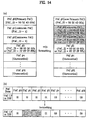
- FIGs. 14A-14B illustrate a technique for initializing a PAC in accordance with another example embodiment of the present invention.
- both the "Known PAC” and the “Unknown PAC” may be initialized, including the "Primary PAC”.
- the "Primary PAC" may be initialized, for example, using the technique shown in FIGs. 13A-13B .
- bits 11 may be used to indicate a valid PAC of the "Unknown PAC" and PAC related information of the DDS may be changed to 01.
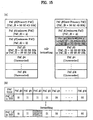
- FIGs. 15A-15B illustrate a technique for initializing a PAC in accordance with another example embodiment of the present invention.
- both the "Known PAC” and the “Unknown PAC” may be initialized, including the "Primary PAC", while accounting for bit b1 of the "Unknown PAC Rule" into account.
- bit b1 of the "Unknown PAC Rule" a recording control bit for the PAC cluster area, is set to 1 (for example), to inhibit rewriting on the PAC cluster, initialization of the "Unknown PAC” is inhibited, and if bit b1 of the "Unknown PAC Rule” is set to 0 (for example), to allow rewriting on the PAC cluster, initialization of the unknown PAC" is made possible.
- FIG. 16 illustrates a block diagram of an optical recording/reproducing apparatus in accordance with an example embodiment of the present invention.
- the optical recording/reproducing apparatus may include a recording/reproducing device 10 for perfonning recording/reproduction on the optical disc and a host, or controller 20 for controlling the recording/reproducing device 10.
- the recording/reproducing device 10 may act as the "optical disc drive" discussed above in conjunction with many example embodiments of the present invention.
- the host 20 gives a writing or reproduction instruction to write to or reproduce from a particular area of the optical disc to the recording/reproducing device 10, and the recording/reproducing device 10 performs the recording/reproduction to/from the particular area in response to the instruction from the bost 20.
- the recording/reproducing device 10 may further include an interface part 12 for performing communication, such as exchange of data and instructions with the host 20, a pickup part 11 for writing/reading a data to/from the optical disc directly, a data processor 13 for receiving a signal from the pickup part 11 and recovering a desired signal value or modulating a signal to be written into a signal able to be written on the optical disc, a servo part 14 for controlling the pickup part 11 to read a signal from the optical disc accurately or to write a signal on the optical disc accurately, a memory 15 for temporary storage of various kinds of information including management information and data, and a microcomputer 16 for controlling various parts of the recording/reproducing device 10.
- an interface part 12 for performing communication, such as exchange of data and instructions with the host 20, a pickup part 11 for writing/reading a data to/from the optical disc directly, a data processor 13 for receiving a signal from the pickup part 11 and recovering a desired signal value or modulating a signal to be written into a signal able to be written on the optical disc, a
- management information may be read from the optical disc and stored in the memory 15 of the recording/reproducing device 10, for use at the time of recording/reproduction of the optical disc.
- the host 20 taking this as a writing instruction, provides information on a desired writing position to the recording/reproducing device 10, together with a data to be written.
- the microcomputer 16 in the recording/reproducing device 10 may receive the writing instruction, determine if the area of the optical disc the host 20 desires to write is a defective area or not from the management information stored in the memory 15, and/or perform data writing according to the writing instruction from the host 20 on an area which is not a defective area.
- the microcomputer 16 of the recording/reproducing device 10 may write control information of the area in the PAC zone on the disc as an "Unknown PAC rule".
- the microcomputer 16 of the recording/reproducing device 10 may also write PAC information, such as the PAC_ID for a written state, and segment information which is control information on the particular area of the disc.
- the microcomputer 16 of the recording/reproducing device 10 may also write a PAC_ID and segment information on a particular area of the disc as PAC information.
- the recorder ID information may be recorded on the "Recorder ID for RID_Tag of the "Primary PAC".
- PAC information may be written in a plurality of valid PACs on the PAC 1 zone of the INFO 1 zone as required at a one cluster size and a copy of the PAC recorded on the PAC1 zone may be written on the PAC2 zone of the INFO 2 zone as a backup.
- the microcomputer 16 may provide position information of the area the data is written thereon, or the PAC zone, and the data to the servo 14 and the data processor 13, so that the writing is finished at a desired position on the optical disc through the pickup part 11.
- Initialization of a high density optical disc having a PAC recorded thereon by the above-described method may be performed as described above under the control of the microcomputer 16 of the recording and reproducing device 10.
- an "Unknown PAC" may be initialized when a cluster having the PAC recorded thereon is writable and initialization of the "Primary PAC" of the "Known PAC" may be made by recording information on a recorder ID and date of the initialization, and updating related count information.
- management information may be read from the optical disc and stored in the memory 15 of the recording and reproducing device 10, for use at the time of recording and reproduction of the optical disc.
- the information in the memory 10 may include position information of various zones included in the PAC zone on the disc. Particularly, positions of valid PACs in the PAC zone may be known from disc definition structure (DDS) information. After positions of the valid PACs are known, a PAC_ID field of the PAC may be examined, for verifying if the PAC_ID is an identifiable PAC_ID.
- DDS disc definition structure
- the method determines that a recording and reproducing device having written the data on the disc has a version identical to a version of the present recording and reproducing device or there are no separate writing/reproduction restrictions, and the recording/reproduction is performed according to the instruction from the host 20.
- the recording/reproduction may be performed according to an instruction from the host 20 from with reference to recording/reproduction restriction areas on the disc written as the "Unknown PAC rule" and/or the "Segment".
- the microcomputer 16 may then provide the location information and data according to the instruction from the host to the servo 14 and the data-processor 13, so that the recording/reproduction is finished at a desired location on the optical disc through the pickup part 11.
- the methods and apparatus for recording and reproducing in a high density optical disc may have one or more of the following advantages.
- the various embodiments of updating a PAC zone and DDS information related thereto permits effective initialization of a high density optical disc.
- various embodiments for recording/reproducing data using a PAC permits effective data recording/reproduction to/from a high density optical disc.
Landscapes
- Engineering & Computer Science (AREA)
- Signal Processing (AREA)
- Signal Processing For Digital Recording And Reproducing (AREA)
- Optical Recording Or Reproduction (AREA)
- Management Or Editing Of Information On Record Carriers (AREA)
- Optical Record Carriers And Manufacture Thereof (AREA)
Claims (38)
- Support d'enregistrement réinscriptible présentant une structure de données pour gérer un accès au support d'enregistrement, comportant :au moins une zone de contrôle d'accès physique (PAC) incluant au moins une grappe de contrôle d'accès physique (PAC), ladite au moins une grappe de contrôle PAC stockant des informations de contrôle PAC, les informations de contrôle PAC gérant un enregistrement sur et/ou une reproduction depuis le support d'enregistrement, les informations de contrôle PAC incluant un champ d'identification de contrôle PAC fournissant un code d'identification de la grappe de contrôle PAC, et un champ de règles de contrôle PAC désignant les opérations applicables d'un lecteur qui ne parvient pas à reconnaître le code d'identification de la grappe de contrôle PAC lorsque le lecteur tente d'accéder au support d'enregistrement ; etau moins une zone stockant des informations d'état pour ladite au moins une grappe de contrôle PAC, les informations d'état indiquant un état de chacune des grappes de contrôle PAC comme non enregistrée, disponible en vue de sa réutilisation, non valide, ou valide, les informations d'état étant modifiées lors du reformatage du support d'enregistrement, dans lequel les informations d'état indiquent que ladite au moins une grappe de contrôle PAC qui était valide avant le reformatage est définie de manière à être disponible en vue de sa réutilisation, après reformatage.
- Support d'enregistrement selon la revendication 1, dans lequel les informations d'état changent pour chacune de ladite au moins une grappe de contrôle PAC, sur la base d'un état de chacune de ladite au moins une grappe de contrôle PAC.
- Support d'enregistrement selon la revendication 2, dans lequel les informations d'état changent pour chacune de ladite au moins une grappe de contrôle PAC selon que chacune de ladite au moins une grappe de contrôle PAC est connue ou inconnue d'un lecteur tentant d'accéder au support d'enregistrement, dans lequel le code d'identification de ladite au moins une grappe de contrôle PAC est reconnu ou n'est pas reconnu par le lecteur, respectivement.
- Support d'enregistrement selon la revendication 1, dans lequel au moins l'une des grappes de contrôle PAC est inconnue d'un lecteur tentant d'accéder au support d'enregistrement, dans lequel le code d'identification de ladite au moins une grappe de contrôle PAC n'est pas reconnu par le lecteur.
- Support d'enregistrement selon la revendication 4, dans lequel ladite au moins une grappe de contrôle PAC inconnue inclut les règles de contrôle PAC qui doivent être utilisées lorsque la grappe de contrôle PAC est inconnue du lecteur.
- Support d'enregistrement selon la revendication 5, dans lequel les règles de contrôle PAC commandent l'accès à la totalité des grappes de ladite au moins une grappe de contrôle PAC inconnue.
- Support d'enregistrement selon la revendication 6, dans lequel les informations d'état changent pour chacune de ladite au moins une grappe de contrôle PAC inconnue, en fonction des règles de contrôle PAC.
- Procédé de reproduction de données à partir d'un support d'enregistrement réinscriptible présentant une structure de données pour gérer une zone de données du support d'enregistrement, consistant à :lire des informations d'état à partir d'une zone de gestion, les informations d'état indiquant un état de chaque grappe de contrôle PAC au sein d'une zone de contrôle PAC comme non enregistrée, disponible en vue de sa réutilisation, non valide ou valide, les informations d'état étant modifiées lors du reformatage du support d'enregistrement, dans lequel les informations d'état indiquent qu'une grappe de contrôle PAC valide qui était valide avant le reformatage est définie de manière à être disponible en vue de sa réutilisation, après reformatage ; etlire au moins une information de contrôle d'accès physique (PAC) à partir d'au moins une grappe de contrôle PAC sur la base des informations d'état, les informations de contrôle PAC gérant un enregistrement sur et/ou une reproduction depuis le support d'enregistrement, les informations de contrôle PAC incluant un champ d'identification de contrôle PAC fournissant un code d'identification de la grappe de contrôle PAC, et un champ de règles de contrôle PAC désignant les opérations applicables d'un lecteur qui ne parvient pas à reconnaître le code d'identification de la grappe de contrôle PAC lorsque le lecteur tente d'accéder au support d'enregistrement.
- Procédé selon la revendication 8, dans lequel les informations d'état changent pour chacune de ladite au moins une grappe de contrôle PAC, sur la base d'un état de chacune de ladite au moins une grappe de contrôle PAC.
- Procédé selon la revendication 9, dans lequel les informations d'état changent pour chacune de ladite au moins une grappe de contrôle PAC selon que chacune de ladite au moins une grappe de contrôle PAC est connue ou inconnue d'un lecteur tentant d'accéder au support d'enregistrement, dans lequel le code d'identification de ladite au moins une grappe de contrôle PAC est reconnu ou n'est pas reconnu par le lecteur, respectivement.
- Procédé selon la revendication 9, dans lequel au moins l'une des grappes de contrôle PAC est inconnue d'un lecteur tentant d'accéder au support d'enregistrement, dans lequel le code d'identification de ladite au moins une grappe de contrôle PAC n'est pas reconnu par le lecteur.
- Procédé selon la revendication 11, dans lequel ladite au moins une grappe de contrôle PAC inconnue inclut les règles de contrôle PAC qui doivent être utilisées lorsque la grappe de contrôle PAC est inconnue du lecteur.
- Procédé selon la revendication 12, dans lequel les règles de contrôle PAC commandent l'accès à la totalité des grappes de ladite au moins une grappe de contrôle PAC inconnue.
- Procédé selon la revendication 13, dans lequel les informations d'état changent pour chacune de ladite au moins une grappe de contrôle PAC inconnue, en fonction des règles de contrôle PAC.
- Dispositif destiné à reproduire des données à partir d'un support d'enregistrement réinscriptible, comportant :un capteur (11) configuré de manière à lire des données à partir d'un support d'enregistrement ; etun contrôleur (16) configuré de manière à commander au capteur (11) de lire des informations d'état à partir d'une zone de gestion, les informations d'état indiquant un état de chaque grappe de contrôle PAC au sein d'une zone de contrôle PAC comme non enregistrée, disponible en vue de sa réutilisation, non valide ou valide, les informations d'état étant modifiées lors du reformatage du support d'enregistrement, dans lequel les informations d'état indiquent qu'une grappe de contrôle PAC qui était valide avant un reformatage est définie de manière à être disponible en vue de sa réutilisation, après reformatage ; età lire au moins une information de contrôle d'accès physique (PAC) à partir d'au moins une grappe de contrôle PAC sur la base des informations d'état, les informations de contrôle PAC gérant un enregistrement sur et/ou une reproduction depuis le support d'enregistrement, les informations de contrôle PAC incluant un champ d'identification de contrôle PAC fournissant un code d'identification de la grappe de contrôle PAC, et un champ de règles de contrôle PAC désignant les opérations applicables d'un lecteur qui ne parvient pas à reconnaître le code d'identification de la grappe de contrôle PAC lorsque le lecteur tente d'accéder au support d'enregistrement.
- Dispositif selon la revendication 15, dans lequel les informations d'état changent pour chacune de ladite au moins une grappe de contrôle PAC, sur la base d'un état de chacune de ladite au moins une grappe de contrôle PAC.
- Dispositif selon la revendication 16, dans lequel les informations d'état changent pour chacune de ladite au moins une grappe de contrôle PAC selon que chacune de ladite au moins une grappe de contrôle PAC est connue ou inconnue du lecteur, dans lequel le code d'identification de ladite au moins une grappe de contrôle PAC est reconnu ou n'est pas reconnu par le lecteur, respectivement.
- Dispositif selon la revendication 15, dans lequel au moins l'une des grappes de contrôle PAC est inconnue d'un lecteur tentant d'accéder au support d'enregistrement, dans lequel le code d'identification de ladite au moins une grappe de contrôle PAC n'est pas reconnu par le lecteur.
- Dispositif selon la revendication 18, dans lequel ladite au moins une grappe de contrôle PAC inconnue inclut les règles de contrôle PAC qui doivent être utilisées lorsque la grappe de contrôle PAC est inconnue du lecteur.
- Dispositif selon la revendication 19, dans lequel les règles de contrôle PAC commandent l'accès à ladite au moins une grappe de contrôle PAC inconnue.
- Dispositif selon la revendication 20, dans lequel les informations d'état changent pour ladite au moins une grappe de contrôle PAC inconnue en fonction des règles de contrôle PAC.
- Support d'enregistrement selon la revendication 1, comportant en outre :au moins une zone de contrôle PAC de secours stockant une copie des informations de contrôle PAC.
- Support d'enregistrement selon la revendication 1, comportant en outre :une zone de données stockant des données d'utilisateur ;dans lequel les informations de contrôle PAC spécifient des segments de la zone de données, et les positions de début et de fin des segments sont désignées au niveau de frontières de grappes au sein de la zone de données.
- Support d'enregistrement selon la revendication 23, dans lequel le nombre total des segments dans la zone de données est inférieur ou égal à un nombre maximum.
- Procédé selon la revendication 8, consistant en outre à :lire une copie des informations de contrôle PAC à partir d'au moins une zone de contrôle PAC de secours du support d'enregistrement.
- Procédé selon la revendication 8, dans lequel le support d'enregistrement comporte en outre une zone de données stockant des données d'utilisateur, les informations de contrôle PAC spécifient des segments de la zone de données, et les positions de début et de fin des segments sont désignées au niveau de frontières de grappes au sein de la zone de données.
- Procédé selon la revendication 26, dans lequel le nombre total des segments dans la zone de données est inférieur ou égal à un nombre maximum.
- Dispositif selon la revendication 15, dans lequel le contrôleur (16) commande au capteur (11) de lire une copie des informations de contrôle PAC dans au moins une zone de contrôle PAC de secours du support d'enregistrement.
- Dispositif selon la revendication 15, dans lequel le support d'enregistrement comporte en outre une zone de données stockant des données d'utilisateur, les informations de contrôle PAC spécifient des segments de la zone de données, et les positions de début et de fin des segments sont désignées au niveau de frontières de grappes au sein de la zone de données.
- Dispositif selon la revendication 29, dans lequel le nombre total des segments dans la zone de données est inférieur ou égal à un nombre maximum.
- Procédé d'enregistrement de données sur un support d'enregistrement réinscriptible, consistant à :enregistrer au moins une information de contrôle PAC sur le support d'enregistrement, les informations de contrôle PAC étant stockées dans au moins une grappe de contrôle PAC, les informations de contrôle PAC gérant un enregistrement sur et/ou une reproduction depuis le support d'enregistrement, les informations de contrôle PAC incluant un champ d'identification de contrôle PAC fournissant un code d'identification de la grappe de contrôle PAC, et un champ de règles de contrôle PAC désignant les opérations applicables d'un lecteur qui ne parvient pas à reconnaître le code d'identification de la grappe de contrôle PAC lorsque le lecteur tente d'accéder au support d'enregistrement : etenregistrer des informations d'état pour ladite au moins une grappe de contrôle PAC sur le support d'enregistrement, les informations d'état indiquant un état de chacune des grappes de contrôle PAC comme non enregistrée, disponible en vue de sa réutilisation, non valide, ou valide, les informations d'état étant modifiées lors du reformatage du support d'enregistrement, dans lequel les informations d'état indiquent que ladite au moins une grappe de contrôle PAC valide, qui était valide avant le reformatage, est définie de manière à être disponible en vue de sa réutilisation, après reformatage.
- Procédé selon la revendication 31, consistant en outre à :enregistrer une copie des informations de contrôle PAC dans au moins une zone de contrôle PAC de secours du support d'enregistrement.
- Procédé selon la revendication 31, consistant en outre à :enregistrer des données d'utilisateur dans une zone de données du support d'enregistrement ;dans lequel les informations de contrôle PAC spécifient des segments de la zone de données, et les positions de début et de fin des segments sont désignées au niveau de frontières de grappes au sein de la zone de données.
- Procédé selon la revendication 33, dans lequel le nombre total des segments dans la zone de données est inférieur ou égal à un nombre maximum.
- Dispositif destiné à enregistrer des données dans un support d'enregistrement réinscriptible, comportant :un capteur (11) configuré de manière à enregistrer des données sur le support d'enregistrement ; etun contrôleur (16) configuré de manière à commander au capteur (11) d'enregistrer au moins une information de contrôle PAC sur le support d'enregistrement, les informations de contrôle PAC étant stockées dans au moins une grappe de contrôle PAC, les informations de contrôle PAC gérant un enregistrement sur et/ou une reproduction depuis le support d'enregistrement, les informations de contrôle PAC incluant un champ d'identification de contrôle PAC fournissant un code d'identification de la grappe de contrôle PAC, et un champ de règles de contrôle PAC désignant les opérations applicables d'un lecteur qui ne parvient pas à reconnaître le code d'identification de la grappe de contrôle PAC, lorsque le lecteur tente d'accéder au support d'enregistrement : età enregistrer des informations d'état pour ladite au moins une grappe de contrôle PAC, les informations d'état indiquant un état de chacune des grappes de contrôle PAC comme non enregistrée, disponible en vue de sa réutilisation, non valide, ou valide, les informations d'état étant modifiées lors du reformatage du support d'enregistrement, dans lequel les informations d'état indiquent que ladite au moins une grappe de contrôle PAC, qui était valide avant le reformatage, est définie de manière à être disponible en vue de sa réutilisation, après reformatage.
- Dispositif selon la revendication 35, dans lequel le contrôleur (16) commande au capteur (11) d'enregistrer une copie des informations de contrôle PAC dans au moins une zone de contrôle PAC de secours du support d'enregistrement.
- Dispositif selon la revendication 35, dans lequel le contrôleur (16) commande au capteur (11) d'enregistrer des données d'utilisateur dans une zone de données du support d'enregistrement, et les informations de contrôle PAC spécifient des segments de la zone de données, et les positions de début et de fin des segments sont désignées au niveau de frontières de grappes au sein de la zone de données.
- Dispositif selon la revendication 37, dans lequel le nombre total des segments dans la zone de données est inférieur ou égal à un nombre maximum.
Priority Applications (1)
| Application Number | Priority Date | Filing Date | Title |
|---|---|---|---|
| EP07111355.9A EP1870893B9 (fr) | 2004-03-19 | 2005-03-03 | Support d'enregistrement portant des informations de statut changeant lors du reformatage et appareil et procédé pour former, enregistrer et reproduire le support d'enregistrement |
Applications Claiming Priority (5)
| Application Number | Priority Date | Filing Date | Title |
|---|---|---|---|
| US55435604P | 2004-03-19 | 2004-03-19 | |
| US57718104P | 2004-06-07 | 2004-06-07 | |
| KR20040051610 | 2004-07-02 | ||
| KR20040053617 | 2004-07-09 | ||
| PCT/KR2005/000595 WO2005089073A2 (fr) | 2004-03-19 | 2005-03-03 | Support d'enregistrement portant des informations d'etat qui changent au reformatage et procede/dispositif de formation, d'enregistrement et de reproduction dudit support d'enregistrement |
Related Child Applications (2)
| Application Number | Title | Priority Date | Filing Date |
|---|---|---|---|
| EP07111355.9A Division EP1870893B9 (fr) | 2004-03-19 | 2005-03-03 | Support d'enregistrement portant des informations de statut changeant lors du reformatage et appareil et procédé pour former, enregistrer et reproduire le support d'enregistrement |
| EP07111355.9 Division-Into | 2007-06-29 |
Publications (2)
| Publication Number | Publication Date |
|---|---|
| EP1735780A2 EP1735780A2 (fr) | 2006-12-27 |
| EP1735780B1 true EP1735780B1 (fr) | 2013-08-14 |
Family
ID=34994129
Family Applications (1)
| Application Number | Title | Priority Date | Filing Date |
|---|---|---|---|
| EP05721901.6A Expired - Lifetime EP1735780B1 (fr) | 2004-03-19 | 2005-03-03 | Support d'enregistrement portant des informations d'etat qui changent au reformatage et procede/dispositif de formation, d'enregistrement et de reproduction dudit support d'enregistrement |
Country Status (10)
| Country | Link |
|---|---|
| EP (1) | EP1735780B1 (fr) |
| JP (2) | JP4610606B2 (fr) |
| KR (1) | KR101065702B1 (fr) |
| AU (1) | AU2005222766B2 (fr) |
| BR (1) | BRPI0508994A (fr) |
| CA (1) | CA2559578C (fr) |
| MX (1) | MXPA06010668A (fr) |
| RU (1) | RU2385508C2 (fr) |
| TW (1) | TWI386929B (fr) |
| WO (1) | WO2005089073A2 (fr) |
Citations (3)
| Publication number | Priority date | Publication date | Assignee | Title |
|---|---|---|---|---|
| US20030210627A1 (en) * | 1999-09-23 | 2003-11-13 | Pope Ijtsma | Method of immediate writing or reading files on a disc like recording medium |
| EP1505597A1 (fr) * | 2003-03-12 | 2005-02-09 | Sony Corporation | Support d'enregistrement, dispositif d'enregistrement, dispositif de reproduction, procede d'enregistrement, et procede de reproduction |
| EP1600975A2 (fr) * | 2004-05-21 | 2005-11-30 | Samsung Electronics Co., Ltd. | Support d'enregistrement optique, appareil et procédé d'enregistrement/de reproduction et support d'enregistrement avec programme pour exécuter la procédé |
Family Cites Families (24)
| Publication number | Priority date | Publication date | Assignee | Title |
|---|---|---|---|---|
| US5815485A (en) * | 1993-02-02 | 1998-09-29 | Matsushita Electric Industrial Co., Ltd. | Recording medium, a method for producing the same, a control method using the recording medium, and a recording/reproducing apparatus using the recording medium |
| JPH0729177A (ja) * | 1993-07-15 | 1995-01-31 | Mitsubishi Electric Corp | 光ディスクの欠陥管理方法並びに光ディスク記録装置及び光ディスク再生装置 |
| JPH07121993A (ja) * | 1993-10-21 | 1995-05-12 | Ricoh Co Ltd | 光学情報記録再生装置 |
| JP3339210B2 (ja) * | 1994-07-04 | 2002-10-28 | ソニー株式会社 | 再生装置 |
| JP3997558B2 (ja) * | 1996-09-12 | 2007-10-24 | ソニー株式会社 | 記録又は再生装置、記録又は再生方法 |
| RU2225043C1 (ru) * | 1998-06-15 | 2004-02-27 | Самсунг Электроникс Ко., Лтд. | Запоминающее устройство (варианты) |
| WO2000023996A1 (fr) * | 1998-10-22 | 2000-04-27 | Matsushita Electric Industrial Co., Ltd. | Support d'enregistrement d'informations et procede et systeme de gestion des defauts dans ledit support |
| TW476953B (en) * | 1999-02-02 | 2002-02-21 | Matsushita Electric Industrial Co Ltd | Optical disk recording device and optical disk recording method |
| US6330210B1 (en) * | 1999-04-29 | 2001-12-11 | Hewlett-Packard Company | Data structure for control information on rewriteable data storage media |
| US6839504B1 (en) * | 1999-09-30 | 2005-01-04 | Matsushita Electric Industrial Co., Ltd. | Information recording medium and system controller |
| TW468162B (en) * | 1999-10-13 | 2001-12-11 | Koninkl Philips Electronics Nv | Method of hiding areas on a disc like recording of the optically rewritable type |
| JP2001126407A (ja) * | 1999-10-27 | 2001-05-11 | Sony Corp | 情報管理方法及び装置 |
| JP4277452B2 (ja) * | 2000-02-25 | 2009-06-10 | ソニー株式会社 | 記録装置、再生装置 |
| TW544671B (en) * | 2000-02-25 | 2003-08-01 | Sony Corp | Recording medium, recording apparatus, and reading apparatus |
| US6785839B2 (en) * | 2000-04-08 | 2004-08-31 | Samsung Electronics, Co., Ltd. | Method of verifying defect management area information of disc and test apparatus for performing the same |
| JP3927388B2 (ja) * | 2000-09-27 | 2007-06-06 | 株式会社リコー | 画像処理装置、画像処理方法及び記録媒体 |
| JP2002150753A (ja) * | 2000-11-06 | 2002-05-24 | Nikon Corp | 光情報記録媒体及びスタンパー |
| JP2002175668A (ja) * | 2000-12-06 | 2002-06-21 | Sony Corp | 欠陥情報管理方法及び記録媒体処理装置 |
| CN1877724B (zh) * | 2000-12-22 | 2011-05-18 | 松下电器产业株式会社 | 用于光盘的回放方法 |
| CN100437802C (zh) * | 2001-08-02 | 2008-11-26 | 松下电器产业株式会社 | 信息记录方法和信息记录装置 |
| JP4100913B2 (ja) * | 2002-01-15 | 2008-06-11 | 株式会社リコー | 情報再生装置、データ管理情報取得方法、データ管理情報取得プログラム、記憶媒体、及び再生システム |
| JP3788615B2 (ja) * | 2002-01-22 | 2006-06-21 | 松下電器産業株式会社 | 多層情報記録媒体、再生装置、記録装置、再生方法および記録方法 |
| JP2004005842A (ja) * | 2002-05-31 | 2004-01-08 | Ricoh Co Ltd | 記録方法、記録媒体、プログラム及び情報記録媒体、並びに情報記録装置 |
| KR100891107B1 (ko) * | 2002-09-10 | 2009-03-30 | 삼성전자주식회사 | 결함 정보 관리 방법 및 그 장치 |
-
2005
- 2005-03-03 JP JP2007503822A patent/JP4610606B2/ja not_active Expired - Fee Related
- 2005-03-03 EP EP05721901.6A patent/EP1735780B1/fr not_active Expired - Lifetime
- 2005-03-03 KR KR1020067021607A patent/KR101065702B1/ko not_active Expired - Fee Related
- 2005-03-03 RU RU2006136920/28A patent/RU2385508C2/ru not_active IP Right Cessation
- 2005-03-03 WO PCT/KR2005/000595 patent/WO2005089073A2/fr not_active Ceased
- 2005-03-03 AU AU2005222766A patent/AU2005222766B2/en not_active Ceased
- 2005-03-03 MX MXPA06010668A patent/MXPA06010668A/es active IP Right Grant
- 2005-03-03 CA CA2559578A patent/CA2559578C/fr not_active Expired - Fee Related
- 2005-03-03 BR BRPI0508994-8A patent/BRPI0508994A/pt not_active IP Right Cessation
- 2005-03-10 TW TW094107321A patent/TWI386929B/zh not_active IP Right Cessation
-
2007
- 2007-07-04 JP JP2007176632A patent/JP4611351B2/ja not_active Expired - Fee Related
Patent Citations (3)
| Publication number | Priority date | Publication date | Assignee | Title |
|---|---|---|---|---|
| US20030210627A1 (en) * | 1999-09-23 | 2003-11-13 | Pope Ijtsma | Method of immediate writing or reading files on a disc like recording medium |
| EP1505597A1 (fr) * | 2003-03-12 | 2005-02-09 | Sony Corporation | Support d'enregistrement, dispositif d'enregistrement, dispositif de reproduction, procede d'enregistrement, et procede de reproduction |
| EP1600975A2 (fr) * | 2004-05-21 | 2005-11-30 | Samsung Electronics Co., Ltd. | Support d'enregistrement optique, appareil et procédé d'enregistrement/de reproduction et support d'enregistrement avec programme pour exécuter la procédé |
Also Published As
| Publication number | Publication date |
|---|---|
| AU2005222766B2 (en) | 2010-03-11 |
| BRPI0508994A (pt) | 2007-09-04 |
| EP1735780A2 (fr) | 2006-12-27 |
| CA2559578C (fr) | 2012-07-24 |
| KR101065702B1 (ko) | 2011-09-19 |
| AU2005222766A1 (en) | 2005-09-29 |
| JP4610606B2 (ja) | 2011-01-12 |
| MXPA06010668A (es) | 2006-12-19 |
| JP2007529845A (ja) | 2007-10-25 |
| WO2005089073A2 (fr) | 2005-09-29 |
| JP4611351B2 (ja) | 2011-01-12 |
| JP2007287317A (ja) | 2007-11-01 |
| RU2385508C2 (ru) | 2010-03-27 |
| WO2005089073A3 (fr) | 2005-11-17 |
| KR20060130758A (ko) | 2006-12-19 |
| TWI386929B (zh) | 2013-02-21 |
| CA2559578A1 (fr) | 2005-09-29 |
| TW200539140A (en) | 2005-12-01 |
| RU2006136920A (ru) | 2008-04-27 |
Similar Documents
| Publication | Publication Date | Title |
|---|---|---|
| US7701809B2 (en) | Computer-readable recording medium with physical access control (PAC) information thereon and apparatus and methods for forming, recording, and reproducing the computer-readable recording medium | |
| EP1726013B1 (fr) | Support d'enregistrement avec informations en segment se chevauchant, et dispositif et procedes de formation, d'enregistrement et de reproduction du support | |
| AU2005222281B2 (en) | Recording medium with overlapping segment information thereon and apparatus and methods for forming, recording, and reproducing the recording medium | |
| US7975098B2 (en) | Recording medium with status information thereon which changes upon reformatting and apparatus and methods for forming, recording, and reproducing the recording medium | |
| EP1887577A2 (fr) | Support d'enregistrement avec groupe de contrôle d'accès physique (CAP) inclus et appareil et procédé pour former, enregistrer et reproduire le support d'enregistrement | |
| CN101114471B (zh) | 记录介质以及用于形成、记录和再现该记录介质的装置 | |
| EP1735780B1 (fr) | Support d'enregistrement portant des informations d'etat qui changent au reformatage et procede/dispositif de formation, d'enregistrement et de reproduction dudit support d'enregistrement | |
| EP1870893B1 (fr) | Support d'enregistrement portant des informations de statut changeant lors du reformatage et appareil et procédé pour former, enregistrer et reproduire le support d'enregistrement | |
| EP1887578B1 (fr) | Support d'enregistrement à l'aide d'informations de contrôle d'accès physique (CAP) sur celui-ci et appareil et procédés de formation, enregistrement et reproduction du support d'enregistrement | |
| MXPA06010599A (es) | Medio de grabacion con informacion de control de acceso fisico (pac) en el mismo y aparato y metodos para formar, grabary reproducir el medio de grabacion | |
| HK1105160B (en) | Recording medium with segment information thereon and apparatus and methods for forming, recording, and reproducing the recording medium |
Legal Events
| Date | Code | Title | Description |
|---|---|---|---|
| PUAI | Public reference made under article 153(3) epc to a published international application that has entered the european phase |
Free format text: ORIGINAL CODE: 0009012 |
|
| 17P | Request for examination filed |
Effective date: 20061018 |
|
| AK | Designated contracting states |
Kind code of ref document: A2 Designated state(s): AT BE BG CH CY CZ DE DK EE ES FI FR GB GR HU IE IS IT LI LT LU MC NL PL PT RO SE SI SK TR |
|
| RIN1 | Information on inventor provided before grant (corrected) |
Inventor name: PARK, YONG CHEOL |
|
| DAX | Request for extension of the european patent (deleted) | ||
| 17Q | First examination report despatched |
Effective date: 20080516 |
|
| REG | Reference to a national code |
Ref country code: DE Ref legal event code: R079 Ref document number: 602005040842 Country of ref document: DE Free format text: PREVIOUS MAIN CLASS: G11B0007000000 Ipc: G11B0020120000 |
|
| GRAP | Despatch of communication of intention to grant a patent |
Free format text: ORIGINAL CODE: EPIDOSNIGR1 |
|
| RIC1 | Information provided on ipc code assigned before grant |
Ipc: G11B 20/18 20060101ALI20121211BHEP Ipc: G11B 27/32 20060101ALI20121211BHEP Ipc: G11B 20/12 20060101AFI20121211BHEP Ipc: G11B 27/30 20060101ALI20121211BHEP |
|
| GRAS | Grant fee paid |
Free format text: ORIGINAL CODE: EPIDOSNIGR3 |
|
| GRAP | Despatch of communication of intention to grant a patent |
Free format text: ORIGINAL CODE: EPIDOSNIGR1 |
|
| RAP1 | Party data changed (applicant data changed or rights of an application transferred) |
Owner name: LG ELECTRONICS INC. |
|
| GRAA | (expected) grant |
Free format text: ORIGINAL CODE: 0009210 |
|
| INTG | Intention to grant announced |
Effective date: 20130701 |
|
| AK | Designated contracting states |
Kind code of ref document: B1 Designated state(s): AT BE BG CH CY CZ DE DK EE ES FI FR GB GR HU IE IS IT LI LT LU MC NL PL PT RO SE SI SK TR |
|
| REG | Reference to a national code |
Ref country code: GB Ref legal event code: FG4D |
|
| REG | Reference to a national code |
Ref country code: CH Ref legal event code: EP Ref country code: AT Ref legal event code: REF Ref document number: 627242 Country of ref document: AT Kind code of ref document: T Effective date: 20130815 |
|
| REG | Reference to a national code |
Ref country code: IE Ref legal event code: FG4D |
|
| REG | Reference to a national code |
Ref country code: DE Ref legal event code: R096 Ref document number: 602005040842 Country of ref document: DE Effective date: 20131010 |
|
| REG | Reference to a national code |
Ref country code: NL Ref legal event code: T3 |
|
| REG | Reference to a national code |
Ref country code: AT Ref legal event code: MK05 Ref document number: 627242 Country of ref document: AT Kind code of ref document: T Effective date: 20130814 |
|
| REG | Reference to a national code |
Ref country code: LT Ref legal event code: MG4D |
|
| PG25 | Lapsed in a contracting state [announced via postgrant information from national office to epo] |
Ref country code: AT Free format text: LAPSE BECAUSE OF FAILURE TO SUBMIT A TRANSLATION OF THE DESCRIPTION OR TO PAY THE FEE WITHIN THE PRESCRIBED TIME-LIMIT Effective date: 20130814 Ref country code: LT Free format text: LAPSE BECAUSE OF FAILURE TO SUBMIT A TRANSLATION OF THE DESCRIPTION OR TO PAY THE FEE WITHIN THE PRESCRIBED TIME-LIMIT Effective date: 20130814 Ref country code: IS Free format text: LAPSE BECAUSE OF FAILURE TO SUBMIT A TRANSLATION OF THE DESCRIPTION OR TO PAY THE FEE WITHIN THE PRESCRIBED TIME-LIMIT Effective date: 20131214 Ref country code: SE Free format text: LAPSE BECAUSE OF FAILURE TO SUBMIT A TRANSLATION OF THE DESCRIPTION OR TO PAY THE FEE WITHIN THE PRESCRIBED TIME-LIMIT Effective date: 20130814 Ref country code: CY Free format text: LAPSE BECAUSE OF FAILURE TO SUBMIT A TRANSLATION OF THE DESCRIPTION OR TO PAY THE FEE WITHIN THE PRESCRIBED TIME-LIMIT Effective date: 20130717 Ref country code: PT Free format text: LAPSE BECAUSE OF FAILURE TO SUBMIT A TRANSLATION OF THE DESCRIPTION OR TO PAY THE FEE WITHIN THE PRESCRIBED TIME-LIMIT Effective date: 20131216 |
|
| PG25 | Lapsed in a contracting state [announced via postgrant information from national office to epo] |
Ref country code: FI Free format text: LAPSE BECAUSE OF FAILURE TO SUBMIT A TRANSLATION OF THE DESCRIPTION OR TO PAY THE FEE WITHIN THE PRESCRIBED TIME-LIMIT Effective date: 20130814 Ref country code: GR Free format text: LAPSE BECAUSE OF FAILURE TO SUBMIT A TRANSLATION OF THE DESCRIPTION OR TO PAY THE FEE WITHIN THE PRESCRIBED TIME-LIMIT Effective date: 20131115 Ref country code: SI Free format text: LAPSE BECAUSE OF FAILURE TO SUBMIT A TRANSLATION OF THE DESCRIPTION OR TO PAY THE FEE WITHIN THE PRESCRIBED TIME-LIMIT Effective date: 20130814 Ref country code: PL Free format text: LAPSE BECAUSE OF FAILURE TO SUBMIT A TRANSLATION OF THE DESCRIPTION OR TO PAY THE FEE WITHIN THE PRESCRIBED TIME-LIMIT Effective date: 20130814 Ref country code: BE Free format text: LAPSE BECAUSE OF FAILURE TO SUBMIT A TRANSLATION OF THE DESCRIPTION OR TO PAY THE FEE WITHIN THE PRESCRIBED TIME-LIMIT Effective date: 20130814 |
|
| PG25 | Lapsed in a contracting state [announced via postgrant information from national office to epo] |
Ref country code: CY Free format text: LAPSE BECAUSE OF FAILURE TO SUBMIT A TRANSLATION OF THE DESCRIPTION OR TO PAY THE FEE WITHIN THE PRESCRIBED TIME-LIMIT Effective date: 20130814 |
|
| PG25 | Lapsed in a contracting state [announced via postgrant information from national office to epo] |
Ref country code: SK Free format text: LAPSE BECAUSE OF FAILURE TO SUBMIT A TRANSLATION OF THE DESCRIPTION OR TO PAY THE FEE WITHIN THE PRESCRIBED TIME-LIMIT Effective date: 20130814 Ref country code: RO Free format text: LAPSE BECAUSE OF FAILURE TO SUBMIT A TRANSLATION OF THE DESCRIPTION OR TO PAY THE FEE WITHIN THE PRESCRIBED TIME-LIMIT Effective date: 20130814 Ref country code: CZ Free format text: LAPSE BECAUSE OF FAILURE TO SUBMIT A TRANSLATION OF THE DESCRIPTION OR TO PAY THE FEE WITHIN THE PRESCRIBED TIME-LIMIT Effective date: 20130814 Ref country code: EE Free format text: LAPSE BECAUSE OF FAILURE TO SUBMIT A TRANSLATION OF THE DESCRIPTION OR TO PAY THE FEE WITHIN THE PRESCRIBED TIME-LIMIT Effective date: 20130814 Ref country code: DK Free format text: LAPSE BECAUSE OF FAILURE TO SUBMIT A TRANSLATION OF THE DESCRIPTION OR TO PAY THE FEE WITHIN THE PRESCRIBED TIME-LIMIT Effective date: 20130814 |
|
| PG25 | Lapsed in a contracting state [announced via postgrant information from national office to epo] |
Ref country code: ES Free format text: LAPSE BECAUSE OF FAILURE TO SUBMIT A TRANSLATION OF THE DESCRIPTION OR TO PAY THE FEE WITHIN THE PRESCRIBED TIME-LIMIT Effective date: 20130814 Ref country code: IT Free format text: LAPSE BECAUSE OF FAILURE TO SUBMIT A TRANSLATION OF THE DESCRIPTION OR TO PAY THE FEE WITHIN THE PRESCRIBED TIME-LIMIT Effective date: 20130814 |
|
| PLBE | No opposition filed within time limit |
Free format text: ORIGINAL CODE: 0009261 |
|
| STAA | Information on the status of an ep patent application or granted ep patent |
Free format text: STATUS: NO OPPOSITION FILED WITHIN TIME LIMIT |
|
| 26N | No opposition filed |
Effective date: 20140515 |
|
| REG | Reference to a national code |
Ref country code: DE Ref legal event code: R097 Ref document number: 602005040842 Country of ref document: DE Effective date: 20140515 Ref country code: HU Ref legal event code: AG4A Ref document number: E019999 Country of ref document: HU |
|
| PG25 | Lapsed in a contracting state [announced via postgrant information from national office to epo] |
Ref country code: LU Free format text: LAPSE BECAUSE OF FAILURE TO SUBMIT A TRANSLATION OF THE DESCRIPTION OR TO PAY THE FEE WITHIN THE PRESCRIBED TIME-LIMIT Effective date: 20140303 |
|
| REG | Reference to a national code |
Ref country code: CH Ref legal event code: PL |
|
| REG | Reference to a national code |
Ref country code: IE Ref legal event code: MM4A |
|
| PG25 | Lapsed in a contracting state [announced via postgrant information from national office to epo] |
Ref country code: CH Free format text: LAPSE BECAUSE OF NON-PAYMENT OF DUE FEES Effective date: 20140331 Ref country code: LI Free format text: LAPSE BECAUSE OF NON-PAYMENT OF DUE FEES Effective date: 20140331 Ref country code: IE Free format text: LAPSE BECAUSE OF NON-PAYMENT OF DUE FEES Effective date: 20140303 |
|
| REG | Reference to a national code |
Ref country code: FR Ref legal event code: PLFP Year of fee payment: 11 |
|
| REG | Reference to a national code |
Ref country code: FR Ref legal event code: PLFP Year of fee payment: 12 |
|
| PGFP | Annual fee paid to national office [announced via postgrant information from national office to epo] |
Ref country code: DE Payment date: 20160212 Year of fee payment: 12 |
|
| PG25 | Lapsed in a contracting state [announced via postgrant information from national office to epo] |
Ref country code: MC Free format text: LAPSE BECAUSE OF FAILURE TO SUBMIT A TRANSLATION OF THE DESCRIPTION OR TO PAY THE FEE WITHIN THE PRESCRIBED TIME-LIMIT Effective date: 20130814 Ref country code: BG Free format text: LAPSE BECAUSE OF FAILURE TO SUBMIT A TRANSLATION OF THE DESCRIPTION OR TO PAY THE FEE WITHIN THE PRESCRIBED TIME-LIMIT Effective date: 20130814 |
|
| PGFP | Annual fee paid to national office [announced via postgrant information from national office to epo] |
Ref country code: HU Payment date: 20160219 Year of fee payment: 12 Ref country code: GB Payment date: 20160216 Year of fee payment: 12 Ref country code: NL Payment date: 20160216 Year of fee payment: 12 Ref country code: FR Payment date: 20160217 Year of fee payment: 12 |
|
| PG25 | Lapsed in a contracting state [announced via postgrant information from national office to epo] |
Ref country code: TR Free format text: LAPSE BECAUSE OF FAILURE TO SUBMIT A TRANSLATION OF THE DESCRIPTION OR TO PAY THE FEE WITHIN THE PRESCRIBED TIME-LIMIT Effective date: 20130814 |
|
| REG | Reference to a national code |
Ref country code: DE Ref legal event code: R119 Ref document number: 602005040842 Country of ref document: DE |
|
| REG | Reference to a national code |
Ref country code: NL Ref legal event code: MM Effective date: 20170401 |
|
| GBPC | Gb: european patent ceased through non-payment of renewal fee |
Effective date: 20170303 |
|
| REG | Reference to a national code |
Ref country code: FR Ref legal event code: ST Effective date: 20171130 |
|
| PG25 | Lapsed in a contracting state [announced via postgrant information from national office to epo] |
Ref country code: HU Free format text: LAPSE BECAUSE OF NON-PAYMENT OF DUE FEES Effective date: 20170304 Ref country code: NL Free format text: LAPSE BECAUSE OF NON-PAYMENT OF DUE FEES Effective date: 20170401 Ref country code: DE Free format text: LAPSE BECAUSE OF NON-PAYMENT OF DUE FEES Effective date: 20171003 Ref country code: FR Free format text: LAPSE BECAUSE OF NON-PAYMENT OF DUE FEES Effective date: 20170331 |
|
| PG25 | Lapsed in a contracting state [announced via postgrant information from national office to epo] |
Ref country code: GB Free format text: LAPSE BECAUSE OF NON-PAYMENT OF DUE FEES Effective date: 20170303 |