EP1749837A1 - Méthodes et moyens pour le contrôle de l'endocytose et de la dégradation subséquente d'une protéine de surface cellulaire - Google Patents
Méthodes et moyens pour le contrôle de l'endocytose et de la dégradation subséquente d'une protéine de surface cellulaire Download PDFInfo
- Publication number
- EP1749837A1 EP1749837A1 EP05076807A EP05076807A EP1749837A1 EP 1749837 A1 EP1749837 A1 EP 1749837A1 EP 05076807 A EP05076807 A EP 05076807A EP 05076807 A EP05076807 A EP 05076807A EP 1749837 A1 EP1749837 A1 EP 1749837A1
- Authority
- EP
- European Patent Office
- Prior art keywords
- inhibitor
- ubiquitin
- receptor
- ghr
- box protein
- Prior art date
- Legal status (The legal status is an assumption and is not a legal conclusion. Google has not performed a legal analysis and makes no representation as to the accuracy of the status listed.)
- Withdrawn
Links
Images
Classifications
-
- C—CHEMISTRY; METALLURGY
- C07—ORGANIC CHEMISTRY
- C07K—PEPTIDES
- C07K14/00—Peptides having more than 20 amino acids; Gastrins; Somatostatins; Melanotropins; Derivatives thereof
- C07K14/435—Peptides having more than 20 amino acids; Gastrins; Somatostatins; Melanotropins; Derivatives thereof from animals; from humans
- C07K14/705—Receptors; Cell surface antigens; Cell surface determinants
-
- A—HUMAN NECESSITIES
- A61—MEDICAL OR VETERINARY SCIENCE; HYGIENE
- A61K—PREPARATIONS FOR MEDICAL, DENTAL OR TOILETRY PURPOSES
- A61K38/00—Medicinal preparations containing peptides
Definitions
- the invention relates to the field of regulating metabolic processes, for example to regulate the presence and/or activity of a receptor at the surface of a cell.
- a receptor (protein) on the surface of a cell has a binding site with, typically, a high affinity for a particular signalling substance (a hormone, pheromone, neurotransmitter, etc.).
- the specific signalling substance is often referred to as the ligand, a substance that binds to or fits in a site, the ligand binding site.
- a cell surface receptor polypeptide typically comprises an extra-cellular part which comprises a binding site where the ligand can interact, a transmembrane part, that locates a receptor in the cell membrane, and an intracellular part that plays a role in transducing a signal further into the cell once a ligand has bound.
- a receptor polypeptide can span the cell membrane several times resulting in multiple extra- and intracellular domains.
- the response of a cell or tissue to for example specific hormones is dictated by the particular receptors it possesses and by the intra- or intercellular reactions initiated by the binding of any one hormone to its receptor.
- One cell may have two or more types of receptors or various cell types may have different sets of receptors for the same ligand, each of which induces a different response. Or the same receptor may occur on various cell types, and binding of the same ligand may trigger a different response in each type of cells.
- different cells respond in a variety of ways to the same ligand, depending on a receptor or its interaction with the cell.
- Receptors relate to signal transducing molecules in the broadest sense.
- transducing molecules include ion-pump like proteins, for example the above-mentioned ion channels that transport the ligand (here the ion) through the membrane, include receptors that bind to a ligand (eliciting a signal over the membrane) but that do not transport the ligand itself through the membrane, include transport proteins and include enzymes that act upon contact with a substrate.
- receptors having as ligand a hormone are herein discussed in more detail, however, physiological mechanisms regulating hormone receptor availability and signal transduction are also found among a large variety of receptors having another ligand.
- the growth hormone receptor is, further below, described in even more detail.
- Hormones reacting with cell surface receptors are of a varied nature. Typical examples are amino acid derivatives such as epinephrine or histamine, prostaglandines, various peptide hormones such as glucagon, insulin, gastrin, secretin, ACTH, LH, FSH, TSH, TRH, LHRH, vasopressin, IGF-I or II, EGF, somatotropin (growth hormone), prolactin, erytropoietin, EGF, and others.
- amino acid derivatives such as epinephrine or histamine, prostaglandines, various peptide hormones such as glucagon, insulin, gastrin, secretin, ACTH, LH, FSH, TSH, TRH, LHRH, vasopressin, IGF-I or II, EGF, somatotropin (growth hormone), prolactin, erytropoietin, EGF, and others.
- the amount of functional (hormone) receptor on the cell surface is not constant.
- a receptor level is modulated up (up regulation) or down (down-regulation), permitting the cell to respond to small changes in the hormone (ligand) level.
- the number of cell surface receptors is often down-regulated by endocytosis, whereby the sensitivity of the cell for the specific hormone (ligand) is reduced.
- ligand hormone
- binds to its receptor and results in a ligand-receptor complex two phenomena occur.
- the signal transduction cascade is initiated while on the other hand the ligand-receptor complexes are brought in the cell by receptor-mediated endocytosis and the internalised ligand (hormone) is degraded. Internalisation and degradation most likely terminate the hormone signal.
- receptor availability on the cell surface is down-regulated is by removal, for example by specific proteolysis, of the extra-cellular part that comprises parts of the binding site of a receptor.
- removal is in essence a physiological mechanism that serves to refresh the available receptors and replace them with new ones, however, it again is a factor in reducing receptor availability.
- the hormone concentration necessary to induce the physiological response is higher and the sensitivity of the cell to the hormone is reduced.
- the susceptibility of a cell or tissue to the action of a hormone is thus among others dependent on the number of functional receptors present at any given time on the surface of a cell. Even when ligands are circulating at a high concentration, these cannot result in sufficient activation when not enough receptors are present.
- hormonal related or other diseases would benefit from an up regulation of hormone or ligand activity.
- hormonal dysfunctioning one often attempts to achieve such up regulation simply by treating a patient with exogenous hormones, however, as explained above, such a treatment may not be effective due to the fact that the number of available surface receptors for that hormone are too low. This is often aggravated by the fact that higher hormone concentrations enhance, by feed-back mechanisms, the further down-regulation of the specific receptor. Exogenous hormone therapy may then even be counterproductive, the patient becomes less susceptible to the hormone in question.
- the growth hormone receptor is described in more detail to exemplify the present invention.
- GHR growth hormone receptors
- GH growth hormone
- TACE tumour necrosis factor- ⁇ converting enzyme
- This motif the Ubiquitin-dependent Endocytosis motif (UbE-motif), consists of the amino acid sequence D DSW V EFI EL D (Govers et al., 1999). Mutational analysis of this motif has shown that the bolded and underlined amino acid residues are important for endocytosis and consequent degradation of the GHR in lysosomes. If these amino acid residues are mutated to alanine, endocytosis of the GHR dramatically drops, rendering the cells more GH sensitive. This finding was described in our patent application WO 99/46298 .
- the ubiquitin-proteasome degradation pathway provides the major pathway for non-lysosomal degradation, (reviewed in: (Hershko et al., 2000). It is involved in the degradation of cytoplasmic proteins and proteins, which do not pass the quality control of the ER, and plays a role in regulating a variety of cellular functions (Plemper and Wolf, 1999). Covalent attachment of the 76-amino acid peptide ubiquitin to substrate proteins is a highly conserved process that occurs via the sequential action of three enzymes: the ubiquitin-activating enzyme E1, an ubiquitin conjugase E2, and an ubiquitin ligase E3.
- E3s are either single proteins, or multiprotein complexes. Two major classes exist: HECT E3s form a thioester bond with ubiquitin within the HECT domain during the transfer of ubiquitin from the E2 to the substrate, RING domain E3s have no intrinsic catalytic activity, but they coordinate the ubiquitin transfer by binding E2, serving as a scaffold.
- RING E3s consist of two subclasses: single peptide E3s (e.g. c-Cbl, Mdm2, Traf), and RING E3 complexes in which the substrate-recognition site and RING domain are in different proteins (e.g. SCF E3s).
- SCF Skp1/Cullin/F-box
- F-box protein plays the role of recruiting on one site the cognate adapter protein and the rest of the E3 complex via its F-box motif of about 40 amino acids, on the other site the substrate.
- Beta-transducing repeat-containing proteins serve as the substrate recognition subunits for the SCF TrCP ligases.
- These ligases play a role in cell division and various signal transduction pathways essential for many aspects of tumorigenesis.
- Their substrate binding motifs consist of seven propeller-shaped WD40 domains that specifically bind short motifs in its central cavity. Examples of substrates are ⁇ -catenin, NF ⁇ B, and inhibitor of NF ⁇ B. These motifs generally are 6 amino acid residue-long with a common structure of DSG(X) 2+n S.
- SCF E3 serine residues need to phosphorylated; in some instances, recognition may also occur if the phosphorylated serines are replaced by an acidic amino acid residue. Recognition by SCF E3s results in poly-ubiquitination and degradation by the proteasome. In some cases the substrate is only partially degraded resulting in active (transcription) factors like NF ⁇ B.
- the GHR, the ⁇ -adrenergic receptor, and the epithelial sodium channel, ENaC are cell surface proteins known to be endocytosed ubiquitin system-dependent (Shenoy et al., 2001; Staub et al., 1997; Strous and Gent, 2002). Ubiquitination of ⁇ -arrcstin by the E3 Mdm2 is required for endocytosis of the ⁇ 2-adrenergic receptor, suggesting that the ubiquitination of an adaptor protein triggers endocytosis (Shenoy et al., 2001).
- DSG(X) 2+n S motif in some cytokine receptors serves as a degradation signal via the SCF( ⁇ -TrCP) ligases. Both for the interferon- ⁇ and for the prolactin receptor, it was shown that this E3 is involved in their degradation.
- receptor degradation mainly depends on ligand binding (interferon- ⁇ , prolactin, respectively); in addition, phosphorylation at both serine residues was required. This renders yet unidentified kinases the controlling factors for interferon/prolactin receptor degradation (Kumar et al., 2003; Kumar et al., 2004; Li et al., 2004).
- ⁇ -TrCP is a factor in the degradation of prolactin and interferon receptors (Kumar et al., 2003; Kumar et al., 2004; Li et al., 2004). Fuchs et al. identified ⁇ -TrCP to act upon and interact with these receptors via their DSG ⁇ XS destruction motifs. They also show that SCF( ⁇ -TrCP2) E3 ubiquitinates both the interferon- ⁇ and prolactin receptors, dependent on an intact DSG ⁇ XS motif.
- GHR growth hormone receptor
- DSG ⁇ XS destruction motif DSG ⁇ XS destruction motif
- pharmacological tools or medication that can up- or down-regulate the presence of signal-transduction of ligand-specific proteins such as transport proteins, enzymes, cytosolic receptors or receptors on the surface of cells, for example to make a patient better responding to hormonal therapy or to provide the cells of said patient with a higher sensitivity to an endogenous hormone or other ligand.
- ligand-specific proteins such as transport proteins, enzymes, cytosolic receptors or receptors
- the invention provides a method for controlling the presence of a receptor at the surface of a cell comprising interfering with the interaction of an F-box protein with a ubiquitin/proteasome binding site of said receptor, wherein said ubiquitin/proteasome binding site comprises the amino acid sequence motif xDSWxEFIxxD or a sequence essentially corresponding thereto (such as DxSWxEFIxxD or DDSWxEFIxxD).
- xDSWxEFIxxD amino acid sequence motif xDSWxEFIxxD or a sequence essentially corresponding thereto (such as DxSWxEFIxxD or DDSWxEFIxxD).
- the GHR also comprises a UbE motif as well as a DSG ⁇ XS destruction motif, but its presence at the surface of the cell is (as shown herein) (at least partly) controlled by an interaction between an F-box protein and the UbE-motif.
- sequences present between the UbE motif of GHR and the transmembrane domain of GHR might play a(n) (additional) role.
- sequences present between the UbE motif of GHR and the transmembrane domain of GHR might play a(n) (additional) role.
- some mutations of the UbE motif lead already to background signals.
- the controlling step is to be understood as to result in either a decrease of the amount of receptor molecules present at the surface of a cell or to result in an increase of the amount of receptor molecules present at the surface of a cell or to result in a more or less constant/stable amount of receptor molecules.
- Whether or not a receptor is present at the surface of a cell can be determined in different ways.
- the presence of a receptor at the surface of a cell is for exampled determined with help of antibodies (specifically) directed to said receptor or by binding studies using for example fluorescently or radioactively labelled GH.
- the amount of receptors at the surface of a cell is determined before a method of the present invention is applied. This process is repeated after the interfering step. The amount of receptors before and after the interfering step is then compared and it is determined whether the desired controlling (up- or down regulation) has succeeded.
- Whether the controlling step results in an increased/decreased/more or less constant amount (or level) of receptors at the surface of a cell is accomplished by interfering with the interaction of an F-box protein with a ubiquitin/proteasome binding site of said receptor. To decrease the amount of receptors present at the surface of a cell, said interaction is at least partly increased.
- the amount of receptors present at the cell surface is increased. This is accomplished by at least in part decreasing the interaction between an F-box protein with a ubiquitin/proteasome binding site (preferably the UbE motif) of said receptor. "At least in part” is defined herein such that the interaction between an F-box protein and a ubiquitin/proteasome binding site is disturbed to such an extent that the presence of a receptor at the surface is (preferably significantly) increased. More preferably, said interaction is completely inhibited and hence the presence of a receptor at the surface of a cell is (preferably significantly) increased which renders the cell more sensitive to the corresponding ligand (GH in case in case of the GHR).
- the invention therefore provides a method for increasing the presence of a receptor at the surface of a cell comprising providing to said cell an inhibitor that at least in part is capable of inhibiting the interaction of an F-box protein with a ubiquitin/proteasome binding site of said receptor, wherein said binding site comprises the amino acid sequence motif xDSWxEFIxxD or a sequence essentially corresponding thereto.
- the inhibition of the interaction between said F-box protein and said ubiquitin/proteasome binding site is such that only the amount of one particular receptor (preferably GHR) is changed without changing the amount of other receptor molecules or without interfering with the action of other molecules such as catenin, NF ⁇ B and the inhibitor of NF ⁇ B, the inhibitor of APC Emi1, the Cdc2 inhibitory kinase Weel, the transcription repressor Per-1, the transcription factor ATF4, and Cdc25B Phosphatase active at G2/M transition, i.e said inhibitor preferably specifically interferes with the binding of said F-box protein and UbE binding site of the to be modified (for example increased) receptor.
- GHR preferably GHR
- the inhibitor of APC Emi1 the Cdc2 inhibitory kinase Weel
- the transcription repressor Per-1 the transcription factor ATF4
- Cdc25B Phosphatase active at G2/M transition i.e said inhibitor preferably specifically
- said ubiquitin/proteasome binding site comprises the amino acid sequence motif xDSWxEFIxxD or a sequence essentially corresponding thereto which sequence is found in the intra-cellular polypeptide part of the receptor.
- D is the amino acid aspartic acid
- E is the amino acid glutamic acid
- F is the amino acid phenylalanine
- I is the amino acid isoleucine
- S is the amino acid serine
- W is the amino acid tryptophan
- X is any other amino acid.
- amino acid motif relates to a variety of specific amino acid sequences.
- amino acid E glutamic acid
- F phenylalanine
- Y tyrosine
- I isoleucine
- L leucine
- V valine
- F phenylalanine
- S serine
- T threonine
- D D by E.
- a further detailed example is the amino acid sequence DxSWxEFIxxD or DDSWxEFIxxD or DDSWVEFIELD or DDSWVEFIELDI (the last two examples located, for example, at a distance of about 50 amino acid residues from the plasma membrane in the intracellular part of the growth hormone receptor).
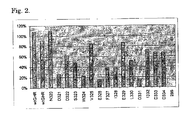
- wtGHR was used, and as a negative control DNA encoding GHR truncated at amino acid 286 (Fig. 2, 286), lacking the UbE motif.
- the results show that except for the N320A, every mutation resulted in inhibition of ⁇ -TrCP binding as compared to wtGHR.
- mutation of 7 amino acids inhibited the ⁇ -TrCP binding with more than 60% indicated as underlined D D SW V EFI EL D, while the strongest effects were observed if either one of three acidic amino acid residues (D321, E326, D331) or S323, or W324 were mutated into alanine. The latter effects approximated the background signal measured for the GHR truncated at 286.
- the invention provides a method for controlling the presence of a receptor at the surface of a cell comprising interfering with the interaction of an F-box protein with a ubiquitin/proteasome binding site (preferably the UbE motif) of said receptor or a method for increasing the presence of a receptor at the surface of a cell comprising providing to said cell an inhibitor that at least in part is capable of inhibiting the interaction of an F-box protein with a ubiquitin/proteasome binding site (preferably the UbE motif) of said receptor, wherein said ubiquitin/proteasome binding site comprises the amino acid sequence motif DxSWxEFIxxD or a sequence essentially corresponding thereto, such as the amino acid sequence motif DDSWxEFIxxD or the amino acid sequence motif DDSWVEFIELD.
- the UbE motif in the GHR tail is specifically recognized by ⁇ -TrCP and hence in a preferred embodiment the mentioned F-box protein is a ⁇ -transducing repeat-containing protein ( ⁇ -TrCP). Even more preferably the to be controlled receptor is a growth hormone receptor (GHR).
- GHR growth hormone receptor
- a method according to the invention can be performed in vitro as well as in vivo.
- the in vitro method is, for example, extremely useful for the testing of compounds that are possible inhibitors of the interaction between an F-box protein and a ubiquitin/proteasome binding site of a, to be controlled, receptor.
- the in vivo method is, for example, useful for example to make a patient better responding to hormonal therapy or to provide the cells of said patient with a higher sensitivity to an endogenous hormone or other ligand.
- the inhibitor used in a method according to the invention can be a peptide or peptide analogue or mimeticum that is derived from, competes with or binds to any of the above-mentioned ubiquitin/proteasome binding site.
- a peptide consisting of the amino acids 270-331 (61 amino acids) of GHR is capable of providing inhibition.
- the sequence of human 61 amino acid peptide is: 270-KQQRIKMLIL PPVPVPKIKG IDPDLLKEGK LEEVNTILAI HDSYKPEFHS DDSWVEFIEL D-331 and the sequence of the rabbit 61 amino acid sequence is: 270-KQQRIKMLIL PPVPVPKIKG IDPDLLKEGK LEEVNTILAI QDSYKPEFYN DDSWVEFIEL D-331
- a skilled person is very well capable of making smaller peptides or derivatives based on the sequence of this 61 amino acid peptide of GHR. Such peptides are also part of the invention.
- Such a smaller peptide comprises between 5-50 amino acids or 5-40 amino acids or 5-30 amino acids, preferably between 5-20 amino acids, more preferably between 5-10 amino acids and most preferably between 5-15 amino acids.
- Methods to test such peptides for their capability to inhibit the interaction between for example the GHR and ⁇ -TrCP are provided herein.
- Such a peptide, peptide analogue or mimeticum is preferably provided with a means for transport across the cell membrane.
- a non-limiting example is the HIV-TAT domain.
- a peptide or peptide analogue or mimeticum that is derived from the ubiquitin/proteasome binding site is preferably designed such that it has 70 % homology with said ubiquitin/proteasome binding site, more preferably 80%, even more preferably 90% and most preferably 95% homology.
- the invention thus also provides a peptide or peptide analogue or mimeticum derived from an amino acid sequence that corresponds to the amino acid motif xDSWxEFIx3cD or DxSWxEFIxxD or DDSWxEFIxxD or DDSWVEFIELD or to a motif essentially corresponding thereto (as defined herein).
- a peptide that competes, binds, or interacts in another way with such an amino acid sequence is herein also considered to be derived from an amino acid sequence corresponding to such a motif.
- Such a peptide is selected according to methods known by a person skilled in the art. It is to be expected that the conformation of a selected peptide is important for its reactivity.
- Appropriate conformational changes can be introduced in selected peptides by techniques known to the person skilled in the art, for example it is possible to introduce appropriate conformation by using disulfide bridges.
- other peptide sequences or compounds, mimicking the wanted conformation can be selected by a person skilled in the art.
- a suitable system to select a peptide is a system such as the PEPSCAN system, whereby interaction, such as competition or inhibition, is measured against sets of overlapping peptides chosen from the receptor's amino acid sequence.
- Peptide analogous whereby specific amino acids are replaced by others, being either L-or D-amino acids, are tested similarly.
- Other methods include replacement scanning of selected peptide sequences, for example by replacing distinct amino acids by alanine, whereby crucial amino acids in the selected peptides are determined.
- Peptides can be made synthetically or via recombinant techniques.
- the inhibitor is a small (chemical) compound which is for example obtained from a small-compound library. Methods to identify such compounds will be discussed in more detail below.
- the inhibitor is derived from an antibody (or more preferably a part thereof) directed against the ubiquitin/proteasome binding site or directed to the part of ⁇ -TrCP that interacts with the UbE motif.
- the antibody (or part thereof) is directed against the ubiquitin/proteasome binding site, to avoid any undesired side effects by interfering with the other functions of an F-box protein.
- the raised antibodies are monoclonal antibodies.
- Antibodies or a part thereof can further be provided with a means that facilitate transport across the cell membrane (for example HIV TAT domain).
- a means that facilitate transport across the cell membrane for example HIV TAT domain.
- a non-limiting example of a useful part of an antibody is the CDR3 region of the heavy chain which specifically interacts with at least part of the ubiquitin/proteasome binding site or which is capable of binding to a dimerised ubiquitin/proteasome binding site.
- the inhibitor is a compound that binds (more or less) irreversible to the UbE-motif (or a sequence essentially corresponding thereto).
- Such an inhibitor has overall basic characteristics and is capable of forming hydrophobic interactions with the amino acids F and/or W of the UbE motif.
- the inhibitor is a compound that is capable of cross-linking two receptor molecules approximately around the interaction site of the receptor with the F-box protein.
- GHR is present at the cell surface in a dimerised form (in the presence as well as in the absence of GH).
- Such an inhibitor results in a conformational change in the receptor which (at least partly) blocks the interaction with the F-box protein. Again, this results in a prolonged presence of said receptor at the cell surface.
- the action of the inhibitor does not or at least not substantially disrupt the capabilities of the receptor to, after ligand binding, initiate the signal transduction cascade.
- the inhibitor either blocks the ubiquitin/proteasome binding site by interacting/binding with/to said site such that ⁇ -TrCP can no longer functionally interact with the ubiquitin/proteasome binding site or the inhibitor (specifically) interacts with the F-box protein ( ⁇ -TrCP) such that the F-box protein can no longer functionally interact with the ubiquitin/proteasome binding site/UbE motif of the receptor.
- the inhibition is preferably specific, such that the interaction of the F-box protein with other binding sites are not or hardly not affected.
- the action of the inhibitor results in more receptors at the surface of a cell or for a prolonged presence of a certain receptor at the surface of a cell and thereby making the cell more responsiveness to the corresponding ligand (in case of GHR: growth hormone).
- the invention provides a method for controlling the presence of a growth hormone receptor (GHR) at the surface of a cell comprising interfering with the interaction of an F-box protein with the ubiquitin/proteasome binding site (preferably UbE motif) of said GHR.
- GHR growth hormone receptor
- the amount of GHR at the cell surface is at least partly increased by at least partly blocking the interaction between an F-box protein and a ubiquitin/proteasome binding site of GHR with help of an inhibitor and hence the invention provides a method for increasing the presence of a GHR at the surface of a cell comprising providing to said cell an inhibitor that at least in part is capable of inhibiting the interaction of an F-box protein with the ubiquitin/proteasome binding site /UbE motif of said GHR.
- said F-box protein is a ⁇ -transducing repeat-containing protein ( ⁇ -TrCP).
- the mentioned ubiquitin/proteasome binding site comprises the amino acid sequence motif xDSWxEFIxxD or the amino acid sequence DxSWxEFIxxD or the amino acid sequence DDSWxEFIxxD or a sequence essentially corresponding thereto (as outlined above).
- the invention provides a method for controlling the presence of a GHR at the surface of a cell comprising interfering with the interaction of an F-box protein with the ubiquitin/proteasome binding site /UbE motif of said GHR, wherein said ubiquitin/proteasome binding site comprises the amino acid sequence motif DDSWVEFIELD or a sequence essentially corresponding thereto.
- such a method can be performed in vitro as well as in vivo.
- the invention provides a method for selecting an inhibitor capable of inhibiting the interaction of an F-box protein with the ubiquitin/proteasome binding site/UbE motif, comprising the steps of
- Examples of useful labels are the same as the labels described for the first labelled compound.
- Selected inhibitors are optionally further tested in a cell-based assay or in an animal model for their effectiveness/usefulness.
- the selected inhibitors can optionally be modified, for example by providing the inhibitor with a means to (more efficiently) cross the cell membrane.
- the invention further provides an inhibitor obtainable by a method according to the invention.
- an inhibitor may be proteinaceous or chemical, synthetically produced or obtained via recombinant techniques.
- Such an inhibitor may further be provided with a means to increase the inhibitor's potential to cross the cell membrane.
- Such inhibitors are also useful in the design of mimeticum.
- the invention further provides a pharmaceutical composition comprising an inhibitor according to the invention.
- a pharmaceutical composition comprising an inhibitor according to the invention.
- Such a pharmaceutical composition is for example useful in treating patients with hormone (for example growth hormone) deficiencies.
- the invention also provides use of an inhibitor according to the invention for the manufacture of a medicament for treating diseases related to the availability (presence) of a cell surface receptor. More in particular, the invention provides use of an inhibitor according to the invention for the manufacture of a medicament for the treatment of (diseases which involve) cachexia. Even more in particular, the invention provides use of an inhibitor according to the invention for the manufacture of a medicament for the treatment of diseases which involve cachexia, wherein said cachexia is a result of cancer, AIDS, renal insufficiency, burns or bed-ridden situations.
- Yet another example of use of a pharmaceutical composition provided by the invention is for the treatment of patients that are suffering from (muscle) wasting that results from increased (muscle) protein degradation that is often seen after or during disorders such as renal tubular defects, uraemia, diabetes, Cushing's syndrome, cachexias seen with cancer or with eating disorders, after serious burns, during sepsis or AIDS, after stress, during and after immobilisation, during neuromuscular disease, and other conditions that alter protein degradation in cells such as muscle cells.
- disorders such as renal tubular defects, uraemia, diabetes, Cushing's syndrome, cachexias seen with cancer or with eating disorders, after serious burns, during sepsis or AIDS, after stress, during and after immobilisation, during neuromuscular disease, and other conditions that alter protein degradation in cells such as muscle cells.
- Experimental animal models are available to study these and other related disorders.
- Studies of such experimental models have indicated that the ubiquitin/proteasome pathway is activated in muscle and causes the loss of muscle mass (wasting) in these disorders.
- compositions comprising an inhibitor provided by the invention which composition is administered in conjunction with a hormone.
- a pharmaceutical composition comprising an inhibitor provided by the invention which composition is administered in conjunction with a hormone.
- said composition is used or applied before, during or after hormonal treatment and up-regulates or modifies the activity of said hormone.
- the invention also provides for optimalisation of physical and mental condition in healthy individuals to increase lean body mass and diminish body fat without the use of GH.
- a selected inhibitor that is derived from a naturally occurring product is used as a dietary supplement. Such a supplement preferably has a positive effect on the properties of muscles and/or reduces the amount of fat.
- the invention further provides means and methods for the treatment of acromegaly.
- Acromegaly is a hormonal disorder that most commonly occurs in middle-aged men and women.
- the name “acromegaly” comes from the Greek words for "extremities” (acro) and “great” (megaly), because one of the most common symptoms of this condition is abnormal growth of the hands and feet.
- the symptoms of acromegaly can vary and they develop gradually over time; therefore, a diagnosis of this condition may be difficult.
- Early detection is a goal in the management of acromegaly because the pathologic effects of increased growth hormone (GH) production are progressive.
- GH growth hormone
- ⁇ -TrCP interacts with ubiquitin/proteasome binding site of GHR
- ⁇ -TrCP can now be modified to be more active, i.e. increase of the cellular concentration of ⁇ -TrCP (for example by increasing expression or by a decreased degradation).
- TrCP1 and TrCP2 cDNA in pcDNA1 expressing the flag-tagged proteins were generous gifts of Tomoki Chiba, Tokyo Metropolitan Institue of Medical Science. Full-length rabbit GHR cDNA in pcDNA3 was described (Strous et al., 1996). GST fusion proteins expressing GST-GHR(271-334), GST-GHR(271-334)F327A , and GST-GHR(271-318) were produced as described (Schantl et al., 2003). pcDNA3-GHR constructs used for alanine scanning of the UbE motif were constructed as described in Govers et al. (1999).
- siRNA duplexes to silence both ⁇ -TrCP1 and -2, GUGGAAUUUGUGGAACAUCtt, and GAUGUUCCACAAAUUCCACtt, and a control siRNA designed for GFP silencing were purchased from Ambion, Austin Texas.
- Antibody recognizing the cytoplasmic domain of the GHR, was raised against amino acids 271-318 of the cytosolic tail of the GHR (van Kerkhof et al., 2000).
- Antibody (Mab5) directed against the extracellular domain of the GHR was from AGEN Inc. (Parsippany, NJ).
- Mouse monoclonal anti-FLAG (M2) were from Sigma.
- MG132 (carbobenzoxy-L-leucyl-L-leucyl-L-leucinal) was purchased from Calbiochem-Novabiochem, cycloheximide was purchased from ING Biomedicals Inc. Culture media, fetal calf serum (FCS), L-glutamine, and antibiotics for tissue culture were purchased from Gibco.
- Hek293 cells were grown in DMEM (Gibco) supplemented with 10% FCS, 100 units/ml Penicillin and 100 ⁇ g/ml streptomycin.
- Hek293 cells stable expressing the wtGHR (Hek-wtGHR) were grown as in the same medium supplemented 600 ⁇ g/ml Geneticin (G418; Gibco).All cells used were grown at 37°C with 5.0% CO 2 in 25 cm 2 or 75 cm 2 culture flasks. Once or twice a week the cells were washed with phosphate buffered saline (PBS), detached from the flask with Trypsin-EDTA (Gibco), diluted in fresh growth medium and split into new culture flasks. Growth medium was refreshed twice a week.
- PBS phosphate buffered saline
- Hek293 cells were transfected using FuGene6 (Roch applied science). Fifty percent confluent cultures were transfected with 0.2 ⁇ g - 0.9 ⁇ g DNA in 12-well plates according to manufacturer's protocol. Transfected cells were used for Western blot experiments and 125 I-GH binding experiments 1-2 days after transfection.
- Hek-wtGHR cells were transfected with small interfering RNA (siRNA) using Lipofectamin2000 according to the description of the manufacturer; 3 days after transfection the cells were used for Western blotting and 125 I-GH binding experiments.
- Control cells were transfected with siRNA-GFP.
- To control the effect of the gene expression silencing Hek293 cells were transiently transfected with a pcDNA3-TrCP construct expressing FLAG-tagged TrCP. Western-blotting using anti-Flag-tag antibody showed that less than 5% of TrCP present in cells treated with the control siRNA.
- 125 I-Human GH was prepared using chloramine T (Strous et al 1996).
- cells grown in 12-well plates, were washed with 1 ml MEM supplemented with 20 mM Hepes, pH 7.4 and 0.1% bovine serum albumin (BSA), and incubated at 37°C in a water bath for 1 hour. After washing the cells three times with ice-cold PBS-complete (PBS with 0,135g/l CaCl 2 and 0,1 g/l MgCl 2 ), 750 ⁇ l 125 I-GH (180 ng/ml in Mem/Hepes/0.1% BSA) was added to the cells. 125 I-GH was bound for 2 hours on ice.
- Unbound 125 I-GH was aspirated and the cells were washed three times with PBS-complete. Cells were incubated 0 to 10 minutes at 37 °C in MEM/Hepes/0,1% BSA to allow receptor internalization. Cells were washed three times with ice-cold PBS-complete and membrane associated 125 I-GH was removed by treating the cells twice with 750 ⁇ l acid wash (0.15 M NaCl, 50 mM glycine, 0.1% BSA, pH 2.5) for 5 minutes on ice. Acid wash is collected in counting tubes and radioactivity was measured using a LKB gamma counter. Acid wash treated cells were solubilized overnight in 1N NaOH.
- Wild-type and mutant GHR proteins were expressed in Hek293, the cells were lysed in 50 mM Tris HCl (pH 7.5), 1 M NaCl, 50 mM NaF, and 0.5% Nonidet P-40 and the receptors were purified with biotinylated GH and streptavidin beads, stringently washed with lysis buffer. The beads were incubated with in vitro-translated and 35 S-labeled -TrCP2 for 60 min at 4°C. The beads were extensively washed with lysis buffer, and associated proteins were analyzed by sodium dodecyl sulfate-polyacrylamide gel electrophoresis (SDS-PAGE) and autoradiography.
- SDS-PAGE sodium dodecyl sulfate-polyacrylamide gel electrophoresis
- cDNA of ⁇ -TrCP2 constructs in pcDNA3.1/FLAG was used in an in-vitro transcription translation system supplemented with [ 35 S]methionine and TNT®-T7 coupled reticulocyte lysate ready reaction mix according to the instructions of the manufacturer (Promega). Binding to GHR1-286 was taken as back-ground.
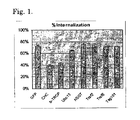
- ⁇ -TrCP In a first experiment the role of ⁇ -TrCP in the endocytosis of the GHR was investigated.
- a Hek 293 cell line expressing the rabbit GHR was transfected with siRNA for 3 days, and uptake of 125 I-GH was measured for 10 min.
- CHC clathrin
- GFP green fluorescent protein
- SiRNA for ⁇ -TrCP inhibits GH uptake to the same extend as siRNA(CHC), approximately 50% as compared to non-relevant siRNA (GFP).
- Silencing of various other genes like the E2 Ubc13, the RING E3s Traf2 and Traf6, and the endosomal cargo selector complex ESCRT2 protein Tsg101 did not affect GH uptake.
- wtGHR was used, and as a negative control DNA encoding GHR truncated at amino acid 286 (Fig. 2, 286), lacking the UbE motif.
- the results show that except for the N320A, every mutation resulted in inhibition of ⁇ -TrCP binding as compared to wtGHR.
- mutation of 7 aminoacids inhibited the ⁇ -TrCP binding with more than 60% indicated as underlined D D SW V EFI EL D , while the strongest effects were observed if either one of three acidic amino acid residues (D321, E326, D331) or S323, or W324 were mutated into alanine. The latter effects approximated the background signal measured for the GHR truncated at 286.
- ⁇ -TrCP is a prime regulator of GHR endocytosis via the UbE motif (DDSWVEFIELD).
- the interaction between ⁇ -TrCP and the UbE motif is via the WD40 domain.
- Detailed structural information is available on the interaction between the WD40 domain of the SCF( ⁇ -TrCP) with ⁇ -catenin (Wu et al., 2003).
- the F box protein ⁇ -TrCP recognizes the doubly phosphorylated DpSG ⁇ XpS destruction motif, present in ⁇ -catenin, and directs the SCF ⁇ -TrCP E3 to ubiquitinate it at a lysine residue 13 amino acids upstream of the destruction motif (the lysine residue is commonly present 9-14 position upstream).
- the ⁇ -catenin peptide binds the top face of the ⁇ -propeller, with the six residue destruction motif dipping into the central channel.
- the middle portion of the peptide has an extended conformation, and the two ends have turn-like conformations. All seven WD40 repeats of ⁇ -TrCP contribute contacts to ⁇ -catenin.
- the UbE motif is 11 amino acid long, it contains 3 acidic residues critical for binding (D321, E326, D331) instead of the two phosphorylated serine residues in ⁇ -catenin, and lacks a glycine residue, present in all phosphorylated DSG ⁇ XS destruction motifs described until now ((Fuchs et al., 2004; Kanemori et al., 2005)).
- Another deviation is the lack of a lysine residue at 9-14 positions upstream, although there is a conserved lysine at 315 immediately after a tyrosine that is phosphorylated upon GH binding.
- ⁇ -TrCP Interaction of ⁇ -TrCP is the first step towards factual endocytosis of the GHR via a clathrin-mediated selection process.
- the GHR must be dimerised (Gent et al., 2002).
- Recent observations on ⁇ -TrCP show that it indeed contains a dimerisation domain that is important for its E3 function (Suzuki et al., 2000).
- Our in vitro binding experiments with GST-GHR tails reveal that monomeric GHR can bind ⁇ - rCP. It remains to be investigated whether the dimerisation of ⁇ -TrCP poses the necessity for dimerisation on the GHR.
- Cargo selection via ⁇ -TrCP thus requires an active E3, followed by proteasomal activity, and interaction with the clathrin-mediated machinery ((Govers et al., 1999). Whether the full SCF ⁇ -TrCP E3 is in place to ubiquitinate factor X and enable GHR to connect to the propeller structure of the clathrin heavy chain remains open. Previously, we have identified several factors that bound specifically to the UbE motif (Schantl et al., 2003).
- the tetratricopeptide repeat-containing protein SGT might be a factor bridging the gap between TrCP and clathrin via the U-box ligase carboxyl-terminus of Hsc 70-interacting protein (CHIP) (Schantl et al., 2003; Timsit et al., 2005).
- CHIP U-box ligase carboxyl-terminus of Hsc 70-interacting protein
- ⁇ -TrCP is a factor in the degradation of prolactin and interferon receptors (Kumar et al., 2003; Kumar et al., 2004; Li et al., 2004). Fuchs et al. identified ⁇ -TrCP to act upon and interact with these receptors via their DSG ⁇ XS destruction motifs. They also show that SCF( ⁇ -TrCP2) E3 ubiquitinates both the interferon- ⁇ and prolactin receptors, dependent on an intact DSG ⁇ XS motif.
- ⁇ -TrCP may function as a factor in GH-sensitivity of cells: at low concentrations the cells are more sensitive to GH than at high concentrations. This immediately raises the question what determines the cellular concentration of ⁇ -TrCP?
- ⁇ -TrCP is part of an E3 complex that is involved in degradation of key factors controlling cell growth, survival and transformation (Fuchs et al., 2004). As it is a short-lived protein itself, more studies are needed to understand the consequences of ⁇ -TrCP concentrations for cellular regulation, and the GHR activity in particular.
- Ligand-independent growth hormone receptor dimerization occurs in the endoplasmic reticulum and is required for ubiquitin system-dependent endocytosis. Proc Nat Acad Sci USA 99, 9858-9863 .
Landscapes
- Health & Medical Sciences (AREA)
- Chemical & Material Sciences (AREA)
- Life Sciences & Earth Sciences (AREA)
- Organic Chemistry (AREA)
- Biochemistry (AREA)
- Genetics & Genomics (AREA)
- Gastroenterology & Hepatology (AREA)
- Toxicology (AREA)
- Immunology (AREA)
- Biophysics (AREA)
- General Health & Medical Sciences (AREA)
- Zoology (AREA)
- Medicinal Chemistry (AREA)
- Molecular Biology (AREA)
- Proteomics, Peptides & Aminoacids (AREA)
- Cell Biology (AREA)
- Peptides Or Proteins (AREA)
- Medicines That Contain Protein Lipid Enzymes And Other Medicines (AREA)
Priority Applications (4)
| Application Number | Priority Date | Filing Date | Title |
|---|---|---|---|
| EP05076807A EP1749837A1 (fr) | 2005-08-02 | 2005-08-02 | Méthodes et moyens pour le contrôle de l'endocytose et de la dégradation subséquente d'une protéine de surface cellulaire |
| PCT/NL2006/000396 WO2007015638A2 (fr) | 2005-08-02 | 2006-08-02 | Procedes et moyens permettant de controler l'endocytose et la degradation ulterieure d'une proteine de surface cellulaire |
| US11/989,995 US8034786B2 (en) | 2005-08-02 | 2006-08-02 | Methods and means for controlling the endocytosis and subsequent degradation of growth hormone receptor |
| EP06783864A EP1919948A2 (fr) | 2005-08-02 | 2006-08-02 | Procedes et moyens permettant de controler l'endocytose et la degradation ulterieure d'une proteine de surface cellulaire |
Applications Claiming Priority (1)
| Application Number | Priority Date | Filing Date | Title |
|---|---|---|---|
| EP05076807A EP1749837A1 (fr) | 2005-08-02 | 2005-08-02 | Méthodes et moyens pour le contrôle de l'endocytose et de la dégradation subséquente d'une protéine de surface cellulaire |
Publications (1)
| Publication Number | Publication Date |
|---|---|
| EP1749837A1 true EP1749837A1 (fr) | 2007-02-07 |
Family
ID=35457820
Family Applications (1)
| Application Number | Title | Priority Date | Filing Date |
|---|---|---|---|
| EP05076807A Withdrawn EP1749837A1 (fr) | 2005-08-02 | 2005-08-02 | Méthodes et moyens pour le contrôle de l'endocytose et de la dégradation subséquente d'une protéine de surface cellulaire |
Country Status (2)
| Country | Link |
|---|---|
| EP (1) | EP1749837A1 (fr) |
| WO (1) | WO2007015638A2 (fr) |
Families Citing this family (1)
| Publication number | Priority date | Publication date | Assignee | Title |
|---|---|---|---|---|
| US8034786B2 (en) | 2005-08-02 | 2011-10-11 | Recharge B.V. | Methods and means for controlling the endocytosis and subsequent degradation of growth hormone receptor |
Citations (1)
| Publication number | Priority date | Publication date | Assignee | Title |
|---|---|---|---|---|
| WO1999046298A2 (fr) | 1998-03-12 | 1999-09-16 | Universiteit Utrecht | Commande de la disponibilite ou de l'activite de proteines par utilisation d'inhibiteurs de protease ou de fragments de recepteur |
-
2005
- 2005-08-02 EP EP05076807A patent/EP1749837A1/fr not_active Withdrawn
-
2006
- 2006-08-02 WO PCT/NL2006/000396 patent/WO2007015638A2/fr not_active Ceased
Patent Citations (1)
| Publication number | Priority date | Publication date | Assignee | Title |
|---|---|---|---|---|
| WO1999046298A2 (fr) | 1998-03-12 | 1999-09-16 | Universiteit Utrecht | Commande de la disponibilite ou de l'activite de proteines par utilisation d'inhibiteurs de protease ou de fragments de recepteur |
Non-Patent Citations (32)
Also Published As
| Publication number | Publication date |
|---|---|
| WO2007015638A2 (fr) | 2007-02-08 |
| WO2007015638A3 (fr) | 2007-04-05 |
Similar Documents
| Publication | Publication Date | Title |
|---|---|---|
| Chen et al. | Thioamide substitution selectively modulates proteolysis and receptor activity of therapeutic peptide hormones | |
| Horvath et al. | Interactions between STAT and non-STAT proteins in the interferon-stimulated gene factor 3 transcription complex | |
| Joch et al. | Parkin-mediated monoubiquitination of the PDZ protein PICK1 regulates the activity of acid-sensing ion channels | |
| JP3438186B2 (ja) | 糖尿病治療剤スクリーニング方法 | |
| EP3577462B1 (fr) | Interaction entre les peptides-c et le récepteur de l'elastine, un modèle pour comprendre la maladie vasculaire | |
| EP1990413B1 (fr) | Procédé de criblage pour médicaments candidats | |
| Qiu et al. | A missense mutation sheds light on a novel structure–function relationship of RANKL | |
| IL146729A (en) | Sorting methods to change daily cycle proteins | |
| JP2011067208A (ja) | Apj受容体リガンドを同定するための試験システム | |
| CA2323785C (fr) | Commande de la disponibilite ou de l'activite de proteines par utilisation d'inhibiteurs de protease ou de fragments de recepteur | |
| US20050191612A1 (en) | Method of screening insulin content enhancer | |
| US20060275856A1 (en) | Method for analyzing cell free notch cleavage and method for drug screening | |
| KR20010082559A (ko) | 사람 Upf1p, 진핵세포 유리 인자 1 및 진핵세포 유리인자 3을 포함하는 감시 복합체가 연루된, 해독 종결 효율및 이상 mRNA 분해를 조절하는 방법 | |
| US20050112701A1 (en) | Test system for the identification of APJ receptor ligands | |
| Badi et al. | Intracellular ANKRD1 protein levels are regulated by 26S proteasome‐mediated degradation | |
| EP1340979A2 (fr) | Récepteur neuropeptidique et son utilisation | |
| US8034786B2 (en) | Methods and means for controlling the endocytosis and subsequent degradation of growth hormone receptor | |
| EP1234880B1 (fr) | Nouvelle proteine tab2 | |
| JP4992716B2 (ja) | 薬剤の標的蛋白質を同定する方法及び標的蛋白質を用いた糖尿病治療薬のスクリーニング方法 | |
| WO2007015638A2 (fr) | Procedes et moyens permettant de controler l'endocytose et la degradation ulterieure d'une proteine de surface cellulaire | |
| WO2007003594A1 (fr) | Utilisation de meprine de metalloprotease et d'inhibiteurs de celle-ci | |
| Oz et al. | Tripartite interactions of PKA catalytic subunit and C-terminal domains of cardiac Ca2+ channel modulate its β-adrenergic regulation | |
| US20050244829A1 (en) | Method of screening insulin resistance inproving drug | |
| WO2003083483A1 (fr) | Inhibiteurs de clivage opere par caspase-3 d'une chaine legere de la myosine ventriculaire essentielle | |
| Afshar et al. | Retrotranslocation of the Chaperone |
Legal Events
| Date | Code | Title | Description |
|---|---|---|---|
| PUAI | Public reference made under article 153(3) epc to a published international application that has entered the european phase |
Free format text: ORIGINAL CODE: 0009012 |
|
| AK | Designated contracting states |
Kind code of ref document: A1 Designated state(s): AT BE BG CH CY CZ DE DK EE ES FI FR GB GR HU IE IS IT LI LT LU LV MC NL PL PT RO SE SI SK TR |
|
| AX | Request for extension of the european patent |
Extension state: AL BA HR MK YU |
|
| AKX | Designation fees paid | ||
| REG | Reference to a national code |
Ref country code: DE Ref legal event code: 8566 |
|
| STAA | Information on the status of an ep patent application or granted ep patent |
Free format text: STATUS: THE APPLICATION IS DEEMED TO BE WITHDRAWN |
|
| 18D | Application deemed to be withdrawn |
Effective date: 20070908 |